SPRING LAKE REHABILITATION CENTER
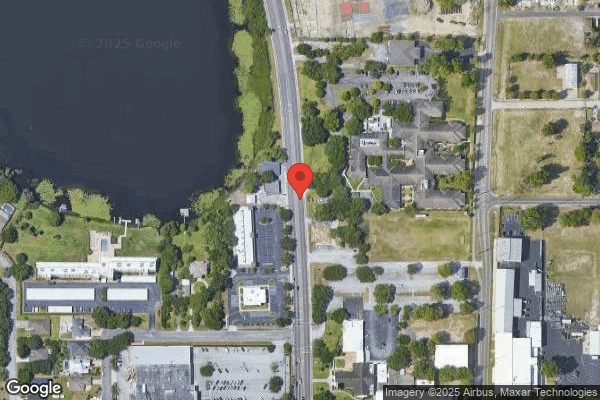

1540 6TH ST NW, WINTER HAVEN, FL 33881 (863) 294-3055
For profit - Partnership 132 Beds CLEAR CHOICE HEALTHCARE Data: November 2025
Trust Grade
85/100
#117 of 690 in FL
Last Inspection: February 2025

Within standard 12-15 month inspection cycle. Federal law requires annual inspections.

Overview

Spring Lake Rehabilitation Center in Winter Haven, Florida has a Trust Grade of B+, indicating that it is recommended and performs above average compared to other facilities. It ranks #117 out of 690 nursing homes in Florida, placing it in the top half, and it is the best facility out of 25 in Polk County. The facility is improving, having decreased the number of issues from 9 in 2022 to 7 in 2025. Staffing is a strong point, with a 5/5 star rating and a turnover rate of 34%, which is lower than the state average, suggesting that staff members are stable and familiar with the residents. On the downside, there are some concerns, including a lack of appropriate oxygen signage in resident rooms, which poses a safety risk, and a failure to notify families promptly about confirmed COVID-19 cases in the facility. Additionally, some residents, like one with PTSD, have been referred for psychological support, highlighting the need for ongoing mental health care. Overall, while the facility has strengths in staffing and rank, these specific incidents indicate areas that require improvement.

Trust Score
B+
85/100
In Florida
#117/690
Top 16%
Safety Record
Low Risk
No red flags
Inspections
Getting Better
9 → 7 violations
Staff Stability
○ Average
34% turnover. Near Florida's 48% average. Typical for the industry.
Penalties
✓ Good
No fines on record. Clean compliance history, better than most Florida facilities.
Skilled Nurses
✓ Good
Each resident gets 47 minutes of Registered Nurse (RN) attention daily — more than average for Florida. RNs are trained to catch health problems early.
Violations
⚠ Watch
16 deficiencies on record. Higher than average. Multiple issues found across inspections.
★★★★★
5.0
Overall Rating
★★★★★
5.0
Staff Levels
★★★★★
5.0
Care Quality
★★★☆☆
3.0
Inspection Score
Stable
2022: 9 issues
2025: 7 issues

The Good

  • 5-Star Staffing Rating · Excellent nurse staffing levels
  • 5-Star Quality Measures · Strong clinical quality outcomes
  • Full Sprinkler Coverage · Fire safety systems throughout facility
  • No fines on record
  • Staff turnover below average (34%)

    14 points below Florida average of 48%

Facility shows strength in staffing levels, quality measures, fire safety.

The Bad

Staff Turnover: 34%

11pts below Florida avg (46%)

Typical for the industry

Chain: CLEAR CHOICE HEALTHCARE

Part of a multi-facility chain

Ask about local staffing decisions and management

The Ugly 16 deficiencies on record

Feb 2025 7 deficiencies
CONCERN (D)

Potential for Harm - no one hurt, but risky conditions existed

Assessment Accuracy (Tag F0641)

Could have caused harm · This affected 1 resident

**NOTE- TERMS IN BRACKETS HAVE BEEN EDITED TO PROTECT CONFIDENTIALITY** Based on resident record review and staff interview, the facility did not ensure accurate and timely completion of resident asse...

Read full inspector narrative →
**NOTE- TERMS IN BRACKETS HAVE BEEN EDITED TO PROTECT CONFIDENTIALITY** Based on resident record review and staff interview, the facility did not ensure accurate and timely completion of resident assessments for two residents (#27 and #82) of two residents reviewed for resident assessments. Findings included: Review of the record for Resident #27 revealed he was admitted to the facility on [DATE] and died in the facility on [DATE]. An MDS (Minimum Data Set) assessment dated [DATE] indicated the assessment was for Death in facility. The MDS assessment was completed on [DATE] but was not submitted. Review of the record for Resident #82 revealed he was admitted to the facility on [DATE] and discharged to the hospital on [DATE]. Review of the MDS assessments for Resident #82 revealed the last assessment submitted was an admission assessment, submitted [DATE]. An interview with Staff E, Resident Care Specialist I RN on [DATE] at 12: 21 p.m. revealed Resident #27's MDS assessment should have been submitted. Staff E, Resident Care Specialist I RN also stated the discharge MDS assessment for Resident #82 was not submitted until [DATE]. She stated there was a switch in electronic medical records in September of 2024 and they were working in two systems at the time. She also stated the assessment should have been completed and submitted.
CONCERN (D)

Potential for Harm - no one hurt, but risky conditions existed

Deficiency F0679 (Tag F0679)

Could have caused harm · This affected 1 resident

**NOTE- TERMS IN BRACKETS HAVE BEEN EDITED TO PROTECT CONFIDENTIALITY** Based on observations, interviews, and record review, the facility failed to assist and provide activities per preference to one...

Read full inspector narrative →
**NOTE- TERMS IN BRACKETS HAVE BEEN EDITED TO PROTECT CONFIDENTIALITY** Based on observations, interviews, and record review, the facility failed to assist and provide activities per preference to one resident (#71) of thirty sampled residents. Findings included: On 2/10/25 at 10:31 a.m., an observation and interview was conducted with Resident #71. The resident stated the facility does not ask them to go to activities, because I would probably go. On 2/12/25 at 2:05 p.m., Resident #71 was observed sitting in a wheelchair in a room with a television playing. The resident reported being unaware of an activity calendar in the room. The resident stated they would go to activities, but staff don't tell her. Observation of resident room showed a calendar placed approximately four and a half feet from the floor on a bulletin board in the room. An interview was conducted on 2/12/25 at 2:07 p.m. with Staff A, Certified Nursing Assistant (CNA). The staff member stated Resident #71 does not go to activities but goes to therapy. Staff A, CNA reported the activity department goes into the resident's room to see the resident. Review of Resident #71's admission Record revealed the resident was originally admitted on [DATE]. The record included diagnoses of unspecified anxiety disorder, hemiplegia and hemiparesis following other cerebrovascular disease affecting left non-dominant side, adult failure to thrive, and other symptoms and signs involving cognitive functions and awareness. Review of Resident #71's Care Plan revealed the resident required invitations, assistance, and some encouragement to attend programs of interest and enjoyed music programs, entertainment, card games, watching television, movies, and social visits, initiated on 12/23/24 and revised on 1/21/25. The interventions included: offer seating close to program leader, provide 1:1 leisure visits of potential interest, provide activity calendar (and) review as needed, provide invitations and offer assistance to programs of assessed interest, and provide set up with activities (and) assist as needed and encourage active participation. Review of Resident #71's Activities Evaluation, effective 12/23/24, revealed the resident had personal strengths: cooperative, cheerful, leisure interests, able to make needs known, and sense of humor. The resident was able to read, write, and speak/comprehend English. The evaluation revealed the resident needed encouragement to participate in activities and the activity environment was groups, own room, day/activity room, inside facility/off unit, and outdoor. The resident's current or past interests included cards, games, arts/crafts, music, shopping, conversation, watching TV, watching movies, political interests, hobbies, and special interests. The sensory adaptations to participate needed assistance, needed reminders, and needed glasses (optical). The resident required assistance for getting to and from activity areas. The consideration comments revealed the resident was a prior resident, alert and oriented with some confusion noted at time of evaluation, was currently room-bound at the time of evaluation, some hearing impairment, and enjoyed music programs, entertainment, card games, watching television and movies, and social and pet visits. Review of Resident #71's Activities Evaluation, effective 1/19/25, showed the resident had no changes noted with activity preferences and staff would continue to assist as needed. Review of Resident #71's Minimum Data Set (MDS) assessment dated [DATE] revealed under Section F - Preferences for Customary Routine and Activities, being around pets, doing things with groups of people, doing favorite activities, and going outside for fresh air was very important and listening to music and keeping up with news was somewhat important to the resident. Section GG - Functional Abilities showed the resident used a wheelchair for mobility and had a range of motion impairment to one side of the upper extremity and one side of lower extremity. Resident #71's Brief Interview of Mental Status (BIMS) assessment dated [DATE] revealed a score of 6/15, indicating severe cognitive impairment. Review of Resident #71's Activity Task documentation for 30 days prior to 2/13/25 revealed the resident had no participation in books and poetry, creative activities, enrichment, games, holiday/special events, women club, physical activity, Resident 1:1 individual participation, resident council/empowerment, sensory, social/discussions/cognitive, spiritual, trips/outings, and/or virtual visitation (14 day look back). The documentation showed the resident participated in entertainment on 1/22/25 at 2:59 p.m., participated in friendly visit/room visit and independent leisure pursuits on 1/22/25 at 2:59 p.m. and on 2/10/25 at 2:59 p.m., and participated in self-image/nail care on 2/10/25 at 2:59 p.m. An interview was conducted with the facility's Activity Director (AD) on 2/13/25 at 9:19 a.m. The AD reported Resident #71 was here for rehab and was admitted to the facility a couple of times before. The staff member reported the resident attended the music program yesterday 2/12/25 between 3-4 p.m. and went to a hair appointment. The AD reported documentation was done electronically in the resident's record. A review of Resident #71's Activity Tasks revealed no documentation of the resident's participation in the music program or any music program in the last 30 days. The AD stated she would have to make a late entry for the resident's participation in 2/12/25 music program. The staff member stated the resident was on isolation and did not know what type (per physician order: Contact precautions from 12/21/24 to 1/6/25) and when the resident was unable to come out of room at the time. The AD stated when resident's first come in, the department does initial evaluations and if the resident's come for short-term/rehabilitation, the department goes around the building to invite them, calendars are placed in each room and lobbies, and during resident council she attempts to get ideas to either add or subtract activities. The AD stated, we can do better documentation. An interview was conducted on 2/13/25 at 10:16 a.m. with the facility's Director of Nursing (DON). The DON stated the facility does welcoming meetings, shows new resident's the activity calendar, and the Activity Department follows up the calendar throughout the day. Review of the February Activity calendar revealed activities are provided daily from morning to afternoon and to early evening on certain days. Review of the policy - Individual Activities, copyright 2021, showed Individual activities are provided for those residents who do not wish to attend group activities. The Procedure revealed: 1. Individual activities are provided because residents have a need for personal identity. Some residents are unable to do or do not wish to participate in Group activities. 2. For those residents who do not wish to participate in Group activities, the activity program provides individual activities that: - Make maximum use of each resident's physical and mental abilities; And - Are interesting to and involve the resident, and which presents a challenge that can be met by the resident.
CONCERN (D)

Potential for Harm - no one hurt, but risky conditions existed

Deficiency F0698 (Tag F0698)

Could have caused harm · This affected 1 resident

**NOTE- TERMS IN BRACKETS HAVE BEEN EDITED TO PROTECT CONFIDENTIALITY** Based on observations, record review, and interviews, the facility failed to coordinate communication with a Dialysis center for...

Read full inspector narrative →
**NOTE- TERMS IN BRACKETS HAVE BEEN EDITED TO PROTECT CONFIDENTIALITY** Based on observations, record review, and interviews, the facility failed to coordinate communication with a Dialysis center for one resident (#36) of one resident sampled for Dialysis services. Findings included: On 2/12/25 at 12:32 p.m., Resident #36 was observed lying in bed with a lunch tray on the overbed table next to the bed. The resident reported not feeling well and may not go to Dialysis. The resident also stated she has not missed any Dialysis appointments and the facility provided transportation to the Dialysis center. Review of Resident #36's admission Record revealed the resident was admitted on [DATE] and readmitted on [DATE]. The record included diagnoses of end stage renal disease (ESRD) and dependence on renal dialysis. Review of Resident #36's February 2025 physician orders showed the resident was to receive Hemodialysis three times a week every Monday, Wednesday, and Friday. An interview was conducted on 2/11/25 at 3:41 p.m. with Staff B, Registered Nurse (RN). The staff member stated a face sheet, list of medications, and the communication form was sent to the Dialysis center for dialysis appointments. Staff B, RN also stated the communication forms are filled out before the resident leaves and after the resident returns. They are scanned into the medical record and put into the Dialysis binder. Review of Resident #36's Dialysis Communication forms revealed the Dialysis center did not complete the portion reserved for them to complete, showing any medications given during/after treatment, pre-treatment and post-treatment weights, pre-treatment and post-treatment vital signs, any access problems, snacks/fluids given, any change in condition, or special instructions/comments on 1/24/25, 2/3/25, 2/5/25, and 2/7/25. An interview was conducted with Staff C, Licensed Practical Nurse (LPN)/Unit Manager (UM) on 2/11/25 at 3:48 p.m. Staff C, LPN UM reviewed the Dialysis Communication forms and stated, Guess when these come back without the center information I should have been asking them to complete them. The staff member stated the four forms missing the Dialysis center information were ones in back of the book and explained that was why she liked to scan them in so they didn't get put back behind the physician orders. Review of Resident #36's Progress Notes on 1/24/25, 2/3/25, and 2/5/25 did not reveal the facility attempted to contact the Dialysis center for information regarding the resident's treatment. The facility did not provide Progress Notes for 2/7/25. An interview was conducted with the facility's Director of Nursing (DON) on 2/12/25 at 12:05 p.m. The DON reported they have been having a terrible time getting the Dialysis center to return the Communications forms and they keep calling the center, but they don't receive them. The DON stated she contacted the facility's corporate office and the facility does not have a policy for Dialysis. Review of Resident #36s Dialysis Communication Forms dated 2/5/25 and 2/7/25, sent to the facility by the Dialysis center on 2/12/25 at 10:33 a.m. revealed the completion of the Dialysis Center information, however it did not contain pre or post treatment facility information. The form dated 2/5/25 showed the resident received 100 milligrams of iron during or after the treatment and on 2/7/25 the resident received 100 milligrams of iron and 75 micrograms of Mircera, a long-acting erythropoiesis-stimulating agent (ESA) used for the treatment of anemia (www.mircera.com). Review of the contract between the facility and Dialysis Center, effective May 18, 2017, included the following: 2. Interchange of Information. The Nursing Facility shall provide for the interchange of information useful or necessary for the care of the ESRD Residents, including a Registered Nurse as a contact person at the Nursing Facility. Those responsibilities include oversight of provision of services to the ESRD residents. B. Obligations of the ESRD Dialysis Unit and/or Company. 1. Standards of ESRD Dialysis unit. The ESRD dialysis unit shall conform to standards not less than those required by any applicable laws and regulations of any local, state or federal regulatory body, as the same may be amended from time to time. D. To provide to the Nursing Facility information on all aspects of the management of the ESRD Resident's care related to the provision of Services, including directions on management of medical and non-medical emergencies, including, but not limited to bleeding, infection, and care of dialysis access site. D. Mutual Obligations. 1. Collaboration of Care. Both parties shall ensure that there is documented evidence of collaboration of care and communication between the Nursing Facility and ESRD Dialysis Unit. Documentation shall include, but not be limited to, participation in care conferences, continual quality improvements, and review of infection control of policies and procedures, in the signatures of team members from both parties on a short term care plan (STCP) and long term care plan (LTCP). Team members shall include the physician, nurse, social worker, and dietician from the ESRD dialysis unit and a representative from the nursing facility.
CONCERN (D)

Potential for Harm - no one hurt, but risky conditions existed

Deficiency F0761 (Tag F0761)

Could have caused harm · This affected 1 resident

Based on observations, interviews, and policy review, the facility failed to ensure medications were stored in a safe manner and inaccessible to unauthorized personnel, visitors, and residents on two ...

Read full inspector narrative →
Based on observations, interviews, and policy review, the facility failed to ensure medications were stored in a safe manner and inaccessible to unauthorized personnel, visitors, and residents on two (800-hall and 200-hall) of seven medication carts. Findings included: On 2/12/25 at 8:49 a.m., an observation was conducted with Staff F, Licensed Practical Nurse (LPN) of medication administration. On 2/12/25 at 9:13 a.m. after the observation of medication administration with Staff F, LPN, an observation was conducted of a thermal cooler sitting on top of the medication cart of the 800-hall with a bottle of over-the-counter medication handwritten labeled Lacto Probiotic. The staff member stated the Lacto was left unattended on the medication cart, but it had to stay refrigerated during the medication pass. On 2/12/25 at 11:41 a.m., an observation was conducted with Staff D, LPN obtaining a blood glucose level and the administration of insulin aspart for Resident #246. The staff member moved the medication cart from the doorway outside of the resident's room to the nursing station where the amount of insulin was verified with Staff C, LPN/Unit Manager. The amount of insulin was verified, the insulin pen was placed in a pharmacy labeled bag, and the medication cart was moved back to the area outside of the resident room, approximately half the medication cart was unseen from the resident room. The staff member entered the resident room, leaving the medication cart unlocked, with the insulin pen and administered the medication while standing over the resident. The medication cart was not visible to staff during the administration. An interview was conducted on 2/13/25 at 12:58 p.m. with the Regional Nurse Consultant (RNC). The RNC stated medications should not be left unattended on top of medication cart. Review of the policy titled Storage of Medications, revised August 2014, showed medications and biologicals are stored safely, securely, and properly, following manufacturer's recommendations or those of the supplier. The medication supply is accessible only to licensed nursing personnel, pharmacy personnel, or staff members lawfully authorized to administer medications. The Procedure of the policy revealed only licensed nurses, pharmacy personnel, and those lawfully authorized to administer medications (such as medication aides) are permitted to access medications. Medication rooms, carts, and medication supplies are locked when not attended by persons with authorized access. Review of the policy titled Medication Pass Guidelines, copyright 2008, revealed during the administration of medication Lock medication cart when not in direct view of nurse administering medication.
CONCERN (D)

Potential for Harm - no one hurt, but risky conditions existed

Infection Control (Tag F0880)

Could have caused harm · This affected 1 resident

Based on observations, interviews, and record review, the facility did not ensure timely isolation precautions were initiated for one resident (#345) out of 39 residents sampled. Findings included: A...

Read full inspector narrative →
Based on observations, interviews, and record review, the facility did not ensure timely isolation precautions were initiated for one resident (#345) out of 39 residents sampled. Findings included: A review of Resident #345's admission Record showed an admit date of 2/7/2025 with a primary diagnosis of periprosthetic fracture abound internal prosthetic left hip joint, subsequent encounter. On 2/10/2025 at 9:50 a.m., an observation and interview was conducted with Resident #345 in the resident's room. Resident #345 stated he was in the facility for rehabilitation after hip repair surgery. Resident #345 had two dressings on his left lower extremity. Resident #345 did not have any signage indicating the resident was on Enhanced Barrier Precautions (EBP). On 2/11/2025 at 12:45 p.m., an interview was conducted with the Assisted Director of Nursing/Infection Control Preventionist (ADON/ICP). The ADON/ICP stated all residents with any wounds, including surgical wounds, should be on EBP. On 2/12/2025 12:22 p.m., a follow up interview was conducted with the IPC related to Resident #345. The IPC stated based on Resident #345's surgical wounds, the resident should have been placed on EBP upon admission. On 2/13/2025 09:34 a.m., an interview was conducted with the Director of Nursing (DON), who stated she was aware of the lack of EBP for Resident #345 and stated, we have a great deal of turn around with admits and discharges and we could be doing a better job. A review of the facility's policy and procedure titled Isolation - Precautions Overview: SNF (Skilled Nursing Facility) and ALF (Assisted Living Facility), copyright 2013, showed the following Purpose statement: - To provide a system of isolation precautions to prevent the transmission of infection. - To prevent the transmission of infectious diseases. The policy also revealed the following Procedure: Enhanced Barrier Precautions - refer to an infection control intervention designed to reduce transmission of multidrug-resistant organisms that employs targeted gown and glove use during high contact resident area activities. EBP are used in conjunction with standard precautions and expand the use of PPE (personal protection equipment) to donning gowns and gloves during high-contact resident care activities that provide opportunities for transfer of MDROs (multi-drug-resistant organisms) to staff hands and clothing. EBP are indicated for residents with any of the following: - Infection or colonization with a CDC-targeted (Centers for Disease Control and Prevention) MDROs when Contact Precautions do not otherwise apply; or - Wounds and/or indwelling medical devices even if the resident is not known to be infected or colonized with an MDRO.
CONCERN (E)

Potential for Harm - no one hurt, but risky conditions existed

Deficiency F0645 (Tag F0645)

Could have caused harm · This affected multiple residents

**NOTE- TERMS IN BRACKETS HAVE BEEN EDITED TO PROTECT CONFIDENTIALITY** 2. Review of the record for Resident #96 revealed an original admission date of 9/23/22. Review of Resident #96's Level I PASRR...

Read full inspector narrative →
**NOTE- TERMS IN BRACKETS HAVE BEEN EDITED TO PROTECT CONFIDENTIALITY** 2. Review of the record for Resident #96 revealed an original admission date of 9/23/22. Review of Resident #96's Level I PASRR screen completed 5/24/23 revealed under Section I: PASRR Screen Decision Making, Section A: MI or suspected MI, Resident #96 had diagnoses including Depressive Disorder and Other ( Specify ): PTSD. The Level I PASRR showed the resident did not have a diagnosis or suspicion of a SMI or ID and a Level II PASRR was not required. A behavioral health note for Resident #96 dated 10/30/24 and entitled Diagnostic Evaluation was reviewed. The Primary diagnosis listed was Post Traumatic Stress Disorder, Chronic The reason for referral/presenting problem was documented as Resident #96 was referred to psychology due to having a diagnosis of PTSD. He has nightmares, difficulty with sleeping. General comments indicated, He as a [diagnosis] of PTSD. He states he has dealt with it for many years. He will wake up from having nightmares and has difficulty with going back to sleep. Does not happen every night He does not have depression. He gets anxious when he has the nightmares or hears a very loud noise he does not expect. He knows to take deep breaths and redirect his thoughts. During an interview on 2/12/25 at 3:53 p.m., the Director of Nursing (DON) stated Resident #96 has PTSD. She stated he does not qualify for needing a Level II PASRR screening because he is stable and does not exhibit any behaviors. Based on record reviews and interviews, the facility failed to obtain an accurate Pre-admission Screening and Resident Review (PASRR) screen prior to a re-admission for one (#98) resident of thirty sampled residents and failed to ensure residents with Mental Illness or Suspected Mental Illness were referred for Level II screening for two residents (#96 and #15) of thirty sampled residents. Findings included: 1. Review of Resident #98's census information revealed the resident was admitted on [DATE], discharged on 7/14/24, and re-admitted [DATE]. Review of Resident #98's admission Record revealed the resident was originally admitted on [DATE] and re-admitted on [DATE]. The record did not include any mental health diagnoses. Review of Resident #98's Level I PASRR screen dated 7/3/24, did not show the resident had any Mental Illness (MI), Suspected Mental Illness (SMI), Intellectual Disability (ID), or Suspected Intellectual Disability (SID). The PASRR included in the resident record revealed the resident did not require a Level II PASRR screen. Review of Resident #98's July 2024 Medication Administration Record (MAR) showed the resident was prescribed Xanax 0.25 milligram (mg) tablet every 24 hours as needed for anxiety for 14 days. The documentation revealed the resident received psychotropic medication four of twelve days. The MAR showed staff monitored the anti-anxiety behaviors of the resident and behaviors were observed on 7/12/24. Review of Resident #98's care plan revealed the following focuses with initiation dates: - 1/21/25, revised 1/27/25: Resident is a risk for adverse reactions related to (R/T) psychotropic medication use of antianxiety secondary to anxiety. - 1/30/25: Resident has a behavior problem related to (r/t) making self-vomit by placing fingers down throat. Review of Resident #98's January MAR showed the resident received Buspirone 5 mg twice daily for anxiety, started on 1/20/25 and was prescribed Xanax 0.25 mg on 1/20/25 every 24 hours as needed for anxiety for 14 days. The resident received Xanax 0.25 mg three times during the month of January. Review of the Post-Traumatic Stress Disorder (PTSD)/Substance Abuse Screening Tool dated 1/21/25 revealed the resident did not experience any traumatic events or had a current or history of substance abuse. Review of the PTSD/Substance Abuse Screening effective 2/10/25 at 3:10 p.m. showed the resident reported experiencing physical abuse, felt numb or detached from people, activities, or their surroundings, and had a current or history of substance abuse disorder. Review of an updated Level I PASRR on 2/10/25 completed by the Director of Nursing (DON) of the facility showed Resident #98 had diagnoses of anxiety disorder, depressive disorder, adjustment disorder, and history of PTSD. The PASRR showed the resident was not receiving current services, had not previously received, or had been referred to MI services. The findings were based on documented history, medications, and individual, legal representative, or family report. The screening revealed the resident did not have any indications of a disorder resulting in functional limitations in major life activities appropriate for developmental stage, or had any issue with interpersonal functioning, concentration, persistence, and pace, or adaption to change. The updated Level I PASRR showed the resident did not have a diagnosis or suspicion of a SMI or ID and a Level II PASRR was not required. 3. Review of Resident #15's admission Record revealed an original admission date of 5/24/18 with readmission on [DATE]. Resident #15's diagnoses included anxiety disorder (initiated 6/1/21), major depressive disorder (initiated 6/1/21), unspecified dementia, unspecified severity, without behavioral disturbance, psychotic disturbance, mood disturbance, and anxiety (initiated 1/7/25), and adjustment disorder with mixed anxiety and depressed mood (initiated 1/7/25). Review of Resident #15's Level I PASRR screen dated 1/3/25, showed in Section I: PASRR Screen Decision-Making, section A. MI (Mental Illness) or Suspected MI (check all that apply): Anxiety Disorder, was checked. Depressive Disorder was not checked. Section II: Other Indications for PASRR Screen Decision-Making revealed a Level II PASRR evaluation must be completed if the individual has a primary or secondary diagnosis of dementia or related neurocognitive disorder (including Alzheimer's disease), and a suspicion or diagnosis of a Serious Mental Illness. Under Section IV: PASRR Screen Completion, Individual may be admitted to a Nursing Facility (check one of the following): No diagnosis or suspicion of Serious Mental Illness or Intellectual Disability indicated. Level II PASRR evaluation not required, was marked. During an interview on 2/12/25 at 3:54 p.m., the DON stated Resident #15's PASRR Section I has Anxiety marked. She reviewed the resident's diagnoses in the Electronic Medical Record (EMR) and stated he has Depression, Anxiety, and Dementia. She stated a Level II screen is not needed because his dementia diagnosis is not a primary or a secondary diagnosis. Review of the facility's undated policy titled PASRR Guidance revealed the following: Purpose: A nursing facility must notify the state mental health authority or state intellectual disability authority, as applicable, promptly after a significant change in the mental or physical condition of a resident who has mental illness (MI) or intellectual disability (ID) for resident review. To ensure that individuals with a mental disorder or intellectual disabilities continue to receive the care and services they need and the most appropriate setting, when a significant change in their status occurs. Guidance: As part of the preadmission screening and resident review PASRR process, the facility is required to notify the appropriate state mental health authority of our state intellectual disability authority when a resident with a mental disorder or intellectual disability has a significant change in their physical or mental condition. The nursing facility must notify the state mental health (SMH) /ID authority of significant changes in residents with MD or ID independent of the findings of the Significant Change in Status Assessment (SCSA). PASRR level 2 functions as an independent assessment process for this population with special needs, and parallel with the facilities assessment process. The facility should know their state PASRR policy on referral to the SMH/ID authority, so that these authorities may exercise their expert judgment about when a level 2 evaluation is needed. Referral to the SMH/ID authority should be made as soon as the criteria is indicative of a significant change or evident- the facility should not wait until the SCSA is complete Referral for PASRR level 2 resident review evaluation is required for individuals previously identified by PASRR to have a mental disorder, intellectual disability, or a related condition who experience a significant change.
CONCERN (E)

Potential for Harm - no one hurt, but risky conditions existed

Respiratory Care (Tag F0695)

Could have caused harm · This affected multiple residents

Based on observations and interviews, the facility failed to ensure appropriate cautionary and safety signs indicating the use of oxygen were posted at 23 out of 23 randomly observed rooms where oxyge...

Read full inspector narrative →
Based on observations and interviews, the facility failed to ensure appropriate cautionary and safety signs indicating the use of oxygen were posted at 23 out of 23 randomly observed rooms where oxygen was administered. Findings include: During an observation on 2/11/2025 at 2:59 PM, 23 resident rooms where oxygen was observed administered had no oxygen use signage near the resident rooms. During an observation on 2/12/2025 at 4:00 PM, the facility had no smoking signs posted outside the facility next to the front entrance door, but there were no signs addressing the use of oxygen inside the facility. During an interview on 2/13/2025 at 11:45 AM, the Nursing Home Administrator and the Director of Nursing stated the facility did not need oxygen signs on resident doors because they had no smoking signs posted outside the facility. During an interview at 12:00 PM on 2/13/2025 with the [NAME] President of Clinical Services, she stated they were told by life safety they did not have to put oxygen signs outside resident rooms where oxygen is administered because they have no smoking signs posted on the oxygen storage rooms located in the facility. The facility did not have an oxygen policy related to oxygen signs. Photographic Evidence Obtained
Dec 2022 6 deficiencies
CONCERN (D)

Potential for Harm - no one hurt, but risky conditions existed

Resident Rights (Tag F0550)

Could have caused harm · This affected 1 resident

**NOTE- TERMS IN BRACKETS HAVE BEEN EDITED TO PROTECT CONFIDENTIALITY** Based on observation, interview, and record review the facility failed to honor one resident's (#83) dignity by not providing ap...

Read full inspector narrative →
**NOTE- TERMS IN BRACKETS HAVE BEEN EDITED TO PROTECT CONFIDENTIALITY** Based on observation, interview, and record review the facility failed to honor one resident's (#83) dignity by not providing appropriate customer service related to communication to the resident from a staff member out of thirty-six sampled residents. Findings included: The admission Record revealed that Resident #83 was admitted initially on 5/27/20 and re-admitted on [DATE]. The record included diagnoses not limited to major depressive disorder, need for assistance with personal care, hemiplegia and hemiparesis following cerebral infarction affecting right dominant side, and unspecified anxiety disorder. The Admission/5-day Minimum Data Set (MDS), dated [DATE], identified Resident #83 as having a Brief Interview for Mental Status (BIMS) score of 15 out of 15, indicating intact cognition. The MDS revealed the resident had no identified moods or behaviors, and required extensive assistance with bed mobility, dressing, and personal hygiene. The MDS indicated the resident was always incontinent of bladder and frequently incontinent of bowel requiring total assistance from 1-person for toileting needs. During an interview with Resident #83, on 12/20/22 at 9:58 a.m., the resident related that approximately two weeks prior the resident turned on the call light at 4:30 a.m. to be changed. She reported an unknown certified nursing assistant (CNA) arrived and informed the resident that she (the resident) should have waited another hour so the CNA could have sat for another hour. The resident reported on Thanksgiving night (2022) during the 11 p.m. - 7 a.m. shift, the CNA stated to the resident, It's people like you; why I can't be with my daughter today. On 12/21/22 at 12:56 p.m., Staff B, Licensed Practical Nurse/Unit Manager (LPN/UM) reported Resident #83 had voiced an issue about a CNA on the 11(p.m.)-7 (a.m.) shift, and that she (Staff B) filed a grievance on it, and had provided education (with staff). A review of the November and December 2022 Resident/Family Concern Log did not reveal a grievance had been filed on behalf of Resident #83 in regard to the statements made by the CNA. A continued interview was conducted, at 3:51 p.m. on 12/21/22, with Staff B. Staff B stated the incident occurred on the (past) weekend and a grievance had been written up on Monday (12/19/22). Staff B stated she wrote a grievance but did not remember exactly what it was about, thought it might have been over a brief change. Staff B asked if she could review the grievance and left the nursing station, returning a few minutes later. Staff B related that it seemed like the resident had had diarrhea and the resident had informed her that the CNA was not very nice to her, was not specific on the day it had occurred but it was on the night shift. Staff B stated Resident #83 was on 1-hour observations during the night and had filed a grievance. Staff B reported the resident had not complained of staff prior to this incident. Staff C, CNA stated on 12/21/22 at 3:59 p.m. Resident #83 had complained about the 11-7 shift and weekend staff. Staff C related the complaints were ongoing, involved other residents on the unit, and Resident #83 asked for something to be done and they (staff) did not want to do it. She stated in case of complaints she notified the nurse or Staff B, the unit manager. An interview was conducted, on 12/21/22 at 4:12 p.m., with the Nursing Home Administrator (NHA). The NHA reported a grievance had been filed related to Resident #83. She reported the resident reported call lights were not answered promptly and customer service could be better on the 11-7 shift. The NHA stated the resident was on 1-hour observations that are being documented and education had been provided for customer service. Resident #83's comments were reviewed with the NHA, who stated this was the first time hearing of it and she had not spoken with the resident lately. She stated that it would be easy to find out which staff member had said it and agreed the statement made on Thanksgiving was very specific. On 12/21/22 at 4:56 p.m., the NHA reported Resident #83 was sticking to the story, that it would be investigated, and she could not believe the resident had not said anything to anyone about it. The NHA stated the CNA, who the facility thought it was, had not worked since Thanksgiving. The NHA stated, on 12/22/22 at 9:15 a.m., the facility spoke with the suspected CNA, who reported she knew of the alleged incident and related bantering back and forth with Resident #83. The NHA stated a grievance had been completed for Resident #83 regarding the CNA. The NHA stated all staff had been interviewed and they had known of the incident, the supervisor on 11-7 shift had removed the CNA from the assignment and had not reported it to anyone as she thought she had handled it. The NHA stated the supervisor should have made the NHA aware of it, as it could have been handled three weeks ago. The policy titled, Person Centered Care Statement, copyrighted 2018, indicated that, The very core of Person Centered Care is about the relationships that exist between patients/residents, their loved ones, and staff. We promote patient/resident dignity and self-worth through honoring preferences and choices. The interpretation and implementation of the policy indicated, We support the choice of individually selected wake-up times and individualized morning routines and We support the choice of other individualized requests being honored in practice and documented in the plan of care.
CONCERN (D)

Potential for Harm - no one hurt, but risky conditions existed

Deficiency F0554 (Tag F0554)

Could have caused harm · This affected 1 resident

**NOTE- TERMS IN BRACKETS HAVE BEEN EDITED TO PROTECT CONFIDENTIALITY** Based on observations, record reviews, and interviews the facility failed to ensure a Self-Administration of Medication Evaluati...

Read full inspector narrative →
**NOTE- TERMS IN BRACKETS HAVE BEEN EDITED TO PROTECT CONFIDENTIALITY** Based on observations, record reviews, and interviews the facility failed to ensure a Self-Administration of Medication Evaluation was completed for one resident (#393) of thirty-six sampled residents prior to leaving medications at bedside for the resident to administer without the presence of nursing staff. Findings included: The admission Record indicated Resident #393 was admitted on [DATE]. The record included diagnoses of unspecified chronic obstructive pulmonary disease, unspecified systemic lupus erythematosus, and a need for assistance with personal care. The Admission/5-day Minimum Data Set (MDS), dated [DATE], indicated Resident #393's Brief Interview for Mental Status (BIMS) score was 15 out of 15, identifying intact cognition. On 12/19/22 at 10:52 a.m., an observation was made of a medication cup containing a thick-looking golden liquid and a small bottle of a topical medication on the over-bed table in Resident #393's room. The medication cup was labeled [Room Number and Bed Identifier] and the resident was not in the room. (Photographic Evidence Obtained) An interview was conducted, at 10:59 a.m. on 12/19/22, with Staff E, Licensed Practical Nurse (LPN). Staff E stated Resident #393 had just left the facility with a family member and the liquid at bedside was Nystatin Swish and Swallow. She stated there should not be any medication at bedside and the staff member had administered 30 milliliters (mL) of Nystatin and Megace, then the resident had asked for a pain pill. Staff E stated she did not notice the resident had not taken all of the Nystatin and there should be three medication cups. Staff E reviewed the photographic evidence of the medications and confirmed the liquid was Nystatin Swish and Swallow and stated, That's not our bottle (of Nystop), you can look, ours don't look like that. On 12/19/22 at 12:05 p.m., Resident #393 was observed in the hallway of the unit speaking with another resident. Resident #393 stated, on 12/19/22 at 12:57 p.m., Oh that's my fault. The resident reported that Nystatin was supposed to be taken after her breathing treatment and a friend had come to take her out of the facility and the breathing treatment had been taken. The resident stated she had told the nurse that she would take the Nystatin Swish and Swallow but had not. A review of Resident #393's previous completed evaluations, on 12/19/22 at 2:26 p.m., revealed an Evaluation for the Self-Administration of Medications had not been completed. A review on 12/19/22 at 2:28 p.m. of the resident's care plan identified that a physician's order had been obtained to allow Resident #393 to self-administer Nystatin powder and instructed staff to assess the resident for the ability to self-administer the medication specified on the admission/re-admission, quarterly, with a change in resident medications, and with significant changes in condition. The review of physician orders, on 12/19/22 at 2:33 p.m. did not reveal the resident had a physician's order to allow for the self-administration of any medication. Staff B, LPN/Unit Manager confirmed, on 12/19/22 at 2:50 p.m., that Resident #393 did not have a physician's order allowing for the self-administration of medications but did have a care plan focus indicating there was a physician's order. On 12/19/22 at 2:57 p.m., the Director of Nursing (DON) reviewed the care plan and confirmed it said Resident #393 had a physician's order for the self-administration of Nystatin topical powder. She reviewed the current orders and confirmed there was no physician order regarding self-administration of medications. She stated the self-administration (assessment) would be conducted by either the therapy or nursing staff. She confirmed the evaluation of self-administration of medications could be done by nursing. She stated she could speak with the physician (regarding an order) for self-administration of medications. The DON did not respond on how the care plan team would know there was a physician order (without it being in the physician orders). The DON stated she would look for Resident #393's self-administration evaluation. On 12/19/22 at 3:27 p.m., a review was conducted of Resident #393's available evaluations. The review identified a Self-Administration Evaluation V2, effective on 12/19/22 at 3:02 p.m., was IN PROGRESS and the score was TBD (to be determined). The evaluation indicated the number of medications considered for self-administration was 1 and the order was for Nystatin powder. This evaluation was effective approximately 4 hours after the observation of the topical powder and Nystatin liquid left at Resident #393's bedside. The evaluation indicated that Interdisciplinary (IDT) met and resident can self-administer Nystatin powder safely and that a physician order had been obtained on 12/19/22. Resident #393's clinical record identified a Self administration of Medication Evaluation V2, effective 12/19/22 at 4:03 p.m., was completed to indicate the resident had been evaluated to administer 1 medication - nystatin swish and swallow. This evaluation was effective 5 hours after the observation of the medication, Nystatin Swish and Swallow had been left at Resident #393's bedside. The evaluation reported that IDT and nursing agree resident can safely self-administer the Nystatin Swish and Swallow, and a physician order had been obtained on 12/19/22. Resident #393's Self-Administration Evaluations, dated 12/19/22 at 3:02 p.m. and 4:03 p.m., identified, Complete this assessment prior to resident initiating self-administration of medication and with any medication order changes, change in function/condition that might affect the resident's ability to safely self administer medications. On going assessment should occur at a minimum quarterly. Use clinical judgement with section B to determine if or what level of self-administration will be allowed. The DON provided, on 12/19/22 at 4:12 p.m., a physician progress note, dated 12/19/22, that indicated Resident #393 could self-administer topical and oral meds. The DON reported the physician was an early bird. The physician order, dated 12/19/22 at 3:58 p.m., identified the resident may self-administer Nystatin powder and Nystatin swish and swallow. The policy title, Self Administration of Medication, copyrighted 2008, indicated the purpose was To provide evaluation process to determine if a resident is capable to self-administration. The procedure identified the following steps: - 1. If a resident desires to participate in self-administration, the interdisciplinary team will assess the competence of the resident to participate, by completing a Self Administration of Medication Evaluation. - 2. The nurse will interview the resident to determine their ability to identify, prepare, and administer Medications. - 3. Based on the interdisciplinary team's assessment, a decision is made as to whether or not the resident is a candidate for self-administration. This will be recorded on the Self Administration of Medication Evaluation. - 4. The nurse will obtain a physician's order for each resident conducting self-administration of medications. - 5. The nurse to educate the resident regarding reaction and side effects of the medication. - 6. Nurses will evaluate compliance of self-administration and document self-administration of medications in the Medication Administration Record (MAR). - 7. Storage of self-administered medications will comply with state and federal requirements for medication storage.
CONCERN (D)

Potential for Harm - no one hurt, but risky conditions existed

Deficiency F0645 (Tag F0645)

Could have caused harm · This affected 1 resident

**NOTE- TERMS IN BRACKETS HAVE BEEN EDITED TO PROTECT CONFIDENTIALITY** Based on interview and record review, the facility failed to ensure residents were accurately screened for possible mental disor...

Read full inspector narrative →
**NOTE- TERMS IN BRACKETS HAVE BEEN EDITED TO PROTECT CONFIDENTIALITY** Based on interview and record review, the facility failed to ensure residents were accurately screened for possible mental disorders or intellectual disabilities prior to admission for one resident (#9) of three residents sampled for Preadmission Screening and Resident Review (PASARR) screenings. Findings included: A review of Resident #9's admission Record revealed Resident #9 was admitted to the facility on [DATE] with diagnoses of anxiety disorder, depression, and Post-Traumatic Stress Disorder (PTSD). A review of Resident #9's hospital admission History and Physical (H&P), dated 11/12/2022, revealed Resident #9 had a history of PTSD, depression, and anxiety. A review of Resident #9's Level I PASARR assessment, dated 11/17/2022, revealed, under the section titled A. MI (Mental Illness) or suspected MI (check all that apply), the checkboxes for the selections Anxiety Disorder, Depressive Disorder, and Other (specify), were not checked. A review of Resident #9's Minimum Data Set (MDS) assessment, dated 11/28/2022 revealed, under Section I: Active Diagnoses, Resident #9 had psychiatric/mood disorders to include anxiety disorder, depression, and PTSD. An interview was conducted on 12/21/2022 at 1:25 p.m. with the Staff F, Transitional Care Manager (TCM), the facility's Social Services Director (SSD), and the facility's Director of Nursing (DON). Staff F, TCM stated she reviews all resident PASARR assessments prior to admission to the facility to ensure the completion of the PASARR and to verify any findings of the PASARR in comparison to the hospital paperwork. The resident's H&P and progress notes are reviewed and interviews are conducted with the resident and/or resident's family prior to admission to the facility to verify admitting information. Staff F, TCM stated if the PASARR assessment is discovered to be inaccurate during review, it would be sent back to the previous facility in order to be corrected. Staff F, TCM also stated if a resident had a history of PTSD or any other mental disorders, it should be documented on the resident's PASARR assessment. The SSD and DON reviewed Resident #9's PASARR assessment and addressed that the Resident #9's history of PTSD, anxiety, and depression were not documented on the assessment. A policy related to resident PASARR assessments was requested from the DON on 12/21/2022 at 12:28 p.m. The DON stated the facility did not have a policy related to the PASARR process.
CONCERN (D)

Potential for Harm - no one hurt, but risky conditions existed

Deficiency F0757 (Tag F0757)

Could have caused harm · This affected 1 resident

**NOTE- TERMS IN BRACKETS HAVE BEEN EDITED TO PROTECT CONFIDENTIALITY** Based on observation, record review, and interview, the facility failed to ensure 1. the medication regimen for one resident (#8...

Read full inspector narrative →
**NOTE- TERMS IN BRACKETS HAVE BEEN EDITED TO PROTECT CONFIDENTIALITY** Based on observation, record review, and interview, the facility failed to ensure 1. the medication regimen for one resident (#83) included medications with relevant diagnoses and 2. one resident (#93) received medications appropriately and per directions of the physician out of thirty-six sampled residents. Findings included: 1. The admission Record for Resident #83 identified an initial admission date of 5/27/20 and a readmission on [DATE]. The record revealed diagnoses not limited to unspecified chronic obstructive pulmonary disease, and unspecified systolic (congestive) heart failure. The Admission/5-day Minimum Data Set (MDS), dated [DATE], identified Resident #83 had a Brief Interview for Mental Status (BIMS) score of 15 out of 15, indicating intact cognition. The MDS indicated the resident received as needed pain medication. A review of Resident #83's active physician orders for December 2022 included the following physician orders: - Acetaminophen 325 milligram (mg) tablet - Give 2 tablet by mouth every 6 hours as needed for diagnosis (dx:) elevated temperature greater than 100 Fahrenheit (F) ** If given for fever, notify MD** Not to exceed (NTE) 3 gram (gm) per 24 hours. Give a total dose of 650 mg. This order started on 11/7/22. - Acetaminophen 325 mg - Give 2 tablet by mouth every 6 hours as needed for diagnosis (dx:) pain scale 1-10 Tylenol (APAP). Not to exceed 3 gm in 24 hours from all sources. - Tylenol 325 mg tablet (Acetaminophen) - Give 2 tablet by mouth every 8 hours for fever. This order started 12/12/22. A progress note, dated 12/12/22 at 7:07 a.m., indicated Resident #83 had a temperature of 104.4 F and the resident had received at 10:46 a.m. the as needed dose of Acetaminophen for fever. The scheduled 650 mg of Tylenol for fever order was to start at 2:00 p.m. on 12/12/22 and continue every 8 hours (6 a.m., 2 p.m. and 10 p.m.). The December 2022 Medication Administration Record (MAR) identified staff were documenting Resident #83's pain level when administering Tylenol for fever. The MAR indicated staff had administered 650 mg of Tylenol every 8 hours daily for the diagnosis of fever. The MAR indicated the resident had a temperature over 99 F three times during the month of December: 99.9 F during the night shift on 12/13, 99.1 F during the day shift on 12/15, and 99 F during the day shift on 12/15/22. A review of the Weights and Vital Summary identified that Resident #83's temperature exceeded 99 F during the month of December: one time on 12/12/22 at 10:46 a.m. (104.4 F), one time on 12/14/22 at 5:23 a.m. and 5:24 a.m. (99.9 F), and one time at 7:30 a.m. on 12/15/22 (99.1 F). The Advanced Registered Nurse Practitioner (ARNP) note, dated 12/12/22, indicated Resident #83 was positive for a fever of 102.9 F and the resident was lethargic, complained of cough, fatigue, muscle aches and dysuria. The note identified the resident was status post antibiotic treated for pseudomonas Urinary Tract Infection, found that morning (12/12/22), an oxygen saturation of 90%, and COVID swab was negative. The plan was to restart antibiotic until repeat urinalysis culture and sensitivity results, STAT (immediate) chest x-ray, STAT COVID swab, STAT respiratory panel including influenza A, B, and RSV (Respiratory syncytial virus), and to add Albuterol and oxygen treatments for hypoxia. The plan indicated to continue treatment for COPD exacerbation with nebulizer, oxygen and Medrol. The note did not include the addition of Tylenol to the resident's regimen. On 12/22/22 at 10:13 a.m., Staff D, Licensed Practical Nurse (LPN), stated Resident #83 was scheduled at 2 p.m. because last week the resident had spiked a fever. Staff D stated that it was not appropriate to give Tylenol for a diagnosis of fever if the resident was not running a fever but the physician did not give a stop date. On 12/22/22 at 10:49 a.m., the Director of Nursing (DON) stated the facility has an as needed standing order for Tylenol for the diagnoses of pain and fever. She stated she would have to clarify Resident #83's order and that staff probably did ask the physician (for clarification). The ARNP stated, on 12/22/22 at 11:53 a.m., she did remember the Tylenol order for Resident #83 and it was meant to be double for pain and fever, as it was a blanket order. She stated yes, the staff should have asked for the diagnosis to be clarified. 2. The admission Record for Resident #93 identified an original admission date of 8/16/19 with a readmission on [DATE]. The record included the diagnoses of Parkinson's Disease, Irritable Bowel Syndrome without diarrhea, and rectal abscess. The Minimum Data Set (MDS) assessment, dated 11/12/22, identified a BIMS score of 15 out of 15, indicating intact cognition. The MDS revealed Resident #93 was always continent of bowel and not rated due to an indwelling catheter for bladder continence. Resident #93's MDS indicated the resident required extensive assistance from one person for dressing and toileting and limited one person assistance for transferring. On 12/19/22 at 1:38 p.m., Resident #93 reported having diarrhea for one week about two weeks ago, received Milk of Magnesia today, and he informed he was going to get an enema if no bowel movement (BM) today. The resident reported not having a BM for a week. Resident #93 reported, on 12/20/22 at 3:46 p.m., of just getting back into his wheelchair as he had been in the bathroom, commenting that he felt like I was going to [explicative] myself. The resident stated it was an ongoing issue - having diarrhea then getting a laxative. On 12/21/22 at 12:44 p.m., Resident #93 was sitting in his wheelchair and reported he had been sitting in his chair since 8 a.m. and no one had come from therapy. On 12/21/22 at 12:51 p.m., Staff B, Licensed Practical Nurse/Unit Manager (LPN/UM), stated Resident #93 did complain of bowels sometimes and received Milk of Magnesia when he complained of constipation. A review of the active physician orders, as of the 12/22/22, Medication Review Report, revealed the following bowel protocol orders: - Docusate Sodium 100 milligram (mg) tablet - Give 1 tablet by mouth at bedtime for bowel management. - Milk of Magnesia Concentrate Suspension (Magnesium Hydroxide) - Give 30 milliliter (mL) by mouth every 24 hours as needed for diagnosis (dx:) constipation. Administer if no BM for 3 days. Do not exceed more than 1 dose in 24 hours. If no response from MOM, administer Dulcolax supp(suppository) 10 milligram times 1 as needed (unless on Dialysis). - Bisacodyl -Evac Suppository 10 mg. Insert 1 dose rectally every 24 hours as needed for dx: constipation. Do not exceed 1 dose in 24 hours. Administer if no result from MOM. If no result from Dulcolax, administer Fleets enema rectally times 1 as needed. - Enema disposable enema - Insert 1 dose rectally every 24 hours as needed for dx: constipation. If no response from Dulcolax, administer a disposable enema if no result, notify MD. A review of the Certified Nursing Assistant (CNA) documentation of Resident #93's bowel continence indicated the following: - 12/9/22: medium sized loose/diarrhea at 10:06 p.m. - 12/10/22: large sized loose/diarrhea at 2:59 p.m. - 12/11/22: large sized loose/diarrhea at 4/16 a.m., 1:41 p.m., and twice at 1:43 p.m. - 12/12 and 12/13/22: no bowel movements - 12/14/22: large sized loose/diarrhea at 9:14 p.m. - 12/15/22: no bowel movement - 12/16/22: medium sized formed/normal at 10:14 a.m. - 12/17/22: medium sized loose/diarrhea at 2:59 p.m. - 12/18/22: large sized loose/diarrhea at 2:21 p.m. - 12/19/22: large sized formed/normal at 7:15 p.m. - 12/20/22: medium sized formed/normal at 12:41 p.m. and large sized formed/normal at 8:37 p.m. - 12/21/22: large sized loose/diarrhea at 8:43 p.m. A review of Resident #93's Medication Administration Record (MAR) for December 2022, indicated the resident was scheduled to receive Docusate Sodium at bedtime daily for bowel movement. The MAR identified the resident refused Docusate on 12/3, 12/4, and 12/18/22 and had been administered MOM at 7:47 a.m., following documentation on 12/18 of large sized loose/diarrhea, 12/17 of medium sized loose/diarrhea, and medium sized formed/normal bowel movement on 12/16/22. An interview was conducted on 12/22/22 at 10:15 a.m. with Resident #93's nurse, Staff D, LPN. The nurse reported that It's a big cycle, one day the resident may have diarrhea, the next day it might be constipation and staff give something to make him have a bowel movement. Staff D stated that Colace (Docusate) or Milk of Magnesia (MOM) should not be given if the resident was having diarrhea. Staff D reported that staff do not receive any notification on the electronic record if the residents have or have not had a bowel movement. The resident's nurse reported she has to just ask the aide if the resident has had a bowel movement and if not, she administers MOM, which was part of the facilities protocol. Staff D reviewed the CNA task documentation of bowel movements and stated she did not know she could look in the aide tasks tab for bowel information and does not get information in the nursing report related to bowel movements. The nurse confirmed the resident had diarrhea the night before (12/18), and he had been administered MOM by Staff B, LPN/UM. On 12/22/22 at 10:54 a.m., the Director of Nursing (DON) stated the facility has standing orders (for bowel management) which included Miralax, MOM, suppositories, and enemas. She stated typically or usually the facility will let residents know of the protocol and if they do not want the protocol, they offer alternatives. She stated MOM is given if no BM after 3 days, then a suppository, then an enema. She stated staff ask the residents daily if they have had a BM, assesses the resident, and (are) notified in report. The DON stated if a resident has diarrhea, the facility generally educates, if they are requesting it, it's given if they have a physician order for it. The DON reviewed Resident #93's medical record regarding the administration of MOM, administration of Colace, and physician orders and stated it would be an education piece to done related to the administration of MOM when the resident has diarrhea. The Director of Nursing stated, on 12/22/22 at 12:14 p.m., that she spoke with Resident #93 and he was aware of getting a stool softener every day and had requested MOM. She stated it was given per resident choice and that documentation should be done regarding education of the resident. The DON stated the facility does not have a policy regarding bowel and bladder management. On 12/22/22 at 2:05 p.m., Resident #93 reported getting a cup of pills that he had just taken and the stool softener was in the cup. The spouse of the resident stated the resident takes a stool softener twice a day and probably should not get it if having diarrhea but has always (done so). The spouse stated the resident gets confused and reports to her of not having a bowel movement in days. According to webmd.com (https://www.webmd.com/drugs/2/drug-323/docusate-sodium-oral/details), the use of Docusate Sodium treats occasional constipation as a stool softener. Docusate works by increasing the amount of water the stool absorbs in the gut, making the stool softer and easier to pass. The directions for use indicated to decrease your dose or stop taking this medication if you develop diarrhea. The website revealed that side effects of Docusate include stomach pain, diarrhea, or cramping and if any of these effects last or get worse, tell your doctor or pharmacist promptly and that your doctor has assessed that the benefit to you is greater than the risk of side effects. According to webmd.com (https://www.webmd.com/drugs/2/drug-146276/milk-of-magnesia-concentrated-oral/details) indicated that Milk of Magnesia was a laxative used to treat occasional constipation. Milk of Magnesia is thought to work by drawing water into the intestines. The website instructs users to use as directed and that overuse may also cause diarrhea that doesn't go away, dehydration, and mineral imbalances.
CONCERN (D)

Potential for Harm - no one hurt, but risky conditions existed

Medical Records (Tag F0842)

Could have caused harm · This affected 1 resident

**NOTE- TERMS IN BRACKETS HAVE BEEN EDITED TO PROTECT CONFIDENTIALITY** 2. The admission Record indicated on 11/08/22 Resident #93 was admitted to the facility. The record included diagnoses not limit...

Read full inspector narrative →
**NOTE- TERMS IN BRACKETS HAVE BEEN EDITED TO PROTECT CONFIDENTIALITY** 2. The admission Record indicated on 11/08/22 Resident #93 was admitted to the facility. The record included diagnoses not limited to Parkinson's disease and benign prostatic hyperplasia with lower urinary tract symptoms. The 5-day Minimum Data Set (MDS), dated [DATE], identified a Brief Interview for Mental Status score of 15 out of 15, indicating intact cognition. During an initial interview, on 12/19/22 at 1:36 p.m., Resident #93 reported receiving therapy for one hour per day then sitting in the room for the other 23 hours of the day. The resident related speaking with Staff B Licensed Practical Nurse/Unit Manager (LPN/UM) regarding many issues and the case manager [Staff G] would come talk with him. On 12/20/22 at 3:46 p.m., Resident #93 was observed sitting in his wheelchair and was interviewed while in his room. On 12/21/22 at 12:44 p.m., Resident #93 reported the case manager had not been in to speak with him. Staff B, LPN/UM stated, on 12/21/22 at 12:51 p.m., Resident #93 had spoken with her about discharging on Monday (12/19/22) morning and she thought she had informed the case manager but could not be 100% sure if she had. On 12/21/22 at 2:00 p.m., Staff G, Case Manager stated she did not know that the resident wanted to go home. She related that usually the team, which included therapy staff , talked on Wednesdays regarding discharges, then they spoke with the residents. Staff G stated she speaks with residents (regarding discharge plans) at the time of admission. A review of Resident #93's Case Management Narrative Notes identified one note from his admission, dated 12/21/22 at 4:40 p.m., which documented the case manager had called the [family member] to talk about the resident's discharge. The note indicated the resident had called the [family member] informing her of his discharge this week and she told him that it was next week and the spouse had apologized for the confusion. The note identified the resident had informed the case manager he was supposed to go home this week but his [family member] had told him it was next week. On 12/22/22 at 2:05 p.m., an interview was conducted with Resident #93 and his spouse. The spouse stated the resident does get confused at times. The spouse stated they had called the case manager on Monday to discuss discharge and home health. The spouse stated the case manager had called her yesterday and informed her that she had heard the resident wanted to be discharged prior to Christmas and that the [family member] was told if she wanted to come get the resident for the day she could, as long as, the resident was returned to the facility by midnight. The spouse stated the first time she had heard about a discharge date was Monday when she had called the case manager. Staff G, Case Manager stated, on 12/22/22 at 12:28 p.m., a discharge depended on progress in therapy and (the facility) has a big meeting (to discuss) on Wednesdays which includes therapy, nurses, Unit Manager, Director of Nursing, Nursing Home Administrator, and the physician. She stated a pre-discharge plan was done at the time of admission and the plan consists of Durable Medical Equipment (DME), support, medications and if any new medications are needed they get called in, and if there was home health services. She reiterated this is done at the time of admission. Staff G reported making notes on tracker but not consistent with notes in the electronic medical record. She stated on 12/19 she had discussed with the spouse a pickup time on 9 a.m., that the spouse wanted a print out of nursing homes, the family had requested a specific home health agency, and the discharge date was 12/29. A review of the Medicare Stay Tracking Log, which Staff G provided, as it was not part of the medical record, indicated the first note after the resident's admission was on 12/8, [Family member] wants air mattress (special mattress for wounds, no gel pack), trapeze, 12/19. The next note was 12/19: discharge (d/c) date, 9 a.m., print out nursing home. Family home health, and the note dated 12/22, D/C concern?, stated 12/29, DME (same). The log did not indicate a specific discharge date was talked about with the [spouse] until 12/22/22 despite the [spouse] reporting it was talked about on 12/19/22. Resident #93's care plan, created on 11/9/22, indicated Resident wishes to return/be discharged to with no location documented. The revision on 11/17/22 identified the resident wished to return/be discharged home. The intervention to this focus was for staff to Establish a pre-discharge plan with the resident/family/caregivers and evaluate progress and revise plan. The Post-Discharge Plan of Care policy identified that Pre-discharge Planning will be coordinated by the Case Management Social Service Department for the development of post-discharge plan of care. The procedure explained that Upon admission of the resident, the facility team meets to discuss and document in the medical record the resident's discharge plan and anticipate date of discharge. Based on resident record review, staff interview and review of policy and procedure, it was determined the facility failed to ensure two residents' (#121 and #93) medical records were accurately documented and systematically organized to include documentation of re-evaluation and updates of discharge needs and plans of three residents reviewed for discharge planning and out of a total sample of 36 residents. Findings included : 1. Review of the admission Record for Resident #121 revealed he was admitted to the facility for rehabilitation on 11/27/22. A Minimum Data Set (MDS) admission Assessment was completed on 12/1/22. Review of Section C - Cognitive Patterns revealed the Brief Interview for Mental Status (BIMS) indicated a score of 15 out of 15, which indicated cognitively intact mental status. A care plan, initiated 11/29/22 and revised 12/6/22, revealed, [Resident #121] wishes to return/be discharged to community. The goal of the care plan indicated, The resident will verbalize/communicate an understanding of the discharge plan and describe the desired outcome by the review date (Target date 2/27/23). Interventions, initiated 11/29/22 and not revised, indicated: *Establish a pre discharge plan with the resident /family/caregivers and evaluate progress and revise plan. *Evaluate the resident's motivation to return to the community. Wishes to return/ be discharged to community. Review of Resident #121's medical record revealed an Interdisciplinary team note, documented on a form entitled Baseline Care Plan Summary and dated as reviewed with resident/representative on 12/5/22. The note revealed, On task with therapy goals, making progress - states he needs more work on strength and will need another surgery soon. Requests to stay as: Long as insurance is paying. I'm not ready to go yet. Discussed needs upon discharge - has family support. There was no other documentation found in Resident #121's medical record of further re-evaluation of Resident #121's wishes related to discharge. An interview was conducted with Resident #121, on 12/19/22 at 2:02 p.m. Resident #121 stated he was told that he was being discharged home on [DATE] because his Medicare funds ran out. He stated he had asked about paying privately. He stated he has not had surgery on his hip and has no hip. He reported he was concerned how he would manage at home as his (spouse) was elderly and could not help him. Resident #121 stated he was told someone would come shower him, but no other help was offered once he was home. An interview was conducted with Staff G, Registered Nurse (RN) Case Manager, on 12/21/22 at 10:21 a.m. She stated that Resident #121 was going home on [DATE]. She stated his [family members] want him to go home and she had set up DME (Durable Medical Equipment) to be delivered tomorrow and he will have either home health or outpatient therapy. She stated he was supposed to have hip surgery and the plan was for him to have the hip surgery and come back to the facility for rehab (rehabilitation) after the surgery, however the surgeon had postponed the surgery due to the scab on his shin. She stated originally Resident #121 wanted to stay and continue with therapy until the surgery, however, now he and his family have agreed he will go home. There was no documentation in Resident #121's medical record of the current discharge plan of 12/22/22 until 12/21/22 at 10:48 a.m. Staff G documented that she confirmed with Resident #121 and his [family members] that he was going home on [DATE] and there had been no concern voiced related to the pending discharge. On 12/21/22 at 11:07 a.m., Staff G stated she just spoke with Resident #121 and his [family member] and she doesn't know what the confusion was as he stated to her he was fine with going home and did not express that he was not ready. Staff G, RN Case Manager stated she just documented this in Resident #121's medical record. Review of the medical record for Resident #121 with Staff G revealed no other documentation related to discharge planning. Staff G confirmed she had not been documenting discharge planning entries in the medical record. She stated she keeps a log for herself where she documents discharge planning conversations and stated she could write late entries in the medical record regarding the conversations she had had with Resident #121 and his family. Staff G provided a copy of her handwritten notes related to Resident #121's discharge plans. Review of Staff G's handwritten notes, written on a Medicare Stay Tracking Log, revealed: 12/8 [family members] to discuss pos discharge 12/12 [family member] called to make me aware of plans/ surgery/discharge/appt. 12/14 [family member] asked for wider walker 12/20 [family member] called to check on equipment, walker, hospital bed, wheelchair. Review of the medical record for Resident #121 revealed a nursing note indicating he was discharged home with his spouse on 12/22/22 at 10:15 a.m. with narcotics sent and no complaints of pain or discomfort from the resident.
CONCERN (D) 📢 Someone Reported This

A family member, employee, or ombudsman was alarmed enough to file a formal complaint

Potential for Harm - no one hurt, but risky conditions existed

Infection Control (Tag F0880)

Could have caused harm · This affected 1 resident

**NOTE- TERMS IN BRACKETS HAVE BEEN EDITED TO PROTECT CONFIDENTIALITY** Based on observations, interviews, and record reviews, the facility failed to maintain an infection control and prevention progr...

Read full inspector narrative →
**NOTE- TERMS IN BRACKETS HAVE BEEN EDITED TO PROTECT CONFIDENTIALITY** Based on observations, interviews, and record reviews, the facility failed to maintain an infection control and prevention program to help prevent the development and transmission of communicable diseases and infections by 1) failing to have required signage and clearly identify the type of precautions and personal protective equipment (PPE) necessary to ensure isolation precautions were followed by visitors for one resident (#294), and 2 ) failed to implement isolation precautions in a timely manner for one resident (#17) out of a total of seven sampled residents. Findings included: 1. A review of Resident #294's medical record revealed Resident #294 was admitted to the facility on [DATE] with diagnoses of metabolic encephalopathy and sepsis. A review of Resident #294's physician's orders revealed an order, dated 12/16/2022, for contact precautions for a diagnosis of Methicillin-resistant Staphylococcus aureus (MRSA) bacteremia, every shift. Nurse to verify correct door signage and equipment present. A review of Resident #294's care plan revealed Resident #294 had MRSA bacteremia. Interventions included to implement contact precautions and provide visitors with correct procedures. An observation was conducted on 12/19/2022 at 11:46 a.m. outside of Resident #294's room. The door to Resident #294's room had a caddy hanging from it, which included gowns and gloves. No signage was observed on the inside or outside of the door to indicate Resident #294 was under isolation precautions. Two visitors were observed inside of Resident #294's room. Neither visitor was observed wearing any personal protective equipment (PPE) while inside of the room. An interview was conducted on 12/19/2022 at 1:15 p.m. with Resident #294's resident representative (RR). The RR stated Resident #294 had been in the hospital several times due to various infections and he was receiving antibiotic therapy while at the facility. The RR also stated he was not aware Resident #294 was under any isolation precautions and was not sure why the PPE caddy was hanging from the room door. An observation was conducted on 12/20/2022 at 9:38 a.m. outside of Resident #294's room. The PPE caddy hanging from Resident #294's door was observed to have signage hanging from it indicating Resident #294 was under contact isolation precautions. An interview was conducted following the observation with Staff A, Licensed Practical Nurse (LPN). Staff A, LPN stated Resident #294 was placed on contact isolation precautions on the morning of 12/20/2022 related to a MRSA infection. Staff A, LPN reviewed Resident #294's physician's orders and addressed Resident #294 had an order for contact isolation precautions starting on 12/16/2022. Staff A, LPN stated the signage indicating Resident #294 was under contact isolation precautions should have been posted on the date of the order and family members and visitors should be informed when a resident is under isolation precautions. An interview was conducted 12/22/2022 at 9:33 a.m. with the facility's Infection Control Preventionist (ICP). The ICP stated when a resident is admitted under isolation precautions, they identify the reason for the isolation precautions, put the physician's order into place, and place the appropriate PPE and signage on the resident's door. The signage on the resident's door should also include instructions for visitors to follow before entering the resident's room. Signage should be visible whether the door is open or closed. The ICP stated all visitors should be informed of any isolation precautions and if a resident has an order for isolation precautions, it should be followed. A review of the facility policy titled, Isolation - Isolation Precautions Overview, with no implementation date, revealed under the section titled Guideline two tier transmission based precautions, either airborne, droplet, or contact precautions, will be used for residents with known or suspected infections. The policy also revealed under the section titled Procedure Contact Precautions are designed to reduce the risk of epidemiologically important microorganisms by direct or indirect contact. Indirect-contact transmission involves contact from a susceptible host with a contaminated object in the environment. Direct contact transmission involves skin to skin contact and physical transfer of microorganisms to a susceptible host. Photographic evidence obtained. 2. Review of the admission Record for Resident #17 revealed he was admitted to the facility on [DATE] . Review of an admission MDS Assessment, dated 11/25/22, indicated a score of 8 on the Brief Interview for Mental Status (BIMS) assessment, which indicated moderately impaired cognition. The MDS assessment also indicated in Section H Bladder and Bowel that Resident #17 was always incontinent of bladder. Review of Resident #17's physician's orders for December 2022 revealed: *End date of 12/15/22, UA (Urinalysis) with C&S (Culture and Sensitivity). May straight cath (catheterization) if needed, every night shift for increased confusion/voiding for 1 day. *End date of 12/19/22, UA C&S on 12/19/22 one time only for UTI (urinary tract infection) s/s (signs and symptoms) until 12/19/22. *Start date of 12/19/22, Cipro Tablet 500 mg (milligram) (Ciproflaxin HCI) Give 1 tablet by mouth two times a day for UTI for seven days. Review of Laboratory Results in Resident #17's medical record revealed Urine Culture and Sensitivity results were received by the facility on 12/18/22 at 9:10 a.m. Results indicated : >100,000 CFU/ML (colony forming units/milliliter) Gram Negative Rods Pseudomonas aeruginosa (Isolate 1) Enterobacter cloacae complex ( Isolate 2). Additional review of the above Laboratory Results revealed the Culture and Sensitivity results were reviewed by a facility nurse on 12/19/22 at 3:38 p.m. A physician's order, dated 12/20/22, revealed: Contact Precautions for Diagnosis Pseudomonas in urine. Every shift nurse to verify correct door signage and equipment present. Observation outside of Resident #17's room, on 12/21/22 at 11:58 a.m. revealed no door signage and equipment present for contact precautions. (Photographic Evidence Obtained) An interview was conducted with the Infection Control Preventionist, on 12/22/22 at 9:37 a.m. She stated the signage and equipment for contact precautions should be positioned where staff could see it upon entering the resident's room. She confirmed the signage should be visible regardless of whether the resident's room door is open or closed. The Infection Preventionist stated with pseudomonas in the urine they don't put the resident on isolation unless the resident is incontinent of urine. She stated Resident #17 should have been placed on contact isolation when the nurse reviewed the culture and sensitivity results on 12/19/22 as Resident #17 is incontinent of urine. She stated the weekend supervisor should have been aware of the culture and sensitivity results on 12/18/22 and taken action to place the resident on contact isolation and the nurse who reviewed the results on 12/19/22 should have taken action to place the resident on contact isolation. She stated, That process; didn't follow through the whole way.
Jan 2022 3 deficiencies
CONCERN (D)

Potential for Harm - no one hurt, but risky conditions existed

Assessment Accuracy (Tag F0641)

Could have caused harm · This affected 1 resident

**NOTE- TERMS IN BRACKETS HAVE BEEN EDITED TO PROTECT CONFIDENTIALITY** Based on observations, record reviews, and interviews, the facility failed to ensure one (Resident #11) of five residents sample...

Read full inspector narrative →
**NOTE- TERMS IN BRACKETS HAVE BEEN EDITED TO PROTECT CONFIDENTIALITY** Based on observations, record reviews, and interviews, the facility failed to ensure one (Resident #11) of five residents sampled for skin conditions (pressure and non-pressure related) received weekly skin assessments. Findings included: The policy titled, Weekly and As Needed (PRN) Skin Check, copyright 2008, identified the purpose was To provide care to reduce the risk of pressure ulcers and to manage the treatment and to promote healing. The Weekly and PRN Skin Check is used to document skin condition through the Resident's stay in the facility. It is recommended that designated staff members of the nursing team complete the weekly skin checks for Residents in order to ensure continuity. If a new area of impairment is, it should be documented on the Weekly and PRN Skin Check and the appropriate Weekly Skin Grid initiated. A review of the policy procedure indicated that A Weekly Skin Grid will be initiated when an area of skin impairment is identified. The procedure instructed staff that a Skin check should be documented on the Weekly and PRN Skin Check. If a new area is identified the appropriate Weekly Skin Grid should be initiated and to Document actions taken based on the Skin Check. a) Check new skin impairment if new are identified, B) no new areas of skin impairment, c) Weekly Skin Grid pressure or other for both previously identified and newly identified areas, d) Nursing Progress Note document skin impairment. Resident #11 was admitted on [DATE]. The admission Record did not identify any medical diagnoses for the resident. The Quarterly Minimum Data Set (MDS), dated [DATE], identified the resident's Brief Interview of Mental Status (BIMS) score of 15 out of 15, indicating an intact cognition. The MDS indicated the resident had not rejected care, was at risk of developing pressure ulcers, did not have any unhealed pressure ulcer or injuries, venous/arterial ulcers, and did not have any skin issues on the feet. The care plan for Resident #11 identified the resident had a potential for further impaired skin integrity. The focus indicated that the resident was admitted to the facility with MASD (Moisture Associated Skin Damage) to bilateral buttocks, back, thighs, groin, open area to left and right buttock, left hip, and a surgical incision to left lower leg. The plan was initiated on 9/29/21 and revised on 1/7/22. The care plan included an intervention, initiated 9/29/21 that instructed staff to administer treatments as ordered and monitor for effectiveness. The focus identified that on 12/20/21 a blister was identified on the top of the residents left foot. During an interview and observation, on Tuesday 1/04/22 at 12:25 p.m., with the resident, it was identified that the resident was wearing a black orthotic boot on the left lower extremity (LLE). Resident #11 stated that a blister had opened up on the left foot, under the boot. An observation indicated that the area under the boot was wrapped in an elastic bandage. The resident stated that the blister had opened up on Saturday and was told that the wound physician would visit on Wednesday (1/5/22). The resident identified that he had been admitted following a broken ankle. A review, on 1/6/22 at 2:49 p.m., of Resident #11's clinical record indicated that the most recent Weekly Skin Observation Tool was completed on 11/29/21. The record indicated that the Weekly Skin Grid Pressure - Non-pressure was 38 days overdue. Photographic evidence obtained. An observation, on 1/6/22 at 2:54 p.m. revealed that Resident #11 was not in his room. On 1/6/22 at 2:56 p.m., Staff B, Licensed Practical Nurse (LPN), stated that Resident #11's blister looked normal and was unable to report whether the blister was intact, fluid-filled, blood-filled, or how big the blister was. The Director of Nursing (DON) stated, at 3:01 p.m. on 1/6/22, that Staff B doesn't remember how big the blister was and reported that weekly skin evaluations were to done for Resident #11 on Mondays during the 3:00 p.m.-11:00 p.m. shift. On 1/6/22 at 3:02 p.m., Staff A, Unit Manager (UM), stated that she had put the order (for skin prep) in the electronic record after the nurse told her about the blister. On 1/6/22 at 3:02 p.m. the DON stated that there was documentation of Resident #11 having redness and discoloration but was unable to report the location of the redness and discoloration. The UM stated that the weekly skin evaluations were documented under the clinical tab of Evaluations. The DON and UM reviewed the Weekly Skin Tool Evaluations and would not confirm that the last skin assessment was completed on 11/29/21. A review of Resident #11's progress notes and evaluations for 12/20/21 did not include a description and/or measurement of the residents left foot blister. A Quarterly Nursing Evaluation, dated 12/20/21 and signed by Staff C on 12/28/21, indicated that the resident was at risk for pressure ulcers and had excoriation/MASD. The evaluation did not indicate the location of the resident's MASD. The Quarterly Evaluation did not identify that the resident had a blister. A review of the Weekly Skin Observation Tool that was provided by the facility indicated that a Weekly Skin Observation Tool, dated 12/6/21 and signed by Staff D, Registered Nurse, on 1/7/22, identified Resident #11 had a surgical wound and discoloration that was pre-existing and did not have any new areas of skin irregularities. The review of the Weekly Skin Grid Pressure- Non Pressure Evaluation indicated one was completed on 10/14/21 and then at 5:21 p.m. on 1/6/22. The Pressure/Non-pressure Evaluation, dated 1/6/22, identified that the resident had a blister measuring 3 x 2 x 0 centimeter (cm) that was non-pressure related, in-house acquired, and identified on 12/20/21.
CONCERN (D)

Potential for Harm - no one hurt, but risky conditions existed

Medical Records (Tag F0842)

Could have caused harm · This affected 1 resident

**NOTE- TERMS IN BRACKETS HAVE BEEN EDITED TO PROTECT CONFIDENTIALITY** Based on observations, record reviews, and interviews, the facility failed to ensure the medical records of two (Residents #107 ...

Read full inspector narrative →
**NOTE- TERMS IN BRACKETS HAVE BEEN EDITED TO PROTECT CONFIDENTIALITY** Based on observations, record reviews, and interviews, the facility failed to ensure the medical records of two (Residents #107 and #11) of 41 sampled residents were complete and accurately documented in regards to the management and description of a pressure-related skin injury, non-pressure skin injury, and providing a treatment as documented. Findings included: The policy titled, Weekly and As Needed (PRN) Skin Check, copyright 2008, identified the purpose was To provide care to reduce the risk of pressure ulcers and to manage the treatment and to promote healing. The Weekly and PRN Skin Check is used to document skin condition through the Resident's stay in the facility. It is recommended that designated staff members of the nursing team complete the weekly skin checks for Residents in order to ensure continuity. If a new area of impairment is, it should be documented on the Weekly and PRN Skin Check and the appropriate Weekly Skin Grid initiated. A review of the policy procedure indicated, A Weekly Skin Grid will be initiated when an area of skin impairment is identified. The procedure instructed staff that a Skin check should be documented on the Weekly and PRN Skin Check. If a new area is identified the appropriate Weekly Skin Grid should be initiated and to Document actions taken based on the Skin Check. a) Check new skin impairment if new are identified, B) no new areas of skin impairment, c) Weekly Skin Grid pressure or other for both previously identified and newly identified areas, d) Nursing Progress Note document skin impairment. 1. Resident #107 was admitted on [DATE]. The admission Record included diagnoses not limited to Fournier gangrene, morbid (severe) obesity due to excess calories, Type 2 Diabetes Mellitus without complications, non-pressure chronic ulcer of other part of left foot with unspecified severity, and non-pressure chronic ulcer of unspecified part of right lower leg with unspecified severity. A review of Resident #107's December Treatment Administration Record (TAR) indicated a physician order for the treatment of the resident's left buttock as follows: L Buttocks: cleanse with normal saline, pat dry, apply medi-honey and calcium alginate, and cover with dry clean dressing (DCD) daily until resolved, every night shift for wound care. Start Date - 12/09/2021 2300 (11:00 p.m.) The January TAR for Resident #107 indicated that the staff continued to apply medi-honey and calcium alginate to the resident's left buttock until the night shift on 1/5/22. An observation was conducted on 1/7/22 at 8:45 a.m., of Resident #107's left buttock. The area had zinc oxide covering a reddish-purple area. Staff A, Licensed Practical Nurse (LPN)/Unit Manager (UM), stated that the treatment was changed last night (1/6/22) because there wasn't anything there. Staff A stated that a TeleHealth visit was done with the wound physician and that the order for Medi-honey and calcium alginate was discontinued. A review of the Skilled Evaluation notes, indicated that on 12/8/21 at 1:57 a.m., Resident #107's skin was warm and dry, skin color within normal limit (WNL), mucous membranes moist, turgor normal. The Skin/Wound note, dated 12/8/21 at 3:42 p.m., indicated an unstageable non-pressure wound to Resident #107's perineal area, measuring 10 x 18 x 3 centimeter (cm). The note identified that the family was notified of the skin condition and the wound physician assessed the area. The Skilled Evaluation note, 12/9/21 at 1:57 a.m., identified that Resident #107's skin was skin warm & dry, skin color WNL, mucous membranes moist, turgor normal. The review of the Skin Check notes for Resident #107 revealed on 12/5/21 at 12:15 a.m., staff noted pre-existing discoloration, pre-existing surgical wound. Resident skin check completed with previous areas noted; No new areas of skin irregularities noted on completion of skin check. The Skin Check notes did not indicate any further Skin Check notes until 12/27/21. The review of Resident #107's Skin/Wound Progress notes identified on 12/8/21 at 15:42 (3:42 p.m.), the resident had an unstageable non-pressure perineal wound that measured 10 x 18 x 3 centimeters (cm). The note did not indicate that the resident had a wound to the left buttock or was assessed by the Wound physician. The sequential Skin/Wound note, dated 12/15/21 at 1:42 a.m., indicated that the resident had a surgical excision to the groin and a Stage II pressure wound to the left buttock. The note indicated that the left buttock pressure wound shows improvement and was present on admission. The Weekly Skin Grid Pressure Non-pressure notes, indicated that on 12/5/21 (two days after admission) that Resident #107 had the following skin conditions: Other - surgical incision, right neck. Abdomen - surgical incision measuring 11 cm x 0.1 cm x 0. Other - Coccyx redness, Abdomen surgical incision, Bilateral lower extremity dry skin, and surgical incisions to the groin, R side of neck, and abdomen. The Weekly Skin Grid, dated 12/8/21, identified an unstageable perineal area measuring 10 x 18 x 3.0 cm. The Weekly Skin Grid, dated 12/15/21 identified a surgical excision to the groin and a stage II pressure area to the left buttock. The skin grid on 12/15/21 did not include measurements of the stage II area on the left buttock. The Weekly Skin Grid, dated 12/27/21, indicated a pressure area on the left buttock. The skin grid, dated 12/27/21 did not identify a stage or measurements for the left buttock. The review of progress notes and Skilled Evaluations for Resident #107 did not include a description or measurements of the wound to the resident's stage II pressure area located on the left buttock. On 1/6/22 at 4:21 p.m., Staff A reviewed Resident #107's skin grids and documentation and confirmed there was no measurements for the residents left buttock wound. She elaborated that the nurse informed her that it was not opened, just red. She stated that the staff must have forgotten to discontinue the order to apply medi-honey and calcium alginate to a wound that was closed. The Director of Nursing stated on 1/6/22 at 4:23 p.m., that she knew measurements were done on the left buttock wound. A review of the Wound physician notes, dated 12/8, 12/15, 12/20/21, and 1/5/22 did not identify that the physician has assessed the left buttock wound. A wound physician Telemedicine note, dated 1/6/22, indicated that an Initial Evaluation of the Moisture Associated Dermatitis to an unknown area was completed with the order to please discontinue current treatment and apply zinc oxide ointment to the affected area every (q) shift and as needed (prn). A Skin/Wound note on 1/7/22 at 7:18 a.m., indicated that a TeleHealth visit with Wound MD to reassess resident skin issue to buttocks/coccyx. Previous wound treatment (tx) discontinued. Diagnosis (dx) is Moisture Associated Dermatitis/Skin Irritation. Tx to start will be to apply zinc oxide to affected area q shift and prn. Orders noted. The DON stated, on 1/7/22 at 12:36 p.m, that the Wound MD was overseeing all treatment orders. She stated it was not a wound, just a masceration. The Regional Director of Clinical Services (RDCS) stated that the Interdisciplinary Team (IDT) did document that the resident had an area to the left buttock. The DON stated that Medi-honey and Calcium Alginate would have been laid on top of the (intact) skin of the buttock. The DON reviewed the clinical record of Resident #107 and stated she did not find any measurements of the area and would not have due to it being redness. An interview was conducted on 1/7/22 at 12:48 p.m., with the wound physician. The physician stated he was seeing Resident #107 for the groin wound but then he was asked to assess the left buttock wound yesterday. He stated he had not seen the left buttock wound until yesterday and that was through TeleMedicine. The wound physician stated the wound was not open, was not draining, and that the use of Medi-honey and calcium alginate was not appropriate for the left buttock. He reported that a wound would have to be full-thickness for the use of Medi-honey and calcium alginate. Resident #107's care plan identified that the resident had the potential for impaired skin integrity related to impaired mobility secondary to muscle weakness, difficulty in walking, dx: morbid obesity, and use of anticoagulant medication. admitted to facility with surgical incision to upper abdomen, right side of neck, and labia/perineal area, Suspected Deep Tissue Injury (SDTI) to left buttock and left foot, left lower extremity (LLE)/foot venous ulcer, MASD under bilateral breasts, and under bilateral arms. 1/6/22 - left buttock irritation r/t moisture dermatitis. The focus of this care plan was initiated on 12/8/21 and revised on 1/7/22. The interventions included: - Administer treatments as ordered and monitor for effectiveness, initiated 12/8/21. - Weekly skin checks per facility protocol, initiated 12/8/21. 2. Resident #11 was admitted on [DATE]. The admission Record did not identify any medical diagnoses for the resident. The Quarterly Minimum Data Set (MDS), dated [DATE], identified the residents Brief Interview of Mental Status (BIMS) score of 15 out of 15, indicating an intact cognition. The MDS indicated the resident had not rejected care, was at risk of developing pressure ulcers, did not have any unhealed pressure ulcer or injuries, venous/arterial ulcers, and did not have any skin issues on the feet. During an interview and observation, on Tuesday 01/04/22 at 12:25 p.m., with the resident, it was identified that the resident was wearing a black orthotic boot on the left lower extremity (LLE). Resident #11 stated that a blister had opened up on the left foot, under the boot. An observation indicated that the area under the boot was wrapped in an elastic bandage. The resident stated that the blister had opened up on Saturday and was suppose to see the wound physician on Wednesday (1/5/22). The resident identified that he had had a broken ankle. A review, on 1/6/22 at 2:49 p.m., of Resident #11's clinical record indicated that the most recent Weekly Skin Observation Tool was completed on 11/29/21. Photographic evidence obtained. The review of Physician Order Summary Report, active as 1/6/22, indicated an order, dated 12/20/21, that instructed staff to Skin Prep Wipes Miscellaneous - Apply to top L foot topically every shift for blister evaluation (eval) for pain prior to, during, and after treatment (tx), and medicate as needed (prn). Monitor site for signs/symptoms (s/s) of infection and notify MD prn. A review of the Treatment Administration Record (TAR) indicated that during the day shift on 1/6/21, skin prep had been applied to the blister on top of Resident #11's left foot. On 1/6/22 at 2:54 p.m., an observation revealed that Resident #11 was not in his room. An interview was conducted with Staff C, Licensed Practical Nurse (LPN), on 1/6/22 at 2:54 p.m., who identified he worked the 3:00 p.m.-11:00 p.m. shift and had not gotten report from Staff B, LPN. Staff B stated, at 2:56 p.m. on 1/6/22, Resident #11's blister looked normal, confirmed the application of skin prep to the area, and was unable to report whether the blister was intact, fluid-filled, blood-filled, or how big the blister was. The Director of Nursing stated, at 3:01 p.m. on 1/6/22, that Staff B doesn't remember how big the blister was and reported that weekly skin evaluations were to done for Resident #11 on Mondays during the 3:00 p.m. - 11:00 p.m. shift. On 1/6/22 at 3:02 p.m., Staff A, Unit Manager (UM), stated that she had put the order (for skin prep) in the electronic record after the nurse told her about the blister. The DON stated there was documentation of redness and discoloration but was unable to report the location of the redness and discoloration. The UM stated the weekly skin evaluations was documented under the clinical tab of Evaluations:. The DON and UM reviewed the Weekly Skin Tool Evaluations and would not confirm that the last skin assessment was completed on 11/29/21. A review of Resident #11's January Treatment Administration Record (TAR) on 1/6/22 at 3:23 p.m., indicated Staff B had applied skin prep to the blister on the resident's left foot. An interview was conducted at 3:26 p.m. on 1/6/22 with Staff B and Staff A. Staff B stated he had not applied skin prep to the blister as noted on the TAR. He stated he had made a mistake by pre-documenting that he had done it and would apply it later. An observation of Resident #11's left foot was conducted with Staff A and Staff E (LPN/UM) on 1/7/22 at 9:01 a.m. Resident #11 stated the blister had popped a week ago and red/black pus had come out of the area and the skin appeared to be healed. The observation with the staff members indicated an approximately quarter-sized flat reddened area under a foam dressing. A review of Resident #11's progress notes and evaluations for 12/20/21 did not include a description and/or measurement of the residents left foot blister. A Quarterly Nursing Evaluation, dated 12/20/21 and signed by Staff C on 12/28/21, indicated that the resident was at risk for pressure ulcers and had excoriation/Moisture-Associated Skin Damage (MASD). The Quarterly Evaluation did not identify that the resident had a blister to the top left foot. A review of the Weekly Skin Observation Tool that was provided by the facility indicated that a Weekly Skin Observation Tool, dated 12/6/21 and signed by Staff D, Registered Nurse, on 1/7/22, identified Resident #11 had a surgical wound and discoloration that was pre-existing and did not have any new areas of skin irregularities. The review of the Weekly Skin Grid Pressure- Non Pressure Evaluation indicated one was completed on 10/14/21 and then at 5:21 p.m. on 1/6/22. A provider progress note, dated 12/8/21, identified that Resident #11 had a tibia and fibula fracture status post (s/p) open reduction and internal fixation (ORIF). The note identified that the Resident complained of generalized edema and the assessment revealed a diagnosis of anasarca (generalized swelling throughout the body) and was morbidly obese. The care plan for Resident #11 identified the resident had a potential for further impaired skin integrity. The focus indicated that the resident was admitted to the facility with MASD to bilateral buttocks, back, thighs, groin, open area to left and right buttock, left hip, and a surgical incision to left lower leg. The focus identified that on 12/20/21 a blister was identified on the top of the residents left foot. The plan was initiated on 9/29/21 and revised on 1/7/22. The interventions instructed staff to administer treatments as ordered and monitor for effectiveness, initiated on 9/29/21. The job description for Licensed Practical Nurse/Licensed Vocational Nurse (LPN/LVN) identified the position Provides care to residents in accordance with care plan as directed by physician's orders, manages and directs nursing employees assigned to unit, and follows the direction of nursing administration in accordance with laws, regulations, and facility guidelines. The job duties for the LPN/LVN includes: - Conducts ongoing assessments of residents to identify care needs and makes needed revisions to the care plan based on changes in resident condition. - Accurately documents nursing care notes in resident charts in a timely manner. - Monitors progress of the residents and makes suggestions regarding treatment plans which may further meet their care needs. - Monitors residents' skin to identify the risk of pressure sores and promptly reports to the nursing supervisors.
CONCERN (E)

Potential for Harm - no one hurt, but risky conditions existed

Deficiency F0885 (Tag F0885)

Could have caused harm · This affected multiple residents

Based on record reviews and interviews, the facility failed to notify the resident representatives and families of four (Residents #11, #107, #61, and #416) sampled residents of confirmed COVID-19 cas...

Read full inspector narrative →
Based on record reviews and interviews, the facility failed to notify the resident representatives and families of four (Residents #11, #107, #61, and #416) sampled residents of confirmed COVID-19 cases in the facility in a timely manner. Findings included: On 1/4/22 at 9:42 a.m., during the entrance conference, it was identified that seven employees had tested positive for COVID between 12/31/21 and 1/3/22. A review of the testing log for employees confirmed that five employees had tested positive for COVID on 12/31/21 and two employees had tested positive on 1/3/22. During record reviews of Resident #11, #107, #61, and #416, it was noted that the records indicated no notification was sent to the representatives or family members from 12/30/21 to 1/5/22 of the positive COVID-19 cases. On Friday, 1/7/22 at 10:22 a.m., an interview was conducted with the Nursing Home Administrator (NHA). She confirmed she was the person who notified representatives of residents and family members by electronic method and the notifications were automatically loaded into the residents' electronic clinical documents. She said the department heads were the residents' Guardian Angels who met with the residents twice a day and notified them when there was a positive case of COVID in the facility. The residents were also notified by the electronic method through the cell phone with the automated message. The Administrator stated that the electronic method was usually sent out within 24-48 hours, I try to get (it) out within 24 hours, residents are notified that day by Guardian Angels. The NHA confirmed that the facility had seven positive staff members during the period of 12/31/21 to 1/3/22. She stated that two staff had tested positive on Wednesday (1/5/22), So I will be sending it out today. The NHA reported that due to the holiday, 1/1/22, notifications were not sent till Tuesday. She confirmed that the facility had seven positive staff between 12/31/21 and 1/3/22 and representatives were not notified until Wednesday 1/5/22. She said, But the residents were notified. The NHA confirmed that not all residents were self-responsible or alert and oriented. The NHA stated she did not know the regulation regarding notification to residents, representatives, or family members of COVID positivity in the facility. On 1/7/22 at 11:58 a.m., the NHA stated, with the Director of Nursing and the Regional Director of Clinical Services (RDCS) in attendance, that she believed she sent out an electronic message on Saturday (1/1/22) . The RDCS stated she remembered a text from the NHA stating she was going to send one. The NHA stated she did not know why it did not show up in the electronic medical record of the residents. The facility provided the policy for Staff and Resident Testing, copyright date 2020. The policy did not identify when the facility should notify residents, the representatives, and/or family members of its COVID status.
Understanding Severity Codes (click to expand)
Life-Threatening (Immediate Jeopardy)
J - Isolated K - Pattern L - Widespread
Actual Harm
G - Isolated H - Pattern I - Widespread
Potential for Harm
D - Isolated E - Pattern F - Widespread
No Harm (Minor)
A - Isolated B - Pattern C - Widespread

Questions to Ask on Your Visit

  • "Can I speak with families of current residents?"
  • "What's your RN coverage like on weekends and overnight?"

Our Honest Assessment

Strengths
  • • Grade B+ (85/100). Above average facility, better than most options in Florida.
  • • No major safety red flags. No abuse findings, life-threatening violations, or SFF status.
  • • No fines on record. Clean compliance history, better than most Florida facilities.
  • • 34% turnover. Below Florida's 48% average. Good staff retention means consistent care.
Concerns
  • • 16 deficiencies on record. Higher than average. Multiple issues found across inspections.
Bottom line: Generally positive indicators. Standard due diligence and a personal visit recommended.

About This Facility

What is Spring Lake Rehabilitation Center's CMS Rating?

CMS assigns SPRING LAKE REHABILITATION CENTER an overall rating of 5 out of 5 stars, which is considered much above average nationally. Within Florida, this rating places the facility higher than 99% of the state's 100 nursing homes. This rating reflects solid performance across the metrics CMS uses to evaluate nursing home quality.
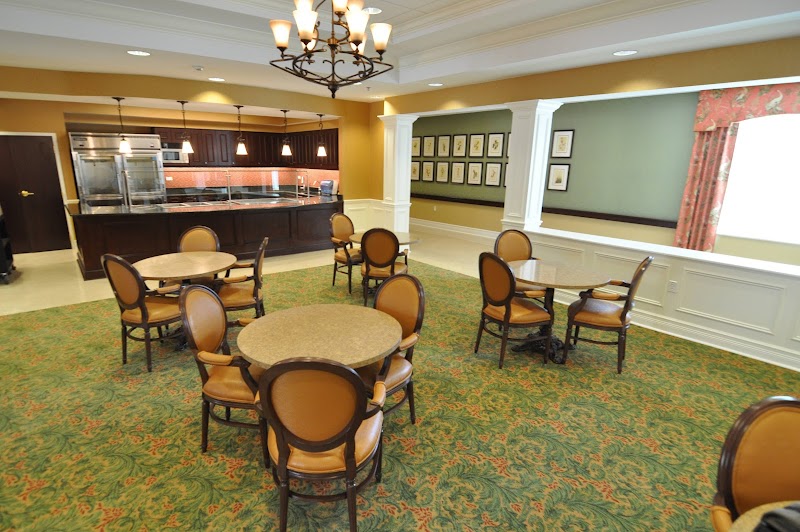
How is Spring Lake Rehabilitation Center Staffed?

CMS rates SPRING LAKE REHABILITATION CENTER's staffing level at 5 out of 5 stars, which is much above average compared to other nursing homes. Staff turnover is 34%, compared to the Florida average of 46%. This relatively stable workforce can support continuity of care.

What Have Inspectors Found at Spring Lake Rehabilitation Center?

State health inspectors documented 16 deficiencies at SPRING LAKE REHABILITATION CENTER during 2022 to 2025. These included: 16 with potential for harm.
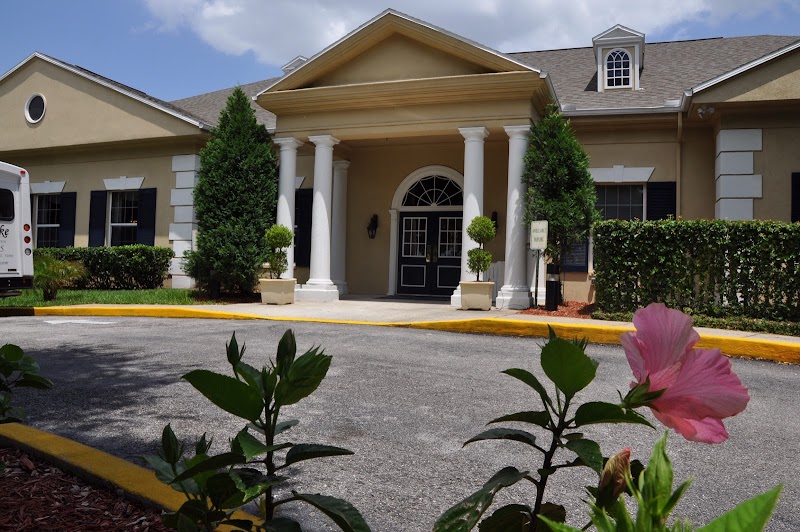
Who Owns and Operates Spring Lake Rehabilitation Center?

SPRING LAKE REHABILITATION CENTER is owned by a for-profit company. For-profit facilities operate as businesses with obligations to shareholders or private owners. The facility is operated by CLEAR CHOICE HEALTHCARE, a chain that manages multiple nursing homes. With 132 certified beds and approximately 124 residents (about 94% occupancy), it is a mid-sized facility located in WINTER HAVEN, Florida.

How Does Spring Lake Rehabilitation Center Compare to Other Florida Nursing Homes?

Compared to the 100 nursing homes in Florida, SPRING LAKE REHABILITATION CENTER's overall rating (5 stars) is above the state average of 3.2, staff turnover (34%) is significantly lower than the state average of 46%, and health inspection rating (3 stars) is at the national benchmark.

What Should Families Ask When Visiting Spring Lake Rehabilitation Center?

Based on this facility's data, families visiting should ask: "Can I visit during a mealtime to observe dining assistance and food quality?" "How do you handle medical emergencies, and what is your hospital transfer rate?" "Can I speak with family members of current residents about their experience?"

Is Spring Lake Rehabilitation Center Safe?

Based on CMS inspection data, SPRING LAKE REHABILITATION CENTER has a clean safety record: no substantiated abuse findings (meaning no confirmed cases of resident harm), no Immediate Jeopardy citations (the most serious violation level indicating risk of serious injury or death), and is not on the Special Focus Facility watch list (a federal program monitoring the lowest-performing 1% of nursing homes). The facility has a 5-star overall rating and ranks #1 of 100 nursing homes in Florida. While no facility is perfect, families should still ask about staff-to-resident ratios and recent inspection results during their visit.

Do Nurses at Spring Lake Rehabilitation Center Stick Around?

SPRING LAKE REHABILITATION CENTER has a staff turnover rate of 34%, which is about average for Florida nursing homes (state average: 46%). Moderate turnover is common in nursing homes, but families should still ask about staff tenure and how the facility maintains care continuity when employees leave.

Was Spring Lake Rehabilitation Center Ever Fined?

SPRING LAKE REHABILITATION CENTER has no federal fines on record. CMS issues fines when nursing homes fail to meet care standards or don't correct problems found during inspections. The absence of fines suggests the facility has either maintained compliance or corrected any issues before penalties were assessed. This is a positive indicator, though families should still review recent inspection reports for the full picture.

Is Spring Lake Rehabilitation Center on Any Federal Watch List?

SPRING LAKE REHABILITATION CENTER is not on any federal watch list. The most significant is the Special Focus Facility (SFF) program, which identifies the bottom 1% of nursing homes nationally based on persistent, serious quality problems. Not being on this list means the facility has avoided the pattern of deficiencies that triggers enhanced federal oversight. This is a positive indicator, though families should still review the facility's inspection history directly.