BRADEN RIVER REHABILITATION CENTER LLC
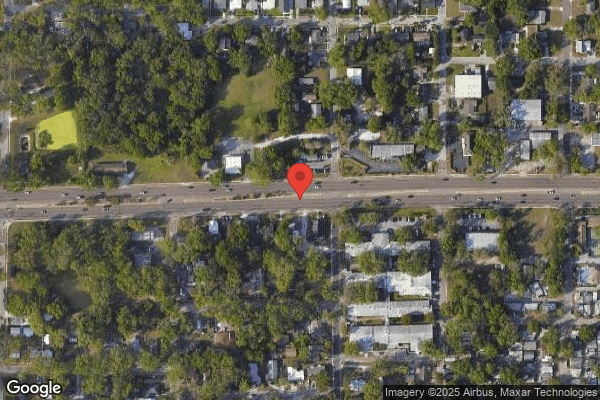

2010 MANATEE AVE E, BRADENTON, FL 34208 (941) 747-3706
For profit - Limited Liability company 208 Beds SOVEREIGN HEALTHCARE HOLDINGS Data: November 2025
Trust Grade
70/100
#184 of 690 in FL
Last Inspection: October 2024

Within standard 12-15 month inspection cycle. Federal law requires annual inspections.

Overview

Braden River Rehabilitation Center has a Trust Grade of B, indicating a good overall reputation and making it a solid choice among nursing homes. It ranks #184 out of 690 facilities in Florida, placing it in the top half, and #2 out of 12 in Manatee County, meaning only one other local facility is ranked higher. The facility is improving, with reported issues decreasing significantly from 10 in 2024 to just 1 in 2025. Staffing maintains an average rating of 3 out of 5 stars, with a turnover rate of 47%, which is comparable to the state average but could be better. While there are no fines on record, which is a positive sign, there are concerns about less RN coverage than 80% of Florida facilities, suggesting potential gaps in oversight. However, there are some weaknesses. Recent inspections found that the environment was not always sanitary, with issues like missing paint, exposed nails, and rusted sink drains in resident rooms. Additionally, food safety practices were flagged, as meals were not stored properly to prevent contamination during multiple observations. There was also a concerning incident involving a resident's discharge without proper communication to their power of attorney, highlighting potential issues in resident care and family engagement. Overall, while Braden River shows promise with its improvements and good ratings, families should consider these specific concerns when making their decision.

Trust Score
B
70/100
In Florida
#184/690
Top 26%
Safety Record
Low Risk
No red flags
Inspections
Getting Better
10 → 1 violations
Staff Stability
⚠ Watch
47% turnover. Above average. Higher turnover means staff may not know residents' routines.
Penalties
✓ Good
No fines on record. Clean compliance history, better than most Florida facilities.
Skilled Nurses
⚠ Watch
Each resident gets only 29 minutes of Registered Nurse (RN) attention daily — below average for Florida. Fewer RN minutes means fewer trained eyes watching for problems.
Violations
⚠ Watch
27 deficiencies on record. Higher than average. Multiple issues found across inspections.
★★★★☆
4.0
Overall Rating
★★★☆☆
3.0
Staff Levels
★★★★★
5.0
Care Quality
★★★☆☆
3.0
Inspection Score
Stable
2024: 10 issues
2025: 1 issues

The Good

  • 5-Star Quality Measures · Strong clinical quality outcomes
  • Full Sprinkler Coverage · Fire safety systems throughout facility
  • No fines on record

Facility shows strength in quality measures, fire safety.

The Bad

Staff Turnover: 47%

Near Florida avg (46%)

Higher turnover may affect care consistency

Chain: SOVEREIGN HEALTHCARE HOLDINGS

Part of a multi-facility chain

Ask about local staffing decisions and management

The Ugly 27 deficiencies on record

Jun 2025 1 deficiency
CONCERN (D) 📢 Someone Reported This

A family member, employee, or ombudsman was alarmed enough to file a formal complaint

Potential for Harm - no one hurt, but risky conditions existed

Grievances (Tag F0585)

Could have caused harm · This affected 1 resident

**NOTE- TERMS IN BRACKETS HAVE BEEN EDITED TO PROTECT CONFIDENTIALITY** Based on interviews and record review the facility failed to file a grievance for one resident (#1) out of three residents revie...

Read full inspector narrative →
**NOTE- TERMS IN BRACKETS HAVE BEEN EDITED TO PROTECT CONFIDENTIALITY** Based on interviews and record review the facility failed to file a grievance for one resident (#1) out of three residents reviewed for grievances. Findings included: Review of Resident #1's admission Record revealed he was admitted to the facility on [DATE] and discharged to another facility on 4/25/2025. A phone interview was conducted on 6/4/25 at 11:00 a.m. with Resident 1's Durable Power of Attorney (DPOA). Resident #1's DPOA said she was told Resident #1 was discharged to another facility and was transported there by a family member. Resident #1's DPOA said she went to the facility on 4/29/2025 and complained to the Director of Nursing (DON) about Resident #1 being discharged and transferred without her approval as well as not being notified of the transfer. The DPOA said she was very upset with the matter and felt the facility should have spoken and communicated with her. The DPOA said nobody from the facility had communicated back with her related to her complaint. Review of Resident #1's Durable Power of Attorney form dated 3/23/23 revealed Resident #1 appointed his DPOA as a financial DPOA. Review of the facility's April and May 2025 grievance logs did not reveal a grievance was filed on behalf of Resident #1's DPOA. An interview was conducted on 6/4/25 at 12:20 p.m. with the Director of Nursing (DON), Social Services Assistant, and the Nursing Home Administrator (NHA). The DON confirmed Resident #1 only had a financial DPOA. The DON confirmed Resident #1's DPOA came to the facility and was upset Resident #1 was no longer at the facility and the DPOA was not made aware of the discharge. The DON said she explained to Resident #1's DPOA she was only DPOA for financial decisions and the DON said the DPOA was not happy with that response therefore she noted the complaint and passed it along to the Social Service Director to follow up with the grievance process per the facility's policy. The Social Services Assistant said the Social Services Director was not available at the time of the survey and confirmed they did not have any documentation to show they addressed and communicated the complaint with Resident #1's DPOA. The Social Services Assistant said they did not investigate the complaint, they did not work to resolve the complaint, and they did not inform Resident #1's DPOA of the outcome of the complaint. The NHA said the facility's policy only indicates a resident and anyone acting on their behalf could make a complaint/grievance. The NHA said after their assessment, the financial only DPOA was not acting on Resident #1's behalf. The DON said anyone can make a complaint and the facility would need to investigate all of them. The NHA said they were following their policy by not following up with Resident #1's DPOA complaint as the DPOA was not acting medically on Resident #1's behalf. The DON and the Social Services Assistant confirmed Resident #1's financial DPOA had a valid complaint that should have been filed as a grievance and investigated but it was not. Review of the facility's policy, Grievances revised on 8/2023 revealed, Purpose: To support each resident's right to voice grievances and to ensure that after a grievance has been received, the center will actively work through to a conclusion while communicating progress to the resident and/or anyone working on their behalf in a timely manner. This policy shall be made available, upon request, for residents and/or anyone working on their behalf. Fundamental information - The Administrator is responsible for the conclusion of all grievances. The appointed Grievance Official (Social Services Director/Manager in FL [Forida] .) is responsible for overseeing the grievance process . This process includes receiving and tracking grievances, leading investigations while maintaining the confidentiality of all information associated with grievances, reaching a conclusion, and taking appropriate actions. Any resident, or anyone acting on their behalf, may file a grievance with the center or to her agency or entity that hears grievances. They shall be able to do so without discrimination or reprisal or the fear of discrimination or reprisal in any form. A grievance may be filed anonymously. Grievances will be maintained for a period of no less than 3 years from the issuance of all grievance decision. Procedure: 1. When a resident, or anyone acting on their behalf, has a grievance, a staff member shall encourage and assist the resident, or person acting on the resident's behalf, to file a grievance with the center using the Grievance Report. 2. Grievances may be submitted orally or in writing; they may be submitted anonymously. The resident, or anyone acting on their behalf submitting the grievance, should be encouraged to utilize the Grievance Report. When a grievance is submitted orally, the center employee accepting the grievance must document it on the Grievance Report. 3. The Grievance Report is to be forwarded to the center's Grievance Official or designee upon receipt in a prompt manner 4. Upon receipt of a Grievance Report, The Grievance Official or designee will refer it to the appropriate department head of investigation . 5. The Grievance Official will document receipt of all grievances on the Grievance QAPI [Quality Assurance and Performance Improvement] program. 6. The Department head will submit a completed Grievance Report of such findings to the Grievance Official in a prompt manner. 7. The Grievance Official will review the conclusion with the person investigating the grievance to determine what corrective actions need to be taken. 8. The resident, or anyone acting on their behalf filing the grievance, will be communicated with regarding the conclusion of the investigation and the corrective actions that will be taken. The resident tor anyone acting on their behalf has the right to obtain a copy of the written conclusion. The Administrator, or designee, will validate the completion of the process in a timely manner upon receipt of the completed Grievance Report .
Oct 2024 9 deficiencies
CONCERN (D)

Potential for Harm - no one hurt, but risky conditions existed

Grievances (Tag F0585)

Could have caused harm · This affected 1 resident

**NOTE- TERMS IN BRACKETS HAVE BEEN EDITED TO PROTECT CONFIDENTIALITY** Based on observation, record review, and interview, the facility failed to file and follow-up on a grievance regarding Activitie...

Read full inspector narrative →
**NOTE- TERMS IN BRACKETS HAVE BEEN EDITED TO PROTECT CONFIDENTIALITY** Based on observation, record review, and interview, the facility failed to file and follow-up on a grievance regarding Activities of Daily Living (ADL) care for one (#91) of five residents sampled. Finding includes: During an observation made on 09/23/2024 at 11: 47 a.m., and on 10/02/2024 at 1:00 p.m., Resident #91 was observed lying down in bed with her call light within reach. She was observed with no signs of distress. She stated she was very upset because she had not had a shower or her hair washed in two months. She stated she had reported this to everyone, but no one had assisted her. She stated she had told staff she preferred to take bed baths instead of showers because it hurt her when she got up. Review of an admission Record dated 10/03/2024 revealed Resident #91 was admitted to the facility with diagnoses to include but not limited to Heart Failure, Chronic Pain, Adult Failure to Thrive, Anxiety Disorder, Unspecified. Review of an annual Minimum Data Set (MDS) dated [DATE] revealed a Brief Interview for Mental Status, BIMS score of 15 which indicated Resident #91 was cognitively intact. Review of a Nursing Progress note dated 9/1/2024 revealed Resident #91 reported to a nurse that she had not had her hair washed in a while. An interview was conducted on 10/3/2024 at 12:00 p.m., with Staff T, Certified Nursing Assistant (CNA) in Resident #91's room. Staff T said the resident told her she would really like to have her hair washed. Staff T stated she had not given Resident #91 a shower because she refused a lot of her care. She stated the resident did not like to take showers. Staff T said she would wash the resident's hair now. During an interview on 10/3/2024 at 12:30 p.m., with Staff R, License Practical Nurse (LPN), she stated she knew Resident #91 refused to take showers because she did not like to get out of the bed. She stated one time in the past Resident #91 complained to her about not getting her showers, so they tried to assist the resident with her shower, but she yelled so bad they had to put her back to bed and gave her a bed bath. So now they gave her bed baths instead of showers. She said she did not file a grievance when the resident complained to her about not getting her showers. During an interview on 10/3/2024 at 12: 45: p.m., with Staff P, License Practical Nurse/ Unit Manager. Staff P stated she just started working on the unit where Resident #91 resided. She stated when the resident reported to the nurse that she was not getting showered, or her hair washed, the nurse should have filed a grievance on the residents' behalf. She stated her expectation were when a resident put in a complaint she expected her nurses or staff to report it to the Interdisciplinary team (IDT) so a grievance could be filed on the resident's behalf. From there, whoever was assigned the grievance could do an investigation and put something in place to resolve the situation. We would also update the residents care plan to show that she would like to have bed baths instead of showers. During an interview on 10/03/2024 at 2:00 p.m., with the Director of Nurses (DON), the DON stated the nurses should have filed a grievance on Resident #91's behalf when they were made aware of her not getting showers or her hair washed. Review of the facility policy titled, Grievances Revised Date 8/2023 showed Purpose: To support each resident's rights to voice grievance and to ensure that after a grievance has been received, the center will actively work through to a conclusion while communicating progress to the resident and /or anyone working on their behalf in a timely manner. This policy shall be made available, upon request, for residents and /or anyone working on their behalf. Procedure 1. When a resident, or anyone acting on behalf of, has a grievance, a staff member shall encourage and assist the resident, or person acting on behalf, to file a grievance with the center using the Grievance Report.
CONCERN (D)

Potential for Harm - no one hurt, but risky conditions existed

Deficiency F0645 (Tag F0645)

Could have caused harm · This affected 1 resident

**NOTE- TERMS IN BRACKETS HAVE BEEN EDITED TO PROTECT CONFIDENTIALITY** 3. A review of Resident #93's admission Record showed diagnoses to include: unspecified dementia, unspecified severity, with agi...

Read full inspector narrative →
**NOTE- TERMS IN BRACKETS HAVE BEEN EDITED TO PROTECT CONFIDENTIALITY** 3. A review of Resident #93's admission Record showed diagnoses to include: unspecified dementia, unspecified severity, with agitation (onset date of 10/1/22, primary diagnosis), generalized anxiety disorder (onset date of 9/29/20), unspecified mood [affective] disorder (onset date of 10/1/20), unspecified psychosis not due to a substance or known physiological condition (onset date of 10/5/20), and major depressive disorder, single episode, unspecified (onset date of 9/29/20). A review of Resident #93's Medication and Treatment Administration Records (MAR/TAR) for October 2024 showed medication to include: Depakote Sprinkles Capsule Delayed Release Sprinkle 125 MG (milligrams) related to unspecified dementia with behavioral disturbance. Start date 6/21/24. Ativan Tablet 0.5 MG related to generalized anxiety disorder. Start date 10/8/22. A review of Resident #93's current care plan showed a focus to include the following, [Resident name] has impaired cognitive function/impaired thought process r/t [related to] diagnosis of rapid progressive dementia. Further review of the current care plan showed another focus to include the following, [Resident name] uses psychotropic medications r/t anxiety, depressive disorder, also receiving anti-psychotic medication for mood, and psychosis behavior. Anxiety [Resident name] has Schizophrenia. She is at risk for side effect and adverse side effect of psychotropic medications. Further review of Resident #93's current care plan showed another focus to include the following, Resident uses antidepressant medication r/t Depression. Further review of the current care plan showed another focus to include the following, [Resident name] is on taking seizure medications r/t mood disorder. A review of Resident #93's Annual Minimum Data Set (MDS), Section I - Active Diagnoses, showed the following under Neurological: Non-Alzheimer's Dementia. Further review of the Annual MDS, Section I, showed the following under Psychiatric/Mood Disorder to include: Anxiety disorder, Depression, and Psychotic disorder. Further review of Resident #93's Annual MDS, Section I, showed the following under Other: Unspecified Mood [Affective] Disorder. A review was conducted on 10/1/24 of Resident #93's Preadmission Screening and Resident Review (PASRR), dated 9/21/20, showed no documentation of a qualifying mental illness (MI) diagnoses. A review of Resident #93's electronic medical record on 10/1/24, showed no evidence of an updated Level 1 PASRR to include the qualifying MI diagnoses. On 10/2/24 the Director of Nursing (DON) provided a Level 1 PASRR for Resident #93, dated 10/1/24, which included the following diagnoses: Anxiety Disorder, Depressive Disorder, Psychotic Disorder, and Schizophrenia. On 10/03/24 at 11:51 a.m. an interview with the DON revealed he reviewed and updated the PASRR's. He stated he used the program and guidelines from [Vendor name] to update or revise PASRR's. The DON stated if a resident came from the hospital, he reviewed their PASRR. He stated if it was not accurate or needed to be revised/updated, then he created another PASSR through [Vendor name]. If there was a new MI diagnoses from the doctor or psychiatrist, the DON stated he expected the unit manager would communicate with him. He stated, I would re-do the PASSR at that point. A review conducted with the DON of Resident #93's PASRR, from 9/21/20, confirmed there was no MI diagnoses indicated. He stated he expected the qualifying diagnoses Resident #93 had to be listed on the form, and confirmed the PASRR was incorrect at that time. The DON confirmed he updated the PASRR on 10/1/24. On 10/3/24 at approximately 3:15 p.m. an interview with the Regional Clinical Nurse revealed there was no PASRR policy, and the facility follows the [Vendor name] website for guidelines. Based on record review and interview, the facility failed to ensure the Preadmission Screening and Resident Review (PASRR) was completed accurately for three (#93, #38, #60) of twenty-nine residents sampled. Findings included: 1. Review of Electronic Medical Record (EMR) for Resident #38 showed an admission to the facility with diagnoses including bipolar disorder, undifferentiated schizophrenia, post traumatic stress disorder, and major depressive disorder. Review of the resident's medication administration record for October 2024 revealed: - SEROquel Oral Tablet 25 MG (Quetiapine Fumarate) Give 0.5 tablet by mouth at bedtime for GDR ATTEMPT related to SCHIZOPHRENIA, UNSPECIFIED (F20.9). - Wellbutrin XL Tablet Extended Release 24 Hour 300 MG (buPROPion HCl ER (XL)) Give 1 tablet by mouth in the morning for Depression related to MAJOR DEPRESSIVE DISORDER. Review of care plan dated 07/17/24 revealed: - A focus of PASRR level one Date Initiated: 10/10/2020 with a goal of PASRR will remain on his medical records Date Initiated: 10/16/2020 and intervention of PASRR Level I Date Initiated: 10/10/2020. - A focus of [Resident #38] uses psychotropic medications r/t bipolar, depressive disorder, schizophrenia 10/19/20 he was started on psychotropic medication Date Initiated: 01/04/2021. With interventions including Discuss with provider ongoing need for use of medication. Date Initiated: 10/11/2020, Resident is on a behavior management program with alternatives to prn medication use Date Initiated: 10/21/2020, Medications as ordered, and Observe ongoing s/s of depression unaltered by antidepressant meds: Sad, irritable, anger, never satisfied, crying, shame, worthlessness, guilt, suicidal ideations, neg. mood/comments, slowed movement, agitation, disrupted sleep, fatigue, lethargy, does not enjoy usual activities, changes in cognition, changes in weight/appetite, fear of being alone or with others, unrealistic fears, attention seeking, concern with body functions, anxiety, constant reassurance Date Initiated: 05/30/2024. Review of Minimum Data Set, dated [DATE] revealed: - Section C Brief Interview for Mental Status (BIMS) score of 11 which indicated moderate cognitive impairment. - Section N showed antipsychotic and antidepressant marked yes. Review of Preadmission Screening and Resident Review (PASRR) Level 1 revealed it was completed at the facility on 10/09/2020. It showed on page two, anxiety, bipolar disorder and depressive disorder were marked. Schizophrenia was not marked. An interview was conducted on 10/03/24 at 11:30 a.m. with the Social Work Director. He stated the Director of Nursing (DON) completed all PASRRs. An interview was conducted on 10/03/24 at 11:50 a.m. with the DON. He stated PASRRs were completed using the [proper name] guidelines. He stated he reviewed all new admission PASRRs for accuracy. He stated if they were incomplete or incorrect he completed a new PASSR. He stated the unit manager would let him know when residents had a new diagnosis added and he would update the PASRR to reflect the added diagnosis. He stated Resident #38's PASRR completed on 10/09/2020 was incorrect due to a Schizophrenia diagnosis that was not marked on page two. He stated the PASRR should have been redone to add the Schizophrenia diagnosis. 2. Review of EMR for Resident #60 showed an admission to facility on 05/01/2024 with diagnoses including dysphagia, major depressive disorder, unspecified protein calorie malnutrition. Review of physician orders revealed: - Citalopram Hydrobromide tablet 10 mg. Give 2 tablets one time a day for depression. Review of care plan dated 08/15/2024 revealed: - A focus of PASRR level Date Initiated: 05/03/2024. With interventions including PASRR Level I Date Initiated: 05/17/2024. - A focus of uses Psychotropic Medication Therapy r/t [related to] Depression. With interventions including Observe for side effects and adverse reactions of psychoactive medications. Review of Minimum Data Set (MDS) dated [DATE] revealed: - Section N showed yes marked for antidepressant. Review of Resident #60's PASRR revealed it was completed on 04/05/2024 at the hospital. It showed on page 2 section A no mental illness boxes marked. An interview was conducted on 10/03/24 at 11:50 a.m. with the DON. He stated Resident #60's PASRR completed on 04/05/2024 was incorrect due to Major Depressive Disorder diagnosis was not marked on page two section A for mental illness. He stated the PASRR should have been redone at admission to add Depressive Disorder on page two to reflect Resident #60 admitting diagnosis.
CONCERN (D)

Potential for Harm - no one hurt, but risky conditions existed

Deficiency F0657 (Tag F0657)

Could have caused harm · This affected 1 resident

**NOTE- TERMS IN BRACKETS HAVE BEEN EDITED TO PROTECT CONFIDENTIALITY** 2. On 09/23/2024 at 11:47 a.m. and 10/02/2024 at 1:00 p.m., Resident # 91 was lying down in bed with her call light within reach...

Read full inspector narrative →
**NOTE- TERMS IN BRACKETS HAVE BEEN EDITED TO PROTECT CONFIDENTIALITY** 2. On 09/23/2024 at 11:47 a.m. and 10/02/2024 at 1:00 p.m., Resident # 91 was lying down in bed with her call light within reach. She was observed with no signs of distress. She stated she was very upset because she had not had a shower and her hair washed in two months. She stated she has reported this to everyone, but no one has assisted her. She stated she told staff she prefers to take bed baths instead of showers because it hurts her when she gets up. Review of Resident #91's admission record showed this resident had resided in the facility for several years and was a long term care residents. Review of the annual MDS assessment dated [DATE] revealed a BIMS score of 15 which indicated Resident #91 was cognitively intact. Review of the care plan focus for Activity of Daily Living Self Care Performance related to impaired mobility last revised on 3/15/2022 revealed the resident required the assistance of two staff for bathing. The care plans made no mention of Resident #91's preference for bed baths or performing hair washing. During an interview on 10/3/2024 at 12:30 p.m. with Staff R, LPN, she reported knowing Resident #91 refuses to take showers because she doesn't like to get out of bed. Staff R, LPN recalled one time in the past Resident # 91 complained to her about not getting her showers, so they tried to assist the resident with her shower, but she yelled so bad they had to put her back to bed and gave her a bed bath. Since then, they provide the resident with bed bath instead of showers. During an interview on 10/03/2024 at 3:00 p.m. with Staff M, LPN/Care Plan Coordinator, she said she was not aware of Resident #91's preference for bed baths. Staff M stated if staff had notified her, she would have revised the resident care plan to show the resident's bathing preferences. Review of the facility policy titled, Comprehensive Person-Centered Care Plan revised 8/2023 showed: Policy: The center will develop a comprehensive person-centered care plan for each resident that includes measurable objectives and timetables to meet a resident's medical need, nursing mental and psychological needs that are identified in the comprehensive assessment. iii. Reviewed and revised by the interdisciplinary team after each assessment, including both the comprehensive and quarterly review assessment and as changes in the resident's care and treatment occur. Any member of the interdisciplinary team may enter the updates to the comprehensive care plan under the guidance of a registered nurse who is responsible for the resident. Based on observations, interviews and medical record review, the facility failed to ensure the revision and accuracy of care plan problem areas for two (#16, #91) of 55 sampled residents. Findings included: 1. On 9/23/2024 at 10:20 a.m., Resident #16 revealed he was at the facility for short term care and has plans to return home with his wife after completing therapy treatment/plan. Resident #16 confirmed he cannot get up out from bed on his own, and requires assistance from staff with dressing, personal hygiene, showering, and transfers. He reported that staff assist him out of bed to the wheelchair and staff take him where he needs to go as he cannot self propel himself in the wheelchair. Resident #16 expressed no desire to leave the facility prior to completing his therapy. Review of Resident #16's admission record he was his own decision maker and had no diagnoses to show he was an elopement risk. Review of the current Physician's Order Sheet for September 2024 and October 2024 revealed no orders related to elopement risk or behaviors Review of the most current admission Minimum Data Set (MDS) assessment dated [DATE] revealed in Section C - Cognition; Brief Interview Mental Status score (BIMS) of 13, indicating cognitively intact. The resident had no behaviors of wandering risk or a past history of wandering. Review of the nurse progress notes dated from 4/6/2024 to 10/3/2024 revealed no documentation of exit seeking,wandering, or an elopement risk. Review of the medical record revealed elopement screenings on 2/23/2024 3/1/2024, 4/15/2024, 7/15/2024, and 9/6/2024 indicating no risk. Review of Resident #16's current care plans showed: Resident was at risk for Elopement. The intervention in place was to offer reassurance and support as needed. On 10/3/2024 at 11:30 a.m., the Care Plan Coordinator, Licensed Practical Nurse/Staff M confirmed she knew Resident #16 and revealed he needed maximum assistance by staff for transfers, dressers and propelling in his wheelchair. Staff M reviewed Resident #16's medical record and confirmed he was not an elopement risk and this care plan did not accurately reflect Resident #16.
CONCERN (D)

Potential for Harm - no one hurt, but risky conditions existed

ADL Care (Tag F0677)

Could have caused harm · This affected 1 resident

**NOTE- TERMS IN BRACKETS HAVE BEEN EDITED TO PROTECT CONFIDENTIALITY** Based on observations, staff and resident interviews, and medical record review, the facility failed to provide grooming and per...

Read full inspector narrative →
**NOTE- TERMS IN BRACKETS HAVE BEEN EDITED TO PROTECT CONFIDENTIALITY** Based on observations, staff and resident interviews, and medical record review, the facility failed to provide grooming and personal hygiene assistance to one (#198) of four residents reviewed for activities of daily living (ADL's). Findings included: On 9/23/2024 at 10:20 a.m., 9/24/2024 at 8:00 a.m., 10/1/2024 at 9:30 a.m., and 10/2/2024 at 9:30 a.m., Resident #198 was observed with full facial hair to include the lower and upper neck. The facial hair was approximately three quarters to an inch long, and the resident's hair on his head appeared oily and uncombed. On 9/23/24 at 10: 20 a.m., Resident #198 revealed he had been in the facility for about a week and had no hair brush or comb. Resident #198 reported he could not shave and wash his hair on his own and needed staff assistance. On 10/1/2024 at 9:30 a.m., Resident #198 revealed he was having trouble with staff assisting him with shaving and getting him a hair cut since the time of admission. The resident said he was in the military in his past and preferred to keep his hair very short and face clean shaven. Resident #198 stated he had discussed this with various staff on all shifts and nobody has helped him. On 10/2/2024 at 9:30 a.m., Resident #198 reported he told the night nurse and his certified nursing assistant (CNA) on 10/1/2024 that he wanted his face shaven and his hair washed and combed but received no assistance. Resident #198 reported staff had provided showers since admission but no help was offered or provided for shaving of his beard, washing and combing his hair. Resident #198 stated he had not declined any personal hygiene assistance. On 10/2/2024 at 9:40 a.m. the resident's assigned CNA, Staff I, was interviewed related to Resident #198's care and services. Staff I, CNA revealed she had not worked with Resident #198 prior to this day and had not seen the resident yet that morning. On 10/2/2024 at 10:02 a.m. an interview with Staff K, CNA, revealed she normally works on the hall where Resident #198 resides but had not been assigned to Resident #198 often. Staff K, CNA knew the resident but did not know he had requested to be shaved and have his hair washed, cut, and combed. On 10/3/2024 at 9:20 a.m., Resident #198 was cleanly shaven to include his face and neck. The resident's hair appeared clean and combed. The resident reported on 10/2/2024, he was provided with a shower and staff assisted him with shaving and hair care. Review of Resident #198's admission record revealed he was admitted on [DATE] with diagnoses to include osteoarthritis and need for assistance with personal care. Review of the most current Minimum Data Set (MDS) admission assessment, dated 9/25/2024, revealed a Brief Interview Mental Status (BIMS) score of 14, indicating cognitively intact. Review of the admission Data Set Nursing assessment dated [DATE] showed the resident required substantial/maximal assistance (Extensive) assist of one for bathing and personal hygiene. Review of Resident #198's care plan for ADL Self Care Performance related to decreased bilateral upper and lower extremity mobility/balance and pain limiting function and decreased activity tolerance initiated on 9/18/24 and revised on 10/1/24 revealed interventions to include substantial/maximal assistance (Extensive) assist of 1 for bathing and personal hygiene. On 10/3/2024 at 9:20 a.m. an interview with Staff J, Unit Manager, revealed she was informed on 10/2/2024 that Resident #198 needed a full facial shave and had not received a shave since his admission. She revealed she had spoken with Resident #198, and he had told her he thought he would receive a shave and hair wash during shower days. Staff J could not provide specific evidence on hair washing or shaving being offered to the resident. Staff J, Unit Manager confirmed the resident had several different CNAs and not the same CNAs each day. She revealed she was unaware of the resident's concern prior to 10/2/2024 after the CNAs informed her of questions from the survey team. On 10/3/2024 the Nursing Home Administrator provided the Resident Rights policy and procedure, with a revised date of 8/2023 for review. The policy showed: The center protects and promotes the rights of each resident. The resident has a right to a dignified existence and self-determination. The Center staff will assist residents in exercising their rights. The fundamental information section of the policy stated; Residents have a freedom of choice, to the maximum extent possible, about how they wish to live their everyday lives and receive care, subject to the center's rules and regulations affecting resident conduct and those regulations governing protection of resident health and safety.
CONCERN (D)

Potential for Harm - no one hurt, but risky conditions existed

Accident Prevention (Tag F0689)

Could have caused harm · This affected 1 resident

**NOTE- TERMS IN BRACKETS HAVE BEEN EDITED TO PROTECT CONFIDENTIALITY** Based on observation, interview,and record review, the facility failed to ensure a hazard free environment for one (#400) of six...

Read full inspector narrative →
**NOTE- TERMS IN BRACKETS HAVE BEEN EDITED TO PROTECT CONFIDENTIALITY** Based on observation, interview,and record review, the facility failed to ensure a hazard free environment for one (#400) of six residents sampled. Findings included: On 09/23/24 at 11:46 a.m., fall mats were observed on the floor placed on both sides of bed two in room [ROOM NUMBER] with no resident in bed. Observed fall mats on the floor between bed one and bed two and between bed two and bed three, for a total of two fall mats located on each side of bed two. Resident #400 was sitting up in a wheelchair with fall mats on the floor next to her wheelchair. She stated they are a hazard she said she had tripped over them in the past, but they are still there. She stated they were her roommates, pointing to the empty bed. Photographic evidence obtained. On 10/01/24 at 2:11 p.m., fall mats were observed on the floor in room [ROOM NUMBER] on both sides of bed 2 with no resident in bed 2. Resident #400 was sitting up in a wheelchair next to a fall mat for bed 2. On 10/02/24 at 11:03 a.m., fall mats were observed on the floor on both sides of bed 2 in room [ROOM NUMBER] with no resident in bed 2. Resident #400 was sitting up in a wheelchair on the left side of her bed with bed 2's fall mat on the floor next to her wheelchair. Review of care plan dated 07/11/2024 revealed: - A focus [Resident #400] is a risk for falls. Fall risk evaluation Date Initiated: 08/22/2024. With interventions including Educate on locking wheelchair prior to sitting or exiting, Assistive devices as needed (walker) Date Initiated: 06/21/2024, and Education to ask for assistance. A review of Minimum Data Set, dated [DATE] revealed: - Section C Brief Interview for Mental Status (BIMS) showed a score of 15 which indicated no cognitive impairment. - Section GG marked independent for bed mobility, transfers, Activities of Daily Living and gait up to 150 feet. An interview was conducted with Staff S on 10/02/24 at 3:25 p.m. She stated the process for fall mats was if a resident was a fall risk, an intervention could be to have fall mats next to the bed. She stated she would place the fall mat next to residents' bed on the floor when the resident was in the bed. She stated she removed the fall mat from the floor and placed it against the wall or behind the bed out of the way when she got her residents up. She stated I don't want to trip over it if it was down when the resident was out of bed. An interview conducted on 10/03/2024 at 8:25 a.m. with Staff F. She stated the process for when a resident had fall mats as an intervention was for staff to have fall mats placed next to the bed on the floor when the resident was in the bed. The fall mat(s) would be removed from the floor when resident was out of bed. She stated the fall mats needed to be placed out of the way, against the wall, behind the bed and replaced next to bed on the floor when the resident returned to bed. She stated the expectation was when a resident was out of the bed their ordered fall mats were put away. Requested a fall mat, and/or accident/hazard environment policy on 10/02/24 and on 10/03/24 from facility management staff. The facility did not provide a policy prior to exit on 10/03/24.
CONCERN (D)

Potential for Harm - no one hurt, but risky conditions existed

Deficiency F0744 (Tag F0744)

Could have caused harm · This affected 1 resident

**NOTE- TERMS IN BRACKETS HAVE BEEN EDITED TO PROTECT CONFIDENTIALITY** Based on observation, interview, and record review, the facility failed to provide one resident (#43), diagnosed with dementia, ...

Read full inspector narrative →
**NOTE- TERMS IN BRACKETS HAVE BEEN EDITED TO PROTECT CONFIDENTIALITY** Based on observation, interview, and record review, the facility failed to provide one resident (#43), diagnosed with dementia, the treatment and services to attain or maintain the highest practicable physical, mental, and psychosocial well-being out of two residents sampled for dementia care. Findings included: On 9/23/24 at 12:39 p.m. Resident #43 was observed in her room in a wheelchair by the side of the bed. The resident had her head down on her knees. A lunch tray was observed on a bedside table untouched. The room was observed to be dark with no television or other stimulation present in the room. There was no roommate observed in the room. On 9/23/24 at 1:03 p.m. Resident #43 was observed still sitting in the room, crouched down with her head on her knees in a wheelchair. The lunch tray remained untouched. No staff members were observed attempting to assist with the meal. A review of the medical record showed Resident #43 was admitted to the facility with a primary diagnosis of dementia. Other diagnoses included osteoarthritis, neuralgia, edema, agitation, intraocular lens, adjustment disorder with anxiety/depression, mood disorder, and headaches. A review of the active physician orders, dated October 2024, for Resident #43 showed the following: -Regular diet; regular texture, regular consistency, fortified foods, grilled cheese @ lunch every day, ice cream with lunch and dinner -2.0 Calorie supplement three times a day for weight and nutritional support, 120 milliliters (ML) -House shake one time a day for supplement -Snack before meals for nutrition support -Full Code -Depakote oral tablet delayed release 250 milligrams (MG) one by mouth two times a day for mood disorder -Lasix 40 MG one table by mouth in morning for peripheral edema -Mirtazapine table 7.5 MG one tablet by mouth in the evening for appetite -Sertraline 25 MG one tablet by mouth one time a day for depression -Do Not Resuscitate (entered 10/03/2024) -Do Not Hospitalize (entered 10/03/2024) -Hospice Consult (entered 10/03/2024) A review of the Quarterly Minimum Data Set (MDS), dated [DATE], showed the following: -Section C-Cognitive Patterns: Brief Interview of Mental Status (BIMS) score of 07, which indicated severe cognitive impairment -Section D-Mood: Little interest or pleasure in doing things present and 2-6 days in frequency; social isolation sometimes -Section K-Swallowing/Nutritional Status: Loss of 5% or more in the last moth or loss of 10% or more in the last 6 months-Yes A review of the Comprehensive Care Plan, reviewed in July 2024, showed the following: Focus: Resident #43 has impaired cognitive function/impaired thought process related to dementia. (Initiated: 1/29/2020 Target Date: 10/29/2024) Goal: Will be able to communicate basic needs on a daily basis through the review date. Interventions: -Communicate with family/caregivers regarding residents capabilities and needs -Discuss concerns about confusion and/or disease process with family/caregivers. -Engage resident in simple, structured activities that avoid overly demanding tasks. -Medications as ordered. Focus: Resident #43 is dependent on staff for activities, cognitive stimulation, social interaction related to cognitive deficits. (Initiated 2/20/2023 Target Date: 10/29/2023) Goal: Resident will maintain involvement in cognitive stimulation, social activities as desired through the review date. Interventions: -All staff to converse with resident while providing care -Assure that the activities are compatible with physical and mental capabilities; compatible with known interests and preferences; adapted as needed; compatible with individual needs and abilities; age appropriate -Establish prior level of activity involvement and interests by talking with the resident, caregivers, and family on admission and as necessary -Modify daily schedule, treatment plan as needed to accommodate activity participation Focus: Resident #43 is a nutritional risk related to diagnosis of dementia, trigeminal neuralgia, anxiety, edema. Need for nutritional supplementation due to inadequate/varied intake at meals. (Initiated 1/28/2020 Target Date: 10/29/2024) Goal: Will be free from significant weight loss changes through review date. Will consume at least 5 0-75% of most meals. Will be free from signs and symptoms of dehydration. Interventions: -Assist with meals as needed -Encourage oral fluids -Monitor diet tolerance -Monitor oral intakes -Monitor weights -Evaluate as needed On 10/02/24 at 11:32 a.m. Resident #43 was observed in the room half sitting and half lying on the end of bed. The room was dark and there was no television or other stimulation present in the room. Most of the other residents were in the dining room across the hallway waiting for lunch to be served. No staff members were observed in the room to assist the resident to the dining room for lunch. On 10/02/24 at 12:26 p.m. Resident #43 was observed in the room in the same position previously described. Five minutes after the observation began staff came into the room and attempted to awaken the resident. The resident would not go to the dining room for a meal. The resident would not eat any of the meal tray that was observed on a tray table untouched. The staff offered fruit and cottage cheese, and the resident indicated she would have some fruit. The resident appeared very drowsy and answered only after several attempts to speak to her. On 10/02/24 at 12:48 p.m. Resident #43 was observed with a lunch tray open and in her room containing fruit and cottage cheese. The tray had a few strawberries eaten from the plate. No staff members were observed in the room to assist the resident with eating. The resident was observed still in the same position as previously noted. Staff entered the room after a few minutes and asked if the resident wanted soup and after several attempts the resident agreed. After about ten minutes, the staff delivered soup to the resident. The resident took a spoon full of soup and went right back to the lying position. No staff were observed staying to assist or encourage the resident with the meal. On 10/02/24 at 12:55 p.m. an interview was conducted with Staff P, Licensed Practical Nurse, Unit Manager (LPN UM). Staff P stated all nurses, aides, and therapy staff could assist a resident with meals and provide encouragement to eat and drink. She stated focus meeting[s] were done weekly for all residents at risk for falls, weight loss, nutrition, change of status, etc. Staff P, LPN stated Resident #43 had been discussed in the meetings for weight loss and a decline in her condition recently. She stated on 9/19/24 the dietician spoke to the Family Member (FM) and informed the FM of weight loss and a decline in eating for Resident #43. She stated the dietician talked to the FM about a possible peg tube (tube placed into the stomach through the abdomen for enteral feedings) for nutrition. Staff P, LPN stated labs were done on Resident #43 in July 2024, but the resident had not had any labs done since that time. She stated she was not aware of the medical provider having any discussions with the family related to the resident's decline due to her dementia. On 10/02/24 at 1:07 p.m. an interview was conducted with Staff Q, Registered Dietician (RD) and the Director of Nursing (DON). The RD stated she talked with the FMs of Resident #43 a few weeks ago. She stated the FMs knew what was going on with the decline in condition and the weight loss for Resident #43. The RD stated she talked to them about what was being done with nutrition and a possible alternative related to the peg tube. The RD stated she did not discuss the details of palliative or hospice care with the FMs because the doctor needed to sit down with the family to discuss that option. The RD stated she was waiting for the FMs to get back to her. A review of nutrition progress notes for Resident #43 showed the following: -Quarterly Nutrition note, dated 7/23/2024: Regular fortified foods, ice cream lunch and dinner, snack after meals, PO (Oral) intake 0-100%; down 11% in 180 days; Resident likely not meeting nutritional needs r/t (related to) dementia, altered labs, inadequate po intake; need for nutritional supplements and significant wt (weight) decline in 180 days. Anticipate wt/fluid fluctuations d/t (due to) diuretics. Continue POC (plan of care), no recommendations at this time. Goals: consume adequate nutrition to meet daily needs. PO intake >50% for most meals. maintain weight within 1-4% fluctuation. monitor wt, skin, labs, and po intakes. -Weight note, dated 9/17/2024: Regular diet, regular texture, regular liquids, fortified foods, ice cream lunch/dinner, snack before meals three times a day, Med pass supplement 120 ML three times a day, house shade every day. Oral intake this week <50%. Resident not likely meeting nutritional needs related to dementia and poor appetite and intake at meals/need for Mirtazapine, nutritional supplementation and significant weight loss X 30/90 days. Goal to consume adequate nutrition to meet daily nutritional needs, oral intake >50% for meals. Weight to maintain within +/- 1-4%. Continue to monitor weight, skin, labs, and oral intakes as appropriate. -Dietary note, dated 9/19/2024: Called [FM] about significant weight decline. Discussed her intake, diet, supplements, weight and how they feel about resident receiving alternate nutrition.FM states they will be coming on Sundays to take out resident to restaurants again. FM says she will talk about next steps and try to discuss with resident. Will follow up accordingly. A review of the weight history for Resident #43 showed the following: 9/23/24 151.2 lbs, (pounds) 8/19/24 166.6 lbs. 7/15/24 177.6 lbs. 6/24/24 178.2 lbs. 3/02/24 198.0 lbs. -On 08/19/2024, the resident weighed 166.6 lbs. On 09/23/2024, the resident weighed 151.2 pounds which is a -9.24 % Loss. (one month) -On 06/24/2024, the resident weighed 178.2 lbs. On 09/23/2024, the resident weighed 151.2 pounds which is a -15.15 % Loss. (three months) -On 03/02/2024, the resident weighed 198.0 lbs. On 09/23/2024, the resident weighed 151.2 pounds which is a -23.64 % Loss. (six months) A review of the Medication Administration Record (MAR), dated August 2024, showed the following: -House shakes one [NAME] a day for supplements were started on 8/23/2024 and administered as ordered. Amount consumed was not recorded. -2.0 Calorie supplement (Med Pass) three times a day for weight /nutritional support 120 ML was started on 7/19/2024 and administered as ordered. Amount consumed ranged from 50 to 120 ML. -Snack before meals for nutrition support was started on 6/27/2024 and administered as ordered. Amount consumed was not recorded. A review of the MAR, dated September 2024, showed the following: -House shakes one [NAME] a day for supplements were started on 8/23/2024 and administered as ordered. Amount consumed was not recorded. -Mirtazapine 7.5 MG one tablet by mouth in the evening for appetite was started on 9/06/2024 and administered as ordered. -2.0 Calorie supplement (Med Pass) three times a day for weight /nutritional support 120 ML was started on 7/19/2024 and administered as ordered. Amount consumed ranged from 0 to 120 ML. -Snack before meals for nutrition support was started on 6/27/2024 and administered as ordered. Amount consumed was not recorded. A review of the Eating Documentation Survey Report dated August 2024 for Resident #43 revealed the resident consumed on average 25-75% of her meals for breakfast, lunch, and dinner. Snacks and fluids were offered to Resident #43 but not always consumed. A review of the Eating Documentation Survey Report dated September 2024 for Resident #43 revealed the resident consumed on average 0-25% of her meals for breakfast, lunch, and dinner. Snacks and fluids were offered to Resident #43 but not always consumed. On 10/03/24 at 12:25 p.m. an interview was conducted with Staff N, Activities Manager (AM). The AM stated she had two other assistants to help with activities for the building. She stated she had been at the facility since the beginning of the year conducting activities for all the residents. She stated there was a resource cart that was used for residents that were bed bound and there were other activities available for these residents as well. She stated they had activities such as games, cross word puzzles, music, ice cream socials, etc. they could provide. She stated the activity aides chart in the computer whenever they conducted an activity for the residents. She stated the residents in the secured unit got special treatment due to their cognitive abilities and she sent two aides to the unit to try to help keep the residents busy throughout the day. She stated all activities were in the dining room area. She stated she was familiar with Resident #43 and the resident refused to participate in anything. She stated Resident #43 used to like movie time, arts and crafts, and ice cream social was her favorite. She stated Resident #43 loved to go down to arts and crafts and ice cream socials but now she would not. She stated she had noticed Resident #43 had had a decline, and she had not been participating in activities any more. A review of the Activities Documentation Survey Report, dated August 2024, for Resident #43 revealed the following: -Ice Cream/Food Social participation documented 16 out of 31 days -Movies/TV participation documented 18 out of 31 days -Music participation documented 11 out of 31 days -Outdoor activity participation documented 2 out of 31 days -Spiritual activity participation documented 1 out of 31 days -Bingo participation documented 2 out of 31 days -Conversation/Talking participation documented 1 out of 31 days -Crafts participation documented 0 out of 31 days -Exercise/sports participation documented 1 out of 31 days A review of the Activities Documentation Survey Report, dated September 2024, for Resident #43 revealed the following: -Ice Cream/Food Social participation documented 0 out of 30 days -Movies/TV participation documented 0 out of 30 days -Music participation documented 1 out of 30 days -Outdoor activity participation documented 1 out of 30 days -Spiritual activity participation documented 0 out of 30 days -Bingo participation documented 0 out of 30 days -Conversation/Talking participation documented 0 out of 30 days -Crafts participation documented 0 out of 30 days -Exercise/sports participation documented 0 out of 30 days On 10/02/24 at 1:38 p.m. a telephone interview was conducted with the FM for Resident #43. The FM stated the last time she was contacted by the facility was when the dietician called a couple of weeks ago. She stated prior to that she did not speak to anyone about Resident #43's care for a while. She stated after the call with the dietician she asked if someone from the facility could contact her about the possibility of Palliative Care for Resident #43. She stated when she visited on the weekend Resident #43 was hanging off the bed and the left side of her face was red. She stated it seemed the resident was there for a while. She stated Resident #43 was very afraid of falling and had dementia. She stated the resident had had a decline in the last couple of months. She stated, I could not even tell you the last time we have spoken with a medical doctor about her condition. She stated, We saw her on Sunday and her food tray had been there for a while. She had not eaten any of her food. They could not tell me if she had eaten. She stated the dietician reached out to her and talked about the peg tube and mentioned palliative care. She said the dietician told her she would need to talk to the care team. The FM stated she did not feel like she knew what to do with her decline in her dementia status. She stated she talked with a nurse when she visited and asked if she could arrange a call with the care team. She stated, I would say since the last three months I have seen a substantial decline. The last month has been a big difference. I do not know the other options and if they have tried to reach out to me I am not aware. It has been a while since I have talked to a medical provider. On 10/03/24 at 10:11 a.m. a telephone interview was conducted with the Primary Care Provider (PCP) for Resident #43. The PCP stated he was able to view the medical record for reference during the call. The PCP stated the practice cared for Resident #43 and there were also two Nurse Practitioners (NP) who worked with him to see residents. The PCP stated Resident #43 was cared for by the team on a regular basis. The PCP stated the providers were responsible for Geriatric Care and advocating for the residents. The PCP stated there was a plan of care in place for Resident #43 and on 7/17/2024 the medical record revealed a personal discussion with the family about care for Resident #43. The PCP stated at that time, The family choose to not have any palliative or hospice involvement. The PCP stated, I am not sure it was in July when I talked with them, it could have been before that, but it is documented clearly in the record. The PCP stated they typically go with the standard of care when it came to residents with dementia and laboratory testing. The PCP stated he knew some labs were done back in July but did not see any orders for any other testing since then. The PCP stated, I would be evaluating the patient and looking at the situation to determine if any labs were necessary. The PCP stated he did not recall any other discussions with the family since July 2024. The PCP stated he had reached out to the FM earlier in the morning to discuss the decline in condition and options for care for Resident #43. A review of laboratory results for Resident #43 revealed the following: 7/11/2024 Kidney function tests: BUN 25.0 High; Creatinine 0.7; BUN/Creatinine Ratio 35.5 High; eGFR 84 Stage 2 Chronic Kidney Disease. 12/2/2023 Kidney function tests: BUN 18; Creatinine 0.8; BUN/Creatinine Ratio 22.1; eGFR 71 Stage 2 Chronic Kidney Disease. A review of the provider progress notes revealed the following: Visit on 7/17/2024 Chief complaint: [AGE] year old female reported poor oral intake-{PCP} discussed with family. History and Physical (HPI): [AGE] year old female-memory care, BLE (bilateral lower extremities) edema-continues on Lasix-also has poor po (oral) intake-[PCP] discussed with family decline palliative care, decline peg tube-decline hospice. Discussed with staff. Assessment: Edema on Lasix Weakness Weight loss-encourage po [PCP] discussed with family Dementia memory care Mood disorder on Depakote. Followed by psychiatry CKD labs reviewed and stable Leg swelling-continue Lasix Plan: Weight loss Encourage oral intake- [PCP] discussed with family Will revisit with family at later date Discussed with staff Labs reviewed stable Continue to monitor Wrap legs if necessary continue Lasix Visit on 9/18/2024 Chief complaint: [AGE] year old female dementia weakness sleeping on bed discussed with staff. HPI: [AGE] year old female-memory care, BLE edema-doppler negative treated with antibiotic-also no improvement with sleeping on bed-per staff decline overall. Assessment: Edema doppler negative also treated with antibiotic not much improvement Weakness Weight loss Dementia Memory care Mood disorder on Depakote. Followed by psychiatry CKD labs reviewed and stable Leg swelling-continue Lasix Plan: Finished antibiotic doppler negative not much improvement with legs Encourage po intake Labs reviewed stable Continue to monitor Wrap legs if necessary On 10/03/24 at 10:43 a.m. a follow up telephone interview was conducted with the FM of Resident #43. The FM stated, I have never talked with the doctor and had a conversation with him at any time that I can recall. I don't even know who the [PCP] is. I have never declined the offer of hospice and palliative care, and it has never been offered to us by anyone. The first time I knew of this is when I talked with the dietician. I do not have any messages from the doctor, but if I can get in touch with them I really would love to find out about the possibility of palliative or hospice care. I know some about it, but I have some questions and would like to sit down and talk with someone about it. A review of the facility policy titled Nutritional Risk Evaluation, revised 8/2023, revealed the following: Purpose: Each resident receives a nutritional evaluation upon admission, quarterly, annually, and whenever a resident is identified as having a significant change in status. The nutritional evaluation is an approach to screen, define, and treat the resident's nutritional status. The nutritional evaluation encompasses the medical data, physical condition and examination, nutrition history, social history, and nutrient assessments. The evaluation process includes the organization and evaluation of subjective and objective information to make a sound professional judgement. The nutritional evaluation is then utilized in the development of the resident's individualized care plan to demonstrate the residents' needs and priorities. A review of the faciltiy policy titled Procedural Guidelines for Palliative Care, updated 4/4/2024, revealed the following: Purpose: Palliative care is an approach that focuses on improving the quality of life for resident with chronic, debilitating, and/or life-limiting illness. Factors that may suggest eligibility include various clinical manifestation, lab parameter and/or declining functional performance. Early identification is subjective and challenging and is key first step in engaging resident to consider this approach to care. Definitions: Palliative care means patient and family-centered care that optimized quality of life by anticipating, preventing, and treating suffering. Palliative care throughout the continuum of illness involves addressing physical, intellectual, emotional, social, and spiritual needs and to facilitate patient autonomy, access to information, and choice. Palliative care focuses on the symptoms and stress of the disease and treatment. It treats a wide range of issues that can include pain, depression, anxiety, fatigue, shortness of breath, constipation, nausea, loss of appetite, difficulty sleeping and many more. Common indicators may include: Frequent hospitalizations End stage progressive illness or cancer diagnosis Cognitive decline, dementia Progressive weight loss and/or frailty Frequent or high risk for falls Polypharmacy Skin failure Chronic pain Goals of Palliative Care: Management of physical symptoms to achieve the highest quality of life possible Direction and support of physical, psychological, social, and spiritual issues that matters most to the resident, and When eminent, death will be a peaceful, dignified, and as pain-free as possible. These goals are accomplished through person-centered care planning, implementation, and evaluation by the interdisciplinary team of caregivers, the resident, and/or resident representative, and family members.
CONCERN (D)

Potential for Harm - no one hurt, but risky conditions existed

Unnecessary Medications (Tag F0759)

Could have caused harm · This affected 1 resident

Based on observation, interview, and record review, the facility failed to ensure the medication error rate was less than 5.00%. 29 medication administration opportunities were observed, and three err...

Read full inspector narrative →
Based on observation, interview, and record review, the facility failed to ensure the medication error rate was less than 5.00%. 29 medication administration opportunities were observed, and three errors were identified for two residents (#7 and #85) out of three residents observed. These errors constituted a 10.34% medication error rate. Findings Included: During medication administration on 10/2/24 at 8:39 a.m., Staff E, Licensed Practical Nurse (LPN) was observed preparing and administering the following medications to Resident #85. The medications included: amantadine 100 mg for Parkinson's gabapentin 100 mg for neuropathy fluphenazine HCl 10 mg for schizophrenia esomeprazole magnesium 20 mg for Gastroesophageal reflux disease (GERD) Zoloft 50 mg for depression Olanzapine 10 mg for anxiety aspirin 81 mg for preventative Loradamed 10 mg for allergies Cranberry 400 mg for urinary health Staff E, LPN administered Cranberry 450 mg, failed to administer the correct dose. Photographic Evidence Obtained. Fluticasone-Umeclidinium-Vilanterol- 100-62.5-25 inhalation aerosol for chronic obstructive pulmonary disease (COPD) was administered. A review of Resident #85's medication orders showed administration direction was to rinse mouth with water after each use. Staff E failed to offer Resident #85 water to rinse his mouth and did not observe the resident rinsing his mouth before exiting the room. At the completion of the medication administration, Staff E verified Resident #85 was not offered water to rinse mouth as ordered. During medication administration on 10/2/24 at 9:03 a.m., Staff D, LPN was observed preparing and administering medications to Resident #7. The medications included: gabapentin 600mg for neuropathy sucralfate 1gm for gastric protection Coreg 3.125 mg for high blood pressure famotidine 10 mg for GERD Robaxin-750 for muscle spasm potassium chloride 20 meq. for supplement oxybutynin chloride 5 mg for bladder spasm Fluticasone-Umeclidinium-Vilanterol- 100-62.5-25 inhalation aerosol for COPD Eliquis 5 mg for blood thinner Buspirone 10 mg for anxiety Artificial Tears for dry eyes A review of Resident #7's MAR showed Lexapro 30 mg (3 tablets) ordered for depression. Staff D, LPN administered Lexapro 10 mg (1 tablet). During an interview conducted on 10/3/24 at 9:34 a.m., the Director of Nursing (DON) said he would look into the cranberry order and check the facility's stock of the medication. The DON was notified that after administering Fluticasone-Umeclidinium-Vilanterol- 100-62.5-25 inhalation aerosol, Staff D, LPN did not offer water for the resident to rinse his mouth as ordered. The DON said okay and had no additional questions. Review of the facility's procedural guidelines, titled Medication Pass and Med Pass with Medication Cart, updated 8/14/24. Showed the purpose to assure the most complete and accurate implementation of physicians' medication orders and to optimize drug therapy for each resident by providing for administration of drugs in an accurate, safe, timely, and sanitary manner . guidance steps in the procedure showed .2) verify the medication label against the medication sheet for accuracy of the drug frequency, duration, strength, and route. 2a) the nurse is responsible for reading and follow precautionary or instructions on prescription labels.
CONCERN (E)

Potential for Harm - no one hurt, but risky conditions existed

Safe Environment (Tag F0584)

Could have caused harm · This affected multiple residents

**NOTE- TERMS IN BRACKETS HAVE BEEN EDITED TO PROTECT CONFIDENTIALITY** Based on observations and interviews, the facility did not ensure a sanitary and homelike environment for four out of five units...

Read full inspector narrative →
**NOTE- TERMS IN BRACKETS HAVE BEEN EDITED TO PROTECT CONFIDENTIALITY** Based on observations and interviews, the facility did not ensure a sanitary and homelike environment for four out of five units. Findings included: On 9/23/24 at 9:50 a.m., a tour of Unit 3 East was conducted. Observations of room [ROOM NUMBER] revealed paint and plaster on the right side of the mirror was missing with, an exposed nail head protruding from the wall. On 9/23/24 at 9:53 a.m., an observation of room [ROOM NUMBER] revealed an open drawer that appeared to have multiple holes in the wood laminate, towards the bottom of the drawer. Further observations of room [ROOM NUMBER] revealed missing wood laminate pieces on the closet door. An observation of the bathroom in room [ROOM NUMBER] revealed the right sink handle was missing a piece from the bottom. The drain in the sink appeared rusted and had a black and dark orange colored ring around the drain. On 9/23/2024 at 10:00 a.m., an observation of the bathroom in room [ROOM NUMBER] revealed a large opening in the wall, underneath the sink, which was covered with a plastic bag and blue tape. On 9/23/24 at 10:06 a.m., an observation of the bathroom in room [ROOM NUMBER] revealed the door frame and bottom of the door appeared damaged and frayed. Further observation of the bathroom in room [ROOM NUMBER] revealed damaged dry wall and the border tiles were separated from the wall, leaving gaps between the border tiles and the wall. On 9/23/24 at 10:15 a.m., an observation of room [ROOM NUMBER], bed one, revealed pieces of wood laminate were missing from the bottom of a drawer and the closet door. On 9/23/24 at 10:27 a.m., an observation of room [ROOM NUMBER] revealed the ceiling vent, between bed one and two, had black spots and stains surround the ceiling vent. The ceiling vent was observed with cracks and missing pieces of plaster/paint. Further observations of room [ROOM NUMBER] revealed the wall border trim behind the door was separated from the wall, which exposed dry wall underneath. The wall border trim to the right of the door, upon entering room [ROOM NUMBER], was observed separated from the wall and dry wall was exposed. The wall border trim on the left corner of room [ROOM NUMBER], on bed two's side, was observed separated from the wall and the dry wall was exposed. An observation of the bathroom in room [ROOM NUMBER] revealed two small tiles, with a black colored substance, were stacked on top of each other to the right side of the toilet. Further observations of the bathroom in room [ROOM NUMBER] revealed the ceiling had black spots and smudges of an unknown substance. On 9/23/24 at 10:41 a.m., an observation of room [ROOM NUMBER] revealed the ceiling vent, between bed one and one, had a piece of plaster on the left side of the vent that was separating from the ceiling. Some areas around the ceiling vent was observed separated from the vent and had small patches of paint, which appeared to be cracked and peeling away. On 9/23/24 at 11:38 a.m., an observation of a long handrail, between room [ROOM NUMBER] and the electrical panel door, revealed it was separated from the wall and appeared loose. On 9/23/24 at 11:46 a.m., an interview with a resident in room [ROOM NUMBER] revealed the sink had been broken for three weeks and resident's that shared that room were not able to use it. On 9/23/24 at 1:25 p.m., an observation of room [ROOM NUMBER] revealed the windowsill was broken and missing a piece of it. An observation of the bathroom in room [ROOM NUMBER] revealed the casing trim and the bottom of the door appeared damaged with frayed edges. On 9/23/24 at 1:49 p.m., an observation of room [ROOM NUMBER], bed two, revealed the closet door and drawers were missing pieces of wood laminate. Further observation of the bathroom in room [ROOM NUMBER] revealed there was no mirror in the bathroom. An interview with a family member revealed she told maintenance about the mirror and concerns related to the closet door and drawers. The family member stated a maintenance staff member told her the following, He said they are busy right now with other things, they have other more important things. On 9/23/24 at 2:06 p.m., an observation of room [ROOM NUMBER] revealed large scratch marks and missing paint on the wall, to left of the headboard, of the bed closest to the window. On 9/24/24 at 9:25 a.m., an observation of room [ROOM NUMBER] revealed a handwritten sign posted on the mirror above the sink. The sign observed included the following message, [Vendor name] will be here 9-24. The resident in the room stated maintenance had been working on the sink and they put that sign today. Further observations of the sink and wall revealed a towel on the floor, which had a faint yellow/orange color on the edge facing the wall border trim. On 10/1/24 at 10:41 a.m., room [ROOM NUMBER] was observed with the same concerns observed on 9/23/24. room [ROOM NUMBER] was observed with the same concerns observed on 9/23/24. On 10/1/24 at 10:51 a.m., an observation of room [ROOM NUMBER] revealed there was no sink. Further observation of room [ROOM NUMBER], where the sink previously was, revealed two exposed pipes protruding from the wall. A note on the wall was observed which revealed the following, Fix leak 9/25. On 10/1/24 at 10:54 a.m., an observation of a long handrail, between room [ROOM NUMBER] and the electrical panel door, had the same concerns observed on 9/23/24. On 10/1/24 at 11:19 a.m., an observation of room [ROOM NUMBER] revealed the same concerns observed on 9/23/34. Further observation outside of room [ROOM NUMBER] revealed a small handrail, underneath the linen room sign, appeared to be coming off and tilted. An observation of the ceiling vent, between rooms [ROOM NUMBERS], had water droplets from condensation that was dripping on the hallway floor. On 10/1/24 at 12:00 p.m., room [ROOM NUMBER] was observed with the same concerns observed on 9/23/24. On 10/1/24 at 2:40 p.m., room [ROOM NUMBER] was observed with the same concerns observed on 9/23/24. An observation of room [ROOM NUMBER], of the wall under window, revealed a section of white plaster on the green colored wall. It appeared the plaster was recently done, and the wall was not painted yet. On 10/2/24 at 9:15 a.m., room [ROOM NUMBER] was observed with the same concerns observed on 9/23/24. On 10/2/24 at 9:30 a.m., room [ROOM NUMBER] was observed with the same concerns observed on 9/23/24. On 10/2/24 at 10:14 a.m., an observation of the ceiling vent and water droplets on the floor, between rooms [ROOM NUMBERS], revealed the same concerns observed on 10/1/24. The small handrail next to room [ROOM NUMBER], underneath the linen sign, was observed with the same concerns observed on 10/1/24. An observation of room [ROOM NUMBER] revealed the same concerns as observed on 9/23/24, 9/24/24 and 10/1/24. On 10/02/24 at 10:16 a.m., room [ROOM NUMBER] was observed with the same concerns identified on 9/23/24 and 10/1/24. On 10/2/24 at 10:57 a.m., room [ROOM NUMBER] was observed with the same concerns observed on 9/23/24. On 10/3/24 from 12:45 p.m. to 1:45 p.m., a tour of units 3 west, 3 east, 4 west and 4 east was conducted with the Regional Maintenance Director (MD) and the Nursing Home Administrator (NHA). The following rooms were toured with the Regional MD and NHA: 304, 317, 322, 323, 326, 327, 328, 329, 403, 404, 412, 415, 417, 418, 420, and 422. On 10/3/24 an interview with the Regional MD and NHA, during the tour, regarding room [ROOM NUMBER] revealed the plaster exposed next to the mirror was a result of the removal of the soap dispenser. The Regional MD and NHA were both aware there was no soap dispenser. The NHA stated residents could use the hand sanitizer, located outside the room door, to clean their hands or the shower across the room to include washing their hands and brushing their teeth. During the tour with the Regional MD and NHA, an observation of room [ROOM NUMBER] revealed an air concentrator machine, which had blue tape surrounding a large tube that went from the concentrator machine to the window. The window observed had blue tape that appeared to be coming off and cardboard to the right side of the large tube and against the window. The Regional MD stated there was an issue with the air conditioning unit the facility was already aware of and working on addressing. The NHA stated the residents in the room were offered a room change but refused. On 10/3/24 after the tour was completed, at approximately 1:45 p.m., the Regional MD stated he was not aware seven rooms (322, 323, 329, 403, 412, 417, and 418) had the issues that were identified during the observations. Regarding the other eight rooms that were toured, the Regional MD stated he was aware of the issues and the maintenance team were working on them. The Regional MD stated guardian angel rounds occur daily and help with identifying issues and concerns that required maintenance interventions. He showed blank work orders that were found at the nurse's stations. The Regional MD stated staff were expected to fill out work orders when there were maintenance related issues. He stated he had two to three small boxes of work orders that were not addressed. He stated there were many projects and updates currently taking place in the units. On 10/3/24 at 1:47 p.m. the Regional MD stated the facility did not have a policy related to upkeep/maintenance. He provided weekday, weekly, monthly, and periodic checklists that were titled, Preventive Maintenance. The Regional MD stated the checklists, Tells me what I need to do. Photographic Evidence Obtained.
CONCERN (E)

Potential for Harm - no one hurt, but risky conditions existed

Food Safety (Tag F0812)

Could have caused harm · This affected multiple residents

**NOTE- TERMS IN BRACKETS HAVE BEEN EDITED TO PROTECT CONFIDENTIALITY** Based on observations, and staff interviews, the facility failed to ensure cooked and prepared food was stored in a manner to pr...

Read full inspector narrative →
**NOTE- TERMS IN BRACKETS HAVE BEEN EDITED TO PROTECT CONFIDENTIALITY** Based on observations, and staff interviews, the facility failed to ensure cooked and prepared food was stored in a manner to prevent food contamination during four of four meal observations observed on 9/23/2024, 9/24/2024, 10/1/2024 and 10/2/2024. Findings included: During lunch and breakfast meal observations in the main dining room on 9/23/2024 at 11:59 a.m.; on 9/24/2024 at 8:20 a.m.; on 10/1/2024 at 8:00 a.m., 12:30 p.m.; and on 10/2/2024 at 8:00 a.m., 12:00 p.m., the dining room was observed with a Satellite steam table in the back of the room, near the kitchen entrance/exit door. The kitchen staff took cooked and prepared food items from the kitchen and placed them into hot service containers on this steam table. From there, a staff member plated the food items and handed them out to the receiving dining staff. Photographic evidence obtained. During all listed observed times, there were over thirty residents seated at tables in the main dining room and either awaiting or being served their meals. Two of the tables where residents eat at, were approximately six feet from the steam table. Further observations revealed the steam table did not have a barrier or sneeze guard that separated the dietary service staff and exposed food items, from the dining room receiving staff. It was observed that Staff O, Dietary Aide took clean plates from the side table, scooped various food items per resident request onto the plates, and then handed the plates to the receiving staff, and then they took the plates of food to residents seated at tables. Several staff would hover over the exposed food items and reach with their hands and arms over the exposed food items on the steam table, to take plates of food from Staff O. There were times when staff were observed with their bodies, arms, hands and head directly over the exposed food items, which had no barrier between them. During the observed listed dates and times, Staff O was observed wearing blue plastic gloves while plating food from the Satellite steam table. There were times she was observed plating food, then removing the gloves and touching her clothing, then opened the kitchen entrance door with her bare hands, went inside and got utensils, touched her clothing and face, and then re-gloved without first washing her hands. She was noted to do this at least ten times. She was also observed to touch other staff member's shoulders with her bare hands and without washing or sanitizing her hands prior to re-gloving. On 9/23/2024 at 12:11 p.m. Staff O brought out a plastic covered plate of prepared salad out into the dining room and placed the plate of salad directly on the side counter of the Satellite steam table. At 12:17 p.m. she moved the plate of salad on the top shelve of a plastic cart, which was sided next to the Satellite table. The Satellite steam table was fully on and heated. The plate of salad remained on this side cart from 12:17 p.m. through to 12:55 p.m. before a staff member took it to a resident seated in the dining room. It was determined this plate of salad, which was cold prepared food, sat on or directly next to a hot steam table from 12:13 p.m. through to 12:55 p.m., which was for forty-two minutes. This was not a good storing method for cold food items. Interview with Staff O revealed she, nor the dining room staff were sure if the resident was going to eat in the dining room or in his room for lunch. She confirmed she should not have left the plate of cold salad next to and at the hot steam table and should have put it in a container of ice, put it back in the refrigerator, or had staff prepare another plate of food. The resident who was served the plate of salad was not interviewable to answer if the cold food items were warm. On 10/2/2024 at 12:23 p.m., while lunch meal dining service was being conducted in the main dining room, the Certified Dietary Manager (CDM) Staff A was observed at the satellite steam table at the back of the room and near the kitchen entrance/exit door. She observed the dietary staff plating food for staff to take to residents seated at tables. She observed dining room staff reach over the steam table with exposed food to grab plates from Staff O. While interviewing Staff A with regards to the steam table, she immediately stated, there is no sneeze guard on the steam table. She confirmed that the table was fairly new and it did not come with a barrier or sneeze guard. She explained they would be getting one but confirmed the current practice of staff who were ungloved, and reaching over the exposed with their bare hands, over the steam table, should not happen and she would need to figure out a better way for staff to get the plates of food without having to [NAME] and reach over the exposed food. She confirmed that the current practice at that time was not the best and it posed risk for food contamination. On 10/3/2024 at 9:00 a.m. an interview with the Nursing Home Administrator confirmed the food service procedure in the dining room should have had a better food plating and food receiving practice. She confirmed the steam table was newer and also confirmed the steam table did not have a barrier or sneeze guard between food items and staff who came to the table. She provided a quote for a sneeze guard dated 9/24/2024, which was after the first two initial observations on 9/23/2024 and 9/24/2024 with regards to improper food service from the steam table. On 10/3/2024 at 12:00 p.m., the Nursing Home Administrator provided the Food Service Policy, with a revised date 8/2023 for review. The policies purpose stated; The center stores, prepares, distributes, and serves food under sanitary conditions.
Jul 2024 1 deficiency
CONCERN (D) 📢 Someone Reported This

A family member, employee, or ombudsman was alarmed enough to file a formal complaint

Potential for Harm - no one hurt, but risky conditions existed

Report Alleged Abuse (Tag F0609)

Could have caused harm · This affected 1 resident

**NOTE- TERMS IN BRACKETS HAVE BEEN EDITED TO PROTECT CONFIDENTIALITY** Based on staff interviews, record review and facility policy review, the facility failed to ensure an injury of an unknown sourc...

Read full inspector narrative →
**NOTE- TERMS IN BRACKETS HAVE BEEN EDITED TO PROTECT CONFIDENTIALITY** Based on staff interviews, record review and facility policy review, the facility failed to ensure an injury of an unknown source resulting in physical injury and subsequent death, were reported to the proper authorities within the prescribed timeframes for 1 (#1) of 3 residents reviewed. Findings included: Resident #1 was admitted to the facility on [DATE] and discharged on 06/13/24. Review of a progress note for Resident #1 dated 06/13/24 showed: Resident noted sitting up, leaning over in bed and was unresponsive. Hematoma and laceration noted to back of head. Wheelchair next to bed in locked position and blood noted on leg rest area of wheelchair. Resident appears to have had unwitnessed fall. MD [Medical Doctor] notified, and EMS [Emergency Medical Service] called to send resident to [name of Hospital] emergency room for evaluation and treatment. Resident's [Healthcare Surrogate] was notified of resident's status and transfer to hospital. Review of a progress note for Resident #1 dated 06/13/24 showed a progress note documented by Staff A, Licensed Practical Nurse (LPN) assigned to Resident #1. It read: Received a call from resident's [family member stating they were at a local hospital trauma center and were asking if Resident #1 had any advanced directives in her chart. Resident's [family member] stated, We aren't really sure if she does, but we think she might. This nurse checked chart and located HCS (Health Care Surrogate). Staff A, LPN confirmed with social services that there were no other Advanced Directives. Staff A inquired about the resident's status and resident's [family member] stated The doctor said she has a very big brain bleed, and the brain has shifted. The doctor said she is not going to come out of this. Resident's [family member stated, I don't know what she hit her head on this time, it must have been something very hard. Resident's [family member] stated .they need to have her HCS sign paperwork to remove her from a ventilator. Review of the facility's adverse and incident report log dated April 2024 to July 2024 showed the facility had not had any reportable incidents. Review of a quarterly MDS (Minimum Data Set) dated 04/04/24, showed in section GG: for chair/bed-to-chair transfer meaning the ability to transfer to and from a bed to a chair (or wheelchair). The resident required partial/moderate assistance. Helper does LESS THAN HALF the effort. Helper lifts, holds, or supports trunk or limbs, but provides less than half the effort. The assessment confirmed Resident #1 was not independent to self-transfer after a presumed unwitnessed fall. On 07/18/24 at 1:48 p.m., an interview was conducted with the Nursing Home Administrator (NHA). The NHA said, I conducted an investigation. I observed her bed which was the door bed. She had two little impressions or skin tears that looked like an equals (=) sign. I noticed a small amount of blood on the wheel of her wheelchair, larger than a nickel. The blood was by the connection of the wheelchair and the footrest. I saw a skid mark from the shoe, a sneaker on the floor. The bed was moved like she had slid from the bed. The fall was not witnessed. No one saw her on the floor, and no one put her back to bed. From history, she has poor safety awareness. We had educated her to use the call light. She preferred to be independent. She had been rounded on within the hour and throughout the shift. The NHA stated she did not report the injury because they had conducted a risk assessment and determined the injury came from a fall that was not witnessed. The NHA stated she was not speculating but had analyzed based on furniture placement and a small amount of blood on the wheelchair. She stated she did not consider the injury to be from a different source or the possibility someone with a different object could have struck the resident. She confirmed there was no one in the room when the injury occurred. She confirmed the resident was not observed on the floor. The resident was found on her bed, leaning to her side. The NHA stated she had conducted her own analysis of the situation and determined the cause of injury was unwitnessed fall. Review of a Facility policy titled, Abuse and Neglect Prohibition, dated 08/2023, showed each resident has the right to be free from mistreatment, neglect, abuse, involuntary seclusion, exploitation, and misappropriation of propriety. Under definitions: Serious bodily injury means an injury involving extreme physical pain, involving substantial risk of death . Under Reporting and Response (1.) The center will report all allegations and substantiated occurrences of abuse, neglect . to the state/federal agency and law enforcement officials as designated by state/federal law. Review of a facility policy titled, Incident Reporting for Residents and Visitors, dated 08/2023 showed an adverse event is an untoward, undesirable, and usually unanticipated event that causes death or serious injury or risk thereof. Under procedure (4.) The facility Risk Manager or designee must notify the appropriate state agency as required by state regulations. The exact date, time, and the name of contact at the state agency must be recorded on the appropriate investigation. Review of a document titled, Job Description - Administrator, dated 03/15/18, showed the Administrator serves as the Risk Manager of the center. Ensures compliance with applicable legal, regulatory, accreditation and reimbursement guidelines and standards.
Nov 2023 1 deficiency
CONCERN (D) 📢 Someone Reported This

A family member, employee, or ombudsman was alarmed enough to file a formal complaint

Potential for Harm - no one hurt, but risky conditions existed

Pharmacy Services (Tag F0755)

Could have caused harm · This affected 1 resident

Based on observations, interviews and record review, the facility failed to ensure accurate documentation for dispensing and administration of controlled substances for two residents (Resident#15 and ...

Read full inspector narrative →
Based on observations, interviews and record review, the facility failed to ensure accurate documentation for dispensing and administration of controlled substances for two residents (Resident#15 and #16) of two residents sampled for pain medication administration. Findings included: 1) A review of Resident #16's Clinical Face Sheet revealed an admission date of 09/19/2023. The Medical Diagnoses list included: Multiple Sclerosis and chronic pain syndrome. A review of Resident #16's Medication Administration Record (MAR) for 10/2023, revealed a physician order as follows: Oxycodone HCI (hydrochloride) Oral Tablet 20 MG (milligrams) give 1 tablet by mouth every 4 hours as needed for non-acute pain 6-10, start date of 09/22/2023. A review of Resident #16's Grievance form, dated 10/30/2023, revealed the following: (Resident #16) stated that the two nurses did not fill his order and he was mad that his pain pills almost ran out. The form revealed the grievance had been investigated and the summary of the investigation was, They (sic) was no lapse in medication and (Resident #16) never ran out of medication. The allegation of the complaint was not confirmed, with no corrective actions listed. An interview was conducted on 11/15/2023 at 2:38 p.m. with the Social Service Director (SSD), and the Nursing Home Administrator. The SSD stated the grievance for Resident #16 had been investigated and signed off by the resident. A review of the Controlled Medication Utilization Record for Resident #16 revealed the following discrepancies when compared to the MAR: 10/04/2023, medication was signed for on the control sheet at 2130 (9:30 p.m.), but not reflected as administered. 10/05/2023, medication was signed for on the control sheet at 12:32 p.m., but not reflected as administered. 10/06/2023, the MAR reflected administration at 6:01 a. m., but the time on the controlled sheet was blank. 10/06/2023, medication was signed for on the control sheet at 10:00 a.m., but not reflected as administered. 10/08/2023, medication was signed for on the control sheet at 6:15 a.m., 10:15 a.m., 1521 (3:21 p.m.), but not reflected as administered. 10/09/2023, medication was signed for on the control sheet at 12:12 p.m., but not reflected as administered. 10/11/2023, medication was signed for on the control sheet at 1500 (3:00 p.m.), but not reflected as administered. 10/12/2023, medication was signed for on the control sheet at 1545 (3:45 p.m.) and 2245 (10:45 p.m.), but not reflected as administered. 10/13/2023, medication was signed for on the control sheet at 6:30 a.m., but not reflected as administered. 10/15/2023, medication was signed for on the control sheet at 0000 (12:00 a.m.) and 6:00 a.m., but not reflected as administered. No control sheet was provided by the facility for 10/17/2023. The MAR reflected administration for 2:35 a.m., 6:30 a.m., 10:29 a.m.; 1429 (2:29 p.m.); 1830 (6:30 p.m.); 2230 (10:30 p.m.). 10/18/2023, medication was signed for on the control sheet at 1500 (3:00 p.m.), but not reflected as administered. 10/19/2023, medication was signed for on the control sheet at 1:00 a.m., 5:00 a.m., and an unreadable time, but not reflected as administered. 10/21/2023, medication was signed for on the control sheet at 9:12 a.m., 1707 (5:07 p.m.), and 2100 (9:00 p.m.), but not reflected as administered. 10/22/2023, medication was signed for on the control sheet at 9:00 a.m., 1300 (1:00 p.m.), 1700 (5:00 p.m.), and 2100 (9:00 p.m.), but not reflected as administered. 10/23/2023, medication was signed for on the control sheet at 5:00 a.m., 9:00 a.m., and 1600 (4:00 p.m.), but not reflected as administered. 10/24/2023, medication was signed for on the control sheet at 1:45 a.m., 6:25 a.m. and 1410 (2:10 p.m.), but not reflected as administered. The MAR for 10/24/2023, documented administration at 1750 (5:50 p.m.) and 2150 (9:50 p.m.), versus the control sheet time of 1400 (2:00 p.m.) and 12:50 p.m. The MAR for 10/25/2023, documented administration at 1:56 a.m., 9:55 a.m., 1407 (2:07 p.m.), and 1807 (6:07 p.m.), versus the facility provided no control sheet for 10/25/2023. 10/26/2023, medication was signed for on the control sheet at 1800 (6:00pm.), but not reflected as administered. 10/27/2023, medication was signed for on the control sheet at 10:00 a.m., 1400 (2:00 p.m.), and 2200 (10:00 p.m.), but not reflected as administered. 10/28/2023, medication was signed for on the control sheet at 6:00 a.m., but not reflected as administered. The control sheet for 10/28/2023 documented two pills were withdrawn at 1400 (2:00 p.m.), with no reason associated with the 2nd withdrawal. 10/29/2023, medication was signed for on the control sheet at 6:25 a.m., but not reflected as administered. 10/30/2023, medication was signed for on the control sheet at 2:37 a.m. and 6:37 a.m., but not reflected as administered. The control sheet for 10/30/2023 documented two pills were withdrawn at 1415 (2:15 p.m.), with no reason associated with the 2nd withdrawal. 10/31/2023, medication was signed for on the control sheet at 10:30 a.m., but not reflected as administered. The control sheet for 10/31/2023 documented two pills were withdrawn at 1430 (2:30 p.m.), with no reason associated with the 2nd withdrawal. An interview was conducted on 11/15/2023 at 4:05 p.m. with the Director of Nursing (DON). She stated the MAR should match the control sheet. The DON was re-interviewed at 4:28 p.m. after the review of Resident #16's MAR and control sheets for the Oxycodone. She confirmed the discrepancies after reviewing the documents. 2) A review of Resident #15's Face Sheet revealed an admission date of 01/2023, and a readmission of 07/19/2023. The medical diagnoses list included: idiopathic peripheral autonomic neuropathy and chronic pain syndrome. A review of Resident #15's Care Plan revealed a focus area for Diabetic neuropathy, disease process, initiated 10/12/2023. Interventions included, Analgesics as ordered, initiated 01/14/2023. An interview was conducted on 11/15/2023 with Resident #15. He was observed in bed, he agreed to an interview. He was alert and oriented, able to answer questions. Resident #15 stated, For myself there has been concerns. I take two different pain medications. There has been three times in the last 60 days when they ran out of the medication. Not at the same time. One is a film that is placed inside my cheek, Belbuca. The other is Oxycodone. A review of the 11/2023 MAR listed the following physician order: Oxycodone-Acetaminophen Tablet 10-325 MG, give 1 tablet by mouth every 12 hours as needed for severe pain, start date 11/02/2023. A review of the Controlled Medication Utilization Record for Resident #15 revealed the following discrepancies compared to the MAR: 11/04/2023, medication was signed out on the control sheet at 2230 (10:30 p.m.), but not reflected as administered. 11/06/2023, medication was signed for on the control sheet at 9:10 a.m., but not reflected as administered. 11/10/2023, medication was signed for on the control sheet at 2000 (8:00 p.m.), but not reflected as administered. A review of the facility policy titled Medication Pass Guidelines, revised 04/25/2017, revealed the following: Purpose: To assure the most complete and accurate implementation of physicians' medication orders and to optimize drug therapy for each resident by providing for administration of drugs in an accurate, safe, timely, and sanitary manner. To systematically distribute medications to residents in accordance with state and federal guidelines. Fundamental information: Physician's Orders-Medications are administered in accordance with written orders of the attending physician. If a dose seems excessive to be unrelated to the resident's current diagnosis or condition, contact the physician of clarification prior to administration of the medication. Document the interaction with the physician in the progress notes and elsewhere in the medical record, as appropriate. Procedures: .10-Record the results of medications administered as necessary. Documentation: Record the name, dose, route, and time of medication on the Medication Administration Record. Initial the record after the mediation is administered to the resident. Record the reason for not administering if not administered
Jul 2022 9 deficiencies
CONCERN (D)

Potential for Harm - no one hurt, but risky conditions existed

Resident Rights (Tag F0550)

Could have caused harm · This affected 1 resident

**NOTE- TERMS IN BRACKETS HAVE BEEN EDITED TO PROTECT CONFIDENTIALITY** Based on observation, interview and medical record review the facility failed to ensure the request for an outside medical proce...

Read full inspector narrative →
**NOTE- TERMS IN BRACKETS HAVE BEEN EDITED TO PROTECT CONFIDENTIALITY** Based on observation, interview and medical record review the facility failed to ensure the request for an outside medical procedure was honored for one residents (#44) out of two sampled residents in a timely manner. Findings included: On 07/25/22 at 9:23 a.m. Resident #44 said she told the nurse she wanted to see her gastroesophageal (GI) physician. Resident #44 stated she had to provide a stool sample to the facility first. Resident #44 stated, I don't understand their process. She denied anyone has followed up on the requested appointment. The resident said she told the nurse over a month ago, and does not know if an appointment was made. She stated, I don't know why I can't see the GI doctor. I only wanted to get a colostomy. Review of Resident #44's admission Record indicated she had resided at the facility for three years. Her primary diagnoses was anemia and Parkinson's disease. Review of a hospital Discharge summary, dated [DATE], showed: History of Present Illness. Seen In emergency department with abnormal labs. Hemoglobin found to be below 5 she does not complain of hematemesis coffee ground emesis. She does not complain of dark or black tarry stools. She is weak and lethargic. Blood transfusion ordered in emergency department. Review of the hospital Progress Notes, dated 06/15/2021, GI has completed the EGD (esophagogastroduodenoscopy) and colonoscopy. No significant findings. Review of laboratory results, dated 06/08/2021, Hemoglobin 4.3 indicated critically low (Hemoglobin normal reference range 12.0 -16.0). On 07/26/22 at 3:00 p.m. an interview was conducted with Staff C, Licensed Practical Nurse/Unit Manager (LPN/UM) and she confirmed Resident #44 requested to see a GI physician. She stated, I informed her primary physician, but he said she did not need to be seen. Staff C was unsure if she had documented the physician's response to the resident's request. Medical record review of the progress notes did not reflect notification was provided to the physician of the resident's request. Nor did it reflect the physician had declined the request for a colonoscopy or colostomy. Further review of the nursing progress note, dated 05/19/2022 at 4:03 p.m. (16:03), revealed: Resident was complaining having diarrhea for two weeks and stomachache, medicated for that with negative effect. MD notified and ordered stool culture and clostridioides difficile (c diff) to rule out any process. Resident notified as well. Review of a nursing note, dated 05/19/2022 at 9:07 p.m. (21:07), showed: Note Text: Stool culture for culture and sensitivity (c/s) and c-diff one time only for rule out any process for 2 Days no bowel movement. Review of the Treatment Administration Record for May 2022 revealed a physician ordered stool culture was never obtained. On 07/27/22 at 10:55 a.m. an interview was conducted with Staff C and she said Resident #44 did not have a stool that day. Indicating that was why the stool specimen was never obtained. Staff C did not respond when asked if the physician was notified of the omitted order. On 07/27/22 at 2:56 p.m. a phone interview was conducted with the Medical Director who confirmed she knew Resident #44 and had been her physician since January 2022. She said the resident has moderate cognitive impairment. Stating, She can be very with it sometimes and forgetful about other things. The Medical Director stated, I was never told she wanted to see a GI doctor. She confirmed at that time it was her expectation her orders are followed, and she is notified of the results along with any changes. On 07/27/22 at 4:38 p.m. Staff C, LPN/UM stated, I didn't follow up with the ordered stool culture for [Resident #44]. Review of the facility policy titled, Florida Nursing Home Residents Rights and Responsibilities, dated 03/01/2022 revealed: Section 400.022, Florida Statutes Nursing home facility shall adopt and make public a statement of the rights and responsibilities of the residents and shall treat such resident in accordance with the provisions of that statement. Each resident shall have to right to: 11). Receive adequate and appropriate health care, protective and support services within established and recognized standards. The right to receive adequate and appropriate health care including within the community, and with rules adopted by the agency. 17). Choose Physician The right to freedom of choice in selecting a personal physician.
CONCERN (D)

Potential for Harm - no one hurt, but risky conditions existed

Deficiency F0558 (Tag F0558)

Could have caused harm · This affected 1 resident

**NOTE- TERMS IN BRACKETS HAVE BEEN EDITED TO PROTECT CONFIDENTIALITY** Based on observations, interviews and medical record review the facility failed to ensure reasonable accommodations were provide...

Read full inspector narrative →
**NOTE- TERMS IN BRACKETS HAVE BEEN EDITED TO PROTECT CONFIDENTIALITY** Based on observations, interviews and medical record review the facility failed to ensure reasonable accommodations were provided to maintain independence for assistance related to the use of the call light for one resident (#14) out of five residents reviewed for limited range of motion. Findings included: On 07/26/22 at 9:25 a.m. Resident #14 was observed from her doorway entrance sitting up in bed. She stated, I need some water. A table was positioned in front of her that contained her breakfast meal along with two spill proof cups. Both cups where empty and no water was available on the table. Resident #14 stated, yes when asked if she was able to use the call light. The call light was observed attached to the curtain divider. The call light was observed approximately one foot to her right and two feet behind the head of the bed. The resident looked back at the curtain, as she smiled stated, I can't reach that. Resident #14's right hand was noted with a contracture as she pointed back at the curtain. She confirmed and demonstrated the 3rd, 4th or 5th digit were fixated. On 07/26/2022 at 9:35 a.m. an interview was conducted with Staff O, Certified Nursing Assistant (CNA), and was informed Resident #14 requested water. Staff O entered Resident #14's bedroom and at that time confirmed her call light was not within reach. She said the resident has water on her bedside table. She said she moved the water off her table because breakfast tray would not fit. Staff O stated, Oh yes, she can use the call light. But she can't when her braces are on. Staff O said her right brace is removed during her mealtime. She uses her right hand to eat, and she can't use her left hand. Staff O stated, She uses a finger pinch to eat. Staff O added the resident cannot put her braces on without physical assistance. Resident #14 added to the interview and stated out loud, The other fingers don't work. Resident #14's left hand was observed with a therapeutic brace in place. The brace revealed hook and loop fastener straps that held and positioned her thumb, fingers, wrist, and upper arm in place. A medical record review of the admission Record form indicated Resident #14 resided at the facility for one year. The diagnoses information listed; contracture of muscle, multiple sites, generalized muscle weakness, and other symptoms and signs involving the musculoskeletal system. Review of the Quarterly Minimum Data Set, dated [DATE], indicated a Brief Interview for Mental Status (BIMS) score of 13, which was indicative of intact cognitive response. Review of the active physician orders for July 2022 revealed orders for: a Right Resting hand splint for contracture management, dated 05/23/2022, and a Left palm roll splint for contracture management dated 05/23/2022. Review of the active care plan indicated a Focus for Activities of Daily Living (ADL) Self CARE Performance, Interventions; TRIAL and don/doff bilateral upper extremities (BUE) splints for contracture management date initiated: 04/01/2022, and left palm roll resting hand splint as tolerated dated 07/28/2022. Further review of the care plan with a Focus as is at risk for falls AEB (as evidenced by) history of falls with injury, impaired safety awareness, medication, unsteady balance and gait Interventions: assistive devices as needed, and call light and frequency needed items in reach dated 07/30/2021. On 07/26/22 1:10 p.m. Resident #14 was observed lying in her bed and opened her eyes to verbal stimuli. She smiled as she picked up her right arm from her chest confirming her right arm brace was not in place. She asked the surveyor can you put it (call light) on? Her call light was attached to the head of her mattress and not within reach. On 07/27/22 at 11:15 a.m. the call light was observed attached to the head of the bed as Resident #14 confirmed she could not reach it. Her right-hand splint was not in place. At that time her roommate stated, If you put it on now, they will just take it off in an hour so she can eat lunch. On 07/27/22 at 11:55 a.m. the Director of Nursing (DON) was informed Resident #14 was not able to utilize or reach her call light. Resident #14's call light was positioned on top of the blanket and her arms were under the blanket. The resident was asked if her right hand brace was on. The resident was observed as she struggled with the weight of the blanket. At that time the DON repositioned the blanket and revealed Resident #14's right hand brace. The brace was observed as identical to her left hand brace as it contained the hook and loop fastener straps that held her thumb, fingers, wrist, and upper arm in place. The DON asked the resident to push the call light button. The resident stated, I can't. The hook and loop fastener strap that held her fingers constricted her ability to push the call button. The DON picked up the call button and placed it on top of the resident over the bedside table. Then asked the resident to push down on the button. The resident used her brace and hit the button twice. On the second contact with the button the light activated. The DON said she would look into replacing her call light. On 07/28/2022 at 10:45 a.m. Resident #14 was observed as she held a fork in her right hand by using her right thumb and index finger. She said she needed her waffles cut up. She was asked if she needed help with eating and she stated no. They fed me before, but they put too much food in my mouth at a time. I can do it myself. A metal hotel service call bell sat on top of the over the bed table. The resident demonstrated the use of the bell by hitting it twice. She began to laugh and stated, No one can hear that. Resident #14's room is located at the end of the hallway, eight rooms from the nursing station.
CONCERN (D)

Potential for Harm - no one hurt, but risky conditions existed

Deficiency F0688 (Tag F0688)

Could have caused harm · This affected 1 resident

**NOTE- TERMS IN BRACKETS HAVE BEEN EDITED TO PROTECT CONFIDENTIALITY** Based on observations, interviews, and record review the facility failed to ensure devices, braces, or splints for contracture p...

Read full inspector narrative →
**NOTE- TERMS IN BRACKETS HAVE BEEN EDITED TO PROTECT CONFIDENTIALITY** Based on observations, interviews, and record review the facility failed to ensure devices, braces, or splints for contracture prevention were provided as ordered for one resident (#333) out of six sampled residents. Findings included: Multiple observations were conducted of Resident #333. On 07/25/22 at 10:54 a.m. she was observed in her room seated in a wheelchair without any splints or braces on her arms or legs. On 07/25/22 at 12:54 p.m. the resident was observed in her room in a wheelchair with splints on both legs and a splint on her right elbow. On 07/26/22 at 3:36 p.m. the resident was observed in her room seated in a wheelchair without any splints on. Review of the medical record for Resident #333 was conducted. The admission Record revealed diagnoses that included Alzheimer's disease and hemiplegia (partial paralysis) following cerebral infarction (stroke) affecting right dominant side. The Minimum Data Set (MDS) assessment, dated 07/16/22, revealed a Brief Interview for Mental Status (BIMS) score of 7 which meant the resident was cognitively impaired. The MDS revealed she required extensive to total assistance with mobility and ADL (activities of daily living) performance and had functional limitations in range of motion on one side for upper extremity (shoulder, elbow, wrist, hand) and lower extremity (hip, knee, ankle foot). Review of the active physician orders for July 2022 included right elbow splint for contracture management (order date 05/20/22) and bilateral knee braces when up in wheelchair for contracture management, nursing to check skin pre and post splint application (order date 05/23/22). The care plan for Resident #333 revealed a focus area for impaired self-care performance and mobility which included interventions: Nursing to apply right elbow splint for proper positioning during the day, check skin during shift changed .Right knee brace when out of bed. Nursing to check skin under brace daily. The Certified Nursing Assistant (CNA) task list revealed: Application of Bilateral Knee braces when up in wheelchair for contracture management, initiated 06/06/22, and Apply Right elbow extension soft pillow splint after gentle stretch to right elbow when up in chair, initiated 01/28/22. An interview was conducted with Staff E, Licensed Practical Nurse (LPN) on 07/27/22 12:05 p.m. She confirmed she was Resident #333's nurse that day. She said she was employed by a nursing agency and had worked in the facility about three times. She stated she did not know anything about splints for Resident #333 and stated nothing had been communicated about splints in the nurse-to-nurse report when she started her shift. She consulted the Electronic Medical Record (EMR) for the resident during the interview and revealed there was nothing on the Medication Administration Record (MAR) or Treatment Administration Record (TAR) about splints. She revealed the physician orders included orders for splints, but said her process was to check the MAR and TAR and follow what was on it. At this time an observation was conducted with Staff E in Resident #333's room. The resident was seated in a wheelchair in the room without splints. Staff E confirmed the resident did not have splints on. Staff E searched in the drawers of the bedside table and in the closet. She found splints in the closet but stated she wasn't certain if they belonged to the resident or what they were but would find out. An interview was conducted with Staff C, Licensed Practical Nurse/Unit Manager (LPN/UM) on 07/27/22 at 12:22 p.m. She consulted the EMR for Resident #333 and confirmed there were orders for splints and confirmed they were not on the MAR or TAR but stated that was because they were on the CNA task list because the CNAs were in charge of putting the splints on the resident. Then Staff C said, I think she's on restorative. Staff C confirmed a nurse was in charge of supervising the CNAs to make sure the splints were properly managed. Regarding Resident #333, Staff C stated the resident needed the splints for contractures, that they were better since using the splints and said, She was more contracted before. At 12:35 p.m. during the interview, Staff C asked Staff F, CNA to put the splints on Resident #333. At 12:41 p.m. an observation of the resident in her room was conducted with Staff C, LPN/UM. The resident was observed seated in a wheelchair without any splints on and the UM confirmed they were not on. Staff F, CNA was not in the room. Staff C went and got Staff F. Staff F told Staff C she had gotten Resident #333 out of bed about 45 minutes ago. Regarding splints, Staff F, CNA said she had not known about them and had only found out just now when Staff C asked her to put them on. Staff F said, I usually don't work on this floor. When asked about using the CNA task list, Staff F did not respond. Staff C, LPN/UM and Staff F, CNA searched the room and found the splints in the resident's closet. At that point Staff C left the room. Staff F was observed until 12:49 p.m. attempting to figure out how the splints worked and how to apply them, including asking the resident how to do it. Staff F confirmed she did not know how to apply the splints. An interview was conducted with Staff C, LPN/UM on 07/27/22 at 1:47 p.m. to inform her that Staff F, CNA had not known how to apply the splints for Resident #333. Staff C stated she thought Staff G, Restorative CNA was in charge of educating the CNAs on how to apply splints. Regarding Staff F, she said, It's her first time on assignment . I think they didn't check the [NAME] (task list) . they are supposed to check the [NAME]. An interview was conducted with Staff G, Restorative CNA on 07/27/22 at 2:16 p.m. She confirmed she was a CNA and said, I guess I am the most senior in charge person [of restorative program]. Regarding Resident #333, she said, She has right soft pillow splint and bilateral splints on the legs to prevent contracture on the knees and the elbow. She confirmed the floor staff were in charge of making sure the splints were on the resident as ordered and said, I'm trying to help like put it on because they've moved the task for the CNAs. Then stated it was the facility therapists who educated her how to apply the splints and said, It's usually the therapist that educates the CNAs .I did not educate the CNAs. Staff G confirmed she was not in charge of providing education to nurses or CNAs on how to apply splints. She stated the therapists were in charge of that and said, The therapist would write like how to put what splints they have on, and it has spot for signatures of staff who are trained. Regarding Resident #333 she said, Today I was there this morning to see if she was up and she wasn't up yet .then I was in the dining room and was about to go there and then [Staff C] said you were asking about it. Staff G stated she had gone to check on the status of the splints for Resident #333 that day after Staff C told her about the inquiry and said what she had found was, Both leg braces had been applied incorrectly below the knee .supposed to be covering the knee .I fixed it. Regarding ensuring proper application of splints Staff G said, Me, as a CNA, if I wasn't trained or don't know how to do something I would ask my supervisor and maybe if I know it comes from therapy I can go around and ask therapy but my main would be to ask my supervising nurse .it can be a problem to put them (splints) on wrong. An interview was conducted with Staff H, Physical Therapist (PT) on 07/27/22 at 2:34 p.m. She confirmed the resident had been discharged from PT on 05/23/22 with bilateral knee splints and discharged from Occupational Therapy (OT) on 04/01/22 with a right elbow splint. She said the knee splints were for when she's up to increase knee extension because she has contracture so to prevent further contraction, and stated preventing further contraction and maintaining knee extension would allow for the resident to continue being able to sit in a chair. She confirmed the therapists provided education to restorative and floor CNAs on how to apply splints at discharge. She said, Supposedly, should be documentation of the in-service, and stated the Director of Rehabilitation (DOR) might have those documents. Regarding whom was in charge of splint management for Resident #333 currently, she confirmed therapy was not in charge of it, and it was nursing's responsibility. Regarding correct application of the knee splints for Resident #333 she said, Brace should be applied so part is on the upper part of the leg and part on the lower and the kneecap in between. She stated proper application of a splint was important so it does what it's supposed to do .this is why we have to monitor. An interview was conducted with the Director of Nursing (DON) and the DOR on 07/27/22 at 4:22 p.m. They confirmed splint management for Resident #333 was to be managed by the floor nursing staff. The in-service documentation for Resident #333's splints provided by the therapy team was reviewed during the interview. The in-service for the knee splints was dated 05/02/22. The in-service for the elbow splint was dated 03/29/22. Neither had signatures of the nursing staff caring for the resident on 07/27/22. The DOR and DON confirmed there were no additional education records and no process for ensuring in-service to floor staff was continuous. The DON stated nursing staff should know a resident had splints from nurse-to-nurse reporting, CNA rounding, and the CNA task list. The DON said, My expectation (for CNA) would be if on [NAME] (task list) or in the room and you are questioning how to put them on you ask. She stated the CNA should ask the nurse, the unit manager, or a therapist. The DON said, CNAs have been educated to refer to the [NAME] (task list), and stated her expectation was they check it at the start of every shift. Regarding the splints being applied to Resident #333 incorrectly by the CNA on 07/27/22, the DON said, It's nursing, housekeeping, everyone 101 to ask if you don't know what to do. Review of facility policy titled, Body Positioning, reviewed 08/29/17, revealed: Positioning is done to protect the resident from secondary medical complications related to muscles, joint, or skin involvement which can include muscle imbalances, pressure ulcers, nerve damage, exacerbation of synergies, and tone, which can lead to deformities. Improved positioning may enhance the resident's ability to perform functional activities. Positioning techniques should be used with residents with stroke and other neurological impairments for the following reasons: .Increase range of motion and decrease tendency toward deformities .
CONCERN (D)

Potential for Harm - no one hurt, but risky conditions existed

Incontinence Care (Tag F0690)

Could have caused harm · This affected 1 resident

**NOTE- TERMS IN BRACKETS HAVE BEEN EDITED TO PROTECT CONFIDENTIALITY** Based on observations, interviews, and record reviews the facility failed to ensure care and services were in place for an indwe...

Read full inspector narrative →
**NOTE- TERMS IN BRACKETS HAVE BEEN EDITED TO PROTECT CONFIDENTIALITY** Based on observations, interviews, and record reviews the facility failed to ensure care and services were in place for an indwelling catheter for one resident (#236) out of four residents with indwelling catheters. Findings included: On 7/25/22 at 8:00 a.m. Resident #236 was observed in his room seated in the bed. The resident was observed with an indwelling catheter hanging on the bed frame. On 7/25/22 at 11:00 a.m. a review of the medical record for Resident #236 revealed the resident was admitted to the facility on [DATE] with diagnoses, including but not limited to, benign prostatic hypertrophy, and obstructive and reflex uropathy. A review of the AHCA (Agency for Health Care Administration) Form 5000-3008 indicated the resident was transferred from an acute care hospital to the facility with an indwelling catheter. A review of the admission data set dated [DATE] revealed Resident #236 was admitted to the facility with an indwelling catheter in place. A review of the Order Summary Report on 7/25/22 did not reveal any orders for care and services related to the indwelling catheter for Resident #236. A review of the Treatment Administration Record (TAR) dated July 2022 revealed no treatment orders in place for an indwelling catheter as of 7/25/22. On 7/28/22 at 11:02 a.m. an interview was conducted with Staff K, Registered Nurse (RN) and Staff L, Licensed Practical Nurse/Unit Manager (LPN/UM). The Staff K, RN stated Resident #236 was admitted on [DATE] with a indwelling catheter and oxygen therapy in place from an acute care hospital. Staff K accessed the TAR and confirmed the indwelling catheter order was not entered for Resident #236 as required by the admitting nurse. Staff K stated the orders did not get entered to provide care and services for the indwelling catheter until 7/26/22. Staff K was unable to confirm if care and services had been provided for the indwelling catheter between 7/21 /22 and 7/26/22. Staff K stated it is the responsibility of the admitting nurse to get orders for care and implement them upon admission to the facility from the provider. Staff L, LPN/UM verified the process for nurses to obtain orders for care and services upon admission of the residents. Staff L, LPN/ UM could not confirm care and services were provided to Resident #236 for the indwelling catheter from 7/21/22 to 7/26/22. On 7/28/22 at 1:06 p.m. an interview was conducted with the Director of Nursing (DON). The DON stated the admission nurse and the unit managers are required to obtain all care orders for indwelling catheters present on admission for the residents. She confirmed Resident #236 should have had orders for care and treatment since admission. An indwelling catheter policy was requested from the facility but was not provided prior to exit.
CONCERN (D)

Potential for Harm - no one hurt, but risky conditions existed

Deficiency F0692 (Tag F0692)

Could have caused harm · This affected 1 resident

**NOTE- TERMS IN BRACKETS HAVE BEEN EDITED TO PROTECT CONFIDENTIALITY** Based on observations, record review, and interviews, the facility failed to ensure physician orders were followed related to fl...

Read full inspector narrative →
**NOTE- TERMS IN BRACKETS HAVE BEEN EDITED TO PROTECT CONFIDENTIALITY** Based on observations, record review, and interviews, the facility failed to ensure physician orders were followed related to fluid restrictions for one resident (#129) out of nine sampled residents. Findings included: A review of the admission Record indicated Resident #129 was admitted into the facility on [DATE] with diagnoses that included end stage renal disease, calculus of kidney, and dependence on renal dialysis. Section C Cognitive Patterns of the admission Minimum Data Set (MDS), dated [DATE], showed Resident #129 had a Brief Interview for Mental Status (BIMS) score of 13 out of 15, indicating cognitively intact. In Section O Special Treatments, Procedures and Programs, yes was checked indicating Resident #129 received dialysis while a resident. A review of the Order Summary Report with active physician orders as of 07/28/22 at 12:43 p.m. revealed the following: Dietary- Breakfast: 360 ml (milliliters) Lunch: 180 ml and Dinner 160 ml, order date 7/11/22, Nursing- Day: 120 ml, evening: 120 ml, night 60 ml, order date 7/11/22. A review of the Medication Administration Record (MAR) for July 2022 revealed the following: Nursing- day: 120 ml, evening: 120 ml, night 60 ml every shift for fluid restriction with a start date of 07/11/2022. There were check marks in each box for each shift from July 11th-July 28th indicating administered per the chart code. A review of the Certified Nursing Assistant (CNA) [NAME] indicated the resident was on fluid restrictions. Fluids offered per nurse instructions. No white foam cups at bedside resident was on fluid restrictions was written in all caps. A review of the CNA Task form revealed no white foam cups due to resident being on fluid restrictions. On 07/27/22 at 12:52 p.m., two white foam cups of water were observed next to Resident #129's bed. One was sitting next to the bed on a small dresser, and one was sitting on the bedside table. Both cups were full. One cup was dated 07/26 with the resident's room number and bed number and the other cup was dated 07/27 with the resident's room number and bed number written in a black marker (Photographic Evidence Obtained). A review of the active care plan related to nutritional status and dehydration, initiated on 07/06/22, indicated to follow fluid restrictions as ordered. A review of the progress notes and care plan did not indicate Resident #129 refused to follow the order. On 07/27/22 at 12:45 p.m., Staff N, Certified Nursing Assistant (CNA), stated she passed water cups to the residents and Resident #129 was not on a fluid restriction that she was aware of. Staff N reported she was Resident #129's assigned CNA for today. On 07/27/22 at 12:46 p.m., Staff J, Registered Nurse (RN)/Unit Manager stated she thinks he's (Resident #129) on a fluid restriction, but she would have to look it up. Residents don't get a water cup if they are on fluid restrictions. On 07/27/22 at 12:54 p.m., Staff M, Licensed Practical Nurse (LPN) reported she knows how much fluid Resident #129 was supposed to get because it was on the MAR (Medication Administration Record). They are supposed to only get fluids from the kitchen. When asked why the CNA didn't know the resident was on fluid restriction, Staff M, LPN, reported it was probably because the CNA had not been employed by the facility for very long. Staff M, LPN stated she did not know how the CNAs were tracking how much fluid they were giving to Resident #129 but she knows what she gives him. On 07/28/22 at 10:53 a.m., the Director of Nursing (DON) stated a nurse could find out if a resident was on fluid restrictions from the nurse to nurse report. She stated the CNAs get a report and it's on their [NAME] also. Once it's on the care plan, it gets pulled over to the [NAME]. Dietary sends a certain amount and nurses knows what amount they should have. The [NAME] shows the resident shouldn't have any white foam cups at bedside stated the DON. A review of the policy provided by the facility titled, Dialysis, revised on 06/23/2015 revealed the following: Diet Monitor Fluid restrictions as ordered.
CONCERN (D)

Potential for Harm - no one hurt, but risky conditions existed

Respiratory Care (Tag F0695)

Could have caused harm · This affected 1 resident

**NOTE- TERMS IN BRACKETS HAVE BEEN EDITED TO PROTECT CONFIDENTIALITY** 3. On 7/25/22 at 8:00 a.m. Resident #236 was observed in his room seated in the bed. The resident was observed with an oxygen co...

Read full inspector narrative →
**NOTE- TERMS IN BRACKETS HAVE BEEN EDITED TO PROTECT CONFIDENTIALITY** 3. On 7/25/22 at 8:00 a.m. Resident #236 was observed in his room seated in the bed. The resident was observed with an oxygen concentrator present and running in the room via a nasal cannula to the resident at 2 liters/minute. On 7/25/22 at 11:00 a.m. a review of the medical record for Resident #236 revealed the resident was admitted to the facility on [DATE] with diagnoses, including but not limited to, chronic obstructive pulmonary disease (COPD), respiratory failure, malignant neoplasm of bronchus or lung, atelectasis, and dependence on supplemental oxygen. A review of the AHCA (Agency for Health Care Administration) Form 5000-3008 indicated the resident was transferred from an acute care hospital to the facility with oxygen therapy at 2 liters per nasal cannula. A review of the admission data set dated [DATE] revealed Resident #236 was admitted to the facility with oxygen therapy at 2 liters/minute via nasal cannula. A review of the Order Summary Report on 7/25/22 did not reveal any orders for care and services related to oxygen therapy for Resident #236. A review of the Treatment Administration Record dated July 2022 revealed no treatment orders in place related to oxygen therapy. On 7/28/22 at 11:02 a.m. an interview was conducted with Staff K, RN (Registered Nurse) and Staff L, Licensed Practical Nurse, Unit Manager(LPN/UM). Staff K stated Resident #236 was admitted on [DATE] with oxygen therapy in place from an acute care hospital. Staff K accessed the TAR and confirmed the oxygen therapy order was not entered for Resident #236 as required by the admitting nurse. Staff K stated the orders did not get entered to provide care and services for oxygen therapy until 7/26/22. Staff K was unable to confirm if care and services had been provided for the oxygen therapy between 7/21/22 and 7/26/22. Staff K stated it is the responsibility of the admitting nurse to get orders for care and implement them upon admission to the facility from the provider. Staff L, LPN/UM verified the process for nurses to obtain orders for care and services upon admission of the residents. Staff L, LPN/UM could not confirm care and services were provided to Resident #236 for the oxygen therapy from 7/21/22 to 7/26/22. On 7/28/22 at 1:06 p.m. an interview was conducted with the DON. The DON stated the admission nurse and the unit managers are required to obtain all care orders for oxygen therapy present on admission for the residents. She confirmed Resident #236 should have had orders for care and treatment since admission. Based on observation, interviews, medical record reviews, and policy review the facility failed to ensure 1. respiratory care and services was consistent with professional standards of practice for two residents (#99 and #111) out of two residents with tracheostomies, and 2. failed to ensure care and services were in place for oxygen therapy for one resident (#236) out of ten residents receiving oxygen therapy in the facility. Findings included: 1. On 07/25/22 at 10:27 a.m. Resident #99 was observed lying in bed and presented with a tracheostomy that was attached to a ventilation machine. The head of his bed was positioned at a 20-degree angle as his face revealed a moderate amount of perspiration. The bedside table contained a full box of inner cannulas. Staff A, Licensed Practical Nurse (LPN) was in the room and disconnected Resident #99's gastroesophageal tubing (G-Tube). Staff A stated, At this time is when I normally provide his trach care. Staff A, LPN opened a trach cleaning kit and while attempting to don the sterile glove onto the left hand it ripped. Both gloves were then disposed of, and a new pair were donned. She opened a container of sterile water and poured it inside of the kit/tray submerging two cotton tipped applicators. Staff A then proceeded to use the cotton applicators in a back-and-forth motion around the outer cannula. The outer cannula was noted with a moderate amount of brown colored residual. After the applicators were disposed of Staff A immediately removed the gauze pad from under the flange. The pad was noted with a minimal amount of clear mucus as the resident began coughing. Staff A placed a clean gauze in the sterile water and cleaned under the flange. After the cleaning was performed a dry gauze dressing was placed under the flange. The trach ties appeared old as the right side of the tie curled under and no longer laid flat to his neck. From disconnecting the G-tube to providing care to the tracheostomy site no hand hygiene was performed. On 07/26/22 at 9:20 a.m. Resident #99 was observed with the head of bed at a 20-degree angle His eyes were closed as he opened them momentarily to verbal stimuli. He was non-verbal as he presented with a moderate amount of perspiration to his face. His respirations were normal and even. On 07/26/22 at 9:38 a.m. an interview was conducted with Staff C, LPN/Unit Manager (UM) she confirmed Resident #99's head of bed (HOB) should be higher. She raised the head of the bed at that time. Review of Resident #99's admission Record indicated he had resided at the facility for close to two years. The diagnoses information listed aphasia following nontraumatic intracerebral hemorrhage, chronic respiratory failure, independence of supplemental oxygen, and tracheostomy status. Medical record review for Resident #99 revealed a physician order as Trach care every shift and as needed respiratory therapist (RT) to change trach monthly and as needed and was discontinued on 5/10/2022. New orders dated 05/10/2022 Trach care every shift and as needed every shift. Elevate head of bed (HOB) at least 45 degrees at all times every shift for shortness of breath (SOB)/Wheezing, dated 03/29/2022. On 07/28/22 at 11:35 a.m. an interview was conducted with Staff A, LPN and she stated, His orders do not say to change the inner cannula. So, I don't change it. On 07/28/22 at 11:40 a.m. an interview was conducted with Staff B, LPN who said Resident #99's trach care every shift indicated to make sure it's clean and the gauze is changed. She said the inner cannula is not changed on the day shift. On 07/28/22 at 11:50 a.m. an interview was conducted with Staff C, LPN/UM she stated, The inner cannula is changed when needed. They can change it. She then restated, The inner cannula change and dressing changes are performed every shift. That's how it's supposed to be. Review of progress notes for a look back period of 30 days did not reveal documentation that indicated the inner cannula was changed. Review of Resident #99's active care plan revealed a Focus as: Is trach dependent D/T (due to) resp (respiratory) failure. Goal: will remain free of complications related to ventilator dependence, Target date 08/15/2022. Interventions included: Routine trach change by respiratory care. 2. On 07/28/2022 at 11:55 a.m. Resident #111 was observed lying in bed with her head of bed up at 30 degrees. She appeared comfortable with her eyes closed. On 07/28/22 at 12:05 p.m. an interview was conducted with Staff D, LPN and she stated, I changed [Resident #111's] inner cannula and collar today. I just change it every couple of days. But am not here daily. I change it to make sure it's being done. Medical record review for Resident #111 indicated she had resided at the facility for close to five years. Diagnoses listed traumatic subdural hemorrhage, respiratory failure, dependance on supplemental oxygen and tracheostomy status. Review of the active physician orders for Resident #111 revealed: Trach care every shift and as needed every shift for prophylaxis, dated 2/16/2022 and Change trach and or trach collar as needed size 6DCFN as needed, dated 09/03/2019. Review of the Treatment Administration Record for July 2022 was noted with omitted documentation the trach or the trach collar had been changed. On 07/28/2022 at 12:10 p.m. an interview was conducted with the Director of Nursing (DON) and the Corporate Infection Control Preventionist (ICP), at that time they indicated they were unaware of the licensed staff members interpretation of the order for trach care every shift. The DON confirmed it was her expectation the facility policy is followed. Review of the facility policy titled, Tracheostomy Care, dated 04/24/2018, revealed: PURPOSE: 1. To maintain patency of the airway. 2. To keep tracheostomy tube and the surrounding area clean 3. To prevent infection of the airway and the area around the tracheostomy tube and 3. To prevent excoriation of the area around the tracheostomy tube. PROCEDURE: 1. Obtain a physician's order. 5. Wash hands 6. Gather supplies 9. Open sterile kit and put on sterile gloves using sterile technique 10. Suction tracheostomy tube. 11. Wash hands 12. Put on clean gloves. 13. Remove soiled dressing and inner cannula. Discard dressing into waste bag (discard inner cannula only if the disposable type). 14. Remove gloves, discard in waste bag, and wash hands. 24. Of using a disposable inner cannula, with sterile hand, place a new inner cannula inside tracheostomy tube and lock into place.
CONCERN (D)

Potential for Harm - no one hurt, but risky conditions existed

Deficiency F0698 (Tag F0698)

Could have caused harm · This affected 1 resident

**NOTE- TERMS IN BRACKETS HAVE BEEN EDITED TO PROTECT CONFIDENTIALITY** Based on observation, record review, and interviews, the facility failed to complete Dialysis Communication forms for one reside...

Read full inspector narrative →
**NOTE- TERMS IN BRACKETS HAVE BEEN EDITED TO PROTECT CONFIDENTIALITY** Based on observation, record review, and interviews, the facility failed to complete Dialysis Communication forms for one resident ( #129) out of the sampled five residents. Findings included: A review of the admission Record indicated Resident #129 was admitted into the facility on [DATE] with diagnoses that included to end stage renal disease and dependence on renal dialysis. Section C Cognitive Patterns of the admission Minimum Data Set (MDS), dated [DATE], indicated Resident #129 had a Brief Interview for Mental Status (BIMS) score of 13 out of 15 indicating cognitively intact. In Section O Special Treatments, Procedures and Programs, yes was checked indicating that Resident #129 received dialysis while a resident. A review of the Order Summary Report with active physician orders as of 07/28/22 revealed the following: Dialysis Chair Time: 6:50 AM, order date 7/5/22, Dialysis Days: One time a day every Monday, Wednesday, and Friday for ESRD (End Stage Renal Disease), order date 7/5/22. A review of the Medication Administration Record (MAR) for July 2022 revealed Resident #129 was transported to dialysis per orders. A review of the To Be Completed By Sending Facility section of the Dialysis Communication Forms was blank and/or missing documentation on the following days: 07/06, 07/08, 07/11, 07/13, 07/17, 07/20, 07/22, 07/25, and 07/27. This section required the following information to be completed: Appetite, Bowel Function, Nausea/Vomiting, S/S (signs/symptoms) of Infection, Blood Loss, B/P (blood pressure) Today, Non-Dialysis Day B/P, Temp (temperature) this a.m., Fluid Restrictions, office appointments/MD (medical doctor) consults scheduled and Significant Clinical, Events/Changes and Signature. This section also indicated to attach a copy of the monthly physician's orders (1st visit of month). On 07/28/22 at 10:50 a.m., Staff M, Licensed Practical Nurse (LPN) stated the night nurse was responsible for completing the communication sheets prior to the resident going to dialysis. On 07/28/22 at 10:53 a.m., the Director of Nursing (DON) stated the top portion of the Dialysis Communication Forms should be completed by nursing staff prior to the resident going to dialysis. The DON confirmed the forms for the following days 07/06, 07/08, 07/11, 07/13, 07/17, 07/20, 07/22, 07/25, and 07/27 were not complete. A review of the policy provided by the facility title, Dialysis, revised on 06/23/2015, revealed the following: Continuity of Care and Communication: Send Dialysis Communication Form with resident for every treatment.
CONCERN (D)

Potential for Harm - no one hurt, but risky conditions existed

Staffing Information (Tag F0732)

Could have caused harm · This affected 1 resident

Based on observations, interviews and record review, the facility failed to post current an accurate nurse staffing data at the beginning of each shift for two days (7/23/22 and 7/24/22) of three days...

Read full inspector narrative →
Based on observations, interviews and record review, the facility failed to post current an accurate nurse staffing data at the beginning of each shift for two days (7/23/22 and 7/24/22) of three days. Findings included: During the initial facility tour on 7/25/22 at 7:07 a.m., an observation was made of the posted nurse staffing data at the reception desk. The posting showed a census of 137 and a date of July 22, 2022 (Photographic Evidence Obtained). An interview was conducted on 7/28/22 at 12:12 p.m. with the Staffing Coordinator. The Staffing Coordinator stated she updates the daily staffing posting. The Staffing Coordinator stated the posting is posted in the front at the reception area. The Staffing Coordinator stated the days that were missed were Saturday (7/23/22) and Sunday (7/24/22), and she did not work weekends. The Staffing Coordinator stated on weekends, the weekend supervisor updated the posting. The Staffing Coordinator stated the weekend supervisor is expected to ensure the posting is correct to include the date, census, and staffing numbers. A follow -up was conducted on 7/28/22 at 12:35 p.m. with the Nursing Home Administrator (NHA). The NHA stated the staffing posting should be updated daily. The NHA stated on the weekends it should be completed by the weekend supervisor. The NHA stated the expectation is for the posting to be updated daily regardless of the day of the week. Review of a facility policy titled, Nursing Scheduling/Staffing /Posting, revised, 7/26/2016, showed scheduling is the responsibility of the nursing department in order to provide appropriate staffing to deliver resident care. Under posted nurse staffing information and retention showed: (a.) Data requirements: The facility must post the following information on a daily basis (2.) The current date. (b.) Posting requirements: The facility must post the nurses staffing data specified above on a daily basis at the beginning of each shift. Public access to posted nurse staffing data. The facility data retention requirements. The facility must maintain the posted daily nurse staffing data . as required.
CONCERN (D)

Potential for Harm - no one hurt, but risky conditions existed

Medication Errors (Tag F0758)

Could have caused harm · This affected 1 resident

**NOTE- TERMS IN BRACKETS HAVE BEEN EDITED TO PROTECT CONFIDENTIALITY** 2. On 7/27/22 at 9:48 a.m., Resident #84 was observed in her room in a secured unit with a relative visiting. Resident #84 was c...

Read full inspector narrative →
**NOTE- TERMS IN BRACKETS HAVE BEEN EDITED TO PROTECT CONFIDENTIALITY** 2. On 7/27/22 at 9:48 a.m., Resident #84 was observed in her room in a secured unit with a relative visiting. Resident #84 was crying. Resident #84's relative stated to Resident #84, You just took your medications, they will kick-in in a minute. Resident #84 stated she was in pain. Resident #84's relative stated she was very confused, and she cries a lot. Review of Resident #84's admission Record showed Resident #84 was admitted to the facility on [DATE] with diagnoses to include unspecified dementia without behavioral disturbance, depression, anxiety disorder and major depressive disorder. The Minimum Data Set for Resident #84, dated 6/16/22, Section C Cognitive Patterns showed a Brief Interview for Mental Status (BIMS) score of 04, indicating severe impairment. A review of a care plan for Resident #84 showed a Focus, initiated on 6/20/22, as [Resident #84] uses anti-anxiety medications related to anxiety disorder. Interventions included to administer medications as ordered, obtain consent from resident or responsible party. The medications are associated with an increased risk of confusion, amnesia loss of balance, and cognitive impairment that looks like dementia, falls, broken hips, and legs. A second Focus indicated [Resident #84] is at risk for adverse drug reaction related to polypharmacy. Interventions included to evaluate for duplicate medications, proper dosage and times, adverse interactions and supporting diagnosis. The care plan did not show an expectation for side effects and behavioral monitoring. A review of the active physician orders for Resident #84 dated, 7/26/22, showed the following orders: Buspirone HCI 15 mg, (milligrams) Give 1 tablet by mouth three times a day for anxiety. Depakote tablet delayed release 125 mg tab give 1 tablet by mouth two times a day for mood stabilizer. Lexapro tablet 5mg (Escitalopram oxalate) give 1 tablet a day related to anxiety disorder, major depressive disorder. Memantine HCI ER (extended release) give 1 capsule by mouth one time a day for dementia. Review of the orders did not show an expectation to monitor behaviors and medications side effects. Review of the Medication Administration Record (MAR) for Resident #84 dated 6/1/22 - 6/30/22 showed Resident #84 received Clonazepam tablet 0.5mg give 1 tablet at bedtime for anxiety, Seroquel tablet 25mg (quetiapine fumarate) and Buspirone HCI tablet 10mg, give 1 tablet by mouth three times a day for mood and paranoia. The administration did not show behavior and side effect monitoring. Review of the MAR for Resident #84 for the dates of 7/1/22 - 7/31/22 showed Resident #84 received Clonazepam 0.5 mg give 1 tablet by mouth at bedtime for anxiety, Lexapro tablet 5 mg give 1 tablet by mouth one time a day related to anxiety disorder unspecified, Depakote tablet delayed release 125mg give 1 tablet by mouth two times a day for mood stabilizer, Seroquel tablet 25mg (quetiapine fumarate) give two times a day for mood and paranoia. The MAR did not show behavior and side effect monitoring. On 7/27/22 at 12:26 p.m., an interview was conducted with Staff I, Licensed Practical Nurse (LPN). Staff I stated the medication monitoring comes up when she clicks on the medication to be administered. Staff I stated the question pops up if it is an antipsychotic, the response box comes up and I enter the response related to the behavior observed. Staff I reviewed the MAR for Resident #84 and restated she thought the box to check the behavior monitoring should automatically come up. Staff I stated she did not know why the monitoring orders would not be in place. An interview was conducted on 7/27/22 at 12:28 p.m. with Staff J, Registered Nurse (RN)/Unit Manager. Staff J stated the orders for medication monitoring are entered electronically. Staff J stated there is no other place to look. Staff J stated there is a box that should pop during med (medication) administration. Staff J stated Resident #84 should be monitored for use of antipsychotics. Staff J stated she did not know how to look back on the MAR but would speak to the DON (Director of Nursing). On 07/27/22 at 12:35 p.m., an interview was conducted with the Assistant Director of Nursing (ADON). The ADON stated the monitoring orders are entered when the new medication orders are added to the system, either upon admission or when a new psychotropic medication order is received. The ADON reviewed Resident #84's medication orders and stated, This order was entered wrong. The nurse did not check the monitoring part. The ADON stated there is a supplementary section that should be checked to include behavior monitoring or side effects. The ADON confirmed the monitoring section was not checked. The ADON stated this means the nurse administering the medication would not see the pop-up option to document behavior or side effects monitoring. The ADON stated the nurse who entered the orders did not do it right. The ADON stated she will review all the resident's orders to make sure they are correct. A follow -up interview was conducted with the DON on 7/27/22 at 1:05 p.m. The DON stated the nurses should be monitoring resident's pain, side effects and should document behaviors if noted, per physician orders. The DON stated the nurse who entered the orders for Resident #84 is new and she did not push the monitoring part. The DON was notified Resident #84 was missing monitoring orders for the month of June and July 2022. The DON stated the monitoring was definitely missed. The DON said, Obviously we can't fix the past. We will review orders and make sure the orders are up to date. A telephonic interview was conducted on 7/28/22 at 1:48 p.m. with the facility's Pharmacy Consultant. The Pharmacy Consultant stated the expectation is for daily monitoring, per shift or per orders. The Pharmacy Consultant stated the monitoring should be for each specific behavior. It should show why the medication was prescribed and identify any side effects or behaviors presented. The consultant stated the nurse should document the behaviors being observed prior to administering the medications and monitor if the medication was a relief. The Pharmacy Consultant said, Yes, they should definitely be monitoring psychotropic and antipsychotic medications as ordered. Review of a facility policy titled, Psychotropic Medication Assessment & Monitoring, revised 10/30/2018, showed an expectation to administer and monitor the effects of psychotropic medications. Under Procedure (c.) The interdisciplinary team assesses and monitors the appropriateness, effectiveness and side effects associated with psychotropic medications for each resident via the MDS process. The consultant pharmacist reviews the use of the psychotropic medication order as part of each drug regimen review and monitors . if there is a change in behavior or clinical status. (d.) monitoring of residents receiving antipsychotic medication will be completed by a licensed nurse as per acceptable standard of practice using the behavior monitoring record. Under Documentation, (2.) record the approaches and interventions taken for behavior problems. (4.) Record behavior, interventions and the effectiveness of the intervention taken in the behavior monitoring record. Based on observations, interviews, and record reviews the facility failed to ensure behavioral and side effect monitoring was conducted with the use of psychotropic medications for two residents (#233 and #84) of five residents sampled for unnecessary medications. Findings included: 1. On 7/25/22 at 9:50 a.m. Resident #233 was observed in his room lying in the bed. The resident was not able to answer questions related to his care. The resident appeared confused as to why he was in the facility and was asking what was going on. The resident had a wandering bracelet on his ankle. A review of the admission Record revealed Resident #233 was admitted to the facility on [DATE] with diagnoses including but not limited to Parkinson's Disease, dementia, Alzheimer's Disease, restlessness, and agitation. A review of the Order Summary Report dated July 2022 revealed medication orders as follows: Deplin 15 capsule 15-90.314 milligrams give one capsule by mouth one time a day for depression, to start on 7/13/22. Namzaric capsule extended release 24 hour 28-10 milligrams give one capsule by mouth in the evening for dementia, to start on 7/13/22. Sertraline hydrochloride tablet 100 milligrams give one tablet by mouth one time a day for depression, to start on 7/14/22. A review of the Medication Administration Record (MAR), dated July 2022, revealed the medications were administered as ordered and no behavior or side effect monitoring was being conducted for the psychotropic medications ordered for Resident #233. A review of the care plan for Resident #233 revealed the following: Focus area: Resident #233 uses antidepressant medication related to depression (initiated 7/20/22). Goal: Resident will be free from discomfort or adverse reactions related to antidepressant therapy through the review date. Interventions: Anti-depressant medications as ordered; Monitor ongoing signs and symptoms of depression unaltered by antidepressant meds (medications) . On 7/28/22 at 9:59 a.m. an interview was conducted with Staff K, Registered Nurse (RN). The nurse stated the resident was on psychotropic medications and should be monitored for behaviors and side effects. She stated there is a behavior tab that comes up when the nurse gives a medication, but it was not available for Resident #233. She stated the behaviors and side effects are usually triggered by the nurse when the order for psychotropic medications are entered for a resident. The nurse stated the unit manager enters the behavior and side effect monitoring for psychotropic medications and she was unable to state why this was not completed for Resident #233. She stated the monitoring was not being done for Resident #233 and she would correct this right away.
Jan 2021 6 deficiencies
CONCERN (D)

Potential for Harm - no one hurt, but risky conditions existed

Resident Rights (Tag F0550)

Could have caused harm · This affected 1 resident

**NOTE- TERMS IN BRACKETS HAVE BEEN EDITED TO PROTECT CONFIDENTIALITY** 2. On 01/28/21 at 8:33 a.m., Staff A, LPN (Licensed Practical Nurse) gave Resident #4 medication in the communal dining room of ...

Read full inspector narrative →
**NOTE- TERMS IN BRACKETS HAVE BEEN EDITED TO PROTECT CONFIDENTIALITY** 2. On 01/28/21 at 8:33 a.m., Staff A, LPN (Licensed Practical Nurse) gave Resident #4 medication in the communal dining room of the secured unit where other residents were present. Tables in the communal dining room were set up approximately 6 feet apart with one resident per table. Resident #4 was admitted to the facility on [DATE] for diagnoses that included dementia without behavioral disturbance and essential hypertension. The resident had orders that included: Lisinopril 5 mg dated 1/14/2020. In an annual MDS assessment dated [DATE] the resident was assessed to have a BIMS of 5, indicating severe cognitive dysfunction. The resident was care planned to have impaired cognitive function/impaired thought process related to dementia. At 8:44 a.m., Staff A, LPN gave Resident #69 medications in the communal dining room of the secured unit, where other residents were present. During the administration of Resident #69's medications, Staff A said that the normal process for residents in the dementia unit were for them to go into the dining room after they got out of bed and sit one per table so that a CNA (Certified Nursing assistant) could watch over them for safety. She said that this was the normal process for giving medications, that they were given in the dining room. Resident #69 was admitted to the facility on [DATE] for diagnoses that included dementia with behavioral disturbance, paranoid schizophrenia, and hypertension. The resident had orders that included: Ferrous Sulfate Tablet 325 mg give 1 tablet by mouth one time a day for anemia dated 10/1/20 and Hydrochlorothiazide tablet 25MG give 1 tablet by mouth one time a day for HTN (Hypertension) dated 9/22/2020. In a quarterly MDS (Minimum Data Set) assessment dated [DATE], the resident was assessed to have a BIMS of 11, indicating the resident had mild cognitive impairment. The resident was care planned to have impaired thought process related to dementia. On 01/28/21 at 11:21 a.m., Resident #19 came out of her room and sat in the hallway next to the medication cart. After exiting another resident's room, Staff E, RN (Registered Nurse) told Resident #19 that she needed to check her blood sugar. At 11:25 a.m., Staff E, RN cleaned and sanitized a glucometer according to facility and manufacturers protocols. She changed her gloves, put a testing strip into the glucometer, and grabbed a single use lancet and an alcohol wipe. She walked to the resident, who was still sitting in the hallway, and checked the resident's blood sugar. The glucometer announced the resident's blood sugar was 199. Staff E, RN then let Resident #19 know that her blood sugar was 199, and the resident said Good. Well, it's not good, but it's better than 500. Resident #19 was admitted to the facility on [DATE] for diagnoses that included acute kidney failure and type 2 diabetes. The resident had orders that included: Accu-check BID (twice a day) for diabetes dated 1/6/2021 and insulin Aspart solution 100 unit/ml as per sliding scale dated 11/22/2020. In an admission MDS dated [DATE] the resident was assessed to have a BIMS of 11, indicating mild cognitive dysfunction. The resident was care planned to have mild cognitive impairment, and to have an altered endocrine system status related to type 2 diabetes. In a policy given by the facility titled Resident Dignity and Personal Privacy dated revised on 4/4/2019, under Fundamental Information it reads Each resident's right to personal privacy includes the confidentiality of his or her personal and clinical affairs. Under procedure, #2 is Examine and treat residents in a manner that maintains their privacy. a. use a closed door, a drawn curtain, or both, to shield the resident during all personal care and treatment procedures. People NOT directly involved in the resident's care will NOT be present without the resident's consent. On 01/29/21 at 10:41 a.m., the ADON (Assistant Director of Nursing) said that she was not sure if there was a policy for giving residents their medication in a common area of the secured unit. She said normally it was her expectation that medication was not given in a communal area, that it should be given in the resident's room for privacy. Regarding the blood sugar taken in the hallway, the ADON was not pleased that the procedure was done in the hallway, and said that it was her expectation that blood sugars be done in private, and that a blood sugar result should not be announced in a communal area where others can hear. Based on observation, record review and interview the facility failed to honor resident rights for seven (Residents #18, 33, 35, 38, 68, 84, and 94) of nine residents that smoked were denied the right to smoke and three (Residents #4, 19, and 69) of six residents were denied the right to have privacy during medication administration. Findings included 1. An interview of a group of alert and oriented residents on 1/28/21 at 10:00 a.m., revealed that the residents of the facility who smoke had not been able to smoke since March of last year when COVID-19 presented itself. The group reported that the facility banned smoking as everyone must stay in their rooms. Review of the smoking list provided by the Nursing Home Administrator (NHA) revealed that there were 9 residents highlighted as individuals who smoke. An interview with Resident #18 on 1/28/21 at 10:30 a.m., revealed that when she was admitted to the facility she smoked cigarettes. She reported that when COVID-19 started the facility stopped them from smoking and told them that they were to stay in their rooms. She reported that the facility had not given her anything to assist in easing the craving and had not indicated when smoking would resume. Review of Resident #18's record revealed that she was initially admitted to the facility on [DATE], with a re-admission date of 5/9/20 and a diagnosis that included Nicotine Dependence. A Social Service Evaluation dated 1/25/21, indicated a Brief Interview For Mental Status (BIMS) score of 14 (Cognitively Intact) and does not use tobacco. Review of the Safe Smoking Evaluation dated 11/3/20, revealed that the answer to the question, Is the resident a smoker? was Yes. Review of the resident's care plan with an initial date of 8/26/19, identified the resident as a smoker. The plan was revised on 5/10/20 and indicated that, At this time we are not allowing smoking d/t (due to) the COVID-19. An interview with Resident #84 on 1/28/21 at 11:19 a.m., revealed that she would occasionally smoke, but had not smoked in a long time as the facility did not allow it anymore because of COVID-19. Review of Resident #84's record revealed that she was initially admitted to the facility on [DATE], with a re-admission date of 12/15/20 and a diagnosis that included Tobacco Use. A Social Service Evaluation dated 1/17/21, indicated a Brief Interview For Mental Status (BIMS) score of 9 (Moderate cognitive Impairment) and uses tobacco. Review of a BIMS score dated 1/1/21 indicated a score of 15 (Cognitively Intact). Review of the Safe Smoking Evaluation dated 12/15/20, revealed that the answer to the question, Is the resident a smoker? was Yes. Review of the resident's care plan with an initial date of 9/28/17 and a revision date of 10/2/20, indicated that the resident, Is a safe smoker. Due to COVID-19 restrictions, she has not been smoking. An interview with Resident #94 on 1/128/21 at 11:22 a.m., revealed that he had not smoked in a while because the facility put a ban on smoking due to COVID-19. Review of Resident #94's record revealed that he was admitted to the facility on [DATE]. A Social Service Evaluation dated 1/8/21 indicated a Brief Interview For Mental Status (BIMS) score of 15 (Cognitively Intact) with tobacco use for many years. Review of the Safe Smoking Evaluation dated 1/14/21 revealed that the answer to the question, Is the resident a smoker? was Yes. Review of the resident's care plan with an initial date of 7/17/19 and a revision date of 1/28/21, revealed that the resident was a safe smoker, But d/t the restrictions of COVID-19 he is not smoking. An interview with resident #68 on 1/28/21 at 11:27 a.m., revealed that she had not been able to smoke due to the facility canceling all smoking due to no one being able to leave their rooms due to COVID-19. She reported that she did not recall getting anything to ease the urge. Review of Resident #68's record revealed that she was initially admitted to the facility on [DATE], with a re-admission date of 8/10/19 and a diagnosis which included Personal History of Nicotine Dependence. A Social Service Evaluation dated 1/5/21, indicated a Brief Interview For Mental Status (BIMS) score of 11 (Moderate cognitive Impairment) and does use tobacco. Review of the Safe Smoking Evaluation dated 4/20/20, revealed that the answer to the question Is the resident a smoker? was Yes. Review of the Safe Smoking Evaluation dated 7/20/20, revealed that the answer to the question Is the resident a smoker? was No. Review of the Safe Smoking Evaluation dated 10/20/20, revealed that the answer to the question Is the resident a smoker? was No. Review of the Safe Smoking Evaluation dated 1/20/20, revealed that the answer to the question Is the resident a smoker? was No. Review of the residents care plan with an initial and created date of 1/28/21, revealed that the resident Has a history of smoking, but d/t the COVID-19 disease all smoking out door has been postponed until further notice. An interview with resident #33 on 1/28/21 at 11:29 a.m., revealed that she was told that due to COVID-19 smoking was not allowed. She reported that they issued her a patch in October to ease the craving, but nothing since. Review of Resident #33's record revealed that she was initially admitted to the facility on [DATE] and re-admitted to the facility on [DATE]. Review of the BIMS dated 12/12/20 revealed a score of 15 (Cognitively Intact). Review of the Safe Smoking Evaluation dated 12/10/20, revealed that the answer to the question, Is the resident a smoker? was Yes. Review of the resident's care plan with an initial date of 12/28/18 and a revision date of 1/29/21, revealed that the resident was a safe smoker, Updated 3/13/20 resident has not been smoking d/t the COVID-19 outbreak. An Interview with resident #38 on 1/28/21 at 11:36 a.m., revealed that he had not smoked because he was told that everyone had to stay in their rooms, and that he had not left his room other than to take a shower since March. Review of Resident #38's record revealed that he was initially admitted to the facility on [DATE] with a re-admission date of 9/24/20. A Social Service Evaluation dated 1/17/21, indicated a Brief Interview For Mental Status (BIMS) score of 15 (Cognitively Intact) with no tobacco use. Review of the Safe Smoking Evaluation dated 2/4/20, revealed that the answer to the question, Is the resident a smoker? was Yes. Review of the Safe Smoking Evaluation dated 5/5/20, revealed that the answer to the question Is the resident a smoker? was Yes. Review of the Safe Smoking Evaluation dated 8/5/20, revealed that the answer to the question, Is the resident a smoker? was No. Review of the Safe Smoking Evaluation dated 9/11/20, revealed that the answer to the question, Is the resident a smoker? was No. Review of the Safe Smoking Evaluation dated 12/11/20, revealed that the answer to the question, Is the resident a smoker? was No. Review of the residents care plan with an initial date of 7/30/19 with a revision date of 6/2/20, revealed that the resident was a current smoker, 3/13/20 smoking is on hold d/t the COVID-19. An Interview with resident #35 on 1/28/21 at 11:38 a.m. revealed that she had not smoked because of COVID-19. She reported that the facility said that they had to stay in their rooms. Review of Resident #35's record revealed that she was initially admitted to the facility on [DATE] with a re-admission date of 8/25/19. Review of the BIMS dated 1/1/21, revealed a score of 14 (Cognitively Intact). Review of the Safe Smoking Evaluation dated 6/3/20, signed by a nurse on 6/3/20, revealed that the answer to the question, Is the resident a smoker? was No. Review of the Safe Smoking Evaluation dated 6/3/20, signed by a different nurse on 6/4/20, revealed that the answer to the question, Is the resident a smoker? was No. Review of the Safe Smoking Evaluation dated 6/3/20 and signed by the unit manager on 6/8/20, revealed that the answer to the question Is the resident a smoker? was Yes. Review of the Safe Smoking Evaluation dated 12/3/20, revealed that the answer to the question Is the resident a smoker? was No. Review of the resident's care plan with an initial date of 8/2/18 with a revision date of 9/2/20, revealed that the resident is an un-safe smoker. Due to restrictions to COVID-19, resident has not been smoking. Review of the smoking times provided by the facility revealed that scheduled supervised smoking would take place during these times: OPEN 7:00 am-7:30 am CLOSED- 8:00 am-9:00 am -Breakfast OPEN- 9:00 am - 11:30 am CLOSED- 11:30 am - 12:30 pm Lunch OPEN - 12:30 PM - 4:30 PM CLOSED - 4:30 PM - 6:00 PM DINNER OPEN- 6:00 PM- 9:30 PM An interview on 1/28/21 at 2:47 p.m. with the Administrator revealed that all residents who smoked were verbally told that they would not be able to smoke anymore due to COVID as they were to remain in their rooms according to a county official agency. He reported that the residents should have gotten patches but could not be sure. He reported that there was no other written policy which would reflect the facility's current practice and that it was not included in his COVID-19 plan. He reported that he would honor the resident rights and the team would meet to discuss the resident smoking. Interview on 1/29/21 at 9:51 a.m. with the Minimum Data Set (MDS) Coordinator revealed that the residents were notified of the changes to the smoking policy back in March and provided this surveyor with a copy of the letter dated 3/11/2020 which indicated that, Structured inside programs as well as outings and trips will be postponed until further notice . The letter did not reflect any information related to smoking. The MDS Coordinator reported that there was no other documentation related to the cancellation of smoking. Review of the facility's policy titled, Smoking with subsection Chapter: Resident Rights with a revised date of 8/29/2018, did not reflect any information related to the postponement or cancellation of smoking. Review of the facility's policy titled Resident Rights, Chapter: Resident Rightswith a revised date of 3/26/2019 revealed, The facility protects and promotes the rights of each resident. The resident has a right to a dignified existence, self determination, and communication with and access to persons and services inside and outside the facility. The resident and /or their representative will be informed both orally and in writing of a change in resident rights and when changes occur in facility rules that govern the resident's conduct or responsibilities. At the time of any changes, another statement of acknowledgement signed by the resident and/or their representative will be placed in the resident's permanent record.
CONCERN (D)

Potential for Harm - no one hurt, but risky conditions existed

Comprehensive Care Plan (Tag F0656)

Could have caused harm · This affected 1 resident

**NOTE- TERMS IN BRACKETS HAVE BEEN EDITED TO PROTECT CONFIDENTIALITY** Based on observations, staff interviews and medical record review, the facility failed to ensure care plans were developed and i...

Read full inspector narrative →
**NOTE- TERMS IN BRACKETS HAVE BEEN EDITED TO PROTECT CONFIDENTIALITY** Based on observations, staff interviews and medical record review, the facility failed to ensure care plans were developed and interventions implemented for four (#104, #177, #89, and #175) of 56 sampled residents related to 1. Ensuring fall floor mats were placed appropriately when the resident was in bed, 2. Development of a care plan related to dialysis treatment, and 3. Implementation of interventions related to weight loss. Findings included: 1. On 1/26/2021 at 10:45 a.m. and 1:30 p.m., Resident #104 was observed in her room and lying flat in bed with the call light placed within her reach. It was further observed in the room there was a large gray plastic fall mat placed upright against the bed by the door. Resident #104 was the only one who resided in the room. It was observed that the fall mat was not in place on the floor and there were no fall mats placed on either side of the bed both times observed while in bed. Resident #104 resided in the secured dementia unit. On 1/27/2021 at 1:40 p.m. Resident #104 was observed again in her room and lying in bed and on top of the covers. The call light was placed within her reach and she was not presenting with any behaviors, pain or discomfort. Further observations revealed that the large gray fall floor mat was still placed upright against the wall near the window. There were no fall floor mats on either side of the bed while the resident was observed in bed. On 1/28/2021 at 10:00 a.m., Resident #104 was observed in her room and lying in bed under the covers. Further observations revealed the same fall mat placed up against the wall next to the door bed. There were no fall mats on either side of the floor while the resident was in bed. On 1/28/2021 at 2:00 p.m. Resident #104 was observed in her room and lying in her bed over the covers with the call light placed within her reach. Further observations revealed that this time the gray fall floor mat was positioned on the floor on the resident's left side of the bed. On 1/29/2021 at 7:04 a.m. Resident #104 was observed in her room and lying in bed under the covers and with the call light placed within her reach. The gray fall floor mat was placed upright and leaning against the window wall. There were no fall mats on either side of the bed floor while the resident was in bed. On 1/28/2021 at 10:30 a.m., an interview with Certified Nursing Assistant, Staff C confirmed that the floor mat was not in the proper position on the floor, when the resident was in her room and bed. She revealed that it should have been placed on the floor and was part of the care plan. Staff C revealed that perhaps when Housekeeping came in the room to clean, they lift the floor mat and not place it back on the floor when they are done cleaning. Review of the medical record revealed Resident #104 was admitted to the facility and in the secured/dementia unit on 9/29/2020. Review of the advance directives revealed the resident had a Medical and Financial decision maker in place. Review of the current Minimum Data Set (MDS) Quarterly assessment, dated 1/6/2021 revealed: Cognition/Brief Interview of Mental Status/BIMS score - No score but documented as Short Term/Long Term memory problem and Severely impaired decision making skills, (Falls - History of falls since admission, one since admission. Review of the current Physician's Order Sheet for 1/2021 revealed no orders for the use of floor fall mats. Review of the progress notes revealed last actual fall on 10/7/20 and without injury. Review of the current care plans with next review date of 3/31/2021 revealed, History of falls with interventions to include but not limited: Floor mats in place to bilateral sides of bed when resident is in bed. On 1/26/2021 at 10:04 a.m., Resident #177's room was entered and he was observed in his bed and lying flat under the covers. The floor on his right side was observed with a fall mat, which was placed upright between his bed and the window wall. It was not positioned on the floor flat. The other side of the bed did not have a fall mat. A very large gray plastic fall mat was laying upright against the television/dresser area. The other resident who was in the (door) bed was observed in bed and with no fall mats in place. On 1/27/2021 at 7:25 a.m. Resident #177 was in his room and lying in bed flat with the call light placed within his reach. Both fall mats in the room were placed upright and leaning up against the window wall and the middle bed. There were no fall mats on the floor while the resident was in bed. On 1/28/2021 at 7:45 a.m., Resident #177 was observed in his room and in bed. The bed was in the lowest position and with the call light placed within his reach. A large blue fall mat was placed upright against the wall and not poisoned on the floor. Both sides of the bed were observed without floor mats while the resident was in bed. At 10:08 a.m., Resident #177 was again observed in his room and in bed, while under the covers. The bed was in lowest position and with call light placed within his reach. The large blue fall mat was placed on the floor on his left side of the bed and there was a dark gray smaller fall mat placed upright and leaning up against the middle bed. Review of Resident #17's medical record revealed he was admitted to the facility and on to the secured unit on 2/14/2019. Review of the advance directives revealed he had a Medical and Financial decision maker in place. Review of the MDS 5 day assessment dated [DATE], revealed, Cognition/BIMS - 6 of 15 low cognitive function. Resident #177 was not able to be interviewed. Review of the current care plans with the next review date 2/23/2021 revealed the following but not limited problem areas: Risk for falls and fall related injuries related to impaired cognition and mobility and weakness with interventions to include: Floor mats to both sides of the bed while resident is in bed On 1/29/2021 at 10:00 a.m., an interview with the CNA, Staff B confirmed that the fall floor mat for Resident #177 was not in place while he was in bed. She indicated that sometimes the residents will pick them up, or housekeeping will pick them up and place them back. She continued to say that they try to do their best to monitor and place the mats back in place when the residents are in bed. She said that sometimes the residents get in and out from bed on their own so many times throughout the day and its hard to keep up with making sure the mats are in the right place. On 1/29/2021 at 2:00 p.m. an interview with the Assistant Director of Nursing (ADON) confirmed that anytime a resident is in bed and is care planned for use of fall mats while in bed, staff were to ensure the fall mats were placed on the floor as part of interventions. She further revealed that it was staff to include aides, nurses and herself to monitor the unit and rooms when residents were in bed and for those who were care planned for fall risks. She continued to say that fall mats must be placed appropriately on the floor when the residents were in bed. 2. Review of resident #89's record revealed that she was admitted to the facility on [DATE] with diagnosis that included End Stage Renal Disease, Dependence on Renal Dialysis, and, Metabolic Encephalopathy. The resident had a Brief Interview For Mental Status (BIMS) dated 12/31/20, with a score of 12 (Moderate Impairment). Review of the residents current physician orders revealed that she had a current order for dialysis on Tuesdays, Thursdays and Saturdays. Review of the resident's electronic records and the hard chart revealed that there was no documentation in the record to reflect any type of communication between the facility and the dialysis center. Interview on 1/29/21 at 9:06 a.m. with Staff F, LPN revealed that the facility tried to send communication paperwork with the resident to dialysis, however since the start of COVID-19 the dialysis center did want to exchange paperwork. She reported that many times the paperwork would come back with no dialysis documentation. She was able to provide one dialysis communication form dated 1/26/21 and reported that this was all they had. She reported that there was no communication book and that there was no contact person at the dialysis center. Review of the communication form dated 1/26/21 revealed a pre-wt of 68.7; dry wt of 60.5; pre BP 165/57; post BP 172/60; food given None. Closer review of the communication form revealed that there was a hand written note on the side of the form which indicated To much Fluid. Review of Resident #89's medical record revealed that there was no documentation that would indicate that this information was communicated to the Registered Dietician (RD), Physician, or any other team member. Further review of the record revealed that there was no care plan in place that would address the resident's needs related to dialysis treatment. Interview on 1/29/21 at 9:36 a.m. with Staff J, Licensed Practical Nurse (LPN)/Unit Manager and Staff K, Dietetic Technician (DTR) revealed that neither one of them were aware of the dialysis communication form dated 1/26/21. Staff J, LPN/Unit Manager reported that since COVID, the dialysis center did not accept paper and that communication sheets were faxed to the dialysis center and were supposed to be faxed back from the dialysis center. A telephone interview on 1/29/21 at 10:09 a.m. with Staff H, Dialysis Facility Administrator, LPN revealed that the Dialysis company policy was that they do not fill out the Skilled Nursing Facility form, instead they print out their flow sheet and send it home with the resident or it is faxed over to the facility. He reported that on the flow sheet for 1/26/21 the resident's target weight was 60.5 kilograms but arrived to the dialysis center at 68.7 kilograms which was a 8.2 kilogram gain, which was about quadruple the recommendation. He reported that the dialysis center ran the resident's treatment for 4 hours but she was scheduled for 3.45 hours. He reported that the Dialysis center RD would usually call the nursing home facility's RD to notify them that there was too much fluid. He reported that usually she should get 32 oz a day of fluids and weight should be done daily. He reported that if the facility was unsure, they should have called for clarification. On 1/29/21 at 10:34 a.m., Staff L, MDS Coordinator provided this surveyor with a dialysis care plan which she confirmed that she just created as there was not one in place. Interview on 1/29/21 at 10:56 a.m. with the Assistant Director of Nursing (ADON) revealed that if the dialysis center sends information, that the information should be followed up on. she is unsure if the information related to Too much fluid was followed up on, but that it should have been. Phone interview on 1/29/21 at 10:57 AM with Staff I Dialysis Center RD revealed that she usually will speak to the dietician on call and does remember speaking to facilities dietician this week regarding the resident and was told that the resident was put on fluid restrictions. She reported that the facilities RD does call the dialysis center for weights because the dialysis center weights are probably more reliable. She reported that the residents fluid intake should be monitored. Interview with the ADON and the Regional Nurse on 1/29/21 at 2:ppm., revealed that the Regional Nurse reported that there was currently no process in place to monitor the resident's fluid intake. She reported that resident's weights should be done before and after dialysis treatment. She reported that the dialysis center had not sent the resident's weights to the facility. The ADON reported that the dialysis center no longer sent paperwork to the facility. She said, they would fax it but there was none currently in the record. The Regional Nurse reported that they would have dialysis fax over all the weights now. The ADON and the Regional Nurse both confirmed that it was their responsibility to obtain resident's weights as needed. 3. Review of Resident #175 record revealed that this resident was admitted to the facility on [DATE], with diagnosis that included Encounter for surgical aftercare following surgery on the digestive system, Adult failure to thrive, Anorexia, and abnormal weight loss. The resident had a BIMS dated 1/13/21 with a score of 4 (Severe Impairment). Observations of Resident #175 on 1/27/21 at 10:13 a.m., revealed that the resident appeared small in body size, and was noted that the resident was not eating all her meal. Observations on 1/28/21 at 12:15 p.m., revealed that her meal was on her over bed table, and the resident was not eating her meal. The resident indicated that she was not hungry by rubbing her stomach and shaking her head. Observations on 1/29/21 at 7:30 a.m., revealed the resident with her morning meal on her over bed table. She was observed pushing food around with fork. Observations on 1/29/21 at 8:30 a.m. of the residents completed meal tray revealed that the resident ate 40% of her meal. Review of the resident's physician orders revealed that she has current orders for Ready Care 2.0 tid for weight management, started 1/15/21; Fortified foods with meals for nutrition, started 1/15/21; Regular diet, regular texture. Review of the residents weights revealed that on 1/13/21 the resident's weight was recorded as 114.5 pounds, and on 1/21/21 the residents weight was recorded as 111.0 pounds. A loss of 3.5 pounds in 8 days. Review of the dietary progress note dated 1/22/21 written by Staff K, DTR revealed that Will recommend dietary to speak with resident obtaining meal/snack/supplement preferences to promote PO intakes. Will f/u with weekly weights and PRN. Recommend: 1) Dietary obtain meal/snack/supplement preference as able. Interview on 1/29/21 at 8:44 a.m. with Staff K, revealed that Resident #175 needs cueing, and encouragement. She reported that the resident sometimes needs more extensive assist, and usually did not eat more than 50%. She reported that there was a recommendation for dietary to go in the room to collect the resident's food preferences. She reported that it had been difficult to obtain preferences when the resident was on isolation. Review of Resident #175's Nutritional Evaluation dated 1/14/21, indicated that preferences are to be obtained. Review of Resident #175's Nutritional care plan dated 1/14/21 revealed that the interventions included obtain and provide preferences. Review of the entire record revealed that there was no documentation that would indicate that the resident's food preferences had been obtained. Interview on 1/29/21 at 9:16 a.m. with Staff K, DTR, revealed that she obtained the most recent weight which was taken on 1/27/21. The weight was 108.3 pounds which put the resident at a weight loss of more than 5% in less than 1 month. She reported that the Unit Manager would be calling the husband to obtain preferences. Interview on 1/29/21 at 9:31 a.m. with Staff J, LPN, Unit Manager revealed that she asked the physician today (1/29/21) at 9:05 a.m. to order Megace (appetite stimulant), and tried to contact the resident's husband to obtain preferences. Interview on 1/29/21 at 9:53 a.m. with Staff G, Certified Dietary Manager (CDM) revealed that on the day of admission she went to see the resident to see what she wanted to eat for that day, but did not go back to get the residents preferences. She reported that she did not have documentation for the preferences from the day of admission. She reported that it was not something she keeps. Interview on 1/29/21 at 10:55 a.m. with Staff L, MDS Coordinator, revealed that nutrition was in place in the care plan, but she was not sure if it addressed food preference. The Staff L reviewed the resident's Nutritional care plan and verified that the interventions included, Provide food preferences & substitutions which was initiated on 1/7/21. On 1/29/2021 the facility provided it's Comprehensive Person-Centered Care Plans, with a last revision and review date of 2/18/2019, for review. The Policy read: The facility must develop a comprehensive person-centered care plan for each resident that includes measurable objectives and timetables to meet a resident's medical, nursing, mental and psychosocial needs that are identified in the comprehensive assessment. Under Fundamental Information section, ii revealed: Be provided by qualified persons in accordance with each resident's written plan of care. The policy also indicated under The comprehensive care plan must describe the following, #3: Develop goals and approaches for each problem and/or concern that is realistic, specific, measurable, and includes interventions/approaches that relate to each stated long or short-term goal, #7 Ensure that interventions specify the frequency of service provide, and #8 Ensure that the care plan specifies the interdisciplinary team member responsible for providing care and services.
CONCERN (D)

Potential for Harm - no one hurt, but risky conditions existed

Accident Prevention (Tag F0689)

Could have caused harm · This affected 1 resident

Based on observation, interview, and record review the facility failed to ensure an accident free environment for one (Resident #97) of eight residents sampled. The facility failed to ensure the area ...

Read full inspector narrative →
Based on observation, interview, and record review the facility failed to ensure an accident free environment for one (Resident #97) of eight residents sampled. The facility failed to ensure the area surrounding Resident #97's bed was clear of tripping hazards related to floor mats being placed to both sides of Resident #97's bed, and the floor mats were placed without objects stored on top of them. Findings included: Resident #97's admission Record revealed an initial admission date of 12/13/19, and an admission date of 07/13/20 with medical diagnoses of dementia with behavioral disturbance, cerebral infraction, traumatic subdural hemorrhage without loss of consciousness, muscle weakness, need for assistance with personal care, difficulty in walking, and cognitive communication deficit. His Minimum Date Set (MDS), dated 12/19/20, Section G: Functional Status revealed Resident #97 required extensive assistance with two-people for personal hygiene and toilet use. Resident #97 required limited assistance with two-people. A review of the Progress Notes, dated 12/27/20, revealed Resident #97 was . observed on floor by his bed, with laceration noted above right eye. At 0450 am the CNA called the writer the patient is on the floor, patient has a moderate laceration that was bleeding, the writer called MD [Medical Director] with no response, called tele health with no response, the resident was still bleeding without control, the writer called 911 . Resident #97's Progress Notes, dated 12/31/20, revealed . arrived from [Hospital Name] Via stretcher, he is alert to self only . readmission who was sent to the hospital for a recent fall that resulted in a subdural hematoma . no complaints of pain or discomfort at this time A review of [Hospital Name] Progress Notes- Physician, dated 12/27/20, page 9 revealed . Was called about this elderly . male. He suffered ecchymosis over the right eyebrow consistent with a facial fracture and was brought to the hospital and evaluated. A CT [computed tomography] demonstrated a very small 5 mm traumatic subdural hematoma of no clinical consequence. The patient was alert but clearly confused, unable to answer questions or stay focused. He is not a surgical candidate. Repeating CT scan is of no clinical value A review of Resident #97's Care Plan, with an initiation date of 12/16/19, revealed the Resident is at risk for falls due to impaired balance, medication side effects, and a history of falling. Interventions for the focus area included assisting with early rising in the morning (initiated 7/13/20), assisting the resident with toileting upon early rising (initiated 11/11/20), placing floor mats to both sides of the bed (initiated 6/29/20), and keeping personal items within reach (initiated 12/27/20). A review of Fall Risk Evaluation, dated 11/11/20, revealed Resident #97 is at high risk for falls due to intermittent confusion, having 1-2 falls within the past 3 months, and a balance problem while walking and standing with decreased muscular coordination. During an observation on 01/27/21 at 1:29 p.m., Resident #97 was lying in bed under the covers with a floor mat in place on the right side of the bed with a wheelchair stored on top of the mat. On the left side of the bed, no floor mat was observed with a metal legged tray stand stored directly next to the bed. If the Resident were to roll off the left side of the bed, his legs would hit the wheelchair. If the Resident were to roll off the right side of the bed, he would fall onto the metal legged tray stand. During an observation on 01/28/21 at 10:14 a.m., Resident #97 was lying in bed with a floor mat in place on the right side of the bed. A blue mat was stored leaning against the Resident's bed on the left side of the bed, not on the ground. A metal legged tray stand was stored on top of the right floor mat. If the Resident rolled off the right side of the bed, he would fall onto the metal legged tray stand. Next to the Resident's bed on the right side, stored by the end of the bed where the Resident's head was resting on a pillow, was a wooden nightstand. The nightstand was approximately a foot away from the Resident's bed. During an interview on 1/28/21 at 12:49 a.m., Staff M, Certified Nursing Assistant (CNA) stated a resident determined to be a high risk for falls will usually have floor mats next to their bed and are placed on 30-minute checks for safety. A follow-up observation of Staff M, CNA on 1/28/21 at 2:23 p.m. revealed the CNA inside Resident #97's room placing a blue mat onto the left side of the Resident's bed. After placing the floor mat onto the ground, the CNA exited the Resident's room. Upon observation inside of the Resident's room, the metal legged tray stand was still stored directly on the right floor mat next to the Resident's bed. During an interview on 1/28/21 at 2:41 p.m., Staff O, CNA revealed the facility provided educational in-servicing upon hire related to high fall risk residents and interventions related to preventing fall with injuries. Staff O stated residents that are deemed high risk usually have floor mats in place with their beds in the lowest positions. Staff O confirmed nothing should be on top of the floor mats, . in case they fall and hit their heads they won't hurt themselves . Staff O stated Resident #97 required additional supervision due to his tendencies of attempting to get out of bed. Resident #97 required floor mats to both sides of his bed because he had weaknesses on both sides and so if he attempts to get out of bed and falls, he would fall onto the floor mats. Staff O entered into Resident #97's room and confirmed the metal legged tray stand on-top of the Resident's right floor mat. The CNA confirmed the stand should not be stored there and immediately removed the tray stand. Staff O stated she did not recall the Resident having any recent falls or hospitalizations. An interview was conducted on 1/28/21 at 3:16 p.m. with the Nursing Home Administrator (NHA) and the Director of Nursing (DON). The DON was included in the interview over the phone due to her not being physically present in the facility. The NHA stated Resident #97 was . a gentleman who regularly gets up and won't put his light [call light] on. He is pretty mobile . but unstable. The NHA stated the purpose of the floor mats were to minimize injury should a resident fall onto the floor. Related to the Resident's fall on 12/27/20, the NHA stated Resident #97 slipped when he was trying to transfer and hit his head. Both the NHA and the DON confirmed that during their root-cause analysis for the event, the most likely cause of the head laceration was that Resident #97 hit his head against the wooden nightstand table. Both the NHA and DON confirmed Resident #97 was impulsive with poor safety awareness. During the interdisciplinary team discussions after the Resident's fall on 12/27/20, the DON said, Part of the discussions was moving the dresser . it was something that was implemented was moving the dresser further away from the bed. Further review of Resident #97's Care Plan, revealed no intervention related to ensuring the dresser is not next to the Resident's bed. Further review of Resident #97's Progress Notes, since November 2020 revealed no mention, or indication, of discussions related to nightstand removal or relocation. During the interview on 1/28/21 at 3:16 p.m. the NHA stated he has not been back to Resident #97's room in the past few days to check [that the dresser was not next to Resident #97's bed] . but that is easily something that could get moved back. The DON stated she would update the Resident's Care Plan to remind staff that Resident #97's dresser should be pushed away from the bed. During an observation and interview on 1/28/21 at 4:26 p.m., the NHA stated he observed Resident #97's nightstand and stated what seems like what happened was the Resident's bed was pushed closer to the wall when the room was being cleaned as his bed was not completely centered. He stated they also want to ensure the nightstand isn't too far as to keep his personal items within reach. During an interview on 1/29/21 at 1:58 p.m., the Regional Nurse Consultant stated they do not have a policy directly related to fall prevention or accident prevention; however, the facility had procedures written related to fall management. A procedure review of Fall Management, dated July 2015, page 2, revealed Milestones, which include nursing management will review program material, and complete the follow-up to ensure the resident's care plan is updated, and individualized prevention measures are in-place. A policy review of Comprehensive Person-Centered Care Plans, revised 2/18/19, revealed The facility must develop a comprehensive person-centered care plan for each resident that includes measurable objectives and timetables to meet a resident's medical, nursing, mental, and psychosocial needs that are identified in the comprehensive assessment . The comprehensive plan of care must describe the following . reflect treatment goals with measurable objectives . include interventions to prevent avoidable decline in function or functional level
CONCERN (D)

Potential for Harm - no one hurt, but risky conditions existed

Deficiency F0698 (Tag F0698)

Could have caused harm · This affected 1 resident

**NOTE- TERMS IN BRACKETS HAVE BEEN EDITED TO PROTECT CONFIDENTIALITY** Based on record review and interview the facility failed to ensure that each dialysis resident received dialysis services consis...

Read full inspector narrative →
**NOTE- TERMS IN BRACKETS HAVE BEEN EDITED TO PROTECT CONFIDENTIALITY** Based on record review and interview the facility failed to ensure that each dialysis resident received dialysis services consistent with standards of practice for one (Resident #89) of three residents related to communication and follow up between the facility and the dialysis center. Findings included: Review of resident #89's record revealed that she was admitted to the facility on [DATE] with diagnosis that included End Stage Renal Disease, Dependence on Renal Dialysis, and, Metabolic Encephalopathy. The resident had a Brief Interview For Mental Status (BIMS) dated 12/31/20, with a score of 12 (Moderate Impairment). Review of the residents current physician orders revealed that she had a current order for dialysis on Tuesdays, Thursdays and Saturdays. Review of the resident's electronic records and the hard chart revealed that there was no documentation in the record to reflect any type of communication between the facility and the dialysis center. Interview on 1/29/21 at 9:06 a.m. with Staff F, LPN revealed that the facility tried to send communication paperwork with the resident to dialysis, however since the start of COVID-19 the dialysis center did want to exchange paperwork. She reported that many times the paperwork would come back with no dialysis documentation. She was able to provide one dialysis communication form dated 1/26/21 and reported that this was all they had. She reported that there was no communication book and that there was no contact person at the dialysis center. Review of the communication form dated 1/26/21 revealed a pre-wt of 68.7; dry wt of 60.5; pre BP 165/57; post BP 172/60; food given None. Closer review of the communication form revealed that there was a hand written note on the side of the form which indicated To much Fluid. Review of Resident #89's medical record revealed that there was no documentation that would indicate that this information was communicated to the Registered Dietician (RD), Physician, or any other team member. Further review of the record revealed that there was no care plan in place that would address the resident's needs related to dialysis treatment. Interview on 1/29/21 at 9:36 a.m. with Staff J, Licensed Practical Nurse (LPN)/Unit Manager and Staff K, Dietetic Technician (DTR) revealed that neither one of them were aware of the dialysis communication form dated 1/26/21. Staff J, LPN/Unit Manager reported that since COVID, the dialysis center did not accept paper and that communication sheets were faxed to the dialysis center and were supposed to be faxed back from the dialysis center. A telephone interview on 1/29/21 at 10:09 a.m. with Staff H, Dialysis Facility Administrator, LPN revealed that the Dialysis company policy was that they do not fill out the Skilled Nursing Facility form, instead they print out their flow sheet and send it home with the resident or it is faxed over to the facility. He reported that on the flow sheet for 1/26/21 the resident's target weight was 60.5 kilograms but arrived to the dialysis center at 68.7 kilograms which was a 8.2 kilogram gain, which was about quadruple the recommendation. He reported that the dialysis center ran the resident's treatment for 4 hours but she was scheduled for 3.45 hours. He reported that the Dialysis center RD would usually call the nursing home facility's RD to notify them that there was too much fluid. He reported that usually she should get 32 oz a day of fluids and weight should be done daily. He reported that if the facility was unsure, they should have called for clarification. On 1/29/21 at 10:34 a.m., Staff L, MDS Coordinator provided this surveyor with a dialysis care plan which she confirmed that she just created as there was not one in place. Interview on 1/29/21 at 10:56 a.m. with the Assistant Director of Nursing (ADON) revealed that if the dialysis center sends information, that the information should be followed up on. she is unsure if the information related to Too much fluid was followed up on, but that it should have been. Phone interview on 1/29/21 at 10:57 AM with Staff I Dialysis Center RD revealed that she usually will speak to the dietician on call and does remember speaking to facilities dietician this week regarding the resident and was told that the resident was put on fluid restrictions. She reported that the facilities RD does call the dialysis center for weights because the dialysis center weights are probably more reliable. She reported that the residents fluid intake should be monitored. Interview with the ADON and the Regional Nurse on 1/29/21 at 2:ppm., revealed that the Regional Nurse reported that there was currently no process in place to monitor the resident's fluid intake. She reported that resident's weights should be done before and after dialysis treatment. She reported that the dialysis center had not sent the resident's weights to the facility. The ADON reported that the dialysis center no longer sent paperwork to the facility. She said, they would fax it but there was none currently in the record. The Regional Nurse reported that they would have dialysis fax over all the weights now. The ADON and the Regional Nurse both confirmed that it was their responsibility to obtain resident's weights as needed. Review of the facilities policy titled Dialysis Chapter Genitourinary with a revision date of 6/23/15 revealed that under the sub-heading Fluid Overload Ensure resident weights and labs are completed either at facility or dialysis. If transported by stretcher weigh resident at facility prior to treatment and when returns from treatment. Under the sub-heading Continuity of Care and Communication: Send Dialysis Communication Form (SHC 215-26) with resident for every treatment. Coordinate care plans with dialysis clinic to assure continuity of care.
CONCERN (D)

Potential for Harm - no one hurt, but risky conditions existed

Deficiency F0761 (Tag F0761)

Could have caused harm · This affected 1 resident

Based on observation, interview, and record review, the facility did not ensure that 3 out of 4 medication carts inspected were clean, sanitary and free of debris; and that 1 (Resident #17) out of 55 ...

Read full inspector narrative →
Based on observation, interview, and record review, the facility did not ensure that 3 out of 4 medication carts inspected were clean, sanitary and free of debris; and that 1 (Resident #17) out of 55 residents did not have medications left unattended at the bedside. Findings included: On 1/27/21 at 9:30 a.m. the 3 East cart was inspected with Staff D, RN (Registered Nurse). The second large drawer on the right side of the cart had a sticky debris at the bottom of the drawer. Bottles of medications were stuck to the bottom of the drawer which left markings of the container on the bottom of the drawer. Staff D said that the medication carts were cleaned on the inside weekly every Sunday night. Staff D was not sure how long the drawers had looked like that, because it was not their normal cart.(photographic evidence taken). On 1/28/21 at 8:33 a.m. the 4 East Cart was inspected with Staff A, LPN (Licensed Practical Nurse). The second large drawer on the right side of the cart had granulated debris in the bottom of the drawer, and areas that appeared sticky. Staff A said that the night shift would clean out the medication carts about once a week, which did include wiping down the bottom of each drawer. (Photographic evidence taken) On 1/28/21 at 11:30 a.m. the 3 west cart was inspected with Staff E, RN. The second large drawer on the right side of the cart was dirty with granulated debris in the bottom of the drawer. She said that the 11:00 p.m.-7:00 p.m. shift was supposed to clean it out every Sunday. Staff E wiped the bottom with a bleach wipe. (Photographic evidence taken.) On 01/29/21 at 10:38 AM the ADON (Assistant Director of Nursing) said that she and the unit manager wound randomly select a medication cart and go through it to make sure it was clean. The ADON said that it was her expectation that if a nurse spilt something in the cart that it was cleaned up immediately. In a policy given by the facility titled Medication Pass Guidelines dated revised on 4/25/2017, under Purpose it reads To assure the most complete and accurate implementation of physicians' medication orders and to optimize dug therapy for each resident by providing for administration of drugs in an accurate, safe, timely and sanitary manner Under Procedure #9 reads Follow the guidelines for medication storage. In a policy given by the facility titled Drug and Biological Storage dated revised on 5/22/2018 there was no guidance for keeping the medication cart clean. Based on observations, staff interview and record review, the facility failed to ensure medications were stored appropriately and supervised as given for one (Resident #17) of fifty-six sampled residents as evidence by nursing staff leaving cup with pills/tablets on the resident's over the bed table without ensuring that the resident took the medication. Findings included: On 1/26/2021 at 12:40 p.m., the room for resident #17 was observed. After knocking and announcing and upon entering the room, it was determined that the resident was out of the room and was seated in the dining room. This room and the dining room were on the secured unit which had residents who wandered and had need for constant supervision. Observation of the room revealed the over the bed table for resident #17 was positioned between her bed and the middle bed, and was observed with several opened snacks, several unopened drinks, a plastic hydration cup and a small clear mediation cup with two white in color round tablets. The cup of medications were observed within reach to anyone who came in the room. It was observed that several residents on this unit go in and out and wander into rooms frequently. On 1/27/2021 at 12:45 p.m., the floor nurse, Staff A was interviewed. She was asked if she was the only nurse on the floor and she confirmed that she was. She was asked if she passed medications to residents this morning and she confirmed that she did. Staff A was brought to resident #17's room and was asked about the cup of medications that was on the over the bed table. She said, Oh those are gone now. Staff A was asked why the cup of medications were left on Resident 17's over the bed table. She stated, I usually bring in medications and the resident would take them immediately and I supervise them taking or not taking the medications. She was asked why the medications were left there. Staff A explained that the resident was sleeping. She thought she would come back and give them to her but she must have forgotten. She explained that the medication pass for that resident was around just after breakfast. Staff A confirmed that resident #17 did not self administer medications without supervision and that the medications should not have been left unattended. Staff A confirmed that leaving medications unattended was not part of medication pass practice. Staff A confirmed the cup of medications was left in the room unsupervised for at least one hour. Review of Resident #17's medical record revealed she was admitted to the facility for long term care on 11/17/2020. Review of the current Minimum Data Set (MDS) assessment, dated 11/25/2020, revealed the resident had a Brief Interview for Mental Status (BIMS) score of 6 of 15, meaning low cognitive function. The resident was not able to answer any questions related to her care and services. A review of the current Physician's Order Sheet for the month of 1/2021, progress notes dated from 11/2020 through to current 1/29/2021, the current care plans did not indicate that resident #17 was able to self administers medications and also did not indicate that medications could be left at bedside without nurse supervision. On 1/29/2021 at approximately 2:00 p.m,. an interview with the Assistant Director of Nursing (ADON), who was also the unit manager for the secured dementia unit, revealed that there were no residents in that unit who could self administer medications unsupervised and that Staff A should not have left the medications in the resident's room.
CONCERN (D)

Potential for Harm - no one hurt, but risky conditions existed

Food Safety (Tag F0812)

Could have caused harm · This affected 1 resident

Based on observations, staff interview and facility record review, the facility failed to ensure kitchen equipment to include one of one walk in freezer maintained and free from heavy ice crystallizat...

Read full inspector narrative →
Based on observations, staff interview and facility record review, the facility failed to ensure kitchen equipment to include one of one walk in freezer maintained and free from heavy ice crystallization and ice build up. It was determined that large chunks of ice were forming in and around where food was stored. Findings included: On 1/26/2021 at 9:20 a.m. a brief kitchen tour was conducted with the Certified Dietary Manager (CDM). During tour the walk in freezer was observed with an internal temperature at around 13 degrees F. , which was below the required freezing temperature. Inside the freezer and up against the back wall, the motor housing and metal and foam insulated piping leading from the motor housing were observed with heavy ice crystallization and build up. The left corner of the motor housing and copper pipe was observed with a very large built up ice formation approximately two and a half feet long, two feet wide and approximately twelve inches thick at its thickest point. Further, there was ice build up and ice drops all over packaged food on the left side shelves to include ice cream and other packaged frozen food. Ice was also formed on the floor and ceiling of the freezer. Photographic evidence was taken. Interview with the CDM revealed that the freezer is probably going through a defrost stage. However, she did not have an exact date when the defrost stage starts and stops. She indicated that Maintenance handles that and they have had to pick away ice off the shelves and pipes recently. She did not know when the current large ice formation began. She said, she had put in a work order with Maintenance and that they had been working on it. The CDM was not sure how long ago that was, but was going to have the Maintenance Director follow up with that. On 1/26/2021 at approximately 11:15 a.m., the Maintenance Director provided information related to the maintenance history of the freezer. He indicated that he did defrost the freezer but did not have a schedule of when it is defrosted. He did not have any documentation to support the last time the freezer had a defrost cycle. He confirmed that ice builds up on the motor housing and other areas in the freezer. The Maintenance Director revealed when he asked the CDM about it, she indicated that sometimes her staff will not latch the door all the way. However, interview with both the Maintenance Director and the CDM both confirmed that the ice build up of that magnitude and where the ice is built up, would not have been from the door not being latched all the way. There was no ice observed on or surrounding the door rubber seal/gaskets. The Maintenance Director indicated that he had two companies fix and/or repair the motor and provided documentation to support this. Review of the repair company work order/receipt dated 9/3/2020. revealed, looked at walk in freezer not keeping temp, clean condenser coil with water, adjust setting on cut in cut out and monitor system. This work order was completed on 9/3/2020. The second repair work order from a different repair company, dated 9/17/2020, revealed, Replaced fuses in outside condenser and for walk in freezer; Apparently some one put metal screws. This work order was completed on 9/17/2020. According to the documentation, after the first repair on 9/3/2020, the walk in freezer broke again and another repair company came out on 9/17/2020. On 1/29/2021 at 9:15 a.m., the kitchen was toured for a comprehensive inspection. During the inspection with the CDM, the walk in freezer was observed. The inside of the freezer was again observed with ice build up and ice drops on and in a box of individual packaged ice cream cups and on a box of packaged frozen food. The floor of the unit was again observed with ice build up in several spots. The Maintenance Director and CDM did not have information on how to maintain the walk in freezer related to heavy ice build up. On 1/29/2021 at 12:30 p.m., the Nursing Home Administrator revealed he was not aware of the ice build up in the walk in freezer in the kitchen. He revealed he remembered there were issues with the freezer a few months ago but had not been made aware that it was not working properly as of recent. The Nursing Home Administrator did not have a policy or procedure related to kitchen equipment, to include walk in freezer maintenance.
Understanding Severity Codes (click to expand)
Life-Threatening (Immediate Jeopardy)
J - Isolated K - Pattern L - Widespread
Actual Harm
G - Isolated H - Pattern I - Widespread
Potential for Harm
D - Isolated E - Pattern F - Widespread
No Harm (Minor)
A - Isolated B - Pattern C - Widespread

Questions to Ask on Your Visit

  • "Can I speak with families of current residents?"
  • "What's your RN coverage like on weekends and overnight?"

Our Honest Assessment

Strengths
  • • No major safety red flags. No abuse findings, life-threatening violations, or SFF status.
  • • No fines on record. Clean compliance history, better than most Florida facilities.
Concerns
  • • 27 deficiencies on record. Higher than average. Multiple issues found across inspections.
Bottom line: Mixed indicators with Trust Score of 70/100. Visit in person and ask pointed questions.

About This Facility

What is Braden River Rehabilitation Center Llc's CMS Rating?

CMS assigns BRADEN RIVER REHABILITATION CENTER LLC an overall rating of 4 out of 5 stars, which is considered above average nationally. Within Florida, this rating places the facility higher than 99% of the state's 100 nursing homes. This rating reflects solid performance across the metrics CMS uses to evaluate nursing home quality.
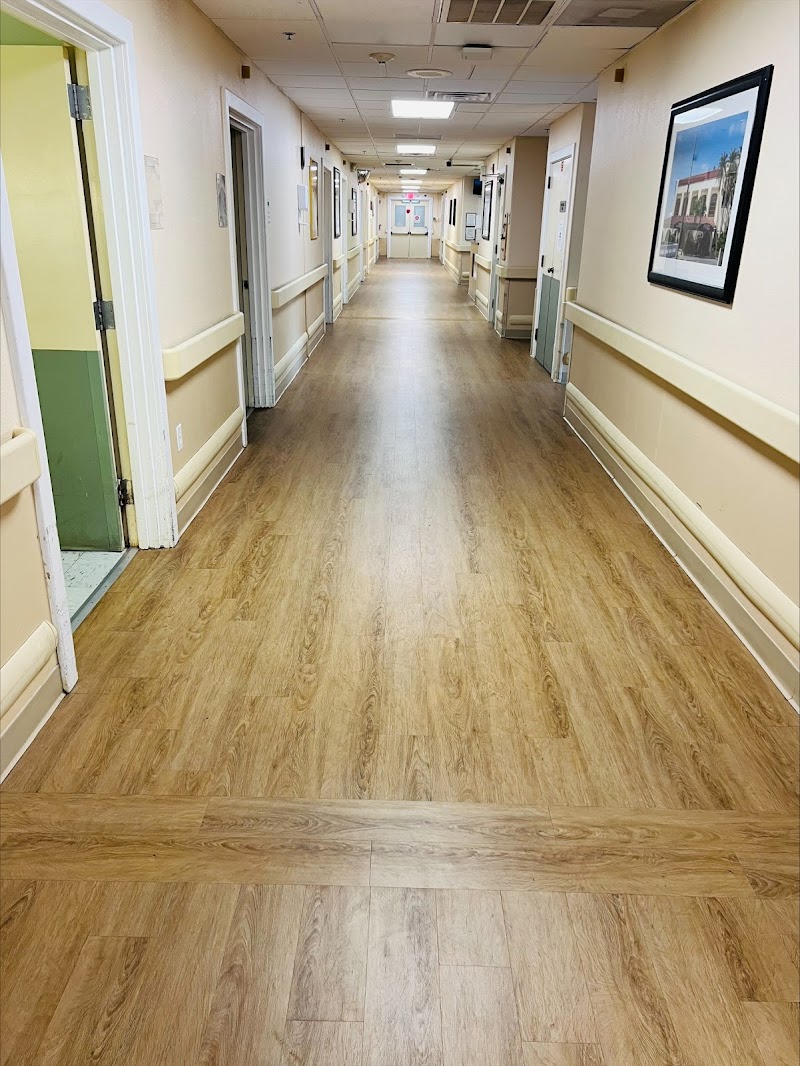
How is Braden River Rehabilitation Center Llc Staffed?

CMS rates BRADEN RIVER REHABILITATION CENTER LLC's staffing level at 3 out of 5 stars, which is average compared to other nursing homes. Staff turnover is 47%, compared to the Florida average of 46%. RN turnover specifically is 70%, which is notably high. RNs provide skilled clinical oversight, so turnover in this role can affect medical care quality.

What Have Inspectors Found at Braden River Rehabilitation Center Llc?

State health inspectors documented 27 deficiencies at BRADEN RIVER REHABILITATION CENTER LLC during 2021 to 2025. These included: 27 with potential for harm.
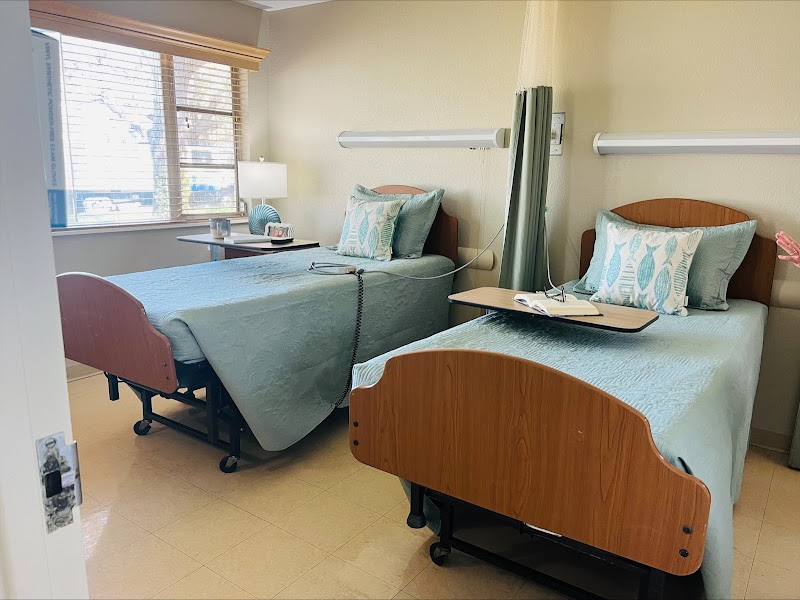
Who Owns and Operates Braden River Rehabilitation Center Llc?

BRADEN RIVER REHABILITATION CENTER LLC is owned by a for-profit company. For-profit facilities operate as businesses with obligations to shareholders or private owners. The facility is operated by SOVEREIGN HEALTHCARE HOLDINGS, a chain that manages multiple nursing homes. With 208 certified beds and approximately 161 residents (about 77% occupancy), it is a large facility located in BRADENTON, Florida.
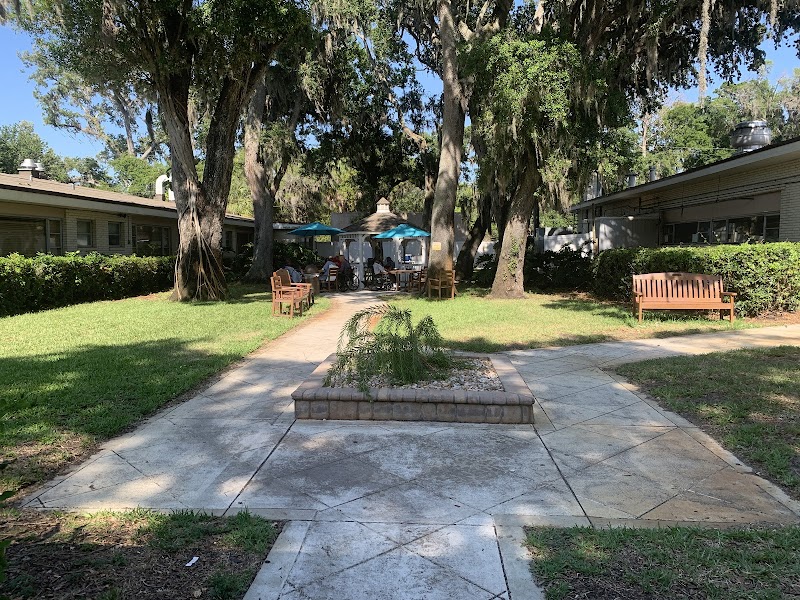
How Does Braden River Rehabilitation Center Llc Compare to Other Florida Nursing Homes?

Compared to the 100 nursing homes in Florida, BRADEN RIVER REHABILITATION CENTER LLC's overall rating (4 stars) is above the state average of 3.2, staff turnover (47%) is near the state average of 46%, and health inspection rating (3 stars) is at the national benchmark.

What Should Families Ask When Visiting Braden River Rehabilitation Center Llc?

Based on this facility's data, families visiting should ask: "Can I visit during a mealtime to observe dining assistance and food quality?" "How do you handle medical emergencies, and what is your hospital transfer rate?" "Can I speak with family members of current residents about their experience?"

Is Braden River Rehabilitation Center Llc Safe?

Based on CMS inspection data, BRADEN RIVER REHABILITATION CENTER LLC has a clean safety record: no substantiated abuse findings (meaning no confirmed cases of resident harm), no Immediate Jeopardy citations (the most serious violation level indicating risk of serious injury or death), and is not on the Special Focus Facility watch list (a federal program monitoring the lowest-performing 1% of nursing homes). The facility has a 4-star overall rating and ranks #1 of 100 nursing homes in Florida. While no facility is perfect, families should still ask about staff-to-resident ratios and recent inspection results during their visit.

Do Nurses at Braden River Rehabilitation Center Llc Stick Around?

BRADEN RIVER REHABILITATION CENTER LLC has a staff turnover rate of 47%, which is about average for Florida nursing homes (state average: 46%). Moderate turnover is common in nursing homes, but families should still ask about staff tenure and how the facility maintains care continuity when employees leave.

Was Braden River Rehabilitation Center Llc Ever Fined?

BRADEN RIVER REHABILITATION CENTER LLC has no federal fines on record. CMS issues fines when nursing homes fail to meet care standards or don't correct problems found during inspections. The absence of fines suggests the facility has either maintained compliance or corrected any issues before penalties were assessed. This is a positive indicator, though families should still review recent inspection reports for the full picture.

Is Braden River Rehabilitation Center Llc on Any Federal Watch List?

BRADEN RIVER REHABILITATION CENTER LLC is not on any federal watch list. The most significant is the Special Focus Facility (SFF) program, which identifies the bottom 1% of nursing homes nationally based on persistent, serious quality problems. Not being on this list means the facility has avoided the pattern of deficiencies that triggers enhanced federal oversight. This is a positive indicator, though families should still review the facility's inspection history directly.