DADE CITY HEALTH AND REHABILITATION CENTER

37135 COLEMAN AVE, DADE CITY, FL 33525 (352) 567-8615
For profit - Limited Liability company 120 Beds SIMCHA HYMAN & NAFTALI ZANZIPER Data: November 2025 2 Immediate Jeopardy citations
Trust Grade
1/100
#630 of 690 in FL
Last Inspection: April 2024

Within standard 12-15 month inspection cycle. Federal law requires annual inspections.

Overview

Dade City Health and Rehabilitation Center has received a Trust Grade of F, indicating significant concerns about the quality of care provided, which means it is among the poorest facilities in Florida. It ranks #630 out of 690 in the state and #18 out of 18 in Pasco County, placing it in the bottom tier for both. The facility is reportedly improving, with a reduction in issues from 17 in 2024 to just 3 in 2025, but it still has a long way to go. Staffing is average, with a rating of 3 out of 5 stars and a turnover rate of 50%, which is concerning but close to the state average. However, there are alarming incidents, such as residents being able to exit the facility unsupervised multiple times, highlighting serious safety risks, along with troubling fines totaling $67,467, which are higher than 85% of Florida facilities. While there is some RN coverage, it's below the norm, which may impact the level of care residents receive.

Trust Score
F
1/100
In Florida
#630/690
Bottom 9%
Safety Record
High Risk
Review needed
Inspections
Getting Better
17 → 3 violations
Staff Stability
⚠ Watch
50% turnover. Above average. Higher turnover means staff may not know residents' routines.
Penalties
✓ Good
$67,467 in fines. Lower than most Florida facilities. Relatively clean record.
Skilled Nurses
⚠ Watch
Each resident gets only 22 minutes of Registered Nurse (RN) attention daily — below average for Florida. Fewer RN minutes means fewer trained eyes watching for problems.
Violations
⚠ Watch
51 deficiencies on record. Higher than average. Multiple issues found across inspections.
★☆☆☆☆
1.0
Overall Rating
★★★☆☆
3.0
Staff Levels
★★★☆☆
3.0
Care Quality
★☆☆☆☆
1.0
Inspection Score
Stable
2024: 17 issues
2025: 3 issues

The Good

  • Full Sprinkler Coverage · Fire safety systems throughout facility
  • No fines on record

Facility shows strength in fire safety.

The Bad

1-Star Overall Rating

Below Florida average (3.2)

Significant quality concerns identified by CMS

Staff Turnover: 50%

Near Florida avg (46%)

Higher turnover may affect care consistency

Federal Fines: $67,467

Well above median ($33,413)

Moderate penalties - review what triggered them

Chain: SIMCHA HYMAN & NAFTALI ZANZIPER

Part of a multi-facility chain

Ask about local staffing decisions and management

The Ugly 51 deficiencies on record

2 life-threatening 1 actual harm
Jul 2025 3 deficiencies
CONCERN (D) 📢 Someone Reported This

A family member, employee, or ombudsman was alarmed enough to file a formal complaint

Potential for Harm - no one hurt, but risky conditions existed

Deficiency F0568 (Tag F0568)

Could have caused harm · This affected 1 resident

Based on observation, record review, and interview, the facility failed to ensure accurate generally accepted accounting principles were implemented for two residents (#3 and #7) of three residents re...

Read full inspector narrative →
Based on observation, record review, and interview, the facility failed to ensure accurate generally accepted accounting principles were implemented for two residents (#3 and #7) of three residents reviewed for Resident Trust Fund monies out of nine sampled residents. Resident #3 was not being charged the correct patient liability (cost of care) or allocated his personal needs allowance of $160.00 per month; Resident #7, a Supplemental Security Income (SSI) recipient, was not being charged the correct patient liability and the facility had not safeguarded his funds by ensuring the Social Security office had been notified of his residence in the Nursing Home.Findings included: 1. A review of Resident #3's clinical chart, the admission Record, documented an admission of 10/2023, with a readmission of 07/11/2025. His diagnosis information included but not limited to: dementia, muscle weakness, and need for personal care.A family member was listed as the resident's responsible party, power of attorney for financial and care. An observation and interview were conducted on 07/15/2025 at 10:15 a.m. with Resident #3, sitting in a wheelchair, dressed in seasonally appropriate clothing, he stated his family will bring in what he needs, and takes care of his finances. A review of Resident #3's eligibility recipient information for Medicaid for the dates of 07/2024 through 12/2024, documented Resident #7 had been determined eligible for Medicaid in the nursing home with a monthly patient liability (room and board) of $1,303.63 and for 01/2025 on going, a monthly patient liability of $1,338.63. A review of Resident #3's Resident Fund Management System (RFMS) (patient trust account) for the date of 12/13/2024 through the date of survey (07/15/2025) reflected Resident #3's Social Security check was direct deposited into his patient trust account. Review of the patient trust account debit column, which reflected the withdrawal by the facility for the monthly cost of care for room and board (patient liability) documented the following cost being charged the resident:01/03/2025=$1,438.0001/31/2025=$272.6302/03/2025=$1,438.0003/03/2025=$1,438.0004/03/2025=$1,438.0005/03/2025=$1,438.0006/03/2025=$1,466.0007/03/2025=$1,466.00 Further review of the RFMS (patient trust account) for 12/2024 through 07/15/2025 reflected no evidence the facility was setting aside Resident #3's personal needs allowance of $160.00 per month A review of Medicaid ESS (Economic Self Sufficiency) policy manual section 2640.0118 reflected Florida allows nursing home residents on the Medicaid long-term care program to retain a personal needs allowance of $160.00 per month. A review of Resident #3's billing statement for room and board, print date of 07/15/2025, for the time period of 01/01/2024 through the date of survey, 07/15/2025, was reviewed.For the 06/2024 through 12/2024, the charge for room and board was reflected to be $1,303.63 per month.For the 01/2025 through 04/2025, the charge for room and board was reflected to be $1,338.63.For 05/2025, $1,295.45;For 06/2025, $1,338.63;For 07/2025, $1,209.09As of 07/15/2025, Resident #3's room and board charge statement reflected a credit of $3,163.02. (over payment). The BOM was interviewed on 07/15/2025 at 2:48 p.m. while reviewing the RFMS statement and the room and board billing. The BOM confirmed what had been billed for room and board was not the same as what was being pulled from the RFMS (patient trust system). 2. A review of Resident #7's clinical chart, the admission Record, documented an admission to the facility in 01/2023; readmission in 11/2024. His diagnosis information included, but not limited to: Dementia, muscle weakness, and chronic kidney disease. A review of Resident #7's eligibility recipient information for Medicaid for the dates of 07/2024 through 07/2025, documented Resident #7 had been determined eligible for Medicaid in the nursing home with a monthly patient liability (cost of care) of $0.00. A review of Resident #7's RFMS (patient trust) Account for the dates of 12/13/2024 through the date of survey, 07/15/2025, documented Resident #7 had been charged a monthly patient liability (cost of care) each month of $807.00. The RFMS account reflected a monthly SSI (Supplemental Security Income) check deposit of $967.00. The BOM was interviewed on 07/15/2025 at 1:13 p.m. regarding Resident #7. She stated she became aware the facility was Representative Payee for Resident #7 when the Social Security office reached out, they were auditing his account. She stated prior to Social Security reaching out, she was unaware the facility was Representative Payee for Resident #7. When asked if the facility had notified the Social Security office of Resident #7's residing in a nursing home, she said she would see. When asked if the facility had a process to notify the Social Security office, she stated she did not have a form, but she could ask what the process was for the corporation. A review of the Social Security website, SSA.gov, section GN 00502.114 Representative Payee Responsibilities and Duties, included: The payee responsibilities and duties are to: report events that may affect the beneficiary's entitlement or amount of payment. A review of the Social Security website, SSA.gov, regarding living arrangements for an SSI recipient and reduction of SSI benefits when: Are in a public or private medical treatment facility and Medicaid is paying for more than half of the cost of your care. If you are in the facility for the whole month, your SSI benefit is limited to $30 (plus any supplementary State payment).
CONCERN (D) 📢 Someone Reported This

A family member, employee, or ombudsman was alarmed enough to file a formal complaint

Potential for Harm - no one hurt, but risky conditions existed

Grievances (Tag F0585)

Could have caused harm · This affected 1 resident

Based on record review and interviews, the facility failed to ensure a prompt effort to resolve a grievance for one resident (#3) of three residents sampled for grievances of a total of nine sampled r...

Read full inspector narrative →
Based on record review and interviews, the facility failed to ensure a prompt effort to resolve a grievance for one resident (#3) of three residents sampled for grievances of a total of nine sampled residents. Resident #3's family member had voiced a concern on 02/24/2025 regarding Resident #3's patient trust monies, an accounting of the withdrawals, an inquiry of a $400.00 deposit, an $1800.00 refund, and a concern regarding the posting of Resident #3's $160.00 monthly patient allowance. The concern was still outstanding as of 07/15/2025.Findings included: A review of Resident #3's clinical chart, the admission Record, documented an admission of 10/2023, with a readmission of 07/11/2025. His diagnosis information included but not limited to dementia, muscle weakness, and need for personal care.A family member was listed as the resident's responsible party, power of attorney for financial and care. An observation and interview were conducted on 07/15/2025 at 10:15 a.m. with Resident #3, sitting in a wheelchair, dressed in seasonally appropriate clothing, he stated his family will bring in what he needs and takes care of his finances.A review of a grievance for Resident #3 was conducted with the Social Service Director on 07/15/2025 at approximately 11:20 a.m. She stated, the (family member) is complaining about $400.00; it has not been resolved. A review of a grievance / complaint form, dated 06/19/2025, documented a concern: has multiple ongoing concerns about (Resident #3's) account. Issue has been ongoing since 2024. The form documented the staff assigned responsibility for the investigation was the Business Office Manager (BOM), assigned on 06/19/2025 with a due date of 06/23/2025. Further review of the grievance reflected no findings of an investigation, and no plan to resolve the complaint.A letter was attached to the complaint, dated 06/19/2025, from the family member which listed concerns regarding Resident #3's personal trust account, regarding a $400.00 deposit to the account she had made in August of last year, that Resident #3 should have $160.00 allocated monthly for personal expenses from his gross income, and that she had a concern about the balance in the account due to the limited number of expenses he had incurred. I need to know the balance in his account and an accounting of what monies was used.An attached e-mail, dated 05/27/2025, documented a note to the facility's corporate Account Receivable Specialist from the BOM: I am so confused about this one; the (family member) is saying that there was supposed to be a refund check since last year of $1,800.00 something. Can you please check on this account for me.An attached e-mail, dated 05/14/2025, from the (family member), This email is a follow up regarding (Resident #3's) funds. I still have not received his funds please provide status.An attached e-mail, dated 03/20/2025, from the (family member), which listed concerns identical to the 06/19/2025 e-mail from the family member regarding Resident #3's personal trust account, regarding a $400.00 deposit to the account she had made in August of last year, that Resident #3 should have $160.00 allocated monthly for personal expenses from his gross income, and she had a concern about the balance in the account due to the limited number of expenses he had incurred. I need to know the balance in his account and an accounting of what monies was used.An e-mail, dated 02/24/2025, from the (family member), which stated, here is the receipt of the $400.00 I had put in his trust account. In addition to his monthly personal allowance of $160.00 which the nursing home was supposed to be putting away each month. That's the amounts that I am concerned about. An interview was conducted on 07/15/2025 at 11:00 a.m. with the Assistant Business Office Manager. She stated, for Resident #3, there was a grievance submitted by the (family member) of the resident. She wanted a printout of how the transactions for the resident trust account were debited and credited to the account. An interview was conducted on 07/15/2025 at 1:13 p.m. with the Business Office Manager. When asked about the 06/19/2025 grievance, she stated the (family member) had a concern about $1800.00 amount; $400.00, which was located in a different account; and the dental premiums. We switched banks with the RFMS (Resident Fund Management System). The BOM was unable to present documentation that would indicate the (family member's) concern had been addressed as of 07/15/2025.A review of the facility policies and procedures: Resident Right-Grievances, issued 11/07/2024, documented the policy: It is the policy of the facility to allow the resident and or legal representative to voice a grievance in such a manner to acknowledge and respect resident rights.The procedure included: .2. The resident has the right to and the facility will make prompt efforts by the facility to resolve grievances the resident may have in accordance with this paragraph. 8. The facility will establish a grievance policy to ensure the prompt resolution of all grievances regarding the residents' rights.
CONCERN (E) 📢 Someone Reported This

A family member, employee, or ombudsman was alarmed enough to file a formal complaint

Potential for Harm - no one hurt, but risky conditions existed

Accident Prevention (Tag F0689)

Could have caused harm · This affected multiple residents

**NOTE- TERMS IN BRACKETS HAVE BEEN EDITED TO PROTECT CONFIDENTIALITY** Based on observation, record review and interview, the facility failed to provide adequate supervision to prevent falls for thre...

Read full inspector narrative →
**NOTE- TERMS IN BRACKETS HAVE BEEN EDITED TO PROTECT CONFIDENTIALITY** Based on observation, record review and interview, the facility failed to provide adequate supervision to prevent falls for three (#3, #8, and #9) of three residents sampled for fall events out of a total of nine sampled residents, related to lack of an IDT (Interdisciplinary Team) assessment post fall and identifying and / or implementing appropriate post fall interventions for Resident #3, #8 & #9, and accurate neuro check monitoring for Resident #3.Findings included: 1. A review of Resident #3’s clinical chart, the admission Record, documented an admission of 10/2023, with a readmission of 07/11/2025. His diagnosis information included but not limited to dementia, muscle weakness, and need for personal care. An observation and interview were conducted on 07/15/2025 at 10:15 a.m. with Resident #3, sitting in a wheelchair, dressed in seasonally appropriate clothing, he stated he had fallen two times. Nothing broken. Hurt, yes, his right leg. He was observed to pat his right leg which had a soft brace that wrapped around his leg above and below his knee. He did not remember how he fell. Review of Resident #3’s progress notes revealed the following: Dated 06/29/2025 at 7:28 p.m.: While providing care to (Resident #3’s) roommate. The Certified Nursing Assistant (CNA) observed (Resident #3) attempting to exit his bed independently. The CNA promptly responded and assisted the resident to the bathroom. During this interaction, (Resident #3) reported that he had stood up using the bed for support and then slowly lowered himself to his knees on the floor. The CNA and Registered Nurse subsequently utilized a (mechanical) lift to safely return the resident to bed. A full assessment was completed revealing no impairment to the integumentary system. The resident communicated to the Spanish-speaking nurse that he was not experiencing any pain. … Review of the fall report log revealed this fall was not on the fall report log. Progress note dated 06/30/2025 at 11:22 a.m.: Patient experienced a fall while attempting to transfer without assistance. Right elbow is bruised with no open areas noted. Patient reported pain at the site. Md (Medical Doctor) has been notified of fall and x-ray will be ordered. Dated 07/03/ 2025 at 12:44 p.m.: Resident was seen lying on the floor at the nurses’ station facing park hallway. He was lying on his right side. There were multiple drops of blood on the floor near his head. A 3 cm (centimeter) laceration noted to right eyebrow. He was assessed by floor nurse and (provider nurse practitioner) who was at facility when fall occurred. Resident’s eyeglass arm was broken off. He remained on the floor with nursing supervisor until 911 arrived. Resident right eyebrow laceration was assessed by wound nurse. … Resident was last seen sitting outside of dayroom in his w/c (wheelchair) with no concern. A review of Resident #3’s Care Plan, reflected a focus: (Resident #3) is at risk for falls and fall related injury…, initiated 01/10/2023. A review of the interventions revealed on 06/29/2025, an intervention of “staff education” was added. No specific instructions were identified in the intervention. On 06/30/2025, an intervention of “Increased toileting”. No further additional interventions were revealed. A review of the facility’s Neuro check Assessment Form, copyright 2020, documented instructions for Neuro checks: q (every) 15 min (minutes) x 1 hr (hour). q 30 min x 1 hr q 1 hr x 4 hrs q 4 hrs x 24 hrs q shift until 72 hours For Resident #3, the facility provided two Neuro check forms, for the 06/30/25 fall, which occurred at 8:15 a.m. The form recorded monitoring from 06/30/25 to 07/03/25. Review of the form revealed staff did not document the time Resident #3 was monitored during the “q shift until 72 hours”, but documented the type of shift, i.e. “night”, “day”, or “eve” (evening), through 07/03/25 evening shift. On 07/03/25, Resident #3 had another fall at 11:55 a.m., he had a laceration above right eyebrow. He was transferred to a higher level of care. On 07/15/2025 at 3:26 p.m., an interview and review of Resident #3’s falls was conducted with the Regional Nurse Consultant (RNC) and the Director of Nursing. During the review of the Neuro check forms, the RNC stated that the times of observation should have been recorded, not the shift. For Resident #3’s 06/30 fall, the RNC said the fall occurred at 8:15 a.m., unwitnessed, the post fall assessment said they were going to remove clutter from the resident’s room and assist with toileting. When asked about the clutter, she said there was not enough detail to determine the clutter issue. For the toileting, she said he was near the bathroom, his shoelaces were untied, they tied his shoes, and he was able to stand. When asked if the Interdisciplinary Team (IDT) had reviewed the fall event, she stated they reviewed the 06/30, 07/02/25, and 07/03/25 fall events on 07/07/2025. “The usual practice is for IDT to review everything after the fall, or the morning after the fall. The RNC said the 07/02/25 fall occurred at 10:50 p.m., unwitnessed, the resident was found on the bathroom floor. The proactive measure implemented was “assist with toileting again”. This fall was reviewed by IDT on 07/07/2025. The RNC said the 07/03/25 fall occurred at 11:55 a.m., unwitnessed, she did not have the location of the fall. She said the resident had a laceration above the right eyebrow. He was transferred out and then came back. Progress notes were reviewed for the 07/02/25 fall event description without successful location of the event documentation. For Resident #3, he had a fall at 10:50 a.m. in the bathroom on 07/02/25. No new Neuro check sheet was provided that would indicate the monitoring had been re-implemented for the 07/02 fall. 2. Resident #8 was admitted on [DATE]. Review of the Admissions record showed diagnoses included but not limited to cerebral infarction due to unspecified occlusion or stenosis of left middle cerebral artery, other specified disorders of the brain, frontal lobe and executive function deficit following cerebral infarction, myocardial infarction, chronic obstructive pulmonary disease (COPD), epilepsy, occlusion and stenosis of right carotid artery, hypertension, muscle weakness, and lack of coordination. Review of the progress notes on 07/01/2025 showed, during med pass resident was observed rolling out of bed while drowsy in blankets with pillow, Review of the Post Fall Evaluation dated 07/01/2025 showed fall occurrence was 07/01/2025 at 5:00 a.m. the fall was witnessed. The resident rolled out of bed in the resident’s room. The resident was sleeping. Environmental factors present was poor lighting. Vital signs were documented. Neuro checks were normal. No changes observed in mental status. Resident was not experiencing any pain. Range of Motion was within normal limits. Injuries? Yes. Bruise left forearm, 7.62 cm (centimeter) x 5.08 cm, superficial and not bleeding. Immediate New measures included low bed and frequent checks to coincide with neuro checks. Physician was notified on 07/01/2025 at 5:47 a.m. Family notified on 07/01/2025 at 5:48 a.m. Review of the IDT (Interdisciplinary Team) Post Fall Review dated 07/08/2025 showed fall occurred on 07/01/2025 at 7:00 a.m. (different time). Conditions that may have contributed included unsteady gait and history of falls. 5. IDT recommendations included a. equipment (specify below). 5a. if equipment was selected, specify: staff education. Review of the care plans showed Resident #8 was at risk for falls and fall related injury related to metabolic encephalopathy, chronic alcohol dependence, seizure disorder as of 11/16/2023. Interventions included but were not limited to Early Get Up as of 07/05/2025; staff education was initiated on 07/01/2025 and resolved on 07/10/2025. During an interview on 07/15/2025 at 4:52 p.m., the Regional Nurse (RN) and Director of Nursing (DON) stated the Post Fall Evaluation under the assessment section was to show the description of the fall. The RN stated the IDT Post Fall Review was to occur the next day after a fall or within 1-2 days. The RN reviewed the IDT Post Fall Review dated 07/08/2025 for Resident #8 and verified it was completed 6 days after the fall. The RN stated she would expect to see it completed on 07/02/2025 or 07/03/2025. The DON stated the staff was educated to make sure a resident was not tangled up in the sheets or comforters. The DON verified the “staff education” provided was not documented in the e-medical record. The RN and the DON reviewed the care plan and stated the interventions should have addressed the resident’s needs at the time of the fall. The DON stated the fall was unwitnessed even though the documentation in the progress notes showed it was witnessed. The RN stated the documentation was confusing as to whether the fall was witnessed or unwitnessed. The DON stated the Unit Managers (UM) bring a fall “packet” to the morning meetings for review. The UMs do not necessarily keep all the documentation they bring to the morning meetings. 3. Resident #9 was admitted on [DATE] and readmitted on [DATE]. Review of the admission record showed diagnoses included but not limited to Huntington’s disease, dementia, history of falls, and muscle weakness. Review of the progress notes showed on 07/10/2025, Certified Nursing Assistant (CNA) entered the room for rounds and observed the resident lying in a supine position in the bathroom with his head towards the toilet. The resident was lying on the raised toilet seat which was lying in front of toilet on its side. Vital Signs and neuro checks were within normal limits. No signs and symptoms (s/s) of a head injury. The resident was fully clothed with non-slip socks on. The resident was removed from the bathroom. Full range of motion at baseline for the resident with no deficits noted. The CNA and I assisted the resident to bed. Scratches noted to mid/upper back and chest with no bleeding. A 3cm scratch noted to right upper chest with scant amount of bleeding noted. Redness noted to upper back and back of neck. No s/s of pain noted. Scratch to right upper chest cleansed with Normal saline, patted dry and covered with dry dressing. ARNP (Advanced Practice Registered Nurse), resident's family, hospice and nurse management notified of incident. Review of the Post Fall Evaluation dated 07/11/2025 at 12:21 a.m. showed the fall occurred on 07/10/2025 at 9:45 p.m. The fall was unwitnessed. CNA entered room for rounds and observed resident lying in supine position in bathroom with head towards the toilet. Resident was lying on the raised toilet seat which was lying in front of toilet. Resident fell in the bathroom. Resident was unassisted transfer, unassisted ambulation, Huntington’s disease progression. The resident was in bed prior to fall. The resident had non-skid socks on and raised toilet seat. No environmental factors. Vital signs were taken. Neuro checks were normal. No changes in mental status. Not experiencing any pain. Range of motion was within normal limits. Injuries included abrasion and redness right upper chest, medial chest and mid/upper back. Skin integrity alteration was 3 cm by 1 cm, superficial and not bleeding. Immediate new measures included other. Vital signs and neuro checks. APRN notified on 07/10/2025 at 10:00 p.m. and family notified on 07/10/2025 at 10:00 p.m. Review of the IDT Post Fall Review dated 07/11/2025 at 4:52 p.m. showed time of fall was 07/10/2025 at 4:52 p.m. (different times). Predisposing diseases included Hunting Disease. Conditions that may contribute were unsteady gait, history of falls, muscle weakness. IDT recommendations included Medication Regimen Review. Review of the care plans showed Resident #9 was at risk for falls and fall related injury related to impaired mobility, medication usage, chronic disease process as of 11/07/2023. No new interventions were found for the 07/01/2025 fall. During an interview on 07/15/2025 at 4:52 p.m. the Regional Nurse (RN) and the DON verified the fall care plan had not been updated with a new intervention for the 07/01/2025 fall. The DON stated the hospice doctor would be responsible for the Medication Regimen Review for the resident. She verified there was no documentation in the medical record verifying this recommendation had been performed. The DON verified there was no documentation the neuro checks had been performed. The DON stated they would have been completed yesterday (07/14/2025), maybe they had not been scanned into the medical record yet. A review of the facility’s policy and guidelines for Accidents and Supervision, dated 11/03/2020, last reviewed on 10/18/2022, documented the policy: The resident environment will be free of accident hazards as is possible. Each resident will receive adequate supervision and assistive devices to prevent accidents. This includes: 1. Identifying hazard(s) and risk(s). 2. Evaluating and analyzing hazard(s) and risk(s). 3. Implementing interventions to reduce hazard(s) and risk(s). 4. Monitoring for effectiveness and modifying interventions when necessary. Included in the definitions: “Supervision/Adequate Supervision” refers to intervention and means of mitigating risk of an accident. The policy explanation and compliance guidelines included: 1. Identification of Hazards and risks-the process through which the facility becomes aware of potential hazards in the resident environment and the risk of a resident having an avoidable accident. … b. The facility should make a reasonable effort to identify the hazards and risk factors for each resident. 2. Evaluation and Analysis-the process of examining data to identify specific hazards and risks and to develop targeted interventions to reduce the potential for accidents. Interdisciplinary involvement is a critical component of this process. … 4. Monitoring and Modification-Monitoring is the process of evaluating the effectiveness of care plan interventions. Modification is the process of adjusting interventions as needed to make them more effective in addressing hazards and risks. Monitoring and modification processes include: a. Ensuring that interventions are implemented correctly and consistently. b. Evaluating the effectiveness of interventions. c. Modifying or replacing interventions as needed. d. Evaluating the effectiveness of new interventions. 5. Supervision-Supervision is an intervention and a means of mitigating accident risk. The facility will provide adequate supervision to prevent accidents. Adequacy of supervision: a. Defined by type and frequency b. Based on the individual resident’s assessed needs and identified hazards in the resident environment.
Nov 2024 3 deficiencies
CONCERN (D) 📢 Someone Reported This

A family member, employee, or ombudsman was alarmed enough to file a formal complaint

Potential for Harm - no one hurt, but risky conditions existed

Quality of Care (Tag F0684)

Could have caused harm · This affected 1 resident

**NOTE- TERMS IN BRACKETS HAVE BEEN EDITED TO PROTECT CONFIDENTIALITY** Based on observation, interview, and record review, the facility failed to obtain wound care orders and perform wound care timel...

Read full inspector narrative →
**NOTE- TERMS IN BRACKETS HAVE BEEN EDITED TO PROTECT CONFIDENTIALITY** Based on observation, interview, and record review, the facility failed to obtain wound care orders and perform wound care timely for one (#3) of four sampled residents. Findings included: Resident #3 was admitted on [DATE]. Review of the admission Record showed diagnoses included but not limited to Congestive Heart Failure, Chronic Obstructive Pulmonary Disease, and diabetes. Review of the physician orders showed: Cleanse with normal saline, pat dry with gauze. Apply Calcium Alginate over ulcers and then apply secondary dressing, kerlix wrap, and secure with tape daily and as needed for left lower extremity venous ulcers with order and start date of 11/13/2024. Cleanse with normal saline, pat dry with gauze. Apply Calcium Alginate over ulcers and then apply secondary dressing, kerlix wrap, and secure with tape daily and as needed for left lower extremity venous ulcers with order and start date of 11/14/2024. Barrier cream with zinc every shift to bilateral buttocks and sacrum for pressure ulcer for 14 days as of 11/13/2024. Review of the November Treatment Administration Record (TAR) showed: Cleanse with normal saline, pat dry with gauze. Apply calcium alginate over ulcers and then apply secondary dressing, border gauze to left lower extremity (LLE) every day and as needed for venous ulcers as of 11/08/2024 to 11/13/2024. Documented as performed on 11/08/24, 11/09/24, 11/11/24, 11/12/24, and 11/13/24. Cleanse with normal saline, pat dry with gauze. Apply Calcium Alginate over ulcers and then apply secondary dressing, kerlix wrap, and secure with tape daily and as needed for left lower extremity venous ulcers with order and start date of 11/14/2024. Documented as performed on 11/14/24, 11/15/24, 11/16/24, 11/17/24, 11/18/24. Barrier cream with zinc every shift to bilateral buttocks and sacrum for pressure ulcer for 14 days as of 11/06/2024. Documented as performed every shift starting 11/06/2024, night shift. Review of the Admit/Readmit Screener dated 11/05/2024 showed Skin Integrity 1. Skin Color: normal for ethic group. 2. Skin turgor: normal. 3. Does resident have any areas of skin breakdown? Yes. 3a. Describe skin issues and location below: DTI to left buttocks; scab (s) to BLE (Bilateral Lower Extremities). Review of the Skilled Nurses Note showed On 11/09/2024, evening, Section G, SKIN/WOUND: 1. Skin Description: warm/dry. 2. Resident have a surgical wound, No. 3. Other wounds: no wounds present. On 11/11/2024, evening, Section G, SKIN/WOUND: 1. Skin Description: warm/dry. 2. Resident have a surgical wound, No. 3. Other wounds: no wounds present. On 11/13/2024, evening, Section G, SKIN/WOUND: 1. Skin Description: warm/dry. 2. Resident have a surgical wound, No. 3. Other wounds: anterior bilateral lateral lower extremities. Dressing change: 4. Treatment to wound (s) performed on this shift as ordered. 5. Signs and Symptoms of Wound Infection: 2. redness (erythema) 4. purulent drainage. Comments/Notes: Resident continues on ABT for lower leg possible infection. Redness and swelling noted. On 11/16/2024, evening, Section G, SKIN/WOUND: 1. Skin Description: warm/dry. 2. Resident have a surgical wound, No. 3. Other wounds: no wounds present. On 11/17/2024, evening, Section G, SKIN/WOUND: 1. Skin Description: warm/dry. 2. Resident have a surgical wound, No. 3. Other wounds: no wounds present. Review of the Weekly Skin Evaluation dated 11/11/2024 showed: skin intact. Review of the Weekly Skin Evaluation dated 11/12/2024 showed 3. Blanchable redness of buttocks. 4. Skin tear to left lower leg. Review of the Weekly Pressure Wound Evaluation dated 11/07/2024 showed 1a. Date MD / Alternative Notified / Last Update: 11/06/2024. B. Observations / Data: 1. Location: left buttocks. 2a. present on admission. 2b. date acquired was blank. 4. Pressure Ulcer Stage: 3a. II. 5. Visible Tissue: 5b. epithelial tissue present; 5c. Granulation tissue present. 5g. dry. 6. Drainage: none. 7. Odor: no odor. 8. Measurements: 1.5 cm long x 1 cm wide x 0.1 depth. Barrier cream with zinc every shift. Leave open to air. Review of the Weekly Pressure Wound Evaluation dated 11/17/2024 showed Date MD / Alternative Notified / Last Update: 11/13/2024. B. Observations / Data: 1. Location: left buttocks. 2a. present on admission. 2b. date acquired was blank. 4. Pressure Ulcer Stage: 3a. II. 5. Visible Tissue: healed. Review of the Weekly Non-Pressure Wound Evaluation dated 11/07/2024 showed 1a. Date MD / Alternative Notified / Last Update: 11/06/2024. B. Observations / Data: 1. Vascular ulcer. 1a. LLE. 1b. Venous Partial Thickness. 2b. wound noted on 11/05/2024. 5. Visible tissue: 5a. first impression. 5c. granulation. 5f. moist. 6. Drainage: 6a. serosanguinous. 6b. moderate. 7. Odor: no odor. 8. Wound Measurements: 1.0 cm long x 1.0 cm wide x 0.1 cm deep. 9. Peri-wound tissue: 9a. edema, erythema. Treatment: cleanse with normal saline, apply calcium alginate, and cover with border dressing. Wound Progress: Presented on admission. Review of the Weekly Non-Pressure Wound Evaluation dated 11/17/2024 showed 1a. Date MD / Alternative Notified / Last Update: 11/13/2024. B. Observations / Data: 1. Vascular ulcer. 1a. LLE. 1b. Venous Partial Thickness. 2b. wound noted on 11/05/2024. 5. Visible tissue: 5a. improving. 5b. epithelial tissue present. 5f. moist. 6. Drainage: 6a. serous. 6b. moderate. 7. Odor: no odor. 8. Wound Measurements: 0.8 cm long x 0.8 cm wide x 0.1 cm deep. 9. Peri-wound tissue: 9a. erythema. Treatment: cleanse with normal saline, apply calcium alginate, and cover with border dressing. Wound Progress: improving with delayed wound healing. Review of the Baseline Care Plan dated 11/05/2024 showed, I have impaired skin integrity. Location/Stage (if applicable) left buttocks. I will remain free from new areas of skin breakdown through next review date. Approaches included perform skin evaluation upon admission, weekly and as needed. See current physician's orders / TAR for current treatments as ordered by physician was not checked. The care plan lacked pressure ulcer interventions. During an interview on 11/18/2024 at 2:14 p.m., Staff A, Licensed Practical Nurse (LPN) Wound Care nurse stated either she or Staff B, LPN, Wound Care nurse worked every day including weekends and performed the wound care for the residents. Staff A stated when a resident was admitted , the floor nurse was supposed to check the skin on admission and then either Staff A or Staff B came behind them and double checked the skin. Staff A stated when the consultant wound nurse came in, she saw all new admissions whether they had a wound or not. The consultant wound nurse came on Wednesday. Staff A stated, We (Staff A or Staff B) see the new admission resident on the same day of admission before we go home or the next day. Staff A stated if the resident had a wound, they got treatment orders. Staff A stated they usually called the Nurse Practitioner (NP) of the attending physician, or the consultant wound nurse. Staff A stated they usually called the NP of the attending physician first. The consultant wound nurse saw the resident on their next scheduled day. Staff A stated if the resident did not have anything on their skin the consultant wound nurse would not pick them up. If there was something, they would see them weekly. Staff A stated the consultant wound nurse was the only person who measured wounds in the facility. Staff A stated if a resident was admitted on Thursday and the consultant wound nurse did not come in until the following Wednesday, no wound sizes or description were documented. Staff A stated they (Staff A, Staff B, or the admitting nurse) described the wound to the attending physician or consultant wound nurse and received orders based on their description. Staff A stated the E- MAR (Electronic Medication Administration Record) system would not let them document until the next day after the start date of an order. Staff A stated they did not document the day they performed the wound care if it was on the date of the order because the system would not let them enter the documentation. When asked how they documented treatments performed, she stated they don't. During an interview on 11/18/2024 at 3:39 p.m., the DON stated wound care would be performed on admission. If the resident was admitted on the day shift, either Staff A or Staff B would perform the wound care. The floor nurse performing the admission should do a head-to-toe assessment. The floor nurse should document the wounds. The admission nurse had to assess the wounds and should get initial wound care orders to re-dress the wound after the initial assessment. The DON stated if the resident was admitted at night, the nurse would still do a head-to-toe assessment and document the wound. The DON stated they did not do measurements until the consultant wound care nurse saw the resident. The DON stated the nurses could do a wound description, but it was not in their policy to measure the wounds. The DON stated, If a resident was admitted on Thursday and the consultant wound nurse did not come until the following Wednesday, the wound would not be measured for 6 days, but the wound would be cared for. The DON stated the wound care orders should be obtained on admission. The floor nurse performing the admission had to look at the wound and the wound care would start on the day of admission, because they had to take the dressing off to assess the wound. The DON stated the nurses should call the physician at that point for orders. The DON stated a Skilled Nursing Note was needed for any resident having skilled care which included but not limited to therapy, Intravenous (IV) therapy, wound care, wound vac. The DON stated the Skilled Nursing Note was scheduled per shift but had to be done at least daily. The DON stated if the resident had a wound, it should be documented in the Skilled Nursing Notes. The DON stated that if the nurse entered the wound order into the electronic system they could not document on the TAR until the next day. The DON stated if they could not document on the TAR, they could do a nursing note. The DON stated the care plans should be followed related to wound assessments and care. The DON stated Resident #3 should have had Skilled Nursing Notes from 11/05/2024, at least every day. She stated she did not know why the Skilled Nursing Notes were not done. The DON stated the Skilled Nursing Notes should have addressed the wounds in the documentation. She verified the Skilled Nursing Notes lacked wound documentation. The DON reviewed Resident #3's TAR. She stated the TAR showed the ulcer care was not started until 11/08/2024 even though he was admitted on [DATE]. The DON stated she does not know why the care was not started until 11/08/2024 when the order was received on 11/06/2024. The DON reviewed the Weekly Skin Evaluation dated 11/11/2024 and said it should have addressed the wounds. The DON stated not documenting the wound description or care could possibly cause a negative outcome. She stated a change in the wound should be documented in the progress notes or a Skilled Nursing Note. The DON also verified the care plans were not being followed or addressing the wounds. Review of the facility's policy, Wound Treatment Management, revised 11/23/2022 showed to promote wound healing of various types of wounds, it is the policy of the facility to provide evidence-based treatments in accordance with current standards of practice and physician orders. Policy Explanation and Compliance Guidelines: 1. Wound treatments will be provided in accordance with physician orders, including the cleansing method, type of dressing, and frequency of dressing change. 2. In the absence of treatment orders, the licensed nurse will notify physician to obtain treatment orders. This may be the treatment nurse, or the assigned licensed nurse in the absence of the treatment nurse. 3. Dressing changes may be provided outside their frequency parameters in certain situations. 4. Dressings will be applied in accordance with manufacturer recommendations. 5. Treatment decisions will be based on: a. Etiology of the wound: I. Pressure injuries will be differentiated from non-pressure ulcers, such as arterial, venous, diabetic, moisture or incontinence related skin damage. I I. Surgical. III. Incidental. IV. Atypical. B. Characteristics of the wound: I. Pressure injury stage. II. Size - including shape depth and presence of tunneling and / or undermining. III. Volume and characteristics of exudate. IV. Presence of pain. V. Presence of infection or need to address bacterial bioburden. VI. Condition of the tissue in the wound bed. VII. Condition of Peri- wound skin. C. Location the wound. D. Goals and preferences of the of the resident / representative. 7. Treatments will be documented on the Treatment Administration Record or in the electronic health record. 8. The effectiveness of treatments will be monitored through ongoing assessment of the wound. Considerations for needed modifications include: A. Lack of progress towards healing period B. Changes in the characteristics of the wound. C. Changes in the residence goals and preferences, such as at end of life or in accordance with his / her rights.
CONCERN (D) 📢 Someone Reported This

A family member, employee, or ombudsman was alarmed enough to file a formal complaint

Potential for Harm - no one hurt, but risky conditions existed

Pressure Ulcer Prevention (Tag F0686)

Could have caused harm · This affected 1 resident

**NOTE- TERMS IN BRACKETS HAVE BEEN EDITED TO PROTECT CONFIDENTIALITY** Based on observation, interview, and record review, the facility failed to obtain pressure ulcer wound care orders and provide p...

Read full inspector narrative →
**NOTE- TERMS IN BRACKETS HAVE BEEN EDITED TO PROTECT CONFIDENTIALITY** Based on observation, interview, and record review, the facility failed to obtain pressure ulcer wound care orders and provide pressure ulcer wound care in a timely manner for one (#2) of four sampled residents. Findings included: Resident #2 was admitted on [DATE] and discharged on 11/08/2024. Review of the admission Record showed the diagnoses included but not limited to benign neoplasm of meninges, diabetes, adult failure to thrive, protein-calorie malnutrition, and encounter for palliative care. Review of the Admit/Readmit Screener dated 10/30/2024, Section SK / Skin Integrity 1. Skin Color: normal for ethnic group; 2. Skin turgor: normal; 3. Does resident have any areas of skin breakdown? Yes. 3a. Describe skin issues and location below: bruise to both eyes, bruising to BUE (Bilateral Upper Extremities), both heels red, open area to coccyx. Review of the physician orders showed Cleanse stage III sacrum wound with normal saline, apply Medi-honey, apply calcium alginate and then cover with border foam dressing daily and as needed, with an order date of 11/02/2024 to start on 11/03/2024. Cleanse with normal saline, apply single layer of Xeroform and then cover with dry dressing every other day to left elbow (skin tear) as of 11/02/2024 with a start date of 11/04/2024. Cleanse with normal saline, apply single layer of hydrogel and then cover with dry dressing every other day to left elbow (skin tear) as of 11/06/2024 to 11/12/2024. Skin prep to both heel every shift as of 11/02/2024. Licensed skin check every week on Tuesday as of 10/30/2024 to start on 11/05/2024 was discontinued on 11/04/2024. Licensed skin check every week on Wednesday as of 11/04/2024 to 11/06/2024. Review of the October 2024 Treatment Administration Record (TAR) showed no care was provided to the sacrum pressure ulcer, bilateral heels, or skin tear to the left elbow on 10/30/2024 or 10/31/2024. Licensed skin check every week on Tuesday as of 10/30/2024 to 11/05/2024 was not documented as performed. Review of the November 2024 TAR showed Cleanse stage III sacrum wound with normal saline, apply Medi-honey, apply calcium alginate and then cover with border foam dressing daily and as needed, with an order date of 11/03/2024 and discontinued on 11/12/2024. Documentation showed the sacrum wound care was performed on 11/03/24, 11/04/24, 11/05/24, 11/06/24, 11/07/24, 11/08/24. Cleanse with normal saline, apply single layer of Xeroform / hydrogel and then cover with dry dressing every other day to left elbow (skin tear) as of 11/02/2024 with a start date of 11/04/2024 and discontinue on 11/06/2024. Documentation showed the left elbow care was provided on 11/04/2024, 11/06/2024. Cleanse with normal saline, apply single layer of hydrogel and then cover with dry dressing every other day to left elbow (skin tear) as of 11/06/2024 to 11/12/2024. Documentation showed the left elbow was provided on 11/06/2024. Skin prep to both heel every shift as of 11/02/2024. Documentation showed care was started on evening shift of 11/02/2024. Licensed skin check every week on Wednesday as of 11/04/2024 to 11/06/2024. Documentation showed it was performed on 11/06/2024. Review of the Weekly Pressure Wound Evaluation dated 11/07/2024 showed Date MD/Alternate Notified/ Last updated: 11/06/2024. Date Family/POA (Power of Attorney) notified/ Last update: 11/06/2024. B. Observations / Data: 1. Location: sacrum. 2a. Present on admission. 2b. date acquired was blank. 4. Pressure Ulcer Stage: 3a. III. 5c. granulation tissue present, 5d. slough tissue present. 5f. moist. 6. Drainage: serosanguinous, small amount. 7. Odor: no odor. 8. Measurements: 2 cm (centimeters) long x 2 cm wide x 0.2 depth. Review of the Weekly Pressure Wound Evaluation dated 11/07/2024 showed Date MD/Alternate Notified/ Last updated: 11/06/2024. Date Family/POA (Power of Attorney) notified/ Last update: 11/06/2024. B. Observations / Data: 1. Location: Right heel. 2a. Present on admission. 2b. date acquired was blank. 4. Pressure Ulcer Stage: 3a. STDI (suspected deep tissue injury). 5b. epithelial tissue present, 5g. dry. 7. Odor: no odor. 8. Measurements: 0.8 cm (centimeters) long x 0.8 cm wide x 0.1 depth. Cleanse with normal saline, apply skin prep every shift and leave open to air. Review of the Weekly Pressure Wound Evaluation dated 11/07/2024 showed Date MD Date MD/Alternate Notified / Last updated: 11/06/2024. Date Family/POA (Power of Attorney) notified/ Last update: 11/06/2024. B. Observations / Data: 1. Location: Left heel. 2a. Present on admission. 2b. date acquired was blank. 4. Pressure Ulcer Stage: 3a. STDI (suspected deep tissue injury). 5b. epithelial tissue present, 5g. dry. 7. Odor: no odor. 8. Measurements: 0.8 cm (centimeters) long x 2.0 cm wide x 0.1 depth. Cleanse with normal saline, apply skin prep every shift and leave open to air. Review of the Skilled Nurses Note showed On 10/31/2024, no Skilled Nurse Note documentation On 11/01/2024, no Skilled Nurse Note documentation On 11/02/2024, evening, Section G, SKIN/WOUND: 1. Skin Description: warm/dry. 3. Other wounds: no wounds present. On 11/03/2024, evening, Section G, SKIN/WOUND: 1. Skin Description: warm/dry. 3. Other wounds: no wounds present. On 11/04/2024, no Skilled Nurse Note documentation On 11/05/2024, evening, Section G, SKIN/WOUND: 1. Skin Description: warm/dry. 3. Other wounds: no wounds present. On 11/06/2024, evening, Section G, SKIN/WOUND: 1. Skin Description: warm/dry. 3. Other wounds: no wounds present. On 11/07/2024, days, Section G, SKIN/WOUND: 1. Skin Description: warm/dry. 3. Other wounds: no wounds present. On 11/07/2024, evening, Section G, SKIN/WOUND: 1. Skin Description: warm/dry. 3. Other wounds: no wounds present. Review of the Weekly Skin Evaluation showed On 10/31/2024, bruises to face and both arms; open areas was blank. On 11/02/2024, skin tear on left elbow, bruises to BUE to arms and hands, right breast, left and right eyes. Open area to sacrum, pressure stage III and pressure stage I to left and right heels. On 11/06/2024 Bruises on Left and right eye, left and right arms, left and right hands. Open areas was blank. Review of the baseline care plan dated 10/30/2024 showed, I have impaired skin integrity. Location / Stage (if applicable) was blank. Goal showed, I will remain free from new areas of skin breakdown through next review date. Approaches included perform skin evaluation upon admission, weekly and as needed. See current physician's orders / TAR for current treatments as ordered by physician was not checked. The care plan lacked pressure ulcer interventions. During an interview on 11/18/2024 at 2:14 p.m., Staff A, LPN looked up Resident #2 and said the resident was admitted on [DATE] with bruises to both eyes, bruising to BUE (Bilateral Upper Extremities), both heels red, and an open area to the coccyx. Staff A stated she performed a Weekly Skin Evaluation on 11/02/2024 and it showed a skin tear on the left elbow, bruises to Bilateral Upper Extremities (BUE), hands, right breast, and both eyes. Resident #2 had an open area to her sacrum, pressure ulcer stage III and pressure ulcers stage I to left and right heels. Staff A verified on 10/31/2024 the Weekly Skin Evaluation was performed by Staff B, LPN and it showed bruising to the face and both arms, and the open area was blank. Staff A, LPN verified the Weekly Skin Evaluation dated 11/06/2024 showed bruises to both eyes, left and right arms, and left and right hands. Open areas were blank, no sacrum wound noted. Staff A stated she expected the floor nurse to do the admission for Resident #2 on 10/30/2024. Staff A stated Staff B should have seen Resident #2 and assessed her on 10/31/2024 and asked for wound care orders. Staff A stated the skin prep for the heels was started on 11/02/2024. Staff A stated she found the heels and put in the skin prep order on 11/02/2024 and started doing it on 11/02/2024. Staff A stated she assessed Resident #2's sacral wound and skin tear on 11/02/2024. Staff A stated Resident #2 had a bandage on the skin tear on her left elbow that was dated 10/30/2024. Staff A stated the orders should have been obtained to start wound care on the 10/31/2024 for Resident #2. Staff A stated, I was off the 30th and 31st. She said her counterpart (Staff B) saw Resident #2 on 10/31/2024. Staff A stated Resident #2's wounds could have gotten worse without care. Staff A reviewed Resident #2's Skilled Nurse Note for 11/07/2024 which showed skin area: warm and dry; no surgical wounds; no other wounds presented. Staff A stated that, Yes, it should be documented there. During an interview on 11/18/2024 at 3:39 p.m., the DON verified Resident #2 was admitted on [DATE] and wound care was not started until 11/03/2024 based on the documentation on the TAR. The DON stated there was not a progress note showing Resident #2 had wound care on 10/30/24, 10/31/24, 11/01/24 or 11/02/24. The DON stated the care plans should be followed related to wound assessments and care. The DON stated Resident #2's admission did not have a description of the sacral wound, the heels nor the skin tear on the elbow. The DON verified the Weekly Skin dated 10/31/2024 did not describe Resident #2's skin completely. She stated she would expect to see wound care orders starting on 10/30/2024 (admission). The DON verified there were no wound care orders written on admission. The DON verified Resident #2's Weekly skin sheets dated 11/06/2024 did not address the coccyx wound and should have. The DON stated the Skilled Nursing notes should have been started on 10/30/2024 for second and third shift. The DON stated there should have been Skilled Nursing notes performed on 10/31/24, 11/01/24, and 11/04/24. The DON reviewed the Skilled Nursing notes documented and verified they did not address the wounds. She stated they showed, no wounds. Review of the facility's policy, Pressure Injury Prevention and Management, revised 7/25/2022 showed the facility is committed to the prevention of avoidable pressure ulcers, unless clinically unavoidable, and to provide treatment and services to heal the pressure ulcers / injury, prevent infection and the development of additional pressure ulcers / injuries. Policy Explanation and Compliance Guidelines: 1. There are multiple terms used to describe the type of skin damage, including pressure ulcer, pressure injury, pressure sore, decubitus ulcer, and bedsore. For purposes of this policy, pressure injury, as the current standard terminology will be used. 2. The facility shall establish and utilize a systemic approach for pressure injury prevention and management, including prompt assessment and treatment; intervening to stabilize, reduce or remove underlying risk factors; monitoring the impact of the interventions; and modifying the interventions that's appropriate. 3. Assessment of Pressure Injury Risk A. Licensed nurse will conduct a pressure injury risk assessment, using the Braden Scale for Predicting Pressure Score Risk on residents upon admission / readmission, then quarterly or whenever the residence condition changes significantly. C. Licensed nurses will conduct a full body skin assessment on residents upon admission / readmission, weekly or routinely, and after any newly identified pressure injury. Findings will be documented in the medical record. 4. Interventions for Prevention and to Promote Healing A. After completing a thorough assessment / evaluation, the interdisciplinary team shall develop a relevant care plan that includes measurable goals for prevention and management of pressure injuries and appropriate interventions. B. Interventions will be based on specific factors identified in the risk assessment, skin assessment, and any pressure injury assessment. C. Evidence based interventions for prevention will be implemented for all residents who are assessed at risk or who have a pressure injury present. D. Evidence-based treatments in accordance with current standards of practice will be provided for all residents who have a pressure injury present. I. Pressure injuries will be differentiated from non-pressure injuries such as arterial, venous, diabetic, moisture or incontinence related skin damage. II. Treatment decisions will be based on the characteristics of the wound, including the stage, size, exudate, presence of pain, signs of infection, wound bed, wound edge and surrounding tissue characteristics. E. The goals and preferences of the resident and / or authorized representative will be included in the plan of care F. Interventions will be documented in the care plan and communicated to all relevant staff. 5. Monitoring A. The Director of Nursing or designee will review all relevant documentation regarding skin assessments, pressure injury risk, progression towards healing, and compliance at least weekly, and document a summary of findings in the medical record. B. The attending physician will be notified of: I. The presence of a new pressure injury upon identification. II. The progressions towards healing, or lack of healing, of any pressure injuries weakly. III. Any complications as needed. C. The effectiveness of current preventive and treatment modalities and processes will be discussed in accordance with the QAA Committee Schedule and as needed when actual or potential problems are identified. 6. Modifications of Interventions A. Any changes to the facility's pressure injury prevention and management processes will be communicated to the relevant staff in a timely manner. B. Interventions on a residence plan of care will be modified as needed. Considerations for needed modifications include I. Changes in residence degree of risk for developing pressure injury. II. New onset or recurrent pressure injury development. III. Lack of progression towards healing period IV. Resident non-compliance. V. Changes in the resident's goals and preferences, such as end-of-life or in accordance with his / her rights.
CONCERN (E) 📢 Someone Reported This

A family member, employee, or ombudsman was alarmed enough to file a formal complaint

Potential for Harm - no one hurt, but risky conditions existed

Medical Records (Tag F0842)

Could have caused harm · This affected multiple residents

**NOTE- TERMS IN BRACKETS HAVE BEEN EDITED TO PROTECT CONFIDENTIALITY** Based on observation, interview, and record review, the facility failed to ensure resident documentation was accurate and comple...

Read full inspector narrative →
**NOTE- TERMS IN BRACKETS HAVE BEEN EDITED TO PROTECT CONFIDENTIALITY** Based on observation, interview, and record review, the facility failed to ensure resident documentation was accurate and complete for four (#1, #2, #3, #4) of four sampled residents. Findings included: 1. Resident #1 was admitted on [DATE], readmitted on [DATE] and discharged on 10/27/2024. Review of the admission Record showed diagnoses included but not limited to cellulitis of other sites, Methicillin resistant Staphylococcus Aureus infection, pressure ulcer stage 4 in sacral region, diabetes, hypertension, quadriplegia, contractures of multiple sites, and muscle weakness. Review of the physician orders showed cleanse left/right buttock wound with normal saline and apply collagen and cover with absorbent dressing and secure with tape daily and as needed. Review of the LTC (Long-Term Care) Notes showed On 09/03/2024 section G, SKIN/WOUND: No wounds present. 2. Resident #2 was admitted on [DATE] and discharged on 11/08/2024. Review of the admission Record showed the diagnoses included but not limited to benign neoplasm of meninges, diabetes, Chronic Obstructive Pulmonary Disease, hypertensive chronic kidney disease stage III, adult failure to thrive, protein-calorie malnutrition, hypotension, and encounter for palliative care. Review of the Admit/Readmit Screener dated 10/30/2024, Section SK / Skin Integrity 1. Skin Color: normal for ethnic group; 2. Skin turgor: normal; 3. Does resident have any areas of skin breakdown? Yes. 3 a. Describe skin issues and location below: bruise to both eyes, bruising to BUE (Bilateral Upper Extremities), both heels red, open area to coccyx. Review of the Skilled Nurses Note showed On 10/31/2024, no Skilled Nurse Note documentation On 11/01/2024, no Skilled Nurse Note documentation On 11/02/2024, evening, Section G, SKIN/WOUND: 1. Skin Description: warm/dry. 3. Other wounds: no wounds present. On 11/03/2024, evening, Section G, SKIN/WOUND: 1. Skin Description: warm/dry. 3. Other wounds: no wounds present. On 11/04/2024, no Skilled Nurse Note documentation On 11/05/2024, evening, Section G, SKIN/WOUND: 1. Skin Description: warm/dry. 3. Other wounds: no wounds present. On 11/06/2024, evening, Section G, SKIN/WOUND: 1. Skin Description: warm/dry. 3. Other wounds: no wounds present. On 11/07/2024, days, Section G, SKIN/WOUND: 1. Skin Description: warm/dry. 3. Other wounds: no wounds present. On 11/07/2024, evening, Section G, SKIN/WOUND: 1. Skin Description: warm/dry. 3. Other wounds: no wounds present. Review of the Weekly Skin Evaluation showed On 10/31/2024, bruises to face and both arms; open areas are blank. On 11/02/2024, skin tear on left elbow, bruises to BUE to arms and hands, right breast, left and right eyes. Open area to sacrum, pressure stage III and pressure stage I to left and right heels. On 11/06/2024 Bruises on Left and right eye, left and right arms, left and right hands. Open areas are blank. Review of the baseline care plan dated 10/30/2024 showed, I have impaired skin integrity. Location / Stage (if applicable) was blank. Goal showed, I will remain free from new areas of skin breakdown through next review date. Approaches included perform skin evaluation upon admission, weekly and as needed. See current physician's orders / TAR for current treatments as ordered by physician was not checked. The care plan lacked pressure ulcer interventions. 3. Resident #3 was admitted on [DATE]. Review of the admission Record showed diagnoses included but not limited to Congestive Heart Failure, Chronic Obstructive Pulmonary Disease, and diabetes. Review of the Admit/Readmit Screener dated 11/05/2024 showed SK. Skin Integrity. 1. Skin Color: normal for ethic group. 2. Skin turgor: normal. 3. Does resident have any areas of skin breakdown? Yes. 3a. Describe skin issues and location below: DTI to left buttocks; scab (s) to BLE (Bilateral Lower Extremities). Review of the Skilled Nurses Note showed On 11/09/2024, evening, Section G, SKIN/WOUND: 1. Skin Description: warm/dry. 2. Resident have a surgical wound, No. 3. Other wounds: no wounds present. On 11/11/2024, evening, Section G, SKIN/WOUND: 1. Skin Description: warm/dry. 2. Resident have a surgical wound, No. 3. Other wounds: no wounds present. On 11/13/2024, evening, Section G, SKIN/WOUND: 1. Skin Description: warm/dry. 2. Resident have a surgical wound, No. 3. Other wounds: anterior bilateral lateral lower extremities. Dressing change: 4. Treatment to wound (s) performed on this shift as ordered. 5. Signs and Symptoms of Wound Infection: 2. redness (erythema) 4. purulent drainage. Comments/Notes: Resident continues on ABT for lower leg possible infection. Redness and swelling noted. On 11/16/2024, evening, Section G, SKIN/WOUND: 1. Skin Description: warm/dry. 2. Resident have a surgical wound, No. 3. Other wounds: no wounds present. On 11/17/2024, evening, Section G, SKIN/WOUND: 1. Skin Description: warm/dry. 2. Resident have a surgical wound, No. 3. Other wounds: no wounds present. Review of the Weekly Skin Evaluation dated 11/11/2024 showed: skin intact. Review of the Weekly Skin Evaluation dated 11/12/2024 showed 3. Blanchable redness of buttocks. 4. Skin tear to left lower leg. Review of the Baseline Care Plan dated 11/05/2024 showed, I have impaired skin integrity. Location/Stage (if applicable) left buttocks. I will remain free from new areas of skin breakdown through next review date. Approaches included perform skin evaluation upon admission, weekly and as needed. See current physician's orders / TAR for current treatments as ordered by physician was not checked. The care plan lacked pressure ulcer interventions. 4. Resident #4 was admitted on [DATE]. Review of the admission Record showed diagnoses included but not limited to severe protein calorie malnutrition, Chronic Obstructive Pulmonary Disease, muscle weakness, rheumatoid arthritis, pulmonary fibrosis, and adult failure to thrive. Review of the LTC Nurses Note showed On 11/05/2024, evening, Section G, SKIN/WOUND: 1. Skin Description: cool / clammy. 2. Resident have a surgical wound, No. 3. Other wounds: no wounds present. On 11/05/2024, evening, Section G, SKIN/WOUND: 1. Skin Description: warm / dry. 2. Resident have a surgical wound, No. 3. Other wounds: no wounds present. On 11/06/2024, day, Section G, SKIN/WOUND: 1. Skin Description: warm/dry. 2. Resident have a surgical wound, No. 3. Other wounds: Has wounds. 3a. sacrum. Dressing Change: 4. Treatment to wound(s) performed on this shift as ordered. 5. Signs and Symptoms of wound infection: none of the above. On 11/06/2024, evening, Section G, SKIN/WOUND: 1. Skin Description: warm/dry. 2. Resident have a surgical wound, No. 3. Other wounds: Has wounds. 3a. sacrum. Dressing Change: 4. Treatment to wound(s) performed on this shift as ordered. 5. Signs and Symptoms of wound infection: none of the above. On 11/07/2024, night, Section G, SKIN/WOUND: 1. Skin Description: warm/dry. 2. Resident have a surgical wound, No. 3. Other wounds: Has wounds. 3a. sacrum. Dressing Change: 4. Treatment to wound(s) performed on this shift as ordered. 5. Signs and Symptoms of wound infection: none of the above. On 11/07/2024, evening, Section G, SKIN/WOUND: 1. Skin Description: warm/dry. 2. Resident have a surgical wound, No. 3. Other wounds: Has wounds. 3a. sacrum. Dressing Change: 4. Treatment to wound(s) performed on this shift as ordered. 5. Signs and Symptoms of wound infection: none of the above. On 11/08/2024, no LTC Nurse Note documentation On 11/09/2024, night, Section G, SKIN/WOUND: 1. Skin Description: warm / dry. 2. Resident have a surgical wound, No. 3. Other wounds: no wounds present. On 11/10/2024, night, Section G, SKIN/WOUND: 1. Skin Description: warm / dry. 2. Resident have a surgical wound, No. 3. Other wounds: no wounds present. Review of the Weekly Skin Evaluations showed On 11/01/2024, open area, wound noted to sacrum, treatment in progress. On 11/05/2024, open area on sacral area. On 11/12/2024, open areas, sacral wound. Review of care plans showed has actual skin breakdown related to unstageable pressure wound to sacrum as of 05/20/2024 and revised 09/09/2024. Interventions included but not limited to complete Weekly Skin Evaluation. Consult wound physician as needed. Wound care as ordered, see current treatment record and physician's orders; monitor effectiveness of / response to treatment as ordered. 5. During an interview on 11/18/2024 at 3:39 p.m. The DON reviewed Resident #1's LTC note for 09/03/2024 and stated that the note should have documented the resident had a wound. The DON verified Resident #2 was admitted on [DATE] and wound care was not started until 11/03/2024 based on the documentation on the Treatment Administration Record (TAR). The DON stated there was not a progress note showing Resident #2 had wound care on 10/30/24, 10/31/24, 11/01/24 or 11/02/24. The DON stated Resident #2's admission does not have a description of the sacrum wound, the heels nor the skin tear on the elbow. The DON verified the Weekly Skin Evaluation dated 10/31/2024 did not describe Resident #2's skin completely. She stated she would expect to see wound care orders starting on 10/30/2024 (admission). The DON verified there were no wound care orders written on admission. The DON verified Resident #2's Weekly skin sheets dated 11/06/2024 did not addressed the coccyx wound and should have. The DON stated the Skilled Nursing notes should have been started on 10/30/2024 for second and third shift. The DON stated there should have been Skilled Nursing notes performed on 10/31/24, 11/01/24, and 11/04/24. The DON reviewed the Skilled Nursing notes documented and verified they did not address the wounds. She stated they showed, no wounds. The DON stated Resident #3's should have had Skilled Nursing Notes from 11/05/2024, at least every day. The DON stated the Skilled Nursing Notes should have addressed the wounds in the documentation. She verified the Skilled Nursing Notes lacked wound documentation. The DON reviewed Resident #3's TAR. She stated the TAR showed the ulcer care was not started until 11/08/2024 even though he was admitted on [DATE]. The DON stated she does not know why the care was not started until 11/08/2024 when the order was received on 11/06/2024. The DON reviewed the Weekly Skin Evaluation dated 11/11/2024 and it should have addressed the wounds. She stated a change in the wound should be documented in the progress notes or a Skilled Nursing Note. The DON reviewed the LTC Nurses Note and stated Resident #4 should have LTC Nurses note on 11/08/2024. She stated she did not know why the LTC nursing note was not done. The DON stated the LTC Nursing Notes should have addressed the wound in the documentation. She verified the LTC notes lacked wound documentation.
Apr 2024 14 deficiencies 1 Harm
SERIOUS (G) 📢 Someone Reported This

A family member, employee, or ombudsman was alarmed enough to file a formal complaint

Actual Harm - a resident was hurt due to facility failures

Deficiency F0578 (Tag F0578)

A resident was harmed · This affected 1 resident

**NOTE- TERMS IN BRACKETS HAVE BEEN EDITED TO PROTECT CONFIDENTIALITY** Based on observations, interviews, and record review, the facility failed to ensure the right to formulate an advance directive...

Read full inspector narrative →
**NOTE- TERMS IN BRACKETS HAVE BEEN EDITED TO PROTECT CONFIDENTIALITY** Based on observations, interviews, and record review, the facility failed to ensure the right to formulate an advance directive was honored for two residents (#109 and #212) out of three residents sampled for Advanced Directives related to a resident receiving CPR (cardiopulmonary resuscitation) for 3 minutes when they had wished to not be resuscitated and a resident without an advance directive order who wished to have one. Findings Included: 1) Resident #109 was admitted to the facility on [DATE] for rehabilitation services after a hospitalization, with diagnoses including chronic kidney disease Stage 3B, acute respiratory failure with hypoxia, and chronic diastolic Congestive Heart Failure. Review of Resident #109's medical record revealed the following: -A State of Florida Do Not Resuscitate form was signed by a physician and a family member of Resident #109 on [DATE]. -The resident was receiving hospice services. -A Medical Certification for Medicaid Long Term Care Services and Patient Transfer Form was signed by a medical provider and completed on [DATE]. The form revealed under Advanced Care Planning a check under yes for Do Not Resuscitate (DNR). -On [DATE] a baseline care plan was developed for Resident #109. Review of the care plan revealed the resident expressed a preference for DNR. The goal was My wishes for code status will be followed through next review date, and an approach to be followed by nursing was documented as Follow Code Status per physician order. -Review of Resident #109's physician order summary report revealed a telephone order, dated [DATE], as DO NOT RESUSCITATE. The order was signed by the physician on [DATE]. An interview was conducted with Staff CC, Certified Nursing Assistant (CNA) on [DATE] at 3:20 p.m. Staff CC stated she had Resident #109 in her assignment on the 11 p.m. to 7 a.m. shift on [DATE]. Staff CC stated she was conducting her rounds and found Resident #109 lying on her side and unresponsive. Staff CC stated she got a nurse (Staff AA) and told the nurse that Resident #109 was unresponsive. She stated Staff AA, Registered Nurse (RN), tried to obtain a response from Resident #109 without success. She stated Staff AA, RN then Called a code. Staff CC stated she asked Staff AA if she was sure as she had overheard a nurse talking about Resident #109 being on hospice and a DNR. Staff CC stated Staff AA told her the last time she had checked Resident #109 was a full code because a signature was needed. Staff CC stated Staff AA called the code over the intercom. Staff CC stated she participated in the resuscitation attempt of Resident #109 until another nurse (Staff DD, Licensed Practical Nurse, LPN) told them Resident #109 had a signed DNR order and Cardiopulmonary Resuscitation (CPR) was stopped. An interview was conducted with Staff DD, LPN on [DATE] at 2:34 p.m. Staff DD stated she was working on the other side of the building when the Code Blue announcement was made, and she came to Resident #109's room. She stated when she arrived at Resident #109's room CPR had already been initiated and she asked if anyone had contacted 911. She stated she was told no one had called 911 so she went to the nurse's station to call. Staff DD stated while she was on the phone with 911, she looked in the electronic medical record on the computer and found Resident #109 had a signed DNR order. She stated she went to Resident #109's room and yelled out the staff performing CPR that Resident #109 had a DNR order. Staff DD stated someone in the room, who was later identified as Staff AA, RN, stated it was a pending order. Staff DD stated she went back to the nurse's station, and she was confused as to why someone was stating it was pending as she could see the signed DNR order and the signed State of Florida Do Not Resuscitate form. She stated she showed the nurse, Staff AA, RN the DNR order and The paper in the code book. She stated Staff AA then went back to room and told the staff to stop CPR. Staff DD, LPN stated, She didn't listen to me when I told her the resident was a DNR, she didn't take my word. Staff DD stated she left it to Staff AA, RN to call the family of Resident #109. An interview was conducted with Staff B, LPN, on [DATE] at 2:07 p.m. Staff B stated she was on the other side of the building when she heard a nurse call for a Code Blue. She stated she went into Resident #109's room and CPR was in progress. She stated she took over the ambu bag. She stated she remembered someone coming and stating Resident #109 was a DNR. She stated she just came into help with CPR that was already in progress and did not find out until after it was in progress the resident had a DNR order. A phone interview was conducted with the Medical Director on [DATE] at 11:35 a.m. The Medical Director stated he was also Resident #109's attending physician and her hospice physician. The Medical Director confirmed Resident #109 was a DNR when she was admitted , and he signed an order for DNR on [DATE]. He stated the facility informed the Nurse Practitioner (NP) of the circumstances and the NP called him immediately and informed him. The Medical Director stated it was a nurse who works at the hospital full time and worked for the facility part time, the nurse said the protocol at the hospital was to start CPR and verify later. The Medical Director stated it was an unfortunate event and should not have happened. Review of a form entitled Record of Death revealed the time of death for Resident #109 was documented as 4:05 a.m. An interview was conducted with the Director of Nursing (DON) on [DATE] at 9:30 a.m. The DON stated CPR was performed on Resident #109 for approximately three minutes. She stated the timeline for the event was as follows: 4:00 a.m. on [DATE] Staff CC, CNA found resident unresponsive. 4:01 a.m. Staff CC notified Staff AA, RN that resident was unresponsive. 4:02 a.m. Code was called, simultaneously Staff AA, RN started compressions without checking code status. Staff CC, CNA questioned Staff AA, RN who stated resident was Pending DNR. 4:03 a.m. Staff DD, LPN called 911, noted the DNR, hung up and walked to room to notify Staff AA, RN of DNR. Staff AA, RN insists DNR is pending. 4:05 a.m. Staff DD, LPN notified Staff AA, RN again of DNR and showed her documentation of the DNR. 911 contacted again and Emergency Medical Services (EMS) were already in route. 4:05 a.m. compressions stopped. 4:10 a.m. EMS arrived and pronounced Resident #109 deceased . 2) Review of the record for Resident #212 revealed an admission date of [DATE] with diagnoses including Chronic Obstructive Pulmonary Disease with acute exacerbation, acute and chronic respiratory failure unspecified whether hypoxia or hypercapnia. A review of the medical record revealed Resident #212 was legally blind and his family member would sign paperwork for him. Review of the Medical Certification for Medicaid Long Term Care Services and Patient Transfer Form, dated [DATE], revealed it was not checked for DNR. There was no physician order for DNR found in Resident #212's record and no record of discussion with Resident #212 or his family member as to his wishes Advanced Directives or cardiopulmonary resuscitation. An interview was conducted with Resident #212 on [DATE] at 12:59 p.m. He stated, I told them to not touch me, I'm done, that's what the purple bracelet is for, the hospital put it on me. I am a DNR, Do Not Resuscitate. An interview was conducted with Staff F, LPN on [DATE] at 4:40 p.m. Staff F stated, he thought if it was after hours he was supposed to wait until the next day to obtain the physician order for DNR. Staff F stated he flagged the progress note so it would show up on the 24-hour report. Staff F stated, I should have done it then. An interview was conducted with the DON on [DATE] at 2:50 p.m. The DON stated when residents come in the admitting nurse evaluates paperwork. She stated the 3008 is the order. She stated the nurse converses with the patient and/or verifies orders with the physician. If the 3008 and a Golden Rod are there they go and verify the wishes. She stated the nurse should be calling the physician. Once the resident expresses their wishes the nurse calls the doctor to get orders and two nurses verify the order. The DON reviewed Resident #212's progress note and stated the physician should have been called. Review of a facility policy entitled Standards and Guidelines: Advance Directives Code Status, with an issue date of 1/2024 revealed the following: Standard: It is the policy of the facility to honor Advance Directives, Code Status and Do Not Resuscitate Orders in accordance with State and Federal Regulations. Definitions: Code Status - Listed in the resident's medical chart. Obtained upon admission and reviewed at least quarterly and/or upon resident/ representative's request. Identifies resident's wishes for medical intervention should the resident's heart stop beating and/or should the resident stop breathing. Full Code: Full code means that if a person's heart stopped beating and/ or they stopped breathing, all resuscitation procedures will be provided to keep them alive. This process can include chest compressions, rescue breathing, and/or defibrillation and is referred to as CPR. Do Not Resuscitate (DNR) - A DNR code status would indicate that the person would not want CPR performed and would be allowed to die naturally if their heart stops beating and/ or they stop breathing. Guidelines: admission /readmission: Code status verified upon admission with Resident/Representative by admitting NURSE. Nurse reviews code status with the resident/representative and confirms decision with the attending physician (MD). Full Code: Admitting nurse must obtain an order from physician (MD) Order into [NAME] Click Care (PCC) using AA Code Status: FULL CODE (batch order) Green Full Code sheet initiated with Resident Name and Date Green Full Code Sheet is placed in Code Status Binders at all Nurses' stations. [NAME] Full Code Sheet is filed alphabetically (i.e. last name is [NAME] and form is under S alpha tab) DNR: Admitting nurse must review with resident/representative with a witness present (preferably another nurse or social services) Admitting nurse obtains order from physician (MD). Initiates Yellow DNR Form Yellow DNR Form will be signed by the Resident/Representative and the two nurses who obtained the order from the physician (MD). Order entered into Point Click Care (PCC) using AA CODE status: DNR (batch order). Verbal Physician's Order is recognized as Resident's Code Status Yellow DNR Form will be copied, and Social Services notified of new DNR. Yellow DNR form will be expedited to physician for final signature. OR: Resident arrives at facility with Yellow DNR form in place either from hospital / community. Admitting nurse must confirm with the resident/ representative choice for DNR. Nurse obtains order from physician. Order entered into Point Click Care (PCC) using AA CODE status : DNR (batch order). Yellow DNR form is scanned into PCC by a designated facility representative under Documents and appropriate labeled in Documents Tab in PCC. Yellow DNR form is placed in Code Status Binders at all Nurses' stations. Yellow DNR form is filed alphabetically (i.e. last name is [NAME]) and form is under S alpha tab.
CONCERN (D)

Potential for Harm - no one hurt, but risky conditions existed

Deficiency F0554 (Tag F0554)

Could have caused harm · This affected 1 resident

**NOTE- TERMS IN BRACKETS HAVE BEEN EDITED TO PROTECT CONFIDENTIALITY** Based on interviews, observations, and record reviews, the facility failed to ensure two residents (#79 and #213) were assessed ...

Read full inspector narrative →
**NOTE- TERMS IN BRACKETS HAVE BEEN EDITED TO PROTECT CONFIDENTIALITY** Based on interviews, observations, and record reviews, the facility failed to ensure two residents (#79 and #213) were assessed for self-administration of treatments and medications out of forty sampled residents. Findings included: An interview was conducted with the Director of Nursing (DON) on 4/24/24 at 5:01 p.m., the DON stated she did not believe any residents in the facility were able to self-administer medications. 1. Review of Resident #79's admission Record showed the resident was originally admitted on [DATE] and re-admitted on [DATE]. The record included diagnoses not limited to Type 2 Diabetes Mellitus with diabetic chronic kidney disease, cellulitis of left lower limb, and End Stage Renal Disease. An observation on 4/23/24 at 3:02 p.m. revealed Resident #79 lying in bed after returning from dialysis. The observation showed a bottle of nasal spray, a spray bottle of wound cleanser, and a bottle of a dark liquid the resident stated was Betadine. The resident reported an undated foam dressing on the left upper extremity and the open wound on the inner thigh of the left upper leg was dressed by the resident. The resident stated the presence of the collagen pad in the room was used to dress the left leg wound. During an observation and interview on 4/24/24 at 5:33 p.m., with Resident #79 and the Director of Nursing (DON), the DON informed the resident the observed wound cleanser and Betadine would need to removed and the resident refused to allow the removal of items. The DON left the room without any of the treatment items observed on the over-bed table, including the nasal spray. Review of Resident #79's care plan did not reveal the resident was assessed for the self-administration of medications or treatments. The care plan showed the resident had an Activities of Daily Living (ADL) self-care performance deficit related to impaired mobility, preferred to have facial hair at times, (and) preferred to have belongings/toiletries left in bathroom and at bedside. This focus was initiated/created on 1/30/24 and revised on 4/23/24. The interventions did not reveal the resident was able to keep medications at bedside. The resident's care plan did not show the resident was assessed and allowed to self-administer medications and/or medicated treatments. 2. On 4/22/24 at 11:34 a.m., Resident #213 was observed lying in bed, with a bedside dresser/bookcase next to the bed. An opened bottle of Nystatin Topical Powder and a medication cup with a powder substance was observed on the top of the bookcase. The bottle of antifungal powder revealed it was to be applied to the groin/scrotum twice daily for 5 days. Photographic evidence was obtained. Review of Resident #213's admission Record showed an original admission date of 11/29/22 and a readmission on [DATE]. The record included diagnoses not limited to encounter for orthopedic aftercare following surgical amputation and Type 2 Diabetes Mellitus with hyperglycemia. Review of Resident #213's April 2024 Treatment Administration Record (TAR) showed the treatment for Nystatin External Powder was to be applied twice daily to the groin/scrotum from 4/16/24 to 4/21/24. Review of Resident #213's medical record did not reveal the resident had been assessed for self-administration of medications. A request was made to the facility on 4/25/24 for a copy of the resident's Self-Administration Assessment and it was not provided. During an interview with the Director of Nursing (DON) on 4/25/24 at 1:12 p.m., the DON reported being aware of the (name brand) antifungal powder was at Resident #213's bedside, They had to have been in (pronoun) possessions. Review of the policy - Resident Self-Administration of Medication, implemented 11/2020, revealed the following: It is the policy of this facility to support each resident's right to self-administer medication. A resident may only self-administer medications after the facilities interdisciplinary team has determined which medications may be self-administered safely. The compliance guidelines revealed: 1. Each resident has the right to be assessed for self-administration of medications. 2. Resident's preference will be documented on the appropriate form and placed in the medical record as indicated. The results of the interdisciplinary team assessment are recorded on the Self-Administration of Medication Evaluation, which is located in the resident's medical record. 7. Bedside medication storage is permitted only when it does not present a risk to confused residents who wander into the other resident's rooms or to confused roommates of the resident who self-administers medication. The following conditions are met for bedside storage to occur: a. The manner of storage prevents access by other residents. Lockable drawers or cabinets are required only if locked storage is ineffective. b. The medications provided to the resident for bedside storage are kept in the containers dispensed by the provider pharmacy. 8. All nurses and aides are required to report to the charge nurse on duty any medication found at the bedside not authorized for bedside storage. Unauthorized medications are given to the charge nurse for return to the family or responsible party. Families or responsible parties are reminded of the policy and procedures regarding resident self-administration when necessary. 13. The care plan must reflect resident self administration and storage arrangements for such medications.
CONCERN (D)

Potential for Harm - no one hurt, but risky conditions existed

Assessment Accuracy (Tag F0641)

Could have caused harm · This affected 1 resident

**NOTE- TERMS IN BRACKETS HAVE BEEN EDITED TO PROTECT CONFIDENTIALITY** Based on observations, interviews, and record review, the facility failed to complete the smoking assessment for one resident (#...

Read full inspector narrative →
**NOTE- TERMS IN BRACKETS HAVE BEEN EDITED TO PROTECT CONFIDENTIALITY** Based on observations, interviews, and record review, the facility failed to complete the smoking assessment for one resident (#364) out of four residents sampled. Findings included: An observation on 04/22/24 at 9:45 a.m. revealed Resident #364 actively smoking a cigarette on the designated smoking patio during a facility specified smoking time. An interview was conducted on 04/24/24 at 12:09 p.m. with Resident #364. She stated she smokes during designated smoking times daily and has been smoking at the facility since she was admitted on [DATE]. An interview was conducted on 04/25/24 at 10:43 a.m. with the Director of Nursing (DON). She stated the smoking assessment process is completed when residents are admitted to the facility. She said there is a section in the admission assessments to address smoking. She stated the expectation is for staff to complete the smoking assessment immediately along with all assessments that are part of the admission. She said smoking assessments are completed at admission to determine resident safety and provide education on the facility policy, and safe smoking practice. She stated all the residents are to be supervised when smoking. She stated Resident #364's smoking assessment was completed on 04/23/24 after she was made aware it had not been done. She stated, It was overlooked and should have been completed at admission. Review of the medical record revealed Resident #364 was admitted on [DATE] with diagnoses that included Bipolar Disorder, generalized anxiety and major depressive disorder, cellulitis of right lower limb, lymphedema, and unspecified cirrhosis of liver. Review of the facility provided list of the residents who smoke, dated 04/22/24 at 7:58 a.m., had Resident #364 as #19 of 20 residents listed on the form. Review of the medical record revealed Resident #364 had no smoking assessment completed. Review of care plan, dated 04/17/2024, showed Resident #364 a focus of Must smoke with supervision. Establishes own choices related to declining to adhere to smoking policy. The care plan was initiated on 04/17/24, and revised on 04/22/24. Review of the Smoking Policy section in the admission packet revealed each resident will be evaluated on admission to determine if he or she is a smoker or non-smoker. If a smoker, the evaluation will include, Ability to smoke safely with supervision. Review of the facility policy titled Resident Smoking, implemented 07/25/22 and revised on 09/07/22, revealed the following: Residents who smoke will be further assessed using the Resident Safe Smoking Assessment, to determine whether or not supervision is required for smoking or if resident is safe to smoke at all.
CONCERN (D)

Potential for Harm - no one hurt, but risky conditions existed

Quality of Care (Tag F0684)

Could have caused harm · This affected 1 resident

**NOTE- TERMS IN BRACKETS HAVE BEEN EDITED TO PROTECT CONFIDENTIALITY** Based on observations, interviews, and record reviews, the facility failed to assess, obtain physician orders, and provide treat...

Read full inspector narrative →
**NOTE- TERMS IN BRACKETS HAVE BEEN EDITED TO PROTECT CONFIDENTIALITY** Based on observations, interviews, and record reviews, the facility failed to assess, obtain physician orders, and provide treatments for one resident (#79) out of one resident sampled for skin conditions unrelated to pressure injuries. Findings included: On 4/23/24 at 3:02 p.m., Resident #79 was observed lying in bed with a bottle of wound cleanser and a bottle of dark liquid, which the resident stated was Betadine, on the over-bed table within reach of the resident. The observation revealed an undated foam dressing located to the outer aspect of the resident's upper left arm. The resident was observed with two areas on the upper left thigh, one area was approximately dime-size, opened with yellowish-white substance attached to the indented wound bed, and the other area was raised, approximately quarter-sized, with a purplish-red coloration to it. The open area to left thigh had a knuckle bandage next to the area. The resident reported dressing the left thigh by himself, having wound cleanser, Betadine, and collagen. The resident reported the facility's Wound Care Nurse probably started out good but has declined. A review, on 4/23/24 at 3:49 p.m. of Resident #79's medical record revealed staff had noted a left arm skin tear on the resident's Weekly Skin Evaluation, dated 4/17/24, with no further information. A review on 4/23/24 at 3:47 p.m., of Resident #79's Long-Term Care (LTC) Nurse's Note, dated 4/23/24 at 3:33 p.m., revealed the resident did not have a surgical wound, had Left (L) leg wounds and dialysis port, dressing(s) to wound(s) were clean, dry, and intact, and there was no signs or symptoms of infection which included foul odor, redness, increased and/or purulent drainage or warmth. The nurse's note did not reveal the resident had a skin tear to upper left arm. Review of Resident #79's April Medication and Treatment Administration Records (MAR/TAR) did not show the facility had obtained or had been following physician orders for the application of dressing to the resident's upper left arm or inner left thigh. Review of the facility's Incident Log did not reveal Resident #79 had any skin tear or skin condition non-pressure incidents during the time period of 11/22/23 to 4/22/24. An interview was conducted with Staff L, Wound Care Nurse (WCN)/Licensed Practical Nurse (LPN), on 4/24/24 at 5:38 p.m. The staff member stated the resident had surgical wounds a couple months ago and they were healed as far as she knew. The WCN reported she would not have followed up with the wounds, stated the assigned nurse would have assessed the area, notified the physician, gotten treatment orders, and do the treatments. Staff L stated multiple times that she would not have followed up on any wounds for Resident #79 then admitted that after the nurse had obtained orders and did treatment she would have seen the resident for any wounds. She stated she was not aware of Resident #79 having any current wounds. An interview was conducted with Staff R, agency LPN, on 4/24/24 at 5:50 p.m. The staff member reviewed the TAR for the resident and stated no dressings were scheduled for the shift. On 4/24/24 at 5:51 p.m., Resident #79 was observed lying in bed with an undated foam dressing to the left upper arm, the left thigh's open area had a tan-colored undated foam dressing stained with drainage and was partially attached to thigh. The resident pulled up on corner of the dressing covering the left thigh and stated the staining was from the open area. The area was open with yellow slough covering the wound bed. Resident #79 stated the facility had not dressed the area, he had done the dressing and the facility Should do it tonight. On 4/24/24 at 5:53 p.m., Resident #79's left upper arm (LUE) dressing, left thigh open area, and raised area to left thigh was observed with the Director of Nursing. The resident confirmed the area under the LUE dressing was a skin tear occurring when coming through front door and thought Staff S, LPN, had put the dressing on it. The resident pulled his short leg up and revealed both the open and raised areas to the DON. The resident stated the outside facility Wound Care physician had informed the resident not to allow anyone to touch it, so the resident has been dressing it. The DON attempted to remove wound care treatment supplies (Wound Cleanser, Betadine, and Collagen) from the room, which the resident refused to allow. Immediately following the observation, the DON stated the open area to left thigh appeared to be infected and the resident was difficult due to trying to be independent. During an interview on 4/25/24 at 8:36 a.m., the DON reported Staff L had reported to her (on 4/24/24) of being aware of Resident #79's open area and had dressed the area on left thigh of Resident #79. Review of Resident #79's admission Record revealed the resident was originally admitted on [DATE] and re-admitted on [DATE]. The record included diagnoses not limited to cellulitis of left lower limb, Type 2 Diabetes Mellitus with diabetic chronic kidney disease, idiopathic aseptic necrosis of left femur, and dependence on renal dialysis. Review of Resident #79's care plan revealed the following focuses related to the resident's skin conditions: - Is at risk for skin breakdown related to (r/t) impaired mobility, initiated and created 1/30/24. The included interventions instructed staff to observe skin during bathing and daily, especially over bony prominences; report abnormalities to nurse and wound care as ordered, see current treatment record and physician's orders; monitor effectiveness of / response to treatment as ordered, initiated 1/30/24. - Has actual skin breakdown related to: surgical sites to left inner thigh, left groin, initiated and created on 1/30/24. The interventions included but was not limited to Monitor for signs/symptoms (s/s) infection or delayed healing and report to physician as needed (PRN): Redness / Erythema Drainage - purulent or bloody, separation of incision. The interventions instructed Wound care as ordered, see current treatment record and physician's orders; monitor effectiveness of / response to treatment as ordered, initiated: 1/30/24. The policy - Skin Assessment, implemented 11/2020 and reviewed/revised 10/1/2022, revealed the following: It is our policy to performing full body skin assessment as part of our systematic approach to pressure injury prevention and management. This policy includes the following procedural guidelines in performing the full body skin assessment. The explanation and compliance guidelines instructed staff: 1. A full body, or head to toe, skin assessment will be conducted by a licensed or registered nurse upon admission/readmission, and weekly thereafter. The assessment may also be performed after a change of condition or after any newly identified pressure injury. 2. Procedure: e. Begin head to toe, thoroughly examining the resident skin for conditions. Pay close attention to pressure points, bony prominences, and underneath medical devices. g. Remove any dressings, using clean technique, unless contraindicated or ordered to remain in place, and note findings. h. Note any skin conditions such as redness, bruising, rashes, blisters, skin tears, open areas, ulcers, and lesions. 7. Documentation of skin assessment: a. Include the date and time of the assessment , staff name and position title. b. Document observations (e.g. skin conditions, how the resident tolerated the procedure, etcetera). c. Document type of wound. d. Describe the wound (measurements, color, type of tissue in wound bed, drainage, odor, pain). e. Document if resident refused assessment and why. f. Document other information as indicated order appropriate. The policy - Clean Dressing Change, undated as to implementation and/or reviewed, revealed the following: It is the policy of this facility to provide wound care in a manner to decrease potential for infection and/ or cross contamination. Physician orders will specify type of dressing and frequency of changes. 2. Multi-use wound care supplies will be dated and initialed when opened. They will be maintained as clean after initial use. [NAME] items will not be used at the sterility cannot be assured at time of initial use (i.e. open package, broken seal). 13. Measure wound using disposable measuring guide. (Note: if performing photo documentation, remove gloves and wash hands. Photograph wound being careful to avoid any contamination of the camera equipment). 15. Apply topical ointment or creams and dress the wound as ordered. Protect surrounding skin as in indicated with skin protectant. 16. Secure dressing. [NAME] with initials and date. (Add time if dressing is more than once daily.)
CONCERN (D)

Potential for Harm - no one hurt, but risky conditions existed

Pressure Ulcer Prevention (Tag F0686)

Could have caused harm · This affected 1 resident

**NOTE- TERMS IN BRACKETS HAVE BEEN EDITED TO PROTECT CONFIDENTIALITY** Based on observations, interviews, and record review, the facility failed to ensure one resident (#416) out of two residents sam...

Read full inspector narrative →
**NOTE- TERMS IN BRACKETS HAVE BEEN EDITED TO PROTECT CONFIDENTIALITY** Based on observations, interviews, and record review, the facility failed to ensure one resident (#416) out of two residents sampled for pressure ulcers, received necessary care and services to promote healing, prevent infection, and prevent new ulcers from developing. Findings included: During an interview on 04/22/24 at 9:05 a.m., Resident #416 stated, My heel hurt last night so I asked {Staff B, Licensed Practical Nurse, (LPN)} if she could put the pressure ulcer medicine and bandage on my heel so it could sooth the pain. Resident #416 stated Staff B, LPN responded, No she did not do this at night as she was the only nurse in the facility, she was too busy and the facility was understaffed. Resident #416 stated there should be a bandage on my pressure ulcer at all times. Resident #416's right heel did not have a bandage over the pressure ulcer. Resident #416 gave permission to take photographic evidence of the pressure ulcer located on her right heel. (Photographic evidence obtained). A second observation was conducted on 04/22/24 at 10:26 a.m., with both the State Agency (SA) Surveyor and the SA Nurse Surveyor. Resident #416 had a pressure ulcer located on the right heel. Resident #416 had a black non-skid sock over the right foot. Staff C, Certified Nursing Assistant (CNA) removed the black non-skid sock from Resident #416's right foot. The pressure ulcer had no bandage or protection over Resident #416's right heel. An interview was conducted on 04/22/24 at 10:26 a.m., with Staff C, CNA. Staff C stated the pressure ulcer on Resident #416's right heel was usually covered under the non-skid socks and did not know why it was not today. A review of the admission Record revealed Resident #416 was admitted to the facility on [DATE] with diagnoses that included Type II Diabetes Mellitus, Chronic Respiratory Failure, Presence of right artificial knee, Chronic Obstructive Pulmonary Disease and extended spectrum beta lactamase (ESBL) resistance. Review of a physician order, dated 04/08/24, revealed, Clean Right heel with n/s (normal saline), apply collagen sheet and cover with bordered gauze daily. Every day shift for Stage 3 pressure wound. A review of the Medicare 5-Day Minimum Data Set (MDS), dated [DATE] revealed Resident #416 had a Brief Interview for Mental Status (BIMS) score of 15 (cognitively intact). Review of the care plan showed the following: Focus: [Resident #416] has actual skin breakdown related to: Pressure wound right heel. Goal: Risk for further skin breakdown and complications with current skin impairment will be minimized through the next review date. The Interventions included: - Complete Weekly Skin Evaluation. - Consult wound physician as needed. - Discuss non-compliance issues with resident/responsible party. - Monitor for pain and medicate PRN [as needed] per physician's order. - Monitor for sign and symptoms of infection or delayed healing and report to physician PRN: Redness / Erythema Drainage - purulent or bloody Separation of incision. - Observe skin during bathing and daily, especially over bony prominence, Report abnormalities to nurse. During an interview on 04/25/24 at 8:20 a.m., Staff B, LPN stated Resident #416 did ask to have her bandage replaced the other night. Staff B, LPN stated, I had already changed it 2 nights in a row. Staff B, LPN stated Resident #416 kept snatching it off (the bandage) and because I was the only one here and was in the middle of a tube feed, Staff B, LPN stated she told Resident #416, I just did not have the time. Staff B, LPN stated Resident #416 told me she was going to report me for not providing care and I told her to just go ahead and do that. Staff B, LPN stated, I never had the time to go back and replace the bandage, plus wound care comes in at 7:00 a.m. During an interview on 04/25/24 at 2:36 p.m., the Director of Nursing (DON) stated if a resident asked to have wound/pressure ulcer care then it would be expected the nurse on duty to have complete the care. The DON stated at very least, I would have expected the nurse on duty to have passed the information along to morning shift nurses so the wound care could be completed first thing in the morning. A review of the facility's policy Pressure Injury Prevention and Management with reviewed date 07/25/22, revealed, This facility is committed to the prevention of avoidable injuries, unless clinically unavoidable, and to provide treatment and services to heal the pressure ulcer/injury, prevent infection and the development of additional pressure ulcer/injuries.
CONCERN (D)

Potential for Harm - no one hurt, but risky conditions existed

Pharmacy Services (Tag F0755)

Could have caused harm · This affected 1 resident

**NOTE- TERMS IN BRACKETS HAVE BEEN EDITED TO PROTECT CONFIDENTIALITY** Based on interviews, observations, and record reviews the facility failed to provide medications ordered by the physician at the...

Read full inspector narrative →
**NOTE- TERMS IN BRACKETS HAVE BEEN EDITED TO PROTECT CONFIDENTIALITY** Based on interviews, observations, and record reviews the facility failed to provide medications ordered by the physician at the time of admission for one resident (#212) out of one resident sampled for new admissions and failed to notify the physician of the unavailability of the those medications. Findings included: During an interview on 4/22/24 at 12:51 p.m. with Resident #212 and a family member, the family member stated the facility could not get a nebulizer medication from the pharmacy. The resident was lying in bed and wearing oxygen via nasal cannula at the time of the interview. Review of Resident #212's admission Record revealed the resident was admitted on [DATE] with the primary diagnosis of Chronic Obstructive Pulmonary Disease with (acute) exacerbation (COPD). The record included additional diagnoses of acute and chronic respiratory failure unspecified whether hypoxia or hypercapnia and personal history of other malignant neoplasm of bronchus and lung. Review of Resident #212's Admit/Readmit Screening, effective 4/18/24 at 6:54 p.m., revealed the resident had wheezing in bilateral upper lobes, had reported increased shortness of breath while lying flat, and was utilizing 4 liters per minute (lpm) of oxygen to aid the respiratory system. The evaluation showed the medication orders had been verified and reconciled with the physician, patient, and family/responsible party with no issues identified or changes needed. Review of Resident #212's Discharge Instructions from an acute care facility, dated 4/18/24 at 3:30 p.m., revealed new medication orders for: - Budesonide 0.5 milligram (mg)/2 milliliter (mL) inhalation suspension - 2 mL of nebulized inhalation every 12 hours. - Formoterol 20 microgram (mcg)/2 mL inhalation solution - 2 mL every 12 hours Review of Resident #212's Medication Administration Record (MAR) showed the following orders and administration documentation: - Budesonide Inhalation Solution 0.5 mg/2 mL - 2 mL inhale orally every 12 hours for COPD, started 4/18/24 at 9:00 p.m. The MAR showed the resident was to start receiving the medication at 9:00 p.m. on 4/18/24 and to continue receiving at 9:00 a.m. and 9:00 p.m. The administration information showed staff had administered the medication on 4/19, 4/20, and 4/22/24 at 9:00 a.m. and documented 9 (per chart code: Other/See Progress Notes) on 4/21, 4/23, and 4/24 at 9:00 a.m. and at 9:00 p.m. on 4/18, 4/19, 4/20, 4/21, 4/22, and 4/23/24. - Formoterol Fumarate Inhalation Nebulization solution 20 mcg/ 2 mL - 2 mL inhale orally via nebulizer every 12 hours for COPD, start 4/18/24 at 9:00 p.m. The MAR revealed the resident had received this medication at 9:00 a.m. on 4/19, 4/20, and 4/22. The review showed staff had documented 9 (per chart code: Other/See Progress Notes) for the 9:00 a.m. administration on 4/21, 4/23, and 4/24 and at 9:00 p.m. on 4/1, 4/19, 4/20, 4/21, 4/22, and 4/23/24. Review of Resident #212's progress notes, showed the following: - 4/18/24 at 8:38 p.m., Budesonide new admission on order. - 4/18/24 at 8:39 p.m., Formoterol new admission on order. - 4/19/24 at 8:39 p.m., Budesonide Awaiting pharmacy. - 4/19/24 at 9:02 p.m., Formoterol Awaiting pharmacy. - 4/20/24 at 9:47 p.m., Formoterol awaiting pharmacy. - 4/20/24 at 9:47 p.m., Budesonide awaiting pharmacy. - 4/21/24 at 10:34 a.m., Budesonide awaiting pharmacy. - 4/21/24 at 10:35 a.m., Formoterol awaiting pharmacy. - 4/21/24 at 8:53 p.m., Budesonide awaiting pharmacy. - 4/21/24 at 8:53 p.m., Formoterol awaiting pharmacy. - 4/22/24 at 8:50 a.m., Formoterol on order Advanced Practical Registered Nurse (APRN) aware, no new orders (NNO) - 4/22/24 at 8:13 p.m., Formoterol (no other documentation - per MAR medication was not administered) - 4/22/24 at 8:14 p.m., Budesonide (no other documentation - per MAR medication was not administered) - 4/23/24 at 10:26 a.m., Budesonide awaiting delivery. - 4/23/24 at 10:27 a.m., Formoterol awaiting delivery. - 4/23/24 at 10:00 p.m., Budesonide not in stock, contacted pharmacy who stated it will arrive soon. - 4/23/24 at 10:01 p.m., Formoterol not in stock, contacted pharmacy who stated it will arrive soon. - 4/24/24 at 8:24 a.m., Budesonide on order. - 4/24/24 at 8:24 a.m. Formoterol on order. - 4/24/24 at 1:57 p.m. Resident discharged to another skilled nursing facility. Review of progress notes revealed the only Physician/APRN notification was on 4/22/24 at 8:50 a.m. that Formoterol was not available for administration (3.5 days after the order) and the MAR revealed the 9:00 a.m. on 4/22/24 dose of Budesonide and Formoterol had been administered. The notes did not show the Physician/APRN had been notified Budesonide was also not available. Review of Resident #212's care plan revealed the resident exhibits or is at risk for respiratory complications related to diagnosis (dx) of: COPD, initiated, created, and revised on 4/19/24. The interventions included: Provide respiratory treatment as ordered and monitor effectiveness, initiated 4/19/24. Review of medications available in the electronic dispenser did not show either Budesonide or Formoterol was available. During an interview on 4/24/24 at 5:01 p.m., the Director of Nursing (DON) stated medications for new admissions should be received within 24 hours or if available be accessed from the automatic medication dispenser. The DON reviewed the medications showing Budesonide and Formoterol were not received or administered. The staff member stated the pharmacy should have been notified, if an issue the Unit Manager or herself should have been notified and if an insurance reason the facility could authorize a couple days worth, the physician should be notified of the non-delivery so an alternative could have been used. The DON stated the resident had been discharged to another facility to be closer to family. The policy - admission of a Resident, revised 11/16/23, revealed The admission process is intended to obtain all the information possible about the resident, for the development of comprehensive plans of care, and to assist the resident in becoming comfortable in the facility. Residents are admitted to the facility under orders of the attending physician. The pre-admission preparation for a resident showed: b. Once the resident/family has selected the facility, pre-admission information should be gathered. Preadmission information may include, but is not limited to: - iii. Physician's orders - iv. Medication and/or Treatment Records. 2. Upon admission, the designated facility staff will obtain information and perform assessments as per their respective departments and as per facility protocol. Information gathered will be placed into the resident's medical record via the facility's means of recordkeeping (i.e. paper, electronic).
CONCERN (D)

Potential for Harm - no one hurt, but risky conditions existed

Laboratory Services (Tag F0770)

Could have caused harm · This affected 1 resident

**NOTE- TERMS IN BRACKETS HAVE BEEN EDITED TO PROTECT CONFIDENTIALITY** Based on interviews and record review, the facility failed to ensure physician ordered lab work was completed accurately and in ...

Read full inspector narrative →
**NOTE- TERMS IN BRACKETS HAVE BEEN EDITED TO PROTECT CONFIDENTIALITY** Based on interviews and record review, the facility failed to ensure physician ordered lab work was completed accurately and in a timely manner for one resident (#33) out of five sampled residents. Findings included: Review of Resident #33's Power of Attorney (POA) correspondence on 04/20/24 at 12:20 p.m. revealed she made nursing staff aware of Resident #33 not acting herself and requested urinalysis (UA) be completed due to resident's history of recurrent urinary tract infections (UTI). The medical record revealed it took over a week to have the UA completed and when it was, the culture and sensitivity (C&S) was not requested as ordered and had to be redone, delaying treatment. An interview was conducted on 04/25/24 at 10:43 a.m. with the Director of Nursing (DON). She stated the process for receiving physician orders is I expect any order to be acted upon immediately, documented and followed through when received. She said if the resident refused the lab there needs to be documentation in the medical record explaining the reason for refusal. She stated she and the doctor are to be notified. She stated the order was missed for Resident #33's UA and it should have been addressed on 04/05/24 the day the order was received along with the request for C&S to ensure no delay in treatment. An interview was conducted on 04/25/24 at 11:16 a.m. with Staff N, Licensed Practical Nurse (LPN). She stated when she receives any order from the doctor or nurse practitioner she puts the order in the system immediately. She said she fills out a lab sheet in the lab book to schedule pick up, typically within 24 hours. She said if it is a stat (urgent) lab request, then she puts it in for immediate pick up. Review of the medical record revealed Resident #33 was admitted to the facility on [DATE] with diagnoses to include dementia, other persistent mood disorders, and anxiety disorder. Review of the Medication Administration Record (MAR) for April 2024 revealed: -04/24/24 11:17 AM 04/23/24 11:59 AM Macrobid Oral Capsule 100 MG (Nitrofurantoin Monohyd Macro) Give 100 mg by mouth two times a day for ENTEROCOCCUS FAECALIS for 5 Days. Review of a physician order by hospice on 04/05/24 showed UA [urinalysis] and C&S [culture and sensitivity]. Review of lab orders showed urinalysis completed on 04/11/2024 and urinalysis with reflex to culture/urine culture completed on 04/16/24. Review of a hospice note, dated 04/05/24, revealed Received order for UA and C&S; order faxed to facility. Review of the nurse's progress notes revealed: On 04/15/24 Resident presents confusion and agitation. Ativan re-ordered for anxiety. Urine sample re-collected via straight catheter, approximately 30 cc moderate orange color urine collected. Resident tolerated well. sample placed in sterile specimen cup with name, DOB [DATE of birth ], date, and time on the label. Placed in bio room refrigerator for lab p/u [pick up]. Requisition for lab completed and entered in to book. Residents remain afebrile with dysuria reported. Will pass on in report for f/u [follow up]. On 04/11/24 Hospice order received for UA C&S; straight catheter due to dysuria. 40 cc moderate yellow urine collected via straight catheter. Tolerated well. Urine sample placed into sterile specimen cup with name, date, DOB, time on label. Placed in bio room refrigerator for lab p/u. will pass on in report for f/u. Review of Physician Services policy and procedure dated 01/03/24 revealed: -A physician, physician assistant, nurse practitioner or clinical nurse specialist must provide orders for the resident 's immediate care and needs. -All physician or other health care professional verbal orders, including telephone orders, will be immediately recorded, dated and signed by the person receiving the order. -All physician orders will be followed as prescribed and if not followed, the reason shall be recorded on the resident's medical record during the shift.
CONCERN (D)

Potential for Harm - no one hurt, but risky conditions existed

Deficiency F0895 (Tag F0895)

Could have caused harm · This affected 1 resident

Based on observations, interviews, and record review, the facility failed to ensure the accuracy of documentation presented for two of two pantry refrigerator temperature logs. Findings included: An...

Read full inspector narrative →
Based on observations, interviews, and record review, the facility failed to ensure the accuracy of documentation presented for two of two pantry refrigerator temperature logs. Findings included: An observation on 04/22/24 at 11:30 a.m., revealed a Refrigerator/Freezer temperature log that hung on the wall next the free standing refrigerator in the [NAME] Dietary Pantry. The temperature log was incomplete with blank spaces on the form for the dates 04/05/24-04/14/24 and 04/16/24- 04/21/24. Photographic evidence obtained. An observation on 04/22/24 at approximately 12:00 p.m., revealed a a Refrigerator/Freezer temperature log that hung on the refrigerator in the East Dietary Pantry. The temperature log was incomplete with blank spaces on the form for the dates of 04/06/24, 04/12/24, 04/13/24, 04/17/24, 04/18/24 and 04/19/24. An observation on 04/22/24 at 10:30 a.m., revealed the Refrigerator/Freezer temperature log located in the East Dietary Pantry was now fully completed with no blank spaces. Photographic evidence obtained. An observation on 04/23/24 at 12:05 p.m., revealed the Refrigerator/Freezer temperature log located in the [NAME] Dietary Pantry was now fully completed with no blank spaces. Photographic evidence obtained. During an interview on 04/23/24 at 4:52 p.m., the Director of Nursing (DON) stated it was the facility's nursing staff who were responsible for completing the refrigerator/freezer temperature log daily for the pantries. The DON reviewed the photographic evidence of the two pantry temperature logs with discrepancies. The DON stated the temperature logs should not have been completed with the blank spaces filled in, and the nursing staff should be completing them daily. The DON stated her staff should not completed the temperature logs, if they were not already completed. Review of the facility's policy, Principles and Rules of Conductwith reviewed date 01/01/2024 revealed: Employee Conduct: - Professional Standards- You are always expected to adhere to the highest professional standards. This includes behaving in a professional manner during work and at work related events. - Honest Communication: Lilac Health Group requires honesty from individuals in the performance of their responsibilities and in communication with the Lilac Health Group. No employee or contractor shall make a false or misleading statement. Each supervisor and manager are responsible for ensuring that the personnel within their supervision are acting ethically and in compliance with applicable law and this Code.
CONCERN (E)

Potential for Harm - no one hurt, but risky conditions existed

Accident Prevention (Tag F0689)

Could have caused harm · This affected multiple residents

**NOTE- TERMS IN BRACKETS HAVE BEEN EDITED TO PROTECT CONFIDENTIALITY** Based on observations, record reviews, and interviews the facility failed to adhere to the smoking assessment of one resident (#...

Read full inspector narrative →
**NOTE- TERMS IN BRACKETS HAVE BEEN EDITED TO PROTECT CONFIDENTIALITY** Based on observations, record reviews, and interviews the facility failed to adhere to the smoking assessment of one resident (#79) out of the twenty smoking residents, and allowed three residents (#79, #9, and #213) to possess unsecured smoking paraphernalia outside of the supervised smoking times. Findings included: 1. On 4/22/24 at 6:30 a.m., Resident #79 was observed sitting at the main entrance of the facility, next to a trash bin/ashtray alone. The resident informed team of having to use the doorbell to get back into the facility. The entrance area smelled of fresh cigarette smoke and a pack of cigarettes was observed sitting on top of the trash bin. The resident entered the building with the survey team. On 4/23/24 at 3:02 p.m., Resident #79 was observed lying in bed and stated the facility started taking away smoking materials about 7-8 months ago, but have gotten lax about it. The resident stated Staff P, Activity Assistant, informed residents' today of having to take the cigarettes away again, saying it was policy. The resident reported not feeling it was right to take them away, feeling other residents who don't have any are given cigarettes from other residents'. Resident #79 confirmed being at the main entrance smoking when the survey team entered the building at 6:30 a.m. on 4/22/24. The resident stated staff let the resident out and sometimes it takes 45-60 minutes to be let in after ringing the doorbell. On 4/24/24 at 5:53 p.m., Resident #79 was observed, with the Director of Nursing (DON), the resident unzipped a case to obtain the business card from an outside Wound Care Physician and a purple pack of cigarettes fell out of the case. The resident acknowledged he was not supposed to have them the cigarettes. Review of Resident #79's admission Record showed the resident was originally admitted on [DATE] and re-admitted on [DATE]. The record included diagnoses of uncomplicated unspecified nicotine dependence, unspecified respiratory failure with hypoxia, unspecified chronic obstructive pulmonary disease, and unspecified pulmonary hypertension. Review of the Quarterly Minimum Data Set, dated [DATE], showed Resident #79's Brief Interview of Mental Status (BIMS) score was 12 out of 15, indicating moderate cognitive impairment. Review of Resident #79's Smoking Evaluation, dated 4/17/24, showed the resident did not have a history of smoking-related incidents, smoked 5-9 times per day, did not exhibit signs of confusion, vision was adequate with glasses, has fine-motor dexterity, was able to extinguish cigarette safely, and understood the policy related to smoking times and storage of smoking materials. Review of Resident #79's care plan revealed the resident Must smoke with supervision. Establishes own choices related to declining to adhere to smoking policy, initiated 1/30/24 and revised 4/22/24. The goals regarding the residents smoking was the resident would smoke safely with supervision, initiated 1/30/24, and would understand risks and benefits of choices made through next review date, initiated 4/22/24. The goals target date was 7/22/24. The interventions included: - Notify charge nurse if it is suspected resident has violated facility smoking policy, date Initiated 1/30/24. - Resident oriented to smoking procedures and areas, date Initiated: 1/30/24. - Resident will demonstrate the ability to verbalize understanding that smoking materials are for use only in designated smoking areas, date Initiated 1/30/24. - Explain risks and benefits of resident's choices date Initiated 4/22/24. - Respect resident choices, date Initiated 4/22/24. During an interview on 4/25/24 at 1:12 p.m., the DON stated Resident #79 was supposed to be supervised while smoking. She stated the resident's non-compliance with smoking policy has been addressed. The smoking issue regarding others smoking other residents' cigarettes was an ongoing battle. 2. On 4/22/24 at 10:14 a.m., Resident #9 was observed and interviewed while lying in bed. The resident reported the facility does not allow resident's to smoke unattended. The resident reported having personal cigarettes and a lighter due to missing cigarettes if kept in facility box and if not keeping lighter the resident's would not be able to light cigarettes as the facility does not provide lighters. Resident #9 acknowledged not suppose to have lighter and hoped (pronoun) wasn't getting facility in trouble. The resident confirmed being the Resident Council President. On 4/23/24 at 2:08 p.m., Resident #9 was observed smoking with other residents' in the area designated as the smoking patio. Review of Resident #9's census showed the resident was admitted on [DATE]. The medical diagnoses of the resident included chronic systolic (congestive) heart failure, unspecified chronic obstructive pulmonary disease, and functional quadriplegia. Review of Resident #9's Quarterly Minimum Data Set, revealed a Brief Interview of Mental Status (BIMS) score of 15 out of 15, indicating an intact cognition. Review of Resident #9's Smoking Evaluation, dated 3/5/24, revealed the resident was a current smoker, had no history of smoking-related incidents, did not exhibit signs of confusion, verbalizes or demonstrates an understanding of the times and place to smoke, able to communicate if lit materials fall on them, has the fine-motor dexterity to hold a cigarette safely and dispose of ashes without a device, and able to extinguish safely. The evaluation showed the resident had the policy related to smoking times and storage of smoking materials and understands the policy. Review of Resident #9's care plan revealed the resident Must smoke with supervision. Establishes own choices related to declining to adhere to smoking policy created 7/25/22, initiated 8/3/23, and revised on 4/22/24 by Unit Manager. The goals for showed the resident will smoke safely with supervision throughout next review date created 7/25/22, initiated 8/3/23, and revised on 9/21/23 with a target date of 6/9/24. An additional goal initiated and created on 4/22/24 revealed the resident Will understand risks and benefits of choices made through next review date with a target date of 6/9/24. The interventions regarding Resident #9's smoking included: - Notify charge nurse if it is suspected resident has violated facility smoking policy, created 7/25/22, initiated and revised on 8/3/23. - Remind resident not to share smoking materials with other resident who may be unsafe created 7/25/22, initiated and revised on 8/3/23. - Explain risks and benefits of resident's choices, initiated and created by Staff T, Unit Manager on 4/22/24. - Respect resident choices, initiated and created by Staff T on 4/22/24. 3. On 4/22/23 at 11:34 a.m., Resident #213 was observed with a green-colored pack of cigarettes on top of bedside dresser. The resident reported not being outside to smoke since being here. Resident #213 stated being in room [ROOM NUMBER] and having belongings brought over recently. Photographic evidence was obtained. Review of Resident #213's admission Record revealed an admission date of 11/29/22 and re-admission date of 4/15/24. The record included diagnoses of unspecified uncomplicated nicotine dependence, and chronic respiratory failure with hypoxia. Review of Resident #213's Quarterly Brief Interview of Mental Status, dated 3/15/24, revealed a score of 13 out of 15, indicating an intact cognition. Review of Resident #213's Smoking Evaluation, dated 4/17/24, revealed the resident currently smoked, did not have a smoking-related incidents, smoked 1-2 times per day, did wish to quit smoking, did exhibit signs of confusion, and was able to communicate the need for help if lit materials fell on them. The evaluation showed the resident had the fine-dexterity to hold cigarette safely and properly dispose of ashes, had the ability to extinguish cigarette safely, acknowledged the understanding of the smoking policy, and did not require a protection device while smoking. Review of Resident #213's care plan revealed the resident Must smoke with supervision. Establishes own choices related to declining to adhere to smoking policy initiated and created 10/2/23 and revised on 4/22/24 by Staff T, Unit Manager. The revision showed the statement of Establishes own choices related to declining to adhere to smoking policy was added on 4/22/24 by Staff T. The goals regarding the residents smoking included Resident will smoke safely with supervision throughout next review initiated and created on 10/2/23 with a target date of 6/17/24 and Will understand risks and benefits of choices made through next review date initiated and created on 4/22/24 by Staff T with a target date of 6/17/24. The interventions included: - Notify charge nurse if it is suspected resident has violated facility smoking policy, initiated and created 10/2/23. - Resident oriented to smoking procedures and areas initiated and created 10/2/23. - Resident will demonstrate the ability to verbalize understanding that smoking materials are for use only in designated smoking areas, initiated and created 10/2/23. - Respect resident choices, initiated and created on 4/22/24 by Staff T. During an interview on 4/25/24 at 1:12 p.m., the Director of Nursing reported being aware of the presence of Resident #213's cigarettes at bedside, They had to have been in (pronoun) possessions. An interview was conducted with Staff P, Activities Assistant on 4/23/24 at 2:08 p.m., while the staff member was supervising smokers on the smoking patio. The observation revealed one unknown female resident lighting her own cigarette with lighter that was placed on the cigarette pack lying on table in front of her. The staff member stated about 50% of the residents, approximately 10-12 residents, currently on the porch keep their cigarettes and lighters. Staff P stated the resident's inform the staff member the cigarettes and lighters are their property. The staff member reported allowing the resident's to keep the materials because Doesn't want to argue with them and the job on the smoking patio was ensuring residents did not fight with each other. A review of the facility's list of smokers showed all twenty (20) current smokers Must smoke with supervision and included Resident #79, #9, and #213. The facility revealed the daily smoking times for residents was at 9:30 a.m., 2:00 p.m., 4:00 p.m., and 7:00 p.m. Review of the facility's policy - Resident Rights, implemented on 11/3/23 and revised on 3/8/23, revealed the following: The facility will inform the resident both orally and in writing, in a language that the resident understands, of his or her rights and all rules and regulations governing resident conduct and responsibilities during the stay in the facility. The facility will also provide the resident with prompt notice (if any) of changes in any State or Federal laws relating to resident rights or facility rules during the resident's stay in the facility. Receipt of any such information must be acknowledged in writing. The policy addressed the Respect and dignity of residents revealing the right to reside and receive services in the facility with reasonable accommodation of resident needs and preferences, except when to do so would endanger the health or safety of the resident for other residents. The facility acknowledged The resident has a right to a safe, clean, comfortable, and homelike environment, including but not limited to receiving treatment and supports for daily living safely. Review of the facility policy - Resident Smoking, reviewed/revised on 9/7/22, revealed the following: It is the policy of this facility to provide a safe and healthy environment for residents, visitors, and employees, including safety as related to smoking. Safety protections apply to smoking and non-smoking residents. The compliance guidelines included: 1. Smoking is prohibited in all areas except the designated smoking area. A Designated Smoking Area sign will be prominently posted. 6. Residents who smoke will be further assessed, using the Resident Safe Smoking Assessment, to determine whether or not supervision is required for smoking, or if resident is safe to smoke at all. 8. Any resident who is deemed safe to smoke, with or without supervision, will be allowed to smoke in designated smoking areas (weather permitting), at designated times, in and accordance with his/ her care plan. 12. If a resident or a family does not abide by the smoking policy or care plan (e.g. Smoking materials are provided directly to the resident, smoking in non-smoking areas, does not wear protective gear), the plan of care may be revised to include additional safety measures. 13. Smoking materials of residents requiring supervision with smoking will be maintained by nursing staff. 15. Documentation to support decision making will be included in the medical record, including but not limited to: - d. Compliance with smoking policy.
CONCERN (E)

Potential for Harm - no one hurt, but risky conditions existed

Unnecessary Medications (Tag F0759)

Could have caused harm · This affected multiple residents

**NOTE- TERMS IN BRACKETS HAVE BEEN EDITED TO PROTECT CONFIDENTIALITY** Based on observations, record reviews, and interviews the facility failed to ensure the medication error rate was less than 5.00...

Read full inspector narrative →
**NOTE- TERMS IN BRACKETS HAVE BEEN EDITED TO PROTECT CONFIDENTIALITY** Based on observations, record reviews, and interviews the facility failed to ensure the medication error rate was less than 5.00%. Thirty medication administration opportunities were observed and six (6) errors were identified for four residents (#67, #48, #415, and #24) of six residents observed. These errors constituted a 20% medication error rate. Findings included: 1) On 4/23/24 at 4:51 p.m., an observation of medication administration with Staff O, Licensed Practical Nurse (LPN), was conducted with Resident #67. The staff member scanned the resident's implantable glucose monitor and received a blood glucose level of 190. Staff O, LPN dispensed the following medications: - Insulin Aspart - Staff O applied needle to insulin pen, primed the pen with 2 units holding it parallel to the floor, applied another needle due to insulin not coming out, dialed the pen to 2 units, while holding the pen at approximately 45 degrees tapped the cartridge. The staff member returned to Resident #67's room, obtained a pulse of 73 via pulse oximeter, injected insulin into left upper extremity and immediately removed the needle. Returning to the medication cart Staff O dispensed: - Carvedilol 3.125 milligram (mg) tablet - Docusate sodium 100 mg softgel capsule The staff member confirmed one tablet and one capsule. An interview was conducted with Staff O on 4/23/24 at 5:27 p.m., the staff member reported the reason for priming insulin pens was to get the insulin to the top. Staff O stated the air bubble in cartridge was in the middle of the cartridge if held in 45 degree angle. During an interview on 4/25/24 at 12:59 p.m., the Director of Nursing stated the insulin should be held upright (needle pointing up) to prime. According to https://www.novo-pi.com/novolog.pdf, accessed on 4/26/24, revealed the following for priming of an Insulin Aspart pen: Giving the airshot before each injection. -Before each injection small amounts of air may collect in the cartridge during normal use. To avoid injecting air and to ensure proper dosing: E. Turn the dose selector to select 2 units. F. Hold your NovoLog® FlexPen® with the needle pointing up. Tap the cartridge gently with your finger a few times to make any air bubbles collect at the top of the cartridge. G. Keep the needle pointing upwards, press the push-button all the way in. The dose selector returns to 0. A drop of insulin should appear at the needle tip. If not, change the needle and repeat the procedure no more than 6 times. If you do not see a drop of insulin after 6 times, do not use the NovoLog® FlexPen® and contact Novo Nordisk at [PHONE NUMBER]. A small air bubble may remain at the needle tip, but it will not be injected. The policy - Insulin Pen, reviewed 5/3/22, revealed It is the policy of this facility to use insulin pens in order to improve the accuracy of insulin dosing, provide increased resident comfort, and serve as a teaching aid to prepare residents for self-administration of insulin therapy upon discharge. The policy revealed the insulin pens will be primed prior to each use to avoid collection of air in the insulin reservoir. The facility failed to provide page 2 of the policy. 2) On 4/24/24 at 8:34 a.m., an observation of medication administration with Staff A, Licensed Practical Nurse (LPN), was conducted with Resident #48. The staff member dispensed the following medications: - Nicotine 7 mg topical patch - Acetazolamide 250 mg tablet - Amiodarone 200 mg tablet - Carvedilol 3.125 mg tablet - Furosemide 40 mg tablet - Losartan 25 mg tablet - Ferric X-150 tablet - Potassium chloride 20 milliequivalent (meq) Extended Release (ER) tablet - Budesonide 0.5 mg/2 mL inhalation vial - Norco 10-325 mg tablet The staff member confirmed 8 tablets, signed off narcotic, and entered the resident room. Staff A handed the medication cup to Resident #48, poured Budesonide into the nebulizer medication cup, removed Nicotine patch from left front shoulder, and placed the new patch onto the right upper chest. Staff A handed nebulizer mask to resident who held it and machine was turned on. The staff member returned to the medication cart and documented a previously obtained blood pressure of 131/54 and a pulse of 70, which was the pulse of the resident in the room next to Resident #48's. During the medication administration for the resident's roommate on 4/24/24 at 9:02 a.m., Resident #48 was observed with the nebulizer machine turned off and nebulizer mask on the machine. Review of Resident #48's Medication Administration Record (MAR) revealed - Budesonide inhalation suspension 0.5 gm/2 milliliter - 2 mL inhale orally two times a day for shortness of breath/wheezing (SOB). Rinse mouth after use. Staff A did not instruct/ensure or encourage the resident to rinse mouth after use. The policy - Nebulizer Therapy, revised 12/23/22, showed It is the policy of this facility for nebulizer treatments, once ordered, to be administered by nursing staff as directed using proper technique and standard precautions. The compliance guidelines included the following instructions for staff: 6. Obtain resident's vital signs and perform respiratory assessment to establish a baseline. 14. Observe resident during the procedure for any change in condition. 16. Disassemble and rinse the nebulizer cup and mouthpiece with water and allow to air dry. The policy revealed staff were to document the date, time, and duration of therapy, vital signs and respiratory assessment, and the resident's response to treatment. During an interview on 4/25/24 at 1:00 p.m., the Director of Nursing stated the staff should wash hands, let resident know what was happening, obtain lung sounds, and pulse. The nebulizer mask should be in a plastic bag, and do a (respiratory) assessment afterwards. 3) On 4/24/24 at 8:51 a.m., an observation of medication administration with Staff A, Licensed Practical Nurse (LPN), was conducted with Resident #415. The staff member obtained a blood glucose level of 335 from an implantable glucose monitoring system and the resident refused oral medications. The resident informed Staff A of not eating any breakfast and did not want any. The staff member obtained a Humalog Kwikpen from the medication refrigerator, rubbing it in between hands to warm the insulin. Staff A applied a needle, primed with 2 units, primed again with 2 units, dialed the dose selector to 3 units and injected the insulin into Resident #415's right lower quadrant. Review of Resident #415's MAR revealed the Humalog (Insulin Lispro) was scheduled to be administered at 7:30 a.m., one hour and 21 minutes prior to the observation. 4) On 4/24/24 at 9:17 a.m., an observation of medication administration with Staff N, Licensed Practical Nurse (LPN), was conducted with Resident #24. The observation revealed the resident's Gabapentin was scheduled for 8:00 a.m. and the medication was colored red (showing it was late). The staff member stated They scheduled it for 8. Staff N obtained a blood pressure of 113/63 and pulse of 57. Staff N reported not giving Amiodarone because of the resident's pulse was low. The staff member dispensed the following medications: - Gabapentin 100 mg capsule - Baclofen 10 mg tablet - Losartan potassium tablet- 1/2 of 25 mg tablet (12.5 mg) - Lactobacilli probiotic 500 million cells - Sucralfate 1 gram tablet - Sulfasalazine 500 mg tablet - Sertraline 100 mg tablet - Oxycodone Acetaminophen 10-325 mg tablet Review of Resident #24's MAR revealed the following: - Amiodarone 200 mg - Give 1 tablet by mouth every morning and at bedtime related to personal history of transient ischemic attack (TIA) and cerebral infarction without residual deficits in the morning and before bedtime. The medication was held for Vitals outside of parameters for administration. The order did not reveal any parameters to hold the medication. - Probiotic Oral Capsule (Saccharomyces boulardii) - Give 1 capsule by mouth every 12 hours for Urinary Tract Infection (UTI). - Gabapentin 100 mg- Give 1 capsule by mouth three times a day for neuropathy. Review of Resident #24's progress notes revealed on 4/24/24 at 9:36 a.m., (thirty-six minutes after hour before/hour after) Staff N had notified MD of the late administration of Gabapentin which the MD stated ok, no new orders was obtained. The progress note did not reveal the physician was notified of holding Amiodarone due to pulse. According to Webmd.com (accessed on 4/26/24), Saccharomyces boulardii (S. boulardii) is a type of probiotic (friendly organism). It's a yeast that is actually a strain of Saccharomyces cerevisiae. Review of Webmd.com revealed Lactobacillus acidophilus (L. acidophilus) is a type of probiotic (good bacteria) found in the human gut, mouth, and vagina, and also in certain foods. During an interview on 4/25/24 at 1:07 p.m. the Director of Nursing revealed liking that Staff N had held the Amiodarone, and when holding a medication, (staff should) contact the physician and ask if they want to continue to hold. The DON stated the Lactobacillus (administered) was not the same medication as Saccharomyces (ordered). The policy - Medication Administration, reviewed 5/24/23, revealed Medications are administered by licensed nurses, or other staff who are legally authorized to do so in this state, as ordered by the physician and in accordance with professional standards of practice, any manner to prevent contamination or infection. The compliance guidelines included the following: 8. Obtain and record vital signs, when applicable or per physician orders. When applicable, hold medication for those vital signs outside the physician's prescribed parameters. 10. Review MAR to identify medication to be administered. 11. Compare medication source (bubble pack, vial, etc) with MAR to verify resident name, medication name, form, dose, route, and time. b. Administer within 60 minutes prior to or after scheduled time unless otherwise ordered by physician. Class III
CONCERN (F)

Potential for Harm - no one hurt, but risky conditions existed

Deficiency F0645 (Tag F0645)

Could have caused harm · This affected most or all residents

**NOTE- TERMS IN BRACKETS HAVE BEEN EDITED TO PROTECT CONFIDENTIALITY** Review of medical record revealed Resident #13 was admitted to the facility on [DATE] and readmitted on [DATE] with diagnoses to...

Read full inspector narrative →
**NOTE- TERMS IN BRACKETS HAVE BEEN EDITED TO PROTECT CONFIDENTIALITY** Review of medical record revealed Resident #13 was admitted to the facility on [DATE] and readmitted on [DATE] with diagnoses to include acute and chronic respiratory failure with hypoxia, schizoaffective disorder bipolar type, anxiety disorder, major depressive disorder. Review of a Level I PASRR, dated 4/15/2024, showed qualifying diagnoses were not checked or indicated and no Level II PASRR was required. Review of the medical record revealed Resident #33 was admitted to the facility on [DATE] with diagnoses including dementia, other persistent mood disorders, and anxiety disorder. Review of a Level I PASRR, dated 12/11/17, showed qualifying diagnoses were not checked or indicated and no Level II PASRR was required. Review of the medical record revealed Resident #78 was admitted on [DATE] with diagnoses including dementia, major depressive disorder, and Bipolar Disorder. Review of a Level I PASRR, dated 12/05/22, showed qualifying diagnoses were not checked or indicated and no Level II PASRR was required. Review of the medical record revealed Resident #97 was admitted to the facility on [DATE] with diagnoses including Bipolar Disorder, anxiety disorder, and depression. Review of a Level I PASRR, dated 10/17/23, showed qualifying diagnoses were not checked or indicated and no Level II PASRR was required. An interview was conducted on 4/25/24 at 1:40 p.m. with the Director of Nursing (DON). She stated their process is when a resident is admitted to the facility, she receives PASRR paperwork in the admission packet to review. If the PASRR is incorrect she will attempt to have the hospital correct it, if unable to get corrected, she will complete a new Level I PASRR. She said, she will also update PASRR during resident stays when a new diagnosis is added that pertains to PASRR. She stated Resident #13, #33, #78, and #97's PASRR's were all incorrect as diagnoses should have reflected the diagnoses in their medical record and not left blank. She stated the PASRR's should have been updated with admitting diagnoses to have a correct Level I PASRR in medical record and to determine if a Level II PASRR was warranted. Review of the admission Record showed Resident #17 was admitted on [DATE] and readmitted on [DATE] with diagnoses of Bipolar Disorder, Anxiety disorder, Major Depressive disorder, Vascular Dementia, and other comorbidities. Review of the Physician's history and physical, dated 01/18/2023, showed Resident #17 with a diagnosis of schizoaffective disorder. Review of Resident #17's PASRR Level I Assessment, dated 03/15/2024, did not reveal the qualifying mental health diagnosis schizoaffective disorder marked in section I A. nor was the diagnosis of Vascular Dementia. A Level II PASRR should be submitted due to the qualifying diagnoses. During an interview on 04/25/2024 at 01:40 PM, the DON confirmed the diagnoses should be listed on the PASRR. The DON confirmed the PASRR was inaccurate, and a new PASRR should be completed. Review of Resident #73's Psychiatry Subsequent Note, dated 03/27/2020, showed Resident #73 with the following diagnoses of Psychotic Disturbance, Anxiety disorder, Schizophreniform disorder, Dementia, and other comorbidities. Review of Resident #73's PASRR Level I Assessment, dated 06/20/2023, did not reveal the qualifying mental health diagnosis marked in section I A. nor was the diagnosis of Dementia. A Level II PASRR should be submitted due to the qualifying diagnoses. During an interview on 04/25/2024 at 01:40 PM, the DON confirmed the diagnoses should be listed on the PASRR. The DON confirmed the PASRR was inaccurate, and a new PASRR should be completed. Review of the facility's policy, dated 9/18/2023, showed the following: Policy: This facility coordinates assessments with the preadmission screening and resident review (PASARR) program under Medicaid to ensure that individuals with a mental disorder, intellectual disability, or a related condition receives care and services in the most integrated setting appropriate to their needs. Policy Explanation and Compliance Guidelines: 1. All applicants to this facility will be screened for serious mental disorders (MD) or intellectual disabilities (ID) and related conditions in accordance with the State's Medicaid rules for screening. a. PASARR Level I - initial pre-screening that is completed prior to admission i. Negative Level I Screen - permits admission to proceed and ends the PASARR process unless possible serious mental disorder or intellectual disability arises later. ii. Positive Level I Screen necessitates a PASARR Level II evaluation prior to admission. b. PASARR Level II - a comprehensive evaluation by the appropriate state-designated authority (cannot be completed by the facility) that determines whether the individual has MD, ID, or related condition, determines the appropriate setting for the individual, and recommends any specialized services and or rehabilitative services the individual needs. 2. The facility will only admit individuals with a MD or ID who the State mental health or ID authority has determined as appropriate for admission. 3. A record of the pre-screening shall be maintained in the resident's medical record. 4. Exceptions to the preadmission screening program, dependent upon State requirements, include those individuals who: a. Are readmitted directly from a hospital. b. Are admitted directly from a hospital, requires nursing facility services for the condition for which the individual received care in the hospital, and has been certified by the attending physician before admission that the individual is likely to require less than 30 days of nursing facility services. 5. If a resident who was not screened due to an exception above and the resident remains in the facility longer than 30 days: a. The facility must screen the individual using the State's Level I screening process and refer any resident who has or may have MD, ID or a related condition to the appropriate state-designated authority for Level II PASARR evaluation and determination. b. The Level II resident review must be completed within 40 calendar days of admission. 6. The Social Service Director or designee shall be responsible for keeping track of each resident's PASARR screening status and referring to the appropriate authority. 7. Recommendations, such as any specialized services, from a PASARR Level II determination and/or PASARR evaluation report will be incorporated into the resident's assessment, care planning, and transition of care. 8. Any Level II resident who experiences a significant change in status will be referred promptly to the state mental health or intellectual disability authority for additional resident review. Examples include: a. A resident who demonstrates increased behavioral, psychiatric, or mood-related symptoms. b. A resident with behavioral, psychiatric, or mood-related symptoms that have not responded to ongoing treatment. c. A resident who experiences an improved medical condition - such that the residents' plan of care or placement recommendations may require modifications. d. A resident whose significant change is physical, but has behavioral, psychiatric or mood-related symptoms, or cognitive abilities, that may influence adjustment to the altered pattern of daily living. e. A resident whose condition or treatment is or will be significantly different than described in the resident's most recent PASARR Level II evaluation and determination. 9. Any resident who exhibits a newly evident or possible serious mental disorder, intellectual disability, or a related condition will be referred promptly to the state mental health or intellectual disability authority for a level II resident review. Examples include: a. A resident who exhibits behavioral, psychiatric, or mood related symptoms suggesting the presence of a mental disorder (where dementia is not a primary diagnosis). b. A resident whose intellectual disability or related condition was not previously identified and evaluated through PASARR. c. A resident transferred, admitted , or readmitted to the facility following an inpatient psychiatric stay or equally intensive treatment. Based on interviews and record review, the facility failed to ensure the Level I Preadmission Screening and Resident Review (PASRR) was accurate upon admission for ten residents (#19, #48, #13, #17, #34, #33, #16, #97, 78, and #73) out of 24 residents sampled for PASRR review. Findings included: Review of the admission record showed Resident #16 was admitted to the facility on [DATE] with diagnoses including Alzheimer's Disease, major depressive disorder recurrent, moderate, localization- related symptomatic epilepsy and epileptic syndromes with simple partial seizures, and generalized anxiety disorder. Review of the PASRR, dated 11/15/22, revealed under Section A: MI (Mental Illness) or suspected MI check all that apply showed Depressive Disorder was checked and Anxiety Disorder was not checked. A second PASRR not dated revealed under Section A: MI or suspected MI check all that apply showed Depressive Disorder was checked but Anxiety Disorder was not checked. During an interview on 04/25/24 at 1:52 p.m., the Director of Nursing (DON) stated Resident # 16's PASRR was not correct and should have been updated to reflect the current status. Review of the admission Record revealed Resident #34 was admitted to the facility on [DATE] with diagnoses including Epilepsy unspecified, intractable with out status epileptics, generalized anxiety disorder, and major depressive disorder, recurrent, moderate. Review of the PASRR, dated 08/21/22, revealed under Section A: MI or suspected MI check all that apply Anxiety Disorder and Depressive Disorder was not checked. Under Section B. ID (Intellectual Disorder) or suspected ID (check all that apply) Related Conditions Epilepsy and Cerebral Palsy was not checked. During an interview on 04/25/24 at 1:52 p.m., the Director of Nursing (DON) stated Resident #34's PASRR should have been updated to reflect current status. Review of the admission Record revealed Resident #48 was admitted to the facility on [DATE] with diagnoses including Bipolar Disorder, current depressed, severe, without psychotic features, and generalized anxiety disorder. Review of the PASRR, dated 02/29/24, revealed under Section A: MI or suspected MI check all that apply showed Anxiety Disorder and Depressive Disorder was checked and Bipolar Disorder was not checked. During an interview on 04/25/24 at 1:53 p.m., the Director of Nursing (DON) stated Resident #48's PASRR was not correct and should have been updated upon admission to reflect current status. Review of the medical record for Resident # 19 revealed he was originally admitted to the facility in 4/14/13 with diagnoses including of brief psychotic disorder, generalized anxiety disorder, mood disorder. In 2022 a diagnosis of unspecified dementia, unspecified severity with other behavioral disturbance was added to his diagnoses. A PASRR, dated 2/6/24, revealed under Section A: MI or suspected MI check all that apply Anxiety Disorder, Depressive Disorder, Psychotic Disorder, and Substance Abuse was checked and revealed the finding was based on documented history. Section II: Other Indications for PASRR Screen Decision Making item 5 revealed Resident #19 had no primary diagnosis of Dementia or Related Neurocognitive Disorder (including Alzheimer's disease). Item 6 indicated Resident #19 did not have a secondary diagnosis of dementia, related neurocognitive disorder and the primary diagnosis is an Serious Mental Illness or Intellectual Disability. No Level II PASRR was required. A PASRR, dated 3/7/24, revealed under Section A: MI or suspected MI check all that apply Anxiety Disorder, Depressive Disorder and Mood Disorder were checked. Section II : Other Indications for PASRR Screen Decision Making, item 5 revealed a yes check mark for having a secondary diagnosis of dementia, related neurocognitive disorder (including Alzheimer's Disease), and the Primary diagnosis is an Serious Mental Illness or Intellectual Disability No Level II PASRR was required. An interview was conducted with the DON, on 4/25/24 at 1:54 p.m The DON stated both PASRR's were incorrect and she needed to redo them again.
CONCERN (F)

Potential for Harm - no one hurt, but risky conditions existed

Food Safety (Tag F0812)

Could have caused harm · This affected most or all residents

Based on record review, observations, and interviews, the facility failed to store, prepare and appropriately document food temperatures in accordance with professional standards for food service safe...

Read full inspector narrative →
Based on record review, observations, and interviews, the facility failed to store, prepare and appropriately document food temperatures in accordance with professional standards for food service safety in the facility kitchen area. Findings included: An observation on 04/22/24 at 7:00 a.m., revealed a walk in refrigerator that had bag of orange shredding solid substance and a metal container of fruit like half moon shaped substance not labeled or dated. Further observation showed a head of lettuce in a bag that was brownish/red color, a cucumber in a bag that when picked up has a mushy like feeling and an additional bag of lettuce that was left open to air and not properly sealed for food storage safety. (Photographic evidence obtained.) During an interview on 04/22/24 at 7:05 a.m., Staff H, Dietary Aide (DA) stated all food in the walk in refrigerator should be labeled and dated before storage. Staff H, DA stated the head of lettuce was turning and should have been thrown away and the cucumber was rotting and would also needed to be thrown away. Staff H, DA stated the fruit in the metal container was peach crisp that would be used today for lunch but the metal container should have been labeled and dated. An observation of the East Dietary Pantry on 04/22/24 at approximately 12:00 p.m., showed a pizza box that was not labeled and dated and a container of 46 flowing ounces of Prune juice with a use by date of 02/17/24. Photographic evidence obtained. An observation on 04/23/24 at 11:35 a.m., revealed Staff J, Dietary Manager (DM) preparing Residents' food trays on the tray line. During an interview on 04/23/24 at 11:35 a.m., Staff J, DM stated he took the food temperatures already and the spaghetti was 175 degrees, the spaghetti sauce was 175 degrees and the green beans were 170 degrees. Review of the facility's 04/23/24 lunch food temperature log showed no food temperatures were documented. An interview on 04/23/24 at 11:40 a.m., Staff J, DM stated he did not document the lunch food temperatures on the temperature log during completion. During an interview on 04/23/24 at 11:35 a.m., Staff I, Regional Dietary Consultant (RDC) stated the practice of not recording the food temperatures in the log book while tempting food was not the best practice. Staff I, RDC stated Staff J, DM had only been recently hired about a week ago and he would be sure to re-educate Staff J, DM on the best practices for the food tempting process. The RDC also confirmed all food located in both the walk in refrigerator in the kitchen area and all refrigerators in the pantries should be labeled and dated. Review of the facility's policy Use and Storage of Food brought in by Family or Visitor with revised date 01/2023 revealed: Policy: It is the right of the residents of this facility to have food brought in by family or other visitors, however, the food must be handled in a way to ensure the safety of the resident. Policy Explanation and Compliance Guidelines: 2. All food items that are already prepared by the family or visitor brought in must be labeled with content and dated. a. The facility may refrigerate labeled and dated prepared items in the nourishment refrigerator b. The prepared food must be consumed by the resident within 3 days c. If not consumed within 3 days, food will be thrown away by the facility staff. d. The facility will not be responsible for maintaining and reusable items. Review of the facility's policy Food Storage: Cold dated October 2019, revealed, Policy Statement: It is the center policy to all Time/Temperature Control for Safety (TCS), frozen and refrigerated food items, will be appropriately stored in accordance with guidelines of the FDA Food Code. Action Steps .4. The Dining Services Director/Cook(s) insures that an accurate thermometer will be kept in each refrigerator and freezer. A written record of daily temperatures is recorded. 2. The Dining Services Director/Cook(s) insures that all food items are stored properly in covered containers, labeled and dated and arranged in a manner to prevent cross contamination.
CONCERN (F)

Potential for Harm - no one hurt, but risky conditions existed

QAPI Program (Tag F0867)

Could have caused harm · This affected most or all residents

**NOTE- TERMS IN BRACKETS HAVE BEEN EDITED TO PROTECT CONFIDENTIALITY** 2.) An observation on 6/10/24 at 10:25 a.m. revealed a walk-in refrigerator with a bag of lettuce heads with no open date or lab...

Read full inspector narrative →
**NOTE- TERMS IN BRACKETS HAVE BEEN EDITED TO PROTECT CONFIDENTIALITY** 2.) An observation on 6/10/24 at 10:25 a.m. revealed a walk-in refrigerator with a bag of lettuce heads with no open date or labeling and a quarter-size rip in the plastic packaging. An observation of the bag of lettuce heads revealed one lettuce head had a mushy, dark brown spot. Staff B, Certified Dietary Manager (CDM) observed the bag with the lettuce heads and stated he had not previously observed the rip or dark brown spot; he proceeded to discard the entire bag. Further observation of the walk-refrigerator revealed a half gallon of half and half milk with an expiration date of June 4, 2024. The Staff B, CDM observed the milk, read the date out loud and proceeded to discard the milk. Observations of the dry storage area revealed bread loaves with no opened date. Staff B, CDM stated he usually labeled when the bread was received and opened. Staff B, CDM pointed to the container holding various loaves of bread which revealed a blank label. He stated he didn't know why it was not labeled. Staff B, CDM proceeded to discard some bags and loaves of bread with no date of when they were received or opened. Further observation of the dry storage area revealed unlabeled, dry cereal bags that were not in their original packaging. Staff B, CDM proceeded to discard them and stated they should have been labeled with the date they were opened. An interview on 6/10/24 at 10:44 a.m. with Staff B, CDM revealed there are two dietary pantries. He stated he checks the East and [NAME] dietary pantry every day or every other day. Observations on 6/10/24 at 10:50 a.m. of the East dietary pantry revealed one carton of thickened orange juice and one carton of thickened cranberry juice with no labeling of when they were opened. Staff B, CDM proceeded to discard them and stated they were open and didn't have a date of when they were opened. (Photographic Evidence Obtained). An observation of the East dietary pantry refrigerator revealed multiple food and beverages with no label or date to include applesauce, hazelnut creamer, [vendor name] juice, and a [vendor name] cup of macaroni and cheese. (Photographic Evidence Obtained). An observation of the East dietary pantry freezer revealed a burrito with a use by date of 6/8/24. (Photographic Evidence Obtained). Observation of the East dietary pantry counter revealed hamburger buns with no label of who it belongs do. (Photographic Evidence Obtained). An interview on 6/10/24 at 1:55 p.m. with Staff B, CDM and Staff C, CDM in the East dietary pantry revealed the items that were not labeled, dated or expired should be thrown away. The CDMs proceeded to discard the items observed with no label or date. Staff C, CDM stated the expectation is for CDMs to check the pantry refrigerator and freezer more often since the nursing staff are the ones who put the items in the refrigerator and freezer. Staff C, CDM stated she checks the pantries in the morning and during the nursing staff change of shift. Staff C, CDM stated the activities department shares the refrigerator as well and the creamer most likely belonged to them. An interview on 6/11/24 at 9:55 a.m. with Staff C, CDM revealed she conducts a daily walk through of the freezer, cooler and dry storage. Staff C, CDM stated during stock and delivery days she is hands-on and assists staff with dating and putting away items using the first in, first out (FIFO) method. Staff D, Regional Director of Operation (RDO)/CDM, was present during the interview and initially stated Staff B, CDM was supposed to be completing daily audits and reporting his findings to the Nursing Home Administrator (NHA). During the interview, Staff D, RDO/CDM, corrected himself and stated the expectation was that Staff B, CDM should be conducting weekly audits since the last annual survey. He stated the NHA started that process with Staff B, CDM and they planned the corrections and audits together. A review of the in-service signature sheet revealed the topic as, Temperature Control for Safety (TCS) food labeling, cold storage, dated 4/24, and signatures of staff who received the in-service. A review of the facility's policy titled, Food Storage: Cold, dated October 2019, revealed Policy Statement: It is the center policy to insure all Time/Temperature Control for Safety (TCS), frozen and refrigerated food items, will be appropriately stored in accordance with guidelines of the Food and Drug Administration (FDA) Food Code. Action Steps .5. The Dining Services Director/Cook(s) insures that all food items are stored properly in covered containers, labeled and dated and arranged in a manner to prevent cross contamination. A review of the facility policy titled Quality Assessment and Assurance Committee, last revised on 8/8/2022, revealed under the section titled Policy the facility will maintain a Quality Assessment and Assurance (QAA) committee to identify quality issues and develop appropriate plans of action to correct quality deficiencies through an interdisciplinary approach. Based on observation, interview, and record review, the facility failed to provide Quality Assurance and Performance Improvement (QAPI) practice that demonstrated identification, monitoring and implementation of an effective action plan to correct citations related to: 1.) failing to ensure a medication administration error rate of less than five percent. A total of ten medication administration opportunities were observed with two errors for one (Resident #8) of three residents observed. This resulted in a medication administration error rate of 20% (F759) and 2.) failed to ensure proper storage, labeling and dating of food and beverages in accordance with professional standards for food service safety in one pantry (East) of two pantries and one of one facility kitchen (F812) during the revisit survey conducted 6/10/2024 to 6/11/2024. Findings included: 1.) A review of Resident #8's medical record revealed Resident #8 was admitted to the facility on [DATE] with diagnoses of type 2 diabetes mellitus with diabetic chronic kidney disease and metabolic encephalopathy. A review of Resident #8's physician orders revealed an order, dated 12/17/2023 for insulin glargine 100 units per milliliter (ml) via (brand name) pen injector, inject 40 units subcutaneously every morning and at bedtime for a diagnosis of type 2 diabetes mellitus. Resident #8's physician orders also revealed an order, dated 2/5/202 for insulin lispro 100 units per ml via pen injector, inject 18 units subcutaneously before meals and at bedtime for a diagnosis of type 2 diabetes mellitus. An observation of medication administration was conducted on 6/11/2024 at 9:46 AM on the facility's Recovery Hall with Staff A, Licensed Practical Nurse (LPN). After removing Resident #8's insulin glargine pen injector from the medication cart, Staff A, LPN dialed the dosage selector on the injector pen to 2 units and pressed on the plunger without attaching an insulin needle to the pen injector. Staff A, LPN performed the same procedure with Resident #8's insulin lispro pen injector, dialing the dosage selector on the injector pen to 2 units and pressing on the plunger without attaching an insulin needle to the pen injector. Staff A, LPN also removed two insulin pen injector needles and alcohol preparation pads from the medication cart. Staff A, LPN cleansed the top of each of the insulin pen injectors with alcohol and applied an insulin needle to each pen injector. Staff A, LPN gathered the pen injectors and entered Resident #8's room. After explaining the procedure to the resident, performing hand hygiene, and donning clean gloves, Staff A, LPN dialed the dosage selector on the insulin glargine injector pen to 40 units and administered the insulin to Resident #8. Staff A, LPN dialed the dosage selector on the insulin lispro injector pen to 18 units and administered the insulin to Resident #8. After removing the gloves, disposing of the needles in the sharps container, and performing hand hygiene, Staff A, LPN exited Resident #8's room. An interview with Staff A, LPN was conducted following the observation. Staff A, LPN stated the purpose of priming the insulin injector pen was to ensure there were no air bubbles in the insulin pen prior to injecting the insulin to the resident. Staff A, LPN demonstrated again how to prime the insulin injector pen by dialing the dosage selector on the injector pen to 2 units and pressing on the plunger without attaching an insulin needle to the pen injector. Staff A, LPN addressed there was no way for air bubbles to escape the insulin pen injector without attaching an insulin needle and stated she was not aware a needle needed to be applied to the injector pen prior to priming the insulin injector pen. After the interview, Staff A, LPN attached an insulin needle to the insulin pen injector and primed the insulin injector pen by dialing the dosage selector on the injector pen to 2 units and pressing on the plunger. After pressing on the plunger to the injector pen and observing insulin come out of the insulin needle Staff A, LPN stated that does make more sense. Staff A, LPN stated she had been employed at the facility for just under two months and did not remember receiving education related to the use of insulin pens. An interview was conducted on 6/11/2024 at 1:41 PM with the facility's Nursing Home Administrator (NHA) and Director of Nursing (DON). The NHA stated following the survey completed on 4/25/2024, the facility's Interdisciplinary Team (IDT) met to discuss the findings of the survey and areas of concern identified by the survey team. The IDT discussed what immediate corrections needed to take place, education needing to be initiated, and audits needing to be implemented following the survey. The DON stated the main concern related to the F749 citation was related to the priming of the insulin pens prior to administration of insulin. The DON also stated the facility's pharmacy staff conducted education with the nursing staff to ensure they knew how to prime the insulin pens. The DON stated insulin injector pens should be primed prior to administration by applying the needle to the pen injector, dialing the dosage selector on the injector pen to 2 units and pressing on the plunger. The DON also stated it would not be correct to prime the insulin injector pen before applying the needle to the injector pen. A review of the facility policy titled Insulin Pen, last revised on 5/3/2022, revealed under the section titled Policy it is the policy of the facility to use insulin pens in order to improve the accuracy of insulin dosing, provide increased resident comfort, and serve as a teaching aid to prepare residents for self-administration of insulin therapy upon discharge. The policy also revealed under the section titled Policy Explanation and Compliance Guidelines the procedure for using the insulin pen: - Gather supplies needed. - Perform hand hygiene. - [NAME] gloves. - Verify resident identification using picture, ID bracelet, verbally, etc. - Examine the appearance of the insulin. - Attach pen needle: remove the pen cap from the insulin pen, wipe the rubber seal with an alcohol pad, screw the pen needle onto the insulin pen, and twist open and remove the outer cover from the pen needle. - Prime the insulin pen: dial 2 units by turning the dose selector clockwise, with the needle pointing up, push the plunger, and watch to see that at least one drop of insulin appears on the tip of the needle. If not, repeat until at least one drop appears. - Set the insulin dose. - Inject the insulin. - Remove gloves and perform hand hygiene. - Document the dosage, site, and time in the medication record along with nurse signature.
CONCERN (F)

Potential for Harm - no one hurt, but risky conditions existed

Infection Control (Tag F0880)

Could have caused harm · This affected most or all residents

**NOTE- TERMS IN BRACKETS HAVE BEEN EDITED TO PROTECT CONFIDENTIALITY** 2) On 04/23/2024 from 7:30 AM to 8:30 tray pass observation of breakfast for the residents in their rooms for all six wings, sta...

Read full inspector narrative →
**NOTE- TERMS IN BRACKETS HAVE BEEN EDITED TO PROTECT CONFIDENTIALITY** 2) On 04/23/2024 from 7:30 AM to 8:30 tray pass observation of breakfast for the residents in their rooms for all six wings, staff did not offer resident's hand hygiene prior to leaving the room after tray set up. On 04/23/2024 at 12:35 PM to 12:50 PM, tray pass observation of lunch for the residents in their rooms for the Heritage Wing, staff did not offer resident's hand hygiene prior to leaving the room after tray set up. An interview was conducted with Staff A, Certified Nursing Assistant (CNA) on 04/23/2024 at 7:50 AM. Staff A, CNA stated, I did not offer hand sanitation to the residents when I pass trays, I never thought about it. An interview was conducted with Staff D, CNA on 04/23/2024 at 8:15 AM. Staff D, CNA stated, no hand hygiene was provided to residents when passing trays. An interview was conducted with Staff CC, CNA on 04/23/2024 at 7:50 AM. Staff CC, CNA stated, no hand hygiene was provided to residents when passing trays. An interview was conducted with Staff E, CNA on 04/23/2024 at 8:25 AM. Staff E, CNA stated, no hand hygiene was provided to residents when passing trays. An interview was conducted with Staff C, CNA on 04/23/2024 at 7:50 AM. Staff C, CNA stated, no hand hygiene was provided to residents when passing trays. An interview was conducted with Staff B, License Practical Nurse, (LPN) on 04/23/2024 at 8:25 AM. Staff B, LPN stated, no hand hygiene was provided to residents when passing trays. Based on observations, interviews, and record review, the facility failed to implement facility wide procedures to maintain a safe and sanitary environment to help prevent the transmission of communicable diseases and infections. 1) The facility failed to ensure hand hygiene was provided to five residents (#416, #102, #100, #97, and #22) prior to meal service out of five residents sampled. 2) The facility failed to ensure two residents (#214 and #416) was identified as isolation precautions at the room entrance out of two residents sampled. 3) The facility failed to ensure nebulizer masks were stored in appropriate storage bags for two residents (#16 and #48) of three residents reviewed for appropriate storage of nebulizer masks. 4) The facility failed to ensure reusable equipment was cleaned for two residents (#67 and #93) out of six residents sampled during medication pass. 5) The facility failed to ensure one resident (#214) out one resident with a catheter was stored in a sanitary manner. Findings included: 1) An observation on 04/22/24 at 8:16 a.m., revealed the morning breakfast tray pass for rooms 40- 52. Staff were not observed offering or providing any form of hand hygiene to residents prior to meal service. An observation on 04/22/24 at 11:33 a.m., revealed the preparation of lunch service in the dining room. There were four staff in the dining room assisting residents with hydration. Staff were not observed offering or providing hand hygiene to residents. An observation on 04/22/24 at 11:50 a.m., revealed staff in the dining room served nine residents food trays. Staff were not observed offering or providing hand hygiene to residents. During an interview on 04/22/24 at 12:45 p.m., Resident #416 stated, I was not offered hand hygiene before breakfast or lunch today. Resident #416 stated, I have never been offered hand hygiene here at the facility at all. A review of the admission Record revealed Resident #416 was admitted to the facility on [DATE] with diagnoses that included Type II Diabetes Mellitus, Chronic Respiratory Failure, Presence of right artificial knee, Chronic Obstructive Pulmonary Disease and extended spectrum beta lactamase (ESBL) resistance. Review of the Medicare 5-Day Minimum Data Set (MDS) dated [DATE] revealed Resident #416 had a Brief Interview for Mental Status (BIMS) score of 15 (cognitively intact). During an interview on 04/22/24 at 12:49 p.m., Resident #102 stated, No I have have never been offered any hand hygiene before meals. A review of the admission Record revealed Resident #102 was admitted to the facility on [DATE] with diagnoses that included acute Diastolic (Congestive) Heart Failure, Chronic Obstructive Pulmonary Disease, Major Depressive Disorder, Recurrent Moderate, Muscle Weakness and Unspecified Lack of Coordination. Review of the Medicare 5-Day Minimum Data Set (MDS) dated [DATE] revealed Resident #102 had a Brief Interview for Mental Status (BIMS) score of 15 (cognitively intact). During an interview on 04/25/24 at 9:10 a.m., Resident #100 stated, No hand hygiene has never been offered to me since I have been here. A review of the admission Record revealed Resident #100 was admitted to the facility on [DATE] with diagnoses that included Parkinsonism, Type II Diabetes, Pain in right shoulder, Cellulitus of left lower limb, Muscle weakness, Heredity and Idiopathic neuropathy and the need for assistance with personal care. Review of the Medicare 5-Day Minimum Data Set (MDS) dated [DATE] revealed Resident #100 had a Brief Interview for Mental Status (BIMS) score of 15 (cognitively intact). During an interview on 04/25/24 at 9:15 a.m., Resident #97 stated, I have never been asked if I wanted hand hygiene. Resident #97 confirmed, she had never been provided hand hygiene before meals. A review of the admission Record revealed Resident #97 was admitted to the facility on [DATE] with diagnoses that included Arthrodesis, Cellulitus, a breakdown (mechanical) of internal fixation of bones of foot and toes, unspecified fracture of unspecified lower leg, encounter for closed fracture with routine healing, Unspecified abnormalities of gait and mobility, lack of coordination and Neuralgia and Neuritis. Review of the Quarterly Minimum Data Set (MDS) dated [DATE] revealed Resident #97 had a Brief Interview for Mental Status (BIMS) score of 15 (cognitively intact). During an interview on 04/25/24 at 9:20 a.m., Resident #22 stated, he had never been asked or offered hand hygiene before meals. A review of the admission Record revealed Resident #22 was admitted to the facility on [DATE] with diagnoses that included Peripheral Vascular Disease, Acute Respiratory Failure with Hypoxia, Chronic Obstructive Pulmonary Disease, Acute Pulmonary Edema, Type II Diabetes Mellitus, Muscle Weakness and Lack of coordination. Review of the Quarterly Minimum Data Set (MDS) dated [DATE] revealed Resident #22 had a Brief Interview for Mental Status (BIMS) score of 15 (cognitively intact). During an interview on 04/25/24 at 9:25 a.m., Staff D, Certified Nursing Assistant (CNA) stated, they were supposed to provide hand hygiene to residents before and after meals. During an interview on 04/25.24 at 9:30 a.m., Staff E, Certified Nursing Assistant (CNA) stated she sometimes provided hand hygiene to residents. Staff E, CNA stated she made sure resident's hands that were visible dirty or sticky after meals were provided hand hygiene. During an interview on 9:35 a.m., Staff F, Certified Nursing Assistant (CNA) stated, I provide hand hygiene when the resident asks me, when I assist them to the restroom and when they are visibly dirty. During an interview on 04/25/24 at 3:44 p.m., the Director of Nursing (DON) stated that all residents should be provided hand hygiene prior to meals. Review of the facility's policy Hand Hygiene reviewed date on 05/21/22 showed, Policy: Staff will perform hand hygiene procedures to prevent the spread of infection to other personnel, residents and visitors . The Hand Hygiene Table showed before and after eating soap and water hand hygiene should be performed. An observation on 04/22/24 at 9:05 a.m., revealed Resident #416's room had no transmission based precautions signage posted on the door and no personal protective equipment (PPE) located near the door. During an interview on 04/22/24 at 9:05 a.m., Resident #416 stated, she had a pressure ulcer on her right heel. A second observation on 04/22/24 at 10:26 a.m., revealed Resident #416's room had no transmission based precautions signage posted on the door and no personal protective equipment (PPE) located near the door. An observation on 04/22/24 at 10:26 a.m., revealed Resident #416's pressure ulcer located on the right heel. Resident #416 had a black non-skid sock over the right foot and Staff C, Certified Nursing Assistant (CNA) removed the black non-skid sock for the observation. A review of the admission Record revealed Resident #416 was admitted to the facility on [DATE] with diagnoses that included Type II Diabetes Mellitus, Chronic Respiratory Failure, Presence of right artificial knee, Chronic Obstructive Pulmonary Disease and extended spectrum beta lactamase (ESBL) resistance. Review of a physician order, dated 04/11/24, revealed, Contact Isolation. A review of the Medicare 5-Day Minimum Data Set (MDS), dated [DATE], revealed Resident #416 had a Brief Interview for Mental Status (BIMS) score of 15 (cognitively intact). A review of the medical record page under physicians orders showed Special Instructions: Contact Isolation: [Extended Spectrum Beta-Lactamase] ESBL in urine. During an interview on 04/24/24 at 10:50 a.m., Staff A, Licensed Practical Nurse (LPN) stated Resident #416 was on Contact Precautions for ESBL and once the precautions were discontinued Resident #416 discharged on 04/23/24. Staff A, LPN stated if a Resident had an active order for contact precautions or any other transmission based precautions, it was expected there be a sign on the door and PPE available at the door. During an interview on 04/24/24 at 1:30 p.m., Staff C, Certified Nursing Assistant (CNA) stated, I identify residents on transmission based precautions by the sign on the door and the PPE available in the bin outside the door. Staff C, CNA stated she was aware Resident #416 was on contact precautions because this information was given to her in morning report. Staff C, CNA stated she was aware Resident #416 was on contact precautions for ESBL in the urine and because she did not touch her urine she knew she was good when pulling her sock off on 04/22/24. Review of the facility's policy Transmission- Based (Isolation) Precautions reviewed date 08/15/2022 showed, 8. Contact Precautions- a. Intended to prevent transmission of pathogens that are spread by direct or indirect contact with the resident or the resident's environment. b. Make decision regarding private room on case-by-case basis, balancing infection risks to other residents, the presence of risk factors that increase the likelihood of transmission, and the potential of adverse psychological impact on the infected or colonized resident. c. Healthcare personnel caring for residents on Contact Precautions wear a gown and gloves for all interactions that may involve contact with the residents or potentially contaminated areas in resident's environment. d. Donning personal protective equipment (PPE) upon room entry and discarding before exiting the room is done to contain pathogens, especially those that have been implicated in transmission through environmental contamination. e. Resident experiencing wound drainage, fecal incontinence or diarrhea, or other discharges from the body that cannot be contained and suggested an increased potential for an extensive environment before a specific organism has been identified. f. Contact precautions will be used for residents infected or colonized with [Multi-drug Resistant Organism] MDROs in the following situations: i- When a resident has wounds, secretions, or excretion that are unable to be covered, or contained; and ii- On units or in facilities where, despite attempts to control the spread of the MDRO, ongoing transmission is occurring. An observation on 04/22/24 at 8:25 a.m., revealed Resident #16's nebulizer mask sat on the nightstand next to Resident #16's bed beside the nebulizer machine. The nebulizer mask was not in the stored properly in the storage bag that hung on the nightstand right below the nebulizer machine. Photographic evidence obtained. An observation on 04/22/24 at 10:07 a.m., revealed Resident #48's nebulizer mask sat on the bedside table next to Resident #48's bed beside the nebulizer machine. The nebulizer mask was not stored properly in the storage bag that hung on the nightstand. Photographic evidence obtained. An observation on 03/23/24 at 10:00 a.m., revealed Resident #16's nebulizer mask sat on the nightstand next to Resident #16's bed beside the nebulizer machine. The nebulizer mask was not in the stored properly in the storage bag that hung on the nightstand right below the nebulizer machine. An observation on 04/23/24 at 10:10 a.m., revealed Resident #48's nebulizer mask sat on the nightstand next to Resident #48's bed beside the nebulizer machine. The nebulizer mask was not stored properly in the storage bag that hung on the nightstand right below the nebulizer machine. An observation on 03/24/24 at 12:43 p.m., revealed Resident #16's nebulizer mask sat on the nightstand next to Resident #16's bed beside the nebulizer machine. The nebulizer mask was not stored properly in the storage bag that hung on the nightstand right below the nebulizer machine. Photographic evidence obtained. An observation on 04/24/24 at 12:46 p.m., revealed Resident #48's nebulizer mask sat on the nightstand next to Resident #16's bed beside the nebulizer machine. The nebulizer mask was not stored properly in the storage bag that hung on the nightstand right below the nebulizer machine. Photographic evidence obtained. During an interview on 04/24/24 at 12:50 p.m., Staff A, Licensed Practical Nurse (LPN) stated nurses were responsible for storing all unused nebulizer masks into the storage bags after treatment. Staff A, LPN stated Resident #48 did not wish to have the nebulizer mask placed in the storage bag and refused. Staff A, LPN stated any resident who refused to have their nebulizer mask placed in the storage bag would have a care plan for refusal. Staff A, LPN stated Resident #48 was not care planned for the refusal of nebulizer mask storage yet. Staff A, LPN stated Resident #16 had never refused to have the nebulizer mask stored in the storage bag so the mask should be been placed in the storage bag after treatment was administered. During an interview on 04/24/24 at 12:55 p.m., Resident #48 stated that she had never refused to have the nebulizer mask placed in the storage bag. Resident #48 stated, There would be no reason why I wouldn't want it in the bag. Resident #48 stated staff have never stored the nebulizer mask in the bag, it was just always stored in open are next to the nebulizer machine. A review of the admission Record revealed Resident #48 was admitted to the facility on [DATE] with diagnoses that included Cellulitus of chest wall, Chronic Obstructive Pulmonary Disease and Type II Diabetes with Diabetic Neuropathy. Review of the Medicare 5-Day Minimum Data Set (MDS) dated [DATE] revealed Resident #48 had a Brief Interview for Mental Status (BIMS) score of 14 (cognitively intact). A review of the facility's policy Nebulizer Therapy reviewed date 12/23/22 showed, Policy: It is the policy of the facility for nebulizer treatments, once ordered, to be administered by nursing staff as directed using proper technique and standard precautions. Policy Explanation and Compliance Guidelines: . Care of Equipment 7. Once completed dry, store the nebulizer cup and the mouthpiece in the zip lock bag. 3) On 4/22/24 at 7:22 a.m., an observation was made of the room for Resident #214. A Personal Protective Equipment (PPE) caddy was hanging from the door which was posted with one sign Please Stop, See Nurse Before Entering, Thank You. The observation revealed the caddy held one box of large gloves and one box of medium glove, and no other PPE. The sign on door did not reveal the type of precautions staff or visitors should observe when entering the resident's room. An unknown staff member brought gowns to the caddy reporting (Resident #214) had MRSA. The staff member reported the resident was under contact precautions and required staff to wear gowns, gloves, and mask. On 4/23/24 at 11:31 a.m., Resident #214's room continued to have a PPE caddy hanging from the door without signage showing the type of precaution staff/visitors should observe when entering the room. On 4/23/24 at 10:08 a.m, an observation revealed Resident #214's urinary catheter drainage bag attached to the bed frame which was in the lowest position and was lying on the floor. An observation and interview was conducted with Staff Q, Certified Nursing Assistant (CNA) on 4/23/24 at 11:49 a.m., the staff member confirmed the catheter was on the floor due to the bed being in the low position and began raising the bed till the catheter was no longer on the floor. Review of Resident #214's admission Record showed the resident had been admitted on [DATE] and included a diagnosis of Methicillin Resistant Staphylococcus Aureus infection as the cause of disease classified elsewhere. Review of Resident #214's Clinical Physician Orders, showed the resident was to be observed and cared for under Contact precautions, revised on 4/23/24. The dashboard special instructions revealed Contact Precautions through 4/25 then Enhanced Barrier Precautions. A physician order, dated 4/24/24 at 3:00 p.m. revealed Enhanced Barrier Precautions every shift for Peg Tube. The facility provided a list of residents on Transmission-Based Precautions which included one resident, Resident #214. Review of Resident #214's care plan showed the following concerns with associated interventions: - Resident #214 has active infection' g-tube site, initiated 4/14/24. The interventions included: Observe facility policies for infection control. The care plan did not document the resident's urinary catheter. Review of the policy - Catheter Care, revised 1/6/23, revealed It is the policy of this facility to ensure that residents with indwelling catheters receive appropriate catheter care and maintain their dignity and privacy when indwelling catheters are in use. The policy did not show how the catheter bag should be stored. During an interview on 4/25/24 at 11:16 a.m., the Infection Preventionist (IP) stated a urinary catheter soul be in a privacy bag and not on the floor, should be clipped to the frame of the bed, never on the floor but can be stored in a basin (sitting on floor). The IP stated PPE should be available in the door caddy at all times, when running low, we can restock, and the type of precaution should be posted on the resident's door. Photographic evidence was obtained. On 4/23/24 at 4:51 p.m., Staff O, Licensed Practical Nurse (LPN) was observed preparing and administering medications with Resident #67. The staff member removed a manual blood pressure cuff and stethoscope from the cart and entered the resident's room. Staff O attempted to place the cuff around the upper left arm of resident, revealing it did not fit, the staff member placed the cuff above the left wrist obtaining a blood pressure of 124/74. The staff member returned to the medication cart in the hallway and placed both the cuff and stethoscope on the medication cart. Staff O administered insulin and oral medications to the resident before returning to the cart. On 4/23/24 at 5:07 p.m., the observation of medication administration continued with Staff O. The staff member dispensed medications for Resident #93, removed the previously manual cuff and stethoscope from the end of the medication cart, and entered the resident room. The staff member assisted resident with medications, placed cuff on left upper arm, laid meter on the underpad next to the resident and obtained a blood pressure of 101/60. The staff member returned to the cart and laid the cuff and stethoscope on the handle of the medication cart. An interview was conducted on 4/23/24 at 5:27 p.m. with Staff O after the administration of medications with Resident #93. The staff member confirmed not cleaning the manual cuff or stethoscope in between using them for Resident #67 and #93. During an interview on 4/25/24 at 11:16 a.m, the IP stated the blood pressure cuff and stethoscope should be cleaned between residents. Review of the policy - Transmission-Based (Isolation) Precautions, revised 8/15/22, revealed It is our policy to take appropriate precautions to prevent transmission of pathogens, based on the pathogens' modes of transmission. The compliance guidelines revealed: 7. Initiation of Transmission-Based Precautions (Isolation Precautions)- e. Signage that includes instructions for use of specific PPE will be placed in a conspicuous location outside the resident's room, wing, or facility-wide. Additionally, either the Centers of Disease Control and Prevention (CDC) category of transmission-based precautions (e.g., contact, droplet, or airborne) or instructions to see the nurse before entering will be included in the signage. f. The facility will have PPE readily available near the entrance of the resident's room and will don appropriate PPE before or upon entry into the environment of a resident on transmission-based precautions. g. Use disposable or dedicated noncritical resident-care equipment (e.g., blood pressure cuff, bedside commode). If sharing noncritical equipment between residents, the equipment will be cleaned and disinfected following manufacturer's instructions with an EPA-registered disinfectant after use. 8. Contact Precautions- c. Healthcare personnel caring for residents on Contact Precautions wear a gown and gloves for all interactions that may involve contact with the resident or potentially contaminated areas in the resident's environment. The policy - This facility has established and maintains an infection prevention and control program designed to provide a safe, sanitary, and comfortable environment and to help prevent the development and transmission of communicable diseases and infections as per accepted national standards and guidelines. The compliance guidelines revealed All reusable items and equipment requiring special cleaning, disinfection, or sterilization be cleaned in accordance with our current procedures governing the cleaning and sterilization of soiled or contaminated equipment.
Oct 2023 9 deficiencies 2 IJ
CRITICAL (J) 📢 Someone Reported This

A family member, employee, or ombudsman was alarmed enough to file a formal complaint

Immediate Jeopardy (IJ) - the most serious Medicare violation

Free from Abuse/Neglect (Tag F0600)

Someone could have died · This affected 1 resident

**NOTE- TERMS IN BRACKETS HAVE BEEN EDITED TO PROTECT CONFIDENTIALITY** Based on observations, interviews, and record review, the facility failed to protect the residents' right to be free from neglec...

Read full inspector narrative →
**NOTE- TERMS IN BRACKETS HAVE BEEN EDITED TO PROTECT CONFIDENTIALITY** Based on observations, interviews, and record review, the facility failed to protect the residents' right to be free from neglect to ensure two residents (#10, #12) out of 11 residents at risk, with known neurocognitive disorders and/or dementia and a history of wandering and exit seeking, was provided supervision and services to prevent elopement. The facility neglected to maintain an exit door alarm system in proper operation or implement alternate methods to prevent elopements since 08/02/2023. The facility nursing staff neglected to ensure the safety of Resident #10, from approximately 12:40 p.m. until 1:37 p.m. or approximately 57 minutes on 09/02/2023. Resident #10 exited the front door unobserved by staff. She traveled down a steep drive, across a street to an apartment building parking lot which was approximately 600 feet away. She was discovered and returned to the facility by a male resident of the apartment complex. The facility nursing staff neglected to ensure the safety of Resident #12. Resident #12 was able to exit the facility unsupervised on 08/28/2023. Resident #12 was able to tailgate out the front entrance of the facility. The resident was discovered outside by staff and brought back into the facility. The facility was aware the door alarming system was not operating properly since 08/02/2023, and despite this knowledge the facility neglected to put interventions in place to prevent the elopements of Resident #10 and Resident #12. This neglect created a situation that resulted in the likelihood for serious injury and or death to Resident #10 and Resident #12 and resulted in the determination of Immediate Jeopardy on 08/02/2023. The findings of Immediate Jeopardy were determined to be removed on 10/06/2023 and the severity and scope was reduced to a D after verification of removal of Immediate Jeopardy. Findings included: During a phone interview on 10/06/2023 at 9:21 a.m. a customer service representative from the [contracted technology company] stated, On 09/05/2023, they had issues with the [wandering alarm system] reception. It was not picking up the transmissions all the time. On 08/02/2023 we initially talked to them about the issue. We did some trouble shooting steps over the phone but was unable to solve the issue. We sent them a service agreement form (Authorization Form) for signature. We did not get the form back. We have to have a signature on an Authorization Form before we send anyone out. On 09/02/2023, the Maintenance Director called back about the same issue. Again, one of the techs tried to troubleshoot over the phone but was unable to. We resent the form that day, 09/02/2023, and received it back the same day. We dispatched it for 09/05/2023. On 09/05/2023 the tech arrived, he checked the main entrance, and adjusted the antennas. He adjusted the wire termination for a timer and bypass button. After the test it was working fine. He tested all the other doors. The termination wires on the keypads adjust the schedule of opening and closing of the door. He checked the wiring only it did not have to be replaced or repaired. Resident #10 was admitted on [DATE] and readmitted on [DATE]. Record review showed diagnoses included but were not limited to neurocognitive disorder with Lewy bodies; brief psychotic disorder; adjustment disorder with anxiety; generalized anxiety disorder; unspecified lack of coordination; Diabetes; muscle weakness (generalized); other abnormalities of gait and mobility; difficulty in walking, not elsewhere classified; major depressive disorder, recurrent moderate; and essential hypertension. Record review of the annual, Minimum Data Set (MDS), dated [DATE], showed in Section C: Cognitive Function, a Brief Interview Mental Status (BIMS) score of 04, indicating severe cognitive impairment; Section G: Functional Status showed the resident required extensive assistance of two for bed mobility, extensive assistance of one for toileting, limited assistance of two for transfers, and she was independent on and off the unit. Section E: Behaviors showed wandering behavior were not exhibited. Review of the Physician Orders Summary for September 2023 showed the following: Actively Exit Seeking Record Intervention Code (s): 1. N/A, 2. Engage in conversation, 3. Redirect to alternative location in facility, 4. Call family/friend 5. Activity, 6. Give snacks/food, 7. Give fluids, 8. Toileting (every shift) as of 07/22/2022. Actively Exit Seeking Record Outcome Code: 1. N/A, 2. Improved, 3. Worsening, 4. Unchanged, if worsening / unchanged, notify supervisor (every shift) as of 07/22/2022. Behavior Monitoring -Active Exit Seeking Record the Number of Occurrences every shift, (0 if did not occur) as of 07/22/2022. Psychiatric Consult for Evaluation and follow as needed as of 01/09/2023. Wanderguard (wandering device)- check function every night shift for wandering device use as of 07/22/2022. Wandering device - Check placement to LLE (Left lower extremity) every shift for wandering device use as of 07/22/2022. Wandering device to LLE due to: Elopement Risk as of 03/10/2023 and expires 10/08/2023. Depakote Oral Tablet Delayed Release 125 mg (milligram) every 12 hours for anxiety as of 07/30/2023 and was increased to 250 mg every 12 hours for mood disorder as of 09/05/2023. Memantine HCL 10 mg every 12 hours for dementia as of 08/03/2020. Mirtazapine 7.5 mg in the morning for depression as of 02/01/2023. UA with C and S (urine analysis with Culture and Sensitivity) on 09/06/2023. Cipro 500 mg every 12 hours for UTI (Urinary Tract Infection) for 7 days as of 09/10/2023. Review of the September 2023 Behaviors Record showed the following: Actively Exit Seeking Record Intervention Code (s): 1. N/A, 2. Engage in conversation, 3. Redirect to alternative location in facility, 4. Call family/friend 5. Activity, 6. Give snacks/food, 7. Give fluids, 8. Toileting (every shift) as of 07/22/2022. On 09/02/23 N/A for day shift was documented. Actively Exit Seeking Record Outcome Code: 1. N/A, w. Improved, 3. Worsening, 4. Unchanged, if worsening / unchanged, notify supervisor (every shift) as of 07/22/2022 on 09/02/23 N/A for day shift. Behavior Monitoring -Active Exit Seeking Record the Number of Occurrences every shift, (0 if did not occur) as of 07/22/2022. On 09/02/2023 0 was documented. Review of the September 2023 Treatment Administration Record (TAR) showed the following: Wandering device - check function every night shift for wandering device use as of 07/22/2022. On 09/01/2023 it was documented as checked by nursing. Wandering device - Check placement to LLE (Left lower extremity) every shift for wandering device use as of 07/22/2022. On 09/02/2023 it was documented as checked on the day shift. Review of Resident #10's progress notes showed no documentation regarding an elopement on 09/02/2023. Review of the nursing progress notes dated 09/05/2023 at 2:48 p.m. showed the following: Psychiatric Nurse Practitioner on site for visit with resident. New orders were given to increase her Depakote from 125 mg PO [by mouth] BID [twice a day] to 250 mg PO BID. Entered into PCC [Point Click Care or electronic medical record]. Review of Resident #10's Elopement Risk Evaluation, dated 07/02/2023 showed the following: 1. Is resident ambulatory and / or able to self-propel wheelchair? Yes. 2. Presence of any of the following risk factors indicates the resident is a risk for elopement. 2b. Resident displays behaviors indicting desire to leave the facility, i.e., packing belongings, tailgating, searching for exits from facility or searching for someone/something from past life events, verbalizing desire to go home/elsewhere. 2d. Resident's family/responsible party expressed concerns resident may attempt to leave. 3. Resident is 1. At risk for elopement. Review of Resident #10's Elopement Risk Evaluation. dated 09/02/2023 showed the following: 1. Is resident ambulatory and / or able to self-propel wheelchair? Yes. 2. Presence of any of the following risk factors indicates the resident is a risk for elopement. 2b. Resident displays behaviors indicting desire to leave the facility, i.e., packing belongings, tailgating, searching for exits from facility or searching for someone/something from past life events, verbalizing desire to go home/elsewhere. 3. Resident is 1. At risk for elopement. During an interview on 10/05/2023 at 12:30 p.m. with the Advanced Practice Registered Nurse (APRN) she stated Resident #10 had a little bit of confusion, and thought she was going home, and she went out to the park. That was not her normal. She did a urinalysis (UA) and culture and sensitivity (C/S) and placed her on antibiotics. She was back to normal. Her Depakote was increased on 09/05/2023. Her urinalysis was on 09/06/2023 and results on 09/09/2023. Cipro was started on 09/10/2023 for 10 days. The facility told her when she came into the facility the resident had eloped, they did not call her. They called the psychiatric nurse because it was exit-seeking. Record review of the UA and C/S, dated 09/06/2023, showed over 100,000 Escherichia Coli microorganisms in the urine. Review of the care plans showed as of 08/18/2022 Resident #10 was at risk for elopement / exit seeking activity, exit seeking, aimless wandering due to cognition, has the potential to approach exit doors. A goal initiated on 08/18/2022 showed the resident will not leave facility unattended through the review date of 10/15/2023. The interventions included but were not limited to the following: On 08/18/2022, checking for proper functioning of the audible alarm system daily and prn (as needed). On 08/18/2022, check functioning of wandering device every night. Revised on 05/25/2023, check placement of wandering device every shift - LLE. On 08/18/2022, Discuss with resident / family the risk of elopement and wandering. On 07/27/2023, Encourage resident to participate in activities and redirect resident when exit seeking. Revised on 5/25/2023, Every 1-hour safety checks monitor resident due to identified elopement risk. On 08/18/2022, Indicate risk in Care Profile and Kardex, Place demographics in Risk Binders. On 08/18/2022, Monitor resident for tailgating when visitors are in the building. On 08/18/2022, Monitor resident for active exit seeking behavior each shift. On 08/18/2022, Use audible monitoring system to alert staff of exit seeking behaviors. On 08/18/2022, Use diversional activities when exit-seeking behavior is occurring (i.e., offer food, activities, one-on-one company). An observation and interview were conducted on 10/02/2023 at 10:15 a.m., Resident #10 was lying in bed, awake. Her wandering device was observed on her RUE (Right Upper Extremity). The head of the bed was elevated. She stated, I went on a walk last week, to the mall, went by myself because no one could take me. I went up a hill. During an interview and observation on 10/02/2023 at 1:15 p.m. Staff B, LPN (Licensed Practical Nurse) was asked to locate Resident #10's wandering device. Staff B was unable to find the wandering device on Resident #10's LLE. She stated, It is supposed to be there (lifting up the resident's pants legs). Staff B went into the bathroom to look at the resident's wheelchair and it was not present. Staff B was observed locating the wandering device on her RUE. She stated, It's on her RUE. Staff B, LPN attempted to remove the wandering device, and stated it could not be taken off even with effort. An observation was conducted on 10/04/2023 at 10:35 a.m. Resident #10 was dressed and groomed for the day and seated in her wheelchair. She was located in the dining room looking out the dining room door. She was alone. She demonstrated she was able to move herself in her wheelchair with her feet. The wandering device was observed on her RUE. During an interview on 10/03/2023 at 8:57 a.m. the DON was asked for a timeline. A timeline provided on 10/03/2023 at 11:20 a.m. revealing the following: 09/02/23, approximately 12:40 p.m. resident observed exiting dining room after lunch. 09/02/23, approximately 12:45 p.m. nurse reports seeing resident wheel herself down hall. 09/02/23, approximately 1:37 p.m., resident returned to facility by neighbor, Staff F, receptionist was alerted by sounding of the alarm. 09/02/23, approximately 1:38 p.m., resident assessed by social services, floor nurse to have no injuries. 09/02/23, approximately 1:50 p.m., head count initiated on facility residents with no other issues noted. 09/02/23, approximately 2:00 p.m., Social Service Director (SSD) placed on door monitoring. 09/02/23, approximately 2:35 p.m., DON arrived at the facility to assess the event, and complete head to toe assessment on Resident #10. The resident was placed on 1:1 supervision. 09/02/23 approximately 3:15 p.m., NHA, Maintenance Director arrived to assess doors. Review of the [contracted technology company] On-Site Service Charge Authorization Form dated 08/02/2023 showed, Customer Described Problem: Maintenance Director called in requesting a Service Call to have a tech work on the Main Entrance's ANT (antenna) range as some residents have been able to escape without setting off the alarm. On the lower half of the form, it showed, My signature on this agreement certifies that I am an authorized agent for the facility listed above. It was signed as authorized by the NHA on 09/01/2023. Review of the [contracted electric company] Invoice dated 08/23/23 showed: The following charges are for electrical work performed as listed: Inspected the lobby door. Opened the panel and tested power. Found the panel power was testing for 17 volts AC (alternating current) and 0 volts DC (direct current). Replaced the power supply for 12 volt, applied power to panel. Tested receivers and found the receiver on antenna 4 was not functioning. Replaced the receiver from maintenance stock and placed antenna for circuits on antenna 1 terminal. Ranged all three receivers. Receivers picked up transmitter and door annunciates while the transmitter is in range and door is ajar. Found three outdated transmitters before testing with a in date transmitter. Administration was not in the building. Maintenance came in for a brief period of time to check how wandering device range test was going then departed. Labor one tech 4.5 hours weekend labor Review of the Service Call Job Form, dated 09/05/23, [contracted technology company] showed under description Maintenance Director called in requesting a Service Call to have a tech work on the Main Entrance's antennae range as some residents have been able to escape without setting off the alarm. Documentation showed On site met Maintenance Director and NHA. Checked and tested the main entry 9450 T70 with 3 duo link antennae. Adjusted the door antenna and adjusted wiring terminations for timer and bypass button / IEIKeypad. System working as designed. While on site, checked and tested all remaining Code Alert door systems for working order. System ok. Review of the electronic maintenance system dated 08/28/2023 through 09/01/2023 showed the following: Residents Monitoring Systems: Check operation of door monitors and patient wandering system performed by Maintenance Director revealed all doors including the Main Entrance Pass. On 09/02/2023 a handwritten form showed all doors including the Main Entrance Pass and was completed by the Maintenance Director. Documentation at the bottom of the 09/02/2023 form showed, Spoke with [contracted technology company] tech about adjusting T10 (antenna). We got it dialed in good. Therapy patio longer than usual on door alarm. During an interview on 10/02/2023 at 1:00 p.m. the Maintenance Director was observed checking the following exit doors: Therapy Hall, [NAME] Hall, Magnolia Hall, Smoking Area, Delta Hall, and Park Hall, Laundry door and Dining Room. All alarmed doors were in working order. He stated the alarmed doors had a 15-second delay alarm. He stated he checks the door alarms daily. He stated the front door was unlocked from about 7 a.m. to 5 p.m. but it won't open if a resident has a wandering device on. When asked what happened on 09/02/2023, he stated I do not know. During an observation on 10/02/2023 at 1:40 p.m. the dining room door screeching alarm went off twice. On investigation, the activity assistant was taking residents out for air and guitar playing. No other staff members responded to the alarms. The activity assistant set it off again and again and no one responded, this included the kitchen staff. During an observation on 10/02/23 at 1:50 p.m. the Maintenance Director tested a wandering device at the front door. The door did alarm during the test. He stated the door will not open if a wandering device comes near the door. If the door was open it would alarm. He again said he did not know what went wrong (09/02/2023). He stated, I just called the company, and they adjusted the antennas. On 10/02/23 at 2:55 p.m. Resident #10's elopement route was observed with the DON and the Regional Nursing Home Administrator (RNHA). This included walking down a steeply sloped driveway and crossing a 2-lane street with a speed limit of 30 miles per hour. There was an occasional car observed going down the street. Resident #10 entered the grounds of an apartment complex. She was found by a gentleman at the back of the apartment complex parking lot. The DON stated she and the NHA went door-to-door in the apartment complex and found the gentleman who brought Resident #10 back. He informed them where he found her in the parking lot. He told the DON and the NHA the resident had told him she wanted to get to the playground, which is part of the apartment complex where she was found. He told them she was calm and was just sitting in her wheelchair. He said he tried to change her mind about going to the playground. (Photographic evidence obtained). During an interview on 10/02/2023 at 3:12 p.m. the Maintenance Director was asked about the statement on the On-Site Charge Authorization Form. He stated, I just was trying to get them (contracted technology company) to come for the antennas. He stated, It was the only thing I can think of. He verified a work order had been placed 30 days prior to the elopement. He stated he did check the main door, on 09/02/2023, when they came in, post elopement, he documented it was working. During an interview on 10/02/2023 at 3:30 p.m. the Regional Nursing Home Administrator (RNHA) and the DON stated they verified there were two forms from the contracted technology company, Form 1 was On-site Service Charge Authorization Form, dated 08/02/2023 (a month before elopement), stating Maintenance Director called in requesting a Service Call to have a tech work on the Main Entrance's antennae range as some residents have been able to escape without setting off the alarm. It was signed by the NHA on 09/01/23 (a day before the elopement). The NHA was unavailable for an interview during the dates of the survey. Form 2 was Service Call Job Form, dated 09/05/2023. The RNHA stated when he was told about the elopement and the door problems, he told them to put someone on the door and get someone out to fix it as soon as possible (ASAP). The DON stated the NHA had chewed the contracted technology company out (for not responding timely). The RNHA stated the Maintenance Director told him they had receipts from another company, and the Maintenance Director was looking for the receipts. The RNHA and Maintenance Director produced an invoice from a (contracted electric company). They stated they came out on 08/23/23. The RNHA stated they then called the manufacturer [contracted technology company] because the antennas were still not working properly. The RNHA, the Maintenance Director and the DON stated they could not get the contracted technology company to come out, so they called the contracted electric company to come out. The RNHA stated the main door was not alarming the way it should, so he told the facility to get the manufacturer (contracted technology company). The DON stated the door was supposed to be functioning but was not alarming. The contracted electric company installed new antennas. The contracted technology company came in and did not add any equipment but adjusted the antennas. The Maintenance Director stated he did not know if the antenna was adjusted by the contracted electric company, but it had to be readjusted. During an interview with the DON on 10/03/2023 at 8:57 a.m. the DON stated she did a head-to-toe assessment on the resident, with no abnormal findings. The resident was fine. The resident told the DON she was going to work. The DON called the management team in. The DON stated no one saw her, she was able to leave the dining room on her own. The DON verified for approximately 57 minutes it was unknown where the resident was located. The DON stated Staff M, CNA was assigned to care for Resident #10 that day. The DON stated she interviewed Staff M and she saw the resident in the dining room at about 11:30 a.m. on 09/02/2023. The DON stated staffing was good on 09/02/2023, it was meeting the 2.0 minimum. The DON stated the documentation of the event (elopement) was part of the resident's risk notes. Those notes are not found in the resident's electronic medical records. The DON verified there was no documentation in the electronic medical record of the incident. She verified there was only a post evaluation which did not state she eloped. There was no documentation that the attending physician and / or responsible party had been notified. It was documented in the risk report. She stated they had psych (psychiatric services) in to see the resident. They had the attending physician in to see the resident. The DON verified the Psych note on 09/05/2023 showed She elopes and has outdoor privileges. Patient is now on 1:1 observation for safety measures and does not remember. DON stated, she does not have outdoor privileges. The DON stated she would ask medical records if there were any other notes that had not been uploaded. A Post Incident was in the chart. The DON stated, We had an IDT (Interdisciplinary Team) meeting and reviewed the care plan and made sure everything was there. We have an IDT meeting every morning and review all incidents that happen. The note for the IDT meeting was documented in the risk notes by the DON. They did not document the IDT meeting in the electronic medical chart. She stated they reviewed the care plans. They reassessed her elopement risk, performed labs, did a UA and C/S on 09/06/2023. On 09/05/23 they changed the Depakote order. The resident did have a UTI and was treated with antibiotics. She stated the care plan was updated with 1:1 supervision on 09/02/23. During an interview on 10/03/2023 at 3:01 p.m. the DON stated, She (Resident #10) does not get up as much as she did. She had a UTI. She was used to seeing her up and about. The UTI kind of took her down a little bit. The Depakote may be making her sleepier. I will talk to psych the Advanced Practice Registered Nurse Practitioner (APRN). You have to approach her 'Resident #10 it is time to get up', vs. 'Do you want to get up?'. The DON stated she did not know of any other residents going out. The door was not sounding. She stated, I was used to hearing an alarm when a resident with a wandering device on got near the door. Maintenance told her Some residents have been able to escape without setting off the alarm, was stated (on the Service Form) due to it being so hard to get the company (contracted technology company) out. The DON stated the Maintenance Director and NHA were working it out (the door issue on 08/02/2023). She stated she did not know if the resident was tailgating or not. It (door locking and alarming) would sometimes not capture from the wandering device going out but would always capture on coming in. The DON stated no one was sitting at the main door until 09/02/2023. The DON stated if they knew it (the door) wasn't working, they would have put a staff member on the exit door 24/7 to ensure no one left the building who wasn't supposed to. Before the main door was only being monitored by the receptionist. She stated, She was not aware there was anything wrong with the door. The DON stated, It wasn't always consistently picking them up, but they were picked up and staff intervened. During an interview on 10/03/2023 at 4:10 p.m. the Maintenance Director stated, The sound announced but it did not announce like it was supposed to be. The door was functioning like it was supposed to but not the sound. I don't know, it was a while ago. He stated, Am positive it was announcing in the past, it has a speaker in it. I know they have to report if someone escapes. If there is an issue, I have to take care of it. I have to do my part. We have had residents escape before and it was reported to you guys. If a resident got out, you guys know about it. The NHA was aware there was a problem. I handed the On-Site Service Charge Authorization Form to the administrator at the time (08/02/2023). I do not know who it was (that eloped). I explained what was going on and [contracted electric company] did a complete check. We had an antenna in the building, and [contracted electric company] replaced it. He did fix the sound, don't know what was going on, but he fixed it. I may have been on the phone with the company (contracted technology company) on 09/02/2023, trying to get them out here. They (contracted technology company) adjusted the two antennas to their full potential range. They are in a half circle. I tested the doors when everyone came in on Saturday, 09/02/2023. It (the testing) was handwritten that I checked all the doors on 09/02/2023. I can't remember that part, if the NHA checked her (the resident's) wandering device and was it was working part time. During an interview on 10/03/23 at 4:35 p.m. SSD, which was present on the day of the elopement, stated on 09/02/23 she did not know when Resident #10 got out or how. The SSD had gone up front to relieve the receptionist for lunch. Staff F, receptionist, came back from lunch and she stated she came back to her office. Some guy said Resident #10 was across the street. Staff F took her to the nurses' station. Resident #10 then came to my door. She was not sweating; skin was cool to the touch. Resident #10 went down the hall, stated She was going to see her friend. The man (who brought her back) was gone. When she got out the door it was not working. She stated she sat at the main door from about 2 p.m. until 6 p.m. She did not know if the door made a noise or not, but it was supposed to lock down, for residents with a wandering device. It (the door) would lock when they got close to the door, but she did not know about the alarms. Resident #10 would get up and go, she was able to self-propel herself. During an interview on 10/04/23 at 9:02 a.m. Staff M, CNA, who was present on the day of the elopement, stated she was Resident #10's aide that day. She was in the dining room that day. She got her up in the morning and went to the bathroom. The resident wandered. She saw her after lunch. She was walking down the hall and the nurse said she was outside. It was around lunch. She saw her after dining wandering. During an interview over the phone on 10/04/2023 at 12:58 p.m. Staff L, LPN, who was present on the day of the elopement, stated the resident was up and down the hallways in her wheelchair. She had Just seen her 1 minute before that happened. She could have Only been out of the building for 2 or 3 minutes. She thought she went out behind someone. There was no way she got out of the parking lot, she had to be on the patio and brought her back in. There was no way she would have gotten down the driveway in her wheelchair. Stated she did not see how she got in the parking lot. She stated she had just seen her 5 minutes before they called, she was out the door. They tested the wandering device. The wandering device on the way back in, it went off. She was assessed, looked over, nothing was wrong. The aides Put her back to bed. They called a Code Gray and we had to make sure all the residents were accounted for. We looked her over, she had no bruises or skin tears. Staff L said she did not know the door was not working. We have a lot of residents who go out to the patio (outside the front door). Resident #10 was the only one she knew of who got out. The receptionist was right there at the door. During an interview on 10/04/2023 at 1:25 p.m. Staff I, CNA, who was present on the day of the elopement, stated she worked that day but did not have the resident assigned to her. She saw her in the day room in the morning watching TV (before lunch). Staff M, CNA took her to the dining room. Staff I stated, She got out and some guy brought her back in. The alarm did not go off. No Code Gray was called. We looked for all the residents. Stated no other resident has gotten out that she was aware of and had not heard that the door was not working. During an interview on 10/04/23 at 8:55 a.m. Staff G, LPN, who was present on the day of the elopement, stated we had somebody in the front (office). She stated she went up front to make a copy or something. Somebody (SSD) had to go to the bathroom and was gone for 2 - 3 minutes. She was watching the front. She did not remember seeing Resident #10. They (person in the bathroom, SSD) came back and she went back to the floor. A Code Gray was not called that day. We were told to count heads. During an interview on 10/04/2023 at 3:43 p.m. Staff F, receptionist, who was present on the day of the elopement, stated she went to lunch (on 9/2/2023) around 11:30 or 11:45 a.m. and returned around 12:15 p.m. When she got back, the SSD was in the office, the SSD returned to her office. She had gone to the copier and heard the door alarm go off. A gentleman was pushing Resident #10 back in the door, she didn't remember the time. She went up to the door and was turning off the alarm and tried to talk to him. It was hard to hear him due to the alarm sounding. He said he found her and was bringing her back. She took Resident #10 to the nurses' station on the [NAME] Wing where she was from and alerted the nurse. She alerted Staff L and Staff J. She then stated she informed the SSD, and the SSD notified the DON. She went back up front to her desk to watch the door. She stated if someone was coming in and a resident with a wandering device was going out, the door sometimes canceled the alarm out. There had been problems with the doors in the past, they told her they were fixed. It was about 4-6 months ago, and they were fixed within 24 hours. That was the only time she knew the door was malfunctioning. She stated she was at lunch and not aware Resident #10 was out of the building. She was not aware of any other residents getting out. She stated, It was hard to be vigilant with only one person in the office on the weekends. During an interview on 10/04/23 at 12:00 p.m. Staff J, restorative CNA stated she was doing the dining room that day. Resident #10 left the dining room. That was the last time she saw her. She did see her going up and down the hallways. She left the dining room around 12:00 p.m.to 12:30 p.m. During an interview on 10/04/2023 at 3:11 p.m. Staff N, Admissions Coordinator stated if a resident with a wandering device was near the door there was no alarm, but the door would stay closed. If a resident with a wandering device went in or out through the open
CRITICAL (J) 📢 Someone Reported This

A family member, employee, or ombudsman was alarmed enough to file a formal complaint

Immediate Jeopardy (IJ) - the most serious Medicare violation

Accident Prevention (Tag F0689)

Someone could have died · This affected 1 resident

**NOTE- TERMS IN BRACKETS HAVE BEEN EDITED TO PROTECT CONFIDENTIALITY** Based on observations, interviews, and record review, the facility failed to ensure two residents (#10, #12) out of 11 residents...

Read full inspector narrative →
**NOTE- TERMS IN BRACKETS HAVE BEEN EDITED TO PROTECT CONFIDENTIALITY** Based on observations, interviews, and record review, the facility failed to ensure two residents (#10, #12) out of 11 residents at risk, with known neurocognitive disorders and / or dementia and a history of wandering and exit seeking, was provided supervision and services to prevent elopement. The facility failed to maintain an exit door alarm system in proper operation to prevent elopements since 08/02/2023. The facility nursing staff failed to ensure the safety of Resident #10, from approximately 12:40 p.m. until 1:37 p.m. or approximately 57 minutes on 09/02/2023. Resident #10 exited the front door unobserved by staff. She traveled down a steep drive, across a street to an apartment building parking lot which was approximately 600 feet away. She was discovered and returned to the facility by a male resident of the apartment complex. The facility nursing staff failed to ensure the safety of Resident #12. Resident #12 was able to exit the facility unsupervised on 08/28/2023. Resident #12 was able to tailgate out the front entrance of the facility. The resident was discovered outside by staff and brought back into the facility. This failure created a situation that resulted in the likelihood for serious injury and or death to Resident #10 and resulted in the determination of Immediate Jeopardy on 08/02/2023. The findings of Immediate Jeopardy were determined to be removed on 10/06/2023 and the severity and scope was reduced to a D after verification of removal of Immediate Jeopardy. Findings included: During a phone interview on 10/06/2023 at 9:21 a.m. a customer service representative from the [contracted technology company] stated, On 09/05/2023, they had issues with the [wandering alarm system] reception. It was not picking up the transmissions all the time. On 08/02/2023 we initially talked to them about the issue. We did some trouble shooting steps over the phone but was unable to solve the issue. We sent them a service agreement form (Authorization Form) for signature. We did not get the form back. We have to have a signature on an Authorization Form before we send anyone out. On 09/02/2023, the Maintenance Director called back about the same issue. Again, one of the techs tried to troubleshoot over the phone but was unable to. We resent the form that day, 09/02/2023, and received it back the same day. We dispatched it for 09/05/2023. On 09/05/2023 the tech arrived, he checked the main entrance, and adjusted the antennas. He adjusted the wire termination for a timer and bypass button. After the test it was working fine. He tested all the other doors. The termination wires on the keypads adjust the schedule of opening and closing of the door. He checked the wiring only it did not have to be replaced or repaired. Resident #10 was admitted on [DATE] and readmitted on [DATE]. Record review showed diagnoses included but were not limited to neurocognitive disorder with Lewy bodies; brief psychotic disorder; adjustment disorder with anxiety; generalized anxiety disorder; unspecified lack of coordination; Diabetes; muscle weakness (generalized); other abnormalities of gait and mobility; difficulty in walking, not elsewhere classified; major depressive disorder, recurrent moderate; and essential hypertension. Record review of the annual, Minimum Data Set (MDS), dated [DATE], showed in Section C: Cognitive Function, a Brief Interview Mental Status (BIMS) score of 04, indicating severe cognitive impairment; Section G: Functional Status showed the resident required extensive assistance of two for bed mobility, extensive assistance of one for toileting, limited assistance of two for transfers, and she was independent on and off the unit. Section E: Behaviors showed wandering behavior were not exhibited. Review of the Physician Orders Summary for September 2023 showed the following: Actively Exit Seeking Record Intervention Code (s): 1. N/A, 2. Engage in conversation, 3. Redirect to alternative location in facility, 4. Call family/friend 5. Activity, 6. Give snacks/food, 7. Give fluids, 8. Toileting (every shift) as of 07/22/2022. Actively Exit Seeking Record Outcome Code: 1. N/A, 2. Improved, 3. Worsening, 4. Unchanged, if worsening / unchanged, notify supervisor (every shift) as of 07/22/2022. Behavior Monitoring -Active Exit Seeking Record the Number of Occurrences every shift, (0 if did not occur) as of 07/22/2022. Psychiatric Consult for Evaluation and follow as needed as of 01/09/2023. Wanderguard (wandering device)- check function every night shift for wandering device use as of 07/22/2022. Wandering device - Check placement to LLE (Left lower extremity) every shift for wandering device use as of 07/22/2022. Wandering device to LLE due to: Elopement Risk as of 03/10/2023 and expires 10/08/2023. Depakote Oral Tablet Delayed Release 125 mg (milligram) every 12 hours for anxiety as of 07/30/2023 and was increased to 250 mg every 12 hours for mood disorder as of 09/05/2023. Memantine HCL 10 mg every 12 hours for dementia as of 08/03/2020. Mirtazapine 7.5 mg in the morning for depression as of 02/01/2023. UA with C and S (urine analysis with Culture and Sensitivity) on 09/06/2023. Cipro 500 mg every 12 hours for UTI (Urinary Tract Infection) for 7 days as of 09/10/2023. Review of the September 2023 Behaviors Record showed the following: Actively Exit Seeking Record Intervention Code (s): 1. N/A, 2. Engage in conversation, 3. Redirect to alternative location in facility, 4. Call family/friend 5. Activity, 6. Give snacks/food, 7. Give fluids, 8. Toileting (every shift) as of 07/22/2022. On 09/02/23 N/A for day shift was documented. Actively Exit Seeking Record Outcome Code: 1. N/A, w. Improved, 3. Worsening, 4. Unchanged, if worsening / unchanged, notify supervisor (every shift) as of 07/22/2022 on 09/02/23 N/A for day shift. Behavior Monitoring -Active Exit Seeking Record the Number of Occurrences every shift, (0 if did not occur) as of 07/22/2022. On 09/02/2023 0 was documented. Review of the September 2023 Treatment Administration Record (TAR) showed the following: Wandering device - check function every night shift for wandering device use as of 07/22/2022. On 09/01/2023 it was documented as checked by nursing. Wandering device - Check placement to LLE (Left lower extremity) every shift for wandering device use as of 07/22/2022. On 09/02/2023 it was documented as checked on the day shift. Review of Resident #10's progress notes showed no documentation regarding an elopement on 09/02/2023. Review of the nursing progress notes dated 09/05/2023 at 2:48 p.m. showed the following: Psychiatric Nurse Practitioner on site for visit with resident. New orders were given to increase her Depakote from 125 mg PO [by mouth] BID [twice a day] to 250 mg PO BID. Entered into PCC [Point Click Care or electronic medical record]. Review of Resident #10's Elopement Risk Evaluation, dated 07/02/2023 showed the following: 1. Is resident ambulatory and / or able to self-propel wheelchair? Yes. 2. Presence of any of the following risk factors indicates the resident is a risk for elopement. 2b. Resident displays behaviors indicting desire to leave the facility, i.e., packing belongings, tailgating, searching for exits from facility or searching for someone/something from past life events, verbalizing desire to go home/elsewhere. 2d. Resident's family/responsible party expressed concerns resident may attempt to leave. 3. Resident is 1. At risk for elopement. Review of Resident #10's Elopement Risk Evaluation. dated 09/02/2023 showed the following: 1. Is resident ambulatory and / or able to self-propel wheelchair? Yes. 2. Presence of any of the following risk factors indicates the resident is a risk for elopement. 2b. Resident displays behaviors indicting desire to leave the facility, i.e., packing belongings, tailgating, searching for exits from facility or searching for someone/something from past life events, verbalizing desire to go home/elsewhere. 3. Resident is 1. At risk for elopement. During an interview on 10/05/2023 at 12:30 p.m. with the Advanced Practice Registered Nurse (APRN) she stated Resident #10 had a little bit of confusion, and thought she was going home, and she went out to the park. That was not her normal. She did a urinalysis (UA) and culture and sensitivity (C/S) and placed her on antibiotics. She was back to normal. Her Depakote was increased on 09/05/2023. Her urinalysis was on 09/06/2023 and results on 09/09/2023. Cipro was started on 09/10/2023 for 10 days. The facility told her when she came into the facility the resident had eloped, they did not call her. They called the psychiatric nurse because it was exit-seeking. Record review of the UA and C/S, dated 09/06/2023, showed over 100,000 Escherichia Coli microorganisms in the urine. Review of the care plans showed as of 08/18/2022 Resident #10 was at risk for elopement / exit seeking activity, exit seeking, aimless wandering due to cognition, has the potential to approach exit doors. A goal initiated on 08/18/2022 showed the resident will not leave facility unattended through the review date of 10/15/2023. The interventions included but were not limited to the following: On 08/18/2022, checking for proper functioning of the audible alarm system daily and prn (as needed). On 08/18/2022, check functioning of wandering device every night. Revised on 05/25/2023, check placement of wandering device every shift - LLE. On 08/18/2022, Discuss with resident / family the risk of elopement and wandering. On 07/27/2023, Encourage resident to participate in activities and redirect resident when exit seeking. Revised on 5/25/2023, Every 1-hour safety checks monitor resident due to identified elopement risk. On 08/18/2022, Indicate risk in Care Profile and Kardex, Place demographics in Risk Binders. On 08/18/2022, Monitor resident for tailgating when visitors are in the building. On 08/18/2022, Monitor resident for active exit seeking behavior each shift. On 08/18/2022, Use audible monitoring system to alert staff of exit seeking behaviors. On 08/18/2022, Use diversional activities when exit-seeking behavior is occurring (i.e., offer food, activities, one-on-one company). An observation and interview were conducted on 10/02/2023 at 10:15 a.m., Resident #10 was lying in bed, awake. Her wandering device was observed on her RUE (Right Upper Extremity). The head of the bed was elevated. She stated, I went on a walk last week, to the mall, went by myself because no one could take me. I went up a hill. During an interview and observation on 10/02/2023 at 1:15 p.m. Staff B, LPN (Licensed Practical Nurse) was asked to locate Resident #10's wandering device. Staff B was unable to find the wandering device on Resident #10's LLE. She stated, It is supposed to be there (lifting up the resident's pants legs). Staff B went into the bathroom to look at the resident's wheelchair and it was not present. Staff B was observed locating the wandering device on her RUE. She stated, It's on her RUE. Staff B, LPN attempted to remove the wandering device, and stated it could not be taken off even with effort. An observation was conducted on 10/04/2023 at 10:35 a.m. Resident #10 was dressed and groomed for the day and seated in her wheelchair. She was located in the dining room looking out the dining room door. She was alone. She demonstrated she was able to move herself in her wheelchair with her feet. The wandering device was observed on her RUE. During an interview on 10/03/2023 at 8:57 a.m. the DON was asked for a timeline. A timeline provided on 10/03/2023 at 11:20 a.m. revealing the following: 09/02/23, approximately 12:40 p.m. resident observed exiting dining room after lunch. 09/02/23, approximately 12:45 p.m. nurse reports seeing resident wheel herself down hall. 09/02/23, approximately 1:37 p.m., resident returned to facility by neighbor, Staff F, receptionist was alerted by sounding of the alarm. 09/02/23, approximately 1:38 p.m., resident assessed by social services, floor nurse to have no injuries. 09/02/23, approximately 1:50 p.m., head count initiated on facility residents with no other issues noted. 09/02/23, approximately 2:00 p.m., Social Service Director placed on door monitoring. 09/02/23, approximately 2:35 p.m., DON arrived at the facility to assess the event, and complete head to toe assessment on Resident #10. The resident was placed on 1:1 supervision. 09/02/23 approximately 3:15 p.m., NHA, Maintenance Director arrived to assess doors. Review of the [contracted technology company] On-Site Service Charge Authorization Form dated 08/02/2023 showed, Customer Described Problem: Maintenance Director called in requesting a Service Call to have a tech work on the Main Entrance's ANT (antenna) range as some residents have been able to escape without setting off the alarm. On the lower half of the form, it showed, My signature on this agreement certifies that I am an authorized agent for the facility listed above. It was signed as authorized by the NHA on 09/01/2023. Review of the [contracted electric company] Invoice dated 08/23/23 showed: The following charges are for electrical work performed as listed: Inspected the lobby door. Opened the panel and tested power. Found the panel power was testing for 17 volts AC (alternating current) and 0 volts DC (direct current). Replaced the power supply for 12 volt, applied power to panel. Tested receivers and found the receiver on antenna 4 was not functioning. Replaced the receiver from maintenance stock and placed antenna for circuits on antenna 1 terminal. Ranged all three receivers. Receivers picked up transmitter and door annunciates while the transmitter is in range and door is ajar. Found three outdated transmitters before testing with a in date transmitter. Administration was not in the building. Maintenance came in for a brief period of time to check how wandering device range test was going then departed. Labor one tech 4.5 hours weekend labor Review of the Service Call Job Form, dated 09/05/23, [contracted technology company] showed under description Maintenance Director called in requesting a Service Call to have a tech work on the Main Entrance's antennae range as some residents have been able to escape without setting off the alarm. Documentation showed On site met Maintenance Director and NHA. Checked and tested the main entry 9450 T70 with 3 duo link antennae. Adjusted the door antenna and adjusted wiring terminations for timer and bypass button / IEIKeypad. System working as designed. While on site, checked and tested all remaining Code Alert door systems for working order. System ok. Review of the electronic maintenance system dated 08/28/2023 through 09/01/2023 showed the following: Residents Monitoring Systems: Check operation of door monitors and patient wandering system performed by Maintenance Director revealed all doors including the Main Entrance Pass. On 09/02/2023 a handwritten form showed all doors including the Main Entrance Pass and was completed by the Maintenance Director. Documentation at the bottom of the 09/02/2023 form showed, Spoke with [contracted technology company] tech about adjusting T10 (antenna). We got it dialed in good. Therapy patio longer than usual on door alarm. During an interview on 10/02/2023 at 1:00 p.m. the Maintenance Director was observed checking the following exit doors: Therapy Hall, [NAME] Hall, Magnolia Hall, Smoking Area, Delta Hall, and Park Hall, Laundry door and Dining Room. All alarmed doors were in working order. He stated the alarmed doors had a 15-second delay alarm. He stated he checks the door alarms daily. He stated the front door was unlocked from about 7 a.m. to 5 p.m. but it won't open if a resident has a wandering device on. When asked what happened on 09/02/2023, he stated I do not know. During an observation on 10/02/2023 at 1:40 p.m. the dining room door screeching alarm went off twice. On investigation, the activity assistant was taking residents out for air and guitar playing. No other staff members responded to the alarms. The activity assistant set it off again and again and no one responded, this included the kitchen staff. During an observation on 10/02/23 at 1:50 p.m. the Maintenance Director tested a wandering device at the front door. The door did alarm during the test. He stated the door will not open if a wandering device comes near the door. If the door was open it would alarm. He again said he did not know what went wrong (09/02/2023). He stated, I just called the company, and they adjusted the antennas. On 10/02/23 at 2:55 p.m. Resident #10's elopement route was observed with the DON and the Regional Nursing Home Administrator (RNHA). This included walking down a steeply sloped driveway and crossing a 2-lane street with a speed limit of 30 miles per hour. There was an occasional car observed going down the street. Resident #10 entered the grounds of an apartment complex. She was found by a gentleman at the back of the apartment complex parking lot. The DON stated she and the NHA went door-to-door in the apartment complex and found the gentleman who brought Resident #10 back. He informed them where he found her in the parking lot. He told the DON and the NHA the resident had told him she wanted to get to the playground, which is part of the apartment complex where she was found. He told them she was calm and was just sitting in her wheelchair. He said he tried to change her mind about going to the playground. (Photographic evidence obtained). During an interview on 10/02/2023 at 3:12 p.m. the Maintenance Director was asked about the statement on the On-Site Charge Authorization Form. He stated, I just was trying to get them (contracted technology company) to come for the antennas. He stated, It was the only thing I can think of. He verified a work order had been placed 30 days prior to the elopement. He stated he did check the main door, on 09/02/2023, when they came in, post elopement, he documented it was working. During an interview on 10/02/2023 at 3:30 p.m. the Regional Nursing Home Administrator (RNHA) and the DON stated they verified there were two forms from the contracted technology company, Form 1 was On-site Service Charge Authorization Form, dated 08/02/2023 (a month before elopement), stating Maintenance Director called in requesting a Service Call to have a tech work on the Main Entrance's antennae range as some residents have been able to escape without setting off the alarm. It was signed by the NHA on 09/01/23 (a day before the elopement). The NHA was unavailable for an interview during the dates of the survey. Form 2 was Service Call Job Form, dated 09/05/2023, and stated Maintenance Director called in requesting a Service Call to have a tech work on the Main Entrance's antennae range as some residents have been able to escape without setting off the alarm. The Service Notes showed On site met Maintenance Director and the NHA. Checked and tested the main entry 9450 T70 with 3 duo link antennae. Adjusted the door antenna and adjusted wiring terminations for timer and bypass button / IEIKeypad. System working as designed. While on site, checked and tested all remaining Code Alert door systems for working order. System ok. The RNHA stated when he was told about the elopement and the door problems, he told them to put someone on the door and get someone out to fix it as soon as possible (ASAP). The DON stated the NHA had chewed the contracted technology company out (for not responding timely). The RNHA stated the Maintenance Director told him they had receipts from another company, and the Maintenance Director was looking for the receipts. The RNHA and Maintenance Director produced an invoice from a (contracted electric company). They stated they came out on 08/23/23. The RNHA stated they then called the manufacturer [contracted technology company] because the antennas were still not working properly. The RNHA, the Maintenance Director and the DON stated they could not get the contracted technology company to come out, so they called the contracted electric company to come out. The RNHA stated the main door was not alarming the way it should, so he told the facility to get the manufacturer (contracted technology company). The DON stated the door was supposed to be functioning but was not alarming. The contracted electric company installed new antennas. The contracted technology company came in and did not add any equipment but adjusted the antennas. The Maintenance Director stated he did not know if the antenna was adjusted by the contracted electric company, but it had to be readjusted. During an interview with the DON on 10/03/2023 at 8:57 a.m. the resident told the DON she was going to work. The DON called the management team in. The DON stated no one saw her, she was able to leave the dining room on her own. The DON verified for approximately 57 minutes it was unknown where the resident was located. The DON stated Staff M, CNA was assigned to care for Resident #10 that day. The DON stated she interviewed Staff M and she saw the resident in the dining room at about 11:30 a.m. on 09/02/2023. The DON stated staffing was good on 09/02/2023, it was meeting the 2.0 minimum. The DON stated the documentation of the event (elopement) was part of the resident's risk notes. Those notes are not found in the resident's electronic medical records. The DON verified there was no documentation in the electronic medical record of the incident. She verified there was only a post evaluation which did not state she eloped. There was no documentation that the attending physician and / or responsible party had been notified. It was documented in the risk report. She stated they had psych (psychiatric services) in to see the resident. They had the attending physician in to see the resident. The DON verified the Psych note on 09/05/2023 showed She elopes and has outdoor privileges. Patient is now on 1:1 observation for safety measures and does not remember. DON stated, she does not have outdoor privileges. The DON stated she would ask medical records if there were any other notes that had not been uploaded. A Post Incident was in the chart. The DON stated, We had an IDT (Interdisciplinary Team) meeting and reviewed the care plan and made sure everything was there. We have an IDT meeting every morning and review all incidents that happen. The note for the IDT meeting was documented in the risk notes by the DON. They did not document the IDT meeting in the electronic medical chart. She stated they reviewed the care plans. They reassessed her elopement risk, performed labs, did a UA and C/S on 09/06/2023. On 09/05/23 they changed the Depakote order. The resident did have a UTI and was treated with antibiotics. She stated the care plan was updated with 1:1 supervision on 09/02/23. During an interview on 10/03/2023 at 3:01 p.m. the DON stated, She (Resident #10) does not get up as much as she did. She had a UTI. She was used to seeing her up and about. The UTI kind of took her down a little bit. The Depakote may be making her sleepier. I will talk to psych the Advanced Practice Registered Nurse Practitioner (APRN). You have to approach her 'Resident #10 it is time to get up', vs. 'Do you want to get up?'. The DON stated she did not know of any other residents going out. The door was not sounding. She stated, I was used to hearing an alarm when a resident with a wandering device on got near the door. Maintenance told her Some residents have been able to escape without setting off the alarm, was stated (on the Service Form) due to it being so hard to get the company (contracted technology company) out. The DON stated the Maintenance Director and NHA were working it out (the door issue on 08/02/2023). She stated she did not know if the resident was tailgating or not. It (door locking and alarming) would sometimes not capture from the wandering device going out but would always capture on coming in. The DON stated no one was sitting at the main door until 09/02/2023. The DON stated if they knew it (the door) wasn't working, they would have put a staff member on the exit door 24/7 to ensure no one left the building who wasn't supposed to. Before the main door was only being monitored by the receptionist. She stated, She was not aware there was anything wrong with the door. The DON stated, It wasn't always consistently picking them up, but they were picked up and staff intervened. During an interview on 10/03/2023 at 4:10 p.m. the Maintenance Director stated, The sound announced but it did not announce like it was supposed to be. The door was functioning like it was supposed to but not the sound. I don't know, it was a while ago. He stated, Am positive it was announcing in the past, it has a speaker in it. I know they have to report if someone escapes. If there is an issue, I have to take care of it. I have to do my part. We have had residents escape before and it was reported to you guys. If a resident got out, you guys know about it. The NHA was aware there was a problem. I handed the On-Site Service Charge Authorization Form to the administrator at the time (08/02/2023). I do not know who it was (that eloped). I explained what was going on and [contracted electric company] did a complete check. We had an antenna in the building, and [contracted electric company] replaced it. He did fix the sound, don't know what was going on, but he fixed it. I may have been on the phone with the company (contracted technology company) on 09/02/2023, trying to get them out here. They (contracted technology company) adjusted the two antennas to their full potential range. They are in a half circle. I tested the doors when everyone came in on Saturday, 09/02/2023. It (the testing) was handwritten that I checked all the doors on 09/02/2023. I can't remember that part, if the NHA checked her (the resident's) wandering device and was it was working part time. During an interview on 10/03/23 at 4:35 p.m. SSD, which was present on the day of the elopement, stated on 09/02/23 she did not know when Resident #10 got out or how. The SSD had gone up front to relieve the receptionist for lunch. Staff F, receptionist, came back from lunch and she stated she came back to her office. Some guy said Resident #10 was across the street. Staff F took her to the nurses' station. Resident #10 then came to my door. She was not sweating; skin was cool to the touch. Resident #10 went down the hall, stated She was going to see her friend. The man (who brought her back) was gone. When she got out the door it was not working. She stated she sat at the main door from about 2 p.m. until 6 p.m. She did not know if the door made a noise or not, but it was supposed to lock down, for residents with a wandering device. It (the door) would lock when they got close to the door, but she did not know about the alarms. Resident #10 would get up and go, she was able to self-propel herself. During an interview on 10/04/23 at 9:02 a.m. Staff M, CNA, who was present on the day of the elopement, stated she was Resident #10's aide that day. She was in the dining room that day. She got her up in the morning and went to the bathroom. The resident wandered. She saw her after lunch. She was walking down the hall and the nurse said she was outside. It was around lunch. She saw her after dining wandering. During an interview over the phone on 10/04/2023 at 12:58 p.m. Staff L, LPN, who was present on the day of the elopement, stated the resident was up and down the hallways in her wheelchair. She had Just seen her 1 minute before that happened. She could have Only been out of the building for 2 or 3 minutes. She thought she went out behind someone. There was no way she got out of the parking lot, she had to be on the patio and brought her back in. There was no way she would have gotten down the driveway in her wheelchair. Stated she did not see how she got in the parking lot. She stated she had just seen her 5 minutes before they called, she was out the door. They tested the wandering device. The wandering device on the way back in, it went off. She was assessed, looked over, nothing was wrong. The aides Put her back to bed. They called a Code Gray and we had to make sure all the residents were accounted for. We looked her over, she had no bruises or skin tears. Staff L said she did not know the door was not working. We have a lot of residents who go out to the patio (outside the front door). Resident #10 was the only one she knew of who got out. The receptionist was right there at the door. During an interview on 10/04/2023 at 1:25 p.m. Staff I, CNA, who was present on the day of the elopement, stated she worked that day but did not have the resident assigned to her. She saw her in the day room in the morning watching TV (before lunch). Staff M, CNA took her to the dining room. Staff I stated, She got out and some guy brought her back in. The alarm did not go off. No Code Gray was called. We looked for all the residents. Stated no other resident has gotten out that she was aware of and had not heard that the door was not working. During an interview on 10/04/23 at 8:55 a.m. Staff G, LPN, who was present on the day of the elopement, stated we had somebody in the front (office). She stated she went up front to make a copy or something. Somebody (SSD) had to go to the bathroom and was gone for 2 - 3 minutes. She was watching the front. She did not remember seeing Resident #10. They (person in the bathroom, SSD) came back and she went back to the floor. A Code Gray was not called that day. We were told to count heads. During an interview on 10/04/2023 at 3:43 p.m. Staff F, receptionist, who was present on the day of the elopement, stated she went to lunch (on 9/2/2023) around 11:30 or 11:45 a.m. and returned around 12:15 p.m. When she got back, the SSD was in the office, the SSD returned to her office. She had gone to the copier and heard the door alarm go off. A gentleman was pushing Resident #10 back in the door, she didn't remember the time. She went up to the door and was turning off the alarm and tried to talk to him. It was hard to hear him due to the alarm sounding. He said he found her and was bringing her back. She took Resident #10 to the nurses' station on the [NAME] Wing where she was from and alerted the nurse. She alerted Staff L and Staff J. She then stated she informed the SSD, and the SSD notified the DON. She went back up front to her desk to watch the door. She stated if someone was coming in and a resident with a wandering device was going out, the door sometimes canceled the alarm out. There had been problems with the doors in the past, they told her they were fixed. It was about 4-6 months ago, and they were fixed within 24 hours. That was the only time she knew the door was malfunctioning. She stated she was at lunch and not aware Resident #10 was out of the building. She was not aware of any other residents getting out. She stated, It was hard to be vigilant with only one person in the office on the weekends. During an interview on 10/04/23 at 12:00 p.m. Staff J, restorative CNA stated she was doing the dining room that day. Resident #10 left the dining room. That was the last time she saw her. She did see her going up and down the hallways. She left the dining room around 12 to 12:30 p.m. During an interview on 10/04/2023 at 3:11 p.m. Staff N, Admissions Coordinator stated if a resident with a wandering device was near the door
CONCERN (D) 📢 Someone Reported This

A family member, employee, or ombudsman was alarmed enough to file a formal complaint

Potential for Harm - no one hurt, but risky conditions existed

Comprehensive Care Plan (Tag F0656)

Could have caused harm · This affected 1 resident

**NOTE- TERMS IN BRACKETS HAVE BEEN EDITED TO PROTECT CONFIDENTIALITY** Based on observations, interviews, and record review, the facility failed to ensure the Patient-Centered Care Plan was followed ...

Read full inspector narrative →
**NOTE- TERMS IN BRACKETS HAVE BEEN EDITED TO PROTECT CONFIDENTIALITY** Based on observations, interviews, and record review, the facility failed to ensure the Patient-Centered Care Plan was followed for one resident (#10) out of 16 residents sampled. Findings included: Resident #10 was admitted on [DATE] and readmitted on [DATE]. Record review showed diagnoses included but were not limited to neurocognitive disorder with Lewy bodies; brief psychotic disorder; adjustment disorder with anxiety; generalized anxiety disorder; unspecified lack of coordination; Diabetes; muscle weakness (generalized); other abnormalities of gait and mobility; difficulty in walking, not elsewhere classified; major depressive disorder, recurrent moderate; and essential hypertension. Record review of the annual, Minimum Data Set (MDS), dated [DATE], showed in Section C: Cognitive Function, a Brief Interview Mental Status (BIMS) score of 04, indicating severe cognitive impairment; Section G: Functional Status showed the resident required extensive assistance of two for bed mobility, extensive assistance of one for toileting, limited assistance of two for transfers, and she was independent on and off the unit. Section E: Behaviors showed wandering behavior were not exhibited. Review of the Physician Orders Summary for September 2023 showed the following: Actively Exit Seeking Record Intervention Code (s): 1. N/A, 2. Engage in conversation, 3. Redirect to alternative location in facility, 4. Call family/friend 5. Activity, 6. Give snacks/food, 7. Give fluids, 8. Toileting (every shift) as of 07/22/2022. Actively Exit Seeking Record Outcome Code: 1. N/A, 2. Improved, 3. Worsening, 4. Unchanged, if worsening / unchanged, notify supervisor (every shift) as of 07/22/2022. Behavior Monitoring -Active Exit Seeking Record the Number of Occurrences every shift, (0 if did not occur) as of 07/22/2022. Psychiatric Consult for Evaluation and follow as needed as of 01/09/2023. Wanderguard (wandering device)- check function every night shift for wandering device use as of 07/22/2022. Wandering device - Check placement to LLE (Left lower extremity) every shift for wandering device use as of 07/22/2022. Wandering device to LLE due to: Elopement Risk as of 03/10/2023 and expires 10/08/2023. Depakote Oral Tablet Delayed Release 125 mg (milligram) every 12 hours for anxiety as of 07/30/2023 and was increased to 250 mg every 12 hours for mood disorder as of 09/05/2023. Memantine HCL 10 mg every 12 hours for dementia as of 08/03/2020. Mirtazapine 7.5 mg in the morning for depression as of 02/01/2023. UA with C and S (urine analysis with Culture and Sensitivity) on 09/06/2023. Cipro 500 mg every 12 hours for UTI (Urinary Tract Infection) for 7 days as of 09/10/2023. Review of the September 2023 Behaviors Record showed the following: Actively Exit Seeking Record Intervention Code (s): 1. N/A, 2. Engage in conversation, 3. Redirect to alternative location in facility, 4. Call family/friend 5. Activity, 6. Give snacks/food, 7. Give fluids, 8. Toileting (every shift) as of 07/22/2022. On 09/02/23 N/A for day shift was documented. Actively Exit Seeking Record Outcome Code: 1. N/A, w. Improved, 3. Worsening, 4. Unchanged, if worsening / unchanged, notify supervisor (every shift) as of 07/22/2022 on 09/02/23 N/A for day shift. Behavior Monitoring -Active Exit Seeking Record the Number of Occurrences every shift, (0 if did not occur) as of 07/22/2022. On 09/02/2023 0 was documented. Review of the September 2023 Treatment Administration Record (TAR) showed the following: Wandering device - check function every night shift for wandering device use as of 07/22/2022. On 09/01/2023 it was documented as checked by nursing. Wandering device - Check placement to LLE (Left lower extremity) every shift for wandering device use as of 07/22/2022. On 09/02/2023 it was documented as checked on the day shift. Review of the care plans showed as of 08/18/2022 Resident #10 was at risk for elopement / exit seeking activity, exit seeking, aimless wandering due to cognition, has the potential to approach exit doors. A goal initiated on 08/18/2022 showed the resident will not leave facility unattended through the review date of 10/15/2023. The interventions included but were not limited to the following: On 08/18/2022, checking for proper functioning of the audible alarm system daily and prn (as needed). On 08/18/2022, check functioning of wandering device every night. Revised on 05/25/2023, check placement of wandering device every shift - LLE. On 08/18/2022, Discuss with resident / family the risk of elopement and wandering. On 07/27/2023, Encourage resident to participate in activities and redirect resident when exit seeking. Revised on 5/25/2023, Every 1-hour safety checks monitor resident due to identified elopement risk. On 08/18/2022, Indicate risk in Care Profile and [NAME], Place demographics in Risk Binders. On 08/18/2022, Monitor resident for tailgating when visitors are in the building. On 08/18/2022, Monitor resident for active exit seeking behavior each shift. On 08/18/2022, Use audible monitoring system to alert staff of exit seeking behaviors. On 08/18/2022, Use diversional activities when exit-seeking behavior is occurring (i.e., offer food, activities, one-on-one company). Review of Resident #10's Elopement Risk Evaluation, dated 07/02/2023 showed the following: 1. Is resident ambulatory and / or able to self-propel wheelchair? Yes. 2. Presence of any of the following risk factors indicates the resident is a risk for elopement. 2b. Resident displays behaviors indicting desire to leave the facility, i.e., packing belongings, tailgating, searching for exits from facility or searching for someone/something from past life events, verbalizing desire to go home/elsewhere. 2d. Resident's family/responsible party expressed concerns resident may attempt to leave. 3. Resident is 1. At risk for elopement. Review of Resident #10's Elopement Risk Evaluation. dated 09/02/2023 showed the following: 1. Is resident ambulatory and / or able to self-propel wheelchair? Yes. 2. Presence of any of the following risk factors indicates the resident is a risk for elopement. 2b. Resident displays behaviors indicting desire to leave the facility, i.e., packing belongings, tailgating, searching for exits from facility or searching for someone/something from past life events, verbalizing desire to go home/elsewhere. 3. Resident is 1. At risk for elopement. An observation and interview was conducted on 10/02/2023 at 10:15 a.m. The resident was awake lying-in bed. Her wandering device was observed on her RUE (Right Upper Extremity). The head of the bed was elevated. She stated, I went on a walk last week, to the mall, went by myself because no one could take me. I went up a hill. During an interview and observation on 10/02/2023 at 1:15 p.m. Staff B, LPN (Licensed Practical Nurse) was asked to locate Resident #10's wandering device. Staff B was unable to find the wandering device on Resident #10's LLE. She stated, It is supposed to be there (lifting up the resident's pants legs). Staff B went into the bathroom to look at the resident's wheelchair and it was not present. Staff B was observed locating the wandering device on her RUE. She stated, It's on her RUE. Staff B, LPN attempted to remove the wandering device, and stated it could not be taken off even with effort. Observation on 10/04/2023 at 10:35 a.m., the resident was dressed and groomed for the day and in her wheelchair. She was located in the dining room looking out the dining room door. She was alone. She demonstrated she was able to move herself in her wheelchair with her feet. The wandering device was observed on her RUE. During an interview on 10/03/2023 at 8:57 a.m. the DON was asked for a timeline. A timeline was provided on 10/03/2023 at 11:20 a.m. revealing the following: 09/02/23, approximately 12:40 p.m. resident observed exiting dining room after lunch. 09/02/23, approximately 12:45 p.m. nurse reports seeing resident wheel herself down hall. 09/02/23, approximately 1:37 p.m., resident returned to facility by neighbor, Staff F, receptionist was alerted by sounding of the alarm. 09/02/23, approximately 1:38 p.m., resident assessed by social services, floor nurse with no injuries. 09/02/23, approximately 2:35 p.m., DON arrived at the facility to assess the event. And complete head to toe assessment on Resident #10. The resident was placed on 1:1 supervision. On 10/02/23 at 2:55 p.m. Resident #10's elopement route was observed with the DON and the Regional Nursing Home Administrator (RNHA). This included walking down a steeply sloped driveway and crossing a 2-lane street with a speed limit of 30 miles per hour. There was an occasional car observed going down the street. Resident #10 entered the grounds of an apartment complex. She was found by a gentleman at the back of the apartment complex parking lot. He informed them where he found her in the parking lot. He told the DON and the NHA the resident had told him she wanted to get to the playground, which is part of the apartment complex where she was found. He told them she was calm and was just sitting in her wheelchair. (Photographic evidence obtained). During an interview with the DON on 10/03/2023 at 8:57 a.m. the DON verified the Psych note on 09/05/2023 showed She elopes and has outdoor privileges. Patient is now on 1:1 observation for safety measures and does not remember. DON stated, she does not have outdoor privileges. The DON stated she would ask medical records if there were any other notes that had not been uploaded The DON stated, We had an IDT (Interdisciplinary Team) meeting and reviewed the care plan and made sure everything was there. We have an IDT meeting every morning and review all incidents that happen. She stated they reviewed the care plans. They reassessed her elopement risk, performed labs, did a UA and C/S on 09/06/2023. On 09/05/23 they changed the Depakote order. The resident did have a UTI and was treated with antibiotics. She stated the care plan was updated with 1:1 supervision on 09/02/23. During an interview on 10/04/2023 at 10:51 a.m. the DON, the RNHA and the Nurse Consultant stated they did ask the staff why the wandering device was placed on the upper right extremity when the physician order was for the left lower extremity. The DON reported she changed out the wandering device on the resident after she eloped and put it on the resident's right ankle. When we commented that it was on the resident's right arm, the DON said yes the NHA had asked that they change the site. The NHA explained to the DON that it would be at a better level to signal the door alarm if it was on her arm, not her leg. The DON stated she did not know if the wandering device would not set off the alarm if it was on her LLE. During an interview on 10/05/2023 at 9:15 a.m. with Staff O RN, MDS Coordinator and Staff P, RN, MDS Coordinator stated they do not do the section E (behaviors), it was done by the SSD. Staff O reviewed the Resident Assessment Instrument (RAI) manual regarding wandering, and it showed if a resident was wandering from one area to another it was considered wandering. It was not necessarily attached to exit seeking. She stated they are supposed to talk to the staff regarding behaviors. During an interview on 10/05/2023 at 9:17 a.m. SSD stated she determines if a resident was a wanderer or not. She stated she gets the information from the nurses and on site. She did not feel Resident #10 was a wanderer because she was not exit seeking. She reviewed the RAI manual. She stated she does not remember from July 2023 if Resident #10 wandered or not. Record review of the facility's policy titled, Comprehensive Care Plans, revised 09/18/2023 showed the following: Policy: it is the policy of this facility to develop and implement a comprehensive person-centered care plan for each resident, consistent with resident rights, that includes measurable objectives and timeframes to meet a resident's medical, nursing, and mental and psychosocial needs that are identified in the resident's comprehensive assessment. 3. The comprehensive care plan will describe, at a minimum, the following: a. the services that are to be furnished to attain or maintain the resident's highest practicable physical, mental, and psychosocial well-being. F. resident specific interventions that reflect the resident's needs and preferences and align with the resident's cultural identity, as indicated. 6. The comprehensive care plan will include measurable objectives and timeframes to meet the resident's needs as identified in the resident's comprehensive assessment. The objectives will be utilized to monitor the resident's progress. Alternative interventions will be documented, as needed. Review of the facility's policy titled, Elopements and Wandering Residents, revised 07/12/2012 showed the following: Policy: this facility ensures that residents who exhibit wandering behavior and / or are at risk for elopement receive adequate supervision to prevent accidents and receive care in accordance with their person-centered plan of care addressing the unique factors contributing to wandering or elopement risk. 4. Monitoring and Managing Residents for Elopement or Unsafe Wandering: a. Residents will be assessed for risk for elopement and unsafe wandering upon admission and throughout their stay by the interdisciplinary care plan team. B. the interdisciplinary team will evaluate the unique factors contributing to risk in order to develop a person-centered care plan. C. interventions to increase staff awareness of the resident's risk, modify the resident's behavior, or to minimize risks associated with hazards will be added to the resident's care plan and communicated to appropriate staff. D. adequate supervision will be provided to help prevent accidents or elopements. E. charge nurses and unit managers will monitor the implementation of interventions, response to interventions, and document accordingly. F. the effectiveness of interventions will be evaluated, and changes will be made as needed. Any changes or new interventions will be communicated to relevant staff.
CONCERN (D) 📢 Someone Reported This

A family member, employee, or ombudsman was alarmed enough to file a formal complaint

Potential for Harm - no one hurt, but risky conditions existed

Pharmacy Services (Tag F0755)

Could have caused harm · This affected 1 resident

**NOTE- TERMS IN BRACKETS HAVE BEEN EDITED TO PROTECT CONFIDENTIALITY** Based interviews and record review, the facility failed to ensure one resident (# 11) received an antibiotic ordered for a urina...

Read full inspector narrative →
**NOTE- TERMS IN BRACKETS HAVE BEEN EDITED TO PROTECT CONFIDENTIALITY** Based interviews and record review, the facility failed to ensure one resident (# 11) received an antibiotic ordered for a urinary tract infection out of 17 residents sampled during the survey. Findings included: Resident #11 was admitted to the facility on [DATE] with diagnoses that included metabolic encephalopathy, chronic kidney disease and dementia. A review of the nurses' progress notes revealed the resident was exhibiting aggressive behaviors toward the staff. On 09/08/23 at 4:05 p.m., the nurse documented, Resident has refused all medications since overnight shift, attempted multiple times to encourage with no success. On 09/13/23 at 11:55 a.m. the nurse documented, Resident having behavior issues. resident noncompliant with care plan. attempting to walk with no assistance. biting and refusing care from staff. Doctor notified. On 09/13/23 the nurse documented, Resident attempting to ambulate without assist. Aide attempted to assist resident. Resident bit into aide's arm. Resident continued to throw items that she is able to obtain - e.g. towels, wash cloths, crumpled up paper, book. Resident heard yelling 'give em hell' repeatedly. Resident also began to call aide names while providing care. Resident observed ambulating without assistance and as aide attempted to assist the resident, she grabbed the aide's neck and scratched his neck. Doctor and Nurse Practitioner (NP) notified of behavior and new orders obtained. The new orders included the following: Obtain urine for a urinalysis on 09/16/2023. A review of the lab results, dated 09/19/2023, revealed the urinalysis showed TNTC (too numerous to count) WBC (white blood cells) with the organism >100,000 CFU/ML Klebsiella Pneumoniae (ESBL). An order was written to administer Ertapenem Sodium injection 1 gm intramuscularly in the evening every 5 days for ESBL until 09/23/2023, with the start date of 09/19/2023. A review of the Medication Administration Record (MAR), dated September 2023 revealed the following: 09/19/23 at 1700 (5:00 p.m.). The entry was marked with the nurses initials and the number '2'. The chart code on the MAR revealed that the '2' meant the drug had been refused. There were no other entries on the MAR for the medication and for the rest of the month. A review of the physician's orders and the nurses notes did not reveal the order had been discontinued or changed and the nurse's notes did not include the physician or NP had been notified that the medication was not being administered. On 10/05/23 at 9:00 a.m. the DON reported the facility's Infection Log did not include Resident #11 as having a urinary tract infection and order for the antibiotic. She reported she had informed the NP the resident had not received the medication. The DON reported the NP was told the resident seemed to be back to her baseline and the NP told her to hold off on giving the antibiotic or trying to obtain another sample of urine to test. The DON reported at the time nurses should have documented the resident refused the first dose of the medication and they should have continued to try to give the resident the injection. The DON reported the resident was refusing all of her medications that day which was probably why the nurse didn't attempt to give the injection. A review of the MAR for 09/20/2023 revealed the resident was accepting some of her medications: the resident took her medications as ordered through out the day including: Magnesium, Melatonin, Multi-vitamin, Depakote, Potassium, Statin, and Lorazepam. On 10/05/2023, an interview was conducted with the NP at 12:40 p.m. She reported she was familiar with the resident and was aware the urine sample had been obtained and sent in for analysis with the results identifying an organism and the antibiotic indicated for the organism was ordered. She reported she was told the order wasn't clear and confirmed no one reached out to clarify the order. She reported she was aware the resident refused the injection the first day and the nurses didn't seem to have tried again. She reported because the resident didn't seem to be exhibiting symptoms she would not order a new analysis or order the injection at this time. On 10/05/2023 at 1:45 p.m. the NP reported she had assessed the resident and found she wasn't at her baseline and she had changed since she saw her last week. She reported she had ordered another urinalysis and would wait for the results to determine the medication to order. The NP note, dated 10/05/2023, revealed the following: Today when I was rounding, staff informed me she is not eating or drinking and in bed. The note included, Patient has altered mental status. The NP completed a physical assessment of the resident and documented, Patient awake with verbal stimuli, refuses to eat or drink for me, when I try to assess she tries to punch me with both hands made into fists but soft, unable to connect, stops after exam. The Plan included a complete blood count, complete metabolic profile, urinalysis, and culture and sensitivity. Failure to thrive meets McGreer requirements for UA and C&S . Will treat if positive - last UA results from 09/19, over 16 days old, need to recollect to check C&S to see which antibiotic is sensitive. The UA C&S results, returned on 10/10/2023, showed >100,000 CFU/ML Klebsiella Pneumoniae, ESBL, which was the same organism reported on 09/19/2023.
CONCERN (D) 📢 Someone Reported This

A family member, employee, or ombudsman was alarmed enough to file a formal complaint

Potential for Harm - no one hurt, but risky conditions existed

Medical Records (Tag F0842)

Could have caused harm · This affected 1 resident

**NOTE- TERMS IN BRACKETS HAVE BEEN EDITED TO PROTECT CONFIDENTIALITY** Based on observations, interviews, and record review the facility failed to ensure the medical records included completed docume...

Read full inspector narrative →
**NOTE- TERMS IN BRACKETS HAVE BEEN EDITED TO PROTECT CONFIDENTIALITY** Based on observations, interviews, and record review the facility failed to ensure the medical records included completed documentation for one resident (#10) out of 16 residents sampled. Findings included: Resident #10 was admitted on [DATE] and readmitted on [DATE]. Record review showed diagnoses included but were not limited to neurocognitive disorder with Lewy bodies; brief psychotic disorder; adjustment disorder with anxiety; generalized anxiety disorder; unspecified lack of coordination; Diabetes; muscle weakness (generalized); other abnormalities of gait and mobility; difficulty in walking, not elsewhere classified; major depressive disorder, recurrent moderate; and essential hypertension. Record review of the annual, Minimum Data Set (MDS), dated [DATE], showed in Section C: Cognitive Function, a Brief Interview Mental Status (BIMS) score of 04, indicating severe cognitive impairment; Section G: Functional Status the resident required extensive assistance of two for bed mobility, extensive assistance of one for toileting, limited assistance of two for transfers, and she was independent on and off the unit. Section E: Behaviors showed wandering behavior was not exhibited. Review of physician orders summary for September 2023 showed the following: Actively Exit Seeking Record Intervention Code (s): 1. N/A, 2. Engage in conversation, 3. Redirect to alternative location in facility, 4. Call family/friend 5. Activity, 6. Give snacks/food, 7. Give fluids, 8. Toileting (every shift) as of 07/22/2022. Actively Exit Seeking Record Outcome Code: 1. N/A, 2. Improved, 3. Worsening, 4. Unchanged, if worsening / unchanged, notify supervisor (every shift) as of 07/22/2022. Behavior Monitoring -Active Exit Seeking Record the Number of Occurrences every shift, (0 if did not occur) as of 07/22/2022. Psychiatric Consult for Evaluation and follow as needed as of 01/09/2023. Wanderguard (Wandering device) - check function every night shift for wandering device use as of 07/22/2022. Wandering device - Check placement to LLE (Left lower extremity) every shift for wandering device use as of 07/22/2022. Wandering device to LLE due to: Elopement Risk as of 03/10/2023 and expires 10/08/2023. Depakote Oral Tablet Delayed Release 125 mg (milligram) every 12 hours for anxiety as of 07/30/2023 and was increased to 250 mg every 12 hours for mood disorder as of 09/05/2023. Memantine HCL 10 mg every 12 hours for dementia as of 08/03/2020. Mirtazapine 7.5 mg in the morning for depression as of 02/01/2023. UA with C and S (urine analysis with Culture and Sensitivity) on 09/06/2023. Cipro 500 mg every 12 hours for UTI (Urinary Tract Infection) for 7 days as of 09/10/2023. Review of the September 2023 Behaviors Record showed the following: Actively Exit Seeking Record Intervention Code (s): 1. N/A, 2. Engage in conversation, 3. Redirect to alternative location in facility, 4. Call family/friend 5. Activity, 6. Give snacks/food, 7. Give fluids, 8. Toileting (every shift) as of 07/22/2022 on 09/02/23 N/A for day shift. Actively Exit Seeking Record Outcome Code: 1. N/A, w. Improved, 3. Worsening, 4. Unchanged, if worsening / unchanged, notify supervisor (every shift) as of 07/22/2022 on 09/02/23 N/A for day shift. Behavior Monitoring -Active Exit Seeking Record the Number of Occurrences every shift, (0 if did not occur) as of 07/22/2022 on 09/02/2023 0. Review of the September 2023 Treatment Administration Record (TAR) showed the following: Wandering device - check function every night shift for wandering device use as of 07/22/2022 on 09/01/2023 showed it had been checked. Wandering device - Check placement to LLE (Left lower extremity) every shift for wandering device use as of 07/22/2022 showed it had been checked 09/02/2023 on day shift. Review of the care plans showed as of 08/18/2022 the Resident #10 was at risk for elopement / exit seeking activity, exit seeking, aimless wandering due to cognition, has the potential to approach exit doors. Goal initiated on 08/18/2022 showed the resident will not leave facility unattended through the review date of 10/15/2023. Interventions included but not limited to the following: On 08/18/2022, checking for proper functioning of the audible alarm system daily and prn (as needed On 08/18/2022, check functioning of wandering device every night. Revised on 05/25/2023, check placement of wandering device every shift - LLE. On 08/18/2022, Discuss with resident / family the risk of elopement and wandering. On 07/27/2023, Encourage resident to participate in activities and redirect resident when exit seeking. Revised on 5/25/2023, Every 1-hour safety checks monitor resident due to identified elopement risk. On 08/18/2022, Indicate risk in Care Profile and [NAME], Place demographics in Risk Binders. On 08/18/2022, Monitor resident for tailgating when visitors are in the building. On 08/18/2022, Monitor resident for active exit seeking behavior each shift. On 08/18/2022, Use audible monitoring system to alert staff of exit seeking behaviors. On 08/18/2022, Use diversional activities when exit-seeking behavior is occurring (i.e., offer food, activities, one-on-one company). An observation on 10/02/2023 at 9:40 a.m., revealed Resident #10 lying in bed asleep with the side rails up. She was dressed and groomed for the day. The wheelchair was at the bedside. The overbed table was at the bedside. An observation and interview was conducted on 10/02/2023 at 10:15 a.m. The resident was awake lying-in bed. Her wandering device was observed on her RUE (Right Upper Extremity). The head of the bed was elevated. She stated, I went on a walk last week, to the mall, went by myself because no one could take me. I went up a hill. During an interview and observation on 10/02/2023 at 1:15 p.m. Staff B, LPN (Licensed Practical Nurse) was asked to locate Resident #10's wandering device. Staff B was unable to find the wandering device on Resident #10's LLE. She stated, It is supposed to be there (lifting up the resident's pants legs). Staff B went into the bathroom to look at the resident's wheelchair and it was not present. Staff B was observed locating the wandering device on her RUE. She stated, It's on her RUE. Staff B, LPN attempted to remove the wandering device, and stated it could not be taken off even with effort. Observation on 10/04/2023 at 10:35 a.m., the resident was dressed and groomed for the day and in her wheelchair. She was located in the dining room looking out the dining room door. She was alone. She demonstrated she was able to move herself in her wheelchair with her feet. The wandering device was observed on her RUE. Review of Safety-1:1 Supervision of Front Door, dated 09/02/2023 began at 2:00 p.m. and was performed on 09/04/2023 and 09/05/2023. The documentation for 09/03/2023 was not provided. The documentation was performed by facility staff. Review of the Safety Check Log - 30 minutes were performed on 09/112023, 09/12/2923, 09/13/2023, 09/14/2023 was missing, 09/15/2023, 09/16/2023, 09/17/2023, and 09/18/2023 was documented by the CNA staff. During interview with the Director of Nursing (DON) on 10/03/2023 at 8:57 a.m. she stated the documentation of the event (elopement) was part of the resident's risk notes. Those notes are not found in the resident's electronic medical records. The DON verified there was no documentation in the electronic medical record of the incident. She verified there was only a post evaluation which does not state she eloped. There was no documentation that the attending physician and / or responsible party had been notified. It was documented in the risk report. A Post Incident was in the chart. The DON stated, We had an IDT (Interdisciplinary Team) meeting and reviewed the care plan and made sure everything was there. We have an IDT meeting every morning and review all incidents that happen. The note for the IDT meeting was documented in the risk notes by the DON. They did not document the IDT meeting in the electronic medical chart. She stated they reviewed the care plans. She stated the care plan was updated with 1:1 supervision on 09/02/23. During an interview on 10/05/2023 at 9:15 a.m. with Staff O RN, MDS Coordinator and Staff P, RN, MDS Coordinator stated they do not do the section E (behaviors), it was done by the SSD. Staff O reviewed the Resident Assessment Instrument (RAI) manual regarding wandering, and it showed if a resident was wandering from one area to another it was considered wandering. It was not necessarily attached to exit seeking. They are supposed to talk to the staff regarding behaviors. During an interview on 10/05/2023 at 9:17 a.m. SSD stated she determines if a resident was a wanderer or not. She stated she gets the information from the nurses and on site. She did not feel Resident #10 was a wanderer because she was not exit- seeking. She reviewed the RAI manual. She stated she does not remember from July 2023 if Resident #10 wandered or not. Review of the facility's policy, Elopements and Wandering Residents, revised 07/12/2012 showed Policy: this facility ensures that residents who exhibit wandering behavior and / or are at risk for elopement receive adequate supervision to prevent accidents and receive care in accordance with their person-centered plan of care addressing the unique factors contributing to wandering or elopement risk. Definitions: Wandering is random or repetitive locomotion that may be goal directed or non-goal directed or aimless. Elopement occurs when a resident leaves the premises or a safe area without authorization and / or any necessary supervision to do so. 6. Procedure Post-Elopement a. a nurse will perform a physical assessment, document, and report findings to physician. B. any new physician orders will be implemented and communicated to the family/authorized representative. C. a social service designee will re-assess the resident and make any referrals for counseling or psychological/psychiatric consults. E. staff may be educated on the reasons for elopement and possible strategies for avoiding such behavior. G. documentation in the medical record will include findings from nursing and social service assessments, physician/family notification, care plan discussions, and consultant notes as applicable. I Review of the facility's policy, Incidents and Accidents, revised on 08/2023 showed Policy: it is the policy of this facility for staff to utilize ______________________(left blank by the facility) to report, investigate, and review any accidents or incidents that occur or allegedly occur, on facility property and may involve or allegedly involve a resident. Compliance Guidelines: 13. Documentation should include the date, time, nature of the incident, location, initial findings, immediate interventions, notifications, and orders obtained or follow-up interventions.
CONCERN (D) 📢 Someone Reported This

A family member, employee, or ombudsman was alarmed enough to file a formal complaint

Potential for Harm - no one hurt, but risky conditions existed

QAPI Program (Tag F0867)

Could have caused harm · This affected 1 resident

**NOTE- TERMS IN BRACKETS HAVE BEEN EDITED TO PROTECT CONFIDENTIALITY** Based on observations, interviews, and record review it was determined the facility failed to provide Quality Assessment and Ass...

Read full inspector narrative →
**NOTE- TERMS IN BRACKETS HAVE BEEN EDITED TO PROTECT CONFIDENTIALITY** Based on observations, interviews, and record review it was determined the facility failed to provide Quality Assessment and Assurance (QAA) practices that demonstrated identification, monitoring, and implementation of an effective Action Plan regarding assessing and ensuring two residents (#10 and #12) out of 11 sampled residents with wandering and exit-seeking behaviors was provided supervision and services to prevent elopement. Findings included: Review of the facility's policy entitled, QAPI Change Process, revised on 07/12/2023, showed the following: Policy: the facility has established and utilizes a systematic approach to performance improvement activities to ensure changes are effective and improvements are sustained. Policy Explanation and Compliance Guidelines: 1. The facility has in operation a Quality Assessment and Assurance (QAA) Committee that is responsible for coordinating and evaluating activities under the facility's QAPI program. 2. The QAA Committee utilizes a systematic approach to performance improvement, including analysis of data, corrective action, and performance tracking. 3. Data Analysis- a. The facility draws data from multiple sources, including input from all staff, residents, families, and others as appropriate. This data is reported to the QAA Committee. b. The QAA committee analyzes the data in order to identify or better understand a problem. c. Once a potential problem is identified, the committee utilizes a systematic approach to help identify the root cause of the problem. d. As corrective actions are taken, the committee continues to collect and analyze data to determine the effectiveness of any changes. 4. Corrective Action- a. Once the root cause of a problem is identified, the QAA committee oversees the development of an appropriate corrective action. An appropriate corrective action is one that addresses the underlying cause of the issue comprehensively, at a systems level. b. Corrective action plans include: i. a definition of the problem / which includes determining contributing causes of the problem; ii. Measurable goals; iii. Step-by-step interventions to correct the problem and achieve established goals; and iv. A description of how the QAA committee will monitor to ensure changes yield the expected results. c. Example corrective actions may include but are not limited to: i. introducing new equipment or products that specifically address the identified problem. Iv. Providing education and verifying competency following the education. Vi. Observing staff members and providing feedback on their performance of new practices. Vii. Convening a Performance Improvement Project (PIP) to improve a systematic problem or improve quality in absence of a problem. d. the QAA committee uses the Plan, DO, Study, Act (PDSA) cycle of improvement for testing any changes within a PIP. I Plan: developing a plan related to the change that will be tested. Ii. Do: carrying out the plan. Iii. Study: observing and analyzing data collected, learning from any consequences. Iv. Act: making a decision regarding the change, such as to adopt, modify, or abandon the change and start over. e. Multiple PDSA cycles may be implemented until the desired performance goals have been met. During an interview on 10/03/2023 at 8:57 a.m. the Regional Nursing Home Administration (RNHA) and the DON stated they had performed a Quality Assurance and Performance Improvement (QAPI) / PIP (Performance Improvement Plan). They were unable to find any documentation regarding the QAPI / PIP. The DON stated she would check in the Nursing Home Administrator (NHA) office for it. She stated she knew they had an Ad hoc (means for this). During an interview on 10/03/2023 at 11:00 a.m. the DON and the RNHA provided minutes for a QAPI meeting dated 09/21/2023. The sign-in sheet showed the Medical Director attended the meeting. The minutes showed, Sentinel Event wandering event from 09/02/23 involving resident (#10). The RNHA and the DON stated they had a QAPI call on 09/05/2023 because the RNHA was on the phone for it. They stated they were unable at this time to find paperwork related to QAPI / PIP. Review of the QAPI Meeting Signature Sheet, dated 09/21/2023, showed 11 members present, one being the Medical Director. The sign-in sheet did not show that either the Nursing Home Administrator (NHA) or the Director of Nursing (DON) attended. Only reference to Elopement was, the minutes showed, Sentinel Events wandering event from 09/02/23 involving resident (#10). During a phone interview on 10/05/2023 at 1:20 p.m. the Medical Director, who was also Resident #10's attending physician stated the Advanced Practice Registered Nurse (APRN) was following her. The resident was restless, and they did some medication changes. He stated he did not remember anything about a QAPI meeting. He stated he attends all of them and signs the sign-in sheet. He stated he did not participate in a Plan for elopement that he could think of. During a phone interview on 10/06/2023 at 9:21 a.m. a customer service representative from the [contracted technology company] stated, On 09/05/2023, they had issues with the [wandering alarm system] reception. It was not picking up the transmissions all the time. On 08/02/2023 we initially talked to them about the issue. We did some trouble shooting steps over the phone but was unable to solve the issue. We sent them a service agreement form (Authorization Form) for signature. We did not get the form back. We have to have a signature on an Authorization Form before we send anyone out. On 09/02/2023, the Maintenance Director called back about the same issue. Again, one of the techs tried to troubleshoot over the phone but was unable to. We resent the form that day, 09/02/2023, and received it back the same day. We dispatched it for 09/05/2023. On 09/05/2023 the tech arrived, he checked the main entrance, and adjusted the antennas. He adjusted the wire termination for a timer and bypass button. After the test it was working fine. He tested all the other doors. The termination wires on the keypads adjust the schedule of opening and closing of the door. He checked the wiring only it did not have to be replaced or repaired. Resident #10 was admitted on [DATE] and readmitted on [DATE]. Record review of the annual, Minimum Data Set (MDS), dated [DATE], showed in Section C: Cognitive Function, a Brief Interview Mental Status (BIMS) score of 04, indicating severe cognitive impairment; Section G: Functional Status showed the resident required extensive assistance of two for bed mobility, extensive assistance of one for toileting, limited assistance of two for transfers, and she was independent on and off the unit. Section E: Behaviors showed wandering behavior were not exhibited. Review of the Physician Orders Summary for September 2023 showed the following: Actively Exit Seeking Record Intervention Code (s): 1. N/A, 2. Engage in conversation, 3. Redirect to alternative location in facility, 4. Call family/friend 5. Activity, 6. Give snacks/food, 7. Give fluids, 8. Toileting (every shift) as of 07/22/2022. Actively Exit Seeking Record Outcome Code: 1. N/A, 2. Improved, 3. Worsening, 4. Unchanged, if worsening / unchanged, notify supervisor (every shift) as of 07/22/2022. Behavior Monitoring -Active Exit Seeking Record the Number of Occurrences every shift, (0 if did not occur) as of 07/22/2022. Psychiatric Consult for Evaluation and follow as needed as of 01/09/2023. Wanderguard (wandering device)- check function every night shift for wandering device use as of 07/22/2022. Wandering device - Check placement to LLE (Left lower extremity) every shift for wandering device use as of 07/22/2022. Wandering device to LLE due to: Elopement Risk as of 03/10/2023 and expires 10/08/2023. Depakote Oral Tablet Delayed Release 125 mg (milligram) every 12 hours for anxiety as of 07/30/2023 and was increased to 250 mg every 12 hours for mood disorder as of 09/05/2023. Memantine HCL 10 mg every 12 hours for dementia as of 08/03/2020. Mirtazapine 7.5 mg in the morning for depression as of 02/01/2023. UA with C and S (urine analysis with Culture and Sensitivity) on 09/06/2023. Cipro 500 mg every 12 hours for UTI (Urinary Tract Infection) for 7 days as of 09/10/2023. Review of the September 2023 Behaviors Record showed the following: Actively Exit Seeking Record Intervention Code (s): 1. N/A, 2. Engage in conversation, 3. Redirect to alternative location in facility, 4. Call family/friend 5. Activity, 6. Give snacks/food, 7. Give fluids, 8. Toileting (every shift) as of 07/22/2022. On 09/02/23 N/A for day shift was documented. Actively Exit Seeking Record Outcome Code: 1. N/A, w. Improved, 3. Worsening, 4. Unchanged, if worsening / unchanged, notify supervisor (every shift) as of 07/22/2022 on 09/02/23 N/A for day shift. Behavior Monitoring -Active Exit Seeking Record the Number of Occurrences every shift, (0 if did not occur) as of 07/22/2022. On 09/02/2023 0 was documented. Review of the September 2023 Treatment Administration Record (TAR) showed the following: Wandering device - check function every night shift for wandering device use as of 07/22/2022. On 09/01/2023 it was documented as checked by nursing. Wandering device - Check placement to LLE (Left lower extremity) every shift for wandering device use as of 07/22/2022. On 09/02/2023 it was documented as checked on the day shift. Review of Resident #10's progress notes showed no documentation regarding an elopement on 09/02/2023. Review of the nursing progress notes dated 09/05/2023 at 2:48 p.m. showed the following: Psychiatric Nurse Practitioner on site for visit with resident. New orders were given to increase her Depakote from 125 mg PO [by mouth] BID [twice a day] to 250 mg PO BID. Entered into PCC [Point Click Care or electronic medical record]. Review of Resident #10's Elopement Risk Evaluation, dated 07/02/2023 showed the following: 1. Is resident ambulatory and / or able to self-propel wheelchair? Yes. 2. Presence of any of the following risk factors indicates the resident is a risk for elopement. 2b. Resident displays behaviors indicting desire to leave the facility, i.e., packing belongings, tailgating, searching for exits from facility or searching for someone/something from past life events, verbalizing desire to go home/elsewhere. 2d. Resident's family/responsible party expressed concerns resident may attempt to leave. 3. Resident is 1. At risk for elopement. Review of Resident #10's Elopement Risk Evaluation. dated 09/02/2023 showed the following: 1. Is resident ambulatory and / or able to self-propel wheelchair? Yes. 2. Presence of any of the following risk factors indicates the resident is a risk for elopement. 2b. Resident displays behaviors indicting desire to leave the facility, i.e., packing belongings, tailgating, searching for exits from facility or searching for someone/something from past life events, verbalizing desire to go home/elsewhere. 3. Resident is 1. At risk for elopement. During an interview on 10/05/2023 at 12:30 p.m. with the Advanced Practice Registered Nurse (APRN) she stated Resident #10 had a little bit of confusion, and thought she was going home, and she went out to the park. That was not her normal. She did a urinalysis (UA) and culture and sensitivity (C/S) and placed her on antibiotics. She was back to normal. Her Depakote was increased on 09/05/2023. Her urinalysis was on 09/06/2023 and results on 09/09/2023. Cipro was started on 09/10/2023 for 10 days. The facility told her when she came into the facility the resident had eloped, they did not call her. They called the psychiatric nurse because it was exit-seeking. Review of the care plans showed as of 08/18/2022 Resident #10 was at risk for elopement / exit seeking activity, exit seeking, aimless wandering due to cognition, has the potential to approach exit doors. A goal initiated on 08/18/2022 showed the resident will not leave facility unattended through the review date of 10/15/2023. The interventions included but were not limited to the following: On 08/18/2022, checking for proper functioning of the audible alarm system daily and prn (as needed). On 08/18/2022, check functioning of wandering device every night. Revised on 05/25/2023, check placement of wandering device every shift - LLE. On 08/18/2022, Discuss with resident / family the risk of elopement and wandering. On 07/27/2023, Encourage resident to participate in activities and redirect resident when exit seeking. Revised on 5/25/2023, Every 1-hour safety checks monitor resident due to identified elopement risk. On 08/18/2022, Indicate risk in Care Profile and Kardex, Place demographics in Risk Binders. On 08/18/2022, Monitor resident for tailgating when visitors are in the building. On 08/18/2022, Monitor resident for active exit seeking behavior each shift. On 08/18/2022, Use audible monitoring system to alert staff of exit seeking behaviors. On 08/18/2022, Use diversional activities when exit-seeking behavior is occurring (i.e., offer food, activities, one-on-one company). An observation and interview were conducted on 10/02/2023 at 10:15 a.m., Resident #10 was lying in bed, awake. Her wandering device was observed on her RUE (Right Upper Extremity). The head of the bed was elevated. She stated, I went on a walk last week, to the mall, went by myself because no one could take me. I went up a hill. During an interview and observation on 10/02/2023 at 1:15 p.m. Staff B, LPN (Licensed Practical Nurse) was asked to locate Resident #10's wandering device. Staff B was unable to find the wandering device on Resident #10's LLE. She stated, It is supposed to be there (lifting up the resident's pants legs). Staff B went into the bathroom to look at the resident's wheelchair and it was not present. Staff B was observed locating the wandering device on her RUE. She stated, It's on her RUE. Staff B, LPN attempted to remove the wandering device, and stated it could not be taken off even with effort. An observation was conducted on 10/04/2023 at 10:35 a.m. Resident #10 was dressed and groomed for the day and seated in her wheelchair. She was located in the dining room looking out the dining room door. She was alone. She demonstrated she was able to move herself in her wheelchair with her feet. The wandering device was observed on her RUE. Review of the [contracted technology company] On-Site Service Charge Authorization Form dated 08/02/2023 showed, Customer Described Problem: Maintenance Director called in requesting a Service Call to have a tech work on the Main Entrance's ANT (antenna) range as some residents have been able to escape without setting off the alarm. On the lower half of the form, it showed, My signature on this agreement certifies that I am an authorized agent for the facility listed above. It was signed as authorized by the NHA on 09/01/2023. Review of the [contracted electric company] Invoice dated 08/23/23 showed: The following charges are for electrical work performed as listed: Inspected the lobby door. Opened the panel and tested power. Found the panel power was testing for 17 volts AC (alternating current) and 0 volts DC (direct current). Replaced the power supply for 12 volt, applied power to panel. Tested receivers and found the receiver on antenna 4 was not functioning. Replaced the receiver from maintenance stock and placed antenna for circuits on antenna 1 terminal. Ranged all three receivers. Receivers picked up transmitter and door annunciates while the transmitter is in range and door is ajar. Found three outdated transmitters before testing with a in date transmitter. Administration was not in the building. Maintenance came in for a brief period of time to check how wandering device range test was going then departed. Labor one tech 4.5 hours weekend labor Review of the Service Call Job Form, dated 09/05/23, [contracted technology company] showed under description Maintenance Director called in requesting a Service Call to have a tech work on the Main Entrance's antennae range as some residents have been able to escape without setting off the alarm. Documentation showed On site met Maintenance Director and NHA. Checked and tested the main entry 9450 T70 with 3 duo link antennae. Adjusted the door antenna and adjusted wiring terminations for timer and bypass button / IEIKeypad. System working as designed. While on site, checked and tested all remaining Code Alert door systems for working order. System ok. Review of the electronic maintenance system dated 08/28/2023 through 09/01/2023 showed the following: Residents Monitoring Systems: Check operation of door monitors and patient wandering system performed by Maintenance Director revealed all doors including the Main Entrance Pass. On 09/02/2023 a handwritten form showed all doors including the Main Entrance Pass and was completed by the Maintenance Director. Documentation at the bottom of the 09/02/2023 form showed, Spoke with [contracted technology company] tech about adjusting T10 (antenna). We got it dialed in good. Therapy patio longer than usual on door alarm. During an interview on 10/02/2023 at 1:00 p.m. the Maintenance Director was observed checking the following exit doors: Therapy Hall, [NAME] Hall, Magnolia Hall, Smoking Area, Delta Hall, and Park Hall, Laundry door and Dining Room. All alarmed doors were in working order. He stated the alarmed doors had a 15-second delay alarm. He stated he checks the door alarms daily. He stated the front door was unlocked from about 7 a.m. to 5 p.m. but it won't open if a resident has a wandering device on. When asked what happened on 09/02/2023, he stated I do not know. During an observation on 10/02/2023 at 1:40 p.m. the dining room door screeching alarm went off twice. On investigation, the activity assistant was taking residents out for air and guitar playing. No other staff members responded to the alarms. The activity assistant set it off again and again and no one responded, this included the kitchen staff. During an observation on 10/02/23 at 1:50 p.m. the Maintenance Director tested a wandering device at the front door. The door did alarm during the test. He stated the door will not open if a wandering device comes near the door. If the door was open it would alarm. He again said he did not know what went wrong (09/02/2023). He stated, I just called the company, and they adjusted the antennas. He stated again he did not know what went wrong (on 09/02/2023). On 10/02/23 at 2:55 p.m. Resident #10's elopement route was observed with the DON and the Regional Nursing Home Administrator (RNHA). This included walking down a steeply sloped driveway and crossing a 2-lane street with a speed limit of 30 miles per hour. There was an occasional car observed going down the street. Resident #10 entered the grounds of an apartment complex. She was found by a gentleman at the back of the apartment complex parking lot. The DON stated she and the NHA went door-to-door in the apartment complex and found the gentleman who brought Resident #10 back. He informed them where he found her in the parking lot. He told the DON and the NHA the resident had told him she wanted to get to the playground, which is part of the apartment complex where she was found. He told them she was calm and was just sitting in her wheelchair. He said he tried to change her mind about going to the playground. (Photographic evidence obtained). During an interview on 10/02/2023 at 3:12 p.m. the Maintenance Director was asked about the statement on the On-Site Charge Authorization Form. He stated, I just was trying to get them (contracted technology company) to come for the antennas. He stated, It was the only thing I can think of. He verified a work order had been placed 30 days prior to the elopement. He stated he did check the main door, on 09/02/2023, when they came in, post elopement, he documented it was working. During an interview on 10/02/2023 at 3:30 p.m. the Regional Nursing Home Administrator (RNHA) and the DON stated they verified there were two forms from the contracted technology company, Form 1 was On-site Service Charge Authorization Form, dated 08/02/2023 (a month before elopement), stating Maintenance Director called in requesting a Service Call to have a tech work on the Main Entrance's antennae range as some residents have been able to escape without setting off the alarm. It was signed by the NHA on 09/01/23 (a day before the elopement). The NHA was unavailable for an interview during the dates of the survey. Form 2 was Service Call Job Form, dated 09/05/2023, and stated Maintenance Director called in requesting a Service Call to have a tech work on the Main Entrance's antennae range as some residents have been able to escape without setting off the alarm. The Service Notes showed On site met Maintenance Director and the NHA. Checked and tested the main entry 9450 T70 with 3 duo link antennae. Adjusted the door antenna and adjusted wiring terminations for timer and bypass button / IEIKeypad. System working as designed. While on site, checked and tested all remaining Code Alert door systems for working order. System ok. The RNHA stated when he was told about the elopement and the door problems, he told them to put someone on the door and get someone out to fix it as soon as possible (ASAP). The DON stated the NHA had chewed the contracted technology company out (for not responding timely). The RNHA stated the Maintenance Director told him they had receipts from another company, and the Maintenance Director was looking for the receipts. The RNHA and Maintenance Director produced an invoice from a (contracted electric company). They stated they came out on 08/23/23. The RNHA stated they then called the manufacturer [contracted technology company] because the antennas were still not working properly. The RNHA, the Maintenance Director and the DON stated they could not get the contracted technology company to come out, so they called the contracted electric company to come out. The RNHA stated the main door was not alarming the way it should, so he told the facility to get the manufacturer (contracted technology company). The DON stated the door was supposed to be functioning but was not alarming. The contracted electric company installed new antennas. The contracted technology company came in and did not add any equipment but adjusted the antennas. The Maintenance Director stated he did not know if the antenna was adjusted by the contracted electric company, but it had to be readjusted. During an interview with the DON on 10/03/2023 at 8:57 a.m. a timeline of the elopement was reviewed. The DON stated at around 12:45 to 1:00 p.m. Staff L, LPN saw the resident coming out of the dining room. She had finished with lunch at 12:40 p.m. and she was on the [NAME] Wing at that time. Staff J, CNA, the aide assigned to the dining room on 9/2/23, said dining was over at 12:40 p.m. The DON stated at approximately 1:37 p.m. the resident was brought to the facility by a gentleman, the receptionist was at the copier. Staff F, receptionist, was alerted due to the wandering device alarm going off when the resident came into the main door. Staff F got the resident and came to the SSD who was the Manager on Duty. The SSD then notified the DON at 1:42 p.m. The DON stated she gave the direction to do a head count to ensure everyone was there. She was enroute, and here at 2:35 p.m. The SSD was at the front door. The DON stated she did a head-to-toe assessment on the resident, with no abnormal findings. The resident was fine. The resident told the DON she was going to work. The DON called the management team in. The DON stated no one saw her, she was able to leave the dining room on her own. The DON verified for approximately 57 minutes it was unknown where the resident was located. The DON stated Staff M, CNA was assigned to care for Resident #10 that day. The DON stated she interviewed Staff M and she saw the resident in the dining room at about 11:30 a.m. on 09/02/2023. The DON stated staffing was good on 09/02/2023, it was meeting the 2.0 minimum. The DON stated the documentation of the event (elopement) was part of the resident's risk notes. Those notes are not found in the resident's electronic medical records. The DON verified there was no documentation in the electronic medical record of the incident. She verified there was only a post evaluation which did not state she eloped. There was no documentation that the attending physician and / or responsible party had been notified. It was documented in the risk report. She stated they had psych (psychiatric services) in to see the resident. They had the attending physician in to see the resident. The DON verified the Psych note on 09/05/2023 showed She elopes and has outdoor privileges. Patient is now on 1:1 observation for safety measures and does not remember. DON stated, she does not have outdoor privileges. The DON stated she would ask medical records if there were any other notes that had not been uploaded. A Post Incident was in the chart. The DON stated, We had an IDT (Interdisciplinary Team) meeting and reviewed the care plan and made sure everything was there. We have an IDT meeting every morning and review all incidents that happen. The note for the IDT meeting was documented in the risk notes by the DON. They did not document the IDT meeting in the electronic medical chart. She stated they reviewed the care plans. They reassessed her elopement risk, performed labs, did a UA and C/S on 09/06/2023. On 09/05/23 they changed the Depakote order. The resident did have a UTI and was treated with antibiotics. She stated the care plan was updated with 1:1 supervision on 09/02/23. During an interview on 10/03/2023 at 3:01 p.m. the DON stated, She (Resident #10) does not get up as much as she did. She had a UTI. She was used to seeing her up and about. The UTI kind of took her down a little bit. The Depakote may be making her sleepier. I will talk to psych the Advanced Practice Registered Nurse Practitioner (APRN). You have to approach her 'Resident #10 it is time to get up', vs. 'Do you want to get up?'. The DON stated she did not know of any other residents going out. The door was not sounding. She stated, I was used to hearing an alarm when a resident with a wandering device on got near the door. Maintenance told her Some residents have been able to escape without setting off the alarm, was stated (on the Service Form) due to it being so hard to get the company (contracted technology company) out. The DON stated the Maintenance Director and NHA were working it out (the door issue on 08/02/2023). She stated she did not know if the resident was tailgating or not. It (door locking and alarming) would sometimes not capture from the wandering device going out but would always capture on coming in. The DON stated no one was sitting at the main door until 09/02/2023. The DON stated if they knew it (the door) wasn't working, they would have put a staff member on the exit door 24/7 to ensure no one left the building who wasn't supposed to. Before the main door was only being monitored by the receptionist. She stated, She was not aware there was anything wrong with the door. The DON stated, It wasn't always consistently picking them up, but they were picked up and staff intervened. During an interview on 10/03/2023 at 4:10 p.m. the Maintenance Director stated, The sound announced but it did not announce like it was supposed to be. The door was functioning like it was supposed to but not the sound. I don't know, it was a while ago. He stated, Am positive it was announcing in the past, it has a speaker in it. I know they have to report if someone escapes. If there is an issue, I have to take care of it. I have to do my part. We have had residents escape before and it was reported to you guys. If a resident got out, you guys know about it. The NHA was aware there was a problem. I handed the On-Site Service Charge Authorization Form to the administrator at the time (08/02/2023). I do not know who it was (that eloped). I explained what was going on and [contracted electric company] did a complete check. We had an antenna in the building, and [contracted electric company] replaced it. He did fix the sound, don't know what was going on, but he fixed it. I may have been on the phone with the company (contracted technology company) on 09/02/2023, trying to get them out here. They (contracted technology company) adjusted the two antennas to their full potential range. They are in a half circle. I tested the doors when everyone came in on Saturday, 09/02/2023. It (the testing) was handwritten that I checked all the doors on 09/02/2023. I can't remember that part, if the NHA checked her (the resident's) wandering device and was it was working part time. During an interview on 10/03/23 at 4:35 p.m. SSD, which was present on the day of the elopement, stated on 09/02/23 she did not know when Resident #10 got out or how. The SSD had gone up front to relieve the receptionist for lunch. Staff F, receptionist, came back from lunch and she stated she came back to her office. Some guy said Resident #10 was across the street. Staff F took her to the nurses' station. Resident #10 then came to my door. She was not sweating; skin was cool to the touch. Resident #10 went down the hall, stated She was going to see her friend. When she got out the door it was not working. She stated she sat at the main door from about 2 p.m. until 6 p.m. She did not know if the door made a noise or not, but it was supposed to lock down, for residents with a wandering device. It (the door) would lock when they got close to the door, but she did not know about the alarms. Resident #10 would get up and go, she was able to self-propel herself. During an interview on 10/04/23 at 9:02 a.m. Staff M, CNA, who was present on the day of the elopement, stated she was Resident #10's aide that day. She was in the dining room that day. She got her up in the morning and went to the bathroom. The resident wandered. She saw her after lunch. She was walking down the hall and the nurse said she was outside. It was around lunch. She saw her after dining wandering. During an interview over the phone on 10/04/2023 at 12:58 p.m. Staff L, LPN, who was present on the day of the elopement, stated the resident was up and down the hallways in her wheelchair. She had Just seen her 1 minute before that happened. She could have Only been out of the building for 2 or 3 minutes. She thought she went out behind someone. There was no way she got out of the parking lot, she had to be on the patio and brought her back in. There was no way she would have gotten down the driveway in her wheelchair. Stated she did not see how she got in the parking lot. She stated she had just seen her 5 minutes before they called, she was out the door. They tested the wandering device. The wandering device on the way back in, it went off. She was assessed, looked over, nothing was wrong. The aides Put her back to bed. They called a Code Gray and we had to make sure all the residents were accounted for. We looked her over, she had no bruises or skin tears. Staff L said she did not know the door was not working. We have a lot of residents who go out to the patio (outside the front door). Resident #10 was the only one she knew of who got out. The receptio[TRUNCATED]
CONCERN (E) 📢 Someone Reported This

A family member, employee, or ombudsman was alarmed enough to file a formal complaint

Potential for Harm - no one hurt, but risky conditions existed

Grievances (Tag F0585)

Could have caused harm · This affected multiple residents

Based on observations, interviews, and record review, the facility failed to ensure all grievances were tracked through to their conclusion for 1) voiced concerns by residents from the Resident Counci...

Read full inspector narrative →
Based on observations, interviews, and record review, the facility failed to ensure all grievances were tracked through to their conclusion for 1) voiced concerns by residents from the Resident Council and the Food Committee Council meetings between April 2023 and September 2023, and 2) voiced concerns from three residents (#11, #14, and #17) related to their specific diet out of seventeen residents sampled during survey. Findings included: A review was conducted of the Resident Council Meeting Minutes, from April 2023 through September 2023 after speaking with the Resident Council President (Resident #14). An interview was conducted with the Resident Council President (RCP) on 10/03/2023 at 8:50 a.m. The RCP reported the Activities Director (AD) ran the meetings and the RCP was not provided with the minutes from the prior meetings. She reported she did not remember the AD reporting on old business and the status of resolving concerns. The RCP reported the dietary department had not updated likes and dislikes for her and she was aware that new residents are not interviewed about their likes and dislikes and they receive what is on the planned menu. She reported her other concern was the Laundry Department as she rarely gets her own clothing back, even though her name is in all of her clothing. The Resident Council met on 04/27/2023 and minutes were documented on the Resident Council Minutes form which provided guidance for concerns voiced, such as Old Business and New Business. The guidance provided on the form for Old Business was List unresolved old business from last meeting's minutes, status of the concern and identify person responsible. Move unresolved issues to New Business. Three concerns were documented as Old Business which were noted to be the same concerns documented under New Business as: need denture; need braille for the blind; and name tag employees. There was no documentation of the status of the concerns listed. The section to document new business included actions taken, person responsible, and outcome. Only the person or department responsible was documented. The Resident Council met on 05/23/2023, the Resident Council Minutes form only included the date, time, meeting location, facilitator and the two officers who were in attendance (President and Secretary). No Meeting Minutes review or Old Business Review was documented. The second page for New Business was not provided. Typed pages with multiple concerns voiced at the meeting included: issues with insulin, missing food from the pantry, slamming doors at night, staff not answering the call lights at 4:00 a.m., staff were cruel about a resident's oxygen use, the television channels were not available, clothing was missing, the smoking patio needed cleaning supplies, it takes too long to answer door alarms and staff don't know the code to turn them off, and visitors enter through the front door on the weekends and set the alarms off. The minutes from May 2023 did not refer to the three voiced concerns from the prior month. The Resident Council met on 06/27/2023 and the Resident Council Minutes form documented Old Business. Three issues were documented: [NAME] side shower needs a make over; the alarm on the weekend, no one's the code to turn off (sic); and two residents need dental care. The shower concern had not been mentioned in either April 2023 or May 2023; the alarm concern had been brought up in May 2023, and the need for denture care had been mentioned in April 2023 but it was not clear whether it was the same issue. The form did not document an update or person responsible for the three issues documented under Old Business. Three concerns were listed under New Business: renovate west shower with maintenance responsible; dental with social services responsible; and the van not working with maintenance responsible. All three concerns were marked 'not resolved'. Hand written notes from the meeting were reviewed and included a request that the Administrator attend the meetings. The kitchen was noted for having improved big time, but with the concern voiced there were too many canned peaches and pineapple on the menu and no fresh fruit. The west side shower was described as needing to be renovated as it was found to be moldy, and without a mirror, shelf or waste basket. The Resident Council met on 07/25/2023 and the documented minutes were typed out, rather than added to the form. There was no reference to the old or new business discussed in the June 2023 meeting and whether those issues were resolved. The concern of television channels not available was voiced again with the new concern that the wifi was not good. New concerns were voiced that the aides were not available during the lunch and dinner meal as they were in the dining room, the aides weren't working as a team, the wait for care on the 11-7 shift was long, the call lights were not working or they weren't answered in a timely manner, and missing clothing was a concern. The Resident Council met on 08/31/2023 and the form did not document old business that was unresolved or new business. The Administrator attended the meeting and reported there would be more help passing meal trays out so the food would be warmer and ready to eat, not cold. Concerns voiced included: four residents on reno (renal) diets that needed their diets and they needed a packed meal to take with them when they went to dialysis, the aides always on their phones, needing fresh water in the smoking area, the kitchen staff needing the code to put the water out on the smoking patio, and the service (from the aides and nurses) was very slow on the weekends. There was no reference to the new or old business voiced in the July 2023 meeting. An interview was conducted with Resident #13 on 10/04/2023 at 12:45 p.m. The resident stated she had physician orders for a renal diet and she did not receive a packed lunch or snack to take with when she went to dialysis and missed a meal at the facility. She reported when she goes to dialysis, which is three times a week, sometimes they give her a peanut butter and jelly sandwich with crackers but not in a cooler bag. She said it was hit or miss if she would receive the sandwich and crackers. On 10/03/2023 at 1:00 p.m., Resident # 17 was observed in his room eating his lunch. He reported that he leaves the facility for his dialysis at 4:00 a.m. or 5:00 a.m. three times a week and has never received any food or snacks to take with him to provide for the breakfast that he misses. The Resident Council met on 09/26/2023. The minutes were typed out without the form in use to document the status of the old and new business. The President took the opportunity to read to the attending residents their rights, specifically about getting up or going to bed when the resident prefers and not when the aides want the resident to go to bed. The President commented that the aides got rude about it, giving the example of a named aide who was rude when she was told the resident was waiting a long time to receive care. The residents voiced that there were still too many agency staff in the building with one resident voicing that their catheter bag was not emptied all night long and the bag was very full. The residents voiced the door alarms were disturbing at night and nobody seemed to know the code to turn them off. Again, the residents voiced the employees needed to team up to care for the residents. It was voiced the agency staff don't need their paper signed if they were not going to do the job. One resident voiced that he had to wait 30 minutes for his medication because his nurse was playing on her phone. The television remained a problem with being out on the weekends and channels were still missing. Another resident voiced he woke up an aide who was sleeping and the aide got mad. The residents suggested appointing someone in the laundry department to look for lost clothing and to check in other residents' closets for the lost clothing. One resident reported her call light was out all weekend and even though they gave her a little bell to ring, they couldn't hear it. She reported that she rang the bell at 2 a.m. and the nurse, rather than helping her, said she would tell her aide and she wasn't assisted until 4 am. There was no reference to voiced concerns from the August 2023 meeting or from concerns that were addressed such as, the extra staff to pass trays so the meals remained hot, or the need for the residents on renal diets to receive the correct foods. Service from the nurses and aides continued to be a concern related to timeliness, availability and maintaining a pleasant attitude. Minutes from the Food Committee were reviewed. On 06/08/23 the Food Committee met and a concern was voiced that the residents wanted more condiments served with their meals. There was no reference in the following meetings as to whether the residents noted more condiments provided, but observation of resident meals on 10/04/2023 at lunch revealed a biscuit was served with the beef stew and even though the planned menu and resident specific diet slips indicated margarine would be provided with the biscuit - it was not. On 10/04/23 pancakes were served at breakfast and residents were not served maple syrup. On 08/28/2023 the Food Committee minutes included the request for english muffins to be buttered in the kitchen. On 10/05/2023, Resident # 17 had received an english muffin at breakfast. It was noted to be dry, without having been buttered in the kitchen. Margarine packets were not observed on the resident's meal tray. An interview was conducted with the Activities Director (AD) on 10/02/2023 at 12:45 p.m. The AD was asked what her process for addressing concerns voiced by residents at Resident Council was. She reported after the meeting, she would verbally tell department heads about the concerns voiced by the residents. She stated she did not receive the resolutions to the grievance voiced at the meetings or the status of the actions on the concern. She confirmed she didn't review old business with the residents at their next meeting. She stated she had not thought about doing that. She reported she didn't have a reason for why sometimes she used the Resident Council Minutes form and sometimes she did not. An interview was conducted with the Director of Nursing (DON) on 10/03/2023 at 11:00 a.m. She reported the AD is responsible to share with the relevant department heads any concern voiced at the resident council meeting. An interview was conducted with the Administrator on 10/03/2023 at 11:10 a.m. The Administrator reported the facility management staff discussed concerns voiced through the grievance process and during resident council meetings at the facility's monthly Quality meeting. The Administrator was told of the interview conducted with the AD and how the AD reported she verbally shared with department heads voiced grievances but did not expect or did not receive information back on the status of the voiced grievances. The Administrator reported the process of resolving resident grievances needed to be reviewed and tightened up.
CONCERN (E) 📢 Someone Reported This

A family member, employee, or ombudsman was alarmed enough to file a formal complaint

Potential for Harm - no one hurt, but risky conditions existed

Medication Errors (Tag F0758)

Could have caused harm · This affected multiple residents

**NOTE- TERMS IN BRACKETS HAVE BEEN EDITED TO PROTECT CONFIDENTIALITY** Based on interviews and record reviews, the facility failed to ensure residents were free from unnecessary medications by 1) not...

Read full inspector narrative →
**NOTE- TERMS IN BRACKETS HAVE BEEN EDITED TO PROTECT CONFIDENTIALITY** Based on interviews and record reviews, the facility failed to ensure residents were free from unnecessary medications by 1) not ensuring proper behavioral and side effect monitoring for psychotropic medications for four residents (#2, #5, #6, and #14) of four residents sampled and, 2) not ensuring use of as needed (PRN) psychotropic medications were limited to 14 days for one resident (#5) of four residents sampled. Findings included: A review of the medical record revealed Resident #2 was admitted to the facility on [DATE] with diagnoses of insomnia and wedge compression fracture of the first lumbar vertebra. Resident #2 was discharged from the facility on 5/29/2023. A review of Resident #2's physician's orders revealed the following orders: - An order, dated 5/18/2023 for Zolpidem Tartrate 10 milligrams (mg) by mouth (PO) as needed at bedtime for insomnia. The order was discontinued on 5/18/2023 and restarted on 5/19/2023 with an order duration limited to 14 days. - An order, dated 5/19/2023 for sedative/hypnotic medication behavioral monitoring for sleeplessness. Document Y if the resident has behaviors and N if the resident does not have behaviors. If Y document in the progress notes (PNs) every shift. The order was duplicated on 5/22/2023 to include the additional instructions for insomnia. - An order, dated 5/19/2023 for side effect observation: 1-Dystonia, torticollis (stiffness of neck); 2-Anticholinergic symptoms: dry mouth/blurred vision, constipation/urinary retention; 3-Hypotension; 4-Sedation/drowsiness; 5-Increased falls/dizziness; 6-Cardiac abnormalities (tachycardia, bradycardia, irregular heart rate (HR); 7-Anxiety/agitation; 8-Blurred vision; 9-Sweating/rashes; 10-Headache; 11-Urinary retention/hesitancy; 12-Weakness; 13-Hangover effect; 14-Pseudoparkinsonism; 15-Insomnia; 16-New onset confusion, every shift for medication side effect monitoring. - An order, dated 5/19/2023 for side effect observation: 17-Akathisia-Restlessness/pacing/inability to sit still/anxiousness/sleep disturbances; 18-Tardive dyskinesia-lip smacking/chewing/abnormal tongue movement/spasmodic movement of arms/legs-rocking/swaying; 19-Sore throat; 20-Seizures; 21-Photosensitivity; 22-Suicidal ideations; 23-Hepatic or renal abnormalities; 24-Ataxia; 25-Nausea/vomiting; 26-Diarrhea; 27-Abdominal discomfort; 28-Discolored urine; 29-Black tarry stools; 30-Bruising; 31-Nose bleeds, every shift for medication side effect monitoring. A review of Resident #2's behavior monitoring record for May 2023 revealed the following: - Review of documentation for the order dated 5/19/2023 for sedative/hypnotic medication behavioral monitoring for sleeplessness every shift did not reveal documentation on the Day (7 AM to 3 PM) shift on 5/21, 5/22, 5/24, and 5/28/2023, on the Evening (3 PM to 11 PM) shift on 5/26 and 5/27/2023, or on the Night (11 PM to 7 AM) shift on 5/20/2023. - Review of documentation for the order dated 5/22/2023 for sedative/hypnotic medication behavioral monitoring for sleeplessness every shift for insomnia did not reveal documentation on the Day shift on 5/24, and 5/28/2023 or on the Evening shift on 5/26 and 5/27/2023. - Review of documentation for the orders dated 5/19/2023 for side effect observation every shift for medication side effect monitoring did not reveal documentation on the Day shift on 5/21, 5/22, 5/24, and 5/28/2023, on the Evening shift on 5/26 and 5/27/2023, or the Night shift on 5/20/2023. A review of Resident #5's medical record revealed Resident #5 was admitted to the facility on [DATE] with diagnoses of brief psychotic disorder, major depressive disorder, and anxiety disorder. A review of Resident #5's physician's orders revealed the following orders: - An order, dated 9/28/2023 for Haldol 1 mg PO every 4 hours as needed for agitation. The order did not include a duration of use and did not have an end date. - An order, dated 9/13/2023 for Ativan 0.5 mg PO every 4 hours as needed for anxiety. The order did not include a duration of use and did not have an end date. - An order, dated 9/8/2023 for Ativan 0.5 mg PO every 12 hours for anxiety. - An order, dated 7/26/2023 for Mirtazapine 15 mg PO at bedtime for depression. - An order, dated 6/8/2023 for antianxiety medication behavioral monitoring for restlessness. Document Y if the resident has behaviors and N if the resident does not have behaviors. If Y document in the PNs every shift. - An order, dated 6/8/2023 for antidepressant medication behavioral monitoring for sadness, tearfulness, and/or self-isolation. Document Y if the resident has behaviors and N if the resident does not have behaviors. If Y document in the PNs every shift. - An order, dated 6/8/2023 for side effect observation: 1-Dystonia, torticollis (stiffness of neck); 2-Anticholinergic symptoms: dry mouth/blurred vision, constipation/urinary retention; 3-Hypotension; 4-Sedation/drowsiness; 5-Increased falls/dizziness; 6-Cardiac abnormalities (tachycardia, bradycardia, irregular heart rate (HR); 7-Anxiety/agitation; 8-Blurred vision; 9-Sweating/rashes; 10-Headache; 11-Urinary retention/hesitancy; 12-Weakness; 13-Hangover effect; 14-Pseudoparkinsonism; 15-Insomnia; 16-New onset confusion, every shift for medication side effect monitoring. - An order, dated 6/8/2023 for side effect observation: 17-Akathisia-Restlessness/pacing/inability to sit still/anxiousness/sleep disturbances; 18-Tardive dyskinesia-lip smacking/chewing/abnormal tongue movement/spasmodic movement of arms/legs-rocking/swaying; 19-Sore throat; 20-Seizures; 21-Photosensitivity; 22-Suicidal ideations; 23-Hepatic or renal abnormalities; 24-Ataxia; 25-Nausea/vomiting; 26-Diarrhea; 27-Abdominal discomfort; 28-Discolored urine; 29-Black tarry stools; 30-Bruising; 31-Nose bleeds, every shift for medication side effect monitoring. Resident #5's physician's orders did not reveal orders related to antipsychotic medication behavioral monitoring. A review of Resident #5's behavior monitoring record for September 2023 revealed the following: - Review of documentation for the order dated 6/8/2023 for antianxiety medication behavioral monitoring for restlessness every shift did not reveal documentation on the Day shift on 9/4, 9/5, 9/6, 9/7, 9/13, 9/15, 9/20, 9/26, and 9/27/2023, on the Evening shift on 9/2, 9/4, 9/7, 9/13, 9/14, 9/15, 9/18, 9/20, 9/24, 9/26, 9/27, and 9/28/2023, or the Night shift on 9/23, 9/24, 9/26, and 9/27/2023. - Review of documentation for the order dated 6/8/2023 for antidepressant medication behavioral monitoring for sadness, tearfulness, and/or self-isolation every shift did not reveal documentation on the Day shift on 9/4, 9/5, 9/6, 9/7, 9/13, 9/15, 9/20, 9/26, and 9/27/2023, on the Evening shift on 9/2, 9/4, 9/7, 9/13, 9/14, 9/15, 9/18, 9/20, 9/24, 9/26, 9/27, and 9/28/2023, or the Night shift on 9/23, 9/24, 9/26, and 9/27/2023. - Review of documentation for the orders dated 6/8/2023 for side effect observation every shift did not reveal documentation on the Day shift on 9/4, 9/5, 9/6, 9/7, 9/13, 9/15, 9/20, 9/26, and 9/27/2023, on the Evening shift on 9/2, 9/4, 9/7, 9/13, 9/14, 9/15, 9/18, 9/20, 9/24, 9/26, 9/27, and 9/28/2023, or the Night shift on 9/23, 9/24, 9/26, and 9/27/2023. A review of Resident #5's behavior monitoring record for August 2023 revealed the following: - Review of documentation for the order dated 6/8/2023 for antianxiety medication behavioral monitoring for restlessness every shift did not reveal documentation on the Day shift on 8/7, 8/17, 8/21, 8/24, 8/26, 8/27, 8/30, and 8/31/2023, on the Evening shift on 8/5, 8/7, 8/9, 8/10, 8/13, 8/17, 8/20, 8/21, 8/23, 8/24, 8/25, 8/27, 8/29, 8/30, and 8/31/2023, or on the Night shift on 8/6, 8/10, and 8/26/2023. - Review of documentation for the order dated 6/8/2023 for antidepressant medication behavioral monitoring for sadness, tearfulness, and/or self-isolation every shift did not reveal documentation on the Day shift on 8/7, 8/17, 8/21, 8/24, 8/26, 8/27, 8/30, and 8/31/2023, on the Evening shift on 8/5, 8/7, 8/9, 8/10, 8/13, 8/17, 8/20, 8/21, 8/23, 8/24, 8/25, 8/27, 8/29, 8/30, and 8/31/2023, or on the Night shift on 8/6, 8/10, and 8/26/2023. - Review of documentation for the orders dated 6/8/2023 for side effect observation every shift did not reveal documentation on the Day shift on 8/7, 8/17, 8/21, 8/24, 8/26, 8/27, 8/30, and 8/31/2023, on the Evening shift on 8/5, 8/7, 8/9, 8/10, 8/13, 8/17, 8/20, 8/21, 8/23, 8/24, 8/25, 8/27, 8/29, 8/30, and 8/31/2023, or on the Night shift on 8/6, 8/10, and 8/26/2023. A review of Resident #6's medical record revealed Resident #6 was admitted to the facility on [DATE] with a diagnosis of anxiety disorder. A review of Resident #6's physician's orders revealed the following orders: - An order, dated 6/10/2023 for Alprazolam 0.5 mg PO at bedtime for anxiety. - An order, dated 6/10/2023 for antianxiety medication behavioral monitoring for restlessness. Document Y if the resident has behaviors and N if the resident does not have behaviors. If Y document in the PNs every shift. - An order, dated 1/25/2023 for side effect observation: 1-Dystonia, torticollis (stiffness of neck); 2-Anticholinergic symptoms: dry mouth/blurred vision, constipation/urinary retention; 3-Hypotension; 4-Sedation/drowsiness; 5-Increased falls/dizziness; 6-Cardiac abnormalities (tachycardia, bradycardia, irregular heart rate (HR); 7-Anxiety/agitation; 8-Blurred vision; 9-Sweating/rashes; 10-Headache; 11-Urinary retention/hesitancy; 12-Weakness; 13-Hangover effect; 14-Pseudoparkinsonism; 15-Insomnia; 16-New onset confusion, every shift for medication side effect monitoring. - An order, dated 1/25/2023 for side effect observation: 17-Akathisia-Restlessness/pacing/inability to sit still/anxiousness/sleep disturbances; 18-Tardive dyskinesia-lip smacking/chewing/abnormal tongue movement/spasmodic movement of arms/legs-rocking/swaying; 19-Sore throat; 20-Seizures; 21-Photosensitivity; 22-Suicidal ideations; 23-Hepatic or renal abnormalities; 24-Ataxia; 25-Nausea/vomiting; 26-Diarrhea; 27-Abdominal discomfort; 28-Discolored urine; 29-Black tarry stools; 30-Bruising; 31-Nose bleeds, every shift for medication side effect monitoring. A review of Resident #6's behavior monitoring record for September 2023 revealed the following: - Review of documentation for the order dated 6/10/2023 for antianxiety medication behavioral monitoring for restlessness every shift did not reveal documentation on the Day shift on 9/9, 9/10, 9/15, and 9/22/2023, on the Evening shift on 9/2, 9/3, 9/4, 9/6, 9/7, 9/15, 9/16, 9/18, 9/19, 9/20, 9/21, 9/22, 9/23, 9/25, 9/26, 9/27, and 9/28/2023, or on the Night shift on 9/3 and 9/26/2023. A review of Resident #6's behavior monitoring record for August 2023 revealed the following: - Review of documentation for the order dated 6/10/2023 for antianxiety medication behavioral monitoring for restlessness every shift did not reveal documentation on the Day shift on 8/3, 8/13, and 8/18/2023, on the Evening shift on 8/1, 8/2, 8/3, 8/6, 8/7, 8/8, 8/9, 8/10, 8/11, 8/12, 8/13, 8/16, 8/17, 8/19, 8/20, 8/21, 8/22, 8/23, 8/24, 8/25, 8/28, 8/29, and 8/31/2023, or on the Night shift on 8/7, 8/8, 8/11, 8/12, 8/13, 8/14, and 8/29/2023. A review of Resident #6's treatment administration record (TAR) for August 2023 revealed the following: - Review of documentation for the orders dated 1/25/2023 for side effect observation every shift did not reveal documentation on the Evening shift on 8/9/2023 or on the Night shift on 8/29/2023. A review of Resident #14's medical record revealed Resident #14 was admitted to the facility on [DATE] with diagnoses of major depressive disorder and generalized anxiety disorder. A review of Resident #14's physician's orders revealed the following orders: - An order, dated 5/31/2023 for Citalopram 15 mg PO once daily for depression. - An order, dated 7/31/2023 for antidepressant medication behavioral monitoring for sadness, tearfulness, and/or self-isolation. Document Y if the resident has behaviors and N if the resident does not have behaviors. If Y document in the PNs every shift. - An order, dated 7/31/2023 for side effect observation: 1-Dystonia, torticollis (stiffness of neck); 2-Anticholinergic symptoms: dry mouth/blurred vision, constipation/urinary retention; 3-Hypotension; 4-Sedation/drowsiness; 5-Increased falls/dizziness; 6-Cardiac abnormalities (tachycardia, bradycardia, irregular heart rate (HR); 7-Anxiety/agitation; 8-Blurred vision; 9-Sweating/rashes; 10-Headache; 11-Urinary retention/hesitancy; 12-Weakness; 13-Hangover effect; 14-Pseudoparkinsonism; 15-Insomnia; 16-New onset confusion, every shift for medication side effect monitoring. - An order, dated 7/31/2023 for side effect observation: 17-Akathisia-Restlessness/pacing/inability to sit still/anxiousness/sleep disturbances; 18-Tardive dyskinesia-lip smacking/chewing/abnormal tongue movement/spasmodic movement of arms/legs-rocking/swaying; 19-Sore throat; 20-Seizures; 21-Photosensitivity; 22-Suicidal ideations; 23-Hepatic or renal abnormalities; 24-Ataxia; 25-Nausea/vomiting; 26-Diarrhea; 27-Abdominal discomfort; 28-Discolored urine; 29-Black tarry stools; 30-Bruising; 31-Nose bleeds, every shift for medication side effect monitoring. A review of Resident #14's behavior monitoring record for September 2023 revealed the following: - Review of documentation for the order dated 7/31/2023 for antidepressant medication behavioral monitoring for sadness, tearfulness, and/or self-isolation every shift did not reveal documentation on the Day shift on 9/16/2023 or on the Night shift on 9/24 and 9/27/2023. - Review of documentation for the orders dated 7/31/2023 for side effect observation every shift did not reveal documentation on the Day shift on 9/16/2023 or on the Night shift on 9/24 and 9/27/2023. A review of Resident #14's behavior monitoring record for August 2023 revealed the following: - Review of documentation for the order dated 7/31/2023 for antidepressant medication behavioral monitoring for sadness, tearfulness, and/or self-isolation every shift did not reveal documentation on the Day shift on 8/5 and 8/29/2023, on the Evening shift on 9/13/2023, or on the Night shift on 8/6/2023. - Review of documentation for the order dated 7/31/2023 for side effect observation every shift did not reveal documentation on the Day shift on 8/5 and 8/29/2023, on the Evening shift on 9/13/2023, or on the Night shift on 8/6/2023. An interview was conducted on 10/3/2023 at 10:48 AM with Staff A, Licensed Practical Nurse (LPN), who was Resident #6's assigned nurse for the Day shift. Staff A, LPN stated residents who were prescribed psychotropic medications had orders in place to monitor for behaviors and side effects related to that medication, completed every shift. Staff A, LPN reviewed Resident #6's behavioral monitoring record and addressed the missing documentation related to Resident #6's behavioral and side effect monitoring for antianxiety medication use. Staff A, LPN stated the documentation might not have been completed because Resident #6 did not have any behaviors or side effects on that shift or the residents may not have been in the facility during that shift. Staff A, LPN stated if a resident was not present in the facility there would be documentation to show the resident was not present at the time and the documentation should be completed each shift as ordered. An interview was conducted on 10/3/2023 at 11:35 AM with Staff B, LPN, who was Resident #14's assigned nurse for the Day shift. Staff B, LPN stated residents who receive psychotropic medications have orders in place to document and behavioral or side effects related to that medication and the documentation should be completed every shift. Staff B, LPN reviewed Resident #14's medications and stated side effect and behavioral monitoring should be completed for Resident #14's use of Citalopram because it is an antidepressant. Staff B, LPN reviewed Resident #14's behavioral monitoring record and stated the record should not contain any blanks or missing documentation and the documentation should be completed every shift as ordered. An interview was conducted on 10/3/2023 at 1:18 PM with Staff C, LPN, who was Resident #5's assigned nurse for the Day shift. Staff C, LPN stated resident's who are administered psychotropic medications are monitored for side effects and behaviors related to that medication every shift. Staff C, LPN stated the order appears during medication administration to complete every shift. Staff C, LPN reviewed Resident #5's behavioral monitoring record and addressed the missing documentation for Resident #5's behavioral and side effect monitoring. Staff C, LPN stated the side effect and behavioral monitoring related to psychotropic medication use should be completed as ordered and should not have any missing entries. An interview was conducted on 10/3/2023 at 2:13 PM with Staff D, LPN Unit Manager (UM). Staff D, LPN UM stated any resident receiving psychotropic medications should have batch orders put in for monitoring of side effects and behaviors. Staff D, LPN UM stated medication classes that would be monitored for side effects and behaviors would include antipsychotics, antidepressants, and antianxiety medications. Staff D, LPN UM stated the floor nurses should be completing their documentation during their shift and before they leave the facility and that she verifies the charting is completed by observing the report in the electronic medical record. Staff D, LPN UM reviewed documentation for Resident #6's use of Alprazolam and verified the missing documentation related to behavioral and side effect monitoring. Staff D, LPN UM stated the floor nurses may have missed the documentation because they were not pulling up the behavior tab in the electronic medical record, which is different from the medication or treatment administration records. Staff D, LPN UM stated the documentation should be completed as ordered and the residents behavior monitoring record should not be missing any documentation. An interview was conducted on 10/3/2023 at 2:55 PM with Staff B, LPN and Staff C, LPN related to timeframes of as needed (PRN) psychotropic medication use. Staff B, LPN stated they were not instructed to and do not review resident orders to ensure PRN psychotropic medications were limited to 14 days. Staff C, LPN reviewed Resident #5's physician's orders and addressed Resident #5's PRN orders for Haldol and Ativan did not have a limited duration and stated she was not aware the medication order needed to be limited to 14 days. An interview was conducted on 10/3/2023 at 3:26 PM with Staff E, Registered Nurse (RN) UM. Staff E, RN UM stated she verifies documentation is completed during the Day shift by checking the administration records and ensuring all of the documentation in the various tabs have been completed. Staff E, RN UM stated behavioral and side effect monitoring orders for use of psychotropic medications were previously located in a different section of the chart but is now in a different location. Staff E, RN UM stated any resident prescribed psychotropic medications should have orders in place for monitoring of behaviors and side effects and documentation is completed every shift by the resident's nurse. Staff E, RM UM stated psychotropic medications that are administered on a PRN basis should only be prescribed for 14 days. Staff E, RM UM reviewed Resident #5's physician's orders and address the PRN order for Haldol and Ativan did not have an end date. An interview was conducted on 10/3/2023 at 4:50 PM with the facility's Director of Nursing (DON). The DON stated she was aware Resident #5 had physician's orders for PRN psychotropic medications which were not limited to 14 days. The DON stated Resident #5 was under hospice care and the provider did not want a stop date on the PRN medication. The DON was not able to state if the facility policy included exceptions based on whether or not a resident was under hospice care. The DON stated behavioral monitoring orders would be implemented based on the type of psychotropic medication the resident was receiving and the orders for side effect monitoring was a catch all for any medication that needed to be monitored for any type of side effect. The DON stated behavioral and side effect monitoring should be completed every shift and the nurse management team should be reviewing the documentation to ensure it is completed as ordered. The DON stated some nurses have not been completing the behavioral and side effect documentation because the documentation was moved to a different tab in the electronic medical record and nurses were not seeing it. A review of the facility policy titled Use of Psychotropic Medication, last revised in May of 2023, revealed the following: Policy residents are not given psychotropic drugs unless the medication is necessary to treat a specific condition, as diagnosed and documented in the clinical record, and the medication is beneficial to the resident, as demonstrated by monitoring and documentation of the resident's response to the medication(s). Policy Explanation and Compliance Guidelines: - A psychotropic drug is any drug that affects brain activities associated with mental processes and behavior. Psychotropic drugs include, but are not limited to the following categories: antipsychotics, antidepressants, anti-anxiety, and hypnotics. - PRN orders for all psychotropic drugs shall be used only when the medication is necessary to treat a diagnosed specific condition that is documented in the clinical record, and for a limited duration (i.e. 14 days). - The effects of the psychotropic medications on a resident's physical, mental, and psychosocial well-being will be evaluated on an ongoing basis, such as in accordance with nurse assessments and medication monitoring parameters consistent with clinical standards of practice, manufacturer's specifications, and the resident's comprehensive plan of care.
CONCERN (E) 📢 Someone Reported This

A family member, employee, or ombudsman was alarmed enough to file a formal complaint

Potential for Harm - no one hurt, but risky conditions existed

Menu Adequacy (Tag F0803)

Could have caused harm · This affected multiple residents

**NOTE- TERMS IN BRACKETS HAVE BEEN EDITED TO PROTECT CONFIDENTIALITY** Based on observations, interviews, and record review the facility 1) failed to ensure the planned menu was followed for three of...

Read full inspector narrative →
**NOTE- TERMS IN BRACKETS HAVE BEEN EDITED TO PROTECT CONFIDENTIALITY** Based on observations, interviews, and record review the facility 1) failed to ensure the planned menu was followed for three of three observed meals during lunch, 2) failed to ensure residents received an alternate meal when they were absent from the facility for three residents (#11, #14, and #17) out of seventeen sampled, and 3) failed to ensure residents were provided their preferences at meals for four residents (#11, #17, #13, and #6) of seventeen residents sampled during survey. Findings included: Resident #11 was admitted to the facility on [DATE] with diagnoses that included Metabolic Encephalopathy, unspecified protein-calorie malnutrition, Chronic Kidney Disease, and Dementia. At admission the physician ordered a Mechanical Soft, Renal diet. A review of the Minimum Data Set (MDS) admission Assessment, dated 07/24/2023, revealed the resident's Brief Interview for Mental Status (BIMS) was coded as a 99, indicating the resident was cognitively not able to complete the interview. On 10/02/2023 at 1:00 p.m., Resident #11 was observed in her room, sitting on her bed. She had received her lunch which was a large serving of baked ziti with cheese, a serving of whole green beans, a chocolate chip cookie, an 8 ounce carton of whole milk, and an 8 ounce cup of a drink. She had eaten most of the ziti with cheese, all of the cookie, and was drinking her milk. She had eaten none of the green beans or the garlic bread. The resident's diet slip indicated she was on a Mechanical Soft Renal diet. A review of the planned lunch menu for 10/02/2023 revealed the residents on the renal diet should have received a salisbury steak with buttered egg noodles and brown gravy, green beans, garlic bread, 4 ounces of whole milk and creamy rice pudding for dessert. An interview with the Dietary Manager (DM) and Staff Q, [NAME] was conducted on 10/02/2023 at 1:00 p.m. They stated the canned rice pudding that was planned for dessert had not been delivered by the food service company so the cookie had to be substituted. Neither the DM nor the cook could recall that Resident #11 was on a renal diet and they didn't know whether she had received the salisbury steak rather than the ziti with cheese. On 10/03/2023 at 12:30 p.m., Resident #14 was observed to be in her room, sitting on her bed. She had been served her lunch which included ground breaded chicken with gravy, macaroni and cheese, spinach, and vanilla pudding for dessert. She had been served an 8 ounce cup of an orange drink and an 8 ounce container of whole milk. A review of the diet slip which accompanied the meal tray revealed the resident had a physician's order for a Mechanical Soft, Renal Diet. A review of the planned menu for the mechanical soft renal diet included ground baked chicken, buttered elbow macaroni, buttered spinach, fruited citrus gelatin and 4 ounces of whole milk. An interview was conducted with the Staff Q, [NAME] on 10/03/2023 at 1:10 p.m. Staff Q stated he had not prepared the plain buttered elbow macaroni for the residents who had physician ordered renal diets as there were just a few of those residents, and he just served them the macaroni and cheese instead. He stated he had not prepared plain baked chicken for the renal diet residents either. At that same time, the Dietary Manager (DM) was asked about the substituted dessert of the pudding instead of the fruited gelatin. The DM stated no one had made the gelatin the day before so they served the pudding (a canned product) instead. Resident # 17 was admitted to the facility on [DATE] with diagnoses that included end stage renal disease with dialysis. A review of the MDS quarterly assessment, dated 08/29/2023, revealed the BIMS score as 14, indicating intact cognition. On 10/03/2023 at 1:00 p.m., Resident # 17 was observed in his room eating his lunch. He reported he leaves the facility for his dialysis at 4:00 a.m. or 5:00 a.m. three times a week and has never received any food or snacks to take with him to provide for the breakfast that he misses. He reported he usually gets back just in time for lunch. During the interview, the resident was eating chicken and he said it was good. When asked about the side dish, he reported it was macaroni and cheese. When the menu was read out to him, indicating buttered noodles, he reported that no, his macaroni was more than just buttered, there was a mild cheese flavor. The resident confirmed that the chicken he had received was breaded, not a plain baked piece of chicken. The resident had received no milk on his lunch tray, but had received two 4 ounce vanilla pudding cups, rather than the planned dessert of fruited gelatin. On 10/05/2023 during breakfast, Resident #17 was observed in his room, but his breakfast tray could be seen sitting on his over bed table. The resident had left for dialysis before the breakfast tray was served. The breakfast tray was observed to be complete and none of the food items or condiments had been touched. The resident had received scrambled eggs, an unbuttered english muffin split into halves with no butter on the tray for the muffin. He had received 8 ounces of whole milk and 4 ounces of orange juice. The diet slip accompanying the meal indicated for a regular renal diet, the resident should have been served 4 ounces of an apple juice blend, 1 margarine cup, and 4 ounces of whole milk, as well as the eggs and english muffin. An MDS admission assessment, dated 08/20/2023, for Resident #13 documented a BIMS score of 15, indicating intact cognition. On 10/04/2023 at 12:45 p.m. Resident #13 was observed having finished her lunch and was sitting on the side of her bed. She reported the food isn't very good, and she showed me she had eaten about half of the beef stew, none of the cauliflower, and less than half of the biscuit. She reported the facility did not follow the renal diet. The planned menu was a 6 ounce serving of beef stew with a 4 ounce serving of buttered cauliflower, a biscuit with margarine, 8 ounces of whole milk, and orange sherbet for dessert. The planned renal diet was 6 ounces of beef tips in gravy with buttered cauliflower, a dinner roll, orange sherbet and 4 ounces of milk. Resident #13 had received the beef stew- with potatoes and carrots, not the single menu item of beef tips, a biscuit with no margarine, 8 ounces of whole milk and rainbow sherbet. She reported when she goes to dialysis sometimes they give her a peanut butter and jelly sandwich with crackers maybe, but not in a cooler bag. She said that it was hit or miss that she would receive the sandwich and crackers. The MDS quarterly assessment, dated 07/17/2023, for Resident #6 documented a BIMS score of 14, indicating intact cognition. An interview was conducted with Resident # 6 on 10/02/2023 at 3:30 p.m. She reported the Dietary Department does not follow the diet slips where they list residents' likes and dislikes. She reported she always gets food items she dislikes which means she then has to send her aide back to the kitchen to get what she had initially asked for. She reported she thought her hall was the last to be served and often the kitchen will run out of what ever they had planned to serve. She said one night the planned menu was a kielbasa sausage on a hoagie roll. She said by the time she was served, they must have run out of the kielbasa as she received a hot dog on a hot dog bun with no condiments. She said her aide went back to the kitchen to ask for a cheeseburger and the aide came back with the message from the Cook, Staff R, that there were no cheeseburgers and she would have to eat the hot dog or eat nothing. On 10/05/23 at 9:00 a.m. an interview was conducted with the Dietary Manager (DM) about the residents who had physician ordered renal diets. He stated there were two residents who were on renal diets. (During the survey there were three residents who had physician ordered renal diets - Resident # 11, #13, and #17.) The DM stated peanut butter and jelly sandwiches, juices, and snacks such as crackers, cookies, and puddings are stocked in the pantries on the resident wings and nurses or aides are supposed to pack a meal for the resident prior to the resident leaving for the dialysis session. The DM stated he attends the Food Committee Meetings, but had not been discussing how the last voiced concerns were being addressed. On 10/05/2023 at 9:20 a.m. an interview was conducted with Staff B, LPN. Staff B stated the dietary department packs up a lunch with snacks and drinks, for dialysis residents, in an insulated bag with a cooling pack and either leaves it in the refrigerator for residents who miss breakfast, or deliver it later for residents who miss lunch. On 10/05/2023 at 9:30 a.m. an interview was conducted with Staff D, Unit Manager. She stated the dietary department leaves a packed lunch in the pantry refrigerator for the dialysis resident. A list of snacks available in the pantry was reviewed and it was noted that no sandwiches were on the list for residents to take to dialysis. Snacks included potato chips, cheez-its, oatmeal creme pie cookies, peanut butter crackers, and chocolate or vanilla pudding. A review of Resident Council Minutes from 08/31/2023 revealed a concern that four residents on the reno (renal) diet needed their diets and they needed a packed meal to take with them when they went to dialysis. The Resident Council meeting minutes from the meeting held on 09/26/2023 did not refer to the status of the voiced concern for the residents who were not receiving their renal diets. A review of Food Committee minutes from 06/08/2023 revealed a concern was voiced that the residents wanted more condiments served with their meals. There was no reference in the following meetings as to whether the residents noted more condiments provided. Observation of resident meals on 10/04/2023 at lunch revealed a biscuit was served with the beef stew and even though the planned menu and resident specific diet slips indicated margarine would be provided with the biscuit it was not. On 10/04/2023 pancakes were served at breakfast and residents were not served maple or any other flavor of syrup. On 08/28/2023 the Food Committee minutes included the request for english muffins to be buttered in the kitchen. On 10/05/23, Resident #17 received an english muffin. It was noted to be dry, without having been buttered in the kitchen. Margarine packets were not observed on the resident meal trays.
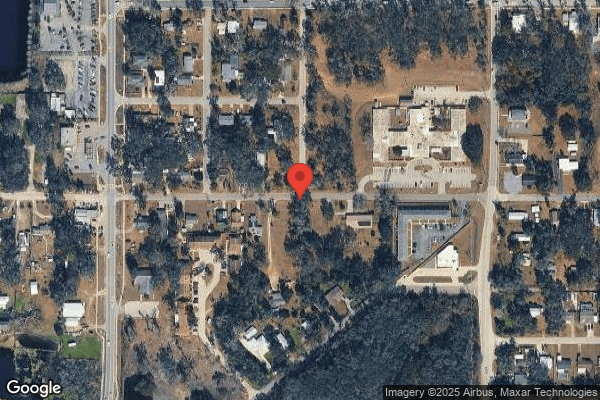
Mar 2023 1 deficiency
CONCERN (D) 📢 Someone Reported This

A family member, employee, or ombudsman was alarmed enough to file a formal complaint

Potential for Harm - no one hurt, but risky conditions existed

Deficiency F0660 (Tag F0660)

Could have caused harm · This affected 1 resident

**NOTE- TERMS IN BRACKETS HAVE BEEN EDITED TO PROTECT CONFIDENTIALITY** Based on record reviews and interviews the facility failed to ensure there was sufficient preparation, documentation and orienta...

Read full inspector narrative →
**NOTE- TERMS IN BRACKETS HAVE BEEN EDITED TO PROTECT CONFIDENTIALITY** Based on record reviews and interviews the facility failed to ensure there was sufficient preparation, documentation and orientation provided to each resident to ensure a safe and appropriate discharge with medical follow-up after discharge for one resident (#6) out of 15 sampled residents. Findings included: A review of Resident #6's admission Record revealed the resident was admitted to the facility on [DATE], with a diagnoses including but not limited to, influenza, muscle weakness, major depression, hypertension and Rhabdomyolysis. The record indicated Resident #6 was discharged from the facility on 1/10/23. A review of the Social Service note, dated 1/10/23 11:10, revealed the following: The physician did not release Resident #6 yesterday. She requested STAT [emergency] labs which have been done. They resulted for today and have been reviewed by the APRN [Advanced Practice Registered Nurse]. She has given the order for discharge today. Resident #6 and her son have been informed and the nurse is completing her portion of the paperwork. Once done, Resident #6 will transport home with her son. A review of the physician orders revealed the following: 1/10/23 D/C [discharge] home with home health PT/OT [physical therapy/occupational therapy], SN [skilled nursing]. F/U [follow-up] with Physician. Meds [medications] called into community pharmacy. A review of the Discharge Instructions Form, dated 1/9/23, revealed the resident was to receive in home care or services. A closer review of the document revealed it did not contain any information related to the name of the home health agency, no contact name, or contact number for the home health agency. The document revealed there was no name or phone number of the individual at the nursing facility to contact if problems arose during discharge. The medication list section indicated no medications and the medication list was left blank. An interview on 3/21/23 at 1:48 PM with Staff D, Licence Practical Nurse (LPN) from medical records was conducted. She stated whatever is under the documents tab in the electronic records is what she has. An interview on 3/21/23 at 3:32 PM with the Director of Nursing was conducted. She stated her expectation was that all discharges should be accompanied with a list of medications and information for any follow up care that is needed for each resident. A review of the facility policy titled Discharge Summary. dated 11/29/22, indicated the following: It is the policy of this facility to ensure that a discharge summary is provided upon a resident's discharge which addresses each resident's discharge goals and needs, including caregiver support and referrals to local contact agencies.
Feb 2022 10 deficiencies
CONCERN (D)

Potential for Harm - no one hurt, but risky conditions existed

Deficiency F0558 (Tag F0558)

Could have caused harm · This affected 1 resident

**NOTE- TERMS IN BRACKETS HAVE BEEN EDITED TO PROTECT CONFIDENTIALITY** Based on observation, interview, and record review, the facility failed to accommodate three (Residents #49, #56 and #74) of 96 ...

Read full inspector narrative →
**NOTE- TERMS IN BRACKETS HAVE BEEN EDITED TO PROTECT CONFIDENTIALITY** Based on observation, interview, and record review, the facility failed to accommodate three (Residents #49, #56 and #74) of 96 residents by failing to provide beds that were long enough so their feet could extend without hanging over the footboard. Findings Included: 1. Observation and interview of Resident #49 on 2/08/22 at 10:38 a.m., revealed the resident sitting up at the top of his air mattress with his right knee up toward the ceiling, under the covers. The resident straightened his right leg and his foot was observed over the foot board of the bed. The resident stated he was 6 foot 5 inches tall and he had to keep his legs bent or they rub over the footboard and hurt. The footboard of the bed was observed peeling. Observation of the resident on 2/8/22 at 12:00 p.m., revealed the resident lying toward the top of the bed with his right foot hanging over the footboard. During an interview and observation with Staff Nurse I, LPN (Licensed Practical Nurse) on 2/10/22 at 1:18 p.m., she confirmed the resident was longer then the bed with his legs in partial extension. She said she would put in a work order and confirmed the footboard was peeling and could potentially scratch his feet. During an interview and observation of Resident #49's room with the Maintenance Director,on 2/10/22 at 4:17 p.m., he confirmed the bed was not long enough for the resident and would be changed out. Review of Resident #49's record, revealed the resident's height was 76 inches (6 foot -3 inches) while lying down. Resident #49 was readmitted to the facility on [DATE]. Observation and interview of Resident #49 on 2/11/22 at 11:17 a.m., revealed the resident lying in bed smiling and saying he was happy with the bigger bed so he could extend his legs out. 2. Observation and interview of Resident #56 on 2/8/22 at 1:22 p.m., revealed the resident sitting up in his bed with his feet pushing against the footboard. The resident stated his feet hurt because of pushing on the footboard all the time. Observation of Resident #56 sitting up in bed on 2/10/22 at 12:30 p.m., revealed the resident sitting up in bed eating lunch with his feet hanging over the footboard. During an interview and observation of Resident #56's room with the Maintenance Director, on 2/10/22 at 4:19 p.m., he confirmed the bed was not long enough for the resident and would be changed out. Observation of Resident #56 on 2/10/22 at 4:25 p.m., revealed the resident in bed with the bed now extended and the extender bolster in place. The resident stated he was happy with the extension and his feet no longer rubbed against the footboard. Review of Resident #56 record revealed the resident's height was 71 inches (5 foot 9 inches) lying down. He was admitted to the facility on [DATE]. 3. Observation and interview of Resident #74 on 2/08/22 at 11:25 a.m., revealed the resident lying in his bed with his feet hanging over the end of the footboard. The resident stated his feet hurt after pushing on the foot board or when they hung over the side of the bed. Resident #74 was observed with a brace to the right leg and was unable to bend his knee. Resident #74 stated that maintenance looked at his bed weeks ago and said there was nothing they could do to make it longer and that was the last he heard about his bed. The resident placed his bed in the flat position and scooted to the head of the bed and he did not touch the footboard. After getting himself in the sitting position his feet were back over the foot board. During an observation and interview on 2/10/22 1:18 p.m. with Staff I, LPN, she confirmed Resident #74 needed a longer bed and would put in a maintenance request. During an interview and observation of Resident #49's room with the Maintenance Director,on 2/10/22 at 4:20 p.m., he confirmed the bed was not long enough for the resident and would be changed out. During an interview on 2/10/22 at 11:19 a.m. with Staff L, admission Director, she confirmed she was responsible for getting the correct beds, air mattresses, regular or scoop mattress, for the residents when they come in to the facility based on height and weight. She confirmed maintenance also had extenders for the beds. Staff L, confirmed once the resident was on the unit the nursing staff were to confirm the resident's bed was appropriate then would notify maintenance if a change was needed. During an interview with the Maintenance Director,on 2/10/22 at 4:45 p.m., he confirmed the facility completed bed audits but did not look at the bed compared to the height of the resident as that would be nursing's responsibility. Review of facility policy related to bed maintenance and inspections, revised 11/17, The compliance store, one page revealed: It is the policy of this facility to conduct regular inspections of all bed frames, mattresses, and bed rails, if any, as part of a regular maintenance program to identify and avoid areas of possible entrapment.
CONCERN (D)

Potential for Harm - no one hurt, but risky conditions existed

Deficiency F0583 (Tag F0583)

Could have caused harm · This affected 1 resident

**NOTE- TERMS IN BRACKETS HAVE BEEN EDITED TO PROTECT CONFIDENTIALITY** Based on observations, staff interviews, and record review, the facility failed to 1. ensure privacy of resident medical informa...

Read full inspector narrative →
**NOTE- TERMS IN BRACKETS HAVE BEEN EDITED TO PROTECT CONFIDENTIALITY** Based on observations, staff interviews, and record review, the facility failed to 1. ensure privacy of resident medical information for seven (Residents #4, #11, #50, #54, #55, #74, and #336) of 45 residents and 2. ensure privacy during a shower for one (Resident #37) of 45 residents. Findings included: 1. On 2/8/2022 at 10:30 a.m., the main dining room was observed with eight tables that were used for both activities and dining. The room door was wide open and two residents self propelled their wheelchairs into the room and positioned themselves at various tables. The first table when entering the room was observed with a stack of papers, a notebook electronic device, an electronic mobile phone device, and a computer mouse device. The stack of paperwork and electronic devices were found to be unattended by staff. The stack of papers and devices were within reach and visible to anyone who entered the room. Observations revealed the paperwork included Medication Administration Records, Medication Order sheets, and other resident information for Residents #4, #11, #50, #54, #55, #74, and #336. The papers included drug names, diagnoses, room numbers, and resident's date of birth . There were no staff in the room from at least 10:30 a.m. through 10:50 a.m. Photographic evidence was taken. On 2/8/2022 at 10:50 a.m., the Assistant Director of Nursing (ADON) came into the main dining room. She indicated there was supposed to be a team meeting in the dining room but it had been canceled. She was not aware that the information had been left on the table. The ADON confirmed residents were in the room, there were no other staff in the room, and the information was in an area where it could be easily seen. She verified the information had resident names, names of various medications, diagnosis, and room numbers. The ADON revealed they were to always follow HIPPA (Health Insurance Portability and Accountability Act) rules and supervise resident information to keep it secure from non medical staff, visitors, and residents. On 2/10/20221 at 10:20 a.m., in an interview with Staff A, [NAME] Unit Manager, she said if it [medical information] was in an electronic device, the device was to be closed and locked when not in use. If there were paper files or documents that had resident medical information on it, they were not to be kept in the open, and should be within the employee's immediate area and away from anyone to see. She said she thought there was going to be a team meeting in the dining room and left the electronic devices and various papers on the table. She confirmed there were residents in the room but were not near the table where she left the information. She confirmed the table where she left the resident information was at the very first table when coming in the only entrance/exit door of the room. On 2/11/2022 at 10:30 a.m. the Assistant Director of Nursing (ADON) provided the HIPPA Security Measures Policy and Procedures with no implementation, or revision date for review. The policy indicated: It is the facility's policy to implement reasonable and appropriate measures to protect and maintain the confidentiality, integrity, and availability of the resident's identifiable and/or records that are in electronic format. Policy Explanation and Compliance Guidelines: #2 The facility will designate a security official who is responsible for the development and implementation of the facility's security policies and procedures. #3 Only appropriate employees will have access to electronic protected health information. These employees will receive appropriate training related to the security of the information for which they have access. #7 Assures the business associate will appropriately safeguard the information and agrees to report any security incident to the facility. #8 Physical safeguards will be implemented that limit physical access to its electronic information and agrees to report any security incident to the facility. #9 The facility will implement policies and procedures that specify the proper functions to be performed, the manner in which those functions are to be performed, and the physical attributes of the surroundings of a specific workstation or class of workstation that can access EPHI. All workstations that access EPHI will have restricted access. On 2/11/2022 at 3:30 p.m., an interview with the Nursing Home Administrator, who was responsible for the Quality Assurance program, confirmed that staff should not leave resident medical information unattended and out in the open for anyone to view. He said all staff upon hire were provided with HIPPA training and resident information security. 2. Random observations while walking down the main hallway located on the long term care unit on 02/08/22 at 2:00 p.m., revealed the door to the shower room was open and the curtain inside the shower room was open. Observation from the hallway revealed a resident could be seen in the shower being showered by two persons. On 02/08/22 at 2:17 p.m., in an interview with Staff X, Certified Nursing Assistant (CNA), she identified the resident as Resident #37, and identified the two persons in the shower room as Staff A, Registered Nurse (RN), Unit Manager and the resident's daughter. A review of Resident #37's admission Minimum Data Set (MDS) dated [DATE] revealed she was totally dependent on one person physical assist for bathing and had a BIMS (Brief Interview for Mental Status) score of 6, which indicated the resident had severe cognitive impairment. Review of Resident #37's care plan dated 12/28/21 indicated the resident had a risk for decreased ability to perform Activities of Daily Living (ADL's) in bathing, grooming, personal hygiene, dressing, eating, bed mobility, transfer, location and toileting related to terminal prognosis of severe protein calorie malnutrition, Alzheimer's, Dementia, and HTN In an interview on 02/10/22 at 10:20 a.m. with Staff A, RN, Unit Manager, she revealed that the resident's granddaughter took the resident into the shower and proceeded to shower her. Staff A said when she became aware, she was in a rush to ensure that the resident did not fall or have an incident, and she did not close the door or the curtain. She reported that all resident's privacy should be ensured.
CONCERN (D)

Potential for Harm - no one hurt, but risky conditions existed

Grievances (Tag F0585)

Could have caused harm · This affected 1 resident

**NOTE- TERMS IN BRACKETS HAVE BEEN EDITED TO PROTECT CONFIDENTIALITY** Based on interviews and record review the facility failed to response to a grievance in a timely manner for one (Resident #61) o...

Read full inspector narrative →
**NOTE- TERMS IN BRACKETS HAVE BEEN EDITED TO PROTECT CONFIDENTIALITY** Based on interviews and record review the facility failed to response to a grievance in a timely manner for one (Resident #61) of forty five sampled residents. Finding Included: An interview on 02/08/22 at 10:37 a.m. with Resident #61 revealed that when she went to the hospital back in December, came back to the facility, and was in isolation for 2 weeks, she wrote a check for $450. She reported that she gave the check to social services in December 2021, and had been given multiple excuses like because of COVID they were not going to the bank. She stated she had been relying on her friend to get things for her because she had not been able to get her money. The resident reported that she spoke with the Business Office Manager (BOM) about her money in January 2022 who stated that she had no money. The resident reported that her statement indicated that the check had been cashed on January 13th 2022. Resident #61 said the Assistant Business Office Manager (ABOM) recently had come to apologize to the resident and stated it was her fault. The resident reported there was nothing the facility could do to fix the problem. She reported that she found it embarrassing that she had to order things she needed through her friend. She reported that when she got a meal outside of the facility, she could only afford to get a kids meal. When the staff brought back her meal from an outside source, the staff stated she did not have enough money and the facility had to cover the taxes. Review of the resident's record revealed that she was originally admitted to the facility on [DATE] and re-admitted to the facility on [DATE] with diagnoses that included fracture of the right tibia, Chronic Obstructive Pulmonary Disease, Hemiplegia and Hemiparesis following cerebral infraction affecting left non-dominant side, and had a Brief Interview for Mental Status (BIMS) dated 12/14/21 with a score of 14 (Cognitively intact). On 02/11/22 at 01:24 p.m., the Social Service Director said a grievance was completed but she was not aware of how long the incident had been pending. Interview on 02/11/22 at 1:34 p.m. with the BOM revealed that the resident came to her a week ago saying that she gave a check to the ABOM a month ago and that she did not have any money in her trust account. She reported that she checked the residents trust account and found no funds. She told the resident that she would check into it. She reported that she found out that the ABOM put the money in the wrong account. An interview on 02/09/22 at 2:29 p.m. with the BOM revealed she was aware of an issue related to the resident and her funds, but she was unsure of the date. She reported that the check was for $450 and it was put into the resident's liability account instead of her trust account. She reported that the check was going to be sent back to the facility. The BOM reported that the corporate office did the billing and AP Accounts payable. She reported that as of right now Resident #61 had $8.08 in her account. She reported that the resident got $130 a month from Medicare. The resident took care of her own finances and wrote the facility the check for the trust account, so she could get funds out when she needed it. She reported that the check in the amount of $450 was overnighted this morning. An interview on 02/09/22 at 2:41 p.m. with the BOM revealed that the ABOM, took over when she was out, and was the one who cashed the check. She reported that the check was given to a staff member for delivery to the business office, however the ABOM was unsure as to which employee delivered the check. The BOM reported that herself and the ABOM were responsible to receive the resident's checks and cashing them. She reported that the statement was emailed to her which indicated what funds were going into the liability account. The BOM said the resident alerted her and the ABOM of the issue at the end of January when she tried to pull money out of the trust account and the $450 was not there but, her statement indicated that the check had been cashed. The BOM reported that she contacted the person at corporate who handled facility's cash posting and she told them they had to do a refund request form. The BOM reported that the conversation for the refund with corporate happened on 02/03/22 and that she completed an audit but was unable to provide documentation of an audit to Resident #61's funds. In an interview on 02/09/22 at 2:59 p.m. with the BOM and the ABOM, the ABOM said she did not recall the staff member that gave her the resident's check. She deposited the check on the first or second week of January. When she got the checks, she put them in the safe and would then deposit the checks into the accounts. The ABOM reported that she put the check into the account. She reported that the residents state what account they want the checks placed into. She did not know what account to place this check into, because it was not personally given to her by the resident. The ABOM reported that she assumed it was for the resident's liability account. For this particular resident the BOM reported that she knew if the check was under $2800 it went into the trust account. She reported that the resident had her own checking account, debit card, and did her own shopping. The BOM reported that the expectation was to go check with the resident to confirm which account the check was going into.
CONCERN (D)

Potential for Harm - no one hurt, but risky conditions existed

ADL Care (Tag F0677)

Could have caused harm · This affected 1 resident

**NOTE- TERMS IN BRACKETS HAVE BEEN EDITED TO PROTECT CONFIDENTIALITY** Based on observation, record review, and interview, the facility failed to provide Activities of daily Living (ADL) tasks for on...

Read full inspector narrative →
**NOTE- TERMS IN BRACKETS HAVE BEEN EDITED TO PROTECT CONFIDENTIALITY** Based on observation, record review, and interview, the facility failed to provide Activities of daily Living (ADL) tasks for one (Resident #41) of 45 sampled residents related to unwanted facial hair. Findings included: Review of Resident #41's medical record revealed that the resident was admitted to the facility on [DATE] and had diagnoses that included Hemiplegia and Hemiparesis following cerebral infraction affecting left non-dominant side, dementia without behavioral disturbances, and traumatic amputation at level between knee and ankle. Review of the annual Minimum Data Set (MDS) dated [DATE] revealed the resident required extensive assist of 1-person physical assist to complete personal care. Review of the quarterly MDS dated [DATE] revealed that the resident required extensive assist of 2-person physical assist to complete personal care. Review of Resident #41's care plan dated 6/24/20, with the most recent revision date of 3/9/21, indicated a risk for ADL related declines or complications due to hx DM (Diabetes Mellitus), hx Depression. She needs extensive to total assist with her ADL's. Future decline is expected due to Dementia. Observations of Resident #41 on 02/08/22 at 10:54 a.m. revealed the resident lying in bed. The resident was noted to have white facial hair on her chin. Observations of Resident #41 on 02/09/22 at 3:45 p.m. revealed the resident lying in bed and was noted with white facial hair on her chin. Observations of Resident #41 on 02/10/22 at 8:36 a.m. revealed the resident lying in bed. The resident was noted to still have white facial hair on her chin. An interview with the resident at this time revealed that she did not like the hair and had to get it shaved. Observations of Resident #41 on 02/10/22 at 10:48 a.m. revealed the resident sitting up in her wheelchair in the day room watching TV. The resident was noted to be dressed and groomed for the day. It was noted that the resident still had white facial hair on her chin. An interview on 02/10/22 at 10:50 a.m. with Staff S, Licensed Practical Nurse (LPN), revealed that her expectation was that staff provide ADL's to include making sure the resident's face was clean, washed, face shaved, and nails filed. She reported that this needed to be done every morning with shaving done on shower days and as needed. An interview on 02/10/22 at 11:02 a.m. with Staff P, Certified Nursing Assistant (CNA), (Agency Staff), revealed that she had worked in the facility for three weeks and was familiar with the resident. She reported that she got the resident up this morning and provided ADL's. She reported that the resident did have facial hair and the resident declined for the hair to be shaved as it would grow back thicker. She reported that she did not ask the resident if she would like the facial hair tweezed as the facility did not have or use tweezers only razors for shaving. Staff P reported that she did not report this to the nurse but knew she should have. An interview on 02/10/22 at 11:07 a.m. with Staff S, LPN revealed that she was not aware that the resident had facial hair and was not aware of the resident's refusal. She reported that the CNA should have shared that information to allow for alternate interventions to ensure that the resident was appropriately groomed.
CONCERN (D)

Potential for Harm - no one hurt, but risky conditions existed

Quality of Care (Tag F0684)

Could have caused harm · This affected 1 resident

**NOTE- TERMS IN BRACKETS HAVE BEEN EDITED TO PROTECT CONFIDENTIALITY** Based on observation, interview, and record review, the facility failed to ensure one (Resident #74) of 45 residents observed re...

Read full inspector narrative →
**NOTE- TERMS IN BRACKETS HAVE BEEN EDITED TO PROTECT CONFIDENTIALITY** Based on observation, interview, and record review, the facility failed to ensure one (Resident #74) of 45 residents observed received care and services related to a brace and dry flaky feet. Findings Included: During observation and an interview with Resident #74 on 2/9/22 at 1:00 p.m., he stated he had not had a shower in a couple of weeks and no one took his socks off or checked his skin under his brace. Resident #74 stated that the therapist put something under his brace at the bottom of his leg to assist with the rubbing he was getting from the brace, but it had not been checked since then and his feet were extremely itchy. During an interview with Staff F, CNA on 2/9/22 at 1:10 p.m., she confirmed she had not given the resident a shower and had not removed his socks to check his feet or apply lotion as he had not asked her do that. Staff F, CNA removed his socks and white flaky skin dropped to the floor. Staff F, CNA confirmed the residents feet were really dry and needed lotion. During an interview and observation on 2/10/22 at 1:18 p.m. with Staff I, LPN and Resident #74, Staff I, LPN confirmed the resident's feet were extremely dry. Staff I, LPN confirmed the resident's skin was checked weekly with the brace, not daily and stated the resident did not have orders for care of the brace. Staff I, LPN confirmed the resident should have showers or baths weekly and his feet should not be this dry. Staff I, LPN removed the brace to look at the resident's skin. She removed the pad from the resident's lower leg and stated she was unsure why it was there or where it came from. The resident stated the pad was from therapy to relieve pressure from the brace. Staff I, LPN placed the brace on the right leg incorrectly. The resident tried to tell the nurse she had the brace on wrong but the nurse strapped the brace on with the hinge below the knee and the strap across the residents scabbed knee. During an interview on 2/10/22 at 2:00 p.m. with the Director of Rehab (DOR), she stated the resident was off case load and that he was taught how to apply and remove his brace by the therapist. The DOR stated the nurses should have been given an inservice on how to apply and remove the hinged brace but did not find any information confirming the inservice. The DOR confirmed the resident was off caseload for about 7 days. On 2/10/22 at 4:17 p.m., Resident #74 was observed sitting in his wheel chair with the right leg brace not in the correct position. The resident stated the nurse nor therapy had come back to adjust the brace. The hinge of the brace was observed below the knee and should be at the bend of the knee. During observation and interview of resident #74 on 2/11/22 at 10:58 a.m. with the DOR, she confirmed the residents brace was in the wrong place and would rub the scab off the wound since the strap was placed over the healing scab. The DOR adjusted the resident's brace and confirmed the resident's brace should have been corrected yesterday. The DOR stated the nurses were inserviced on how to put on a brace and confirmed an order should be in the computer as of 2/11/22. Review of Resident #74's record revealed the resident was admitted for presence of right artificial knee joint. Review of the physician orders revealed the resident was weight bearing as tolerated to right lower extremity with hinge knee brace dated 12/1/21. Weight bearing as tolerated with hinge knee brace locked in extension dated 12/15/21. Review of the physician orders did not include to check skin under brace or orders for the care of the brace. Review of the care plan, last review date 1/31/22, revealed the resident was at risk for alterations in comfort related to a diagnosis of ankylosing spondylitis of the spine. Interventions include to assist with activities of daily living and comfort measures. Assist to a position of comfort utilizing pillows as appropriate. Provide assist and comfort measures such as repositioning. Therapy as ordered. The resident is at risk for falls related to injury related to difficulty walking related to weight bearing as tolerated to right lower extremity and use of immobilizer. Interventions included anticipate needs, provide prompt assistance. The resident is at risk for decreased ability to perform activities of daily living in bathing, grooming, personal hygiene, and bed mobility. Interventions include assist with immobilizer to right lower extremity as needed. Assist of one for personal hygiene and grooming. Weight bearing as tolerated with knee brace. Resident is at risk for skin break down related to impaired mobility needing assistance with transfers and mobility to right lower extremity impairment with use of immobilizer. Interventions include to complete weekly skin assessment. Monitor skin during bathing and daily, especially over bony prominence's. Monitor skin for signs and symptoms of skin breakdown, related to cracking. Off load heels while in bed as resident allows. Review of minimum data set (MDS) dated [DATE] for Section C, revealed a Brief Interview of Mental Status (BIMS) score of 15, representing no cognitive impairment. Review of section G, functional status revealed the resident's bed mobility required extensive assistance and two person assist. Dressing requires extensive assistance and two person assist. Bathing requires total assistance and one person assistance. During an interview with Staff K, Unit Manager on 2/11/22 at 11:30 a.m., she confirmed the resident should be bathed as scheduled and the staff should know how to apply his brace appropriately and skin should be checked under the brace as ordered. Review of facility policy titled, Provision of physician ordered services from The Compliance store revised 11/17, one page, revealed: The purpose of this policy is to provided a reliable process for the proper and consistent provision of physician ordered services according to professional standards of quality.
CONCERN (D)

Potential for Harm - no one hurt, but risky conditions existed

Incontinence Care (Tag F0690)

Could have caused harm · This affected 1 resident

**NOTE- TERMS IN BRACKETS HAVE BEEN EDITED TO PROTECT CONFIDENTIALITY** Based on observation, interview, and record review, the facility failed to ensure one (Resident #49) of three sampled residents ...

Read full inspector narrative →
**NOTE- TERMS IN BRACKETS HAVE BEEN EDITED TO PROTECT CONFIDENTIALITY** Based on observation, interview, and record review, the facility failed to ensure one (Resident #49) of three sampled residents received catheter care related to a urinary catheter that was cloudy with sediment observed stuck to the tubing. Findings Included: On 2/8/22 at 12:00 p.m., an observation of Resident #49 revealed his urinary catheter tubing was cloudy, gray, and not dated. The resident stated it had not been changed for at least two months and he was currently being treated for a urinary tract infection. The resident said his catheter had not been flushed or changed and he was worried about the way the tubing looked. Observation of Resident #49's tubing on 2/10/22 at 1:10 p.m. revealed the tubing cloudy and gray with sediment. The resident stated no one had looked at the catheter or flushed it. During an interview and observation on 2/10/22 at 1:18 p.m. with Staff I, LPN, she confirmed the catheter did not have orders as to when to change it and she was unaware of the facility policy. Staff I, LPN confirmed the catheter was cloudy and should be changed. Staff I, LPN confirmed she could not see where the catheter had been changed since readmission on [DATE]. During an interview with Staff F, CNA on 2/10/22 at 10:39 a.m., she stated the resident's catheter was cleaned with soap and water on her shift and stated his catheter tubing looked like it needed to be changed but the nurses had not changed it. Review of physician orders revealed: catheter bag: may convert drainage system to leg bag while up and as needed dated 12/29/21. Catheter care with soap and water dated 12/29/21. Change catheter drainage bag as needed for blockage or leakage as needed dated 12/29/21. Change catheter size 16 french and 10 ml, as needed if dislodged, clogging or leaking as needed, dated 12/29/21. Change catheter size 16 french and 10 ml, every 30 days and as needed if dislodged, clogged or leaking as needed, dated 2/10/22. Change catheter size 16 french and 10 ml, every 30 days as needed if dislodged, clogged or leaking every evening shift for urinary retention dated 2/10/22. Irrigate Foley catheter with 30 ml normal saline as needed for blockage or sluggishness as needed dated 12/29/21. Review of treatment administration record since 12/24/21 did not show the catheter was changed or flushed. Review of the care plan revealed the resident had a suprapubic urinary catheter due to neurogenic bladder. Interventions included catheter care twice a day and as needed. Keep catheter off the floor. Monitor for signs and symptoms of infection and report to physician. Monitor urine for sediment, cloudy, odor, blood and amount. Review of the Minimum Data Set (MDS) section C for cognitive patterns dated 12/31/21, revealed the resident had a Brief Interview for Mental Status (BIMS) score of 13 which meant no cognitive impairment. Section H bladder and bowel included indwelling catheter. During an interview with Staff K, Unit manager (UM) on 2/11/22 at 11:35 a.m., she confirmed she observed the cloudy tubing of the urinary catheter and that the order should have been put in the computer to change the catheter every 30 days. Staff K, UM confirmed the resident had a urinary tract infection and the stated the orders were put in on 2/10/22 to get a new catheter. Review of facility policy titled, Catheter Care revised 11/17, The compliance store, revealed: It is the policy of this facility to ensure the residents with indwelling catheters receive appropriate catheter care and maintain their dignity and privacy when indwelling catheters are in use. 1. Catheter care will be performed every shift and as needed by nursing personnel.
CONCERN (D)

Potential for Harm - no one hurt, but risky conditions existed

Respiratory Care (Tag F0695)

Could have caused harm · This affected 1 resident

**NOTE- TERMS IN BRACKETS HAVE BEEN EDITED TO PROTECT CONFIDENTIALITY** Based on observation, interview, and record review, the facility failed to ensure one (Resident # 81) of three residents observe...

Read full inspector narrative →
**NOTE- TERMS IN BRACKETS HAVE BEEN EDITED TO PROTECT CONFIDENTIALITY** Based on observation, interview, and record review, the facility failed to ensure one (Resident # 81) of three residents observed on oxygen, received oxygen as ordered and in a sanitary manner Findings Included: On 2/8/22 at 10:15 a.m., an observation of Resident #81 revealed her sitting in a wheel chair with her oxygen tubing stuck under her wheel chair and dragging across her bedroom floor. On 2/10/22 at 3:05 p.m., an observation of Resident #81 revealed her oxygen tubing bunched up under the wheel chair wheel and under her feet. The resident stated she was unsure why she had so much tubing and said she got stuck in the tubing with her wheel chair. The oxygen setting was observed set at three liters. During an interview with Staff member F, CNA on 2/10/22 at 10:43 a.m., she confirmed the extra long tubing was new for the resident and stated Resident #81 usually did not use the oxygen but had been lately. Staff F, CNA confirmed the setting at 3 liters. Review of the physician's order dated 1/20/22 revealed change oxygen tubing and bag cover every Sunday 11:00 a.m. to 7:00 p.m., label tubing with tape every Sunday. Check oxygen filter every Sunday dated 1/20/22. Oxygen 2 liters via nasal cannula as needed for shortness of breath dated 12/21/21. Review of treatment administration orders dated 12/21/21 revealed oxygen at 2 liters via nasal cannula as needed for shortness of breath. Review of the minimum data set (MDS), dated [DATE], section O, respiratory treatments did not reveal the resident on oxygen therapy. During an interview with Staff K, Unit Manager (UM) on 2/11/22 at 11:31 a.m., she confirmed the resident used a long oxygen cord due to not leaving her room and only going to her doorway. Staff K, UM stated they attached a long cord to the resident's oxygen concentrator so she could self propel in her room with the tubing following her. Review of facility policy titled, Oxygen administration, The compliance store, revised 11/17, revealed: Oxygen is administered to residents who need it, consistent with professional standards of practice, the comprehensive person-centered care plans, and the resident's goals and preferences. 3. Staff shall document the initial and ongoing assessment of the resident's condition warranting oxygen and the response to oxygen therapy. 4. The resident's care plan shall identify the interventions for oxygen therapy, based upon the resident's assessment and orders, such as, but not limited to: a. the type of oxygen delivery system. b. When to administer such as continuous or intermittent and or when to discontinue. Equipment setting for prescribed flow rates.
CONCERN (D)

Potential for Harm - no one hurt, but risky conditions existed

Deficiency F0698 (Tag F0698)

Could have caused harm · This affected 1 resident

**NOTE- TERMS IN BRACKETS HAVE BEEN EDITED TO PROTECT CONFIDENTIALITY** Based on observations, record reviews, and interviews, the facility failed to ensure one (Resident #238) of one resident sampled...

Read full inspector narrative →
**NOTE- TERMS IN BRACKETS HAVE BEEN EDITED TO PROTECT CONFIDENTIALITY** Based on observations, record reviews, and interviews, the facility failed to ensure one (Resident #238) of one resident sampled for Dialysis was monitored pre and post Dialysis services. Findings included: Resident #238 was admitted on [DATE]. The admission Record identified diagnoses not limited to End Stage Renal Disease, Type 2 Diabetes Mellitus with hyperglycemia, and chronic pulmonary edema. Resident #238 was observed, on 2/9/22 at 2:57 p.m. lying in bed and was able to reposition self without assistance. The resident was observed, on 2/10/22 at 1:51 p.m., sitting on the side of the bed speaking on the telephone. The Order Summary Report, active as of 2/10/22, indicated Resident #238 was to receive Dialysis treatments on Tuesday, Thursday, and Saturdays at 4:00 p.m. A review of the calendar for February 2022 indicated that the resident was to receive Dialysis on 2/8 and 2/10/22. The Assessments tab of the electronic record indicated that a skilled nurse's note was last completed on 2/8/22. The skilled nursing note that corresponded with the assessment was completed at 9:00 p.m. on 2/8/22. The note indicated that the resident's temperature was 97.3 F on 2/8, pulse 78 on 2/6/22 at 7:04 a.m., respiration was 20 on 2/6/22 at 7:04 a.m., blood pressure was 132/72 on 2/6/22 at 7:04 a.m. The note did not indicate the condition of the Dialysis access site in the upper right chest. The progress notes identified that the resident returned from Dialysis at 11:02 p.m. on 2/8/22, was alert and oriented, voiced all needs, no signs of distress, and denied pain. The review of nursing notes, on 2/10/22 at 2:47 p.m., did not include any further notes. The Weights/Vital Signs electronic tab indicated the last blood pressure, pulse, and respiration was taken on 2/6/22, two days prior to the residents dialysis treatment on 2/8/22. The care plan for Resident #238 indicated that the resident had potential for complications related to dialysis. Diagnosis: End Stage Renal Disease (ESRD). The interventions instructed staff to monitor/record/report to MD dialysis complications such as air embolism (hypotension, chest pain, cough, cyanosis, weak pulse), bleeding, decreased output (pulse weak and/or irregular, fluid overload, cerebral edema, local or systemic infection. Staff W, Licensed Practical Nurse (LPN) stated, on 2/10/22 at 2:00 p.m., the Dialysis center did not allow them [the facility] to send the communication form with Resident #238 due to COVID-19. The staff member stated the Dialysis center would send information with pre and post weights and other information a couple of days after the visit. On 2/10/22 at 3:28 p.m., Staff S, LPN, stated that vital signs were taken prior to the resident leaving for Dialysis. Staff S stated that a Dialysis Communication form was completed before and after Dialysis visits and did not know where the facility put the forms after the resident returned. An interview was conducted, on 2/10/22 at 5:39 p.m. with the Assistant Director of Nursing (ADON) and Staff U and V, Minimum Data Set Coordinators (MDS). The staff members stated dialysis should be sending a condition form from the visit which was uploaded into the record, and the facilty should be conducting a pre and post assessment on the resident. Staff V reviewed Resident #238's clinical record and confirmed that there was no pre- or post progress notes regarding Dialysis. She informed the ADON that the facility should have an electronic Dialysis communication form. The policy, Hemodialysis, undated, indicated that the facility will assure that each resident receives care and services for the provision of hemodialysis and/or peritoneal dialysis consistent with professional standards of practice. The Compliance Guidelines indicated The licensed nurse will communicate to the dialysis facility via telephonic communication or written format, such as a dialysis communication form or other form, that will include, but not limit itself to: - a. Timely medication administration (initiated, held, or discontinued) by the nursing home and/or dialysis facility; - b. Physician /treatment orders, laboratory values, and vital signs; - c. advance Directives and code status; specific directives about treatment choices; and any charges or need for further discussion with the resident/representative, and practitioners; - d. Nutritional/fluid management including documentation of weights, resident compliance with food/fluid restrictions or the provision of meals before, during and/or after dialysis and monitoring intake and output measurements as orders; - e. Dialysis treatment provided and resident's response, including declines in functional status, falls, and the identification of symptoms that may interfere with treatments; - f. Dialysis adverse reactions/complications and/or recommendations for follow up observations and monitoring, and/or concerns related to the vascular access site. - g. Changes and/or declines in condition unrelated to dialysis. - h. The occurrence or risk of falls and any concerns related to transportation to and from the dialysis facilty. The Nurse will monitor and document the status of the resident's access site(s) upon return from the dialysis treatment to observe for bleeding or other complications.
CONCERN (E)

Potential for Harm - no one hurt, but risky conditions existed

Deficiency F0885 (Tag F0885)

Could have caused harm · This affected multiple residents

**NOTE- TERMS IN BRACKETS HAVE BEEN EDITED TO PROTECT CONFIDENTIALITY** Based on observations, record reviews, and interviews, the facility failed to notify five (#22, #32, #41, #85, and #186) out of ...

Read full inspector narrative →
**NOTE- TERMS IN BRACKETS HAVE BEEN EDITED TO PROTECT CONFIDENTIALITY** Based on observations, record reviews, and interviews, the facility failed to notify five (#22, #32, #41, #85, and #186) out of five sampled residents and their representatives in a timely manner of the positive COVID-19 results within the facility. Findings included: A review of the positive COVID-19 cases within the facility identified that Resident #32 tested positive on 1/29/22. A review of Resident #22's Quarterly Minimum Data Set (MDS) identified a Brief Interview of Mental Status (BIMS) score of 10, indicating a moderate impairment of cognition. The clinical record indicated that a call had been placed, on 2/1/22 at 3:02 p.m., to family member to notify of the most recent COVID 19 number in the facility. A review of Resident #32's admission Record identified the residents' responsible party was a family member. The clinical record indicated that on 2/1/22 at 3:55 p.m. a message left for family member to notify of the most recent COVID-19 numbers in the facility. The review of Resident #41's Annual MDS, dated [DATE], identified that the resident did not have a BIMS score. The clinical record indicated that on 2/1/22 at 4:29 p.m., a call placed to family member to notify of the most recent COVID-19 numbers in the facility. The review of Resident #85's Quarterly MDS, dated [DATE], did not include a BIMS score for the resident as they were rarely or never understood. The clinical record indicated that on 2/1/22 at 4:28 p.m., call placed to family member to notify of the most recent COVID-19 numbers in the facility. On 2/8/22 at 10:38 p.m., the family member of Resident #186 was interviewed as the resident was deemed non-interviewable. The family member stated she had not been informed by the facility that a resident had tested positive for COVID-19 only that three staff members were recovering from the virus. She stated she came to visit almost daily. The clinical record identified that, on 2/1/22 at 3:51 p.m., call placed to family member to notify of the most recent COVID-19 number in the facility. No answer at phone number, unable to leave message. On 2/8/22 at 12:59 p.m., the Director of Nursing (DON) stated that documentation of family notifications (related to COVID-19) were done by the Social Worker (SW) and that a note was put in the clinical record at that time. She stated that sometimes the SW would delegate to others for notifications. The Nursing Home Administrator reviewed Resident #22's clinical record regarding family notifications of COVID-19 and confirmed the documentation on 2/1/22. He reviewed a calendar and stated that 1/29 (the day Resident #32 tested positive) was a Saturday and that 2/1/22 was a Monday. The policy, Coronavirus Surveillance, implemented 12/4/20 and revised 11/15/21, indicated Residents and representatives will be kept up to date on the conditions inside the facility related to COVID-19. Minimum information to be reported: I. - Within 12 hours and subsequently: the occurrence of a single confirmed infection of COVID-19, or 3 or more residents or staff with new onset of respiratory symptoms that occur within 72 hours.
CONCERN (E)

Potential for Harm - no one hurt, but risky conditions existed

Deficiency F0886 (Tag F0886)

Could have caused harm · This affected multiple residents

Based on review of test results, review of the staff schedule for 2/8/22, and interviews, the facility failed to test 26 out of 65 staff members twice weekly for COVID-19 per the community transmissio...

Read full inspector narrative →
Based on review of test results, review of the staff schedule for 2/8/22, and interviews, the facility failed to test 26 out of 65 staff members twice weekly for COVID-19 per the community transmission rate (high) for the period of 2/3 - 2/9/22. Findings included: A cross reference review of the staff roster, 2/7 and 2/8/22 staff COVID-19 test results, the working schedule for staff members in all departments for 2/8/22, and the logs of COVID positive staff from November 2021 through January 2022 indicated that the following staff members did not test on 2/7 or 2/8/22 prior to working their shift on 2/8/22: - Staff Member E, Licensed Practical Nurse (LPN) - Staff Member F, Certified Nursing Assistant (CNA) - Staff Member R, Maintenance Assistant - Staff Member T, Speech Language Pathologist (SLP) - Staff Member Y, Housekeeping - Staff Member Z, Housekeeping - Staff Member AA, Housekeeping - Staff Member BB, Certified Occupational Therapy Assistant/Director of Rehab (DOR) - Staff Member CC, Chef - Staff Member DD, Chef - Staff Member EE, Dietary - Staff Member FF, Dietary - Staff Member GG, Dietary - Staff Member HH, Dietary - Staff Member II, Dietary - Staff Member JJ, nurse - Staff Member KK, nurse - Staff Member LL, CNA - Staff Member MM, CNA - Staff Member NN, CNA - Staff Member OO, CNA - Staff Member PP, CNA - Staff Member QQ, CNA On 2/9/22 at 3:45 p.m., the Director of Nursing (DON) confirmed that the facility tested twice weekly, Monday and Thursday's due to the community transmission rate. The DON stated staff results from Monday had not been reviewed. She stated that the facility attempted to test 100% of staff but it was difficult as some staff only worked weekends and it was hard to get them to come in and test. The DON stated that the facility used to take untested staff off the schedule but because of staffing issues they were not able to do that anymore. On 2/9/22 at 3:58 p.m., the DON provided a testing log and stated that the log was what she used to mark who tested and test results. She stated changes to the log were not done per the staff rosters but off the top of my head. On 2/10/22 at 10:10 a.m., Staff T reported that testing was done once a week and she had tested negative today. On 2/10/22 at 10:22 a.m., Staff E stated staff were tested twice weekly, Monday and Thursday's. The staff member reported that the last time she tested was Monday, 2/7/22. A review of the test results from 2/7 and 2/8/22 obtained from the DON on 2/9/22 did not include test results for Staff E. On 2/10/22 at 10:25 a.m., Staff R reported that he was tested one time last week and had been tested this morning, 2/10/22. A review of the test results from 2/7 and 2/8/22 did not include test results for Staff R. During an interview on 2/11/22 at 11:40 p.m., the Assistant Director of Nursing stated that staff testing had been the responsibility of the DON. She reported that the DON did some of the tests, she did some of the tests, the Social Service Assistant did some tests, and the nurses on the weekends and nights also tested staff. The ADON stated that the previous DON ensured staff were getting tested. The policy, Coronavirus Testing, undated, identified All staff and residents that test negative will be retested every three days to seven days until testing identifies no new cases of COVID-19 infection among staff or residents for a period of at least 14 days since the most recent positive result. The policy, COVID-19 Testing of Residents and Staff, reviewed/revised 8/20/21, identified that when the Community COVID-19 Activity was High, the county positivity rate in the past week was >10%, the minimum testing frequency for staff was twice a week.
Nov 2020 11 deficiencies
CONCERN (D)

Potential for Harm - no one hurt, but risky conditions existed

Resident Rights (Tag F0550)

Could have caused harm · This affected 1 resident

**NOTE- TERMS IN BRACKETS HAVE BEEN EDITED TO PROTECT CONFIDENTIALITY** Based on record reviews and interviews, the facility failed to ensure resident rights were maintained related to not providing t...

Read full inspector narrative →
**NOTE- TERMS IN BRACKETS HAVE BEEN EDITED TO PROTECT CONFIDENTIALITY** Based on record reviews and interviews, the facility failed to ensure resident rights were maintained related to not providing transportation to an outside appointment for one resident (Resident #50) out of the sampled forty residents. Findings included: A review of the admission Record for Resident #50 revealed that the resident was initially admitted into the facility on [DATE] with a primary diagnosis of chronic obstructive pulmonary disease (COPD). A review of the quarterly Minimum Data Set (MDS) dated [DATE] found that Resident #50 had a Brief Interview for Mental Status (BIMS) score of 15 out of 15 indicating cognitively intact. A review of the Order Recap Report with a date of 11/01/20 to 11/30/20 found that the resident had an order for a stress test on 11/11/20 at 7:40 a.m. with pick up at 7:15 a.m. one time a day for cardiac clearance. A review of the calendar provided by the facility, however, revealed that Resident #50 had an appointment scheduled for November 16. During an interview on 11/18/20 at 10:59 a.m., Resident #50 reported that she missed a scheduled appointment to see her cardiologist. She reported that the purpose of the visit was for a follow up on test results from a chemical stress test. The results of the test would indicate if she could have surgery on her leg. She had fallen and needed surgery on her hip, but the cardiologists would not approve. The test that was done would indicate if she could have the surgery or not. Resident #50 stated that she could not get to the appointment because the staff member that drives the van for appointments was out sick. She reported that he was out sick two days prior to her appointment, and no one told her that he was out and that she needed to reschedule her appointment. Resident #50 reported that she found out she couldn't go to the appointment on the day of the appointment. She stated that they have a backup driver, but he is a Certified Nursing Assistant (CNA). Resident #50 reported that she rescheduled the appointment for 11/30 and she hopes that she can go. She reported that if the staff had told her in time that the driver was out sick, she had a friend that could have taken her to the appointment. Resident #50 stated, Here, you have to schedule your own appointments. On 11/18/20 at 4:10 p.m., the DON reported that they did not have a policy for scheduling appointments and no policy on transportation to and from appointments. They have a scheduler that takes residents to appointments and schedules the appointment, but he was out sick. They have a backup who was a CNA that was available to take residents to appointments. Some appointments had to be rescheduled because the driver was out sick. On 11/19/20 at 10:35 a.m., the Director of Nursing (DON) reported that the appointment was not in the scheduling book, but it was on the calendar that's probably how it got missed. The DON stated that this was concerning. On 11/19/20 at 11:06 a.m., the Social Services Director (SSD) reported that her driver was responsible for scheduling appointments. She stated that she spent time on the phone getting appointments rescheduled on yesterday. The SSD reported that Resident #50 missed an appointment on Monday because she came to her after the fact. Nursing told her what appointments were missed and brought down documents yesterday to get appointments rescheduled. Admissions also assisted with getting appointments scheduled. On 11/19/20 at 10:56 a.m., Staff Q, Licensed Practical Nurse (LPN), reported that Resident #50 had an appointment on Monday. The van driver called in sick. Resident #50 rescheduled the appointment. Staff Q reported that once in a while, they would use an outside transportation service, but sometimes they can't come last minute. Found out too late that the van driver called in. On 11/19/20 at 2:31 p.m., the Administrator reported that they had a van driver who schedules and takes residents to their appointments. They have another van driver available, but he came in later that day. They sometimes used two outside transportation services as a contract service to take residents to their appointments. The van driver schedules the appointment and logs it into PCC (Point Click Care) so that the nurses can see the appointment. The Administrator stated that he assumed because it was short notice, Resident #50 did not get to her appointment.
CONCERN (D)

Potential for Harm - no one hurt, but risky conditions existed

Deficiency F0583 (Tag F0583)

Could have caused harm · This affected 1 resident

**NOTE- TERMS IN BRACKETS HAVE BEEN EDITED TO PROTECT CONFIDENTIALITY** Based on observations, policy review, and interviews the facility failed to ensure one (#92) of two residents reviewed was able ...

Read full inspector narrative →
**NOTE- TERMS IN BRACKETS HAVE BEEN EDITED TO PROTECT CONFIDENTIALITY** Based on observations, policy review, and interviews the facility failed to ensure one (#92) of two residents reviewed was able to visit with a family member(s) in privacy and without a staff presence during the visit. Findings included: On the afternoon of 11/17/20 an outdoor visitation, which included three (3) persons, was observed ongoing on the front porch. The persons were assembled in a social distancing fashion, with the participants six (6) feet from each other. On 11/18/20 at approximately 11:00 a.m., another observation indicated one of the participants from 11/17/20 sitting on the front porch during an ongoing family/resident visitation. The participants were socially distanced in a triangular formation and within hearing distance of each other. On 11/18/20, Resident #92 was interviewed regarding concerns of lack of visitation privacy voiced during the facility task of Resident Council. At 1:42 p.m., the resident was observed in her room, sitting in a wheelchair between the two beds. She stated she had a visitation with her daughter and grandson on Monday, 11/16/20. She reported that the Activity Director moved amongst multiple ongoing visitations and would sit down next to the resident's daughter. When asked if the family had said anything to the Activity Director about her sitting with them, she stated they just thought it was part of the procedure. Resident #92 was admitted on [DATE]. The admission Record included diagnoses not limited to paroxysmal atrial fibrillation and unspecified chronic obstructive pulmonary disease. The Quarterly Minimum Data Set (MDS) indicated a Brief Interview of Mental Status score of 15 out of 15, cognitively intact. The MDS identified the resident had adequate hearing without the assistance of devices, had clear speech, and had the ability to understand others and to make herself understood. At 11/18/20 at 12:00 p.m., Staff Member A, activity aide, was asked if she sat with residents and families during visitation, she stated yes. She stated they were told they had to monitor the visitation to make sure they stayed six (6) foot away from each other and did not touch. The Activity Director provided a copy of the corporation's policy, Safe and Limited Re-opening of Visitation: COVID-19. At 2:02 p.m., on 11/18/20, the Director of Nursing (DON) stated that the policy given to this writer by the Activity Director was not the right one and it had been recalled. She stated, she didn't know. The policy that was received from the DON, dated September 11, 2020, identified visitation could occur if the center was without positive patients and/or staff or at least 14 days. The policy indicated, in the section: Outdoor Visitation, spaces can be created outside of the center to allow for controlled, monitored visits to connect residents with their families. The policy, received from the DON, indicated visits would be controlled and monitored but did not identify staff were to deny privacy during the visitation. An interview on 11/19/20 at 11:42 a.m., was conducted with the Director of Nursing and the Regional Nurse. The DON stated activities were handling visitations and corresponding electronic visitation. She indicated visitations were conducted outside on the facility's front porch. The Regional stated the activity staff should not be on 1:1 during the visit, they should maintain distance to give them privacy and randomly monitor to make sure they are following policy. The Regional Nurse stated the facility was using the previous corporation's visitation policy, the policy that was obtained from the DON. The Centers for Medicare and Medicaid Services (CMS) memo, QSO-20-39-NH, dated September 17, 2020 addressed Nursing Home Visitation - COVID-19. The memo stated, visitation should be person-centered, consider the residents' physical, mental, and psychosocial well-being, and support their quality of life. The risk of transmission can be further reduced through the use of physical barriers (e.g., clear Plexiglas dividers, curtains). Also, nursing homes should enable visits to be conducted with an adequate degree of privacy. This guidance was effective immediately.
CONCERN (D)

Potential for Harm - no one hurt, but risky conditions existed

Comprehensive Care Plan (Tag F0656)

Could have caused harm · This affected 1 resident

**NOTE- TERMS IN BRACKETS HAVE BEEN EDITED TO PROTECT CONFIDENTIALITY** 2. Resident #9 was admitted to the facility with a diagnosis of hemiplegia and hemiparesis following other cerebrovascular disea...

Read full inspector narrative →
**NOTE- TERMS IN BRACKETS HAVE BEEN EDITED TO PROTECT CONFIDENTIALITY** 2. Resident #9 was admitted to the facility with a diagnosis of hemiplegia and hemiparesis following other cerebrovascular disease, major depressive disorder, dementia without behavioral disturbance and anxiety per the admission record. A review of Resident #9's quarterly minimum data set (MDS) dated [DATE] found a brief interview for mental status (BIMS) score of 3. Section G, functional status, found that Resident #9 was totally dependent on staff for all mobility and activities of daily living (ADL) assistance. On 11/16/20 (Monday) at 11:40 a.m., Resident #9 was observed laying in bed. An interview was attempted but, Resident #9 did not respond. An observation was made of a note posted by the bed reading, please get Resident #9 up for the day on Monday, Wednesday and Friday. Following subsequent visits on 11/16/20 at 11:43 a.m., 12:30 p.m. and 1.45 p.m., Resident #9 was observed in bed without interaction, engagement or change in position. Further observations were made on 11/18/20 at 8.42 a.m., 9.12 a.m. and 12:45 p.m. Resident #9 was observed laying in bed with eyes closed. A review of Resident #9's Care Plan, dated 10/13/20, revealed that Resident #9 was at risk for activities of daily living (ADL) related declines with a goal to reduce a risk of new or increased decline in range of motion (ROM). The intervention stated that the resident was dependent on care, staff to provide care and to watch for decline in ADL abilities. Resident #9 was further noted as a long-term resident whose needs will be met daily and on an on-going basis. The care plan intervention for this goal stated that staffing would occur, per facility's protocol, to address resident's needs. A review of the treatment administration record (TAR) schedule for November 2020, showed an order to get resident up on Monday, Wednesday and Friday and keep up until 5:00 p.m. or after shower. The tracking log revealed no check marks to indicate task was completed. On 11/18/20 at 8:42 a.m., an interview was conducted with staff K, Certified Nurse's Aide (CNA) who stated that she worked closely with Resident #9 and that she should get him out of bed as much as possible. She further confirmed the documented scheduled goal of Monday, Wednesday and Friday to assist resident out of bed. On 11/19/20 10:03 a.m., an interview was conducted with Staff A, Restorative Nurse (RN) who confirmed that the CNA's are supposed to get Resident #9 up. Staff A, RN was notified of the observations made on 11/16/20 and 11/18/20. Staff A confirmed that Resident #9 was not assisted out of bed on Monday, 11/16/20 and Wednesday, 11/18/20 per care plan. Staff A, RN stated that she did not know what happened. A follow up was conducted on 11/19/20 10:56 a.m. with the Director of Nursing (DON) to confirm her expectation on care plan implementation. She stated that the CNA's and nurses were to follow the expectations per care plan orders. She confirmed that failure to assist a resident out of bed was not acceptable. A review of the facility's undated policy titled Comprehensive Care Plans, reflected that qualified staff were responsible for carrying out interventions specified in the Care Plan. Based on observations, record review, and interviews, the facility failed to ensure a care plan was developed for one (#38) out of 40 sampled residents regarding the application of a neck brace and failed to implement the plan of care for one (#9) out of 40 sampled residents in regards to the 1-on-1 activities. Findings included: 1. Resident #38 was originally admitted on [DATE] and re-admitted on [DATE]. The admission Record included diagnoses not limited to Hemiplegia and hemiparesis following cerebral infarction affecting left non-dominant side and abnormal posture. On 11/16/20 at 12:12 p.m., an observation was made of Resident #38 sitting in a Broda wheelchair. The resident was wearing a type of neck brace and her head was resting past shoulder level in the opposite side of the brace. At 9:45 a.m. on 11/19/20, the resident was observed lying in bed, bilateral mid-torso side rails were raised, and the resident's head was positioned on the right shoulder. The resident was not wearing the neck brace, as it was observed lying in the resident's wheelchair. On 11/17/20 at 9:32 a.m., Staff Member B, Licensed Practical Nurse (LPN), stated the neck brace (seen on 11/16/20) was a neck brace that therapy got for the resident as the resident leans her head to the left. The staff member stated therapy put the brace on the resident. At 9:46 a.m. on 11/19/20, Staff Member C, Certified Nursing Assistant (CNA), stated therapy applied the neck brace on Resident #38. She stated therapy was working on getting her another brace which would be more effective and Speech Therapy was working with her. She picked up the gray neck brace from the wheelchair and placed it back on the seat of her wheelchair. On 11/19/20 at 10:25 a.m., the staff member stated Resident #38 had the neck brace for about 3-4 weeks and that PT applied the brace. She stated she she had been instructed by PT on how to apply the neck brace, but other than the first time, she had not put it on the resident. On 11/19/20 at 9:53 a.m., Staff Member D, Occupational Therapist (OT), stated that Resident #38's neck brace was for her neck contracture and that she was no longer on the therapy rotation. At 9:55 a.m. on 11/19/20, Staff Member E, Physical Therapist (PT), reported that the aides had been trained to put Resident #38's neck brace on and that he does not apply it. When asked if restorative applied the brace, he stated both (restorative and CNA's) were trained to put the brace on the resident. At 10:32 a.m. the PT stated that the resident had been picked up for therapy, a trial for the neck brace. When asked if the resident had the brace 3-4 weeks ago, the OT stated, oh she's had it longer than that, probably a month prior to that. A review of the OT progress and updated plan of care, dated 9/23/20, indicated the justification for the update was to reduce left upper extremity (LUE) pain due to d/t right (R) lateral neck flexion. The PT progress and updated plan of care, dated 8/31/20, indicated the goals were adjusted and the neck master Cervical extension support was ordered per the facility material's management. The note indicated the plan for transition to restorative program upon safe tolerance of the brace with skilled PT. The PT note, dated 9/28/20, identified the head master collar and extension support had not yet arrived to the facility. At 10:21 a.m. on 11/19/20 an interview was conducted with three restorative aides, Staff Members F, G, and H. Staff Member G stated she had the resident a week ago when the resident had a decline in Activities of Daily Living to assist with grooming. She stated she was not instructed in the use of Resident #38's neck brace and did not apply it. The care plan for Resident #38 indicated that the resident had been started on the Restorative Program for dressing/grooming as of 10/16/20. The interventions identified restorative was to assist with grooming training and compensatory techniques, dressing training and compensatory techniques, and transfers: sit to stand lift trials with progression of supported standing tolerance as tolerated. The care plan did not include a focus or interventions related to the residents' neck brace. The Director of Nursing confirmed, on 11/19/20 at 11:42 a.m., that there was no care plan developed regarding Resident #38's neck brace.
CONCERN (D)

Potential for Harm - no one hurt, but risky conditions existed

Deficiency F0657 (Tag F0657)

Could have caused harm · This affected 1 resident

**NOTE- TERMS IN BRACKETS HAVE BEEN EDITED TO PROTECT CONFIDENTIALITY** Based on interviews, record reviews, and review of facility policy, the facility failed to revise a resident's care plan to incl...

Read full inspector narrative →
**NOTE- TERMS IN BRACKETS HAVE BEEN EDITED TO PROTECT CONFIDENTIALITY** Based on interviews, record reviews, and review of facility policy, the facility failed to revise a resident's care plan to include interventions following falls for one (Resident #33) of two residents sampled for accidents and hazards Findings included: A review of Resident #33's medical record revealed that Resident #33 was admitted to the facility on [DATE] with diagnoses of muscle weakness, lack of coordination, low back pain, abnormalities of gait and mobility, difficulty walking, pain in right leg, presence of right artificial hip joint, syncope and collapse, and chronic pain, per the admission record. A review of Resident #33's Care Plan, initiated on 8/14/2020, found that Resident #33 was at risk for falls related to weakness, lack of coordination, low back pain, neck pain, right leg pain, neuropathy, insomnia, artificial right hip joint, syncope, restless legs, and chronic pain, and documented falls on the following dates: - 10/23/2020: Observed hanging from railing sitting on floor, no injury. - 09/27/2020: Fall on floor, complained of back pain, leg pain, and pain in chest. Skin tear to left elbow. - 08/23/2020: Fall on floor, no injury. - 08/13/2020: Rolled out of bed, no injury. Resident #33's Care Plan interventions included the following interventions on the following dates: - 10/26/2020: Alternative bed placement - 08/23/2020: Scoop mattress - 08/14/2020: Bed in lowest position - 08/14/2020: Bilateral floor mats - 08/14/2020: While in bed, position in center A review of Resident #33's Minimum Data Set (MDS) Assessment, dated 11/11/2020, found under Section C - Cognitive Patterns a Brief Interview for Mental Status (BIMS) score of 8, which indicated moderate cognitive impairment. A review of the facility's Monthly Resident Incident Trend Worksheet for August 2020 found that Resident #33 rolled out of bed with no injury on 08/13/2020 at 07:50 p.m., with interventions of neuro checks, low bed, and mats. The facility's Monthly Resident Incident Trend Worksheet for September 2020 revealed that Resident #33 was found on the floor and complained of back and chest pain and had a skin tear to the left elbow on 09/17/2020 at 08:10 AM. The worksheet documented that Resident #33 was sent to the emergency room following the fall but did not reveal any fall interventions. The worksheet also revealed that Resident #33 was found on the floor and complained of left leg pain on 09/27/2020 at 08:35 p.m. The worksheet documented that Resident #33 was sent to the emergency room following the fall but did not reveal any fall interventions. A review of the facility's Monthly Resident Incident Trend Worksheet for October 2020 did not reveal any fall incidents for Resident #33. A review of Resident #33's Physician's Orders revealed an order, dated on 09/27/2020 to send Resident #33 to the hospital for evaluation and treatment after a fall with complaint of back pain. An interview was conducted on 11/19/2020 at 01:51 a.m., with the facility's Risk Manager. The Risk Manager was not able to find any information regarding Resident #33's falls on 09/17/2020 or 09/27/2020 and stated that there was no indication that an intervention was put into place following either fall. The Risk Manager stated that the only information that she could find was that Resident #33 was sent to the hospital after both falls. An interview was conducted on 11/19/2020 at 02:55 p.m., with the facility's Director of Nursing (DON). The DON stated that no fall interventions were put into place following Resident #33's falls on 09/17/2020 or 09/27/2020. The DON also stated that in the event of a fall, the fall was discussed the next morning during the morning meeting to discuss an appropriate intervention to prevent further occurrences. The DON stated that her expectation was for nursing staff to put in an immediate intervention following a resident's fall to prevent further occurrences. The DON also stated that interventions should have been put into place and added to Resident #33's care plan following her falls on 09/17/2020 and 09/27/2020. A review of the facility policy titled Fall Prevention Program revealed, under the section titled Policy Explanation and Compliance Guidelines, that when any resident experienced a fall, the facility would review the resident's care plan and update it as indicated and document all assessments and actions. The policy also revealed that interventions would be monitored for effectiveness and the plan of care would be revised as needed.
CONCERN (D)

Potential for Harm - no one hurt, but risky conditions existed

Deficiency F0679 (Tag F0679)

Could have caused harm · This affected 1 resident

**NOTE- TERMS IN BRACKETS HAVE BEEN EDITED TO PROTECT CONFIDENTIALITY** Based on interviews, observations and record reviews, the facility did not ensure that 1:1 activity therapy was provided per the...

Read full inspector narrative →
**NOTE- TERMS IN BRACKETS HAVE BEEN EDITED TO PROTECT CONFIDENTIALITY** Based on interviews, observations and record reviews, the facility did not ensure that 1:1 activity therapy was provided per the care plan for one Resident (#9) of forty sampled residents. Findings included: Resident #9 was admitted to the facility with a diagnosis of hemiplegia and hemiparesis following other cerebrovascular disease, major depressive disorder, dementia without behavioral disturbance and anxiety. A review of Resident #9's quarterly minimum data set (MDS) dated [DATE] revealed a brief interview for mental status (BIMS) score of 3. Section G, functional status revealed that Resident #9 is totally dependent on staff for all mobility and activities of daily living (ADL) assistance. On 11/17/20 a review of the care plan dated 10/13/20 revealed that Resident #9 is bed bound most of the time. The focus on activity preferences included listening to music, watching westerns, sports and family shows. The interventions included 1:1 room visits to provide with leisure activities, socialization and emotional support. The care plan further revealed that Resident #9 exhibits a severe level of cognitive loss. A goal to have optimal quality of life through socialization was noted with interventions to include, invite and assist resident to attend activities of interest. Resident #9 has a diagnosis of depressive disorder. A care plan intervention states to offer non-pharmacologic interventions which may include but not limited to activities and music therapy. An observation of Resident #9 on 11/16/20 at 11:43 a.m. revealed resident laying in bed without interaction or engagement. An interview attempt was not successful. Resident #9 was noted on subsequent observations made on 11/16/20 at 11:43 a.m., 12:30 p.m. and 1:45 p.m. not engaged in any activities. A TV in his room was noted off. A radio was not observed. A review of the facility's 1:1 activity binder revealed that Resident #9 was not receiving 1:1 room activity as care planned. A review of the facility's activity participation calendar for the month of November revealed that Resident #9 was not documented as having participated in or offered any activities. Further observations of Resident #9 were made on 11/18/20 at 8.42 a.m., 9.12 a.m. and 12:45 p.m. Resident #9 was observed laying in bed with eyes closed. On 11/18/20 at 12:13 p.m. an interview was conducted with Staff A, Activities Assistant, who stated that her job duties included providing 1:1 activity to the residents who are bed bound. When asked about Resident #9, she stated that he used to be a race car driver. When asked how often he is offered activities related to his interests, Staff A could not identify. Staff A stated that Resident #9 likes music especially Elvis. When asked how Resident #9 listens to the music, she stated that he does not have a radio, and does not listen to the music. Staff A also confirmed that she was not aware that resident #1 had a care plan for 1:1 activity. When asked if Resident #9 participated in any activities, Staff A explained that he used play Bingo before COVID-19 hit. An interview was conducted with the Activities Director (AD) on 11/19/20 at 10:46 a.m. who reported that bed bound residents were provided 1:1 activity therapy as stated in their individual care plans. The AD confirmed that Resident #9's care plan indicated that he should have been receiving 1:1 room activity therapy. The AD also stated, it was oversight on my part.
CONCERN (D)

Potential for Harm - no one hurt, but risky conditions existed

Respiratory Care (Tag F0695)

Could have caused harm · This affected 1 resident

**NOTE- TERMS IN BRACKETS HAVE BEEN EDITED TO PROTECT CONFIDENTIALITY** Based on observations, interviews, record reviews, and review of facility policy, the facility failed to ensure that respiratory...

Read full inspector narrative →
**NOTE- TERMS IN BRACKETS HAVE BEEN EDITED TO PROTECT CONFIDENTIALITY** Based on observations, interviews, record reviews, and review of facility policy, the facility failed to ensure that respiratory equipment was stored and maintained in accordance with professional standards for 2 (Resident #35 and #64) of 2 residents sampled for respiratory care. Findings included: 1. A review of Resident #35's medical record revealed that Resident #35 was admitted to the facility on [DATE] with diagnoses of multiple sclerosis and pneumonia, per the admission record. An observation was made on 11/16/2020 at 11:34 a.m., of Resident #35's room. Resident #35 was resting in bed at the time of the observation. A nebulizer and an EzPAP machine were observed at Resident #35's bedside table. The nebulizer tubing attached to the EzPAP machine was dated 11/09/2020. Resident #35's nebulizer mask was stored inside of a plastic bag, which was also dated 11/09/2020. A follow up observation was made on 11/17/2020 at 09:32 a.m., of Resident #35's room. Resident #35 was sleeping in bed at the time of the observation. A nebulizer mask was observed sitting on top of Resident #35's EzPAP machine and was not properly stored inside of the storage bag. The nebulizer tubing attached to the EzPAP machine was dated 11/09/2020. A review of Resident #35's Physician's Orders revealed an order, dated on 11/01/2019, to change and label all oxygen/nebulizer/nasal cannula/masks and tubing every Friday on night shift. Resident #35's Physician's Orders also revealed an order for Ipratropium-Albuterol Solution 0.5-2.5 milligrams per milliliter, 1 inhalation orally three times daily and every 4 hours as needed with EzPAP machine. An interview was conducted on 11/17/2020 at 03:40 p.m., with Staff P, Licensed Practical Nurse (LPN). Staff P, LPN stated that respiratory equipment in the facility was changed out by an outside company and that they no longer change the equipment out. All respiratory equipment should be stored inside of a plastic bag when not in use. Staff P, LPN, stated that he did not observe Resident #35's nebulizer tubing dated for 11/09/2020 but addressed that it should have been changed out. A review of Respiratory Therapy Forms, provided from the outside company that provided maintenance and changing out of respiratory equipment, found that the company visited the facility on 11/09/2020. The company did not return to the facility to change out respiratory equipment until 11/17/2020. The form also revealed that Resident #35's EzPAP set up was changed during both visits. An observation was made on 11/19/2020 at 07:17 a.m., of Resident #35's room. Resident #35 was observed watching television at the time of the observation. Resident #35's nebulizer mask was observed sitting on top of the EzPAP machine at Resident #35's bedside and not stored inside of the storage bag. An interview was conducted on 11/19/2020 at 08:15 a.m., with Staff O, LPN. Staff O, LPN stated that Resident #35 had orders for nebulizer treatments using the EzPAP machine and addressed that the nebulizer mask was sitting on top of the machine. Staff O, LPN addressed that the nebulizer mask should not be stored on top of the machine and stated that the nebulizer mask should have been stored inside of the storage bag. Staff O, LPN stated that he had explained to the other nurses before that the nebulizer masks needed to be stored properly, but it did not always get completed. An interview was conducted on 11/19/2020 at 09:50 a.m., with the facility's Director of Nursing (DON). The DON stated that an outside company was hired to provide changing of respiratory equipment on a weekly basis and that they did not come out on the day that they were supposed to. The DON also stated that the nursing staff should be checking to ensure that the respiratory equipment is being changed out on a weekly basis and that it was stored properly in a plastic bag when not in use. The DON stated that she would not expect to see a nebulizer mask stored on top of the machine and would expect it to be stored inside of a plastic bag when not in use. 2. An observation was made on 11/19/2020 at 11:42 a.m., of Resident #64's room. A nebulizer machine and nebulizer mask were observed on Resident #64's bedside table. Resident #64's nebulizer mask was observed to be stored in a holder in the nebulizer machine and not inside of a plastic bag. An interview was conducted following the observation with Staff Q, LPN. Staff Q, LPN stated that Resident #64's nebulizer mask was accidentally left out and that it should be stored in the plastic bag instead of in the machine itself. A review of Resident #64's medical record found that Resident #64 was admitted to the facility on [DATE] with a diagnosis of Chronic Obstructive Pulmonary Disease (COPD), per the admission record. 3. A review of the facility policy titled Respiratory Therapy Equipment, dated 11/2017, revealed under the section titled Medication Nebulizers/Continuous Aerosol that the administration sets should be stored in a plastic bag, marked with the date and resident's name, between uses. The policy also revealed to discard administration set-up every 7 days and to date new tubing. Photographic evidence was obtained.
CONCERN (D)

Potential for Harm - no one hurt, but risky conditions existed

Deficiency F0700 (Tag F0700)

Could have caused harm · This affected 1 resident

**NOTE- TERMS IN BRACKETS HAVE BEEN EDITED TO PROTECT CONFIDENTIALITY** Based on observations, interviews, record reviews, and review of facility policy, the facility failed to ensure consent for use ...

Read full inspector narrative →
**NOTE- TERMS IN BRACKETS HAVE BEEN EDITED TO PROTECT CONFIDENTIALITY** Based on observations, interviews, record reviews, and review of facility policy, the facility failed to ensure consent for use of bed rails was obtained for one (Resident #33) of one residents sampled for bed rails. Findings included: A review of Resident #33's admission record revealed that Resident #33 was admitted to the facility on [DATE] with diagnoses of muscle weakness, lack of coordination, low back pain, abnormalities of gait and mobility, difficulty walking, pain in right leg, presence of right artificial hip joint, syncope and collapse, and chronic pain, per the admission record. A review of Resident #33's Minimum Data Set (MDS) Assessment, dated 11/11/2020, found under Section C - Cognitive Patterns a Brief Interview for Mental Status (BIMS) score of 8, which indicated moderate cognitive impairment. An observation was made on 11/16/20 at 12:03 p.m., of Resident #33 resting in bed. Resident #33 was observed to have bilateral 1/2 length bed rails installed and in place. A review of Resident #33's Physician's Orders did not reveal an order for use of bed rails. A review of Resident #33's medical record did not reveal consent for use of 1/2 length bed rails. A review of Resident #33's Side Rail Rationale Screen, dated 09/07/2020 at 06:30, revealed that Resident #33 used bed rails for assisting with turning from side to side in the bed and that entrapment precautions were reviewed. An interview was conducted on 11/18/2020 at 04:10 p.m., with the facility's Director of Nursing (DON). The DON stated that residents that have bed rails should have a physician's order for bed rails and that a consent from either the resident or the resident representative for use of the bed rails should be in the resident's medical record. The DON addressed that Resident #33 did not have a physician's order for bed rails or a consent in place for use of bed rails in her medical record. The DON stated that Resident #33 should have a physician's order for bed rails and should have a consent from her representative for use of bed rails. A follow up interview was conducted on 11/18/2020 at 04:34 p.m., with the DON. The DON stated that Resident #33 had an order for bed rail use, but it was discontinued when she was sent to the hospital and the order was not renewed when she returned to the facility. The DON was not able to locate a consent for use of bed rails in Resident #33's medical record. The DON stated that consent would normally be obtained by the resident if they were alert and oriented or by the resident representative either in person or over the phone with 2 nurse's signatures on the consent form. An interview was conducted on 11/19/2020 at 08:17 a.m., with Staff O, Licensed Practical Nurse (LPN). Staff O, LPN stated that residents are assessed by the therapy department prior to installing side rails to ensure that the rails are used to assist the resident with bed mobility and to assess for the possibility of them restraining the resident. Consent would also be obtained prior to installation of the bed rails by either an alert and oriented resident or the resident representative. A review of the facility policy titled, Proper Use of Side Rails revealed, under the section titled Policy Explanation and Compliance Guidelines, that the facility should obtain informed consent from the resident, or the resident representative for the use of bed rails, prior to installation/use. The policy also revealed that a physician's order should be obtained for the use of side/bed rails.
CONCERN (D)

Potential for Harm - no one hurt, but risky conditions existed

Medication Errors (Tag F0758)

Could have caused harm · This affected 1 resident

**NOTE- TERMS IN BRACKETS HAVE BEEN EDITED TO PROTECT CONFIDENTIALITY** Based on record reviews and interviews, the facility failed to ensure that a PRN (as needed) psychotropic medication was limited...

Read full inspector narrative →
**NOTE- TERMS IN BRACKETS HAVE BEEN EDITED TO PROTECT CONFIDENTIALITY** Based on record reviews and interviews, the facility failed to ensure that a PRN (as needed) psychotropic medication was limited to 14 days without a rationale to extend the medication for one resident (Resident #50) and failed to ensure behavior monitoring was documented for two residents (Resident #1 and #48) out of the sampled five residents for unnecessary medications. Findings included: 1. The policy Use of Psychotropic Drugs with a revised dated of November 2017 revealed the following: Policy: Residents are not given psychotropic drugs unless the medication is necessary to treat a specific condition, as diagnosed and documented in the clinical record, and the medication is beneficial to the resident, as demonstrated by monitoring and documentation of the resident's response to the medication(s). Policy Explanation and Compliance Guidelines: 1. Psychotropic drugs include, but are not limited to the following categories: antipsychotics, antidepressants, anti-anxiety, and hypnotics. 8. PRN orders for all psychotropic drugs shall be used only when the medication is necessary to treat a diagnosed specific condition that is documented in the clinical record, and for a limited duration (i.e. 14 days). a. If the attending physician or prescribing practitioner believing that it is appropriate for the PRN order to be extended beyond 14 days, he or she shall document their rationale in the resident's medical record and indicate the duration for the PRN order. 2. A review of the admission Record for Resident #50 revealed that the resident was initially admitted into the facility on [DATE] with diagnoses of anxiety disorder, depressive disorder, and unspecified Dementia with behavioral disturbance, per the admission record. A review of the Medication Administration Record (MAR) dated 11/01/20-11/30/20 revealed that the order Alprazolam Tablet 0.5 MG (Give 0.5 mg by mouth every 8 hours as needed for anxiety) was administered on the 1st, 4th-12th, 14th, and the 16th. According to the MAR, the Alprazolam had an order date of 08/25/20. A review of the MAR dated 10/01/20-10/31/20 revealed that the order Alprazolam Tablet 0.5 MG (Give 0.5 mg by mouth every 8 hours as needed for anxiety) was administered on the 1st-4th, 6th-10th,12th-14th, 16th-18th, 20th, 21st, 23rd-26th, 29th, and 31st. According to the MAR, the Alprazolam had an order date of 08/25/20. A review of the MAR dated 09/01/20-09/30/20 revealed that the order Alprazolam Tablet 0.5 MG (Give 0.5 mg by mouth every 8 hours as needed for anxiety) was administered on the 1st, 2nd, 4th, 6th-18th, 20th-28th, and 30th. According to the MAR the Alprazolam had an order date of 08/25/20. A review of the physician notes, dated 09/08/20 and 10/06/20, revealed the following: Alprazolam 0.5 mg tablet- 1 tablet by mouth every 8 hours as needed for chronic intermittent anxiety for 180 days. A review of the Medication Regimen Review dated 11/12/20, revealed that the patient had a PRN order that had been in place for greater than 14 days without a stop date: Xanax 0.5 mg every 8 hours PRN for anxiety since 08/25/20. The recommendation had not been signed. On 11/19/20 at 9:45 a.m., the Director of Nursing (DON) verified that the order had been in place since August. The DON stated medication should not have been ordered for longer than 14 days. She stated she believed psych wanted Resident #50 on the medication because she was agitated. 3. A review of the admission Record for Resident #1 revealed that he was initially admitted into the facility on [DATE] with diagnoses of unspecified Dementia with behavioral disturbances, and depressive disorders, per the admission record. The Order Recap Report dated 10/01/20 to 10/31/20 revealed that Resident #1 had the following active orders: Donepezil HCL Tablet Give 5 mg by mouth at bedtime for dementia. Escitalopram Oxalate Tablet Give 10 mg by mouth one time a day for depression. Memantine HCL Tablet Give 10 mg by mouth every 12 hours for dementia. The Order Recap Report, dated 10/01/20 to 10/31/20, revealed that the order for behavior monitoring had an end date of 10/06/20 and the order for side effect monitoring had an end date of 10/06/20. The MAR dated, 11/01/20 to 11/30/20, revealed that donepezil was administered daily from the 1st-16th, escitalopram was administered daily on the 1st-17th, and memantine was administered daily on the 1st-17th. There was no behavior monitoring chart for the month of November. The MAR dated 10/01/20 to 10/31/20 revealed that donepezil was administered on the 1st, 2nd, and 8th-31st, escitalopram was administered daily on the 1st, 2nd, and 9th- 31st, memantine was administered daily on the 1st, 2nd, 8th-31st , and risperidone was administered on the 8th-12th. The Behavior Monitoring chart dated 10/01/20 to 10/31/20 revealed that behaviors were monitored on the 1st-5th and side effects were monitored on the 1st-5th. The behavior monitoring and side effect monitoring had a discontinued date of 10/06/20. On 11/19/20 at 10:30 a.m., the DON confirmed that the behavior monitoring and side effect monitoring order was discontinued. At 10:25 a.m., on 11/24/20, an interview was conducted with the Consulting Pharmacist. She stated she was new to the facility and had completed one month of review, November 2020. When asked what her feelings were regarding Alprazolam being as needed (prn) since August, she stated that it should have a 14-day stop date, then be re-evaluated after that we need justification for continued use and have a stop date for continued evaluations. The Consultant confirmed that the facility should be monitoring behaviors for a prescribed antidepressant. She stated that any behaviors, refusing medications and aggression, noted in the progress notes should also be reflected on the BMF. 4. Resident #48 was admitted on [DATE] and re-admitted on [DATE]. The admission Record included diagnoses not limited to unspecified psychosis not due to a substance or known physiological condition, unspecified dementia with behavioral disturbance (2/18/20), and unspecified dementia without behavioral disturbance (2/25/20). The Quarterly Minimum Data Set (MDS), dated [DATE], identified a Brief Interview of Mental Status score of 11 out of 15, moderate impairment. The MDS indicated the resident had reported feeling down, depressed, or hopeless, feeling tired or having little energy, and a poor appetite or overeating on 2-6 days of the assessment, with a score of 3 out of 27. According to the MDS, Resident #48 had not exhibited any physical or verbal behaviors directed toward others or other behavioral symptoms not directed toward others. The comprehensive assessment indicated the resident received 7 days of antipsychotic and 6 days of antidepressant medications during the assessment period. On 11/18/20 at 3:43 p.m., Resident #48 was observed sitting in a wheelchair in the main Dining Room watching a movie. A review of the September 2020 Medication Administration Record (MAR) indicated Resident #48 was being administered daily the psychotropic medications of Olanzapine for unspecified psychosis not due to a substance or known physiological condition and Mirtazapine for depression. The Behavior Monitoring Flowsheet (BMF) indicated that the behaviors to be monitored were anxious and uncooperative. The BMF instructed staff to document the number of times behavior occurred each shift, every shift for behaviors. The BMF indicated no behaviors were documented on 9/1, 9/10, or 9/15/20 during the night shift for both medications. The review of Resident #48's progress notes and BMF identified the following: - 9/2/20 night shift, documentation indicated the resident asleep, refused medication by mouth. The BMF did not indicate any behaviors were documented. - 9/3/20 at 3:46 a.m., an orders - administration note indicated the patient refused. No behaviors were documented. - 9/10/20 at 11:56 a.m., an orders-administration note indicated Resident #48 refused. No behaviors were documented during the day shift. - 9/12/20 during the day shift, two orders-administration notes indicated the resident refused medications. The BMF indicated the resident had no behaviors. - 9/12/20 at 1:14 p.m., the administration notes identified that the resident refused medications. - 9/15/20 at 6:46 and 6:47 a.m., the notes revealed resident refused. The notes did not indicate what the resident refused. The BMF did not indicate the resident had any behaviors. - 9/17/20 at 11:33 and 11:35 a.m., the three notes indicated the resident refused medications. The BMF documentation indicated the resident did not exhibit any behaviors during the day shift. - 9/23/20 at 6:10 and 6:11 a.m., identified the resident refused medications. The BMF did not reflect that the resident was uncooperative. - 9/26/20 at 6:22 a.m., a progress note indicated the resident refused all medications and Blood Sugar (BS) check. The BMF did not identify the resident had any behaviors. - 9/27/20 at 11:23, 11:24, and 11:35 a.m., revealed the resident spat out medications. The BMF did not indicate any behaviors were exhibited. - 10/4/20 at 3:30 p.m., indicated the resident became aggressive and violent during patient care. The BMF did not identify Resident #48 had exhibited any behaviors during the day or afternoon shift. The night shift did not document whether behaviors had or had not happened. At 10:48 p.m., the resident refused constipation medication and the BMF did not indicate any behaviors. - 10/6/20 at 1:08 p.m., the resident refused nutritional liquid supplement. The BMF did not indicate the resident had any behaviors. - 10/7/20 at 11:09 a.m., and 9:41 p.m., the resident refused an oral medication (11:09 a.m.) and refused three times to have blood glucose level obtained or insulin administered. The BMF did not indicate the resident had been anxious or uncooperative. - 10/20/20 at 2:25 p.m., the resident refused to have blood glucose checked. The BMF did not indicate the resident had any behaviors. 10/30/20 at 12:51 p.m., the progress notes indicated the resident refused a shower twice. The BMF did not identify that the resident had exhibited any anxiety or uncooperativeness. The Psychiatric Evaluation, dated 10/22/20, documented that the resident demonstrates occasional moments of agitation and aggression which are worse in the morning, however, are mostly redirectable. A review of the BMF indicated that side effects for the antipsychotic medication, Olanzapine, and the antidepressant, Mirtazapine, were being monitored as one and not individualized to the medications. The care plan for Resident #48 identified that the resident used antipsychotic and antidepressant medications, initiated on 9/15/20. The interventions instructed staff to monitor/record occurrence of for target behavior symptoms and document per facility protocol. The resident was identified as having an increase in aggressive behaviors, both physical and verbal, refusing care and began removing her clothing, tendency to make accusations against male staff members, and at risk for adverse effects of meds as well as variations in her mood and behavioral status. The interventions related to the residents increased aggressive behaviors instructed staff to utilize Behavior Monitoring Flowsheet (BMF) to manage/document any observed behaviors. On 11/18/20 at 3:53 p.m., Staff Member I, Licensed Practical Nurse (LPN), was asked what medication was being monitored for side effects order #1 and order #2. She stated they went with the behaviors. She asked Staff Member J, Restorative Nurse, to review Resident #48's BMF. Staff Member J stated the BMF did not identify what medications were being monitored and neither Olanzapine and Mirtazapine were prescribed for Anxiety. At 4:10 p.m. on 11/18/20 the Director of Nursing (DON) stated the previous corporation did not monitor for different medications but the new corporation does. When asked if the medications Olanazapine and Mirtazapine had the same side effects, she stated she did not know.
CONCERN (D)

Potential for Harm - no one hurt, but risky conditions existed

Deficiency F0804 (Tag F0804)

Could have caused harm · This affected 1 resident

Based on observations and interviews the facility failed to serve a meal that conserved the flavor and appearance of the food for one of one test trays (11-16-20). Findings included: On 11/16/20 at 1...

Read full inspector narrative →
Based on observations and interviews the facility failed to serve a meal that conserved the flavor and appearance of the food for one of one test trays (11-16-20). Findings included: On 11/16/20 at 11:26 a.m., Resident #46 stated, when asked how the food was at the facility, it _____ lately and reported that the facility changed to a new food vendor. She reported that the poached eggs served for breakfast tasted rubbery. On 11/19/20 at 7:32 a.m., the Kitchen Manager (KM) stated breakfast was scrambled eggs and plain muffins. She reviewed the menu and stated the menu indicated it was cheesy scramble eggs, a choice of eggs and choice of bread. The [NAME] was observed removing a pan of eggs from the steamer and pouring approximately half a bag of grated cheese on top of the eggs. At approximately 7:40 a.m., the breakfast meal began to be plated. A test tray, which contained scrambled eggs, bacon, and oatmeal was delivered to the last hall served breakfast then taken to the Main Dining Room. The eggs were a yellowish color with a gray tint and left an unwanted texture in the mouth. The eggs, that were suppose to be cheesy was very plain tasting, no cheese, and rubbery. The CDM admitted , at 9:20 a.m., that the eggs were plain eggs, taste like plain eggs, and did not contain any cheese.
CONCERN (E)

Potential for Harm - no one hurt, but risky conditions existed

Grievances (Tag F0585)

Could have caused harm · This affected multiple residents

**NOTE- TERMS IN BRACKETS HAVE BEEN EDITED TO PROTECT CONFIDENTIALITY** Based on resident and staff interviews and record reviews, the facility did not act upon grievances and recommendations made by ...

Read full inspector narrative →
**NOTE- TERMS IN BRACKETS HAVE BEEN EDITED TO PROTECT CONFIDENTIALITY** Based on resident and staff interviews and record reviews, the facility did not act upon grievances and recommendations made by resident council. The facility did not consistently provide responses, actions and rationale regarding resident concerns. Four (#46, 151, 50, and 74) of eight residents, participating in interviews expressed concerns with meals and food service. Findings included: 1. A resident council meeting was facilitated by the Council President on 11/18/20 at 11 a.m., attended by 8 regular members. During the meeting, members reported that the facility does not respond to their grievances and that they request the same thing over and over. It was reported that food issues are always the same, including meals passed without silverware, meals are always late, food is served cold and eggs are horrible. The council president reported that the facility ran out of milk the previous week and a request to clean gutters that cause of flooding in the patio has been reported during the last three meetings without response. A review of the facility's Resident council meetings minutes for the months of June 2020 to November 2020 conducted on 11/18/20 showed no evidence that residents' complaints were addressed, or that old business and previous grievances were reviewed or resolved. A further review of minutes reflected that Residents were not offered the opportunity to discuss concerns during quarantine. There was no evidence that specific complaints were discussed. Generalized documented responses were noted such as: complaints were discussed with dietary manager, complaints handled in the meeting, resolution was discussed and approved during meeting. The section on reviewing previous meetings and resolved grievances was noted blank. On 11/18/20 at 1:40 p.m., an interview was conducted with Certified Dietary Manager (CDM) and the Dietary Manage (DM). When asked how dietary concerns are addressed following resident council, CDM acknowledged that residents had brought up some concerns such as meals being late, inconsistent menus, and food temperatures. CDM further stated, I know the meals are still late. We have many new staff and with the changeover, things are a bit hectic. When asked who ensures that the residents receive feedback after council meetings and how that process is facilitated, the DM reported that she is new and that she addressed the residents at her first meeting this month. When asked if there was any documentation to show concerns were being addressed following resident council meetings, CDM stated she had written the concerns on a piece of paper and proceeded to go through a pile of papers on her desk. Evidence for documentation of follow through could not be obtained. A follow-up interview was conducted with the Activities Director (AD) on 11/19/20 at 11:26 a.m. When asked how she ensures that the resident's grievances are addressed by the respective areas, she stated that she lets the respective areas know what the concerns are, and that there was no formal process. AD acknowledged that she dropped the ball and that that they needed to stay on top of that. AD also said, I agree, we have not been completing the circle of communication. 4. A review of the admission Record for Resident #50 revealed that the resident was initially admitted into the facility on [DATE] with a primary diagnosis of chronic obstructive pulmonary disease (COPD). A review of the quarterly Minimum Data Set (MDS) dated [DATE] revealed that Resident #50 had a Brief Interview for Mental Status (BIMS) score of 15 out of 15 indicating cognitively intact. On 11/16/20 at 10:36 a.m., Resident #50 reported that the kitchen was always out of milk. She never had milk to eat with her cereal. Resident #50 reported that you never get what was ordered on your tray for meals. Today she ordered a cheeseburger with slaw, but she did not get the slaw. On 11/17/20 at 1:30 p.m., Resident #50 reported that she ordered cottage cheese and fruit tray as an entrée for lunch. She received a cup of cottage cheese and a cup with 6 grapes. Resident #50 stated that it was supposed to be on a nice plate. She stated that that was not enough food for an entrée (photographic evidence obtained). On 11/18/20 at 1:23 p.m., Resident #50 reported that she ordered fried chicken for lunch but was served BBQ chicken and she couldn't eat that because of her esophagus. She reported that the Certified Nursing Assistant (CNA) had to go back to the kitchen to get the fried chicken. Resident #50 reported that the meals barely comes with condiments. If they put extra condiments on the tray, she keeps them in the case during meals they are out of condiments. Jelly was hard to come by stated the resident. Resident #50 reported for dinner last night, she ordered chicken strips and cole slaw but received chicken strips and fries. She stated, That's too many carbs for someone with diabetes. Resident #50 reported that she went to the Administrator about food concerns three or four months ago to straighten the situation out. 5. Resident #74 was initially admitted into the facility on [DATE] with a primary diagnosis of diabetes mellitus without complications per the admission record. The quarterly MDS, dated [DATE] found that the resident had a BIMS score of 14 out of 15 indicating cognitively intact. On 11/16/20 at 11:26 a.m., Resident #74 reported they were not served cereal because there was no milk today. The kitchen had been out of bread, eggs, and milk. You never get what you request, they put whatever they want to put on the tray during mealtimes. On 11/17/20 at 1:20 p.m., Resident #74 reported that she received everything she ordered for lunch, but no butter or condiments. Resident #74 reported that she received no fork only a spoon. Margarine was listed on the menu but was not served. 6. A review of the Grievance Log from May 2020 to present revealed that there was not a grievance filed for Resident #50 and Resident #74. 7. On 11/18/20 at 1:33 p.m., Staff R, CNA, reported that residents voiced concerns about not getting the correct food on their trays all the time. She reported that residents always complain about not getting condiments. If they go to the kitchen to check for condiments, they were not always available. She has had to serve residents cereal with no milk the kitchen doesn't always serve silverware. Staff R reported that there was always a delay in meal service. Food was usually cold by the time it gets to the residents. Staff S, Personal Care Attendant (PCA), confirmed the allegations. On 11/18/20 at 2:35 p.m., the Certified Dietary Manager (CDM), reported that she completed the last order when the Dietary Director was out. She stated that she did not have an inventory list to follow to complete the order. They still do not have everything that they need. She worked Saturday and when she came in Monday morning the girls said that they were out of milk. Some of the residents did not have milk during breakfast. On 11/19/20 at 11:18 a.m., the Dietary Director reported that Resident #50 had voiced concerns about not receiving what she ordered. The meal tickets are always coming back throughout the day. There's a delay with getting the tickets back on time and that was the reason residents were not getting what they were ordering for meals. At this time, they are still getting meal tickets for breakfast today and breakfast was over. The Dietary Director reported for the cottage cheese and fruit tray, there should be at least two different fruits and it should be on a plate. Surveyor presented the picture of Resident #50's lunch tray with the cottage cheese and grapes and the Dietary Director stated, That's not a full meal. A review of the Cottage Cheese & Fruit Plate recipe provided by the Dietary Director revealed the following ingredients were in the recipe: fresh lettuce bunches, low fat cottage cheese, white seedless grapes, diced strawberries, and cantaloupe. The directions for the recipe indicated to line salad plate with lettuce, place a scoop of cottage cheese on the plate, cut fruit into bite size pieces, and arrange each fruit around the cottage cheese on the lettuce head. On 11/16/20 at 1:30 p.m., the Administrator reported that they were low on milk and staff went to the store to buy more and provided receipts. A receipt dated 11/09/20 at 7:59 a.m., revealed that 2 gallons (32 cups) of milk were purchased. According to the Calculating Staffing for Long Term Care Facilities document provided by the facility, the census was 94 on 11/09/20. A receipt dated 11/13/20 at 16:32 revealed that 3 gallons (48 cups) were purchased. According to the Calculating Staffing for Long Term Care Facilities document provided by the facility, the census was 93 on 11/13/20. 8. The policy Resident and Family Grievance revised 2017 revealed the following: 10. Procedure: b. The staff member receiving the grievance will record the nature and specifics of the grievance on the designated grievance form, or assist the resident or family member to complete the form. c. Forward the grievance form to the Grievance Official as soon as practicable. d. The Grievance Official will take steps to resolve the grievance, and record information about the grievances, and those actions, on the grievance form. g. In accordance with the resident's right to obtain a written decision regarding his or her grievance, the Grievance Official will issue a written decision on the grievance to the resident or representative at the conclusion of the investigation. 12. The facility will make prompt efforts to resolve grievances. 2. On 11/16/20 at 11:26 a.m., Resident #46 reported, when asked how was the food at the facility, it _______ lately, they went to a new vendor. The resident stated the poached eggs served at breakfast, on 11/16/20, was like rubber. Resident #46 was admitted on [DATE]. The admission Record included diagnoses not limited to multiple sclerosis. The Quarterly Minimum Data Set (MDS) dated [DATE], indicated a Brief Interview of Mental Status (BIMS) score of 15 out of 15, cognitively intact. 3. Resident #151 stated, on 11/17/20 at 8:40 a.m., she took the time to fill out the menus but they send whatever they think I should have. She reported that they got it right (this morning) probably because you're here. At 1:17 p.m. on 11/17/20, the resident was observed with her lunch tray in front of her on the over-the-bed table. She stated she received the food that was ordered but she did not get a fork with her lunch. She stated the aide informed her that no one had gotten a fork. The facility residents had been served lunch in foam to-go container with plastic utensils. Resident #151 was admitted on [DATE]. The admission Record included diagnoses not limited to End Stage Renal Disease and Type 2 Diabetes Mellitus with hypoglycemia without coma. The MDS completed on 7/30/20, indicated the resident was cognitively intact with a BIMS score of 15 out of 15.
CONCERN (E)

Potential for Harm - no one hurt, but risky conditions existed

Food Safety (Tag F0812)

Could have caused harm · This affected multiple residents

Based on interviews, observations and documentation and policy review, the facility did not ensure proper food storage and food service safety for 88 out of 93 residents. The facility failed to ensure...

Read full inspector narrative →
Based on interviews, observations and documentation and policy review, the facility did not ensure proper food storage and food service safety for 88 out of 93 residents. The facility failed to ensure the dishwashing machine was operating at the required temperatures, refrigerators were cleaned, and the kitchen and cooking equipment were maintained in a sanitary manner. Findings included: During an initial tour of the kitchen conducted on 11/16/20 at 11:03 a.m. with the Certified Dietary Manager (CDM) and Dietary Manager (DM), the following was confirmed: (photographic evidence was obtained) 1. During the tour at 11:05 a.m., the walk-in refrigerator was noted with dirt, grime on the floor of the cooler and spilled dried matter, caked on the bottom shelf. CDM stated that they should clean the refrigerators more often. The refrigerator door was noted with black- like matter on the rubber sealing of the door. CDM confirmed that the black matter was not sanitary and stated that they would get it cleaned. 2. At 11:10 a.m., the deep fryer was observed with dark brown oil and crumbs all over the surface. CDM stated that it did not look that bad when she last fried chicken. 3. The CDM conducted the water temperature check at the dish sanitization sink area on 11/16/20 at 11:14 a.m. The water temperature went up to 104.1 (F). CDM stated it should go up to at least 121 (F). A low temperature Warewash instruction poster on the wall revealed that the correct water temperature gauge was 120 (F) to 140 (F). CDM confirmed that the water temperature was too low and that she would call maintenance to fix it. 4. At 11:17 a.m., the vegetable refrigerator was noted soiled, with dirt and a dried brownish substance spilled on the bottom of the refrigerator. DM confirmed the observation and stated that all the refrigerators should be cleaned daily. 5. During a tour of the main refrigerator and freezer combo on 11/16/20 at 11:23 a.m., an observation was made of the floor with food particles, dirt, grimy and sticky surface. A puddle of water was noted on the floor of the refrigerator. Drops of water noted coming down from the ventilation fan dripping on a carton with vegetables. CDM stated that it was not like that before she went on leave. CDM asked Staff L, Dietary Aide to mop the water. A shelf on the inside of the refrigerator was noted with black-like matter. CDM said, we will clean it all. 6. On 11/16/20 at approximately 11.29 a.m., CDM explained that the dishwasher was a low temperature dish machine. A machine operational requirement from the manufacturer noted on the machine, revealed a required wash temperature of 120 (F) and a rinse temperature of 120 (F). CDM proceeded to test the dishwashing machine. She stated that the machine had to run at least 2 -3 cycles. After 3 cycles, the temperature gauge was noted going up to 98 (F). CDM confirmed that this was not the required temperature. CDM stated, I will call maintenance. An interview was conducted on 11/16/20 with Staff L, Dietary Aide at 11:20 am and Staff M, Dietary Aide at 12.24 a.m. They confirmed that they are expected to clean the kitchen and all equipment every day. A follow -up with the DM on 11/16/20 at 11:30 a.m. confirmed that there was a cleaning checklist that the Dietary Aides should have been using. During an interview with the CDM on 11/16/20 at 11:35 a.m., she acknowledged that, the kitchen looks really bad and it should be cleaned right away. On 11/17/20 at 9:16 a.m., a tour of the kitchen was conducted. Staff N, Dietary Aide was observed running the dishwasher. Staff N stated that she had run the dishwasher 6 times, the temperature is barely making it to 100 (F). A review of the temperature log revealed that the temperatures were not checked on 11/16/20 during lunch and dinner. The CDM came to assist and started a wash cycle. The temperature gauge showed a reading of 105 (F). CDM stated that maintenance had replaced a couple fuses and she thought the hot water element was now working and proceeded to call a vendor. A follow-up was conducted with the Corporate Registered Dietician (RD) on 11/17/20 at 9:30 a.m. When asked if she was aware of the water temperature concern related to the dishwasher, she reported that she had just been notified. When asked what the company policy of ensuring residents were served in sanitary dishes was, she stated that they would use disposables until repairs are made. A follow - up was conducted with the Nursing Home Administrator (NHA) on 11/16/10 at 12 p.m. He reported not being aware of water temperature problems, but that it would be addressed. He confirmed the observation of dirt, grime and black-like matter on the refrigerators, the doors and shelving and stated that they would clean things up. A review of the facility policy provided by the DM titled, Dish machine Temperature, with a date of November 2017 states, if wash temperatures are noted to be outside the safe zone of 120 (F) for low temperature machine, the dietary supervisor must be immediately notified. A review of the facility's weekly kitchen cleaning logs dated 10/11/20 to 11/19/20 showed that the facility did not maintain cleanliness as indicated in their cleaning schedules. On 11/17/20 at 12:06 p.m., the Dietary Director was observed sitting in an office chair in the kitchen area using a blue towel to hand dry wet trays used to serve meals and stacking them on a cart. Two staff members were observed washing the trays by hand in the three-compartment sink. The Dietary Director left the kitchen area and went to her office. Staff T, Dietary Aide, started drying the trays with the blue towel. The same towel was used to try the trays. Staff T was asked what was the policy for drying dishes and she was stated that she would go ask the Dietary Director. She came back and stated the Dietary Director told her to dry the trays with paper towels instead to avoid cross contamination. Staff T proceeded to dry the trays with brown paper towels and stack the trays on top of each other on a cart. Staff T stated that the Dietary Director told her to dry with paper towels because it was an emergency. The Regional Registered Dietitian was asked what was the expectation for drying dishes and she stated that they should be air dried and they should never use a towel or paper towel to dry dishes. The policy Three Compartment Sink Handwashing of Pots and Pans dated November 2017 revealed the following: Policy All pots, pans and items cleaned in the scullery by means of handwashing will be cleaned and sanitized in an effective method to prevent food-borne illness. Policy Interpretation and Implementation 8. Items must be allowed to air dry before storage. Do not towel dry or stack items that are not fully dried.
Understanding Severity Codes (click to expand)
Life-Threatening (Immediate Jeopardy)
J - Isolated K - Pattern L - Widespread
Actual Harm
G - Isolated H - Pattern I - Widespread
Potential for Harm
D - Isolated E - Pattern F - Widespread
No Harm (Minor)
A - Isolated B - Pattern C - Widespread

Questions to Ask on Your Visit

  • "What changes have you made since the serious inspection findings?"
  • "Can I speak with families of current residents?"
  • "What's your RN coverage like on weekends and overnight?"

Our Honest Assessment

Strengths
  • • Licensed and certified facility. Meets minimum state requirements.
Concerns
  • • Multiple safety concerns identified: 2 life-threatening violation(s), 1 harm violation(s), $67,467 in fines, Payment denial on record. Review inspection reports carefully.
  • • 51 deficiencies on record, including 2 critical (life-threatening) violations. These warrant careful review before choosing this facility.
  • • $67,467 in fines. Extremely high, among the most fined facilities in Florida. Major compliance failures.
  • • Grade F (1/100). Below average facility with significant concerns.
Bottom line: Trust Score of 1/100 indicates significant concerns. Thoroughly evaluate alternatives.

About This Facility

What is Dade City Center's CMS Rating?

CMS assigns DADE CITY HEALTH AND REHABILITATION CENTER an overall rating of 1 out of 5 stars, which is considered much below average nationally. Within Florida, this rating places the facility higher than 0% of the state's 100 nursing homes. A rating at this level reflects concerns identified through health inspections, staffing assessments, or quality measures that families should carefully consider.

How is Dade City Center Staffed?

CMS rates DADE CITY HEALTH AND REHABILITATION CENTER's staffing level at 3 out of 5 stars, which is average compared to other nursing homes. Staff turnover is 50%, compared to the Florida average of 46%.

What Have Inspectors Found at Dade City Center?

State health inspectors documented 51 deficiencies at DADE CITY HEALTH AND REHABILITATION CENTER during 2020 to 2025. These included: 2 Immediate Jeopardy (the most serious level, indicating potential for serious harm or death), 1 that caused actual resident harm, and 48 with potential for harm. Immediate Jeopardy findings are rare and represent the most serious regulatory concerns. They require immediate corrective action.

Who Owns and Operates Dade City Center?

DADE CITY HEALTH AND REHABILITATION CENTER is owned by a for-profit company. For-profit facilities operate as businesses with obligations to shareholders or private owners. The facility is operated by SIMCHA HYMAN & NAFTALI ZANZIPER, a chain that manages multiple nursing homes. With 120 certified beds and approximately 107 residents (about 89% occupancy), it is a mid-sized facility located in DADE CITY, Florida.

How Does Dade City Center Compare to Other Florida Nursing Homes?

Compared to the 100 nursing homes in Florida, DADE CITY HEALTH AND REHABILITATION CENTER's overall rating (1 stars) is below the state average of 3.2, staff turnover (50%) is near the state average of 46%, and health inspection rating (1 stars) is much below the national benchmark.

What Should Families Ask When Visiting Dade City Center?

Based on this facility's data, families visiting should ask: "What changes have been made since the serious inspection findings, and how are you preventing similar issues?" "Can I visit during a mealtime to observe dining assistance and food quality?" "How do you handle medical emergencies, and what is your hospital transfer rate?" "Can I speak with family members of current residents about their experience?" These questions are particularly relevant given the facility's Immediate Jeopardy citations.

Is Dade City Center Safe?

Based on CMS inspection data, DADE CITY HEALTH AND REHABILITATION CENTER has documented safety concerns. Inspectors have issued 2 Immediate Jeopardy citations (the most serious violation level indicating risk of serious injury or death). The facility has a 1-star overall rating and ranks #100 of 100 nursing homes in Florida. Families considering this facility should ask detailed questions about what corrective actions have been taken since these incidents.

Do Nurses at Dade City Center Stick Around?

DADE CITY HEALTH AND REHABILITATION CENTER has a staff turnover rate of 50%, which is about average for Florida nursing homes (state average: 46%). Moderate turnover is common in nursing homes, but families should still ask about staff tenure and how the facility maintains care continuity when employees leave.

Was Dade City Center Ever Fined?

DADE CITY HEALTH AND REHABILITATION CENTER has been fined $67,467 across 3 penalty actions. This is above the Florida average of $33,754. Fines in this range indicate compliance issues significant enough for CMS to impose meaningful financial consequences. Common causes include delayed correction of deficiencies, repeat violations, or care failures affecting resident safety. Families should ask facility leadership what changes have been made since these penalties.

Is Dade City Center on Any Federal Watch List?

DADE CITY HEALTH AND REHABILITATION CENTER is not on any federal watch list. The most significant is the Special Focus Facility (SFF) program, which identifies the bottom 1% of nursing homes nationally based on persistent, serious quality problems. Not being on this list means the facility has avoided the pattern of deficiencies that triggers enhanced federal oversight. This is a positive indicator, though families should still review the facility's inspection history directly.