AVIATA AT SAINT LUCIE
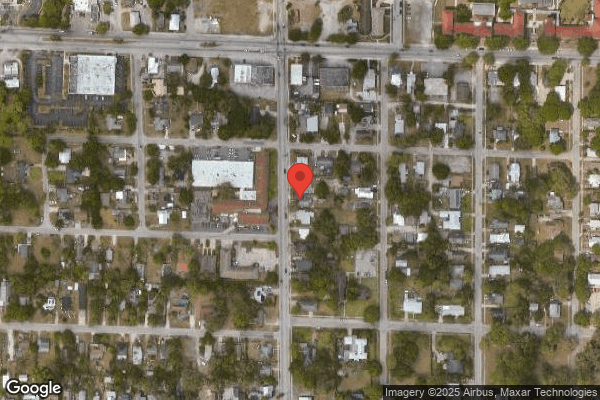
611 S 13TH ST, FORT PIERCE, FL 34950 (772) 464-5262
For profit - Limited Liability company 171 Beds AVIATA HEALTH GROUP Data: November 2025 3 Immediate Jeopardy citations
Trust Grade
0/100
#606 of 690 in FL
Last Inspection: March 2025

Within standard 12-15 month inspection cycle. Federal law requires annual inspections.

Overview

Aviata at Saint Lucie has received a Trust Grade of F, which means it is considered poor and has significant concerns. Ranked #606 out of 690 facilities in Florida, it falls in the bottom half, and is the lowest-ranked facility in St. Lucie County. The situation is worsening, with issues increasing from 10 in 2024 to 24 in 2025. While staffing is a strength with a rating of 4 out of 5 stars and a low turnover rate of 18%, the facility has concerning fines totaling $65,361, higher than 81% of Florida facilities. Specific incidents of neglect included failing to provide timely dialysis care for a newly admitted resident, which led to serious health risks, and inadequate supervision of a resident at risk of wandering, resulting in the resident leaving the facility undetected. Overall, while staffing has strengths, the facility's significant issues raise serious concerns about resident safety and care quality.

Trust Score
F
0/100
In Florida
#606/690
Bottom 13%
Safety Record
High Risk
Review needed
Inspections
Getting Worse
10 → 24 violations
Staff Stability
✓ Good
18% annual turnover. Excellent stability, 30 points below Florida's 48% average. Staff who stay learn residents' needs.
Penalties
✓ Good
$65,361 in fines. Lower than most Florida facilities. Relatively clean record.
Skilled Nurses
✓ Good
Each resident gets 51 minutes of Registered Nurse (RN) attention daily — more than average for Florida. RNs are trained to catch health problems early.
Violations
⚠ Watch
65 deficiencies on record. Higher than average. Multiple issues found across inspections.
★☆☆☆☆
1.0
Overall Rating
★★★★☆
4.0
Staff Levels
★★★★☆
4.0
Care Quality
★☆☆☆☆
1.0
Inspection Score
Stable
2024: 10 issues
2025: 24 issues

The Good

  • 4-Star Staffing Rating · Above-average nurse staffing levels
  • 4-Star Quality Measures · Strong clinical quality outcomes
  • Low Staff Turnover (18%) · Staff stability means consistent care
  • Full Sprinkler Coverage · Fire safety systems throughout facility
  • No fines on record
  • Staff turnover is low (18%)

    30 points below Florida average of 48%

Facility shows strength in staffing levels, quality measures, staff retention, fire safety.

The Bad

1-Star Overall Rating

Below Florida average (3.2)

Significant quality concerns identified by CMS

Federal Fines: $65,361

Above median ($33,413)

Moderate penalties - review what triggered them

Chain: AVIATA HEALTH GROUP

Part of a multi-facility chain

Ask about local staffing decisions and management

The Ugly 65 deficiencies on record

3 life-threatening
Jul 2025 2 deficiencies
CONCERN (D) 📢 Someone Reported This

A family member, employee, or ombudsman was alarmed enough to file a formal complaint

Potential for Harm - no one hurt, but risky conditions existed

Quality of Care (Tag F0684)

Could have caused harm · This affected 1 resident

**NOTE- TERMS IN BRACKETS HAVE BEEN EDITED TO PROTECT CONFIDENTIALITY** Based on interview and record review, the facility failed to provide care and services for showers, as evidenced by failing to p...

Read full inspector narrative →
**NOTE- TERMS IN BRACKETS HAVE BEEN EDITED TO PROTECT CONFIDENTIALITY** Based on interview and record review, the facility failed to provide care and services for showers, as evidenced by failing to provide documented evidence for proof of showering for 1 of 3 sampled residents who were reviewed for shower service, (Resident # 4).The findings included: Clinical record review documented Resident #4 was admitted to the facility on [DATE], with a diagnosis of cancer. Review of the quarterly Minimum Data Set (MDS) assessment dated on May 18, 2025, included a Brief Interview for Mental Status (BIMS) with a score of 15, indicating the resident was cognitively intact. This MDS assessment recorded no mood or behavioral issues. It was noted in the MDS that Resident #4 experienced functional limitations in range of motion due to impairments in one side of both the upper and lower extremities. He required substantial to maximal assistance with showering, bathing, upper and lower body dressing, and personal hygiene, and was dependent on staff to put on and remove his footwear. The MDS revealed that the mobile device used by Resident #4 was a wheelchair.Review of the Certified Nursing Assistant (CNA) tasks in the computer recorded his shower schedule: shower on Monday, Wednesday, and Friday during the 7 AM to 3 PM shift. Further review of the CNA tasks over the last 30 days revealed no documented evidence of showers on the following dates: June 30, 2025, July 2, 2025, July 7, 2025, July 11, 2025, July 14, 2025, and July 16, 2025.During an interview on July 29, 2025, at 12:38 PM, Resident #4 was asked if he had received showers. He responded, Never. He shook his head no when asked if he had ever had a shower at the facility. When asked if he refused showers when scheduled, he said, No, they tell me maybe later, but it doesn't happen. When asked if he received a bed bath, he replied, Pretty much. When asked again if he had received any showers since admission, he reiterated, No, never.On July 29, 2025, at 12:55 PM, Staff F, CNA, who has worked at the facility for 26 years, was interviewed. She stated Resident #4 was scheduled for showers three times a week, and that any received showers or refusals should be recorded in the shower books. Reviewing the shower books with Staff F revealed no documented showers or refusals for Resident #4.On July 29, 2025, at 2:04 PM, a side-by-side review of Resident #4's records, including the shower books, was conducted with an interview with the Interim Director of Nursing (DON). He confirmed the absence of documented showers or refusals.
CONCERN (D) 📢 Someone Reported This

A family member, employee, or ombudsman was alarmed enough to file a formal complaint

Potential for Harm - no one hurt, but risky conditions existed

Deficiency F0697 (Tag F0697)

Could have caused harm · This affected 1 resident

**NOTE- TERMS IN BRACKETS HAVE BEEN EDITED TO PROTECT CONFIDENTIALITY** Based on interviews and records review, the facility failed to ensure pain medication was administered as ordered by the physici...

Read full inspector narrative →
**NOTE- TERMS IN BRACKETS HAVE BEEN EDITED TO PROTECT CONFIDENTIALITY** Based on interviews and records review, the facility failed to ensure pain medication was administered as ordered by the physician, as evidenced by failure to ensure pain medication was documented as administered, nurse refusal to provide pain medication and failure to provide documented evidence of appropriate training and education to the nurses following the incident for 1 of 3 sampled residents reviewed, (Resident # 5).The findings included: Review of the clinical record revealed Resident #5 was admitted to the facility on [DATE], with a diagnosis that included depression. Review of the quarterly Minimum Data Set (MDS), with a reference date of June 25, 2025, documented a Brief Interview for Mental Status (BIMS) score of 15, indicating Resident #5 was cognitively intact. The MDS documented mood symptoms, including feelings of being down, depressed, or hopeless, and no exhibited behaviors were recorded. The MDS documented Resident #5's pain level as an eight on a scale of 1 to 10. Review of the physician's order from December 18, 2024, documented an order for the administration of one Percocet oral tablet (10-325 mg) every six hours as needed for pain. The care plan, revised on July 15, 2025, indicated that Resident #5 experienced potential pain related to the disease process, including back pain and neuropathy. As part of the intervention, analgesics were to be administered as prescribed. The care plan also noted the presence of a venous/stasis ulcer on the left posterior leg, left medial leg, and left foot, with the intervention to provide medications as ordered for pain. On July 28, 2025, at 2:35 PM, during an interview with Resident #5, he expressed a need for pain medication, and the nurse refused his request, suggesting that he intended to hide his Percocet and give it to his girlfriend, Resident #2. He stated he didn't receive his as-needed Percocet until the next day, and he was in pain. He revealed that the situation escalated as the nurse argued with him. During this interview process, Resident #2, who was in the room, reported hearing the nurse argue with Resident #5 and denying him pain medication. On July 28, 2025, at 1:59 PM, a phone interview was conducted with Staff A, Registered Nurse (RN). When asked about the incident, she claimed that Residents #2 and #5 frequently spent time together. They left the facility and returned heavily sedated, stating they couldn't even hold their bodies up. She alleged that Resident #2 encouraged Resident #5 to request Percocet. Staff A mentioned that she offered Resident #5 two Tylenol instead and planned to reassess the need for the stronger pain medication (Percocet) later. She noted that residents sometimes hide pain medication in their mouths to sell it to others. Record review revealed that Resident #5 did not have Tylenol ordered. In a statement by Staff B, the activity assistant, she indicated that on Monday, June 16, 2025, at approximately 5:45 PM, she witnessed Staff A refuse to provide Resident #5 with his pain medication, documenting concerns that he intended to give it to Resident #2. The facility's investigation revealed no documented evidence of appropriate training and education with the nurses following the incident. While training was conducted on June 8, 2025, before the incident, it focused on policies regarding reporting abuse, neglect, and exploitation. There was no documented training specific to pain management and medication administration following the incident. On July 29, 2025, at 1:43 PM, an interview was held with the Nursing Home Administrator (NHA) regarding the absence of documented training/education on pain management and medication administration for the nursing staff after the incident. The NHA mentioned that the former interim Director of Nursing (DON) might have conducted this training, possibly storing it in the Assistant Director of Nursing's (ADON) office. The NHA left to search for the training documentation and returned with an in-service sheet indicating education on medication errors, signed by nurses, dated April 9, April 15, and April 16. This training was not specific to the incident involving the nurse's refusal to administer pain medication, nor did it address pain management or medication administration. On July 29, 2025, at 1:45 PM, a phone interview was conducted with Staff C, the former interim DON. She revealed that she was present during the incident and was instructed to educate the staff on abuse, neglect, exploitation, and misappropriation while gathering statements. She did not provide training or education specifically on pain management or medication administration. Continuing the interview with her was challenging due to background noise. Later, at 2:08 PM, Staff C called the surveyor back and stated she had initiated education on abuse and neglect and passed this training on to the former ADON. On July 29, 2025, at 4:16 PM, an interview was conducted with Staff D, Registered Nurse (RN) employed at the facility since May 2025. She mentioned that training had been provided on documentation related to dialysis, call lights, and biohazard procedures. When asked about training on medication administration and pain management, she stated that she had only received training on labeling medications regarding open dates and had not received specific training following the incident.During an interview on July 29 at 4:28 PM, Staff E, RN, employed at the facility for one year, stated that her medication education included information on medication errors, but did not address pain management or medication administration specific to the recent incident.
Mar 2025 22 deficiencies
CONCERN (D)

Potential for Harm - no one hurt, but risky conditions existed

Deficiency F0561 (Tag F0561)

Could have caused harm · This affected 1 resident

**NOTE- TERMS IN BRACKETS HAVE BEEN EDITED TO PROTECT CONFIDENTIALITY** Based on interview and record review, the facility failed to provide showers as per schedule and resident request for 1 of 6 sam...

Read full inspector narrative →
**NOTE- TERMS IN BRACKETS HAVE BEEN EDITED TO PROTECT CONFIDENTIALITY** Based on interview and record review, the facility failed to provide showers as per schedule and resident request for 1 of 6 sampled residents, Resident #2. Finding included: Review of the record revealed Resident #2 was admitted to the facility 02/19/24.Review of the current Minimum Data Set (MDS) assessment dated [DATE] documented Resident #2 had a Brief Interview for Mental Status (BIMS) score of 15, on a 0 to 15 scale, indicating the resident was cognitively intact. Review of the care plan dated 03/11/2025 documented The resident has an Activities of Daily Living (ADL) self-care performance deficit related to disease process, impaired balance and weakness with interventions including: Bathing/Showering: Provide sponge bath when a full bath or shower cannot be tolerated and Bathing/Showering: The resident requires max assist with bathing. Review of Resident #2's tasks revealed the shower/bed bath schedule as following: Tuesday, Thursday, and Saturday on morning shift. On a 30-day look back period, there was no shower documentation for the following dates: 02/25/25(Tuesday) and 03/01/25 (Saturday). A shower was last documented for Resident #2 by Staff B, Certified Nursing Assistant (CNA) on 03/18/25. During an interview on 03/17/25 at 09:52 AM, when asked if the staff honor the Resident's choices, he stated he does not receive a shower as often as he would like; I would like to receive a shower twice a week. Resident #2 stated I receive bed baths instead and don't feel clean afterwards. When asked if he had told anyone about his preferences, he stated he had but the staff hadn't done anything about it. During an interview on 03/19/25 at 10:30 AM, when asked when Resident #2's last shower was, Staff B stated he got a bed bath yesterday. When asked why she documented on the electronic record she provided a shower to the Resident yesterday, she stated because it was a full bed bath; I gave him a shower in bed. During an interview on 03/19/25 at 10:40AM, when asked if he had received a bed bath yesterday, Resident #2 stated he had not received one.
CONCERN (D)

Potential for Harm - no one hurt, but risky conditions existed

Deficiency F0582 (Tag F0582)

Could have caused harm · This affected 1 resident

Based on record review and interviews, the Facility failed to notify the family in a timely manner that Medicare Part A was going to be ending for 1 of 3 residents reviewed, Resident #87. The findings...

Read full inspector narrative →
Based on record review and interviews, the Facility failed to notify the family in a timely manner that Medicare Part A was going to be ending for 1 of 3 residents reviewed, Resident #87. The findings included: A review of a document called SNF Beneficiary Protection Notification Review that is given to the skilled nursing facility to fill out on Resident #87 revealed that Medicare Part A skilled services start date was 11/25/24. The last covered day of Part A service was 12/16/24, which was facility initiated. A SNF ABN (Skilled Nursing Facility Advanced Beneficiary Notice) of Non-Coverage and the Notice of Medicare Non-Coverage (NOMNC) was signed by the son on 12/16/24, which was the last day of covered services. During an interview on 03/20/25 at 10:15 AM with the Social Service Director she acknowledged that the resident or family should have been notified at least 2 days prior to the coverage ending and was unable to find any documentation that the family was notified prior to 12/16/24.
CONCERN (D)

Potential for Harm - no one hurt, but risky conditions existed

Deficiency F0583 (Tag F0583)

Could have caused harm · This affected 1 resident

**NOTE- TERMS IN BRACKETS HAVE BEEN EDITED TO PROTECT CONFIDENTIALITY** Based on observations and interviews, the facility failed to provide personal privacy which includes his personal space, accommo...

Read full inspector narrative →
**NOTE- TERMS IN BRACKETS HAVE BEEN EDITED TO PROTECT CONFIDENTIALITY** Based on observations and interviews, the facility failed to provide personal privacy which includes his personal space, accommodation and personal care related to the bedroom door not closing for 3 of 3 sampled residents (Residents #242, #64, and #76). The findings included: Observations on 03/18/25 at 08:49 AM revealed that Resident #242 main door to the bedroom does not close completely because the bed is sticking out from the end of the wall into the door space. The privacy curtain is in a knot not giving the resident any privacy during personal care or any personal privacy. Resident #242 stated that the door has been this way since he was admitted on [DATE]. On 03/18/2025 at 2:00 PM, the Surveyor showed the DON (Director of Nursing) and the Executive Director the bed sticking out from the wall preventing the main door to room from closing. The DON stated to the resident we will have to change your room and the resident stated he does not want to change rooms. The Executive Director looked at the head of the bed and stated that the bumpers are preventing the bed from getting closer to the wall. Observations made on 03/19/25 at 2:45 PM revealed that the door to the rooms of Residents #76 and Resident #64 could not close due to the bed-A stuck out from the wall into the path of the doorway. The Executive Director was notified of the concern at that time. On 03/19/25 at 8:13 AM, Resident #242 stated to the Surveyor that he was so happy last night and had a good night's sleep since they fixed the door yesterday. He said that it was so quiet, he did not have to listen to the carts going up and down the hallway, listening to the staff chatting all night, or the lights blaring in his eyes.
CONCERN (D)

Potential for Harm - no one hurt, but risky conditions existed

Assessment Accuracy (Tag F0641)

Could have caused harm · This affected 1 resident

**NOTE- TERMS IN BRACKETS HAVE BEEN EDITED TO PROTECT CONFIDENTIALITY** 3. Review of the record revealed Resident #64 was admitted to the facility on [DATE]. Review of the Quarterly MDS assessment dat...

Read full inspector narrative →
**NOTE- TERMS IN BRACKETS HAVE BEEN EDITED TO PROTECT CONFIDENTIALITY** 3. Review of the record revealed Resident #64 was admitted to the facility on [DATE]. Review of the Quarterly MDS assessment dated [DATE] lacked any documented use of an opioid. Review of physician orders revealed as of [DATE] the resident had orders for both oxycodone and Percocet, which are opioids, for pain. Review of the corresponding Medication Administration Record (MAR) for February 2025 revealed the resident took both of these medications during the seven-day look-back period of this MDS, between [DATE] and [DATE]. During a side-by-side record review and interview on [DATE] at approximately 11:30 AM, Staff A, MDS Coordinator, agreed with the inaccurate assessment. 5. Review of Resident #32's medical records revealed Resident #32 was admitted to the facility on [DATE] with a readmission from hospital on [DATE]. Review of the current MDS (Minimum Data Set) assessment dated [DATE] documents under Section N that the resident is on an anticoagulant. Review of the current physicians' orders as well as discontinued physician orders, the Surveyor was unable to find any evidence that Resident #32 had ever been on an anticoagulant. During an interview on [DATE] at 10:35 AM with the MDS Coordinator she was asked to review the resident's medication orders and MDS section N. She acknowledged that she was unable to find any anticoagulant medication that the resident is currently on or was on. She only sees Plavix and aspirin and acknowledged the coding is incorrect. Based on observation, interview, and record review, the facility failed to ensure an accurate Minimum Data Set (MDS) assessment related to the discharge and transfer of Resident #139; Limited range of motion for Resident #5; Unnecessary medication for Resident #107 and Resident #64; and medication inaccuracy related to anticoagulant use for Resident #32. The findings included: 1. A review of the clinical records indicated that Resident #5 was first admitted to the facility on [DATE], and returned on [DATE], with a diagnosis of hemiplegia, which is characterized by unilateral weakness. The care plan, last revised on [DATE], noted that Resident #5 had impaired mobility due to weakness on the left side. A review of the quarterly comprehensive assessment dated [DATE], specifically within the section GG, pertaining to functional limitations in range of motion, indicated no impairment in the upper extremities, including the shoulder, elbow, wrist, and hand. Observations conducted on [DATE] at 9:54 AM; [DATE] at 7:44 AM; [DATE] at 10:42 AM and 1:13 PM; and [DATE] at 9:47 AM, revealed that Resident #5 exhibited a contracture of the left hand, with her left wrist and hand positioned in a bent posture and her fingers tightly closed. On [DATE], at 12:41 PM, the surveyor interviewed the rehabilitation director. She confirmed that Resident #5 had a left-hand contracture and stated that Resident #5 previously utilized splints for the contracture; the resident has since refused to wear them. Additionally, on [DATE], at 10:19 AM, the surveyor interviewed Staff A, the MDS coordinator. During this discussion, Staff A reviewed the clinical records and acknowledged a lack of documentation reflecting Resident #5's status of contracture. 2. A review of the clinical record indicated that Resident #107 was admitted to the facility on [DATE] with a diagnosis of non-Alzheimer's dementia. Further examination of the documents revealed a physician's order dated [DATE], prescribing Tramadol 50 mg to be administered orally as needed for pain, with a frequency of twice per day and a minimum interval of six hours apart. Tramadol is classified as an opioid. Additionally, the quarterly comprehensive assessment with a reference date [DATE], listed under section N about medication, subsection H addressing opioid use, indicated no regarding the utilization of opioids. On [DATE], at 10:15 AM, Staff A, the MDS coordinator, was interviewed. She reviewed the clinical records for Resident #107 and acknowledged the findings presented. 4. Review of the record revealed Resident #139 was initially admitted to the facility [DATE] and discharged [DATE]. The Resident had a primary diagnosis of acute and chronic respiratory failure with hypoxia (a condition in which there is an inadequate supply of oxygen to the body's tissues.) Review of the Transfer to hospital form dated [DATE] documented the resident was sent out to a local hospital due to shortness of breath. Review of the last Minimum Data Set (MDS) assessment dated [DATE] titled Death in facility revealed Resident #139's discharge status as deceased . During an interview on [DATE] at 2:39 PM, when asked to explain what happened to Resident #139, Staff A, MDS Coordinator stated the Resident was transferred to the emergency room. When asked if the Resident died at the facility, Staff A replied no. When asked why the MDS was coded as death in facility, the Regional MDS nurse stated Resident #139 had not been admitted to the hospital, so the death counted as a facility death. When asked to provide evidence of that information, the Regional MDS nurse stated it was documented on Resident #139's medical record. Further review of the record did not reveal any documentation of the Resident's status after being transferred to the hospital.
CONCERN (D)

Potential for Harm - no one hurt, but risky conditions existed

Deficiency F0645 (Tag F0645)

Could have caused harm · This affected 1 resident

**NOTE- TERMS IN BRACKETS HAVE BEEN EDITED TO PROTECT CONFIDENTIALITY** Based on record review and interview, the facility failed to obtain a PASARR (Preadmission Screening for individuals with a ment...

Read full inspector narrative →
**NOTE- TERMS IN BRACKETS HAVE BEEN EDITED TO PROTECT CONFIDENTIALITY** Based on record review and interview, the facility failed to obtain a PASARR (Preadmission Screening for individuals with a mental disorder and individuals with intellectual disability) Level II in a timely manner for 1 of 2 Residents reviewed for PASARRs (Resident #86). The findings included: Resident #86 was admitted to the facility on [DATE]. A review of a PASARR Level 1 dated 01/28/25 indicated a Level 2 should have been completed. An interview was conducted with Regional Social Services Director (SSD) on 03/19/25 at 8:40 AM. The SSD stated a Level 2 was submitted for Resident #86 on 01/28/25. The SSD further stated the Level 2 was closed on 02/04/25 due to an incomplete signature for the resident. The SSD stated the Level 2 had not been resubmitted with the missing information.
CONCERN (D)

Potential for Harm - no one hurt, but risky conditions existed

Deficiency F0655 (Tag F0655)

Could have caused harm · This affected 1 resident

**NOTE- TERMS IN BRACKETS HAVE BEEN EDITED TO PROTECT CONFIDENTIALITY** Based on record review and interviews, the facility failed to ensure that baseline care plans are completed within 48 hours of a...

Read full inspector narrative →
**NOTE- TERMS IN BRACKETS HAVE BEEN EDITED TO PROTECT CONFIDENTIALITY** Based on record review and interviews, the facility failed to ensure that baseline care plans are completed within 48 hours of admission for 3 of 38 residents reviewed (Resident #32, #117 and #103). The findings included: 1) Resident #32 was admitted to the facility on [DATE] with readmission from hospital on [DATE]. Review of a baseline care plan dated 11/05/24 (Monday) revealed this is 8 days after the resident was admitted . 2) Review of Resident # 103 medical records revealed Resident #103 was admitted on [DATE]. The surveyor or the facility was unable to locate a baseline care plan. 3) Review of Resident #117 medical records revealed Resident #117 was admitted on [DATE]. The Surveyor or the facility was unable to locate a baseline care plan. During an interview on 03/20/25 at 10:10 AM with the Social Service Director, she was asked where the baseline care plans are kept. She stated the Minimum Data Set (MDS) Coordinator has them or if not, they are in a binder at the nurse's station. During an interview on 03/20/25 at 10:40 AM, with the MDS Coordinator she was asked where the baseline care plans are. She stated that they are in the residents' record under the task bar and if not there then they would be in the Medical Records. The surveyor then stated what the Social Service Director said, and she said, I miss understood you, I have them all in a binder here in the office. She pulled out a binder but was unable to locate Resident #103 or Resident #117. She then stated they might be in medical records. On 03/20/25 at 11:05 AM, Regional Nurse Consultant asked the surveyor if there was anything else she needed. Surveyor stated that she cannot find 2 baseline care plans. She stated she will look. The surveyor asked the Regional Nurse Coordinator on 03/20/25 at 12:25 PM if she was able to locate the baseline care plans for Resident #103 and Resident #117. She stated that she was unable to locate them, but medical records was still looking and if I don't hear back from her then they did not find any and they don't have it. Surveyor did not hear back from her.
CONCERN (D)

Potential for Harm - no one hurt, but risky conditions existed

ADL Care (Tag F0677)

Could have caused harm · This affected 1 resident

Based on observation, record review and interview the facility failed to offer and provide services of dental care and getting resident out of bed at his request for 1 of 1 resident reviewed for ADL's...

Read full inspector narrative →
Based on observation, record review and interview the facility failed to offer and provide services of dental care and getting resident out of bed at his request for 1 of 1 resident reviewed for ADL's (Activities of Daily Living), Resident #32. The findings included: Observations were made on 03/17/25 at 12:26 PM with Resident #32 lying in bed. There is no wheelchair observed in his room or outside of his room. Observations were made on 03/18/25 at 11:15 AM Resident #32 lying in bed. Observations were made on 03/18/25 at 2:45 PM Resident #32 lying in bed. During an interview on 03/17/25 at 12:26 PM with Resident #32 he stated to the Surveyor that he has been asking to get out of bed when they get his roommate up. He stated they would state that they would get him up but then they do not. He says he has been in the facility since 10/24 and maybe has been up twice. The surveyor observed resident's teeth having food caked between his teeth and asked the resident if they ever brush his teeth for him. He stated no. He cannot brush his own teeth, and his thumbs are the only digits on the hand that function, he cannot move the other fingers, he thinks because of his diabetes. Review of Resident #32 medical records revealed he was admitted to the facility 10/28/24 and readmitted after a brief hospital stay on 03/12/25. He has a diagnosis to include Type II Diabetes Meletus with Polyneuropathy, COPD (Chronic Obstructive Pulmonary Disease), Atherosclerotic Heart Disease, Osteoarthritis, Weakness, and Major Depressive Disorder. A review of the quarterly MDS (Minimum Data Set) dated 02/04/25 documents he has a BIMS (Brief Interview for Mental Status) score of 13 of 15 which means his cognition is intact. A review of Section GG Functional Limitations documents that he has impairment to his upper body on both sides. Oral Hygiene is set up or clean up assistance, he is dependent on toileting, showering; putting on and taking off footwear and personal hygiene; and chair to bed to bed to chair transfers. He is Substantial/Maximal Assistants for upper and lower body dressing. His Care Plan dated 11/13/24 documents resident performance of oral hygiene is Substantial/Maximal assist with 1 staff assist. Review on 03/19/25 at 7:55 AM of Resident #32 Care Plan it was observed on the Care Plan that the MDS Coordinator added documentation on 03/18/25 after it was brought to their attention about resident wanting to get out of bed and to have someone brush his teeth. It documents The resident does not cooperate with care related to Personal choice. Refuses to get out of bed. Date Initiated: 03/18/2025 by the MDS Coordinator and Resident chooses not to get out of bed at times. Dated 03/18/25 by the Regional MDS Coordinator. During an interview on 03/18/25 at 2:58 PM with Staff G, CNA (Certified Nursing Assistant) she was asked if she got this resident up out of bed. She stated only on Fridays, Thursdays and Sundays. The surveyor asked what about the other days, she said no. She was asked if she asks him on the other days and she stated no. She was asked where his wheelchair was and she stated, we keep them in the Rehab unit since we do not have room. She was asked if she brushes the resident's teeth, and she said yes. She then said I only brush his teeth when he asks. These questions were asked in front of the resident. The resident began getting frustrated with CNAs answers and stated, I don't want you to get me up only Thursday, Friday, Sunday, I want to get up everyday. He said he disagreed that she offered to brush his teeth. He then said he acknowledged that he does not ask her. During an interview on 03/18/25 at 3:05 PM with Staff K, OTR (Registered Occupational Therapist) she was asked if they store resident's wheelchairs in rehab if not in use. She stated no, we do not do that, we do not have the room. On 03/19/25 at 11:00 AM the Surveyor went into Resident's #32 room and observed him sitting in his wheelchair. He stated he was so excited that he was sitting in his chair and out of bed. The surveyor asked if CNA came in to brush his teeth and he stated no. He was not happy. On 03/20/25 the Resident is sitting in W/C, he is smiling and thanked the surveyor for getting them to get him up yesterday and today. The surveyor asked him if he had his teeth brushed, he said yes it felt so good.
CONCERN (D)

Potential for Harm - no one hurt, but risky conditions existed

Deficiency F0679 (Tag F0679)

Could have caused harm · This affected 1 resident

**NOTE- TERMS IN BRACKETS HAVE BEEN EDITED TO PROTECT CONFIDENTIALITY** Based on observations, record reviews and interviews, the facility failed to encourage and assist the residents to participate i...

Read full inspector narrative →
**NOTE- TERMS IN BRACKETS HAVE BEEN EDITED TO PROTECT CONFIDENTIALITY** Based on observations, record reviews and interviews, the facility failed to encourage and assist the residents to participate in Activities for 2 of 2 residents reviewed for Activities. (Resident #32 and Resident #243). The findings included: 1) Observations were made on 03/17/25 at 12:17 PM, Resident #32 is in his bed playing on his phone. Observations on 03/18/25 at 11:15 AM, Resident is in his bed doing nothing. Observations on 03/18/25 at 2:45 PM resident in bed. Resident #32 was admitted on [DATE] with a readmission date after a brief hospital stay on 03/12/25. A review of his care plan dated 12/06/24 for Activities revealed the resident has little or no Community Life involvement related to disease process Aortic Stenosis, Type 2 diabetes, pulmonary disease, Heart failure, Reflux disease, Hydronephrosis, Anemia, Restless leg syndrome, kidney disease. Resident #32 is alert and oriented able to make his needs and wants known he is self-regulated in daily activities of his choice he likes to watch television in his room, play the Harmonica and listen to classical music, love all animals and bible study, socializing with staff and peers. Interventions included: The resident needs assistance/escort to Community Life functions; Invite/encourage the resident's family members to attend activities with resident in order to support participation; Remind the resident that the resident may leave activities at any time and is not required to stay for entire activity. Review of Resident #32 admission MDS (Minimum Data Set) dated 11/04/24 Section F Preferences for Customary Routine and Activities interview with resident documents it is very Important to have books, newspapers, magazines to read; It's very Important to listen to music; very important to be around animals; It's very important to get fresh air when weather is good; and very important to participate in religious services. Review of the task sheet for Activities for Resident #32 documented only 2 days of the last 30 days 03/18/25 and 03/19/25 for activities. On 03/18/25 at 4:21 PM documented Resident refused and on 03/19/25 at 3:37 PM documented religious services. During an interview on 03/17/25 at 12:17 PM, with Resident #32, he was asked if he goes to activities. He stated they do not get him up to go to activities. He was asked if they brought him activities to do in his room, he stated they do not bring him anything to do. He stated he would love to have a chaplain come talk to him. 2) Observations on 03/17/25 at 12:10 PM Resident #243 is in his room having lunch. Observations on 03/18/25 at 8:20 AM, Resident #243 in his room having breakfast. Observations on 03/18/25 at 2:35 PM, Resident #243 is in his room lying in bed. Observations on 03/19/25 at 3:00 PM Resident #243 is in his room in bed watching TV. Observations on 03/20/25 at 2:40 PM, Resident #243 is in his room lying in bed napping. Resident #243 was admitted on [DATE]. A review of Resident #243 care plan documents it was created on 03/18/25. The resident has little or no Community Life involvement related to disease process Acute Myocardial Infraction, Heart failure, Kidney failure, Hypotension, Anemia, Muscle weakness, Dysphagia Oropharyngeal phase, atrial flutter. Resident liked being social and loved animals, he enjoys listening to Rock & Roll and country music, watching the news and religious services. Resident loves to eat cupcakes. His goal is to walk again and get his left side back in motion, family and friend visits monthly. Interventions include Encourage the resident's participation by implementing activities the resident enjoys doing. A review of Resident #243 admission MDS document that he has a BIMS of 12/15 which means his cognition is moderately impaired. Section F Preferences for Customary Routine and Activities interview with resident documented it is very important to have snacks between meals; very important to have family or close friend involved in discussion of care; very important to listen to music; very important to be around animals; very important to keep up with news; very important to do things with groups of people; very important to go outside for fresh air; very important to participate in religious services; somewhat important to have books, newspapers and magazines to read. Review of the task sheet for activities documented 03/13/25, 03/18/25 and 03/19/25 watching TV and 03/15/25 Napping. During an interview on 03/18/25 at 08:20 AM with Resident #243 he was asked if he goes to activities. He said he wanted to go to activities. He said he asked to go to church, and they did not get him up to go. Has not been out of bed for activities, and they do not bring him anything to do. During an interview on 03/20/25 at 9:20 AM with the Community Life Director. She was asked if she has documentation about when residents come to activities or when they bring activities to resident rooms. She stated yes, I record when they come and if they refuse, I document that. The surveyor gave her Resident #32 and Resident #243's names. She stated that Resident #32 refuses to come. She was asked if she brings items to his room and did not respond. Asked if she was aware that he wants to go to church and that he had a masters in bible study. She said they have a lot of different churches that come to do service, and was aware he had a masters in bible study. She said she inputs everything in PCC but does not know how to pull them up. The surveyor went to the Regional Nurse consultant, and she pulled them up under tasks. On 03/20/25 at 9:49 AM the Regional Nurse Consultant printed activity logs for Resident #32 and Resident #243, and it shows for the last 30 days 1 day that he came to religious service yesterday on 03/19/25 at 3:37 PM. During an observation on 03/20/25 at 2:30 PM residents are gathered in the activities room getting ready to play Bingo. Resident #32 is sitting in his chair playing on his phone, but Resident #243 is not in activities. During an interview on 03/20/25 at 2:35 PM the Surveyor asked the Community Life Director and Activities assistant if she asked Resident #243 if he wanted to go to Bingo, the Community Life Director did not respond, and the Activities Assistant stated no. She said she went into his room this morning, but he was sleeping. The Surveyor asked, have you asked him if he wants to go outside or to church, No. Asked if they looked at the preference sheet in MDS she stated the director probably does. The surveyor went to Resident #243 room on 03/20/25 at 2:40 PM, he is lying in bed. The surveyor asked him if he wanted to go to Bingo because they are having it in the activities room. He said yes, if someone would get me up. Surveyor advised his CNA that he wants to go to Bingo right now. She was hesitant in responding to get him up.
CONCERN (D)

Potential for Harm - no one hurt, but risky conditions existed

Quality of Care (Tag F0684)

Could have caused harm · This affected 1 resident

**NOTE- TERMS IN BRACKETS HAVE BEEN EDITED TO PROTECT CONFIDENTIALITY** 3) Review of the facility policy Administering Medication, included Medications are to be administered within one hour of the pr...

Read full inspector narrative →
**NOTE- TERMS IN BRACKETS HAVE BEEN EDITED TO PROTECT CONFIDENTIALITY** 3) Review of the facility policy Administering Medication, included Medications are to be administered within one hour of the prescribed time unless otherwise specified (for example, before or after meal orders). Review of the record revealed Resident #66 was readmitted to the facility on [DATE]. Review of the current orders revealed Resident #66 was receiving methocarbamol oral tablets for muscle spasms three times per day at 8-hour intervals at 6 AM, 2 PM and 10 PM. This medication is administered at intervals to allow for consistent muscle relaxation. During a medication administration observation on 3/19/2025 at 4:06 PM, Staff C, RN was observed dispensing and administering the medication to Resident #66. The scheduled administration time was 2 PM. Retrospective review of the Medication Administration Audit Report from 3/09/2025 to 3/20/2025 revealed that the medication was not administered during the correct time frame or abide by scheduled time interval of 8 hours on 7 of 34 occasions as follows: On 03/10/25 the 2 PM dose of methocarbamol was signed off as administered at 7:09 PM. The dose due at 10 PM on 03/10/25 was administered at 9:02 PM. On 03/11/25 the 2 PM dose of methocarbamol was signed off as administered at 5:10 PM. The dose due at 10 PM on 03/11/25 was administered at 10:50 PM. On 03/12/25 the 2 PM dose of methocarbamol was signed off as administered at 5:42 PM. The dose due at 10 PM on 03/12/25 was administered at 9:09 PM. On 03/13/25 the 2 PM dose of methocarbamol was signed off as administered at 4:29 PM. The dose due at 10 PM on 03/13/25 was administered at 9:49 PM. On 03/15/25 the 2 PM dose of methocarbamol was signed off as administered at 7:03 PM. The dose due at 10 PM on 03/15/25 was administered at 11:24 PM. On 03/17/25 the 2 PM dose of methocarbamol was signed off as administered at 6:21 PM. The dose due at 10 PM on 03/17/25 was administered at 9:12 PM. On 03/19/25 the 2 PM dose of methocarbamol was signed off as administered at 4:06 PM. The dose due at 10 PM on 03/19/25 was administered at 9:20 PM. On 03/20/25 at approximately 10 AM, the Regional Nurse Consultant was made aware of the above concerns. 4. Record review revealed Resident #83 was admitted to the facility on [DATE]. An interview was conducted with Resident #83 on 03/17/25 at 10:00 AM. The resident stated she had diarrhea for a while now, and she was tested for C-Diff (Clostridioides Difficile), a highly contagious bacterium that causes diarrhea and colitis (swelling of the colon). Resident #83 stated she had not heard of any results. A review of the resident's physician orders revealed an order dated 03/12/25 for a stool sample for C-Diff. Further record review did not reveal a stool sample for C-Diff was collected or sent as ordered for Resident #83. An interview was conducted with the Director of Nursing (DON) on 03/20/25 at 2:00 PM. The DON confirmed the above. Based on observations, record reviews and interviews, the facility failed to follow physician's orders related to blood pressure medication, for Resident #103, thyroid medication for Resident #242, spasm medication for Resident #66 and lab orders for stool sample for C-Diff for Resident #83. The findings included: 1) Resident #103 was admitted to the facility on [DATE] with a diagnosis to include Essential Hypertension. Review of the current Physician's Orders revealed Metoprolol Tartrate Oral Tablet 25 MG to give 25 mg by mouth two times a day for hypertension, hold for systolic blood pressure less than 110 or pulse less than 60. Midodrine HCl Oral Tablet 5 MG to give 5 mg by mouth three times a day for hypotension hold for systolic blood pressure above 120. A review of the MAR (Medication Administration Record) for March 2025 revealed that the blood pressure (B/P) parameters were not followed. Metoprolol 25 MG for hypertension hold for SBP (systolic blood pressure) less than 110 or pulse less than 60, start 03/07/25. On 03/01/25 the 0900 dose documented B/P 120/79, had a code of 11 which means hold per parameters. The medication was not given but was not outside the parameters and should have been given. For the 1700 hour (5:00 PM) dose the B/P was122/88 and had a code of 11, which means it was not given but should have been given. On 03/06/25 0900 documented a B/P 119/72 and had a code of 11 that the medication was not given and should have been given. On 03/12/25 0900 documented the B/P 112/98 with a code of 11 that the medication was not given and should have been given. On 03/16/25 0900 the B/P 100/75 check mark showed medication given when it should have been held. Midodrine 5 MG for hypotension hold for SBP (systolic blood pressure) above 120, start date 03/07/25. Previous order was to hold for SBP above 110, with an end date of 03/06/25. On 03/02/25 0900 documents the B/P 128/67 had a check mark indicating it was given but it should have been held. On 03/03/25 1700 (5:00 PM) documents the B/P 128/78 has a check mark indicating it was given but it should have been held. On 03/04/25 1700 (5:00 PM) documents the B/P 128/78 has a check mark indicating it was given but it should have been held. On 03/04/25 0900 documents the B/P 118/87 has a check mark indicating it was given but it should have been held. On 03/04/25 1700 (5:00 PM) documents the B/P 113/76 has a check mark indicating it was given but it should have been held. On 03/07/25 1700 (5:00 PM) documents the B/P 123/93 has a check mark indicating it was given but it should have been held. On 03/14/25 0900 documents the B/P 126/84 has a check mark indicating it was given but it should have been held. On 03/14/25 1300 (1:00 PM) documents the B/P 144/76 had a check mark indicating it was given but it should have been held. On 03/15/25 0900 documents the B/P 135/78 had a check mark indicating it was given but it should have been held. On 03/15/25 1300 (1:00 PM) documents the B/P 135/78 had a check mark indicating it was given but it should have been held. On 03/15/25 1700 (5:00 PM) documents the B/P 135/78 had a check mark indicating it was given but it should have been held. During an interview on 03/20/25 at 7:08 AM with the Director of Nursing (DON), she was asked to pull up this resident's orders and MAR. She stated that in February we noticed there was an issue with the nurses giving medications when there were parameters to hold and not documenting the parameters. It was 02/26/25 and 02/27/25 when the nurses were in-serviced on this. She reviewed the MAR for Resident #103 and acknowledged there is a concern that this is still happening after being in-serviced. 2. Review of Resident #242 medical records revealed that Resident #242 was admitted to the facility on [DATE] with a diagnosis to include Adrenocortical Insufficiency. A review of the Physician's Order documented Levothyroxine Sodium 112 mcg Tablet 2 Tablets (224 mcg) by mouth in the morning for Hypothyroid, start date 03/05/25. Review of the March MAR (Medication Administration Record) revealed a check mark next to the medication that it was being given. During an interview on 03/18/25 at 08:15 AM with Resident #242, he stated that the nurse came in at 5:00 AM, woke him up to take his Thyroid medication which is supposed to be taken prior to a meal. He stated that she put the pill cup on his bed table and left. He said he did not take it because he is supposed to get two pills, and they only have been giving him one pill. (Photographic evidence obtained). On 03/18/25 at 1:25 PM, two Surveyors interviewed Staff I, LPN (Licensed Practical Nurse). The surveyor requested to see the medication blister pack for Levothyroxine medication. Staff I, LPN, gave a blister packet to the surveyors. There were 29 pills in the packet with 1 pill missing. Staff I stated that the other blister pack had been completed and was all gone and had been shredded. She acknowledged that the evening nurse Staff H, RN was working with her this morning and had brought the resident's pills out from his room and threw them away. They were not taken by the resident. During a telephone interview on 03/18/25 at 7:45 PM with Staff H, RN she was asked about Resident #242's thyroid medication. She stated she went into the resident's room around 5:30 AM, woke him up and said good morning I have your medication. She said she watched the patient put it in his mouth but then she stated he said he needed 2 pills. She told him he only takes one. When she went back into the resident's room a couple hours later, (she was helping the floor nurse that was on duty), the resident handed her the pills. She kept saying to the surveyor I only gave him 1 pill, that is all he takes. I looked at the computer with the other nurse and she said the same thing. The surveyor had a difficult time understanding her and requested another phone call in the morning with a Spanish speaking nurse from AHCA. During a telephone interview on 03/19/25 at 9:46 AM with Staff H, RN and another AHCA Surveyor Nurse who speaks Spanish, she spoke with Staff H, RN. She stated to the AHCA Surveyor that at 5:00 AM, the resident was scheduled 2 levothyroxine and 1 Dulcolax; I prepped the meds for the resident and in the process I dropped the pitcher of water and I went out to get more water for him and as I got back he had an empty medication cup; so I assume he had taken all his meds ; later when it was brought to my attention the meds were still in the medication cup there was only 1 levothyroxine and the 1 Dulcolax; I should of verified he had indeed taken the meds while I was in the room with him; I don't know what happened with the second levothyroxine so I did not give him the second one I gave him a new dose of the same two pills left in the medication cup (1 levothyroxine and 1 Dulcolax) and I discarded the old medications found. On 03/19/25 at 10:50 AM the Surveyor went into Resident #242's room and asked him to reiterate what happened yesterday with the pills left on the table. He stated that normally the nurse comes around 5:00 AM and will wake me up but in this case, she tapped me and stated here are the pills and put them on the table and left. I saw 1 thyroid pill and a Dulcolax which I don't take since my bowels are moving fine though I did accept one yesterday. The surveyor asked if water was ever spilled, he said no. On 03/19/25 at 10:54 AM the Surveyor asked the nurse on the cart Staff J, LPN to show the Surveyor the levothyroxine blister pack. She pulled out one that had the resident's name on it. There were 10 pills still in the blister pack. It was filled 03/05/25 and documents 30 of 60 pills. Refill 03/30/25. The surveyor asked if there was another blister pack, and she pulled out a second blister pack that had 1 pill gone of 30 pills. This was the blister pack that was shown to Surveyors yesterday. The MAR shows the resident received 14 days of Levothyroxine (03/06/25-03/19/25) which then shows that of the 14 days there should be 28 pills gone in the blister pack that included the 1 from the second blister pack. Instead, there are 21 pills that were left out of the blister pack. There are 10 pills that were not given. ( Photographic evidence obtained).
CONCERN (D)

Potential for Harm - no one hurt, but risky conditions existed

Incontinence Care (Tag F0690)

Could have caused harm · This affected 1 resident

**NOTE- TERMS IN BRACKETS HAVE BEEN EDITED TO PROTECT CONFIDENTIALITY** Based on record review and interview, the facility failed to ensure a physician ordered urology appointment in a timely manner f...

Read full inspector narrative →
**NOTE- TERMS IN BRACKETS HAVE BEEN EDITED TO PROTECT CONFIDENTIALITY** Based on record review and interview, the facility failed to ensure a physician ordered urology appointment in a timely manner for 1 of 1 sampled resident, Resident #60, who had a suprapubic (located in the lower abdomen) urinary catheter. The findings included: Review of the record revealed Resident #60 was admitted to the facility on [DATE]. Review of the Quarterly Minimum Data Set (MDS) assessment dated [DATE] documented the resident had an indwelling urinary catheter. Review of the current physician's orders revealed Resident #60 had a suprapubic urinary catheter. Further review of these orders documented a urinary consult appointment was ordered on 03/04/25. Review of the record lacked any evidence of an upcoming or completed appointment. Observations on 03/17/25 at 9:57 AM, 03/17/25 at 2:23 PM, and on 03/18/25 at 9:05 AM revealed very cloudy urine in the drainage tube of the urinary catheter for Resident #60. During an interview on 03/20/25 at 11:20 AM, when asked the process for obtaining consults, Staff M, Registered Nurse (RN), explained that usually Staff L, Medical Transportation Coordinator/Central Supply, took care of making the appointments. The RN stated that sometimes they would also make appointments. During the interview, Staff M stated she was unaware of any urology appointment for Resident #60. The Director of Nursing (DON) was nearby and phoned Staff L, who told the DON she had not yet made the appointment for Resident #60. During an interview on 03/20/25 at 11:28 AM, when asked if she had made or attempted to make an appointment for Resident #60, Staff L, Medical Transportation Coordinator/Central Supply person stated she had not. When asked the process for making appointments, Staff L stated the orders come to her from either the nurse practitioner or nurse, with the resident's face sheet and reason for the appointment. Staff L stated she had not received the reason for Resident #60's appointment, had not reached out to staff to obtain a reason for the appointment, and had not attempted to make the appointment.
CONCERN (D)

Potential for Harm - no one hurt, but risky conditions existed

Deficiency F0692 (Tag F0692)

Could have caused harm · This affected 1 resident

**NOTE- TERMS IN BRACKETS HAVE BEEN EDITED TO PROTECT CONFIDENTIALITY** Based on record review and interview, the facility failed to maintain a nutritional status for a resident receiving dialysis the...

Read full inspector narrative →
**NOTE- TERMS IN BRACKETS HAVE BEEN EDITED TO PROTECT CONFIDENTIALITY** Based on record review and interview, the facility failed to maintain a nutritional status for a resident receiving dialysis therapy related to ordered nutritional supplement for 1 of 1 resident reviewed for Dialysis (Resident #25). The findings included: Resident #25 was admitted to the facility on [DATE]. A comprehensive assessment dated [DATE] documented the resident was cognitively intact and was dependent for activities of daily living. The assessment further documented the resident received dialysis treatment. A review of Resident #25's care plan revealed a care plan dated 02/22/23 for a nutritional risk for disease management of End Stage Renal Disease on hemodialysis and history of significant weight change. Interventions included to provide and serve supplements as ordered (dated 01/26/25) and Registered Dietician (RD) to evaluate and make diet change recommendations as needed (dated 02/22/23). A review of Resident #25's orders revealed an order dated 01/16/25 for Nepro (nutritional supplement) 8 fluid ounces daily at bedtime for increased protein needs. A review of a dietary progress note dated 03/11/25 documented Resident #25 was consuming Nepro daily, providing an additional 420 calories and 19 grams of protein. The dietary progress note further documented the resident was at risk for malnutrition and was underweight for age, and a need to encourage additional calories in the resident's diet by inquiring about the resident's favorite food. A review of Resident #25's Medication Administration Record (MAR) for 03/25 revealed documentation of the resident consuming 100-237 milliliters of Nepro daily, with 1 refusal. An interview was conducted with Resident #25 on 03/20/25 at 9:30 AM. The resident stated he does not consume the ordered Nepro at night because it upsets his stomach. The resident stated sometimes he does not like the food provided by the facility. The resident further stated no one had inquired about his food preferences. An interview was conducted with the Registered Dietician (RD) on 03/20/25 at 11:00 AM. The RD stated she was not aware Resident #25 was not consuming the ordered nutritional supplements. The RD further stated she had not followed up with the resident's food preferences.
CONCERN (D)

Potential for Harm - no one hurt, but risky conditions existed

Respiratory Care (Tag F0695)

Could have caused harm · This affected 1 resident

**NOTE- TERMS IN BRACKETS HAVE BEEN EDITED TO PROTECT CONFIDENTIALITY** Based on observation, interview, and record review, the facility failed to ensure care and service for oxygen therapy for 3 of 5...

Read full inspector narrative →
**NOTE- TERMS IN BRACKETS HAVE BEEN EDITED TO PROTECT CONFIDENTIALITY** Based on observation, interview, and record review, the facility failed to ensure care and service for oxygen therapy for 3 of 5 sampled residents, as evidenced by the failure to properly store the nebulizer mask for Resident #37, failure to ensure physician order for oxygen use for Resident #192, and failure to follow physician orders for the amount of oxygen used for Resident #117. The findings included: 1) Review of the record revealed Resident #37 was admitted to the facility 12/10/22 with an active diagnosis of respiratory disorder. Review of the current Minimum Data Set (MDS) assessment dated [DATE] documented the resident had a Brief Interview for Mental Status (BIMS) score of 9, on a 0 to 15 scale, indicating moderate cognitive impairment. This MDS also revealed the resident was dependent upon staff for mobility. Review of the current orders revealed the resident had received a medication four times daily via nebulizer (device to administer medication by spraying a fine mist) since 01/22/25. An observation on 03/17/25 at 8:57 AM revealed the nebulizer machine on the arm rest of the resident's recliner, with the mask lying partially on top of the machine and partially on top of personal items that were on the recliner. The mask was not stored in any type of protective covering. The date on the mask was 03/15/25. Photographic evidence obtained. During a subsequent observation on 03/19/25 at 8:08 AM the same nebulizer mask dated 03/15/25 was now stored in a clear plastic bag. During an interview on 03/20/25 at 12:09 PM, when asked how a nebulizer mask should be stored between uses, Staff M, Registered Nurse (RN), stated it should be stored in a bag. When asked what she should do if she found a nebulizer mask out of the bag, the RN stated she should get a new nebulizer set (a new mask and tubing). During an interview on 03/20/25 at 12:10 PM, when asked who was responsible for ensuring changing of oxygen equipment and proper storage, the Director of Nursing (DON) stated the night shift nurses are responsible for the routine changing of oxygen equipment on a weekly basis, but that all nurses were responsible for proper storage. The DON stated they also have a respiratory therapist in the building every Tuesday and Thursday who helps out and will sometimes do the weekly oxygen equipment changing. The DON stated she saw a bag in Resident #37's room on Tuesday (03/18/25) that was dated 03/08/25, and since the respiratory therapist was in the building, she asked her to change it out. The DON agreed the respiratory therapist should have changed out the entire nebulizer set. 2) Review of the record revealed Resident #192 was admitted to the facility on [DATE]. Review of progress notes and oxygen saturation levels indicated the resident had used oxygen since 03/11/25. Review of the orders revealed the order for oxygen use was entered on 03/19/25, after the surveyors had entered on 03/17/25. An observation on 03/17/25 at 12:37 PM revealed Resident #192 in bed with oxygen being used. The tubing was dated 03/11/25. During an interview on 03/20/25 at 12:21 PM, when asked if a resident utilizing oxygen should have a physician's order for such, the DON stated the expectation is that oxygen is used as per the physician's order. 3) Review of Resident #117's medical records revealed that Resident #117 was admitted to the facility on [DATE] with diagnoses to include COPD (Chronic Obstructive Pulmonary Disease), Dementia, Visual Loss, Hypertension, Type II Diabetes, and Cardiomyopathy. A review of the physician orders reveal that the resident is on continous Oxygen 2 lpm (liters per minute) start date of 01/10/25. A review of the resident's progress notes revealed the nurse is documenting that the resident is on 3 lpm. Review of the Resident's care plan dated 08/22/24 documents the resident has Emphysema/COPD with interventions that included to monitor for difficulty breathing (Dyspnea) on exertion, and Oxygen setting via NC (nasal cannula) 3 lpm continuously (initiated 09/24/24). Observations were made of the resident on the following days: 03/17/25 at 12:58 PM Resident on oxygen, O2 concentrator on 4.5 LPM. Order documents 2 LPM. 03/18/25 at 7:55 AM Resident out of bed sleeping with his head on bed table, has O2 on at 4.5 LPM. 03/19/25 at 8:20 AM Resident is observed out of bed having breakfast, he has his O2 at 4.5 LPM. The surveyor asked him if he ever touches his machine and moves the dial on the machine. He stated, no I do not touch it. 03/19/25 at 2:40 PM went to resident's room and the oxygen was at 2 lpm. During an interview on 03/19/25 at 11:12 AM with Staff E, RN (Registered Nurse) she was asked if she has any resident who are on oxygen. She said yes, only Mr.----) and pointed at his room. Asked what her process is when someone is on oxygen. She says she checks the resident oxygen sats in morning, checks concentrator. The surveyor asked what the physician order is for 02, she said 2 lpm. The surveyor asked to tell her what the 02 concentrator is set at. She said 5 lpm. She didn't seem alarmed. When the surveyor asked is that what it is supposed to be at, she says well he moves it. The surveyor stated there is nothing in the care plan that documents that.
CONCERN (D)

Potential for Harm - no one hurt, but risky conditions existed

Deficiency F0697 (Tag F0697)

Could have caused harm · This affected 1 resident

**NOTE- TERMS IN BRACKETS HAVE BEEN EDITED TO PROTECT CONFIDENTIALITY** Based on observation, interview, and record review, the facility failed to ensure pain medication was administered as ordered fo...

Read full inspector narrative →
**NOTE- TERMS IN BRACKETS HAVE BEEN EDITED TO PROTECT CONFIDENTIALITY** Based on observation, interview, and record review, the facility failed to ensure pain medication was administered as ordered for one of three residents reviewed, Resident #109. The findings included: A clinical record review indicated Resident #109 was admitted to the facility on [DATE] with a diagnosis that included depression. The quarterly comprehensive assessment conducted on 12/17/24 included a brief interview with a mental status score of 11, suggesting that the resident was moderately cognitively impaired. Further review of the comprehensive care plan, revised on 01/05/25, revealed that Resident #109 was diagnosed with an arterial stasis ulcer on the left lower leg. The care plan included interventions such as administering prescribed medications for pain management. On 02/28/25, the physician ordered 50 mg tramadol to be administered as two tablets orally every eight hours as needed for moderate to severe pain, rated between 5 and 10. On 03/17/25, at 8:59 AM, Resident #109 expressed concerns regarding the pain medication (tramadol) prescribed as needed. He reported that there was an instance where a nurse declined to provide him with the medication, causing delays, and mentioned receiving only one tablet instead of the prescribed two. He revealed his pain level as an eight daily and noted that it could escalate to a ten when seated in a wheelchair. His left leg was observed to be wrapped in kerlix, and his left foot appeared swollen. The resident conveyed that his pain management was inadequate. Additionally, a review of the medication monitoring control record on 03/20/25, at 8:45 AM indicated that on 03/19/25, at 2 PM, Resident #109 had received only one tablet of tramadol 50 mg instead of the prescribed two tablets. On 03/20/25, at 9:22 AM, the regional nurse consultant was interviewed and confirmed the findings after reviewing the medication monitoring control record.
CONCERN (D)

Potential for Harm - no one hurt, but risky conditions existed

Deficiency F0698 (Tag F0698)

Could have caused harm · This affected 1 resident

**NOTE- TERMS IN BRACKETS HAVE BEEN EDITED TO PROTECT CONFIDENTIALITY** Based on record review and interview, the facility failed to ensure dialysis communication forms were completed, and Hemodialysi...

Read full inspector narrative →
**NOTE- TERMS IN BRACKETS HAVE BEEN EDITED TO PROTECT CONFIDENTIALITY** Based on record review and interview, the facility failed to ensure dialysis communication forms were completed, and Hemodialysis Dietitian Recommendations were carried out in a timely manner for 1 of 1 resident reviewed for hemodialysis (Resident #25). The findings included: Resident #25 was admitted to the facility on [DATE]. A comprehensive assessment dated [DATE] documented the resident was cognitively intact and was dependent for activities of daily living. The assessment further documented the resident received dialysis treatment. A review of Resident #25's care plan revealed a care plan for the resident needs dialysis related to renal failure, with dialysis days Mondays, Wednesdays, and Fridays. A review of Resident #25's orders revealed an order dated 11/06/24 to complete dialysis communication form in (Narcotic book), hand it to the dialysis nurse. Collect it from the dialysis nurses, complete vital signs and put completed form in Narcotic binder for filing every Monday, Wednesday, and Friday. An order dated 01/26/25 was for in-house dialysis Monday, Wednesday and Friday at 10:00 AM. Furthermore, there was an order for Cinacalcet Hcl 60 milligrams one time a day every Monday, Wednesday and Friday for renal with dialysis dated 01/01/25, and TUMS (Calcium Carbonate) 500 milligrams 3 times a day for high phosphate dated 02/01/25. An interview was conducted with Staff Z, a Registered Nurse, on 03/20/25 at 12:00 PM. Staff Z stated dialysis communication forms were not kept in the narcotic book, but a dialysis communication binder stored at the nursing station. A review of Resident #25's dialysis communication forms revealed missing forms for on 03/03/25, 03/07/25, 03/10/25, 03/17/25, and 03/19/25. Furthermore, a Renal Dietitian Recommendation Form dated 02/10/25 documented to discontinue Tums and hold Cinacalcet due to lab values on 02/05/25. A review of Resident #25's Medication Administration Record (MAR) revealed Tums was discontinued 02/25/25 (15 days after the renal dietitian recommendation), and the Cinacalcet was never held. An interview was conducted with the Registered Dietitian (RD) on 03/20/25 at 11:00 AM. The RD acknowledged the above.
CONCERN (D)

Potential for Harm - no one hurt, but risky conditions existed

Deficiency F0699 (Tag F0699)

Could have caused harm · This affected 1 resident

**NOTE- TERMS IN BRACKETS HAVE BEEN EDITED TO PROTECT CONFIDENTIALITY** Based on interview and record review, the facility failed to ensure a resident with PTSD (Post-Traumatic Stress Disorder) was as...

Read full inspector narrative →
**NOTE- TERMS IN BRACKETS HAVE BEEN EDITED TO PROTECT CONFIDENTIALITY** Based on interview and record review, the facility failed to ensure a resident with PTSD (Post-Traumatic Stress Disorder) was assessed, and the care plan was individualized for 1 of 1 resident reviewed for PTSD (Resident #91). The findings included: Resident #91 was admitted to the facility on [DATE] with diagnoses that included PTSD. Record review revealed comprehensive assessment dated [DATE] that documented the resident was cognitively intact and was independent for activities of daily living. A review of Resident #91's care plan revealed a care plan dated 03/18/24 for behaviors related to Post Traumatic Stress Disorder and Obsessive Compulsive Disorder. Further review of the care plan did not reveal any specific trauma, behaviors, or triggers for behaviors. An interview was conducted with Resident #91 on 03/17/25 at 11:00 AM. The resident confirmed a diagnosis of PTSD, and stated it was the result of an abusive childhood and things that happened as an adult. Resident #91 stated crowds of people trigger him, and If anything pops off, I'm going to finish it. An interview was conducted with the Social Service Director (SSD) on 03/20/25 at 8:15 AM. The SSD acknowledged Resident #91's care plan was generic and not tailored to the resident's personal experience and reactions/triggers to situations.
CONCERN (D)

Potential for Harm - no one hurt, but risky conditions existed

Deficiency F0725 (Tag F0725)

Could have caused harm · This affected 1 resident

**NOTE- TERMS IN BRACKETS HAVE BEEN EDITED TO PROTECT CONFIDENTIALITY** 2. Review of the record revealed Resident #60 was admitted to the facility on [DATE]. Review of the Quarterly Minimum Data Set (...

Read full inspector narrative →
**NOTE- TERMS IN BRACKETS HAVE BEEN EDITED TO PROTECT CONFIDENTIALITY** 2. Review of the record revealed Resident #60 was admitted to the facility on [DATE]. Review of the Quarterly Minimum Data Set (MDS) assessment dated [DATE] documented the resident had an indwelling urinary catheter. Review of the current physician's orders revealed Resident #60 had a suprapubic urinary catheter. Further review of these orders documented a urinary consult appointment was ordered on 03/04/25. Review of the record lacked any evidence of an upcoming or completed appointment. Observations on 03/17/25 at 9:57 AM, 03/17/25 at 2:23 PM, and on 03/18/25 at 9:05 AM revealed very cloudy urine in the drainage tube of the urinary catheter for Resident #60. During an interview on 03/20/25 at 11:20 AM, when asked the process for obtaining consults, Staff K, Registered Nurse (RN), explained that usually Staff L, Medical Transportation Coordinator/Central Supply, took care of making the appointments. The RN stated that sometimes they would also make appointments. During the interview, Staff K stated she was unaware of any urology appointment for Resident #60. The Director of Nursing (DON) was nearby and phoned Staff L, who told the DON she had not yet made the appointment for Resident #60. During an interview on 03/20/25 at 11:28 AM, when asked if she had made or attempted to make an appointment for Resident #60, Staff L, Medical Transportation Coordinator/Central Supply person stated she had not. When asked the process for making appointments, Staff L stated the orders come to her from either the nurse practitioner or nurse, with the resident's face sheet and reason for the appointment. Staff L stated she had not received the reason for Resident #60's appointment. Staff L provided a list of physician ordered consults, that had been printed out on 03/12/24, which contained the order for Resident #60. When asked what she does when she doesn't have the face sheet or reason for the appointment, Staff L stated she would reach out to the nurse but hadn't had time to do so for this resident. Staff L volunteered that she was not only the person that made appointments, but also had to take residents to their appointments, and take care of Central Supply. Staff L stated she just hadn't had time to make all the appointments. Based on observation, interview, and record review, the facility failed to ensure there was sufficient staff to upload physician progress notes in a timely manner for 1 of 1 resident reviewed for diarrhea (Resident #83), and failed to ensure a urology consult was obtained in a timely manner for 1 of 1 sampled resident (Resident #60). The findings included: 1. Resident #83 was admitted to the facility on [DATE]. A comprehensive assessment dated [DATE] documented the resident was cognitively intact, and dependent for activities of daily living. Record review revealed no physician progress notes for 2025. An interview was conducted with medical records on 03/20/25 at 3:50 PM. Medical records stated physician notes were sent by the month for residents to be uploaded into resident's electronic medical records(EMR). Medical records stated it takes approximately 3 days to upload the physician notes into all the resident's EMR. Medical records acknowledged she had not uploaded any physician progress notes this year. Medical records further stated the facility's census had increased, and she had been busy helping with credentialing staff related to a high staff turnover. A simultaneous interview was conducted with the director of Nursing (DON). The DON stated they may need to train someone to assist with uploading physician progress notes into resident's EMR, as the medical records stated she could use some help. An observation of the medical records office revealed a large stack of physician progress notes to be uploaded in resident's EMR.
CONCERN (D)

Potential for Harm - no one hurt, but risky conditions existed

Pharmacy Services (Tag F0755)

Could have caused harm · This affected 1 resident

Based on interview and record review, the facility failed to ensure narcotic removal was documented in the medication administration records (MARs) for 3 of 9 residents reviewed during the medication ...

Read full inspector narrative →
Based on interview and record review, the facility failed to ensure narcotic removal was documented in the medication administration records (MARs) for 3 of 9 residents reviewed during the medication storage review process. This involved Residents #39, # 69 and #71. The findings included: On 03/20/25 at 12:27 PM the medication storage and labeling review process started. The medication binder on cart 1 was selected for review. During the review process, it was revealed that Resident # 39 had a physician order of Tramadol 50 mg 1 tablet by mouth every 12 hours as needed for pain. The medication control record was compared against the March 2025 MARs. There were discrepancies between the records. The medication control record revealed that the Tramadol was removed on 03/11/25 at 9:52 PM and 11 PM, however the MARs lack documentation for the removal at 9:52 PM. It was also documented the Tramadol was removed on 03/12/25 at 11 AM, 9:17 PM, and 11:28 PM. The MARs lacked documentation for the removal at 11 AM and 11:28 PM. Clinical record review evidenced Resident #69 had order of Tramadol 50 mg 1 tablet by mouth every 6 hours as needed for pain. The medication control record was compared against the March 2025 MARs. There were discrepancies between the records. The medication control record revealed that the Tramadol was removed on 03/17/25 at 4:56 AM, 12:40 PM, and 7:40 PM, however the MARs lacked documentation evidence for the removal at 12:40 PM, and 7:40 PM. An additional record review revealed Resident #71 had physician order of Lorazepam 0.5 mg 1 tablet by mouth as needed for anxiety. The medication control record was compared against the March 2025 MARs. There were discrepancies between the records. The medication control record revealed that the Lorazepam was removed on 03/17/25 at 10:18 AM and 6:50 PM. However, the MARs lacked documented evidence for the removal at 6:50 PM. It was also documented on 03/18/25 that the Lorazepam was removed at 5:13 PM and 6:30 PM, however the MARs lacked documented evidence of the removal at 6:30 PM. On 03/20/25 at 2:14 PM an Interview was conducted with the DON, she was made aware of the identified concerns related to decrepancies in the March 2025 MARs for narcotic removal for Resident's #39, #69, and #71.
CONCERN (D)

Potential for Harm - no one hurt, but risky conditions existed

Deficiency F0757 (Tag F0757)

Could have caused harm · This affected 1 resident

**NOTE- TERMS IN BRACKETS HAVE BEEN EDITED TO PROTECT CONFIDENTIALITY** Based on Record review and interview the facility failed to ensure adequate monitoring of side effects and behaviors for psychot...

Read full inspector narrative →
**NOTE- TERMS IN BRACKETS HAVE BEEN EDITED TO PROTECT CONFIDENTIALITY** Based on Record review and interview the facility failed to ensure adequate monitoring of side effects and behaviors for psychotropic medications for 1 of 5 residents reviewed for unnecessary medications, Resident #103. Resident #103 was admitted to the facility on [DATE] with diagnoses to include Generalized Anxiety, Major Depressive Disorder, Bipolar Disorder, Schizoaffective Disorder and Diabetes Mellitus. Review of the Physician Orders revealed that the resident is currently taking Venlafaxine HCl ER Oral Tablet Extended Release 24 Hour Give 150 mg by mouth one time a day for Depression and Give 37.5 mg by mouth one time a day for Depression, Quetiapine Fumarate Oral Tablet 200 MG Give 200 mg by mouth at bedtime for schizophrenia, Divalproex Sodium Oral Tablet Delayed Release 500 MG Give 500 mg by mouth two times a day for bipolar disorder and Divalproex Sodium Oral Tablet Delayed Release 250 MG Give 250 mg by mouth one time a day for bipolar disorder. During an interview on 03/20/25 at 12:07 PM with Staff D, LPN (Licensed Practical Nurse) she was asked how they monitor a resident who has behaviors. She stated she doesn't know this well but knows he has a history of depression, schizoaffective disorder and that he is on an antidepressant and an antipsychotic. When she pulled him up on the computer, she was unable to find any behavioral monitoring and did not know what or how she would document it. She stated that he is very quiet and has never seen him have any behaviors. During an interview on 03/20/25 at 12:25 PM with the Regional Nurse Consultant she was asked about behavioral monitoring, how it is documented and who they do it on. She was asked to pull this resident up on the computer and acknowledged that he should have behavioral monitoring documented. She reviewed Discontinued orders and stated he had behavioral monitoring prior to last discharge. He was sent to hospital from [DATE]-[DATE] and 02/21/25 and 02/25/25. He was never put back on behavioral monitoring when he came back on 02/25/25.
CONCERN (D)

Potential for Harm - no one hurt, but risky conditions existed

Unnecessary Medications (Tag F0759)

Could have caused harm · This affected 1 resident

Based on observation, interview and record review, the medication error rate was 14.81 percent. Four medication errors were identified while observing a total of 27 opportunities, affecting 1 of 7 res...

Read full inspector narrative →
Based on observation, interview and record review, the medication error rate was 14.81 percent. Four medication errors were identified while observing a total of 27 opportunities, affecting 1 of 7 residents observed (Resident #193). The findings included: A medication pass observation was made for Resident #193 on 03/19/25 beginning at 8:39 AM with Staff J, Licensed Practical Nurse (LPN). The LPN obtained medications from the medication cart to include artificial tears eye drops, two docusate sodium (a stool softener) 100 mg (milligram) gel tablets, and one hydralazine (lowers blood pressure) 25 mg tablet. Upon entering the room, the LPN administered one eye drop in each of the resident's eyes. The LPN then gave Resident #193 the 6 pills, including the two docusate sodium and the one hydralazine. The LPN stated the resident's blood pressure was 156/93. Review of the corresponding Medication Administration Record (MAR) for March 2025, which included the current physician orders, revealed Resident #193 was to receive two eye drops in each eye, only one tablet of the docusate sodium, and the hydralazine only if the systolic (top number of the blood pressure) was greater than 160. Further review of this MAR revealed the resident was to receive two Senna 8.6 mg tablets at this time, as the docusate sodium was ordered as needed. During a side-by-side review of the record and interview on 03/19/25 at 2:47 PM, Staff J, LPN, stated the resident had asked for the stool softener, but agreed she gave two tablets instead of the ordered one tablet. When asked how many drops of the artificial tears she administered into the resident's eyes, the LPN stated she placed one drop in both eyes. The LPN reviewed the order and agreed the order was for two drops. When asked about blood pressure parameters for the hydralazine, the LPN stated there were none. Upon hovering over the order in the electronic record, the parameters popped up in a box on the computer screen, and the LPN agreed she should not have administered the medication. When asked about the Senna 8.6 mg tablets ordered for that morning, that still were not documented as provided, the LPN stated she did not have any Senna on her medication cart. The LPN stated she was going to go to central supply to get some but had not gotten around to it.
CONCERN (D)

Potential for Harm - no one hurt, but risky conditions existed

Deficiency F0761 (Tag F0761)

Could have caused harm · This affected 1 resident

**NOTE- TERMS IN BRACKETS HAVE BEEN EDITED TO PROTECT CONFIDENTIALITY** Based on observation, interview, and record review, the facility failed to ensure proper storage of medications for 1 of 5 resid...

Read full inspector narrative →
**NOTE- TERMS IN BRACKETS HAVE BEEN EDITED TO PROTECT CONFIDENTIALITY** Based on observation, interview, and record review, the facility failed to ensure proper storage of medications for 1 of 5 residents during the medication pass observation (Resident #193,) and for 1 of 1 random sampled resident whose medications were observed at his bedside (Resident #242) The findings included: 1) A medication pass observation was made for Resident #193 on 03/19/25 beginning at 8:39 AM with Staff J, Licensed Practical Nurse (LPN). The LPN obtained a box of artificial tears and placed it on top of the medication cart. The LPN then decided to go into the resident's room to obtain his blood pressure. The LPN left the eye drops on top of the cart, unattended. A random resident was observed at that time, leaving her room, and self-propelling down the hallway in front of the medication cart. During an interview on 03/19/25 at 2:47 PM, the LPN agreed she had left the eye drops on top of the medication cart earlier that morning, and agreed with the concern related to unsecured medications. 2) Review of Resident #242 medical records revealed that Resident #242 was admitted to the facility on [DATE] with a diagnosis to include Adrenocortical Insufficiency. A review of the Physician's Order documented Levothyroxine Sodium 112 MCG Tablet 2 Tablets (224MCG) by mouth in the morning for Hypothyroid start date 03/05/25 and Docusate Sodium Capsule 100 MG to give 1 capsule by mouth two times a day for Constipation Start Date-03/07/2025. During an observation and an interview on 03/18/25 at 08:15 AM with Resident #242, he stated that the nurse came in at 5:00 AM, woke him up to take his Thyroid medication which is supposed to be taken prior to a meal. He stated that she put the pill cup on his bed table and left, the pill cup had 1 Docusate and 1 Levothyroxine pill. He said he did not take it because he is supposed to get two Levothyroxine pills, and they only have been giving him one pill. The surveyor observed the pill cup with 1 Levothyroxine and 1 Docusate Sodium Capsule sitting in a pill cup on the bed tray next to bed. Photographic evidence obtained.
CONCERN (D)

Potential for Harm - no one hurt, but risky conditions existed

Medical Records (Tag F0842)

Could have caused harm · This affected 1 resident

**NOTE- TERMS IN BRACKETS HAVE BEEN EDITED TO PROTECT CONFIDENTIALITY** 2. Review of the records during the survey from 03/17/25 through 03/20/25 for Residents #37, #60, #64, and #79 all lacked any re...

Read full inspector narrative →
**NOTE- TERMS IN BRACKETS HAVE BEEN EDITED TO PROTECT CONFIDENTIALITY** 2. Review of the records during the survey from 03/17/25 through 03/20/25 for Residents #37, #60, #64, and #79 all lacked any recent documented physician visits. The records for Resident #37 and #60 lacked any documented physician visits. The most current physician visit progress note in the record of Resident #64 was from 08/14/24. The most current physician visit progress note in the record of Resident #79 was dated 09/17/24. The medical records person was asked to locate and provide any documented physician visit progress notes for the four above residents. The following documented physician visits were found somewhere in the medical records office, but had not been scanned into the resident's record as per their verbalized process: a) September 2024, October 2024, November 2024, and January 2025 physician visits were found for Resident #37 but not part of the current medical record. b) December 2024 and January 2025 physician visits were found for Resident #60 but not part of the current medical record. c) December 2024 and January 2025 physician visits were found for Resident #64 but not part of the current medical record. d) September 2024 and October 2024 physician visits were found for Resident #79 but not part of the current medical record. During an interview on 03/20/25 in the afternoon, the Medical Records person first explained that the physician sends his notes to the facility monthly and she was able to scan them into the records within the next month. Upon receipt of physician visit progress notes from September 2024 through January 2025, the Medical Records person agreed she had not scanned the notes into the resident records and the medical records were not current. The Director of Nursing (DON) was present during this interview and stated the physician for these four residents was in the building at least weekly and sees all of the residents on a monthly basis. The DON agreed the clinical records were not being kept current. 3. Review of the record revealed Resident #60 was admitted to the facility on [DATE]. Review of the current Minimum Data Set (MDS) assessment dated [DATE] documented the resident received nutrition and fluids via a feeding tube. An observation on 03/17/25 at 2:13 PM revealed the resident was receiving 125 ml of water every 2 hours, as per the tube feeding pump settings. Review of the physician order dated 03/17/25 revealed a dietitian consult for increased water flushes related to abnormal laboratory values. The resident's blood urea nitrogen (BUN) level was elevated, an indication of kidney function, which could also indicate a need for more fluids. Review of the record lacked any dietary note regarding the needed consult or provision of the consult. During an interview on 03/20/25 at 2:22 PM, when asked about the ordered dietitian consult dated 03/17/25, the Registered Dietitian (RD) stated she spoke with the nurse practitioner, and they decided not to increase the fluids anymore because of the resident's sodium level. When asked if she had documented the consult anywhere, the RD stated she had not. Based on record review and interview, the facility failed to have a complete resident record for 5 of 28 sampled residents (Residents #83, #64, #37, #60, and #79). The findings included: 1. Resident #83 was admitted to the facility on [DATE]. Record review revealed the last documented physician progress note was in November 2024. An interview was conducted with medical records person in the presence of the Director of Nursing (DON) on 03/20/25 at 3:50 PM. Medical records stated physician notes were sent by the month for residents to be uploaded into resident's electronic medical records(EMR). Medical records stated it takes approximately 3 days to upload the physician notes into all the resident's EMR. Medical records acknowledged she had not uploaded any physician progress notes this year. Resident #83's medical records was incomplete.
CONCERN (E)

Potential for Harm - no one hurt, but risky conditions existed

Infection Control (Tag F0880)

Could have caused harm · This affected multiple residents

**NOTE- TERMS IN BRACKETS HAVE BEEN EDITED TO PROTECT CONFIDENTIALITY** 2. A medication pass observation was made for Resident #193 on 03/19/25 beginning at 8:39 AM with Staff J, Licensed Practical Nu...

Read full inspector narrative →
**NOTE- TERMS IN BRACKETS HAVE BEEN EDITED TO PROTECT CONFIDENTIALITY** 2. A medication pass observation was made for Resident #193 on 03/19/25 beginning at 8:39 AM with Staff J, Licensed Practical Nurse (LPN). The LPN gathered the resident's medications to include a vial of artificial tears that was stored in a box. The LPN took the box of eye drops into the resident's room, failed to use any type of tray or barrier, and placed the eye drop box directly on the resident's chair. After administration of the eye drops, the LPN returned the box of eye drops to the medication cart. During an interview on 03/19/25 at 2:47 PM, Staff J, LPN agreed she took the box of eye drops into the room and that she should not have done so as the inside of her medication cart was considered clean, and the box was now potentially contaminated. 3. A medication pass observation was made for Resident #10 on 03/19/25 beginning at 9:31 AM, with Staff M, Registered Nurse (RN). The RN gathered the ordered Timolol eye drops, that were stored in a plastic bag, and took the eye drops in the bag into the resident's room. The RN placed the plastic bag directly on the resident's over-the-bed table, without any type of tray or barrier. Staff M returned to the medication cart and placed the now contaminated plastic bag into the clean medication cart. During an interview on 03/19/25 at 5:15 PM, when asked about the eye drop box or bag taken into a resident room, Staff M, RN, stated she had not thought about taking the eye drop box or bag into a resident room as a problem. 4. Review of the policy Transdermal Medications - Applications revised on 08/22/17 documented staff should wear gloves during the administration of any transdermal patch. A medication pass observation was made for Resident #65 on 03/19/25 at 9:37 AM with Staff M, RN. The RN obtained medications from the medication cart and popped the pills from the pharmacy bubble pack card into a medication cup. When the RN popped an Amiodarone tablet from the pharmacy card, the pill went directly into her hand. The RN simply turned her hand and placed the pill into the cup with four other pills. The RN also obtained a Lidocaine patch from the medication cart for Resident #65. The RN went into the room and administered the pills to Resident #65. She then administered the patch to Resident #65 without donning gloves. During an interview on 03/19/25 at 5:15 PM, when asked if it was appropriate to pop a pill into her hand to then put it into the medication cup for a resident, Staff M, RN stated no and did not disagree with the observation. When asked if gloves are worn during the administration of a patch, the RN stated sometimes she wears them and other times she does not. Based on record review, interview, and observation, the facility failed to implement transmission based precautions related to suspected C-DIFF (a contagious intestinal infection) for 1 of 1 resident reviewed for diarrhea (Resident #83); Failed to follow infection control standards during medication administration observation for 3 of 6 sampled residents (Residents #193, #10, and #65); and failed to maintain laundry in a manner to prevent spread of infection. The findings included: 1. Resident #83 was admitted to the facility on [DATE]. A comprehensive assessment dated [DATE] documented the resident was cognitively intact, and dependent for activities of daily living. Resident #83 was care planned for antibiotic therapy related to empiric treatment on 03/14/25. Record review revealed a change in condition progress note dated 03/12/25 that documented Resident #83 had diarrhea. The physician was notified and orders received for blood work, a stool culture, and to increase fluids. A review of Resident #83's orders revealed orders dated 03/14/25 for Flagyl (antibiotic) 500 milligrams 3 times a day for empiric treatment for 7 days, and Azithromycin (antibiotic) 250 milligrams give 2 tablets in the evening for empiric treatment for 1 day and give 1 tablet in the evenings for empiric treatment for 4 days. An interview was conducted with Staff Y, a Registered Nurse, on 03/20/25 at 1:00 PM. Staff Y stated the Nurse Practitioner (NP) had seen Resident #83 and had told her it might be C-Diff (an contagious infection of the intestines). Staff Y further stated Resident #83's room mate also had diarrhea. Resident #83 was not on contact or special isolation to prevent the spread of suspected infection. 5. Review of Policy # 026, effective date 03/16/18 with a version date of 02/01/25 revealed in part that employees should put on appropriate Personal Protective Equipment (tear-resistant reusable gloves, gown/apron, and or face shield/goggles) prior to collecting, transporting, or sorting linens. Further review of the policy revealed that all soiled linen must be covered during transportation. Review of Management of the Laundry Policy dated 01/2016 on page 28 lists the steps in the laundry process including that the collection of soiled laundry should be checked at regular intervals to keep the soiled linen from over-flowing, which may cause odor and infection control problems. On 03/19/25 at 3:20 PM, laundry staff were observed pushing two large bins with bare hands in the hallway with linens flowing over the sides of the bins with the lids resting on top of the linens as the bins were too full to allow the lid to close. During an Interview with the District Manager of Housekeeping and Laundry on 03/19/25 at 3:25 PM, she was asked about the use of Personal Protective Equipment (PPE) during laundry services to which she replied that gloves and gowns are used when transferring/sorting dirty laundry. When asked if staff use gloves when pushing the bin of dirty linens/clothing inside the building she replied, no, because the lid is on, and the bin is covered. When the District Manager was asked what about the bins that were lined up outside of the laundry room that were overflowing with laundry, and the lid was not able to be closed and she responded, Yes, then the staff would wear gloves. During a tour of the laundry area on 03/19/25 at 3:30 PM, accompanied by the District Manager of Housekeeping and Laundry revealed a dried substance on the inside surface of the middle dryer while linens were in the dryer, the hand washing sink and eyewash station in the soiled room of the laundry area was stained and a rusty/corroded pipe was located directly next to it, the area behind the three washing machines had debris including plastic, wood, and metal pieces on and around the water pipes and washing machines. Photographic evidence obtained of all findings during the tour of the Laundry.
Nov 2024 4 deficiencies
CONCERN (D) 📢 Someone Reported This

A family member, employee, or ombudsman was alarmed enough to file a formal complaint

Potential for Harm - no one hurt, but risky conditions existed

Deficiency F0675 (Tag F0675)

Could have caused harm · This affected 1 resident

Based on clinical record review and staff interview, the facility failed to provide evidence of providing the necessary care and services consistent with the prescribed treatment plan of care for 2 of...

Read full inspector narrative →
Based on clinical record review and staff interview, the facility failed to provide evidence of providing the necessary care and services consistent with the prescribed treatment plan of care for 2 of 12 sampled residents (Resident # 8 and # 9). The staff failed to provide evidence they performed the prescribed treatments for tracheostomy care, wound care, catheter care, skin checks, oral care, and the PICC (Peripherally Inserted Central Catheter) dressing changes and monitoring. The findings included: 1) Resident #9 is one of 30 residents who remained in the facility after the storm. The resident had diagnoses which included seizures, persistent vegetative state, acute respiratory failure with hypoxia, pressure ulcer of sacral region Stage 4, and essential Hypertension. Resident #9 had a tracheostomy, is total care for all activities of daily living; received tube feeding via gastrostomy tube, Wound Vac for the sacral wound and had a Foley catheter. Resident # 9 is also the resident whom the staff failed to perform the necessary oral care, please refer to F 677 for specific details and she is also the resident that the staff failed to provide evidence that multiple medications were administered, please refer to F 658 for specific details. Review of the Treatment Administration Record revealed that the nurses failed to place their initials in the appropriate boxes to indicate the treatments were completed as follows: a. Tracheostomy Care every shift related to persistent vegetative state, 13 missed treatments. b. Observe for changes in skin integrity of stoma site, i.e. redness, excoriation, signs/symptoms of infection during care every shift, 13 missed treatments. c. NPWT dressing change three times a week and as needed. Clean wound bed with Normal Saline apply skin sealant to surrounding tissue, cut sponge to wound size and place in wound. Cover with Transparent Dressing. Attach NPWT at (125 mmHg), continual to sacrum on day shift every MWF (Monday, Wednesday and Friday), 5 missed treatment. d. Change NPWT canister every week and as needed every day shift every Friday for adaptive equipment, 2 missed treatments. e. Skin check every week on 7-3 day shift every Thursday for skin care, document in weekly skin evaluation, 2 missed treatment. f. Catheter Care with soap and water every shift, 18 missed treatments. 2) Resident #8 is one of 30 evacuated residents who remained in the facility after the storm. The clinical record revealed that the resident had diagnoses which included Amyotrophic Lateral Sclerosis, Pressure Ulcer of Sacral Region Stage 4, and Osteomyelitis. Review of the Treatment Administration Record revealed that the nurses failed to place their initials in the appropriate boxes to indicate the treatments were completed as follows: a. Skin check every week on 7-3 day shift every Tuesday for skin care, document in weekly skin evaluation, 2 missed treatment. b.Change the PICC line dressing weekly and as needed. Observe site and report to MD ( Medical Doctor) any significant changes daily every Monday. Alert MD to any signs/symptoms of infections or excessive bleeding, 2 missed treatments. c. Measure the arm circumference 3 inches above the PICC insertion site dressing weekly, 2 missed treatments. Resident #8 is also the resident who was observed on 11/04/24 at approximately 3:00 PM that had a PICC Line dressing in his right upper arm that was dated 10/15/24. Please refer to F694 for specific details. An interview was conducted on 10/31/24 at 3:45 PM with the Director of Nursing, she stated that when the other facility's staff left on 10/18/24, they took the Medication and Treatment Administration Records with them but she gained access to their system and printed the MAR and TAR for the remaining residents to ensure her staff could provide the necessary care and services as of October 18, 2024.
CONCERN (D) 📢 Someone Reported This

A family member, employee, or ombudsman was alarmed enough to file a formal complaint

Potential for Harm - no one hurt, but risky conditions existed

ADL Care (Tag F0677)

Could have caused harm · This affected 1 resident

Based on observation, clinical record review and staff interview, the facility staff failed to provide the necessary care and services to maintain the oral hygiene of a resident who is unable to carry...

Read full inspector narrative →
Based on observation, clinical record review and staff interview, the facility staff failed to provide the necessary care and services to maintain the oral hygiene of a resident who is unable to carry out activities of daily living, for 1 of 12 residents reviewed (Resident #9). The findings included: Resident #9 is one of 30 residents who remained in the facility after the storm. The resident had diagnoses which included seizures, persistent vegetative state, acute respiratory failure with hypoxia, pressure ulcer of sacral region Stage 4, and essential Hypertension. Resident #9 had a tracheostomy, is total care for all activities of daily living, received tube feeding via gastrostomy tube, Wound Vac for the sacral wound and had a Foley catheter. An observation of Resident #9 was conducted on 11/04/24 at 5:20 PM revealed that the resident was lying in bed. The resident's mouth was open and she was noted to have a copious amount of dry yellowish brown colored crusty substance inside her mouth and lips, due to lack of necessary mouth care. The surveyor requested Staff A, Registered Nurse, come to the resident's room at 5:30 PM, to observe the condition of the resident's mouth. The nurse stated, she had just taken over for the nurse and was unaware of the care that had been provided.
CONCERN (D) 📢 Someone Reported This

A family member, employee, or ombudsman was alarmed enough to file a formal complaint

Potential for Harm - no one hurt, but risky conditions existed

Deficiency F0694 (Tag F0694)

Could have caused harm · This affected 1 resident

Based on observation, interview, clinical record review and policy review, the facility failed to ensure that 1 of 1 residents reviewed for intravenous medications (Resident #8) received the necessary...

Read full inspector narrative →
Based on observation, interview, clinical record review and policy review, the facility failed to ensure that 1 of 1 residents reviewed for intravenous medications (Resident #8) received the necessary care and services consistent with professional standards of practice. This is evidenced by the staff failing to complete the PICC (Peripherally Inserted Central Catheter) line dressing for multiple weeks. The findings included: Review of the facility's policy regarding Catheter Insertion and Care, Central Vascular Access Device (CVAD) Dressing Change, Revised 1/17/2019, documented the following: 1. Central vascular access devices (CVADs include: a. Peripherally Inserted Central Catheter (PICC). 2. The catheter insertion is a potential entry site for bacteria that may cause catheter-related infection. 3. A transparent dressing is the preferred dressing. If the patient is allergic to the transparent dressing, a sterile gauze and sterile tape dressing may be used. 4. Licensed nurses caring for patients receiving infusion therapies are expected to follow infection control and safety compliance procedures. General Guidelines: 1. Sterile dressing change using transparent dressings is performed: a. 24 hours post-insertion or upon admission b. At least weekly. c. If the integrity of the dressing has been compromised (wet, loose or soiled). An observation on 11/04/24 at approximately 3:00 PM revealed that Resident #8 had a PICC Line dressing in his right upper arm that was dated 10/15/24, 20 days ago. An interview was conducted on 11/04/24 at approximately 3:15 PM with the Regional Consultant Nurse (RCN). The surveyor informed the RCN of the PICC line dressing, she reported that the dressing is to be done weekly. Resident #8 is one of 30 evacuated residents who remained in the facility after the storm. According to the Director of Nursing in an interview on 10/31/24 at 3:45 PM, she stated that when the other facility's staff left on 10/18/24, they took the Medication and Treatment Administration Records with them but she gained access to their system and printed the MAR and TAR for the remaining residents to ensure her staff could provide the necessary care and services as of October 18, 2024. Another interview was conducted on 11/04/24 at approximately 3:30 PM with the Director of Nursing, who was informed of the PICC line dressing dated October 15, 2024. She too confirmed that the dressing is supposed to be completed weekly. The surveyor requested the Treatment Administration Record for Resident #8. The DON was unable to offer an explanation as to why the PICC line dressing had not been completed. The surveyor received the TAR for Resident #8 on 11/06/24 via email. The surveyor's review of the TAR further confirmed that the weekly PICC dressing was not completed. The staff were also to measure the arm circumference 3 inches above the PICC insertion site dressing weekly. The staff failed to placed their initials in the appropriate box to indicate that the staff completed the weekly monitoring of the PICC Line as well. Review of the clinical record revealed that the resident had diagnoses which include Amyotrophic Lateral Sclerosis, Pressure Ulcer of Sacral Region Stage 4, and Osteomyelitis. The Medication Administration Record documented a 09/30/24 prescribed intravenous medication order for DAPTomycin Intravenous Solution Reconstituted 500 mg, use 500 mg intravenously at bedtime for Osteomyelitis until 11/06/24. Review of the MAR, revealed that since 10/18/24, the nurses failed to place their initials in the appropriate boxes to indicate that the medication was administered for 5 of 14 doses (10/25/24, 10/26/24, 10/27/24, 10/29/24 and 10/30/24) and the nurse documented on 10/19/24, 10/23/24 and 10/24/24, that the medication was not available. The resident was also prescribed on 09/30/24 Ertapenem Sodium Injection Solution Reconstituted 1 GM, use 1 gram intravenously one time a day for infection until 11/06/24, the nurses failed to place their initials in the appropriate boxes to indicate the medication was administered for 3 doses since 10/18/24 (10/29/24, 10/30/24 and 10/31/24).
CONCERN (E) 📢 Someone Reported This

A family member, employee, or ombudsman was alarmed enough to file a formal complaint

Potential for Harm - no one hurt, but risky conditions existed

Deficiency F0658 (Tag F0658)

Could have caused harm · This affected multiple residents

**NOTE- TERMS IN BRACKETS HAVE BEEN EDITED TO PROTECT CONFIDENTIALITY** Based on clinical record review and interview, the facility failed to provide evidence that the staff provided care and services...

Read full inspector narrative →
**NOTE- TERMS IN BRACKETS HAVE BEEN EDITED TO PROTECT CONFIDENTIALITY** Based on clinical record review and interview, the facility failed to provide evidence that the staff provided care and services that met professional standards of quality as evidenced by the staff failure to follow the physician orders for medication administration for 8 of 12 residents reviewed (Residents #7, #8, #9, #11, #12, #13, #14, #15). The findings included: 1) Review of the clinical record for Resident #8 revealed that the resident is one of 30 evacuated residents who remained in the facility after the storm. They arrived to this facility on 10/07/24. According to the Director of Nursing (DON) in an interview on 10/31/24 at 3:45 PM, she stated that when the other facility's staff left on 10/18/24, they took the Medication and Treatment Administration Records (MAR and TAR) with them but she gained access to their system and printed the MAR and TAR for the remaining residents to ensure her staff could provide the necessary care and services as of October 18, 2024. Review of the Medication Administration Record for October 2024 revealed that the staff failed to place their initials in the appropriate boxes to indicate the medications were administered as prescribed as follows: Resident #8 was prescribed 11 oral medications and 2 intravenous medications. The MAR documented multiple doses that were not signed as administered by the nurses. Additionally, an observation of medications being returned to the previous facility's pharmacy was conducted on 11/04/24 at approximately 3:50 PM revealed that the staff had the medications available. a. Finasteride Oral Tablet 5 mg Give 1 tablet by mouth for BPH revealed 3 doses were not signed for, with 2 of the 3 doses the nurse noted the medication was not available. b. Venlafaxine HCL Oral tablet 37.5 mg one tablet once for depression, 3 missed doses. c. Rulukek Oral tablet give 1 tablet by mouth twice daily for ALS, 7 missed doses. d.Trazadone HCL 50 mg give 0.5 tablet by mouth two times for depression, 9 missed doses. e. Midodrine HCL 10 mg tablet give one tablet every 8 hours for hypotension, 14 missed doses. f. Quetiapine Fumarate Oral tablet 25 mg give 0.5 mg tablet three times for brief psychosis, 13 missed doses. The other 4 oral medications were over the counter medications, including vitamins. g. DAPTomycin Intravenous Solution Reconstituted 500 mg, use 500 mg intravenously at bedtime for Osteomyelitis until 11/06/24, 5 missed doses. h. Ertapenem Sodium Injection Solution Reconstituted 1 GM, use 1 gram intravenously one time a day for infection until 11/06/24, 3 missed doses. 2) Review of the clinical record for Resident #9 revealed the resident is one of 30 evacuated residents who remained in the facility after the storm. The resident had diagnoses which included, Acute Respiratory Failure with Hypoxia, Dysuria, and persistent vegetative state. Review of the Medication Administration Record revealed that the nurses failed to place their initials in the appropriate boxes to indicate they administered the prescribed medication as follows: a. Amlodipine Besylate Oral tablet 5 mg via G-tube once a day for HTN, 9 missed doses since October 18. b.Ascobic Acid tablet 500 mg Give 1 tablet via Peg tube for supplement, 9 missed doses. c. Aspirin 81 mg give 81 mg via Peg tube in the morning related to Athersclerotic Heart Disease, 7 missed doses. d. Senna Oral tablet 8.6 mg give 2 tablets via G-tube twice daily for constipation, 20 missed doses. e. Hydralazine HCL Oral tablet 100 mg via Peg tube three times daily for HTN, 23 missed doses. f. Clonidine HCL Oral tablet 0.2 mg give 1 tablet via G-tube every 6 hours for HTN, 34 missed doses. g. Ipratropium Albuterol Solution 0.5 - 2.5 3 mg/3 ml 3 ml inhale orally via nebulizer four times a day for COPD for 10 days until finished dated 10/14/24, 26 missed doses. h. Ertrapenem Sodium Solution Reconstituted 1 GM intravenously every 24 hours for pneumonia for 5 days until finished start 10/16/24, 3 missed doses. h. Prostat two times a day for increased wound healing 30 ml twice daily, 22 missed doses. 3) Review of the clinical record for Resident #13 revealed that the resident is one of 30 evacuated residents who remained in the facility after the storm. The resident had diagnoses which included Atherosclerotic Heart Disease of native coronary artery with unspecified angina pectoris, and Diabetes Mellitus. Review of the MAR revealed that the nurses failed to place their initials in the appropriate boxes to indicate they administered the prescribed medication as follows: a.Gabapentin Capsule 100 mg give 1 capsule by mouth three times a day for neuropathy, 8 missed doses. b. Metropolol Tartrate 25 mg, give 0.5 mg tablet twice a day, 5 missed doses. c. Zetia Oral Tablet give 10 mg by mouth one time day, 3 missed doses. d. Lidocaine External Patch apply to lower back at bedtime, 13 missed doses. e.Meloxicam Oral 15 mg give 1 tablet by mouth at bedtime, 2 missed doses. f. Sertraline HCL 150 mg give 1 capsule by mouth at 7:00 PM, 2 missed doses. g. Cyanocobalamin tablet 500 mg give 1 tablet by mouth daily for supplement, 2 missed doses. 4) Review of the clinical record for Resident #11 revealed that the resident is one of 30 evacuated residents who remained in the facility after the storm. The resident had diagnoses which included Parkinson's Disease, Cerebral Infarction, Bradycardia, and Cardiomyopathy. Review of the MAR revealed that the nurses failed to place their initials in the appropriate boxes to indicate they administered the prescribed medication as follows: a. Duloxetine HCL 30 mg give 2 tablets by mouth twice daily, 4 missed doses. b. Ferrous Sulfate 325 mg give 1 tablet by mouth twice a day, 4 missed doses. c. Vitamin D give 2000 IU by mouth once a day, 2 missed doses. d.Apixaban Oral 5 mg give one tablet twice a day, 4 missed doses. 5) Review of the clinical record for Resident #15 revealed the resident is one of the 30 evacuated residents remaining in the facility after the storm. The resident had diagnoses which included Cerebral Infarction, Dysphasia, Aphasia, Diabetes Mellitus, Heart failure, gastrostomy, and Atherosclerotic Heart Disease. Review of the MAR revealed that the nurses failed to place their initials in the appropriate boxes to indicate they administered the prescribed medication as follows: a. Entresto Tablet 49-51 mg give 1 tablet via peg tube two times a day for CHF, 6 missed doses. b. Famotidine Oral Suspension give 5 ml via peg tube in the morning, 2 missed doses. c. Jardiance 10 mg tablet give 1 tablet via peg tube once a day for Diabetes, start 10/18/24, 6 missed doses. d.Acetaminophen Oral Liquid give 20 ml via peg tube every 12 hours for pain, 4 missed doses. e. Carvedilol tablet 25 mg give 1 tablet via peg tube two times a day, 7 missed doses. f. Fluticasone Propionate Suspension 50 mcg/ACT 1 spray in each nostril two times a day, 14 missed doses. 6) Review of the clinical record for Resident #12 revealed the resident is one of the 30 evacuated residents remaining in the facility after the storm. The resident had diagnoses which included Morbid Obesity, Chronic Pulmonary embolism, seizures, lymphedema, and peripheral vascular disease. Review of the MAR revealed that the nurses failed to place their initials in the appropriate boxes to indicate they administered the prescribed medication as follows: a. Phenytoin Sodium Extended Oral Capsule 100 mg give 1 capsule by mouth three times a day for seizures, 12 missed doses. b. Artificial Tears Ophthalmic Solution 1% instill 1 drop in both eyes two times a day for dry eyes, 16 missed doses. c. Eliquis Oral Tablet 5 mg give one tablet by mouth twice a day for anticoagulant, 2 missed doses. d. Bumetanide Oral 1 mg give in the morning for diuretic, 1 missed dose. e. Crestor Oral Tablet 5 mg give 1 tablet at bedtime, 1 missed dose. f. Cyanocobalamin 1000 mcg give 1 tablet one time a day. 1 missed dose. g. Ecotrin Low Strength 81 mg once daily, 1 missed dose. h. Sertraline HCL oral tablet 25 mg give 1 tablet once daily, 1 missed dose. i. Vitamin D 3 Oral 50 mcg give 1 tablet once daily, 1 missed dose. 7) Review of the clinical record for Resident #7 revealed the resident is one of the 30 evacuated residents remaining in the facility after the storm. The resident was admitted to the facility on [DATE]. Further review of the electronic clinical record revealed the staff failed to document the resident was administered medication on October 31, 2024 as follows: a. Secubitril-Valsartan Oral Tablet 24-26 mg give 1 tablet by mouth one time a day for HTN. b. Tricor Oral 48 mg give 1 tablet by mouth at bedtime for hyperlipidemia. c. Melatonin tablet 3 mg give 1 tablet by mouth at bedtime. d.Rosuvastatin Calcium Oral tablet 20 mg give 1 tablet by mouth a bedtime for high cholesterol. e. Coreg Oral Tablet 25 mg give 1 tablet by mouth two times a day HTN. f. Eliquis Oral Tablet 5 mg give 1 tablet by mouth two times a day for Afib. 8) Review of the clinical record for Resident #14 revealed the resident is one of the 30 evacuated residents remaining in the facility after the storm. The resident was admitted to the facility on [DATE]. Further review of the electronic clinical record revealed the staff failed to document the resident was administered medication on October 31, 2024 as follows: a. Brimondine Tartrate Ophthalmic Solution instill 1 drop in right eye at bedtime for glaucoma. b.Dorzolamide HCL Ophthalmic Solution 2% instill 1 drop in right eye at bedtime. c. Latanoprost PF Ophthalmic Solution 0.005% instill 1 drop in right eye at bedtime. d. Melatonin Oral 5 mg give 10 mg by mouth at bedtime. e. Senna Tablet 8.6 mg give 2 tablets by mouth. f. Trazodone HCL 100 mg give 100 mg by mouth daily.
Nov 2024 2 deficiencies 2 IJ
CRITICAL (J) 📢 Someone Reported This

A family member, employee, or ombudsman was alarmed enough to file a formal complaint

Immediate Jeopardy (IJ) - the most serious Medicare violation

Free from Abuse/Neglect (Tag F0600)

Someone could have died · This affected 1 resident

**NOTE- TERMS IN BRACKETS HAVE BEEN EDITED TO PROTECT CONFIDENTIALITY** Based on record review and interviews, the facility failed to protect the residents' rights to be free from neglect for newly ad...

Read full inspector narrative →
**NOTE- TERMS IN BRACKETS HAVE BEEN EDITED TO PROTECT CONFIDENTIALITY** Based on record review and interviews, the facility failed to protect the residents' rights to be free from neglect for newly admitted residents requiring dialysis treatments. The facility failed to ensure a newly admitted resident received dialysis services in a timely manner causing the resident to be transferred to a higher level of care, affecting 1 of 3 residents reviewed for dialysis (Resident #1). The facility failed to ensure resident rights to prevent neglect regarding care and services for dialysis communication for newly admitted residents, resulting in serious harm and possibly the death of the resident (Resident #1). Upon admission to the hospital emergency department, Resident #1 was discovered to have a critically high serum potassium level, which could lead to hear problems including arrhythmia, heart attack, and death. On 10/31/24, it was determined that the findings of the survey posed Immediate Jeopardy to the health and safety of the dialysis residents residing in the facility. The facility's Executive Director was informed of the Immediate Jeopardy on 10/31/24 at 5:15 PM. The facility had 8 inhouse dialysis residents. The Immediate Jeopardy began on 07/23/24 and removed on 08/19/24. The facility continued to implement corrective actions until they achieved substantial compliance for F600. During the survey, the facility provided a corrective action plan on November 01, 2024. The survey team verified the facility's corrective actions to correct the noncompliance for f600 and F698 on August 23, 2024, prior to the survey visit. F600 was determined to be past noncompliance. Cross reference to F698. The findings included: A review of the facility policy titled Abuse, Neglect, Exploitation & Misappropriation, document name N-1265, Effective 11/30/2014, revised date, 11/16/2022 stated in part: Definition - Neglect is the failure of the center, it's employees, or service providers to provide goods and services to a resident that are necessary to avoid physical harm, pain, mental anguish, or emotional distress. Policy - It is inherent in the nature and dignity of each resident at the center that he/she be afforded basic human rights, including the right to be free from abuse, neglect, mistreatment, exploitation and/or misappropriation of property. The management of the facility recognizes these rights and hereby establishes the following statements, policies, and procedures to protect these rights and to establish a disciplinary policy, which results in the fair and timely treatment of occurrences of resident abuse. Employees of the center are charged with a continuing obligation to treat residents so that they are free from abuse, neglect, mistreatment, and/or misappropriation of property. A review of Resident #1's medical record revealed the resident was originally admitted to the facility on [DATE], transferred to the hospital on [DATE], and re-admitted to the facility on [DATE] with diagnoses including, but not limited to, chronic kidney disease, colostomy, pressure ulcer of the sacral region, contracture, aphasia following cerebral infarction, end stage renal disease, myocardial infarction (heart attack), dependence on renal dialysis, congestive heart failure (a condition that happens when your heart cannot pump blood well enough to give your body a normal supply), and Type II diabetes. This resident was also dependent on gastrostomy tube feeding (a tube placed surgically through the stomach to provide nutrition). A review of the physician orders on admission included, but not limited to, Hemodialysis (a medical procedure that filters blood to remove waste and extra fluid when the kidneys are no longer functioning properly) at Aspire 611 South 13th Street, Monday, Wednesday, and Friday The date of this order was 07/23/24. Hemodialysis - Assess site Central Venous Catheter (a thin flexible tube that is inserted into a large vein to provide access to the circulatory system) (right chest) for bleeding/symptoms of infection every shift dated 07/23/24. Vital signs post dialysis in the evening every Monday, Wednesday, Friday dated 07/23/24. Vital signs prior to dialysis one time a day every Monday, Wednesday, Friday, dated 07/23/24. A review of Resident #1's Medication Administration Record (MAR) revealed documentation that vital signs were done prior to dialysis on 07/24/24, 07/26/24, and 07/29/24. There is documentation of the hemodialysis access site in the right chest being assessed for bleeding and infection on every shift for every day the resident was in the facility, starting on 07/23/24 on the evening/night shift though 07/29/24 on the day shift. A review of Resident #1's care plans revealed a care plan dated 07/25/24 stating the resident needs dialysis related to end stage renal failure. Hemodialysis at MLK Renal Institute 611 S 13th St., Fort [NAME] FL 34950 M-W-F [Monday, Wednesday, Friday] (onsite dialysis at the nursing home facility). The interventions on the care plan are listed as: Check and change dressing daily at access site and document. Encourage resident to go for the scheduled dialysis appointments. Resident received dialysis. Monitor labs and report to doctor as needed. Monitor/document/report as needed any signs or symptoms of infection to access site. Monitor/document/report as needed any signs or symptoms of the following: bleeding, hemorrhage, bacteremia (bacteria in the blood), septic shock. A review of the Minimum Data Set (MDS) assessment dated [DATE], which was the 5-day admission assessment, stated under section O - Special Treatment, Procedures, and Programs that Resident #1 received dialysis while he was a resident. Section H - Bladder and bowel documents the resident had a urinary catheter and an ostomy. The Brief Interview Mental Status (BIMS) score was 00, indicating severe cognitive impairment. A review of the nursing progress notes for Resident #1 revealed the resident was admitted on [DATE] and documented in part: the resident is oriented to person, swallowing problems are not noted and resident receives PEG (Percutaneous Endoscopic Gastrostomy) tube feedings. Bladder issues not noted, No urinary catheter. No ostomy noted. Dialysis status is hemodialysis [via] right upper chest [catheter], no bleeding noted. The nurse's note for 07/24/24 by Staff C, a Licensed Practical Nurse (LPN) documented in part: Dialysis status is hemodialysis [via] right upper chest [catheter] and dialysis site is dry and intact. There was not a nursing progress note for an assessment done on 07/26/24 by Staff D, a LPN and Resident #1's day shift nurse (7 AM to 7 PM). On 07/29/24 Staff D documented at 4:45 PM that Resident #1 was sent out to the ED (Emergency Department) to get dialyzed per physician order, due to the resident not receiving dialysis for 7 days. On entrance conference on 08/07/24 at approximately 9:10 AM the facility policy and procedure for dialysis services was requested. The facility Director of Nursing (DON) stated they did not have a policy for dialysis services and did not have a policy for the process of new admissions requiring dialysis services. On 08/07/23 at 11:30 AM an interview with Staff A, Admissions personnel, revealed when a new admission comes, requiring dialysis, the dialysis provider is emailed the required information for that resident. Staff A stated she had sent Resident #1's information to the DON with the dialysis provider on 06/25/24, which was prior to his first admission on [DATE]. The resident did not receive dialysis due to being sent out to the hospital on [DATE]. Staff A stated she received notification the dialysis provider did not have the documentation required for Resident #1 on 07/29/24, so it was sent to them again on 07/29/24. Staff A stated all of this is done by email and a copy of the emails were provided for surveyor review. On 08/07/24 at approximately 11:45 AM a telephone interview with Dialysis Staff H (DON of the dialysis provider) revealed that Dialysis Staff H had not received any communication from the nursing home regarding dialysis for Resident #1 until it was requested on 07/29/24 after the dialysis nurse informed Dialysis Staff H that there was a resident in need of dialysis at the facility. When the resident was brought to the inhouse dialysis area by the dialysis nurse the resident was not feeling well and was not stable enough to have dialysis there. The resident's physician was contacted, and an order was obtained to send the resident to the ED for dialysis. The resident had not had dialysis for 7 days. An interview with the facility DON on 08/07/24 at 12:00 PM revealed the DON was aware of the resident not receiving dialysis since the admission on [DATE] and was awaiting on more information from Staff A, who was not in the facility at this time. An interview with Staff B, a Certified Nursing Assistant (CNA) on 08/07/24 at 12:17 PM revealed Staff B was Resident #1's caregiver on the 7 AM until 3 PM shift on 07/24/24. Staff B stated after cleaning him up she put a pad under him so he would be ready to go to dialysis when the dialysis nurse came to pick the resident up. Staff B stated she let the nurse know he was ready to go about 12:30 PM because no one had shown up yet to pick up the resident. Staff B left for lunch and upon returning at approximately 2:30 PM noticed the resident was still in his bed how she had left him. Staff B reminded the nurse that she had him ready for dialysis and stated the nurse was aware the resident was a dialysis patient. Staff B left at 3:00 PM when the shift was over and is unaware what happened after that. Staff B further stated she was Resident #1's CNA on Monday 07/29/24 and had cleaned the resident up that day so he was ready to go to dialysis. Staff B further stated the resident was not feeling well that day and the resident ended up being transferred to the hospital. An interview with Staff C, a LPN, on 08/07/24 at 1:40 PM revealed Staff C was Resident #1's nurse on 7/24/24. Staff C stated she did not remember what happened on 07/24/24 with this resident regarding dialysis. Staff C further stated she would know if a resident had dialysis if told in report from the previous shift or the dialysis nurse would come to pick them up. Staff C stated again she does not remember the day and that she was doing good to remember yesterday. An interview with Staff E, a CNA, on 08/07/24 at 1:45 PM revealed she works on that hall on Fridays and every other Sunday. Staff E stated she was not informed Resident #1 needed to go to dialysis on 07/26/24. Usually, the dialysis nurse comes to get the resident who needs to go to dialysis. Staff E reiterated she was not informed Resident #1 was supposed to go to dialysis that day. An interview with Dialysis Staff F, a Registered Nurse (RN), and Dialysis Staff G, a Certified Clinical Hemodialysis Technician (CCHT), on 08/07/24 at 2:15 PM revealed both staff are employed by the dialysis provider and do dialysis onsite at this facility. Dialysis Staff G stated the process for new patients is the facility admissions department will contact the DON of the dialysis provider, and the DON will pass it along to the dialysis staff to go assess the resident and get consent. Dialysis Staff G was at this facility while Resident #1 was in the facility and stated they were not informed of the need for dialysis until Monday, 07/29/24. On that day he was very unstable, so the decision was made to send the resident to the ED for dialysis. Prior to Monday 07/29/24, they were not informed of the resident being in the facility. Both Dialysis Staff F and G were aware of the new system for new dialysis patients. The facility will be putting new patient information in a box outside of their door and the email will still be going to the Dialysis DON. An interview with Staff D, a LPN, on 08/07/24 at 2:30 PM via telephone revealed she remembers being Resident #1's nurse on 07/29/24 but does not remember 07/26/24. Per staff assignment records it was verified Staff D was the resident's nurse on 07/26/24. Staff D stated typically the dialysis team will come and let them know who is going to dialysis and they will get them ready. Staff D further stated it is also on the resident's physician orders so the nurse should see it there as well. Staff D does recall seeing the order for dialysis on 07/29/24. Staff D is not aware of the process used for a new resident admitted who requires dialysis. An interview with Staff A, Admissions Personnel, via telephone on 08/07/24 at 4:05 PM revealed her co-worker, Staff I, admissions staff, had faxed the information on 07/23/24 to the Dialysis DON. Staff A is not able to provide documentation of the fax being sent and confirmation of receipt to the Dialysis DON. Staff A stated they could not email due to internet issues that day. Staff A was informed on 07/29/24 that the dialysis provider did not receive Resident #1's documentation or request for dialysis services and she refaxed it on 07/29/24. A review of the hospital records revealed Resident #1 arrived in the ED via Emergency Medical Services (EMS) on 07/29/24 at 5:16 PM. On arrival the resident was diagnosed with severe hyperkalemia (high level of potassium in the blood) and uremia (abnormally high levels of waste products in the blood to which the treatment is dialysis). The resident's serum potassium level was 7.6 Critically High (3.5-5.2mmol/L) and Blood Urea Nitrogen level was 155 High (6-22 mg/dl) on 07/29/24 in the ED. The resident also had a discharge diagnosis of sepsis, due to a large stage 3 decubitus (pressure injury) and chronic sacral (portion of the spine between the lower back and tailbone) osteomyelitis (bone infection). The resident was started on IV antibiotics and had a poor prognosis per the hospitalist notes and admitted to the hospital. The resident passed away in the hospital on [DATE]. *The facility submitted an acceptable Immediate Jeopardy Removal Plan on November 1, 2024 and the surveyor verified the following immediate actions were implemented: The facility submitted appropriate reporting through the AHCA portal on 08/17/24 and 08/22/24. On 08/18/24 staff education was initiated for all nursing personnel (RN, LPN, and CNA), therapy staff, dietary staff, housekeeping/laundry staff, and administrative and department heads. A Quality Assurance and Performance Improvement (QAPI) meeting was held on 08/19/24 with the Executive Director, Medical Director, Director of Clinical Services, Plant Operations, Registered Dietician, MDS Coordinator, Business Development Director, Business Office Manager, Activities Director, and Admissions Director to review the data, root cause analysis, and plan for improvement. Staff interviews were conducted with the staff involved with the event (Staff B, C, D, and E) on 10/31/24 and 11/1/24. On 08/17/24 the facility installed a communication box outside the dialysis room at the facility as an additional way to communicate with the nurses in the dialysis unit. Nursing and admission staff were educated on the improved communication process. During survey on 11/1/24, interviews with the dialysis staff and nurses were conducted and they confirmed they are following the proper communication process. ***The facility provided a corrective action plan on November 1, 2024 and the surveyor verified the following corrective actions: The plan for improvement consisted of education/training for all staff providing care to residents and the Executive Director will complete a random audit of 10% of all residents twice weekly for 4 weeks, then weekly for 8 weeks to ensure no concerns related to abuse/neglect are identified. The findings will be reviewed monthly by the QAPI committee until substantial compliance is identified. All newly hired staff will receive education in orientation regarding abuse/neglect. On 08/20/24 a full house audit was completed on all residents to determine any concerns for abuse/neglect. No issues were identified. As of 08/23/24, 142 of 178 staff had completed the education. A certified letter was sent to those who did not attend advising that they could not work at the facility until the education was completed. The monthly QAPI meetings were held on 09/26/24 and 10/31/24 to discuss and review the corrective action plan. Education sign-in sheets were reviewed and verified with random staff interviews on 11/1/24. All audits were reviewed and have been completed as stated. There have been no further concerns regarding neglect for newly admitted dialysis residents or current dialysis residents receiving dialysis care. Random resident interviews were conducted over the course of the survey on 10/30/24, 10/31.24 and 11/1/24, and there were no allegations/complaints of abuse or neglect. On 10/31/24 at 9:45 AM during an interview with the Medical Director, he stated he does participate in QAPI meetings, and he was involved with the corrective action plan for this event. He further stated the implications for a resident who does not have needed dialysis treatment can lead to fluid overload causing dyspnea (shortness of breath) and cardiac issues such as heart failure. It can also cause increased potassium levels leading to cardiac concerns. An interview with the Executive Director on 10/31/24 at 12:30 PM revealed the facility has changed dialysis companies to do in-house dialysis. The new company started on 10/07/24. The admission process has changed with the new company. Everything is done electronically through email from the admission personnel at the facility directly to admission personnel at the dialysis company. Electronic confirmations are obtained to verify the communication is complete. A paper communication is given to the executive director as well as placed in the communication box outside the dialysis door for the dialysis nursing staff. The facility CNA staff are now responsible for transporting their residents to and from dialysis to avoid any confusion as to where the residents are. All residents have assigned chair times for dialysis, which was reviewed and verified during the survey. Audits are being done weekly now and have been in 100% compliance. During survey on November 1, 2024, the surveyor reviewed the neglect audits which were completed on 8/27/24, 9/3/24, 9/6/24, 9/10/24, 9/13/24, 9/17/24, 9/20/24, 9/27/24, 10/4/24, 10/11/24, 10/18/24, and 10/24/24. The nursing staff are aware of notifying the dialysis nurses if they have a resident that requires dialysis, and they are not on the list for that day. This was verified through staff interviews as well on November 1, 2024. On 10/31/24 12:55 PM the External Business Development/Interim admission Coordinator (IAC) was interviewed. She stated the process was to email admissions at the new dialysis company with all clinical info they need for admission. If she doesn't hear back by the following morning, she reaches out to them again. She always gets confirmation of the admission. A bright colored form and one goes to dialysis, and one goes to the executive director. The box outside the dialysis door is used for every resident so nurses are aware of a new patient. An interview with the dialysis nurse, and RN on 10/30/24 at 10:59 AM verified the above process for dialysis admissions. The facility obtained substantial compliance with their corrective action plan on 08/23/24 with 100% of the staff either completing training or being notified of the training requirement before returning to their position in the facility and implementing ongoing audits to ensure compliance.
CRITICAL (J) 📢 Someone Reported This

A family member, employee, or ombudsman was alarmed enough to file a formal complaint

Immediate Jeopardy (IJ) - the most serious Medicare violation

Deficiency F0698 (Tag F0698)

Someone could have died · This affected 1 resident

**NOTE- TERMS IN BRACKETS HAVE BEEN EDITED TO PROTECT CONFIDENTIALITY** Based on record review and interviews, the facility failed to ensure newly admitted residents received dialysis services in a ti...

Read full inspector narrative →
**NOTE- TERMS IN BRACKETS HAVE BEEN EDITED TO PROTECT CONFIDENTIALITY** Based on record review and interviews, the facility failed to ensure newly admitted residents received dialysis services in a timely manner causing one resident to be transferred to a higher level of care, affecting 1 of 3 residents reviewed for dialysis (Resident #1). The facility failed to ensure resident rights to prevent neglect regarding care and services for dialysis communication for newly admitted residents, resulting in serious harm and possibly the death of the resident (Resident #1). Upon admission to the hospital emergency department, Resident #1 was discovered to have a critically high serum potassium level, which could lead to heart problems including arrhythmia, heart attack, and death. On 10/31/24, it was determined that the findings of the survey posed Immediate Jeopardy to the health and safety of the dialysis residents residing in the facility. The facility's Executive Director was informed of the Immediate Jeopardy on 10/31/24 at 5:15 PM. The facility had 8 inhouse dialysis residents. The Immediate Jeopardy began on 07/23/24 and removed on 08/19/24. The facility continued to implement corrective actions until they achieved substantial compliance for F698. During the survey, the facility provided a corrective action plan on November 1, 2024. The survey team verified the facility's corrective actions to correct the noncompliance for F600 and F698 on August 23, 2024, prior to the survey visit. F698 was determined to be past noncompliance. Cross reference to F600. The findings included: A review of Resident #1's medical record revealed the resident was originally admitted to the facility on [DATE], transferred to the hospital on [DATE], and re-admitted to the facility on [DATE], with diagnoses including, but not limited to, chronic kidney disease, colostomy, pressure ulcer of the sacral region, contracture, aphasia following cerebral infarction, end stage renal disease, myocardial infarction (heart attack), dependence on renal dialysis, congestive heart failure (a condition when your heart cannot pump blood well enough to give your body a normal supply), and Type II diabetes. This resident was also dependent on gastrostomy tube feeding (a tube placed surgically through the stomach to provide nutrition). A review of the physician orders on admission included, but not limited to, Hemodialysis (a medical procedure that filters blood to remove waste and extra fluid when the kidneys are no longer functioning properly) at Aspire 611 South 13th Street, Monday, Wednesday, and Friday The date of this order was 07/23/24. Hemodialysis - Assess site Central Venous Catheter (a thin flexible tube that is inserted into a large vein to provide access to the circulatory system) (right chest) for bleeding/symptoms of infection every shift dated 07/23/24. Vital signs post dialysis in the evening every Monday, Wednesday, Friday dated 07/23/24. Vital signs prior to dialysis one time every Monday, Wednesday, Friday, dated 07/23/24. A review of Resident #1's Medication Administration Record (MAR) revealed documentation that vital signs were done prior to dialysis on 07/24/24, 07/26/24, and 07/29/24. There is documentation of the hemodialysis access site in the right chest being assessed for bleeding and infection on every shift for every day the resident was in the facility, starting on 07/23/24 on the evening/night shift though 07/29/24 on the day shift. A review of Resident #1's care plans revealed a care plan dated 07/25/24 stating the resident needs dialysis related to end stage renal failure. Hemodialysis at MLK Renal Institute 611 S 13th St., Fort [NAME] FL 34950 M-W-F [Monday-Wednesday-Friday]. The interventions on the care plan are listed as: Check and change dressing daily at access site and document. Encourage resident to go for the scheduled dialysis appointments. Resident received dialysis. Monitor labs and report to doctor as needed. Monitor/document/report as needed any signs or symptoms of infection to access site. Monitor/document/report as needed any signs or symptoms of the following: bleeding, hemorrhage, bacteremia (bacteria in the blood), septic shock. A review of the Minimum Data Set (MDS) assessment dated [DATE], which was the 5-day admission assessment, stated under section O - Special Treatment, Procedures, and Programs that Resident #1 received dialysis while he was a resident. Section H - Bladder and bowel documents the resident had a urinary catheter and an ostomy. The Brief Interview Mental Status (BIMS) score was 00, which indicated severe cognitive impairment. A review of the nursing progress notes for Resident #1 revealed the resident was admitted on [DATE] and documented in part: the resident is oriented to person, swallowing problems are not noted and resident receives PEG (Percutaneous Endoscopic Gastrostomy) tube feedings. Bladder issues not noted, No urinary catheter. No ostomy noted. Dialysis status is hemodialysis [via] right upper chest [catheter], no bleeding noted. The nurse's note for 07/24/24 by Staff C, a Licensed Practical Nurse (LPN) documented in part: Dialysis status is hemodialysis [via] right upper chest [catheter] and dialysis site is dry and intact. There was not a nursing progress note for an assessment done on 07/26/24 by Staff D, a LPN and Resident #1's day shift nurse (7AM to 7 PM). On 07/29/24 Staff D documented at 4:45 PM that Resident #1 was sent out to the ED (Emergency Department) to get dialyzed per physician order, due to the resident not receiving dialysis for 7 days. On entrance conference on 08/07/24 at approximately 9:10 AM the facility policy and procedure for dialysis services was requested. The facility Director of Nursing (DON) stated they did not have a policy for dialysis services and did not have a policy for the process of new admissions requiring dialysis services. On 08/07/23 at 11:30 AM, an interview with Staff A, Admissions Personnel, revealed when a new admission comes, requiring dialysis, the dialysis provider is emailed the required information for that resident. Staff A stated she had sent Resident #1's information to the DON with the dialysis provider on 06/25/24, which was prior to his first admission on [DATE]. The resident did not receive dialysis due to being sent out to the hospital on [DATE]. Staff A stated she received notification the dialysis provider did not have the documentation required for Resident #1 on 07/29/24, so it was sent to them again on 07/29/24. Staff A stated all of this is done by email and a copy of the emails were provided for surveyor review. On 08/07/24 at approximately 11:45 AM, a telephone interview with Dialysis Staff H (DON of the dialysis provider) revealed that Dialysis Staff H had not received any communication from the nursing home regarding dialysis for Resident #1 until it was requested on 07/29/24 after the dialysis nurse informed Dialysis Staff H that there was a resident in need of dialysis at the facility. When the resident was brought to the inhouse dialysis area by the dialysis nurse the resident was not feeling well and was not stable enough to have dialysis there. The resident's physician was contacted, and an order was obtained to send the resident to the ED for dialysis. The resident had not had dialysis for 7 days. An interview with the facility DON on 08/07/24 at 12:00 PM revealed the DON was aware of the resident not receiving dialysis since the admission on [DATE] and was awaiting on more information from Staff A, who was not in the facility at this time. An interview with Staff B, a Certified Nursing Assistant (CNA) on 08/07/24 at 12:17 PM revealed Staff B was Resident #1's caregiver on the 7 AM until 3PM shift on 07/24/24. Staff B stated after cleaning him up she put a pad under him so he would be ready to go to dialysis when the dialysis nurse came to pick the resident up. Staff B stated she let the nurse know he was ready to go about 12:30 PM because no one had shown up yet to pick up the resident. Staff B left for lunch and upon returning at approximately 2:30 PM noticed the resident was still in his bed how she had left him. Staff B reminded the nurse that she had him ready for dialysis and stated the nurse was aware the resident was a dialysis patient. Staff B left at 3:00 PM when the shift was over and is unaware what happened after that. Staff B further stated she was Resident #1's CNA on Monday 07/29/24 and had cleaned the resident up that day so he was ready to go to dialysis. Staff B further stated the resident was not feeling well that day and the resident ended up being transferred to the hospital. An interview with Staff C, an LPN, on 08/07/24 at 1:40 PM revealed Staff C was Resident #1's nurse on 07/24/24. Staff C stated she did not remember what happened on 07/24/24 with this resident regarding dialysis. Staff C further stated she would know if a resident had dialysis if told in report from the previous shift or the dialysis nurse would come to pick them up. Staff C stated again she does not remember the day and that she was doing good to remember yesterday. An interview with Staff E, CNA, on 08/07/24 at 1:45 PM revealed she works on that hall on Fridays and every other Sunday. Staff E stated she was not informed Resident #1 needed to go to dialysis on 07/26/24. Usually, the dialysis nurse comes to get the resident who needs to go to dialysis. Staff E reiterated she was not informed Resident #1 was supposed to go to dialysis that day. An interview with Dialysis Staff F, A Registered Nurse (RN), and Dialysis Staff G, a Certified Clinical Hemodialysis Technician (CCHT), on 08/07/24 at 2:15 PM revealed both staff are employed by the dialysis provider and do dialysis onsite at this facility. Dialysis Staff G stated the process for new patients is the facility admissions department will contact the DON of the dialysis provider, and the DON will pass it along to the dialysis staff to go assess the resident and get consent. Dialysis Staff G was at this facility while Resident #1 was in the facility and stated they were not informed of the need for dialysis until Monday, 07/29/24. On that day he was very unstable, so the decision was made to send the resident to the ED for dialysis. Prior to Monday 07/29/24, they were not informed of the resident being in the facility. Both Dialysis Staff F and G were aware of the new system for new dialysis patients. The facility will be putting new patient information in a box outside of their door and the email will still be going to the Dialysis DON. An interview with Staff D, a LPN, on 08/07/24 at 2:30 PM via telephone revealed she remembers being Resident #1's nurse on 07/29/24 but does not remember 07/26/24. Per staff assignment records it was verified Staff D was the resident's nurse on 07/26/24. Staff D stated typically the dialysis team will come and let them know who is going to dialysis and they will get them ready. Staff D further stated it is also on the resident's physician orders so the nurse should see it there as well. Staff D does recall seeing the order for dialysis on 07/29/24. Staff D is not aware of the process used for a new resident admitted who requires dialysis. An interview with Staff A, Admissions Personnel, via telephone on 08/07/24 at 4:05 PM revealed her co-worker, Staff I, admissions staff, had faxed the information on 07/23/24 to the Dialysis DON. Staff A is not able to provide documentation of the fax being sent and confirmation of receipt to the Dialysis DON. Staff A stated they could not email due to internet issues that day. Staff A was informed on 07/29/24 that the dialysis provider did not receive Resident #1's documentation or request for dialysis services and she refaxed it on 07/29/24. A review of the hospital records revealed Resident #1 arrived in the ED via Emergency Medical Services (EMS) on 07/29/24 at 5:16 PM. On arrival the resident was diagnosed with severe hyperkalemia (high level of potassium in the blood) and uremia (abnormally high levels of waste products in the blood to which the treatment is dialysis). The resident's serum potassium level was 7.6 Critically High (3.5 -5.2 mmol/L) and Blood Urea Nitrogen level was 155 High (6-22 mg/dl) on 07/29/24 in the ED. The resident also had a discharge diagnosis of sepsis, due to a large stage 3 decubitus (pressure injury) and chronic sacral (portion of the spine between the lower back and tailbone) osteomyelitis (bone infection). The resident was started on IV antibiotics and had a poor prognosis per the hospitalist notes and admitted to the hospital. The resident passed away in the hospital on [DATE]. *The facility submitted an acceptable Immediate Jeopardy Removal Plan on November 1, 2024, and the surveyor verified the following immediate actions were implemented: The facility submitted appropriate reporting through the AHCA portal on 08/17/24 and 08/22/24. On 08/18/24 staff education was initiated for all nursing personnel (RN, LPN, and CNA), therapy staff, dietary staff, housekeeping/laundry staff, and administrative and department heads. A Quality Assurance and Performance Improvement (QAPI) meeting was held on 08/19/24 with the Executive Director, Medical Director, Director of Clinical Services, Plant Operations, Registered Dietician, MDS Coordinator, Business Development Director, Business Office Manager, Activities Director, and Admissions Director to review the data, root cause analysis, and plan for improvement. Staff interviews were conducted with the staff involved with the event (Staff B, C, D, and E) on 10/31/24 and 11/1/24. On 08/17/24 the facility installed a communication box outside the dialysis room at the facility as an additional way to communicate with the nurses in the dialysis unit. Nursing and admission staff were educated on the improved communication process. During survey on 11/1/24, interviews with the dialysis staff and nurses were conducted and they confirmed they are following the proper communication process. ***The facility provided a corrective action plan on November 1, 2024 and the surveyor verified the following corrective actions: The plan for improvement consisted of education/training for all staff providing care to residents and the Executive Director will complete a random audit of 10% of all residents twice weekly for 4 weeks, then weekly for 8 weeks to ensure no concerns related to abuse/neglect are identified. The findings will be reviewed monthly by the QAPI committee until substantial compliance is identified. All newly hired staff will receive education in orientation regarding abuse/neglect. On 08/20/24 a full house audit was completed on all residents to determine any concerns for abuse/neglect. No issues were identified. As of 08/23/24, 142 of 178 staff had completed the education. A certified letter was sent to those who did not attend advising that they could not work at the facility until the education was completed. The monthly QAPI meetings were held on 09/26/24 and 10/31/24 to discuss and review the corrective action plan. Education sign-in sheets were reviewed and verified with random staff interviews on 11/1/24. All audits were reviewed and have been completed as stated. There have been no further concerns regarding neglect for newly admitted dialysis residents or current dialysis residents receiving dialysis care. Random resident interviews were conducted over the course of the survey on 10/30/24, 10/31.24 and 11/1/24, and there were no allegations/complaints of abuse or neglect. On 10/31/24 at 9:45 AM during an interview with the Medical Director, he stated he does participate in QAPI meetings, and he was involved with the corrective action plan for this event. He further stated the implications for a resident who does not have needed dialysis treatment can lead to fluid overload causing dyspnea (shortness of breath) and cardiac issues such as heart failure. It can also cause increased potassium levels leading to cardiac concerns. An interview with the Executive Director on 10/31/24 at 12:30 PM revealed the facility has changed dialysis companies to do in-house dialysis. The new company started on 10/07/24. The admission process has changed with the new company. Everything is done electronically through email from the admission personnel at the facility directly to admission personnel at the dialysis company. Electronic confirmations are obtained to verify the communication is complete. A paper communication is given to the executive director as well as placed in the communication box outside the dialysis door for the dialysis nursing staff. The facility CNA staff are now responsible for transporting their residents to and from dialysis to avoid any confusion as to where the residents are. All residents have assigned chair times for dialysis, which was reviewed and verified during the survey. Audits are being done weekly now and have been in 100% compliance. During survey on November 1, 2024, the surveyor reviewed the dialysis audits which were completed for the week of 8/27/24, 9/3/24, 9/10/24, and 9/17/24. The monthly audit for October was completed on 10/30/24, and reviewed by the surveyor. The nursing staff are aware of notifying the dialysis nurses if they have a resident that requires dialysis, and they are not on the list for that day. This was verified through staff interviews as well on November 1, 2024. On 10/31/24 12:55 PM the External Business Development/Interim admission Coordinator (IAC) was interviewed. She stated the process was to email admissions at the new dialysis company with all clinical info they need for admission. If she doesn't hear back by the following morning, she reaches out to them again. She always gets confirmation of the admission. A bright colored form and one goes to dialysis, and one goes to the executive director. The box outside the dialysis door is used for every resident so nurses are aware of a new patient. An interview with the dialysis nurse, and RN on 10/30/24 at 10:59 AM verified the above process for dialysis admissions. The facility obtained substantial compliance with their corrective action plan on 08/23/24 with 100% of the staff either completing training or being notified of the training requirement before returning to their position in the facility and implementing ongoing audits to ensure compliance.
Jun 2024 2 deficiencies
CONCERN (D) 📢 Someone Reported This

A family member, employee, or ombudsman was alarmed enough to file a formal complaint

Potential for Harm - no one hurt, but risky conditions existed

Deficiency F0806 (Tag F0806)

Could have caused harm · This affected 1 resident

Based on observations and interviews, the facility failed to honor the resident's right for food preference for portion sizes for 2 of 5 sampled residents (Resident #1 and #4). The findings include: 1...

Read full inspector narrative →
Based on observations and interviews, the facility failed to honor the resident's right for food preference for portion sizes for 2 of 5 sampled residents (Resident #1 and #4). The findings include: 1) An interview was conducted with Resident # 1 on 06/25/24 at approximately 10:45 AM. He expressed that the facility no longer provides him with large portions after the new company took over. He further stated that he was a big guy, and this little protein portion of meat is not good. The resident then became emotional and stated, they don't listen to me, I've tried to tell them; this little bit of food is not enough. I will sometime order something from somewhere that will deliver. An observation of the resident's lunch tray on 06/25/24 revealed that the resident was served a small portion of chicken thigh on his plate. The resident's vegetables were in a separate container. The resident again expressed that the serving was insufficient. An interview with the Certified Dietary Manager (CDM) and the resident was conducted on 06/25/24 at approximately 12:30 PM. The resident expressed that his tray was incorrect and that the serving was too small. The CDM informed the resident that the dietitian would have to assess the resident because they could only provide large or double portions when medically necessary. Another interview was conducted with the CDM on 06/26/24 at approximately 12:50 PM, who reported that since the change in ownership, they cannot provide large portions or double portions unless when medically necessary. She then contacted her District Manager, who confirmed this policy. The surveyor further questioned her regarding resident's preferences being honored. She again repeated that this is what she was informed. She further confirmed that the resident previously had large portions but that is no longer honored. An interview was conducted on 06/26/24 at 1:40 PM with the Dietitian. She stated she is new to the facility, but it was her understanding that she must complete a nutritional assessment and the resident has to meet the criteria of medically necessary, to be offered the option of double portions and/or large portions. Residents with wounds, increased BMI, or who have increased caloric needs then we can order but not based on the resident's preferences. We can then put it in as a therapeutic diet and get reimbursed for it. 2) An interview was conducted on 06/26/24 at approximately 2:00 PM with Resident #4. The resident said that he used to get large portions, but he doesn't receive that anymore. He said he was told that with the new owners, they can't get their preferred large portions. It must be a medical reason for the resident to get this now.
CONCERN (D) 📢 Someone Reported This

A family member, employee, or ombudsman was alarmed enough to file a formal complaint

Potential for Harm - no one hurt, but risky conditions existed

Food Safety (Tag F0812)

Could have caused harm · This affected 1 resident

Based on observation, administrative record review and interviews, the facility failed to store, distribute and serve food in accordance with professional standards for food service safety. This is ev...

Read full inspector narrative →
Based on observation, administrative record review and interviews, the facility failed to store, distribute and serve food in accordance with professional standards for food service safety. This is evidence by the facility serving and storing milk beyond the manufacturer's expiration date. This failure affected 1 of 4 sampled residents who have a preference for chocolate milk for three or more days (Resident #5). The findings included: The surveyor also conducted an observation of the kitchen refrigerator on 06/26/24 at approximately 9:00 AM accompanied by the Certified Dietary Manager. Observed in the refrigerator was a red crate full of approximately 30 plus individual chocolate milk cartons dated 6/23/24. Also noted were 2 cartons of chocolate milk dated June 23 on another tray which contained lunch items such as salad. An interview was conducted with the CDM at the time of the observation, who confirmed that the milk was out of date. She further stated that the milk was delivered on Monday, June 24. The surveyor then stated so, your staff accepted out of date milk when delivered and failed to check expiration dates on items served to the residents to ensure food safety. An interview was conducted on 06/25/24 beginning at approximately 10:00 AM with Resident #5, who expressed that he has been served milk that is expired. The resident continued to tell the surveyor that he received outdated milk on multiple occasions and proceeded to show the surveyor pictures of dates the milk had expired. The resident had been served milk with an use by date of June 23, 2024, this morning, 06/25/24. The resident also showed the surveyor of picture of milk expiring on 06/23/24 with a tray ticket dated 06/24/25. The resident further showed the surveyor a picture of tray ticket dated May 13, 2024, with chocolate milk carton that had a date of May 9, 2024. An observation of the breakfast meal on 06/26/24 beginning at 8:15 AM on all units. An observation with Resident #5 breakfast meal delivery on 06/26/24 at approximately 8:50 AM confirmed another instance when Resident # 5 was again served milk dated June 23. Further review of the Resident Council Minutes revealed that during the 04/12/24 meeting, the issue of expired milk being served was brought up. Despite being made aware of the issue of expired milk, the facility failed to develop a plan to ensure this does not occur again. An interview was conducted on 06/26/24 at 11:30 AM with the Resident Council President, who stated she recalls a previous problem of the residents expressing that the milk was expired but the facility was able to get the company to deliver more milk. However, she wasn't aware that this continues to be a problem. She stated they have a meeting coming up later this week and she will follow up.
Apr 2024 2 deficiencies 1 IJ
CRITICAL (J) 📢 Someone Reported This

A family member, employee, or ombudsman was alarmed enough to file a formal complaint

Immediate Jeopardy (IJ) - the most serious Medicare violation

Accident Prevention (Tag F0689)

Someone could have died · This affected 1 resident

**NOTE- TERMS IN BRACKETS HAVE BEEN EDITED TO PROTECT CONFIDENTIALITY** Based on interview, observation, and record review, the facility failed to provide adequate supervision and properly functioning...

Read full inspector narrative →
**NOTE- TERMS IN BRACKETS HAVE BEEN EDITED TO PROTECT CONFIDENTIALITY** Based on interview, observation, and record review, the facility failed to provide adequate supervision and properly functioning wanderguard doors (wander monitoring system device) for 1 of 3 sampled residents reviewed for elopement risk (exiting the facility unsupervised) (Resident #1). The deficient practice allowed Resident #1 to exit the facility undetected on 03/27/24 at approximately 6:00 PM and walk 1.4 miles away from the facility. Resident #1 was found by the police while displaying confusion, resulting in a transfer to a local hospital. These actions resulted in Immediate Jeopardy. The facility administrator was informed of the Immediate Jeopardy on 04/10/24 at 4:48 PM. At the time of the investigation there were 11 residents who were identified as wander/elopement risk. The findings included: A review of the facility's Policies and Procedures titled Elopement/Wandering Risk Guideline dated 09/21/16 and revised 08/01/20 documented: If utilizing a wander monitoring system device check placement of the device every shift and functionality every day. Resident #1 was admitted to the facility on [DATE]. A comprehensive assessment dated [DATE] documented the resident had severe cognitive impairment with a BIMS (Brief Interview for Mental Status) score of 0 out of 15. The resident was ambulatory without any assistive devices. The resident was care planned for at risk for elopement on 03/19/24, with an intervention of an electronic monitoring device (wanderguard) in place on the right ankle. An Elopement sreening dated 03/25/24 documented the resident as high risk for elopement. Resident #1 exited the facility on 03/27/24 at approximately 6:00 PM without the knowledge of any staff. The resident was determined missing by staff on 03/27/24 at approximately 8:00 PM. Staff notified police of the missing resident, and was informed by the police that the resident had been found by an officer at a gas station 1.4 miles from the facility at 8:26 PM. The resident was taken to the hospital by the officer (per the local Police Department Incident/Investigation form dated 03/27/24 at 8:26 PM, the resident was [NAME] Acted). The resident returned to the facility from the hospital on [DATE] at 12:30 AM. A review of the route Resident #1 walked revealed an area where there are hazards for an unsupervised cognitively impaired resident with poor decision-making skills. The resident walked 1.4 miles to a gas station, on a 4-lane divided road, with speed limits up to 45 MPH. While Resident #1 was out of the facility unsupervised, there was a high likelihood that he could have been seriously injured or harmed. He could have been hit by a car, fallen, or become lost. An interview was conducted with the Nursing Home Administrator (NHA) on 04/09/24 at 11:30 AM. The NHA stated it was believed Resident #1 had exited the north unit emergency exit doors. The NHA stated the north unit was closed and under construction. The NHA stated the doors must have been left unlocked/disalarmed by the construction crew. The NHA stated surveillance video from the outside security cameras were reviewed by corporate, and Resident #1 was not seen on video. The NHA stated there were no security cameras for the north unit emergency exit doors. The security cameras covered the parking lot and employee entrance/exit. The NHA stated after the incident occurred, they placed a lock keypad to the entrance of the north unit. Upon request, the NHA stated he did not have access to the surveillance video from the outside security cameras, and could not provide access to the surveyor. The NHA stated an elopement book was located at both nursing stations and the receptionist desk. An interview was attempted with Resident #1 on 04/09/24 at 12:00 PM. The resident was observed lying in bed on top of the covers with his hands crossed behind his head and legs crossed. When questioned about leaving the facility, Resident #1 stated, I can't leave this place. The resident could not answer any further questions. The resident was clean and fully dresses with a shirt, pants, and sneakers on. The resident had a sitter outside the his door. An interview was conducted with Staff B, a Licensed Practical Nurse, on 03/09/24 at 2:00 PM. Staff B stated he was Resident #1's primary nurse on 03/27/24 from 7:00 PM-7:00 AM. Staff B stated when he came on duty, Resident #1 was not in his room or unit area. Staff B stated he was told the resident was wandering around the facility by the offgoing nurse. Staff B stated he was informed by the CNA (Certified Nursing Assistant) that Resident #1 could not be found at approximately 8:00 PM. Staff B stated all staff began searching for Resident #1. Staff B stated he searched the north unit. The emergency exit doors were not alarming. Staff B further stated he tested the locks by attempting to open the doors and the doors started to alarm. The doors were locked. An interview was conducted with Staff G, Assistant Maintenance Director, on 04/09/24 at 3:30 PM. Staff G stated he checks all exit doors for functionality daily. Staff G stated he checked the emergency exit doors on 03/27/24 prior to leaving the facility on 03/27/24. Staff G stated the doors were locked. Staff G further stated he does not check doors with the wanderguard device. An interview was conducted with Staff C, a CNA, on 04/09/24 at 5:00 PM. Staff C stated she assisted Resident #1 with dinner on the day of the incident around 5:30 PM. Staff C stated she last saw the resident in church services at the facility at approximately 7:00 PM on 03/27/24. An telephone interview was conducted with the Clergy on 04/09/24 at 5:30 PM. The Clergy stated Resident #1 did not attend church services on 03/27/24. The Clergy stated she knows everyone that attends service. The Clergy stated she was let out of the facility by staff between 7:00 PM-7:30 PM. No one followed her out. An interview was conducted with Staff D, a part time receptionist, on 04/10/24 at 10:00 AM. Staff D stated she was not familiar with Resident #1 and had never seen the resident before 03/27/24. Staff D stated she saw Resident #1 at the time clock hallway where the employee entrance/exit doors were located around 6:00 PM on 03/27/24. The resident was standing there like a regular employee, and was seen trying to press buttons on the time clock. Staff D stated she could not see the door at the time clock from where she sits, but did hear the door close and did not see the resident or any other employees in the area. Staff D stated when she came into work on 03/29/24, she was told a resident had eloped. The resident was described to her as carrying a yellow bag. Staff D stated that jogged her memory of the resident standing next to the time clock. Staff D explained she did not see the resident exit, but saw the resident go towards the employee door and heard the door shut. No alarm went off. Staff D stated she told the facility in a written statement. Staff D left the facility a little after 6:00 PM on 03/27/24. Staff D stated she did not know Resident #1 was a resident at the time. Staff D further stated she was not aware of an elopement book at the receptionist desk. She knew that residents who are at risk of elopement usually have a band on the arm or leg. Staff D stated she did not see a band on Resident #1's arm. An interview was conducted with Staff G, Assistant Maintenance Director, on 04/10/24 at 12:00 PM. Staff G confirmed there are 3 exit doors with wanderguard sensors: the front entrance, the employee entrance and the [NAME] unit entrance. The Surveyor was able to exit the employee entrance door without the door alarming, while holding the wanderguard in hand, with the NHA, Director of Nursing (DON), and Staff G present. It was tested several times. It was observed at times the door would remain locked while trying to exit, other times the door would open and alarm. It was confirmed by all parties present that the door should not open with the wanderguard band in place. The NHA and DON were notified of review for Immediate Jeopardy on 04/10/24 at 12:20 PM. The facility then posted staff at the employee entrance until the door could be properly secured. Surveillance footage was still not available for surveyor review. On 04/10/24 at 4:48 PM, the NHA and DON were notified of ongoing Immediate Jeopardy. At the time of the survey, the facility had 11 residents identified as at risk for elopement.
CONCERN (D) 📢 Someone Reported This

A family member, employee, or ombudsman was alarmed enough to file a formal complaint

Potential for Harm - no one hurt, but risky conditions existed

Assessment Accuracy (Tag F0641)

Could have caused harm · This affected 1 resident

**NOTE- TERMS IN BRACKETS HAVE BEEN EDITED TO PROTECT CONFIDENTIALITY** Based on interview and record review, the facility failed to accurately assess a resident for wandering for 1 of 3 sampled resid...

Read full inspector narrative →
**NOTE- TERMS IN BRACKETS HAVE BEEN EDITED TO PROTECT CONFIDENTIALITY** Based on interview and record review, the facility failed to accurately assess a resident for wandering for 1 of 3 sampled residents reviewed for elopement (Resident #1). The findings included: Resident #1 was admitted to the facility on [DATE]. An interview was conducted with the Nursing Home Administrator (NHA) on 04/10/24 at 10:00 AM. The NHA confirmed Resident #1 had a room change done on 03/18/24 due to exit seeking/wandering behaviors. The resident was care planned for at risk for elopement on 03/19/24, with an intervention of an electronic monitoring device (wanderguard) in place on the right ankle. A comprehensive assessment dated [DATE] documented the resident had severe cognitive impairment and did not exhibit any wandering behaviors.
Nov 2023 15 deficiencies
CONCERN (D)

Potential for Harm - no one hurt, but risky conditions existed

Deficiency F0558 (Tag F0558)

Could have caused harm · This affected 1 resident

**NOTE- TERMS IN BRACKETS HAVE BEEN EDITED TO PROTECT CONFIDENTIALITY** Based on observation, interview and record review, the facility failed to ensure of a resident's ability to to use an overhead l...

Read full inspector narrative →
**NOTE- TERMS IN BRACKETS HAVE BEEN EDITED TO PROTECT CONFIDENTIALITY** Based on observation, interview and record review, the facility failed to ensure of a resident's ability to to use an overhead light for 1 of 1 sampled residents observed (Resident #31). The findings included: Review of the record revealed Resident #31 was admitted to the facility on [DATE] to her current room. Review of the admission Minimum Data Set (MDS) assessment dated [DATE] documented Resident #31 had a Brief Interview for Mental Status (BIMS) score of 15, on a 0 to 15 scale, indicating the resident was cognitively intact. During an interview and observation on 11/14/23 at 10:03 AM, the string that was used to turn the over the bed light on and off by the resident and staff was missing. Resident #31 stated she asked for it to be fixed, and it was supposed to be fixed yesterday. (Photographic Evidence Obtained). When asked if she uses the over the bed light, Resident #31 stated she did and would like it fixed. An additional observation on 11/15/23 at 9:46 AM revealed the pull string was still missing. The missing string was brought to the attention of the Maintenance Director on 11/15/23 in the afternoon, who stated he was unaware of the needed repair. A medication pass observation was made on 11/16/23 at 12:51 PM. The string to the light had been replaced, but remained out of reach for Resident #31, as it had not been connected to the needed extension to reach the resident. The needed extension was wrapped around the resident's mobility rail to her bed, and hanging down toward the floor. Resident #31 further explained the cord was broken by a night nurse when he was a little aggravated and pulled it too hard.
CONCERN (D)

Potential for Harm - no one hurt, but risky conditions existed

Free from Abuse/Neglect (Tag F0600)

Could have caused harm · This affected 1 resident

**NOTE- TERMS IN BRACKETS HAVE BEEN EDITED TO PROTECT CONFIDENTIALITY** Based on observation, interview, record review, and policy review, the facility failed to ensure 2 of 4 sampled residents were f...

Read full inspector narrative →
**NOTE- TERMS IN BRACKETS HAVE BEEN EDITED TO PROTECT CONFIDENTIALITY** Based on observation, interview, record review, and policy review, the facility failed to ensure 2 of 4 sampled residents were free from abuse and neglect, as evidenced by a resident-to-resident altercation between Resident #87 and #45, resulting in physical harm to Resident #87. The findings included: Review of the policy Abuse, Neglect, Exploitation & Misappropriation revised 11/16/22 documented, Definitions: Abuse is the willful infliction of injury, unreasonable confinement, intimidation, or punishment with resulting physical harm, pain, or mental anguish. Willful, as used in this definition of abuse means the individual must have acted deliberately, not that the individual must have intended to inflict injury or harm. Physical abuse includes but is not limited to: hitting, slapping, punching, . Review of the record revealed Resident #87 was initially admitted to the facility on [DATE], and readmitted on [DATE], with a diagnosis that included Hemiparesis (one sided weakness). Resident #87 resided on the Emerald Unit. Review of the Quarterly Minimum Data Set (MDS) assessment dated [DATE], documented Resident #87 had a Brief Interview for Mental Status (BIMS) score of 15, on a 0 to 15 scale, indicating the resident was cognitively intact. This MDS lacked any documented mood or behavior issues. This MDS documented Resident #87 required the extensive assistance from staff for activities of daily living (bed mobility, transferring, walking in the room and corridor, dressing, toilet use, and personal hygiene). Review of a progress note dated 11/12/23 at 1:46 PM indicated on 11/11/23 Resident #87 stated that Resident #45 hit her in her face with her own cane. The progress note further documented Resident #87 stated that because she was yelling for help, Resident #45, who was in the room, yelled at her to shut up and then approached her at which time Resident #87 threw water at Resident #45, who then hit Resident #87 in the face with her cane. This progress note documented a raised area was noted to the lateral aspect of Resident #87's left eye. On 11/13/23 at 9:42 AM, an interview was conducted with Resident #87, in her native language. Resident #87 voiced that the staff do not answer call lights timely, and they can take up to an hour to answer. During the interview, Resident #87 was noted with discoloration and swelling to the left eye, and the eye was teary. When asked what happened to her eye, Resident #87 explained that Resident #45 obtained her reacher and hit her in the face with it. When asked why Resident #45 hit her, the resident explained she was yelling because her stomach was hurting, she had put the call light on for a long time, about 30 minutes, and the staff had not come. Resident #87 stated she yelled for help and they still didn't come. The resident further explained Resident #45 then came in the room, told her to shut up, and began approaching her. Resident #87 stated she was afraid, thought Resident #45 was going to hurt her, therefore she threw water at Resident #45. The resident stated Resident #45 threw water back at her, then obtained the reacher which was located on the bed, and hit her with it in the face. After the interview, Resident #87 needed the call light to ask staff for assistance, but it was noted behind the headboard of the bed, out of the resident's reach. During a subsequent observation and interview on 11/16/23 at 11:47 AM, Resident #87 was noted sitting on the edge of the bed, complaining of pain to her left eye which was still noted to be swollen, discolored. and teary. Resident #87 voiced she needed assistance to lie down, and the surveyor asked her to use the call light to ask for staff assistance. Resident #87 stated she couldn't find the call light, and it was again observed on the floor, out of her reach. At 11:47 AM the call light was activated, the call system was heard making the beeping noise, and the light was on in the room and at the entrance door. At 11:56 AM housekeeping staff was observed passing by the room, and did not acknowledged the call light. At 12:00 PM the Maintenance Director was heard talking loudly in the hallway with someone else, and the call light was not acknowledged. At 12:02 PM staff were heard talking in the hallway, and no one answered the call light. At 12:03 PM, 16 minutes after activating the call light, Staff A, the resident's assigned Registered Nurse (RN), answered the call light. Staff A was made aware that Resident #87's call light had been on the floor and out of reach. During an interview on 11/16/23 at 12:06 PM, when asked about the resident-to-resident altercation between Resident #87 and #45, Staff A, RN, stated she did not witness the incident, but was made aware of it by the other direct care nurse on the unit, Staff D, Licensed Practical Nurse (LPN). Staff A explained upon Staff D's return from her break, Staff D, LPN, stated Resident #87 reported to her that Resident #45 hit her in the face. Staff A said she was sitting at the nursing station and would not have heard Resident #87 yelling, because of the distance from Resident #87's room to the nursing station. Staff A voiced she interviewed Resident #87, who explained she was yelling for help, Resident #45 came in the room and yelled at her to shut up, Resident #45 was coming towards Resident #87, hence, Resident #87 threw water at Resident #45 and in return Resident #45 hit Resident #87 in the face. When told Resident #87 had revealed what precipitated the altercation was that no one answered her call light for a long time and she was yelling, Staff A voiced she did not see Resident #87's call light on. During an interview on 11/13/23 at 10:38 AM, Resident #45 stated staff had just moved her to this room (on the [NAME] Unit), a couple of days ago, and she wanted to go back to her room (on the Emerald Unit). When asked why she was moved to the [NAME] Unit, Resident #45 explained a lady was hollering and came at her with a cane. Resident #45 stated she ended up with a mark under her eye, probably from us wrestling with the cane. Resident #45 further explained the staff on the evening and night shifts do not answer call lights. Review of the record revealed Resident #45 was admitted to the facility on [DATE], and readmitted on [DATE] to a room on the Emerald Unit. The record revealed Resident #45 was moved to the [NAME] Unit on 11/11/23. Review of the Quarterly MDS assessment dated [DATE] documented Resident #45 had a BIMS score of 15, indicating she was cognitively intact. A progress note dated 11/11/23 at 7:03 PM by Staff D, LPN documented the LPN entered the room of Resident #87, who was screaming for help. This progress note documented Resident #87 stated Resident #45 attacked her and hit her with the cane. The progress note documented the LPN observed water was on the floor and the two residents were arguing. This note documented Resident #45 was placed on one-to-one supervision and moved to the [NAME] Unit. During an interview on 11/17/23 at 9:48 AM, when asked about the resident-to-resident altercation, Staff D, LPN stated she did not see the incident, but that she was the first staff member to respond. The LPN stated she was returning to the unit from her break and heard Resident #87 crying for help. The LPN stated that Resident #87 said Resident #45 tried to beat me up, but Resident #87 was crying so hard, she could not tell her what happened. The LPN stated she asked the roommate of Resident #87, who explained Resident #87 threw water at Resident #45, although Resident #45 denied doing anything. The LPN stated that after Resident #87 calmed down, the resident stated she did throw the water at Resident #45 because Resident #45 was hitting her with the cane. The LPN stated she did see water on the floor.
CONCERN (D) 📢 Someone Reported This

A family member, employee, or ombudsman was alarmed enough to file a formal complaint

Potential for Harm - no one hurt, but risky conditions existed

Report Alleged Abuse (Tag F0609)

Could have caused harm · This affected 1 resident

**NOTE- TERMS IN BRACKETS HAVE BEEN EDITED TO PROTECT CONFIDENTIALITY** Based on record review, interview, and policy review, the facility failed to report to the State Survey Agency 2 of 3 allegation...

Read full inspector narrative →
**NOTE- TERMS IN BRACKETS HAVE BEEN EDITED TO PROTECT CONFIDENTIALITY** Based on record review, interview, and policy review, the facility failed to report to the State Survey Agency 2 of 3 allegations of abuse, within two hours. Resident #43 voiced an allegation of abuse by a staff member. Residents #45 and #87 were involved in a resident-to-resident altercation. The findings included: Review of the policy Abuse, Neglect, Exploitation & Misappropriation revised 11/16/22 documented, Definitions: Abuse is the willful infliction of injury, unreasonable confinement, intimidation, or punishment with resulting physical harm, pain, or mental anguish. Willful, as used in this definition of abuse means the individual must have acted deliberately, not that the individual must have intended to inflict injury or harm. Physical abuse includes but is not limited to: hitting, slapping, punching, . Mental and Verbal Abuse include, but are not limited to . Threatening residents, depriving a resident of care or withholding a resident from contact with family and friends. Protection: Any suspect, who is an employee or contract service provider, once he/she has been identified, will be suspended pending the investigation. Reporting/Response . report information immediately, but no later than 2 hours after the allegation is made, if the events that cause the allegation involve abuse . to the Administrator . and to appropriate officials. 1) During an interview on 11/13/23 at 2:22 PM, Resident #43 voiced he had concerns with the timing of his medications, specifically when Staff E, Licensed Practical Nurse (LPN), was his direct care nurse. Resident #43 stated about three weeks ago, Staff E, LPN, brought in his medications, they went back and forth as to the number of medications brought in verses the number of medications that were due at that time. The resident stated, The nurse became threatening, and put his fist in my face. Resident #43 demonstrated with his own fist, in a threatening punching type motion toward his own face. When asked how he felt at that time, Resident #43 stated he was fearful of the nurse. When asked if he felt as if it was abusive, the resident stated he did. When asked if he reported both the medication issue and the threatening manner to anyone, Resident #43 stated he did at the time of the event and again during a recent care plan meeting. Resident #43 stated the LPN had not taken care of him since the event. Review of the requested grievance and allegations of abuse logs provided on 11/14/23, lacked any mention of the alleged threats by Staff E toward Resident #43. A grievance dated 11/07/23 documented only the medication concerns with Staff E. Review of the record revealed Resident #43 was admitted to the facility on [DATE], with numerous hospitalizations and the most recent return on 10/24/23. Review of the current Minimum Data Set (MDS) assessment dated [DATE] documented the resident had a Brief Interview for Mental Status (BIMS) score of 15, on a 0 to 15 scale, indicating the resident was cognitively intact. During an interview on 11/14/23 at 4:03 PM, the Social Services Director (SSD) confirmed they had a recent care plan meeting with Resident #43, and that he voiced concern that Staff E, LPN, was not providing his medications appropriately. When asked if there were any other voiced concerns by Resident #43 related to mistreatment by Staff E, the SSD stated there were not, and further denied knowledge of any allegations of abuse. When told of the threat by Staff E against Resident #43, the SSD stated the resident did not voice that concern, but that would qualify as an allegation of abuse, and needed to be reported. Review of the Immediate report to the State Agency, for the allegation of abuse by Staff E, LPN, toward Resident #43, documented the SSD became aware of the threatening behavior of Staff E, alleged by the resident, and reported the information to the Nursing Home Administrator (NHA) on 11/14/23 at 3:00 PM. Note the surveyor informed the facility at 4:03 PM. Review of the status log for this report documented the facility submitted the Immediate report to the State Agency on 11/16/23 at 1:59 PM, two days after the facility had been informed of the abuse allegation. During an interview on 11/17/23 at 11:47 AM, when asked when he was to submit to the State Agency an Immediate report for an allegation of abuse, the NHA stated within two hours. When asked why this report of an allegation of abuse from 11/14/23 was not submitted until 11/16/23, the NHA stated, I was a little late and had no reason. 2) Progress notes dated 11/11/23 at 7:03 PM by Staff D, LPN, and on 11/12/23 at 1:46 PM by Staff A, Registered Nurse (RN) both documented an altercation between Residents #45 and #87, resulting in a raised area to the lateral aspect of Resident #87's left eye. Interviews with both Staff A, RN on 11/16/23 at 12:06 PM and with Staff D, LPN, on 11/17/23 at 9:48 AM confirmed the resident-to-resident abuse, and that it had taken place on 11/11/23. On 11/13/23 at 9:42 AM, an interview was conducted with Resident #87, in her native language, in which an altercation between her and Resident #45 was described, resulting in physical abuse. An interview on 11/13/23 at 10:38 AM with Resident #45 also confirmed the altercation between the two residents. Review of the Immediate report for the resident-to-resident abuse documented the event was on 11/11/23 at 3:00 PM. Review of the status log for this report documented the Immediate report was submitted to the State Agency on 11/14/23 at 7:30 PM, three days after the resident-to-resident abuse. During the continued interview on 11/17/23 at 11:47 AM, the NHA agreed the report was submitted late, stating he did not have access with the recent company changes.
CONCERN (D)

Potential for Harm - no one hurt, but risky conditions existed

Investigate Abuse (Tag F0610)

Could have caused harm · This affected 1 resident

**NOTE- TERMS IN BRACKETS HAVE BEEN EDITED TO PROTECT CONFIDENTIALITY** Based on observation, interview, record review, and policy review, the facility failed to protect 1 of 4 sampled residents from ...

Read full inspector narrative →
**NOTE- TERMS IN BRACKETS HAVE BEEN EDITED TO PROTECT CONFIDENTIALITY** Based on observation, interview, record review, and policy review, the facility failed to protect 1 of 4 sampled residents from further abuse, after a voiced allegation by Resident #43, of alleged abuse by Staff E, Licensed Practical Nurse (LPN). The facility also failed to ensure a thorough investigation for 2 of 4 sampled residents involved in a resident-to-resident altercation (Residents #45 and #87). The findings included: Review of the policy Abuse, Neglect, Exploitation & Misappropriation revised 11/16/22 documented, Definitions: Abuse is the willful infliction of injury, unreasonable confinement, intimidation, or punishment with resulting physical harm, pain, or mental anguish. Willful, as used in this definition of abuse means the individual must have acted deliberately, not that the individual must have intended to inflict injury or harm. Physical abuse includes but is not limited to: hitting, slapping, punching, . Procedure: . 5. The Abuse Coordinator or his/her designee shall investigate all reports or allegations of abuse, neglect, misappropriation and exploitation. Preliminary Investigation: Immediately upon an allegation of abuse or neglect, the suspect(s) shall be segregated from residents pending the investigation of the resident allegation. Investigation: The Abuse coordinator and/or Director of Nursing shall take statements from the victim, the suspect(s) and all possible witnesses including all other employees in the vicinity of the alleged abuse. Upon completion of the investigation, a detailed report shall be prepared. 1) During an interview on 11/13/23 at 2:22 PM, Resident #43 voiced he had concerns with the timing of his medications, specifically when Staff E, Licensed Practical Nurse (LPN), was his direct care nurse. Resident #43 stated about three weeks ago, Staff E, LPN, brought in his medications, they went back and forth as to the number of medications brought in verses the number of medications that were due at that time. The resident stated, The nurse became threatening, and put his fist in my face. Resident #43 demonstrated with his own fist, in a threatening punching type motion toward his own face. When asked how he felt at that time, Resident #43 stated he was fearful of the nurse. When asked if he felt as if it was abusive, the resident stated he did. When asked if he reported both the medication issue and the threatening manner to anyone, Resident #43 stated he did at the time of the event and again during a recent care plan meeting. Review of the requested grievance and allegations of abuse logs provided on 11/14/23, lacked any mention of the alleged threats by Staff E toward Resident #43. A grievance dated 11/07/23 documented only the medication concerns with Staff E. During an interview on 11/14/23 at 4:03 PM, the Social Services Director (SSD) confirmed they had a recent care plan meeting with Resident #43, and that he voiced concern that Staff E, LPN, was not providing his medications appropriately. When asked if there were any other voiced concerns by Resident #43 related to mistreatment by Staff E, the SSD stated there were not, and further denied knowledge of any allegations of abuse. When told of the threat by Staff E against Resident #43, the SSD stated the resident did not voice that concern, but that would qualify as an allegation of abuse, and needed to be reported. Review of the Immediate report to the State Agency, for the allegation of abuse by Staff E, LPN, toward Resident #43, documented the SSD became aware of the threatening behavior of Staff E, alleged by the resident, and reported the information to the Nursing Home Administrator (NHA) on 11/14/23 at 3:00 PM. Note the surveyor informed the facility of the allegation at 4:03 PM. Review of requested timecards revealed Staff E, LPN, worked on 11/14/23 from 8:41 AM until 7:38 PM, three and one-half hours after the alleged allegation of abuse. During an interview on 11/17/23 at 11:47 AM, when asked why Staff E, LPN, was not suspended pending investigation, the NHA stated he was not working. When told Staff E, LPN, was on the [NAME] Unit, the same unit where Resident #43 resided, at the time the SSD was made aware of the abuse allegation, and that the LPN continued to work until 7:38 PM as per his timesheet, the NHA had no answer or reason, and agreed the LPN should have been pulled from the shift for the protection of residents. 2) On 11/11/23 at 3:00 PM, there was a resident-to-resident altercation between Residents #45 and #87, resulting in both residents throwing water at each other, and Resident #45 hitting Resident #87 with a reacher (small cane-like device used to pick up items). The facility was asked to locate and provide evidence of their investigation. Review of the investigation for the resident-to-resident abuse revealed only two written statements. The first was from Staff A, Registered Nurse (RN) and direct care nurse for Resident #87, and the second was from the roommate of Resident #87. During an interview on 11/17/23 at 9:48 AM, when asked about the resident-to-resident altercation, Staff D, LPN stated she did not see the incident, but that she was the first staff member to respond. The LPN stated she was returning to the unit from her break and heard Resident #87 crying for help. The LPN stated that Resident #87 said Resident #45 tried to beat me up, but Resident #87 was crying so hard, she could not tell her what happened. The LPN stated she asked the roommate of Resident #87, who explained Resident #87 threw water at Resident #45, although Resident #45 denied doing anything. The LPN stated that after Resident #87 calmed down, the resident stated she did throw the water at Resident #45 because Resident #45 was hitting her with the cane. The LPN stated she did see water on the floor. During an interview on 11/17/23 at 11:28 AM, when asked if the investigation was completed, the Administrator (NHA) stated it was. The NHA also confirmed he was part of the team that completed the investigation for the resident-to-resident abuse. The NHA confirmed both residents were alert and oriented, and when asked if he interviewed them after the event, he stated he interviewed Resident #45, but did not write it down. When asked if he recalled what Resident #45 stated, the NHA explained the resident denied hitting Resident #87. The NHA stated Resident #45 told him she went into the room to visit the roommate, and Resident #87 was making a lot of noise. The NHA explained Resident #45 stated Resident #87 took the cane like she was going to hit her, she grabbed it, and after that she let it go and left the room. When asked about an interview from Resident #87, the NHA stated another staff member interviewed Resident #87, but again did not obtain a written statement. The NHA agreed the investigation also lacked a written statement from Staff D, LPN and direct care nurse for Resident #45, who was also the first staff to respond to the altercation, and lacked any statements from the Certified Nursing Assistants (CNAs) working on the unit. When asked if staffing was reviewed as part of the investigation, the NHA stated their staffing numbers were met. When asked if he determined by his investigation that there was sufficient staff on the unit at the time of the event, the NHA confirmed he had no evidence of that.
CONCERN (D)

Potential for Harm - no one hurt, but risky conditions existed

Comprehensive Assessments (Tag F0636)

Could have caused harm · This affected 1 resident

**NOTE- TERMS IN BRACKETS HAVE BEEN EDITED TO PROTECT CONFIDENTIALITY** 2) Resident #71 was admitted to the facility on [DATE] and most recently readmitted on [DATE]. According to the resident's most ...

Read full inspector narrative →
**NOTE- TERMS IN BRACKETS HAVE BEEN EDITED TO PROTECT CONFIDENTIALITY** 2) Resident #71 was admitted to the facility on [DATE] and most recently readmitted on [DATE]. According to the resident's most recent completed full assessment, a Quarterly Minimum Data Set (MDS), dated [DATE], documented Resident #71 had a Brief Interview for Mental Status (BIMS) score of 9, indicating that the resident was moderately cognitively impaired. Resident #71's diagnoses at the time of the assessment included: Anemia, Coronary Artery Disease, Hypertension, Traumatic Brain Injury, Depression, and Schizophrenia. The MDS documented that the resident was taking antianxiety mediations. Record review revealed Resident #71's orders included: -Buspirone HCE Oral Tablet 10 M=G - 10mg by mouth HS (at bedtime) for anxiety - 09/26/23. -Buspirone HCI Oral tablet 15 mg by mouth HS for Anxiety - 09/25/23. A care plan dated 07/11/23, documented The resident uses anti-anxiety medications r/t (related to) anxiety disorder. The goal of the care plan was documented as, The resident will be free from discomfort or adverse reactions related to anti-anxiety therapy through the review date. with a target date of 02/11/24. Interventions to the care plan included: *Administer anti-anxiety medications as ordered by physician. Monitor for side effects and effectiveness Q shift. * Monitor/document/report PRN any adverse reactions to anti-anxiety therapy. The diagnoses listed on an Admission/readmission Data Collection, date 09/22/23, upon most recent readmission to the hospital did not include a diagnosis of Anxiety. During an interview, on 11/17/23 at 10:32 AM, with Saff C, RN (Registered Nurse), when asked about Resident #71 being seen by psychiatry, Staff C replied, She was here yesterday and saw him. Staff C could was unable to provide documentation and was not aware of any changes to treatment based on evaluation. Based on record review and staff interview, the facility failed to accurately complete the quarterly Minimum Data Set (MDS) assessment for 2 of 5 sampled residents reviewed for Unnecessary Medications (Resident #83, as it relates to missing diagnosis of Depression; and Resident #71, as it relates to missing diagnosis of Anxiety). The findings included: Resident #83 was admitted to the facility on [DATE] with documented diagnoses which included Huntington's Disease, Acute Follicular Conjunctivitis, Disorders of white blood cells, Adult Failure to Thrive, Muscle Weakness, Unsteadiness on Feet, Dysphasia, Benign Prostatic Hyperplasia, Insomnia, and Anemia. According to Resident #83's MDS Quarterly assessment dated [DATE] (completion date 05/26/23), Resident #83 reported feeling down, depressed and/or hopeless for 2-6 days during the 14 day look-back period. There was no diagnosis of Depression or Anxiety documented, but there were 3 days of antidepressants provided during this time. A Psychiatry Note dated 05/22/23 documented: Chief Complaint: Depression, Anxiety, and Insomnia. History of Present Illness: This is a [age of patient] male patient with a past psychiatric history of Depression, Anxiety and Insomnia. Prior to last visit, patient was at baseline. No sign and symptoms of depression or anxiety reported. He was sleeping and eating well. No medication changes were done. During last visit, patient was suffering from signs and symptoms of depression. He had more restlessness with behavioral agitation. Started Trazodone 25 mg TID (three times daily) for depression/anxiety. Diagnostic Assessment and Plan: Major Depressive disorder, recurrent, mild Generalized anxiety disorder Primary insomnia Plan of Action: Start Med: I decided to start Remeron 7.5 q hs [at bedtime] for depression and appetite Decrease med: I decided to decrease Trazodone 25 mg BID [twice daily] for depression/anxiety. A Consent for the use of Mirtazapine 7.5 mg q hs [at bedtime] was signed by Resident on 06/07/23 for Depression. A review of Resident #83's MDS Quarterly assessment dated [DATE], whose Brief Interview for Mental Status (BIMS) score was documented as being a 9 out of 15 (Moderate Cognitive Impairment), reported feeling down, depressed and/or hopeless for 12-14 days. He was provided 7 days of antidepressant medications, yet there was no diagnosis of Depression or Anxiety noted on this Assessment. A review of the November 2023 electronic Medication Administration Record documented that Resident #83 is currently receiving, and has been receiving since 05/22/23, Mirtazapine 7.5 mg each day at bedtime for the diagnosis of Depression. On 11/17/23 at approximately 1:00 PM, an interview was conducted with the Traveling MDS Coordinator (Licensed Practical Nurse) and Regional MDS Nurse Coordinator (Registered Nurse). Both nurses acknowledged that Resident #83's Depression diagnosis was missed during the Quarterly Assessments for May 2023 and August 2023. An immediate correction was made to Resident #83's assessment by the Regional MDS Nurse Coordinator.
CONCERN (D)

Potential for Harm - no one hurt, but risky conditions existed

Deficiency F0645 (Tag F0645)

Could have caused harm · This affected 1 resident

**NOTE- TERMS IN BRACKETS HAVE BEEN EDITED TO PROTECT CONFIDENTIALITY** Based on record review, policy, and staff interview, the Facility failed to complete a Level II PASARR for 1 of 1 sampled reside...

Read full inspector narrative →
**NOTE- TERMS IN BRACKETS HAVE BEEN EDITED TO PROTECT CONFIDENTIALITY** Based on record review, policy, and staff interview, the Facility failed to complete a Level II PASARR for 1 of 1 sampled resident reviewed with diagnosis of severe mental illness (Resident #77). The findings included: The facility's policy and procedure titled, Preadmission Screening and Resident Review (PASRR), document SS-402, dated 11/08/21, notes: Policy The center will assure that all Serious Mentally Ill (SMI) and Intellectually Disabled (ED) residents receive appropriate pre-admission screenings according to Federal/State Guidelines. The purpose is to ensure that the residents with SMI or are ID receive the care and services they need in the most appropriate setting. Procedure 1. It is the responsibility of the center to assess and assure that the appropriate preadmission screenings, either Level I or Level II, are conducted and results obtained prior to admission and placed in the appropriate section of the resident's medical record. Resident #77 was admitted to the facility on [DATE] with diagnoses which included Paraplegia, Injury to unspecified Level of Lumbar spinal cord, Schizoaffective Disorder, bipolar type; Anxiety; and Recurrent Major Depressive Disorder. The admission Minimum Data Set (MDS) assessment completed on 07/11/22 documents diagnoses of Depression, Anxiety and Schizophrenia. A Level I PASARR for Resident #77 was completed on 08/19/22, forty-six (46) days after admission. This Level I PASARR documented the following: Section I A: Anxiety Disorder, Depressive Disorder, and Schizoaffective Disorder. Services: Currently receiving services for MI (Mental Illness); Currently receiving services for ID (Intellectual Disability) Finding is based on: Documented History; Behavioral Observations; Individual, Legal Representative or Family Report; and Medications Section II: Other Indications for PASARR Screen Decision-Making: [a yes is check for the following indications]. 1. Resident has an indication that they have or may have had a disorder resulting in functional limitations in major life activities; 2. Individual typically has or may have had at least one of the following characteristics on a continuing or intermittent basis: A. Interpersonal functioning; B. concentration, persistence and pace; C. Adaption to change. 3. Resident has an indication that he/she has received recent treatment for a mental illness with an indication that the individual has experienced at least one of the following: A. Psychiatric treatment more intensive than outpatient care; B. an episode of significant disruption to the normal living situation for which supportive services were required to maintain functioning at home or in a residential treatment environment, or which resulted in intervention by housing or law enforcement officials. A Level II PASRR evaluation must be completed prior to admission to a nursing home facility if any box in Section I-A or Section I-B is checked and there is a yes checked in Section II -1, II-2, or II-3, unless the individual meets the definition of a provisional admission or a hospital discharge exemption. Section III documents that this resident is not a provisional admission. Section IV documents that this resident may not be admitted to a Nursing Facility. The Level I Form and required documentation is to be used to request a Level II PASARR evaluation because there is a diagnosis or suspicion of Serious Mental Illness. On 11/14/23 at approximately 10:00 AM, the Administrator was asked to provide evidence that a Level II PASARR was completed for Resident #77. As of the time of the survey ended, the Administrator had not provided any evidence to show a Level II PASARR had been completed for Resident #77.
CONCERN (D)

Potential for Harm - no one hurt, but risky conditions existed

Deficiency F0657 (Tag F0657)

Could have caused harm · This affected 1 resident

**NOTE- TERMS IN BRACKETS HAVE BEEN EDITED TO PROTECT CONFIDENTIALITY** Based on record review and staff interview, the facility failed to review and revise comprehensive, personalized care plan relat...

Read full inspector narrative →
**NOTE- TERMS IN BRACKETS HAVE BEEN EDITED TO PROTECT CONFIDENTIALITY** Based on record review and staff interview, the facility failed to review and revise comprehensive, personalized care plan related to the diagnosis of Depression and use of antidepressant medication therapy for 1 of 5 sampled residents reviewed for Unnecessary Medications (Resident #83). The findings included: Resident #83 was admitted to the facility on [DATE] with documented diagnoses which included Huntington's Disease, Acute Follicular Conjunctivitis, Disorders of white blood cells, Adult Failure to Thrive, Muscle Weakness, Unsteadiness on Feet, Dysphasia, Benign Prostatic Hyperplasia, Insomnia, and Anemia. According to Resident #83's MDS Quarterly assessment dated [DATE] (completion date 05/26/23), Resident #83 reported feeling down, depressed and/or hopeless for 2-6 days during the 14 day look-back period. There was no diagnosis of Depression or Anxiety documented, but there were 3 days of antidepressants provided during this time. A Psychiatry Note dated 05/22/23 documents: Chief Complaint: Depression, Anxiety, and Insomnia History of Present Illness: This is a [age of patient] male patient with a past psychiatric history of depression, anxiety and insomnia. Prior to last visit, patient was at baseline. No sign and symptoms of depression or anxiety reported. He was sleeping and eating well. No medication changes were done. During last visit, patient was suffering from signs and symptoms of depression. He had more restlessness with behavioral agitation. Started Trazodone 25 mg TID (three times daily) for depression/anxiety. Diagnostic Assessment and Plan: Major Depressive disorder, recurrent, mild Generalized anxiety disorder Primary insomnia Plan of Action: Start Med: I decided to start Remeron 7.5 q hs [at bedtime] for depression and appetite Decrease med: I decided to decrease Trazodone 25 mg BID [twice daily] for depression/anxiety. A Consent for the use of Mirtazapine 7.5 mg q hs [at bedtime] was signed by Resident on 06/07/23 for Depression. A review of Resident #83's MDS Quarterly assessment dated [DATE], Resident #83, whose Brief Interview for Mental Status (BIMS) was documented as being a 9 out of 15 (moderate cognitive impairment), reported feeling down, depressed and/or hopeless for 12-14 days. He was provided 7 days of antidepressant medications, yet there was no diagnosis of Depression or Anxiety noted on this Assessment. A review of the November 2023 electronic Medication Administration Record documented that Resident #83 is currently receiving, and has been receiving since 05/22/23, Mirtazapine 7.5 mg each day at bedtime for the diagnosis of Depression. A review of Resident #83's Comprehensive Care Plans completed on 05/18/23 and 08/25/23 had no care plan or interventions related to Resident #83's diagnoses of depression and anxiety per the Psychiatric Evaluation dated 05/22/23 or the use of antidepressant medication to treat the depression/anxiety diagnosis. After concerns regarding Resident #83's Care Plan were made known, a new Care Plan completed on 11/17/23 did have a Focus area added for the use of antidepressant medication related to Depression. Interventions included: Administer Antidepressant medications as ordered by physician. Monitor/document side effects and effectiveness q [each] shift. Monitor/document/report PRN [as needed] adverse reactions to Antidepressant therapy. On 11/17/23 at approximately 1:00 PM, an interview was conducted with the Traveling MDS Coordinator (Licensed Practical Nurse) and Regional MDS Nurse Coordinator (Registered Nurse). Both nurses acknowledged that Resident #83's Depression diagnosis was missed during the Quarterly Assessments for May 2023 and August 2023. An immediate correction was made to Resident #83's assessment by the Regional MDS Nurse Coordinator.
CONCERN (D)

Potential for Harm - no one hurt, but risky conditions existed

Tube Feeding (Tag F0693)

Could have caused harm · This affected 1 resident

**NOTE- TERMS IN BRACKETS HAVE BEEN EDITED TO PROTECT CONFIDENTIALITY** Based on observations, interviews and record reviews, the facility failed to provide enteral feeding as ordered by the physician...

Read full inspector narrative →
**NOTE- TERMS IN BRACKETS HAVE BEEN EDITED TO PROTECT CONFIDENTIALITY** Based on observations, interviews and record reviews, the facility failed to provide enteral feeding as ordered by the physician for 1 of 1 sampled residents reviewed for Tube feeding (Resident #58). The findings included: Resident #58 was admitted to the facility on [DATE]. According to a Quarterly Minimum Date Set (MDS) assessment, dated 09/08/23, Resident #58 was not assessed for cognition due to 'the resident is rarely/never understood'. Resident #58's diagnoses at the time of the MDS included: Hyperlipidemia, Alzheimer's disease, Non-Alzheimer's dementia, Malnutrition, Anxiety disorder, Depression, Psychotic disorder, Dysphagia following cerebrovascular disease, Metabolic encephalopathy Syncope and collapse, Disorders of electrolyte and fluid balance, Adut failure to thrive, and Bradycardia. Review of the care plan initiated on 12/13/21 with a revision date of 11/09/23, documented, The resident is at a nutritional risk or potential nutritional risk related to need for enteral nutrition, medical history of Alzheimer's, dementia, Hyperlipidemia, swallowing difficulties/dysphagia, and advanced age. The goal of the care plan was documented as, The resident will maintain adequate nutritional status as evidenced by maintaining weight with 55 of CBW (current body weight), no signs/symptoms of malnutrition, and consuming at least 50% of at least 3 meals through review date with revision date of 11/09/23 and a target date of 02/11/24. Interventions to the care plan included: *The resident needs the HOB (head of bed) elevated 45 degrees during and thirty minutes after feed - 12/13/21. *Check for tube placement and gastric contents/residual volume per facility protocol and record - 12/13/21. *Monitor/document/report PRN any s/sx (signs/symptoms) of: Aspiration - 12/13/21. *Provide local care to G-tube site as ordered and monito for s/sx of infections - 12/13/21. *RD (Registered Dietitian) to evaluate quarterly and PRN (as needed) - 12/31/21. *The resident is dependent with tube feeding and water flushes. See MD (Medical Doctor) orders for current feeding orders - 12/13/21. *Weight as ordered - 12/13/21. Review of the 'Nutrition Review' dated, 09/08/23, documented, Remains NPO (nothing by mouth) with EN (Enternal Nutrition) via PEG (Percutaneous Endoscopic Gastrostmy) Jevity 1.5 at 60 ml/hr x 20 hrs. Recent d/c (discharged ) from Hospice. Meeting nutritional needs. Skin intact. Flushes 250 ml every 8 hours. Revie of the physician's orders for Resident #58 included: Nothing by mouth diet, NPO texture - 07/30/23 Jevity 1.5 cal. 60 cc/hr continuous feeding x 20 hours until 1200 ml administered (on at 2 PM and Off at 10 AM) 07/31/23. Further review of Resident #58's electronic health record revealed that the resident has had orders for NPO (nothing by mouth) since 12/10/21. On 11/13/23 at 9:18 AM, Resident #58 was observed in bed with Tube feeding (TF) pump not dispensing supplement to the resident. The date mark on the 1000 ml container of supplement documented initiated at 6AM (not dated) with 900 ml remaining. The display on the pump with a green light signifying that the battery was charging. On 11/13/23 at 3:07 PM, Resident #58 was observed in bed with TF not initiated. Review of the resident's electronic health record showed that there was no documentation to justify not providing the supplement as ordered. On 11/14/23 at 7:47 AM, the resident was observed in bed with TF initiated at 60 ml/hr. The date mark on 1000 ml container documented that it was initiated on 11/14/23 at 6:30 AM. Resident #58 was noted to be laying in a position on her back with HOB not elevated appropriately. On 11/14/23 at 8:18 AM, Staff C, RN (Registered Nurse) confirmed the HOB was not elevated appropriately. During an interview, on 11/16/23 at 11:11 AM, with the Registered Dietitian (RD), the RD confirmed the orders and acknowledged understanding of the concerns. The RD confirmed that the resident would not have received the full benefit of the enteral feeding regiment based on the observations and documentation.
CONCERN (D)

Potential for Harm - no one hurt, but risky conditions existed

Unnecessary Medications (Tag F0759)

Could have caused harm · This affected 1 resident

**NOTE- TERMS IN BRACKETS HAVE BEEN EDITED TO PROTECT CONFIDENTIALITY** 3) On 11/14/23 at 8:23 AM, an observation of medication administration was conducted with Staff B, a nurse, to Resident #14. Sta...

Read full inspector narrative →
**NOTE- TERMS IN BRACKETS HAVE BEEN EDITED TO PROTECT CONFIDENTIALITY** 3) On 11/14/23 at 8:23 AM, an observation of medication administration was conducted with Staff B, a nurse, to Resident #14. Staff B was observed to have administered the following medications to Resident #14, including: 1. Depakote 500 mg 1 tablet by mouth 2. Glipizide 5 mg 1 tablet by mouth. 3. Hydrochlorothiazide 0.5 mg 1 tablet by mouth. 4. Iron 325 mg 1 tablet by mouth 5. Metformin 500 mg 1 tablet by mouth 6. Folic acid 1000 mg mcg 1 tablet po 7. Metoprolol 25 mg 1 tablet by mouth 8. Sertraline 25 mg 1 tablet by mouth 9. Lactulose 30 ml by mouth, before the administration, the nurse confirmed there were 8 pills in the cup and lactulose in another cup. After the administration, at 8:31 AM, the surveyor retuned to the computer system to reconcile the medications with Staff B. During that time it was revealed that Allopurinol 100 mg, 2 tablets were omitted, the surveyor pointed it out to Staff B, in which he acknowledged it and obtained the medication to be administered. He voiced he forgot to withdraw this medication to be administered. Record review revealed Resident #14 was re-admitted to the facility on [DATE] with diagnoses included Diabetes, Aphasia, Depression, Bipolar Disorder, and Heart Failure. On 11/16/23 at 10:13 AM, an interview was conducted with the DON (Director of Nursing) and she was made aware of the medication error. Based on observation, interview, record review, and policy review, the medication error rate was 11.11 percent. Three medication errors were identified while observing a total of 27 opportunities, affecting 3 of 8 sampled residents observed during medication administration observations (Residents #65, #31, and #14). The findings included: Review of the policy titled, Oral Administration of Medication revised 08/15/19 documented, Procedure: . Review physician's order. Review the MAR (Medication Administration Record) or eMAR (electronic MAR) should there be any uncertainties verify the MAR or eMAR with the Physician's Order Sheet (POS) and seek clarification as indicated. 1) A medication administration observation for Resident #65 was made on 11/15/23 beginning at 3:42 PM with Staff F, Licensed Practical Nurse (LPN). The LPN pulled two medications, one of which was 100 mg (milligrams) of Caramazepine (Tegretol, a medication to prevent seizures). The LPN popped from the bubble pack (card of pills) one tablet of each medication. The label on the Tegretol documented to administer two tablets in the PM (evening). Staff F, LPN, verified the two medications were all that was due at that time, and verified she had two pills, one of each medication, in the medication cup to administer to Resident #65. Resident #65 took the one Tegretol and the other medication. Staff F, LPN, stated she was done with Resident #65 and continued on to her next resident. Review of the record revealed an order dated 03/20/21 for the nurse to administer Carbamezapine 100 mg in the AM (morning) and two tablets in the PM. Review of the laboratory values for carbamazapine levels documented a low of 2.4 (desired values to prevent seizures of 4.0 - 12.0) on 03/11/23, and a low level of 3.6 on 08/09/23. During an interview on 11/15/23 at 5:07 PM, when asked about the seizure medication for Resident #65 and the number of Tegretol she administered, Staff F verified she gave one tablet. When shown the label for the Tegretol, the nurse read one tablet in the AM and two tablets in the PM. When asked why she did not give two tablets, the LPN stated she thought the resident got two tablets at bedtime, and she was only to give one tablet at that time (evening). When asked to pull the carbamazapine on hand for Resident #65 from the medication cart, the LPN found eight partially used cards that had the potential to hold 30 tablets. There were a total of 209 tablets in the medications cart, some dating back to 12/16/22. A thirty day supply would only be 90 tablets, indicating there was more than a two month supply on hand. (Photographic Evidence Obtained). During a side-by-side review of the record and interview on 11/15/23 at 5:42 PM, the Regional Nurse Consultant confirmed the order was to give one tablet of Tegretol in the morning and two in the evening, and that Staff F, LPN, should have given two tablets during that medication pass observation. During an interview on 11/16/23 at 11:42 AM, the Nurse Practitioner (NP) for Resident #65 confirmed Staff F called her the previous evening, and let her know that she had only provided one tablet of the Tegretol, and that the order was confusing, but she did give a second tablet later that evening. (Note that was after surveyor intervention.) When asked if she was made aware of the amount of pills found in the medication cart, the NP stated she was not. When told there were eight cards with the potential of 30 tablets on each card, the NP agreed the resident may not have been consistently getting her medication as ordered, and that would explain the low Tegretol levels obtained through laboratory draws. The NP confirmed the medication was being provided for Resident #65 for seizures, and not related to a mood disorder, and stated she was grateful the resident did not have a seizure. 2) During the continued medication administration observation on 11/15/23 at 3:49 PM, Staff F, LPN took the blood sugar level for Resident #31. The reading was 176. At 4:10 PM Staff F obtained four pills for Resident #31, and further stated no insulin was needed for Resident #31. Review of the record documented the current sliding scale for the administration of insulin to start at 151 through 200, for the provision of 2 units. During an interview on 11/15/23 at 5:07 PM, Staff F, LPN, was asked to review the sliding scale order for Resident #31. Upon review, the LPN verified she should have given 2 units of insulin and stated the resident used to be on a sliding scale that started at 200.
CONCERN (D)

Potential for Harm - no one hurt, but risky conditions existed

Deficiency F0761 (Tag F0761)

Could have caused harm · This affected 1 resident

**NOTE- TERMS IN BRACKETS HAVE BEEN EDITED TO PROTECT CONFIDENTIALITY** 3) On 11/14/23 at 11:39 AM medication cart 2 was audited at the Emerald unit with Staff C, a registered nurse, during that time ...

Read full inspector narrative →
**NOTE- TERMS IN BRACKETS HAVE BEEN EDITED TO PROTECT CONFIDENTIALITY** 3) On 11/14/23 at 11:39 AM medication cart 2 was audited at the Emerald unit with Staff C, a registered nurse, during that time 1 bottle of opened expired aspirin 325 was found in the cart. The Expiration date was 10/2023. Staff C acknowledged the finding. On 11/16/23 at 10:13 AM during an interview process with the DON, she was made aware of the expired medication found in cart 2 of the Emerald Unit. Based on observation, interview, and policy review, the facility failed to ensure proper storage of medications in the treatment cart for 1 of 1 sampled resident observed for wound care (Resident #21). This observation was made on the [NAME] Unit were 7 of 22 residents were identified and/or observed to independently ambulate or self-propel throughout the unit, to include sampled Resident #65, #45, #28, #84 and #69. The facility also failed to ensure expired medications were removed from 2 of 6 medication carts (Emerald cart #3 and [NAME] A/front cart). The finding included: Review of the policy Medication Storage (not dated) documented, Procedure: A. With the exception of Emergency Drug Kits, all medications will be stored in a locked cabinet, cart, or medication room that is accessible only to authorized personnel, as defined by facility policy. C. Medications will be stored in an orderly, organized manner in a clean area.F. Expired, discontinued and/or contaminated medications will be removed from the medication storage areas and disposed of in accordance with facility policy. 1) A wound care observation for Resident #21 was made on 11/16/23 beginning at 8:36 AM. The Wound Care Nurse (WCN) obtained her needed wound care supplies and took them into the residents room. The treatment cart was left at the door of the resident's room, with the drawers facing out into the hallway. The WCN left two large containers of Acetic Acid 0.2%, one of which was opened and belonged to Resident #21, on top of the treatment cart. Six small packets of Triple Antibiotic ointment, along with multiple skin prep pads, were also left on top of the cart (Photographic Evidence Obtained). During the wound care observation, the WCN asked the Assistant Director of Nursing (ADON), who was assisting, to get additional supplies from the cart. The ADON went in and out of the room twice. At 8:59 AM, the roommate of Resident #21 entered the room, walking independently right passed the treatment cart. Upon completion of the wound care on 11/16/23 at 9:17 AM, the treatment cart was noted unlocked. The ADON came out of the resident room and confirmed it was unlocked. The two staff confirmed the other wound care supplies had been left on top of the treatment cart and left unattended. Resident #21 resided on the [NAME] Unit, that occupied 22 residents during the survey, seven of whom were identified and/or observed independently ambulating or propelling throughout the unit. Many of the [NAME] residents had psychological disorders and/or documented behaviors. 2) A medication pass observation for Resident #65 was made on 11/15/23 beginning at 3:42 PM, with Staff F, Licensed Practical Nurse (LPN). A medication error was identified with the medication Carbamazepine (Tegretol), a medication to prevent seizures. When asked to pull the Caramazepine on hand for Resident #65 from the medication cart, the LPN found eight partially used cards that had the potential to hold 30 tablets. There were a total of 209 tablets in the medications cart, some dating back to 12/16/22. A thirty day supply would only be 90 tablets, indicating there was more than a two month supply on hand. (Photographic Evidence Obtained). These medication cards were found by Staff F in multiple locations in the medication cart. Upon further observation, the medication card from 12/16/22 had 18 tablets remaining. These pills had expired as of 07/31/23, three and a half months earlier. Staff F agreed with the observation and stated the expired medication should not be in the medication cart.
CONCERN (D)

Potential for Harm - no one hurt, but risky conditions existed

Medical Records (Tag F0842)

Could have caused harm · This affected 1 resident

**NOTE- TERMS IN BRACKETS HAVE BEEN EDITED TO PROTECT CONFIDENTIALITY** Based on observation, interview, record review, and review of the respiratory services contract, the facility failed to maintain...

Read full inspector narrative →
**NOTE- TERMS IN BRACKETS HAVE BEEN EDITED TO PROTECT CONFIDENTIALITY** Based on observation, interview, record review, and review of the respiratory services contract, the facility failed to maintain accurate and complete records for 3 of 33 sampled residents, related to respiratory services for Resident #1, a fall for Resident #43, and a newly identified skin impairment for Resident #28. The facility also failed to ensure all progress notes completed by the Nurse Practitioner (NP) for the Medical Director were maintained in the medical records. The findings included: 1) Review of the Respiratory Care Services agreement, effective 08/15/23, and signed by both entities, documented, the respiratory services provider was to 1.2 . assist in Facility's evaluation of residents, and to plan and direct care for the Facility's residents in accordance with established plans of treatment and physician's written orders. 2.1 Facility shall (i) have primary responsibility for maintaining all resident records, . 2.2 Facility shall be responsible for obtaining all required written orders for provision of the Respiratory Care Services to eligible residents from their attending physicians in accordance with accepted professional practices. Observations on 11/13/23 at 9:25 AM and on 11/14/23 at 10:30 AM revealed the oxygen administration level for Resident #1 was set at 2.5 liters/minute. During an observation on 11/15/23 at 12:59 PM, respiratory care for Resident #1 was observed, as completed by Staff J, Registered Nurse. Resident #1 had a tracheostomy (artificial opening in the throat for breathing) and oxygen was noted at 2.5 liters/minute via a trach collar (Photographic Evidence Obtained). After the observation, when asked if the facility utilized respiratory services, Staff J, RN, explained a Respiratory Therapist (RT) from an outside company came to the facility weekly and as needed. The RN stated the RT completes the tubing and main tracheostomy outer cannula changes. Review of the record lacked any order for Respiratory Care Services. Further review of the orders documented the current level of oxygen as 4 liters/minute. During an interview on 11/15/23 at 2:38 PM, the [NAME] Unit Manager stated the Respiratory Therapist comes to the facility twice weekly, and they do their charting on paper. Review of the paper chart documented services provided by RT on 08/03/23, 08/12/23, 08/17/23, 08/26/23, undated, 09/07/23, 09/09/23, 09/19/23, 09/21/23, undated, 10/03/23, 10/05/23, 10/16/23, 10/30/23, 11/02/23, and 11/06/23. Each RT note documented Resident #1 was receiving oxygen at 4 liters/minute. During an interview on 11/15/23 at 3:14 PM, the [NAME] Unit Manager agreed the oxygen administration level of 2.5 liters/minute was not as ordered at 4 liters/minute. The Unit Manager agreed with the RT's inaccurate documentation of 4 liters/minute as well. During an interview on 11/16/23 at 10:46 AM, the contracted RT stated he comes to the facility twice weekly for tracheostomy maintenance and staff education. The RT stated he does not write orders, but would expect a physician order for RT services, and an order with the current oxygen administration level. When asked about documentation of each visit, the RT stated he documents on paper forms and provides them to the facility. The RT explained his monthly visits to change out the entire tracheostomy set was documented on a flow sheet with all residents listed and provided to the Assistant Director of Nursing (ADON). 2) Review of the record revealed Resident #43 was admitted to the facility on [DATE], and was transferred out to the hospital three times since 08/01/23. A progress note dated 08/02/23 documented Resident #43 complained of right shoulder pain. Review of a transfer evaluation documented the resident was being transferred for complaint of right shoulder pain for past two days, after having had a fall. The record lacked any documentation related to the fall. On 11/17/23 at 12:17 PM the Regional Nurse Consultant agreed with the lack of documentation. 3) An observation on 11/13/23 at 12:36 PM and on 11/14/23 at 10:23 AM revealed the right hand of Resident #38 was wrapped in a gauze dressing. When asked what happened, Resident #28 stated he had a blister that opened on Saturday, and the nurses put a dressing over the open area. Review of the record lacked any documentation of an incident or new skin breakdown on Saturday 11/11/23 or Sunday 11/12/23. The Director of Nursing (DON) was asked to locate and provide any information related to the new open area to the right inner hand of Resident #38. The DON provided her investigation which identified the resident obtained the blister on 11/12/23, as identified by a written statement from Staff F, Licensed Practical Nurse (LPN). The DON agreed the record lacked documentation of the new skin breakdown on 11/12/23, along with a new skin check, physician notification, or order. 4) During an interview on 11/16/23 at 12:35 PM, the Nurse Practitioner (NP) for the facility's Medical Director, was asked about her documentation in the medical records. The NP explained her admission, monthly, and annual notes are documented in the physician's electronic software, and sent to the facility at the end of each month. The NP stated the facility then would upload the note into their electronic medical record. The NP further explained any other supplemental notes are completed on paper an provided to the physician, and not included in the facility's medical record. The NP stated that has been their process since she has been at the facility for about the past year.
CONCERN (D)

Potential for Harm - no one hurt, but risky conditions existed

Antibiotic Stewardship (Tag F0881)

Could have caused harm · This affected 1 resident

**NOTE- TERMS IN BRACKETS HAVE BEEN EDITED TO PROTECT CONFIDENTIALITY** Based on record review, interview, and policy review, the facility failed to ensure collection of urinalysis for 1 of 1 sampled ...

Read full inspector narrative →
**NOTE- TERMS IN BRACKETS HAVE BEEN EDITED TO PROTECT CONFIDENTIALITY** Based on record review, interview, and policy review, the facility failed to ensure collection of urinalysis for 1 of 1 sampled resident, prior to initiation of an antibiotic (Resident #31). The findings included: Review of the policy titled, Antibiotic Stewardship - Orders for Antibiotics revised December 2016 documented, 3. appropriate indications for use of antibiotics include: a. Criteria met for clinical definition of active infection or suspected sepsis; and b. Pathogen susceptibility, based on culture and sensitivity, to antimicrobial (or therapy begun while culture is pending). 7. When a culture and sensitivity (C&S) is ordered, it will be completed, and: a. Lab results and the current clinical situation will be communicated to the prescriber as soon as available to determine if antibiotic therapy should be started, continued, modified, or discontinued. During an interview on 11/13/23 at 9:10 AM, Resident #31 stated she now has a UTI (Urinary Tract Infection). The resident stated they (staff) don't clean her properly, and she was scared she would not get rid of the infection. Resident #31 explained she had an indwelling urinary catheter, and after they took it out she felt burning with urination, and they have since started her on an antibiotic. Review of the record revealed Resident #31 was admitted to the facility on [DATE]. The current Minimum Data Set (MDS) assessment dated [DATE] documented the resident had a Brief Interview for Mental Status (BIMS) assessment score of 15, on a 0 to 15 scale, indicating the resident was cognitively intact. This MDS assessment also documented Resident #31 had an indwelling urinary catheter. An order dated 11/09/23 documented staff were to obtain urine for a urinalysis along with a culture and sensitivity for dysuria (difficulty urinating) to rule out a UTI. An additional order dated 11/09/23 documented to start Macrobid (an antibiotic) every 12 hours for 7 days for UTI. The record lacked any results for the urinalysis. During a side-by-side review of the laboratory services book on 11/15/23 at 2:43 PM, the [NAME] Unit Manager agreed with the lack of a urinalysis for Resident #31. The Unit Manager was asked to locate and provide additional information about the urinalysis for Resident #31. On 11/15/23 at 3:44 PM, the [NAME] Unit Manager explained the nurses were supposed to collect the urine before starting the antibiotic, but since they did not, the Nurse Practitioner (NP) told them to finish the antibiotic, and they would collect a urine sample if the resident was still having symptoms. During an interview on 11/16/23 at 11:45 AM, when asked what happened with the urinalysis for Resident #31, the NP stated the nurses started the antibiotic prior to getting the urinalysis. When asked if that was her intent, the NP explained she specifically told the nurse to get the urine before starting the antibiotic. The NP stated she usually would not order the antibiotic at the same time as the urinalysis, but the resident was uncomfortable, it was a Thursday, and she didn't want the resident to wait over the weekend.
CONCERN (E)

Potential for Harm - no one hurt, but risky conditions existed

Resident Rights (Tag F0550)

Could have caused harm · This affected multiple residents

**NOTE- TERMS IN BRACKETS HAVE BEEN EDITED TO PROTECT CONFIDENTIALITY** 3) Record review revealed Resident #85 was initially admitted to the facility on [DATE] and re-admitted on [DATE] with diagnoses...

Read full inspector narrative →
**NOTE- TERMS IN BRACKETS HAVE BEEN EDITED TO PROTECT CONFIDENTIALITY** 3) Record review revealed Resident #85 was initially admitted to the facility on [DATE] and re-admitted on [DATE] with diagnoses which included Cancer. Review of the quarterly MDS assessment, reference date 07/15/23, recorded a BIMS score of 13, indicating Resident #85 was cognitively intact. This MDS recorded no mood or behavior issues. On 11/13/23 at 9:12 AM during the initial pool process, an interview was held with Resident #85, he voiced that the staff does not call him by his proper name they've called him a name that he doesn't like, and he has told them multiple of times that he doesn't want to be called that way, they don't listen, and they've continued to call him that name. During further interview, Resident #85 voiced that he wants to have his adult brief to be changed more frequently. He revealed the facility doesn't change him timely. When he calls to be changed, the staff doesn't nswer the call light. Sometimes he waitss all day for the call light to be answered. During the interview process Resident #85 voiced that one time, he had a control fall because staff does not pay attention to the call bell. He explained, that he was calling the Staff they did not answer the call light, therefore he climbed out of bed and purposely dropped himself to the floor to draw attention to himself, because he did not want to be forgotten by staff. On 11/16/23 at 11:32 AM an interview was held with the DON (Director of Nursing), she was made aware that Resident #85 reported the staff calling him a name which he doesn't like, and they were not calling him by his proper name. The DON was made aware of the name Resident #85 reported they've called him. She was also made aware of the concern with the lack of call light response and she acknowledged it. 4) During the Resident Council Meeting on 11/16/23 at 10:49 AM, Resident #6 stated, The staff don't answer call lights in the evenings (3:00 PM -11:00 PM shift). Resident #41 and #7 agreed with the statement made by Resident #6. Resident #7 added, Once the staff put you in the bed, the staff never come back to do anything for you. Also, I have to sit in my chair most of the day because staff don't want to help me get back in the bed. Based on observation, interview, and record review, the facility failed to treat 3 of 29 sampled residents and additional Resident Council members, in a dignified manner, related to staff attitudes and manner in which personal care is provided, speaking in foreign languages in front of residents, response to call bells, not addressing residents by their proper name and use of hospital armbands (Resident #31, #43, #85, and voiced concerns during Resident Council, including Resident #6, #41 and #7). The findings included: 1) Review of the record revealed Resident #31 was admitted to the facility on [DATE] to her current room, and had not been sent out to the hospital since her admission. Review of the admission Minimum Data Set (MDS) assessment dated [DATE] documented Resident #31 had a Brief Interview for Mental Status (BIMS) score of 15, on a 0 to 15 scale, indicating the resident was cognitively intact. This same MDS documented the resident was incontinent of bowel movements and that it was very important for her to make choices regarding her activities of daily living. Review of the current care plan dated 11/01/23 documented Resident #31 needed maximum assistance from staff for toileting. During an interview on 11/13/23 at 9:00 AM, Resident #31 stated some of the staff are questionable. When asked what she meant by that, the resident stated some staff are moody and don't show nice feelings. The resident further explained some speak in different languages in front of her while providing care. She stated at times when one staff is caring for her, another will come in speaking to the first staff in a foreign language, and it makes her uncomfortable. During an interview on 11/15/23 at 9:46 AM, Resident #31 had just finished breakfast and stated she gets tired of the same thing. When asked if she had asked for an alternate, Resident #31 stated, These CNAs will only deliver the trays and move on. You can not ask them for even an extra Sweet'N Low (artificial sugar) packet. They won't do it and they give you an attitude. Good luck asking for anything. Resident #31 was also noted to have three hospital arm bands on her right arm. One arm band documented her name, birth date, and medical record number from the hospital. The second was a bright yellow arm band with fall risk documented in large, capital, bold lettering. The third was a red band that documented the resident had allergies. When asked about the arm bands, Resident #31 stated, I would love to have them off. When asked how it makes her feel having the bands on her arm, Resident #31 stated, I feel like I have a big sign across my chest. I don't like it. (Photographic Evidence Obtained). During an interview on 11/15/23 at 10:08 AM, when shown the three arm bands on Resident #31, the [NAME] Unit Manager confirmed they were from the hospital. When asked how the facility identified a resident who was at risk for falls, the Director of Nursing (DON) stated they don't utilize any type of arm band or sign. During a supplemental interview on 11/15/23 at 10:24 AM, Resident #31 volunteered, Thank you for getting rid of these arm bands. I felt like a prisoner behind bars. An observation of personal care for Resident #31 was made on 11/15/23 at 10:25 AM. During a supplemental interview on 11/15/23 at 12:20 PM, Resident #31 volunteered, What you saw today when they cleaned me was not the norm. It was all for show. No CNA has ever asked me to test the water temperature in that basin. They come to the bed with a wet towel, dripping with cold water . and they never use soap. When asked how that makes her feel, Resident #31 stated, Like an animal. 2) During an interview on 11/13/23 at 2:22 PM, Resident #43 stated the call light response time is from two to four hours on nights, and on all shifts at least 45 minutes. The resident stated on the 3 PM to 11 PM shift he could hear the staff chatting loudly in the corner, right outside his room, while he was waiting for staff. The resident stated sometimes they just come in and turn off the light, leave, and not come back. Resident #42 stated this was a continued and current concern. An observation outside of the resident's room revealed an alcove with a table and chairs. Review of the record revealed Resident #43 was admitted to the facility on [DATE]. Review of the current MDS assessment dated [DATE] documented the resident had a BIMS score of 15, indicating the resident was cognitively intact.
CONCERN (E)

Potential for Harm - no one hurt, but risky conditions existed

Safe Environment (Tag F0584)

Could have caused harm · This affected multiple residents

**NOTE- TERMS IN BRACKETS HAVE BEEN EDITED TO PROTECT CONFIDENTIALITY** Based on observations and interviews, the facility failed to provide a clean, comfortable, and home like environment for the res...

Read full inspector narrative →
**NOTE- TERMS IN BRACKETS HAVE BEEN EDITED TO PROTECT CONFIDENTIALITY** Based on observations and interviews, the facility failed to provide a clean, comfortable, and home like environment for the residents. The findings included: 1). During the Initial Pool process, the following concerns were noted: On 11/13/23 at 9:40 AM, in room [ROOM NUMBER], it was noted that the floor next to Bed A was dirty and the bathroom floor was very dirty and over the toilet chair was rusted. On 11/13/23 at 9:56 AM, in room [ROOM NUMBER], it was noted that the room floors were dirty with food crumbs on the floor. On 11/13/23 at 10:03 AM, in room [ROOM NUMBER], the resident in Bed -A, voiced that his call light has been out for over 2 months, due to an electrical problem, and that the Administrator was in the process of taking care of it. When asked how he has to reach out to the staff when he needs them, Resident #22 stated he has to call front desk during the day and has called the staff on his phone at night. On 11/13/23 at 2:22 PM, in room [ROOM NUMBER], Resident #43 voiced that he and his roommate were unable to watch TV at the same time as the remotes work both televisions. On 11/13/23 at 4:23 PM, in room [ROOM NUMBER], there was an accumulation of dust on the wall mounted air conditioning unit and the unit and the wall to the left of the window was damaged. On 11/14/23 at 10:03 AM, in room [ROOM NUMBER], the laminate on the edge of the over the bed table in of the D-Bed was peeling, exposing the particle board underneath. The string on the overhead light over bed A was broken. Resident #31 stated that the light was supposed to be fixed today (11/14/23). On 11/14/23 at 10:45 AM, in room [ROOM NUMBER], it was noted that the room floors and bathroom floors are dirty. 2). During a tour of the Emerald Unit, on 11/13/23 beginning at 4:06 PM, the following were noted: The covering on the door to the clean linen room was damaged and worn not secured. The wall inside of the room was damaged at the floor and wall juncture. The wall behind the toilet in the restroom behind the nurse's station was damaged. 3). On 11/15/23 at 8:49 AM, Resident #18 was observed on the smoking patio, it was noted that the arms on the resident's wheelchair were damaged to the point that the stuffing underneath the cover was exposed. During an environmental tour, on 11/15/23 10:58 AM, accompanied by the Maintenance Director, the Maintenance Director acknowledged understanding of the concerns. The Maintenance Director stated that the call light in room [ROOM NUMBER]-A had not been working for at least a month - middle to second week of October, they had to order a part and they have to wait for it to get here. Because it is an older call light system, they had to order the part. They came out yesterday and replaced the part and it worked when he left. My corporate person was here as well, and it went back out again and now it is not re-setting after you press the button to de-activate it. I just got off the phone with PASS (Premium Alarm Service). I started talking to them and within a day or two, they said that the part was on back order.
CONCERN (F)

Potential for Harm - no one hurt, but risky conditions existed

Food Safety (Tag F0812)

Could have caused harm · This affected most or all residents

**NOTE- TERMS IN BRACKETS HAVE BEEN EDITED TO PROTECT CONFIDENTIALITY** Based on observations and interviews, the facility failed to provide food service in a manner consistent with professional stand...

Read full inspector narrative →
**NOTE- TERMS IN BRACKETS HAVE BEEN EDITED TO PROTECT CONFIDENTIALITY** Based on observations and interviews, the facility failed to provide food service in a manner consistent with professional standards for food safety. The findings included: A). During the initial kitchen tour, on 11/13/23 at 7:54 AM, accompanied by the Dietary Director, the following were noted: 1. Staff were observed using a damp towel that was kept on the counter of the hot holding unit, to wipe debris from the area. 2. The handle of a spatula that Staff was using to plate the French toast bake was melted and damaged to the point that it was not easily cleanable. 3. There was a leak in the ceiling from the air conditioning unit near the end of the food prep/assembly line/area. The Dietary Director stated that it was from the air conditioning unit and that the facility was waiting for parts to come in to complete the repairs. While the air conditioning unit was not in operation, the facility was using portable air conditioning units. 4. The concentration of quaternary ammonia used for sanitizing food and non-food contact surfaces of equipment was more than 400 Parts per million (PPM). 5. The concentration of quaternary ammonia used for sanitizing food equipment and utensils in the three compartment sink was was more than 400 PPM. The Dietary Director stated that the vendor that the facility used for maintaining the chemicals had been out to the facility recently and reported no concerns to the facility. 6. There was an accumulation of ice on the conduit that covers the electrical lines that power the cooling unit and on the ceiling in the walk in freezer. 7. The interior of a drawer containing scoops was in disrepair in a manner that there was paint peeling from the drawer, creating an uncleanable surface. 8. The shelf under the coffee maker was in disrepair in a manner that there was paint peeling from the shelf, creating an uncleanable surface. 9. There was a scoop in the bulk container of sugar that was noted to have food residue on it. 10. An oven mitt that was in use and kept by the convection oven was noted to be torn and in disrepair. 11. There was an accumulation of food residue on the handles of the doors and the control knobs of the convection oven. At the conclusion of the kitchen tour, the Dietary Director acknowledged understanding of the concerns. B. On 11/15/23 at 11:18 AM, during the follow up kitchen tour, accompanied by the Dietary Director, the following were noted: 1. The Dietary Director was noted to be wearing a watch on her wrist while handling and plating open foods. 2. Staff were using a scoop with a hole melted into the handle that was uncleanable. At the conclusion of the tour, the Dietary Director acknowledged understanding of the concerns. C. During an observation of lunch being served to the residents in their rooms on the [NAME] unit, on 11/15/23 at 12:15 PM it was noted that the scoop that was being used for ice while providing fluids to the residents had an accumulation of mold on the food contact surface and the non-food contact surfaces of the scoop. The Dietary Director removed the scoop from services upon the finding. D. During an observation of the pantry on the Emerald Unit, on 11/16/23 at 2:45 PM, there was an accumulation of debris and garbage behind the reach in upright refrigerator/freezer and inside of the cabinets under the sink. At the time of the observation, housekeeping staff were asked by the Dietary Director to clean the areas that were noted.
Apr 2023 3 deficiencies
CONCERN (D) 📢 Someone Reported This

A family member, employee, or ombudsman was alarmed enough to file a formal complaint

Potential for Harm - no one hurt, but risky conditions existed

Deficiency F0561 (Tag F0561)

Could have caused harm · This affected 1 resident

**NOTE- TERMS IN BRACKETS HAVE BEEN EDITED TO PROTECT CONFIDENTIALITY** Based on interview and record review, the facility failed to obtain bathing preferences, and failed to create a system to ensure...

Read full inspector narrative →
**NOTE- TERMS IN BRACKETS HAVE BEEN EDITED TO PROTECT CONFIDENTIALITY** Based on interview and record review, the facility failed to obtain bathing preferences, and failed to create a system to ensure showers were offered and administered according to resident's preferences. The failure affected 2 of 3 sampled residents (Resident #1 and #3). The findings include: 1) Interview with Resident #3 conducted on 04/20/23 at 8:50 AM revealed the staff does not offer him showers, he would like a shower instead of a sponge bath and denied receiving any showers since admission. Clinical record review revealed Resident #3 was admitted to the facility on [DATE]. Resident #3's Minimum Data Set, admission assessment with a reference date of 03/31/23 documents the resident was assessed as moderately impaired for skills of daily decision making and requires limited assistance with personal hygiene. Review of the clinical record failed to provide evidence the resident's bathing preferences were obtained, including the provision of showers. Review of the Certified Nursing Assistant, task documentation indicates the resident has received two showers from admission on [DATE] thru 04/20/23. The task documentation indicates showers daily on every shift. The record failed to document if showers were requested, offered or refused, and implementation of a schedule based on the resident's preferences. 2) Clinical record review conducted on 04/19/23 revealed Resident #1 was admitted to the facility on [DATE]. Review of the clinical record failed to provide evidence of the resident's bathing preferences were obtained, including the provision of showers. Certified Nursing Assistant, Activity of Daily Living tracking form dated 03/2023 documents the resident received three daily showers from 03/07/23 thru 03/24/23. The record failed to document if showers were requested or refused, and implementation of a schedule based on the resident's preferences. Interview with The Director of Nursing (DON) conducted on 04/20/23 starting at 9:28 AM confirmed there is no documentation regarding bathing preferences for Resident #1 and stated she was going to start a shower list to assist with schedules and documentation for the provision of showers. The DON also provided task documentation for Resident #3 indicating shower preferences were not obtained and the current schedules noted daily showers. The DON confirmed there is no documentation of the staff offering showers daily and resident's refusals.
CONCERN (D) 📢 Someone Reported This

A family member, employee, or ombudsman was alarmed enough to file a formal complaint

Potential for Harm - no one hurt, but risky conditions existed

Assessment Accuracy (Tag F0641)

Could have caused harm · This affected 1 resident

Based on record review and interview, the facility failed to ensure the Minimum Data Set (MDS) assessments were accurately coded for 3 of 3 sampled residents reviewed for quality of care (Resident #1,...

Read full inspector narrative →
Based on record review and interview, the facility failed to ensure the Minimum Data Set (MDS) assessments were accurately coded for 3 of 3 sampled residents reviewed for quality of care (Resident #1, #2 and #3), related to encoding dialysis treatments, performance of activities of daily living and the use of wander elopement alarm. The findings include: 1) Clinical record review revealed Resident #1's admission MDS assessment with reference date of 03/14/23, documented the resident was assessed as requiring extensive assistance with activities of daily living and was not receiving special procedures, including dialysis treatments. The care plan initiated on 03/08/23 and dialysis forms indicates Resident #1 received dialysis treatments, three times a week. The Certified Nursing Assistant, Activities of Daily Living tracking form dated 03/2023 documented the resident was independent with bathing, bed mobility, transfers, and toilet use. The MDS assessment failed to accurately capture the level of assistance required for activities of daily living and the provision of dialysis treatments. 2) Clinical record review revealed Resident #2's admission MDS assessment with reference date of 04/06/23, documented the resident was assessed as having wandering behaviors and there was no use of restraints or wander elopement alarms. Physician's order and Nurses Notes documented Resident #2 eloped from the facility on 04/06/23 and a wander elopement alarm was put in place. The MDS assessment failed to accurately capture the use of the wander elopement alarm. 3) Clinical record review revealed Resident #1's admission MDS assessment with reference date of 03/31/23, documenting the resident was not receiving special procedures, including dialysis treatments. Physician's orders dated 03/25/23 and dialysis forms validate the resident received dialysis treatments three times a week. The MDS assessment failed to accurately capture the provision of dialysis treatments. Interview conducted on 04/20/23 at 9:40 AM with the MDS Coordinator revealed after review of the clinical records for Resident #1, #2 and #3, there were discrepancies regarding the provision of dialysis treatments for Residents #1 and #3 and acknowledged the coding was incorrect. The Coordinator explained he should have captured the use of the wander elopement alarm for Resident #2 and will issue a correction. He further explained the facility was transitioning from paper to electronic documentation for the aides and Resident #1 was assessed as requiring extensive assistance based on interviews with the aides. The Coordinator acknowledged the documentation completed by the aides noted the resident was independent with activities of daily living.
CONCERN (D) 📢 Someone Reported This

A family member, employee, or ombudsman was alarmed enough to file a formal complaint

Potential for Harm - no one hurt, but risky conditions existed

Comprehensive Care Plan (Tag F0656)

Could have caused harm · This affected 1 resident

**NOTE- TERMS IN BRACKETS HAVE BEEN EDITED TO PROTECT CONFIDENTIALITY** Based on record review and interview, the facility staff failed to develop a comprehensive plan of care to include immediate hea...

Read full inspector narrative →
**NOTE- TERMS IN BRACKETS HAVE BEEN EDITED TO PROTECT CONFIDENTIALITY** Based on record review and interview, the facility staff failed to develop a comprehensive plan of care to include immediate health and safety needs. The failure affected 1 of 3 sampled residents (Resident #3). The findings include: Clinical record review revealed Resident #3 was admitted to the facility on [DATE] with diagnosis of Diabetes, Hypertension and Rhabdomyolysis. The Minimum Data Set (MDS), admission assessment with reference date of 03/31/23 documents the resident was assessed as moderately impaired for skills of daily decision making, is receiving insulin, requires limited assistance with personal hygiene, balance is not steady, is occasionally incontinent of bladder and was assessed at risk for developing pressure wounds. Record review revealed Dialysis documents and physician's orders dated 03/25/23 documented the resident was receiving hemodialysis treatments. Review of the comprehensive plan of care initiated for Resident #3 failed to provide evidence of care plans addressing skin integrity, dialysis, diabetes, hypertension, fall risk, and activities of daily living. Interview conducted on 04/20/23 at 9:40 AM with the MDS Coordinator confirmed after review of the clinical records for Residents #3 there are no individualized comprehensive nursing plans of care addressing skin integrity, dialysis, diabetes, hypertension, fall risk, and activities of daily living. The Coordinator confirmed the comprehensive plan of care is overdue and provided no further explanation as to why it has not been completed.
Jul 2022 13 deficiencies
CONCERN (D)

Potential for Harm - no one hurt, but risky conditions existed

Deficiency F0561 (Tag F0561)

Could have caused harm · This affected 1 resident

**NOTE- TERMS IN BRACKETS HAVE BEEN EDITED TO PROTECT CONFIDENTIALITY** Based on observation, interview and record review, the facility failed to provide opportunities for a resident to be out of bed ...

Read full inspector narrative →
**NOTE- TERMS IN BRACKETS HAVE BEEN EDITED TO PROTECT CONFIDENTIALITY** Based on observation, interview and record review, the facility failed to provide opportunities for a resident to be out of bed for 1 of 3 samples residents reviewed (Resident #57). The findings included: Resident #57 was admitted to the facility on [DATE]. According to a Quarterly Minimum Data Set (MDS), dated [DATE], Resident #57 had a Brief Interview for Mental Status (BIMS) score of 15, indicating 'cognitively intact'. The MDS documented that Resident #57 was dependent upon staff for activities of daily living (ADLs) with the exception of eating. Resident #57's diagnoses at the time of the assessment included: Cerebral Palsy; Quadriplegia; GERD (Gastroesphageal Reflux Disease); Polyneuropathy; Psoriasis; Chronic pain syndrome; Benign Prostatic Hyperplasia; posterior subcapsular polar age-related cataract, bilateral and age related nuclear cataract bilateral. Resident #57's care plan, initiated on 12/07/18 and most recently revised on 06/16/21, documented, The resident is dependent on staff for meeting emotional, intellectual, physical, and social needs r/t (related to) Cerebral Palsy, AEB limited mobility and prefers to stay in his room, is alert and oriented able to make needs and wants known he propels about the facility in his mobilize wheelchair he is visited by activity staff for in room visits he enjoys his electronics(phone, DVD player tablet) watching television in his room and socializing with staff and peers he is invited/encourage to attend daily activities of his choice monthly activity calendar provided in room. The goals of the care plan were documented as: o The resident will maintain involvement in cognitive stimulation, social activities as desired through review date. 12/07/18 and most recently revised on 03/18/20 with a target date of 09/08/22. o 1:1 visits. 06/16/21 with a target date of 09/08/22. Interventions to the care plan included: o Invite the resident to scheduled activities. o Provide with activities calendar. Notify resident of any changes to the calendar of activities. o Thank resident for attendance at activity function. o The resident needs bedside/in-room visits and activities if unable to attend out of room events. o The resident prefers the following TV shows: Three Stooges, western, [NAME] Island. During an interview, on 07/18/22 at 11:18 AM, when asked about being out of bed and attending activities, Resident #57 replied, I used to be up in my power chair and now there is not enough staff to get me out of bed and into my chair. The last time I was in it was 8 months ago for therapy. I only get out for showers and back to bed. It was noted that Resident #57 had an electric scooter to his right side of bed that had a bag of unknown items stored on the seat. During an interview, on 07/20/22 at 9:33 AM, with Staff K, Activities Assistant, when asked about Resident #57 having opportunities to be up and out of bed, Staff replied, I do a lot of mail delivery to him. Mostly on the weekends is when I interact with him. I go talk to him and ask about his day. I try to do hand massages, he asks me to help with his mail and bring him water. HIs roommate and he are really close. I cannot say when he has been out of bed. The weekends that I do work with him, he is always in bed. He doesn't attend activities. Before COVID, we had more staff and residents would be sitting in the room and be in company. I had a DVD player and he would be in here with the other residents. Since the COVID hit, I haven't seen him up. During an interview, on 07/20/22 at 9:39 AM, with the Activities Director, when asked about Resident #57 attending activities and being out of bed, the Activities Director replied, We do in room visits with him. He was up when he was on the [NAME] Unit. It's been a couple of months. I don't know why (resident is not out of bed). During an interview, on 07/20/22 at 9:47 AM, with Staff L, RN, when asked about Resident #57 being out of bed, Staff L replied, when he gets showered, he doesn't want to get out of bed as far as I know. He is mostly on his phone, talking with his roommate and his friend. I am used to him not getting out of bed. He never requests it from me. During a follow up interview with Resident #57, on 07/20/22 at 3:02 PM, Resident #57 stated, they came and talked to me a while ago and haven't gotten back to me yet. I have to charge my power chair and have it ready, but I don't have a place to plug it in. They got me out of bed for a shower today and then put me right back in bed. Resident #57 further stated that he is unable to sit in the chairs provided by the facility, as it caused him pain. During an interview, on 07/21/22 at 10:11 AM, with Staff M, CNA, when asked about Resident #57 being out of bed, Staff M replied, 'It depends on when he wants to get out of bed. We work the assignment every week (referring to having different room assignments each week). I don't remember the last time. Sometimes he refuses and he won't get up. We offer and he refuses. When asked of the most recent time Resident #57 was out of bed or attended any activities, Staff M replied, I don't know. When asked why Resident #57 was not provided opportunities to be out of bed, Staff M replied, I don't know. One time they got him out of the room for a deep cleaning. I have asked him once or twice and he has said no and gave me the same response. Staff M further stated that Resident #57 required 2 staff plus mechanical lift to get the resident out of bed. He used to get up every day when he was on the other side, since he has been here, he refuses to get up. I worked with him one week for the month. During an interview, on 07/21/22 at 10:23 AM, with Staff N, CNA, when asked about Resident #57 being out of bed, Staff N replied, It depends on when he wants to get out of bed. We work with a different assignment every week. I don't' remember the last time. Sometimes he refuses and he won't get up. We offer and he refuses. When asked of the most recent time that Resident #57 was out of bed, Staff N replied, last month when I got him out of bed for an appointment. During an interview with the Director of Nursing (DON), on 07/21/22 at 4:37 PM, the DON stated, we will have the resident evaluated by PT in the morning for transfer and take his scooter to therapy to plug it in and start charging it.
CONCERN (D)

Potential for Harm - no one hurt, but risky conditions existed

Comprehensive Care Plan (Tag F0656)

Could have caused harm · This affected 1 resident

**NOTE- TERMS IN BRACKETS HAVE BEEN EDITED TO PROTECT CONFIDENTIALITY** Based on record review and interview, the facility failed to implement and develop care plan for Diabetes for 1 out of 5 sampled...

Read full inspector narrative →
**NOTE- TERMS IN BRACKETS HAVE BEEN EDITED TO PROTECT CONFIDENTIALITY** Based on record review and interview, the facility failed to implement and develop care plan for Diabetes for 1 out of 5 sampled residents reviewed for unnecessary medications Resident #58; and failure to implement an ADL (Activities of Daily Living) care plan for Resident #74 for 1 of 4 sampled residents reviewed for ADL's. The findings included: 1) During record review for Resident#58 revealed the resident was admitted to the facility on [DATE] with a diagnosis to include Type II Diabetes. A review of the MDS (Minimum Data Set) dated 06/22/22 documented the resident's BIMS (Brief Interview Mental Status) score was a 15, which means her cognition is intact. Further review revealed resident had insulin injection for 7 days. A review of the physician orders documented an active order for Insulin of Lantus Solostar Solution Pen-injector and to Inject 20 unit subcutaneously daily for diabetes. A review of Resident #58's baseline care plan has Diabetes was checked off, however there was no evidence of a care plan for Diabetes. 2) During record review for Resident #74 revealed the resident was admitted to the facility on [DATE] with a diagnosis to include Focal Traumatic Brain Injury, Cervical Spine Injury, Quadriplegia C1-C4 incomplete, Traumatic Subdural Hemorrhage, Respiratory Failure, Pneumonia, Muscle Weakness, Major Depressive Disorder, Polyneuropathy, Fracture Left Acetabulum, Fusion of Spine, Cervical region, Neuromuscular Dysfunction of Bladder, Fracture of C5, Rib Fractures, Fracture Left Ilium, Dysphagia, Laceration of Spleen. A review of A review of the MDS (Minimum Data Set), for admission dated 06/21/22 documented the resident's BIMS (Brief Interview Mental Status) score was a 15, which means his cognition is intact. A review of Resident #74 care plans revealed there was no evidence of a care plan for ADL's. During an interview on 07/20/22 at 11:21 AM with the MDS Coordinator/LPN, she acknowledged that the baseline care plan is checked off for Diabetes but does not have a care plan in place for Diabetes for Resident #58, but should. A secondary interview was completed on 07/21/22 at 12:07 PM, with the MDS Coordinator. She stated that Resident #74 has a care plan titled, Resident is limited physical mobility related to neurological deficits, fracture to cervical spine. She acknowledged that when the surveyor asked her to print the care plans that she reviewed them and saw that he did not have a care plan for ADL's and added that he was dependent on staff for ADLs under limited mobility. She acknowledged that she should have done a full ADL care plan.
CONCERN (D)

Potential for Harm - no one hurt, but risky conditions existed

Quality of Care (Tag F0684)

Could have caused harm · This affected 1 resident

**NOTE- TERMS IN BRACKETS HAVE BEEN EDITED TO PROTECT CONFIDENTIALITY** Based on record review and interview, the facility failed to follow physician orders for wound care treatment for 1 of 3 sampled...

Read full inspector narrative →
**NOTE- TERMS IN BRACKETS HAVE BEEN EDITED TO PROTECT CONFIDENTIALITY** Based on record review and interview, the facility failed to follow physician orders for wound care treatment for 1 of 3 sampled residents reviewed for wound care (Resident #66); the facility failed to follow physician orders for blood pressure medications for 1 of 5 sampled residents reviewed for unneccessary medications (Resident#33); and failure to follow physician orders for skin care treatment 1 of 4 sampled residents reviewed for ADL's. (Resident #74). The findings included: 1) During the unnecessary medication review process for Resident #33, it was revealed a physician order dated 06/11/22 for Hydralazine (a blood pressure medication) 50 mg give 1 tablet by mouth twice daily every Monday, Wednesday, and Friday for Hypertension. Upon reviewing the July 2022 Medication Administration Record (MAR), discrepancy was found. The July 2022 MAR evidenced this order was scheduled in the morning, not as ordered by the physician. This MAR documented the medication was scheduled in the morning one time per day from 07/1/22 through 07/18/22 Mondays, Wednesdays, and Fridays. Further review of the July 2022 MARs documented the following blood pressure (BP): 07/04/22 BP 169/60, 07/06/22 BP 152/76, 07/11/22 BP 149/65, 7/15/22 BP 156/85 and 07/18/22 BP 132/70. Subsequent clinical record review revealed, Resident #33 was re-admitted to the facility on [DATE], with diagnoses included: hypertension and end stage renal disease (ESRD). The quarterly minimum data set (MDS) assessment, reference date 5/12/22 revealed a brief interview for mental status score of 15, indicating Resident #33 was cognitively intact. Review of the comprehensive care plan indicated Resident #33 required hemodialysis related to ESRD related to Renal Failure. Interventions included: Administer medications as ordered. On 07/21/22 at 9:30 AM, a side-by-side review of the July 2022 MARs was conducted with the Assistance Director of Nursing (ADON), who work as a direct care nurse, She confirmed the medication was ordered for twice a day Mondays, Wednesdays, and Fridays. She acknowledged the medication was scheduled in the MAR for one time a day in the morning. The ADON acknowledged and corrected the error in the computer. 2) On 07/18/22 at 10:23 AM, Resident #66 revealed he has a wound of the Left thumb, he stated, the nurses don't care for it, the only time the wound gets clean is if he gets up and goes to them, all they did was give him medicine. He had wound on two of his fingers (the ring and index finger), due to lack of care, the wound got bad, he had to have the fingers amputated. He further stated, he would go five days without wound care treatment of the left thumb. During observation, the left thumb was observed with a wound, there was an undated dressing on it. Further observation revealed two of his fingers were amputated. Clinical record review was conducted for Resident #66, it evidenced discrepancy with the Physician order as evidenced by there were two different orders for the wound of the left thumb. Record review evidenced the following physician orders:1) 05/15/22 cleanse left thumb with normal saline pat dry apply triple antibiotic ointment (TAO) to open area and cover with a dry dressing Monday, Wednesday, and Friday, and as needed every day shift for wound infection. 2) 05/24/22 cleanse left thumb with soap and water, pat dry, and cover with dry dressing daily for left thumb chronic wound. Additional record review revealed the following nursing progress notes: 05/17/2022 10:05 patient was concerned about his left thumb and left index finger. These two digits have a long history of opening and infection. Antibiotic ordered. Today this writer (attending nurse) cleaned both digits with normal saline, hydrogen peroxide and applied triple antibiotic gel and changed the dry dressing. Patient insists on going to the hospital for treatment. Patient went to dialysis at 9:45 AM and upon return, providing he is still adamant about going to the hospital, patient will be sent to the emergency room hospital for assessment and treatment of left thumb and left index finger issue. Another nursing progress note dated 05/17/2022 at 16:49 revealed, Resident went to dialysis, requested to go to the emergency room for infection of the index finger. Another nursing progress note dated 05/23/2022 at 14:33 Resident returned from hospital admit to room [ROOM NUMBER]A, diagnosis left hands necrosis 1st and 2nd digit. Another nursing progress note dated 05/23/2022 at 16:34 documented, Resident readmission to facility from hospital. Resident was transferred to the hospital from dialysis. Chief complaint was left thumb and index finger exacerbation of chronic wounds. Prior to acute care resident had been assessed by provider and placed on antibiotic. Resident returns to facility to resume medications prior to hospitalization. Additional record review revealed Resident #66 was initially admitted to the facility on [DATE] with a re-admission on [DATE] with diagnoses included: diabetes Meletus. The quarterly MDS assessment reference date 06/12/22 recorded a BIMS score of 15, indicating Resident #66 was cognitively intact. On 07/21/22 at 9:41 AM, a side-by-side review of Resident #66's records and an interview was held with the ADON, she stated somebody didn't take the previous order out, she stated the current order should be for daily wound care treatment. When asked how has the facility received the wound care order? The ADON voiced it was a verbal order from the attending physician. The ADON further stated Resident #66 has chronic wound to the hands; it gets bad sometimes. The doctor changed the order to daily treatment, and somebody forget to change the order. The ADON revealed she will speak to the attending doctor to clarify the wound care order. On 07/21/22 at 12:15 PM, the ADON stated the doctor confirmed the wound care treatment of the left thumb was to be done daily, he gave an order to discontinue the order for Monday, Wednesday, Friday. 3) During an observation and an interview with Resident #74 on 07/18/22 at 10:49 AM, he stated he has requested his hair to be washed more and staff are not doing it. He further stated that he has a cream that they are supposed to be putting on his face and they are not doing it. During this time, the surveyor observed white flakes in the resident's hair and around his face. Review of Resident #74's medical records revealed Resident #74 was admitted to the facility on [DATE] with a diagnosis to include Focal Traumatic Brain Injury, Cervical Spine Injury, Quadriplegia C1-C4 incomplete, Traumatic Subdural Hemorrhage, Respiratory Failure, Pneumonia, Muscle Weakness, Major Depressive Disorder, Polyneuropathy, Fracture Left Acetabulum, Fusion of Spine, Cervical region, Neuromuscular Dysfunction of Bladder, Fracture of C5, Rib Fractures, Fracture Left Ilium, Dysphagia, Laceration of Spleen. A review of a MDS (Minimum Data Set) admission assessment dated [DATE], documented the resident's BIMS (Brief Interview Mental Status) is a 15 which means his cognition is intact. He is total dependence of 2 persons for personal hygiene, dressing, toileting, and bathing. A review of the Physician's Order documented an order for Ketoconazole external cream 2%, apply to face and hairline topically every shift for fungal rash for 14 days. Start date 07/14/22 at 1900 (7:00 PM). and an order for Ketoconazole External Shampoo 2 % (Ketoconazole (Topical), Apply to scalp topically in the evening every Monday, Wednesday, and Friday for Seborrhoeic Dermatitis. Start Date 07/15/2022 1700 (5:00 PM). Review of the July MAR (Medication Administration Record) documented that Ketoconazole external cream 2%. apply to face and hairline topically every shift for fungal rash for 14 days starting 07/14/22. Further review of the MAR documented on 07/17/22 in the evening there was a code 2 documenting resident refused cream. On 07/18/22 in the evening documented a code of 6, which means he was hospitalized . On 07/19/22 in the evening documented a code of 3, leave of absence. On 07/20/22 in the evening the cream was not applied, no code noted. A review of the TAR (Treatment Administration Record) documented an order for Ketoconazole External Shampoo 2 % (Ketoconazole (Topical), Apply to scalp topically in the evening every Monday, Wednesday, and Friday for seborrhoeic dermatitis. Start Date 07/15/2022 1700 (5:00 PM). Further review of the TAR documented it was applied to scalp on 07/15/22, 07/18/22 and not applied on 07/20/22. Review of Resident #74 progress notes did not document any hospitalizations, leave of absence in July or refusing meds. During an interview on 07/21/22 at 9:38 AM with Resident #74, he stated that they did not put the cream on his face last night (07/20/22) nor did they shampoo his hair. He stated that they only have washed his hair one time since admission, and it was using his head and shoulders shampoo. He was asked if he has ever refused having the nurse put the cream on his face. He stated no. He was asked if he has been to the hospital or on a leave of absence in July? He stated no only been out of facility one time to have a procedure. During an interview on 07/21/22 at 9:42 AM with Staff F, LPN (Licensed Practical Nurse) she took the surveyor to the Treatment cart and showed the surveyor the Ketoconazole External Shampoo 2 % that is ordered for the Resident #74. The LPN opened each of the shampoo bottles in front of surveyor and was observed that the safety seal had not been broken for both shampoo bottles. The cream for the face had two tubes and one was open. During a second interview on 07/21/22 at 2:00 PM with Staff F I am responsible to put the cream on his face. The CNAs are responsible for doing the shampoo. During an interview on 07/21/22 at 2:21 PM with Staff H, CNA it was reported, we get him up in morning but he prefers to get up at 6:30 AM now. One morning, on a Monday I used the shampoo for him. If the order to shampoo his hair with a prescription medication and it was on my shift, I would ask the nurse for it and shampoo him in his room. The 11-7 shift gets him up and will sponge bathe him. During an interview on 07/21/22 at 2:55 PM, with the ADON, she was asked if Resident #74 has been on leave of absence (LOA) or to the hospital in July. She stated the resident has only been out of the building one time on 06/23/22 at 11:00 AM to have a drain tube removed. He has not been to the hospital or on LOA since he has been here. During an interview on 07/21/22 at 3:43 PM with Staff E, CNA, she acknowledged that she is taking care of this resident today and took care of him yesterday on the 3:00 PM-11:00 PM shift. He is total dependence for everything, I do wash his hair when he gets a shower. She acknowledged she did not wash his hair yesterday and not aware that he had an order for medicated shampoo. She stated that the nurse is supposed to tell me that he has a special shampoo. I worked Monday, Tuesday, Wednesday and Today. I did not take care of him Monday or Tuesday just yesterday and today.
CONCERN (D)

Potential for Harm - no one hurt, but risky conditions existed

Incontinence Care (Tag F0690)

Could have caused harm · This affected 1 resident

**NOTE- TERMS IN BRACKETS HAVE BEEN EDITED TO PROTECT CONFIDENTIALITY** Based on observation, interview and record review the facility failed to ensure proper positioning of indwelling catheter bag an...

Read full inspector narrative →
**NOTE- TERMS IN BRACKETS HAVE BEEN EDITED TO PROTECT CONFIDENTIALITY** Based on observation, interview and record review the facility failed to ensure proper positioning of indwelling catheter bag and failed to ensure appropriate hand hygiene technique during catheter care for 1 of 2 sampled residents reviewed with a history of urinary tract infection (UTI) (Resident #88). The findings included: On 07/18/22 at 9:52 AM Resident #88 was observed lying in bed, the foley catheter bag was observed touching the floor. On 07/19/22 at 12:27 PM another observation was conducted of Resident #88, the foley catheter bag was observed positioned immediately next to the trash can, and the foley catheter bag was touching the trash can. On 07/21/22 at 1:45 PM, an observation was made of Resident #66's catheter tube, there was sediment in the catheter tube and cloudy urine. On 07/18/22 at 1:50 PM, catheter care observation was conducted; the care was rendered by Staff C, a Certified Nursing Assistant (CNA). During the care, Staff C changed her gloves 2 times without conducting hand hygiene in between gloves changes. At 2:04 PM, an interview was held with Staff C, she acknowledged she did not conduct hand hygiene in between gloves changes. Clinical record review revealed Resident #88 was re-admitted to the facility on [DATE], with diagnoses that included: Neurogenic Bladder and Septicemia. The significant change MDS assessment, reference date 07/07/22, recorded a Brief Interview for Mental Status (BIMS) score of 10, indicating Resident #88 was moderately cognitively impaired. This MDS recorded no exhibited behavior. This MDS also recorded Resident #88 required extensive assistance with bed mobility, toilet use, and personal hygiene. Subsequent clinical record review revealed a physicians order dated 04/27/22 for Fosfomycin Tromethamine Packet (antibiotic) 3 GM give 1 packet by mouth daily for UTI. Another physicians order dated 05/28/22 for Doxycycline 100 MG give 1 tablet by mouth two times a day for Sepsis for 7 Days, ended 6/5/22. Another physicians order dated 05/31/22 for Cefdinir Capsule 300 MG give 1 capsule by mouth every 12 hours for Sepsis until 06/05/2022. The care plan with review date of 07/13/2022, indicated Resident #88 had foley catheter in place for urinary retention. One of the interventions was foley catheter care, as per facility protocol. Review of nursing progress note dated 06/04/2022, indicated resident was on antibiotic for 2 day for UTI upon readmission to the facility. On 07/21/22 at 9:21 AM, an interview was held with the Assistant Director of Nursing (ADON). and photographic evidence of the catheter bag touching the floor and trash can was shown. On 07/21/22 at 2:15 PM, an interview was held with the ADON and she was made aware of the inappropriate hand hygiene technique during catheter care by Staff C.
CONCERN (D)

Potential for Harm - no one hurt, but risky conditions existed

Pharmacy Services (Tag F0755)

Could have caused harm · This affected 1 resident

**NOTE- TERMS IN BRACKETS HAVE BEEN EDITED TO PROTECT CONFIDENTIALITY** Based on record review and interview, the facility failed to ensure accurate reconciliation of controlled medications for 2 of 4...

Read full inspector narrative →
**NOTE- TERMS IN BRACKETS HAVE BEEN EDITED TO PROTECT CONFIDENTIALITY** Based on record review and interview, the facility failed to ensure accurate reconciliation of controlled medications for 2 of 4 sampled residents reviewed(Resident #68 and #200). The findings included: An observation of the medication cart on the [NAME] Unit was conducted on 07/20/22 at 2:00 PM with Staff I, an RN (Registered Nurse). The Medication Administration Record (MAR) and the Controlled Medication Utilization Record were reviewed for Resident #68. The resident had an order for Percocet 5-325 mg, 1 tablet to be given every four hours for pain. Review of the Controlled Medication Utilization Record reveals the Percocet was signed out on 07/05/22 at 6 PM and not documented on the MAR as given to the resident. On 05/23/22, 05/24/22 and 05/25/22 the Percocet was signed out on the Controlled Medication Utilization Record with no removal times documented. The MAR and the Controlled Medication Utilization Record was reviewed for Resident #200. Resident #200 had an order for Clonazepam 0.5 mg to be given every 12 hours as needed. On 07/07/22 at 6:50 PM and 07/12/22 at 2:00 PM the Clonazepam was removed and signed out on the Controlled Medication Utilization Record and was not documented on the MAR as given to the resident. On 07/21/22 at 11:00 AM the findings were discussed with the Director of Nursing (DON) who agreed with the findings.
CONCERN (E)

Potential for Harm - no one hurt, but risky conditions existed

Deficiency F0565 (Tag F0565)

Could have caused harm · This affected multiple residents

**NOTE- TERMS IN BRACKETS HAVE BEEN EDITED TO PROTECT CONFIDENTIALITY** Based on record review and interview, the facility failed to respond and resolve grievances in a timely manner. The findings inc...

Read full inspector narrative →
**NOTE- TERMS IN BRACKETS HAVE BEEN EDITED TO PROTECT CONFIDENTIALITY** Based on record review and interview, the facility failed to respond and resolve grievances in a timely manner. The findings included: Review of the resident council minutes for January to July 2022 revealed the following: 04/08/22- resident's concerns included that the facility needs more help; there is a bug problem; and call lights not being answered in a timely manner. 05/13/22- call lights not being answered (ongoing issue); and bugs in the facility. 06/16/22- under old business residents voiced concerns about call lights not being answered in a timely manner; and bugs getting out of control. Documented under new business, CNA's (Certified Nursing Assistant) not responding to call lights and turning the call lights off; and staff shortage on weekends. 07/08/22- residents spoke about bugs. Review of the grievance log from March 2022 to June 2022 documented there were 9 complaints on call light response. Further review documented the following: On 03/04/22, Resident #68 stated that a CNA (Certified Nursing Assistant) would not answer call light at midnight in a timely manner. The Assistant Director of Nursing (ADON) response to grievance documented on 03/07/22 spoke to CNAs on duty that shift, staff meeting addressing call light response in timely manner. Huddles at shift change, educating staff on response to call lights. On 03/06/22, Resident #4 told Unit Manager that call light not answered by CNA on the 11 PM-7 AM shift in a timely manner. On 03/07/22 the Assistant Director of Nursing (ADON) response to the grievance documented on 03/07/22, spoke to CNAs on duty that shift, staff meeting addressing call light response in timely manner. Huddles at shift change, educating staff on response to call lights. On 03/29/22 Resident #94 voiced CNA did not answer call light in a timely manner. On 03/31/22 the facility documented there were no findings, will continue to address customer service in daily shift huddles. Leadership will continue to educate staff in monthly meetings related to customer service. On 03/31/22 Resident #94's wife voiced concerns that her husband waited from 11:00 PM-7:00 AM shift for call lights to be answered. She is concerned that husband is not getting quality of care. On 04/01/22 Social Service Director spoke to CNA on duty. To resolve complaint huddles before shifts and educate on timely response to call lights. On 05/05/22, a resident complained call lights are not answered in a timely manner. Social Service Director spoke with CNA and nurse on duty. On 05/06/22 Social Services documented the plan to resolve grievance, by educating staff on answering call lights in a timely manner. The ADON to perform shift huddles and educate on importance of answering call lights. On 05/10/22 Resident #26 complained that the CNA did not answer the call light in a timely manner. On 05/12/22 Social Services documented, spoke with CNA on duty stated she did answer call light timely. To resolve grievance CNAs educated on importance of answering call lights timely, huddles and education were conducted. On 06/29/22 spouse complained on multiple care and treatment concerns that included call light response. The log documented concerns addressed for care but not for call lights. A Resident Council meeting was held on 07/20/22 at 10:00 AM, with 7 residents present. During the meeting, the following concerns were discussed: Resident #87 stated the grievances for call lights have not been resolved. There are bugs everywhere and the facility tells the residents that the bug man will be out. He stated when he was in room [ROOM NUMBER]-A, he had a cockroach on his food tray, that crawled on his bed and up the wall. The resident further stated, this has been going on for months. It's like talking to a brick wall. Resident #68 stated some aides are good and others are not, it's not that we don't get the care, it takes a long time. Resident #72 stated, they are dragging the care, I am getting pissed. Resident #82 stated, we are not getting the care as fast as we should. During an intereview on 07/20/22 at 8:27 AM, with the DON she stated that we do not have a lot of CNAs call out, but above average for nursing. Nurses are leaving because there is a hot market out there and better wages. She was asked if staff, resident's or family members bring her workload concerns. She stated there is a perception of not having enough staff. I explain to them how we staff the building and each person is here to help them. She was asked if there is there a system in place to address resident concerns? She stated resident's have our personal number, we will discuss concerns in morning meeting. The resident will file a grievance and then we will go back the next day and followup with the resident. During an interview on 07/21/22 at 6:34 PM, the Social Service Director (SSD) stated she attends the resident council meetings. She hears the complaints in the resident council meetings. If it is concerening call light response she asks them how long they have to wait and what the call light was concerning and will write up a grievance and give it to the Unit Manager.
CONCERN (E)

Potential for Harm - no one hurt, but risky conditions existed

Safe Environment (Tag F0584)

Could have caused harm · This affected multiple residents

**NOTE- TERMS IN BRACKETS HAVE BEEN EDITED TO PROTECT CONFIDENTIALITY** On 07/17/22 at 9:17 AM, during tour in room [ROOM NUMBER] A, environmental concern was observed in this room, there was brown st...

Read full inspector narrative →
**NOTE- TERMS IN BRACKETS HAVE BEEN EDITED TO PROTECT CONFIDENTIALITY** On 07/17/22 at 9:17 AM, during tour in room [ROOM NUMBER] A, environmental concern was observed in this room, there was brown stain on the ceiling. On 07/18/22 at 10:12 AM, an interview was held with Resident #1, he stated some of the staff does not treat him with respect, they make noise 24/7 like they were having a party, laughing, hollowing not keeping a professional environment. He further stated, There were always other things hanging on the towel rack, it's just hard for him to use the bathroom. At 10:18 AM, an observation was conducted in the bathroom, there was several items stored on the two-towel rack in the bathroom which included two unlabeled urinals without protective barrier, a foley catheter bag, a smoking apron and two toilet paper. On 07/18/22 at 11:13 AM, a resident who wants to remain anonymous showed the surveyor a dead roach in his room, the resident stated, he had killed the roach since Saturday (7/16/22), he further stated the room does not get clean for 3 days sometimes. Based on observation, interview and record review, the facility failed to provide a safe, clean, comfortable, and home like environment, for multiple residents in the facility. The census at the time of the survey was 94 residents. The findings included: During a room by room tour of the facility, on 07/21/22 at 3:00 PM, accompanied by the Director of Maintenance, the Housekeeping Manager and the Regional Maintenance Director, the following concerns were brought to their attention: In room [ROOM NUMBER], the interior of the residents' closets was in disrepair, one of the three closets was not structurally sound, the floor appeared to be dirty and stained, the baseboard was not secured/sealed to the wall to prevent pest harborage and there was an accumulation of debris on the floor around bed C. In room [ROOM NUMBER], there was an accumulation of dust on the air conditioning vent; the privacy curtain between A and B bed had numerous stains from unknown sources; and throughout the room, the baseboards were damaged and missing, exposing damaged areas of the wall and floor juncture. In room [ROOM NUMBER], the surfaces of the nightstands were worn and in disrepair and there was an accumulation of debris behind the residents' bedside furnishings. In room [ROOM NUMBER], the baseboard did not extend to the floor, creating a significant gap at the floor and wall juncture, providing an area for pest harborage; and the interior of a free-standing closet was damaged. In room [ROOM NUMBER], the interior of the residents' closets was in disrepair; the surface of the in-room counter was not sealed/secured to the wall to prevent pest harborage; and there was an accumulation of dust on the air conditioning vent. In room [ROOM NUMBER], the drawers of the night stands for bed B and C were in disrepair. In room [ROOM NUMBER], there were stains on the ceiling from an unidentified source; the room door was damaged to the point that residents were unable to exit the room if needed; and the door knob was damaged and had sharp edges. This surveyor attempted to open the door from the inside, and with application of significant force, was unable to do so. In room [ROOM NUMBER], the wall at the head of Bed B was deteriorated and damaged. Upon interview during the tour, Resident # 26 stated that when he was admitted to his room, he brought his own personal television with him. When they moved him out of the room, the facility did not move his television with him and gave him another television that Resident #59 could only watch 1 channel on. Resident #26 further stated that the television is very important to him. In room [ROOM NUMBER], the room floors were to be dirty; there was what appeared to be feces on the floor in the shared bathroom; the baseboard was not sealed/secured to the wall to prevent pest harborage; the caulking behind the hand washing sink was cracked; and the room entry door was propped open with a metal piece from a wheelchair. In room [ROOM NUMBER], the arm of Resident #63's wheelchair was damaged (Bed B). In room [ROOM NUMBER], the back and arms of Resident #87's wheelchair were torn and damaged (Bed D). In the Shower Room of the Emerald Unit, there were stains of an unknown origin on the seat of the shower chair that was stored in the room. In the Shower Room of the [NAME] Unit, there was an accumulation of mold in the shower area. In an oxygen storage room, there was an accumulation of dust on the fan guards over the stored tanks, concentrators, and transport equipment. There was an accumulation of dust on a vent from the air wall that was over the entrance to the corridor from the courtyard.
CONCERN (E)

Potential for Harm - no one hurt, but risky conditions existed

Deficiency F0657 (Tag F0657)

Could have caused harm · This affected multiple residents

**NOTE- TERMS IN BRACKETS HAVE BEEN EDITED TO PROTECT CONFIDENTIALITY** 3) Record review for Resident #23 revealed the quarterly care plan review was held on 05/10/22 with the following IDT member par...

Read full inspector narrative →
**NOTE- TERMS IN BRACKETS HAVE BEEN EDITED TO PROTECT CONFIDENTIALITY** 3) Record review for Resident #23 revealed the quarterly care plan review was held on 05/10/22 with the following IDT member participation included: the MDS Coordinator, Social Services, and the Assistance Director of Nursing, (ADON) (who works as a direct care nurse sometimes). There was no evidence of a CNA participation in this care plan review. On 07/21/22 at 9:58 AM, during an interview, the MDS Coordinator confirmed there was no evidence of dietitian and CNA participation in this care plan review. 4) Record review for Resident #7 revealed the quarterly care plan review was held on 04/28/22 with the following IDT member participation included: the MDS Coordinator, Dietary, and Social Service Director. There was no evidence of a direct care nurse and CNA participation in this care plan review. On 07/21/22 at 10:09 AM an interview was conducted with the MDS coordinator, she confirmed there was no evidence of direct care nurse and CNAs participation in this care plan review. 5) Record review for Resident #89 revealed the quarterly care plan review was held on 07/05/22 with the following IDT member participation included: MDS Coordinator, Social Services, Dietary, and Assistance Director of nursing (who works as direct care nurse sometimes). There was no evidence of a CNA participation in this care plan review. On 07/21/22 at 10:15 AM, an interview was held with the MDS Coordinator, she confirmed there was no evidence of CNAs participation in this care plan review. 6) Record review for Resident #54 revealed the annual MDS assessment was completed on 05/26/22. It was revealed the annual care plan review was completed on 06/21/2022. There was no evidence of care conference sign in sheet for proof of IDT members participation in this care plan review. On 07/21/22 at 10:17 AM, an interview was held with the MDS Coordinator, she confirmed there was no evidence to prove if a care conference was held for review and revision of this annual care plan with the IDT members. The MDS Coordinator stated, she knows she met with Resident #54, but at the time she was training, she did not get a chance to have the team members signed the care conference sheet. 7) Record review for Resident #33 revealed the quarterly care plan review was held on 05/31/22 with the following IDT member participation included: the MDS Coordinator, Social Services, Dietary, Activities, and Unit Manager (who works as direct care nurse sometimes). There was no evidence of a CNA participation in this care plan review. On 07/21/22 at 10:23 AM, an interview was conducted with the MDS Coordinator, she confirmed there was no evidence of CNA participation in the care plan review. 8) Record review for Resident #9 revealed the quarterly care plan review was held on 05/03/22 with the following IDT member participation included: the MDS Coordinator, Social Services, Dietary, Activities, and Unit Manager (who works as direct care nurse sometimes). There was no evidence of a CNA participation in this care plan review. On 07/21/22 at 10:30 AM, an interview was held with the MDS Coordinator, she confirmed there was no evidence of CNA participation in this care plan review. 9) Record review for Resident #66 revealed the quarterly care plan review was held on 06/16/22 with the following IDT member participation included: the MDS Coordinator, Social Services, Dietary, Activities, and Assistance Director of Nursing (who works as direct care nurse sometimes). There was no evidence of a CNA participation in this care plan review. On 07/21/22 at 10:33 AM, an interview was held with the MDS Coordinator, she confirmed there was no evidence of CNA participation in this care plan review. Based on interview and record review, the facility failed to ensure point of care staff were part of an interdisciplinary team (IDT) that participated in the care planning review and revision for 22 of 32 sampled residents reviewed for care plans (Resident #34, 57, 82, 94, 23, 7, 89, 54, 33, 9, 66, 1, 44, 58, 63, 74, 81, 87, 24, 37, 84 and 3). The findings included: 1). A Care Conference Record for Resident #34, documented that the staff in attendance for an admission Care Conference meeting, dated 12/15/21 included Social Services and the MDS (Minimum Data Set) Coordinator. The record documented that the staff in attendance for a Quarterly Care Conference meeting, dated 05/05/22, included the MDS Coordinator, Social Services, Dietary, Unit Manager and Activities. Further review of the record revealed that there was no point of care staff documented as having participated in the meeting or care planning process. 2). Review of Care Conference Records for Resident #57, documented that the staff in attendance for a Quarterly Care Conference meeting, dated 06/07/22, included the MDS Coordinator, Social Services, 2 Unit Managers, Dietary and Activities. Further review of the record revealed that there was no point of care staff documented as having participated in the meeting or care planning process. 3). Review of Care Conference Records for Resident #82, documented that the staff in attendance for a Quarterly Care Conference meeting, dated 06/28/22, included the MDS Coordinator, 2 Social Services Staff, Dietary, a Unit Manager and Activities. Further review of the record revealed that there was no point of care staff documented as having participated in the meeting or care planning process. 4). Review of Care Conference Records for Resident #94, documented that the staff in attendance for an admission Care Conference meeting, dated 04/12/22, included the MDS Coordinator, Activities and Social Services. The record documented the staff in attendance for a Quarterly Care Conference meeting, date 07/05/22, included the MDS Coordinator, Social Services, Dietary, 2 Unit Managers and Activities. Further review of the record revealed that there was no point of care staff documented as having participated in the meetings or care planning process. During an interview, on 07/21/22 at 10:09 AM, with Staff N, CNA (Certified Nurses Assistant), when asked about participation in care planning, Staff replied, I haven't in this facility. Staff further stated that she had been working at the facility for 8 months. 17) Review of the record for Resident #24 revealed a Quarterly Care Conference was held on 05/24/22. A required Certified Nursing Assistant (CNA) was not documented as attending or participating in the meeting. 18) Review of the record for Resident #37 revealed a Quarterly Care Conference was held on 05/31/22. The required Certified Nursing Assistant (CNA) was not documented as attending or participating in the meeting. 19) Review of the record for Resident #84 revealed a Quarterly Care Conference was held on 06/30/22. A required Certified Nursing Assistant (CNA) was not documented as attending or participating in the meeting. 20) The record was reviewed for Resident #3. On 07/14/22 a Quarterly Care Conference meeting was held. The required CNA and Dietary staff were not documented as attending or participating in the meeting. 10) Review of Resident#1 medical records revealed the resident was admitted to the facility on [DATE] with diagnosis to include Chronic Obstructive Pulmonary Disease, Chronic Respiratory Failure, Cardiomyopathy, Atrial Fibrillation, Chronic Sleep Apnea, Major Depressive Disorder, Generalized Anxiety Disorder and Hypertension. A review of Resident#1's IDT Care Conference meeting dated 07/12 22, documented the MDS Coordinator, Social Service Director, Registered Nurse (RN, Unit Manager) Registered Dietician, Activities Director and the resident attended the care conference meeting. There was no direct care Certified Nursing Assistant (CNA) involved in care plan meeting. 11) Review of Resident #44's medical records revealed the resident was admitted to the facility on [DATE] with a diagnosis to include Parkinson's Disease, Generalized Anxiety, Schizophrenia, Major Depressive Disorder, Bipolar Disorder, Quadriplegia, Adult Failure to Thrive, Hospice. A review of Resident #44's IDT Care Conference Record dated 06/02/22, documented the MDS Coordinator, Social Service Director, Registered Nurse (RN, Unit Manager), and ADON (Assistant Director of Nursing) was in attendance while the resident's brother attended by telephone. There was no Registered Dietician, or a direct care Certified Nursing Assistant (CNA) involved in the care plan meeting. 12) Review of Resident #58's medical records revealed the resident was admitted to the facility on [DATE] with a diagnosis to include Type II Diabetes, Polyneuropathy, Scoliosis, Muscle Weakness, Unsteadiness on Feet, Reduced Mobility, Abnormalities of Gait and Mobility, Hypertension and Major Depressive Disorder. A review of Resident #58's IDT Care Conference Record dated 06/07/22, documented the MDS Coordinator, Unit Manager, Social Service Director, ADON and resident attended the meeting. It does not document that a Registered Dietician, or a direct care Certified Nursing Assistant (CNA) was involved in the care plan meeting. 13) Review of Resident #63's medical records revealed the resident was admitted to the facility on [DATE] with a diagnosis to include Major Depressive Disorder, Unspecified Dementia with Behavioral Disturbances, Generalized Anxiety, Absence of Right and Left Above Knee Amputation, End Stage Renal Disease, Cerebrovascular Disease, Type II Diabetes, and Myocardial Infarction. A review of the IDT Care Conference Record dated 06/14/22, documented the MDS Coordinator, ADON, Social Service Director, Registered Dietician, Activities Director, and resident attended the care plan conference meeting. There was no direct care Certified Nursing Assistant (CNA) involved in the care plan meeting. 14) Review of Resident #74's medical record revealed the resident was admitted to the facility on [DATE] with a diagnosis to include Focal Traumatic Brain Injury, Cervical Spine Injury, Quadriplegia C1-C4 incomplete, Traumatic Subdural Hemorrhage, Respiratory Failure, Pneumonia, Muscle Weakness, Major Depressive Disorder, Polyneuropathy, Fracture Left Acetabulum, Fusion of Spine, Cervical region, Neuromuscular Dysfunction of Bladder, Fracture of C5, Rib Fractures, Fracture Left Ilium, Dysphagia, and Laceration of Spleen. A review of Resident #74's IDT Care Plan Conference Record dated 06/30/22 documented the MDS Coordinator, ADON, Social Service Director, Activities Director attended the meeting and resident's mother attended by telephone the care plan conference meeting. It does not document that a Registered Dietician, or a direct care Certified Nursing Assistant (CNA) that was involved in the care plan meeting conference. 15) Review of Resident #81 medical record revealed the resident was admitted to the facility on [DATE] with a diagnosis to include Chronic Obstructive Pulmonary Disease, Degenerative Disease of Nervous System, Major Depressive Disorder, Heart Failure, Anxiety Disorder, Muscle Weakness, Abnormalities of Gait & Mobility, and Legal Blindness. Review of Resident #81's IDT Care Conference Record dated 07/12/22, documented the MDS Coordinator, Social Service Director, Unit Manager, Registered Dietician, and the resident attended the care conference meeting. There was no direct care Certified Nursing Assistant (CNA) that was involved in the care plan meeting conference. 16) Review of Resident #87 medical records revealed the resident was admitted to the facility on [DATE] with a diagnosis to include Major Depressive Disorder, Bipolar Disorder, Benign Prostatic Hyperplasia, Type II Diabetes, Parkinson's Disease, Dementia with Behavioral Disturbances, Generalized Anxiety, Epilepsy, and Severe Septic Shock. A review of Resident#87's IDT Care Conference Record dated 05/10/22, documented the MDS Coordinator, ADON, Social Service Director, Registered Dietician and resident attended the care conference meeting. There is no direct care Certified Nursing Assistant (CNA) that was involved in the care plan meeting conference. During an interview on 07/20/22 at 11:21 AM with MDS Coordinator/LPN She stated for the IDT Care Plan meetings it is difficult trying to get a CNA (Certified Nursing Assistant) off the floor to attend meeting. She has no other reason for why CNA's are not in attendance at the meetings.
CONCERN (E)

Potential for Harm - no one hurt, but risky conditions existed

Accident Prevention (Tag F0689)

Could have caused harm · This affected multiple residents

**NOTE- TERMS IN BRACKETS HAVE BEEN EDITED TO PROTECT CONFIDENTIALITY** Based on observations, interviews and record reviews, the facility failed to provide an environment free of accident hazards wit...

Read full inspector narrative →
**NOTE- TERMS IN BRACKETS HAVE BEEN EDITED TO PROTECT CONFIDENTIALITY** Based on observations, interviews and record reviews, the facility failed to provide an environment free of accident hazards with the potential to affect residents that use the shower room on the Emerald Unit who are independently ambulatory; failed to secure the soiled utility room and storage room; failed to maintain the door to room [ROOM NUMBER] in order for residents to exit the room in case of an emergency; and the facility failed to accurately assess a resident post-fall for 1 of 1 sampled resident reviewed for falls, Resident #58. The findings included: 1). During an observation of the Emerald Unit Shower Room, on 07/18/22 at approximately 12:30 PM, it was noted that the door to the shower room was not secured. The surveyor was able to enter the room through the door by turning the handle and applying minimal force to open the door. Once inside of the Shower Room, the surveyor observed a sharps container that was installed to the wall just inside of the door that was overflowing with shaving razors and there were shaving razors on the floor just inside of the door underneath the sharps container. 2). On 07/18/22 at 10:36 AM, it was noted that the Soiled Utility Room door on the Emerald Unit was left slightly open and not secured. The surveyor was able to open the door and enter the Soiled Utility Room, with minimal effort. Once inside of the Soiled Utility Room, it was noted that there were 4 bins that contained soiled/contaminated linens, including bed sheets and gowns. It was noted that the door was equipped with a combination lock. On 07/19/22 at 10:59 AM, the Soiled Utility Room on the Emerald Unit was found not to be secured or locked. The surveyor was again able to open the door by initiating the handle and applying minimal force to open the door. On 07/20/22 at 8:07 AM, the Soiled Utility Room on the Emerald Unit was found not to be secured or locked. This surveyor was again able to open the door by initiating the handle and applying minimal force to open the door. During an interview, on 07/20/22 at 9:59 AM with Staff O, Laundry, when asked about the room not being secured and locked, Staff O stated that it was supposed to be kept locked. During an interview, on 07/20/22 at 10:02 AM with the Housekeeping Manager, when asked about the door being secured and locked, the Housekeeping Manager replied, I think it's broken (referring to the combination lock), this is the first time I have known about the door. I will have to get Maintenance to fix it. My first day was Monday when you walked in. During an interview, on 07/20/22 at 10:08 AM, with the Director of Maintenance, when asked about the door lock not working, the Director of Maintenance stated that the door and lock were not broken and that staff keep disabling the lock by initiating the lock in the open position from inside of the room so they won't have to put the code in to unlock it. On 07/21/22 at 3:02 PM, during the Environmental tour, accompanied by the Housekeeping Manager, the Director of Maintenance and the Regional Director of Maintenance, the Soiled Utility Room was found to not be secured or locked. 3). On 07/18/22 at 12:45 PM, it was noted that a storage room that was being used to store oxygen tanks, oxygen concentrators and transport equipment, a hand washing sink and tubing strewn about the floor was not locked or secured. 4). On 07/21/22 at approximately 4:00 PM, Resident #33 asked the surveyor to go into his room, room [ROOM NUMBER]. Once inside of the room, Resident #33 explained that he was unable to open the door from the inside. The resident closed the door, while inside of the room, and was unable to open it again from the inside. The surveyor attempted to open the door with a significant amount of force and own body weight against the door and was unable to open the door. It was noted that the plate that was between the knob and the door was not secured and had sharp edges to it. 3) During an initial interview on 07/18/22 at 11:17 AM, with Resident #58, she stated she has fallen twice, but did not hurt herself. She further stated one of the days she fell (07/15/22) nobody came to change her and explained she was in her wheelchair (w/c) trying to take the brief off and slid out of her w/c. Her roommate went to get someone and immediately a nurse came. During record review for Resident #58 revealed the resident was admitted to the facility on [DATE] with a diagnosis to include Type II Diabetes, Polyneuropathy, Scoliosis, Muscle Weakness, Unsteadiness on Feet, Reduced Mobility, Abnormalities of Gait and Mobility, Hypertension and Major Depressive Disorder. A review of the MDS (Minimum Data Set) assessment dated [DATE], documented the resident's BIMS (Brief Interview Mental Status) score was a 15, which means her cognition is intact. A review of Resident #58 Care Plan dated 07/03/22 with revision on 07/05/22 documented the resident had an actual fall related to poor balance, and unsteady gait. Interventions included bed in low position (07/05/22), determine and address causative factors of the fall (07/05/22), PT (Physical Therapy) consult for strength and mobility (07/05/22) and a knee/tibia/fibula X-ray (07/10/22). A second care plan initial dated 06/10/22 with a revision date of 06/10/22 documented the resident is at risk for falls related to Gait/balance problems, and Psychoactive drug use. Her interventions included be sure the resident's call light is within reach and encourage the resident to use it for assistance as needed, the resident to be evaluated for appropriate adaptive equipment or devices as needed, bed in low position, ensure resident is wearing appropriate footwear/non-skid socks when ambulating or mobiIing in wheelchair. A review of the incident log documented Resident #58 had 4 falls on the following days 07/15/22, 07/10/22, 07/03/22, and 05/30/22. Further review of the incidents for the falls reveals the fall for 05/30/22 at 1:50 PM, the daughter came to nurses' station and stated resident slipped and fell. Resident stated she was trying to stand alone. No injuries noted. No interventions put in place including a care plan. On 07/03/22 incident report documented resident observed sitting on her buttocks on the floor while trying to transfer from the bed to her chair. A care plan completed on 07/03/22 with revisions on 07/05/22. On 07/04/22 physical therapy screening documented recent discharge from skilled PT and OT. Screened secondary to fall. educated to use call light for assistance prior to transferring. On 07/10/22 at 12:50 PM, upon entering resident's room observed sitting in front of her w/c next to her bed. Resident stated that she was attempting to get back into her bed and slid. She said that she did not hit her head, however she twisted her right leg. IDT review of fall. Resident desires to be independent, she has been educated and counseled by staff. She verbalized understanding, she is alert and oriented X4. Physical Therapy Screening completed, documented Resident stated she was attempting to self-transfer from chair to bed. Educated to use call bell and ask for further assistance to safety transfer and reduce risk of falling. no further screening, no eval orders requested. On 07/15/22 at 1833, observed resident on the floor in her room. Full body assessment done. No injury noted. Resident stated she was trying to change clothes and slipped to the floor. PT Screening 07/18/22 no recommendations. Further review of the incidents for above fall dates did not have an investigation completed for any of the falls. The incident document is filled out by the nurse that was on duty at the time. A review of the nurse's progress notes documented on 07/15/22 at 6:55 PM, nurse found the resident on the floor. She said she was trying to get out of her wet diaper when she slipped to the floor. No signs of injury. Resident was educated on calling for assistance. A nurse's progress notes on 07/10/22 at 1:35 PM, documented was informed that resident is on the floor in her room. Upon entering writer observed resident sitting on the floor in front of her wheelchair beside her bed. Resident was able to get up with assistance and was transferred back to bed. Resident stated that she twisted her right leg and now complains about pain. X ray of right knee/tibia/fibula. Further review revealed no progress notes for the falls on 07/03/22 or 05/30/22. A review of the Fall Assessment revealed the following: -admission Fall Risk assessment dated [DATE] has a score of 15 documents. Score of 0-24 is at no risk for falls and requires good basic nursing care. -Fall Risk Assessment completed after fall on 05/30/22 documents a score of 10. Under Morse Fall Scale documents no history of falling, no secondary diagnosis, psychotropics not checked off, resident prescribed Prozac 20mg, narcotics not checked off, resident prescribed Oxycodone 10mg twice daily. -Fall Risk Assessment completed after fall on 07/03/22, has a score of 50. Score of 25-50 is a low risk and to implement standard fall prevention interventions. A review of the Morse Fall Scale does not have checked off psychotropic medication nor Narcotics. Has N/A checked off. -A Fall Risk Assessment completed after fall on 07/10/22, has a score of 65. A score above 51 is a high risk and to implement high risk fall prevention interventions. A review of the Morse Fall Scale does not have Narcotics checked off. -A Fall Risk Assessment completed after a fall on 07/15/22, does not have a score and not at risk for a fall. A review of the Morse Fall Scale documents resident has no history of falls, no secondary diagnosis, no history of psychotropic medication. During an interview on 07/20/22 at 12:13 PM with the DON (Director of Nursing), she stated that fall risks are done upon admission, after any fall and quarterly. She was asked if she has investigations for the falls and acknowledged that they only do an incident report and do not investigate the falls. She was then asked about interventions on the care plans and stated I don't put the date of the fall I put date of interventions. During an interview on 07/20/22 at 2:40 PM, with Resident#58, she was asked about her 4 falls. She stated the last three falls were when she tried to transfer because nobody came in to help her after pushing the call light. During an interview on 07/21/22 at 2:00 PM with Staff F, LPN (Licensed Practical Nurse), she stated she was working the day she fell on [DATE]. The resident was trying to take off her brief. She had complained to her about the aides not answering call lights. During an interview on 07/21/22 at 2:21 PM with Staff H, CNA, she stated she was not aware that the resident had any falls. When someone puts a call light on it usually only takes a minute or so. I am always checking the lights. She does not use the bathroom at all, she will put the light on and let us know that she needs an incontinence brief change.
CONCERN (E)

Potential for Harm - no one hurt, but risky conditions existed

Deficiency F0725 (Tag F0725)

Could have caused harm · This affected multiple residents

**NOTE- TERMS IN BRACKETS HAVE BEEN EDITED TO PROTECT CONFIDENTIALITY** On 07/18/22 at 9:17 AM, during an interview process with Resident #89, she voiced there was not enough staff available to provid...

Read full inspector narrative →
**NOTE- TERMS IN BRACKETS HAVE BEEN EDITED TO PROTECT CONFIDENTIALITY** On 07/18/22 at 9:17 AM, during an interview process with Resident #89, she voiced there was not enough staff available to provide quality of care. She revealed staffing was low on the weekend, she stated she has to wait longer in bed, she is a person who likes to get up early in the morning and get her day started. Record review revealed a quarterly minimum data set (MDS) assessment reference date 07/01/22, recorded a brief interview for mental status (BIMS) score of 15, indicating Resident #89 was cognitively intact. On 07/18/22 at 10:12, during interview with Resident #1, he revealed there was not enough staff available, he stated he was told all the time there were not enough staff working, he further stated if he put on the call light, it takes a long time for staff to answer the call light he could wait for 2 hours. Record review revealed the quarterly minimum data set (MDS) assessment reference date 04/13/22, recorded a Brief Interview for Mental Status (BIMS) score of 14 indicating Resident #1 was cognitively intact. On 07/18/22 at 11:00 AM, during an interview process with Resident #28, she revealed there was not enough staff available to provide quality of care. She stated, when you push the button they don't show up. She has had to wait at least 2 hours for staff, Resident #28 further stated you pee at night you don't get change. Record review revealed the admission MDS, reference date 05/20/22 revealed a BIMS score of 15, indicating Resident #28 was cognitively intact. On 07/19/22 at 9:02 AM, an interview was held with Staff D, she revealed there is not enough staff available to care for the residents. On 07/19/22 at 10:34 AM, during an interview process with Resident #7, he voiced complaints regarding staffing. He stated, they take 1 hour and half before they answer the call light, I had to call the Director of Nursing (DON) on the phone one time to get services. He further stated, he would defecate on himself, and they would take 1 hour and half to change him. He has complained to the DON more than one time about his concerns. He added, there is not enough staff, 6 CNAs were to be scheduled, they scheduled only 4 CNAs each shift. If somebody calls off, they run the shift with three CNAs. Record review revealed, the quarterly MDS assessment reference date 04/25/22 recorded BIMS score 15, indicating Resident #7 was cognitively intact. On 07/19/22 at 10:44 AM, during an interview process with Resident #33, he revealed there were not enough staff to provided quality of care. He stated If he calls the staff for something, they run away from him, and he would never see them back. They answer the call light and not take care of his needs. They say I have something to do and walk out. He further stated, Staff take 2 and half hours to answer the call light. Record review revealed, the quarterly MDS assessment reference date 05/12/22 recorded a BIMS score of 15, indicating Resident #33 was cognitively intact. On 07/19/22 at 11:00 AM, an interview was conducted with a staff member who wanted to remain anonymous, she stated the facility does not provide enough staff to care for the residents. Based on observation, interview and record review, the facilitiy failed to ensure appropriate staffing levels to provide appropriate care and services, as evidenced by unresolved grievances related to staffing identified by Resident Council, numerous complaints by residents during the survey and resident falls. This has the potential to affect the entire resident population. The census at the time of the survey was 94 residents. The findings included: During an interview on 07/18/22 11:18 AM, with Resident #57, with a BIMS score of 15, according to a Quarterly MDS (Minimum Data Set) assessment, dated 06/01/22, when asked about staffing, Resident #57 replied I used to be up in my power chair and now there is not enough staff to get me out of bed and into my chair. The last time I was in it was 8 months ago for therapy. I only get out for showers and back to bed. During an interview, on 07/19/22 09:38 AM with Resident #94, with a Brief Interview for Mental Status (BIMS) score of 15, according to a Quarterly Minimum Data Set (MDS) assessment, dated 07/0/22, when asked about staffing in the facility, Resident #93 replied, sometimes hours (to answer the call light) On 07/19/22 at 10:16 AM, an interview was conducted with Staff J, a Certified Nursing Assistant (CNA). She stated she feels the facility is short staffed. She stated she gets asked to stay over (for coverage), but she does not stay. During an interview on 07/18/22 at 11:07 AM, with Resident #81, it was reported that they are short staffed on the 7:00 AM-3:00 PM shift and nighttime 11:00 PM-7:00 AM, sometimes the 3:00 PM-11:00 PM shift. During an initial interview on 07/18/22 at 11:17 AM, with Resident #58, she stated she had fallen twice, but did not hurt herself. She further stated, one of the days she fell (07/15/22) nobody came to change her and stated she was in her wheelchair (w/c) trying to take the brief off and slid out of her w/c. Her roommate went to get someone and immediately a nurse came. During a secondary interview on 07/20/22 at 2:40 PM, with Resident #58, she was asked about her 4 falls she had. She stated the last three falls were when she tried to transfer because nobody came in to help her after pushing the call light. Record review revealed she was admitted to the facility on [DATE] with a diagnosis to include Type II Diabetes, Polyneuropathy, Scoliosis, Muscle Weakness, Unsteadiness on Feet, Reduced Mobility, Abnormalities of Gait and Mobility, Hypertension and Major Depressive Disorder. A review of the MDS (Minimum Data Set) assessment dated [DATE] documented the resident's BIMS (Brief Interview Mental Status) score was a 15, which means her cognition is intact. During an interview on 07/21/22 at 2:00 PM with Staff F, LPN (Licensed Practical Nurse), she stated she was working the day she fell on [DATE]. The resident was trying to take off her brief. She has complained to me about the about the aides not answering call light. During an interview on 07/18/22 at 1:19 PM, with Resident #87, it was reported that it takes hours for the CNAs to respond to the call lights to get changed. Nobody answers the call lights after 8:00 PM, if I go in my brief after 8:00 PM, I will be sitting in soiled and a wet brief until the next morning. A review of Resident #87's MDS documented he has a BIMS of 11, indicating his cognition is moderately impaired. During an interview on 07/19/22 at 08:12 AM, with Resident #49, all shifts is a problem with staffing. He stated that he can go to bathroom on his own but sometimes has an accident in the bed and when he pushes the call light no one comes. He sat in a soiled bed over 4 hrs. He stated the 3:00 PM-11:00 PM and 11:00 PM-7:00 AM shift are the worse. During an interview on 07/19/22 at 08:32 AM, with Resident #63, it was reported that there is not enough staff. They will de-staff them even when they are shorthanded. During an interview on 07/19/22 at 8:50 AM, with Staff Q, RN (Registered Nurse), it was reported, I am PRN (as needed), but I do help them out a lot, to be honest we can use three nurses on this unit. During an interview on 07/19/22 at 11:12 AM, with Resident #74, he stated they are short staffed, when he rings the bell on 11:00 PM-7:00 AM shift to get water nobody comes, unable to use hands he is a quadriplegic. Review of Resident #74 medical records revealed Resident #74 was admitted to the facility on [DATE] with a diagnosis to include Focal Traumatic Brain Injury, Cervical Spine Injury, Quadriplegia C1-C4 incomplete, Traumatic Subdural Hemorrhage, Respiratory Failure, Pneumonia, Muscle Weakness, Major Depressive Disorder, Polyneuropathy, Fracture Left Acetabulum, Fusion of Spine, Cervical region, Neuromuscular Dysfunction of Bladder, Fracture of C5, Rib Fractures, Fracture Left Ilium, Dysphagia, Laceration of Spleen. A review of A review of the MDS (Minimum Data Set) admission assessment dated [DATE], documented resident'ss BIMS (Brief Interview Mental Status) score was a 15, which means his cognition is intact. He is total dependence of 2 person for personal hygiene, dressing, toileting, and bathing. During an interview on 07/19/22 at 11:17 AM, with Staff G, CNA (Certified Nursing Assistant), it was reported we don't have enough staff. Sometimes it is hard to finish assignments, I have to stay late. I will do overtime but not a lot. During an interview on 07/20/22 at 8:00 AM with Staffing Coordinator regarding how is the acuity of the residents considered when determining staffing requirements and assignments? She stated I discuss it with the DON (Director of Nursing) and see how many staff we need. If someone calls out sick, I will call in a replacement. We use an app called on shift. I can send a message out to everyone or just ask someone who is currently working to see if they want to stay over. Might have 5 call outs in a week. I can always get replacements for the CNAs but not the nurses. Sometimes the Unit Manager will have to come in. She stated that if the resident census is low, they will de-staff. She acknowledged the turnover is high for the nurses but not the CNAs. During an interview on 07/20/22 at 8:27 AM, with the DON she stated we do not have a lot of CNA call outs but above average for nursing. Nurses are leaving because there is a hot market out there and better wages. She was asked if staff, residents, or family members bring her workload concerns. She stated there is a perception of not having enough staff. I explain to them how we staff the building, and each person is here to help them. Review of Resident Council Meeting notes revealed on 02/18/22 the DON and the Administrator talked to residents about chronic concerns with call lights. On 04/08/22, 14 residents were in attendance and had concerns withcall lights not being answered in a timely manner and needing more help. On 04/20/22, 21 residents were in attendance with Administrator talking to residents about concerns with call lights. On 05/13/22, 14 residents were in attendance and voiced concerns about call lights not being answered and that it has been an ongoing issue. 05/22/22, 14 residents in attendance and the DON talked about customer service training for staff. 06/16/22 11 residents were in attendance discussing concerns from last meeting about call lights not being answered in a proper time and new concerns of CNA's not responding to call lights. A Resident Council Meeting was held with residents and the surveyor on 07/20/22 at 10:00 AM with 7 residents in attendance. Resident #87 stated the grievances for call lights have not been resolved. Resident #68 stated some aides are good and others are not, it's not that we don't get the care, it takes a long time for someone to respond. Resident #72 stated, they are dragging the care, I am getting pissed. Resident #82 stated we are not getting the care as fast as we should. A review of the Grievance log documents from March 2022 to July 2022 there were 9 complaints on call light response. During an interview on 07/21/22 at 2:00 PM with Staff F, LPN (Licensed Practical Nurse), the aides can't get their work done because they are stressed out, not enough staff. There are usually 5 aides on this side of a unit. Today 6, but it is not enough. During the day they are fine with nurses but at night they are short staffed. I don't work weekends, so I don't know. During an interview on 07/21/22 at 2:33 PM with Staff H, CNA, it was reported, we have a lot of staff that have been here a long time and make it work, but we don't have enough staff.
CONCERN (E)

Potential for Harm - no one hurt, but risky conditions existed

Food Safety (Tag F0812)

Could have caused harm · This affected multiple residents

Based on observation interview and record review, the faciity failed to provide prepared foods, stored and served in accordance with professional standards for food service safety. The findings includ...

Read full inspector narrative →
Based on observation interview and record review, the faciity failed to provide prepared foods, stored and served in accordance with professional standards for food service safety. The findings included: During the initial kitchen tour, on 07/18/22 at 8:44 AM, accompanied by the Dietary Manager, the following observations were made: 1). There was an accumulation of ice on ceiling and fan guards in walk in freezer. 2). There was an accumulation of debris under and behind the microwave oven. 3). Staff A, Dietary Aide, was observed sorting and placing soiled and dirty wares in racks to be sent through the mechanical ware washing machine, using gloved hands to sort and rinse the wares. Staff A proceeded to the clean side of the mechanical ware washing machine to collect cleaned and sanitized equipment and utensils with the same gloved hands, without changing/removing gloves and performing hand hygiene. 4). There was an accumulation of residue and debris on the wall under and behind the food preparation table. 5). There was an accumulation of black mold-like substance inside of the ice machine. 6). Raw and unfinished wood was used to attach a tray to the hot holding unit, creating an area that is not designed to be easily cleanable. During an follow up tour of the kitchen, on 07/20/22 at 11:19 AM, the following observations were made: 7). Staff A, Dietary Aide was observed wiping trays dry with a damp cloth. When asked why, Staff replied, because they are still wet from the dishwasher. 8). the handles of knives that were on a preparation table in the processing area were noted to be scored to the point that creates an uncleanable hand-contact surface. 9). Staff B, Dietary Aide was observed wearing a loose-fitting bracelet on lower arm/wrist while plating food to be placed into the food trollies and taken to the dining rooms and residents' rooms. The Dietary Manager acknowledged understanding of the concerns at the conclusion of the tours.
CONCERN (E)

Potential for Harm - no one hurt, but risky conditions existed

Deficiency F0865 (Tag F0865)

Could have caused harm · This affected multiple residents

**NOTE- TERMS IN BRACKETS HAVE BEEN EDITED TO PROTECT CONFIDENTIALITY** Based on observation, interview and record review, the facility failed to develop and implement appropriate plans of actions to ...

Read full inspector narrative →
**NOTE- TERMS IN BRACKETS HAVE BEEN EDITED TO PROTECT CONFIDENTIALITY** Based on observation, interview and record review, the facility failed to develop and implement appropriate plans of actions to correct identified quality concerns especially related to pest control. The findings included: Review of Resident Council meeting minutes from a meeting held on 04/18/22 revealed that residents in attendance voiced concerns that included, Bug Problem. Review of Resident Council meeting minutes from a meeting held on 05/13/22 revealed that residents in attendance voiced concerns that included, bugs in facility. Review of Resident Council meeting minutes from a meeting held on 06/16/22 revealed that residents in attendance voiced concerns that included, bugs are getting out of control. Review of Resident Council meeting minutes from a meeting held on 07/08/22 revealed that residents in attendance voiced concerns that included, Residents spoke about bugs in their rooms. Documentation in the form of 'Pest Sightings Log' documented that roaches were observed: *On 07/19/22 in room [ROOM NUMBER]. * On 04/29/22 in room [ROOM NUMBER] * On 05/18/22 in room [ROOM NUMBER] * On 05/23/22 in room [ROOM NUMBER] * On 07/12/22 - Roaches and ants in the Staffing Office * On 07/12/22 - Gnats and roaches in the admission Office Review of 'Service Inspection Reports' for previous 6 weeks, documented 05/27/22 to 07/15/22: * In the section of the invoices titled, Conditions/Observations - none noted * In the section of the invoices titled, Pest Activity - none noted. * In the section of the invoices titled, Device Inspection Summary it was left blank. * In the section of the invoices titled, Area Comments - none noted. * In the section of the invoices titled Device Inspection Exceptions - none noted. * In the section of the invoices tilted, Inspection Detail - none noted. * In the section of the invoices titles, Products Applied - none noted. For the invoice dated 07/15/22, in the section titled, 'General Comments/Instructions', Treated multiple areas using Alpine wsg treating staffing office administration office kitchen and also activities room treated all rooms doing a perimeter and crack and crevice treatment. On the invoice dated 07/08/22, in the section titled, 'General Comments/Instructions', All log books reviewed. No pest activity noted in log books. Inspected and service units 29-47. On the invoice dated 06/24/22, in the section titled, 'General Comments/Instructions', All log books reviewed. Inspected and services rooms 27, 29, 30, 32 and 33 for fruit flies. Serviced room [ROOM NUMBER] for small cockroaches. Serviced the E F Office for ants. On the invoice dated 06/17/2, in the section titled, 'General Comments/Instructions', Inspected and treated exterior using maxforce complete and also for this visit I did check all log gooks and inspect and treat multiple rooms. On the invoice dated 06/09/22, in the section titled, 'General Comments/Instructions', None noted. On the invoice dated 06/02/22, in the section titled, 'General Comments/Instructions', none noted. On the invoice dated 05/27/22, in the section titled, 'General Comments/Instructions, Inspected and or treated rooms 47, 49, 33 for the control of cockroaches and flies. During an interview, on 07/18/22 at 10:41 AM with Staff P, RN, when asked about pest observations, Staff P replied, I started here about 7 months ago, it has been a problem at least since then During an Interview with the facility's Pest Control Technician, on 07/19/22 at approximately 2:00 PM, when asked what recommendations/instructions had been given to the facility, the Pest Control Technician replied, Quite a few, I have a lot of reports with sanitation concerns. The biggest issue is, 1. Some of the clientele and inspecting their personal belongings before they bring them in the room. 2. communication - if you check the log books, there is a sighting log at each nursing station. I tell them when I am here, usually on Thursdays, unless we get backed up. It is usually between 3 PM - 4 PM when I show up. When I get here we check the sightings book. If there's nothing reported, we do preventive services. We rely on the log books for communication and there has been nothing reported to us. Sometimes they communicate and when they see me, they will say something. When I am on my way out, sometimes they say something to me and I have already finished the visit. We cannot spray when the resident is in the room. Most times they won't get the resident out of bed to spray and we have to use baits. The spray works better. The baits are more of a process where the roaches have to get to the bait and then spread. They die from the bait. They have to be drawn to it first. If I can't spray, it is not as effective. Most of the baseboards are elevated and not sealed to the floor. Another problem that we have here is small flies. I had an in-service with them and told them that it is all about sanitation. Last year. When asked about the facility following through with recommendations and instructions, the Pest Control Technician replied, If there are still persistent, we recommended rooms with fruit fly problems, there is a drain in the bathroom (48) to fill the space around the drain a lot of debris and (bodily) waste gets collected in there and it draws the flies. The air curtain to the courtyard is really old and the flies come in past the air curtain because it is not strong enough. For the roaches, I mentioned to them to clean the food out from the residents' rooms - some of the residents have a lot of food in their rooms, and securing the baseboards, The O2 room by the front has a floor drain cap that is not secured and the roaches are coming up from there. I told Maintenance and I told him that we rely on him to report the issues. There is very little in the log book. When asked about communication with the facility 's the Pest Control Technician stated that management was usually out of the facility at the time of service or leaving at the time that he arrives for service and did not communicate. It's that we are not addressing what needs to be addressed, the patients aren't being move out of the room. I told them that I would make extra visits if they arranged to get the residents out of the rooms. If I can do four rooms a week, I can have the whole facility and all of the rooms treated in a couple of months. The Pest Control Technician further stated, the Pest sightings book is being used for documenting other Maintenance requests. During an interview, on 07/21/22 at 6:04 PM, with the Administrator, she acknowledged that that the concerns with pests has been an ongoing problem as documented for several months. The Administrator stated, for the past two months, I have been getting complaints. I wonder if it's the construction going on. That's why we went to weekly with pest control.
CONCERN (E)

Potential for Harm - no one hurt, but risky conditions existed

Deficiency F0925 (Tag F0925)

Could have caused harm · This affected multiple residents

**NOTE- TERMS IN BRACKETS HAVE BEEN EDITED TO PROTECT CONFIDENTIALITY** Based on observation, interview and record review, the facility failed to maintain an effective pest control program in order to...

Read full inspector narrative →
**NOTE- TERMS IN BRACKETS HAVE BEEN EDITED TO PROTECT CONFIDENTIALITY** Based on observation, interview and record review, the facility failed to maintain an effective pest control program in order to maintain an environment free from pests The findings included: During an observation in room [ROOM NUMBER], on 07/18/22 at 10:29 AM, live and dead roaches, in all stages of life and too numerous to count, were observed in the closets as well as under and around the furniture in the rooms. During an observation in room [ROOM NUMBER], on 07/18/22 at 10:59 AM, live and dead roaches, in all stages of life and too numerous to count, were observed under and around the room furniture. During an interview, on 07/18/22 at 10:41 AM with Staff P, RN, when asked about pest observations, Staff P replied, I started here about 7 months ago, it has been a problem at least since then. Pest control comes here. We have a book that we document where we see them. During an observation in room [ROOM NUMBER], on 07/18/22 at 11:06 AM, live fruit flies, too numerous to count were noted to be in the area of the nightstand for the resident in the window bed and there were 3 dead roaches noted under the furniture. On 07/18/22 at 11:13 AM, Resident #54, with a BIMS score of 15, showed a member of the survey team a dead roach in his room. The resident reported that he killed the roach on Saturday 07/16/22. During an interview, on 07/18/22 at 1:30 PM, with Resident #97 with a Brief Interview for Mental Status (BIMS) score of 15, Resident #97 stated, They've got some roaches in here, I see them in the curtain. During an interview, on 07/18/22 at 1:46 PM, with Resident #13, with a Brief Interview for Mental Status (BIMS) score of 13, when asked of pest sighting in the room, Resident #13 replied, The housekeepers come in once or twice a day. The exterminator was just here [sic] putting some traps down. Roach traps - a hell of a lot of roaches. The roaches are crawling everywhere - on the curtains, on the walls. During an observation in the room, live and dead roaches, in all stages of life and too numerous to count were observed on the floor and around the room furniture. During an interview, on 07/19/22 at 8:56 AM, Resident #37, with a BIMS score of 15, stated that she sees roaches all the time. The resident further stated that she saw 2 big roaches on 07/18/22. During an observation in the unit pantry on the [NAME] Unit, on 07/19/22 at approximately 1:00 PM, live and dead roaches, in all stages of life and too numerous to count, were observed in the in the drawers, on the counter and under and around the free-standing reach in refrigerator/freezer. While approaching the nursing station on the Emerald Unit, on 07/19/22 at approximately 1:30 PM, a live roach was observed on the counter of the nurse's station. The observation was witnessed by several staff that were asked by the surveyor to clean and disinfect the counter where the live roach was observed and killed.
Understanding Severity Codes (click to expand)
Life-Threatening (Immediate Jeopardy)
J - Isolated K - Pattern L - Widespread
Actual Harm
G - Isolated H - Pattern I - Widespread
Potential for Harm
D - Isolated E - Pattern F - Widespread
No Harm (Minor)
A - Isolated B - Pattern C - Widespread

Questions to Ask on Your Visit

  • "What changes have you made since the serious inspection findings?"
  • "What safeguards are in place to prevent abuse and neglect?"
  • "Can I speak with families of current residents?"
  • "What's your RN coverage like on weekends and overnight?"

Our Honest Assessment

Strengths
  • • 18% annual turnover. Excellent stability, 30 points below Florida's 48% average. Staff who stay learn residents' needs.
Concerns
  • • Multiple safety concerns identified: Federal abuse finding, 3 life-threatening violation(s), $65,361 in fines. Review inspection reports carefully.
  • • 65 deficiencies on record, including 3 critical (life-threatening) violations. These warrant careful review before choosing this facility.
  • • $65,361 in fines. Extremely high, among the most fined facilities in Florida. Major compliance failures.
  • • Grade F (0/100). Below average facility with significant concerns.
Bottom line: This facility has a substantiated abuse finding. Extreme caution advised. Explore alternatives.

About This Facility

What is Aviata At Saint Lucie's CMS Rating?

CMS assigns AVIATA AT SAINT LUCIE an overall rating of 1 out of 5 stars, which is considered much below average nationally. Within Florida, this rating places the facility higher than 0% of the state's 100 nursing homes. A rating at this level reflects concerns identified through health inspections, staffing assessments, or quality measures that families should carefully consider.
How is Aviata At Saint Lucie Staffed?

CMS rates AVIATA AT SAINT LUCIE's staffing level at 4 out of 5 stars, which is above average compared to other nursing homes. Staff turnover is 18%, compared to the Florida average of 46%. This relatively stable workforce can support continuity of care.

What Have Inspectors Found at Aviata At Saint Lucie?

State health inspectors documented 65 deficiencies at AVIATA AT SAINT LUCIE during 2022 to 2025. These included: 3 Immediate Jeopardy (the most serious level, indicating potential for serious harm or death) and 62 with potential for harm. Immediate Jeopardy findings are rare and represent the most serious regulatory concerns. They require immediate corrective action.
Who Owns and Operates Aviata At Saint Lucie?

AVIATA AT SAINT LUCIE is owned by a for-profit company. For-profit facilities operate as businesses with obligations to shareholders or private owners. The facility is operated by AVIATA HEALTH GROUP, a chain that manages multiple nursing homes. With 171 certified beds and approximately 131 residents (about 77% occupancy), it is a mid-sized facility located in FORT PIERCE, Florida.
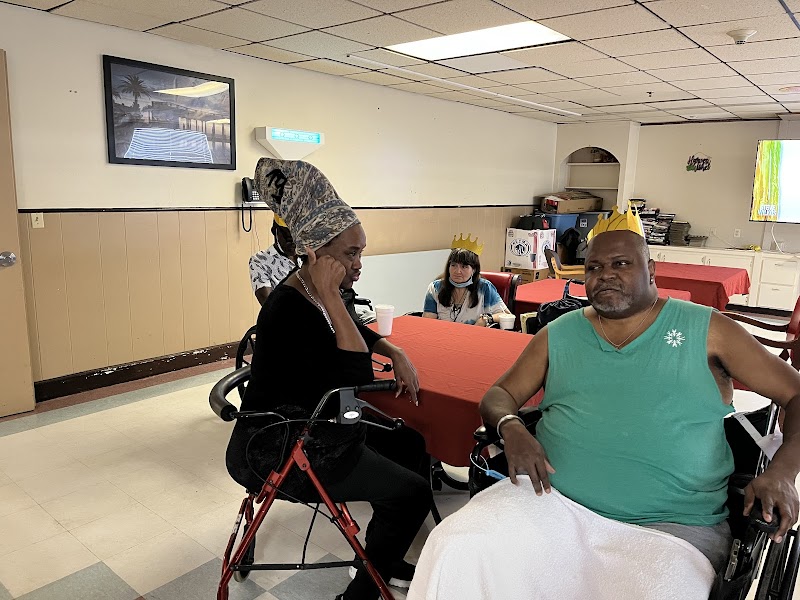
How Does Aviata At Saint Lucie Compare to Other Florida Nursing Homes?

Compared to the 100 nursing homes in Florida, AVIATA AT SAINT LUCIE's overall rating (1 stars) is below the state average of 3.2, staff turnover (18%) is significantly lower than the state average of 46%, and health inspection rating (1 stars) is much below the national benchmark.

What Should Families Ask When Visiting Aviata At Saint Lucie?

Based on this facility's data, families visiting should ask: "What changes have been made since the serious inspection findings, and how are you preventing similar issues?" "What safeguards and monitoring systems are in place to protect residents from abuse or neglect?" "Can I visit during a mealtime to observe dining assistance and food quality?" "How do you handle medical emergencies, and what is your hospital transfer rate?" These questions are particularly relevant given the facility's Immediate Jeopardy citations and the substantiated abuse finding on record.

Is Aviata At Saint Lucie Safe?

Based on CMS inspection data, AVIATA AT SAINT LUCIE has documented safety concerns. The facility has 1 substantiated abuse finding (meaning confirmed case of resident harm by staff or other residents). Inspectors have issued 3 Immediate Jeopardy citations (the most serious violation level indicating risk of serious injury or death). The facility has a 1-star overall rating and ranks #100 of 100 nursing homes in Florida. Families considering this facility should ask detailed questions about what corrective actions have been taken since these incidents.

Do Nurses at Aviata At Saint Lucie Stick Around?

Staff at AVIATA AT SAINT LUCIE tend to stick around. With a turnover rate of 18%, the facility is 27 percentage points below the Florida average of 46%. Low turnover is a positive sign. It means caregivers have time to learn each resident's needs, medications, and personal preferences. Consistent staff also notice subtle changes in a resident's condition more quickly.

Was Aviata At Saint Lucie Ever Fined?

AVIATA AT SAINT LUCIE has been fined $65,361 across 2 penalty actions. This is above the Florida average of $33,732. Fines in this range indicate compliance issues significant enough for CMS to impose meaningful financial consequences. Common causes include delayed correction of deficiencies, repeat violations, or care failures affecting resident safety. Families should ask facility leadership what changes have been made since these penalties.

Is Aviata At Saint Lucie on Any Federal Watch List?

AVIATA AT SAINT LUCIE is not on any federal watch list. The most significant is the Special Focus Facility (SFF) program, which identifies the bottom 1% of nursing homes nationally based on persistent, serious quality problems. Not being on this list means the facility has avoided the pattern of deficiencies that triggers enhanced federal oversight. This is a positive indicator, though families should still review the facility's inspection history directly.