SAVANNAS PARK HEALTH AND REHABILITATION CENTER
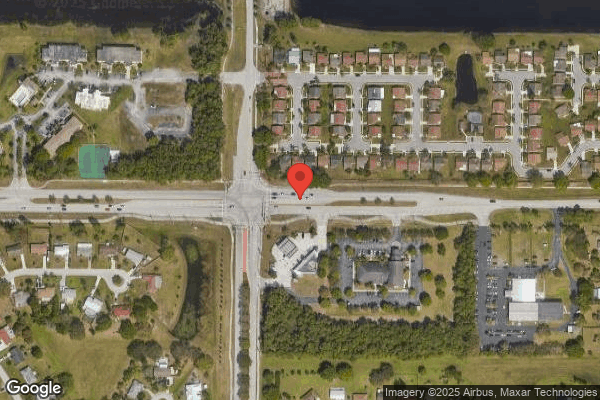
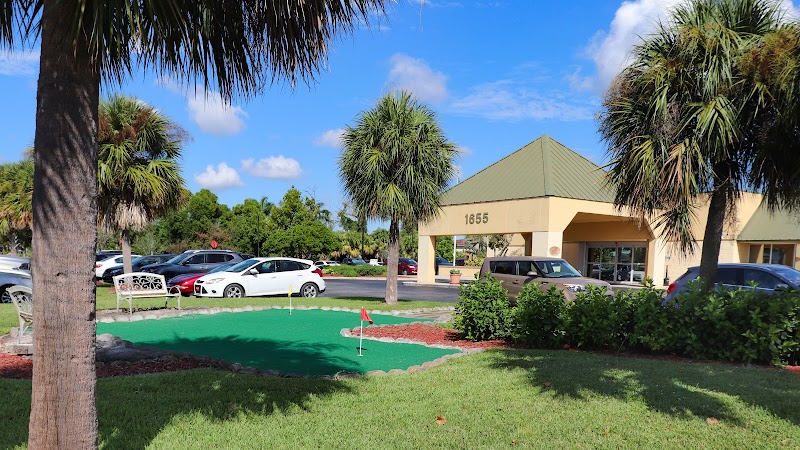
1655 SE WALTON ROAD, PORT SAINT LUCIE, FL 34952 (772) 337-1333
For profit - Limited Liability company 120 Beds ROBERT SCHOENFELD Data: November 2025
Trust Grade
60/100
#415 of 690 in FL
Last Inspection: May 2024

Within standard 12-15 month inspection cycle. Federal law requires annual inspections.

Overview

Savannas Park Health and Rehabilitation Center has a Trust Grade of C+, which means it is slightly above average but not particularly strong. It ranks #415 out of 690 facilities in Florida, placing it in the bottom half compared to other nursing homes in the state. The facility's performance is worsening, with the number of issues identified increasing from 5 in 2023 to 10 in 2024. Staffing is rated average with a 45% turnover rate, similar to the state average, but there is concerning RN coverage, as the facility has less RN support than 90% of Florida facilities. Although there have been no fines, recent inspections revealed significant concerns, such as food being improperly stored and prepared, as well as staff members conversing on their phones during resident care, which may detract from the quality of attention residents receive.

Trust Score
C+
60/100
In Florida
#415/690
Bottom 40%
Safety Record
Low Risk
No red flags
Inspections
Getting Worse
5 → 10 violations
Staff Stability
○ Average
45% turnover. Near Florida's 48% average. Typical for the industry.
Penalties
✓ Good
No fines on record. Clean compliance history, better than most Florida facilities.
Skilled Nurses
⚠ Watch
Each resident gets only 27 minutes of Registered Nurse (RN) attention daily — below average for Florida. Fewer RN minutes means fewer trained eyes watching for problems.
Violations
⚠ Watch
26 deficiencies on record. Higher than average. Multiple issues found across inspections.
★★★☆☆
3.0
Overall Rating
★★★☆☆
3.0
Staff Levels
★★★★☆
4.0
Care Quality
★★★☆☆
3.0
Inspection Score
Stable
2023: 5 issues
2024: 10 issues

The Good

  • 4-Star Quality Measures · Strong clinical quality outcomes
  • Full Sprinkler Coverage · Fire safety systems throughout facility
  • No fines on record
  • Staff turnover below average (45%)

    3 points below Florida average of 48%

Facility shows strength in quality measures, fire safety.

The Bad

3-Star Overall Rating

Near Florida average (3.2)

Meets federal standards, typical of most facilities

Staff Turnover: 45%

Near Florida avg (46%)

Typical for the industry

Chain: ROBERT SCHOENFELD

Part of a multi-facility chain

Ask about local staffing decisions and management

The Ugly 26 deficiencies on record

May 2024 10 deficiencies
CONCERN (D)

Potential for Harm - no one hurt, but risky conditions existed

Deficiency F0561 (Tag F0561)

Could have caused harm · This affected 1 resident

**NOTE- TERMS IN BRACKETS HAVE BEEN EDITED TO PROTECT CONFIDENTIALITY** 3. Resident #78 was admitted to the facility on [DATE] with diagnoses that included Type 2 Diabetes Mellitus, Dependence on Rena...

Read full inspector narrative →
**NOTE- TERMS IN BRACKETS HAVE BEEN EDITED TO PROTECT CONFIDENTIALITY** 3. Resident #78 was admitted to the facility on [DATE] with diagnoses that included Type 2 Diabetes Mellitus, Dependence on Renal Dialysis and Depression. Review of the quarterly Minimum Data Set (MDS) with an assessment reference date of 04/03/24 documented a Brief Interview for Mental Status (BIMS) score of 15 indicating the resident was cognitively intact. On 04/28/24 at 10:30 AM, an initial interview was conducted with the resident. The resident stated she eats lunch in the dining room, but breakfast and dinner were served in her room. On 04/28/24 at 12:00 PM, there were no residents observed in the main dining room. The Dietary Manager stated that since he has been here it has been closed on the weekends for all 3 meals. On 04/28/24 at 12:32 PM, an interview was conducted with Staff F, Registered Nurse / Weekend Supervisor, regarding using the dining room for lunch. She stated it is not used on the weekends. She stated she does not know why but you should ask dietary. An interview with Staff E, Licensed Practical Nurse / Infection Preventionist was conducted at the same time who stated that they are in the process of getting both dining rooms open on the weekends as well. On 05/01/24 at 1:48 PM, an additional interview was conducted with Resident #78. She stated she would like to have the dining room open 7 days a week for all meals. She is tired of eating in her room. She was aware that she can go to the OASIS dining room for breakfast, but she felt like she didn't belong there with the residents because it was by the rehab area. She stated this has been brought up in Resident Council, but the dining room is still only open Monday through Friday for lunch. On 05/01/24 at 2:00 PM, an interview was conducted with the Administrator. He stated he was aware that Resident #78 would like the dining room open for meals but he has not tried to open the dining room for a couple of months. He stated that there was poor interest at that time, and he did not try since then. He stated he was dragging his feet on reopening the dining room. Based on interview and record review, the facility failed to provide care and services per residents' request and choice for 2 of 2 sampled residents, as evidenced by failure to ensure showers as per preference and schedule for Resident #56, and failed to provide meals in the dining room per residents' request for Resident #56 and #78. The findings included: 1. Review of the record revealed Resident #56 was admitted to the facility on [DATE]. Review of the MDS (Minimum Data Set) assessment for Admission/Medicare Part A Stay dated 01/29/24 revealed the Brief Interview for Mental Status (BIMS) score was 15, indicating cognition was intact. This MDS also documented the resident was Substantial / Maximal Assistance for showers. Review of the current care plan for Activities of Daily Living (ADL) self-care performance deficit related to paraplegia, and other clinical history, documented provide sponge bath when a full bath or shower cannot be tolerated. Review of the shower schedule revealed Resident #56 was scheduled for a shower on Tuesdays and Thursdays during the 3 PM to 11 PM shifts and is a 2-person assist. During an interview on 04/28/24 at 10:47 AM, Resident #56 stated he has only had 1 shower since he's been here. He said they do bed baths every day. Resident #56 stated when I asked for a shower they said, I don't fit in the chair, and they don't have the staff. Review of the tasks section of the electronic medical record for 03/31/24 through 04/29/24 documented no data found under the shower task. Review of the task Bathing PRN [as needed] resident request documented 5 days: 1 day dated Tuesday 04/02/24 is marked as having a shower; 3 days are marked as having a bed bath (Thursday 04/04/22, Monday 04/22/22, and Friday 04/26/24) and 1 as not applicable dated Monday 04/15/22. An interview was conducted on 04/30/24 at 3:10 PM with Staff G, Certified Nursing Assistant (CNA), who when asked if she takes care of Resident #56 on the 3-11PM shift., acknowledged that she cares for him. She was asked about his showers and stated he refuses many times to take his shower. The task concerning the shower and bath schedule were reviewed. Staff G was asked if she ever tells the nurse when he refuses or if it was charted somewhere. Staff G stated she does not speak to the nurse about the resident refusal and if refuses she puts it under the 'not applicable' heading of the task. An interview was conducted with Staff H, Unit Nurse Manager, and task for showers were reviewed where the CNA documents for showers. Under Tasks where the CNA's document showers, there was a place to document if the resident refuses. There was no documentation found for this resident which identified him as refusing a shower. It was reviewed with the Nurse Manager about documentation, who stated, if it isn't documented then it wasn't done. An interview was conducted on 05/01/24 at 9:00 AM with Resident #56 who was asked if he had a shower yesterday. The resident stated, yes they gave me one. The CNA stated when she got done with the shower that I am going to recommend you for a bed bath, it's too much trouble to give you a shower. The resident stated they use a shower chair, and it is hard. When I ask them to shower me, they tell me I am not scheduled. During an interview on 05/01/24 at 1:33 PM with Director of Nursing (DON), she acknowledged that the CNA's go in the Point Click Care resident records under task and document the showers. The PRN task is when the resident is requesting a shower not on the scheduled shower day. 2. An observation was conducted on Sunday 04/28/24 at 12:00 PM, of the main dining room and there were no residents in the main dining room. The Dietary Manager (DM) was asked at that time where all the residents were for lunch. The DM stated that since he has been here, it has been closed on the weekend for all 3 meals. During the Resident Council meeting on 04/30/24 at 10:08 AM, residents stated they can only eat in the dining room for lunch Monday through Friday. You have to eat in your room for breakfast and dinner during the week and on the weekends. We asked the residents and they said there were not enough staff. Resident #78 further stated that she spoke to the Administrator about opening up the dining room and he told her there were not enough staff. During an interview on 05/01/24 at 1:44 PM the DON was asked why the dining room was closed on weekends and breakfast and dinner during the week. The DON stated it is not that we don't have staff, it's that we have to figure out who will be working there. During an interview on 05/01/24 at 2:00 PM, Resident #56 was asked about his grievance that he put in about wanting to eat in the Oasis dining room. He stated that he wanted to but it's too far for him to go and I don't wake up in time to eat in Oasis (Oasis is the rehab unit dining room). He stated if the dining room was open then everybody would eat in there. During an interview on 05/01/24 at 2:04 PM with the Social Service Director, she stated that Resident #56 was on the rehab unit when he came in and then went to a long-term care room. She said that the Restorative residents eats in the main dining room in the mornings and all other residents can eat breakfast in the rehab unit but not the main dining room. She stated she doesn't know why. She stated that during lunch, the rehab dining room is only open for rehab residents on that unit, and long term eats in main dining room for lunch.
CONCERN (D)

Potential for Harm - no one hurt, but risky conditions existed

Safe Environment (Tag F0584)

Could have caused harm · This affected 1 resident

**NOTE- TERMS IN BRACKETS HAVE BEEN EDITED TO PROTECT CONFIDENTIALITY** Based on observation and interview, the facility failed to ensure it provided a safe, clean comfortable homelike environment, as...

Read full inspector narrative →
**NOTE- TERMS IN BRACKETS HAVE BEEN EDITED TO PROTECT CONFIDENTIALITY** Based on observation and interview, the facility failed to ensure it provided a safe, clean comfortable homelike environment, as evidenced by damaged and dirty equipment, peeling paint, bathroom issues, and stained walls and doors. The findings included: Review of the Preventive Maintenance for wheelchairs, dated 11/03/20 with a revision date of 06/07/23, documented, in part; It is the practice of the facility to develop and implement a preventive maintenance program to ensure wheelchairs are maintained in a safe and operable manner. 2. All staff have the responsibility to ensure that wheelchairs in need of repair are not used and are reported for repairs. 3. The Maintenance Director is responsible for developing and maintaining a schedule of preventative maintenance services to ensure that equipment is maintained in a safe and operable manner. e. Check seats, backs, arm rests and cushions for tears, cracks or missing screws-replace or repair if present. 5. If the wheelchair fails any element of the preventative maintenance check, the wheelchair should be identified for repair and taken out of service until the repair is completed. During the initial tour of the facility, including resident rooms, on 04/28/24 through 04/29/24, and a secondary tour completed on 05/01/24 at 11:22 AM with the Maintenance Director and the Housekeeping Manager, the following was observed and acknowledged by the Managers: a. room [ROOM NUMBER], the resident's call bell wire had wiring exposed, head of bed had the cork board splintered and the bump guard damaged behind the head of bed. b. room [ROOM NUMBER], the bathroom entryway on both sides of doorway were scuffed up and had peeling paint. The sink was backed up with soap suds. An Aide was observed washing her hands and stated she had to make it quick because the sink stays clogged. c. room [ROOM NUMBER], there was white caulking on the wall behind Bed-B that needed painting. The vinyl sideboard peeling away from wall. Bed A the bump guard behind bed on wall damaged. d. room [ROOM NUMBER]-A, the resident's high back wheelchair's bilateral arm rests were cracked. e. room [ROOM NUMBER]-A, the bilateral arm rests on the wheelchair were torn. f. room [ROOM NUMBER], the bilateral arm rests on the wheelchair were torn and had tape around the left arm rest. g. Hallway on high-200's, there was brown splatter on walls above and below the chair rail in the hallway. h. the sit-to-stand lift was dirty on the black pads and feet rests. Photographic Evidence Obtained.
CONCERN (D)

Potential for Harm - no one hurt, but risky conditions existed

Accident Prevention (Tag F0689)

Could have caused harm · This affected 1 resident

**NOTE- TERMS IN BRACKETS HAVE BEEN EDITED TO PROTECT CONFIDENTIALITY** Based on observations, interviews, policy and record reviews, the facility failed to follow policies and procedures to ensure a ...

Read full inspector narrative →
**NOTE- TERMS IN BRACKETS HAVE BEEN EDITED TO PROTECT CONFIDENTIALITY** Based on observations, interviews, policy and record reviews, the facility failed to follow policies and procedures to ensure a safe smoking environment for residents that choose to smoke for 3 of 3 residents reviewed for smoking, Residents #60, 110 and 112. The findings included: The facility's policy, titled, Smoking Policy, (no reference date), documented, in part: This facility will establish and maintain safe resident smoking practices for all residents. To assure maximized safety, all residents who choose to smoke will be supervised smokers. Policy Interpretation and Implementation: 2e. All smokers will be supervised during smoking without exception. 4. Th designated smoking area will be staff-supervised at times posted at the entrance to the smoking area. Those who wish to smoke outside designated times designated time blocks will request assistance from staff who will provide supervision at the earliest convenience. 15. All smoking materials will be kept in a lock box at the adjacent nurse's station. Residents who smoke will turn in all smoking materials and paraphernalia to the staff person in charge when leaving the smoking area. No resident may have or keep any smoking materials or paraphernalia, including cigarettes, tobacco, lighters, matches etc. in their possession outside the designated smoking area. 19. All smoking materials and/or paraphernalia brought into the facility must be turned over to staff for securing in the lock box system. On 04/28/24 at 10:20 AM, 3 residents, that included Residents #110, #112 and a random resident were observed on the smoking patio with no supervision. a. Record review revealed Resident #60 was admitted to the facility on [DATE]. Review of the resident's most recent complete assessment, a Quarterly Minimum Data Set (MDS), dated [DATE], documented Resident #60 had a Brief Interview for Mental States (BIMS) score of 15, indicating the resident was cognitively intact. On 04/29/24 at 9:37 AM, Resident #60 was observed on the smoking patio, smoking with no supervision. b. Record review documented Resident #110 was admitted to the facility on [DATE]. Review of the resident's most recent complete assessment, a Medicare 5-day MDS, dated [DATE], documented Resident #110 had a BIMS score of 15. On 04/28/24 at 11:18 AM, Resident #110 was observed on the smoking patio, smoking with no supervision. During an interview, on 04/29/24 at 10:26 AM, with Resident #110, when asked about smoking materials, Resident #110 replied, normally they would be on me. Someone came in this morning and asked for all of my stuff, and I was sound asleep in my bed, and I couldn't remember where they were. The same thing happened to Resident #112 too. I used to keep them in my wheelchair. Resident #110 also stated that it was the first day that there had been supervision during smoking. c. Record review documented Resident #112 was admitted to the facility on [DATE]. Review of the resident's most recent complete assessment, a Medicare 5-day MDS, dated [DATE], documented Resident #112 had a BIMS score of 15. During an interview, on 04/29/24 at 10:28 AM, Resident #112 confirmed that facility staff had taken the smoking paraphernalia that she had kept in her room until that time. Resident #112 further stated that it was Staff F, RN/Weekend Supervisor who had removed the items. Resident #112 also stated that it was the first day that there had been supervision during smoking. On 04/29/24 at 1:30 PM, Staff J, Cook, was observed providing supervision on the smoking patio with Residents #110 and #112, when asked about providing supervision to the residents, Staff I replied, they changed it today to have me out here. I am normally in the kitchen, and I am on light duty from an injury in November. Normally, I work with the menus, I set up the dining room, I do what I am told and what I can do while I am on light duty. On 04/29/24 at 2:55 PM, the surveyor requested a copy of the smoking schedule from the Administrator. The Administrator stated, we were forced to liberalize the smoking schedule to be open because the residents were grossly noncompliant with the smoking schedule, and we caught a couple trying to smoke in their rooms. We instituted an open schedule and have somebody available to supervise. I know that we had a couple of misses yesterday (referring to not providing supervision). On 04/29/24 at 3:22 PM, Staff K, Housekeeping, was observed providing supervision on the smoking patio, with Residents #60, 110, 112 and a random resident. When asked how often he provides supervision to the residents that smoke, stated, I have never done it before. My supervisor called me and asked me to relieve Staff I . On 04/30/24 at 7:49 AM, Staff L, Dietary Aide, was observed on the smoking patio providing supervision to Residents #60, 112, while Resident #110 was arriving to the patio. When asked about providing supervision, Staff K replied, today is my first day. I went to the laundry today to do my light duty and they said that I had to come out here and watch the residents. I have to do it today and tomorrow. Staff K further stated that he came to the patio at 7:00 AM and will be here until 12:00 PM. During an interview, on 04/30/24 at 10:26 AM with Staff F, RN / Weekend Supervisor, when asked about removing the smoking paraphernalia from the residents' rooms, Staff F replied, because we keep it in here in a locked box, since we have been doing this for a year. I asked for them and they willingly gave them to me. On 04/30/24 at approximately 10:30 AM, a copy of a schedule for staff to provide supervision on the smoking patio was provided to the surveyor. During an interview with Staff M, Licensed Practical Nurse / Unit Manager, when asked about the schedule, Staff M replied, the Administrator made a schedule for staff to supervise smokers that started a couple of days ago.
CONCERN (D)

Potential for Harm - no one hurt, but risky conditions existed

Tube Feeding (Tag F0693)

Could have caused harm · This affected 1 resident

**NOTE- TERMS IN BRACKETS HAVE BEEN EDITED TO PROTECT CONFIDENTIALITY** Based on observations, interviews and record reviews, the facility failed to provide nutrition via enteral means as ordered by p...

Read full inspector narrative →
**NOTE- TERMS IN BRACKETS HAVE BEEN EDITED TO PROTECT CONFIDENTIALITY** Based on observations, interviews and record reviews, the facility failed to provide nutrition via enteral means as ordered by physicians for 1 of 1 sampled resident, Resident #108, reviewed for tube feeding. The findings included: Record review revealed Resident #108 was admitted to the facility on [DATE]. Review of the resident's most recent complete assessment, an admission Minimum Data Set (MDS), dated [DATE], documented Resident #108 had a Brief Interview for Mental Status (BIMS) score of 06, indicating the resident had severe cognitive impairment. Resident #108's dietary orders included: a. On 04/19/24, CCHO (Controlled Carbohydrate) diet, Mechanical Soft texture, Thin consistency. b. On 04/19/24, Enteral Feed - in the afternoon for NUTRITION OFF AT 10AM - ON 2PM Glucerna 1.5 at 40 milliliters per hour (ml/hr). Resident #108's care plan for tube feeding dated 04/28/24, documented, Resident requires an enteral feeding tube to meet nutrition and hydration needs related to: Cerebrovascular Accident) and Dysphagia. The goal of the care plan was documented as, Will tolerate enteral feeding without signs or symptoms of aspiration throughout next review date 04/28/24 with a target date of 07/22/24. Interventions included: Provide tube feeding as ordered, Date Initiated: 04/28/24, Created on 04/28/24. Resident #108's care plan for nutrition, dated 04/11/24 with a revision date of 04/29/24, documented, Resident has a nutritional problem r/t Hx [related to / history] of CVA w/ [Cerebral Vascular Accident with] Dysphagia requiring a GTube [Gastrostomy Tube] for meeting needs. Hx of ESRD {End Stage Renal Disease] (HD[hemodialysis] discontinued 04/17/24) Resident has a preference to avoid pork and an allergy to shrimp, Date Initiated: 04/11/24. Goals: One of the goals of the care plan was documented as, The resident will maintain adequate nutritional status as evidenced by maintaining weight within (95)% of (146), no signs/symptoms of malnutrition, and tolerating TF [tube feeding] through review date. Date Initiated: 04/11/24 Created on 04/11/24, Revision on: 04/11/24, Target Date: 07/22/24. Review of a patient transfer form from an Acute Care Hospital, dated 03/29/24, documented the resident with an NPO (nothing by mouth) diet order. Further review of Resident #108's record revealed the resident received nutrition via enteral methods upon admission. On 04/30/24 at approximately 7:30 AM, Resident #108 was observed in the Main dining room having breakfast. On 04/30/24 at 8:20 AM, the resident was being assisted by staff back to the unit and left the resident at the nurse's station on the Transitions Unit. Resident #108 stated I was having breakfast in the Dining Room. On 04/30/24 at 9:43 AM, Resident #108 was observed in therapy in a wheelchair actively participating in therapy. On 04/30/24 at 10:30 AM, Resident #108 was assisted back to her room by staff. Upon being returned to her room, Resident #108 was noted to not have the tube feeding restarted since being observed in the Main Dining Room during breakfast. During an interview, on 04/30/24 at 2:15 PM, with Staff N, Licensed Practical Nurse (LPN), when asked about stopping Resident #108's tube feeding, Staff N replied, She was already disconnected before I walked in and before my shift [7AM-3PM]. I did my round. She was in her room when I gave her medication at 10:37 AM. Staff N confirmed that Resident #108 did not have the tube feeding regimen started again until the next scheduled start time (2:00 PM).
CONCERN (D)

Potential for Harm - no one hurt, but risky conditions existed

Staffing Information (Tag F0732)

Could have caused harm · This affected 1 resident

Based on observations interviews and record reviews, the facility failed have nurse staffing information posted daily and failed to update the nursing staff information, including names of staff provi...

Read full inspector narrative →
Based on observations interviews and record reviews, the facility failed have nurse staffing information posted daily and failed to update the nursing staff information, including names of staff providing care to the residents and residents' census on 2 of 3 units. The findings included: 1. Upon entering the facility, on 04/28/24 at 8:30 AM, it was noted that the nurse staffing hours were not able to be located by members of the survey team. During a tour of the facility, on 04/28/24, beginning at 9:26 AM, the staffing data was again not able to be located. On 04/28/24 at approximately 10:30 AM, the staffing data was on the reception desk in the Main Lobby, where the information was not available during the previous observations. 2. During a unit by unit tour of the facility, on 04/28/24 at 9:26 AM, the following were noted: a. On the Reflections Unit, 200 unit and rooms 309-316, the white board that was used to list the names of the nursing staff providing care to the residents was dated Friday, 04/26/24. b. On the Oasis Unit (400 unit), the white board that was used to list the names of the nursing staff providing care to the residents was dated Saturday, 04/27/24. During an interview, on 05/01/24 12:58 PM, the Administrator stated the Unit Mangers are responsible for ensuring that staffing is posted. During an interview, on 05/01/24 12:59 PM, with Staff I Registered Nurse / Unit Manager, when asked about the staffing information not being updated, Staff K replied, we are working on a system to make sure that the staff on the weekends are updating them (referring to the white boards used to list the names of nursing staff providing care to the residents). During the interview, Staff K confirmed that the staff listed on were from previous days' shifts. Staff K stated, It has been a problem on the weekends.
CONCERN (D)

Potential for Harm - no one hurt, but risky conditions existed

Deficiency F0804 (Tag F0804)

Could have caused harm · This affected 1 resident

Based on observation, interview and record review, the facility failed to prepare and provide meals in a manner to conserve the nutritive value of pureed vegetables. The findings included: The facili...

Read full inspector narrative →
Based on observation, interview and record review, the facility failed to prepare and provide meals in a manner to conserve the nutritive value of pureed vegetables. The findings included: The facility's policy, titled, General Food Preparation and Handling, with a reference date of 2005, documented, in part: 15. Food items shall be prepared to conserve maximum nutritive value, develop and enhance flavor and to be free of injurious organisms and substances. Procedure: 15. Leftovers must be cooled to <40 degrees F within 4 hours (or cooled to 70 degrees F within 2 hours and then down to 40 degrees F within another 4 hours) .Leftovers are not to be used for as pureed food. The facility's approved recipe for Pureed Buttered Broccoli Florets (no reference date) frozen broccoli pieces lightly seasoned with margarine then pureed to a pudding texture was as follows: 2. Prepare Broccoli according to the attached/printed sub recipe (referring to the recipe for broccoli to be steamed from frozen florets). 3. drain vegetables and place in food processor, add margarine, then puree. During the initial kitchen tour, on 04/28/24 at 8:51 AM accompanied by the Food Service Director (FSD), Staff A, Dietary Aide, was observed handling a 6-inch deep container of sliced carrots and a 6-inch deep container of broccoli. When asked about the vegetables in the containers, Staff A stated that they will be used for making puree vegetables later in the week. Staff A confirmed that the vegetables would have to be reheated and then pureed and then placed in the hot holding unit for service. During an interview with the Food Service Director at the time of the observation, the FSD acknowledged that reheating the vegetables that had already been cooked would significantly diminish the nutritional value of the vegetables.
CONCERN (D)

Potential for Harm - no one hurt, but risky conditions existed

Deficiency F0806 (Tag F0806)

Could have caused harm · This affected 1 resident

**NOTE- TERMS IN BRACKETS HAVE BEEN EDITED TO PROTECT CONFIDENTIALITY** Based on observation, interview and record review, the facility failed to provide foods per residents' religious preferences for...

Read full inspector narrative →
**NOTE- TERMS IN BRACKETS HAVE BEEN EDITED TO PROTECT CONFIDENTIALITY** Based on observation, interview and record review, the facility failed to provide foods per residents' religious preferences for 1 of 4 sampled residents reviewed for food concerns, Resident #108. The findings included: Record review revealed Resident #108 was admitted to the facility on [DATE]. Review of the resident's most recent complete assessment, an admission Minimum Data Set (MDS), dated [DATE], documented Resident #108 had a Brief Interview for Mental Status (BIMS) score of 06, indicating that the resident had severe cognitive impairment. Resident #108's dietary orders included: a. CCHO (Controlled Carbohydrate) diet, mechanical Soft texture, thin consistency - dated 04/19/24. Review of Resident #108's electronic health record (EHR) showed that the resident was allergic to pork. During an interview, on 04/29/24 at 7:40 AM, with Resident #108, when asked about the food served in the facility, Resident #108 replied, the food is terrible. They keep serving me food that I don't like. I don't like pork (including sausage, bacon, ham). Resident #108 further stated that she did not eat pork products as she is of a specific religion. During an observation of breakfast being served to the residents in their rooms, on 04/29/24 at 8:31 AM, Resident #108 was served mechanical soft (ground) pork. Review of the tray ticket that accompanied the meal revealed the resident's preference for not having pork was not documented on the tray ticket. During an interview, on 04/29/24 at 8:43 AM, with the Food Service Director and the Registered Dietitian, when informed that the resident's allergies and dislikes were not included on the tray ticket, the Food Service Director stated, If we don't put it in the system, it will not show up on the tray ticket. An observation of the sausage products that were stored in the walk in freezer at the conclusion of the interview confimed that all of the sausage that was served to the residents in the facility were pork based sausage.
CONCERN (D)

Potential for Harm - no one hurt, but risky conditions existed

Deficiency F0810 (Tag F0810)

Could have caused harm · This affected 1 resident

**NOTE- TERMS IN BRACKETS HAVE BEEN EDITED TO PROTECT CONFIDENTIALITY** Based on observations, interviews and record reviews, the facility failed to provide assistive devices to enable residents to im...

Read full inspector narrative →
**NOTE- TERMS IN BRACKETS HAVE BEEN EDITED TO PROTECT CONFIDENTIALITY** Based on observations, interviews and record reviews, the facility failed to provide assistive devices to enable residents to improve or maintain their ability to eat or drink independently for 1 of 28 sampled residents, Resident #267. The findings included: Record review revealed Resident #267 was admitted to the facility on [DATE]. Review of the resident's most recent complete assessment, an admission Minimum Data Set (MDS), dated [DATE], documented Resident #267 had a Brief Interview for Mental Status (BIMS) score of 13, indicating the resident was cognitively intact. Resident #267's diagnoses at the time of the MDS included: Arthritis, Malnutrition, Rhabdomyolysis, Dysarthria following non-traumatic intracerebral hemorrhage, altered mental status, Muscle weakness, Dysphagia, and Cognitive communication deficit. Review of Resident #267's physician orders included: a. NAS (No Added Salt) diet regular texture, thin consistency, lip plate with meals for diet - dated 04/19/24. During an observation of lunch being served to the residents in their rooms, on 04/28/24 12:32 PM, it was noted that Resident #267 was served the lunch meal on a traditional plate that did not have an elevated or extended lip. It was noted that the resident spilled some of the meal on himself from the utensil that he was using. Review of the tray ticket that accompanied the meal revealed that the order for the lip plate was not included on the tray ticket. During an observation of breakfast being served to the residents in their rooms, on 04/29/24 at 8:18 AM, it was noted that Resident #267 was served the meal on a traditional plate that did not have an elevated or extended lip. It was noted that the resident spilled some of the meal on himself from the utensil that he was using. Review of the tray ticket that accompanied the breakfast meal revealed that the order for the lip plate was not included on the tray ticket. During an interview, on 04/29/24 at 8:43 AM, with the Food Service Director and the Registered Dietitian, while in the Main Kitchen, when informed that the resident had an order for a lip plat with meals, the Food Service Director stated, If we don't put it in the system, it will not show up on the tray ticket. At the time of the interview, it was observed that there was a tub with lip plates that had not been used during the breakfast meal.
CONCERN (E)

Potential for Harm - no one hurt, but risky conditions existed

Menu Adequacy (Tag F0803)

Could have caused harm · This affected multiple residents

Based on observation, interview and record review, the facility failed to follow the approved menu for meals, for French Dip on a Roll, that was to be served for lunch on 04/30/24 from the Main Kitche...

Read full inspector narrative →
Based on observation, interview and record review, the facility failed to follow the approved menu for meals, for French Dip on a Roll, that was to be served for lunch on 04/30/24 from the Main Kitchen and the satellite kitchen on the Oasis Unit (400 unit). This regular menu could potentially affect 113 residents, including residents receiving the puree diet, of the 117 residents in the facility. The findings included: Review of the approved menu documented that residents were to be served 'French Dip on a Roll' for lunch on 04/30/24. The recipe for the 'French Dip on a Roll' was as follows: 6. slice each roll into bottom and top halves. 7. Assemble each sandwich by portioning 2.5 oz of meat on bottom roll of half roll using tongs. Top with second half. 8. Standard portion: Serve one assembled sandwich or serve per menu/tray card. Place 1 fl. Oz. (Fluid ounce) of Au jus in a souffle cup using a ladle and serve on the side with the sandwich. During the follow up kitchen tour, on 04/30/24 at 10:56 AM, the Food Service Director was observed using tongs to place the sliced meat directly on the plate and passing it to Staff C, Dietary Aide, who used a ladle to pour 'au jus' onto the sliced meat and finish plating the rest of the hot items from the steam table and passing it on to staff to complete the tray. The surveyor asked the Food Service Director (FSD) about serving, as a sandwich, as menu had documented. The Food Service Director immediately went to a rack that had assorted rolls on it. The Food Service Director began cutting the rolls in half diagonally and then cutting again to create a top bun and a bottom bun and placed 2.5 ounces of the sliced meat between them and then passed them to Staff C who used a ladle to pour the 'au jus' directly on the meat instead of portioning in a souffle cup as the approved recipe dictated. During an observation of lunch being served on the Oasis unit, on 04/30/24 at 12:11 PM, Staff O, Dietary Aide, was observed assembling the 'French Dip on a Roll' by cutting rolls to make a top and bottom roll. Staff O then placed 2.5 ounces of sliced meat on the bottom of the roll. It was noted that Staff O did not cut the roll diagonally as they did in the main kitchen and the sandwich appeared to be a whole sandwich as opposed to the half that was being served from the Main Kitchen. It was noted that staff again were not portioning the 'au jus' in a souffle cup as the approved recipe dictated.
CONCERN (F)

Potential for Harm - no one hurt, but risky conditions existed

Food Safety (Tag F0812)

Could have caused harm · This affected most or all residents

Based on observations, interviews and record reviews, the facility failed to store, prepare and serve foods in a sanitary manner in accordance with professional standards for food safety. The census a...

Read full inspector narrative →
Based on observations, interviews and record reviews, the facility failed to store, prepare and serve foods in a sanitary manner in accordance with professional standards for food safety. The census at the time of the survey was 117 residents. The findings included: The facility's policy, titled, Use and Storage of Food Brought in by Family or Visitors, with a reference date of 11/03/20 and a revision date of 03/20/23, documented, in part: It is the right of the residents of this facility to have food brought in by family or other visitors, however, the food must be handled in a way to ensure the safety of the resident. The facility staff will assist residents in accessing and consuming food that is brought in by resident and family or visitors if the resident is not able to do so. On their own. The facility's policy, titled, General Food Preparation and Handling, with a reference date of 2005, documented, in part: Food items shall be prepared to conserve maximum nutritive value, develop and enhance flavor and to be free of injurious organisms and substances. Procedure: 2. The kitchen and equipment are clean. 15. Leftovers must be cooled to <40 degrees F [Fahrenheit] within 4 hours (or cooled to 70 degrees F within 2 hours and then down to 40 degrees F within another 4 hours). 1. During the initial kitchen tour, on 04/28/24 at 8:51 AM, accompanied by the Food Service Director (FSD), the following were noted: a. the FSD was observed handling open foods without the use of a restraint to cover facial hair. b. Staff B, Dietary Aide, was observed removing single use and disposable gloves and then don new gloves without performing hand hygiene at the hand washing sink. Staff B then picked up some trays, utensils and knives before reaching for single use bags for cookies. The surveyor intervened and instructed the Dietary Aide to remove the gloves and perform hand hygiene. c. there were 3 drink cups on top of the food preparation table that Staff B was using to portion cookies into bags. Staff B confirmed that the cups were of her personal drinks and removed them from the food preparation table. d. the handles of knives that were stored in the preparation area were damaged to a point of creating a non-food contact surface that were uncleanable. e. inside of the walk-in freezer, there was an open case of garlic bread on the floor. The case of garlic bread was directly on top of ice that had accumulated on the floor. f. there was an accumulation of ice on the ceiling of the walk-in freezer over boxes of foods. g. inside of the walk-in cooler, there was a full sized 6-inch deep pan of a chicken and vegetable mixture that was to be used for the lunch meal on this day. The FSD confirmed that the chicken and vegetable mixture was in the process of cooling from the previous day. The surveyor requested the temperature of the item. The FSD took a digital metal stemmed probe-style thermometer to a sink and rinsed it. The FSD did not use any method to disinfect the probe of the thermometer prior to attempting to insert the probe into the food. h. the internal temperature of a full sized 6 inch deep hotel pan of a chicken mixture to be used for lunch today was in the process of cooling from the previous day was at 58 degrees F. The FSD confirmed that the food was cooked the previous day and was in the process of cooling. It was noted that the food was tightly covered with foil and plastic under the foil. 2. During a follow up tour of the Main Kitchen, on 04/30/24 at 10:56 AM, the internal temperature of containers of yogurt was 50 degrees F. It was noted that the 4 ounce containers of yogurt were on the top of a tub containing cartons of milk, shakes and juices that were covered in ice and the containers of yogurt were positioned on top of the ice. 3. During an observation of the Transitions Unit pantry (100 unit and 301 to 308) on 04/30/24 at 12:11 PM, it was noted that there was a platter of quiche in the reach-in cooler. During an interview with Staff D, Certified Nursing Assistant, when asked about reheating the quiche for the resident, Staff D replied, I put it in the microwave for a minute or 30 seconds and then bring it to the resident. Staff D was not able to demonstrate knowledge of safely reheating foods using a thermometer. It was noted that there was no thermometer available for staff to use to safely reheat items for the residents.
Aug 2023 1 deficiency
CONCERN (D) 📢 Someone Reported This

A family member, employee, or ombudsman was alarmed enough to file a formal complaint

Potential for Harm - no one hurt, but risky conditions existed

Deficiency F0697 (Tag F0697)

Could have caused harm · This affected 1 resident

**NOTE- TERMS IN BRACKETS HAVE BEEN EDITED TO PROTECT CONFIDENTIALITY** Based on clinical and administrative record review, and interview, the facility failed to provide evidence that adequate pain ma...

Read full inspector narrative →
**NOTE- TERMS IN BRACKETS HAVE BEEN EDITED TO PROTECT CONFIDENTIALITY** Based on clinical and administrative record review, and interview, the facility failed to provide evidence that adequate pain management was provided for 1 of 3 sampled residents reviewed for pain management, Resident # 5, as evidenced by failure to provide evidence of providing appopriate pain management when the patient voiced complaints of pain; failure to provide evidence of performing the appropriate pain assessment associated with the administration of pain medication and failure to accurately document the administration of pain medications. The findings included: Review of the clinical record for Resident # 5 revealed the resident was admitted to the facility on [DATE] for Aftercare following joint replacement surgery. Review of the progress note dated 04/20/23 at 2:19 PM documented that staff report resident complained of left hip pain. The staff member followed up with the resident, who stated about 9:00 PM last night wanted to use bathroom and asked staff to help me with the left leg and since then my left hip is hurt like never before. The resident reported pain of 10 on scale 0-10. The physician was notified and a new order to send resident to the emergency room for evaluation. Review of the physician orders dated 04/19/23 documented the following pain medications were ordered: Percocet 5-325mg one tablet every 6 hours as needed for pain. Tramadol 50 mg one tablet every 6 hours for pain as needed. Tylenol 650 mg every 6 hours for pain as needed. Further review of the clinical record did not provide documentation that the resident was administered pain medication on 04/19/23 (Tylenol, Tramadol or Oxycodone). Review of the Medication Administration Record (MAR) showed that the first documented dose of pain medication (Tramadol) was administered on 04/20/23 at 5:30 AM, when the nurse administered Tramadol 50 mg. Further review of the MAR or record did not provide a pain assessment associated with the Tramadol administered. There was no documentation of a follow-up assessment for the administered dose of Tramadol. Additional review of the Medication Administration Record (MAR) documented the nurse had administered Percocet 5-325 mg at 04/20/23 at 12:56 PM. There is no documented pain assessment associated with the administration of the Percocet. There was no follow-up assessment to this pain medication for effectiveness. Review of the Controlled Medication Utilization Record for Resident #5 documented that two (2) doses of Tramadol were removed on 04/20/23, one dose was documented 5:30 AM and one dose at 2:00 PM. The MAR documented the one administration (5:30 AM) and did not document the administration of the 2:00 PM dose of Tramadol. The Controlled Medication Utilization Record, reviewed for the Percocet, documented a dose was removed on 04/20/23 at 10:00 AM for the Oxycodone 5-325 mg (Percocet 5-325 mg). A telephone interview with Resident # 5 was conducted on 08/02/23 in the morning. The resident expressed that he was admitted to the facility in the afternoon and after he was transferred to the bathroom about 9:00 PM, he was in pain. He stated he told the nurse he was in pain and she told him that they could only give him Tylenol because they had to wait to receive the medication from pharmacy. He said the next day, he was still in pain and he wanted to go back to the hospital. An interview was conducted on 08/03/23 at approximately 3:00 PM with Staff A, the nurse who worked on 04/19/23 on the 3PM-11 PM and on 04/20/23 on the 11PM-7AM shifts. She stated she did not remember Resident # 5 specifically, but according to her review of the clinical record, she did her shift pain assessment and the resident had not complained of any pain. She stated she didn't recall if the resident complained of any pain later that evening. She stated that according to the record, she administered pain medication that morning to the resident after receiving the pain medication from the pharmacy. She stated that Pharmacy delivers medications between 4 and 5 AM, and if the medications are out for delivery, we can't get authorization for pain medication. The surveyor also inquired about what the resident's pain level was at the time the medication was administered on 04/20/23 at 5:00 AM. She stated she was not certain because the MAR was not indicating what the pain level was. She also confirmed that there is no documentation of a follow-up assessment to determine if the administered medication had been effective.
Apr 2023 1 deficiency
CONCERN (D) 📢 Someone Reported This

A family member, employee, or ombudsman was alarmed enough to file a formal complaint

Potential for Harm - no one hurt, but risky conditions existed

Quality of Care (Tag F0684)

Could have caused harm · This affected 1 resident

**NOTE- TERMS IN BRACKETS HAVE BEEN EDITED TO PROTECT CONFIDENTIALITY** Based on observation, interview, record review, and policy review, the facility failed to draw an ordered vancomycin trough labo...

Read full inspector narrative →
**NOTE- TERMS IN BRACKETS HAVE BEEN EDITED TO PROTECT CONFIDENTIALITY** Based on observation, interview, record review, and policy review, the facility failed to draw an ordered vancomycin trough laboratory value in a timely manner for 1 of 1 sampled resident, resulting in the lack of administering three doses of the antibiotic to Resident #1 on 04/08/23 and 04/09/23. The facility also failed to ensure the correct frequency of administration was input into the electronic medical record (EMR) for the ordered changes effective 04/12/23 at 9:00 PM. The findings included: Review of the policy, titled, 3.14 Blood Sampling for Peak and Trough Values, revised 06/01/21, documented, in part, Guidance: . 3. The 'trough' is a measurement of drug in the blood right before the next dose is due to be administered and when it's at its lowest level of concentration in the blood. 9. To ensure accurate monitoring and dosing, all lab values must be faxed to the infusion pharmacy upon receipt. 9.1 When the pharmacy has not been provided a current vancomycin trough ., the pharmacist will call the facility to obtain the level and the date/time of the results. 9.2 If the facility cannot provide a current level, the pharmacist will call the prescriber for directions and orders. Record review revealed Resident #1 was admitted to the facility on [DATE] with diagnosis to include left hip revision with infection. The resident was admitted on the IV (intravenous) antibiotic Vancomycin (Vanco), which was discontinued on 03/20/23, and restarted on 04/04/23, after an appointment with the infectious disease physician. Review of a physician's order, dated 04/04/23, documented nursing should administer 1.25 grams of Vancomycin twice daily, and draw a Vancomycin trough with every fourth dose. Review of the April 2023 Medication Administration Record (MAR) documented Resident #1 received the first dose of vancomycin on 04/04/23 at 6 PM, followed by doses #2 and #3 on 04/05/23 at 9:00 AM and 9:00 PM. The record revealed a vancomycin trough was drawn on 04/06/23 at 5:05 AM and the vancomycin administration continued without changes. The next vancomycin trough was due with the 9:00 AM dose on 04/08/23 (the next fourth dose). Further review of the MAR revealed the following doses were not administered with the following reasons documented: The 04/08/23 dose at 9:00 AM was not provided, with documentation at 1:00 PM of waiting on pharmacy. The 04/08/23 dose at 9:00 PM was not provided, with documentation at 9:29 PM of waiting on dosage recommendation from rx (pharmacy). The 04/09/23 dose at 9:00 AM was not provided, with documentation at 8:30 AM of Drug/Item Unavailable. Review of a Vancomycin trough lab result that was collected on 04/08/23 at 5:48 PM revealed the medication level was within the therapeutic (desired) level. The record lacked any Vancomycin trough for the 9:00 AM dose on 04/08/23. The record lacked any documented progress notes on 04/08/23. A progress note on 04/09/23 at 11:09 PM documented, Patient and family members noticeably concerned about patient's IV vanco. IV vanco received around 6:00 PM. Patient did receive her IV vanco as prescribed per md (physician / MD) order. Note that the progress note was in reference to the 04/09/23 evening dose, and Resident #1 did miss the three previous doses. During an interview on 04/13/23 at 1:13 PM, the Oasis Unit Manager was asked the process for the Vancomycin trough levels for Resident #1. The Unit Manager explained the level was drawn with each fourth dose, and then that dose is held until confirmation with the pharmacy, as the order is to dose as per the pharmacy recommendations. The Unit Manager explained that Resident #1 was receiving the Vancomycin at 9:00 AM and 9:00 PM, so for example if the laboratory draw was due with the 9:00 AM dose, it would be drawn with the morning labs at between 4 AM and 6 AM, and they would generally have the results by the 9:00 AM dose, as they can look them up on the computer and fax to the pharmacy. The Unit Manager further explained that if for some reason they did not have the results in time for the dose, the nurse should call the pharmacy for further orders. The Unit Manager confirmed Resident #1 was on the antibiotic Vancomycin with an order to have the laboratory draw a Vancomycin trough with each fourth dose. During a side-by-side review of the record, the Unit Manager agreed the Vancomycin trough was due with the 9:00 AM dose on 04/08/23, stated it should have been drawn about 5:00 AM, and agreed it was drawn at 5:48 PM. When asked why the morning laboratory draw was not done, the Unit Manager stated she was unsure. Upon review of the laboratory log at the nurse's station (the binder used by the laboratory technician to know what labs were needed on a particular morning), the Unit Manager identified an entry for a STAT vancomycin trough, handwritten in the log after the routine morning labs. The Unit Manager was then shown in the MAR that Resident #1 had missed the three doses of vancomycin on 04/08/23 and 04/09/23. The Unit Manager stated she was made aware on Monday morning that the resident had missed the two doses on Saturday (04/08/23), but was not aware of the missed dose on Sunday morning (04/09/23). The Unit Manager explained the nurses have her cell phone number should they have any problems over the weekend but she did not receive any call related to Resident #1. During this continued interview on 04/13/23 at 1:42 PM, the Unit Manager was asked the frequency of the current vancomycin order. The Unit Manager stated the current order was for Vancomycin 1.25 grams to be administered every 18 hours, as per the laboratory draw from the 04/12/23 at 4:50 AM with subsequent pharmacy recommendation. The Unit Manager confirmed she had received the new batch of IV medications that morning (04/13/23). The five doses of Vancomycin with the label directions to give every 18 hours, was observed earlier on 04/13/23 at 9:45 AM (Photographic Evidence Obtained). When asked to review the current order for Vancomycin, the Unit Manager stated the order was incorrectly written for Vancomycin 1.25 grams once daily (every 24 hours at 9:00 PM), instead of every 18 hours as recommended by the pharmacy. The Unit Manager stated the desk nurse entered the order incorrectly. The next dose would have been provided on 04/13/23 at 9:00 PM as per the incorrect order, when it was actually due on 04/13/23 at 3:00 PM.
Feb 2023 3 deficiencies
CONCERN (D)

Potential for Harm - no one hurt, but risky conditions existed

Deficiency F0558 (Tag F0558)

Could have caused harm · This affected 1 resident

**NOTE- TERMS IN BRACKETS HAVE BEEN EDITED TO PROTECT CONFIDENTIALITY** Based on observation, interview, record review and policy review, the facility failed to ensure reasonable accommodation of need...

Read full inspector narrative →
**NOTE- TERMS IN BRACKETS HAVE BEEN EDITED TO PROTECT CONFIDENTIALITY** Based on observation, interview, record review and policy review, the facility failed to ensure reasonable accommodation of needs for 2 of 21 sampled residents, as evidenced by: Resident #24 lacked a call bell system that she could physically utilize to get staff assistance; and Resident #80 lacked an appropriately sized bed. The findings included: Review of the policy, Equipment - General Use for All Residents, revised August 2026, documented, Our facility shall provide routine equipment for the general use of the resident population. 3. Request or the need for special equipment should be referred to the Social Services Department. 1. On 02/22/23 at 8:37 AM, while in a resident room speaking with Resident #75, the roommate on the other side of a drawn curtain, Resident #24 called out nurse nurse please help me . help me with my elbow. The surveyor explained she was unable to assist, but asked the resident to push her call bell for assistance. Resident #24 stated, I can't . it's not here. Observation revealed the call bell hanging from the bottom of the side rail with the call button nearly on the floor. Photographic Evidence Obtained. When the call bell was placed in the resident's hands, it was noted that her fingers were somewhat disfigured (arthritic). Resident #24 attempted to push the call light and didn't have the strength or ability in her finger to engage the call button. The surveyor engaged the light. Staff E, Certified Nursing Assistant (CNA) entered the room and said she was going to assist the resident with breakfast. The CNA was not paying attention to the resident, so the surveyor explained the resident had a request and needed other assistance. During an interview on 02/22/23 at 9:02 AM, Staff E confirmed Resident #24 could make her needs known and does use the call bell and volunteered, but sometimes has difficulty pushing the button. When asked if the facility uses other types of call bells, like the gray soft one (pneumatic), the CNA was unsure. The CNA had not told the nurse or a manager that the resident had difficulty with the current call bell, but agreed the resident had a right to be able to call for assist. During a supplemental observation on 02/22/23 at 12:15 PM, Resident #24 now had a soft pneumatic type call button. Staff E was in the room at the time and pointed out the new call button and stated the resident was able to use that one. Review of the record verified Resident #24 was alert and oriented with diagnoses to include multiple contractures of hands and other joints. 2. An observation on 02/21/23 at 2:18 PM revealed Resident #80 as being quite tall and large, lying in a regular facility bed. During an interview at this time, the resident stated she was able to physically assist by rolling to one side or the other for personal care, but the bed was quite small. Resident #80 also stated she was 6' 1 (6 foot, 1 inch), and the bed was too short. An observation at that time revealed her feet were right at the end of the bed. Resident #80 stated she had asked for a longer bed and was told they didn't have one. Review of the record revealed Resident #80 was admitted to the facility on [DATE], and moved to her current room as of 06/21/22. Further review of the record revealed an admission weight of 272.8 pounds, and a current weight 341.8 pounds. During an interview on 02/23/23 at 2:44 PM, the Unit Manager was asked about the provision of a larger bed for Resident #80. The Unit Manager agreed she should have been offered a larger bed. The Director of Nursing (DON) was nearby and agreed with the need, further stating the resident had gained weight since her admission. During an interview on 02/23/23 at 3:44 PM, the Unit Manager informed the surveyor the larger bed had been ordered.
CONCERN (D)

Potential for Harm - no one hurt, but risky conditions existed

Deficiency F0561 (Tag F0561)

Could have caused harm · This affected 1 resident

**NOTE- TERMS IN BRACKETS HAVE BEEN EDITED TO PROTECT CONFIDENTIALITY** Based on observation, interview, and record review, the facility failed to provide requested beautician services to 1 of 1 sampl...

Read full inspector narrative →
**NOTE- TERMS IN BRACKETS HAVE BEEN EDITED TO PROTECT CONFIDENTIALITY** Based on observation, interview, and record review, the facility failed to provide requested beautician services to 1 of 1 sampled resident (Resident #7). The findings included: During an interview on 02/20/23 at 10:26 AM, Resident #7 stated she would like a haircut, as she pulled her long pony-tail up to show the surveyor. When asked if she had requested a haircut with the facility's beautician, the resident stated she had asked but they say nothing. Review of the record revealed Resident #7 was admitted to the facility on [DATE], and had transferred to her current room on 02/22/21. Review of the current Minimum Data Set (MDS) assessment dated [DATE], documented the resident had a Brief Interview for Mental Status (BIMS) score of 12, on a 0 to 15 scale, indicating she was alert and oriented with minimal confusion. This same MDS documented the resident needed extensive to total assistance for all Activities of Daily Living (ADLs) except for eating. During an interview on 02/23/23 at 10:44 AM, the facility beautician stated she works Thursday and Friday mornings at that facility. When asked about Resident #7, the beautician stated she had gone to her several times to offer services, and more often than not the resident was in bed and stated, not today . maybe tomorrow. The beautician explained she had encouraged the resident to have the CNAs (Certified Nursing Assistants) get her up, but then when she returned to the room, the resident was still in bed. The beautician stated a list was kept with the receptionist for each week's service. Resident #7 was not on that week's list for beautician services. During an interview 02/23/23 at 10:48 AM, the Administrative Assistant / Receptionist explained when the resident or family requested beauty salon services, she would put the resident's name on the list. The receptionist provided a binder with previous weeks of beauty salon requests. The receptionist explained the resident would initial or sign the appointment sheet upon receipt of services. When asked what happened if a resident did not receive services for some reason, and the receptionist stated the beautician would normally add the resident to the next week's list. Review of the appointments revealed the most current appointment was scheduled for 02/09/23 and 02/10/23. Next to this appointment, the resident was in bed and refused. Resident #7 had not been added to the list for 02/16/23. Further review of the appointments revealed Resident #7 was scheduled on 02/02 - 02/03/23, 08/30/22, and 08/24 - 08/25/22. All of these dates documented the residents name on the schedule, but lacked any resident initials, signature, or rationale for the lack of services. During an interview on 02/23/23 at 1:56 PM, the Reflections Unit Manager stated she was unaware Resident #7 had been on the appointment schedule, further explaining she did not have a list of the beauty salon appointment.
CONCERN (E)

Potential for Harm - no one hurt, but risky conditions existed

Resident Rights (Tag F0550)

Could have caused harm · This affected multiple residents

**NOTE- TERMS IN BRACKETS HAVE BEEN EDITED TO PROTECT CONFIDENTIALITY** 2. On 02/20/23 at 10:43 AM, Resident #300 was interviewed about any concerns he had while living at the facility. The Resident's...

Read full inspector narrative →
**NOTE- TERMS IN BRACKETS HAVE BEEN EDITED TO PROTECT CONFIDENTIALITY** 2. On 02/20/23 at 10:43 AM, Resident #300 was interviewed about any concerns he had while living at the facility. The Resident's Minimum Data Set (MDS) assessment was completed on 01/23/23. The assessment documented the resident's Brief Interview for Mental Status (BIMS) was a 15 which indicated the resident is cognitively intact. During the interview, Resident #300 stated the Certified Nursing Assistants (CNA's) will come into the room to assist him and they will be talking on their phones during his care. He stated they also speak in a foreign language to each other while they are in his room, and he does not appreciate it. He stated it has been discussed at the Resident Council Meetings; however, it continues to happen. During an interview on 02/23/23 at 11:42 AM with a 2nd surveyor, Resident #300 added to his concerns. He stated the CNAs talk on their phones, using the ear buds, while they are assisting him with care. The resident stated the staff also go into his bathroom to talk on their phones. The resident explained that some are speaking English, but when they are talking in another language on their phones, it makes him feel uncomfortable, further stating, I don't know if they are laughing about me or something else. Resident #300 stated he was never allowed to talk on the phone when he worked, and they should not be allowed either. Based on observation, interviews and record reviews, the facility failed to ensure staff limited the use of cell phones while on duty and providing care to 9 of 22 sampled residents (Residents #27, #15, #6, #89, #29, and #300); staff did not communicate in a foreign language while providing care to 9 of 22 sampled residents (Residents #27, #15, #6, #89, #29, and #300); and four of 22 sampled residents (Resident #204, #92, #47, #58) were treated in a dignified manner related to dining in 1 of 3 dining rooms (200 unit). The findings included: The facility's policy on Dignity (2001, Revised [DATE]) stated, Each resident shall be cared for in a manner that promotes and enhances his or her sense of well-being, level of satisfaction with life, and feelings of self-worth and self-esteem. The facility's Employee Handbook stated: The use of cellular telephones on [the facility's] premises is permitted only in your parked car in the parking lot or in the event of an emergency. While on duty, cell phones may be carried on your person in the off position and used for emergency medical aid only. Employees may use cell phones or walkie-talkies on the course when necessary to perform their duties but not for personal reasons. It is expressly prohibited to use your phone or any type of electronic device to record (audio or video) at any time. 1. On 02/22/23 at 1:35 PM, a meeting was held with 5 alert and oriented members of the Resident Council. Those members included the Resident #27, Resident #15, and 3 additional members (Residents #6, #89, #29) that were attending each monthly meeting held on the 1st Wednesday of each month. During the meeting, Resident #27 and Resident #15 both complained, Staff use their phone while on duty. We find them hiding in our bathrooms on their phones. They don't respond when we call for assistance because they are on their phones 24/7. The staff are speaking in a foreign language to each other when they are providing care. Resident #27 had voiced these same concerns to a 2nd surveyor during Resident #27's initial interview conducted on 02/20/23 at 4:05 PM. The 3 additional Resident Council members (Residents #6, #89, and #29) all confirmed the allegations made by the Resident #27 and #15, stating that they, too, had witnessed staff on their cell phones while providing care and hiding out in the bathrooms while talking on their phones. They also confirmed that they have witnessed staff speaking in a foreign language to each other while providing care to residents. Review of the Grievance Log and Resident Council Minutes for January 2023 does show grievances filed regarding staff phone use and the use of foreign language by staff. The resolution noted on the grievance log was, on-going education. 3. An observation of the Reflections Activity and Visiting Room on 02/20/23 at 12:14 PM revealed the room was also utilized for dining. Five residents were observed sitting at a table for restorative dining, while four other residents were sitting at additional tables in the same room. Staff A, restorative Certified Nursing Assistant (CNA), and the Speech Therapist (ST) were in the room assisting residents involved in the restorative program. During this observation, the five residents at the restorative table were served and assisted first, beginning around noon. The other four residents were served one at a time, between 12:15 PM and 1:15 PM. As per Staff C, CNA, who was noted bringing in a lunch tray to one of the four non-restorative residents, the restorative trays were delivered first, and then each unit is served, for those that eat in their rooms. The CNAs on the floor would bring in the trays for the non-restorative residents, from the food cart being used to serve residents in their rooms. At 1:15 PM, Resident #204 was taken back to her room and served lunch, after sitting in the Reflections Activity and Visiting Room for over an hour with no interaction. At times, Resident #204 was noted with her head down on her crossed arms, on the table. During an observation on 02/22/23 at 12:20 PM, the two restorative aides, Staff A and Staff B, were noted assisting four residents at the restorative table. The four restorative residents were well into their lunch, and a couple of them were nearly finished. Resident #92 was sitting at another table, and he was facing the restorative table, with Resident #47 at the same table but with her back toward the restorative table. Resident #92 was noted glancing over at the restorative table several times, and then started to leave the room. Staff A, restorative aide, told the resident his lunch would be coming shortly, so he needed to wait there. Resident #58 was also in the same room, but at a different table. At 12:35 PM, Residents #47 and #92 received their lunches. The residents at the restorative table were essentially finished eating, with two just finishing their desserts. At 12:39 PM, Resident #58 was served his lunch. During an interview on 02/22/23 at approximately 1:00 PM, Staff D, Licensed Practical Nurse (LPN) on the Reflections Unit, was asked why the three non-restorative residents were in that particular dining area. The LPN stated she was fairly new, only having been there 3 or 4 weeks, and was unsure. The LPN did agree that all the residents in the room should be provided their meals at the same time. During an interview on 02/22/23 at 1:07 PM, Staff A, restorative aide, explained all the residents in that dining area needed some cuing and that they used to send two carts about the same time. Staff A did state they just recently restarted dining in the dining area, and that different residents come into that room at times. When asked how long it had been since they started reusing the dining area, Staff A would not say. During an interview on 02/22/23 at 1:11 PM, the Director of Nursing (DON) explained the non-restorative residents in that dining included whoever is willing to get out of bed who has had weight loss and or needs additional oversight. When asked why the residents are not receiving their trays at the same time, the DON stated the kitchen probably doesn't know who is eating in that dining area. During an interview on 02/22/23 at 1:23 PM, Resident #47 stated it didn't bother her 'too much' that she had to wait for her lunch while the other ate. During an attempted interview with Resident #92 at 2:40 PM, the resident was unable to logically answer any questions or hold a conversation.
Nov 2021 11 deficiencies
CONCERN (D)

Potential for Harm - no one hurt, but risky conditions existed

Notification of Changes (Tag F0580)

Could have caused harm · This affected 1 resident

**NOTE- TERMS IN BRACKETS HAVE BEEN EDITED TO PROTECT CONFIDENTIALITY** Based on record review and interview, the facility failed to ensure residents' physician or the medical director and representat...

Read full inspector narrative →
**NOTE- TERMS IN BRACKETS HAVE BEEN EDITED TO PROTECT CONFIDENTIALITY** Based on record review and interview, the facility failed to ensure residents' physician or the medical director and representative were notified in a timely manner following a fall of a resident resulting in an injury for 1 of 4 sampled residents, Resident #107. The findings included: A review of the policy. titled. Assessing Falls and Their Causes. revealed after a fall, the facility is to notify the resident's attending physician and family in an appropriate time frame. When a fall results in a significant injury or condition change, notify the practitioner immediately by phone. Record review for Resident #107 revealed the resident was admitted to the facility on [DATE] with a diagnosis of Covid-19 and a fall prior to admission at the previous facility that resulted in a laceration to his head. On 08/22/21, the resident had an unwitnessed fall resulting in a contusion on right temporal area. It was documented in the notes that the staff attempted to contact the primary care physician but was 'unable to get a hold of her', and that there is no contacts or a POA (Power of Attorney) on file' for this resident. There was no evidence the nurse attempted to contact the medical director. It was documented that vitals and neurological signs were completed on 08/22/21 to 08/23/21 at 3:30 PM, with no change noted in the resident's condition. An interview was conducted with the Administrator on 11/09/21 at 9:00 AM regarding the procedure for contacting the physician and resident representative, and how the facility received emergency contact information from a hospital. The administrator responded, 'If the staff do not get a response from the primary care doctor for a resident, the next step should be to contact the medical director. The resident's representative information is sent in a packet from the hospital to the admissions department. The admission department inputs the information into the electronic record.' The Administrator said the resident's daughter did come in the facility on 08/23/21 and sign consents forms. A review of the packet sent from the hospital did include this resident's representative / emergency contact information. The administrator was not sure when the information was entered into the system, but it was there for this review. Review of the nursing progress notes did not reveal that the resident's representative was notified of the fall of 08/22/21, until the resident was sent to the hospital on [DATE] per physician order for a Stat (Immediate) CT (Computerized Tomography) of the head. This resident did have an unwitnessed fall and hit his head resulting in a contusion.
CONCERN (D)

Potential for Harm - no one hurt, but risky conditions existed

Safe Environment (Tag F0584)

Could have caused harm · This affected 1 resident

**NOTE- TERMS IN BRACKETS HAVE BEEN EDITED TO PROTECT CONFIDENTIALITY** Based on observation and interview, the faciltiy failed to provide timely repairs to areas of significant water damage in a resi...

Read full inspector narrative →
**NOTE- TERMS IN BRACKETS HAVE BEEN EDITED TO PROTECT CONFIDENTIALITY** Based on observation and interview, the faciltiy failed to provide timely repairs to areas of significant water damage in a resident's room for 1 of 82 resident rooms observed. The findings included: An initial observation of room [ROOM NUMBER] was conducted on 11/07/21 at 11:47 AM. Significant damage was observed on either side of the window sill of the large window. Damage included a large hole in the wall on both sides, exposed mesh netting, chips and gouges in the surrounding dry wall, and bubbling of the surrounding paint. One side of the window sill was easily observable from the hallway in front of room [ROOM NUMBER]. Photographic evidence obtained. An observation and interview was conducted with Licensed Practical Nurse E (LPN-E) on 11/08/21 at 2:30 PM. LPN-E observed the damage and stated she did not know how long it has been there but it could have potentially been there from the previous occupant [resident]. An interview was conducted with the Aministrator on 11/08/21 at 4:02 PM. The Administrator stated he was alerted to the damage today and put in a work order with the Maintenance Department. He stated Maintenance staff went in and observed the areas. The administrator said, apparently there is a leak but it is unknown at this time whether its from rain or from the sprinkler system. He was unable to state how long the damage has been there.
CONCERN (D)

Potential for Harm - no one hurt, but risky conditions existed

Deficiency F0655 (Tag F0655)

Could have caused harm · This affected 1 resident

**NOTE- TERMS IN BRACKETS HAVE BEEN EDITED TO PROTECT CONFIDENTIALITY** Based on record review, policy review and interview, the facility failed to show evidence that the resident and representative, ...

Read full inspector narrative →
**NOTE- TERMS IN BRACKETS HAVE BEEN EDITED TO PROTECT CONFIDENTIALITY** Based on record review, policy review and interview, the facility failed to show evidence that the resident and representative, if applicable, were informed of the baseline care plan for delivery of care and services by receiving a written summary of the baseline care plans and that the information was understood by the resident and representative for 7 of 22 sampled residents, Residents #6, #32, #38, #48, #81, #46, and #107; and failed to ensure the baseline care plans were completed in a timely manner for 1 of 22 residents reviewed, Resdient #107. The findings included: A review of the policy, titled, Care Planning - Baseline, revealed, A baseline plan of care to meet the resident's immediate needs shall be developed for each resident with-in forty-eight (48) hours of admission. This baseline care plan summary will be discussed with the resident and/or representative at the Welcome Meeting within 72 hours. 1. Record review completed for Resident #107 revealed the resident was admitted on [DATE] at 3:11 PM with a diagnosis of Covid-19 and post hospitalization for a fall with injury. A review of the baseline care plans (BLCP) specific for nursing services revealed the BLCP were not completed until 08/22/21. The BLCP for falls was initiated on 08/22/21 but did not include any nursing interventions to prevent falls. The resident had a fall on 08/22/21 resulting in an injury. Further review of the record for Resident #107 did not reveal any initial / baseline care plan / welcome meeting or documentation pertaining to notifying the resident / representative of the BLCP. In an interview with Staff C, a corporate MDS representative, on 11/09/21 at approximately 3:00 PM, revealed she was unsure if there was any documentation as to the BLCP notification / welcome meeting to the resident / representative. On 11/10/21 at approximately 10:00 AM, it was confirmed by Staff C, corporate MDS representative, that there was no documentation for the BLCP meeting / welcome meeting with the resident / representative for Resident #107. 2. Record review for Resident #46 revealed the resident was admitted on [DATE] with a diagnosis of Covid-19 and other respiratory illness. A review of the BLCP did not reveal a welcome meeting with the resident and/or the representative as required per facility policy. On 11/10/21 at approximately 10:00 AM, it was confirmed by Staff C, corporate MDS representative. that there is no documentation for the BLCP meeting / welcome meeting with the resident / representative for Resident #107 and Resident #46. 3. Review of Resident #6's clinical record showed he was admitted on [DATE]. Further review showed baseline care plans were completed within 48 hours of admission. The clinical record showed no evidence they were reviewed with the resident and his representative after being initiated. 4. Review of Resident #32's clinical record showed she was admitted on [DATE]. Further review showed baseline care plans were completed within 48 hours of admission. The clinical record showed no evidence they were reviewed with the resident and her representative after being initiated. 5. Review of Resident #38's clinical record showed she was admitted on [DATE]. Further review showed baseline care plans were completed within 48 hours of admission. The clinical record showed no evidence they were reviewed with the resident and her representative after being initiated. 6. Review of Resident #48's clinical record showed he was admitted on [DATE]. Further review showed baseline care plans were completed within 48 hours of admission. The clinical record showed no evidence they were reviewed with the resident or his representative after being initiated. 7. Review of Resident #81's clinical record showed she was admitted on [DATE]. Further review showed baseline care plans were completed within 48 hours of admission. The clinical record showed no evidence they were reviewed with the resident and her representative after being initiated. An interview was conducted with Minimum Data Set Coordinator C (MDS Coordinator-C) on 11/10/21 at 2:29 PM. The MDS Coordinator-C explained that the nursing department completes the baseline care plans with the initial assessment and the MDS person updates them the next day. Then after the comprehensive assessments are completed by day 14, the care plans are updated. The baseline care plans are discussed with the resident and representative during the Welcome meeting. The Welcome meeting involves the Interdisciplinary Team going to the resident's room and talking with them and their representative if available. MDS Coordinator-C was not sure where this information was documented. An interview was conducted with the Staff Development Registered Nurse on 11/10/21 at 4:20 PM. He explained that the Unit Managers and MDS staff complete the baseline care plans and go to the residents' room to speak with them as part of the introduction meeting. He was not sure where the information was documented. An interview was conducted with Unit Manager D (UM D) on 11/10/21 at 4:26 PM. She stated baseline care plans are completed upon admission ideally within 24 hours but at least within 48 hours. There is a nursing template the unit managers use. Most admissions come in on the 3 PM-11 PM shift. UM-D said that assessments, physicians' orders and the follow through are completed by the night shift staff. She stated she was not sure where staff document that baseline care plan information was reviewed with and provided to the resident and/or representative. UM-D stated she would find out. A follow up interview was conducted with UM-D on 11/10/21 at 4:50 PM. UM-D explained that upon admission after the baseline care plans are completed, staff hold a Welcome meeting, and that documentation of the meeting and review of the baseline care plans would be in the residents' progress notes. An interview was conducted with the MDS Director on 11/10/21 at 2:10 PM. She stated she could not find documented evidence that baseline care plans were discussed or provided to Residents #6, Resident #32, Resident #38, Resident #48 or Resident #81.
CONCERN (D)

Potential for Harm - no one hurt, but risky conditions existed

Deficiency F0726 (Tag F0726)

Could have caused harm · This affected 1 resident

Based on facility documentation and interview, the facility failed to ensure all staff completed competencies as required for 6 of 6 sampled nursing staff files, reviewed for competencies. The findin...

Read full inspector narrative →
Based on facility documentation and interview, the facility failed to ensure all staff completed competencies as required for 6 of 6 sampled nursing staff files, reviewed for competencies. The findings included: A review of Staff G, a Certified Nursing Assistant (CNA), employee file revealed a lack of competencies and abuse/neglect training completed on hire and/or annually. A review of Staff H, a Nursing Assistant in training, employee file revealed a lack of competencies and abuse/neglect training completed on hire and/or annually. A review of Staff I, a Licensed Practical Nurse (LPN), employee file revealed a lack of competencies and abuse/neglect training completed on hire and/or annually. A review of Staff J, a CNA, employee file revealed a lack of competencies and abuse/neglect training completed on hire and/or annually. A review of Staff K, a CNA, employee file revealed a lack of competencies completed on hire and/or annually. A review of Staff L, a CNA, employee file revealed a lack of competencies completed on hire and/or annually. An interview conducted with the Staff Developer on 11/10/21 at approximately 1:00 PM revealed the facility could not provide completed competencies for the above-mentioned staff. The Staff Developer stated that he was new to the position and was unable to find any completed competencies for the staff.
CONCERN (D)

Potential for Harm - no one hurt, but risky conditions existed

Staffing Information (Tag F0732)

Could have caused harm · This affected 1 resident

Based on observation, the facility failed to ensure staffing information was correctly posted and readily available, in a readable format to residents and visitors at any given time. The findings inc...

Read full inspector narrative →
Based on observation, the facility failed to ensure staffing information was correctly posted and readily available, in a readable format to residents and visitors at any given time. The findings included: On 11/07/21 at 9:30 AM, it was observed that the posting in the lobby of the Daily Staffing Ratio Log was dated 10/29/21. On 11/09/21 at 3:27 PM, it was observed that the posting in the lobby of the Daily Staffing Ratio Log was dated 11/08/21. On 11/10/21 at 7:56 AM, it was observed that the posting in the lobby of the Daily Staffing Ratio Log was dated 11/08/21. The posting was not updated daily prior to the start of the shift as required. Photo evidence obtained.
CONCERN (D)

Potential for Harm - no one hurt, but risky conditions existed

Pharmacy Services (Tag F0755)

Could have caused harm · This affected 1 resident

Based on observation, interview, and record review the facility failed to ensure controlled substances signed out were documented as being administered on the eMAR (electronic medication administratio...

Read full inspector narrative →
Based on observation, interview, and record review the facility failed to ensure controlled substances signed out were documented as being administered on the eMAR (electronic medication administration record) to residents for 2 of 4 sampled residents reviewed, Residents #6 and #261. The findings included: On 11/09/21 at 4:00 PM, an observation of the medication cart located on the Transitions Unit was conducted with Staff A, a graduate practical nurse (GPN), along with the Unit Manager for Transitions. 1. Review of the records for Resident #261 revealed the resident was receiving Alprazolam (Xanax) 0.25 mg three times a day as needed. A review of the form, titled, Controlled Medication Utilization Record, revealed a nurse removed one tablet of Xanax on 11/08/21 at 6 PM, one tablet on 11/08/21 at 11:30 PM, and one tablet on 11/09/21 at 6:19 AM. A subsequent review of the electronic Medication Administration Record (eMAR) did not reflect the administration of this medication for the dates and times mentioned. 2. Review of the records for Resident #6 revealed the resident was receiving Tramadol 25 mg twice a day for pain as needed. A review of the form, titled, Controlled Medication Utilization Record revealed a nurse removed one tablet of Tramadol 25 mg on 11/06/21 at 11 PM and one tablet on 11/07/21 at 7 PM. A subsequent review of the eMAR did not reflect the administration of this medication for the dates and times mentioned. At the time of observation, Staff A and the Unit Manager agreed the removed doses were not documented as administered to the residents. On 11/10/21 at 10:00 AM, the findings were reviewed with the Director of Nursing (DON).
CONCERN (D)

Potential for Harm - no one hurt, but risky conditions existed

Deficiency F0757 (Tag F0757)

Could have caused harm · This affected 1 resident

**NOTE- TERMS IN BRACKETS HAVE BEEN EDITED TO PROTECT CONFIDENTIALITY** Based on record review and interview, the facility failed to ensure nursing staff followed physician orders and parameters for 3...

Read full inspector narrative →
**NOTE- TERMS IN BRACKETS HAVE BEEN EDITED TO PROTECT CONFIDENTIALITY** Based on record review and interview, the facility failed to ensure nursing staff followed physician orders and parameters for 3 of 5 sampled residents, Residents #48, #93 and #308, as evidenced by medications not administered as ordered by the physician and/or at times ordered by the physician; in excessive does for 1 of 5 sampled residents, Resident #308), or without adequate indications for use for 1 of 2 samples residents, Resident #93. The findings included: 1. Resident #93 was admitted on [DATE] with a Brief Interview for Mental Status (BIMS) of 13, indicating the resident to be cognitively intact. The resident had active diagnoses that included the following: Constipation, Retention of Urine, Dorsalgia, Chronic Pain Syndrome, Myocardial Infarction, Hypertension, Polyarthritis, Chronic Obstructive Pulmonary Disease, Generalized Anxiety Disorder, Insomnia, Osteoporosis, Fibromyalgia, Chronic fatigue, Urinary Tract Infection, Hyperlipidemia, Hypo-osmolality and Hyponatremia, Hypokalemia, Atherosclerotic Coronary Artery Disease, Adult Failure to Thrive, Polyneuropathy, Gastroesophageal Reflux Disease (GERD), Nausea, Dry Eye Syndrome, Major Depressive Disorder and Nutritional deficiency. A review of Resident #93's electronic medication administration record (eMAR) containing the physician ordered medications that showed the following concerns: a) Amitiza 24 mcg to be given twice daily for bowel irregularity (scheduled for 9 AM and 9 PM). This medication was given at 6:37 PM on 11/04/21 and at 6:46 PM on 11/06/21. The nurse's note documented the reason for early administration as 'Resident requested early administration'. b) Colace 100 mg each day for Bowel irregularity (scheduled for 9 PM). This medication was given at 6:37 PM on 11/04/21 and at 6:46 PM on 11/06/21. The nurse's note documented the reason for early administration as 'Resident requested early administration'. c) Carvedilol 25 mg to be given twice daily for Hypertension, hold for SBP <110 (scheduled for 9 AM and 9 PM). This medication was given at 6:37 PM on 11/04/21. The nurse's note documented the reason for early administration as 'Resident requested early administration'. the medication was held on 11/06/21 at 9 PM due to BP being 106/58, the exact same BP as what was recorded at 9 AM. d) Cymbalta 30 mg to be given twice daily for Depression (scheduled for 9 AM and 9 PM). This medication was given at 6:37 PM on 11/04/21 and at 6:46 PM on 11/06/21. the nurse's note documented the reason for early administration as 'Resident requested early administration'. e) Gabapentin 100 mg to be given twice a day for neuropathy. This medication was given at 6:37 PM on 11/04/21 and at 6:46 PM on 11/06/21. Nurse's note documents reason for early administration as Resident requested early administration. f) Norvasc 5 mg to be given daily, hold for SBP <110 (scheduled for 9 PM). The resident's blood pressure (BP) was recorded at 106/58 on 11/06/21 at 9 PM. This medication was given at 6:37 PM on 11/04/21 and at 6:46 PM on 11/06/21. The nurse's note documented the reason for early administration as 'Resident requested early administration'. e) Pramipexole 0.25 mg to be given at bedtime (scheduled for 9 PM). There was no diagnosis listed for this medication. This medication was given at 6:37 PM on 11/04/21 and at 6:46 PM on 11/06/21. The nurse's note documented the reason for early administration as 'Resident requested early administration'. f) Pravastatin 40 mg to be given at bedtime (scheduled for 9 PM). There is no diagnosis listed for this medication. This medication was given at 6:37 PM on 11/04/21 and at 6:46 PM on 11/06/21. The nurse's note documented the reason for early administration as 'Resident requested early administration'. g) Restasis 0.05% 1 drop in each eye to be given twice a day for dry eyes (scheduled for 9 AM and 9 PM). On 11/03/21, 11/04/21, and 11/05/21 at 9:00 PM, the nurse notes documented that this medication is 'unavailable'. However, it was available and given by other nurses on other days and times (11/02/21 at 9:00 AM, 11/04/21 at 9:00 AM and 11/05/21 at 9:00 AM). This medication was given at 6:37 PM on 11/04/21 and at 6:46 PM on 11/06/21. The nurse's note documented the reason for early administration as 'Resident requested early administration'. h) Sodium Chloride 1 gram to be given four times a day for Hyponatremia (scheduled for 9 AM, 1 PM, 5 PM, 9 PM). On 11/04/21 at 5:00 PM, the staff notes documented that this medication is 'unavailable', but the 9:00 PM medication was documented as given at 6:37 PM and noted that it was administered early due to 'Resident request'. On 11/05/21 at 9:00 PM, again the medication was noted as being 'unavailable', but was administered at 5:00 PM. On 6:46 PM on 11/06/21, the nurse's note documented early administration was due to 'Resident requested early administration'. i) Zolpidem (Ambien) 10 mg to be given at bedtime for insomnia (scheduled for 9 PM). On 11/03/21 at 9:00 PM, the nurse documented the medication was 'unavailable', but it was available on 11/02/21 at 9:00 PM and available according to the Controlled Medication Utilization Record. This medication was administered at 6:37 PM on 11/04/21 and at 6:46 PM on 11/06/21. The nurse's note documented the reason for early administration as 'Resident requested early administration'. Review of Controlled Medication Utilization Record showed that on 11/04/21, 1 dose of the medication, was signed out at 11:13 PM; and on 11/06/21, 1 dose was signed out at 3-11 [3 PM-11 PM]. Each of these medications were given early on both days by same staff member, Staff F. During interview with Resident #93 on 11/07/21 11:24 AM, the resident did not wish to voice any concerns. She stated, 'Staff do the best they can'. 2. Record review revealed Resident #308 as an alert and oriented resident and was admitted on [DATE]. Resident #308 had active diagnoses to include the following: Atrial Fibrillation, Chronic systolic (congestive) Heart Failure, Chronic Obstructive Pulmonary Disease, Dependence on supplemental oxygen, Atherosclerosis of coronary artery bypass graft(s), Type 2 Diabetes Mellitus, Hypertension, Hyperlipidemia, Cardiomegaly, Osteopenia, Polyneuropathy, Hypotension and Major depressive disorder. A review of Resident #308's electronic medication administration record (eMAR) containing physician ordered medications showed the following concerns: a) Carvedilol 6.25 mg to be given twice daily, hold for SBP <110 for Hypertension (HTN) (scheduled for 9 AM and 9 PM). This medication was given at 3:49 PM on 11/08/21. The nurse's note documented the reason for early administration as 'Resident requested early administration'. b) Eliquis 5 mg to be given twice daily for Atrial Fibrillation (scheduled for 9 AM and 9 PM). This medication was given at 3:49 PM on 11/08/21. The nurse's note documented the reason for early administration as 'Resident requested early administration'. c) Entresto 24-26 mg to be given twice daily for HTN, hold for SBP <110 (scheduled for 9 AM and 9 PM). This medication was given at 3:49 PM on 11/08/21. The nurse's note documented the reason for early administration as 'Resident requested early administration'. d) Fish Oil 360-1,200 mg to be given twice a day for supplement (scheduled for 9 AM and 9 PM). This medication was given at 3:49 PM on 11/08/21. The nurse's note documented the reason for early administration as 'Resident requested early administration'. e) Lantus U-100, 20 units [insulin] to be given twice a day for Diabetes Mellitus (DM) (scheduled for 9 AM and 9 PM). the nurse noted the medication was not available on 11/05/21 at 9:00 PM. f) Methocarbamol 500 mg q 8 hrs (every 8 hours) for muscle spasms (scheduled for 6 AM, 2 PM, and 10 PM). This medication was given at 3:49 PM on 11/08/21. The nurse's note documented the reason for early administration as 'Resident requested early administration'. g) Midodrine 2.5 mg to be given 3 times a day for Hypotension, hold for SBP > 110 (scheduled for 6 AM, 2 PM and 10 PM with BP). The SBP (systolic BP) was documented as 128/60 at 2:00 PM and 137/70 at 10:00 PM. This medication was given at 3:49 PM on 11/08/21. The nurse's note documented the reason for early administration as 'Resident requested early administration'. h) Novolog U-100 per sliding scale before meals and at bedtime for DM (scheduled times for 6:30 AM, 11:30 AM, 4:30 PM and 9 PM). There were no Blood Sugar results or insulin administration recorded for 11/08/21 at 4:30 PM or 9:00 PM. i) Sertraline 100 mg to be given once daily for Depression (scheduled for 9 PM). This medication was given at 3:49 PM on 11/08/21. The nurse's note documented the reason for early administration as 'Resident requested early administration'. j) Sodium Chloride 1 gm to be given twice daily for supplement (scheduled for 9 AM and 9 PM). This medication was given at 3:49 PM on 11/08/21. The nurse's note documented the reason for early administration as 'Resident requested early administration'. k) Vitamin C 500 mg to be given twice daily for supplement (scheduled for 9 AM and 9 PM). This medication was given at 3:49 PM on 11/08/21. The nurse's note documented the reason for early administration as 'Resident requested early administration'. Each of these medications were given early on both days by same staff member, Staff F. During interview on 11/07/21 at 11:37 AM, Resident #308 expressed concerns with staff availability during night shift. He stated he has had to wait 2 hours to get any response from staff. On 11/10/21 at approximately 10:15 AM, the Director of Nursing (DON) was informed of the irregularities found with Resident #93 and #308's eMAR as it relates to Staff F and the 9:00 PM medications being given early, especially those medications that need to be given at specific times with a specified number of hours between doses, and medications being missed due to being noted as 'unavailable'. The DON acknowledged that the concerns expressed needed to be further investigated by her. 3. Review of Resident #48's medications was conducted beginning on 11/09/21. Resident #48 was admitted to the facility on [DATE] with diagnoses that included Essential (primary) Hypertension (HTN). Review of Resident #48's physician's orders showed orders for: -Hydralazine tablet 25 mgs; 1 tab; oral; every 8 hours [q8h]. Hold if Systolic Blood Pressure (SBP) <100. For Hypertension. -Hydralazine tablet 10mg; one tab; oral; every 6 hours-as needed [prn]; Hypertension, give for SBP over 160 or Diastolic Blood Pressure (DBP) over 100. Review of Resident #48's Medication Administration Record (MAR) for the past 30 days showed Hydralazine 25 mgs was administered three times daily as scheduled for 6AM, 2PM, and 10PM. The blood pressures (BPs) were taken prior to administration and all blood pressure reading were within the parameter (Hold if Systolic Blood Pressure (SBP) <100) set for administration of the routine dose, except for the following blood pressure readings that were found documented and outside of the parameters (Hypertension, give for SBP over 160 or DBP over 100) set for administration of the 'as needed' dose (Hydralazine tablet 10mg): -10/15/21 at 6AM = 170/76 -10/21/21 at 2PM = 165/70 -10/24/21 at 2PM = 173/87 -10/27/21 at 10PM = 161/79 -10/28/21 at 6AM = 161/79 -11/05/21 at 6AM = 166/84. Further review of Resident #48's MAR showed no doses of the 'as needed' Hydralazine tablet 10 mg were given during this time period, including at the times when Resident #48's blood pressure readings were out of parameter. An interview was conducted with Unit Manager D (UM-D) on 11/10/21 at 2:00 PM. The UM-D reviewed Resident #48's MAR and stated the resident should have received the 'as needed' dose when his blood pressures were out of parameter. The UM_D showed how the orders are displayed in the facility's electronic system during medication administration and only routine orders are initially displayed. The UM-D put in an immediate intervention by editing a standing order with the parameters for the 'as needed' order for Hydralazine to alert the administering nurses that Resident #48 has an 'as needed' order based on parameters.
CONCERN (E)

Potential for Harm - no one hurt, but risky conditions existed

Deficiency F0558 (Tag F0558)

Could have caused harm · This affected multiple residents

Based on interviews and record review, the facility failed to ensure staff provided care, services and reasonable accommodation to ensure residents' safety and attain and/or maintain the highest pract...

Read full inspector narrative →
Based on interviews and record review, the facility failed to ensure staff provided care, services and reasonable accommodation to ensure residents' safety and attain and/or maintain the highest practicable physical, mental, and psychosocial well-being of each resident, especially during the hours between 7:00 PM - 7:00 AM shift. The affected 5 of 6 resident council members and 12 of 110 residents in the facility at the time of the survey, Residents #312, #24, #39, #32, #104, #25, #26, #65, #96, #103, #308 and #31. This has the potential to affect all residents. The findings included: On 11/09/21, a review of Resident Council Minutes for August, September, and October 2021 showed recurrent complaints and grievances filed regarding call lights not answered in timely manner. An in-service training was completed on 08/05/21 for all nurses, CNAs and Unit Managers regarding care staff speaking other languages, cell phone usage, and response to call lights to be done timely. The August 2021 in-service did not affect the response of care staff, as the same grievance regarding response to call lights was filed again by Resident Council in September and October 2021. On 11/09/21 at 11:00 AM, a meeting was held with the President and Vice-President (VP) of Resident Council and 4 other active resident members. Five (5) of the 6 resident council members stated that call light response during the night shift is 'terrible; the care staff on 200 and 300 unit are seen sleeping in day room or watching TV; they spend time talking on their cell phones to their children or boyfriends; you can wait 1-2 hours for anyone to respond to a call light, if they respond at all; and many times they will come in, turn the light off, never provide any assistance, and leave, never to be seen again.' Each of the resident council members stated that the staff issues on 11:00 PM - 7:00 AM shift have not improved since the concerns were presented in August 2021. One of the resident members explained that 'No one is monitoring these aides, so they do what they want during the night shift.' One of the resident council stated that she was supposed to get thyroid medications at 4:00 AM but she could never get anyone to provide them, so she asked to get it with her other medications later in the morning to ensure that she got them every day. She also stated that she heard one of the aides on the 11:00 PM - 7:00 AM shift tell her roommate to defecate in her adult brief so she wouldn't have to get her up to go to the bathroom. The resident said, 'I told the aide that I heard what she said; and the aide ended up taking her (roommate) to the bathroom.' The Council President stated that 'one of the aides works 7 AM - 7 PM, and when she leaves, those of us on the 300 unit are pretty much left to fend for ourselves until 7 AM. Those of us that live in the 300 unit have told management that this creates a problem, but so far they haven't changed it.' On 11/07/21 at 12:30 PM, Resident #312 stated that 'There is not enough staff to provide assistance at night. Staff take a long time to answer call lights.' On 11/07/21 at 10:12 AM, Resident #24 stated that the facility was 'short staffed.' The resident stated 'the facility needed more help. I have to wait a long time for assistance.' On 11/07/21 at 2:24 PM, Resident #39 stated that 'There is not enough staff. I would like showers and my hair washed. Sometimes it can take over an hour to get call light answered.' On 11/07/21 at 12:30 PM, Resident #32's granddaughter stated that 'my grandma should be up in her chair by now, but she is still in bed. I help other residents .they can't keep anyone long enough who knows anything. They don't have enough help to pass the trays, I usually have to get her trays. The trays sit in the hallway and get cold.' On 11/07/21 at 2:25 PM, Resident #104 stated they have long wait times, more than 1 hour, when requesting assistance. The resident said he has fallen because he tried to get up and go to the bathroom by himself because no one answers the call light. On 11/07/21 at 3:22 PM, Resident #25 stated that they 'have to wait a long time before getting any assistance. He was not sure of actual time it took, but said it was a long time.' On 11/07/21 at 10:59 AM, Resident #26 stated that they are 'slow or no response to call lights; Staff come in and shut off light without doing anything to assist me. It is worse on night shift.' On 11/07/21 at 11:13 AM, Resident #65 stated, 'There is a shortage of CNAs here.' On 11/07/21 at 12:53 PM, Resident #96's wife stated, 'There is not enough staff to provide assistance, especially at night.' On 11/07/21 at 11:50 AM, Resident #103 stated that 'there isn't enough staff available to assist residents, especially at night. They don't come in and answer call lights. It may be 1-2 hours before you get any help.' On 11/07/21 at 11:37 AM, Resident #308 stated that 'I had to lay for 2 hours in wet sheets before night time staff came to change me. Staff do not answer call lights from 11 PM - 7 AM.' On 11/07/21 at 12:09 PM, Resident #31 stated that 'there is not enough staff on evenings mostly. I wait a long time. Today, I waited 3 hours but it was daylight savings time. The 11 PM-7AM shift used to be good but not anymore.' On 11/10/21 at approximately 4:00 PM, the Administrator was informed of concerns regarding insufficient staff or staff not providing care to meet the residents' needs.
CONCERN (E)

Potential for Harm - no one hurt, but risky conditions existed

Deficiency F0565 (Tag F0565)

Could have caused harm · This affected multiple residents

Based on record and documentation review and interview, the facility failure to act promptly upon the grievances and recommendations of Resident Council concerning issues of resident care and life in ...

Read full inspector narrative →
Based on record and documentation review and interview, the facility failure to act promptly upon the grievances and recommendations of Resident Council concerning issues of resident care and life in the facility, that directly affected 5 of the 6 resident council members. This has the potential to affect all residents. The findings included: On 11/09/21, a review of Resident Council Minutes for August, September, and October 2021 showed recurrent complaints and grievances filed regarding call lights not answered in timely manner, certified nursing assistants (CNAs) using their phones in resident rooms, and CNAs using other language in front of residents. In-service Training Report was documented as completed on 08/05/21 for all nurses, CNAs and Unit Managers (UM) regarding care staff speaking other languages, cell phone usage, and response to call lights to be done timely. The August 2021 in-service did not seem to affect the response of care staff, as the same grievances were filed by Resident Council in September and October 2021. There was no other documentation found or provided to show facility's response to grievances filed in September and October 2021. On 11/09/21 at 11:00 AM, a meeting was held with the President and Vice-President (VP) of Resident Council and 4 other active resident members. Five (5) of the 6 resident council members stated that call light response during the 11 PM -7 AM shift is 'terrible; the care staff on 200 and 300 unit are seen sleeping in day room or watching TV; they spend time talking on their cell phones to their children or boyfriends; you can wait 1-2 hours for anyone to respond to a call light, if they respond at all; and many times they will come in, turn the light off, never provide any assistance, and leave, never to be seen again.' Each of the council members stated that the staff issues on 11:00 PM - 7:00 AM shift have not improved since the concerns were presented in August 2021. The VP explained, 'No one is monitoring these aides, so they do what they want during the night shift.' One of the active members stated that she was supposed to get thyroid medications at 4:00 AM but she could never get anyone to provide them, so she asked to get it with her other medications later in the morning to ensure she got them every day. She also stated that she heard one of the aides on the 11:00 PM - 7:00 AM shift tell her roommate to defecate in her adult brief so she wouldn't have to get her up to go to the bathroom. The resident said, 'I told the aide that I heard what she said; the aide ended up taking her to the bathroom.' The Council President stated that 'one of the aides who works 7 AM - 7 PM, when she leaves, those of us on the 300 unit are pretty much left to fend for ourselves until 7 AM; Those of us that live in the 300 unit have told management that this creates a problem, but so far they haven't changed it.' On 11/10/21 at 5:00 PM, the Administrator was informed of concerns regarding the lack of resolution of grievances and recommendations by the resident council.
CONCERN (E)

Potential for Harm - no one hurt, but risky conditions existed

Deficiency F0741 (Tag F0741)

Could have caused harm · This affected multiple residents

Based on facility documentation and interview, the facility failed to ensure all nursing staff received competencies related to behavioral health needs for 3 of 6 sampled staff members' files reviewed...

Read full inspector narrative →
Based on facility documentation and interview, the facility failed to ensure all nursing staff received competencies related to behavioral health needs for 3 of 6 sampled staff members' files reviewed. The findings included: A review of Staff G, a Certified Nursing Assistant (CNA), revealed the employee's file was lacking competencies in dementia care. A review of Staff I, a Licensed Practical Nurse (LPN), revealed the employee's file was lacking competencies in dementia care. A review of Staff J, a CNA, revealed the employee's file was lacking competencies in dementia care. An interview was conducted with the Staff Developer on 11/10/21 at approximately 1:00 PM revealed the facility could not provide completed competencies for the above-mentioned staff. The Staff Developer stated that he was new to the position and was unable to find any completed competencies for the staff.
CONCERN (E)

Potential for Harm - no one hurt, but risky conditions existed

Food Safety (Tag F0812)

Could have caused harm · This affected multiple residents

Based on observation, interview, and document review, the facility failed to ensure food was stored and prepared under sanitary conditions related to excessive ice build-up in the walk-in freezer, int...

Read full inspector narrative →
Based on observation, interview, and document review, the facility failed to ensure food was stored and prepared under sanitary conditions related to excessive ice build-up in the walk-in freezer, interior damage in the microwave in 1 of 3 pantries located on the units, and lacked thermometers in fridges and freezers. The findings included: An initial kitchen tour was conducted with the facility's Registered Dietitian (RD) on 11/07/21 beginning at 10:15 AM. Observation of the ice cream freezer showed no thermometer was found in the unit. Ice cream containers were frozen to touch. Observation of the walk-in freezer showed an excessive build up of ice on the wall, shelves, ceiling, fans, and food packages. No internal thermometer was found. The external thermometer showed 5 degrees Fahrenheit and food was frozen to touch inside. [photographic evidence obtained] A follow up interview was conducted with the RD on 11/08/21 at 3:38 PM. The RD stated the repair company came to the facility today and foamed around areas and the pipes. An interview with the Administrator was conducted on 11/08/21 at 4:02 PM. The Administrator stated the repair company came yesterday and there may be a leak from the roof. He provided an invoice from the company. Review of the invoice dated 11/8/21 showed: found water coming in from roof following line set and conduit down on to ceiling into freezer, put thicker insolation and removed soggy insulation. Foamed around line set from inside and seams on roof of freezer. An observation of the unit pantry rooms was conducted on 11/10/21 beginning at 1:24 PM with the RD. During the observation, a microwave was observed with significant damage, such as bubbling/warping, to the inner top portion above where food is placed. At this time, the RD acknowledged the damaged area and stated it will need to be replaced. Photographic evidence obtained. An interview was conducted with the Administrator on 11/10/21 at 2:43 PM. He stated the facility is in the process of purchasing a new microwave today.
Understanding Severity Codes (click to expand)
Life-Threatening (Immediate Jeopardy)
J - Isolated K - Pattern L - Widespread
Actual Harm
G - Isolated H - Pattern I - Widespread
Potential for Harm
D - Isolated E - Pattern F - Widespread
No Harm (Minor)
A - Isolated B - Pattern C - Widespread

Questions to Ask on Your Visit

  • "Can I speak with families of current residents?"
  • "What's your RN coverage like on weekends and overnight?"

Our Honest Assessment

Strengths
  • • No major safety red flags. No abuse findings, life-threatening violations, or SFF status.
  • • No fines on record. Clean compliance history, better than most Florida facilities.
  • • 45% turnover. Below Florida's 48% average. Good staff retention means consistent care.
Concerns
  • • 26 deficiencies on record. Higher than average. Multiple issues found across inspections.
Bottom line: Mixed indicators with Trust Score of 60/100. Visit in person and ask pointed questions.

About This Facility

What is Savannas Park Center's CMS Rating?

CMS assigns SAVANNAS PARK HEALTH AND REHABILITATION CENTER an overall rating of 3 out of 5 stars, which is considered average nationally. Within Florida, this rating places the facility higher than 0% of the state's 100 nursing homes. This mid-range rating indicates the facility meets federal standards but may have areas for improvement.
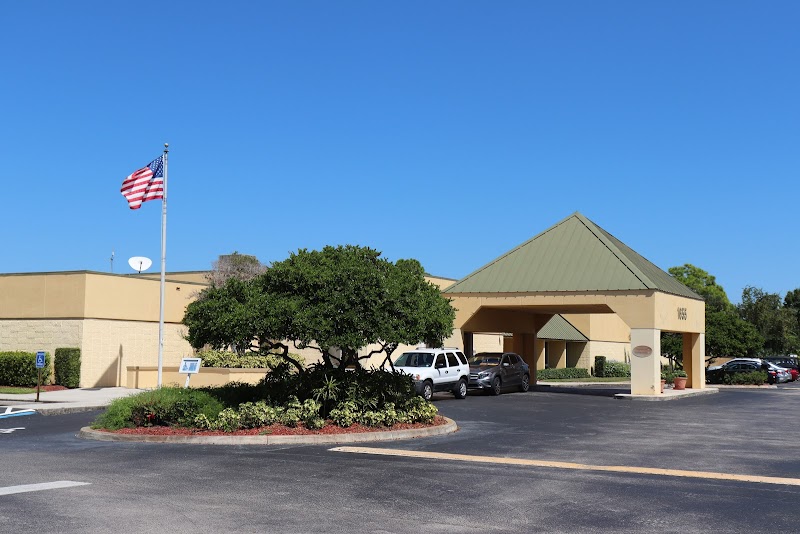
How is Savannas Park Center Staffed?

CMS rates SAVANNAS PARK HEALTH AND REHABILITATION CENTER's staffing level at 3 out of 5 stars, which is average compared to other nursing homes. Staff turnover is 45%, compared to the Florida average of 46%. This relatively stable workforce can support continuity of care.

What Have Inspectors Found at Savannas Park Center?

State health inspectors documented 26 deficiencies at SAVANNAS PARK HEALTH AND REHABILITATION CENTER during 2021 to 2024. These included: 26 with potential for harm.
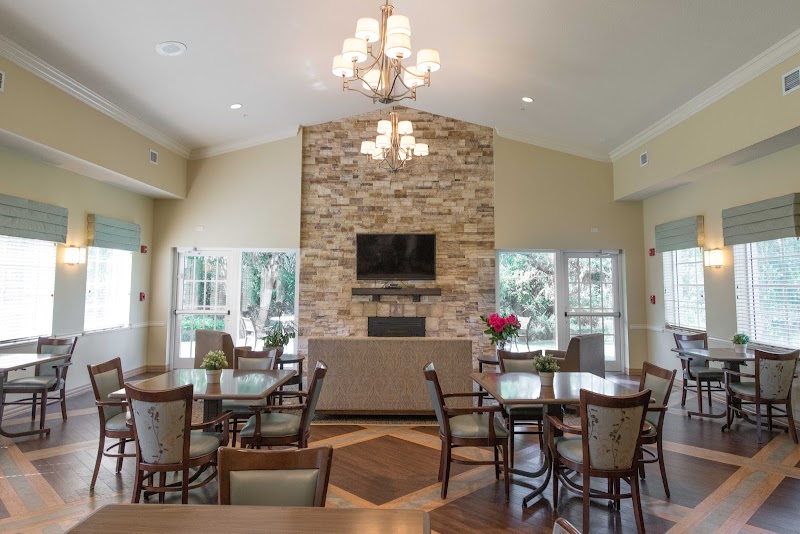
Who Owns and Operates Savannas Park Center?

SAVANNAS PARK HEALTH AND REHABILITATION CENTER is owned by a for-profit company. For-profit facilities operate as businesses with obligations to shareholders or private owners. The facility is operated by ROBERT SCHOENFELD, a chain that manages multiple nursing homes. With 120 certified beds and approximately 113 residents (about 94% occupancy), it is a mid-sized facility located in PORT SAINT LUCIE, Florida.
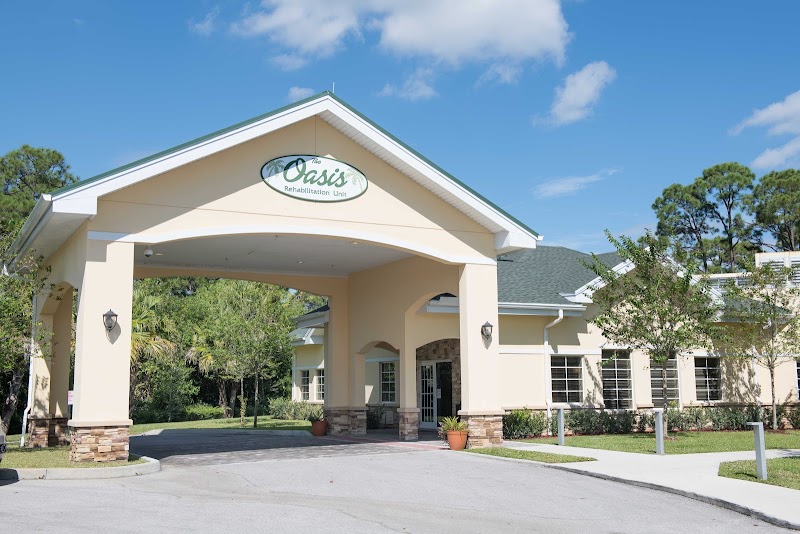
How Does Savannas Park Center Compare to Other Florida Nursing Homes?

Compared to the 100 nursing homes in Florida, SAVANNAS PARK HEALTH AND REHABILITATION CENTER's overall rating (3 stars) is below the state average of 3.2, staff turnover (45%) is near the state average of 46%, and health inspection rating (3 stars) is at the national benchmark.

What Should Families Ask When Visiting Savannas Park Center?

Based on this facility's data, families visiting should ask: "Can I visit during a mealtime to observe dining assistance and food quality?" "How do you handle medical emergencies, and what is your hospital transfer rate?" "Can I speak with family members of current residents about their experience?"

Is Savannas Park Center Safe?

Based on CMS inspection data, SAVANNAS PARK HEALTH AND REHABILITATION CENTER has a clean safety record: no substantiated abuse findings (meaning no confirmed cases of resident harm), no Immediate Jeopardy citations (the most serious violation level indicating risk of serious injury or death), and is not on the Special Focus Facility watch list (a federal program monitoring the lowest-performing 1% of nursing homes). The facility has a 3-star overall rating and ranks #100 of 100 nursing homes in Florida. While no facility is perfect, families should still ask about staff-to-resident ratios and recent inspection results during their visit.

Do Nurses at Savannas Park Center Stick Around?

SAVANNAS PARK HEALTH AND REHABILITATION CENTER has a staff turnover rate of 45%, which is about average for Florida nursing homes (state average: 46%). Moderate turnover is common in nursing homes, but families should still ask about staff tenure and how the facility maintains care continuity when employees leave.

Was Savannas Park Center Ever Fined?

SAVANNAS PARK HEALTH AND REHABILITATION CENTER has no federal fines on record. CMS issues fines when nursing homes fail to meet care standards or don't correct problems found during inspections. The absence of fines suggests the facility has either maintained compliance or corrected any issues before penalties were assessed. This is a positive indicator, though families should still review recent inspection reports for the full picture.

Is Savannas Park Center on Any Federal Watch List?

SAVANNAS PARK HEALTH AND REHABILITATION CENTER is not on any federal watch list. The most significant is the Special Focus Facility (SFF) program, which identifies the bottom 1% of nursing homes nationally based on persistent, serious quality problems. Not being on this list means the facility has avoided the pattern of deficiencies that triggers enhanced federal oversight. This is a positive indicator, though families should still review the facility's inspection history directly.