VIVO HEALTHCARE FORT PIERCE
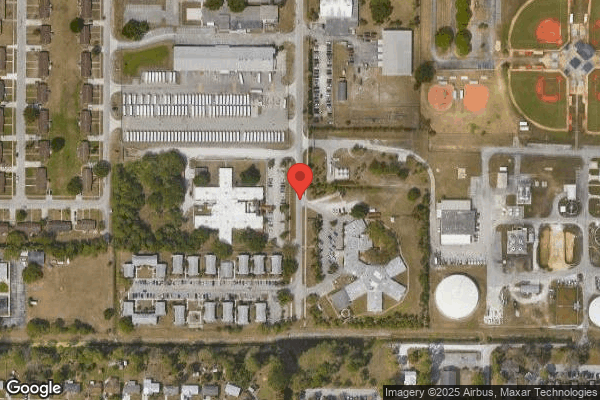
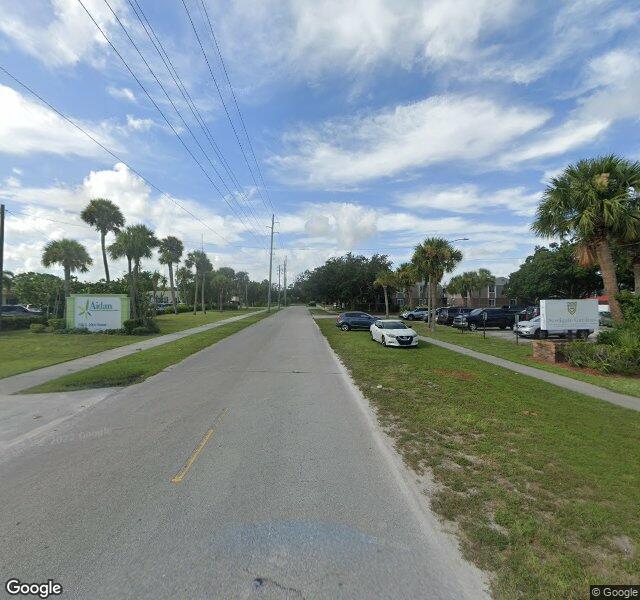
700 S 29TH STREET, FORT PIERCE, FL 34947 (772) 465-7560
For profit - Corporation 79 Beds VIVO HEALTHCARE Data: November 2025
Trust Grade
60/100
#438 of 690 in FL
Last Inspection: February 2025

Within standard 12-15 month inspection cycle. Federal law requires annual inspections.

Overview

Vivo Healthcare Fort Pierce has a Trust Grade of C+, indicating it is slightly above average but not exceptional. It ranks #438 out of 690 facilities in Florida, placing it in the bottom half, and #6 out of 9 in St. Lucie County, meaning there are only a couple of local options that are better. The facility shows an improving trend, with issues decreasing from 10 in 2023 to 8 in 2025. Staffing is a strength, earning 4 out of 5 stars, with a turnover rate of 34%, which is lower than the state average, suggesting that staff are experienced and familiar with the residents. Notably, there have been no fines recorded, which is a positive sign regarding compliance. However, there are areas of concern. Recent inspections found issues such as unkempt living conditions, including a broken air conditioning unit in one resident's room and stained privacy curtains in another, which raises hygiene concerns. Additionally, the kitchen was noted to have cleanliness issues and food items that were past their expiration dates, potentially affecting residents' health. Overall, while there are strengths in staffing and a lack of fines, families should be aware of these environmental and sanitation concerns when considering this facility.

Trust Score
C+
60/100
In Florida
#438/690
Bottom 37%
Safety Record
Low Risk
No red flags
Inspections
Getting Better
10 → 8 violations
Staff Stability
○ Average
34% turnover. Near Florida's 48% average. Typical for the industry.
Penalties
✓ Good
No fines on record. Clean compliance history, better than most Florida facilities.
Skilled Nurses
✓ Good
Each resident gets 43 minutes of Registered Nurse (RN) attention daily — more than average for Florida. RNs are trained to catch health problems early.
Violations
⚠ Watch
24 deficiencies on record. Higher than average. Multiple issues found across inspections.
★★★☆☆
3.0
Overall Rating
★★★★☆
4.0
Staff Levels
★★★★☆
4.0
Care Quality
★★★☆☆
3.0
Inspection Score
Stable
2023: 10 issues
2025: 8 issues

The Good

  • 4-Star Staffing Rating · Above-average nurse staffing levels
  • 4-Star Quality Measures · Strong clinical quality outcomes
  • Full Sprinkler Coverage · Fire safety systems throughout facility
  • No fines on record
  • Staff turnover below average (34%)

    14 points below Florida average of 48%

Facility shows strength in staffing levels, quality measures, fire safety.

The Bad

3-Star Overall Rating

Near Florida average (3.2)

Meets federal standards, typical of most facilities

Staff Turnover: 34%

12pts below Florida avg (46%)

Typical for the industry

Chain: VIVO HEALTHCARE

Part of a multi-facility chain

Ask about local staffing decisions and management

The Ugly 24 deficiencies on record

Feb 2025 8 deficiencies
CONCERN (D)

Potential for Harm - no one hurt, but risky conditions existed

Deficiency F0558 (Tag F0558)

Could have caused harm · This affected 1 resident

**NOTE- TERMS IN BRACKETS HAVE BEEN EDITED TO PROTECT CONFIDENTIALITY** Based on observation, interview, and record review, the facility failed to ensure the call bell was within reach for 1 of 1 samp...

Read full inspector narrative →
**NOTE- TERMS IN BRACKETS HAVE BEEN EDITED TO PROTECT CONFIDENTIALITY** Based on observation, interview, and record review, the facility failed to ensure the call bell was within reach for 1 of 1 sampled resident, Resident #42, who was capable to use the call bell and needed assistance. The findings included: Review of the record revealed Resident #42 was admitted to the facility on [DATE]. Review of the current Minimum Data Set (MDS) assessment dated [DATE] documented the resident needed maximum to total assistance from staff for activities of daily living (ADLs) to include mobility. An interview and observation was conducted on 02/10/25 at 11:02 AM. Although the record documented a low cognitive score, the resident could answer simple questions and make his needs known. He was able to reveal he had had a stroke that affected his left side. When asked how he gets help when needed, he stated he used the call bell. Resident #42 was in bed during the interview and reached for the call bell to his right side. The call bell was looped over the lowest part of the mobility bar with the button part to activate on the floor. Photographic Evidence Obtained. The resident was unable to reach the cord to obtain the call button. During an observation on 02/12/25 at 9:02 AM, Resident #42 was sitting up in an adaptive chair, sliding down with his legs and feet hanging off the footrest to the right side, and the call bell was on the bed and out of reach. Staff X, Certified Nursing Assistant (CNA), entered the room within a couple of minutes to pick up the breakfast trays. Resident #42 called the CNA by name and told her he was not okay. The CNA agreed to help him after she removed his breakfast tray. At 9:13 AM, Resident #42 requested the call bell as the CNA had not placed it within his reach. The resident was able to push the call bell once it was within his reach.
CONCERN (D)

Potential for Harm - no one hurt, but risky conditions existed

ADL Care (Tag F0677)

Could have caused harm · This affected 1 resident

**NOTE- TERMS IN BRACKETS HAVE BEEN EDITED TO PROTECT CONFIDENTIALITY** Based on policy review, observation, interviews, and record review, the facility failed to ensure timely fingernail care for 2 o...

Read full inspector narrative →
**NOTE- TERMS IN BRACKETS HAVE BEEN EDITED TO PROTECT CONFIDENTIALITY** Based on policy review, observation, interviews, and record review, the facility failed to ensure timely fingernail care for 2 of 5 sampled residents, Residents #6 and #61, reviewed for activities of daily living (ADLs) care. The findings included: Review of the policy, titled, Nail Care, dated 09/01/23, documented in part, . 3. routine cleaning and inspection of nails will be provided during ADL care on an ongoing basis. 4. Routine nail care, to include trimming and filing, will be provided on a regular schedule. Nail care will be provided between scheduled occasions as the need arises. 7. d. If trimming is allowed, clip nails using nail clippers straight across and even with tops of the fingers. 1. Review of the record revealed Resident #6 was admitted to the facility on [DATE]. Review of the Quarterly Minimum Data Set (MDS) assessment dated [DATE] documented the resident had a Brief Interview for Mental Status (BIMS) score of 9, on a 0 to 15 scale, indicating severe cognitive impairment. This MDS also documented the resident needed substantial to maximum assistance for personal hygiene. Review of the current care plan initiated on 02/28/24, and revised on 07/11/24, documented Resident #6 had an ADL [Activities of Daily Living] self-care deficit, and instructed staff to check nail length, trim, and clean on bath day, and as necessary. A second care plan initiated on 02/22/22, and revised on 02/04/25, documented, in part, to avoid scratching and keep fingernails short. Review of the most current weekly skin assessment, dated 02/05/25, documented the resident's nails were cleaned and trimmed. Observations on 02/10/25 at 2:46 PM and on 02/11/25 at 12:59 PM revealed Resident #6 was in bed and noted to have excessively long fingernails that had red-brown substance under the nail beds, extending approximately 0.5 cm beyond the fingertips. On 02/11/25 at 12:59 PM, the resident was observed scratching an open area on her left facial cheek using her fingernails and blood was present on her face. During an interview on 02/11/25 at 3:00 PM, when asked who was responsible for nail care, Staff D, Certified Nursing Assistant (CNA), stated another CNA, Staff B, who speaks Spanish the resident's primary language, does the resident's nails. On 02/11/25 at 3:10 PM, Staff B stated that nails were cleaned as part of bathing, but not trimmed, because all nail trimming was done by the activity department. During an interview on 02/12/25 at 11:36 AM, when asked who was responsible for nail care, the Activities Director stated a restorative CNA does nail care that includes trimming, filing, and polishing fingernails for the residents. An interview was conducted on 02/12/25 at 1:57 PM, with Staff C, Registered Nurse (RN), who stated the fingernails of Resident #6 were a little long. Observation at this time revealed the resident's fingernails appeared shorter than the previous day but still remained long and beyond the end of the fingers. During this interview, Staff B stated she had trimmed the resident's nails that morning. 2. Record review revealed Resident #61 was admitted to the facility on [DATE]. Review of the Quarterly Minimum Data Set (MDS) assessment, dated 12/09/24, documented the resident had a Brief Interview for Mental Status (BIMS) score of 5, on a 0 to 15 scale, indicating severe cognitive impairment. This MDS also documented the resident needed partial to moderate assistance with personal hygiene. Review of the current care plan initiated on 06/27/24, and revised on 08/02/24, documented Resident #61 had an ADL self-care deficit and instructed staff to check the nail length, trim and clean on bath day, and as necessary. An interview and observation conducted on 02/10/25 at 12:46 PM revealed Resident #61 was sitting in his chair digging under his fingernails. His lunch tray with the remainder of bar-b-que chicken and sauce were on the over-the-bed table. Nine of the ten nails on both hands were long, extending beyond the fingertips, with reddish-brown substance under the nails. Resident #61 requested a napkin to clean under his nails. The fingernails of Resident #61 extended approximately 1cm beyond his fingertip line and were curled under, making it more difficult to remove the debris under his nails. When asked if he likes his nails that length, the resident stated, No. Resident #61 expressed that he was waiting for a staff member to trim his nails, and that it had been several weeks. On 02/12/25 at 10:06 AM, the resident's nails remained long with some residual substance under the nails. On 02/13/25 at 12:07 PM, the resident's nails were trimmed and cleaned. Resident #61 stated, They were just done.
CONCERN (D)

Potential for Harm - no one hurt, but risky conditions existed

Quality of Care (Tag F0684)

Could have caused harm · This affected 1 resident

**NOTE- TERMS IN BRACKETS HAVE BEEN EDITED TO PROTECT CONFIDENTIALITY** Based on policy review, observation, interview, and record review, the facility failed to ensure wound dressing changes were com...

Read full inspector narrative →
**NOTE- TERMS IN BRACKETS HAVE BEEN EDITED TO PROTECT CONFIDENTIALITY** Based on policy review, observation, interview, and record review, the facility failed to ensure wound dressing changes were completed per physician order for 1 of 2 sampled residents, Resident #61, reviewed for wound care. The findings included: Review of the policy, titled, Wound Treatment Management, revised 09/01/24, documented in part, 1. Wound treatments will be provided in accordance with physician orders 7. Treatments will be documented on the Treatment Administration Record. Review of the record revealed Resident #61 was admitted to the facility on [DATE]. Review of the Quarterly Minimum Data Set (MDS) assessment, dated 12/09/24, documented the resident had a Brief Interview for Mental Status (BIMS) score of 5, on a 0 to 15 scale, indicating severe cognitive impairment. Review of the current orders documented as of 02/04/25 that staff were to provide daily wound care to the right heel. An order dated 02/13/25 instructed nurses to provide daily care to the resident's right leg. An additional order dated 02/10/25 instructed staff to offload Resident #61 right heel while in bed. An observation on 02/10/25 at 3:35 PM revealed Resident #61 in bed with two dressings on his right lower leg. The resident's right heel was directly on the mattress, with no offloading. There were two right leg dressings: one on the calf area and one around the heel and ankle. Written on both dressings was the date 02/10/25 with the initials of the nurse who completed the care. On 02/11/25 at 3:17 PM, an observation revealed the same date and initials as the previous day. On 02/11/25 at 3:26 PM, Staff E, Unit Manager, confirmed that the nurse did not change the dressing as ordered, as the initials on the dressing were by the nurse who had worked two days prior. Review of the corresponding Treatment Administration Record (TAR) for February 2025, documented the dressing had been completed, when it had not been done, as confirmed with the Unit Manager. Staff E was observed doing the dressing change on 02/11/25 at 3:42 PM. When the dressing was removed, there was a moderate amount of drainage on the dressing that had seeped through the outermost layer and it was malodorous.
CONCERN (D)

Potential for Harm - no one hurt, but risky conditions existed

Deficiency F0697 (Tag F0697)

Could have caused harm · This affected 1 resident

**NOTE- TERMS IN BRACKETS HAVE BEEN EDITED TO PROTECT CONFIDENTIALITY** Based on observation, interview and record review, the facility failed to effectively communicate the resident's complaint of pa...

Read full inspector narrative →
**NOTE- TERMS IN BRACKETS HAVE BEEN EDITED TO PROTECT CONFIDENTIALITY** Based on observation, interview and record review, the facility failed to effectively communicate the resident's complaint of pain, failed to evaluate the effectiveness of pain interventions, and failed to appropriately treat pain for 1 of 5 sampled residents, Resident #42, reviewed for pain management. The findings included: Review of the record revealed Resident #42 was admitted to the facility on [DATE]. Review of the Quarterly Minimum Data Set (MDS) assessment dated [DATE] documented the resident had a Brief Interview for Mental Status (BIMS) score of 3, on a 0 to 15 scale, indicating severe cognitive impairment. This MDS documented the resident needed maximum to dependent assistance for Activities of Daily Living (ADL). Review of the care plan, initiated on 11/28/22 and revised on 10/11/23, documented the resident had chronic pain related to a stroke, neuropathy (nerve pain), back pain, and left shoulder pain. This care plan instructed staff to evaluate the effectiveness of pain interventions as needed. It documented to review for compliance, alleviating symptoms, dosing schedules and resident satisfaction with results, impact on functional ability, and impact on cognition. Staff instructed to monitor, record, and report to the nurse any signs and symptoms of non-verbal pain, such as changes in breathing (noisy, deep / shallow, labored, fast/slow); Vocalizations (grunting, moans, yelling out, silence); Mood/behavior (changes, more irritable, restless, aggressive, squirmy, constant motion); Eyes (wide open/narrow slits/shut, glazed, tearing, no focus); Face (sad, crying, worried, scared, clenched teeth, grimacing) Body (tense, rigid, rocking, curled up, thrashing). Review of physician progress notes dated 03/30/23 revealed in part that a significant contracture was present in the left arm and shoulder with significant spasticity consistent with prior history of stroke. The record lacked any other documentation related to spasms or cramps. Review of the recent daily skilled nursing notes documented inconsistency with the location of leg pain, documenting on 02/09/25 right leg pain, on 02/06/25 left leg pain, on 02/05/25 left leg pain level 5, on 01/28/25 leg pain, on 01/27/25 right leg pain, on 01/26/25 right leg pain, and on 01/24/25 right leg pain. Further review of the record documented an order dated 07/07/24 for Gabapentin (a medication for seizures and nerve pain) but lacked any medication order for cramps or muscle spasms. An observation of personal care by Staff B, Certified Nursing Assistant (CNA), was made on 02/12/25 at approximately 9:45 AM for Resident #42. During the care, Resident #42 experienced left leg rigidity and extension, with the left leg involuntarily pulling inward and crossing over right leg, with the resident expressing pain and calling it a cramp. The CNA gave verbal instructions to relax and on breathing exercises. The CNA was unable to provide care for about 1 to 2 minutes during the event. Interview and observation with the resident were conducted on 02/12/25 at 11:17 AM, who stated he would like to get up in a chair, but the chair was a problem because his whole body hurts while sitting in the chair. The resident stated he has cramps all the time in his left leg, and that is why he is more comfortable in bed. During this interview, the resident started to have pain and stated it was his left leg cramping. He squirmed in the bed holding the bedrail with his right hand and pulling up in bed, and his left leg was in full extension. He started moaning and had facial grimacing, stating that it was still hurting for 2 to 3 minutes. Resident #42 then pushed the call bell at 11:20 AM. Staff C, Registered Nurse (RN) came in at 11:22 AM, and he stated he had a cramp to his left leg, at which time she repositioned his left leg. During an interview on 02/12/25 at 2:50 PM with Staff B, CNA, when asked how often Resident #42 has spasms or cramps, and what body part was involved, Staff B stated he complained of left leg pain and called it a cramp. The CNA stated he pushes the call bell several times a day and says his left leg is cramping. She stated she repositions him and places a pillow under his leg. When asked what she does next, Staff B stated she reports the complaint of pain to the nurse. An interview was conducted on 02/12/25 at 3:15 PM with Staff C, RN, who was asked if she had ever seen Resident #42 have a left leg spasm, she stated, No and added the resident has a diagnosis of Neuropathy and gets Gabapentin for it. Staff C, RN, stated today was the first time she had ever heard the resident's pain described as a cramp. After surveyor intervention, an order for Flexeril, a muscle relaxant, was added on 02/12/25 at 3:39 PM by Staff C, RN.
CONCERN (D)

Potential for Harm - no one hurt, but risky conditions existed

Deficiency F0757 (Tag F0757)

Could have caused harm · This affected 1 resident

**NOTE- TERMS IN BRACKETS HAVE BEEN EDITED TO PROTECT CONFIDENTIALITY** Based on policy review, interview, and record review, the facility failed to ensure adequate monitoring of side effects and beha...

Read full inspector narrative →
**NOTE- TERMS IN BRACKETS HAVE BEEN EDITED TO PROTECT CONFIDENTIALITY** Based on policy review, interview, and record review, the facility failed to ensure adequate monitoring of side effects and behaviors for residents receiving psychotropic medications, for 1 of 5 sampled residents reviewed for unnecessary meds, Resident #16. The findings included: Review of the policy, titled, Use of Psychotropic Medication, dated 09/01/23, indicated Residents are not given psychotropic drugs unless the medication is necessary to treat a specific condition, as diagnosed and documented in the clinical record, and the medication is beneficial to the resident, as demonstrated by monitoring and documentation of the resident's response to the medication (s). A psychotropic drug is any drug that affects brain activities associated with mental processes and behavior. Psychotropic drugs include but are not limited to the following categories: Antipsychotics, antidepressants, anti-anxiety, and hypnotics. The resident's response to the medication (s), including progress towards goals and presence/absence of adverse consequences, shall be documented in the resident's medical record. Clincial record review revealed Resident #16 was admitted to the facility on [DATE], and again on 04/29/23, with diagnoses that included Non-Alzheimer's Dementia, and a psychotic disorder. Review of the physician orders, dated 12/20/23, revealed Seroquel 25 mg was prescribed to be administered orally at bedtime to address psychosis. Another order, dated 12/05/23, outlined behavior monitoring for the antipsychotic with a specific behavior code system: - 0: None - 1: Mania/agitation - 2: Paranoia/hallucinations/delusions - 3: Screaming/yelling - 4: Biting/kicking/hitting/pinching - 5: Danger to self/others - 6: Smearing feces/ Extreme fear - 7: non-pharmacological interventions were to be recorded with a specific code system included: -0: None -1: Activities -2:1:1 -3: Redirection -4: Repositioning -5: food/fluids -6: rest period -7: quite environment -8: Medication -9: PN Intervention Outcome: I=Improvement S=Same W=Worsen N/A=Not Applicable. On 12/05/23, another physician ordered monitoring for antipsychotic side effects, and to place a number corresponding with the side effects, if other-document nurse's note. Outlined monitoring for the antipsychotic with a specific side effect code system: - 0: None - 1: Stiffness/lack of movement - 2: Tardive Dyskinesia - 3: Sedation - 4: Hypotension - 5: Weight gain - 6: Dizziness - 7: Seizures - 8: Constipation - 9: Restlessness - 10: Urinary retention - 11: Dry mouth - 12: Vision changes - 13: Other. Review of the care plan, revised on 12/31/24, indicated Resident #16 utilized antipsychotic medication for psychosis and dementia. Interventions included monitor, document and reporting any adverse effects from the medication, such as unsteady gait, tardive dyskinesia, extrapyramidal (EPS) symptoms, falls, refusal to eat, weight loss, difficulty swallowing, nausea, vomiting, social isolation, fatigue, blurred vision, loss of appetite, dry mouth, depression, suicidal ideations, muscle cramps, weight loss, any symptoms not usual to the resident. Additionally, it documented to monitor and record occurrence for targeted behaviors that included: delusions, combativeness, and any verbal or physical aggression toward others. Review of the February 2025 Medication Administration Record (MAR) indicated that behavior monitoring was recorded three times daily from February 1 to February 12, 2025. The documentation did not include specific codes as mandated to indicate observed behaviors; instead, they were noted by check marks. On 02/13/25 at 8:36 AM, an interview with the Director of Nursing (DON) who clarified that behavior monitoring should include coding entries as directed. The DON stated that Resident #16 had not exhibited any concerning behaviors. When asked about using check marks, the DON affirmed that nurses should record a zero if no exhibited behaviors were noted, emphasizing that check marks do not effectively communicate the required information. Upon reviewing the MARs, the DON acknowledged the presence of check marks for behavior monitoring and confirmed the necessity of adhering to the documented coding system.
CONCERN (D)

Potential for Harm - no one hurt, but risky conditions existed

Infection Control (Tag F0880)

Could have caused harm · This affected 1 resident

**NOTE- TERMS IN BRACKETS HAVE BEEN EDITED TO PROTECT CONFIDENTIALITY** Based on observation, interview, record review, and policy review, the facility failed to use appropriate hand hygiene practices...

Read full inspector narrative →
**NOTE- TERMS IN BRACKETS HAVE BEEN EDITED TO PROTECT CONFIDENTIALITY** Based on observation, interview, record review, and policy review, the facility failed to use appropriate hand hygiene practices and personal protective equipment (PPE) when providing incontinence and wound care for 2 of 3 sampled residents observed for direct care, Residents #65 and #61. The findings included: Review of the policy, titled, Enhanced Barrier Precautions (EBP), implemented on 04/01/24 documented, in part, Definitions: 'Enhanced barrier precautions' refers to the use of gown and gloves for use during high-contact resident care activities for residents known to be colonized or infected with a multidrug-resistant organism (MDRO) as well as those at increased risk of MDRO acquisition (e.g., residents with wounds or indwelling medical devices.) . Policy Explanation and Compliance Guidelines: . 1.b) Clear signage will be posted on the door or wall outside of the resident room indicating the type of precaution, required (PPE), and the high contact resident care activities that require the use of gown and gloves . 2. Initiation of Enhanced Barrier Precautions b.) An order for enhanced barrier precautions will be obtained for residents with any of the following: i.) Wounds (e.g., chronic wounds such as pressure ulcers, diabetic foot ulcers, unhealed surgical wounds, and chronic venous statis ulcers) and/or indwelling medical devices (e.g., central lines, hemodialysis catheters, urinary catheters, feeding tubes, tracheostomy/ventilator tubes) even if the resident is not known to be infected or colonized with a MDRO . 4.) High-contact resident care activities include: a.) Dressing b.) Bathing c.) Transferring d.) Providing hygiene e.) changing linens f.) changing briefs or assisting with toileting g.) Device care or use: central lines, urinary catheters, feeding tubes, tracheostomy/ventilator tubes h.) Wound care . 7. Enhanced barrier precautions should be used for the duration of the affected resident's stay in the facility or until the wound heals or indwelling medical device is removed for the high-risk residents. 1. Record review revealed Resident #65 was admitted to the facility 10/05/24, with a primary diagnosis of atherosclerosis of native arteries of extremities with gangrene of the right leg (an accumulation of cholesterol plaque in the walls of the arteries causing obstruction to blood flow leading to dead tissue.). Other diagnoses included: acquired absence of right leg below knee, acquired absence of left leg below knee, Type 2 Diabetes Mellitus with Diabetic Neuropathy and need for assistance with personal care. Review of the current Minimum Data Set (MDS) assessment dated [DATE] documented Resident #65 had a Brief Interview for Mental Status (BIMS) score of 15, on a 0 to 15 scale, indicating intact cognition. This same MDS also documented the resident had an unhealed Stage 3 Pressure Ulcer and was receiving dialysis. Review of the active orders revealed there were no Enhanced barrier precaution orders from 02/10/2025 - 02/12/25. An interview was conducted on 02/12/25 at 9:05 AM with Resident #65, who when asked if the staff usually wore a gown and gloves when care was provided, the resident stated he had never seen them wear a gown. The resident was asked what type of dialysis site he had and stated he had both a right upper chest port, (also known as a central venous catheter / CVC, a tube inserted into a vein in the neck, chest or groin to provide access for dialysis) and a arteriovenous fistula (AV fistula) to his left arm that was still maturing (a surgical connection between an artery and a vein that allows patients to receive dialysis treatments). At the time this interview was conducted, there was no (EBP) sign and no PPE was observed outside or inside the resident's room. An incontinence care observation was conducted on 02/12/25 at 10:15 AM on Resident #65 with Staff A, CNA. Before the care, Staff A washed her hands, gathered water in a basin and placed it on the bedside table and donned gloves; no PPE was used. With her gloved hands, Staff A pulled the curtain and provided privacy. She cleansed the upper body first and continued to the lower half. She then proceeded to provide perineum care and discovered the resident was soiled when she observed feces on the washcloth. While using the same gloves, Staff A turned the resident to their side to cleanse his bottom. She removed the soiled brief and continued with perineum care without changing her gloves. When Staff A proceeded to dress Resident #65, she changed out her gloves without performing hand hygiene. Staff A stated, I am going to find the lift to transfer the resident to the chair. She was observed to remove her gloves and again not perform any hand hygiene as she left the room. When Staff A walked out of the resident's room, an interview was conducted at10:50 AM with the aide. Staff A was made aware of her hand hygiene and incontinence care practices, and stated she did not even notice she had not performed hand hygiene or changed her gloves during and after the care was provided. Staff A stated, I did wash my hands in the beginning. She acknowledged the importance of hygienic performance. When asked if the resident was on any precautions or if they usually used gowns when care was provided, she stated the resident was not on any precautions and if there was no sign on the door they didn't have to wear a gown. On 02/13/25 at 12:14 PM, an interview was conducted with the Director of Nursing (DON) regarding the (EBP) and incontinence care observation findings with Staff A. The DON stated, It breaks my heart to hear that because we just did an in-service training last week about handwashing and her signature is on it. She agreed incontinence care should not have been performed that way and stated Staff A was nervous. The DON admitted she misunderstood the guidelines and criteria regarding the residents that should have been placed on (EBP). The DON stated, I take full accountability, and we are currently working on fixing it by placing the orders and precautions back in place for those residents. 2. Record review revealed Resident #61 was admitted to the facility on [DATE]. Review of the current physician's wound order, dated 02/04/25, documented for daily care to the open area of the resident's right heel. A physician's order, dated 02/13/25, documented for daily wound care to the open area of the resident's right leg. The record lacked any order or care plan related to Enhanced Barrier Precautions (EBP). During the initial pool process on 02/10/25, there was no EBP signage on or at the door or in the room of Resident #61. There was no PPE set up on or at the resident's door, as observed on the doors of the other residents who were on EBP. An observation of wound care was done on 02/11/25 at 3:42 PM with Staff E, Unit Manager. Staff E did not wear a protective gown during the dressing change. Staff E completed care on both open wounds. An interview was conducted on 02/13/25 at 10:12 AM with Staff E, who when asked of her understanding of EBP, the Unit Manager stated she did not understand the implementation of EBP until this week. The Unit Manager confirmed she did not wear a gown during the dressing change that she had completed for Resident #61 on 02/11/25. An interview was conducted on 02/13/25 at 8:50 AM with the Director of Nursing (DON) that revealed she misunderstood EBP. She stated she thought it was for Multi-Drug Resistant Organisms (MDROs), Foley (urinary) catheters, and wound Vacs. She stated that she instructed the staff to remove all EBP signs on other room doors. The DON stated she had reread the Centers for Disease Control and Prevention (CDC) recommendations last night and stated she was wrong.
CONCERN (E)

Potential for Harm - no one hurt, but risky conditions existed

Safe Environment (Tag F0584)

Could have caused harm · This affected multiple residents

**NOTE- TERMS IN BRACKETS HAVE BEEN EDITED TO PROTECT CONFIDENTIALITY** Based on observation and interview, the facility failed to ensure timely housekeeping and maintenance in 2 of 4 (100 and 300) re...

Read full inspector narrative →
**NOTE- TERMS IN BRACKETS HAVE BEEN EDITED TO PROTECT CONFIDENTIALITY** Based on observation and interview, the facility failed to ensure timely housekeeping and maintenance in 2 of 4 (100 and 300) resident hallways, affecting Resident #224, #42, #23, and #66; and failed to maintain ceiling vents and common area walls on all four resident units and in the central common area. The findings included: 1. The following environmental and housekeeping concerns were observed during the survey: a) On 02/10/25 at 10:24 AM, Resident #224 stated the window air conditioner in her room was broken, and had been since her admission on [DATE]. The panel on the air conditioning unit showed a code of E3, indicating an error, and no air was blowing. b) On 02/10/25 at 11:09 AM, the privacy curtains for Resident #42 were noted to be stained on both sides. Photographic Evidence Obtained. There was also a urine odor noted upon entering the room. On 02/11/25 at 10:35 AM and on 02/12/25 at 9:29 AM, the urine odor remained. An observation of the resident's mattress at this time lacked any obvious signs of previous incontinent episodes and during a skin check at this time, the resident's skin lacked any skin impairment which would indicate a lack of incontinence care. Upon further investigation, the privacy curtain had an urine odor as well as the room itself. The baseboard on the wall behind the bed had also pulled away from wall several inches and the laminate trim from the footboard of the bed was missing. The floors were visibly dirty with debris and darkened stains. Photographic Evidence Obtained. c) On 02/10/25 at 11:19 AM, the over-the-bed table for Resident #23 had an open rusted square area on the leg and the headrest area of the recliner had a worn off, and could no longer be effectively cleaned. Photographic Evidence Obtained. d) On 02/10/25 at 10:35 AM, an area of white plaster, approximately 2 feet by 3 feet, was noted on the yellow wall located behind the bed of Resident #66. During a supplemental interview on 02/11/25 at 9:42 AM, the resident stated it had been there ever since she could remember. When asked if it bothered her, the resident stated, Well it's not pretty. During an interview on 02/13/25 at approximately 10:00 AM, when asked the process for ensuring clean privacy curtains, the Housekeeping Director stated the curtains are taken down and replaced monthly when each room is deep cleaned. When asked specifically about the deep cleaning schedule, the Housekeeping Director stated he makes out a monthly calendar and ensures each room and all common areas are deep cleaned monthly. The Housekeeping Director also identified two target rooms that are completed weekly due to urine odors, but did not include the room of Resident #42. When asked if the staff did any type of rounds to identify new areas of concern, the Housekeeping Director stated managers do daily angel rounds and should be reporting any concerns during their morning meetings. An additional observation was made at this time and the Housekeeping Director agreed with the concerns for Residents #42 and #23. During an interview and tour on 02/13/25 at 11:12 AM, when asked the process for repairs, the Maintenance Director stated they had a maintenance book to log needed repairs, and many staff just tell him of needed repairs. The Maintenance Director stated, Remember, I'm the only maintenance person, so I can't always get to things right away. And I do life safety as well. Review of the 100 unit Maintenance Book lacked any entries for 2025. During an observation of the plaster wall in Resident #66's room, with the Maintenance Director, he stated the repair of that wall had been done back in November or December (of 2024), and that he hadn't had a chance to get back and paint the area or the wall. Observation of Resident #244's room revealed a temporary air conditioner. The Maintenance Director stated he had just heard about the issue that morning. When told it had not been working since the resident's admission, the Maintenance Director stated he just heard of the issue that day. 2. Observation of the common area and four hallways on 02/13/25 beginning at approximately 11:30 AM, with Photographic Evidence obtained, revealed the following: a) On the 100 hall, 5 of 6 ceiling vents had a rust-like substance and or were dirty. b) On the 200 hall, 6 of 6 ceiling vents had a rust-like substance and or were dirty. c) On the 300 hall, 6 of 6 ceiling vents had a rust-like substance and or were dirty. There were multiple areas of bubbling and or pealing paint on the walls. d) On the 400 hall, 4 of 6 ceiling vents had a rust-like substance and or were dirty. The walls had areas of bubbling paint. e) In the common central area, 6 of 8 ceiling vents had a rust-like substance and or were dust laden. During an interview on 02/13/25 at approximately 1:00 PM, the Maintenance Director agreed with the findings.
CONCERN (E)

Potential for Harm - no one hurt, but risky conditions existed

Food Safety (Tag F0812)

Could have caused harm · This affected multiple residents

Based on observation and interview, the facility failed to ensure a clean and sanitary kitchen and failed to maintain food that was not past it's use-by or expired date. This could potentially affect ...

Read full inspector narrative →
Based on observation and interview, the facility failed to ensure a clean and sanitary kitchen and failed to maintain food that was not past it's use-by or expired date. This could potentially affect 72 of 75 residents who consume an oral diet. The findings included: An observation of the kitchen was made on 02/10/25 beginning at 8:54 AM with the Kitchen Manager / Certified Dietary Manager (CDM). Upon entering the kitchen, the breakfast service was completed, the kitchen had been cleaned after the meal, and staff were in the process of doing the breakfast dishes. The following concerns were noted and confirmed by managerial staff, with Photographic Evidence Obtained: a) A table in the food preparation area had peeling paint on all the legs and shelf. b) A table in the food preparation area had legs and shelves with rust-like surfaces. c) Pitchers filled with juice to be used that day had leftover sticker debris that had not been cleaned off. d) A plastic serving cart with two shelves was marred, scratched, and with grey-black staining. e) The floor around the cooking appliances was visibly soiled with debris and a black liquid-like substance. f) The plate warmer had visible dried brown substance or corrosion. g) The dispensing hose and nozzle to the juice bin was lying directly on the floor. h) A plastic bin with individual syrup containers was visibly soiled with a sticky substance. i) The oven handle was slippery and greasy with dried debris and a carbon build-up. j) The walk in refridgerator had a brownish-black debris around the frame where the seal meets the frame. k) A plastic bin with clean utensils stored in it was on a large utility cart with dirty items. The plastic bin was visibly dirty with debris. l) Water was pooling on the floor, appoximately 10 to 12 inches from the wall, along the entire wall that contained the ovens and steamer. The following expired items, as evidenced by the best-by-dates, use-by-dates, and or expired dates marked on the item, were identified in the dry storage area: m) Twelve large cans of chicken and dumplings expired July 2024. n) Twelve large cans of chili expired 01/22/25. o) A case of jelly expired on 03/16/24. p) A six pound can of beef stew expired 10/13/24. It had been delivered on 11/10/22. q) A large can of chili con carne expired 10/10/224. It had been delivered on 11/10/22. r) A large jar of Skippy peanut butter expired 04/15/24. s) A case of butterscotch pudding, a case of pinto beans, a case of carrots, and a case of peanut butter, all dated as delivered in January of 2023 and unable to read the used by dates. t) Four packages of walnuts with hand written dates that were not able to be read and lacked use-by-dates. The CDM was asked to provide the use-by-dates by the lot number, but failed to do so.
Nov 2023 9 deficiencies
CONCERN (D)

Potential for Harm - no one hurt, but risky conditions existed

Deficiency F0561 (Tag F0561)

Could have caused harm · This affected 1 resident

**NOTE- TERMS IN BRACKETS HAVE BEEN EDITED TO PROTECT CONFIDENTIALITY** Based on observation, interview and record review the facility failed to ensure documented evidence of showers as per schedule a...

Read full inspector narrative →
**NOTE- TERMS IN BRACKETS HAVE BEEN EDITED TO PROTECT CONFIDENTIALITY** Based on observation, interview and record review the facility failed to ensure documented evidence of showers as per schedule and preference for 2 of 4 residents (Resident #2 and Resident #6). The findings included: 1.) Record review revealed Resident #6 was initially admitted to the facility on [DATE] with re-admission on [DATE] with diagnosis included Non-Alzheimer's Dementia. The annual minimum data set (MDS) assessment reference date 08/25/23 recorded a brief interview for mental status (BIMS) score of 12, which indicated Resident #6 was moderately cognitively intact. This MDS revealed that Resident #6 required extensive assistance with bed mobility, dressing and personal hygiene care. On 10/30/23, started at 10:13 AM Resident #6 was observed lying in bed, lethargic, he stated he was felt weak. On 10/31/23 at 8:36 AM Resident #6 was observed lying in bed, alert, oriented, and more awake, there were no signs of lethargic. During that time an interview was started, he stated, he felt much better today, he was not so lethargic anymore. He then added the staff shaved him this morning, they've cleaned him up a little. He further stated, The girls asked him if he wanted a shower yesterday, he said no because he was so lethargic. When asked how often he has received showers? he said every couple of weeks. He then stated he would like to receive showers more frequently if they can accommodate that for him. During that time further review of Resident #6's record was conducted, review of the activity of daily living (ADL) task in the computer system was conducted, there was no shower schedule noted. On 11/01/23 at 1:52 PM, an interview was conducted with the director of nursing (DON), she revealed the shower schedule was not recorded under the task tab in the computer system, and the facility has a shower schedule written on paper that they follow. The DON voiced she would provide the shower schedule and evidence of providing shower. On 11/02/23 at 8:33 AM, another interview was held with DON and the regional nurse consultant, the DON provided the written shower schedule and ADLs report sheet, it was revealed that Resident #6's shower was scheduled for Mondays, Wednesdays, and Friday on the 3-11 shift. Review of the October 2023 ADLs report sheet for the 20 days look back period, it was revealed that there was no documented evidence for ADLs care related to shower. On 11/02/23 at 1:20 PM, another interview was held with the regional nurse consultant, and a side-by-side review of Resident #6's ADLs task record was conducted for October 2023, there was no documented evidence of provided shower for October 2023. The regional nurse consultant agreed with the finding. She voiced that after the interview with her this morning she had realized that question #3 and #4 have been deleted for the October ADL task during the transition of changes with the computer system, and she will have them make changes to it. Question #3 was to record type of bathing: shower or bed bath or tub and question #4 was to ask about ADL support. 2) During an interview on 10/30/23 at 9:46 AM, when asked if she was receiving baths or showers as she would like, Resident #2 stated she was not always getting her showers. When asked why, Resident #2 stated the staff can't always find the Hoyer lift (a mechanical lift used to transfer a resident from the bed or chair into the shower chair). When asked how many showers each week she would prefer, Resident #2 stated she wanted them three times a week. Resident #2 explained there was a schedule, and she was scheduled on Tuesday, Thursday, and Saturday. When asked about her scheduled dialysis appointments on those same days, Resident #2 explained when she does get showers, staff give them to her about 7 AM. The resident explained her dialysis was not until about 10 AM. Review of the record revealed Resident #2 was admitted to the facility on [DATE]. Review of the current Minimum Data Set (MDS) assessment dated [DATE] documented the resident had a Brief Interview for Mental Status (BIMS) score of 15, on a 0 to 15 scale, indicating the resident was cognitively intact. Review of the recent Annual MDS dated [DATE] documented it was very important for the resident to choose between a bath and shower. Review of the Tasks section of the electronic medical record, where the Certified Nursing Assistants (CNAs) would document the provision of showers, was a section for bathing. Review of the bathing section lacked any documented evidence of the provision of any showers. During an interview on 11/02/23 at approximately 1:00 PM, when asked the process for resident showers, Staff A, CNA, explained there was a shower schedule posted on the inside of each unit's shower room. The CNA stated they have to follow that schedule. When asked where she documented the provision of showers, Staff A stated she was unaware of any place to document them, but again stated they have to go by that posted shower schedule. Review of the posted shower schedule for the 200 unit revealed Resident #2 was scheduled for a shower during the 7 AM to 3 PM shift on Tuesday, Thursday, and Saturday.
CONCERN (D)

Potential for Harm - no one hurt, but risky conditions existed

Deficiency F0565 (Tag F0565)

Could have caused harm · This affected 1 resident

Based on resident interviews, Resident Council meeting minutes, record reviews, and staff interviews, the facility failed to act upon Resident Council grievances in a timely manner regarding voiced re...

Read full inspector narrative →
Based on resident interviews, Resident Council meeting minutes, record reviews, and staff interviews, the facility failed to act upon Resident Council grievances in a timely manner regarding voiced resident concerns about direct care staff as consistently stated in each Resident Council Meeting Minutes reviewed from May 2023 to October 2023. The findings included: Policy title Resident and Family Grievances, implemented date 2/15/23; revised date 3/2/23; reviewed by clinical services. The policy indicated that it is the policy of this facility to support each residents and family member's right to voice grievances without discrimination, reprisal or fear of discrimination or reprisal. Prompt efforts to resolve include facility acknowledgment of a complaint/grievance and actively working toward resolution of that compliant/grievance. #7 of the policy indicated grievances may be voiced in the following forums: verbal complaint to a staff member or grievance officer. #10 procedure: a) the staff member receiving the grievance will record the nature and specifics of the grievance on the designated grievance form or assist the resident or family member to complete the form. b) forward the grievance form to the grievance officer as soon as practicable. c) The grievance officer will take steps to resolve the grievance, and record information about the grievance, and those actions, on the grievance form. On 11/01/23 at 2:37 PM, a meeting was held with 8 alert and oriented resident council members whose Brief Interview for Mental Status (BIMS) was between 9-15 out of 15 (Residents #8 [BIMS 14], #10 [BIMS 10], #35 [BIMS 15], #38 [BIMS 9], #43 [BIMS 15], #50 [BIMS 15], #52 [BIMS 13], and #63 [BIMS 15]). Each of these resident council members stated, individually, that the Certified Nurse's Aide (CNAs) on the 3 PM - 11 PM are consistently not providing assistance to the residents, speaking Creole, coming into resident rooms to hide and use their phone, and not treating the residents with respect. They also all agreed that the aides do not provide water when they request it. Residents #50, #43, #8, and #10 stated that the Administrator and Director of Nursing (DON) have attempted to make improvements, and the DON has provided in-service to the staff, but it isn't helping enough, as the CNAs on the 3 PM - 11 PM shift are still not providing the necessary care to the residents. Residents #50 and #35 stated that one of the residents yells, Help! all night long. The CNAs ignore her for the most part saying she's crazy, and they put her call light out of reach. Residents #8 and #50 stated that there is a German-speaking resident who moans all night long and no one goes in to take care of her, and there is a Spanish-speaking Dementia resident who wanders the halls in the evening and has fallen several times. Resident #50 state, A CNA was being very mean to my roommate. I told the Night Nurse on the 11-7 shift, and the nurse told me I couldn't report it, only the resident getting mistreated can report it. If I see it, why can't I report it. I did speak to the Administrator about it, and he is taking care of the issue. One of the surveyors on the team did investigate the claim made by Resident #50 regarding a CNA on the 3 PM -11 PM shift being mean to her roommate. The nurse involved and the roommate were interviewed regarding the incident. The roommate would not provide any confirmation that such an event occurred either to the surveyor or to the nurse on duty at the time Resident #50 reported the incident. The roommate is alert and oriented and able to be interviewed. Resident #8 stated that CNAs on 3 PM-11 PM shift have left her in her soiled adult brief for 6 hours, and Resident #43 stated that the 3 PM-11 PM CNAs will tell you they will come back to assist you, but they never do. Resident #10 and #63 stated that twice they have had to take a shower with clumps of feces on the shower floor because the CNAs did not clean it up from a previous resident. The Residents in the Resident Council meeting stated that all of these grievances have been brought up to the Administrator. All of the residents agreed that since the new administrator and DON have started working at the facility, things have gotten better, but they still need improvement. The Resident Council does recognize that the new Administrator is trying to address the problems, but the problems still exit. A review of the Resident Council Meeting Minutes for May 2023 through October 2023 revealed: May 2023 New Business - Residents stated the CNA's in the 3-11 shifts are speaking Creole, gather in their rooms to have conversations/putting their personal items in their [residents'] rooms. June 2023 Old Business - CNA concern was passed on to DON, who followed up by providing in-service to 3-11 shift. June 2023 New Business - Resident stated CNA concerns have improved but could still be improved. Residents stated CNAs speak disrespectfully to them, getting annoyed when they ask a question or try to speak to them [all shifts]. July 2023 Old Business - Residents agreed that improvement has been made but they continue to have issues with the 3-11 shift. July 2023 New Business - Follow-up 3-11 shift continue to be disrespectful, talking loudly in the halls while residents are trying to sleep, using personal cellphones in their [residents'] rooms, personal socialization in their [residents'] rooms (1 resident stated an aide sat on her chair talking on her cell phone with her foot on her [resident's] bed, call lights taking too long to answer then being turned off without giving help. August 2023 Old Business - DON discussed follow-up regarding 3-11 shift issues. She informed the Committee that the 3-11 shift received in-services/education since last meeting, and it will be on-going. August 2023 New Business - Residents stated there has been a great change, but there is still room for improvement. September 2023 New Business - Call lights are taking too long to answer, at times being turned off without taking care of the issue, CNAs are hanging out in residents' rooms, socializing or using their phones; Dinner trays are not taken back to kitchen or taking too long to be picked up after meals for those residents who choose to eat in their rooms; there are times you cannot find a CNA for assistance. October 2023 Old Business - Issues with 3-11 shift. Some improvements after in-services but issues continue to happen and need improvement. October 2023 New Business - 3-11 shift continue to have the same issues, some CNAs are rude. On 11/02/23 at approximately 6:00 PM, the ongoing concerns/grievances expressed by the Resident Council and the fact that these same grievances continue to be unresolved as evidenced from the Resident Council Minutes from May through October 2023 was discussed with and acknowledged by the Administrator.
CONCERN (D)

Potential for Harm - no one hurt, but risky conditions existed

Assessment Accuracy (Tag F0641)

Could have caused harm · This affected 1 resident

**NOTE- TERMS IN BRACKETS HAVE BEEN EDITED TO PROTECT CONFIDENTIALITY** 4) Record review revealed Resident #61 was admitted to the facility on [DATE] and was discharged on 08/20/23. Review of the disc...

Read full inspector narrative →
**NOTE- TERMS IN BRACKETS HAVE BEEN EDITED TO PROTECT CONFIDENTIALITY** 4) Record review revealed Resident #61 was admitted to the facility on [DATE] and was discharged on 08/20/23. Review of the discharged MDS assessment, reference date 08/20/23, revealed Resident #61 entered from acute hospital and was discharged to acute hospital. Review of Physician order dated 08/23/23 revealed May discharge home with HHC and nursing if needed. Review of Progress note dated 08/20/2023 at 10:40 AM indicated Resident #61 was discharged to private home/apt no Home Health. Left facility via car with Family member. Reason for discharge condition improved. On 11/02/23 at 10:41 AM, a side-by-side review of Resident #61's record and interview were held with the regional nurse consultant, she agreed with the MDS inaccuracy. Based on observation, interview, and record review, the facility failed to ensure Minimum Data Set (MDS) assessment accuracy related to Activities of Daily Living (ADLs), indwelling urinary catheter use, medications, and hospitalizations for 4 of 16 sampled residents (Resident #19, #28, 39, and #61). The findings included: 1) During an observation and interview on 10/31/23 at 9:42 AM, a urinary catheter bag was noted hanging from the bed of Resident #19. When asked how long she had the catheter, Resident #19 stated she had it for awhile. Review of the current orders revealed the use of an indwelling catheter since the admission of Resident #19 on 09/19/23. Review of the current MDS assessment dated [DATE] lacked the documented use of an indwelling catheter in section H0100. 2) On 10/31/23 in the afternoon, Resident #28 was observed up in his wheelchair, being pushed by one staff. During an interview on 11/01/23 at 11:29 AM, when told he was seen yesterday up out of bed, Resident #28 stated he wanted to get up to go hear the music. Review of the record revealed Resident #28 was admitted to the facility on [DATE]. Review of the current MDS assessment dated [DATE] documented Resident #28 needed the assistance of two persons for locomotion on the unit. During a side-by-side record review and interview on 11/02/23 at 10:27 AM, the Regional Director of Clinical Services acknowledged with the inaccurate MDS coding for the number of staff needed to assist Resident #28 throughout the building. 3) Review of the record revealed Resident #39 was admitted to the facility on [DATE]. Review of the current MDS assessment dated [DATE] documented the resident only received the high risk medication insulin. Review of the corresponding Medication Administration Records (MARs) for the look-back period of 09/27/23 through 10/03/23 revealed Resident #39 also received the following high risk medications: The opioid medication Tramadol was administered four times, daily on 09/27/23 through 09/30/23. The anticoagulant Lovenox was administered once on 09/27/23. During a side-by-side review of the record and interview, the Regional Director of Clinical Services agreed with the inaccurate MDS assessment.
CONCERN (D)

Potential for Harm - no one hurt, but risky conditions existed

PASARR Coordination (Tag F0644)

Could have caused harm · This affected 1 resident

**NOTE- TERMS IN BRACKETS HAVE BEEN EDITED TO PROTECT CONFIDENTIALITY** Based on record review and interview, the facility failed to ensure completion of a Level 2 PASARR (Preadmission Screening and R...

Read full inspector narrative →
**NOTE- TERMS IN BRACKETS HAVE BEEN EDITED TO PROTECT CONFIDENTIALITY** Based on record review and interview, the facility failed to ensure completion of a Level 2 PASARR (Preadmission Screening and Resident Review) for 1 of 2 sampled residents. Resident #9 had a documented Level 1 PASARR dated 04/17/23, and a supplemental review on 11/02/23 that revealed the necessity for a Level 2, which was not completed. The findings included: Review of the record revealed Resident #9 was admitted to the facility on [DATE], and had five hospitalizations since admission. A Level 1 PASARR was completed on 04/17/23 by the previous Nursing Home Administrator (NHA), who was also a Medical Social Worker. This Level 1 screening indicated in Section II, there was an indication the individual has or may have had a disorder resulting in functional limitations in major life activities that would otherwise be appropriate for the individual's developmental stage. The instructions on this Level 1 PASARR documented the need for the Level 2 assessment. A supplemental letter to Resident #9 from the previous NHA, informed the resident of the need for a Level 2 assessment. The record lacked the Level 2 assessment. During a side-by-side record review and interview on 11/01/23 at 5:27 PM, the Social Services Director (SSD) was asked to locate and provide the Level 2 PASARR assessment for Resident #9. The SSD agreed a request was made in April 2023, but was unable to locate any results. The SSD logged into the Kepro website and found a letter dated 04/18/23 that documented the review was closed due to an incomplete referral packet. A second Resident Review (RR) - Evaluation Request was completed by the Acting Director of Nursing (DON) on 11/02/23, with Section II: Significant Change documenting a change in behavior, psychiatric, or mood suggestive of a suspicion of SMI (Serious Mental Illness), with an onset date of 04/17/23. During a supplemental interview on 11/02/23 at 8:43 AM, the SSD stated she was unable to locate any additional information, and had requested the Level 2 review, after surveyor intervention.
CONCERN (D)

Potential for Harm - no one hurt, but risky conditions existed

Deficiency F0645 (Tag F0645)

Could have caused harm · This affected 1 resident

**NOTE- TERMS IN BRACKETS HAVE BEEN EDITED TO PROTECT CONFIDENTIALITY** Based on record review and interview, the facility failed to ensure Level 1 PASARR (Preadmission Screening and Record Review) sc...

Read full inspector narrative →
**NOTE- TERMS IN BRACKETS HAVE BEEN EDITED TO PROTECT CONFIDENTIALITY** Based on record review and interview, the facility failed to ensure Level 1 PASARR (Preadmission Screening and Record Review) screening was completed for 1 of 2 sampled residents prior to or upon admission (Resident #19). The findings included: Review of the record revealed Resident #19 was admitted to the facility on [DATE] for a Hospice respite, and subsequently admitted for long term care as of 09/24/23. Review of the record lacked any Level 1 PASARR screening. During a side-by-side record review and interview, the Social Services Director (SSD) was asked to locate and provide a Level 1 PASARR screening, and she was unable to find one. The SSD volunteered that the Hospice staff refused to complete the PASARR screening. When asked if she completed it upon admission to the facility, the SSD stated she had not.
CONCERN (D)

Potential for Harm - no one hurt, but risky conditions existed

Deficiency F0657 (Tag F0657)

Could have caused harm · This affected 1 resident

**NOTE- TERMS IN BRACKETS HAVE BEEN EDITED TO PROTECT CONFIDENTIALITY** Based on observation, interview, and record review, the facility failed to update the comprehensive care plans and or ensure res...

Read full inspector narrative →
**NOTE- TERMS IN BRACKETS HAVE BEEN EDITED TO PROTECT CONFIDENTIALITY** Based on observation, interview, and record review, the facility failed to update the comprehensive care plans and or ensure resident representative participation in the care needs for 3 of 16 sampled residents, after changes in condition were identified. Resident #23 had a decline in eating ability with facility failure to update the care plan. Resident #28 required two person assistance for transferred that was not reflected in the current care plan. Resident #39 had a decline in eating ability and the facility failed to update the care plan. The resident representative for Resident #39 had requested a consult for upper dentures and was not informed of the findings of the dentist. The findings included: 1) During an observation on 10/31/23 at 12:12 PM, Resident #23 was in the main dining room awaiting lunch. The resident was served her lunch meal, took a few bites independently, and then was fed the rest of the meal by Staff D, Certified Nursing Assistant (CNA). Review of the record revealed Resident #23 was admitted to the facility on [DATE]. Review of the current Minimum Data Set (MDS) assessment documented the resident needed the limited assistance of one person for eating. Review of the current care plan dated 12/24/19, with no documented revision date, documented Resident #23 required the assistance of 1 to 2 persons with mobility, and Activities of Daily Living (ADL) tasks, except self feeding, which she could do independently after set up. Further review of previous MDS assessments revealed the following: Resident #23 needed the limited assistance of one person for eating as of 09/22/23. Resident #23 needed the extensive assistance of one person for eating as of 06/22/23 and 03/22/23. Resident #23 needed supervision from one staff for eating as of 12/20/22. Resident #23 was independent for eating after set up as of 09/21/22. The facility failed to update the care plan since this date. Review of the quarterly dietary review dated 09/27/23 revealed Resident #23 ate 50 to 100% with assistance from one staff as needed. During a side-by-side record review and interview on 11/02/23 at 10:15 AM, the Regional Director of Clinical Services agreed the current care plan was not representative of the resident's current needs for assistance in eating. 2) During an interview on 10/30/23 at 11:40 AM, Resident #28 explained that he was transferred from the bed via a Hoyer lift (mechanical transfer) utilizing two staff for assistance. Review of the record revealed Resident #28 was admitted to the facility on [DATE]. Review of the current MDS assessment documented the resident had a Brief Interview for Mental Status (BIMS) score of 15, on a 0 to 15 scale, indicating the resident was cognitively intact. Further review of this MDS revealed the resident was totally dependent upon two staff for transfers. Review of the current care plan initiated on 01/11/22, with no revision date, documented the resident required the assistance of one staff for transfers. During an interview on 11/01/23 at 11:37 AM, Staff F, Certified Nursing Assistant (CNA), confirmed the need for two staff for the transfer of Resident #28. During a side-by-side record review and interview, the Regional Director of Clinical Services agreed with the inaccurate care plan. 3) Review of the record revealed Resident #39 was admitted to the facility on [DATE]. The resident sustained a fracture on 09/10/23, and had a significant decline in functioning, and was admitted to Hospice as of 09/26/23. During an interview on 11/01/23 at 2:32 PM, when asked if Resident #39 was able to feed herself, Staff B, CNA, explained that prior to her fracture she was able to feed her self with occasional cuing, but now has to be fed. An interview on 11/01/23 at 2:57 PM with Staff C, Registered Nurse (RN), revealed prior to her fracture, Resident #39 would sometimes eat independently, and sometimes needed to be fed. Review of the current care plan initiated on 03/09/21, and revised on 10/30/23, documented Resident #39 was able to feed herself after setting up the meal, with occasional cueing needed. Further review of the current care plan for activities initiated on 12/27/21, with no revision date, documented Resident #39 needed reminders and directions to promote attendance to activities. The goal was that the resident would participate in cognitively stimulating activities on a daily bases. During the survey week of 10/30/23 through 11/02/23, Resident #39 was observed only in her bed, except for 11/01/23, when she went out for a medical appointment. During an interview on 11/01/23 at 3:41 PM, when asked the current activity participation for Resident #39, the Activity Director stated that since the resident's fracture, she has remained in bed nearly everyday and receives in room visits. When shown the current activity care plan, the Activity Director confirmed it did not represent the current status of the resident for activities. 4) During a phone interview on 10/30/23 at 10:29 AM, when asked if he had any concerns regarding the care and services of Resident #39, the resident representative stated he had been asking about an upper set of dentures for some time, had been told the resident had dental insurance, but had not heard anything since. Review of the record revealed Resident #39 was admitted to the facility on [DATE]. Further review of the record lacked any evidence of dental services. During an interview on 11/01/23 at 5:02 PM, when asked if she was aware of any dental or denture concerns for Resident #39, the Social Services Director (SSD) stated that during a recent care planning meeting on 10/10/23, the resident representative asked about the upper dentures and was told he would be added to the dental list. When asked if the concern had been discussed previously, the SSD was unsure as this was her first care plan meeting for Resident #39, as she was a fairly new employee. On 11/02/23 at 10:57 AM, the SSD stated she reached out to the dental service and they provided evidence of a dental visit from 08/11/23. Review of this visit revealed Resident #39 was not a candidate for dentures. The SSD agreed that the resident representative was unaware of that visit as he was still questioning it with the October care plan meeting.
CONCERN (D)

Potential for Harm - no one hurt, but risky conditions existed

Quality of Care (Tag F0684)

Could have caused harm · This affected 1 resident

**NOTE- TERMS IN BRACKETS HAVE BEEN EDITED TO PROTECT CONFIDENTIALITY** Based on observation, interview, and record review, the facility failed to provide wound care, and accurately document the provi...

Read full inspector narrative →
**NOTE- TERMS IN BRACKETS HAVE BEEN EDITED TO PROTECT CONFIDENTIALITY** Based on observation, interview, and record review, the facility failed to provide wound care, and accurately document the provision of dressing changes, as per physician order for 2 of 3 sampled residents with wounds (Residents #19 and #28). The findings included: 1) During an interview and observation on 10/30/23 at 3:00 PM, a gauze dressing with the date 10/27 was noted to the upper left arm of Resident #19. When asked how often the dressing was to be changed, Resident #19 was unsure. Review of the record revealed Resident #19 was admitted to the facility on [DATE]. Review of current orders revealed an order dated 10/09/23 for the dressing to the resident's left arm exposed hardware was to be cleaned with normal saline, with the application of calcium alginate, collagen and a clean dry dressing, every Monday, Wednesday, and Friday. This order was changed to daily as of 10/26/23. This dressing change was scheduled for the evening shift nurses to complete. Review of the October 2023 Medication Administration Record (MAR) documented the dressing was changed by Staff G, Licensed Practical Nurse (LPN) on 10/27/23. This MAR documented the dressing was changed by another LPN on 10/28/23 and 10/29/23. An observation on 10/31/23 at 9:43 AM revealed a new dressing to the left arm, indicating the dressing was changed on the previous evening shift on 10/30/23. Further review of the MAR documented the dressing was again changed by Staff G, LPN. During an interview on 11/01/23 at 4:15 PM, Staff G, LPN, confirmed he had changed the left arm dressing of Resident #19 on both 10/27/23 and 10/30/23. When asked if he noticed the dressing he removed on 10/30/23 was the dressing he had applied on 10/27/23, the LPN stated he had and confirmed the order was for daily dressing changes. When asked if he had reported his finding of the old dressing to anyone, Staff G stated he passed it on during change of shift report, to the night nurse. When asked if he reported his finding to a supervisor, he stated he had not. Staff G stated he was fairly new and was not sure of the chain of command during his shift. On 11/01/23 at 4:21 PM, during a side-by-side review of the record, the Director of Nursing (DON) was told of the surveyor's observation of the left arm dressing dated 10/27/23, on the afternoon of 10/30/23. When asked if she was aware that an evening nurse was signing off a dressing change that was not completed, the DON stated she was not. 2) During an interview and observation on 10/30/23 at 11:40 AM, Resident #28 explained that he had lymphedema, and there were supposed to be Ace wraps on his legs. The resident asked the surveyor to look at his legs, and gauze wrapped legs were noted with a date of 10/25 handwritten on the tape. Resident #28 confirmed the leg dressings, including the provision of Ace wraps, don't always get completed on the evening shift, and that he had not had the Ace wraps for multiple days. On 10/31/23 in the morning, Resident #28 saw the surveyor outside of his door, and stated, Come here and look. Resident #28 had Ace wraps on both legs and explained they were applied early that morning. Review of the record revealed Resident #28 was admitted to the facility on [DATE]. Review of the current Minimum Data Set (MDS) assessment dated [DATE] documented Resident #28 had a Brief Interview for Mental Status (BIMS) score of 15, on a 0 to 15 scale, indicating the resident was cognitively intact. This same MDS documented the resident had three venous and / or arterial ulcers. Review of the current orders revealed multiple wound care orders initiated 10/09/23 for care to bilateral leg ulcers and provision of bilateral leg UNNA boots (a specific wrap that ends with an Ace wrap on the outer layer), every Monday, Wednesday, and Friday. These orders were scheduled to be completed on the night shift. Review of the October 2023 Treatment Administration Record (TAR) documented the bilateral leg care was provided on Wednesday 10/25/23. This TAR documented the care was also provided by the same night nurse on 10/27/23. On 11/01/23 at 4:21 PM, during the continued side-by-side review of the record, the DON was told of the surveyor's observation of the leg wrapped dressing dated 10/25/23, on the morning of 10/30/23. When asked if she was aware that a night nurse was signing off a dressing change that was not completed, the DON stated she was not.
CONCERN (D)

Potential for Harm - no one hurt, but risky conditions existed

Incontinence Care (Tag F0690)

Could have caused harm · This affected 1 resident

**NOTE- TERMS IN BRACKETS HAVE BEEN EDITED TO PROTECT CONFIDENTIALITY** Based on policy, observation, interview, and record review, the facility failed to ensure proper peri-care for 1 of 1 sampled re...

Read full inspector narrative →
**NOTE- TERMS IN BRACKETS HAVE BEEN EDITED TO PROTECT CONFIDENTIALITY** Based on policy, observation, interview, and record review, the facility failed to ensure proper peri-care for 1 of 1 sampled resident who had a urinary tract infection (UTI), (Resident #4). The findings included: Review of Policy and Procedure: title perineal care. Date implemented: 01/2023. The Policy revealed it is the practice of this facility to provide perineal care to all incontinent residents during routine bath and as needed in order to promote cleanliness and comfort, prevent infection to the extent possible, and to prevent and assess for skin breakdown. Definition: perineal care refers to the care of the external genitalia and the anal area. #9 of the policy revealed to change gloves if soiled and continue with perineal care. Record Review revealed Resident #4 was initially admitted to the facility on [DATE] with re-admission on [DATE] with diagnosis included non-Alzheimer's dementia. The annual minimum data set (MDS) assessment, reference date 08/08/23 recorded a brief interview for mental status (BIMS) score of 03, indicated Resident #4 was cognitively impaired. Review of laboratory results dated [DATE] revealed Resident #4 was positive for UTI. Review of physician order dated 10/28/23 indicated an order of Nitrofurantoin (antibiotic) 100 MG give 1 capsule by mouth two times a day for UTI for 5 Days. On 11/01/23 at 9:39 AM peri care observation was conducted on Resident #4 with Staff B, and Staff E, Certified Nursing Assistant (CNA). Staff B was actively doing the peri care and Staff E was assisting. Before the care, Staff B washed her hands, and donned gloves. She gathered water in a basin and placed it on the bedside table. Then at 9:42 AM while Staff B had her gloves on, she touched the door knob to close the door, she drew the curtain to close it, she touched the bed remote to bring the bed up, and touched bed linens to uncover the resident, she touched the resident's skin (to turn her to apply barrier pad) all the while she had gloves on. She then proceeded to provide the peri-care without changing her gloves. During the care Resident #4 had a bowel movement, Staff B removed the soiled brief. With the same gloves Staff B continued the peri care. At 9:50 AM, an interview was held with Staff B she acknowledged the findings. On 11/01/23 at 9:54 AM, an interview was conducted with the Director of Nursing (DON), the surveyor explained the manner of which Staff B conducted the peri care. The DON acknowledged the improper peri-care.
CONCERN (D)

Potential for Harm - no one hurt, but risky conditions existed

Medical Records (Tag F0842)

Could have caused harm · This affected 1 resident

**NOTE- TERMS IN BRACKETS HAVE BEEN EDITED TO PROTECT CONFIDENTIALITY** 3) Record review for Resident #52 revealed she was admitted to the facility on [DATE] with diagnoses including coronary artery d...

Read full inspector narrative →
**NOTE- TERMS IN BRACKETS HAVE BEEN EDITED TO PROTECT CONFIDENTIALITY** 3) Record review for Resident #52 revealed she was admitted to the facility on [DATE] with diagnoses including coronary artery disease, hyperlipidemia, Parkinson, depression, and Schizophrenia. The quarterly MDS assessment, reference date 08/31/23 recorded a BIMS score of 13, indicated Resident #13 was cognitively intact. Review of physician order revealed the following orders: 05/24/23 Senna (stool softer) 8.6 mg give one table by mouth in the evening for constipation scheduled for 5 PM. 05/24/23 Colace (stool softener) give 100 mg by mouth two times a day for constipation scheduled for 9 AM and 5 PM. 05/24/23 atorvastatin oral tablet 20 MG give 1 tablet by mouth one time a day at bedtime for hyperlipidemia scheduled for 8 PM. 07/24/23 Sinemet 25-100 mg give one tablet by mouth three times a day for tremors scheduled for 9 AM, 1 PM and 5 PM. 07/26/23 Lamictal 200 mg give one tablet by mouth two times a day for schizoaffective disorder scheduled for 9 AM and 9 PM. 09/27/23 trazodone 100 mg give 2.5 tablet by mouth at bedtime for depression scheduled for 9 PM. Review of the October 2023 medication administration records lacked documented evidence to account for medication administration on October 12 of the following medications included: Atorvastatin oral tablet 20 MG at 8 PM, Senna 8.6 mg at 5 PM, Trazodone 100 mg at 9 PM, Colace 100 mg at 5 PM, Lamictal 200 mg at 9 PM, and Sinemet 25-100 mg at 5 PM. On 11/01/23 at 1:55 PM, an interview with held the DON. She was made aware of the lack of documented evidence for medication administration on October 12, 2023, she acknowledged the finding. On 11/02/23 at 10:48 AM another interview was conducted with the DON, she revealed that she did speak with the nurse who worked that evening on October 12, and the nurse informed her that Resident # 13 did receive all the scheduled medications that evening, but because the computer system was down, there was confusion with signing out the medications. 2) Resident #52 was admitted to the facility on [DATE] with diagnoses which included Cognitive Communication Deficit, Altered Mental Status, Protein-Calorie Malnutrition, Dementia with Behaviors, Major Depressive Disorder, Vitamin B12 Deficiency Anemia, and Vitamin D deficiency. A review of the electronic Medication Administration Record (eMAR) for October 2023 showed no nursing initials indicating the following medications were provided on the date and times indicated, as per physician order, for Resident #52: 10/22/23 at 9:00 PM - Aricept 10 mg each evening at bedtime for Dementia; 10/22/23 at 9:00 PM - Trazodone HCI 50 mg each evening at bedtime for depression; 10/22/23 at 9:00 PM - Folic Acid 1 mg twice daily (9:00 AM and 9:00 PM) for supplement; 10/22/23 at 9:00 PM - Thiamine 100 mg twice daily (9:00 AM and 9:00 PM) for supplement. On 10/02/23 and 10/10/23 during the day shift, the monitoring for Resident #52's Wanderguard was not initialed as being checked, as per order. Based on record review, interview, and policy review, the facility failed to ensure accurate documentation related to Medication Administration Records (MARs), physician consults, and orders for 3 of 16 sampled residents. The record for Resident #39 lacked the provided dental consult, an order for Hospice services, and contained multiple blank areas in the MAR. The records for Residents #52 and #53 contained numerous blank areas in the MARs. The findings included: Review of the policy Documentation in Medical Record revised 08/25/22 documented, Policy Explanation and Compliance Guidelines: 1. Licensed staff and interdisciplinary team members shall document all assessments, observation, and services provided in the resident's medical record in accordance with state law and facility policy. 2. Documentation shall be completed at the time of service, but no later than the shift in which the assessment, observation, or care service occurred. 3. Principles of documentation include, but are not limited to: a. documentation shall be factual, objective, and resident centered. i. False information shall not be documented. b. documentation shall be accurate, relevant, and complete, containing sufficient details about the resident's care and/or responses to care. 1a) During a phone interview on 10/30/23 at 10:29 AM, when asked if he had any concerns regarding the care and services of Resident #39, the resident representative stated he had been asking about an upper set of dentures for some time, had been told the resident had dental insurance, but had not heard anything since. Review of the record revealed Resident #39 was admitted to the facility on [DATE]. Further review of the record lacked any evidence of dental services. During an interview on 11/01/23 at 5:02 PM, the Social Services Director (SSD) explained she had just heard about the request for dentures for Resident #39 during the recent care plan meeting. The SSD confirmed the resident was now set up with the in-house dental service. On 11/02/23 at 10:57 AM, the SSD provided evidence of a dental visit dated 08/11/23, by the in-house dental service. When asked where she located the documented visit, the SSD stated she had reached out to the dental service and they had provided it to her. When asked why the documented dental visit was not in the medical record, the SSD explained the dental service had been sending the documented completed visits to the email of the previous Director of Nursing (DON). The SSD stated the previous DON had departed on 10/05/23, and confirmed she didn't have any documented dental visits since that date. 1b) Review of the census information and signed Hospice consent form for Resident #39 revealed she began receiving services as of 10/26/23. Review of the current orders lacked any documented order to admit Resident #39 to Hospice services. No order was found in the paper record either. During an interview on 11/02/23 at 11:16 AM, the Weekend Supervisor was asked to locate and provide the facility's physician order to admit Resident #38 to Hospice services. The Weekend Supervisor found a progress note for a Hospice consult on 09/26/23, but was unable to locate a facility order. The Weekend Supervisor stated there should be a physician order in the electronic medical record. 1c) Review of the October 2023 MAR for Resident #39 revealed the following: The night shift dressing change for the feeding tube was not signed off as completed on 10/11/23 and 10/31/23. Levemir insulin, scheduled for 4:30 PM, was not signed off as provided on 10/06/23 and 10/31/23. Simvastatin, a medication for high cholesterol, scheduled for 8 PM, was not signed off as provided on 10/31/23. Glipizide, a diabetic medication, scheduled at 5 PM, was not signed off as provided on 10/31/23. Miralax, a laxative, scheduled at 9 PM, was not signed off as provided on 10/31/23. Tramadol, a pain medication, scheduled at 8 PM, was not signed off as provided on 10/31/23. Tylenol, scheduled three times daily for pain, was not signed off as provided on 10/07/23 at 2 PM and on 10/31/23 at 10 PM. Blood sugar levels with supplemental insulin was not signed off as completed on 10/06/23 at 4:30 PM, 10/07/23 at 11:30 AM, 10/15/23 at 6 AM, 10/31/23 at 4:30 PM, and 10/31/23 at 8 PM.
Jan 2023 1 deficiency
CONCERN (D) 📢 Someone Reported This

A family member, employee, or ombudsman was alarmed enough to file a formal complaint

Potential for Harm - no one hurt, but risky conditions existed

Medical Records (Tag F0842)

Could have caused harm · This affected 1 resident

**NOTE- TERMS IN BRACKETS HAVE BEEN EDITED TO PROTECT CONFIDENTIALITY** Based on record review and interview the facility failed to ensure skin assessments were documented for 1 of 3 residents reviewe...

Read full inspector narrative →
**NOTE- TERMS IN BRACKETS HAVE BEEN EDITED TO PROTECT CONFIDENTIALITY** Based on record review and interview the facility failed to ensure skin assessments were documented for 1 of 3 residents reviewed for skin assessment (Resident #3). The findings included: A record review for Resident #3 revealed an order for weekly skin assessment every Thursday on 3-11 shift starting on 11/11/22, discontinued date 11/25/22. A review of the Treatment Administration Record (TAR) revealed the skin assessment was signed off as being completed on 11/11/22 and 11/18/22, but the 11/25/22 assessment was not signed. A subsequent review of the assessments done on Resident #3 did not reveal skin assessments completed for these days. There was a second order for skin assessments dated 12/01/22 for weekly skin assessments on Thursdays 3-11 shift. The skin assessment for 12/01/22 was signed as being completed and a skin assessment was located in the assessment section of the electronic medical record (EMR). This assessment was noted as in progress. The note stated Resident #3 had skin impairment but did not state where and was not completed. The resident was discharged to home on [DATE]. An interview was conducted with the Director of Nursing (DON) on 01/04/23 at approximately 12:30 PM regarding the documentation for skin assessment for Resident #3. The DON stated the documentation would be located under assessments in the EMR and would see if she can locate the assessments. At approximately 2:20 PM the DON returned and asked the surveyor if she had seen the assessments in Resident #3's medical records. The surveyor stated she did see the skin assessments dated 01/04/23 with effective dates of 11/17/22 and 11/24/22 that were created by the Assistant Director of Nursing (ADON). The surveyor informed DON that the skin assessment dated [DATE] was altered by the wound care nurse to read healed skin abrasion. The surveyor informed the DON that this note was in progress and had stated the resident had existing skin impairment. The DON stated they clarified the note and locked it, which was why it was dated 01/04/23. On 01/04/23 at approximately 2:45 PM the findings were discussed with the administrator regarding concerns with skin assessment documentation.
Jul 2022 6 deficiencies
CONCERN (D)

Potential for Harm - no one hurt, but risky conditions existed

Deficiency F0554 (Tag F0554)

Could have caused harm · This affected 1 resident

Based on facility policy, observation, interview and record review, the facility failed to determine a resident was approved and safe to self-administer inhaler medications. This failure affected 1 of...

Read full inspector narrative →
Based on facility policy, observation, interview and record review, the facility failed to determine a resident was approved and safe to self-administer inhaler medications. This failure affected 1 of 1 residents reviewed for medication self-administration (#42). An inhaler is a medical device used for delivering medicines into the lungs through the work of a person's breathing. The findings include: Facility Policy titled Self-Administration of Medications dated February 2021 provided by the facility states, Residents have the right to self-administer medications if the interdisciplinary team has determined that it is clinically appropriate and safe for the resident to do so. If it is deemed safe and appropriate for a resident to self-administer medications, this is documented in the medical record and the care plan. Facility Policy titled Administering Medications dated April 2019 provided by the facility states, Residents may self-administer their own medications only if the Attending Physician, in conjunction with the Interdisciplinary Care Planning Team, has determined that they have the decision-making capacity to do so safely. Record review for Resident #42 reveals an admission date of 05/20/2022 with diagnoses that include Chronic Obstructive Lung Disease and Heart Failure. A facility Minimum Data Set Resident Assessment on 05/27/2022 states Resident #42 is cognitively intact and requires extensive assistance to total dependence for all activities of daily living except eating, which requires set up help and supervision. A Physician Order dated 05/20/2022 reads ProAir (inhaled medication for lung disease) one puff inhale orally every 4 hours as needed for Breathing Aid. A Physician Order dated 05/21/2022 reads Trelegy Ellipta (inhaled medication for lung disease) one puff inhale orally one time a day for Breathing Aid. On 07/05/2022 at 10:27 AM two inhalers were observed on Resident #42's bedside table. (Photographic evidence was obtained.) On 07/05/2022 at 10:30 AM Resident #42 was observed utilizing both inhalers. When asked if she keeps her inhalers at the bedside and uses them when needed, she stated yes. On 07/05/2022 at 1:00 PM the two inhalers were observed on the Resident's bedside stand. On 07/06/2022 at 8:40 AM two inhalers were observed on Resident #42's bedside stand. (Photographic evidence was obtained.) On 07/07/2022 at 9:00 AM the Assistant Director of Nurses stated they do not have any residents approved for self-administration of medications. On 07/07/2022 at 11:00 AM the Unit Nurse Manager stated they do not have any residents approved for self-administration of medications. No documentation of a Physician's Order for Resident #42 to self-administer medications was noted in the medical record. No documentation of an interdisciplinary team approval or care plan for medication self-administration for Resident #42 was noted in the medical record.
CONCERN (D)

Potential for Harm - no one hurt, but risky conditions existed

Deficiency F0582 (Tag F0582)

Could have caused harm · This affected 1 resident

**NOTE- TERMS IN BRACKETS HAVE BEEN EDITED TO PROTECT CONFIDENTIALITY** Based on record review and interview, the facility failed to provide Notice of Medicare Non-Coverage (NOMNC) and Skilled Nursing...

Read full inspector narrative →
**NOTE- TERMS IN BRACKETS HAVE BEEN EDITED TO PROTECT CONFIDENTIALITY** Based on record review and interview, the facility failed to provide Notice of Medicare Non-Coverage (NOMNC) and Skilled Nursing Facility Advance Beneficiary Notice (SNFABN) in a timely manner in order for residents and or resident's representatives to file an appeal, and failed to provide and inform the residents of their financial responsibilities after being discharged from Medicare for 3 of 3 residents reviewed for Beneficiary Protection Notification (Residents #224, 225 and 226). The findings included: 1). Resident #224 was admitted to the facility on [DATE] and discharged on 04/10/22. A Modification of Admission/Medicare-5 Day Minimum Data Set (MDS) documented the resident as having a Brief Interview for Mental Status (BIMS) score of 14, indicating 'cognitively intact'. The SNF Beneficiary Protection Notification Review (form CMS-20052) filled out by the facility and provided to this surveyor documented Resident #224's Medicare Part A skilled services start date 01/24/22 and last covered day was 03/02/22. The NOMNC signed by Resident #224, dated 03/02/22, documented The Effective Date Coverage of Your Current skilled Services will end 03/02/22. The SNFABN signed by Resident #224, dated 03/02/22, documented Beginning on 3/2/22, you may have to pay out of pocket for this care if you do not have other insurance that may cover these costs. In the section of the SNFABN to describe what care and services the resident would have to pay out of pocket and the estimated cost were left blank. In the section of the SNFABN to describe the 'Reason Medicare May Not Pay, the SNFABN documented Max rehab potential achieved. 2). Resident #225 was admitted to the facility on [DATE] and discharged on 04/15/22. An admission /Medicare 5-day MDS, dated [DATE] documented the resident with a BIMS score of 15, indicating 'cognitively intact'. The SNF Beneficiary Protection Notification Review (form CMS-20052) filled out by the facility and provided to this surveyor documented Resident #225's Medicare Part A Skilled Services start date 01/02/22 and Last covered day of Part A Services 02/12/22. The NOMNC signed by Resident #225 on 02/12/22 documented The Effective Date Coverage of Your Current Skilled Services Will End 2/12/22'. The SNFABN signed by Resident #225 on 02/12/22, documented, Beginning on 02/12/22, you may have to pay out of pocket for this care if you do not have other insurance that may cover these costs. In the section of the SNFABN to describe what care and services the resident would have to pay out of pocket and the costs were left blank. In the section of the SNFABN to describe the 'Reason Medicare May Not Pay', the SNFABN documented, goals are met - Resident is tolerating regular diet/thin liquids w/out overt s/s of aspiration. Review of the resident's electronic health record, revealed that Resident #225 became 'private pay' on 03/17/22. 3). Resident #226 was admitted to the facility on [DATE] and discharged on 04/21/22. An Admission/Medicare 5-day MDS, dated [DATE], documented the residnet with a BIMS score of 15, indicating 'cognitively intact'. The SNF Beneficiary Protection Notification Review (form CMS-20052) filled out by the facility and provided to this surveyor documented Resident #226's Medicare Part A Skilled Services Episode Start Date - 01/06/22 and last covered day of Part A Service - 03/23/22. The NOMNC signed by Resident #226 on 03/23/22 documented, The Effective Date Coverage of Your Current Skilled Services will End 03/23/22. The SNFABN signed by resident on 03/23/22, documented, Beginning on 3/23/22, you may have to pay out of pocket for this care if you do not have other insurance that may cover these costs. In the section of the SNFABN to describe what care and services the resident would have to pay out of pocket and the costs were left blank. In the section of the SNFABN to describe the 'Reason Medicare May Not Pay', the SNFABN documented, All goals are met. During an interview, on 07/08/22 04:14 PM, with the Social Services Director, the concerns were brought to her attention and she agreed that the NOMNCs were not given in a timely manner and that the SNFABNs were not complete.
CONCERN (D)

Potential for Harm - no one hurt, but risky conditions existed

Accident Prevention (Tag F0689)

Could have caused harm · This affected 1 resident

**NOTE- TERMS IN BRACKETS HAVE BEEN EDITED TO PROTECT CONFIDENTIALITY** Based on observation, interview and record review, the facility failed to ensure the facility was secure to prevent a resident w...

Read full inspector narrative →
**NOTE- TERMS IN BRACKETS HAVE BEEN EDITED TO PROTECT CONFIDENTIALITY** Based on observation, interview and record review, the facility failed to ensure the facility was secure to prevent a resident with a risk of elopement from eloping the facility for 1 of 1 resident reviewed for accidents (Resident #54). The findings included: Resident #54 was initially admitted to the facility on [DATE]. According to an admission Minimum Data Set (MDS), dated [DATE], Resident #54 had a Brief Interview for Mental Status score of 12, indicating 'cognitively intact'. The MDS documented that Resident #54 'Usually Makes Self Understood' and had behaviors indicative of depression and behavioral symptoms not directed towards others (e.g., physical symptoms such as hitting or scratching self, pacing, rummaging, public sexual acts, disrobing in public, throwing or smearing food or bodily wastes, or verbal/vocal symptoms like screaming, disruptive sounds) 1 to 3 times during the 7-day look back period and wandering behaviors 1-3 days during the 7-day look back period. The MDS documented that Resident #54 required 'Supervision' and 'setup help only' for be mobility, transfer and toilet use, Resident #54 required 'Supervision' only for locomotion on and off of unit and was independent with walking in room and corridor. Resident #54's diagnoses at the time of the assessment included: Stroke, Anemia, Hypertension, Thyroid disorder, Cerebrovascular accident, Non-Alzheimer's Dementia, Malnutrition, Anxiety disorder, Depression and schizophrenia. Resident #54's care plan, initiated on 05/30/22, documented, Resident has a history of substance abuse: alcohol, or other drug use and has potential for complications such as; recurrence of substance abuse, postacute withdrawal symptoms, mood and/or other behavior disturbances. Resident #54's care plan for wandering, initiated on 06/01/22, documented, 5/28/2022 The resident is an elopement risk with wandering/exit seeking behaviors and requires the use of a wanderguard. Disoriented to place, History of attempts to leave facility unattended, Impaired safety awareness. The goals of the care plan were documented as: * The resident will not leave facility unattended through the review date. 06/01/22 and most recently revised on 06/14/22 with a target date of 09/20/22. * The resident's safety will be maintained through the review date. 06/01/22 and most recently revised on 06/14/22 with a target date of 09/20/22. Interventions to the care plan included: * 5/28/22 apply wander guard device to left wrist, monitor for placement & function every shift. * Assess for fall risk. * Check placement and function q shift. * Distract resident from wandering by offering pleasant diversions, structured activities, food, conversation, television, book. * Identify pattern of wandering: Is wandering purposeful, aimless, or escapist? Is resident looking for something? Does it indicate the need or more exercise? Intervene as appropriate. * Monitor for fatigue and weight loss. * Provide structured activities: toileting, walking inside and outside, reorientation strategies including signs, pictures and memory boxes. During an interview, on 07/05/22 at 1:05 PM, during the initial pool process, when Resident #54 was asked about plans to be discharged from the facility, Resident #54 stated that he was not aware of his discharge plan. During an interview, on 07/05/22 at 1:33 PM, with the Social Services Director, when asked about Resident #54's discharge plan, she replied, His discharge plan is approved from the SS community outreach. It is not documented until he is post discharge. The goal was for him to discharge back to the community. The SS Community Outreach found placement in an ALF and he is approved to discharge. He did talk about it and we discussed it. He knows that he is here for therapy. On 07/07/22 at 10:28 AM an observation was made at the 100 unit. There was one nurse at the unit and an activity aid who was conducting activity with the residents. The residents were calm, no abnormal behaviors were observed. No abnormal activity at the unit. The 100 unit was not a lock unit (does not require a code to get in or out the unit). On 07/07/22 at 1:33 PM another observation was made the 100 unit. There was no abnormal activity noted. No residents were exit seeking. One resident was wandering the unit. No concerns were observed. On 07/08/22 at approximately 8:35 AM, the Administrator reported to this surveyor, At roughly 8PM last night, Resident #54 told his roommate and a couple of other residents that he would be leaving at 9PM today (07/07/22) to go to his new home. Right after he told the other resident, he decided to leave the building. He proceeded through the doors on the 100 hallway. He didn't tell any of the staff members that day or at that time that he was leaving or hinted to be leaving. Police were called and came in, they also did a full property search. The police stated that because of his alcohol abuse and drug use, he was not a danger to others. When family was notified, they said that this was a history and has previously done this on numerous occasions throughout the years and was fine. Family was not concerned about him leaving the facility. I got notified at 11:15 PM on shift change rounds that the resident was not in bed. I told staff to proceed to call the police and instructed all of the department heads to come to the facility. At 1AM, department heads were here, we went out and searched for 4 hours straight. Upon my searching out there, I stopped at the coin laundry down the street and the lady there said that she saw him at 8:30 at the store on State Road 70. Police were unable to locate him and the Officer texted me this morning and stated that they haven't found him either. On 07/08/22 at 9:39 AM an interview was held with the DON, she revealed that the resident was supposed to be discharged this morning. He has never tried to elope before; he has not exhibited behavior of exit seeking. He has a history of alcohol abuse. The resident eloped yesterday at around 8 PM. The facility called the police. The family was notified, they said he has done that before. The DON stated the facility hadn't known of this behavior. When asked if the cameras were reviewed, the DON voiced she thinks the NHA has reviewed the cameras but was not able to get a full picture of the event as some of the cameras are not working. The facility is still in the process of searching for the resident. During an interview, on 07/08/22 at 10:09 AM with the Administrator, Regional Nurse, Corporate Risk Manager, and the Maintenance Director, the Administrator stated, I went through the 100 hall with the camera that is looking down the 100 hallway. He lived with his ex-wife and then became homeless. He was supposed to go home today. We found him a community house to stay in after discharge. Observation of video on 07/08/22 at 10:13 AM showed that Resident #54 was seen on camera exiting the unit through a door that is not secured from the 100 unit, to the area around the nurse's station on 07/07/22 at 7:51 PM, there was no staff at the nurse's station and resident was wearing a wanderguard on right ankle and left wrist. Staff were seen returning to the nurse's station at 7:52 PM. At 7:54 PM resident was seen returning to the area of the nurse's station and returning to the 100 unit. At 7:56 PM was seen on camera talking to Staff Q, CNA who left resident at the nurse's station at 7:57 PM and entered the 100 unit while the resident left the area of the nurse's station. There was no video of the resident after that time, due to the camera system malfunctioning. The Administrator stated that the last time that the resident was seen was at approximately 8:30 PM, It was the nurse that called me last night. During the survey, the doors that lead to the outside area, where the smoking and activities took place, were not equipped with alarms of any kind, including the wanderguard system. During a tour of the outside grounds, on 07/08/22 at 11:30 AM, it was noted that the perimeter of the facility grounds was fenced in with gates in areas of the fencing. The gate on the north end of property and fence were noted to not be secured as was a second gate on the south end of the property and fence. During an interview with Resident #54's ex-wife, on 07/08/22 at 11:49 AM, when asked about being notified about Resident #54 exiting the facility, she stated, I was notified that he left the facility at around 11:30 last night. When he was in the hospital, he did leave when he was first there. He just kept saying that he wanted to go home. He was settling down and he was anxious to do therapy. During an interview, on 07/08/22 at 12:02 PM, with Resident #54's daughter, when asked about being notified of Resident #54 eloping from the facility, she replied, after 12:00 last night. My mom called me and told me first. I asked them how long he had been gone before they noticed he was gone and she said for a few hours. He wanted to go home. He's got dementia and has been in the hospital for 2-3 months now. He wants to get out of the hospital. He has never done that before. When asked if this was normal behavior for Resident #54, she replied, No, he's probably trying to get back to where he lived at, but he doesn't know the address. I shared the address with them and the police and they sent an officer out to see if he was there and he was not. We thought he was secure, because the doctors at the hospital said that he wouldn't be able to function in the community. When asked about the 'accident' prior to being admitted , Resident #54's daughter replied, We don't actually know. He was driving around on three flat tires and the police pulled him over. The hospital called us on him. During an interview, on 07/08/22 at 12:05 PM with the Social Services Director, an inquiry was made regarding when did the facility conduct a care plan review for the resident, the SSD did not answer, she proceeded to review the record in the computer system, which showed the care conference summary was blank. There was no documentation to show if the care plan was reviewed and who participated in the review process. During an interview, on 07/08/22 at 12:17 PM interview with Staff Q, CNA, when asked about her talking to Resident #54, as see on the video, Staff Q replied, when I saw him, I told him 'do you know you are not allowed to be out in the hallway' he told me 'today is my last day and I am visiting my friend and going to get some fresh air'. I told him, 'let's go back inside (to the unit from the area around the nurse's station), he told me he was visiting his friend and going outside because 'today is my last day here'. He thought that he was going home today. He came back and got some cups, that was the last time that I saw him. He takes care of himself and pulls the curtain and goes to bed and to sleep on his own. He is alert and he said that he was going to see his friend. He knows that today is his last day for sure. It was like 10:45 PM or something when I saw that the curtain was still pulled and the bed looked like he was still sleeping on it. That was when I noticed he was gone. I came and told the nurse and we searched everywhere, in the hallways and outside. The police were already here when I left. During a follow up interview, on 07/08/22 at 12:46 PM with the Administrator, the Administrator started, They just did a GDR on him for his schizophrenia and bipolar medications - Abilify on 07/01 (confirmed) He never left that hallway in 40 days. During an interview, on 07/08/22 at 12:56 PM, with Staff P, LPN an inquiry was made regarding residents with wander guard at the 100 unit and how she checks for function of the wander guard. Staff P voiced that at this time she only has 1 resident with wander guard, the wander guard device was kept lock in the med cart. She obtained the device and proceeded to check the function of the wander guard for the only resident they have with wander guard (Resident #55), and it was functioning. The maintenance director and the nurse then checked the wander guard at the 100 unit exit door; it beeps (meaning it was functioning). The maintenance staff revealed he has checked the wander guard function for Resident #55 this morning and it was in function. During the observation at the 100-unit, 4 residents were sitting at the 100-unit consuming lunch, an activity staff was present assisting with feeding. The nurse was at the unit (standing in front of the med cart). No abnormal activity was noted at the unit, no residents exhibiting abnormal behaviors, exit seeking or wandering. On 07/08/22 at 3:40 PM, Resident #54's daughter reported to this surveyor, he has been found at the last place that he lived. He used to rent a room there. The owner won't let him in, because that is where he used to do drugs. I just got the phone call 40 minutes or so ago.
CONCERN (D)

Potential for Harm - no one hurt, but risky conditions existed

Pharmacy Services (Tag F0755)

Could have caused harm · This affected 1 resident

Based on record and interview the facility failed to ensure accurate documentation of medication administration between the controlled substance record and the medication administration records (MARs)...

Read full inspector narrative →
Based on record and interview the facility failed to ensure accurate documentation of medication administration between the controlled substance record and the medication administration records (MARs) for 3 of 4 residents reviewed during the medication storage process (Residents #15, #59 and #68). The findings included: 1.On 07/06/22 at 9:33 AM the review of the medication storage process began, record review for Resident #15 revealed an order of oxycodone 5/325 mg one tablet by mouth every 8 hours as needed for pain for 7 days. The controlled substance record was compared against the July 2022 MARs. There were discrepancies found. The controlled substance record documented the medication was removed from the lock box 4 times on July 2nd: 7/2 at 12 AM, 8:30 AM, 5 PM, and 11 PM. The MARs did not have the 11 PM removal documented. The controlled substance record documented the medication was removed on July 3rd at 9:55 AM and 7:30 PM, the MARs did not show documentation for July 3rd 7:30 PM removal. The controlled substance record documented the medication was removed on July 4th at 9:11 AM, 4 pm and 11:45 PM, the MARs lacked evidence of July 4th 11:45 PM removal. The controlled substance record showed the medication was removed on July 5th at 9:38 AM, 4 pm and 10:31 PM, the MARs lacked evidence of documentation for July 5th 10:31 PM removal. 2.Record review for Resident #59 revealed an order of oxycodone 10 mg 1 tablet by mouth every four hours as needed for pain. The controlled substance record was compared against the July 2022 MARs. There were discrepancies found. The MARs revealed that the medication was removed out of the lock box on the following days: July 1st at 1:00 AM and 5:10 AM, the controlled substance record did not have documentation for the July 1st 1:00 AM removal. The controlled substance record documented the medication was removed on July 4th at 9 PM, the MARs had no documentation for that day. 3. Record review for Resident #68 revealed an order of Hydrocodone 5/325 mg 1 tablet by mouth every 6 hours as needed for non-acute pain. The controlled substance record was compared against the July 2022 MARs. There were discrepancies found. The controlled substance record showed a removal of the medication on July 1st at 08:08 AM and at 4 PM. But the MARs lacked documentation to reflect the removal for 08:08 AM. The controlled substance record showed a removal of the medication on July 2nd at 6 PM, the MARs lacked evidence of documentation for this removal. On 07/07/22 at 10:45 AM, and interview and a side-by-side review of the resident's records was conducted with the Director of Nursing (DON), and she acknowledged the findings.
CONCERN (E)

Potential for Harm - no one hurt, but risky conditions existed

Deficiency F0657 (Tag F0657)

Could have caused harm · This affected multiple residents

**NOTE- TERMS IN BRACKETS HAVE BEEN EDITED TO PROTECT CONFIDENTIALITY** 6) Record review for Resident #48 revealed the quarterly care plan review was held on 06/07/22 with the following IDT participat...

Read full inspector narrative →
**NOTE- TERMS IN BRACKETS HAVE BEEN EDITED TO PROTECT CONFIDENTIALITY** 6) Record review for Resident #48 revealed the quarterly care plan review was held on 06/07/22 with the following IDT participation: Dietary, Social Service Director and the unit Manager. There was no evidence of a direct care nurse and CNA participation in this care plan review. On 07/07/22 at 11:06 AM a side-by-side review of Resident #48's record was conducted with the Director of nursing (DON) and an interview with the DON and the Social Service Director (SSD), they acknowledged the lack of evidence of a direct care nurse and CNA participation in the care plan review. 7) Record review for Resident #7 revealed the quarterly minimum data set (MDS) assessment was completed on 04/05/22. There was no evidence of a care plan review following this MDS assessment. On 07/07/22 at 11:14 AM a side-by-side review of Resident #7's record was conducted with the Director of Nursing (DON) in searched for the care conference signing sheet or any evidence that the care plan was reviewed with the IDT team members. None were found. At that time, the DON alerted the MDS coordinator to come to the DON's office to show the evidence, the MDS coordinator did not locate any records, she indicated that the Social Service Director was responsible to schedule the care plan meetings for review of the care plan. The DON then alerted the Social Service Director. When she arrived at the DON's office, a request was made for the evidence of the quarterly care plan review. The Social service Director stated, she did not document the care plan review in the computer system. She then presented a document with only Resident #7's name written on it with date 04/14/22. The Social service Director stated, the care plan was reviewed on 04/14/22 with the interdisciplinary team (IDT) members which included Social Service Director, unit manager, Activity and Dietary. When asked if a direct care nurse and CNAs participated in this care plan review, she confirmed there was no direct care nurse and certified nursing assistant (CNA) participated in the care plan review. The Social Service Director explained, she was new to this role. 8) Record review for Resident # 61 revealed the care plan review was conducted on 06/21/22 with the following IDT participation: Dietary and the Social Service Director. There was no evidence of a direct care nurse and CNA participation in the care plan review. On 07/07/22 at 11:45 AM a side-by-side review of Resident #61's record was conducted with the DON and interview with the Social Service Director, they confirmed that the care conference summary record did not indicate a direct care nurse and CNA participation in the care plan review. 9) A record review for Resident #54 was conducted, during the record review, it was revealed that the admission MDS assessment was completed on 06/04/22. The records lacked evidence of review of the care plan following the completion of the MDS assessment for Resident #54. On 07/08/22 at 12:05 PM, an interview and a side-by-side review of Resident #54's record was conducted with the Social Service Director, an inquiry was made regarding when the facility conducted a care plan review for Resident #54. The Social Service Director did not answer, she proceeded to continue reviewing the record in the computer system. It showed a care conference summary which was blank. There was no documentation to show if the care plan was reviewed and who participated in the review process. Based on record review and interview the facility failed to document review and revision of the care plan with the required Interdisciplinary Team (IDT) for 3 of 18 residents in the final sample (Resident#18, #32, #39), and failed to document required IDT involvement in the care planning process for 9 of 18 residents in the final sample (Residents #32, #8, #39, #44, #61, #48, #17, #15, #7). The findings included: 1) Review of Resident #32's electronic medical records revealed resident was admitted to the facility on [DATE] with diagnoses to include Hypertension, Dementia with Behavioral Disturbances, Mood Disorder, Lack of Coordination, Muscle Weakness, Difficulty Walking, and History of Falling. A review of her IDT Care Conference meeting was dated 11/23/21, this is the most recent in her records and documents that a registered nurse (RN) and Social Service attended meeting and resident's guardian attended meeting by telephone. There was no direct care aide or dietary at the meeting. 2) Review of Resident #39's electronic medical records revealed resident was admitted to the facility on [DATE] with diagnoses to include Lack of Coordination, Muscle Weakness, Difficulty Walking, Dysphagia, Dementia Without Behavioral Disturbances, Insomnia, Depressive Disorder, and Glaucoma. A review of her IDT Care Conference meeting was dated 11/30/21, this is the most recent in her records and documents a nurse, social worker, occupational therapy, and daughter attended the meeting. There was no direct care nurse, direct care aide or dietary at the meeting. 3) Review of Resident #8's electronic medical records revealed resident initial admission date to the facility was on 01/29/20 with a recent hospital admit and readmitted on [DATE]. Her diagnoses to include Iron Deficiency Anemia secondary to Blood Loss, Displaced Intertrochanteric Fracture, Hypo-Osmolality & Hyponatremia, Dementia with Behavioral Disturbances, Type II Diabetes, Abnormalities of Gait & Mobility, Muscle Weakness, Difficulty Walking, Spinal Stenosis, and Fusion of Spine. A review of Resident #8's IDT Care Conference meeting dated 04/19/22 with social service, activities, and resident's Power of Attorney in attendance. There was no direct care nurse, direct care aide or dietary at the meeting. 4) Review of Resident #15's electronic medical records revealed resident admitted to facility on 01/12/22 with diagnoses to include Fracture Hip, History of Falling, Diabetes, Muscle Weakness, Hypertension, Dementia Without Behavioral Disturbances, Idiopathic Peripheral Autonomic Neuropathy, Insomnia, Major Depressive Disorder, and Generalized Anxiety Disorder. Review of Resident #15's IDT Care Conference meeting dated 04/28/22 documents that dietary, social service and a family representative in attendance at meeting, though further notes document resident not family in attendance. There was no direct care nurse or direct care aide at the meeting. 5) Review of Resident #17's electronic medical records revealed resident admitted to facility on 04/13/21 with diagnoses to include Repeated Falls, Dysarthria and Anarthria, Diabetes, Cognitive Communication Deficit, Muscle Weakness, Cervical Disc Disorder with Myelopathy, Hypertension, Altered Mental Status, Major Depressive Disorder, Macular Degeneration, Benign Prostatic Hyperplasia, Generalized Anxiety Disorder, Occlusion and Stenosis of Right Carotid Artery, and Chronic Kidney Disease. Review of Resident #17's IDT Care Conference meeting dated 04/28/22 documents dietary, social service and family/resident representative in attendance. There was no direct care nurse or direct care aide at the meeting. During an interview on 07/07/22 at 2:50 PM with the Director of Nursing (DON), she reviewed Resident #32 and Resident #39's IDT Care Conference meeting and acknowledged she is unable to locate a more recent meeting. For Residents #8, #15, #17, #32 & #39, she acknowledged that a direct care staff nurse and CNA (Certified Nursing Assistant) should be in attendance. She stated that the MDS Coordinator is the one who makes the meetings. During an interview on 07/07/22 at 3:00 PM with the MDS Coordinator, she stated, I schedule the Care Plan meeting, but social service and the unit manager handles the meeting. They meet religiously but acknowledged there is no evidence that they ever met for any of the above residents. She stated the meetings are held Tuesday & Thursday. During an interview on 07/07/22 at 3:10 PM, with the Social Service Director (SSD), she stated the care conference meetings are done quarterly/ every three months. When asked where the documentation is kept, she stated it would be in the electronic records. The SSD acknowledged for Resident #32 she does not see a Care Plan meeting document after 11/21. She then reviewed the schedule for care plan meetings and stated she was scheduled for 02/22/22. A voice message was left on the legal aid machine but does not know if meeting was held, she was also scheduled for 05/19/22 but again acknowledges there is no documentation of ever having a meeting. The SSD stated for Resident#39 she was scheduled for a care conference meeting on 03/01/22 but acknowledged she is unable to find any documentation that she had the meeting and does not see that she was scheduled for June or July 2022. She also stated she was not aware of who is supposed to attend the care conference meeting.
CONCERN (E)

Potential for Harm - no one hurt, but risky conditions existed

Quality of Care (Tag F0684)

Could have caused harm · This affected multiple residents

Based on Facility Policy, record review, interview, and observation the facility failed to document ongoing coordination of care with Hospice for 6 of 6 resident reviewed for Hospice (Resident #21, #6...

Read full inspector narrative →
Based on Facility Policy, record review, interview, and observation the facility failed to document ongoing coordination of care with Hospice for 6 of 6 resident reviewed for Hospice (Resident #21, #67, #19, #68, #69 and #38). The findings include: The Facility Policy titled Hospice provided by the facility dated July 2017 states, In general it is the responsibility of the hospice to manage the resident's care as it relates to the terminal illness and related conditions, including the following: a) determining the appropriate hospice plan of care; b) changing the level of services provided when it is deemed appropriate; c) proving medical direction, nursing and clinical management of the terminal illness; In general, it is the responsibility of the facility to meet the resident's personal care and nursing needs in coordination with the hospice representative, and ensure that the level of care provided is appropriately based on the individual resident's needs. These responsibilities include the following: d) communicating with the hospice provider (and documenting such communication) to ensure that the needs of the resident are addressed and met 24 hours per day; The Facility provided policy titled VITAS Policy Manual dated 11/15/2016 states, All orders, events and communication must be accurately documented in the patient's clinical record. Record review of Resident#21 revealed a readmission date of 01/06/2022 with diagnoses that include diabetes, heart disease and malignant cancer. The Minimum Data Set Assessment on 05/04/2022 documented the resident as being cognitively intact, requiring extensive assistance for all activities of daily living except independent for eating and is receiving Hospice Care. On 07/07/2022 at 8:00 AM the Hospice Binder at the nurse's station was reviewed by the surveyor. Two residents were found in the binder but were not residents listed as currently residing in the facility. No other Hospice entries were found. On 07/07/2022 at 8:31 AM Staff M RN stated she has one resident on Hospice (#21) and that all Hospice residents are listed in the Hospice binder at the nurse's station. The Hospice information is also kept in the resident's chart at the nurse's station. On 07/07/2022 at 9:00 AM the Assistant Director of Nurses (ADON) and Unit Manager stated there was no documentation of the Hospice visits for Resident #21 in the Hospice Binder or in his chart at the nurses' station. The ADON stated she thinks they keep their own notes and they talk to the staff verbally. When asked how the night staff keeps informed, no reply was given. When asked who the residents were in the Hospice book, they stated that one of them was Resident #42's wife (a previous resident of the facility) and she has been dead for maybe a year. When asked if that was how long the books have not been updated, no reply was given. On 07/07/2022 at 9:24 AM the Director of Nurses (DON) confirmed they do not have any documentation from Treasure Coast Hospice. She stated they had changed their charting to an electronic format, but it is encrypted, and they are unable to access the reports. She said they are coming in this week to fix the problem. On 07/07/2022 at 10:00 AM the Director of medical records stated that before COVID, Treasure Coast Hospice would bring in their reports each time they visited. Now their reports are electronic and encrypted in a file which she cannot open. She has been trying to get it fixed for a long time. On 07/07/2022 at 11:00 AM the list of all Hospice residents in the facility was received from the ADON. The surveyor with the Unit Manager went through each Hospice resident's chart and verified no documentation was found for Vitas Hospice, Treasure Coast Hospice and Chapters Hospice. The Hospice Binder located at the nurse's station was then reviewed. None of the current six Hospice residents had any documentation in the binder. The Hospice binder states all Hospice Representatives must document in the binder when a visit has occurred. The surveyor asked how the facility knows when and how often the Hospice Representative is seeing a resident, with no reply. On 07/07/2022 at 2:50 PM the DON verified no ongoing communication documentation for Hospice is noted in any of the Hospice resident charts or the Hospice Binder for all three Hospice Companies. She stated that they all email their progress notes, and the facility has not been able to access the notes. On 07/08/2022 at 8:10 AM Staff N LPN stated she had three residents on Hospice. She stated Hospice is designated on the computer chart and there is a book at the nurse's station for Hospice communication. On 07/08/2022 at 8:15 AM Staff O RN stated she does not have any Hospice residents today. She said Hospice notes are kept on the chart at the nurse's station but does not know which section. On 07/08/2022 at 8:20 AM Staff P LPN stated that she has a Hospice resident and that Hospice communicated both verbally and with notes in the chart at the desk. Record review on 07/08/2022 at 12 noon revealed the following: 1) Resident #21 receiving Hospice care from Treasure Coast Hospice beginning 01/26/2022 with no Hospice progress notes in the chart or Hospice Binder. 2) Resident #67 receiving Hospice care from Vitas Hospice beginning 06/11/2022 with no Hospice progress notes in the chart or Hospice Binder. 3) Resident #19 receiving Hospice care from Treasure Coast Hospice beginning 07/07/2022 with no Hospice progress notes in the chart or Hospice Binder. 4) Resident #68 receiving Hospice care from Vitas Hospice beginning 02/17/2022 with no Hospice progress notes in the chart or Hospice Binder. 5) Resident #69 receiving Hospice care from Treasure Coast Hospice beginning 09/14/2021 with no Hospice progress notes in the chart or Hospice Binder. 6) Resident #38 receiving Hospice care from Chapters Hospice beginning 05/18/2022 with no Hospice progress notes in the chart or Hospice Binder.
Understanding Severity Codes (click to expand)
Life-Threatening (Immediate Jeopardy)
J - Isolated K - Pattern L - Widespread
Actual Harm
G - Isolated H - Pattern I - Widespread
Potential for Harm
D - Isolated E - Pattern F - Widespread
No Harm (Minor)
A - Isolated B - Pattern C - Widespread

Questions to Ask on Your Visit

  • "Can I speak with families of current residents?"
  • "What's your RN coverage like on weekends and overnight?"

Our Honest Assessment

Strengths
  • • No major safety red flags. No abuse findings, life-threatening violations, or SFF status.
  • • No fines on record. Clean compliance history, better than most Florida facilities.
  • • 34% turnover. Below Florida's 48% average. Good staff retention means consistent care.
Concerns
  • • 24 deficiencies on record. Higher than average. Multiple issues found across inspections.
Bottom line: Mixed indicators with Trust Score of 60/100. Visit in person and ask pointed questions.

About This Facility

What is Vivo Healthcare Fort Pierce's CMS Rating?

CMS assigns VIVO HEALTHCARE FORT PIERCE an overall rating of 3 out of 5 stars, which is considered average nationally. Within Florida, this rating places the facility higher than 0% of the state's 100 nursing homes. This mid-range rating indicates the facility meets federal standards but may have areas for improvement.

How is Vivo Healthcare Fort Pierce Staffed?

CMS rates VIVO HEALTHCARE FORT PIERCE's staffing level at 4 out of 5 stars, which is above average compared to other nursing homes. Staff turnover is 34%, compared to the Florida average of 46%. This relatively stable workforce can support continuity of care.

What Have Inspectors Found at Vivo Healthcare Fort Pierce?

State health inspectors documented 24 deficiencies at VIVO HEALTHCARE FORT PIERCE during 2022 to 2025. These included: 24 with potential for harm.

Who Owns and Operates Vivo Healthcare Fort Pierce?

VIVO HEALTHCARE FORT PIERCE is owned by a for-profit company. For-profit facilities operate as businesses with obligations to shareholders or private owners. The facility is operated by VIVO HEALTHCARE, a chain that manages multiple nursing homes. With 79 certified beds and approximately 75 residents (about 95% occupancy), it is a smaller facility located in FORT PIERCE, Florida.

How Does Vivo Healthcare Fort Pierce Compare to Other Florida Nursing Homes?

Compared to the 100 nursing homes in Florida, VIVO HEALTHCARE FORT PIERCE's overall rating (3 stars) is below the state average of 3.2, staff turnover (34%) is significantly lower than the state average of 46%, and health inspection rating (3 stars) is at the national benchmark.

What Should Families Ask When Visiting Vivo Healthcare Fort Pierce?

Based on this facility's data, families visiting should ask: "Can I visit during a mealtime to observe dining assistance and food quality?" "How do you handle medical emergencies, and what is your hospital transfer rate?" "Can I speak with family members of current residents about their experience?"

Is Vivo Healthcare Fort Pierce Safe?

Based on CMS inspection data, VIVO HEALTHCARE FORT PIERCE has a clean safety record: no substantiated abuse findings (meaning no confirmed cases of resident harm), no Immediate Jeopardy citations (the most serious violation level indicating risk of serious injury or death), and is not on the Special Focus Facility watch list (a federal program monitoring the lowest-performing 1% of nursing homes). The facility has a 3-star overall rating and ranks #100 of 100 nursing homes in Florida. While no facility is perfect, families should still ask about staff-to-resident ratios and recent inspection results during their visit.

Do Nurses at Vivo Healthcare Fort Pierce Stick Around?

VIVO HEALTHCARE FORT PIERCE has a staff turnover rate of 34%, which is about average for Florida nursing homes (state average: 46%). Moderate turnover is common in nursing homes, but families should still ask about staff tenure and how the facility maintains care continuity when employees leave.

Was Vivo Healthcare Fort Pierce Ever Fined?

VIVO HEALTHCARE FORT PIERCE has no federal fines on record. CMS issues fines when nursing homes fail to meet care standards or don't correct problems found during inspections. The absence of fines suggests the facility has either maintained compliance or corrected any issues before penalties were assessed. This is a positive indicator, though families should still review recent inspection reports for the full picture.

Is Vivo Healthcare Fort Pierce on Any Federal Watch List?

VIVO HEALTHCARE FORT PIERCE is not on any federal watch list. The most significant is the Special Focus Facility (SFF) program, which identifies the bottom 1% of nursing homes nationally based on persistent, serious quality problems. Not being on this list means the facility has avoided the pattern of deficiencies that triggers enhanced federal oversight. This is a positive indicator, though families should still review the facility's inspection history directly.