GAINESVILLE HEALTH & REHABILITATION
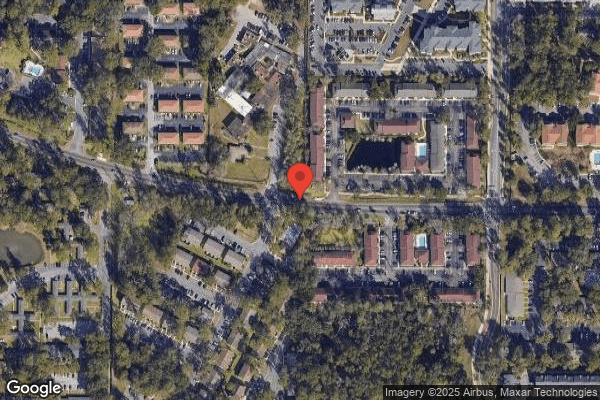

4000 SW 20TH AVE, GAINESVILLE, FL 32607 (352) 377-1981
For profit - Limited Liability company 120 Beds SIMCHA HYMAN & NAFTALI ZANZIPER Data: November 2025
Trust Grade
48/100
#496 of 690 in FL
Last Inspection: April 2025

Within standard 12-15 month inspection cycle. Federal law requires annual inspections.

Overview

Gainesville Health & Rehabilitation has a Trust Grade of D, indicating below-average quality with some concerns about care. It ranks #496 out of 690 facilities in Florida, placing it in the bottom half, and #6 out of 9 in Alachua County, meaning only two local facilities are better. The facility is worsening, with reported issues increasing from 3 in 2024 to 5 in 2025. Staffing is a significant concern, earning only 1 out of 5 stars, but it has a 0% turnover rate, indicating staff remain long-term despite the low rating. The home has received $12,930 in fines, which is average, and it has less RN coverage than 96% of Florida facilities, meaning residents may miss critical care oversight. Specific incidents include a failure to post nurse staffing data in a visible location, multiple instances of staff not performing hand hygiene during medication administration, and inaccurate resident assessments that do not reflect their current health status. Overall, while there are some strengths in staff retention, significant weaknesses in staffing quality and compliance raise serious concerns.

Trust Score
D
48/100
In Florida
#496/690
Bottom 29%
Safety Record
Low Risk
No red flags
Inspections
Getting Worse
3 → 5 violations
Staff Stability
○ Average
Turnover data not reported for this facility.
Penalties
○ Average
$12,930 in fines. Higher than 52% of Florida facilities. Some compliance issues.
Skilled Nurses
⚠ Watch
Each resident gets only 18 minutes of Registered Nurse (RN) attention daily — below average for Florida. Fewer RN minutes means fewer trained eyes watching for problems.
Violations
⚠ Watch
31 deficiencies on record. Higher than average. Multiple issues found across inspections.
★★☆☆☆
2.0
Overall Rating
★☆☆☆☆
1.0
Staff Levels
★★☆☆☆
2.0
Care Quality
★★★☆☆
3.0
Inspection Score
Stable
2024: 3 issues
2025: 5 issues

The Good

  • Full Sprinkler Coverage · Fire safety systems throughout facility
  • No fines on record

Facility shows strength in fire safety.

The Bad

2-Star Overall Rating

Below Florida average (3.2)

Below average - review inspection findings carefully

Federal Fines: $12,930

Below median ($33,413)

Minor penalties assessed

Chain: SIMCHA HYMAN & NAFTALI ZANZIPER

Part of a multi-facility chain

Ask about local staffing decisions and management

The Ugly 31 deficiencies on record

Apr 2025 5 deficiencies
CONCERN (D)

Potential for Harm - no one hurt, but risky conditions existed

Resident Rights (Tag F0550)

Could have caused harm · This affected 1 resident

**NOTE- TERMS IN BRACKETS HAVE BEEN EDITED TO PROTECT CONFIDENTIALITY** Based on observation, interview, and record reviews, the facility failed to promote a dignified and homelike dining experience w...

Read full inspector narrative →
**NOTE- TERMS IN BRACKETS HAVE BEEN EDITED TO PROTECT CONFIDENTIALITY** Based on observation, interview, and record reviews, the facility failed to promote a dignified and homelike dining experience while assisting dependent residents with breakfast when staff stood over residents during the meal for 2 (Resident #84 and #54) of 2 residents observed for eating assistance. Findings include: An observation was made on 04/01/24 beginning at 8:53 AM, Resident #54 and Resident #84 [roommates] were in bed, where Staff A, Certified Nursing Assistant (CNA), was standing between Resident #54 and Resident #84 who each had a breakfast tray on their bedside table. Staff A, CNA was observed assisting Resident #54 with a spoonful of breakfast then moving to Resident #84 and assisting with a spoonful of breakfast, continuing to move between both residents to assist with eating breakfast. An interview was conducted with Staff A, CNA, related to feeding both residents at the same time. Staff A stated he wasn't sure of the right way as he had only been a CNA for a short time. Review of the Minimum Data Set (MDS) Quarterly assessment dated [DATE] documented in Section GG that Resident #84 was dependent on staff for eating. Review of the Minimum Data Set (MDS) Quarterly assessment dated [DATE] documented in Section GG that Resident #54 was dependent on staff for eating. Review of the policy titled Resident Rights, last reviewed on 2/26/2025 read, Policy Explanation and Compliance Guidelines. 4. Respect and dignity. The resident has a right to be treated with respect and dignity.
CONCERN (D)

Potential for Harm - no one hurt, but risky conditions existed

Respiratory Care (Tag F0695)

Could have caused harm · This affected 1 resident

Based on observations, interviews, and record reviews, the facility failed to ensure respiratory care and services were provided consistent with professional standards of practice for 1 (Resident #151...

Read full inspector narrative →
Based on observations, interviews, and record reviews, the facility failed to ensure respiratory care and services were provided consistent with professional standards of practice for 1 (Resident #151) of 4 residents reviewed for oxygen therapy. Findings include: Review of the admission record for Resident #151 documented an admission date to the facility of 3/14/25 with a pertinent diagnosis that included of heart failure, atherosclerotic heart disease of native coronary artery without angina pectoris [buildup of plague in artery walls without chest pain], and anemia. During an observation on 3/31/25 at 12:29 PM, Resident #151 has oxygen tubing hanging from the over bed table (OBT). During an observation on 4/1/25 at 9:36 AM, Resident #151 has oxygen tubing hanging from the OBT with the oxygen concentrator up against the bed. During an interview on 4/1/25 at 9:36 AM, Resident #151 stated, I only use it when I am short of breath, I only use it when I need to, and I've used it several times. During an observation on 4/2/25 at 7:42 AM, Resident #151 has oxygen tubing hanging from the OBT with the oxygen concentrator up against the bed. During an interview on 4/2/25 at 10:11 AM, Resident #151 stated, I turn the oxygen machine on myself, it is already set to 4 liters. Review of the physician's orders for Resident #151 documented no orders for oxygen. During an interview on 4/2/25 at 9:47 AM, the Assistant Director of Nursing (ADON) stated, I did not know [Resident #151 Name] had oxygen in the room. We need to have a physician's order for PRN (as needed) use for him to use the oxygen. Review of the policy titled, Oxygen Administration, last reviewed on 2/26/25, read, Policy. Oxygen is administered to residents who need it, consistent with professional standards of practice, the comprehensive person-centered care plans, and the resident's goals and preferences. Policy Explanation and Compliance Guidelines. 1. Oxygen is administered under the orders of a physician, except in the case of an emergency. In such a case, oxygen is administered and orders for oxygen are obtained as soon as practicable when the situation is under control.
CONCERN (D)

Potential for Harm - no one hurt, but risky conditions existed

Deficiency F0761 (Tag F0761)

Could have caused harm · This affected 1 resident

2.) Review of Resident #79's physician's order dated 3/19/25 reads, Aquaphor External Ointment (Emollient) Apply to BUE & BLE [bilateral upper extremities and bilateral lower extremities] topically ev...

Read full inspector narrative →
2.) Review of Resident #79's physician's order dated 3/19/25 reads, Aquaphor External Ointment (Emollient) Apply to BUE & BLE [bilateral upper extremities and bilateral lower extremities] topically every 12 hours as needed for dry skin. During an observation on 3/31/25 at 9:45 AM, a tube of Aquaphor with a prescription label was sitting on Resident #79's bedside table. During an interview on 3/31/25 at 9:45 AM, Resident #79 stated, That's my medicine, I don't know why it's there, they [facility staff] use it [Aquaphor]. 3.) Review of Resident #22's admission record documented an admission date of 10/18/24 with diagnosis that included Chronic Obstructive Pulmonary Disease (COPD). During an observation on 4/1/25 at 1:00 PM, Resident #22 was observed to have Trelegy [prescription medication for COPD] and Triamcinolone [prescription medication for skin irritations] located at bedside in a wash basin on the left side of his bed. During an interview on 4/1/25 at 1:00 PM, Resident #22 stated, Those are my personal belongings, I keep my Trelegy to make sure that I get it. Review of Resident #22's physician's order dated 1/14//25 for Trelegy Ellipta Inhalation Aerosol Powder Breath Activated 100-62.5-25 (Fluticasone-Umeclidinium-Vilanterol), MCG/ACT [micrograms/actuation] 1 puff inhale orally two times a day for SOB [shortness of breath] Rinse mouth and expectorate after use. Review of Resident #22's electronic medical record revealed no order for Triamcinolone cream. During an interview on 4/3/25 at 11:15 AM, the Director of Nursing stated there are no residents here that are supposed to have meds at bedside. 4.) During an observation on 4/1/25 of medication cart #1, there was a bottle of Folic Acid 400 mg (milligrams) with an expiration date of 03/2025 on the bottom of the bottle. (photo evidence obtained.) During an observation on 4/1/25 at 10:30 AM of medication cart #1, there was a bottle of Latanoprost 0.005% eye drops for Resident #51 that did not have an opened date on the bottle. During an interview with on 4/1/25 at 10:40 AM, Staff K, Licensed Practical Nurse (LPN) stated all resident specific bottles should be dated, because they are only good for 30 days or the length of the prescription. Expired medications should not be on the cart. During an interview on 4/1/25 at 11:30 AM, the Director of Nursing stated there should never be expired meds on the cart. Review of the policy titled Medication Storage, with a review date of 2/26/25, reads, Policy: It is the policy of this facility to ensure all medications housed on our premises will be stored in the pharmacy and/or medication rooms according to the manufacturer's recommendations. Policy Explanation and Compliance Guidelines. 1. General Guidelines: a. All drugs and biologicals will be stored in locked compartments (i.e., medication carts, cabinets, drawers, refrigerators, medication rooms) under proper temperature controls. c. During a medications pass, medications must be under the direct observation of the person administering medications or locked in the medication storage area/cart. Review of the [Pharmacy Name] Medications with Shortened Expiration Dates, not dated documented Xalatan, generic name, Latanoprost ophthalmic solution reads, Once a bottle is opened for use, it may be stored at room temperature up to 77 degrees and is good for 42 days. Based on observations, interviews, and record reviews, the facility failed to ensure that all drugs and biologicals used in the facility were labeled in accordance with currently accepted professional standards for 1 of 5 medication carts and failed to ensure that drugs and biologicals were stored in a secured manner for 2 of 3 units. Findings include: 1.) During an observation on 3/31/25 at 9:32 AM of Resident #23's room, 5 unidentifiable pills were sitting in a clear medicine cup on the residents over the bed table, and an unlabeled creamlike substance in a small plastic medicine cup was sitting on the residents bedside table. During an observation on 3/31/25 at 10:00 AM of Resident # 23's room, 2 unidentifiable pills in a clear medicine cup were still sitting on the residents bedside table. During an interview on 4/1/25 at 10:00 AM, Resident #23 stated that the staff always leave his pills on his bedside table and he takes them later. During interview on 4/3/25 at 8:37 AM, Staff E, Licensed Practical Nurse (LPN) Unit 300, confirmed the medication on Resident #23's bedside table, and stated, That this [referring to the medications in the cup] is not the expectation for residents to have any prescribed medication at bedside. During an interview on 4/3/25 at 8:31 AM, the Assistant Director of Nursing stated, Medications are not supposed to be at the bedside unless the resident has been accessed for self-administration and then the medication still need to be secured.
CONCERN (D)

Potential for Harm - no one hurt, but risky conditions existed

Medical Records (Tag F0842)

Could have caused harm · This affected 1 resident

Based on interview and record review, the facility failed to ensure resident medical records were accurate and complete for 1 (Resident #22) of 2 residents reviewed for advanced directives. Findings ...

Read full inspector narrative →
Based on interview and record review, the facility failed to ensure resident medical records were accurate and complete for 1 (Resident #22) of 2 residents reviewed for advanced directives. Findings include: 1) Review of the admission record for Resident #22 documented an admission date of 10/18/24 with diagnosis that included chronic obstructive pulmonary disease unspecified, major depressive disorder, generalized anxiety disorder, iron deficiency anemia unspecified, and hypertension. Review of the electronic medical record resident profile for Resident #22 read, Code Status: (Advance Directives) Full Code. Review of Resident #22's physician's order dated 2/5/25 reads, FULL CODE. Review of the Social Services Assessment for Resident #22 dated 1/16/25 documented Do Not Resuscitate on page 1 and the summary note on page 3 read, Resident will remain DO NOT RESUSCITATE (DNR) and plans to remain a short term resident at [the facility's name]. Review of Resident #22's comprehensive resident centered care plan, last revised on 1/21/25, reads, Resident has an established DNR (DO NOT RESUSCITATE) order in place. During an interview on 4/1/25 at 1:45 PM, Resident #22 stated, I do not remember talking to anyone about my wishes to be a DNR. During an interview on 4/1/25 at 2:00 PM, the Director of Nursing stated, [Resident #22's Name] is a full code; there is no DNR on file for him. [Resident #22's Name] assessment and care plan was inaccurate and should have been care planned for full code status. Social Services had added it wrong. A policy titled, Advanced Directives Code Status Issued: 1/24 reads, Standard: It is the policy of the facility to honor Advanced Directives, Code Status and DO Not Resuscitate Orders in accordance with stated and federal regulations. CODE STATUS - Listed in the resident's medical chart. Obtained upon admission and reviewed at least quarterly and/or upon resident/representatives request. ADMISSION/readmission Code status verified upon admission with Resident/Representative by admitting NURSE. Nurse reviews code status with the resident/representative and confirms decision with the attending physician (MD).
CONCERN (E)

Potential for Harm - no one hurt, but risky conditions existed

Assessment Accuracy (Tag F0641)

Could have caused harm · This affected multiple residents

**NOTE- TERMS IN BRACKETS HAVE BEEN EDITED TO PROTECT CONFIDENTIALITY** Based on interviews, and record reviews, the facility failed to ensure each resident was provided with an assessment which accur...

Read full inspector narrative →
**NOTE- TERMS IN BRACKETS HAVE BEEN EDITED TO PROTECT CONFIDENTIALITY** Based on interviews, and record reviews, the facility failed to ensure each resident was provided with an assessment which accurately reflects the resident's status for 4 (Resident #151, #76, #302, #74) of 8 resident assessments reviewed for respiratory care, skin conditions, and end stage renal disease care. Findings include: 1.) Review of the admission record for Resident #151 documented the resident was admitted to the facility on [DATE] with a diagnosis that included schizophrenia, heart failure, atherosclerotic heart disease, and anemia. Review of the physician's order for Resident #151 dated 3/18/25 read, Aripiprazole Oral Table 30 MG (milligrams) Give one tablet orally at bedtime for schizophrenia. Review of the discharging hospital's history and physical note dated 3/7/25, on page 4, reads .on Aripiprazole 30 mg medication since 6/12/20. Review of the Minimum Data Set (MDS) admission assessment dated [DATE], did not document an active diagnoses of schizophrenia. During an interview on 4/3/25 at 9:34 AM, Staff F, Licensed Practical Nurse (LPN), MDS Coordinator, and Staff G, LPN, MDS Coordinator, Staff G, stated We need 6 months of documentation of treatment to record diagnosis of schizophrenia in the MDS. I have no further instructions, I cannot confirm what we need to record the diagnosis. 2.) During an observation on 3/31/25 at 10:31 AM, Resident #74 was sitting shirtless on his bed, a rash, along with numerous raised elongated open areas, on his neck, arms, and chest. During an interview on 3/31/25 at 10:31 AM, Resident #74 stated, I do not know what it [rash] was from, just itchy. He further stated that he has had this [rash] for about 2 or 3 months. Review of Resident #74's admission record documented an admission date of 9/23/22 with diagnosis that include disorder of skin and subcutaneous tissue dated 2/25/25 and Prurigo Nodularis [a skin condition that causes itchy bumps on your skin] dated 3/20/25. Review of the dermatologist visit note dated 3/19/25 read Impression/Plan. Erythematous [superficial reddening of the skin] nodules with central erosions distributed on the left anterior [front and inner side] medial [closer to midline of body] distal [farther from the attachment of the limb to the trunk] upper arm , left anterior lateral [farther from the midline of the body] distal upper arm, arms, legs, and neck. Plan/Counselling. Prurigo Nodularis is a self-inflicted lesion that results from picking and rubbing the same spot of skin over and over again. Review of Minimum Data Set (MDS) Quarterly assessment dated [DATE] documented under skin conditions that Resident #74 did not have any other ulcers, wounds or skin problems. During an interview on 4/3/25 at 9:40 AM, Staff F, Licensed Practical Nurse (LPN), MDS Coordinator, and Staff G, LPN, MDS Coordinator, stated this is a rash; we don't code for a rash. We did not know he had lesions. 3.) Review of the admission record for Resident #302 documented an admission date of 12/14/24 with the most recent admission date of 3/4/25 with diagnosis that included end stage renal disease dated 12/14/24. Review of Resident #302's Minimum Data Set (MDS), Quarterly assessment dated [DATE] did not document under Section O: Special Treatments, Procedures and Programs that the resident was receiving dialysis treatments. Review of Resident #302's physician's order dated 4/2/25 read, Dialysis .TUESDAY THURSDAY SATURDAY .CHAIRTIME IS @ 6:15 AM. During an interview on 4/3/25 at 10:30 AM, Staff G, Licensed Practical Nurse, MDS Coordinator, stated, it [section O of the Minimum Data Set) was basically human error that it wasn't coded. 4.) Review of the admission record for Resident #76 documented an admission date of 9/11/23 with a diagnosis that included chronic respiratory failure with hypoxia [insufficient oxygen to the body] and obstructive sleep apnea [a breathing disorder where the upper airway becomes blocked during sleep, leading to brief pauses in breathing]. Review of Resident #76's Minimum Data Set (MDS), Quarterly assessment dated [DATE] did not document the resident uses a CPAP (continuous positive airway pressure). Review of Resident #76's physician's order dated 2/20/24, read, CPAP at night for obstructive sleep apnea. During an interview on 4/3/25 at 10:30 AM, Staff G, Licensed Practical Nurse, MDS Coordinator, stated it [section O of the Minimum Data Set) was basically human error that it wasn't coded.
Nov 2024 2 deficiencies
CONCERN (D) 📢 Someone Reported This

A family member, employee, or ombudsman was alarmed enough to file a formal complaint

Potential for Harm - no one hurt, but risky conditions existed

Quality of Care (Tag F0684)

Could have caused harm · This affected 1 resident

**NOTE- TERMS IN BRACKETS HAVE BEEN EDITED TO PROTECT CONFIDENTIALITY** Based on observation, interview, and record review, the facility failed to ensure standards of professional practice were follow...

Read full inspector narrative →
**NOTE- TERMS IN BRACKETS HAVE BEEN EDITED TO PROTECT CONFIDENTIALITY** Based on observation, interview, and record review, the facility failed to ensure standards of professional practice were followed for administering tube feedings with the use of a tube feeding pump for 1 of 5 residents, Resident #7. Findings include: Review of the medical record for Resident #7 documented the resident was admitted on [DATE] with diagnoses including cerebral infarction [a stroke], dysphagia [inability or difficulty swallowing], aphasia [inability to speak], and major depressive disorder. Review of the physician's order dated 3/11/2024 for Resident #7 read, Enteral Feeding: Jevity [a calorie dense, fiber-fortified therapeutic nutrition for long or short-term tube feeding] 1.5 65ml [milliliters]/hr [per hour] continuously x [times] 24 hrs [hours] with auto flush of 55ml/hr water x 24 hours. During an observation on 11/18/2024 at 6:32 AM Resident #7 no Enhanced Barrier Precaution (EBP) supplies (gowns) near Resident #7's room in the hallway or inside of Resident #7's room. Resident #7 was lying in bed awake with his feeding tube intact. The feeding tubing was connected to the feeding pump attached to a pole; a container of Jevity was hung on the pole. Resident #7's feeding pump was on, but the feeding was not running, read hold, on the monitor. Observed Staff B, Certified Nursing Assistant (CNA), without wearing a gown or gloves, come to the open door and ask Staff C, Licensed Practical Nurse (LPN) to come to help pull the resident up in bed. Staff B, CNA and Staff C, LPN entered the room, and without performing hand hygiene, or donning a gown and gloves, proceeded to Resident #7's bedside. Without wearing a gown or gloves, Staff C, LPN grabbed the bottom blanket on Resident 7's right side and Staff B, CNA grabbed the bottom blanket on Resident 7's left side and pulled Resident 7's body toward the head of the bed. Without wearing a gown or gloves, Staff C, LPN covered Resident #7 up to his chest with a top blanket and without performing hand hygiene, exited Resident #7's room and proceeded down the hallway to Station 2 nursing station and without performing hand hygiene, picked up some papers. Staff B, CNA, without wearing gloves or a gown, pulled the top blanket up to the resident's chest from the opposite side of the resident's bed. Without wearing a gown or gloves, Staff B, CNA pushed Resident #7's bed back against the wall, locked the bed, and pushed the bedside table across the resident's bed. At 6:35 AM Staff B, CNA, without performing hand hygiene, or wearing gloves or a gown, pushed the start button on the feeding pump and the resident's tube feeding resumed running. During an interview on 11/18/2024 at 6:47 AM Staff B, Certified Nursing Assistant (CNA) stated, I just turned [Resident #7's name] feeding back on. I stopped the feeding from running, before I performed care. I almost forgot to restart [Resident #7's name] feeding. I'm glad I remembered. I always pause the feeding tube pump before I do ADL [Activities of Daily Living] care with the residents on feedings. I re-start the feeding pump when I'm finished. I've been doing that since I started working here. No one told me not to. During an interview on 11/18/2024 at 7:12 AM Staff C, Licensed Practical Nurse (LPN) stated, [Staff B's name] is working with me today, she isn't supposed to touch the feeding tube pump at all. She is not supposed to pause the feeding or re-start the feeding. No CNAs are allowed to do that, only the nurses. During an interview on 11/18/2024 at 1:50 PM the Director of Nursing stated, The CNAs should never touch the feeding pump. They [the CNA] should get the nurse to pause the feeding, and when they [CNAs] are done, get the nurse again to re-start the pump. Review of the policy titled, Enteral Feeding, last reviewed 4/1/2024, read, Intent: It is the policy of the facility to provide adequate nutrition and hydration to ensure that residents attain or maintain the highest practicable physical, mental, and psychosocial well-being in accordance with State and Federal regulation. Procedure: 7. The Nurse will review the Dietitians' recommendation with the Physician and obtain orders. 8. A Feeding Pump will be utilized for all Enteral Feedings, unless otherwise contraindicated. 10. Prior to the flushing of a feeding tube, the administration of medication via a feeding tube, or the providing of tube feedings, the nurse performing the procedure unsure the proper placement of the feeding tube. 11. Universal precautions and clean technique will be utilized when stopping, starting, flushing, and giving medications through the feeding tube.
CONCERN (D) 📢 Someone Reported This

A family member, employee, or ombudsman was alarmed enough to file a formal complaint

Potential for Harm - no one hurt, but risky conditions existed

Infection Control (Tag F0880)

Could have caused harm · This affected 1 resident

**NOTE- TERMS IN BRACKETS HAVE BEEN EDITED TO PROTECT CONFIDENTIALITY** Based on observation, interview, and record review the facility failed to prevent the possible spread of infection when failing ...

Read full inspector narrative →
**NOTE- TERMS IN BRACKETS HAVE BEEN EDITED TO PROTECT CONFIDENTIALITY** Based on observation, interview, and record review the facility failed to prevent the possible spread of infection when failing to perform hand hygiene or use appropriate personal protective equipment (PPE) when performing care for 2 of 11 residents, Residents #7 and #9 on Enhanced Barrier Precautions. Findings include: 1) Review of the medical record for Resident #7 documented the resident was admitted on [DATE] with diagnoses including cerebral infarction [a stroke], dysphagia [inability or difficulty swallowing], aphasia [inability to speak], and major depressive disorder. Review of the physician's order dated 3/11/2024 for Resident #7 read, Enteral Feeding: Jevity [a calorie dense, fiber-fortified therapeutic nutrition for long or short-term tube feeding] 1.5 65ml [milliliters]/hr [per hour] continuously x [times] 24 hrs [hours] with auto flush of 55ml/hr water x 24 hours. Review of the physician's order dated 4/22/2024 for Resident #7 read, Enhanced Barrier Precautions [EBH] due to G-tube [Gastrostomy tube inserted through the belly that brings nutrition directly to the stomach], every shift. During an observation on 11/18/2024 at 6:32 AM Resident #7 had no EBP supplies (gowns) near Resident #7's room in the hallway or inside of Resident #7's room. Resident #7 was lying in bed awake with his feeding tube intact. The feeding tubing was connected to the feeding pump attached to a pole; a container of Jevity (the name of the calorie-dense, fortified nutritional tube feeding) hung on the pole. Resident #7's feeding pump was on, but the feeding was not running, read hold, on the monitor. Observed Staff B, Certified Nursing Assistant (CNA), without wearing a gown or gloves, come to the open door and ask Staff C, Licensed Practical Nurse (LPN) to come to help pull the resident up in bed. Staff B, CNA and Staff C, LPN entered the room, and without performing hand hygiene, or donning a gown and gloves, proceeded to Resident #7's bedside. Without wearing a gown or gloves, Staff C, LPN grabbed the bottom blanket on Resident 7's right side and Staff B, CNA grabbed the bottom blanket on Resident 7's left side and pulled Resident 7's body toward the head of the bed. Without wearing a gown or gloves, Staff C, LPN covered Resident #7 up to his chest with a top blanket and without performing hand hygiene, exited Resident #7's room and proceeded down the hallway to the Station 2 nursing station and without performing hand hygiene, picked up some papers. Staff B, CNA, without wearing gloves or a gown, pulled the top blanket up to the resident's chest from the opposite side of the resident's bed. Without wearing a gown or gloves, Staff B, CNA pushed Resident #7's bed back against the wall, locked the bed, and pushed the bedside table across the resident's bed. At 6:35 AM Staff B, CNA, without performing hand hygiene, or wearing gloves or a gown, pushed the start button on the feeding pump and the resident's tube feeding resumed running. Without performing hand hygiene Staff B, CNA grabbed the bag of dirty linen from the floor, exited Resident #7's room, proceeded down the hallway, and without performing hand hygiene used her employee badge, and pushed the door open with her bare hands through two secured glass doors to the laundry room. At 6:36 AM Staff B, CNA returned to the 200 Hall and without performing hand hygiene, opened a drawer in the cart containing EBP (gowns and gloves), rearranged the packages of gowns and boxes of gloves and closed the drawer to the cart. During an interview on 11/18/2024 at 6:36 AM Staff C, Licensed Practical Nurse stated, [Resident #7's name] is on tube feedings so he is on Enhanced Barrier Precautions. I didn't put the EBP supply cart outside his room yet. We just moved him from over there [pointing down the 200 Hall to another room with an EBP supply cart outside]. I didn't wash my hands or wear a gown and gloves when I took care of him. I should have washed my hands and put on a gown and gloves before I moved him up in the bed because he has a feeding tube. During an interview on 11/18/2024 at 6:47 AM Staff B, Certified Nursing Assistant stated, I'm supposed to wash my hands before and after I take care of the resident. I didn't wash my hands, and I didn't wear a gown or gloves when I changed him [Resident #7], the bedding, or pulled him up in bed and I should have. He is on Enhanced Barrier Precautions because of his feeding tube. 2) Review of the medical record for Resident #9, documented the resident was admitted on [DATE] with diagnoses including neuromuscular dysfunction of the bladder [a condition that occurs when the nerves and muscles that control the bladder don't work together properly] injury of cervical spinal cord [damage to the bundle of nerves in the neck that sends and receives singles from the brain], epilepsy [a disorder in which nerve cell activity in the brain is disturbed, causing seizures], Type 2 Diabetes Mellitus [a long-term condition in which the body has trouble controlling blood sugar and using it for energy], and viral hepatitis B [a serious liver infection caused by the hepatitis B virus. Review of the physician's order dated 8/20/2024 for Resident #9 read, Foley cath [catheter] (Indwelling) to straight bag drainage, (specify size 16fr [French] and 10cc [cubic centimeters balloon] for diagnosis of urine retention. Check for patency. Every shift. Review of the physician's order dated 9/9/2024 for Resident #9 read, Enhanced Barrier Precautions for Indwelling Cath. During an observation on 11/19/2024 at 11:22 AM there was an Enhanced Barrier Precautions sign posted on Resident #9's door. There was a clear three drawer container outside the door with gowns and gloves visible. Resident #9 was lying in bed and awake. Observed Staff D, Certified Nursing Assistant (CNA) standing to the left side of the resident's bed, wearing gloves only and no gown. Observed Staff E, Occupational Therapist (OT) pushing the Hoyer Lift [a device that helps caregivers safely move patients from one surface to another] down the hall and into Resident 9's room and without performing hand hygiene, donned gloves but no gown. Staff E, OT proceeded to the right side of Resident 9's bed and assisted with positioning Resident #9 to transfer from the bed to the Geri-chair [a large padded chair designed to help patients with limited mobility] positioned at the end of the bed. With gloves but no gown, Staff D, CNA picked up Resident 9's urinary catheter and hung it on the lift, below the bladder, before proceeding with the transfer from the bed to the chair. Without performing hand hygiene or wearing a gown, Staff E, OT and Staff D, CNA lowered Resident #9 to the chair, and Staff E, OT, without wearing a gown, and Staff D, CNA, without wearing a gown, unhooked each side of the lift and removed the transfer blanket from under the resident. Staff D, CNA, without wearing a gown, unhooked the foley catheter bag from the Hoyer Lift and secured the urinary catheter to the side of the resident's chair below the bladder. Staff E, OT removed her gloves and without performing hand hygiene, exited the room and pushed the Hoyer lift down the hallway and parked the device along the wall. Staff E, OT, without performing hand hygiene, then proceeded back down the hallway past Resident #9's room. During an observation on 11/19/2024 at 11:31 AM Staff D, CNA while wearing gloves, but no gown assisted Resident #9 with his personal hygiene and oral care set up. Without wearing a gown, Staff D, CNA placed a hand brace on Resident #9's left hand, gathered Resident #9's toothbrush and placed it in the resident's hand, and applied toothpaste to the toothbrush. Wearing the same pair of gloves, Staff D, CNA gathered some trash in the resident's room and placed it in the trashcan by the door. Without changing her gloves or performing hand hygiene, Staff D, CNA grabbed Resident #9's urinal, containing small drops of yellow liquid in it, and placed the urinal up to Resident 9's mouth so he could spit the toothpaste into the urinal. Resident #9 refused to spit into his urinal, and Staff D, CNA grabbed Resident 9's Styrofoam cup of water for the resident to spit his toothpaste into. At 11:37 AM, while still wearing the same pair of gloves, Staff D, CNA, went into the Resident's bathroom and wet a washcloth, and without wearing a gown, proceeded to help Resident #9 wash his face. At 11:39 AM Resident #9 asked Staff D, CNA to go into his lockbox in his drawer and get him some personal items and cash. Wearing the same pair of gloves, Staff D, CNA retrieved the personal items, opening and closing the residents' nightstand drawers, and brought the items and cash over to Resident #9 and placed the items on his lap. Without wearing a gown, Staff D, CNA then reclined Resident 9's chair, placed a pillow under his feet, and adjusted his clothing. At 11:42 AM Staff D, CNA removed her gloves, and without a gown or performing hand hygiene, pulled up Resident #9's blanket to cover him and wheeled Resident #9 down to the main dining room. Staff D, CNA placed Resident #9's wheelchair at the table he requested and without performing hand hygiene, exited the dining room and proceeded back down the hallway. During an interview on 11/19/2024 at 11:29 AM Staff E, Occupational Therapist stated, I was wearing gloves. I don't need to wear a gown, I was just transferring the resident, not performing care. I didn't wash my hands. I wash my hands here and there, but truthfully, I'm too busy taking care of the residents, and half the time the hand sanitizers in the hallways aren't working or they put soap in them instead of hand sanitizer. This place is awful about that. If they don't provide hand sanitizer, it's hard to perform hand hygiene like I should. During an observation on 11/19/2024 at 11:30 AM a hand sanitizer dispenser was hung on the wall outside of Resident #9's room. When pressing the hand sanitizer button, hand sanitizer liquid was dispensed. Observed another hand sanitizer dispenser secured on the wall across from Resident #9's room in the 200 Hall to be functioning and when pressing the button, hand sanitizer liquid was dispensed. During an interview on 11/19/2024 at 11:45 AM Staff D, Certified Nursing Assistant (CNA) stated, I did a lot of things I shouldn't have while doing ADL [Activities of Daily Living] care with [Resident #9's name]. I didn't wash my hands before I put on my gloves or after I took them off. I wasn't wearing a gown while performing care and transferring [Resident #9's name] and I should have. I shouldn't have grabbed his dirty urinal to have him spit his toothpaste into. I should have washed my hands and changed my gloves when handling the trash before I did more care with him. I don't know why I did all that, I should have known better. He's on Enhanced Barrier Precautions because he has a foley catheter. During an interview on 11/18/2024 at 1:50 PM the Director of Nursing stated, I expect the staff to wash their hands or use hand sanitizer before and after care of every resident. The staff don't have to wear a gown or gloves for lifting residents up in bed, transferring them, or any of those things when they are on Enhanced Barrier Precautions. They only have to wear a gown and gloves if they are doing things like catheter care or hooking up and unhooking the feeding tube or performing wound care; nothing else is considered high contact. During a follow up interview on 11/19/2024 at 2:02 PM the Director of Nursing (DON) stated, Staff don't have to wear gowns when they are caring for a resident with tube feedings or foley catheters and they only have to wear gloves, not a gown, when changing their linen or transferring residents. Staff would need to wear a gown only if the resident with a foley or feeding tube had an actual infection, MDRO [Multi-Drug-Resistant Organism]. Neither of these residents [Resident #7's name and Resident #9's name] have an actual infection. The DON verified that the EBP policy is to wear appropriate PPE [Personal Protective Equipment] gowns and gloves when performing high-risk activities, including during toileting and incontinence care, changing linens, and transferring residents with urinary catheters, feeding tubes, or when performing wound care. The DON stated, I train the staff to wear gloves and a gown if they are performing direct care of the feeding tube or foley catheter, that's what the policy says. I interpret the policy that gowns are needed if they have an actual infection, as I said yesterday. The DON confirmed that staff should be wearing gloves when handling trash and should be performing hand hygiene before donning gloves and after doffing gloves. Review of the internet website page titled, U.S. [United States] Centers for Disease Control and Prevention: Implementation of Personal Protective Equipment (PPE) Use in Nursing Homes to Prevent Spread of Multidrug-resistant Organisms (MDROs), last updated internet website page last updated 7/4/2024, read, Enhanced Barrier Precautions: Nursing home residents with wounds and indwelling medical devices [for example: urinary catheters and feeding tubes] are at especially high risk of both acquisition of and colonization with MDROs. The use of gown and gloves for high-contact resident care activities is indicated .Examples of high-contact resident care activities requiring gown and glove use for Enhanced Barrier Precautions include: Dressing, Bathing/showering, Transferring, Providing hygiene, Changing linens, Changing briefs or assisting with toileting, Device care or use: central line, urinary catheter, feeding tube, tracheostomy/ventilator, and wound care: any skin opening requiring a dressing. Reference: https://www.cdc.gov/long-term-care-facilities/hcp/prevent-mdro/PPE.html Review of the facility signage from the U.S. Department of Health and Human Services Centers for Disease Control and Prevention, read, STOP: Enhanced Barrier Precautions Everyone Must: Clean their hands, including before entering and when leaving the room. Providers and staff must also: Wear gloves and a gown for the following high-contact resident care activities: Dressing, Bathing/Showering, Transferring, Changing Linens, Providing Hygiene, Changing briefs or assisting with toileting, Device care or use: Central line, urinary catheters, feeding tube, tracheostomy. Wound care: any skin opening requiring a dressing. Review of the policy titled, Hand Hygiene, last reviewed 4/1/2024, read, Policy: All staff will perform proper hand hygiene procedures to prevent the spread of infection to other personnel, residents, and visitors. This applied to all staff working in all locations within the facility. Policy Explanation and Compliance Guidelines: 2. Hand hygiene is indicated and will be performed under the conditions listed in, but not limited to, the attached hand hygiene table. 6. Additional considerations: a. the use of gloves does not replace hand hygiene. If your task requires gloves, perform hand hygiene prior to donning gloves and immediately after removing gloves. Hand Hygiene Table: Before applying and after removing personal protective equipment (PPE), including gloves; Before and after handling clean or soiled dressing, linens, etc.; When, during resident care, moving from a contaminated body site to a clean body site. Review of the policy titled, Enhanced Barrier Precautions, last reviewed 4/1/2024 read, Standard: It is the policy of the facility to implement enhanced barrier precautions for the prevention of transmission of multidrug-resistant organisms. Definition: Enhanced barrier precautions (EBP) refers to an infection control intervention designed to reduce transmission of multidrug-resistant organisms that employs targeted gown and gloves use during high contact resident care activities. 2. Implementation of Enhanced Barrier Precautions: a. Make gowns and gloves available immediately near or outside of the resident's room. C. Ensure access to alcohol-based hand rub in every resident room. 3. High-contact resident care activities include: c. Transferring, d. Providing hygiene, e. Changing linens, f. Changing briefs or assisting with toileting.
Oct 2024 1 deficiency
CONCERN (E) 📢 Someone Reported This

A family member, employee, or ombudsman was alarmed enough to file a formal complaint

Potential for Harm - no one hurt, but risky conditions existed

Deficiency F0625 (Tag F0625)

Could have caused harm · This affected multiple residents

**NOTE- TERMS IN BRACKETS HAVE BEEN EDITED TO PROTECT CONFIDENTIALITY** Based on record review and interview, the facility failed to ensure residents were informed of the bed hold policy upon transfer...

Read full inspector narrative →
**NOTE- TERMS IN BRACKETS HAVE BEEN EDITED TO PROTECT CONFIDENTIALITY** Based on record review and interview, the facility failed to ensure residents were informed of the bed hold policy upon transfer to hospital for 3 of 3 residents reviewed for discharge to hospital, Residents #1, #2 and #3. Findings include: 1. Review of Resident #1's admission record showed the resident was admitted to the facility on [DATE] with diagnoses including Huntington's disease, mood affective disorder, major depressive disorder and dysphagia. Further review of the records showed the resident was informed of bed hold policy of the facility. Review of Resident #1's progress note dated 9/5/2024 showed it read, Resident noted physically and verbally to staff this pm [afternoon]. Remain on 1:1 supervision. Resident and his roommate were fighting over the TV remote unable to redirect. Resident got upset and started hitting staff. Call made to on call spoke with Dr. [Physician's name] verbal orders given to transfer resident to [Local Emergency Room's name] for psych evaluation. Review of Resident #1's SNF/NF (Skilled Nursing Facility/Nursing Facility) to Hospital Transfer Form dated 9/5/2024 showed the resident was transferred to (Local Hospital's name) due to the resident being combative towards staff, with the risk alert documented as agitation with risk to harm self or others. Review of Resident #1's medical records showed no written bed hold notice was provided to the resident or their representative. 2. Review of Resident #2's admission record showed the resident was admitted to the facility on [DATE] with diagnoses including heart failure, chronic kidney disease, atrial fibrillation, iron deficiency anemia and type II diabetes mellitus. Record review of Resident #2's eInteract Change in Condition Evaluation dated 8/8/2024 showed it read, 3. Review Findings and Provider Notifications . 4. Summarize your observations, evaluations and recommendations: Labs were drawn hgb [hemoglobin] 6.6 MD [Medical Doctor] recommendations transfer to hospital for possible blood transfusion. Review of Resident #2's SNF/NF to Hospital Transfer Form dated 8/8/2024 showed the resident was transferred to [Local Hospital's name] due to abnormal hemoglobin or hematocrit (low). Review of Resident #2's quarterly Minimum Data Set (MDS) dated [DATE] showed the BIMS (Brief Interview for Mental Status) score of 15 (intact cognition). Review of Resident #2's medical records showed no written bed hold notice was provided to the resident or their representative. 3. Review of Resident #3's admission record showed the resident was admitted to the facility on [DATE] with diagnoses including systemic lupus erythematosus, rheumatic mitral stenosis with insufficiency, atrial fibrillation, and type II diabetes mellitus. Review of Resident #3's physician order dated 9/15/2024 showed it read, Resident sent to the Emergency Room. Review of Resident #3's SNF/NF to Hospital Transfer Form dated 9/15/2024 showed the resident was transferred to (Local Hospital's name) due to chest pain. Review of Resident #3's quarterly MDS dated [DATE] showed the BIMS score of 15. Review of Resident #3's medical records showed no written bed hold notice was provided to the resident or their representative. During an interview on 10/1/2024 at 10:30 AM, the Administrator stated, When they [residents] are sent to the hospital, they are considered discharged and then they [hospitals] send a referral through an online program and we accept them [residents] if we have beds and can meet their needs. During an interview on 10/1/2024 at 10:35 AM, the Director of Nursing (DON) stated, When we send them [residents] out, we call the family and let them know that your family member has been sent out. We did not have a bed hold notification form that we give to the residents or their family. Bed hold notices for Residents #1, #2, and #3 were requested. None was provided. Review of the facility policy and procedures titled Transfer and Discharge (including AMA [Against Medical Advice] revised on 7/13/2023 showed it read, It is the policy of this facility to permit each resident to remain in the facility, and not initiate transfer or discharge for the resident from the facility except in limited circumstances . Policy Explanation and Compliance Guidelines . 12. Emergency Transfers/Discharges . g. Provide a notice of transfer and the facility's bed hold policy to the resident and representative as indicated . i. The resident will be permitted to return to the facility upon discharge from the acute care setting.
Dec 2023 10 deficiencies
CONCERN (D)

Potential for Harm - no one hurt, but risky conditions existed

Abuse Prevention Policies (Tag F0607)

Could have caused harm · This affected 1 resident

Based on interview and record review, the facility failed to ensure policies and procedures were implemented for the prevention of abuse, neglect, exploitation of residents and misappropriation of res...

Read full inspector narrative →
Based on interview and record review, the facility failed to ensure policies and procedures were implemented for the prevention of abuse, neglect, exploitation of residents and misappropriation of resident property related to training for 1 of 10 employees (the Chef) and reporting allegations immediately, but not later than 2 hours after the allegation was made, to the State Survey Agency and other officials as required for 1 (Resident #23) of 3 residents sampled. Findings include: 1. Review of the Chef's personnel records documented a hire date of 8/28/2023. The personnel records did not contain any documentation since date of hire of education on abuse, neglect, exploitation, and misappropriation of resident property. During an interview on 12/21/2023 at 8:30 AM, the Executive Director (ED) stated that there was no training documented for the Chef for abuse in his personnel file. The ED stated that the Chef had not attended any in-services given for abuse. 2. Review of the progress note for Resident #23 dated 12/15/2023 at 18:47 (6:47 PM) read, [Resident #23's Name] is upset about [aunt's] roommate [Resident #62's Name] requesting [Resident #23's Name] not be allowed in her room. [Resident #23's Name] has family in [Resident #62's room number] and would like to visit her. The Director of Nursing (DON) called and updated on the situation. Police called by nurse. Resident [Resident #23] asked not to go back to room [Resident #62's room]. Monitor. Review of the progress note for Resident #62 dated 12/15/2023 at 19:07 (7:07 PM) read, Resident [Resident #62] sister called and stated that another resident [Resident #23] threatened and cursed at her sister when he came into the room to see his aunt. Sister stated she would call the police if she didn't get a call back to discuss what can be done by the DON and if the resident [Resident #23] came back into her sister's [Resident #62] room. I, [Staff A] called the DON and notified her of the situation and she [DON] stated to call the police if the resident went back into [Resident #62's Name] room and that we could not give sister a call because it is after hours. [Resident #23's Name] was notified he could no longer go in there [Resident #62's room] or that the police would be called, and he went directly to the room and I, [Staff A] called the local law enforcement and am currently awaiting their arrival. Review of the progress note for Resident #23 dated 12/15/2023 at 19:14 (7:19 PM) read, [Resident #23's Name] was told he was not able to go into [Resident #62's Name] room to see his aunt due to claims of threatening and cursing his aunt's roommate [Resident #62's Name] and was told that if he did, the law enforcement would be called. [Resident #23's Name] then went directly to the room to confront [Resident #62's Name] and I [Staff A, Licensed Practical Nurse (LPN)] proceeded to call the police and I let him [Resident #23] know. He [Resident #23] then called the police as well and then proceeded to make more threats such as stabbing and cutting people. During an interview on 12/19/2023 at 12:03 PM, the Executive Director confirmed he was told of the incident. The Executive Director stated the facility had not completed or submitted federal reports following [Resident #23's Name] verbal abuse incident and, that a report should have been made. During an interview on 12/20/2023 at 9:40 AM, Staff A, LPN, stated that she was passing medications around 6:18 PM and the nurse [Staff B, Registered Nurse, (RN)] for [Resident #23's Name] stated he was upset and had been in [Resident #62's Name's] room. Staff A stated that she went to the 200-hall nursing station to call the DON and [Resident #23's Name] called the police and was overheard stating that if anyone touched him, he would stab and cut their butts. Staff A stated she called the DON to let her know of everything going on between the residents [Residents #23 and #62] and the sister of [Resident #62's Name] and the DON stated she was not able to return the call at that time. Staff A stated she did not know what transpired when the police arrived as her shift was over at 7:00 PM. During an interview on 12/20/2023 at 10:42 AM the DON stated she received a call from the nurse [Staff A] and was informed of the incident. The DON stated she informed the staff to call the police if [Resident #23's Name] went back into [Resident #62's Name] room. Review of the policy and procedures titled Abuse, Neglect and Exploitation, last reviewed on 2/13/2023, read Policy: It is the policy of this facility to provide protections for the health, welfare and rights of each resident by developing and implementing written policies and procedures that prohibit and prevent abuse, neglect, exploitation and misappropriation of resident property. Definitions: Staff includes employees, the medical director, consultants, contractors, volunteers The components of the facility abuse prohibition plan are discussed herein: II. Employee Training. A. New employees will be educated on abuse, neglect, exploitation, and misappropriation of resident property during the initial orientation. VII. Reporting/Response. A. The facility will have written procedures that include: 1. Reporting of all alleged violations to the Administrator, state agency, adult protective services and to all other required agencies within specific timeframes: a. Immediately, but not later than 2 hours after the altercation is made, if the event that caused the allegation involve abuse or result in serious bodily injury or, b. Not later than 24 hours if the event that cause the allegation do not involve abuse and do not result in serious bodily injury.
CONCERN (D)

Potential for Harm - no one hurt, but risky conditions existed

Assessment Accuracy (Tag F0641)

Could have caused harm · This affected 1 resident

**NOTE- TERMS IN BRACKETS HAVE BEEN EDITED TO PROTECT CONFIDENTIALITY** Based on interview and record review the facility failed to ensure the resident assessment accurately reflected the resident's s...

Read full inspector narrative →
**NOTE- TERMS IN BRACKETS HAVE BEEN EDITED TO PROTECT CONFIDENTIALITY** Based on interview and record review the facility failed to ensure the resident assessment accurately reflected the resident's status for 1 resident (Resident #68) of 2 reviewed for dialysis services and 1 resident (Resident #81) of 1 reviewed for restraints. Findings include: Review of Resident #68's physician's order dated 10/19/2021 read, Dialysis is Tues, Thus, Sat, .Seat time 10:25 AM. Review of Resident #68's Minimum Data Set (MDS) Quarterly assessment dated [DATE] reads, Section O-Special Treatments, Procedures, and Programs: Check all of the following treatments, procedures and programs that were performed. Dialysis services were not checked off as special treatments received. During an interview on 12/20/2023 at 2:28 PM the MDS Coordinator stated, [Resident #68's Name] is on my dialysis list and he has not been sent out to the hospital. He should be marked as yes [on the assessment] for dialysis. It was an error. 2. Review of Resident #81's physician's order documented no orders for restraints. Review of Resident #81's MDS Quarterly assessment dated [DATE] read, Section P- Restraints and Alarms documented physical restraints used in chair or out of bed - Trunk restraint - Used less than daily. During an interview on 12/20/2023 at 2:15 PM the Director of Nursing stated, We do not use restraints in the facility. During an interview on 12/20/2023 at 2:26 PM with MDS Coordinator stated, We have no restraints in the building. My assistant is new and is being trained, it was an error. Review of the policy and procedure titled MDS 3.0 Completion with a last review date of 2/13/2023 reads, Policy: Residents are assessed, using a comprehensive assessment process, in order to identify care needs and to develop an interdisciplinary care plan. Policy Explanation and Compliance Guidelines: 1. According to federal regulations, the facility conducts initially and periodically a comprehensive, accurate and standardized assessment of each resident's functional capacity, using the RAI (Resident Assessment Instrument) specified by the State.
CONCERN (D)

Potential for Harm - no one hurt, but risky conditions existed

PASARR Coordination (Tag F0644)

Could have caused harm · This affected 1 resident

3). Review of Resident #40's most recent PASARR Level l, dated 10/4/17, documented No diagnosis or suspicion of Serious Mental Illness or Intellectual Disability indicated. Level II PASARR evaluation ...

Read full inspector narrative →
3). Review of Resident #40's most recent PASARR Level l, dated 10/4/17, documented No diagnosis or suspicion of Serious Mental Illness or Intellectual Disability indicated. Level II PASARR evaluation not required. Review of Resident #40's admission record documented a diagnosis of paranoid schizophrenia, onset date 6/22/23. Record review of Resident #40's clinical records failed to reveal documentation Resident #40 was identified with a newly evident or possible serious mental disorder and was referred to the appropriate state designated authority for a referral for a Level II evaluation and determination. During an interview on 12/20/2023 at 1:50 PM, The Director Of Nursing stated the facility did not have any documentation related to [Resident #40's Name] preadmission screening and resident review. Based on record review and interview the facility failed to ensure residents that were reviewed for Preadmission Screening and Resident Review (PASARR) with newly evident or possible serious mental disorders were referred to the appropriate state designated authority for review for 3 (#4, #69, #40) of 6 resident reviewed. Findings include: 1.) Record review of Resident #4's most recent PASARR Level II, dated 1/18/2017, revealed Resident #4 was assessed as having mental health diagnoses as follows: Axis I: Depressive Disorder; and Bipolar Disorder. Record review of Resident #4's admission record revealed Resident #4 was subsequently diagnosed with psychotic disorder with hallucinations due to known physiological condition, on set date 8/2/23. Record review of Resident #4's clinical records failed to reveal documentation Resident #4 was identified with a newly evident or possible serious mental disorder and was referred to the appropriate state designated authority for an updated Level II evaluation and determination. 2.) Record review of Resident #69's most recent PASARR Level l, dated 11/29/2023, revealed Resident #69 was assessed as having no mental illness or suspected mental illness diagnoses. Record review of Resident #69's admission record revealed Resident #69 was subsequently diagnosed with brief psychotic disorder, onset 3/17/2023. Record review of Resident #69's clinical records failed to reveal documentation Resident #69 was identified with a newly evident or possible serious mental disorder and was referred to the appropriate state designated authority for a level II resident review. During an interview on 12/20/2023 beginning at 10:35 AM, the Director of Nursing stated she had not been able to locate further information related to [Resident #4's Name and Resident #69's Name] preadmission screening and resident review (PASARR).
CONCERN (D)

Potential for Harm - no one hurt, but risky conditions existed

Deficiency F0645 (Tag F0645)

Could have caused harm · This affected 1 resident

Based on interview and record review, the facility failed to ensure residents received a PASARR (Pre-admission Screening and Resident Review) for possible serious mental disorders, intellectual disabi...

Read full inspector narrative →
Based on interview and record review, the facility failed to ensure residents received a PASARR (Pre-admission Screening and Resident Review) for possible serious mental disorders, intellectual disabilities, and related conditions prior to admission for 1 (#25) of 6 residents reviewed. Findings Include: Review of Resident #25's admission record documented a diagnosis of paranoid schizophrenia, onset date 4/25/23. Review of the psychiatry note dated 4/25/23 read, chief complaint depression, insomnia, and schizophrenia. Plan of Action: continue medication Abilify for schizophrenia, Divalproex for mood and Trazodone for depression. Review of the hospital note dated 9/04/23 read, discharge summary. discharge diagnosis: bi-polar disorder. Review of the clinical record revealed no documented PASARR screening. During an interview on 12/19/23 at 11:17 AM, the Director of Nursing (DON) stated that with the diagnosis of schizophrenia, bi-polar, and depression, a PASARR should have been completed.
CONCERN (D)

Potential for Harm - no one hurt, but risky conditions existed

Deficiency F0692 (Tag F0692)

Could have caused harm · This affected 1 resident

Based on observation, interview, and record review the facility failed to provide nutritional services with adequate nutritional interventions to maintain acceptable parameters of nutritional status f...

Read full inspector narrative →
Based on observation, interview, and record review the facility failed to provide nutritional services with adequate nutritional interventions to maintain acceptable parameters of nutritional status for 1 (Resident #19) of 7 residents reviewed nutrition. Findings include: Review of Resident #19's admission record documented diagnoses that included other forms of systemic lupus erythematosus, dysphagia, folate deficiency anemia, and vitamin D deficiency. Review of Resident #19's care plan, revised 4/19/2023, documented a nutritional problem or potential nutritional problem related to diagnoses of congestive heart failure, hypertension, anxiety, and chronic pain with interventions that include provide and server diet as ordered and RD (registered dietitian) to evaluate and make diet change recommendations. Review of Resident #19's complete blood count with differential lab results, collection date 11/25/2023, documented results that included hemoglobin at 9.6, reference range 12.0 - 16.0, and albumin at 2.7, reference range 3.5 - 5.7. Review of Resident #19's quarterly dietary profile, dated 11/6/2023, documented the current diet order as a no added salt mechanical soft texture, thin consistency diet. The dietary profile documented food dislikes as eggs. Review of the weight record on 10/05/2023, Resident #19 weighed 95.2 pounds and 11/06/2023, Resident #19 weighed 90.8 pounds which was a 4.62 % loss. Review of the weight record showed on 06/12/2023, Resident #19 weighed 107.4 pounds and on 11/06/2023, Resident #19 weighed 90.8 pounds which was a 15.46 % loss. During an interview on 12/18/2023 at 9:30 AM, Resident #19 stated that the facility did not provide her enough food. She stated she had lost weight, and the portions were small. She stated she wanted to eat but the facility did not give her enough food. On 12/19/2023 at 8:25 AM, Resident #19 was observed during the morning meal. Resident #19 had been served buttered wheat toast and grits. Resident #19 had not been served protein with her morning meal. On 12/20/2023 at 8:36 AM, Resident #19 was observed during the morning meal. There was one pancake with syrup and butter, mechanical soft sausage, and a bowl of oatmeal. During an interview on 12/20/2023 beginning at 8:36 AM, Resident #19 complained of only receiving 1 pancake for the morning meal. Review of Resident #19's breakfast meal ticket, dated 12/20/2023, showed Resident #19 should have received 2 pancakes softened with butter and syrup. Continued observation with Staff C, Certified Nursing Assistant, on 12/20/2023 beginning at 8:36 AM, revealed there was a second halved pancake placed under the upper rim of Resident #19's plate. Staff C lifted the halved pancake from underneath the plate rim and tapped the halved pancake on the bedside table resulting in an audible noise. Staff C advised Resident #19 that the second pancake was too hard for her to eat and could result in a choking episode. Staff C offered to get Resident #19 a second pancake that Resident #19 would be able to eat safely. During interview on 12/20/2023 beginning at 8:59 AM, the Certified Dietary Manager stated the tray card system was supposed to automatically generate a protein for meals. She added that the pancake probably got overcooked and agreed the pancake should not have been served to [Resident #19's Name] or any other resident but should have been discarded. During a follow up interview on 12/20/2023 beginning at 10:09 AM, the Certified Dietary Manager reported the alternate menu item for eggs and bacon was scrambled eggs. She reported [Resident #19's Name] had said she did not like eggs, but she had not yet entered a protein alternate for Resident #19 into the tray card system. During an interview on 12/20/2023 beginning at 8:59 AM, the Registered Dietician stated that a weight loss alert should have been triggered but it was not. The Registered Dietician stated, to be honest, in the transition, I was trying to catch it all up. The Registered Dietician confirmed that no added salt was [Resident #19's Name] only dietary restriction.
CONCERN (D)

Potential for Harm - no one hurt, but risky conditions existed

Respiratory Care (Tag F0695)

Could have caused harm · This affected 1 resident

Based on observation, interview, and record review the facility failed to ensure that residents received respiratory care services consistent with professional standards of practice for 1 (Resident #1...

Read full inspector narrative →
Based on observation, interview, and record review the facility failed to ensure that residents received respiratory care services consistent with professional standards of practice for 1 (Resident #13) of 2 residents receiving respiratory services. Findings include: During an observation on 12/18/2023 at 10:30 AM, Oxygen Concentrator at bedside. Resident was not currently using oxygen. Oxygen tubing was dated 11/30/2023. The nasal canula was on the floor. A nebulizer mask was observed not bagged. (photo evidence obtained). During an observation on 12/19/2023 at 8:43 AM, the nebulizer mask was under a telephone receiver with no bag. (photo evidence obtained) During an interview on 12/18/2023 at 10:30 AM, Resident #13 said, I am not currently using the oxygen concentrator. During an interview on 12/21/2023 at 8:26 AM the Director of Nursing, stated oxygen tubing is changed every 7 days, and the oxygen tubing was overdue for being changed. She also stated, when a nebulizer is not in use it should be bagged. Review of the admission record for Resident #13 documented the most recent admission date of 11/01/2023, included diagnoses of Parkinson's disease without dyskinesia, acute and chronic respiratory failure unspecified whether with hypoxia or hypercapnia, and chronic obstructive pulmonary disease, unspecified. Review of the physician's order for Resident #13 dated 11/01/2023 read, Ipratropium-Albuterol Solution 0.5-2.5 (3) MG/3ML (milligram/3milliliter) 1 vial inhale orally every 8 hours as needed for Wheezing. Review of the physician's order for Resident #13 dated 11/02/2023 read, Change 02 (oxygen) tubing label and date tubing) and bag cover every week, every night shift every Wed. Review of the physician's order for Resident #13 dated 12/18/2023 read, Oxygen at 2 liters/min (minute) via nasal cannula as needed for O2. Review of policy and procedure titled Oxygen Administration last reviewed 02/13/2023 read, Policy Explanation and Compliance Guidelines: 5. Staff shall perform hand hygiene and don gloves when administering oxygen or when in contact with oxygen equipment. Other infection control measures include: b. Change oxygen tubing and mask/cannula weekly and as needed if it becomes soiled or contaminated., e. keep delivery devices covered in plastic bag when not in use.
CONCERN (D)

Potential for Harm - no one hurt, but risky conditions existed

Deficiency F0761 (Tag F0761)

Could have caused harm · This affected 1 resident

**NOTE- TERMS IN BRACKETS HAVE BEEN EDITED TO PROTECT CONFIDENTIALITY** Based on observation, interview, and record review the facility failed to ensure the drugs and biologicals used in the facility ...

Read full inspector narrative →
**NOTE- TERMS IN BRACKETS HAVE BEEN EDITED TO PROTECT CONFIDENTIALITY** Based on observation, interview, and record review the facility failed to ensure the drugs and biologicals used in the facility were stored and labeled in accordance with currently accepted professional principle for 3 of 4 medication carts. Findings include: During an observation on [DATE] at 9:09 AM of station #1 medication cart #1 with Staff D, Registered Nurse, (RN), there was one expired insulin vial with an expiration date of [DATE], one expired Novolog insulin pen with expiration date of [DATE], one unopened Novolog pen with a blue label which read refrigerate until opened, one open Novolin pen with no open or expired date, two open Lantus Solostar insulin pen with no open or expired date, and one open Novolog flexpen with no open or expired date, two medication cups with pre-poured medications, and one opened Advair Diskus with no open or expired date. During an interview on [DATE] at 9:15 AM, Staff D, RN, stated, The insulin pen is not opened, the insulin will be used tonight, it should have been kept in the refrigerator. Medication should be labeled once we open them. The pre-poured medication is stored in the cart because I was going to give it to the residents, and they were not available. During an observation on [DATE] at 9:25 AM of station #1 medication cart 2 with Staff E, License Practical Nurse, (LPN), there was one open artificial lubricant eye drops with no open or expired date and one open Brimonidine Sol 0.2% OP eye drops with no open or expired date. During an interview on [DATE] at 9:27 AM, Staff E, LPN, stated, Eye drops should be labeled once we open them, they are good for 30 days after opening. During an observation on [DATE] at 9:42 AM of station 2 medication cart 2 with Staff F, LPN, there was one open Basaglar insulin pen with no open or expired date, one unopened Humalog pen, two open artificial eye drop bottles with no open or expired date, one open expired Advair Diskus with open date of [DATE], one open expired Breo Ellipta with an open date of [DATE], two expired Advair Diskus with open date [DATE] and open date [DATE]. During an interview on [DATE] at 9:50 AM, Staff F, LPN, stated, Medication should be labeled once opened. All expired medication should be removed from the cart and new medication ordered. If the insulin is not open, it should be stored in the refrigerator until ready to use. During an interview on [DATE] at 12:09 PM the Director of Nursing stated, Medication should be labeled for the security of the medication. Insulin not opened should be stored in the refrigerator. The protocol for expired medication should be reordered and not used. The medication should be removed from the medication cart. Review of the policy and procedure titled Medication Storage, last reviewed [DATE] reads, Policy: It is the policy of this facility to ensure all medications housed on our premises will be stored in the pharmacy and/or medication rooms according to the manufacturer's recommendations and sufficient to ensure proper sanitation, temperature, light, ventilation, moisture control, segregation, and security. Policy Explanation and Compliance Guidelines. 6a. All medications requiring refrigeration are stored in refrigerators located in the pharmacy and at each medication room. Review of Polaris Pharmacy Services Medication Storage information sheet, updated 5/2023, reads, Advair Diskus, storage-room temperature (opened-remove from foil), expiration date-30 days. Breo Ellipta, storage-room temperature (opened-removed from foil), expiration date-6 weeks. Eye Drops (OTC) (over the counter), storage-room temperature (opened) unless otherwise indicated, expiration date-30 days. Brimonidine, storage-room temperature (opened), expiration date-28 days. Review of the policy and procedure titled Labeling of Medications and Biologicals, last reviewed [DATE], reads, Policy: All medications and biologicals used in the facility will be labeled in accordance with current state and federal regulations to facilitate consideration of precautions and safe administration of medications. 6. Labels for each floor/unit's stock medications must include: c. The expiration date when applicable. 7. Labels for over the counter (OTC) medications must include: c. The expiration date when applicable. 8. Labels for multi-use vials must include: a. the date the vial was initially open or accessed.
CONCERN (D)

Potential for Harm - no one hurt, but risky conditions existed

Medical Records (Tag F0842)

Could have caused harm · This affected 1 resident

**NOTE- TERMS IN BRACKETS HAVE BEEN EDITED TO PROTECT CONFIDENTIALITY** 2. Review of the admission record for Resident #40 showed the resident was admitted to the facility on [DATE] with a diagnosis o...

Read full inspector narrative →
**NOTE- TERMS IN BRACKETS HAVE BEEN EDITED TO PROTECT CONFIDENTIALITY** 2. Review of the admission record for Resident #40 showed the resident was admitted to the facility on [DATE] with a diagnosis of, but not limited to, contracture of the right hand, cerebral ischemia, diffuse traumatic brain injury, brainstem stroke syndrome, hemiplegia and hemiparesis following unspecified cerebrovascular disease affecting right dominant side, unspecified protein calorie malnutrition, vitamin D deficiency, vitamin B-12 deficiency, anemia, other symptoms and signs involving cognitive functions and awareness. Review of Resident #40's weight record showed on 12/6/2023, the resident weighed 129.4 pounds, with an ideal body weight listed at 148 pounds. Resident #40 is 14% below his ideal body weight. Review of Resident #40's physician's active order dated 7/27/2022 reads, Ensure [nutritional supplement] three times a day for nutritional needs Offer TID [Three times daily]. Document amount consumed. Review of Resident #40's care plan dated 4/27/2023 revealed the resident was at risk for protein-calorie malnutrition, monitor intake and record every meal. Review of Resident #40's percentage of meal eaten data/nutrition task documentation dated 11/21/2023 through 12/19/2023 showed the percentage of meal intake was not recorded for all meals on 14 out of 30 days reviewed. 11/22/23, 11/24/23, 11/26/23, 11/27/23, 11/28/23, 11/30/23, 12/4/23, 12/7/23, 12/11/23, 12/13/23, 12/14/23, 12/15/23, and 12/18/23. During an interview on 12/20/2023 at 2:15 PM, the Director of Nursing confirmed the meal percentage intakes were not consistently recorded daily for Resident #40. Based on record review and interview, the facility failed to ensure resident records were complete and accurately documented for 2 of 4 residents reviewed for intravenous catheters (Residents #81, #40). Findings include: 1. During an observation on 12/18/2023 at 11:00 AM, Resident #81 was lying in bed with no intravenous (IV) catheter noted on the resident's arms. During an interview on 12/19/2023 at 1:10 PM, Resident #81 stated, I do not have an IV at this moment. They had to take it out about three days ago. Review of Resident #81's physician order dated 12/11/2023 reads, Discontinue peripheral IV per MD [Medical Doctor]. Review of Resident #81's physician order dated 12/8/2023 reads, Give 2 liters of normal saline @ [at] 75 cc/hr x 2 liters [75 milliliters per hour times 2 liters] one time a day for labs until complete. Review of Resident #81's Medication Administration Record for December 2023 showed that 2 liters of normal saline was administered from 12/11/2023 to 12/20/2023. Review of Resident #81's progress note dated 12/10/2023 reads, IV fluids stopped d/t [due to] fluids leaking from IV site. Resident denies pain or discomfort to area. Call placed to IV nurse to replace line. During an interview on 12/21/2023 at 8:18 AM, the Director of Nursing stated, Nursing should not have been checking as given. Nurses should be documenting accurately what is being administered. Review of the policy and procedure titled Documentation in Medical Record, last reviewed 2/13/2023 reads, Policy: Each resident's medical record shall contain an accurate representation of the actual experiences of the resident and include enough information to provide a picture of the resident's progress through complete, accurate, and timely documentation. Policy Explanation and Compliance Guidelines: 3. Principles of documentation include, but are not limited to: a. Documentation shall be factual, objective, and resident centered. i. False information shall not be documented. B. Documentation shall be accurate, relevant, and complete, containing sufficient details about the resident's care and/or responses to care.
CONCERN (D)

Potential for Harm - no one hurt, but risky conditions existed

Infection Control (Tag F0880)

Could have caused harm · This affected 1 resident

Based on observation, interview, and record review, the facility failed to ensure staff performed hand hygiene during medication administration to help prevent the development and transmission of comm...

Read full inspector narrative →
Based on observation, interview, and record review, the facility failed to ensure staff performed hand hygiene during medication administration to help prevent the development and transmission of communicable diseases and infections. Findings include: During an observation on 12/20/2023 at 8:28 AM, Staff G, License Practical Nurse (LPN), started preparing medications for Resident #56 after using hand sanitizer. The medication blister pack fell on the floor and Staff G picked it up from the floor. Without performing hand hygiene, Staff G continued to pour medication in individualized medication cups. Staff G began to crush the medication and placed them back into the individualized medication cups. Staff G donned gloves and opened a capsule and poured the medication in the medication cup and then removed gloves. Staff G entered Resident #56's room and donned gloves and administered medications via the gastric tube. Staff G did not perform hand hygiene. During an interview on 12/20/2023 at 8:59 AM, Staff G, LPN, stated, I should have done hand hygiene after picking up the blister pack from the floor. During an interview on 12/21/2023 at 12:12 PM, the Director of Nursing stated, If there is a break in the clean technique, the staff should hand sanitize before proceeding and putting on gloves. Review of the facility policy and procedure titled Hand Hygiene with the last review date of 2/13/2023 reads, Policy: Staff will perform proper hand hygiene procedures to prevent the spread of infection to other personnel, residents, and visitors. This applies to staff working in all locations within the facility . Policy Explanation and Compliance Guidelines . 6. Additional considerations: a. The use of gloves does not replace hand hygiene. If your task requires gloves, perform hand hygiene prior to donning gloves, and immediately after removing gloves. Review of the facility document titled Hand Hygiene Table revealed the requirement to perform hand hygiene either with soap and water or alcohol based hand rub after handling contaminated objects.
CONCERN (D)

Potential for Harm - no one hurt, but risky conditions existed

Deficiency F0943 (Tag F0943)

Could have caused harm · This affected 1 resident

Based on record review and interview, the facility failed to ensure the training program on abuse and neglect was completed for 1 of 10 employees, the Chef. Findings include: Review of personnel reco...

Read full inspector narrative →
Based on record review and interview, the facility failed to ensure the training program on abuse and neglect was completed for 1 of 10 employees, the Chef. Findings include: Review of personnel records for the Chef, hired on 8/26/2023, revealed no training on abuse, neglect, and exploitation during the orientation training. Review of the in-service on abuse, neglect, and exploitation on 12/18/2023 showed the Chef did not attend the in-service. During an interview on 12/21/2023 at 11:50 AM, the Executive Director (ED) confirmed that the Chef had an orientation training and the training did not include abuse, neglect, and exploitation. The ED also confirmed that the Chef had not attended any in-services on abuse, neglect, and exploitation since her hire date of 8/26/2023.
Sept 2023 1 deficiency
CONCERN (D) 📢 Someone Reported This

A family member, employee, or ombudsman was alarmed enough to file a formal complaint

Potential for Harm - no one hurt, but risky conditions existed

Tube Feeding (Tag F0693)

Could have caused harm · This affected 1 resident

**NOTE- TERMS IN BRACKETS HAVE BEEN EDITED TO PROTECT CONFIDENTIALITY** Based on observation, interview, and record review the facility failed to ensure appropriate treatment and services for enteral ...

Read full inspector narrative →
**NOTE- TERMS IN BRACKETS HAVE BEEN EDITED TO PROTECT CONFIDENTIALITY** Based on observation, interview, and record review the facility failed to ensure appropriate treatment and services for enteral nutrition was provided for 1 of 3 residents (Resident #3). Findings include: During an observation on 9/06/2023 at 8:10 AM Resident #3 was lying in bed receiving enteral nutrition via a feeding pump running Jevity 1.5 at 60ml (milliliters) per hour and 40ml per hour auto water flushes. During an observation on 9/06/2023 at 10:48 AM Resident #3 was lying in bed receiving enteral nutrition via a feeding pump running Jevity 1.5 at 60ml per hour and 40ml per hour auto water flushes. During an interview on 9/6/2023 at 10:51 AM Staff A, License Practical Nurse (LPN) stated, [Resident #3's name] should be at 20ml per hour flushes but I will check. Staff A looked up physician order in electronic medical record. Staff A stated The order was changed yesterday. It should be at 80 ml per hour. I see they have it on 40ml per hour not on 80ml I will change it. During an interview on 9/6/2023 at 10:58 AM the Director of Nursing (DON) stated, Staff should provide services in accordance with doctors' orders. Review of the admission record documented Resident #3 was admitted on [DATE] with diagnoses including cerebellar ataxia with defective DNA (deoxyribonucleic acid) repair, muscle weakness, other generalized epilepsy and epileptic syndromes, aphasia, gastrostomy status, gastro-esophageal reflux disease without esophagitis, dysphagia, and aphasia. Review of the physician's order for Resident #3 dated 6/29/2023 reads, Enteral Feed Order every shift for Nutrition Support. NPO/TF (Nothing By Mouth/Tube Feeding): Administer Jevity 1.5 HN (High-Protein Nutrition) at 60mL/HR (milliliters/per hour), Continuous x 20 hours with Water Flush at 40ml/Every HR x 20 Hours via G-Tube (Gastronomy Tube). On at 2 pm and OFF at 10 am Up and running for a total of 20 hours. Review of the physician's order for Resident #3 dated 9/05/2023 reads, Enteral Feed Order every shift for Nutrition Support. NPO/TF: Administer Jevity 1.5 HN at 60 ml/HR, Continuous Hours with Water Flush at 80 ml/Every HR via G-Tube. Review of the policy and procedure titled Medication Administration via Enteral Tube last reviewed 1/01/2023 reads, Policy: It is the policy of this facility to ensure the safe and effective administration of Medication via enteral feeding tubes by utilizing best practice guidelines. 9. Procedure: a. verify physician orders for medication and enteral tube flush amount. Review of policy and procedure titled Appropriate Use of Feeding Tubes last reviewed 1/01/2023 reads, Policy: It is a policy of this facility to ensure that a resident maintains acceptable parameters of nutritional and hydration status. Feeding tubes will be used only as necessary to address malnutrition and dehydration, or when the resident's clinical condition deems this intervention medically necessary.
Dec 2022 1 deficiency
CONCERN (D) 📢 Someone Reported This

A family member, employee, or ombudsman was alarmed enough to file a formal complaint

Potential for Harm - no one hurt, but risky conditions existed

Deficiency F0761 (Tag F0761)

Could have caused harm · This affected 1 resident

Based on observation, interview, and record review, the facility failed to ensure all medications were stored in locked compartments. Findings include: During an observation on 12/05/2022 at 9:18 AM o...

Read full inspector narrative →
Based on observation, interview, and record review, the facility failed to ensure all medications were stored in locked compartments. Findings include: During an observation on 12/05/2022 at 9:18 AM of the medication cart on Station One, there was a medication cup that contained two white pills. The medication cup was not labeled with the name of the medications, a resident's name, or who prepared the medications. The medication cart was unattended and there was no staff in the area to allow the medication cart to be in eyesight of a nurse. At 9:20 AM, an employee came up the hallway and was identified as Staff B, Registered Nurse/Unit Manager (RNUM). The RNUM observed the medication cart and verified there was a medication cup that contained two pills, and the medication cup was not labeled. The RNUM removed the cup and went to the nurses' station. Staff A, Licensed Practical Nurse (LPN), returned to the medication cart. During an interview on 12/05/2022 at 9:20 AM, Staff A, LPN, stated, I had an emergency thing going on down the hallway. I went to take care of that. I shouldn't have left the medications on the cart. They should have been locked up. I have been trained in the facilities' policy and procedures and I know the standards of practice. The pill container is not labeled with the resident's name, what the meds are, and my initials. I can't tell you what the medications are. I would have to look them up. Staff A opened the computer and stated, The medications are both Depakote 250 mg according to the number on the pills and comparing it with the pill pack. During an interview on 12/05/2022 at 9:26 AM, Staff B, RNUM, stated, The problem with what happened with the medications is they should not have been left on the medication cart. I have no idea what the medication are or who they were for. I took the medications with me so they would not be unsecured to the nurses' station that is where [Staff A's name] was. All medications have to be secured. During an interview on 12/05/2022 at 10:21 AM, the Director of Nursing (DON) stated, If you have an emergency situation, you have to make sure the medications are locked. The expectation is that medications are locked and secured. Review of the policy and procedure titled, Medication Storage reads, Policy: It is the policy of this facility to ensure all medication housed on our premises will be stored in the pharmacy and/or medication rooms according to the manufacture's recommendations and sufficient to ensure proper sanitation, temperature, light, ventilation, moisture control, segregation and security. Policy Explanation and Compliance Guidelines: 1. General Guidelines: a. All drugs and biologicals will be stored in locked compartments (i.e., medication carts, cabinets, drawers, refrigerators, medication rooms) under proper temperature controls. C. During a medication pass medications must be under the direct observation of the person administering medication or locked in the medication storage area/cart.
Jul 2022 11 deficiencies
CONCERN (D)

Potential for Harm - no one hurt, but risky conditions existed

Report Alleged Abuse (Tag F0609)

Could have caused harm · This affected 1 resident

Based on record review and interview, the facility failed to report the results of all investigations to the officials in accordance with State law, including to the State Survey Agency, within 5 work...

Read full inspector narrative →
Based on record review and interview, the facility failed to report the results of all investigations to the officials in accordance with State law, including to the State Survey Agency, within 5 working days of the incident. Findings include: Review of the facility records related to reporting the incident occurred on 6/5/2022 between Resident #38 and Resident #10 revealed no five-day report filed as of 7/12/2022. During an interview on 7/12/2022 at 2:30 PM, the Administrator stated, No one had access to the reporting system and therefore we were unable to provide a five-day report for the incident. Review of the facility policy and procedure titled Compliance with Reporting Allegations of Abuse/ Neglect/ Exploitation implemented on 9/3/2020 and reviewed on 5/20/2022, reads, Policy: It is the policy of this facility to report all allegations of abuse/ neglect/ exploitation or mistreatment, including injuries of unknown sources and misappropriation of resident property are reported immediately to the Administrator of the facility and to other appropriate agencies in accordance with current state and federal regulations within prescribed timeframes. Compliance Guidelines: . 8. Reporting/ Response: The facility will report all alleged violations and all substantiated incidents to the state agency and to all other agencies as required .
CONCERN (D)

Potential for Harm - no one hurt, but risky conditions existed

Unnecessary Medications (Tag F0759)

Could have caused harm · This affected 1 resident

**NOTE- TERMS IN BRACKETS HAVE BEEN EDITED TO PROTECT CONFIDENTIALITY** Based on observation, interview, and record review, the facility failed to ensure that the medication error rate was not 5% or g...

Read full inspector narrative →
**NOTE- TERMS IN BRACKETS HAVE BEEN EDITED TO PROTECT CONFIDENTIALITY** Based on observation, interview, and record review, the facility failed to ensure that the medication error rate was not 5% or greater for 2 of 4 residents observed during medication pass, Residents #1 and #5. Medication error rate was 20.8%. Findings include: 1. During a medication administration observation on 9/7/2022 beginning at 8:58 AM, Staff D, Registered Nurse (RN), unlocked the medication cart and logged in to the computer. Staff D started pulling medications from the bubble packs and dropping the pills to a medication cup. Staff D entered Resident #5's room with the medication cup on hand and administered Protonix 2 tabs 20 mg 1 by mouth, Metoprolol Succinate ER 25 mg 1 by mouth, Tamsulosin 0.4 mg 1 cap by mouth, and Reglan 10 mg 1 by mouth. Review of Resident #5's physician order dated 8/28/2022 revealed Pyridoxine HCL 25 mg, give 1 tablet by mouth one time a day for supplement; Vitamin B-1 250 mg, orally one time a day for supplement; Vitamin A, give 3 mg orally one time a day for supplement; Ascorbic Acid 250 mg, give 1 tablet by mouth one time a day for supplement. All these medications were not administered to Resident #5. During an interview on 9/7/2022 at 2:15 PM, Staff D, RN, stated, I was not able to give the medications. it is not available. 2. During an observation on 9/7/2022 at 9:32 AM, Staff A, Licensed Practical Nurse (LPN), was preparing the morning medications for Resident #1. Staff A poured Pro-Stat 30 milliliter (ml) in a cup, placed Multivitamin 1 tablet, Levofloxacin 500 mg 1 tablet, Senna 1 tab, Oxycodone 10 mg 1 by tablet. Staff A entered Resident #1's room and administered the medications. Review for drug reconciliation revealed an order dated 9/9/2022 for Lactobacillus Cap 100 mg, give 1 by mouth two times a day related to nausea and vomiting was not administered to Resident #1. During an interview on 9/7/2022 at 1:12 PM, Staff A, LPN, confirmed she had not administered the Lactobacillus as prescribed to Resident #1. Staff A stated, There is none in the refrigerator. During an interview on 9/7/2022 at 6:53 PM, Staff F, Central Supply Clerk, stated, I am responsible for ordering medication supplies. When we had COVID-19 in the building, we had to buy our over-the-counter medications at Walmart. Vitamin A is out of order thru [NAME]. Vitamin B6 is not available as well. I will go to Walgreens or Walmart today. We are out of Ascorbic Acid. It should come with the delivery truck tomorrow. I keep a PAR [Periodic Automatic Replenishment] level of these medications. The Lactobacillus is available now. Review of the policy and procedure titled Medication Administration revised on 1/1/2021, reads, Medications are administered by licensed nurses, or other staff who are legally authorized to do so in this state, as ordered by the physician and in accordance with professional standards of practice, in a manner to prevent contamination or infection.
CONCERN (D)

Potential for Harm - no one hurt, but risky conditions existed

Food Safety (Tag F0812)

Could have caused harm · This affected 1 resident

Based on observation, interview, and record review, the facility failed to store food items in accordance with professional standards for food service safety in the facility's nourishment room. Findin...

Read full inspector narrative →
Based on observation, interview, and record review, the facility failed to store food items in accordance with professional standards for food service safety in the facility's nourishment room. Findings include: During a tour of the facility's nourishment room conducted with the facility's Certified Dietary Manager (CDM) on 7/11/2022 beginning at 10:00 AM, there were one wrapped hoagie style sandwich in a plastic bag on a shelf in the refrigerator, two plastic containers of yogurt parfait in a shelf on the door of the refrigerator, and two frozen individually wrapped tacos and an opened box of frozen popsicles in the freezer. All items listed were not labeled with a resident name or date. During an interview on 7/11/2022 at 10:05 AM, the CDM verified the food items listed were not labeled with resident names or dates to show when they needed to be thrown away. Review of the facility policy and procedure titled Food: Safe Handling for Foods from Visitors revised in October 2019 and reviewed on 5/20/20 22 reads, Action Steps: . 4. When food items are intended for later consumption, the responsible staff member will: . * Label foods with the resident name and the current date.
CONCERN (D)

Potential for Harm - no one hurt, but risky conditions existed

Deficiency F0825 (Tag F0825)

Could have caused harm · This affected 1 resident

**NOTE- TERMS IN BRACKETS HAVE BEEN EDITED TO PROTECT CONFIDENTIALITY** Based on record review and interview, the facility failed to provide therapy services for 1 of 3 residents reviewed for therapy...

Read full inspector narrative →
**NOTE- TERMS IN BRACKETS HAVE BEEN EDITED TO PROTECT CONFIDENTIALITY** Based on record review and interview, the facility failed to provide therapy services for 1 of 3 residents reviewed for therapy services, Resident #17. Findings include: During an interview on 7/13/2022 at 12:00 PM, Resident #17 stated, I still have not started receiving any therapy [Physical Therapy, PT] yet. During an interview on 7/13/2022 at 12:10 PM, the Therapy Director stated, I have not been here long. I will try to find out from the previous therapy director why [Resident #17's name] has not received therapy [PT] services. During an interview on 7/13/2022 at 2:10 PM, the Therapy Director stated, I did some digging and this resident's PT order was not sent to therapy. I do not know how therapy receives the physician's orders. The resident was not evaluated by therapy and is not receiving physical therapy. During an interview on 7/14/2022 at 10:30 AM, Resident 17 stated, I cannot walk as well now as before I went out to the hospital last month [June 2022]. Review of Resident #17's admission records revealed the resident was readmitted to the facility on [DATE] and went out of the facility on 6/29/2022 for right sided weakness. The resident's last readmission to the facility was on 7/13/2022. Review of the physician orders for Resident #17 reads, Order Summary: PT eval [evaluation] and treat for new right foot drop . Order Date: 06/08/2022. Review of the physician's progress note dated 6/8/2022 for Resident #17 reads, History of present illness: This is a 61 y.o. [year old] male seen in follow up since admitted to Gainesville Health and Rehab for rehabilitation; skilled nursing center; who requested to be seen for left knee pain and right foot drop. Resident states that the right foot drop started about a week ago, without any trauma nor association with any other deficits such as new/different paresthesia, incontinence or localized pain. He uses a 4-wheeled walker and had not had any falls. Patient states that the knee pain has been present for longer, but is really getting bothersome and he does not like taking Oxycodone because it gives him a headache. Review of the physician's progress note dated 6/29/2022 for Resident #17 reads, History of present illness: This is a 61 y.o. [year old] male seen in follow up since admitted to Gainesville Health and Rehab for rehabilitation; skilled nursing center; who requested to be seen for right side weakness, concern for stroke. Patient states that the the right foot drop started over a month ago and is progressing, and he still hasn't been seen by PT yet. He does not think that PT will help, because about 10 days ago he noticed that his right upper extremity was weak, such that he can't make a good fist or hold anything heavy. He can move the right shoulder and upper arm but that the hand is very weak. He states that he told nursing staff about the issue when it first happened, and reportedly has been requesting to speak with a member of the medical team to no avail. No recent falls noted, but his gait is much more imbalanced due to the right side weakness in addition to the left foot TMA [traumatic amputation]. No current pain. He continues to use his 4-wheeled walker at all times . Patient Active Problem List: .* Right foot drop . Weakness of right side of body. Assessment & Plan: Sub-acute, present in the right upper extremity for approximately the past 10 days and getting a worse [Sic.]. Initially it started with right foot drop 3 weeks ago, for which physical therapy at his facility (the facility's name, address and phone number) was ordered, however he has not yet been seen by a therapist for this issue. I suspected a peripheral nerve issue for the foot drop, hence the reasoning behind physical therapy, however with worsening right lower extremity weakness and newer right upper extremity weakness there could be a more central etiology. This warrants imaging. Patient is very frustrated with the entire situation and wants something done sooner than later. He is has [Sic.] impaired ambulation with his 4-wheeled walker due to the weakness. Plan: send to emergency department for evaluation of sub-acute right-side weakness. Discussed plan with patient's nurse who will arrange non-emergent transport from the facility to [a hospital's name]. Right foot drop. Assessment & Plan: Getting worse and patient has yet to be evaluated by physical therapy at his facility. This was ordered several weeks ago. Review of clinical records for Resident #17 did not show any documentation that the resident received therapy services, specific to PT for right foot drop ordered on 6/8/2022. Review of the facility policy and procedure titled Therapy Evaluation implemented on 9/3/2020 and reviewed on 5/20/2022 reads, Policy: The licensed Therapist will perform an initial evaluation upon physician referral and any re-evaluation where indicated.
CONCERN (E)

Potential for Harm - no one hurt, but risky conditions existed

Deficiency F0578 (Tag F0578)

Could have caused harm · This affected multiple residents

**NOTE- TERMS IN BRACKETS HAVE BEEN EDITED TO PROTECT CONFIDENTIALITY** 9. Resident #64 was admitted to the facility on [DATE] with the diagnoses including cerebral infarction (a stroke), hemiplegia a...

Read full inspector narrative →
**NOTE- TERMS IN BRACKETS HAVE BEEN EDITED TO PROTECT CONFIDENTIALITY** 9. Resident #64 was admitted to the facility on [DATE] with the diagnoses including cerebral infarction (a stroke), hemiplegia and hemiparesis following cerebral infarction affecting right dominant side, dementia without behavioral disturbances, type 2 diabetes mellitus without complications, gastrostomy tube, chronic ischemic heart disease, hyperlipidemia and essential (primary) hypertension. Review of records failed to reveal Resident #249 had an advanced directive or was informed of his/her right to choose. 10. Resident #249 was admitted to the facility on [DATE] with the diagnoses including cutaneous abscess of chest wall, bacteremia (a blood infection), acute embolism and thrombosis of other specified deep vein of left lower extremity (a blood clot in the leg), Methicillin resistant Staphylococcus aureus infection, type 2 diabetes mellitus without complications, chronic obstructive pulmonary disease, chronic pulmonary embolism (a blood clot in the lung), hereditary and idiopathic neuropathy, peripheral vascular disease, hypothyroidism, rheumatoid arthritis, insomnia, depression, hyperlipidemia, essential (primary) hypertension, personal history of transient ischemic attack (a temporary blockage of blood flow to the brain) and cerebral infarction (a stroke) without residual deficits, anxiety disorder. and infected left axillofemoral PTFE (polytetrafluoroethylene) graft with distal thromboembolism (a blood clot in the vein) of the left lower extremity. Review of records failed to reveal Resident #249 had an advanced directive or was informed of his/her right to choose. Based on record review, interview, and facility policy review, the facility failed to ensure the residents were informed and provided written information concerning their right to choose and to formulate an advance directive for 19 of 33 residents reviewed, with missing advanced directives (Residents #10, #15, #30, #82, #71 #77, #74, #75, #64, #249, #7, #24, #28, #37, #42, #49, #81, #248 and #56). Findings include: 1. Resident #10 was admitted to the facility on [DATE] with diagnoses including psychoactive substance abuse with other psychoactive substance induced disorder, opioid abuse, hypertension, toxic encephalopathy, major depressive disorder, muscle weakness, history of transient ischemic attack and cerebral infarction without residual deficits, chronic pain syndrome, disorder of brain, major depressive disorder, and abscess of bursa, left shoulder. Review of records failed to reveal Resident #10 had an advanced directive or was informed of his/her right to choose. 2. Resident #15 was admitted to the facility on [DATE] and most recently admitted on [DATE] with diagnoses including bloodstream infection, end stage renal disease, nasal congestion, dependent on renal disease, acquired absence of right and left leg below knee, type II diabetes mellitus, coronary atherosclerotic due to lipid plaque, heart disease, atrial fibrillation, anemia, congestive heart failure, mood disorder, and calculus of kidney. Review of records failed to reveal Resident #15 had an advanced directive or was informed of his/her right to choose. 3. Resident #30 was admitted to the facility on [DATE] with diagnoses including paraplegia, history of venous thrombosis and embolism, muscle weakness, chronic pain, hypokalemia, neuromuscular dysfunction of bladder, iron deficiency, gastroesophageal reflux disease, esophagitis, and depression. Review of records failed to reveal Resident #30 had an advanced directive or was informed of his/her right to choose. 4. Resident #71 was admitted to the facility on [DATE] with diagnoses including paroxysmal atrial fibrillation, hemiplegia and hemiparesis following cerebral infarction, acquired absence of left leg below knee, dementia without behavioral disturbance, peripheral vascular disease, type II diabetes mellitus, muscle weakness, major depressive disorder, presence of cardiac pacemaker, hypertension, and schizoaffective disorder. Review of records failed to reveal Resident #71 had an advanced directive or was informed of his/her right to choose. 5. Resident #74 was admitted to the facility on [DATE] and most recently admitted on [DATE] with diagnoses including paraplegia, sepsis, ulcerative colitis with abscess, protein calorie malnutrition, chronic pulmonary embolism, gastro esophageal reflux disease, chronic pain syndrome, anxiety disorder, anemia, and hypertension. Review of records failed to reveal Resident #74 had an advanced directive or was informed of his/her right to choose. 6. Resident #75 was admitted to the facility on [DATE] with diagnoses including end stage renal disease, muscle weakness, lack of coordination, abnormal posture, lack of coordination, hypertension, dependence on renal dialysis, type I diabetes mellitus with diabetic chronic kidney disease, hyperglycemia, and vitamin D deficiency. Review of records failed to reveal Resident #75 had an advanced directive or was informed of his/her right to choose. 7. Resident #77 was admitted to the facility on [DATE] with diagnoses including type II diabetes mellitus, angina pectoris, gastro esophageal reflux disease, hypertension, and difficulty in walking. Review of records failed to reveal Resident #77 had an advanced directive or was informed of his/her right to choose. 8. Resident #82 was most recently admitted to the facility on [DATE] with diagnoses including chronic pulmonary edema, cocaine abuse, tachycardia, muscle weakness, lack of coordination, cirrhosis of liver, muscle weakness, chronic kidney disease, hyperlipidemia, cardiomyopathy, congestive heart failure, bipolar, hypertension, gastro esophageal reflux disease, diarrhea, pain in left hip, and dyspnea. Review of records failed to reveal Resident #82 had an advanced directive or was informed of his/her right to choose. 17. Resident #81 was most recently admitted to the facility on [DATE] with diagnosis including effusion of right/left knee, post COVID-19 condition, chronic obstructive pulmonary disease, type 2 diabetes mellitus, peripheral vascular disease. Review of records failed to reveal Resident #81 had an advanced directive or was informed of his/her right to choose. 18. Resident #248 was most recently admitted to the facility on [DATE] with diagnoses of sepsis, difficulty in walking, morbid obesity, and pressure ulcer. Review of records failed to reveal Resident #248 had an advanced directive or was informed of his/her right to choose. 19. Resident #56 was most recently admitted to the facility on [DATE] with diagnoses including disc degeneration, hypertensive urgency, acute kidney failure. Review of records failed to reveal Resident #56 had an advanced directive or was informed of his/her right to choose. During an interview on 7/12/2022 at 1:59 PM, Staff G, Social Services Assistant, confirmed the listed residents' files did not contain documentation of the resident's advance directives. Review of the facility policy and procedure titled Residents' Rights Regarding Treatment and Advance Directives implemented on 9/3/2020 and reviewed on 5/20/2022 reads, Policy Explanation and Compliance Guidelines: 1. On Admission, the facility will determine if the resident has executed an advance directive, and if not, determine whether the resident would like to formulate an advance directive . 9. Any decision making regarding the resident's choices will be documented in the resident's medical record and communicated to the interdisciplinary team and staff responsible for the resident's care. 11. Resident #7 was most recently admitted to the facility on [DATE] with diagnoses including type 2 diabetes mellitus, hypothyroidism, hyperlipidemia, and dysphagia. Review of records failed to reveal Resident #7 had an advanced directive or was informed of his/her right to choose. 12. Resident #24 was most recently admitted to the facility on [DATE] with diagnoses including cerebrovascular disease, aphasia, adult failure to thrive, severe protein-calorie malnutrition, hyperparathyroidism, osteoporosis, and hyperkalemia. Review of records failed to reveal Resident #24 had an advanced directive or was informed of his/her right to choose. 13. Resident #28 was most recently admitted to the facility on [DATE] with diagnoses including myocardial infarction, anoxic brain damage, hypertension, and tachycardia. Review of records failed to reveal Resident #28 had an advanced directive or was informed of his/her right to choose. 14. Resident #37 was most recently admitted to the facility on [DATE] with diagnoses including depression, dysphagia, cognitive communication deficit, other visual disturbances, and traumatic brain injury. Review of records failed to reveal Resident #37 had an advanced directive or was informed of his/her right to choose. 15. Resident #42 was most recently admitted to the facility on [DATE] with diagnoses including encephalopathy, cirrhosis of the liver, osteoporosis, and malignant neoplasm. Review of records failed to reveal Resident #42 had an advanced directive or was informed of his/her right to choose. 16. Resident #49 was most recently admitted to the facility on [DATE] with diagnoses including cerebrovascular disease, atherosclerotic heart disease, hypertension, diabetes, ventricular tachycardia, and myocardial infarction. Review of records failed to reveal Resident #49 had an advanced directive or was informed of his/her right to choose.
CONCERN (E)

Potential for Harm - no one hurt, but risky conditions existed

Deficiency F0583 (Tag F0583)

Could have caused harm · This affected multiple residents

**NOTE- TERMS IN BRACKETS HAVE BEEN EDITED TO PROTECT CONFIDENTIALITY** 5. During an observation on 7/11/2022 at 10:27 AM, Resident #50 was resting in bed with a catheter drainage bag hanging on the r...

Read full inspector narrative →
**NOTE- TERMS IN BRACKETS HAVE BEEN EDITED TO PROTECT CONFIDENTIALITY** 5. During an observation on 7/11/2022 at 10:27 AM, Resident #50 was resting in bed with a catheter drainage bag hanging on the right side of the bed. There was no privacy bag covering the clear plastic collection bag. The resident's door was open, and the catheter collection bag was visible from the hall. Review of the admission records for Resident #50 revealed the resident was admitted to the facility on [DATE] with diagnoses that included chronic obstructive pulmonary disease, unspecified dementia without behavioral disturbance, neuromuscular bladder dysfunction, generalized anxiety disorder, essential primary hypertension, recurrent depressive disorder, renal and perinephric abscess, and coronary artery disease. During an observation on 7/11/2022 at 11:27 AM, Resident #50 was in bed with a catheter drainage bag hanging on the right side of the bed. There was no privacy bag covering the clear plastic collection bag. The resident's door was open, and the catheter collection bag was visible from the hallway. During an interview on 7/11/2022 at 11:30 AM, Staff Q, Certified Nursing Assistant (CNA), stated, We don't have privacy bags here, so I can't put one on. The catheter bags usually have a cover on them, but we don't put them in bags so if they are turned you can see the urine. The catheter should be on the other side of the bed. During an interview on 7/13/2022 at 7:45 AM, the Administrator stated, I know that there are no catheter bags in the facility. I was told that because the catheter bags have a cover on one side that was good enough. I guess we really need to review this. Review of the facility policy and procedure titled Catheter Care revised on 1/2/2020, and reviewed on 5/20/2022, reads, Policy: It is the policy of this facility to ensure that residents with indwelling catheters receive appropriate catheter care and maintain their dignity and privacy when indwelling catheters are in use. Policy Explanation: . 2. Privacy bags will be available and catheter bags will be covered. Based on observation, interview, and policy and procedure review, the facility failed to ensure personal privacy for the residents with indwelling catheters for 5 of 8 residents with urinary catheters, Residents #248, #56, #60, #49, and #50. Findings include: 1. An observation on 7/11/2022 at 10:54 AM showed Resident #56 had an indwelling catheter bag that was facing the exterior door and was not covered with a privacy bag. During an interview on 7/11/2022 at 11:48 AM, Staff K, Licensed Practical Nurse (LPN), stated, I don't know why the Foley catheter bag for [Resident #56's name] is facing the exterior door and is not covered by a privacy bag. Catheter bags are supposed to be covered by a privacy bag. 2. An observation on 7/11/2022 at 11:10 AM showed Resident #248 had an indwelling Foley catheter. The Foley catheter bag was on the left side of his bed facing toward the exterior door. The catheter bag had no privacy bag. During an interview on 7/11/2022 at 11:20 AM, Resident #248 stated, I didn't know the catheter was supposed to have a privacy bag covering the urine. The bag has not been covered since I have been admitted . 3. An observation on 7/11/2022 at 11:36 AM showed Resident #60's catheter bag was facing the door and was not covered with a privacy bag. During an interview on 7/11/2022 at 11:41 PM, Resident #60 stated, My catheter bag is not covered by a privacy bag. During an interview on 7/11/2022 at 11:48 AM, Staff K, LPN, stated, I don't know why the catheter bag for [Resident #60's name] is facing the exterior door and is not covered by a privacy bag. Catheter bags are supposed to be covered by a privacy bag. 4. During an observation on 7/11/2022 at 11:20 AM, Resident #49 was asleep in his bed. Resident #49's catheter bag was hanging below the right side of his bed. There was no privacy bag covering the clear plastic urine collection bag. Resident #49's room door was open, and the urine filled collection bag was visible from the hallway. Review of Resident #49's physician order dated 6/2/2022 revealed the resident was prescribed with an indwelling Foley catheter to straight bag drainage 16 French balloon with 10 cubic centimeter balloon related to a diagnosis of neurogenic bladder.
CONCERN (E)

Potential for Harm - no one hurt, but risky conditions existed

Safe Environment (Tag F0584)

Could have caused harm · This affected multiple residents

Based on observation, interview, and policy and procedure review, the facility failed to maintain a clean environment for 2 of 4 residents requiring tube feeding equipment, Residents #29 and #64. Find...

Read full inspector narrative →
Based on observation, interview, and policy and procedure review, the facility failed to maintain a clean environment for 2 of 4 residents requiring tube feeding equipment, Residents #29 and #64. Findings include: 1. During an observation on 7/11/2022 at 10:56 AM, Resident #29 was receiving tube feedings via a feeding pump. There was a buildup of a dried tan substance covering the tube feeding pole base. There were dried tan substances on the feeding pump covering both the back and front of the pump. There were large spots of a dried amber colored substance that covered the floor next to the resident's bed. During an observation on 7/11/2022 at 3:44 PM, Resident #29 had a feeding pump and pole at bedside with dried tan stains on the feeding pump on both the front and the back of the pump, multiple spots of a dried tan colored substance on the feeding pole base and large dried amber to brown colored spots on the floor next to the resident's bed. During an observation on 7/13/2022 at 8:01 AM with the Director of Nursing (DON), Resident #29 was receiving tube feedings via a feeding pump. There were dried tan stains on the feeding pump covering both the front and the back of the pump, multiple spots of a dried tan colored substance on the feeding pole base and large dried amber to brown colored spots on the floor next to the resident's bed. 2. During an observation on 7/12/2022 at 8:55 AM, Resident #64 was receiving tube feedings via a feeding pump. The feeding pump had visible dried tan substances on the front of the feeding pump, the floor surrounding the feeding pump had multiple dried tan/amber colored spots and the floor matt beside the resident's bed had multiple dried sticky brown stains. During an observation on 7/13/2022 at 8:01 AM, with the DON, Resident #64 was receiving tube feedings via a feeding pump. The feeding pump had visible dried tan substances on the front of the feeding pump, the floor surrounding the feeding pump had multiple dried tan to amber colored spots and the floor matt beside the resident's bed had multiple dried sticky brown stains. During an interview on 7/13/2022 at 8:05 AM, the DON stated, The nurses should be cleaning up drips and spills when they happen. I'm not sure why. These rooms were cleaned, and the floors and floor mats are cleaned daily. During an interview on 7/13/2022 at 9:05 AM, Staff P, Housekeeper, stated, I do at times clean floors in the rooms. I would not clean any tube feeding pumps, but I would clean off fall mats if they were dirty. I wouldn't move a feeding pump without the nurse or CNA [Certified Nursing Assistant] helping me. During an interview on 7/13/2022 at 9:08 AM, the Housekeeping Manager stated, We should clean the floors, but my staff will get hesitant to move poles and possibly pull something out, but if they can't clean something they should tell me, and I can work with nursing to get it done. During an interview on 7/13/2022 at 9:10 AM, Staff P, Licensed Practical Nurse (LPN), stated, I don't know who cleans the feeding pumps and poles. I think housekeeping does it. Review of the facility policy and procedure titled Cleaning and Disinfection of Resident-Care Equipment last revised on 5/20/2022 reads, Policy: Resident care equipment can be a source of indirect transmission of pathogens. Reusable resident care equipment will be cleaned and disinfected in accordance with current CDC recommendations in order to break the chain of infection. Definitions: Cleaning is the removal of visible soil from objects and surfaces and normally is accomplished manually or mechanically using water with detergents or enzymatic products . Reusable multiple-resident items are items that may be used multiple times for multiple residents. Examples include stethoscopes, blood pressure cuffs, feeding tube pumps and oxygen concentrators. Policy Explanation and Compliance Guidelines: . 3. Staff shall follow established infection control principles for cleaning and disinfecting reusable, non-critical equipment. General guidelines include: . b. Each user is responsible for routine cleaning and disinfection of multi-resident items after each use., particularly before use for another resident. c. Direct care staff are responsible for cleaning single-resident equipment when visibly soiled, and according to routine schedule (when applicable). d. Multiple-resident use equipment shall be cleaned and disinfected after each use.
CONCERN (E)

Potential for Harm - no one hurt, but risky conditions existed

Quality of Care (Tag F0684)

Could have caused harm · This affected multiple residents

**NOTE- TERMS IN BRACKETS HAVE BEEN EDITED TO PROTECT CONFIDENTIALITY** Based on observation, interview, and record review, the facility failed to ensure the residents received treatment and care in a...

Read full inspector narrative →
**NOTE- TERMS IN BRACKETS HAVE BEEN EDITED TO PROTECT CONFIDENTIALITY** Based on observation, interview, and record review, the facility failed to ensure the residents received treatment and care in accordance with professional standards of practice for peripherally inserted central catheters for 2 of 3 reviewed residents, Residents #249 and #100, in a total sample of 51 residents. Findings include: During an observation on 7/11/2022 at 7:20 AM, Resident #249 was observed in bed with a left upper arm double lumen PICC line with a dressing date of 7/7/2022. Three edges of the transparent dressing were pulling up and exposing the insertion site. During an observation on 7/11/2022 at 10:00 AM, Resident #249 was in bed with a left double lumen PICC line in the left upper arm. The date on the dressing was 7/7/2022. Three edges of the transparent dressing were pulling up and exposed the insertion site. During an interview on 7/12/2022 at 7:30 AM, Staff A, Licensed Practical Nurse (LPN), stated, Oh, the nurse last night was supposed to change that. It is needing to be changed. I saw that yesterday but didn't have time, so I asked the night nurse to do that. During an observation on 7/12/2022 at 7:38 AM, Staff A, LPN, assembled all supplies to change the dressing for Resident #249. Staff A entered the room and placed the supplies on the resident's bed, directly on the sheets and blankets. Staff A disconnected the bag of IV (intravenous) antibiotics from PICC line and hung the IV tubing on the IV pole. Staff A did not place an end cap on the IV tubing, leaving the IV tubing open to air. Staff A opened the syringe of the normal saline flush, uncapped the end of the syringe, removed the excess air from the syringe, placed the uncapped normal saline flush on the resident's bed, doffed gloves and left the room without performing hand hygiene. Staff A returned to the resident's room with alcohol pads and donned gloves without performing hand hygiene. Staff A opened the alcohol pad and cleaned the needleless connector for 3 seconds, attached the normal saline syringe to the needleless connector, and without checking the patency (verifying blood return) of PICC line, flushed the line with normal saline. Staff A doffed gloves, performed hand hygiene, and donned sterile gloves from the central line dressing kit. The Director of Nursing (DON) entered the room and gave a Biopatch (a circular foam dressing that has an antimicrobial, Chlorohexidine, that will inhibit bacterial growth) to Staff A. With sterile gloves on, Staff A took the Biopatch and opened the package, and placed the opened package on the resident's bed. Staff A removed the resident's old dressing, cleaned the area around the insertion site with Chlorhexidine for 5 seconds, placed the Biopatch over the insertion site, covered the Biopatch with a 2x2 gauze and put on the transparent dressing. Staff A reattached the IV to the PICC line. Staff A doffed gloves and performed hand hygiene. Review of Resident #249's admission records revealed the resident was admitted to the facility on [DATE] with the diagnoses including cutaneous abscess of chest wall, bacteremia (a blood infection), acute embolism and thrombosis of other specified deep vein of left lower extremity (a blood clot in the leg), Methicillin resistant Staphylococcus aureus infection, type 2 diabetes mellitus without complications, chronic obstructive pulmonary disease, chronic pulmonary embolism (a blood clot in the lung), hereditary and idiopathic neuropathy, peripheral vascular disease, hypothyroidism, rheumatoid arthritis, insomnia, depression, hyperlipidemia, essential (primary) hypertension, personal history of transient ischemic attack (a temporary blockage of blood flow to the brain) and cerebral infarction (a stroke) without residual deficits, anxiety disorder. and infected left axillofemoral PTFE (polytetrafluoroethylene) graft with distal thromboembolism (a blood clot in the vein) of the left lower extremity. Review of the physician orders for Resident #249 reads, Order Summary: Observe PICC [Peripherally Inserted Central Catheter) line LUE [left upper extremity] catheter site during dressing changes. Every day shift every Fri [Friday] . Order Date: 06/21/2022 . Order Summary: Normal Saline Flush Solution (Sodium Chloride Flush) use 5 ml [milliliters] intravenously every 12 hours for minimum flush of PICC non-valved catheter flush each PICC non-valved lumen . Order Date: 06/21/2022 . Order Summary: Change PICC Line LUE site dressing every week with transparent dressing every day shift every Fri [Friday] . Order Date: 06/21/2022. During an observation on 7/12/2022 at 9:45 AM, Staff A, LPN, assembled IV supplies and entered Resident #100's room. Staff A did not perform hand hygiene. Staff A donned gloves, cleaned the needleless connector site with alcohol pad for 2 seconds and let go of the line where it was observed to rest on the resident's skin. Staff A removed the IV tubing from the package, attached the tubing to the bag of medication, primed the IV tubing (let all the air out of the tubing), and hung the bag of medication with the uncapped IV tubing on the IV pole. The surveyor observed the uncapped end of the IV tubing hit the IV pump and the privacy curtain multiple times. Staff A removed the normal saline from the package and flushed the PICC line without cleansing the needless connector with alcohol and without checking the IV line for patency. Staff A connected the bag of medication to the needleless connector of the PICC line, removed gloves, and left the room returning to the medication cart without performing hand hygiene. During an interview on 7/12/2022 at 10:10 AM, Staff A, LPN, stated, I did not clean the hub [needleless connector] long enough. I should have checked for a blood return before I flushed the line. I should not have hung the IV tubing on the pole without something on the end of the IV tubing, a cap or I should have changed the IV tubing once I didn't do that. I should have had a clean area for my dressing kit and not put it on the bed. I don't think that putting gauze under the transparent dressing is wrong. It is still a transparent dressing so it will be good for 7 days. That's right, if gauze is under the dressing, it will need to be changed more often. Review for Resident #100's admission records revealed the resident was admitted to the facility on [DATE] with the diagnoses including chronic osteomyelitis, right ankle and foot, atherosclerosis of coronary artery bypass grafts unspecified, type 2 diabetes mellitus without complications, persistent atrial fibrillation, essential primary hypertension, and chronic kidney disease. Review of the facility policy and procedure titled Intravenous Therapy implemented on 1/1/2020 and reviewed on 5/20/2022 reads, Policy: The facility will adhere to accepted standards of practice regarding infusion practices . Procedures: . Intermittent Medication Infusion: . 3. Perform hand hygiene. 4. [NAME] gloves . 12. Disinfect needleless connector with appropriate antiseptic agent as per facility protocol. 13. Attach 10 ml [milliliter] syringe normal saline and confirm patency of vascular access device as per protocol. 14. Disinfect needless connector again with appropriate antiseptic agent . 21. Discard any used supplies. 22. Perform hand hygiene. Review of the facility policy and procedure titled Central Venous Access Catheter Flushing, Locking, Removal implemented on 1/1/2020 and reviewed on 5/20/2022 reads, Policy: It is the policy of this facility to ensure that central venous access catheters are flushed, locked and removed consistent with current standards of practice. Policy Explanation: Central venous access devices or catheters that are placed into the central circulation with the tip located in the superior vena cava or the inferior vena cava depending upon location. These are commonly known as central lines. These devices may be used for longer durations of time but are not without inherent risk of infection. Compliance Guidelines: . 2. Central venous access catheters will be flushed and aspirated for blood return prior to each infusion to assess catheter functionality and prevent complications . Flushing: 1. Perform hand hygiene. 2. Gather supplies. 3. [NAME] gloves. 4. Disinfect needleless connector with an antiseptic solution using a vigorous mechanical scrub for 5 seconds and allow to dry completely. 5. Attach a 10 ml prefilled preservative-free 0.9% sodium chloride syringe to the connector maintaining sterility of the syringe tip. 6. Unclamp the catheter, if clamp is present. 7. Slowly aspirate for a blood return to confirm device patency. Review of the facility policy and procedure titled PICC/Midline/CVAD Dressing Change implemented on 1/1/2020 and reviewed on 5/20/2022 reads, Policy: It is the policy of this facility to change peripherally inserted central catheter (PICC), midline or central venous access device (CVAD) dressing, weekly or if soiled, in a manner to decrease potential for infection and/or cross-contamination. Physician's orders will specify type of dressing and frequency of changes. Policy Explanation and Compliance Guidelines: . 3. Perform hand hygiene . d. Set up clean field on the overbed table with needed supplies for the dressing change. 4. Open the sterile dressing change kit. 5. Wash hands and put on clean gloves . 7. Remove old dressing beginning at the device hub and gently pull the dressing perpendicular to the skin toward the insertion site . 11. Remove and discard gloves. 12. Perform hand hygiene and put on sterile gloves. 13. Clean the insertion site with an antiseptic following manufacturer's instructions. a. Apply chlorhexidine (if present in kit) with an applicator using a side-to-side motion for at least 30 seconds. Allow to dry completely . 17. Apply a transparent semipermeable dressing to the insertion site.
CONCERN (E)

Potential for Harm - no one hurt, but risky conditions existed

Deficiency F0761 (Tag F0761)

Could have caused harm · This affected multiple residents

Based on observation, interview, and record review, the facility failed to ensure the drugs and biologicals used in the facility were labeled in accordance with currently accepted professional princip...

Read full inspector narrative →
Based on observation, interview, and record review, the facility failed to ensure the drugs and biologicals used in the facility were labeled in accordance with currently accepted professional principles and included the expiration date when applicable in 2 of 4 medication carts reviewed. Findings include: During an observation of Medication Cart #1 with Staff A, Licensed Practical Nurse (LPN), on 7/11/2022 at 9:02 AM, there were one Enoxaparin Sodium syringe with no resident identifier and not in the original pharmacy packaging, two opened Lispro insulin pens with no opened or expiration dates, one unopened Glargine insulin pen with pharmacy instructions to refrigerate until opened, and one small medication cup with 10 white capsules with no identification of the medication or resident identifier. During an interview on 7/11/2022 at 9:10 AM, Staff A, LPN, stated, All insulin should be labeled or kept in the refrigerator until it is ready to be used. I should not have any medication that isn't in the containers that come from pharmacy. I don't know what the pills are. During an observation of Medication Cart #2 with Staff B, LPN, on 7/11/2022 at 9:15 AM, there were one medication cup with four white capsules with no resident identifier or name of medication, two Lispro insulin pens with no opened or expiration dates, two unopened Glargine Insulin pens with pharmacy instructions to refrigerate until opened, and one opened Basaglar insulin pen with no opened or expiration dates. During an interview on 7/11/2022 at 9:20 AM, Staff B, LPN, stated, I shouldn't have unlabeled medication on the cart. All insulins should be dated or kept in the refrigerator. During an interview on 7/13/2022 at 12:52 PM, the Director of Nursing (DON) stated, All medications should be labeled and refrigerated if needed. Review of the facility policy and procedure titled Labeling of Medication and Biologicals implemented on 1/1/2021 and reviewed on 5/20/2022 reads, Policy: All medications and biologicals used in the facility will be labeled in accordance with current state and federal regulations to facilitate consideration of precautions and safe administration of medications . Policy Explanation and Compliance Guidelines: 1. All medications and biologicals will be labeled in accordance with applicable federal and state requirements and current accepted pharmaceutical principles and practices . 4. Labels for individual drug containers must include a. The resident's name; b. The prescribing physician's name; c. The medication name (generic and/or brand name); d. The prescribed dose, strength, and quantity of the medication; . g. Appropriate instructions and precautions (such as shake well, take with meals, do not crush, special storage instructions); h. The expiration date when applicable; i. The route of administration. Review of the facility policy and procedure titled Medication Storage implemented on 1/1/2020 and reviewed on 5/20/2022 reads, Policy: It is the policy of this facility to ensure all medications housed on our premises will be stored in the pharmacy and/or medication rooms according to the manufacturer's recommendations and sufficient to ensure proper sanitation, temperature, light, ventilation, moisture control, segregation, and security. Policy Explanation and Compliance Guidelines: . 6. Refrigerated products: a. All medications requiring refrigeration are stored in refrigerators located in the pharmacy and at each medication room.
CONCERN (F)

Potential for Harm - no one hurt, but risky conditions existed

Staffing Information (Tag F0732)

Could have caused harm · This affected most or all residents

Based on interview and record review, the facility failed to ensure the nurse staffing data was posted on a daily basis in a prominent place readily accessible to residents and visitors. Findings incl...

Read full inspector narrative →
Based on interview and record review, the facility failed to ensure the nurse staffing data was posted on a daily basis in a prominent place readily accessible to residents and visitors. Findings include: An observation on 7/11/2022 at 9:00 AM failed to show any nurse staffing data posted in the front lobby or anywhere in the facility. An observation on 7/11/2022 at 10:28 AM failed to show any nurse staffing data posted in the front lobby or anywhere in the facility. During an interview on 7/11/2022 at 10:35 AM, the Administrator stated, I do not know where the staffing is posted. Let me ask if [Staff I, Staff Coordinator's name] in staffing knows where it is posted. I do not know where the form is to fill out for staffing, but the facility is working on getting the form. During an interview on 7/11/2022 at 10:53 AM, Staff I, Staff Coordinator, stated, I was told over two months ago to stop doing the federal staffing sheet. I was told that personnel would be completing the staffing sheet. I have not posted the federal staffing for the last two months. I no longer have the sheet to post the staffing. During an interview on 7/11/2022 at 11:02 AM, Staff J, Business Office manager, stated, I don't do the staff posting. I was never told to do the staff posting. I think [Staff I's name] does the staff posting.
CONCERN (F)

Potential for Harm - no one hurt, but risky conditions existed

Infection Control (Tag F0880)

Could have caused harm · This affected most or all residents

Based on observation, interview and record review the facility failed to maintain infection control practice standards for performing hand hygiene during medication administration in 6 out of 8 observ...

Read full inspector narrative →
Based on observation, interview and record review the facility failed to maintain infection control practice standards for performing hand hygiene during medication administration in 6 out of 8 observations of medication administration and failed to conduct monthly water supply monitoring. Findings include: During an observation of medication administration on 7/12/2022 at 7:38 AM Staff A, Licensed Practical Nurse (LPN), assembled medication, without performing hand hygiene. Entered Resident #249's room without performing hand hygiene room, donned gloves, and administered normal saline flush to left upper arm PICC (peripherally inserted central catheter) after cleaning the needless connector for 3 seconds. During an observation of medication administration on 7/12/2022 at 9:05 AM Staff C, LPN, poured medications for Resident #15 without performing hand hygiene, entered the resident's room without performing hand hygiene and administered medications. Staff C returned to the medication cart and began pouring medications for another resident. During an observation of medication administration on 7/12/2022 at 9:10 AM Staff C, LPN poured medications for Resident #52 without performing hand hygiene, entered the room without performing hand hygiene and administered medications, leaving the room, and returning to the medication cart without performing hand hygiene and began to prepare medications for another resident. During an observation of medication administration on 7/12/2022 at 9:25 AM, Staff C, LPN performed hand hygiene, poured medications for Resident #25, entered room without performing hand hygiene and administered medications left the room and returned to the cart and began preparing medications for another resident without performing hand hygiene. During an interview conducted on 7/12/2022 at 9:30 AM Staff C LPN stated, I should have used hand sanitizer every time I poured medication, went into the room or left the room. During an observation of medication administration on 7/12/2022 at 9:35 AM Staff A, LPN poured medication for Resident #92 without performing hand hygiene, entered the resident's room without performing hand hygiene, administered the medications and left the room returning to the medication cart to pour other residents medications. During an observation of medication administration on 7/12/2022 at 9:45 AM Staff A, LPN assembled IV (intravenous) supplies and entered Resident #100's room, without performing hand hygiene Staff A donned gloves, cleaned the needless connector site with alcohol pad for 2 seconds and let go of the line where it was observed to rest on the resident's skin. Staff removed the IV tubing from the package, attached the tubing to the bag of medication, primed the IV tubing (let all the air out of the tubing) and hung the bag of medication with the uncapped IV tubing on the IV pole the uncapped end of the IV tubing was observed to hit the IV pump and the privacy curtain multiple times. Staff removed the normal saline from the package and flushed the PICC line without cleansing the needless connector with alcohol for 20 seconds. Staff A connected the bag of medication to the needless connector of the PICC line, removed gloves, and left the room returning to the medication cart without performing hand hygiene. During an interview on 7/12/2022 at 10:25 AM Staff A, LPN stated I did not clean the hub of the PICC line long enough, it should be cleaned for at least 20 seconds. I shouldn't have left the IV tubing uncapped and should have recleaned the connector with alcohol after it touched his skin. Review of the facility policy titled Hand Hygiene revision date of 1/1/2020, approval date of 5/20/2022, read, Policy: All staff will perform hand hygiene procedures to prevent the spread of infection to other personnel, residents, and visitors. This applies to all staff working in all locations within the facility. Policy Explanation and Compliance Guidelines: 1. Staff will perform hand hygiene when indicated, using proper technique consistent with accepted standards of practice. 2. Hand hygiene is indicated and will be performed under the conditions listed in, but not limited to, the attached hand hygiene table. Hand hygiene table lists before and after removing personal protective equipment (PPE), including gloves, before preparing and handling medications, before and after handling clean or soiled dressings, linens, etc., after handling items potentially contaminated with blood, body fluids, secretions, or excretions. 6. Additional considerations: a. The use of gloves does not replace hand hygiene. If your task requires gloves, perform hand hygiene prior to donning gloves, and immediately after removing gloves. Review of the facility policy titled Medication Administration revision date 1/1/2022, approval date of 5/20/2022 reads, Policy: Medications are administered by licensed nurses, or other staff who are legally authorized to do so in this state, as ordered by the physician and in accordance with professional standards of practice, in a manner to prevent contamination or infection. Policy Explanation and Compliance Guidelines: 4. Wash hands prior to administering medications per facility protocol and product. Review of the facility policy titled Intravenous Therapy revision date of 1/1/2020, approval date 5/20/2022 reads, Policy: The facility will adhere to accepted standards of practice regarding infusion practices. Intermittent Medication Infusion: 3. Perform hand hygiene. 4. [NAME] gloves. 12. Disinfect needless connector with appropriate antiseptic agent as per facility protocol. 13. Attach 10 ml (milliliter) syringe normal saline and confirm patency of vascular access device as per protocol. 14. Disinfect needless connector again with appropriate antiseptic agent. 21. Discard any used supplies, 22. Perform hand hygiene. 2. Review of the facility policy titled Water Systems Management Plan, last reviewed 5/20/2022, read Monitoring is performed monthly by plant operations department. Review of the facility waterborne pathogens preventative environmental services tracking of room showers and sinks with instructions X indicates that the sink and showerhead were flushed for 5 minutes showed documentation the preventative measure had not been completed since 4/11/2022. Review of the facility Water Systems Control Points: Monthly Monitoring form showed documentation the monthly monitoring of water systems control points had not been completed since 4/2022. During an interview on 7/13/2022 at 12:55 PM, the Administrator confirmed regular monitoring of the facility water supply was required as a measure to prevent infection. He verified regular monitoring had not been completed as required since April 2022.
Understanding Severity Codes (click to expand)
Life-Threatening (Immediate Jeopardy)
J - Isolated K - Pattern L - Widespread
Actual Harm
G - Isolated H - Pattern I - Widespread
Potential for Harm
D - Isolated E - Pattern F - Widespread
No Harm (Minor)
A - Isolated B - Pattern C - Widespread

Questions to Ask on Your Visit

  • "Can I speak with families of current residents?"
  • "What's your RN coverage like on weekends and overnight?"

Our Honest Assessment

Strengths
  • • No major safety red flags. No abuse findings, life-threatening violations, or SFF status.
Concerns
  • • 31 deficiencies on record. Higher than average. Multiple issues found across inspections.
  • • $12,930 in fines. Above average for Florida. Some compliance problems on record.
  • • Grade D (48/100). Below average facility with significant concerns.
Bottom line: Trust Score of 48/100 indicates significant concerns. Thoroughly evaluate alternatives.

About This Facility

What is Gainesville Health & Rehabilitation's CMS Rating?

CMS assigns GAINESVILLE HEALTH & REHABILITATION an overall rating of 2 out of 5 stars, which is considered below average nationally. Within Florida, this rating places the facility higher than 0% of the state's 100 nursing homes. A rating at this level reflects concerns identified through health inspections, staffing assessments, or quality measures that families should carefully consider.

How is Gainesville Health & Rehabilitation Staffed?

CMS rates GAINESVILLE HEALTH & REHABILITATION's staffing level at 1 out of 5 stars, which is much below average compared to other nursing homes.

What Have Inspectors Found at Gainesville Health & Rehabilitation?

State health inspectors documented 31 deficiencies at GAINESVILLE HEALTH & REHABILITATION during 2022 to 2025. These included: 31 with potential for harm.

Who Owns and Operates Gainesville Health & Rehabilitation?

GAINESVILLE HEALTH & REHABILITATION is owned by a for-profit company. For-profit facilities operate as businesses with obligations to shareholders or private owners. The facility is operated by SIMCHA HYMAN & NAFTALI ZANZIPER, a chain that manages multiple nursing homes. With 120 certified beds and approximately 113 residents (about 94% occupancy), it is a mid-sized facility located in GAINESVILLE, Florida.

How Does Gainesville Health & Rehabilitation Compare to Other Florida Nursing Homes?

Compared to the 100 nursing homes in Florida, GAINESVILLE HEALTH & REHABILITATION's overall rating (2 stars) is below the state average of 3.2 and health inspection rating (3 stars) is at the national benchmark.

What Should Families Ask When Visiting Gainesville Health & Rehabilitation?

Based on this facility's data, families visiting should ask: "Can you walk me through typical staffing levels on day, evening, and night shifts?" "Can I visit during a mealtime to observe dining assistance and food quality?" "How do you handle medical emergencies, and what is your hospital transfer rate?" "Can I speak with family members of current residents about their experience?" These questions are particularly relevant given the below-average staffing rating.

Is Gainesville Health & Rehabilitation Safe?

Based on CMS inspection data, GAINESVILLE HEALTH & REHABILITATION has a clean safety record: no substantiated abuse findings (meaning no confirmed cases of resident harm), no Immediate Jeopardy citations (the most serious violation level indicating risk of serious injury or death), and is not on the Special Focus Facility watch list (a federal program monitoring the lowest-performing 1% of nursing homes). The facility has a 2-star overall rating and ranks #100 of 100 nursing homes in Florida. While no facility is perfect, families should still ask about staff-to-resident ratios and recent inspection results during their visit.

Do Nurses at Gainesville Health & Rehabilitation Stick Around?

GAINESVILLE HEALTH & REHABILITATION has not reported staff turnover data to CMS. Staff turnover matters because consistent caregivers learn residents' individual needs, medications, and preferences. When staff frequently change, this institutional knowledge is lost. Families should ask the facility directly about their staff retention rates and average employee tenure.

Was Gainesville Health & Rehabilitation Ever Fined?

GAINESVILLE HEALTH & REHABILITATION has been fined $12,930 across 3 penalty actions. This is below the Florida average of $33,208. While any fine indicates a compliance issue, fines under $50,000 are relatively common and typically reflect isolated problems that were subsequently corrected. Families should ask what specific issues led to these fines and confirm they've been resolved.

Is Gainesville Health & Rehabilitation on Any Federal Watch List?

GAINESVILLE HEALTH & REHABILITATION is not on any federal watch list. The most significant is the Special Focus Facility (SFF) program, which identifies the bottom 1% of nursing homes nationally based on persistent, serious quality problems. Not being on this list means the facility has avoided the pattern of deficiencies that triggers enhanced federal oversight. This is a positive indicator, though families should still review the facility's inspection history directly.