PARKLANDS CARE CENTER AND REHAB
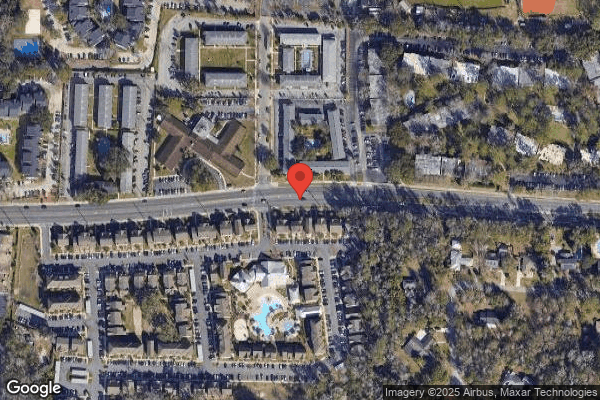
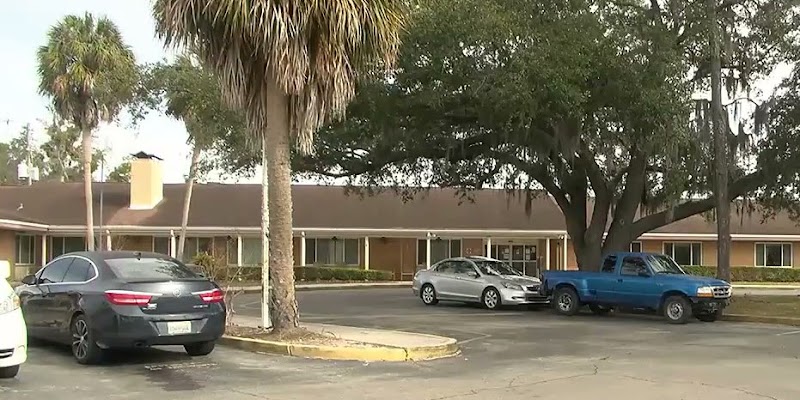
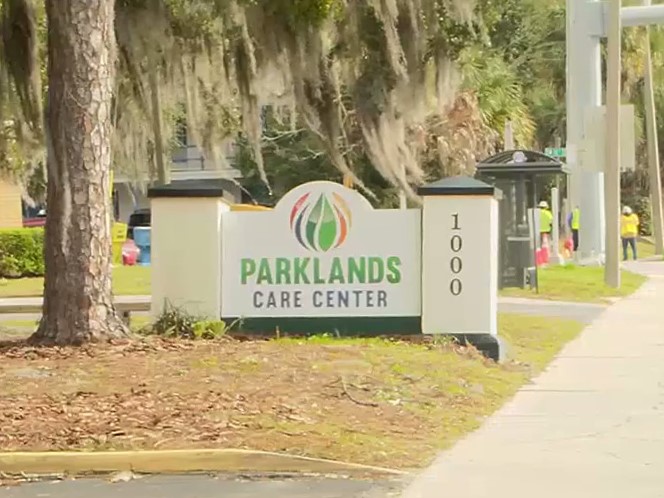
1000 SW 16TH AVE, GAINESVILLE, FL 32601 (352) 376-2461
For profit - Limited Liability company 120 Beds THE SHERMAN FAMILY Data: November 2025
Trust Grade
75/100
#254 of 690 in FL
Last Inspection: November 2024

Within standard 12-15 month inspection cycle. Federal law requires annual inspections.

Overview

Parklands Care Center and Rehab in Gainesville, Florida, has a Trust Grade of B, which indicates it is considered a good option for families seeking care. It ranks #254 out of 690 facilities in Florida, placing it in the top half, and #4 out of 9 in Alachua County, meaning only three local options are better. The facility is improving, as it reduced its issues from 4 in 2024 to just 1 in 2025. However, staffing is a concern with a low rating of 2 out of 5 stars and a high turnover rate of 64%, significantly above the state average of 42%. There have been no fines recorded, which is a positive sign, but the facility has less registered nurse coverage than 93% of Florida facilities, which could impact the quality of care. Specific incidents include a failure to complete and maintain accurate resident records for multiple residents, exposing potential risks in their care plans. Additionally, during inspections, the facility was noted to have cleanliness issues, including debris and insects found in resident rooms and hallways. While there are strengths at Parklands Care Center, such as no fines and an overall good health inspection rating, families should weigh these with the staffing concerns and cleanliness issues.

Trust Score
B
75/100
In Florida
#254/690
Top 36%
Safety Record
Low Risk
No red flags
Inspections
Getting Better
4 → 1 violations
Staff Stability
⚠ Watch
64% turnover. Above average. Higher turnover means staff may not know residents' routines.
Penalties
✓ Good
No fines on record. Clean compliance history, better than most Florida facilities.
Skilled Nurses
⚠ Watch
Each resident gets only 21 minutes of Registered Nurse (RN) attention daily — below average for Florida. Fewer RN minutes means fewer trained eyes watching for problems.
Violations
⚠ Watch
11 deficiencies on record. Higher than average. Multiple issues found across inspections.
★★★★☆
4.0
Overall Rating
★★☆☆☆
2.0
Staff Levels
★★★★☆
4.0
Care Quality
★★★★☆
4.0
Inspection Score
Stable
2024: 4 issues
2025: 1 issues

The Good

  • 4-Star Quality Measures · Strong clinical quality outcomes
  • Full Sprinkler Coverage · Fire safety systems throughout facility
  • No fines on record

Facility shows strength in quality measures, fire safety.

The Bad

Staff Turnover: 64%

18pts above Florida avg (46%)

Frequent staff changes - ask about care continuity

Chain: THE SHERMAN FAMILY

Part of a multi-facility chain

Ask about local staffing decisions and management

Staff turnover is elevated (64%)

16 points above Florida average of 48%

The Ugly 11 deficiencies on record

Aug 2025 1 deficiency
CONCERN (E) 📢 Someone Reported This

A family member, employee, or ombudsman was alarmed enough to file a formal complaint

Potential for Harm - no one hurt, but risky conditions existed

Safe Environment (Tag F0584)

Could have caused harm · This affected multiple residents

Based on observations and interviews, the facility failed to honor resident rights for 5 (Resident #1, #3, #4, #5, #6) of 6 and failed to ensure 2 of 2 hallways were safe, clean, comfortable and homel...

Read full inspector narrative →
Based on observations and interviews, the facility failed to honor resident rights for 5 (Resident #1, #3, #4, #5, #6) of 6 and failed to ensure 2 of 2 hallways were safe, clean, comfortable and homelike environment. Photographic evidence obtained Findings include:Findings include: During an initial tour of the facility on 8/29/2025 at 09:08 AM, east and west wing hallways noted to have buildup of debris on and around the walls. Debris buildup around walls, in the corners, and dust were visually noticeable lying on base boards. Dust and debris could be wiped off with gloved finger on railings within resident rooms and in east and west corridor hallways. During an observation on 8/29/2025 at 09:50 AM, Resident #1's room had brown debris buildup around baseboard and walls in the room and in the bathroom. Winged insect was noted lying on bathroom floor. During an observation on 8/29/2025 at 10:06 AM, Resident #3's room had three live brown bugs running across the floor, and three brown bugs climbing out of Resident #3's shoes when residents' shoe was tapped by the surveyor's foot. The floor in Resident #3's room had unidentified pieces of particles lying loosely on the floor. The wall beside Resident #3's bed had dark particles all over the wall that could be wiped away with a gloved finger. During an interview on 8/29/2025 at 10:06 AM, Resident #3 stated, I told someone about the bugs, and I would like that stuff to be wiped off the walls. During an observation on 8/29/2025 at 10:42 AM, Resident #4's room was cluttered, had live bugs crawling in the room, and a buildup of debris noted around the floor. During an observation on 8/29/2025 at 10:58 AM, Resident #5's room had dry food crumbs on the floor, and a buildup of debris on walls and floors in the room and in the bathroom. During an interview on 8/29/2025 at 10:58 AM, Resident #5 stated, I don't recall if they come in and clean the room daily. I don't think so, but it would be nice to have it cleaned. During an observation on 8/29/2025 at 11:08 AM, Resident #6's room had food particles on the floor and under the bed. Buildup of debris was observed on the walls and on the floors in the room and in the bathroom. During an interview on 8/29/2025 at 11:08 AM, Resident #6 stated, They come in and empty the trash and wipe the floors but that's it. See its dirty and should be cleaned in here. During an observation with the administrator on 8/29/2025 at 11:35 AM, a tour of Resident #1, #3, #4, #5, and #6's rooms were observed with confirmation of dirt and buildup on the baseboards, around the edges of the floors, and with confirmation of live brown bugs crawling in Resident #3's room. During an interview on 8/29/2025 at 9:48 AM, Staff A, Environmental Services Technician stated, The dirt around the floor and baseboards needs to be stripped, it's just dirt that has buildup around the walls throughout the building. During an interview on 8/29/2025 at 2:14 PM, the Administrator stated, The rooms and halls need to be cleaned, and the dirt and debris removed from the halls and resident's rooms. Review of the policy and procedure titled Environment of Care, dated 12/18/2024 read, It will be the policy of this facility to provide the residents with a safe, clean, comfortable and homelike environment. Procedure: 1. The facility staff will provide a safe, clean, comfortable and homelike environment. 2. The facility will provide housekeeping and maintenance services necessary to maintain a sanitary, orderly, and comfortable interior.
Nov 2024 3 deficiencies
CONCERN (D)

Potential for Harm - no one hurt, but risky conditions existed

Assessment Accuracy (Tag F0641)

Could have caused harm · This affected 1 resident

**NOTE- TERMS IN BRACKETS HAVE BEEN EDITED TO PROTECT CONFIDENTIALITY** Based on record review and interview, the facility failed to ensure the Minimum Data Set (MDS) assessment was accurate for 1 of ...

Read full inspector narrative →
**NOTE- TERMS IN BRACKETS HAVE BEEN EDITED TO PROTECT CONFIDENTIALITY** Based on record review and interview, the facility failed to ensure the Minimum Data Set (MDS) assessment was accurate for 1 of 2 residents reviewed for mood and behavior, Resident #74. Findings include: Review of Resident #74's Quarterly MDS dated [DATE] showed the resident was not taking antiplatelet medication under Section N0415- High Risk Drug Classes Use and Indication. Review of Resident #74's physician orders showed the resident had a current order for Plavix 75 milligrams by mouth once daily ordered on 5/22/2022. During an interview on 11/13/2024 at 10:00 AM, the Minimum Data Set (MDS) Coordinator verified Resident #74 had an order for Plavix 75 milligrams one tablet one time per day ordered on 5/22/2022. The MDS Coordinator stated that it should have been documented in section N of the current MDS.
CONCERN (D)

Potential for Harm - no one hurt, but risky conditions existed

PASARR Coordination (Tag F0644)

Could have caused harm · This affected 1 resident

**NOTE- TERMS IN BRACKETS HAVE BEEN EDITED TO PROTECT CONFIDENTIALITY** Based on record review and interview, the facility failed to ensure an accurate Level I Preadmission Screening and Resident Revi...

Read full inspector narrative →
**NOTE- TERMS IN BRACKETS HAVE BEEN EDITED TO PROTECT CONFIDENTIALITY** Based on record review and interview, the facility failed to ensure an accurate Level I Preadmission Screening and Resident Review (PASRR) screen was completed for 1 of 4 residents who were diagnosed with serious mental disorder, Resident #24. Findings include: Review of Resident #24's Level I PASRR dated 9/19/2023 showed no mental illness documented in Section I: PASRR Screen Decision-Making. Review of Resident #24's admission record showed the resident was initially admitted on [DATE], with diagnoses that included generalized anxiety disorder (onset date 9/28/2023) and unspecified psychosis not due to a substance or known physiological condition (onset date 9/19/2023). Review of Resident #24's clinical records showed no documentation that Resident #24's diagnoses of generalized anxiety disorder and unspecified psychosis not due to a substance or known physiological condition had been included on an updated Level I PASRR. During an interview on 11/14/2024 at 10:24 AM, the Director of Nursing confirmed Resident #24's mental health diagnoses had not been included on the PASRR completed 9/19/2023. She confirmed that a revised PASRR that documented Resident #24's mental health diagnoses and had not been completed.
CONCERN (D)

Potential for Harm - no one hurt, but risky conditions existed

Infection Control (Tag F0880)

Could have caused harm · This affected 1 resident

Based on observation, interview, and policy and procedure review, the facility failed to ensure staff used proper personal protective equipment (PPE) for administration of medications through subcutan...

Read full inspector narrative →
Based on observation, interview, and policy and procedure review, the facility failed to ensure staff used proper personal protective equipment (PPE) for administration of medications through subcutaneous injection to prevent the possible spread of infection and communicable diseases. Findings include: During an observation on 11/13/2024 at 6:00 AM, Staff A, Licensed Practical Nurse (LPN), began to prepare Resident #13's medications without performing hand hygiene. Staff A entered the resident's room with Tresiba FlexTouch 100 unit/ml Solution Pen Injector. Staff A proceeded to clean injection site with an alcohol pad and administered the medication. Staff A did not don gloves while administering the medication. During an interview on 11/13/2024 at 6:10 AM, Staff A, LPN, stated, I should have worn gloves. During an interview on 11/13/2024 at 7:30 AM, the Director of Nursing (DON) stated, They should perform hand hygiene, don gloves, perform the injection, and then perform hand hygiene. Review of the facility policy and procedure titled Medication Administration via Injection last reviewed on 12/19/2023, read, Procedure . 5. Perform hand hygiene and don gloves prior to administration of medication.
Jul 2024 1 deficiency
CONCERN (F) 📢 Someone Reported This

A family member, employee, or ombudsman was alarmed enough to file a formal complaint

Potential for Harm - no one hurt, but risky conditions existed

Medical Records (Tag F0842)

Could have caused harm · This affected most or all residents

**NOTE- TERMS IN BRACKETS HAVE BEEN EDITED TO PROTECT CONFIDENTIALITY** Based on record review and interview, the facility failed to ensure that resident records were complete and accurate for 3 of 3 ...

Read full inspector narrative →
**NOTE- TERMS IN BRACKETS HAVE BEEN EDITED TO PROTECT CONFIDENTIALITY** Based on record review and interview, the facility failed to ensure that resident records were complete and accurate for 3 of 3 residents reviewed, Residents #1, #5 and #6. Findings include: 1) Review of Resident #1's admission record showed the resident was admitted on [DATE] and readmitted on [DATE] with diagnoses that included stage 4 pressure ulcer of right heel, need for assistance with personal care, spastic hemiplegia affecting left nondominant side, lower leg contracture of muscle, left elbow contracture, and dementia. Review of Resident #1's physician order dated 6/26/2024 read, Cleanse open area of the left lateral foot with normal saline, apply piece of Derma Blue foam with silver to open area, and cover with a silicone foam dressing three times per week, every day shift Mon [Monday], Wed [Wednesday], Fri [Friday] for wound healing for 30 days. Review of Resident #1's TAR for July 2024 revealed no entry documented for the left lateral foot wound care on Friday, 7/5/2024. Review of Resident #1's physician order dated 6/26/2024 read, Cleanse open area of the right medial ankle with normal saline, apply piece of Derma Blue with silver to open area, and cover with a foam dressing three times per week, every day shift Mon, Wed, Fri for wound healing for 30 days. Review of Resident #1's TAR for July 2024 revealed no entry documented for the right medial ankle wound care on Friday, 7/5/2024. Review of Resident #1's physician order dated 6/26/2024 read, Cleanse open area of right heel with wound cleanser, apply Derma Blue foam with silver, foam dressing, ABD [abdominal] pad, and wrap with kerlix three times per week, every day shift every Mon, Wed, Fri for wound healing. D/C [Discontinue] Date: 07/11/2024. Review of Resident #1's TAR for July 2024 revealed no entry documented for the right heel wound care on 7/5/2024. Review of Resident #1's physician order dated 7/12/2024 read, Cleanse open area of the left lateral foot with normal saline, apply Anasept gel, and cover with island gauze dressing daily, every day shift for wound healing for 30 days. Review of Resident #1's Treatment Administration Record (TAR) for July 2024 revealed no entry documented for the left lateral foot wound care on 7/12/2024, 7/15/2024, 7/18/2024, 7/20/2024, 7/21/2024, and 7/23/2024. Review of Resident #1's physician order dated 7/12/2024 read, Cleanse open area of the right medial ankle with normal saline, apply Anasept gel, ABD pad, and wrap with kerlix daily, every day shift for wound healing for 30 days. Review of Resident #1's TAR for July 2024 revealed no entry documented for the right medial ankle wound care on 7/12/2024, 7/15/2024, 7/18/2024, 7/20/2024, 7/21/2024 and 7/23/2024. Review of Resident #1's physician order dated 7/12/2024 read, Cleanse open area of the right heel with wound cleanser, apply Anasept gel, ABD pad, and wrap with kerlix daily, every day shift for wound healing for 30 days. Review of Resident #1's TAR for July 2024 revealed no entry documented for the right heel wound care on 7/12/2024, 7/15/2024, 7/18/2024, 7/20/2024, 7/21/2024 and 7/23/2024. 2) Review of Resident #5's admission record showed the resident was admitted on [DATE] and readmitted on [DATE] with diagnoses that included chronic multifocal osteomyelitis, stage 4 pressure ulcer of sacral region, and type 2 diabetes mellitus. Review of Resident #5's physician order dated 6/17/2024 read, Cleanse depression of sacrum with Vashe, apply collagen sheet with silver (PURACOL) into depression of sacrum, place droplet of Vashe on cotton ball, place cotton ball in depression of sacrum daily and as needed, every day shift for odor control and wound healing for 30 days. Review of Resident #5's TAR for July 2024 revealed no entry documented for sacral wound care on 7/1/2024, 7/3/2024, 7/6/2024, and 7/11/2024. 3) Review of Resident #6's admission record showed the resident was admitted on [DATE] and readmitted on [DATE] with diagnoses that included paraplegia, type 2 diabetes mellitus, stage 3 pressure ulcer of left buttock, and stage 4 pressure ulcer of sacral region. Review of Resident #6's physician order dated 7/12/2024 read, Cleanse open area with normal saline, apply Betadine, and cover with an island gauze dressing daily and as needed, every day shift for wound healing of the left third toe. D/C Date: 07/23/2024. Review of Resident #6's TAR for July 2024 revealed no entry documented for the left third toe wound care on 7/20/2024. Review of Resident #6's physician order dated 7/12/2024 read, Cleanse open area with normal saline, apply Derma Blue foam with silver, ABD pad, and secure with retention tape, every day shift for wound healing of the right ischium for 30 days. Review of Resident #6's TAR for July 2024 revealed no entry documented for the right ischium wound care on 7/20/2024. Review of Resident #6's physician order dated 7/12/2024 read, Cleanse open area with normal saline, apply Derma Blue foam with silver, ABD pads, and secure with tape, every day shift for wound healing for 30 days. Apply to Sacrum. Review of Resident #6's TAR for July 2024 revealed no entry documented for sacral wound care on 7/15/2024 and 7/20/2024. Review of Resident #6's physician order dated 7/12/2024 read, Cleanse open area with normal saline, apply Derma Blue foam with silver, pad with ABD, and secure with retention tape, every day shift for wound healing of the left buttock for 30 days. Review of Resident #6's TAR for July 2024 revealed no entry documented for the left buttock wound care on 7/15/2024 and 7/20/2024. Review of Resident #6's physician order dated 7/13/2024 read, Cleanse open area with normal saline, apply oil emulsion and cover with an island gauze daily, every day shift for wound healing of the right, dorsal, lateral, fourth toe, for 30 days. Review of Resident #6's TAR for July 2024 revealed no entry documented for the right, dorsal, lateral, fourth toe wound care on 7/15/2024 and 7/20/2024. During an interview on 7/25/2024 at 1:45 PM, Staff A, Licensed Practical Nurse (LPN), Wound Care Nurse, stated, I completed the wound care as ordered. I just have not been charting all the care that I provided. I do not always have access to a computer. During an interview on 7/25/2025 at 2:38 PM, the Director of Nursing stated that wound care was provided but not documented, and it was her expectation that wound care would be documented when provided. Review of facility policy and procedure titled Charting and Documentation revised in July 2017 read, Policy Statement: All services provided to the resident, progress toward the care plan goals, or any changes in the resident's medical, physical, functional or psychosocial condition, shall be documented in the resident's medical record. The medical record should facilitate communication between the interdisciplinary team regarding the resident's condition and response to care. Policy Interpretation and Implementation . 2. The Following information is to be documented in the resident medical record . c. Treatments or services performed . 7. Documentation of procedures and treatments will include care-specific details, including: a. The date and time the procedure/treatment was provided. b. The name and title of the individual(s) who provided the care.
Aug 2023 2 deficiencies
CONCERN (D)

Potential for Harm - no one hurt, but risky conditions existed

Infection Control (Tag F0880)

Could have caused harm · This affected 1 resident

Based on observation, interview, and record review the facility failed to prevent the possible spread of infection during medication administration through a peripherally inserted central catheter (PI...

Read full inspector narrative →
Based on observation, interview, and record review the facility failed to prevent the possible spread of infection during medication administration through a peripherally inserted central catheter (PICC) for 1 of 4 residents, Resident #62. Findings include: During an observation on 8/9/2023 at 2:12 PM of Staff B, License Practical Nurse, Staff B primed (placing IV (intravenous) fluid in the IV tubing to remove all air prior to attaching the IV tube to the patient) the IV tubing for Resident #62, cleansed the resident's hep-lock (an IV catheter placed in a vein to administer medication or fluid into the bloodstream), and connected the IV tubing to the resident's hep-lock to administer IV medication. Staff B disconnected the IV tubing from the resident's hep-lock stating she had not flushed the IV hep-lock (flushing is performed before and after administering IV fluids or medications to assess placement and patency). After disconnecting the tubing Staff B released the resident's arm. The hep-lock in the resident's arm was observed to brush across the skin of the right side of the resident's back and come to rest with the hep-lock coming in contact with the resident's incontinence pad (an impermeable multi-layered sheet with high absorbency that is used to soak up urine). Staff B did not cleanse the adaptor to the hep-lock and flushed 5 ml (milliliters) of normal saline into the adaptor using a syringe. Staff B released the resident's arm and the hep-lock was observed to brush across the skin of the resident's right side. Staff B removed the IV tubing from the pole, did not cleanse the IV tubing adaptor or the adaptor to the hep-lock and connected the IV tubing, and started the infusion pump to administer the medication. The IV infusion pump sounded an alarm and had a message displayed on the face of the pump which read, air in line. Staff B disconnected the IV tubing from the hep-lock, primed the IV tubing with normal saline, cleansed the resident's hep-lock, connected the IV tubing to the hep-lock, and started the medication administration. During an interview on 8/9/2023 at 2:29 PM Staff B, LPN stated, I did not notice when the needleless connector came in contact with [Resident #62's name's] skin or pad. I should have definitely cleaned the needleless connector again. During an interview on 8/9/2023 at 2:35 PM the Director of Nursing stated, The needleless connector should have been cleaned every time it touched the resident's skin. Review of Resident the physician order for Resident #62 dated 7/12/2023 read, Cefazolin Sodium Injection Solution Reconstituted 2 GM (Cefazolin Solution) use 2 gram intravenously every 8 hours for bacteremia [viable bacteria in the blood] until 8/19/2023 23:59 [11:59 PM]. Review of the physician order for Resident #62 dated 7/13/2023 read, Normal Saline Flush Solution (Sodium Chloride Flush) use 5 cc [cubic centimeter] intravenously every 8 hours for prophylaxis. Flush central venous catheter with 5 ml [milliliters] NS [normal saline] before and after medication administration. Review of the facility policy and procedure titled, P&P IV Infusion with a last review date of 3/21/2023 read, Policy: It is the policy of this facility to provide administration of intravenous fluids, medications and electrolytes for the purpose of hydration and management of infections or other medical conditions. Review of the facility competency titled, Administering Medication Through a Saline Lock Competency read, Cleanse saline lock cap. Cleanse injection cap and properly flush device with saline. Maintain aseptic technique [a set of practices that protects patients from healthcare-associated infections] throughout the procedure.
CONCERN (E)

Potential for Harm - no one hurt, but risky conditions existed

Deficiency F0761 (Tag F0761)

Could have caused harm · This affected multiple residents

**NOTE- TERMS IN BRACKETS HAVE BEEN EDITED TO PROTECT CONFIDENTIALITY** 3. During an observation on [DATE] at 12:38 PM Resident #23 had two bottles of moisture shield skin protectant on the bedside ta...

Read full inspector narrative →
**NOTE- TERMS IN BRACKETS HAVE BEEN EDITED TO PROTECT CONFIDENTIALITY** 3. During an observation on [DATE] at 12:38 PM Resident #23 had two bottles of moisture shield skin protectant on the bedside table. (Photographic evidence obtained) During an interview on [DATE] at 12:38 PM Resident #23 stated, The nurse always leaves that there, so she remembers to use it. Review of Resident #23's medical record did not provide for documentation of a physician's order for the resident to self-administer medications. During an observation on [DATE] at 8:17 AM Resident #107 had a large bag of Honey Lemon cough suppressants on the nightstand table. (Photographic evidence obtained) During an interview on [DATE] at 9:55 AM, Resident #107 stated, Those are my cough drops, I keep them there in case I need one. During an interview on [DATE] at 1:17 PM Staff E, CNA stated, I am not sure if residents are supposed to have any medications left in their room. Review of Resident #107's medical record did not provide documentation of a physician's order for the resident to self-administer medications. Review of the facility policy and procedure titled P&P Medication/Biological Storage with a last reviewed date of [DATE] reads, Policy: It will be the policy of this facility to store medications, drugs and biologicals in a safe, secure and orderly manner. Procedure: 2. The nursing staff shall be responsible for maintaining medication storage and preparation areas in a clean, safe and sanitary manner. 8. Drugs shall be stored in an orderly manner in cabinets, drawers, carts or automatic dispensing systems. Each resident's medication shall be assigned to an individual cubicle, drawer or other holding areas to prevent the possibility of mixing medications of several residents. Review of the facility policy and procedure titled Storage of Medications with a last reviewed date of [DATE] reads, 5a. The nurse shall place a date opened sticker on the medication and record the date open and the new date of expiration. The expiration date of the vial or container will be 30 days from opening, unless the manufacture recommends another date or regulations/guidelines require different dating. Based on observation, interview, and record review the facility failed to ensure drugs and biologicals were stored and labeled in accordance with accepted professional standards for 2 of 4 medication carts and 3 of 4 resident hallways. Findings include: 1. During an observation on [DATE] at 9:37 AM of the East Short Hall Medication Cart, there were five loose circular tablets and one Loperamide tablet packet observed in the cart where the over-the-counter medications are stored. During an interview on [DATE] at 9:44 AM Staff C, License Practical Nurse (LPN) stated, Medication should not be loose in the medication cart they should be discarded. The Loperamide package is not even [supposed to be] stored in the vitamin section. I am not sure why it was up here, but it will fall on me since I had the cart. During an observation on [DATE] at 9:45 AM of the East Long Hall Medication Cart, there were three loose circular tablets observed. There was one open Breo Ellipta 100/25 inhaler with no open or expiration date, one open Incruse Ellipta inhaler with no open or expiration date, one open artificial tears with no open or expiration date and one expired plastic vial of artificial tears. During an interview on [DATE] at 9:48 AM Staff D, LPN stated, Upon opening medication it should be dated with an open and expiration date. If the medication is expired, it should be discarded and reordered. Loose pills should not be in the medication cart, maybe they fell out. They should have been discarded. During an observation on [DATE] at 10:05 AM Resident #93's room was empty, on top of the night stand draw there was a container of Bio Freeze. During an interview on [DATE] at 10:10 AM Resident #93 stated, I use the ointment for the pain that gets in my arms. The staff will apply it for me. I am not able to do so myself. During an interview on [DATE] at 1:30 PM the Assistant Director of Nursing stated, [Resident #93's name] does not have a self-administration assessment, he is not able to self-administer medication. During an interview on [DATE] at 2:39 PM the Director of Nursing (DON) stated, Medication is labeled once it is open with an open and expire date. Any loose medication should be discarded, not left in the cart. Eye drops should follow manufactures' instructions for expiration after opening. This [the instructions] are located in the binder in the medication cart. Review of the Breo Ellipta manufacturer's instructions read, Safely throw away Breo in the trash 6 weeks after you open the foil tray or when the counter reads 0, whichever comes first. Write the date you open the tray on the label on the inhaler. Review of the Incruse Ellipta manufacturer's instructions read, Safely throw away Incruse in the trash 6 weeks after you open the tray or when the counter reads 0, whichever comes first. Write the date you open the tray on the label on the inhaler. 2. During an observation on [DATE] at 10:01 AM of Resident #61's room there was an inhaler on the over the bed table. The medication label read Advair Diskus. (Photographic evidence obtained) During an observation on [DATE] at 8:15 AM of Resident #61's room there was an inhaler on the over the bed table. The medication label read Advair Diskus. During an observation on [DATE] at 10:16 AM of Resident #86's room sitting on the bed side table there was a small medicine cup with a green-colored gelled substance. (Photographic evidence obtained) During an Interview on [DATE] at 10:17 AM Resident #86 stated, That is Bio-Freeze. The CNA [Certified Nursing Assistant] left it here for me. Review of Resident #61's medical record documented a physician order dated [DATE] which read Advair Diskus Aerosol Powder Breath Activated 250-50 mcg/dose [micrograms] 1 inhalation inhale orally every 12 hours for COPD/Asthma [chronic obstructive pulmonary disease]. Rinse with water after use. Do not swallow. Review of Resident #86's medical record did not provide for documentation of a physician's order for Bio-Freeze. During an interview on [DATE] at 10:18 AM with Staff A, LPN stated, Resident #86 should not have Bio-Freeze at the bedside. During an interview on [DATE] at 10:19 AM Staff A, LPN stated, Resident #61 should not have an inhaler at the bedside. During an interview on [DATE] at 10:26 AM the DON stated, My expectation is that no medications should be left at a resident's bedside.
Feb 2023 4 deficiencies
CONCERN (D)

Potential for Harm - no one hurt, but risky conditions existed

Deficiency F0692 (Tag F0692)

Could have caused harm · This affected 1 resident

Based on observation, record review, and interview, the facility failed to ensure residents received nutritional supplement as ordered by physician for 1 of 3 residents reviewed for nutrition, Residen...

Read full inspector narrative →
Based on observation, record review, and interview, the facility failed to ensure residents received nutritional supplement as ordered by physician for 1 of 3 residents reviewed for nutrition, Resident #93. Findings include: During an interview on 2/5/2023 at 9:08 AM, Resident #93 stated, They give me egg salad sandwich every night and I won't eat it. Review of Resident #93's weights revealed 125.2 pounds on 8/29/2022, 122.6 pounds on 9/6/2022, 126.4 pounds on 10/1/2022, 121 pounds on 11/1/2022, 120.2 pounds on 12/1/2022, 116.8 pounds on 1/3/2023, and 115.6 pounds on 2/1/2023. Review of the physician orders dated 7/13/2022 for Resident #93 reads, In the evening HS [hours of sleep] snack: Turkey sandwich. Review of Nutrition Risk Evaluation dated 2/1/2023 for Resident #93 authored by the Registered Dietician reads, BMI indicative of underweight. Resident is experiencing weight loss (116 lbs [pounds] on 2/1, 129 lbs on 8/1). Therapeutic diet may be appropriate for resident with hx [history] of renal disease. PO [oral] intake varies, poor to good. Resident is an independent diner. Resident is ordered to receive PO supplement BID [Twice a day] in addition to HS sandwich. Resident may be at risk for malnutrition due to weight loss, low BMI [Body Mass Index), varying PO intake. Resident may provide snacks- pudding BID. Revie of the dietary note dated 2/7/2023 for Resident #93 authored by the Registered Dietician reads, BMI indicative of underweight. Resident is experiencing weight loss (116 lbs on 2/1, 129 lbs on 8/1). Therapeutic diet may be appropriate for resident with hx of renal disease. PO intake varies, poor to good. Resident is an independent diner. Resident is ordered to receive PO supplement BID in addition to HS Turkey sandwich and pudding BID. During an interview on 2/7/2023 at 8:55 AM, Staff B, Certified Nursing Assistant (CNA), stated, He refuses his sandwich at night. During an interview on 2/7/2023 at 9:23 AM, the Dietary Manager stated, He was coded for egg salad because that is what he probably asked for. I can change it to his preference. During an interview on 2/7/2023 at 9:45 AM, the Registered Dietician stated, I wrote for a turkey sandwich on purpose because he is a renal patient and will benefit from the turkey sandwich. By eating the egg salad sandwich, he will not benefit at all. I will talk to the dietary manager and make sure he gets a turkey sandwich.
CONCERN (D)

Potential for Harm - no one hurt, but risky conditions existed

Respiratory Care (Tag F0695)

Could have caused harm · This affected 1 resident

Based on observation, record review, and interview, the facility failed to ensure residents received respiratory care and services consistent with professional standards of practice for 1 of 5 residen...

Read full inspector narrative →
Based on observation, record review, and interview, the facility failed to ensure residents received respiratory care and services consistent with professional standards of practice for 1 of 5 residents reviewed for respiratory care, Resident #18. Findings include: Review of Resident #18's records revealed the resident was admitted with diagnoses including respiratory failure with hypoxia (lungs not moving air), asthma, chronic obstructive pulmonary disease, pulmonary edema (fluid in the lungs), and heart failure (heart cannot pump correctly). During an observation on 2/5/2023 at 10:47 AM, Resident #18 was receiving oxygen via nasal cannula at 3 liters per minute. During an interview on 2/5/2023 at 10:47 AM, Resident #18 stated, I've been on 2 liters oxygen for a long time. I do not adjust the oxygen. I can't even see it. Review of Resident #18's physician orders dated 1/4/2023 reads, O2 [oxygen] at 2 L/min [liters/minute] via Nasal Canula. During an observation on 2/6/2023 at 8:12 AM, Resident #18 was receiving oxygen via nasal cannula at 3 liters per minute. During an observation on 2/6/2023 at 12:51 PM, Resident #18 was receiving oxygen via nasal cannula at 3 liters per minute. During an observation accompanied with the Director of Nursing (DON) on 2/6/2023 at 4:45 PM, Resident #18 was receiving oxygen via nasal cannula at 3 liters per minute. During an interview on 2/6/2023 at 4:45 PM, the Director of Nursing (DON) confirmed the oxygen was being administered at 3 liters per minute, stating, I expect that oxygen rate is checked during nursing assessment each shift and expect the physician orders to be followed.
CONCERN (E)

Potential for Harm - no one hurt, but risky conditions existed

Food Safety (Tag F0812)

Could have caused harm · This affected multiple residents

Based on observation, interview, and record review, the facility failed to ensure foods and beverages were stored in a safe and sanitary manner in 2 of 2 facility nourishment rooms. Findings include: ...

Read full inspector narrative →
Based on observation, interview, and record review, the facility failed to ensure foods and beverages were stored in a safe and sanitary manner in 2 of 2 facility nourishment rooms. Findings include: During a tour of the [NAME] Hall nourishment room accompanied with the Dietary Manager on 2/5/2023 at 10:00 AM, there were one undated and unlabeled cup of liquid on the counter, one undated pitcher of purple liquid in the refrigerator, one open can of energy drink in the refrigerator, and one undated take-out container of unlabeled and undated food items stored in the [NAME] Hall refrigerator. During an interview on 2/5/2023 at 10:00 AM, the Dietary Manager acknowledged that open, undated and unlabeled food items were stored in the [NAME] Wing nourishment room refrigerator. During a tour of the East Hall nourishment room accompanied with the Dietary Manager on 2/5/2023 at 10:07 AM, there were two open, undated and unlabeled trays of cookies stored on the countertop in the East Hall nourishment room. During an interview on 2/5/2023 at 10:07 AM, the Dietary Manager acknowledged that open, undated and unlabeled food items were stored in the East Wing nourishment room refrigerator. Review of the facility policy and procedure titled Foods Brought by Family/Visitors reviewed on 12/20/2022, reads, Policy Interpretation and Implementation . 7. Food brought by family/visitors that is left with the resident to consume later will [Sic.] labeled and stored in a manner that is clearly distinguishable from facility-prepared food. a. Non-perishable foods will be stored in re-sealable containers with tight fitting lids. Intact fresh fruit may be stored without a lid. b. Perishable foods must be stored in resealable containers with tight-fitting lids in a refrigerator. Containers will be labeled with the resident's name, the item and the use by date.
CONCERN (E)

Potential for Harm - no one hurt, but risky conditions existed

Garbage Disposal (Tag F0814)

Could have caused harm · This affected multiple residents

Based on observation and interview, the facility failed to ensure garbage and refuse were disposed of properly. Findings include: During an observation of the facility dumpsters and surrounding areas...

Read full inspector narrative →
Based on observation and interview, the facility failed to ensure garbage and refuse were disposed of properly. Findings include: During an observation of the facility dumpsters and surrounding areas accompanied with the Dietary Manager on 2/5/2023 at 10:08 AM, the dumpster nearest the kitchen exit was overfilled and propped open with cardboard boxes. The lids of the second dumpster were cracked. The lids of the dumpster furthest from the kitchen exit were cracked and bent and did not close flush with the dumpster upper rim. There was garbage and refuse that included take-out food containers, candy wrappers, straws, used gloves, used masks, plastic bags, plastic utensils, used milk carton and plastic forks scattered on the ground surrounding the dumpsters. There was additional garbage and refuse that included an empty milk carton, a plastic grocery bag, clear plastic bags and food wrappers scattered on the ground in the areas surrounding the dumpsters and employee break side of the facility (Photographic evidence obtained) During an interview on 2/5/2023 at 10:08 AM, the Dietary Manager acknowledged that there was garbage and refuse scattered on the grounds around the dumpsters and surrounding areas. She verified the areas should be cleared of garbage and refuse.
Understanding Severity Codes (click to expand)
Life-Threatening (Immediate Jeopardy)
J - Isolated K - Pattern L - Widespread
Actual Harm
G - Isolated H - Pattern I - Widespread
Potential for Harm
D - Isolated E - Pattern F - Widespread
No Harm (Minor)
A - Isolated B - Pattern C - Widespread

Questions to Ask on Your Visit

  • "Why is there high staff turnover? How do you retain staff?"
  • "Can I speak with families of current residents?"
  • "What's your RN coverage like on weekends and overnight?"

Our Honest Assessment

Strengths
  • • No major safety red flags. No abuse findings, life-threatening violations, or SFF status.
  • • No fines on record. Clean compliance history, better than most Florida facilities.
Concerns
  • • 11 deficiencies on record. Higher than average. Multiple issues found across inspections.
  • • 64% turnover. Above average. Higher turnover means staff may not know residents' routines.
Bottom line: Generally positive indicators. Standard due diligence and a personal visit recommended.

About This Facility

What is Parklands And Rehab's CMS Rating?

CMS assigns PARKLANDS CARE CENTER AND REHAB an overall rating of 4 out of 5 stars, which is considered above average nationally. Within Florida, this rating places the facility higher than 99% of the state's 100 nursing homes. This rating reflects solid performance across the metrics CMS uses to evaluate nursing home quality.
How is Parklands And Rehab Staffed?

CMS rates PARKLANDS CARE CENTER AND REHAB's staffing level at 2 out of 5 stars, which is below average compared to other nursing homes. Staff turnover is 64%, which is 18 percentage points above the Florida average of 46%. High turnover can affect care consistency as new staff learn residents' individual needs.

What Have Inspectors Found at Parklands And Rehab?

State health inspectors documented 11 deficiencies at PARKLANDS CARE CENTER AND REHAB during 2023 to 2025. These included: 11 with potential for harm.
Who Owns and Operates Parklands And Rehab?

PARKLANDS CARE CENTER AND REHAB is owned by a for-profit company. For-profit facilities operate as businesses with obligations to shareholders or private owners. The facility is operated by THE SHERMAN FAMILY, a chain that manages multiple nursing homes. With 120 certified beds and approximately 114 residents (about 95% occupancy), it is a mid-sized facility located in GAINESVILLE, Florida.
How Does Parklands And Rehab Compare to Other Florida Nursing Homes?

Compared to the 100 nursing homes in Florida, PARKLANDS CARE CENTER AND REHAB's overall rating (4 stars) is above the state average of 3.2, staff turnover (64%) is significantly higher than the state average of 46%, and health inspection rating (4 stars) is above the national benchmark.

What Should Families Ask When Visiting Parklands And Rehab?

Based on this facility's data, families visiting should ask: "How do you ensure continuity of care given staff turnover, and what is your staff retention strategy?" "Can you walk me through typical staffing levels on day, evening, and night shifts?" "Can I visit during a mealtime to observe dining assistance and food quality?" "How do you handle medical emergencies, and what is your hospital transfer rate?" These questions are particularly relevant given the facility's high staff turnover rate and the below-average staffing rating.

Is Parklands And Rehab Safe?

Based on CMS inspection data, PARKLANDS CARE CENTER AND REHAB has a clean safety record: no substantiated abuse findings (meaning no confirmed cases of resident harm), no Immediate Jeopardy citations (the most serious violation level indicating risk of serious injury or death), and is not on the Special Focus Facility watch list (a federal program monitoring the lowest-performing 1% of nursing homes). The facility has a 4-star overall rating and ranks #1 of 100 nursing homes in Florida. While no facility is perfect, families should still ask about staff-to-resident ratios and recent inspection results during their visit.

Do Nurses at Parklands And Rehab Stick Around?

Staff turnover at PARKLANDS CARE CENTER AND REHAB is high. At 64%, the facility is 18 percentage points above the Florida average of 46%. High turnover means new staff may not know residents' individual needs, medications, or preferences. It can also be disorienting for residents, especially those with dementia who rely on familiar faces. Families should ask: What is causing the turnover? What retention programs are in place? How do you ensure care continuity during staff transitions?

Was Parklands And Rehab Ever Fined?

PARKLANDS CARE CENTER AND REHAB has no federal fines on record. CMS issues fines when nursing homes fail to meet care standards or don't correct problems found during inspections. The absence of fines suggests the facility has either maintained compliance or corrected any issues before penalties were assessed. This is a positive indicator, though families should still review recent inspection reports for the full picture.

Is Parklands And Rehab on Any Federal Watch List?

PARKLANDS CARE CENTER AND REHAB is not on any federal watch list. The most significant is the Special Focus Facility (SFF) program, which identifies the bottom 1% of nursing homes nationally based on persistent, serious quality problems. Not being on this list means the facility has avoided the pattern of deficiencies that triggers enhanced federal oversight. This is a positive indicator, though families should still review the facility's inspection history directly.