MAGNOLIA RIDGE HEALTH AND REHABILITATION CENTER

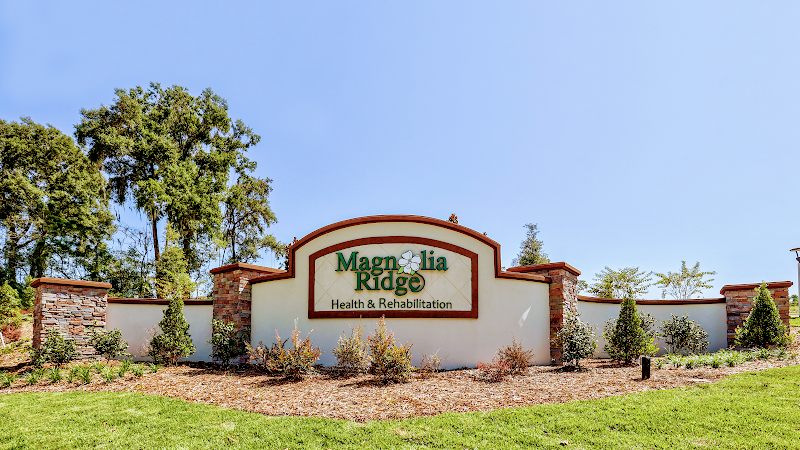
6517 NW 39TH AVENUE, GAINESVILLE, FL 32606 (678) 592-3396
For profit - Limited Liability company 223 Beds Independent Data: November 2025
Trust Grade
53/100
#380 of 690 in FL
Last Inspection: December 2024

Within standard 12-15 month inspection cycle. Federal law requires annual inspections.

Overview

Magnolia Ridge Health and Rehabilitation Center has a Trust Grade of C, which means it is considered average, sitting in the middle of the pack. It ranks #380 out of 690 facilities in Florida, placing it in the bottom half, and #5 out of 9 in Alachua County, indicating that there are only four local options that are better. The facility shows an improving trend, with the number of issues decreasing from 13 in 2023 to 8 in 2024. Staffing is a concern here, with a 65% turnover rate, which is significantly higher than the state average of 42%, suggesting challenges in staff retention and consistency in care. On a positive note, the facility has an average level of RN coverage, which helps ensure that residents receive adequate oversight. However, there are some serious concerns regarding food safety practices, as inspectors found that food products were not stored properly and utensils were not cleaned under sanitary conditions. Additionally, medications were not labeled correctly, with some open bottles lacking dates, which could lead to potential risks for residents. Overall, while there are strengths in RN coverage and an improving trend, families should be aware of the staffing issues and specific incidents that raise concerns about care quality.

Trust Score
C
53/100
In Florida
#380/690
Bottom 45%
Safety Record
Low Risk
No red flags
Inspections
Getting Better
13 → 8 violations
Staff Stability
⚠ Watch
65% turnover. Above average. Higher turnover means staff may not know residents' routines.
Penalties
⚠ Watch
$5,678 in fines. Higher than 99% of Florida facilities. Major compliance failures.
Skilled Nurses
○ Average
Each resident gets 37 minutes of Registered Nurse (RN) attention daily — about average for Florida. RNs are the most trained staff who monitor for health changes.
Violations
⚠ Watch
21 deficiencies on record. Higher than average. Multiple issues found across inspections.
★★★☆☆
3.0
Overall Rating
★★★☆☆
3.0
Staff Levels
★★☆☆☆
2.0
Care Quality
★★★☆☆
3.0
Inspection Score
Stable
2023: 13 issues
2024: 8 issues

The Good

  • Full Sprinkler Coverage · Fire safety systems throughout facility
  • No fines on record

Facility shows strength in fire safety.

The Bad

3-Star Overall Rating

Near Florida average (3.2)

Meets federal standards, typical of most facilities

Staff Turnover: 65%

19pts above Florida avg (46%)

Frequent staff changes - ask about care continuity

Federal Fines: $5,678

Below median ($33,413)

Minor penalties assessed

Staff turnover is elevated (65%)

17 points above Florida average of 48%

The Ugly 21 deficiencies on record

Dec 2024 5 deficiencies
CONCERN (D)

Potential for Harm - no one hurt, but risky conditions existed

Comprehensive Assessments (Tag F0636)

Could have caused harm · This affected 1 resident

**NOTE- TERMS IN BRACKETS HAVE BEEN EDITED TO PROTECT CONFIDENTIALITY** 2) Review of Resident #57's progress notes showed the resident was discharged home with his daughter on 8/20/2024. Review of Res...

Read full inspector narrative →
**NOTE- TERMS IN BRACKETS HAVE BEEN EDITED TO PROTECT CONFIDENTIALITY** 2) Review of Resident #57's progress notes showed the resident was discharged home with his daughter on 8/20/2024. Review of Resident #57's electronic medical records showed no discharge MDS completed for the discharge on [DATE]. During an interview on 12/5/2024 at 10:22 AM, the Regional MDS Coordinator stated, [Resident #57's name] does not have a discharge [MDS Assessment] for 8/20 [2024], but he should have one. Based on record review and interview, the facility failed to complete comprehensive assessments for the admission Minimum Data Set (MDS) for 4 of 9 residents reviewed, Residents #41, #57, #112, and #176. Findings include: 1) Review of Resident #41's admission record documented an admission date of 11/21/2024. Review of Resident #41's MDS Entry assessment dated [DATE] documented a status of accepted. There was no documentation of a completed or accepted Medicare 5-day assessment. Review of Resident #176's admission record documented an admission date of 11/19/2024. Review of Resident #176's MDS Entry assessment dated [DATE] documented a status of accepted. There was no documentation of a completed or accepted Medicare 5-day assessment. Review of Resident #112's admission record showed the resident was admitted on [DATE] and discharged home on 8/16/2024. Review of Resident #112's electronic medical records showed no discharge MDS completed. During an interview on 12/5/2024 at 10:00 AM, the Regional MDS Coordinator stated, The admission assessment should be opened between days one and eight. It was opened this morning. It should be completed by day 14. When asked if Resident #41 and Resident #176's admission assessments were in compliance with date requirements, the MDS Coordinator stated, It was not opened between days one and eight, so no. The Regional MDS Coordinator confirmed that discharge MDS assessment was not completed for Resident #112 and stated, We have 21 days after discharge to complete the Discharge MDS.
CONCERN (D)

Potential for Harm - no one hurt, but risky conditions existed

Assessment Accuracy (Tag F0641)

Could have caused harm · This affected 1 resident

**NOTE- TERMS IN BRACKETS HAVE BEEN EDITED TO PROTECT CONFIDENTIALITY** 2) Review of Resident #27's admission record showed the resident was initially admitted on [DATE] and readmitted on [DATE]. Revi...

Read full inspector narrative →
**NOTE- TERMS IN BRACKETS HAVE BEEN EDITED TO PROTECT CONFIDENTIALITY** 2) Review of Resident #27's admission record showed the resident was initially admitted on [DATE] and readmitted on [DATE]. Review of Resident #27's Entry MDS dated [DATE] showed the admission date of 5/6/2022 under section A1900- admission Date. During an interview on 12/5/2024 at 10:45 AM, the Regional MDS Coordinator stated that the admission date on the Entry MDS for Resident #27 was incorrect. The admission date listed was from her previous stay on 5/6/2022. Based on record review and interview, the facility failed to ensure resident assessments were accurate for 2 of 7 residents reviewed, Residents #27, and #90. Findings include: 1) Review of Resident #90's admission record showed the resident was initially admitted on [DATE] and readmitted on [DATE]. Review of Resident #90's Quarterly Minimum Data Set (MDS) assessment dated [DATE] showed the resident is receiving anticoagulant medication under Section N0415- High-Risk Drug Classes: Use and Indication. Review of Resident #90's physician orders showed an order for Eliquis Oral Tablet 2.5 milligram by mouth twice daily for DVT (Deep Vein Thrombosis) with the start date of 9/7/2024 and end date of 10/7/2024. There was no active order for anticoagulant medication. During an interview on 12/5/2024 at 10:36 AM, the Regional Minimum Data Set (MDS) Coordinator confirmed that Resident #90 did not have an active order for anticoagulant.
CONCERN (D)

Potential for Harm - no one hurt, but risky conditions existed

Tube Feeding (Tag F0693)

Could have caused harm · This affected 1 resident

Based on observation, interview, and record review, the facility failed to prevent possible aspiration and/or vomiting when staff failed to verify the gastrostomy tube (G-tube) placement prior to wate...

Read full inspector narrative →
Based on observation, interview, and record review, the facility failed to prevent possible aspiration and/or vomiting when staff failed to verify the gastrostomy tube (G-tube) placement prior to water and medication administration for 1 of 8 residents observed for medication administration, Resident #160. Findings include: During an observation on 12/4/2024 at 1:50 PM, Staff B, Licensed Practical Nurse (LPN), administered water into Resident #160's G-tube and allowed it to drain via gravity. Staff B did not aspirate the resident's stomach content to verify for correct G-tube placement prior to the administration of the water. Staff B then administered 10 milliliters (ml) of Guaifenesin Syrup (cough syrup) and allowed it to flow in via gravity and flushed the G-tube with water. During an interview on 12/4/2024 at 1:58 PM, Staff B, LPN, stated, It used to be the standard that we would check for tube placement by aspirating fluid, but we don't do that anymore. During an interview on 12/5/2024 at 2:35 PM, the Director of Nursing (DON) stated, The process for administering medications through the gastrostomy tube, the nurse would crush the medications separately and mix them with water. They would check for placement by putting air through and listening with a stethoscope. If they hear it [air], it is correct. They would also assess for residual; they would pull back with the syringe. They would flush in between each medication [with water] and after the administration. Review of the facility's policy and procedure titled Enteral Feeding Tube: Medication Administration last reviewed in July 2024, read, Purpose: To describe routine care of a gastric feeding tube including tube cleansing, placement verification, residual check and administer medications in an accurate and safe manner . Procedure . 13. Verify placement and patency of feeding tube prior to administering medication. 14. Verification of placement will occur by the following method: Connect piston syringe to end of feeding tube; Slowly pull back on syringe to aspirate gastrointestinal content.
CONCERN (D)

Potential for Harm - no one hurt, but risky conditions existed

Infection Control (Tag F0880)

Could have caused harm · This affected 1 resident

Based on observation, interview, and record review, the facility failed to ensure staff followed appropriate infection prevention and control practices and used appropriate personal protective equipme...

Read full inspector narrative →
Based on observation, interview, and record review, the facility failed to ensure staff followed appropriate infection prevention and control practices and used appropriate personal protective equipment (PPE) during medication administration via gastrostomy (G-tube) to prevent the possible spread of infection and communicable diseases. Findings include: During an observation on 12/4/2024 at 8:30 AM, Staff A, Registered Nurse (RN), placed liquid medication, oral medications, and an inhaler on the overbed table for Resident #162. There was a urinal, which was half full of a dark yellow liquid, on the overbed table. Staff A did not remove the urinal or provide a barrier or clean surface between the urinal and the medications. During an interview on 12/4/2024 at 8:35 AM, Staff A, RN, stated, I should have emptied the urinal. During an interview on 12/4/2024 at 11:47 AM, the Director of Nursing (DON) stated, I would advise the nurse not to use a surface where there were bodily fluids, such as urine, to store medications for administration. I would consider it an infection control issue. If they chose to use that surface, I would advise them to get rid of the fluid and sanitize the surface first. During an observation on 12/4/2024 at 3:08 PM, Staff C, LPN, administered a bolus dose of an enteral feeding via Resident #7's G-tube. Staff C was wearing gloves. Staff C did not use any other PPE. Review of Resident #7's physician order dated 6/11/2024 read, Enhanced Barrier Precautions for G-tube every shift for prophylaxis. During an interview on 12/5/2024 at 2:35 PM, the DON stated, Residents with a G-tube would be on enhanced barrier precautions. Nurses should wear gloves and a gown, and depending on the situation, goggles or a face shield for splashing. Review of the facility policy and procedure titled Isolation - Precautions Overview; SNF [Skilled Nursing Facility] & ALF [Assisted Living Facility] last revised in July 2024, read, Purpose: To provide a system of isolation precautions to prevent the transmission of infection; To prevent the transmission of infectious diseases . Procedure . Enhanced Barrier Precautions [EBP]- refer to an infection control intervention designed to reduce transmission of multidrug-resistant organisms [MDROs] that employs targeted gown and glove use during high contact resident care activities . EBP are indicated for residents with any of the following . Wounds and/or indwelling medical devices even if the resident is not known to be infected or colonized with an MDRO. Review of Center for Diesase Control and Prevention (CDC) website for Implementation of Personal Protective Equipment (PPE) Use in Nursing Homes to Prevent Spread of Multidrug-resistant Organisms (MDROs) at https://www.cdc.gov/long-term-care-facilities/hcp/prevent-mdro/PPE.html showed it read, Examples of high-contact resident care activities requiring gown and glove use for Enhanced Barrier Precautions include: Dressing, Bathing/showering, Transferring, Providing hygiene, Changing linens, Changing briefs or assisting with toileting, Device care or use: central line, urinary catheter, feeding tube, tracheostomy/ventilator, Wound care: any skin opening requiring a dressing.
CONCERN (E)

Potential for Harm - no one hurt, but risky conditions existed

Food Safety (Tag F0812)

Could have caused harm · This affected multiple residents

Based on observation, interview, and record review, the facility failed to ensure food products were stored properly in the main kitchen and 1 of 6 nourishment rooms, 700 Hall Nourishment Room. Findin...

Read full inspector narrative →
Based on observation, interview, and record review, the facility failed to ensure food products were stored properly in the main kitchen and 1 of 6 nourishment rooms, 700 Hall Nourishment Room. Findings include: During an observation while conducting the initial tour of the main kitchen with the Dietary Assistant on 12/2/2024 at 9:26 AM, there were two unlabeled and undated bags of unidentified patties with one bag being open and unsealed, and one unlabeled and undated bag of mixed vegetables in the reach-in cooler. During an interview on 12/2/2024 at 9:30 AM, the Dietary Assistant stated that the food items should be labeled, dated and the bags needed to be sealed. During an observation on 12/2/2024 at 9:40 AM, the ice machine had a brownish color, soft buildup at the lip of the inside top rim of the maker. During an interview on 12/2/2024 at 9:40 AM, the Dietary Assistant confirmed that the ice machine had a buildup. During an observation of 700 Hall Nourishment Room with the Dietary Assistant on 12/2/2024 at 10:25 AM, there were plastic wrapped burritos and one opened ice cream container in the freezer that were not labeled or dated. During an interview on 12/2/2024 at 10:25 AM, the Dietary Assistant stated the food should be labeled and dated. Review of the facility policy and procedure titled Cleaning Ice Machines and Equipment last reviewed in July 2024 read, Purpose: The ice machine and equipment (scoops) will be cleaned on a regular basis to maintain a clean, sanitary condition. Procedure . 7. The ice scoop and the container will be washed and sanitized at least weekly or as needed in the dishwasher and allowed to air dry. Review of the facility policy and procedure titled Food Storage Overview last reviewed in July 2024 read, Purpose: Food is stored by methods designed to prevent contamination. Procedure . Refrigerator Storage . 14. Refrigeration . c. Foods are to be covered, labeled and dated including month, day, and year . Freezer Storage . 15. Frozen Foods . c. All foods should be covered, labeled and dated including month, day and year. Discard frozen leftovers after 6 months. Review of the facility policy and procedure titled Resident's Food Storage last reviewed in July 2024 read, Purpose: Food or beverage brought in from outside sources for storage in facility pantries, refrigeration units, or personal room refrigeration units will be monitored. Procedure: 1. Food or beverages brought into the facility for individual consumption will be labeled and dated.
Feb 2024 3 deficiencies
CONCERN (D) 📢 Someone Reported This

A family member, employee, or ombudsman was alarmed enough to file a formal complaint

Potential for Harm - no one hurt, but risky conditions existed

Quality of Care (Tag F0684)

Could have caused harm · This affected 1 resident

**NOTE- TERMS IN BRACKETS HAVE BEEN EDITED TO PROTECT CONFIDENTIALITY** Based on interviews and record reviews, the facility failed to ensure that residents received treatment and care in accordance w...

Read full inspector narrative →
**NOTE- TERMS IN BRACKETS HAVE BEEN EDITED TO PROTECT CONFIDENTIALITY** Based on interviews and record reviews, the facility failed to ensure that residents received treatment and care in accordance with professional standards of practice for 1 (Resident #4) of 3 residents reviewed for pain management. Findings include: Review of Resident #4's admission record documented the resident was admitted on [DATE] with diagnoses that included left femur fracture, left knee pain, heart disease and history of falls. Review of Resident #4's physician's order dated 11/29/2023 read Hydrocodone 5-325mg (milligrams) give 1 tablet by mouth every 4 hours as needed for acute pain 6-10. Review of Resident #4's physician's order dated 12/10/2023 read Hydrocodone 5-325mg (milligrams) give 1 tablet by mouth every 6 hours as needed for nonacute pain 6-10. Review of Resident #4's Medication Administration Record (MAR) for 12/1/2023 through 12/31/2023 documented Resident #4 was administered Hydrocodone 5-325 mg for pain four times when pain was assessed and rated less than parameters written by the physician. Hydrocodone 5-325 mg was administered on 12/2/2023 with a documented pain level of 5, 12/9/2023 with a documented pain level of 4, 12/13/2023 with a documented pain level of 3, and 12/18/2023 with a documented pain level of 5. During an interview on 2/15/2024 at 1:24 PM, Physician A, MD [Resident #4 primary physician] stated I was never informed that the patient was given oxycodone when her pain was rated less than the parameters in which it was ordered. I never approved of the medication to be given for any other reason and I did not receive any calls from the nurses. During an interview on 2/15/2024 at 2:38 PM, the Director of Nursing stated, Physician orders were not followed. [Resident #4's name] was administered the narcotic Hydrocodone 5-325 mg 4 times when pain was not rated within the parameters of the physician's order [pain level 6-10]. Pain is to be assessed on a scale from 1-10 and documented each shift, before administering pain medication, and after administering pain medication for reassessment. Review of the policy and procedure titled Pain Assessment and Management dated 11/2023, read Purpose. Based on the comprehensive assessment of a resident, this facility must ensure that residents receive the treatment and care in accordance with professional standards of practice, the comprehensive care plan, and the resident's choices related to pain management. Pain Management Procedure. 4. Identifying target signs and symptoms (including verbal reports and non-verbal indicators from the resident) and using standardized assessment tools can help the interdisciplinary team evaluate the resident's pain and responses to interventions and determine whether the care plan should be revised.
CONCERN (D) 📢 Someone Reported This

A family member, employee, or ombudsman was alarmed enough to file a formal complaint

Potential for Harm - no one hurt, but risky conditions existed

Deficiency F0761 (Tag F0761)

Could have caused harm · This affected 1 resident

Based on observation, interview, and policy and procedure review the facility failed to ensure medications were locked to permit only authorized personnel to have access. Findings include: During an o...

Read full inspector narrative →
Based on observation, interview, and policy and procedure review the facility failed to ensure medications were locked to permit only authorized personnel to have access. Findings include: During an observation on 02/14/2024 at 9:22 AM it showed there was a medication cart that was facing toward a resident's room on the 600 hall. The staff member in the room was not facing the medication cart, looked up, saw this writer, and then entered the bathroom. There were no other staff present in the area. The Administrator was walking by and when asked if there was a concern related to the medication cart, the Administrator walked around the cart, and verified the lock was not engaged and there was no staff member present. Staff A, Licensed Practical Nurse (LPN), the staff member in the room, returned to the cart at 9:24 AM. During an interview on 02/14/2024 at 9:23 AM the Administrator stated, The medication carts should be locked. During an interview on 02/14/2024 at 9:24 AM Staff A, LPN, in front of the Administrator, stated, I wasn't aware I had left the cart unlocked. According to the P & P [policy and procedure] the medication cart is to be locked at all times when I'm not at it. During an observation on 02/14/2024 at 9:28 AM a staff member was observed at the treatment cart in front of the nurses' station located on the 500 hallway. The employee removed a plastic bag that was labeled with a resident's name and medication. The employee walked away from the cart and started up the hallway. The treatment cart was observed unlocked and unattended. During an interview on 02/14/2024 at 9:28 AM the Registered Nurse/Case Manager (RNCM) stated, There are medications kept in the treatment cart. I don't know if it is supposed to be locked. I'm a nurse and all medications should be locked so the cart should be locked. I don't know how to lock it. I thought I would need to have a key to lock it. I was getting something for a CNA [Certified Nursing Assistant]. It was some nystatin powder; she was going to take it to [Staff A, LPN's name] for a resident. When asked when the employee unlocked the cart to get the medication did she have to use a key, the RNCM stated, I didn't unlock it, it was unlocked when I went to get the medication. I don't know who unlocked it or how long it had been unlocked. It should have been locked. Since it was not locked anyone could have access to the medications. Review of the policy and procedure titled, Medication Storage and Labeling read, Medications and biologicals in medication rooms, carts, boxes, and refrigerators were maintained within: Secured (locked) locations, accessible only to designated staff.
CONCERN (D) 📢 Someone Reported This

A family member, employee, or ombudsman was alarmed enough to file a formal complaint

Potential for Harm - no one hurt, but risky conditions existed

Medical Records (Tag F0842)

Could have caused harm · This affected 1 resident

Based on observation, interviews, and record reviews, the facility failed to ensure that resident records were complete and accurate for 1(Resident #3) of 3 residents reviewed. Findings include: 1. ...

Read full inspector narrative →
Based on observation, interviews, and record reviews, the facility failed to ensure that resident records were complete and accurate for 1(Resident #3) of 3 residents reviewed. Findings include: 1. During an observation on 2/15/2024 at 1:50 PM, Resident #3 requested pain medication from Staff C, License Practical Nurse (LPN). Staff C, LPN did not discuss with Resident #3 pain characteristic, location, or request Resident #3 to rate his pain on a scale of 1 - 10. Staff C, LPN left the room and returned at 1:56 PM and administered Hydrocodone Acetaminophen Tablet 5-325 mg (milligrams) to Resident #3. Staff C, LPN did not discuss pain location, characteristic of the pain or request Resident #3 to rate his pain on a pain scale of 1-10. Staff C, LPN was observed documenting on the electronic medication record medication given and did not document pain scale rating. During an interview on 2/15/2024 at 1:52 PM, Resident #3 stated I'm always in pain and right now my pain is a 11 on scale of 1 -10. During an interview on 2/15/2024 at 1:57 PM, Staff C, LPN stated, I've taken care of [Resident #3's name] for years and he always tells me that his pain in a 7 on a scale of 1-10 so I don't ask him anymore and do not document a pain rating. I should ask him and will in the future and document it. Review of Resident #3's physician's order dated 1/20/2024 read, Hydrocodone-Acetaminophen Tablet 5-325mg Give 1 tablet by mouth every 4 hours as needed for chronic pain 6-10. Review of Resident #3's physician's order dated 1/19/2023 read, Document for verbal/non verbal pain level then code which # intervention used below (must have 1 non pharmacological code) 1)1:1 2)massage 3)activities 4)food/drink 5)redirection/reassurance 6)deep breathing/relaxation 7)quiet area/rest period 8)therapy 9)heat/ice if ordered 10)PRN(as needed)/routine medication 11)none 12)other see note. every shift for Pain observation. Review of the daily shift pain level monitoring documentation on the Medication Administration Record (MAR) for February 2024 documented no pain rating for Resident #3 except for 2/6/2024 on the evening shift. Review of the MAR for Resident #3 for February 2024 read, Hydrocodone-Acetaminophen Tablet 5-325mg Give 1 tablet by mouth every 4 hours as needed for chronic pain 6-10. There was no documentation of a pain rating on prior to administering Hydrocodone-Acetaminophen on 2/1/2024, 2/5/2024, 2/7/2024 times 3, 2/8/2024 times 2, 2/11/2024, 2/13/2024, 2/14/2024, and 2/15/2024. Review of Resident #3's care plan dated 6/27/2022 read, The resident has potential for pain related to neuropathy, lower back pain, liver cirrhosis and phantom pain right with interventions including administer analgesia per physician order and evaluate the effectiveness of pain interventions. During an interview on 2/15/2024 at 3:22 PM the Director of Nursing confirmed that the physician's orders for [Resident #3's name] dated 1/20/2024 for Hydrocodone-Acetaminophen Tablet 5-325mg ( milligram) for 1 tablet by mouth every 4 hours as needed for chronic pain 6-10 was not followed as ordered. There was no nursing assessment of pain monitored or rate of pain on a scale of 1 - 10 as ordered. There was no documentation related to pain rating noted in the chart. Nurses are to complete a pain assessment on the resident when the resident complains of pain, document the pain on a scale of 1-10 and then follow up and reassess the pain on the pain scale of 1-10 within 1 hour after administering the medication and document assessments in the electronic medication administration record (EMAR).
Aug 2023 13 deficiencies
CONCERN (D)

Potential for Harm - no one hurt, but risky conditions existed

Assessment Accuracy (Tag F0641)

Could have caused harm · This affected 1 resident

**NOTE- TERMS IN BRACKETS HAVE BEEN EDITED TO PROTECT CONFIDENTIALITY** Based on record review and interview, the facility failed to ensure assessments were completed accurately for 2 of 7 residents, ...

Read full inspector narrative →
**NOTE- TERMS IN BRACKETS HAVE BEEN EDITED TO PROTECT CONFIDENTIALITY** Based on record review and interview, the facility failed to ensure assessments were completed accurately for 2 of 7 residents, Residents #140 and #7 reviewed for hospitalization. Findings include: Review of Resident #7's Minimum Data Set Assessment (MDS) dated [DATE] documented under Section O, the resident was receiving tracheostomy care while a resident in the facility. Review of Resident #7's medical record diagnoses list does not document Resident #7 being dependent on the use of a tracheostomy. During an interview with the Director of Nursing (DON) conducted on 08/24/23 at 10:00 AM, she stated, [Resident #7's name] has never had a tracheostomy. Review of Resident #140's electronic health record showed Resident #140, age [AGE] was admitted to the facility on [DATE] and left the facility against medical advice (AMA) on 7/26/23. Review of Resident #140's AMA form dated 7/26/23 at 9:23 PM showed it was signed by Resident #140's spouse and witnessed by two facility staff. Review of Resident #140's Discharge Minimum Data Set Assessment (MDS) dated [DATE] documented under Section A 2100 Resident #140 as being discharged to an acute hospital. During an interview with the MDS Coordinator conducted on 08/24/23 at 10:20 AM, she stated, [Resident #140's name] was signed out AMA by her spouse and Resident #7 does not have a tracheostomy in place and never has had one. When we are completing the assessments, we follow the Resident Assessment Instrument (RAI) for MDS completions.
CONCERN (D)

Potential for Harm - no one hurt, but risky conditions existed

PASARR Coordination (Tag F0644)

Could have caused harm · This affected 1 resident

Based on record review and interview, the facility failed to ensure a Level II Pre-admission Screening and Resident Review (PASARR) was completed for 1 of 5 residents Resident #95, reviewed with a pos...

Read full inspector narrative →
Based on record review and interview, the facility failed to ensure a Level II Pre-admission Screening and Resident Review (PASARR) was completed for 1 of 5 residents Resident #95, reviewed with a possible serious mental disorder, intellectual disability Findings include: Review of the electronic health record for Resident #95 documented the resident was admitted to facility on 2/8/23 with diagnoses including fracture of upper and lower end of left fibula, mood affective disorder, cognitive communication deficit, schizophrenia and hypertension. Review of Resident #95's care plan dated 2/8/23 documented focus: The resident has a potential for behavior problem related to schizophrenia. Review of Resident #95's medical record contained an encounter form from [Name of the afterhours clinic] dated 1/17/23 which documented Resident #95 with the diagnosis of schizophrenia, dementia, and bipolar disorder. Review of Welcome Meeting Questionnaire from [Name of Health Care Provider] dated 2/9/23 documented Resident #95 as having a diagnosis of schizophrenia. Review of Resident #95's PASRR screening dated 2/08/23 does not document Resident #95 having a diagnosis of schizophrenia. Review of Resident #95's PASRR screening dated 2/13/23 does not document Resident #95 having a diagnosis of schizophrenia. During an interview with the Director of Nursing conducted on 8/22/23 at 12:30 PM, she stated, We should have completed a new Level I [PASRR] screening when she [Resident #95] was documented with a diagnosis of schizophrenia on 2/8/23. Review of the policy and procedure titled, Admissions Guidelines Manual, dated 2018 and updated on 01/11/23 read, Submitting a Level I PASRR request . Section 2. Enter Case Details 2. The Request Detail section is required. Please select PASRR Level I (or PASRR Level I Resident Review, if this review is for an existing nursing facility resident with significant change in condition).
CONCERN (D)

Potential for Harm - no one hurt, but risky conditions existed

Quality of Care (Tag F0684)

Could have caused harm · This affected 1 resident

Based on observation, interview, and record review the facility failed to provide care and services for central venous catheters in accordance with professional standards of practice for 1 of 4 reside...

Read full inspector narrative →
Based on observation, interview, and record review the facility failed to provide care and services for central venous catheters in accordance with professional standards of practice for 1 of 4 residents, Resident #291. Findings include: Review of Resident #291's medical record documented the resident was admitted to the facility with the following diagnoses: unspecified fracture of shaft of humerus, right arm, malignant neoplasm of unspecified bronchus or lung, malignant neoplasm of brain, history of falling, fracture part of neck of right femur, chronic obstructive pulmonary disease, obstructive sleep apnea, and pulmonary embolism without acute cor pulmonale. During an observation on 8/21/2023 at 1:14 PM Resident #291 was resting in bed with a right arm soft cast. Resident #291 had a right subclavian single lumen central line, the date on the dressing was 8/17/2023; there was gauze over the insertion site that was covered with a transparent dressing. During an observation on 8/23/2023 at 8:09 AM Resident #291 was resting in bed. The right subclavian central line dressing was dated 8/17/2023, there was gauze under the transparent dressing that was covering the insertion site. During an observation on 8/24/23 at 06:15 AM of Staff L, Registered Nurse (RN) administering medication to Resident #291 via the right subclavian central line; the date on the dressing read 8/17/2023 and had gauze covering the insertion site under a transparent dressing. The transparent dressing was rolling up off the resident's skin at the edges. Review of the physician orders dated 8/15/2023 read, Piperacillin Sod-Tazobactam 4-0.5 gm (gram) use 4.5 gm IV (intravenously) every 6 hours for skin and soft tissue infection. There was no physician order for central line dressing changes contained in Resident #291's medical record. During an interview on 8/24/23 at 06:15 AM Staff L, Registered Nurse (RN) stated, The central line dressing does have a date of 8/17/23 and it does need to be changed. There should not be any gauze under the dressing, or it would need to be changed every two days. We should get orders for dressing changes when residents are admitted . During an interview on 8/24/23 at 6:58 AM the Director of Nursing (DON) stated, All dressings for PICC's [peripherally inserted central catheter] or central lines should have dressing change orders to change every seven days. Central line dressings should not have gauze under them, they will need to be changed every two days if they do. I do not know why she [Resident #291] does not have dressing change orders. Review of the policy and procedure titled, Central Venous Catheter Dressing Changes with an approval date of 1/11/2023 read, Policy: Central venous catheter dressings will be changed at specific intervals, or when needed to prevent catheter-related infections that are associated with contaminated, loosened soiled, or wet dressings. General Guidelines: 1. Apply and maintain sterile dressing on intravenous access devices. Dressings must stay clean, dry and intact. Explain to the resident that the dressing should not get wet. 4. After original insertion of CVAD (central venous access device), the dressing will consist of gauze and TSM (transparent semipermeable membrane). This will be changed within 24 hours. Replace with sterile transparent dressing.
CONCERN (D)

Potential for Harm - no one hurt, but risky conditions existed

Deficiency F0692 (Tag F0692)

Could have caused harm · This affected 1 resident

**NOTE- TERMS IN BRACKETS HAVE BEEN EDITED TO PROTECT CONFIDENTIALITY** 2. During an interview on 8/21/23 at 11:11 AM Resident #120 stated she has lost weight and could not eat many of the foods she r...

Read full inspector narrative →
**NOTE- TERMS IN BRACKETS HAVE BEEN EDITED TO PROTECT CONFIDENTIALITY** 2. During an interview on 8/21/23 at 11:11 AM Resident #120 stated she has lost weight and could not eat many of the foods she receives on her tray. Resident #120 stated some of the food on her food tray is not so good, can be dry, and she can't chew lots of what she is served, and she has lost weight. She doesn't mind losing some more weight, but she has been losing because she is not served food she can swallow safely. During an observation on 8/21/23 Resident #120 was observed to be eating lunch with only bites taken from her plate. [NAME] was observed on her plate. No gravy was observed on the tray. During an interview on 8/21/23 at 1:23 PM Resident #120 stated, The food today for lunch was too dry. I couldn't swallow the rice as I have a fear of chocking and I was told not to eat rice by the therapy department. During an observation on 8/22/23 at approximately 8:00 AM Resident #120 was observed with her breakfast tray with only small bites eaten. Scrambled eggs, bread, and mechanically ground sausage was observed on her plate. No gravy was observed on the tray. During an interview on 8/22/23 at 8:30 AM Resident #120 stated, The eggs and meat are too dry for me to eat. Review of Resident #120's medical record documented diagnosis of cerebral infarction due to occlusion or stenosis of left cerebellar artery, depression, hypertension, type II diabetes, hyperlipidemia and status post pituitary tumor removal. Review of the physician order dated 6/01/23 read, regular diet with mechanical soft diet, thin liquids. To be seen by speech therapy 2-5 times a week for swallowing treatment. Review of the diet order and communication dated 6/01/23 from speech therapy read, regular, mechanical soft, extra gravy no rice. Review of Resident #120 weights on admission dated 03/14/2023 documented 289.4 lbs. Dated 08/03/2023, the resident weighed 241 pounds, resulting in a 16.72% weight loss over an approximate five-month period. During an interview on 8/22/2023 at 1:35 PM the Speech Therapist (ST) stated she had placed an order with the dietary department to add a side of gravy for Resident #120 to have moist foods. The ST stated that she had recommended Resident #120 not have rice and certain grains that might cause a swallowing concern. During a telephone interview on 8/23/23 at 2:40 PM with the Registered Dietician (RD) related to Resident #120 and her weight loss and texture modifications. The RD stated she does remote access as she is in Arizona and has not been in the building since May 2023. The RD stated she does not attend the NAR [nutritionally at risk] meeting and does not know about any food restrictions or food allergies that she was aware of [Resident #120]. The RD stated she relies on the dietary staff to obtain food preferences and follow up on the residents' dietary needs. Review of the Agency for Healthcare Administration form 3008 dated 3/14/23 for Resident #120 read, Allergies: codeine and oatmeal. Demonstrates clinical signs of aspiration. Recommended modified diet textures. Review of the Daily Menu dated 8/23/23 for Resident #120 read, Allergy: oatmeal, no rice, extra gravy. Review of the Speech Therapy Treatment Note dated 8/09/23 read, Patient noted to have difficulty swallowing rice. Dated 8/11/23 read, Precautions: aspiration, resident reports difficulty with mixed consistencies during breakfast and is now avoiding cereal as a food item. Review of Resident #120's care plan dated 6/29/23 read, Resident is at risk for alteration in nutrition/hydration related to diagnosis, mechanically altered diet, 2/2 dysphagia [level 2 diet is the intermediate level. People on this diet should eat moist and soft-textured foods that are easy to chew]. Has triggered for significant weight changes. Goals: Resident will consume at least 50% of two meals daily. During an interview on 8/23/23 at 10:05 AM the Regional Certified Dietary Manager (RCDM) stated, My expectation is for the dietary staff to follow the diet order. Review of the policy and procedure titled Clinical Guideline Manual Dietary-Diet Orders dated 2008 with a revision date of 1/11/23 read, 1. Diets will be provided as ordered by the physician. Based on interview and record review the facility failed to ensure residents were assessed by the Registered Dietician and/or measures were put into place to maintain an acceptable parameter of nutritional status to prevent significant weight loss for 2 of 7 residents, Residents #91 and #120 reviewed for nutrition. Findings Include: 1. Review of the admission record documented Resident #91 was admitted to the facility on [DATE] with the following diagnoses: Pneumonia, anemia, hyperlipidemia, alcohol use, unspecified, uncomplicated, encephalopathy, scoliosis, and spinal stenosis. Review of Resident #91's physician orders dated 5/29/2023 read, Weekly weights every day shift every Monday for monitoring for 4 weeks. Review of Resident #91's medical record under vital signs documented the following weights: on 5/27/2023 the admission weight was documented as 194.2 pounds, dated 6/5/2023 the weight was documented as 189.8 pounds, dated 7/20/2023 the weight was documented as 165.2 pounds and dated 8/3/2023 the weight was documented as 153.2 pounds. These results are a 21.11% weight loss. The facility weighed Resident #91 on 8/23/2023 and documented the weight as 148.8 pounds; this result is a 23.38% weight loss in three months. Review of Resident #91's treatment administration record for June 2023 for weekly weights did not document weights on 6/12/2023 and 6/19/2023 as ordered by the physician. Review of Resident #91's Mini Nutritional Assessment Screening dated 6/15/23 documented a score of 8 [at risk of malnutrition]. Review of Resident #91's Medical Nutritional Therapy assessment dated [DATE] read, Summary: 83 y/o [year old] M [male] admitted with above mentioned diagnosis. Resident tolerating regular diet, mech [mechanical] soft texture, thin consistency and has variable po [oral] intake. NKFA [no known food allergies]. He is receiving skilled ST [speech therapy] for dysphagia. BMI [body mass index] is normal for group of age and current wt. [weight] within his UBW [usual body weight]. Last pertinent labs show anemia and depleted albumin levels likely r/t [related to] acute process. Resident at risk for health decline r/t diagnosis and advanced age. Intervention: Resident to continue with current dietary orders. Goals: 1. Wt. stability 2. Adequate nutrition/hydration. 3. skin integrity, 4. PO intake of at least 50% of at least 2 meals daily. Review of Resident #91's medical record did not contain any additional Registered Dietician assessments. During an interview on 8/23/2023 at 11:30 AM the Director of Nursing (DON) stated, I was not aware of this weight loss. I was not aware that the dietician did not follow up with the resident. I will reach out to her (the dietician) and ask if there are any other nutritional assessments that she completed. We should have consulted the dietician for the weight loss. During a telephone interview on 8/23/2023 at 2:15 PM the Registered Dietician (RD) stated Normally the facility does weights at the beginning of the month, and I did not see one for him [Resident # 91], but I did see the 7/20 weight early this month. I did not call the DON, discuss the weight, ask for weekly weights or put any additional interventions in place when I saw the weight. I was not called by the facility with the 7/20 weight, and I was notified today that the weight is down again. The facility should have reached out to me. I am responsible to monitor the residents, their weights and do assessments with any problems or concerns related to diets, weights, and weight loss. I should have responded to this and put measures into place when I noted the significant weight loss. A 21% weight loss is considered significant, and I should have acted on this. I should have added weekly weight monitoring, increased his supplements, and recommended added appetite stimulants. I did not review the documentation of his meal consumption when I saw the 7/20 weight. I know that I did see the 7/20 weight probably at the beginning of the month and I did not reach out to the DON and make any requests for another weight, and I really should have. It would adversely affect the resident to lose this amount of weight and not have new measures implemented to attempt to slow the weight loss. I should have completed another dietary assessment when I saw the significant weight loss. During an interview on 8/24/2023 at 5:15 AM the DON stated, I entered the weights in for July and August. We had our unit managers leave and I have been managing all of this alone. I was not aware of the weight loss percent. When I enter the weights, it is from a different screen. I don't see the resident's prior weights. We have discussed hospice for this resident, but his daughters don't agree on what to do. He is still a full code and not on hospice or comfort care. We did not add any nutritional interventions at all, we did not give fortified foods, we did not try different supplements and we did not consult the dietician for any other recommendations. I was counting on the dietician to review the weights and make needed recommendations. I see that we did not do anything to prevent further weight loss or try to maintain his weights with any other interventions. I would normally compare monthly weights, but since June I have not done that. The staff obtained the patient weights, and I will document them. I do not have the previous months weight on the sheet in front of me. I can't see the previous weight from the screen that I document in. We should be evaluating weight loss in our quality-of-care meetings, I don't know why we did not see this. During a telephone interview on 8/24/2023 at 10:00 AM Medical Doctor (MD) #1 stated, This patient came in with encephalopathies and all of his issues were unclear. Initially we tried to do therapy, he has dementia and alcohol related concerns. At times he is more interactive at other times less. I have spoken many times with his daughter, and she is aware that he is declining. He does not have a diagnosis of failure to thrive. We discussed hospice or palliative care early in July and again at the end of July sometime. They [the family] have not decided. I have had discussions on many times with his daughters, they have declined a feeding tube. I have not documented those discussions. In the past, he had concerns with medications and stimulants, so it took input from psych to get the family to try the appetite stimulant. We were so concerned with his goals of care in possible palliative care or hospice that we did not make sure that his nutritional needs were met because we thought he would go on hospice. We should have reconsulted the dietician to determine any additional treatments or things we could have done. I am not responsible for anything but medications or enteral feedings determination. It would be the dietician who would put additional measures in place. I do defer to the dietician for their recommendations for care. It is not healthy or desired to have a 21 % weight loss. I cannot identify whether there was harm, or not. It is not desirable for him to have sustained this amount of weight without putting any new measures in place. I did not document any weights and was not fully aware of the amount total of weight he has lost. I did know that he had a poor appetite and some weight loss. We should have monitored his weights to determine the extent and had the dietician evaluate him for any other measures we could put in place. Review of the policy and procedure titled, Weight Change approval date of 1/11/2023 read, Purpose: The nutritional status of the resident is evaluated routinely, and appropriate nutrition interventions are implemented to prevent weight loss. Weight changes are evaluated and monitored by nutrition services staff and appropriate interventions are implemented. Procedure: Unplanned weight loss: 1. Review food preferences record for any changes. 2. Evaluate resident and calculate the estimated nutritional needs. 3. Identify any risk factors that may be associated with weight loss. 5. Consider the following interventions including but not limited to: Review need for assistance at meal times, supplementation with medication administration, offer enhanced/fortified foods, offer house supplement if above does not result in positive weight gain. 6. Document interventions and effectiveness in progress note. 8. Discuss resident with interdisciplinary team during Quality of care meetings. 9. Individuals with (+) (-) 5 lbs. [pounds] weight change will be reweighed to assure accuracy of the weight.
CONCERN (D)

Potential for Harm - no one hurt, but risky conditions existed

Tube Feeding (Tag F0693)

Could have caused harm · This affected 1 resident

**NOTE- TERMS IN BRACKETS HAVE BEEN EDITED TO PROTECT CONFIDENTIALITY** Based on observation, interview, and record review the facility failed to provide appropriate milliliter per hour of auto flushe...

Read full inspector narrative →
**NOTE- TERMS IN BRACKETS HAVE BEEN EDITED TO PROTECT CONFIDENTIALITY** Based on observation, interview, and record review the facility failed to provide appropriate milliliter per hour of auto flushes via feeding tube for 1 of 4 residents, Resident #5, reviewed for enteral feedings. Findings include: During an observation on 8/21/2023 at 11:10 AM Resident #5 was lying in bed and was observed to have a gastric tube with tubing connected to a feeding pump with auto [automatic] flushes running at 40 milliliters per hour. During an observation on 8/22/2023 at 8:15 AM Resident #5 was resting with eyes closed with a gastric tube with tubing connected to a feeding pump with auto flushes running at 40 milliliters per hour. During an observation on 8/22/2023 at 3:03 PM with Staff H License Practical Nurse (LPN), Resident #5 was lying in bed with a gastric tube with tubing connected to a feeding pump with auto flushes running at 40 milliliters per hour. During an interview on 8/22/2023 at 3:04 PM Staff H, LPN stated, Oh no, [Resident #5's name] pump auto flushes are running at 40 milliliters per hour and it should be at 50 milliliters per hour. Review of Resident #5's physician order dated 8/01/2023 read, Enteral Feed Order two times a day nutritional support Jevity 1.5 via pump at 65 ml/hr. (milliliters per hour) Automatic flush of 50 cc (cubic centimeters) every 1 hours to run concurrently with feeding x [times] 20 hrs. [hours] a day. May stop feeding for care and services and then resume. Review of Resident #5's care plan reads, Focus: The resident requires tube feedings r/t [related to] nutritional support, dysphagia, severe PCM [protein-calorie malnutrition]. Interventions/Task: Administer treatments as ordered and monitor for effectiveness. During an interview on 8/24/2023 at 8:01 AM the Director of Nursing stated, Staff should follow the physician orders. Review of Resident #5 medical record documented the resident was admitted on [DATE] with diagnosis not limited to acute respiratory failure, anemia, pneumonia, and dysphagia. Review of the policy and procedure titled Enteral Feeding: Tube Flushing with a last review date of 1/11/2023 read, Procedure: 1. Verify physician's order for amount of water to use.
CONCERN (D)

Potential for Harm - no one hurt, but risky conditions existed

Respiratory Care (Tag F0695)

Could have caused harm · This affected 1 resident

3. During an observation on 8/21/2023 at 10:17 AM Resident #34 was lying in bed with oxygen being administered via nasal canula at 1.5 liters per minute. During an observation on 8/22/2023 at 8:00 AM...

Read full inspector narrative →
3. During an observation on 8/21/2023 at 10:17 AM Resident #34 was lying in bed with oxygen being administered via nasal canula at 1.5 liters per minute. During an observation on 8/22/2023 at 8:00 AM Resident #34 was lying in bed with oxygen being administered via nasal canula at 1.5 liters per minute. During an interview on 8/22/2023 at 1:59 PM Staff G License Practical Nurse stated, [Resident #34's name] oxygen is at 1.5 liters, and it should be at 2 liters per minute. During an interview on 7/23/2023 at 8:05 AM the Director Nursing Director stated, Staff should follow physician orders and should check flow rate every shift. Review of Resident #34's physician order dated 2/08/2023 read, Continuous oxygen 2 LPM via nasal cannula every shift for oxygen therapy. Review of the facility policy and procedure titled Oxygen Therapy with a last review date of 1/11/2023 read, Purpose: Oxygen is considered a drug and must, therefore, be prescribed by an appropriate clinician, and administered by appropriate clinical staff. Prescribing oxygen: Oxygen is regarded as a drug, and a prescriber's order must detail flow rate or concentration, frequency and duration of therapy. It may be prescribed as a regular drug for long-term oxygen therapy or as an as needed drug when used for short-term oxygen therapy. Based on observation, interview, and record review the facility failed to provide respiratory care services in accordance with professional standards of practice and physician orders for 3 of 6 residents, Residents #291, #294, and #34, reviewed for oxygen administration. Findings include: 1. During an observation on 8/21/2023 at 1:14 PM Resident #291 was resting in bed with oxygen being administered via nasal cannula at 3 liters per minute. During an observation on 8/22/2023 at 2:15 PM, Resident #291 was resting in bed with oxygen being administered at 3 liters per minute via nasal cannula. During an observation on 8/23/2023 at 8:09 AM, Resident #291 was in bed with oxygen being administered a 3 liters per minute via nasal cannula. Review of Resident #291's medical record documents the resident was admitted to the facility with the following diagnoses: malignant neoplasm of unspecified bronchus or lung [lung cancer], malignant neoplasm of brain [brain cancer], chronic obstructive pulmonary disease, obstructive sleep apnea, pulmonary embolism [a blood clot in the lung], and anemia. Review of Resident #291's physician order dated 8/15/2023 read, Continuous oxygen 2 lpm [liters per minute] via nasal cannula mask every shift for shortness of breath. During an interview on 8/22/2023 at 2:35 PM Staff B, Licensed Practical Nurse (LPN) stated, We check oxygen every shift to make sure it is running at the right amount. I did not check her oxygen today. I don't know what it is running at. It is not supposed to be that high. During an interview on 8/23/2023 at 3:10 PM the Director of Nursing stated, Oxygen is checked by respiratory and each shift by the nurses. We should be following doctors' orders for the amount administered. 2. During an observation on 8/21/2023 at 1:23 PM Resident #294 was resting in bed with oxygen being administered via nasal cannula at 4 liters per minute. During an observation on 8/22/2023 at 8:10 AM Resident #294 was resting in bed with oxygen being administered via nasal cannula at 4 liters per minute. Review of Resident #294's medical record documents the resident was admitted to the facility with diagnosis to include: chronic obstructive pulmonary disease [COPD], atrial fibrillation [an irregular heartbeat], and heart failure. Review of Resident #294's physician order dated 8/11/2023 read, Continuous oxygen 2 lpm via nasal cannula mask every shift. During an interview on 8/23/2023 at 8:10 AM Staff C, LPN stated, I haven't seen the oxygen today, so I didn't know that it was not on the correct amount.
CONCERN (D)

Potential for Harm - no one hurt, but risky conditions existed

Pharmacy Services (Tag F0755)

Could have caused harm · This affected 1 resident

Based on interview and record review, the pharmacist failed to recommend as needed (prn) anti-anxiety medications did not extend 14 days without physician's justification in a timely manner for 1 of 5...

Read full inspector narrative →
Based on interview and record review, the pharmacist failed to recommend as needed (prn) anti-anxiety medications did not extend 14 days without physician's justification in a timely manner for 1 of 5 residents, Resident #6. Findings include: Review of Resident #6's physician order dated 4/26/2023 read, Ativan oral tablet 0.5 milligrams give 1 tablet by mouth every 4 hours as needed for anxiety. Review of the Consultant Pharmacist's Medication Regime Review: Listing of Residents Reviewed with No Recommendations for Resident #6's dated 6/1/2023 and 6/30/2023 documented there were no recommendations. Review of the Consultant Pharmacist's Recommendation to Physician dated 7/26/2023 documented for Resident #6, Order: Lorazepam 0.5 mg po q 4 hr PRN [Ativan 0.5 milligrams by mouth every 4 hours as needed] In accordance with State and Federal Guidelines, revised regulation F Tag 758, Psychotropic Drugs PRN, orders for psychotropic drugs are limited to 14 days, except when the attending physician or prescribing practitioner believes that it is appropriate for the PRN order to be extended beyond 14 days. Then he or she should document the Rationale in the resident's medical record and indicate the duration for the PRN order. During an interview on 8/24/2023 at 8:29 AM, the Director of Nursing confirmed Resident #6 had been prescribed psychoactive medications on a PRN basis. She confirmed the prescriptions had exceeded 14 days without the pharmacist recommending the physician should document the rationale for continued use of a psychoactive medication in excess of 14 days.
CONCERN (D)

Potential for Harm - no one hurt, but risky conditions existed

Medication Errors (Tag F0758)

Could have caused harm · This affected 1 resident

Based on interview and record review the facility failed to ensure as needed (prn) psychoactive medications did not extend 14 days without physician's justification for 2 of 5 residents, Residents #6 ...

Read full inspector narrative →
Based on interview and record review the facility failed to ensure as needed (prn) psychoactive medications did not extend 14 days without physician's justification for 2 of 5 residents, Residents #6 and #73, reviewed for unnecessary medications. Findings include: Review of Resident #6's physician order dated 4/26/2023 read, Ativan oral tablet 0.5 milligrams give 1 tablet by mouth every 4 hours as needed for anxiety. Review of Resident #6's medical record failed to reveal documentation the attending physician or prescribing practitioner documented their rationale in the resident's medical record and indicated the duration for the PRN order for Ativan. Review of Resident #73's physician order dated 7/21/2022 read, Prochlorperazine Maleate [a first-generation antipsychotic, Federal Drug Administration indications include schizophrenia, schizoaffective, and other conditions presenting with symptoms of psychosis] 10 milligrams give 1 tablet by mouth every 6 hours as needed for anxiety/nausea. Review of Resident #73's medical record failed to reveal documentation the attending physician or prescribing practitioner documented their rationale in the resident's medical record and indicated the duration for the PRN order for Prochlorperazine Maleate. During an interview on 8/24/2023 at 8:29 AM, the Director of Nursing stated, [Resident #6's name and Resident #73's name] had been prescribed psychoactive medications on an as needed basis and the prescriptions had exceeded 14 days without the physician documenting the rationale for the extension of the order and the duration of the extended order.
CONCERN (D)

Potential for Harm - no one hurt, but risky conditions existed

Garbage Disposal (Tag F0814)

Could have caused harm · This affected 1 resident

Based on observation and interview the facility failed to ensure garbage and refuse was disposed of properly in a sanitary manner. Findings include: On 8/21/2023 at 9:52 AM, a tour of the facility du...

Read full inspector narrative →
Based on observation and interview the facility failed to ensure garbage and refuse was disposed of properly in a sanitary manner. Findings include: On 8/21/2023 at 9:52 AM, a tour of the facility dumpster area was conducted with the Cook. The gates leading to the dumpster were open and the top of the cardboard dumpster was opened. There were four plastic bags of garbage, used disposable gloves and Styrofoam cups strewn about the left of the refuse dumpster. There were used disposable gloves lying on the ramp leading to the refuse dumpster. During an interview on 8/21/2023 beginning at 9:52 AM, the [NAME] verified the gates leading to dumpsters and the lids of the dumpsters should be closed. She verified the grounds surrounding the dumpsters should be free of refuse and debris. Record review of the policy titled Dietary Services Monitoring/Action Plan, last reviewed 1/11/2023 read, The Registered Dietician and/or Dietary Manager conducts ongoing monitoring of the Dietary Department for appropriate production, serving, storage, sanitation and cleanliness. This includes reviewing all equipment and monitoring meal service for appropriate temperatures, following of menus, and alternatives offered. The policy specified 18. Verify dumpsters and trash cans are clean, inside and outside. Check that surrounding area is free of debris.
CONCERN (D)

Potential for Harm - no one hurt, but risky conditions existed

Medical Records (Tag F0842)

Could have caused harm · This affected 1 resident

Based on record review and interview the facility failed to maintain accurately documented medical records for 1 of 3 residents, Resident #49. Findings include: Review for Resident #49's medical reco...

Read full inspector narrative →
Based on record review and interview the facility failed to maintain accurately documented medical records for 1 of 3 residents, Resident #49. Findings include: Review for Resident #49's medical record documented diagnoses including: acute respiratory failure, pneumonia, wedge compression fracture of T5-T6 [thoracic] vertebra, depression, unspecified heart failure, atherosclerotic heart disease of native coronary artery without angina pectoris, Type II DM [diabetes mellitus], hyperlipidemia, COPD [chronic obstructive pulmonary disease], pelvic fracture, malignant neoplasm right kidney, non-rheumatic aortic valve stenosis, essential primary hypertension, paroxysmal atrial fibrillation, Review of the physician order for Resident #49 dated 6/1/2023 read, Cured oil emulsion dressing ointment, apply to left calf topically every day shift for skin management, cleanse area with NS [normal saline] and apply oil emulsion, cover with abd [abdominal] pad, wrap. Review of Resident #49's July treatment administration record (TAR) for Cured oil emulsion wound care dressing was not documented on 7/7/23, 7/15/23, 7/16/23, 7/17/23, 7/20/23 and 7/21/2023. Review of Resident #49's August TAR, for Cured oil emulsion wound care dressing was not documented on 8/2/23, 8/3/23, 8/4/23, 8/5/23, 8/7/23, 8/9/23, 8/11/23 and 8 /20/2023. Review of the physician order for Resident #49 dated 6/15/2023 read, Gentamycin Sulfate external ointment 0.1% (Gentamycin sulfate topical) apply to sacrum every day shift for wound management. Cleanse wound with (WCC/NS) [wound care cleaner/normal saline] apply skin prep to peri-wound then apply gentamycin and border gauze. Review of Resident #49's July TAR for Gentamycin sulfate external ointment was not documented on 7/7/23, 7/15/23, 7/16/23, 7/17/23, 7/20/23 and 7/21/2023. Review of Resident #49's August TAR for Gentamycin sulfate external ointment was not documented on 8/2/23, 8/3/23, 8/4/23, 8/5/23, 8/7/23, 8/9/23, 8/11/23 and 8 /20/2023. Review of the physician order for Resident #49 dated 7/13/2023 read, Skin prep wipes, apply to right heel topically every day shift for skin management. Review of Resident #49's July TAR for Skin prep was not documented on 7/15/23, 7/16/23, 7/17/23, 7/20/23 and 7/21/2023. Review of Resident #49's August TAR for Skin prep was not documented on 8/5/23, 8/7/23, 8/9/23, 8/11/23 and 8/20/2023. During an interview on 8/23/2023 at 8:25 AM Staff C, Licensed Practical Nurse (LPN) stated, Well, [Resident # 49's name] will refuse treatments depending on her mood. But if she does refuse her wound care, we should be documenting on the TAR that she refused. If it has no documentation for anyday it means it might not have been done. We should always chart and document the care we give a resident. During an interview on 8/24/2023 at 5:30 AM the Director of Nursing (DON) stated, We should make sure that all the care we provide is charted, if there are blanks it means it wasn't completed. It would be a nursing standard of practice to document care that is provided.
CONCERN (D) 📢 Someone Reported This

A family member, employee, or ombudsman was alarmed enough to file a formal complaint

Potential for Harm - no one hurt, but risky conditions existed

Infection Control (Tag F0880)

Could have caused harm · This affected 1 resident

Deficiency Text Not Available

Read full inspector narrative →
Deficiency Text Not Available
CONCERN (E)

Potential for Harm - no one hurt, but risky conditions existed

Deficiency F0761 (Tag F0761)

Could have caused harm · This affected multiple residents

Based on observation, interview, and record review the facility failed to ensure the drugs and biologicals used in the facility were stored and labeled in accordance with currently accepted profession...

Read full inspector narrative →
Based on observation, interview, and record review the facility failed to ensure the drugs and biologicals used in the facility were stored and labeled in accordance with currently accepted professional principles for 6 of 8 medication carts, and failed to ensure medications were secure. Findings include: 1) During an observation on 8/21/2023 at 9:09 AM with Staff A, License Practical Nurse (LPN) of the 600 Hall medication cart there was open bottle of Pro-stat not labeled with an open date, a bottle of Latanoprost with an open date of 6/27/2023, and an open bottle of Latanoprost with no open date. Review of the manufacturer's recommendation for Pro-Stat read, Record date on bottom of container upon opening. Discard 3 months after opening. Review of the manufacturer's recommendation for Latanoprost read, You may keep the opened bottle in the refrigerator or at room temperature for up to 6 weeks. During an interview on 8/21/2023 at 9:17 AM Staff A, LPN stated, Medication should be dated once opened. I think eye drops are good for 30 days after opening. If medication is expired, it should be taken off the cart and a new one ordered. 2) During an observation on 8/21/2023 at 9:21 AM with Staff B, LPN of the 400 Hall medication cart there was an open bottle of Alphagan 0.1% eyed drops with no open or expiration date and three orange-colored pills loose in the med cart. On top of the medication cart was a drink tumbler and crackers. Review of the manufacturer's recommendation for Alphagan read, Write the date on the bottle when you open the eye drops and throw out any remaining solution after four weeks. During an interview on 8/21/2023 at 9:26 AM Staff B, LPN stated, The eye drops should have been dated once opened. I think they are good for 30 days. The med cart should not have loose medication. I don't know about the crackers, the drink is mine it should not be there. 3) During an observation on 8/21/2023 at 9:30 AM with Staff C, LPN of the 100 Hall medication cart there was a bottle of Latanoprost eye drops labeled with an open date of 6/18/2023 and an Advair inhaler with an open date of 6/24/2023. Review of the manufacturer's recommendations for Advair read, Safely throw away Advair in the trash 1 month after you open the foil pouch or when the counter reads O, whichever comes first. During an interview on 8/21/2023 at 9:34 AM Staff C, LPN stated, When medication expires it should not be kept in the med cart. The Advair is good for 1 month after you open it. 4) During an observation on 8/21/2023 at 9:39 AM with Staff D, Registered Nurse (RN) of the 300 Hall medication cart there was an open prednisolone AC [acetate]1% eye drops with no open or expiration date, an open bottle of Latanoprost with no open or expiration date, and an open insulin glargine pen with no open or expiration date. Review of the manufacturer's recommendations for prednisolone AC read, You should dispose of any unused eye drops 30 days after you first opened the bottle. Review of the manufacturer's recommendations for glargine insulin read, Once you open your insulin, it takes about 28 days to expire. During an interview on 8/21/2023 at 9:44 AM Staff D, RN stated, All medication should be dated once opened. Especially the insulin since they have different days of expiration. 5) During an observation on 8/21/2023 at 9:54 AM with Staff E, LPN of the 700 Hall medication cart there was an open bottle of Ketorolaci with no open or expiration date, a bottle of saline nasal spray that was not in the original package and had no open or expiration date, and two loose pills in a medication cup in the draw of the medication cart that was not labeled. Review of the manufacturer's recommendations for Ketorolaci eye drops read, Throw away eye drops 28 days after opening the bottle. This is because the preservatives inside can start to break down and allow bacteria to grow. During an interview on 8/21/2023 at 9:57 AM Staff E, LPN stated, I had just placed those medications there it is just vitamins. I was pulling the medication for a resident and another one came to ask for their meds and I stopped and did the other person. Medication should be dated and stored in original packaging. 6) During an observation on 8/21/2023 at 10:08 AM with Staff F, LPN of the Memory Care Unit medication cart there was an open bottle of Timolol with an open date of 7/12/2023, a bottle of Latanoprost with an open date of 6/30/2023, a bottle of Refresh Tears with an open date of 6/19/2023 and was not in the original container, an open insulin lispro pen with no open date or expiration date, and an open Lantus Solostar [glargine] with no open date or expiration date. During an interview on 8/21/2023 at 10:11 AM Staff F, LPN stated, Medication should have an open date and expiration date. If expired, it should be taken off the medication cart and the pharmacy contacted for medication. During an observation on 8/21/2023 at 10:45 AM Resident #8 was lying in bed. Resident #8 had a Vicks VapoStick, Desitin ointment, and Calmoseptine ointment at bedside. Review of Resident #8's physician orders did not document an order for medication self- administration. Review of Resident #8's care plan did not document a focus for medication self-administration of medication. During an observation on 8/21/2023 at 11:15 AM Resident #112 was lying in bed. Resident #112 had Fluticasone Propionate Nasal Spray at bedside. Review of Resident #112's physician orders did not document an order for medication self-administration. Review of Resident #112's care plan did not document a focus for medication self-administration. During an interview on 8/23/2023 at 8:14 AM the Director of Nursing (DON) stated, Medication should be dated and utilized for the allotted period of time. Any expired medication should be removed from the cart. Loose medication and person drinks or foods are not allowed on medication carts. Review of the facility policy and procedure titled Drug Labeling with a last review date of 1/11/2023 read, Purpose: All drugs and biologicals must have legible labels. Procedure: 6. Medications in containers having no labels must be destroyed in accordance with the facility's procedure governing the destruction of medication. Review of the policy and procedure titled Medication Expiration after Opening read in part, Medications below should be dated when opened. Lispro, Glargine, Advair, Prostat. Review of the facility policy and procedure titled Storage of Medications with a last review date of 1/11/2023 read, Policy: Medications and biologicals are stored safely, and properly, following manufacture's recommendations or those of the supplier. The medication supply is accessible only to licensed nursing personnel, pharmacy personnel, or staff members lawfully authorized to administer medications. Procedures: B. Only licensed nurses, pharmacy personnel, and those lawfully authorized to administer medications (such as medication aides) permitted to access medications. Medication rooms, carts and medication supplies are locked when not attended by persons with authorized access. H. Outdated, contaminated, or deteriorated medications and those in containers that are cracked, soiled or without secure closures are immediately removed from inventory, disposed of according to procedures for medication disposal .
CONCERN (F)

Potential for Harm - no one hurt, but risky conditions existed

Food Safety (Tag F0812)

Could have caused harm · This affected most or all residents

Based on observation, interview, and record review the facility failed to ensure food products were stored in a safe and sanitary manner and failed to ensure dishes and utensils were cleaned under san...

Read full inspector narrative →
Based on observation, interview, and record review the facility failed to ensure food products were stored in a safe and sanitary manner and failed to ensure dishes and utensils were cleaned under sanitary conditions in the main kitchen and in 2 of 2 nourishment rooms. Findings include: A tour of the kitchen was conducted on 8/21/2023 beginning at 9:08 AM with the Cook. On 8/21/2023 at 9:17 AM, the [NAME] tested the chemical solution in the low temperature dishwasher that was being used to wash dishes. The parts per million (PPM) of the sanitizer solution registered 50 PPM free chlorine following two tests of the sanitizer solution. During an interview on 8/21/2023 at 9:17 AM, the [NAME] confirmed the parts per million (PPM) of the low temperature dishwasher registered 50 PPM free chlorine and the kitchen would need to use disposable dishware until the dishwasher could be repaired. On 8/21/2023 at 9:18 AM, the [NAME] tested the chemical solution in the 3-compartment sink that was being used to wash dishes. The parts per million (PPM) of the sanitizer solution registered 0 PPM free chlorine. During an interview on 8/21/2023 at 9:20 AM, the [NAME] confirmed the parts per million (PPM) of the sanitizer solution registered 0 PPM free chlorine and the dishes would need to be rewashed to be disinfected. On 8/21/2023 at 9:21 AM, there was an undated bag of pancakes and an undated bag of waffles in the reach in cooler. On 8/21/2023 at 9:22 AM, there was a loose slice of bread stored with packaged bread loaves, an undated plastic bag of mashed potatoes, an undated and unlabeled plastic wrapped food product, and an opened bag of potato chips stored in the food preparation area. On 8/21/2023 at 9:25 AM, on top of the gas stove grill there was a loaf of bread in a package that was not sealed, steel pans, and a cardboard box of plastic wrap. The gas stove grill was caked with a black substance and there was a brown substance splattered on the outer edges of the gas stove top. There were two pilot lights burning with a visible flame. On 8/21/2023 at 9:28 AM, a tour of the walk-in refrigerator was conducted with the Cook. There were three boxes of fresh strawberries. The strawberries had a white fuzzy matter on them. There were 74 boxes of nutritional supplement, some of boxes of supplement had thawed. There were no dates labeled on the thawed nutritional supplement boxes. During an interview on 8/21/2023 at 9:28 AM, the [NAME] confirmed the strawberries in the boxes had white fuzzy matter on them and should be discarded. She confirmed the thawed nutritional supplement should be used within 14 days of thawing, but the thawed containers of nutritional supplement did not have a thawed-on date entered on the carton. During an interview on 8/21/2023 beginning at 9:08 AM, the [NAME] confirmed all food products should be labeled, dated, and covered. She confirmed that materials should not be stored on the gas stove grill top and that the gas stove grill top needed to be cleaned. On 8/21/2023 at 9:37 AM, a tour was conducted of the nourishment room for the 400/500/600 halls with the Cook. There was an opened undated/unlabeled Styrofoam cup of a brown frozen substance in the freezer. There were red and brown splatters on the interior top of the microwave oven. On 8/21/2023 at 9:42 AM, a tour was conducted of the Bistro with the Cook. There were red and brown splatters on the interior of the microwave oven. On 8/21/2023 at 9:45 AM, a tour was conducted of the nourishment room for the 200/300 halls with the Cook. There was an undated/unlabeled plastic grocery bag of food, two 1 quart undated/unlabeled plastic containers of food, and there was one unlabeled glass container of a liquid substance dated 7/16/2023 in the refrigerator. There was one undated quart of ice cream in a takeout container stored in the freezer. During an interview on 8/21/2023 beginning at 9:37 AM, the [NAME] confirmed all food products stored in the nourishment rooms should be labeled, dated, and covered. Food preparation was observed on 8/23/2023 beginning at 11:21 AM with the Certified Dietary Manager Consultant. At 11:22 AM, the Dietary Aide was observed pureeing veal in a blender. The Dietary Aide placed her fingers on the blender top, touching the food surface interior of the blender top, and lifted the blender top from the food preparation counter. The Dietary Aide then touched the exterior of the blender and the food preparation countertop with the same gloved hand. Once the veal was blended, the Dietary Aide used her same gloved hand to scoop the pureed veal out of the blender into a pan for service to the residents. During an interview on 8/23/2023 beginning at 11:22 AM, the Dietary Manager Consultant confirmed the Dietary Aide should not have touched the interior of the blender top that comes into contact with the food product and should not have used her same gloved hand to scoop the pureed veal out of the blender. Review of the facility policy titled Food Storage Overview, last reviewed 1/11/2023 read, Food is stored by methods designed to prevent contamination. Review of the facility policy titled Resident's Food Storage, last reviewed 1/11/2023 read, Food or beverage brought in from outside sources for storage in facility pantries, refrigeration units, or personal room refrigeration units will be monitored and 1. Food or beverages brought into the facility for individual consumption will be labeled and dated. Record review of the policy titled Dietary Services Monitoring/Action Plan, last reviewed 1/11/2023 read The Registered Dietician and/or Dietary Manager conducts ongoing monitoring of the Dietary Department for appropriate production, serving, storage, sanitation and cleanliness. This includes reviewing all equipment and monitoring meal service for appropriate temperatures, following of menus, and alternatives offered. The policy specified 12. Verify equipment is free from grease buildup, all items cleaned after use and stored appropriately.
Understanding Severity Codes (click to expand)
Life-Threatening (Immediate Jeopardy)
J - Isolated K - Pattern L - Widespread
Actual Harm
G - Isolated H - Pattern I - Widespread
Potential for Harm
D - Isolated E - Pattern F - Widespread
No Harm (Minor)
A - Isolated B - Pattern C - Widespread

Questions to Ask on Your Visit

  • "Why is there high staff turnover? How do you retain staff?"
  • "Can I speak with families of current residents?"
  • "What's your RN coverage like on weekends and overnight?"

Our Honest Assessment

Strengths
  • • No major safety red flags. No abuse findings, life-threatening violations, or SFF status.
Concerns
  • • 21 deficiencies on record. Higher than average. Multiple issues found across inspections.
  • • Grade C (53/100). Below average facility with significant concerns.
  • • 65% turnover. Above average. Higher turnover means staff may not know residents' routines.
Bottom line: Mixed indicators with Trust Score of 53/100. Visit in person and ask pointed questions.

About This Facility

What is Magnolia Ridge Center's CMS Rating?

CMS assigns MAGNOLIA RIDGE HEALTH AND REHABILITATION CENTER an overall rating of 3 out of 5 stars, which is considered average nationally. Within Florida, this rating places the facility higher than 0% of the state's 100 nursing homes. This mid-range rating indicates the facility meets federal standards but may have areas for improvement.

How is Magnolia Ridge Center Staffed?

CMS rates MAGNOLIA RIDGE HEALTH AND REHABILITATION CENTER's staffing level at 3 out of 5 stars, which is average compared to other nursing homes. Staff turnover is 65%, which is 19 percentage points above the Florida average of 46%. High turnover can affect care consistency as new staff learn residents' individual needs.

What Have Inspectors Found at Magnolia Ridge Center?

State health inspectors documented 21 deficiencies at MAGNOLIA RIDGE HEALTH AND REHABILITATION CENTER during 2023 to 2024. These included: 21 with potential for harm.

Who Owns and Operates Magnolia Ridge Center?

MAGNOLIA RIDGE HEALTH AND REHABILITATION CENTER is owned by a for-profit company. For-profit facilities operate as businesses with obligations to shareholders or private owners. The facility operates independently rather than as part of a larger chain. With 223 certified beds and approximately 192 residents (about 86% occupancy), it is a large facility located in GAINESVILLE, Florida.
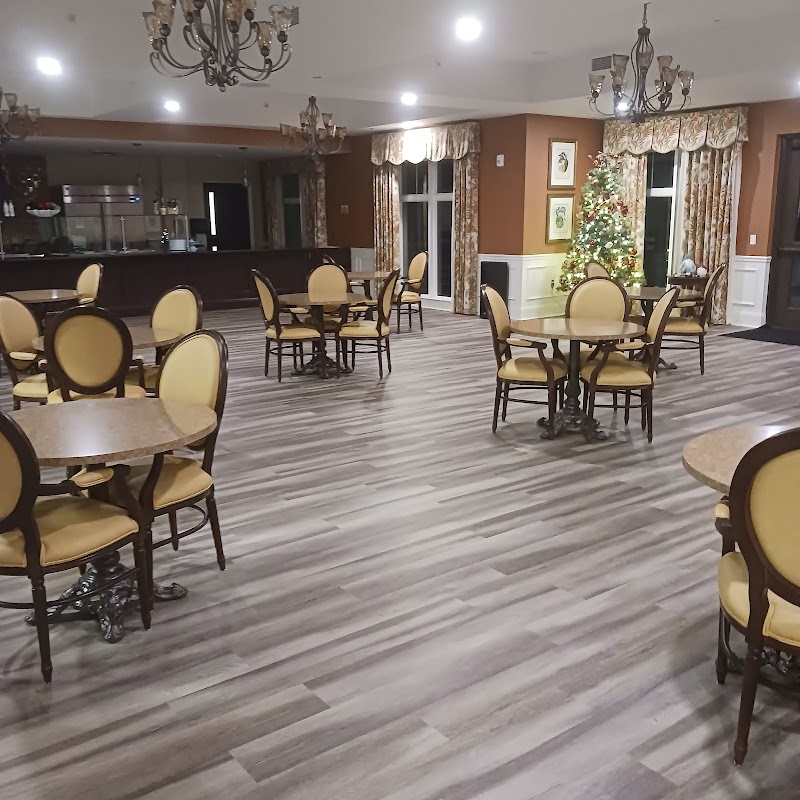
How Does Magnolia Ridge Center Compare to Other Florida Nursing Homes?

Compared to the 100 nursing homes in Florida, MAGNOLIA RIDGE HEALTH AND REHABILITATION CENTER's overall rating (3 stars) is below the state average of 3.2, staff turnover (65%) is significantly higher than the state average of 46%, and health inspection rating (3 stars) is at the national benchmark.

What Should Families Ask When Visiting Magnolia Ridge Center?

Based on this facility's data, families visiting should ask: "How do you ensure continuity of care given staff turnover, and what is your staff retention strategy?" "Can I visit during a mealtime to observe dining assistance and food quality?" "How do you handle medical emergencies, and what is your hospital transfer rate?" "Can I speak with family members of current residents about their experience?" These questions are particularly relevant given the facility's high staff turnover rate.

Is Magnolia Ridge Center Safe?

Based on CMS inspection data, MAGNOLIA RIDGE HEALTH AND REHABILITATION CENTER has a clean safety record: no substantiated abuse findings (meaning no confirmed cases of resident harm), no Immediate Jeopardy citations (the most serious violation level indicating risk of serious injury or death), and is not on the Special Focus Facility watch list (a federal program monitoring the lowest-performing 1% of nursing homes). The facility has a 3-star overall rating and ranks #100 of 100 nursing homes in Florida. While no facility is perfect, families should still ask about staff-to-resident ratios and recent inspection results during their visit.

Do Nurses at Magnolia Ridge Center Stick Around?

Staff turnover at MAGNOLIA RIDGE HEALTH AND REHABILITATION CENTER is high. At 65%, the facility is 19 percentage points above the Florida average of 46%. High turnover means new staff may not know residents' individual needs, medications, or preferences. It can also be disorienting for residents, especially those with dementia who rely on familiar faces. Families should ask: What is causing the turnover? What retention programs are in place? How do you ensure care continuity during staff transitions?

Was Magnolia Ridge Center Ever Fined?

MAGNOLIA RIDGE HEALTH AND REHABILITATION CENTER has been fined $5,678 across 1 penalty action. This is below the Florida average of $33,136. While any fine indicates a compliance issue, fines under $50,000 are relatively common and typically reflect isolated problems that were subsequently corrected. Families should ask what specific issues led to these fines and confirm they've been resolved.

Is Magnolia Ridge Center on Any Federal Watch List?

MAGNOLIA RIDGE HEALTH AND REHABILITATION CENTER is not on any federal watch list. The most significant is the Special Focus Facility (SFF) program, which identifies the bottom 1% of nursing homes nationally based on persistent, serious quality problems. Not being on this list means the facility has avoided the pattern of deficiencies that triggers enhanced federal oversight. This is a positive indicator, though families should still review the facility's inspection history directly.