PALM GARDEN OF GAINESVILLE


227 SW 62ND BLVD, GAINESVILLE, FL 32607 (352) 331-0601
For profit - Limited Liability company 150 Beds PALM GARDEN HEALTH AND REHABILITATION Data: November 2025
Trust Grade
45/100
#543 of 690 in FL
Last Inspection: May 2025

Inspected within the last 6 months. Data reflects current conditions.

Overview

Palm Garden of Gainesville has a Trust Grade of D, which means it is below average and has some concerning issues. It ranks #543 out of 690 facilities in Florida, placing it in the bottom half, and #7 out of 9 in Alachua County, indicating there are only two better options nearby. The facility is improving slightly, with issues decreasing from 11 in 2024 to 10 in 2025. Staffing is an average concern, rated 3 out of 5 stars, but has a high turnover rate of 64%, which is above the state average of 42%. There have been no fines reported, which is a positive sign, but the facility has less RN coverage than 88% of Florida facilities, meaning residents may not receive the oversight they need. Specific incidents noted include a failure to store food safely, increasing the risk of contamination, and staff not following proper precautions for a resident with a contagious condition. Additionally, there were issues with incomplete medical records for several residents, which could affect their care. While there are strengths such as no fines and a good rating for quality measures, the overall concerns about safety and staffing could be worrying for families considering this nursing home for their loved ones.

Trust Score
D
45/100
In Florida
#543/690
Bottom 22%
Safety Record
Low Risk
No red flags
Inspections
Getting Better
11 → 10 violations
Staff Stability
⚠ Watch
64% turnover. Above average. Higher turnover means staff may not know residents' routines.
Penalties
✓ Good
No fines on record. Clean compliance history, better than most Florida facilities.
Skilled Nurses
⚠ Watch
Each resident gets only 25 minutes of Registered Nurse (RN) attention daily — below average for Florida. Fewer RN minutes means fewer trained eyes watching for problems.
Violations
⚠ Watch
29 deficiencies on record. Higher than average. Multiple issues found across inspections.
★★☆☆☆
2.0
Overall Rating
★★★☆☆
3.0
Staff Levels
★★★★☆
4.0
Care Quality
★★☆☆☆
2.0
Inspection Score
Stable
2024: 11 issues
2025: 10 issues

The Good

  • 4-Star Quality Measures · Strong clinical quality outcomes
  • Full Sprinkler Coverage · Fire safety systems throughout facility
  • No fines on record

Facility shows strength in quality measures, fire safety.

The Bad

2-Star Overall Rating

Below Florida average (3.2)

Below average - review inspection findings carefully

Staff Turnover: 64%

18pts above Florida avg (46%)

Frequent staff changes - ask about care continuity

Chain: PALM GARDEN HEALTH AND REHABILITATI

Part of a multi-facility chain

Ask about local staffing decisions and management

Staff turnover is elevated (64%)

16 points above Florida average of 48%

The Ugly 29 deficiencies on record

May 2025 9 deficiencies
CONCERN (D)

Potential for Harm - no one hurt, but risky conditions existed

Deficiency F0628 (Tag F0628)

Could have caused harm · This affected 1 resident

Based on record review and interview the facility failed to ensure a recapitulation summary was documented for 1 of 3 residents, Resident #136, reviewed for discharge. Findings include: Review of re...

Read full inspector narrative →
Based on record review and interview the facility failed to ensure a recapitulation summary was documented for 1 of 3 residents, Resident #136, reviewed for discharge. Findings include: Review of resident #136's medical record did not contain documentation of the recapitulation of stay for the resident. During an interview on 5/30/25 at approximately 10:00 AM Staff L, LPN (Licensed Practical Nurse) on the Short Term Rehabilitation hall stated, Once an order is obtained in the chart for discharge, Social Services starts the process of filling out a Discharge Summary/Recapitulation packet for the resident's discharge. This packet goes home with the resident/representative and a copy goes to medical records. The packet is signed and dated by the resident/responsible party and staff member. A copy will go to Medical Records. During interview on 5/30/25 at approximately 10:30 AM Staff K, Health Information Specialist stated, I am unable to locate a copy of [Resident #136's name] discharge summary. Review of the policy and procedure titled, Policy Transfer and Discharge Effective date: March 2015, last review date of 1/31/25 read, Risk Management/Social Service Policy and Procedure Manual. Policy: The Social Services team members, as a member of the Interdisciplinary Care Planning Team, will participate in the development of a discharge summary when a resident is discharged to a private residence, another nursing health care center or another type of residential health care center according to the following timeframes and center guidelines. 1. Nursing Center Resident. A. Non-skilled: before or at time of discharge. B. Skilled: before or at time of discharge. 2. Sub-acute Resident. A. Before or at time of discharge. Procedure: 1. The discharge summary provides for a recapitulation of the resident's stay and the status at the time of discharge to assure continuity of care.
CONCERN (D)

Potential for Harm - no one hurt, but risky conditions existed

Assessment Accuracy (Tag F0641)

Could have caused harm · This affected 1 resident

Based on observation, interview, and record reviews the facility failed to ensure accurate Minimum Data Set (MDS) assessments for 3 of 8 residents, Residents #73, #103, and #87, reviewed for MDS asses...

Read full inspector narrative →
Based on observation, interview, and record reviews the facility failed to ensure accurate Minimum Data Set (MDS) assessments for 3 of 8 residents, Residents #73, #103, and #87, reviewed for MDS assessments. Findings include: 1) Review of Resident #73's physician order dated 5/3/2025 read, NPO [Nothing by Mouth] diet, Not applicable texture, NPO consistency. Review of Resident #73's speech therapy evaluation dated 5/8/2025 read Clinical Bedside Assessment of Swallowing: Dysphagia: Pt [patient] requiring suctioning of oral secretions. Unable to elicit volitional or reflexive swallow. At this time, not appropriate for PO [oral] trials due to poor oral manipulation, control of ability to initiate a swallow. Review of Resident #73's MDS admission dated 5/9/2025 read Section K0100. Swallowing Disorder, Check all that apply. No areas under this section were marked to acknowledge Resident #73 suffered a swallowing disorder. Review of Resident #73's physician order dated 5/5/2025 read provide suction every 1 hours as needed for retained oral secretions 5/5/2025. Review of Resident #73's electronic medical record dated 5/3/2025, documented by Advanced Practitioner Registered Nurse #1 read Order placed for bedside suction per daughter's request. Review of Resident #73's MDS admission dated 5/9/2025 read, Section O0110.D1. Suctioning: there was no entry documented/marked for suctioning. During an interview on 5/29/2025 at 11:00 AM, Staff B, Licensed Practical Nurse/Minimum Data Set Coordinator (LPN/MDSC) stated, It [suctioning] wasn't marked on the MAR [Medication Administration Record], so I didn't mark it. During an interview on 5/29/2025 at 3:00 PM the Registered Dietician (RD) stated, It [swallowing disorder] should have been marked. I usually wait until Speech has completed their evaluation, but their evaluation was complete on 5/8/2025. During an interview on 5/29/2025 at 2:00 PM, the Director of Nursing stated, I expect the MDS and care plans to be accurate and complete. 2) Review of Resident #87's MDS Evaluation dated 4/24/25 documented the following, Section C - BIMS [Brief Interview for Mental Status] Score - 03 [severe cognitive impairment]. Section N - N0415. High-Risk Drug Classes: Use and Indication: Antipsychotic the response was marked Yes. Review of Resident #87's medical diagnoses documented the following, unspecified dementia, unspecified severity, without behavioral disturbance, psychotic disturbance, mood disturbance, and anxiety; Other: seizures. During an interview on 5/30/25 at 2:00 PM, Staff B, Licensed Practical Nurse (LPN) - Care Plan Specialist, stated, I don't see that [Resident #87's name] was currently or previously receiving an antipsychotic medication. I marked that in error. During an interview on 5/30/25 at 2:45 PM the DON stated, Accuracy for the MDS evaluations is important. Having [Resident #87's name] MDS Evaluation marked 'yes' for receiving antipsychotic medications was another human error. I expect the correct medications and diagnoses to be documented. 3) During an observation on 5/27/25 at 2:11 PM, Resident #103 had a dual lumen, central venous catheter in his right upper chest. (Photographic evidence obtained) Review of Resident #103's medical diagnoses included the following, pneumonia, unspecified organism; methicillin resistant staphylococcus aureus infection as the cause of diseases classified elsewhere; dependence on renal dialysis. Review of Resident #103's MDS Evaluation dated 5/8/25 documented the following, Section C - BIMS 13, (cognition intact). Section I - I1700. Multidrug-Resistant Organism (MDRO) - the documented response was No, and I2000. Pneumonia - the documented response was, No. Section N - High risk medications: antibiotic. Section O - O0110-Special Treatments, Procedures, and Programs: documented No for A.2 - IV [intravenous]; No for H.1 - IV Medications; No for O1. IV Access; and No for O4. - Central. During an interview on 5/29/25 at 10:51 AM Staff B, LPN, Care Plan Specialist stated, We utilized the RAI [Resident Assessment Instrument] Manual as our policy for completing MDS evaluations. The reason pneumonia was marked as 'no' for [Resident #103'sname] during the MDS evaluation conducted on 5/8/25 was that he was not actively receiving treatment for it, and that the reason antibiotics were marked as a 'no' was because he was not ordered to receive them in the facility when he was admitted . The 'Central' in the section regarding IV access should have been marked 'yes,' and there is not an explanation for why multi-drug-resistant organisms (MDRO) was marked 'no.' During an interview on 5/29/25 at 2:00 PM, the DON stated, All newly admitted residents are reviewed at the Morning Meeting the following day, and the review includes the residents' orders and any new diagnoses. The MDS staff attend the Morning Meetings to hear the information in order to complete the MDS evaluations. The omission of [Resident #103's name] having a central venous catheter and the diagnosis of MRSA [methicillin-resistant Staphylococcus aureus]; MRSA is considered a MDRO [multidrug-resistant organism] and the mistake was due to human error.
CONCERN (D)

Potential for Harm - no one hurt, but risky conditions existed

Comprehensive Care Plan (Tag F0656)

Could have caused harm · This affected 1 resident

Based on interviews and record review, the facility failed to comply with the development and implementation of a comprehensive care plan regarding suctioning in 1 out of 3 residents. Resident #73. Fi...

Read full inspector narrative →
Based on interviews and record review, the facility failed to comply with the development and implementation of a comprehensive care plan regarding suctioning in 1 out of 3 residents. Resident #73. Findings include: Review of Resident #73's physician order dated 5/5/2025 showed to read provide suction every 1 hours as needed for retained oral secretions 5/5/2025. Review of Resident #73's electronic medical record dated 5/3/2025, by Advanced Practitioner Registered Nurse #1 showed to read Order placed for bedside suction per daughter's request. During an interview on 5/29/2025 at 11:00 AM, Staff B, Licensed Practical Nurse/Minimum Data Set Coordinator, (LPN/MDS) stated if he [Resident #73] was receiving suctioning, it should have been care planned. During an interview on 5/29/2025 at 2:00pm, the Director of Nursing stated I expect the MDS' [Minimum Data Set] and care plans to be accurate and complete.
CONCERN (D)

Potential for Harm - no one hurt, but risky conditions existed

ADL Care (Tag F0677)

Could have caused harm · This affected 1 resident

Based on interview and record review, the facility failed to ensure residents who were unable to carry out activities of daily living received the necessary services to maintain appropriate grooming a...

Read full inspector narrative →
Based on interview and record review, the facility failed to ensure residents who were unable to carry out activities of daily living received the necessary services to maintain appropriate grooming and personal hygiene for 1 of 3 residents, Resident #61, reviewed for Activities of Daily Living. Findings include: During an interview on 05/27/25 at 11:47 AM, Resident #61 stated, My shower days are Tuesdays, Thursdays, and Saturdays, but that I'm lucky to get a shower once a week. My preference is to have showers on my scheduled shower days. Review of Resident #61's Task List documentation for the period of 5/1/25 through 5/29/25 documented Resident #61 received showers on 5/1/25, 5/24/25, and 5/29/25, with no documentation of other bath or shower provided for the 30 days. During an interview on 5/30/25 at 9:05 AM Staff U, CNA (Certified Nursing Assistant) stated, We try to get each resident up and to the shower at least once a week. I'm not sure how often [Resident #61's name] receives a shower. We are supposed to document it in POC and in the shower book when the resident is bathed. I sometimes forget to document in one or the other location. During an interview on 5/30/25 at 9:20 AM Staff V, LPN stated, I changed the shower schedule for [Resident #61's name] from the 3-11 shift to the 7-3 shift because she [Resident #61] was not always getting her showers as scheduled. [Resident #61's name] was scheduled to receive a shower on Tuesday, Thursday, and Saturday. The Task List documentation was reviewed with Staff V, LPN for Resident #61. Staff V, LPN confirmed there was documentation of only three showers for Resident #61 in the last 30 days. The dates of the showers were confirmed to be documented on 5/1/25, 5/24/25, and 5/29/25. Review on 5/30/25 of the Documentation Survey Report for Resident #61, specifically for the Intervention/Task of Bathing/Showering, for May 2025, documented nine instances of missed opportunities for the administration of a bath or shower per Resident #61's preference and scheduled days for a shower. Review of Resident #61's MDS [Minimum Data Set] Evaluation dated 4/8/25 documented Section C: BIMS (Brief Interview for Mental Status) Score 14 (cognition intact). Section E: No behaviors were documented. Section F: C. F0400. Interview for Daily Preferences: How important is it to you to choose between a tub bath, shower, bed bath, or sponge bath? The response was documented as Very important; F0600. Daily and Activity Preferences Primary Respondent: Indicate primary respondent for Daily and Activity Preferences (F0400 and F0500) - The response was documented as, 1. Resident Section GG: GG0115. Functional Limitation in Range of Motion: Upper body extremities and Lower body extremities - the response is documented as, No impairment. All self-care activities are documented as, Independent, with the exception of shower/bathe self, which is documented as, Supervision or touching assistance. Review of Resident #61's Care Plan documented the following, Focus - Activities of Daily Living (ADL) Self-Care and/or mobility deficit. Needs assistance with ADL's; At risk of developing complications associated with decreased ADL self-performance related to: hypertension (HTN), generalized weakness, fatigue, decreased appetite, shortness of breath Date Initiated: 04/13/2023; Revision on: 04/13/2023. Goal - Will maintain ADL self performance levels as evidenced by no decline in current level of functioning through next review date. Date Initiated: 04/13/2023; Revision on: 04/17/2025; Target Date: 07/15/2025 Will have all ADL's complete by staff as needed. Date Initiated: 04/13/2023; Revision on: 04/17/2025; Target Date: 07/15/2025 Shower/bath-Supervision or touching assistance Date Initiated: 04/13/2023; Revision on: 04/15/2025. Review of the policy and procedure titled, Shower issued 7/2023, last reviewed 1/31/25, read, Purpose: To clean the skin and shampoo hair (as needed). To increase circulation. To exercise body parts/provide range of motion. To reduce tension. To promote comfort while maintaining safety and dignity. Procedure: . 28. Document any observations made during bathing. Observations may include, but are not limited to: Refusal of all or part of shower . 29. Provide the guest/resident with the opportunity to bathe according to guest/resident preference. 30. Document shower in the electronic medical record .
CONCERN (D)

Potential for Harm - no one hurt, but risky conditions existed

Quality of Care (Tag F0684)

Could have caused harm · This affected 1 resident

**NOTE- TERMS IN BRACKETS HAVE BEEN EDITED TO PROTECT CONFIDENTIALITY** Based on observation, interview, and record review, the facility failed to ensure treatment and care was provided in accordance ...

Read full inspector narrative →
**NOTE- TERMS IN BRACKETS HAVE BEEN EDITED TO PROTECT CONFIDENTIALITY** Based on observation, interview, and record review, the facility failed to ensure treatment and care was provided in accordance with professional standards of practice for a central venous catheter for 1 of 3 residents, Resident #103, observed for intravenous (IV) catheter care and medication administration practices. Findings include: During an observation on 5/27/25 at 2:11 PM, Resident #103 had a dual lumen, central venous catheter in his right upper chest with a dressing dated 5/1/25. The catheter insertion site was visible, the dressing was clean, dry, and intact. (Photographic evidence obtained) During an interview on 5/27/25 at 2:11 PM, Resident #103 stated, The last time I was in the hospital they put in the catheter for antibiotics. Since I've returned to the facility, a nurse had said that the dressing needed to be changed, but the dressing has not been changed. Review of Resident #103's medical record documented the resident was most recently admitted on [DATE] with medical diagnosis to include pneumonia, unspecified organism; methicillin resistant staphylococcus aureus Infection as the cause of diseases classified elsewhere; dependence on renal dialysis Review of Resident #103's physician orders did not have documentation of an order for central IV-line dressing changes. Review of Resident #103's Initial Plan of Care Summary (PIC/IPOC), dated 5/1/25, documented that the resident had a percutaneously inserted central catheter (PICC) line. During an interview on 5/28/25 at 3:17 PM, Staff A, LPN stated, I have flushed [Resident #103's name] central venous catheter, as it was ordered to be done daily. I was not sure whether [Resident #103's name] had an order for a dressing change for his central venous catheter, and an order did not pop up in the computer to complete [a dressing change]. I didn't have time to investigate [for an order]. The admitting nurse should have identified whether there was an IV catheter and that it needed an order for a dressing change. During an interview on 5/29/25 at 9:24 AM, Staff B, LPN stated, I worked with [Resident #103's name] on the 11p-7a shift [11:00 PM - 7:00 AM] on 5/26/25. I have been giving his IV Vancomycin on the 3-11 shift [3:00 PM to 11:00 PM]. I looked at the IV site and spoke with the resident about it. I recall that the dressing had a five on it, but I don't recall the full date. I believe the policy for IV dressing changes was for them to be done every seven days. If I identified a dressing was older than seven days, I would go back and check the orders [for frequency of dressing changes], and if it is supposed to be changed, I would report it to my supervisor and contact the doctor for orders. During an interview on 5/29/25 at 9:39 AM, the Medical Director stated, I don't recall being contacted on or around 5/1/25 regarding [Resident #103's name] orders upon readmission from the hospital. I was aware that the resident had a central vascular catheter and intravenous (IV) antibiotics, but I don't recall the nurse discussing any orders for the IV catheter. When residents come back from a hospitalization I usually discuss the medications with the nurse and the orders for IV catheters, such as dressing changes, are in the nursing realm, as IV dressing changes are a nursing standard. During an interview on 5/29/25 at 9:50 AM, Staff C, LPN stated, I am familiar with [Resident #103's name]. I worked with him within the past two to three weeks, but I can't recall the dates. I didn't administer anything to [Resident #103's name] through a central intravenous catheter and I don't recall whether he had a central IV catheter. I believe the policy for IV dressing changes was every seven days, and that as an LPN I would not change the dressing. If I observed that the dressing had been in place for greater than seven days, I would be expected to report it [to her supervisor]. During an interview on 5/29/25 at 9:55 AM the Director of Nursing (DON) When a resident is admitted the nurse completes an admission packet. The nurse would enter the medications and call the doctor to confirm the orders. A head-to-toe assessment would be expected to be done, which includes documentation of a skin check and documentation of any IVs, tubes, or drains. The nurse is expected to review the discharge summary from the hospital and would look to see if a specific type of IV line is mentioned. The expectation is the nurse who admitted [Resident #103's name] would have obtained dressing change orders, and that IV dressings were changed weekly, or more often if the dressing had lifted, was torn, or was soiled. Review of Resident #103's Care Plan, updated on 5/2/25, documented Focus - IV therapy/potential for complications related to PICC line. Date Initiated: 05/02/2025. Goal - IV site will remain free from S/S [signs/symptoms] of infection. Date Initiated: 5/02/2025 Target Date: 06/04/2025. Interventions - Change dressing to IV site per orders/facility policy. Date Initiated: 05/02/2025 Review of Resident #103's evaluation documented on the Clinical admission form dated 5/1/25 under the section for IV catheters/access, there was no documentation of a central venous catheter. Review of the Medical Certification for Medicaid Long-Term Care Services and Patient Transfer Form (3008) provided to the facility from the discharging hospital documented, Section V. Treatment Devices, IV/PICC/Portacath Access - Date Inserted 5/1/25. Type: powerline. Review of the policy and procedure titled, Central Vascular Access Device (CVAD) Dressing Change, with an effective date of 10/2005, read, Considerations - 1. Central vascular access devices (CVADs) include: . 1.4 Implanted venous ports. 2. The catheter insertion site is a potential entry site for bacteria that may cause a catheter-related infection . Guidance - 1. Perform sterile dressing changes using Aseptic Non Touch Technique (ANTT): 1.1 Upon admission 1.1.1 If transparent dressing is dated. clean, dry, and intact, the admission dressing change may be omitted and scheduled for 7 days from the date on the dressing label . 1.2 At least weekly .
CONCERN (D)

Potential for Harm - no one hurt, but risky conditions existed

Drug Regimen Review (Tag F0756)

Could have caused harm · This affected 1 resident

2) Review of Resident #62 Omnicare Consultation Report dated 4/18/2025 read, Recommendation: Please attempt a gradual dose reduction to Abilify 1 mg once daily. The consultation report did not have a ...

Read full inspector narrative →
2) Review of Resident #62 Omnicare Consultation Report dated 4/18/2025 read, Recommendation: Please attempt a gradual dose reduction to Abilify 1 mg once daily. The consultation report did not have a physician signature, or a rationale only documented MD [Medical Doctor] refused. Review of Resident #62 physician order dated 4/17/2025 read, Aripiprazole Tablet 2 mg give 1 tablet by mouth in the morning for depression. During an interview on 5/29/2025 at 3:53 PM Medical Doctor #1 stated, [Resident #62's name] has severe depression and is doing fairly well with the medication. After talking to the resident, we decided to keep the medication. Sometimes the facility requires a rationale, but it is typically more complicated. Usually, the nurses will drop the recommendation in my book, and I will review them. During an interview on 5/30/2025 at 2:51 PM the Director of Nursing stated, [Resident #62 name] consultation report should have been signed and a rationale should have been provided. Based on interview and record review, the facility failed to ensure documentation of physician/prescriber's rationale for declination of pharmacist's recommendations for 3 of 5 residents, Residents #99, #111, and #62, reviewed for unnecessary medications. Findings include: 1) Review of the Medication Regimen Review recommendations for Resident #99 dated 4/22/2025 read [Resident #99's name] 's PRN [as needed] orders below have not been used within the previous 60 days: 1. Artificial. Tears 2. Loperamide 3. Ondansetron 4. Tramadol. Recommendation: Please consider discontinuing due to lack of use. Physician's Response: I decline the recommendation(s) above and do not wish to implement any changes due to the reasons below. The rationale for declining the recommendations was not documented in the resident's record. 2) Review of Medication Regimen Review recommendations for Resident #111 dated 2/26/2025 read, Recommendation: Please decrease citalopram to 20 mg [milligrams] daily or consider alternative therapy. Physician's Response: I decline the recommendation(s) above and do not wish to implement any changes due to the reasons below: Psych follows was documented by the physician 3/4/2025. There was no follow up psych documentation for the rationale for declining the recommendations documented in the resident's record. Review of the Medication Regimen Review recommendations for Resident #111 dated 2/26/2025 read Recommendation: Please discontinue Amitriptyline. Physician's Response: I decline the recommendation(s) above and do not wish to implement any changes due to the reasons below: Psych follows was documented by the physician 3/4/2025. There was no follow up psych documentation for the rationale for declining the recommendations documented in the resident's record. During an interview on 5/29/2025 at 1:30 PM, the Director of Clinical Services (DCS) stated The process is the MRR [Medication Regimen Review] is printed out by medical records and given to the DCS, who forwards them to the Unit Managers. The Unit Managers give them to the physicians to directly address the issues and then we review them. The physician should always document the rationale on the form and in the resident record. During an interview on 5/30/2025 at 11:00 AM, Medical Doctor #2 stated Just because they recommend to discontinue something because it hasn't been used in 60 days doesn't mean he won't need it eventually. I'm not going to discontinue it and turn around and have to re-order it because he needs it. I'll document that on the form from now on. During an interview on 5/30/2025 at 1:00 PM, Advanced Practitioner Registered Nurse (APRN) #1, stated If there is anything involving psych, they have GDR meetings weekly, so all pharmacy recommendations involving psych medication management should be addressed by the Director of Clinical Services, nursing and psychiatric services. Review of the policy and procedure titled, Medication Regimen Review with a last review date of 1/31/2025, read 9. Facility should encourage physician/prescriber or other responsible parties receiving the MRR and the director of nursing to act upon the recommendations contained in the MRR. 9.1 For those issues that require physician/prescriber intervention, facility should encourage physician/prescriber to either accept and act upon the recommendations contained within the MRR or reject all or some of the recommendations contained in the MRR and provide an explanation as to why the recommendation was rejected, as outlined in the State Operations Manual Appendix PP. 9.2. The attending physician should document in the resident's health record that the identified irregularity has been reviewed and what, if any, action has been taken to address it. 9.2.1. If the attending physician/prescriber has decided to make no change in the medication, the attending physician should document the rationale in the residents' health record.
CONCERN (D)

Potential for Harm - no one hurt, but risky conditions existed

Deficiency F0761 (Tag F0761)

Could have caused harm · This affected 1 resident

Based on observation, interview, and record review the facility failed to ensure drugs and biologicals used in the facility were stored in accordance with currently accepted professional principle for...

Read full inspector narrative →
Based on observation, interview, and record review the facility failed to ensure drugs and biologicals used in the facility were stored in accordance with currently accepted professional principle for 1 of 3 hallways reviewed for secured medication. Findings include: 1) During an observation on 5/27/2025 at 10:17 AM of Resident #71 it showed the resident was lying in bed. CeraVe itch relief moisturizing cream, vapor rub, Benadryl extra strength cream, and arthritis cream which contained 10% Trolamine Salicylate was on top of the nightstand. (Photographic evidence obtained) Review of Resident #71's medical record did not document an order or an assessment the resident was safe to self-administer medications. 2) During an observation on 5/27/2025 at 10:28 AM of Resident #53 it showed the resident was lying in bed. Nystatin Cream was observed on top of the nightstand. (Photographic evidence obtained) Review of Resident #53's medical record did not document an order or an assessment the resident was safe to self-administer medications. 3) During an observation on 5/27/2025 at 10:41 AM of Resident #99 it showed the resident was lying in bed. There was a bottle of Clear Eyes, eye drops on top of the bedside table. (Photographic evidence obtained) During an interview on 5/27/2025 at 10:41 AM Resident #99 stated, I do that [pointing to the bottle of eye drops] twice a day, the nurses are supposed to do it for me. Review of Resident #99's medical record did not document an order or an assessment the resident was safe to self-administer medications. During an interview on 5/30/2025 at 9:59 AM Staff M License Practical Nurse stated, [Resident #71's name], [Resident #53's name], and [Resident #99's name] do not have orders for self-administration. Medication should not be left in their rooms unattended. I know that [Resident #71's name] family will bring medications often and leave them in the room. During an interview on 5/30/2025 at 11:01 AM the Director of Nursing (DON) stated, Medication should not be unattended. There should be an assessment but [Resident #53's name], [Resident #71's name], and [Resident #99's name] do not have one at this time. Review of the policy and procedure titled Self Administration of Medications with a last review date of 1/31/2025 read, Procedure: 1. Facility should comply with facility policy, applicable law and the State Operations Manual with respect to resident self-administration of medications. 9. Facility should provide a secure compartment for storage of such medications in accordance with facility policy. 9.1 The medication storage compartments should be located in the resident's room so that another resident is not able to access the medications. 9.2 The storage compartment should be locked when not in use. 4) During an observation on 5/29/25 at approximately 4:05 PM, Staff E, Licensed Practical Nurse (LPN) attempted to administer three oral medications to Resident #107, but the resident refused the medications. Staff E, LPN set the medication cup containing the three pills on the medication cart and walked away from the cart, leaving the medications unattended. During an interview on 5/29/25 at 4:10 PM, Staff F, Registered Nurse, (RN) stated, She [Staff E, LPN] should have at least locked them [the three medications] in the med cart until she had time to deal with them. During an interview on 5/29/25 at approximately 5:20 PM Staff E, LPN stated, I was flustered by answering questions [asked by this writer] and that was what caused me to leave [Resident #107's name] medications unattended. I know I should not have left the medication unattended. Review of the policy and procedure titled, 5.3 - Storage and Expiration Dating of Medications and Biologicals, with an effective date of 12/1/07, and last reviewed 1/2025, read, Applicability: Policy 5.3 sets forth the procedures relating to the storage and expiration dates of medications, biologicals, syringes, and needles. Procedure . 5. Facility should ensure all medication and biologicals, including treatment items, are securely stored in a locked cabinet/cart or locked medication room that is inaccessible to residents and visitors .
CONCERN (D)

Potential for Harm - no one hurt, but risky conditions existed

Infection Control (Tag F0880)

Could have caused harm · This affected 1 resident

Based on observation, interview, and record review, the facility failed to maintain appropriate infection prevention and control practices during medication administration for 2 of 15 residents, Resid...

Read full inspector narrative →
Based on observation, interview, and record review, the facility failed to maintain appropriate infection prevention and control practices during medication administration for 2 of 15 residents, Residents #78 and #338) reviewed for medication administration practices, and failed to ensure appropriate infection control barriers were applied for residents with orders for isolation for 1 of 2 residents, Resident #129, reviewed for infection control. Findings include: 1) During an observation on 5/29/25 at 11:09 AM, Staff D, Licensed Practical Nurse (LPN), donned gloves, and cleaned Resident #78's glucometer. After cleaning the glucometer, and removing her gloves, she dropped the gloves on the ground, picked them up and disposed of them. Staff D then donned a new pair of gloves, without performing hand hygiene, and removed Resident #78's insulin pen [a device used to administer insulin injections] from the medication cart and then removed and disposed of her gloves. Staff D donned a new pair of gloves without performing hand hygiene and entered Resident #78's room and performed a finger stick [a medical procedure where a small amount of blood is collected from the fingertip, typically by pricking the skin with a sterile lancet]; Staff D removed and disposed of her gloves before exiting Resident #78's room. Staff D donned a new pair of gloves without performing hand hygiene and administered the dosage of insulin ordered to Resident #78, via subcutaneous injection. During an interview on 5/29/25 at approximately 11:15 AM, Staff D, LPN stated, I had performed hand hygiene before I started cleaning the glucometer; I should have performed hand hygiene each time I changed my gloves. 2) During an observation on 5/29/25 at approximately 4:20 PM, Staff E, LPN donned gloves as the only form of personal protective equipment (PPE) and administered 10 milliliters of Sodium Chloride Solution 0.9% (normal saline) as ordered to flush Resident #338's PICC (peripherally inserted central catheter which is a long, thin catheter inserted into a vein in the arm and threaded up to a large vein in the chest, near the heart) line. During an interview on 5/29/25 at approximately 4:25 PM, Staff E, LPN stated, Residents [Resident #338] are on EBP [Enhanced Barrier Precautions] for reasons such as intravenous catheters (IVs). Depending on the reason for the EBP the staff are to wear gloves, gowns, and masks, and that those items would be put on in the resident's room, before care, and removed in the resident's room after care. Review of the policy and procedure titled, Enhanced Barrier Precautions, implemented on 8/16/22, and last reviewed 1/31/25, read, Policy: It is the policy of this facility to implement enhanced barrier precautions for the prevention of transmission of multidrug-resistant organisms. Definitions: Enhanced barrier precautions refer to the use of gown and gloves for use during high-contact resident care activities for . those at increased risk for MDRO acquisition (e.g., residents with wounds or indwelling medical devices). Policy Explanation and Compliance Guideline: . 4. High-contact resident care activities include: . g. Device care or use: central lines . 7. Enhanced barrier precautions should be used for the duration of the affected resident's stay in the facility or until the wound heals or indwelling medical device is removed. Review of the policy and procedure titled, Infection Prevention and Control Program, with an effective date of 12/2020, and last reviewed 1/31/25, read, Mission of Program: The primary mission is to establish and maintain an Infection Prevention and Control Program (IPCP) designed to provide a safe, sanitary and comfortable environment to help prevent the development and transmission of communicable diseases and infection. Policy: It is the policy that this facility's Infection Prevention and Control Program (IPCP), is based upon information from the facility assessment including the infection control risk assessment and follows the national standards and guidelines to prevent, recognize and control the onset and spread of infection whenever possible. The infection prevention and control program includes: 1. A system for preventing, identifying, reporting, investigating, and controlling infections and communicable diseases for all residents, staff, volunteers, visitors, and other individuals providing services under a contractual arrangement based upon the facility assessment conducted according to regulatory requirements and following accepted national standards. 2. Written standards, policies, and the procedures for the program, which include: . f. The hand hygiene procedures . Review of the policy and procedure titled, 6.0 General Dose Preparation and Medication Administration, with an effective date of 12/1/07, and last reviewed on 1/31/25, read Applicability - This Policy 6.0 sets forth the procedures relating to general dose preparation and medication administration. Facility staff should also refer to facility policy regarding medication administration and should comply with applicable law and the state operations manual (SOM) when administering medications. Procedure 1. Prior to administering medications, authorized and competent facility staff should follow facility's infection control policy. 1.1 Appropriate hand hygiene should be performed before and after direct resident contact. 3) During an observation on 5/27/2025 at 10:10 AM, Resident #129 had an Enhanced Barrier Precaution sign posted on the door. The back of the sign noted gowns and gloves are required when entering the resident's room. During an interview on 5/27/2025 at 10:16 AM Staff W stated, [Resident #129's name] is supposed to be on contact precautions not enhanced barrier precautions. Review of Resident #129 physician orders dated 5/16/2025 read, Contact precautions every shift for pseudomonas to LLE [left lower extremity] surgical wound. Review of the policy and procedure titled, Transmission Based Precautions, reviewed on 1/31/2025 read, Standard Precautions shall be used when caring for residents at all times regardless of their suspected or confirmed infection status. Transmission based precautions shall be used when caring for residents who are documented or suspected to have communicable diseases or infections that can be transmitted to others. See Nurse Sign: posting will be on resident rooms alerting HCW's (healthcare workers), residents and visitors that they must see the nurse before entering room. The reverse side of the sign will note the type of precaution, method of acceptable hand disinfection and PPE to be utilized. The nurse will provide resident's specific precaution instructions.
CONCERN (E)

Potential for Harm - no one hurt, but risky conditions existed

Medical Records (Tag F0842)

Could have caused harm · This affected multiple residents

**NOTE- TERMS IN BRACKETS HAVE BEEN EDITED TO PROTECT CONFIDENTIALITY** Based on observation, interview, and record review the facility failed to maintain complete and accurately documented medical re...

Read full inspector narrative →
**NOTE- TERMS IN BRACKETS HAVE BEEN EDITED TO PROTECT CONFIDENTIALITY** Based on observation, interview, and record review the facility failed to maintain complete and accurately documented medical records for 5 of 8 residents, Residents #28, #32, #62, #97, and #119 reviewed for medication management, 2 of 6 residents, Residents #99 and #111 reviewed for mood and behavior, 1 of 3 residents, Resident #103 reviewed for intravenous therapy, and 1 of 3 residents, Resident #136, reviewed for discharge. Findings include: 1) Review of Resident #97's physician order dated 5/5/2025 read, Basaglar Kwikpen Solution Pen-Injector 100 UNIT/ML [milliliter] [insulin Glargine] inject 10 unit subcutaneously in the morning for diabetes. Review of Resident #97's physician order dated 5/5/2025 read, Insulin Lispro [NAME] KwiwPen Subcutaneous solution Pen-Injector 100 UNIT/ML [Insulin Lispro] inject as per sliding scale: If 0-150= 0 units, 151-200=2 units, 201-250= 4 units, 251-300= 6 units, 301-350=6 units, 351-400=10 units; 401+ Notify MD [Medical Doctor] subcutaneously before meals for diabetes. Review of Resident #97's Medication Administration Record (MAR) for the Month of May 2025 for Insulin Lispro revealed a blank entry on 5/04/2025 at 0630 [6:30AM]. Review of Resident #97 MAR for the Month of May 2025 for Basaglar Kwikpen 10 units revealed blank entries on 5/9/2025 and 5/13/2025. During an interview on 5/29/2025 at 12:00 PM the Director of Nursing (DON) stated, I spoke to [Staff F, Registered Nurse's name (RN)] and she stated [Resident 97's name] refused the insulin coverage due to the blood glucose level but she forgot to document it in the medication administration record. I also spoke to [Staff G, License Practical Nurse's name (LPN)] and [Resident #97's name] was running less than 150 and did not need coverage but does not know why she did not document it. During an interview on 5/29/2025 at 1:38PM Staff F, RN stated, The blood sugar was low and [Resident #97's name] refused both days on 5/9/2025 and on 5/13/2025 the blood sugar was low. I called the doctor to notify him, and I did not give the insulin. I forgot to write a progress note normally I will write a note in the system. During an interview on 5/29/2025 at 1:33 PM Staff G, LPN stated, I forgot to document that day. [Resident #97's name] was running low I cannot remember the blood sugar level but it was less than 150. [Resident #97's name] did not require insulin coverage normally she runs low. I went to get her a snack and in the exchange forgot to document. 2) Review of Resident #119's physician order dated 2/24/2025 read, Insulin Aspart 100 UNIT/ML inject 11 units subcutaneously three times a day for DM2 [Diabetes Mellitus Type 2] hold for glucose less than 100. Review of Resident #119's MAR for the month of May 2025 documented on 5/10/2025 for Insulin Aspart at 7:30 AM no blood glucose value was documented. Coded as 9 at 2100 [9:00 PM] was checked off as given but no blood glucose value was documented. On 5/14/2025 at 2100 [9:00 PM] blood glucose value was documented as 94 and the insulin was checked off as administered. Review of Resident #119's physician order dated 5/11/2025 read, Insulin Glargine Subcutaneous Solution [Insulin Glargine] Inject 50 units subcutaneously at bedtime for DM. Review of Resident #119's MAR for the month of May 2025 documented for Insulin Glargine 50 units documented on 5/17/2025 HS [hour of sleep] coded 5. During an interview on 5/29/2025 at 4:52 PM Staff R, LPN, stated, The system will not allow you to move forward if you don't document. I might have been quick to click to check it off, but she [Resident #119] did not get the insulin. I always follow the parameters. During an interview on 5/29/2025 at 4:50 PM Staff S, LPN, stated, I don't recall if I held it or not [the insulin]. Normally I would call the provider if I have a question or concern with medication. 3) Review of Resident #28's physician order dated 5/14/2025 read, Tresiba FlexTouch Subcutaneous Solution Pen-injector 100 UNIT/ML [Insulin Degludec] Inject 10 unit subcutaneously in the morning for DM2. Review of Resident #28's MAR for the month of May 2025 documented on 5/2/2205 at HS coded 9. Review of Resident #28's progress noted dated 5/2025 read, bg [Blood Glucose] was 63. During an interview on 5/30/2025 at 1:09 PM the Advance Practice Registered Nurse #1 (APRN #1) stated, Normally staff will contact me if they have a question regarding insulin administration or blood sugars. I have no concerns regarding staff holding medication when they should. I get many calls, and I am not able to remember specific dates. 4) Review of Resident #62's physician order dated 4/17/2025 read, Oxycodone HCL [hydrochloride] capsule 5 mg [milligrams] give 1 tablet by mouth every 6 hours as needed for moderate to severe pain level 6-10. Review of Resident #62's MAR for the month of May 2025 for Oxycodone 5 mg documented medication was given on 5/5/2025 at 2015 [8:20 PM] for a pain level of 4, 5/11/2025 at 2054 [8:54 PM] for a pain level of 4, 5/12/2025 at 2032 [8:32 PM] pain level of 5, on 5/14/2025 at 1411 [2:11 PM], and at 2249 [10:49 PM] pain level of 5, and on 5/15/2025 at 2201 [10:01 PM] pain level of 5. During an interview on 5/30/2025 at 9:29 AM Staff H, RN stated, [Resident #62's name] is always in pain. His pain is never lower than 9 or 10. It was a typo when entering the pain level in the record. During an interview on 5/30/2025 at 11:00 AM the DON stated, I am glad the nurses remember [Resident #62's name] pain levels, but I believe it was more a human error and typing to fast in the key board. During an interview on 5/30/2025 at 2:10 PM Staff L, LPN, stated, Usually his pain is 6 or 7 could have been I entered the wrong pain level. It could have been a distraction, I do not recall. Review of the policy and procedure titled General Dose Preparation and Medication Administration with a last review date of 1/31/2025 read, Procedure: .5.2 Facility staff should verify that the medication name and dose are correct when compared to the medication order on the medication administration record .6. After medication administration, facility staff should take all measures required by facility policy and applicable law, including, but not limited to the following: 6.1 Document necessary medication administration/treatment information (e.g., when medications are opened, when medications are given, injection site of a medication, if medications are refused, PRN [as needed] medications, application site) on appropriate forms. Review of the policy and procedure titled, Charting and Documentation with a last review date of 1/31/2025 read, Purpose: The purpose of this procedure is to provide a complete, accurate, readily accessible and systematically organized medical record. The medical record will reflect a resident's progress toward achieving their person-center plan of care objectives, goals, and improvement and/or maintenance of their clinical functional, mental and psychosocial status. Guidelines, Effective Documentation practices include but are not limited to: use only appropriate terminology and abbreviations. 8) Review of Resident #136's nurses note dated 2/28/25 read, Resident discharged home with husband and home health care. Review of physician orders did not provide for documentation of an order for Resident #136 discharge. During interview on 5/29/25 the DON stated, I received a verbal order for the resident to discharge [Resident #136] and it was written in her progress note not in orders. During interview on 5/30/25 Staff N, LPN, Unit Manager stated, Social Services starts the process of a discharge. The order is obtained from the physician and put in the orders section of the chart. Review of the policy and procedure titled, Transfer and Discharge Requirements F622 and F 623 last review date of 1/31/25 read, Purpose: To ensure that the center follows the requirements under which a guest/resident may be transferred or discharged from the center, the documentation that is required to be included in the medical record, who is responsible for the documentation and the information that is required to be provided to the receiving provider for a transfer or discharge. Procedure: d. The resident's attending physician or the medical director of the center must sign any notice indicating a medical reason for transfer or discharge. i. ARNP or PA [Physician Assistant] may sign. ii. Fax signature is acceptable. 5) Review of resident #32's physician orders dated 12/05/24 read, Midodrine HCL oral tablet 2.5 mg one tablet by mouth two times a day/Hold if systolic Blood Pressure is over 120. Record review of resident #32's MAR for the month of May 2025 for Midodrine HCL 2.5 mg documented the medication was administered for the evening hour on 05/01/25 - BP [blood pressure] 128/80, early hour on 5/03/25 BP - 138/76, evening hour 05/09/25 - BP 144/86, early hour 5/11/25 BP - 130/76, evening on 05/14/25 - BP 131/77, evening hour 5/19/25 - BP 156/88, blank entry for the early hour on 5/24/25, early hour 5/25/25 - BP 145/77, evening 5/26/25 - BP 125/74. During a telephone interview on 05/29/25 at 02:15 PM Staff O, LPN stated, I did not give the medication the last time, I do not recall giving the medication on May 3, 2025. During a phone interview on 05/30/25 at 09:57 AM with Staff P, LPN regarding Midodrine HCL oral tablet 2.5 mg. Staff P stated, If I signed the medication as given it was signed in error, I always take her blood pressure and I know the parameters. During an interview on 05/30/25 at 12:25 PM Medical Doctor #2 stated, If medication was given out of parameter, it would not have a negative effect on the patient due to this drug is short active. I do think I will change the parameter from 120, to hold over 140. During a telephone interview on 05/30/25 at 12:46 PM Staff Q who stated, I did sign the medication out and there should be no blanks on the medication MAR. I know there are parameters and depending on what it was I either gave it or not I just can't remember what the blood pressure was. 6) Review of Resident #99's physician order dated 3/18/2025 read Aripiprazole Oral Tablet 5 mg give 10 mg by mouth at bedtime for schizophrenia. Review of Resident #99's physician order dated 2/23/2024 read Divalproex Sodium Tablet Delayed Release 250 mg give 1 tablet by mouth two times a day for Bipolar. Review of Resident #99's physician order dated 7/22/2024 read Sertraline HCl Tablet 100 mg give 1 tablet by mouth in the morning for major depressive disorder. Review of Resident #99's physician order dated 10/18/2022 read monitor and document behavior concerns using codes provided. Behavior code: 0-no behavior, 1-fear/panic, 2-anger, 3-scream/yell, 4-danger/self/others, 5-delusions, 6-hallucinations, 7-sad/tearful, 8-emotion/act withdrawal, 9-other (describe). Interventions: 1-redirect, 2-1 on 1, 3-Ambulate, 4-Activity, 5-Return to room, 6-Toilet, 7-Give food, 8-Give fluids, 9-Change position, 10-Encourage to rest, 11-Back rub, 12-PRN med. Outcome: I-Improved, S-Same, W-Worse. Side Effects: 0-None, 1-EPS [Extrapyramidal Symptoms], 2-Tardive Dyskinesia, 3-Hypotension, 4-Inc. Review of Resident #99's Treatment Administration Record for March 2025 for behavior monitoring showed staff documented code NA (Not Applicable) on 3/7/2025, 3/9/2025, 3/21/2025, and 3/24/2025 during the 7-3 shift; on 3/5/2027 and 3/22/2025 on the 3-11 shift; on 3/21/2025 during the 11-7 shift. Review of Resident #99's Treatment Administration Record for April 2025 for behavior monitoring showed staff documented code NA on 4/7/2025, 4/8/2025, 4/10/2025, 4/14/2025 and 4/15/2025 during the 7-3 shift; on 4/7/2025, 4/9/2025, 4/14/2025, and 4/23/2025 during the 3-11 shift. Review of Resident #99's Treatment Administration Record for May 2025 for behavior monitoring showed staff documented code NA on 5/8/2025, 5/16/2025, 5/22/2025 and 5/24/2025 on the 7-3 shift. During an interview on 5/30/2025 at 10:00 AM Staff S, LPN stated, You should document 0 if there are no behaviors. N/A is not appropriate. Review of Resident #111's physician order dated 1/17/2025 read Monitor and document behavior concerns using codes provided Behavior code:0 no behavior, 1 Fear/panic, 2 Anger, 3 Scream/yell, 4 Danger/self/others, 5 Delusions, 6 Hallucinations, 7 Sad/tearful, 8 Emotion/Act Withdrawal, 9 other(describe) Interventions:,1 Redirect, 2- 1 on 1, 3 Ambulate, 4 Activity, 5 Return to room, 6 Toilet, 7 Give food, 8 Give fluids, 9 Change position, 10 Encourage to rest ,11 Back rub, 12-PRN med. Outcome: I-Improved, S-Same, W-Worse. Side Effects: 0-None, 1-EPS, 2-Tardive Dys, 3-Hypotension, 4-Inc. Review of Resident #111's physician order dated 1/18/2025 read Amitriptyline HCl oral tablet 25 MG. Give 25 mg by mouth at bedtime for depression. Review of Resident #111's MAR for 04/01/2025 through 04/30/2025 documented NA for the Day Hours on 04/7/2025, 04/08/2025, 04/10/2025, 04/14/2025, 04/15/2025, and 04/17/2025. The Evening Hours on 04/07/2025, 04/08/2025, 04/14/2025, 04/23/2025, and 04/30/2025. Review of Resident #111's MAR for 05/01/2025 through 05/31/2025 documented NA for the Day Hours on 05/08/2025, 05/16/2025, 05/22/2025, and 05/25/2025. During an interview on 5/30/2025 at 2:00 PM, Staff S, LPN stated, If they don't have any behaviors, you document 0 for no occurrences. You should never document NA. During an interview on 5/30/2025 at 12:00 PM, the DON stated, They should always document according to the legend. NA is not on the legend for that section 7) During an observation on 5/27/25 at 2:11 PM, Resident #103 had a dual lumen, central venous catheter on his right upper chest with a dressing dated 5/1/25. (Photographic evidence obtained) During an interview on 5/27/25 at 2:11 PM, Resident #103 stated, The last time he was in the hospital they put in the catheter for antibiotics. Since my return to the facility, a nurse had said that the dressing needed to be changed, but that the dressing had not been changed. Review of Resident #103's Census Data documented the resident was initially admitted on [DATE] and most recently readmitted on [DATE]. Review of Resident #103's medical diagnoses included the following relevant information: pneumonia, unspecified organism; methicillin resistant staphylococcus aureus infection as the cause of diseases classified elsewhere; dependence on renal dialysis During an interview on 5/29/25 at 9:39 AM, the Medical Director stated, I do not recall being contacted on or around 5/1/25 regarding [Resident #103's name] orders upon readmission from the hospital. I was aware that the resident had a central vascular catheter and IV [intravenous] antibiotics, but I don't recall the nurse discussing any orders for the IV catheter. During an interview on 5/28/25 at 3:17 PM, Staff A, LPN stated, I have flushed [Resident #103's name] central venous catheter, as it was ordered to be done daily. I was not sure whether [Resident #103's name] had an order for a dressing change for his central venous catheter, and an order did not pop up in the computer to complete [a dressing change]. I didn't have time to investigate [for an order]. The admitting nurse should have identified whether there was an IV catheter and that it needed an order for a dressing change. During an interview on 5/29/25 at 9:55 AM the DON stated, When a resident is admitted the nurse completes an admission packet. The nurse would enter the medications and call the doctor to confirm the orders. A head-to-toe assessment would be expected to be done, which includes documentation of a skin check and documentation of any IVs, tubes, or drains. The nurse is expected to review the discharge summary from the hospital and would look to see if a specific type of IV line is mentioned. Review of Resident #103's Evaluation revealed a Clinical admission form dated 5/1/25. In the section for IV catheters/access, there was no documentation of a central venous catheter. The section for antibiotics did not contain documentation. Review of the policy and procedures titled, Charting and Documentation, with an effective date of October 2024, and last reviewed 1/31/25, read, Purpose: F 842 - The purpose of this procedure is to provide a complete, accurate, readily accessible and systematically organized medical record. The medical record will reflect a resident's progress toward achieving their person-centered plan of care objectives, goals and improvement and/or maintenance of their clinical, functional, mental and psychosocial status . Overview: . Clinical admission evaluation is initiated upon admission and completed within 24 hours .
Apr 2025 1 deficiency
MINOR (C) 📢 Someone Reported This

A family member, employee, or ombudsman was alarmed enough to file a formal complaint

Minor Issue - procedural, no safety impact

Medical Records (Tag F0842)

Minor procedural issue · This affected most or all residents

Based on interview and record review, the facility failed to ensure resident records were complete and accurate for 1 of 3 residents, Resident #2, reviewed for wound care. Findings include: Review of...

Read full inspector narrative →
Based on interview and record review, the facility failed to ensure resident records were complete and accurate for 1 of 3 residents, Resident #2, reviewed for wound care. Findings include: Review of Resident #2's clinical records doucmented Resident #2 had diagnoses to include pressure ulcer of left buttock, stage 3 (full-thickness skin loss, where the wound extends into the subcutaneous tissue). Review of Resident #2's physician's orders dated 4/1/25 read, Wound Care: left buttock, pressure; clean with soap & water, pat dry, apply honey to calcium alginate and cover open area. Cover with optifoam dsg [dressing], T/Th/Sat [Tuesday/Thursday/Saturday] and PRN [as needed] every evening shift every Tue, Thu, Sat [Tuesday/Thursday/Saturday] for left buttock, pressure, S3 [Stage 3] and as needed for left buttock, pressure, S3 [Stage 3]; heel protectors to bilateral heels while in bed as tolerated every shift for wound prevention; Wound Care: right lateral heel, pressure; skin prep daily to lateral heel every evening shift for right lateral heel; pressure, S1 [Stage 1] and Wound Care: left heel, pressure; skin prep daily to lateral heel; every evening shift for left heel, pressure, S1 [Stage 1]. Review of Resident #2's treatment administration record, dated 4/1/2025 - 4/30/2025, failed to provide documentaiton of Resident #2's ordered treatment for left buttock on 4/10/2025 and 4/12/2025, ordered treatment for the left heel was not documented on 4/4/2025, the ordered treatment for his right lateral heel was not documented on 4/4/2025, and his ordered intervention for bilateral heel protectors was not documented on 4/4/2025. During an interview on 4/14/2025 at 12:50 PM, the Director of Nursing stated audits had been completed and had been focused audits to ensure wound treatments were completed as ordered. The verification audits were not focused on determining whether wound treatments had been documented when completed. She confirmed Resident #2's wound care interventions had not been documented completed as ordered on the April, 2025 treatment administration record.
Dec 2024 1 deficiency
CONCERN (D) 📢 Someone Reported This

A family member, employee, or ombudsman was alarmed enough to file a formal complaint

Potential for Harm - no one hurt, but risky conditions existed

Infection Control (Tag F0880)

Could have caused harm · This affected 1 resident

**NOTE- TERMS IN BRACKETS HAVE BEEN EDITED TO PROTECT CONFIDENTIALITY** Based on observation, interview, and record review, the facility failed to prevent the possible spread of infection when failing...

Read full inspector narrative →
**NOTE- TERMS IN BRACKETS HAVE BEEN EDITED TO PROTECT CONFIDENTIALITY** Based on observation, interview, and record review, the facility failed to prevent the possible spread of infection when failing to perform hand hygiene or use appropriate personal protective equipment (PPE) when performing care for 1 (Resident #1) of 3 residents on Enhanced Barrier Precautions. Findings include: Review of the admission record for Resident #1 documented the resident was readmitted to the facility on [DATE] with diagnoses including a pressure ulcer of the sacral region, Stage 4 [a wound on the lower back that extends through all layers of skin, exposing underlying muscle, tendons, and bone and requires extensive and prolonged treatment], schizophrenia [a disorder that affects a person's ability to think, feel, and behave clearly], major depressive disorder, difficulty in walking, and urinary tract infection. Review of the physician's order dated 11/12/2024 for Resident #1 read, Enhanced Barrier Precautions - Wound/Catheter every shift for Stage 4/catheter. Review of the physician's order dated 11/25/2024 for Resident #1 read, Indwelling [urinary] Catheter #18 FR [French] per 10ml [milliliters]. DX [diagnosis]: Stage IV [four] wound to sacrum. During an observation on 12/27/2024 at 10:02 AM there was an Enhanced Barrier Precautions (EBP) sign on Resident #1's door. There was a blue storage unit hung on the door containing Personal Protective Equipment (PPE) including gowns, gloves, and masks. At 10:05 AM Staff A, Certified Nursing Assistant (CNA) and Staff B, CNA entered Resident #1's room and without performing hand hygiene, Staff A and Staff B donned gloves and proceeded to the resident's bedside. Without wearing gowns, Staff A stood at the right side and Staff B stood at the left side of Resident #1's bed. Staff B, CNA pulled down the resident's top blanket, unfastened the front of Resident #1's incontinence brief, grabbed a package of disposable wet wipes, used for cleaning the resident's skin, and cleaned the skin around the resident's urinary catheter. Staff A and Staff B, without wearing gowns, pulled Resident #1 onto her right side. Staff B, CNA cleaned the stool off from the resident's buttock area using the wet wipes, threw the soiled incontinence brief into the trash beside the resident's bed, and placed a clean incontinence brief under the resident. Staff A, CNA and Staff B, CNA then rolled the resident partially onto her back and Staff B pulled up the clean incontinence brief over the foley catheter and fastened the brief at the resident's waist. Staff A, CNA removed the stool soiled reusable blue absorbent under pad from under Resident #1's bottom and tossed the under pad on the floor against the wall at the foot of the bed. Staff B removed his gloves and without performing hand hygiene, re-opened the package of hygiene wipes and wiped Resident #1's face. Staff A, CNA removed his gloves, and without performing hand hygiene, exited the room at 10:12 AM. At 10:13 AM Staff A, CNA re-entered Resident #1's room with a clear plastic bag, and without performing hand hygiene or wearing gloves, picked up the stool soiled blue under pad from the floor and placed it the bag, and without performing hand hygiene, exited the room. After wiping Resident #1's face with the hygiene wipes and without performing hand hygiene, Staff B, CNA opened and closed the drawers of Resident #1's nightstand, grabbed a tube of facial moisturizer from the top of the stand, and applied the moisturizer cream to Resident #1's face. At 10:15 AM, without performing hand hygiene, Staff B, CNA picked up the clear bag of trash from the trash can, exited Resident #1's room, proceeded down the hallway to the dirty utility room, punched the keypad code, opened the door, and entered the room. During an interview on 12/27/2024 at 10:16 AM, Staff B, Certified Nursing Assistant stated, She (Resident #1) is on Enhanced Barrier Precautions because she has a foley catheter. I should have worn a gown when cleaning her and changing her brief. I should have performed hand hygiene before I put on my gloves and after I took my gloves off before I did any other care with her. During an interview on 12/27/2024 at 11:13 AM, Staff A, Certified Nursing Assistant stated, I didn't wear a gown, but I wore gloves when caring for (Resident #1's name). I didn't think I needed to wear a gown. She has a catheter, but I was just helping with care. I put her dirty under pad on the floor because I didn't have a bag. I shouldn't have done that. I washed my hands before I came in the room. I should have washed my hands after I removed my gloves, but I didn't. I didn't wear gloves when I picked up the dirty pad of the floor either. During an interview on 12/27/2024 at 11:15 AM, the Administrator in Training stated, Staff needs to perform hand hygiene before they go in the room, before they put on and after they take off their gloves. We never place anything dirty on the floor. The staff need to wear a gown and gloves for residents on Enhanced Barrier Precautions when performing care. That includes foley catheters and wounds. During an interview on 12/27/2024 at 1:48 PM, the Director of Clinical Services confirmed that the staff should have been wearing a gown when performing incontinence care for Resident #1 because she had an indwelling urinary catheter device. The Director of Clinical Services stated, The expectation is to wear a gown and gloves for anyone with a line, tube, or drain. Staff should perform hand hygiene when entering the room, before putting on their gloves, when changing their gloves, when going from dirty to clean areas of the body, and after resident care. Review of the signage, by the U.S. Department of Health and Human Services Centers for Disease Control and Prevention, posted on Resident #1's door read, Enhanced Barrier Precautions: Everyone MUST perform hand hygiene with alcohol-based hand rub (ABHR) or soap and water before entering and exiting. Wear gloves and a gown for the following high-contact resident care activities: Transferring, Bathing/Showering, Changing Linens, Providing Hygiene, Changing briefs/assisting with toileting, and Device care or use: Central line, urinary catheter .Wound Care. Review of the policy titled, Enhanced Barrier Precautions, implemented 08/16/2022 read, Policy: It is the policy of this facility to implement enhanced barrier precautions for the prevention of transmission of multidrug-resistant organisms. Definitions: Enhanced Barrier Precautions refer to the use of gown and gloves for use during high-contact resident care activities for residents known to be colonized or infected with MDRO (multidrug-resistant organisms) as well as those at increased risk of MDRO acquisition (e.g., residents with wounds or indwelling medical devices. Policy Explanation and Compliance Guidelines: c. Clear signage will be posted on the door or wall outside of the resident room indicating the type of precautions, required personal protective equipment (PPE), and the high-contact resident care activities that require the use of gown and gloves. 2. b. An order for enhanced barrier precautions will be obtained for residents with any of the following: i. Wounds (e.g., chronic wounds such as pressure ulcers, diabetic foot ulcers, unhealed surgical wounds, and chronic venous stasis ulcers) and/or indwelling medical devices (e.g., central lines, hemodialysis catheters, urinary catheters .even if the resident is not known to be infected or colonized with a MDRO. 4. High-contact resident care activities include: e. Changing linens, f. changing briefs or assisting with toileting, g. Device care or use: central lines, urinary catheters . Review of the U.S. Centers for Disease Control and Prevention website titled, Clinical Safety: Hand Hygiene for Healthcare Workers, last updated 2/27/2024, read, Know when to clean your hands: Immediately before touching a patient, before moving from work on a soiled body site to a clean body site on the same patient. After touching a patient or patient's surroundings. After contact with blood, body fluids, or contaminated surfaces. Immediately after glove removal. Know when to wear (and change) gloves: Gloves are not a substitute for hand hygiene. If your task requires gloves, perform hand hygiene before donning gloves and touching the patient or the patient's surroundings. Always clean your hands after removing gloves. When to wear gloves: When you anticipate that you will come in contact with blood or other infectious materials, mucous membranes, non-intact skin, potentially contaminated skin or contaminated equipment). When to change gloves and clean hands: If gloves become soiled with blood or body fluids after a task. If moving from work on a soiled body site to a clean body site on the same patient or if a clinical indication for hand hygiene occurs. Before exiting a patient room. https://www.cdc.gov/clean-hands/hcp/clinical-safety/index.html
Nov 2024 1 deficiency
CONCERN (D) 📢 Someone Reported This

A family member, employee, or ombudsman was alarmed enough to file a formal complaint

Potential for Harm - no one hurt, but risky conditions existed

Safe Environment (Tag F0584)

Could have caused harm · This affected 1 resident

Based on observation and interview, the facility failed to provide a clean and homelike environment. Findings include: During an observation on 11/7/2024 beginning at 10:30 AM, there were multiple cir...

Read full inspector narrative →
Based on observation and interview, the facility failed to provide a clean and homelike environment. Findings include: During an observation on 11/7/2024 beginning at 10:30 AM, there were multiple circular spots of a black substances on the vents of the air conditioner units in the rooms of Residents #6, #7, #8, #9, #10, and #12. During an interview on 11/7/2024 at 11:45 AM, the Environmental Director stated that the environmental services was responsible for cleaning the vents of the air conditioner units daily with a cloth and surface cleaner. The Environmental Director observed the black circular spots on the vents and stated, They should be cleaned daily and those don't look like they were clean, when the environmental staff cannot adequately get to the harder areas to reach on the vents, they are supposed to notify maintenance. During an interview on 11/7/2024 at 11:52 AM, the Maintenance Director observed the air conditioner vents and stated, They are not clean and should be wiped down. During an interview on 11/7/2024 at 11:55 AM, Resident #8 stated that the spots of a black substance on his air conditioner vents would be dangerous to his health. During an interview on 11/7/2024 at 11:58 AM, Resident #9 stated, I have asthma, and it would be very bad for it. During an interview on 11/7/2024 around 1:00 PM, the Director of Clinical Services confirmed that the conditions of the vents were not acceptable.
Apr 2024 1 deficiency
CONCERN (D) 📢 Someone Reported This

A family member, employee, or ombudsman was alarmed enough to file a formal complaint

Potential for Harm - no one hurt, but risky conditions existed

Deficiency F0582 (Tag F0582)

Could have caused harm · This affected 1 resident

Based on interview and record review, the facility failed to provide Medicare coverage and liability notice to resident representative for 1 of 3 residents reviewed for notice of Medicare non coverage...

Read full inspector narrative →
Based on interview and record review, the facility failed to provide Medicare coverage and liability notice to resident representative for 1 of 3 residents reviewed for notice of Medicare non coverage, Resident #1. Findings include: Review of Resident #1's admission record showed Resident #1's daughter as the responsible party, with the power of attorney for financial affairs, healthcare Surrogate, and care conference person. Review of Resident #1's medical records showed Health Care Surrogate signed by Resident #1 on 4/11/2005, appointing Resident #1's Daughter as health care surrogate. Review of Resident #1's care plan initiated on 1/23/2024 showed a focus for impaired cognition as evidence by decision making problem, short term memory deficit, long term memory deficit, and problems understanding others. Review of Resident #1's MDS (Minimum Data Set) dated 1/29/2024 showed BIMS (Brief Interview for Mental Status) score of 5 (severe cognitive impairment) under Section C. Cognitive Patterns. Review of Resident #1's Determination of Incapacity form dated 12/18/2023, showed the resident lacked the capacity to give informed consent to make medical decisions. Review of Resident #1's Transaction Report for the period from 2/1/2024 through 3/31/2024 showed a total due from Medicare A- Coinsurance Private of $4080.00 under Medicare A- Coinsurance Private from 2/1/2024 to 2/19/2024. Review of Resident #1's Insurance Explanation Courtesy Letter dated 1/22/2024, read, This year's rate is $204.00 per day. We have verified your Medicare Supplement Insurance benefits and will bill this copay to your insurance as a courtesy after Medicare has paid their portion. Your insurance company has stated that they will pay the below percentage of this copay until your benefits are exhausted. Your portion will be billed to you on a weekly basis and will be due upon receipt. Please note, if we have not received payment from your insurance company within 45 days of billing, payment in full will be expected from you or your loved one. Date Copay Begins: 01/22/2024 . Days of Copay: 9. Review of Resident #1's Activity Report showed financial statements generated on 2/6/2024 with a balance of $1,224.00, on 2/16/2024 with a balance of $3,264.00, and on 2/23/2024 with a balance of $4,488.00. During an interview on 4/18/2024 at 11:55 AM, the Business Manager stated, All financial documents would have been delivered to the room. [Resident #1's name] BIMS score is low that was an error in our part. The daughter may not have been aware of the financial responsibility. When I spoke to her on the 2/16/2024, it was only in regard to the NOMNC [Notice of Medicare Non-Coverage] did not mention the past due amounts. The business office is responsible for checking the BIMS scores and delivering the financial information accordingly. During an interview on 4/18/2024 at 1:35 PM, the Director of Nursing stated, If [Resident #1's Daughter's name] would have called and notified us, the Administrator would have written the outstanding amount off, but she did not reach out to the facility Administrator. Review of the facility's admission Agreement read, Payment . 3. [NAME] and Rate Changes: We shall provide you with monthly statements itemizing all charges incurred by you. We shall provide you with at least sixty (60) days written notice of any increase in the basic daily rate or increase in rates for non-covered services or items provided by our center . Benefits and Third-Party Payors . In the event you fail to pay for your care or services, we will notify you and a person you designate of such delinquency.
Feb 2024 8 deficiencies
CONCERN (D)

Potential for Harm - no one hurt, but risky conditions existed

MDS Data Transmission (Tag F0640)

Could have caused harm · This affected 1 resident

Based on record review and interview, the facility failed to ensure that resident assessments were transmitted in a timely manner for 2 of 3 residents sampled, Residents #44 and #46. Findings include:...

Read full inspector narrative →
Based on record review and interview, the facility failed to ensure that resident assessments were transmitted in a timely manner for 2 of 3 residents sampled, Residents #44 and #46. Findings include: Review of Resident #44's Minimum Data Set (MDS) Discharge Return Anticipated Assessment showed the assessment status was exported on 1/29/2024. Resident #44's assessment did not have a status of accepted. Review of Resident #46's Minimum Data Set (MDS) Discharge Return Not Anticipated Assessment status was exported on 1/30/2024. Review of Resident #46's assessment did not have a status of accepted. During an interview on 2/29/2024 at 10:06 AM, the MDS Coordinator stated, Those assessments [Resident #44's and Resident #46's] were done but did not transmit. We [the facility] do not have a policy for transmitting assessments but followed the MDS manual.
CONCERN (D)

Potential for Harm - no one hurt, but risky conditions existed

Quality of Care (Tag F0684)

Could have caused harm · This affected 1 resident

Based on observation, interview, and record review, the facility failed to provide surgical wound care and treatment in accordance with professional standards of practice for 1 of 4 residents reviewed...

Read full inspector narrative →
Based on observation, interview, and record review, the facility failed to provide surgical wound care and treatment in accordance with professional standards of practice for 1 of 4 residents reviewed for skin conditions, Resident #77 (Photographic evidence obtained). Findings include: During an interview on 2/26/2024 at 10:08 AM, Resident #77 stated, I had a mole removed last Thursday [2/22/2024]. On Saturday, the CNA [Certified Nursing Assistant] covered my site with gauze and transparent dressing. I don't think I'm supposed to have a dressing on there. During an observation on 2/26/2024 at 10:14 AM, Resident #77 had a transparent dressing with gauze under a transparent dressing on his right forearm. There was a dime sized circular area on the gauze of brownish drainage. Review of Resident #77's admission record revealed the resident had diagnoses including hypertension, osteoarthritis, heart failure, and stage 3 kidney disease (chronic). Review of Resident #77's dermatology visit note dated 12/28/2023 read, Impression/Plan: Neoplasm of Uncertain Behavior . Ddx [differential diagnosis] includes: Squamous Cell Carcinoma. Review of Resident #77's medical records revealed no physician order or treatment administration record entry for wound care on right forearm surgical site. During an interview on 2/27/2024 at 8:39 AM, Resident #77 stated, The CNA put it [the gauze and transparent dressing] on before my shower on Saturday [2/24/2024)], so I didn't get the sutures wet. No one has checked it at all. I don't think I'm supposed to have a dressing on there. During an observation on 2/27/2024 at 2:12 PM, Resident #77's right forearm had a tan colored large adhesive bandage covering the surgical site. During an interview on 2/27/2024 at 2:19 PM, Staff D, Licensed Practical Nurse (LPN), stated, I changed the dressing this morning because he [Resident #77] took the other one off. I cleansed it with normal saline, applied antibiotic ointment, then covered it with the dressing. During an interview on 2/28/2024 at 9:58 AM, Staff D, LPN, stated, I don't have a physician's order for [Resident #77's name] wound care, but it's basically the same thing as the other orders. I should have orders for wound care. There are no orders for care of his wound. During an interview on 2/28/2024 at 10:18 AM, the Director of Nursing (DON) stated, The expectation is that staff should review doctor's orders for wound care and treatment. If the dermatology office didn't give instructions for post-operative care, then the expectation is that staff call the dermatology office or the facility provider and get clarification. The nurse did not have orders for the care and should have. Review of the facility policy and procedure titled Skin Care & Wound Management with an approval date of 1/30/2024 read, Policy: As part of an ongoing Quality Assurance process, skin care and wound management guidelines are to provide necessary treatment and services to promote healing, prevent infection, control pain and prevent development of pressure injury(s) unless the resident's clinical condition demonstrates that they were unavoidable . Procedure . Guidelines for Skin Care and Wound Management include . Skin inspection on a regular and ongoing basis to provide documentation and prompt interventions of any changes noted. Manage wound care using guidelines based upon current standards of practice . Inspection and Wound Management . The Skin Grid-Other will be completed upon identification of impaired skin at admission, at hospital return, at the time of a surgical wound, venous stasis wound, diabetic wound, burn, skin tear, laceration, abrasion, rash, MAD (moisture associated dermatitis) or any other significant skin condition is found . Current standards of practice will be used for skin and wound management. Appropriate treatment protocols will be based upon Palm Garden skin and Wound Care Guidelines and Lower Extremity Wound Care Guidelines in addition to Physician treatment orders. Physician treatment orders obtained and documented on the TAR (Treatment Administration Record).
CONCERN (D)

Potential for Harm - no one hurt, but risky conditions existed

Respiratory Care (Tag F0695)

Could have caused harm · This affected 1 resident

Based on observation, interview, and record review, the facility failed to administer oxygen per physician order and according to professional standards of practice for 2 of 3 residents reviewed for r...

Read full inspector narrative →
Based on observation, interview, and record review, the facility failed to administer oxygen per physician order and according to professional standards of practice for 2 of 3 residents reviewed for respiratory care, Residents #36 and #112. Findings include: 1. Review of Resident #36's admission record revealed the resident was admitted with the diagnoses including end stage renal disease, hypertensive heart and chronic kidney disease without heart failure with stage 5 chronic kidney disease, type 2 diabetes mellitus without complications, cerebral infarction, hemiplegia and hemiparesis affecting left non-dominant side, unspecified atrial fibrillation, essential primary hypertension, and major depressive disorder. Review of Resident #36's physician order dated 8/16/2023 read, Oxygen at 2 LPM [liters per minute] via N/C [nasal cannula] or mask every shift . Oxygen Continuously every shift. During an observation on 2/26/2024 at 10:10 AM, Resident #36 was receiving oxygen at 3 liters per minute via nasal cannula. During an observation on 2/28/2024 at 8:17 AM, Resident #36 was receiving oxygen at 3 liters per minute via nasal cannula. During an interview on 2/28/2024 at 8:17 AM, Resident #36 stated, I don't change that [the oxygen]. I can't reach it. During an interview on 2/28/2024 at 8:55 AM, Staff B, Registered Nurse (RN), confirmed that the oxygen was running at 3 liters per minute for Resident #36 and stated, All oxygen should be administered according to doctor's orders. During an interview on 2/28/2024 at 11:10 AM, the Director of Nursing (DON) stated, It is my expectation that nurses check oxygen daily and make sure it is running correctly. They should follow doctor's orders for running oxygen. 2. Review of Resident #112's admission record revealed the resident was admitted with the diagnoses including unspecified heart failure, essential primary hypertension and type 2 diabetes mellitus without complications. Review of Resident #112's physician order dated 12/5/2023 read, Oxygen at 3 LPM via N/C at bedtime for low sats [oxygen saturation] and as needed for low O2 [oxygen] sats < [less than] 90 during the day. During an observation on 2/26/2024 at 10:16 AM, Resident #112 was resting quietly in bed, receiving oxygen at 4 liters per minute. During an observation on 2/27/2024 at 8:10 AM, Resident #112 was resting in bed, receiving oxygen at 4 liters per minute. During an observation on 2/28/2024 at 7:43 AM, Resident #112 was resting in bed, receiving oxygen at 4 liters per minute. During an interview on 2/28/2024 at 8:55 AM, Staff B, RN, stated, It is at 4 liters and should be at 3 liters. We should check when we give meds [medications]. Review of the facility policy and procedures titled Oxygen Administration with the last approval date of 1/30/2024 read, Procedure: 1. Verify physician's order to include, but not be limited to: flow rate, duration of use (PRN [as needed], continuous, etc.), parameters for monitoring oxygen saturation, as indicated . 14. Monitor oxygen flow rate and oxygen saturation, as ordered.
CONCERN (D)

Potential for Harm - no one hurt, but risky conditions existed

Staffing Information (Tag F0732)

Could have caused harm · This affected 1 resident

Based on observation and interview, the facility failed to ensure nurse staffing information was posted daily. Findings include: During an observation on 2/26/2024 at 8:56 AM, the posted nurse staffin...

Read full inspector narrative →
Based on observation and interview, the facility failed to ensure nurse staffing information was posted daily. Findings include: During an observation on 2/26/2024 at 8:56 AM, the posted nurse staffing was dated 2/23/2024 (Photographic evidence obtained). During an interview on 2/28/2024 at 8:23 AM, the Director of Nursing stated, It is the responsibility of the weekend supervisor to post the staffing report daily. I was not aware the staffing report had not been posted daily. The facility does not have a policy for posting the staff report, but they follow the regulations.
CONCERN (D)

Potential for Harm - no one hurt, but risky conditions existed

Deficiency F0761 (Tag F0761)

Could have caused harm · This affected 1 resident

Based on observation, interview, and record review, the facility failed to ensure medications were securely stored in 1 of 3 residential units, Unit 300. Findings include: 1. During an observation on...

Read full inspector narrative →
Based on observation, interview, and record review, the facility failed to ensure medications were securely stored in 1 of 3 residential units, Unit 300. Findings include: 1. During an observation on 2/26/2024 at 9:14 AM, Resident #55 was in her bed. A tube of Zinc Oxide Ointment was on Resident #55's bedside table. There was no nurse or other facility staff present in the resident's room. During an interview on 2/26/2024 at 9:14 AM, Resident #55 stated, I had bed sores and the cream is used for my bed sores. During an observation on 2/27/2024 at 8:03 AM, a tube of zinc oxide was on Resident #55's bedside table. There was no nurse or other facility staff present in the resident's room. Review of Resident #55's physician order dated 1/10/2024 read, Wound care to bilateral buttocks; apply zinc after each incontinent episode, every day and evening for prevention . Order Status: Active. Start Date: 1/10/2024. Review of Resident #55's physician orders revealed no order to self-administer medications. Review of Resident #55's Self Administration of Medication Consent Form dated 12/9/2023 and initialed by Resident #55, showed the resident had indicated, No, I do not want to exercise my right to self-administer by [Sic.] medications. During an interview on 2/28/2024 at 8:27 AM, the Director of Nursing stated that to her knowledge Resident #55 had not been assessed for self-administration of medication. She stated that Resident #55 had indicated she did not wish to self-administer medications on the self-administration of medication consent form dated 12/9/2023. During an interview on 2/28/2024 at 9:01 AM, Staff A, Licensed Practical Nurse/Unit Manager, stated the zinc oxide ointment found on Resident #55's bedside table should have been secured in the treatment cart and labeled for Resident #55. 2. During an observation on 2/27/2024 at 8:08 AM, Resident #344 was in her room. Resident #344 was holding two boxes of tubes of Nystatin External Cream 100000 unit/gram antifungal cream. There was no nurse or other facility staff present in Resident #344's room. During an interview on 2/27/2024 at 8:08 AM, Resident #344 stated the doctor had given her the cream to use on her buttocks. Review of Resident #344's physician order dated 2/27/2024 read, Nystatin External Cream 100000 unit/gm [gram] (Nystatin Topical), apply to periarea topically every shift for redness apply until healed; may use home supply . Order Status: Active. Start Date: 2/27/2024. Review of Resident #344's physician orders revealed no order to self-administer medications. Review of Resident #344's Self Administration of Medication Consent Form dated 2/19/2024 and initialed by Resident #344, showed the resident had indicated, Yes, I would like to exercise my right to self-administer my medications. I understand that this right is subject to the results of the assessment of the care plan team. Review of Resident #344's care plan dated 2/19/2024 revealed no resident assessment for self-administration of medications. During an interview on 2/28/2024 at 9:07 AM, Staff A, Licensed Practical Nurse/Unit Manager, stated, [Resident #344's name] family brought the antifungal cream into the facility. I removed two tubes of the antifungal cream from [Resident #344's name] room but later discovered [Resident #344's name] had four tubes of the antifungal cream. I think her family probably brought it in the night before. [Resident #344's name] should not have the cream at beside, and it should have been in the cart. Staff A confirmed that Resident #344 had not been assessed for self-administration of medication. Review of Resident #344's progress note dated 2/28/2024 showed the progress note read, Self-Administration of Medication Notes: Medications found at bedside and removed. At this time, MD [Medical Doctor] prefers that resident not have Nystatin cream and powder at bedside due to overuse. Nursing will document the times resident requests the medication for 72 hours and then reevaluate to ensure proper use. Self-Administration Plan: Resident is not approved for self-administration of medications. Resident may not keep meds [medications] at bedside. Review of the facility policy and procedures titled Medications, Storage of with the last review date of 1/30/2024, showed the policy read, Purpose: The purpose of this procedure is to ensure the medications are stored in a safe, secure, and orderly manner. General Guidelines . 6. Compartments containing medications are locked when not in use. Trays or carts used to transport such items are not left unattended. (Compartments include, but are not limited to, drawers, cabinets, rooms, refrigerators, carts and boxes.) Review of the facility policy and procedures titled Administration of Drugs with the last review date of 1/30/2024, showed the policy read, Key Procedural Points . 20. Medications should not be left at the bedside. Review of Self Administration of Medication Consent Form provided by the facility showed the consent form read, It is the policy of this facility that the resident has the right to self administer his or her own medication if the interdisciplinary team has determined that the practice is safe. The following criteria must be met: 1. Physician's orders for administration of medication must be on file at the facility (may be all or a specific drug); 2. The resident has signed a document stating his/her desire to self medicate; 3. The level of ability to identify medication, dosage, time, and to store properly has been determined as safe by the interdisciplinary team; 4. A safe storage place, plan for documentation and a method of accountability have been established; 5. If at any time the interdisciplinary team determines the practice is unsafe, the resident and physician will be notified.
CONCERN (D)

Potential for Harm - no one hurt, but risky conditions existed

Medical Records (Tag F0842)

Could have caused harm · This affected 1 resident

**NOTE- TERMS IN BRACKETS HAVE BEEN EDITED TO PROTECT CONFIDENTIALITY** Based on observation, interview, and record review, the facility failed to maintain accurate and complete medical records for 1 ...

Read full inspector narrative →
**NOTE- TERMS IN BRACKETS HAVE BEEN EDITED TO PROTECT CONFIDENTIALITY** Based on observation, interview, and record review, the facility failed to maintain accurate and complete medical records for 1 of 2 residents reviewed for insulin administration out of a total of 6 residents reviewed for medications, Resident #104. Findings include: Review of Resident #104's admission record showed the resident was initially admitted on [DATE] with the diagnoses including type 2 diabetes mellitus, cerebral infarction (a stroke), and atrial fibrillation (an irregular heartbeat). Review of Resident #104's physician order dated 8/10/2022 read, Insulin Regular Human Solution Pen-injector 100 unit/ml [milliliter] inject s per sliding scale. Review of Resident #104's physician order dated 6/5/2023 read, Levemir FlexPen Subcutaneous Solution Pen-injector 100 unit/ml (Insulin Detemir), Inject 20 units subcutaneously in the morning for DM [diabetes mellitus]. Review of Resident #104's Medication Administration Record (MAR) for January 2024 revealed no documentation of blood sugar level and administration of insulin on 1/9/2024 at 6:30 AM and on 1/23/2024 at 6:30 AM. Review of Resident #104's MAR for February 2024 revealed no documentation of blood sugar level and administration of insulin on 2/18/2024 at 6:30 AM. Further review revealed code 13 documented on 2/8/2024 for Levemir FlexPen 20 units subcutaneously. Review of the medication administration chart codes read, 13= does not require sliding scale insulin. During an interview on 2/27/2024 at 3:07 PM, Staff C, Licensed Practical Nurse (LPN), stated, I really don't think that I held this medication. I think that really is a documentation error. I would always give long-acting insulin and would check with the physician before I held a long-acting insulin. Yes, this was definitely a documentation mistake. During an interview on 2/28/2024 at 11:15 AM, the Director of Nursing (DON) stated, It was documented by mistake. I do expect accurate documentation for all medications. Nurses do not hold long-acting insulin for the short acting parameters. There are no parameters on the long acting insulins. I expect the nurses to follow our policies and document accurately when they give medications. There should be no blanks on the MAR. Review of the facility policy and procedures titled Administration of Drugs with the last review date of 1/30/2024 read, Policy: Residents shall receive their medications on a timely basis and in accordance with our established policies. Key Procedural Points . 7. Medications must be documented by the person administering the drugs immediately following the administration. The date, time administered, dosage, etc., must be documented in the electronic medical record and signed by the person administering the medication . Reporting and Documentation: 1. Document the following: date, time and initials.
CONCERN (D)

Potential for Harm - no one hurt, but risky conditions existed

Infection Control (Tag F0880)

Could have caused harm · This affected 1 resident

Based on observation, interview, and record review, the facility failed to ensure staff performed hand hygiene during medication administration to help prevent the possible transmission of infection a...

Read full inspector narrative →
Based on observation, interview, and record review, the facility failed to ensure staff performed hand hygiene during medication administration to help prevent the possible transmission of infection and communicable diseases in 3 of 6 observations for medication administration. Findings include: During an observation on 2/28/2024 at 7:37 AM, Staff B, Registered Nurse (RN), exited a resident room after administering medications. Staff B returned to the medication cart and unlocked the cart and prepared medications for Resident #32 without performing hand hygiene. Staff B locked the medication cart, entered the resident's room and administered the medications. Staff B exited the resident's room and returned to the medication cart to prepare medications for another resident. During an observation on 2/28/2024 at 7:41 AM, Staff B, RN, exited a resident room after administering medications. Staff B returned to the medication cart and unlocked the cart and prepared medications for Resident #65 without performing hand hygiene. Staff B locked the medication cart, entered the resident's room and administered the medications. Staff B exited the resident's room and went to the nursing station. During an observation on 2/28/2024 at 8:26 AM, Staff B, RN, exited a resident room, returned to the medication cart, and began preparing medications for Resident #99 without performing hand hygiene. Staff B entered Resident #99's room and determined that the resident needed to be pulled up in bed prior to administering medications. Staff B returned to the medication cart and placed the medications in the medication cart. Staff B entered Resident #99's room, donned gloves without performing hand hygiene, and pulled Resident #99 up in the bed. Staff B doffed gloves without performing hand hygiene and returned to the medication cart and got the medications from the medication cart. Staff B returned to Resident #99's room and administered the medications without performing hand hygiene. During an interview on 2/28/2024 at 9:05 AM, Staff B, RN, stated, I should have washed my hands after I removed my gloves and before I prepared the residents' medications. Review of the facility policy and procedures titled Hand hygiene with the last review date of 1/30/2024 read, Purpose: The purpose of this procedure is to provide guidelines to employees for proper and appropriate handwashing techniques that will aid in the prevention of the transmission of infections . When to Hand Hygiene . 4. Before preparing or handling medications . 9. After removing gloves.
CONCERN (E)

Potential for Harm - no one hurt, but risky conditions existed

Food Safety (Tag F0812)

Could have caused harm · This affected multiple residents

Based on observation, interview, and record review, the facility failed to ensure food was safely stored, covered, labeled, and failed to ensure the equipment was cleaned in the areas of the kitchen a...

Read full inspector narrative →
Based on observation, interview, and record review, the facility failed to ensure food was safely stored, covered, labeled, and failed to ensure the equipment was cleaned in the areas of the kitchen and nourishment rooms. Findings include: A walk-through tour of the kitchen was conducted on 2/26/2024 at 9:16 AM with the Certified Dietary Manager (CDM). There were twelve large containers in the walk-in cooler that did not have identifying labels. There were eleven sandwiches and fourteen swirl cups in the reach-in cooler with no identifying labels. There was a pan of chicken noodle soup on the tray line at 9:22 AM with lunch times being 11:20 AM- 12:25 PM. During an interview on 2/26/2024 at 9:20 AM, the CDM stated that the containers did not have identifying labels and all leftover foods should be covered, labeled, and dated according to standards of practice. The CDM identified the twelve leftover food items in the walk-in cooler as pans of Salisbury steak, cabbage casserole, turkey, sweet potatoes, Italian sausages, hot dogs, gravy, ham, tomato soup, roast beef, beets, and marinara sauce. The CDM identified the eleven sandwiches as eight egg salad and three chicken salad sandwiches, and also identified eight swirl cups as chicken salad and six swirl cups as cottage cheese. During the follow-up tour of the kitchen on 2/27/2024 at 6:00 AM with the CDM, the drip tray on the gas stove had a buildup of black and tan grease and food debris, the microwave oven had food particles and rusty colored stains on the interior of the microwave, there were items opened and wrapped tightly on the spice tray with no identifying label, there was a large buildup of dust on the top of the reach-in cooler and reach-in freezer on the condenser motor and cords, and there was an opened bag of bread mix that was not properly closed or dated when opened in the dry storage. During an interview on 2/27/2024 at 6:00 AM, the CDM stated, The drip tray should have a new liner changed out weekly, the microwave should be cleaned daily, and maintenance department should be notified when cleaning is needed for the coils on top of reach-in cooler. I am not sure of what content in the wrapped item on the spice tray. The CDM unwrapped the item and found it to be chocolate chip cookies. The CDM stated that the wrapped item should have the date and identifying label and the mix in the dry storage room should have been properly closed and dated when opened. During an observation of nourishment rooms on 2/28/2024 at 8:00 AM, 2 of 3 nourishment rooms had microwaves that had a large buildup of food debris of tan, black, gold, and brown splotches and splatters on the interior sides and top of the microwaves. During an interview on 2/28/2024 at 8:10 AM, the CDM confirmed the microwave ovens were dirty with a buildup of food debris. Review of the document titled Kitchen Sanitation dated April 2017 and revised September 2018 read, Policy: The Culinary staff shall maintain the sanitation of the Dietary Department through compliance with the posted comprehensive cleaning schedules.
Aug 2023 1 deficiency
CONCERN (D) 📢 Someone Reported This

A family member, employee, or ombudsman was alarmed enough to file a formal complaint

Potential for Harm - no one hurt, but risky conditions existed

Medical Records (Tag F0842)

Could have caused harm · This affected 1 resident

Based on interview and record review the facility failed to ensure medical records for each resident were complete and accurately documented for 2 of 3 residents reviewed for skin and wound care (Resi...

Read full inspector narrative →
Based on interview and record review the facility failed to ensure medical records for each resident were complete and accurately documented for 2 of 3 residents reviewed for skin and wound care (Resident #1 and #3). Findings include: 1. Review of the admission record for Resident #1 documented diagnoses to include fractured pelvis, sepsis, generalized muscle weakness, peripheral vascular disease, hyperlipidemia, heart failure unspecified, hypothyroidism, gastro-esophageal reflux disease, glaucoma, and major depressive disorder. Review of the physician orders for Resident #1 dated 4/3/2023 reads, Nystatin External Powder 100000 unit/gm (gram) (Nystatin Topical) Apply to groin/buttock topically every day and evening shift for rash for 14 days. Review of the Treatment Administration Record (TAR) dated 4/1/2023 through 4/30/2023 for Resident #1 showed Nystatin External Powder was not documented as completed on 4/5/2023, 4/7/2023, 4/8/2023, 4/92023 and 4/10 2023 on the day shift and 4/10/2023 on the evening shift. Review of the physician orders for Resident #1 dated 4/18/2023 reads, Nystatin External Powder 100000 unit/gm (gram) (Nystatin Topical) Apply to groin/buttock topically every day and evening shift for redness/yeast for 14 days. Review of the TAR dated 4/1/2023 through 4/30/2023 for Resident #1 showed Nystatin External Powder was not documented as completed on 4/26/2023, 4/27/2023 and 4/28/2023 on the evening shift and 4/28/2023 and 4/29/2023 on the day shift. Review of the physician orders for Resident #1 dated 5/3/2023 reads, Barrier cream to buttocks every shift for redness. Review of the TAR dated 5/1/2023 through 5/31/2023 for Resident #1 showed barrier cream was not documented as completed on 5/6/2023, 5/7/2023, 5/8/2023, 5/11/2023 and 5/12/2023 on the day shift and on 5/6/2023 on night shift. Review of the physician orders for Resident #1 dated 5/3/2023 reads, Buttocks: clean area, dry, apply xeroform and secure with barrier cream daily and PRN every shift for MAD (Moisture Associated Skin Damage)/redness. Review of the TAR dated 5/1/2023 through 5/31/2023 for Resident #1 showed Buttocks: clean area, dry, apply xeroform and secure with barrier cream daily was not documented as completed on 5/13/2023, 5/14/2023, 5/15/2023, 5/16/2023, 5/17/2023, 5/18/2023, 5/19/2023, 5/20/2023, 5/22/2023, 5/23/2023, 5/24/2023 and 5/31/2023 on the day shift and 5/16/2023, 5/18/2023 and 5/25/2023 on the evening shift and 5/23/2023 on the night shift. Review of the TAR dated 5/1/2023 through 5/31/2023 for Resident #1 showed Buttocks: clean area, dry, apply xeroform and secure with barrier cream daily was not documented as completed on Review of Resident #1's June TAR Buttock, clean area, dry, apply xeroform and secure with barrier cream daily was not documented as completed on/4 and 6/6/2023 evenings and 6/5/2023 on days. Review of the physician orders for Resident #1 dated 6/6/2023 reads, Wound care: Right Heel: clean ns (normal saline), pat dry, apply Nystatin powder, cover with isl drsg (island dressing) every day shift for skin tear for 14 days. Review of the TAR dated 6/1/2023 through 6/30/2023 for Resident #1 showed Wound care: Right Heel: clean ns (normal saline), pat dry, apply Nystatin powder, cover with isl drsg (island dressing) every day shift was not documented as completed on 6/8/2023, 6/9/2023, 6/10/2023, 6/11/2023 and 6/12/2023. 2. Review of the admission record for Resident #3 documented diagnoses to include anemia, chronic obstructive pulmonary disease, unspecified atrial fibrillation, and chronic pain syndrome. Review of the physician orders for Resident #3 dated 7/28/2023 reads, Clean right lower extremity with normal saline, allow to dry, apply Sorbact (type of dressing) to wound, cover with ABD (abdominal) pad and wrap with kerlix (gauze) change daily every shift for ulcers/lymphedema. Review of the TAR dated 8/1/2023 through 8/31/2023 for Resident #3 showed clean right lower extremity with normal saline, allow to dry, apply Sorbact to wound, cover with ABD pad and wrap with kerlix change daily was not documented as completed on 8/2/2023. Review of the physician orders for Resident #3 dated 7/28/2023 reads, Cleanse coccyx with normal saline, allow to air dry, apply honey to wound bed and cover with foam dressing change daily every day for stage 4 pressure. Review of the TAR dated 8/1/2023 through 8/31/2023 for Resident #3 showed cleanse coccyx with normal saline, allow to air dry, apply honey to wound bed and cover with foam dressing change daily every day for stage 4 pressure was not documented as completed on 8/2/2023. Review of the physician orders for Resident #3 dated 7/29/2023 reads, Lidocaine External Patch 4% (Lidocaine) Apply to RLE (Right Lower Extremity) topically at bedtime for pain. Review of the TAR dated 8/1/2023 through 8/31/2023 for Resident #3 showed Lidocaine External Patch 4% (Lidocaine) Apply to RLE topically at bedtime for pain was documented as administered on 8/9/2023 and 8/10/2023. Review of the physician orders for Resident #3 dated 8/2/2023 reads, Clean right lower extremity with NS, allow to dry, apply collagen sheet with silver to wound, cover with ABD pad and wrap with kerlix change daily every day shift for ulcers/lymphedema. Review of the TAR dated 8/1/2023 through 8/31/2023 for Resident #3 showed clean right lower extremity with NS, allow to dry, apply collagen sheet with silver to wound, cover with ABD pad and wrap with kerlix change daily was not documented as completed on 8/4/2023 and 8/14/2023. During an interview on 8/16/2023 at 1:38 PM Staff A, Licensed Practical Nurse (LPN) stated, We should be signing that wound treatments are completed. During an interview on 8/16/2023 at 1:50 PM the Director of Nursing (DON) stated, We should document all treatments and care we provide. There are blanks in the documentation, we are not following our policies related to documentation. Staff should always document that they completed the treatments. Review of the policy and procedure titled, Skin Care & Wound Management last revision date of July 2017 reads, Policy: As part of an ongoing Quality Assurance process, skin care and wound management guidelines are to provide necessary treatment and services to promote healing, prevent infection, control pain, and prevent development of pressure injury(s) unless the resident's clinical condition demonstrates that they were unavoidable. The resident's right to pain management will be respected and supported. The resident will also be encouraged to be a partner in care. Procedure: Guideline for Skin Care and Wound Management include: monitor resident response to interventions for prevention and/or treatments and revise the care plan baseed on response, outcomes, needs and resident wishes. Page 4. Current standards of practice will be used for skin and wound management. Appropriate treatment protocols will be based upon Palm Garden Skin and Wound Guidelines and Lower Extremity Wound Care Guidelines in addition to Physician treatment orders. Physician orders obtained and documented on TAR (treatment administration record).
May 2023 1 deficiency
CONCERN (D) 📢 Someone Reported This

A family member, employee, or ombudsman was alarmed enough to file a formal complaint

Potential for Harm - no one hurt, but risky conditions existed

Medical Records (Tag F0842)

Could have caused harm · This affected 1 resident

**NOTE- TERMS IN BRACKETS HAVE BEEN EDITED TO PROTECT CONFIDENTIALITY** Based on interview and record review, the facility failed to ensure that resident records were complete and accurate for 1 (Resi...

Read full inspector narrative →
**NOTE- TERMS IN BRACKETS HAVE BEEN EDITED TO PROTECT CONFIDENTIALITY** Based on interview and record review, the facility failed to ensure that resident records were complete and accurate for 1 (Resident #2) of 3 residents reviewed. Findings include: Review of the admission record for Resident #2 documented the resident was admitted on [DATE] and re-admitted on [DATE] with diagnoses that included type 2 diabetes mellitus and pain in left knee. Review of the physician's orders for Resident #2 dated 2/7/23 read Ice to left knee for 15 mins (minutes) two times a day for pain. Review of the Treatment Administration Records (TARs) for Resident #2 for February and March, 2023 revealed no documentation that ice was applied two times a day for pain on 2/13/23, 2/17/23, 3/6/23 and 3/12/23. Review of the physician's orders for Resident #2 dated 2/7/23 read Voltaren External Gel 1% (Diclofenac Sodium Topical) Apply to left knee topically two times a day for pain. Review of the TARs for Resident #2 for March 2023 revealed no documentation that Voltaren External Gel 1% to left knee topically two times a day for pain was applied on 3/6/23, 3/9/23 and 3/12/23. During an interview on 5/25/23 at 3:20 PM the Director of Nursing confirmed Voltaren External Gel 1% was not administered March 6th, 9th , or 12th [3/6/23, 3/9/23 and 3/12/23] and ice to left knee for 15 minutes twice a day for pain was not administered February 13th, February 17th, March 6th, and March 12th [2023]. The resident was in the facility during these times and the treatments were not documented as given.
Apr 2023 1 deficiency
CONCERN (D) 📢 Someone Reported This

A family member, employee, or ombudsman was alarmed enough to file a formal complaint

Potential for Harm - no one hurt, but risky conditions existed

Pressure Ulcer Prevention (Tag F0686)

Could have caused harm · This affected 1 resident

Based on observation, interview, and record review, the facility failed to provide necessary treatment to promote healing and prevent infection of existing pressure ulcers for 2 of 4 sampled residents...

Read full inspector narrative →
Based on observation, interview, and record review, the facility failed to provide necessary treatment to promote healing and prevent infection of existing pressure ulcers for 2 of 4 sampled residents (Resident #9 and #10). Findings include: During an observation at 9:54 AM on 4/6/23 Resident #9 was observed lying in bed. The resident's wound care dressing to the left lower extremity was observed loose on three of four edges exposing the wound. The dressing was dated 4/4/23. There was no dressing on Resident #9's toe. Review of the physician's order dated 4/5/23 for Resident #9 read Right Lat Ankle: clean area, dry, apply honey to wound, cover with isl dsg [island dressing] daily and PRN [as needed] for Pressure, Unstageable, every evening shift for pressure. Review of the physician's order dated 4/5/23 for Resident #9 read Left plantar 2nd Toe: clean area, dry, apply honey to wound, cover with isl dsg daily and PRN evening shift for Pressure, Unstageable. During an interview on 4/6/23 at 1:30 PM Staff A, Licensed Practical Nurse (LPN), stated, The dressings to her foot and toe should be changed daily. The dressing was not intact. It should have been changed last night but it was not. During an observation at 9:35 AM on 4/6/23 Resident #10 was observed lying in bed. The resident's wound care dressing to the right lower extremity was 4/4/23. Review of the physician's order dated 3/22/23 for Resident #10 read Right heel: apply honey to gauze then to wound, cover with abd [abdominal] pad and wrap with Kerlix [gauze] daily and PRN every day shift for Trauma Wound. During an interview on 4/6/23 at 9:40 AM Staff A, LPN stated, The dressing is dated 4/4/23. That is the dressing I put on Tuesday. It should have been changed yesterday but it was not.
Oct 2022 5 deficiencies
CONCERN (D)

Potential for Harm - no one hurt, but risky conditions existed

Quality of Care (Tag F0684)

Could have caused harm · This affected 1 resident

**NOTE- TERMS IN BRACKETS HAVE BEEN EDITED TO PROTECT CONFIDENTIALITY** Based on observation, record review, and interview, the facility failed to ensure the residents received urostomy site dressing ...

Read full inspector narrative →
**NOTE- TERMS IN BRACKETS HAVE BEEN EDITED TO PROTECT CONFIDENTIALITY** Based on observation, record review, and interview, the facility failed to ensure the residents received urostomy site dressing care and services in accordance with professional standards of practice for 1 of 9 residents who needed dressing changes, Resident #89. Findings include: Review of Resident #89's medical records revealed the resident was admitted on [DATE] with the diagnoses including malignant neoplasm of vulva, stage 4 chronic kidney disease, essential hypertension, heart failure, anemia, type 2 diabetes. Review of Resident #89's physician order dated 9/7/2022 reads, Urostomy Site: remove dressing on urostomy site r [right] side gently avoid pulling on tubing, clean site with wound cleanser, dry and apply split sponge and cover with gauze. Cover area with a large tegaderm. Change q [every] 3 days and PRN [as needed]. During an interview on 10/4/2022 at 12:35 PM, Resident #89 stated that the staff were supposed to change her dressing every three days but did not do it. During an observation on 10/4/2022 at 2:16 PM, Resident #89's dressing was dated 9/26/2022 and was loose at the upper left corner. Percutaneous nephrostomy tubing insertion site was visible. During an observation on 10/5/2022 at 8:15 AM, Resident #89's dressings was dated 9/26/2022, soiled with dark brown substance, and loose from the upper right and left corners. Percutaneous nephrostomy tubing insertion site was visible. During an interview on 10/5/2022 at 8:35 AM, Staff J, LPN, stated, Looks like the dressing is dated 9/26/2022. Staff J confirmed the dressing was soiled and should have been changed on 9/29/2022 and 10/2/2022. During an interview on 10/5/2022 at 8:40 AM, Resident #89 stated, I have never refused my dressing changes. This time, it was not too bad. Sometimes they take weeks to change it. During an interview on 10/6/2022 at 11:42 AM, the Director of Nursing stated, My expectation for staff is to follow the physician orders and if the resident refuses, notify the provider. Review of the facility policy and procedure titled Dressing, Sterile, Clean revised in August 2019 and last reviewed on 1/14/2022 reads, Purpose: The purpose of this procedure is to provide guidelines for dressing change in order to promote wound healing, contain drainage and prevent undue contamination and provide comfort to the resident . Procedure - Sterile Dressing Change: 1. Verify physician's orders, gather supplies, and equipment . 20. Apply dated and initialed tape to outside of dressing change.
CONCERN (D)

Potential for Harm - no one hurt, but risky conditions existed

Deficiency F0688 (Tag F0688)

Could have caused harm · This affected 1 resident

**NOTE- TERMS IN BRACKETS HAVE BEEN EDITED TO PROTECT CONFIDENTIALITY** Based on observation, record review, and interview, the facility failed to ensure a resident with limited range of motion receiv...

Read full inspector narrative →
**NOTE- TERMS IN BRACKETS HAVE BEEN EDITED TO PROTECT CONFIDENTIALITY** Based on observation, record review, and interview, the facility failed to ensure a resident with limited range of motion received appropriate treatment and services to prevent further decrease in range of motion for 1 of 16 residents with contractures, Resident #114. Findings include: Review of Resident #114's medical records revealed the resident was admitted on [DATE] with the diagnoses including cerebral infarction due to unspecified occlusion or stenosis of right middle cerebral artery, muscle weakness (generalized), difficulty in walking, oropharyngeal phase dysphagia, cognitive communication deficit, dysphagia following cerebral infarction, other speech and language deficits following cerebral infarction, essential (primary) hypertension, hyperlipidemia, anxiety disorder, dysarthria following cerebral infarction. During an observation on 10/4/2022 at 1:11 PM, Resident #114 was in a wheelchair in her room with her left arm on her chest in a flexed position. The resident had no splint on her arm. During an observation on 10/4/2022 at 3:33 PM, Resident #114 was in bed socializing with family members. The resident's left arm was on her chest in a flexed position. The resident had no splint on her left arm. During an observation on 10/5/2022 at 8:44 AM, Resident #114 was in bed. The resident had no splint on her left arm. During an observation on 10/6/2022 at 10:12 AM, Resident #114 was observed in bed. The resident had no splint on her left arm. Review of the physician order dated 4/28/2022 for Resident #114 reads, Patient to wear L [Left] dyna proflex elbow small splint and L palmar guard splint. Patient to wear left elbow splint and L palmar guard splint together. Both are to be donned at breakfast time and doffed at dinner time. Check for skin irritation. [NAME] at breakfast and doff at bedtime. Review of the physician order dated 4/28/2022 for Resident #114 reads, Patient to wear resting palmar splint for the LUE [Left Upper Extremity] at bedtime and doff at breakfast time. Check for signs of skin irritation. Review of Resident #114's care plan initiated on 10/1/2021, reads, Focus: Resident has actual contractures of left upper, left lower extremity related to stroke . Interventions . Patient to wear resting palmar splint for the LUE at bedtime . Splint type Left D4N9 pro flex Elbow Large. Set at 35 degrees. Apply to Left upper extremity at breakfast time and doff at dinner. To be worn with Left palmar guard. Date Initiated: 10/28/2021. Revision on: 09/21/2022. During an interview on 10/6/2022 at 10:12 AM, Staff I, Clinical Support Specialist, stated, It is the possibility that therapy may have been rotating her splint on and off. Most of the time, when she is up, she has it on. The only time she has it off is when she is in bed. During an interview on 10/6/2022 at 10:18 AM, the Director of Rehabilitation stated, She [Resident #114] is not currently on workload. I was not aware that she didn't have it currently. She did have a splint. During an interview on 10/6/2022 at 1:58 PM, the Director of Nursing (the DON) confirmed the resident did not have her splint on and stated that the CNAs [Certified Nursing Assistants] did not know she needed her splint. Review of the facility policy titled Splint and Brace Program with an effective date of December 2020 and last review date of 1/14/2022, reads, Splints are to be worn according to the schedule outlined in the Referral from therapy then placed in Tasks and the [NAME]. Therapy will train the CNAs and nursing team members how to put the device on and off with the specifics on the splinting program form.
CONCERN (D)

Potential for Harm - no one hurt, but risky conditions existed

Unnecessary Medications (Tag F0759)

Could have caused harm · This affected 1 resident

Based on observation, interview, and record review, the facility failed to ensure the medication error rate was not 5% or greater. The medication error rate was 28.57%. Findings include: 1. During a ...

Read full inspector narrative →
Based on observation, interview, and record review, the facility failed to ensure the medication error rate was not 5% or greater. The medication error rate was 28.57%. Findings include: 1. During a medication administration observation on 10/4/2022 beginning at 12:48 PM, Staff D, License Practical Nurse (LPN), began preparing medications for Resident #57. Staff D administered the following morning medications at 1:02 PM: Acetaminophen Tablet 500 mg [milligrams] for pain, Diltiazem HCl coated beads tablet extended release 24 hour 120 MG for hypertension, Carvedilol Tablet 3.125 mg for hypertension, Apixaban Tablet 5 mg blood thinner for atrial fibrillation, Cholecalciferol Tablet 40 mg supplement, Furosemide Tablet 40 mg for heart failure, Digoxin tablet 1.25 mcg [micrograms], and Lisinopril 2.5 mg for hypertension. Review of the physician orders dated 7/13/2022 for Resident #57 reads, Acetaminophen Tablet 500 mg, give 1 tablet by mouth three times a day for non-acute pain . Diltiazem HCl ER [Extended Release] Coated Beads Tablet Extended Release 24 hour 120 mcg, give 1 tablet by mouth in the morning related to essential (primary) hypertension . Carvedilol Tablet 3.125 mg, give 1 tablet by mouth two time a day related to essential (primary) hypertension . Apixaban Tablet 5 mg, give 1 tablet by mouth two times a day related to unspecified atrial fibrillation . Cholecalciferol Tablet 25 mcg (1000 UT), give 1 tablet by mouth in the morning for supplement . Furosemide Tablet 40 mg, give 1 tablet by mouth in the morning related to chronic diastolic (congestive) heart failure . Digoxin Tablet 125 mcg, give 1 tablet by mouth in the morning related to unspecified atrial fibrillation . Lisinopril Tablet 2.5 mg, give 1 tablet by mouth in the morning related to essential (primary) hypertension. During an interview on 10/4/2022 at 1:15 PM, Staff D, LPN, stated, I'm doing my best. I am just trying to get all my morning medications completed. It's my first day and I do not even know the tech's name, and no one has come to check on me. I've not asked for help. During an interview on 10/6/2022 at 8:37 AM, Staff A, Unit Manager, stated that all morning medications should be given before noon; if the medications could not be given timely, then supervisors were to be informed and the physician should be informed. During an interview on 10/6/2022 at 10:49 AM, the Director of Nursing (DON) stated the morning medications have a window and were to be given before noon.
CONCERN (F)

Potential for Harm - no one hurt, but risky conditions existed

Food Safety (Tag F0812)

Could have caused harm · This affected most or all residents

Based on observation, interview, and record review, the facility failed to ensure food was safely stored in the kitchen and dry storage areas, and the food was distributed in accordance with professio...

Read full inspector narrative →
Based on observation, interview, and record review, the facility failed to ensure food was safely stored in the kitchen and dry storage areas, and the food was distributed in accordance with professional standards. Findings include: 1. On 10/4/2022 at 9:16 AM, a walk-through tour of the kitchen with the Certified Dietary Manager (CDM) revealed containers that were labeled as cornstarch, flour, regular sugar, brown sugar, and rice on a shelf that was approximately two inches from the floor. The containers had numerous specks of debris on the exterior of the containers and were not stored at least six inches off the floor or on a surface that was clean or protected from contamination or splash. The walk-through of the dry storage area revealed a can rack and shelving with food items including vegetables, cake mixes, and cereals that had been removed from the original containers with no date marking for date received or an expiration date. During an interview on 10/4/2022 at 9:16 AM, the Certified Dietary Manager (CDM) stated the specks on the storage containers of flour, cornstarch and rice were due to splashes from the mopping of the floor. The CDM confirmed the shelves were approximately two inches from the floor and should have been at least six inches, and they did not mark a date when items were removed from the original containers or before placing them on shelves for use. Review of the facility policy and procedure titled Food Storage revised in September 2022 reads, Procedure: 1. Food storage areas shall be maintained in a clean manner at all times. 2. Food and supplies shall be stored at least 6 inches above the floor (except as allowed under the Food Code) and at least 18 inches from sprinkler heads. Shelves, racks, dollies or other surfaces used for food storage should facilitate thorough cleaning. Food and supplies should be protected from contamination such as sewage, wastewater, condensation, rodents or vermin. All packaged food, canned foods or food items shall be maintained clean and dry at all times. Review of the facility policy and procedure titled Rotation of product in Dry Storage dated October 2022 reads, Policy: Food products in dry storage will be rotated per standard practice. Procedure: 1. Rotate existing stock using the First-In First-Out method so that items stocked first are used before items stocked more recently. 2. Identify the expiration date on the food. 3. Store items with the earliest expiration date in front of items with later dates. 2. On 10/4/2022 at 12:39 PM, during an observation of the food tray delivery, staff removed the trays from the food cart located in the hallways, added drinks from a drink cart and then transported the trays down the hallway and delivered them to the resident rooms. The drinks did not have any covering or lid on all room trays that were being delivered the entire length of the hallway. On 10/5/2022 at 8:30 AM, during an observation of breakfast tray delivery, staff removed the trays from the food cart located in the hallways, added juice and coffee from a drink cart, and then transported the trays down the hallway and delivered them to the resident rooms. The drinks did not have any covering or lid on all room trays that were being delivered the entire length of the hallway. On 10/6/2022 at 8:30 AM, during an observation of breakfast tray delivery, staff removed the trays from the food cart located in the hallways, added juice and coffee from a drink cart, and then transported the trays down the hallway and delivered them to the resident rooms. The drinks did not have any covering or lid on all room trays that were being delivered the entire length of the hallway. During an interview on 10/6/2022 at approximately 8:35 AM, Staff H, Certified Nursing Assistant (CNA), stated the drink cart came from the dietary department with a placemat over the entire tray of juices. Staff H confirmed that there were no lids on the juice glasses and none on the cart to be placed on the juice before taking the meal tray down the hallway. During an interview on 10/6/2022 at approximately 8:40 AM, the CDM confirmed that all drinks and food should be covered during transport to the residents' rooms and not be uncovered in the hallways. Review of the facility policy and procedure titled Food Distribution revised in September 2022 reads, Procedure: Food is to be covered when delivered to resident room or a dining area . When individual trays are transported down a hallway or to a different unit, all food items should be covered.
CONCERN (F)

Potential for Harm - no one hurt, but risky conditions existed

Infection Control (Tag F0880)

Could have caused harm · This affected most or all residents

6. Review of Resident #3's physician order dated 10/4/2022 reads, Vancomycin HCl Capsule 125 mg, give 1 capsule by mouth one time a day every 3 day(s) for C. diff until 10/31/2022. During an interview...

Read full inspector narrative →
6. Review of Resident #3's physician order dated 10/4/2022 reads, Vancomycin HCl Capsule 125 mg, give 1 capsule by mouth one time a day every 3 day(s) for C. diff until 10/31/2022. During an interview on 10/4/2022 at 9:43 AM, Resident #3 stated, I had an episode of diarrhea in the morning and my stomach was hurting. During an observation on 10/5/2022 at 8:54 AM, Staff K, CNA, entered Resident #3's room without donning PPE for contact precaution and removed the breakfast tray from the room. During an interview on 10/5/2022 at 8:57 AM, Staff L, LPN, stated, I am unsure why [Resident #3's name] room has a sign on the door. I believe it is related to C. diff. [Resident #3's name] had three episodes of diarrhea in the morning. Review of the facility policy and procedure titled Transmission Based Precautions revised in December 2020 and last reviewed on 1/14/2022 reads, Guidelines . Transmission based precautions are used when route of transmission is not completely interrupted using standard precautions alone and the pathogen may have multiple routes of transmission. Transmission based precautions are divided into: Contact precautions, Droplet precautions, and Airborne precautions. Precautions in place when symptomatic infections are not deemed colonized by the resident Physician or Center infection Preventionist. 1. Contact precautions: wear PPE (personal protective equipment) gown and gloves for all interactions that may involve contact with the resident or potentially contaminated areas in the resident environment. a) Use when microorganisms are spread with direct or indirect contact with the resident of the resident's environment. b) Apply when excessive blood, wound drainage, bodily fluids, or fecal incontinence are present and there is risk of transmission. Based on observation, interview, and record review, the facility failed to maintain an infection prevention and control program to prevent the possible development and transmission of communicable diseases and infections. The facility failed to ensure the staff performed hand hygiene during medication administration, failed to ensure the resident care equipment was clean, and failed to ensure the staff followed transmission-based precautions. Findings include: 1. Review of Resident #290's physician order dated 9/16/2022 reads, Contact Precautions: C. Diff [Clostridioides difficile] every shift for C. Difficil. During an observation on 10/6/2022 at 7:44 AM, there was signage for contact isolation on Resident #290's door and personal protective equipment (PPE) (gloves, gowns, mask, and disposable blood pressure cuffs) hanging on the door. Staff G, Occupational Therapist, who did not have PPE on, was leaving Resident #290's room. Staff G, Occupational Therapist, returned and entered Resident #290's room, delivered coffee and placed his arms under the resident's arms from the back of the wheelchair and pulled the resident up in the wheelchair, left the room and performed hand hygiene. Staff G did not put on gloves, gowns or mask. During an interview on 10/6/2022 at 7:48 AM, Staff G, Occupational Therapist, stated, I am not providing direct patient care and do not need to dress out. We only dress out if we provide care to the residents. During an interview on 10/6/2022 at 8:02 AM, Staff B, Licensed Practical Nurse, Unit Manager, stated, For any resident on isolation for C. diff, the staff need to dress with appropriate PPE, which is a gown, mask and gloves, when providing patient care or entering a room when contact isolation has been ordered. 2. During an observation on 10/4/2022 at 1:02 PM, Staff D, LPN, placed the box containing Fluticasone Furoate Vilanterol Aerosol inhaler on Resident #57's overhead table. Staff D handed the inhaler to the resident. The resident held the breathing inhaler and opened and closed the container multiple times. The resident refused the medication and stated that she would take it at night. Staff D took the inhaler away from the resident and placed the inhaler back in the box and placed the box back in the medication cart. Staff D did not perform hand hygiene before returning and placing the inhaler back into the medication cart. During an interview on 10/4/2022 at 1:15 PM, Staff D, LPN, stated, I forgot to complete hand hygiene. During an interview on 10/6/2022 at 8:39 AM, Staff A, LPN, Unit Manager, stated, Hand hygiene is to be completed before and after patient care. Review of the facility policy and procedure titled Hand Hygiene revised in December 2021 and last reviewed on 1/14/2022 reads, Purpose: The purpose of this procedure is to provide guidelines to employees for proper and appropriate handwashing techniques that will aid in the prevention of the transmission of infections . When to Hand Hygiene . 4. Before preparing or handling medications. 3. During an observation on 10/4/2022 at 9:06 AM, there was a blue pill cutter with a white powder substance inside of the pill cutter located on the 200 hall front medication cart. During an interview on 10/4/2022 at 9:08 AM, Staff D, LPN, stated, Yes. This is not appropriate. The pill cutter should be cleaned before and after each use. During an observation on 10/4/2022 at 10:06 AM, there was one blue pill cutter with a white powder substance present inside the pill cutter on the 300 hall back medication cart. During an interview on 10/4/2022 at 10:06 AM, Staff E, LPN, confirmed the blue pill cutter had white powder present on the inside surface. Staff E stated the pill cutters were to be cleaned after each use. During an observation on 10/4/2022 at 10:20 AM, there was a blue pill cutter with a white powder substance present inside of the pill cutter on the 300 front medication cart. During an interview on 10/4/2022 at 10:20 AM, Staff F, LPN, confirmed there was a white powder substance inside of the pill cutter. Staff F stated, There is film coating from the pills in there. It should be cleaned before and after each use. During an interview on 10/4/2022 at 11:03 AM, the Director of Nursing stated that she was not aware that the staff were using pill cutters but if they were using the pill cutters, they would use a separate pill cutter for each resident, and the pill cutters would be removed and thrown away. Review of the facility policy and procedure titled Infection Prevention and Control Manual: Resident Care Equipment and Articles for Handling, Processing, and Transport revised in December 2020 and last reviewed on 1/14/2022 reads, Purpose: Reusable equipment is to be cleaned between resident use and reprocessed appropriately. Single use items are to be properly discarded. The facility must protect indirect transmission through decontamination (i.e. cleaning, sanitizing, or disinfection) of an object to render it safe for handling. 4. During an observation on 10/4/2022 at 10:09 AM, there was a large sign on Resident #284's door that read, STOP, Enhanced Precautions, everyone must clean their hands including before entering and when entering the room. Providers & Staff must wear gloves and a gown for the following High-Contact Resident Care Activities: dressing, bathing, transferring, changing linens, providing hygiene, changing brief, or assisting with toileting, devise care or use: enteral line, urinary catheter, feeding tube, tracheostomy. Wound care: any skin opening requiring a dressing. Do not wear the same gown and gloves for more than one person. During an observation on 10/4/2022 at 10:10 AM, Staff C, Certified Nursing Assistant (CNA), was not wearing a grown and was observed providing care for Resident #284. During an interview on 10/4/2022 at 10:13 AM, the Assistant Director of Clinical Services verified Staff C should be wearing a gown and was not wearing one. During an interview on 10/4/2022 at 10:15 AM, Staff C, CNA, confirmed that he was not wearing a gown and knew he should have. Staff C stated he was in a hurry to answer the call light and did not don a gown as required and per policy. 5. During an observation on 10/4/2022 at 9:15 AM, Resident #27 was in her room, with the nebulizer mask lying unbagged on her bedside table. During an interview on 10/4/2022 at 9:15 AM, Resident #27 stated the unbagged mask was part of her breathing treatment machine. On 10/5/2022 at 8:08 AM, Resident #27 was observed in her room, with the nebulizer mask lying unbagged on her bedside table. Review of Resident #27's Medication Administration Record (MAR) dated for the period from 10/1/2022 through 10/31/2022 showed the resident had received Ipratropium-Albuterol Solution 0.5-2.5 (3) milligrams/3 milliliters for hypercapnia at 9:00 AM, 2:00 PM and 9:00 PM on 10/3/2022 and 10/4/2022. During an interview on 10/6/2022 at 7:44 AM, Staff B, LPN, stated Resident #27's nebulizer mask should be cleaned and bagged after each use. During an interview on 10/6/2022 at 7:46 AM, Staff A, LPN, confirmed Resident #27 had received Ipratropium-Albuterol Solution 0.5-2.5 (3) milligrams/3 milliliters for hypercapnia at 9:00 AM, 2:00 PM and 9:00 PM on 10/3/2022 and 10/4/2022. During an interview on 10/6/2022 at 10:28 AM, the Director of Nursing acknowledged that Resident #27's nebulizer mask should be bagged after use. Review of National Heart, Lung and Blood Institute's website on storage of a nebulizer (https://www.nhlbi.nih.gov/sites/default/files/publications/How-to-Use-a-Nebulizer-21-HL-8163), dated October 2021, revealed, Between uses: Store nebulizer parts in a dry, clean plastic storage bag. If the nebulizer is used by more than one person, keep each person's medicine cup, mouthpiece or mask, and tubing in a separate, labeled bag to prevent the spread of germs.
Understanding Severity Codes (click to expand)
Life-Threatening (Immediate Jeopardy)
J - Isolated K - Pattern L - Widespread
Actual Harm
G - Isolated H - Pattern I - Widespread
Potential for Harm
D - Isolated E - Pattern F - Widespread
No Harm (Minor)
A - Isolated B - Pattern C - Widespread

Questions to Ask on Your Visit

  • "Why is there high staff turnover? How do you retain staff?"
  • "Can I speak with families of current residents?"
  • "What's your RN coverage like on weekends and overnight?"

Our Honest Assessment

Strengths
  • • No major safety red flags. No abuse findings, life-threatening violations, or SFF status.
  • • No fines on record. Clean compliance history, better than most Florida facilities.
Concerns
  • • 29 deficiencies on record. Higher than average. Multiple issues found across inspections.
  • • Grade D (45/100). Below average facility with significant concerns.
  • • 64% turnover. Above average. Higher turnover means staff may not know residents' routines.
Bottom line: Trust Score of 45/100 indicates significant concerns. Thoroughly evaluate alternatives.

About This Facility

What is Palm Garden Of Gainesville's CMS Rating?

CMS assigns PALM GARDEN OF GAINESVILLE an overall rating of 2 out of 5 stars, which is considered below average nationally. Within Florida, this rating places the facility higher than 0% of the state's 100 nursing homes. A rating at this level reflects concerns identified through health inspections, staffing assessments, or quality measures that families should carefully consider.
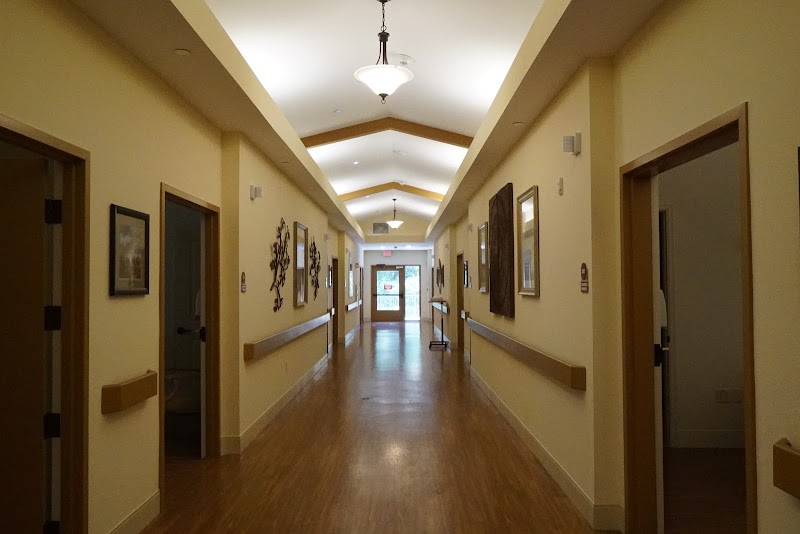
How is Palm Garden Of Gainesville Staffed?

CMS rates PALM GARDEN OF GAINESVILLE's staffing level at 3 out of 5 stars, which is average compared to other nursing homes. Staff turnover is 64%, which is 18 percentage points above the Florida average of 46%. High turnover can affect care consistency as new staff learn residents' individual needs.

What Have Inspectors Found at Palm Garden Of Gainesville?

State health inspectors documented 29 deficiencies at PALM GARDEN OF GAINESVILLE during 2022 to 2025. These included: 28 with potential for harm and 1 minor or isolated issues.

Who Owns and Operates Palm Garden Of Gainesville?

PALM GARDEN OF GAINESVILLE is owned by a for-profit company. For-profit facilities operate as businesses with obligations to shareholders or private owners. The facility is operated by PALM GARDEN HEALTH AND REHABILITATION, a chain that manages multiple nursing homes. With 150 certified beds and approximately 137 residents (about 91% occupancy), it is a mid-sized facility located in GAINESVILLE, Florida.

How Does Palm Garden Of Gainesville Compare to Other Florida Nursing Homes?

Compared to the 100 nursing homes in Florida, PALM GARDEN OF GAINESVILLE's overall rating (2 stars) is below the state average of 3.2, staff turnover (64%) is significantly higher than the state average of 46%, and health inspection rating (2 stars) is below the national benchmark.

What Should Families Ask When Visiting Palm Garden Of Gainesville?

Based on this facility's data, families visiting should ask: "How do you ensure continuity of care given staff turnover, and what is your staff retention strategy?" "Can I visit during a mealtime to observe dining assistance and food quality?" "How do you handle medical emergencies, and what is your hospital transfer rate?" "Can I speak with family members of current residents about their experience?" These questions are particularly relevant given the facility's high staff turnover rate.

Is Palm Garden Of Gainesville Safe?

Based on CMS inspection data, PALM GARDEN OF GAINESVILLE has a clean safety record: no substantiated abuse findings (meaning no confirmed cases of resident harm), no Immediate Jeopardy citations (the most serious violation level indicating risk of serious injury or death), and is not on the Special Focus Facility watch list (a federal program monitoring the lowest-performing 1% of nursing homes). The facility has a 2-star overall rating and ranks #100 of 100 nursing homes in Florida. While no facility is perfect, families should still ask about staff-to-resident ratios and recent inspection results during their visit.

Do Nurses at Palm Garden Of Gainesville Stick Around?

Staff turnover at PALM GARDEN OF GAINESVILLE is high. At 64%, the facility is 18 percentage points above the Florida average of 46%. High turnover means new staff may not know residents' individual needs, medications, or preferences. It can also be disorienting for residents, especially those with dementia who rely on familiar faces. Families should ask: What is causing the turnover? What retention programs are in place? How do you ensure care continuity during staff transitions?

Was Palm Garden Of Gainesville Ever Fined?

PALM GARDEN OF GAINESVILLE has no federal fines on record. CMS issues fines when nursing homes fail to meet care standards or don't correct problems found during inspections. The absence of fines suggests the facility has either maintained compliance or corrected any issues before penalties were assessed. This is a positive indicator, though families should still review recent inspection reports for the full picture.

Is Palm Garden Of Gainesville on Any Federal Watch List?

PALM GARDEN OF GAINESVILLE is not on any federal watch list. The most significant is the Special Focus Facility (SFF) program, which identifies the bottom 1% of nursing homes nationally based on persistent, serious quality problems. Not being on this list means the facility has avoided the pattern of deficiencies that triggers enhanced federal oversight. This is a positive indicator, though families should still review the facility's inspection history directly.