GROVE HEALTHCARE AND REHABILITATION CENTER AND REH
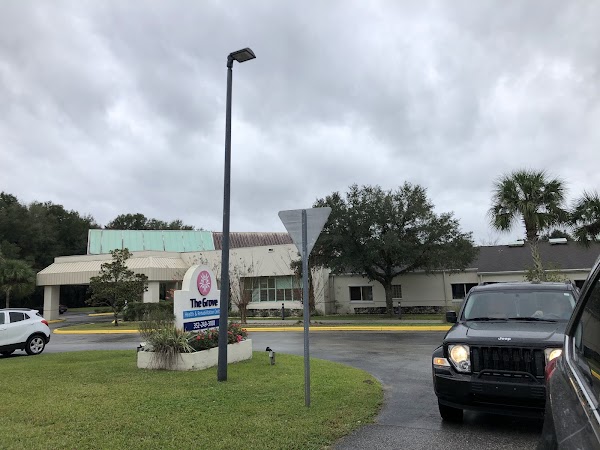
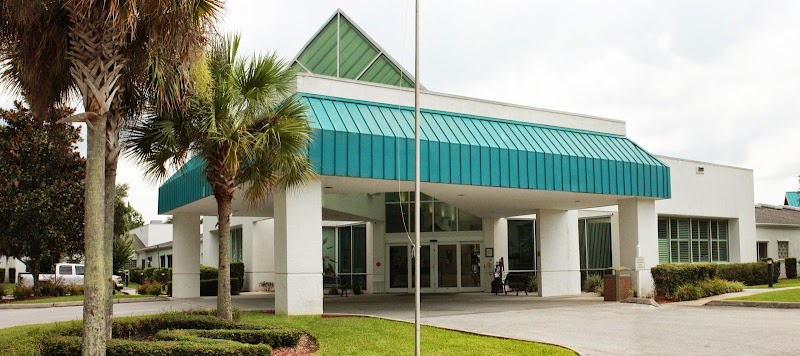
124 W NORVELL BRYANT HWY, HERNANDO, FL 34442 (352) 249-3100
For profit - Limited Liability company 120 Beds GOLD FL TRUST II Data: November 2025 3 Immediate Jeopardy citations
Trust Grade
0/100
#499 of 690 in FL
Last Inspection: June 2025

Inspected within the last 6 months. Data reflects current conditions.

Overview

Grove Healthcare and Rehabilitation Center has received a Trust Grade of F, indicating significant concerns and poor overall performance. Ranked #499 out of 690 facilities in Florida, they are in the bottom half of nursing homes in the state, and #8 out of 9 in Citrus County, meaning only one local facility is performing worse. The trend is worsening, with issues increasing from 9 in 2024 to 13 in 2025. Staffing is average with a rating of 3 out of 5 stars and a turnover rate of 47%, which is comparable to the state average. However, the facility has alarming fines totaling $258,390, which is higher than 96% of Florida facilities, indicating repeated compliance problems. There are serious weaknesses in care, including critical incidents where staff failed to appropriately manage a resident's dangerously low blood sugar levels, ignoring physician orders and not notifying medical professionals when the resident's condition worsened. Another critical finding showed the facility did not effectively implement policies to address changes in residents' conditions. Despite some strengths, such as excellent quality measures, the overall picture is concerning, and families should carefully consider these factors when researching this facility for their loved ones.

Trust Score
F
0/100
In Florida
#499/690
Bottom 28%
Safety Record
High Risk
Review needed
Inspections
Getting Worse
9 → 13 violations
Staff Stability
⚠ Watch
47% turnover. Above average. Higher turnover means staff may not know residents' routines.
Penalties
⚠ Watch
$258,390 in fines. Higher than 84% of Florida facilities, suggesting repeated compliance issues.
Skilled Nurses
○ Average
Each resident gets 34 minutes of Registered Nurse (RN) attention daily — about average for Florida. RNs are the most trained staff who monitor for health changes.
Violations
⚠ Watch
30 deficiencies on record. Higher than average. Multiple issues found across inspections.
★★☆☆☆
2.0
Overall Rating
★★★☆☆
3.0
Staff Levels
★★★★★
5.0
Care Quality
★☆☆☆☆
1.0
Inspection Score
Stable
2024: 9 issues
2025: 13 issues

The Good

  • 5-Star Quality Measures · Strong clinical quality outcomes
  • Full Sprinkler Coverage · Fire safety systems throughout facility
  • No fines on record

Facility shows strength in quality measures, fire safety.

The Bad

2-Star Overall Rating

Below Florida average (3.2)

Below average - review inspection findings carefully

Staff Turnover: 47%

Near Florida avg (46%)

Higher turnover may affect care consistency

Federal Fines: $258,390

Well above median ($33,413)

Significant penalties indicating serious issues

Chain: GOLD FL TRUST II

Part of a multi-facility chain

Ask about local staffing decisions and management

The Ugly 30 deficiencies on record

3 life-threatening
Jun 2025 9 deficiencies
CONCERN (D)

Potential for Harm - no one hurt, but risky conditions existed

Assessment Accuracy (Tag F0641)

Could have caused harm · This affected 1 resident

**NOTE- TERMS IN BRACKETS HAVE BEEN EDITED TO PROTECT CONFIDENTIALITY** Based on record review and interview, the facility failed to ensure Minimum Data Set (MDS) assessments were accurate for 2 of 9 ...

Read full inspector narrative →
**NOTE- TERMS IN BRACKETS HAVE BEEN EDITED TO PROTECT CONFIDENTIALITY** Based on record review and interview, the facility failed to ensure Minimum Data Set (MDS) assessments were accurate for 2 of 9 residents reviewed for nutrition (Residents #35 and #54).Findings include: 1) Review of Resident #35's Weights and Vitals Summary showed the resident weight was 157 lbs (pounds) on 11/3/2024, and 141.1 lbs on 5/1/2025, which is a 10.13% weight loss. Review of Resident #35's physician order dated 2/3/2025 read, Frozen Nutritional Treat two times a day for at risk for malnutrition/PCM [Protein Calorie Malnutrition]/weight loss. Review of Resident #35's quarterly MDS assessment dated [DATE] showed no weight loss documented under Section K0300- Weight Loss. During an interview on 6/18/2025 at 10:23 AM, the Registered Dietician stated. [Resident #35's name] has been on my radar past two months. She triggered for 10% weight loss over the past 6 months. During an interview on 6/18/2025 at 2:10 PM, the MDS Coordinator stated, [Resident #35's name] MDS Section K was coded incorrectly. I would have to check with the dietician and correct it. [Resident #35's name] has had weight lost in the last 6 months. During an interview on 6/18/2025 at 2:30 PM, the Director of Nursing stated, The facility follows RAI [Resident Assessment Instrument] manual [for MDS assessment]. 2) Review of Resident #54's physician order dated 5/2/2023 read, House Shake Regular three times a day for nutritional supplement offer 120 ml [milliliter] and document amount consumed. Review of Resident #54's physician order dated 7/5/2023 read, Regular diet mechanical soft texture, thin consistency, fortified foods with all meals related to unspecified dementia with behavioral disturbance. Review of Resident #54's quarterly MDS assessment dated [DATE] showed no therapeutic diet documented under Section K- Swallowing/Nutritional Status. Review of Resident #54's Dietary Profile dated 5/5/2025 read, Current Nutritional Supplement(s): B1. House Shake. List other Dietary Interventions . B2. Fortified Foods. During an interview on 6/18/2025 at 2:09 PM, the MDS Coordinator stated, [Resident #54's name] is on supplements and a fortified diet. Therapeutic diet should have been marked yes. It will need to be corrected.
CONCERN (D)

Potential for Harm - no one hurt, but risky conditions existed

PASARR Coordination (Tag F0644)

Could have caused harm · This affected 1 resident

**NOTE- TERMS IN BRACKETS HAVE BEEN EDITED TO PROTECT CONFIDENTIALITY** Based on record review and interview, the facility failed to coordinate assessments for the residents with newly evident or poss...

Read full inspector narrative →
**NOTE- TERMS IN BRACKETS HAVE BEEN EDITED TO PROTECT CONFIDENTIALITY** Based on record review and interview, the facility failed to coordinate assessments for the residents with newly evident or possible serious mental disorder for 1 of 3 residents reviewed for mood and behavior (Resident #80). Findings include: Review of Resident #80's Preadmission Screening and Resident Review (PASRR) dated 11/23/2022 showed no diagnosis or suspicion of serious mental illness or intellectual disability. Review of Resident #80's admission record showed the resident was admitted on [DATE] with the diagnoses including cognitive communication deficit (onset date of 1/14/2023), dementia with psychotic disturbance (onset date of 10/20/2023), delusional disorders (onset date of 1/17/2025), other specified persistent mood disorders (onset date of 1/17/2025), recurrent major depressive disorder (onset date of 10/11/2024), and generalized anxiety disorder (onset date of 11/17/2023). Review of Resident #80's physician order dated 2/21/2025 read, Olanzapine Oral Tablet 10 mg [milligrams] (Olanzapine), Give 10 mg by mouth at bedtime related to Delusional Disorders. During an interview on 6/19/2025 at 4:02 PM, the Director of Nursing stated, The PASRR is incorrect, and a new one should be completed. During an interview on 6/19/2025 at 1:46 PM, the Regional Nurse Consultant stated that a new PASRR should be completed. Review of the facility policy and procedures titled Role of Admissions and Social Services in PASRR with the last review date of 12/19/2024 read, Policy: The facility will ensure each resident in a nursing facility is screened for a mental disorder (MD) or intellectual disability (ID) prior to admission and that individuals identified with MD or ID are evaluated and receive care and services in the most integrated setting appropriate to their needs by coordinating with the appropriate, State-designated authority. The facility will ensure that individuals with a mental disorder or intellectual disabilities continue to receive the care and services they need in the most appropriate setting, when a significant change in their status occurs.
CONCERN (D)

Potential for Harm - no one hurt, but risky conditions existed

Deficiency F0657 (Tag F0657)

Could have caused harm · This affected 1 resident

Based on interview and record review, the facility failed to revise the comprehensive care plan after a significant change for 1 of 6 residents reviewed (Resident #96). Findings include: During an int...

Read full inspector narrative →
Based on interview and record review, the facility failed to revise the comprehensive care plan after a significant change for 1 of 6 residents reviewed (Resident #96). Findings include: During an interview on 6/17/2025 at 4:00 PM, Resident #96 stated, I have not had dialysis for over 2 weeks. My access dressing has not been changed. It fell off and a nurse put this gauze over it. They are checking to see if my kidney function is better. During an interview on 6/17/2025 at 4:10 PM, Staff E, Licensed Practical Nurse (LPN), stated, [Resident #96's name] last day of dialysis was 5/29/2025. Kidney function is being evaluated. No dressing changes are performed by LPNs. Only RNs [Registered Nurses] can perform dressing changes for CVC [Central Venous Catheters]. When dialysis was started, there was an order that dialysis catheter dressing to be changed at dialysis center. There is no current order for dressing changes. Review of Resident #96's care plan read, [Resident #96's name] has potential for complications related to hemodialysis for treatment of ESRD [End Stage Renal Disease]. Right-sided tunneled dialysis catheter placed 4/14/2025. Receives dialysis on: Tues [Tuesdays], Thurs [Thursdays], & Satur [Saturdays] @ [at] 9 AM. Receives dialysis at [name and phone number of the dialysis center]. Further review of the care plan did not show that dialysis treatments had been placed on hold after the last treatment date of May 29, 2025. During an interview on 6/18/2025 at 2:08 PM, the Minimum Data Set (MDS) Coordinator, stated, [Resident #96's name] should have had her care plan revised to reflect dialysis being placed on hold. I will be updating the care plan. During an interview on 6/18/2025 at 4:47 PM, the Director of Nursing (DON) stated, Care plan should be revised to update that [Resident #96's name] dialysis is on hold and a call needs to be placed to the physician regarding hemodialysis central venous catheter access care and dressing change since dialysis is not seeing the resident to change the dressing. Review of the facility policy and procedures titled Comprehensive Assessments and Care Plans with the last review date of 12/19/2024 read, It will be the standard of this facility to make a comprehensive assessment of a resident's needs, strengths, goals, life history and preferences, using the resident assessment instrument (RAI) specified by CMS [Centers for Medicare and Medicaid Services] . Guidelines . 10. The plan of care reviewed and revised by the interdisciplinary team after each assessment, including both the comprehensive and quarterly review assessments.
CONCERN (D)

Potential for Harm - no one hurt, but risky conditions existed

Quality of Care (Tag F0684)

Could have caused harm · This affected 1 resident

Based on observation, interview, and record review, the facility failed to ensure residents received health care services consistent with professional standards of practice for 1 of 1 resident with ce...

Read full inspector narrative →
Based on observation, interview, and record review, the facility failed to ensure residents received health care services consistent with professional standards of practice for 1 of 1 resident with central venous catheter (Resident #96) and 1 of 3 residents reviewed for wound care (Resident #54). Findings include: 1) During an observation on 6/17/2025 at 4:00 PM, Resident #96 was sitting in her wheelchair watching TV. There was a clean gauze over dialysis central venous catheter access site. The dressing was not dated. During an interview on 6/17/2025 at 4:00 PM, Resident #96 stated, I have not had dialysis for over 2 weeks. My access dressing has not been changed. It fell off and a nurse put this gauze over it. They are checking to see if my kidney function is better. During an interview on 6/17/2025 at 4:10 PM, Staff E, Licensed Practical Nurse (LPN), stated, [Resident #96's name] last day of dialysis was 5/29/2025. Kidney function is being evaluated. No dressing changes are performed by LPNs. Only RNs [Registered Nurses] can perform dressing changes for CVC [Central Venous Catheters]. When dialysis was started, there was an order that dialysis catheter dressing to be changed at dialysis center. There is no current order for dressing changes. During an interview on 6/19/2025 at 12:30 PM, the Assistant Director of Nursing (ADON) stated, I have placed a call to the nephrologist, but have not received a return call. During an interview on 6/19/2025 at 3:30 PM, the Director of Nursing (DON) stated, A call was placed to the dialysis center requesting to have the nephrologist call our facility and the dialysis facility stated the nephrologist will fax to our facility an order regarding CVC [Central Venous Catheters] dressing/site care in the morning. Review of Resident #96's physician order dated 4/17/2025 read, Dialysis catheter dressing to be changed at Dialysis Center. Review of Resident #96's physician orders showed an order dated 5/2/2025 for dialysis on Tuesdays, Thursdays, and Saturdays with the chair time being from 9:00 AM to 1:00 PM. Review of Resident #96's progress noted authored by the DON on 5/30/2025 at 5:17 PM read, Spoke with [dialysis center’s staff name] from [dialysis center’s name]. She stated [Nephrologist’s name] gave an order to hold dialysis for 2 weeks. Transport and patient aware. During an interview on 6/19/2025 at 4:25 PM, the DON stated, We do not have a policy for care of hemodialysis central venous catheters. 2) Review of Resident #54’s progress noted dated 5/8/2025 read, Noted resident pressure injury on the coccyx area. Assessed resident status and checked for any other injury. Provided wound care and secured with a CDD (Clean Dry Dressing). Notified MD [Medical Doctor] and family. Will continue to monitor. Review of Resident #54’s Nursing PRN (as needed) skin check dated 5/8/2025 showed skin breakdown on the coccyx area. Review of Resident #54’s physician orders did not show an order for wound care. Review of Resident #54’s Treatment Administration Record for May 2025 and June 2025 did not show any wound care to the coccyx area. During an interview on 6/19/2025 at 10:00 AM, Staff N, Certified Nursing Assistant (CNA), stated, “[Resident #54’s name] has an open area in her back side. The nurses apply zinc cream to the area.” During an observation on 6/19/2025 at 10:03 AM with Staff D, Licensed Practical Nurse (LPN), and Staff N, CNA, Resident #54’s coccyx area had a small elongated open area approximately 2 centimeters with loss of the epidermal layer. During an interview on 6/19/2025 at 3:08 PM, Staff O, Registered Nurse (RN), stated, When we find any open area, we must inform the provider and the Director of Nursing. Basically, put a dressing and have the wound care nurse look at it. The unit manager would let the wound care nurse about the wound and orders would be put in the system. I don't know why there are no orders in the system. Last time I checked, it was improving. I checked about two weeks ago. No concerns had been reported to me. The nurse is the one responsible for the would care. The wound care nurse comes once a week. During an interview on 6/19/2025 at 3:12 PM, Staff P, CNA, stated, [Resident #54's name] has an open area on her back. I noticed a few weeks ago. The nurses occasionally put cream on it. During an interview on 6/19/2025 at 3:23 PM, the DON stated, I don't remember if someone called me to tell me [Resident #54's name] had a new open area. The staff are supposed to call me and call the provider. They are supposed to get an order, and the unit manager makes sure to put it in the system and wound care would see the patient. [Resident #54's name] wound must have gotten overlooked. Review of the facility policy and procedures titled Wound Care with the last review date of 12/19/2024 read, Policy: It will be the policy of this facility to provide assessment and identification of residents at risk of developing pressure injuries, other wounds and the treatment of skin impairment. Procedure… 6. Wound care procedures and treatments should be preformed according to physician orders… 10. Document in the clinical record when treatment are performed. 11. Document the progression of the wound being treated. Such observations should include items size, staging (if applicable), odors, exudate, tunneling, etiology, etc.
CONCERN (D)

Potential for Harm - no one hurt, but risky conditions existed

Respiratory Care (Tag F0695)

Could have caused harm · This affected 1 resident

Based on observation, interview, and record review, the facility failed to ensure residents received appropriate respiratory care consistent with professional standards of practice for 2 of 6 resident...

Read full inspector narrative →
Based on observation, interview, and record review, the facility failed to ensure residents received appropriate respiratory care consistent with professional standards of practice for 2 of 6 residents reviewed for respiratory care (Residents #29 and #96).Findings include: 1) During an observation on 6/17/2025 at 10:05 AM, Resident #29 was receiving oxygen via a portable oxygen tank attached to her wheelchair at 2 liters per minute. An oxygen concentrator was to the right of the bed and did not have a bottle of water attached to provide humidity. During an interview on 6/17/2025 at 10:18 AM, Resident #29 stated, I feel I am not getting enough oxygen. Activated call light. I think my oxygen should be on 3 liters per minute. Review of Resident #29's physician order dated 5/2/2025 read, Oxygen at 2-4 liters/minute via nasal cannula with humidity to maintain O2 [oxygen] saturation above 90% PRN [as needed] every 1 hours as needed related to chronic obstructive pulmonary disease. During an observation on 6/17/2025 at 2:00 PM, Resident #29 was self-ambulating in hallway while in a wheelchair with nasal cannula in place receiving oxygen at 3 liters per minute without humidity. During an observation on 6/18/2025 at 8:50 AM, Resident #29 was in her wheelchair at bedside, receiving oxygen from the concentrator at 3 liters per minute. There was no water bottle attached to the concentrator. During an interview on 6/18/2025 at 8:50 AM, Resident #29 stated she was not getting air from O2 tank. O2 gauge was set at 3 liters per minute and the level in O2 tank was close to red level (empty). Resident #29 activated the call light and Staff B, Licensed Practical Nurse (LPN), responded to the call light and Resident #29 informed the nurse she needed another tank. Staff B attached the resident to oxygen concentrator while another staff member went to get another oxygen tank. During an interview on 6/18/2025 at 11:45 AM, the Director of Nursing (DON) stated, When the resident is moved to a wheelchair and needs continuous oxygen, staff should check the tank to see how much is left in the tank. The order for humidity should be followed as ordered. During an observation on 6/19/2025 at 8:35 AM, Resident #29 was sitting in her wheelchair, receiving oxygen at 3 liters per minute without humidity. 2) During an observation on 6/17/2025 at 4:00 PM, Resident #96 was sitting in her wheelchair watching television. CPAP mask was hanging from the bed rail. The bag was not dated and was on top of the bedside table. During an interview on 6/17/2025 at 4:00 PM, Resident #96 stated, Staff did not put the mask back in the bag and should not have it hanging from my bed. Review of Resident #96's physician order dated 6/9/2025 read, Continuous Positive Airway Pressure (CPAP) every shift. During an interview on 6/17/2025 at 4:10 PM, Staff E, LPN, stated, CPAP mask should be placed in the bag and not hung on the side of the bed. Review of the facility policy and procedures titled Respiratory Care with the last review date of 12/19/2024 read, Policy: It is the policy of this facility to provide respiratory care and safe oxygen administration to meet the needs of the residents. Procedure: 1. Verify that there is a physician's order for respiratory procedures or oxygen use. Review the physician's orders for oxygen administration, nebulizer treatments, inhalers, trach care, chest tube/PleurX care, BiPAP [Bilevel Positive Airway Pressure], CPAP or medication administration. 6. BiPAP and CPAP respiratory equipment should be used per physician orders and maintain infection control techniques. 8. Oxygen therapy may be humidified or non-humidified, depending on the needs of the resident, the plan of care or physician orders. A portable oxygen cylinder (e-tank) may be utilized when appropriate to allow for resident portability or may be provided by a concentrator or piped in oxygen.
CONCERN (D)

Potential for Harm - no one hurt, but risky conditions existed

Unnecessary Medications (Tag F0759)

Could have caused harm · This affected 1 resident

Based on observation, interview, and record review, the facility failed to ensure that it was free of medication error of five percent or greater. The error rate was 5.88%.Findings include: During an ...

Read full inspector narrative →
Based on observation, interview, and record review, the facility failed to ensure that it was free of medication error of five percent or greater. The error rate was 5.88%.Findings include: During an observation on 6/18/2025 at 5:05 AM, Staff L, Licensed Practical Nurse (LPN), donned personal protective equipment and entered Resident #82's room. Staff L cleaned the needleless connector and flushed with normal saline, followed by a 5-milliliter heparin flush. Staff L cleaned the needleless connector and the tubing connector, connected the intravenous tubing and started the infusion. During an interview on 6/18/2025 at 6:04 AM, Staff L, LPN, stated, Normally I do a heparin flush before and after medication administration. Review of Resident #82's physician order dated 5/20/2025 read, Heparin Lock Flush Solution 10 unit/ml [milliliter] use 10 ml intravenously every shift for flush. During an interview on 6/18/2025 at 12:28 PM, the Director of Nursing (DON) stated, I would like nursing staff to follow physician orders, and the protocol would be based on the orders. I would follow the SASH [Saline, Administer medication, Saline, Heparin] protocol. During an interview on 6/19/2025 at 1:57 PM, Medical Doctor #1 stated, There are no side effects, but the nurse should follow SASH protocol. Review of the facility's Competency Chelcist: IV [Intravenous] Flush Procedure read, Objective: Ensure proper technique and adherence to infection control protocols when flushing an intravenous (IV) line to maintain patency and prevent complications. Competency Criteria. 2. IV Flush Procedure. Aspirates gently to check for blood return (if required by facility protocol . If using heparin flush (per protocol), follows appropriate dosage and administration guidelines. 2) During an observation on 6/18/2025 at 7:45 AM, Staff M, LPN, prepared and crushed all medications individually for Resident #73. Staff M poured and crushed one 20-milligram tablet of Omeprazole Delayed Release into a medication cup. Staff M entered Resident #73's room. Staff M set work area and checked the placement for Resident #73's gastric tube. Staff M was getting ready to administer the medication. The surveyor requested Staff M to stop and exit Resident #73's room for an interview. During an interview on 6/18/2025 at 7:45 AM, Staff M, LPN, stated, Delayed release medication should not be given via g-tube [gastrostomy tube]. I will have to contact the provider and get the order updated. Review of Resident #73's physician order dated 1/12/2025 read, Omeprazole Oral Capsule Delayed Release 20 MG (Omeprazole), Give 1 capsule via G-Tube one time a day for GERD [Gastroesophageal Reflux Disease]. During an interview on 6/18/2025 at 9:50 AM, the DON stated, Nurses should call provider before administering any medication they have questions about and clarify the order before giving the medication. Delayed release should not be given via gastric tube. Review of the facility policy and procedures titled Medication Administration Via Enteral Feeding Tube with the last review date of 12/19/2024 read, Policy: Medications shall be prepared and administered according to the following established guidelines. Common Medications Not to Crush: Some medications and dosage form should not be crushed. If there are any questions regarding the crushing of medications, call the pharmacy.
CONCERN (D)

Potential for Harm - no one hurt, but risky conditions existed

Deficiency F0806 (Tag F0806)

Could have caused harm · This affected 1 resident

Based on observation, interview, and record review, the facility failed to accommodate resident food preferences for vegetarian residents for 1 of 9 residents reviewed for nutrition (Resident #11). Fi...

Read full inspector narrative →
Based on observation, interview, and record review, the facility failed to accommodate resident food preferences for vegetarian residents for 1 of 9 residents reviewed for nutrition (Resident #11). Findings include: During an observation on 6/16/2025 at 12:16 PM, Resident #11 was eating in her room independently. The resident's meal ticket highlighted the words vegetarian meals add ranch dressing. Meal tray contained scalloped potatoes, cabbage, which contained small pieces of scattered bacon, corn bread, and a dessert (Photographic evidence obtained). During an interview on 6/16/2025 at 12:16 PM, Resident #11 stated, The cabbage has bacon, and I will not eat it because I do not eat bacon, since I am a vegetarian. The food options for a vegetarian are very poor. Review of Resident #11's physician order dated 8/23/2022 read, NAS (No Added Salt) diet, Regular texture, thin consistency, for diet VEG [vegetarian]. Review of Resident #11's Dietary Profile dated 3/7/2025 read, Current Diet Order: NAS, Regular, Vegetarian. Food Allergies/Intolerances: No known food allergies. Narrative Note: Resident continues on a NAS, Vegetarian diet with regular textures and thin liquids. Her PO [by mouth] intake is good, and her weight is stable. During an interview on 6/19/2025 at 10:55 AM, Staff J, Certified Nursing Assistant (CNA), stated, [Resident #11's name] did verbalize she had gotten bacon on her cabbage, but did not want her plate removed because she would eat the scallop potatoes. During an interview on 6/19/2025 at 10:58 AM, the Certified Dietary Manager (CDM) stated, When the line starts, the dietary aide will go ahead and call out the food items. The cook is the one placing the items in the plate and then another dietary aide will check the plate before going on the cart. I spoke to the cook and he does not recall. I had two types of cabbage, one that did not have bacon and one that had bacon, and different utensils were used. [Resident #11's name] is vegetarian, and we provide her with choices she often refuses. During an interview on 6/19/2025 at 11:05 AM, Staff K, Cook, stated, [Resident #11's name] is a vegetarian. No one came back regarding cabbage with bacon. This has never happened, and I am unable to recall the type of cabbage she got. During an interview on 6/19/2025 at 2:50 PM, the Director of Nursing stated, Nurses should check meal tray and make sure preferences are honored. The CDM does the resident preferences, and they are done frequently. Nursing will also fill out a diet slip for communication with the kitchen. Review of the facility policy and procedures titled Meal Distribution with the last review date of 12/19/2024 read, Policy: It is the policy of this facility that meals are transported to the dinning locations in a manner that insures proper temperature maintenance, protects against contamination, and are delivered in a timely and accurate manner. Procedure. 4. The nursing staff shall be responsible for verifying meal accuracy and timely delivery of meals to residents/patients. Review of the facility policy and procedures titled Provide Diet to Meets Needs of Each Resident with the last review date of 12/19/2024 read, Policy: The purpose of the food and nutrition services (FNS)/dietary department is to provide high quality, nutritious, palatable and attractive meals in a safe, sanitary manner. Food will be prepared in a form to accommodate resident allergies, intolerances, and personal, religious and cultural preferences, based on reasonable effort.
CONCERN (D)

Potential for Harm - no one hurt, but risky conditions existed

Medical Records (Tag F0842)

Could have caused harm · This affected 1 resident

Based on observation, interview, and record review, the facility failed to ensure medical records were complete and accurate for 1 of 6 residents reviewed for medication management (Resident #108).Fin...

Read full inspector narrative →
Based on observation, interview, and record review, the facility failed to ensure medical records were complete and accurate for 1 of 6 residents reviewed for medication management (Resident #108).Findings include: Review of Resident #108's physician order dated 5/9/2025 read, Humalog Kwikpen Subcutaneous Solution Pen-injector 100 unit/ml [milliliter] (Insulin Lispro), Inject as per sliding scale: if 0-150= 0 units if BS [Blood Sugar] less than 60 initiate hypoglycemic protocol and notify MD [Medical Doctor], 151-200= 2 units, 201-250= 4 units, 251-300= 6 units, 301-350= 8 units, 351-400= 10 units if BS greater than 400 give 12 units and notify MD, subcutaneously before meals and at bedtime related to type 2 diabetes mellitus with hyperglycemia. Review of Resident #108's Medication Administration Record (MAR) for administration of Humalog Kwikpen for June 2025 showed no entries documented for blood sugar and insulin coverage on 5/18/2025 at 6:30 AM. Review of Resident #108's MAR for administration of Humalog Kwikpen for June 2025 showed no entries documented for blood sugar and insulin coverage on 6/4/2025 at 6:30 AM. During an interview on 6/18/2025 at 12:24 PM, the Director of Nursing stated, Staff are expected to document accurately and make sure medication administration record is filled out as required. During an interview on 6/19/2025 at 8:32 AM, Staff H, Licensed Practical Nurse (LPN), stated, I don't know why there is a blank on the documentation. I remember doing his [Resident #108] accu-check. If I don't recall incorrectly, it was 174 and he needed coverage. I remember there was a situation with another resident. It might have been missed documentation, but I did do his blood sugar check and insulin administration. During an interview on 6/19/2025 at 12:59 PM, Staff I, LPN, stated, I cannot answer why it is blank. I can speculate and say something was happening. I am very familiar with him and I always make sure to check his blood sugar and provide coverage I leave him for last with three other residents because we have a routine since he goes to sleep late at night so I do him closer to 5:30. I cannot tell you why is blank, but I always document on my residents and do his accu-check as ordered. Review of the facility policy and procedures titled Medication Administration with the last review date of 12/19/2024 read, Policy: It will be the policy of this facility to administer medications in a timely manner and as prescribed by the physician, unless otherwise clinically indicated or necessitated by other circumstances such as lack of availability of medication or refusals of medications by the resident. Procedure. 9. The individual administering the medication must initial the resident's MAR on the appropriate line and date for specific day when administering the next resident's medication. If the facility is utilizing Electronic Health Records (EHR) and eMAR, an electronic signature is appropriate. 14. When medications are administered, the individual administering the medication must record in the resident's medical record/MAR. Review of the facility policy and procedures titled Charting and Documentation with the last review date of 12/19/2024 read, Policy: It is the policy of this facility that services provided to the resident, or any changes in the resident's medical condition, shall be documented the resident's clinical record as is needed. Procedure: 1. Observations, medications administered, services performed, etc., should be documented in the resident's clinical records.
CONCERN (D)

Potential for Harm - no one hurt, but risky conditions existed

Infection Control (Tag F0880)

Could have caused harm · This affected 1 resident

Based on observation, interview, and record review, the facility failed to ensure staff used appropriate personal protective equipment (PPE) while providing care to the residents who were on transmiss...

Read full inspector narrative →
Based on observation, interview, and record review, the facility failed to ensure staff used appropriate personal protective equipment (PPE) while providing care to the residents who were on transmission-based precautions for 1 of 2 residents reviewed for contact precautions (Resident #82) and failed to ensure staff performed hand hygiene during meal distribution. Findings include: 1) During an observation on 6/17/2025 at 8:33 AM, Staff A, Certified Nurse Assistant (CNA), entered Resident # 82's room without donning personal protective equipment (PPE). Staff A exited the resident room with a breakfast tray and placed the tray in the food cart. There was a PPE supply and Transmission Based Precautions -Contact Isolation signage posted on Resident #82's room door. During an interview on 6/17/2025 at 8:34 AM, Staff A, CNA, stated, I should have worn gown and gloves. Review of the facility policy and procedure titled “Transmission Based Precautions” with the last review date of 12/19/2024 read, Contact Precautions: Contract precautions are intended to prevent transmission of infectious agents, including epidemiologically important microorganisms, spread by direct or indirect contact with the resident or the resident's environment… Guidelines for Contact Precautions… Gloves… 2. Wear gloves whenever touching the resident’s intact skin or surfaces and articles near the resident (e.g. medical equipment, bed rails). [NAME] gloves upon entry into the room or cubicle… Gowns 1. [NAME] gown upon entry into the room or cubicle. Remove gown and observe hand hygiene before leaving the resident care environment. 2) During an observation on 6/18/2025 at 8:36 AM, Staff D, Licensed Practical Nurse (LPN), performed hand hygiene and removed a tray from the meal cart in the dining room. Staff D walked over to Resident #64, who was sitting in the common dining room in the memory care unit, and set up her breakfast. Staff D asked Resident #64 if she would like jelly on her breakfast. Without wearing gloves, Staff D applied the jelly, touching the edges of the bread with her bare hands. Staff D returned to the breakfast cart and performed hand hygiene, removed another tray and walked over to Resident #54 and set up breakfast meal. Staff D asked Resident #54 if she would like jelly on her bread and proceeded to spread the jelly on Resident #54's bread, touching the edges of the bread and readjusting the bread on the plate with her hands without wearing gloves. Staff D returned to the breakfast cart and applied hand sanitizer. Staff D delivered another tray to Resident #76. Staff D asked Resident #76 if she would like jelly on her bread and applied the jelly, touching the bread while applying it without wearing gloves. During an interview on 6/18/2025 at 9:54 AM, the Director of Nursing stated, Staff should use gloves when touching food items for residents. During an interview on 6/18/2025 at approximately 10:30 AM, Staff D, LPN, stated, I am fairly new to the unit and the aides usually assist the residents. I should have worn gloves, but I had sanitized my hands and did not wear them. Review of the facility policy and procedures titled Meal Distribution with the last review date of 12/19/2025 read, Policy: It is the policy of this facility that meals are transported to the dinning locations in a manner that insures proper temperature maintenance, protects against contamination, and are delivered in a timely and accurate manner. Procedure… 5. Proper food handling techniques to prevent contamination and temperature maintenance will be used during meal delivery and at point of service dining.
May 2025 4 deficiencies 3 IJ
CRITICAL (J) 📢 Someone Reported This

A family member, employee, or ombudsman was alarmed enough to file a formal complaint

Immediate Jeopardy (IJ) - the most serious Medicare violation

Quality of Care (Tag F0684)

Someone could have died · This affected 1 resident

**NOTE- TERMS IN BRACKETS HAVE BEEN EDITED TO PROTECT CONFIDENTIALITY** Based on interviews and record reviews, the facility failed to ensure residents received treatment and care according to profess...

Read full inspector narrative →
**NOTE- TERMS IN BRACKETS HAVE BEEN EDITED TO PROTECT CONFIDENTIALITY** Based on interviews and record reviews, the facility failed to ensure residents received treatment and care according to professional standards of practice when suffering a change in condition for 1 of 3 residents reviewed, Resident #1. On 4/9/2024 at 12:45 AM, Resident #1 had a blood sugar value of 72, Staff A, Licensed Practical Nurse (LPN), did not contact the provider and administered glucose gel without a physician's order. On 4/9/2025 at 1:49 AM, Resident #1 was less responsive. On 4/9/2025 at 3:00 AM, Resident #1 had a blood sugar value of 42. The on-call physician was called, and ordered to administer Glucagon intramuscularly, monitor, and send to the emergency room if no positive response to Glucagon received. On 4/9/2025 at 5:30 AM, Resident #1 had a blood sugar value of 50. The blood sugar value was rechecked with a blood sugar value of 50. Resident #1 was not responding to verbal or physical stimuli. The provider was not notified, Glucagon was not administered per physician's order when blood sugar dropped below 60 a second time, and the resident was not sent out to the emergency room per the physician's order. On 4/9/2025 at 6:30 AM, Resident #1 had a blood sugar value of 32. Glucagon was not administered per the physician's order. Emergency Medical Services, 911, were called and Resident #1 was transported to a local hospital. Resident #1 did not survive. This failure places all 118 current residents who may possibly suffer a change in condition at risk. The facility's failure to implement the policies and procedures for change in condition, notifying the physician of a change in condition, and not following physician's orders led to a determination of Immediate Jeopardy at a scope and severity of isolated (J). The Administrator was notified of the Immediate Jeopardy on May 2, 2025 at 3:15 PM. Findings include: Review of Resident #1's physician order dated 3/12/2025 at 1:46 PM read, Perform Accuchek [testing of blood glucose] before meals and at bedtime related to Type 2 Diabetes Mellitus with foot ulcer. Review of Resident #1's physician order dated 4/8/2025 at 6:41 PM read, Glucagon Emergency Injection Kit 1 MG [milligram] [glucagon for injection], Inject 1 application subcutaneously as needed for Administer [Sic.] if BS [blood sugar] <60 [less than 60] recheck sugar Q2H [every 2 hours]. Review of Resident #1's progress note dated 4/9/2025 at 12:45 AM read, Received with low blood sugar rechecked with a 72 result [American Diabetes Association recommended blood sugar range for adults with Type II Diabetes is 80 to 130] . responsive with eyes and asked if he wants to go to ER [Emergency Room] and he shook head no, oral [glucose] gel [used for people with diabetes to raise their blood sugar levels] received and able to swallow. Review of the 5-Day Entry Minimum Data Set, dated [DATE] read, BIMS 14 [Brief Interview for Mental Status - cognition is considered intact]. Review of Resident #1's physician orders for 4/9/2025 did not provide documentation of an order for glucose gel. Review of Resident #1's Medication Administration Record for the period of 3/12/2025 through 4/8/2025 documented blood sugar values between 80 and 220. Review of Resident #1's nursing progress notes for 4/9/2025 did not provide documentation of Resident #1's physician being notified of Resident #1's blood sugar value and the administration of glucose gel. Review of Resident #1's progress note dated 4/9/2025 at 1:49 AM read, Less responsive. Review of Resident #1's progress note dated 4/9/2025 at 3:00 AM read, Monitoring blood sugar with results of 42, unstable blood sugar. On call MD [Medical Doctor covering for Medical Doctor #1] contacted with report of cond. [condition] orders to give the glucagon at this time IM [intramuscular]. Review of Resident #1's Medication Administration Record for the month of April 2025 documented Glucagon Emergency Kit 1 mg was administered on 4/9/2025 at 3:12 AM. Review of Resident #1's progress note dated 4/9/2025 at 3:50 AM read, Glucagon given SQ [subcutaneous] to left arm per order of the on call for [Medical Doctor #1's name, Advanced Practice Registered Nurse (APRN)#1's name], monitor and send to ER if no positive response to Glucagon. Review of Resident #1's progress note dated 4/9/2025 at 6:15 AM read, INC [incontinent] of large amount of loose stool, BS rechecked x 2 [times two] 50 result at 0530 [5:30 AM], not responding to verbal or physical stimuli, rechecked blood sugar 0630 [6:30 AM] with result of 32 [Normal blood sugar values are between 70-99, a value of 32 is considered hypoglycemia, a dangerous condition that requires immediate medical attention]. 911 notified of ER [Sic.] with response team arriving at 0630. After evaluation of team sent to ER. Review of Resident #1's physician order dated 4/9/2025 at 7:00 AM read, Send to ER for hypoglycemia without response to Glucagon tx [treatment]. Review of Resident #1's progress note dated 4/11/2025 at 10:07 PM read, Resident expired at the hospital 4/9. Review of Resident #1's care plan dated 3/24/2025 read, Focus: [Resident #1's name] is here for short stay placement r/t [related to] CHF [congestive heart failure]/weakness. Resident/representative clearly express desire to discharge from facility. Plans to discharge facility when medically cleared . Focus: [Resident #1's name] has a strength in communication AEB [as evidenced by] is able to hear at normal tones, speech is clear and easily understood. Communicates needs to staff. During a telephonic interview on 4/30/2025 at 10:10 PM, Staff A, Licensed Practical Nurse (LPN), stated, I do remember [Resident #1's name]. At the beginning of my shift [11:00 PM -7:00 AM], I checked him, he was awake, alert, taking juice and took the glucose gel. I checked his blood sugar, but I do not think I charted the blood glucose. His level would go up and then go back down. When I called the on-call provider for [Medical Doctor #1's name], she said her name was [First Name of APRN #1] and I asked if he should go to the ER and she [APRN #1] said to give him Glucagon. When I checked his [Resident #1's] blood glucose afterward it went up, I went back to check on him at end of shift and that is when his blood glucose had dropped, and I called 911. During an interview on 4/30/2025 at 11:45 AM, the Director of Nursing (DON) stated, We review 100% of all transfers to acute care facilities. QI [Quality Improvement] tool utilized for review of acute care transfers. We check care that was provided 72 hours prior to transfer to determine if there are any opportunities for improvement and to identify if there are any reportable events. The reviews are conducted by the two nurse managers and myself. The nurse managers generally review the charts for residents that were transferred from their units to an acute care facility. [Resident #1's name] was not identified to be a Federal or State reported event because record review did not identify any areas in need of improvement at the time of review and there were no complaints received about this resident. I am trying to get nursing to complete the interact SBAR [Situation, Background, Assessment, and Recommendation] anytime there is a change in condition. During an interview on 4/30/2025 at approximately 12:00 PM, Staff C, LPN, Unit Manager, confirmed that she had conducted the chart review for Resident #1 and stated The nurse followed the physician order. The order stated to check the blood sugar Q [every] 2 hours after Glucagon was given. During an interview on 5/1/2025 at 7:25 AM, Staff A, LPN, stated, I did check the resident's [Resident #1's] blood sugar more often than is documented. At least every 30 minutes. During an interview on 5/1/2025 at approximately 7:55 AM, the DON stated, Nurses should follow the physician orders and if Glucagon is ordered, they should check the BS in 30 minutes. I know why [Staff A's name] said 30 minutes because the orders are usually written to recheck in 30 minutes not Q2 hours. We have a policy, but it does not include the use of glucagon. When asked regarding the quality review of Resident #1's return to the hospital and the findings, the DON stated, There was documentation issues and post administration blood sugars were not documented. Blood sugar levels that were taken should have been documented and a blood sugar should have been taken 15 minutes after glucagon administration. During a telephonic interview on 5/1/2025 at 9:17 AM, the Medical Doctor #1 stated, My expectation is that the professional standards for management of hypoglycemia should be followed which includes administration of emergency Glucagon, rechecking blood glucose in 15 minutes and reassessing the resident. The physician should be notified of the condition change and if life threatening contact emergency management services for transport to the hospital. During a telephonic interview on 5/1/2025 at 9:30 AM, the Medical Director stated, I expect that professional standards of practice should be followed. After Glucagon administration, the blood sugar should be checked in 15 minutes. I would not order blood sugar to be checked every two hours. If the resident is not responding, emergency management services should be contacted for transport to the hospital. During a telephonic interview on 5/1/2025 at 9:50 AM, the APRN #1 stated, It is my expectation that professional standards of practice should be followed by nursing when a resident is hypoglycemic. I give an order for glucagon and to recheck the blood sugar in 15 minutes and to call me back. During a telephonic interview on 5/2/2025 at 1:50 PM, the Medical Director stated, If a resident has a blood sugar of 32, I will give [glucagon injection] immediately and if symptomatic, I would send them out to the emergency room immediately. Low blood sugar causes circulatory depression, fogginess, and a change in mental condition. The resident diagnoses need to be considered. Many medications are secreted in the kidneys. The resident would need to have intravenous drip and lab work. I did not know about this patient until yesterday [5/1/2025]. Review of manufacturer's medication insert provided by the DON read, [Glucagon injection] is the first FDA [Food and Drug Administration]-Approved autoinjector for very low blood sugar that is premixed and ready-to-use. It is a prescription medicine used to treat very low blood sugar (severe hypoglycemia) in adults and children ages 2 years and above with diabetes. [Glucagon injection] reduces the steps to prepare and administer glucagon in the event of severe hypoglycemia (i.e., dangerously low blood sugar levels). This innovation is designed to provide the reliability of a ready-to-use liquid glucagon while making it simple for patients or caregivers to administer. Severe hypoglycemia occurs when your blood sugar gets so low that you need help bringing it back up. Sometimes people with very low blood sugar may have a hard time thinking straight or controlling their body, get very tired, refuse to eat, pass out, or even have a seizure. It is an emergency situation that must be treated immediately. Indication and Important Safety Information: [Glucagon injection] e is indicated for the treatment of severe hypoglycemia in adult and pediatric patients with diabetes ages 2 years and above. Review of the facility policy and procedure titled Diabetes/Hypo/Hyperglycemia with the last review date of 1/16/2025 read, Policy: It will be the policy of this facility to provide appropriate care to residents with diabetes mellitus. Nursing measures and physician orders will be implemented to minimize the risk of hypo/hyperglycemia. Procedure: 1. Residents diagnosed with diabetes mellitus (or other conditions requiring blood glucose monitoring and control) will receive insulin, oral hypoglycemic medications and/or an individually prescribed diet according to the physician order . 4. The physician will order appropriate lab tests (for example, periodic finger sticks or A1C) and adjust treatments based on these results and other parameters such as glycosuria, weight gain or loss, hypoglycemic episodes, etc. 5. Staff will provide glucose monitoring, medication administration, laboratory testing, and diet per physician's orders . 7. Staff should report signs and symptoms of hypoglycemia to the physician. Many residents receive insulin or oral hypoglycemic that have parameters as to when the physician should be notified. 8. Staff will identify and report complications such as foot infections, skin ulceration, increase thirst, changes in pain levels, or changes in mentation/level of consciousness and notify the physician for orders . 10. Nursing interventions, per physician orders, may vary for residents experience hypoglycemia depending on the severity and symptoms of the resident as residents' behavior is different depending on their sensitivity to hypoglycemia. Responsive residents that are able to swallow may receive juice or other rapidly absorbed glucose as an intervention. Responsive residents that aren't unable to swallow or unresponsive residents may receive oral glucose paste to the buccal mucosa, intramuscular Glucagon, or IV [intravenous] 50% dextrose and notify the physician for further orders. 14. Document pertinent information regarding medication administration, change in condition, education or interventions in clinical record. Review of the facility policy and procedure titled Change in Condition with the last review date of 1/16/2025 read, Policy: It will be the policy of this facility to notify the physician, family, resident, and/or responsible party/resident presentative (as is applicable) of significant changes in condition and providing treatment(s) according to the resident's wishes and physician's orders. Procedure: 1. Observed the resident during routine care during monthly/quarterly/annual assessment periods to identify significant changes in physical or mental conditions, orientation, change in vital signs, weights, etc. 2. When a change is noted, gather pertinent data such as vital signs, weights and other clinical observation. 3. If the resident is able to make his/her own decision regarding medical care, solicit their choice of action in relation to the perceived change of status. 4. When significant changes in skin condition or weight are noted it is appropriate to contact the physician and responsible party/resident (if applicable) to notify them and receive orders such as consultations, root cause analysis or implementation of further monitoring. 5. Contact licensed co-workers for assistance if the change in condition is considered potentially life threatening. 6. In the event the change in condition is considered life threatening, the clinical record should be reviewed as soon as possible to determine the resident's wishes regarding hospitalization, CPR [cardiopulmonary resuscitation] or DNR [do not resuscitate]. 7. Contact the primary physician to update him /her to the change in condition. In the event the primary physician cannot be notified, attempt to contact the facility's medical director. 8. If the resident's condition is considered to be life threatening and the resident requires immediate medical care, notify the emergency medical system (or 911). Review of the Reference Mayo Clinic on 5/1/2025 at https://www.mayoclinic.org/drugs-supplements/glucagon-injection-route/description/drg-20064089 read, Glucagon injection is an emergency medicine used to treat severe hypoglycemia (low blood sugar) in diabetes patient treated with insulin who have passed out or cannot take some form of sugar by mouth. For injection dosage forms (autoinjector or prefilled syringe): Adults and children [AGE] years of age and older - I milligram (mg) or 0.2 milliliter (ml) injected under your skin. An additional dose of 1 mg or 0.2 ml may be repeated if there has been no response after 15 minutes while waiting for emergency assistance. Precautions with diabetes should be aware of the symptoms of hypoglycemia (low blood sugar). These symptoms may develop in a very short time and may result from *using too much insulin (insulin reaction) or as a side effect from oral antidiabetic medicines. * delaying or missing a schedule smack or meal * sickness (especially with vomiting and diarrhea) * exercising more than usual. Unless corrected, hypoglycemia will lead to unconsciousness, seizures, and possibly death. Early symptoms of hypoglycemia include: anxious feeling, behavior change similar to being drunk, blurred vision, cold sweats, confusion, cool pale skin, difficulty in concentrating, drowsiness, excessive hunger, fast heart beat, headache, nausea, nervousness, nightmares, restless sleep, shakiness, slurred speech, and unusual tiredness or weakness. After the injection, turn the patient on his or her left side. Glucagon may cause some patients to vomit and this position will reduce the possibility of choking. The patient should become conscious in less than 15 minutes after glucagon is injected, but if not, a second dose may be given. Get the patient to the doctor or to hospital emergency care as soon as possible because being unconscious too long may be harmful. When the patient is conscious and can swallow, give him or her some form of sugar. Glucagon is not effective for much longer than 1 1/2 hours and is used only until the patient is able to swallow fruit juice, corn syrup, honey and sugar cubes or table sugar dissolved in water all work quickly then if a snack or meal is not scheduled for an hour or more the patient should also eat some crackers and cheese or half a sandwich or drink a glass of milk this will prevent hypoglycemia from occurring again before the next meal or snack. The patient or caregiver should continue to monitor the patient's blood sugar for about 3 to 4 hours after the patient regains consciousness. The blood sugar should be checked every hour if nausea and vomiting prevent the patient from swallowing some form of sugar for an hour after Glucagon is given. Medical help should be obtained. The facility submitted an acceptable Immediate Jeopardy removal plan with the removal date of May 1, 2025. The survey team verified the implementation of the facility's immediate actions to remove the immediate jeopardy to include: On 4/30/2025, the DON/designee completed a comprehensive audit of active residents in the facility with orders for blood sugar monitoring to ensure insulin administration was documented to identify concerns related to insulin administration in accordance with physician orders for the last 30 days including administration of hypoglycemia interventions with documentation of repeat blood sugars. On 4/30/2025, the DON/designee completed a review of residents who return to the hospital over the past 30 days to ensure timeliness of RTH (return to hospital) as it related to hypoglycemia was carried out. On 4/30/2025, the DON/designee completed a comprehensive audit of active residents in the facility with change in condition to validate physician was notified and if blood sugar was completed as ordered. On 5/1/2025, an Ad Hoc QA (Quality Assurance) meeting was held for investigation of the concern and determination of the root cause analysis. On 5/1/2025, Staff A, LPN, received 1:1 education on hypoglycemia/hyperglycemia protocol, and change in condition. On 5/1/2025, the facility initiated a systemic change to include the notification to the DON/ADON when hypoglycemic interventions are initiated. By 5/1/2025, 32 out of 33 licensed nurses received education on blood sugar monitoring, documentation of results, follow up with physician, guideline for diabetes management, policy and procedure on change in condition, and notification of DON/ADON (Assistant Director of Nursing) when hypoglycemic interventions initiated. Review of the audits showed all active residents in the facility with orders for blood sugar monitoring and insulin administration (32) was reviewed to identify concerns related to insulin administration with the physician orders for the last 30 days with no concerns identified. Review of the audits showed 44 residents were reviewed for changes in condition related to possible hypoglycemia, change in condition, validation of physician notification, physician orders, and implementation of orders over the last 30 days with no concerns identified. During staff interviews conducted on 5/2/2025, seven LPNs and two RNs verified receiving the training and verbalized understanding of diabetes management, policy and procedure on change in condition, anti-hypoglycemia administration and interventions, notification of the DON/ADON when hypoglycemic interventions initiated, documentation of results, and following up with the physician.
CRITICAL (J) 📢 Someone Reported This

A family member, employee, or ombudsman was alarmed enough to file a formal complaint

Immediate Jeopardy (IJ) - the most serious Medicare violation

Administration (Tag F0835)

Someone could have died · This affected 1 resident

**NOTE- TERMS IN BRACKETS HAVE BEEN EDITED TO PROTECT CONFIDENTIALITY** Based on interviews and record reviews, the facility administration failed to administer the facility in a manner that enables i...

Read full inspector narrative →
**NOTE- TERMS IN BRACKETS HAVE BEEN EDITED TO PROTECT CONFIDENTIALITY** Based on interviews and record reviews, the facility administration failed to administer the facility in a manner that enables it to use its resources effectively and efficiently to attain or maintain the highest practical, physical, mental, and psychosocial well-being of each resident by failing to implement policies and procedures related to change in condition for 1 of 3 residents reviewed, Resident #1. On [DATE] at 12:45 AM, Resident #1 had a blood sugar value of 72, Staff A, Licensed Practical Nurse (LPN), did not contact the provider and administered glucose gel without a physician's order. On [DATE] at 1:49 AM, Resident #1 was less responsive. On [DATE] at 3:00 AM, Resident #1 had a blood sugar value of 42. The on-call physician was called, and ordered to administer Glucagon intramuscularly, monitor, and send to the emergency room if no positive response to Glucagon received. On [DATE] at 5:30 AM, Resident #1 had a blood sugar value of 50. The blood sugar value was rechecked with a blood sugar value of 50. Resident #1 was not responding to verbal or physical stimuli. The provider was not notified, Glucagon was not administered per physician's order when blood sugar dropped below 60 for a second time, and the resident was not sent out to the emergency room per the physician's order. On [DATE] at 6:30 AM, Resident #1 had a blood sugar value of 32. Glucagon was not administered per the physician's order. Emergency Medical Services, 911, were called and Resident #1 was transported to a local hospital. Resident #1 did not survive. This failure places all 118 current residents who may possibly suffer a change in condition at risk. The facility's failure to implement the policies and procedures for change in condition, notifying the physician of a change in condition, and not following physician's orders led to a determination of Immediate Jeopardy at a scope and severity of isolated (J). The Administrator was notified of the Immediate Jeopardy on [DATE] at 3:15 PM. Findings include: Review of the Administrator's job description acknowledged on [DATE], read, Purpose of Your Job Position: The primary purpose of your position is to direct the day to day functions of the Facility in accordance with current federal, state, and local standards guidelines, and regulations that govern nursing facilities to assure that the highest degree of quality care can be provided to all our residents at all times . Duties and Responsibilities. Administrative Functions: Plan, develop, organize, implement, and evaluate and direct the Facility's programs and activities. Develop and maintain written policies and procedures and professional standards of practice that govern the operation of the Facility . Ensure that all employees, residents, visitors, and the general public follow the Facility's established policies and procedures . Committee Functions . Assist the Quality Assurance and Assessment Committee in developing and implementing appropriate plans of action to correct identified quality deficiencies . Personnel Functions . Assist the Medical Director in the development and implementation of medical and nursing services policies and procedures and professional standards of practice. Inform the Medical Director of all suspected or known incidents of resident abuse. Review of the Director of Nursing's job description acknowledged on [DATE], read, Purpose of Your Job Position: The primary purpose of your position is to plan, organize, develop, and direct the overall operation of our Nursing Service Department in accordance with current federal, state, and local standards, guidelines and regulations that govern our Facility and as may be directed by the Administrator to ensure that the highest degree of quality care is maintained at all times . Duties and Responsibilities. Administrative Functions: Plan, develop, organize, implement, evaluate, and direct the nursing service department, as well as its programs and activities, in accordance with current rules, regulations, and guidelines that govern the nursing care facilities. Develop, maintain, and periodically update written policies and procedures that govern the day-to-day functions of the nursing service department. Maintain a reference library of written nursing materials (i.e. PDR's [Physician's Desk References], Regulations, Standards of Practice, etc.) that will assist the nursing service department in meeting the day-to-day needs of the resident. Make written, and oral reports and recommendations to the Administrator concerning the operation of the nursing service department. Develop, implement, and maintain an ongoing quality assurance program for nursing service department . Perform administrative duties such as completing medical forms, reports, evaluation, studies, charting, etc., as necessary. Monitor the Facility's QI, QM [Quality Improvement/Quality Management] and survey reports. Assist in developing plans of action to correct potential or identified problem areas . Personnel Functions: Determine the staffing needs of the nursing service department necessary to meet the total nursing needs of the residents . Nursing Care Functions . Review nurses' notes to ensure that they are informative and descriptive of the nursing care being provided, that they reflect the resident's response to care, and such care is provided in accordance with the residents wishes. Review of the Assistant Director of Nursing Service's job description acknowledged on [DATE] read, Purpose of Your Job Position: The primary purpose of your position is to assist the Director of Nursing Services in planning, organizing, developing, and directing the day to day function of the Nursing Service Department in accordance with current federal, state, and local standards, guidelines and regulations that govern our Facility, and as may be directed by Administrator, the Medical Director, and/or the Director of Nursing Services to ensure that highest degree of quality care is maintained at all times. Delegation of Authority: As Assistant Director of Nursing Services you are delegated the administrative authority, responsibility, and accountability necessary for carrying out your assigned duties. In absence of the Director of Nursing Services, you are charged with carrying out the resident care policies established by this Facility. Duties and Responsibilities. Administrative Functions: Assist the Director of Nursing Services (the Director) in planning, developing, organizing, implementing, evaluating, and directing the day-to-day operations of the nursing service department, in accordance with the current rules, regulations, and guidelines that govern the Facility. Participate in developing, maintaining, and updating our education, written policies and procedures that govern the day-to-day functions of the nursing service department . Make written and oral reports or recommendations to the Director concerning the operation of the nursing service department, as necessary . Ensure that all nursing service personnel are following their respective job descriptions. Monitor the Facility's QI/QM and survey reports and provide the Director with recommendations that will be helpful in eliminating problem areas . Participate in the development, maintenance, implementation, and updating of the written policies and procedures for the administration, storage, and control of medications and supplies. Committee Functions . Serve on the Quality Assurance and Assessment Committee, as directed . Personnel Functions . Make daily rounds of nursing service department to ensure that all nursing service personnel are performing their work assignments in accordance with acceptable nursing standards. Report findings to the Director . Nursing Care Functions . Review nurses' notes to ensure that they are informative and descriptive of the nursing care being provided, that they reflect the resident's response to the care, and that such care is provided in accordance with the residents' wishes. Schedule daily rounds to observe residents and to determine if nursing needs are being met. Report problem areas to the Director. Assist in developing and implementing corrective actions. Review of the Medical Director's Agreement read, Performance Requirements and Duties and Responsibilities of a Nursing Facility Medial Director. Exhibit A: 'Medical Director Services' - agreement in writing to accept legal responsibility for those activities of the facility pursuant to §400.9935 Florida statutes; Ensuring that all practitioners providing health care services or supplies to patients maintain a current active and unencumbered Florida license; reviewing any patient referral contracts or agreements executed by the clinic; ensuring that all health care practitioners at the facility have active appropriate certification or licensure for the level of care being provided; serving as clinic record owner as defined in §456.057 Fla. Stat. [statute]; Ensuring compliance with the record keeping and adverse incident reporting requirements of applicable law; Assuming the administrative authority, responsibility, and accountability of implementing our medical services, policies and procedures; Coordinating medical care, maintain effective liaison with attending physicians, and implement methods to keep the quality of care under constant surveillance; Participating in the development of written policies, rules, and regulations to govern the nursing care and related medical and other health services provided by Facility. Medical Director is responsible for seeing that these policies reflect an awareness of and have provisions for meeting the total needs of the residents; Ensuring that residents of the facility receive adequate services appropriate to their needs; Ensuring that the medical regimen is incorporated in the resident care plan; Participating in clinical meetings, which include meetings such as infection control, pharmaceutical services, resident care policies, quality assurance, etc.; Assisting in the development and implementation of written resident care policies and procedures; Developing and participate in in-service training programs for nursing service, and other related services; Attending and participating in resident assessment and care planning meetings as necessary; Serving on the following committees: pharmaceutical services; infection control; quality assessment and assurance committee; utilization review; discharge planning; assessment and care planning committee; and others as necessary or appropriate; Reviewing written reports of surveys and inspections and making recommendations to Facility; Providing continuous services to facility during the term of this agreement and, in accordance therewith; arranging to provide the services of another licensed physician during any absence, vacation, periods of illness, or limited period when Physician is not available; Maintaining the confidentiality of resident information as established by Facilities policies and procedures; Staying abreast of all other responsibilities required of a Medical Director as set forth in any federal or state laws, statutes or regulations as an acted or as may be enacted or amended; Following the duties and responsibilities outlined in the Medical Director job description and Facilities established policies and procedures. Review of the Licensed Practical Nurse/Registered Nurse's job description read, Purpose of Your Job Position: The primary purpose of your position is to provide direct nursing care to the residents, and to supervise the day to day nursing activities performed by CNA/PCAs [Certified Nursing Assistants/Patient Care Assistants] and other nursing personnel. To monitor the performance of CNAs/PCAs, nursing, and non-licensed personnel, provide education and counseling, perform disciplinary action as necessary, and complete performance evaluations. Such supervision must be in accordance with current federal, state, and local standards, guidelines, and regulations that govern our Facility, and as may be required by the Director of Nursing Services or Nurse Supervisor to ensure that the highest degree of quality care is maintained at all times. Participate in the maintenance and implementation of the Facility's quality assurance program for the Nursing Services Department. Chart nurses' notes in an informative and descriptive manner that reflects the care provided to the resident, as well as the resident's response to the care. Review of the Unit Supervisor's job description read, Purpose of Your Job Position: The primary purpose of your position is to assist the Director of Nursing Services in planning, organizing, developing and directing the day to day functions of the nursing service department in accordance with current federal, state, and local standards guidelines, and regulations that govern the Facility, and as may be directed by the Administrator, the Medical Director, and/or Director of Nursing Services, to ensure that the highest degree of quality care is maintained at all times. Participate in the maintenance and implementation of the Facility's quality assurance program for the Nursing Services Department. Monitor the Facility's QI/QM, and survey reports and provide the Director of Nursing Services with recommendations that will be helpful in eliminating problem areas. Review of Resident #1's physician order dated [DATE] at 1:46 PM read, Perform Accuchek [testing of blood glucose] before meals and at bedtime related to Type 2 Diabetes Mellitus with foot ulcer. Review of Resident #1's physician order dated [DATE] at 6:41 PM read, Glucagon Emergency Injection Kit 1 MG [milligram] [glucagon emergency injecton], Inject 1 application subcutaneously as needed for Administer [Sic.] if BS [blood sugar] <60 [less than 60] recheck sugar Q2H [every 2 hours]. Review of Resident #1's progress note dated [DATE] at 12:45 AM read, Received with low blood sugar rechecked with a 72 result [American Diabetes Association recommended blood sugar range for adult with Type II Diabetes is 80 to 130] . responsive with eyes and asked if he wants to go to ER [Emergency Room] and he shook head no, oral [glucose] gel [used for people with diabetes to raise their blood sugar levels] received and able to swallow. Review of the 5-Day Entry Minimum Data Set, dated [DATE] read, BIMS 14 [Brief Interview for Mental Status - cognition is considered intact]. Review of Resident #1's physician orders for [DATE] did not provide documentation of an order for glucose gel. Review of Resident #1's Medication Administration Record for the period of [DATE] through [DATE] documented blood sugar values between 80 and 220. Review of Resident #1's nursing progress notes for [DATE] did not provide documentation of Resident #1's physician being notified of Resident #1's blood sugar value and the administration of glucose gel. Review of Resident #1's progress note dated [DATE] at 1:49 AM read, Less responsive. Review of Resident #1's progress note dated [DATE] at 3:00 AM read, Monitoring blood sugar with results of 42, unstable blood sugar. On call MD [Medical Doctor covering for Medical Doctor #1] contacted with report of cond. [condition] orders to give the glucagon at this time IM [intramuscular]. Review of Resident #1's Medication Administration Record for the month of [DATE] documented Glucagon Emergency Kit 1 mg was administered on [DATE] at 3:12 AM. Review of Resident #1's progress note dated [DATE] at 3:50 AM read, Glucagon given SQ [subcutaneous] to left arm per order of the on call for [Medical Doctor #1's name, Advanced Practice Registered Nurse (APRN)#1's name], monitor and send to ER if no positive response to Glucagon. Review of Resident #1's progress note dated [DATE] at 6:15 AM read, INC [incontinent] of large amount of loose stool, BS rechecked x 2 [times two] 50 result at 0530 [5:30 AM], not responding to verbal or physical stimuli, rechecked blood sugar 0630 [6:30 AM] with result of 32 (Normal blood sugar values are between 70-99, a value of 32 is considered hypoglycemia, a dangerous condition that requires immediate medical attention). 911 notified of ER [Sic.] with response team arriving at 0630. After evaluation of team sent to ER. Review of Resident #1's physician order dated [DATE] at 7:00 AM read, Send to ER for hypoglycemia without response to Glucagon tx [treatment]. Review of Resident #1's progress note dated [DATE] at 10:07 PM read, Resident expired at the hospital 4/9. During a telephonic interview on [DATE] at 10:10 PM, Staff A, Licensed Practical Nurse (LPN), stated, I do remember [Resident #1's name]. At the beginning of my shift [11:00 PM - 7:00 AM], I checked him, he was awake, alert, taking juice and took the glucose gel. I checked his blood sugar, but I do not think I charted the blood glucose. His level would go up and then go back down. When I called the on-call provider for [Medical Doctor #1's name], she said her name was [First Name of APRN #1] and I asked if he should go to the ER and she [APRN #1] said to give him Glucagon. When I checked his [Resident #1's] blood glucose afterward it went up, I went back to check on him at end of shift and that is when his blood glucose had dropped, and I called 911. During an interview on [DATE] at 11:45 AM, the Director of Nursing (DON) stated, We review 100% of all transfers to acute care facilities. QI [Quality Improvement] tool utilized for review of acute care transfers. We check care that was provided 72 hours prior to transfer to determine if there are any opportunities for improvement and to identify if there are any reportable events. The reviews are conducted by the two nurse managers and myself. The nurse managers generally review the charts for residents that were transferred from their units to an acute care facility. [Resident #1's name] was not identified to be a Federal or State reported event because record review did not identify any areas in need of improvement at the time of review and there were no complaints received about this resident. I am trying to get nursing to complete the interact SBAR [Situation, Background, Assessment, and Recommendation] anytime there is a change in condition. During an interview on [DATE] at approximately 12:00 PM, Staff C, LPN, Unit Manager, confirmed that she had conducted the chart review for Resident #1 and stated The nurse followed the physician order. The order stated to check the blood sugar Q [every] 2 hours after Glucagon was given. During an interview on [DATE] at 7:25 AM, Staff A, LPN, stated, I did check the resident's [Resident #1's] blood sugar more often than is documented. At least every 30 minutes. Record review on [DATE] at 9:45 AM of Staff A, LPN's competency documentation confirmed Staff A did not include education about glucagon in February 2025 and review of Staff A's competency file did not have education documentation regarding glucagon. During an interview on [DATE] at approximately 7:55 AM, the DON stated, Nurses should follow the physician orders and if Glucagon is ordered, they should check the BS in 30 minutes. I know why [Staff A's name] said 30 minutes because the orders are usually written to recheck in 30 minutes not Q2 hours. We have a policy, but it does not include the use of glucagon. When asked regarding the quality review of Resident #1's return to the hospital and the findings, the DON stated, There was documentation issues and post administration blood sugars were not documented. Blood sugar levels that were taken should have been documented and a blood sugar should have been taken 15 minutes after glucagon administration. During a telephonic interview on [DATE] at 9:17 AM, the Medical Doctor #1 stated, My expectation is that the professional standards for management of hypoglycemia should be followed which includes administration of emergency Glucagon, rechecking blood glucose in 15 minutes and reassessing the resident. The physician should be notified of the condition change and if life threatening contact emergency management services for transport to the hospital. During a telephonic interview on [DATE] at 9:30 AM, the Medical Director stated, I expect that professional standards of practice should be followed. After Glucagon administration, the blood sugar should be checked in 15 minutes. I would not order blood sugar to be checked every two hours. If the resident is not responding, emergency management services should be contacted for transport to the hospital. During a telephonic interview on [DATE] at 9:50 AM, the APRN #1 stated, It is my expectation that professional standards of practice should be followed by nursing when a resident is hypoglycemic. I give an order for glucagon and to recheck the blood sugar in 15 minutes and to call me back. During an interview on [DATE] at 12:00 PM, when asked if a change in condition was identified during record review for Resident #1, the DON stated, On [DATE], I requested that the LPN provide me a timeline of what happened. What was found is there were documentation issues. I was not at the last QAPI [Quality Assurance Performance Improvement] meeting held on [DATE]. I will be taking this issue to QAPI on [DATE]. There is no Performance Improvement Plan. During an interview on [DATE] at 12:08 PM, the Administrator stated, I cannot recall when the DON informed me about this Resident [Resident #1]. We talk all the time, but I cannot tell you the exact date and time. During a telephonic interview on [DATE] at 1:50 PM, the Medical Director stated, If a resident has a blood sugar of 32, I will give [glucagon injection] immediately and if symptomatic, I would send them out to the emergency room immediately. Low blood sugar causes circulatory depression, fogginess, and a change in mental condition. The resident diagnoses need to be considered. Many medications are secreted in the kidneys. The resident would need to have intravenous drip and lab work. I did not know about this patient until yesterday [[DATE]]. The facility submitted an acceptable Immediate Jeopardy removal plan with the removal date of [DATE]. The survey team verified the implementation of the facility's immediate actions to remove the immediate jeopardy to include: On [DATE], the DON/designee completed a comprehensive audit of active residents in the facility with orders for blood sugar monitoring to ensure insulin administration was documented to identify concerns related to insulin administration in accordance with physician orders for the last 30 days including administration of hypoglycemia interventions with documentation of repeat blood sugars. On [DATE], the DON/designee completed a review of residents who return to the hospital over the past 30 days to ensure timeliness of RTH (return to hospital) as it related to hypoglycemia was carried out. On [DATE], the DON/designee completed a comprehensive audit of active residents in the facility with change in condition to validate physician was notified and if blood sugar was completed as ordered. On [DATE], an Ad Hoc QA (Quality Assurance) meeting was held for investigation of the concern and determination of the root cause analysis. On [DATE], Staff A, LPN, received one on one education on hypoglycemia/hyperglycemia protocol, and change in condition. On [DATE], the facility initiated a systemic change to include the notification to the DON/ADON when hypoglycemic interventions are initiated. By [DATE], 32 out of 33 licensed nurses received education on blood sugar monitoring, documentation of results, follow up with physician, guideline for diabetes management, policy and procedure on change in condition, and notification of DON/ADON (Assistant Director of Nursing) when hypoglycemic interventions initiated. On [DATE], VPCS (Vice President of Clinical Services) reeducated the Clinical Management Team including the Administrator and Director of Nursing on the components of job descriptions. Beginning [DATE], the Administrator/designees and Director of Nursing Services designee will ensure that the safety and well-being as it related to blood glucose monitoring and treatment is maintained by the continued participation, evaluation, and intervention through Dashboard, Risk reports, RTH Resident records and 24/72 hour report review during clinical standup and stand down meeting, and maintaining QA/PI (Quality Assurance/Performance Improvement) process. Review of the audits showed all active residents in the facility with orders for blood sugar monitoring and insulin administration (32) was reviewed to identify concerns related to insulin administration with the physician orders for the last 30 days with no concerns identified. Review of the audits showed 44 residents were reviewed for changes in condition related to possible hypoglycemia, change in condition, validation of physician notification, physician orders, and implementation of orders over the last 30 days with no concerns identified. During staff interviews conducted on [DATE], seven LPNs and two RNs verified receiving the training and verbalized understanding of diabetes management, policy and procedure on change in condition, anti-hypoglycemia administration and interventions, notification of the DON/ADON when hypoglycemic interventions initiated, documentation of results, and following up with the physician. During interviews conducted on [DATE], the Administrator and the Director of Nursing confirmed receiving training regarding QAPI, identifying issues to bring to QAPI, job responsibilities, failure to identify a concern, change in condition, documentation, the new systems put in place.
CRITICAL (J) 📢 Someone Reported This

A family member, employee, or ombudsman was alarmed enough to file a formal complaint

Immediate Jeopardy (IJ) - the most serious Medicare violation

QAPI Program (Tag F0867)

Someone could have died · This affected 1 resident

**NOTE- TERMS IN BRACKETS HAVE BEEN EDITED TO PROTECT CONFIDENTIALITY** Based on interviews and record reviews, the facility failed to utilize the Quality Assessment and Performance Improvement (QAPI)...

Read full inspector narrative →
**NOTE- TERMS IN BRACKETS HAVE BEEN EDITED TO PROTECT CONFIDENTIALITY** Based on interviews and record reviews, the facility failed to utilize the Quality Assessment and Performance Improvement (QAPI) process to investigate, identify, develop, and implement an effective performance improvement plan (PIP) for failure to notify the physician of a resident change in condition and to follow physician's orders. On [DATE] at 12:45 AM, Resident #1 had a blood sugar value of 72, Staff A, Licensed Practical Nurse (LPN), did not contact the provider and administered glucose gel without a physician's order. On [DATE] at 1:49 AM, Resident #1 was less responsive. On [DATE] at 3:00 AM, Resident #1 had a blood sugar value of 42. The on-call physician was called, and ordered to administer Glucagon intramuscularly, monitor, and send to the emergency room if no positive response to Glucagon received. On [DATE] at 5:30 AM, Resident #1 had a blood sugar value of 50. The blood sugar value was rechecked with a blood sugar value of 50. Resident #1 was not responding to verbal or physical stimuli. The provider was not notified, Glucagon was not administered per physician's order when blood sugar dropped below 60 for a second time, and the resident was not sent out to the emergency room per the physician's order. On [DATE] at 6:30 AM, Resident #1 had a blood sugar value of 32. Glucagon was not administered per the physician's order. Emergency Medical Services, 911, were called and Resident #1 was transported to a local hospital. Resident #1 did not survive. This failure places all 118 current residents who may possibly suffer a change in condition at risk. The facility's failure to implement the policies and procedures for change in condition, notifying the physician of a change in condition, and not following physician's orders led to a determination of Immediate Jeopardy at a scope and severity of isolated (J). The Administrator was notified of the Immediate Jeopardy on [DATE] at 3:15 PM. Findings include: Review of the facility policy and procedure titled Quality Assurance and Performance Improvement (QAPI) program with the last review date of [DATE] read, Policy: It will be the policy of this facility that the facility, including a facility that is part of a multiunit chain, will develop, implement, and maintain an effective, comprehensive, data-drive QAPI program that focuses on indicators of the outcomes of care and quality of life. Review of the facility policy and procedure titled QAPI Program Systemic Analysis and Systemic Action with the last review date of [DATE] read, Policy: The facility will take actions aimed at performance improvement and, after implementing those actions, measure its success, and track performance to ensure that improvements are realized and sustained. Procedure: 1. The facility will utilize a systemic approach to determine underlying causes of problems impacting larger systems. This may include, but not be limited to, any one or more of the following: a. group discussion (Brainstorming), b. application of practical experience with similar problems (Case Based Reasoning), c. root cause analysis, d. identification and description of the problem, e. establishing a sequence of events, f. causal factors differentiation, g. causal graphing, h. other method(s) for determining underlying causes. 2. The facility will develop corrective actions that will be designed to effect change at the system level to prevent quality of care, quality of life, or safety problems. During an interview on [DATE] at 11:45 AM, the Director of Nursing (DON) stated, We review 100% of all transfers to acute care facilities. QI [Quality Improvement] tool utilized for review of acute care transfers. We check care that was provided 72 hours prior to transfer to determine if there are any opportunities for improvement and to identify if there are any reportable events. The reviews are conducted by the two nurse managers and myself. The nurse managers generally review the charts for residents that were transferred from their units to an acute care facility. [Resident #1's name] was not identified to be a Federal or State reported event because record review did not identify any areas in need of improvement at the time of review and there were no complaints received about this resident. I am trying to get nursing to complete the interact SBAR [Situation, Background, Assessment, and Recommendation] anytime there is a change in condition. During an interview on [DATE] at approximately 12:00 PM, Staff C, LPN, Unit Manager, confirmed that she had conducted the chart review for Resident #1 and stated The nurse followed the physician order. The order stated to check the blood sugar Q [every] 2 hours after Glucagon was given. During an interview on [DATE] at approximately 7:55 AM, the DON stated, Nurses should follow the physician orders and if Glucagon is ordered, they should check the BS in 30 minutes. I know why [Staff A's name] said 30 minutes because the orders are usually written to recheck in 30 minutes not Q2 hours. We have a policy, but it does not include the use of glucagon. When asked regarding the quality review of Resident #1's return to the hospital and the findings, the DON stated, There was documentation issues and post administration blood sugars were not documented. Blood sugar levels that were taken should have been documented and a blood sugar should have been taken 15 minutes after glucagon administration. During a telephonic interview on [DATE] at 9:17 AM, the Medical Doctor #1 stated, My expectation is that the professional standards for management of hypoglycemia should be followed which includes administration of emergency Glucagon, rechecking blood glucose in 15 minutes and reassessing the resident. The physician should be notified of the condition change and if life threatening contact emergency management services for transport to the hospital. During a telephonic interview on [DATE] at 9:30 AM, the Medical Director stated, I expect that professional standards of practice should be followed. After Glucagon administration, the blood sugar should be checked in 15 minutes. I would not order blood sugar to be checked every two hours. If the resident is not responding, emergency management services should be contacted for transport to the hospital. During a telephonic interview on [DATE] at 9:50 AM, the APRN #1 stated, It is my expectation that professional standards of practice should be followed by nursing when a resident is hypoglycemic. I give an order for glucagon and to recheck the blood sugar in 15 minutes and to call me back. During an interview on [DATE] at 12:00 PM, when asked if a change in condition was identified during record review for Resident #1, the DON stated, On [DATE], I requested that the LPN provide me a timeline of what happened. What was found is there were documentation issues. I was not at the last QAPI [Quality Assurance Performance Improvement] meeting held on [DATE]. I will be taking this issue to QAPI on [DATE]. There is no Performance Improvement Plan. During an interview on [DATE] at 12:08 PM, the Administrator stated, I cannot recall when the DON informed me about this Resident [Resident #1]. We talk all the time, but I cannot tell you the exact date and time. During a telephonic interview on [DATE] at 1:50 PM, the Medical Director stated, If a resident has a blood sugar of 32, I will give [glucagon injection] immediately and if symptomatic, I would send them out to the emergency room immediately. Low blood sugar causes circulatory depression, fogginess, and a change in mental condition. The resident diagnoses need to be considered. Many medications are secreted in the kidneys. The resident would need to have intravenous drip and lab work. I did not know about this patient until yesterday [[DATE]]. Review of Resident #1's physician order dated [DATE] at 1:46 PM read, Perform Accuchek [testing of blood glucose] before meals and at bedtime related to Type 2 Diabetes Mellitus with foot ulcer. Review of Resident #1's physician order dated [DATE] at 6:41 PM read, Glucagon Emergency Injection Kit 1 MG [milligram] [glucagon emergency injection], Inject 1 application subcutaneously as needed for Administer [Sic.] if BS [blood sugar] <60 [less than 60] recheck sugar Q2H [every 2 hours]. Review of Resident #1's progress note dated [DATE] at 12:45 AM read, Received with low blood sugar rechecked with a 72 result [American Diabetes Association recommended blood sugar range for adult with Type II Diabetes is 80 to 130] . responsive with eyes and asked if he wants to go to ER [Emergency Room] and he shook head no, oral [glucose] gel [used for people with diabetes to raise their blood sugar levels] received and able to swallow. Review of the 5-Day Entry Minimum Data Set, dated [DATE] read, BIMS 14 [Brief Interview for Mental Status - cognition is considered intact]. Review of Resident #1's physician orders for [DATE] did not provide documentation of an order for glucose gel. Review of Resident #1's Medication Administration Record for the period of [DATE] through [DATE] documented blood sugar values between 80 and 220. Review of Resident #1's nursing progress notes for [DATE] did not provide documentation of Resident #1's physician being notified of Resident #1's blood sugar value and the administration of glucose gel. Review of Resident #1's progress note dated [DATE] at 1:49 AM read, Less responsive. Review of Resident #1's progress note dated [DATE] at 3:00 AM read, Monitoring blood sugar with results of 42, unstable blood sugar. On call MD [Medical Doctor covering for Medical Doctor #1] contacted with report of cond. [condition] orders to give the glucagon at this time IM [intramuscular]. Review of Resident #1's Medication Administration Record for the month of [DATE] documented Glucagon Emergency Kit 1 mg was administered on [DATE] at 3:12 AM. Review of Resident #1's progress note dated [DATE] at 3:50 AM read, Glucagon given SQ [subcutaneous] to left arm per order of the on call for [Medical Doctor #1's name, Advanced Practice Registered Nurse (APRN)#1's name], monitor and send to ER if no positive response to Glucagon. Review of Resident #1's progress note dated [DATE] at 6:15 AM read, INC [incontinent] of large amount of loose stool, BS rechecked x 2 [times two] 50 result at 0530 [5:30 AM], not responding to verbal or physical stimuli, rechecked blood sugar 0630 [6:30 AM] with result of 32 [Normal blood sugar values are between 70-99, a value of 32 is considered hypoglycemia, a dangerous condition that requires immediate medical attention]. 911 notified of ER [Sic.] with response team arriving at 0630. After evaluation of team sent to ER. Review of Resident #1's physician order dated [DATE] at 7:00 AM read, Send to ER for hypoglycemia without response to Glucagon tx [treatment]. Review of Resident #1's progress note dated [DATE] at 10:07 PM read, Resident expired at the hospital 4/9. Review of the Administrator's job description acknowledged on [DATE], read, Purpose of Your Job Position: The primary purpose of your position is to direct the day to day functions of the Facility in accordance with current federal, state, and local standards guidelines, and regulations that govern nursing facilities to assure that the highest degree of quality care can be provided to all our residents at all times . Duties and Responsibilities . Committee Functions . Assist the Quality Assurance and Assessment Committee in developing and implementing appropriate plans of action to correct identified quality deficiencies. Review of the Director of Nursing's job description acknowledged on [DATE], read, Purpose of Your Job Position: The primary purpose of your position is to plan, organize, develop, and direct the overall operation of our Nursing Service Department in accordance with current federal, state, and local standards, guidelines and regulations that govern our Facility and as may be directed by the Administrator to ensure that the highest degree of quality care is maintained at all times . Duties and Responsibilities. Administrative Functions . Develop, implement, and maintain an ongoing quality assurance program for nursing service department . Monitor the Facility's QI, QM [Quality Improvement/Quality Management] and survey reports. Assist in developing plans of action to correct potential or identified problem areas. Review of the Assistant Director of Nursing Service's job description acknowledged on [DATE] read, Purpose of Your Job Position: The primary purpose of your position is to assist the Director of Nursing Services in planning, organizing, developing, and directing the day to day function of the Nursing Service Department in accordance with current federal, state, and local standards, guidelines and regulations that govern our Facility, and as may be directed by Administrator, the Medical Director, and/or the Director of Nursing Services to ensure that highest degree of quality care is maintained at all times. Delegation of Authority: As Assistant Director of Nursing Services you are delegated the administrative authority, responsibility, and accountability necessary for carrying out your assigned duties. In absence of the Director of Nursing Services, you are charged with carrying out the resident care policies established by this Facility. Duties and Responsibilities. Administrative Functions . Monitor the Facility's QI/QM and survey reports and provide the Director with recommendations that will be helpful in eliminating problem areas . Committee Functions . Serve on the Quality Assurance and Assessment Committee, as directed. Review of the Medical Director's Agreement read, Performance Requirements and Duties and Responsibilities of a Nursing Facility Medial Director. Exhibit A: 'Medical Director Services' - agreement in writing to accept legal responsibility for those activities of the facility pursuant to §400.9935 Florida statutes . Serving on the following committees: pharmaceutical services; infection control; quality assessment and assurance committee; utilization review; discharge planning; assessment and care planning committee; and others as necessary or appropriate. Review of the Licensed Practical Nurse/Registered Nurse's job description read, Purpose of Your Job Position: The primary purpose of your position is to provide direct nursing care to the residents, and to supervise the day to day nursing activities performed by CNA/PCAs [Certified Nursing Assistants/Patient Care Assistants] and other nursing personnel . Participate in the maintenance and implementation of the Facility's quality assurance program for the Nursing Services Department. Review of the Unit Supervisor's job description read, Purpose of Your Job Position: The primary purpose of your position is to assist the Director of Nursing Services in planning, organizing, developing and directing the day to day functions of the nursing service department in accordance with current federal, state, and local standards guidelines, and regulations that govern the Facility, and as may be directed by the Administrator, the Medical Director, and/or Director of Nursing Services, to ensure that the highest degree of quality care is maintained at all times. Participate in the maintenance and implementation of the Facility's quality assurance program for the Nursing Services Department. Monitor the Facility's QI/QM, and survey reports and provide the Director of Nursing Services with recommendations that will be helpful in eliminating problem areas. The facility submitted an acceptable Immediate Jeopardy removal plan with the removal date of [DATE]. The survey team verified the implementation of the facility's immediate actions to remove the immediate jeopardy to include: On [DATE], the DON/designee completed a comprehensive audit of active residents in the facility with orders for blood sugar monitoring to ensure insulin administration was documented to identify concerns related to insulin administration in accordance with physician orders for the last 30 days including administration of hypoglycemia interventions with documentation of repeat blood sugars. On [DATE], the DON/designee completed a review of residents who return to the hospital over the past 30 days to ensure timeliness of RTH (return to hospital) as it related to hypoglycemia was carried out. On [DATE], the DON/designee completed a comprehensive audit of active residents in the facility with change in condition to validate physician was notified and if blood sugar was completed as ordered. On [DATE], an Ad Hoc QA (Quality Assurance) meeting was held for investigation of the concern and determination of the root cause analysis. On [DATE], Staff A, LPN, received 1:1 education on hypoglycemia/hyperglycemia protocol, and change in condition. On [DATE], the facility initiated a systemic change to include the notification to the DON/ADON when hypoglycemic interventions are initiated. By [DATE], 32 out of 33 licensed nurses received education on blood sugar monitoring, documentation of results, follow up with physician, guideline for diabetes management, policy and procedure on change in condition, and notification of DON/ADON (Assistant Director of Nursing) when hypoglycemic interventions initiated. On [DATE], VPCS (Vice President of Clinical Services) reeducated the Clinical Management Team including the Administrator and Director of Nursing on the components of job descriptions and 5 elements of QAPI, root cause analysis, QAPI at a glance, and QAPI self-assessment tool. Beginning [DATE], the Administrator/designees and Director of Nursing Services designee will ensure that the safety and well-being as it related to blood glucose monitoring and treatment is maintained by the continued participation, evaluation, and intervention through Dashboard, Risk reports, RTH Resident records and 24/72 hour report review during clinical standup and stand down meeting, and maintaining QA/PI (Quality Assurance/Performance Improvement) process. On [DATE], an Ad Hoc QAPI meeting was convened to review the components of ongoing PIP and review the findings of F867 QAPI/QAA. Review of the audits showed all active residents in the facility with orders for blood sugar monitoring and insulin administration (32) was reviewed to identify concerns related to insulin administration with the physician orders for the last 30 days with no concerns identified. Review of the audits showed 44 residents were reviewed for changes in condition related to possible hypoglycemia, change in condition, validation of physician notification, physician orders, and implementation of orders over the last 30 days with no concerns identified. During staff interviews conducted on [DATE], seven LPNs and two RNs verified receiving the training and verbalized understanding of diabetes management, policy and procedure on change in condition, anti-hypoglycemia administration and interventions, notification of the DON/ADON when hypoglycemic interventions initiated, documentation of results, and following up with the physician. During interviews conducted on [DATE], the Administrator and the Director of Nursing confirmed receiving training regarding QAPI, identifying issues to bring to QAPI, job responsibilities, failure to identify a concern, change in condition, documentation, the new systems put in place.
CONCERN (D) 📢 Someone Reported This

A family member, employee, or ombudsman was alarmed enough to file a formal complaint

Potential for Harm - no one hurt, but risky conditions existed

Medical Records (Tag F0842)

Could have caused harm · This affected 1 resident

**NOTE- TERMS IN BRACKETS HAVE BEEN EDITED TO PROTECT CONFIDENTIALITY** Based on interviews and record reviews, the facility failed to ensure resident medical records were complete and accurate for 1 ...

Read full inspector narrative →
**NOTE- TERMS IN BRACKETS HAVE BEEN EDITED TO PROTECT CONFIDENTIALITY** Based on interviews and record reviews, the facility failed to ensure resident medical records were complete and accurate for 1 of 3 residents, Resident #1. Findings include: Review of Resident #1's admission record showed the resident was admitted on [DATE] with diagnoses to include type 2 diabetes mellitus. Review of Resident #1's physician order dated 3/12/2025 at 1:46 PM read, Perform Accuchek [testing of blood glucose] before meals and at bedtime related to Type 2 Diabetes Mellitus with foot ulcer. Review of Resident #1's physician order dated 4/8/2025 at 6:41 PM read, Glucagon Emergency Injection Kit 1 MG [milligram] [glucagon emergency injection], Inject 1 application subcutaneously as needed for Administer [Sic.] if BS [blood sugar] <60 [less than 60] recheck sugar Q2H [every 2 hours]. Review of Resident #1's progress note dated 4/9/2025 at 12:45 AM read, Received with low blood sugar rechecked with a 72 result . responsive with eyes and asked if he wants to go to ER [Emergency Room] and he shook head no, oral [glucose] gel [used for people with diabetes to raise their blood sugar levels] received and able to swallow. Review of Resident #1's nursing progress notes for 4/9/2025 did not provide documentation of Resident #1's physician being notified of Resident #1's blood sugar value and the administration of glucose gel. Review of Resident #1's clinical record did not document a physician's order for glucose gel. Review of Resident #1's progress note dated 4/9/2025 at 3:00 AM read, Monitoring blood sugar with results of 42, unstable blood sugar. On call MD [Medical Doctor covering for Medical Doctor #1] contacted with report of cond. [condition] orders to give the glucagon at this time IM [intramuscular]. Review of Resident #1's progress note dated 4/9/2025 at 3:50 AM read, Glucagon given SQ [subcutaneous] to left arm per order of the on call for [Medical Doctor #1's name, Advanced Practice Registered Nurse (APRN)#1's name], monitor and send to ER if no positive response to Glucagon. Review of Resident #1's progress note dated 4/9/2025 at 6:15 AM read, INC [incontinent] of large amount of loose stool, BS rechecked x 2 [times two] 50 result at 0530 [5:30 AM], not responding to verbal or physical stimuli, rechecked blood sugar 0630 [6:30 AM] with result of 32. 911 notified of ER [Sic.] with response team arriving at 0630. After evaluation of team sent to ER. During a telephonic interview on 4/30/2025 at 10:10 PM, Staff A, Licensed Practical Nurse (LPN), stated, I do remember [Resident #1's name]. At the beginning of my shift [11:00 PM -7:00 AM], I checked him, he was awake, alert, taking juice and took the glucose gel. I checked his blood sugar, but I do not think I charted the blood glucose. His level would go up and then go back down. When I called the on-call provider for [Medical Doctor #1's name], she said her name was [First Name of APRN #1] and I asked if he should go to the ER and she [APRN #1] said to give him Glucagon. When I checked his [Resident #1's] blood glucose afterward it went up, I went back to check on him at end of shift and that is when his blood glucose had dropped, and I called 911. During an interview on 5/1/2025 at 7:25 AM, Staff A, LPN, stated, I did check the resident's [Resident #1's] blood sugar more often than is documented. At least every 30 minutes. During an interview on 5/1/2025 at approximately 7:55 AM with the Director of Nursing (DON), when asked regarding the quality review of Resident #1's return to the hospital and the findings, the DON stated, There were documentation issues and post administration blood sugars were not documented. Blood sugar levels that were taken should have been documented and the blood sugar should have been taken 15 minutes after glucagon administration. Review of the facility policy and procedure titled Diabetes/Hypo/Hyperglycemia with the last review date of 1/16/2025 read, Policy: It will be the policy of this facility to provide appropriate care to residents with diabetes mellitus. Nursing measures and physician orders will be implemented to minimize the risk of hypo/hyperglycemia. Procedure . 14. Document pertinent information regarding medication administration, changes in condition, education or interventions in clinical record. Review of the facility policy and procedure titled Charting and Documentation with the last review date of 1/16/2025 read, Policy: It is the policy of this facility that services provided to the resident, or any changes in the resident's medical or mental condition, shall be documented in the resident's clinical record as is needed. Procedure: 1. Observations, medications administered, services performed, etc. should be documented in the resident's clinical records.
Jun 2024 1 deficiency
CONCERN (D) 📢 Someone Reported This

A family member, employee, or ombudsman was alarmed enough to file a formal complaint

Potential for Harm - no one hurt, but risky conditions existed

Infection Control (Tag F0880)

Could have caused harm · This affected 1 resident

**NOTE- TERMS IN BRACKETS HAVE BEEN EDITED TO PROTECT CONFIDENTIALITY** Based on observation, interview, and record review, the facility failed to ensure staff used appropriate PPE (Personal Protectiv...

Read full inspector narrative →
**NOTE- TERMS IN BRACKETS HAVE BEEN EDITED TO PROTECT CONFIDENTIALITY** Based on observation, interview, and record review, the facility failed to ensure staff used appropriate PPE (Personal Protective Equipment) while providing direct care for 1 of 5 residents on transmission-based precautions, Resident #2, to help prevent the possible spread of infection and communicable diseases (Photographic evidence obtained). Findings include: During an observation on 6/28/2024 at 9:28 AM, there was a sign on the door of Resident #2 and Resident #3's room that read, STOP: Contact Precautions: In addition to standard precautions . Everyone MUST: Perform hand hygiene with alcohol-based hand rub (ABHR) or soap and water before entering and exiting, wear gown before entering and remove upon exiting, wear gloves before entering and remove upon exiting. Staff A, Certified Nursing Assistant (CNA) lifted Resident #2's right arm and placed an automatic blood pressure cuff around the upper arm and placed a pulse oximeter device (device that measures the pulse and the oxygen level in the body) on the resident's finger and began measuring the vital signs with the machine. Staff A did not have a gown or gloves. Staff B, CNA, entered the room without wearing a gown or gloves, briefly spoke to Staff A and proceeded to Resident #3's bedside and began making her bed, folded some linen and placed Resident #3's linen on her dresser against the wall at the foot of the bed. Staff B then walked over to where Staff A was standing with Resident #2. Staff B touched the foot board of Resident #2's bed, spoke with Staff A and Resident #2 briefly without wearing gloves or a gown, and then left Resident #2 and Resident #3's room. Staff A finished taking the vital signs, wrote them on a piece of paper on top of the vital signs machine with a pen, and disconnected the blood pressure cuff from Resident #2's arm and pulse oximeter device from Resident #2's finger without wearing a gown or gloves and exited Resident #2 and Resident #3's room. Review of Resident #2's admission record showed the resident was admitted on [DATE] with diagnoses including MRSA (Methicillin-Resistant Staphylococcus Aureus) to right foot, Alzheimer's disease, metabolic encephalopathy, cognitive communication deficit, chronic kidney disease (stage 3), dysphagia, and peripheral vascular disease. Review of Resident #2's physician order dated 6/23/2024 read, Contact precautions: MRSA to right foot, every shift until 07/01/2024 23:59 [11:59 PM]. During an interview on 6/28/2024 at 9:32 AM, Staff A, CNA, stated, I am an agency CNA. I don't know which resident [Resident #2 or Resident #3] is on contact precautions in that room [pointing to Contact Precautions sign on the door]. I took her vital signs including her blood pressure on her arm and I used a pulse oximeter on her finger. I should have worn a gown and gloves when entering the room with a contact precautions sign on the door. During an interview on 6/28/2024 at 9:37 AM, Staff B, CNA, stated, I'm not sure if both residents [Resident #2 and Resident #3] are on contact precautions. I think it's [Resident #2's name]. The residents' door had a contact precaution sign on it. I should have worn gloves and a gown when entering the room because of the sign on the door. During an interview on 6/28/2024 at 10:38 AM, the Director of Nursing (DON) stated, For rooms with contact precautions signs, the staff should always wear PPE while in the room, not just for direct patient care. Contact precautions include wearing a gown and gloves. Review of the facility policy and procedure titled P&P Transmission Based Precautions last reviewed on 1/18/2024 read, Transmission-Based Precautions . Contact: Direct contact with skin, or indirect contact with contaminated surfaces, and physical transfer of organisms (usually on the hands of healthcare workers) from an infected or colonized person to a susceptible host . Contact Precautions . Guidelines for Contact Precautions . Gloves. 1. In addition to wearing gloves as outlined under Standard Precautions, clean, nonsterile gloves are worn when providing direct care (changing clothing, toileting, bathing, dressing changes, etc.) to residents. 2. Wear gloves whenever touching the resident's intact skin or surfaces and articles near the resident (e.g., medical equipment, bed rails). [NAME] gloves upon entry into the room or cubicle . Gowns. 1. [NAME] gown upon entry into the room or cubicle. Remove gown and observe hand hygiene before leaving the resident care environment.
Mar 2024 8 deficiencies
CONCERN (D)

Potential for Harm - no one hurt, but risky conditions existed

Assessment Accuracy (Tag F0641)

Could have caused harm · This affected 1 resident

**NOTE- TERMS IN BRACKETS HAVE BEEN EDITED TO PROTECT CONFIDENTIALITY** Based on record review and interview, the facility failed to ensure assessments accurately reflected the residents' status for 1...

Read full inspector narrative →
**NOTE- TERMS IN BRACKETS HAVE BEEN EDITED TO PROTECT CONFIDENTIALITY** Based on record review and interview, the facility failed to ensure assessments accurately reflected the residents' status for 1 of 3 sampled residents, Resident #104. Findings include: Review of Resident #104's progress note dated 1/12/2024 showed the note read, Patient and daughter requesting that she [Resident #104] discharge home today. Will sign discharge order. Review of Resident #104's physician order dated 1/12/2024 showed the order read, Resident to discharge home 1/12/24; no home health or DME [Durable Medical Equipment] needed at this time per daughter and resident request; per daughter and resident, will follow up with PCP [Primary Care Physician]; Daughter will transport resident per request, no medications needed at this time. Review of Resident #104's Discharge summary dated [DATE] showed the resident was discharged to home. Review of Resident #104's Minimum Data Set (MDS) dated [DATE] showed the resident was discharged to a short-term general hospital. During an interview on 3/27/2024 at 7:51 AM, the MDS Coordinator stated, They [Resident #104] didn't go to the hospital. The MDS isn't accurate. They [Resident #104] went home. I will have to fix that. We don't have a policy for the Minimum Data Set. We use the Resident Assessment Instrument (RAI) Manual website.
CONCERN (D)

Potential for Harm - no one hurt, but risky conditions existed

Comprehensive Care Plan (Tag F0656)

Could have caused harm · This affected 1 resident

Based on observation, interview, and record review, the facility failed to ensure care plan was implemented for placement of bilateral fall mats for 1 of 6 residents reviewed for implementation of car...

Read full inspector narrative →
Based on observation, interview, and record review, the facility failed to ensure care plan was implemented for placement of bilateral fall mats for 1 of 6 residents reviewed for implementation of care plans, Resident #74. Findings include: During an observation on 3/25/2024 at 10:35 AM, Resident #74 was lying in bed. There was one fall mat in place on the floor on the right side of the bed. There was no fall mat on the floor on the left side of the bed. During an observation on 3/26/2024 at 8:18 AM, Resident #74 was lying in bed. There was one fall mat on the floor on the right side of bed. There was no fall mat on the floor on the left side of the bed. During an observation on 3/26/2024 at 1:04 PM with Staff G, Registered Nurse (RN), Resident #74 was lying in bed. There was no fall mat on the floor on the left side of the bed. During an interview on 3/26/2024 at 1:06 PM, Staff G, RN, stated, [Resident #74's name] should have fall mats on both sides of the bed. He even has an order in the system. Not sure why he does not have one. During an interview on 3/27/2027 at 11:43AM with the Director of Nursing stated, If the resident has orders and is care planned for bilateral fall mats, the mats should be in place when the resident is in bed. Review of Resident #74's physician order dated 12/6/2021 read, Floor mats to be placed bedside each side of bed while bed is occupied every shift. Review of Resident #74's care plan initiated on 12/7/2021 read, Focus: [Resident #74's name] is at risk for falls and/or fall-related injury r/t; poor safety awareness, hx [history] of falls, behaviors, incontinence, non-ambulatory, requires assistance with transfers, medication use, limited mobility. Resident has behaviors and has been observed placing himself on the floor . Interventions: 12/06/2021: Floor mats in place when in bed. Review of the facility policy and procedure titled P&P Comprehensive Assessments and Care Plans last reviewed on 1/18/2024 read, Guidelines . 8. The facility will develop and implement a comprehensive person-centered care plan for each resident, consistent with the resident rights . 11. The service provided or arranged by the facility, as outlined by the comprehensive care plan, will be provided by qualified persons in accordance with each resident's written plan of care.
CONCERN (D)

Potential for Harm - no one hurt, but risky conditions existed

Accident Prevention (Tag F0689)

Could have caused harm · This affected 1 resident

**NOTE- TERMS IN BRACKETS HAVE BEEN EDITED TO PROTECT CONFIDENTIALITY** Based on observation, interview, and record review, the facility failed to ensure residents' environments were free of accidents...

Read full inspector narrative →
**NOTE- TERMS IN BRACKETS HAVE BEEN EDITED TO PROTECT CONFIDENTIALITY** Based on observation, interview, and record review, the facility failed to ensure residents' environments were free of accidents hazards for 1 of 6 residents reviewed for accidents, Resident #55. Findings include: Review of Resident #55's admission record revealed the resident was admitted on [DATE] with the diagnoses that included atherosclerotic heart disease of native coronary artery with unspecified angina pectoris, peripheral vascular disease, chronic diastolic congestive heart failure, nonrheumatic aortic valve stenosis and paroxysmal atrial fibrillation. Review of Resident #55's physician order dated 10/3/2023 read, Eliquis Oral Tablet 5 MG [milligrams] orally two times a day for new onset A-fib [atrial fibrillation], aortic stenosis, coronary artery disease. Review of Resident #55's medication administration record for March 2024 revealed the resident received Eliquis 5 milligrams two times a day from 3/1/2024 through 3/24/2024. Review of Resident #55's care plan initiated on 10/30/2023 revealed the resident was at risk for abnormal bleeding related to use of anticoagulant use for the treatment of atrial fibrillation. During an observation on 3/25/2024 at 9:57 AM, Resident #55 was in his room lying in his bed. There was a tabletop double-sided vanity mirror on the resident's bedside table. A slice of glass was missing from the surface of the mirror facing the resident. The missing slice of glass resulted in triangular shaped sharp edges on the mirror surface. During an interview on 3/25/2024 at 9:57 AM, Resident #55 stated, I have not cut myself with it [the mirror] yet, but I am sure I would sometime. During an observation on 3/25/2024 at 10:01 AM with the Administrator, the broken mirror was in Resident #55's room on his bedside table. During an interview on 3/25/2024 at 10:01 AM, the Administrator confirmed the mirror needed to be replaced. During an interview on 3/27/2024 at 8:44 AM, the Director of Nursing stated a broken tabletop mirror should not have been in Resident #55's room. She acknowledged Resident #55 was receiving anticoagulant medication and bleeding would be a hazard associated with anticoagulant use.
CONCERN (D)

Potential for Harm - no one hurt, but risky conditions existed

Food Safety (Tag F0812)

Could have caused harm · This affected 1 resident

Based on observation, interview, and record review, the facility failed to ensure food was properly labeled and dated or discarded in 2 of 3 nourishment rooms (Hall 500/600 and Hall 400). Findings inc...

Read full inspector narrative →
Based on observation, interview, and record review, the facility failed to ensure food was properly labeled and dated or discarded in 2 of 3 nourishment rooms (Hall 500/600 and Hall 400). Findings include: On 3/25/2024 from 9:10 AM to 9:20 AM, a tour of the three nourishment rooms was conducted with the Certified Dietary Manager (CDM). During an observation on 3/25/2024 at 9:10 AM with the Certified Dietary Manager (CDM), the freezer in the 500/600 Hall nourishment room contained a food item in a brown paper bag with no date. During an interview on 3/25/2024 at 9:10 AM, the CDM stated, that [the food item and brown paper bags] shouldn't have been left in there. During an observation on 3/25/2024 at 9:15 AM, the freezer in the 400 Hall nourishment room contained five individual frozen pops [tube of frozen flavored water] with no label. The refrigerator of the nourishment room contained three individual tubes of yogurt with an expiration date of 2/24/2024 and one individual tube of yogurt with an expiration date of 3/24/2024. During an interview on 3/25/2024 at 9:17 AM, the CDM stated, These [five frozen pops] should have been labeled. They have no label. Three yogurts expired last month and one expired yesterday. These should have been thrown away. Review of the facility policy and procedure titled Refrigerated Storage last reviewed on 1/18/2024, showed the policy read, Policy: Foods and Nutrition Services (FNS) staff should maintain safe refrigerated storage areas. Refrigerated items should be properly stored, labeled, and maintained by dietary staff . Procedure . 4. Dietary staff will label, date, and monitor refrigerated food, including, but not limited to leftovers to ensure use by use-by dates, or frozen (where applicable) discarded.
CONCERN (D)

Potential for Harm - no one hurt, but risky conditions existed

Garbage Disposal (Tag F0814)

Could have caused harm · This affected 1 resident

Based on observation, interview, and record review, the facility failed to ensure garbage and refuse was properly contained in dumpsters. Findings include: During an observation on 3/25/2024 at 9:24 A...

Read full inspector narrative →
Based on observation, interview, and record review, the facility failed to ensure garbage and refuse was properly contained in dumpsters. Findings include: During an observation on 3/25/2024 at 9:24 AM, two garbage and refuse dumpsters were observed with the Certified Dietary Manager (CDM). The right-side lid on the left dumpster was open. After the lid was closed, there were vertical gaps running from the top to the bottom of the right and left side lids of both dumpsters. During an interview on 3/25/2024 at 9:25 AM, the CDM stated, The dumpster lid should not have been left open. It should have been closed. There should not be gaps when the lids are closed. Animals can get in. Review of the facility policy and procedure titled, Disposal of Garbage and Refuse, last reviewed on 1/18/2024, showed the policy read, Policy: It will be the policy of this facility to properly dispose of garbage and refuse. Procedure . 5. Refuse containers and dumpsters kept outside the facility shall be designed and constructed to have lids, doors, or covers. Containers and dumpsters shall be kept covered when not being loaded. Surrounding area shall be kept clean so that accumulation of debris and insect/rodent attractions are minimized.
CONCERN (D)

Potential for Harm - no one hurt, but risky conditions existed

Medical Records (Tag F0842)

Could have caused harm · This affected 1 resident

3. Review of Resident #2's laboratory results for a urinalysis with reflex to urine culture read, blood 3+ [can be significant for proteinuria], and leukocyte esterase 3+ [may indicate a urinary tract...

Read full inspector narrative →
3. Review of Resident #2's laboratory results for a urinalysis with reflex to urine culture read, blood 3+ [can be significant for proteinuria], and leukocyte esterase 3+ [may indicate a urinary tract infection]. The report showed normal range results for blood and leukocyte esterase as negative. During an interview on 3/27/2024 at 11:31 AM, the DON verified the lab urine culture results were received for Resident #2. She stated the results were reviewed by the charge nurses, and they have a protocol that they are to follow that includes contacting the physician and any order obtained are to be documented. During an interview on 3/27/2024 at 12:12 PM, Physician #1 stated, The patient has a chronic catheter and the patient was asymptomatic at the time of the notification. I did not recommend the patient to be treated with antibiotics due to the patient being asymptomatic. Review of Resident #2's medical record did not show any documentation of the communication with the physician of the lab results and there being no new orders. Review of the facility policy and procedure titled Charting and Documentation last reviewed on 1/18/2024 read, Policy: It is the policy of this facility that services provided to the resident, or any changes in the resident's medical or mental condition, shall be documented in the resident's clinical record as is needed. Based on record review and interview, the facility failed to ensure resident records were complete for 2 of 6 residents reviewed, Residents #2 and #57. Findings include: 1. Review of Resident #57's physician order dated 3/2/2024 read, Order Summary: Cleanse wound to sacrum with NS [normal saline], pat dry, apply medihoney and calcium alginate to wound bed, skin prep wound edges and cover with clean dry dressing . Order Summary: Cleanse left heel with NS, pat dry, apply skin prep, apply ABD [abdominal] pad and wrap with Kerlix. Review of Resident #57's physician order dated 3/22/2024 reads, Cleanse right buttock with NS, pat dry, apply medihoney to wound bed then cover with calcium alginate, skin prep wound edges and cover with dry dressing. Review of Resident #57's Treatment Administration Record for March 2024 revealed no documentation for cleansing sacrum wound on 3/8/2024, 3/16/2024, 3/18/2024, and 3/25/2024, no documentation for cleansing left heel wound on 3/8/2024, 3/18/2024, and 3/25/2024, and no documentation for cleansing right buttock wound on 3/8/2024. During an interview on 3/26/2024 at 4:19 PM, Staff F, Registered Nurse, stated, I don't know there is a blank in the treatment record. I know I did the treatment every day. I don't know why those particular days didn't save, but they were done. He is a large man. I need help from the aides. They can attest to that too. During an interview on 3/26/2024 at 4:19 PM, the Director of Nursing (DON) stated, I spoke to the nurse. She remembers doing them but did not document it [wound care treatments] in the system. 2. During an observation on 3/27/2024 at 11:00 AM, Resident #57 was lying in bed, with a urinary catheter drainage bag hanging on the bottom right side of the bed. During an interview on 3/27/2024 at 11:03 AM, Resident #57 stated, The catheter was placed here in the facility after I had some discomfort in my stomach. Review of Resident #57's progress note dated 12/13/2023 at 9:36 PM read, 14f 15cc (14 French 15 milliliters) foley catheter in place and flowing, family and provider aware. Review of Resident #57's progress note dated 1/2/2024 at 2:17 PM read, Resident currently has Foley catheter in place due to retaining urine. PA gave verbal okay to add Obstructive Uropathy as diagnosis. During an interview on 3/27/2024 at 11:46 AM, Physician #2 stated, The plan was to follow up with a urologist and do a trial and removal. My Physician Assistant states on 1/2/2024 a message was sent for an order for a urologist consultation. Review of Resident #57's medical record did not contain documentation of an order to follow up with a urologist. During an interview on 3/27/2024 at 1:32 PM, the Director of Nursing (DON) stated, I am not able to trace when the appointment was made because I do not have a call log. The nurse should have made a note in the system to document when she called and made an appointment for the resident and the follow up conversation with the Physician Assistant for the resident to follow up with a urologist after the placement of the catheter. Review of the facility policy and procedure titled Indwelling Catheters last reviewed on 1/18/2024 read, Policy: It will be policy of this facility to provide appropriate documentation for use and care for indwelling catheters of the resident's that have the indication for use beyond 14 days.
CONCERN (D)

Potential for Harm - no one hurt, but risky conditions existed

Infection Control (Tag F0880)

Could have caused harm · This affected 1 resident

2. During an observation on 3/26/2024 at 8:30 AM, Staff A, LPN, did not perform hand hygiene, prepared medications, and administered them to Resident #81. Staff A administered Resident #81's insulin v...

Read full inspector narrative →
2. During an observation on 3/26/2024 at 8:30 AM, Staff A, LPN, did not perform hand hygiene, prepared medications, and administered them to Resident #81. Staff A administered Resident #81's insulin via injection in the resident's left upper arm. Staff A did not don gloves for administration of insulin and did not perform hygiene after the administration. During an interview on 3/26/2024 at 8:36 AM, Staff A, LPN, stated, I didn't do hand hygiene. I don't wear gloves for injections. We don't have to. During an observation on 3/26/2024 at 8:49 AM, Staff A, LPN, administered medications to Resident #318 without performing hand hygiene prior to preparing or after administering the medication. Staff A administered an insulin injection in Resident #318's left upper arm without donning gloves prior to medication administration. During an interview on 3/27/2024 at 10:17 AM, the Director of Nursing stated, I expect nursing staff to perform hand hygiene before and after each medication administration between residents. I don't know if the staff are supposed to wear gloves when administering injections; I would need to look at the policy. During an interview on 3/27/2024 at 1:43 PM, the Director of Nursing stated, Staff should wash or sanitize their hands in between each resident interaction. The staff should be wearing gloves at all times when administering any type of injection. Review of the facility policy and procedure titled, Medication Administration via Injection, last reviewed on 1/18/2024, read, Policy: It will be the policy of this facility to administer medications via injection in accordance with physician orders, professional standards of practice and infection control techniques. Procedure . 5. Perform hand hygiene and don gloves prior to administration of medication. 6. Properly prepare the injection site, generally via use of alcohol pad. 7. Administer injection of medication in accordance with physician orders . 9. Remove and discard gloves and perform hand hygiene. Review of the facility policy and procedure titled, Hand Hygiene, last reviewed on 1/18/2024, read, Policy: This facility considers hand hygiene the primary means to prevent the spread of infections. Procedure . 2. All personnel shall follow the handwashing/hand hygiene procedures to help prevent the spread of infections to other personnel, residents, and visitors . 5. Use an alcohol-based hand rub containing at least 62% alcohol; or, alternatively, soap (antimicrobial or non-antimicrobial) and water for the following situations . b. Before and after direct contact with residents; c. Before preparing or handling medications; i. After contact with a resident's intact skin. Based on observation, interview, and record review, the facility failed to ensure staff followed transmission-based precautions for 1 3 residents on transmission-based precautions, Resident #458, failed to ensure staff performed hand hygiene during medication administration in 2 of 8 observations of medication administration, and failed to ensure staff wore gloves during insulin administration in 2 of 3 observations, to prevent the possible spread of infection and communicable diseases. Findings include: 1. During an observation on 3/27/2024 at 9:18 AM, with Staff C, Licensed Practical Nurse (LPN), Resident #458's room door was closed, with a sign on the door reading, Contact Precautions in addition to standards precautions . Everyone must: Perform hand hygiene with alcohol-based hand rub (ABHR) or soap and water before entering and exiting. Wear gown before entering and remove upon exiting. Wear gloves before entering and remove upon exiting. Upon entering the resident room, Staff H, Certified Nursing Assistant (CNA), was finishing providing resident care. Staff H was standing next to the left side of Resident #458' bed, wearing a surgical mask and gloves. Staff H had no gown. Staff H had a large clear bag with solid sheets and was placing damp towels inside the large bag. Staff H closed the bag, removed the gloves, and exited Resident #458's room (photographic evidence obtained). During an interview on 3/27/2024 at 9:33 AM, Staff C, LPN, stated, [Staff H, CNA's name] should have been wearing a gown when in [Resident #458's name] room since she is providing direct patient care. During an interview on 3/27/2024 at 9:35 AM, Staff H, CNA, stated, I gave [Resident #458's name] a bed bath and changed all his bed linen. I was told I just cannot touch his right foot. That is why I was not wearing a gown. When a contact precaution sign is on the door, you should wear gloves and a gown before entering the room. Review of Resident #458 physician order dated 3/25/2024 read, Contact Isolation-Pseudomonas/MRSA in wound every shift until 4/14/2024. During an interview on 3/27/2024 at 3:04 PM, the Director of Nursing (DON) stated, The wound was covered and there was no drainage. The staff did not have to wear a gown. I was trained that unless staff was going to provide wound care, they should not gown. In order for a staff member to know if the wound dressing is on or off or there is drainage, they would have to enter the room and go near the resident. Review of the facility policy and procedure titled Infection Prevention and Control Program with the last review date of 1/18/2024 read, Policy: The primary mission is to establish and maintain an infection prevention and control program designed to provide a safe, sanitary and comfortable environment and to help prevent the development and transmission of communicable diseases and infection. Procedure . The Infection Prevention and Control Program includes . 2. Written standards and guidelines for the program, which include . c. Standard and transmission-based precautions to be followed to prevent the spread of infections. A. Selection and Use of PPE [Personal Protective Equipment]. During an interview on 3/28/2024 at 7:30AM, the DON stated, I do not have another policy other than the overall infection control policy.
CONCERN (E)

Potential for Harm - no one hurt, but risky conditions existed

Deficiency F0761 (Tag F0761)

Could have caused harm · This affected multiple residents

2. During an observation on 3/25/2024 at 11:30 AM, Resident #98 had a medicine cup on her bedside table with a small dime size round orange tablet in the cup (Photographic evidence obtained). During a...

Read full inspector narrative →
2. During an observation on 3/25/2024 at 11:30 AM, Resident #98 had a medicine cup on her bedside table with a small dime size round orange tablet in the cup (Photographic evidence obtained). During an interview on 3/25/2024 at 11:34 AM, Staff B, LPN, stated, That's a Tums [pointing at the orange tablet in the cup]. She [Resident #98] was in the middle of breakfast. She usually takes it right away. I should have stayed with her, but I didn't. I shouldn't have left it there. During an interview on 3/27/2024 at 4:28 PM, the Director of Nursing (DON) stated, I don't see an order for [Resident #98's name] self-administration of medication. Review of the facility policy and procedure titled, Medication/Biological Storage, last reviewed on 1/18/2024, read, Policy: It will be the policy of this facility to store medications, drugs and biologicals in a safe, secure and orderly manner. Procedure . 2. The nursing staff shall be responsible for maintaining mediation storage and preparation areas in a lean, safe and sanitary manner . 8. Drugs shall be stored in an orderly manner in cabinets, drawers, carts or automatic dispensing systems . 10. Medications requiring refrigeration must be stored in a refrigerator located in the drug room at the nurse's station or other secured location. Medications must be labeled separately from food and must be labeled accordingly. Based on observation, interview, and record review, the facility failed to ensure the drugs and biologicals used in the facility were stored and labeled in accordance with currently accepted professional principles in 3 out of 6 medication carts, and failed to ensure the medications were securely stored in 2 out of 6 halls. Findings include: During an observation of 100 Hall Medication Cart on 3/25/2024 at 9:35 AM with Staff C, License Practical Nurse (LPN), there were one unopened Humalog vial with sticker to refrigerate, one medication cup with a white creamy substance with no identifier, one opened bottle of Brimonidine Tart 0.2% ophthalmic drops with no opened or expiration date, and one opened bottle of Dorzolamide 2% ophthalmic drops with no opened or expiration date. During an interview on 3/25/2024 at 9:40 AM, Staff C, LPN, stated, The insulin will be used during lunch time today. Usually, if they are new residents, we will put the insulin in the medication cart to know that we have one. The white creamy substance is Diflucan to apply to the resident's knee. The eye drops should be labeled with opened and expiration dates. I float to all carts, not sure why these were not labeled. During an observation of 600 Hall Medication Cart on 3/25/2024 at 9:44 AM with Staff D, Registered Nurse (RN), there was one bottle of Timolol Maleate 0.5% ophthalmic drops with opened date of 2/21. During an interview on 3/25/2024 at 9:51 AM, Staff D, RN, stated, I am not sure about the expiration date of the eye drops. They are not listed on the eye drop list provided in the binder. Eye drops usually are good for 28 days. If medication is expired, it should be removed from the cart. I am unable to see on my list if it is expired. During an observation of 500 Hall Even Side Medication Cart on 3/25/2024 at 9:57 AM with Staff E, LPN, Unit Manager, there was one medication cup with 6 pills with no identifier, one medication cup with white liquid creamy substance with no identifier, and one opened bottle of Dorzolamide HCI and Timolol Maleate ophthalmic drops with no opened or expiration dates. During an interview on 3/25/2024 at 10:04 AM, Staff E, LPN, stated, I am not sure why the medication cup is in the cart. Maybe, the resident was not awake, or they refused, and nurse was going to re-approach. I have no idea what the white substance is. I do not know if eye drops have an expired date after opening or go by manufacture recommendations. Let's go talk to [Staff F, LPN's name]. She oversees this cart. During an interview on 3/25/2024 at 10:07 AM, Staff F, LPN, stated, The medication cup is for a resident who was not in his room when I went to give him his medication. He usually is running around the building, and he gets back to me. The white substance is lotion for the legs. I actually forgot to put the lotion on during the medication pass of the resident it belongs to. During an observation on 3/25/2024 at 10:21 AM, there was one tube of PeriGuard Skin Protectant with Vitamin A, D, E and aloe vera and zinc on Resident #60's drawer. During an observation on 3/25/2024 at 10:26 AM, there was one Aspercreme with Lidocaine Pain Relief Liquid roller on top of Resident #15's drawer. During an interview on 3/27/2024 at 1:36 PM, the Director of Nursing stated, Unopened insulin should be in the fridge until ready to use. There should not be any medication in a cup, especially not labeled. Eye drops should be labeled with an opened and expiration dates when opened. Eye drops expire after 28 days. If the nurse is unsure, she should call pharmacy. The nurse should check if the resident is in the room first. If medication is pulled before checking and resident is found not to be in the room, I would take medication with me and find the resident, bring him back to his room, and administer the medications. Both [Residents #60's name] and [Resident #15' name] are not able to self-administer medications.
Nov 2022 8 deficiencies
CONCERN (D)

Potential for Harm - no one hurt, but risky conditions existed

Resident Rights (Tag F0550)

Could have caused harm · This affected 1 resident

Based on interview, observation, and record review, the facility failed to ensure dignity was provided and resident rights were protected for 2 of 4 residents, Residents #23 and #50, sampled for indwe...

Read full inspector narrative →
Based on interview, observation, and record review, the facility failed to ensure dignity was provided and resident rights were protected for 2 of 4 residents, Residents #23 and #50, sampled for indwelling catheters. Findings include: Observation on 11/15/22 at 10:05 AM Resident #23 has an indwelling catheter drainage bag hanging from the bed frame. The indwelling catheter drainage bag is visible from the hallway. On the front of the indwelling catheter drainage bag there is an attached meter box that is full of clear yellow urine. (Photographic evidence obtained) Observation on 11/15/22 at 12:57 PM Resident #23 has an indwelling catheter drainage bag hanging from the bed frame. The indwelling catheter drainage bag is visible from the hallway. Urine can be observed draining into the bag. Observation on 11/16/22 at 8:33 AM Resident #50 has an indwelling catheter drainage bag hanging from the bed frame. The indwelling catheter drainage bag is visible from the hallway. Observation on 11/16/22 at 9:39 AM Resident #23 has an indwelling catheter drainage bag on the opposite side of bed, the drainage bag is uncovered. Observation on 11/16/22 at 12:47 PM Resident #23 has an indwelling catheter drainage bag on the opposite side of bed, the drainage bag is uncovered. During an interview on 11/15/22 at 10:05 AM Resident #23 stated, It never has had a cover, it especially bothers me when I am in my wheelchair, and everyone can see the urine bag. For me it is a dignity issue. During an interview with on 11/17/22 at 1:06 PM Resident #23 stated, I did not know a privacy bag was available, the availability of a privacy bag was a never explained to me. I don't like when the other residents can see the urine, my urine. Review of Resident #23's medical record documented the resident's latest admission date is 11/7/22 with diagnosis to include infection and inflammatory reaction due to other urinary catheter and neuromuscular dysfunction of the bladder. Review of the policy and procedure manual Administration. P & P [Policy and Procedure] Resident Rights, Dignity and Visitation Rights with an issue date of 4/1/2022 reads, Policy: It will be the policy of this facility that employees shall treat residents with kindness, respect and dignity. The facility promotes the exercise of rights of each resident, including any who face barriers (such as communication problems, hearing problems and cognition limits) in the exercise of these rights. The facility will ensure that resident can exercise his or her right without interference, coercion, discrimination, or reprisal from the facility. A resident even though determined to be incompetent, should be able to assert these rights based on his or her ability of capability. Procedure: 4. The facility will promote care of our residents in a manner and in an environment that maintains or enhances dignity and respect in recognition of his or her individuality preferences activities pursuits goals and desires.
CONCERN (D)

Potential for Harm - no one hurt, but risky conditions existed

Comprehensive Care Plan (Tag F0656)

Could have caused harm · This affected 1 resident

Based on observation, interview, and record review, the facility failed to ensure fall precaution interventions as outlined in the care plan were implemented for 1 of 2 residents, Resident #52, sample...

Read full inspector narrative →
Based on observation, interview, and record review, the facility failed to ensure fall precaution interventions as outlined in the care plan were implemented for 1 of 2 residents, Resident #52, sampled for accident prevention. Findings include: Review of Resident #52's progress note dated 10/08/2022 reads, Res [Resident] sitting on the floor. Found sitting in upright position parallel to the bed facing the hob [head of bed]. Review of Resident #52's progress note dated 10/20/2022 reads, Observed sitting on floor in room in front of closet area. Review of Resident #52's care plan, date initiated 10/14/2022, reads, Focus: At risk for falls and/or fall related injury related to generalized weakness, impaired balance and poor safety awareness. Interventions: Border mattress as ordered initiated 10/14/2022. On 11/17/2022 at 9:55 AM, Resident #52 was observed in her room lying in bed. A scoop or border mattress was not in place on Resident #52's bed. On 11/17/2022 at 10:20 AM, a second observation of Resident #52's room was completed with Staff C, Registered Nurse (RN). A scoop or border mattress was not in place on Resident #52's bed. During an interview on 11/17/2022 at 10:20 AM, Staff C, RN verified there was no scoop mattress in place on Resident #52's bed. Staff C stated Resident #52 had a scoop mattress, but the scoop mattress had torn and needed to be replaced. She reported it has been a few days since Resident #52 used a scoop mattress and the facility had to wait until we got a new one [scoop mattress]. Review of Resident #52's medical chart to include the medication administration records, dated 10/2022 and 11/2022, did not contain documentation of Resident #52 having a scoop or border mattress since the implementation of the care plan intervention on 10/14/2022.
CONCERN (D)

Potential for Harm - no one hurt, but risky conditions existed

Pressure Ulcer Prevention (Tag F0686)

Could have caused harm · This affected 1 resident

**NOTE- TERMS IN BRACKETS HAVE BEEN EDITED TO PROTECT CONFIDENTIALITY** 2. Review of the admission record for Resident #311 documented the resident was admitted to the facility on [DATE] with the foll...

Read full inspector narrative →
**NOTE- TERMS IN BRACKETS HAVE BEEN EDITED TO PROTECT CONFIDENTIALITY** 2. Review of the admission record for Resident #311 documented the resident was admitted to the facility on [DATE] with the following diagnoses: Metabolic encephalopathy, Methicillin Resistant Staphylococcus Aureus infection, left lower leg cellulitis and right lower leg cellulitis, type 2 diabetes mellitus, chronic peripheral venous insufficiency, anemia, hyperlipidemia, atherosclerotic heart disease, primary osteoarthritis, essential (primary) hypertension, and peripheral vascular disease. Review of the Nursing admission assessment dated [DATE] documented left lower leg (front) venous stasis ulcers. Right lower leg front venous stasis ulcers. Coccyx open area to both buttock and coccyx. Small, picked scab to right arm. Review of the Wound Care consult dated 11/8/2022 documented recommendations read, Bilateral legs: cleanse with foam cleaner, apply sorbact [a wound dressing used for traumatic wounds, chronic wounds such as venous, arterial, diabetic foot and pressure ulcer wounds] to open wounds, cover with border foam dressing, apply double layer tubigrip, Pt [patient] elevate legs 3-4 times daily and Wound Care R [right] buttocks, cleanse with foam cleaner, apply sorbact to wound bed, cover with foam dressing. Review of the physician's orders dated 11/8/2022 reads, Bilateral legs: cleanse with foam cleaner, apply sorbact to open wounds cover with border foam dressing, apply double layer tubigrip, Pt elevate legs 3-4 times daily. Wound Care R buttocks- cleanse with foam cleaner, apply sorbact to wound bed, cover with foam dressing. Review of the Treatment Administration Record (TAR) documented the physician ordered treatments as Clean BLE [bilateral lower extremities] with foam cleanser, apply iodosorb gel [used to treat wet ulcers and wounds], barrier cream, cover with alginate, apply ABD [abdominal] pads, wrap with kerlix and secure with tape, cover with tubigrip every day shift every Tues [Tuesday] and Friday for venous ulcers. The TAR did not provide for documentation of the wound care having been provided on 11/8/2022 and 11/11/2022. It was documented this treatment was completed on 11/15/2022. Review of the TAR documented, Clean wounds to bilateral buttocks with foam cleanser, apply barrier cream to periwound, apply silver alginate and cover with foam dressing. Change every Tuesday and Friday. The TAR did not provide for documentation of the wound care having been provided on 11/8/2022 and 11/11/2022. It was documented this treatment was completed on 11/15/2022. Review of the TAR documented the order Bilateral legs, cleanse with foam cleaner, apply sorbact to open wounds cover with border foam dressing, apply double layer tubigrip, Pt (patient) elevate legs 3-4 times daily and Wound Care R (right) buttocks, cleanse with foam cleaner, apply sorbact to wound bed, cover with foam dressing was documented with an X for each day of the month which indicates this wound care as ordered by the physician was not completed. Review of the TAR documented the physician orders Bilateral legs: cleanse with foam cleaner, apply sorbact to open wounds cover with border foam dressing, apply double layer tubigrip, Pt elevate legs 3-4 times daily was documented with an X for each day of the month which indicates this wound care as ordered by the physician was not completed. Review of the weekly skin checks completed on 10/26/2022, 11/2/2022, and 11/9/2022 did not document the assessment of the wounds' size, length, depth, and documentation of drainage or odors. There was no documentation of the weekly skin check having been completed on 11/16/2022. During an interview conducted on 11/17/2022 at 8:10 AM Resident #311 stated, They don't always do my dressings. Last week they forgot to do them twice. I did see the wound care doctor last week and will see him every two weeks. I don't know what exactly what he recommended but they [his office] sent it here for them to know. During an interview on 11/17/2022 at 10:20 AM the Assistant Director of Nursing (ADON) stated, We need to call the doctor and get his wound care orders clarified. No, he has not gotten the wound care treatment that was in the physician recommendation on 11/8/2022 and I really don't know why it wasn't done or clarified sooner than today. I am not the wound care nurse all the time. I am assigned to do it today. Normally, when a resident comes back from the doctor the nurse will get the orders and if there are any problems the charge nurse will assist. It does not look like this happened. There are no wound measurements except when the wound doctors saw him. There should be documentation weekly of what the wound measurements are, and we should have them in the chart. During an interview on 11/17/2022 at 10:40 AM the DON stated, We should have documentation of wound sizes in the chart. I did not know that we were not doing the right dressings according to the recommendations from the wound care doctor. We should have called and clarified the orders and did not. We should not have continued the other orders. We do not have wound measurements every week. Review of the policy and procedure titled, Wound Care issue date of 4/1/2022 reads, Policy: It will be the policy of this facility to provide assessment and identification of residents at risk of developing pressure injuries, other wounds and the treatment of skin impairment. Procedure: 2. Skin will be assessed/evaluated for the presence of developing pressure injuries or other changes in skin condition on a weekly basis at least once a week or as needed by a licensed nurse. 6. Wound care procedures and treatments should be performed according to physician orders. 10. Document in the clinical record when treatments are performed. 11. Document the progression of the wound being treated. Such observations should include items size, staging (if applicable), odors, exudate, tunneling, etiology, etc. 12. Contact the physician for additional order changes as is appropriate or to notify of skin condition changes or refusals of care. Based on observation, interview, and record review, the facility failed to ensure pressure ulcers received necessary treatment and services consistent with professional standards of practice to include measurements for pressure ulcers for 2 of 2 residents, Residents #81 and #311, reviewed for pressure ulcers. Findings include: 1. Review of the medical record for Resident #81 documented the resident was admitted to the facility on [DATE] with diagnosis to include pneumonia, idiopathic neuropathy, protein calorie malnutrition, and folate deficiency. During an interview on 11/15/22 at 11:32 AM Resident #81 states, There is a wound on my back. I go out to the physician every other Monday for wound care. During an interview on 11/17/22 at 10:00 AM Resident #81 stated, Wound care, the nurses here change it two times a week. I go to the center every other week. I am not due till next Monday. Wound care does not happen three times a week in the facility. Review of the Skin/Wound Note dated on 4/8/22 completed by Resident #81's attending Advance Practicing Registered Nurse (APRN) documents the system review and lacks wound measurement. Dated 7/25/22 the Skin/Wound Note completed by the attending APRN documents the system review and lacks wound measurements. Review of the {Wound Care Center name] physician's Progress Note Details dated 9/19/22 reads, Wound #1 Mid back. Revised Home Health Wound Care Orders -Risk for injury and infection - Orders valid for 30 days - The Grove: Please irrigate wound with dakins solution or equivalent, pat dry. Skin prep to peri-wound. Please pack tunneling at 10 o'clock lightly with Prisma AG or equivalent. Cover with bordered foam dressing. Please change dressing Wednesday and Friday. Patient to return to WCC (wound care center) on Monday. Please discontinue use of donut neck pillow. Wound Treatment: Wound #1 - Back Wound laterally: Medline. Cleanser: Dakin 0.125% 16 (oz) [ounces] 3 X Per Week [three times per week]. Discharge Instructions: Use Dakin solution as directed. Cleanser: Wound Cleanser: 3 x Per Week. Discharge Instructions: Use wound cleanser as directed. Peri-Wound Care: Cavilon No Sting Barrier Film, 1 x 2 inches Wipe 3 x Per Week. Primary Dressing: Prisma 4.3 (in) [inches] 3 x Per Week. Secured with: 3M Tegaderm Foam Adhesive Bordered Dressing, Small Oval, 4 x 4.5 (in/in) 3 x Per Week. Review of the physician order for wound care dated 9/20/22 at 09:50 reads, Wound to mid back to be irrigated with dakin's solution or equivalent, pat dry. Skin Prep to peri- wound. Pack tunneling @ 10 o'clock lightly with Prisma ag [alginate] and cover with bordered foam dressing. Please change dressings Wednesday and Friday. PT [Patient] to return to WCC (Wound Care Center) on Monday. On Monday every evening shift every Mon [Monday], Wed [Wednesday] related to unspecified Protein Malnutrition wound care. Review of the [Wound Care Center name] Consultation report dated 10/7/22 reads, Continue with previous wound care order. Dated: 10/10/22 - Continue to pack wound with Prisma ag or equivalent. Follow up in two weeks. Dated: 11/7/22 - Continue with current wound care orders. Follow up in two weeks. Review of the [Wound Care Center name] physician's Progress Note Details dated 11/7/22 reads, History of Present Illness (HPI): The following HPI elements were documented for the patient's wound: Location: mid back. Duration: many weeks. Context: he is at a nursing facility and sleeps on his back and sits in chairs with pressure on his back. Modifying Factors: Patient wound(s)/ulcer(s) are worsening due to protuberant [bulging] bone at the ulcer site. Active Problem: pressure ulcer of other site, stage 3. Pressure ulcer of unspecified part of back, stage 3. Follow up appointments: Return Appointment in 2 weeks. Home Health: Wound #1 Midline Back: Revised Home Health Wound Care Orders -Risk for injury and infection - Orders valid for 30 days - The Grove: Please irrigate wound with dakins solution or equivalent, pat dry. Skin prep to peri-wound please pack undermining with Prisma ag or equivalent. Cover with bordered foam dressing. Please change dressing Wednesday and Friday. Pt to return to WCC on Monday. Please discontinue use of donut neck pillow. WOUND #1 - Back - Wound Laterality: Midline. Cleanser: Dakin 0.125% 16 (oz) 3 x Per Week. Discharge Instructions: Use Dakin Solution as directed. Cleanser: Wound Cleanser: 3 x Per Week. Discharge Instructions: Use wound cleanser as directed. Peri-Wound Care: Cavilon No Sting Barrier Film 1 x 2 (in/in) Wipe 3 x Per Week. Primary Dressing: Prisma 4.3 (in) 3 x Per Week. Secured with: 3M Tegaderm Foam Adhesive Bordered Dressing, Small Oval, 4 x 4.5 (in/in) 3 x Per Week. Review of TAR (Treatment Administration Record) for the months of September, October, and November 2022 documented per the nurses' initials wound care was completed on Monday and Wednesday only. The TAR was documented with the physician's order as: Wound to Mid back to be irrigated with Dakin's solution or equivalent, pat dry. Pack tunneling @ 10 o'clock lightly with Prisma ag and cover with bordered foam dressing. Please change dressings Wednesday and Friday. PT to return to WCC (Wound Care Center) on Monday. Every evening shift every Mon, Wed related to unspecified Protein Malnutrition wound care Start date 9/21/22. During an interview conducted on 11/17/22 at 10:51 AM the Director of Nursing (DON) stated, I see the order, wound care should be done three times a week. During an interview conducted on 11/17/22 at 3:16 PM the DON stated, I have been looking and I don't see any wound measurements, even from the wound center. My expectation would be for my nurses to document the wound measurement. During an interview conducted on 11/18/22 at approximately 8:15 AM the Administrator stated, The nurse transposed the order upon entry into the computer. Record review of resident Minimum Data Set (MDS) dated [DATE] Brief Interview for Mental Status (BIMS) score 14. [13 to 15 points = intact cognition] Review of the Weekly Skin Assessments for the period of 4/4/22 to 11/14/22, for a total of 33 weekly notes, wound measurements had not been documented.
CONCERN (D)

Potential for Harm - no one hurt, but risky conditions existed

Deficiency F0692 (Tag F0692)

Could have caused harm · This affected 1 resident

**NOTE- TERMS IN BRACKETS HAVE BEEN EDITED TO PROTECT CONFIDENTIALITY** Based on observation, interview, and record review, the facility failed to ensure residents maintained acceptable parameters of ...

Read full inspector narrative →
**NOTE- TERMS IN BRACKETS HAVE BEEN EDITED TO PROTECT CONFIDENTIALITY** Based on observation, interview, and record review, the facility failed to ensure residents maintained acceptable parameters of nutritional status for 2 of 4 residents, Residents #104 and #23, reviewed for nutrition. Findings include: Review of the admission record documented Resident #104 was admitted to the facility on [DATE] and included the following diagnoses: multiple rib fractures left side, rhabdomyolysis, Non ST elevation myocardial infarction (a heart attack), repeated falls, protein calorie malnutrition, thoracic disc degeneration, pulmonary embolism (a blood clot in the lungs), pleural effusion (a buildup of fluid between the lungs and the chest), cognitive communication deficit, essential hypertension (high blood pressure), hyperlipidemia (high cholesterol), and unspecified dementia. Review of weights for resident #104 documented: 153.4 pounds on 10/12/2022, 154.2 pounds on 10/13/2022, 153.8 pounds on 10/14/2022, 152.2 pounds on 10/24/2022, 147 pounds on 11/2/2022 and 141 pounds on 11/7/2022. This reflects an 8.08% weight loss in one month. Review of the physician orders dated 10/12/2022 reads, CCHO [consistent carbohydrate] diet, regular texture, thin consistency. Review of the Nutritional progress note dated 11/8/2022 reads, Resident is having sig [significant] wt. [weight] loss x 30 days. NSG [nursing] reported resident being resistant to meals and spitting meals out. Speech has no concerns with swallowing and chewing on a CCHO diet. Visited resident last week for food preferences (see previous note). Intakes reported varied. Wounds have been reviewed and supplements in place. Recommend 1) appetite stimulant of MD [medical doctor] choice, 2) house shakes BID [two times a day] r/t [related to] varied intakes. Will continue to monitor and follow up. Review of the physician orders for the period of 11/8/2022 through 11/18/2022 did not document orders for house shakes or for an appetite stimulant. Review of the Nursing progress notes for the period of 11/8/2022 through 11/18/2022 did not document the physician was notified regarding the dietary recommendations or of the resident's significant weight loss. During an interview on 11/17/2022 at 1:45 PM Staff C, Registered Nurse (RN) stated, I would call any dietary recommendations to the doctor. I did not see this, and it was not called. She is not on an appetite stimulant, and she is not on any house shakes. I just didn't see this. During an interview on 11/17/2022 at 2:10 PM the Director of Nursing (DON) stated, She does not have these nutrition recommendations followed and we should have called the doctor after the dietician made the recommendations. I know that we were having trouble getting house shakes. There are other things that could be ordered I guess. Review of the care plan for Resident #104 reads, Resident is a risk for an alteration in nutrition and/or hydration r/t [related to]: receives therapeutic diet, hx [history] of falls, MI [myocardial infarction] procal [pro calorie] malnutrition, muscle weakness, cognitive deficit, HTN [hypertension], hyperlipidemia, cancer, anemia, proteinuria, dementia, alt labs, wounds, spits out foods: Provide tray set up, provide diet as ordered, offer alternative as needed, honor food preferences, encourage adequate intake at meals, keep fresh water at bedside, observe for sx/sx [signs/symptoms] of dehydration, update physician if noted, Registered dietician consult as needed, administer medications as ordered, observe for side effects and effectiveness, labs as ordered, report findings to physician, observe for sx/sx of chewing/swallowing difficulties and aspiration, notify physician if noted, SLP [Speech-Language Pathologist]or OT [Occupational] screen as needed, Weights as ordered and as needed, Notify physician of significant weight changes if noted. Review of the policy and procedure titled, Weights and Weight Loss, with an issue date of 4/1/2022 reads, Policy: It will be the practice of this facility to implement the following systems regarding weight documentation. Procedure: 5. Significant weight loss shall be addressed by the physician and/or RD (Registered Dietician) through discussion with the resident and/or resident representative for known preferences and desires and development and implementation of interventions to attempt to address the weight loss. 2. Review of Resident #23's lunch meal ticket on 11/15/22 at 12:57 was documented for the resident to receive a gravy sauce with the meal tray. The lunch tray is observed to not have gravy on the tray. During an observation on 11/16/22 at 9:39 AM Resident #23's breakfast meal tray is observed to not have gravy on the tray. During an interview on 11/15/22 at 12:57 PM Resident #23 stated, I never get gravy on my tray. I have to ask for gravy all the time to help me swallow. By the time staff comes back the food is cold. During an interview on 11/16/22 at 9:39 AM Resident #23 stated, I never get gravy on my tray. I have to ask the staff for gravy all the time to help me swallow. The Speech Therapist (ST) has been working with me and the kitchen. Several times the ST has gone to the kitchen to help get my order straight and still nothing. During an interview on 11/16/22 at 1:02 PM Resident #23 stated, I want to be clear I never have extra gravy on my tray. The staff has to go into the kitchen to get me gravy. During an interview on 11/16/22 at 12:47 PM the Regional Dietary Manager stated, The process for the line is for one person to set up the tray according to the meal ticket. A second person is to confirm items are on the tray according to the meal ticket at the end of the line. If the gravy was left off the tray; it is not supposed to be. The Regional Dietary Manager confirmed Resident #23's meal ticket reads add gravy to tray. During an interview on 11/16/22 at 1:10 PM the ST stated, [Resident #23's name] was taught compensatory measures for swallowing and techniques to help with swallowing. The gravy is to help as needed for foods that are not as moist. The ST confirmed the dietary order is to have an additional two ounces of gravy on the meal trays. Review of Resident #23's admission record dated 11/7/22 documented diagnosis to include dysphasia oropharyngeal phase (difficulty initiating a swallow). Review of dietary orders dated 11/9/22 read, No Salt Added regular texture thin consistency. Add Gravy to trays. Review of the policy and procedure manual titled, Dietary, Provide Diet to Meet the Needs of Each Resident with an issue date of 4/1/2022 reads, Policy: The purpose of the food and nutrition services (FNS)/dietary department is to provide high quality, nutritious, palatable and attractive meals in a safe, sanitary manner. Food will be prepared in a form to accommodate resident allergies, intolerances, and personal, religious and cultural preferences, based on reasonable efforts. Therapeutic diets will be served as prescribed by attending physicians or their designee. 3. To promote optimal nutritional status of each resident through medical nutritional therapy (MNT), in accordance with written orders for nutritional care and consistent with each individual's physical, cultural, and religious needs and personal preferences.
CONCERN (D)

Potential for Harm - no one hurt, but risky conditions existed

Respiratory Care (Tag F0695)

Could have caused harm · This affected 1 resident

**NOTE- TERMS IN BRACKETS HAVE BEEN EDITED TO PROTECT CONFIDENTIALITY** Based on observation, interview, and record review, the facility failed to ensure professional standards of practice were follow...

Read full inspector narrative →
**NOTE- TERMS IN BRACKETS HAVE BEEN EDITED TO PROTECT CONFIDENTIALITY** Based on observation, interview, and record review, the facility failed to ensure professional standards of practice were followed for oxygen administration for 2 of 3 residents, Residents #309 and #310, reviewed for respiratory care. Findings include: 1. On 11/15/2022 at 2:07 PM Resident #309 was observed resting in bed with the head of bed elevated. Oxygen is being administered at 4 liters via nasal cannula, there was no humidification bottle. On 11/16/22 at 10:06 AM Resident #309 was observed resting in bed, with the head of the bed elevated. Oxygen is being administered at 4 liters via nasal cannula, there was no humidification bottle. On 11/17/22 at 8:48 AM Resident #309 was observed with oxygen being administered at 4 liters via nasal cannula with no humidification. Review of the admission Record documented Resident #309 was admitted to the facility on [DATE] and included the following diagnosis: fracture of left femur, fracture of right clavicle (collar bone), fracture of the 4th thoracic vertebra (spine), age related osteoporosis (a condition in which bones become weak), post hemorrhagic anemia (low blood count due to bleeding), essential tremor, paroxysmal atrial fibrillation (an irregular heart beat), breast cancer, and essential (primary) hypertension. Review of the physician order dated 11/14/2022 reads, Oxygen at 3 liters/minute-NC [nasal cannula] humidified every shift for SOB [shortness of breath]. During an interview on 11/17/2022 at 8:50 AM Resident #309 stated, I can't reach that oxygen machine and I can't really move all that well. The nurses give me the oxygen and help me adjust the tube in my nose, but I can't touch the machine. During an interview conducted on 11/17/2022 at 9:00 AM Staff B, Licensed Practical nurse (LPN) stated, Her oxygen is running at 4 liters and there is no humidification and there should be. We should check it daily and we should be following the doctor's order for the rate and if it should have humidification. During an interview conducted on 11/17/2022 at 9:35 AM the Director of Nursing (DON) stated, I expect that all staff follow doctors' orders for oxygen and providing humification at higher doses of oxygen. 2. On 11/15/22 at 10:13 AM Resident #310 was observed resting in bed with the head of the bed elevated. Oxygen was being administered at 3.5 liters via nasal cannula. On 11/17/22 at 8:51 AM Resident #310 was observed resting quietly in bed with the head of the bed elevated and oxygen was being administered at 3.5 liters nasal cannula with humidification. Review of the admission record documented Resident #310 was admitted to the facility on [DATE] with diagnosis to include: Displaced intertrochanteric fracture of left femur, chronic obstructive pulmonary disease, emphysema, chronic respiratory failure (a condition that occurs when the lungs cannot get enough oxygen into the blood or eliminate enough carbon dioxide from the body) with hypoxia (low levels of oxygen), dysphagia (difficulty swallowing), history of falling, essential (primary) hypertension, chronic kidney disease, unspecified dementia without behavioral disturbances, anemia in CKD (chronic kidney disease), and dependence on supplemental oxygen. Review of the physician order dated 10/29/2022 reads, Oxygen at 2 l [liters]/min [minute] via n/c [nasal cannula] every shift for hypoxia. During an interview conducted on 11/17/2022 at 9:00 AM Staff B, LPN stated, Her oxygen is running at 3.5 liters and should be running at 2 liters. We should check it daily and we should be following the doctor's orders for the rate. Review of the policy and procedure titled, Oxygen Administration with an issue date of 4/1/2022 reads, Policy: It is the policy of this facility to provide guidelines for safe oxygen administration. Procedure: 1. Verify that there is a physician order for this procedure. Review the physician's orders or facility protocol for oxygen administration. 4. Oxygen therapy is administered by way of an oxygen mask, nasal cannula, and/or nasal catheter as is ordered by the physician or required to provide for the needs of the resident. 5. Oxygen therapy may be humidified or non-humidified, depending on the needs of the resident, the plan of care or physician orders.
CONCERN (D)

Potential for Harm - no one hurt, but risky conditions existed

Safe Environment (Tag F0921)

Could have caused harm · This affected 1 resident

Based on observation and interview, the facility failed to ensure the handrails in one residential hallway, Hall 300, of six residential hallways were maintained in good repair. Findings include: An...

Read full inspector narrative →
Based on observation and interview, the facility failed to ensure the handrails in one residential hallway, Hall 300, of six residential hallways were maintained in good repair. Findings include: An observation of the handrails in Hall 300 on 11/16/2022 at 1:00 PM revealed the handrails were cracked and broken with exposed metal and sharp edges. (Photographic evidence obtained) During an interview on 11/16/2022 at 1:02 PM, the Administrator reported the facility had been aware of the cracked and broken handrails with exposed metal and sharp edges. He reported the facility had been unable to find replacement handrails and confirmed no other action had been taken to repair or secure the handrails.
CONCERN (E)

Potential for Harm - no one hurt, but risky conditions existed

Quality of Care (Tag F0684)

Could have caused harm · This affected multiple residents

**NOTE- TERMS IN BRACKETS HAVE BEEN EDITED TO PROTECT CONFIDENTIALITY** Based on observation, interview, and record review, the facility failed to ensure care and services in accordance with professio...

Read full inspector narrative →
**NOTE- TERMS IN BRACKETS HAVE BEEN EDITED TO PROTECT CONFIDENTIALITY** Based on observation, interview, and record review, the facility failed to ensure care and services in accordance with professional standards of practice for peripherally inserted central catheters for 2 of 3 residents, Residents #308 and #312, sampled for central venous catheters. Findings include: On 11/15/2022 at 10:20 AM Resident #308 was observed sitting up at the bedside. The resident has a right upper arm midline catheter with a transparent dressing. Under the transparent dressing is a 2 x 2 gauze that has a large amount of blood on it obstructing the view of the insertion site of the midline. The dressing is dated 11/13/2022. The edges on all four sides of the dressing are pulling up and exposing the midline catheter. On 11/16/2022 at 10:25 AM Resident #308 was observed sitting up at the bedside. The resident has a right upper arm midline catheter with a transparent dressing. Under the transparent dressing there is a 2 x 2 gauze with a large amount of blood on it obstructing the view of the insertion site. The four edges of the transparent dressing are pulling up and exposing the midline catheter. Review of the admission record documented Resident #308 was admitted to the facility on [DATE] and included the following diagnoses: Sepsis due to pseudomonas, chronic obstructive pulmonary disease, acute respiratory failure with hypoxia, pneumonia due to pseudomonas, personal history of COVID -19, essential (primary) hypertension, and generalized anxiety disorder. Review of the physician orders dated 11/10/2022 reads, Insert/maintain midline IV right upper extremity. Review of the physician orders dated 11/11/2022 reads, Change transparent dressing, measure external catheter length one time a day every seven days. Observe sight for signs and symptoms of infection, infiltration, and or extravasation. Review of the medication administration record (MAR) documented the transparent dressing was changed on 11/13/2022 at 8:00 PM. During an interview conducted on 11/15/2022 at 10:20 AM Resident #308 stated, The edges of my dressing have been like that for a day now. They put that under the transparent dressing because the site was bleeding there has been blood on that gauze ever since they changed it. During an interview on 11/17/2022 at 9:10 AM Staff D, Licensed Practical Nurse (LPN) stated, Midline dressings are changed every seven days and his dressing is dated 11/13/2022, so it's not due to be changed yet. I don't think there is anything wrong with having gauze under there. Well, the dressing is pulling up, so maybe it should be changed. During an interview on 11/17/2022 at 1:15 PM the Director of Nursing (DON) stated, There should not be any gauze under the transparent dressing, when there is we should change it every 48 hours. Anytime a dressing is compromised we should change them. On 11/15/2022 at 1:13 PM Resident #312 was observed resting in bed. The resident has a left arm double lumen PICC (peripherally inserted central catheter) line with a 2 x 2 gauze under a transparent dressing obstructing the view of the insertion site. The dressing is dated 11/12/2022. On 11/16/2022 at 9:01 AM Resident #312 was observed resting in bed. The resident has a left arm double lumen PICC with a 2x2 gauze under a transparent dressing obstructing the view of the insertion site. The four edges of the transparent dressing are pulling up. The dressing is dated 11/12/2022. Review of the admission record documented Resident #312 was admitted to the facility on [DATE] with the following diagnoses: Acute appendicitis with perforation, localized peritonitis and gangrene with abscess, unspecific protein calorie malnutrition, cutaneous abscess of abdominal wall, cholelithiasis with obstruction, essential (primary) hypertension, generalized anxiety disorder, and recurrent depressive disorder. Review of physician orders dated 11/12/2022 reads, Insert/maintain PICC line LUE (left upper extremity). Review of physician orders dated 11/12/2022 reads, Change transparent dressing, measure external catheter length one time a day every seven days. Observe sight for signs and symptoms of infection, infiltration, and or extravasation. During an interview on 11/16/2022 at 9:55 AM Staff A, LPN stated, I don't think there is anything wrong with the PICC line dressing. Oh yes, it does have gauze under it, I guess it should have been changed before now. On 11/17/22 at 1:00 PM the Director of Nursing observed the PICC line and acknowledged that the dressing was dated 11/12/2022 and had a 2 x 2 gauze under the transparent dressing. On 11/17/2022 at 1:00 PM the DON stated, There should not be any gauze under the transparent dressing, when there is we should change it every 48 hours. Review of the policy and procedure titled, PICC/Midline IV [intravenous] line with an issue date of 4/1/2022 reads, Policy: It will be the policy of this facility to adhere to IV/PICC/Midline administration guidelines as set forth by infection control, state, and federal regulations. Licensed nurses shall provide care according to state and federal law. Considerations: Central Venous Catheters include: Peripherally inserted central catheters (PICC) midline. Dressing changes: 1. Sterile dressing change using transparent dressings is performed: 24 hours post insertion or upon admission if not dated upon admission, at least weekly, if the integrity of the dressing has been compromised (wet loose or soiled).
CONCERN (E)

Potential for Harm - no one hurt, but risky conditions existed

Infection Control (Tag F0880)

Could have caused harm · This affected multiple residents

Based on observation, interview, and record review, the facility failed to ensure proper infection control standards were maintained for hand hygiene during medication administration for 4 of 5 observ...

Read full inspector narrative →
Based on observation, interview, and record review, the facility failed to ensure proper infection control standards were maintained for hand hygiene during medication administration for 4 of 5 observations. Findings include: During a medication observation conducted on 11/15/2022 at 9:50 AM, Staff B, Licensed Practical Nurse (LPN) poured medications without performing hand hygiene for Resident #51. Staff B entered the room of Resident #51 without performing hand hygiene, administered the medications, left without performing hand hygiene and went back to the medication cart and began pouring medications for another resident. During an observation of medication administration conducted on 11/15/2022 at 9:58 AM, Staff B, LPN prepared medications for Resident #12 without performing hand hygiene, entered Resident #12's room without performing hand hygiene, and administered oral medications. Staff B, LPN donned gloves without performing hand hygiene, administered an inhaler, doffed gloves, left the room, returned to the medication cart and began preparing medications for another resident without performing hand hygiene. During an observation of medication administration conducted on 11/15/2022 at 10:04 AM, Staff B, LPN prepared medications for Resident #13 without performing hand hygiene, entered Resident #13's room without performing hand hygiene, administered the oral medications, donned gloves without performing hand hygiene, administered an inhaler, doffed gloves, left the room and returned to the medication cart without performing hand hygiene and began preparing another resident's medications. During an interview on 11/15/2022 Staff B, LPN stated, I should have washed my hands after I took off my gloves. I can't remember if I used hand sanitizer, but I did not use it on my way into the room. During an observation of medication administration for Resident #312 on 11/16/2022 at 9:08 AM Staff A, LPN donned gloves without performing hand hygiene, connected intravenous (IV) tubing to the 50 milliliter bag of antibiotics, removed the cap on the end of the IV tubing, primed the tubing, removed all the air, and hung the tubing over the IV pole, the uncapped end of the tubing was observed hitting the IV pole and pump three times. Staff A, LPN doffed gloves and donned a new set of gloves without performing hand hygiene, cleaned the needleless connector for one second and administered 10 milliliters of normal saline and connected the IV tubing to the PICC (peripherally inserted central catheter) line. During an interview on 11/16/2022 at 9:55 AM Staff A, LPN stated, I should have washed my hands before and after I put on gloves. I should have cleaned the connector longer. I should have put the cap back on the IV line. During an interview on 11/16/2022 at 1:00 PM the Director of Nursing stated, Staff should all follow infection control standards when giving medications. Review of the policy and procedure titled, Hand Hygiene with an issue date of 4/1/2022 reads, Policy: This facility considers hand hygiene the primary means to prevent the spread of infections. Procedure: 2. All personnel shall follow the handwashing/hand hygiene procedures in preventing the transmission of healthcare-associated infections. 5. Use an alcohol-based hand rub containing at least 62% alcohol: or, alternatively, soap (antimicrobial or non-antimicrobial) and water for the following situations: c. Before preparing or handling medications; e. Before and after handling an invasive device (e.g., urinary catheters access sites); f. Before donning sterile gloves; l. After contact with objects (medical equipment) in the immediate vicinity of the resident; m. After removing gloves. 7. The use of gloves does not replace handwashing/hand hygiene. Integration of glove use along with routine hand hygiene is recognized as the best practice for preventing healthcare-associated infections.
Understanding Severity Codes (click to expand)
Life-Threatening (Immediate Jeopardy)
J - Isolated K - Pattern L - Widespread
Actual Harm
G - Isolated H - Pattern I - Widespread
Potential for Harm
D - Isolated E - Pattern F - Widespread
No Harm (Minor)
A - Isolated B - Pattern C - Widespread

Questions to Ask on Your Visit

  • "What changes have you made since the serious inspection findings?"
  • "Can I speak with families of current residents?"
  • "What's your RN coverage like on weekends and overnight?"

Our Honest Assessment

Strengths
  • • Licensed and certified facility. Meets minimum state requirements.
Concerns
  • • Multiple safety concerns identified: 3 life-threatening violation(s), $258,390 in fines. Review inspection reports carefully.
  • • 30 deficiencies on record, including 3 critical (life-threatening) violations. These warrant careful review before choosing this facility.
  • • $258,390 in fines. Extremely high, among the most fined facilities in Florida. Major compliance failures.
  • • Grade F (0/100). Below average facility with significant concerns.
Bottom line: This facility has 3 Immediate Jeopardy findings. Serious concerns require careful evaluation.

About This Facility

What is Grove Healthcare And Rehabilitation Center And Reh's CMS Rating?

CMS assigns GROVE HEALTHCARE AND REHABILITATION CENTER AND REH an overall rating of 2 out of 5 stars, which is considered below average nationally. Within Florida, this rating places the facility higher than 0% of the state's 100 nursing homes. A rating at this level reflects concerns identified through health inspections, staffing assessments, or quality measures that families should carefully consider.
How is Grove Healthcare And Rehabilitation Center And Reh Staffed?

CMS rates GROVE HEALTHCARE AND REHABILITATION CENTER AND REH's staffing level at 3 out of 5 stars, which is average compared to other nursing homes. Staff turnover is 47%, compared to the Florida average of 46%.

What Have Inspectors Found at Grove Healthcare And Rehabilitation Center And Reh?

State health inspectors documented 30 deficiencies at GROVE HEALTHCARE AND REHABILITATION CENTER AND REH during 2022 to 2025. These included: 3 Immediate Jeopardy (the most serious level, indicating potential for serious harm or death) and 27 with potential for harm. Immediate Jeopardy findings are rare and represent the most serious regulatory concerns. They require immediate corrective action.
Who Owns and Operates Grove Healthcare And Rehabilitation Center And Reh?

GROVE HEALTHCARE AND REHABILITATION CENTER AND REH is owned by a for-profit company. For-profit facilities operate as businesses with obligations to shareholders or private owners. The facility is operated by GOLD FL TRUST II, a chain that manages multiple nursing homes. With 120 certified beds and approximately 115 residents (about 96% occupancy), it is a mid-sized facility located in HERNANDO, Florida.
How Does Grove Healthcare And Rehabilitation Center And Reh Compare to Other Florida Nursing Homes?

Compared to the 100 nursing homes in Florida, GROVE HEALTHCARE AND REHABILITATION CENTER AND REH's overall rating (2 stars) is below the state average of 3.2, staff turnover (47%) is near the state average of 46%, and health inspection rating (1 stars) is much below the national benchmark.

What Should Families Ask When Visiting Grove Healthcare And Rehabilitation Center And Reh?

Based on this facility's data, families visiting should ask: "What changes have been made since the serious inspection findings, and how are you preventing similar issues?" "Can I visit during a mealtime to observe dining assistance and food quality?" "How do you handle medical emergencies, and what is your hospital transfer rate?" "Can I speak with family members of current residents about their experience?" These questions are particularly relevant given the facility's Immediate Jeopardy citations.

Is Grove Healthcare And Rehabilitation Center And Reh Safe?

Based on CMS inspection data, GROVE HEALTHCARE AND REHABILITATION CENTER AND REH has documented safety concerns. Inspectors have issued 3 Immediate Jeopardy citations (the most serious violation level indicating risk of serious injury or death). The facility has a 2-star overall rating and ranks #100 of 100 nursing homes in Florida. Families considering this facility should ask detailed questions about what corrective actions have been taken since these incidents.

Do Nurses at Grove Healthcare And Rehabilitation Center And Reh Stick Around?

GROVE HEALTHCARE AND REHABILITATION CENTER AND REH has a staff turnover rate of 47%, which is about average for Florida nursing homes (state average: 46%). Moderate turnover is common in nursing homes, but families should still ask about staff tenure and how the facility maintains care continuity when employees leave.

Was Grove Healthcare And Rehabilitation Center And Reh Ever Fined?

GROVE HEALTHCARE AND REHABILITATION CENTER AND REH has been fined $258,390 across 1 penalty action. This is 7.2x the Florida average of $35,663. Fines at this level are uncommon and typically indicate a pattern of serious deficiencies, repeated violations, or failure to correct problems promptly. CMS reserves penalties of this magnitude for facilities that pose significant, documented risk to resident health or safety. Families should request specific documentation of what issues led to these fines and what systemic changes have been implemented.

Is Grove Healthcare And Rehabilitation Center And Reh on Any Federal Watch List?

GROVE HEALTHCARE AND REHABILITATION CENTER AND REH is not on any federal watch list. The most significant is the Special Focus Facility (SFF) program, which identifies the bottom 1% of nursing homes nationally based on persistent, serious quality problems. Not being on this list means the facility has avoided the pattern of deficiencies that triggers enhanced federal oversight. This is a positive indicator, though families should still review the facility's inspection history directly.