WINDSOR WOODS REHAB AND HEALTHCARE CENTER
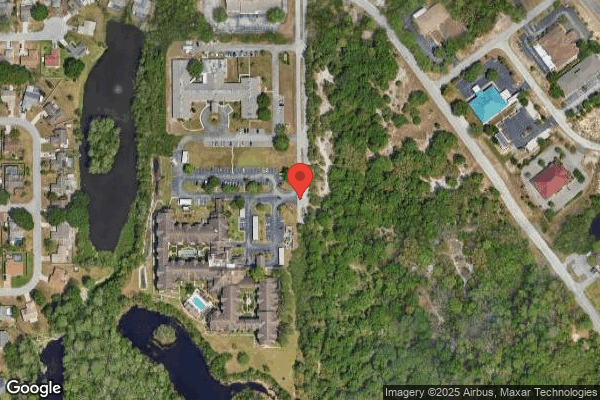

13719 DALLAS DR, HUDSON, FL 34667 (727) 862-6795
Non profit - Other 103 Beds FLORIDA INSTITUTE FOR LONG-TERM CARE Data: November 2025
Trust Grade
60/100
#445 of 690 in FL
Last Inspection: June 2024

Within standard 12-15 month inspection cycle. Federal law requires annual inspections.

Overview

Windsor Woods Rehab and Healthcare Center in Hudson, Florida, has a Trust Grade of C+, meaning it is slightly above average but not particularly outstanding. It ranks #445 out of 690 facilities in Florida, placing it in the bottom half, and #13 out of 18 in Pasco County, indicating that there are better local options available. The facility is showing improvement, having reduced its issues from six in 2024 to three in 2025. Staffing is a relative strength, with a turnover rate of 38%, which is better than the state average, but there is concerning RN coverage, as it has less RN staff than 78% of Florida facilities. While there have been no fines, which is a positive sign, there have been specific incidents such as a resident experiencing significant weight loss due to improper nutritional support and a failure to provide necessary incontinence supplies, which raises concerns about the quality of care. Overall, families should weigh these strengths against the weaknesses when considering this facility.

Trust Score
C+
60/100
In Florida
#445/690
Bottom 36%
Safety Record
Moderate
Needs review
Inspections
Getting Better
6 → 3 violations
Staff Stability
○ Average
38% turnover. Near Florida's 48% average. Typical for the industry.
Penalties
✓ Good
No fines on record. Clean compliance history, better than most Florida facilities.
Skilled Nurses
⚠ Watch
Each resident gets only 27 minutes of Registered Nurse (RN) attention daily — below average for Florida. Fewer RN minutes means fewer trained eyes watching for problems.
Violations
⚠ Watch
16 deficiencies on record. Higher than average. Multiple issues found across inspections.
★★★☆☆
3.0
Overall Rating
★★★☆☆
3.0
Staff Levels
★★★☆☆
3.0
Care Quality
★★★☆☆
3.0
Inspection Score
Stable
2024: 6 issues
2025: 3 issues

The Good

  • Full Sprinkler Coverage · Fire safety systems throughout facility
  • No fines on record
  • Staff turnover below average (38%)

    10 points below Florida average of 48%

Facility shows strength in fire safety.

The Bad

3-Star Overall Rating

Near Florida average (3.2)

Meets federal standards, typical of most facilities

Staff Turnover: 38%

Near Florida avg (46%)

Typical for the industry

Chain: FLORIDA INSTITUTE FOR LONG-TERM CAR

Part of a multi-facility chain

Ask about local staffing decisions and management

The Ugly 16 deficiencies on record

1 actual harm
Apr 2025 3 deficiencies
CONCERN (D) 📢 Someone Reported This

A family member, employee, or ombudsman was alarmed enough to file a formal complaint

Potential for Harm - no one hurt, but risky conditions existed

Comprehensive Care Plan (Tag F0656)

Could have caused harm · This affected 1 resident

**NOTE- TERMS IN BRACKETS HAVE BEEN EDITED TO PROTECT CONFIDENTIALITY** Based on observation, interviews and record reviews, the facility failed to follow the comprehensive person-centered care plan ...

Read full inspector narrative →
**NOTE- TERMS IN BRACKETS HAVE BEEN EDITED TO PROTECT CONFIDENTIALITY** Based on observation, interviews and record reviews, the facility failed to follow the comprehensive person-centered care plan related to providing toileting care with a two-person assist for one (#2) of eight sampled residents. Findings included: During an interview on 04/24/25 at 1:08 p.m. the Nursing Home Administrator (NHA) and the Director of Nursing (DON) stated Resident #2 initially told the 7 a.m. to 3 p.m. shift aide on 02/26/2025 about her finger hurting. The DON stated she went to Resident #2s room, and Resident #2 alleged a person (unknown at the time) came into her room the night before and hit her hand a couple hundred times. The NHA and the DON stated during their investigation Staff A, Certified Nursing Assistant (CNA) who cared for Resident #2 on the 11 p.m. to 7 a.m. shift on 02/26/2025 stated she provided incontinence care alone. The NHA stated Staff A, stated the resident was combative during care. The NHA stated during the investigation it was noted that Resident #2 was dependent for incontinence care or required 2 persons. The NHA stated Resident #2 was care planned for 2-person bed mobility. The NHA stated Resident #2 was dependent assist of two to turn and / or reposition which was for toileting / changing brief also. The DON and the NHA verified Staff A, CNA did not follow the care planning of needing 2 person to assist. An observation on 04/24/25 at 11:58 a.m. revealed Resident #2 was sitting up in bed eating lunch. The resident was noted confused during the interview and could not answer questions related to her care needs. Review of Resident #2's admission Record revealed the resident was admitted on [DATE] and readmitted on [DATE] with diagnoses included but not limited to generalized osteoarthritis, dysphagia, Chronic Obstructive Pulmonary Disease, diabetes, anemia, seizures, pressure ulcers dementia, mood affective disorder, osteoporosis, neuromuscular dysfunction of bladder, psychosis, major depressive disorder, anxiety, and hypertension. Review of Resident #2's quarterly Minimum Data Set (MDS) dated [DATE], Section C, Cognitive Patterns showed a Brief Interview for Mental Status (BIMS) score of 10 (moderately impaired). Section GG, Functional Abilities showed she was dependent for toileting hygiene: the ability to maintain perineal hygiene, adjust clothes before and after voiding or having a bowel movement. Dependent meant helper does ALL of the effort. Resident does none of the effort to complete the activity or the assistance of 2 or more helpers is required for the resident to complete the activity. Review of the care plans showed Resident #2 required assistance with all ADLs (Activities of Daily Living). She was very poorly motivated. Resident #2 frequently refuses any and all ADL cares. She will adamantly refuse to allow staff to provide incontinence care, turn or reposition her and will refuse most staff. She chooses to get out of bed only once a week to get her hair done, date initiated was 12/06/2021 and revised on 09/24/2024. Interventions included but not limited to Resident was Total Dependent upon staff for ADLs. as of 12/27/2024. Resident was dependent for toileting as of 08/07/2021. Bed mobility was dependent on assist of 2 to turn and/or reposition as of 08/08/2017. During an interview on 04/24/25 at 1:08 p.m. the Nursing Home Administrator (NHA) and the Director of Nursing (DON) stated during the investigation on 02/26/2025 it was noted that Resident #2 was dependent for incontinence care or required 2 persons. The NHA stated Resident #2 was care planned for 2-person bed mobility. The NHA stated Resident #2 was dependent assist of two to turn and / or reposition which was for toileting / changing brief also. The DON and the NHA verified Staff A, CNA did not follow the care planning of needing 2 person to assist. Review of the facility's policy, Care Plan-Interdisciplinary Plan of Care from Interim to Meeting, effective February 2024 showed the facility shall support that each resident must receive, and the facility must provide the necessary care and services to attain or maintain the highest practicable physical, mental, and psychosocial well-being, in accordance with the comprehensive assessment and plan of care. The facility shall assess and address care issues that are relevant to individual residents, to include, but may not be limited to, monitoring resident condition, and responding with appropriate interventions. The comprehensive care plan is an interdisciplinary communication tool. It includes measurable objectives and time frames and describes the services that are to be furnished to attain or maintain the resident's highest practicable physical, mental, and psychosocial well-being. The care plan is reviewed and revised periodically, and the services provided or arranged are consistent with each resident's written plan of care. The overall care plan should be oriented towards: 1. Preventing avoidable declines in functioning or functional levels or otherwise clarifying why another goal takes precedence. Managing risk factors to the extent possible are indicating the limits of such interventions. Procedure 5. Comprehensive Plan of Care: B. The comprehensive care plan describes or includes: i. The services that are to be furnished and goals that reflect their residence wishes, choices, and exercise of rights.
CONCERN (D) 📢 Someone Reported This

A family member, employee, or ombudsman was alarmed enough to file a formal complaint

Potential for Harm - no one hurt, but risky conditions existed

Deficiency F0849 (Tag F0849)

Could have caused harm · This affected 1 resident

**NOTE- TERMS IN BRACKETS HAVE BEEN EDITED TO PROTECT CONFIDENTIALITY** Based on interviews and record review, the facility failed to ensure a hospice plan of care was developed and coordinated to inc...

Read full inspector narrative →
**NOTE- TERMS IN BRACKETS HAVE BEEN EDITED TO PROTECT CONFIDENTIALITY** Based on interviews and record review, the facility failed to ensure a hospice plan of care was developed and coordinated to include communication between the facility and hospice provider related to activities of daily living (ADLs) for one (#3) of three residents reviewed for hospice care. Findings included: Review of an event progress note for Resident #3 revealed on 4/21/25 at 1: 00 p.m., a Hospice CNA (Certified Nursing Assistant) reports to nurse that open areas occurred while giving [Resident #3] a shower. The resident has provided the following description of the event: Unable to say what happened. The following type of event is noted: Skin alteration - Details of the event are as follows: Hospice CNA was showering Resident when open areas were obtained and reported. Preventative interventions related to this event included - continue with protective sleeves. A Change in Condition evaluation completed on 4/21/25 showed Resident #3's skin changes were - skin tear Left elbow, right forearm, and right ankle. Review of Resident # 3's admission Record revealed an admission date of 2/2/24 with diagnoses to include encephalopathy, Idiopathic normal pressure hydrocephalus, senile degeneration of brain, unspecified dementia- unspecified severity without behavioral disturbance, mood disturbance and anxiety, Dysphagia -oral pharyngeal phase, Essential hypertension, Hyperlipemia, unspecified mood affective disorder, and history of falling, Review of physician orders for Resident #3 dated 12/11/24 showed the resident was under (Name of Hospice provider) with a diagnosis of Senile Degeneration of the brain. Review of a quarterly MDS (Minimum Data set) assessment dated [DATE] showed a Brief Interview for Mental Status (BIMS) score of 3, meaning severe cognitive impairment. Section GG of the MDS - Functional Abilities and Goals showed Resident #3 required substantial to maximal assistance to roll left and right, sit to lying, lying to sitting on side of bed, sit to stand, chair bed to chair transfer, toilet transfer, and tub/ shower transfer. The MDS further revealed the resident was dependent on a wheelchair/scooter for mobility and was under hospice care. Review of the plan of care for Resident #3 Focus- ADL showed the resident has an ADL self-care performance deficit in reference to recent hospitalization and decline in function, related to Dementia, S/P (status post) fall at home, decline expected as resident is under hospice services. The care plan was initiated on 1/11/24 with a revision date of 12/21/24. The goal of the care plan was documented as - will have ADL needs anticipated and met by staff through the next review date. Interventions included - transfer - Total Mechanical Lift to Chair of 2, date initiated 1/16/2024. Under Shower Device: standard shower chair, shower per schedule and as needed, see shower schedule for details date initiated 1/11/24. Review of the plan of care for Resident #3 Focus titled -Terminal Diagnosis showed Resident #3 was diagnosed with a terminal condition and was at risk for loss of dignity during dying process (Name of Hospice provider) Diagnosis: Senile degeneration of the brain. An overall decline in status is anticipated r/t (related to) terminal diagnosis/ prognosis. Date initiated 12/12/2024, Revision on 3/26/25. The goal of this care plan showed the resident will be supported to promote comfort and dignity throughout the dying process, Date Initiated: 12/12/2024, Target Date: 06/24/2025. The resident's safety, dignity, and comfort will be maintained through the review date. Date Initiated: 12/12/2024 Revision on: 03/26/2025 Target Date: 06/24/2025. Interventions included to collaborate with hospice team to ensure the resident's spiritual, emotional, intellectual, physical and social needs are met and to coordinate continued services when appropriate. An interview was conducted with the Nursing Home Administrator (NHA) on 4/24/25 at 10:31 a.m. The NHA stated Resident #3's plan of care was that she needed a Hoyer Lift for transfers. The NHA reported the hospice CNA did not follow that care plan expectation because they follow the hospice plan of care which does not document the level of assistance the patient needs. The NHA stated they (Hospice), have their own care plans, but their care plans do not document the specific assistance needed for the resident, it only showed the tasks to be performed. The NHA stated the Hospice Aide did not ask the facility staff what the resident's assistance needs are. She stated the nurses and the CNAs at the facility did not communicate to the hospice aides on the resident's ADL care needs. On 4/24/25 at 2: 25 p.m. in a follow-up interview, the NHA stated there was no documentation in the facility of how often the Hospice aide comes and what care she provided to Resident #3. An interview was conducted with the Director of Nursing (DON) on 4/24/25 at 2:25 p.m. She stated the Hospice provider told them there was a written plan of care with the hospice aide's assignment. She stated it was documented in Resident #3's record the resident received bed baths. The DON stated the Hospice Aide had reported wanting to give Resident #3 a good shower, and it was the first time she had given her a shower. The DON stated the Hospice Aide did not utilize the mechanical lift. and transferred the resident to the shower chair by herself which resulted in skin tears. Review of a facility document titled Hospice Nursing Facility Service Agreement, with an effective date of July 24, 2023, signed by the nursing facility and hospice, revealed: under (d.) Coordination of Care - ( ii) Design of plan of care: In accordance with applicable federal and state laws and regulations, Facility shall coordinate with Hospice in developing a Plan of Care for each Hospice Patient. Hospice retains primary responsibility to determine each Hospice Patient's appropriate Plan of Care. Facility shall ensure that each Hospice Patient's plan of care includes both the most recent Hospice Plan of Care and a description of the Facility Services furnished by the Facility to attain or maintain the Hospice Patient's highest practicable physical, mental and psychosocial well - being as required by federal regulations. On 4/24/25 at 4:20 p.m. The NHA stated the facility did not have a Hospice policy.
CONCERN (E) 📢 Someone Reported This

A family member, employee, or ombudsman was alarmed enough to file a formal complaint

Potential for Harm - no one hurt, but risky conditions existed

Medical Records (Tag F0842)

Could have caused harm · This affected multiple residents

**NOTE- TERMS IN BRACKETS HAVE BEEN EDITED TO PROTECT CONFIDENTIALITY** Based on interview and record review the facility failed to ensure accurate and complete documentation related to Activities of ...

Read full inspector narrative →
**NOTE- TERMS IN BRACKETS HAVE BEEN EDITED TO PROTECT CONFIDENTIALITY** Based on interview and record review the facility failed to ensure accurate and complete documentation related to Activities of Daily Living (ADLs) for toileting hygiene for four (#2, #4, #5, #6) out of four sampled residents. Findings included: During an interview on 04/24/2025 at 1:08 p.m. the Director of Nursing (DON) stated the aide staff works 8-hour shifts. The DON verified after reviewing the toilet hygiene documentation that the aides were not documenting every day, every shift they were providing incontinence care / toileting hygiene. The DON confirmed documentation was missing. The DON verified the incontinence care was to be documented under the toileting hygiene. 1. Review of Resident #2's admission Record revealed the resident was admitted on [DATE] and readmitted on [DATE] with diagnoses included but not limited to generalized osteoarthritis, dysphagia, Chronic Obstructive Pulmonary Disease, diabetes, anemia, seizures, pressure ulcers dementia, mood affective disorder, osteoporosis, neuromuscular dysfunction of bladder, psychosis, major depressive disorder, anxiety, and hypertension. Review of Resident #2's quarterly Minimum Data Set (MDS) dated [DATE], Section C, Cognitive Patterns showed a Brief Interview for Mental Status (BIMS) score of 10 (moderately impaired). Section GG, Functional Abilities showed she was dependent for toileting hygiene: the ability to maintain perineal hygiene, adjust clothes before and after voiding or having a bowel movement. Dependent meant helper does ALL of the effort. Resident does none of the effort to complete the activity or the assistance of 2 or more helpers is required for the resident to complete the activity. Review of the care plans showed Resident #2 required assistance with all ADLs (Activities of Daily Living). She was very poorly motivated. Resident #2 frequently refuses any and all ADL cares. She will adamantly refuse to allow staff to provide incontinence care, turn or reposition her and will refuse most staff. She chooses to get out of bed only once a week to get her hair done, date initiated was 12/06/2021 and revised on 09/24/2024. Interventions included but not limited to Resident was Total Dependent upon staff for ADLs. as of 12/27/2024. Resident was dependent for toileting as of 08/07/2021. Bed mobility was dependent on assist of 2 to turn and/or reposition as of 08/08/2017. Review of the Toileting Hygiene showed the following, 03/28/2025: 2 changes, 03/29/2025: 2 changes, 03/30/2025: 2 changes, 04/01/2025: 2 changes, 04/02/2025: 2 changes, 04/03/2025: 2 changes, 04/05/2025: 1 change, 04/06/2025: 2 changes, 04/07/2025: 2 changes, 04/10/2025: 2 changes, 04/11/2025: 2 changes, 04/12/2025: 2 changes, 04/13/2025: 2 changes, 04/14/2025: 2 changes, 04/15/2025: 2 changes, 04/16/2025: 2 changes, 04/17/2025: 1 change, 04/18/2025: 1 change, 04/19/2025: 1 change, 04/20/2025: 2 changes, 04/21/2025: 2 changes and on 04/22/2025: 3 changes. 2. Review of the admission Record showed Resident #4 was admitted on [DATE] with diagnoses included but not limited to quadriplegia, hypertension, recurrent depression, muscle disorder, Trans Ischemic Attack, chronic pain syndrome, and anxiety disorder. Review of the quarterly Minimum Data Set (MDS) dated [DATE] showed a Brief Interview for Mental Status (BIMS) score of 14 (cognitively intact). Section GG, Functional Abilities showed he was dependent for toileting hygiene: the ability to maintain perineal hygiene, adjust clothes before and after voiding or having a bowel movement. Dependent meant helper does ALL of the effort. Resident does none of the effort to complete the activity or the assistance of 2 or more helpers is required for the resident to complete the activity. Review of the Activity of Daily Living (ADL) Care plan showed the Resident had an ADL Self Care Performance Deficit as evidence by diagnoses of quadriplegia, history of CVA, chronic pain, anemia as of 09/16/2024 and revised on 03/14/2025. Interventions included but not limited to bed mobility was dependent assist of 2 to turn and/or reposition as of 06/04/2021 and dependent for toilet use. Review of the Toileting Hygiene showed the following, 03/26/2025: 1 change, 03/30/2025: 1 change, 03/31/2025: 2 changes, 04/03/2025, 2 changes, 04/04/2025: 1 change, 04/06/2025: 1 change, 04/08/2025: 2 changes, 04/10/2025: 1 change, 04/12/2025: 2 changes, 04/14/2025: 2 changes, 04/17/2025: 1 change, 04/18/2025: 1 change, 04/19/2025: 2 changes, 04/20/2025: 1 change, 04/21/2025: 2 changes, 04/22/2025: 2 changes and on 04/23/2025: 2 changes. 3. Review of the admission Record showed Resident #5 was admitted on [DATE] and readmitted on [DATE] with diagnoses included but not limited to COPD, heart failure, anxiety, depression, and mood disorder. Review of the significant change in status MDS dated [DATE] showed a BIMS score of 13 (cognitively intact). Section GG, Functional Abilities showed he was dependent for toileting hygiene: the ability to maintain perineal hygiene, adjust clothes before and after voiding or having a bowel movement. Dependent meant helper does ALL of the effort. Resident does none of the effort to complete the activity or the assistance of 2 or more helpers is required for the resident to complete the activity. Review of the ADL care plan showed Resident #5 had an ADL self-care performance deficit related to weakness and impaired mobility due to diagnoses as of 10/26/2024 and revised on 03/03/2025. Interventions included but not limited to bed mobility was dependent assist of 2 to turn and/or reposition as of 08/20/2024. and dependent for toilet use as of 08/20/2024. Review of the Toileting Hygiene showed the following, 03/26/2025: 1 change, 03/29/2025: 1 change, 03/30/2025: 2 changes, 03/31/2025: 2 changes, 04/01/2025: 2 changes, 04/02/2025: 2 changes, 04/03/2025: 2 changes, 04/05/2025: 1 change , 04/06/2025: 1 change, 04/09/2025: 2 changes, 04/10/2025: 2 changes, 04/12/2025: 2 changes, 04/14/2025: 2 changes, 04/15/2025: 2 changes, 04/16/2025: 1 change, 04/17/2025: 1 change, 04/18/2025,1 change, 04/19/2025: 1 change, 04/21/2025: 1 change, and on 04/23/2025: 1 change. 4. Review of the admission Record showed Resident #6 was admitted on [DATE] with diagnoses included but not limited to Cerebral Vascular accident (CVA) of traumatic brain injury, developmental disorder, spinal stenosis, bipolar, anxiety, contracture of left and right hand and left elbow, and depression. Review of the quarterly MDS dated [DATE] showed a BIMS score of 14 or cognitively intact. Section GG, Functional Abilities showed he was dependent for toileting hygiene: the ability to maintain perineal hygiene, adjust clothes before and after voiding or having a bowel movement. Dependent meant helper does ALL of the effort. Resident does none of the effort to complete the activity or the assistance of 2 or more helpers is required for the resident to complete the activity. Review of the ADL care plane showed Resident #6 required assistance with bed mobility, transfers toileting secondary to history of traumatic brain injury with developmental mental disorder and history of progressive weakness, (L) hemiparesis, decreased range of motion bilateral upper extremities. Interventions included but not limited to bed mobility was dependent assist of 2 to turn and/or reposition as of 03/10/2025 and dependent for toilet use assist of 2 as of 12/27/2018. Review of the Toileting Hygiene showed the following, 03/26/2025: 2 changes, 03/28/2025: 1 change, 03/30/2025: 1 change, 03/31/2025: 2 changes, 04/01/2025: 2 changes , 04/03/2025: 2 changes, 04/06/2025: 1 change, 04/08/2025: 2 changes, 04/09/2025: 2 changes, 04/11/2025: 2 changes, 04/12/2025: 2 changes, 04/13/2025: 2 changes, 04/14/2025: 1 change, 04/17/2025: 2 changes, 04/18/2025: 1 change, 04/19/2025: 2 changes, 04/20/2025: 2 changes and on 04/21/2025: 2 changes. During an interview on 04/24/2025 at 3:01 p.m. the Director of Nursing (DON) verified the lack of documentation related to toileting for Residents #4, #5, #6. The DON stated the aides should be documented at least every shift. The DON stated the documentation should be under the toileting hygiene. She stated the perineal hygiene is the actual care. Requested and did not receive a documentation expectation policy.
Jun 2024 6 deficiencies
CONCERN (D)

Potential for Harm - no one hurt, but risky conditions existed

Deficiency F0645 (Tag F0645)

Could have caused harm · This affected 1 resident

**NOTE- TERMS IN BRACKETS HAVE BEEN EDITED TO PROTECT CONFIDENTIALITY** 3. Review of Resident #18's admission Record showed he was admitted to the facility on [DATE] with diagnosis to include Anxiety ...

Read full inspector narrative →
**NOTE- TERMS IN BRACKETS HAVE BEEN EDITED TO PROTECT CONFIDENTIALITY** 3. Review of Resident #18's admission Record showed he was admitted to the facility on [DATE] with diagnosis to include Anxiety Disorder. Review of the Level I Preadmission Screening and Resident Review Process (PASRR) for Resident #18, dated 04/13/2023, revealed an incomplete PASRR with the qualifying diagnosis not checked. On 06/06/2024 at 1:00 p.m., an interview was conducted with Director of Nursing who confirmed Major Depressive Disorder Diagnosis was listed on Resident #18's Facesheet, but was not checked appropriately on the PASRR. Based on record review, interview, and record review, the facility failed to ensure the Level I readmission Screening and Resident Review (PASRR) was accurate for four residents (#15, #18, #68, #98) of 21 residents sampled for PASRR review. Findings Included: 1. Review of the electronic medical record (EMR) revealed Resident #68 was admitted to the facility on [DATE] with diagnoses that included depression, and unspecified dementia. Review of the Level I PASRR dated 10/25/23 showed qualifying diagnoses were not checked or indicated, and that no Level II PASRR was required. An interview was conducted on 06/06/24 at 12:55 p.m. with Director of Nursing (DON). She stated Resident #68 PASARR dated 10/25/23 was incorrect as Depression was not marked under Mental Illness or Suspected Mental Illness and a Level II should have been completed as resident had a secondary diagnosis of dementia and diagnosis of depressive disorder. The DON stated this (PASRR) would need to be corrected. 2. A review of the admission Record showed Resident #98 was admitted to the facility on [DATE] with diagnoses that included but not limited to schizophrenia and anxiety disorder. Review of Resident #98's Level I PASRR dated 5/10/24, signed by the Director of Nursing (DON) showed, Section 1A. titled MI (mental illness]) suspected MI check all that apply showed schizophrenia was not selected. During an interview on 6/6/24 at 1:07 p.m., the DON said PASRR's were reviewed during the facility's daily meeting and said the error was corrected on a PASRR dated 6/5/24. Review of Resident #98's Level I PASRR dated 6/5/24, signed by the Director of Nursing (DON) showed, Section 1A. titled MI (mental illness]) suspected MI check all that apply showed schizophrenia and anxiety disorder was selected. 4. A review of the admission Record for Resident #15 showed he was initially admitted to the facility on [DATE] with a primary diagnosis of spinal stenosis and had other diagnoses to include major depressive disorder, unspecified dementia, unspecified severity, without behavioral disturbance, psychotic disturbance, mood disturbance, and anxiety, depression, anxiety disorder, and post traumatic stress disorder (PTSD). Section I Active Diagnoses of the Minimum Data Set (MDS) dated [DATE] showed the resident had diagnoses of anxiety disorder, depression, and PTSD. A review of Resident #15's PASRR Level I Screen dated 02/12/24 and completed by the Director of Nursing (DON) revealed no diagnosis or suspicion of serious mental illness or intellectual disability indicated and no Level II PASRR evaluation not required. The Level I Screen also indicated A Level II PASRR evaluation must be completed if the individual has a primary or secondary diagnosis of dementia or related neurocognitive disorder, and a suspicion or diagnosis of a serious mental illness, intellectual disability, or both. On 06/06/24 at 12:50 p.m., the Director of Nursing (DON) confirmed since Resident #15 had a diagnosis of dementia and a diagnosis of a serious mental illness a Level II should have been completed. The policy & procedure provided by the facility PASRR Requirements Level I & Level II revealed the following: Policy The screening is reviewed by Admissions for suspicion of serious mental illness & intellectual disability to ensure appropriate placement in the lease restrictive environment & to identify the need to provide applicants with needed specialized services. Procedure 2. Determine if a serious mental illness &/or intellectual disability or a related condition exists while reviewing the PASRR form completed by the Acute Care Facility. (Trigger for Level II Completion).
CONCERN (D)

Potential for Harm - no one hurt, but risky conditions existed

Quality of Care (Tag F0684)

Could have caused harm · This affected 1 resident

**NOTE- TERMS IN BRACKETS HAVE BEEN EDITED TO PROTECT CONFIDENTIALITY** Based on interview, observation, and record review, the facility did not ensure compression stockings were ordered for one (Resi...

Read full inspector narrative →
**NOTE- TERMS IN BRACKETS HAVE BEEN EDITED TO PROTECT CONFIDENTIALITY** Based on interview, observation, and record review, the facility did not ensure compression stockings were ordered for one (Resident #46) of one resident sampled for chronic right lower leg swelling. Findings included: On 6/3/24 at 10:45 a.m. during an interview and observation with Resident #46, he said his left leg swelling was constant because the compression stockings the facility provided was too small to fit his leg. Resident #46 presented a package of extra-large white compression stockings. (Photographic Evidence Obtained). Resident #46 said the swelling in his leg was making it difficult for him to walk. Observation of Resident #46's right lower leg and foot was noticeable larger than the left leg. (Photographic Evidence Obtained). A review of Resident #46's admission record showed diagnoses to include generalized muscle weakness, abnormalities of gait and mobility and fatigue. Review of the occupational therapy (OT) daily treatment note dated, 4/30/24 by Staff D, OT, showed attempted to see patient with left lower extremity (LLE) edema notices with nursing aware. On 6/4/24 at 11:20 a.m., during an interview with Staff A, Licensed Practical Nurse (LPN), Unit Manager (UM), he said he would follow-up with Resident #46 about compression stocking size. On 6/5/24 at 8:55 a.m., Staff A, LPN, UM said the facility ordered XXL compression stockings for the resident and the compression stockings were placed on his left leg on 6/4/24. On 6/5/24 at 3:02 p.m., an observation and Interview was conducted with Resident #46. Resident #46 was wearing a tan colored compression stocking on his right leg and said the facility provided the correct compression stocking. He said the compression stocking was comfortable and was helping the swelling. (Photographic Evidence Obtained). Review of the physical therapy (PT) daily treatment note dated, 6/5/24 by Staff E, PT showed, patient reports edema in the left lower extremity (LLE) and wants to use lighter weights today. He had the nurse place a compression stocking on the left lower extremity for the edema. Review of Resident #46's order dated 6/4/24 at 12:57 p.m. Staff A, LPN, UM showed instructions to apply compression to left lower extremity with a.m. care and remove at bedtime every day and evening shift for edema. Resource: Retrieved on 6/11/2024 https://www.ncbi.nlm.nih.gov/books/NBK554452/ [NAME] A, [NAME] AS, [NAME] BS. Peripheral Edema. [Updated 2023 [DATE]]. In: StatPearls [Internet]. Treasure Island (FL): StatPearls Publishing; 2024 Jan-. Available from: https://www.ncbi.nlm.nih.gov/books/NBK554452/
CONCERN (D)

Potential for Harm - no one hurt, but risky conditions existed

Deficiency F0699 (Tag F0699)

Could have caused harm · This affected 1 resident

**NOTE- TERMS IN BRACKETS HAVE BEEN EDITED TO PROTECT CONFIDENTIALITY** 2. Review of the admission record dated 6/6/2024 for Resident #12 revealed the resident was admitted on [DATE] with original dat...

Read full inspector narrative →
**NOTE- TERMS IN BRACKETS HAVE BEEN EDITED TO PROTECT CONFIDENTIALITY** 2. Review of the admission record dated 6/6/2024 for Resident #12 revealed the resident was admitted on [DATE] with original date of admission 4/28/2010. Resident #12 was admitted with a diagnosis of Post-Traumatic Stress Disorder (PTSD) Chronic (4/28/2010) secondary diagnosis. Review of Psychosocial History and Assessment - V5 dated 5/2/2024 for Resident #12 revealed: Section 11 Mental Health - psychiatric diagnosis - treated with psychotropic medications for depression, bipolar and PTSD. Section 12 - Trauma Informed Care - has the resident ever been diagnosed with PTSD, had a life altering event or life changing event - the response - yes. If yes, what type of event - military. Review of care plan dated 11/3/2023 for Resident #12 revealed: Focus for Trauma informed care Goal - Staff will assist in managing the resident's response to the trigger Interventions - Coordinate psychology or psychiatric services, support groups, express feelings and know what the triggers are. The care plan does not identify the PTSD event or triggers. Review of the facility Policy and Procedure for Trauma Informed Care revealed: Policy: The facility will provide services for residents who have experienced mental or psychosocial adjustment difficulty, or who have a history of trauma or have a diagnosis of post-traumatic stress disorder (PTSD). Trauma-Informed Care is care provided by staff who understands and considers the trauma and promotes environments of healing and recovery minimizing re-traumatization. Purpose: To ensure residents who are trauma survivors receive culturally sensitive trauma-informed care in accordance with professional standards of practice and accounting for residents' experience and preferences in order to eliminate or mitigate triggers which may cause re-traumatization of the resident. Process: admission - Nursing - The admitting nurse will communicate the identified mental or psychosocial adjustment difficulty and/or PTSD to team using any of the following communication methods - twenty-four-hour report, shift to shift report, progress notes and [NAME]. Social Services (SS) - The SS department will attempt to establish a rapport and conduct further psychosocial assessment of the resident's mental or psychosocial adjustment difficulty and/or PTSD and develop a comprehensive person-centered care plan which addresses the specific triggers and appropriate interventions. Activities - Complete the activities assessment and preferences and implement resident centered meaningful activities and nonpharmacological interventions. Coordinate support groups, spiritual groups and volunteers of interest. Based on record review and interviews, the facility failed to identify triggers related to Post Traumatic Stress Disorder (PTSD) which may retraumatize a resident and failed to develop and implement an individualized care plan with interventions that could minimize or eliminate the effect of the triggers for two (Resident #15 and #12) out of two sampled residents. Findings included: 1. A review of the admission Record for Resident #15 showed he was initially admitted to the facility on [DATE] with diagnoses to include major depressive disorder, unspecified dementia, unspecified severity, without behavioral disturbance, psychotic disturbance, mood disturbance, and anxiety, depression, anxiety disorder, and post-traumatic stress disorder (PTSD). Section C Cognitive Patterns of the Minimum Data Set (MDS) dated [DATE] showed Resident #15 had a Brief Interview for Mental Status (BIMS) score of 13 out of 15 indicating cognitively intact. Section I Active Diagnoses of the MDS showed the resident had diagnoses of anxiety disorder, depression, and PTSD. Section 12. Trauma Informed Care of the Psychosocial History and assessment dated [DATE] showed the following: The resident had a diagnosis of PTSD due to the military (declined to discuss) and two children had passed away. He was followed by a psychologist and psychiatrist. The care plan was updated related to trauma informed care. There was no documentation that the staff attempted to reassess the resident to identify triggers. The care plan with the focus area of trauma informed care initiated on 01/26/24 revealed the following interventions: Coordinate psychology or psychiatric services on admission and as needed, coordinate support groups as requested, encourage to express feelings, concerns, and thoughts, know what triggers are and minimize exposure if possible, and observe for symptoms of a trigger. The care plan did not reflect individual interventions related to triggers for Resident #15. On 06/06/2024 at 9:40 a.m., an interview with Staff K, Licensed Practical Nurse (LPN), was conducted. He stated, The only psych diagnosis I know of was depression and the resident was on Celexa. He did not know Resident #15 had a PTSD diagnosis. Staff K, LPN, looked in the medical record and confirmed the resident had PTSD and stated he did not know Resident #15's triggers. When asked how he would know if there were triggers, he stated It would normally be on the care plan or charted. On 06/06/2024 at 9:50 a.m., an interview with Staff P, Certified Nursing Assistant (CNA), was conducted. She reported Resident #15 was depressed sometimes but did not know he had a diagnosis of PTSD. He was much better now than when he first came here. Resident #15 was grumpy. Staff P, CNA, could not give specific triggers. On 06/06/24 at 1:04 p.m., the Director of Nursing (DON) reported a trauma informed care plan should be initiated and it should have specific triggers. They usually educate staff on the triggers if the resident can tell what the triggers are. Resident #15 reported to them that he was in the military but declined to give them specifics.
CONCERN (D)

Potential for Harm - no one hurt, but risky conditions existed

Pharmacy Services (Tag F0755)

Could have caused harm · This affected 1 resident

**NOTE- TERMS IN BRACKETS HAVE BEEN EDITED TO PROTECT CONFIDENTIALITY** Based on record review and interviews, the facility failed to ensure antibiotics were administered timely for one (Resident #87)...

Read full inspector narrative →
**NOTE- TERMS IN BRACKETS HAVE BEEN EDITED TO PROTECT CONFIDENTIALITY** Based on record review and interviews, the facility failed to ensure antibiotics were administered timely for one (Resident #87) out of six residents reviewed for unnecessary medications. Findings included: A review of the admission Record for Resident #87 showed the resident was initially admitted to the facility on [DATE] with a primary diagnosis of encephalopathy. The lab report with an order date of [DATE] showed a wound culture was rejected on [DATE] at 1:01 p.m. due to unable to process specimen due to collection with expired supplies. Swab received expired on [DATE]. The urinalysis with micro, reflux to urine culture lab report conduced on [DATE] showed preliminary results were received on [DATE] that showed the resident had >100,000 colony-forming unit per milliliter (cfu/ml) gram positive cocci possible enterococcus species identification and sensitivities to follow. The final report approved [DATE] showed >100,000 cfu/ml gram positive cocci enterococcus faecium this isolate is vancomycin resistant (VRE). There was note written on the report that showed, started on doxycycline 100mg daily for 10 days. There was a second note written on the report that showed, please discontinue doxycycline and start linezolid 600 mg two times a day for 14 days. The resident started on ciprofloxacin 250 MG on [DATE], but this antibiotic was resistant according to the sensitivity analysis on the lab report. Resident #87 did not start the appropriate antibiotic to treat this infection until [DATE]. A review of the Order Summary Report with an order date range of [DATE] to [DATE] revealed the following: Diagnostic [DATE]- Collect wound culture for culture and sensitivity one time a day for 1 day Laboratory [DATE]- Urinalysis (UA)/ Culture and Sensitivity (C&S) [DATE]- Blood cultures one time a day for 1 day [DATE]- Wound cultures one time a day Pharmacy [DATE]-[DATE] Ciprofloxacin 250 milligram (MG)- Give 1 tablet by mouth (po) two times a day for urinary tract infection (UTI) for five days [DATE]-[DATE] Doxycycline Hyclate 100 MG- Give 1 capsule po one time a day for VRE UTI for 10 days [DATE]-[DATE] Lidocaine Injection- Inject 2.1 milliliters (ml) intramuscularly every 12 hours for VRE UTI for 10 days mix 2.1 ml with antibiotic [DATE]-[DATE] Linezolid Oral Tablet- Give 1 tablet po every 12 hours for VRE UTI for 14 days [DATE]-[DATE] Streptomycin Sulfate- Inject 1 gram intramuscularly every 12 hours for VRE UTI for 10 days The Medication Administration Record (MAR) dated [DATE] to [DATE] showed the following: [DATE]-[DATE] Doxycycline Hyclate 100 MG was not administered; [DATE] Ciprofloxacin 250 MG was administered 05/16-05/20 per orders; [DATE]-[DATE] Lidocaine Injection was not administered; [DATE] Linezolid Oral Tablet was administered per orders; and [DATE]-[DATE] Streptomycin Sulfate was not administered. The Treatment Administration (TAR) dated [DATE] to [DATE] showed the following: [DATE] Weekly CBC/CMP every night shift every Sunday for monitoring (The order was not followed for 05/05. Labs were done on 05/12, 05/19, and 05/25); [DATE] UA C&S was done on 05/13; [DATE] Blood cultures were done on 05/16; [DATE] Collect wound culture for C&S was done on 05/20; and [DATE] Wound culture was done on 05/17. The MAR dated [DATE] to [DATE] showed Linezolid was administered per order. The TAR dated [DATE] to [DATE] showed CBC and CMP was done as ordered. A review of the Progress Notes dated [DATE] to [DATE] revealed the following: [DATE] 11:08 a.m. Resident noted to be more lethargic and increased confusion at this time. Received order for blood cultures and start cipro 250 mg two times a day for 5 days after blood cultures are drawn. [DATE] 15:30 (3:30 p.m.) Medical doctor notified facility. New order to discontinue doxycycline and start streptomycin 1 gram intramuscular daily for 10 days with lidocaine. [DATE] 15:21 (3:21 p.m.) U/A culture received this shift. Medical doctor notified. Received order for doxycycline 100 mg daily for 10 days. [DATE] 10:44 a.m. Received order from medical doctor. Discontinue streptomycin and lidocaine and start linezolid 600 two times a day for 14 days. On [DATE] at 12:19 p.m., the Director of Nursing (DON) reported the labs ordered were just routine labs. They had just started with this lab company on [DATE]st [2024] and they had all new supplies provided to them by the lab. The DON stated she reached out to her point of contact regarding the expired vial and he only stated the lab told him that the vial was expired. She did not know who took the culture. The labs were initially ordered on [DATE]. The nurse collected it on [DATE] and the lab company came to pick it up on 05/16. The DON confirmed there was a delay in getting the culture done due to the expired vial. Nurses should be checking the dates on the vial. They had to get a new order to repeat the culture and the results were not received until [DATE]. She was not sure when the preliminary results were received. She said there were results prior to 05/2024 but the doctor does not start anything until you have a sensitivity. The order for doxycycline was put in on [DATE] at 15:12 (3:12 p.m.) and was discontinued on [DATE] at 15:24 (3:24 p.m.). The linezolid was put in on [DATE] in the morning and the first dose was administered on 2100 (9:00 p.m.) on [DATE]. Streptomycin Sulfate was ordered on [DATE] at 15:30 (3:15 p.m.), none was administered, and was discontinued on [DATE] at 10:42 am. None of the doxycycline was given. It was 29 hours before the first dose of antibiotic was administered after receiving the results of the labs.
CONCERN (D)

Potential for Harm - no one hurt, but risky conditions existed

Unnecessary Medications (Tag F0759)

Could have caused harm · This affected 1 resident

Based on observations and record review, the facility failed to ensure the medication error rate was less than 5.00%. Forty-two medication administration opportunities were observed, and three errors ...

Read full inspector narrative →
Based on observations and record review, the facility failed to ensure the medication error rate was less than 5.00%. Forty-two medication administration opportunities were observed, and three errors were identified for two residents (#38 and #7) of five residents observed. These errors constituted a 7.14% medication error rate. Findings included: On 6/5/24 at 9:00 a.m., Staff N, LPN was observed preparing and administer administering Resident #38's medications. She prepared and administered the following medications aspirin Low dose 81 mg, hydrochlorothiazide Oral Tablet 12.5 mg, vitamin D and Tylenol regular str 325 mg. A review of Resident #38's physician orders revealed aspirin EC tablet delayed release 81 mg was ordered (photographic evidence obtained) and not administered as prescribed. On 6/5/24 at 9:15 a.m., Staff N, LPN was observed preparing and administer administering Resident #7's medications. She prepared and administered the following medications Aricept 10 mg, Aspirin EC Tablet Delayed Release 81 mg, vitamin B-12 1000 mcg, Claritin 10 mg, Colace 100 mg, Effexor XR 150 mg, famotidine 20 mg, Lasix 40 mg, Plavix 75 MG, Prosight 1 tablet, spironolactone 25 mg, Probenecid 500 mg, tizanidine 2 mg, and trifluoperazine 10 MG. A review of Resident # 7's Medication Administration Record (MAR) showed Aricept 10 mg was scheduled to be administered at 8:00 a.m. During medication preparation, Staff N, LPN did not prepare MiraLAX 17gram's and during medication administration medication was not discussed with the resident. A review of the Resident #7's MAR showed MiraLAX was refused. Review of facility policy titled, Section 7.1 Medication Administration General Guidelines 09/19, General Guidelines policy include medications are administered as prescribed in accordance with manufacturers' specification, good nursing principles and practices Guidance listed in the procedures section showed 3. Prior to administration, review and confirm medication orders for each individual resident on the medication administration record (MAR). Compare the medication and dosage schedule on the resident's MAR with the medication label. If the label and MAR are different, and the container is not flagged indicating a change in directions, or if there is any other reason to question the dosage or directions, the prescribers' orders are checked for the correct dosage schedule. The Medication Administration section showed 1) medications are administered in accordance with written orders of the prescriber. 9) verify medication is correct 3 times before administering the medication a) when pulling medication package from Med cart b) when dose is prepared c) before doses is administered. 14) medications are administered within 60 minutes of scheduled time, except before or after meal orders. F
CONCERN (E)

Potential for Harm - no one hurt, but risky conditions existed

Resident Rights (Tag F0550)

Could have caused harm · This affected multiple residents

**NOTE- TERMS IN BRACKETS HAVE BEEN EDITED TO PROTECT CONFIDENTIALITY** Based on record review, interview, and record review, the facility failed to provide incontinent supplies to meet resident needs...

Read full inspector narrative →
**NOTE- TERMS IN BRACKETS HAVE BEEN EDITED TO PROTECT CONFIDENTIALITY** Based on record review, interview, and record review, the facility failed to provide incontinent supplies to meet resident needs for five (Residents #73, #35, #22, #49, #61) of 47 residents sampled. Findings Included: 1. An interview was conducted on 06/03/24 at 11:45 a.m. with Resident # 61. She stated staff ran out of incontinent briefs yesterday evening and she was not able to be changed. She stated staff only had a size small, and she wears an extra-large and/or extra extra-large and a small would not fit. She stated staff had to run to [local store] to pick up briefs for residents. Review of the electronic medical record (EMR) showed Resident #61 was admitted to the facility on [DATE] with diagnoses that included major depressive disorder, bipolar disorder, unspecified convulsions, primary insomnia, and anxiety disorder. Review of Minimum Data Set (MDS) dated [DATE] showed: - Section C Brief Interview Mental Status (BIMS) score of 14 indicating no cognitive impairment. - Section I with heading genitourinary marked yes for renal insufficiency, renal failure, end stage renal disease. - Section H revealed that resident is always continent of bowl and bladder. On 06/06/24 at 9:05 a.m., an interview was conducted with Resident #22. She stated she was not able to get a clean pull up last Sunday. She stated staff told her they were out, and she would have to wait. She stated she did get one late that evening. She was unable to confirm the time. Review of the electronic medical record (EMR) showed Resident #22 was admitted to the facility on [DATE] with diagnoses that included irritable bowel syndrome, edema, anxiety disorder and Parkinsonism. Review of Minimum Data Set, dated [DATE] - Section C Brief Interview Mental Status (BIMS) score of 11 indicating mild cognitive impairment. - Section H revealed that resident is always continent of bowl and bladder. On 06/06/24 at 8:55 a.m., an interview was conducted with Resident #49. She stated the facility had all supplies well stocked, except incontinent briefs. She stated, We did not have any this past weekend. Review of the electronic medical record (EMR) showed Resident #49 was admitted to facility on 01/26/19 with diagnoses that included anxiety disorder, major depressive disorder, and parkinsonism. Review of Minimum Data Set, dated [DATE] revealed: - Section C a Brief Interview for Mental Status score of 15 indicating no cognitive impairment. - Section H showed resident is frequently incontinent of urine and always continent of bowel. An interview was conducted on 06/06/24 at 9:27 a.m. with Staff G, Certified Nursing Assistant (CNA), Scheduler, and Central Supply Coordinator. She stated she ordered supplies twice a week. She placed orders on Wednesday for Thursday delivery and Friday for Monday delivery. An interview was conducted on 06/06/24 at 10:25 a.m. with Nursing Home Administrator (NHA). She stated Staff G had an emergency and had to leave the building. She stated incontinent supplies were not received on Thursday because the order was not placed earlier in the week (Monday, Tuesday, Wednesday). It was overlooked as the NHA covered for central supply when Staff G was out. The NHA stated she did not approve the order, which was why there was no delivery on 05/30/24. She stated the Thursday delivery of incontinent supplies was what covered the resident's needs through the weekend. She stated she placed an order on Friday 05/31/24 with expected delivery on Monday 06/03/24. She stated when she received a call from staff on 06/02/24 stating they were low on briefs, she went to the store to purchase supplies to replenish stock until delivery on Monday. 2. During an interview and observation, on 6/3/24 at 10:52 a.m. Resident #73 said, The Certified Nurses Assistants (CNAs) do not have what they need, brief shortage happens all the time, they put little briefs on big people. I am [my skin] is sensitive to the briefs they buy at the store. During an interview and observation on 6/05/24 at 9:33 a.m. Resident #73 said this weekend they ran out of diapers they used two small diapers, it was not comfortable. Review of Resident #73's admission Record showed the initial admission date to the facility was on 11/28/21 with diagnoses to include morbid (severe) obesity. Review of Resident #73's quarterly Minimum Data Set (MDS), dated [DATE], Section H -Bladder and Bowel showed R #73 is always incontinent of urine and bowel. Review of R #73's active care plan dated 6/14/23, titled Activities of Daily Living (ADL) showed bowel and bladder incontinence. Review of Resident #35's admission Record showed the initial admission date to the facility was on 12/26/15 with diagnoses to include morbid (severe) obesity. Review of Resident #35's quarterly Minimum Data Set (MDS), dated [DATE], Section H -Bladder and Bowel showed Resident #35 is always incontinent of urine and bowel. Review of Resident #35's active care plan, Activities of Daily Living (ADL), dated 10/5/2020, showed bladder and bowel incontinence. During an interview on 6/6/24 at 8:50 a.m. Staff H, CNA said, sometimes the facility runs out of briefs they try their best. During an interview on 6/6/24 at 9:00 a.m. Staff I, CNA said the availability of supplies at the facility is moderate, when there is a low number of adult briefs available, before it is needed for resident care the briefs are available. During an interview and record review on 6/6/24 at 9:27 a.m., Staff G, CNA, Scheduler and Central Supply Coordinator said the facility ordered supplies on Wednesdays and Fridays. Supplies from the vendor were delivered on Mondays and Thursdays. Staff G said the types of supplies and the quantity ordered were based on the resident needs and the facility's census. The size of incontinent brief residents require was based on measurements obtained during admission to the facility. She said on the weekend when supplies were not available, staff would notify the Nursing Home Administrator (NHA) or the Director of Nursing (DON). Staff G said the facility would obtain supplies from the hospice thrift store, department stores or pharmacies. During an interview and record review on 6/6/24 at 10:10 a.m., Staff H, Housekeeping/Linen Manager confirmed the was the Manager on Duty (MOD) on 6/2/24. The MOD responsibilities included making sure there were no issues such as (technical, falls, etc.) in the facility. Staff H said on 6/2/24 no issues were reported everything was fine, [I] did not have to call anyone During an interview and record review with NHA on 6/6/24 at approximately 9:23 a.m., she said a grievance related to brief availability was started on 6/4/24. A review of the facility's Grievance/Concern Report showed the date received was 6/4/24, the section titled, print individual name (name of who is reporting) showed reported from Staff A, Licensed Practical Nurse (LPN), Unit Manager (UM) concern from surveyor. The section titled report the concern showed some residents saying they don't have the correct size briefs and signed by the NHA. The section titled, Documentation of facility follow-up, showed the DON and Staff were the individuals designated to take action, the assigned date was 6/4/24 and the resolved by date was 6/7/24. The NHA said supplies were not delivered on Thursday (5/30/24). Review of invoice the facility provided titled Supp-Incontinent Supplies revealed incontinent supplies were ordered on May 3rd, 6th, 10th, 13th, 17th 25th and 31st. Review of the May 2024 calendar showed there were five Wednesdays and five Friday's during that month.
Aug 2022 7 deficiencies 1 Harm
SERIOUS (G)

Actual Harm - a resident was hurt due to facility failures

Deficiency F0692 (Tag F0692)

A resident was harmed · This affected 1 resident

Based on record review, observations, and interviews the facility failed to ensure proper nutritional enhancements were provided as ordered for one resident (#56) of three residents sampled for nutrit...

Read full inspector narrative →
Based on record review, observations, and interviews the facility failed to ensure proper nutritional enhancements were provided as ordered for one resident (#56) of three residents sampled for nutrition resulting in a 6.1% wieght loss in 48 days. Findings included: On 8/02/22 at 3:00 P.M., An observation and interview was conducted with Resident #56. The resident stated the menus never change and she does not get what she orders. She stated if she gets food she does not like and the alternate is not good she just does not eat at all. Resident #56 stated she has lost weight. On 8/3/22 at 8:45 A.M.an interview was conducted with Resident #56. The resident stated no one from Dietary has been in to see her and/or talk with her regarding supplements or her weight loss. She asked if there was a way for her to have supplements added to her meal tickets. On 8/03/22 at 10:30 A.M.a review of the medical record revealed the following weights recorded for Resident #56: 06/05/22- 120.2 pounds 07/08/22- 113.1 pounds 07/16/22- 112.3 pounds 07/23/22-112.9 pounds A review of the medical record revealed a Nutritional Evaluation dated 03/21/22, completed by the Facility Registered Dietician (RD). The diet order stated supplements, fortified foods, and snacks were to be added to the resident meal tickets. On 07/12/22 a Nutritional Evaluation was completed by the Facility Registered Dietician and an updated diet order was placed to add magic cup supplements to the resident meal tickets. A review of the residents medical record revealed documentation under tasks for Resident #56 indicating the resident consumed 50% of most meals served, and no information was found regarding the percentage of supplements consumed. On 8/03/22 at 2:00 P.M. an interview was conducted with the RD. He stated if a resident has an order for fortified food, it would be documented and would be listed as part of the diet on the tray ticket. He stated if a resident had an order for a nutrition supplement, that would also print on the tray ticket and be the last food item listed. The RD stated if a resident had weight loss, that would also trigger interventions for supplements to be put into place. He said he would do a nutritional assessment and put the order into the system for supplements. He stated the resident would then be placed on weekly weights so they could monitor if the resident was gaining, losing, or staying the same. The RD stated there is no specific monitoring practice, but these items would be listed on the resident's tray ticket, which then would be addressed by the dining staff during tray line so the resident would receive the appropriate food items and supplements. The RD stated he completed two nutritional evaluations for Resident #56, one in March 2022 and the other in July 2022. He stated the diet orders and supplements were placed in the system, but after reviewing the resident's diet history, unfortunately they were never transferred to the resident's tray ticket. The RD stated he could not confirm if the resident was receiving the supplement on her supper tray, since he is not here at evening meals. The RD confirmed Resident #56 had not received any fortified food or the nutritional supplements for the past 4 months. The RD stated he had not met or had any conversation with Resident #56 regarding her supplements or interventions that were in place. The RD stated, apparently we have dropped the ball on this resident and that is unfortunate. On 8/04/22 at 10:45 A.M. an interview with the Director Nursing (DON) was conducted. The DON stated the residents should be interviewed to see if we are meeting their preferences, likes and dislikes. She stated they need to make sure the residents are not receiving foods they do not eat for one reason or another. She stated they would make adjustments for meals for residents to increase portion size, add snacks per day, in-between meals, supplements between meals, adding fortified foods, and higher calorie food items. The DON stated a resident would go on weekly weights and the Inter-Disciplinary Team would follow the resident until a safe Body Mass Index (BMI) and weight was achieved.
CONCERN (D)

Potential for Harm - no one hurt, but risky conditions existed

Deficiency F0583 (Tag F0583)

Could have caused harm · This affected 1 resident

**NOTE- TERMS IN BRACKETS HAVE BEEN EDITED TO PROTECT CONFIDENTIALITY** Based on observations, interviews, and policy reviews the facility failed to ensure privacy of personal health information for t...

Read full inspector narrative →
**NOTE- TERMS IN BRACKETS HAVE BEEN EDITED TO PROTECT CONFIDENTIALITY** Based on observations, interviews, and policy reviews the facility failed to ensure privacy of personal health information for three residents (#344, #351 and #352) out of forty-one sampled residents. Findings included: An observation was made on 8/2/22 at 12:56 PM of a map on the wall indicating which rooms in the facility were positive for COVID-19. The map was posted outside of Resident #351's room. The resident's name was displayed on the door next to the map. Resident #344's room and Resident #352's room were also indicated on the map. All three rooms were single occupancy and had the residents name posted on the plaque outside the door. Each of the three rooms where highlighted on the map as being COVID positive. (Photographic evidence and copy of the map identifying diagnosis obtained) A review of medical records indicated Resident #351 was admitted on [DATE] with diagnoses including but not limited to COVID-19. A review of current orders indicated an order for COVID-Droplet precaution. Lab results indicated a positive COVID-19 test on 7/26/22. A care plan, dated 8/2/22, indicated a care plan for Infection: The resident has actual infection; has signs/symptoms or diagnosis of COVID-19. Interventions included droplet precautions and educate staff, resident, family and visitors of COVID-19 signs and symptoms and precautions. A review of admission records indicated Resident #344 was admitted on [DATE]. Lab results indicated resident tested positive for COVID-19 on 7/17/22. A review of Resident #344's orders indicated an order for COVID: Droplet precautions, dated 7/20/22. A review of admission records indicated Resident #352 was admitted on [DATE] with diagnoses including COVID-19. Lab results indicated resident tested positive for COVID-19 on 7/26/22. A review of orders indicated an order for COVID-Droplet precaution. A review of care plans, dated 8/2/22, indicated a plan for Infection: The resident has actual infection, has signs/symptoms or diagnosis of COVID-19. Interventions included educate staff, resident, family and visitors of COVID-19 signs and symptoms and precautions and follow COVID-19 screening/precautions. An interview was conducted with Staff A, Certified Nursing Assistant (CNA) on 8/2/22 at 1:48 PM. She stated the map with COVID-19 positive rooms is normally on the wall. She stated the map shows them who has COVID in the building. Staff A reviewed the map and confirmed it indicated Resident #351 has COVID-19. She stated it also shows Residents #352 and #344 have it. An interview was conducted with Staff B, Occupational Therapist (OT) on 8/2/22 at 1:58 PM. She stated the maps show which residents have COVID-19 so visitors know which rooms not to go in. She stated they also have signs on the door for precautions. Staff B stated the map is posted in different parts of the building so they can see where COVID-19 is. An observation on 8/2/22 at 2:01 PM revealed the COVID-19 resident map was also posted in the hallways next to room [ROOM NUMBER] and room [ROOM NUMBER]. An interview was conducted with Staff C, Registered Nurse (RN), Unit Manager (UM) on 8/2/22 at 2:36 PM. She indicated the admissions department posts the maps and updates them anytime a resident has COVID-19. She stated, families might want to know were COVID rooms are. Staff C reviewed the photo including the map and Resident #351's room/name tag. She confirmed this does show Resident #351 has COVID-19. When asked about privacy concerns regarding diagnosis being posted, she stated either way, the sign on the door says .oh, droplet precautions, not COVID. She stated it could be a privacy problem and she never thought about that. An interview was conducted with the Nursing Home Administrator (NHA) on 8/2/22 at 2:45 PM. She stated the maps are on the wall to indicate COVID-19 positive residents and step downs. The NHA said they put them up so someone that comes in the building they can know where the COVID positive rooms are. They are also for staff. She reviewed the photograph of the COVID-19 map next to Resident #351's room, indicating his name. She stated the map shows Resident #351 has COVID-19. When asked about this being a privacy concern, she stated they have been doing this all through COVID. The NHA administrator stated someone from the Agency for Healthcare Administration (later corrected to the Department of Health) asked them how they were educating staff on where COVID positive residents were, so they started putting the map up. Regarding having resident names and their COVID diagnosis being displayed she stated, they have precaution signs on the door. She stated she was going to look for documentation showing she was told posting the maps was okay. On 8/3/22 at 9:37 AM the NHA stated they did not have anything in writing regarding posting the maps with COVID-19 diagnoses, it was a verbal discussion with someone from the Department of Health. She stated all maps have now been removed. A review was conducted of two facility provided policies titled Resident [NAME] of Rights and Notice of Privacy Practices. These policies are given to each resident upon admission. The Resident [NAME] or Rights stated, You have the right to personal privacy and confidentiality of your personal and clinical records. The Notice of Privacy Practices stated, We are required by law to maintain the privacy and security of your protected health information. We will let you know promptly if a breach occurs that may have compromised the privacy or security of your information. The United States Department of Health and Human Services: Your Rights Under HIPAA (Health Insurance Portability and Accountability Act) states the following: -Covered entities must put in place safeguards to protect your health information and ensure they do not use or disclose your health information improperly. -Covered entities must reasonably limit uses and disclosures to the minimum necessary to accomplish their intended purpose. -Covered entities must have procedures in place to limit who can view and access your health information as well as implement training programs for employees about how to protect your health information. (https://www.hhs.gov/hipaa/for-individuals/guidance-materials-for-consumers/index.html)
CONCERN (D)

Potential for Harm - no one hurt, but risky conditions existed

Safe Environment (Tag F0584)

Could have caused harm · This affected 1 resident

**NOTE- TERMS IN BRACKETS HAVE BEEN EDITED TO PROTECT CONFIDENTIALITY** Based on observations, interviews and record review, the facility did not ensure air conditioning (A/C) units were maintained in...

Read full inspector narrative →
**NOTE- TERMS IN BRACKETS HAVE BEEN EDITED TO PROTECT CONFIDENTIALITY** Based on observations, interviews and record review, the facility did not ensure air conditioning (A/C) units were maintained in a sanitary manner in 7 rooms (room [ROOM NUMBER], 128,130,219, 217, 216 and 218) out of 19 rooms in the front hall of the facility during four of four days of the survey Findings included: During a facility tour on 08/01/22 from 09:37 a.m. to 10:11 a.m., observations were made of air conditioning (A/C) units with dark moisture lint on the surfaces and filters with debris and dust in resident rooms 126, 128, 130, 216, 217, 218 and 219. The observations of A/C units with dark moisture lint on surfaces and filters with debris and dust were made on 08/02/22 at 11:32 a.m., 08/03/22 10:00 a.m., and 08/04/22 11:20 a.m. A review of a maintenance logbook documentation dated, 7/29/22, 7/22/22 and 7/15/22 showed boxes not checked to indicate cleaning of air filters was conducted in these rooms. On 08/04/22 at 11:00 a.m., an interview was conducted with the Housekeeping Manager. He stated the housekeeping department was responsible for wiping the outside of the unit. He stated the maintenance department was responsible for making sure filters were cleaned. The Housekeeping Manager confirmed any surface dirt should be wiped off during routine room cleaning. The housekeeping manager reviewed A/C units observed with dark moisture and lint on the surfaces and stated the housekeeping department should be cleaning them daily. An interview was conducted on 08/04/22 at 11:41 a.m. with the Director of Maintenance (DOM). The DOM stated the black stuff is moisture and lint mixture and is caused by condensation and dust. The DOM stated he follows a deep cleaning schedule. The DOM stated he takes the covers outside and cleans them yearly. The DOM stated the filters are cleaned in each wing, each week. The DOM stated he was the only one in the maintenance department and tries to get through all the resident rooms. The DOM stated he tries to alternate each wing weekly. The DOM reviewed photographic evidence and said, that needs to be vacuumed. We will get on it. A follow -up interview was conducted with the Nursing Home Administrator (NHA) and Director of Nursing (DON) on 08/04/22 at 12:20 p.m. The NHA stated the Maintenance Director cleans the units on a rotation. The NHA reviewed the evidence and stated the units were cleaned recently and they would be cleaned again today. The DON reviewed the photographic evidence and stated they did not look clean. They stated the units had already started to be cleaned. The NHA stated they did not have a policy on maintenance of A/C units but housekeeping had one on cleaning all surfaces. Review of a housekeeping facility policy titled, Cleaning light covers and vents, revised 9/5/2017, showed under timing and method: Wipe every vent with germicide. Vents in resident's rooms should be cleaned daily as part of the step cleaning method. Vents in hallways, dining rooms etc., should be scheduled for regular cleaning. If necessary, have maintenance remove covers to clean inside the vents.
CONCERN (D)

Potential for Harm - no one hurt, but risky conditions existed

Deficiency F0679 (Tag F0679)

Could have caused harm · This affected 1 resident

**NOTE- TERMS IN BRACKETS HAVE BEEN EDITED TO PROTECT CONFIDENTIALITY** Based on observations, interviews and record review, the facility did not ensure a dependent resident (#16) was assisted to acti...

Read full inspector narrative →
**NOTE- TERMS IN BRACKETS HAVE BEEN EDITED TO PROTECT CONFIDENTIALITY** Based on observations, interviews and record review, the facility did not ensure a dependent resident (#16) was assisted to activities during three of four days of survey out of 41 residents sampled. Findings included: During a facility tour on 08/02/22 at 10:19 a.m., Resident #16 was observed sitting on the edge of his bed. Resident #16 stated he does not participate in activities. Resident #16 stated he would like to but he is just not invited. Resident #16 said, I thought the activities are for residents with insurance. Immediately following this tour, an observation was made of the Director of Activities (DOA) with a group of residents in the dining room playing bingo. A review of an admission record for Resident #16 dated 08/04/22 showed Resident #16 was admitted to the facility on [DATE] with diagnosis to include but not limited to muscle wasting and atrophy, transient cerebral ischemic attack unspecified and difficulty in walking. A review of the Minimum Data Set (MDS) for Resident #16, dated 05/22/22, showed under Section G: Functional Status revealed Resident #16 required extensive assistance for bed mobility and transfers. Resident #16 was dependent on staff for transfers. A review of a care plan for Resident #16, dated 5/5/22, revealed an activities focus area as: resident requires staff assistance with involvement of activities related to, requires physical assistance to and from activities. Interventions included: Discuss with the resident prior level of activity involvement and interests. Encourage resident to participate with activities of choice. The resident needs assistance/escort to and from activity functions. On 08/02/22 at 2:45 p.m., an observation was made of a group of residents attending a live music presentation in the dining room. Resident #16 was not in attendance. An interview was conducted with Resident #16 on 08/02/22 at 02:46 p.m. Resident #16 was observed seated at the same spot all day, on the edge of his bed, facing the door. Resident #16's room was close enough to the dining room to hear the live music. Resident #16 re-stated he thought the activities in the dining room were for some residents with a certain type of insurance. Resident #16 stated he was not invited to attend Bingo this morning, or the live music that was going on in the dining room. On 08/03/22 at 2:15 p.m., an observation was made of residents in the dining room during an ice- cream social event. Resident #16 was not in attendance. A follow -up interview was conducted with Resident #16 on 08/03/22 at 2:19 p.m. Resident #16 stated he had not been asked if he wanted to participate in the ice-cream social. Resident #16 stated he had not been assisted to any activity's events. Resident #16 stated he did not know what activities they had planned or if he could attend. An interview was conducted on 08/03/22 at 4:05 p.m. with the DOA. The DOA stated she conducts an initial assessment upon admission to identify resident's hobbies, what they like and find out if they need supplies. The DOA stated if residents are dependent on staff, they are assigned 1:1 supports for in room activities or escort to the activity area. The DOA stated they bring the activities to their rooms and invite the residents who want to attend group activities. The DOA stated Resident #16 does not get out of bed that much and she did not know if it's a comfort level. The DOA stated she did not invite Resident #16 to bingo, music, or the ice-cream social. The DOA confirmed Resident #16 had not refused to attend activities and if he was it would be documented. The DOA stated she goes door to door inviting residents to activities every morning. The DOA confirmed she had not invited Resident #16 to any activities. The DOA said, I did not go to that side today. I do not have a good explanation. I do not have anything against him. It's a simple mistake. The DOA stated she was the only one in the department and was not able to get around all the time. The DOA stated she would discuss the concern with the Nursing Home Administrator (NHA), may be the certified nurse's aide (CNAs) can help. The DOA said, I will do better. An interview was conducted with the NHA on 08/03/22 at 3:55 p.m. The NHA stated Resident #16 should be participating in activities if he chooses. The NHA said, He should be invited and escorted. The NHA stated there was no reason why the resident was not assisted to activities. The NHA stated they would educate the staff. A review of resident council meeting minutes dated 5/19/22, 6/17/22 and 7/22/22 showed the council suggests for staff to assist in bringing other residents to planned and on-going activities to increase participation. The review indicated this is an -ongoing concern. On 08/04/22 at 11:49 a.m., a follow-up interview was conducted with Resident #16. Resident #16 stated he enjoyed participating in the activity this morning. Resident #16 said, it was nice to get out and interact with other residents. The resident stated he was looking forward to playing Bingo this afternoon. On 08/04/22 at 12:20 p.m. a follow-up interview was conducted with the NHA and the Director of Nursing (DON). The NHA stated they have spoken to the resident, and he attended activities this morning. The DON stated the CNA's do assist in prompting and assisting residents get ready for activities. The DON stated they will make sure Resident #16 is invited to activities going forward. Review of a facility policy titled, Activities Overview, dated October 2021, showed the activities department will provide activities that include sensitivity and an understanding of each individual resident's needs and requirements including medical, emotional, spiritual, therapeutic, and recreational needs. The activity programs will reflect individual needs and provide / promote the following: Stimulation or solace Physical, cognitive and or emotional health. Enhancement, to the extent practicable, of each resident's physical and mental status. Resident self-respect by providing activities that support self-expression, social and personal responsibility, choice.
CONCERN (D)

Potential for Harm - no one hurt, but risky conditions existed

Infection Control (Tag F0880)

Could have caused harm · This affected 1 resident

**NOTE- TERMS IN BRACKETS HAVE BEEN EDITED TO PROTECT CONFIDENTIALITY** Based on observations, interviews, and policy reviews the facility did not ensure 1) proper infection control practices were fol...

Read full inspector narrative →
**NOTE- TERMS IN BRACKETS HAVE BEEN EDITED TO PROTECT CONFIDENTIALITY** Based on observations, interviews, and policy reviews the facility did not ensure 1) proper infection control practices were followed for three Covid-19 positive residents (#344, #351, and #352) regarding personal protective equipment and 2) proper infection control practices were followed for one contact isolation resident (#67) regarding personal protective equipment out of forty one sampled residents. 1) An observation was made on 8/1/22 at 1:01 PM of Staff D, Licensed Practical Nurse (LPN), entering Resident #344's room with no goggles in place, only regular eyeglasses. Signage on the door indicated droplet precautions, stating everyone must clean hands when entering/exiting room, wear N95 mask, wear eye protection, and gown and glove at the door. A review of admission records indicated Resident #344 was admitted on [DATE] with diagnoses including pneumonia due to SARS-associated Coronavirus. Lab results indicated the resident tested positive for COVID-19 on 7/17/22. A review of orders indicated an active order for COVID: Droplet precautions, dated 7/20/22. On 8/2/22 at 8:23 AM Staff D, LPN was observed exiting Resident #352's room with a protective gown on. The LPN then entered Resident #344's room with the same gown on. She had no goggles in place, only eyeglasses. On 8/2/22 at 12:58 PM. Staff D, LPN was observed exciting Resident #352's room with a protective gown and gloves on. Staff D kept the same gown and gloves on, picked up the lunch tray for Resident #351 and entered the room to deliver the tray. A review of admission records indicated Resident #352 was admitted on [DATE] with diagnoses including COVID-19. Lab result indicated the resident test positive for COVID-19 on 7/26/22. A review or orders revealed an order for COVID: droplet precautions, dated 8/2/22. A review of Resident #352's care plan indicated Infection: The resident has actual infection: has signs/symptoms or diagnosis of COVID-19. Interventions included, educate staff, resident, family and visitors of COVID-19 signs and symptoms and precautions. The care plan was dated 8/2/22. A review of admission records indicated Resident #351 was admitted on [DATE] with diagnoses including COVID-19. Lab result indicated the resident test positive for COVID-19 on 7/26/22. The resident's orders revealed an order for COVID: droplet precautions, dated 8/2/22. A review of Resident #351's care plan indicated Infection: The resident has actual infection: has signs/symptoms or diagnosis of COVID-19. Interventions included droplet precautions, follow COVID-19 screening/precautions and educate staff, resident, family and visitors of COVID-19 signs and symptoms and precautions. The care plan was dated 8/2/22. On 8/2/22 at 2:10 PM an interview was conducted with the Regional Nurse. She stated when going in COVID positive rooms everyone should wear an N95, goggles/face shield, and gloves every time. She stated when the staff member is finished in the COVID area, they should exit the building through the exit door near the rooms, walk to the front of the building, get a new mask at the front door and reenter the facility. The Nursing Home Administrator (NHA) and Director of Nursing (DON) joined the interview. The NHA stated the process for COVID rooms is donning PPE at the bins outside the door, then go in the room. When leaving, the person should doff PPE before opening the door to the room, then step out into the clean area (hallway.) Then the staff member exits the building if they are finished in the COVID area, they get a new mask and come in the front door of the facility. The DON stated eyeglasses do not count as goggles. She said staff have face shields to wear. She stated goggles are ok, but the staff member must clean them when they exit the building before returning in the front door. The NHA specified the face shields are one time use only. An interview was conducted on 8/2/22 at 2:36 PM with the facility's Infection Preventionist (IP). She stated eyeglasses do not meet the requirements of goggles for precautions. She stated the hall is a clean area and no gown or gloves should be worn in the hall after leaving a precaution room. She also confirmed gowns and gloves should be changed between each resident. On 8/3/22 at 9:37 AM the NHA stated she came in early that morning and reviewed the video of the exit door nearest the COVID positive rooms. She confirmed she saw Staff D come out of a COVID positive room into the hallway with her gown still on with no goggles or face shield. An interview was conducted with Staff D on 8/3/22 at 2:10 PM. She stated she didn't take the gown off in the hallways because someone from the Department of Health told her she could go from COVID room to COVID room without changing gowns because they have the same infection. She stated she had a face shield hanging inside the resident room and she puts it on once she enters. She said she just leaves it there and reuses it. She confirmed she has been trained on PPE use and infection control. She stated she knows she messed up and will be doing it right from now on. On 8/4/22 the IP provided documentation showing the began a hand hygiene competency checklist, as well as donning and doffing PPE competencies for staff on 8/3/22 and in-service on precautions on 8/2/22. A facility policy titled COVID-19 Guidance, dated October 2020, was reviewed. Under the heading Communication/Education the policy stated, routine staff meeting to include contractors to provide education about COVID-19 and measure the facility is taking, including signs and symptoms to report: -Practice proper hand washing hygiene. Soap and water should be used preferentially if hands are visibly dirty. All employees should clean their hands before and after interaction with residents and their environment with an alcohol-based hand sanitizer that contains at least 60-95% alcohol or wash their hands with soap and water for at least 20 seconds. -Don the appropriate PPE as required. Face mask must always be worn during your entire shift. Failure to wear a face mask or don the appropriate PPE could lead to termination after the employee has signed education. -Educate staff on special unit set up and current PPE guidance based on availability and CDC guidelines to prevent the spread of the coronavirus disease. A facility policy titled Isolation Precautions-Categories of Transmission-Based Infection, dated October 2020 was reviewed. The policy stated, Transmission-based precautions shall be used when caring for residents who are documented or suspected to have communicable diseases or infections that can be transmitted to others. 2. On 08/02/2022 at 12:15 p.m. an observation was conducted of Resident #67's room from the hall. Resident #67's room door was observed to be open, with an Isolation Precaution box of Personal Protective Equipment (PPE) hanging over the top of the door. The signage on the door revealed Contact Isolation and read PPE required every time you enter room-Mask, Gown and Gloves. (PHOTOGRAPHIC EVIDENCE OBTAINED.) During the observation Staff R, Certified Nursing Assistant, (C NA) was observed entering Resident #67's room with a lunch tray. Staff R, (C NA) placed the tray on the resident's bedside table, removed the cover, and re-arranged items on the table. She then moved the privacy curtain to speak to Resident #67's roommate. Staff R, (C NA) left the room and used the hand sanitizer, on the wall outside the resident's room. An immediate interview was conducted with Staff R, (C NA), when she exited Resident #67's room. Staff R, (C NA) who confirmed she did not put on a gown, and gloves prior to entering Resident #67's room. She stated I do not have to put a gown on, I am just dropping off a tray, and I don't have to put PPE on because I did not do resident care, only if you do resident care, you put a gown on. I am supposed to use the hand sanitizer on the wall and that is the policy of the facility. A record review for Resident #67 revealed Physician Order dated 07/20/2022 for Contact Isolation Precautions every shift for Vancomycin-Resistant Enterococcus (VRE), in the urine. During an interview conducted on 08/04.2022 at 09:10 a.m. with Staff O, Infection Preventionist (IP), she was informed of an observation of Resident #67's room and Staff R, (C NA). Staff O, (IP) revealed if the staff member is not providing resident care in a Contact Isolation room and stated, We'll no she does not have to wear a gown. An interview was conducted with the Director of Nursing (DON), and the IP on 08/04/2022 at 10:12 a.m. During the interview the DON was informed of observations made of Staff R, (C NA) in Resident #67's room. The DON revealed all staff who enter an isolation precaution room must follow the sign's directions. She further indicated if the sign says to put a gown on, or gloves then you must put it on. The DON stated She (Staff R, (C NA) should have put on a gown and gloves. At 11:49 a.m., the DON provided a copy of an in-service training related to Contact Isolation Precautions that was given to Staff R, (C NA) by the IP. According to the Centers for Disease Control and Prevention (CDC) VRE in Healthcare Settings | HAI | CDC VRE Can spread from one person to another through contact with contaminated surfaces or equipment or through person to person spread, often via contaminated hands.
CONCERN (E)

Potential for Harm - no one hurt, but risky conditions existed

Deficiency F0761 (Tag F0761)

Could have caused harm · This affected multiple residents

2) On 08/02/22 at 9:42 a.m., a large off-white oval tablet was found on the floor in Resident #16's room, The tablet was inscribed Carafate. Resident #16 stated he takes the tablet. Resident #16 state...

Read full inspector narrative →
2) On 08/02/22 at 9:42 a.m., a large off-white oval tablet was found on the floor in Resident #16's room, The tablet was inscribed Carafate. Resident #16 stated he takes the tablet. Resident #16 stated he might have dropped it. Photographic evidence was obtained. A review of Resident #16's physician orders dated 8/4/22 revealed orders for Sucralfate tablet 1 mg, give 1 tablet one time a day for GERD, give before meals. On 08/02/22 at 9:45 a.m., an interview was conducted with Staff L, LPN. Staff L made the observation and said, the resident may have dropped it. It was an accident. Staff L stated the expectation would be to supervise the residents during medication administration. On 08/02/22 at 9:57 a.m. a white, round tablet was observed on the floor in Resident #63's room at the foot of bed. Resident #63 stated she did not know the tablet fell. Photographic evidence was obtained. On 08/02/22 at 10:02 a.m., an interview was conducted with Staff L. Staff L stated the tablet was Plavix. Staff L stated the two residents in the room take Plavix. Stated he did not know how the tablet ended up on the floor by Resident #63's bed. He stated he knew he administered both resident's medications in the morning. On 08/03/22 at 10:04 a.m., a white tablet was observed on Resident #82's blanket. An immediate interview was conducted with Resident #82. Resident #82 stated she probably dropped it. Resident #82 stated she was not sure what the medication was. 08/03/22 at 10:06 a.m., a follow -up interview was conducted with the assigned nurse, Staff H, LPN. Staff H walked into the room and observed Resident #82 pulling her hand from her mouth. Staff H stated the resident had just put the tablet in her mouth. Staff H reviewed the photographic evidence of a white tablet on the resident's blanket. Staff H said, it probably just fell when she was taking her medications. Staff H stated she should have supervised the resident. During a facility tour of Resident #82's room on 08/03/22 at 12:24 p.m., a white round tablet was observed under the resident's bed. A follow -up interview was conducted on 08/03/22 at 12:44 p.m. with the DON. The DON made the observation and stated she did not know what the tablet was but would review the resident's record. The DON followed up after review and stated the tablet is propafenone HCI tablet 225 MG Give 1 tablet by mouth every 12 hours for A-FIB (Atrial Fibrillation). The DON confirmed it was an important medication and the resident should not have missed it. A review of Resident #82's physician orders dated 8/4/22 showed the resident was prescribed Propafenone HCI tablet 225 mg, give 1 tablet by mouth every 12 hours for A-FIB. On 08/03/22 at 12:47 p.m. an interview was conducted with the DON and NHA. The DON stated residents should be supervised during medications administration. The DON said, the nurse should stay with the resident during medication administration. The DON stated four incidents or lose tablets in resident's rooms are one too many. The NHA stated they will educate the nursing staff. The DON confirmed the nurses should stay with the residents and provide supervision. Based on observations, interviews and record review, the facility failed to store medications in a safe and secure manner 1) in four medication carts (two A Wing and two C Wing) of four medication carts observed, and 2) for three residents (#16, #63, and #82) of forty one residents sampled. Findings included: 1) A review of the facility provided policy titled 4.1 Storage of Medications, dated 09/18 revealed the following: Policy: Medications and biologicals are stored properly, following manufacturer's or provider pharmacy recommendations to maintain their integrity and to support safe effective drug administration. The medications supply shall be accessible only to licensed nursing personnel, pharmacy personnel, or staff members lawfully authorized to administer medication. Procedures: 1. The provider pharmacy dispenses medications is containers that meet state and federal labeling requirements, including requirements of good manufacturing practices established by the United States Pharmacopeia (USP). On 08/03/2022 at 2:59 p.m., an observation of the (C Wing) 200 Back Hall medication cart included two (2) loose pills. Staff L, Licensed Practical Nurse (LPN) confirmed the presence of the unsecured blue and white capsule, and one round white tablet. Photographic evidence was obtained. On 08/03/2022 at 03:16 p.m., an observation of medication cart on (C-Wing) 200 Front Hall included one loose tablet in the fourth draw from the top of the medication cart. Staff M, (LPN), confirmed the presence of the unsecured tablets. On 08/03/2022 at 03:32 p.m., an observation of medication cart on (A-Wing) 100 Hall included one loose beige tablet in the second draw, one orange, and one white loose pill in the fourth draw, and in the fifth draw from the top of the medication cart, a large yellow loose pill. Staff N, Registered Nurse (RN) confirmed the presence of the unsecured tablets. On 08/03/2022 at 04:00 p.m., an observation was conducted of medication cart (A-Wing) 100 High Hall. During the observation a loose while tablet was seen in the 4th draw. The fifth draw included 1 large white oval tablet from the top of the medication cart. Staff H (LPN) confirmed the presence of the unsecured medications. On 08/03/2022 at 4:14 p.m., an interview with the Director of Nursing (DON) was conducted. She was informed of all observations made. The DON indicated staff informed her prior to the interview, of unsecured tablets found in the medication carts on both wings. The DON revealed her expectation would be staff checking at a minimum once a week the medication carts for loose pills. She further indicated her unit managers are currently checking the medication carts once a week.
CONCERN (E)

Potential for Harm - no one hurt, but risky conditions existed

Room Equipment (Tag F0908)

Could have caused harm · This affected multiple residents

Based on observations, staff interview and facility record review, the facility failed to ensure one of one walk in freezers were operating appropriately during two of four days observed (08/01/2022 a...

Read full inspector narrative →
Based on observations, staff interview and facility record review, the facility failed to ensure one of one walk in freezers were operating appropriately during two of four days observed (08/01/2022 and 8/4/2022). It was determined the freezer door would not latch closed in order to keep warm air from getting in, and as a result, there was ice build up inside the freezer compartment. Findings included: On 8/1/2022 at 9:45 a.m. the kitchen was toured with the Dietary Manager. During the tour, it was noted the kitchen had a walk in refrigerator and within the walk in refrigerator was the walk in freezer. Once the walk in refrigerator was approached, the door was opened and the inside temperature revealed 38 degrees F., per the inside analog thermometer. Further observations and while inside the walk in refrigerator, there was a large metal door that led into the walk in freezer. The door appeared slightly ajar and the door handle was not latched all the way. The door, when attempting to open, was slightly stuck. Upon pulling open the door with force, the entire inside of the door frame and the entire length of the door was observed with heavy ice build up. Further, there was large ice patches and ice growth on the face of the inside door. The ice build up along the door frame and on the door seal prevented the freezer door to appropriately latching closed. The Dietary Manager confirmed the door was not shutting closed properly and she could not say how long the ice had been built up. The size of the ice build up revealed the ice had been preventing the door from closing properly for a long period of time. Photographic evidence was taken. Also, the inside walk in freezer temperature read approximately 27 degrees F. - 30 degrees F., per review of the inside analog thermometer. The Dietary Manager confirmed she did not have a current work order out to the Maintenance Director but would do so today (8/1/2022). When walking out from the walk in freezer and then out from the walk in refrigerator, the Maintenance Director was observed in the general area. The Dietary Manager told him of the ice build up and he said he would take care of it and did not have a response as to why the ice was building up on the inside of the freezer door and door seal. On 8/4/2022 at 8:55 a.m. a.m. a kitchen tour with the dietary manager was conducted. When the walk in freezer door was approached, the door did not appear closed correctly. The door could be opened by pulling on the side of the door, rather than unlatching the door handle. The door should be clamped closed from the door handle assembly; and at this time it was not. It was determined the inside door seal that surrounds the door, was so thick, that the weight of the door could not shut completely and properly. The Dietary Manager confirmed the door did not shut completely and the door handle did not latch unless pressing on the door hard. She confirmed the weight of the door should close completely and with the door handle latching appropriately. She did confirm the Maintenance Director did remove all the ice build up surrounding the inner door seal, the door itself from inside, and parts of the motor fan housing on Monday 8/1/2022, after first observed from the State surveyor. The door was attempted to pull all the way open and letting the door self close. However, the door did not latch completely, leaving air from the refrigerator, which was at 39 degrees F., able to flow into the walk in freezer compartment. On 8/4/2022 at 12:25 p.m. an interview with the Maintenance Director revealed the Dietary Manager made him aware on 8/1/2022 of ice build up on the inside of the freezer door to include the door seal, and the inside face of the door. He revealed he cleaned the ice build up and believed the door operated appropriately. The Maintenance Director said he was made aware today on 8/4/2022 the door was not shutting properly. He revealed he went into the walk in refrigerator to look at the door and he said he had to make an adjustment to the door latch so the door would close properly. He also indicated he believed the door seal was appropriate for the door and it did not impede the door from closing. The Maintenance Director was also made aware the door is to close on its own weight and latch on its own and while looking at door closing, the latch would rub up against a portion of the metal shelving that was positioned just to the side of the door. When the latch rubbed against the shelving pole, the door would then slow and the weight of the door would not be able to latch. He indicated he would look at that and try to move the metal shelving to a point where the door would self close. He confirmed he did not have any work orders for the door or latch prior to State visit on 8/1/2022. Interview with the Nursing Home Administrator on 8/4/2022 revealed the facility did not have a specific policy and procedure with relation to walk in freezer door maintenance.
Understanding Severity Codes (click to expand)
Life-Threatening (Immediate Jeopardy)
J - Isolated K - Pattern L - Widespread
Actual Harm
G - Isolated H - Pattern I - Widespread
Potential for Harm
D - Isolated E - Pattern F - Widespread
No Harm (Minor)
A - Isolated B - Pattern C - Widespread

Questions to Ask on Your Visit

  • "Can I speak with families of current residents?"
  • "What's your RN coverage like on weekends and overnight?"

Our Honest Assessment

Strengths
  • • No fines on record. Clean compliance history, better than most Florida facilities.
  • • 38% turnover. Below Florida's 48% average. Good staff retention means consistent care.
Concerns
  • • 16 deficiencies on record, including 1 serious (caused harm) violation. Ask about corrective actions taken.
Bottom line: Mixed indicators with Trust Score of 60/100. Visit in person and ask pointed questions.

About This Facility

What is Windsor Woods Rehab And Healthcare Center's CMS Rating?

CMS assigns WINDSOR WOODS REHAB AND HEALTHCARE CENTER an overall rating of 3 out of 5 stars, which is considered average nationally. Within Florida, this rating places the facility higher than 0% of the state's 100 nursing homes. This mid-range rating indicates the facility meets federal standards but may have areas for improvement.

How is Windsor Woods Rehab And Healthcare Center Staffed?

CMS rates WINDSOR WOODS REHAB AND HEALTHCARE CENTER's staffing level at 3 out of 5 stars, which is average compared to other nursing homes. Staff turnover is 38%, compared to the Florida average of 46%. This relatively stable workforce can support continuity of care.

What Have Inspectors Found at Windsor Woods Rehab And Healthcare Center?

State health inspectors documented 16 deficiencies at WINDSOR WOODS REHAB AND HEALTHCARE CENTER during 2022 to 2025. These included: 1 that caused actual resident harm and 15 with potential for harm. Deficiencies causing actual harm indicate documented cases where residents experienced negative health consequences.

Who Owns and Operates Windsor Woods Rehab And Healthcare Center?

WINDSOR WOODS REHAB AND HEALTHCARE CENTER is owned by a non-profit organization. Non-profit facilities reinvest revenue into operations rather than distributing to shareholders. The facility is operated by FLORIDA INSTITUTE FOR LONG-TERM CARE, a chain that manages multiple nursing homes. With 103 certified beds and approximately 98 residents (about 95% occupancy), it is a mid-sized facility located in HUDSON, Florida.

How Does Windsor Woods Rehab And Healthcare Center Compare to Other Florida Nursing Homes?

Compared to the 100 nursing homes in Florida, WINDSOR WOODS REHAB AND HEALTHCARE CENTER's overall rating (3 stars) is below the state average of 3.2, staff turnover (38%) is near the state average of 46%, and health inspection rating (3 stars) is at the national benchmark.

What Should Families Ask When Visiting Windsor Woods Rehab And Healthcare Center?

Based on this facility's data, families visiting should ask: "Can I visit during a mealtime to observe dining assistance and food quality?" "How do you handle medical emergencies, and what is your hospital transfer rate?" "Can I speak with family members of current residents about their experience?"

Is Windsor Woods Rehab And Healthcare Center Safe?

Based on CMS inspection data, WINDSOR WOODS REHAB AND HEALTHCARE CENTER has a clean safety record: no substantiated abuse findings (meaning no confirmed cases of resident harm), no Immediate Jeopardy citations (the most serious violation level indicating risk of serious injury or death), and is not on the Special Focus Facility watch list (a federal program monitoring the lowest-performing 1% of nursing homes). The facility has a 3-star overall rating and ranks #100 of 100 nursing homes in Florida. While no facility is perfect, families should still ask about staff-to-resident ratios and recent inspection results during their visit.

Do Nurses at Windsor Woods Rehab And Healthcare Center Stick Around?

WINDSOR WOODS REHAB AND HEALTHCARE CENTER has a staff turnover rate of 38%, which is about average for Florida nursing homes (state average: 46%). Moderate turnover is common in nursing homes, but families should still ask about staff tenure and how the facility maintains care continuity when employees leave.

Was Windsor Woods Rehab And Healthcare Center Ever Fined?

WINDSOR WOODS REHAB AND HEALTHCARE CENTER has no federal fines on record. CMS issues fines when nursing homes fail to meet care standards or don't correct problems found during inspections. The absence of fines suggests the facility has either maintained compliance or corrected any issues before penalties were assessed. This is a positive indicator, though families should still review recent inspection reports for the full picture.

Is Windsor Woods Rehab And Healthcare Center on Any Federal Watch List?

WINDSOR WOODS REHAB AND HEALTHCARE CENTER is not on any federal watch list. The most significant is the Special Focus Facility (SFF) program, which identifies the bottom 1% of nursing homes nationally based on persistent, serious quality problems. Not being on this list means the facility has avoided the pattern of deficiencies that triggers enhanced federal oversight. This is a positive indicator, though families should still review the facility's inspection history directly.