AVANTE AT INVERNESS INC
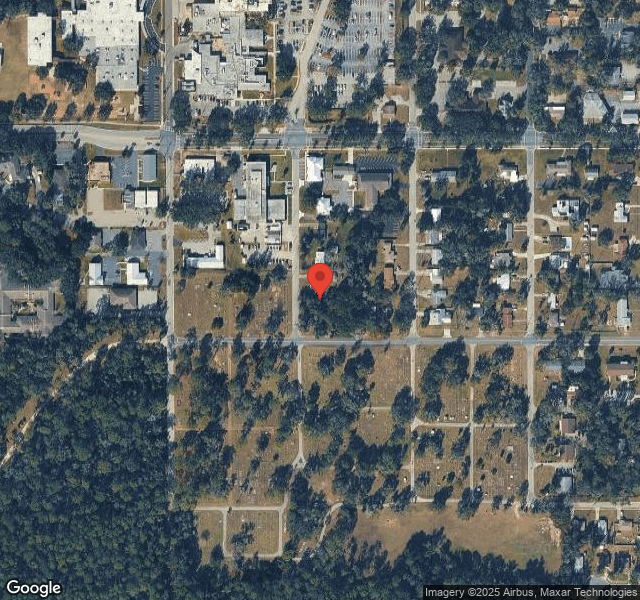
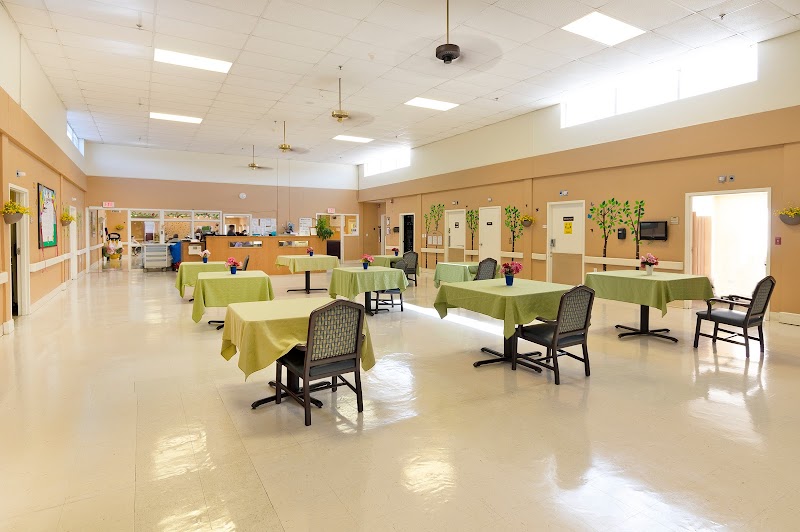
304 S CITRUS AVE, INVERNESS, FL 34452 (352) 726-3141
For profit - Corporation 104 Beds AVANTE CENTERS Data: November 2025
Trust Grade
75/100
#162 of 690 in FL
Last Inspection: July 2025

Inspected within the last 6 months. Data reflects current conditions.

Overview

Avante at Inverness Inc has a Trust Grade of B, indicating it is a good choice among nursing homes, though it may not be the top option available. It ranks #162 out of 690 facilities in Florida, placing it in the top half, and #3 out of 9 in Citrus County, meaning only two local facilities are rated higher. The facility is improving, as it has reduced its number of issues from 8 in 2024 to 7 in 2025. Staffing is a concern, with a rating of only 2 out of 5 stars and a turnover rate of 49%, which is about average for the state. While there are no fines on record, which is positive, RN coverage is below average compared to 95% of other facilities, potentially impacting care quality. Specific incidents include unsafe medication storage practices, where a medication cart was left unlocked and unattended, and failures to document reasons for not following pharmacist recommendations on medications for some residents. Overall, while there are notable strengths, families should weigh these concerns when considering care for their loved ones.

Trust Score
B
75/100
In Florida
#162/690
Top 23%
Safety Record
Low Risk
No red flags
Inspections
Getting Better
8 → 7 violations
Staff Stability
⚠ Watch
49% turnover. Above average. Higher turnover means staff may not know residents' routines.
Penalties
✓ Good
No fines on record. Clean compliance history, better than most Florida facilities.
Skilled Nurses
⚠ Watch
Each resident gets only 21 minutes of Registered Nurse (RN) attention daily — below average for Florida. Fewer RN minutes means fewer trained eyes watching for problems.
Violations
⚠ Watch
18 deficiencies on record. Higher than average. Multiple issues found across inspections.
★★★★☆
4.0
Overall Rating
★★☆☆☆
2.0
Staff Levels
★★★★★
5.0
Care Quality
★★★☆☆
3.0
Inspection Score
Stable
2024: 8 issues
2025: 7 issues

The Good

  • 5-Star Quality Measures · Strong clinical quality outcomes
  • Full Sprinkler Coverage · Fire safety systems throughout facility
  • No fines on record

Facility shows strength in quality measures, fire safety.

The Bad

Staff Turnover: 49%

Near Florida avg (46%)

Higher turnover may affect care consistency

Chain: AVANTE CENTERS

Part of a multi-facility chain

Ask about local staffing decisions and management

The Ugly 18 deficiencies on record

Jul 2025 7 deficiencies
CONCERN (D)

Potential for Harm - no one hurt, but risky conditions existed

Assessment Accuracy (Tag F0641)

Could have caused harm · This affected 1 resident

**NOTE- TERMS IN BRACKETS HAVE BEEN EDITED TO PROTECT CONFIDENTIALITY** Based on record review and interview, the facility failed to ensure resident assessments were accurate for 1 (Resident #54) of 6...

Read full inspector narrative →
**NOTE- TERMS IN BRACKETS HAVE BEEN EDITED TO PROTECT CONFIDENTIALITY** Based on record review and interview, the facility failed to ensure resident assessments were accurate for 1 (Resident #54) of 6 residents reviewed for medication management.Findings include: Review of Resident #54's admission record showed the resident was admitted on [DATE] with the diagnoses including dementia, major depressive disorder, and other specified anxiety disorder, with the diagnosis date of 5/28/2025. Review of Resident #54's Minimum Data Set (MDS) assessment dated [DATE] showed anxiety disorder was not included as a diagnosis under Section I- Active Diagnoses. Review of Resident #54's physician order dated 5/28/2025 read, [Name of psychiatric services provider] Psychiatrist/Psychologist to eval [evaluate] and treat upon admission and PRN [as needed] (DX [diagnosis] anxiety, depression, PTSD [Post Traumatic Stress Disorder]). Review of Resident #54's physician order dated 5/28/2025 read, Clonazepam Tablet 0.5 MG [milligram], Give 1 tablet by mouth every 8 hours as needed for anxiety for 30 days. End Date: 06/27/2025. Review of Resident #54's physician order dated 5/28/2025 read, Clonazepam Tablet 0.5 MG, give 2 tablet by mouth every 8 hours as needed for anxiety for 30 days. End Date: 06/27/2025. Review of Resident #54's Psychiatry Subsequent Note dated 6/4/2025 read, Chief Complaint: Depression, anxiety, PTSD, dementia, and psychosis. During an interview on 7/8/2025 at 1:07 PM, the Minimum Data Set Coordinator stated, [Resident #54's name] medication section has an indication to code anxiety and depression. The diagnosis was not included in the MDS. It did not trigger to the anxiety because it was attached to the dementia diagnosis and did not pull over. During an interview on 7/8/2025 at 3:30 PM, the Director of Nursing (DON) stated, The facility follows the RAI [Resident Assessment Instrument] manual.
CONCERN (D)

Potential for Harm - no one hurt, but risky conditions existed

Deficiency F0655 (Tag F0655)

Could have caused harm · This affected 1 resident

Based on observation, record review, and interview, the facility failed to develop and implement a baseline care plan within 48 hours of a resident's admission for 1 (Resident #345) of 3 residents rev...

Read full inspector narrative →
Based on observation, record review, and interview, the facility failed to develop and implement a baseline care plan within 48 hours of a resident's admission for 1 (Resident #345) of 3 residents reviewed for new admission. Findings include: Review of Resident #345's admission record showed an admission date of 7/1/2025, with diagnoses that included malignant neoplasm of uterus, acute respiratory failure, trochanteric fracture of left femur, pressure ulcer of left hip, constipation, dependence on supplemental oxygen, generalized anxiety disorder, lymphedema, malignant melanoma of right upper extremity, and obstructive and reflux uropathy. Review of Resident #345's record titled Medical Certification for Medicaid Long-Term Care Services and Patient Transfer Form dated 6/27/2025 showed the resident was incontinent of bladder and has a Foley catheter inserted on 6/26/2025 under section P. Patient Health Status. Review of Resident #345's admission evaluation dated 7/1/2025 read, Section L: Gastrointestinal/Genitourinary. L1. Urinary (select all that apply). b. incontinent [checked]. f. Foley [unchecked]. l. Obstructive uropathy [not checked]. Review of Resident #345's baseline care plan dated 7/1/2025 did not show a focus, goal or intervention related to urinary catheter care. During an interview on 7/8/2025 at 1:10 PM, Staff F, Licensed Practical Nurse (LPN), stated, I'm not sure why we don't have any orders for her [Resident #345] catheter or a care plan. We usually do the admission assessment and that will trigger a baseline care plan. During an interview on 7/9/2025 at 6:30 AM, the Director of Nursing (DON) stated, I reviewed her [Resident #345] admission to try and figure out how we missed a catheter and saw that on her admission assessment. It was not documented that she had a Foley or obstructive uropathy. So, it did not trigger a baseline care plan for her catheter. I really can't say how that happened, but she [Resident #345] did come here with the catheter. She does not have a baseline care plan for her catheter and should. During an interview on 7/9/2025 at 6:55 AM, the Minimum Data Set (MDS) Coordinator stated, The baseline care plan will generate from the nursing admission assessment and physician orders. She [Resident #345] did not have orders for her catheter and so I wouldn't know she [Resident #345] needed to have a baseline care plan for catheter care. The care plan should have been developed for the catheter. Review of the facility policy and procedures titled Baseline Care Plan with the last approval date of 1/15/2025 read, Policy: The facility will develop and implement a baseline care plan for each resident that includes the instructions needed to provide effective and person-centered care of the resident that meet professional standards of quality care. Policy Explanation and Compliance Guidelines: 1. The baseline care plan will: a. Be developed within 48 hours of a resident's admission.
CONCERN (D)

Potential for Harm - no one hurt, but risky conditions existed

Comprehensive Care Plan (Tag F0656)

Could have caused harm · This affected 1 resident

**NOTE- TERMS IN BRACKETS HAVE BEEN EDITED TO PROTECT CONFIDENTIALITY** Based on record review and interview, the facility failed to ensure comprehensive care plan was developed for 1 (Resident #394) ...

Read full inspector narrative →
**NOTE- TERMS IN BRACKETS HAVE BEEN EDITED TO PROTECT CONFIDENTIALITY** Based on record review and interview, the facility failed to ensure comprehensive care plan was developed for 1 (Resident #394) of 5 residents reviewed for medication management, and comprehensive care plan was implemented for 1 (Resident #6) of 2 residents reviewed for falls.Findings include: 1) Review of Resident #394’s admission record showed the resident was initially admitted on [DATE] and most recently admitted on [DATE] with diagnoses including anxiety disorder, depression, and unspecified dementia. Review of Resident #394’s physician order dated 6/10/2025 read, Buspirone HCl Oral Tablet 5 MG [milligram] (Buspirone HCl), Give 1 tablet by mouth three times a day for anxiety… Status: Active. Review of Resident #394’s care plan showed no focus, goal or intervention related to anxiety management. During an interview on 7/8/2025 at 1:02 PM, the Minimum Data Set (MDS) Coordinator stated, [Resident #394's name] anxiety focus was resolved on 2/25/2025. I will need to fix that. Every day we review orders, but we would have 14 days, which is still late.” 2) Review of Resident #6’s admission record showed the resident was most recently admitted on [DATE] with diagnoses including unspecified convulsions, age-related osteoporosis without current pathological fracture, arthropathy, unspecified spastic hemiplegia affecting right nondominant side, contracture of left elbow, contracture of muscle multiple sites, personal history of traumatic brain injury (TBI), and epilepsy. Review of Resident #6’s care plan dated 5/23/2025 read, Focus: [Resident #6’s name] is at risk for falls r/t [related to] poor safety awareness r/t TBI, spastic hemiplegia, Seizure disorder… Interventions… Floor Mats at bedside.” During an observation on 7/7/2025 at 12:47 PM, Resident #6 was sitting upright in a chair at his bedside. There was no floor mats placed on either side of the resident's bed. One floor mat was standing upright against a dresser and another floor mat was behind a chair leaning up against the wall, not on the floor. During an observation on 7/8/2025 at 8:30 AM, Resident #6 was sitting upright in a chair at his bedside. There was no floor mats placed on either side of the resident's bed. One floor mat was standing upright against a dresser and another floor mat was behind a chair leaning up against the wall, not on the floor (Photographic evidence obtained). During an interview on 7/8/2025 at 8:45 AM, Staff C, Certified Nursing Assistant (CNA), stated, I must have just forgotten to put them [floor mats] back down. During an interview on 7/8/2025 at 8:55 AM, Staff B, Licensed Practical Nurse (LPN), confirmed Resident #6 should have floor mats on the left and right side of the bed and stated, I expect them [staff] to make sure the floor mats are in place every shift. During an interview on 7/9/2025 at 9:49 AM, the Director of Nursing stated, Staff should be logging in to the Kardex daily to review the plan of care for each resident they are caring for. Review of the facility policy and procedures titled Comprehensive Care Plan with the last review date of 1/15/2025 read, Policy: It is the policy of this facility to develop and implement a comprehensive person centered care plan for each resident, consistent with resident rights, that includes measurable objectives and timeframes to meet a resident's medical, nursing, and mental and psychosocial needs and all services that are identified in the residents' comprehensive assessment and meet professional standards of quality.
CONCERN (D)

Potential for Harm - no one hurt, but risky conditions existed

Quality of Care (Tag F0684)

Could have caused harm · This affected 1 resident

**NOTE- TERMS IN BRACKETS HAVE BEEN EDITED TO PROTECT CONFIDENTIALITY** Based on observation, interview, and record review, the facility failed to ensure physician ordered parameters for administering...

Read full inspector narrative →
**NOTE- TERMS IN BRACKETS HAVE BEEN EDITED TO PROTECT CONFIDENTIALITY** Based on observation, interview, and record review, the facility failed to ensure physician ordered parameters for administering hypertension medications were followed for 3 (Residents #3, #90 and #394) of 7 residents reviewed for medication management. Findings include: 1) Review of Resident #3's admission record showed the resident was most recently admitted on [DATE] with diagnoses including congestive heart failure, ischemic cardiomyopathy, acute respiratory failure, Chronic Obstructive Pulmonary Disease (COPD), dependence on supplemental oxygen, pleural effusion, and pneumonia. Review of Resident #3's physician order dated 6/4/2025 read, Metoprolol Tartrate Tablet, Give 12.5 mg [milligram] by mouth two times a day related to essential (primary) hypertension… Hold for SBP [Systolic Blood Pressure] < [less than] 110 or HR [Heart Rate] <60. Review of Resident #3's Medication Administration Record (MAR) for June 2025 for administration of Metoprolol Tartrate Tablet showed the resident was administered the medication on 6/5/2025 at 9:00 PM for BP (blood pressure) of 105/60 [systolic/diastolic], on 6/8/2025 at 9:00 AM for BP of 108/62, on 6/9/2025 at 9:00 PM for BP of 97/60, on 6/10/2025 at 9:00 AM for BP of 102/64 and at 9:00 PM for BP of 102/64, on 6/11/2025 at 9:00 AM for BP of 99/62 and at 9:00 PM for BP of 107/53, on 6/13/2025 at 9:00 AM for BP of 98/58 and at 9:00 PM for BP of 106/56, on 6/14/2025 at 9:00 AM for BP of 106/56, on 6/15/2025 at 9:00 AM for BP of 107/63 and at 9:00 PM for BP of 93/56, on 6/16/2025 at 9:00 PM for BP of 107/66, on 6/18/2025 at 9:00 PM for BP of 106/57, on 6/20/2025 at 9:00 PM for BP of 86/55, on 6/22/2025 at 9:00 AM for BP of 105/65, on 6/23/2025 at 9:00 PM for BP of 105/70, on 6/26/2025 at 9:00 PM for BP of 106/65, on 6/29/2025 at 9:00 PM for BP of 95/48, and on 6/30/2025 at 9:00 PM for BP of 106/54. Review of Resident #3's Medication Administration Record (MAR) for July 2025 for administration of Metoprolol Tartrate Tablet showed the resident was administered the medication on 7/4/2025 at 9:00 AM for BP of 100/53 and at 9:00 PM for BP of 100/53, and on 7/7/2025 at 9:00 AM for BP of 108/67 and at 9:00 PM for BP of 108/67. During an interview on 7/9/2025 at 9:00 AM, Staff G, Licensed Practical Nurse (LPN), stated, “Metoprolol has been given out of parameters [Systolic is less than 110]. Metoprolol should have been held and the doctor notified.” During an interview on 7/9/2025 at 10:00 AM, the Director of Nursing (DON) reviewed Resident #3's MAR for June and July 2025 and confirmed Metoprolol Tartrate 12.5 mg was administered out of parameters and stated, Medications should be administered as ordered and parameters should be followed. 2) Review of Resident #90's admission record showed the resident was admitted on [DATE] with diagnoses to include cerebral infarction due to thrombosis of right middle cerebral artery, myocardial infarction, bacteremia (a bloodstream infection), and endocarditis. Review of Resident #90's physician order dated 6/11/2025 read, Nifedipine ER [Extended Release] Oral Tablet Extended Release 24 hour 30 MG (Nifedipine), Give 1 tablet by mouth one time a day for HTN [hypertension], hold for SBP <120. Review of Resident #90's MAR for July 2025 for administration of Nifedipine tablet showed the resident was administered the medication on 7/2/2025 at 9:00 AM at for BP of 106/58. Review of Resident #90's physician order dated 6/28/2025 read, Metoprolol Tartrate Tablet 25 MG, Give 0.5 tablet by mouth two times a day for HTN, Hold for SBP <120. Review of Resident #90's MAR for June 2025 for administration of Metoprolol Tartrate tablet showed the resident was administered the medication on 6/20/2025 at 9:00 PM for BP of 119/70, and on 6/25/2025 at 9:00 PM for BP of 112/65. Review of Resident #90's MAR for July 2025 for administration of Metoprolol Tartrate tablet showed the resident was administered the medication on 7/2/2025 at 9:00 AM for BP of 106/58 and at 9:00 PM for BP of 115/76, and on 7/5/2025 at 9:00 PM for BP of 117/63. During an interview on 7/8/2025 at 12:45 PM, the Assistant Director of Nursing (ADON) stated, That is out of parameters. It's a med error. The nurses should have contacted the Doctor. I don't see there was any contact documented with the Doctor.” During an interview on 7/8/2025 at 2:00 PM, Staff B, LPN, stated, I made a mistake. I know what the parameters are for Metoprolol and Nifedipine. I should not have given the medication. I did not contact the Doctor.” 3) Review of Resident #394’s admission record showed the resident was initially admitted on [DATE] and most recently admitted on [DATE] with diagnoses including muscle weakness, anxiety disorder, depression, unspecified dementia, and essential (primary) hypertension. Review of Resident #394’s physician order dated 6/11/2025 read, Metoprolol Succinate Oral Capsule ER 24 Hour Sprinkle 25 MG (Metoprolol Succinate), Give 1 capsule by mouth one time a day for HTN, Hold for SBP <120. Review of Resident #394’s MAR for June 2025 for administration of Metoprolol Succinate capsule showed the resident was administered the medication on 6/13/2025 at 9:00 AM for BP of 104/77, on 6/14/2025 for BP of 119/91, on 6/23/2025 for BP of 112/55, and on 6/25/2025 for BP of 107/68. During an interview on 7/8/2025 at 12:10 PM, Staff I, LPN, stated, Parameters are shown on the system. I am not sure what the checkmark mean. I don't remember. I don't know if I made a mistake or vitals were not given to be in time. Usually, we have an alert go off if the vitals are out of the parameters. During an interview on 7/8/2025 at 1:45 PM, the Advance Registered Nurse Practitioner (ARNP) #1 stated, “If a medication has parameters, I expect nurses to take the BP and use the parameters to give the medication.” During an interview on 7/8/2025 at 1:50 PM, Staff J, LPN, stated, A checkmark means that medication was given. Normally, I take my own blood pressure. I cannot recall what happened that day. Sometimes, blood pressure will self-populate from the day. I always follow parameters and patient safety is number one. During an interview on 7/8/2025 at 3:30 PM, the Director of Nursing (DON) stated, I was talking to staff and they stated they take their own blood pressures. The system will not self-populate the blood pressures from the other section of the vital signs. The nurses have to input it themselves into the system. The nursing staff should follow parameters and if they feel that they need to use their nursing judgment, they need to contact the provider and document the interaction.
CONCERN (D)

Potential for Harm - no one hurt, but risky conditions existed

Respiratory Care (Tag F0695)

Could have caused harm · This affected 1 resident

Based on observation, interview, and record review, the facility failed to ensure residents received respiratory care as ordered by physician for 4 (Residents #35, #58, #3 and #15) of 5 residents revi...

Read full inspector narrative →
Based on observation, interview, and record review, the facility failed to ensure residents received respiratory care as ordered by physician for 4 (Residents #35, #58, #3 and #15) of 5 residents reviewed for respiratory care. Findings include: 1) During an observation on 7/7/2025 at 9:38 AM, Resident #35 was in bed with, receiving oxygen at 4 liters per minute via nasal cannula. The oxygen concentrator was on the right side of the bed outside of the residents’ reach. During an interview on 7/7/2025 at 9:38 AM, Resident #35 stated, I can't really reach that machine. I never touch that [the oxygen concentrator]. I let the nurses do that. They will take it off and put it on for me. Review of Resident #35's physician order dated 5/23/2025 read, Oxygen at 2 liters/min [minute] via NC [nasal cannula] for SOB [shortness of breath] as needed for SOB. During an interview on 7/7/2025 at 2:55 PM, Staff E, Licensed Practical Nurse (LPN), stated, I am not sure why she has her oxygen is that high. It should be at 2 liters. During an interview on 7/9/2025 at 6:20 AM, the Director of Nursing (DON) stated, All nurses should be checking what oxygen flow rates are at least once a shift. They should be following the orders and making sure it is accurate. 2) During an observation on 7/7/2025 at 9:26 AM, Resident #58 was sitting in bed with a midline tracheostomy with a speaking valve in place and oxygen via a nasal cannula. The oxygen concentrator was set at 4 liters per minute. The oxygen concentrator was on the right side of the resident’s bed not within the resident’s reach. During an interview on 7/7/2025 at 9:26 AM, Resident #58 stated, I do not change my oxygen on the machine. I will take my cannula on and off myself.” Review of Resident #58's physician order dated 6/10/2025 read, Oxygen at 2 liters/min via NC for SOB as needed. During an interview on 7/8/2025 at 7:53 AM, Staff F, LPN, stated, Her [Resident #58] oxygen should be at 2 liters. 3) During an observation on 7/7/2025 at 9:20 AM, Resident #3 was receiving oxygen through oxygen concentrator at 4 liters per minute via nasal cannula (Photographic evidence obtained). During an interview on 7/7/2025 at 9:20 AM, Resident #3 stated, I should have oxygen delivered at 2 liters. I never change the rate myself, but I do put my oxygen on and off as needed. Review of Resident #3's physician order dated 6/5/2025 read, Oxygen at 3 liters/min via NC for SOB as needed related to Acute Respiratory Failure with Hypoxia. Review of Resident #3's physician progress notes dated 6/6/2025 read, O2 [oxygen] per NC 2-3 liters to keep sats [saturation] above 92%, continue to monitor. During an observation on 7/7/2025 at 9:56 AM, Staff A, Certified Nursing Assistant (CNA), confirmed that oxygen setting was at 4 liters per minute for Resident #3. During an interview on 7/9/2025 at 9:16 AM, Staff G, LPN, stated, Physician orders are for oxygen at 3 liters via NC for [Resident #3's name].” During an interview on 7/8/2025 at 2:19 PM, the DON confirmed that oxygen orders were written for 3 liters per minute as needed for Resident #3 and stated that orders were to be followed as written. 4) During an observation on 7/7/2025 at 10:22 AM, Resident #15’s room was empty. There was a nebulizer mask not bagged on top of the drawer next to the nebulizer treatment machine (Photographic evidence obtained). During an observation on 7/8/2025 at 8:52 AM, Resident #15 was not in her room. There was a nebulizer mask lying on top of the drawer that was not bagged. Review of Resident #15’s physician order dated 2/20/2025 read, Ipratropium-Albuterol Solution 0.5-2.5 (3) MG/3ML [milliliter] 3 ml inhale orally four times a day for SOB related to chronic obstructive pulmonary disease… Must administer for 15 mins. Review of Resident #15’s physician order dated 2/20/2025 read, Change nebulizer set up and bag weekly and as needed every night shift Sun [Sunday], Place in labeled O2 bag and tie to handle of nebulizer machine. During an observation on 7/8/2025 at 11:45 AM with Staff I, LPN, Resident #15 was lying in her bed with eyes closed. The nebulizer mask was lying on top of the drawer with no bag. During an interview on 7/8/2025 at 11:45 AM, Staff I, LPN, stated, The nebulizer mask should be bagged when not in use. I will get her a new one and a bag because I don't see one. The bag normally is hanging from one of the drawers. During an interview on 7/8/2025 at 1:00 PM, the DON stated, If the nebulizer mask is not in use, it should be bagged. Review of the facility policy and procedures titled Oxygen Administration with the last approval date of 1/15/2025 read, Policy: Oxygen is administered to residents who need it, consistent with professional standards of practice, the comprehensive person-centered care plans, and the resident's goals and preferences… Policy Explanation and Compliance Guidelines: 1. Oxygen is administered under orders of a physician, except in the case of an emergency… 5. Staff shall perform hand and don gloves when administering oxygen or when in contact with oxygen equipment. Other infection control measures include… e. Keep delivery devices covered in plastic bag when not in use.
CONCERN (D)

Potential for Harm - no one hurt, but risky conditions existed

Medical Records (Tag F0842)

Could have caused harm · This affected 1 resident

Based on record review and interview, the facility failed to ensure wound care was accurately documented for 1 (Resident #14) of 2 residents reviewed for wound care. Findings include: Review of Reside...

Read full inspector narrative →
Based on record review and interview, the facility failed to ensure wound care was accurately documented for 1 (Resident #14) of 2 residents reviewed for wound care. Findings include: Review of Resident #14's physician order dated 5/1/2025 read, Right ischial- cleanse with Dakin's 1/4 solution, pat dry, protect peri wound with skin prep, pack with gauze soaked in Dakin's 1/4 strength solution, cover with a bordered foam. Review of Resident #14's Treatment Administration Record (TAR) for June 2025 and July 2025 for right ischial wound treatment showed no entries documented for 6/3/2025, 6/12/2025, 6/17/2025, 6/19/2025, 6/24/2025, and 7/1/2025. Review of Resident #14's physician order dated 5/21/2025 read, Left ischial- cleanse with Dakin's 1/4 solution, pat dry, protect peri wound with skin prep, pack wound depth and undermining with Medi honey gel and silver alginate and cover with a superabsorbent bordered foam. Review of Resident #14's Treatment Administration Record (TAR) for June 2025 and July 2025 for left ischial wound treatment showed no entries documented for 6/3/2025, 6/12/2025, 6/17/2025, 6/19/2025, 6/24/2025, and 7/1/2025. Review of Resident #14's physician order dated 5/23/2025 read, Right Heel- cleanse with wound cleanser, pat dry. Protect peri wound with skin prep, pack wound depth with Medi honey gel and collagen fiber, and cover with border gauze. Review of Resident #14's Treatment Administration Record (TAR) for June 2025 and July 2025 for right heel wound treatment showed no entries documented for on 6/4/2025, 6/13/2025, 6/18/2025, 6/20/2025, 6/25/2025, and 7/2/2025. Review of Resident #14's physician order dated 5/26/2025 read, Right posterior thigh- cleanse with wound cleanser, pat dry, protect peri wound with skin prep, apply Medi honey gel, cover with bordered foam. Review of Resident #14's Treatment Administration Record (TAR) for July 2025 for right posterior thigh wound treatment showed no entries documented on 7/2/2025. Review of Resident #14's physician order dated 6/11/2025 read, Left posterior thigh- apply house barrier cream every shift. Review of Resident #14's Treatment Administration Record (TAR) for June 2025 for left posterior thigh wound treatment showed no entries documented on 6/12/2025. Review of Resident #14's physician order dated 6/11/2025 read, Coccyx- cleanse with wound cleanser, pat dry, protect peri wound with skin prep, apply Medi honey fiber, cover with bordered foam. Review of Resident #14's Treatment Administration Record (TAR) for June 2025 and July 2025 for coccyx wound treatment showed no entries documented on 6/12/2025, 6/17/2025, 6/19/2025, 6/24/2025, and 7/1/2025 During an interview on 7/8/2025 at 12:39 PM, the Assistant Director of Nursing (ADON) stated, The nurses should have documented on those days. [Resident #14's name] sometimes refuses. The nurses did not document any refusals. During an interview on 7/8/2025 at 12:57 PM, Resident #14 stated, The nurse wakes me up to do my wound care. I don't refuse. The nurse usually wakes me up at 6 AM; that is when the nurse comes in to do my wound care. During an interview on 7/8/2025 at 3:49 PM, the Director of Nursing (DON) stated, I have a wound care nurse that does all wound care in the facility. I cannot speak to why the night nurses are signing off on [Resident #14's name]. I see there are holes in the documentation. My expectation is that wound care is documented all the time. During an interview on 7/8/2025 at 3:51 PM, Staff D, Licensed Practical Nurse (LPN), Wound Care Nurse, stated, I work 6:30 AM to 3:15 PM, Monday through Friday. All nurses know if a dressing is soiled, they can do a dressing change. Wound care orders are input to [name of medical records software] by the APRN [Advanced Practice Registered Nurse]. If the order was entered in error and scheduled for 11 PM - 7 AM, the night shift nurse would do the wound care. Those nurses like to do wound care for [Resident #14'name] since they are familiar with the resident and resident has been here a long time. I go up and say hi to the nurses on the floor, they would tell me if they forgot or did not do the wound care. I see the holes in the TAR that means the wound care did not get done. There is no consistency for me getting report from a night nurse when the wound care does not get done or any consistency in checking if wound care is done for [Resident #14's name].
CONCERN (E)

Potential for Harm - no one hurt, but risky conditions existed

Drug Regimen Review (Tag F0756)

Could have caused harm · This affected multiple residents

Based on record review and interview, the facility failed to ensure the physician/prescriber documented the rationale for declining the pharmacist's recommendations for 2 (Residents #33 and #53) of 5 ...

Read full inspector narrative →
Based on record review and interview, the facility failed to ensure the physician/prescriber documented the rationale for declining the pharmacist's recommendations for 2 (Residents #33 and #53) of 5 residents reviewed for unnecessary medications and failed to ensure the nursing department responded to the pharmacist's recommendation in a timely manner for 1 (Resident #54) of 5 residents reviewed for unnecessary medications. Findings include: 1) Review of Resident #33's consultation report showed a consultant pharmacist's recommendation dated 11/4/2024 that read, Comment: [Resident #33’s name] has received Cymbalta 30 mg [milligram] qd [once a day]; Alprazolam 0.5 mg qhs [every night at bedtime]; Trazadone 100 mg qhs. Recommendation: Please attempt a gradual dose reduction (GDR). Rationale for recommendation: Dose reductions should occur in modest increments over adequate periods of time to minimize withdrawal symptoms and to monitor symptom recurrence (e.g., GDR is attempted in 2 separate quarters, with at least 1 month between attempts, within the first year in which an individual is admitted on a psychotropic medication or after the prescriber has initiated such medication, unless clinically contraindicated)… Response Requested. Physician's Response… 1. Continued us in accordance with the current standard of practice and a GDR attempt at this time is likely to impair this individual's function or cause psychiatric instability be exacerbating an underlying medical condition or psychiatric disorder as documented below, or… Please provide CMS [Centers for Medicare and Medicaid Services] required patient-specific rationale describing why a GDR attempt is likely to impair function or cause psychiatric instability in this individual: [No rationale or reason was documented]. During an interview on 7/8/2025 at 1:25 PM, the Director of Nursing (DON) stated, The expectation is that they [physicians/providers] will provide an explanation or reason why they are not accepting the pharmacist's recommendation. In a perfect world, they provide an explanation, but that doesn't always happen, and they don't always respond to my requests. Review of Resident #33's progress notes showed no notes from Advanced Practice Registered Nurse (APRN) #2 on or around 11/4/2025 regarding declined recommendation. During an interview on 7/9/2025 at 10:55 AM, APRN #2 stated, “The medications listed on Resident #33's MRR [Medication Regimen Review] were managed by psych [the Psychiatric Physician/Provider], but that she did sign the MRR indicating rejection of the pharmacist's recommendations. 2) Review of Resident #53's consultation report showed a consultant pharmacist's recommendation dated 4/8/2025 that read, Comment: [Resident #53’s name] has an order for an opioid oxycodone acetaminophen 5/325 mg every 4 hours as needed for x 7 days, as the sole “as needed” analgesic. Recommendation: Please initiate an order for acetaminophen 650 mg every 6 hours as needed for mild or moderate pain. Document the maximum daily dose of acetaminophen from all sources based on product labeling and the clinical profile (e.g. maximum of 3 grams/24hr [hour] and clarify that the opioid oxy/APAP [oxycodone/acetaminophen] 5/325 mg every 4 hours PRN [as needed] therapy is “for severe pain”… Response Requested: Declined.” The form was signed by APRN #2 on 4/9/2025 with no rationale or reason documented. Review of Resident #53's consultation report showed a consultant pharmacist's recommendation dated 4/8/2025 that read, “Comment: [Resident #53's name] receives Atorvastatin 40 mg daily. Recommendation: Please monitor a fasting lipid panel on the next convenient lab day and every 12 months thereafter. Response requested: Declined.” The form was signed by APRN #2 on 4/9/2025 with no rationale or reason documented. During an interview on 7/9/2025 at 10:00 AM, the DON stated, The doctors will not give a reason. During an interview on 7/9/2025 at 11:05 AM, APRN #2 stated, [Resident #53’s name] has a history of coronary heart disease and there is no reason to complete a lipid profile and his history is documented in the chart. 3) Review of Resident #54's consultation report showed a consultant pharmacist's recommendation dated 6/11/2025 that read, T: Nursing… Comment: [Resident #54's name] receives a medication containing an inhaled corticosteroid, Trelegy Ellipta. Recommendation: To reduce the risk of thrush, please update the order to include the directions: Rinse mouth with water after use. Do not swallow… Response Requested. Director of Nursing’s Comments: [blank]. The form was signed by the Assistant Director of Nursing (ADON) on 7/7/2025. Review of Resident #54’s physician order dated 6/11/2025 read, Trelegy Ellipta Inhalation Aerosol Powder Breath Activated 100-62.5-25 MCG/ACT [microgram/activated clotting time] (Fluticasone-Umeclidinium-Vilanterol) 1 inhalation inhale orally one time a day for SOB [shortness of breath].” The order had no further instructions. During an interview on 7/8/2025 at 12:38 PM, the DON stated, Usually when there are recommendations, they come in 48-72 hours when they are printed, addressed, and changed. They come to me, ADON, Charge Nurse [Staff G, LPN’s name], 3-11 supervisor [Staff H, LPN’s name]. I am not sure why it was not done earlier. Review of the facility policy and procedures titled “Medication Regimen Review” with the last approval date of 1/15/2025 read, Applicability: This policy 9.1 sets forth procedure relating to the medication regimen review (MRR). Procedure . 7. Facility should encourage Physician/Prescriber or other Responsible Parties receiving the MRR and the Director of Nursing to act upon the recommendations contained in the MRR. 7.1 For those issues that require Physician/Prescriber intervention, Facility should encourage Physician/Prescriber to either accept and act upon the recommendations contained within the MRR, or reject all or some of the recommendations contained in the MRR and provide an explanation as to why the recommendation was rejected. 7.2 The attending physician should document in the residents' health record that the identified irregularity has been reviewed and what, if any, action has been taken to address it. 7.2.1 If the attending physician has decided to make no change in the medication, the attending physician should document the rationale in the residents' health record.”
Mar 2024 8 deficiencies
CONCERN (D)

Potential for Harm - no one hurt, but risky conditions existed

Assessment Accuracy (Tag F0641)

Could have caused harm · This affected 1 resident

**NOTE- TERMS IN BRACKETS HAVE BEEN EDITED TO PROTECT CONFIDENTIALITY** Based on record review and interview, the facility failed to ensure resident assessments accurately reflected the residents' sta...

Read full inspector narrative →
**NOTE- TERMS IN BRACKETS HAVE BEEN EDITED TO PROTECT CONFIDENTIALITY** Based on record review and interview, the facility failed to ensure resident assessments accurately reflected the residents' status for 1 of 3 residents reviewed, Resident #105. Findings include: Review of Resident #105's physician order dated 12/22/2023 read, OK to D/C [discharge] to home on [DATE]. Review of Resident #105's Discharge Summary showed the summary read, 6. Reason for discharge/discharge diagnosis: resident and family request. Review of Resident #105's discharge return not anticipated Minimum Data Set (MDS) dated [DATE] showed the resident was discharged to short-term general hospital. During an interview on 3/19/2024 at 12:16 PM, Staff I, Licensed Practical Nurse (LPN), stated, The discharge status for the patient was entered incorrectly. The patient was not discharged to a hospital. The patient was discharged home.
CONCERN (D)

Potential for Harm - no one hurt, but risky conditions existed

Deficiency F0655 (Tag F0655)

Could have caused harm · This affected 1 resident

**NOTE- TERMS IN BRACKETS HAVE BEEN EDITED TO PROTECT CONFIDENTIALITY** Based on record review and interview, the facility failed to develop and implement a baseline care plan to provide effective and...

Read full inspector narrative →
**NOTE- TERMS IN BRACKETS HAVE BEEN EDITED TO PROTECT CONFIDENTIALITY** Based on record review and interview, the facility failed to develop and implement a baseline care plan to provide effective and person-centered care within 48 hours for 2 of 2 residents with tracheostomy, Residents #256 and #257. Findings include: Review of Resident #256's admission record showed the resident was admitted on [DATE] with the diagnoses that included acute respiratory failure with hypercapnia, pneumonia, unspecified organism, unspecified protein calorie malnutrition, generalized muscle weakness, tracheostomy status, gastrostomy status, chronic kidney disease, cerebrovascular disease, generalized anxiety disorder, adult failure to thrive, and essential primary hypertension. Review of Resident #256's medical record revealed no care plan or care planned interventions related to tracheostomy. Review of Resident #257's admission record showed the resident was admitted on [DATE] with diagnoses that included cerebral infarction (stroke), acute respiratory failure with hypoxia (low oxygen levels in body tissues), chronic systolic (congestive) heart failure, Alzheimer's disease, tracheostomy status (a surgical opening in the neck for a tube to provide an airway and remove secretions from the lungs), and seizures. Review of Resident #257's medical record revealed no care plan or care planned interventions related to tracheostomy, oxygen, and suctioning needs. During an interview on 3/19/2024 at 8:22 AM, the Director of Nursing stated, I do not see a baseline care plan with interventions related to the trach [tracheostomy]. During an interview on 3/20/2024 at 9:45 AM, Staff I, Licensed Practical Nurse (LPN), stated, There is no baseline care plan in PCC [point click care] for the tracheostomy. I usually document it on paper and do a comprehensive within 21 days. I did not have this completed. We should do a baseline and it would be important for the care for the trachs. Review of the facility policy and procedures titled Baseline Care Plan with the last approval date of 12/29/2023 read, Procedure: The facility will develop and implement a baseline care plan for each resident that includes the instructions needed to provide effective and person-centered care of the resident that meet the professional standards of quality care. The baseline care plan will: 1. Be developed within 48 hours of a resident's admission.
CONCERN (D)

Potential for Harm - no one hurt, but risky conditions existed

Quality of Care (Tag F0684)

Could have caused harm · This affected 1 resident

**NOTE- TERMS IN BRACKETS HAVE BEEN EDITED TO PROTECT CONFIDENTIALITY** Based on record review and interview, the facility failed to ensure residents who required long-acting insulin received insulin ...

Read full inspector narrative →
**NOTE- TERMS IN BRACKETS HAVE BEEN EDITED TO PROTECT CONFIDENTIALITY** Based on record review and interview, the facility failed to ensure residents who required long-acting insulin received insulin per physician orders for 2 of 6 residents reviewed for unnecessary medications, Residents #17 and #60. Findings include: 1. Review of Resident #17's admission record showed the resident was admitted on [DATE] with the diagnoses that included metabolic encephalopathy, diabetes mellitus due to underlying condition with hyperosmolarity without nonketotic hyperglycemic hyperosmolar coma (a serious complication of diabetes mellitus with high blood sugar levels and dehydration), unspecified atrial fibrillation (an irregular heartbeat), acute kidney failure, peripheral vascular disease, hyperlipidemia, and chronic venous hypertension. Review of Resident #17's physician order dated 1/10/2024 read, Order Summary: Insulin Glargine Subcutaneous Solution Pen-injector 100 unit/ml [milliliter] (Insulin Glargine) Inject 12 unit subcutaneously at bedtime for DM [diabetes mellitus] Order Summary: May check glucose PRN [as needed] if exhibiting sx [symptoms] of Hypo [low] or Hyper [high] Glycemia [blood sugar] as needed for sx of Hypo or Hyper glycemia Call MD [Medical Doctor] if BS [blood sugar] is < 60 or > 500. Review of Resident #17's Medication Administration Record (MAR) for February 2024 for administration of Insulin Glargine revealed the MAR was coded as 13 (glucose out of parameters) on 2/12/2024 at 9:00 PM, and coded as 10 (vitals out of parameters) on 2/20/2024, 2/28/2024, and 2/29/2024 at 9:00 PM. Review of Resident #17's progress notes dated 2/28/2024 at 10:03 PM showed a medication administration note reading, Held due to glucose 49. Review of Resident # 17's progress notes from 2/12/2024 through 2/29/2024 revealed no physician notification of insulin being held and blood sugar of 49, no recheck of blood sugar on 2/28/2024 after blood sugar of 49, no assessment for signs and symptoms of hypoglycemia and no treatment for blood sugar of 49. Review of Resident #17's MAR for March 2024 for administration of Insulin Glargine revealed the MAR was coded as 13 on 3/5/2024 and 3/11/2024 at 9:00 PM, and coded as 10 on 3/12/2024 and 3/15/2024 at 9:00 PM. Review of Resident #17's progress notes from 3/1/2024 through 3/17/2024 revealed no physician notification of insulin being held. During an interview on 3/19/2023 at 10:51 AM, the Director of Nursing (DON) verified that the insulin was documented as held and stated, Long-acting insulin should not be held and does not have any parameters to hold it. When her [Resident #17's] blood sugar was 49, I do not see any repeat blood sugars documented. There should be a recheck of blood sugar when below 60. We do have orders for hypoglycemia in place and should have called the doctor. I don't see any notes documenting he [the doctor] was notified. During a telephone interview on 3/19/2024 at 10:57 AM, Staff F, Registered Nurse (RN), stated, I did hold these insulins on [Resident #17's name]. She is a brittle diabetic and I remember at least once that it was like 49 and I held it. It [the insulin] does not have any parameters to hold it, but I still held it. That's a nursing judgement call. I did not call or let the doctor know. I should have called when her blood sugar was below 60. During a telephone interview on 3/19/2024 at 11:33 AM, Staff B, Licensed Practical Nurse (LPN), stated, If I held the medication it was because her blood sugar was out of range. It was too low to give. We do have parameters to hold insulin, so that's what I did. Long-acting insulin should be held when the blood sugars are below 150 like the orders say. I should have a note if I called the doctor. 2. Review of Resident #60's admission record showed the resident was admitted on [DATE] with diagnoses that included type 2 diabetes mellitus with unspecified complications, acquired absence of right leg below knee, acute kidney failure, and essential primary hypertension. Review of Resident #60's physician order dated 12/1/2023 read, Insulin Aspart Solution, Inject as per sliding scale. Review of Resident #60's physician order dated 2/1/2024 read, Lantus Solution 100 unit/ml (Insulin Glargine), Inject 20 units subcutaneously one time a day related to type 2 diabetes mellitus with unspecified complications. Review of Resident #60's MAR for February 2024 for administration of Insulin Aspart revealed no documentation on 2/7/2024, 2/8/2024 and 2/11/2024 at 10:00 PM. Further review of the MAR for administration of Lantus Solution revealed no documentation on 2/7/2024 and on 2/11/2024 at 9:00 PM. Review of Resident #60's MAR for March 2024 for administration of Lantus Solution revealed the MAR was coded as 2 (drug refused) on 3/1/2024 and 3/7/2024 at 6:00 AM, and coded as 9 (other/see notes) on 3/6/2024. Review of Resident #60's nursing progress note dated 3/1/2024 read, Patient refused Lantus 20 units stating she didn't want to take it because she is concerned it will drop her blood sugar to low. This writer explained to patient how long acting insulin worked. Patient stated she understood but still did not want to take it at this time. Review of Resident #60's progress notes from 3/1/2024 through 3/17/2024 revealed no physician notification of insulin being held. During an interview on 3/19/2024 at 10:53 AM, the DON verified that insulin was held and documented as held and there were blanks on the MAR for Resident #60 and stated, There seems to be no documentation for when or if the insulin was given and there are some drug refusals. I expect the nurses to document that they notified the doctor or on call when this happens. During a telephone interview on 3/19/2024 at 11:52 AM, the Medical Doctor (MD) stated, The staff should notify us when they are holding insulin. Long-acting insulin typically doesn't have orders to hold, but we may need to discuss this as an option to get that done in the future. I would expect nurses to use some type of judgement to hold when the blood sugars are below 60 and a patient is symptomatic. I do expect orders to be followed. I don't think as I review that there was any true harm or potential for any adverse consequences in having held these medications. I should be notified if patients are refusing their insulin, so I can speak with them and educate them about the risks of refusing and make a treatment plan they will stick to. I do want staff to notify us when they are holding medications. During an interview on 3/20/2024 at 6:08 AM, Staff G, LPN, stated, I did hold her [Resident #60's] insulin. She refused it. I should have called the doctor, but no I did not. She does sometimes refuse her long-acting insulin when she thinks her blood sugar is too low. Review of the facility policy and procedure titled Diabetes Management with an approval date of 12/29/2023 read, Policy: It will be the policy of this facility to provide appropriate care to residents with diabetes mellitus. Nursing measures and physician orders will be implemented to minimize the risk of hypo/hyperglycemia. Procedure: 1. Residents diagnosed with diabetes mellitus (or other condition requiring blood glucose monitoring and control) will receive insulin, oral hypoglycemic medications and/or an individually prescribed diet according to physician order . 5. Staff will provide glucose monitoring, medication administration, laboratory testing and diet per physician orders . 7. Staff should report signs and symptoms of hypoglycemia to the physician. Many residents receiving insulin and oral hypoglycemic have parameters as to when the physician should be notified . 10. Nursing interventions, per physician orders, may vary for residents experiencing hypoglycemia depending on the severity and symptoms of the resident as residents' behavior is different depending on their sensitivity to hypoglycemia. Responsive residents that are able to swallow may receive juice or other rapidly absorbed glucose as an intervention. Responsive residents that are unable to swallow or unresponsive residents may receive oral glucose paste to buccal mucosa, intramuscular glucagon, or IV 50% dextrose and notify the physician for further orders . 13. Report non compliance with physician orders to the physician and/or resident representative, if applicable. 14. Document pertinent information regarding medication administration, changes in condition, education or interventions in clinical record. Review of the facility policy and procedure titled 6.0 General Dose Preparation and Medication Administration with the last revision date of 1/1/2022 and the last approval date of 12/29/2023 read, Applicability: The Policy 6.0 sets forth the procedures relating to general dose preparation and medication administration. Facility staff should also refer to Facility policy regarding medication administration and should comply with Applicable Law and the State Operations Manual when administering medications. Procedure . 6. After medication administration, Facility staff should take all measures required by Facility policy and Applicable Law, including, but not limited to the following: 6.1 Document necessary medication administration/treatment information (e.g., when medications are opened, when medications are given, injection site of a medication, if medications are refused, PRN medications, application site) on appropriate forms.
CONCERN (D)

Potential for Harm - no one hurt, but risky conditions existed

Accident Prevention (Tag F0689)

Could have caused harm · This affected 1 resident

Based on observation, interview, and record review, the facility failed to ensure resident rooms were free of accident hazards for 1 of 3 residents reviewed for accidents, Resident #76. Findings inclu...

Read full inspector narrative →
Based on observation, interview, and record review, the facility failed to ensure resident rooms were free of accident hazards for 1 of 3 residents reviewed for accidents, Resident #76. Findings include: During an observation on 3/17/2024 at 9:37 AM, there was an open can of green beans at Resident #76's bedside with a sharp metal edge exposed. Approximately 3/4 of the sharp lid was bent backwards and approximately 1/4 of the lid remained intact. During an interview on 3/17/2024 at 9:38 AM, Resident #76 stated she had opened the can with her can opener the night before. When asked if she had ever cut or injured herself on the open can or with the can opener, Resident #76 stated, I have not yet. During an interview on 3/17/2024 at 9:45 AM, the Director of Nursing (DON) confirmed that the can of green beans had exposed metal edge and should not have been there and could be a danger. Review of Resident #76's physician order dated 11/21/2023 read, Eliquis Oral Tablet 5 MG [milligram] (Apixaban), Give 5 mg by mouth two times a day for a fib. Review of Resident #76's care plan initiated on 8/24/2023 read, Focus: [Resident #76's name] is at risk for abnormal bleeding, hemorrhage, and bruising related to anticoagulant use for atrial fibrillation. During an interview on 3/18/2024 at 1:15 PM, the Social Services Director (SSD) stated she did not personally buy canned foods for Resident #76; however, the grandson of Resident #76 brings in food for her all the time. When asked if she was aware that Resident #76 had a personal can opener in her room that she used to open cans of food, the SSD stated she was unaware of this, and residents should not have can openers in their room as the can opener could pose a risk of getting cut or injured.
CONCERN (D)

Potential for Harm - no one hurt, but risky conditions existed

Respiratory Care (Tag F0695)

Could have caused harm · This affected 1 resident

**NOTE- TERMS IN BRACKETS HAVE BEEN EDITED TO PROTECT CONFIDENTIALITY** Based on observation, interview, and record review, the facility failed to ensure residents received respiratory care consistent...

Read full inspector narrative →
**NOTE- TERMS IN BRACKETS HAVE BEEN EDITED TO PROTECT CONFIDENTIALITY** Based on observation, interview, and record review, the facility failed to ensure residents received respiratory care consistent with professional standards of practice for 1 of 3 residents reviewed for respiratory care, Resident #257. Findings include: Review of Resident #257's admission record showed the resident was admitted on [DATE] with diagnoses that included cerebral infarction (stroke), acute respiratory failure with hypoxia (low oxygen levels in body tissues), chronic systolic (congestive) heart failure, Alzheimer's disease, tracheostomy status (a surgical opening in the neck for a tube to provide an airway and remove secretions from the lungs), and seizures. Review of Resident #257's physician order dated 3/15/2024 read, Trach- Encourage and assist resident with us of humidified oxygen 28%/5 liters via trach collar every shift. During an observation on 3/17/2024 at 3:17 PM, Resident #257 had a tracheostomy collar mask with no humidification, and the oxygen concentrator was set on 4 liters per minute. Review of Resident #257's physician order dated 3/18/2024 read, Trach- Encourage and assist resident with us of humidified oxygen 28% via trach collar every shift. During an observation on 3/18/2024 at 1:28 PM, Resident #257 had a tracheostomy mask collar, and the oxygen concentrator was set on 3 liters per minute. During an observation on 3/19/2024 at 7:41 AM, Resident #257 had a tracheostomy mask collar and the oxygen concentrator was running at 3 liters per minute. During an interview on 3/19/2024 at 8:11 AM, Staff C, Licensed Practical Nurse (LPN), confirmed that oxygen was running at 3 liters and stated, I honestly have not seen an oxygen order for 28%. It's usually set at liters, not a percent. I don't know how many liters of oxygen make 28% by the trach collar. During an interview on 3/19/2024 at 8:22 AM, the Director of Nursing (DON) stated, The oxygen should run at whatever the order calls for. I don't know if the staff know what liters per minute make 28% oxygen. The concentrator should not be at 3, 4 or 5 liters. The oxygen should be set at 2 liters per minute. I expect staff to follow doctor's orders for oxygen. Review of the facility policy and procedure titled Tracheostomy Care and Suctioning/Oxygen with the last approval date of 12/29/2023, read, Policy: The facility will ensure that residents who need respiratory care, including tracheostomy care and tracheal suctioning, is provided care consistent with professional standards of practice, the comprehensive person-centered care plan and resident goals and preferences. Procedures . 2. The facility will provide necessary respiratory care and services, such as oxygen therapy as ordered by the physician, treatments, mechanical ventilation, tracheostomy care and/or suctioning.
CONCERN (D)

Potential for Harm - no one hurt, but risky conditions existed

Food Safety (Tag F0812)

Could have caused harm · This affected 1 resident

Based on observation, interview, and record review, the facility failed to ensure food was safely and properly stored and labeled in the areas of kitchen reach-in cooler, and the reach-in, and walk-in...

Read full inspector narrative →
Based on observation, interview, and record review, the facility failed to ensure food was safely and properly stored and labeled in the areas of kitchen reach-in cooler, and the reach-in, and walk-in freezer, failed to ensure the kitchen equipment were kept clean, and failed to ensure dietary staff had hair covering while in the kitchen area. Findings include: During an observation while conducting a walk-through tour of the kitchen with the Charge [NAME] on 3/17/2024 at 9:02 AM, the Charge [NAME] and Staff A, Dietary Aide, had no hair covering. There were several containers of unidentifiable food items in the reach-in cooler without an identifying label or date. There were several items including a large metal mixing bowl partially covered with contents spilling out onto other items, a tray with six individual dessert type food, and an open plastic bag of egg type product in the reach-in freezer without an identifying label or date. There was a large buildup of ice around the door and on the ice curtain of the walk-in freezer. There were several boxes remaining on the floor of the walk-in freezer. During an interview on 3/17/2024 at 9:15 AM, the Charge [NAME] confirmed that the items in the reach-in cooler and reach-in freezer did not have an identifying label or date and should have been labelled and dated before storing. The Charge [NAME] confirmed the items on the floor of the freezer and the ice buildup around the door and on the ice curtain and stated it was due to the door not being closed properly. The Charge [NAME] stated the truck delivery date was on Tuesdays and the food should have been put away and not left remaining on the floor of the freezer. The Charge [NAME] confirmed that she and Staff A were not wearing proper hair covering. During an interview on 3/17/2024 at 9:16 AM, Staff A, Dietary Aide confirmed he was not wearing a hairnet or a beard guard. During the follow up tour of the kitchen on 3/18/2024 at 5:45 AM, there were food items already placed on the tray line at 5:49 AM. There was a large buildup of food bits and dried debris on the countertop can opener. During an interview on 3/18/2024 at 5:50 AM, the Charge [NAME] stated that she had placed the food on the tray too early and should not be there until 30 minutes prior to tray service. During an interview on 3/18/2024 at 8:42 AM, the Certified Dietary Manager (CDM) stated it was her expectation that all policies and training were followed. The CDM stated that all dietary staff were required to wear hair coverings while working in the department. The CDM stated it was her expectation that all leftover foods were labelled and dated before being stored. The CDM stated that the equipment, including the can opener, should be cleaned daily. Review of the facility policy and procedures titled Personal Appearance last reviewed on 3/19/2024, read, 3. Hair cover is to be worn by any/all staff working with food in the kitchen. Review of the facility policy and procedures titled Food Storage dated October 1, 2019 and last reviewed on 3/19/2024, read, Procedure . 2. Refrigerators . d. Date, label, and tightly seal all refrigerated foods using clean, nonabsorbent, covered containers that are approved for food storage . 3. Freezers . c. Store all foods on racks or shelves off the floor . e. Store frozen foods in moisture-proof wrap or containers that are labeled and dated.
CONCERN (D)

Potential for Harm - no one hurt, but risky conditions existed

Infection Control (Tag F0880)

Could have caused harm · This affected 1 resident

Based on observation, interview, and record review, the facility failed to ensure staff performed hand hygiene during medication administration to prevent from possible spread of infection and communi...

Read full inspector narrative →
Based on observation, interview, and record review, the facility failed to ensure staff performed hand hygiene during medication administration to prevent from possible spread of infection and communicable diseases in 3 of 4 medication administration observations. Findings include: During an observation on 3/19/2024 at 8:50 AM, Staff J, Licensed Practical Nurse (LPN), returned to the medication cart after administering medications to a resident. Without performing hand hygiene, Staff J prepared Resident #34's medications and administered the medications to the resident. At 9:01 AM, Staff J returned to the medication cart, prepared Resident #10's medications, and administered the medications to the resident. At 9:04 AM, Staff J returned to the medication cart. Staff J prepared Resident #11's medications and administered the medications. During an interview on 3/19/2024 at 9:15 AM, Staff J, LPN, stated, I should have used hand sanitizer before and after getting the meds to the residents. I don't know why I didn't. During an interview on 3/19/2024 at 2:15 PM, the Director of Nursing (DON) stated, All medication policies should be followed. Hand washing should be done with all medication administration and staff should follow policies and procedures. Review of the facility policy and procedure titled 6.0 General Dose Preparation and Medication Administration with the last revision date of 1/1/2022 and the last approval date of 12/29/2023 read, Applicability: The Policy 6.0 sets forth the procedures relating to general dose preparation and medication administration. Facility staff should also refer to Facility policy regarding medication administration and should comply with Applicable Law and the State Operations Manual when administering medications. Procedure . 2. Prior to preparing or administering medications, authorized and competent Facility staff should follow Facility's infection control policy (e.g., hand washing). Review of the facility policy and procedures titled Hand Hygiene with the last approval date of 12/29/2023 read, Policy: This facility considers hand hygiene the primary means to prevent the spread of infections. Procedure . 2. All personnel shall follow the handwashing/hand hygiene procedures to help prevent the spread of infections to other personnel, residents, and visitors . 5. Use an alcohol-based hand rub containing at least 62% alcohol; or, alternatively, soap (antimicrobial or non-antimicrobial) and water for the following situations . c. Before preparing or handling medications. Review of the facility policy and procedures titled Infection Control- Medication Administration with the last approval date of 12/29/2023 read, Policy: It is the policy of the facility to ensure that appropriate infection prevention and control measures are taken to prevent the spread of infection in accordance with State and Federal regulations, and national guidelines. Procedure: 1. Hand hygiene is performed prior to handling any medication.
CONCERN (F)

Potential for Harm - no one hurt, but risky conditions existed

Deficiency F0761 (Tag F0761)

Could have caused harm · This affected most or all residents

**NOTE- TERMS IN BRACKETS HAVE BEEN EDITED TO PROTECT CONFIDENTIALITY** Based on observation, interview, and record review, the facility failed to ensure medications were labeled and stored in accorda...

Read full inspector narrative →
**NOTE- TERMS IN BRACKETS HAVE BEEN EDITED TO PROTECT CONFIDENTIALITY** Based on observation, interview, and record review, the facility failed to ensure medications were labeled and stored in accordance with currently accepted professional principles in 4 of 4 medication carts reviewed for medication storage. Findings include: During an observation on [DATE] at 8:35 AM, Medication Cart #1 was unlocked and unattended. There were two residents walking by the medication cart. Staff B, Licensed Practical Nurse (LPN), returned to the medication cart at 8:38 AM. The medication cart was unattended and unlocked for three minutes. During an interview on [DATE] at 8:38 AM, after coming back to the medication cart, Staff B, LPN, stated, I shouldn't have done that, but I wasn't really gone that long. During an observation of Medication Cart #1 on [DATE] at 8:38 AM with Staff B, LPN, there were two opened Novolog insulins with no date opened or expiration date, one opened Lantus insulin with no date opened or expiration date, and one opened bottle of artificial tears with no date opened or expiration date. During an interview on [DATE] at 8:39 AM, Staff B, LPN, stated, All insulin should have the date opened and expiration dates. I don't know when eye drops expire. During an observation of Medication Cart #2 on [DATE] at 8:40 AM with Staff C, LPN, there were one opened Lispro insulin pen with no date opened or expiration date, one opened bottle of Latanoprost eye drops with no date opened or expiration date, one unopened Latanoprost eye drops with pharmacy instructions to refrigerate until opened, and two unopened insulin glargine pens with pharmacy instructions to refrigerate until opened. During an interview on [DATE] at 8:45 AM, Staff C, LPN, stated, We should not have the unopened eye drops or insulin on the cart. We should date them when we get them. All insulin and eye drops should have dates on them. During an observation of Medication Cart #3 on [DATE] at 8:55 AM with Staff D, Registered Nurse (RN), there were one opened Lispro insulin with no date opened or expiration date, one unopened Lantus insulin with pharmacy instructions to refrigerate until opened, one opened Lantus insulin with no date opened or expiration date, and one opened Lispro insulin with an expiration date of [DATE]. During an interview on [DATE] at 9:05 AM, Staff D, RN, stated, All insulin should be labeled with the date opened or when they expire. We should not have the insulin that is expired on the cart, and we should keep the insulin in the refrigerator until we need to use it. During an observation of Medication Cart #4 on [DATE] at 9:12 AM with Staff E, LPN, there were one unlabeled, undated medication cup with eleven pills, one opened Basaglar insulin with no date opened or expiration date, and one opened insulin glargine with an expiration date of [DATE] and pharmacy instruction to use within 28 days. During an interview on [DATE] at 9:20 AM, Staff E, LPN, stated, I should not pre-pour medications. The expired insulin should not be on the cart. I didn't know it was there. All insulins should be labeled when opened and when it expires. During an interview on [DATE] at 7:50 AM, the Director of Nursing (DON) stated, No medications should ever be pre-poured. Insulin should be dated and if expired taken off the cart. Insulin and eye drops that need to be kept in the refrigerator, should be kept there. Review of the facility policy and procedure titled 6.0 General Dose Preparation and Medication Administration with the last revision date of [DATE] and the last approval date of [DATE] read, Applicability: The Policy 6.0 sets forth the procedures relating to general dose preparation and medication administration. Facility staff should also refer to Facility policy regarding medication administration and should comply with Applicable Law and the State Operations Manual when administering medications. Procedure . 3. Dose Preparation: Facility should take all measures required by Facility policy and Applicable Law, including, but not limited to the following . 3.10 Facility staff shall not leave medications or chemicals unattended . 3.12. Facility staff should enter the date opened on the label of the medications with shortened expiration dates (e.g., insulins, irrigation solutions, etc.) . 7. Facility should ensure that medication carts are always locked when out of sight or unattended. Review of the facility policy and procedures titled 5.3 Storage and Expiration Dating of Medications, Biologicals with the last approval date [DATE] read, Applicability: This Policy 5.3 sets forth the procedures relating to the storage and expiration dates of medications, biologicals, syringes, and needles. Procedure . 4. Facility should ensure that medications and biologicals that are: (1) have an expiration date on the label, (2) have been retained longer than recommended by manufacturer or supplier guidelines; or (3) have been contaminated or deteriorated, are stored separate from other medications until destroyed or returned to the pharmacy or supplier. 5. Once any medication or biological package is opened, Facility should follow manufacturer/supplier guidelines with respect to expiration dates for opened medications. Facility staff should record the date opened on the primary medication container (vial, bottle, inhaler) when the medication has a shortened expiration date once opened or opened. 5.1 Facility staff may record the calculated expiration date based on date opened on the primary medication container . 5.4 When an ophthalmic solution or suspension has a manufacturers shortened beyond use date once opened, facility staff should record the date opened and the date to expire on the container . 10. Facility should ensure that medications and biologicals are stored at their appropriate temperatures according to the United States Pharmacopeia guidelines for temperature ranges. Facility staff should monitor the temperature of vaccines twice a day . 10.2 Refrigeration 36° to 46° F or 2° to 8°C.
Nov 2022 3 deficiencies
CONCERN (D)

Potential for Harm - no one hurt, but risky conditions existed

Staffing Information (Tag F0732)

Could have caused harm · This affected 1 resident

Based on observation, interview, and record review, the facility failed to ensure nurse staffing information was posted on a daily basis. Findings include: During an observation on 11/7/2022 at 6:30 ...

Read full inspector narrative →
Based on observation, interview, and record review, the facility failed to ensure nurse staffing information was posted on a daily basis. Findings include: During an observation on 11/7/2022 at 6:30 AM, upon entrance to the facility, the nurse staffing posted on the table in the front lobby was dated 11/4/2022. During an interview on 11/9/2022 at 9:55 AM, the Acting Administrator stated it was his expectation to have the staffing information posted and readily available with the correct information at the beginning of each shift. Review of the facility policy and procedures titled Nursing Services- Nurse Staffing Information issued on 3/2/2019 and revised and reviewed on 12/18/2021, reads, It is the policy of the facility to make staffing information readily available in a readable format to residents and visitors at any given time. Procedure: 1. The facility will post the following information daily: a. Facility name. b. The current date.
CONCERN (D)

Potential for Harm - no one hurt, but risky conditions existed

Staffing Data (Tag F0851)

Could have caused harm · This affected 1 resident

Based on record review and interview, the facility failed to comply with mandatory submission of staffing information based on payroll data in a uniform format at least quarterly for Quarter 3 2022 (A...

Read full inspector narrative →
Based on record review and interview, the facility failed to comply with mandatory submission of staffing information based on payroll data in a uniform format at least quarterly for Quarter 3 2022 (April 1- June 30). Findings include: Review of the facility's Payroll Based Journal report dated 11/3/2022 revealed the facility failed to submit staffing information within the timeline requirements for Quarter 3 of 2022 (April 1- June 30). During an interview on 11/9/2022 at 12:32 PM, the Acting Administrator confirmed that the Payroll Based Journal data was not submitted by the corporate office for Quarter 3 of 2022 (April 1- June 30).
CONCERN (F)

Potential for Harm - no one hurt, but risky conditions existed

Deficiency F0847 (Tag F0847)

Could have caused harm · This affected most or all residents

Based on record review and interview, the facility failed to ensure the binding arbitration agreements explicitly granted the resident or his or her representative the right to rescind the agreement w...

Read full inspector narrative →
Based on record review and interview, the facility failed to ensure the binding arbitration agreements explicitly granted the resident or his or her representative the right to rescind the agreement within 30 calendar days of signing it for to 3 of 3 reviewed residents, Residents #29, #100, and #152. Findings include: Review of Voluntary Binding Arbitration Agreement presented to Resident #29 on 10/10/2022 reads, F. RIGHT TO CHANGE YOUR MIND: This Agreement may be cancelled by written notice sent certified mail, return receipt requested, to the Facility's Administrator within fifteen (15) calendar days of the Resident's date of admission. If alleged acts underlying the dispute are committed prior to the cancellation date, this Agreement shall be binding with respect to said alleged acts. If not cancelled in writing, this Agreement shall be binding on this admission and all of the Resident's other admissions to Avante without any need for further renewal. Review of Voluntary Binding Arbitration Agreement presented to Resident #100 on 10/10/2022 reads, F. RIGHT TO CHANGE YOUR MIND: This Agreement may be cancelled by written notice sent certified mail, return receipt requested, to the Facility's Administrator within fifteen (15) calendar days of the Resident's date of admission. If alleged acts underlying the dispute are committed prior to the cancellation date, this Agreement shall be binding with respect to said alleged acts. If not cancelled in writing, this Agreement shall be binding on this admission and all of the Resident's other admissions to Avante without any need for further renewal. Review of Voluntary Binding Arbitration Agreement presented to Resident #152 on 11/2/2022 reads, F. RIGHT TO CHANGE YOUR MIND: This Agreement may be cancelled by written notice sent certified mail, return receipt requested, to the Facility's Administrator within fifteen (15) calendar days of the Resident's date of admission. If alleged acts underlying the dispute are committed prior to the cancellation date, this Agreement shall be binding with respect to said alleged acts. If not cancelled in writing, this Agreement shall be binding on this admission and all of the Resident's other admissions to Avante without any need for further renewal. During an interview on 11/8/2022 at 12:51 PM, the Acting Administrator confirmed the facility's arbitration agreement had not yet been revised to include explicitly granting the resident or his or her representative the right to rescind the agreement within 30 calendar days of signing it.
Understanding Severity Codes (click to expand)
Life-Threatening (Immediate Jeopardy)
J - Isolated K - Pattern L - Widespread
Actual Harm
G - Isolated H - Pattern I - Widespread
Potential for Harm
D - Isolated E - Pattern F - Widespread
No Harm (Minor)
A - Isolated B - Pattern C - Widespread

Questions to Ask on Your Visit

  • "Can I speak with families of current residents?"
  • "What's your RN coverage like on weekends and overnight?"

Our Honest Assessment

Strengths
  • • No major safety red flags. No abuse findings, life-threatening violations, or SFF status.
  • • No fines on record. Clean compliance history, better than most Florida facilities.
Concerns
  • • 18 deficiencies on record. Higher than average. Multiple issues found across inspections.
Bottom line: Generally positive indicators. Standard due diligence and a personal visit recommended.

About This Facility

What is Avante At Inverness Inc's CMS Rating?

CMS assigns AVANTE AT INVERNESS INC an overall rating of 4 out of 5 stars, which is considered above average nationally. Within Florida, this rating places the facility higher than 99% of the state's 100 nursing homes. This rating reflects solid performance across the metrics CMS uses to evaluate nursing home quality.
How is Avante At Inverness Inc Staffed?

CMS rates AVANTE AT INVERNESS INC's staffing level at 2 out of 5 stars, which is below average compared to other nursing homes. Staff turnover is 49%, compared to the Florida average of 46%.

What Have Inspectors Found at Avante At Inverness Inc?

State health inspectors documented 18 deficiencies at AVANTE AT INVERNESS INC during 2022 to 2025. These included: 18 with potential for harm.
Who Owns and Operates Avante At Inverness Inc?

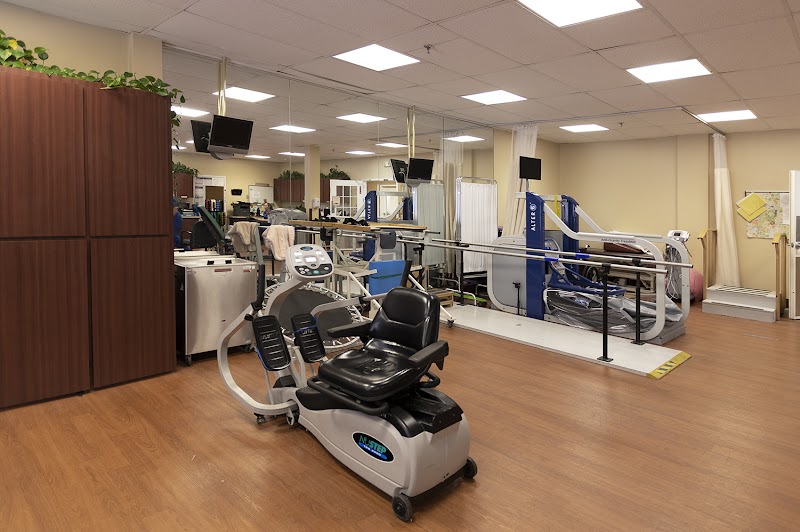
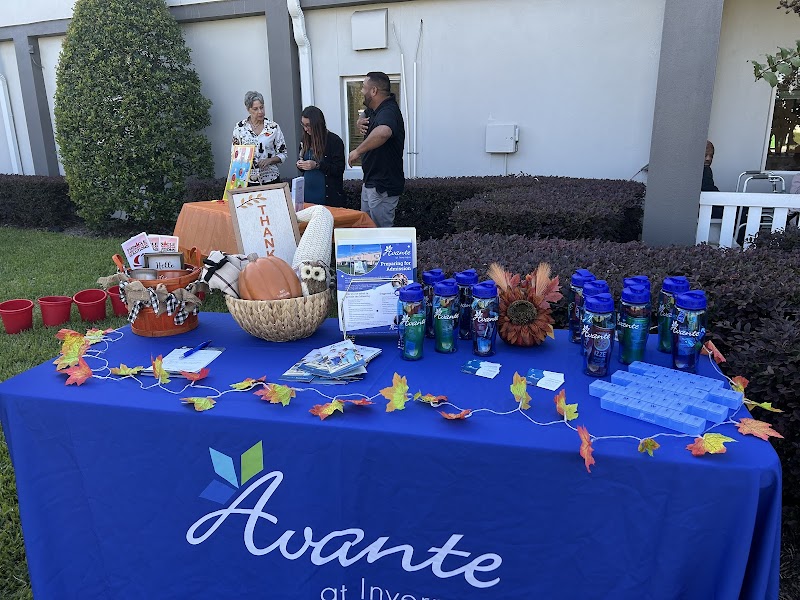
AVANTE AT INVERNESS INC is owned by a for-profit company. For-profit facilities operate as businesses with obligations to shareholders or private owners. The facility is operated by AVANTE CENTERS, a chain that manages multiple nursing homes. With 104 certified beds and approximately 94 residents (about 90% occupancy), it is a mid-sized facility located in INVERNESS, Florida.
How Does Avante At Inverness Inc Compare to Other Florida Nursing Homes?

Compared to the 100 nursing homes in Florida, AVANTE AT INVERNESS INC's overall rating (4 stars) is above the state average of 3.2, staff turnover (49%) is near the state average of 46%, and health inspection rating (3 stars) is at the national benchmark.

What Should Families Ask When Visiting Avante At Inverness Inc?

Based on this facility's data, families visiting should ask: "Can you walk me through typical staffing levels on day, evening, and night shifts?" "Can I visit during a mealtime to observe dining assistance and food quality?" "How do you handle medical emergencies, and what is your hospital transfer rate?" "Can I speak with family members of current residents about their experience?" These questions are particularly relevant given the below-average staffing rating.

Is Avante At Inverness Inc Safe?

Based on CMS inspection data, AVANTE AT INVERNESS INC has a clean safety record: no substantiated abuse findings (meaning no confirmed cases of resident harm), no Immediate Jeopardy citations (the most serious violation level indicating risk of serious injury or death), and is not on the Special Focus Facility watch list (a federal program monitoring the lowest-performing 1% of nursing homes). The facility has a 4-star overall rating and ranks #1 of 100 nursing homes in Florida. While no facility is perfect, families should still ask about staff-to-resident ratios and recent inspection results during their visit.

Do Nurses at Avante At Inverness Inc Stick Around?

AVANTE AT INVERNESS INC has a staff turnover rate of 49%, which is about average for Florida nursing homes (state average: 46%). Moderate turnover is common in nursing homes, but families should still ask about staff tenure and how the facility maintains care continuity when employees leave.

Was Avante At Inverness Inc Ever Fined?

AVANTE AT INVERNESS INC has no federal fines on record. CMS issues fines when nursing homes fail to meet care standards or don't correct problems found during inspections. The absence of fines suggests the facility has either maintained compliance or corrected any issues before penalties were assessed. This is a positive indicator, though families should still review recent inspection reports for the full picture.

Is Avante At Inverness Inc on Any Federal Watch List?

AVANTE AT INVERNESS INC is not on any federal watch list. The most significant is the Special Focus Facility (SFF) program, which identifies the bottom 1% of nursing homes nationally based on persistent, serious quality problems. Not being on this list means the facility has avoided the pattern of deficiencies that triggers enhanced federal oversight. This is a positive indicator, though families should still review the facility's inspection history directly.