LAKE WALES WELLNESS AND REHABILITATION CENTER
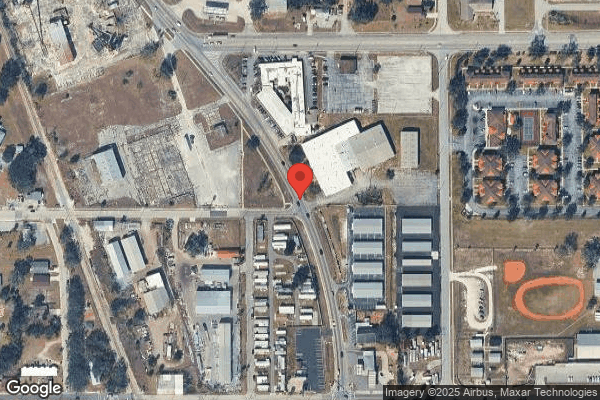
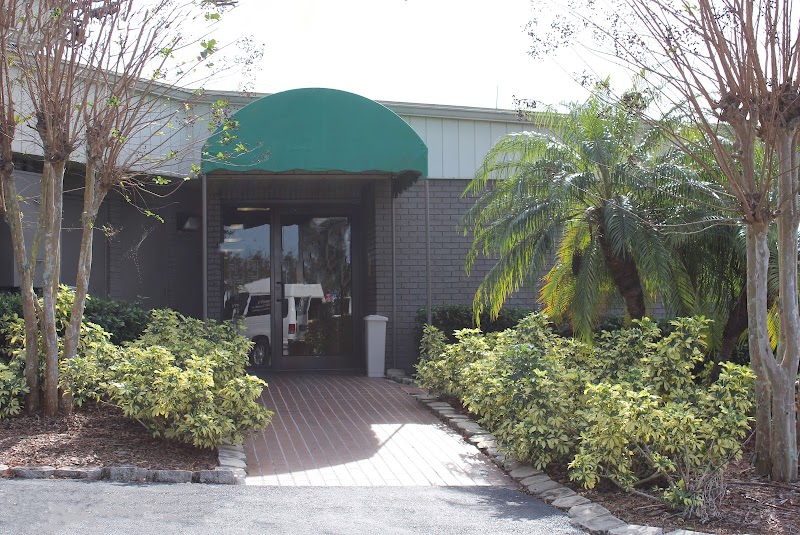
730 N SCENIC HWY, LAKE WALES, FL 33853 (863) 676-1512
For profit - Corporation 100 Beds AHAVA HEALTHCARE Data: November 2025
Trust Grade
10/100
#648 of 690 in FL
Last Inspection: June 2024

Within standard 12-15 month inspection cycle. Federal law requires annual inspections.

Overview

Lake Wales Wellness and Rehabilitation Center has a Trust Grade of F, indicating significant concerns about the facility's quality and care. With a state rank of #648 out of 690, they are in the bottom half of Florida facilities, and #21 out of 25 in Polk County, meaning there are many better options nearby. The facility is improving slightly, as the number of issues decreased from 10 in 2024 to 8 in 2025, but it still faces serious challenges, including three incidents that caused harm to residents. Staffing is below average with a 2/5 rating and a turnover rate of 49%, which is concerning as it suggests staff may not be consistently available to provide care. While there have been no fines, the facility has reported serious issues, such as a resident suffering in high temperatures due to faulty air conditioning and another resident who did not receive timely pain management, indicating a lack of attention to critical care needs.

Trust Score
F
10/100
In Florida
#648/690
Bottom 7%
Safety Record
High Risk
Review needed
Inspections
Getting Better
10 → 8 violations
Staff Stability
⚠ Watch
49% turnover. Above average. Higher turnover means staff may not know residents' routines.
Penalties
✓ Good
No fines on record. Clean compliance history, better than most Florida facilities.
Skilled Nurses
⚠ Watch
Each resident gets only 25 minutes of Registered Nurse (RN) attention daily — below average for Florida. Fewer RN minutes means fewer trained eyes watching for problems.
Violations
⚠ Watch
36 deficiencies on record. Higher than average. Multiple issues found across inspections.
★☆☆☆☆
1.0
Overall Rating
★★☆☆☆
2.0
Staff Levels
★★★★☆
4.0
Care Quality
★☆☆☆☆
1.0
Inspection Score
Stable
2024: 10 issues
2025: 8 issues

The Good

  • 4-Star Quality Measures · Strong clinical quality outcomes
  • Full Sprinkler Coverage · Fire safety systems throughout facility
  • No fines on record

Facility shows strength in quality measures, fire safety.

The Bad

1-Star Overall Rating

Below Florida average (3.2)

Significant quality concerns identified by CMS

Staff Turnover: 49%

Near Florida avg (46%)

Higher turnover may affect care consistency

Chain: AHAVA HEALTHCARE

Part of a multi-facility chain

Ask about local staffing decisions and management

The Ugly 36 deficiencies on record

3 actual harm
Jun 2025 1 deficiency 1 Harm
SERIOUS (G) 📢 Someone Reported This

A family member, employee, or ombudsman was alarmed enough to file a formal complaint

Actual Harm - a resident was hurt due to facility failures

Safe Environment (Tag F0584)

A resident was harmed · This affected 1 resident

**NOTE- TERMS IN BRACKETS HAVE BEEN EDITED TO PROTECT CONFIDENTIALITY** Based on observations, record reviews and interviews, the facility failed to ensure safe and comfortable temperatures were maint...

Read full inspector narrative →
**NOTE- TERMS IN BRACKETS HAVE BEEN EDITED TO PROTECT CONFIDENTIALITY** Based on observations, record reviews and interviews, the facility failed to ensure safe and comfortable temperatures were maintained in residents' bedrooms by failing to repair one of eight rooftop air-conditioning (A/C) units resulting in temperature readings between 89.8- and 90.0-degrees Fahrenheit (F) on 06/23/2025, for one resident (#5) of twenty sampled residents. These failures resulted in physical discomfort for a dependent resident and the likelihood of significant harm due to unsafe temperatures exceeding 81-degrees Fahrenheit. Findings included: During the tour of the facility on 06/23/2025 at 8:32 a.m. Resident #5 was observed in a private bedroom. Upon entering the room, noticeable uncomfortable room air temperature was identified due to excessive warmth with palpable humidity present. A fan, approximately 18 inches, was observed operating on an over the bed table. Resident #5 was observed in a low bed, in a curled position, eyes open, observed to be watching the television in the corner of the room. Two windows, that were approximately the length of the bed, were observed to be open approximately 1 inch. The room was observed to have no wall cooling A/C units. An air vent was observed to be located in the ceiling, right inside the resident's room door. During this tour, there was no noticeable cool air flow. During this tour, Resident #5 was noted not interviewable and could not speak of his temperature preferences. A review of Resident #5's admission Record revealed a re-admission date of 05/23/2025. The diagnosis information included, but not limited to: Severe intellectual disabilities, acute and chronic respiratory failure; contracture, unspecified joint, cognitive communication deficit, muscle weakness (generalized); and need for assistance with personal care. Review of a progress note dated 06/04/2025 at 4:13 p.m. revealed Resident #5 was unable to speak on behalf of self. It showed, Social Determinations of Health note by the Minimum Data Set Coordinator: Resident is unable to respond regarding ethnicity. Resident is unable to respond regarding race. Language: English. Residents do not need or want an interpreter to communicate with doctor or health care staff. Resident is unable to respond to lack of transportation. How often do you need to have someone help you when you read instructions, pamphlets, or other written material from your doctor or pharmacy: Resident unable to respond. How often do you feel lonely or isolated from those around you: Resident unable to respond. On 06/23/2025 at 10:33 a.m., an interview was conducted with the Maintenance Director. He stated the facility had three ground unit air conditioners (A/C) and eight rooftop A/Cs. He stated, Yes, they are all keeping temperatures. He stated he checks the working order of the A/Cs by using the thermal gun, pointing it at the vents for temperature. He said he did this about once per month. On 06/23/2025 at 10:47 a.m., observations were conducted of Resident #5's room with the Maintenance Director. The windows were observed open in the same position. The Maintenance Director stated he was unaware of the warmth of the room, and he did not know why the residents' windows were open. He was observed to close the windows. When asked if he had a tool to measure the temperature in the room, he said he did and he was observed to leave to retrieve it. During the Maintenance Director's absence, at 10:50 a.m. Staff C, Licensed Practical Nurse (LPN) was observed outside of Resident #5's room, she confirmed she was assigned to Resident #5. When asked about the temperature in Resident #5's room, she said, it was warm in the room. She said, It has been like that for about one month. All of them are aware. On 06/23/2025 at 11:55 a.m., the Maintenance Director returned with a thermal temperature gun. He pointed the thermal gun at the ceiling and the reading on the tool was 90.0 degrees Fahrenheit. He pointed the thermal gun at the floor, approximately two and a half feet from Resident #5's bed, and the reading on the tool was 89.8 degrees Fahrenheit. The Maintenance Director said, It is very warm, we can see about moving him. On 06/23/2025 at 11:13 a.m. an interview was conducted with Staff C, LPN. When asked if and how the temperature was monitored in Resident #5's room, she stated she did not know how to take temperatures. She stated they were aware of it. She said, for maintenance issues, they enter maintenance requests electronically through a portal. An interview was conducted with Staff A, Certified Nursing Assistant (CNA) on 06/23/2025 at 11:38 a.m. She stated the Maintenance Assistant and Director knew about the warm temperatures in Resident #5's room. She said, He (The Maintenance Director) has been aware of it. I asked them if they are going to do anything about it. She said, (referring to Resident #5) you can go in there and he will be hot visibly, but he will say he is cold. Staff A stated, hot visibly, meant sweat. She stated the resident has a ten-word vocabulary and would not go in there expecting him to answer. On 06/23/2025 at 11:48 a.m., the Maintenance Director stated they were going to move Resident #5 out of the room today and they were currently working on another room for him. He stated this was the first time he had taken temperatures in the resident's room. He said his goal for the temperature level was to be no more than 82 degrees or below. On 6/23/2025 at 12:00 p.m., a telephone interview was conducted with the Maintenance Assistant. He stated (Resident #5)'s room was hooked up to a roof top unit; it should be cooling. When asked his expectation for the temperature of the air coming out of the vent in the room, he stated he would expect the temperature of the air coming out of the vent to be 75 degrees. He stated he was unaware of any problems in the last 30 days with Resident #5's room, hallway, or the A/C unit serving the area. He stated, Not that I am aware of. He stated, Yes he should be aware of any problems. He said, For the temperature in the room, the goal is to be 74 to 75 degrees; the maximum, believe it to be 80 degrees. He stated he had not received any concerns about warm temperatures in the resident's room. He stated, Not that I am aware of. When asked about the temperature obtained from (Resident #5's) room, the floor at 89.9 degrees Fahrenheit, the ceiling at 90.0 degrees Fahrenheit, he said, that is not suitable for a resident in there; it is definitely too hot. The Maintenance Assistant stated he had measured the temperature coming out of the vent at the end of last month but had not written it down. A second observation of air vent temperature located in Resident #5's room and vents in the hallway near Resident #5's room was conducted on 06/23/2025 at 12:10 p.m. with the Maintenance Director. The following was observed: Resident #5's doorway ceiling vent air output temperature reading was 87.4 degrees Fahrenheit. The ceiling vent air output for the vent in the hall outside of room [ROOM NUMBER] was 84.2 degrees Fahrenheit. The ceiling vent air output for the vent in the hall outside of room [ROOM NUMBER] was 86.4 degrees Fahrenheit. Observed outside of the resident's room was a thermostat on the wall which read a temperature of 79 degrees Fahrenheit, with a setting of 74 degrees Fahrenheit. The Maintenance Director was observed to remove the cover of the thermostat and lower the setting to 72 degrees Fahrenheit. A review of the facility's electronic communication log dated 04/01/2025 through 06/23/2025 revealed there were no listings for concerns of temperature submitted by staff. On 06/23/2025 at 2:15 p.m., an interview was conducted with the Director of Nursing (DON). She reported she had not been in (Resident #5's) room. She stated she had not noticed the temperature in the hall (near Resident #5's room) being warm. When asked what she would expect a staff member to do if they noticed a warm temperature in a resident room, she said, first find out if it is a preference; report it to management and maintenance that there may be a problem. On 06/23/2025 at 3:15 p.m., Staff C, LPN, was observed sitting at the nursing station between the 100 and the 200 halls, she was using a piece of paper to fan herself. She stated, it is very hot here, the west side is cooler. She stated, This is the east side. I have noticed it getting warm in May. When asked if she had reported the warm temperature, she stated Yes, everyone knows it is warm, it is an older building. On 06/23/2025 at 3:20 p.m. Staff E, CNA was observed standing at the nurses' station between the 100 and 200 halls. She confirmed she was assigned rooms in the 200 hall. She said regarding Resident #5's room, It is hot in his room; I think I had him last week. The Maintenance Assistant said they were working on it. An observation was conducted at this time of a digital wall clock on the wall at the end of the nursing station. The temperature of the wall clock read 83.3 degrees Fahrenheit. Staff E, CNA, said, the wall clock will register over 80 degrees frequently. On 06/23/2025 at 3:30 p.m., an interview was conducted with Staff F, Housekeeper. She confirmed she performed housekeeping on certain days of the week. She said regarding the temperature in Resident #5's room, Sometimes the room is cooler, sometimes warmer. I do not know if there is air conditioning in here (pointed to the ceiling). Staff F stated lately it has been warmer. On 06/24/2025 at 11:30 a.m., an observation and interview confirmed Resident #5 had been moved to another room. The Maintenance Director stated the roof top A/C unit, which was responsible to source the cool air for Resident #5's room, the fan was running, but he was not sure if it was cooling. He stated the thermostat in the hall was set at 72 degrees and the temperature in the hall had been between 76- and 77-degrees during frequent checks this morning. He stated he was told the A/C technician cannot come out today and is going to call back and see if another technician can come out. During the interview, the temperature in the room felt warm and the air coming from the vent was at a sparse rate. The Maintenance Director stated this air vent was sourced by the roof top A/C unit. He immediately used his thermal temperature gun, pointed at this air vent and obtained a temperature of 87 degrees Fahrenheit. Another temperature measurement was obtained inside the middle of Resident #5's room, by pointing the thermal temperature gun at the ceiling, which measured 87 degrees Fahrenheit, and then mid-floor, which measured 85 degrees Fahrenheit. The Maintenance Director confirmed air temperatures were not checked routinely. He stated they only checked if the A/C system goes out, then there would be frequent temperature checks done. On 06/24/2025 at 1:14 p.m. an interview was conducted with the Nursing Home Administrator (NHA). When asked if the facility had a policy for testing temperatures in the building, or what the process was to ensure temperatures were appropriate, the NHA said, if we have a loss of A/C, then we take temperatures, on a daily, weekly, monthly basis. She stated they just walk through. The NHA did not provide documentation to show they were monitoring temperatures. The NHA stated they can monitor temperatures by looking at the thermostats on the walls, and staff can tell if it is warm. The NHA stated she was not aware of an A/C unit that was not working. The NHA said, No, not that I'm aware of, no one had brought anything to me, and no one had voiced concerns about temperatures. The NHA stated for staff reporting maintenance issues, she said, they should use (the electronic communications) system, she stated it is a reporting system where you can put work orders in. She stated all staff had access to the generic login. She stated all staff were trained in the Electronic Communication System. The NHA said, Yes, they were trained on hire. I don't know the last time they were trained; I have to go look. The NHA stated her expectation for temperatures in resident rooms was to be between 71 and 81 degrees, unless it is resident preference to have it warmer. The NHA stated they were waiting on a technician to fix the roof-top unit located near 200 hall. The NHA stated she was not aware of Resident #5's room being warm. The NHA said, No. I have been in that room two-three times a week doing spot checks. The HNA stated she was in there and the window was not open. The NHA stated the window being open would have brought more heat inside. The NHA stated her expectation was when maintenance becomes aware of a non-functional A/C unit, they should get quotes and get it fixed. On 06/23/2025 at 12:40 p.m. the Maintenance Director was requested to provide the policy and procedure for monitoring temperatures in the building, and the policy and procedure for how staff communicate concerns to the maintenance personnel. The policies were not provided.
Apr 2025 7 deficiencies 1 Harm
SERIOUS (G) 📢 Someone Reported This

A family member, employee, or ombudsman was alarmed enough to file a formal complaint

Actual Harm - a resident was hurt due to facility failures

Free from Abuse/Neglect (Tag F0600)

A resident was harmed · This affected 1 resident

**NOTE- TERMS IN BRACKETS HAVE BEEN EDITED TO PROTECT CONFIDENTIALITY** 2. On 4/29/25 at 9:17 a.m., Resident #7 was observed lying in bed. The resident's bottom teeth were covered with a yellow/tan c...

Read full inspector narrative →
**NOTE- TERMS IN BRACKETS HAVE BEEN EDITED TO PROTECT CONFIDENTIALITY** 2. On 4/29/25 at 9:17 a.m., Resident #7 was observed lying in bed. The resident's bottom teeth were covered with a yellow/tan colored substance and a watery, tan colored liquid was observed in the resident's mouth. An intravenous (IV) pole was standing between the bed and window and hanging from the pole was an empty IV medication bag, labeled with the residents name, name of the medication Zerbaxa, and tubing wrapped around the wings of the pole. The IV medication was dated 4/28/25 and not running. Review of Resident #7s medical record showed a medication list from an acute care facility, printed on 4/17/25 at 10:46 a.m., revealing the resident was to receive ceftolozane-tazobactam 1.5-gram (g) in sodium chloride 0.9%, 100 milliliter (mL) IV piggyback (IVPB) - Infuse 1.5g into a venous catheter every 8 (eight) hours for 35 doses. Last time this was given: April 17, 2025, at 6:05 a.m. Review of Resident #7s Admit/Readmit Assessment, effective 4/17/25 at 5:15 p.m. revealed a temperature reading of 98.5 degrees Fahrenheit taken 4/17/25 at 2:36 p.m., a blood pressure and pulse taken on 4/17/25 at 5:07 p.m. and 5:08 p.m., a weight of 139.0 pounds taken on 3/9/22 at 1:44 p.m. (previous admission), respiration rate of 18 taken 3/13/22 at 3:47 a.m. (previous admission), and a height on 3/6/22 at 2:06 p.m. (previous admission). Review of Resident #7s April Medication Administration Record (MAR), printed on 4/30/25 at 11:45 a.m., revealed an order for Cetfolozane-Tazobactam Intravenous solution reconstituted 1.5 (1-0.5) gram (GM) (Ceftolozane Sulfate - Tazobactam Sodium) - Use 1.5 gm intravenously three times a day for urinary tract infection (UTI) for 35 administrations. The order was started on 4/17/25 at 10:00 p.m. and discontinued on 4/29/25 at 9:03 a.m. The MAR had X documentation for the 6:00 a.m. and 2:00 p.m. doses on 4/17/25, allowed for 35 doses to be administered, three doses daily on 4/18/25 to 4/28/25 (11 days) and one dose each on 4/17/25 and 4/29/25, the 35th dose to be administered on 4/29/25 at 6:00 a.m., the rest of the order was marked with X. The MAR included the following dosage documentation with corresponding chart codes related to the administration of the resident's antibiotic: - 4/17/25 at 10:00 p.m. - 1 = Absent from home without meds. - 4/18/25 at 6:00a.m. - 1 = Absent from home without meds. - 4/18/25 at 2:00 p.m. - 5 = Hold/See Progress Notes. - 4/19/25 at 10:00 p.m. - no documentation. - 4/24/25 at 6:00 a.m. - 5 = Hold/See Progress Notes. - 4/24/25 at 2:00 p.m. - 5 = Hold/See Progress Notes. - 4/26/25 at 6:00 a.m. - no documentation. - 4/28/25 at 6:00 a.m. - no documentation. The MAR showed the resident missed 8 of the 35 ordered doses. Review of Resident #7s progress notes included the following notes related to the missed doses of Ceftolozane-Tazobactam Intravenous solution: - 4/18 at 1:36 p.m.: Medication unavailable at this time. Not available in [electronic medication dispenser]. MD (Medical Doctor) and representative (RP) aware. No signs/symptoms (s/s) of any adverse reactions. No new orders. Pharmacy to deliver. Plan of care ongoing. - The notes revealed no progress note was written on 4/19/25 for the resident. - 4/24/25 at 8:19 a.m.: Med on hold, MD notified. - 4/24/25 at 8:22 a.m.: Resident antibiotic (ABT) on hold. MD notified. - 4/24/25 at 2:53 p.m.: MD ordered put in hold the medication. - 4/26/25 showed no progress note was written regarding the 6:00 a.m. dose. - 4/28/25 showed no progress notes was written on that day. A progress note written on 4/29/25 at 9:15 a.m. showed Review of resident's IV medication. Resident received the 35 required doses of the medication. Medication was discontinued. Will follow up with [Infectious Disease] ID. Review of Resident #7's Order Summary Report, active as of 4/30/25 at 11:43 a.m. showed an order Discontinue (D/C) PICC line. Therapy complete, dated 4/29/25. A note, effective 4/29/25 at 1:30 p.m. regarding the Normal Saline flush of Resident #7s Central line/ peripherally inserted central catheter (PICC)/Midline revealed line has been removed. The report did not reveal an active order for Ceftolozane-Tazobactam. An interview was conducted with Staff L, Licensed Practical Nurse/Unit Manager (LPN/UM) on 4/30/25 at 1:15 p.m. The staff member stated, regarding Resident #7's Ceftolozane-Tazobactam, knowing the medication was hard to get from pharmacy due to the cost and the facility was only able to get a couple of days at a time. Staff L, LPN/UM reported there was a time the Director of Nursing (DON) was pre-approving it daily and if it was not available the doctor was to be notified. The staff member stated she was unaware of the physician holding the medication (4/24 doses) and stated wonder if it wasn't some of the nurses who don't speak well put the note in. The LPN/UM reviewed the resident's MAR and stated it did not look like the resident received the ordered 35 doses. The staff reported Staff E, LPN/Infection Preventionist (IP), counted the doses up yesterday and told her the resident received the 35 doses. An interview was conducted with Staff F, LPN on 4/30/25 at 1:31 p.m. The staff member reported administering all of Resident #7's IV antibiotics. The staff member reported not having the medication until pharmacy delivered it and there would have been no reason why the staff member would not have administered them. An interview was conducted with Staff E, LPN/IP on 4/30/25 at 1:40 p.m. The staff member reported starting to work for the facility on 4/17/25. The staff member confirmed Resident #7 was to receive the IV antibiotic Ceftolozane-Tazobactam for 35 doses and the facility had a hard time getting the medication from pharmacy. The staff member reported the facility kept adding doses to the end because of the missed doses. Staff E, LPN/IP stated the original order was for it to end on the 25th of April and the physician extended it out to the 29th. Staff E, LPN/IP stated All I know the nurses said the resident finished the IV's. She reported being unable to pull the MAR and spoken with Infectious Disease (ID) and the physician on the 29th. Staff E, LPN/IP reported informing ID and the physician that according to staff, the resident completed the 35 doses of the antibiotic, and the Assistant Director of Nursing (ADON) spoke with the physician and received an order to pull the IV line. During the interview, at 1:51 p.m. the ADON came into Staff E's office and said she had not spoken with the physician, the DON had spoken with him. The DON stepped into the office and said Staff L, LPN/UM spoke with the physician while in the DON's office. Staff E, LPN/IP reviewed Resident #7's MAR and confirmed No he did not the resident had not received the ordered 35 doses of antibiotic. The DON stated Staff E, LPN/IP came to her and said the resident had all the doses and Staff L, LPN/UM had gotten the order to pull the IV line. The DON reviewed the resident's MAR and said the facility was aware now the resident had not received the 35 doses and the physician was notified of the medication error. Review of Resident #7s MAR showed an order, started on 4/30/25 at 2:45 p.m., to Insert PICC [peripherally inserted central catheter] line. May use 1% lidocaine for insertion. One time only for medication administration for 2 days. A general nurse's note, created 4/30/25 at 3:03 p.m. by Staff E and effective 4/30/25 at 12:54 a.m., revealed Call placed to Nurse Practitioner (NP) regarding resident IV therapy. Resident requires 8 more doses of ABT. Discussed with NP and order was given to have PICC line reinserted and to give resident remaining required doses. Call made to RP by ADON with verbal consent to have PICC line reinserted. IV Team called and will be out to reinsert line. Resident to follow up with ID next Thursday. On 4/30/25 at 4:36 p.m., Resident #7 was observed lying on right side. The observation did not show a new IV catheter had been placed. Review of the MAR showed a new order for Ceftolozane-Tazobactam was to start on 4/30/25 at 10:00 p.m. The review revealed the resident missed 4 doses of the 8 already missed due to the facility not ensuring 35 doses had been administered and discontinued the PICC line requiring the resident to have another inserted before completing the doses of IV antibiotics. 3. Review of the facility's Incident Log revealed a medication error occurred on 3/28/25 at 5:50 p.m. with Resident #4. Review of Resident #4's admission Record revealed the resident was admitted on [DATE] and 3/7/25. The record included diagnoses not limited to intraspinal abscess and granuloma, unspecified local infection of the skin and subcutaneous tissue, unspecified organism sepsis, unspecified disorder involving the immune mechanism, osteomyelitis of vertebra lumbar region, and chronic myeloproliferative disease. The resident was transferred to the hospital on 4/19/25 for uncontrolled pain. Review of Resident #4's progress notes revealed the following: - 3/27/25 at 2:58 p.m.: an order was entered for Daptomycin Intravenous Solution Reconstituted 500 mg. - 3/27/25 at 11:04 p.m.: Resident continue with IV treatment. No adverse reactions noted. PICC line on right arm, patent and intact. No redness or swelling noted. Flushed according medical orders. - 3/28/25 at 5:50 p.m.: Resident accidentally received Cefepime HCl (hydrochloride) Intravenous Solution 1 gram/50 milliliter. Family at bedside notified. DON notified. MD states to monitor resident for changes. MD states to perform 24 hour neuro checks. Resident denies pain or discomfort. Resident did not have signs of adverse reactions. Neuro in normal range. - 3/28/25 at 11:00 p.m.: Resident observed resting in bed. Resident denies pain or discomfort. Resident has no signs or symptoms of distress. Neuro check are with in normal range. - The progress notes did not contain a note written on 3/29/25. Review of Neurological Assessment Flow Sheet read *Med Error only for 24 hr neuro check. The instructions printed on top of the sheet showed neurological assessments to include level of consciousness, motor function (hand grasps), pain response, vital signs, pupil response, extremities (movement) and observations were to bed completed every 15 minutes for 2 hours, every 60 minutes for 4 hours, and every 8 hours for 16 hours. The sheet showed level of consciousness, pupil response, hand grasps, extremities, and vital signs continued as instructed every 15 minutes for 2 hours, every 30 minutes for 2 hours, every 60 minutes for 4 hours, stopping at 12:45 a.m., 6 hours and 45 minutes after the incident. The documentation did not reveal the neurological assessment had continued every 8 hours for 16 hours on 3/29/25. During an interview on 4/29/25 at 10:53 a.m., the DON reported having the position of DON for 2.5 weeks and provided one Investigation Statement regarding Resident #4's medication error. The DON stated Staff K, LPN was assisting another nurse, Staff M, LPN with hanging the IV medication for Resident #4, as Staff M, LPN was not IV certified and Staff K, LPN was. The DON stated Staff M, LPN gave Staff K, LPN the wrong medication. The DON reviewed the Investigation Statement from Staff K, LPN and stated the form was not filled out correctly, the incident was supposed to have been investigated, statements completed by those involved, and education should have been done. The DON reported she had not received education related to medication rights from the previous DON. An interview was conducted on 4/29/25 at 11:12 a.m. with Staff L, LPN/UM. Staff L, LPN/UM reported not finding out about the incident until the next day. Another nurse, Staff M, LPN, who wasn't IV certified, asked Staff K, LPN to hang the medication. Staff M, LPN had the medication all set up for Staff K, LPN and Staff K, LPN, had not checked it before administration. An interview was conducted on 4/30/25 at 6:35 p.m. with the Nursing Home Administrator/Risk Manager (NHA/RM). The NHA reported being informed of the incident when it occurred with the previous DON informing her that education had started. The NHA stated nurses are supposed to be IV certified, not all of them are and did not know if Staff M, LPN had been certified. An interview was conducted on 4/30/25 at 6:45 p.m. with Staff K, LPN. The staff member reported Resident #4 was not on assignment the day of the incident and the error was on him. Staff M, LPN couldn't hang the antibiotic, wasn't IV certified, and came to the staff member a couple of times. Staff K, LPN stated Staff M, LPN had the medication bag and tubing and told the staff member all that had to be done was to hang it. Staff K, LPN did not verify if the medication bag had been spiked prior to receiving it. Staff K, LPN reported asking the other staff member to verify the medication was for the B-bed. Staff K, LPN stated, I should have pulled my own stuff and the medication ran for approximately 5 minutes. Staff K, LPN reported taking over the resident and apologized to the family. Staff K, LPN reported talking to the family a couple of times to update on condition, wrote a statement day of the incident, started neuro checks. Review of the policy titled Medication Administration, undated, revealed the following: Medications are administered by licensed nurses, or other staff who are legally authorized to do so in the state, as ordered by the physician and in accordance with professional standards of practice, in a manner to prevent contamination or infection. The policy instructed staff to correct any discrepancies and report to the nurse manager. The compliance guidelines instructed staff: - 10. Review MAR to identify medication to be administered. - 11. Compare medication source (bubble pack, vial, etc.) with MAR to verify resident name, medication name, form, dose, route, and time. - 17. Sign MAR after administered. For those medications requiring vital signs, record the vital signs onto the MAR. Review of the policy titled Abuse, Neglect, and Exploitation, undated, showed the following: It is the policy of this facility to provide protections for the health, welfare, and rights of each resident by developing and implementing written policies and procedures that prohibit and prevent abuse, neglect, exploitation, in misappropriation of resident property. The policy defined neglect as failure of the facility, its employees, or service providers to provide goods and services to a resident that are necessary to avoid physical harm, pain, mental anguish, or emotional distress. The policy Explanation and Compliance Guidelines included: 1. The facility will develop and implement written policies and procedures that: a. Prohibit and prevent abuse, neglect, and exploitation of residents and misappropriation of resident property; b. Established policies and procedures to investigate any such allegations; and c. Include training for new and existing staff on activities that constitute abuse, neglect, exploitation, and misappropriation of resident property, reporting procedures, dementia management, and resident abuse prevention; and d. Establish coordination with the QAPI program. 3. The facility will provide ongoing oversight and supervision of staff in order to assure that its policies are implemented as written. III. Prevention of Abuse, Neglect, and Exploitation. The facility will implement policies and procedures to prevent and prohibit all types of abuse, neglect, misappropriation of resident property, and exploitation that achieves: . B. Identifying, correcting, and intervening in situations in which abuse, neglect, exploitation, and/ or misappropriation of resident property is more likely to occur with the deployment of trained and qualified, registered, licensed, and certified staff on each shift to meet the needs of the residents, and assure that the staff assigned have knowledge of the individual residents' care needs and behavioral symptoms; C. Assuring an assessment of resources needed to provide care and services to all residents is included in the facility assessment; D. Identification, ongoing assessment, care planning for appropriate interventions, and monitoring of residents both needs and behaviors which might lead to a conflict or a neglect. IV. Prevention of Abuse, Neglect, and Exploitation A. The facility will have written procedures to assist staff in identifying the types of abuse - mental/ verbal abuse, sexual abuse, physical abuse, and deprivation by an individual of goods and services. B. Possible indicators of abuse include, but are not limited to: . 8. Failure to provide caring needs such as feeding, bathing, dressing, turning and positioning. Based on observations, interviews, and record review, the facility failed to ensure residents were free from neglect related to 1.) not providing physician ordered tube feeding and not providing assistance to get out of bed for 13 days, leading to a decline in functionality for one resident (#7) out of 12 sampled residents and 2.) failing to administer medications in accordance with physician orders for two residents (#7 and #4) out of twelve sampled residents. Findings included: 1. An observation and interview was conducted on 4/30/25 at 10:47 a.m. with a family member of Resident #7. The family member said she was concerned because the resident's tube feeding was supposed to be running all day, and she had been in a few times and it was not running. She said she was worried he was not getting the nutrition he needed. The family member said she talked to staff a few times and was told the pump for the tube feed was broken. She said the tube feed had not been running when she got to the facility that day and the day prior it ran for a while, then the pump broke. She said after a little bit, someone got it running again. The family member also stated Resident #7 had not been out of bed in the almost two weeks. She said when the resident came to the facility he was able to transfer and walk with assistance, but now he had gotten so much weaker. She said he was supposed to be there for rehab and then go home. The family member said she is now concerned Resident #7 won't be able to improve and go home. Review of admission Records showed Resident #7 was admitted on [DATE] with diagnoses including sepsis, unspecified organism, pneumonitis due to inhalation of food and vomit, acute respiratory failure with hypoxia, and protein-calorie malnutrition. Review of Resident #7's Medical Certification for Medicaid Long-Term Care Services and Patient Transfer Form (Form 3008), dated 4/17/25, showed the resident ambulates with assistive device, transfers with 2 assistants, and is partial weight-bearing on the left and right sides. Review of Resident #7's Care Plan showed a focus area of Resident requires assist with ADLs [activities of daily living] R/T [related to] impaired mobility, dated 4/18/25. Interventions included substantial/maximum assistance with bed mobility and lying to sitting on the side of the bed and dependent for chair to bed and bed to chair transfers. Another focus area was PEG [percutaneous endoscopic gastrostomy] tube is utilized for all medications/nutrition and fluids, dated 4/18/25. Interventions included feeding/water flushes per doctor orders. Review of Resident #7's orders showed: #1 Nutren Renal Oral Liquid. Give 250 ml (milliliters) via g-tube four times a day for Nutritional Supplement. Start date 4/17/25. Discontinued 4/18/25. #2 Enteral Feed Order. Every shift for dysphasia. Nutrin 2.0 60 ml/hr (hour) x 20 hrs. Up at 6 a.m. and down at 2 a.m. Start date 4/18/25. Discontinued 4/19/25. #3 Enteral Feed Order. Every shift for dysphasia. Nutrin 2.0 60 ml/hr x 20 hrs. Up at 6 a.m. and down at 2 a.m. Start date 4/19/25. Discontinued 4/21/25. #4 Enter Feed Order. Five times a day. Nutren 2.0 bolus 1 can 5 times a day with 75 cc (cubic centimeters) water bolus. Start date 4/21/25. Discontinued 4/24/25. #5 Enteral Feed. In the morning for dysphasia Nutrin 2.0 60 ml/hr x 20 hrs up at 6 a.m. and one time a day for dysphasia Nutrin 2.0 60 ml/hr x 20 hrs down at 2 a.m. Dated 4/24/25. Review of Resident #7's progress notes showed the first note was entered into the medical record at 5:19 p.m. on 4/17/25, indicating the resident arrived prior to that time. Review of Resident #7's April 2025 Medication Administration Record (MAR) showed the resident did not receive enteral feeding on 4/17/25. The feeding at 9:00 p.m. on 4/17/25 was documented as 5 meaning Hold/See Progress Notes. The progress notes did not have any documentation as to why the enteral feeding was not provided. According to the MAR, the resident received his first enteral feeding at 9:00 a.m. on 4/18/25, over 15 hours after admission to the facility. The resident received another feeding at 1:00 p.m. on 4/18/25, and order #1 for bolus feeding was discontinued. Order #2 for continuous feeding to hang at 6 a.m. and take down at 2 p.m. was signed off for the night shift on 4/18/25, and it was discontinued. The MAR showed order #3 for continuous feeding was signed off for all shifts on 4/19/25 and 4/20/25 and for the morning shift on 4/21/25, but was not signed off on the evening shift of 4/21/25. Order #3 was discontinued on 4/21/25. Order #4 was documented as completed twice on 4/21/25 and five times each on 4/22/25 and 4/23/25. The order was discontinued the morning on 4/24/25. There is no order in place or documentation to show the resident received any tube feeding on 4/24/25. Order #5 began on the morning of 4/25/25 and was signed off as the tube feed being hung at 6:00 a.m. on 4/25/25, 4/27/25, 4/28/25, 4/29/25, and 4/30/25. On 4/26/25, the tube feed was not signed off as being hung and there is no documentation stating why it was not administered as ordered. An interview was conducted on 4/30/25 at 11:16 a.m. with Staff F, Licensed Practical Nurse (LPN). She stated she cared for Resident #7 on 4/29/25 starting at 7:00 a.m. She said when she came on shift, Resident #7's tube feed was not hanging. She confirmed it was supposed to be hung at 6:00 a.m. and didn't know why it wasn't hung up and why it was signed off. She said she did not notify anyone she just hung the tube feed around 10:00 a.m. and turned it on. Staff F, LPN said she did not know why the resident had been switched back and forth between continuous and bolus feedings. She said she did not think the pump was broken, she just didn't think the staff knew how to use it correctly. An observation was conducted on 4/30/25 at 10:47 a.m. of Resident #7 lying in bed. The tube feed pump was next to the bed and there was no tube feed hanging and the pump was turned off, although it was documented it had been hung at 6:00 a.m. on 4/30/25. An interview was conducted on 4/30/25 at 5:41 p.m. with the facility's Registered Dietician (RD). She said from her understanding, Resident #7 has switched from continuous pump feeding to bolus feeds and back again because the facility had issues with the pump. She said they do weekly weights on tube feed residents and Resident #7 was 145 pounds on admission 13 days ago and 142 pounds on 4/30/25. She said he was on a medication for edema, but in general, tube feed residents should never lose weight. The RD said not getting the required food intake can lead to a lot of problems. She said Resident #7 looks worse now than when she saw him after admission. She said the resident not getting the proper amount of nutrition and possible missing tube feedings could have led to the weakness he had been having, it certainly doesn't help. The RD said Resident #7 had gone down since he had been at the facility. An interview was conducted on 4/30/25 at 2:49 p.m. with the facility's Director of Nursing (DON). She said the facility was not notified of the type of tube feed Resident #7 was on until he arrived and it was a less common type. She said they did not have a tube feed pump available at the time he arrived due to an influx of tube feed residents. She said they found a pump in the back for the resident, but it was an older type. She said they also found a case of Nutrin renal containers in the facility after he arrived and that is why they were doing bolus feedings instead of continuous feed. She said the bags of tube feeding arrived and he began continuous tube feeding on the second day. An interview was conducted on 4/30/25 at 11:42 a.m. with Staff H, Occupational Therapy Assistant (OTA). Staff H, OTA said there is not a reason Resident #7 cannot get out of bed. She said he used a full body mechanical lift and the nursing staff should have been getting him up. Staff H, OTA said she took a wheelchair to the resident's room a week ago, but someone must have taken it out. She said the resident had been receiving therapy in bed due to nursing staff not having him up in a chair. A follow-up interview was conducted on 4/30/25 at 12:00 p.m. with Staff F, LPN. She said she had not seen Resident #7 out of bed since he had been in the facility. She said they were waiting on therapy and she didn't know if therapy had gotten him up or not. An interview was conducted on 4/30/25 at 12:05 p.m. with Staff J, Certified Nursing Assistant (CNA). She said she regularly took care of Resident #7. She confirmed the resident had not been out of bed and that was due to him not having a wheelchair. A follow-up interview was conducted with Staff H, OTA and the Director of Rehabilitation (DOR). Staff H, OTA said she had no idea where the wheelchair went that therapy provided to Resident #7. She said nursing should not have been waiting on therapy to get the resident out of bed, they should have been getting him up daily. The DOR said therapy does not tell nursing if they can or cannot get a resident out of bed. He said therapy did an evaluation of the resident and let nursing know the level of assistance needed. The DOR said Resident #7 needed a full body mechanical lift to get up and nursing should have been getting him out of bed. An interview was conducted on 4/30/25 at 5:38 p.m. with Staff I, Physical Therapist (PT). Staff I, PT reviewed Resident #7's initial evaluation on 4/17/25 and his current evaluation on 4/30/25. He said Resident #7 declined in his functionality since his admission. Staff I, PT said on 4/17/25 the resident completed sit to stand transfers with moderate assistance and on 4/30/25 he was totally dependent. He said on 4/17/25, the resident was able to ambulate 6 feet using a 2-wheel walker with moderate assistance and on 4/30/25 the resident was unable to do the task. The physical therapy evaluation provided noted Resident #7's decline in function. Staff I, PT said if a resident does not get out of bed it can cause their muscles to atrophy and the resident can weaken and decline in function. An interview was conducted on 4/30/25 at 6:44 p.m. with the Nursing Home Administrator (NHA). The NHA said she would expect staff to be following physician orders. She said she had not been aware of issues with Resident #7's tube feed, antibiotics not being administered correctly, or him being left in bed until today. She said the issues will be addressed. On 4/30/25, the DON stated the facility did not have the requested polices on getting residents out of bed or tube feedings.
CONCERN (D) 📢 Someone Reported This

A family member, employee, or ombudsman was alarmed enough to file a formal complaint

Potential for Harm - no one hurt, but risky conditions existed

Investigate Abuse (Tag F0610)

Could have caused harm · This affected 1 resident

**NOTE- TERMS IN BRACKETS HAVE BEEN EDITED TO PROTECT CONFIDENTIALITY** Based on observations, record review, and interviews, the facility failed to thoroughly investigate and provide staff with educa...

Read full inspector narrative →
**NOTE- TERMS IN BRACKETS HAVE BEEN EDITED TO PROTECT CONFIDENTIALITY** Based on observations, record review, and interviews, the facility failed to thoroughly investigate and provide staff with education following a medication error incident for one resident (#4) of one resident incident involving medication errors. Findings included: Review of Resident #4's admission Record revealed the resident was admitted on [DATE] and 3/7/25. The record included diagnoses not limited to intraspinal abscess and granuloma, unspecified local infection of the skin and subcutaneous tissue, unspecified organism sepsis, unspecified disorder involving the immune mechanism, osteomyelitis of vertebra lumbar region, and chronic myeloproliferative disease. The resident was transferred to the hospital on 4/19/25 for uncontrolled pain. Review of the facility's Incident Log revealed a medication error occurred on 3/28/25 at 5:50 p.m. with Resident #4. Review of Resident #4's progress notes revealed the following: - 3/27/25 at 2:58 p.m.: an order was entered for Daptomycin Intravenous Solution Reconstituted 500 mg. - 3/27/25 at 11:04 p.m.: Resident continue with IV treatment. No adverse reactions noted. PICC line on right arm, patent and intact. No redness or swelling noted. Flushed according medical orders. - 3/28/25 at 5:50 p.m.: Resident accidentally received Cefepime HCl (hydrochloride) Intravenous Solution 1 gram/50 milliliter. Family at bedside notified. DON notified. MD states to monitor resident for changes. MD states to perform 24 hour neuro checks. Resident denies pain or discomfort. Resident did not have signs of adverse reactions. Neuro in normal range. - 3/28/25 at 11:00 p.m.: Resident observed resting in bed. Resident denies pain or discomfort. Resident has no signs or symptoms of distress. Neuro check are with in normal range. - The progress notes did not contain a note written on 3/29/25. During an interview on 4/29/25 at 10:53 a.m., the Director of Nursing (DON) reported having the position of DON for 2.5 weeks. The DON provided one Investigation Statement completed by Staff K, Licensed Practical Nurse (LPN) regarding Resident #4's medication error. The DON reported Staff K, LPN, hung the wrong medication for Resident #4. Staff M, LPN provided the medication to Staff K, LPN. The DON reviewed the Investigation Statement dated 3/28/25 with information provided by Staff K, LPN and stated the form was not filled out correctly, the incident was supposed to be investigated, statements completed by those involved, and education provided on the seven rights of medication administration. The DON stated the facility could not find any proof education had been at the time of the incident. She stated she would have gotten education from the previous DON related to medication administration at time of incident and had not received any. Review of the statement written by Staff K, LPN revealed the following questions and responses: - When did you last care for the resident? 3/28/25 5:30 p.m. (1730) - In what capacity were you caring for the resident? Help his nurse hang IV. - Did you witness the incident? Yes - How did you become aware of the incident? Told by fellow nurse. - What did you see concerning the incident? Wrong IV Med hung. - What did you hear at the time of the incident? Nothing. - What immediate action did you take? MD notified, DON notified, son notified, Neuro check started. - Who did you report the incident to? MD, DON, son - When did you report the incident? 5:50 p.m. (1750) - Was someone assisting you at the time of the incident? No (check mark in box) - Who else may have information regarding the incident? Nurse [Staff M, LPN]. - What, if anything, is your knowledge of the resident? (blank) - What additional information do you have that has not already been discussed regarding the incident? (blank). During an interview on 4/29/25 at 11:12 a.m. Staff L, LPN/Unit Manager (UM) reported not knowing about Resident #4's medication error until the next day. The staff member stated another nurse, who wasn't IV certified, had asked Staff K, LPN to hang the resident's IV medication. Staff L, LPN/UM said Staff M, LPN had the medication all set and asked Staff K, LPN to hang it and the staff member did not check it before hanging. Staff L, LPN/UM stated the previous DON had been on call and, per her understanding, had gotten all the statements. Staff L, LPN/UM stated when the previous DON was talking about the incident, she asked the staff member what the 7 medication rights were. Staff L, LPN/UM reported today was the first time she received formal education on medication rights related to the incident and had not received education on what to do if there was an incident. An interview was conducted on 4/30/25 at 6:35 p.m. with the Nursing Home Administrator/Risk Manager (NHA/RM). The NHA reported being informed of the incident when it occurred with the previous DON informing her that education had started. The NHA stated nurses are supposed to be IV certified, not all of them are and did not know if Staff M, LPN had been certified. An interview was conducted on 4/30/25 at 6:45 p.m. with Staff K, LPN. The staff member reported Resident #4 was not on assignment the day of the incident and the error was on him. Staff M, LPN couldn't hang the antibiotic, wasn't IV certified, and came to the staff member a couple of times. Staff K, LPN stated Staff M, LPN had the medication bag and tubing and told the staff member all that had to be done was to hang it. Staff K, LPN did not verify if the medication bag had been spiked prior to receiving it. Staff K, LPN reported asking the other staff member to verify the medication was for the B-bed. Staff K, LPN stated, I should have pulled my own stuff and the medication ran for approximately 5 minutes. Staff K, LPN reported taking over the resident and apologized to the family. Staff K, LPN reported talking to the family a couple of times to update on condition and wrote a statement day of the incident. The staff member reviewed the written statement and confirmed it was not a thorough statement. Review of the policy titled Abuse, Neglect, and Exploitation, undated, showed the following: It is the policy of this facility to provide protections for the health, welfare, and rights of each resident by developing and implementing written policies and procedures that prohibit and prevent abuse, neglect, exploitation, in misappropriation of resident property. The policy defined neglect as failure of the facility, its employees, or service providers to provide goods and services to a resident that are necessary to avoid physical harm, pain, mental anguish, or emotional distress. The policy Explanation and Compliance Guidelines included: 1. The facility will develop and implement written policies and procedures that: a. Prohibit and prevent abuse, neglect, and exploitation of residents and misappropriation of resident property; b. Established policies and procedures to investigate any such allegations; and c. Include training for new and existing staff on activities that constitute abuse, neglect, exploitation, and misappropriation of resident property, reporting procedures, dementia management, and resident abuse prevention; and d. Establish coordination with the QAPI program. 3. The facility will provide ongoing oversight and supervision of staff in order to assure that its policies are implemented as written. III. Prevention of Abuse, Neglect, and Exploitation. The facility will implement policies and procedures to prevent and prohibit all types of abuse, neglect, misappropriation of resident property, and exploitation that achieves: . B. Identifying, correcting, and intervening in situations in which abuse, neglect, exploitation, and/ or misappropriation of resident property is more likely to occur with the deployment of trained and qualified, registered, licensed, and certified staff on each shift to meet the needs of the residents, and assure that the staff assigned have knowledge of the individual residents' care needs and behavioral symptoms; C. Assuring an assessment of resources needed to provide care and services to all residents is included in the facility assessment; D. Identification, ongoing assessment, care planning for appropriate interventions, and monitoring of residents both needs and behaviors which might lead to a conflict or a neglect. IV. Prevention of Abuse, Neglect, and Exploitation A. The facility will have written procedures to assist staff in identifying the types of abuse - mental/ verbal abuse, sexual abuse, physical abuse, and deprivation by an individual of goods and services. B. Possible indicators of abuse include, but are not limited to: . 8. Failure to provide caring needs such as feeding, bathing, dressing, turning and positioning. V. Investigation of alleged abuse, neglect, and exploitation A. An immediate investigation is warranted when suspicion of abuse, neglect, or exploitation, or reports of abuse, neglect or exploitation occur. B. Written procedures for investigations include: 1. Identifying staff responsible for the investigation; 2. Exercising caution in handling evidence that could be used in a criminal investigation (e.g. Not tampering or destroying evidence); 3. Investigating different types of alleged violations; 4. Identifying and interviewing all involved persons, including the alleged victim, alleged perpetrator, witnesses, and others who might have knowledge of the allegations; 5. Focusing the investigation and determining if abuse, neglect, exploitation, and/ or mistreatment has occurred, the extent, and cause; and 6. Providing complete and thorough documentation of the investigation.
CONCERN (D) 📢 Someone Reported This

A family member, employee, or ombudsman was alarmed enough to file a formal complaint

Potential for Harm - no one hurt, but risky conditions existed

Respiratory Care (Tag F0695)

Could have caused harm · This affected 1 resident

**NOTE- TERMS IN BRACKETS HAVE BEEN EDITED TO PROTECT CONFIDENTIALITY** Based on observations, interviews, and record reviews, the facility did not ensure oxygen therapy was provided as ordered for on...

Read full inspector narrative →
**NOTE- TERMS IN BRACKETS HAVE BEEN EDITED TO PROTECT CONFIDENTIALITY** Based on observations, interviews, and record reviews, the facility did not ensure oxygen therapy was provided as ordered for one resident (#6) out of three residents reviewed with continuous oxygen. Findings included: An observation and interview were conducted on 4/29/25 at 9:50 a.m. of Resident #6 sitting in a wheelchair in her room. The resident had a nasal cannula in place with oxygen tubing attached to a portable oxygen tank on her wheelchair. The oxygen tank was observed to be empty. The resident said she wore oxygen due to asthma and sometimes she wheezed when she was breathing. Review of admission Records showed Resident #6 was admitted on [DATE] with diagnoses including chronic obstructive pulmonary disease (COPD). Review of Resident #6's care plan showed a focus area of risk for shortness of breath and/or respiratory distress related to diagnosis of COPD. Interventions included oxygen 2 liters (L) via nasal cannula continuous. Review of Resident #6's physician orders showed Oxygen 2L continuous every shift related to COPD, dated 9/30/24. An observation and interview were conducted on 4/29/25 at 11:25 a.m. of Resident #6 sitting in her wheelchair on the covered patio. The resident had the nasal cannula in place and the oxygen tank remained empty. At 1:51 p.m., the resident remained in the same location and her oxygen tank was empty. An interview was conducted on 4/29/25 at 1:19 p.m. with Staff A, Certified Nursing Assistant (CNA). She said if a CNA is getting a resident on continuous oxygen out of the bed to the wheelchair and they are leaving their room, the CNA would move the oxygen tubing from the oxygen concentrator to the portable oxygen tank on their wheelchair and turn it on. She said the CNA should check and make sure the oxygen tank was not on yellow or red, meaning low or empty, when they hook up the tubing and turn the oxygen on. An observation and interview was conducted on 4/29/25 at 1:24 p.m. with Staff B, CNA. Staff B, CNA was observed exiting a back door of the facility and showing where oxygen canisters were located. She showed several empty oxygen tanks and said the metal cage had several full oxygen tanks. Staff B, CNA said there was plenty of stock and she had never known them to run out of full oxygen tanks. Several full oxygen tanks were observed. An interview was conducted on 4/29/25 at 2:00 p.m. with Staff C, Registered Nurse (RN). She confirmed she was assigned to Resident #6 on 4/29/25 from 7:00 a.m. to 3:00 p.m. She reviewed Resident #6's physician orders and confirmed the resident had an order for oxygen 2 L continuously. She said the CNAs are the ones that hook the residents up to the portable oxygen tank when they transfer them to the wheelchair, and they will replace the tank if it was needed. Staff C, RN said it was unacceptable that Resident #6 had an empty oxygen tank since that morning, and she would get it switched out. An observation and interview was conducted on 4/29/25 at 2:10 p.m. with Staff D, CNA. She confirmed she was assigned Resident #6 on 4/29/25 from 7:00 a.m. to 3:00 p.m. She was observed bringing Resident #6 back to her room to change out the oxygen tank. She said for residents on oxygen, she changed the oxygen tank in the morning and sometimes again before her shift ended if it needed it. She said she changed Resident #6's oxygen tank that morning and even turned it on and heard air come out. Staff D, CNA said she didn't know why the tank was empty all day. Staff D, CNA was observed checking the oxygen tank on Resident #6's wheelchair and confirmed it was empty. An interview was conducted on 4/30/25 at 1:23 p.m. with Staff E, Licensed Practical Nurse (LPN)/Unit Manager (UM). She said she was notified of the concerns with Resident #6's oxygen and agreed it was not acceptable that the resident had an empty oxygen tank. An interview was conducted on 4/30/25 at 2:28 p.m. with the Director of Nursing (DON). She said the CNAs can get the oxygen tanks out of storage and bring them in, but nurses are the ones that should hook it up and turn the oxygen on. She said she was not aware CNAs were hooking up and starting oxygen. The DON said her expectation was oxygen tanks should have been checked and not be empty. Review of a facility policy titled Oxygen Administration, undated, showed: Policy Oxygen is administered to residents who need it, consistent with professional standards of practice, the comprehensive person-centered care plans, and the resident's goals and preferences. Policy Explanations and Compliance Guidelines 1. Oxygen is administered under orders of a physician, except in the case of an emergency. In such case, oxygen is administered and orders for oxygen are obtained as soon as practicable when the situation is under control. 2. Personnel authorized to initiate oxygen therapy include physicians, RN's, LPNs, and respiratory therapists. . Photographic Evidence Obtained
CONCERN (D) 📢 Someone Reported This

A family member, employee, or ombudsman was alarmed enough to file a formal complaint

Potential for Harm - no one hurt, but risky conditions existed

Deficiency F0726 (Tag F0726)

Could have caused harm · This affected 1 resident

**NOTE- TERMS IN BRACKETS HAVE BEEN EDITED TO PROTECT CONFIDENTIALITY** Based on observations, record review, and interviews, the facility failed to provide staff with the appropriate competencies and...

Read full inspector narrative →
**NOTE- TERMS IN BRACKETS HAVE BEEN EDITED TO PROTECT CONFIDENTIALITY** Based on observations, record review, and interviews, the facility failed to provide staff with the appropriate competencies and skill sets to assure three residents (#4, #7, and #9) received medications as ordered by the physician. Findings included: 1. Review of Resident #4's admission Record revealed the resident was admitted on [DATE] and 3/7/25. The record included diagnoses not limited to intraspinal abscess and granuloma, unspecified local infection of the skin and subcutaneous tissue, unspecified organism sepsis, unspecified disorder involving the immune mechanism, osteomyelitis of vertebra lumbar region, and chronic myeloproliferative disease. The resident was transferred to the hospital on 4/19/25 for uncontrolled pain. Review of the facility's Incident Log revealed a medication error occurred on 3/28/25 at 5:50 p.m. with Resident #4. Review of Resident #4's progress notes revealed the following: - 3/27/25 at 2:58 p.m.: an order was entered for Daptomycin Intravenous Solution Reconstituted 500 mg. - 3/27/25 at 11:04 p.m.: Resident continue with IV treatment. No adverse reactions noted. PICC line on right arm, patent and intact. No redness or swelling noted. Flushed according medical orders. - 3/28/25 at 5:50 p.m.: Resident accidentally received Cefepime HCl (hydrochloride) Intravenous Solution 1 gram/50 milliliter. Family at bedside notified. DON notified. MD states to monitor resident for changes. MD states to perform 24 hour neuro checks. Resident denies pain or discomfort. Resident did not have signs of adverse reactions. Neuro in normal range. - 3/28/25 at 11:00 p.m.: Resident observed resting in bed. Resident denies pain or discomfort. Resident has no signs or symptoms of distress. Neuro check are with in normal range. - The progress notes did not contain a note written on 3/29/25. Review of Neurological Assessment Flow Sheet read *Med Error only for 24 hr neuro check. The instructions printed on top of the sheet showed neurological assessments to include level of consciousness, motor function (hand grasps), pain response, vital signs, pupil response, extremities (movement) and observations were to bed completed every 15 minutes for 2 hours, every 60 minutes for 4 hours, and every 8 hours for 16 hours. The sheet showed level of consciousness, pupil response, hand grasps, extremities, and vital signs continued as instructed every 15 minutes for 2 hours, every 30 minutes for 2 hours, every 60 minutes for 4 hours, stopping at 12:45 a.m., 6 hours and 45 minutes after the incident. The documentation did not reveal the neurological assessment had continued every 8 hours for 16 hours on 3/29/25. During an interview on 4/29/25 at 10:53 a.m., the DON reported having the position of DON for 2.5 weeks and provided one Investigation Statement regarding Resident #4's medication error. The DON stated Staff K, LPN was assisting another nurse, Staff M, LPN with hanging the IV medication for Resident #4, as Staff M, LPN was not IV certified and Staff K, LPN was. The DON stated Staff M, LPN gave Staff K, LPN the wrong medication. The DON reviewed the Investigation Statement from Staff K, LPN and stated the form was not filled out correctly, the incident was supposed to have been investigated, statements completed by those involved, and education should have been done. The DON reported she had not received education related to medication rights from the previous DON. During an interview on 4/29/25 at 11:12 a.m. Staff L, LPN/Unit Manager (UM) reported not knowing about Resident #4's medication error until the next day. The staff member stated another nurse, who wasn't IV certified, had asked Staff K, LPN to hang the resident's IV medication. Staff L, LPN/UM said Staff M, LPN had the medication all set and asked Staff K, LPN to hang it and the staff member did not check it before hanging. Staff L, LPN/UM stated the previous DON had been on call and, per her understanding, had gotten all the statements. Staff L, LPN/UM stated when the previous DON was talking about the incident, she asked the staff member what the 7 medication rights were. Staff L, LPN/UM reported today was the first time she received formal education on medication rights related to the incident and had not received education on what to do if there was an incident. An interview was conducted on 4/30/25 at 6:35 p.m. with the Nursing Home Administrator/Risk Manager (NHA/RM). The NHA reported being informed of the incident when it occurred with the previous DON informing her that education had started. The NHA stated nurses are supposed to be IV certified, not all of them are and did not know if Staff M, LPN had been certified. An interview was conducted on 4/30/25 at 6:45 p.m. with Staff K, LPN. The staff member reported Resident #4 was not on assignment the day of the incident and the error was on him. Staff M, LPN couldn't hang the antibiotic, wasn't IV certified, and came to the staff member a couple of times. Staff K, LPN stated Staff M, LPN had the medication bag and tubing and told the staff member all that had to be done was to hang it. Staff K, LPN did not verify if the medication bag had been spiked prior to receiving it. Staff K, LPN reported asking the other staff member to verify the medication was for the B-bed. Staff K, LPN stated, I should have pulled my own stuff and the medication ran for approximately 5 minutes. Staff K, LPN reported taking over the resident and apologized to the family. Staff K, LPN reported talking to the family a couple of times to update on condition, wrote a statement day of the incident, started neuro checks. 2. On 4/29/25 at 9:17 a.m., Resident #7 was observed lying in bed. The resident's bottom teeth were covered with a yellow/tan colored substance and a watery, tan colored liquid was observed in the resident's mouth. An intravenous (IV) pole was standing between the bed and window and hanging from the pole was an empty IV medication bag, labeled with the residents name, name of the medication Zerbaxa, and tubing wrapped around the wings of the pole. The IV medication was dated 4/28/25 and not running. Review of Resident #7's admission Record revealed the resident was admitted [DATE] and readmitted on [DATE], with diagnoses including unspecified organism sepsis, pneumonitis due to inhalation of food and vomit, and resistance to multiple antimicrobial drugs. Review of Resident #7s Admit/Readmit Assessment, effective 4/17/25 at 5:15 p.m. revealed a temperature reading of 98.5 degrees Fahrenheit taken 4/17/25 at 2:36 p.m., a blood pressure and pulse taken on 4/17/25 at 5:07 p.m. and 5:08 p.m., a weight of 139.0 pounds taken on 3/9/22 at 1:44 p.m. (previous admission), respiration rate of 18 taken 3/13/22 at 3:47 a.m. (previous admission), and a height on 3/6/22 at 2:06 p.m. (previous admission). Review of Resident #7s medical record showed a medication list from an acute care facility, printed on 4/17/25 at 10:46 a.m., revealing the resident was to receive ceftolozane-tazobactam 1.5-gram (g) in sodium chloride 0.9%, 100 milliliter (mL) IV piggyback (IVPB) - Infuse 1.5g into a venous catheter every 8 (eight) hours for 35 doses. Last time this was given: April 17, 2025, at 6:05 a.m. Review of Resident #7s April Medication Administration Record (MAR), printed on 4/30/25 at 11:45 a.m., revealed an order for Cetfolozane-Tazobactam Intravenous solution reconstituted 1.5 (1-0.5) gram (GM) (Ceftolozane Sulfate - Tazobactam Sodium) - Use 1.5 gm intravenously three times a day for urinary tract infection (UTI) for 35 administrations. The order was started on 4/17/25 at 10:00 p.m. and discontinued on 4/29/25 at 9:03 a.m. The MAR had X documentation for the 6:00 a.m. and 2:00 p.m. doses on 4/17/25, allowed for 35 doses to be administered, three doses daily on 4/18/25 to 4/28/25 (11 days) and one dose each on 4/17/25 and 4/29/25, the 35th dose to be administered on 4/29/25 at 6:00 a.m., the rest of the order was marked with X. The MAR included the following dosage documentation with corresponding chart codes related to the administration of the resident's antibiotic: - 4/17/25 at 10:00 p.m. - 1 = Absent from home without meds. - 4/18/25 at 6:00a.m. - 1 = Absent from home without meds. - 4/18/25 at 2:00 p.m. - 5 = Hold/See Progress Notes. - 4/19/25 at 10:00 p.m. - no documentation. - 4/24/25 at 6:00 a.m. - 5 = Hold/See Progress Notes. - 4/24/25 at 2:00 p.m. - 5 = Hold/See Progress Notes. - 4/26/25 at 6:00 a.m. - no documentation. - 4/28/25 at 6:00 a.m. - no documentation. The MAR showed the resident missed 8 of the 35 ordered doses. Review of Resident #7s progress notes included the following notes related to the missed doses of Ceftolozane-Tazobactam Intravenous solution: - 4/18 at 1:36 p.m.: Medication unavailable at this time. Not available in [electronic medication dispenser]. MD (Medical Doctor) and representative (RP) aware. No signs/symptoms (s/s) of any adverse reactions. No new orders. Pharmacy to deliver. Plan of care ongoing. - The notes revealed no progress note was written on 4/19/25 for the resident. - 4/24/25 at 8:19 a.m.: Med on hold, MD notified. - 4/24/25 at 8:22 a.m.: Resident antibiotic (ABT) on hold. MD notified. - 4/24/25 at 2:53 p.m.: MD ordered put in hold the medication. - 4/26/25 showed no progress note was written regarding the 6:00 a.m. dose. - 4/28/25 showed no progress notes was written on that day. A progress note written on 4/29/25 at 9:15 a.m. showed Review of resident's IV medication. Resident received the 35 required doses of the medication. Medication was discontinued. Will follow up with [Infectious Disease] ID. Review of Resident #7's Order Summary Report, active as of 4/30/25 at 11:43 a.m. showed an order Discontinue (D/C) PICC line. Therapy complete, dated 4/29/25. A note, effective 4/29/25 at 1:30 p.m. regarding the Normal Saline flush of Resident #7s Central line/ peripherally inserted central catheter (PICC)/Midline revealed line has been removed. The report did not reveal an active order for Ceftolozane-Tazobactam. An interview was conducted with Staff L, Licensed Practical Nurse/Unit Manager (LPN/UM) on 4/30/25 at 1:15 p.m. The staff member stated, regarding Resident #7's Ceftolozane-Tazobactam, knowing the medication was hard to get from pharmacy due to the cost and the facility was only able to get a couple of days at a time. Staff L, LPN/UM reported there was a time the Director of Nursing (DON) was pre-approving it daily and if it was not available the doctor was to be notified. The staff member stated she was unaware of the physician holding the medication (4/24 doses) and stated wonder if it wasn't some of the nurses who don't speak well put the note in. The LPN/UM reviewed the resident's MAR and stated it did not look like the resident received the ordered 35 doses. The staff reported Staff E, LPN/Infection Preventionist (IP), counted the doses up yesterday and told her the resident received the 35 doses. An interview was conducted with Staff F, LPN on 4/30/25 at 1:31 p.m. The staff member reported administering all of Resident #7's IV antibiotics. The staff member reported not having the medication until pharmacy delivered it and there would have been no reason why the staff member would not have administered them. An interview was conducted with Staff E, LPN/IP on 4/30/25 at 1:40 p.m. The staff member reported starting to work for the facility on 4/17/25. The staff member confirmed Resident #7 was to receive the IV antibiotic Ceftolozane-Tazobactam for 35 doses and the facility had a hard time getting the medication from pharmacy. The staff member reported the facility kept adding doses to the end because of the missed doses. Staff E, LPN/IP stated the original order was for it to end on the 25th of April and the physician extended it out to the 29th. Staff E, LPN/IP stated All I know the nurses said the resident finished the IV's. She reported being unable to pull the MAR and spoken with Infectious Disease (ID) and the physician on the 29th. Staff E, LPN/IP reported informing ID and the physician that according to staff, the resident completed the 35 doses of the antibiotic, and the Assistant Director of Nursing (ADON) spoke with the physician and received an order to pull the IV line. During the interview, at 1:51 p.m. the ADON came into Staff E's office and said she had not spoken with the physician, the DON had spoken with him. The DON stepped into the office and said Staff L, LPN/UM spoke with the physician while in the DON's office. Staff E, LPN/IP reviewed Resident #7's MAR and confirmed No he did not the resident had not received the ordered 35 doses of antibiotic. The DON stated Staff E, LPN/IP came to her and said the resident had all the doses and Staff L, LPN/UM had gotten the order to pull the IV line. The DON reviewed the resident's MAR and said the facility was aware now the resident had not received the 35 doses and the physician was notified of the medication error. Review of Resident #7s MAR showed an order, started on 4/30/25 at 2:45 p.m., to Insert PICC [peripherally inserted central catheter] line. May use 1% lidocaine for insertion. One time only for medication administration for 2 days. A general nurse's note, created 4/30/25 at 3:03 p.m. by Staff E and effective 4/30/25 at 12:54 a.m., revealed Call placed to Nurse Practitioner (NP) regarding resident IV therapy. Resident requires 8 more doses of ABT. Discussed with NP and order was given to have PICC line reinserted and to give resident remaining required doses. Call made to RP by ADON with verbal consent to have PICC line reinserted. IV Team called and will be out to reinsert line. Resident to follow up with ID next Thursday. On 4/30/25 at 4:36 p.m., Resident #7 was observed lying on right side. The observation did not show a new IV catheter had been placed. Review of the MAR showed a new order for Ceftolozane-Tazobactam was to start on 4/30/25 at 10:00 p.m. The review revealed the resident missed 4 doses of the 8 already missed due to the facility not ensuring 35 doses had been administered and discontinued the PICC line requiring the resident to have another inserted before completing the doses of IV antibiotics. 3. On 4/30/25 at 9:37 a.m., an observation of medication administration with Staff G, Licensed Practical Nurse (LPN) was conducted with Resident #9. The staff member dispensed the following medications for administration to Resident #9: - alprazolam 0.25 milligram (mg) tablet - dicyclomine 10 mg capsule - Aspirin 81mg enteric coated over-the-counter (otc) tablet - bupropion 75 mg tablet - gabapentin 300 mg capsule - Multi vitamin otc tablet - senna 8.6 mg otc tablet - sucralfate 1 gram (gm) tablet - timolol 0.5% eye drops - latanoprost 0.005% eye drops The staff member confirmed dispensing 8 oral medications and 2 eye drops. Staff G, LPN returned to the resident room and handed the medication cup to the resident, who swallowed medications at one time. The staff member applied gloves, then ungloved to retrieve a roll of paper towel from closet for the resident. Staff G, LPN washed her hands, applied gloves, and administered, at 10:02 a.m., one drop of Latanoprost into the residents left eye, immediately followed by one drop of Timolol in the left eye. Staff G, LPN confirmed both eye drops went into the same eye. The resident reported recently having eye surgery. The staff member left the room, went to the Unit Manager's office, and spoke for a moment before retrieving, at 10:08 a.m., Resident #9's Lantus insulin pen from the medication refrigerator. Staff G, LPN dispensed one capsule of saccharomyces boulardii 500 mg from an over-the-counter bottle in med cart. Staff G, LPN returned to the room, spilled the saccharomyces boulardii capsule on the floor, returned to the medication cart, and re-dispensed the capsule. The staff member washed her hands and administered the probiotic, before returning to the med cart to retrieve an insulin needle. The staff member primed the insulin pen using 2 units, dialed to 35 units, and injected insulin into the upper right arm of Resident #9. Immediately following the observation, Staff G, LPN stated the probiotic saccharomyces given was the generic of Lactobacillus ordered. Review of Resident #9s Medication Administration Record (MAR) revealed the following orders scheduled for 9:00 a.m. - Lactobacillus capsule - Give 1 capsule by mouth two times a day for Diabetes Mellitus (DM), started on 2/6/25 and discontinued on 4/30/25 at 10:56 a.m. The MAR showed the resident received this medication twice daily during the month of April. - Timolol Maleate Ophthalmic solution 0.5% - Instill one drop in left eye one time a day for glaucoma. - Latanoprost Ophthalmic emulsion 0.005% - Instill one drop in left eye two times a day for glaucoma. During an interview on 4/30/25 at 11:16 a.m., Staff L, LPN/Unit Manager (UM) stated Lactobacillus and Saccharomyces were not technically the same thing. Staff L, LPN/UM stated when a resident came in with Lactobacillus, they were supposed to be changed over to the stock probiotic saccharomyces. Staff L, LPN UM stated staff were supposed to wait 5-10 minutes between administering different types of eye drops. An interview was conducted on 4/30/25 at 2:42 p.m. with the Director of Nursing (DON). The DON stated since we were notified, we changed the order to the stock probiotic saccharomyces but the administration still constituted an error. She reported the facility does not have a policy/procedure for the administration of eye drops, but according to the nurse practice there should be 5-10 minutes between different eye drops. According to the American Academy of Ophthalmology, if taking more than one type of eye drop, wait 3 to 5 minutes between the different drops. https://www.aao.org/eye-health/treatments/how-to-put-in-eye-drops Review of the facility policy titled Medication Administration, undated, instructed staff to: . 10. MAR to identify the medication to be administered. 11. Compare medication source (bubble pack, vial, etc.) with MAR to verify resident name, medication name, form, dose, route, and time. a. Refer 2 drug reference material if unfamiliar with the medication, including its mechanism of action or common side effects. c. If other than oral (PO) route, administer in accordance with facility policy for the relevant route of administration (i.e., injection, eye, ear, rectal, etc.).
CONCERN (D) 📢 Someone Reported This

A family member, employee, or ombudsman was alarmed enough to file a formal complaint

Potential for Harm - no one hurt, but risky conditions existed

Pharmacy Services (Tag F0755)

Could have caused harm · This affected 1 resident

Based on record review and interviews, the facility did not ensure routine physician-ordered medications were acquired and provided upon admission for two residents (#3 and #8) of two residents review...

Read full inspector narrative →
Based on record review and interviews, the facility did not ensure routine physician-ordered medications were acquired and provided upon admission for two residents (#3 and #8) of two residents reviewed. Findings included: 1. A review of Resident #3's admission Record revealed an admission date of 1/24/25, and a discharge date of 1/27/25, with diagnoses to include displaced intertrochanteric fracture of right femur, subsequent encounter for closed fracture with routine healing, acute pain due to trauma, chronic pain syndrome, unspecified asthma, uncomplicated, fibromyalgia, and migraine without aura, not intractable, with status migrainosus. A review of Resident #3's admission Assessment, dated 1/24/25, revealed she came to the facility at approximately 6:30 p.m. A review of the admission Assessment revealed it was completed by Staff K, Licensed Practical Nurse (LPN). Further review of the assessment revealed no documentation related to medications or communicating with the physician. A review of Resident #3's progress notes revealed the following: - On 1/25/25 at 11:52 p.m., meds have not arrived from pharmacy. new admission. unable to pull. pharmacy stated medication should arrive today. - On 1/26/25 at 7:19 a.m., Slept well. Wanted a pain pill not in from pharmacy yet offered her Tylenol which she didn't. - On 1/26/25 at 3:42 p.m., Lyrica Capsule 300 MG [milligrams] Give 1 capsule by mouth two times a day for Pain Medication not available, medication not administered, PT [patient] needs a script. MD [medical doctor] notified. PT husband notified. PT shows no s/s [signs and symptoms] of distress. - On 1/26/25 at 3:44 p.m., Eletriptan Hydrobromide Oral Tablet 40 MG Give 1 tablet by mouth one time a day for migraine Medication not available; Medication not administered. MD notified. PT husband notified. Pharmacy notified with an eta [estimated time of arrival] of 1/26/25. PT shows no s/s of distress. - On 1/26/25 at 8:15 p.m., Lyrica Capsule 300 MG Give 1 capsule by mouth two times a day for Pain medication not available. contacted pharmacy. MD notified. Resident and family notified. No signs of distress. Offered patient PRN [as needed] ibuprofen for pain. resident refused. A review of Resident #3's physician orders on admission to the facility revealed the following: - Venlafaxine HCl (hydrochloride) Oral Tablet 75 MG. Give 2 tablet by mouth at bedtime for depression, with an order date of 1/25/25. - Eletriptan Hydrobromide Oral Tablet 40 MG (Eletriptan Hydrobromide). Give 1 tablet by mouth one time a day for migraine, with an order date of 1/25/25. - Lyrica Capsule 300 MG (Pregabalin) *Controlled Drug* Give 1 capsule by mouth two times a day for pain, with an order date of 1/24/25. - Senokot S Oral Tablet 8.6-50 MG (Sennosides-Docusate Sodium) Give 2 tablet by mouth at bedtime for constipation, with an order date of 1/25/25. A review of Resident #3's January 2025 Medication Administration Record (MAR) revealed the following: - Eletriptan Hydrobromide Oral Tablet 40 MG, give 1 tablet by mouth one time a day for migraine, with a start date of 1/25/25, was not administered on 1/25/25 to 1/27/25. On 1/25/25, it was documented with a code of, 5=Hold/See Progress Notes. - Lyrica Capsule 300 MG (Pregabalin), give 1 capsule by mouth two times a day for pain, with a start date of 1/24/25, was not administered on 1/25/25 to 1/27/25. On 1/25/25 and 1/26/25, it was documented with a code of, 5=Hold/See Progress Notes. - Venlafaxine HCl Oral Tablet 75 MG, give 2 tablet by mouth at bedtime for depression, with an order date of 1/25/25, was not administered on 1/25/25. - Senokot S Oral Tablet 8.6-50 MG (Sennosides-Docusate Sodium), give 2 tablet by mouth at bedtime for constipation, with an order date of 1/25/25, was not administered on 1/25/25. 2. On 4/29/25 at 12:53 p.m., Resident #8 was observed sitting up in bed watching television. An interview was conducted where he stated, It was the worst night I ever had, and I want to leave. He said there were no medications last night for him. Resident #8 said he has diabetes and takes medications for that, but it was not provided. A review of Resident #8's admission Record revealed an admission date of 4/28/25, and a discharge date of 4/29/25, with diagnoses to include spondylosis without myelopathy or radiculopathy, lumbar region, type 2 diabetes mellitus diabetic nephropathy, other muscle spasm, bacteremia, and repeated falls. A review of Resident #8's admission Assessment, dated 4/28/25, revealed he came to the facility at approximately 11:19 p.m. A review of the admission assessment revealed it was completed by Staff L, LPN. Further review of the assessment revealed no documentation related to medications or communicating with the physician. A review of Resident #8's progress notes revealed the following: - On 4/28/25, Rosuvastatin Calcium Oral Tablet 5 MG Give 1 tablet by mouth at bedtime for hyperlipidemia new admit. meds pending delivery. - On 4/28/25, Metformin HCl ER Tablet Extended Release 24 Hour 500 MG Give 2 tablet by mouth at bedtime for Diabetes new admit. meds pending delivery. A review of Resident #8's physician orders on admission to the facility revealed the following to include: - Metformin HCl ER (extended release) Tablet Extended Release 24 Hour 500 MG Give 2 tablet by mouth at bedtime for Diabetes, with an order date of 4/28/25. - Rosuvastatin Calcium Oral Tablet 5 MG. Give 1 tablet by mouth at bedtime for hyperlipidemia, with an order date of 4/28/25. A review of Resident #8's April 2025 MAR revealed the following: - metformin HCI ER 500 mg, give 2 tablet by mouth at bedtime for Diabetes, was not provided. On 4/28/25, it was documented with a code of, 5=Hold/See Progress Notes. - rosuvastatin calcium oral tablet 5 mg, give 1 tablet by mouth at bedtime for hyperlipidemia, was not provided On 4/28/25, it was documented with a code of, 5=Hold/See Progress Notes. On 4/30/25 at 11:48 a.m., an interview was conducted with the Social Service Director (SSD) related to Resident #8. She said she spoke to Resident #8 and completed a grievance for him. The SSD confirmed the resident told her he didn't get his medications. She said she reviewed the electronic health record and his medications are, As needed. She said his medications are at the facility, but he needed to request them. A review of the facility's emergency drug kit (EDK) inventory list from 1/31/25 revealed the following medications were available: - pregabalin 25 mg capsules [generic for Lyrica] with 20 capsules on hand at that time. A review of the facility's EDK inventory list from 4/30/25 revealed the following medications are available: - atorvastatin 10 mg tablet with 8 tablets on hand. - metformin 500 mg tablet with 11 tablets on hand. An attempt was made during the survey to conduct phone interviews with Staff K, LPN and Staff N, LPN regarding Resident #3 and Resident #8. The attempts made were unsuccessful. On 4/29/25 at 11:29 a.m., an interview was conducted with Staff L, LPN/Unit Manager. She said the re-admission/admission process included obtaining a list of medications to process. She said the admitting nurse is supposed to input medications from the list. She said during daily morning meetings re-admission/new admission medications are reviewed, To make sure that's what it's supposed to be. Staff L, LPN/UM stated, If it's a house med [medication] and we don't have that particular dose, they can call the doctor, and they might say use what you got. She said if the facility does not have the medication, they try to obtain it from the EDK. Staff L, LPN/UM said if the medication is not in the EDK, they call the doctor. She said they call the pharmacy if the medication is a narcotic. She said the facility received medications from the pharmacy for new admissions, Depending on when it's entered. She said the pharmacy staff comes twice a day. She said for the, Night run, the cut off time is 10:00 p.m. She said when there is clarification needed, a high-cost medication or therapeutic interchange, there might be a delay in getting the medication. On 4/30/25 at 1:24 p.m., an interview with Staff F, LPN regarding the admission process, for a resident who comes from the hospital, revealed she receives the paperwork and reviews it. She said she goes through the resident's hospital medication list and checks if there's medication that have been stopped or re-ordered. Staff F, LPN said she puts the medications in the pharmacy order to be delivered. She said there are two cut-off times for pharmacy delivery. She said one of them is 10:00 a.m. for the 2:00 p.m. run. Staff F, LPN said for new admissions, most of the medications can be accessed from the EDK. She said if the medication is not in the facility, they wait for the medication delivery from the pharmacy or try to obtain them from the EDK. She said if it's a 3:00 p.m. admission, the resident is not going to receive the medication until 4:00 or 5:00 a.m. She said most emergency medications, narcotics and metformin, are in the EDK. On 4/30/25 at 3:10 p.m., an interview with the Director of Nursing (DON) was conducted. She said for admissions, staff obtain the discharge summary from the hospital to reconcile medications. She said the expectation is to order medications from the pharmacy and check the EDK to see if the medications are available. The DON said if the medications are not available, the admitting staff should call the doctor and ask for an alternative they might have at the facility. She confirmed nursing staff should have access to the EDK. She said pharmacy delivery comes twice a day, in the middle of night and in the morning around 11:00 a.m. The DON said there should be documentation in the progress notes about the medications not being available or a conversation with the doctor about approving an alternative. For Resident #8, she confirmed the facility has metformin and rosuvastatin in the EDK. She said she could not confirm why the resident did not receive those medications. She stated, Unless we were out of it in the EDK, and confirmed there was no documentation in Resident #8's progress notes. She said there was possibly a lot of other residents who were prescribed the same medications. She said the admitting nurse should have asked the doctor if they would approve rosuvastatin, instead of atorvastatin, for Resident #8. Regarding Resident #2, she stated there was, A totally different pharmacy in January. She said at that time, they had difficulty with obtaining approval for medications and refills. The DON said she is unsure if the medication Resident #2 was prescribed was in that EDK at that time. She stated, I cannot speak on what was in the [vendor name] at that time. On 4/30/25 at 3:32 p.m., an observation of the EDK system, with the DON, revealed there were 11 tablets of metformin 500 mg. She said she doesn't know when the EDK was last refilled by the pharmacy. On 4/30/25 at 4:42 p.m., an interview was conducted with the Nursing Home Administrator (NHA). The NHA said they do not have policies related to acquiring medications from pharmacy services or obtaining medications from the EDK system.
CONCERN (D) 📢 Someone Reported This

A family member, employee, or ombudsman was alarmed enough to file a formal complaint

Potential for Harm - no one hurt, but risky conditions existed

Unnecessary Medications (Tag F0759)

Could have caused harm · This affected 1 resident

Based on observations, record review, and interviews, the facility failed to ensure a medication administration error rate of less than 5.00%. Twelve medication administration opportunities were obser...

Read full inspector narrative →
Based on observations, record review, and interviews, the facility failed to ensure a medication administration error rate of less than 5.00%. Twelve medication administration opportunities were observed, and three errors were identified for one resident (#9) of one residents observed. These errors constituted a 25% medication error rate. Findings included: On 4/30/25 at 9:37 a.m., an observation of medication administration with Staff G, Licensed Practical Nurse (LPN) was conducted with Resident #9. The staff member dispensed the following medications for administration to Resident #9: - alprazolam 0.25 milligram (mg) tablet - dicyclomine 10 mg capsule - Aspirin 81mg enteric coated over-the-counter (otc) tablet - bupropion 75 mg tablet - gabapentin 300 mg capsule - Multi vitamin otc tablet - senna 8.6 mg otc tablet - sucralfate 1 gram (gm) tablet - timolol 0.5% eye drops - latanoprost 0.005% eye drops The staff member confirmed dispensing 8 oral medications and 2 eye drops. Staff G, LPN returned to the resident room and handed the medication cup to the resident, who swallowed medications at one time. The staff member applied gloves, then ungloved to retrieve a roll of paper towel from closet for the resident. Staff G, LPN washed her hands, applied gloves, and administered, at 10:02 a.m., one drop of Latanoprost into the residents left eye, immediately followed by one drop of Timolol in the left eye. Staff G, LPN confirmed both eye drops went into the same eye. The resident reported recently having eye surgery. The staff member left the room, went to the Unit Manager's office, and spoke for a moment before retrieving, at 10:08 a.m., Resident #9's Lantus insulin pen from the medication refrigerator. Staff G, LPN dispensed one capsule of saccharomyces boulardii 500 mg from an over-the-counter bottle in med cart. Staff G, LPN returned to the room, spilled the saccharomyces boulardii capsule on the floor, returned to the medication cart, and re-dispensed the capsule. The staff member washed her hands and administered the probiotic, before returning to the med cart to retrieve an insulin needle. The staff member primed the insulin pen using 2 units, dialed to 35 units, and injected insulin into the upper right arm of Resident #9. Immediately following the observation, Staff G, LPN stated the probiotic saccharomyces given was the generic of Lactobacillus ordered. Review of Resident #9s Medication Administration Record (MAR) revealed the following orders scheduled for 9:00 a.m. - Lactobacillus capsule - Give 1 capsule by mouth two times a day for Diabetes Mellitus (DM), started on 2/6/25 and discontinued on 4/30/25 at 10:56 a.m. The MAR showed the resident received this medication twice daily during the month of April. - Timolol Maleate Ophthalmic solution 0.5% - Instill one drop in left eye one time a day for glaucoma. - Latanoprost Ophthalmic emulsion 0.005% - Instill one drop in left eye two times a day for glaucoma. During an interview on 4/30/25 at 11:16 a.m., Staff L, LPN/Unit Manager (UM) stated Lactobacillus and Saccharomyces were not technically the same thing. Staff L, LPN/UM stated when a resident came in with Lactobacillus, they were supposed to be changed over to the stock probiotic saccharomyces. Staff L, LPN UM stated staff were supposed to wait 5-10 minutes between administering different types of eye drops. An interview was conducted on 4/30/25 at 2:42 p.m. with the Director of Nursing (DON). The DON stated since we were notified, we changed the order to the stock probiotic saccharomyces but the administration still constituted an error. She reported the facility does not have a policy/procedure for the administration of eye drops, but according to the nurse practice there should be 5-10 minutes between different eye drops. According to the American Academy of Ophthalmology, if taking more than one type of eye drop, wait 3 to 5 minutes between the different drops. https://www.aao.org/eye-health/treatments/how-to-put-in-eye-drops Review of the facility policy titled Medication Administration, undated, instructed staff to: . 10. MAR to identify the medication to be administered. 11. Compare medication source (bubble pack, vial, etc.) with MAR to verify resident name, medication name, form, dose, route, and time. a. Refer 2 drug reference material if unfamiliar with the medication, including its mechanism of action or common side effects. c. If other than oral (PO) route, administer in accordance with facility policy for the relevant route of administration (i.e., injection, eye, ear, rectal, etc.).
CONCERN (F) 📢 Someone Reported This

A family member, employee, or ombudsman was alarmed enough to file a formal complaint

Potential for Harm - no one hurt, but risky conditions existed

Staffing Information (Tag F0732)

Could have caused harm · This affected most or all residents

Based on observations and interviews, the facility did not ensure the posted nurse staffing data was up-to-date and current from 4/18/25 to 4/30/25. Findings included: An observation was conducted on...

Read full inspector narrative →
Based on observations and interviews, the facility did not ensure the posted nurse staffing data was up-to-date and current from 4/18/25 to 4/30/25. Findings included: An observation was conducted on 4/29/25 at 6:15 a.m. of the Daily Nurse Staffing sheet posted in the front lobby of the facility. The posting was dated 4/17/25. The 4/17/25 posting remained in place on 4/29/25 at 1:28 p.m. An interview was conducted on 4/30/25 at 6:13 p.m. with the Staffing Coordinator. She stated she was the person responsible for posting the Daily Nurse Staffing data. She said she prints them out and hangs them or sometimes gives them to the front office to hang. She said she had been coming in later than usual and had not been ensuring it was done. She said she had not realized until 4/30/25 that it had not been updated since 4/17/25 and that is on her. An interview was conducted on 4/30/25 at 6:44 p.m. with the Nursing Home Administrator (NHA). She said she usually checked to ensure the nurse staffing information was posted but she had been slacking off on that. She confirmed it should have been updated daily. The NHA stated the facility did not have a policy related to posting the Daily Nurse Staffing data. Photographic Evidence Obtained
Jun 2024 10 deficiencies
CONCERN (D)

Potential for Harm - no one hurt, but risky conditions existed

Comprehensive Assessments (Tag F0636)

Could have caused harm · This affected 1 resident

**NOTE- TERMS IN BRACKETS HAVE BEEN EDITED TO PROTECT CONFIDENTIALITY** Based on interview and record review, the facility failed to ensure timely completion of the Minimum Data Set (MDS) assessment f...

Read full inspector narrative →
**NOTE- TERMS IN BRACKETS HAVE BEEN EDITED TO PROTECT CONFIDENTIALITY** Based on interview and record review, the facility failed to ensure timely completion of the Minimum Data Set (MDS) assessment for four (#47, #273, #57, and #17) of thirty-two sampled residents. Findings included: A review of Resident #47's admission Record revealed Resident #47 was admitted to the facility on [DATE]. A review of Resident #47's admission MDS assessment, with an Assessment Reference Date (ARD) of 5/28/2024 revealed the assessment was not completed until 6/5/2024. A review of Resident #273's admission Record revealed Resident #273 was admitted to the facility on [DATE]. A review of Resident #273's admission MDS assessment, with an ARD of 6/12/2024 revealed the assessment was not completed until 6/20/2024. A review of Resident #57's admission Record revealed Resident #57 was admitted to the facility on [DATE]. Resident #57 was discharged from the facility on 2/3/2024. A review of Resident #57's Medicare 5-day MDS assessment, with an ARD of 2/3/2024 revealed the assessment was not completed until 3/20/2024. A review of Resident #17's admission Record revealed Resident #17 was admitted to the facility on [DATE]. Resident #17 was discharged from the facility on 1/4/2024. A review of Resident #17's Medicare 5-day MDS assessment, with an ARD of 1/4/2024 revealed the assessment was not completed until 3/20/2024. An interview was conducted on 6/24/2024 at 10:34 AM with Staff B, Registered Nurse (RN) and MDS Coordinator. Staff B, RN/MDS stated admission MDS assessments are to be completed within 14 days from the date the resident is admitted to the facility. Staff B, RN/MDS reviewed Resident #47's and Resident #237's admission assessments and addressed the assessments were completed late. Staff B, RN/MDS stated the assessment includes input from other departments and those departments do not always completed their section of the assessment timely, which results in the entire MDS assessment being completed late. Staff B, RN/MDS reviewed the Medicare 5-day MDS assessments for Resident #57 and Resident #17 and was not able to state why the assessments were not completed timely because she was not working for the facility at the time. According to Centers for Medicare & Medicaid Services Long-Term Care Facility Resident Assessment Instrument (RAI) User's Manual, Version 1.18.1, the admission assessment is a comprehensive assessment for a new resident and, under some circumstances, a returning resident that must be completed by the end of day 14, counting the date of admission to the nursing home as day 1 if this is the resident's first time in this facility, the resident has been admitted to this facility and was discharged return not anticipated, or the resident has been admitted to this facility and was discharged return anticipated and did not return within 30 days of discharge. Prospective Payment System (PPS) Assessments for a Medicare Part A, stay including 5-Day assessments, must be completed within 14 days after the ARD (ARD + 14 days).
CONCERN (D)

Potential for Harm - no one hurt, but risky conditions existed

Assessment Accuracy (Tag F0641)

Could have caused harm · This affected 1 resident

**NOTE- TERMS IN BRACKETS HAVE BEEN EDITED TO PROTECT CONFIDENTIALITY** Based on observation, interview, and record review, the facility failed to ensure the accuracy of the Minimum Data Set (MDS) ass...

Read full inspector narrative →
**NOTE- TERMS IN BRACKETS HAVE BEEN EDITED TO PROTECT CONFIDENTIALITY** Based on observation, interview, and record review, the facility failed to ensure the accuracy of the Minimum Data Set (MDS) assessment for one (#1) of thirty-two sampled residents. Findings included: A review of Resident #1's admission Record revealed Resident #1 was admitted to the facility on [DATE] with a diagnosis of unspecified hearing loss. An observation was conducted on 6/22/2024 at 10:41 AM with Resident #1 in the resident's room. Resident #1 was observed in a wheelchair watching television. After attempting to conduct an interview, Resident #1 stated, You're going to have to write it down, I can't hear. He pointed to a dry erase board and dry erase marker on a nearby table. An interview was conducted with Resident #1 using the dry erase board and dry erase marker. Resident #1 stated he did not use any hearing devices and required an operation in order to use hearing aides. A review of Resident #1's care plan revealed a focus area, initiated 11/20/2023, [Resident #1] has difficulty hearing and will often misunderstand situations due to hearing impairment. Interventions included to use a dry erase board or writing pad and allow the resident time to respond. A review of Resident #1's Quarterly Minimum Data Set (MDS) assessment, with an Assessment Reference Date (ARD) of 4/16/2024, revealed under Section B - Hearing, Speech, and Vision, Resident #1's ability to hear (with hearing aid or hearing appliances if normally used) was adequate - no difficulty in normal conversation, social interaction, or listing to TV. The MDS assessment also revealed, under Section C - Cognitive Patterns, a Brief Interview for Mental Status (BIMS) score of 13, indicating Resident #1 was cognitively intact. An interview was conducted on 6/24/2024 at 10:34 AM with Staff B, Registered Nurse (RN) and MDS Coordinator. Staff B, RN/MDS stated completion of the MDS assessments included reviewing the resident's administration records, pain assessments, physician's orders, and the charting completed by the nursing staff during the look back period. Staff B, RN/MDS also stated she will conduct interviews with the residents if they are able to communicate. Staff B, RN/MDS reviewed Resident #1's care plan and MDS assessment and addressed the information in Section B of the MDS assessment was incorrect because the resident was care planned for difficulty hearing. An interview was conducted on 6/24/2024 at 12:38 PM with the Director of Nursing (DON). The DON stated Resident #1 was not able to hear and staff used the dry erase board to communicate with the resident. The DON stated she would not agree Resident #1 had adequate hearing. A review of the policy titled, Comprehensive Care Plans, undated, revealed under the section titled Policy it is the policy of the facility to develop and implement a comprehensive person-centered care plan for each resident, consistent with resident rights, that includes measurable objectives and timeframes to meet a resident's medical, nursing, and mental and psychosocial needs that are identified in the resident's comprehensive assessment. The policy also revealed under the section titled Policy Explanation the care planning process will include an assessment of the resident's strengths and needs, and will incorporate the resident's personal and cultural preferences in developing goals or care.
CONCERN (D)

Potential for Harm - no one hurt, but risky conditions existed

Deficiency F0655 (Tag F0655)

Could have caused harm · This affected 1 resident

**NOTE- TERMS IN BRACKETS HAVE BEEN EDITED TO PROTECT CONFIDENTIALITY** Based on interview and record review, the facility failed to complete the baseline care plan in a timely manner for one (#274) o...

Read full inspector narrative →
**NOTE- TERMS IN BRACKETS HAVE BEEN EDITED TO PROTECT CONFIDENTIALITY** Based on interview and record review, the facility failed to complete the baseline care plan in a timely manner for one (#274) of thirty-two sampled residents. Findings included: A review of Resident #274's admission Record revealed Resident #274 was admitted to the facility on [DATE]. A review of Resident #274's baseline care plan revealed a completion date of 6/17/2024. An interview was conducted on 6/24/2024 at 12:32 PM with Staff C, Licensed Practical Nurse (LPN). Staff C, LPN stated unit managers would normally initiate the baseline care plan and the care plan should be completed as soon as possible. Staff C, LPN was not able to state when the baseline care plan should be completed. An interview was conducted on 6/24/2024 at 12:49 PM with the Director of Nursing (DON). The DON stated baseline care plans were to be completed by the resident's admitting nurse and should be completed within 48 hours. A request for a facility policy for baseline care plans was requested on 6/24/2024 at 11:28 AM. Then at 1:25 PM, the DON stated the facility did not have a policy for baseline care plans.
CONCERN (D)

Potential for Harm - no one hurt, but risky conditions existed

Deficiency F0657 (Tag F0657)

Could have caused harm · This affected 1 resident

**NOTE- TERMS IN BRACKETS HAVE BEEN EDITED TO PROTECT CONFIDENTIALITY** Based on observation, interview, and record review, the facility failed to revise the comprehensive care plan for four (#55, #11...

Read full inspector narrative →
**NOTE- TERMS IN BRACKETS HAVE BEEN EDITED TO PROTECT CONFIDENTIALITY** Based on observation, interview, and record review, the facility failed to revise the comprehensive care plan for four (#55, #11, #12, and #14) of 32 residents reviewed. Findings included: 1. Review of the admission Record for Resident #55 revealed admission to the facility on [DATE] and a readmission on [DATE] with diagnoses to include congestive heart failure, acute kidney failure, chronic kidney disease, and ESBL (extended-spectrum beta- lactamases). Review of the care plan for Resident #55 on 06/22/2024 revealed: Focus: -[Resident #55] requires Isolation Precautions r/t [related to] ESBL in urine. Goals: -No problems or negative complications r/t Isolation Precautions until infection is resolved. Interventions: -Don proper PPE [personal protective equipment] when providing care. -Observe Isolation Precautions Date initiated: 05/24/2024; a resolved or completed date was not present. Review of the Medication Administration Record (MAR) and Treatment Administration Record (TAR) for May 2024 and June 2024 revealed: - contact isolation related to ESBL start date on 5/24/24 and discontinue on 6/3/24 (10 days). On 06/23/2024 at 12:30 PM, Resident #55 was observed in room and laying on the bed, dressed and groomed. The resident was not interviewable at that time. Further observation revealed no contact isolation signage or PPE caddy at the room door entrance. During an interview on 06/23/2024 at 12:32 PM, with Staff A, Licensed Practical Nurse (LPN), she confirmed Resident #55 had been treated for a urine infection several weeks ago, and said at that time she was on transmission-based precautions (TBP). Staff A said the precautions were discontinued but she could not recall the date. On 06/23/2024 at 12:56 PM an interview was conducted with Staff B, Minimum Data Set (MDS) Coordinator, Registered Nurse (RN). The RN/MDS Coordinator confirmed she was responsible for the MDS assessments and the care plans. Staff B stated the care plan focus should be resolved when it was no longer an issue for the resident/staff. Reviewing the resident's care plan, the RN/MDS Coordinator confirmed the care plan should have been updated to remove the TBP focus when the TBP were discontinued and stated, I missed that. The RN/MDS Coordinator continued, saying the focus was resolved yesterday (06/22/2024). Review of a printed care plan, provided by the RN/MDS Coordinator, showed the TBP focus had a resolved dated on 06/22/2024 (after the survey team entered the facility and reviewed the care plan). During an interview with the Director of Nursing (DON) on 06/24/2023 at 12:10 PM, she said it would be her expectation that care plans are updated and revised to reflect the resident's current care needs. 2. On 06/22/2024 at 11:49 AM during an observation of the lunch service for fourteen residents in the main dining room, Resident #11 was sitting at a table in her wheelchair by herself having sporadic outbursts of laughing. Review of the admission Record for Resident #11 revealed an admission to the facility on [DATE], and a readmission on [DATE] with diagnoses to include Alzheimer's disease, mood disorder due to known physiological condition with depressive features, schizoaffective disorder, bipolar type, anxiety disorder, unspecified, other recurrent depressive disorders, and unspecified psychosis not due to a substance or known physiological condition. Review of the Quarterly Minimum Data Set (MDS) assessment for Resident #11, dated 04/21/2024, showed: - Section C - Cognitive Patterns - the resident was rarely/never understood. - Section I Diagnoses: Alzheimer's Disease, Anxiety Disorder, Depression, Psychotic Disorder and Schizophrenia checked. Review of the care plan, initiated 09/30/20, for Resident #11 revealed: - Focus: She has dx (diagnoses) of dementia, schizoaffective disorder, and mood disorder. She is at risk for her psychosocial well-being needs not being met. She takes psychotropic medication, she is at risk for adverse reactions and complications. Goal: She will not experience any adverse reactions secondary to antidepressant medication through review. Interventions included: meds (medications) per orders, observe for adverse side effects: fatigue, drowsiness, insomnia, orthostatic hypotension, anticholinergic effects, extrapyramidal symptoms, and syndrome of inappropriate antidiuretic hormone secretion, Provide calm environment as needed, observe for non-verbal signs of distress/discomfort/anxiety such as insomnia, fidgeting, restlessness, psych consult prn (as needed). -Focus: Behaviors: [Resident #11] has a behavior problem r/t (related to) refuses medications at times. Goal: Encourage resident to take medications however, staff will honor resident's right to refuse; The resident will have fewer episodes of unwanted behavior through the review date. Interventions included: Administer medications as ordered. Monitor/document for side effects and effectiveness. Anticipate and meet the resident's needs. Explain all procedures to the resident before starting and allow the resident time to adjust to changes. -Focus: Cognition: [Resident #11] has impaired cognitive function/dementia or impaired thought processes r/t Alzheimer's. Goal: Staff will anticipate resident's needs, if she is unable to make them known. The resident will be able to communicate basic needs on a daily basis through the review date. Interventions included: Administer medications as ordered. Monitor/document for side effects and effectiveness. Ask yes/no questions in order to determine the resident's needs. Communicate with the resident/family/caregivers regarding residents capabilities and needs. COMMUNICATION: Use the resident preferred name. Identify yourself at each interaction. Face the resident when speaking and make eye contact. Reduce any distractions- turn off TV, radio, close door etc. The resident understands consistent, simple, directive sentences. Provide the resident with necessary cues- stop and return if agitated. Cue, reorient and supervise as needed. Keep the resident's routine consistent and try to provide consistent care givers as much as possible in order to decrease confusion. Present just one thought, idea, question or command at a time. Provide the resident with a homelike environment. Reminisce with the resident using photos of family and friends. The resident needs [sic] with all decision making. The active care plan was silent of a focus, goal or intervention related to the behavior of laughing outbursts. Review of a Psychotropic Medication Interdisciplinary Review, dated 06/05/2024, revealed, Patient presents with involuntary, sudden and frequent episodes of laughing and/or crying. The episodes are consistent with PBA [pseudobulbar affect], and typically occur out of proportion or incongruent to the underlying emotional state. ,[sic] trialing nudexta at this time. Documented in the DX (diagnoses) section was the following: 5: Pseudobulbar affect - start Nuedexta 20 mg (milligrams) qd (once a day) for 7 days then q (once) 12 hours when the medication comes for [vendor name] pharmacy. Review of the June 2024 Medication Administration Record (MAR) for Resident #11 revealed: -Trazondone HCI Oral Tablet 50 MG (milligrams) - Give 25 mg by mouth at bedtime for insomnia related to other recurrent depressive disorders; start date 06/12/2024. - Trazondone HCI Oral Tablet 50 MG - Give 50 mg by mouth at bedtime for insomnia related to other recurrent depressive disorders; start date 11/23/2023 and discontinued 06/12/24. - carBAMazepine Oral Suspension 100 MG/5ML (milliliters) - Give 5 ml by mouth three times a day related to Mood Disorder Due To Known Physiological Condition with Depressive Features; start date 12/05/2023. The June 2024 MAR was silent of any administration for Nudexta. During an interview on 06/23/2024 at 12:12 PM Staff J, Certified Nursing Assistant (CNA) stated normally she crawls out of bed, but for the noise thing; she does it a lot. It is between a laugh and cry. She confirmed she has doing this for a few months. Staff J stated she will ask Resident #11 if she is crying, but Resident #11 will say no I'm laughing. She will make the same noise all the time and you just ask her what is wrong. During an interview on 06/23/2024 at 1:07 PM Staff I, Licensed Practical Nurse (LPN) confirmed there were no orders for Nuedexta in Resident #11's record. She reviewed the progress notes for Resident #11 and confirmed there were no notes related to the outbursts of laughing or administration of Nuedexta. Staff I stated if you ask her if she is laughing, crying, hurting or in pain; she will answer appropriately and she will acknowledge if she is in pain. Staff I stated they do not know what triggers the laughing. She stated it was sporadic. She stated we start asking her to rule out what it is. She stated that most of the time it is laughing and we ask her what she is laughing at and she will tell you she doesn't know. Staff I stated Resident #11 has been doing this for a little over a month and that it comes and goes. She reviewed the current care plan to see if this was addressed and she stated, I don't see it anywhere in here, but aware of what to do. During an interview on 06/23/0204 at 1:25 PM Staff B, RN/MDS confirmed Resident #11's care plan did not include information related to the outbursts of laughing and stated that nursing would tell her if there was a new diagnosis to be added. She stated, I would add that new diagnosis and a care plan. She stated she was not made aware of the PBA diagnosis. She stated nursing attends the psych meetings and they communicate that in the meetings the next day they talk about new orders and new diagnosis. During an interview on 06/23/2024 at 1:47 PM the Director of Nursing (DON) stated the ARNP (advanced practice registered nurse) was trying to get the Nuedexta from another pharmacy the facility doesn't use. She stated that it was her understanding they would start the medication once they received it. She confirmed there was no documentation of communication between the pharmacy and the facility to follow up on the status of the medication. She confirmed the outbursts of laughing and diagnosis of PBA should have been in Resident #11's care plan. She confirmed someone should have told Staff B, RN/MDS. On 06/23/2024 at 4:30 PM Resident #11 was observed in her wheelchair in the hall and having sporadic outbursts of laughing. Two staff members were with her and one was trying to straighten Resident #11's jacket. Resident #11 shouted, Don't touch me. The staff member stopped and walked away. Another staff member yelled from the other end of the hall asking what was wrong, and the staff member standing next to Resident #11 stated, She is just being [Resident #11]. Resident #11 continued with sporadic laughing outbursts. 3. On 06/22/2024 at 10:02 AM Resident #12 was observed in bed with a red ulcer on her right lower shin and crusted discharge on the corner of her toenail on her big toe, a dressing was not observed on either location. Resident #12 stated they were taking care of her open sore. She stated, They had it (toe) wrapped so tight. I pulled it off and it had all this junk oozing. I need them to do something about that toe. Review of the admission Record for Resident #12 revealed an admission to the facility on [DATE] with diagnoses to include hemiplegia and hemiparesis following cerebral infarction affecting left non-dominant side; acquired absence of left leg above knee; excoriation (skin-picking) disorder, and peripheral vascular disease. Review of the June 2024 MAR for Resident #12 revealed: -Doxepin HCl Capsule 10 MG - Give 10 mg by mouth three times a day for depression with excessive skin picking, start date of 5/24/24. This medication was administered as ordered. - Podiatrist, Audiologist, Vision and Dental Consult; start date of 3/18/22. - BEHAVIORS - Monitor for: (1)itching, (2)picking at skin, (3)restless (agitation), (4)hitting,(5)increase in complaints, (6)biting, (7)kicking, (8)spitting, (9)cussing, (10)racial slurs, (11)elopement, (12)stealing, (13)delusions, (14)hallucinations, (15)psychosis, (16)aggression, (17)refusing care. Document: Yes if any behaviors are observed, No if none present Document number of times per shift every shift document yes for active behaviors this shift, no if not actively having behaviors this shift. document type of behavior document number of times noted this shift, Start date of 9/10/22. NO was documented for each shift from 06/01/2024 to 06/23/2024 except for the evening shift on 06/21/2024 there was no behavior documented. Review of the June 2024 Treatment Administration Record (TAR) on 06/23/2024 at 2:20 PM for Resident #12 revealed: - PO cleanse right shin with nss (normal saline solution) pat dry apply hydrophilic ointment wrap with gauze wrap and coban every two days and as needed - every day shift every 2 days (s) for wound care, start date 5/18/24. Review of the June 2024 TAR provided by facility on 06/24/2024 revealed and additional physician order for: -cleanse right great toe with nss, pat dry apply TAO and Band Aid daily until resolved - every evening shift for wound care, start date, [sic]/25/2024 1500 (3:00 p.m.) - with no documentation of administration. Review of the Quarterly MDS assessment for Resident #12, dated 04/19/2024, showed in Section C - Cognitive Patterns a Brief Interview for Mental Status (BIMS) score of 15 indicating intact cognition. Section I Diagnoses showed anxiety disorder, depression and excoriation (skin-picking) disorder were checked. Section M - Skin Conditions showed Resident #12 had other open lesion(s) on the foot and application of dressings to feet (with or without topical medications). Review of the active care plan for Resident #12 revealed: - Focus: Venous Ulcer to Right shin, Left leg r/t (related to) DX (diagnosis) of PVD. Goal and Interventions were blank. -Focus: Behaviors: [Resident #12] has a behavior problem r/t picking at skin and pulling scabs of healed areas. Goal: The resident will have fewer episodes of behavior by review date. Interventions included: Administer medications as ordered. Monitor/document for side effects and effectiveness. Anticipate and meet the resident's needs. Caregivers to provide opportunity for positive interaction, attention. Stop and talk with him/her as passing by. Staff to keep nails trimmed and cleaned as she allows. When staff observe resident picking at skin attempt to redirect the behavior. -Focus: Impaired skin integrity with risk for further decline r/t Hx (history) of picking at skin. Incontinence and impaired mobility, she frequently picks at her skin, venous ulcer (R)leg, (L)leg. Goal: No problems or negative complications r/t impaired skin integrity with skin integrity with skin being kept intact daily through next review. Interventions included: head to toe skin check weekly, observe skin during care for any s/s (signs/symptoms) of redness and report to nurse immediately and wound care consult/weekly visit treatment as ordered. The active care plan was silent of a focus, goal or intervention related to the behavior of pulling off gauze/dressings to open wounds and care for the right big toe. In addition, the care plan did not document a goal or interventions for the focus related to the venous ulcers. During an interview on 06/23/2024 at 4:31 PM Staff A, LPN stated Resident #12 picks at her skin. She stated Resident #12 receives an ointment for the ulcer and it is wrapped with gauze. Staff A stated Resident #12 refuses it (gauze) and she takes it off. She stated Resident #12 doesn't like the compression. Staff A placed this information in an observed progress note. She stated, today Resident #12 refused for me to wrap it. She stated the toe is scabbed and a CNA came to me today to tell me about the resident's concern with the toe. She stated, I am looking into it. She stated Resident #12 takes the gauze off using her grabber. During an interview on 06/24/2024 at 11:13 AM Staff B, RN/MDS stated she was not aware of Resident #12's toe and that she removes the gauze placed on her wounds. She stated, I would think that would be a behavior. She stated no one had brought this up. She stated there was nothing about the toe in the nurses' notes. She said, I don't see a note about taking the gauze off. She reviewed and read aloud part of the general nurse note, dated 5/24/2024, Resident alert and verbal . Facility MD here for visit . continue current wound care treatment and discussed importance of leaving dressing on and not taking them off and picking at skin. She stated this was addressing pulling off gauze as a behavior. She stated nursing would have to bring that to my attention and social services. She stated care plans should have the behaviors. She confirmed the current care plan did not have anything referencing care for Resident #12's big toe. During an interview on 06/24/2024 at 1:26 PM Staff K, RN stated Resident #12 picks. She stated the podiatrist trimmed her nails. She stated a wrap is put on it and she pulls it and picks it. She confirmed Resident #12 pulls the gauze by nodding her head up and down. She stated that wound care was there on Friday and there was a dressing on her toe then. During an interview on 06/24/2024 at 12:27 PM the DON stated the behavior of taking off the gauze was new to her. She stated nurses should inform her and she would let Staff B, RN/MDS Coordinator know. She confirmed she hadn't seen anything about Resident #12's toe and staff should have informed her. 4. Resident #14 was observed on 06/22/2024 at 9:50 AM in bed sleeping and received oxygen via a nasal cannula. Resident #14 was observed on 06/22/2024 at 11:52 AM in bed receiving oxygen at 4 LPM (liters per minute). She stated she sleeps a lot and was not having any concern with her oxygen. Review of the admission Record for Resident #14 revealed a readmission date of 12/28/2023 and 04/09/2024 and an original admission date of 09/12/2023 with diagnoses to include chronic obstructive pulmonary disease (COPD), chronic kidney disease Stage 3, type 2 diabetes mellitus with diabetic neuropathy, dysphagia oropharyngeal phase, and dysphagia following cerebral infarction Review of the June 2024 Physician Orders revealed: - Oxygen @ 2L (liters) via nasal cannula as needed for SOB (shortness of breath); start date of 04/05/2024, - Check Oxygen Saturation Q (every) Shift and Document every shift for Covid Monitor; start date of 12/28/2023, - Increase o2 to keep 02sat>92%, order date of 5/9/24, - Ipratropium-albuterol solution 0.5-2.5 (3) MG (milligrams)/3ML (milliliters)- 3 ml inhale orally every 4 hours as needed for SOB or wheezing via nebulizer, start date of 5/9/24, - HOB is elevated to prevent of SOB while lying flat r/t (related to) chronic lung disease (bed or pillows), every shift for COPD; start date of 04/10/2024, - Fast Blood Glucose - one time a day for DM (diabetes mellitus); start date of 12/30/2023, - Bydureon BCise Subcutaneous Auto-injector 2 MG/0.85ML (Exenatide) - Inject 2 mg subcutaneously one time a day every Fri for DM; start date of 4/19/2024, - Glucagon (rDNA) Kit 1 MG - Inject 1 mg intramuscularly every 15 minutes as needed for blood sugar less than 60 give 1 mg IM (intramuscular) if blood sugar less than 60 and resident unable to swallow without risk of aspiration due to lethargy. Recheck blood sugar in 15 minutes if still less than 60 notify medical provider; start date 3/18/2024, - metFORMIN HCl Oral Tablet 1000 MG (Metformin HCl) - Give 1000 mg by mouth two times a day related to Type 2 Diabetes Mellitus Without Complications; start date of 04/12/2024, - Insulin Glargine Solution 100 UNIT/ML Inject 98 unit subcutaneously one time a day for diabetes; start date of 6/17/2024, - Insulin Glargine Solution 100 UNIT/ML Inject 57 unit subcutaneously at bedtime for diabetes; start date of 06/21/2024. Review of the MDS assessment for Resident #14, dated 05/02/2024, showed: -Under Section N Medications: hypoglycemic checked. Review of the MDS assessment for Resident #14, dated 09/17/2023, showed: -Under Section I Active Diagnoses: diabetes mellitus, COPD, and dysphagia as checked. Review of the O2 (oxygen) sats (saturation) Summary for the dates of 05/31/2024 to 06/24/2024 showed Resident #14 received oxygen via a nasal cannula everyday. Review of the active care plan, initiated on 12/29/2023 revealed it was silent of focuses related to oxygen therapy, and the diagnoses and care related to dysphagia and diabetes. The care plan only had diabetes mentioned as part of the focuses for the resident being at risk for pain, skin breakdown and incontinence. During an interview on 06/23/2024 at 12:20 PM Staff J, CNA stated Resident #14 always wears it (nasal cannula). She stated confirmed she was aware Resident #14 had diabetes and if she wasn't feeling good she would get a nurse. She didn't think there was anything on the [NAME] related to diabetes for Resident #14. During an interview on 06/23/2024 at 12:34 PM Staff I, LPN confirmed the oxygen order for Resident #12 and the care plan did not include anything related to the oxygen she received. She stated Resident #14 received snacks when requested and the care plan did not include diabetes care. During an interview on 06/23/2024 at 1:21 PM Staff B, RN/MDS Coordinator confirmed Resident #12 did not have a care plan for oxygen, diabetes or dysphagia. She said, Yes, it should be. She stated if Resident #14 had a care plan it would trigger on the [NAME]. Review of a policy titled, Comprehensive Care Plans, undated, revealed: It is the policy of this facility to develop and implement a comprehensive person-centered care plan for each resident, consistent with resident rights, that includes measurable objectives and timeframes to meet a resident's medical, nursing, and mental and psychological needs that are identified in the resident's comprehensive assessment. 5. The comprehensive care plan will be reviewed and revised by the interdisciplinary team .
CONCERN (D)

Potential for Harm - no one hurt, but risky conditions existed

Respiratory Care (Tag F0695)

Could have caused harm · This affected 1 resident

**NOTE- TERMS IN BRACKETS HAVE BEEN EDITED TO PROTECT CONFIDENTIALITY** Based on observations, interviews, and record reviews, the facility failed to provide oxygen therapy in accordance with professi...

Read full inspector narrative →
**NOTE- TERMS IN BRACKETS HAVE BEEN EDITED TO PROTECT CONFIDENTIALITY** Based on observations, interviews, and record reviews, the facility failed to provide oxygen therapy in accordance with professional standards for four (#14, #274, #47 and #29) of four residents sampled for oxygen therapy. Findings included: 1. A review of Resident #47's medical record revealed Resident #47 was admitted to the facility on [DATE]. An observation was conducted on 06/22/2024 at 9:49 AM of Resident #47 in the unit hallway. Resident #47 was observed wearing an oxygen nasal cannula with oxygen flowing from a portable tank hanging from the back of the wheelchair. A review of Resident #47's physician orders revealed an order, dated 5/23/2024, for oxygen at 2 liters per minute via nasal cannula as needed (PRN). An observation was conducted on 6/23/2024 at 1:58 PM of Resident #47 in the resident's room. Resident #47 was observed resting in bed wearing an oxygen nasal cannula with oxygen flowing from an oxygen concentrator. No signage was observed outside of Resident #47's room indicating the oxygen was in use. A review of Resident #47's medication administration record for June 2024 did not reveal oxygen at 2 liters per minute via nasal cannula was being administered. 2. A review of Resident #274 medical record revealed Resident #274 was admitted to the facility on [DATE] with diagnoses of chronic obstructive pulmonary disease and dependence on supplemental oxygen. An interview was conducted on 6/22/2024 at 1:45 PM with Resident #274 in the residents room. Resident #274 stated wears oxygen continuously and used oxygen at home prior to her admission to the facility. Resident #274 was observed resting in bed wearing an oxygen nasal cannula with oxygen flowing from an oxygen concentrator at 3 liters per minute. No signage was observed outside of Resident #274's room indicating the oxygen was in use. A review of Resident #274's physician orders did not reveal an order for oxygen. A review of Resident #274's admission assessment dated [DATE] revealed the resident used oxygen at 3 liters per minute via nasal cannula and reported shortness of breath. An observation was conducted on 6/23/2024 at 2:55 PM of Resident #274 in the resident's room. Resident #274 was observed resting in bed wearing an oxygen nasal cannula with oxygen flowing from an oxygen concentrator. No signage was observed outside of Resident #274's room indicating the oxygen was in use. An interview was conducted on 6/24/2024 at 11:52 AM with Staff C, Licensed Practical Nurse (LPN). Staff C, LPN stated when a resident is admitted to the facility, they review with resident's transfer documentation to check if the resident is using supplemental oxygen. Staff C, LPN also stated if a resident uses oxygen, a physician order should be in the resident's chart for the oxygen use. Staff C, LPN reviewed Resident #274's physician orders and addressed the resident did not have an order for oxygen. Staff C, LPN stated she was not sure if the facility utilized signage related to oxygen usage in the resident's rooms. Staff C, LPN was not able to state if a PRN oxygen order should be documented on the administration record when it's in use. An interview was conducted on 6/24/2024 at 12:41 PM with the facility's Director of Nursing (DON). The DON stated if a resident used oxygen, a physician order should be in place. The DON reviewed Resident #274's physician orders and addressed the resident did not have an order for oxygen. The DON also stated if a resident used oxygen on a PRN basis, it should be documented in the resident's medication administration record. The DON stated resident's using oxygen should have signage displayed on the outside of the room indicating oxygen is in use. A review of the facility policy Oxygen Administration, with no effective date, revealed under the section titled Policy oxygen is administered to residents who need it, consistent with professional standards of practice, the comprehensive person-centered care plans, and the resident's goals and preferences. The policy also revealed under the section titled Policy Explanation and Compliance Guidelines oxygen is administered under orders of a physician, except in the case of an emergency. In such case, oxygen is administered and orders for oxygen are obtained as soon as practicable when the situation is under control. Oxygen warning signs must be placed on the door of the resident's room where oxygen is in use. A review of the facility policy Provider Orders, with no effective date, revealed under the section titled Policy Explanation and Compliance Guidelines each medication order should be documented with the date, time, and signature of the person receiving the order. The order should be recorded on the physician order sheet, and the medication administration record. 3. Resident #14 was observed on 06/22/2024 at 9:50 AM in bed sleeping and received oxygen via a nasal cannula. No signage was observed outside of Resident #14's room indicating the oxygen was in use. Resident #14 was observed on 06/22/2024 at 11:52 AM in bed receiving oxygen at 4 LPM (liters per minute) via a nasal cannula. She stated she sleeps a lot and was not having any concern with her oxygen. No signage was observed outside of Resident #14's room indicating the oxygen was in use. Review of the admission Record for Resident #14 revealed a readmission date of 12/28/2023 and 04/09/2024 and an original admission date of 09/12/2023 with diagnoses to include chronic obstructive pulmonary disease (COPD). Review of the June 2024 Physician Orders revealed: - Oxygen @ 2L (liters) via nasal cannula as needed for SOB (shortness of breath); start date of 04/05/2024, - Check Oxygen Saturation Q (every) Shift and Document every shift for Covid Monitor; start date of 12/28/2023, - Increase o2 to keep 02sat>92%, order date of 5/9/24. Review of the O2 (oxygen) sats (saturation) Summary for the dates of 05/31/2024 to 06/24/2024 showed Resident #14 received oxygen via a nasal cannula everyday. A review of Resident #14's medication administration record for June 2024 did not reveal oxygen at 2 liters per minute via nasal cannula was being administered. Review of the active care plan, initiated on 12/29/2023 revealed it was silent of focuses related to oxygen therapy. Resident #14 was observed on 06/23/2024 at 09:34 AM in bed receiving oxygen at 4 LPM (liters per minute) via a nasal cannula. She stated she sleeps a lot and was not having any concern with her oxygen. No signage was observed outside of Resident #14's room indicating the oxygen was in use. During an interview on 06/23/2024 at 12:20 PM Staff J, Certified Nursing Assistant (CNA) stated Resident #14 always wears it (nasal cannula). During an interview on 06/23/2024 at 12:34 PM Staff I, LPN confirmed the oxygen order was for 2L for Resident #12 and then on 5/5/24 it was increased based on sats (saturation). She stated when she checks the oxygen level she would not turn it to 2L if at 4L the resident was stable. 4. Review of the admission Record for Resident #29 revealed an admission to the facility on [DATE] with a diagnoses not limited to: chronic obstructive pulmonary disease (COPD), unspecified, chronic obstructive pulmonary disease with (acute) exacerbation, acute embolism and thrombosis of unspecified deep veins of lower extremity, bilateral. Review of Resident #29's active physician orders, dated 6/24/2024, revealed: -Oxygen @ 2LPM (liters per minute) via nasal cannula PRN as needed for SOB (shortness of breath) start: 02/21/2024. -HOB (head of bed) is elevated to prevent SOB while laying flat for chronic lung disease (COPD) every shift for COPD start: 10/27/2023. -change oxygen tubing weekly. Review of the June 2024 MAR for Resident #29 revealed: -Ipratropium-Albuterol Inhalation Solution 0.5-2.5 (3) MG/3ML 1 vial inhale orally every 4 hours as needed for shortness of breath or wheezing. -Stiolto Respimat Inhalation Aerosol Solution 2.5-2.5 MCG/ACT 2 puff inhale orally one time a day for COPD. Review of the care plan for Resident #29, dated 10/20/2023, revealed: Focus: Resident is at risk for shortness of breath and/or respiratory distress. Goal: No problems or negative complications r/t shortness of breath and /or respiratory distress through next review. Interventions included: -change oxygen tubing weekly, -Elevate HOB as needed for ease of breathing, -Observe respiratory status and report difficulty breathing immediately, -oxygen per MD (medical doctor) order, -oxygen sats per MD order and as needed. On 06/22/2024 at 10:41 a.m. Resident #29 was observed sleeping in bed wearing a nasal cannula with oxygen flowing from an oxygen concentrator and set at 1L (liter). On 06/23/2024 at 11:18 a.m. Resident #29 was observed resting in bed wearing a nasal cannula with oxygen flowing from an oxygen concentrator and set at 1L. On 06/24/2024 at 12:47 p.m. Resident #29 was observed resting in bed wearing a nasal cannula with oxygen flowing from an oxygen concentrator and set at 1L. During an interview with Resident #29 on 6/24/2024 at 12:47 p.m., she stated she did not know how many liters of oxygen she should be getting, and she was not sure if she felt like she was getting enough oxygen. During an interview with Staff I, Licensed Practical Nurse (LPN) on 06/24/2024 at 2:04 p.m., she stated Resident #29 was supposed to be on 2L of oxygen. She stated the nurse is responsible for it, but they usually keep it at the level it is set at or the level it is supposed to be set at. They keep it on her and the tubing is changed every Sunday night. During an interview with Staff H, Certified Nursing Assistant (CNA) on 06/24/2024 at 2:06 p.m., she stated Resident #29 was on 1 or 2 liters of oxygen and the nurse is responsible for checking it.
CONCERN (D)

Potential for Harm - no one hurt, but risky conditions existed

Medication Errors (Tag F0758)

Could have caused harm · This affected 1 resident

**NOTE- TERMS IN BRACKETS HAVE BEEN EDITED TO PROTECT CONFIDENTIALITY** Based on interview, observation and record review, the facility failed to ensure physician ordered psychotropic medications used...

Read full inspector narrative →
**NOTE- TERMS IN BRACKETS HAVE BEEN EDITED TO PROTECT CONFIDENTIALITY** Based on interview, observation and record review, the facility failed to ensure physician ordered psychotropic medications used on an as needed basis were limited to 14 days use for one (#273) of five residents sampled for unnecessary medication use, and failed to ensure behavior and side effect monitoring of psychotropic medication use was completed in accordance with physician orders for four (#11, #14, #24, and #64) of eight residents sampled for medication monitoring. Findings included: 1. A review of Resident #273's admission Record revealed Resident #273 was admitted to the facility on [DATE] with diagnoses of mood disorder and dementia. A review of Resident #273's physician orders revealed an order, dated 6/13/2024, for Lorazepam 0.5 milligrams (mg). Give 0.25 mg by mouth every 12 hours as needed (PRN) for agitation/anxiety. The order did not have an end date. An interview was conducted on 6/24/2024 at 11:52 AM with Staff C, Licensed Practical Nurse (LPN). Staff C, LPN stated when a resident is admitted to the facility, the admitting nurse will review with resident's admission packet and review the discharge medication list. The nurse will enter the order into the electronic health record how they are written and the order will be reviewed with the resident's physician. Staff C, LPN also stated if a resident is ordered a psychotropic medication, a batch order is included for monitoring of side effects and behaviors related to the use of the medication. An interview was conducted on 6/24/2024 at 12:46 PM with the Director of Nursing (DON). The DON stated psychotropic medications used on an as-needed basis should be limited to 14 days. The DON reviewed Resident #273's physician orders and addressed the order for Lorazepam should be limited to 14 days. The DON stated if a resident still needs the psychotropic medication after the 14 day duration, it will be reviewed by the resident's physician. A review of the facility policy titled, Use of Psychotropic Drugs, implemented 10/21/2022, revealed under the section titled Policy residents are not given psychotropic drugs unless the medication is necessary to treat a specific condition, as diagnosed and documented in the clinical record, and the medication is beneficial to the resident, as demonstrated by monitoring and documentation of the resident's response to the medication(s). The policy also revealed under the section titled Policy Explanation and Compliance Guidelines, PRN orders for all psychotropic drugs shall be used only when the medication is necessary to treat a diagnosed specific condition that is documented in the clinical record, and for a limited duration (i.e. 14 days) or as physician prescribes. If the attending physician or prescribing practitioner believes that it is appropriate for the PRN order to be extended beyond 14 days he or she shall document their rationale in the resident's medical record and indicate the duration for the PRN order. 2. On 6/22/2024 at 11:49 AM during an observation of the lunch service for fourteen residents in the main dining room, Resident #11 was in her wheelchair sitting at a table by herself, and having sporadic outbursts of laughing. Review of the medical record for Resident #11 revealed an admission to the facility on 9/03/2020, and a readmission on [DATE] with diagnoses to include Alzheimer's disease, mood disorder due to known physiological condition with depressive features, schizoaffective disorder, bipolar type, anxiety disorder, unspecified, other recurrent depressive disorders, and unspecified psychosis not due to a substance or known physiological condition. Review of the June 2024 Medication Administration Record (MAR) for Resident #11 revealed: -Trazondone HCI Oral Tablet 50 MG (milligrams) - Give 25 mg by mouth at bedtime for insomnia related to other recurrent depressive disorders; start date of 6/12/2024. - Trazondone HCI Oral Tablet 50 MG - Give 50 mg by mouth at bedtime for insomnia related to other recurrent depressive disorders; start date of 11/23/2023 and discontinued on 6/12/2024. - carBAMazepine Oral Suspension 100 MG/5ML (milliliters) - Give 5 ml by mouth three times a day related to Mood Disorder Due To Known Physiological Condition with Depressive Features; start date of 12/05/2023. - Sedative/Hypnotic Medication - Monitor or burning or tingling in hands/feet, changes in appetite, constipation, diarrhea, dizziness, drowsiness, dry mouth or throat, headache, stomach complaints, tremors, weakness. Document: 'Y' if monitored and above observed. 'N' if monitored and none of the above was observed, select chart code 'Other/ See Nurses Notes' and progress note findings every day and night shift; start date of 11/30/2023. For the month of June 2024 (06/01/2024 to 06/22/2024) each day and night shift was marked with a check mark not a Y or N. - Behaviors - Monitor for: (1)itching, (2)picking at skin, (3)restless (agitation), (4)hitting,(5)increase in complaints, (6)biting, (7)kicking, (8)spitting, (9)cussing, (10)racial slurs, (11)elopement, (12)stealing, (13)delusions, (14)hallucinations, (15)psychosis, (16)aggression, (17)refusing care. Document: Yes if any behaviors are observed, No if none present Document number of times per shift every shift; start date of 12/22/2023. For the month of June 2024 (6/01/2024 to 6/22/2024) each day, evening and night shift was marked with a check mark and not a Yes or No. Review of the care plan, initiated 9/30/2020, for Resident #11 revealed: - Focus: She has dx (diagnoses) of dementia, schizoaffective disorder, and mood disorder. She is at risk for her psychosocial well-being needs not being met. She takes psychotropic medication, she is at risk for adverse reactions and complications. Goal: She will not experience any adverse reactions secondary to antidepressant medication through review. Interventions included: meds (medications) per orders, observe for adverse side effects: fatigue, drowsiness, insomnia, orthostatic hypotension, anticholinergic effects, extrapyramidal symptoms, and syndrome of inappropriate antidiuretic hormone secretion, observe for non-verbal signs of distress/discomfort/anxiety such as insomnia, fidgeting, restlessness, psych consult prn (as needed). -Focus: Behaviors: [Resident #11] has a behavior problem r/t (related to) refuses medications at times. Goal: Encourage resident to take medications however, staff will honor resident's right to refuse; The resident will have fewer episodes of unwanted behavior through the review date. Interventions included: Administer medications as ordered. Monitor/document for side effects and effectiveness. Anticipate and meet the resident's needs. Explain all procedures to the resident before starting and allow the resident time to adjust to changes. -Focus: Cognition: [Resident #11] has impaired cognitive function/dementia or impaired thought processes r/t Alzheimer's. Goal: Staff will anticipate resident's needs, if she is unable to make them known. The resident will be able to communicate basic needs on a daily basis through the review date. Interventions included: Administer medications as ordered. Monitor/document for side effects and effectiveness. Review of a Psychotropic Medication Interdisciplinary Review, dated 6/05/2024, revealed, Patient presents with involuntary, sudden and frequent episodes of laughing and/or crying. The episodes are consistent with PBA [pseudobulbar affect], and typically occur out of proportion or incongruent to the underlying emotional state. ,[sic] trialing Nuedexta at this time. Documented in the DX (diagnoses) section was the following: 5: Pseudobulbar affect - start Nuedexta 20 mg (milligrams) qd (once a day) for 7 days then q (once) 12 hours when the medication comes for [vendor name] pharmacy. During an interview on 06/23/2024 at 12:12 PM Staff J, Certified Nursing Assistant (CNA) stated normally she crawls out of bed, but for the noise thing; she does it a lot. It is between a laugh and cry. She confirmed she has been doing this for a few months. Staff J stated she will ask Resident #11 if she is crying, but Resident #11 will say no I'm laughing. She will make the same noise all the time and you just ask her what is wrong. During an interview on 6/23/2024 starting at 1:00 PM Staff I, Licensed Practical Nurse (LPN) reviewed the June 2024 MAR for Resident #11. In reviewing the behavior monitoring she acknowledged the checkmarks entered, and stated, It doesn't drop open. She confirmed there were no orders for Nuedexta in Resident #11's record. She reviewed the progress notes for Resident #11 and confirmed there were no notes related to the outbursts of laughing or administration of Nuedexta. Staff I stated if you ask her if she is laughing, crying, hurting or in pain; she will answer appropriately and she will acknowledge if she is in pain. Staff I stated they do not know what triggers the laughing. She stated it was sporadic. During an interview on 6/23/2024 at 1:47 PM the DON explained the Nuedexta was coming from another pharmacy the facility doesn't use. She stated that it was her understanding they would start the medication once they received it. She confirmed there was no documentation of communication between the pharmacy and the facility to follow up on the status of the medication. In review of the MAR, she stated if there aren't any behaviors then there will just be a checkmark, and if there are behaviors it will have a number. The check mark means they are monitoring behaviors. If there are behaviors we would notate it. It is how they put in the order. She acknowledged the physician order instructed the documentation should be a Y or N, or a Yes or No. On 6/23/2024 at 4:30 PM Resident #11 was observed in her wheelchair in the hall and having sporadic outbursts of laughing. Two staff members were with her and one was trying to straighten Resident #11's jacket. Resident #11 shouted, Don't touch me. The staff member stopped and walked away. Another staff member yelled from the other end of the hall asking what was wrong, and the staff member standing next to Resident #11 stated, She is just being [Resident #11]. Resident #11 continued with sporadic laughing outbursts. 3. Resident #14 was observed on 6/22/2024 at 9:50 AM in bed sleeping and received oxygen via a nasal cannula. Resident #14 was observed on 6/22/2024 at 11:52 AM in bed receiving oxygen via a nasal cannula. She stated she sleeps a lot and was not having any concern with her oxygen. Review of the admission Record for Resident #14 revealed a readmission date of 12/28/2023 and 4/09/2024 and an original admission date of 9/12/2023 with diagnoses to include depression. Review of the June 2024 MAR revealed: - Sertraline HCI Oral Tablet 50 MG - give 1 tablet by mouth one time a day for depression, start date of 4/13/2024. - Antidepressant: Monitor for adverse side effects: fatigue, drowsiness, insomnia, orthostatic hypotension, anticholinergic effects, extrapyramidal symptoms, and syndrome of inappropriate antidiuretic hormone secretion. Type yes when adverse effects are present. Type No when adverse effects absent every shift for depression. Type yes if having adverse side effects, type no if no adverse side effects; start date of 4/10/2024. For the month of June 2024 (6/01/2024 to 6/22/2024) each day, evening and night shift was marked with a check mark and not a Yes or No. -BEHAVIORS - Monitor for: (1)itching, (2)picking at skin, (3)restless (agitation), (4)hitting,(5)increase in complaints, (6)biting, (7)kicking, (8)spitting, (9)cussing, (10)racial slurs, (11)elopement, (12)stealing, (13)delusions, (14)hallucinations, (15)psychosis, (16)aggression, (17)refusing care. Document: Yes if any behaviors are observed, No if none present. Document number of times per shift every shift document yes for active behaviors this shift, no if not actively having behaviors this shift. Document type of behavior document number of times noted this shift.; start date of 12/29/2023. For the month of June 2024 (6/01/2024 to 6/22/2024) each day, evening and night shift was marked with a check mark and not a Yes or No. Review of Resident #14's care plan, initiated 12/29/2023, revealed: Focus: [Resident #14] is at risk for potential adverse reactions to psychotropic medications r/t DX (Depression). Interventions included to observe for behaviors and report immediately, observe for s/s (signs/symptoms) of increased, (depression, anxiousness, sleeplessness) and report immediately to nurse and MD (medical doctor) if needed, psych services to eval and treat per md order. 4. Review of the Administration Record for Resident #64 revealed an admission date of 11/06/2023 with diagnoses to include other psychoactive substance abuse with psychoactive substance-induced psychotic disorder with delusions, bipolar disorder unspecified and bipolar disorder current episode depressed. Review of the June 2024 MAR for Resident #64 revealed: - DULoxetine HCl Oral Capsule Delayed Release Particles 60 MG - Give 1 capsule by mouth one time a day for depression; start date of 6/21/2024. - DULoxetine HCl Oral Capsule Delayed Release Particles 30 MG - Give 3 capsule by mouth one time a day for depression; start date 11/08/2023 and discontinued on 6/20/2024. - Depakote Oral Tablet Delayed Release 250 MG - Give 3 tablet by mouth at bedtime for mood disorder; start date of 6/06/2024. - Divalproex Sodium Oral Tablet Delayed Release 500 MG - Give 2 tablet by mouth at bedtime for mood disorder; start date 11/07/2023 and discontinued on 6/06/2024. - Sedative/Hypnotic Medication - Monitor or burning or tingling in hands/feet, changes in appetite, constipation, diarrhea, dizziness, drowsiness, dry mouth or throat, headache, stomach complaints, tremors, weakness. Document: 'Y' if monitored and above observed. 'N' if monitored and none of the above was observed, select chart code 'Other/ See Nurses Notes' and progress note findings every day and night shift; start date of 11/07/2023. For the month of June 2024 (6/01/2024 to 6/22/2024) each day, and night shift was marked with a check mark and not a Y or N. - Behaviors - Monitor for: (1)itching, (2)picking at skin, (3)restless (agitation), (4)hitting,(5)increase in complaints, (6)biting, (7)kicking, (8)spitting, (9)cussing, (10)racial slurs, (11)elopement, (12)stealing, (13)delusions, (14)hallucinations, (15)psychosis, (16)aggression, (17)refusing care. Document: Yes if any behaviors are observed, No if none present Document number of times per shift every shift; start date of 11/07/2023. For the month of June 2024 (6/01/2024 to 6/24/2024) each day, evening and night shift was marked with a check mark and not a Yes or No. - Antidepressant: Monitor for adverse side effects: fatigue, drowsiness, insomnia, orthostatic hypotension, anticholinergic effects, extrapyramidal symptoms, and syndrome of inappropriate antidiuretic hormone secretion. Type yes when adverse effects are present. Type No when adverse effects absent every shift for depression. Type yes if having adverse side effects, type no if no adverse side effects; start date of 11/07/2023. For the month of June 2024 (6/01/2024 to 6/22/2024) each day, evening and night shift was marked with a check mark and not a Yes or No. 5. Review of the medical record for Resident #24 revealed a readmission date of 11/20/2023. Resident #24's diagnoses included unspecified dementia, unspecified severity with other behavioral disturbance, Alzheimer's disease with late onset, unspecified psychosis not due to a substance or known physiological condition, anxiety disorder, vascular dementia moderate with other behavioral disturbance, major depressive disorder severe with psychotic symptoms, schizoaffective disorder, mood disorder due to known physiological condition with depressive features and paranoid schizophrenia. Review of the June 2024 MAR revealed the following: - Citalopram Hydrobromide Tablet 10 MG Give 1 tablet by mouth one time a day for depression; start date of 5/09/2024. - Depakote Oral Tablet Delayed Release 125 MG (Divalproex Sodium) Give 125 mg by mouth two times a day related to Mood Disorder Due To Known Physiological Condition With Depressive Features; start date of 4/29/2024. - busPIRone HCl Oral Tablet 7.5 MG (Buspirone HCl) Give 7.5 mg by mouth two times a day for anxiety; start date of 1/10/2024. - Aricept Tablet 10 MG (Donepezil HCl) Give 1 tablet by mouth one time a day for dementia; start date of 12/07/2023. - ABH Gel 2mg-25mg-2mg per 1 ml Apply one ml to wrist BID two times a day for Anxiety; start date of 7/19/2023. - Namenda Tablet 10 MG (Memantine HCl) Give 1 tablet by mouth two times a day for Dementia; start date of 4/19/2023. - BEHAVIORS - Monitor for: itching, picking at skin, restless (agitation), hitting, increase in complaints, biting, kicking, spitting, cussing, racial slurs, elopement, stealing, delusions, hallucinations, psychosis, aggression, refusing care. Document: Yes if any behaviors are observed, No if none present Document number of times per shift every shift, document yes for active behaviors this shift, no if not actively having behaviors this shift. document type of behavior document number of times noted this shift; start date of 4/18/2023. For the month of June 2024 (6/01/2024 to 6/24/2024) each day, evening and night shift was marked with a check mark and not a Yes or No. - Monitor resident for NEW onset Covid symptoms: (New Onset cough, New Onset Shortness of breath, New Onset Diarrhea) Document Y if new onset symptom is present or N if no new symptoms present every shift for Covid Monitor; Start date of 12/28/2023. For the month of June 2024 (6/01/2024 to 6/24/2024) each day, evening and night shift was marked with a check mark and not a Y or N. - Short of Breath - Did the Resident have shortness of breath? Every shift Answer Yes or No on the appropriate answer. EX = exertion, Ly=lying, Res=resting; start date of 04/18/2023. For the month of June 2024 (6/01/2024 to 6/22/2024) each day, evening and night shift was marked with a check mark and not a Y or N. During an interview with on 6/24/2024 at 11:32 AM Staff C, LPN reviewed the process for behavior monitoring documentation in the MAR. She stated when you acknowledge; it should have supplementary information. During an interview on 6/24/2024 starting at 12:13 PM the DON stated she (Resident #24) has had medication changes due to her recent falls and psych is following her and confirmed interventions are reviewed and implemented. In review of the MAR and behavior monitoring she stated that it is the way the order was put in. It doesn't have the supplemental documentation. It wasn't put in correctly. A review of the facility policy titled, Use of Psychotropic Drugs, implemented 10/21/2022, revealed under the section titled Policy residents are not given psychotropic drugs unless the medication is necessary to treat a specific condition, as diagnosed and documented in the clinical record, and the medication is beneficial to the resident, as demonstrated by monitoring and documentation of the resident's response to the medication(s). The policy also revealed under the section titled Policy Explanation and Compliance Guidelines, .12. The effects of the psychotropic medications on a resident's physical, mental, and psychosocial well-being will be evaluated on an ongoing basis, such as: a. Upon physician evaluation routine and as needed, .d. In accordance with nurse assessments and medication monitoring parameters consistent with clinical standards of practice, manufacturer's specifications, and the resident's comprehensive plan of care.
CONCERN (E)

Potential for Harm - no one hurt, but risky conditions existed

Deficiency F0645 (Tag F0645)

Could have caused harm · This affected multiple residents

**NOTE- TERMS IN BRACKETS HAVE BEEN EDITED TO PROTECT CONFIDENTIALITY** Based on interview and record review, the facility failed to ensure the accuracy of admission diagnoses on the Level I Preadmiss...

Read full inspector narrative →
**NOTE- TERMS IN BRACKETS HAVE BEEN EDITED TO PROTECT CONFIDENTIALITY** Based on interview and record review, the facility failed to ensure the accuracy of admission diagnoses on the Level I Preadmission Screening and Resident Review (PASRR) and failed to update the Level I PASRR upon the addition of new diagnoses for thirteen (#43, #40, #6, #59, #37, #11, #12, #14, #64, #29, #42, #38 and #36) of sixteen residents reviewed for PASRR. Findings included: 1. Review of the admission Record for Resident #43 revealed an admission to the facility on [DATE] with diagnoses to include vascular dementia (02/20/2024), adjustment disorder with mixed anxiety and depressed mood (02/20/2024), and dementia (03/15/2024). Review of the June 2024 Medication Administration Record (MAR) for Resident #43 revealed: -Alprazolam Tablet 0.25 MG (milligrams) - Give 1 tablet by mouth one time a day for anxiety; start date 02/16/2024. -Aricept Tablet 10 MG - Give 1 tablet by mouth at bedtime for dementia; start date 11/18/2023. -Mirtazapine Tablet 7.5 MG - Give 1 tablet by mouth at bedtime related to major depressive disorder; start date 02/06/2024. Review of the Quarterly Minimum Data Set (MDS) assessment for Resident #43, dated 05/31/2024, showed: -Under Section I Diagnoses: non-Alzheimer's dementia checked. -Under Section N Medications: antianxiety and antidepressant checked. Review of the Level I PASRR form located in the clinical record for Resident #43, dated 12/05/2023, revealed: -Section IA - anxiety and depressive disorder checked, -Section IB - none checked, -Section II #5 - primary diagnosis of dementia checked no, -Section II #6 - secondary diagnoses of dementia checked no. 2. Review of the admission Record for Resident #40 revealed an admission to the facility on [DATE], and a readmission on [DATE] with diagnoses to include unspecified dementia (08/18/2020), and major depressive disorder (01/12/2024). Review of the June 2024 MAR for Resident #40 revealed: - Duloxetine HCl Oral Capsule Delayed Release Particles 20 MG - Give 20 mg capsule by mouth one time a day for depression; start date 04/09/2024. Review of the Quarterly MDS assessment for Resident #40, dated 04/20/2024, showed: -Under Section I Diagnoses: non-Alzheimer's dementia and depression checked. -Under Section N Medications: antidepressant checked. Review of the Level I PASRR form located in the clinical record for Resident #40, dated 01/17/2023, revealed: -Section IA - nothing checked, -Section IB - nothing checked, -Section II #5 - primary diagnosis of dementia checked no, -Section II #6 - secondary diagnoses of dementia checked no. 3. Review of the admission Record for Resident #6 revealed an admission to the facility on [DATE], and a readmission on [DATE] with diagnoses to include psychosis (03/17/2015), schizophrenia (08/20/2023), and anxiety (03/10/2015). Review of the June 2024 MAR for Resident #6 revealed: -Propranolol Oral Tablet 20 MG - Give 1 tablet via PEG Tube every morning and at bedtime for Anxiety; start date 08/20/2023. -Clonazepam Oral Tablet 1 MG - Give 1 tablet via PEG Tube three times a day for Anxiety; start date 11/15/2023. -Valproic Acid Oral Solution 250 MG/5 ML (milliliters) Give 10 ml via PEG Tube every 6 hours for bipolar disorder; start date 08/21/2023. Review of the Quarterly MDS assessment for Resident #6, dated 06/09/2024, showed: -Under Section I Diagnoses: anxiety, psychotic disorder, schizophrenia checked. -Under Section N Medications: antianxiety checked. Review of the Level I PASRR form located in the clinical record for Resident #6, dated 03/17/2015, revealed: -Section IA: nothing checked, and mental retardation written under other. -all other sections were checked no. No additional PASRR forms were available in the clinical record for review. 4. Review of the admission Record for Resident #59 revealed an admission to the facility on [DATE] with diagnoses to include major depressive disorder (04/01/2023) and anxiety (04/01/2023). Review of the June 2024 MAR for Resident #59 revealed: -Amitriptyline HCl Tablet 50 MG - Give 1 tablet by mouth one time a day for depression; start date 06/13/2024. -Duloxetine HCl Capsule Delayed Release Particles 60 MG - Give 1 capsule by mouth two times a day for depression; start date 03/28/2024. Review of the Annual MDS assessment for Resident #59, dated 03/30/2024, showed: -Under Section I Diagnoses: anxiety and depression checked. -Under Section N Medications: hypnotic and antidepressant checked. Review of the Level I PASRR form located in the clinical record for Resident #59, dated 03/18/2023, revealed: -Section IA - nothing checked, -Section IB - nothing checked, -Section II all sections are checked no. 5. Review of the admission Record for Resident #37 revealed an admission to the facility on [DATE] and a readmission on [DATE] with diagnoses to include unspecified dementia (01/21/2020 and major depressive disorder (09/01/2020). Review of the Quarterly MDS assessment for Resident #37, dated 04/09/2024, showed: -Under Section I Diagnoses: non-Alzheimer's dementia and depression checked. Review of the Level I PASRR form located in the clinical record for Resident #37, dated 01/20/2020, revealed: -Section IA - nothing checked, -Section IB - nothing checked, -Section II #5 - primary diagnosis of dementia checked no, -Section II #6 - secondary diagnoses of dementia checked no. An interview was conducted on 06/24/24 at 12:14 PM with the Director of Nursing (DON) and Staff D, Social Services Director (SSD). The DON said it was her, and the previous SSD's responsibility to ensure PASRR Level I forms were accurate upon the resident's admission to the facility. She stated if the PASRR Level I form was not correct, she would submit an updated version. The DON also confirmed if a resident had a new diagnoses added during their stay at the facility, a new PASRR Level I form should be completed. The DON confirmed the residents listed above had inaccurate/incorrect PASRR Level I forms related to diagnoses. During an interview on 06/24/24 at 02:02 PM, the Nursing Home Administrator (NHA) confirmed PASRR Level I forms should have an accurate and complete diagnoses listed. 6. Review of the admission Record for Resident #11 revealed an admission to the facility on [DATE], and a readmission on [DATE] with diagnoses to include Alzheimer's disease (05/06/2014), mood disorder due to known physiological condition with depressive features (04/25/2016), schizoaffective disorder, bipolar type (07/22/2019), anxiety disorder, unspecified (03/06/2016), other recurrent depressive disorders (10/01/2015), and unspecified psychosis not due to a substance or known physiological condition (05/06/2014). Review of the June 2024 Medication Administration Record (MAR) for Resident #11 revealed: -Trazondone HCI Oral Tablet 50 MG (milligrams) - Give 25 mg by mouth at bedtime for insomnia related to other recurrent depressive disorders; start date 06/12/2024. - Trazondone HCI Oral Tablet 50 MG - Give 50 mg by mouth at bedtime for insomnia related to other recurrent depressive disorders; start date 11/23/2023 and discontinued 06/12/24. - carBAMazepine Oral Suspension 100 MG/5ML (millileters) - Give 5 ml by mouth three times a day related to Mood Disorder Due To Known Physiological Condition with Depressive Features; start date 12/05/2023. Review of the Quarterly Minimum Data Set (MDS) assessment for Resident #11, dated 04/21/2024, showed: -Under Section I Diagnoses: Alzheimer's Disease, Anxiety Disorder, Depression, Psychotic Disorder and Schizophrenia checked. -Under Section N Medications: antidepressant checked. Review of the Level I PASRR forms located in the clinical record for Resident #11, dated 09/04/2020 and 07/24/2020, revealed: -Section IA - no diagnoses were checked (09/04/2020 & 07/04/2020) and Alzheimer's was not checked (07/04/2020), -Section II #5 - Related Neurocognitive Disorder (including Alzheimer's disease) checked no. 7. Review of the admission Record for Resident #12 revealed an admission to the facility on [DATE] with diagnoses to include generalized anxiety disorder (11/21/23), other recurrent depressive disorders (7/18/22), and excoriation (skin-picking) disorder (5/10/22). Review of the June 2024 MAR for Resident #12 revealed: - FLUoxetine HCl Oral Tablet 10 MG - Give 10 mg by mouth one time a day for depression; start date of 12/20/2023, -Doxepin HCl Capsule 10 MG - Give 10 mg by mouth three times a day for depression with excessive skin picking, start date of 5/24/24. Review of the Quarterly MDS assessment for Resident #, dated 04/19/2024, showed: -Under Section I Diagnoses: anxiety disorder, depression and excoriation (skin-picking) disorder checked. -Under Section N Medications: antidepressant checked. Review of the Level I PASRR form located in the clinical record for Resident #12, dated 11/17/2023, revealed: -Section IA - depressive disorder checked, -Section IB - nothing checked. 8. Review of the admission Record for Resident #14 revealed an admission to the facility on [DATE], and a readmission on [DATE] with diagnoses to include depression (12/29/2023). Review of the June 2024 MAR for Resident #14 revealed: - Sertraline HCI Oral Tablet 50 MG - give 1 tablet by mouth one time a day for depression 4/13/24. Review of the MDS assessments for Resident #14, dated 04/04/2024 and 05/02/2024, showed: -Under Section I Diagnoses (04/04/2024): depression checked. -Under Section N Medications (05/02/2024): antidepressant checked. Review of the Level I PASRR form located in the clinical record for Resident #14, dated 12/27/2023, revealed: -Section IA - anxiety order was checked and depressive disorder was not checked, -Section IB - nothing checked. 9. Review of the admission Record for Resident #64 revealed an admission to the facility on [DATE] with diagnoses to include other psychoactive substance abuse with psychoactive substance-induced psychotic disorder with delusions, bipolar disorder unspecified and bipolar disorder current episode depressed, moderate. Review of the June 2024 MAR for Resident #64 revealed: - DULoxetine HCl Oral Capsule Delayed Release Particles 60 MG - Give 1 capsule by mouth one time a day for depression; start date 6/21/2024. - DULoxetine HCl Oral Capsule Delayed Release Particles 30 MG - Give 3 capsule by mouth one time a day for depression; start date 11/08/2023 and d/c date 6/20/2024. - Depakote Oral Tablet Delayed Release 250 MG - Give 3 tablet by mouth at bedtime for mood disorder; start date 6/6/2024. - Divalproex Sodium Oral Tablet Delayed Release 500 MG - Give 2 tablet by mouth at bedtime for mood disorder; start date 11/07/2023 and d/c date 6/6/2024. Review of the Quarterly MDS assessment for Resident #64, dated 05/15/2024, showed: -Under Section I Diagnoses: bipolar disorder and psychotic disorder checked. -Under Section N Medications: antidepressant checked. Review of the Level I PASRR form located in the clinical record for Resident #64, dated 10/30/2023, revealed: -Section IA - bipolar disorder, depressive disorder, other: adjustment disorder checked. substance abuse was not checked. -Section IB - nothing checked, -Section II - 3. A. Psychiatric treatment more intensive than outpatient care checked yes. The medical record was silent of any other PASRRs for Resident #64. An interview was conducted on 06/24/24 at 12:04 PM with the Director of Nursing (DON). The DON stated if the PASRR Level I form was not correct, she would submit an updated version. The DON also confirmed if a resident had a new diagnoses added during their stay at the facility, a new PASRR Level I form should be completed. 10. Review of the admission Record for Resident #42 revealed an admission to the facility on [DATE] with diagnoses to include depression, adjustment disorder with depressed mood and Non-Alzheimer's Dementia. Review of the June 2024 Medication Administration Record (MAR) for Resident #42 revealed: -Depakote Oral tablet delayed release-Give 125 mg by mouth two times a day for mood disorder; start date: 06/11/2024, -FLUoxetine HCI Oral tablet 20 MG-Give 1 tablet by mouth one time a day for depression; start date: 09/21/2023, and -ABH Cream 1-25-1Mg/mL-Apply 1 mL topically to inner wrist or other hairless area three times a day for anxiety or restlessness; start date: 01/10/2024. Review of the Quarterly Minimum Data Set (MDS) for Resident #42, dated 06/02/2024, showed: -Section I Diagnosis: Depression checked; Non-Alzheimer's Dementia checked. -Section N Medications: Antipsychotic, Antianxiety, Antidepressant checked. -Antipsychotic Medication Review: Code 1 indicated Antipsychotics were received on a daily basis. Review of the Level I PASRR form located in the clinical record for Resident #42, dated 09/12/2023, revealed: -Section IA - Depressive Disorder checked, -Section II #2 C. Adaption to change -checked yes, -Section II #4- Has the individual exhibited actions or behaviors that may make them a danger to themselves or others was checked yes, -Section II #5-a primary diagnosis of Dementia -checked yes, -Section III: Not a provisional admission checked, -Section IV: PASRR Screen Completion- Serious Mental Illness checked. Verbal consent for a required Level II PASRR was given by Resident #42's spouse on 09/12/2023 at 9:54 a.m. Review of Resident #42's clinical record did not include a Level II PASRR as required. 11. Review of the admission Record for Resident #36 revealed an admission to the facility on [DATE] and a readmission on [DATE] with diagnoses to include major depressive disorder, generalized anxiety disorder (07/20/2023) and Alzheimer's Disease with late onset (07/18/2023). Review of the June 2024 MAR for Resident #36 revealed: -Ativan Oral Tablet 0.5 MG *controlled drug* Give 0.25 mg by mouth every 12 hours as needed for anxiety; agitation for 14 days start: 06/20/2024 end: 07/04/2024, -Setraline HCI Oral Tablet 100 mg Give 100 mg by mouth one time a day related to Major Depressive Disorder, recurrent, moderate start: 06/07/2024, -Buspirone HCI Oral tablet Give 1 tablet by mouth two times a day for treat anxiety start 06/07/2024. Review of the Quarterly MDS for Resident #36, dated 05/30/2024, showed: -Section I Diagnosis: Alzheimer's Disease, Non-Alzheimer's Dementia, Anxiety Disorder, Depression. -Section N Medications: Antianxiety, Antidepressant checked. Review of the Level I PASRR form located in the clinical record for Resident #36, dated 07/10/2023, revealed: -Section IA - no diagnosis checked (07/20/2023), Alzheimer's not checked (07/18/2023), -Section II #7-checked yes-HX (history): Dementia. 12. Review of the admission Record for Resident #38 revealed an admission to the facility on [DATE] with diagnoses to include major depressive disorder recurrent severe without psychotic features, and adjustment disorder with anxiety (06/16/2020). Review of the June 2024 MAR for Resident #38 revealed: No medications related to a mental diagnosis were ordered. Review of the Quarterly MDS for Resident #38, dated 4/23/2024, showed: -Section I Diagnosis: Depression. Review of the Level I PASRR form located in the clinical record for Resident #38, dated 03/23/2020, revealed: -Section IA - no diagnosis checked (06/16/2020), -Section IB-nothing checked. 13. Review of the admission Record for Resident #29 revealed an admission to the facility on [DATE] with diagnoses to include major depressive disorder, recurrent, unspecified (01/31/2023). Review of the June 2024 MAR for Resident #29 revealed: Mirtazapine Oral Tablet 7.5 MG Give 1 tablet by mouth at bedtime for depression start: 10/26/2023. Review of the Quarterly MDS for Resident #29, dated 04/11/2024, showed: -Section I Diagnosis: Depression. -Section N Medications: Antianxiety checked. Review of the Level I PASRR form located in the clinical record for Resident #29, dated 01/24/2022, revealed: -Section IA- no diagnosis checked (01/31/2023), -Section IB-nothing checked. Review of the policy titled, Resident Assessment - Coordination with PASRR Program, undated, revealed: This facility coordinates assessments with the preadmission and resident review (PASRR) program under Medicaid to ensure that individuals with a mental disorder, intellectual disability, or a related condition receives care and services in the most integrated setting appropriate to their needs. 1. All applicants to this facility will be screened for serious mental disorders or intellectual disabilities and related conditions in accordance with the State's Medicaid rules for screening. 2. The facility will only admit individuals with a mental disorder or intellectual disability who the State mental health or intellectual disability authority has determined as appropriate for admission. 5. The facility will have a designated staff member, such as Social Services Director or designee, responsible for keeping track of each resident's PASRR screening status and referring to the appropriate authority. 8. Any resident who exhibits a newly evident behavioral or possible serious mental disorder, intellectual disability, or a related condition will be referred promptly to the state mental health or intellectual disability authority for a level II reviewed.
CONCERN (F)

Potential for Harm - no one hurt, but risky conditions existed

Food Safety (Tag F0812)

Could have caused harm · This affected most or all residents

Based on interview, record review and observation, the facility failed to ensure the reach-in cooler was maintained in a sanitary manner in one of one kitchen. Findings included: During an observatio...

Read full inspector narrative →
Based on interview, record review and observation, the facility failed to ensure the reach-in cooler was maintained in a sanitary manner in one of one kitchen. Findings included: During an observation of the kitchen on 06/23/2024 at 9:38 a.m. the reach-in cooler was observed with a variety of food items to include: a container of prepared food covered with plastic wrap, an open carton of eggs, container of turkey, half a head of lettuce with plastic wrap, a cucumber with plastic wrap, a package of meat, a silver pan of corn with plastic wrap. In addition, the multiple white racks, in the reach-in cooler holding the food and containers, were observed to have the white coating peeling and exposing the brown rusted individual bars on each rack. There was also a brownish yellow staining collected on each rack. (Photographic Evidence Obtained) During an interview with the Dietary Director on 6/23/2024 at 11:11 a.m., she stated she knew the racks needed to be replaced and would like to replace the whole cooler. Additionally, she stated they use an on-line system for work orders but did not know when it was put in. During an interview with the Maintenance Director on 6/24/2024 at 3:44 p.m., he stated he had not received any work orders for the reach-in cooler. On 06/24/2024 a report listing the facility work orders was reviewed for the months of May 2024 and June 2024 and revealed the report was silent of work orders for the reach-in cooler.
CONCERN (F)

Potential for Harm - no one hurt, but risky conditions existed

Deficiency F0882 (Tag F0882)

Could have caused harm · This affected most or all residents

Based on interview and record review, the facility failed to ensure the facility had an Infection Control Preventionist (ICP), who had specialized training in Infection Control and Prevention. Findin...

Read full inspector narrative →
Based on interview and record review, the facility failed to ensure the facility had an Infection Control Preventionist (ICP), who had specialized training in Infection Control and Prevention. Findings included: An interview was conducted on 06/24/2024 at 11:29 PM with the Director of Nursing (DON). The DON stated she was in training to be the facility's ICP as well as Staff C, Licensed Practical Nurse (LPN), who was also in training. The DON confirmed neither herself nor Staff C had completed specialized training related to infection control and prevention. The DON also stated she and Staff C were assisted in their training by the Regional Nurse Consultant (RNC), who comes to the facility once a month. During an interview on 06/24/2024 at 1:53 PM, the Nursing Home Administrator (NHA) confirmed the previous ICP left in May 2024 and currently Staff C, LPN and the DON are in training with assistance from the RNC. Review of the policy titled, Infection Preventionist, dated 10/18/2022, showed: The facility will employ one or more qualified individuals with responsibility for implementing the facility's infection prevention and control program. 2. The facility will ensure the Infection Preventionist (IP) is qualified by education, training, experience or certification. 6. The IP must be employed at least part-time . 8. The IP will physically work onsite in the facility. 10. The IP must have obtained specialized IPC [infection prevention and control] training beyond initial professional training or education prior to assuming the role and must provide evidence of training through a certificate(s) of completion or equivalent documentation.
CONCERN (F)

Potential for Harm - no one hurt, but risky conditions existed

Room Equipment (Tag F0908)

Could have caused harm · This affected most or all residents

Based on interview, record review, and observation, the facility failed to ensure essential kitchen equipment was maintained in a safe operating condition in one of one kitchen. Findings included: Du...

Read full inspector narrative →
Based on interview, record review, and observation, the facility failed to ensure essential kitchen equipment was maintained in a safe operating condition in one of one kitchen. Findings included: During an observation of the kitchen on 06/22/2024 at 9:44 a.m. the reach-in cooler had a wet towel under it and puddles of water were pooling from underneath and into the floor. In addition, the steam table was observed with wet towels and buckets on the lower shelf catching water dripping from the upper shelf that contained the food storage compartments. (Photographic Evidence Obtained) During an interview with Staff E, Dietary [NAME] on 6/22/2024 at 10:00 a.m., she stated, Yes, it leaks. I am not gonna lie. It has been a while. We put in a maintenance request. She also stated the drain was missing on the steam table, so they used buckets to catch the water. During an interview with the Dietary Director on 6/23/2024 at 9:40 a.m. she stated, The reach-in has been temporarily fixed by on-site maintenance, he is trying to fix it first. The steam table does not leak all the time. Maintenance is working on it too. During an interview with the Dietary Director on 06/23/2024 at 11:11 a.m. she stated they use an on-line system for work orders but did not know when it was put in. She stated, I know I had told them about the steam table. He has worked on it a few times. He is responsive to work orders, they work on it right away unless they need parts from an outside source. During an interview with the Maintenance Director on 6/24/2024 at 3:44 p.m., he stated he had not received any work orders for the reach-in cooler or the steam table. He also stated, I was told by the kitchen staff since you have been here; asking me to look at the reach in cooler. No one has mentioned the steam table. On 06/24/2024 a report listing the facility work orders was reviewed for the months of May 2024 and June 2024 and revealed the report was silent of work orders for the reach-in cooler or steam table.
Jun 2023 2 deficiencies
CONCERN (D) 📢 Someone Reported This

A family member, employee, or ombudsman was alarmed enough to file a formal complaint

Potential for Harm - no one hurt, but risky conditions existed

Free from Abuse/Neglect (Tag F0600)

Could have caused harm · This affected 1 resident

**NOTE- TERMS IN BRACKETS HAVE BEEN EDITED TO PROTECT CONFIDENTIALITY** Based on interview, record review and policy review, the facility failed to protect the resident's right to be free from verbal ...

Read full inspector narrative →
**NOTE- TERMS IN BRACKETS HAVE BEEN EDITED TO PROTECT CONFIDENTIALITY** Based on interview, record review and policy review, the facility failed to protect the resident's right to be free from verbal abuse one resident (#2) of three residents. Findings Includes: On 06/19/2023 at 10:30 a.m., Resident # 2 was observed in bed, dressed in her nightgown, with her call light within her reach. Resident # 2 was observed as comfortable with no signs of distress or pain. Review of Resident #2's clinical record revealed initial admission to the facility on [DATE] and readmission on [DATE] according to the face sheet, with diagnosis to include but not limited to Type 2 Diabetes Mellitus with Diabetic Nephropathy, Major Depressive Disorder Recurrent, Mild, Unspecified Mood (Affective) Disorder, Other Psychotic Disorder not due to a substance or known physiological condition, Alzheimer's Disease, and schizoaffective disorder. Review of Resident #2's Annual Minimum Data Set (MDS) dated : 5/25/2023, Section C, Cognitive Patterns, Brief Interview for Mental Status, (BIMS), showed a score of 99, indicating the resident was unable to complete the interview. Further review of the MDS, section G, Functional Status, showed that the resident needs extensive assistance for bed mobility, dress transferring, locomotion on and off the unit. Additional review showed that Resident #2 needed total dependence for toileting and bathing. Review of Resident #2s care plan with initial date of 9/10/2022 and revision on 3/14/2023, showed that the resident has a diagnosis of depression, dementia, anxiety, and schizoaffective disorder, she takes psychotropic medication. Review of the care plan intervention with initial date 3/14/2023, showed to provide a calm environment as needed. On 6/19/2023 at 10:40 a.m., an interview was conducted with Staff H, Dietary Aide. Staff H reported having two incidents with Resident #2. The first event took place in the dining room a few months ago. She said Resident #2 was shouting in the dining room and she asked Resident #2 to stop yelling. Eventually, the resident quieted down, and Staff H said she headed back toward the kitchen area. The Dietary Aide said Resident #2 began to act out more and the resident bit her on her left arm as she walked up to remove the resident from the dining area. Staff H said she and Resident #2 were arguing in the dining room when the Nursing Home Administrator (NHA) heard them and removed Resident #2 from the area. Staff H said she and Resident #2 had another argument in the dining room area about a week later. Staff H said Resident #2 was behaving out of control in the dining room and was wheeling her wheelchair towards her. At that point, Staff H said she told Resident #2 that she owed her an ass whooping. 0n 6/19/2023 at 11:30 a.m. an interview was conducted with Staff I, Speech Therapist. Staff I while she was at the vending machine, she heard Staff H yelling at Resident #2, and telling her she owed her an ass whooping and she would slap the piss out of her. Staff I said she went to the director of nursing's (DON) office to report Staff H. On 6/19/2023 at 12:38 p.m., an interview was conducted with Staff J, Certified Nursing Assistant (CNA). Staff J said she witnessed both incidences with Staff H and Resident #2. She said the first incidence happened when Staff H was bringing out the trash in the afternoon and Resident #2 was attempting to maneuver her wheelchair out of Staff H's way. Staff J said Staff F was yelling at the resident to leave the dining area. Staff F said the NHA overheard the commotion and had to separate the resident and Staff H. Staff J said the second incident was not long after and she overheard Staff H telling Resident #2 that she will slap the dog piss out of her and that she owed her an ass whooping. Staff J said the resident wheeled herself out of the dining room she watched to make sure that the resident returned to her room. Staff J said she the reported the incident to the DON. On 6/19/2023 at 1:00 p.m., an interview was conducted with Resident #2's, Nurse Practitioner (NP). The NP said Resident #2 was demented and had episodes of sundowning (confusion in the evenings). She said she was not aware of the incident between Staff H and Resident # 2 and that no Staff member should speak to any resident in that way. On 6/19/2023 at 1:55 p.m., an interview was conducted with the DON. The DON said she was aware of the way Staff F had spoken to Resident #2. She said she gathered testimony from the staff members who overheard the incident and Staff H had been suspended pending an investigation. The DON said Staff F received training in communication, and then was allowed to resume work. The DON said that DCF (Department of Children and Families) and law enforcement was informed. A review of the facility policy's titled, Freedom from Abuse, Neglect and Exploitation, dated 11/28/2017, showed to comply with Federal regulation 483.12, The facility will provide a safe resident environment and protect all residents from abuse. Therefore, each resident has the right to be free from abuse, neglect, and corporal punishment of any type by anyone. Definitions per 483. Abuse means the willful infliction of injury, unreasonable confinement, intimidation, or punishment with resulting physical or harm, pain, or mental anguish. Abuse also includes the deprivation by an individual, including a caretaker, of goods or services that are necessary to attain or maintain physical, mental, and psychosocial well-being, Instances of abuse of all residents, irrespective of any mental or physical condition, cause physical harm, pain, or mental anguish. It includes verbal abuse sexual abuse, physical abuse, and mental abuse including abuse facilitated or enabled using technology. Verbal Abuse means the use of oral, written, or gestured communication or sounds that willfully includes disparaging and derogatory terms to residents or their families, or within their hearing distance regardless of their age, ability to comprehend, or disability. Staff to Resident Abuse of Any Type The facility has diverse populations including, among others, residents with dementia, mental disorders, intellectual disabilities, ethnic/cultural differences, speech/language challenges, and generational differences. Once a resident is accepted for admission, the facility assume the responsibility of ensuring the safety and well-being of the resident. It is the facility's responsibility to ensure that all staff are trained and are knowledgeable in how to react and respond appropriately to resident behaviors. All staff are expected to be in control of their own behaviors, are to behave professionally, and should appropriately understand how to work with the nursing home population. III. Prevention of Abuse , Neglect and Exploitation The facility has implemented this policy and procedures to prevent and prohibit all types of abuse, neglect, misappropriation of resident property, and exploitation that achieves: b) Identifying, correcting, and intervening in situations in which abuse, neglect, exploitation, and/or misappropriation of resident property is more likely to occur with deployment of trained and qualified, registered, licensed, and certified staff on each shift in sufficient number to meet the needs of the residents, and assure that the staff assigned have knowledge of the individual residents' care needs and behavioral symptoms; h) Assigning responsibility for the supervision of staff on all shifts for identifying inappropriate staff behaviors. XVIII. Protection of Resident The facility will make effects to ensure all residents are protected from physical and psychological harm during and after the investigation. Examples include but not limited to: C. Increase supervision of the alleged victim and residents. D. Room or staffing changes, if necessary, to protect the resident (s) from the alleged perpetrator F. Providing emotional support and counseling to the resident during and after the investigation, as needed.
CONCERN (D) 📢 Someone Reported This

A family member, employee, or ombudsman was alarmed enough to file a formal complaint

Potential for Harm - no one hurt, but risky conditions existed

Accident Prevention (Tag F0689)

Could have caused harm · This affected 1 resident

**NOTE- TERMS IN BRACKETS HAVE BEEN EDITED TO PROTECT CONFIDENTIALITY** Based on record review, interviews, and review of facility policies and medical records, the facility failed to ensure supervisi...

Read full inspector narrative →
**NOTE- TERMS IN BRACKETS HAVE BEEN EDITED TO PROTECT CONFIDENTIALITY** Based on record review, interviews, and review of facility policies and medical records, the facility failed to ensure supervision was provided to prevent a fall which resulted in injuries for one resident (#1) of two residents sampled. Findings included: Record review revealed Resident #1 was admitted to the facility on [DATE] with diagnoses to include displaced unspecified condyle fracture of lower end of right femur, subsequent encounter for closed fracture with routine healing, unspecified lack of coordination, other abnormalities of gait and mobility, unspecified fracture of right wrist and hand, subsequent encounter for fracture with routine healing, unspecified fall, subsequent encounter, unspecified osteoarthritis, unspecified site. On 06/19/23 at 10:20 a.m., an interview was conducted with Resident #1. She was observed in her room, lying on the bed. The resident recalled the fall and stated she had mobility limitations prior to the fall. The resident stated on the day she fell, the certified nursing aide (CNA) [Staff A] was standing on the right side of the bed assisting her with toileting. Resident #1 said, I don't know what happened, I remember rolling over and fell on the window side to my left. The CNA could not catch me. I am almost 300 pounds. The problem was gravity. I could not catch myself. The resident stated the CNA was providing care by herself and confirmed she usually gets care from one CNA. Resident #1 stated she does not get out of bed because of her weight and her limited mobility. On 06/19/23 at 11:53 a.m., an interview was conducted with Staff A, CNA assigned to Resident #1 the day she fell. Staff A said, the resident was a one person assist, I went into the room to toilet her. She likes to lay on her side. After toileting I asked her to turn toward me so I could clean her up, but she turned the opposite way. The CNA confirmed the resident was a one personal assist, stating that was what her [NAME] [an informational filing system that is used for quick reference for nursing staff] said. Continuing, the CNA said Since the fall, she has been a two-person assist. I had assisted her multiple times before. I was always able to care for her by myself. I got the nurse right away and stayed in the room with the resident. Staff A stated she had not experienced any problems prior to this, and the Resident #1 could assist in turning herself. A review of a progress note dated 05/27/23 showed a late entry, Resident is sent out to ER for further evaluations for post fall. The resident was discharged to ER (Emergency Room) via stretcher with 4 paramedics and the Responsible Party .Pain level is 10. A review of a progress note dated 06/8/23 showed, Resident sitting up in bed with eyes closed. This nurse spoke with the resident regarding past medical history. Resident was readmitted to facility on 06/5/23 under [name of doctor] services. Resident has a fracture of left distal femur and tibia/fibula. Resident has orders to follow up with orthopedic. Resident informed this nurse that she has history of fractures, right foot, right wrist and hand, osteoarthritis to bilateral knees and hips, left knee meniscus tear. Resident informed nurse that she was to follow up for bilateral knee braces. Resident is NWB (Non-Weight Bearing) to left lower extremity and WBAT (Weight Bearing As Tolerated) to right lower extremity. Resident has pain in her right foot and states that she was informed in hospital that she had fractured toes on left foot. Medical Doctor (MD) in today for visit, new orders in place to x-ray both feet . A review of a Minimum Data Set (MDS) dated [DATE], section C showed Resident #1 had a Brief Interview for Mental Status (BIMS) of 15. Section G showed: Bed mobility, dressing, toilet use, bathing, Total dependence, one-person physical assist. An undated Care plan showed a focus on ADLs (Activities of Daily Living)/Mobility which indicated Resident #1 required assistance with ADLS related to weakness, decreased mobility, and wrist fracture. The Resident will have ADL needs met daily with appropriate assist through next review. Interventions included activities as tolerated, anticipate, and meet residents needs as necessary, observe for signs/symptoms of fatigue during tasks and allow resident rest breaks as needed, Oral care BID (twice daily) and PRN (as needed) and Physical Therapy (PT), Occupational Therapy (OT) and Speech Therapy (ST) to screen and if indicated eval and treat per MD orders. A focus in the undated care plan showed Resident #1 is at risk for falls related to weakness and decreased mobility. The goal indicated the resident would have no problems or negative implications. Interventions included to anticipate and meet the residents need if unable to voice needs, fall risk assessment completed and reviewed quarterly and PRN, keep room clutter free and PT/OT to screen PRN and if indicated to treat per MD orders. On 06/19/23 at 12:25 p.m., a telephone interview was conducted with Staff E, LPN (Licensed Practical Nurse) weekend supervisor. She confirmed she worked the day Resident #1 fell. Staff E said, I am familiar with the resident. The resident fell on [DATE]. When I came on the shift her call light was on. It was around 10:30 a.m. I answered her call light. The resident told me she needed to use the bathroom. I asked her to wait so I could get the CNA which I did. [Resident #1] was heavy, and she does not walk. At the time she was in a bariatric bed. It was about 20-30 minutes later when the CNA came and got me and said the resident had fallen. I went to the room and saw her on the floor. She was lying on the floor facing the window, on the left side of the bed. She was talking to the CNA, [Staff A]. She was conscious. Her nurse was already in the room cleaning her up and assessing her. EMS (Emergency Medical Service) was called. A family member happened to arrive for his usual visit and was present during the transfer. It took the EMS a long time to get her off the floor, they had to use a Hoyer lift. She was gone for a week. Staff E said the incident was unusual because the CNA was familiar with the resident and her bed mobility status. She had taken care of her before, and she was comfortable. On 06/19/23 at 11:20 a.m. an interview was conducted with the Advanced Registered Nurse Practitioner (ARNP). She stated she was not on call but became aware that Resident #1 fell and was sent out to the ER. She stated the resident has been back and has resumed regular care and therapy. She stated their goal was to manage her pain so the resident can resume full therapy. She stated she was not aware if this resident was receiving psych services. She stated Resident #1 might be depressed because she was not moving up to her goal of weight loss. The ARNP stated, it does not help that she does not get out of bed. On 06/19/23 at 11:35 a.m., an interview was conducted with Staff C, CNA. She stated she did not remember specifically how Resident #1 fell. She said, I don't know how she may have fallen. When I assist the resident, I always pull curtain, get what I need, and then tell her which way to turn. I show them with my hand in case they are not sure. I make sure the resident is not too far in the bed. On 06/19/23 at 11:40 a.m. an interview was conducted with Staff D, Staffing coordinator. She confirmed the facility did not have any staffing shortages around the time Resident #1 fell. On 06/19/23 at 2:12 p.m., an interview was conducted with the Director of Rehab, (DOR). She stated Resident #1 had been assessed by physical therapy (PT) for mobility. She said, the resident was able to roll to her left side facing the window, most of the time. She was not noted to roll to her right. She has a limited range of motion due to a pre-existing injury. On 06/19/23 at 2:29 p.m., an interview was conducted with the Director of Nursing (DON). She stated it was reported to her Resident #1 had a fallen when a CNA [Staff A] was giving care on 5/27/23. She stated one CNA was providing care by herself because the resident was a one person assist. The DON said, The CNA had reported the resident was lying on her side facing the window. The CNA said she told the resident to roll to her right, but the resident rolled to her left and fell. The DON stated after the fall, the resident was complaining of pain in her left knee and was sent out to the emergency room (ER). The DON said, the following Monday we received hospital paperwork showing she had suffered a Tibia fracture. She was hospitalized from [DATE] to 6/5/23. I conducted a full investigation, received statements from staff, and I asked the CNA to explain what happened and she did. She demonstrated what happened. We did not anticipate that she would fall and break her leg. The CNA reported gravity took hold of her and she rolled off bed. I did not consider the incident as abuse or neglect because the CNA was working with a patient who was alert and oriented and was previously able to follow commands. I reported the incident because the resident suffered injuries. The DON stated since the fall her transfer status was adjusted to a two person assist. The DON stated they had discussed the fall in their QAPI and had initiated an improvement plan. A review of an undated facility policy titled, Activities of Daily Living (ADLs), showing, the facility will ensure a resident's abilities in ADLs do not deteriorate unless deterioration is unavoidable. This includes the resident's ability to transfer and ambulate. Under policy explanation and compliance guidelines, the facility will maintain individual objectives of the care plan and periodic review and evaluation. A review of an undated facility policy titled, Fall Prevention Program, showed each resident will be assessed for the risk of falling and will receive care and services in accordance with the level of risk to minimize the likelihood of falls. A fall is an event in which an individual unintentionally comes to rest on the ground, floor, or other level but not as a result of an overwhelming external force e.g., (resident pushes another resident). The event may be witnessed, reported, or presumed when a resident is found on the floor or ground, and can occur anywhere. Under policy explanation and compliance guidelines, (1) the facility utilizes a standardized risk assessment for determining a resident's fall risk. The risk assessment categorizes residents according to low, moderate, or high risk. (2) Upon admission the nurse will complete a fall risk assessment along with the admission assessment to determine the resident's level of fall risk. (3) The nurse will indicate the resident's fall risk in the medical record and initiate interventions on the resident's baseline care plan, in accordance with the resident's level of risk. (4.) Facilities standards to prevent falls includes implementing universal interventions that decrease the risk of resident falling, implement routine rounding schedule, monitor for changes in resident's cognition, gait, ability to rise/sit, and balance. Each resident's risk factors, and environmental hazards will be evaluated when developing the resident's comprehensive plan of care. Interventions will be monitored for effectiveness and the plan of care will be revised as needed. When any resident experiences a fall, the facility will assess the resident, complete a fall assessment, complete an incident report, notify physician and family, review the resident's care plan and update as indicated, document all assessments and actions, and obtain witness statements in the case of injury.
Aug 2022 11 deficiencies 1 Harm
SERIOUS (G)

Actual Harm - a resident was hurt due to facility failures

Deficiency F0697 (Tag F0697)

A resident was harmed · This affected 1 resident

**NOTE- TERMS IN BRACKETS HAVE BEEN EDITED TO PROTECT CONFIDENTIALITY** Based on observation, interview, and record review the facility did not ensure pain management was provided consistent with prof...

Read full inspector narrative →
**NOTE- TERMS IN BRACKETS HAVE BEEN EDITED TO PROTECT CONFIDENTIALITY** Based on observation, interview, and record review the facility did not ensure pain management was provided consistent with professional standards of practice, the comprehensive person-centered care plan, and the resident's goals and preferences for one resident (#35) out of three residents sampled for pain. Findings included: An interview was conducted with Resident #35 on 8/8/22 at 1:09 p.m. He stated he was in so much pain last night (8/7/22) at 11:00 p.m. He described his pain as 10/10 on the pain scale. Resident #35 stated he was not able to get his pain medication, because there wasn't any available. He stated this has happened to him four or five times. The resident began to get upset and cry explaining this and stated when this happens it hurts so bad, he feels like he could die. The resident stated he was given Tylenol and it doesn't do anything for his pain. He stated he was not able to get pain medication until lunchtime today (8/8/22). He stated at lunch the nurse was able to give him two tablets to combined to get his normal dose. The resident couldn't recall the name of the pain medication he normally receives. A review of admission records indicated Resident #35 was readmitted on [DATE] with an initial admission of 4/22/21. The resident had diagnoses including quadriplegia, chronic kidney disease, tracheostomy, pressure ulcer, atherosclerotic heart disease, and chest pain. A review of orders revealed the following: Fentanyl patch 75 micrograms (mcg)/hour (hr) 72 hour. Apply 1 patch transdermal every 72 hours for pain. Document site and remove per schedule. Order date was 8/9/22. Oxycodone HCL 10 milligrams (mg). Give 1 tablet by mouth every 3 hours as needed (PRN) for non-acute pain. Order date was 8/8/22. Acetaminophen tablet 650 mg. Give 1 tablet by mouth every 4 hours as needed for general discomfort. Order date was 8/4/22. Gabapentin capsule 100 mg. Give 1 capsule by mouth every 8 hours for never pain. Order date 8/4/22 (This was previously given via a feeding tube.) An order, dated 2/23/22, was in place to access and document pain level every shift using pain scale. A pain management evaluation was ordered for 8/8/22 A previous pain management evaluation was completed for Resident #35 on 1/8/22. The evaluation showed the resident has a terminal disease process and was able to verbalize his pain. The evaluation indicated the pain was chronic, occurring all the time at a severe level (7,8,9,10 on pain scale.) A care plan is in place for: risk for pain related to actual pain, quadriplegia, pressure areas, poor mobility and contractures. The care plan goal is for resident to be kept comfortable daily through next review. Interventions included: contact Medical Doctor (MD) for pain not relieved by current order, medications per MD order, pain assessment completed and reviewed quarterly and PRN, assist resident with re-positioning or other non-pharmacological aspect of pain relief. Resident #35's Minimum Data Set (MDS) dated [DATE] was reviewed. Section C, Cognitive Patterns, indicated the resident has a Brief Interview for Mental Status (BIMS) score of 15, indicating he was cognitively intact. Resident #35's electronic Medication Administration Record (eMAR) was reviewed. The eMAR indicated Resident #35 was given Oxycodone 10 mg on 8/7/22 at 3:45 a.m., 9:48 a.m., 1:25 p.m., and 5:25 p.m. The Oxycodone was not administered again until 8/8/22 at 11:53 a.m. This shows an 18.5 hour gap between administrations of Oxycodone that is ordered every 3 hours as needed. The eMAR indicated Resident #35 was administered Acetaminophen 8/7/22 at 11:17 p.m., noting it was ineffective. The resident was again given Acetaminophen on 8/8/22 at 3:19 a.m., again noting it was ineffective. On 8/8/22 at 11:00 a.m. a one-time order was entered for two 5 mg tablets of Oxycodone for pain, this was administered on 8/8/22 at 11:53 a.m. The resident resumed his normal ordered dosage of one 10 mg tablet on 8/8/22 at 2:20 p.m. A review of the July 2022 and August 2022 eMAR indicated Resident #35 takes his PRN (as needed) Oxycodone around the clock daily with Acetaminophen not being utilized. A review of Resident #35's progress notes did not indicate any additional nursing notes regarding ineffective pain control, notification of the doctor, or notification of the pharmacy. Resident #35's Controlled Drug Receipt/Record/Disposition Forms were reviewed. The forms revealed the delivery of Oxycodone to the facility on 7/26/22, with the medication card running out on 8/7/22 at 1:15 p.m. An interview was conducted with Staff B, Licensed Practical Nurse (LPN,) on 8/9/22 at 4:00 p.m. Staff B stated Resident #35 receives his pain medication routinely every 3 hours. Staff B stated he has never run out of the resident's Oxycodone on his shift. He stated some shifts may have issues due to waiting on the pharmacy to deliver, but if the card is empty, they should be able to get the medication from the medication dispensing machine on the north unit. He stated when the medication card is down to only have 5-6 pills left, the nurse is supposed to notify the pharmacy. He said he didn't have any way to confirm a nurse before him notified the pharmacy or not. An interview was conducted with Staff O, LPN on 8/9/22 at 4:06 p.m. She sated there is a medication dispensing machine in the medication room on the north unit. She said to access the Oxycodone the nurse would need an Emergency Drug Kit (EDK) code from the pharmacy. She stated the pharmacy can be reached in the middle of the night if needed. She also stated the pharmacy can tell the nurse if there is Oxycodone in the machine. She said she has never seen it out of Oxycodone. On 8/10/22 at 11:41 a.m. the west hall medication card was inspected with Staff C, LPN. Staff C confirmed Resident #35 currently had two cards of Oxycodone that were both delivered on 8/8/22. She stated one card now has 19 pills remaining and one card is full. Narcotics counts were verified in the narcotics book. Staff C stated the medication card shows the resident currently has 180 pills left on this prescription. Staff C stated as long as the resident has pills left on their prescription, the nurse can get an access code from the pharmacist at any time to get Oxycodone out of the medication dispensing machine. She stated the only reason a resident can run out of medication is because no one ordered it, or the nurse didn't follow up. Staff C explained when the medication card gets to the last row, indicated in red, the nurse knows to reorder the medication. She stated she would know if it was reordered because a small sicker on the top is pulled off and faxed to the pharmacy, if the sticker is gone the medication was ordered. She confirmed the pharmacy will deliver narcotics every day of the week. An interview was conducted with the Director of Nursing (DON) on 8/1/22 at 2:03 p.m. She confirmed Resident #35 receives his PRN Oxycodone every 3 hours. She stated if the medication cards are out, staff should check the medication dispensing machine to see if it is in and get a code from the pharmacy. She stated, if the machine was out of the medication, the doctor would be notified. She stated he should never go without his pain medication. She confirmed the process is to reorder medication when the card has 7 pills remaining. After hearing the situation from the night of 8/7/22 and the morning of 8/8/22, she stated on Sunday night, 8/7/22, the doctor should have been notified or the pharmacy should have been called. The DON also stated, if [Acetaminophen} gave multiple times and it's ineffective should have notified the doctor. She stated the nurse taking care of Resident #35 on Sunday night was an agency nurse, but she should have still had access to the medication dispensing machine. She said all agency nurses are orientated to the building and where things are. She confirmed the nurse should have been able to get the Oxycodone. An interview was conducted with facility's Consultant Pharmacist on 8/11/22 at 2:58 p.m. She stated there is no reason Resident #35 shouldn't have been able to receive pain medication on the weekend. She stated the pharmacy does stat runs if there is something needed that can not wait until the next delivery. An interview was conducted with Staff T, Pharmacist currently working in the pharmacy. Staff T reviewed Resident #35's medication orders and deliveries. She stated there was a refill requested on 7/26/22 and 60 pills were delivered the same day. She also stated she can see where a new Oxycodone prescription for Resident #35 was sent in from a doctor on 8/8/22 at 10:45 a.m. She stated the resident was due for a new prescription. Staff T stated the card on 7/26/22 indicated to the facility there were no refills remaining and a new prescription was needed. She stated the facility should have requested a new prescription at that time. She stated this request was not put in until Sunday, 8/7/22. Staff T said the pharmacy received the request on Sunday and it was delivered Monday. She confirmed it is the facility's responsibility to follow-up and get new prescriptions. Staff T reviewed the stock of the facility's medication dispensing machine. She stated the machine had 5 mg tablets in stock and the resident's prescription was for 10 mg. She stated the doctor could have been called at any time for a prescription for two 5 mg tablets to be given. Staff T stated there would have been no issue with the nurse being able to access the Oxycodone in the middle of the night on 8/7/22. Staff T stated she is able to see Monday morning (8/8/22) an order was put in for two 5 mg tablets of Oxycodone and access to the medication was provided by the pharmacy. An interview was conducted with the Nursing Home Administrator on 8/11/22 at 3:50 p.m. The NHA stated they are looking for a Pain Management doctor to come to the facility. She agreed Resident #35 should never have to go without pain medication. She confirmed nurses are responsible for tracking medication and requesting refills. A facility policy titled, Pain Management Program, was reviewed. The policy stated, Effective pain recognition and management requires an ongoing facility-wide commitment to resident comfort, to identifying and addressing barriers to managing pain, and to addressing any misconceptions that residents, families, and staff may have about managing pain. It also stated, If resident is assessed for unrelieved pain, the nurse will notify the attending physician to obtain an order for appropriate pain management.
CONCERN (D)

Potential for Harm - no one hurt, but risky conditions existed

Resident Rights (Tag F0550)

Could have caused harm · This affected 1 resident

**NOTE- TERMS IN BRACKETS HAVE BEEN EDITED TO PROTECT CONFIDENTIALITY** Based on observation, interview and policy review facility failed to maintain dignity while dining for one resident (#222) out o...

Read full inspector narrative →
**NOTE- TERMS IN BRACKETS HAVE BEEN EDITED TO PROTECT CONFIDENTIALITY** Based on observation, interview and policy review facility failed to maintain dignity while dining for one resident (#222) out of twelve residents sampled for dining, Finding included: An observation was made of Staff H, Certified Nursing Assistant (CNA) on 8/9/22 at 12:00 p.m. Staff H was assisting Resident #222 with eating her lunch. Staff H had ear buds (wireless headphones) in her ears and was not interacting with the resident. An observation was made of Staff H, CNA on 8/10/22 at 8:08 a.m. Staff H was sitting next to the bed of Resident #222 helping with her breakfast. Staff H had ear buds in her ears, her cell phone was sitting on the resident's breakfast tray, and she had her head down looking at her phone. This continued for three observations over a 10-minute period. Staff H was not seen interacting with the resident at all. A review of Resident #222's admission records indicated she was admitted on [DATE] with diagnoses including cerebral infarction due to thrombosis of right posterior cerebral artery, dementia, and diverticulitis of intestine. A review of current orders indicated a diet order for a no added salt diet, pureed texture with thin consistency. Resident #222 had a care plan in place for requiring assistance with activities of daily living (ADL.) The goal was for the resident to not have declines in ADL function and staff will assist her with ADLs. In the previous 5 days, since admission, the meal consumptions log indicated the resident had refused meals 5 times, eaten 51-75% of her meal 1 time, 26-50% of her meal 3 times, and 0-25% of her meal 4 times. On 8/10/22 at 8:58 a.m. Staff H was observed walking down the hall past residents with her ear buds still in place. An observation was made of Staff J, LPN in the hallway at her medication cart on 8/10/22 at 3:32 p.m. Staff J had headphones on and was having a conversation on her cell phone. At the time, Staff J stated she knew she wasn't supposed to be on the phone, but it is the first day of school and I needed to answer. An interview was conducted with Staff C, Licensed Practical Nurse (LPN) on 8/10/22 at 9:01 a.m. She stated staff are not supposed to have their personal phones with them. She said when you are assisting a resident your undivided attention should be on the resident. An interview was conducted with Staff D, LPN, Unit Manager (UM,) on 8/10/22 at 9:05 a.m. She stated, can't have personal cell phones period. She stated if a staff member needs to use the phone they should step outside and away from resident areas. She said when assisting a resident with eating, staff should be communicating with the resident. She said even if there is a language barrier with a resident, staff can communicate in other ways or get a translator if needed. She also stated staff should not have ear buds in place in the hallways. An interview was conducted with Staff E, CNA on 8/10/22 at 9:09 a.m. Staff E stated personal phones should be in the break room. She said if a CNA is helping at resident eat, they should sit down and have a conversation with the resident. She said they should definitely not be on their phone while helping. As far as having ear buds in while in the hallway, she stated nothing has ever been said about that, as long as you aren't on the phone or distracted. On 8/10/22 at 9:16 a.m. an interview was conducted with Staff H, CNA. She stated you should not have cell phones in resident rooms. When asked about her being observed on the phone multiple times while assisting Resident #222 with her meals, she stated she might have taken it out. She said she has kids at home. She added it's not an excuse. She stated she does not have any issues communicating with Resident #222. She said she knows she should be interacting with the resident, telling her what she is giving her, offering her drinks, and making sure she swallows. She agreed she shouldn't be on the phone and said she understood why there would be a distraction, but I was definitely aware of her. An interview was conducted with the Director of Nursing (DON) and the Nursing Home Administrator (NHA) on 8/10/22 at 9:22 a.m. They confirmed personal cell phones are not allowed. They also stated ear pods (headphones) should not be in staff's ears in the hallway or resident areas. The NHA stated if they have ear pods in, they could miss hearing a resident calling or help or other things. She stated while assisting a resident with eating they should be engaging with resident. She said even if they can not communicate well with them, they should be engaging. The DON added beside all of this, it is against company policy. The DON provided a Nurse Aide Competency check list. She stated all CNAs at the facility had to do these items, including effective communication, resident rights and facility responsibilities, and person-centered care. This also includes nurse aids skills such as aspiration precautions and feeding a resident. A facility policy titled Personal Cell Phones was reviewed. The policy stated, It is the policy of this facility to provide quality care to our residents without interruption. Policy Explanations and Compliance Guidelines continued: 1. This facility prohibits employees from using personal cell phones including the use of wireless car phones/earbuds on the nursing units or in working areas of the facility. 4. Cell phones may be used by employees while on a scheduled break in break areas only. A facility policy titled Resident Rights was reviewed. The policy stated the resident has the right to a dignified existence, self-determination, and communication with and access to persons and services inside and outside the facility. It also stated, the resident has a right to be treated with respect and dignity and the resident has a right to a safe, clean, comfortable and homelike environment, including but not limited to receiving treatment and supports for daily living safely.
CONCERN (D)

Potential for Harm - no one hurt, but risky conditions existed

Deficiency F0582 (Tag F0582)

Could have caused harm · This affected 1 resident

**NOTE- TERMS IN BRACKETS HAVE BEEN EDITED TO PROTECT CONFIDENTIALITY** Based on interview and record review the facility failed to ensure the Skilled Nursing Facility Advance Beneficiary Notice of No...

Read full inspector narrative →
**NOTE- TERMS IN BRACKETS HAVE BEEN EDITED TO PROTECT CONFIDENTIALITY** Based on interview and record review the facility failed to ensure the Skilled Nursing Facility Advance Beneficiary Notice of Non-Coverage and the Center for Medicare and Medicaid Services form 10123-NOMNC was completed and provided to one (#273) out of three residents reviewed whose skilled services ended. Findings included: On 08/09/2022, a record review was completed for three residents who had been discharged from a Medicare covered part A stay with benefits remaining in the last six months. The Nursing Home Administrator and the Social Services Director completed the Skilled Nursing Facility Beneficiary Protection Notification Review, which reflected Resident #273 last covered day of part A services was on 07/08/2022. It was noted on the document a notice of Medicare Non-Coverage, Center for Medicare and Medicaid Services (CMS) form 10123-NOMNC, and a Form CMS-10055, Skilled Nursing Facility Advance Beneficiary Notice of Non-Coverage (SNFABN) had not been completed for Resident #273. Resident #273 remained in the facility. On 08/09/2022 at 8:14 a.m. an interview was conducted with the Nursing Home Administrator (NHA). She stated the facility was [NAME] Resident #273 because she had COVID-19 and was able to get Medicare A. She noted several people had COVID-19 and there was an outbreak in the facility. The NHA stated the social worker was not tracking when the resident was coming off quarantine to issue the Beneficiary Notice and NOMNC. She stated they did an education last night and changed the tracking mechanism to identify 48 hours prior to discharge from services.
CONCERN (D)

Potential for Harm - no one hurt, but risky conditions existed

Transfer Notice (Tag F0623)

Could have caused harm · This affected 1 resident

**NOTE- TERMS IN BRACKETS HAVE BEEN EDITED TO PROTECT CONFIDENTIALITY** Based on observation, interview, and record review the facility failed to provide written notification of Transfer to Resident r...

Read full inspector narrative →
**NOTE- TERMS IN BRACKETS HAVE BEEN EDITED TO PROTECT CONFIDENTIALITY** Based on observation, interview, and record review the facility failed to provide written notification of Transfer to Resident representative for one (Resident #26) of two sampled residents. Findings included: On 08/08/22 at 10:41 am Resident #26 was observed sitting in her wheelchair in the hallway. When spoken to the resident responded with words that were not understandable. A review of the admission Record indicated Resident #26 was admitted on [DATE] with diagnosis including Type 2 Diabetes Mellitus without Complications. A review of the Minimum Data Set (MDS) dated [DATE] revealed Resident #26 had a Brief Interview for Mental Status (BIMS) score of 3, indicating severe cognitive impairment. A review of a progress note dated 07/06/22 revealed Resident #26 was transferred to the hospital. Left in stable condition. Face sheet, medication list and bed hold policy signed. Report called into ER (emergency room). A review of a progress note dated 07/06/22 revealed writer was advised Resident #26 was admitted to the hospital. A review of a Hospital Transfer Summary dated 07/06/22 revealed Resident #26 had an emergency transfer to an acute care setting and the resident/resident representative was notified via telephone of the transfer. A review of Skilled Nursing Facility/Nursing Facility (SNF/NF) Hospital Transfer Form for Resident #26 dated 07/06/22 Resident #26 had an unplanned transfer to the medical center due to an altered mental status. The document revealed Resident #26 was alert, disoriented, but could follow simple instructions. In the section titled Resident Representative the document revealed her power of attorney (POA) was notified of the transfer and aware of the clinical status. On 08/10/22 at 1:02 pm an interview was conducted with the Director of Nursing (DON), the Nursing Home Administrator (NHA), and the Regional Director of Operations. The DON stated Resident #26 was sent out on an emergency discharge on [DATE]. She noted Resident #26 had an altered mental status due to not being talkative or wanting to get out of bed that day. She stated her vitals were within normal limits. She stated the doctor was notified of the transfer to the hospital. The DON stated Resident #26 returned to the facility on [DATE] with antibiotic therapy (ABT) for a urinary tract infection (UTI). A review of the AHCA (Agency for Healthcare Administration) Nursing Home Transfer and Discharge Notice revealed the documents were not sent in writing to the resident representative. No signatures were present on the document indicating the resident representative had acknowledged the notice. An interview was conducted on 08/11/22 at 1:23 pm with the Social Services Director. She confirmed she did not send the AHCA Nursing Home Transfer and Discharge Notice, and Bed Hold Policy Authorization to Resident #26's representative. She stated to her understanding it was not needed to be sent if it was sent with the resident to the hospital. She confirmed Resident #26 was not her own responsible party. A review of the policy entitled Transfer and Discharge (including AMA) revealed the following: Policy: It is the policy of this facility to permit each resident to remain in the facility, and not transfer or discharge the resident from the facility except in limited situations when the health and safety of the individual or other residents are endangered. 7. Emergency Transfers/Discharges - initiated by the facility for medical reasons, or for the immediate safety and welfare of a resident. i. Provide a notice of the resident's bed hold policy to the resident and representative at the time of transfer, as possible, but no later than 24 hours of the transfer.
CONCERN (D)

Potential for Harm - no one hurt, but risky conditions existed

Deficiency F0625 (Tag F0625)

Could have caused harm · This affected 1 resident

**NOTE- TERMS IN BRACKETS HAVE BEEN EDITED TO PROTECT CONFIDENTIALITY** Based on observation, interview, and record review the facility failed to provide written notification of Bed Hold Policy to the...

Read full inspector narrative →
**NOTE- TERMS IN BRACKETS HAVE BEEN EDITED TO PROTECT CONFIDENTIALITY** Based on observation, interview, and record review the facility failed to provide written notification of Bed Hold Policy to the resident representative for one (Resident #26) of two sampled residents. Findings included: On 08/08/22 at 10:41 am Resident #26 was observed sitting in her wheelchair in the hallway. When spoken to the resident responded with words that were not understandable. A review of the admission Record indicated Resident #26 was admitted on [DATE] with diagnosis including Type 2 Diabetes Mellitus without Complications. A review of the Minimum Data Set (MDS) dated [DATE] revealed Resident #26 had a Brief Interview for Mental Status (BIMS) score of 3, indicating severe cognitive impairment. A review of a progress note dated 07/06/22 revealed Resident #26 was transferred to the hospital. Left in stable condition. Face sheet, medication list and bed hold policy signed. Report called into ER (emergency room). A review of a progress note dated 07/06/22 revealed writer was advised Resident #26 was admitted to the hospital. A review of a Transfer Summary dated 07/06/22 revealed Resident#26 had an emergency transfer to an acute care setting and the resident/resident representative was notified via telephone of the transfer. A review of Skilled Nursing Facility/Nursing Facility (SNF/NF) Hospital Transfer Form for Resident #26 dated 07/06/22 Resident #26 had an unplanned transfer to the medical center due to an altered mental status. The document revealed Resident #26 was alert, disoriented, but could follow simple instructions. In the section titled Resident Representative the document revealed her power of attorney (POA) was notified of the transfer and aware of the clinical status. On 08/10/22 at 1:02 pm an interview was conducted with the Director of Nursing (DON), the Nursing Home Administrator (NHA), and the Regional Director of Operations. The DON stated Resident #26 was sent out on an emergency discharge on [DATE]. She noted Resident #26 had an altered mental status due to not being talkative or wanting to get out of bed that day. She stated her vitals were within normal limits. She stated the doctor was notified of the transfer to the hospital. The DON stated Resident #26 returned to the facility on [DATE] with antibiotic therapy (ABT) for a urinary tract infection (UTI). A review of the Bed Hold Policy Authorization dated 7/6/22 revealed the document was not signed by a resident or a resident representative. An interview was conducted on 08/11/22 at 1:23 pm with the Social Services Director. She confirmed she did not send the AHCA Nursing Home Transfer and Discharge Notice, and Bed Hold Policy Authorization to Resident #26's representative in writing. She stated to her understanding it was not needed to be sent if it was sent with the resident to the hospital. She confirmed Resident #26 was not her own responsible party. A review of the policy entitled Exhibit B - Bed Hold Policy revealed the following: Before transferring a Resident to a hospital or allowing a Resident to go on therapeutic leave of absence, the Resident, family member, or Resident Representative will be notified in writing of this Resident Bed-Hold Policy .In the event a Resident requires emergency transfer to a hospital, where it is felt a delay may result in serious harm to the Resident's health, the Resident, family member or Resident Representative will be notified of the Bed-Hold Policy as soon as it is practicable following emergency transfer .
CONCERN (D)

Potential for Harm - no one hurt, but risky conditions existed

Deficiency F0688 (Tag F0688)

Could have caused harm · This affected 1 resident

Based on observation, interview, and medical record review the facility failed to ensure appropriate restorative services were provided for one ( #55) out of two sampled residents with limited mobilit...

Read full inspector narrative →
Based on observation, interview, and medical record review the facility failed to ensure appropriate restorative services were provided for one ( #55) out of two sampled residents with limited mobility and maintain independence with splint application. Findings Included: On 08/08/22 at 2:05 p.m. Resident #55 was receptive to an interview and said he had been at the facility longer than he wanted to be. He indicated he needed assistance with his care and services. His left hand was observed resting on top of his lap and presented with a clenched fist. Resident #65 confirmed his fingers were clenched and stated, it happened after my Cerebral Vascular Accident (CVA). The resident was able to move his left-hand fingers off the palm of his hand slightly with the assist of his right hand. When he removed his right-hand away from his left hand his fingers returned to a clenched state. He confirmed he had a splint for the hand. He opened the drawer to his bedside table and removed a splint. The custom-made splint contained Velcro straps. He denied not wanting to wear it and stated, I just can't put it on by myself. The resident said it had been a while since he had worn it last, stating maybe a day last week, I think. The resident denied staff were performing any range of motion to his left hand with activities of daily living. On 08/09/2022 at 12:15 p.m. Resident #55 was observed watching television in his bedroom. No splint was noted to his left hand. On 08/10/22 at 3:15 p.m. Resident #55 was noted asleep in his bed. His left hand was observed with no splint in place. A review of the medical record revealed Resident #55 had a Brief Interview for Mental Status (BIMS) dated 06/28/2022, with a score of 15, indicating no cognitive deficit. The admission Record form revealed the resident has resided at the facility for four years. Diagnosis information listed his primary diagnosis of hemiplegia and hemiparesis following cerebral infarction affecting let dominant side. A review of Physician orders revealed an order for Restorative Nursing -Passive Range of Motion (PROM) to left hand, put on left resting hand splint- patient can remove splint encourage patient to wear splint daily up to 4 hours as tolerated. Alert therapy if splint is misplaced dated on 10/19/2021. A review of the Medication Administration Record (MAR) contained the order Restorative Nursing -Passive Range of Motion (PROM) to left hand, put on left resting hand splint- patient can remove splint encourage patient to wear splint daily up to 4 hours as tolerated. Alert therapy if splint is misplaced. The MAR revealed omitted documentation on the program. A review of the Care Plan Focus area revealed Resident #55 had left shoulder/elbow/wrist/thumb/index finger/middle finger/ring contractures. Interventions included: Patient will continue to wear splint L hand for two hours as tolerated for contracture maintenance. Patient can put on (don) and can remove splint daily. On 8/10/2022 at 4:00 p.m. the Regional Director of Clinical Reimbursement reviewed the MAR restorative nursing program and confirmed the order was not put in accurately. As each day contained an 'X' not allowing documentation on the Physician ordered restorative program. On 08/10/2022 at 4:15 p.m. an interview was conducted with the Director of Rehabilitation she said Resident #55 was last seen in October 2021. She said he has active orders in place for restorative PROM to his left hand. She confirmed she was not able to find documentation on the restorative program. The Director indicated if a restorative program is written it would be inputted into the TASK section. She then added she was not sure of the facility process on implementing the order for restorative nurse to follow. On 08/10/22 at 4:30 p.m. the Director of Rehabilitation asked Resident #55 if she could assist him with his splint application. He stated yes. You know when I roll over on my arm my wrist bends and I have pain that radiates up. After the splint was applied, he denied pain. The resident stated that it felt good. On 08/10/22 at 05:08 p.m. an interview with the Regional Director of Clinical Reimbursement she confirmed the restorative order had not been delegated as a task for restorative nurse to follow. Indicting the restorative nurse was unaware of the order.
CONCERN (D)

Potential for Harm - no one hurt, but risky conditions existed

Medication Errors (Tag F0758)

Could have caused harm · This affected 1 resident

**NOTE- TERMS IN BRACKETS HAVE BEEN EDITED TO PROTECT CONFIDENTIALITY** A review of the admission Record indicated Resident #67 was admitted on [DATE] with the diagnosis' including unspecified Dementi...

Read full inspector narrative →
**NOTE- TERMS IN BRACKETS HAVE BEEN EDITED TO PROTECT CONFIDENTIALITY** A review of the admission Record indicated Resident #67 was admitted on [DATE] with the diagnosis' including unspecified Dementia without Behavioral Disturbance, unspecified Psychosis not due to a substance or known physiological condition, and hallucinations. A review of orders revealed an order for Risperidone tablet. Give 1 milligram (mg) by mouth at bedtime for psychosis. Start date: 07/08/22. An order for Donepezil HCI Tablet 5 mg. Give 5 mg by mouth at bedtime for dementia. Start date: 07/08/22. A review of the electronic Medication Adminsitration Record (eMAR) and the electronic Treatment Administration Record (eTAR) for months of July of 2022 did not include any behavior or side effects monitoring for specific psychotropic medications. Resident #67's Minimum Data Set (MDS) dated [DATE] was reviewed. Section C: Cognitive Patterns revealed Resident #67 has a Brief Interview of Mental Status (BIMS) score of 6, indicating severe cognitive impairment. Section N. (Medications) of the MDS indicated Yes-Antipsychotics were received on a routine basis. A review of the care plan with a focus area dated 07/12/22 revealed Resident #67 to have a diagnosis (dx) of insomnia, dementia, and psychosis. Recent history (hx) of hallucinations in the hospital. He is taking antianxiety and antipsychotic medication; he is at risk for adverse effects. The goal dated 07/12/22 stated the resident will not experience complications related to (r/t) antipsychotic and antianxiety medications .The interventions dated 07/12/22 include medications per orders, observe for effectiveness, notify primary care provider (pcp) of any changes in behavior or status, observe for signs of adverse effects such as agitation/changes in behavior, increased confusion/lethargy, and psych consult as needed (prn). A focus area dated 07/21/22 revealed resident has altered behavior patterns r/t verbally aggressive at times, becomes combative at times, declines to allow staff to render care at times r/t dx dementia, recent hospitalization for delirium and hallucinations. The goal dated 07/21/22 revealed the resident will have fewer episodes of behaviors .The interventions dated 07/21/22 include to administer medications as ordered and monitor/document for side effects and effectiveness . A review of the facility policy on Psychoactive Medication Management Program that did not contain a date indicated the following: Upon noting an order for psychoactive medication on admission or initiation of therapy: 3. Implement the behavior monitoring/side effects monitoring form from psychoactive medications with targeted behavior on the form or why the resident is receiving the medication ordered. Initial appropriate observed behaviors or no behaviors observed. Based on observation, record review and interview the facility failed to ensure daily monitoring of resident behaviors was conducted in order to ensure the appropriateness and continuation of the psychotropic medication regime for two residents (#56 and #57) of five sampled residents for unnecessary medications. Finding Included: On 08/09/22 at 12:52 p.m. Resident #56 was in his bedroom watching the television. He looked up when approached and appeared comfortable. He shrugged his shoulders in the I don't know gesture when asked how long he had resided at the facility. He then turned back in the direction of the television. On 08/10/22 at 12:19 p.m. Resident #56's nurse said the resident had a scheduled outside appointment today and had declined to attend. She said he needs to go to his dialysis appointment. She added she had attempted several times and called his family member as she is involved with his care but continued to decline. The resident was observed lying in bed with his eyes closed. On 08/11/2022 at 1:30 p.m. Resident #56 was observed sitting by the front door of the facility looking outside. He was asked if he was waiting for his family member and he responded with a flat affect and without eye contact I like to sit here. A review of Resident #56's admission Record form indicated he has resided at the facility for two years and considered middle aged. The diagnosis information description listed anxiety disorder and major depressive disorder. A review of Physician orders revealed medication orders for Mirtazapine 15 mg (milligrams) give 1 tablet by mouth at bedtime related to major depressive disorder dated 03/31/2022. Behavioral monitoring was not in place for the use of the anti-depressant. Further review of Physician orders included Buspirone HCL tablet 7.5 mg give 1 tablet by mouth two times a day for anxiety dated 03/02/2022, and Lorazepam tablet 0.5 mg give 1 tablet by mouth two times a day for anxiety disorder dated 03/14/2022. Behavioral monitoring was did not reflect a specific behavior for either anxiety medication. Only one behavioral monitoring was in place for two separate antianxiety medications. On 08/10/2022 at 11:32 p.m. an interview was conducted with the Director of Nursing she confirmed only one monitoring was in place for two different antianxiety medications. She additionally confirmed no behavioral monitoring was in place for the anti-depression (Mirtazapine) medication. Review of the Medication Regimen Review Activity between 07/01/2022 and 07/26/2022 did not contain any recommendations for Resident #56. On 08/10/2022 at 10:30 a.m. a phone interview was conducted with the Pharmacist Consultant she said she provides a psychoactive medication report that recommends when gradual dose reductions (GDRs) are due. The Pharmacist confirmed it would be her responsibility to bring to the facility's attention if behavior monitoring was not in place. When informed the behavior monitoring forms in the medication administration record list several behaviors but no specific medication. She said most probably it would be the last medication that was added which affected the behavior. The Pharmacist reported she does not attend any meetings at the facility that would discuss changes in medications, including psychotropic medications.
CONCERN (D)

Potential for Harm - no one hurt, but risky conditions existed

Unnecessary Medications (Tag F0759)

Could have caused harm · This affected 1 resident

Based on observation, interview, and medical record review the facility did not ensure the medication error rate was below 5 % for two (# 56 & 174) of 5 sampled residents who were administered medicat...

Read full inspector narrative →
Based on observation, interview, and medical record review the facility did not ensure the medication error rate was below 5 % for two (# 56 & 174) of 5 sampled residents who were administered medications. This resulted in 2 errors from 28 medication administration opportunities for a medication error rate of 7.14%. Findings Included: 1. On 08/09/22 at 5:19 p.m. medication administration observation task was conducted alongside Staff Member K, a Licensed Practical Nurse as he performed a blood glucose test on Resident #56. The blood sugar level reflected a reading of 184. Staff K returned to the medication cart and removed a Novolog Flex Pen 100 unit/ml solution pen -injector. He dosage selector was set to 2 units. When asked what the resident blood sugar level was, he looked back at the computer screen and stated oh, it's supposed to be 4 units. He then dialed the pen to four units. Staff K then entered Resident #56 bedroom and administered the insulin to his right lower abdomen. On 08/09/2022 at 5:40 p.m. an interview was conducted with the Director of Nursing (DON) she confirmed the insulin pen should be primed to ensure the accurate amount of insulin is given. On 08/11/2022 at 11:15 a.m. the DON provided a copy of the directions for preparing the insulin pen. She said she could not find a facility policy nor procedure on preparing an insulin pen. The DON stated staff refer to the direction sheet. Each pen one comes with directions. She denied training had been provided to the licensed staff on the use of the pen. Review of directions for preparing the insulin pen Give the air shot before each injection Before each injection small amounts of air may collect in the cartridge during normal use. To avoid injecting air and to ensure proper dosing: Turn the dose select 2 units. Hold your Novolog Flex Pen with the needle pointing up. Tap the cartridge gently with your finger a few ties to make any air bubbles collect at the top of the cartridge. Keep the needle pointing upwards, press the push-button all the way in. The dose selector returns to 0. A drop of insulin should appear at the needle tip. If not, change the needle and repeat the procedure no more than 6 times. 2. On 08/10/22 at 8:35 a.m. a medication administration observation task was conducted alongside staff member L, Licensed Practical Nurse as she prepared Resident #174's oral medications. The following medications were prepared: Lisinopril 10 mg (milligrams), Metoprolol 50 mg, Ferrous Sulfate 325 mg, Vitamin C 500 mg, Cetirizine 10 mg, and Metamucil. Staff L said the ordered for the Metamucil says one cap full. The container of Metamucil was observed with a large cover not a cap. She stated, I'll just give a teaspoon. Staff L placed approximately 2.5 to 3 milliliters (ml) of Metamucil inside of a souffle cup. Then transferred it into a 5-ounce cup with 4 ounces of water and mixed it together. The medications were taken to Resident #174 and administered. A record review of Resident #174 Physician orders read Metamucil powder give 1 cap full with water twice daily two times a day for irritable bowel syndrome (IBS) start date 06/02/2022. On 08/11/2022 at 10:10 a.m. an interview was conducted with Staff Member S, Licensed Practical Nurse she read the order for Resident #174's Metamucil its about 20 cc that would be considered a 1 cap full and added its mixed in cold water or juice. A review of the directions on the container How to take Metamucil 1. Put 1-2 rounded teaspoons in an empty glass. 2. Mix briskly with 8 ounces or more of cool liquid. Dosing of medicine, a teaspoonful is defined as 5 ml. https://en.wikipedia.org/wiki/Teaspoon. On 08/11/22 at 10:30 a.m. a phone interview was conducted with the facility pharmacist she said there was a Pharmacy Book, either in the medication room or on the medication cart that gives lots of information, including measurements and equivalents. The Pharmacist stated a cap full is not a quantitative amount. They should have clarified that order. She added that it seemed some education was needed. A review of the facility policy titled Medication Administration policy indicated the following: Medications are administered by licensed nurse, or other staff who are legally authorized to do so in this state as order by the physician and in accordance with professional standards of practice. 14. Administer medications as ordered in accordance with manufacturer's specifications. A Provide appropriate amount of food and fluid. 20. Correct any discrepancies and report to nurse manager.
CONCERN (D)

Potential for Harm - no one hurt, but risky conditions existed

Deficiency F0761 (Tag F0761)

Could have caused harm · This affected 1 resident

**NOTE- TERMS IN BRACKETS HAVE BEEN EDITED TO PROTECT CONFIDENTIALITY** Based on observation, interview and policy review the facility failed to maintain proper storage of medication for one resident ...

Read full inspector narrative →
**NOTE- TERMS IN BRACKETS HAVE BEEN EDITED TO PROTECT CONFIDENTIALITY** Based on observation, interview and policy review the facility failed to maintain proper storage of medication for one resident (#30) out of 39 sampled residents, in two out of four medication carts, and one out of two medication storage rooms. Findings included: On 8/9/22 at 5:39 p.m. an observation was made of an unlocked medication cart of the west hallway. The computer was open with resident health information on the screen and a personal cell phone was on top of the medication cart. No nurses were in the hallway. After two minutes of observation, Staff B, Licensed Practical Nurse (LPN,) came out of a resident room just past the medication cart. (Photographic evidence obtained.) Staff B was interviewed on 8/9/22 at 5:41 p.m. He stated he knew the cart had to be locked and the screen off but I forgot. On 8/9/22 at 5:45 p.m. an observation was made in the soiled utility room on the west unit. There was a trash can in the soiled utility room that contained plastic bags used for medication. Staff D, LPN, Unit Manager (UM) assisted with looking at the plastic bags after they were discovered. Staff D confirmed there was medication and resident information in the regular trash. There was a plastic bag with the name of Resident #30, her room number, and two medication names (Hyoscyamine SL tab 0.125 milligram(mg) and Metoclopramide tab 5 mg.) The Hyoscyamine SL tablet was still in a plastic package inside the bag that was found in the trash can. (Photographic evidence obtained.) The Director of Nursing (DON) and the Nursing Home Administrator (NHA) were called to the utility room. The DON and NHA confirmed these plastic bags should not go out with the normal trash. The DON confirmed medication carts should always be locked when unattended. Regarding the unsecured medication and resident's personal health information in the trash, the NHA stated so many bad decisions on so many levels. A review of admission records indicated Resident #30 was admitted on [DATE] with diagnoses including gastro-esophageal reflux disease, gastrostomy status, gastroduodenitis, and adult hypertrophic pyloric stenosis. A review of her order revealed an order, dated 10/28/21, for Hyoscyamine Sulfate tablet 0.125 mg. Give 1 tablet via peg-tube three times a day for secretions. On 8/11/22 at 9:50 a.m. an observation was made with the DON in the northwest medication storage room. The refrigerator contained a 5 milliliter (ml) vial of influenza vaccine that expired on June 30, 2022. Inside of a cabinet there was a bottle of GeriCare Mucous Relief Guaifenesin 400 mg that expired 7/22. (Photographic evidence obtained.) The DON was interviewed immediately. She stated both medications are house medication not assigned to a particular resident. She stated the unit managers are in charge of checking at least weekly for expired medications but try to go through the medication room daily for a quick check. The DON stated she would not expect to see any expired medications in the medication storage room. On 8/11/22 at 4:43 p.m. a medication cart was observed to be unlocked on the north hall. No nursing staff were in sight and residents were moving in the hallway. (Photographic evidence obtained.) A facility policy titled Medication Storage was reviewed. The policy stated, It is the policy of the facility to ensure all medications housed on our premises will be stored in the pharmacy and/or mediation rooms, according to the manufacturer's recommendations and sufficient to ensure proper sanitation, temperature, light, ventilation, moisture control, segregation, and security. Policy Explanation and Compliance Guidelines continue: 1a. All drugs and biologicals will be stored in locked compartments . 2c. During a medication pass, medication must be under the direct observation of the person administering medications or locked in the medication storage area/cart. 8. Unused medications: The pharmacy and all medication rooms are routinely inspected by the consultant pharmacist for discontinued, outdated, defective, or deteriorated medications with worn, illegible, or missing labels. These medications are destroyed in accordance with our Destruction of Unused Drugs Policy.
CONCERN (D)

Potential for Harm - no one hurt, but risky conditions existed

Medical Records (Tag F0842)

Could have caused harm · This affected 1 resident

2) An observation was made on 8/9/22 at 5:39 p.m. in the west hallway of an unlocked medication cart The computer on top of the cart was open, displaying multiple resident's personal health informatio...

Read full inspector narrative →
2) An observation was made on 8/9/22 at 5:39 p.m. in the west hallway of an unlocked medication cart The computer on top of the cart was open, displaying multiple resident's personal health information on the screen. (Photographic evidence obtained.) There were no staff members in the vicinity of the computer. After two minutes of observation, Staff B, Licensed Practical Nurse (LPN,) came out of a resident room just past the medication cart. Staff B was interviewed on 8/9/22 at 5:41 p.m. He stated he knew the cart had to be locked and the screen off but I forgot. An interview was conducted with the Director of Nursing (DON) on 08/09/22 05:45 PM. The DON confirmed the computer screen should not be left with resident information open and the staff know they are supposed to hit the lock button on the screen before they walk off. Based on observation, interview, and the Health Insurance Portability and Accountability Act (HIPAA) of 1996 the facility 1) failed to maintain protected health information (PHI) for two residents (#56 and 174), and 2) failed to maintain the security of a computer screen with PHI information displayed for multiple residents out of 75 residents sampled during the survey. Findings Included: On 08/09/2002 at 5:30 p.m. medication administration observation task was conducted alongside Staff K, Licensed Practical Nurse. Staff K removed a white plastic pouch from the medication cart. The pouch indicated it was for Resident #56 and resident name, room number, unit number the facility name, the Physician name, medication names that were due at that time, and the prescription (RX) number were all listed on the pouch. Staff K removed the medications from the pouch and then disposed the pouch into a clear colored plastic trash bag. Staff K was asked where the trash bag is placed after his shift. He stated, down there as he pointed down the hallway two rooms down from the nursing station. Two rooms down from the west hall nursing station revealed a soiled utility room. At 5:40 p.m. the soiled utility room was entered that contained a large yellow trash can. Inside of the can revealed a clear colored plastic bag which contained large quantities of white plastic pouches. Resident #174 pouch was noted inside and near the top opening of plastic bag. The pouch reflected her name, room number, current unit she was residing, facility name, Physician name, prescription (RX) number. Staff U was present during the observation and stated the pouches are perforated so the resident name can be torn off. She indicated the resident name should not be attached to the pouch when it is disposed of (photographic evidence obtained). The Director of Nursing (DON) was outside of the room and confirmed the top portion of the pouch (that contained the resident PHI) is to be torn off and placed in the shredder. The DON stated they (licensed nurses) were trained on that. The Nursing Home administrator appeared and confirmed it was a breach of resident personal health information. Review of the facility policy titled Health Insurance Portability and Accountability Act (HIPPA) 18. All Protected Health Information (PHI) for destruction, will be placed in shred bins and shredded. The Health Insurance Portability and Accountability Act of 1996 (HIPAA) is a federal law that required the creation of national standards to protect sensitive patient health information from being disclosed without the patient's consent or knowledge. The US Department of Health and Human Services (HHS) issued the HIPAA Privacy Rule to implement the requirements of HIPAA. The HIPAA Security Rule protects a subset of information covered by the Privacy Rule. https://www.cdc.gov/phlp/publications/topic/hipaa.html
CONCERN (D)

Potential for Harm - no one hurt, but risky conditions existed

Infection Control (Tag F0880)

Could have caused harm · This affected 1 resident

**NOTE- TERMS IN BRACKETS HAVE BEEN EDITED TO PROTECT CONFIDENTIALITY** Based on observation, interview and policy review the facility 1) failed to maintain proper infection control standards to provi...

Read full inspector narrative →
**NOTE- TERMS IN BRACKETS HAVE BEEN EDITED TO PROTECT CONFIDENTIALITY** Based on observation, interview and policy review the facility 1) failed to maintain proper infection control standards to provide a safe, sanitary environment regarding COVID-19 precautions for three residents (#5 , #175, and #222) on two days (8/8 and 8/9/22) out of four days surveyed , 2) failed to maintain infection control policies related to staff's personal items in resident care areas on two days (8/8 and 8/10/22) of four days surveyed, and 3) failed to maintain sanitary conditions for the facility ice machine on two days (8/8 and 8/10/22) of four days surveyed. Findings included: 1) An observation was made on 8/8/22 at 8:57 a.m. of Resident #5 being on droplet precautions. The resident had a droplet precaution sign on the door and a personal protective equipment (PPE) cart outside the door. Resident #5 was identified by the facility as being COVID positive. An observation on 8/9/22 at 9:14 a.m. showed Resident #5 had been removed from droplet precautions. There was no longer a sign or PPE cart at the door to the resident's room. A review of admission records indicated Resident #5 was admitted on [DATE]. Lab results revealed a positive COVID-19 test on 8/1/22. A review of resident orders indicated a discontinued order, dated 7/31/22, for droplet and isolation precautions related to COVID-19 secondary to new onset of symptoms of COVID-19. Every shift for 14 days isolation precautions related to containment of potential transmission. There was an active order for droplet precautions related to COVID-19 every shift for 10 days isolation precautions related to containment of potential transmission. The order start date was 8/1/22 with precautions to end on 8/12/22. No progress notes had been entered into the medical record since 8/6/22. An interview was conducted on 8/9/22 at 11:19 a.m. with the DON, Nursing Home Administrator (NHA) and Staff F, Infection Control Director. The NHA stated a resident should be on isolation for 10 days after testing positive for COVID-19. She continued saying if the resident is fully vaccinated, they may retest them after 7 days and if negative, the resident could be removed from precautions. Staff F confirmed Resident #5 was not fully vaccinated. The DON, NHA and Staff F reviewed the orders for Resident #5 and confirmed the order stated droplet precautions should be in place from 8/2 to 8/12/22. The NHA stated the order is incorrect. They all reviewed the COVID positive test results from Resident #5. The NHA stated the day of testing counts so the resident should be under precautions until 8/10/22. The DON confirmed the resident had not been retested for COVID-19. The NHA stated they try to staff employees who have recently had COVID-19 to the positive residents, but now staff have been potentially exposed with the resident coming off precautions too soon. The NHA stated the prior DON had a spreadsheet to track transmission-based precaution (TBP) days. She stated she will educate staff and the resident will go back on isolation immediately. Staff F left to put precautions back in place. The NHA stated Staff F would have been the one to take the resident off precautions this morning. The NHA stated, this is so disconcerting. She said, because the doctor order says the 12th, the resident will stay there until the 12th. An interview was conducted with Staff F, LPN at 8/9/22 at 11:29 a.m. She confirmed she was the one who took Resident #5 off precautions that morning. She said she did not double check the spreadsheet. She stated she was talking about the patient coming off precautions yesterday and was thinking it was today the resident came off precautions. She said it was an oversight. An interview was conducted with Staff H, CNA on 8/9/2 at 12:05 p.m. She stated she had been in Resident #5's room this morning without PPE. She said she noticed the precautions had been removed. She confirmed she was just notified of the potential exposure to COVID-19. A record review indicated Resident #222 was admitted on [DATE]. Observations on 8/8/22 and 8/9/22 revealed Resident #222 was not on isolation precautions. Staff and visitors were observed entering and exiting the resident's room multiple times. There was no isolation precaution sign posted or PPE cart at the resident's door. An interview was conducted with the DON, Nursing Home Administrator (NHA) and Staff F, LPN on 8/10/22 at 6:04 p.m. They stated when a resident is admitted they must have a COVID-19 test within 48 hours of admission. The newly admitted resident is placed on quarantine for a period of 10 days. They said the resident then goes into the regular testing schedule for the facility. They stated the facility is currently doing outbreak testing which is twice a week, every Monday and Thursday. The NHA stated the company made the decision to keep everyone on quarantine for 10 days as this was the safest decision for the facility. They stated this applies to newly admitted residents and residents who are out of the facility for 24 hours or more. The NHA reviewed Resident #222's orders and confirmed the resident was admitted on [DATE] and there are no precaution orders in place. The DON stated they are just monitoring them, not putting them on droplet or any particular precautions. The NHA questioned the DON about when that started because she didn't know anything had changed. The DON stated they don't place a sign stating precautions or put a PPE cart in place, they just monitor them. When asked what quarantine meant to her, the DON didn't answer. The NHA wanted to know who said to stop doing a PPE set up kit with precautions for new admissions because they should be on quarantine. Staff F, the Infection Control Director stated she would put them on standard isolation precautions. The NHA stated anyone coming from the hospital is considered presumptive positive and should be on quarantine for 10 days. She said they should be on droplet precautions with a sign and PPE cart in place. She stated staff should follow exactly what is on the sign. The NHA stated the company doesn't update the policy every time new guidance comes out. Per the NHA, Resident #222 is going on droplet precautions. On 8/11/22 at 11:57 a.m. an observation was made of Staff M, LPN entering Resident #175's room without donning PPE. The room was posted with contact precaution signs and a PPE cart was at the door. The LPN entered the room, gave the resident medication and exited the room. A provider was also observed in the resident's room with no gown or gloves in place. A blue fan was also observed to be sitting just outside the resident's partially open door, blowing down the hallway toward the front of the building. An interview was conducted with Staff M upon her exiting the precautions room. She said, I just handed medication and added, they aren't positive, just a new admission. She wore no gown, gloves, or face shield as stated was required on the door sign. 08/11/22 at 12:42 p.m. the fan was observed to continue to run outside of Resident #175's room the door is now closed. A review of admission records indicated Resident #175 was admitted on [DATE]. A physician order review revealed an order, dated 8/10/22, for droplet and contact isolation precautions every shift for 10 days related to containment of potential transmission. An interview was conducted with Staff F, LPN on 8/11/22 at 12:45 p.m. She stated all staff and visitors should be wearing additional PPE when going into droplet/contact isolation rooms. She also stated having the blue fan plugged in and running outside of the room was definitely a concern. She stated having a fan blowing air from the door of a COVID-19 precaution room down the hallway is a problem and it will be removed immediately. 2) On 8/8/22 at 9:37 a.m. an observation was made of a medication cart with a stainless-steel drinking container with straw in it sitting on top of the medication cart. No staff member was observed near the medication cart at the time. Photographic evidence obtained. On 8/8/22 at 9:45 a.m. the drink remained on the medication cart being utilized by Staff A, Licensed Practical Nurse (LPN). An interview was conducted with Staff A who said, that's mine. She stated she had not been told about any policy regarding drinks or personal items on the medication cart, but it's only my second day here. On 8/9/22 at 5:39 p.m. on observation was made of a cell phone on a medication cart on the west hallway. There was no staff observed near the medication cart at the time. Two minutes later, Staff B, LPN, returned to the cart from passing medication to a resident. Staff B confirmed it was his personal cell phone on the cart. When asked about it being on top of the medication cart, he removed it and continued to pass medication. An observation was made on 8/10/22 at 8:08 a.m. of Staff H, Certified Nursing Assistant (CNA.) Staff H was assisting Resident #222 with eating her breakfast. The CNA had ear buds in her ears and her personal cell phone was observed on the resident's lunch tray. A review of Resident #222's admission records indicated she was admitted on [DATE] with diagnoses including cerebral infarction due to thrombosis of right posterior cerebral artery, dementia, and diverticulitis of intestine. Resident #222 had a care plan in place for requiring assistance with activities of daily living (ADL.) An observation was made on 8/10/22 at 10:10 a.m. of Staff J, LPN at the west hall medication cart. Staff J was dispensing medication for a resident while talking on the phone with ear buds in her ear. Her personal cell phone was sitting on the top of the medication cart. Staff J was interviewed immediately after she hung up from her call. She stated she knows she isn't supposed to be on the phone but it is the first day of school and I needed to answer. When asked about the policy for having personal items on the medication cart she didn't respond. Staff J put her cell phone in her pocked and continued passing medications. An interview was conducted with the Director of Nursing (DON) on 8/9/22 at 5:42 p.m. The DON stated a personal cell phone should not be on the medication cart at all. An interview was conducted with Staff D, LPN, Unit Manager (UM,) on 8/10/22 at 9:05 a.m. She stated, can't have personal cell phones period. She stated if a staff member needs to use the phone they should step outside and away from resident areas. On 8/10/22 at 9:16 a.m. an interview was conducted with Staff H, CNA. She stated you should not have cell phones in resident rooms. When asked about her being observed on the phone multiple times while assisting Resident #222 with her meals, she stated she might have taken it out. She said she has kids at home. She added it's not an excuse. 3) An observation was made of the west hallway ice machine on 8/8/22 at 9:56 a.m. The ice machine was locked and there was a plastic container attached to the wall to hold the ice scoop. The ice scoop was propped in the top of the container with the opening to the scoop facing up, uncovered. (Photographic evidence obtained.) The ice scoop was observed to remain uncovered at 12:39 pm. And 3:45 p.m. on 8/8/22. On 8/10/22 at 9:00 a.m. the ice machine was observed to be unlocked. There is a sign on the ice machine stating, Lock after each use. The ice machine is located on a resident hallway just inside the facility's front door. The ice scoop remained uncovered, with the scoop facing up. (Photographic evidence obtained.) On 8/10/22 at 10:10 a.m. Staff G, Registered Nurse (RN,) was observed using the uncovered ice scoop in the west hallway to fill a cooler with ice. When finishing with the scoop, the RN attempted to fit the ice scoop into the plastic container attached to the wall. She was unable to get the ice scoop to fit, she propped it back on the container uncovered and left. The RN was interviewed at this time. Staff G stated the ice she put in the cooler was being used for resident's lunch drinks. She stated the scoop should be covered but it would not fit in the container that is intended to cover it. An interview was conducted with the Staff F, LPN and Director of Infection Control, on 8/10/22 at 10:18 a.m. Regarding staff's personal cell phones she stated, should not have in work area period. Staff F explained there are bugs on the phone from everyday use and having the phones in a medication area would be breaking precaution barriers. She also stated company policy is cell phones are not allowed. She stated the ice scoop should always be bagged/covered and dated. She stated the ice scoop should not be exposed to air and facing up out of the bag. She was observed going to the ice machine and attempting to place the scoop in the provided plastic container and unable to make it fit. She removed the ice scoop and stated it will be fixed. An interview was conducted with the DON on 8/10/22 at 11:30 a.m. The DON stated the ice scoop should be placed upside down in the covered plastic bin attached to the wall. She also confirmed the ice machine must be locked. The DON also confirmed no staff member drinks or phones should be on the medication carts because it could cause contamination. A facility policy titled Novel Coronavirus Prevention and Response, dated 2/7/22, was reviewed. The policy stated, This facility will respond promptly upon suspicion of illness associated with a novel coronavirus in efforts to identify, treat, and prevent the spread of the virus. The policy explanation continues: 6. Procedure when COVID-19 is suspected or confirmed: b. Place a resident in a private room (containing a private bathroom) with the door closed. Follow current CDC guidance for quarantine timeframes. f. Implement standard, contract, and droplet precautions Wear gloves, gowns, goggles/face shields, and a NIOSH-approved N95 or equivalent or higher-level respirator upon entering room and when caring for the resident. 9. Managing a resident who has been treated for COVID-19 illness: b. Utilize symptom-based strategy for discontinuing transmission-based precautions based on severity of illness except in rare situations where the test-based strategy is to be considered. Discontinuation of transmission-based precautions on COVID-19 positive residents is as follows: b.i.A. Residents with mild to moderate illness who are not severely immunocompromised: a. At least 10 days have passed since symptoms first appeared and b.i.B. Residents who are not severely immunocompromised and who are asymptomatic throughout their infection: a. At least 10 days have passed since date of their first positive viral diagnostic test. 10. Considerations for admitting or readmitting residents or residents who may have left the facility for 24 hours or longer: b. newly admitted residents and residents who have left the facility for >24 hours, regardless of vaccination status, should have a series of two viral test for SARS-CoV-2 infection; immediately and, if negative, again 5-7 days after their admission. c. All residents who are not up to date with all recommended COVID-19 vaccine doses and are new admission and readmission should be placed in quarantine, even if they have a negative test upon admission; COVID-19 vaccination should also be offered. The Center for Disease Control and Prevention (CDC) article titled Interim Infection Prevention and Control Recommendations to Prevent SARS-CoV-2 Spread in Nursing Homes, offers current guidance stating, Empiric use of Transmission-Based Precautions (quarantine) is recommended for residents who are newly admitted to the facility and for residents who have had close contact with someone with SARS-CoV-2 infection if they are not up to date with all recommended COVID-19 vaccine doses. (https://www.cdc.gov/coronavirus/2019-ncov/hcp/long-term-care.html) The CDC guidance titled Interim Infection Prevention and Control Recommendations for Healthcare Personnel During the Coronavirus Disease 2019 (COVID-19) Pandemic, stated: In general, patients should continue to wear source control until symptoms resolve or, for those who never developed symptoms, until they meet the criteria to end isolation below. Then they should revert to usual facility source control policies for patients. Patients with mild to moderate illness who are not moderately to severely immunocompromised: -At least 10 days have passed since symptoms first appeared and -At least 24 hours have passed since last fever without the use of fever-reducing medications and -Symptoms (e.g., cough, shortness of breath) have improved Patients who were asymptomatic throughout their infection and are not moderately to severely immunocompromised: -At least 10 days have passed since the date of their first positive viral test. (https://www.cdc.gov/coronavirus/2019-ncov/hcp/infection-control-recommendations.html#:~:text=HCP%20who%20enter%20the%20room,and%20sides%20of%20the%20face)
Mar 2021 5 deficiencies
CONCERN (D)

Potential for Harm - no one hurt, but risky conditions existed

Assessment Accuracy (Tag F0641)

Could have caused harm · This affected 1 resident

**NOTE- TERMS IN BRACKETS HAVE BEEN EDITED TO PROTECT CONFIDENTIALITY** Based on observation, interview and record review, the facility failed to ensure one Resident #376 was assessed accurately to re...

Read full inspector narrative →
**NOTE- TERMS IN BRACKETS HAVE BEEN EDITED TO PROTECT CONFIDENTIALITY** Based on observation, interview and record review, the facility failed to ensure one Resident #376 was assessed accurately to represent the wounds and bruises the resident sustained prior to admission of three residents sampled. Findings Included: Observation of Resident #376 on 3/23/21 at 9:45 a.m. revealed the resident with a dark spot and steri strips on the right eyebrow. Observation of Resident #376 on 3/24/21 at 10:26 a.m. revealed the resident with a dark spot on the right eyebrow. During an interview with Resident #376's spouse at the facility for a window visit on 3/25/21 at 11:41 a.m. she stated the resident had steri strips on his eye brow, marks on his knees and other bruises related to a fall at home. Review of physician orders revealed to monitor bruise to left arm every shift dated 3/24/21. Review of physician orders revealed to monitor bruise to left buttocks every shift dated 3/24/21. Review of physician orders revealed to monitor bruise to right ankle every shift dated 3/24/21. Review of physician orders revealed to monitor scabs to bilateral knees every shift dated 3/24/21. Review of physician orders revealed to monitor steri strips to right side of forehead every shift dated 3/24/21. Review of the admission assessment dated [DATE] revealed the resident admitted with right knee skin tear measuring 3x3x.1 and left knee skin tear measuring 2.0x2.0. Review of the weekly skin check dated 3/24/21 revealed the resident to have steri strips to right side of forehead, bruise to left buttocks measuring 3.0 x2.0, scabs to bilateral knees, bruise to left arm measuring 3.0 x 2.5, bruise to right ankle measuring 2.0 x 2.0. skins concerns on admission 3/19. Review of the medical certification for medicaid long term care services and patient transfer form dated 3/19/21 revealed section T. skin care with circles around bilateral knees. Review of the skilled nurses notes dated 3/20/21 revealed in section G. skin and wound, 1a. no new changes to skin integrity noted. Review of the skilled nurses notes dated 3/21/21 revealed in section G. skin and wound, 1a. no new changes to skin integrity noted. Review of the skilled nurses notes dated 3/22/21 revealed in section G. skin and wound, 1a. no new changes to skin integrity noted. Review of the skilled nurses notes dated 3/23/21 revealed in section G. skin and wound, 1a. no new changes to skin integrity noted. Review of the skilled nurses notes dated 3/24/21 revealed in section G. skin and wound, 1a. no new changes to skin integrity noted. During an interview with Staff member H, RN (Registered Nurse) on 3/25/21 at 12:30 p.m. she stated she observed the resident to have right head steri strips, and oxygen which she did not see documented so she completed a full head to toe assessment and confirmed he should have been assessed thoroughly on admission. An interview with the Director of Nursing (DON) on 3/25/21 at 2:55 p.m. confirmed that the staff should ensure the admission assessment is accurate and complete. Review of facility policy 'skin assessment', undated, two pages, revealed: It is our policy to perform a full body skin assessment as part of our systemic approach to pressure injury prevention and management. 1. A full body, or head to toe, skin assessment will be conducted by a licensed or registered nurse upon admission/readmission and weekly thereafter. The assessment may also be performed after a change of condition or after any newly identified pressure injury. Review of the facility policy 'physician orders' dated 12/19, two pages, revealed: Physician orders are obtained to provide a clear direction in the care of the resident.
CONCERN (D)

Potential for Harm - no one hurt, but risky conditions existed

Comprehensive Care Plan (Tag F0656)

Could have caused harm · This affected 1 resident

**NOTE- TERMS IN BRACKETS HAVE BEEN EDITED TO PROTECT CONFIDENTIALITY** Based on observation, interviews and medical record reviews, the facility failed to ensure care plan interventions were followed...

Read full inspector narrative →
**NOTE- TERMS IN BRACKETS HAVE BEEN EDITED TO PROTECT CONFIDENTIALITY** Based on observation, interviews and medical record reviews, the facility failed to ensure care plan interventions were followed related to falls (Resident #59) and food preferences (Resident #55) for two (2) out of thirty-seven (37) residents sampled. Findings included: 1. A review of the facility's Fall Incident Log revealed that Resident #59 had a witnessed fall on 1/14/21 at 7:20 AM. The resident had unwitnessed falls on 12/7/2020 at 5:57 PM, 12/16/2020 at 2:00 AM, 12/18/2020 at 10:00 AM, 12/25/2020 at 1:15 AM, 1/13/2021 at 4:06 AM, 1/17/2021 at 10:30 PM, and 1/19/2021 at 2:45 AM An observation on 3/24/21 at 9:30 AM, revealed the resident's call light was on the floor and out of reach. Resident's bed was in the lowest position with bolsters in place. No floor mats were in place. On 3/24/21 at 1:11 PM, Resident #59 was observed asleep in bed. Bed again in lowest position, head elevated, no fall mats at this time. The resident had bed bolsters on both sides. Resident's call light was on the floor, but the bed control remote was in reach. On 3/25/21 at 8:23 AM, a third observation revealed no floor mats, bed low, bolsters in place, call light on floor. A review of Resident #59's face sheet revealed that the resident was a Do Not Resuscitate (DNR) and the resident's daughter was the responsible party. The resident was initially admitted on [DATE] and readmitted on [DATE]. A review of the resident's 5-day Minimum Data Set (MDS) dated [DATE] revealed the resident had a Brief Interview for Mental Status (BIMS) of 3 out of 15, indicating severe cognitive impairment. The resident was identified with displaying no behaviors in section E. Section G revealed the resident required extensive assistance for bed mobility, bed transfer, dressing, and personal hygiene. Section J revealed the resident had a fall within 2-6 months prior to entry. A review of the most recent completed care plan dated 3/17/2021 revealed a focus area for falls. Fall interventions included: bed bolsters in place, call light kept within reach and answered promptly with resident being checked frequently, educated on use of call bell for assistance with return demonstration of trying to assist roommate himself, fall risk assessment completed and review quarterly and PRN (as needed), floor mats (origin date of 12/28/2020 with no modifications made), keep areas of room clutter free, and keep bed in lowest position when resident in bed for safety. A review of Resident #59's progress notes revealed the following notes: -3/19/2021 Care Plan meeting with our team and daughter via conference call 3/18/21. Current care plans reviewed including cognition, poor safety awareness [and] risk for falls, skin condition, diet/weight, activity, (daughter gave much insight on his history for activities), code status to remain DNR. -3/19/21 Resident is resting with his eyes closed, will open eyes when his name is called. Bed in lowest position and call light is in reach. -3/17/21 Resting in bed with no complaint of pain at this [time]. Declining, refuse all medication and bed in the low position. Call light within reach. -3/15/21 Resident did not take any medication or eat dinner. Drink water, alert, no complaint of pain, no distress noted. Bed in low position. Call light within reach. On 3/24/21 at 10:41 AM, an interview with Resident #59's Representative stated the facility is very easy to contact and communicate with and that any issue is resolved efficiently. [Resident #59's Representative] had a care plan conference the week prior and the facility recommended fall mats be added to the resident's care plan. [Resident #59's Representative] stated the resident had a history of falls while at home and that [Resident #59] can be stubborn and not ask for help or use the call light. On 3/25/21 at 9:36 AM, an interview with Staff F, Certified Nursing Aide (CNA), revealed that Resident #59 was indeed a fall risk and that after care was provided by CNAs, they verify that care plan interventions are in place. Staff F stated that Resident #59 was known for not using the call light and tended to yell out when in need of assistance. When asked specifically about Resident #59 related to falls, Staff F stated she was aware that Resident #59 did not have fall mats, but [Resident #59] had not had them since returning from the hospital. On 3/25/21 at 9:43 AM, an interview with Staff G, Licensed Practical Nurse (LPN), stated that care plan interventions are verified daily and if something was not in place the [CNAs] and residents are educated on the interventions. When asked specifically about Resident #59, Staff G stated that Resident #59 was totally a fall risk and was supposed to have fall mats in place. Staff G was unaware that the resident did not have fall mats in place. On 3/25/21 at 10:11 AM, an interview with Staff H, Registered Nurse (RN), revealed that Resident #59 was supposed to have fall mats in place. Staff H then stated the care plan intervention would be verified. On 3/25/21 at 10:25 AM Staff H confirmed that Resident #59 was supposed to have floor mats and that they were put in place. A review of a facility policy titled 'Accidents and Supervision', undated, revealed 3. Implementation of interventions - using specific interventions to try to reduce a resident's risks from hazards in the environment. The process includes e. ensuring that the interventions are put into action. 2. Review of resident #55's medical record revealed that he was admitted to the facility on [DATE] and readmitted last on 9/10/2020. Review of the advance directives revealed he was his own decision maker. Review of the current Minimum Data Set (MDS) assessment 5 day, dated 3/11/2021, revealed the following: (Cognition/Brief Interview Mental Status BIMS - 15 of 15, which indicates no cognitive impairments); (Activities of Daily Living ADL - Eating: independent with set up only). Review of the current Physician's Order Sheet (POS) for the month 3/2021, revealed the following: Diet - Regular, Regular texture, Regular consistency CCHO. Review of the current care plans with next review date 5/19/2021 revealed the following: - Resident is at a nutritional risk related to high Body Mass Index (BMI), has varied meal intake, Psychotropic meds and depression with interventions to include: provide and serve diet as ordered, monitor intake and record each meal. On 3/24/2021 at 8:20 a.m. resident #55 was visited while in his room. He was observed in bed and with his over the bed table placed in front of him with his breakfast meal tray. He was observed self feeding and was interviewable. He was asked how his meal was and he replied, I don't really like it, they give me things I don't like all the time. He further stated, they give me ham, bacon and I don't eat or like any ham products. His plate was observed with three slices of bacon and a bowl of hot oatmeal. There were small remnants of what appeared to be scrambled eggs. He also had a carton of whole milk which was not opened. He stated he could not open it and that he needs staff to open it. He also indicated he does not drink the milk, he puts it in his cold cereal frosted flakes, but he did not get any this a.m. Review of his meal ticket revealed he was to receive two boxes of frosted flakes and was ordered for a Regular diet, Regular consistency meal. Dislikes to include: eggs, french toast, ham, pancakes, oatmeal, sausage, waffles. It was found that resident #55 received bacon, oatmeal, eggs when it was on his dislikes list. He indicated he likes eggs and does not know why it shows as dislikes. Also, he did not receive the boxes of cold cereal (frosted flakes). Photographic evidence was taken. On 3/24/2021 at 12:00 p.m. resident #55 was observed in his room and seated upright in bed with his over the bed table in front of him and with his lunch meal tray placed on it. He had not touched anything on his plate. He was asked how his meal was today and he replied, they keep serving me things I don't like and it makes me not want to eat. He was asked what was on his tray that he did not like. Resident #55 replied, look, they gave me green beans, don't like them. He was asked if he could order something else. He replied, what's the use, they keep getting things wrong, and I don't want to keep complaining about it. Resident #55 was observed with the following food items on his plate; spiraled pasta with red meat sauce, garlic toast, mashed potatoes, a bowl of soup and a full serving of green beans. Review of the meal ticket clearly read, dislikes: greens. Photographic evidence was taken. On 3/25/2021 at 8:00 a.m. resident #55 was in his room with his breakfast meal placed in front of him. He was not eating. Interview with resident #55 revealed he received items he does not like and it just made him not hungry anymore. He was asked what things did he receive that he does not like. He pointed out on the plate of a slice of ham. He stated, I don't like ham or bacon. Review of the meal ticket again read; dislikes: ham. On 3/25/2021 at 9:00 a.m. an interview with a 300 hall Certified Nursing Assistant (CNA), Employee E revealed that she passed the resident his tray for breakfast and she did not know he received things that he disliked. She did say she does know him and that he does change his mind about food items but she should have reviewed the meal ticket prior to dropping off the tray. She confirmed she neglected to read the meal ticket after setting up his meal. On 3/25/2021 at 11:55 a.m. resident #55 was observed in his room and lying in bed upright and with his lunch meal placed on the over the bed table in front him. He was not eating and appeared to be a bit aggravated when asked if he was served what he wanted for lunch. Resident indicated he does not want to eat because they never give him things he likes. He was asked what he served today that he did not like. He pointed out the greens and carrots and indicated he does not like them. He also said he does not like ham as well. The kitchen did not provide him with the primary meal of ham slices because he doe s not like ham. However, there was a side plate on the table wrapped in clear plastic with ham sandwich. He said he likes hamburgers, but not ham or bacon. He confirmed he does not like ham of any kind. He said he did not want anything to eat now at all. Resident did not ask for alternate and did not eat any of his lunch meal today. Review of his current meal ticket revealed likes and dislikes to include: Ham, Greens, Carrots. He received all three. Photographic evidence was taken. Note, the same dislikes were reviewed on each ticket for the past three days 3/23/2021, 3/24/2021 and 3/25/2021. Photographic evidence was taken. On 3/25/2021 at 12:10 p.m. an interview with a Certified Nursing Assistant (CNA) Employee D, who had the resident on her assignment, was asked to show what the resident was served today. The tray had already been taken from his room and put on the tray cart to go back to the kitchen. She was asked to demonstrate what was on the tray. She pulled it out and lifted the top and she confirmed resident did not eat any of the scalloped potatoes, greens with carrots, ham sandwich, and or the dessert bar. Employee D revealed she believed the side sandwich was a ham sandwich. She was also asked who reviews the meal tickets to ensure the residents do not receive any documented dislikes. She said that kitchen is supposed to do that but staff on the floor review the ticket as well. She said she was the one who served the resident today and she must not have reviewed the ticket for lunch. She confirmed the meal ticket was documented with dislikes to include: carrots, ham, greens. She said she would go to the kitchen and talk to the Dietary Manager about it. She also indicated she is fairly new to the facility and does not know the resident too well. Further interview with the resident on 3/25/2021 at 12:00 p.m. revealed that he was not happy with the meals and meal service with regards to what he receives. He revealed that the kitchen gets his meal wrong so much that what's the bother to complain about it any more. He just does not eat his meal when its served things that he does not like. He confirmed he is not fine with it and would like for them to fix it. On 3/25/2021 at 11:45 a.m. during tray line observation and interview with the Kitchen Manager and a cook, Employee A, both revealed that when plating food there are three staff members that verify the meal ticket and audit to make sure residents receive what they choose and do not receive any of the dislikes that are on the ticket. The Kitchen Manager further revealed that staff out on the floor to include Certified Nursing Assistants are to review the meal ticket and look at what is on the plate as well. She revealed that if there is something that was served and the resident has as dislike, the tray should be brought back to the kitchen immediately so it can be fixed. On 3/25/2021 at 1:00 p.m. another interview with the Kitchen Manager was conducted. She was made aware that resident #55 received food items on his plate in which he disliked and was also noted as dislike on his meal ticket. She was provided photographic evidence to show the plate of food and with the meal ticket. She confirmed that the resident received food items he disliked such as Greens/Green beans, Ham, Carrots, oatmeal. She did not know how he received those food items of dislike so many times and that her staff should be reviewing the meal tickets and what goes out on the plates. On 3/25/2021 at 1:40 p.m. an interview with the facility's Registered Dietician was conducted. She revealed that she followed up with the dietary staff related to resident #55 with his likes and dislikes. She revealed that her interpretation and follow up with the Kitchen staff, revealed that greens on the dislikes section is only for collard greens and does not pertain to green beans. The Dietician also revealed that resident #55 changes his likes and dislikes routinely. She did not know how often the kitchen manager actually verifies likes and dislikes and makes the changes to reflect on the meal tickets. However, follow up interview with resident #55 on 3/25/2021 at 1:50 p.m., revealed that he does not like green beans at all and that is the reason he did not want to eat his lunch a couple of days earlier as he was served green beans. He again indicated that he does not ask for anything else because he has tried and tried to tell staff of things he does not like but keeps on receiving them. He again was asked by this surveyor if he likes green beans, oatmeal, carrots, ham, which are on his meal slip as dislikes. He confirmed and stated, I hate them, don't want them. On 3/26/2021 the Nursing Home Administrator provided the facility's Dietary Department Guidelines policy and procedure, not dated. The procedure did not reflect honoring food choices with regards to likes and dislikes. A review of the facility's Care Plans policy, undated, revealed the following: Aid in preventing or reducing declines in the resident's functional status and/or functional levels. CNA's are responsible for reporting to the nurse supervisor any changes in the resident's condition and care plan goals and objectives that have not been met or expected outcomes that have not been achieved.
CONCERN (D)

Potential for Harm - no one hurt, but risky conditions existed

Deficiency F0800 (Tag F0800)

Could have caused harm · This affected 1 resident

**NOTE- TERMS IN BRACKETS HAVE BEEN EDITED TO PROTECT CONFIDENTIALITY** Based on observations, staff and resident interviews, and record review, the facility failed to honor resident food item prefere...

Read full inspector narrative →
**NOTE- TERMS IN BRACKETS HAVE BEEN EDITED TO PROTECT CONFIDENTIALITY** Based on observations, staff and resident interviews, and record review, the facility failed to honor resident food item preferences during meal services for one of thirty-one sampled residents, (#55), and during two of four days observed (3/24/2021, and 3/25/2021). It was found that resident #55 received multiple food items that were on his dislike list. Findings included: On 3/24/2021 at 8:20 a.m. resident #55 was visited while in his room. He was observed in bed and with his over the bed table placed in front of him with his breakfast meal tray. He was observed self feeding and was interviewable. He was asked how his meal was and he replied, I don't really like it, they give me things I don't like all the time. He further stated, they give me ham, bacon and I don't eat or like any ham products. His plate was observed with three slices of bacon and a bowl of hot oatmeal. There were small remnants of what appeared to be scrambled eggs. He also had a carton of whole milk which was not opened. He stated he could not open it and that he needs staff to open it. He also indicated he does not drink the milk, he puts it in his cold cereal frosted flakes, but he did not get any this a.m. Review of his meal ticket revealed he was to receive two boxes of frosted flakes and was ordered for a Regular diet, Regular consistency meal. Dislikes to include: eggs, french toast, ham, pancakes, oatmeal, sausage, waffles. It was found that resident #55 received bacon, oatmeal, eggs when it was on his dislikes list. He indicated he likes eggs and does not know why it shows as dislikes. Also, he did not receive the boxes of cold cereal (frosted flakes). Photographic evidence was taken. On 3/24/2021 at 12:00 p.m. resident #55 was observed in his room and seated upright in bed with his over the bed table in front of him and with his lunch meal tray placed on it. He had not touched anything on his plate. He was asked how his meal was today and he replied, they keep serving me things I don't like and it makes me not want to eat. He was asked what was on his tray that he did not like. Resident #55 replied, look, they gave me green beans, don't like them. He was asked if he could order something else. He replied, what's the use, they keep getting things wrong, and I don't want to keep complaining about it. Resident #55 was observed with the following food items on his plate; spiraled pasta with red meat sauce, garlic toast, mashed potatoes, a bowl of soup and a full serving of green beans. Review of the meal ticket clearly read, dislikes: greens. Photographic evidence was taken. On 3/25/2021 at 8:00 a.m. resident #55 was in his room with his breakfast meal placed in front of him. He was not eating. Interview with resident #55 revealed he received items he does not like and it just made him not hungry anymore. He was asked what things did he receive that he does not like. He pointed out on the plate of a slice of ham. He stated, I don't like ham or bacon. Review of the meal ticket again read; dislikes: ham. On 3/25/2021 at 9:00 a.m. an interview with a 300 hall Certified Nursing Assistant (CNA), Employee E revealed that she passed the resident his tray for breakfast and she did not know he received things that he disliked. She did say she does know him and that he does change his mind about food items but she should have reviewed the meal ticket prior to dropping off the tray. She confirmed she neglected to read the meal ticket after setting up his meal. On 3/25/2021 at 11:55 a.m. resident #55 was observed in his room and lying in bed upright and with his lunch meal placed on the over the bed table in front him. He was not eating and appeared to be a bit aggravated when asked if he was served what he wanted for lunch. Resident indicated he does not want to eat because they never give him things he likes. He was asked what he served today that he did not like. He pointed out the greens and carrots and indicated he does not like them. He also said he does not like ham as well. The kitchen did not provide him with the primary meal of ham slices because he doe s not like ham. However, there was a side plate on the table wrapped in clear plastic with ham sandwich. He said he likes hamburgers, but not ham or bacon. He confirmed he does not like ham of any kind. He said he did not want anything to eat now at all. Resident did not ask for alternate and did not eat any of his lunch meal today. Review of his current meal ticket revealed likes and dislikes to include: Ham, Greens, Carrots. He received all three. Photographic evidence was taken. Note, the same dislikes were reviewed on each ticket for the past three days 3/23/2021, 3/24/2021 and 3/25/2021. Photographic evidence was taken. On 3/25/2021 at 12:10 p.m. an interview with a Certified Nursing Assistant (CNA) Employee D, who had the resident on her assignment, was asked to show what the resident was served today. The tray had already been taken from his room and put on the tray cart to go back to the kitchen. She was asked to demonstrate what was on the tray. She pulled it out and lifted the top and she confirmed resident did not eat any of the scalloped potatoes, greens with carrots, ham sandwich, and or the dessert bar. Employee D revealed she believed the side sandwich was a ham sandwich. She was also asked who reviews the meal tickets to ensure the residents do not receive any documented dislikes. She said that kitchen is supposed to do that but staff on the floor review the ticket as well. She said she was the one who served the resident today and she must not have reviewed the ticket for lunch. She confirmed the meal ticket was documented with dislikes to include: carrots, ham, greens. She said she would go to the kitchen and talk to the Dietary Manager about it. She also indicated she is fairly new to the facility and does not know the resident too well. Review of resident #55's medical record revealed that he was admitted to the facility on [DATE] and readmitted last on 9/10/2020. Review of the advance directives revealed he was his own decision maker. Review of the current Minimum Data Set (MDS) assessment 5 day, dated 3/11/2021, revealed the following: (Cognition/Brief Interview Mental Status BIMS - 15 of 15, which indicates no cognitive impairments); (Activities of Daily Living ADL - Eating: independent with set up only). Review of the current Physician's Order Sheet (POS) for the month 3/2021, revealed the following: Diet - Regular, Regular texture, Regular consistency CCHO. Review of the current care plans with next review date 5/19/2021 revealed the following: - Resident is at a nutritional risk related to high Body Mass Index (BMI), has varied meal intake, Psychotropic meds and depression with interventions to include: provide and serve diet as ordered, monitor intake and record each meal. Further interview with the resident on 3/25/2021 at 12:00 p.m. revealed that he was not happy with the meals and meal service with regards to what he receives. He revealed that the kitchen gets his meal wrong so much that what's the bother to complain about it any more. He just does not eat his meal when its served things that he does not like. He confirmed he is not fine with it and would like for them to fix it. On 3/25/2021 at 11:45 a.m. during tray line observation and interview with the Kitchen Manager and a cook, Employee A, both revealed that when plating food there are three staff members that verify the meal ticket and audit to make sure residents receive what they choose and do not receive any of the dislikes that are on the ticket. The Kitchen Manager further revealed that staff out on the floor to include Certified Nursing Assistants are to review the meal ticket and look at what is on the plate as well. She revealed that if there is something that was served and the resident has as dislike, the tray should be brought back to the kitchen immediately so it can be fixed. On 3/25/2021 at 1:00 p.m. another interview with the Kitchen Manager was conducted. She was made aware that resident #55 received food items on his plate in which he disliked and was also noted as dislike on his meal ticket. She was provided photographic evidence to show the plate of food and with the meal ticket. She confirmed that the resident received food items he disliked such as Greens/Green beans, Ham, Carrots, oatmeal. She did not know how he received those food items of dislike so many times and that her staff should be reviewing the meal tickets and what goes out on the plates. On 3/25/2021 at 1:40 p.m. an interview with the facility's Registered Dietician was conducted. She revealed that she followed up with the dietary staff related to resident #55 with his likes and dislikes. She revealed that her interpretation and follow up with the Kitchen staff, revealed that greens on the dislikes section is only for collard greens and does not pertain to green beans. The Dietician also revealed that resident #55 changes his likes and dislikes routinely. She did not know how often the kitchen manager actually verifies likes and dislikes and makes the changes to reflect on the meal tickets. However, follow up interview with resident #55 on 3/25/2021 at 1:50 p.m., revealed that he does not like green beans at all and that is the reason he did not want to eat his lunch a couple of days earlier as he was served green beans. He again indicated that he does not ask for anything else because he has tried and tried to tell staff of things he does not like but keeps on receiving them. He again was asked by this surveyor if he likes green beans, oatmeal, carrots, ham, which are on his meal slip as dislikes. He confirmed and stated, I hate them, don't want them. On 3/26/2021 the Nursing Home Administrator provided the facility's Dietary Department Guidelines policy and procedure, not dated. The procedure did not reflect honoring food choices with regards to likes and dislikes.
CONCERN (D)

Potential for Harm - no one hurt, but risky conditions existed

Infection Control (Tag F0880)

Could have caused harm · This affected 1 resident

**NOTE- TERMS IN BRACKETS HAVE BEEN EDITED TO PROTECT CONFIDENTIALITY** On 3/25/21 at 9:34 a.m. during an observation on the new admission observation unit, Staff K, LPN was observed wearing a vented ...

Read full inspector narrative →
**NOTE- TERMS IN BRACKETS HAVE BEEN EDITED TO PROTECT CONFIDENTIALITY** On 3/25/21 at 9:34 a.m. during an observation on the new admission observation unit, Staff K, LPN was observed wearing a vented N95 mask, without a surgical mask covering. Staff K, LPN entered room [ROOM NUMBER]; she was not wearing any gloves or eye protection. A sign was observed outside the door indicating instructions for donning PPE (photographic evidence obtained). There was no signage indicating the type of precautions for room [ROOM NUMBER]. An interview was conducted with Staff K, LPN immediately following the observation. Staff K, LPN said she gets her mask from the front desk. She said staff can wear surgical masks or N95's; eye wear was optional unless they were doing a nebulizer. She stated These residents are new admissions. A couple had COVID a few weeks ago before they were admitted . Staff K, LPN said she was not aware that she needed a surgical mask over the vented mask. Review of guidance from the CDC website dated 02/23/2021 and accessible at https://www.cdc.gov/coronavirus/2019-ncov/prevent-getting-sick/types-of-masks.html revealed the CDC does not recommend using masks with exhalation valves or vents. The hole in the material may allow your respiratory droplets to escape and reach others. Research on the effectiveness of these types of masks is ongoing. On 3/26/21 at 10:19 a.m. an interview was conducted with the facility Infection Preventionist. She stated she did hear about the cloth masks and vented N95 masks, and they started in-servicing. She further said, We will follow our policy for the yellow zone (new admission hall); a gown, mask and gloves for direct patient care. Review of the facility policy for personal protective equipment, undated three pages, revealed it did not address the use of fabric face coverings/masks or the use of mask with inhalation/exhalation valves. Based on observation, interview, record review and review of guidelines from the Centers for Disease Control and Prevention (CDC), the facility failed to maintain an effective infection prevention program to mitigate the spread of COVID-19 as evidenced by 1) failing to ensure staff performed hand hygiene after doffing personal protective equipment (PPE) for one staff (#K), and 2) failing to ensure staff used PPE according to accepted national standards for 2 staff (#K and #N) on one of four days observed. Findings Included: 1. Observation of medication administration on 3/25/21 at 8:49 a.m. for room [ROOM NUMBER] revealed an isolation caddy on the door with a sign to the left of the door outlining the PPE required. Staff member K, Licensed Practical Nurse (LPN) was observed doffing her surgical mask and placing it in her right front pocket, then removing an N95 mask from a brown paper bag and donning it with the nose piece on her chin and one strap to secure it. Staff member K, then took the surgical mask out of her pocket and placed it over her N95 mask below the valve and donned a blue gown and gloves. Staff K entered the room and provided the resident with an inhaler and medication. Staff member K then doffed the blue gown, gloves and N95 mask, placed the gown and gloves in the garbage and the N95 back in the brown paper bag. She did not perform hand hygiene prior to leaving the room. In a subsequent interview, conducted immediately after the observation, Staff member K, stated she was told when she gave any breathing treatments, she needed to wear the N95 mask, and confirmed she had the mask on upside down. Review of facility policy for hand hygiene, undated, 3 pages reflected: All staff will perform proper hand hygiene procedures to prevent the spread of infection to other personnel, residents, and visitors. This applies to all staff working in all locations within the facility. 1. Staff will perform hand hygiene when indicated, using proper technique consistent with accepted standards of practice. 4.b. Rub hands together, covering all surfaces of hands and fingers until hands feel dry. Review of page 3 revealed the staff to use either soap and water or alcohol-based hand rub before applying and after removing personal protective equipment and before and after providing care to residents in isolation. Review of facility policy for personal protective equipment, undated three pages, revealed: 4.a. Indications for considerations for PPE use: ii. Perform hand hygiene before donning gloves and after removal. Gloves are not a substitute for hand hygiene. During an interview with the Director of Nursing (DON) on 3/25/21 at 3:46 p.m. she stated she would expect the staff to hand sanitize before donning and after doffing gloves. 2. On 3/25/2021 at 7:02 a.m. a Certified Nursing Assistant (CNA), Employee N was observed in the 100 new admissions unit. All rooms on the 100 new admissions unit were on droplet precautions with directions to wear full PPE when going inside; PPE signage included wearing of N95 or regular surgical masks. Employee N was wearing a black colored fabric mask with a white plastic corrugated tube leading from mask and attached to a device strapped on her arm. Employee N was assisting nursing staff with a resident emergency so she could not be interviewed at the time of the observation. On 3/25/2021 at 7:30 a.m. an interview was conducted with the DON, and Employee N, Employee N stated she had a medical condition that required wearing a breathing filter apparatus, ordered by her physician. She indicated she had a breathing difficulty and always needed a portable air purifier when wearing a mask. She stated the device came with N95 masks which had special cut outs for the tubing, but the mask was too big, and she chose to wear a fabric cloth mask. She further stated she fashioned a hole in the fabric mask to insert the tubing. She indicated she cleaned the fabric cloth mask with disinfectant spray (did not specify what kind) and wiped the tubing with bleach wipes after use. She further stated the filter was good for five hundred hours and she stated she kept track of that in my head. Employee N stated she had used the device on her past shifts (3/25/2021 and 3/24/2021). Employee N stated she did not discuss the use of the device with the DON. During the interview, the DON revealed she did not know Employee N was wearing a fabric cloth mask with an air purifying device. Employee N confirmed she did not wear any other type of mask over the fabric cloth mask. The DON confirmed Employee N should be wearing a surgical mask over her fabric mask to ensure compliance with Personal Protective Equipment (PPE). Employee N confirmed she had no training to modify the fabric cloth mask and she further confirmed that she felt the fabric masks were a better fit for her than the masks supplied with the device. Review of guidance from the CDC dated 02/10/2021 and accessible at https://www.cdc.gov/coronavirus/2019-ncov/hcp/infection-control-recommendations.html#anchor_1604360679150 revealed Cloth mask: Textile (cloth) covers that are intended primarily for source control in the community. They are not personal protective equipment (PPE) appropriate for use by healthcare personnel as the degree to which cloth masks protect the wearer might vary.
CONCERN (E)

Potential for Harm - no one hurt, but risky conditions existed

Respiratory Care (Tag F0695)

Could have caused harm · This affected multiple residents

**NOTE- TERMS IN BRACKETS HAVE BEEN EDITED TO PROTECT CONFIDENTIALITY** Based on observation, interview and record review, the facility failed to ensure three Residents (#44, #376 & #378) were receivi...

Read full inspector narrative →
**NOTE- TERMS IN BRACKETS HAVE BEEN EDITED TO PROTECT CONFIDENTIALITY** Based on observation, interview and record review, the facility failed to ensure three Residents (#44, #376 & #378) were receiving oxygen according to professional standards of 3 residents observed. Findings Included: 1. Observation of Resident #44 on 3/24/21 at 10:36 a.m. was observed wearing oxygen at 2.5 liters via nasal cannula. Observation on 3/24/21 at 2:40 p.m. revealed Resident #44 wearing oxygen via nasal cannula. Observation on 3/25/21 at 8:41 a.m. revealed Resident #44 wearing oxygen via nasal cannula at 2.5 liters. An interview with Staff member H, (Registered Nurse) RN on 3/25/21 at 12:45 p.m. confirmed Resident #44 did not have an order for oxygen. Staff member H stated the resident used to be on 2 liters of oxygen and stated she would add the orders. Staff member H, confirmed the oxygen setting on the concentrator was 3 liters of oxygen and adjusted the concentrator to 2 liters. Review of the physician orders revealed check oxygen saturation every shift and as needed if oxygen below 90%, encourage resident to cough and take a deep breath, then recheck oxygen saturation and apply oxygen per symptomatic protocol and notify doctor every shift dated 9/5/20 Review of the physician orders revealed to change respiratory tubing every night shift every 2 weeks on Sunday dated 3/25/21. Review of the oxygen therapy revealed 2 liters of oxygen via nasal cannula to maintain oxygen greater than 90% every shift for dyspnea dated 3/25/21. Review of the care plan revealed a focus area of oxygen therapy revised on 11/2/20. Interventions included to administer oxygen therapy initiated on 8/12/19, oxygen saturation as needed for dyspnea initiated on 8/12/19 and provide with humidification dated 8/12/19. Review of the admit/readmit assessment dated [DATE] revealed the resident on oxygen at 3 liters via mask. Review of the admission/readmission progress note revealed the resident on 3 liters oxygen with venti mask. Review of the oxygen vital summary revealed the resident was not having oxygen checked every shift on 3/17/21, 3/18/21, 3/20/21, 3/21/21 and 3/23/21. 2. Observation of Resident #376 on 3/23/21 at 10:20 a.m. revealed the resident wearing oxygen via nasal cannula. Observation of Resident #376 on 3/24/21 at 10:26 a.m. revealed the resident wearing oxygen via nasal cannula. Observation of Resident #376 on 3/25/21 at 8:34 a.m. wearing oxygen via nasal cannula. During an interview with Staff member K, LPN (Licensed Practical Nurse) on 3/25/21 at 12:25 p.m. stated the resident should have an order for continuous oxygen and that would have come from the hospital. During an interview with Staff member H, RN on 3/25/21 at 12:30 p.m. confirmed the resident did not have an order for oxygen and she added it to the record. Review of physician orders revealed to check oxygen saturation every shift and as needed if below 90%, encourage resident to cough and take a deep breath, then recheck the oxygen saturation and apply oxygen per symptomatic protocol and notify the physician dated 3/20/21. Review of physician orders revealed change respiratory tubing every night shift every Sunday dated 3/24/21. Review of physician orders revealed 3 liters per minute via nasal cannula to maintain oxygen greater than 90% every shift for dyspnea dated 3/24/21. Review of the nursing progress notes dated 3/19/21 at 7:33 p.m. revealed the resident placed on 2 liters nasal cannula. Review of the nursing admit/readmit assessment dated [DATE] revealed the resident on oxygen 2 liters via nasal cannula. Review of the medical certification for Medicaid long-term care services and patient transfer form dated 3/19/21 revealed the resident on 2 liters continuous oxygen. 3. Observation of Resident #378 on 3/24/21 at 2:25 p.m. revealed the resident lying in bed on 3 liters of oxygen via nasal cannula. Observation of Resident #378 on 3/25/21 at 8:37 a.m. revealed the resident sitting up in bed getting oxygen at 3 liters via nasal cannula. Observation of Resident #378 on 3/25/21 at 2:30 p.m. revealed the resident observed lying in bed asleep with oxygen at 2 liters via nasal cannula. During an interview with Staff member L, RN on 3/25/21 at 9:18 a.m. she confirmed Resident #378 was receiving oxygen at 3 liters via nasal cannula and put it back to 2 liters. Review of the admit/readmit assessment on 3/11/21 revealed the resident on 2 liters of oxygen via nasal cannula. Review of Physician orders revealed change respiratory tubing every night shift every Saturday for wheezing dated 3/16/21. Review of physician orders revealed check oxygen saturation every shift as needed if less than 90%, encourage resident to cough and take a deep breath then recheck oxygen saturation and apply oxygen per symptomatic protocol and notify physician dated 3/11/21 and 3/13/21. Review of physician orders revealed oxygen at 2 liters per minute via nasal cannula to keep oxygen saturation above 90% if below 90% encourage resident to cough and take a deep breath, then recheck oxygen saturation and notify physician dated 3/11/21. Review of physician orders revealed oxygen at 2 liters per minute via nasal cannula to keep oxygen saturation above 90% if below 90% encourage resident to cough and take a deep breath, then recheck oxygen saturation and notify physician every shift dated 3/25/21. An interview with Staff member H, RN/unit manager on 3/25/21 at 12:50 p.m. confirmed an order for oxygen should be on record for a resident on oxygen and confirmed she did see discrepancies and would fix the records. An interview with the Director of Nursing (DON) on 3/25/21 at 2:50 p.m. confirmed that the staff should ensure the orders for oxygen are reviewed and complete. Review of the facility policy 'Oxygen Safety' without a date, two pages revealed: The purposes of this procedure are to provide general information concerning oxygen safety and to promote safety precautions during oxygen administration. A.1. Oxygen therapy is administered to the resident only upon the written order of a licensed physician. Review of the facility policy 'physician orders' dated 12/19, two pages, revealed: Physician orders are obtained to provide a clear direction in the care of the resident.
Understanding Severity Codes (click to expand)
Life-Threatening (Immediate Jeopardy)
J - Isolated K - Pattern L - Widespread
Actual Harm
G - Isolated H - Pattern I - Widespread
Potential for Harm
D - Isolated E - Pattern F - Widespread
No Harm (Minor)
A - Isolated B - Pattern C - Widespread

Questions to Ask on Your Visit

  • "What safeguards are in place to prevent abuse and neglect?"
  • "Can I speak with families of current residents?"
  • "What's your RN coverage like on weekends and overnight?"

Our Honest Assessment

Strengths
  • • No fines on record. Clean compliance history, better than most Florida facilities.
Concerns
  • • Multiple safety concerns identified: Federal abuse finding, 3 harm violation(s). Review inspection reports carefully.
  • • 36 deficiencies on record, including 3 serious (caused harm) violations. Ask about corrective actions taken.
  • • Grade F (10/100). Below average facility with significant concerns.
Bottom line: This facility has a substantiated abuse finding. Extreme caution advised. Explore alternatives.

About This Facility

What is Lake Wales Wellness And Rehabilitation Center's CMS Rating?

CMS assigns LAKE WALES WELLNESS AND REHABILITATION CENTER an overall rating of 1 out of 5 stars, which is considered much below average nationally. Within Florida, this rating places the facility higher than 0% of the state's 100 nursing homes. A rating at this level reflects concerns identified through health inspections, staffing assessments, or quality measures that families should carefully consider.
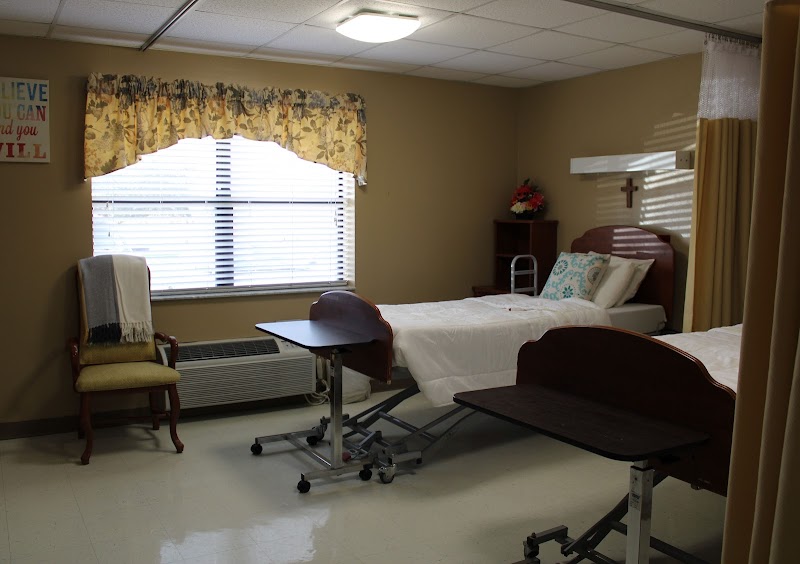
How is Lake Wales Wellness And Rehabilitation Center Staffed?

CMS rates LAKE WALES WELLNESS AND REHABILITATION CENTER's staffing level at 2 out of 5 stars, which is below average compared to other nursing homes. Staff turnover is 49%, compared to the Florida average of 46%. RN turnover specifically is 71%, which is notably high. RNs provide skilled clinical oversight, so turnover in this role can affect medical care quality.

What Have Inspectors Found at Lake Wales Wellness And Rehabilitation Center?

State health inspectors documented 36 deficiencies at LAKE WALES WELLNESS AND REHABILITATION CENTER during 2021 to 2025. These included: 3 that caused actual resident harm and 33 with potential for harm. Deficiencies causing actual harm indicate documented cases where residents experienced negative health consequences.
Who Owns and Operates Lake Wales Wellness And Rehabilitation Center?

LAKE WALES WELLNESS AND REHABILITATION CENTER is owned by a for-profit company. For-profit facilities operate as businesses with obligations to shareholders or private owners. The facility is operated by AHAVA HEALTHCARE, a chain that manages multiple nursing homes. With 100 certified beds and approximately 86 residents (about 86% occupancy), it is a mid-sized facility located in LAKE WALES, Florida.
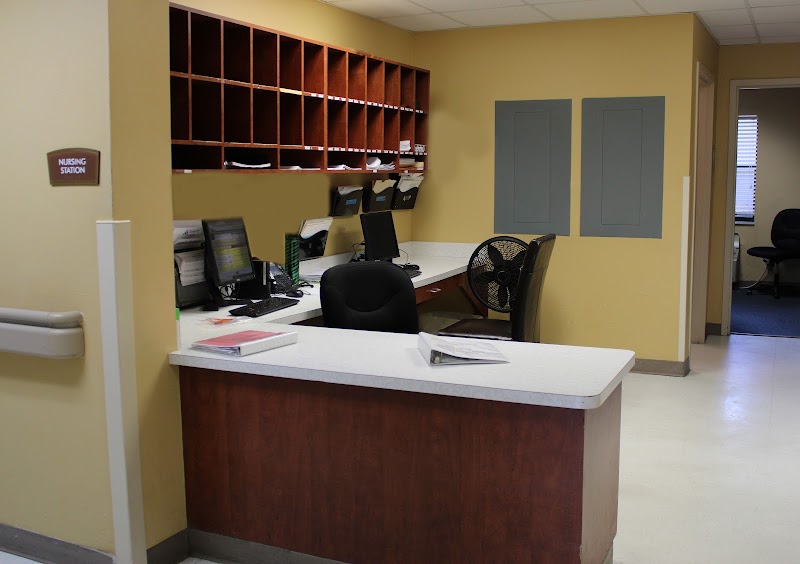
How Does Lake Wales Wellness And Rehabilitation Center Compare to Other Florida Nursing Homes?

Compared to the 100 nursing homes in Florida, LAKE WALES WELLNESS AND REHABILITATION CENTER's overall rating (1 stars) is below the state average of 3.2, staff turnover (49%) is near the state average of 46%, and health inspection rating (1 stars) is much below the national benchmark.

What Should Families Ask When Visiting Lake Wales Wellness And Rehabilitation Center?

Based on this facility's data, families visiting should ask: "What safeguards and monitoring systems are in place to protect residents from abuse or neglect?" "Can you walk me through typical staffing levels on day, evening, and night shifts?" "Can I visit during a mealtime to observe dining assistance and food quality?" "How do you handle medical emergencies, and what is your hospital transfer rate?" These questions are particularly relevant given the substantiated abuse finding on record and the below-average staffing rating.

Is Lake Wales Wellness And Rehabilitation Center Safe?

Based on CMS inspection data, LAKE WALES WELLNESS AND REHABILITATION CENTER has documented safety concerns. The facility has 1 substantiated abuse finding (meaning confirmed case of resident harm by staff or other residents). The facility has a 1-star overall rating and ranks #100 of 100 nursing homes in Florida. Families considering this facility should ask detailed questions about what corrective actions have been taken since these incidents.

Do Nurses at Lake Wales Wellness And Rehabilitation Center Stick Around?

LAKE WALES WELLNESS AND REHABILITATION CENTER has a staff turnover rate of 49%, which is about average for Florida nursing homes (state average: 46%). Moderate turnover is common in nursing homes, but families should still ask about staff tenure and how the facility maintains care continuity when employees leave.

Was Lake Wales Wellness And Rehabilitation Center Ever Fined?

LAKE WALES WELLNESS AND REHABILITATION CENTER has no federal fines on record. CMS issues fines when nursing homes fail to meet care standards or don't correct problems found during inspections. The absence of fines suggests the facility has either maintained compliance or corrected any issues before penalties were assessed. This is a positive indicator, though families should still review recent inspection reports for the full picture.

Is Lake Wales Wellness And Rehabilitation Center on Any Federal Watch List?

LAKE WALES WELLNESS AND REHABILITATION CENTER is not on any federal watch list. The most significant is the Special Focus Facility (SFF) program, which identifies the bottom 1% of nursing homes nationally based on persistent, serious quality problems. Not being on this list means the facility has avoided the pattern of deficiencies that triggers enhanced federal oversight. This is a positive indicator, though families should still review the facility's inspection history directly.