BEDROCK REHABILITATION AND NURSING CENTER AT WEDGE
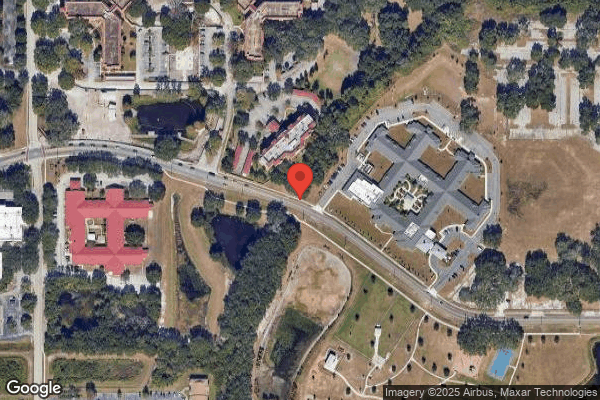
1010 CARPENTERS WAY, LAKELAND, FL 33809 (863) 815-0488
For profit - Corporation 120 Beds BEDROCK CARE Data: November 2025
Trust Grade
70/100
#179 of 690 in FL
Last Inspection: December 2024

Within standard 12-15 month inspection cycle. Federal law requires annual inspections.

Overview

Bedrock Rehabilitation and Nursing Center at Wedge has a Trust Grade of B, indicating it is a good choice for families seeking care, though not without some concerns. Ranked #179 out of 690 in Florida, this facility is in the top half for quality, and it holds the #2 spot among 25 facilities in Polk County, suggesting it is one of the better options locally. The facility is improving, with a decrease in issues from 10 in 2022 to 6 in 2024, although it still faces some challenges. Staffing is rated at 3 out of 5 stars, and turnover is at 41%, slightly below the state average, but there is concerningly less RN coverage than 86% of Florida facilities. While there have been no fines, which is positive, the facility has faced issues like failing to maintain operational call light systems in resident bathrooms and not updating staffing information in a timely manner, indicating areas that need attention. Overall, while there are strengths in care quality and staffing stability, families should be aware of the facility's ongoing improvements and specific incidents that require monitoring.

Trust Score
B
70/100
In Florida
#179/690
Top 25%
Safety Record
Moderate
Needs review
Inspections
Getting Better
10 → 6 violations
Staff Stability
○ Average
41% turnover. Near Florida's 48% average. Typical for the industry.
Penalties
✓ Good
No fines on record. Clean compliance history, better than most Florida facilities.
Skilled Nurses
⚠ Watch
Each resident gets only 25 minutes of Registered Nurse (RN) attention daily — below average for Florida. Fewer RN minutes means fewer trained eyes watching for problems.
Violations
⚠ Watch
19 deficiencies on record. Higher than average. Multiple issues found across inspections.
★★★★☆
4.0
Overall Rating
★★★☆☆
3.0
Staff Levels
★★★★★
5.0
Care Quality
★★★☆☆
3.0
Inspection Score
Stable
2022: 10 issues
2024: 6 issues

The Good

  • 5-Star Quality Measures · Strong clinical quality outcomes
  • Full Sprinkler Coverage · Fire safety systems throughout facility
  • No fines on record
  • Staff turnover below average (41%)

    7 points below Florida average of 48%

Facility shows strength in quality measures, fire safety.

The Bad

Staff Turnover: 41%

Near Florida avg (46%)

Typical for the industry

Chain: BEDROCK CARE

Part of a multi-facility chain

Ask about local staffing decisions and management

The Ugly 19 deficiencies on record

1 actual harm
Dec 2024 6 deficiencies
CONCERN (D)

Potential for Harm - no one hurt, but risky conditions existed

Deficiency F0557 (Tag F0557)

Could have caused harm · This affected 1 resident

**NOTE- TERMS IN BRACKETS HAVE BEEN EDITED TO PROTECT CONFIDENTIALITY** 2. During an observation on 12/16/2024 at 9:50 a.m., a Certified Nurse Assistant (CNA) entered the room of Resident #9 and turne...

Read full inspector narrative →
**NOTE- TERMS IN BRACKETS HAVE BEEN EDITED TO PROTECT CONFIDENTIALITY** 2. During an observation on 12/16/2024 at 9:50 a.m., a Certified Nurse Assistant (CNA) entered the room of Resident #9 and turned the light on. The staff member did not knock, announce themselves or let Resident #9 know they were coming in and turning the light on. During an observation 12/16/2024 at 11:09 a.m., a housekeeping staff member was observed entering room [ROOM NUMBER] without knocking or announcing himself. During an observation on 12/17/24 at 2:19 p.m., two housekeeping staff members entered room [ROOM NUMBER] without knocking or announcing themselves. They were working on replacing the privacy curtain. They did not speak to the residents to tell them what they were doing. 3. During an observation on 12/18/2024 at 10:03 a.m., a CNA was observed entering Resident #22's room, they flipped the light switch on, walked to Resident #22's bed and knocked on the foot board of the bed, stating It's time to get ready for Dialysis. During an interview on 12/18/2024 at 10:45 a.m., Staff H, CNA, stated before she entered a resident's room, she would knock or announce herself before entering the rooms of the residents. She stated that in the mornings, they go in and out of different resident rooms and it was a habit to just walk into their rooms and turn their lights on without knocking or announcing themselves. During an interview on 12/18/2024 at 10:45 a.m., Staff I, CNA, stated before she entered a room she would knock on the door and announce herself. She stated, you should let the resident know you are going to turn on their lights, because some residents like having their lights off. During an interview on 12/18/2024 at 2:35 p.m., Staff F, Licensed Practical Nurse (LPN), Unit Manager stated her expectation of staff was that they knocked on doors before entering the resident's room and asked the resident if it was okay to turn their light on. During an interview on 12/18/2024 at 2:51 p.m., with Director of Nursing (DON), he stated he would expect staff to knock before entering rooms and to announce them self. A review of the Dignity policy and procedure dated 4/1/2022, was conducted and revealed the following: Each resident shall be cared for in a manner that promotes and enhances quality of life, dignity, respect and individuality. The policy interpretation and implementation section revealed; 1. Residents shall be treated with dignity and respect at all times. 2. Treated with dignity means the resident will be assisted in maintaining and enhancing his or her self-esteem and self worth. 7. Residents' private space and property shall be respected at all times. a. Staff will announce themselves and request permission before entering residents' rooms. Based on observation, interview, and record review, the facility failed to honor and maintain resident dignity related to staff not knocking or announcing prior to entering occupied rooms for three (#94, #9, and #22) of thirty-eight sampled residents. Findings included: 1. On 12/16/2024 at 9:55 a.m., Resident #94 was observed in her room and seated in her wheelchair next to her bed. Resident #94 was noted dressed for the day and well groomed. She was observed to reside in the secured/dementia unit, and was residing in a room by herself. She had no initial concerns other than staff just coming in her room without knocking. She revealed this happened during the day and night and she got especially startled when she was in bed and sleeping and staff came in her room without her knowing. Resident #94 revealed there were times when staff yelled out to her while at the side of her bed and she knew they did not knock before coming in the room. She revealed she had spoken to a nurse about it but things had not changed. On 12/16/2024 at 1:10 p.m., while touring the 600 Secured unit, Staff C, Certified Nursing Assistant (CNA) was observed to walk into Resident #94's room without first knocking and/or announcing herself. Resident #94 was in the room during the time of the observation. On 12/17/2024 at 7:20 a.m., while on the 600 Secured unit, Staff C was observed walking into Resident #94's room without first knocking and/or announcing herself. Resident #94 was in her room and seated in her wheelchair during the time of the observation. On 12/18/2024 at 11:12 a.m., an interview was conducted with Resident #94. She was in her room and seated in her wheelchair. During the interview, Staff C walked into the room without first knocking and/or announcing herself. Staff C reached the middle of the room and then said she did not knock and should have before coming in the room. On 12/19/2024 at 8:15 a.m., an interview with Staff F, Unit Manager for 500/600/700 halls, confirmed all staff should knock and announce prior to going in resident rooms. She said usually would monitor staff and walk up and down the hallways to ensure this was happening. She had to provide verbal education to staff on the unit at times, and also revealed facility wide education had been provided to all staff in the past. A review of Resident #94's medical record revealed she was admitted to the facility on [DATE]. Review of the diagnosis sheet revealed diagnoses to include but not limited to: cognitive communication deficit, Alzheimer's, and need for assistance with ADLs. A review of the Quarterly Minimum Data Set (MDS) assessment dated [DATE], showed a Brief Interview for Mental Status (BIMS) score of 8 of 15, which indicated moderate cognitive impairment.
CONCERN (D)

Potential for Harm - no one hurt, but risky conditions existed

Comprehensive Care Plan (Tag F0656)

Could have caused harm · This affected 1 resident

**NOTE- TERMS IN BRACKETS HAVE BEEN EDITED TO PROTECT CONFIDENTIALITY** Based on observation, interview, and record review, the facility did not ensure a resident centered care plan was developed for ...

Read full inspector narrative →
**NOTE- TERMS IN BRACKETS HAVE BEEN EDITED TO PROTECT CONFIDENTIALITY** Based on observation, interview, and record review, the facility did not ensure a resident centered care plan was developed for two (#73 and #109) out of 24 residents sampled. Findings Included: 1. During an observation on 12/16/2024 at 9:32 a.m., Resident #73 was observed in his room dressed for the day with one shoe on and the other shoe off. Resident #72 was observed sitting next to his bed in a wheelchair with a blanket over his head. Attempted to interview Resident #73 and he did not respond to any questions. During an observation on 12/18/2024 at 11:30 a.m., Resident #73 was observed sitting in a wheelchair dressed for the day, in the 800 hall. Review of Resident #73 admission record revealed an admission date of 01/03/2022. Resident #73 was admitted to the facility with diagnoses not limited to Parkinson's disease without dyskinesia, without mention of fluctuations, Mood disorder due to known psychological condition with depressive features, Major depressive disorder, recurrent, unspecified, and Post Traumatic Stress Disorder (PTSD), unspecified. Review of Resident #73's Minimum Data Set (MDS) dated [DATE] revealed in section C - Cognition, a Brief Interview for Mental Status (BIMS) score of 7 out of 15 which indicated severe cognitive impairment. Review of Section I, Active diagnosis, revealed Parkinson's disease, Malnutrition, Anxiety Disorder, Depression, Post Traumatic Stress Disorder. A review of Resident #73's care plan revealed no focus, goal, or interventions related to PTSD. During an interview on 12/18/2024 at 10:45 a.m., Staff I, Certified Nurse Assistant (CNA) stated Resident #73 had behaviors of refusing care, she stated she had worked with him for a while, so she knew how to que him to help him complete ADL care. She was not sure if Resident #73 had a diagnosis of PTSD but could see where he would because he sometimes starts asking if they are in a battlefield. She stated he was in the army for a long time. She stated that when the resident started to exhibit behaviors, she would redirect him. She stated he liked hot chocolate, so she used that as an incentive. During an interview on 12/19/2024 at 10:38 a.m., Staff J, MDS Coordinator Director, Staff K, Registered Nurse (RN), and Staff L, Licensed Practical Nurse (LPN), stated they looked at the history and physical and the physician orders, and used that to build their care plans. They usually started the individual care plan from the day the resident came in and was completed by day 6. They went to clinical meetings daily, with the Director of Nursing (DON), Unit Managers, Social Services, and Therapy. Staff J, MDS Coordinator Director discussed any changes and translated it to the team. Staff L, LPN reviewed the orders daily for any order changes. Staff L, LPN printed antibiotics that were active. The social worker would let them know the advance directives in the morning meetings and the same thing for changes to advanced directives. Social services was the one who put in the actual careplan for the advanced directive. The care plan for PTSD was included in the behavioral care plan. They stated there was not a separate care plan for PTSD. 2. A review of Resident #109's admission Record showed an admission date of 10/29/2024. A review of Resident #109's current physician orders showed an order dated 10/30/2024 for Do Not Resuscitate A review of Resident #109's care plan showed a focus area of Advance Directive must be current and reflect the resident/family/Responsible Party's decision. [resident] current decision is: Full Code. Interventions included: -Notify staff caring for resident regarding advance directive. -Provide and renew information regarding advanced directives with resident family responsible party including DNR -Provide emotional support during decision making process -Review advanced directives decision with resident family responsible party to ensure there is still an agreement. [photographic evidence obtained] A review of the facility's policy titled, Baseline Care Plan, Comprehensive Care Plan and Ongoing Care Plan Updates, effective April 1, 2022, showed the following policy statement: Bedrock care will follow a uniform process for initiating the baseline care plan upon admission, the comprehensive care plan upon CAA completion, and ensuring care plans are updated to reflect the resident status. Baseline Care Plan: The facility will develop and implement a baseline care plan for each resident that includes the instructions needed to provide effective and person-centered care of the resident that meets professional standards of quality care. The base line care plan will: Be developed within 48 hours of a residence admission include the minimum health care information necessary to properly care for a resident including, but not limited to: o Initial goals based on admission orders o Physician orders, o Dietary orders o Therapy services o Social services and o PASARR recommendations, if applicable Comprehensive Care Plan: The facility will develop and implement a comprehensive person-centered care plan for each resident, consistent with the resident rights that includes measurable objectives and time frames to meet a resident's medical, nursing, and mental and psychosocial needs that are identified in the comprehensive assessment. The comprehensive care plan will describe the following: The services that are to be furnished to attain or maintain the resident's highest practicable physical, mental, and psychosocial well-being as required under Any services that would otherwise be required under but are not provided due to the resident's exercise of rights under including the right to refuse treatment. Any specialized services or specialized rehabilitative services the nursing facility will provide as a result of PASARR recommendations. If a facility disagrees with the findings of the PASARR, it must indicate its rationale in the resident's medical record. A comprehensive care plan must be: Develop within seven days after completion of the comprehensive assessment. o Upon completion of the resident's Comprehensive admission MSDS /CAA's, the IDT (Interdisciplinary Team) will validate the Care Areas triggered have been addressed in the comprehensive care plans in [electronic medical records]. o After completion of the comprehensive care plans in the electronic medical record, staff nurses and interdisciplinary team members are responsible for updating the residents care plans electronically to accurately reflect changes in the residents needs and preferences. Reviewed and revised by the interdisciplinary team after each assessment, including both the comprehensive and quarterly review assessments. The services provided or arranged by the facility, as outlined by the comprehensive care plan, will: o Meet professional standards of quality. o Be provided by qualified persons in accordance with each resident's plan of care. o Be culturally competent and trauma informed.
CONCERN (D)

Potential for Harm - no one hurt, but risky conditions existed

Quality of Care (Tag F0684)

Could have caused harm · This affected 1 resident

**NOTE- TERMS IN BRACKETS HAVE BEEN EDITED TO PROTECT CONFIDENTIALITY** 3. During an interview on 12/16/2024 at 12:15 p.m., Resident #80 was observed in bed dressed in a hospital gown. Resident #80 wa...

Read full inspector narrative →
**NOTE- TERMS IN BRACKETS HAVE BEEN EDITED TO PROTECT CONFIDENTIALITY** 3. During an interview on 12/16/2024 at 12:15 p.m., Resident #80 was observed in bed dressed in a hospital gown. Resident #80 was observed with a dark red liquid flowing from her nose into her mouth. Resident #80 had a towel over her shoulder that had bright red spots on it. Resident #80 stated she had been having nosebleeds frequently. She stated any time she moved her head or sneezed her nose started to bleed. She stated staff was aware of it. During an interview on 12/17/2024 at 4:00 p.m., Resident #80 stated she had not had a nose bleed today. Resident #80 was observed to not have her oxygen cannulas on and the oxygen compression machine was off. She stated she was very happy that she had not had a nosebleed today. Review of Resident #80's admission record revealed an admission date of 11/20/2023. Resident #80 was admitted to the facility with diagnoses not limited to nonrheumatic aortic valve stenosis, acute embolism and thrombosis of unspecified deep veins of right lower extremity, and atherosclerotic heart disease of native coronary artery without angina pectoris. Review of Resident #80's Quarterly Minimum Data Set (MDS) dated [DATE] Section C. Cognitive, revealed a Brief Interview for Mental Status (BIMS) of 14 out 15 which indicated intact cognition. Review of Section GG, Functional Status revealed no impairment to upper/lower extremity. Resident #80 was dependent for toileting. Set up or clean up assistance eating, shower/bathe. Review of Section N, Medications revealed Antidepressant, Anticoagulant, Opioid, Antiplatelet. Review of Section O, Special Therapy, Oxygen therapy, Continuous. Review of Resident #80's Medical Record revealed: Orders: Start Date: 11/22/2023 Clopidogrel Bisulfate Oral Tablet &5 mg (Clopidogel Bisulfate) give one tablet by mouth one time a day related to atherosclerotic heart disease of native coronary artery without angina pectoris Start Date: 10/18/2024 Eliquis Oral Tablet 5 MG (Apixaban) give one tablet by mouth two times a day for Deep Vein Thrombosis (DVT) Start Date: 11/24/2023 Anticoagulants- check for bleeding and bruising Q shift every shift for monitoring Review of Resident #80's Orders revealed no orders for the monitoring of Nosebleeds. Review of Resident #80's Medication Administration Record (MAR) for December revealed: Clopidogrel Bisulfate Oral Tablet 5 MGF nosebleeds (Clopidogel Bisulfate) was given December 1st through December 19th. Eliquis Oral Tablet 5 MG (Apixaban) was given December 1st through December 18th. Anticoagulants- check for bleeding and bruising Q shift every shift for monitoring was completed for December 1st through December 18th with no indications of bleeding. Review of Resident #80's Care Plan dated 03/08/2024 revealed: Focus: [Resident #80] is on anticoagulant therapy Goal: [Resident #80] will be free from discomfort or adverse reactions related to anticoagulant use through the review date Interventions: [Resident #80] is on anticoagulant therapy-Administer Anticoagulant medications as ordered by physician. Monitor for side effects and effectiveness Q-SHIFT. Labs as ordered. Report abnormal lab results to MD. Monitor/document/report PRN adverse reactions of anticoagulant therapy. Review of Resident #80's care plan revealed no focus, goal or interventions related to Nosebleeds. Review of Resident #80's progress notes revealed: 09/16/2024-Hospice Note: Hold Plavix x 7 days Hold Eliquis x 7 days for epistaxis 08/19/2024 HX of Progress Note CC: Epistaxis focusing on nurse's report of nose bleeding. Per Nurse she was bleeding from both Nares. Currently on Eliquis. She is seen resting in bed, states bleeding stopped. No bleeding noted at time of assessment. Hold Eliquis for 72 hours. During an interview on 12/18/2024 at 10:45 a.m., Staff H, Certified Nurse Assistant (CNA), stated Resident #80 was a total care resident and could make her needs known. She stated Resident #80 had nosebleeds and depending on the severity of the nosebleeds they did different things. She stated, On Monday it was hard to tell if it was blood or pasta sauce on her face. She stated the resident was known to pick her nose and cause it to bleed. The staff had to keep tissues out of her room, so she was not putting them in her nose. She stated the resident's oxygen had humidity with it but the resident liked to take it off because she did not like the liquid in her nose. She stated if the nosebleed was bad she would let the nurse know. She stated she had witnessed Resident #80 sneeze and her nose began to bleed a lot. During an interview on 12/18/2024 at 11:30 a.m., Staff A, Licensed Practical Nurse (LPN), stated Resident #80 had nosebleeds and hospice was aware. She stated when Resident #80's nosebleeds they provided her with gauze. She stated if the nose bleed continued for 30 minutes she would call hospice who would tell her to stop the blood thinners. She stated sometimes if the resident was having a nose bleed and her blood thinner was due, she would just go ahead and hold it and then call Hospice for orders. She stated she used to document notes about Resident #80's nose bleeding in her charts but recently she had not been documenting notes. During an interview on 12/18/2024 at 2:35 p.m., Staff F, LPN, Unit Manager stated she was new and still getting to know who the residents were. She was not aware of Resident #80 having nosebleeds. She stated as a nurse, she would document the nosebleeds in the resident's chart. She stated she was unsure if the nurses were documenting anything about her nosebleeds. During a phone interview on 12/18/2024 at 4:47 p.m., the Medical Physician stated he was not aware of the frequency of nosebleeds. He stated he would expect staff to document the nosebleeds and communicate with him. He stated even with Resident #80 being on Hospice he would expect for them to communicate with him as well. He stated it would potentially be inappropriate for Resident #80 to continue blood thinners, while having the nosebleeds. He stated now knowing he would need to do a reconciliation of her medication, a gradual dose reduction (GDR) and do an exam of her of nose to find out what might be causing nosebleeds. Review of the facilities policy dated April 1, 2022, titled Charting and Documentation revealed: Policy Statement All services provided to the resident, or any changes in the residence medical or mental condition, shall be documented in the residence medical record. Policy Interpretation and Implementation 1. Observations, medications administered, services performed, etcetera, will be documented in the resident's clinical records. A. The facility utilizes the methodology of charting by exception. 2. Injuries may only be recorded in the residence clinical record by licensed personnel (e.g., RN, LPN/LVN, physicians, therapists, etc.) in accordance with state law and facility policy. Certified nursing assistants may only make entries in the residents' medical chart as permitted by facility policy. 3. Incidents, accidents, or changes in the residence condition must be recorded. 4. Information documented, in the resident's clinical record is confidential and may only be released in accordance with state law and facility policy. 5. To ensure consistency and charting and documentation of the resident's clinical record, only approved abbreviations and symbols may be used when recording entries in the residents clinical records. 6. Documentation of procedures and treatment shall include care specific details and shall include at a minimum A. the date and time the procedure/treatment was provided B. The name and title of the individual who provided the care C. The assessment data and/or any unusual findings obtained during the procedure/treatment D. How the resident tolerated the procedure/treatment E. Whether the resident refused the procedure/treatment F. Notification of family, physician or other staff, if indicated G. The signature and title of the individual documenting Review of the facilities policy dated April 1 2022, titled Change In Condition revealed: Policy The facility will notify the resident, his or her attending physician, and are representative of changes in the residence medical mental condition and or status (e.g, changes in level of care). Change in the resident status or condition can be addressed by a staff member. The staff member noticing a change in the residence condition shall report to the nursing supervisor/charge nurse and initiate further evaluation. The nurse or the nursing supervisor/charge nurse should: Policy Interpretation and Implementation 1. Notify the residents attending physician or on call physician when there has been: D. I need to alter the residence medical treatment H. Instructions to notify the physician or physician extender of changes in the residence condition. 8. The nurse/nurse supervisor/charge nurse will record in the residence medical record information relative to changes in the residence medical mental condition or status. All attempts to notify the attending physician and the party responsible will be documented. The facility was asked to provide a policy on monitoring a resident on anticoagulants and a policy was not provided. 2. A review of Resident #58's admission Record showed an initial admission date of 5/21/2024 with a recent readmission date of 12/15/2024. According to the admission Record, Resident #58 had diagnoses not limited to Type II Diabetes and heart failure. A review of Resident #58's current physician orders showed the following orders related to his diabetes: -Empagliflozin oral tablet 25 milligrams (mg) give one tablet by mouth one time a day -Insulin Glargine subcutaneous solution pen-injector 100 units/milliliter (u/ml), inject 25 units subcutaneously at bedtime for DM (Diabetes Mellitus) On 12/19/2024 at 11:46 a.m., an interview was conducted with Staff M, Licensed Practical Nurse/Unit Manager (LPN/UM). Staff M stated when administration of any injectable insulin, a resident would have a finger stick to check their blood sugar. Staff M stated this was a routine practice and when the order was in the medical record there was the opportunity to check the blood sugar prior to injection of insulin. Staff M stated Resident #58 had Lantus, brand name for Glargine, ordered at nighttime and agreed the resident should have his blood sugar checked prior to administration. Upon review of Resident #58's physician orders, Staff M stated there were no physician orders to check the blood sugar prior to administration nor orders to monitor the resident for any potential side effects and/or adverse effects for a diabetic patient. A review of Resident #58's care plan dated 12/15/2024, showed a focus are of Diabetes Mellitus with interventions to include but not limited to: -Blood sugar as ordered by doctor. - Check all of body for breaks and skin and treat promptly as ordered by doctor. -Diabetes medication as ordered by doctor. Monitor and document for side effects and effectiveness -Monitor/document/ report PRN (as needed) any signs and symptoms of hyperglycemia. -Monitor/document/report PRN any signs and symptoms of hypoglycemia. On 12/19/2024 at 3:30 p.m., an interview was conducted with the primary physician for Resident #58. The primary physician for Resident #58 stated he was very familiar with the resident. The primary physician stated Resident #58 had recently returned from the hospital. The primary physician stated normally we would check the resident's accu-check for the first three days to determine further determination of the resident's insulin regimen and/or blood sugar check frequencies. The primary physician stated hypoglycemia was more of a concern for residents on insulin injectable. The primary physician agreed Resident #58 should have had his blood sugar checked for the first three days minimum upon his return to the facility. Upon request for a policy and/ or procedure for monitoring a resident on injectable insulin, the facility denied such policy existed in their facility. Based on observation, interview, and record review, the facility failed to provide care and services for three (#90, #58, and #80) of thirty-eight sampled residents related to 1. Staff did not identify and treat a skin tear on Resident #90's right arm; 2. Lack of insulin monitoring for Resident #58; and 3. Lack of monitoring for blood thinners for Resident #80. Findings included: 1. On 12/16/2024 at 10:45 a.m. and 2:30 a.m., Resident #90 was observed seated in a chair in the activities/lounge area with other residents seated next to her. Staff were in the same room either interacting with Resident #90 or interacting with other residents in this room. Resident #90 was pleasant and was able to answer simple yes and no questions. Further observations revealed Resident #90 had several wounds on her right arm. She was observed rubbing her right arm with her left hand. Her right arm had four very small scabbed over lesions as well as one open wound/skin tear that was approximately one inch by one inch in size. The wound/skin was open to air with no evidence of bandages on her arm. The resident had cognitive deficits and could not express what happened. There were two Certified Nursing Assistants, Staff C and Staff D, in the room and they were both asked if they knew what happened to Resident #90's arm. Staff C was shown the open wound/skin tear on Resident #90's right arm and she confirmed the wound/skin tear was open to air. She revealed Resident #90 picked at her arms as a behavior. Neither Staff C or Staff D could say how Resident #90 obtained the open area on her right arm. On 12/17/2024 at 7:20 a.m. Resident #90 was observed in the secured unit seated in a chair in the activities lounge. She was observed dressed for the day and was wearing a short sleeved shirt. Resident #90's right arm was again observed with an open wound/skin tear which was approximately one inch by one inch in size. Her arm was observed without a bandage. Staff E, Licensed Practical Nurse (LPN) was in the immediate area, at her medication cart and preparing medications for other residents in the room. Staff E said she was familiar with all the residents in the unit and she had two aides who were working with her today. Staff E said she knew Resident #90 and that she predominantly spoke Spanish. Staff E said the resident had impaired cognition preventing her from speaking about her medical care. Staff E could not remember if Resident #90 had any recent falls without first looking at her medical record. She confirmed the wound/skin tear on Resident #90's right arm was one inch by one inch in size, with slight drainage and was open to air. Staff E revealed she was not sure what happened or how long ago the wound/skin tear happened. She was able to say the resident picked at the wound and that was why there was no bandage on it. Staff E then looked in the record and revealed the skin tear happened as a result from room mate altercation on around 12/5/2024. Review of Resident #90's medical record revealed she was admitted to the facility on [DATE]. Review of the current diagnosis sheet revealed diagnoses to include but not limited to: Muscle weakness, Need for assistance with personal care, Dementia, and Alzheimer's. Review of the current Physician's Order Sheet dated for the month of 12/2024, revealed the following but not limited to: 1. Clean right leg with NSS, apply xeroform and covered with adhesive gauze until heal. Keep clean and dry - Every night shift and x 8 hrs as need for management. (12/17/2024) 2. Monitor laceration to head until heal x shift for 1 month. (11/19/2024) 3. Weekly skin sweeps x night shift x Monday (10/21/2024) Review of the nurse progress notes dated from admission date 10/1/2024 through to current 12/18/2024 did not reveal any type of wound/skin tear on Resident #90's right arm. Further, there was no documentation identifying any incidents that created a large wound/skin tear on her right arm. Review of the Nurse Weekly skin observation sheets dated, revealed: 1. 11/24/2024 - Blank with nothing documented. No documentation to support skin tear on R arm. 2. 11/26/2024 - Blank with nothing documented. No documentation to support skin tear on R arm. 3. 12/3/2024 - Checked Yes for skin issues Note for location revealed; Healing scab to front of head scalp. There was no documentation to support skin tear on R arm. 4. 12/10/2024 - Blank with nothing documented. No documentation to support skin tear on R arm. 5. 12/17/2024 - Checked yes for skin issues. Documentation in notes revealed healing scab to right forearm and forehead. Note: This note identified old scabbed areas, but did not indicate the current open skin tear on the right arm. On 12/18/2024 at 11:55 a.m., Staff F, LPN, 500/600/700 revealed the resident had been identified in the record and progress notes of an incident between Resident #90 and another resident on 12/5/2024 and that Resident #90 received a laceration on her head. Staff F revealed there was no evidence of a skin tear on the right arm during that incident. Staff F revealed she could not find any documentation that supported identifying that skin tear until the review of yesterday's evening (12/17/2024) nursing assessment. Staff F did not know Resident #90 had a skin tear on her right arm on 12/16/2024 or 12/17/2024 and not until it was brought to her attention on the morning of 12/18/2024. She revealed it is an expectation that staff were observing the resident and doing skin checks on a daily basis. She could not say why this skin tear was not identified and reported/investigated on 12/16/2024 at the very least. Staff F further confirmed there was no documented evidence of the Physician and family being notified of this R arm skin tear.
CONCERN (D)

Potential for Harm - no one hurt, but risky conditions existed

Deficiency F0698 (Tag F0698)

Could have caused harm · This affected 1 resident

**NOTE- TERMS IN BRACKETS HAVE BEEN EDITED TO PROTECT CONFIDENTIALITY** Based on observation, interview, and record review, the facility failed to ensure communication between the facility and the Dia...

Read full inspector narrative →
**NOTE- TERMS IN BRACKETS HAVE BEEN EDITED TO PROTECT CONFIDENTIALITY** Based on observation, interview, and record review, the facility failed to ensure communication between the facility and the Dialysis Center for one (#22) out of 24 residents sampled. Findings Included: During an interview on 12/16/2024 at 9:50 a.m., Resident #22, stated he had concerns about not receiving medications on time. He stated that he had had a cough for a few weeks and what they were giving him was not working. During an interview on 12/18/2024 at 10:00 a.m., Resident #22, stated he reminded staff to check his vitals when he got back from dialysis. He stated they did not check his AV (Arteriovenous) fistula when he returned from dialysis. During an observation on 12/18/2024 at 10:00 a.m., a red binder was observed on Resident #22's bedside table. Inside the binder was a Communication Sheet, dated 12/16/2024, with Resident #22's name, room number, and vitals pre-dialysis and post dialysis on it. There was no other writing on the sheet. Review of Resident #22's admission record revealed an admission date of 09/09/2024 and a re-admission date of 05/17/2024. Resident #22 was admitted to the facility with diagnoses not limited to of muscle wasting and atrophy, unspecified abnormalities of gait and mobility, need for assistance with personal care, type 2 diabetes, legal blindness, dependence on renal dialysis, end stage renal disease, and major depressive disorder. Review of Resident #22's Minimum Data Set (MDS) dated [DATE] revealed Section C. Cognitive, a Brief Interview Mental Status (BIMS) of 15 out of 15 which indicated intact cognition. Review of Section GG, Functional Status revealed no impairment to upper/lower extremity, set up and clean up assistance with eating, oral hygiene, personal hygiene. Supervision Touching for toileting hygiene, upper/lower body dressing. Partial moderate assistance for shower/bathe. Review of Section O. Special Treatments revealed dialysis. Review of Resident #22's medical record revealed: Progress Notes: No progress notes were found for communication with dialysis. Miscellaneous Document Tab: Review of the Misc tab revealed progress notes from dialysis for the dates of 12/16/2024, 12/10/2024, and 11/272024. During an interview on 12/18/2024 at 10:45 a.m., Staff H, Certified Nurse Assistant (CNA) stated Resident #22 was a blind resident but could do a lot for himself. She stated she helped him get to the bathroom. She stated during mealtimes she made sure he knew where the plate was and where everything on his plate was located. She stated he was on dialysis and went on Monday, Wednesdays and Fridays. She stated she made sure he was up and dressed for his 12:00 p.m., chair time. During an interview on 12/18/2024 at 11:30 a.m., Staff A, Licensed Practical Nurse (LPN) stated Resident #22 was a blind resident who was on dialysis. She stated Resident #22 had a binder that he took with him to dialysis and dialysis would add notes to the book for communication. During an interview on 12/18/2024 at 2:35 p.m., Staff F, Licensed Practical Nurse (LPN), Unit Manager, stated residents on dialysis had a communication book they used. She stated residents took it with them to dialysis and dialysis sent it back with the resident. She stated the dialysis center had not been putting any notes in the books, so they called and requested the report. She thought the communication sheets from the book got scanned into the Electronic Medical Record (EMR). During an interview on 12/18/2024 at 2:51 p.m., the Director of Nursing, (DON) stated they had paper tools that allow them to communicate with dialysis. He stated dialysis was not writing on the form so they requested their reports weekly, on Mondays. He stated when they called, they checked to see if there were any changes in orders, or concerns with weights. He stated they hold the reports in a book located at the nurse's station for the dietician to review on Tuesdays. Once the dietician reviewed the reports it was scanned into the miscellaneous folder of the resident's EMR. During an interview on 12/18/2024 at 5:00 p.m., the DON brought a 128-page fax of dialysis reports for Resident #22. The fax cover page was dated 12/18/2024. The DON stated he requested for them today because he wanted to make sure he had them all. He stated all the notes were not in Resident #22's EMR because they do not have a full-time medical records clerk. Photographic evidence obtained. During an interview on 12/18/2024 at 5:30 p.m., the DON brought in Resident #22's dialysis communication book and revealed there was no new communication from dialysis in the book and stated he would have to call them to get the report. During an interview on 12/19/2024 at 10:19 a.m., the Dietician stated for dialysis residents she called the dialysis dietician directly and got the post dry weights and the target dry weights. She documented her notes in the resident's EMR. She updated her notes every quarter or as necessary. She stated Resident #22 just triggered to have his weights reviewed this week. She stated she just got a hold of dialysis center today. She stated she trusts the weights that were in his chart because he had been stable. She stated that she did not review dialysis reports weekly. Review of the facilities policy dated April 1st, 2022, titled dialysis communication, revealed, Purpose To provide ongoing communication and collaboration between the nursing home and dialysis provider regarding dialysis care and services, assessment of the resident's condition and ongoing monitoring for complications as needed. Policy The facility will utilize the dialysis communication forum each time a resident attends dialysis as a tool to relay pertinent information regarding the residence condition and coordinate care and services with the dialysis provider. Procedure 1. The licensed nurse will complete & the portions of that it dialysis communication forum that includes A. the facility's name and contact information B. Code status C. Allergies D. Diet E. The name and contact information for the dialysis center where the resident will be receiving treatment. F. Who transported the resident to dialysis G. Resident vital signs H. Medications administered I. PermaCath or shunt condition prior to dialysis J. Any change in condition, physician orders or lab work completed since the residents' last dialysis treatment K. What time does the resident left for dialysis L. The resident's full name date of birth attending physician medical record and room numbers 2. The licensed nurse will document any changes in condition and the MRI. 3. The original dialysis communication form will be sent with the resident to dialysis. 4. The bottom portion of the form will be completed and signed by the dialysis center personnel. Information included in this section A. Residents vital signs including pre and post dialysis weight. B. Dialysis start and end times C. Any new recommendations from the dialysis center D. PermaCath/shunt site condition E. Any change in condition including any event that may have occurred while at dialysis F. Lab values G. Medications received at dialysis 5. The completed form will then be sent back to the nursing home with the resident or transportation company. 6. The receiving nurse will review the dialysis communication form for any pertinent information or recommendations to be addressed. 7. The licensed nurse will document any changes in condition and the ER. 8. A copy of the dialysis communication form will be maintained as part of the residence medical record.
CONCERN (E)

Potential for Harm - no one hurt, but risky conditions existed

Staffing Information (Tag F0732)

Could have caused harm · This affected multiple residents

Based on observation and interview, the facility failed to ensure residents and visitors were provided with an updated/current Daily Staffing Census posting during one of four days observed. Findings...

Read full inspector narrative →
Based on observation and interview, the facility failed to ensure residents and visitors were provided with an updated/current Daily Staffing Census posting during one of four days observed. Findings included: On 12/16/2024 at 9:00 a.m., the building was entered and met with Staff B, the front desk receptionist. While in the lobby and at the front desk, the Daily Census Staffing Form was observed placed in a clear plastic envelope and placed where residents and visitors could view it. Review of the Daily Census Staffing Form revealed it was dated 12/15/2024, which was the previous day from this observation. It was determined the front lobby desk did not have the up- to- date Daily Census Staffing form for review. Interview with Staff B revealed she was not sure who was responsible for updating the form, but she knew the form was usually updated every day to reflect accurate nursing numbers for each shift. Staff B confirmed the form was not reflective of the current date. On 12/19/2024 at 7:37 a.m., an interview with Staff G, Staffing Coordinator revealed she was the staff member who typically updated the Daily Census Staffing form Monday through Fridays and would update and change the form in the morning when she came in; which was typically at 7:00 a.m. or a little after 7:00 a.m. Staff G said when she was not working on most weekends, a weekend nurse supervisor would update the form and place the updated form on the reception desk in the front lobby. Staff G confirmed the lobby front desk was the only place where this form/document was kept for visitor/residents review. Staff G confirmed she was not able to get to the Daily Census Staffing form on Monday 12/16/2024 in a timely manner. She also confirmed the form was not accurate to reflect that date, and it was reflective of day 12/15/2024. A review of the Posting Direct Care Daily Staffing Numbers policy and procedure dated 4/6/2022, revealed: Facility will post, on a daily basis for each shift, the number of nursing personnel responsible for providing direct care to residents. The policy interpretation and implementation section revealed; (Directly responsible for resident care means that individuals are responsible for residents' total care or some aspect of the residents' care including, but not limited to, assisting with activities of daily living (ADL), performing gastrointestinal feeds, giving medications, supervising care given by CNAs, and performing nursing assessments to admit residents or notify physician's of change of condition.) 1. The information record on the form shall include: a. The name of the facility. b. The date for which the information is posted. c. The resident census at the beginning of the shift for which the information is posted. d. The total number and the actual hours worked by the following categories of licensed and unlicensed nursing staff directly responsible for resident care per shift; 1) Registered Nurses 2) Licensed Practical nurses or licensed vocational nurses (as defined under State law). 3) Certified Nurse Aides. e. Clear and readable format. f. In a prominent place readily accessible to residents and visitors. 2. Public access to posted nurse staffing data. The facility will, upon oral or written request, make nurse staffing data available. 3. The previous shift's forms shall be maintained with the current shift form for a total of 24 hours of staffing information in a single location. Once a form is removed, it shall be forwarded to the Director of Nursing Services' office and filed. 4. Inquiries concerning our direct care staffing information should be referred to the Director of Nursing Services or the Administrator.
CONCERN (E)

Potential for Harm - no one hurt, but risky conditions existed

Deficiency F0919 (Tag F0919)

Could have caused harm · This affected multiple residents

**NOTE- TERMS IN BRACKETS HAVE BEEN EDITED TO PROTECT CONFIDENTIALITY** Based on observation, interview, and record review, the facility failed to ensure all resident room bathrooms were provided and ...

Read full inspector narrative →
**NOTE- TERMS IN BRACKETS HAVE BEEN EDITED TO PROTECT CONFIDENTIALITY** Based on observation, interview, and record review, the facility failed to ensure all resident room bathrooms were provided and maintained with a fully operational call light system in one of six hall//units, to include the 600 hall/unit. Findings included: On 12/16/2024 at 9:30 a.m., 2:00 p.m., 12/17/2024 at 8:00 a.m., 1:00 p.m., 12/18/2024 at 2:00 p.m., and 12/19/2024 at 7:28 a.m. the following resident rooms were observed in the 600 secured/dementia unit: 1. room [ROOM NUMBER] bathroom metal hand rail had a white fabric call cord wrapped and tied to the wall hand rail. It was tied and wrapped in a manner that prevented it to appropriately actuate the call system if pulled below the hand rail. 2. room [ROOM NUMBER] bathroom wall mounted call system was missing a cord to pull and actuate the alarm. 3. room [ROOM NUMBER] bathroom hand rail had a white fabric call cord wrapped and tied to the wall hand rail. It was tied and wrapped in a manner that prevented it to appropriately actuate the call system if pulled below the hand rail. 4. room [ROOM NUMBER] bathroom wall mounted call system was missing a cord to pull and actuate the alarm. 5. room [ROOM NUMBER] bathroom hand rail had a white fabric call cord wrapped and tied to the wall hand rail. It was tied and wrapped in a manner that prevented it to appropriately actuate the call system if pulled below the hand rail. 6. room [ROOM NUMBER] bathroom hand rail had a white fabric call cord wrapped and tied to the wall hand rail. It was tied and wrapped in a manner that prevented it to appropriately actuate the call system if pulled below the hand rail. On 12/19/2024 at 7:30 a.m., interviews with Staff C and Staff D, Certified Nursing Assistants (CNAs), both confirmed the above listed resident room bathrooms with either missing call light cords, or call light cords that were wrapped around the bathroom wall hand bars. Staff C and Staff D also confirmed if a resident were on the floor in the bathroom, they would either not be able to reach the cord because it was missing, or would not be able to pull on the cord to make it actuate due to being wrapped or tied around the hand bar. Staff C and staff D revealed they usually observed rooms and bathrooms for safety and equipment maintenance but there were times when the residents in this dementia/secured unit would pull off the cords or mess with the cords. Staff C and Staff D confirmed they should have caught those missing cords and cords tied around the hand rails before. On 12/19/2024 at 7:47 a.m., an interview with Staff F, 500/600/700 Unit Manager, confirmed call light cords should be within reach when the resident was in bed as well as within reach and accessible in the resident bathrooms. Staff F confirmed there were several resident bathrooms that were either missing call light cords or cords wrapped around on hand rails, making it difficult to actuate the call system should a resident need to use it. Staff F confirmed the 600 unit was a dementia/secured unit and most of the residents do not use the call light due to their cognitive deficits. However, all call lights needed to be maintained to use in both resident rooms and resident bathrooms, as well as a community shower room. The Director of Nursing (DON) provided the Call Bells policy and procedure dated 4/1/2022, for review. The Policy stated; It is the policy of the facility that all residents are to have access to call bells at all times, even if it is generally believed that the resident is unable to use it. Staff are expected to be as vigilant as possible in keeping the call bell within reach of the resident. It is acknowledged that some residents have the capability to remove or move away from the call bell. The facility provides a variety of types of call bells to assist each resident in having the best means of communicating with staff. The call system must be accessible to residents: - While in their bed - Other sleeping accommodations within the resident's room and for situations where the resident chair is on the opposite side of the call light, a manual bell will be offered/ The System must be accessible to residents who sustain a fall The guidelines section of the policy revealed; 1. Explain and demonstrate the use of the call light to the new resident. 2. Be sure the call light is plugged in and within reach at all times. 3. Report any defective call lights to Maintenance. 4. Residents should be provided with an alternate device to alert staff of need. 5. Answer the resident's call light courteously and as soon as possible. Photographic evidence was obtained.
Dec 2022 1 deficiency
CONCERN (D) 📢 Someone Reported This

A family member, employee, or ombudsman was alarmed enough to file a formal complaint

Potential for Harm - no one hurt, but risky conditions existed

QAPI Program (Tag F0867)

Could have caused harm · This affected 1 resident

**NOTE- TERMS IN BRACKETS HAVE BEEN EDITED TO PROTECT CONFIDENTIALITY** Based on observations, interviews, record review, and the Plan of Correction (POC) review, the facility failed to ensure it had ...

Read full inspector narrative →
**NOTE- TERMS IN BRACKETS HAVE BEEN EDITED TO PROTECT CONFIDENTIALITY** Based on observations, interviews, record review, and the Plan of Correction (POC) review, the facility failed to ensure it had a functioning Quality Assurance (QA) Committee. The facility was actively involved in the effective creation, implementation, and monitoring of the plan of correction for deficient practice identified during a recertification survey, on 10/20/2022 and was cited at F689 (s/s D). On 12/07/2022 a revisit survey was conducted in conjunction with a complaint survey and the facility was recited at F689 (s/s G). The facility had developed a Plan of Correction with a completion date 11/20/2022. The facility had not comprehensively implemented the plan of correction for the identified quality deficiencies. Findings included: A review of the facility policy titled Transfer/Mobility Evaluation Low Lift with an effective date of 11/30/2014 and a revision date of 11/1/2019 indicated the following: Policy: Center will evaluate the transfer and lifting needs of the resident to safely and comfortably transfer according to their individualized needs. Procedure: 1-Residents will be reviewed by facility personnel to determine the appropriate lifting strategy, on admission, quarterly, and with a significant change in physical/mobility condition. Appropriate lifting strategies: Extensive Assistance: Performed part of the activity but help was provided with weight bearing support and can follow directions. On 12/6/2022 at 9:55 a.m. Resident #1 was observed seated in her bed by the window in her room. The resident was alert and able to answer questions related to her care. The resident was observed to be wearing a sling to the left arm with an additional neck support across the sling. The resident stated, I was being put back in my bed by an aide when she tripped and we both fell to the floor. She stated the aide tried to pick her up but they fell again. She stated the aide had fallen on top of her and hurt her shoulder. She stated the doctors told her the left arm was broken. Resident #1 stated the incident happened over a week ago but she did not recall the exact date. She stated she thought it was on a Wednesday, but she did not go to the hospital right away. Resident #1 stated, I think it would have been better if therapy was helping me in and out of my bed because I don't think the aide has enough training to help me the right way. She stated she is receiving therapy to help her get stronger because she had a few strokes. She stated the aide did not go and get anyone to help her after the fall. She stated she was not seen by the nurse after the fall until a few days later. On 12/6/2022 at 9:45 an interview was conducted with Staff A, Licensed Practical Nurse (LPN). She stated a fall would need to be reported immediately and the resident would need to be assessed and treated for any injuries. She stated administration, the family, and the provider would need to be notified. On 12/6/2022 at 9:50 a.m. an interview was conducted with Staff B, LPN. She stated she did not recall any recent falls. She stated the nurses have to report any falls immediately and do an assessment with vitals and neurological checks on the residents who experience a fall. She stated she would notify administration, the family, and the doctor of a fall. On 12/6/2022 at 10:10 a.m. an interview was conducted with Staff C, Registered Nurse (RN). She stated she was currently caring for Resident #1. She stated the resident had a fall recently and she was responsible for providing care for the resident the past two days. The nurse stated Resident #1 is a Hoyer lift for all transfers by two staff members. She stated the resident currently had an intravenous line because she was receiving antibiotics. On 12/6/2022 at 10:30 a.m. an interview was conducted with Staff D, Certified Nursing Assistant (CNA). Staff D stated she was providing care for Resident #1. She stated she was aware the resident had a fall and the resident was currently a Hoyer lift for all transfers. She stated they have to use two people to complete the transfers for Resident #1. On 12/6/2022 at 10:40 a.m. an interview was conducted with Staff E, LPN. She stated if a resident has a fall the first thing to do is assess the resident and provide any care needed. She stated they would report the fall to administration, the doctor, and the family right away. She stated if the resident had an injury and needed to go to the hospital they would call 911. On 12/6/2022 at 11:05 a.m. an interview was conducted with the Director of Rehabilitation (DOR). The DOR stated she was familiar with Resident #1 and the department had provided rehabilitation services for the resident. She stated Resident #1 was assessed by therapy to be a maximum assist for transfers. She stated she was part of the care planning committee and all therapy recommendations are brought to meetings to assure residents are care planned for the proper level of care needed. She stated she was aware of the fall Resident #1 had suffered. She stated Resident #1 complained of pain in her left arm when one of the speech therapists went in to assist her with a meal. She stated Resident #1 told the speech therapist about the fall and it was relayed to nursing. The DOR stated the roommate of Resident #1 had witnessed the fall. She stated the roommate was Resident #2 and she was still a resident in the facility. On 12/06/2022 at 11:20 a.m. an interview was conducted with Resident #2. The resident stated she was the roommate of Resident #1 at the time of her fall. She stated a nurse aide (did not recall her name) brought Resident #1 into the room in a wheelchair and was going to put her in the bed. She stated the aide lifted Resident #1 up by putting her arms all the way around her waist and picking her up out of the chair. She stated both the resident and the aide fell to the floor. She stated the aide was on top of Resident #1. She stated the aide got up and tried to pick up Resident #1 off the floor and they both fell again. She stated the third time she just barely got Resident #1's bottom on the bed and struggled to get her in bed the rest of the way. She stated the aide did not call for help or go get a nurse or another aide to come in and look at Resident #1 after the event. She stated a couple of days later Resident #1 was complaining to someone about her arm hurting and then the nurse came in to look at her. She stated they took an X-ray of Resident #1 and she was transferred to the hospital. She stated the aides were not using a lift to get Resident #1 in and out of bed and she never witnessed two people transferring Resident #1. She stated Resident #1 was a little lady so they were all just lifting her up by her waist and putting her in the chair or back to bed. She stated she did not say anything to anyone because if you get involved it can be a problem. She stated she had a husband in the facility as well and she wants to make sure he is not hurt by anyone. On 12/6/2022 at 1:20 p.m. an interview was conducted with the Nursing Home Administrator (NHA). He stated the Interdisciplinary Team (IDT) is responsible for the investigation of all falls. He stated all staff are trained on fall prevention and reporting of falls. He stated all staff are expected to report any fall to the appropriate party. He stated if there is a fall then all of the aides are required to report to the nurse immediately, assessments and checks are to be done, and nurses are to get all information related to the event so they can determine what happened. He stated the facility had one incident with an injury recently, but it was not a fall. He stated Resident #1 complained of pain on 11/28/2022 in her left shoulder to the nurse and the nurse did an assessment. He stated the doctor ordered an X-ray and it was discovered Resident #1 had a fracture. He stated Resident #1 was sent out to the hospital and they began to investigate what had happened. The NHA stated they interviewed the resident and she told them somebody had fallen on top of her. He stated they identified an agency aide (Staff F, agency CNA) based on the residents description. He stated they interviewed Staff F, CNA and she explained what happened. The NHA stated Staff F told him she transferred Resident #1 by herself and did a stand and pivot transfer without any problems. He stated Staff F told him the resident had a dizzy spell after she sat her on the bed and the resident fell back, so she grabbed her left arm and leaned over the top of her to save her from hitting her head. The NHA stated Staff F told him she did not report the incident to anyone at the time because she did not feel that there was any fall or anything to report due to the fact that Resident #1 was fine and safely in bed. The NHA stated Staff F said she did not report the dizzy spell either. The NHA stated he did take statements from all of the people he interviewed. On 12/6/2022 at 2:23 p.m. an interview was conducted with the DOR. She stated when a resident is assessed to be a maximum assist it means the therapist or other staff member is having to do all the work (75% of the lifting) to complete the transfer. The staff will need to do all the lifting and guide the resident safely to a chair or the bed during the transfer. She stated a gait belt is used for these types of transfers and both nurses and aides are trained to do these lifts safely. She stated gait belts are accessible to all staff and are kept both in therapy and in the laundry areas of the facility. On 12/6/2022 at 2:34 p.m. an interview was conducted with Staff G, Speech Therapist. Staff G stated she went in to Resident #1's room to assist with her breakfast and observe her modified diet around 8:00 a.m. on 11/28/2022. She stated the resident was leaning to the right side because she is unable to use her left arm due to a stoke. She stated she lifted her to sit her upright and the resident stated she was having pain in her left shoulder area. She stated Resident #1 told her she was dropped by a nurse aide a couple of days before. She stated she set her up to eat, let her start on breakfast, and went to tell the nurse what Resident #1 reported to her. She stated the nurse came in to look at the resident and got an order for an X-ray. On 12/6/2022 at 2:45 p.m. an interview was conducted with the Director of Nursing (DON). She stated the therapy department does train the staff how to transfer a resident safely. She stated the IDT team meets daily and they review falls and care plan interventions. She stated therapy is in the IDT meetings and they do convey all transfer information in the meeting for each resident. She stated the floor managers are also in the meetings and they are responsible for making sure the information is disseminated to the aides. She stated all aides get training on proper transfers as part of their role and schooling. She stated the nurses are responsible for supervision of the aides and if inappropriate transfers are being done the nurse would stop them immediately. The DON stated she was made aware of Resident #1 complaining of pain by the nurse and an X-ray was ordered. The DON stated she started an investigation and identified Staff F, agency aide as the person who cared for Resident #1. She stated she called Staff F to get her statement and she placed the aide on the do not return list for the agency. She stated she did that because I did not feel warm and fuzzy after going through the investigation with her. She was a little bit uncooperative with me. To me it took tooth and nail to get to the bottom of what happened. She was adamant about there being no fall. The DON stated Staff F did not report the incident to anyone. The DON stated the roommate was vague and seemed a little shy to tell her what had happened. She stated the roommate told her she really did not think much of it. The DON stated she did not want the roommate to think she was badgering her or putting her into a situation she was uncomfortable with. The DON stated she did not recall anyone using the word drop but she stated the resident did say someone had fallen on top of her. The DON confirmed the aides have access to gait belts and stated it is best practice to use one when transferring a resident. She stated aides can get a gait belt anytime. On 12/6/2022 at 4:36 p.m. an interview was conducted with Resident #1's family member. He stated the facility called him to let him know Resident #1 had a fall and his understanding was an aide was trying to get the resident in the bed and the aide lost her balance and she fell with the resident. He stated one of the nurses called him and said there was an accident and the resident suffered a fracture on her left shoulder. He stated Resident #1 had suffered two pretty severe strokes and since then she has been unable to help herself. He stated the resident definitely has to be assisted because she cannot use her left hand and her left leg at all. A review of the medical record for Resident #1 revealed an admission date of 5/26/2021 with a diagnosis including but not limited to hemiplegia and hemiparesis following cerebral infarction affecting left non-dominant side, difficulty walking, muscle weakness, unsteadiness on feet, and neurologic neglect syndrome. A review of the hospital record revealed Resident #1 was transferred on 11/29/2022 and treated for a fracture of the left humerus. The resident was readmitted to the facility on [DATE]. A Minimum Data Set (MDS) assessment was completed for Resident #1 on 8/11/22 which indicated under Section G-Functional Status, transfers between surfaces including to or from bed, chair, wheelchair, standing position required extensive assistance by two + persons. A Brief Interview of Mental Status (BIMS) assessment in Section C-Cognitive Function was completed for Resident #1 on 8/11/22 with a score of 13, indicating intact cognition. A review of physical therapy notes indicated an evaluation was completed on 11/1/2022 for Resident #1 due to a history of a fall and need for strengthening to avoid falls. The evaluation indicated Resident #1 required substantial maximal assist for transfers chair/bed to chair. The evaluation indicated Resident #1 was unable to stand or balance on own. On 12/7/2022 at 11:32 a.m. an interview was conducted with Staff F, CNA. Staff F stated she was going to get Resident #1 ready to transfer to the bed. She stated she did a point to pivot turn and put the resident down on the bed and when she was releasing her she was going backwards so she got her with her arm and pulled her back towards her. She stated she grabbed her on the left upper shoulder area to bring her forward. She stated she was not fainting or nothing she was just too top heavy. She stated she asked the resident if she was ok and she said the resident denied being dizzy. She stated the resident said she was alright. She stated the resident never complained of any pain. She stated the roommate was in the room. She stated she did not use a gait belt at the time because she did not think one was necessary. She stated she had received training on how to use a gait belt before. She stated she was not certain if a gait belt was available for use in the facility. She stated the resident was not able to stand on her own and she needed a lot of assistance and she did have to lift her. She stated she did not let anyone know what had happened to the resident because she did not think it was an incident or injury. She restated the resident did not have a dizzy spell or faint. She stated she was not aware the resident had an injury from the event. On 12/07/2022 at 12:25 p.m. Resident #1 was observed seated in the bed in her room with the bed all the way up and the head of bed elevated. The resident was watching television. The resident stated the aide put the bed up when she was changing her brief earlier this morning. The resident has a sling to her left arm in place and appears clean, dry and has no odors. A second surveyor is present in the room. The resident reiterated what happened to her arm and stated, The aide was trying to put me to bed and I fell on the floor and she fell on top of me. It happened right down there at the bottom of my bed. It was such a shock, I was in pain and I told her my shoulder hurt, but I think she was just as shocked as I was when it happened. She did not go and get any help or tell anyone it happened because no one came to check me out. On 12/07/2022 Resident #2 was seated with the head of bed elevated in her bed. The television is on and she is awaiting lunch. The resident has no signs of distress and is no longer in isolation. A second surveyor is in the room. The resident reiterated what she witnessed related to the fall with Resident #1. She stated I told you exactly what happened and it was the truth. The curtain was open and I could see everything that went on. The aide tried to lift her up by herself and [Resident #1] fell and the aide fell on top of her. The aide tried to get her up again and fell again on top of her. Then she finally got her on the bed after the third time. I did not tell the DON all the details because I did not want to get anyone in trouble and was worried about mine and my husband's care. On 12/7/2022 at 2:51 p.m. a telephone interview was conducted with the Primary Care Physician (PCP) for Resident #1. The PCP stated he was informed the resident had a fracture. He stated Resident #1 fell and his understanding was that she slipped and fell and that the aide was with her at the time and they both fell. The PCP stated Resident #1 has always been a little bit on the weak side but overall stable and she has never really had any significant improvements with function during her stay. He stated he was informed by the management team the incident was investigated and the aide tried to help her and the aide and the resident fell to the floor. The PCP stated he saw the resident on Monday night and she seemed the same but having some pain in the arm and he did not see any other significant problems. The PCP stated, It was an unfortunate incident that occurred. On 12/7/2022 at 5:37 p.m. with the NHA and the DON. A review of the POC related to falls was conducted. The NHA stated the previously cited fall involved an agency aide who had left a resident to get the nurse when a resident fell. The DON stated all licensed staff were provided education and training related to fall prevention and adherence to fall interventions as outlined in a residents care plan after the recertification survey. The DON stated all newly hired staff were included in the training plan. The DON stated for agency staff she works with one particular agency and the falls education is being provided by the marketing manager of the agency who is also clinical. The DON stated Resident #1's care plan was part of the audits completed to assure all interventions were in place for falls. The DON and NHA stated the biggest take away related to Resident #1's incident was the staff's perception of an incident or change of status. The DON stated she has in serviced the staff to report timely even if they think it is not an issue. She stated she thought the staff did learn how a situation can look ok but not really be ok.
Oct 2022 9 deficiencies 1 Harm
SERIOUS (G)

Actual Harm - a resident was hurt due to facility failures

Accident Prevention (Tag F0689)

A resident was harmed · This affected 1 resident

**NOTE- TERMS IN BRACKETS HAVE BEEN EDITED TO PROTECT CONFIDENTIALITY** 2. An observation was conducted on 10/17/22 at 3:59 p.m. of a nine (9) inch gap between the headboard and the mattress of Reside...

Read full inspector narrative →
**NOTE- TERMS IN BRACKETS HAVE BEEN EDITED TO PROTECT CONFIDENTIALITY** 2. An observation was conducted on 10/17/22 at 3:59 p.m. of a nine (9) inch gap between the headboard and the mattress of Resident #63's bed. Immediately following the observation, the Maintenance Director confirmed the findings and removed 2 4-5 inch bolsters from the head of bed under the bed frame. He stated that measurements for spacing between the mattresses and headboard/footboard were done annually then he changed it to quarterly. On 10/17/22 at 4:07 p.m., the Nursing Home Administrator (NHA) observed the gap between Resident #63's mattress and headboard. The Maintenance Director notified the NHA that bolsters were found under the bed frame. The NHA stated, at 4:14 p.m. on 10/17/22, that the bolsters had been put at the top and the bottom of the residents mattress and had fixed the issue. The NHA provided on 10/18/22 at 9:00 a.m., a full house audit of mattress and headboard/footboard placements. He identified three findings , however after reviewing the audit, it indicated that 8 beds were found to have issues with gaps between mattresses and headboard and/or footboards. On 10/18/22 at 9:20 a.m., the NHA stated the Food and Drug Administration (FDA) had not documented a certain measurement between mattress and head/foot board. The Maintenance Director stated on 10/18/22 at 9:23 a.m. that the x's on the audit were the ones that had needed to be adjusted as many were that the mattresses had slid down. The NHA stated ultimately they (the beds) had all been fixed. A Guide for Modifying Bed Systems and Using Accessories to Reduce the Risk of Entrapment, June 21, 2006, identified that the space between the mattress and headboard was an unmeasured zone but to be used in reference for the reporting of entrapment incidents. The illustrations included with the guidance showed how a human head could become entrapped in the space between mattress and headboard. This information was located at: https://www.fda.gov/medical-devices/hospital-beds/guide-modifying-bed-systems-and-using-accessories-reduce-risk-entrapment. According to Reference.com (https://www.reference.com/science/average-size-human-head-62364d028e431bf3), the average human head measures 6-7 inches in width. Based on observation, interview, and record review, the facility failed to 1.) provide adequate supervision to related to falls with an injury for one (#49) of two sampled residents and 2.) ensure the mattresses fit the beds properly for one (#63) of eight affected residents for a facility with a census of 116 residents. Findings included: 1. An interview on 10/18/22 at 2:18 p.m. with Resident #49 revealed he had fallen out of bed last Friday, 10/14/22. He was turned on his left side, his lower extremities, knees, and lower legs were hanging off the bed. The resident was in a semi-fetal position. He stated he fell out of bed after the aide left him too close to the right side of the bed and he slid off the bed. He stated the aide was changing his brief and she said he was bleeding. She left to go get the nurse and he slid off. He fell on the floor and hit his head and left shoulder. He stated the bandage on his left forehead was from the fall. The bed was in a normal position and no floor mats were beside the bed. The TV was on and the call light within reach. He had fluids and snacks on his bedside table. A second interview and observation with Resident #49 was conducted on 10/18/22 at 3:00 p.m. He stated the facility had not changed his dressing since he came back from the hospital. He went to the dermatologist yesterday and they changed the dressing. He said he thought two people were moving him in the bed before the fall, but he was not sure. There were no floor mats noted. An observation of Resident #49 conducted on 10/20/22 at 1:30 p.m. revealed he was lying in bed. There were no floor mats at the bedside. An observation of Resident #49 was conducted on 10/20/22 at 3:00 p.m. with the Director of Nursing (DON). The resident was lying on his left side. He had floor mats at his bedside and the dressing was removed from his forehead. Review of the clinical record revealed Resident #49 was admitted on [DATE] and readmitted on [DATE]. Diagnoses included but were not limited to low back pain, low back pain, aphasia, Cerebrovascular Accident (CVA) with hemiplegia, diabetes, occlusion and stenosis of bilateral carotids, stage III pressure ulcers of sacral, depression, seizures, stiffness of left hip and left knee, gastrostomy, and hypertension. Review of the quarterly Minimum Data Set (MDS) dated [DATE] showed a Brief Interview Mental Status (BIMS) score of 15 (cognitively intact). He required extensive assistance of two persons for bed mobility. Review of the nursing care plan and aide [NAME] showed the resident had a bariatric bed and required assistance of 2 with bed mobility. Review of the care plans showed Resident #49 was at risk for falls related to deconditioning. Interventions included but were not limited to bilateral floor mats while in bed as of 02/09/2022; ensure that resident was in the middle of the bed; reposition as needed as of 10/14/22; low bed in lowest position at all times, except for care as of 06/25/21; Send to ER [emergency room] for evaluation/ treatment, returned the same day neuro-checks as of 10/14/22 ADL [activities of daily living] self-care plan showed a performance deficit related to CVA [cerebral; vascular accident] with limitation of movements to lower extremities showed intervention included but not limited to the resident had a bariatric bed and required assistance of 2 with bed mobility as of 09/25/2020. Record review of the Bed Mobility ADL task showed 26 out of 59 bed mobilities were performed with one person assist and 33 out of 59 were performed with two persons assist. Review of a Fall Report dated 10/14/22 showed nursing was notified that the patient fell on the floor. The resident was assessed. Vitals were within normal limits. Skin tear to left shoulder, left buttock, forehead. Normal Saline, pat dry, and cover with dressing. Resident stated he had pain of 2/10. He denied pain medication. Asked him how he fell three plus times. Resident was anxious and repeated he is sorry and did not know how he fell. He was helped back into bed with the assist of the resident's aide on shift and the other hall nurse. No injuries were observed at time of incident. He was oriented to person, place, time, and situation. No witness found. Attending physician was notified on 10/14/22 at 8:01 a.m. Completed by Staff G, Licensed Practical Nurse (LPN) Review of a Change in Condition dated 10/14/22 at 7:10 a.m. showed wound care and vitals were performed. The resident was on anticoagulant. His blood pressure was 115/72 on 10/14/22 at 7:19 a.m. He had a skin abrasion. He was not having any pain. Neurological evaluation was not clinically applicable to the change in condition being reported. Nursing was notified by the Certified Nursing Assistant (CNA) that the resident was on the floor. Assessed vitals and head-to-toe assessment. the vitals were within normal limit. Pain was 2/10. Resident stated he hit head. He had a 2 x 3 cm abrasion to the middle of his forehead. It was cleaned and dressed. Completed by Staff G, LPN Review of Neurological checks showed they were performed on 10/14/22 at 5:30 a.m., 5:45 a.m., 6:00 a.m., 6:15 a.m. performed by Staff G, LPN Review of the Hospital Transfer form filled out on 10/14/22 at 8:56 a.m. showed resident fell this morning, hematoma noted to his right forehead. Attending physician notified and order received to send resident to the hospital for evaluation. Called POA, and phone not in service. Completed by Staff H, Registered Nurse, Unit Manager (RN) (UM) Record review of the progress notes showed: On 10/14/22 at 7:27 a.m. Staff G, LPN showed was notified by the aide that the resident was found on the floor. Vitals were taken and within normal limits. His pain was 2/10 reported from resident. Resident was helped back into bed with help of other hall nurse and CNA with Hoyer lift. He had a wound to his bottom, his left hip, his left shoulder, and forehead. Cleansed his wounds with normal saline, pat dry with gauze and covered with dry sterile dressing. The Advanced Registered Nurse Practitioner (ARNP) was called. The report was passed on to the oncoming nurse. Completed by Staff G, LPN On 10/14/22 at 9:48 a.m. the family was called for notification of fall and transfer to hospital. No answer for three different family members. Per Staff H, RN, UM Review of physician orders show a lack of orders for wound care for left forehead. Record review revealed no Skin Sheets were documented showing description of skin and wounds. An interview with Staff H, Registered Nurse (RN), Unit Manager (UM) on 10/18/22 at 2:40 p.m. revealed he had fallen, and she filled out the paperwork to send with him to the hospital. She was working the 7-3 shift and he fell on the 11-7 shift. Staff I, Certified Nursing Assistant (CNA) which was an agency aide, went to dress the resident. Staff G, LPN had told her in report he had fallen, and he had a bruise on his head. Staff H, RN called the physician and he said to send him to the hospital for evaluation. Staff H stated the nurse left the facility. She did not try to call Staff G, LPN for more information about the fall. An interview with Staff I, CNA involved in fall on 10/19/22 at 10:01 a.m. revealed that Resident #49 fell last Friday. She said she went in to change his brief, she did not remember what time it was. He was facing the window, or on his left side; he always wanted to be on his left side. She rolled him over to his right side, to change him. She noticed he did not have a dressing on his bottom. She pulled him over to the middle of the bed. and went to get the nurse. As she was walking down the hall to get the nurse, the Nursing Home Administrator (NHA) came out of the room, from the hall. He said, hey, where you at. The resident is on the floor. Staff I and the two floor nurses ran in to get him up. We put the Hoyer pad under him and lifted him back in bed. She stated, He had a little scrape on his forehead, like a carpet burn, it was not leaking, it looked like a flesh wound. Staff G, LPN, checked him. She stated she put the brief back on. Staff G left the room after she put a band-aid on his head. Staff I stated one of his shoulders had a bruise on it. She did not know if the bruise had been there before the fall or not. At close of shift she went to the 7-3 aide and gave a report. She stated she let her know he was to have vital signs taken every 15 minutes. He did not tell her anything was hurting. She stated she was the only one in the room turning him. He helped her a little bit and kept grabbing at the enabler. She stated he clinched the enabler on the right side of the bed. She stated she had worked with him a while back. He was able to be moved with one person. Staff I, CNA stated that everyone moved him with one person assist, he was a one person assist. An interview with the Director of Nursing (DON) on 10/19/22 at 12:18 p.m. revealed they were to perform Interdisciplinary Team (IDT) meetings post falls. The DON was unable to find any documentation regarding an IDT meeting. She verified the care plan showed that bed mobility required 2 persons for Resident #49, and it was not always performed with two persons. She stated she spoke with Staff G, LPN and Staff I CNA. The aide was agency and was placed on the Do Not Return list. The DON stated she was not aware if they reported the incident to any regulatory agencies, she would have to check with the Risk Manager which was the NHA. When asked about documentation regarding the description of the head and shoulder wound, assessment performed, description of how resident was found, environmental elements, etc. the DON stated she would investigate. Record review of the facility's policy, Fall Management, revised on 07/29/2019 showed residents are evaluated for fall risk. Patient centered interventions are initiated, based on resident risk. Purpose: is to identify residents at risk for falls and establish / modify interventions to decrease the risk of a future fall (s) and minimize the potential for a resulting injury. B. Fall Mitigation Strategies: 1. Develop resident centered interventions based on resident risk factors; w. Update the resident's care plan with interventions. C. Post Fall Strategies: 1. Resident will be evaluated, and post fall care provided; 2. Initiate neurological checks as per policy or as directed by physician order. 3. Notify the physician and resident representative. 4. Re-evaluate fall risk utilizing the Post Fall Evaluation; 5. Update care plan with intervention (s). 6. Initiate post fall documentation within 72 hours. 7 Interdisciplinary Team to review fall documentation. 8. Review resident within 7 days. D. QAPI: 1. review fall trends monthly during QAPI. Record review of the facility's Action Sheet, Resident Safety, not dated showed Establish a resident fall program that includes .prompt medical attention for residents who are injured from falls. Notification of staff, residents' family and physician regarding falls and any changes in resident condition. Implementation of preventative measures. Ongoing monitoring of resident falls. Ongoing monitoring of staff response to resident call system. Documentation of facts related falls in resident care records, such as: time resident found. Location of fall. Nursing assessment of resident's injury from fall. Medical care given after fall. Implementation of preventative measures.
CONCERN (D)

Potential for Harm - no one hurt, but risky conditions existed

Grievances (Tag F0585)

Could have caused harm · This affected 1 resident

**NOTE- TERMS IN BRACKETS HAVE BEEN EDITED TO PROTECT CONFIDENTIALITY** Based on record reviews and interviews, the facility failed to respond to dietary grievances in a timely and appropriate manner ...

Read full inspector narrative →
**NOTE- TERMS IN BRACKETS HAVE BEEN EDITED TO PROTECT CONFIDENTIALITY** Based on record reviews and interviews, the facility failed to respond to dietary grievances in a timely and appropriate manner for three residents (#210, #103, and #308) out of the sampled thirty-seven residents. Findings included: 1. A review of the Monthly Grievance Log for October 2022 revealed a grievance filed by Resident #210 related to dietary concerns dated 10/12(2022). The form indicated the person assigned to the grievance was the Certified Dietary Manager (CDM). The resolution was noted as food preferences updated and monitor trays. The Complaint/Grievance Report dated 10/12/22 revealed the grievance was communicated to the CDM. The concern was breakfast was cold. The results of action taken indicated the CDM spoke with resident about her breakfast tray. CDM will continue to monitor breakfast tray, the form also indicated the grievance was resolved and the complainant was satisfied. On 10/19/22 at 2:30 p.m., the Social Services Director (SSD) reported she writes the grievances on the log and reports any dietary related grievances to the CDM. She stated Resident #210's grievance was related to cold food. On 10/19/22 at 2:35 p.m., the CDM reported she checked Resident #210's tray for seven days after she received the grievance but did not document anything. She also checked the temperature of test trays. Resident #210 submitted the grievance on the 12th. She stated the last test tray was done on 10/10/22. The CDM stated she checked on her to make sure her food was warm enough for five to seven days. Resident #210 reported the food was only warm per the resident on the days she came to check on her food. The CDM stated after that, she reported the concern to one of the hallway monitors. The Resident Tray Assessment Report indicated the last test tray was done on 10/10/22. On 10/19/22 at 3:10 p.m., Resident #210 stated she continues to have issues with cold food. She stated, The fake eggs are always cold. Luckily, I have people from my church to bring me food. On 10/20/22 at 9:00 a.m., the CDM stated she wanted to bring to my attention that temperatures are taken daily, and they had no issues with cold food before the food left the kitchen. A review of the admission Record for Resident #210 revealed she was initially admitted into the facility on [DATE]. According to the Admission/readmission Data Collection form, dated 10/07/2022, the resident was alert and oriented to person, place, and time. Her memory was noted as ok. 2. On 10/17/22 at 11:55 a.m., Resident #103 stated one night she woke up in a sweat and because her blood sugar was 68 after the nurse checked it. The nurse told her she didn't have snacks and proceeded to look in the resident's drawer for a snack. The nurse found two pieces of candy in her drawer that she could eat. They have never offered her a snack. Resident #103 stated the food was always cold especially the eggs. On 10/18/22 at 9:17 a.m., Resident #103 reported she was not offered a snack yesterday and that scares her. She also stated, the eggs were cold this morning. A review of the admission Record revealed Resident #103 was initially admitted into the facility on [DATE] with a diagnoses that included but was not limited to Type 2 Diabetes. Section C, Cognitive Patterns of the 5-Day Minimum Data Set (MDS), dated [DATE], revealed the resident had a Brief Interview for Mental Status (BIMS) score of 15 out of 15, indicating cognitively intact. A review of the Point of Care (POC) task tab for snacks revealed the following: Snacks were not offered on 09/27-09/29, 10/02-10/07, and 10/09-10/11, No Response 10/13, 10/14, and 10/18. 3. On 10/20/22 at 12:39 p.m., Resident #308 stated she was not getting snacks and did not know they had a refrigerator for residents to get snacks until she heard someone in the hall ask for a snack. She stated she did not know the process of things. A review of the admission Record revealed Resident #308 was initially admitted into the facility on [DATE] with a diagnosis that included but was not limited to Type 2 Diabetes Mellitus Without Complications. Section C Cognitive Patterns, of the admission Minimum Data Set (MDS), dated [DATE], revealed the resident had a BIMS score of 09 out of 15, indicating moderately impaired. On 10/20/22 at 10:26 a.m., the Nursing Home Administrator (NHA) reported snacks are always delivered to each unit by the dietary aides and snacks are always available. CNAs will bring snacks to residents, but they must ask for them. They have bananas, peanut butter and jelly sandwiches, crackers, and oatmeal cream pies available. Snacks are available if a resident requests a snack throughout the night. Resident #103 brought the concern to him about the snacks on a surprised visit on Thursday night. He spoke to the resident about 4:00 a.m. The NHA reported he followed up with her and asked if she had issues with her blood sugar dropping again. He explained to Resident #103 that she could always ask for a snack and there was a refrigerator on the unit. He stated she was very happy and that he personally addressed this issue. He reported the nurse didn't know that snacks were available because she was an agency nurse. The NHA stated he told her to get an aide next time because they are typically more involved with getting snacks. The NHA reported the concern was resolved because she received a snack that night and because she had some snacks of her own in the room. The nurse took a snack out of her drawer that night. He also checked with other residents to see if they had any issues with not receiving snacks. He did not write a grievance because the problem was resolved right then but he would double check to see if there was a grievance. The taking of temperatures of the test trays was an adequate response to the cold food concern stated the NHA. The CDM could have mentioned that they can always reheat the food. They discuss all grievances in Quality Assurance (QA). The NHA reported he would want to see documentation that supports the resolution. The policy states a grievance must be resolved in seven days. On 10/19/22 at 12:00 p.m., the CDM reported snacks are given at 10:00 a.m., 2:00 p.m., and 8:00 p.m. Dietary staff deliver a cart in the par level rooms on each unit. She leaves bananas, oatmeal pies, sandwiches, and sometimes peanut butter and jelly sandwiches The CDM reported a concern about not receiving snacks was brought to her attention by Resident #308. Resident #308 wanted to know how she could get snacks. The concern was brought up in the morning meeting a few weeks ago. Sometimes the snack carts are full when she goes to refill the carts. The cart on Rosewood (200s, 300s, 400s, and 500s) was full most times when she went to refill the cart, but not completely full and the snack cart on the Southway (600s, 700s, and 800s) was always empty. She didn't do a grievance. CNAs are responsible for distributing snacks. She thinks the concern with not keeping the food warm after the food leaves the kitchen was because they have open carts and not warmers. Trays are passed timely on Rosewood but not timely on the Southway Unit. A review of the policy titled, Snacks, revised on 09/2017, revealed the following: 6. Nursing Services is responsible for delivering the individual snacks to the identified residents and for offering evening snacks to all other residents. A review of the policy titled, Complaint/Grievances, with an effective date of 11/30/2014, revealed the following: Procedure Reporting The residence shall permit and respond to oral and written complaints from a source regarding an alleged violation of resident rights, quality of care or other matter without retaliation or the threat of retaliation. Investigation and Resolution The residence shall ensure investigation and resolution of complaints. A staff member will be designated to receive complaints. A log will be kept of all complaints and outcomes. Within 2 business days after the submission of a written complaint, a status report shall be provided by the residence to the complainant, the resident or the residents designated person indicating the steps that will be taken to address the concern. Within 7 days after the submission of a written complaint, the residence will give the complainant and if applicable the designated person a written decision explaining the residence investigation finding and actions to be taken for resolution.
CONCERN (D)

Potential for Harm - no one hurt, but risky conditions existed

Deficiency F0655 (Tag F0655)

Could have caused harm · This affected 1 resident

**NOTE- TERMS IN BRACKETS HAVE BEEN EDITED TO PROTECT CONFIDENTIALITY** Based on observation, interview and record review the facility failed to present the baseline care plan to the resident and resp...

Read full inspector narrative →
**NOTE- TERMS IN BRACKETS HAVE BEEN EDITED TO PROTECT CONFIDENTIALITY** Based on observation, interview and record review the facility failed to present the baseline care plan to the resident and responsible party for one resident (#107) of 37 sampled residents. Findings included: Review of the admission Record revealed Resident #107 was admitted on [DATE]. Diagnoses include but were not limited to chronic inflammatory demyelinating polyneuritis, Guillain-Barre syndrome, weakness, depression, DM (diabetes mellitus), HTN (hypertension), and anemia. Record review of admission Minimum Data Set (MDS), dated [DATE], Section C - Cognitive Patterns showed a Brief Interview for Mental Status (BIMS) score of 15 (cognitively intact). Resident #107 was noted as totally dependent for bed mobility and transfers and required two people to assist. An interview with Resident #107 on 10/17/22 at 11:00 a.m. revealed no one had reviewed his care plan with him since he had been at the facility. On 10/19/22 at 12:55 p.m. Staff A Registered Nurse (RN) MDS stated the admission nurse performs the baseline care plan. The next morning, we have a meeting and update the care plan in the computer. The admission nurse was to review the baseline care plan with the resident and family. The first care planning meeting was to be around day 14-21 depending on the resident's availability and family. The baseline care plan should be signed by the resident / family and the admission nurse. She verified that Resident #107's baseline care plan had not been signed and dated by anyone. On 10/19/22 at 12:55 p.m. Staff B, Licensed Practical Nurse (LPN) MDS stated the care planning meeting should have already been done. She left the room to find documentation regarding the meeting. On 10/19/22 at 12:55 p.m. Staff C, LPN, MDS stated she had a meeting with the resident and therapy yesterday, 10/18/22. She stated the care planning meeting was late. She stated that she will be meeting with the [family member]. Record review of the facility's policy titled, Plans of Care, revised 09/25/2017, showed an individualized person-centered plan of care will be established by the interdisciplinary team (IDT) with the resident and/or representative (s) to the extent practicable and updated in accordance with state and federal regulatory requirements.
CONCERN (D)

Potential for Harm - no one hurt, but risky conditions existed

Comprehensive Care Plan (Tag F0656)

Could have caused harm · This affected 1 resident

**NOTE- TERMS IN BRACKETS HAVE BEEN EDITED TO PROTECT CONFIDENTIALITY** Based on observations, medical record review, staff interviews and facility policy, the facility did not implement the plan of c...

Read full inspector narrative →
**NOTE- TERMS IN BRACKETS HAVE BEEN EDITED TO PROTECT CONFIDENTIALITY** Based on observations, medical record review, staff interviews and facility policy, the facility did not implement the plan of care for activities for one resident (#38) and failed to develop and implement a nutritional plan of care for one resident (#3) related to weight loss for a sample of 37 sampled residents. Findings included: 1. A medical record review was conducted for Resident #38 on 10/17/2022 which revealed the resident was admitted to the facility on [DATE] with multiple diagnoses but not limited to dementia, cognitive communication deficit and history of falling. On 10/17/22 at 10:00 a.m. the resident was observed in a low bed, hospital gown, and call light within reach. Resident #38 was unable to have a conversation due to her cognitive decline. On 10/17/22 at 2:23 p.m. Resident #38 was observed still in bed. Resident #38 lays in a scooped mattress, low bed, air mattress. The resident was asked if she had eaten, she couldn't remember, her roommate (#79) stated that she is fed, and she did have lunch. The following observations were conducted: Observation: 10/18/22 at 10:06 a.m., Resident #38 was observed this morning with a different gown on, an extra blanket on her bed and a change of clothing and brief on the bed, she is scheduled to have a shower this morning as per the roommate. Roommate reports that she gets her shower on Tuesdays. Resident began to yell and stated that it's too cold for her shower and she wasn't going to take one today. Call light is within reach, bed in the lowest position. No other voiced concerns. Observation: 10/18/22 at 1:20 p.m., Resident #38 was observed in her room sleeping, roommate reports the resident had refused a shower but did receive a bed bath. Observation: 10/19/22 at 11:14 a.m., Resident #38 was in a low bed, with a blanket up to her chin and the call light within reach. Resident does appear groomed and has a different gown on today. Roommate states the resident likes to have many blankets on her bed. The roommate was asked if anyone comes in to offer activities to the resident, she reports the resident is unable to do anything. Roommate was asked if anyone comes in to sit and talk with her or offer any kind of socialization. Roommate confirmed no one comes in to offer her any activities. Resident has been observed randomly throughout the survey lying in bed, she has not left the room or had any visitors. A review of Resident #38's plan of care was conducted for Activities, dated 6/03/2020 with a revision date of 10/17/2022 and a target date of 11/13/2022. The focus area for Resident #38 was she is dependent on staff for activities, and she enjoys socializing with others. She will continue to engage in daily activities that she finds meaningful. Activities will continue to visit for social contact and inform of calendar and events. As an intervention the facility is to provide in room activities of choice as indicated. Included in her Care Plan for the risk of falls related to deconditioning gait and balance problems, the facility should provide diversional activities as needed, with an effective date of 2/9/22, and the resident needs activities that minimize the potential for falls while providing diversion and distraction sitting with resident, therapeutic communication. A medical record review was conducted for activity notes and the medical record was silent. There was no progress note to indicate any type of activity was being offered to the resident. An interview was conducted with the Director of Activities on 10/19/2022 at 11:18 a.m., in regard to providing activities or 1:1 activity for the residents. She reported she documents all her 1:1 interaction with residents on her log. A review of the activity log/participation record was conducted which revealed no entries for Resident #38. On 10/19/22 at 12:51 p.m., an interview with the Activities Director (AD) was conducted in regard to activities being provided to Resident #38. She reports Resident #38 doesn't eat ice cream and has been offered the activity packet, but she has not been interested, she has always declined. The AD reports the resident's refusals should be in her care plan for activities and in her progress notes. She was asked to bring in her notes since surveyor was unable to locate any notes in the resident's medical record. On 10/19/22 at 1:44 p.m., an interview with the AD confirmed she had no notes, and the resident did not have any documentation that she was offered activities or the resident declined. A review of the facility's policy titled, Social Activities was conducted, dated 11/30/2014 with a revision date of 3/13/2019, showed, Purpose; To provide opportunities for socialization regardless of one's cognitive limitations. Social activities shall be offered at minimum 2-3 times per day. Attendance and participation shall be documented on the individual's participation record by the Community Life Assistance. 2. A medical record review was conducted for Resident #3. The admission Record showed Resident #3 was admitted to the facility on [DATE] with a re-admission date of 1/04/2022. Resident #3 had multiple diagnoses but not limited to Parkinson Disease, dysphagia, difficulty walking and feeding difficulties. A dietary review note dated 9/30/22 showed, weight loss note- triggered for a -5% change (comparison weight 9/7/22, 156.8 lbs (pounds) -6.0%, -9.4 lbs.) Diet is regular diet. Dysphagia advanced texture. Nectar thickened fluids consistency. Receiving Add large entrée, starch, veg (vegetable) portions all meals. History of weight loss. Possibly due to disease progression. Current nutritional supplement is fortified foods, receives insulin. Dependent dinner eats 50-100% of meals. Recommend health shake BID (two times a day) and weekly weights. Review of a dietary note on 3/4/22 showed, .Will continue to monitor PO (taken by mouth) Intake, weekly weights, RD (Registered Dietician) to f/u (follow up) PRN (as needed). Review of a dietary note on 9/9/22 showed, .Recommend fortified foods and weekly weights. The medical record for Resident #3 indicated the following weights taken: 9/19/22 - 155 pounds 9/09/22 - 161 pounds 9/07/22 - 156 pounds 8/03/22 - 172 pounds 7/01/22-177 pounds 6/06/22 - 182 pounds 4/08/22 - 178 pounds 3/14/22 - 175 pounds 3/08/22 - 172 pounds 3/02/22 - 172 pounds No weekly weights were taken after 3/14/22 and with no explanation documented in the medical record . Resident #3 lost 11.43 lbs. in six months. Review of the plan of care with a focus area for nutritional problems, with an effective date 10/11/2021 and revision date of 9/30/22, had an intervention that read: weights as available/tolerated. The recommendation of weekly weights by the Registered Dietician, on 3/4/22, was not developed as a focus for a care plan or an intervention. On 10/20/22 at 10:49 a.m., an interview was conducted with the Director of Nursing and the Regional Director of Clinical Services. They reported the Registered Dietician at the time had not brought forward the recommendation for the weekly weights onto Resident #3's plan of care. The facility policy for Weighing the Resident, with a revision date of 10/4/2021 was obtained. Under the heading Procedures showed: Weights will be completed as indicated and documented in the clinical record and Consult with the Director of Dietary Services and/or dietician and notify the interdisciplinary team in order to update the plan of care.
CONCERN (D)

Potential for Harm - no one hurt, but risky conditions existed

Deficiency F0679 (Tag F0679)

Could have caused harm · This affected 1 resident

**NOTE- TERMS IN BRACKETS HAVE BEEN EDITED TO PROTECT CONFIDENTIALITY** Based on observations, record reviews and interviews the facility failed to ensure activities met the interest and needs of two ...

Read full inspector narrative →
**NOTE- TERMS IN BRACKETS HAVE BEEN EDITED TO PROTECT CONFIDENTIALITY** Based on observations, record reviews and interviews the facility failed to ensure activities met the interest and needs of two residents (#63, and #38) out of the sample of thirty-seven residents. Findings included: 1. Resident #63 was observed and interviewed on 10/17/22 at 11:19 a.m., the resident stated, Don't know of any (activities) they only come sometimes, only sometimes. An activity calendar was posted on the wall, approximately 3 feet from the resident's bed and mid-torso to the resident. The resident identified she was unable to read the calendar that was printed on the 8.5 x 11 inch sheet of paper. Resident #63 reported getting out of bed on certain days then the facility parks her wherever they want. The care plan for Resident #63, initiated on 11/14/18 and revised on 9/7/22, identified the resident was dependent on staff for her activities needs, she can make her needs known, enjoys visits from her [family member] and enjoys watching TV, also likes to socialize when she's up. Activities will continue to visit for social contact and inform of calendars of events, and cognitive deficits. The interventions included: - Ensure that the activities the resident is attending are: Compatible with physical and mental capabilities; Compatible with known interests and preferences; Adapted as needed (such as large print holders if resident lacks hard strength, task segmentation), Compatible with individual needs and abilities; and Age appropriate. - Invite the resident to scheduled activities. On 10/18/22 at 1:51 p.m., Resident #63 was observed sitting in a wheelchair, outside of the activity room at the end of the 800-hall, across from the nursing station by herself. A review of the 1:1 Activities Binder identified Resident #63 had received visits from the Activity department eight times, August 11th and 25th, September 1st, 8th, 16th, and 29th, and October 5th and 12th in eighty-one days (approximately 12 weeks). The 1:1 log identified the resident attended one church service in those 12 weeks. On 10/19/22 at 1:24 p.m., Resident #63 reported just sitting by the nursing station yesterday (10/18/22). Resident #63 stated, didn't go anywhere or do anything, just sat there. An interview was conducted on 10/19/22 at 9:47 a.m., with the Activity Director (AD). The AD explained the department passed out activities packets which contained a newsletter with trivia and history, a coloring page, and sometimes a crossword or a word search puzzle. She stated for bedridden residents we have a bubble machine that they really like, and also have an [Brand Name] oven that the ingredients are taken into the resident room and mixed together approximately once a month. The AD stated room visits are done on Fridays, sometimes on Wednesdays or Thursdays, an ice cream cart every Tuesday from 2-3 p.m. and a popcorn cart every Wednesday. The AD explained residents are told about activities when the calendars are handed out at the beginning of the month, and when we do assessments. Assessments are completed on admission, annually and when there was a change in condition. She reported Staff A, Activity Assistant (AA) passed out activity packets today, and when they had extra time they did manicures, reporting they did two manicures yesterday. The AD reported there were two activity staff who worked Monday - Friday, on the weekends activity packets were left at the nursing stations and staff passed them out. A review of the activity calendar identified Shopping for Residents was scheduled for 10:00 a.m. twice a month on Fridays. The other activity available on those Fridays was at 9:00 a.m., Activity Packet and Bingo # (a game in which a Bingo letter and number for that day is written on the board in each resident's room. Then the resident's would mark it on their card). The AD stated the residents are unable to go shopping due to the facility van being in the shop and the activity staff ask residents if they need anything from a big-box store and the staff go shopping for them. She stated about once a week she takes some residents next door to the big-box pharmacy store. An observation was conducted of the activity room on the 700-800 hall with the AD. Staff M, Activity Assistant was observed doing the nails of the one female in the room with a male resident sitting at the table. The AD indicated Staff M had handed out Thursday's activity packet instead of Wednesday's. Staff M stated she would pass out today's (Wednesday) also. Staff M reported she prints out 30 activity packets a day. The facility census was 116 on 10/17/22. A review of the October 2022 Activity Calendar identified every day at 9:00 a.m. an activity packet and a bingo # were passed out, an assortment of 10:00 a.m. activities during the weekday and the last resident activity started at 2:00 p.m. The calendar identified activity packets were passed out on Saturday and Sundays, 10:00 a.m. on Saturdays were Self-directed Activities and 10:00 a.m. Sunday activity was TV Church Service. The calendar did not identify any other activities on Saturday or Sunday and the latest activity during the current week was on 10/20/22 at 3:00 p.m., and was a food council meeting. In an additional interview the AD confirmed on 10/19/22 at 10:59 a.m., the Shopping for Residents twice a month on Fridays was not an activity for the residents, and the Saturday activities were self-directed after staff passed out the activity packets, and the Sunday 10:00 a.m. church service could be watched on their TVs. She stated the facility did not have a van available since before she got to the facility in July 2022 due to being in the shop waiting for a special part. The AD confirmed there was no outside music programs and that a pastor comes twice a month on Thursdays. The AD stated, on 10/19/22 at 1:41 p.m , Staff M visited Resident #63 once a week and admitted the resident wasn't someone that she saw very often and did not know what (type of activity) the resident liked to do. On 10/20/20 at 9:39 a.m., the AD did not know if Staff M documented when she visited Resident #63 to socialize. The AD stated Resident #63 did not come out of her room for activities. On 10/20/22 at 9:43 a.m., Staff M, AA stated she visits Resident #63 maybe once every couple of weeks. She stated the visits are approximately 10 minutes and she converses with resident. The AA reported the resident doesn't get out of bed that often, says she wants to stay in the hallway, and does not want to stay out of bed very long. Staff M stated visits to the resident do not get documented all the time. Staff J, Licensed Practical Nurse (LPN) stated, on 10/20/22 at 11:09 a.m., the resident will stay out of bed for about for 3 - 3 1/2 hours and does not usually ask to go back to bed. If something was going on we will take her in (activities) and the resident does not refuse group activities I haven't heard her refuse. The policy titled, Social Activities, effective 11/30/2014 and revised 3/13/2019, indicated, The social activities are modified to meet the basic needs of love and belonging in residents who experience deficits in judgment, reasoning, and perception. The activities focus on acceptance of the individual and the stimulation of learned social responses. The procedure identified the following: - 1. Social Activities shall be offered at minimum 2-3 times per day. - 2. Social Activities shall be offered in a variety of settings and locations. 2. A medical record review was conducted for Resident #38 on 10/17/2022 which revealed the resident was admitted to the facility on [DATE] with multiple diagnoses but not limited to dementia, cognitive communication deficit and history of falling. On 10/17/22 at 10:00 a.m. the resident was observed in a low bed, hospital gown, and call light within reach. Resident #38 was unable to have a conversation due to her cognitive decline. On 10/17/22 at 2:23 p.m. Resident #38 was observed still in bed. Resident #38 lays in a scooped mattress, low bed, air mattress. The resident was asked if she had eaten, she couldn't remember, her roommate (#79) stated that she is fed, and she did have lunch. The following observations were conducted: Observation: 10/18/22 at 10:06 a.m., Resident #38 was observed this morning with a different gown on, an extra blanket on her bed and a change of clothing and brief on the bed, she is scheduled to have a shower this morning as per the roommate. Roommate reports that she gets her shower on Tuesdays. Resident began to yell and stated that it's too cold for her shower and she wasn't going to take one today. Call light is within reach, bed in the lowest position. No other voiced concerns. Observation: 10/18/22 at 1:20 p.m., Resident #38 was observed in her room sleeping, roommate reports the resident had refused a shower but did receive a bed bath. Observation: 10/19/22 at 11:14 a.m., Resident #38 was in a low bed, with a blanket up to her chin and the call light within reach. Resident does appear groomed and has a different gown on today. Roommate states the resident likes to have many blankets on her bed. The roommate was asked if anyone comes in to offer activities to the resident, she reports the resident is unable to do anything. Roommate was asked if anyone comes in to sit and talk with her or offer any kind of socialization. Roommate confirmed no one comes in to offer her any activities. Resident has been observed randomly throughout the survey lying in bed, she has not left the room or had any visitors. A medical record review was conducted for activity notes and the medical record was silent. There was no progress note to indicate any type of activity was being offered to the resident. An interview was conducted with the Director of Activities on 10/19/2022 at 11:18 a.m., in regard to providing activities or 1:1 activity for the residents. She reported she documents all her 1:1 interaction with residents on her log. A review of the activity log/participation record was conducted which revealed no entries for Resident #38. On 10/19/22 at 12:51 p.m., an interview with the Activities Director (AD) was conducted in regard to activities being provided to Resident #38. She reports Resident #38 doesn't eat ice cream and has been offered the activity packet, but she has not been interested, she has always declined. The AD reports the resident's refusals should be in her care plan for activities and in her progress notes. She was asked to bring in her notes since surveyor was unable to locate any notes in the resident's medical record. On 10/19/22 at 1:44 p.m., an interview with the AD confirmed she had no notes, and the resident did not have any documentation that she was offered activities or the resident declined. A review of the facility's policy titled, Social Activities was conducted, dated 11/30/2014 with a revision date of 3/13/2019, showed, Purpose; To provide opportunities for socialization regardless of one's cognitive limitations. Social activities shall be offered at minimum 2-3 times per day. Attendance and participation shall be documented on the individual's participation record by the Community Life Assistance.
CONCERN (D)

Potential for Harm - no one hurt, but risky conditions existed

Quality of Care (Tag F0684)

Could have caused harm · This affected 1 resident

**NOTE- TERMS IN BRACKETS HAVE BEEN EDITED TO PROTECT CONFIDENTIALITY** Based on observations, interview and record review the facility failed to perform accurate skin assessments for one resident (#4...

Read full inspector narrative →
**NOTE- TERMS IN BRACKETS HAVE BEEN EDITED TO PROTECT CONFIDENTIALITY** Based on observations, interview and record review the facility failed to perform accurate skin assessments for one resident (#43) of 37 sampled residents. Findings included: An observation on 10/17/22 at 1:40 p.m. showed Resident #43 lying in bed. The hospice nurse was assessing the resident. It was noted he had multiple reddened skin areas on his right arm. He appeared to be reaching for items in the sky and trying to take his clothes off. He was observed again on 10/18/22 at 12:55 p.m. and he was being fed by an aide. He had oxygen in place via a nasal cannula. He was continuing to try to remove his clothes. Five reddened/abrasions were noted on his right arm. One above his elbow, one below his elbow, one above his wrist and two between the elbow and wrist. They were not bleeding nor were they covered. Review of the admission Record showed Resident #43 was admitted on [DATE] and readmitted on [DATE]. The review showed diagnoses included but were not limited to cerebral atherosclerosis, diabetes, hypertension, dementia, mood disorder, depression schizophrenia, psychosis and pain. Review of the Quarterly Minimum Data Set, dated [DATE], showed a Brief Interview of Mental Status (BIMS) score of 05 (severely impaired). Section M, Skin Conditions showed no skin issues. Review of the Weekly Skin Integrity Sheets dated 10/18/22, 10/3/22, 9/26/22, 9/19/22, 9/15/22 and 9/8/22 showed he had areas on his right arm. Review of a Standard of Care meeting on 09/26/22 showed an Interdisciplinary Team Meeting was held to discuss unavoidable wounds, that he was a hospice resident, and continues with wound care to his right heel and sacrum area. Review of the physician note dated 10/18/22 showed the resident was total care with unavoidable wounds. Review of care plans showed has potential/actual impairment to skin related to fragile skin: sacrum wound and right heel blister. Interventions included but not limited to administer treatment per MD order, air mattress, keep skin clean and dry, use caution during transfers and bed mobility to prevent striking arms, legs and hands against any sharp or hard surface as of 09/01/22 During an interview with the Director of Nursing (DON) on 10/18/22 at 1:45 p.m. she stated if an incident occurred, they would fill out an incident report and put an intervention into place and it would be documented in the progress notes. She stated if they should find an abrasion or bruising it should be documented on the Weekly Skin Sheets. The DON observed the 5 areas on his right arm and verified they were reddened areas. She stated the resident was a hospice resident and it was expected for him to have areas on his skin. She stated hospice should be documenting the areas on their notes. When asked if the facility was also responsible for the resident, she stated Yes, I see what you are saying, it should be documented somewhere. She reviewed the chart and was unable to find any documentation. A second interview with the DON on 10/19/22 at 9:40 a.m. revealed she had not found any documentation about his reddened skin areas. Record review of the facility's policy titled, Clinical Guideline Skin and Wound, dated 0401/2017, revealed on admission/readmission the resident's skin will be evaluated for baseline skin condition and documented in the medical record. Licensed nurse to document presence of skin impairment/new skin impairment when observed and weekly until resolved. Licensed Nurse to report changes in skin integrity to the physician/practitioner and resident/responsible party and document in the medical record. Develop individualized goals and interventions and document on the care plan and the CNA [NAME]. Monitor resident's response to treatment and modify treatment as indicate. Evaluate the effectiveness of interventions, and progress toward goals during the care management meeting as needed.
CONCERN (D)

Potential for Harm - no one hurt, but risky conditions existed

Deficiency F0698 (Tag F0698)

Could have caused harm · This affected 1 resident

**NOTE- TERMS IN BRACKETS HAVE BEEN EDITED TO PROTECT CONFIDENTIALITY** Based on observations, record review, and interviews, the facility failed to ensure one resident (#101) was assessed and monitor...

Read full inspector narrative →
**NOTE- TERMS IN BRACKETS HAVE BEEN EDITED TO PROTECT CONFIDENTIALITY** Based on observations, record review, and interviews, the facility failed to ensure one resident (#101) was assessed and monitored appropriately after dialysis of six residents receiving dialysis. Findings included: A review of the admission Record for Resident #101 revealed he was initially admitted into the facility on [DATE] with diagnoses that included but was not limited to end stage renal disease and dependence on renal dialysis. Section C Cognitive Patterns of the Quarterly Minimum Data Set (MDS), dated [DATE], revealed Resident #101 had a Brief Interview for Mental Status (BIMS) score of 04 out of 15 indicating severe impairment. Section O Special Treatments, Procedures, and Programs indicated dialysis was performed while a resident. A review of the Order Recap Report for the dates of 08/01/22 to 10/31/22 revealed the following orders related to dialysis: Hemodialysis- Monday, Wednesday, and Friday. There were no orders related to assessing for bruit and thrill. A review of the Medication Administration Records and Treatment Administration Records for the months of August 2022 to October 2022 revealed no documentation related to assessing for bruit and thrill. A review of the progress notes from August 2022 to October 2022 only revealed two notes related to assessing and monitoring the bruit and thrill: 09/09/22 at 23:36 (11:30 p.m.) - Continues on dialysis. Left port is clean, dry, intact, no swelling, no redness noted. No adverse reactions noted. 09/09/22 at 09:00 (9:00 a.m.) - Dialysis status is hemodialysis. Bruit and thrill present. Left port is clean, dry, intact, no swelling and no redness noted at this time. Currently Leave of Absence (LOA) to dialysis at this time. A review of the care plans revealed a care plan, initiated on 7/4/22, for hemodialysis related to renal failure. Interventions included but were not limited to monitor, document, and report as needed any signs and symptoms of infection to access site. On 10/20/22 at 9:00 a.m., Staff Q, Licensed Practical Nurse (LPN), stated she checks the bruit and thrill every day and they did not have to document anything because it was a standard in nursing. She stated they must check it because it can clog up and get infected. Staff Q, LPN, touched the site on the left arm with her fingers and stated you can feel it here. A dressing was on the left arm. She stated she was going to remove the dressing today. Staff Q stated, as a nurse, she knew she had to assess the site. On 10/20/22 at 11:52 a.m., the Director of Nursing (DON) stated if a resident had a bruit and thrill, they have to assess the site. She would not expect to see an order in place to check the bruit and thrill because it was a standard. The DON stated the assessments were documented on the dialysis sheets, but she wanted to check to make sure. Her expectation was for nurses to check the bruit and thrill and document this on the dialysis communication sheets. When asked about assessing the site the other four days the resident did not have dialysis, the DON did not respond. She then stated she would check on this and follow up. On 10/20/22 at 1:51 p.m., the DON reported there was an order in place, but the order fell off when Resident #101 went to the hospital in July (2022).
CONCERN (D)

Potential for Harm - no one hurt, but risky conditions existed

Deficiency F0757 (Tag F0757)

Could have caused harm · This affected 1 resident

**NOTE- TERMS IN BRACKETS HAVE BEEN EDITED TO PROTECT CONFIDENTIALITY** Based on observations, record reviews, and interviews, the facility failed to ensure one (#28) out of five residents sampled for...

Read full inspector narrative →
**NOTE- TERMS IN BRACKETS HAVE BEEN EDITED TO PROTECT CONFIDENTIALITY** Based on observations, record reviews, and interviews, the facility failed to ensure one (#28) out of five residents sampled for unnecessary medications was administered pain medication per the parameters ordered by the physician. Findings included: Resident #28 was admitted on [DATE]. The admission Record included diagnoses not limited to pain in left knee, idiopathic progressive neuropathy, and lumbar region radiculopathy. A review of Resident #28's October Medication Administration Record (MAR) identified the following physician orders: - Acetaminophen Extended Release (ER) 650 milligram (mg) - Give 1 tablet by mouth every 6 hours as needed for pain levels 1-6, started 8/25/22, discontinued on 10/7/22. - Acetaminophen Extended Release (ER) 650 milligram (mg) - Give 1 tablet by mouth every 6 hours as needed for pain levels 1-6, started 10/7/22. - Percocet Tablet 5-325 mg (Oxycodone-Acetaminophen) - Give 1 tablet by mouth every 6 hours as needed for pain, start date 8/25/22 and discontinued 10/7/22. - Percocet Tablet 5-325 mg (Oxycodone-Acetaminophen) - Give 1 tablet by mouth every 6 hours as needed for pain levels 7-10, start date 10/7/22. The October Medication Administration Record (MAR) for Resident #28 indicated that Acetaminophen ER had not been administered. The MAR identified the resident had been administered Percocet for the following pain levels: one time for a pain level of 1, one time for a pain level of 3, six times for a pain level of 4, 10 times for pain level of 5, and twice for a pain level of 6. A recommendation, dated 7/8/22, indicated the Consultant Pharmacist identified that Resident #28's as needed order for Percocet was to be administered for a pain level of 7 to 10 and had been given 34 times for a pain level of less than 7 in June. Resident #28's care plan indicated that the resident had chronic back pain due to spinal stenosis, arthritis, radiculopathy, and bilateral knee and hip pain. The interventions included: administer analgesia as per orders. On 10/20/22 at 11:15 a.m., during an interview with Staff Member J, Licensed Practical Nurse (LPN), she stated Resident #28 hated when the staff member was not at the facility because she made sure the resident got pain meds on time. In an interview with the Director of Nursing (DON) on 10/20/22 at 2:10 p.m., she said she would expect staff to reach out to the physician regarding pain management and knew the patient insisted on getting Percocet instead of Tylenol.
CONCERN (D)

Potential for Harm - no one hurt, but risky conditions existed

Deficiency F0868 (Tag F0868)

Could have caused harm · This affected 1 resident

Based on record review, staff interview and policy review the facility failed to have all required members participate in two monthly Quality Assurance Committee meetings (1/30/22 and 5/26/22) of nine...

Read full inspector narrative →
Based on record review, staff interview and policy review the facility failed to have all required members participate in two monthly Quality Assurance Committee meetings (1/30/22 and 5/26/22) of nine monthly Quality Assurance Committee meetings. Findings included: The facility provided their policy titled, Performance Improvement Committee (Quality Assurance). The policy showed the committee will meet to review, recommend and act upon activities of the facility, performance improvement teams and/or departmental activities. The procedure showed, #6.The committee will maintain a record of attendees and a description of the topics discussed. During the Quality Assurance review meeting held with the Nursing Home Administrator (NHA) on 10/20/2020 at 1:00 p.m. it was confirmed the committee met once a month. In review of the sign in sheet it was revealed the Medical Director, a required key member, did not participate on the Quality Assurance meetings for January 30, 2022, and May 26, 2022. Additional review of the signature sheets revealed no documented evidence that a Quality Assurance meeting was held on May 2021, June 2021, November 2021, and December 2021. The facility failed to provide documented evidence (signature sheets).
Apr 2021 3 deficiencies
CONCERN (D)

Potential for Harm - no one hurt, but risky conditions existed

Comprehensive Care Plan (Tag F0656)

Could have caused harm · This affected 1 resident

**NOTE- TERMS IN BRACKETS HAVE BEEN EDITED TO PROTECT CONFIDENTIALITY** Based on observation, record review, and interview, the facility failed to ensure that one (Resident #29) of three resident's pl...

Read full inspector narrative →
**NOTE- TERMS IN BRACKETS HAVE BEEN EDITED TO PROTECT CONFIDENTIALITY** Based on observation, record review, and interview, the facility failed to ensure that one (Resident #29) of three resident's plan of care for fall interventions was followed in a timely manner related to a physical therapy screening. Findings included: On 4/21/2021, the medical record was reviewed for Resident #29 and revealed that the resident was admitted to the facility on [DATE] with multiple diagnoses to include cardiovascular disease, muscle weakness, dementia, and difficult walking. A review of the resident's fall care plan revealed focuses on the resident being at risk for falls related to forgetfulness and ambulating ad lib (as desired) on and off the unit. The care plan indicated that the resident had a fall on 3/15/2021 related to poor balance and unsteady gait. The facility initiated a new intervention for the fall dated 3/15/2021 for a therapy screen. Upon further review, the resident's medical record revealed that a therapy screen was not conducted on 3/15/2021. During a interview on 4/22/2021 at 10:00 a.m. with the Director of Nursing, she confirmed that the resident's medical record did not indicate a follow through with a referral to therapy. During an interview on 4/22/2021 at 10:10 a.m. with the Director of Physical Therapy, he was able to locate a rehabilitation referral dated 3/17/21, signed by a nursing staff member that indicated the resident had safety issues related to falls or fear of falling. The referral indicated that the resident was ambulating in the hallway (heard thump) turned around and noticed [Resident #29] on the floor by the wall. The nurse and CNA monitored the resident. The screening referral under the section, Outcome of Referral was blank and signed by the therapist. 04/23/21 12:08 p.m., an interview with the DON and the Director of Rehabilitation were interviewed regarding the lack of assessment after Resident #29's fall and the timeframe before conducting a referral and screening for rehabilitation. The Director of Rehabilitation reported that there was a delay in picking up the resident because he had a staff member out. The therapist did not conduct an initial evaluation until 3/30/21. The DON concurred that all information regarding a fall should be documented in a resident's medical record. Her expectations were that nursing follow the post fall strategies. The medical record was silent regarding the fall or required post fall assessments according to the facility policy titled: Fall Management dated 11/30/2014 which read as follows: Purpose: Is to identify residents at risk for falls and establish/modify interventions to decrease the risk of future fall (s) and minimize the potential for a resulting injury. 1. Resident will be evaluated, and post fall care provided 2. Initiate neurological checks as per policy or directed by the physician order 3. Notify the physician and resident representative 4. Re-evaluate fall risk utilizing the Post Fall Evaluation 5. Update care plan and nurse aide [NAME] with interventions 6. Initiate post fall documentation every shift for 72 hours 7. Interdisciplinary team to review fall documentation and complete root cause analysis 8. Update plan of care with new interventions as appropriate 9. Review resident weekly x 4.
CONCERN (D)

Potential for Harm - no one hurt, but risky conditions existed

Deficiency F0825 (Tag F0825)

Could have caused harm · This affected 1 resident

**NOTE- TERMS IN BRACKETS HAVE BEEN EDITED TO PROTECT CONFIDENTIALITY** Based on observation, record review, and staff interview, the facility failed to ensure that one (Resident #29) of three residen...

Read full inspector narrative →
**NOTE- TERMS IN BRACKETS HAVE BEEN EDITED TO PROTECT CONFIDENTIALITY** Based on observation, record review, and staff interview, the facility failed to ensure that one (Resident #29) of three residents received a timely Physical Therapy screening after a fall. Findings included: On 4/21/2021 during a medical record review of Resident #29's Minimum Data Set (MDS) dated [DATE], section G indicated for functional status for locomotion on the unit as requiring supervision and a one-person physical assist. Section G 0400 was coded to indicate that the resident had a lower extremity impairment on one side. Further review of the medical record revealed that the resident was admitted to the facility on [DATE] with multiple diagnoses including cardiovascular disease, muscle weakness, dementia, and difficult walking. A review was conducted of Resident #29's care plan regarding a recent fall sustained on 3/15/2021. The plan of care focused on the resident being at risk for falls related to forgetfulness and ambulation ad lib (as desired) on and off the unit. Resident #29 had a fall on 3/15/2021 related to poor balance and unsteady gait. The resident was sent out to the hospital for an evaluation and returned the same day. The facility initiated a new intervention for the fall dated 3/15/2021 for a therapy screen. Upon further review, Resident #29's medical record revealed no screening conducted on 3/15/2021. During an interview on 4/22/2021 at 10:00 a.m. with the Director of Nursing regarding the screening for therapy for Resident #29, she confirmed that the resident's medical record did not indicate a follow through with a referral to therapy. During an interview on 4/22/2021 at 10:10 a.m. with the Director of Physical Therapy, he was able to locate a rehabilitation referral dated 3/17/21, signed by a nursing staff member that indicated the resident had safety issues related to falls or fear of falling. The referral indicated that the resident was ambulating in the hallway (heard thump) turned around and noticed [Resident #29] on the floor by the wall. The nurse and CNA monitored the resident. The screening referral under the section, Outcome of Referral was blank and signed by the therapist. 04/23/21 12:08 p.m., The Director of Rehabilitation reported that there was a delay in picking up the resident because he had a staff member out. The therapist did not conduct an initial evaluation until 3/30/21. On 04/23/21 2:01 p.m. an interview with Nursing Home Administrator verified the lack of documentation for Resident #29 in his medical record. She was asked to provide any nursing notes related to the fall and post fall assessments. She reported that the only documentation regarding the fall was a progress note from the physician that was in the building the following day and documented the following: 3/16/21 16:47 (4:47 p.m.) Patient sustained a fall and was sent to the ER (emergency room) for evaluation. Patient was discharged from the ER the same day and returned to us at the facility. The Nursing Home Administrator reviewed the progress note and reported that she would expect for therapy to follow up on a screening referral within 24 hours if possible. The Nursing Home Administrator agreed that there should have been no delay in screening the resident upon the department of rehabilitation receiving the referral from nursing.
CONCERN (E)

Potential for Harm - no one hurt, but risky conditions existed

Food Safety (Tag F0812)

Could have caused harm · This affected multiple residents

Based on observations and interviews, the facility failed to store, prepare, distribute and serve food in accordance with professional standards for food service safety as evidence by 1. failed to ens...

Read full inspector narrative →
Based on observations and interviews, the facility failed to store, prepare, distribute and serve food in accordance with professional standards for food service safety as evidence by 1. failed to ensure that soap was available at three of five handwashing sinks and paper towels were available at one of five sinks in one of one kitchen, 2. failed to document daily temperatures for two of two nourishment refrigerators, and 3. failed to date food in one of two nourishment refrigerators. Findings included: On 04/20/21 at 9:25 a.m., an initial tour was conducted in the kitchen with the Certified Dietary Manager (CDM). One of the handwashing sinks was observed without soap after pressing the button on the soap dispenser. A second handwashing sink was observed without soap after pressing the button on the soap dispenser. The CDM stated that she had reported that they were out of soap in the morning meeting today and she was told that she would be getting soap. The handwashing sink in the women's restroom, used only by kitchen staff, was observed without soap after pressing the button on the soap dispenser. The hand washing sink in the dishwashing room was observed with soap after pressing the button on the soap dispenser, but no paper towels were in the paper towel dispenser. The CDM stated she had reported the paper towel dispenser was not working to the Housekeeping Supervisor. On 04/20/21 at 9:45 a.m., the CDM stated that she had reported to the Housekeeping Supervisor that they were out of soap in the kitchen. On 04/20/21 at 9:50 a.m., the Housekeeping Supervisor reported that she gave one of her housekeepers five bags of soap yesterday to take to the kitchen. The Housekeeping Supervisor stated that she watched the housekeeper go to the kitchen with the soap. At 10:13 a.m., Staff F, Housekeeper, reported that she took soap to the kitchen yesterday (4/19/20/21) and a gentleman in the kitchen stated that they did not need any soap, but she filled the soap in the men's restroom. On 04/23/21 at 12:03 p.m., the Housekeeping Supervisor stated that the housekeeping staff were supposed to check soap, paper towels, and all other necessities and she went behind them to make sure it was being done. She said that on 04/19/2021 when the housekeeper went into the kitchen, one of the employees told her that they did not need soap. On 04/22/21 at 11:58 a.m., Staff G, Dietary Aide, reported no one asked him if soap was needed in the kitchen. On 04/22/21 at 12:00 p.m., the CDM reported that housekeeping staff were supposed to check soap dispensers daily. If she noticed it first, then she would notify housekeeping. On 04/20/21 at 9:44 a.m., review of the temperature log for the home style refrigerator on the north unit revealed no documented temperatures since April 8th. This was confirmed by the CDM. She stated that the nurses were responsible for completing the temperature logs daily. On 04/20/21 at 9:46 a.m., review of the temperature log for the home style refrigerator on the south unit revealed no documented temperatures since April 4th. At that time, the inside of the refrigerator was observed to have an undated clear container of lasagna in a brown plastic bag. The CDM reported that the nurses were responsible for taking the temperatures of the nourishment refrigerators and ensuring foods were dated. On 04/23/21 at 8:52 a.m., Staff H, Unit Manager, reported that the kitchen staff was responsible for taking the temperatures of the nourishment refrigerators and dating the foods.
Understanding Severity Codes (click to expand)
Life-Threatening (Immediate Jeopardy)
J - Isolated K - Pattern L - Widespread
Actual Harm
G - Isolated H - Pattern I - Widespread
Potential for Harm
D - Isolated E - Pattern F - Widespread
No Harm (Minor)
A - Isolated B - Pattern C - Widespread

Questions to Ask on Your Visit

  • "Can I speak with families of current residents?"
  • "What's your RN coverage like on weekends and overnight?"

Our Honest Assessment

Strengths
  • • No fines on record. Clean compliance history, better than most Florida facilities.
  • • 41% turnover. Below Florida's 48% average. Good staff retention means consistent care.
Concerns
  • • 19 deficiencies on record, including 1 serious (caused harm) violation. Ask about corrective actions taken.
Bottom line: Mixed indicators with Trust Score of 70/100. Visit in person and ask pointed questions.

About This Facility

What is Bedrock Rehabilitation And Nursing Center At Wedge's CMS Rating?

CMS assigns BEDROCK REHABILITATION AND NURSING CENTER AT WEDGE an overall rating of 4 out of 5 stars, which is considered above average nationally. Within Florida, this rating places the facility higher than 99% of the state's 100 nursing homes. This rating reflects solid performance across the metrics CMS uses to evaluate nursing home quality.

How is Bedrock Rehabilitation And Nursing Center At Wedge Staffed?

CMS rates BEDROCK REHABILITATION AND NURSING CENTER AT WEDGE's staffing level at 3 out of 5 stars, which is average compared to other nursing homes. Staff turnover is 41%, compared to the Florida average of 46%. This relatively stable workforce can support continuity of care.

What Have Inspectors Found at Bedrock Rehabilitation And Nursing Center At Wedge?

State health inspectors documented 19 deficiencies at BEDROCK REHABILITATION AND NURSING CENTER AT WEDGE during 2021 to 2024. These included: 1 that caused actual resident harm and 18 with potential for harm. Deficiencies causing actual harm indicate documented cases where residents experienced negative health consequences.

Who Owns and Operates Bedrock Rehabilitation And Nursing Center At Wedge?

BEDROCK REHABILITATION AND NURSING CENTER AT WEDGE is owned by a for-profit company. For-profit facilities operate as businesses with obligations to shareholders or private owners. The facility is operated by BEDROCK CARE, a chain that manages multiple nursing homes. With 120 certified beds and approximately 114 residents (about 95% occupancy), it is a mid-sized facility located in LAKELAND, Florida.

How Does Bedrock Rehabilitation And Nursing Center At Wedge Compare to Other Florida Nursing Homes?

Compared to the 100 nursing homes in Florida, BEDROCK REHABILITATION AND NURSING CENTER AT WEDGE's overall rating (4 stars) is above the state average of 3.2, staff turnover (41%) is near the state average of 46%, and health inspection rating (3 stars) is at the national benchmark.

What Should Families Ask When Visiting Bedrock Rehabilitation And Nursing Center At Wedge?

Based on this facility's data, families visiting should ask: "Can I visit during a mealtime to observe dining assistance and food quality?" "How do you handle medical emergencies, and what is your hospital transfer rate?" "Can I speak with family members of current residents about their experience?"

Is Bedrock Rehabilitation And Nursing Center At Wedge Safe?

Based on CMS inspection data, BEDROCK REHABILITATION AND NURSING CENTER AT WEDGE has a clean safety record: no substantiated abuse findings (meaning no confirmed cases of resident harm), no Immediate Jeopardy citations (the most serious violation level indicating risk of serious injury or death), and is not on the Special Focus Facility watch list (a federal program monitoring the lowest-performing 1% of nursing homes). The facility has a 4-star overall rating and ranks #1 of 100 nursing homes in Florida. While no facility is perfect, families should still ask about staff-to-resident ratios and recent inspection results during their visit.

Do Nurses at Bedrock Rehabilitation And Nursing Center At Wedge Stick Around?

BEDROCK REHABILITATION AND NURSING CENTER AT WEDGE has a staff turnover rate of 41%, which is about average for Florida nursing homes (state average: 46%). Moderate turnover is common in nursing homes, but families should still ask about staff tenure and how the facility maintains care continuity when employees leave.

Was Bedrock Rehabilitation And Nursing Center At Wedge Ever Fined?

BEDROCK REHABILITATION AND NURSING CENTER AT WEDGE has no federal fines on record. CMS issues fines when nursing homes fail to meet care standards or don't correct problems found during inspections. The absence of fines suggests the facility has either maintained compliance or corrected any issues before penalties were assessed. This is a positive indicator, though families should still review recent inspection reports for the full picture.

Is Bedrock Rehabilitation And Nursing Center At Wedge on Any Federal Watch List?

BEDROCK REHABILITATION AND NURSING CENTER AT WEDGE is not on any federal watch list. The most significant is the Special Focus Facility (SFF) program, which identifies the bottom 1% of nursing homes nationally based on persistent, serious quality problems. Not being on this list means the facility has avoided the pattern of deficiencies that triggers enhanced federal oversight. This is a positive indicator, though families should still review the facility's inspection history directly.