BRIDGEWALK ON HARDEN HEALTH AND REHABILITATION, LL
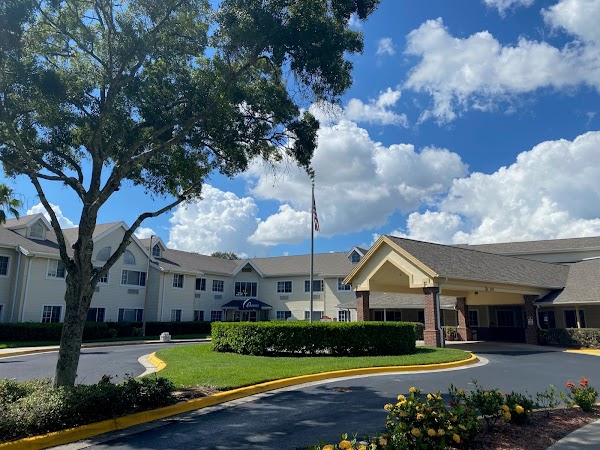
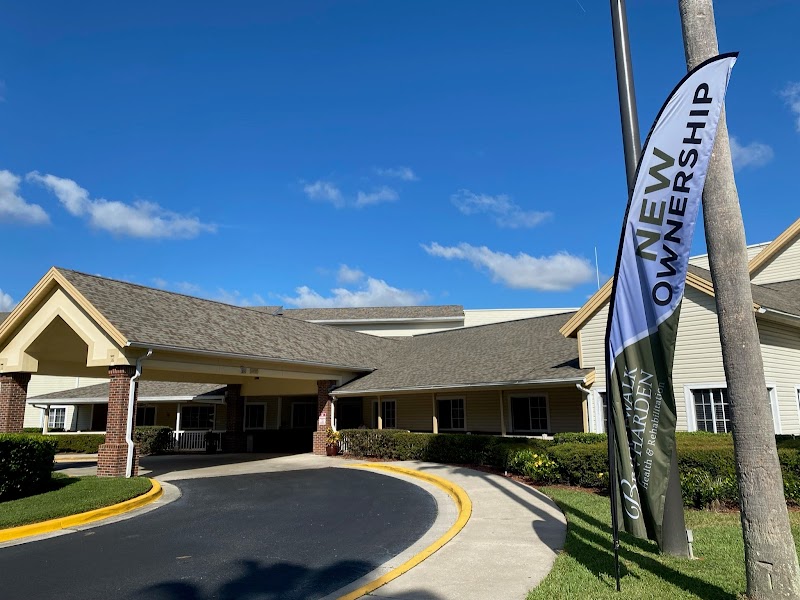
3110 OAKBRIDGE BLVD E, LAKELAND, FL 33803 (863) 648-4800
For profit - Corporation 120 Beds Independent Data: November 2025 2 Immediate Jeopardy citations
Trust Grade
0/100
#614 of 690 in FL
Last Inspection: January 2024

Within standard 12-15 month inspection cycle. Federal law requires annual inspections.

Overview

Bridgewalk on Harden Health and Rehabilitation in Lakeland, Florida, has received a Trust Grade of F, indicating significant concerns about the facility's care and operations. Ranking #614 out of 690 facilities in Florida places it in the bottom half statewide, and #17 out of 25 in Polk County suggests that only a few local options are better. The facility's situation appears to be worsening, with the number of issues increasing from 3 in 2023 to 5 in 2024. Staffing is a major concern, with a low rating of 1 out of 5 stars and a troubling 79% turnover rate, significantly higher than the state average. Additionally, the facility has incurred $181,400 in fines, which is higher than 93% of Florida facilities, indicating ongoing compliance problems. Specific incidents highlight serious failings in care. For example, a resident who needed assistance with self-feeding was neglected and suffered second-degree burns from hot coffee that was not tested for safe temperature, resulting in painful injuries. Another finding reveals that the facility failed to protect residents from potential hazards during meal service, which also contributed to injuries for vulnerable residents. While the facility does have some average quality measures, the overall picture suggests that families should be cautious when considering this nursing home for their loved ones.

Trust Score
F
0/100
In Florida
#614/690
Bottom 12%
Safety Record
High Risk
Review needed
Inspections
Getting Worse
3 → 5 violations
Staff Stability
⚠ Watch
79% turnover. Very high, 31 points above average. Constant new faces learning your loved one's needs.
Penalties
⚠ Watch
$181,400 in fines. Higher than 97% of Florida facilities. Major compliance failures.
Skilled Nurses
⚠ Watch
Each resident gets only 21 minutes of Registered Nurse (RN) attention daily — below average for Florida. Fewer RN minutes means fewer trained eyes watching for problems.
Violations
⚠ Watch
22 deficiencies on record. Higher than average. Multiple issues found across inspections.
★☆☆☆☆
1.0
Overall Rating
★☆☆☆☆
1.0
Staff Levels
★★★☆☆
3.0
Care Quality
★☆☆☆☆
1.0
Inspection Score
Stable
2023: 3 issues
2024: 5 issues

The Good

  • Full Sprinkler Coverage · Fire safety systems throughout facility
  • No fines on record

Facility shows strength in fire safety.

The Bad

1-Star Overall Rating

Below Florida average (3.2)

Significant quality concerns identified by CMS

Staff Turnover: 79%

33pts above Florida avg (46%)

Frequent staff changes - ask about care continuity

Federal Fines: $181,400

Well above median ($33,413)

Significant penalties indicating serious issues

Staff turnover is very high (79%)

31 points above Florida average of 48%

The Ugly 22 deficiencies on record

2 life-threatening 2 actual harm
Jul 2024 1 deficiency
CONCERN (D) 📢 Someone Reported This

A family member, employee, or ombudsman was alarmed enough to file a formal complaint

Potential for Harm - no one hurt, but risky conditions existed

Deficiency F0697 (Tag F0697)

Could have caused harm · This affected 1 resident

**NOTE- TERMS IN BRACKETS HAVE BEEN EDITED TO PROTECT CONFIDENTIALITY** Based on observations, interviews, and record review, the facility failed to provide adequate and timely pain management for two...

Read full inspector narrative →
**NOTE- TERMS IN BRACKETS HAVE BEEN EDITED TO PROTECT CONFIDENTIALITY** Based on observations, interviews, and record review, the facility failed to provide adequate and timely pain management for two of three sampled residents (#3 and #6). Findings included: 1. Resident #3 was admitted on [DATE] and readmitted on [DATE]. Review of the admission record showed diagnoses included but not limited to stage IV sacral pressure ulcer, lumbar spinal stenosis, lumbar wedge compression fracture, diabetes, pain, rheumatoid arthritis with contractures, inflammatory Polyneuropathy, muscle spasms and multiple wounds. Review of the Significant Change, Minimum Data Set (MDS), dated [DATE], showed a Brief Interview for Mental Status (BIMS) score of 13, or cognitively intact. Section GG: Functional Abilities and Goals showed the resident was dependent for toileting and bathing. Section J: Health Conditions showed the resident had occasional pain that occasionally limited his day-to-day activities. He rated his pain 5 on a scale of 1 to 10. Section N: Medications showed he was taking antianxiety, antidepressants, antibiotics, Opioid, and hypoglycemic's. Review of the physician orders, Individual Resident's Controlled Substance Record, and June 2024 Medication Administration Record (MAR) showed: -Oxycodone HCl 15 milligrams (mg) every 12 hours related to pain, as of 06/05/24 to 06/21/2024; pain scale showed pain from 3 to 10 on a scale of 1 to 10; showed pain medication not provided on 06//17/24 p.m. dose, 06/18/24 both doses, 06/19/24 both doses, 06/20/24 both doses, and 06/21/24 both doses. -Oxycodone HCL 5 mg every 6 hours as needed for pain as of 06/05/2024 Review of the progress notes- including the e-mar notes- showed the following: On 06/18/24 at 0811, Oxycodone HCl 15 mg for pain; Staff C, PCP (Primary Care Physician) / MD (Medical Director) made aware of new script needed. PRN (as needed) Oxycodone 5 mg administered. On 06/18/24 at 1904, Oxycodone 5 mg prn given, follow up pain was a 4. On 06/19/24 at 0315, Oxycodone 5 mg prn given, follow up pain was a 5. On 06/19/24 at 0956, Oxycodone 15 mg for pain. Awaiting script from Staff C, PCP/MD. Patient comfortable at this time. On 06/19/24 at 1645, Oxycodone 5 mg prn given, medication was ineffective. Per the resident it does not help and follow-up pain was a 9. On 06/19/24 at 1650, Alprazolam 0.5 mg as needed for anxiety was given. It was ineffective. Per the resident, it does not help, my pain is now a 9 On 06/19/24 at 1812, dietary note showed weight down 2 pounds. Resident has pain that can alter po intake. On 06/19/24 at 2035, Oxycodone 15 mg every 12 hours; Awaiting delivery of Oxycodone 15. On 06/19/24 at 2141, Oxycodone 5 mg prn given, follow-up pain was a 5. On 06/20/24 at 0836, Oxycodone 15 mg every 12 hours. Pharmacy is awaiting script from Staff C, PCP/MD. On 06/20/24 at 1508, Tylenol 325 mg x 2 tabs given, ineffective. Follow-up pain was a 8. On 06/20/24 at 2017, Oxycodone 15 mg every 12 hours. Medication unavailable in the Emergency Drug Kit. Staff C, PCP/MD was notified and awaiting new script for medication. Offered resident prn Oxycodone and resident accepted. On 06/21/24 at 0757, Oxycodone 5 mg prn given. Follow-up pain of a 5. On 06/21/24 at 0933, Oxycodone 15 mg every 12 hours. need a new script, Staff C, PCP/MD notified. On 06/21/24 at 2042, Oxycodone 15 mg two times a day, shown given. Individual Resident's Controlled Substance Record showed medication not given until 06/22/24 at 1000. Review of the care plans showed the following: -Resident #3 had chronic pain related to history of a motor vehicle collision. He had a lumbar one fracture, muscle spasms, Polyneuropathy, severe stenosis and had a L3- S1 spinal fusion on 01/18/23. He was alert and oriented x 3 and was able to make his needs known. He had rheumatoid arthritis. He had multiple skin issues including pressure / diabetic / trauma. -He now has Hospice. Care plan initiated on 03/08/2024 and updated on 07/02/2024. Interventions included but not limited to new medication added routine as of 07/10/2024; Administer analgesia as per orders as of 03/08/2024. Anticipate the resident's need for pain relief and respond immediately to any complaint of pain as of 03/08/2024. Medications have been adjusted as of 04/25/2024. Monitor/document for probable cause of each pain episode. Remove/limit causes where possible as of 03/08/2024. Monitor/record/report to Nurse any signs and symptoms of non-verbal pain as of 03/08/2024. Monitor/record/report to nurse loss of appetite, refusal to eat and weight loss as of 03/08/2024. Monitor/record/report to Nurse resident complaints of pain or requests for pain treatment as of 03/08/2024. Notify physician/ Hospice if interventions are unsuccessful or if current complaint is a significant change from residents past experience of pain as of 03/08/2024. Observe and report changes in usual routine, sleep patterns, decrease in functional abilities, decrease ROM, withdrawal or resistance to care as of 03/08/2024. -Care plans showed Resident #3 had an alteration in musculoskeletal status related to motor vehicle collision. He had L1 fracture, severe stenosis and had a L3-S1 spinal fusion on 01/18/2023. He also has rheumatoid arthritis, Rhabdomyolysis, osteopenia, chronic back pain as of 03/04/2024. Interventions included but not limited to give analgesics as ordered by the physician. Monitor an document for side effects and effectiveness as of 03/08/2024. -Care plans showed Resident #3 had rheumatoid arthritis, muscle spasms, spinal stenosis, spondylopathy, compression fractures, osteopenia as of 04/25/2024. Interventions included but not limited to give analgesics as ordered by the physician. Monitor an document for side effects and effectiveness as of 04/25/2024. During an interview and observation on 07/11/2024 at 9:55 a.m. Resident #3 was sitting in bed with the head slightly elevated. He stated he has had no problems with pain or pain medications. He stated he gets them, on schedule and as needed, if he asks for it. During an interview on 07/11/2024 at 10:05 a.m. with Staff A, Licensed Practical Nurse (LPN), Resident #3's nurse for the day. Staff A stated the resident was on Hospice now and they were controlling his pain medications. He had multiple wounds and was seen by the wound care doctor. He has wounds on his bottom, left and right hip, and feet. She stated she had seen his wounds, and they were getting better. He had chronic pain and Hospice was caring for that. She stated he was on scheduled pain medications, and he can ask for his prn pain meds. Staff A also stated he was on meds for anxiety. She stated the resident will use the call light or yell when he wants his prn pain meds. Staff A, LPN stated he had been out of his pain medications once. She stated the doctor was called for a script and the doctor has to send a script to the pharmacy. Staff A, stated, they call the pharmacy to follow-up. 2. Resident #6 was admitted on [DATE]. Review of the admission record showed diagnoses included but were not limited to Multiple Sclerosis, dorsalgia, muscle weakness, sacral pressure ulcers, pain. Review of the quarterly MDS dated [DATE] showed a BIMs score of 12 (cognitively intact). Section GG, Functional Abilities and Goals showed the resident was dependent for toileting and bathing. Section J, Health Conditions showed the resident had occasional pain. Rated 5 on the scale of 1 to 10. Section N, Medications showed resident was on antianxiety, antidepressant, anticoagulant and Opioid. Review of the physician orders, Individual Resident's Controlled Substance Record and June 2024 Medication Administration Record (MAR) showed: Fentanyl Transdermal Patch 72 hours 100 mcg/hr, apply patch transdermally every 72 hours related to Multiple Sclerosis as of 11/29/2023. The last Fentanyl patch was applied on 06/14/2024 at 1000. Fentanyl patch was not applied on 06/17/24 at 1000. It was not applied until 06/20/2024 at 1010. Review of the Progress notes showed On 06/17/2024 at 1004, Fentanyl patch 72-hour 100 mcg/hour. Staff C, PCP/MD notified to send script to pharmacy. Staff C, PCP/MD notified that pharmacy is in need of a new script. Review of the care plans showed Resident #6 had chronic pain, dorsalgia and multiple sclerosis as of 11/27/2023 and was updated on 05/23/2024. The goal was for the resident to not have discomfort related to side effects of analgesia and will not have an interruption in normal activities. Interventions included but were not limited to administer analgesia as per orders as of 11/27/2023. Anticipate the resident's need for pain relief and respond immediately to any complaint of pain as of 11/27/2023. Monitor/document for side effects of pain medication. Report occurrences to the physician as of 11/27/2023. Monitor/record pain characteristics and PRN revised on 11/27/2023. Monitor/record/report to Nurse any signs and symptoms of non-verbal pain as of 11/27/2023. Monitor/record/report to nurse any complaints of pain or requests for pain treatment as of 11/27/2023. Notify physician if interventions are unsuccessful or if current complaint is a significant change from residents past experience of pain as of 11/2/2023. During an interview and observation on 07/11/2024 at 3:55 p.m. Resident #6 was lying in bed. He was difficult to understand during the interview. He stated he was in pain, his head and neck. He had pain medication at 1408 per his floor nurse. The nurse stated the Hospice nurse had been there last night and was addressing the resident's pain. An interview occurred on 07/11/2024 at 3:00 p.m. with the Director of Nursing (DON) and the Nursing Home Administrator (NHA). The DON stated it was the process to perform a narcotic audit every Wednesday for the need to renew prescriptions. The DON also reviewed narcotics that had 7 pills or less left and asked for refills for those also. The DON stated the pharmacy will let them know if they need a new prescription, or if the prescription had been filled and was to go out for delivery. The DON stated if they need a script, they will call the physician. The DON stated they will ask the physician if there was something they can give the resident in the meantime. The DON stated Resident #3 had Oxycodone 5 mg prn. The DON stated she as well as other staff members reached out to Staff C PCP/MD about Resident #3's need for a pain prescription. The DON stated they reached out to Staff C PCP/MDs PA (Physician Assistant) and APRN and was told by them that they cannot write narcotic scripts, that it had to be Staff C, PCP/MD. The DON stated that she spoke with Staff C, PCP/MDs PA on 06/19/2024 regarding the prescription need for Resident #3. The DON stated a nurse reached out to Staff C, PCP/MD on 06/16/2024 at 11:33 p.m. regarding Resident #3. The DON stated another nurse contacted Staff C, PCP/MD on 06/18/2024 at 9:07 a.m. regarding Resident #3. The DON stated on 06/20/24 at 9:33 a.m. another contacted Staff C, PCP/MD for Resident #3 and it was sent as a priority. Staff C, PCP/MD replied, I signed one last week, where is it?. (Staff C, PCP/MD wrote for Oxycodone and needed Oxytocin). The DON stated she sent texts on 06/19/2024 at 11:56 a.m. and on 06/20/2024 at 2:30 p.m. and again on 06/20/2024 at 5:47 p.m. and Staff C, PCP/MDs APRN responded on 06/20/2024 at 7:03 p.m. and stated I messaged our office manager and Staff C, PCP/MD again, I'm sorry, it looks like they were having trouble with our system. I stressed how urgent this was to them. The DON and NHA stated the Medical Director of the facility was Staff C, PCP/MD, Resident #3 and #6's physician. The DON stated the Oxycodone 15 mg was not found in the Emergency Drug Kit. The DON stated she had a conversation with Staff C, PCP/MD on 07/21/2024 and that they had several scripts that needed signing. It was the coming into the weekend. Staff C, PCP/MD was informed he filled out the scripts last week, but it was incorrect for Resident #3. She explained again about the Oxycodone vs. Oxycontin. Staff C, PCP/MD stated he would look into it and wrote scripts we needed that day. The NHA and DON stated they were unaware of Resident #6 lack of pain medication. The DON stated she was not aware of this incident. She stated she needed to look at the tablet (regarding communication with Staff C, PCP/MD) and talk to her Staff B, Unit Manager of that floor. The DON stated she should have been informed, she needed to be aware because it was a delay in care. On 06/19/2024 a text was sent to Staff C, PCP/MD stating Resident #6 needed a new script for his Fentanyl patches. Staff B, UM came into the interview at 3:31 p.m. and stated she was unaware of Resident #6's patch (Fentanyl) being out. Staff B, M stated a script was sent to the physician showing they needed it signed. The script showed not to order prior to 06/13/2024. Staff B, UM stated she does not know what happened. Staff B, UM stated Staff C, PCP/MD does not always return calls timely. Staff B, UM stated she has called Staff C, PCP/MD and he has returned the call the next day after she was in bed. The DON stated that Staff C, PCP/MD was not actually called regarding either of these residents' needs. The NHA stated that the resident's physician was also the Medical Director. The NHA stated they would have to discuss the situation with the Staff C, PCP/MD and come to another plan. The DON stated she had not discussed the situation with Staff C, PCP/MD. Review of the facility's policy, Medication Orders, effective 2019 showed Controlled Substance Prescriptions: Policy: Before a controlled drug can be dispensed, the pharmacy must be in receipt of a clear, complete, and signed written prescription from a person lawfully authorized to prescribe. Therefore, the prescriber issuing the chart order must also provide the pharmacist with a valid prescription. Controlled substance prescription from physician assistants and nurse practitioners who are authorized to prescribe controlled drugs are valid only if they comply with state law, requirements listed below, and with applicable formularies or prescribing protocols that have been provided to the facility by the responsible physician. Procedures: 2. Schedule II controlled medications prescribed for a specific resident are delivered in the facility only if a signed prescription by a physician has been received by the pharmacy prior to dispensing or as required by state law. A signed prescription for a Schedule II drug may be faxed to the provider pharmacy in accordance with the state laws by the prescriber or his/her agent.
Jan 2024 4 deficiencies
CONCERN (D)

Potential for Harm - no one hurt, but risky conditions existed

Safe Environment (Tag F0584)

Could have caused harm · This affected 1 resident

**NOTE- TERMS IN BRACKETS HAVE BEEN EDITED TO PROTECT CONFIDENTIALITY** Based on observation, interview, and record review, the facility failed to safeguard a resident's personal property which includ...

Read full inspector narrative →
**NOTE- TERMS IN BRACKETS HAVE BEEN EDITED TO PROTECT CONFIDENTIALITY** Based on observation, interview, and record review, the facility failed to safeguard a resident's personal property which included lower dentures for 1 of 2 residents reviewed for personal property of a total sample of 44 residents, (#55). Findings: Review of resident #55's medical record revealed she was initially admitted to the facility on [DATE] with diagnoses that included dementia, anxiety, and bipolar disorders. Review of resident #55's quarterly Minimum Data Set assessment dated [DATE] revealed a Brief Interview for Mental Status score of 0 out of 15 which indicated severely impaired cognition. On 1/23/24 at 2:18 PM, resident #55's daughter and Power of Attorney stated her mother was admitted to the facility with upper and lower dentures. She explained her mother wore the dentures all the time, and they were only removed for cleaning and mouth care. She recalled the lower dentures went missing sometime last fall and she reported it to several staff members more than once. She indicated she was told they searched but did not find them. She explained she went personally to the laundry to search for the bottom dentures but did not find them. Review of a Dental Exam note dated 6/09/23 revealed presence of full upper and lower removable appliances. The note included, No concerns, eats well. Dentures fit well. Dentist cleaned dentures . Review of a dental hygienist note dated 7/06/23 revealed, Patient was seen for upper and lower denture cleaning bedside. The note included instructions for staff to, Please assist with brushing denture 2 times daily and removing over night to soak in clean water. Review of a dental hygienist note dated 10/30/23 revealed, . Patient is not wearing upper and lower denture, as per CNA (Certified Nursing Assistant) her dentures are missing. I did not find her F/F (complete dentures) in her room. Review of a Care Conference - Multidisciplinary note dated 10/31/23 revealed attendees included resident #55's daughter and the Social Services Director. The form included, Expectation/Concerns from the family and read, . Dental to eval for new lower dentures. Review of a Dental Exam note dated 11/30/23 revealed, Patient is edentulous and has no removable prosthetics. Review of the Grievance Log for 2023 did not reveal a grievance was filed from resident #55 for the missing denture. There was no evidence of an inventory log in resident #55's medical record. On 1/25/24 at 2:36 PM, the Social Services Director stated she did not recall a denture concern for resident #55. After reviewing the Care Conference note dated 10/31/23, she stated she sent a referral directly to the dental group during the care conference meeting. She stated she was not able to find the message she sent to the dental group requesting a visit to replace the missing denture. She explained the facility's procedure for missing dentures included offering reimbursement for the dentures if the family paid out of pocket for them. She indicated if the family was not able to provide a receipt she would discuss with the facility's Administrator for further direction and resolution. She stated she did not have evidence of any follow up or conversation with resident #55's daughter regarding the status of the missing lower denture. On 1/25/24 at 3:27 PM, the Administrator explained when someone reported missing personal belongings, staff began searching immediately. She indicated if the item was not found, it would be documented in a grievance form and discussed during their meeting to ensure all department heads were aware. She stated the facility would notify the resident or family of their efforts and status. She explained they would not assume they were at fault for missing items, especially for residents with dementia, because the residents tend to wrap around dentures and put them in pockets, or trays. She noted if she knew they were at fault for the missing item, they would evaluate whether the resident needed it, but they would not reimburse if they were not at fault. She looked through a copy of the admission packet given to new residents and stated it did not include information on how the facility addressed missing personal items. Review of the facility's Personal Property policy and procedure revised on August 2022 read, Residents are permitted to retain and use personal possessions . The resident's personal belongings and clothing are inventoried and documented upon admission and updated as necessary. Review of the Facility Assessment Tool updated on 12/20/23 revealed the facility provided person-centered care which included, Support resident having familiar belongings.
CONCERN (D)

Potential for Harm - no one hurt, but risky conditions existed

Deficiency F0657 (Tag F0657)

Could have caused harm · This affected 1 resident

**NOTE- TERMS IN BRACKETS HAVE BEEN EDITED TO PROTECT CONFIDENTIALITY** Based on observation, record review, and interview, the facility failed to revise the care plan to reflect the resident's eating...

Read full inspector narrative →
**NOTE- TERMS IN BRACKETS HAVE BEEN EDITED TO PROTECT CONFIDENTIALITY** Based on observation, record review, and interview, the facility failed to revise the care plan to reflect the resident's eating ability for 1 of 5 residents sampled for Activies of Daily Living (ADL) in a total sample of 44 residents, (#82). Findings: Resident #82 was admitted to the facility on [DATE] with diagnoses of Metabolic Encephalopathy, Altered Mental Status, Hemiplegia and Neoplasm of Brain. On 1/2324 at 11:48 AM, resident #82 stated she received tub feedings but also received foods to eat by mouth. She explained the facility staff did not always assist her meals and added the Certified Nursing Assistant did not assist her with eating dinner last night. Review of the resident's medical record revealed physician orders that read, Jevity 1.5 through tube feed and regular mechanical soft diet. the The annual Minimum Data Set (MDS) assessment dated [DATE] noted a Brief Interview of Mental Status score of 15 out of 15 that indicated the resident's cognition was intact. The assessment showed the resident was dependent on staff to help with meals. The resident's Behavior Care Plan noted the resident refused tube feedings and fabricated stories. Resident #82's ADL care plan showed the resident received tube feedings but could feed herself an oral diet, requiring only set up help. On 1/25/24 at 3:27 PM, the MDS Coordinator and the Assistant MDS Coordinator reviewed resident #82's medical record and care plans. They reviewed the ADL care plan that indicated the resident could feed herself, the Assistant Coordinator stated the resident could not feed herself. The MDS Coordinator stated the residents' care plans were revised on 12/27/23 and the ADL Care Plan should have been revised to indicate the resident's current status for eating, requiring staff assistance with meals.
CONCERN (D)

Potential for Harm - no one hurt, but risky conditions existed

Pressure Ulcer Prevention (Tag F0686)

Could have caused harm · This affected 1 resident

**NOTE- TERMS IN BRACKETS HAVE BEEN EDITED TO PROTECT CONFIDENTIALITY** Based on observation, interview, and record review, the facility failed to follow physician's orders to ensure wound care was pr...

Read full inspector narrative →
**NOTE- TERMS IN BRACKETS HAVE BEEN EDITED TO PROTECT CONFIDENTIALITY** Based on observation, interview, and record review, the facility failed to follow physician's orders to ensure wound care was provided per standards of nursing practice for 1 of 3 residents reviewed with pressure ulcers out of a total sample of 44 residents, (#46). Findings: Resident #46 was admitted to the facility on [DATE] and re-admitted from home/community on 12/21/23. Her diagnoses included unstageable pressure ulcer to the left heel, Type II diabetes, fractured left fibula post fall, non-pressure chronic ulcer right foot, and coronary artery disease. Unstageable pressure injuries are widely understood to be full-thickness pressure injuries in which the base is obscured by slough and/or eschar. (Retrieved on 1/26/24 from https://pubmed.ncbi.nlm.nih.gov) The quarterly Minimum Data Set (MDS) assessment with assessment reference date of 11/12/23 revealed resident #46 had a Brief Interview for Mental Status (BIMS) score of 15 out of 15 which indicated she was cognitively intact. She required moderate assistance from facility staff with bathing, toileting, dressing and turning in bed. The assessment indicated resident #46 was always incontinent of urine and had an unstageable pressure ulcer that was present at admission to the facility. On 1/24/24 at 9:37 AM, resident #46 was observed with an overbed table across the middle of her bed and was eating breakfast from tray on the overbed table. Review of the resident's current physician orders dated 1/23/24 read, to cleanse left heel with Betadine, pat dry, skin prep to peri wound, apply sterile gauze sponge and ABD (abdominal) pad, wrap with Kerlix, secure daily, and as needed for unstageable pressure ulcer left heel. A wound care observation was conducted on 1/24/24 at 9:05 AM, with Licensed Practical Nurse (LPN) A. Prior to entry to resident #46's room LPN A was observed at the treatment cart in the hall as he placed supplies on a small foam tray that included saline, blue incontinent pad, ABD pad, Kerlix, Betadine solution packet, 2 packs of sterile 2 inch (in.) by 2 in. gauze, roll of Kerlix, skin prep, and non-sterile gloves. LPN A took scissors from his right pant pocket and cut piece of tape off roll approximately 3 to 4 in. and placed the tape on the foam tray with other supplies. The LPN then proceeded into the resident's room with tray of supplies and bottle of hand sanitizer taken from the treatment cart. He placed all supplies onto the resident's overbed table and placed an incontinent pad under the resident's left foot and heel. LPN A did not clean the overbed table nor did he apply drape on the table prior to placing the dressing supplies, hand sanitizer and scissors directly onto the table. The LPN did not sanitize his scissors before, during or after the procedure. Resident #46 was lying on specialty mattress, alert and oriented. The nurse performed hand hygiene, donned gloves, and proceeded to use his scissors to cut off the soiled dressing from the resident's left foot/ankle. The dressing was stuck to the wound bed and the nurse used his 2 packs of sterile gauze and saline to loosen and remove the old dressing. The wound on the left heel had moderate amount of serous drainage. The LPN then disposed of the soiled dressing, performed hand hygiene, and donned clean gloves. The dressing supplies were now off the foam tray and lying directly on the resident's bedside table with the resident's personal items. LPN A then used the unclean scissors from which he had cut off the soiled dressing and proceeded to cut a piece of the Kerlix gauze off the roll approximately 3-4 in. and poured the Betadine solution onto the cut Kerlix which he used to clean the wound on the left heel. He then used dirty scissors to cut another piece of Kerlix roll approximately 2-3 in. folded it and placed it directly onto the heel wound with frayed edges of cut Kerlix noted on wound bed. The nurse then covered the dressing with an ABD pad and secured it with Kerlix. He then placed the soiled scissors into the front pocket of his scrubs shirt. LPN A then placed the hand sanitizer in the treatment cart without first sanitizing it. On 1/24/24 at approximately 9:30 AM, LPN A acknowledged he did not clean his scissors pre, post or during wound care procedure. He took the dirty scissors out of his front scrub shirt pocket and acknowledged the dirty scissors were placed in his pocket with other supplies. He stated he should have cleaned the hand sanitizer bottle prior to returning it to the treatment cart. Review of resident #46's care plan revised on 1/23/24 for unstageable left heel pressure ulcer noted goal that wound will show signs of healing and remain free from infection. The interventions included following policies/protocols for prevention/treatment of skin breakdown and administer treatments as ordered. On 1/24/24 at 12:50 PM, an interview was conducted with LPN A and the Director of Nursing (DON). The DON read resident #46's physician order and acknowledged that LPN A should have applied gauze and not piece of Kerlix to the left heel wound. The DON explained LPN A should not cut the Kerlix because frayed pieces could get into the wound bed. LPN A explained he used all sterile gauze with saline to loosen the old dressing and did not have more gauze with him or in the treatment cart. The DON said, LPN A should have obtained more gauze from the medication storage room or another treatment cart. The DON acknowledged LPN A should have cleaned his scissors pre/post procedure with sanitizing wipes or bleach, and should have cleaned the resident's overbed table and placed the supplies on a barrier. The DON stated cleaning re-useable resident equipment was important to reduce chance of cross contamination. She verified she had not done competency wound check with LPN A as he started working at the facility less than 2 months ago. Review of the facility's Wound Care policy and procedure revised October 2010 read, The purpose of this procedure is to provide guidelines for care of wounds to promote healing. Preparation 1. Verify that the physician's order for this procedure Steps in Procedure 1. Use disposable cloth [paper towel is adequate] to establish clean field on resident's overbed table. Place all items to be used during procedure on the clean field .19. Use clean field saturated with alcohol to wipe overbed table. 20. Return the overbed table to its proper position. 21. Wipe reusable supplies with alcohol as indicated [ i.e., outside of containers that were touched by unclean hands, scissors blades, etc.]. Return reusable supplies to resident's drawer in treatment cart
CONCERN (F)

Potential for Harm - no one hurt, but risky conditions existed

Staffing Data (Tag F0851)

Could have caused harm · This affected most or all residents

Based on interview, and record review, the facility failed to submit staffing data through the Center for Medicare/Medicaid (CMS) Payroll-Based Journal (PBJ) system for the Fiscal Year Quarter 4 of 20...

Read full inspector narrative →
Based on interview, and record review, the facility failed to submit staffing data through the Center for Medicare/Medicaid (CMS) Payroll-Based Journal (PBJ) system for the Fiscal Year Quarter 4 of 2023. Findings: Review of the Certification and Survey Provider Enhanced Reports for Quarter 4 of 2023 revealed the facility failed to submit data for the quarter. On 1/24/24 at 4:22 PM, the Scheduling Coordinator stated she and the Human Resources Director were responsible for completing and submitting the PBJ report. She explained she attempted to submit the Quarter 4 report but received many error messages which she attempted to correct but did not complete on time. She indicated the report was due on 11/14/23 and stated the Administrator was aware of the issue. On 1/25/24 at 10:46 AM, the Administrator stated she was ultimately responsible for ensuring PBJ reports were submitted timely. She explained they completed the PBJ report but received multiple errors when submitted. She indicated they attempted to correct the errors and made calls to CMS. She said they tried before 11/14 but were having lots of problems and went down to the wire because nothing we tried worked. She stated the purpose of the PBJ report was to show they had the required staffing and met the required staffing ratios to service their residents. The Administrator stated they did not have a policy for PBJ reporting.
Oct 2023 2 deficiencies 2 IJ
CRITICAL (J) 📢 Someone Reported This

A family member, employee, or ombudsman was alarmed enough to file a formal complaint

Immediate Jeopardy (IJ) - the most serious Medicare violation

Free from Abuse/Neglect (Tag F0600)

Someone could have died · This affected 1 resident

**NOTE- TERMS IN BRACKETS HAVE BEEN EDITED TO PROTECT CONFIDENTIALITY** Based on observations, interviews, record review, physician interview, and facility policy review, the facility failed to protec...

Read full inspector narrative →
**NOTE- TERMS IN BRACKETS HAVE BEEN EDITED TO PROTECT CONFIDENTIALITY** Based on observations, interviews, record review, physician interview, and facility policy review, the facility failed to protect residents right to be free from neglect, to ensure one Resident (#1) out of 17 residents who required one-person assistance with self-feeding, was provided care and assistance to prevent a burn injury during meal service time. The facility neglected to provide care and service during a meal to a vulnerable resident who had known physical limitations, tremors, and visual impairments. Resident #1 suffered second-degree burns resulting in pain and injury to her subcutaneous chest tissue, and permanent body disfigurement related to scarring as a result of the facility's neglect to ensure safety during meal service. These actions resulted in findings of Immediate Jeopardy on 09/18/23. The findings of Immediate Jeopardy were determined to be removed on 10/11/23 and the Scope and Severity was reduced to a D after verification of removal of Immediate Jeopardy. Findings included: On 10/10/23 at 3:09 p.m., an interview was conducted with Staff A, CNA, who reheated the coffee. She said she was not assigned to the resident, but the resident was in her hall the day before and her breakfast tray was on her cart. She said she delivered the resident her tray between 7:30 a.m. and 7:45 a.m. She stated she set the tray down and asked the resident if she needed help with set up and the resident said she was good. Staff A stated she was new to this job and had only worked 3 weeks. She stated she did not know the resident well. Staff A said, The resident said she wanted coffee. I went to get it. I gave her the coffee and she said, 'it was ice cold.' Staff A said when she was pouring the coffee she couldn't tell if it was warm or lukewarm. Staff A said she took the coffee to the microwave and heated it up for all of 30 seconds. She said by the time she got back to the resident's room the resident had spilled her milk in her tray. She said the resident told her she knocked it over. She said she got napkins and tried to clean up some of the spilled milk. Then she gave the resident her coffee and the resident said, Thank you. Staff A said, Then I left the room and went back to my hall. At 1:00 p.m. the CNA assigned to the resident [Staff B] came and told me the resident spilled her coffee and had suffered a burn. Staff A stated the supervisor came and told her what happened and asked for a statement. She said after the statement she went back to the hall and was called to HR [Human Resources] and had been on suspension ever since. Staff A stated she did not have the resident's Kardex [a documentation system that gives a brief overview of patient's care]. Staff A stated when she arrived on shift, she did not receive a report on her resident's status. She stated the expectation was for the CNAs to look up residents on the computer. She stated she did not know anything about this resident because Resident #1 was new. She stated she had not reviewed this resident's care plan and did not know the level of assistance she required. Staff A stated she was not aware the resident had vision issues and she did not notice if the resident's hands were shaky. Staff A stated she did not receive full orientation. Staff A confirmed she had not received any training about not heating up resident drinks or foods. On 10/10/23 at 12.42 p.m., an interview was conducted with Staff B, CNA. She stated she was assigned to Resident #1 the day she was burned. She stated she worked with the resident often. Staff B said, It was morning. I saw her between 7:30 a.m. and 8:00 a.m., probably closer to 8 a.m. I received report from [Staff A] who was helping pass trays in my assigned area because I was late. When I went to see [Resident #1], she said she had spilled coffee on herself. I observed coffee stains and wetness on her gown. This was in her mid-chest area. She said it was burning and it hurt. I went and got the nurse immediately. The nurse [Staff C, LPN] came and saw her. I then got linens and cleaned her up. Staff B said, She is dark, but you could see she had been burned between her breasts. I observed some blisters. She was talking. She was like, 'sit me up.' The rest of the day she slept a lot. She watched a TV show. I took care of her. Her behavior was normal, but her skin had blisters on her chest. Staff B said the resident said to her, 'Girl, you see what she did to me, she gave me blisters with that hot coffee.' Staff B stated the facility gave them education not to reheat anything after the incident occurred. She stated reheating food/drinks was the kitchen's job. She stated CNAs did not test temperatures. On 10/10/23 at 2:33 p.m., an interview was conducted with Staff C, LPN, assigned to Resident #1 the day she suffered coffee burns. Staff C stated she was notified by a CNA (Staff B) at approximately 8:00 a.m. that Resident #1 had spilled coffee on herself. She said Staff B had reported the resident burned herself. Staff C said, I went to look at it [the burn wound], it was red and then it bubbled up later . It was in the middle of her chest area and scattered to her lower chest areas. I asked her if she had pain. She said 'Yes.' The ARNP, who was already in the building, came to see her. I was not aware the coffee was warmed up. The ARNP reported her skin had bubbled up. She saw her within 20 minutes of being notified. The ARNP ordered Silvadene. I got some out of the cart and applied it on her chest. The MD/PCP came maybe another 20 minutes later. He said to continue Silvadene and apply clean dry gauze. I gave the resident Tylenol and notified the Unit Manager [UM] and the resident's family member. Staff C stated she found out the CNA had heated the coffee. Staff C said, She should not have. Staff C stated there was no education prior to the incident at this facility. She stated the expectation was to take the drink to the kitchen or acquire fresh coffee. Staff C stated Resident #1 needed assistance with meals. She stated, She had the shakes, kind of like someone with Parkinson's or dementia tremors. Whenever I gave her meds and gave her water cup, I would hand it to her to her right hand and hold on to it, so she would not spill it. Staff C stated staff would set up the resident's tray and let her know where everything was. She was a total care. She was weak, and she had vision issues. A review of a Resident Information Record dated 10/10/23 showed Resident #1 was admitted to the facility on [DATE] and was discharged to [local hospital] on 09/26/23. The resident was admitted with diagnoses to include unspecified pulmonary hypertension, persistent atrial fibrillation, fluid overload, non-pressure chronic ulcer of right ankle, breakdown of skin, muscle weakness, dependence on supplemental oxygen, and acute kidney failure. A review of a 5-day MDS (Minimum Data Set), dated 09/16/23, section G showed Resident #1 required supervision and one-person physical assist during eating. A review of a care plan dated 09/14/23, showed an ADL (Activities of Daily Living) focus showing Resident #1 had a self-care deficit related to muscle weakness. An intervention among others showed for eating the resident required mod (moderate) assistance of one staff member. A review of a document titled Visual/Bedside Kardex Report, initiated on 09/13/23, showed Resident #1 required moderate assistance by one staff to eat. On 10/10/23 at 1.24 p.m., a telephone interview was conducted with Resident #1's family member. She stated they had not received an official report from the facility on what happened to the resident on the day she was burned with coffee. The family member said, I don't know the details. She was weak, she went there for rehab and was given hot coffee, that in itself is poor judgement. I have been wondering how and why it happened. They called me four hours after the incident happened. [Resident #1] could not call me. Another family member went into the facility and saw her visually. She was in pain. She had blisters on her chest, and she was not able to talk on the phone. As a family, we have been frustrated. It was unacceptable how everything was handled. You do not treat a person her age that way. They gave her hot coffee that scalded her chest area. The family member confirmed Resident #1 suffered significant burns which caused her pain and complicated her recovery. A review of a social services progress note dated 09/18/23, showed SSD (Social Services Director) was notified that resident received a burn after spilling coffee on herself that was warmed by a staff member. Investigation initiated. SSD met with resident who was in her bed. She noted that the coffee was sitting on the left side of her bedside table, and she reached over with her right hand when she dropped the cup across her. She indicated that the liquid burned her, but she knew the cup was hot when she picked it up. She noted that she turned on the light and was addressed immediately by staff. When asked if she had any prior incidents of dropping items, she stated 'no'. Resident presented anxious and fidgety, but she expresses that she has pain on both the burn area and a headache. Nurse made aware. Resident reported visual impairments with better vison in left side. She has prior history of cataract removal, but vision continues to worsen (per her report). Resident seen by facility MD [Medical Director] and wound care [physician] per nursing report. Investigation reported to [State Abuse Agency] via online reporting system and call placed to [name of city] PD [Police Department]. We will continue to follow up with resident and offer supports as needed. A review of a nursing incident note signed by Staff B, Licensed Practical Nurse (LPN), dated 09/18/23 showed, Writer was notified by assigned CNA [Certified Nursing Assistant] that patient had spilled coffee on her chest. Writer assessed area and noted a fluid filled blister on midline area of chest. Writer asked patient what happened, and resident stated that her coffee was too cold, and she had asked CNA if they could warm up her coffee and make it hot. Writer assessed area and obtained vitals. ARNP [Advanced Registered Nurse Practitioner] was present in-house and ordered for patient to receive Silver Sulfadiazine Cream 1% apply to chest, topically every shift to blister for seven days writer administered first treatment as ordered. MD was present in house and assessed area and included to add ABD [abdominal] pad onto chest area without any tape. POA [Power of Attorney] was notified of incident. A review of a skin wound note dated 09/18/23 showed, MD was present in facility and assessed patient midline chest area with fluid filled blisters, MD ordered for patient to have silver sulfadiazine cream 1%. Apply to chest topically every shift for blister for 7 days. Patient stated pain 6/10 PRN [as needed] acetaminophen was given as ordered. A review of a document titled Skin Observation tool - Licensed Nurse, dated 09/18/23, showed Resident #1 had a chest blister. The notes indicated midline chest area with fluid filled blister. Review of a document titled Skin Observation tool - Licensed Nurse, dated 09/23/23, showed Resident #1 had a ruptured chest blister burn, Stage II, indicating Partial thickness loss of dermis presenting as a shallow open ulcer with a red/pink wound bed, without slough. May also present as an intact or open/ruptured serum-filled blister. An interview was conducted on 10/11/23 at 9:32 a.m., with the Advanced Registered Nurse Practitioner (ARNP). She stated she saw the resident first. She said, I went in to see the patient that morning and she informed me she burned herself with the coffee. She said she spilled it on herself. She was on the list to be seen that day. The ARNP said staff did not come to find her or notify her when she got burned. She stated the resident was the one who told her she got burned when she entered her room. The ARNP stated Resident #1's chest area was red and looked like it was just starting to blister. She stated the resident said it was sensitive to touch. The ARNP ordered Silvadene. She stated she had not noticed any shakiness when she would see the resident, but she had weakness. She stated she could not recall what time she saw the resident and she doesn't know what time the incident had happened. An interview was conducted with the Medical Director/Primary Care Physician (MD/PCP) on 10/10/23 at 12:01 p.m. He confirmed he saw Resident #1 the day she was burned sometime around noon. The MD/PCP said. She was bed-bound and was in the hospital prior to admission to the facility. She was alert and oriented. She had debilitating chronic medical problems. She was always in bed. Her lower extremities were weak. She was burned with hot coffee and suffered second degree burns in her mid-chest area. The coffee had hit her chest, and some ran into her breasts area. It was not a large spill; it left a small line running to her left breast which remained closed. The coffee rolled approximately 8 inches from the mid-chest area. She suffered mild discomfort. She was apologizing, saying she made a mistake. The MD/PCP stated the problem was the staff person who put the coffee in the microwave. He stated no one should have reheated the coffee. The MD/PCP confirmed Resident #1 was treated due to multiple blisters. He said, There was no significant skin loss. Just blistered partial skin burn, to a second-degree burn. The burn was 1% of her body. The resident will definitely have some discoloration and hyper pigmentation. The bottom line is, they should not have reheated the coffee. The MD/PCP stated they had not discussed that incident since the day it happened. A review of a physician progress note, signed by Resident #1's PCP (also the Medical Director), dated 09/19/23 at 10:04 a.m. showed, Patient is an [AGE] year-old female seen today in [name of facility] SNF [Skilled Nursing Facility] for evaluation, treatment and management chest wall burn and other related chronic conditions. Patient reports wasting coffee on her chest this morning and reports soreness to chest. No open areas noted at this time. Patient states it was a mistake that she spilled it as she was trying to take a sip . patient reports mild pain to superficial chest burn. The assessment revealed the resident was seen for superficial partial thickness burn of chest wall disorder. Burn of second degree of chest wall, initial encounter. On 10/11/23 at 10:11 a.m., a telephone interview was conducted with the ADON (Assistant Director of Nursing)/acting DON (Director of Nursing) at the time of the incident. During the interview, the ADON stated she was no longer employed at the facility. The former ADON stated she was notified of the incident by the nurse (Staff C) sometime around noon. She stated staff had not mentioned it prior to that point. She said, Honestly, yes I would have expected to have been notified sooner. She stated she went down to see the resident. She said, You could see there was a burn. The ARNP and the MD had already seen the resident. She stated she had started an investigation and figured it happened around breakfast time, but she did not know the exact time. She stated breakfast was typically between 7:30 a.m. and 8:00 a.m. She thought the burn occurred at approximately 8:30 a.m. She stated the nurse conducted a pain assessment. She stated the resident was burned because [Staff A] heated up the coffee and served it to the resident. The former ADON said, I know she was on OT [Occupational Therapy] to help with tremors, weakness, and being able to feed herself. She did not require assistance for meals, the only thing needed was for set up. She confirmed prior to the incident she had not instructed staff not to reheat foods/drinks for residents. She stated after the incident staff were instructed to go to the kitchen if food/drinks needed to be reheated. The former ADON confirmed that not reheating food had not been part of any orientation or training prior to the incident with [Resident #1]. Review of progress note, communication with family dated 09/25/23, revealed, .Resident [#1] has tremors and was unable to feed herself. Resident baseline continues to be assist for meals and family member was informed by therapy director resident continues on case load for occupational therapy and the therapist is working with resident on self-feeing due to left side weakness. On 10/10/23 at 11:50 a.m., an interview was conducted with Staff D, Speech Therapist (ST). She stated she was not present when the resident was burned. She stated the resident was on her case load and saw her 5 times a week. She stated the resident reported having spilled coffee on herself as she ate breakfast from her bed. Staff D said, I was asked to write a statement to establish her history of requesting to have her coffee reheated. A week prior, she had asked me to reheat her coffee. I was with her in her room for swallowing therapy during breakfast. I got her a fresh cup. I did not reheat it. Staff D stated she did not raise alarm related to Resident #1 requesting to have a coffee reheated. She stated she did not think much of it and did not mention it until after the burn incident. A review of a document titled, Occupational Therapy (OT) Evaluation and Plan of Treatment, dated 09/14/23, showed under cognition and communication assessment Resident #1 was impaired and lacked safety awareness. The assessment summary showed, Patient presents with impairments in balance, strength and mobility resulting in limitations and/or participation restrictions in the areas of self-care which requires skilled OT services . to facilitate independence with ADLs, facilitate sitting tolerance and postural control and increase functional activity tolerance in order to perform UB ADLs [Upper Body Activities of Daily Living] with increased independence and safety . Due to the documented physical impairments associated functional deficits, without skilled therapeutic intervention, the patient is at risk for falls and further decline in function. A review of a document titled Speech Therapy (SLP) Evaluation and Plan of Treatment, dated 09/14/23, showed Resident #1 received a bedside assessment of swallowing. Evaluation of position during eval revealed posture impacts function and is modifiable with intervention. Under supervision, the evaluation showed the patient [Resident #1] required supervision/assistance during mealtime due to swallowing/safety 50-75% of the time. The review showed identified barriers included identification of support systems were required for safe transition and multiple medication management. Patient characteristics that may impact treatment included, lacks insight into condition and risk factors, multiple conditions/history, multiple medications, and reduced numeracy skills for self-monitoring. A review of a progress note dated 09/21/23 showed, [Resident #1] ate 25% of breakfast, she did not want pancakes or sausage, only oatmeal with brown sugar. Patient ate 50% of lunch and is currently eating dinner. Dressing changes were done to chest burn, silver sulfadiazine applied, and bilateral lower leg wounds, xeroform and kerlix applied. Bilateral legs rubbed down with ammonium lactate and dry skin lotion provided by patient. Patient requested something stronger for pain than Tylenol. Request given to ARNP for refill of Tramadol. Patient informed that request was sent out. A review of a health status note dated 09/20/23 showed (late entry for 09/19/23 7:00 p.m. - 7:00 a.m. shift), Resident was given HS [Hours of Sleep] medication and took them without problems. Medicated with Tramadol for c/o [because of] pain. Blister on chest remains intact and Silvadene applied, and blister covered with ABD [abdominal] pad. A review of a Health Status Note dated 09/25/23, showed, Resident served lunch tray at this time. Pulled up in bed with CNA. Resident stated she was hurting. PRN [as needed] Tramadol administered. A review of a document titled, Mini nutritional Assessment, signed by the Registered Dietician (RD), dated 09/14/23, showed Resident #1's physical and mental functioning indicated she required assistance . due to motor agitation and tremors. The assessment further showed she required limited feeding assistance and required supervision during eating. On 10/10/23 at 12:27 p.m., an interview was conducted with the Certified Registered Dietician (CDM). She stated when coffee was brewed in the kitchen, the temperature would normally be 205 degrees Fahrenheit. She said, We brew the coffee before we start tray line and put it in the carafes [a small thermos]. It should be served at 150-160 degrees. The CDM stated they do not retest the coffee prior to service. The CDM stated this facility did not have policies and procedures related to hot liquids. She said, I learned the temperature parameters in a different building. The CDM confirmed she had not initiated temperature monitoring for hot liquids. She stated her expectation would be to take the temperatures before the coffee is taken out to the residents. It should be checked before you put it on the cart. The CDM stated she did not have records or temperature logs. She stated she did not have temperature parameters posted for staff to reference. She said, I don't have anything posted for the staff. I ran across an old log dated 2022. I will re-implement the temperature log. The CDM stated she had just looked up on the internet what the temperature range should be; she said, I just googled it. The temperature should be between 150 and 155 degrees. We will start monitoring effective today. On 10/10/23 at 9:48 a.m., an interview was conducted with Staff E, Cook. She stated she monitored food temperatures during tray line but not coffee temperatures. She stated the dietary aides were responsible for brewing and serving coffee. Staff E showed the dietary food logs. The logs did not include coffee temperature monitoring. Staff E stated she heard a resident was burned with hot coffee because a CNA reheated coffee in the microwave. She said, It was reheated on the floor. Not in the dining room or kitchen. Dietary did not have anything to do with it. Staff E confirmed the facility did not implement processes to prevent coffee burns following Resident #1's incident. She stated they were not checking coffee temperatures. On 10/10/23 at 9:54 a.m., an interview was conducted with Staff F, Dietary Aide. She stated the aides brewed the coffee. It was their assignment. She stated they used a coffee urn which had a water line already set. She stated the brewing temperature was preset. She stated they poured the coffee grounds and hit Start. She said, When the coffee is done brewing, it gets into a heating stage which takes about 3 minutes. The coffee then reaches a final temperature of 205 degrees F. We wait until the trays are ready to get the coffee out to the floor or to the dining room, which takes about 30 minutes. We then put it in the carafe. It is supposed to hold coffee hot for about 6 hours. She stated she could not speak of the incident when the resident was burned. She stated she heard a CNA reheated the coffee in a microwave and that was how the resident sustained burns. She stated nursing staff had microwaves in the nutrition rooms. At that time, Staff F brewed coffee and tested it. At the end of the brewing, the coffee in the urn tested 205 degrees F. Staff F waited 30 minutes and retested the coffee that was in the carafe ready to be served. It tested 175 degrees. Staff F did not know what a safe temperature range would be. Staff F confirmed they had not received education related to monitoring coffee temperatures, or reheating coffee. A telephone interview was conducted with the Registered Dietician (RD) on 10/11/23 at 10:33 a.m. She stated she heard a resident was burned with coffee. She stated she was not involved in the process of investigation or educating the staff. She stated her role was the clinical side. The RD stated the kitchen should make sure food is served at acceptable temperatures, which would be above 135 degrees and below 141 degrees. She stated she followed facility policies. The RD stated she could not answer if a reading of 178 degrees was too hot or not. She said, There is no regulation related to coffee temperatures when it is in the kitchen, but when it is in the unit being served, it should be between 130-150 degrees. The RD stated she did not know if the facility was monitoring hot liquid temperatures or not. She said, It is not a regulation to take coffee temperatures. The regulation requires food to be palatable and safe. The staff should serve food to the resident's palate and follow facility policies on safety if they had one. A review of the physician orders summary report dated 10/10/23, showed Resident #1 required Renal (Dialysis) diet, mechanical soft texture, thin consistency. The orders showed on 09/18/23 a telephone order was initiated, Silver Sulfadiazine cream 1%, apply to chest topically every shift for blisters for 7 days. Other orders included: -Acetaminophen 325mg 2 tab by mouth every 4 hours as needed for General discomfort not to exceed greater than 3000mg in 24 hours. -Tramadol HCL 50mg. Give 1 tab by mouth every 12 hours as needed for moderate pain. -Send to (Local hospital) via non-emergency transport with (name of) transport company per family request. 9/25/23 Review of Resident #1's Medication Administration Record (MAR), dated 09/01/23 to 09/31/23, revealed Resident #1 received new medications related to burn wounds. The resident received Silver Sulfadiazine cream 1%, apply topically every shift for blister for 7 days. The ointment was documented applied from 09/18/23 to 09/25/23 the day the resident was sent out to the hospital. The MAR review further showed Resident #1 continued to receive pain medications following the burn accident as follows: -9/18/23 at 3:39 p.m. Pain level 7. Given Acetaminophen 325mg (milligram) x 2 tablets. Effective -9/18/23 at 10:02 p.m. Pain level 4. Given Tramadol HCL (hydrochloride) 50mg x 1 tablets. Effective -9/19/23 at 9:30 p.m. Pain level 3. Given Acetaminophen 325mg x 2 tablets. Unknown effectiveness. -9/20/23 at 7:26 p.m. Given Acetaminophen 325mg x 2 tablets. Signed off under order for Fever. No pain level given. -9/21/23 5:12 a.m. Pain level 4. Given Acetaminophen 325 mg x 2 tablets. Effective. -9/21/23 1:59 p.m. Pain level 8. Given Acetaminophen 325 mg x 2 tablets. Effective. -9/22/23 No pain meds given. -9/24/23 2:30 a.m. Pain level 6. Given Acetaminophen 325 mg x 2 tablets. Effective. -9/24/23 12:50 p.m. Pain level 8. Given Tramadol 50 mg x 1 tablet. Effective. -9/25/23 12:31 p.m. Pain level 4. Given Tramadol 50 mg x 1 tablet. Effective. A review of a document titled, Wound Evaluation & Management Summary, dated 09/18/23, showed on wound site #5, Burn Wound chest, Wound size: 7.5 cm (centimeters) length, 4.2 cm width, depth not measurable. Surface Area: 31.50 cm2 , Exudate, None. Blister, fluid filled. Expanded evaluation performed, The development of this wound and the context surrounding the development were considered in greater depth today. Counseling offered to optimize wound healing and relevant conditions were addressed through management changes or investigations regarding conditions including Peripheral Artery Disease, Anemia, Congestive Heart Failure, impaired nutritional status discussed with patient, family, and nursing staff and/or dietician. Recommend consult/reconsult with dietitian to review current nutritional status. A review of a document titled, Wound Evaluation & Management Summary, dated 09/25/23, showed on wound site #5, Burn Wound chest full thickness, Wound size: 8 cm (centimeters) length, 13.6 cm width, 0.1 cm depth. Surface Area: 108.80 cm2, Cluster Wound: open ulceration area of 92.48 cm2, Exudate light serous, Granulation tissue: 85%, Skin 15%, Wound progress: Not at goal, Additional Wound Detail: Open Blister, Primary dressing: silver sulfadiazine apply once daily and as needed for 20 days. Xeroform gauze, apply once daily and as needed for 20 days. Site 5, procedure: this wound has previously undergone autolytic debridement. Factors complicating wound healing, anemia unspecified. During a facility tour 10/10/23 at 11:53 a.m., an observation was made of CNAs starting to pass lunch trays. The CDM was asked to verify the temperature of the coffee which was being served. The coffee temperature was 178 degrees Fahrenheit. The CDM stated she thought coffee temperature should be between 150-155 F and when the coffee was recorded to be 178 F, the CDM said, Is that too hot? She then said, I don't want anyone to get burned. She took the pot back to the kitchen. She stated they try to pour the coffee up a little in advance, so it can cool down before coming out to the residents for service. She said that carafe must have just come out. She stated she would be monitoring that. On 10/10/23 at 12:01 p.m., a family member was observed in the same hall pouring a cup of coffee from a black carafe placed on top of the cart. The family member stated she did not know the temperature of the coffee and if it was safe to serve. The family member said, It's hot, you just got to sip it. On 10/10/23 at 3:01 p.m., an interview was conducted with the facility's interim DON and the Nursing Home Administrator (NHA). The Interim DON stated she was in the building and heard a resident had gotten burned. She said, I went down to the unit. It was in the afternoon, probably early afternoon. The MD/PCP was in the building. I asked him to look at the burn and address. I asked the wound doctor to look at it. They both ensured treatment was in place. Interim DON stated she observed areas in Resident #1's mid-chest with fluid filled blisters. The interim DON stated the resident said to her, 'I need Silvadene' [and] I told the nurse. The interim DON stated the previous NHA and ADON conducted the investigation. She stated she could review the file. She stated the following: On 9/18/23 at 1p.m. the (previous) NHA was notified, and he did the initial report. The previous ADON initiated the investigation. She talked to the staff who were involved and obtained statements from employees. Review of the statements with the Interim DON and the NHA revealed the following: Staff A, CNA's statement, I gave [Resident #1] her breakfast tray this morning. She said her coffee was cold. I warmed it for 30-45 seconds. I gave it to her and left the room. Staff B, CNA's statement, When I walked into my assignment the CNA [Staff A] said resident requested coffee to be warmed up. She said she heated it and gave it to the resident. I walked into the room and resident said she got burned. I reported it to the nurse [Staff C]. Staff C, LPN's statement, assigned CNA [Staff A] reported resident had wasted coffee on her chest. Writer notified ARNP who was in the building and ordered Silvadene. Writer saw the resident. She had a 10 x 4 burn area on her chest, skin was intact just blistered. Applied Silvadene. (Family member) was made aware of situation. The interim DON stated they immediately provided education for [Staff A] regarding, Food should be reheated by kitchen staff. Floor staff should not reheat any food/drink. She stated they followed the same education for all other staff and educated the entire facility. The interim ADON stated they reported to the State Abuse Agency on 9/18/23 at 3:20 p.m. and the report was not accepted. They contacted law enforcement on 9[TRUNCATED]
CRITICAL (J) 📢 Someone Reported This

A family member, employee, or ombudsman was alarmed enough to file a formal complaint

Immediate Jeopardy (IJ) - the most serious Medicare violation

Accident Prevention (Tag F0689)

Someone could have died · This affected 1 resident

**NOTE- TERMS IN BRACKETS HAVE BEEN EDITED TO PROTECT CONFIDENTIALITY** Based on observations, interviews, record review, physician interview, and facility policy review, the facility failed to ensure...

Read full inspector narrative →
**NOTE- TERMS IN BRACKETS HAVE BEEN EDITED TO PROTECT CONFIDENTIALITY** Based on observations, interviews, record review, physician interview, and facility policy review, the facility failed to ensure one Resident (#1), out of 17 residents who required one-person assistance with self-feeding, were free from hazards during meal service. The facility's failure to ensure this resident's safety during meal service, and failure to monitor hot beverages to prevent burns, and failure to educate staff on safe food re-heating practices, and failure to ensure vulnerable residents were assessed and supervised during meals, resulted in injury to Resident #1. On 09/18/23 Resident #1, who required one-person physical assistance and supervision for eating, was served hot coffee that had been reheated in a microwave and not tested for safe serving temperature. The facility failed to ensure the resident who had a known visual impairment and was known to have tremors and would shake while drinking, received supervision to prevent the hot coffee from spilling. Resident #1 suffered painful blisters and second degree burns to her chest area, causing pain and permanent body disfigurement related to scarring and discoloration of the skin. The facility's failure to monitor coffee temperatures and failure to provide supervision and assistance to a vulnerable resident with physical limitations, and the likelihood of similar harm to other residents, resulted in the determination of Immediate Jeopardy on 9/18/2023 The findings of Immediate Jeopardy were determined to be removed on 10/11/23 and the severity and scope was reduced to a D after verification of removal of Immediate Jeopardy. Findings included: A review of a Resident Information Record dated 10/10/23 showed Resident #1 was admitted to the facility on [DATE] and was discharged on 09/26/23. The resident was admitted with diagnoses to include unspecified pulmonary hypertension, persistent atrial fibrillation, fluid overload, non-pressure chronic ulcer of right ankle, breakdown of skin, muscle weakness, dependence on supplemental oxygen, and acute kidney failure. A review of a 5-day MDS (Minimum Data Set), dated 09/16/23, section G showed Resident #1 required supervision and one-person physical assist during eating. A review of a care plan dated 09/14/23, showed an ADL (Activities of Daily Living) focus showing Resident #1 had a self-care deficit related to muscle weakness. An intervention among others showed for eating the resident required mod (moderate) assistance of one staff member. A review of a document titled Visual/Bedside Kardex Report, initiated on 09/13/23, showed Resident #1 required mod assistance by one staff to eat. On 10/10/23 at 1.24 p.m., a telephone interview was conducted with Resident #1's family member. She stated they had not received an official report from the facility on what happened to the resident on the day she was burned with coffee. The family member said, I don't know the details. She was weak, she went there for rehab and was given hot coffee, that in itself is poor judgement. I have been wondering how and why it happened. They called me four hours after the incident happened. [Resident #1] could not call me. Another family member went into the facility and saw her visually. She was in pain. She had blisters on her chest, and she was not able to talk on the phone. As a family, we have been frustrated. It was unacceptable how everything was handled. You do not treat a person her age that way. They gave her hot coffee that scalded her chest area. The family member confirmed Resident #1 suffered significant burns which caused her pain and complicated her recovery. A review of a social services progress note dated 09/18/23, showed SSD (Social Services Director) was notified that resident received a burn after spilling coffee on herself that was warmed by a staff member. Investigation initiated. SSD met with resident who was in her bed. She noted that the coffee was sitting on the left side of her bedside table, and she reached over with her right hand when she dropped the cup across her. She indicated that the liquid burned her, but she knew the cup was hot when she picked it up. She noted that she turned on the light and was addressed immediately by staff. When asked if she had any prior incidents of dropping items, she stated 'no'. Resident presented anxious and fidgety, but she expresses that she has pain on both the burn area and a headache. Nurse made aware. Resident reported visual impairments with better vison in left side. She has prior history of cataract removal, but vision continues to worsen (per her report). Resident seen by facility MD [Medical Director] and wound care [physician] per nursing report. Investigation reported to [State Abuse Agency] via online reporting system and call placed to [name of city] PD [Police Department]. We will continue to follow up with resident and offer supports as needed. A review of a nursing incident note signed by Staff B, Licensed Practical Nurse (LPN), dated 09/18/23 showed, Writer was notified by assigned CNA [Certified Nursing Assistant] that patient had spilled coffee on her chest. Writer assessed area and noted a fluid filled blister on midline area of chest. Writer asked patient what happened, and resident stated that her coffee was too cold, and she had asked CNA if they could warm up her coffee and make it hot. Writer assessed area and obtained vitals. ARNP [Advanced Registered Nurse Practitioner] was present in-house and ordered for patient to receive Silver Sulfadiazine Cream 1% apply to chest, topically every shift to blister for seven days writer administered first treatment as ordered. MD was present in house and assessed area and included to add ABD [abdominal] pad onto chest area without any tape. POA [Power of Attorney] was notified of incident. A review of a skin wound note dated 09/18/23 showed, MD was present in facility and assessed patient midline chest area with fluid filled blisters, MD ordered for patient to have silver sulfadiazine cream 1%. Apply to chest topically every shift for blister for 7 days. Patient stated pain 6/10 PRN [as needed] acetaminophen was given as ordered. A review of a document titled Skin Observation tool - Licensed Nurse, dated 09/18/23, showed Resident #1 had a chest blister. The notes indicated midline chest area with fluid filled blister. Review of a document titled Skin Observation tool - Licensed Nurse, dated 09/23/23, showed Resident #1 had a ruptured chest blister burn, Stage II, indicating Partial thickness loss of dermis presenting as a shallow open ulcer with a red/pink wound bed, without slough. May also present as an intact or open/ruptured serum-filled blister. An interview was conducted with the Medical Director/Primary Care Physician (MD/PCP) on 10/10/23 at 12:01 p.m. He confirmed he saw Resident #1 the day she was burned sometime around noon. The MD/PCP said. She was bed-bound and was in the hospital prior to admission to the facility. She was alert and oriented. She had debilitating chronic medical problems. She was always in bed. Her lower extremities were weak. She was burned with hot coffee and suffered second degree burns in her mid-chest area. The coffee had hit her chest, and some ran into her breasts area. It was not a large spill; it left a small line running to her left breast which remained closed. The coffee rolled approximately 8 inches from the mid-chest area. She suffered mild discomfort. She was apologizing, saying she made a mistake. The MD/PCP stated the problem was the staff person who put the coffee in the microwave. He stated no one should have reheated the coffee. The MD/PCP confirmed Resident #1 was treated due to multiple blisters. He said, There was no significant skin loss. Just blistered partial skin burn, to a second-degree burn. The burn was 1% of her body. The resident will definitely have some discoloration and hyper pigmentation. The bottom line is, they should not have reheated the coffee. The MD/PCP stated they had not discussed that incident since the day it happened. An interview was conducted on 10/11/23 at 9:32 a.m., with the Advanced Registered Nurse Practitioner (ARNP). She stated she saw the resident first. She said, I went in to see the patient that morning and she informed me she burned herself with the coffee. She said she spilled it on herself. She was on the list to be seen that day. The ARNP said staff did not come to find her or notify her when she got burned. She stated the resident was the one who told her she got burned when she entered her room. The ARNP stated Resident #1's chest area was red and looked like it was just starting to blister. She stated the resident said it was sensitive to touch. The ARNP ordered Silvadene. She stated she had not noticed any shakiness when she would see the resident, but she had weakness. She stated she could not recall what time she saw the resident and she doesn't know what time the incident had happened. A review of a physician progress note, signed by Resident #1's PCP, dated 09/19/23 at 10:04 a.m. showed, Patient is an [AGE] year-old female seen today in [name of facility] SNF [Skilled Nursing Facility] for evaluation, treatment and management chest wall burn and other related chronic conditions. Patient reports wasting coffee on her chest this morning and reports soreness to chest. No open areas noted at this time. Patient states it was a mistake that she spilled it as she was trying to take a sip . patient reports mild pain to superficial chest burn. The assessment revealed the resident was seen for superficial partial thickness burn of chest wall disorder. Burn of second degree of chest wall, initial encounter. A review of Hospital records including wound photographs showed Resident #1 was admitted to (name of hospital) on 09/25/23 with a diagnosis of Altered Mental Status. Hospital records showed the resident was discharged on 10/08/23. During her stay, Resident #1 was seen for burn wounds. On 10/04/23 a physical exam was conducted. The wound care report showed, abnormal skin type; burn, Color pink, surrounding tissue appearance dry/flaky, Fibrotic/Scarred, wound details showed, partial thickness skin loss surrounded by epithelialized hypopigmentation. Tissue appearance detail: wound bed with partial thickness, margin-distinct, outline attached. The treatment plan included: to wash with cleansing wipes, pat dry, apply thin layer of triad paste, cover with foam dressing daily and PRN (as needed). A wound care report dated 10/5/23 showed the bedside RN (Registered Nurse), requested to evaluate burn to chest. Per patient, she spilled coffee on herself several weeks ago. Area is mostly epithelialized, there is an area of small partial thickness skin loss. Review of an undated American Burn Association Educators Guide Journal titled, Scald Injury Educators, retrieved on 10/11/23, showed, Older adults, like young children, have thinner skin so hot liquids cause deeper burns with even brief exposure. Their ability to feel heat may be decreased due to certain medical conditions or medications so they may not realize water is too hot until injury has occurred. Because they have poor microcirculation, heat is removed from burned tissue rather slowly compared to younger adults. Source: https://dds.dc.gov/sites/default/files/dc/sites/dds/publication/attachments/ABA%20Scald%20Injury%20Prevention%20Educator%27s%20Guide.pdf Review of an undated article titled, Burn depth. Nature Reviews Disease Primers, showed burns extending into the underlying skin layer (dermis) are classed as partial thickness or second-degree. These burns frequently form painful blisters. These burns range from superficial partial thickness, which are homogenous, moist, hyperemic and blanch, to deep partial thickness, which are less sensate, drier, may have a reticular pattern and do not blanch. Source: https://www.nature.com/articles/s41572-020-0145-5/figures/1 On 10/10/23 at 3:09 p.m., an interview was conducted with Staff A, CNA, who reheated the coffee. She said she was not assigned to the resident, but the resident was in her hall the day before and her breakfast tray was on her cart. She said she delivered the resident her tray between 7:30 a.m. and 7:45 a.m. She stated she set the tray down and asked the resident if she needed help with set up and the resident said she was good. Staff A stated she was new to this job and had only worked 3 weeks. She stated she did not know the resident well. Staff A said, The resident said she wanted coffee. I went to get it. I gave her the coffee and she said, 'it was ice cold.' Staff A said when she was pouring the coffee she couldn't tell if it was warm or lukewarm. Staff A said she took the coffee to the microwave and heated it up for all of 30 seconds. She said by the time she got back to the resident's room the resident had spilled her milk in her tray. She said the resident told her she knocked it over. She said she got napkins and tried to clean up some of the spilled milk. Then she gave the resident her coffee and the resident said, Thank you. Staff A said, Then I left the room and went back to my hall. At 1:00 p.m. the CNA assigned to the resident [Staff B] came and told me the resident spilled her coffee and had suffered a burn. Staff A stated the supervisor came and told her what happened and asked for a statement. She said after the statement she went back to the hall and was called to HR [Human Resources] and had been on suspension ever since. Staff A stated she did not have the resident's Kardex [a documentation system that gives a brief overview of patient's care]. Staff A stated when she arrived on shift, she did not receive a report on her resident's status. She stated the expectation was for the CNAs to look up residents on the computer. She stated she did not know anything about this resident because Resident #1 was new. She stated she had not reviewed this resident's care plan and did not know the level of assistance she required. Staff A stated she was not aware the resident had vision issues and she did not notice if the resident's hands were shaky. Staff A stated she did not receive full orientation. Staff A confirmed she had not received any training about not heating up resident drinks or foods. On 10/10/23 at 12.42 p.m., an interview was conducted with Staff B, CNA. She stated she was assigned to Resident #1 the day she was burned. She stated she worked with the resident often. Staff B said, It was morning. I saw her between 7:30 a.m. and 8:00 a.m., probably closer to 8 a.m. I received report from [Staff A] who was helping pass trays in my assigned area because I was late. When I went to see [Resident #1], she said she had spilled coffee on herself. I observed coffee stains and wetness on her gown. This was in her mid-chest area. She said it was burning and it hurt. I went and got the nurse immediately. The nurse [Staff C, LPN] came and saw her. I then got linens and cleaned her up. Staff B said, She is dark, but you could see she had been burned between her breasts. I observed some blisters. She was talking. She was like, 'sit me up.' The rest of the day she slept a lot. She watched a TV show. I took care of her. Her behavior was normal, but her skin had blisters on her chest. Staff B said the resident said to her, 'Girl, you see what she did to me, she gave me blisters with that hot coffee.' Staff B stated the facility gave them education not to reheat anything after the incident occurred. She stated reheating food/drinks was the kitchen's job. She stated CNAs did not test temperatures. On 10/10/23 at 2:33 p.m., an interview was conducted with Staff C, LPN, assigned to Resident #1 the day she suffered coffee burns. Staff C stated she was notified by a CNA (Staff B) at approximately 8:00 a.m. that Resident #1 had spilled coffee on herself. She said Staff B had reported the resident burned herself. Staff C said, I went to look at it [the burn wound], it was red and then it bubbled up later . It was in the middle of her chest area and scattered to her lower chest areas. I asked her if she had pain. She said 'Yes.' The ARNP, who was already in the building, came to see her. I was not aware the coffee was warmed up. The ARNP reported her skin had bubbled up. She saw her within 20 minutes of being notified. The ARNP ordered Silvadene. I got some out of the cart and applied it on her chest. The MD/PCP came maybe another 20 minutes later. He said to continue Silvadene and apply clean dry gauze. I gave the resident Tylenol and notified the Unit Manager [UM] and the resident's family member. Staff C stated she found out the CNA had heated the coffee. Staff C said, She should not have. Staff C stated there was no education prior to the incident at this facility. She stated the expectation was to take the drink to the kitchen or acquire fresh coffee. Staff C stated Resident #1 needed assistance with meals. She stated, She had the shakes, kind of like someone with Parkinson's or dementia tremors. Whenever I gave her meds and gave her water cup, I would hand it to her to her right hand and hold on to it, so she would not spill it. Staff C stated staff would set up the resident's tray and let her know where everything was. She was a total care. She was weak, and she had vision issues. On 10/11/23 at 10:11 a.m., a telephone interview was conducted with the ADON (Assistant Director of Nursing)/acting DON (Director of Nursing) at the time of the incident. During the interview, the ADON stated she was no longer employed at the facility. The former ADON stated she was notified of the incident by the nurse (Staff C) sometime around noon. She stated staff had not mentioned it prior to that point. She said, Honestly, yes I would have expected to have been notified sooner. She stated she went down to see the resident. She said, You could see there was a burn. The ARNP and the MD had already seen the resident. She stated she had started an investigation and figured it happened around breakfast time, but she did not know the exact time. She stated breakfast was typically between 7:30 a.m. and 8:00 a.m. She thought the burn occurred at approximately 8:30 a.m. She stated the nurse conducted a pain assessment. She stated the resident was burned because [Staff A] heated up the coffee and served it to the resident. The former ADON said, I know she was on OT [Occupational Therapy] to help with tremors, weakness, and being able to feed herself. She did not require assistance for meals, the only thing needed was for set up. She confirmed prior to the incident she had not instructed staff not to reheat foods/drinks for residents. She stated after the incident staff were instructed to go to the kitchen if food/drinks needed to be reheated. The former ADON confirmed that not reheating food had not been part of any orientation or training prior to the incident with [Resident #1]. Review of progress note, communication with family dated 09/25/23, revealed, .Resident [#1] has tremors and was unable to feed herself. Resident baseline continues to be assist for meals and family member was informed by therapy director resident continues on case load for occupational therapy and the therapist is working with resident on self-feeing due to left side weakness. On 10/10/23 at 11:50 a.m., an interview was conducted with Staff D, Speech Therapist (ST). She stated she was not present when the resident was burned. She stated the resident was on her case load and saw her 5 times a week. She stated the resident reported having spilled coffee on herself as she ate breakfast from her bed. Staff D said, I was asked to write a statement to establish her history of requesting to have her coffee reheated. A week prior, she had asked me to reheat her coffee. I was with her in her room for swallowing therapy during breakfast. I got her a fresh cup. I did not reheat it. Staff D stated she did not raise alarm related to Resident #1 requesting to have a coffee reheated. She stated she did not think much of it and did not mention it until after the burn incident. A review of a document titled, Mini nutritional Assessment, signed by the Registered Dietician (RD), dated 09/14/23, showed Resident #1's physical and mental functioning indicated she required assistance . due to motor agitation and tremors. The assessment further showed she required limited feeding assistance and required supervision during eating. On 10/10/23 at 12:27 p.m., an interview was conducted with the Certified Registered Dietician (CDM). She stated when coffee was brewed in the kitchen, the temperature would normally be 205 degrees Fahrenheit. She said, We brew the coffee before we start tray line and put it in the carafes [a small thermos]. It should be served at 150-160 degrees. The CDM stated they do not retest the coffee prior to service. The CDM stated this facility did not have policies and procedures related to hot liquids. She said, I learned the temperature parameters in a different building. The CDM confirmed she had not initiated temperature monitoring for hot liquids. She stated her expectation would be to take the temperatures before the coffee is taken out to the residents. It should be checked before you put it on the cart. The CDM stated she did not have records or temperature logs. She stated she did not have temperature parameters posted for staff to reference. She said, I don't have anything posted for the staff. I ran across an old log dated 2022. I will re-implement the temperature log. The CDM stated she had just looked up on the internet what the temperature range should be; she said, I just googled it. The temperature should be between 150 and 155 degrees. We will start monitoring effective today. On 10/10/23 at 9:48 a.m., an interview was conducted with Staff E, Cook. She stated she monitored food temperatures during tray line but not coffee temperatures. She stated the dietary aides were responsible for brewing and serving coffee. Staff E showed the dietary food logs. The logs did not include coffee temperature monitoring. Staff E stated she heard a resident was burned with hot coffee because a CNA reheated coffee in the microwave. She said, It was reheated on the floor. Not in the dining room or kitchen. Dietary did not have anything to do with it. Staff E confirmed the facility did not implement processes to prevent coffee burns following Resident #1's incident. She stated they were not checking coffee temperatures. On 10/10/23 at 9:54 a.m., an interview was conducted with Staff F, Dietary Aide. She stated the aides brewed the coffee. It was their assignment. She stated they used a coffee urn which had a water line already set. She stated the brewing temperature was preset. She stated they poured the coffee grounds and hit Start. She said, When the coffee is done brewing, it gets into a heating stage which takes about 3 minutes. The coffee then reaches a final temperature of 205 degrees F. We wait until the trays are ready to get the coffee out to the floor or to the dining room, which takes about 30 minutes. We then put it in the carafe. It is supposed to hold coffee hot for about 6 hours. She stated she could not speak of the incident when the resident was burned. She stated she heard a CNA reheated the coffee in a microwave and that was how the resident sustained burns. She stated nursing staff have microwaves in the nutrition rooms. At that time, Staff F brewed coffee and tested it. At the end of the brewing, the coffee in the urn tested 205 degrees F. Staff F waited 30 minutes and retested the coffee that was in the carafe ready to be served. It tested 175 degrees. Staff F did not know what a safe temperature range would be. Staff F confirmed they had not received education related to monitoring coffee temperatures, or reheating coffee. A telephone interview was conducted with the Registered Dietician (RD) on 10/11/23 at 10:33 a.m. She stated she heard a resident was burned with coffee. She stated she was not involved in the process of investigation or educating the staff. She stated her role was the clinical side. The RD stated the kitchen should make sure food is served at acceptable temperatures, which would be above 135 degrees and below 141 degrees. She stated she followed facility policies. The RD stated she could not answer if a reading of 178 degrees was too hot or not. She said, There is no regulation related to coffee temperatures when it is in the kitchen, but when it is in the unit being served, it should be between 130-150 degrees. The RD stated she did not know if the facility was monitoring hot liquid temperatures or not. She said, It is not a regulation to take coffee temperatures. The regulation requires food to be palatable and safe. The staff should serve food to the resident's palate and follow facility policies on safety if they had one. On 10/10/23 at 2:24 p.m., an interview was conducted with the Social Services Director (SSD). She stated she was new to the facility. She reviewed the grievance log which showed two grievances filed for Resident #1 on 09/18/23 and 09/19/23. The grievance on 09/18/23 was filed by the former ADON. The grievance showed: resident obtained a 2nd degree burn from coffee spilling on her chest area. Coffee was reheated by staff member per her request. Plan to resolve grievance included AHCA (Agency for Health Care Administration) report initiated, and DCF (Department of Children and Families) were completed. The resolution showed the grievance was resolved on 09/18/23 with a notation complainant is certified. The SSD stated she did not know how the grievance could have been resolved the same day. She stated she was not here and had not been part of the investigation. She stated she found voicemails from the Resident's family member on her office phone that were left prior to her starting. She stated she was conducting some follow-up with the family member. The SSD stated she would not have considered the grievance to be resolved as the investigation was still on-going and the resident had suffered significant burns. She stated they were still working on the investigation. A review of a document titled, Occupational Therapy (OT) Evaluation and Plan of Treatment, dated 09/14/23, showed under cognition and communication assessment Resident #1 was impaired and lacked safety awareness. The assessment summary showed, Patient presents with impairments in balance, strength and mobility resulting in limitations and/or participation restrictions in the areas of self-care which requires skilled OT services . to facilitate independence with ADLs, facilitate sitting tolerance and postural control and increase functional activity tolerance in order to perform UB ADLs [Upper Body Activities of Daily Living] with increased independence and safety . Due to the documented physical impairments associated functional deficits, without skilled therapeutic intervention, the patient is at risk for falls and further decline in function. A review of a document titled Speech Therapy (SLP) Evaluation and Plan of Treatment, dated 09/14/23, showed Resident #1 received a bedside assessment of swallowing. Evaluation of position during eval revealed posture impacts function and is modifiable with intervention. Under supervision, the evaluation showed the patient [Resident #1] required supervision/assistance during mealtime due to swallowing/safety 50-75% of the time. The review showed identified barriers included identification of support systems were required for safe transition and multiple medication management. Patient characteristics that may impact treatment included, lacks insight into condition and risk factors, multiple conditions/history, multiple medications, and reduced numeracy skills for self-monitoring. A review of a progress note dated 09/21/23 showed, [Resident #1] ate 25% of breakfast, she did not want pancakes or sausage, only oatmeal with brown sugar. Patient ate 50% of lunch and is currently eating dinner. Dressing changes were done to chest burn, silver sulfadiazine applied, and bilateral lower leg wounds, xeroform and kerlix applied. Bilateral legs rubbed down with ammonium lactate and dry skin lotion provided by patient. Patient requested something stronger for pain than Tylenol. Request given to ARNP for refill of Tramadol. Patient informed that request was sent out. A review of a health status note dated 09/20/23 showed (late entry for 09/19/23 7:00 p.m. - 7:00 a.m. shift), Resident was given HS [Hours of Sleep] medication and took them without problems. Medicated with Tramadol for c/o [because of] pain. Blister on chest remains intact and Silvadene applied, and blister covered with ABD [abdominal] pad. A review of a Health Status Note dated 09/25/23, showed, Resident served lunch tray at this time. Pulled up in bed with CNA. Resident stated she was hurting. PRN [as needed] Tramadol administered. A review of the physician orders summary report dated 10/10/23, showed Resident #1 required Renal (Dialysis) diet, mechanical soft texture, thin consistency. The orders showed on 09/18/23 a telephone order was initiated, Silver Sulfadiazine cream 1%, apply to chest topically every shift for blisters for 7 days. Other orders included: -Acetaminophen 325mg 2 tab by mouth every 4 hours as needed for General discomfort not to exceed greater than 3000mg in 24 hours. -Tramadol HCL 50mg. Give 1 tab by mouth every 12 hours as needed for moderate pain. -Send to (Local hospital) via non-emergency transport with (name of) transport company per family request. 9/25/23 Review of Resident #1's Medication Administration Record (MAR), dated 09/01/23 to 09/31/23, revealed Resident #1 received new medications related to burn wounds. The resident received Silver Sulfadiazine cream 1%, apply topically every shift for blister for 7 days. The ointment was documented applied from 09/18/23 to 09/25/23 the day the resident was sent out to the hospital. The MAR review further showed Resident #1 continued to receive pain medications following the burn accident as follows: -9/18/23 at 3:39 p.m. Pain level 7. Given Acetaminophen 325mg (milligram) x 2 tablets. Effective -9/18/23 at 10:02 p.m. Pain level 4. Given Tramadol HCL (hydrochloride) 50mg x 1 tablets. Effective -9/19/23 at 9:30 p.m. Pain level 3. Given Acetaminophen 325mg x 2 tablets. Unknown effectiveness. -9/20/23 at 7:26 p.m. Given Acetaminophen 325mg x 2 tablets. Signed off under order for Fever. No pain level given. -9/21/23 5:12 a.m. Pain level 4. Given Acetaminophen 325 mg x 2 tablets. Effective. -9/21/23 1:59 p.m. Pain level 8. Given Acetaminophen 325 mg x 2 tablets. Effective. -9/22/23 No pain meds given. -9/24/23 2:30 a.m. Pain level 6. Given Acetaminophen 325 mg x 2 tablets. Effective. -9/24/23 12:50 p.m. Pain level 8. Given Tramadol 50 mg x 1 tablet. Effective. -9/25/23 12:31 p.m. Pain level 4. Given Tramadol 50 mg x 1 tablet. Effective. A review of a document titled, Wound Evaluation & Management Summary, dated 09/18/23, showed on wound site #5, Burn Wound chest, Wound size: 7.5 cm (centimeters) length, 4.2 cm width, depth not measurable. Surface Area: 31.50 cm2 , Exudate, None. Blister, fluid filled. Expanded evaluation performed, The development of this wound and the context surrounding the development were considered in greater depth today. Counseling offered to optimize wound healing and relevant conditions were addressed through management changes or investigations regarding conditions including Peripheral Artery Disease, Anemia, Congestive Heart Failure, impaired nutritional status discussed with patient, family, and nursing staff and/or dietician.
Aug 2023 1 deficiency
CONCERN (D) 📢 Someone Reported This

A family member, employee, or ombudsman was alarmed enough to file a formal complaint

Potential for Harm - no one hurt, but risky conditions existed

Laboratory Services (Tag F0770)

Could have caused harm · This affected 1 resident

**NOTE- TERMS IN BRACKETS HAVE BEEN EDITED TO PROTECT CONFIDENTIALITY** Based on interviews and record reviews the facility failed to provide ordered laboratory services to meet the needs of 1 of 3 sa...

Read full inspector narrative →
**NOTE- TERMS IN BRACKETS HAVE BEEN EDITED TO PROTECT CONFIDENTIALITY** Based on interviews and record reviews the facility failed to provide ordered laboratory services to meet the needs of 1 of 3 sampled residents (#3) related to ensuring physician ordered labs were scheduled and performed. Findings included: Resident #3 was admitted on [DATE], readmitted on [DATE] and transferred to the hospital on [DATE]. Record review showed her diagnoses included but were not limited to atrial fibrillation (a-fib) and long-term use of anticoagulants. Record review of Resident #3's 06/14/2023 Minimum Data Set (MDS), change in condition, showed a Brief Interview for Mental Status (BIMS) score of 14 (cognitively intact). Section G, functional Status showed she required extensive assistance of two for bed mobility and was totally dependent on two persons for transfers and toileting. Section O, Special Treatments, Procedures and Programs showed she was on Hospice. PT stands for prothrombin time or how long it takes for a clot to form in a blood sample INR stands for international normalized ratio is a type of calculation based on PT test results A PT/INR test helps diagnose the cause of bleeding or clotting disorders. It also checks to see if a medication that prevents clots (Coumadin) is working the way it should. The test helps make sure you are taking the right dose. https//medlineplus.gov, National Library of Medicine, Prothrombin Time Test and INR (PT/INR), updated September 21, 2022. Review of Progress notes showed: On 06/22/23 at 4:16 p.m. New orders for venous doppler of bilateral lower extremities. PT/INR one time in a.m. Coumadin 5 mg every day. On 06/22 at 7:28 p.m. Nurse Practitioner in to see resident. On 06/23 at 06:54 a.m. Labs to be drawn today. Venous doppler to follow. On 06/23 at 2:20 p.m. Lab results given to MD (medical doctor) for review and orders. Pending directives at this time On 06/23 at 8:09 p.m., MD made aware of venous doppler results to bilateral lower extremities and right arm. Both were negative for a deep venous thrombosis. No new orders at this time. On 07/05, at 3:31 p.m. PT/INR critical results received. MD in facility with orders to hold coumadin. Nurse made aware. On 07/10 at 12:08 a.m. Change in Condition Evaluation or Situation / Background / Assessment / Recommendation (SBAR) was performed for nausea and vomiting. Resident was on Coumadin. Result of the last PT/INR was 4.97 on 07/05/23. Recommendations are to send to emergency room (ER) for evaluation and treatment. On 07/10 at 12:11 a.m., the resident began to experience hematemesis (bloody vomiting) at 11 p.m. this evening. Vital signs were temperature 96.8, blood pressure 106/74, pulse 110. Transfer to hospital summary: Resident then experienced two more episodes with considerable amounts of bright red blood noted. MD notified and order received to send resident out for evaluation. Resident sent out at 12:00 a.m. via Emergency Medical Services (EMS) with her belongings. A message was left for the nephew. Record review of Resident #3's physician order summary report showed, PT/INR every Tuesday and Friday, order date 6/26/2023 PT/INR one time only, order date 06/22/2023 Coumadin 5 mg (milligrams) in the evening related to a-fib, order date 06/22/23 Review of the June 2023 Medication Administration Record (MAR) showed, Coumadin 5 mg 1 tablet by mouth in the evening, start date 6/22/2023, D/C (discharge) date 7/11/2023. The Coumadin 5 mg was marked as given to the resident each day 6/22/23 through 6/30/23. Review of the July 2023 MAR showed, Coumadin 5 mg 1 tablet by mouth in the evening, start date 6/22/2023, hold date 7/5/2023 to 7/6/2023, D/C (discharge) date 7/11/2023. The Coumadin 5 mg marked as given to the resident on July 1, 2, 3, 4, 7, 8, and 9. Coumadin 5 mg was marked as held on July 5 and 6. Review of the June 2023 Treatment Administration Record (TAR) showed, PT/INR every Tuesday and Friday for A-Fib, start Date 06/27/23, D/C date 7/11/2023. The labs were not marked as drawn on 06/27/23 and 06/30/23. Review of the July 2023 TAR showed PT/INR every Tuesday and Friday for A-fib, start Date 06/27/23, D/C date 7/11/2023. A blank space showed on the document for Tuesday 7/4/2023. The lab was marked as drawn on 07/07/23 (Friday). Review of Resident # 3's Laboratory Results showed: 06/23/23: PT/INR: 10.3(Reference Range is 9.6 to 12.2)/0.96(Reference Range 0.80 to 3.50) 06/27/23: not performed 06/30/23: not performed 07/05/23: PT/INR: 50.0 / 4.97 (same reference range) 07/07/23: not performed Record review of the care plans showed none related to anticoagulants. During an interview on 08/08/23 at 2:13 p.m. with the Director of Nursing (DON) and the Assistant Director of Nursing (ADON) stated that the DON reviews all discharges to the hospital to review for possible keeping from transfer in the future. The DON was notified that the discharge of Resident #3 was a possible gastrointestinal (GI) bleeding and related possibly to Coumadin therapy. The DON started the investigation on 07/12/23. A venous doppler was ordered on 06/22/23 due to swelling of the lower extremities. She was placed on Coumadin 5 mg daily and a doppler was ordered. The doppler was negative with no Deep Venous Thrombosis. The attending physician was made aware of the negative doppler results. No new orders were given and to continue with the Coumadin. On 07/05/23 and INR was done, and it was critical. Attending physician was notified of the INR results. The attending physician orders were to put the Coumadin on hold and repeat the INR on Friday, 07/07/23. The DON stated that the nurse who worked on that shift, Staff A, Registered Nurse (RN), was interviewed regarding when the ordered PT/INR was to be done. The DON asked Staff A, RN what happened. Staff A stated she was confused and thought the 07/05/23 results were the 07/07/23 results. She clicked the TAR on 07/07/23 as being completed when it was not. The computer did a reset and the on-hold orders were removed for Coumadin 5 mg and it was put back on the MAR to be given. The DON put a Performance Improvement Project (PIP) in place to not place Coumadin on hold but to discontinue it instead. The Coumadin was on-hold for the two days because of the medication being put on-hold, but it then it was restarted. The resident went to the hospital on [DATE] for blood in emesis at 11:00 p.m. The resident's vitals were stable, and she was sent to the hospital for a GI bleed. The resident was on hospice. The DON stated she did not know why the resident was not placed back on Eliquis instead of Coumadin. The DON verified that the two labs (06/27/23 and 06/29/23) prior to the critical one were not performed, and the 07/07/23 lab. They had an Interdisciplinary Team (IDT) meeting to discuss the findings of the review of Resident #3's record. The attending physician was included. They also investigated the other two residents in the facility on Coumadin, Resident #10 and Resident #11. Resident #11 was changed from Coumadin to Eliquis. Resident #10 was kept on Coumadin due to her diagnoses. The DON reviewed Resident #11's chart. The DON stated they performed audit tools to monitor them. They changed the PT/INR to Monday and Thursday instead of Tuesday and Fridays. The results can be reviewed by the DON. The results can be reviewed before the weekend. She stated they retrained all the nurses, 100%, regarding Coumadin therapy and the PT/INR labs. The nurses were educated to not put Coumadin on hold, but to discontinue the medication. After the PT/INR results the nurses are to input a new Coumadin order. The education will be ongoing as part of the hiring process. Resident #11 was discharged on 07/28/23. They do not currently have any residents on Coumadin therapy. The DON was asked what she had put into place to make sure all labs ordered were scheduled on the TAR and lab portal. The DON stated that she had not reviewed all the residents' charts to ensure all the labs ordered had been scheduled in the TAR and lab portal. She had not thought of it. The DON stated that at the morning meetings they review all orders including for labs and review the actual lab results. We have not reviewed that the lab orders were placed in the TAR or lab portal during the morning meeting. At morning meeting, we can see the order for the lab that was ordered but cannot see that it was scheduled to be done. Asked if there was a possibility that if the PT/INR was performed on 06/27 and / or 06/29 it may have shown an increase in the INR? She did not answer. During the DON and ADON interview the Nursing Home Administrator (NHA) and the Medical Director, who was Resident #3's attending physician, entered on 08/08/23 at 4:18 p.m. The physician stated he was involved in the PIP regarding the Coumadin incident. He stated that the 24-hour report should show any new orders. They review the lab results during the morning meeting. He stated he understood that the nurse clicked off that the lab was done, and the Coumadin restarted. He stated that the facility should have a tickler system to ensure labs were scheduled in the chart. If the lab was ordered on the 1st should have a tickler that it was scheduled say for the 5th. He stated that the facility spoke with him about Resident #3's elevated PT/INR and he told them to hold her Coumadin. The expectation was for the follow-up INR to be done. He stated he received the labs on 07/05/23 on his text / phone and told them to hold the Coumadin and recheck on Friday (07/07/23). The NHA stated that they had only focused on the Coumadin labs because that was the concern. Record review of the facility's policy, Laboratory Services and Reporting, revised 01/2023 showed the facility must provide or obtain laboratory services when ordered by a physician, physician assistant, nurse practitioner, or clinical nurse specialist in accordance with state law. Policy Explanation and Compliance Guidelines: 1. The facility must provide or obtain laboratory services to meet the needs of its residents. 2. The facility is responsible for the timeliness of the services. 7. Promptly notify the ordering physician, physician assistant, nurse practitioner, or clinical nurse specialist of laboratory results that fall outside the clinical reference range.
Dec 2022 2 deficiencies 2 Harm
SERIOUS (G) 📢 Someone Reported This

A family member, employee, or ombudsman was alarmed enough to file a formal complaint

Actual Harm - a resident was hurt due to facility failures

Comprehensive Care Plan (Tag F0656)

A resident was harmed · This affected 1 resident

**NOTE- TERMS IN BRACKETS HAVE BEEN EDITED TO PROTECT CONFIDENTIALITY** 2. A review of Resident #1's admission record revealed an admission to the facility on 7/20/2022 with diagnoses of Alzheimer's D...

Read full inspector narrative →
**NOTE- TERMS IN BRACKETS HAVE BEEN EDITED TO PROTECT CONFIDENTIALITY** 2. A review of Resident #1's admission record revealed an admission to the facility on 7/20/2022 with diagnoses of Alzheimer's Disease, Parkinson's Disease, and muscle weakness. Resident #1 was discharged from the facility on 10/23/2022. A review of Resident #1's Minimum Data Set (MDS) assessment dated [DATE] revealed, under Section C: Cognitive Patterns, a Brief Interview for Mental Status (BIMS) score of 6, which indicated severe cognitive impairment. The assessment also revealed the following under Section G: Functional Status: - Resident #1 required extensive assistance of one person with bed mobility, dressing, and personal hygiene. - Resident #1 required extensive assistance of two persons with transfers. - Resident #1 required set up help only with meals and ate meals without any other assistance or supervision. - Resident #1 was totally dependent on staff for bathing with one person assistance. A review of Resident #1's care plan revealed a problem, revised on 8/8/2022, The resident had an ADL self-care performance deficit related to confusion, dementia, and limited mobility. Interventions for the problem included: - AM ROUTINE: the residents preferred dressing/grooming routine is (SPECIFY). - BATHING/SHOWERING: the resident requires (SPECIFY what assistance by (X) staff with (SPECIFY bathing/showering) (SPECIFY FREQ[UENCY]) and as necessary. - BED MOBILITY: The resident requires (SPECIFY what assistance) by (X) staff to turn and reposition in bed (SPECIFY FREQ) and as necessary. - DRESSING: The resident requires (SPECIFY what assistance) by (X) staff to dress. - EATING: the resident requires (specify what assistance) by (X) staff to eat. - ORAL CARE ROUTINE: (AM [morning], PC [after meals], HS [bedtime]): SPECIFY brush teeth, rinse dentures, clean gums with toothette, rinse mouth with wash. - PERSONAL HYGIENE: The resident requires (SPECIFY assistance) by (X) staff with personal hygiene and oral care. - TRANSFER: The resident requires (SPECIFY what assistance) by (X) staff to move between surfaces (SPECIFY FREQ) and as necessary. An interview was conducted on 12/5/2022 at 3:44 PM with Staff A, Registered Nurse (RN) MDS. Staff A, RN MDS stated they try to ensure the resident's care plan is properly filled out and completed within 21 days, but the care areas were also in the CNA Tasks so it did not matter. Staff A, RN MDS was not able to answer if the resident's care plan should contain the appropriate information and was not able to state what the facility policy was relating to care plan completion. 3. A review of Resident #9's physician's orders revealed an order, dated 10/20/2022, for a mechanical lift for transfers. A review of Resident #9's MDS assessment dated [DATE] revealed, under Section G: Functional Status, Resident #9 was totally dependent on facility staff for transfers with two-person physical assistance. A review of Resident #9's Care Plan revealed a problem, revised on 5/15/2022, Resident has an ADL self-care performance deficit related to activity intolerance, disease process, impaired balance, and weakness. Interventions included: TRANSFER: the resident requires total lift by 2 staff to move between surfaces. A review of the CNA Task description showed the ADL-Bathing Assist required assist of 2 staff. A review of the Plan of Care (POC) response history dated from 11/8/2022 to 12/6/2022 revealed Resident #9 was not provided two-person physical assistance on any day in the time period. An interview was conducted on 12/6/2022 at 3:33 PM with Staff G, CNA. Staff G, CNA stated Resident #9 transferred using a sit-to-stand lift with two staff member assist and had never used a total lift for transfers since his admission. A follow up interview was conducted on 12/6/2022 at 4:15 PM with Staff G, CNA. Staff G, CNA stated she had been mistaken and that a total lift was supposed to be used for Resident #9's transfers. Resident #9 had an order for a mechanical lift and she was not sure if that meant a sit-to-stand lift or a total lift for transfers, but she had been using a sit-to-stand lift. An interview was conducted on 12/6/2022 at 4:40 PM with the DON. The DON stated she spoke with Staff G, CNA, and reviewed Resident #9's orders to verify that a total lift was to be used for his transfers. The DON also stated Resident #9 was receiving physical therapy to work on transfers using the sit-to-stand lift, but the staff should have still been using a total lift because that is what is ordered. 4. A review of Resident #12's physician's orders revealed an order, dated 12/5/2022, for a total lift for transfers with two staff assistance. A review of Resident #12's MDS assessment, dated 9/16/2022 revealed, under Section G: Functional Status, Resident #12 was totally dependent on staff for transfers and bathing with two-person physical assistance. A review of Resident #12's care plan revealed a problem, revised 4/9/2022, Resident #12 had an ADL self-care performance deficit related to activity intolerance, confusion, dementia, and impaired balance. Interventions included: - BATHING/SHOWERS: provide sponge bath when a full bath or shower cannot be tolerated. - TRANSFER: the resident requires mechanical lift with two staff assist for transfers. Resident #12's care plan did not reveal any information related to the level of assistance required for bathing (i.e. set-up, supervision, physical assist of one or two staff members). A review of the CNA Task description showed the ADL-Bathing Assist required assist of 2 staff and shower bed with assist of 2. A review of the electronic record response history dated from 11/8/2022 to 12/6/2022 revealed Resident #12 was only provided one personal physical assistance with bathing on 27 of 40 occasions documented. Based on observations, interviews, and record review the facility failed to develop and implement a Person-Centered Care Plan related to Activities of Daily Living (ADL) care for four (Resident #1, #6, #9, #12) of six residents sampled for care plans out of a total sample of 12 residents. Resident #6 did not have a care plan indicating the level of assistance needed with ADL's. Resident #6 was assisted with bathing by one staff person resulting in a fall, transfer to a higher level of care, and sutures. Findings included: 1. On 12/06/22 at 9:30 a.m., Resident #6 was observed lying in his bed in his room, wearing a hospital gown. The resident had a sutured laceration on his head open to air, and a left-hand laceration, between his thumb and first finger, with sutures in place also open to air. He had numerous discolored and open areas on both arms as well as his nose. He stated the aide took him to the shower in the shower bed. The side rails were up on the shower bed. He stated he grabbed the right-side rail with his right hand and that was all he remembered. He fell off the shower bed onto the floor. He was taken to the hospital and needed eight stitches in his head, four stitches in his left hand and his right shoulder hurt. He stated there was only one aide with him during his shower and fall. A follow up interview with the resident on 12/06/22 at 10:00 a.m. revealed two aides had Hoyer lifted him onto the shower bed, but only one aide was in the shower room with him. A record review of the resident's care plans showed he had an ADL (activities of daily living) self-care performance deficit related to activity intolerance, fatigue, limited mobility, related to shortness of breath, heart failure class 4, Diabetes, COVID positive on 07/01/22, bilateral pleural effusions, Rheumatoid Arthritis, gout, pulmonary edema, Peripheral Vascular Disease. Interventions included but were not limited to: BATHING / SHOWERING: Resident #6 was totally dependent on (X) staff to provide bath/shower and as necessary as of 07/13/22; BATHING / SHOWERING: provide sponge bath when a full bath or shower cannot be tolerated as of 07/12/22; BED MOBILITY: Resident #6 required dependent by (X) staff to turn and reposition in bed as of 07/12/22; TRANSFER: Resident #6 required extensive assistance of (X) staff to move between surfaces as of 07/12/22. Resident was high risk for falls related to weakness, decrease mobility and incontinence. Interventions included but were not limited to anticipate and meet the resident's needs. The X's on the care plan did not include the number of staff needed to safely assist the resident with his ADL needs. A record review the care plans showed no reference to the use of a shower bed, or a two person assist while using the shower bed nor was there documentation of how many showers a week the resident was to be offered or provided. A review of the CNA Task description showed the ADL-Bathing Assist required assist of 2 staff: ADL-Transfer Total Mechanical lift or transfer required assist of 2 staff. Tasks show Bathing. Assist x 2 staff revealed on 12/03/22, the resident was totally dependent for bathing; bathing was providing with one-person physical assist. Photographic evidence obtained. Review of the admission record revealed Resident #6 was initially admitted to the facility on [DATE] and readmitted on [DATE]. The record included diagnoses of heart failure, diabetes, hypertension, rheumatoid arthritis, shortness of breath, chronic gout, mixed incontinence and atrial fibrillation and flutter. A review of the quarterly Minimum Data Set (MDS) on 10/18/22 revealed a Brief Interview Mental Status (BIMS) score of 15 (cognitively intact). Section G, Functional Status revealed bed mobility required extensive assistance of one person, transfers did not occur, bathing was totally dependent on a two-person physical assist. A review of the physician orders read as follows: Mechanical lift for transfers x 2 staff members as of 09/12/22; Send to emergency room (ER) on 12/03/22; Monitor sutures to left inner thumb, notify physician of any signs of infection or any abnormalities every shift as of 12/04/22; Monitor sutures to top of head, notify physician of signs of infection or any abnormalities for laceration every shift as of 12/04/22. A review of the Progress notes indicated the following: On 12/03/22 at 19:45 (7:45 p.m.): during bedtime medication pass this nurse (Staff D, Licensed Practical Nurse [LPN]) was alerted that Resident #6 had fallen out of the shower bed. This writer went immediately to the shower room. Upon entering the shower room, the resident was witnessed on the floor with medical assistance from assigned CNA (Certified Nursing Assistant) (Staff B) and MDS Coordinator (Staff A). They were both applying pressure to the resident's scalp due to a laceration with nonstop bleeding. This writer took vital signs and remained with the resident until paramedics arrived in the building Emergency Services (EMS) were called by the supervisor on duty. The nurse from the previous shift called the resident's family. The vital signs were as follows: B/P 137/89, HR 110, RR 18, T 97.9, O2 99%. There was no loss of consciousness. The resident stated he was in slight pain in his scalp and neck. The physician was notified and gave orders for resident to be sent to the emergency room for further evaluation and treatment. On 12/04/22 at 12:00 a.m. the resident returned from the hospital via stretcher around midnight. No new orders were received. Resident had stitches in his scalp and hand. The family and physician were made aware that the resident was back in the facility. Note written by Staff D, LPN. A review of the Situation, Background, Assessment, Recommendation (SBAR) on 12/03/22 at 20:13 (8:13 p.m.) showed the resident fell from a shower bed, while getting a shower. The Certified Nursing Assistant (CNA) was in the shower with the resident, giving him a shower, she notified this writer that resident had fallen to the floor. Notified 911 immediately. The family was notified on 12/03 at 2015 (8:15 p.m.) and the physician was notified on 12/03 at 1900 (7:00 p.m.). A review of the Morse Fall Scale on 12/03/22: showed a score for 35 or moderate risk for falling. On 12/04/22 at 12:46 a.m., the physician was made aware that the resident had returned from the hospital with stitches in his scalp and hand from lacerations. Note written by Staff D, LPN. On 12/04/22 at 1:16 a.m. voice mail was left for family of father's return to the facility and waiting for a return call. Note written by Staff D, LPN. On 12/04/22 at 6:36 a.m. the resident had blood dripping from his head laceration and nose. Throughout the night the aide and this writer attempted to clean the resident up. The resident refused to be touched and stated that he was alright. Physician made aware. Note written by Staff D, LPN. On 12/04/22 at 12:02 p.m. went to check on resident this morning since return back from ER. He was stable at this time. Resident responded appropriately, complaining of some shoulder pain but stated he was okay. Resident verbalizes that he was still thinking about going home Against Medical Advice (AMA) today. He was just waiting for his friend to come in. This writer educated him that due to the incident and the status of his health, that he should stay a little longer just to make sure he was ok, and at least until the sutures are removed. I also explained that because of his level of care, that it was not safe for him to discharge home. Resident stated he understands but was still wanting to go home. Note written by Staff C, Weekend Supervisor. On 12/04/22 at 17:57 (5:57 p.m.) resident was alert and oriented and able to make his needs known. Resident was stable at this time. He complained of head and shoulder pain. The physician was notified of the pain. Resident refused to let writer change the bandage on his head. On 12/05/22 at 8:49 a.m. Power of Attorney (POA) was made aware of facility doing an investigation on incident 12/04/22 and State agencies were made aware. POA expressed he had knowledge about incident and agreed. Note written by Director of Nursing (DON). On 12/05/22 at 17:36 (5:36 p.m.) Resident was complaining of pain in the head and right shoulder. Physician was notified of pain and ordered an x-ray of the right clavicle. Resident was seen by the wound physician and the dressings were changed. On 12/05/22 at 22:00 (10:00 p.m.) Resident received right clavicle x-ray. Resident reported pain of 2/10. Resident tolerated x-rays. Awaiting the results. On 12/05/22 at 22:51 (10:51 p.m.) X-ray of right clavicle was negative for a fracture. The physician was notified. No new orders were received. He voiced no complaint of pain to this nurse. During the survey conducted 12/05/22 to 12/07/22, the care plan was revised to include AM ROUTINE: Resident required 1-2 staff assistance with dressing / grooming routine per nursing, it depends on his mood as of 12/06/22; BATHING/ SHOWERING: Resident required (2) staff to provide bath / shower as of 12/06/22; BED MOBILITY: required 2 staff to turn and reposition in bed for comfort as of 12/06/22; required total lift with 2 assistance by staff to move between surfaces of 12/06. Resident had an actual fall with laceration to head, right hand, right great toe abrasion as of 12/04/22. Interventions included but not limited to showed to monitor laceration on right head, right hand for s/s of infection as of 12/06/22; monitor/document/report prn x 72 hours for s/s of pain, bruises, change in mental status, new onset of confusion, sleepiness, inability to maintain posture, agitation as of 12/04; neuro checks as ordered if indicated as of 12/05; send to hospital for evaluation as of 12/03. (The hand with the laceration is actually the left hand.) During an interview on 12/06/22 at 11:46 a.m. Staff A, Registered Nurse (RN) MDS stated she had worked in MDS for 5 or 6 years. She stated the resident's care plans were updated from the tasks (CNA care plan); not the other way around (as intended). They review the aides task care plans and update them in the clinical morning meetings, but do not put the updates in the nursing care plans. She stated some of the care plans were before my time, I started in July. She stated she came to the facility to perform wound checks that night (12/03). She got there about 7:30 p.m. and was there 10-15 minutes at the most. Staff C, Weekend Supervisor heard an aide (Staff B) hollering that there was someone on the floor. Staff C went down to the shower room and came running out and stated to call 911. Staff A, MDS stated she went to the shower room. Resident #6 was on his back. He had blood coming from his head and his hand and toes. She applied pressure with wash cloths. The resident refused the ice. She stayed with him until EMS got there. His nose was skinned, and he had skin tears on his right and left hands. The resident kept saying, I did it myself, forgive me. I have made work for you. The bed was away from the wall. The resident told me he used his hand to grip the bar and he moved the whole thing, and it (the bed) went out from under him. He was going to refuse to go to the hospital, but he went. Staff A stated EMS put him on a back board and applied a collar and another pressure dressing. Staff B, CNA was the only aide in the shower room. Staff A, MDS reviewed the tasks in the medical record which showed the resident required a 2-person assist. She stated the aide should have had someone with her in the shower room. The resident was a total assist and needed two people for a shower. The aide did not follow the care plan. The aides are supposed to review the [NAME] before providing care. Staff A, MDS stated both of the shower bed rails were down. She did not know if they went down during the fall or not. She stated she did not know if he was turned over or not, he was on his back when she got there. The resident was between the shower bed and the wall. She did not know if the shower bed was locked or not. She stated she corrected the care plan this a.m. (12/06/22) by updating the (x)'s. The facility staff knows we are trying to get the care plans updated. She was the only one in the department right now. She was reviewing all the care plans. She started with the A's and was up to the G's. The Director of Nursing (DON) stated on 12/06 at 12:00 p.m. they updated the tasks for the aides at the morning clinical meetings. They made sure the aides knew what to do for the residents. They did not update the care plans at that time, just the tasks ([NAME] for aide to follow). A telephone interview on 12/06/22 at 12:41 p.m. with Staff C, Weekend Supervisor. She stated the aide had him in the shower room. The resident had fallen on the floor during the shower. He was lying on the floor on his back and bleeding from his head. She placed a towel on his head for pressure. She went to call 911 and get the paperwork together. Staff B, CNA was the only aide in the shower room with him. Staff C stated with her training she would have had a second person with him during his shower because he was a total assist. He was dependent for care. He was a two-person assist with transfers and a Hoyer lift. If the care plan said two-persons, the aide should have had two-persons assist. The shower area was shaped like a cubicle, three sided. He was between the shower bed and the wall toward the right side of the cubicle. The shower rail next to him was down. Staff C stated she did not know if the side rail was down because someone put it down or it went down when the resident rolled over it. An interview was conducted on 12/06/22 at 1:04 p.m. with the Nursing Home Administrator (NHA) and the Director of Nursing (DON). The DON verified Staff B, CNA did not follow the task / [NAME] to use two-people for care. The aide did not follow the care plan of two-person assist. On Monday morning the NHA and the DON found out there was only Staff B, CNA assisting the resident. An interview with Staff B, CNA on 12/07/22 at 9:37 a.m. via the telephone. She stated she put the resident on the shower bed. She had the shower bed side rails down to wash his front. She was turning the bed to wash his back and pushed the bed toward the wall. The resident tried to help her and reached and grabbed for the rail on the shower wall. He reached for the shower wall bar before she closed the shower bed side rail. He fell. She stated, He was trying to help me. She stated she was trying to position the bed so she could wash his back easier. He fell off the bed and he was bleeding. She called for help. The nurse came to the shower room. EMS came and took him away. She used two aides for the Hoyer lift into the shower bed. Staff B stated she only every used one person during the shower. No one had ever said anything about two-person assist when using the shower bed. All the time, one person in the shower. She stated that everywhere she has worked it has been only one person assist in the shower. She stated it was common for one person in the shower and two with the Hoyer lift. She stated he could move himself onto his side. She was positioning the bed to wash his back. She was positioning the bed and putting down the side rail. When he got closer to the wall and pulled on the rail, he fell off the bed. She wrote a statement that night, 12/03/22, and gave it to the nurse. She stated she spoke to the NHA and DON Monday (12/05/22) about the incident. A telephone interview on 12/07/22 at 10:45 a.m. with Staff D, LPN, she stated she was at the end of the hallway with another resident. She had to walk back up the hall and pass the shower room. She did not know it had happen, until then. She went into the shower room and took the pressure towel from Staff B, CNA and started pressing the wound. She took the vital signs, and they were stable. EMS arrived a few minutes later and took him to the ER. Staff D, LPN stated she observed another CNA ask Staff B, CNA if she needed assistance with the shower, and she said no; and then another aide asked her and she said no to assistance with the shower. The aide had assistance with the Hoyer lift transfer. Staff B, CNA was supposed to have assistance with the shower but everyone asked her and she declined. Staff D had education the same night and signed an in-service sheet about having assistance with lifts and showers and equipment. They are supposed to ask for assistance when using equipment. Staff D, LPN stated she wrote a statement that night. She stated the resident could not walk due to wounds on his feet and legs, and he usually refused showers. He wanted his last shower before discharge on Sunday (12/04/22). During an interview with the DON on 12/06/22 at 4:45 p.m. she stated that the shower bed was to be used depending on the residents' ability to sit safely or not. A resident will need a shower bed because they are not able to use the shower chair or not safe to use the chair. There should be two people to turn a resident on their side in a shower bed. They re-educated the CNAs regarding transfers and shower beds the night of the incident, that they are to have two staff members. They need to review all the residents to ensure the care plans and the tasks are accurate. When asked if the CNA was capable or supposed to decide if a resident needed a sit-to-stand versus Hoyer lift or to decide if two staff members were needed during a shower with a shower bed. The DON stated no, the nurses and therapists make those decisions with assessments. A record review of the facility's policy, Comprehensive Care Plans, dated copyright 2022 revealed it is the policy of this facility to develop and implement a comprehensive person-centered care plan for each resident, consistent with resident rights, that includes measurable objectives and timeframes to meet a resident's medical, nursing, and mental and psychosocial needs that are identified in the resident's comprehensive assessment. Person-Centered Care means to focus on the resident as the locus of control and support the resident in making their own choices and having control over their daily lives. Policy Explanation and Compliance Guidelines: 1. The care planning process will include an assessment of the resident's strengths and needs .2. The comprehensive care plan will be developed within 7 days after the completion of the comprehensive MDS assessment. All Care Assessment Areas triggered by the MDS will be considered in developing the plan of care. 3. The comprehensive care plan will describe, at a minimum, the following: a. the services that are to be furnished to attain or maintain the resident's highest practicable physical, mental, and psychosocial well-being. F. resident specific interventions that reflect the resident's needs and preferences and align with the resident's cultural identity, as indicated. 5. The comprehensive care plan will be reviewed and revised by the interdisciplinary team after each comprehensive and quarterly MDS assessment. 6. The comprehensive care plan will include measurable objectives and timeframes to meet the resident's needs as identified in the resident's comprehensive assessment.
SERIOUS (G) 📢 Someone Reported This

A family member, employee, or ombudsman was alarmed enough to file a formal complaint

Actual Harm - a resident was hurt due to facility failures

Accident Prevention (Tag F0689)

A resident was harmed · This affected 1 resident

**NOTE- TERMS IN BRACKETS HAVE BEEN EDITED TO PROTECT CONFIDENTIALITY** Based on observation, interview, and record review the facility failed to provide supervision to prevent a fall resulting in inj...

Read full inspector narrative →
**NOTE- TERMS IN BRACKETS HAVE BEEN EDITED TO PROTECT CONFIDENTIALITY** Based on observation, interview, and record review the facility failed to provide supervision to prevent a fall resulting in injury requiring sutures and transfer to a higher level of care for one (#6) of four residents reviewed for bathing out of a total sample of 12 residents. Findings included: Observations of Resident #6 on 12/06/22 at 9:30 a.m. revealed he was lying in his bed in his room, wearing a hospital gown and had a sutured laceration on his head open to air and a left-hand laceration, between his thumb and first finger, with sutures in place open to air. Resident #6 had numerous discolored and open areas on both arms as well as on his nose. He stated the aide took him to the shower in the shower bed. The side rails were up on the shower bed. He stated he grabbed the right-side rail with his right hand and that was all he remembered. He fell off the shower bed onto the floor. He was taken to the hospital and needed eight stitches in his head, four stitches in his left hand and his right shoulder hurt. He stated there was only one aide with him during his shower and fall. On a follow up second interview with the resident on 12/06/22 at 10:00 a.m. the resident stated two aides had used the Hoyer lift to place him onto the shower bed, but only one aide remained with him in the shower room. Review of Resident #6's admission record revealed he was initially admitted on [DATE] and readmitted on [DATE]. The record showed diagnoses to include heart failure, diabetes, hypertension, rheumatoid arthritis, shortness of breath, chronic gout, mixed incontinence and atrial fibrillation and flutter. A review of the quarterly Minimum Data Set (MDS) on 10/18/22 showed a Brief Interview Mental Status (BIMS) score of 15 (cognitively intact). Section G, Functional Status showed bed mobility required extensive assistance of one person, transfers did not occur, and bathing showed total dependence with two-person physical assistance. A review of the physician orders read as follows: Mechanical lift for transfers x 2 staff members as of 09/12/22; Send to emergency room (ER) on 12/03/22; Monitor sutures to left inner thumb, notify physician of any signs of infection or any abnormalities every shift as of 12/04; Monitor sutures to top of head, notify physician of signs of infection or any abnormalities for laceration every shift as of 12/04. A review of the Progress notes indicated the following: On 12/03/22 at 19:45 or 7:45 p.m.: during bedtime medication pass this nurse was alerted that Resident #6 had fallen out of the shower bed. This writer went immediately to the shower room. Upon entering the shower room, the resident was witnessed on the floor with medical assistance from assigned CNA (Certified Nursing Assistant) (Staff B) and MDS Coordinator (Staff A). They were both applying pressure to the resident's scalp due to a laceration with nonstop bleeding. This writer took vital signs and remained with the resident until paramedics arrived in the building Emergency Services were called by the supervisor on duty. The nurse from the previous shift called the resident's family. The vital signs were as follows: B/P 137/89, HR 110, RR 18, T 97.9, O2 99%. There was no loss of consciousness. The resident stated he was in slight pain in his scalp and neck. The physician was notified and gave orders for resident to be sent to the emergency room for further evaluation and treatment. The note was written by Staff D, Licensed Practical Nurse (LPN) On 12/04/22 at 12:00 a.m. the resident returned from the hospital via stretcher around midnight. No new orders were received. Resident had stitches in his scalp and hand. The family and physician were made aware that the resident was back in the facility. Staff D, LPN The Situation, Background, Assessment, Recommendation (SBAR) on 12/03/22 at 20:13 or 8:13 p.m. showed the resident fell from a shower bed, while getting a shower. The Certified Nursing Assistant (CNA) was in the shower with the resident, giving him a shower, she notified this writer that resident had fallen to the floor. Notified 911 immediately. The family was notified on 12/03 at 2015 or 8:15 p.m. and the physician was notified on 12/03 at 1900 or 7:00 p.m. The Morse Fall Scale on 12/03/22: showed a score for 35 or moderate risk for falling On 12/04/22 at 12:46 a.m. the physician was made aware that the resident had returned from the hospital with stitches in his scalp and hand from lacerations. Staff D, LPN On 12/04/22 at 1:16 a.m. voice mail was left for family of father's return to the facility and waiting for a return call. Staff D, LPN On 12/04/22 at 6:36 a.m. the resident had blood dripping from his head laceration and nose. Throughout the night the aide and this writer attempted to clean the resident up. The resident refused to be touched and stated that he was alright. Physician made aware. Staff D, LPN On 12/04/22 at 12:02 p.m. went to check on resident this morning since return back from ER. He was stable at this time. Resident responded appropriately, complaining of some shoulder pain but stated he was okay. Resident verbalizes that he was still thinking about going home Against Medical Advice (AMA) today. He was just waiting for his friend to come in. This writer educated him that due to the incident and the status of his health, that he should stay a little longer just to make sure he was ok, and at least until the sutures are removed. I also explained that because of his level of care, that it was not safe for him to discharge home. Resident stated he understands but was still wanting to go home. Staff C, Weekend Supervisor On 12/04 at 17:57 / 5:57 p.m. resident was alert and oriented and able to make his needs known. Resident was stable at this time. He complained of head and shoulder pain. The physician was notified of the pain. Resident refused to let writer change the bandage on his head. On 12/05 at 8:49 a.m. Power of Attorney (POA) was made aware of facility doing an investigation on incident 12/04 and AHCA, DCF and police were made aware. POA expressed he had knowledge about and agreed. Director of Nursing (DON) On 12/05 at 17:36 or 5:36 p.m. Resident was complaining of pain in the head and right shoulder. Physician was notified of pain and ordered an x-ray of the right clavicle. Resident was seen by the wound physician and the dressings were changed. On 12/05 at 22:00 or 10:00 p.m. Resident received right clavicle x-ray. Resident reported pain of 2/10. Resident tolerated x-rays. Awaiting the results. On 12/05/22 at 22:51 or 10:51 p.m. X-ray of right clavicle was negative for a fracture. The physician was notified. No new orders were received. He voiced no complaint of pain to this nurse. A record review of the resident's care plan indicated he had an ADL self-care performance deficit initiated on 07/12/22 related to activity intolerance, fatigue, limited mobility, related to shortness of breath, heart failure class 4, Diabetes, COVID positive on 07/01/22, bilateral pleural effusions, Rheumatoid Arthritis, gout, pulmonary edema, Peripheral Vascular Disease. Interventions included BATHING / SHOWERING: Resident #6 was totally dependent on (X) staff to provide bath/shower and as necessary as of 07/13/22; The resident also had a care plan initiated 07/12/22 for high risk of falls related to weakness, decrease mobility and incontinence. Interventions included to anticipate and meet the resident's needs. A record review the care plans showed no reference to the use of a shower bed, or a two person assist while using the shower bed nor was there documentation of how many showers a week the resident was to be offered or provided. During the survey, the care plan was revised to include BATHING/ SHOWERING: Resident required (2) staff to provide bath / shower as of 12/06/22. Resident had an actual fall with laceration to head, right hand, right great toe abrasion as of 12/04/22. Interventions included monitor laceration on right head, right hand for s/s of infection as of 12/06/22; monitor/document/report prn x 72 hours for s/s of pain, bruises, change in mental status, new onset of confusion, sleepiness, inability to maintain posture, agitation as of 12/04; neuro checks as ordered if indicated as of 12/05; send to hospital for evaluation as of 12/03. (The hand with the laceration is actually the left hand.) A review of the CNA Task description showed the ADL-Bathing Assist required assist of 2 staff: ADL-Transfer Total Mechanical lift or transfer required assist of 2 staff. Tasks show Bathing. Assist x 2 staff revealed on 12/03/22, the resident was totally dependent for bathing; bathing was providing with one-person physical assist. (photo evidence) During an interview on 12/06/22 at 11:46 a.m. Staff A, Registered Nurse (RN) MDS stated she came to the facility to perform wound checks that night (12/03/22). She got there about 7:30 p.m. and was there 10-15 minutes at the most. Staff C, Weekend Supervisor heard an aide (Staff B) hollering there was someone on the floor. Staff C went down to the shower room and came running out and stated to call 911. Staff A, MDS stated she went to the shower room. Resident #6 was on his back. He had blood coming from his head and his hand and toes. She applied pressure with wash cloths. The resident refused the ice. She stayed with him until EMS got there. His nose was skinned, and he had skin tears on his right and left hands. The resident kept saying, I did it myself, forgive me. I have made work for you. The bed was away from the wall. The resident told me he used his hand to grip the bar and he moved the whole thing, and it (the bed) went out from under him. He was going to refuse to go to the hospital, but he went. Staff A stated EMS put him on a back board and applied a collar and another pressure dressing. Staff B, CNA was the only aide in the shower room. Staff A, MDS reviewed the tasks in the medical record which showed the resident required a 2-person assist. She stated the aide should have had someone with her in the shower room. The resident was a total assist and needed two people for a shower. The aide did not follow the care plan. The aides are supposed to review the [NAME] before providing care. Staff A, MDS stated both of the shower bed rails were down. She did not know if they went down during the fall or not. She stated she did not know if he was turned over or not, he was on his back when she got there. The resident was between the shower bed and the wall. She did not know if the shower bed was locked or not. A telephone interview on 12/06/22 at 12:41 p.m. with Staff C, Weekend Supervisor. She stated the aide had him in the shower room. The resident had fallen on the floor during the shower. He was lying on the floor on his back and bleeding from his head. She placed a towel on his head for pressure. She went to call 911 and get the paperwork together. Staff B, CNA was the only aide in the shower room with him. Staff C stated with her training she would have had a second person with him during his shower because he was a total assist. He was dependent for care. He was a two-person assist with transfers and a Hoyer lift. If the care plan said two-persons, the aide should have had two-persons assist. The shower area was shaped like a cubicle, three sided. He was between the shower bed and the wall toward the right side of the cubicle. The shower rail next to him was down. Staff C stated she did not know if the side rail was down because someone put it down or it went down when the resident rolled over it. During an interview on 12/06/22 at 1:04 p.m. the Nursing Home Administrator (NHA) and the DON revealed they understood the aide transferred the resident to the shower room in the shower bed. The shower bed was against the wall. She was providing the shower. The resident was reaching for the bar on the wall to adjust himself. As he adjusted himself, he went over the shower bed side rail. The aide called for help. Staff C, RN supervisor responded to the event. Staff C called the DON, She then educated the staff on the floor regarding using two persons to assist with a Hoyer lift and / or when using a shower bed. Staff C re-educated every staff member that night. The DON verified that Staff B, CNA did not follow the task / [NAME] to use two-people for care. The aide did not follow the care plan of two-person assist. On Monday morning the NHA and the DON found out there was only Staff B, CNA assisting the resident. An interview with Staff B, CNA on 12/07/22 at 9:37 a.m. via the telephone. She stated she put the resident on the shower bed. She had the shower bed side rails down to wash his front. She was turning the bed to wash his back and pushed the bed toward the wall. The resident tried to help her and reached and grabbed for the rail on the shower wall. He reached for the shower wall bar before she closed the shower bed side rail. He fell. She stated, He was trying to help me. She stated she was trying to position the bed so she could wash his back easier. He fell off the bed and he was bleeding. She called for help. The nurse came to the shower room. EMS came and took him away. She used two aides for the Hoyer lift into the shower bed. Staff B stated she only every used one person during the shower. No one had ever said anything about two-person assist when using the shower bed. All the time, one person in the shower. She stated everywhere she has worked it has been only one person assist in the shower. She stated it was common for one person in the shower and two with the Hoyer lift. She stated he could move himself onto his side. She was positioning the bed to wash his back. She was positioning the bed and putting down the side rail. When he got closer to the wall and pulled on the rail, he fell off the bed. She wrote a statement that night, 12/03/22, and gave it to the nurse. She stated she spoke to the NHA and DON Monday (12/05/22) about the incident. A telephone interview on 12/07/22 at 10:45 a.m. with Staff D, LPN, she stated she was at the end of the hallway with another resident. She had to walk back up the hall and pass the shower room. She did not know it had happen, until then. She went into the shower room and took the pressure towel from Staff B, CNA and started pressing the wound. She took the vital signs, and they were stable. EMS arrived a few minutes later and took him to the ER. Staff D, LPN stated she observed another CNA ask Staff B, CNA if she needed assistance with the shower, and she said no; and then another aide asked her and she said not to assist with the shower. The aide had assistance with the Hoyer lift transfer. Staff B, CNA was supposed to have assistance with the shower but everyone asked her and she declined. Staff D had education the same night and signed an in-service sheet about having assistance with lifts and showers and equipment. She stated she can't recall if they had education about abuse and neglect. They are supposed to ask for assistance when using equipment. Staff D, LPN stated she wrote a statement that night. She stated the resident could not walk due to wounds on his feet and legs, and he usually refused showers. He wanted his last shower before discharge on Sunday (12/04/22). During an interview with the DON on 12/06/22 at 4:45 p.m. she stated the shower bed was to be used depending on the resident's ability to sit safely or not. A resident will need a shower bed because they are not able to use the shower chair or not safe to use the chair. There should be two people to turn a resident on their side in a shower bed. They re-educated the CNA's regarding transfers and shower beds the night of the incident, that they are to have two staff members. They need to review all the residents to ensure the care plans and the tasks are accurate. When asked if the CNA was capable or supposed to decide if a resident needed a sit-to-stand versus Hoyer lift or to decide if two staff members were needed during a shower with a shower bed. The DON stated no, the nurses and therapists make those decisions with assessments. A record review of the facility's policy, Fall Prevention Program, implemented 09/01/2021 showed each resident will be assessed for fall risk and will receive care and services in accordance with their individualized level of risk to minimize the likelihood of falls. 9. When any resident experiences a fall, the facility will: a. assess the resident. B. complete a post fall assessment. C. complete an incident report. d. Notify physician and family. e. Review the resident's care plan and update as indicated. F. document all assessments and actions. G. obtain witness statements in the care of injury. A record review of the facility's policy, Accidents and Supervision, implemented 09/01/2021 shoed the resident environment will remain as free of accident hazards as is possible. Each resident will receive adequate supervision and assistive devices to prevent accidents.: this includes: 1. Identifying hazard (s) and risk (s). 2. Evaluating and analyzing hazard (s) and risk (s). 3. Implementing interventions to reduce hazard (s) and risk (s). 4. Monitoring for effectiveness and modifying interventions when necessary. 1. Identification of Hazards and Risks b. the facility should made a reasonable effort to identify the hazards and risk factors for each resident. 2. Evaluation and Analysis-the process of examining data to identify hazards and risks and to develop targeted interventions to reduce the potential for accidents. 3. Implementation of Interventions: using specific interventions to try to reduce a resident's risks from hazards in the environment. D. documenting interventions. E. ensuring that the interventions are put into action. I. Resident-directed approaches may include: i. implementing specific interventions as part of the plan of care. ii. Supervising staff and residents, etc. iii. Facility records document the implementation of these interventions. 4. Monitoring and Modification: monitoring is the process of evaluating the effectiveness of care plan interventions. A. ensuring that interventions are implemented correctly and consistently. 5. Supervision: supervision is the intervention and means of mitigating accident risk. The facility will provide adequate supervision to prevent accidents. Adequacy of supervision: a. defined by type and frequency. B. based on individual resident's assessed needs and identified hazards in the resident environment.
Nov 2022 3 deficiencies
CONCERN (D) 📢 Someone Reported This

A family member, employee, or ombudsman was alarmed enough to file a formal complaint

Potential for Harm - no one hurt, but risky conditions existed

Abuse Prevention Policies (Tag F0607)

Could have caused harm · This affected 1 resident

Based on record review and interview, the facility failed to ensure their abuse policy was implemented related to employee screenings for two (Staff C and D) of six employee files reviewed . Findings ...

Read full inspector narrative →
Based on record review and interview, the facility failed to ensure their abuse policy was implemented related to employee screenings for two (Staff C and D) of six employee files reviewed . Findings included: Review of the facility policy titled Abuse, Neglect and Exploitation, revised 1/1/2022, revealed: 1. Screening- included the following information : A. Potential employees will be screened for a history of abuse, neglect, exploitation or misappropriation of resident property. 1. Background, reference, and credentials' checks shall be conducted on potential employees, contracted temporary staff , students affiliated with academic institutions, volunteers, and consultants. 2. Screenings may be conducted by the facility itself, third party agency or academic institution. 3. The facility shall maintain documentation of proof that the screening occurred. During record review of six employee files to determine if the necessary components were included, it was determined that the background screening for Employee C, date of hire - 11/2/22, did not contain an attestation of compliance with background screening requirements. It was also determined that the file for Employee D, date of hire- 7/20/22, did not contain an attestation of compliance with background screening requirements. An interview conducted with the administrator and corporate representative of the human resources department at 2:45 p.m. on 11/8/22, confirmed the facility abuse policy was current and should have been implemented for Employees C and D related to documentation of background screening.
CONCERN (D) 📢 Someone Reported This

A family member, employee, or ombudsman was alarmed enough to file a formal complaint

Potential for Harm - no one hurt, but risky conditions existed

Deficiency F0698 (Tag F0698)

Could have caused harm · This affected 1 resident

Based on observation, interview, and medical record review, the facility failed to ensure two (Residents #5 and 6) of two residents receiving outside dialysis services were provided care and services ...

Read full inspector narrative →
Based on observation, interview, and medical record review, the facility failed to ensure two (Residents #5 and 6) of two residents receiving outside dialysis services were provided care and services in accordance with professional standards of practice. Findings Included: On 11/08/2022 at 9:35 a.m., Staff A, Licensed Practical Nurse (LPN) was observed by Resident #5's bedroom. She said she was preparing the resident's Tylenol. Staff A said, the resident always refused her blood pressure medications before dialysis, because her blood pressure would drop and it would get dialyzed off anyway. Staff A said the resident only took Tylenol before her appointment, that was it. Staff A indicated they knew about it in her record. Staff A prepared two tablets of Acetaminophen 325 mg and placed them inside of a souffle cup. Resident #5 was observed with a nasal cannula in place and attached to a concentrator set at 2 liters per minute. A small volume nebulizer machine sat on her bedside table. Staff A was overheard as she told the resident, I only have your Tylenol because you refuse your medications on dialysis days. The resident smiled and accepted the Tylenol. Review of Resident #5's admission Record form indicated she had been at the facility for six months. The diagnoses information listed dependence on renal dialysis, atrial fibrillation, hypertension, angina pectoris, respiratory failure, and Cardiomyopathy. Review of the medication administration record (MAR) revealed physician ordered medications due at 8:00 a.m. for Ferrous Sulfate 325 mg one tablet a day for anemia dated on 06/25/2022, Irbesartan 150 mg tablet one time a day for hypertension, Apixaban 2.5 mg tablet two times for atrial fibrillation dated 06/27/2022, Colace capsule 100 mg two times a day for constipation dated 08/23/2022, Ipratropium- Albuterol solution 0.5-2.5 (3) mg/3 ml four times a day for shortness of breath (SOB) dated 06/25/2022, Lactulose solution 30 ml four times a day for constipation dated 08/23/2022, and Carvedilol 25 mg two times a day for hypertension dated 06/25/2022. The MAR reflected on 11/08/2022 at 8:00 a.m. the medications were refused. Review of Physician orders dated on 07/12/2022 read Hemodialysis: Tuesday, Thursday and Sunday dated 07/12/2022. Review of the MAR for November 2022 reflected on Resident #5's scheduled dialysis days the medications were omitted on 11/01/2022 (Tuesday), at 8:00 a.m., on 11/03/2022 (Thursday) the 8:00 a.m. and on 11/06/2022 (Sunday) 8:00 a.m. Further review of the MAR for the month of October 2022 reflected omission of Physician ordered 8:00 a.m. medications on 10/01/2022 (Saturday), 10/08/2022 (Saturday), 10/11/2022 (Tuesday), 10/13/2022 (Thursday), 10/25/2022 (Tuesday), and on 10/29/2022 (Saturday). On the days of the documented omission of medications revealed one nurse, Staff A. 2. Review of Resident #6 admission Record form indicated she had resided at the facility for six months. The form listed diagnoses as end stage renal disease, hypertensive heart and chronic kidney disease with heart failure, hypotension, and major depressive disorder. Review of Resident #6's orders dated on 09/21/2022 every Tuesday, Thursday, and Saturday (name of dialysis center) pick up time at 5:30 a.m. Review of the November 2022 MAR reflected Physician ordered medication due at 9:00 a.m. Ascorbic acid 500 mg two tablets one time a day for vitamin deficiency dated 09/20/2022, Escitalopram Oxalate 20 mg one time a day for depression dated 09/20/2022, Gabapentin 100 mg one time a day for neuropathy dated 09/2022, Midodrine 5 mg three times a day for anemia dated 10/26/2022, Multiple Vitamin minerals give one time a day dated 09/20/2022, and Omeprazole 20 mg give one time a day in the morning dated 09/21/2022 were omitted on 11/01/2022 and on 11/08/2022 at 9:00 a.m. related to resident was at dialysis center. Further review of the MAR for October 2022 reflected omitted 9:00 a.m. medications on 10/01/2022 (Saturday), 10/4/2022 (Tuesday), 10/06/2022 (Thursday), 10/08/2022 (Saturday), 10/11/2022 (Tuesday), 10/13/2022 (Thursday), 10/25/2022 (Tuesday), on 10/27/2022 (Thursday) and on 10/29/2022 (Saturday). At 2:20 p.m. Resident #6 was observed lying in bed and appeared comfortable when approached. She confirmed she had received dialysis services in the morning, and she received her medications prior to her scheduled treatments. Resident #6 said she was not aware her ordered 9:00 a.m. medications were not provided. On 11/08/2022 at 3:30 p.m., an interview was conducted with the Director of Nursing (DON) and she indicated she was unaware Resident #5 and #6 medications were being held on their dialysis days without physician notification. The DON said that should not happen and the medications should be given as ordered. She said the medications could be held until they return, or the times could be changed. She confirmed the medications should not be held because a nurse stated they would be dialyzed off anyway. On 11/08/22 at 3:40 p.m., a call was placed to Resident #5's Physician and a message was left. At 3:52 p.m. a phone interview was conducted with the facility Pharmacist that confirmed he conducted monthly medication regimen reviews. He said part of his process included reviewing the MAR. When asked about holding Residents #5's and #6's medications on their dialysis days because they would dialyzes off anyway, he confirmed during a dialysis treatment blood pressure would drop but he stated, The MD needs to make that decision. The Pharmacist additionally confirmed if a resident refused their medication the MD needed to be notified. He went on to say if the medication was given one time a day, they could switch the time and give it after the the resident returned to the facility. The Pharmacist said he had recalled in June 2022, he placed a recommendation for Resident #6 that stated, do not hold anything on her dialysis days. After he reviewed Resident #5's MAR for the month of October 2022, he stated, That does not jive in my book, I see it's the same nurse holding the medications. I'm not sure why I didn't pick up on it this month. He indicated that was not acceptable practice. Review of the facility policy titled Hemodialysis dated 01/012022 Policy: this facility will provide the necessary care and treatment, consistent with professional standards of practice, physician orders, the comprehensive person- centered care plan, and the residents goals and preferences, to meet the special medical, nursing, mental and psychosocial needs of residents receiving hemodialysis. Definitions: Ends Stage Renal Disease- The stage of renal impairment that appears irreversible and permanent, and requires a regular course of dialysis or kidney transplantation to maintain life. Dialysis- A process by which dissolved substances are removed from a patient's body by diffusion from one fluid compartment to another across a semipermeable membrane. Compliance Guidelines: 10. The facility will ensure that the physician orders for dialysis include: f. Any medication administration or withholding of specific medication prior to dialysis treatments.
CONCERN (D) 📢 Someone Reported This

A family member, employee, or ombudsman was alarmed enough to file a formal complaint

Potential for Harm - no one hurt, but risky conditions existed

Unnecessary Medications (Tag F0759)

Could have caused harm · This affected 1 resident

Based on observations, medical record review, and interviews, the facility failed to ensure the medication error rate was less than 5.00%. Twenty - seven medication administration opportunities were o...

Read full inspector narrative →
Based on observations, medical record review, and interviews, the facility failed to ensure the medication error rate was less than 5.00%. Twenty - seven medication administration opportunities were observed, and nineteen errors were identified for two (Residents #7 and #8) of two residents observed. These errors constituted a 70.37 % medication error rate. Findings Included: 1. On 11/08/2022 at 9:45 a.m., a medication observation was conducted alongside Staff A, Licensed Practical Nurse as she prepared and administered the following medications to Resident # 7. Memantine HCL 10 mg one tablet, Amlodipine 5 mg one tablet, Divalproex 125 mg one tablet, Lasix 20 mg one tablet, COQIO capsule 200 mg one capsule, Spironolactone 25 mg one tablet, Quetiapine 25 mg one tablet, Metoprolol 50 mg two tablets, AREDS one tablet, Loratadine 10 mg one tablet, Fish oil 1000 mg, Vitamin C 500 mg, Ferrous sulfate 325 mg one tablet, Art Tears, and INCRUSE inhaler. Staff A confirmed a total of fourteen tablets were prepared. The bedroom was entered and Resident #7 was observed sitting up in her recliner. She appeared comfortable and in no distress as she accepted her medications. Medication reconciliation revealed Divalproex sodium tablet delayed release 125 mg give two tablets dated 10/13/2022 and COQIO (Coenzyme Q10) 250 mg dated 10/14/2022. At 9:55 a.m. an interview was conducted with Staff A, that indicated only one tablet of Divalproex 125 mg was administered and confirmed the order stated for two to be given. Staff A then reviewed the medication cart and said the cart did not contain a separate 50 mg dose of Coenzyme indicting only 200 mg was given. 2. On 11/08/2022 at 10:33 a.m., a medication observation was conducted alongside Staff B, Licensed Practical Nurse as she prepared medication for Resident #8. The medications were Acetaminophen 325 mg one table, Aspirin enteric coated 81 mg one tablet, Calcium 500 mg on tablet, Carvedilol 3.125 mg one tablet, Plavix 75 mg one tablet, Lasix 40 mg one tablet, Gabapentin 100 mg one capsule, Isorbid 60 mg one tablet, Memantine 10 mg, Vitamin B12 500 mcg one tablet, Cal 600 + D3 10 mcg, Venlafaxine 150 mg one capsule, and Fluticasone propionate spray. Staff B confirmed a total of thirteen medications. When asked if that was all the resident was ordered at that time she stated, She is supposed to get Biotin but its not in the medication cart. I just re-ordered the Lactulose, it's not available. The potassium 20 meq is also not on the cart, but I reordered it. She then added, I only gave one vitamin B12 it was the last one. Medication reconciliation revealed Aspirin 81 mg was not ordered enteric coated, Biotin 10 mg one table one time a day for vitamin supplement dated 11/05/2022, Potassium chloride ER tablet extended release 20 meq give three times a day dated 11/04/2022, and Constulose solution 10 mg/15 mg (Lactulose) give 30 ml one time a day dated 11/05/2022, and Vitamin B12 tablet 500 mcg give two tablets daily dated 11/04/2022 were not given. A total of five medications were not provided as ordered by the physician. Review of the Medication Administration record revealed the morning medications were to be administered at 8:00 a.m. except for the Venlafaxine 150 mg one capsule HCL ER 150 mg capsule which had an administration time change on 11/06/2022. This reflected twelve medications were administered one hour and thirty-three minutes past the designated administration time. On 11/08/2022 at 3:30 p.m., an interview was conducted with the Director of Nursing that confirmed medications should be given as ordered. On 11/08/2022 at 3:52 p.m., a phone interview was conducted with the Pharmacist that confirmed he had been providing services at the facility. He was informed of concerns related to the error rate identified during the medication pass. He stated, They're not reading the labels. Our nurses (Pharmacy) need to do more medication pass education again. When informed of the omission of Biotin, he stated Biotin was Vitamin B and was an OTC (over the counter) medication. He stated, The facility is responsible for their OTC medications. The Pharmacist was asked about the omission of potassium. He stated, They have a backup system and that is one medication I know they have. He indicated the facility needed to use their emergency box that contained additional medications when needed. Review of the facility policy titled Preparation and General Guidelines dated April 2018. IIA2: Medication Administration-General Guidelines Policy: Medication are administered as prescribed in accordance with good nursing principles and practices and only by persons legally authorized to do so. Personnel authorized to administer medications do so only after they have been properly oriented to the facility's medication distribution system (procurement, storage, handling and administration). The facility has sufficient staff and a medication distribution system to ensure safe administration of medications without necessary interruptions. Procedures: 4) FIVE RIGHTS- Right resident, right drug, right route and right time, are applied to each medication being administered. A triple check of these 5 Rights is recommended at three step in the process of preparation of medication administration: (1) when the medication is selected, (2) when the dose is removed from the container, and finally (3) just after the does is prepared and the medication is put away. A. Check #1: Select the Medication- label, container and contents are checked for integrity and compared against the medical administration record (MAR) by reviewing the 5 Rights. b. Check #2: Prepare the dose- the dose is removed from the container and verified against the label of the MAR by reviewing the 5 Rights. c. Check #3: Completer the preparation of the dose and re-verify the label against the MAR by reviewing the 5 Rights. Specific Medication Administration Procedures dated April 2018. IIB1: Administration Procedures for All Medications Policy; To administer medications in a safe and effective manner. Procedures C. Review of 5 Rights (3) times: 1) Prior to removing the medication package/container from the cart/drawer. a. Check MAR/TAR for order. c. If unfamiliar with the medication, consult a drug reference, manufacture package insert, or pharmacist for more information. 2) Prior to removing the medication from the container a. check the label against the order on the MAR. b. Note any supplemental labeling that applies (fractional tablet, multiple tablets, volume of liquid shake well, give with other medication, etc.).
Dec 2021 9 deficiencies
CONCERN (D)

Potential for Harm - no one hurt, but risky conditions existed

Deficiency F0578 (Tag F0578)

Could have caused harm · This affected 1 resident

**NOTE- TERMS IN BRACKETS HAVE BEEN EDITED TO PROTECT CONFIDENTIALITY** Based on observations, record review, and interview the facility failed to accurately identify the code status for one (#178) of...

Read full inspector narrative →
**NOTE- TERMS IN BRACKETS HAVE BEEN EDITED TO PROTECT CONFIDENTIALITY** Based on observations, record review, and interview the facility failed to accurately identify the code status for one (#178) of the twenty-seven residents admitted to the facility. Findings included: A review of Resident #178's clinical chart revealed an admission date of [DATE], with diagnoses not limited to hip fracture, Congested Heart Failure (CHF), Diabetes, and Lung cancer. An undated physician order was identified inside the front cover that read Full Code. Located under the Advance Directive tab of the chart was a Do Not Resuscitate Order, dated [DATE], and signed by both the resident and the Attending Physician. The Agency for Healthcare Administration (AHCA), form 3008, dated [DATE], did not identify Resident #178 had any Advance Care Planning, including a Do Not Resuscitate (DNR). A Social Service note, dated [DATE], did not indicate Advance Directives had been discussed with the resident. On [DATE] at 1:47 p.m. during an interview with Staff Member A, Licensed Practical Nurse (LPN), she stated the code status of the residents were in the front of the chart and residents also had a DNR sticker on the binder of their chart. Staff Member A confirmed Resident #178's chart did not have a sticker on its binder. During an interview with Staff Member C, LPN on [DATE] at 1:48 p.m., she stated staff check the front of the chart for a DNR yellow sheet of paper or the 3008 should have it checked if they are a DNR. Staff Member C reviewed Resident #178's clinical record and confirmed that the physician order in front of the chart indicated the resident was a Full Code, and the resident also had a DNRO (Do Not Resuscitate Order). She continued to review the resident's chart and said she did not know the resident's code status and in case of an emergency she would have to notify the supervisor. In an interview on [DATE] at 1:58 p.m. the Director of Nursing (DON) stated either the nurse or Social Services should be confirming the code statuses of the residents. She reviewed Resident #178's chart and said the code status would be the latest order. After additional review, the DON confirmed the Full Code physician order was not dated, and the staff did not know the code status of Resident #178. During an interview with the Social Service Director (SSD) on [DATE] at 2:05 p.m., she said she had an intern working for her and stated, that they probably had put the DNRO in the chart. The SSD stated the procedure was after the physician signed the yellow DNRO it was put into her binder until a physician order was obtained, and then it was put into the clinical record. She confirmed there were times the physician signed a yellow DNRO, and a written physician order was not obtained at the same time. The DON and the SSD confirmed Resident #178 did not have an order written to coincide with the signed DNRO. On [DATE] at 2:37 p.m. a telephone interview was conducted with Resident #178's Attending Physician, who stated a telephone order for the DNR status may come a couple days later and obtaining one depended on the facility. He stated he does not necessarily write an order for code status once he signed the DNRO form. The Attending Physician stated his expectation was if the code status of the resident changed the chart should reflect it. The facility provided multiple copies of the policy titled Residents' Rights Regarding Treatment and Advance Directives, copyrighted 2021 by The Compliance Store, LLC. The policy implemented [DATE] indicated that it was the policy of this facility to support and facilitate a resident's right to request, refuse and/or discontinue medical or surgical treatment and to formulate an advance directive. The policy identified that On admission, the facility will determine if the resident has executed an advance directive, and if not, determine whether the resident would like to formulate an advance directive and During the care planning process, the facility will identify, clarify, and review with the resident or legal representative whether they desire to make any changes related to any advance directives. The policy, Cardiopulmonary Resuscitation (CPR) implemented [DATE], identified that it was the policy of this facility to adhere to residents' rights to formulate advance directives. In accordance with these rights, this facility will implement guidelines regarding cardiopulmonary resuscitation (CPR). The compliance guidelines indicate if a resident experiences a cardiac arrest, facility staff will provide basic life support, including CPR, prior to the arrival of emergency medical services, and: a. in accordance with the resident's advance directives, or b. In the absence of advance directives or a do Not Resuscitate order, and c. If the resident does not show obvious signs of clinical death (e.g., rigor mortis, dependent lividity, decapitation, transection, or decomposition).
CONCERN (D)

Potential for Harm - no one hurt, but risky conditions existed

Transfer Notice (Tag F0623)

Could have caused harm · This affected 1 resident

**NOTE- TERMS IN BRACKETS HAVE BEEN EDITED TO PROTECT CONFIDENTIALITY** Based on record review, staff interview, and review of facility policy, the facility failed to provide the resident or represent...

Read full inspector narrative →
**NOTE- TERMS IN BRACKETS HAVE BEEN EDITED TO PROTECT CONFIDENTIALITY** Based on record review, staff interview, and review of facility policy, the facility failed to provide the resident or representative and the Office of the State Long Term Care (LTC) Ombudsman with detailed written notice of discharge and hospital transfer for one (#28) of twenty-two sampled residents. Findings included: Review of Resident #28's record revealed admission to the facility on [DATE] with diagnosis that included severe dementia, psychosis and agitation. A review of the interdisciplinary Progress Notes dated 11/1/21 indicated the resident was transferred to the hospital on [DATE] related to agitation and aggressive behavior. Continued review of the record revealed a two page Nursing Home Transfer and Discharge Notice with an effective date of 11/1/21 The form indicated the reason for transfer was The safety of other individuals in this facility in endangered, and the section titled Notice given to: was blank. The notice did not indicate it had been provided to the resident/representative or the LTC Ombudsman. In an e-mail communication with the local office of the LTC Ombudsman dated 11/30/2021 at 10:10 AM, concerns were identified related to consistently receiving discharge notifications from the facility. They reported the notices are typically not completed properly. In an Interview on 12/01/21 at 2:17 PM with the Social Service Director (SSD), she confirmed there was no documentation of the resident/representative receiving all pages of the Nursing Home Transfer and Discharge Notice. At this time the SSD said she could not confirm the appropriate notice was sent to the resident/representative and to the LTC Ombudsman. During an interview on 12/01/21 at 2:24 PM with the Nurse Consultant, she confirmed the documentation was incomplete for the Nursing Home Transfer and Discharge Notice for Resident #28. Review of the undated facility policy titled Transfer and Discharge (including AMA), under the sub-heading of 7. Emergency Transfers/Discharges j. Provide transfer notice as soon as practicable to resident and representative. k. Social Service Director, or designee, shall provide notice of transfer to a representative of the State Long-Term Care Ombudsman via monthly list.
CONCERN (D)

Potential for Harm - no one hurt, but risky conditions existed

Deficiency F0625 (Tag F0625)

Could have caused harm · This affected 1 resident

**NOTE- TERMS IN BRACKETS HAVE BEEN EDITED TO PROTECT CONFIDENTIALITY** Based on record review and interview, the facility failed to provide a bed hold notice to one (#28) of twenty-two sampled reside...

Read full inspector narrative →
**NOTE- TERMS IN BRACKETS HAVE BEEN EDITED TO PROTECT CONFIDENTIALITY** Based on record review and interview, the facility failed to provide a bed hold notice to one (#28) of twenty-two sampled residents at the time of transfer to the hospital. Findings included: Review of Resident #28's record revealed admission to the facility on [DATE] with diagnosis that included severe dementia, psychosis and agitation. A review of the interdisciplinary Progress Notes dated 11/1/21 indicated the resident was transferred to the hospital on [DATE] related to agitation and aggressive behavior. Continued record review revealed a Bed-Hold and readmission Policy Acknowledgement form; the form was type-written but did not include documentation that indicated a signature or date the resident/representative had acknowledged receipt of the form. An interview was conducted on 12/01/21 at 2:17 PM with the Social Service Director (SSD). The SSD said she was not responsible for bed-hold forms, and stated, the nurses complete that task when they are transferring residents out to the hospital. In an interview on 12/01/21 at 2:24 PM with the Nurse Consultant she confirmed the documentation was incomplete. She reported the bed-hold policy was incomplete and the resident/representative signature was missing. Review of the undated facility policy titled Bed Hold Prior to Transfer revealed the following: 4. The facility will give written information concerning the bed-hold policies to the resident and/or resident representative as part of the admissions packet and a signed and dated copy of the bed-hold notice information will be kept in the resident's admission file. Review of the undated facility policy titled Bed Hold Notice Upon Transfer revealed the following: 5. The facility will keep a signed and dated copy of the bed-hold notice information given to the resident and/or resident representative in the resident's file.
CONCERN (D)

Potential for Harm - no one hurt, but risky conditions existed

ADL Care (Tag F0677)

Could have caused harm · This affected 1 resident

**NOTE- TERMS IN BRACKETS HAVE BEEN EDITED TO PROTECT CONFIDENTIALITY** Based on observations, record review and interview the facility failed to provide appropriate nail care for one (#8) of twenty-t...

Read full inspector narrative →
**NOTE- TERMS IN BRACKETS HAVE BEEN EDITED TO PROTECT CONFIDENTIALITY** Based on observations, record review and interview the facility failed to provide appropriate nail care for one (#8) of twenty-two sampled residents. Findings included: Review of Resident #8's record revealed admission to the facility on 9/10/21. Review of the Minimum Data Set (MDS) dated [DATE] revealed a Basic Interview for Mental Status (BIMS) score of 15, indicating the resident was cognitively intact, and the resident required extensive physical assistance of one person for personal hygiene. A review of the resident's care plan dated 9/20/21 revealed he required limited to extensive assistance with personal activities of daily living (ADLs). During an observation and interview with Resident #8 on 11/30/21 at 11:31 AM he reported he had no use of his right hand. An observation of the resident's hands revealed he had elongated nails on both of his hands, which were noted to be approximately half an inch above the top of his fingers. The resident stated, the staff are supposed to cut them, and said he does not like his nails long and would like them cut. A subsequent observation of Resident #8 on 12/01/21 at 10:40 AM revealed the resident's nails on his bilateral hands were still elongated. In an interview with the resident at that time, he stated, the nails still need cutting. During an interview on 12/01/21 at 10:51 AM with Staff D, Certified Nursing Assistant (CNA) she said on the resident's shower days part of their task is to clean and trim the resident's nails. The CNA reports she does not usually work on this resident's assigned shower days. In an interview on 12/01/21 at 11:01 AM with Staff A, Licensed Practical Nurse (LPN), she said the CNAs are not allowed to clip the residents' fingernails, but they should be filed if they are jagged or if the residents ask for them to be trimmed. An interview conducted on 12/01/21 at 11:08 AM with the Director of Nursing (DON) revealed the CNAs should be looking at resident's nails on their shower days. The DON said either the nurse or the CNA should be clipping the resident's nails unless the resident is diabetic. She reported it was her expectation that resident nails were trimmed and clean. Review of the facility policy titled Activities of Daily Living (ADL's) dated 9/10/21 revealed that Care and services will be provided for the following activities of daily living: 1. Bathing, dressing, grooming and oral care; Review of the facility policy titled Nail Care dated 9/10/21 revealed the following: 3. Routine cleaning and inspection of nails will be provided during ADL care on an ongoing basis.
CONCERN (D)

Potential for Harm - no one hurt, but risky conditions existed

Pressure Ulcer Prevention (Tag F0686)

Could have caused harm · This affected 1 resident

**NOTE- TERMS IN BRACKETS HAVE BEEN EDITED TO PROTECT CONFIDENTIALITY** Based on observations, record reviews, and interviews, the facility failed to ensure a pressure ulcer was assessed, identified, ...

Read full inspector narrative →
**NOTE- TERMS IN BRACKETS HAVE BEEN EDITED TO PROTECT CONFIDENTIALITY** Based on observations, record reviews, and interviews, the facility failed to ensure a pressure ulcer was assessed, identified, and documented at the time of discovery, and wound care was provided in a sanitary manner for one (#26) of four sampled residents. Findings included: A review of the admission record for Resident #26 revealed admission to the facility on [DATE], and diagnoses not limited to Congestive Heart Failure (CHF), chronic Atrial Fibrillation (A-fib), and hypoxia. The Skin Evaluation dated 10/29/21 indicated redness to the left buttock and on 11/12/21 there was redness to the sacral/coccyx area. A review of the November 2021 Treatment Administration Record (TAR) indicated that a Physician's Order dated 11/24/21, which instructed staff to cleanse wound on buttocks with Normal Saline (N/S), apply Leptospeream honey, cover with Calcium Alginate, and cover with border gauze. The TAR indicated wound care was not completed on 11/30/21. Continued review of Resident #26's clinical record did not identify documentation of a wound assessment on 11/24/21, or that the resident's representative had been notified of the wound. In an interview on 12/1/21 at 1:23 p.m., the Education Consultant/Infection Control Preventionist (ICP) stated documentation related to the wound was maintained in the office. At 1:25 p.m., Staff Member A, Licensed Practical Nurse (LPN) joined the interview. She said the Wound Care physician came to the facility every Monday and the floor nurses do their own wound care. After reviewing the resident's record, the ICP and Staff A, LPN stated they were unable to locate any information regarding identification or assessment of the wound. On 12/2/21, the facility provided a Wound Evaluation Flow Sheet for Resident #26, dated 11/24/21. It indicated during Week #1 an open area was evaluated that measured 2 x 1 x 0 and the wound was pink and dry. The flow sheet indicated the wound was In-House acquired and the current treatment instructed staff to cleanse wound on buttocks with normal saline (NS), apply honey, calcium alginate, and gauze every day. A review of a Wound Physician evaluation and summary, dated 11/29/21, indicated Resident #26 was seen and evaluated. The summary identified a Stage 3 Pressure Wound of the Left buttock with a duration of greater than (>) one day. The wound measured 3 x 2 x 0.2 centimeter (cm) with moderate serous exudate, 20% slough, 30% granulation tissue, and 50% of other viable tissues. The evaluation indicated that this wound is in an inflammatory stage and is unable to progress to a healing phase because of the presence of a biofilm. An observation of Resident's #26's wound care was conducted at 2:15 p.m. on 12/1/21. Staff Member A, LPN was observed removing a pair of scissors from the cargo pocket of her pants and used them to cut a piece of gauze tape. The scissors were placed on top of the other wound care supplies on a barrier atop of the over-the-bed table in the resident's room. The staff member cleansed the wound, patted it dry with gauze, ungloved, and used the scissors to cut through the unopened packaging of Calcium Alginate to extract an approximate 1-inch x 1-inch square of the material. Staff A applied Medi-honey to the top of the square of Calcium Alginate, placed it on the wound, and covered the wound with a 6x6 bordered dressing. The staff member did not clean the scissors after removing them from her pants pocket, or before using them to cut through the outside packaging into a sterile piece of Calcium Alginate. Staff A then used the scissors to cut the gauze off the resident's right wrist. After ungloving and washing her hands, the staff member removed a second pair of scissors from the cargo pocket of her pants. She cleaned the skin tear on the resident's right wrist with normal saline, patted it dry, ungloved and then donned another pair of gloves. She used the second pair of scissors to cut a 1x1 piece of Xeroform through the outside packaging. The staff member placed the Xeroform on the skin tear and wrapped it with rolled gauze. In an interview on 12/1/21 at 2:45 p.m., Staff A stated she had cleaned the scissors when I came in and confirmed she had the scissors in her pocket during the shift until she had used them for Resident #26's wound care. She stated, I probably should not have cut through the packaging of the Calcium Alginate and Xeroform. During an interview with the Director of Nursing (DON) on 12/1/21 at 3:15 p.m., she said she was aware of the missing documentation related to Resident #26's wound. The DON reviewed the record for Resident #26 and confirmed there was no documentation on 11/24/21 identifying that a wound had been discovered and assessed. The DON stated scissors should be cleaned after removing them from a pocket as the pocket was not a clean area. She stated if the scissors were not cleaned then they had been contaminated. On 12/3/21 at 2:21 p.m., in an interview with the Nursing Home Administrator (NHA), she said she did not believe the facility had a policy for pressure ulcers. Review of the policy for Pressure Injury Risk Assessment, implemented 9/10/21, indicated that It is our policy to perform a pressure injury risk assessment as part of our systematic approach to pressure injury prevention. A risk assessment does not always identify who will develop a pressure injury but will determine which residents are more likely to develop a pressure injury. The explanation of the policy indicated that a Pressure injury risk assessments will be conducted by a licensed or registered nurse on admission/re-admission, weekly times four weeks, then quarterly. Assessments may also be conducted after a change of condition or after any newly identified pressure injury.
CONCERN (D)

Potential for Harm - no one hurt, but risky conditions existed

Deficiency F0698 (Tag F0698)

Could have caused harm · This affected 1 resident

**NOTE- TERMS IN BRACKETS HAVE BEEN EDITED TO PROTECT CONFIDENTIALITY** Based on record review, interviews, observation, and policy review the facility failed to ensure appropriate dialysis care and s...

Read full inspector narrative →
**NOTE- TERMS IN BRACKETS HAVE BEEN EDITED TO PROTECT CONFIDENTIALITY** Based on record review, interviews, observation, and policy review the facility failed to ensure appropriate dialysis care and services were documented in the medical record for one resident (#27) of two dialysis residents in the facility. Findings included: Record review for Resident #27 revealed admission to the facility on [DATE] with diagnoses not limited to ESRD (end stage renal disease) and type 2 diabetes mellitus. A review of the Minimum Data Set (MDS) assessment dated [DATE], Section O, Special Treatments, Procedures, and Programs, reflected Resident #27 received dialysis. A review of Physician's Orders revealed an order dated 11/13/21 Cefepime 2 gm [grams]/100 NS (normal saline). Activate, dissolve, and infuse over 30 minutes at a rate of 200 ml [milliliters]/hour once daily three times weekly (Monday, Wednesday, Friday) after hemodialysis session. Further review of the Physician's Orders revealed no order to monitor the dialysis access site. On 12/01/21 at 9:41 AM an interview was conducted with Staff A, LPN (licensed practical nurse). Staff A, LPN said the dialysis center gives Resident #27 his IV (intravenous) antibiotic for his diabetic ulcer during dialysis. An observation of Resident #27 was conducted at that time. Staff A, LPN completed the facility's section of the dialysis communication form, gave Resident #27 his medications, and she checked his lunch bag in preparation for transport to dialysis. Resident #27 was observed in his wheelchair wearing a foam boot on his right foot; he was clean, dressed, and groomed, and a wound vacuum was present in the resident's right foot. A review of Dialysis Communication forms for Resident #27 reflected the following findings: -one dated 11/22/21, with the facility portion filled out. The section for the dialysis center was not completed, including any pre and post dialysis weights, shunt site condition, or any labs or medications completed during dialysis. The section on the bottom of the form for the facility to complete upon the resident's return to the facility, was also not completed and blank. -one form dated 12/1/21 reflected the facility had completed the pre-dialysis information at the top of the form. The dialysis center communication was not completed including the section indicating medications given during dialysis. The section on the bottom of the form for the facility to complete when the resident returned, was also not completed and blank. The form did not indicate any labs or medications given during dialysis. -no additional Dialysis Communication forms were present in the medical record. Review of the November Medication Administration Record (MAR) and Treatment Administration Record (TAR) revealed no documentation related to assessment or monitoring of the dialysis access site. A review of nurses' notes in the medical record also reflected the dialysis access site was not being assessed or monitored. At 11:25 PM on 12/02/21 an interview was conducted with the Director of Nursing (DON). The DON said she was aware of the missing dialysis communication forms and had started education. The DON confirmed there were only two forms in the resident's record. The DON also confirmed any medications given at the dialysis center should be communicated with the facility. In a follow-up interview with the DON on 12/02/21 at 4:52 PM, she stated, there should be an order to monitor the dialysis access site. There should be an order for dialysis. They need to monitor the access site and it needs to be documented. Policy review of the policy, Hemodialysis, dated 9/10/21, reflected the following: Policy: This facility will provide the necessary care and treatment, consistent with professional standards of practice, physician orders, the comprehensive person-centered care plan, and the resident's goals and preferences, to meet the special medical, nursing, mental, and psychosocial needs of residents receiving hemodialysis. Purpose: The facility will assure that each resident receives care and services for the provision of hemodialysis and/or peritoneal dialysis consistent with professional standards of practice. This will include: The ongoing assessment of the resident's condition and monitoring for complications before and after dialysis treatments received at a certified dialysis facility. Ongoing assessment and oversight of the resident before, during and after dialysis treatments, including monitoring of the resident's condition during treatments, monitoring for complications, implementation of appropriate interventions, and using appropriate infection control practices, and Ongoing communication and collaboration with the facility regarding dialysis care and services. Compliance guidelines 2. The facility will coordinate and collaborate with the dialysis facility to assure that: C. Documentation requirements are met to assure that treatments are provided as ordered by the nephrologist, attending practitioner, and dialysis team; and D. There is ongoing communication and collaboration for the development and implementation of the dialysis care plan by nursing home and dialysis staff. 4. The licensed nurse will communicate to the dialysis facility via telephonic communication or written format, such as a dialysis communication form or other form, that will include, but not limit itself to: a. Timely medication administration initiated, held, or discontinued by the nursing home and or dialysis facility b. Physician/treatment orders, laboratory values, and vital signs; e. Dialysis treatment provided and resident's response, including declines in functional status, falls and the identification of symptoms that may interfere with treatments; F. Dialysis adverse reactions complications and/or recommendations for follow up observations and monitoring, and or concerns related to the vascular access site. 7. The nurse will monitor and document the status of the resident's access site upon return from the dialysis treatment to observe for bleeding or other complications. 11. The nurse will ensure that the dialysis access site (e.g. AV shunt or graft) is checked before and after dialysis treatments and every shift for patency. By auscultating for a bruit and palpating for thrill. If absent the nurse will immediately notify the attending physician, dialysis facility and/or nephrologist.
CONCERN (E)

Potential for Harm - no one hurt, but risky conditions existed

Assessment Accuracy (Tag F0641)

Could have caused harm · This affected multiple residents

**NOTE- TERMS IN BRACKETS HAVE BEEN EDITED TO PROTECT CONFIDENTIALITY** Based on observations, record reviews, and interviews the facility failed to assess the skin appropriately and timely for two (#...

Read full inspector narrative →
**NOTE- TERMS IN BRACKETS HAVE BEEN EDITED TO PROTECT CONFIDENTIALITY** Based on observations, record reviews, and interviews the facility failed to assess the skin appropriately and timely for two (#3 and #5) of two residents reviewed for pressure ulcer care. Findings included: The admission Record of Resident #3 identified the resident was admitted on [DATE] with diagnoses not limited to dementia and acute renal failure. Resident #3 was observed on 1/19/22 at 10:46 a.m., lying in bed atop an air mattress set for normal pressure. An area of the residents left leg, below the knee, was noted wrapped with rolled gauze, and an island dressing attached to the posterior of the resident's right leg. Resident #3's skin appeared to be thin and fragile, the skin on the resident's bilateral lower extremities appeared to have large areas of reddish-purple coloring. An observation with Staff Member C, Staff Member F (CNA - Certified Nursing Assistant), and Staff E Regional Minimum Data Set nurse (RMDS) on 1/19/22 at 10:46 a.m., revealed an area to the mid coccyx which Staff C claimed as almost closed. An observation of Resident #3's left heel, at 11:09 a.m. on 1/19/22 revealed a flat blister which Staff C applied skin prep. A review of Resident #3's physician order sheet, printed on 1/10/22 at 4:18 p.m., indicated that staff was to conduct a skin sweep every week. A physician order, dated 1/3/22, indicated staff were to Apply skin prep to left heel once a day for the indication of a blister and an additional order, dated 1/3/22, instructed staff to float left heel while in bed related to a blister. A physician order, dated 1/10/22, instructed staff to Apply skin prep to left heel once a day due to a Deep Tissue Injury (DTI). During an interview, the RMDS stated, on 1/19/22 at 2:30 p.m., the Certified Nursing Assistant (CNA) shower sheets were the weekly skin assessments and if any skin impairment was observed the CNA would notify the nurse to assess the area. After reviewing the chart of Resident #3 she stated the first documentation she found regarding Resident #3's heel wound was 1/3/22, when an order was obtained for treatment. During an interview on 1/19/22 at 3:09 p.m., the Unit Manager (Staff D) identified weekly skin assessments for residents were to be done on one of the two shower days assigned to the residents. The Shower Schedule indicated the resident was to have a shower on Wednesday and Saturdays. A review with Staff D of Resident #3's Skin Evaluations, on 1/19/21, indicated a skin evaluation was conducted by Licensed Practical Nurses (LPN), on 12/22/21, 12/29/21, and 1/5/22. The skin evaluations did not identify the blister located on the resident's left heel had been noted on any evaluations. The skin evaluation form did not indicate a weekly skin evaluation was conducted on 1/12/22. The January 2022 Treatment Record identified staff had completed a skin sweep for Resident #3 on 1/5 and 1/12/22. The January 2022 Treatment Record for Resident #3 included undated instructions for staff to Float left (L) heel and skin prep blister on L heel every (q) shift and as needed (prn). The treatment record indicated staff had applied skin prep and floated the L heel since the 7 a.m.- 7 p.m. shift on 1/1/22. On 1/19/22 at 2:58 p.m., Staff Members C and D reported they had checked in Medical Records and were unable to locate any skin evaluations identifying Resident #3's left heel Deep Tissue Injury (DTI). The progress notes, provided by the facility did not include a description of the blister located on the Resident #3's left heel. A note, dated 1/8/22 at 4:15 p.m., indicated a Skin sweep performed. The care plan for Resident #3 indicated the resident had an alteration in skin integrity. The interventions did not include a skin assessment would be completed weekly and as needed. The care plan for the resident's pressure injury did not include a weekly skin assessment would be completed. The admission Record for Resident #5 indicated that the resident was admitted on [DATE], with diagnoses not limited to dementia/Alzheimer's and hypertension (HTN). The clinical record indicated that the resident was transferred on 12/26/21 to an acute care facility for evaluation and treatment following an unwitnessed fall and returned to the facility on [DATE]. An observation was conducted, on 1/19/21 at 11:14 a.m., with Staff Member C, the RMDS, and Staff Member G, Regional Nurse for Assisted Living Facility (ALF) of Resident #5's pressure ulcer wound care. The observation revealed an open area to the resident's coccyx and a scabbed area to the left heel. The physician's order sheet, printed on 12/20/21 and signed by the provider on 1/4/22 indicated staff were to perform a skin sweep every week. The admission Evaluation and Interim Care Plan completed on 12/28/21 identified an open area to the coccyx area and scabs and bruising to bilateral upper and lower extremities. A review of the resident's clinical record indicated one skin evaluation was not dated. The Unit Manager (Staff D) (UM) confirmed, on 1/19/21 at 3:09 p.m., Resident #5 had not had a weekly skin assessment completed since returning from the acute care facility on 12/28/21. A review of the Treatment Record was conducted with the UM, and she confirmed nursing staff had documented a skin sweep had been completed on 1/6/22 and 1/13/22. The progress notes for Resident #5 indicated on 1/6/22 staff had documented that the resident had suffered a skin tear to the right hand and a wound care order had been obtained. The notes on 1/6/22 did not indicate a skin sweep had been completed. The progress note, dated 1/13/22, indicated the resident was discussed in a meeting due to a fall and identified the resident had multiple wounds. The progress note did not indicate a skin sweep was completed. A CNA Bath and Shower Documentation Sheet dated 1/10/21 indicated a skin impairment on the resident's coccyx and right shin. The Shower sheet did not include the pressure injury to the resident's left heel and was signed by a licensed nurse. A review of Resident #5's care plan indicated the resident had an alteration in skin integrity related to the skin tear to the right inner shin. The interventions implemented on 1/19/22 instructed staff to complete a skin assessment weekly and as needed. The care plan that identified that the resident had a coccyx pressure injury, and that nursing staff should complete a skin assessment weekly. The policy, Skin Assessment, copyrighted 2021, identified that It is our policy to perform a full body skin assessment as part of our systematic approach to pressure injury prevention and management. This policy includes the following procedural guidelines in performing the full body skin assessment. The Policy Explanation and Compliance Guidelines indicated that A full body or head to toe, skin assess, etc. will be conducted by a licensed or registered nurse upon admission/re-admission, daily for three days, and weekly thereafter. The assessment may also be performed after a change in condition or after any newly identified pressure injury. The procedure included instructions to staff to - Begin head to toe, thoroughly examining the resident's skin for conditions. Pay close attention to pressure points, bony prominences, and underneath medical devices. - Note any skin conditions such as redness, bruising, rashes, blisters, skin tears, open areas, ulcers, and lesions. The policy identified that the documentation of a skin assessment should include: - date and time of the assessment, your name and position title. - document observations. - document type of wound. - describe wound (measurements, color, type of tissue in wound bed, drainage, odor, pain). - document if resident refused assessment and why. - document other information as indicated or appropriate.
CONCERN (E)

Potential for Harm - no one hurt, but risky conditions existed

Unnecessary Medications (Tag F0759)

Could have caused harm · This affected multiple residents

Based on observations, record review, interviews, and policy review, the facility failed to ensure the medication error rate was below 5% for three residents (#4, #11, and #18). Seven errors were iden...

Read full inspector narrative →
Based on observations, record review, interviews, and policy review, the facility failed to ensure the medication error rate was below 5% for three residents (#4, #11, and #18). Seven errors were identified during thirty-three opportunities, resulting in an error rate of 21.21%. Findings included: Resident #11 was admitted to the facility with a diagnosis of adult failure to the thrive, according to review of the face sheet in the admission record. An observation was conducted on 12/01/21 at 9:50 AM with Staff A, Licensed Practical Nurse (LPN) during medication administration for Resident #11. Staff A, LPN poured medications including Aspirin 81 mg [milligram], Citalopram 20 mg, Folic Acid 1 mg, Gabapentin 100 mg, Memantine 10 mg, and Tolteridine 2 mg into a medication cup; there were six pills in the medication cup. Next, Staff A, LPN performed hand hygiene, and administered the medications to Resident #11. Review of the physician's orders for Resident #11 reflected there were seven scheduled medications, as follows: -aspirin chew 81 mg chew and swallow one tablet by mouth daily, 9:00 AM -carvedilol tab 3.125 mg by mouth twice daily 9:00 AM -citalopram tab 20 mg by mouth once daily 9:00 AM -folic acid tab 1 mg by mouth once daily 9:00 AM -gabapentin cap 100 mg by mouth once daily 9:00 AM -memantine tab Hcl 10 mg by mouth twice daily 9:00 AM -tolteridine tab 2 mg by mouth once daily 9:00 AM Review of the Medication Administration Record (MAR) reflected Staff A, LPN signed (indicating administered) the carvedilol which not administered during the observation, and did not sign (indicating not administered) the aspirin. Review of the face sheet for Resident #4 reflected she was admitted to the facility with a diagnosis of dementia. On 12/02/21 at 9:19 AM an observation was conducted with Staff C, LPN. Staff C, LPN performed hand hygiene, and administered a 50 mg tablet of zinc to Resident #4. Upon review of the physician's orders in the medical record, the following order was discovered: -zinc cap 220 mg one capsule daily by mouth On 12/02/21 at 4:48 PM in an interview with Staff C, LPN she said the only zinc available in the medication cart was a 50 mg tablet. Staff C, LPN also confirmed the order was for 220 mg. Review of the face sheet in the admission record for Resident #18 reflected a diagnosis of chronic A fib (atrial fibrillation). On 12/02/21 at 9:35 AM an observation was conducted during medication administration for Resident #18 with Staff B, LPN. Staff B, LPN performed hand hygiene and poured medications for Resident #18 that included Eliquis 5 mg, Furosemide 40 mg, Loratadine 10 mg, Magnesium oxide 400 mg, Mucinex 600 mg, Olanzapine 2.5 mg, Potassium Chloride 10 meq [milliequivalents], Sertraline 50 mg, Spironolactone 25 mg, Vitamin C 500 mg, Zinc 50 mg, and Docusate 100 mg; there were twelve pills total in the medication cup. Staff B, LPN said the Diltiazem was not in the mediation cart, and she had to check the resident's pulse before giving digoxin; she did not pour digoxin. Staff B, LPN checked Resident #18's right radial (wrist) pulse for one minute, and said his pulse was 54. Staff B, LPN administered the medications to the resident. At 9:59 AM Staff B, LPN confirmed the Diltiazem was not in the EDK (emergency drug kit) and said she would call the pharmacy and order it. Upon review of the physician's orders in the medical record, the following findings were discovered: -diltiazem ER (extended release) 180 mg by mouth once daily 8:00 AM -metoprolol tartrate tab 50 mg by mouth twice daily 8:00 AM -vitamin B12 5,000 mcg (micrograms) by mouth once daily 8:00 AM -zinc sulfate cap 220 mg by mouth once daily 8:00 AM -mucinex DM tab 30-600 mg ER by mouth twice daily 8:00 AM On 12/02/21 at 10:40 AM an interview was conducted with Staff B, LPN. Staff B, LPN said she the pharmacy will send the Diltiazem on the next run. On 12/02/21 at 2:14 PM an interview was conducted with Staff B, LPN. Staff B said she gave the Metoprolol, stating she had to check the resident's blood pressure to give it. Staff B, LPN said they did not have 5,000 mcg of B12 on hand, and she informed the DON, who said to give what is on hand. Staff B, LPN confirmed the only Mucinex in the medication cart was not the type and dose ordered; she confirmed she had given Mucinex 600 mg. Staff B, LPN also confirmed the only Zinc in the medication cart was 50 mg, which was not what the resident had ordered. In a follow up interview on 12/02/21 at 4:39 PM with Staff B, LPN she said the Diltiazem had not been delivered, and confirmed she had not informed the physician. Upon further review of the MAR for Resident #18 the following findings were revealed: -Metoprolol tartrate was initialed and circled, indicating it was not given. -Diltiazem was initialed and circled indicating it was not given. -Vitamin B12 5,000 mcg was signed indicating it was administered. On 12/02/21 at 4:02 PM a telephone interview was conducted with the Consultant Pharmacist. He said 'over the counter' medications are house stock, and the order should be changed to what they have in stock, or they should get what was ordered. He stated, if it's the wrong dose, it's a medication error. You have to give the right drug and dose. On 12/02/21 at 4:55 PM an interview was conducted with the DON. She stated if a medication is not available, we need to look in the EDK. If it is not in there, then we need to contact pharmacy. If they can't get it soon, depending on the medication, and if an alternative is available, they can ask the doctor if we can give an alternative, so the medication is provided in some form. They also need to notify the family. The heart rate could get out of control with the diltiazem. The blood pressure medications are also heart medications. The same process needs to be followed. A review of the policy, Medication Reconciliation, dated 9/10/21, revealed the following: Policy: This facility reconciles medication frequently throughout a resident's stay to ensure that the resident is free of any significant medication errors, and that the facility's medication error rate is less than 5%. Policy explanation and compliance guidelines: 1. medication reconciliation involves collaboration with the resident/representative and multiple disciplines, including admission liaisons, licensed nurses, physicians, and pharmacy staff. 5. Daily processes: B. Verify medication labels match physician orders and consider rights of medication administration each time a medication is given. C. Obtain and transcribe any new orders in accordance with facility procedures. Obtain clarification as needed. E. Verify medications received match the medication orders. 6. Weekly processes: A. Perform medication cross match of medications to verify medications on hand match physician orders.
CONCERN (E)

Potential for Harm - no one hurt, but risky conditions existed

Food Safety (Tag F0812)

Could have caused harm · This affected multiple residents

Based on observation, interview, and record review, the facility failed to maintain the kitchen in a safe and sanitary manner related to failing to ensure that the ice machine and the Proof Box was fr...

Read full inspector narrative →
Based on observation, interview, and record review, the facility failed to maintain the kitchen in a safe and sanitary manner related to failing to ensure that the ice machine and the Proof Box was free of dirt and debris. Findings included: During an initial tour of the kitchen on 11/30/21 at 10:30 AM a large free standing Ice Machine was observed. Inspection of the interior of the ice machine revealed there were black and grey specs of debris on the white plastic dispensing rim, as well as a gray substance noted on the backside of the plastic dispensing rim (photographic evidence was obtained). Continued observation of the kitchen during the initial tour revealed the kitchen housed a free standing Proof Box, which was located next to the stove. Closer observation of the Proof Box revealed a half tray seated in the bottom of the unit, which was observed filled to the rim with soiled water. The Proof Box was also noted to have a white substance on the rim, which was easily dislodged. Continued observation of the Proof Box revealed the glass door was dirty and the rubber seal around the bottom of the door was coated with an orange and black substance, which was easily dislodged (photographic evidence was obtained). During the comprehensive inspection of the kitchen on 12/01/21 at 7:45 AM the Certified Dietary Manager (CDM) reported the Proof Box was now clean and it was on the cleaning schedule to be cleaned daily. Inspection of the Proof Box revealed that the Proof Box was now clean. Continued comprehensive inspection of the kitchen at that time revealed the dark gray area of the plastic dispensing rim on the ice machine was still present (photographic evidence was obtained). At that time the CDM confirmed the observation. On 12/01/21 at 9:25 AM an interview was conducted with the Consultant Registered Dietician, who provided the cleaning schedule for the equipment in the kitchen. He reported the facility does not have a policy related to cleaning of the equipment. Review of the cleaning schedule dated from November 18th, 2021, to December 1st, 2021, revealed the ice machine was to be cleaned on Fridays and was last cleaned on 11/26/21.
Understanding Severity Codes (click to expand)
Life-Threatening (Immediate Jeopardy)
J - Isolated K - Pattern L - Widespread
Actual Harm
G - Isolated H - Pattern I - Widespread
Potential for Harm
D - Isolated E - Pattern F - Widespread
No Harm (Minor)
A - Isolated B - Pattern C - Widespread

Questions to Ask on Your Visit

  • "What changes have you made since the serious inspection findings?"
  • "Why is there high staff turnover? How do you retain staff?"
  • "Can I speak with families of current residents?"
  • "What's your RN coverage like on weekends and overnight?"

Our Honest Assessment

Strengths
  • • Licensed and certified facility. Meets minimum state requirements.
Concerns
  • • Multiple safety concerns identified: 2 life-threatening violation(s), 2 harm violation(s), $181,400 in fines. Review inspection reports carefully.
  • • 22 deficiencies on record, including 2 critical (life-threatening) violations. These warrant careful review before choosing this facility.
  • • $181,400 in fines. Extremely high, among the most fined facilities in Florida. Major compliance failures.
  • • Grade F (0/100). Below average facility with significant concerns.
Bottom line: Trust Score of 0/100 indicates significant concerns. Thoroughly evaluate alternatives.

About This Facility

What is Bridgewalk On Harden, Ll's CMS Rating?

CMS assigns BRIDGEWALK ON HARDEN HEALTH AND REHABILITATION, LL an overall rating of 1 out of 5 stars, which is considered much below average nationally. Within Florida, this rating places the facility higher than 0% of the state's 100 nursing homes. A rating at this level reflects concerns identified through health inspections, staffing assessments, or quality measures that families should carefully consider.
How is Bridgewalk On Harden, Ll Staffed?

CMS rates BRIDGEWALK ON HARDEN HEALTH AND REHABILITATION, LL's staffing level at 1 out of 5 stars, which is much below average compared to other nursing homes. Staff turnover is 79%, which is 33 percentage points above the Florida average of 46%. High turnover can affect care consistency as new staff learn residents' individual needs. RN turnover specifically is 77%, which is notably high. RNs provide skilled clinical oversight, so turnover in this role can affect medical care quality.

What Have Inspectors Found at Bridgewalk On Harden, Ll?

State health inspectors documented 22 deficiencies at BRIDGEWALK ON HARDEN HEALTH AND REHABILITATION, LL during 2021 to 2024. These included: 2 Immediate Jeopardy (the most serious level, indicating potential for serious harm or death), 2 that caused actual resident harm, and 18 with potential for harm. Immediate Jeopardy findings are rare and represent the most serious regulatory concerns. They require immediate corrective action.
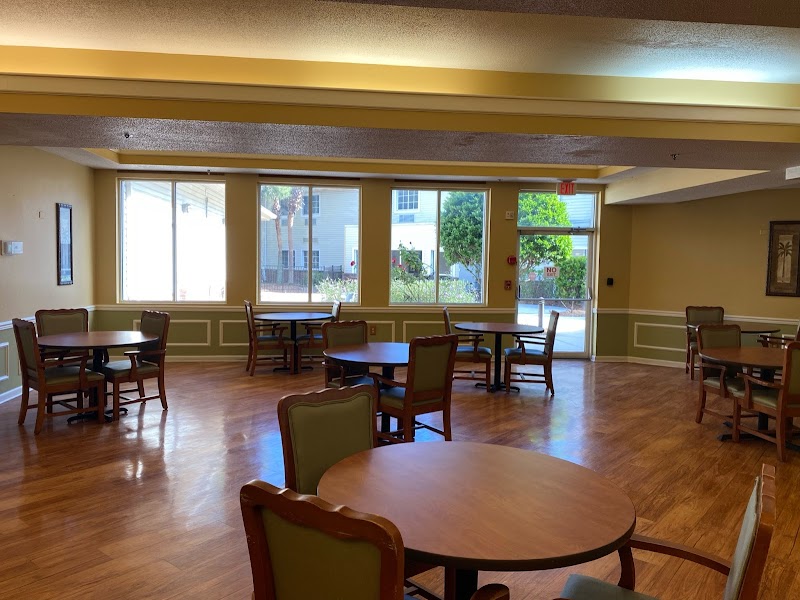
Who Owns and Operates Bridgewalk On Harden, Ll?

BRIDGEWALK ON HARDEN HEALTH AND REHABILITATION, LL is owned by a for-profit company. For-profit facilities operate as businesses with obligations to shareholders or private owners. The facility operates independently rather than as part of a larger chain. With 120 certified beds and approximately 91 residents (about 76% occupancy), it is a mid-sized facility located in LAKELAND, Florida.
How Does Bridgewalk On Harden, Ll Compare to Other Florida Nursing Homes?

Compared to the 100 nursing homes in Florida, BRIDGEWALK ON HARDEN HEALTH AND REHABILITATION, LL's overall rating (1 stars) is below the state average of 3.2, staff turnover (79%) is significantly higher than the state average of 46%, and health inspection rating (1 stars) is much below the national benchmark.

What Should Families Ask When Visiting Bridgewalk On Harden, Ll?

Based on this facility's data, families visiting should ask: "What changes have been made since the serious inspection findings, and how are you preventing similar issues?" "How do you ensure continuity of care given staff turnover, and what is your staff retention strategy?" "Can you walk me through typical staffing levels on day, evening, and night shifts?" "Can I visit during a mealtime to observe dining assistance and food quality?" These questions are particularly relevant given the facility's Immediate Jeopardy citations, the facility's high staff turnover rate, and the below-average staffing rating.

Is Bridgewalk On Harden, Ll Safe?

Based on CMS inspection data, BRIDGEWALK ON HARDEN HEALTH AND REHABILITATION, LL has documented safety concerns. Inspectors have issued 2 Immediate Jeopardy citations (the most serious violation level indicating risk of serious injury or death). The facility has a 1-star overall rating and ranks #100 of 100 nursing homes in Florida. Families considering this facility should ask detailed questions about what corrective actions have been taken since these incidents.

Do Nurses at Bridgewalk On Harden, Ll Stick Around?

Staff turnover at BRIDGEWALK ON HARDEN HEALTH AND REHABILITATION, LL is high. At 79%, the facility is 33 percentage points above the Florida average of 46%. Registered Nurse turnover is particularly concerning at 77%. RNs handle complex medical decisions and coordinate care — frequent RN changes can directly impact care quality. High turnover means new staff may not know residents' individual needs, medications, or preferences. It can also be disorienting for residents, especially those with dementia who rely on familiar faces. Families should ask: What is causing the turnover? What retention programs are in place? How do you ensure care continuity during staff transitions?

Was Bridgewalk On Harden, Ll Ever Fined?

BRIDGEWALK ON HARDEN HEALTH AND REHABILITATION, LL has been fined $181,400 across 3 penalty actions. This is 5.2x the Florida average of $34,893. Fines at this level are uncommon and typically indicate a pattern of serious deficiencies, repeated violations, or failure to correct problems promptly. CMS reserves penalties of this magnitude for facilities that pose significant, documented risk to resident health or safety. Families should request specific documentation of what issues led to these fines and what systemic changes have been implemented.

Is Bridgewalk On Harden, Ll on Any Federal Watch List?

BRIDGEWALK ON HARDEN HEALTH AND REHABILITATION, LL is not on any federal watch list. The most significant is the Special Focus Facility (SFF) program, which identifies the bottom 1% of nursing homes nationally based on persistent, serious quality problems. Not being on this list means the facility has avoided the pattern of deficiencies that triggers enhanced federal oversight. This is a positive indicator, though families should still review the facility's inspection history directly.