FLORIDA PRESBYTERIAN HOMES INC
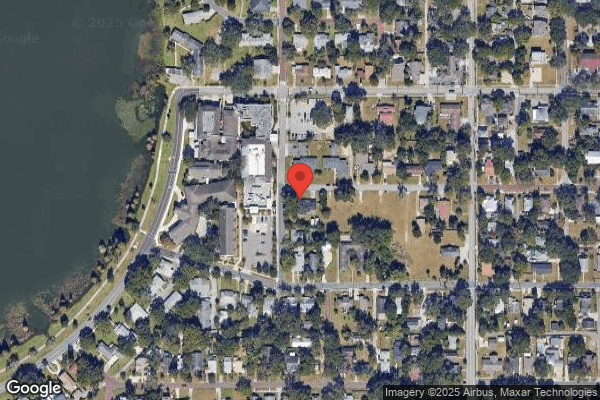
909 LAKESIDE AVE, LAKELAND, FL 33803 (863) 688-5521
Non profit - Church related 68 Beds WESTMINSTER COMMUNITIES OF FLORIDA Data: November 2025
Trust Grade
75/100
#208 of 690 in FL
Last Inspection: February 2024

Within standard 12-15 month inspection cycle. Federal law requires annual inspections.

Overview

Florida Presbyterian Homes Inc in Lakeland has a Trust Grade of B, indicating it is a good choice among nursing homes, though not the top tier. It ranks #208 out of 690 facilities in Florida, placing it in the top half, and #3 out of 25 in Polk County, suggesting only two local options are better. Unfortunately, the facility's trend is worsening, with the number of reported issues increasing from 5 in 2022 to 8 in 2024. Staffing is a strength, with a rating of 4 out of 5 stars and a turnover rate of 36%, which is better than the state average of 42%. Notably, the facility has not incurred any fines, which is a positive sign. However, there are some weaknesses to consider. The facility lacks specialized training in infection control, as the Director of Nursing has not received the necessary training for that role. Additionally, there were concerns about incomplete care plans for residents, specifically regarding catheter care and oxygen use, which could lead to inadequate treatment. Overall, while there are strengths in staffing and no fines, families should be aware of the rising issues and training deficiencies at the facility.

Trust Score
B
75/100
In Florida
#208/690
Top 30%
Safety Record
Low Risk
No red flags
Inspections
Getting Worse
5 → 8 violations
Staff Stability
○ Average
36% turnover. Near Florida's 48% average. Typical for the industry.
Penalties
✓ Good
No fines on record. Clean compliance history, better than most Florida facilities.
Skilled Nurses
✓ Good
Each resident gets 56 minutes of Registered Nurse (RN) attention daily — more than average for Florida. RNs are trained to catch health problems early.
Violations
⚠ Watch
16 deficiencies on record. Higher than average. Multiple issues found across inspections.
★★★★☆
4.0
Overall Rating
★★★★☆
4.0
Staff Levels
★★★★★
5.0
Care Quality
★★★☆☆
3.0
Inspection Score
Stable
2022: 5 issues
2024: 8 issues

The Good

  • 4-Star Staffing Rating · Above-average nurse staffing levels
  • 5-Star Quality Measures · Strong clinical quality outcomes
  • Full Sprinkler Coverage · Fire safety systems throughout facility
  • No fines on record
  • Staff turnover below average (36%)

    12 points below Florida average of 48%

Facility shows strength in staffing levels, quality measures, fire safety.

The Bad

Staff Turnover: 36%

10pts below Florida avg (46%)

Typical for the industry

Chain: WESTMINSTER COMMUNITIES OF FLORIDA

Part of a multi-facility chain

Ask about local staffing decisions and management

The Ugly 16 deficiencies on record

Feb 2024 8 deficiencies
CONCERN (D)

Potential for Harm - no one hurt, but risky conditions existed

Resident Rights (Tag F0550)

Could have caused harm · This affected 1 resident

**NOTE- TERMS IN BRACKETS HAVE BEEN EDITED TO PROTECT CONFIDENTIALITY** Based on observations and interviews, the facility failed to ensure care and services were provided in a dignified manner to one...

Read full inspector narrative →
**NOTE- TERMS IN BRACKETS HAVE BEEN EDITED TO PROTECT CONFIDENTIALITY** Based on observations and interviews, the facility failed to ensure care and services were provided in a dignified manner to one (Resident #1) of twenty six sampled residents. Findings included: A review of Resident #1's medical record revealed Resident #1 was admitted to the facility on [DATE] with diagnoses of congestive heart failure, stage 3 chronic kidney disease, and non-ST-elevation myocardial infarction (NSTEMI). A review of Resident #1's care plan revealed a focus area, initiated 2/23/2024, Resident #1 was at risk for alteration in nutritional status related to significant weight loss and various comorbidities. Interventions included to provide and serve diet as ordered and monitor intake with each meal. An observation was conducted on 2/24/2024 at 12:04 PM of Resident #1 during lunch. Resident #1 was being assisted with the lunch meal by Staff C, Certified Nursing Assistant (CNA) inside of the resident's room. Resident #1 was observed laying in bed with Staff C, CNA providing physical assistance with feeding. Staff C, CNA was observed standing at the bedside during the lunch meal while assisting Resident #1 with the meal. An observation was conducted on 2/25/2024 at 9:54 AM during medication administration with Staff B, Registered Nurse (RN). Staff B, RN prepared an ordered dietary supplement for administration to Resident #1. After preparing the supplement, Staff B, RN knocked on Resident #1's door and introduced herself to the resident. Staff B, RN then administered the dietary supplement to Resident #1. During the observation, a third party nurse with hospice services was observed entering Resident #1's room with a blue colored bag. The nurse did not knock on Resident #1's door before entering and did not introduce herself to the resident or Staff B, RN. The hospice nurse placed her bag on top of several of Resident #1's belongings on a table in the room and removed a stethoscope. The hospice nurse began assessing Resident #1 as Staff B, RN continued to encourage Resident #1 to drink the dietary supplement she had ordered. Staff B, RN handed the dietary supplement to another staff member who entered the room after Resident #1 consumed approximately half of it and exited the room. An observation was conducted on 2/25/2024 at 12:39 PM of Resident #1 during lunch. Resident #1 was being assisted with the lunch meal by Staff D, CNA inside of the resident's room. Resident #1 was observed laying in bed with Staff D, CNA providing physical assistance with feeding. Staff D, CNA was observed standing at the bedside during the lunch meal while assisting Resident #1 with the meal. An interview was conducted on 2/25/2024 at 3:20 PM with Staff C, CNA. Staff C, CNA stated Resident #1 required assistance with her meals due to having a recent decline in her functioning. Staff C, CNA also stated she stood up to feed the resident during lunch because the resident leans to one side and has an air mattress to her bed and she did not feel safe feeding the resident while seated at the bedside. An interview was conducted on 2/26/2024 at 12:53 PM with the facility's Director of Nursing (DON). The DON stated she would expect staff to assist a resident with cueing or providing physical assistance with meals if the resident experienced a decline. The resident should be positioned appropriately in the bed and the staff member should be seated next to the resident during the meal. The DON stated Resident #1 experienced a recent decline and required assistance with her meals. The DON also stated she would expect nursing staff to reposition the resident if they were leaning during the meal and be positioned in a manner to ensure the resident is chewing and swallowing their food safely. The DON stated she would expect the facility staff to remind any third party staff to ensure they knock on the resident's door before entering their room.
CONCERN (D)

Potential for Harm - no one hurt, but risky conditions existed

Assessment Accuracy (Tag F0641)

Could have caused harm · This affected 1 resident

**NOTE- TERMS IN BRACKETS HAVE BEEN EDITED TO PROTECT CONFIDENTIALITY** Based on interview and record review, the facility failed to ensure the accuracy of the Resident Assessment Minimum Data Set for...

Read full inspector narrative →
**NOTE- TERMS IN BRACKETS HAVE BEEN EDITED TO PROTECT CONFIDENTIALITY** Based on interview and record review, the facility failed to ensure the accuracy of the Resident Assessment Minimum Data Set for one (#9) of five residents reviewed. Findings included: Record review revealed Resident #9 was admitted to the facility on [DATE] with diagnoses that included but not limited to Unspecified Mental Disorder due to known Physiological Disorder, Anxiety, Schizophrenia and Unspecified Dementia according to the Face Sheet. Review of the Medication Administration Record (MAR) for February 2024 showed: -Divalproex 125 milligrams (mg) - 2 capsules orally twice daily for unspecified mental disorder -Quetiapine 50mg orally twice daily for schizophrenia -ABH [Ativan, Lorazepam, Benadryl] Gel 2 milliliters (ml) topically every 8 hours for agitation related to anxiety. Review of the quarterly Minimum Data Set (MDS) dated [DATE] revealed: -Section C: Brief Interview for Mental Status (BIMS) score 00, indicating severe cognitive impairment. -Section I: Active Diagnosis - none checked. -Section N: Medications administered - Antipsychotic and Antianxiety. During an interview on 02/25/24 at 01:15 PM with Staff A, Registered Nurse (RN), Minimum Data Set Coordinator (MDSC), she confirmed the resident's psychiatric diagnoses were not listed correctly in the MDS assessment and stated she became aware of it today. Review of a facility-provided policy titled 'MDS 3.0 Completion' dated 10/23 revealed: Policy: Residents are assessed, using a comprehensive assessment process, in order to identify care needs and to develop an interdisciplinary care plan. 1. According to federal regulations, the facility conducts initially and periodically a comprehensive, accurate and standardized assessment of each resident's functional capacity, using the RAI [resident assessment instrument] specified by the State. 4.ii Persons completing part of the assessment must attest to the accuracy of the section they completed by signature and indication of the relevant section. Addendum: MDS 3.0 Responsibility by Discipline: Section I - MDSC [minimum data set coordinator]
CONCERN (D)

Potential for Harm - no one hurt, but risky conditions existed

Respiratory Care (Tag F0695)

Could have caused harm · This affected 1 resident

**NOTE- TERMS IN BRACKETS HAVE BEEN EDITED TO PROTECT CONFIDENTIALITY** Based on observations and interviews, the facility failed to ensure respiratory care and services were provided in accordance wi...

Read full inspector narrative →
**NOTE- TERMS IN BRACKETS HAVE BEEN EDITED TO PROTECT CONFIDENTIALITY** Based on observations and interviews, the facility failed to ensure respiratory care and services were provided in accordance with professional standards for two (Resident #1 and Resident #150) of three residents sampled for oxygen therapy and failed to ensure oxygen warning signs were posted outside of resident rooms when oxygen was in use for three (Resident #1, Resident #150, and Resident #6) of three residents sampled for oxygen therapy. Findings included: A review of Resident #1's medical record revealed Resident #1 was admitted to the facility on [DATE] with diagnoses of congestive heart failure, stage 3 chronic kidney disease, and non-ST-elevation myocardial infarction (NSTEMI). A review of Resident #1's physician's orders revealed an order, dated 1/23/2024, for continuous oxygen at 2 liters per minute (lpm) via nasal cannula (NC). Resident #1's physician's orders also revealed an order, dated 2/18/2024, to check and maintain the oxygen concentrator setting at 2 lpm every shift. An observation was conducted on 2/24/2024 at 12:04 PM of Resident #1. Resident #1 was observed resting in bed and wearing a nasal cannula with oxygen flowing from an oxygen concentrator. An observation of the oxygen concentrator revealed Resident #1's oxygen flow was set to 1 lpm. An observation outside of Resident #1's room did not reveal signage to indicate oxygen was in use in the resident's room. An interview was conducted on 2/26/2024 at 1:01 PM with the facility's Director of Nursing (DON). The DON stated she would expect nursing staff to check the resident's oxygen concentrator and ensure the nasal cannula is properly placed. The DON also stated signage should be posted outside of the resident's room to indicate oxygen is in use in that room. 2. During an interview and observation on 2/24/24 at 1:29 p.m. Resident #150 was in bed receiving oxygen via a nasal cannula visiting with family. The family member stated she received 3 liters of oxygen and only at night when she is at home, but here they have her (Resident #150) on it more to assist. There was no sign observed on the door upon entrance to Resident #150's room to indicate she was on oxygen. A review of the admission Record for Resident #150 revealed an admission date of 2/7/24 with diagnoses to include chronic obstructive pulmonary disease and cognitive communication deficit. Review of the Order Summary Report, active as of 2/26/24, revealed a physician order as: O2 (oxygen) 2 L (liters) via nasal cannula continuous every shift, start date of 2/7/24. Review of the Medical Certification for Medicaid Long-Term Care Services and Patient Transfer Form, dated 2/7/24, revealed Resident #150 was receiving oxygen liters at two percent. Review of the active care plan for Resident #150 revealed there was no care plan or intervention related to oxygen therapy. An observation of Resident #150 on 2/25/24 at 3:35 p.m. revealed the resident was lying in bed receiving oxygen via a nasal cannula. During an interview on 2/25/24 at 3:36 p.m. Staff G, Certified Nursing Assistant (CNA) observed the setting for the oxygen and confirmed the oxygen was set at 3 liters. She then assisted the resident with straightening the nasal cannula. The resident at this time was unable to remember who set the oxygen to 3 liters. During an interview with Staff H, Licensed Practical Nurse (LPN) she reviewed the order for Resident #150 and that she was to be receiving 2 liters. Staff H confirmed the resident is compliant with care and would not change the oxygen. An immediate observation was conducted with Staff H and Staff H confirmed the oxygen for Resident #150 was set at 3 liters. She stated she would turn it down to 2 liters. On 2/24/2024 at 9:45 am Resident #6 was observed sitting in a chair in her room wearing a nasal cannula attached to an oxygen concentrator set at 2 liters. An additional observation of the residents door and surrounding area showed an oxygen in use sign was absent. A review of Resident #6 admission record on 2/25/2024 revealed the resident was admitted on [DATE] with a primary diagnosis of acute on chronic systolic (congestive) heart failure. A review of Resident #6 physician orders on 2/25/2024 included an order, dated 2/13/2024, for continuous oxygen at 2 liters per minute. A review of the facility's policy titled, Oxygen Administration, revised 6/23 showed, Oxygen is administered to residents who need it, consistent with professional standards of practice, the comprehensive person-centered care plans, and the resident's goals and preferences. The Policy Explanation and Compliance Guidelines showed: 1. Oxygen is administered under orders of a physician, except in the case of an emergency . 6. Oxygen warning signs must be placed on the door of the resident's room where oxygen is in use. Photographic evidence obtained.
CONCERN (D)

Potential for Harm - no one hurt, but risky conditions existed

Drug Regimen Review (Tag F0756)

Could have caused harm · This affected 1 resident

**NOTE- TERMS IN BRACKETS HAVE BEEN EDITED TO PROTECT CONFIDENTIALITY** Based on observations, interviews, and record reviews, the facility failed to ensure recommendations during medication regimen r...

Read full inspector narrative →
**NOTE- TERMS IN BRACKETS HAVE BEEN EDITED TO PROTECT CONFIDENTIALITY** Based on observations, interviews, and record reviews, the facility failed to ensure recommendations during medication regimen review were addressed and acted upon by the primary care provider for one (Resident #37) of six residents sampled for medication regimen review. Findings included: A review of Resident #37's medical record revealed Resident #37 was admitted to the facility on [DATE] with diagnoses of dementia with agitation and cognitive communication deficit. A review of Resident #37's physician's orders revealed an order, dated 9/18/2023 for lorazepam 0.5 milligrams (mg) by mouth every 8 hours as needed for agitation. The order did not include a duration of use or end date. A review of Resident #37's progress notes, dated 9/18/2023 at 3:52 AM revealed Resident #37 displayed increased agitation and restlessness over several days. Resident #37's primary care provider (PCP) was notified and ordered lorazepam 0.5 mg by mouth every 8 hours as needed for agitation. A review of Resident #37's Medication Regimen Review (MRR) report, dated 9/30/2023, revealed a recommendation to evaluate Resident #37 for the appropriateness use of lorazepam 0.5 mg and to document a rationale and duration for use in Resident #37's medical record due to orders for psychotropic drugs being limited to 14 days, except when the attending physician or prescribing practitioner believes that it is appropriate for the as needed order to be extended beyond 14 days. The recommendation also requested for the PCP to provide a re-assessment date and clinical rationale for the continued use of the medication. The section of the MRR titled Re-Assessment Date had an entry of 10/24/2023. The section of the MRR titled Clinical rationale was left blank. The MRR was signed by Resident #37's PCP, but was not dated. A review of Resident #37's medical record did not reveal an evaluation by the PCP related to use of lorazepam 0.5 mg or rationale for the use of the medication on an as needed basis on 10/24/2023. An interview was conducted on 2/26/2024 at 11:03 AM with the facility's Director of Nursing (DON). The DON stated when a recommendation is received from the consultant pharmacist, the facility calls the resident's physician to inform them or the nursing staff will place the recommendation in the physician's inbox to review when they come to the facility. The DON also stated Resident #37 had the lorazepam 0.5 mg ordered for a long time due to the resident's behaviors. The DON stated Resident #37's initial order lorazepam 0.5 mg should have been for 14 days and the resident should have been re-evaluated by the PCP to determine if the resident still needed the medication on an as needed basis. The DON also stated the medication should have an end date to indicate a duration of use.
CONCERN (D)

Potential for Harm - no one hurt, but risky conditions existed

Medication Errors (Tag F0758)

Could have caused harm · This affected 1 resident

**NOTE- TERMS IN BRACKETS HAVE BEEN EDITED TO PROTECT CONFIDENTIALITY** Based on observations, interviews, and record reviews, the facility failed to ensure use of psychotropic meds on an as needed ba...

Read full inspector narrative →
**NOTE- TERMS IN BRACKETS HAVE BEEN EDITED TO PROTECT CONFIDENTIALITY** Based on observations, interviews, and record reviews, the facility failed to ensure use of psychotropic meds on an as needed basis was limited to 14 days without rationale for continuation for two (Resident #37 and Resident #152) of six residents sampled for psychotropic medication use. Findings included: A review of Resident #37's medical record revealed Resident #37 was admitted to the facility on [DATE] with diagnoses of dementia with agitation and cognitive communication deficit. A review of Resident #37's physician's orders revealed an order, dated 9/18/2023 for lorazepam 0.5 milligrams (mg) by mouth every 8 hours as needed for agitation. The order did not include a duration of use or end date. A review of Resident #37's progress notes, dated 9/18/2023 at 3:52 AM revealed Resident #37 displayed increased agitation and restlessness over several days. Resident #37's primary care provider (PCP) was notified and ordered lorazepam 0.5 mg by mouth every 8 hours as needed for agitation. A review of Resident #37's Medication Regimen Review (MRR) report, dated 9/30/2023, revealed a recommendation to evaluate Resident #37 for the appropriateness use of lorazepam 0.5 mg and to document a rationale and duration for use in Resident #37's medical record due to orders for psychotropic drugs being limited to 14 days, except when the attending physician or prescribing practitioner believes that it is appropriate for the as needed order to be extended beyond 14 days. The recommendation also requested for the PCP to provide a re-assessment date and clinical rationale for the continued use of the medication. The section of the MRR titled Re-Assessment Date had an entry of 10/24/2023. The section of the MRR titled Clinical rationale was left blank. The MRR was signed by Resident #37's PCP, but was not dated. A review of Resident #37's medical record did not reveal an evaluation by the PCP related to use of lorazepam 0.5 mg or rationale for the use of the medication on an as needed basis on 10/24/2023. An interview was conducted on 2/26/2024 at 11:03 AM with the facility's Director of Nursing (DON). The DON stated when a recommendation is received from the consultant pharmacist, the facility calls the resident's physician to inform them or the nursing staff will place the recommendation in the physician's inbox to review when they come to the facility. The DON also stated Resident #37 had the lorazepam 0.5 mg ordered for a long time due to the resident's behaviors. The DON stated Resident #37's initial order lorazepam 0.5 mg should have been for 14 days and the resident should have been re-evaluated by the PCP to determine if the resident still needed the medication on an as needed basis. The DON also stated the medication should have an end date to indicate a duration of use. 2. Review of the admission Record revealed Resident #152 was admitted to the facility on [DATE] with medical diagnoses to include anxiety disorder, major depressive disorder and unspecified dementia, mild with anxiety. An interview and observation was conducted on 2/24/24 at 1:03 p.m. with Resident #152. Resident #152 was in bed visiting with family and confirmed she was being administered her medications with no concerns. She confirmed she was admitted approximately two weeks ago. Review of the Minimum Data Set (MDS), dated [DATE], revealed in Section C - Cognitive Patterns a Brief Interview for Mental Status score of 13 out of 15, indicating intact cognition. Section D - Mood revealed a symptom presence for Feeling down, depressed, or hopeless. Section E - Behavior revealed no behaviors noted. Review of Resident #152's February 2023 physician orders revealed an order with a start date of 2/5/24 and no end date for Lorazepam Oral Tablet 0.5 MG (milligrams) - give 1 tablet by mouth every 8 hours as needed for anxiety with no end date. Review of Resident #152's Medication Administration Record (MAR) for February 2024 revealed the Lorazepam was not limited to 14 days and the resident received the medication 7 times since the medication was ordered on 2/5/24. Further medical record review was conducted for Resident #152 and there was no evidence to support the continuation of Lorazepam longer than 14 days. During an interview on 2/26/24 at 11:09 a.m. Staff E, Licensed Practical Nurse (LPN) confirmed there was no end date for the Lorazepam, and there should be for the as needed medication. She stated Resident #152 let's them know when she needs the medication. During an interview on 2/26/24 at 11:15 a.m. Staff F, Registered Nurse/Unit Manager confirmed there was no end date in the medical record for the Lorazepam for Resident #152. A review of the facility policy titled Use of Psychotropic Medication, last revised in June 2023, revealed under the section titled Policy residents are not given psychotropic drugs unless the medication is necessary to treat a specific condition, as diagnosed and documented in the clinical record, and the medication is beneficial to the resident, as demonstrated by monitoring and documentation of the resident's response to the medication. The policy also revealed under the section titled Policy Explanation and Compliance Guidelines the attending physician will assume leadership in medication management by developing, monitoring, and modifying the medication regimen in collaboration with residents, their families and/or representatives, other professionals, and the interdisciplinary team. PRN (as needed) orders for all psychotropic shall be used only when the medication is necessary to treat a diagnosed specific condition that is documented in the clinical record, and for a limited duration (i.e. 14 days). If the attending physician or prescribing practitioner believes that it is appropriate for the PRN order to be extended beyond 14 days, he or she shall document their rationale in the resident's medical record and indicate the duration for the PRN order.
CONCERN (E)

Potential for Harm - no one hurt, but risky conditions existed

PASARR Coordination (Tag F0644)

Could have caused harm · This affected multiple residents

**NOTE- TERMS IN BRACKETS HAVE BEEN EDITED TO PROTECT CONFIDENTIALITY** Based in interview and record review, the facility failed to ensure the accuracy of the Level I Pre-admission Screening and Resi...

Read full inspector narrative →
**NOTE- TERMS IN BRACKETS HAVE BEEN EDITED TO PROTECT CONFIDENTIALITY** Based in interview and record review, the facility failed to ensure the accuracy of the Level I Pre-admission Screening and Resident Review (PASSAR) for four (#9, #40, #14 and #198) of five residents reviewed. Findings Included: 1. Record review revealed Resident #9 was admitted to the facility on [DATE] with diagnoses that included but not limited to Unspecified Mental Disorder due to known Physiological Disorder, Anxiety, Schizophrenia and Unspecified Dementia according to the Face Sheet. Review of the quarterly Minimum Data Set (MDS) dated [DATE] revealed: -Section C: Brief Interview for Mental Status (BIMS) score 00, indicating severe cognitive impairment. -Section I: Active Diagnosis - none checked. -Section N: Medications administered - Antipsychotic and Antianxiety. Review of the Medication Administration Record (MAR) for February 2024 showed: -Divalproex 125 milligrams (mg) - 2 capsules orally twice daily for unspecified mental disorder -Quetiapine 50mg orally twice daily for schizophrenia -ABH [Ativan, Lorazepam, Benadryl] Gel 2 milliliters (ml) topically every 8 hours for agitation related to anxiety Review of the PASSAR Level I, dated 11/26/2019 revealed: -Section IA, no Mental Illness, or suspected Mental Illness checked. -Section II 5 primary diagnosis of Dementia checked no. -Section II 6 secondary diagnoses of Dementia checked no. 2. Record review revealed Resident #40 was admitted to the facility on [DATE] with diagnoses that included but not limited to Parkinson's Disease, Unspecified Dementia, Major Depressive Disorder, and Psychotic Disorder. Review of the quarterly MDS dated [DATE] revealed: -Section C: Brief Interview for Mental Status (BIMS) score 05, indicating severe cognitive impairment. -Section I: Active Diagnosis - depression and psychotic disorder. -Section N: Medications administered - Antipsychotic, and Antidepressant Review of the Medication Administration Record (MAR) for February 2024 showed: -Nuplazid 34mg once daily for Parkinson's psychosis -Sertraline 50mg orally daily for MDD [major depressive disorder] -Quetiapine 25mg orally twice daily for psychotic disorder Review of the PASSAR Level I, dated 04/26/2023 revealed: -Section IA, no Mental Illness, or suspected Mental Illness checked. -Section II 5 primary diagnosis of Dementia checked no. -Section II 6 secondary diagnoses of Dementia checked no. 3. Record review revealed Resident #14 was admitted to the facility on [DATE] with diagnoses that included but not limited to Unspecified Dementia, and Major Depressive Disorder. Review of the annual MDS dated [DATE] revealed: -Section C: Brief Interview for Mental Status (BIMS) score 07, indicating moderate cognitive impairment. -Section I: Active Diagnosis - non-Alzheimer's Dementia, and depression -Section N: Medications administered - Antidepressant Review of the Medication Administration Record (MAR) for February 2024 showed: Duloxetine 30mg orally daily for MDD Memantine 10mg PO daily for Unspecified Dementia. Review of the PASSAR Level I, dated 08/05/2021 revealed: -Section IA, no Mental Illness, or suspected Mental Illness checked. -Section II 5 primary diagnosis of Dementia checked no. -Section II 6 secondary diagnoses of Dementia checked no. 4. Record review revealed Resident #198 was admitted to the facility on [DATE] with diagnoses that included but not limited to Vascular Dementia, and Major Depressive Disorder. Review of the quarterly MDS dated [DATE] revealed: -Section C: Brief Interview for Mental Status (BIMS) score 03, indicating severe cognitive impairment. -Section I: Active Diagnosis - non-Alzheimer's Dementia, and Depression -Section N: Medications administered - Antidepressant and Antianxiety. Review of the Medication Administration Record (MAR) for February 2024 showed: Sertraline 100mg orally daily for MDD Divalproex 125mg orally daily for MDD Buspirone 5mg orally three times daily for MDD Review of the PASSAR Level I, dated 01/08/2023 revealed: -Section IA, no Mental Illness, or suspected Mental Illness checked. -Section II 5 primary diagnosis of Dementia checked no. -Section II 6 secondary diagnoses of Dementia checked no. During an interview on 02/25/24 at 01:22 PM with the Nursing Home Administrator (NHA), she stated the Director of Nursing (DON) reviews the PASSAR forms for accuracy. On 02/25/24 at 01:55 PM an interview was conducted with the NHA and DON. The DON stated she reviews PASARR forms for accuracy when residents are admitted to facility. She stated she has realized the facility had an issue with inaccurate PASARR assessments, and she and the NHA were working on a plan to correct. Review of a facility-provided policy titled; Behavioral Health Services dated 6/2023 revealed: Policy: It is the policy of this facility to ensure all residents receive necessary behavioral health services to assist them in reaching and maintaining their highest level of mental and psychosocial functioning. 7. The facility utilizes the comprehensive assessment process for identifying and assessing a resident's mental and psychosocial status . Staff will: a. Complete PASARR [preadmission screening and resident assessment] screening. A policy related to PASSAR accuracy was requested; however, none was provided by completion of the survey.
CONCERN (E)

Potential for Harm - no one hurt, but risky conditions existed

Deficiency F0655 (Tag F0655)

Could have caused harm · This affected multiple residents

**NOTE- TERMS IN BRACKETS HAVE BEEN EDITED TO PROTECT CONFIDENTIALITY** Based on observation, record review, and interview, the facility failed to ensure a baseline and comprehensive care plan was com...

Read full inspector narrative →
**NOTE- TERMS IN BRACKETS HAVE BEEN EDITED TO PROTECT CONFIDENTIALITY** Based on observation, record review, and interview, the facility failed to ensure a baseline and comprehensive care plan was complete for three residents (#148, #150 and #152) related to catheter care (#148), the use of oxygen (#150), and dementia care (#148 and #152) of twenty-five sampled residents. Findings included: 1. On 2/24/24 at 10:12 a.m. an observation revealed Resident #148 sitting in his wheelchair in his room receiving oxygen via a nasal cannula and a droplet precautions sign on his door with personal protective equipment available in a bin. An observation and interview was conducted on 2/25/24 at 1:02 p.m. with Resident #148. He was in a wheelchair in his room receiving oxygen via a nasal cannula and had a [name brand] catheter with the bag covered by a privacy bag. Resident #148 stated he received his medications and could not confirm if he had an infection. He stated he only wears oxygen when he needs it. Review of the Medical Certification for Medicaid Long-Term Care Services and Patient Transfer Form, dated 2/7/24, revealed Resident #148 was transferred to the facility with a [brand name] catheter. Review of the medical record for Resident #148 revealed he was admitted on [DATE] with diagnoses to include: sepsis, pneumonia unspecified organism, metabolic encephalopathy and overflow incontinence. Review of the February 2023 Medication Administration Record (MAR) showed a physician order for Memantine HCI Tablet 5 MG (milligrams) - give 1 tablet by mouth two times a day for dementia, start date of 2/17/24. Review of the Minimum Data Set (MDS), dated [DATE], showed in Section H - Bladder and Bowel Appliances that indwelling catheter was checked. Section I - Active Diagnoses showed Resident #148 had medically complex conditions, obstructive uropathy, pneumonia, septicemia, non-Alzheimer's dementia, anxiety disorder, depression, metabolic encephalopathy, overflow incontinence and unspecified dementia, mild, without beh/psych/mood/anx (behavior/psych/mood/anxiety). Section O-Special Treatments, Procedures, and Programs showed Resident #148 received oxygen therapy continuously. An initial review of the care plan on 2/24/24, initiated on 2/8/24, for Resident #148 revealed no care plans developed for catheter care or dementia. An additional review of the care plan revealed a care plan, initiated on 2/25/24, with a focus area as: [Resident #148 name] has an Indwelling Catheter: related to obstructive uropathy. During an interview conducted on 2/26/24 at 10:56 a.m. Staff I, Licensed Practical Nurse (LPN) stated Resident #148 did not have dementia according to his chart. She stated he is here for sepsis, hypotension and pneumonia. On 2/26/24 at 12:32 p.m. Staff A, Registered Nurse/MDS Coordinator (RN/MDS) confirmed Resident #148 had a diagnosis of dementia. She confirmed he did not have a care plan for dementia and should have had one. 2. A review of the admission Record for Resident #150 revealed an admission date of 2/7/24 with diagnoses to include chronic obstructive pulmonary disease and cognitive communication deficit. Review of the Order Summary Report, active as of 2/26/24, revealed a physician order as: O2 (oxygen) 2 L (liters) via nasal cannula continuous every shift, start date of 2/7/24. Review of the Medical Certification for Medicaid Long-Term Care Services and Patient Transfer Form, dated 2/7/24, revealed Resident #150 was receiving oxygen liters at two percent. Review of the active care plan for Resident #150 revealed there was no care plan or intervention related to oxygen therapy. An observation of Resident #150 on 2/25/24 at 3:35 p.m. revealed the resident was lying in bed receiving oxygen via a nasal cannula. During an interview with Staff H, Licensed Practical Nurse (LPN) she reviewed the order for Resident #150 and that she was to be receiving 2 liters. Staff H confirmed the resident is compliant with care and would not change the oxygen. An immediate observation was conducted with Staff H and Staff H confirmed the oxygen for Resident #150 was set at 3 liters. She stated she would turn it down to 2 liters. On 2/26/24 at 12:28 p.m. Staff A, Registered Nurse/MDS Coordinator (RN/MDS) confirmed Resident #150 did not have a care plan for oxygen and should have had one. Staff A stated the process for creating a baseline care plan is the day after admission, we go through the orders (physician) with the IDT (interdisciplinary) team and everybody would put information in. 3. Review of the admission Record revealed Resident #152 was admitted to the facility on [DATE] with medical diagnoses to include anxiety disorder, major depressive disorder and unspecified dementia, mild with anxiety. An interview and observation was conducted on 2/24/24 at 1:03 p.m. with Resident #152. Resident #152 was in bed visiting with family and confirmed she was being administered her medications with no concerns. She confirmed she was admitted approximately two weeks ago. Review of the Minimum Data Set (MDS), dated [DATE], revealed in Section C - Cognitive Patterns a Brief Interview for Mental Status score of 13 out of 15, indicating intact cognition. Section I - Active Diagnosis included non-Alzheimer's dementia, anxiety disorder and depression. Review of Resident #152's Medication Administration Record (MAR) for February 2024 revealed a physician order for Memantine HCI tablet 10 mg (milligrams) - give 1 tablet by mouth one time a day for dementia, start date 2/6/24. Review of the baseline care plan, initiated on 2/8/24, revealed it was silent of a focus area, goal or interventions for dementia. During an interview on 2/26/24 at 12:23 p.m. Staff A, RN/MDS stated Resident #152 has a dementia diagnosis and confirmed there was not a care plan initiated for it. She also confirmed there was no care plan related to the diagnosis of anxiety and there should be. A review of the facility's policy titled, Comprehensive Care Plans, revised 7/23, revealed: Policy: It is the policy of this facility to develop and implement a comprehensive person-centered care plan for each resident, consistent with resident rights, that includes measurable objectives and timeframes to meet a resident's medical, nursing, and mental and psychosocial needs that are identified in the resident's comprehensive assessment. Policy Explanation and Compliance Guidelines: .2. The comprehensive care plan will be developed within 7 days after the completion of the comprehensive MDS assessment. All Care Assessment Areas (CAAs) triggered by the MDS will be considered in developing the plan of care. Other factors identified by the interdisciplinary team, or in accordance with the resident's preferences, will also be addressed in the plan of care. The facility's rationale for deciding whether to proceed with care planning will be evidenced in the clinical record.
CONCERN (E)

Potential for Harm - no one hurt, but risky conditions existed

Unnecessary Medications (Tag F0759)

Could have caused harm · This affected multiple residents

**NOTE- TERMS IN BRACKETS HAVE BEEN EDITED TO PROTECT CONFIDENTIALITY** Based on observation, interview, and record review, the facility failed to maintain a medication error rate of less than 5%. A t...

Read full inspector narrative →
**NOTE- TERMS IN BRACKETS HAVE BEEN EDITED TO PROTECT CONFIDENTIALITY** Based on observation, interview, and record review, the facility failed to maintain a medication error rate of less than 5%. A total of 30 medication administration opportunities were observed with 5 medication errors for one (#34) of five residents sampled for medication administration, which resulted in a medication administration error rate of 16.67%. Findings included: A review of Resident #34's medical record revealed Resident #34 was admitted to the facility on [DATE] with diagnoses of vascular dementia, hypertension, major depressive disorder, and cognitive communication deficit. A review of Resident #34's physician's orders revealed the following orders: - An order, dated 1/3/2024, for escitalopram 10 milligrams (mg) by mouth one time daily at 9:00 AM. - An order, dated 1/3/2024, for gabapentin 100 mg by mouth three times a day at 8:00 AM, 2:00 PM, and 8:00 PM. - An order, dated 1/3/2024, for losartan 100 mg by mouth one time daily at 9:00 AM. - An order, dated 1/3/2024, for methocarbamol 500 mg by mouth two times daily at 9:00 AM and 9:00 PM. - An order, dated 1/3/2024, for metoprolol succinate 25 mg, one half tablet, by mouth two times daily at 9:00 AM and 9:00 PM. An observation of medication administration was conducted on 2/25/2024 at 10:00 AM with Staff B, Registered Nurse (RN). Staff B, RN gathered the following medications for administration to Resident #34: - Gabapentin 100 mg, 1 tablet. - Escitalopram 10 mg, 1 tablet. - Losartan 100 mg, 1 tablet. - Methocarbamol 500 mg, 1 tablet. - Metoprolol Succinate 25 mg, 1/2 tablet. After gathering the medications for Resident #34, Staff B, RN crushed the medications and put them in a small amount of applesauce to prepare for administration. Staff B, RN administered the five medications to Resident #34 at 10:05 AM without difficulty. An interview was conducted following the observation with Staff B, RN. Staff B, RN stated all of Resident #34's medications were administered late and they must be administered within one hour before or after the ordered time. Staff B, RN displayed her laptop screen to reveal the medication administration record (MAR) for the unit. The MAR revealed 13 resident names highlighted in red. Staff B, RN stated the red highlight indicates the resident's medications are late. Staff B, RN also stated if a medication is administered late, she continues with the medication pass without notifying anyone because she had over 30 residents on her floor and she was the only nurse working on the unit. An interview was conducted on 2/26/2024 at 1:03 PM with the facility's Director of Nursing (DON). The DON stated she would expect nursing staff to follow the five rights of medication administration when administering medications to residents, including the right time, right dose, right patient, right route, and right medication. The DON also stated if the five right are not followed, it would result in a medication error. The DON stated she would expect the nursing staff to notify the resident's physician if a medication is going to be administered later than the ordered time and the physician should be notified before the medication is administered. The DON stated nursing staff have between an hour before to an hour after the ordered medication time to administer the medication. A review of the facility policy titled Medication Administration, last revised July 2023, revealed under the section titled Policy medications are administered by licensed nurses, or other staff who are legally authorized to do so, as ordered by the physician and in accordance with professional standards of practice. The policy also revealed under the section titled Policy Explanation and Compliance Guidelines staff are to compare the medication source with the MAR to verify resident name, medication name, form, dose, route, and time and the medication is to be administered within 60 minutes prior to or after the scheduled time unless otherwise ordered by the physician.
Mar 2022 5 deficiencies
CONCERN (D)

Potential for Harm - no one hurt, but risky conditions existed

Resident Rights (Tag F0550)

Could have caused harm · This affected 1 resident

**NOTE- TERMS IN BRACKETS HAVE BEEN EDITED TO PROTECT CONFIDENTIALITY** Based on observation, interview, and record review, the facility failed to honor resident rights related to dignity for all resi...

Read full inspector narrative →
**NOTE- TERMS IN BRACKETS HAVE BEEN EDITED TO PROTECT CONFIDENTIALITY** Based on observation, interview, and record review, the facility failed to honor resident rights related to dignity for all residents, by not ensuring a residents quality of life was enhanced for one (Resident #20) of 25 sampled residents related to staff waiting to be invited into a resident's room and staff providing a service without discussing it with the resident. Findings included: Review of Resident #20's record revealed the resident was admitted to the facility on [DATE], with diagnoses that included Major Depressive Disorder, Anxiety Disorder and had a Brief Interview For Mental Status (BIMS) score of 14 (Cognitively intact) dated 12/27/21. During an Interview on 02/28/22 at 11:10 a.m. with Resident #20, a male person wearing a company logo T-shirt and cap knocked on the door, proceeded into the residents room, went to her bedside, and started working on something on the side of the mattress next to the residents pillow. This person did not identify himself to the resident or ask the resident if he could touch her bed or excuse himself for interrupting the conversation the resident was having. At no time did this person acknowledge the resident. An interview with this person, approximately three minutes later, revealed that the person identified himself as Staff L, Maintenance. Staff L reported that he was told that the residents call-light cord needed a clamp placed on it so that it can be clamped to the bed and stay in place. He reported that he always announced himself and introduced himself to the resident and told them what he was about to do. He reported that in this case he did announce himself after knocking on the door. After the Staff L left the room, an interview with the resident revealed that she had seen Staff L around the facility but did not know why he was coming into her room or what he was doing until after she observed him placing the clamp. In an interview on 03/03/22 at 8:04 a.m., with the DON, she said her expectation was for staff to knock on the door and wait for a response to be invited into the room. She reported that all staff should tell the resident what they were about to do. She reported that she expected that privacy and dignity was provided. In an interview on 03/03/22 at 8:27 a.m., with Staff K, Maintenance Director, he said he supervised ten maintenance staff. He reported that the maintenance staff had full access to the building including resident rooms. Staff K reported that the maintenance staff were to knock on resident room doors prior to entering the resident's room, announce themselves and wait for a response before entering the room. He reported that if the resident needed to be removed from the bed the maintenance staff were to get help from the Certified Nursing Assistant (CNA). He reported that the maintenance staff were to let the resident know what was being done before they start the work. He reported that if the resident had a guest present in their room they would usually wait until the guest was gone to complete the work. Review of the undated policy provided by Staff K, Maintenance Director titled Entering Residents Room revealed the following: Procedure: • Before entering a resident's room, knock on the door and announce yourself and wait for a response. If no response, enter the room announcing yourself. • If resident/patient has a visitor, ask if duties can be completed or come back at a later time. • If resident/patient is in the room, identify what duty you are completing. • Explain what duty is being performed. • Once work is complete, confirm with resident/patient. Review of the facility policy titled Quality of Life-Dignity with a revised date of August 2009 revealed the following: 6. Residents' private space and property shall be respected at all times. a. Staff will knock and request permission before entering residents' rooms. B. Staff will not handle or move a residents' personal belongings (including radios and televisions) without residents's permission. 8. Staff shall keep the resident informed and oriented to their environment. Procedures shall be explained before they are performed and residents will be told in advance if they are going to be taken out of their usual or familiar surroundings.
CONCERN (D)

Potential for Harm - no one hurt, but risky conditions existed

Drug Regimen Review (Tag F0756)

Could have caused harm · This affected 1 resident

**NOTE- TERMS IN BRACKETS HAVE BEEN EDITED TO PROTECT CONFIDENTIALITY** Based on record review and interview, the facility failed to appropriately respond to Consultant Pharmacist recommendations for ...

Read full inspector narrative →
**NOTE- TERMS IN BRACKETS HAVE BEEN EDITED TO PROTECT CONFIDENTIALITY** Based on record review and interview, the facility failed to appropriately respond to Consultant Pharmacist recommendations for one (Resident #23) of five residents sampled for gradual dose reduction (GDR) , and the Consultant Pharmacist did not conduct a through review of medication administration for one (Resident #30) of five residents sampled for unnecessary medication Findings included: 1. Review of Resident #23's record revealed that she was admitted to the facility on [DATE] and has diagnoses that included Dementia Without Behavioral Disturbance, Major Depressive Disorder, and Anxiety Disorder. Review of Resident #23's current physician orders revealed that this resident had a current order for Escitalopram 10 mg tablet -1 tab by mouth every day For MDD (Major Depressive Disorder) Review of the Consultant Pharmacy medical record review dated 1/25/2022 revealed the following: This resident is ordered Escitalopram 10 mg daily since 12/7/20. Within the first year in which a resident is admitted on a psychotropic medication or after the prescribing practitioner has initiated a psychotropic medication, the facility must attempt a GDR in two separate quarters (with at least one month between the attempts), unless clinically contraindicated. After the first year, a GDR must be attempted annually, unless clinically contraindicated. Could we attempt a dose reduction at this time to verify this resident is on the lowest effective dose? If not, please indicate response below. Continued review of the recommendation revealed that in the Responsesection the physician indicated The drug, dose, duration, and indication are clinically appropriate. Further reductions are contraindicated due to: Use is in accordance with relevant current standards of practice. Review of the document revealed that under the response there was a section where a rationale is to be provided. This section was noted to be blank. The document was noted to be signed by the physician on 2/3/22. An interview on 03/03/22 at 1:08 p.m. with the Director Of Nursing (DON) revealed that the expectation was that all recommendations from the Consultant Pharmacist be followed and if not a rationale be documented. An interview on 03/03/22 at 1:32 p.m. with the Regional Director of Clinical services revealed that his expectation was that when a physician did not follow the recommendation they document a rationale. He reported that the Consultant Pharmacist would not send the same recommendation the following month but would typically follow-up in 6 months or quarterly as they try not to upset the facility and ruin their working relationship. 2. Review of Resident #30's record revealed that he was admitted to the facility on [DATE] with diagnosis that include anemia, atrial fibrillation or other dysrhythmias, hypertension, and diabetes mellitus. Review of Resident #30's current physician's orders for 3/1/22 revealed that this resident had orders that included but were not limited to the following: -Bumetanide 2 mg tablet, 2 mg by mouth twice a day for localized edema Order date 2/23/22. -Jardiance 25 mg tablet: 1 tablet by mouth every day once daily for Type 2 Diabetes Mellitus without Complications. Order date 1/8/2022. -Florastor 250 mg capsule 1 cap by mouth three times a day for encounter for prophylactic measures. Order date 2/2/22 -K-Tab 20 mEq tablet, extended release- Take 2 tabs by mouth three times daily for hypokalemia Order date 1/31/22. -Metformin 500 mg tablet: 2 tabs by mouth every day for hyperglycemia. Order date 1/9/2022. -Humalog 100 units/ml Kwikpen 100/ml: Take BS (blood sugar) and use sliding scale 100 unit/mil subcutaneous 199 give 5.0 units 350 + call MD for Hyperglycemia. Order date 1/8/2022. -Eliquis 5 mg tablet: 1 tab by mouth twice a day for long term use of Anticoagulants. Order date 1/8/2022. -Lisinopril 10 mg tablet: 1/2 tab by mouth every day for essential hypertension. Order date 1/9/2022 -Metoprolol succinate ER 25 mg tablet, extended release 24 hr: 1 tab po qday Order date 1/9/2022. -Magnesium Oxide 500 mg tab: 500 mg take 2 tabs by mouth every day for Magnesium deficiency. Order date 1/10/22. -Finasteride 5 mg tablet: 1 tab by mouth every day for retention of urine, unspecified. Order date 1/9/2022. -PB Safety lancets 28 g: three times day use to check blood sugar 3 x daily. Order date 1/8/2022. -Cetirizine 10 mg tablet- 1 tabs by mouth every day for Allergy. Order date 1/9/22. -Vitamin D3 25 mcg- 1 tab by mouth every day for Vitamin D deficiency. Order date 1/9/22. -Tab-A-Vite tablet- by mouth twice a day for deficiency of other vitamins. Order date 1/8/22. -Calcium Carb 500 mg tab-Chew 500 mg- 1 tab by mouth every day for dietary calcium deficiency. Order date 1/8/22. -Curcumin 95 500 mg cap- 1 cap by mouth every day for vitamin deficiency. Order date 1/8/22. -Iron 325 mg (65 mg iron) tablet- 1 tab by mouth every day for iron deficiency anemia. Order date 1/8/22. -Levothyroxine 100 mcg tablet-1 tab by mouth every day for Hypothyroidism. Order date 1/8/22. -Digestive Enzymes 220 mg capsule by mouth three times a day for ABN [NAME] ENZYMES IN SPECIMENS . Order date 1/8/22. -Emergency-C 750 Gummy- 1 gummy by mouth three times a day for supplement for sequelae of Vitamin C deficiency. Order date 1/8/22. Review of the the February Medication Administration Record (MAR) for 2/24/22 from 6:00 a.m. to 2:00 p.m. and 2/25/22 from 6:00 a.m. to 6:30 a.m. revealed that there were blank spaces in the MAR to indicate the medications were not taken given. There were no nurses note or other documentation that would explained why the resident did not receive the identified medications. An interview on 3/2/22 at 2:20 p.m. with the Director of Nursing (DON) revealed that she did not know off hand why the MAR indicated the noted medications were not taken and would need to check. She reported that she did not know if this information could be found elsewhere. An interview on 3/2/22 at 3:21 p.m. with the DON revealed the nurse that worked on the 7:00 a.m. to 3:00 p.m. shift on 2/24/22 was identified as Staff D, Licensed Practical Nurse (LPN), and was an agency nurse. In an interview with the DON on 03/3/2022 at 10:55 a.m., she revealed the nurse who was assigned to the night shift from 11:00 p.m. to 7:00 a.m. on 2/25/22 was identified as Staff E, LPN and was an agency nurse. An interview on 3/3/2022 at 11:00 AM with Staff C, Unit Manager, and the DON, revealed that Staff C spoke with Staff E today and found out that Staff E had log in issues and did not document anything during her shift on the computer or on paper. The DON stated that Staff E was given a log in at the beginning of her shift, which did not work. She then had another nurse log into the system so she could see what medications were due. She reported that Staff E administered the medication but did not sign them out on the other nurse's computer because the other nurse did not give them. The DON revealed that her expectation was that if an agency nurse was having difficulty accessing the system to administer medication, they should notify one of the two department heads, but they are here during the day and this was night shift. Continued interview of the DON and Staff C revealed there was no training or orientation provided to agency nurses prior to starting their shift. They reported that the nurses just arrived and began working. The DON and Staff C were unable to verbalize if the facility had a system in place to report medication incidents. Interview on 3/3/2022 at 1:28 p.m. with the Pharmacy Consultant, and the Regional Director of Clinical and Consultant Services revealed sometimes they [the nurses] did not have access to the full MAR, sometimes they could only see a week or two of the MAR depending on access given. He reported that ideally, they would have full access to the MAR. When asked about looking at the medication record for blanks/gaps on the Medication Administration Record, he reported that the Consultant Pharmacists do medication pass reviews. They would follow nurses doing a medication pass to make sure the medications were passed correctly. He reported that typically, they choose a facility employee or a nurse that was recommended by administration. They did usually follow the Agency nurses. Review of the facility policy titled Medication Monitoring and Management with an effective date of March 2019 revealed the following: A. The interdisciplinary team reviews the resident's medication regimen for efficacy and actual or potential medication-related problems on an ongoing basis in accordance with the policy on Medication Management.
CONCERN (E)

Potential for Harm - no one hurt, but risky conditions existed

Deficiency F0883 (Tag F0883)

Could have caused harm · This affected multiple residents

**NOTE- TERMS IN BRACKETS HAVE BEEN EDITED TO PROTECT CONFIDENTIALITY** Based on interviews, record reviews, and review of facility policy, the facility failed to provide Pneumococcal vaccinations for...

Read full inspector narrative →
**NOTE- TERMS IN BRACKETS HAVE BEEN EDITED TO PROTECT CONFIDENTIALITY** Based on interviews, record reviews, and review of facility policy, the facility failed to provide Pneumococcal vaccinations for three (Resident #26, Resident #23, and Resident #29) of five residents sampled for Pneumococcal vaccinations and failed to provide influenza vaccinations for one (Resident #29) of five residents sampled for influenza vaccinations. Findings included: A request was made on 03/02/2022 to the facility's Director of Nursing (DON) and Infection Control Preventionist (ICP) related to influenza and Pneumococcal vaccination education, consent/refusal, and proof of administration for Residents #26, #23, and #29. The DON provided the following documentation: - Consent and education documentation for Pneumococcal vaccination for Resident #26, dated 11/05/2020. No documentation showing that the vaccination was administered to Resident #26. - Consent and education documentation for Pneumococcal vaccination for Resident #23, dated 12/17/2020. No documentation showing that the vaccination was administered to Resident #23. - Consent and education documentation for Pneumococcal and influenza vaccinations for Resident #29, dated 12/28/2021. No documentation showing that the Pneumococcal or influenza vaccinations were administered to Resident #29. An interview was conducted on 03/03/2022 at 10:39 a.m. with Staff C, Licensed Practical Nurse (LPN) and Unit Manager (UM). Staff C, LPN UM stated she was not able to find any proof in the medical record that Resident #23 received the Pneumococcal vaccination after signing a consent and was not able to state why Resident #23 did not receive the vaccine. Staff C, LPN addressed that Resident #29 had signed consents for the Pneumococcal and influenza vaccines and stated Resident #29 did not receive the influenza vaccine because the facility only administered to residents in the month of October. Resident #29 had the consent signed in December of 2021. Staff C, LPN UM then stated, after confirming with the facility's DON, the influenza vaccinations could be administered until May and was not able to state why Resident #29 did not receive the influenza or Pneumococcal vaccinations. Staff C, LPN UM stated she was not able to find any proof in the medical record that Resident #26 received the Pneumococcal vaccination after signing a consent and was not able to state why Resident #26 did not receive the vaccine. A review of Resident #26's Medical Record revealed Resident #26 was admitted to the facility on [DATE]. A review of Resident #23's Medical Record revealed Resident #23 was admitted to the facility on [DATE]. A review of Resident #29's Medical Record revealed Resident #29 was admitted to the facility on [DATE]. An interview was conducted on 03/03/2022 at 2:10 p.m. with the DON. The DON stated residents should be assessed upon admission for influenza and Pneumococcal vaccinations they might require. If the resident was eligible for a vaccination then a consent was obtained, an order by the resident's physician was put into the medical record, and the vaccine was administered. The DON confirmed that the influenza vaccine was offered by the facility from the months of October to May and if a resident signed a consent for it in December then it should have been administered. A review of the facility policy titled Vaccination of Residents, with no effective date, revealed under the section titled Policy Statement that all residents will be offered vaccines that aid in preventing infectious diseases unless the vaccine is medically contraindicated or the resident has already been vaccinated. The policy also revealed, under the section titled policy Interpretation and Implementation the following: - All new residents shall be assessed for current vaccination status upon admission. - If the resident receives a vaccine, at least the site of administration, date of administration, lot number of the vaccine, expiration date, and name of person administering the vaccine is documented in the resident's medical record.
CONCERN (E)

Potential for Harm - no one hurt, but risky conditions existed

Deficiency F0886 (Tag F0886)

Could have caused harm · This affected multiple residents

Based on interviews and record reviews, the facility failed to conduct ongoing COVID-19 outbreak testing in accordance with testing frequency parameters for five (Resident #26, Resident #29, Resident ...

Read full inspector narrative →
Based on interviews and record reviews, the facility failed to conduct ongoing COVID-19 outbreak testing in accordance with testing frequency parameters for five (Resident #26, Resident #29, Resident #9, Resident #23, and Resident #27) of five residents sampled for COVID-19 testing requirements and for five (Staff G, Certified Nurse Aide, Staff H, Registered Nurse, Staff I, Certified Nurse Aide, Staff J, Housekeeper, and Staff K, Maintenance) of five staff members sampled for COVID-19 testing requirements. Findings included: A request was made on 03/03/2022 at 1:29 p.m. to review the last three COVID-19 testing results for Resident #26, Resident #29, Resident #9, Resident #23, and Resident #27 and for the last three COVID-19 testing results for Staff G, Certified Nurse Aide (CNA), Staff H, Registered Nurse (RN), Staff I, CNA, Staff J, Housekeeper, and Staff K, Maintenance to the facility's Director of Nursing (DON) and the facility's Nursing Home Administrator (NHA). A review of Resident #26's COVID-19 test results revealed the last testing conducted on 02/07/2022 with a negative result. No other COVID-19 test results were found for Resident #26. A review of Resident #29's COVID-19 test results revealed testing conducted on 01/26/2022 and 12/28/2021 with negative results. Resident #29 had a positive COVID-19 test result on 02/07/2022. No other COVID-19 test results were found for Resident #29. A review of Resident #9's COVID-19 test results revealed the last testing conducted on 02/07/2022 with a negative result. No other COVID-19 test results were found for Resident #9. A copy of the test result was requested on 03/03/2022 at 1:29 p.m. to the NHA. The facility did not provide a copy of Resident #9's COVID-19 testing results. A review of Resident #23's COVID-19 test results revealed the last testing conducted on 02/07/2022 with a negative result. No other COVID-19 test results were found for Resident #23 A review of Resident #27's COVID-19 test results revealed testing conducted on 02/07/2022 and 02/09/2022 with negative results. No other COVID-19 test results were found for Resident #27. No COVID-19 test results were found for Staff G, CNA or Staff H, RN. A review of Staff I, CNA's COVID-19 test results revealed the last testing conducted on 02/08/2022 with a positive result. No other COVID-19 test results were found for Staff I, CNA. A review of Staff J, Housekeeper's COVID-19 test results revealed the last testing conducted on 01/04/2022 with a positive result. No other COVID-19 test results were found for Staff J, Housekeeper. A review of Staff K, Maintenance's COVID-19 test results revealed the last testing conducted on 01/10/2022 with a positive result. No other COVID-19 test results were found for Staff K, Maintenance. A review of the facility's COVID-19 line listing revealed that the facility's COVID-19 outbreak started on 01/03/2022 with a positive staff member. The last document positive COVID-19 test in the facility, which involved a resident, was on 02/11/2022. An interview was conducted on 03/03/2022 at 1:29 p.m. with the NHA and DON. The NHA stated the facility did not have a staff member with specialized training related to Infection Control and Prevention and that the DON was currently acting as the facility's Infection Control and Preventionist (ICP). The NHA also stated she was acting as the facility's ICP prior to the DON's arrival but also did not have specialized training related to Infection Control and Prevention. The NHA stated the last facility outbreak of COVID-19 started on 01/03/2022 with a staff member that did not work in the facility. The NHA then observed the provided COVID-19 line listing and was not able to state when the facility's COVID-19 outbreak started due to not knowing which staff members worked in the facility and which staff members worked in a separate building on the facility campus. The NHA stated she was not aware that all staff and residents needed to be tested in response to an outbreak of COVID-19 in the facility and stated that they were only testing staff and residents who had symptoms of COVID-19 and upon admission to the facility.
CONCERN (F)

Potential for Harm - no one hurt, but risky conditions existed

Deficiency F0882 (Tag F0882)

Could have caused harm · This affected most or all residents

Based on interviews and record review, the facility failed to ensure the Infection Control Preventionist (ICP) had specialized training in Infection Control and Prevention. Findings included: An inte...

Read full inspector narrative →
Based on interviews and record review, the facility failed to ensure the Infection Control Preventionist (ICP) had specialized training in Infection Control and Prevention. Findings included: An interview was conducted on 03/03/2022 at 12:47 p.m. with the facility's Director of Nursing (DON). The DON stated she was acting as the facility's ICP but did not have any specialized training related to infection control and prevention. The DON also stated she was not aware of any staff in the facility having specialized training related to infection control and prevention. An interview was conducted on 03/03/2022 at 1:29 p.m. with the facility's Nursing Home Administrator (NHA). The NHA stated the facility did not have any staff members that had specialized infection control and prevention training and the facility had not had an ICP since November of 2021. The DON stated several staff members quit the facility at the same time and the facility did not have a backup ICP. A review of the facility job description for the title of Staff Development Coordinator/Infection Preventionist Nurse revealed under the section titled Minimum Qualifications the following minimum requirements: - Extensive knowledge of current standards of practice and the rules, regulations, and laws related to the long-term care industry. - Education, training, experience, or certification in infection control and prevention. - Completed specialized training in infection prevention and control through accredited continuing education.
Jan 2021 3 deficiencies
CONCERN (D)

Potential for Harm - no one hurt, but risky conditions existed

Comprehensive Care Plan (Tag F0656)

Could have caused harm · This affected 1 resident

**NOTE- TERMS IN BRACKETS HAVE BEEN EDITED TO PROTECT CONFIDENTIALITY** Based on observations, record reviews, and interviews, the facility failed to develop and implement a comprehensive person-cente...

Read full inspector narrative →
**NOTE- TERMS IN BRACKETS HAVE BEEN EDITED TO PROTECT CONFIDENTIALITY** Based on observations, record reviews, and interviews, the facility failed to develop and implement a comprehensive person-centered care plan for one resident (#48) related to an electronic elopement device out of the 11 sampled residents with an electronic elopement device. Findings included: On 01/05/21 at 1:20 p.m., Resident #48 was observed in her room sitting in a chair next to the bed sleeping. An electronic elopement device was observed on her right ankle. On 01/07/21 at 9:32 a.m., Resident #48 was observed in her room sitting on the bed while the nurse was changing her shoes. Staff H, Licensed Practical Nurse (LPN), confirmed that the resident had an electronic elopement device on her right ankle. A review of the Profile Face Sheet revealed that Resident #48 was readmitted into the facility on [DATE]. Section C: Cognitive Patterns of the Quarterly Minimum Data Set (MDS), with an effective date of 11/18/20, revealed that the resident had a Brief Interview for Mental Status (BIMS) score of 13 out of 15, indicating the resident was cognitively intact. Section P: Restraints and Alarms did not indicate that Resident #48 used a wander/elopement alarm. A review of the Physician Telephone Orders revealed that Resident #48 had an order to place an electronic elopement device on her left ankle, check placement and function every shift and it was dated 08/13/20. A review of the active care plans revealed that Resident #48 did not have a care plan in place for an electronic elopement device. The Wander Monitoring assessment dated [DATE] did not have any interventions checked for wandering. A review of the Medication Records and Treatment Records for 12/2020 and 01/2021 did not reflect documentation for checking the functioning and placement of the an electronic elopement device. On 01/07/21 at 3:00 p.m., the Director of Nursing (DON) reported that electronic elopement devices should be checked daily, and it might be every shift. She stated that she expected it to be checked daily. On 01/07/21 at 9:38 a.m., Staff H, LPN, reported that Resident #48 had an order in place for an electronic elopement device since 08/13/20. She reported that nurses are responsible for checking the functioning and placement of the electronic elopement device. Staff H confirmed that there was no documentation related to checking the functioning and placement of the electronic elopement device in the resident's electronic or paper health record. She stated that the resident went out to the hospital in November (2020) and it has not been checked since. The electronic elopement device was originally on the left ankle. Staff H stated the functioning and the placement of the electronic elopement device should be documented in the chart. On 01/08/21 at 9:57 a.m., the DON reported that the nurses are responsible for checking the a electronic elopement devices and that it should be documented on the TAR (Treatment Administration Record) every shift by the 7 (a.m.) -11 (p.m.) nurses. The DON stated that the MDS should indicate if the resident had an electronic elopement device and the care plan should indicate that a resident had an electronic elopement device. The policy titled, Elopements and Wandering Residents, undated, revealed the following: Policy This facility ensures that residents who exhibit wandering behavior and/or are at risk for elopement receive adequate supervision to prevent accidents, and receive care in accordance with their person-centered plan of care addressing the unique factors contributing to wandering or elopement risk. Policy Explanation and Compliance Guidelines: 3. The facility shall establish and utilize a systematic approach to monitoring and managing residents at risk for elopement or unsafe wandering, including identification and assessment of risk, evaluation and analysis or hazards and risks, implementing interventions to reduce hazards and risks, and monitoring for effectiveness and modifying interventions when necessary. 4c. Interventions to increase staff awareness of the resident's risk, modify the resident's behavior or to minimize risks associated with hazards will be added to the resident's care plan and communicated to appropriate staff. 4e. Charge nurses and unit managers will monitor the implementation of interventions, response to interventions, and document accordingly.
CONCERN (D)

Potential for Harm - no one hurt, but risky conditions existed

Food Safety (Tag F0812)

Could have caused harm · This affected 1 resident

**NOTE- TERMS IN BRACKETS HAVE BEEN EDITED TO PROTECT CONFIDENTIALITY** Based on observation, interview, policy review, and review of the Food and Drug Administration (FDA) food safety guidelines, the...

Read full inspector narrative →
**NOTE- TERMS IN BRACKETS HAVE BEEN EDITED TO PROTECT CONFIDENTIALITY** Based on observation, interview, policy review, and review of the Food and Drug Administration (FDA) food safety guidelines, the facility failed to ensure onsite cooked food for two of two five-gallon containers of soup were cooled to 41 degrees Fahrenheit within food safety time parameters to limit, and prevent, foodborne pathogen growth. Findings included: During an observation on 01/07/21 at 10:00 a.m. with the Food Service Director (FSD), large, deep five-gallon containers were stored inside of the walk-in cooler beside the back-kitchen exit door. The FSD stated the containers held soup that was cooked yesterday on 01/06/20. The FSD retrieved a metal stem probe thermometer and measured the internal temperature of the beef stew soup; the food product measured 46.2 degrees Fahrenheit (F). The butternut squash soup, stored inside the deep, five-gallon container was measured by the FSD using the metal stem probe thermometer; the product had an internal temperature of 56.2 degrees F. During an interview on 01/07/21 at 10:05 a.m., the Chef Manager stated the process for cooling the food items stored in the large five-gallon containers is to use a cooling wand. The food product is stirred with the cooling wand until it reaches a safe temperature and then stored inside the walk-in cooler. He confirmed he oversees the cooling of cooked foods to make sure they reach a safe temperature within the appropriate timeframe. He stated he does not have a temperature tracking log. During the interview on 01/07/21 at 10:05 a.m., the Chef Manager stated cooked food items must be cooled from 135 degrees F to 70 degrees F within four hours, and then from 70 degrees F to 41 degrees F within two hours. The FSD confirmed the correct cooling process is for a cooked food item to be cooled from 135 degrees F to 70 degrees F within two hours, and then from 70 degrees F to 41 degrees F within four hours. The FSD stated the food should be separated into smaller containers and a cooling log should be used to monitor the cooling process. Both the FSD and the Chef Manager stated the soups that measured above 41 degrees F cannot be served to residents and must be discarded. During an interview on 01/08/21 03:18 p.m. the FSD provided a policy titled, Food Cooling Directive, dated January 8, 2021, and stated prior to today the facility did not have a written policy in place for the cooling of food items. A review of the Food Cooling Directive, dated 01/08/21, revealed, Pathogens grow fastest in the temperature range of 70-140, all foods must pass through this temperature range very quickly. All foods must be cooled to 70 degrees inside of 2 hours. Then these foods must reach 40 degrees or less within 6 hours Denser foods cool slower [chili, [NAME], stews, thick soups] Best ways to cool hot foods: ice water bath adding ice often as it melts, use the ice wands [keep them clean and filled] . According to the Food and Drug Administration (FDA) Food Code, dated 2017, page 94-95, revealed, Cooked time/temperature control for safety food shall be cooled: (1) Within 2 hours from 57°C [Celsius] (135°F) to 21°C (70°F), and (2) Within a total of 6 hours from 57°C (135°F) to 5°C (41°F) or less Cooling shall be accomplished in accordance with the time and temperature criteria . by using one or more of the following methods . (1) Placing the food in shallow pans, (2) Separating the food into smaller or thinner portions, (3) Using rapid cooling equipment, (4) Stirring the food in a container placed in an ice water bath, (5) Using containers that facilitate heat transfer, (6) Adding ice as an ingredient, or (7) Other effective methods .
CONCERN (D)

Potential for Harm - no one hurt, but risky conditions existed

QAPI Program (Tag F0867)

Could have caused harm · This affected 1 resident

**NOTE- TERMS IN BRACKETS HAVE BEEN EDITED TO PROTECT CONFIDENTIALITY** Based on observation, interview, record and policy review, the facility failed to create and implement a plan of action to ensur...

Read full inspector narrative →
**NOTE- TERMS IN BRACKETS HAVE BEEN EDITED TO PROTECT CONFIDENTIALITY** Based on observation, interview, record and policy review, the facility failed to create and implement a plan of action to ensure a root-cause analysis, investigation and training were completed, per their quality assurance process, for one resident (#21) of two residents sampled for accidents. In addition, the facility's failure to conduct a root-cause analysis and collect data for Resident #21 revealed current inconsistencies with hot beverage procedures among direct care staff. Findings included: A review of the Detailed Summary report revealed Resident #21 was a male with an admission date of 08/15/10. Resident #21 expired in the facility on 01/06/21 at 12:51 p.m. His Minimum Data Set [MDS], dated 10/09/20, Section C: Cognitive Patterns revealed a Brief Interview of Mental Status (BIMS) score of 15, indicating an intact cognitive state with no behaviors of inattention, disorganized thinking, or altered level of consciousness. Section F: Functional Status revealed the resident required limited assistance for eating. A record review was conducted of the facility's Incident Log- Fall/Skin/General, with a date range of 06/06/20 to 01/06/21. The document revealed Resident #21 had an injury type of a burn/scald on 12/14/20. A review of Resident #21's Interdisciplinary Notes, dated 12/15/20, revealed, Resident has spilled hot tea to his abdomen and right inner forearm at breakfast this morning. CNA [Certified Nursing Assistant] reported the happening. Resident stated he wasn't fully awake when he began to drink it. The cup did have a lid on it per CNA. Area was assessed. Area is pink with no blistering Management contacted and paperwork completed. Resident is his own person and is responsible for self. Asked that this nurse not call his family per the resident A review of Resident 21's Care Plan Historical Copy Date: 12/15/2020, revealed a Category: 16 Pressure Ulcers, . is at risk for impaired skin integrity due to arterial deficit He currently has a coffee burn to right inner forearm. Interventions included weekly skin checks, observe skin daily with care, provide treatment as ordered by the Medical Director (MD). A review of Resident #21's Skin Evaluation, origin date of 12/14/20 at 8:08 a.m. revealed a description of redness from burn to abdomen, and a treatment of Silvadene to mid-right abdomen . A review of the Skin Evaluation, origin date of 12/14/20 at 8:13 a.m., revealed a description of redness t [to] right inner FA [forearm] from burn. A review of Resident #21's Skin Evaluations by a Registered Nurse Surveyor on the state agency survey team determined the scald was first degree. During an observation on 01/06/21 at 11:57 a.m., the beverage meal cart revealed beverage cups with lids. An interview with Staff K, CNA revealed the covered beverage cups on the beverage carts are filled with coffee and allowed to cool before being passed to residents. Each floor of the building has their own coffee dispenser. During an interview on 01/07/21 at 9:30 a.m., the Food Service Director (FSD) stated the coffee dispensers are set at a lower temperature on the coffee machines and monitoring of the temperatures occurs. He said, Usually the resident's complaint is that the coffee is not hot enough. During an observation on 01/07/21 at 12:00 p.m. Staff G, CNA stated the process, if a resident wants hot tea or coffee, is to get a clean cup and dispense the hot water or coffee from the dispenser. If the resident is cognitively able then, I give them the liquid and just say, hey this is hot. She stated if a resident's meal ticket indicates caution hot liquids, then she will let the beverage cool off with a lid on the beverage cup before passing it to a resident. She stated she would normally wait an average of five minutes before giving a resident a hot beverage. During an interview on 01/07/21 at 12:25 p.m., Staff I, Agency CNA stated if a resident asks for tea or coffee, I would get them it from the dispensers and pass it off and let them know it was hot. Honestly, the facility hasn't given me any education related to hot liquids, but usually I would check the meal ticket or just ask another staff member. Staff I, Agency CNA stated if a resident could not have hot liquids then she would wait 10-15 minutes before providing them with the beverage. During an interview on 01/07/21 at 2:49 p.m., Staff J, Agency CNA stated if a resident made a request for a hot beverage, she would get it for them. She said, Usually if a resident cannot have something it would be listed on their care plan, or I would look at their meal ticket, and then their care plan If their care plan or meal ticket says they cannot have a hot beverage then I would not give it to them. During an interview on 01/08/21 at 1:24 p.m. the Nursing Home Administrator (NHA) stated Resident #21 had a scald from spilling tea on himself on 12/14/20. The area the tea was spilled on was pink, but there were no additional issues observed with the scald. The NHA stated she was unable to find the event investigations that risk management should have completed for the event. She states the resident was sent to the hospital on [DATE] for an event unrelated to the scald and that may be why it was overlooked. The NHA confirmed that post the event on 12/14/20, a hot liquid evaluation was not completed for the resident per their facility protocol. The NHA confirmed she was unable to find staff educational in-servicing related to beverage temperatures. During an interview on 01/08/21 at 2:46 p.m., the MD confirmed being involved in Quality Assurance and Performance Improvement meetings with the facility. The MD stated after an event such as a scald, his expectation would be for the facility to complete a root-cause analysis, conduct investigations, and verify that processes are in place to prevent the event from happening again. A follow-up interview with the NHA and Director of Nursing (DON) on 01/08/21 at 3:29 p.m., the NHA confirmed the process for incidences is to discuss the events in the morning meeting the following day. Currently, the facility is dealing with a high turnover rate and a shortage of staffing. Along with the high turnover rate, there have been issues with the organization of documentation and the storage of facility policies and procedures. The NHA and DON confirmed the facility should have investigated, conducted audits, and provided additional staff education with a set goal date related to beverage temperatures to ensure performance improvement per their QA process post Resident #21's event on 12/14/20. A policy review of Quality Assurance and Performance Improvement (QAPI) Committee, dated July 2016, revealed, The facility shall establish and maintain a Quality Assurance and Performance Improvement (QAPI) Committee that oversees the implementation of the QAPI program . Goals of the Committee: 1. Establish, maintain, and oversee facility systems and processes to support the delivery of quality of care and services; 2. Promote the consistent use of facility systems and processes during provision of care and services; 3. Help identify actual and potential negative outcomes relative to resident care and resolve them appropriately, 4. Support the use of root cause analysis to help identify where patterns of negative outcomes point to underlying systematic problems . A policy review of QAPI Data Collection System, implementation date of 2019, revealed, It is the policy of this facility to systematically collect data as part of the QAPI program . Performance Indicator is an indicator that enable staff to assess progress towards the achievement of intended outputs, outcomes, and objectives . 1. Data will be collected from all departments, residents, and family members. A. sources of data include . incident and accident reports, including reports of adverse events or abuse, neglect, or exploitation
Understanding Severity Codes (click to expand)
Life-Threatening (Immediate Jeopardy)
J - Isolated K - Pattern L - Widespread
Actual Harm
G - Isolated H - Pattern I - Widespread
Potential for Harm
D - Isolated E - Pattern F - Widespread
No Harm (Minor)
A - Isolated B - Pattern C - Widespread

Questions to Ask on Your Visit

  • "Can I speak with families of current residents?"
  • "What's your RN coverage like on weekends and overnight?"

Our Honest Assessment

Strengths
  • • No major safety red flags. No abuse findings, life-threatening violations, or SFF status.
  • • No fines on record. Clean compliance history, better than most Florida facilities.
  • • 36% turnover. Below Florida's 48% average. Good staff retention means consistent care.
Concerns
  • • 16 deficiencies on record. Higher than average. Multiple issues found across inspections.
Bottom line: Generally positive indicators. Standard due diligence and a personal visit recommended.

About This Facility

What is Florida Presbyterian Homes Inc's CMS Rating?

CMS assigns FLORIDA PRESBYTERIAN HOMES INC an overall rating of 4 out of 5 stars, which is considered above average nationally. Within Florida, this rating places the facility higher than 99% of the state's 100 nursing homes. This rating reflects solid performance across the metrics CMS uses to evaluate nursing home quality.

How is Florida Presbyterian Homes Inc Staffed?

CMS rates FLORIDA PRESBYTERIAN HOMES INC's staffing level at 4 out of 5 stars, which is above average compared to other nursing homes. Staff turnover is 36%, compared to the Florida average of 46%. This relatively stable workforce can support continuity of care.

What Have Inspectors Found at Florida Presbyterian Homes Inc?

State health inspectors documented 16 deficiencies at FLORIDA PRESBYTERIAN HOMES INC during 2021 to 2024. These included: 16 with potential for harm.

Who Owns and Operates Florida Presbyterian Homes Inc?

FLORIDA PRESBYTERIAN HOMES INC is owned by a non-profit organization. Non-profit facilities reinvest revenue into operations rather than distributing to shareholders. The facility is operated by WESTMINSTER COMMUNITIES OF FLORIDA, a chain that manages multiple nursing homes. With 68 certified beds and approximately 59 residents (about 87% occupancy), it is a smaller facility located in LAKELAND, Florida.

How Does Florida Presbyterian Homes Inc Compare to Other Florida Nursing Homes?

Compared to the 100 nursing homes in Florida, FLORIDA PRESBYTERIAN HOMES INC's overall rating (4 stars) is above the state average of 3.2, staff turnover (36%) is significantly lower than the state average of 46%, and health inspection rating (3 stars) is at the national benchmark.

What Should Families Ask When Visiting Florida Presbyterian Homes Inc?

Based on this facility's data, families visiting should ask: "Can I visit during a mealtime to observe dining assistance and food quality?" "How do you handle medical emergencies, and what is your hospital transfer rate?" "Can I speak with family members of current residents about their experience?"

Is Florida Presbyterian Homes Inc Safe?

Based on CMS inspection data, FLORIDA PRESBYTERIAN HOMES INC has a clean safety record: no substantiated abuse findings (meaning no confirmed cases of resident harm), no Immediate Jeopardy citations (the most serious violation level indicating risk of serious injury or death), and is not on the Special Focus Facility watch list (a federal program monitoring the lowest-performing 1% of nursing homes). The facility has a 4-star overall rating and ranks #1 of 100 nursing homes in Florida. While no facility is perfect, families should still ask about staff-to-resident ratios and recent inspection results during their visit.

Do Nurses at Florida Presbyterian Homes Inc Stick Around?

FLORIDA PRESBYTERIAN HOMES INC has a staff turnover rate of 36%, which is about average for Florida nursing homes (state average: 46%). Moderate turnover is common in nursing homes, but families should still ask about staff tenure and how the facility maintains care continuity when employees leave.

Was Florida Presbyterian Homes Inc Ever Fined?

FLORIDA PRESBYTERIAN HOMES INC has no federal fines on record. CMS issues fines when nursing homes fail to meet care standards or don't correct problems found during inspections. The absence of fines suggests the facility has either maintained compliance or corrected any issues before penalties were assessed. This is a positive indicator, though families should still review recent inspection reports for the full picture.

Is Florida Presbyterian Homes Inc on Any Federal Watch List?

FLORIDA PRESBYTERIAN HOMES INC is not on any federal watch list. The most significant is the Special Focus Facility (SFF) program, which identifies the bottom 1% of nursing homes nationally based on persistent, serious quality problems. Not being on this list means the facility has avoided the pattern of deficiencies that triggers enhanced federal oversight. This is a positive indicator, though families should still review the facility's inspection history directly.