VALENCIA HILLS HEALTH AND REHABILITATION CENTER

1350 SLEEPY HILL RD, LAKELAND, FL 33810 (863) 858-4402
For profit - Limited Liability company 249 Beds SUMMITT CARE II, INC. Data: November 2025 2 Immediate Jeopardy citations
Trust Grade
24/100
#577 of 690 in FL
Last Inspection: March 2024

Within standard 12-15 month inspection cycle. Federal law requires annual inspections.

Overview

Valencia Hills Health and Rehabilitation Center has received a Trust Grade of F, indicating poor performance with significant concerns regarding resident care. It ranks #577 out of 690 facilities in Florida, placing it in the bottom half, and #15 out of 25 in Polk County, meaning there are only a few local options that perform better. The facility is showing signs of improvement, reducing issues from 11 in 2024 to just 2 in 2025. Staffing is rated at 3 out of 5 stars with a turnover rate of 41%, which is slightly better than the state average, but they have concerningly low registered nurse (RN) coverage, less than 80% of other facilities in Florida. Notably, there have been critical incidents, including a resident with cognitive deficits being allowed to wander unsupervised, posing a serious safety risk, and issues with food storage practices that could lead to health concerns. Overall, while there are some strengths, the facility has significant weaknesses that families should carefully consider.

Trust Score
F
24/100
In Florida
#577/690
Bottom 17%
Safety Record
High Risk
Review needed
Inspections
Getting Better
11 → 2 violations
Staff Stability
○ Average
41% turnover. Near Florida's 48% average. Typical for the industry.
Penalties
✓ Good
$24,236 in fines. Lower than most Florida facilities. Relatively clean record.
Skilled Nurses
⚠ Watch
Each resident gets only 29 minutes of Registered Nurse (RN) attention daily — below average for Florida. Fewer RN minutes means fewer trained eyes watching for problems.
Violations
⚠ Watch
31 deficiencies on record. Higher than average. Multiple issues found across inspections.
★★☆☆☆
2.0
Overall Rating
★★★☆☆
3.0
Staff Levels
★★★★★
5.0
Care Quality
★☆☆☆☆
1.0
Inspection Score
Stable
2024: 11 issues
2025: 2 issues

The Good

  • 5-Star Quality Measures · Strong clinical quality outcomes
  • Full Sprinkler Coverage · Fire safety systems throughout facility
  • No fines on record
  • Staff turnover below average (41%)

    7 points below Florida average of 48%

Facility shows strength in quality measures, fire safety.

The Bad

2-Star Overall Rating

Below Florida average (3.2)

Below average - review inspection findings carefully

Staff Turnover: 41%

Near Florida avg (46%)

Typical for the industry

Federal Fines: $24,236

Below median ($33,413)

Minor penalties assessed

Chain: SUMMITT CARE II, INC.

Part of a multi-facility chain

Ask about local staffing decisions and management

The Ugly 31 deficiencies on record

2 life-threatening
Jul 2025 2 deficiencies
CONCERN (D) 📢 Someone Reported This

A family member, employee, or ombudsman was alarmed enough to file a formal complaint

Potential for Harm - no one hurt, but risky conditions existed

Notification of Changes (Tag F0580)

Could have caused harm · This affected 1 resident

**NOTE- TERMS IN BRACKETS HAVE BEEN EDITED TO PROTECT CONFIDENTIALITY** Based on interviews and record reviews the facility failed to inform the family of changes in condition for one resident (#6) of...

Read full inspector narrative →
**NOTE- TERMS IN BRACKETS HAVE BEEN EDITED TO PROTECT CONFIDENTIALITY** Based on interviews and record reviews the facility failed to inform the family of changes in condition for one resident (#6) of three sampled residents. Findings included:Review of admission record showed Resident #6 was admitted to the facility on [DATE] and discharged on 07/12/2025 with diagnoses included but not limited to Transient Ischemic Accident, congestive heart failure, Cerebrovascular accident, Stage 4 chronic kidney disease and hypertension. Review of the physician orders for Resident #5 showed:Complete Metabolic Profile (CMP), Basic Metabolic Profile (BMP) ordered on 07/07/2025 and 07/08/2025Lasix 20 mg (milligrams) daily as a diuretic as of 07/06/2025Potassium 10 meq. (milliequivalents) daily for hypokalemia as of 07/08/2025Review of the July 2025 Medication Administration Record showed Potassium 10 meq. (milliequivalents) daily for hypokalemia as of 07/08/2025 was given on 07/09, 07/10, 07/11, and 07/12 2025. Review of the Lab Results Report showed on 07/07/2025 Potassium was 2.98 acceptable range (3.5-5.3).Review of the progress notes showed no documentation regarding obtaining labs or starting Resident #6 on Potassium. During an interview on 07/22/2025 at 12:03 p.m. the Director of Nursing (DON) stated Resident #6 was at the facility for respite and hospice care. She stated the physician caring for her had standing orders for routine labs to be performed, a BMP (Basic Metabolic Panel). The DON stated the facility obtains a consent to treat which covers the labs. The DON stated they will call the family if psychotropic medications are needed. The DON confirmed the resident had a low potassium level. The DON verified the facility started the resident on potassium. The DON stated she would expect to see the family notified of the low potassium and any new medications started. Review of the facility's policy, Change in a Resident's Condition or Status, without a date showed the facility shall promptly notify the resident, his or her Attending Physician, and representative of changes in the resident's medical / mental condition and / or status (e.g. changes in level of care). 3. Unless otherwise instructed by the resident, the Nurse Supervisor / Charged Nurse / designee will notify the resident's family or representative when: there is a significant change in the resident's physical, mental, or psychosocial status. 5. The nurse supervisor / charge nurse will record in the resident's medical record information relative to changes in the resident's medical/ mental condition or status.
CONCERN (E) 📢 Someone Reported This

A family member, employee, or ombudsman was alarmed enough to file a formal complaint

Potential for Harm - no one hurt, but risky conditions existed

Deficiency F0925 (Tag F0925)

Could have caused harm · This affected multiple residents

**NOTE- TERMS IN BRACKETS HAVE BEEN EDITED TO PROTECT CONFIDENTIALITY** Based on observations, staff interviews, and record reviews, the facility failed to maintain a safe, clean, comfortable and home...

Read full inspector narrative →
**NOTE- TERMS IN BRACKETS HAVE BEEN EDITED TO PROTECT CONFIDENTIALITY** Based on observations, staff interviews, and record reviews, the facility failed to maintain a safe, clean, comfortable and homelike environment related to pest sightings in five Wings (100, 200, 300, 400, and 500) of the five facility Wings toured. Findings included: During a tour of the dining room across from the therapy gym on 7/22/25 at 1 p.m., a live small eight-legged insect was observed crawling on the floor. An unidentified staff member confirmed the observation and stated it was a spider. (Photographic Evidence Obtained). On 7/22/25 at 12:00 p.m. in the 400-wing, an observation was made of approximately five live insects, flattened, oval-shaped body, long antennae and six legs coming out of the 400-wing linen closet. The insects crawled underneath the base boards when the light was turned on. Multiple interviews were conducted on 7/21/25 from 1:50 p.m. to 2:20 p.m. with alert and oriented residents revealing the following:Resident #7 who was admitted to the facility on [DATE] and had a BIMS (Brief Interview for Mental Status) score of 12/15 meaning intact cognition, confirmed she had seen pests in her room.Resident #8 who was admitted to the facility on [DATE] and had a BIMS score of 12/15 meaning intact cognition stated she had seen insects and pests in their room.Resident #9 who was admitted to the facility on [DATE] reported seeing roaches in his room.Resident #10 who was admitted to the facility on [DATE] and had a BIMS score of 15/15 meaning intact cognition, stated he had issues with pests in his room, specifically, roaches. During an interview on 7/22/25 at 12:08 p.m. with Staff A, Registered Nurse (RN), the nurse stated, I have noticed a roach here or there in the facility. An interview was conducted on 7/22/25 at 12:15 p.m. with Staff B, Certified Nursing Assistant (CNA). Staff B stated, I will occasionally see a flying pest and ants. Staff B stated they have been trained to record the sightings in the pest logs located within each wing. Review of a facility document titled Pest Sighting Log, for dates 4/29/25 through 7/13/2025, revealed pests were sighted in resident rooms and common areas in 100, 200, 300, 400 and 500 Wings. The log revealed numerous sightings of, cockroaches, roaches, ants and a Florida-named bug. The log showed the date the pest was sighted, and a Tech signature was noted by each sighting. During an interview on 7/22/25 at 08:32 a.m. the Nursing Home Administrator (NHA) stated, As it pertains to pests, the contractor comes in on Thursdays and treats the rooms inside and outside. She stated they encourage their residents to keep food in an airtight containers which they issue to the residents for their food storage. The NHA said, It's the housekeeping supervisor's responsibility to monitor the progress of pest reporting, but since we don't have one, it's my responsibility. The NHA confirmed they were still having concerns, as the pest reporting is increasing. The NHA stated they had requested quotes for a new company. The NHA said, The current pest control is not up to par. Review of an undated facility policy titled Environmental Services - Pest (Insect) Control showed - The facility will maintain an ongoing pest control program. Pest control services are provided by a licensed pest exterminator on no less than a monthly basis and as needed. The contracted pest control services will include both interior and exterior pest control.The procedure showed:1. Food items in resident rooms should be kept in air-tight containers.2. Garbage and trash are to be removed from the facility daily.3. Staff will report any evidence of insects in resident's rooms or common areas to the maintenance/housekeeping staff. During regular business hours, the report can be logged into the maintenance request log and/or the log provided by the pest control company, if applicable.4. Live insects in resident rooms or care areas should be reported as soon as possible to the Maintenance or Housekeeping supervisor and the Administrator.5. Maintenance/housekeeping will investigate any reports of insects and will ensure adequate control measures are provided. Maintenance/housekeeping will notify the licensed pest exterminator.6. Residents will be removed from the area where live insects are noted until control measures are provided. Only pest control measures that are approved by the licensed pest exterminator will be used.7. If insects are detected on a resident, the resident will be assessed by nursing staff and the resident's physician will be notified of any insect bites. The Director of Nursing and the resident's family will also be notified.
Oct 2024 2 deficiencies
CONCERN (D) 📢 Someone Reported This

A family member, employee, or ombudsman was alarmed enough to file a formal complaint

Potential for Harm - no one hurt, but risky conditions existed

Free from Abuse/Neglect (Tag F0600)

Could have caused harm · This affected 1 resident

**NOTE- TERMS IN BRACKETS HAVE BEEN EDITED TO PROTECT CONFIDENTIALITY** Based on observations, record reviews, and interviews, the facility failed to ensure one (#3) of three sampled residents was fre...

Read full inspector narrative →
**NOTE- TERMS IN BRACKETS HAVE BEEN EDITED TO PROTECT CONFIDENTIALITY** Based on observations, record reviews, and interviews, the facility failed to ensure one (#3) of three sampled residents was free from the abusive behavior of a staff member. Findings included: On 10/30/24 at 9:30 a.m., Resident #3 was observed with Staff C, Certified Nursing Assistant (CNA) lying in bed, dressed, and with eyes closed. The staff member stated the resident would be up (awake) for days then sleep. Staff C reported being educated on abuse approximately 6 months ago and had not witnessed any type of abuse. Review of Resident #3's admission Record revealed the resident was admitted on [DATE] and included diagnoses not limited to unspecified severity unspecified dementia with other behavioral disturbance, unspecified depression, unspecified anxiety disorder, unspecified psychosis not due to a substance or known physiological condition, and unspecified mood (affective) disorder. Review of six months of the facility's Abuse Logs showed one abuse allegation perpetrated by a staff member against a resident from 5/3 to 10/23/24. The log showed the staff to resident incident involved Resident #3 and occurred on 10/23/24 at 8:30 p.m. on the 500-hall (secure unit). Review of Resident #3's progress notes from 10/23/24 showed behaviors were noted at the 10:16 p.m. administration of the resident's scheduled Ativan and at the 10:17 p.m. administration of the resident's scheduled Trazodone. The progress notes did not include information regarding the type of behavior the resident had exhibited. Review of a progress note written by the Director of Nursing (DON), dated 10/24/24 at 8:43 a.m., revealed it was reported the resident was agitated yesterday evening and hit a staff member. Husband and friend came to visit this morning. Was made aware of the event. He stated, he does not have any problem with this facility, and he knows that his wife is being taken care of. He knows that his wife can easily gets agitated and can be very combative that's why he cannot take care of her at home. Review of Resident #3's psychiatry note, effective 10/23/24 at 11:00 p.m., with a date of service 10/24/24 showed the reason for the encounter was Today, I saw patient to assess tolerability and effectiveness after recent medication changes in patient is unstable requiring psychiatric assessment and initiate gradual dose reduction (GDR).The history showed As per collected information, patient seen and the staff reports the patient is doing OK. Staff reports no issues with appetite or sleep at this time period patient appears to be doing OK at this time as she is resting in her bed. Staff does report that patient has been agitated at times and is not easily redirected at times. Patient has no depression. No mood swings are noted. Patient has some behaviors. Patient is eating and sleeping decently. No mania is noted. Patient has psychosis. Patient is tolerating current medications well. No side effects to current psych meds were reported. No other psychiatric symptoms noted. Dementia is persisting, but no behaviors noted. The summary of note revealed on 10/24/24 the Patient (Pt) has psychosis. Pt Has some agitation and (&) behaviors. Discontinued (Dcd) Rexulti. Starting Zyprexa 5 milligram (mg) oral (PO) every (Q) 12 hours (hr). The note showed on 10/22/24 the resident was seen and was anxious, agitated, combative & has behaviors, mood disorder. Increased Depakote sprinkles to 625 mg PO q 8 hours (H) for mood disorder. Ordered Urinalysis Culture & Sensitivity (UA C&S) labs. The Assessments and Plan of the note revealed Pt is unstable requiring med changes: as per collected information and interview, it appears that patient is unstable. I feel the symptoms are occurring due to an exacerbation of underlying psychosis disorder. The symptoms are occurring almost daily and causing severe distress. Therefore, I decided to make medication changes to stabilize the symptoms. Risk, benefits, alternatives discussed. We will do follow up appointment as needed. Review of the Weekly skin sweep, dated 10/23/24 at 8:58 p.m., revealed two discolored bruise-like areas in the upper right arm, multiple discolored bruise-like areas on the upper left arm, and brown discolored patches on upper back. Review of the Weekly Skin Sweep, dated 10/25/24 revealed right antecubital discoloration on the upper arm and left antecubital discoloration on the upper arm. During an interview on 10/30/24 at 12:00 p.m. the Risk Manager, with Regional Director of Clinical Services (RDCS), stated Staff B, CNA reported an incident had occurred on 10/23/24 at 8:30 p.m. between Resident #3 and Staff A, CNA. Staff B reported Staff A was observed pinching Resident #3 on the arm. The interview revealed the resident was upset and hit Staff A, in retaliation Staff A pinched the resident on both arms. The Risk Manager (RM) said staff immediately separated Staff A and the resident, and informed the RM of the incident. Staff A was spoken with, the facility obtained a statement from both the perpetrator and witness, and Staff A was suspended. The RM reported the facility did a skin assessment of Resident #3 and fresh bruising, reddish in color, was found on her bilateral upper arms consistent with the observed incident. The next day bruising was more blue/purplish in color. Review of Staff B's witness statement dated 10/23/24 showed, I was in B-hall between room [ROOM NUMBER] & 513 when [Resident #3] was walking near [Staff A]. [The resident] was already upset and crying about something. As [Staff A] passed, [Resident #3]swung her arm at [Staff A]. [Staff A] stopped and confronted [Resident #3] about her swinging her arm. [The resident] then reached out and grabbed at [Staff A]. [Resident #3] did make contact. [Staff A] pinched her back called her a [slur]. [The resident] was mad at this point and pinched [Staff A] back. [Staff A] pinched [the resident] again. I spoke up and told [Staff A] to walk away. She didn't and continued making [the resident] mad to pinch her and then (Staff A) would pinch her back. I got [the resident] from [Staff A] and comforted her. Review of Staff A's employee statement dated 10/23/24 read, [Resident #3] hit me on the breast & I held her by the [arm] and put her to sit on the bench. Review of Staff A's employee training revealed the staff member's last abuse training had been conducted on 9/18/24. Review of 3 CNA's statements revealed they had not witnessed any incident on 10/23/24. A Registered Nurse (RN) statement showed they had not seen or witnessed any incident on 10/23/24. The Licensed Practical Nurse (LPN) statement dated 10/23/24 revealed the staff member had been on the 500 hall passing medications and was unaware of the incident until informed by the supervisor. Review of Resident #3's comprehensive assessment, dated 8/27/24, showed the resident's Brief Interview of Mental Status (BIMS) score of 3 out of 15, indicative of a severe cognitive impairment. The behavior assessment revealed the resident had exhibited verbal and other behavioral symptoms not directed toward others which significantly disrupted care or living environment. The resident wandered 1 to 3 days and placed the resident significantly at risk to getting to a potentially dangerous place. The Functional Abilities and Goals of the resident required supervision or touching assistance with ambulation and was independent with mobility and transferring. Review of Resident #3's care plan revealed the following: - Resident was incapable of making health care decisions. A Physician Statement of Incapacity was on file and a Medical Decision Maker had been activated. - Resident had an Activities of Daily Living (ADL) self-care performance deficit related to (r/t) aggressive behavior, confusion, (and) dementia. - Resident was an elopement risk/wanderer r/t impaired safety awareness (and) diagnosis (dx) of dementia. - Resident has potential to be physically aggressive r/t dementia, initiated 12/15/23. - Resident has aggressive mood swings towards staff and other resident's r/t dx of dementia, initiated 12/19/23. The interventions included instructions for staff to Intervene as necessary to protect the rights and safety of others. Approach/ speak in a calm manner. Divert attention. Remove from situation and take to alternate location as needed. During the conference on 10/30/24 at 5:21 p.m., attended by the Administrator In-Training, the Risk Manager, the Regional Director of Clinical Services, and the Director of Nursing, the Risk Manager reiterated twice that the abuse of Resident #3 had occurred. Review of the policy - Administrator/Employment Administration/Nursing Policies/Risk Management/Social Services/Staff Development - Abuse, Neglect, Exploitation & Misappropriation, undated, revealed it is the policy of this facility to take appropriate steps to prevent abuse (be it verbal, sexual, physical, or mental), neglect, exploitation, and misappropriation and the occurrence of an injury of unknown source, and to ensure that all alleged violations of Federal and/ or State laws are reported immediately to the Administrator, the Risk Manager, the Social Service Director, and the Director of Nursing. The Abuse Coordinator/ designee shall report any alleged violations of abuse or serious bodily injury immediately, but no later than two hours to the Agency for Health Care Administration, the Adult Protective Services, and the local law enforcement and faithfully crime has occurred. If the alleged violation involves the collect, misappropriation of resident property, exploitation, or injuries of an unknown source and involves no serious bodily injury, it must be reported no later than 24 hours. The policy showed the definition of Abuse was the willful infliction of injury, unreasonable confinement, intimidation, or punishment with resulting physical harm, pain, or mental anguish. Abuse also includes the declaration by an individual, including a caretaker, of goods and services that are necessary to attain or maintain physical, mental, or psychosocial well-being. Instances of abuse of all residents, irrespective of any mental or physical condition, cause physical harm, pain, or mental anguish. It includes verbal abuse, sexual abuse, physical abuse, and mental abuse including abuse facilitated or enabled through the use of technology. Willful, as used in this definition of abuse, means the individual must have acted deliberately, not that the individual must have intended to inflict injury or harm. The phase Alleged Violation was defines as A situation or occurrence that is observed or reported by staff, resident, relative, visitor, or others but has not yet been investigated and, if verified, could be non compliance with federal requirements related to mistreatment, exploitation, neglect, or abuse, including injuries of unknown source, in a misappropriation of resident property. Alleged violations which must be reported includes staff to resident abuse in resident to resident altercations. However resident altercations that are required to be reported include bullying and threats of violence and resident altercations that are not required to be reported include non targeted outburst. The policy defined Person-centered care as for purposes of the subpart, person centered care means to focus on the residents as the focus of control and support the resident in making their own choices and having control over their daily lives.
CONCERN (D) 📢 Someone Reported This

A family member, employee, or ombudsman was alarmed enough to file a formal complaint

Potential for Harm - no one hurt, but risky conditions existed

Deficiency F0699 (Tag F0699)

Could have caused harm · This affected 1 resident

**NOTE- TERMS IN BRACKETS HAVE BEEN EDITED TO PROTECT CONFIDENTIALITY** Based on record reviews and interviews, the facility failed to screen one (#4) of three sampled residents for trauma-informed ca...

Read full inspector narrative →
**NOTE- TERMS IN BRACKETS HAVE BEEN EDITED TO PROTECT CONFIDENTIALITY** Based on record reviews and interviews, the facility failed to screen one (#4) of three sampled residents for trauma-informed care following allegations of abuse. Findings included: Review of the Abuse Log, containing allegations from 5/3/24 to 10/23/24 revealed an allegation made by Resident #4 on 7/23/24 at 11:45 a.m. of a volunteer that had molested the resident. Review of Resident #4's admission Record showed the resident had been admitted on [DATE] and 9/26/23. The record included diagnoses not limited to Parkinson's disease without dyskinesia without mention of fluctuations, unspecified severity unspecified dementia without behavioral disturbance, psychotic disturbance, mood disturbance, and anxiety, and generalized anxiety disorder. Review of the Significant Change in Status assessment completed on 6/24/24, approximately one month prior to the allegation, revealed a Brief Interview of Mental Status (BIMS) score of 10 of 15, which indicated moderate cognitive impairment. The quarterly BIMS score, 9/23/24, revealed a score of 11 of 15, which indicated moderate cognitive impairment. The quarterly assessment revealed the resident had not exhibited any behaviors. An interview was conducted with the Risk Manager (RM) on 10/30/24 at 11:31 a.m. The RM said the Social Service Director (SSD) had spoken with Resident #4 during morning rounds on 7/23/24 and the resident had voiced wanting to make a grievance regarding feeling she had been molested by a volunteer. The SSD informed the RM who interviewed the resident. Resident #4 informed the RM of feeling like she had been molested but it hadn't happened at the facility and did not remember when it had happened. The facility sent the resident to a local hospital for evaluation. The resident returned without finding of trauma and had been diagnosed with a urinary tract infection (UTI). The RM said, during the facility investigation, findings showed on 7/5/24 there was an order to straight cath (obtain urine sample) the resident and the resident had informed two nurses that she would not be drug tested or molested. The RM reported the family had informed the facility Resident #4 had been molested earlier in life. The RM stated the resident has made previous allegations, so the facility encouraged her to do things for herself. The staff member stated the facility tried its best not have male caregivers for the resident, to use two caregivers, and encouraged the resident to do peri care by herself with standby assist of staff. Review of progress notes showed on 7/5/24 at 5:47 p.m., an attempt was made to collect urine via a collection hat and resident took out of toilet, yelling she was not going to pee in that so the facility could check for drugs. After explanation the resident continued to refuse, then staff attempted to explain catheterization and resident stated, Your not molesting me. A progress note on 7/5/24 at 11:44 p.m. revealed the resident was being treated for a UTI. Review of progress notes showed on 7/23/24 at 7:30 p.m. Resident #4 had returned from local hospital without any new orders. A progress note on 7/24/24 at 4:14 p.m. showed the resident continued to refuse showers and bed baths. She said urine had been obtained the day before at the hospital and stated, I don't do drugs. The resident was reassured of safety. Review of Resident #4's assessments revealed the last completed Post-Traumatic Stress disorder (PTSD)/Trauma Screening tool was dated 10/3/23 (9 months prior to the allegation) and revealed a score of 6, which a score of 14 or greater indicated a positive screen. The tool asked for answers to the following questions: - Repeated, disturbing memories, thoughts, or images of a stressful experience from the past? - Feeling very upset when someone reminded you of a stressful experience from the past? - Avoided activities or situations because they reminded you of a stressful experience from the past? - Feeling distant or cut off from other people? - Feeling irritable or having angry outbursts? - Difficulty concentrating? The resident had answered Not at all for all of the above questions. The screening showed the resident did not have a diagnosis of PTSD documented. Review of the Care Plan for Resident #4 revealed the following: - Does not have the capacity to make medication decisions at this time, Incapacitation, initiated on 10/5/23. - Has an Activities of Daily Living (ADL) self-care performance deficit related to (r/t) diagnosis (dx) Dementia, Parkinson's, obesity, limited mobility, muscle weakness, difficulty walking. Resident chooses not to have care from staff or showers at this time. The interventions related to this focus included: 2 person assist as ordered, Resident requires moderate assistance by staff for toileting, Maximum assistance by staff with bathing/showering and as necessary, and no assistance by staff with personal hygiene and oral care. - Has a behavior problem r/t dx of dementia. Accuses staff of things that are not true and embellishing the situation that did not occur in the present at times. Will become aggressive and verbally abusive with staff about the situation, initiated 7/12/24. The interventions included: Administer medications as ordered, Anticipate and meet the resident's needs, assist the resident to develop more appropriate methods of coping, and psych to eval as needed. - At risk for potential to be verbally aggressive r/t dx dementia. - Resistive to care r/t dx dementia. Will refuse showers. During an interview on 10/30/24 at 3:20 p.m., the Director of Nursing (DON) stated she was not aware Resident #4 had been previously molested earlier in life. She stated if the resident made the allegation and family had voiced the resident had been molested earlier in life a trauma screen should have been completed. An interview was conducted with the Risk Manager on 10/30/24 at 3:31 p.m. The RM stated if the allegation of molestation was made, a trauma screen should have been completed. The RM reported the facility did add encouraging no male caregivers to the care plan as they were not always able to do so and did not want to go against the care plan. The DON (who was present) stated one of the regular nurses was male. An interview was conducted with the Social Service Director (SSD) on 10/30/24 at 3:40 p.m. The SSD reported a trauma screen should be done quarterly or if something arises we could go in and speak with them. The SSD stated oh yes if a resident voiced being molested and the family voiced the resident had a history of been molested, a trauma screening would have been triggered. The SSD stated she was not aware of the allegation of Resident #4. Someone else in the SS department could have been notified and did not reflect it on the PTSD/Trauma screen. Review of the policy - Social Service: Trauma-Informed Care, effective October 2019, showed the facility will ensure that residents who are trauma survivors receive culturally competent, trauma informed care in accordance with professional standards of practice period the care provided will consider the residents experiences and preferences in order to eliminate or mitigate triggers that may cause retraumatization of the resident. The procedure included: 2. Residents with a negative screen upon ambition may be rescreened as needed for indicators of past or present trauma. 4. The interdisciplinary team will develop an individualized plan of care to address any acute or chronic stress symptoms related to the identified past trauma or PTSD. 5. The care plan will identify: - Any known triggers - Ways the resident shows that he/she is stressed or overwhelmed - Staff responses that are helpful - non pharmaceutical interventions to reduce stress which may include but are not limited to meditation, exercise, progressive muscle relaxation techniques, any diversionary activities, etc. - Staff responses known to be not helpful. - Which persons to be contacted for assistance as indicated such as family, friends, therapist.
Mar 2024 9 deficiencies
CONCERN (D) 📢 Someone Reported This

A family member, employee, or ombudsman was alarmed enough to file a formal complaint

Potential for Harm - no one hurt, but risky conditions existed

Deficiency F0557 (Tag F0557)

Could have caused harm · This affected 1 resident

Based on observation, policy review, and interview, the facility failed to ensure dignity and respect during the dining experience for four (2 unknown, #56, and #322) out of four residents requiring s...

Read full inspector narrative →
Based on observation, policy review, and interview, the facility failed to ensure dignity and respect during the dining experience for four (2 unknown, #56, and #322) out of four residents requiring supervision on the 300-unit as evidence by not removing dinnerware from meal trays, not serving one (#56) out of three residents seated at the common area table together, removing two (one unknown female and #56) out of two residents from the table until their meals arrived, and standing up while assisting one resident (#273) out of one resident observed for needing dining assistance. Findings included: An observation on 3/4/24 at 12:15 p.m. was conducted of meal service in the 300-unit common area. The observation revealed three residents (Residents #322, #56, and another female resident) sitting at the table in the common area, the two female residents had meal trays, while Resident #56 did not. The observation showed the dinnerware for the two females were not taken off the tray. Staff Q, Licensed Practical Nurse (LPN), informed Resident #56 that it (meal) was coming soon. An observation on 3/4/24 at 12:22 p.m., revealed Resident #56 eating a piece of bread as staff placed a tray in front of the resident without removing the dinnerware from it. Staff Q stated, at the time of the observation, of not knowing where the bread had come from. An observation on 3/4/24 at 12:31 p.m., was conducted of Resident #273 lying in bed with a tray on the over-bed table. The resident reported needing assistance. An interview on 3/4/24 at 12:32 p.m, was conducted, Staff Q stated Resident #273 did need assistance at times. During an observation on 3/4/23 at 12:43 p.m, Staff M, Certified Nursing Assistant (CNA) was observed standing against the resident's bed fully assisting the resident with eating. The staff member's name badge was turned to the inside of a clear sleeve with another item so the name was not readily visible without having to take the badge out of the sleeve. An observation was made on 3/6/24 at 12:18 p.m., in the 300-unit common area of 4 residents, (two female and two male) which included Resident #56 and Resident #322, sitting at a table next to the nursing station. Staff members placed a meal tray in front of one male resident and Resident #322, the dinnerware was not removed from the trays. Immediately after the two residents were served, Staff N, CNA, propelled Resident #56 to the area on the other side of the nursing station where one female resident was sitting in a wheelchair directly in front of the television and across from a sitting chair. Resident #56 was placed in the area slightly behind the female resident and to the side nearer the sitting chair. Staff N removed the second female resident from the table and placed her behind Resident #56. The observation continued at 12:32 p.m. of the two female resident's and Resident #56 sitting on the television side of the nursing station and were returned to the table in the common area. The three residents were served a noontime meal, the dinnerware was not removed from the trays. An interview was conducted, on 3/6/24 at 12:36 p.m.,with Staff N. The staff member stated it was rude to have people sit at a table with others eating so they moved the residents (without trays). Staff N stated the two residents, one female and Resident #56, were removed from the table because their trays came later. The staff member confirmed when trays did not come together (for resident's sitting together) residents without trays were removed from the table. The policy 02.003- Meal Service, copyrighted 2016, revealed The facility believes that all residents should be treated with dignity and respect at all times period a respectful, positive dining experience is essential to the residents quality of life and helps to identify residents needs and improve their overall nutritional status. Residents will be properly groomed and their needs attended to during the meal service. - All resident's at one table will be served at the same time prior to serving resident's at other tables. Table service will be rotated so that the same table is not always served first or last period residents who require feeding will not have their trays delivered until a staff member is available to assist with feeding. - Resident's eating in their rooms will be provided assistance as needed. Resident's who require feeding will not be delivered a meal tray until a staff member is available to assist the resident with eating. - Alternative dining areas provided to accommodate cultural preferences will follow these guidelines.
CONCERN (D) 📢 Someone Reported This

A family member, employee, or ombudsman was alarmed enough to file a formal complaint

Potential for Harm - no one hurt, but risky conditions existed

Deficiency F0604 (Tag F0604)

Could have caused harm · This affected 1 resident

**NOTE- TERMS IN BRACKETS HAVE BEEN EDITED TO PROTECT CONFIDENTIALITY** Based on observations, interviews, and record reviews, the facility failed to ensure one (Resident #180) of one sampled resident...

Read full inspector narrative →
**NOTE- TERMS IN BRACKETS HAVE BEEN EDITED TO PROTECT CONFIDENTIALITY** Based on observations, interviews, and record reviews, the facility failed to ensure one (Resident #180) of one sampled resident was free from restraints and was not evaluated for a restraint. Findings included: On 3/4/2024 at 10:33 a.m., Resident #180 was observed lying in a sitting position in his bed. His head was on the upper right side of mattress; legs were at a 90-degree angle (sitting position) over the edge of the left side of the head of the bed. Resident #180's side rails were up in the raised position on both sides. His legs were in front of the top of the rail on the left side. The side rails went from just below the head of the bed to just above the foot of the bed. The bed was approximately 2 feet off the floor. A blue mat was on each side of the bed. The resident was observed moving about in the bed. The privacy curtain was pulled for privacy. The resident was not visible from the hallway. (Photographic evidence obtained of the side rail). On 3/6/2024 at 9:01 a.m., the resident was observed lying in bed, with both side rails raised. Resident #180 was observed to be moving legs back and forth. A mat was leaning up against the wall and a mat was on the right side of the bed. On 3/6/2024 at 12:28 p.m., the resident was observed in the day room at the end of the hallway, sitting in a [Brand name] specialty wheelchair. The wheelchair was pushed up against the wall and the wheels in the locked position. The chair was tilted back, raising the resident's knees, no leg rests were on the chair. The resident was observed moving his legs up and down. The chair did not move. On 3/7/2024 at 5:28 p.m., Resident #180 was observed in the day room at the end of the hallway, sitting in the specialty wheelchair. The left side of the chair was placed against the wall, the chair was tilted back with Resident's feet slightly raised and hanging off the end of the seat. The chair had no leg rests and was in a locked position. A review of Resident #180's admission Record showed the resident was admitted on [DATE] and readmitted on [DATE] with diagnoses not limited to Dementia, Chronic Obstructive Pulmonary Obstructive Disease (COPD), Transient Cerebral Ischemic Attack, Insomnia, Seizures, Difficulty Walking and other co-morbidities. A review of the Minimum Data Set (MDS) dated [DATE], showed Resident #180 had no functional impairments, required substantial to maximal assistance with bed mobility, no falls since admission, and no restraints and alarms. A review of the resident's Order Summary Report (physicians orders), active as of 3/7/2024, showed: bilateral ¼ side rails up when in bed as an enabler for positioning, floor mat on both sides of the bed for poor safety awareness/falls, [Brand name] chair when out of bed, position bed in lowest position for safety awareness, and scoop mattress for safety. A review Resident #180's care plan included the following: Focus Area: Resident #180 requires assistance from staff with activities of daily living (ADL) due to muscle weakness, limited mobility, diagnosis of cerebral vascular accident, seizures, dementia, COPD, and chronic kidney disease (date initiated 9/28/2022). Interventions: assist resident with meals as ordered. Assist with toileting needs. Family prefers resident to wear homemade clothes provided by family; Wears clothes backwards per family preference (revised on 6/28/2023). Keep personal items within reach. Monitor vital signs as ordered per protocol. [Resident #180] is non-ambulatory use of wheelchair for mobility. [Brand name] chair as ordered (revised on 9/20/2023). Bed mobility: the resident requires assistance by staff to turn and reposition in bed and as necessary ( Revised on 12/28/2022). Side rails: bilateral 1/4 side rails up as per doctor's order for safety during care provision, to assist with bed mobility. Observe for injury or entrapment related to side rail use. Reposition and as necessary to avoid injury (Revised on 1/20/2023). Transfer: the resident requires assistance by staff to move between surfaces and as necessary (revision on 12/28/2022). Focus Area: Resident #180 likes to crawl out of bed and crawl on the floor at times due to dementia (date initiated 1/10/2023). Interventions: anticipate and meet the resident's needs (revision on 1/10/2023). Assist the resident to develop more appropriate methods of coping and interacting. Encourage the resident to express feelings appropriately (Revised on 4/5/2023). Caregivers to provided opportunity for positive interaction, attention. Stop and talk with him/her as passing by (Revised 1/10/2023). Intervene as necessary to protect the rights and safety of others. Approach speaking calm manner. Divert attention. Remove from situation and take to alternative location as needed. Monitor behavior episodes and attempt to determine underlying cause. Consider location, time of day, person involved, and situations. Document behavior and potential causes. Focus Area: Resident #180 is at risk for repeat falls due to history of seizures, impaired mobility, incontinence, dementia decreased safety awareness, history of falls. (Date initiated 9/28/2022). Interventions: 1/10/23 low bed (revised on 1/31/2023). 10/13/22 environmental checks. Encourage proper footwear. 10/24/22 wheelchair eval (evaluation). 10/3/2022 environmental checks. 10/3/2022 close teamwork supervision for 72 hours. 10/31/22 offer hip protectors as ordered (Revision on 10/31/22). 2/16/23 Med review as ordered. 2/16/23 medication review. 2/22/23 wheelchair eval. 2/25/26 close teamwork supervision. 4/6/23 wheelchair eval. 5/15/23 close teamwork supervision for 72 hours. 5/30/23 close teamwork supervision x 72 hours (revision on 5/30/2023). 5/8/2023 close teamwork supervision (revised on 5/8/2023). 5/8/23 labs. Anticipate and meet the resident's needs (Revised 9/28/2022). Assist with mobility as necessary. Assist with toileting needs. Close teamwork supervision for 72 hours. Therapy screen for appropriate wheelchair (revised on 6/26/2023). Floor mats both sides of bed. Floor mats on both sides as ordered. Geri sleeves bilateral arms. Lab work. Resident #180 will be observed by staff for any complications due to choosing to be on the floor or crawling on the floor. Notify family MD as needed. Offer hip protectors as ordered. Physical therapy eval and treat as ordered or as needed. Scoop mattress as ordered. A review of Resident #180's Advanced Practice Registered Nurse encounter note dated 2/22/2024 showed: 9/23/2022 - patient [seen] to follow up on therapy period patient does not communicate with provider. Staff reports patient continuously placing himself on and off of the bed. 10/10/22 - patient unable to answer questions appropriately. Staff reports skin tear on arm. 10/26/22 - Patient seen to follow up on fall. Patient is unable to be redirected however is unaware of limitations. Patient without visible injury. 12/7/22 - seen to follow up on new open area to his leg reported by staff. Patient was noted to be rubbing his leg on his wheelchair which resulted in the injury. 1/19/23 - patient seen to follow up on behavior issues. 5/8/23 - patient [seen] to follow up on report of frequent falls. Patient is confused, however denies complaints of pain. 5/16/23 - patient seen to follow up on fall. Patient unable to participate. 6/2/23 - Patient seen to follow up on fall patient does not participate. 7/31/23 - patient seen to follow up on fall with emergency room visit. Patient does not participate in exam. Assessment: . frequent falls, dementia with behavioral concerns . Review of Resident #180's Side Rail Evaluation dated 2/13/2024 showed: 2. Resident expressed a desire to have the side rails raised while in bed for their own safety and or comfort, due to provides resident support when resident is turned. 3. Does the resident have fluctuation in levels of [coq] consciousness or cognitive deficit? Answer yes due to dementia. is the resident able to get in and out of bed? Yes. 6. Does the resident have seizures? No. 7. Does the resident have a history of falls? Yes. 8. Does the resident have problems with poor balance or trunk control? Yes. Due to muscle weakness. 9. Does the resident use the side rails for positioning or support? Yes. 10. Does the side rails help the resident from supine to sitting standing position? No. 12. Is there a possibility the resident will climb over the rails? No. 13. Is there a reason to believe the resident has (or may have) the desire to get out of bed? No 14. Does the resident receive any medications that would require safety precautions? Yes, anti-anxiety. 15. Our side rails indicated for this resident? Yes, as an enabler with positioning. 16. Are there alternatives instead of side rails? No. - No score visible on form. During an interview on 3/5/2024 at 5:30 p.m., Staff T, Certified Nursing Assistant (CNA) stated the side rails were up on resident's bed because the resident moves around a bunch in his bed. Keeps him in the bed. During an interview on 3/6/2024 at 11:56 a.m., Staff S, CNA stated, [Resident #180] tries to get up and doesn't like to be bothered that is why we use side rails. During a follow up interview on 3/6/2024 at 1:15 p.m., Staff S, CNA stated, [Resident #180] does not utilize the side rails during care. They [the side rails] just keep him from falling or crawling to the floor. During an interview on 3/6/2024 at 5:00 p.m., Staff U, Registered Nurse (RN) stated side rails and specialty chairs were utilized to assist in the management of the residents. For example, if a resident tried to get up we might use them. She stated the nurses completed evaluations for side rails for residents if needed. She was not sure if therapy was involved in the decision to use them or not. During an interview on 3/6/2023 at 5:05 p.m., Staff O, Licensed Practical Nurse (LPN) stated all the side rails on the unit are ¼ side rails and all residents except one on this unit has them, they are all enablers. The residents were evaluated for them with the Side Rail Evaluation upon admission and quarterly. The Interdisciplinary Team (IDT) made the determination if side rails were needed with the side rail evaluation. The side rail evaluation did not have a scoring component. The IDT reviewed and determined if the side rails were appropriate. During an interview on 3/6/2024 at 5:14 p.m., the Director of Rehabilitation (DOR) stated Resident #180 was seen in 2022 for physical, occupational and speech therapy. Resident #180 was next seen by Occupation Therapy in June 2023 and recommended a [Brand name] chair for the resident due to frequent falls. The DOR stated, We are not at all involved in side rail evaluations, this is a nursing judgement. During an interview on 3/7/2024 at 12:10 p.m., Staff O, LPN stated side rails came in different sizes, 1/2 rail is one side of bed and 1/4 rail is not the full length of the bed. During an interview on 3/7/2024 at 12:18 p.m., the Director of Nursing (DON) stated, 1/4 rail is just near the head of the bed and a 1/2 rail is longer and goes almost to the middle of the bed or takes up at least ½ of the side of the bed. The DON did not comment when asked about the side rail evaluation for Resident #180. Review of the facility's policy and procedure titled Restorative - Physical Restraint Program not dated shows: Policy: the facility will not impose the use of any physical restraint on any resident for discipline or convenience. The use of restraints will be for the purpose of resident safety related to the treatment of the resident's specific medical symptoms and only after other less restrictive devices or other alternatives have been tried without success. Physical restraints are defined as any manual method or physical or mechanical device, material, or equipment attached or adjacent to the residents body that the individual cannot remove easily, which restricts freedom of movement or normal access to one's body. Devices that may meet the definition of physical restraints are leg or hand restraints, hand mitts, waist belts that cannot be removed by the resident of upon command, lap buddies or lap bars, lap trays that cannot be removed by the resident upon command, Mary Walkers, chairs that prevent the resident from rising, placing a bed so close to a wall that it prevents exiting, scoop mattresses, bolsters, and partial or full side rails. Only after a thorough evaluation of the resident and his/her functional and cognitive abilities can the determination be made whether the use of these devices serves to restrain the resident physically. A device that restrains one person may not restrain another, depending on the individual's condition. The evaluation of the necessity of a restraint device for the purpose of resident safety, while addressing the resident's medical symptom(s), will be completed by the facility Interdisciplinary Team (IDT). The evaluation will be documented using the physical restraint evaluation form. All efforts will be made to avoid the use of a restraint device through the use of less restrictive interventions. The IDT will use the restraint evaluation decision algorithm to record the process of determining if the device fits the definition of a restraint device and to verify all necessary documentation has been completed. Procedure: 1. The attending physician will provide a complete order for the restraint. The order must include: * the type of restraint * when to use the restraint (specific period of time) * the reason for the restraint * the medical symptoms that are being addressed by the restraint * how frequently the resident is to be checked while the restraint is in use * how often the restraint is to be released (removed) for exercise and personal care. 2. The resident and or responsible party will be provided information necessary to make an informed choice about the use of the restraint. The facility will explain the reason for the restraint use and the potential negative outcome of the restraint use. The Restraint Risk/Benefit Consent form must be completed and signed by the resident and/or responsible party indicating either acceptance or refusal of the restraint device use. 3. The continued use of the restraint and the reduction to a less restrictive device will be evaluated quarterly and with a significant change in condition by the interdisciplinary team. 4. The IDT will develop and maintain a comprehensive care plan for the resident and use the restraint use of restraints will be included in the plan of care along with the following: * medical symptoms that warrant the need of the restraint * type of restraint * when the restraint is to be used * plan for monitoring the resident for safety when the restraint is in use * plan for releasing the restraint for repositioning, exercise, personal care, and dining * how the use of the restraint will assist the resident at in attaining the highest possible level of well-being 5. Care giving staff assigned to the resident will be instructed in applying the device correctly and removing the device safely. The algorithm was provided that assists in the IDT determination of side rails for enablers or restraints.
CONCERN (D)

Potential for Harm - no one hurt, but risky conditions existed

Incontinence Care (Tag F0690)

Could have caused harm · This affected 1 resident

**NOTE- TERMS IN BRACKETS HAVE BEEN EDITED TO PROTECT CONFIDENTIALITY** Based on observation, interview, and record review, the facility failed to obtain physician orders for one (Resident #525) of on...

Read full inspector narrative →
**NOTE- TERMS IN BRACKETS HAVE BEEN EDITED TO PROTECT CONFIDENTIALITY** Based on observation, interview, and record review, the facility failed to obtain physician orders for one (Resident #525) of one resident to ensure a resident who entered the facility with a indwelling catheter was assessed and received appropriate physician orders, treatment, and services. Findings Included: On 03/04/2024 at 9:38 a.m., Resident #525 was observed sitting in his bed, with a cast on his right arm and a [Brand name]catheter over his left leg to a drainage bag hanging on the frame of the bed facing the door, no privacy bag present. There was cloudy yellow urine in the tubing and drainage bag. Resident # 525 stated he had the catheter as he had multiple sclerosis (MS) and a neurogenic bladder. Resident #525 stated he had a fall at home which resulted in him having a broken right arm. The resident stated when he first arrived at the facility, they had to change the catheter because the one they put in was too small, was not draining, his bladder felt full, and after they changed to a larger size, he was feeling much better. On 03/05/2024 at 8:47 a.m., Resident #525 was observed sleeping and his catheter was observed over his left leg and connected to a drainage bag which was connected to the side of the bed frame facing the door and was not in a privacy cover, the drainage bag contained clear yellow urine in the tubing and drainage bag. On 3/6/2024 at 10:00 a.m., Resident #525 was observed dressed and in the wheelchair. He stated he had an appointment at the doctor for evaluation of his right arm. He said his catheter was attached to a leg bag so he could go to his appointment. The drainage bag was hanging on the bed frame facing the door and was not in a privacy bag. The resident stated no one had come in to provide catheter care, he did it himself and wore a brief for any leakage. An interview was conducted on 3/6/2024 at 10:15 a.m. with Staff B, Registered Nurse (RN). She stated Resident #525 had a pickup time for his appointment at 1:45 p.m. and he wore a leg bag when he was out of bed or had to go to an appointment. An interview was conducted on 03/07/2024 at 10:35 a.m. with the Director of Nursing (DON) regarding expectations of catheter care. She said there should be orders, flushing if required, the tubing should be secured to the leg, drainage bag with cover for privacy and care as per orders by physician. She stated the resident had orders and the catheter was removed for a voiding trial. He was unable to void, so the catheter was reinserted. A review of Resident #525 admission record dated 02/22/2024 revealed the resident was admitted to the facility on [DATE] from the hospital and a primary diagnosis of multiple sclerosis, neuromuscular dysfunction of bladder, and encounter for orthopedic aftercare. A review of the Medical Certification for Medicaid Long-Term Care Services and Patient Transfer Form - 5000-3008 (3008) dated 02/22/2024, signed by the hospital nurse practitioner revealed Resident #525 was incontinent, had a chronic catheter and it was inserted on 02/15/2024. The indications for use were chronic condition. A review of the physician orders dated 02/22/2024 showed no orders for catheter care in the current orders or the discontinued orders. A review of the comprehensive care plan date initiated 03/05/2024 showed: Focus - Resident #525 is at risk for urinary tract infection (UTI) related to [Brand name] catheter related to a diagnosis of neuromuscular dysfunction of bladder. Interventions - Change [Brand name] catheter as per physician orders, [Brand name] catheter as per physician order, and observe for sign and symptoms of UTI and report to physician as needed. A review of the Minimum Data Set (MDS) dated [DATE] showed: Section C - Cognitive Patterns - Brief Interview for Mental Status (BIMS) score 15, which meant intact cognition. Section H - Bladder and Bowel - Section H0100 Appliances - Item A is checked for indwelling catheter. A review of the progress note dated 02/29/2024 at 11:28 a.m. showed Resident #525 complained of catheter discomfort. Wrong size was inserted on 02/28/2024. Size 14 French catheter was removed and replaced immediately with a 16 French catheter. Leg bag attached. A review of the progress note dated 02/28/2024 7:52 a.m. revealed Resident #525's catheter was replaced because the previous one was clogged. A review of the medication administration record (MAR) for 02/22/2024 - 02/29/2024 showed no documentation for catheter care. A review of the treatment administration record (TAR) for 02/22/2024 - 02/29/2024 showed no documentation for catheter care. A review of the MAR for 03/01/2024 - 03/06/2024 showed no documentation for catheter care. A review of the TAR for 03/01/2024 - 03/06/2024 showed no documentation for catheter care. A review of facility Policy and Procedure Nursing-Catheter Care, Including drainage Bag Care/Maintenance Effective January 1999/Revision September 2009 showed: Purpose: To provide safe and proper care of the resident with an indwelling urinary catheter. To minimize the risk of bladder infection. To maintain skin integrity Equipment: Soap and water, washcloth and towel, catheter strap, gloves, and graduated collection container as needed. Procedure: 1. Verify physician's order for catheter and catheter care 2. Date bag when applied. 3. Assess the output at regular intervals to ensure adequate drainage is occurring. 4. Apply a privacy cover bag for privacy and dignity. When resident is out of bed, drainage bags should be in a privacy bag, when resident is in bed efforts should be made to cover the drainage bag and hand on the opposite side of bed from door. 5. Document and report any significant changes to the physician.
CONCERN (D)

Potential for Harm - no one hurt, but risky conditions existed

Garbage Disposal (Tag F0814)

Could have caused harm · This affected 1 resident

Based on observation and interview, the facility failed to ensure one of one garbage dumpster was maintained in a sanitary condition and free from debris. Findings included: An observation of the fa...

Read full inspector narrative →
Based on observation and interview, the facility failed to ensure one of one garbage dumpster was maintained in a sanitary condition and free from debris. Findings included: An observation of the facility's garbage area on 03/05/24 at 11:15 a.m., revealed multiple items on the ground around the garbage dumpster. The items were as follows: Photographic evidence obtained. - plastic cup - blue gloves - hamburger buns - plastic spoon - 2 recliners During an interview on 03/05/24 at 11:15 a.m., Staff F, Dietary Manager (DM) stated he was responsible for the dumpster and confirmed the items found around the dumpster should not be there. Staff F, DM stated he tried to come out daily to keep the area around the dumpster cleaned up.
CONCERN (E)

Potential for Harm - no one hurt, but risky conditions existed

Deficiency F0645 (Tag F0645)

Could have caused harm · This affected multiple residents

**NOTE- TERMS IN BRACKETS HAVE BEEN EDITED TO PROTECT CONFIDENTIALITY** 5. A review of the admission Record dated 3/28/1998 for Resident #1 revealed the resident was admitted on [DATE]. The record inc...

Read full inspector narrative →
**NOTE- TERMS IN BRACKETS HAVE BEEN EDITED TO PROTECT CONFIDENTIALITY** 5. A review of the admission Record dated 3/28/1998 for Resident #1 revealed the resident was admitted on [DATE]. The record included diagnoses of bipolar (onset date 3/28/1998). A review of Resident #1's Pre-admission Screening and Resident Review (PASRR), dated 3/5/2024 revealed: a. Under Section I B - Services - Currently receiving services for mental illness (MI), and Finding is based on (check all that apply) documented history and medications are checked. b. Under Section IV PASRR Screen Completion: Individual may be admitted to an nursing facility. No diagnosis or suspicion or serious mental illness or intellectual disability indicated. Level II PASRR evaluation not required. A review of the MDS dated [DATE] showed: Section A-Identification Information - admission date 3/28/1998. Section C - Cognitive patterns revealed a Brief Interview for Mental Status (BIMS) score of 04. Section I - Active Diagnoses - Bipolar Disorder, Psychotic Disorder, and Alcohol Dependence in Remission A review of the physician orders as of 3/7/2024 showed; divalproex sodium tablet delayed release for bipolar. A review of the care plan initiated on 6/28/2022 with a target date of 3/12/2024 showed: Focus - Resident #1 is incapable of making decisions due to his incapacitation. Resident #1 is dependent on staff for emotional and intellectual needs, and resident requires long term placement related to traumatic brain injury. A review of the physician progress note dated 2/14/2024 showed a follow up from last visit, dementia noted in disease processes. An interview was conducted with the SSD on 03/06/24 at 2:30 p.m. She stated a level II was not required given the resident had exhibited no behaviors. She also stated the determination was made from documentation she had access to and was not attached to the Level I PASRR, she would have to reconsider a Level II evaluation. The residents' record showed no evidence of a Level II PASRR. 6. A review of the admission Record showed Resident #3 was originally admitted on [DATE] and again on 1/18/2024. The record included the resident diagnoses of cognitive communication deficit (onset date 1/22/2024), anxiety disorder (onset date 1/10/2024), psychosis (onset date 10/7/2023), and depressive disorder (onset date 4/24/2023). A review of Resident #3's Pre-admission Screening and Resident Review (PASRR), dated 1/22/2024 revealed: Under Section 1 A - anxiety disorder, depressive disorder and psychotic disorder are checked. Under Section I B - Services - Currently receiving services for mental illness (MI), and Finding is based on (check all that apply) documented history and medications are checked. Under Section IV PASRR Screen Completion: Individual may be admitted to an nursing facility. No diagnosis or suspicion or serious mental illness or intellectual disability indicated. Level II PASRR evaluation not required. A review of MDS dated [DATE] revealed: Section A-Identification Information - admission date 1/18/2024. Section C - Cognitive patterns revealed a Brief Interview for Mental Status (BIMS) score of 04. Section I - Active Diagnoses - Anxiety Disorder, Depression, and Psychotic Disorder. Section N - Medications - N0415 - High-Risk Drug Classes: Use and Indications A. Antipsychotic - is taking and indication noted; C. Antidepressant - is taking and indication noted. A review of the care plan initiated on 2/15/2024 with a target date of 4/30/2024 showed: Focus - Resident #3 is alert and able to make own decisions Resident #3 has cognitive impairment and impaired thought processes related to confusion. Resident #3 requires long term placement for 24-hour care which family cannot provide. Resident #3 is at risk for adverse reactions related to polypharmacy related to the antipsychotic and antidepressive medications she receives. Resident #3 has an alteration in neurological status related to depression, psychosis, and anxiety. An interview was conducted with the SSD on 03/06/24 at 2:40 p.m. She stated a level II was not required given the resident had exhibited no behaviors. She also stated the determination was made from documentation she had access to and was not attached to the Level I PASRR, she would have to reconsider a Level II evaluation. The resident's record showed no evidence of a Level II PASRR being completed. 7. A review of the admission Record showed Resident #149 was admitted on [DATE], readmitted on [DATE], and 10/16/2023 with diagnoses of Dementia, Major Depressive Disorder, and other comorbidities. A review of Resident #149's PASRR Level I Assessment, dated 3/5/2024 showed a qualifying mental health diagnosis marked in section I A. and the diagnosis of Dementia. A level II PASRR should have been completed due to the qualifying diagnoses. The Level II request was not submitted. During an interview on 3/6/2024 at 2:30 p.m. the SSD confirmed a Level II PASRR should have been requested. Review of the facility's policy and procedures titled Admissions/Social Services- Pre-admission Screening and Resident Review (PASRR), not dated showed: Page 2 - Policy for PASRR The admission Coordinator/Designee is responsible for ensuring that the Level I PASRR Screen and Level II PASRR Evaluation and Determination, if applicable, are completed prior to admission. Procedure 1. Eight level one screening must be completed on all potential new admissions, regardless of payer source. For potential new admissions from a hospital, the level 1 screening should be completed by hospital staff (physician, RN, MSW, or LCSW). For potential new admissions from the community, the level 1 screening must be completed by appropriate nursing facility staff (physician, RN, MSW, or LCSW) or KEPRO staff. 2. A level 1 PASRR must be fully and accurately completed and distributed in accordance with rule 59G-1. 040, F.A.C. Upon or prior to admission, if the facility finds the level 1 to be incomplete or inaccurate, a corrected level 1 PASRR must be completed by hospital staff or appropriate nursing facility staff (physician, RN, MSW, or LCSW). 4. When applicable, a request for a PASRR level II evaluation must be made by Social Services Director/Designee using the FL PASRR provider portal at https://portal.KEPRO.com/. 2. A review of the admission Record for Resident #177 showed the resident was initially admitted to the facility on [DATE] with diagnoses to include bipolar disorder and major depressive disorder. Section I Active Diagnoses of the Minimum Data Set (MDS) dated [DATE] revealed Resident #177 had diagnoses to include depression and bipolar disorder. A review of Resident #177's PASARR Level I Screen, dated 07/21/22 showed no diagnosis or suspicion of Serious Mental Illness or Intellectual Disability indicated. Per the form, a Level II PASRR evaluation was not required although the admission Record and MDS showed diagnoses to include bipolar disorder and major depressive disorder. 3. A review of the admission Record for Resident #151 showed the resident was initially admitted to the facility on [DATE] with diagnoses to include dementia and bipolar disorder. Section I Active Diagnoses of the MDS dated [DATE] revealed Resident #151 had diagnoses to include bipolar disorder. A review of Resident #151's PASARR Level I Screen, dated 01/25/24 revealed a mental illness or suspected mental illness of bipolar disorder and the resident was currently receiving services for mental illness. This finding was based on documented history. The form indicated A Level II PASRR evaluation must be completed if the individual has a primary or secondary diagnosis of dementia or related neurocognitive disorder, and a suspicion or diagnosis of a Serious Mental Illness, Intellectual Disability, or both. The form revealed Resident #151 did not have a diagnosis or suspicion of Serious Mental Illness or Intellectual Disability indicated Level II PASRR evaluation not required although the admission Record and MDS showed diagnoses to include dementia and bipolar disorder. Based on observations, record reviews, and interviews, the facility failed to ensure the accuracy of the Preadmission Screening and Resident Review (PASRR) for seven (Residents #38, #3, #1, #149, #151, #177,and #189) out of 44 initially sampled residents. Findings included: 1. An observation and interview was conducted on 3/4/24 at 11:27 a.m. with Resident #38. The resident voiced not wanting to discuss a diagnosed condition. A review of Resident #38's admission Record showed the resident was admitted on [DATE] with diagnoses including but not limited to unspecified bipolar disorder, unspecified schizoaffective disorder, unspecified single episode major depressive disorder, paranoid schizophrenia, unspecified anxiety disorder, unspecified obsessive compulsive disorder (OCD), borderline personality disorder, and unspecified paraphilia. The Psychotherapy note, dated 12/7/23, showed the resident continued with anxiety and depression and the interventions used would be cognitive behavioral therapy. The Psychotherapy note, dated 12/14/23, was seen to aid in management of depressed mood and obsessive thoughts. The note revealed the resident remained somewhat confused. The Psychotherapy note, dated 1/16/24, revealed Patient reports that he continues to struggle with high levels of anger and sexual preoccupations. The note showed the resident reported being very agitated and experiencing difficulty with impulse control and preoccupation with sexual thoughts. A review on 3/5/24 of Resident #38's downloaded PASRR showed it was completed on 1/26/24 at the facility by the Social Service Director (SSD). The PASRR revealed the resident had diagnoses of bipolar disorder, depressive disorder, schizoaffective disorder, borderline personality disorder and history of OCD. The PASRR did not include the resident's diagnoses of paranoid schizophrenia, unspecified anxiety disorder, and unspecified paraphilia. The PASRR revealed the resident was currently receiving services for Mental Illness (MI). The facility completed PASRR showed that the resident did not have a diagnosis or suspicion of a Serious MI or Intellectual Disability and a Level II PASRR evaluation was not required. An interview was conducted on 3/6/24 at 2:43 p.m., with SSD. The staff member stated Resident #38 has a lot of diagnoses (mental illnesses). The SSD reported a mental illness diagnoses was considered a serious mental illness. The staff member stated the facility decided last night the resident's behaviors were being managed and thought the behaviors exhibited by the resident was socially inappropriate verbiage. The SSD stated if she had more time to review Resident #38's record, they probably should have had a Level II. Review of Resident #38's record showed the SSD had completed a PASRR for the resident on 3/5/24. The PASRR included diagnoses of anxiety, bipolar, depressive, and schizophrenia disorder, paraphilia, and OCD. The PASRR did not included the resident's diagnoses of borderline personality disorder and schizophrenia. The PASRR continued to reveal a Level II PASRR evaluation was not required. 4. A review of the record for Resident #189 showed an admission date of 12/4/23 with admitting diagnoses which included unspecified dementia-moderate with other behavioral disturbance (documented as the primary diagnosis), disorganized schizophrenia and major depressive disorder- recurrent - moderate. A Level I PASRR was completed by another nursing facility on 11/22/23. A review of the 11/22/23 PASRR showed, Section I: PASRR Screen Decision Making : A. MI or suspected MI (check all that apply). Depressive Disorder and Schizophrenia were checked for Resident #189 and Section I indicated the finding is based on documented history; behavioral observation; Individual, legal representative, or family report and medications. Section II Other Indications for PASRR Screen Decision Making : Item 5 Indicated yes for Does the individual have a primary diagnosis of Dementia. Section IV PASRR Screen Completion indicated No diagnosis or suspicion of Serious Mental Illness or Intellectual Disability indicated. Level II PASRR evaluation not required. Resident #189 was transferred to the hospital on 2/5/24 for chest pain and was readmitted on [DATE]. A new PASRR was completed at the hospital and sent to the facility with the readmission. A review of the PASRR, completed 2/7/24 by a hospital Master of Social Work (MSW), revealed; Section I PASRR Screen Decision Making A. MI or suspected MI (check all that apply - There were no items checked . Section II Other indications for PASRR Screen Decision Making: Item 5 indicated Resident #189 had no primary diagnosis of dementia and no secondary diagnosis of dementia. Section IV PASRR Screen Completion showed, No diagnosis or suspicion of Serious Mental Illness or Intellectual Disability indicated. Level II PASRR evaluation not required. No Level II PASRR was located in Resident # 189's record. An interview was conducted with the SSD, on 3/6/24 at 2: 34 p.m. She confirmed there was no Level II PASRR completed and a Level II PASRR was needed.
CONCERN (E)

Potential for Harm - no one hurt, but risky conditions existed

Quality of Care (Tag F0684)

Could have caused harm · This affected multiple residents

**NOTE- TERMS IN BRACKETS HAVE BEEN EDITED TO PROTECT CONFIDENTIALITY** Based on observation, record review, and interview, the facility failed to ensure laboratory testing and anticoagulant medicatio...

Read full inspector narrative →
**NOTE- TERMS IN BRACKETS HAVE BEEN EDITED TO PROTECT CONFIDENTIALITY** Based on observation, record review, and interview, the facility failed to ensure laboratory testing and anticoagulant medications were completed and administered per physician orders for one (Resident #182) of one resident sampled for anticoagulant use, failed to obtain orders for management of a Peripherally inserted central catheter (PICC) for one (Resident #86) of one resident sampled for the use of a PICC, failed to obtain physician orders and document the treatment of one (Resident #271) of one resident sampled for undocumented skin condition, and failed to complete dressing changes as ordered for one (Resident #162) of two residents sampled for dressing changes. Findings included: 1. An observation and interview was conducted on 3/4/24 at 11:33 a.m., with Resident #182. The observation revealed the resident's urinary catheter tubing was draining dark red liquid. The resident stated the catheter was not normally like that and the facility was working on it. (Photographic evidence was obtained) An observation and interview was conducted on 3/4/24 at 2:15 p.m. with Resident #182 and spouse. The observation revealed the catheter continued to be draining a dark red liquid. The spouse reported it happened last night (3/3/24) about 6:00 p.m. The staff removed the catheter and reinserted it , when the staff removed it, it was bleeding, was actually blood and urine. The spouse reported the resident's international normalized ratio (INR) was off, the facility had done blood work today,3/4/24. The resident and spouse were waiting for results and what they were going to do. In an interview on 3/4/24 at 4:43 p.m., with Staff Q, Licensed Practical Nurse (LPN), she stated Resident #182 had been sent to the hospital due to blood in the urine. A review of Resident #182's admission Record showed the resident was admitted on [DATE]. The record showed medical diagnoses which included but were not limited to hemorrhagic disorder due to extrinsic circulating anticoagulants, dependence on renal dialysis, presence of aortocoronary bypass graft, and benign prostatic hyperplasia without lower urinary tract symptoms. A review of a progress note dated 3/3/24 at 4:36 p.m., showed Resident #182's [Brand name] catheter was not draining after flushing with 60 cc of normal saline (NS). Resident complain of (c/o) pain in the penis area. [Brand name] catheter removed. Resident was able to urinate, urine red in color. The provider was notified and an order was obtained to reinsert [Brand name] catheter, do Complete Blood Count (CBC), Basic Metabolic Panel (BMP), and Prothrombin(PT)/INR in the morning. A review of Resident #182's physician orders on 3/4/24 at 11:39 a.m., showed the resident was receiving Coumadin (anticoagulant), Clopidogrel (antiplatelet) and a low dose aspirin tablet daily. Review of Resident #182's clinical record included the following information: - Physician note, 2/8/24. INR 1.23, INR subtherapeutic. Target INR 2-3. - Lab result, 2/9/24 showed INR 2.44. Handwritten note on lab results Sent Coumadin 5 milligram (mg). Next PT/INR 2/12/24. A review of progress notes on 2/9/24 did not show the physician was notified of the lab results. The Medication Administration Record (MAR) showed the resident was not administered 6 mg of Coumadin due to 3 - absent from home. - Lab result, 2/12/24: INR 4.24 critical high (CH). reported. Hold Coumadin. Repeat INR on 2/13/24. The MAR showed Coumadin was held on 2/12/24. - Lab result, 2/13/24: INR 4.04 CH. Result reported to MD. Hold Coumadin 2/13/24. Repeat INR 2/14/24. The MAR showed Coumadin was held on 2/14/24. - Lab result, 2/14/24: 3.57 high (H). The physician was notified electronically and a response was received on 2/14/24 at 8:54 p.m. showing an order for Coumadin 1 mg by mouth (po) daily, INR tomorrow. - Review of lab results did not show an INR had been obtained on 2/15/24 (ordered on 2/14/24). The MAR/TAR did not show an order had been documented to obtain an INR on 2/15/24, and the progress notes did not reveal the physician had been notified of lab results on 2/15/24, or an order had been obtained for the resident's Coumadin dosage and/or future lab tests. - A Complete Metabolic Panel (CMP) had been obtained on 2/17/24, the results did not show an INR level had been drawn. The progress notes dated 2/17/24 did not show the physician had been notified of an INR level or an order for the dosage of Coumadin to administer had been obtained. - Lab results, dated 2/19/24: INR 1.34, a handwritten note showed 2/17/24, last INR 2.96, PT 30.9, current Coumadin 1 mg. The last recorded INR on the MAR was 2.14 (2/18/24 [no lab documentation]). A progress note on 2/19/24 showed the MD was made aware of results and a new order for Coumadin 4 mg po daily was obtained and labs ordered for 2/20/24. - Lab results, dated 2/20/24: INR 1.60. The lab results nor the progress notes showed the physician had been notified of the results or if any new order had been obtained. - The MAR showed the resident was administered 1 mg of Coumadin on 2/20/24 and 2/21/24 at 5:00 p.m. and 4 mg of Coumadin on 2/20/24 and 2/21/24 at 8:00 p.m., showing 5 mg's of Coumadin had been administered on those dates and not the 4 mg's ordered. - The MAR showed the resident was administered 1 mg of Coumadin on 2/22/24 for a INR of 1.6 and the 4 mg of Coumadin had been discontinued. Review of lab results and progress notes did not show any results dated 2/22/24 or any progress note to show the physician had been notified and an order had been obtained for the discontinuation of the 4 mg's. - Lab results, dated 2/23/24: INR 3.71 (H). A handwritten note on the results show the physician was texted the results. The note did not reveal any response had been received. The physician note, 2/23/24 at 10:12 a.m., revealed INR supratherapeutic 3.71. Plan to hold Coumadin today. Check INR tomorrow. - The MAR showed an order had been obtained to start 5 mg of Coumadin on 2/23/24. This dosage was held on 2/23 as the physician note showed. - No lab results from 2/24, 2/25, or 2/26/24. The resident received 5 mg's of Coumadin on 2/24, 2/25, and 2/26. The record did not include documentation the physician had been notified of lab results or an order had been obtained to restart the Coumadin after holding it on 2/23/24. - Physician note, dated 2/26/24 showed INR pending. - Lab results, 2/27/24: INR 6.61 (CH). The handwritten note on the results revealed the current dose of Coumadin was 5 mg, MD aware, and orders were obtained to hold Coumadin today and INR tomorrow 2/28/24. - Lab results 2/28/24: INR 7.34 (CH). A handwritten notation on the results, LAST INR 6.61 (2/27/24). No further documentation in handwritten or electronic form revealed the physician was notified of the results or if the current ordered dosage was to be continued after holding it on 2/27/24. The MAR revealed 5 mg of Coumadin was administered on 2/28/24. - Lab results 2/29/24 showed INR level of 7.40 (CH) and the results had been sent to the physician. Neither the results or the progress notes, dated 2/29/24 showed the physician had responded and an order had been received in regards to the resident's Coumadin. The MAR revealed the resident's 5 mg's of Coumadin had been held. - The March 2024 MAR showed on 3/1/24 the resident received 5 mg of Coumadin. The record did not include documentation of any lab results from 3/1/24 or physician orders had been obtained to restart medication after holding it on 2/29/24 or if a new order had been received. - Lab results, 3/2/24 INR: 8.76 (CH). A handwritten note showed the results had been sent to the provider and labs scheduled for morning to be repeated. - A progress note, 3/2/24 at 5:57 p.m., revealed Provider notified of PT/INR test results. repeat in the morning STAT and do CBC. The note did not show an order had been received to hold, administer current dosage, or change dosage of Coumadin. - The MAR showed on 3/2/24 the resident's Coumadin was held. - A review of lab results did not show the resident had a PT/INR or CBC done on 3/3/24 as ordered on 3/2/24 by the physician. - A progress note, 3/3/24 at 5:56 p.m. showed the provider had been notified that Coumadin 5 mg popped up to give resident at 5:00 p.m. The provider called back and reported Coumadin was to be held until further notice. The MAR did not reveal the resident's Coumadin on 3/3/24 was either held or administered. An interview was conducted on 3/7/24 at 2:45 p.m. with the Director of Nursing (DON). The DON reviewed Resident #182's MAR, progress notes, and lab results (some of which were not in the electronic record). The DON confirmed the findings regarding the lack of documentation of notifications of reporting results to the physician and the obtaining of orders. She stated she wished staff would document when the physician was notified and what orders were received. The DON stated lab results were not integrated into the electronic record and staff need to print lab results then send them to the physicians. An interview was conducted on 3/7/24 at 3:10 p.m. with Staff R, Registered Nurse (RN). Staff R reported she did not remember Resident #182 and explained when PT/INR results were received, each resident (receiving Coumadin) had a blue-colored Coumadin Tracking sheet where the results were noted, and documentation of the physician notification and orders received. Staff R stated an electronic note was made (regarding results), the physician was notified, and the next shift was made aware. An interview was conducted on 3/7/24 at 3:21 p.m. with the DON. The DON reported having to print out the lab results dated 2/14, 2/17, and 3/4/24 which had not been a part of the medical record. The DON confirmed the results did not show the physician was notified. The DON reported the facility was unable to locate the blue-colored Coumadin Tracking Sheet for Resident #182. Review of Resident #182's care plan revealed the resident was on anticoagulant therapy related to atrial fibrillation. The interventions related to the use of anticoagulant's instructed staff to Administer anticoagulant medications as ordered by physician, monitor for side effects and effectiveness every shift, Labs as ordered. Report abnormal lab results to the MD, and Vitamin K - Antidote to anticoagulant for bleeding emergencies. Vitamin K. Review of the policy - Nursing Policies, Laboratory Tests/Diagnostic Procedures: Communicating the Results, undated, revealed The facility will track ordered labs and diagnostic procedures and promptly notify the resident's physician or nurse practitioner or physician's assistant of results of resident labs results and diagnostic procedure findings. The resident and or resident representative will also be made aware of lab and diagnostic procedure results. The following described the procedure for documenting and communicating lab results. 1. Routine labs and reoccurring diagnostic procedures are printed on the residence monthly physician order sheet and are reflected on the resident's MAR. The facility will designate which nurse(s) will complete the requisitions for routine labs found on the MAR's prior to the beginning of each month. 2. All other lab or diagnostic procedure orders received are documented on Phone Order form when received. The nurse receiving the order is responsible for completing the lab requisition or verifying the diagnostic procedure appointment has been made as part of noting the order. The ordered lab is logged in on the lab log sheet found in front of each date in the binder. The date/time and location of the diagnostic procedure are recorded in the appointment book after transportation arrangements are made and will be noted in the medical record. 5. When the lab results come back from the lab, the receiving nurses to note the date the results were received on the log, and notify the resident's physician of the values. 6. The nurse contacting the physician notes the date the physician was contacted on the lab log and whether any new orders were received. 7. The nurse should also document on the lab result sheet that the physician was notified by date, time, and sign. 8. Any new orders received are to be written using the Phone Order form. 9. The lab result is to be filed in the resident's medical record once all of the above has been completed and this should be noted on the lab log as well. 10. Designated nurse will review lab log sheets daily to verify protocol is followed. The designated nurse will follow up on any discrepancies noted. 11. Once diagnostic test results are back, the receiving nurse will notify the physician of the results, and will document the notification in the medical record. 2. An observation was conducted on 3/4/24 at 10:59 a.m., of Resident #86's double lumen Peripherally inserted central catheter (PICC) inserted into the resident's upper left arm. The dressing was clear, attached, clean, and undated. Resident #86 confirmed the dressing was undated and the staff had changed the clear dressing today, 3/4/24. An observation was conducted on 3/5/23 at 9:59 a.m. of Resident #86's double lumen PICC line. The dressing continued to be undated. A review of Resident #86's admission Record showed the resident was admitted on [DATE]. The record revealed a diagnosis of lumbar region osteomyelitis of vertebra. A review of Resident #86's February Medication Administration Record (MAR) showed the resident had received the antibiotic Daptomycin intravenously every other day on 2/1 through 2/23/24, then daily from on 2/24 through 2/29/24. The MAR showed staff were documenting every shift the IV site had been monitored for infection, checked the dressing, and ensured the IV was secured. A review of Resident #86's February Treatment Administration Record (TAR) revealed no order to change the resident's PICC dressing. A review of Resident #86's March MAR revealed the resident received the antibiotic Daptomycin intravenously on 3/1/24 then every 2 days from 3/3 to 3/7/24. The MAR showed staff had monitored every shift the IV site for signs/symptoms of infection, checked dressing and ensured the IV was secure and infusing properly. A physician order instructed staff to flush both lumens of the PICC with 5 milliliters (mL) of normal saline every 24 hours. An observation was conducted on 3/7/24 at 11:36 a.m., of Resident #86's double lumen PICC line. The dressing was undated. The resident reported having the PICC for approximately one month and the dressing was changed a couple of days ago. An observation was conducted on 3/7/24 at 11:39 a.m. with Staff P, Licensed Practical Nurse (LPN) of Resident #86's double lumen PICC line. The staff member confirmed the dressing was not dated. Staff P reviewed Resident #86's physician orders and confirmed there was no order to change the dressing. Staff P reported the dressing should be changed every 7 days. She said she would contact the physician for orders and said the order to check the dressing should have been separated to include the dressing change. An interview was conducted on 3/7/24 at 12:17 p.m., with the Director of Nursing (DON). The DON stated PICC dressings should be changed per order and every 72 hours, then stated the dressing should be changed every 7 days. She stated the order to change was part of a batch order for PICC lines. The interview continued at 12:26 p.m. on 3/7/24 when the DON stated staff had the option to add certain orders related to PICC line dressings and the resident was admitted with the PICC line. She confirmed there was no order for changing the resident's PICC dressing. The policy, VAD (Vascular Access Device): Ongoing Assessment, Site Care, and Dressing Change, effective March 2019, revealed A sterile dressing is applied and maintained on all peripheral non-tunneled peripheral inserted central catheters, and accessed implanted vascular access devices (VADS). For tunneled, cuffed catheters, a sterile dressing is applied and maintained until the insertion site is well healed. Short peripheral access site care and dressing changes are performed when the integrity of the dressing is compromised, if moisture, drainage, or blood is present, or for further assessment if site infection or inflammation is suspected. Central vascular access device (CVAD) and midline catheter site care and dressing changes are performed at established intervals, and immediately when the integrity of the dressing is compromised, if moisture, drainage, or blood is present, or for further assessment if site infection or inflammation is suspected. Gauze dressings are changed every two (2) days. Transparent semipermeable membrane (TSM) dressings are changed every five - seven days. The policy assessment included For PICC's, measure upper-arm circumference (10 centimeters (cm) above antecubital fossa when clinically indicated) to assess the presence of edema and possible deep vein thrombosis (DVT). Compare to baseline measurement. According to MedlinePlus (https://medlineplus.gov/ency/patientinstructions/000462.htm), the dressing for a Peripherally inserted central catheter (PICC) should change the dressing about once a week. You need to change it sooner if it becomes loose or gets wet or dirty. 3. An observation and interview was conducted on 3/4/24 at 2:09 p.m. with Resident #271. The observation revealed the resident's left wrist was wrapped with rolled gauze and attached with mesh tape. The mesh tape was dated 3/1. The resident reported wound care was not completed every day. A review of Resident #271's Treatment and Medication Administration Record did not show a physician order for the treatment of the resident's left wrist. A review of the Admission/readmission Evaluation, dated 2/25/24 showed Resident #271 did not have any skin issues. During an interview on 3/7/24 at 1:26 p.m., the Director of Nursing reviewed Resident #271's physician orders and stated if there was a dressing on the resident there should be an order and note. The policy - 5.1 Skin Care and Wound Management, undated, showed The facility will manage wound care based upon current standards of practice. The procedures included: - 1. When skin impairment is identified, the nurse will review and select appropriate treatment protocol for the wound. - 2. A physician order will be obtained based on the selected protocol. - 3. The treatment order will be documented on the Treatment Administration Record. - 5. The nurse will document the identification of impaired skin, resident/representative notification, physician notification, and initiation of ordered treatment in the resident's medical record. 4. A review of the admission Record revealed Resident #162 was admitted to the facility on [DATE], with diagnoses to include Pulmonary Fibrosis, Type 2 Diabetes Mellitus, Psychotic Disturbance, Squamous Cell Carcinoma, and other co-morbidities. On 3/4/2024 at 9:40 a.m. and 11:45 a.m., Resident #162 was observed sitting on his bed. His right arm had a dressing dated 3/1/2024. The dressing was wrapped around the resident's forearm, from the wrist to just below the elbow. The dressing was observed with bright red blood on the gauze closest to the resident's elbow. The gauze and tape of the dressing appeared soiled with brownish marks. (Photographic Evidence Obtained). A review of Resident #162's active Order Summary Report showed an order dated March 2024 to cleanse right forearm with normal saline, pat dry. apply xeroform gauze once daily for 30 days; apply ABD pad once daily for 30 days; apply gauze roll(kerlix) 4.5 once daily for 30 days; apply tape(retention) once daily for 30 days. skin prep for peri wound treatment once daily for 30 days. every day shift for right forearm wound neoplasm AND as needed for dislodgement/shower. A review of the Treatment Administration Record (TAR) for March 2024 showed treatment was provided on 3/1/2024, 3/2/2024, and 3/3/2024. During an interview on 3/6/2024 at 12:25 p.m., Staff L, Registered Nurse (RN) confirmed routinely caring for Resident #162. Staff L stated, on 3/4/2024, Resident #162's dressing was dated for 3/1/2024 and was soiled and needed to be changed. Staff L stated documentation on Resident #162's Treatment Administration Record indicated the dressing had been changed daily from 3/1/2024 to 3/3/2024. Staff L confirmed the dressing removed on 3/4/2024 was dated 3/1/2024. An interview was conducted with the Director of Nursing (DON) on 3/6/2024 at 4:45 p.m. The DON stated the dressing should have been changed prior to 3/4/2024. The DON stated her expectation was for the nurses to follow the physician orders. Review of the facility's policy and procedure titled, Skin Care & Wound Management - Manage Wound Care, no date showed: Policy the facility will manage wound care based upon current standards of practice. Procedure 1. The skin impairment is identified, the nurse will review and select the appropriate treatment protocol for the wound. 2. A physician order will be obtained based on the selected protocol. 3. The treatment order will be documented on the treatment administration record. 4. The resident representative will be notified regarding the skin impairment and intervention to facilitate healing will be discussed. 5. This will document the identification of impaired skin, resident representative notification, physician notification and initiation of ordered treatment in the residence medical record.
CONCERN (E)

Potential for Harm - no one hurt, but risky conditions existed

QAPI Program (Tag F0867)

Could have caused harm · This affected multiple residents

**NOTE- TERMS IN BRACKETS HAVE BEEN EDITED TO PROTECT CONFIDENTIALITY** Based on observations, interviews, and record review, the facility failed to ensure it had a functioning Quality Assurance Commi...

Read full inspector narrative →
**NOTE- TERMS IN BRACKETS HAVE BEEN EDITED TO PROTECT CONFIDENTIALITY** Based on observations, interviews, and record review, the facility failed to ensure it had a functioning Quality Assurance Committee. The facility was actively involved in the creation, implementation, and monitoring of the plan of correction for deficient practice identified during a recertification survey on 03/04/24 to 03/07/24 and was cited for F 812 and F908. During the revisit on 04/29/24, the facility was recited for F 812 and F908. The facility had developed a Plan of Correction with a completion date 04/06/24. The facility had not comprehensively implemented the plan of correction for the identified deficiencies. Findings included: Review of an undated facility policy titled, Quality Management revealed the following: Guiding Principles: -The facility will use QAPI to make decisions and improve the day-to-day operations. -QAPI will include all employees, every department and all services provided. -QAPI focuses on systems and processes rather than individuals. -The facility will have a culture that encourages rather than punishes staff who identify errors or system breakdowns. -The facility will make decisions based on data which include the input and experience of caregivers, residents, ------HealthCare Partners, families, and other stakeholders. -The facility will set goals for performance and measures progress toward those goals. -The desired outcome of QAPI in the facility is the improved quality of care and the enhanced quality of life for our residents. -The administrator is responsible for the quality assessment and assurance committee for the facility. The facility will have an internal quality assurance and performance improvement program designed to provide a comprehensive approach to ensuring high quality and services. 6. Once the root cause has been established, changes or corrective actions tightly linked to the root cause will be implemented. These changes or corrective measures should offer long-term solutions to the problem, must be achievable, objective, and measurable. 7. The committee will review performance improvement projects each month to monitor and provide feedback to sustain continuous improvement. The facility plan of correction completion date was 04/06/24. The plan of correction showed: For F 812: 1. Walk in refrigerator inventory revealed several items without date or label -All items that were not labeled and dated correctly were disposed of appropriately. No residents were directly affected by these findings. 2. Outside vendor called, and dish machine serviced on 3/5/2024. Dietary Staff were in-service by Dietary Manager on food labeling and dating, . dish machine and Sani-log . and dish machine were addressed by Dietary Manager. 3. Dietary Manager or designee will audit refrigerator and walk in freezer food labeling and dates, temperature logs for refrigerator, walk in freezer, compartment sink and dish machine/Sani-log daily x 2 weeks then 3x/week x 3 months. Dish machine serviced twice a month by outside vendor. 4. The Dietician or Dietary Manager will bring the result of the audit to the QAPI committee for the next three months. At the end of this period, the committee will decide to continue the monitoring period or discontinue based on the effectiveness of the plan. During a tour of the facility's kitchen on 04/29/24 from 09:43 a.m. to 11:49 a.m., the following observations were made: -The refrigerator positioned in the middle of the kitchen was noted with a brown rusty surface. -Kitchen floors were observed with dirt debris and dried up yellow substance. An observation was made of a dietary aide scrapping the yellow substance off the floors. -The adjacent wall was observed with food stains and brown colored matter. -The ice machine filters were observed with dust and debris build-up, visible on the surface of the machine. -A cup of paper clips was observed on the food prep table. -The outside of the oven was observed with brown matter and oil residue on the surface. -The serving tray line was observed with brown stained surfaces and debris on the floor and on the electrical connecting wires. -Bowls of undated and unlabeled food items were observed on top of the serving tray line shelf. -A metal tray inside the refrigerator was observed with pieces of lettuce on the surface. A second metal tray was observed with pieces of bread. -A black plastic shelf containing condiments was observed with dust, white and gray marks on the surface. -The bottom of a freezer located in the dry food storage area was observed with dried up orange substance. During the kitchen tour on 04/29/24 at 10:12 a.m., three dietary aides were observed at the dish washing area, washing the dishes. Staff S, Dietary Aide (DA) was at the beginning of the tray line. She was loading dishes to the machine. Staff S stated she had not tested the machine for sanitization and did not know what the washing temperature was. She stated she did not know how to test the machine. On 04/29/24 at 10:13 a.m., Staff T, DA was observed pushing a rack of dishes inside the machine. She stated she did not know how the sanitizer worked. She stated another staff member usually checks the sanitization levels before they start washing the dishes. She stated she had been washing dishes at this facility and had not received education. On 04/29/24 at 10:15 a.m., Staff U, DA was observed standing at the end of the dish line and was observed pulling out racks of clean dishes from the dish machine. She stated she had not checked the machine's sanitizer levels. She stated she had seen another staff member test it. Staff U stated she did not know how the dish machine worked. She stated did not know what the washing temperatures should be. On 04/29/24 at 10:18 a.m., an interview was conducted with Staff E, DA. She stated she had participated in an in-service, but she did not know how to operate the dish machine. She stated she was not exactly sure how the chemicals worked. She stated she did not know about the washing temperatures. During an interview on 04/29/24 at 10:23 a.m., Staff G, Dietary Supervisor (DS) stepped in and instructed Staff U, DA on how to test the machine. Staff U dipped a testing strip inside the rack of dishes she had just pulled out of the machine. The test strip remained white in color. Staff G stated the strip meant there was not enough sanitization. Staff G, DS stepped in and conducted the test himself. The test showed a slight colorization. He placed it against the test strip tube to analyze the levels. He stated it read 10 PPM (parts per million) and stated there was not enough chemicals to sanitize the dishes. Staff G, DS reached at a button above the machine and primed the machine. He stated it should release more chlorine to the system. Staff G stated the sanitization should be between 50 and 100 PPM. He stated he would educate the staff on how to properly use the dish machine. He stated it was important to clean everything properly to prevent diseases and germs. During the tour on 04/29/24 at 10:30 a.m., an observation was made of a 3-shelf cart located outside the main freezer. The top shelf had a baking dish with a food item labeled Baked Chicken, dated 04/28/24. The middle shelf had a tray labeled c.o. wheat (Cream of Wheat), dated 04/28/24. The bottom shelf revealed a yellow bag with liquid eggs. In an immediate interview, Staff G Supervisor stated he had pulled these items from the walk-in cooler because it was not working. He stated he was in the process of making room in the milk cooler so he can store these items. He stated the items had been out of the refrigerator Maybe a couple hours now. During the tour on 04/29/24 at 10:35 a.m., an observation was made of a pan with burnt, brown and black liquid at the bottom of a meat pan. Staff W, [NAME] stated they had burned the turkey, and he was scrapping the burnt pieces. He stated he would have enough good meat to serve for lunch. An observation was made of the spice rack revealing spice containers with dust and spices residue on the containers and on the shelf. The shelving further revealed an open spice container, a whisk and measuring cup exposed to the elements. Staff W stated he was not using these items. On 04/29/24 at 10:42 a.m. an observation was made of a food item wrapped in a napkin and set on top on a clean cooking pot. Between this pot and another pot was also a bottle of a cleaning chemical. An interview was conducted with Staff X, DA. She stated the food item belonged to another staff member She stated they were not supposed to store personal food items with clean dishes. She stated cleaning chemicals should be locked up when not in use. On 04/29/24 at 10:56 a.m. an interview was conducted with Staff F, Dietary Manager (DM). He said, I educated our staff on the use of dish machines and how to check the solutions following the last survey. They should know how to make sure chemicals are hooked up and machines are running properly. I am very proactive in ensuring my staff receive education. He stated he heard this morning three of the dietary aides did not know how to test sanitization on the dish machine. He stated , I told them I need to see them so they can be educated again. The dish machine should be checked before they run the machine. He stated the dish machine test result of 10 PPM was not acceptable. They should prime it and rerun the cycle. Staff F stated he made the staff rerun the dishes with proper sanitization. Staff F, DM stated all staff should clean the kitchen as they go. He said, They have cleaning checklists, Monday through Friday but nothing had been implemented for the weekends. Each position has a cleaning duty. He stated after walking through the kitchen this morning, he saw how dirty the kitchen was. He said, It was absolutely not to our standards. I need to have someone supervise the staff on the weekends. The cook is supposed to be in charge. He should direct what happens, including cleaning. Staff F, DM stated all foods should be stored appropriately and dated. He sated cleaning chemicals should be locked up. He stated they would start cleaning the kitchen immediately. On 04/29/24 at 1:34 p.m. an interview was conducted with Resident#1 and a family member. Resident #1 stated sometimes the meals were incomplete. She said, They do not follow very basic food guidelines. On 4/17/24, I was served a yogurt, pudding, a fruit bowl, and dessert, nothing else. No protein, no carbohydrate. The resident sated when she asked for something else to eat, they brought her a cheesecake. The family member stated they notified staff. He stated the aide said the kitchen was closed. He stated they never offered the resident something else to eat. The Family member stated they had filed a grievance as this was not the first time. Review of the admission record showed Resident #1 was readmitted to the facility on [DATE]. Review of Resident #1's Quarterly Minimum Data Set (MDS) dated [DATE], revealed a Brief Interview for Mental Status (BIMS) score of 15, (intact cognition). On 4/29/24 at 1:18 p.m., an interview and lunch time observation of Resident #2 was conducted. The resident was admitted to the facility on [DATE]. She stated she did not like a serving of greens on her plate. She stated it appeared they came out of can and had no taste. The person did not bother to add any seasoning. The resident stated on numerous occasions she was served small amount of food. She stated her family brings her snacks to supplement. A family member reported on 04/14/24, the resident was served a small portion of mashed potatoes with bacon bits. The family member reported there was no meat or fruit on the tray. Resident #2 stated she did not remember receiving an alternate. During an interview and observation on 4/29/24 at 11:35 a.m., Resident #3 stated the food did not taste good. He stated the greens were tasteless. He said, It is never enough. They serve us like we are little children. They forget we are adults. The food has temperature issues, if it is supposed to be served hot, they serve it cold. If it is supposed to be cold, they serve it warm. They serve the same thing over and over, especially carrots. Resident #3 stated he had reported his concerns to staff. He stated they discuss food issues during resident council meetings. He said, No one does anything. The kitchen is always running out of stuff, like orange juice. Today, we did not receive any juice. The liquid eggs yesterday were not cooked right. They were not done. Review of an admission record showed he was admitted to the facility on [DATE]. Review of a quarterly MDS for Resident #3 dated 02/19/24 revealed a BIMS score of 15 (intact cognition). During an observation and interview conducted on 04/29/24 at 11:47 a.m., Resident #4 stated on the previous Sunday, the residents were served one small serving of an item he could not identify. He stated it looked like a blob of some potato but not mashed. He stated he had taken a picture of it. He showed surveyors the photo and a time stamp next to the Sunday meal ticket was observed. The surveyor observed a medium scoop of what appeared to be potatoes mixed with some diced vegetable or meat. It was not clear what the meal item was. The scoop was the only item on the Styrofoam plate and on the entire tray. There was no salad, fruit, desert, or any other food item. The resident stated this happened quite often. The resident said, This is what you would serve a child. The food is bad, it is not enough, they only serve a sandwich for dinner. Resident #4 stated the hot meals were served cold. He stated the food was not presented well. He said, Sometimes you do not know what it is. The resident stated it was bad, especially on the weekends. He said, It does not do any good to complain. We have brought it up in resident council. Many of us have submitted grievances. They don't respond to them. The resident stated a staff member said they had a $7/per day budget for each resident. The resident asked, Who came up with that rule. I think the issue is that they lack money. There is no way you can feed an adult with such a limited amount. Review of an admission record showed he was readmitted to the facility on [DATE]. Review of a quarterly MDS dated [DATE] revealed a BIMS score of 15 (intact cognition). On 04/29/24 at 3:18 p.m. an interview was conducted with Staff F, DM, Staff I Registered Dietician (RD) and the Nursing Home Administrator (NHA). Staff F, DM stated he had started education again on deep cleaning and properly checking dish machine temperatures and sanitization. He stated he was not aware there were grievances related to food because he did not attend morning meetings. The NHA stated she was aware of some grievances that she and Staff F, RD had addressed. Staff F stated he had received phone calls the previous Sunday night that the residents were complaining about the evening meal. He stated he was told it was not enough. He stated he had a new chef who had served the residents one scoop of a ham and potato casserole. The ham was diced into the potato, and you could not see it. Staff F stated he instructed the chef to serve at least two scoops but at that time, some trays had gone out. He stated he was aware there was nothing else on that tray. He stated this was not acceptable. He stated he had educated that chef. He stated they did not follow-up with the residents who received one small scoop of the meal. He stated they could have done better. The NHA stated he had instructed them to start using a bigger scoop. The RD stated she expected residents to be served a full and balanced meal. During an interview on 04/29/24 at 3:55 p.m. the NHA stated she expected the kitchen to be maintained in a sanitary manner. She stated she was surprised the residents had food complaints. She said, I talk to the residents all the time. I am surprised they are saying these things. Of course we are not limiting the food budget. The NHA stated she was aware of a grievance that had been filed related to Resident #1 not receiving enough food. She stated she thought they had resolved it. She stated she did not know the resident was not offered something else to eat. She stated she would do her rounds and speak with the residents about their food concerns. Review of an undated facility policy titled, Mechanical Cleaning and Sanitizing of Utensils and Portable Equipment showed the facility will follow the cleaning and sanitizing requirements of the Florida Food Code for mechanical cleaning in order to ensure that all utensils and equipment are thoroughly cleaned ad sanitized to minimize the risk of food hazards. (f.) A test kit or other device that accurately measures the part per million concentrations of the solution must be available and used. A sample Dish Machine Temperature and Sanitizing Log follows this policy. Review of an undated facility policy titled, General kitchen sanitation showed the facility recognizes that food borne illness has the potential to harm elderly and frail residents. All dietary employees will maintain clean, sanitary kitchen facilities in accordance with the Florida Food Code in order to minimize the risk of infection and food borne illness. Procedures included (1.). Clean nd sanitize all food preparation area, food contact surfaces, dining facilities and equipment. Review of the facility's POC for F908 showed: 1. Ice build-up in walk in refrigerator addressed immediately by Maintenance removing ice. No residents were affected by this finding. 2. The Dietary Staff were in-service by the Dietary Manager on maintaining the walk-in refrigerator closed to avoid ice build-up. Maintenance will remove ice build-up 3x weekly. 3. The Dietary Manager will audit the walk-in refrigerator daily x 2 weeks then 3x/week x 3 months. 4. The Dietary Manager will bring the result of the audit to the QAPI committee for the next three months. At the end of this period, the committee will decide to continue the monitoring period or discontinue based on the effectiveness of the plan. During a tour of the facility's kitchen on 04/29/24 at 10:50 a.m., observations and interviews were conducted with Staff F, Dietary Manager (DM) . The walk-in freezer was observed with ice build up on the floor surface, on the vents, on the frozen food boxes and on the metal and plastic shelving. Staff F stated these was an on-going problem. A tour of the walk-in cooler located next to the freezer was noted with a strong smell and water coming up from the floor of the cooler. The water was observed rising from the floor when stepped on. Staff F, DM stated the walk-in cooler was not working. He stated maintenance had been trying to figure out what was going on. Staff F, DM said, The water keeps backing up. I think something needs to be done. I have notified the administration. It is something we are trying to take care of. An observation of a multi-unit refrigerator located in the dry good storage area revealed there were no food items stored in the refrigerator. Staff F, DM stated the unit was not working. During the continued tour a steamer in the kitchen area located near the stove and a steam jacketed kettle were observed with a sign NOT IN USE. OUT OF ORDER. On 04/29/24 at 10:56 a.m. an interview was conducted with Staff F, DM. He stated he was fully aware they had a problem with ice build -up in the freezer. He stated the problem had been going on for the last year and half. He said, We have been trying to deal with that issue. We had someone come and replace the water pipe but that did not solve the problem. Someone from corporate said we needed a new freezer. Staff F, DM stated since the last survey, the plan was for maintenance to come in at least 3 times a week and break down the ice. He stated on Mondays there was more ice build up because there was no one to break it down during the weekends. Staff F, DM said regarding the machines that were out of order, We use old equipment. I have started requesting new equipment. He stated he had notified the administration they needed to update their kitchen equipment. He confirmed he was aware of equipment being out of order. He said, We are in the works of getting a new steamer and other equipment. Money is an issue. We make do with what we have. On 04/29/24 at 3:55 p.m., an interview was conducted with Staff J, Environmental Services. He stated regarding the freezer that was observed with buildup ice on the floor, walls and over the food boxes, We mainly defrost it, we check it daily, we have it on a cleaning schedule. We turn the freezer off for about 15 minutes, three times a week. We try to get the ice off as much as we can. We shut it off, give it time to melt and then scrape it off. He stated they had been doing this for some time now. He stated there were four staff members who worked in the maintenance department but none of them worked weekends. He stated if there was ice buildup on the weekend, the kitchen staff should call the on-call. He stated the last time they checked the freezer was the previous Thursday. He stated no one came to clear up the buildup ice over the weekend. He stated on the morning of 04/29/24 the freezer had a lot of ice all over the surfaces. On 04/29/24 at 3:42 p.m., an interview was conducted with the Nursing Home Administrator (NHA). She stated the problem with the freezer was because staff were opening and leaving the freezer door wide open. She stated there was nothing wrong with the freezer. She said, We just need to follow the cleaning schedule. She stated they had scheduled for maintenance staff to de-scale the freezer three times a week, on Monday, Wednesday, and Friday. She stated they were reminding staff not to leave it open. She stated it had been working fine and she was not aware there was a problem. She said, I can have someone come out and look at it. The NHA said she did not know there were other broken equipment sets in the kitchen. She stated some of the items should be removed, like the kettle. She said, I did not know the steamer was not working. Maintenance has been addressing the ice build-up. It should not have been an issue. Review of an undated facility policy titled, Refrigerators, coolers and freezers, showed the facility will maintain refrigerators, coolers and freezers in a clean and sanitary manner to minimize the risk of food hazards. An interview was conducted on 04/29/24 at 03:42 p.m. with the NHA stated. She stated they took the previous survey findings to QAPI. She stated they discussed expectations to keep the kitchen clean and up to code and all foods labeled and dated. She stated she had addressed meal portion sizes with the Registered Dietician. She said, We now use one large spoon to measure an appropriate food amount. We educated the kitchen staff. They should have known how to test the dish machine. It is not acceptable. They should know. The NHA stated she did not know there was broken equipment in the kitchen. She said, I did not know. Some of the items should be removed like the kettle. I did not know the steamer was not working. Maintenance has been addressing the ice build-up problem. It should not have been an issue. Review of a facility document titled, Quality Assessments and Assurance Committee, dated 04/17/24 for March 2024, showed the facility's 14 members of the committee had met. The Quality improvement initiates included: Maintenance - kitchen freezer cleaning and under committee recommendations on PIP - Dietary POC on labeling of open containers.
CONCERN (F)

Potential for Harm - no one hurt, but risky conditions existed

Food Safety (Tag F0812)

Could have caused harm · This affected most or all residents

Based on observation, record review, and interview, the facility failed to ensure food was labeled and dated in the walk-in refrigerator, temperature logs were completed per facility policy, and dinne...

Read full inspector narrative →
Based on observation, record review, and interview, the facility failed to ensure food was labeled and dated in the walk-in refrigerator, temperature logs were completed per facility policy, and dinnerware was properly sanitized. Findings included: An observation on 03/05/24 at 9:05 a.m., revealed a walk-in refrigerator that contained food items that were not labeled or dated. The items consisted of: - One 4-quart (qt) container of a pureed yellow substance that was identified by Staff E, Dietary Clerk (DC) as apple sauce. - One 4-quart (qt) container of squared yellow substance that was identified by Staff E, DC as pineapples. - One 4-quart (qt) container of squared white substance that was identified by Staff E, DC as pears. - 2 long metal pans of yellow substance that was identified by Staff E, DC as macaroni and cheese. - An opened package of orange shredded substance re-wrapped in plastic wrap that was identified by staff E, DC as shredded cheddar cheese. Photographic evidence obtained. During an interview on 03/05/24 at 9:05 a.m., Staff E, DC stated all food items in the walk-in refrigerator should have been labeled and dated. A review of the temperature logs for the walk-in refrigerator, walk in freezer, and the compartment sink revealed incomplete logs. The Daily Fridge Refrigeration and Storage Temperature Log revealed missing mid-day temperatures for 03/01/24 and 03/03/24. The Three compartment sink revealed missing morning and midday temperatures on the dates of 03/01/24 and 03/04/24. Photographic evidence obtained. In an interview on 03/05/24 at 9:12 a.m., Staff F, Dietary Manager (DM) stated the temperature logs were expected to be completed three times a day and all dietary staff knew this. Staff F, DM stated that he was going to write some staff up for not doing their jobs. A review of the Dish Machine Temp and Sani Log on 03/05/24 at 11:05 a.m., revealed no temperatures or sanitation checks for 03/01/24 and 03/04/24. The log revealed no evening temperatures or sanitation checks on 03/02/24 and 03/03/24 and no morning temperatures or sanitation checks on 03/05/24. Photographic evidence obtained. In an interview on 03/05/24 at 11:05 a.m., Staff F, DM stated that the Dish Machine Temp and Sani Log should be completed three times a day. Staff D, DM confirmed the log was incomplete. On 03/05/24 at 10:50 a.m., Staff F, DM was observed running the low temperature dishwasher. The washing and rinsing cycle met appropriate water temperature levels. Staff F, DM then used a test strip to see how much sanitizer was in the water. The test strip did not turn any color and remained white. In an interview on 03/05/24 at 10:50 a.m., Staff F, DM stated the test strip should have turned dark purple to indicate proper sanitation but did not. During an additional observation on 03/05/24 at 10:55 a.m., Staff F, DM looked under the dishwasher and stated the tube from the dishwasher to the sanitation container was not connected. Staff F, DM was observed placing the tube, which laid on floor, into the sanitization container. Staff F, DM proceeded to run the dishwasher cycle a second time and a test strip was utilized. Staff F, DM showed the test strip remained white and did not react to the water. During an interview on 03/05/24 at 10:55 a.m., Staff F, DM stated, I did not know the dish washer was not working and don't know how long it has not been working. During an observation on 03/05/24 at 11:00 a.m., Staff F, DM was observed as he pushed the power button on the wall above the dishwasher. Staff F, DM turned the dishwasher off and then turned it back on. Staff F, DM proceeded to run the dishwasher cycle a third time and utilized the test strip that remained white. During an interview on 03/05/24 at 11:00 a.m., Staff F, DM stated that he would need to call the local dishwasher chemical company and put in a work order as the dishwasher was not working properly and not sanitizing the dishes as it should be. During an interview on 03/05/24 at 11:05 a.m., Staff F, DM stated that the Dish Machine Temp and Sani Log should be completed three times a day. Staff D, DM confirmed the log was incomplete. During an interview on 03/05/24 at 2:45 p.m., Staff G, Dietary Aide (DA) stated that he used the dish washer this morning and he saw that the hose was in the sanitizer this morning. During an interview on 03/05/24 at 2:50 p.m., Staff H, Dietary Aide (DA) stated that she used the dishwasher this morning and the temperature was appropriate but did not notice if the hose was in sanitizer container or not. During an interview on 03/06/24 at 12:08 p.m., Staff J, Environmental Services (ES) stated that prior to 03/05/24 he was not aware of any dishwasher concerns. During an interview on 03/06/24 at 12:50 p.m., the Administrator stated that she did not know of any issues with the dishwasher prior to 03/05/24. The Administrator stated the facility called the local dishwasher company to have the problem fixed immediately. A review of the [local dishwasher company] Ware washing Service Report dated 03/05/24 showed this was an emergency visit arrival at 3:30 p.m. and departure 4:30 p.m Conditions Found: Staff reports sanitizer is testing below 50 ppm. Action Taken/ Other Comments: Replaced sanitizer and rinse dry squeeze tubes on chemical pump. Replaced the sanitizer pickup and discharge line. Replaced rinse dry discharge line. Replaced sanitizer injector. Installed new bucket of sanitizer and titrated concentration. Correctly installed final rinse arms- they were not fully inserted. A review of the facility's policy Food Storage not dated showed . 2. Refrigerators d. Date, label and tightly seal all refrigerated foods using clean, nonabsorbent, covered containers that are approved for food storage .h. Temperatures should be checked each morning when the kitchen is opened, once during the day and in the evening when the kitchen is closed. Record the temperatures on the log that is kept near the refrigerator. 3. Freezer .h. Temperatures should be checked each morning when the kitchen is opened, once during the day and in the evening when the kitchen is closed. Record the temperatures on the log that is kept near the refrigerator. A review of the facility's policy Mechanical Cleaning and Sanitizing of Utensils and Portable Equipment not dated showed .f. A test kit or other device that accurately measures the part per million concentrations of the solution must be available and used. A sample Dish Machine Temperature and Sanitizing Log follows this policy.
CONCERN (F)

Potential for Harm - no one hurt, but risky conditions existed

Room Equipment (Tag F0908)

Could have caused harm · This affected most or all residents

Based on observation and interview, the facility failed to ensure one of one walk in refrigerator was free from ice buildup and was maintained in safe operating conditions. Findings included: An obs...

Read full inspector narrative →
Based on observation and interview, the facility failed to ensure one of one walk in refrigerator was free from ice buildup and was maintained in safe operating conditions. Findings included: An observation on 03/04/24 at 9:10 a.m., showed a walk-in refrigerator with lots of ice on the floor. A huge icicle located on the walk-in refrigerator ceiling above the ice on the floor was dripping. Photographic evidence obtained. In an interview on 03/04/24 at 9:10 a.m., Staff E, Dietary Clerk (DC) stated yes, this walk-in refrigerator has been like this for a while. Staff E, DC stated she heard it accumulated ice because the walk-in refrigerator ran too cold. Staff E, DC stated the facility was aware of the concern and in the past talked about getting a new walk-in refrigerator. During an interview on 03/06/24 at 12:08 p.m., Staff J, Environmental Services (ES) stated he was aware of the ice buildup in the walk-in refrigerator as the maintenance department was scheduled to go into the kitchen two times a week to remove the ice buildup. Staff J, ES stated he did not think the walk-in refrigerator was malfunctioning but more of a humidity problem that caused ice buildup. Staff J, ES stated the facility was aware and recalled talking about getting a walk-in refrigerator because it was old and needed to be upgraded but did not know if anything came of that. During an interview on 03/06/24 12:50 p.m., the Administrator stated she was aware that maintenance went into the kitchen two times a week to remove the ice buildup in the walk-in refrigerator but was informed it was because the door got left open, and humidity got in. The Administrator was shown the photographic evidence of the ice buildup, at which time, the Administrator stated, I did not know that it was that bad. The Administrator stated she even had corporate come in to the facility a few weeks ago to look at the walk-in refrigerator and she was told it is still working. During an interview on 03/06/24 at 1:50 p.m., Staff F, Dietary Manager (DM) stated the walk-in refrigerator did have a leak in the fan, so maintenance came in twice a week to remove the ice buildup. Staff F, DM stated he heard the facility was supposed to be looking for a new walk-in refrigerator but was trying to find one for the best price. During an interview on 03/06/24 at 2:00 p.m , Staff I, Dietitian stated she was aware the facility talked about the need for a new walk-in refrigerator however she did not realize the leak was getting that bad. Staff I, Dietitian stated the leak must be getting worse.
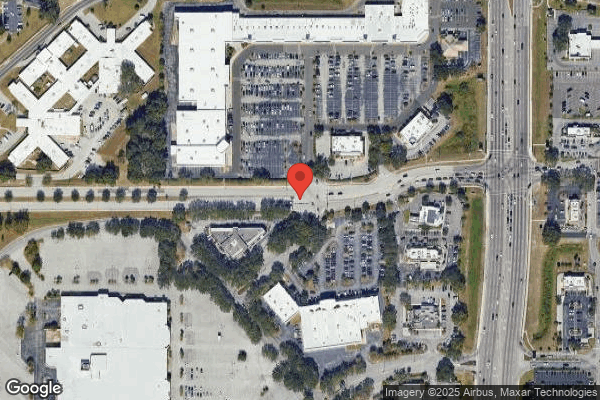
Dec 2023 3 deficiencies 2 IJ
CRITICAL (J) 📢 Someone Reported This

A family member, employee, or ombudsman was alarmed enough to file a formal complaint

Immediate Jeopardy (IJ) - the most serious Medicare violation

Free from Abuse/Neglect (Tag F0600)

Someone could have died · This affected 1 resident

**NOTE- TERMS IN BRACKETS HAVE BEEN EDITED TO PROTECT CONFIDENTIALITY** Based on observations, interviews with the nursing staff, Nursing Home Administrator, the Director of Nursing, the facility's Ri...

Read full inspector narrative →
**NOTE- TERMS IN BRACKETS HAVE BEEN EDITED TO PROTECT CONFIDENTIALITY** Based on observations, interviews with the nursing staff, Nursing Home Administrator, the Director of Nursing, the facility's Risk Manager, the facility's Medical Director, the resident's family member and review of the resident's medical record and facility policies, the facility failed to protect the resident's right to be free from neglect by not ensuring one (#1) of 58 residents at risk for elopement, was provided with supervision and services related to the resident's known cognitive deficits and history of wandering before admission to the facility. The facility staff failed to ensure the safety of Resident #1; between approximately 2:45 PM on 11/27/2023 and 5:30 PM on 11/27/2023, Resident #1 ambulated from the dementia care unit, followed behind a staff member through a door equipped with an electromagnetic locking device (a magnetic lock that is unlocked when de-energized and requires power to remain locked) and into an outdoor enclosed porch area. Resident #1 opened a wooden gate in the outdoor enclosed porch area, which was left unlatched and unlocked by staff, and walked into an enclosed courtyard. Resident #1 walked into the courtyard and exited the facility grounds unsupervised and without staff knowledge through a vinyl fence door equipped with an electromagnetic locking device, which was left propped open by staff. Resident #1 walked approximately 0.8 miles on a sidewalk along a 6 lane highway to a bus stop. The facility failed to take action to prevent the resident from exiting the secured dementia care unit by not providing supervision for the resident, not ensuring doors were properly closed to prevent the resident from following behind them as they exited the secured dementia care unit, and not accounting for the resident for approximately 1 hour and 45 minutes. Resident #1 was discovered by facility staff on 11/27/2023 at approximately 5:30 PM at a bus stop, sitting on a bench. Resident #1 was returned to the facility by facility staff at approximately 5:40 PM. The failure created a situation that resulted in a likelihood for serious injury and/or death to Resident #1 and resulted in the determination of Immediate Jeopardy on 11/27/2023. The findings of Immediate Jeopardy were determined to be corrected on 12/5/2023. Findings included: A review of Resident #1's Situation, Background, Assessment, and Recommendation (SBAR) Communication and Progress Note dated 11/27/2023 at 9:28 PM revealed the following under the section titled Nursing Notes: [Resident #1] was noted missing from the unit. The unit was searched without success. Code silver [was] paged and all departments came to assist. [Local police department] was called to assist as well. Outside perimeter of the facility was searched and resident was located at a nearby establishment. [Resident #1] denies pain or discomfort. No new skin issues noted. VSS (vital signs stable). New order for [electronic elopement device] place[d] on resident and enhanced monitoring. A telephone interview was conducted on 12/19/2023 at 10:40 AM with Resident #1's responsible party (RP). The RP stated Resident #1 was initially admitted to the facility for a short term respite stay of 5 days and required placement on the dementia care unit due to his history of dementia and poor short term memory. The resident had a 5-day respite stay at the facility sometime in October, then again in November. The RP also stated Resident #1 required assistance at home with finding the bedroom and the bathroom and the doors in the house were deadbolted due to the resident wanting to exit the house and stating he needed to go to work. The RP stated Resident #1 had poor safety awareness and would often walk in the middle of the parking lot when they would go to the store together and required frequent redirection and reorientation to his surroundings. The RP stated on 11/27/2023 a staff member from the facility arrived at her house and told her Resident #1 was missing from the facility. The staff member asked if the resident was at the house and the RP told her Resident #1 was not at the house. The RP drove to the facility shortly after the interaction and spoke with local law enforcement at the facility. The RP stated Resident #1 was found around 5:30 PM by facility staff and was brought back to the facility. The RP also stated Resident #1 had an electronic elopement device placed on his body and was provided with increased supervision until he was discharged on 12/1/2023. A review of Resident #1's medical record revealed Resident #1 was admitted to the facility on [DATE] with diagnoses of cerebral atherosclerosis, vascular dementia, severe, without behavioral disturbance, and depression. Resident #1 was discharged home on [DATE]. Resident #1 was readmitted to the facility on [DATE] and was discharged home on [DATE]. A review of Resident #1's preadmission Medical Certification for Medicaid Long Term Care Services and Patient Transfer Form, with a Physician Certification date of 11/24/2023 revealed under Section C: Decision Making Capacity (Patient) Resident #1 required a surrogate for medical decision making. The transfer form also revealed under Section E: Medical Condition, primary discharge diagnoses of cerebral atherosclerosis and dementia. The transfer form revealed under Section G: Patient Risk Alerts, Resident #1 was at risk for elopement. A review of Resident #1's physician's orders revealed the following: - An order dated 11/27/2023 for an electronic elopement device to the right ankle for safety. - An order dated 11/27/2023 to verify placement of the electronic elopement device to the resident's right ankle every shift for safety. - An order dated 11/27/2023 to verify functioning of the electronic elopement device to the resident's right ankle every shift for safety. A review of Resident #1's Pre-admission Care Needs assessment, dated 11/25/2023, revealed under the section titled Mental Status, Resident #1 was confused and an Elopement Risk. The assessment also revealed, under the section titled Behavior Patterns Resident #1 had a history of elopement. A review of Resident #1's Pre/Post admission Elopement Risk Evaluation, dated 11/25/2023, revealed Resident #1 had a history of wandering or elopement, exit seeking behavior, confusion/dementia, and a resident or family home nearby. A review of the facility policy titled Risk Management/Nursing Policies - Elopement Risk, with no effective date, revealed under the section titled Policy an elopement risk evaluation is completed as a part of screening upon admission. All residents will be evaluated for elopement risk upon admission, quarterly, and with a change in condition. The policy also stated under the section titled Procedure if the resident is identified as an elopement risk based on the evaluation, a care plan will be developed to reduce elopement risk. Facility staff will provide supervision and engage the resident as needed to minimize wandering or exit seeking behavior according to the plan of care. A review of Resident #1's baseline care plan, dated 11/26/2023, revealed Resident #1 was an elopement risk with a goal for Resident #1 to remain in a safe, supervised, and supportive environment. Interventions included to initiate elopement risk protocol, involve in activities, and redirect and/or distract as needed. A review of Resident #1's Minimum Data Set (MDS) assessment with an Assessment Reference Date (ARD) of 6/27/2023 revealed under Section C - Cognitive Patterns a Brief Interview for Mental Status (BIMS) score of 4, which indicated severely impaired cognition. A review of Resident #1's Progress Notes dated 10/21/2023 at 12:14 PM and authored by Staff F, Licensed Practical Nurse (LPN) and Unit Manager (UM), [Resident #1] has expressed the desire to leave on multiple occasions and is constantly looking for an exit. Redirected without much success. According to the National Institutes of Health, wandering behavior is one of the most important and challenging management aspects in persons with dementia. Wandering behavior in people with dementia (PwD) is associated with an increased risk of falls, injuries, and fractures, as well as going missing or being lost from a facility. This causes increased distress in caregivers at home and in healthcare facilities. The approach to the comprehensive evaluation of the risk assessment, prevention, and treatment needs more strengthening and effective measures as the prevalence of wandering remains high in the community. Both the caregiver and clinicians need a clear understanding and responsibility of ethical and legal issues while managing and restraining the PwD. The consequences of the wandering can vary from minor injury on the body to severe injury and death. The persistent wandering behavior and weak gait and balance have been shown to increase the risk of falls, fractures, and accidents in PwD. Accessed at: https://www.ncbi.nlm.nih.gov/pmc/articles/PMC8543604/#:~:text=Outcome%20of%20Wandering%20in%20Dementia,to%20severe%20injury%20and%20death.&text=The%20persistent%20wandering%20behavior%20and,fractures%2C%20and%20accidents%20in%20PwD. A review of the facility policy titled Abuse, Neglect, Exploitation, & Misappropriation, with no effective date, revealed under the section titled Policy it is the policy of this facility to take appropriate steps to prevent abuse, neglect, exploitation, and misappropriation and the occurrence of an injury of unknown source, and to ensure all alleged violations of Federal and/or State laws are reported immediately to the Administrator, the Risk Manager, the Social Services, Director, and the Director of Nursing. The policy defines neglect as .the failure of the facility, its employees or service providers to provide goods and services to a resident that are necessary to avoid physical harm, pain, mental anguish, or emotional distress. Neglect occurs when the facility is aware of or should be aware of goods and services that a resident requires, but the facility fails to provide them to the resident resulting in or may result in physical harm. An observation was conducted on 12/18/2023 at 11:54 AM of the facility's dementia care unit. A doorbell was observed on the left wall outside of the entrance to the unit with a small gold colored sign underneath, which stated For entrance to the dementia unit, please ring this bell and then step to the door. A nurse at the station will press the key pad to let you in. Thanks for your help as we ensure the safety of our residents. A small contact alarm (an alarm with a magnetic piece and a sensor body that adhere to doors which activate when separated from their sensors and the sensor's magnetic field is broken) was observed on the entrance door of the unit, which sounded an audible alarm when opened by staff. The facility's Nursing Home Administrator (NHA) entered the hallway to silence the alarm after entering the unit. Facility staff were observed at the unit nurse's station, which is positioned next to the unit entrance. A small, enclosed patio was observed in the back of the unit, separated by a glass door exiting to the outside. The door was observed to be locked with an electromagnetic locking device and a red colored contact alarm was observed on the door. The Director of Nursing (DON) and Risk Manager (RM) were observed on the dementia care unit. The DON stated the contact alarm can be disengaged using a key to position the alarm from on to off and keys are kept by the nursing staff on the unit. The DON opened the magnetically locked door using a keypad to the left side of the door. Upon opening the door, the contact alarm engaged, and an audible alarming sound was heard. The alarm was disengaged by nursing staff and reengaged after exiting the unit to the enclosed porch. The outdoor porch was observed to be enclosed with a vinyl white lattice fence and a large wooden door leading out to a courtyard behind the unit. The wooden gate was observed to be latched with a metal latching device and locked with a small padlock. A white sign was observed on the wooden door, which stated gate to remain locked when not in use. A key box with a numbered combination lock was observed mounted to a post next to the wooden door. The RM entered the combination for the key box, which opened the box and revealed a key for the lock on the wooden gate. The RM unlocked the lock and unlatched the wooden door, leading to a large courtyard area behind the dementia care unit. The courtyard was observed enclosed by a white vinyl fence approximately 8 feet tall. Several exit signs were observed along the vinyl fence with signs pointing to an exit door, which lead to a small parking area, a sidewalk, and 4 lane street outside of the facility grounds. The RM stated the fence door is secured with an electromagnetic locking device and can be opened with the keypad. The keypad was moved from the inside of the courtyard to the outside of the courtyard, so staff do not have to go through the dementia care unit to gain access to the courtyard behind the dementia care unit. An interview was conducted on 12/18/2023 at 1:13 PM with the NHA, DON, and RM. The RM stated on 11/27/2023 around 4:30 PM, Resident #1 was not able to be located on the dementia care unit. Staff E, Certified Nursing Assistant (CNA) was working as Eagle Eye staff on the unit for the 3 PM to 11 PM shift and reported to Staff F, LPN UM she was not able to locate Resident #1 on the unit. The RM stated Eagle Eye staff are assigned to the dementia care unit to ensure the safety of the residents on the unit by visualizing the location of the resident every 15 minutes for the duration of their shift. The RM stated per Staff E, CNA's statement, Staff E, CNA noticed around 3:45 PM on 11/27/2023 Resident #1 was not located on the unit and began searching for the resident on the unit. After reporting the missing resident to Staff F, LPN UM, the dementia care unit was searched by the CNA staff and nursing staff on the unit. After not being able to locate Resident #1 on the unit, staff called a code silver, which is the code to indicate a missing resident from the facility, between 4:40 and 4:45 PM. The DON stated she reported to the dementia care unit to coordinate the code and several staff began to search for Resident #1 both inside the facility and outside of the facility as assigned by the DON. The DON also informed local law enforcement around 5:05 PM of Resident #1 missing from the facility. The DON assigned Staff F, LPN UM to search around the local shopping mall area and drove to Resident #1's house since it was near the facility. The DON was on the phone with Staff F, LPN UM when she arrived at Resident #1's house and Resident #1's RP answered the door. Staff F, LPN UM informed the RP Resident #1 was missing from the facility and the RP stated Resident #1 was not at the house. Staff F, LPN UM continued to search the local area for Resident #1 and located the resident at a bus stop sitting on a bench around 5:30 PM. Resident #1 was brought back to the facility by Staff F, LPN UM and did not have any injuries. Resident #1 was wearing grey colored khaki pants, a grey short sleeved shirt, a blue jacket, and black shoes when he arrived back to the facility. The RM stated Resident #1 was placed on one to one supervision and an electronic elopement device was applied to the resident's right ankle. The RM stated Resident #1 did not have an electronic elopement device previously because he was housed on the locked dementia care unit. Resident #1 had one to one supervision until his scheduled discharge on [DATE]. The following day on 11/28/2023, the RM, NHA, and maintenance staff did walking rounds on dementia care unit to assess how Resident #1 eloped from the facility. The RM stated the wooden gate for the enclosed porch outside of the dementia care unit was observed to be open and unlocked. The RM also stated their investigation revealed a correlation between the time Resident #1 eloped and the time outside lawn workers performed lawn care for the courtyard behind the dementia care unit, which was typically on Mondays between 3:00 PM and 3:30 PM. The RM stated per interview with Staff G, Maintenance, the staff member went through the dementia care unit around 3:15 PM to the back courtyard area and through the locked glass door. Staff G, Maintenance unlocked the wooden gate to the enclosed porch behind the dementia care unit and left it open due to the not being able to lock the door from the outside. Staff G, Maintenance opened the white vinyl gate to allow lawn care workers into the courtyard behind the dementia care unit and left the door propped open for approximately 30 minutes. The RM stated the investigation revealed Resident #1 followed Staff G, Maintenance off the unit and onto the enclosed porch without the staff member's knowledge, before exiting the porch and exiting the courtyard to the sidewalk outside of the facility. The RM stated since the elopement occurred, the facility removed the button behind the nurse's station on the dementia care unit which allowed nursing staff to open the door to the unit. Nursing staff must enter a code on the keypad to deactivate the magnetic lock on the door to allow visitors and staff to exit the unit. A contact alarm was added to the exit doors on the unit, which were previously located inside of the unit. This was implemented to ensure staff turn around to deactivate the alarm, which will further ensure no resident is trailing behind them when they exit the unit. The RM stated contact alarms, or stop alarms, were added to the exit doors on the dementia care unit leading out to the enclosed patio and courtyard behind the unit. The DON stated all residents in the facility were re-evaluated for elopement risk and those residents determined at risk for elopement will have an electronic elopement device, including those residents on the dementia care unit. The DON also stated facility staff have been educated on the proper procedure for shift-to-shift walking rounds and staff must visualize the resident at the time of their report, which is also verified by the nurse. The DON stated all codes for the doors in the facility equipped with an electromagnetic lock were changed to ensure no residents have access to the codes. A review of the facility policy titled Risk Management - Missing Resident and Elopement, with no effective date, revealed under the section titled Policy elopement occurs when a resident who needs supervision leaves a safe area without supervision. If any resident should leave the premises at any time without following the facility procedure for voluntary leave, the missing resident/elopement procedure should begin immediately. The policy also revealed under the section titled Procedure it is the responsibility of all personnel to report any resident attempting to leave the premises, or suspected of being missing, to the Charge Nurse as soon as possible. An interview was conducted on 12/18/2023 at 2:03 PM with Staff F, LPN UM, who was Resident #1's assigned nurse for the 7 AM to 7 PM shift on 11/27/2023. Staff F, LPN UM stated she was Resident #1's assigned nurse on 11/27/2023 for the 7:00 AM to 7:00 PM shift. Staff F, LPN UM also stated Resident #1 often expressed he wanted to go home, told staff his brother was waiting outside for him, and asked staff how he could get out of the facility, but was easily re-directed by staff on the dementia care unit. Staff F, LPN UM stated Resident #1 was an elopement risk before being admitted to the facility and his RP placed several locks on the doors of his home to prevent him from eloping from the house. Staff F, LPN UM stated prior to Resident #1's elopement, she saw the resident between 2:15 PM and 2:30 PM by the unit nurse's station walking in the unit halls. Staff F, LPN UM also stated around 4:00 PM, Staff E, CNA and Staff H, CNA told her Resident #1 was missing from the unit and the staff members already searched the unit for the resident. Staff F, LPN UM and the dementia care unit staff searched the unit one more time for Resident #1, including the courtyard and activity areas, without success. Staff F, LPN UM called a code silver and other facility staff reported to the unit to assist in locating Resident #1. Facility staff searched throughout the facility and surrounding areas. Staff F, LPN UM stated she went toward Resident #1's home because he previously stated he wanted to go home, and the resident lived close to the facility. Staff F, LPN UM arrived at Resident #1's home and spoke with the RP, who stated the resident was not at the house. Staff F, LPN UM informed the RP Resident #1 was missing from the facility and local law enforcement was aware. After leaving Resident #1's home, Staff F, LPN UM got into her car and searched areas closer to the facility grounds. Staff F, LPN UM found Resident #1 sitting at a bus stop in front of a local restaurant. Staff F, LPN UM took Resident #1 by the hand and assisted him into her vehicle before driving him back to the facility. Resident #1 was assessed and had no injuries because of the elopement. Resident #1 was taken by staff to the unit dining room for dinner. Resident #1 was placed on one to one supervision until he was discharged on 12/1/2023. Staff F, LPN UM stated the CNA staff were not conducting shift to shift reporting properly and they have since reinforced the requirement of conducting a head count of the residents before and after each shift. An interview was conducted on 12/18/2023 at 2:33 PM with Staff C, CNA, who was Resident #1's assigned CNA on 11/27/2023 during the 7 AM to 3 PM shift. Staff C, CNA stated 11/27/2023 was the first day she was assigned care for Resident #1, and she was not very familiar with his behaviors. Staff C, CNA also stated Resident #1 had expressed a desire to leave during the 7 AM to 3 PM shift because his brother was waiting for him by the back door. Resident #1 was also pushing on the door but was easily re-directed to another area of the unit. Staff C, CNA stated she informed the Eagle Eye staff of Resident #1's attempts and desires to leave the unit but did not inform the nurse on duty, Staff F, LPN UM. Staff C, CNA stated the last time she saw Resident #1 on the unit on 11/27/2023 was around 3:00 PM while he was walking back and forth through the unit hallways. Staff C, CNA stated upon ending her shift, she gave a verbal report to Staff I, CNA for the 3 PM to 11 PM shift but did walking rounds to ensure all the assigned residents were present on the unit. Staff C, CNA also stated she had not been working as a CNA for very long and she was not aware they needed to visually check on the residents as part of her shift to shift rounds and she did not visualize the residents before leaving the unit around 3:35 PM. Staff C, CNA stated she did not include Resident #1's desire to leave the unit or attempts to open the doors to the unit in her report to Staff I, CNA and only stated to keep an eye on him. Staff C, CNA stated they must complete a form during their shift to shift rounds to verify the presence of the residents on the unit and verify placement of any electronic elopement devices on the residents, which is a process they did not have in place prior to Resident #1's elopement. An interview was conducted on 12/18/2023 at 3:23 PM with Staff E, CNA and Staff J, CNA. Staff J, CNA stated she worked as an Eagle Eye on the dementia care unit on 11/27/2023 during the 7 AM to 3 PM shift. Staff J, CNA also stated the Eagle Eye's role is to check every resident on the unit every 15 minutes to ensure the resident is safe and care needs are met. Staff J, CNA stated Resident #1 would normally wander around the unit hallways throughout the day and at one point told her he needed to leave because his brother was waiting for him outside. Resident #1 was easily re-directed by staff. Staff J, CNA stated she last saw Resident #1 on the unit around 2:45 PM while the resident was wandering the unit hallways. Staff E, CNA relieved Staff J, CNA for the 3 PM to 11 PM shift. Staff H, CNA was also supposed to work as an Eagle Eye for the 3 PM to 11 PM shift but was about 30 minutes late for her shift, leaving only Staff E, CNA. Staff E, CNA stated on 11/27/2023 she was assigned the opposite side of the hallway and Staff H, CNA was assigned the other side of the hallway where Resident #1 resided. Staff E, CNA also stated she conducted a report with Staff J, CNA, but did not conduct a head count or visualize all the residents on the unit as part of her shift to shift report. Staff E, CNA stated when she came on the unit around 3 PM, she conducted safety rounds on her assigned residents, which took about 10 or 15 minutes. Staff E, CNA then conducted rounds on the side of the hall Resident #1 was on and did not see the resident on the unit. Staff E, CNA stated a Bingo activity was being conducted on another unit of the facility and she assumed Resident #1 was at the activity, but she did not verify Resident #1 was at the activity. Staff E, CNA continued to look for Resident #1 on the unit until Staff H, CNA came to the unit around 3:30 PM and assisted in locating Resident #1. Staff E, CNA stated around 3:30 or 4 PM, she went to another unit where the Bingo activity was taking place to see if Resident #1 was at the activity. After verifying Resident #1 was not at the activity, Staff E, CNA informed Staff F, LPN UM around 4:00 PM, Resident #1 was missing. Staff F, LPN UM called a code silver and facility staff searched around the facility and facility ground attempting to find Resident #1. Staff E, CNA stated she searched the entire outside perimeter of the facility but was not able to locate Resident #1. Resident #1 was located by Staff F, LPN UM and was placed on one to one supervision upon his return. Staff E, CNA and Staff J, CNA were not able to state why they did not perform a head count of the residents on the dementia care unit during their shift to shift report. A review of the facility procedure titled Eagle Eye Observation Program, with no effective date, revealed there will be a CNA observer for the whole unit on 7:00 AM to 3:00 PM, 2 CNA observers, one for each hallway on 3:00 PM to 11:00 PM, and one CNA observer for the whole unit for the 11 PM to 7 AM shift. The procedure also revealed during those periods, the staff member will be responsible for the following monitoring: - Walk the halls, checking each room and common areas to include the solarium. This will occur throughout the eight-hour shift every 15 minutes. - During this time the staff members will be observing the following potential occurrences to promote proactive intervention and ensures resident safety: Preventing unusual occurrences, assist residents with activities, prevent residents from falling, prevent conflict between residents, redirects residents out of another resident's room, check each room for patient needs every 15 minutes, and prevent potential elopement. - Any unusual situation or significant change that this staff member observes will be immediately reported to the resident's assigned nurse. A telephone interview was conducted on 12/19/2023 at 9:15 AM with Staff I, CNA, who was Resident #1's assigned CNA for the 3 PM to 11 PM shift on 11/27/2023. Staff I, CNA stated she arrived at the dementia care unit on 11/27/2023 around 3:00 PM and received a verbal report from Staff C, CNA. Staff I, CNA assisted Staff C, CNA with changing another resident in the unit shower room and continued to check on other resident's in her assignment. Staff I, CNA stated she had never seen Resident #1 before and did not know to look for him on the unit because she did not know he was a resident of the facility. Staff I, CNA stated Staff E, CNA asked her where Resident #1 was and she replied, who's that? Staff I, CNA stated Staff E, CNA informed Staff F, LPN UM Resident #1 was missing from the facility and a code silver was called. Staff I, CNA stated she looked at a photo to see what Resident #1 looked like and began to assist in searching for him throughout the facility. Staff I, CNA stated Resident #1 was brought back to the facility around 5:40 PM and was brought into the facility dining room for dinner. A telephone interview was attempted on 12/19/2023 at 9:36 AM with Staff H, CNA. The phone call was not answered, and a message was left for a return call. Staff H, CNA did not return the phone call. A telephone interview was attempted on 12/19/2023 at 11:53 AM with Staff G, Maintenance. The phone call was not answered, and a message was left for a return call. Staff G, Maintenance did not return the phone call. A telephone interview was conducted on 12/19/2023 at 4:20 PM with the facility's Medical Director (MD). The MD stated Resident #1 was at the facility for a short term respite stay and resided on the dementia care unit. The MD also stated Resident #1 was not well known by the facility staff because he was only there for a short time, and he was informed of Resident #1's elopement on 11/27/2023 by the RM. The MD stated he was not very familiar with Resident #1 but did discuss the resident's elopement with the Interdisciplinary Team (IDT) to discuss elopement prevention, keeping track of the resident head count more frequently, and having every resident always accounted for. Facility's immediate actions to remove the Immediate Jeopardy included: - Full body sweep and evaluation for injury on Resident #1, completed on 11/27/2023 upon return to the facility. - CNA's assigned to resident for 7:00 AM - 5:30 PM on 11/27/2023 were suspended 11/27/2023. - Completed new elopement evaluations on all residents starting with Resident #1, update care plans and care guide as needed, completed on 11/28/2023. - All staff working on the dementia care unit on 11/27/23 from 7:00 AM to 5:30 PM were interviewed on 11/30/2023. - Complete elopement drills on each shift one to include the weekend and then twice a month on rotating shifts and including the weekend. Elopement drills were completed on 11/28/2023, 11/30/2023, and 12/3/2023. - Have all doors and alarm system devices were checked for functioning. Batteries to all alarm systems checked and a system of routine changing was put into place to prevent battery issues. On 11/27/2023 the NHA, Maintenance, and RM verified all doors were functioning as they should. Locks were replaced on the dementia care unit dining room, key entry, and key exit. Alarms on the dementia care unit doors removed from inside of the unit and placed on the outside of the unit. The door latch release behind the unit nurse's station was removed. Red exit door alarms placed on all exit doors for added notification. Completed on 11/28/2023. - 100% of all staff were educated on elopement response expectations, process/responsibilities, and reporting. Education completed on 12/5/2023. - Competency for all nurses on checking wander management device functioning. Education was conducted on responsibility to apply, notify, and care plan when evaluating residents who are at risk. Completed 12/15/2023. - 100% of all nursing staff were educated on walking rounds for report from shift to shift and rounding on their assigned residents at least every 2 hours. Completed 12/5/2023. - &nb[TRUNCATED]
CRITICAL (J) 📢 Someone Reported This

A family member, employee, or ombudsman was alarmed enough to file a formal complaint

Immediate Jeopardy (IJ) - the most serious Medicare violation

Accident Prevention (Tag F0689)

Someone could have died · This affected 1 resident

**NOTE- TERMS IN BRACKETS HAVE BEEN EDITED TO PROTECT CONFIDENTIALITY** Based on observations, interviews with the nursing staff, Nursing Home Administrator, the Director of Nursing, the facility's Ri...

Read full inspector narrative →
**NOTE- TERMS IN BRACKETS HAVE BEEN EDITED TO PROTECT CONFIDENTIALITY** Based on observations, interviews with the nursing staff, Nursing Home Administrator, the Director of Nursing, the facility's Risk Manager, the facility's Medical Director, the resident's family member and review of the resident's medical record and facility policies, facility failed to ensure one resident (#1) of 58 residents at risk for elopement, was provided with supervision and services related to the resident's known cognitive deficits and history of wandering before admission to the facility. The facility staff failed to ensure the safety of Resident #1; between approximately 2:45 PM on 11/27/2023 and 5:30 PM on 11/27/2023, Resident #1 ambulated from the dementia care unit, followed behind a staff member through a door equipped with an electromagnetic locking device (a magnetic lock that is unlocked when de-energized and requires power to remain locked) and into an outdoor enclosed porch area. Resident #1 opened a wooden gate in the outdoor enclosed porch area, which was left unlatched and unlocked by staff, and walked into an enclosed courtyard. Resident #1 walked into the courtyard and exited the facility grounds unsupervised and without staff knowledge through a vinyl fence door equipped with an electromagnetic locking device, which was left propped open by staff. Resident #1 walked approximately 0.8 miles on a sidewalk along a 6-lane highway to a bus stop. The facility failed to take action to prevent the resident from exiting the secured dementia care unit by not providing supervision for the resident, not ensuring doors were properly closed to prevent the resident from following behind them as they exited the secured dementia care unit, and not accounting for the resident for approximately 1 hour and 45 minutes. Resident #1 was discovered by facility staff on 11/27/2023 at approximately 5:30 PM at a bus stop, sitting on a bench. Resident #1 was returned to the facility by facility staff at approximately 5:40 PM. The failure created a situation that resulted in a likelihood for serious injury and/or death to Resident #1 and resulted in the determination of Immediate Jeopardy on 11/27/2023. The findings of Immediate Jeopardy were determined to be corrected on 12/5/2023. Findings included: A review of Resident #1's Situation, Background, Assessment, and Recommendation (SBAR) Communication and Progress Note dated 11/27/2023 at 9:28 PM revealed the following under the section titled Nursing Notes: [Resident #1] was noted missing from the unit. The unit was searched without success. Code silver [was] paged and all departments came to assist. [Local police department] was called to assist as well. Outside perimeter of the facility was searched and resident was located at a nearby establishment. [Resident #1] denies pain or discomfort. No new skin issues noted. VSS (vital signs stable). New order for [electronic elopement device] place[d] on resident and enhanced monitoring. A review of Resident #1's medical record revealed Resident #1 was admitted to the facility on [DATE] with diagnoses of cerebral atherosclerosis, vascular dementia, severe, without behavioral disturbance, and depression. Resident #1 was discharged home on [DATE]. Resident #1 was readmitted to the facility on [DATE] and was discharged home on [DATE]. A review of Resident #1's preadmission Medical Certification for Medicaid Long Term Care Services and Patient Transfer Form, with a Physician Certification date of 11/24/2023 revealed under Section C: Decision Making Capacity (Patient) Resident #1 required a surrogate for medical decision making. The transfer form also revealed under Section E: Medical Condition, primary discharge diagnoses of cerebral atherosclerosis and dementia. The transfer form revealed under Section G: Patient Risk Alerts, Resident #1 was at risk for elopement. A review of Resident #1's physician's orders revealed the following: - An order dated 11/27/2023 for an electronic elopement device to the right ankle for safety. - An order dated 11/27/2023 to verify placement of the electronic elopement device to the resident's right ankle every shift for safety. - An order dated 11/27/2023 to verify functioning of the electronic elopement device to the resident's right ankle every shift for safety. According to the National Institutes of Health, wandering behavior is one of the most important and challenging management aspects in persons with dementia. Wandering behavior in people with dementia (PwD) is associated with an increased risk of falls, injuries, and fractures, as well as going missing or being lost from a facility. This causes increased distress in caregivers at home and in healthcare facilities. The approach to the comprehensive evaluation of the risk assessment, prevention, and treatment needs more strengthening and effective measures as the prevalence of wandering remains high in the community. Both the caregiver and clinicians need a clear understanding and responsibility of ethical and legal issues while managing and restraining the PwD. The consequences of the wandering can vary from minor injury on the body to severe injury and death. The persistent wandering behavior and weak gait and balance have been shown to increase the risk of falls, fractures, and accidents in PwD. Accessed at: https://www.ncbi.nlm.nih.gov/pmc/articles/PMC8543604/#:~:text=Outcome%20of%20Wandering%20in%20Dementia,to%20severe%20injury%20and%20death.&text=The%20persistent%20wandering%20behavior%20and,fractures%2C%20and%20accidents%20in%20PwD. A review of Resident #1's baseline care plan, dated 11/26/2023, revealed Resident #1 was an elopement risk with a goal for Resident #1 to remain in a safe, supervised, and supportive environment. Interventions included to initiate elopement risk protocol, involve in activities, and redirect and/or distract as needed. A review of Resident #1's Minimum Data Set (MDS) assessment with an Assessment Reference Date (ARD) of 6/27/2023 revealed under Section C - Cognitive Patterns a Brief Interview for Mental Status (BIMS) score of 4, which indicated severely impaired cognition. An observation was conducted on 12/18/2023 at 11:54 AM of the facility's dementia care unit. A doorbell was observed on the left wall outside of the entrance to the unit with a small gold colored sign underneath, which stated For entrance to the dementia unit, please ring this bell and then step to the door. A nurse at the station will press the keypad to let you in. Thanks for your help as we ensure the safety of our residents. A small contact alarm (an alarm with a magnetic piece and a sensor body that adhere to doors which activate when separated from their sensors and the sensor's magnetic field is broken) was observed on the entrance door of the unit, which sounded an audible alarm when opened by staff. The facility's Nursing Home Administrator (NHA) entered the hallway to silence the alarm after entering the unit. Facility staff were observed at the unit nurse's station, which is positioned next to the unit entrance. A small, enclosed patio was observed in the back of the unit, separated by a glass door exiting to the outside. The door was observed to be locked with an electromagnetic locking device and a red colored contact alarm was observed on the door. The Director of Nursing (DON) and Risk Manager (RM) were observed in the dementia care unit. The DON stated the contact alarm can be disengaged using a key to position the alarm from on to off and keys are kept by the nursing staff on the unit. The DON opened the magnetically locked door using a keypad to the left side of the door. Upon opening the door, the contact alarm engaged, and an audible alarming sound was heard. The alarm was disengaged by nursing staff and reengaged after exiting the unit to the enclosed porch. The outdoor porch was observed to be enclosed with a vinyl white lattice fence and a large wooden door leading out to a courtyard behind the unit. The wooden gate was observed to be latched with a metal latching device and locked with a small padlock. A white sign was observed on the wooden door, which stated gate to remain locked when not in use. A key box with a numbered combination lock was observed mounted to a post next to the wooden door. The RM entered the combination for the key box, which opened the box and revealed a key for the lock on the wooden gate. The RM unlocked the lock and unlatched the wooden door, leading to a large courtyard area behind the dementia care unit. The courtyard was observed enclosed by a white vinyl fence approximately 8 feet tall. Several exit signs were observed along the vinyl fence with signs pointing to an exit door, which lead to a small parking area, a sidewalk, and 4 lane street outside of the facility grounds. The RM stated the fence door is secured with an electromagnetic locking device and can be opened with the keypad. The keypad was moved from the inside of the courtyard to the outside of the courtyard, so staff do not have to go through the dementia care unit to gain access to the courtyard behind the dementia care unit. An interview was conducted on 12/18/2023 at 1:13 PM with the NHA, DON, and RM. The RM stated on 11/27/2023 around 4:30 PM, Resident #1 was not able to be located on the dementia care unit. Staff E, Certified Nursing Assistant (CNA) was working as Eagle Eye staff on the unit for the 3 PM to 11 PM shift and reported to Staff F, LPN UM she was not able to locate Resident #1 on the unit. The RM stated Eagle Eye staff are assigned to the dementia care unit to ensure the safety of the residents on the unit by visualizing the location of the resident every 15 minutes for the duration of their shift. The RM stated per Staff E, CNA's statement, Staff E, CNA noticed around 3:45 PM on 11/27/2023 Resident #1 was not located on the unit and began searching for the resident on the unit. After reporting the missing resident to Staff F, LPN UM, the dementia care unit was searched by the CNA staff and nursing staff on the unit. After not being able to locate Resident #1 on the unit, staff called a code silver, which is the code to indicate a missing resident from the facility, between 4:40 and 4:45 PM. The DON stated she reported to the dementia care unit to coordinate the code and several staff began to search for Resident #1 both inside the facility and outside of the facility, as assigned by the DON. The DON also informed local law enforcement around 5:05 PM of Resident #1 missing from the facility. The DON assigned Staff F, LPN UM to search around the local shopping mall area and drove to Resident #1's house since it was near the facility. The DON was on the phone with Staff F, LPN UM when she arrived at Resident #1's house and Resident #1's RP answered the door. Staff F, LPN UM informed the RP Resident #1 was missing from the facility and the RP stated Resident #1 was not at the house. Staff F, LPN UM continued to search the local area for Resident #1 and located the resident at a bus stop sitting on a bench around 5:30 PM. Resident #1 was brought back to the facility by Staff F, LPN UM and did not have any injuries. Resident #1 was wearing grey colored khaki pants, a grey short sleeved shirt, a blue jacket, and black shoes when he arrived back to the facility. The RM stated Resident #1 was placed on one-to-one supervision and an electronic elopement device was applied to the resident's right ankle. The RM stated Resident #1 did not have an electronic elopement device previously because he was housed on the locked dementia care unit. Resident #1 had one to one supervision until his scheduled discharge on [DATE]. The following day on 11/28/2023, the RM, NHA, and maintenance staff did walking rounds on dementia care unit to assess how Resident #1 eloped from the facility. The RM stated the wooden gate for the enclosed porch outside of the dementia care unit was observed to be open and unlocked. The RM also stated their investigation revealed a correlation between the time Resident #1 eloped and the time outside lawn workers performed lawn care for the courtyard behind the dementia care unit, which was typically on Mondays between 3:00 PM and 3:30 PM. The RM stated per interview with Staff G, Maintenance, the staff member went through the dementia care unit around 3:15 PM to the back courtyard area and through the locked glass door. Staff G, Maintenance unlocked the wooden gate to the enclosed porch behind the dementia care unit and left it open due to not being able to lock the door from the outside. Staff G, Maintenance opened the white vinyl gate to allow lawn care workers into the courtyard behind the dementia care unit and left the door propped open for approximately 30 minutes. The RM stated the investigation revealed Resident #1 followed Staff G, Maintenance off the unit and onto the enclosed porch without the staff member's knowledge, before exiting the porch and exiting the courtyard to the sidewalk outside of the facility. The RM stated since the elopement occurred, the facility removed the button behind the nurse's station on the dementia care unit which allowed nursing staff to open the door to the unit. Nursing staff must enter a code on the keypad to deactivate the magnetic lock on the door to allow visitors and staff to exit the unit. A contact alarm was added to the exit doors on the unit, which were previously located inside of the unit. This was implemented to ensure staff turn around to deactivate the alarm, which will further ensure no resident is trailing behind them when they exit the unit. The RM stated contact alarms, or stop alarms, were added to the exit doors on the dementia care unit leading out to the enclosed patio and courtyard behind the unit. The DON stated all residents in the facility were re-evaluated for elopement risk and those residents determined at risk for elopement will have an electronic elopement device, including those residents on the dementia care unit. The DON also stated facility staff have been educated on the proper procedure for shift-to-shift walking rounds and staff must visualize the resident at the time of their report, which is also verified by the nurse. The DON stated all codes for the doors in the facility equipped with an electromagnetic lock were changed to ensure no residents have access to the codes. A review of the facility policy titled Risk Management/Nursing Policies - Elopement Risk, with no effective date, revealed under the section titled Policy an elopement risk evaluation is completed as a part of screening upon admission. All residents will be evaluated for elopement risk upon admission, quarterly, and with a change in condition. The policy also stated under the section titled Procedure if the resident is identified as an elopement risk based on the evaluation, a care plan will be developed to reduce elopement risk. Facility staff will provide supervision and engage the resident as needed to minimize wandering or exit seeking behavior according to the plan of care. A review of Resident #1's Pre-admission Care Needs assessment, dated 11/25/2023, revealed under the section titled Mental Status, Resident #1 was confused and an Elopement Risk. The assessment also revealed, under the section titled Behavior Patterns Resident #1 had a history of elopement. A review of Resident #1's Pre/Post admission Elopement Risk Evaluation, dated 11/25/2023, revealed Resident #1 had a history of wandering or elopement, exit seeking behavior, confusion/dementia, and a resident or family home nearby. A review of Resident #1's Progress Notes dated 10/21/2023 at 12:14 PM and authored by Staff F, Licensed Practical Nurse (LPN) and Unit Manager (UM), [Resident #1] has expressed the desire to leave on multiple occasions and was constantly looking for an exit. Redirected without much success. An interview was conducted on 12/18/2023 at 2:03 PM with Staff F, LPN UM, who was Resident #1's assigned nurse for the 7 AM to 7 PM shift on 11/27/2023. Staff F, LPN UM stated she was Resident #1's assigned nurse on 11/27/2023 for the 7:00 AM to 7:00 PM shift. Staff F, LPN UM also stated Resident #1 often expressed he wanted to go home, told staff his brother was waiting outside for him, and asked staff how he could get out of the facility, but was easily re-directed by staff on the dementia care unit. Staff F, LPN UM stated Resident #1 was an elopement risk before being admitted to the facility and his RP placed several locks on the doors of his home to prevent him from eloping from the house. Staff F, LPN UM stated prior to Resident #1's elopement, she saw the resident between 2:15 PM and 2:30 PM by the unit nurse's station walking in the unit halls. Staff F, LPN UM also stated around 4:00 PM, Staff E, CNA and Staff H, CNA told her Resident #1 was missing from the unit and the staff members already searched the unit for the resident. Staff F, LPN UM and the dementia care unit staff searched the unit one more time for Resident #1, including the courtyard and activity areas, without success. Staff F, LPN UM called a code silver and other facility staff reported to the unit to assist in locating Resident #1. Facility staff searched throughout the facility and surrounding areas. Staff F, LPN UM stated she went toward Resident #1's home because he previously stated he wanted to go home, and the resident lived close to the facility. Staff F, LPN UM arrived at Resident #1's home and spoke with the RP, who stated the resident was not at the house. Staff F, LPN UM informed the RP Resident #1 was missing from the facility and local law enforcement was aware. After leaving Resident #1's home, Staff F, LPN UM got into her car and searched areas closer to the facility grounds. Staff F, LPN UM found Resident #1 sitting at a bus stop in front of a local restaurant. Staff F, LPN UM took Resident #1 by the hand and assisted him into her vehicle before driving him back to the facility. Resident #1 was assessed and had no injuries because of the elopement. Resident #1 was taken by staff to the unit dining room for dinner. Resident #1 was placed on one-to-one supervision until he was discharged on 12/1/2023. Staff F, LPN UM stated the CNA staff were not conducting shift to shift reporting properly and they have since reinforced the requirement of conducting a head count of the residents before and after each shift. An interview was conducted on 12/18/2023 at 2:33 PM with Staff C, CNA, who was Resident #1's assigned CNA on 11/27/2023 during the 7 AM to 3 PM shift. Staff C, CNA stated 11/27/2023 was the first day she was assigned care for Resident #1, and she was not very familiar with his behaviors. Staff C, CNA also stated Resident #1 had expressed a desire to leave during the 7 AM to 3 PM shift because his brother was waiting for him by the back door. Resident #1 was also pushing on the door but was easily re-directed to another area of the unit. Staff C, CNA stated she informed the Eagle Eye staff of Resident #1's attempts and desires to leave the unit but did not inform the nurse on duty, Staff F, LPN UM. Staff C, CNA stated the last time she saw Resident #1 on the unit on 11/27/2023 was around 3:00 PM while he was walking back and forth through the unit hallways. Staff C, CNA stated upon ending her shift, she gave a verbal report to Staff I, CNA for the 3 PM to 11 PM shift but did walking rounds to ensure all the assigned residents were present on the unit. Staff C, CNA also stated she had not been working as a CNA for very long and she was not aware they needed to visually check on the residents as part of her shift to shift rounds and she did not visualize the residents before leaving the unit around 3:35 PM. Staff C, CNA stated she did not include Resident #1's desire to leave the unit or attempts to open the doors to the unit in her report to Staff I, CNA and only stated to keep an eye on him. Staff C, CNA stated they must complete a form during their shift-to-shift rounds to verify the presence of the residents on the unit and verify placement of any electronic elopement devices on the residents, which is a process they did not have in place prior to Resident #1's elopement. A review of the facility policy titled Risk Management - Missing Resident and Elopement, with no effective date, revealed under the section titled Policy elopement occurs when a resident who needs supervision leaves a safe area without supervision. If any resident should leave the premises at any time without following the facility procedure for voluntary leave, the missing resident/elopement procedure should begin immediately. The policy also revealed under the section titled Procedure it is the responsibility of all personnel to report any resident attempting to leave the premises, or suspected of being missing, to the Charge Nurse as soon as possible. An interview was conducted on 12/18/2023 at 3:23 PM with Staff E, CNA and Staff J, CNA. Staff J, CNA stated she worked as an Eagle Eye on the dementia care unit on 11/27/2023 during the 7 AM to 3 PM shift. Staff J, CNA also stated the Eagle Eye's role is to check every resident on the unit every 15 minutes to ensure the resident is safe and care needs are met. Staff J, CNA stated Resident #1 would normally wander around the unit hallways throughout the day and at one point told her he needed to leave because his brother was waiting for him outside. Resident #1 was easily re-directed by staff. Staff J, CNA stated she last saw Resident #1 on the unit around 2:45 PM while the resident was wandering the unit hallways. Staff E, CNA relieved Staff J, CNA for the 3 PM to 11 PM shift. Staff H, CNA was also supposed to work as an Eagle Eye for the 3 PM to 11 PM shift but was about 30 minutes late for her shift, leaving only Staff E, CNA. Staff E, CNA stated on 11/27/2023 she was assigned the opposite side of the hallway and Staff H, CNA was assigned the other side of the hallway where Resident #1 resided. Staff E, CNA also stated she conducted a report with Staff J, CNA, but did not conduct a head count or visualize all the residents on the unit as part of her shift-to-shift report. Staff E, CNA stated when she came on the unit around 3 PM, she conducted safety rounds on her assigned residents, which took about 10 or 15 minutes. Staff E, CNA then conducted rounds on the side of the hall Resident #1 was on and did not see the resident on the unit. Staff E, CNA stated a Bingo activity was being conducted on another unit of the facility and she assumed Resident #1 was at the activity, but she did not verify Resident #1 was at the activity. Staff E, CNA continued to look for Resident #1 on the unit until Staff H, CNA came to the unit around 3:30 PM and assisted in locating Resident #1. Staff E, CNA stated around 3:30 or 4 PM, she went to another unit where the Bingo activity was taking place to see if Resident #1 was at the activity. After verifying Resident #1 was not at the activity, Staff E, CNA informed Staff F, LPN UM around 4:00 PM, Resident #1 was missing. Staff F, LPN UM called a code silver and facility staff searched around the facility and facility ground attempting to find Resident #1. Staff E, CNA stated she searched the entire outside perimeter of the facility but was not able to locate Resident #1. Resident #1 was located by Staff F, LPN UM and was placed on one-to-one supervision upon his return. Staff E, CNA and Staff J, CNA were not able to state why they did not perform a head count of the residents on the dementia care unit during their shift-to-shift report. A review of the facility procedure titled Eagle Eye Observation Program, with no effective date, revealed there will be a CNA observer for the whole unit on 7:00 AM to 3:00 PM, 2 CNA observers, one for each hallway on 3:00 PM to 11:00 PM, and one CNA observer for the whole unit for the 11 PM to 7 AM shift. The procedure also revealed during those periods, the staff member will be responsible for the following monitoring: - Walk the halls, checking each room and common areas to include the solarium. This will occur throughout the eight-hour shift every 15 minutes. - During this time the staff members will be observing the following potential occurrences to promote proactive intervention and ensures resident safety: Preventing unusual occurrences, assist residents with activities, prevent residents from falling, prevent conflict between residents, redirects residents out of another resident's room, check each room for patient needs every 15 minutes, and prevent potential elopement. - Any unusual situation or significant change that this staff member observes will be immediately reported to the resident's assigned nurse. A telephone interview was conducted on 12/19/2023 at 9:15 AM with Staff I, CNA, who was Resident #1's assigned CNA for the 3 PM to 11 PM shift on 11/27/2023. Staff I, CNA stated she arrived at the dementia care unit on 11/27/2023 around 3:00 PM and received a verbal report from Staff C, CNA. Staff I, CNA assisted Staff C, CNA with changing another resident in the unit shower room and continued to check on other residents in her assignment. Staff I, CNA stated she had never seen Resident #1 before and did not know to look for him on the unit because she did not know he was a resident of the facility. Staff I, CNA stated Staff E, CNA asked her where Resident #1 was and she replied, who's that? Staff I, CNA stated Staff E, CNA informed Staff F, LPN UM Resident #1 was missing from the facility and a code silver was called. Staff I, CNA stated she looked at a photo to see what Resident #1 looked like and began to assist in searching for him throughout the facility. Staff I, CNA stated Resident #1 was brought back to the facility around 5:40 PM and was brought into the facility dining room for dinner. A telephone interview was attempted on 12/19/2023 at 9:36 AM with Staff H, CNA. The phone call was not answered, and a message was left for a return call. Staff H, CNA did not return the phone call. A telephone interview was conducted on 12/19/2023 at 10:40 AM with Resident #1's responsible party (RP). The RP stated Resident #1 was initially admitted to the facility for a short-term respite stay of 5 days and required placement on the dementia care unit due to his history of dementia and poor short-term memory. The resident had a 5-day respite stay at the facility sometime in October, then again in November. The RP also stated Resident #1 required assistance at home with finding the bedroom and the bathroom and the doors in the house were deadbolted due to the resident wanting to exit the house and stating he needed to go to work. The RP stated Resident #1 had poor safety awareness and would often walk in the middle of the parking lot when they would go to the store together and required frequent redirection and reorientation to his surroundings. The RP stated on 11/27/2023 a staff member from the facility arrived at her house and told her Resident #1 was missing from the facility. The staff member asked if the resident was at the house and the RP told her Resident #1 was not at the house. The RP drove to the facility shortly after the interaction and spoke with local law enforcement at the facility. The RP stated Resident #1 was found around 5:30 PM by facility staff and was brought back to the facility. The RP also stated Resident #1 had an electronic elopement device placed on his body and was provided with increased supervision until he was discharged on 12/1/2023. A telephone interview was attempted on 12/19/2023 at 11:53 AM with Staff G, Maintenance. The phone call was not answered, and a message was left for a return call. Staff G, Maintenance did not return the phone call. A telephone interview was conducted on 12/19/2023 at 4:20 PM with the facility's Medical Director (MD). The MD stated Resident #1 was at the facility for a short-term respite stay and resided on the dementia care unit. The MD also stated Resident #1 was not well known by the facility staff because he was only there for a short time, and he was informed of Resident #1's elopement on 11/27/2023 by the RM. The MD stated he was not very familiar with Resident #1 but did discuss the resident's elopement with the Interdisciplinary Team (IDT) to discuss elopement prevention, keeping track of the resident head count more frequently, and having every resident always accounted for. Facility's immediate actions to remove the Immediate Jeopardy included: - Full body sweep and evaluation for injury on Resident #1, completed on 11/27/2023 upon return to the facility. - CNAs assigned to resident for 7:00 AM - 5:30 PM on 11/27/2023 were suspended 11/27/2023. - Completed new elopement evaluations on all residents starting with Resident #1, update care plans and care guide as needed, completed on 11/28/2023. - All staff working on the dementia care unit on 11/27/23 from 7:00 AM to 5:30 PM were interviewed on 11/30/2023. - Complete elopement drills on each shift one to include the weekend and then twice a month on rotating shifts and including the weekend. Elopement drills were completed on 11/28/2023, 11/30/2023, and 12/3/2023. - Have all doors and alarm system devices were checked for functioning. Batteries to all alarm systems checked and a system of routine changing was put into place to prevent battery issues. On 11/27/2023 the NHA, Maintenance, and RM verified all doors were functioning as they should. Locks were replaced on the dementia care unit dining room, key entry, and key exit. Alarms on the dementia care unit doors removed from inside of the unit and placed on the outside of the unit. The door latch release behind the unit nurse's station was removed. Red exit door alarms placed on all exit doors for added notification. Completed on 11/28/2023. - 100% of all staff were educated on elopement response expectations, process/responsibilities, and reporting. Education completed on 12/5/2023. - Competency for all nurses on checking wander management device functioning. Education was conducted on responsibility to apply, notify, and care plan when evaluating residents who are at risk. Completed 12/15/2023. - 100% of all nursing staff were educated on walking rounds for report from shift to shift and rounding on their assigned residents at least every 2 hours. Completed 12/5/2023. - 100% of nurses were educated on completing the elopement evaluation and putting interventions into place. If a resident is cognitively impaired, staff should attempt to attain information from the family related to the elopement evaluation. Completed on 11/30/2023. - Nurse management or designee audited shift to shift walking reports being completed randomly between each shift one time a week. Audits began 11/28/2023, and were completed on 11/30/2023, 12/4/2023, 12/5/2023, 12/6/2023, 12/8/2023, 12/12/2023, 12/14/2023, 12/15/2023, and 12/18/2023. - All elopement books were audited for accuracy and maintenance on 11/28/2023. Verification of the facility's removal actions was conducted by the survey team on 12/20/2023. Review of facility education was conducted. Staff roster provided by NHA and DON. 306 total staff members, 1 on administrative leave. 305 total staff members were educated related to abuse, neglect, and exploitation, el[TRUNCATED]
CONCERN (E) 📢 Someone Reported This

A family member, employee, or ombudsman was alarmed enough to file a formal complaint

Potential for Harm - no one hurt, but risky conditions existed

Safe Environment (Tag F0921)

Could have caused harm · This affected multiple residents

Based on observations and interviews, the facility failed to maintain a safe and homelike environment related to two (500 hall and 200 hall) of two resident shower rooms observed. Findings included: ...

Read full inspector narrative →
Based on observations and interviews, the facility failed to maintain a safe and homelike environment related to two (500 hall and 200 hall) of two resident shower rooms observed. Findings included: An observation was conducted on 12/18/23 at 12:25 p.m. of the 500-hall, secured unit, shower room. The shower room was observed to have missing plaster on the lower portion of the wall and a hole at the bottom of the shower room door. There was a clear plastic bag full of soiled linen and resident clothing on the floor I the shower room. There were 4 wheelchairs, and all of them had unlabeled resident clothing draped over them along with hangers and plastic bags. In the shower room there were also two walkers, one resident lift, and a large plastic storage rack with labeled bins which were observed to have items overflowing out of the bins and the items were not what the bin was labeled as. The large plastic storage rack was not covered. There were two different sneakers on the bottom of large plastic storage rack along with multiple wheelchair legs rests. There was one shoe under the large plastic storage rack on the floor. There was a rusted soap bottle holder on the shower wall with a rust like color stained onto the wall coming down from the soap holder. The floor corners of the shower room near the resident toilet and resident sink had a black, brown, and white substance. The sharps container located in the shower room was overflowing with blue disposable razors with a razor placed on top of the sharps container next to a resident labeled bar soap which was placed on top of the overflowed sharps container. The shower head was leaking water with puddles of water in the shower room and the grab rail was dripping with water. During the observation the Director of Nursing (DON) was present and said the shower room needs to be cleaned and she also tested the shower head to get it to stop leaking and she was unable to stop the shower head from leaking. (Photographic evidence obtained). An interview was conducted on 12/18/23 at 12:30 p.m. with Staff D, Housekeeper, who said she had cleaned the secured unit shower room this morning. She comes on shift at 6:30 a.m. and leaves at 2:00 p.m. and there is no other Housekeeper that comes on shift after her. She said every morning she cleans the shower room with [brand name] cleaner and a scrub brush. She said That black stuff on the floor and walls you can't get off. She said when she cleans, she cleans the entire bathroom floor, sink, toilet, and shower. She said the shower head has leaked for a while and she said it created puddles on the floor and there are wheelchairs in the shower room, and I have to move all the wheelchairs and get all the water from underneath them. They also had a rack break 2 days ago in the shower room and the rack had a bunch of clothes on it so that's why there are clothes everywhere because maintenance hasn't fixed the rack yet. An observation was conducted on 12/18/23 at 1:05 p.m. of the 200-hall shower room. The shower room was observed to have a soap holder covered in rust like substance. The Nursing Home Administrator (NHA) was in the shower room at the time of the observation and said she will have maintenance remove all of the soap holders from the shower rooms because they don't fit the shampoo and body wash tubs anymore. Review of the facility's policy Environment Services - Safe Environment undated, revealed the following: Policy In accordance with residents' rights, the facility will provide a safe, clean, comfortable and homelike environment, allowing the resident to use his or her personal belongings to the extent possible. This includes ensuring that the resident can receive care and services safely and that the physical layout of the facility maximizes resident independence and does not pose a safety risk. .Procedure 1. The facility will create and maintain, to the extent possible, a homelike environment that de-emphasizes the institutional character of the setting. .e. Housekeeping and maintenance services will be provided as necessary to maintain a sanitary, orderly and comfortable environment.
Nov 2023 3 deficiencies
CONCERN (D) 📢 Someone Reported This

A family member, employee, or ombudsman was alarmed enough to file a formal complaint

Potential for Harm - no one hurt, but risky conditions existed

Grievances (Tag F0585)

Could have caused harm · This affected 1 resident

Based on observations, interviews, and record review, the facility failed to ensure prompt efforts were made to resolve grievances for through to their conclusion for three residents (#1, #5, and #8) ...

Read full inspector narrative →
Based on observations, interviews, and record review, the facility failed to ensure prompt efforts were made to resolve grievances for through to their conclusion for three residents (#1, #5, and #8) out of three residents sampled for grievances. Findings included: The Grievance Logs from September 2023 to November 20, 2023 were reviewed. Three grievances were randomly chosen for review from October 2023 and November 2023. Review of a grievance, dated 10/13/2023 for Resident #8, revealed the grievance was filed by a family member related to not changing the resident's linen when they were soiled with urine, and leaving the urine-stained sheets on the bed. The investigative section of the report was blank. Review of a grievance, dated 10/30/2023 for Resident #1, revealed the resident filed the grievance related to not being dressed for therapy, not receiving a bed pan when requested, long response time to call light, and blood sugar levels too low. The investigative section of the report was blank. Review of a grievance,dated 11/3/2023 for Resident #5, revealed the resident filed the grievance related to the attitude of a staff member during care. The resident requested a shower and the staff member left the resident's room. The staff member was later seen on the phone in the solarium and never returned to assist the resident. The investigative section of the report was blank. An interview was conducted on 11/20/2023 at 11:50 AM with the Social Service Director (SSD). She stated once the grievance is received, it is logged in by social services. She stated she takes the grievance to the morning meeting for discussion, and all managers are in attendance. The SSD stated, the team decides who is responsible for investigating the grievance and that manager takes the grievance to complete the investigation, determine resolution, and follow-up with the resident/responsible party. She stated, once completed the grievance form is returned to social services. She stated social services then follows-up with the resident/responsible party to ensure satisfaction of outcome. The SSD stated, We like to get them back in two or three days. I do have to keep asking for them in the morning meeting, as you can see from the log. I have difficulty getting them back. We need to develop a system for tracking them. The SSD confirmed the grievances for Residents #1, #5, and #8 were incomplete and she had not heard any further discussions regarding them. An interview was conducted on 11/20/2023 at 12:10 PM with the Director of Nursing (DON). The DON stated follow through on grievances should be to have them wrapped up in 24-72 hours. The DON stated she did not have any information regarding the grievances for Residents #1, #5, and #8. An interview was conducted on 11/20/2023 at 12:15 PM with Resident #5. The resident stated no one had followed up or spoken to him regarding the grievance on 11/03/2023. An interview was conducted on 11/20/2023 at 12:30 PM with Resident #8. The resident stated she was not aware of any follow-up to the grievance on 10/13/2023. A review of the facility's policy and procedures titled Grievance, with a revision date of 2016, revealed the following: Policy: The facility will promptly and responsibly investigate these grievances to initiate timely resolution and determine if the facility has areas that need correction to achieve the goal of providing quality of care and a safe environment. The facility will consider a grievance and opportunity to enhance care and services. Procedures: 6. The grievance official will make every attempt to resolve the grievance in a timely manner and will keep the resident and or their representative aware of the progress towards resolution. The resident or representative will be notified of the result of the grievance and may receive a written decision regarding his or her grievance if requested.
CONCERN (D) 📢 Someone Reported This

A family member, employee, or ombudsman was alarmed enough to file a formal complaint

Potential for Harm - no one hurt, but risky conditions existed

Medical Records (Tag F0842)

Could have caused harm · This affected 1 resident

**NOTE- TERMS IN BRACKETS HAVE BEEN EDITED TO PROTECT CONFIDENTIALITY** Based on interview and record review, the facility failed to ensure documentation was complete and accurate for two residents (#...

Read full inspector narrative →
**NOTE- TERMS IN BRACKETS HAVE BEEN EDITED TO PROTECT CONFIDENTIALITY** Based on interview and record review, the facility failed to ensure documentation was complete and accurate for two residents (#1 and #3) of three sampled residents for resident record documentation. Findings included: Resident #1 was admitted to the facility on [DATE], with a diagnosis included but not limited to, fracture of the T7 (thoracic vertebrae 7), T8, T11, and T12, Chronic Obstructive Pulmonary Disease (COPD), Diabetes Mellitus Type 2 (DM), respiratory failure, congestive heart failure (CHF), atrial fibrillation (A-Fib), depression, Bipolar disorder, GERD (Gastro-esophageal reflux disease), and hypertension (HTN). Review of the physician orders and Medication Administration Record (MAR) for October 2023 showed the following documentation missing: Gabapentin 300 milligrams (mg) at bedtime for neuropathy on 10/27/23 Pantoprazole Sodium delayed release 40 mg daily for GERD on 10/26 and 10/27/23 Risperidone 3 mg at bedtime for Bipolar disorder on 10/27/23 Trazodone HCL 50 mg at bedtime for depression on 10/27/23 Dabigatran Elexilate Mesylate 150 mg every 12 hours for atrial fibrillation at 2100 on 10/27/23 Lispro insulin 30 units before meals for diabetes at 0630 on 10/23, 10/26, 10/27/23 Oxygen at 2 liters / minute via nasal cannula on every shift on 10/26/23 at 11 p.m. Vital signs every shift on 10/29/23 on days; on 10/25 and 10/26 on evenings; on 10/22, 10/26 and 10/31 on night shift Glucose 15 mg oral gel 40% give 1 kit by mouth as needed for low blood sugar less than 60 if resident is awake, on 10/28/23 and 11/02/2023. Glucagon Emergency Injection Kit 1 mg subcutaneous as needed for low blood sugar less than 60 on 10/28/23. Review of Resident #1's care plans showed he had altered cardiovascular status related to atrial fibrillation, altered endocrine status related to diabetes, used psychotropic medications related to depression and Bipolar disorder, and had pain related to neuropathy. His interventions included but were not limited to administer medications per MD (medical doctor) orders. Resident #3 was admitted to the facility on [DATE] and readmitted on [DATE]. She was hospitalized from [DATE] to 11/02/23 and 11/07/23 to 11/16/23. Diagnoses included but not limited to acute and chronic respiratory failure, COPD, CHF, pneumonia, A-Fib, and HTN. Review of the physician orders and Medication Administration Record (MAR) for October 2023 showed the documentation was not consistent regarding the time she was in the hospital from [DATE] to 11/01/23. Review of the physician orders and Medication Administration Record (MAR) for November 2023 showed the documentation was not consistent regarding the time she was in the hospital from [DATE] to 11/16/23. During an interview on 11/20/2023 at 1:39 p.m. the Director of Nursing (DON) verified there was lack of consistent documentation in the October and November MARS for both Resident #1 and #3. She stated she would get with the nurses. She stated the lack of documentation comes up on the dashboard. The DON stated the Unit Managers are supposed to monitor for lack of documentation daily. Review of the facility's Policy titled Medication Administration - General Guidelines, effective 2019, showed the following: Policy: Medications are administered as prescribed in accordance with good nursing principles and practices and only by persons legally authorized to do so. Procedures: D. Documentation (including electronic) 1) the individual who administers the medication dose records the administration on the resident's MAR directly after the medication is given. At the end of each medication pass, the person administering the medications reviews the MAR to ensure necessary doses were administered and documented. In no case should the individual who administered the medications report off-duty without first recording the administration of any medications. 6) if a dose of regularly scheduled medications is withheld, refused, no available, or given at a time other than the scheduled time, the space provided on the front of the MAR for that dosage administration is initialed and circled. An explanatory note is entered on the reverse side of the record. If consecutive doses of a vital medication are withheld, refused, or not available the physician is notified. Nursing documents the notification and physician response. 7) if an electronic MAR system is used, specific procedures required for resident identification, identifying medications due at specific times, and documentation of administration, refusal, holding of doses, and dosing parameters .are described in the system's user manual. These procedures should be followed and ma differ slightly from the procedures for using paper MARS.
CONCERN (D) 📢 Someone Reported This

A family member, employee, or ombudsman was alarmed enough to file a formal complaint

Potential for Harm - no one hurt, but risky conditions existed

Infection Control (Tag F0880)

Could have caused harm · This affected 1 resident

**NOTE- TERMS IN BRACKETS HAVE BEEN EDITED TO PROTECT CONFIDENTIALITY** Based on observations, interviews, and record review, the facility failed to develop and maintain an effective infection prevent...

Read full inspector narrative →
**NOTE- TERMS IN BRACKETS HAVE BEEN EDITED TO PROTECT CONFIDENTIALITY** Based on observations, interviews, and record review, the facility failed to develop and maintain an effective infection prevention and control program to control the spread of infection by: 1) failing to ensure staff donned appropriate personal protective equipment (PPE) before entering the rooms of residents under transmission based precautions for one resident (#2) of two residents sampled for transmission based precautions, 2) failing to ensure appropriate signage was posted outside of a resident room under transmission based precautions for one resident (#2) of two residents sampled for transmission based precautions, and 3) failing to ensure physician's orders for transmission based precautions were in place in a timely manner for one resident (#3) of two residents sampled for transmission based precautions. Findings included: An observation was conducted on 11/20/2023 at 10:05 AM outside of Resident #2's room. An isolation caddy was observed outside of Resident #2's room with signage posted on the caddy that Resident #2 was on droplet precautions. The posted signage revealed instructions for any essential personnel entering Resident #2's room to perform hand hygiene and don an isolation gown, N95 respirator, eye protection (face shield or goggles), and gloves before entering the resident's room. Staff A, Registered Nurse (RN) was observed exiting another resident's room and entering Resident #2's room. Staff A, RN was observed wearing a surgical mask. Staff A, RN did not don an isolation gown, N95 respirator, eye protection, or gloves before entering Resident #2's room. An interview was conducted with Staff A, RN after she exited Resident #2's room. Staff A, RN observed the signage posted on the isolation caddy outside of Resident #2's room and stated staff should don gloves, an N95 mask, eye protection, and an isolation gown before entering the resident's room. Staff A, RN stated she did not realize the resident was on transmission based precautions and she did not see the isolation cart outside of Resident #2's room. Staff A, RN stated she should have donned the appropriate PPE before entering Resident #2's room. An observation was conducted on 11/20/2023 at 10:45 AM outside of Resident #2's room. Staff B, Certified Nursing Assistant (CNA) and Staff C, CNA were observed donning PPE before entering Resident #2's room. Both staff members donned an isolation gown, an N95 mask, and gloves before entering the room. Both Staff B, CNA and Staff C, CNA were wearing eye glasses, but did not don a face shield or goggles before entering Resident #2's room. An interview was conducted with Staff B, CNA after she exited Resident #2's room. Staff B, CNA stated Resident #2 was under droplet isolation precautions due to having an infected wound and staff were to don an isolation gown, N95 mask, gloves, and eye protection before entering the resident's room. Staff B, CNA also stated her eye glasses were able to be used as appropriate eye protection stating, It covers your eyes. A review of Resident #2's medical record revealed Resident #2 was admitted to the facility on [DATE] with diagnoses of osteomyelitis, cellulitis, and a methicillin resistant staphylococcus aureus (MRSA) infection. A review of Resident #2's Medical Certification for Medicaid Long-Term Care Services and Patient Transfer Form, dated 11/13/2023, revealed under Section F: Infection Control Issues, Resident #2 had a MRSA infection in the toe bone and was under contact isolation precautions. A review of Resident #2's physician's orders revealed an order, dated 11/17/2023 for contact isolation precautions due to a MRSA infection in a wound until 12/18/2023. An interview was conducted on 11/20/2023 at 10:56 AM with Staff D, Licensed Practical Nurse (LPN). Staff D, LPN stated Resident #2 had the wrong signage posted outside of his room because the resident was on contact isolation precautions and not droplet isolation precautions. Staff D, LPN stated, They must have not had the right sign when Resident #2 was admitted to the facility but he did not know for sure because he was not in the facility when Resident #2 was admitted . During the interview, the facility's Director of Nursing (DON) was observed at the unit nurse's station with two contact precautions signs. The DON stated the signage outside of Resident #2's room was incorrect and the resident should have had signage indicating he was on contact isolation and not droplet isolation. A review of Resident #3's medical record revealed Resident #3 was admitted to the facility on [DATE], with a readmission date of 11/16/2023, with diagnoses of pneumonia, chronic obstructive pulmonary disease (COPD), and COVID-19. A review of Resident #3's Medical Certification for Medicaid Long-Term Care Services and Patient Transfer Form, dated 11/16/2023, revealed under Section F: Infection Control Issues, Resident #3 had a clostridium difficile (c. diff) infection in the stool and was under contact isolation precautions. A review of Resident #3's physician's orders revealed an order, dated 11/20/2023, for contact isolation precautions for 10 days, ending on 11/26/2023. Review of Resident #3's physician's orders did not reveal a physician's order for contact isolation precautions prior to 11/20/2023. An interview was conducted on 11/20/2023 at 1:40 PM with the facility's Assistant Director of Nursing (ADON) and Infection Preventionist (IP). The IP stated facility staff should know the reason a resident is on transmission based precautions and a physician's orders for the precautions should be in place in the resident's record. The IP stated staff should don an isolation gown, an N95 mask, gloves, and eye protection before entering the room of a resident under droplet isolation precautions. The IP stated eye glasses are not considered eye protection and staff should be utilizing the provided goggles to ensure their eyes are protected. A review of the facility policy titled Isolation - Notices of Transmission-Based Precautions, last revised in August 2019, revealed the following: Policy Statement notices will be used to alert personnel and visitors of transmission-based precautions, while protecting the privacy of the resident. Policy Interpretation and Implementation when transmission-based precautions are implemented, the Infection Preventionist (or designee) determines the appropriate notification to be placed on the room entrance door and on the front of the resident's chart so that personnel and visitors are aware of the need for any type of precautions. A review of the facility policy titled Isolation - Categories of Transmission-Based Precautions, last revised in October 2018, revealed the following: Policy Statement transmission-based precautions are initiated when a resident develops signs and symptoms of a transmissible infection; arrives for admission with symptoms of an infection; or has a laboratory confirmed infection; and is at risk of transmitting the infection to other residents. Policy Interpretation and Implementation contact precautions may be implemented for residents known or suspected to be infected with microorganisms that can be transmitted by direct contact with the resident or indirect contact with environmental surfaces or resident-care items in the resident's environment. Staff and visitors will wear gloves (clean, non-sterile) when entering the room. Staff and visitors will wear a disposable gown upon entering the room and remove before leaving the room. Droplet precautions may be implemented for an individual documented or suspected to be infected with microorganism transmitted by droplets that can be generated by the individual coughing, sneezing, talking, or by the performance of procedures such as suctioning. Masks will be worn when entering the room. Gloves, gown, and goggles should be worn in the room if there is risk of spraying respiratory secretions. (Photographic evidence was obtained).
Jun 2023 1 deficiency
CONCERN (D) 📢 Someone Reported This

A family member, employee, or ombudsman was alarmed enough to file a formal complaint

Potential for Harm - no one hurt, but risky conditions existed

Investigate Abuse (Tag F0610)

Could have caused harm · This affected 1 resident

**NOTE- TERMS IN BRACKETS HAVE BEEN EDITED TO PROTECT CONFIDENTIALITY** Based on record review and interview, the facility failed to investigate several occurrences of sexual abuse toward female resid...

Read full inspector narrative →
**NOTE- TERMS IN BRACKETS HAVE BEEN EDITED TO PROTECT CONFIDENTIALITY** Based on record review and interview, the facility failed to investigate several occurrences of sexual abuse toward female residents on the secured unit by one resident (Resident #4) out of a sampled three residents. Findings included: A review of the admission Record revealed Resident #4 was admitted to the facility on [DATE] with diagnoses of Alzheimer's Disease, unspecified psychosis not due to a substance or known physiological condition, dementia in other diseases classified elsewhere, and unspecified severity with other behavioral disturbance. A review of the Minimum Data Set (MDS) dated [DATE], Section C Cognitive Patterns: showed Resident #4 had a Brief Interview for Mental Status (BIMS) score of 03 out of 15 which indicated severe impairment. Section E Behavior: showed Resident #4 did not display public sexual acts. A review of the Progress Notes revealed the following: 05/12/23 (Nursing Note) Resident was noted standing in front of female resident who was sitting at the bus stop on b hall. He placed his left hand on her chest above the breast, below her neck. The resident then started to put his hand into his pants. Staff intervened immediately and separated them. 05/10/23 (Nursing Note) Patient was caught masturbating in front of the residents also he was touching a female resident breast. We separated the residents. 04/14/23 (Nursing Note) Resident was just observed performing inappropriate sexual behavior towards a female resident. I was sitting at the nurses' station when I heard a scream coming from down the hall. I immediately ran towards the scream and when I went into the room where the scream was coming from, I visualized the resident performing a inappropriate sexual act towards another female resident. I immediately separated the residents and notified my immediate supervisor of the incident. 04/11/23 (Nursing Note) Resident was witnessed by staff member making sexual advanced towards another female resident. Residents were immediately separated and will closely be monitored throughout the shift. 03/12/23 The nurse observed the male resident standing with his penis held out on his hand in front of a female resident who was sitting in a chair by room [ROOM NUMBER]. No physical contact action noted, redirected the male resident. Staff will continue to monitor. 02/24/23 This nurse noticed patient was masturbating at the nursing station in the middle of two other patient[s]. Patient was redirected to his room. Patient come back later in the hours and stood behind patient and done the same behavior. The progress note dated 02/24/23 was written by Staff B, Licensed Practical Nurse (LPN). On 06/26/23 at 1:24 p.m., an interview was attempted via phone. No answer. The progress note dated 03/12/23 was written by Staff C, LPN. On 06/16/23 at 1:27 p.m., Staff C, LPN stated the last time she worked with Resident #4 one of the Certified Nursing Assistants (CNAs) reported to her she saw the resident with another female. He was grabbing her chest and he kissed her on the cheek. Staff C did not recall any other incidents. She stated the resident was not easily redirected. The progress note dated 04/11, 04/14, and 05/12/23 was written by Staff A, LPN. On 06/26/23 at 2:17 p.m., an interview was attempted via phone. No answer. The progress note dated 05/10/23 was written by Staff D, LPN. On 06/26/23 at 3:30 p.m., the Administrator reported Staff D, LPN, did not know anything about the incident. Staff D, LPN, reported she didn't witness anything at all. She stated a CNA told her about the incident, but she didn't remember who the CNA was. The Administrator stated this nurse should have reported abuse. She was agency staff. On 06/26/23 at 3:41 p.m. in a telephone interview with Staff D, LPN, she stated she had worked with Resident #4 two times. One time she documented something, and it was that he was masturbating while touching a female resident's breast. Staff D did not remember who the CNA was that reported this concern to her. The CNA just told her she needed to document something related to the incident. On 06/26/23 at 1:20 p.m., an interview was conducted with the Administrator, Director of Nursing (DON), and Risk Manager. The DON stated when she questioned Staff A, Licensed Practical Nurse (LPN), about the progress note written on 04/14, the nurse stated Resident #4 was grabbing at the resident although the note indicated an inappropriate sexual act was being performed. The Administrator stated she could not remember the name of the female resident. The Risk Manager stated he would have to find more information about the progress note written on 04/11 because he was unaware of the incident. The Risk Manager stated no one was touched during the incident on 04/14. It was mostly about Resident #4 masturbating. He did not know the female resident involved in the incident. The Risk Manager stated he did not recall the incident on 05/10. The Administrator stated per the progress note, the incident should have been reported and investigated if that's what happened. The Risk Manager stated he could not remember the incident on 05/12. He stated he spoke to Staff A, LPN, and asked him why he did not tell them about the incident. The Abuse, Neglect, Exploitation, and Misappropriation policy undated and provided by the facility revealed the following: Policy It is the policy of this facility to take appropriate steps to prevent abuse and to ensure that all alleged violations of Federal and/or State laws are reported immediately to the Administrator, the Risk Manager, the Social Services Director, and the Director of Nursing. 7. Investigation A thorough investigation will be conducted. The Abuse Coordinator/ designee will initiate procedures for conducting the investigation.
Mar 2023 1 deficiency
CONCERN (D) 📢 Someone Reported This

A family member, employee, or ombudsman was alarmed enough to file a formal complaint

Potential for Harm - no one hurt, but risky conditions existed

Pharmacy Services (Tag F0755)

Could have caused harm · This affected 1 resident

**NOTE- TERMS IN BRACKETS HAVE BEEN EDITED TO PROTECT CONFIDENTIALITY** Based on interview and record review the facility failed to ensure hospital discharge medications were reconciled for a new admi...

Read full inspector narrative →
**NOTE- TERMS IN BRACKETS HAVE BEEN EDITED TO PROTECT CONFIDENTIALITY** Based on interview and record review the facility failed to ensure hospital discharge medications were reconciled for a new admission as well as ensure medications were administered as per physician orders for one of seven sampled residents (#4). Findings included: Review of the History and Physical Report from the 02/13/23 hospital admission showed the Resident #4 had a chronic medical history which included chronic atrial fibrillation and was currently taking Xarelto at night. Record review of the Florida Agency for Health Care Administration Form 3008 dated 02/16/23 for Resident #4 showed she had a ground-level fall and was on blood thinners. She had an injury to her left hip. Medications due near time of transfer included anticoagulants on 02/16/23 at 5:00 p.m. Record review of the hospital discharge medications showed the following: Docusate -senna 50 mg (milligrams) 8.6 mg twice a day (new) Acetaminophen 325 mg two tabs daily as needed for pain/fever (changed) Divalproex sodium 250 mg every morning (changed) Divalproex sodium 500 mg at bedtime (changed) Rivaroxaban (Xarelto) 20 mg at bedtime (changed) Albuterol inhalation aerosol 2 puffs twice a day (unchanged) Amiodarone 200 mg daily (unchanged) Atorvastatin 20 mg at bedtime (unchanged) Baclofen 5 mg twice a day (unchanged) Donepezil 5 mg at bedtime (unchanged) Megestrol 40 mg / ml 10 ml twice a day (unchanged) Midodrine 10 mg three times a day (unchanged) Montelukast 10 mg at bedtime (unchanged) Omeprazole 20 mg daily (unchanged) Quetiapine 25 mg at bedtime (unchanged) Simethicone every 4 hours as needed for gastric acid (unchanged) All medications had been checked off as reviewed by the facility staff. Resident #4 was admitted on [DATE] and discharged on 02/23/23. Diagnoses included but were not limited to a fractured left femur, Chronic Obstructive Pulmonary Disease (COPD), hypotension, atrial fibrillation, Urinary Tract Infection (UTI), Congestive Heart Failure (CHF), mood disorder, bipolar, difficulty walking, weakness, dementia, and a fall. Review of the 5-day, Minimum Data Set (MDS) dated [DATE] showed a Brief Interview for Mental Status (BIMS) score of 5 (severe impairment). She required extensive assistance of one for bed mobility and transfers. Review of the medication section showed she was not on an anticoagulant. Record review of the physician orders showed a lack of an order for Xarelto and Albuterol inhalation aerosol 2 puffs twice a day. Review of the physician orders and review of the February Medication Administration Review (MAR) showed the following: Amiodarone HCL 200 mg daily for cardiac arrhythmia: not given on 2/19, 2/21 Atorvastatin Calcium 20 mg at bedtime for hyperlipidemia: 2/19, refused on 2/21 Baclofen Packet 5 mg twice a day for pain: not given 2/19 in the a.m. and 2/16, 2/18, 2/19 in the p.m. Divalproex Sodium 250 mg in the morning for dementia: not given on 2/17, 2/19 Divalproex Sodium 500 mg at bedtime for dementia: not given on 2/19, refused on 2/21 Donepezil HCL 5 mg at bedtime for dementia: not given on 2/19, refused on 2/21 Megestrol Acetate 40 mg / ml give 10 ml twice a day for dementia: not given in the a.m. on 2/18, 2/19, 2/20 and not given in the p.m. on 2/16, 2/17, 2/19 Midodrine HCL 10 mg three times a day for cardiac arrhythmia: not given in the a.m. on 2/19, 2/20, 2/21: not given mid-day on 2/17, 2/19, 2/20, 2/21; and not given at bedtime on 2/16, 2/19, 2/21 Montelukast Sodium 10 mg at bedtime for allergic rhinitis: not given 2/19, refused on 2/21 Omeprazole delayed Release 20 mg in the morning for gastro-esophageal reflux disease Quetiapine Fumarate 25 mg at bedtime for dementia: not given 2/21 due to refusal Senna S 8.6-50 mg twice a day for constipation: not given on 2/16 in the p.m. Simethicone 80 mg every 4 hours as needed for indigestion Tylenol 325 mg to tablets every 24 hours as needed for mild pain. Review of progress notes showed: On 02/20 at 2:28 p.m. noticed the medications had not come from the pharmacy. They were submitted on 02/20/23 at 2:25 p.m. via fax and (the DON) called to see if the fax was received. Pharmacy will send out meds tonight. On 02/23 at 10:19 p.m. family was at bedside and stated that the resident did not look like her normal self. Upon evaluation the resident had facial drooping, was unable to show equal strength in both hands, and showing altered level of consciousness. The physician was notified and gave orders to send resident to the ER for evaluation and treatment. The family member was notified of clinical situation. The resident was transferred to the hospital. Review of the Baseline Care Plan showed the area for high-risk medications which included Anticoagulants was blank. Interview on 03/07/23 at 11:23 a.m. with the Director of Nursing (DON) the Nursing Home Administrator (NHA) which stated that the resident was admitted on 02/16 and discharged back to the hospital on 02/23. The NHA stated the family member came into the facility on 02/24 and wanted the resident's personal items to be labeled. The NHA heard on 02/27 that the resident was not coming back, and she called the family member to inquire as to why. The family member stated because the hospital told them that she did not get her Xarelto while she was in the facility and as a result had a stroke. The hospital was aware we had not given the resident her Xarelto because we send a medication list from the facility to the hospital. Xarelto was not on the list. We then reviewed the discharge medication list from the hospital on her admission and discovered Xarelto was not in our orders or on the Medication Administration Record (MAR). The DON stated she called the agency nurse Staff A, Licensed Practical Nurse (LPN) which admitted the resident to the facility and had her come in. The DON interviewed Staff A, LPN. The nurse stated that she puts a check mark beside the medication as she inputs them into the computer system. There were check marks on the hospital discharge medication list, but it was not in the orders. The NHA stated, the nurse made an error. The physician was informed. The DON stated that they started an in-service on medication reconciliation and verifying medication orders with another nurse. Prior to the incident, they did not have a second nurse check the computer / physician orders. The DON stated that the resident was supposed to receive the Xarelto post-surgery. The NHA and the DON stated that now they do a second check with the administration staff. They look at the orders during morning meetings and review again during stand down at the end of the day verifying what was on the hospital medication list has been transcribed into the computer record. After this incident, they also looked at the medical records of the residents admitted within the last 30 days and reviewed their medications. They discovered some missing diagnoses and found some other medications missing. They informed the physician, and some were restarted and some were discontinued. The DON stated they were going to continue the education until everyone was instructed, including agency nurses. Staff A, LPN was suspended from the building. They will continue the double checking. They performed an ADHOC on 02/28/23. The Medical Director was involved. The Medical Director had no other suggestions was just made aware of the situation. The DON was not aware of the percentage of the staff that had been educated to date. The DON stated they had not checked the in-service sign-in sheet to the employee roster yet to see how many nurses had been educated on transcribing orders in the electronic chart. Staff A, LPN was working on the same floor on 02/21 and told the DON that she had printed the medication list and faxed it to the pharmacy on 02/16. The DON stated she called the pharmacy on 02/21, the pharmacy informed her that they had not received a medication list on 02/16 but did receive blank pages on 02/17. The pharmacy stated that they did not have any record of following up on the blank pages. The DON verified the pharmacy received the medication orders she sent over on 02/21 (5 days post admission). The medications arrived at the facility within 2 hours. The DON stated that she had not spoken with the other nurses caring for the resident as to why they had not followed up on the lack of medications. Informed some of the resident's other medications were not given. The DON stated she had not noticed that but did verify other medications had not been given on the February MAR. She stated that she had not asked the nurses about the lack of administering the other medications or as to why they had not taken them out of the Emergency Drug Kit (EDK). She stated that most of the nurses working that hall are agency nurses. The DON stated that the nurses had been educated on transcribing the hospital discharge medications only, not following-up or providing medication out of the ED kit, as needed. During an interview on 03/07/23 at 12:17 p.m. the resident's provider, Advanced Practice Registered Nurse (APRN) that she heard there was a medication error and Resident #4 ended up in the hospital with a stroke. She stated that the medications should have been transcribed from the hospital discharge list. The nurse was to put the medications in the computer when the resident was admitted . Two nurses checking the transcribing would be a better system. She stated that normally the medications that are prescribed from the hospital was what the facility used on admission. The APRN stated, The Facility staff does not contact the physician or APRN because we don't know what medications they are being discharged to the facility with. They don't call us on readmissions either, they should be going by the hospital discharge medications. She stated that the physician sees the resident within 48 hours and the APRN follows-up later in the week. If the resident was a skilled resident, we see them weekly. If the APRN sees the resident first, then we will review the meds including discharge meds from the hospital or the physician may review the hospital meds ordered to the e-mar. The APRN stated, The nurses should get the meds out of the EDK or call us as to why not given. If you don't follow the protocols, negative outcomes can occur. Review of the sign-in sheets for Medication Error Prevention Medication Reconciliation on Admissions, 2 nurses verifying orders dated 02/28, 03/01, 03/02,03/04, 03/05, and 03/07/23 showed 43 out of 61 nurses had been instructed or 70.5%. Record review of the facility's policy, Nursing-Admitting / Readmitting a Resident, not dated showed 5. Complete Medication Reconciliation / Worksheet for Post-Hospital Care and contact attending physician to review and confirm physician orders. 7. Accurately and completely transcribe verified physician orders onto the POS, MAR, TAR, ADL sheets and / or other necessary locations and note when completed. 9. Complete Interim Plan of Care. 11. Complete a narrative note in the medical record and document every shift for the first 72 hours following admission. Information included in the note should include, but not limited to, vital signs, response to nursing interventions and physician orders, presence or absence of pain, presence of behaviors, supportive documentation for skilled care, and any indicators of adjustment to new environment. Record review of the facility's policy, Nursing-Daily Clinical Review Meeting, not dated showed the facility will follow established procedures for communicating resident clinical care information for continuity of care and effective response to changes in condition. The Director of Nursing, along with other designated team members will participate in a daily resident focused meeting to: Review new admissions / readmissions to verify accurate transcription and implementation of orders completion of admission evaluations and the interim plan of care and care card, nurse's notes and other forms of required documentation. Review any MD orders changes for accuracy (includes medication and treatment changes) Review 24-hour report and discuss any changes in resident condition and/ or other pertinent clinical information Record review of the facility's policy, Medication Shortages / Medications not Available, dated January 2009 showed when medication orders are not received or unavailable, the Facility will immediately initiate action in cooperation with the attending physician and the pharmacy provider. All medication orders unavailable to the resident will be managed with urgency. Procedure: 1. Upon discovery that a medication is not received or unavailable, immediately initiate actions to obtain medication. If medication shortage is discovered at the time of medication administration, the Facility must take action at once and not wait until the med pass is completed. 2. if a medication shortage is discovered during normal pharmacy hours: A licensed nurse calls the pharmacy and speaks to a registered pharmacist to determine the status of the order. If not ordered, place the order to re-order immediately by fax AND phone. If the next available delivery causes delay or missed doses in the resident's medication schedule, take the medication from the Emergency Drug Supply (EDK or other) to administer the dose. If the medication is not available in the Emergency Drug Supply (EDK or other), notify the pharmacist and arrange for an emergency delivery. If the medication emergency delivery causes delay or missed doses in the resident's medication schedule notify the attending physician immediately for further instructions. It may be possible to obtain orders to substitute the medication for a comparable medication available in the Emergency Drug Supply, get the order changed (medication or administration time), or hold the dose until the medication is available. 3. if a medication shortage is discovered after normal pharmacy hours: A licensed nurse obtains the ordered medication from the emergency drug supply. If the ordered medication is not available in the Emergency Supply (EDK or other), a licensed nurse calls the pharmacy's emergency answering service and request to speak with the registered pharmacist on duty to manage the plan of action. Action may include: Emergency Delivery Use of emergency (back-up) pharmacy. 4. if an emergency delivery is not available, the licensed nurse contacts the attending physician to obtain orders or directions which may include: Holding the dose / doses until medication can be made available Use of an alternative medication available from the emergency drug supply (EDK or other) Change in order (time of administration or medication)
Oct 2021 5 deficiencies
CONCERN (D)

Potential for Harm - no one hurt, but risky conditions existed

Resident Rights (Tag F0550)

Could have caused harm · This affected 1 resident

**NOTE- TERMS IN BRACKETS HAVE BEEN EDITED TO PROTECT CONFIDENTIALITY** Based on observations, interviews, and policy review the facility did not ensure residents were treated with dignity during dini...

Read full inspector narrative →
**NOTE- TERMS IN BRACKETS HAVE BEEN EDITED TO PROTECT CONFIDENTIALITY** Based on observations, interviews, and policy review the facility did not ensure residents were treated with dignity during dining related to knocking on the door or announcing oneself prior to entering the room with lunch meals on one hallway of eleven halls on one of five nursing units, during two of two dining services observations. Findings included: On 10/26/21 at 12:52 p.m., an observation was conducted during dining services on the 200 nursing unit A hallway. Staff A, LPN (Licensed Practical Nurse) and Staff H, CNA (Certified Nursing Assistant) entered room [ROOM NUMBER] with lunch trays without knocking or announcing themselves. After setting up the trays both staff members exited the room after performing hand hygiene, and each removed a tray from the dining cart. At 12:56 p.m. on 10/26/21, an observation was conducted. Staff A, LPN and Staff H, CNA both entered room [ROOM NUMBER] with the lunch trays, without knocking or announcing themselves. On 10/27/21 at 12:38 p.m., an observation was conducted during dining services on the A hallway of the 200 nursing unit. Staff G, CNA entered room [ROOM NUMBER] with a lunch tray. She did not knock or announce herself prior to entering the room. She delivered a lunch tray to B bed. Staff A, LPN also entered room [ROOM NUMBER] with a beverage, with out knocking or announcing herself. She delivered the beverage to A bed. On 10/27/21 at 12:41 p.m., an observation was conducted. Staff B, CNA entered room [ROOM NUMBER] with a lunch tray without knocking or announcing herself. Staff A, LPN also entered room [ROOM NUMBER] with a lunch tray, without knocking or announcing herself. On 10/27/21 at 12:44 p.m., an interview was conducted with Staff B, CNA. Staff B, CNA said she always knocks. This is their home. On 10/27/21 at 12:45 p.m., an interview was conducted with Staff A, LPN. Staff A said she always knocks. She said she didn't knock on room [ROOM NUMBER] before she entered because the door was open. On 10/27/21 at 12:46 p.m., an interview was conducted with Staff G, CNA. She said she knocked on the doors except room [ROOM NUMBER] because he was coughing. At 1:33 p.m. on 10/28/21, an interview was conducted with the DON (Director of Nursing). She said the staff need to knock before entering the rooms. Review of the policy, Privacy, undated, revealed the following information: It is the policy of (blank) to ensure that residents will enjoy privacy in their rooms and the portion of their room which are shared with another resident(s). In the facility all residents will be free from interference of any kind in their private conversations and communication by mail, telephone, and private visits. To ensure privacy staff will not enter a resident's room unannounced except when the resident is asleep or when an emergency situation exists.
CONCERN (D)

Potential for Harm - no one hurt, but risky conditions existed

Safe Environment (Tag F0584)

Could have caused harm · This affected 1 resident

**NOTE- TERMS IN BRACKETS HAVE BEEN EDITED TO PROTECT CONFIDENTIALITY** 2. Resident #37 was admitted to the facility with a diagnosis of cardiac arrest due to underlying condition, according to review...

Read full inspector narrative →
**NOTE- TERMS IN BRACKETS HAVE BEEN EDITED TO PROTECT CONFIDENTIALITY** 2. Resident #37 was admitted to the facility with a diagnosis of cardiac arrest due to underlying condition, according to review of the face sheet in the admission record. Review of the Minimum Data Set (MDS) assessment dated [DATE] reflected a BIMS score of 6, indicating severe cognitive impairment. Review of Section G, Functional Status, showed Resident #37 used a wheel chair for mobility. Review of the face sheet in the admission record for Resident #307 revealed a diagnosis of dementia without behavioral disturbance. A review of the MDS assessment dated [DATE] reflected a BIMS score of 13, indicating Resident #307's cognition was intact. A review of Section G of the MDS revealed Resident #307 was capable of using a walker or wheel chair for mobility with supervision of one person, and required extensive assistance of one person for toilet use. Section H, Bladder and Bowel review, revealed she was frequently incontinent of bladder and bowel. On 10/26/21 at 11:45 a.m., an observation was conducted in the shared bathroom for Resident #37 and Resident #307. There was a raised toilet seat observed with brown matter on one of the front legs near the joint. There was also rust-colored biogrowth on the back legs near the joints. Photographic evidence was obtained. Resident #72 was admitted to the facility with a diagnosis of cerebral infarction, according to review of the face sheet in the admission record. A review of the MDS assessment dated [DATE] reflected a BIMS score of 0, indicating severe cognitive impairment. On 10/26/21 at 12:11 p.m., an observation was conducted in Resident #72's room. There was a thick brown substance on the lower portion of the bathroom door and surrounding walls as well as part of the baseboards in the vicinity. Photographic evidence was obtained. On 10/27/21 at 1:36 p.m., another observation was conducted in the shared bathroom for Residents #37 and #307. The raised commode was observed in the same condition, with additional brown matter also on the other front joint area, as well as the rust-colored biogrowth on the back legs and joints. Additional photographic evidence was obtained. On 10/27/21 at 1:43 p.m., an interview was conducted with Staff A, LPN. Staff A confirmed the raised commode had biogrowth on it. She said she was not sure if it was feces or rust. She said housekeeping cleaned the bathrooms. Staff A said Resident #307 used the bathroom. Resident #37 did not. At 1:51 p.m. on 10/27/21, an interview was conducted with the housekeeping supervisor. She said the housekeepers were responsible for cleaning raised commodes. Housekeepers clean the walls also. They could get a clean mop head and scrub it down. On 10/27/21 at 1:53 p.m., an observation was conducted with the housekeeping supervisor in the bathroom of Residents #37 and #307. She confirmed the raised commode had brown matter on it. In an interview conducted during the observation, she said the CNAs were supposed to clean up feces. Housekeepers sanitized it. On 10/27/21 at 1:55 p.m., an observation was conducted in Resident #72's room with the housekeeping supervisor. The housekeeping supervisor confirmed there was brown biomatter on the bathroom door, wall, and baseboard areas. During an interview conducted at that time, she said it looked like pudding. She said, There may have been a trash can there at one time. The CNAs just sling stuff. We will get somebody to clean those up. 3. Resident #97 was admitted to the facility with a diagnosis of cerebral infarction, according to review of the face sheet in the admission record. Review of the MDS assessment dated [DATE] reflected a BIMS score of 0 indicating severe cognitive impairment. On 10/27/21 at 8:54 a.m., an observation was conducted in Resident #97's room. The room was bare of anything except his bed, wheel chair, and a television. There were no personal affects or decorations in the room. There were no pictures or anything else on the walls. The room was very institutional looking. On 10/27/21 at 2:01 p.m., an interview was conducted with Staff C, SSA (Social Services Assistant). She said the family usually brought things for the residents. There was no specific time frame. The facility let the family know that the resident was here and they bring their things, like pictures. The unit manager might be the one to speak to if the resident did not have family. On 10/27/21 at 2:03 p.m., an interview was conducted with Staff F, LPN unit manager. Staff F said, Sometimes activities have some extra things. Sometimes there are things that have been donated back to the facility from the families of the departed. Usually there is at least a POA (Power of Attorney) or court appointed person who can be contacted, and they can get the resident some things. A follow up interview was conducted with Staff C, LPN unit manager on 10/27/21 at 2:13 p.m She said Resident #97 had a daughter she could call. Resident #97 had been bouncing from hall to hall because he had been back and forth to the hospital. She said she would ask his daughter if she would bring some photos or something. Staff C, LPN unit manager said Resident #97's room was hospital-like. On 10/28/21 at 12:58 p.m., an interview was conducted with the DON. She said the CNAs are responsible for cleaning the bed side commodes and raised toilet seats. At 3:36 p.m. on 10/28/21, in an interview with the DON, she said, When [the name of an oversight agency] came to the facility they said all the decorations in rooms and on the units had to be removed. We just started decorating again. The [the name of an oversight agency] said the residents couldn't have stuffed animals or baby dolls. We took everything down. We will call [Resident #97's] family and see if they can bring some pictures. A review of the policy Environmental Services-Safe Environment, with an effective date of February 2018, reflected the following: Policy In accordance with residents' rights, the facility will provide a safe, clean, comfortable and homelike environment, allowing the resident to use his or her personal belongings to the extent possible. This includes ensuring that the resident can receive care and services safely and that the physical layout of the facility maximizes resident independence and does not pose a safety risk. Definitions Environment refers to any environment in the facility that is frequented by residents and visitors, including (but not limited to) the residents' rooms, bathrooms, hallways, dining areas, lobby, outdoor patios, therapy areas and activity areas. A homelike environment is one that de-emphasizes the intuitional character of the setting, to the extent possible, and allows the resident to use those personal belongings that supports a homelike environment. A determination of homelike should include the resident's opinion of the living environment. Sanitary includes, but is not limited to, preventing the spread of disease-causing organisms by keeping resident care equipment clean and properly stored. Resident care equipment includes but is not limited to, equipment used in the completion of the activities of daily living. Procedure 1. The facility will create and maintain, to the extent possible, a home like environment that de-emphasizes the institutional character of the setting. a. The facility will allow residents to use their personal belongings, creating and maintaining a home like environment. This use must not infringe upon the rights or health and safety of other residents. b. The social service designee, or another designated staff member, will encourage residents and their families to bring in personal belongings within space constraints to personalize residents' rooms. e. Housekeeping and maintenance services will be provided as necessary to maintain a sanitary, orderly and comfortable environment. 3. General Considerations e. Report any unresolved environmental concerns to the administrator. Based on observations, record review, and interview, the facility failed to provide a safe, clean, comfortable, and homelike environment for five (Residents #12, #37, #72, #97, #307) of 58 sampled residents, related to maintaining resident equipment in good repair for Resident #12 and providing a clean and homelike environment for Residents #37, #72, #97 and #307. Findings included: 1. Review of Resident #12's medical record revealed that she was re-admitted to the facility on [DATE], had diagnoses that included Spastic Hemiplegic Cerebral palsy and had a Basic Interview For Mental Status (BIMS) dated 10/6/21 which indicated a score of 15 (Cognitively intact). On 10/26/21 at 12:24 p.m., Resident #12 was observed sitting in a Geri chair. The chair had a left sided head rest which was noted to be ripped with jagged edges, exposing the internal material of the device. (Photographic evidence obtained) On 10/28/21 at 8:46 a.m., an observation was made of the resident sitting up in bed listening to music. The resident's Geri chair was noted in her room. The left sided head rest was still noted to be ripped with jagged edges, exposing the internal material of the device. Observations of Resident #12 on 10/29/21 at 8:00 a.m. revealed the resident sitting up in her Geri chair. Interview with the resident revealed that she had the head support on the left side of her chair because she leaned to that side. She reported that she did not know why the head support was ripped and did not know who was supposed to fix it. An interview with Staff K, Certified Nursing Assistant (CNA) on 10/29/21 at 8:13 a.m., revealed that she was not sure about the condition of the resident's chair. She reported that if there was an issue she would report it to the nurse. An interview with Staff J, Licensed Practical Nurse (LPN)/Unit manager on 10/29/21 at 8:14 a.m., revealed that if there was a concern with the resident's Geri chair either the maintenance department and/or the therapy department would complete the repairs depending on the issue. She reported that if it was a mechanical issue maintenance would do the repairs and if it was a positioning issue then therapy would do the repairs or adjustments An interview on 10/29/21 at 8:20 a.m., with the Rehabilitation Director revealed that if resident wheelchairs needed repairs, the maintenance department would complete any mechanical repairs and the therapy department would complete the positioning repairs. He reported that the therapy department would be notified of a concern if they got a therapy screen from nursing. Inspection of Resident #12's Geri chair on 10/29/21 at 8:21 a.m., with the Staff J LPN/Unit Manager and the Rehabilitation Director, confirmed that the resident's left sided head support was ripped, leaving jagged edges. The Rehabilitation Director reported, I can have that fixed right away. He reported that he would only know about the issue if they were reported, which was usually from a therapy screen. The Staff J reported that this issue should have been identified by an aide and reported to nursing who would complete a therapy screen. She reported that she was unaware of the condition of Resident #12's Geri chair. A policy related to the maintenance of resident equipment was requested, but not provided.
CONCERN (D)

Potential for Harm - no one hurt, but risky conditions existed

Quality of Care (Tag F0684)

Could have caused harm · This affected 1 resident

**NOTE- TERMS IN BRACKETS HAVE BEEN EDITED TO PROTECT CONFIDENTIALITY** 2. Resident #21 was admitted to the facility on [DATE] for a diagnosis of cellulitis of left lower limb. The resident had an ord...

Read full inspector narrative →
**NOTE- TERMS IN BRACKETS HAVE BEEN EDITED TO PROTECT CONFIDENTIALITY** 2. Resident #21 was admitted to the facility on [DATE] for a diagnosis of cellulitis of left lower limb. The resident had an order for Mupirocin ointment 2%. Apply to left left medial knee topically every day shift for surgical wound. Cleanse left medial knee with NS (Normal Saline). Pat dry. Apply [Mupirocin ointment 2%] then Calcium alginate. Cover with [island dressing] every day and as needed. On 10/28/21 at 10:30 a.m., wound care was observed with Staff I, LPN (Licensed Practical Nurse) for Resident #21. The nurse gathered a pack of 4 x 4 gauze, a NS (normal saline) bullet, Calcium alginate, and a medication cup. After walking in the room, she grabbed 5 paper towels from the paper towel dispenser and put them on the resident's side table, she then put her supplies on the paper towels and performed hand hygiene with soap and water. Staff I, LPN asked the resident if he had his ointment, and he said yes. Resident #21 pulled a tube of Mupirocin from a large cloth tote bag that was hanging off the arm of a chair in his room. He handed it to the nurse, who then put it on the paper towel barrier. Staff I, LPN removed the bandage from Resident #21's knee and then threw it away. Staff I, LPN then put a small amount of Mupirocin in the medication cup. She performed hand hygiene and donned new gloves. She cleaned the wound with NS and patted it dry with gauze. She doffed her gloves, performed hand hygiene and donned new gloves. Staff I, LPN pulled a pair of scissors from her front right shirt pocket and cut a square of calcium alginate. She then placed the scissors back into her front right shirt pocket. She then picked up the medication cup containing Mupirocin, took her gloved right forefinger, removed the mupirocin from the medication cup with that finger, and smeared it on the residents wound. She removed her right glove, donned a new glove, and then placed the calcium alginate over the wound. She then placed an island dressing over the Calcium alginate and signed the dressing. The nurse doffed her gloves, threw away the barrier, the NS bullet, and the rest of the calcium alginate. She picked up the mupirocin tube and walked to the sink to perform hand hygiene. The resident asked the nurse if he could have the tube of ointment back, and she told him that she needed to reorder the medication. She then performed hand hygiene. After washing her hands, she walked to the treatment cart and pulled a set of keys out of her right front pocket to unlock the cart. After unlocking the cart, she placed the keys back into her front right pocket. She placed the unlabeled, unbagged tube of Bactroban in the top drawer of the cart, and closed it. When asked immediately after the treatment, the nurse said that the resident liked to keep the tube of Bactroban in his room. She also said that she should have used something other than her finger to put the medication on the residents wound. She confirmed that she did not clean her scissors before or after using them to cut the Calcium alginate, and that she should not have placed them back into her pocket after using them before cleaning them. On 10/28/21 at 4:40 p.m., in an interview with the Director of Nursing (DON), she said that the nurse should have used a cotton-tipped swab, or tongue blade to apply the medication, and she should have cleaned the scissors before using them. On 10/29/21 at 9:45 a.m., in an interview with the DON, she said that she did education with the nurses about wound care. Based on observation, record review, and interview, the facility failed to ensure treatment and care in accordance with professional standards of practice related to a surgical wound for one (Resident #21) of one sampled resident. Findings included: 1. An interview with Resident #21 on 10/27/21 at 10:04 a.m., revealed that he had a surgical wound to his left leg which was not healing. Review of resident #21's record revealed that he was admitted to the facility on [DATE], had a Brief Interview For Mental Status (BIMS) with a score of 14 (Cognitively intact), and had diagnoses that included Cellulitis of left lower limb; acute embolism and Thrombosis of deep veins of left lower extremity; bilateral fem-pop bypass; Recent hospital admission for non-healing surgical wound on the left thigh. Review of the the resident's current physician orders revealed the following: -10/23/21-Weekly skin observations -10/6/21-Mupirocin Oint 2% TID (three times a day) for wound related to infection. Apply to left groin topically every day shift for SX (surgical) wound. Cleanse L (left) groin with NS (Normal Saline). Pat dry apply Bactroban then Ca+ALG. Cover with Mepilex QD (everyday) and as needed. Apply to left medial knee topically every day shift for SX wound. Cleanse L medial knee with NS. Pat dry. Apply Bactroban then CA+ALG. Cover with Mepilex QD and as needed. Apply to L groin, L medial knee topically as needed for SX wounds. Review of the external wound care vendor notes revealed that the residents surgical wound was not healing as evidenced by the following: 7/13/21-groin 1.5 x 1 x 0.1 cm, surface 1.50 cm, Moderate Serous exudate, 100% granulation. This wound is in an inflammatory stage and is unable to progress to a healing phase because of the presence of a biofilm. -9/7/21-Post surgical wound groin full thickness- 0.8 x 0.7 x 0.1 cm, 0.56 cm surface area, moderate serous exudate, 100% granulation. Hypergranulation tissue present within the wound margins. -Wound progress: no change. -9/14/21-Post surgical wound groin full thickness- 0.8 x 0.7 x 0.1 cm, 0.56 cm surface area, moderate serous exudate, 100% granulation. Hypergranulation tissue present within the wound margins. -Wound progress: no change. -9/28/21-Post surgical wound groin full thickness- 0.8 x 0.7 x 0.1 cm, 0.56 cm surface area, moderate serous exudate, 100% granulation. This wound is in an inflammatory stage and is unable to progress to a healing phase because of the presence of a biofilm -Wound progress: no change.;Post surgical wound of left knee full thickness- 1 x 1 x 0.1 cm, 1.00 cm surface area, Moderate Serous exudate, 100% granulation, Hypergranulation tissue present within the wound margins. -Wound progress: No change. -10/5/21-Post surgical wound groin full thickness- 0.8 x 0.7 x 0.1 cm, 0.56 cm surface area, moderate serous exudate, 100% granulation. Hypergranulation tissue present within the wound margins. -Wound progress: no change.; Post surgical wound of left knee full thickness- 1 x 1 x 0.1 cm, 1.00 cm surface area, Moderate Serous exudate, 100% granulation, Hypergranulation tissue present within the wound margins. -Wound progress: No change. -10/12/21-Post surgical wound groin full thickness- 0.8 x 0.7 x 0.1 cm, 0.56 cm surface area, moderate serous exudate, 100% granulation. Hypergranulation tissue present within the wound margins. -Wound progress: no change.; Post surgical wound of left knee full thickness- 1 x 1 x 0.1 cm, 1.00 cm surface area, Moderate Serous exudate, 100% granulation, Hypergranulation tissue present within the wound margins. -Wound progress: No change. Review of the primary physician progress notes revealed the following: -9/6/21-left medial thigh wound, nonhealing 2/2 MRSA; Follow-up with Vascular surgeon as scheduled -9/13/21-left medial thigh wound, nonhealing 2/2 MRSA; Follow-up with Vascular surgeon as scheduled -9/23/21-left medial thigh wound, nonhealing 2/2 MRSA; Follow-up with Vascular surgeon as scheduled -9/27/21-left medial thigh wound, nonhealing 2/2 MRSA; Follow-up with Vascular surgeon as scheduled Review of the Doppler dated 10/15/21 revealed, Conclusion- Findings compatible with occlusion of the popliteal artery and made femoral artery. Slow flow velocities are noted in the remaining vessel suggestive of ischemia. These changes can be further investigated by CT (Computed Tomography) angiography, MR (Magnetic Resonance) angiography or conventional angiography. It was noted that present on this document was a hand written note which indicated awaiting referral from doctor to make vascular surgeon appointment Interview on 10/28/21 at 9:12 a.m. with Staff I, Licensed Practical Nurse (LPN) revealed that the resident was waiting to be seen by a vascular surgeon. She reported that the recommendation for the resident to be seen by a vascular surgeon was made by his primary physician on 9/27/21. Staff I reported that the appointment with the vascular surgeon had not yet been set up as they are waiting for approval from insurance. Interview with Staff J LPN/Unit manager revealed that the resident was being followed by an external wound care vendor who see him weekly and that their last note was documented on 10/12/21. Interview on 10/28/21 at 12:p.m. with the Director of Nursing (DON) revealed that she was doing research as to why the resident was not yet scheduled to see a vascular surgeon. She reported that the resident should have already been scheduled to see the vascular surgeon. Interview on 10/28/21 at 2:11 p.m. with Staff J LPN/Unit manager revealed that the appointment for the resident to see a vascular surgeon had now been made for 11/5//21 at 1:45 p.m. A request for a policy related to following up on recommendations was made, however the policy was not provided.
CONCERN (D)

Potential for Harm - no one hurt, but risky conditions existed

Respiratory Care (Tag F0695)

Could have caused harm · This affected 1 resident

**NOTE- TERMS IN BRACKETS HAVE BEEN EDITED TO PROTECT CONFIDENTIALITY** Based on observations, interviews, and record reviews the facility failed to provide necessary respiratory care and services rel...

Read full inspector narrative →
**NOTE- TERMS IN BRACKETS HAVE BEEN EDITED TO PROTECT CONFIDENTIALITY** Based on observations, interviews, and record reviews the facility failed to provide necessary respiratory care and services related to storage of nebulizer equipment, consistent with professional standards of practice for one (Resident #183) of one resident investigated for respiratory therapy. Findings included On 10/26/21 at 10:45 a.m., Resident #183 was observed seated in a wheelchair next to the bed in her room. The resident had oxygen running at 4 liters per minute via a nasal cannula from a concentrator in the room. The resident stated she used oxygen at home. A nebulizer machine was observed sitting on the bedside nightstand with a nebulizer mask and tubing noted sitting on top of nightstand in front of the machine. An empty plastic bag was noted on the resident's bed. A Wixela inhaler medication was noted on the over bed table. Resident #183 stated the inhaler medication was from her morning medications and the nebulizer treatment was from the same time. Resident #183 stated the nurse would come back later to get the inhaler. Photographic evidence was obtained A review of the medical record revealed Resident #182 was admitted to the facility on [DATE] with diagnoses of chronic obstructive pulmonary disease (COPD), congestive heart failure and dependence on supplemental oxygen. Review of the physician orders for Resident #182 revealed an order for Wixela inhub aerosol powder breath activated 250-50 microgram dose one puff inhale orally two times a day, and an order for Ipratropium-Albuterol Solution 0.5-2.5 milligrams/3 milliliters one dose orally four times a day for shortness of breath. A review of the comprehensive care plan for Resident #182 revealed a focus area as follows: Focus: Resident #182 has potential for respiratory distress/complications related to a diagnosis of COPD (initiated 10/6/21). Goal: The resident will display optimal breathing patterns daily through the review date. Interventions: Administer medications as ordered; Observe for difficulty breathing on exertion; Observe for signs and symptoms of acute respiratory insufficiency. A review of the October 2021 Medication Administration Record (MAR) for Resident #182 revealed on 10/26/21 at 9:00 a.m., Wixela inhaler was administered by the nurse and on 10/26/21 at 9:00 a.m., Ipratropium-Albuterol nebulizer treatment was administered by the nurse. On 10/28/2021 at 2:05 p.m., Resident #182 was observed seated in her wheelchair in her room. The resident was reading, and oxygen was observed in place via nasal cannula. A nebulizer mask and tubing was noted to be sitting on the nightstand and not properly stored in a clean plastic bag. The resident stated she had done her treatment a while ago. The resident stated the nebulizer mask and tubing had been sitting on the nightstand since she took her treatment. On 10/28/21 at 2:45 p.m., an interview was conducted with the Assistant Director of Nursing (ADON) who stated she was also the Infection Control Nurse (IFCN). The ADON accompanied the surveyor to the room and observed the nebulizer mask and tubing sitting on the nightstand. The ADON stated the supplies should be taken apart and cleaned out after use and stored within the clean plastic bag until the next use. She stated this would be addressed with the nurse and corrected. The ADON stated no inhaler medications should be left in the resident room after use. A review of the October 2021 MAR for Resident #182 revealed on 10/28/21 at 1300 Ipratropium-Albuterol nebulizer treatment was administered by the nurse. A review of the facility policy entitled Nebulizer treatment effective January 1999 and revised in September 2014 revealed the following: Purpose: To administer medication and moisture to lungs by aerosol nebulizer according to physician order. Procedure: 3 Gather necessary equipment and medication 5 Evaluate respirator status 7 Assemble nebulizer per manufacturer's directions 8 Attach nebulizer tubing to compressor, oxygen, or air outlet 9 Instill the prescribed medication dose and diluent into the nebulization cup 14 Encourage the resident to cough at the end of the treatment to remove secretions 15 Evaluate respiratory status 16 Disassemble device and rinse the mouthpiece and nebulizer cup with water and allow to air dry A review of the facility policy entitled Respiratory therapy equipment effective January 1999 and revised in December 2012 revealed the following: Purpose: The purpose of this procedure is to provide guidelines to help prevent nosocomial infections associated with respiratory therapy equipment, including ventilators, and to prevent transmission of infections to residents and staff. Procedure: Medication Nebulizers/continuous aerosol: 3 After completion of therapy: a. remove nebulizer container; b. rinse container with fresh tap water; c. dry with clean paper towel and gauze sponge. 6 Wipe mouthpiece with damp paper towel or gauze sponge 7 Store circuit in plastic bag, marked with date and resident's name between uses
CONCERN (D)

Potential for Harm - no one hurt, but risky conditions existed

Deficiency F0761 (Tag F0761)

Could have caused harm · This affected 1 resident

**NOTE- TERMS IN BRACKETS HAVE BEEN EDITED TO PROTECT CONFIDENTIALITY** Based on observation, interview, and record review, the facility did not ensure that prescribed medications were stored in a loc...

Read full inspector narrative →
**NOTE- TERMS IN BRACKETS HAVE BEEN EDITED TO PROTECT CONFIDENTIALITY** Based on observation, interview, and record review, the facility did not ensure that prescribed medications were stored in a locked container for two (Residents #21 and #182) of 58 sample residents. Findings included: 1. On 10/28/21 at 10:30 a.m., wound care was observed with Staff I, LPN (licensed practical nurse) for Resident #21. She gathered her supplies, knocked on the door, and asked Resident #21 if she could enter the room. After walking in the room, she grabbed 5 paper towels from the paper towel dispenser and put them on the resident's side table, she then put her supplies on the paper towels and performed hand hygiene with soap and water. Staff I, LPN asked the resident if he had his ointment, and he said yes. Resident #21 pulled a tube of Mupirocin from a large cloth tote bag that was hanging off the arm of a chair in his room. He handed it to the nurse, who then put it on the paper towel barrier. Staff I, LPN then performed Resident #22's wound care using the tube of mupirocin he had handed her. After completing wound care, Staff I, LPN washed her hands, walked to the treatment cart and pulled a set of keys out of her right front pocket to unlock the cart. After unlocking the cart, she placed the unlabeled, unbagged tube of Mupirocin in the top drawer of the cart, and closed it. Resident #21 asked Staff I, LPN if he could have his tube back and she answered that she needed to reorder the medication. When asked, the Staff I, LPN said that the resident liked to keep the tube of Mupirocin in his room. On 10/28/21 at 4:40 p.m., in an interview with the Director of Nursing (DON), she said that she would have to see what's going on because all medications should be labeled in the medication or treatment carts. On 10/29/21 at 9:45 a.m., in an interview with the DON, she said that she had taken care of the incident, and did education with the nurses. Resident #21 was admitted to the facility on [DATE] for a diagnosis of cellulitis of left lower limb. The resident had an order for May self-administer treatment medications and do treatments as ordered which was dated 10/28/21. In a policy given by the facility titled Medications, Storage of effective January 1999, under general guidelines, #7 reads Medications are stored in an orderly manner in cabinets, drawers or carts. Each resident is assigned a cubicle or drawer . 2) On 10/26/21 at 10:45 a.m., Resident #183 was observed seated in a wheelchair next to the bed in her room. A Wixela inhaler medication was noted on the over bed table. Resident #183 stated the inhaler medication was from her morning medications. Resident #183 stated the nurse would come back later to get the inhaler. Photographic evidence was obtained. A review of the medical record revealed Resident #182 was admitted to the facility on [DATE] with diagnoses of chronic obstructive pulmonary disease (COPD), congestive heart failure and dependence on supplemental oxygen. Review of the physician orders for Resident #182 revealed an order for Wixela inhub aerosol powder breath activated 250-50 microgram dose one puff inhale orally two times a day. A review of the comprehensive care plan for Resident #182 revealed a focus area as follows: Focus: Resident #182 has potential for respiratory distress/complications related to a diagnosis of COPD (initiated 10/6/21). Goal: The resident will display optimal breathing patterns daily through the review date. Interventions: Administer medications as ordered; Observe for difficulty breathing on exertion; Observe for signs and symptoms of acute respiratory insufficiency. A review of the October 2021 Medication Administration Record (MAR) for Resident #182 revealed on 10/26/21 at 9:00 a.m., Wixela inhaler was administered by the nurse. On 10/28/21 at 2:45 p.m., an interview was conducted with the Assistant Director of Nursing (ADON) who stated she was also the Infection Control Nurse (IFCN). The ADON stated no inhaler medications should be left in the resident room after use. She stated this would be addressed with the nurse and corrected.
Feb 2020 5 deficiencies
CONCERN (D)

Potential for Harm - no one hurt, but risky conditions existed

Deficiency F0697 (Tag F0697)

Could have caused harm · This affected 1 resident

**NOTE- TERMS IN BRACKETS HAVE BEEN EDITED TO PROTECT CONFIDENTIALITY** Based on observation, interview and record review the facility failed to provide effective pain management services for one (#15...

Read full inspector narrative →
**NOTE- TERMS IN BRACKETS HAVE BEEN EDITED TO PROTECT CONFIDENTIALITY** Based on observation, interview and record review the facility failed to provide effective pain management services for one (#150) of 56 sampled residents. Findings included: Review of Resident #150's Face Sheet revealed that this resident was readmitted to the facility on [DATE]. Review of the Minimum Data Set, dated [DATE] revealed that Resident #150 had a Brief Interview for Mental Status (BIMS) score of 13, which indicated the resident was cognitively intact. The MDS also indicated the pain frequency for the resident was almost constantly, and that the resident received PRN (as needed) pain medications in addition to a scheduled pain medication regimen. An observation of Resident #150 on 2/11/20 at 11:04 a.m. revealed that the resident was in his room seated in his wheelchair. Resident #150 reported that he was in pain to his left hip, which he reported that surgery will do no good, He reported that he gets pain medication, but it does not work well. Review of #150's physician orders for February 2020 revealed a diagnosis for a closed fracture of the left hip with non-union and that he had current orders for: Lidocaine pad 5%, chest/left hip: apply 1 patch topically daily (12 hours on and 12 hours off) on 9:00 AM and off 9:00 PM, with a order date of 12/21/19 and Oxycodone/Acetaminophen 10-325mg (milligram) give 1 tablet every 6 hours for *non-acute pain* 12mn (midnight/noon), 6am, 12n, 6pm, with an order date of 12/24/19. The physician orders for February 2020 did not include a PRN medication for pain management. An interview on 2/13/20 at 11:00 a.m. with Staff B, Licensed Practical Nurse (LPN) revealed that Resident #150 has complaints of pain, and that the resident was on routine medication for pain, but no PRN (as needed), medication for break through pain. She reported that when he was in pain, she gave him fluids. Review of the Pain Flow Record for February 2020 revealed two entries of reported pain, one on 2/5/20 and one on 2/10/20, both with a check mark documented on the 7 AM-3 PM shift. The reverse side of the form that indicated the date, time, comments/nurse's notes and site with the appropriate number was left blank. Review of the nurse's notes for the month of February 2020 did not indicate that the resident has had any complaints of pain and did not indicate that the physician had been notified of the complaints of pain documented on Pain Flow Record on 2/5 and 2/10/20. An interview on 2/13/20 at 11:05 a.m. with Staff B, LPN revealed that she was the one who put the check mark on the Pain Flow Record because the resident was in pain but did not document on the reverse side of the form. She reported that she should have documented. An interview on 2/13/20 at 11:10 a.m. with Staff B revealed that the physician was aware of the resident's pain, because she called the physician but forgot to document it. She reported that the physician has not initiated any pain therapy for the break through pain. She reported that she did not know when the last time Resident #150's pain was reported to the physician. Review of the primary physician note dated 1/20/20 revealed, Patient is seen and examined for further follow-up monthly. He is complaining of left hip pain . A/P> 7) chronic pain, due to back pain, continue percocet prn. Review of the care plan dated 2/4/20 revealed a problem/need as, [Resident #150} is at risk for pain/discomfort r/t (related to) general pain, dx (diagnosis) chronic back pain. Interventions included, Staff will notify MD (medical doctor) if {Resident 150's} pain regimen is not effective. Interview on 2/13/20 at 11:25 a.m. with Staff C, LPN/Unit Manager revealed that she will seek clarification related to the resident having break through pain with no PRN in place. She reported that if the resident has pain, the physician must be notified. Interview on 2/13/20 at 11:35 a.m. with Staff C, LPN/Unit Manager revealed that the resident's pain should be addressed. Review of the same Pain Flow Record with the Unit Manager revealed an entry on the back of the record that indicated the resident's pain and the intervention. Staff B, LPN reported at this time that she just filled in the information as a late entry. Staff C LPN/Unit Manager reported that the physician should be notified if the resident has complaints of pain, and that the notification should be reflected in nurse's notes. Staff B, LPN reported that she did call the doctor and made them aware of the resident's complaints of pain but did not document the calls in the nurse's notes. Review of the facility policy titled, Pain Management, with an effective date of March 2009 and a revised date of September 2010 revealed, The facility will strive to improve resident comfort and quality of life and to minimize pain as much as possible. 4. If pain is not adequately controlled, the facility will work with the physician to revise the current care plan as necessary.
CONCERN (D)

Potential for Harm - no one hurt, but risky conditions existed

Infection Control (Tag F0880)

Could have caused harm · This affected 1 resident

**NOTE- TERMS IN BRACKETS HAVE BEEN EDITED TO PROTECT CONFIDENTIALITY** Based on observations, interviews, and record review, the facility failed to maintain an infection prevention and control progra...

Read full inspector narrative →
**NOTE- TERMS IN BRACKETS HAVE BEEN EDITED TO PROTECT CONFIDENTIALITY** Based on observations, interviews, and record review, the facility failed to maintain an infection prevention and control program by not ensuring 1. infection control guidelines for cohorting residents with two different pathogens was implemented for two residents (#4 and #152) of four residents on Isolation Precautions in the facility, and 2. proper storage of respiratory equipment for one resident (# 123) out of 56 residents sampled. Findings included: 1. An observation of the 200 hall was conducted on 2/11/2020 at 9:45 a.m. One of the rooms had an isolation caddy outside the door, with a sign on top, which directed visitors to see the nurse before entry. The door to the room was wide open. A half drawn curtain was seen around the bed on the left, and Resident #152 was observed lying in his bed. Resident #4 was on the right side of the room, sitting in the wheelchair next to his bed. Resident #4's curtain was pulled back, so that his bed was fully visible. Inside the room, was a single bathroom, which was shared by the two residents. There was no bedside commode in the room. An observation on 2/11/2020 at 12:20 p.m. revealed that Resident #4 received his lunch tray in his room. The Unit Manager donned PPE (personal protective equipment) and delivered the tray to Resident #4. The Assistant Director of Nursing (ADON) was assisting with trays on the 200 hall during this period. When asked what type of isolation was in place for Resident 4's room, the ADON stated, Contact Precautions, the resident was supposed to be off isolation, but we just haven't put in the orders to discontinue it yet. A review of Resident #4's Face Sheet revealed that he was re-admitted to the facility on [DATE] with diagnoses that included: enterocolitis due to clostridium difficile and chronic renal failure. He received hemodialysis at an outpatient dialysis center three times a week. His Minimum Data Set (MDS) dated [DATE], revealed a BIMS (Brief Interview for Mental Status) score of 15, which indicated that he did not have cognitive impairment. Review of Resident #4's care plan revealed that he was care planned for infection on 1/5/20. He was on Contact Precautions, and was in a private room, due to C-Difficile (C-Diff). His care plan was revised on 1/23/20 to reflect that he was on contact precautions for a suspicious skin rash, in a shared room, and he was confined to the room. On 1/28/20, another revision to the care plan again showed that he was on Contact Precautions for C-Diff, in a shared room, and that he was confined to his room. Resident #4's current care plan also included interventions for behaviors: Resident exhibits poor hygiene care. He chooses not to take his showers. At times, the resident chooses to wear the same clothes day after day . He was also care planned for incontinence of bowel/bladder: Resident chooses to have his urinal kept at bedside and multiple places in his room at times. He chooses to wear adult absorbent products. Approach: Assist resident with toileting as needed. Staff to offer/assist resident in placing urinal in the appropriate place as resident allows. Progress notes for Resident #4 were reviewed from 12/1/19 through 2/12/20. A note written on 12/27/19 indicated that the resident had an ongoing diagnosis of C-Diff. Notes from 12/18/20 onward indicated the presence of loose stools and continued issues with C-Diff. A note on 1/23/20 indicated Resident #4 had a suspicious rash. A note on 1/30/20 indicated Resident #4 remained on isolation for C-diff and a rash to his skin. The facility was not able to provide any progress notes written in February 2020. Review of Resident #4's December 2019 and January 2020 physician orders revealed that two stool cultures were ordered to test for C-diff; one on 12/18/19, and one on 1/23/20. Lab results confirmed that his stool tested positive for C-Diff on both dates. His orders also included: 12/18/19: Imodium 2 milligrams (mg) as needed for loose stools. Metronidazole 500 mg every 12 hours for 10 days for C-diff. Isolation per facility protocol due to C-diff in stool. 12/27/19: Contact Isolation for C-Diff. Vancomycin 125 mg every 6 hours for 8 days for C-diff. 1/10/20: Vancomycin 500 mg every 6 hours for a total of 10 days for C-Diff. 1/24/20: Ivermectin 200 mg as a single dose, repeat in 14 days (due 2/14/20). Review of his Medication Administration Record for the month of January 2020 confirmed that Resident #4 received Vancomycin 125 mg every 6 hours from 1/25/20 through 1/31/20. Though requested, the facility did not provide records for the month of February 2020. Review of Resident #4's medical chart on 2/11/2020 at 10:30 a.m. revealed that there were no orders to discontinue the Isolation Precautions for Resident #4. Review of the same medical chart on 2/12/2020 revealed that an order to discontinue Isolation Precautions for Resident #4 was entered the chart on the evening of 2/11/2020. An interview was conducted with Resident #4 on 2/13/20 at 2:00 p.m. The isolation caddy had been removed from outside of his room. Resident #4 was sitting in his wheelchair in his room, close to the door. He stated, I haven't had any loose stools in the past week. They did have me on isolation until day before yesterday. When asked about using the bathroom in his room, Resident #4 said, Yes, I can move myself around the room and into the bathroom. I usually don't need much help with that. I've been using the bathroom this whole time. I do wear a pad, you know, diaper, just in case. I throw it in the trash can when its used. Sometimes my roommate rolls into the bathroom. I've seen him in there. When asked about his rash, Resident #4 said, Yes, I got this terrible itchy rash, and they wanted to put the cream on me, but I am allergic to it. So, I just took the pill to get rid of it. I am better now. An observation of Resident #152 was conducted on 2/11/2020 at 12:50 p.m. Resident #152 was out of his room and ate his lunch in the 300 Dining Hall. He was seated at a table with other residents and was able to eat without assistance. Review of Resident #152's Face Sheet revealed that he was re-admitted to the facility on [DATE], with diagnoses that included: head trauma, intercranial injury without loss of consciousness, bipolar disorder, and psychosis not due to a substance. The resident was deemed incapacitated on his Face Sheet. Review of Resident #152's January 2020 physician orders revealed that on 1/23/20, Permethrin cream 5%- apply head to toe for suspicious rash. Leave on for 10 hours, rinse after 10 hours. Repeat in 7 days. Isolate per facility protocol. A progress note written on 1/23/20 revealed: Per ARNP (Advanced Registered Nurse Practitioner), resident has rash to bilateral arms and abdomen with linear distribution, pruritic. Elimite cream ordered, placed on Contact Precautions. Progress notes on 1/28/20 and 1/29/20 indicated that the resident was still on Contact Isolation for his rash. A note written on 1/31/20 indicated that Resident #152 had his second treatment of Elimite Cream. The progress note written on 2/2/20 indicated that Resident #152 was taken off isolation. Resident #152 remained in the same room with Resident #4, after completion of treatment for Scabies. Review of Resident #152's laboratory reports confirmed that he did not have any skin scrapings to confirm or deny the presence of the Sarcoptic Scabiei Mite (responsible for Scabies). He did not have any stool cultures. Review of his Medication Administration Record (MAR) confirmed that he was not on any antibiotics for C-Diff. An interview was conducted with Resident #152 on 2/13/20 at 2:15 p.m. He was sitting in his wheelchair next to his bed, with the bedside table in front of him. He said, I did have a rash a while ago. I was itching like crazy. They put a cream on me, and then gave me a shower. I think it's all gone, but I couldn't tell you for sure. When asked if he ever had diarrhea, Resident #152 said, No, I am pretty regular, no diarrhea. He repeated his answers several times. An interview was conducted on 2/14/20 at 11:00 a.m., with the Assistant Director of Nursing (ADON), also the Infection Preventionist. She was asked about what conditions each resident had that warranted Contact Isolation. The ADON said, He (Resident #4) has chronic issues with C-Diff. He is able to go to the bathroom himself, and yes, he shares the room with another resident (#152), who was suspect for Scabies. When asked if Resident #152 uses the same bathroom, the ADON said, Well, he is incontinent and wears a brief. His brief must be changed by the CNAs (certified nursing assistants). They usually do that while he's in his bed, and they throw his used briefs into red hazard bags. When asked if the CNAs must go into the bathroom to wash their hands after incontinence care, and for Resident #152's bed baths, the ADON said, Yes, I guess they do. When asked how she decides on who to cohort, the ADON said, I follow the CDC (Centers for Disease Control) guidelines. In there, it states we can cohort if we do not have any rooms available. We didn't have any available at the time, so I put them together. Also, the other resident (Resident #4), had chronic, ongoing C-Diff, which has been treated several times, but the spores will always be there, so he will always test positive for C-Diff. When asked if there was any confirmation of scabies for Resident #152, the ADON said, Well, the nurse practitioner felt his rash looked like Scabies, and she put him on the treatment. An interview was conducted with the Director of Nursing (DON) on 2/14/20 at 1:00 p.m. The DON said, Well, it is okay to cohort the two residents, one with C-Diff, and the other with suspected Scabies, because one used the bathroom, and the other didn't. The other main reason we co-horted them was because we didn't have any private rooms available. Review of the facility's policy titled, Clostridium Difficile, revised in October 2018, revealed: Policy Statement: Measures are taken to prevent the occurrence of Clostridium Difficile infections (CDI) among residents .Policy Interpretation and Implementation: 3. The Primary reservoirs for C difficile are infected people and surfaces. Spores can persist on resident care items and surfaces for several months and are resistant to some common cleaning and disinfecting methods. 13: Residents with CDI are placed in a private room, if available. If a private room is not available, residents will be cohorted with a dedicated commode for each resident. Review of the facility policy titled, Scabies Identification, Treatment, and Environmental Cleaning, revised in August 2016, revealed: Purpose: The purpose is to treat residents infected with and sensitized to the Sarcoptic scabiei, and to prevent the spread of scabies to other residents and staff. General Guidelines: 6. Scabies is spread by skin to skin contact with the infected area, or through contact with bedding, clothing, privacy curtains, and some furniture . 11. A resident sharing a room with someone infected with scabies should be examined carefully for scabies. If signs and symptoms are present, the resident should be treated in accordance with these procedures. Environmental Control: Typical Scabies: 1) place residents with typical scabies on contact precautions during the treatment period; 24 hours after application of the 5% permethrin cream or 24 hours after the last application of the scabicide requiring more than one application. Review of Center for Disease Control's (CDC's) Infection Control Guidelines for Patient Placement revealed: IV. D.1: Recommendations: Place patients who pose a risk for transmission to others (e.g., gastrointestinal infections), in single-patient rooms when available. IV. D.2. Determine patient placement based on the following principles: Patient options for room-sharing (e.g., cohorting patients with the same infection). V.B.2.a.i. When single-patient rooms are in short supply, apply the following principles for making decisions on patient placement: Prioritize patients with conditions that may facilitate transmission (e.g., stool incontinence) for single-patient room placement. V.B. 2. A.ii. Place together in the same room (cohort) patients who are infected or colonized with the same pathogen and are suitable roommates. If it becomes necessary to place a patient who requires Contact precautions in a room with a patient who is not infected or colonized with the same infectious agent, V.B.2. alive. Ensure that patients are physically separated (i.e., >3 feet apart) from each other. Draw the privacy curtain between beds to minimize the opportunities for Direct Contact. www.cdc.gov/infectioncontrolguidelines/isolation/index.html 2. A review of Resident 123's admission Record revealed that he was re-admitted to the facility on [DATE]. His diagnoses included: chronic obstructive pulmonary disease (COPD) with acute exacerbation. His physician's orders included: Ipratropium/Albuterol 3 ml (milliliter) vial/DuoNeb. Administer 1 vial via nebulizer 4 times daily for COPD exacerbation. Albuterol Sulfate 0.083%. Use 1 vial via nebulizer every 4 hours while awake. Oxygen at 3 Liters per minute via nasal cannula continuously. Review of Resident 123's Minimum Data Set (MDS) dated [DATE], revealed: A Brief Interview for Mental Status (BIMS) score of 15, which meant he was cognitively intact. His care plan initiated on 10/2/19 included a problem/need of: at risk for alterations in respiratory status due to diagnosis of COPD. Approach: Administer oxygen per Medical Doctor's orders. Check and record oxygen saturation (O2 Sat) as ordered. An observation of Resident #123 was conducted on 2/11/2020 at 12:13 p.m. Resident #123 was lying in bed, with his nasal cannula on, receiving oxygen at 3 liters per minute. His nebulizer mask with vial attached was on his nightstand, uncovered and open to air and potential pathogens. (Photographic evidence obtained). Approximately 1 ml of fluid with condensate was observed in the vial. An observation of Resident #123 was conducted on 2/13/2020 at 2:00 p.m. Resident #123 was seated in his wheelchair next to his bed, with his nasal cannula on, receiving oxygen at 3 liters per minute. Again, his nebulizer mask with vial attached was on his nightstand, uncovered and open to air. (Photographic evidence obtained). Condensate was observed in the vial. During an interview with Resident #123 on 2/13/2020 at 2:00 p.m., he stated, Yes, I do get nebulizer treatments. Staff come in and set me up. Then when it's done, they come back in the room and shut it off. They usually put the mask on the table there, just where you see it. They keep the mask there like that all the time. During an interview with the Assistant Director of Nursing (ADON) on 2/14/2020 at 11:00 a.m., she said, The nebulizer mask and tubing should be cleaned after use and stored in a plastic bag when it is not being used. An interview was conducted with the Director of Nursing (DON) on 2/14/2020 at 1:00 p.m. The DON stated, The nebulizer mask and tubing should not be left on the table like that. They should be cleaned and then stored and bagged with a label after use. Review of the facility's policy titled, NURSING - Respiratory Therapy Equipment, revised in December 2012, revealed, Purpose: The purpose of this procedure is to provide guidelines to help prevent nosocomial infections associated with respiratory equipment, including ventilators, and to prevent transmission of infections to residents and staff. The procedure was documented as: Medication Nebulizers/Continuous Aerosol: 3. After completion of therapy, a) remove nebulizer container; rinse container with fresh tap water and dry with clean paper towel or gauze sponge. 6. Wipe mouthpiece with damp paper towel or gauze sponge. 7. Store circuit in plastic bag, marked with date and resident's name, between uses.
CONCERN (E)

Potential for Harm - no one hurt, but risky conditions existed

Deficiency F0561 (Tag F0561)

Could have caused harm · This affected multiple residents

**NOTE- TERMS IN BRACKETS HAVE BEEN EDITED TO PROTECT CONFIDENTIALITY** Based on interviews, observations, and record review, the facility failed to accommodate resident voiced concerns/needs related ...

Read full inspector narrative →
**NOTE- TERMS IN BRACKETS HAVE BEEN EDITED TO PROTECT CONFIDENTIALITY** Based on interviews, observations, and record review, the facility failed to accommodate resident voiced concerns/needs related to going outdoors more often for fresh air and going on trips in the community for 12 residents (#210, #163, #13, #81, #179, #45, #168, #78, #211, #150, #162, and #201) of 56 sampled residents. Findings included: Review of Resident #210's Face Sheet revealed that she was admitted to the facility on [DATE], with diagnoses that included: scoliosis, chronic pain, bilateral hand contractures, and muscular dystrophy. Her Minimum Data Set (MDS) dated [DATE], revealed the resident had a Brief Interview of Mental Status Score of 15, which indicated no cognitive impairment. Under Section G for Functional Abilities, the resident was marked as having total dependence on others for her toileting and hygiene needs. Review of Resident #210's care plan for activities, revised on 11/6/19, revealed interventions to include, Current Activity Preferences: being outdoors, and TV viewing, and other activity preferences were documented as sensory, social, auction, entertainment. Several observations of Resident #210 over the four day survey period revealed that Resident #210 was lying in her bed, watching television most of the time. A motorized wheelchair was observed near her bed. During an interview with Resident #210 on 2/11/20 at 10:30 a.m., Resident #210 said, No one is allowed outside except the smokers. It's been that way for almost a year, since that incident that happened with one of the residents outside. The facility staff told us, that no one could be outside on the patio unless they were supervised, and only when they think the weather is ok. I have muscular dystrophy, and I am pretty much dependent on staff here for my needs. I have contractures in both hands, and that really limits the kind of activities I can participate in. I mean, I lay in bed all day. I usually end up listening to the same songs over and over, or I'm in bed watching television. There's not much else I can do. That's why it's so important for me to be able to go sit outdoors and get some fresh air. But the Activities Director told us that she couldn't let us go outside unless we are supervised. There are only two days on the monthly calendar that we can go sit outside in the garden, and it takes forever to get me up into my wheelchair with the [mechanical] lift. So, I often just end up staying in bed, in my room. Only the smokers get to go outside; two times a day, every day. I also told them; I prefer to be outdoors, and I love to go shopping. These are two of my biggest preferences. But we can't even go shopping. The Activities Director (AD) told us that the facility bus is out of commission, and the facility van is only used for transport to medical appointments. A Resident Council meeting was conducted on 2/13/20 at 10:30 a.m. and eleven residents (#81, #179, #45, #163, #78, #168, #211, #150, #201, #162, #13) attended. The residents were asked if they were able to sit outside and get some fresh air. Most of the residents shook their heads no and stated that they couldn't sit outside because staff were too busy with other things. Resident #179 indicated that there was a monthly calendar of the activities offered, and that, Socializing in the Garden was offered twice a month. When asked if they had any special concerns, the majority agreed that they were not able to go shopping because the facility bus was out of commission and the van was only used for medical appointments. Two residents (#163, and #13) stated that they complained to the administrative staff about not being able to go shopping. One resident (#163) stated she even filed a grievance about it. She stated that the Administration told her she could go out with friends and her friends could provide the transport if she needed to go to the mall. When asked if they all felt it was important to get fresh air and do things in the community (e.g., go to dinner, etc.), at least 10 residents responded that it was very important to them. Review of the Minimum Data Set (MDS) Section F - Preferences for Customary Routine and Activities for: Resident #81 (MDS dated [DATE]), Resident #179 (MDS dated [DATE]), Resident #45 (dated 9/3/19), Resident #163 (MDS dated [DATE]), Resident #78 (MDS dated [DATE]), Resident #168 (MDS dated [DATE]), Resident #211 (MDS dated [DATE]), Resident #150 (MDS dated [DATE]), Resident #201 (MDS dated [DATE]) and Resident #162 (MDS dated [DATE]), indicated that going outside in good weather and doing their favorite activities and do things with groups of people were very important to them. Resident #13's MDS dated [DATE], revealed that favorite activities and doing things with groups of people were somewhat important. Review of the monthly newsletter titled, Valencia Voice, revealed an activity calendar for February 2020 revealed Socializing in the Garden (300) was scheduled for 2/12/20 and 2/26/20. For the months of November 2019, December 2019 and January 2020, Socializing in the Garden was shown to be offered three times per month. The activity Outside/Smoker, was noted to be on the calendars two times a day each day of the month for November 2019 to February 2020. There were no scheduled outings to the community documented on the calendars. An interview was conducted with Resident #210 on 2/13/20 at 1:00 p.m. She was smiling and reported that the Activities Director informed her that going forward, she would be able sit outside at least once a month. Resident #210 also stated that yesterday was the first day in a long time that they got me up into the wheelchair and let me sit outside. I haven't gone outside in over 4 months. An interview was conducted with the AD on 2/14/20 at 1:20 p.m. She said, I've been working here for 10 years. I am the only one who drives the bus/van. About 3 months ago, there was an incident on the bus. The [State Agencies] were called in to investigate. The bus could not be used during that period and for some time after, since the bus was part of their investigation. When asked if the facility used another mode of transportation, the AD said, Yes, we have a small van, but it's only used for doctor's appointments. I have only three staff that assist me, and we only do activities between 8:30 a.m. and 5:30 p.m. Each staff can handle two residents. So, I have to take that into consideration too. When asked when the bus was approved for use, the AD said, The bus was approved for use about two weeks ago, but I haven't put any outings on the calendar yet. I just didn't have the time. I have to coordinate the outings with when staff is able to help me. Regarding going outside for fresh air, the AD said, A while back, a resident went outside and ended up with heat stroke. So, we had to change our policy, and we told residents that they could not be outside unsupervised. So, to be clear, the Outings in the Garden posted in the Calendar of Activities, is only twice a month because of the number of residents we (the Activities Department) have to supervise. If I give them more outside in the garden time, then I will have to lessen their time in other activities, like bingo. When asked how residents go shopping for items they need or want, the AD said, Well, we tell the residents to submit a list of items they want or need, and we go out and buy it for them. An interview was conducted with the Director of Nursing (DON) on 2/14/20 at 2:00 p.m. She stated, We don't have the need to use the bus for activities. The Activity Calendar doesn't reflect the need to use the bus or van. If any of the residents want to go someplace, they are free to ask their family or friends to take them. But so far, I haven't seen any activities on the calendar which support the need for having a bus. An interview was conducted on 2/14/20 at 1:40 p.m. with the Director of Social Services (DSS)/Grievance Official. The DSS said, I've been here since October (2019), and I haven't seen the bus used. They would have to fix it and get it ready. There was only one resident who filed a grievance related to not being able to go out shopping. The DSS said the Activities Director told her that they couldn't take them shopping anymore since the bus was out of commission. The grievance was resolved because we let the resident know that she could go to the store with her family/friends. She did and was satisfied. So, the grievance was resolved. An interview was conducted on 2/14/20 at 3:30 p.m. with the Nursing Home Administrator (NHA) and the DON. The NHA stated that the bus had been approved for use about two weeks ago, but that repairs had to be done on the bus. The NHA was asked why the smaller van couldn't be used to take a few residents to the store and/or dinner each day, when it wasn't in use for medical appointments. The NHA and the DON had no response. The NHA could not provide the specific date of when the bus was approved for use after the incident. She said, The residents are free to ask their friends or family for transport to the community. A review of the facility's policy titled, Activity Department Planning and Programming, revealed: Policy: Activities should be provided for each resident according to an individualized therapeutic plan which is based on the needs and interests identified within the Interest Survey and Assessment. Procedures: 2) Offer physical, mental, intellectual, spiritual, and or sensory stimulation, allowing resident to function at the highest level in each of these three areas. Purpose: To create and initiate an individualized recreation plan/program which meets the psychosocial, intellectual, and physiological needs of each resident. Procedures: 1) Needs are based on a) former lifestyle c) expressed desires and/or concerns.
CONCERN (E)

Potential for Harm - no one hurt, but risky conditions existed

Food Safety (Tag F0812)

Could have caused harm · This affected multiple residents

Based on observation, interview and record review the facility failed to maintain the kitchen in a clean and sanitary manner related to back flow of the kitchen floor drains. Findings included: On 2/1...

Read full inspector narrative →
Based on observation, interview and record review the facility failed to maintain the kitchen in a clean and sanitary manner related to back flow of the kitchen floor drains. Findings included: On 2/12/20 from 6:50 a.m. to 7:10 a.m. a comprehensive tour of the kitchen was conducted with the Licensed Dietitian/Nutritionist (LDN) present and revealed that the morning meal tray-line was in progress, the steam table was noted with various meal items, with several staff plating meals, and prepping meal trays for residents. Closer observation on 2/12/20 at 6:50 a.m. of the steam table and the immediate surrounding area revealed that the dietary staff, who were working on prepping and plating resident meals, were walking around in dirty water that was puddled under and around the steam table. Interview at this time with the LDN revealed that she received a call at 4:00 a.m. this morning indicating that the kitchen was flooded. She reported that she placed a call to maintenance right away, and they be fixing the flooded kitchen. She reported that the flood was from the 3 compartment sink. Continued observation at this time revealed that the 3 compartment sink was approximately 15 feet away from the steam table, it was noted that there was no stream of water leading from the 3 compartment sink to the steam table. When questioned about where the water was coming from the LDN reported that the water was backing up from the floor drains. A drain was noted to be located right next to the steam table. The water was noted to be sitting above the 1/2 inch thick rubber mat. Staff was noted to have moved around the steam table in the dirty water. On 2/12/20 at 7:10 a.m. two maintenance persons were observed to enter the kitchen and unclog the drain and then sweep the water down the drain. An interview on 2/12/20 at 9:54 a.m. with the Assistant Maintenance Supervisor revealed that the facility has had several visits from the plumbing vendor to address the clogged drains. He reported that the plumbing vendor made a service call to the facility on 1/29/20, where it was found that there were two collapsed drainpipes, and that the kitchen floor had to be pulled up and the pipes fixed. He reported that the new floor tile for the kitchen has been purchased and that the maintenance department will be doing the pipe and tile work themselves. The Assistant Maintenance Supervisor confirmed that the drains backing up in the kitchen have been a problem since July 2019. Review of the plumbing vendor invoice with an invoice date of 7/21/19 revealed that with a video inspection, it was found that the cable pulled out plastic bread ties, steel wool and rubber bands. The camera indicated that there was a very large amount of grease build-up in the entire line located where pipe came out of building. Review of the plumbing vendor invoice with an invoice date of 9/16/19 revealed that with a video inspection it was found that the cable pulled out, heavy grease build-up Note: Believe portion of line is deteriorated by outside wall in kitchen- when snaking line, cable became stuck in line & plumber pulled back clay-like mud. A request was made of the facility to provide an invoice for the plumbing service visit for January 2020, documentation of in-service to dietary staff related discarding of waste, documentation as to when the construction work was scheduled to begin an end, and a facility policy for the maintenance of the building. These items were not provided from the facility by the end of the survey on 2/14/20.
CONCERN (E)

Potential for Harm - no one hurt, but risky conditions existed

Room Equipment (Tag F0908)

Could have caused harm · This affected multiple residents

Based on observation, an interview the facility failed to maintain kitchen equipment in a clean and safe operating condition related to the walk-in freezer. Findings included: Observations on 2/12/20 ...

Read full inspector narrative →
Based on observation, an interview the facility failed to maintain kitchen equipment in a clean and safe operating condition related to the walk-in freezer. Findings included: Observations on 2/12/20 from 6:50 a.m. to 7:18 a.m., during the comprehensive tour of the kitchen with the Licensed Dietitian/Nutritionist (LDN) present, it was revealed that this kitchen housed a walk-in freezer. Close observation of the walk-in freezer on 2/12/20 at 7:18 a.m. revealed that this freezer had globs of ice on the dual fans and dropping down from the fan onto the frozen food. The walk-in freezer was noted to have excessive ice build-up noted in multiple areas of the walk-in freezer, including around the door frame and on the perimeter of the door itself. (Photographic Evidence Obtained) During an interview with the LDN at this time, she reported that there may be something wrong with the freezer, as maintenance defrosted the freezer last week and will need to defrost it again this week. An interview on 2/12/20 at 9:54 a.m. with the Assistant Maintenance Supervisor, confirmed that he was in the walk-in freezer last week and had defrosted it, and cleaned it out. He reported that he would need to check it out. A request was made of the facility to provide a schedule of the maintenance of the walk-in freezer, any work requests and/or invoices for the repair of the walk-in freezer and a policy for the maintenance of kitchen equipment. These items were not provided by the facility by the time of exit on 2/14/20.
Understanding Severity Codes (click to expand)
Life-Threatening (Immediate Jeopardy)
J - Isolated K - Pattern L - Widespread
Actual Harm
G - Isolated H - Pattern I - Widespread
Potential for Harm
D - Isolated E - Pattern F - Widespread
No Harm (Minor)
A - Isolated B - Pattern C - Widespread

Questions to Ask on Your Visit

  • "What changes have you made since the serious inspection findings?"
  • "Can I speak with families of current residents?"
  • "What's your RN coverage like on weekends and overnight?"

Our Honest Assessment

Strengths
  • • 41% turnover. Below Florida's 48% average. Good staff retention means consistent care.
Concerns
  • • Multiple safety concerns identified: 2 life-threatening violation(s). Review inspection reports carefully.
  • • 31 deficiencies on record, including 2 critical (life-threatening) violations. These warrant careful review before choosing this facility.
  • • $24,236 in fines. Higher than 94% of Florida facilities, suggesting repeated compliance issues.
  • • Grade F (24/100). Below average facility with significant concerns.
Bottom line: Trust Score of 24/100 indicates significant concerns. Thoroughly evaluate alternatives.

About This Facility

What is Valencia Hills Center's CMS Rating?

CMS assigns VALENCIA HILLS HEALTH AND REHABILITATION CENTER an overall rating of 2 out of 5 stars, which is considered below average nationally. Within Florida, this rating places the facility higher than 0% of the state's 100 nursing homes. A rating at this level reflects concerns identified through health inspections, staffing assessments, or quality measures that families should carefully consider.

How is Valencia Hills Center Staffed?

CMS rates VALENCIA HILLS HEALTH AND REHABILITATION CENTER's staffing level at 3 out of 5 stars, which is average compared to other nursing homes. Staff turnover is 41%, compared to the Florida average of 46%. This relatively stable workforce can support continuity of care.

What Have Inspectors Found at Valencia Hills Center?

State health inspectors documented 31 deficiencies at VALENCIA HILLS HEALTH AND REHABILITATION CENTER during 2020 to 2025. These included: 2 Immediate Jeopardy (the most serious level, indicating potential for serious harm or death) and 29 with potential for harm. Immediate Jeopardy findings are rare and represent the most serious regulatory concerns. They require immediate corrective action.

Who Owns and Operates Valencia Hills Center?

VALENCIA HILLS HEALTH AND REHABILITATION CENTER is owned by a for-profit company. For-profit facilities operate as businesses with obligations to shareholders or private owners. The facility is operated by SUMMITT CARE II, INC., a chain that manages multiple nursing homes. With 249 certified beds and approximately 225 residents (about 90% occupancy), it is a large facility located in LAKELAND, Florida.

How Does Valencia Hills Center Compare to Other Florida Nursing Homes?

Compared to the 100 nursing homes in Florida, VALENCIA HILLS HEALTH AND REHABILITATION CENTER's overall rating (2 stars) is below the state average of 3.2, staff turnover (41%) is near the state average of 46%, and health inspection rating (1 stars) is much below the national benchmark.

What Should Families Ask When Visiting Valencia Hills Center?

Based on this facility's data, families visiting should ask: "What changes have been made since the serious inspection findings, and how are you preventing similar issues?" "Can I visit during a mealtime to observe dining assistance and food quality?" "How do you handle medical emergencies, and what is your hospital transfer rate?" "Can I speak with family members of current residents about their experience?" These questions are particularly relevant given the facility's Immediate Jeopardy citations.

Is Valencia Hills Center Safe?

Based on CMS inspection data, VALENCIA HILLS HEALTH AND REHABILITATION CENTER has documented safety concerns. Inspectors have issued 2 Immediate Jeopardy citations (the most serious violation level indicating risk of serious injury or death). The facility has a 2-star overall rating and ranks #100 of 100 nursing homes in Florida. Families considering this facility should ask detailed questions about what corrective actions have been taken since these incidents.

Do Nurses at Valencia Hills Center Stick Around?

VALENCIA HILLS HEALTH AND REHABILITATION CENTER has a staff turnover rate of 41%, which is about average for Florida nursing homes (state average: 46%). Moderate turnover is common in nursing homes, but families should still ask about staff tenure and how the facility maintains care continuity when employees leave.

Was Valencia Hills Center Ever Fined?

VALENCIA HILLS HEALTH AND REHABILITATION CENTER has been fined $24,236 across 3 penalty actions. This is below the Florida average of $33,321. While any fine indicates a compliance issue, fines under $50,000 are relatively common and typically reflect isolated problems that were subsequently corrected. Families should ask what specific issues led to these fines and confirm they've been resolved.

Is Valencia Hills Center on Any Federal Watch List?

VALENCIA HILLS HEALTH AND REHABILITATION CENTER is not on any federal watch list. The most significant is the Special Focus Facility (SFF) program, which identifies the bottom 1% of nursing homes nationally based on persistent, serious quality problems. Not being on this list means the facility has avoided the pattern of deficiencies that triggers enhanced federal oversight. This is a positive indicator, though families should still review the facility's inspection history directly.