VIVO HEALTHCARE LAKELAND
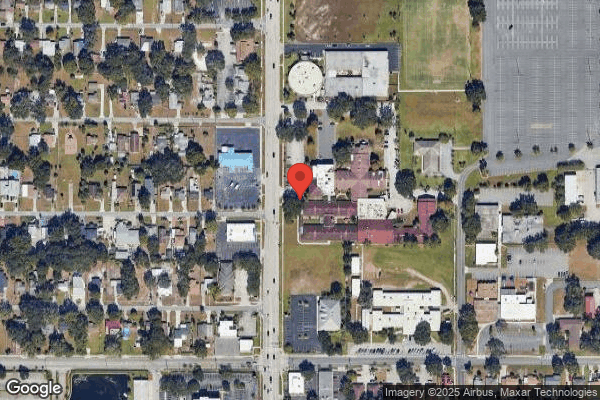
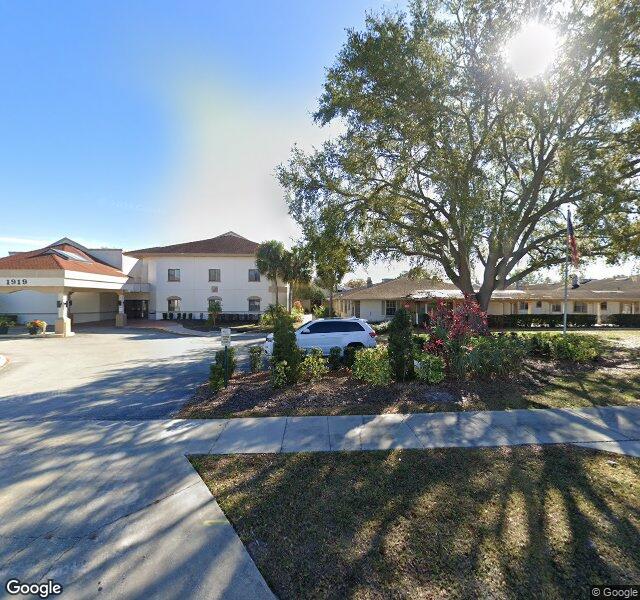
1919 LAKELAND HILLS BLVD, LAKELAND, FL 33805 (863) 688-5612
For profit - Limited Liability company 185 Beds VIVO HEALTHCARE Data: November 2025 3 Immediate Jeopardy citations
Trust Grade
0/100
#683 of 690 in FL
Last Inspection: June 2025

Inspected within the last 6 months. Data reflects current conditions.

Overview

Vivo Healthcare Lakeland has received a Trust Grade of F, indicating significant concerns about the facility's performance. It ranks #683 out of 690 in Florida, placing it in the bottom half of nursing homes in the state, and #24 out of 25 in Polk County, meaning only one local option is better. The facility's trend is worsening, with issues increasing from 2 in 2024 to 18 in 2025, highlighting growing operational problems. Staffing is rated at 2 out of 5 stars, with a turnover rate of 44%, which is average, suggesting staff may not be as stable as desired. The facility has accumulated a concerning $791,925 in fines, which is higher than 98% of Florida facilities, indicating repeated compliance problems. There are alarming specific incidents, including a resident who was allowed to leave the facility unnoticed and walked for eight miles along busy streets, leading to dehydration and a critical intervention by the highway patrol. Another resident suffered a serious fall due to hazardous flooring that had not been repaired, resulting in a fractured hip requiring surgery. While the facility has some strengths, such as achieving 4 out of 5 stars in quality measures, the significant issues related to safety and supervision are serious red flags for families considering this nursing home.

Trust Score
F
0/100
In Florida
#683/690
Bottom 2%
Safety Record
High Risk
Review needed
Inspections
Getting Worse
2 → 18 violations
Staff Stability
○ Average
44% turnover. Near Florida's 48% average. Typical for the industry.
Penalties
✓ Good
$791,925 in fines. Lower than most Florida facilities. Relatively clean record.
Skilled Nurses
⚠ Watch
Each resident gets only 27 minutes of Registered Nurse (RN) attention daily — below average for Florida. Fewer RN minutes means fewer trained eyes watching for problems.
Violations
⚠ Watch
33 deficiencies on record. Higher than average. Multiple issues found across inspections.
★☆☆☆☆
1.0
Overall Rating
★★☆☆☆
2.0
Staff Levels
★★★★☆
4.0
Care Quality
★☆☆☆☆
1.0
Inspection Score
Stable
2024: 2 issues
2025: 18 issues

The Good

  • 4-Star Quality Measures · Strong clinical quality outcomes
  • Full Sprinkler Coverage · Fire safety systems throughout facility
  • No fines on record
  • Staff turnover below average (44%)

    4 points below Florida average of 48%

Facility shows strength in quality measures, fire safety.

The Bad

1-Star Overall Rating

Below Florida average (3.2)

Significant quality concerns identified by CMS

Staff Turnover: 44%

Near Florida avg (46%)

Typical for the industry

Federal Fines: $791,925

Well above median ($33,413)

Significant penalties indicating serious issues

Chain: VIVO HEALTHCARE

Part of a multi-facility chain

Ask about local staffing decisions and management

The Ugly 33 deficiencies on record

3 life-threatening
Jun 2025 11 deficiencies
CONCERN (D)

Potential for Harm - no one hurt, but risky conditions existed

Resident Rights (Tag F0550)

Could have caused harm · This affected 1 resident

**NOTE- TERMS IN BRACKETS HAVE BEEN EDITED TO PROTECT CONFIDENTIALITY** 2. During an observation from the hallway on 06/24/2025 at 9:46 a.m., Resident #146 was observed sitting up on the side of his b...

Read full inspector narrative →
**NOTE- TERMS IN BRACKETS HAVE BEEN EDITED TO PROTECT CONFIDENTIALITY** 2. During an observation from the hallway on 06/24/2025 at 9:46 a.m., Resident #146 was observed sitting up on the side of his bed with his legs hanging off, sleeping. Resident #146 was observed to have on a white T-shirt and a brief. Review of Resident #146's admission record revealed and admission date of 03/19/2025. Resident #146 was admitted to the facility with diagnosis to include Parkinson's Disease Without Dyskinesia, Without Mention of Fluctuations, Other Lack of Coordination, Major Depressive Disorder, Recurrent, Moderate, Mood Disorder Due To Known Physiological Condition with Mixed Features, Unspecified Dementia, Unspecified Severity, With Mood Disturbance. Review of Resident #146's Quarterly Minimum Data Set (MDS), dated [DATE] revealed, Section C-Cognitive Patterns had a Brief Interview Mental Status (BIMS) of 06 out of 15 indicating severe cognitive impairment. During an interview on 06/25/2025 at 5:47 p.m., Staff O, Certified Nursing Assistant (CNA), stated residents should be treated with dignity by speaking with the residents, pulling the privacy curtain and closing the door while providing care. You should not be able to see a resident's brief from the hallway. They should have bottoms on or have a blanket to cover them while they are sleeping. During an interview on 06/25/2025 at 5:13 p.m., the Director of Nursing (DON), stated You should not be able to see a residents brief from the hallway. Review of the facility's policy, dated 09/01/2023, titled Promoting/Maintaining Resident Dignity revealed the following: Policy: It is the practice of this facility to protect and promote resident rights and treat each resident with respect and dignity as well as care for each resident in a manner and in an environment, that maintains or enhances resident's quality of life by recognizing each resident's individuality. Compliance Guidelines .12. Maintain resident privacy. Based on observations, interviews, and record review, the facility failed to ensure two residents (#316 and #146) were treated in a dignified manner out of three residents sampled for dignity. Findings included: During an observation on 06/24/25 at 9:47 a.m., Resident #316 was observed from the 100 Wing hallway in her wheelchair with her night gown pulled up and briefs exposed. Resident #316 was admitted to the facility on [DATE] with a primary diagnosis of muscle wasting and atrophy. Review of Resident #316's quarterly Minimum Data Set (MDS), dated [DATE], revealed a Brief Interview for Mental Statues (BIMS) score of 12, indicating moderate cognitive impairment. Section GG-Functional abilities revealed the resident needed substantial/maximal assistance with the ability to dress and undress below the waist, including fasteners. Review of Resident #316's care plan, dated 6/23/25, revealed she is dependent on staff for meeting emotional, intellectual, physical, and social needs with Immobility and Physical Limitations. During an interview on 6/26/25 at 10:25 a.m. with Staff D, Certified Nursing Assistant (CNA), she stated, Dignity was considered ensuring the resident is treated with respect. She stated she has had training on preserving resident dignity and if she did notice a resident in an undignified situation, she would redirect the resident to their room and fix the issue. During an interview on 6/26/25 at 10:30 a.m. with Staff E, (CNA), she stated, Dignity is considering the way people are treated as well as their living circumstances. She stated she has had training on dignity and if she noticed a resident in an undignified situation, she would redirect the resident to their room and fix the issue.
CONCERN (D)

Potential for Harm - no one hurt, but risky conditions existed

Safe Environment (Tag F0584)

Could have caused harm · This affected 1 resident

**NOTE- TERMS IN BRACKETS HAVE BEEN EDITED TO PROTECT CONFIDENTIALITY** Based on observations, record reviews, and interviews, the facility failed to ensure a homelike environment for four resident ro...

Read full inspector narrative →
**NOTE- TERMS IN BRACKETS HAVE BEEN EDITED TO PROTECT CONFIDENTIALITY** Based on observations, record reviews, and interviews, the facility failed to ensure a homelike environment for four resident rooms (Rooms # 407, 422, 429) out of eight rooms sampled and failed to store equipment appropriately in one out of two shower rooms. Findings include: During a facility tour conducted on 6/23/2025 at 11:00 a.m., room [ROOM NUMBER] was observed with pictures hanging off the wall over a resident bed. room [ROOM NUMBER] observed with a high-rise seat positioned over the toilet in the resident's bathroom with dirty tape attached to the seat. room [ROOM NUMBER] was observed with torn, unfinished dry wall behind a resident's bed. During an observation made on 6/23/2025 at 11:00 a.m., one of two shower rooms was used as a storage room to store a bed, walker, and reclining chairs. An interview was conducted on 6/26/2025 at 8:45 a.m., with Staff T, Registered Nurse, RN/ Unit Manager. Staff T stated she has worked at the facility for 4 years. She stated she did not know why equipment was stored in the shower room because the staff knew equipment cannot be stored there. She stated whenever she knows items are stored in the shower room, she would report them to the maintenance director to have the items removed. She stated she was not aware of the high-rise toilet seat with tape on it in room [ROOM NUMBER], the torn, unfinished dry wall behind the resident bed in room [ROOM NUMBER] and the hanging picture in room [ROOM NUMBER]. She stated these issues should have been reported to her or the Interdisciplinary team should have reported this during their daily room rounds so these issues could have been addressed. An interview was conducted on 6/26/2025 at 12:30 p.m., with the Director of Maintenance. He said he is made aware of repairs in the building when staff put concerns in the system. He stated he was not aware of the equipment stored in one of the shower rooms on 400 hall, the picture hanging off the wall in room [ROOM NUMBER], the high-rise chair in the bathroom in 422 with tape on it, and the dry wall hole in room [ROOM NUMBER]. He stated he would have expected staff to report these issues to the maintenance department. An interview was conducted on 6/26/2025 at 12:30 p.m., with the Nursing Home Administrator, NHA, The Maintenance Director and The Regional Director. The NHA stated all managers have room assignments they go over in their morning meetings identifying any concerns. If there is something that needs to be repaired, they put it in maintenance system. If it's something for housekeeping, they let him know by verbal communication. She stated her expectation is these things should have been taken care of. Her managers should have reported these items so these things could be fixed. They had a discussion with all staff that they have to report everything needed to be repaired. The NHA stated managers conduct rounds daily and these things should have been reported. Review of the facility policy titled, Safe and Homelike Environment Revision Date: 1/2025, showed the following: Policy: In accordance with residents' rights, the facility will provide a safe, clean, comfortable and homelike environment, allowing the resident to use his or her personal belongings to the extent possible. This includes ensuring that the residents can receive care and services safely and that the physical layout of the facility maximizes resident independence and does not pose a safety risk. Policy Explanation and Compliance Guidelines: 3. Housekeeping and maintenance service will be provided as necessary to maintain a sanitary, orderly and comfortable environment. 9. General Considerations: f. Report any unresolved environmental concerns to the Administrator. (Photographic Evidence obtained )
CONCERN (D)

Potential for Harm - no one hurt, but risky conditions existed

Report Alleged Abuse (Tag F0609)

Could have caused harm · This affected 1 resident

**NOTE- TERMS IN BRACKETS HAVE BEEN EDITED TO PROTECT CONFIDENTIALITY** Based on observation, interview, and record review, the facility failed to ensure alleged resident to resident violations were r...

Read full inspector narrative →
**NOTE- TERMS IN BRACKETS HAVE BEEN EDITED TO PROTECT CONFIDENTIALITY** Based on observation, interview, and record review, the facility failed to ensure alleged resident to resident violations were reported to the governing agency in accordance with the State law for one (Resident #28) out of two residents sampled. Findings include: On 06/23/2025 at 2:08 P.M. an observation of Resident #28 revealed she had a dark purple and bluish area around her left eye. A review of Resident #28's admission Record showed she was admitted to the facility on [DATE] with diagnoses including but not limited to Anoxic Brain Damage, Autistic Disorder, Chronic Pain Syndrome, and Aphasia. A review of Resident #28's Minimum Data Set (MDS), Section C, dated 3/30/2025 revealed a Brief Interview for Mental Status (BIMS) score of 00 indicating severe cognitive impairment. A review of a Change in Condition Assessment for Resident #28 dated 6/17/2025 revealed, swelling and bruising noted around left eye with intervention of X-Ray of left side of face, ice as needed. A review of the Facial X-Ray for Resident #28 dated 6/17/2025 revealed The osseous structures are unremarkable including grossly intact orbital rims. Maxillary sinuses are unremarkable. No blowout fracture is seen. A review of a progress note titled, Incident Note dated 6/17/2025 written by the Director of Nursing (DON) for Resident #28 reads, Resident #28 was in bed when another resident mistakenly thought the bed was hers and got in Resident #28's bed. Resident #28 noted to have slight redness to left orbit area. Medical Doctor (MD) and family notified. A review of a progress note titled, Skin/Wound Note dated 6/18/2025 reads, Noted swelling and bruising noted around left eye, Resident #28 is unable to state how this happened. An interview was conducted with Staff G, Licensed Practical Nurse (LPN) on 6/25/2025 at 1:44 P.M. She stated, I was off work when it happened. I was told by the night nurse Resident #28's roommate (Resident #49) sat on her head. She said she believes the night nurse did an incident report at the time. The night shift staff moved the roommate to a different room after the incident. Staff G, LPN stated, I personally would have done an assessment on the roommate as well as a behavior progress note because I found Resident #49 in another resident's bed a few days before this happened. An interview was conducted with the Nursing Home Administrator (NHA) and Director of Nursing (DON) on 6/26/2025 at 9:20 A.M. The DON stated, We moved Resident #49 into the room with Resident #28. Resident #49 was placed in B bed (by the window) and she is used to being in A Bed (by the door). Resident #49 mistakenly got into A bed with Resident #28. The DON said the staff witnessed Resident #49's forehead hit Resident #28's forehead/left eye area. The DON stated, it was not hard contact, but they made contact. She said the night staff separated the two residents, assessed them, and didn't see any injuries. The DON stated, I reported it to Resident #28's family member and he expressed no concerns. Staff K, LPN Unit Manager, communicated with Resident #49's family. The DON said they moved Resident #49 to an A Bed (by the door) assignment. The NHA said an incident report was created by the DON the next day. The DON said the staff witnessed Resident #49's head come in contact with Resident #28's head, but they were not able to stop it from happening beforehand. Another interview was conducted with the DON on 6/26/2025 at 1:45 P.M. The DON stated, We did not report this to the state agencies or law enforcement. We didn't consider it a resident to resident. There was no intent or physical aggression by either party. There must be intent of abuse to be reportable. A review of the facility's policy titled: Abuse, Neglect, and Exploitation implemented on 9/1/2023 and revised on 1/2025 states, It is the policy of this facility to provide protections for the health, welfare and rights of each resident by developing and implementing written policies and procedures that prohibit and prevent abuse, neglect, exploitation and misappropriation of resident property. Part IV showed: Identification of Abuse, Neglect, and Exploitation, Section B: Possible indicators of abuse include, but are not limited to: physical marks such as bruises or patterned appearances such as a handprint, belt or ring mark on a resident's body. Part VII showed: Reporting/Response, Section A: The facility will have written procedures that include: 1. Reporting of all alleged violations to the Administrator, state agency, adult protective services and to all other required agencies (e.g., law enforcement when applicable) within the specified time frames: a. Immediately, but not later than 2 hours after the allegation is made, if the events that cause the allegation involves abuse or result in serious bodily injury, or b. Not later than 24 hours if the events that cause the allegation do not involve abuse and do not result in serious bodily injury. Section B: The Administrator will follow up with government agencies, during business hours, to confirm the initial report was received, and to report the results of the investigation when final within 5 working days of the incident, as required by state agencies.
CONCERN (D)

Potential for Harm - no one hurt, but risky conditions existed

Deficiency F0645 (Tag F0645)

Could have caused harm · This affected 1 resident

**NOTE- TERMS IN BRACKETS HAVE BEEN EDITED TO PROTECT CONFIDENTIALITY** Based on interviews and record reviews, the facility failed to ensure Preadmission Screening and Resident Review (PASRR) assessm...

Read full inspector narrative →
**NOTE- TERMS IN BRACKETS HAVE BEEN EDITED TO PROTECT CONFIDENTIALITY** Based on interviews and record reviews, the facility failed to ensure Preadmission Screening and Resident Review (PASRR) assessments were updated for two residents (#69, #141) out of twelve residents sampled for PASRR. Findings include: 1. A review of Resident #69's admission Record revealed he was admitted to the facility on [DATE] with a primary diagnosis of unspecified dementia. Secondary diagnoses included mood disorder, major depressive disorder and insomnia. Review of the Level I PASARR, dated 03/24/2025 showed in Section II: Other Indications for PASRR Screen Decision-Making, questions 1 through 7 were marked No. A Level II PASRR evaluation must be completed if the individual has a primary or secondary diagnosis of dementia or related neurocognitive disorder (including Alzheimer's disease). Section IV: PASRR Screen Completion, Individual may be admitted to a Nursing Facility (check one of the following): No diagnosis or suspicion of Serious Mental Illness or Intellectual Disability indicated. Level II PASARR evaluation not required was marked. 2. A review of Resident #141's admission Record revealed she was admitted to the facility on [DATE] with a primary diagnosis of unspecified dementia. Secondary diagnoses included mood disorder, major depressive disorder and generalized anxiety disorder. Review of the Level I PASRR, dated 04/23/2025 showed in Section II: Other Indications for PASRR Screen Decision-Making, questions 1 through 4 were marked No. Question 5: Does the resident have a primary diagnosis of dementia was marked yes. A Level II PASRR evaluation must be completed if the individual has a primary or secondary diagnosis of dementia or related neurocognitive disorder (including Alzheimer's disease). Section IV: PASRR Screen Completion, Individual may be admitted to a Nursing Facility (check one of the following): No diagnosis or suspicion of Serious Mental Illness or Intellectual Disability indicated. Level II PASRR evaluation not required was marked. On 06/26/25 at 3:31 p.m. an interview with the Social Services Director (SSD) was conducted. She stated when an admission comes in, she looks over their diagnosis, looks at medications, then waits a few days for psychiatry to see them. She then goes into the program and completes it, and then she uploads the document into the medical record. She stated if she has to do a Level II, she will submit. She stated Gradual Dose Reduction (GDR) meetings are when she would find out a new diagnosis or if the psychiatry provider visits the resident and gives a new diagnosis, they would send an email about any changes. She stated she has begun fixing PASRR's which require a Level II once survey started on 06/23/25. She stated she would know if the resident would need a Level II from the questions in the system where she fills out the PASRR. She stated she is not familiar with the regulation. Review of the policy titled Resident Assessment - Coordination with PASRR Program revised 01/2025 revealed the following: Policy: Policy Explanation and Compliance Guidelines 1. All applicants to this facility will be screened for serious mental disorders or intellectual disabilities and related conditions in accordance with the State's Medicaid rules for screening. a. PASRR Level I- initial pre-screening that is completed prior to admission i: Negative Level I screen-permits admission to proceed and ends the PASRR process unless a possible serious mental disorder or intellectual disability arises later. ii. Positive Level I screen- necessitated a PASRR Level II evaluation prior to admission. 7. The Social Services Director shall be responsible for keeping track of each resident's PASRR screening status and referring to the appropriate authority.
CONCERN (D)

Potential for Harm - no one hurt, but risky conditions existed

Comprehensive Care Plan (Tag F0656)

Could have caused harm · This affected 1 resident

**NOTE- TERMS IN BRACKETS HAVE BEEN EDITED TO PROTECT CONFIDENTIALITY** Based on observations, record review, and interviews, the facility failed to develop and implement a person-centered comprehensi...

Read full inspector narrative →
**NOTE- TERMS IN BRACKETS HAVE BEEN EDITED TO PROTECT CONFIDENTIALITY** Based on observations, record review, and interviews, the facility failed to develop and implement a person-centered comprehensive care plan to meet goals and address the resident's medical, physical, mental and psychosocial needs for three residents (#363, #28, and #49) out of thirty five residents sampled. Findings include: 1. On 6/24/2025 at 9:57 A.M., Resident #363 was observed with both legs over the right side of his bed. The bed was in a high position where the resident's feet were dangling in the air. The floor on the right side of his bed contained a bedside table, an overflowing trash can, a tied-up bag full of linens, and three wheelchair footrest adapters. There were no staff around the room at this time. An unknown staff member came to the resident's room, and she stated, I left the room to find someone to help her transfer him into the wheelchair. On 6/26/2025 at 11:21 A.M., Resident #363 was observed with both legs over the right side of his bed again. The bed was in a lowered position where his right foot was touching the ground. The right side of his bed contained a bedside table and an empty trash can. The mattress on the bed was not a scoop mattress. A review of the admission Record for Resident #363 showed he was admitted to the facility on [DATE] with diagnoses including but not limited to Parkinson's Disease with Dyskinesia and Abnormalities of Gait and Mobility. A review of Resident #363's Minimum Data Set (MDS), Section C, dated 5/8/2025 revealed a Brief Interview for Mental Status (BIMS) score of 00 indicating severe cognitive impairment. A review of the assessments documented for Resident #363 revealed he had twelve documented falls since his admission on [DATE]. A review of the task record labeled ADL (Activities of Daily Living) Walk for Resident #363 revealed the activity occurred six times in ninety opportunities. A review of the Comprehensive Care Plan for Resident #363 revealed a focus documenting he is at risk for falls related to decreased cognition, decreased mobility, and history of falls. The interventions of this focus are as follows: Ensure residents' bed is in lowest locked position when in bed; 2/24/2025 Dycem to Wheelchair & Anti-Tippers; 3/12/2025 Drop Seat Wheelchair; 4/26/2025 Scoop Mattress; 5/30/2025 Falls unavoidable due to poor safety awareness- Keep pathways clear; 6/11/2025 staff to offer periodic walking throughout the day. An interview was conducted with Staff G, Licensed Practical Nurse (LPN) on 6/25/2025 at 2:00 P.M. She stated, I keep Resident #363 in the day room when he's awake and redirect him to sit back down when he tries to stand up. I also make sure he is clean and dry. Staff G, LPN said, she doesn't know if the interventions in the comprehensive care plan are working, stating, I just try and keep an eye on Resident #363. An interview was conducted with Staff H, Certified Nursing Assistant (CNA) on 6/26/2025 at 11:15 A.M. She stated, I don't know what the specific interventions are for Resident #363. I make sure he's dry, the wheelchair is locked, and he is in a safe environment. Staff H, CNA said she can look at the Kardex to find out what the interventions are, she just hasn't looked yet because Resident #363 just moved to this unit last night. Staff H, CNA stated, if the interventions were not working, I will tell my nurse. She stated, Resident #363 fell yesterday {6/25/2025}. I was cleaning another resident, and the other CNA was in the restroom. Another CNA was showering a resident, and the nurse was putting another resident in their bed. Me and the Nurse had just cleaned him and put him right next to the nursing station in his wheelchair. Next thing I know, he was on the floor at the nursing station. Staff H, CNA said nobody saw it happen, the nurse assessed Resident #363, and three staff members put him back into his wheelchair. An interview was conducted with Staff I, LPN on 6/26/2025 at 11:31 A.M. Staff I, LPN stated, I was told in report Resident #363 was a fall risk. He fell yesterday and I am doing neuro checks every 4 hours. The CNA took Resident #363 vital signs at 7:45 A.M. and I didn't write them down yet. Staff I, LPN said, she doesn't know how to access his comprehensive care plan to review it and the interventions are reported to her in the nurse-to-nurse report at shift change. Staff I, LPN stated, I was told we are putting Resident #363 near the nursing station, and we take turns watching him. 2. An observation on 06/23/2025 at 2:08 P.M. revealed Resident #28 had a dark purple and bluish area around her left eye. A review of the admission Record for Resident #28 showed she was admitted to the facility on [DATE] with diagnoses including but not limited to Anoxic Brain Damage, Autistic Disorder, Chronic Pain Syndrome, and Aphasia. A review of Resident #28's Minimum Data Set (MDS), Section C, dated 3/30/2025 revealed a Brief Interview for Mental Status (BIMS) score of 00 indicating severe cognitive impairment. A review of a progress note titled, Narrative Nurses Note for Resident #28 written on 6/17/2025 reads, Note Text: nurse practitioner into visit with patient, swelling and bruising noted on left side of face, resident shows no signs or symptoms of pain, x-ray of left side of face, Family updated on care plan. A review of the Comprehensive Care Plan for Resident #28 revealed no focuses, goals, or interventions regarding treatment or monitoring of her left eye. An interview was conducted with Staff G, Licensed Practical Nurse (LPN) on 6/25/2025 at 1:44 P.M. She stated, I was off work when it happened. I was told by the night nurse Resident #28's roommate (Resident #49) sat on her head. She said she believes the night nurse did an incident report at the time. The night shift staff moved the roommate to a different room after the incident. Staff G, LPN stated, I personally would have done an assessment on the roommate as well as a behavior progress note because I found Resident #49 in another resident's bed a few days before this happened. 3. A review of a progress note dated 4/16/2025 for Resident #49 reads, Note Text: staff reported to nurse that resident had placed hands around another resident neck in choking manner. Resident separated from other resident, vitals checked resident checked for injuries, Medical Doctor (MD) family and Psych notified of incident, order for Urinalysis (UA) received, resident placed on one-on-one supervision. A review of a progress note dated 6/16/2025 for Resident #49 reads, Note Text: Resident #49 confused and crawled into bed with roommate Resident #28, thinking/insisting that was her bed. Resident #49 was redirected to her own bed by the window. Resident #49 will be moved to a bed by the door. Family notified and is okay with the move. A review of the admission Record for Resident #49 showed she was admitted to the facility on [DATE] with diagnoses including but not limited to Insomnia and Anxiety Disorder. A review of Resident #49's Minimum Data Set (MDS), Section C, dated 3/29/2025 revealed a Brief Interview for Mental Status (BIMS) score of 00 indicating severe cognitive impairment. A review of the Comprehensive Care Plan for Resident #49 revealed a focus of, exhibits the following behaviors: crying, refuses dental care at times, will make inappropriate comments to staff at times; 4/16/2025 Resident was the aggressor in altercation with another resident in which residents were separated to de-escalate the situation. The goal is, will exhibit a decrease in the number of behavior episodes by the next review date. The intervention is, 4/16/2025 Psych to eval, urinalysis ordered, Resident put on 1:1. Further review of Resident #49's comprehensive care plan revealed no other behavior focuses, goals, or interventions. An interview was conducted with Staff J, Minimum Data Set (MDS) Coordinator on 6/26/2025 at 11:42 A.M. She said she updates the care plan as she reads the order listing report every day. She stated, If it's not from the order listing, it's word of mouth from the nursing staff on changes needing to be made. At our clinical meeting every morning, the interdisciplinary team discusses the falls and then we decide which interventions would be appropriate for each fall. There is an intervention for every fall incident. There always must be a new intervention; even if we've chosen everything, we must write something. Staff J, MDS Coordinator said, the comprehensive care plans must be individualized, or they don't work. Staff J, MDS Coordinator stated, we leave the intervention in the comprehensive care plan even if it's not working. We just need to add something as an intervention when an incident happens. She said she updates the interdisciplinary team in the morning, but not the nursing staff. An interview was conducted with the Director of Nursing (DON) on 6/26/2025 at 1:54 P.M. The DON said any change with a resident is discussed in the morning clinical meeting. The MDS Coordinator updates the comprehensive care plan every day. The DON said the nurses make a progress note in the medical record with possible interventions as well as putting it in the incident report. Updates to the comprehensive care plans are made as needed, quarterly, annually, and after meetings with the family. The DON stated, The CNA's can look in task record on the computer and nurses should be able to open and adjust the comprehensive care plan as needed. I think most of them know how to do that, but I'm sure some do not. The DON stated, when there is an incident with a resident, there should be a new intervention that is geared based on the root cause analysis of why the incident happened. This is done every incident. If the interventions are not working, the interdisciplinary team would reevaluate and determine a new intervention. The DON said the interventions are not dated in the comprehensive care plan. A review of the facility's policy titled, Comprehensive Care Plan implemented on 9/1/2023 and revised on 1/2025 showed, It is the policy of this facility to develop and implement a comprehensive person-centered care plan for each resident, consistent with residents rights, that includes measurable objectives and timeframes to meet a resident's medical, nursing, and mental and psychosocial needs that are identified in the resident's comprehensive assessment. Under section titled, Policy Explanation and Compliance Guidelines: 3): The comprehensive care plan will describe, at a minimum, the following: a. The services that are to be furnished to attain or maintain the residents' highest practicable physical, mental, and psychosocial well-being. 6): The comprehensive care plan will include measurable objectives and timeframes to meet the resident's needs as identified in the resident's comprehensive assessment. The objectives will be utilized to monitor the residents' progress. Alternative interventions will be documented, as needed. 8): Qualified staff responsible for carrying out interventions specified in the care plan will be notified of their roles and responsibilities for carrying out the interventions, initially and when changes are made.
CONCERN (D)

Potential for Harm - no one hurt, but risky conditions existed

ADL Care (Tag F0677)

Could have caused harm · This affected 1 resident

**NOTE- TERMS IN BRACKETS HAVE BEEN EDITED TO PROTECT CONFIDENTIALITY** Based on observation, interviews and record review, the facility failed to provide Activities of Daily Living (ADL) for two resi...

Read full inspector narrative →
**NOTE- TERMS IN BRACKETS HAVE BEEN EDITED TO PROTECT CONFIDENTIALITY** Based on observation, interviews and record review, the facility failed to provide Activities of Daily Living (ADL) for two residents (#154) related to removal of facial hair and (#367) related to showers out of four residents sampled for ADL. Findings Included: 1. During an interview on 06/23/25 at 11:10 a.m., Resident #154 was observed with long white strands of hair on her lip and chin. Resident #154 stated I wish they would help me pluck this hair off of my face. Review of Resident #154's admission record revealed an admission date of 05/21/2025. Resident #154 was admitted to the facility with diagnosis to include Need for Assistance with Personal Care, Neuromuscular Dysfunction of Bladder, Unspecified, Colostomy Status, Muscle Wasting and Atrophy, Not Elsewhere Classified, Multiple Sites and Multiple Sclerosis. Review of Resident #154's Quarterly Minimum Data Set (MDS) dated [DATE] revealed Section C. Cognitive Patterns, a Brief Interview Mental Status (BIMS) of 14 out of 15 showing intact cognition. Review of Section GG. Functional Abilities revealed for oral hygiene Resident #154 needs supervision or touching assistance, where helper provides verbal cues and/or touching/steadying and/or contact guard assistance as resident completes activity. Assistance may be provided throughout the activity or intermittently for oral hygiene. For shower/bathe Resident #154 was dependent, where helper does all the effort. Residents do none of the effort to complete the activity. Or the assistance of two or more helpers is required for the residents to complete the activity. During an interview on 06/25/2025 at 5:47 p.m., Staff O, Certified Nursing Assistant (CNA), stated she assists residents with bathing, eating, or any daily activities they cannot do on their own. This includes trimming nails and shaving. She stated she had not asked Resident #154 if she would like assistance with removing her facial hair. During an interview on 06/25/2025 at 5:13 p.m., the Director of Nursing (DON) stated when staff are providing residents with their showers/baths staff should offer to help remove any unwanted facial. 2. On 06/24/2025 at 9:51 A.M. Staff L, Certified Nursing Assistant (CNA) was observed in Resident #367 room and stated, Lord have mercy, maybe I'll give you a shower today. There was a foul odor coming from Resident #367 side of the room. At 9:57 A.M., Staff M, Registered Nurse (RN) and Staff L, CNA, were observed speaking to each other at the nurses cart. Staff M, RN advised Staff L, CNA not to give Resident #367 a shower because it would be too difficult to cover his neck. Staff M, RN said to Staff L, CNA the foul odor was coming from Resident #367's clothes and not from the resident himself. An interview was conducted with Staff L, CNA and Staff M, RN on 6/25/2025 at 2:28 P.M. Staff L, CNA said Resident #367 is dependent on bathing and showering and he requires someone to help him. Staff L, CNA said she doesn't know what Resident #367's preferences are because he is only alert to himself. Staff L, CNA stated, he normally doesn't refuse a shower, but I gave him a bath in bed the other day. Staff L, CNA stated, if Resident #367 refuses, I wait and him ask again, and then I let the nurse know. Staff L, CNA said the nurse is supposed to chart it on the computer. Staff M, RN stated, I will only notify the doctor if it starts to affect Resident #367's health. An interview was conducted with the Director of Nursing (DON) on 6/26/2025 at 3:00 P.M. The DON stated, the facility provides handwritten shower sheets to the CNA's and the nurses are supposed to sign the sheets after they review them. After the nurse reviews the sheet, the sheet go to the Unit Manager (UM) for review and then the sheets are filed somewhere in the UM's office. A review of the admission Record for Resident #367 showed he was admitted to the facility on [DATE] with diagnoses including but not limited to Muscle Wasting and Atrophy and Immunodeficiency. As of 6/25/2025, Minimum Data Set (MDS), Section C, was not completed. A review of the task record titled, bathing for Resident #367 revealed the activity did not occur four out of five opportunities. A review of the facility issued shower sheet for Resident #367 dated 6/20/2025, revealed a note reading, Refused Shower, Resident was picky and didn't want shower. The shower sheet was not signed by a nurse or unit manager. A review of the Baseline Care Plan for Resident #367 dated 6/19/2025 revealed his preference is to receive a shower and the bathing support required is a one-person physical assist. Review of the facility policy titled, Activities of Daily Living (ADL's), implemented on 9/1/2023 and revised on 1/2025 states, The facility will, based on the resident's comprehensive assessment and consistent with the resident's need and choices, ensure a resident's abilities in ADL's do not deteriorate unless deterioration is unavoidable; Care and services will be provided for the following activities of daily living: Bathing, dressing, grooming, and oral care. Under the paragraph titled, Policy Explanation and Compliance Guidelines, Section 3 states, A resident who is unable to carry out activities of daily living will receive the necessary services to maintain good nutrition, grooming, and personal and oral hygiene.
CONCERN (D)

Potential for Harm - no one hurt, but risky conditions existed

Quality of Care (Tag F0684)

Could have caused harm · This affected 1 resident

**NOTE- TERMS IN BRACKETS HAVE BEEN EDITED TO PROTECT CONFIDENTIALITY** Based on observation, interviews and record review the facility failed to provide nursing care and services related to 1) failur...

Read full inspector narrative →
**NOTE- TERMS IN BRACKETS HAVE BEEN EDITED TO PROTECT CONFIDENTIALITY** Based on observation, interviews and record review the facility failed to provide nursing care and services related to 1) failure to schedule appointments for one (Resident #134); and 2) failure to administer medications in a timely manner for two (Resident #106 and Resident #90) out of 35 residents sampled. Findings Included: 1. During an interview on 06/25/2025 at 9:13 a.m., Resident #134 stated he had a catheter, but they recently removed it. He stated he had not seen a Urologist. During an interview on 06/25/2025 at 9:56 a.m., Resident #134's Family Member (FM) and emergency contact stated Resident #134 was referred to see a Urologist at the beginning of June, but has never been told if it was scheduled. The FM stated, the resident saw a Neurologist because he recently started having what she believed to be seizures when he sits up in bed. The Neurologist ordered a imaging exam (MRI) and the test has not had done. I have asked the doctor and the nurses about scheduling the MRI with sedation because he is claustrophobic several times and no one has followed up with me. Review of Resident #134's admission record revealed an admission date of 05/23/2025. Resident #134 was admitted with diagnosis to include Unspecified Sequelae of Cerebral Infarction, Benign Prostatic Hyperplasia with Lower Urinary Tract Symptoms, Mood Disorder Due To Known Physiological Condition with Mixed Features, Major Depressive Disorder, Recurrent, Moderate and Unspecified Dementia, Unspecified Severity, Without Behavioral Disturbance, Psychotic Disturbance, Mood Disturbance, and Anxiety. Review of Resident #134's Quarterly Minimum Data Set (MDS), dated [DATE], Section C- Cognitive Patterns revealed a Brief Interview Mental Status (BIMS) of 06 out of 15 showing severe cognitive impairment. Review of Section H. Bladder and Bowel revealed Appliances, Indwelling Catheter. Review of Resident #134's orders revealed: 06/05/2025 Urology Consult stat (emergent) for Urinary Retention related to benign prostatic hyperplasia with lower urinary tract symptoms. No order for Magnetic Resonance Imaging (MRI) was found. Review of Resident #134's progress notes revealed: 3/24/25: The patient was seen for a follow-up on therapy. He was sent to the hospital on 3/22/25 due to increased altered mental status and returned without new orders. His FM reported consulting with the patient's neurologist, who recommended an MRI. The order has been placed. The patient is calm, resting in bed without complaints. No additional reports from staff. 5/9/25: Follow up patient on therapy and overall health. FM was there and expressed concerns about an MRI to be done to diagnose or know how advance is the patients dementia. Patient is unable to get an MRI because he is unable to stay still, and it was suggested that the patient be put to sleep to have the MRI done. FM requested to speak to the physician personally and information was relayed to the physician. 5/27/25: Patient seen today for follow up on status post hospitalization. Patient was also accompanied with FM. FM stated that the hospital made an attempt to remove the catheter and do a voiding trial but failed. FM expressed concern about patient dementia diagnosis and needing an MRI to determine future care. Expressed to FM will forward information to the physician. 6/2/25: Patient was seen today for overall care and therapy. Patient FM stated that he is much better today. Spouse states that she would like to know cognitively where the patient is at mentally. Patient needs an MRI and needs to be sedated to do so. FM requests to speak to physician so she will be able to know how to move forward in patient care. 6/5/25: Patient was seen today for follow up on therapy and overall health. Staff stated that patient removed the Foley catheter and voiding trial was in process. Stated to staff that if patient does not void to straight cath again and in six hours if patient has not voided insert Foley but use a leg bag. Staff has stated that the since the patient has been restless that the meatus has been slightly split. Will order urology consult. During an interview on 06/25/2025 at 9:45 a.m., Staff R, Driver/Transportation stated she sets up all the appointments for residents. When residents need an appointment the nursing staff fills out a form and puts it into a folder outside of her door. She then arranges transportation and schedules the appointments. I was not aware Resident #134 needed an appointment to see a Urologist. He saw a Neurologist, who ordered an MRI, but his wife wants him to be sedated for the MRI, but I am not sure what happened with that. During an interview on 06/25/2025 at 11:03 a.m., Staff P, Registered Nurse (RN) stated she was not aware of Resident #134 needing an MRI. I believe he was supposed to see a Urologist but cannot remember why. The physician will notify the nurse of any new orders. The nurses put the order in and then a form is filled out and given to the appointment Transportation and she sets the appointments up for the residents. During an interview on 06/25/2025 at 11:15 a.m., Staff N, Licensed Practical Nurse (LPN) and Unit Manager (UM), stated if residents need an appointment only the Transportation person schedules the appointments. The nurses fill out a form and put it in a folder. She reviewed Resident #134's chart and found an order for Resident #134 to see a Urologist. The order was put it in on 06/05/2025 for stat. I don't see any notes from the Urologist, and I don't see an order for an MRI. During an interview on 06/25/2025 at 5:13 p.m., the Director of Nursing (DON), stated transportation facilitates the appointments and transportation. A stat order would mean the resident needs to be seen quickly. I know we were having an issue with Resident #134's insurance and that is why he has not had his MRI or seen the Urologist. This should be documented in a note in the residents' chart. We will talk with the physician and offer for the resident go to the hospital since he has not been seen by the Urologist. The facility did not have a policy for review. 2. A review of Resident # 90's admission Record revealed she was admitted to the facility on [DATE] with diagnoses to include Chronic Obstructive Pulmonary Disease, Type 2 Diabetes Mellitus, and hypokalemia. A review of Resident #90's Quarterly Minimum Data Set (MDS) dated [DATE] Section C-Cognitive Patterns showed a Brief Interview for Mental Status (BIMS) summary score of 15 indicating she was cognitively intact. A review of the Medication Admin Audit Report for 06/23/25 revealed the following medications were not administered in a timely manner: -Losartan Potassium oral tablet 50 milligram (mg), Give 1 tablet by mouth one time a day for hypertension: Schedule time-9:00 a.m.; administration time-1:02 p.m. -Tradjenta 5 mg oral tablet, Give 1 tablet by mouth one time a day for DM {diabetes mellitus): Schedule time-9:00 a.m.; administration time-1:06 p.m. -Lasix oral tablet 40 mg, Give 1 tablet by mouth two times a day for edema: Schedule time- 9:00 a.m.; administration time-1:02 p.m. -Prednisone oral tablet, give 1 tablet by mouth one time a day for inflammation .: Schedule time- 9:00 a.m.; administration time-1:03 p.m. -Pantoprazole sodium oral tablet delayed release 40 mg, Give 1 tablet by mouth one time a day .: Schedule time- 9:00 a.m.; administration time-1:03 p.m. -Aspirin oral tablet delayed release 81 mg, give 1 tablet by mouth one time a day: Schedule time- 9:00 a.m.; administration time-1:01 p.m. -Mucinex oral tablet extended release 12-hour 600 mg, give 1 tablet by mouth every 12 hours for cough: Schedule time- 9:00 a.m.; administration time-1:02 p.m. -Lidocaine patch, apply to left foot topically one time a day for pain On in the AM, Off in the PM: Schedule time- 9:00 a.m.; administration time-1:08 p.m. -Breztri Aerosphere inhalation aerosol, 2 puff inhale orally every morning and at bedtime: Schedule time- 9:00 a.m.; administration time-1:07 p.m. 3. A review of Resident #106's admission Record revealed Resident #106 was admitted to the facility on [DATE] with diagnoses to include: Parkinson's disease, mood disorder, anemia, major depressive disorder, neurocognitive disorder with Lewy bodies. A review of the Medication Admin Audit Report for 06/23/25 revealed the following medication was not administered in a timely manner: -Gabapentin oral capsule, give one capsule by mouth 3 times a day for pain: Schedule time- 9:00 a.m.; administration time-1:29 p.m. During an interview on 06/24/25 at 10:22 a.m. with Staff M, Registered Nurse (RN) she stated her medications are late daily. Staff M stated she has help, but not always when she needs it and administration are in meetings all day. She stated it is hard to give all the medications because the residents aren't always in their room and you have to go find them, or their family will take them out for the day, so they won't get their meds. Medications are supposed to be given up to one hour before and one hour after, so if a medication is scheduled at 9 :00 a.m. I have from 8:00-10:00 a.m. to give it. It would be late after 10 a.m. During an interview on 06/25/25 at 5:00 p.m. with the Director of Nursing (DON), she stated medications should not be given late. She went on to state if nurses are having a hard time passing their medications on time, they need to be helped. A review of the policy titled Medication Administration with a revision date of 1/2025 revealed the following: Policy: Policy Explanation and Compliance Guidelines: 10. Review MAR {Medication Administration Record} to identify medication to be administered. 11. Compare medication source (bubble pack, vial, etc.) with MAR to verify resident name, medication name, form, dose, route and time. b. Administer within 60 minutes prior to or after scheduled time unless otherwise ordered by the physician.
CONCERN (D)

Potential for Harm - no one hurt, but risky conditions existed

Deficiency F0757 (Tag F0757)

Could have caused harm · This affected 1 resident

**NOTE- TERMS IN BRACKETS HAVE BEEN EDITED TO PROTECT CONFIDENTIALITY** Based on interview and record review the facility did not ensure side effect monitoring was in place for one resident (#141) out...

Read full inspector narrative →
**NOTE- TERMS IN BRACKETS HAVE BEEN EDITED TO PROTECT CONFIDENTIALITY** Based on interview and record review the facility did not ensure side effect monitoring was in place for one resident (#141) out of five residents sampled for unnecessary medications. Findings include: A review of Resident #141's admission Record revealed she was admitted to the facility on [DATE] with diagnoses to include dementia, psychotic disorder with delusions, mood disorder, major depressive disorder and generalized anxiety disorder. A review of Resident #141's Order Summary Report revealed the following orders: - Divalproex Sodium Oral Tablet Delayed Release 250 milligram (MG) (Divalproex Sodium) Give 3 tablet by mouth three times a day for bipolar disorders, seizures - OLANZapine Oral Tablet 7.5 MG (Olanzapine) Give 1 tablet by mouth at bedtime for Bipolar Disorders - Lasix Oral Tablet 40 MG (Furosemide) Give 1 tablet by mouth one time a day for HTN [hypertension] - Potassium Chloride ER [extended release] Oral Tablet Extended Release 20 MEQ (Potassium Chloride) Give 1 tablet by mouth one time a day for Supplemental management - HydrALAZINE HCl Oral Tablet 10 MG (Hydralazine HCl) Give 1 tablet by mouth four times a day for HTN A review of the June 2025 Treatment Administration Record (TAR) revealed the following: -Behavior monitoring- Antipsychotic .with a start date of 01/03/25 and a discontinue date of 06/10/25. -Monitor for antipsychotic side effect .with a start date of 01/03/25 and a discontinue date of 06/10/25. A review of the Psychiatry Progress Note dated 06/16/25 revealed the following: Reason for today's visit: follow-up for medication and behavior management and lab monitoring. Assessment and Plan: Generalized anxiety disorder-will continue to monitor for improvement or worsening of the following signs and symptoms of anxiety .Will also monitor for side effects or adverse effects of the medication . Major depressive disorder: Will continue to monitor, document, and report worsening symptoms of depression . Psychotic disorder: will continue to monitor for improvement or worsening of the following signs and symptoms of psychosis: delusions, hallucinations, disorganized speech and disorganized catatonic behavior . A review of Resident #141's active care plan revealed the following: Care Plan: Focus-Resident has a mood problem related to (r/t) receives anticonvulsant for mood disorder. Intervention-administer medications as ordered. Monitor/document for side effects and effectiveness. On 06/26/25 at 5:00 p.m. an interview with the Director of Nursing (DON) was conducted. She stated these medications should have side effect monitoring in the medical record. She stated the admitting nurse would enter those side effects. She stated they have had a lot of education on psych medications lately and monitoring for side effects. A review of the policy titled Medication Administration with a revision date of 1/2025 revealed the following: Policy: Policy Explanation and Compliance Guidelines: 10. Review MAR {Medication Administration Record} to identify medication to be administered. 11. Compare medication source (bubble pack, vial, etc.) with MAR to verify resident name, medication name, form, dose, route and time. a. Refer to drug reference material if unfamiliar with the medication, including its mechanism of action or common side effects. 20. Report and document and adverse side effects .
CONCERN (D)

Potential for Harm - no one hurt, but risky conditions existed

Unnecessary Medications (Tag F0759)

Could have caused harm · This affected 1 resident

Based on observation, interviews and record review, the facility failed to ensure the medication error rate was less than 5.00%. Twenty-eight medication opportunities were observed, and two errors wer...

Read full inspector narrative →
Based on observation, interviews and record review, the facility failed to ensure the medication error rate was less than 5.00%. Twenty-eight medication opportunities were observed, and two errors were identified for one resident (#133) out of six residents observed. These errors constituted a 7.14% medication error rate. Findings included: On 06/25/25 at 9:31 a.m. an observation was made of Staff F, Registered Nurse (RN). Staff F dispensed the following medications for Resident #133. -Losartan 100 milligram (mg) tablet -Lidocaine patch -Zonisamide 100 mg tablet -Nifedipine 60 mg capsule -MiraLAX powder Staff F began by dispensing one Losartan 100mg tablet into a small medicine cup. The staff member then poured an unidentified amount of MiraLAX into the same small medicine cup. She stated it is about a capful of MiraLAX and that's how much they give. Staff F then poured the powder and Losartan tablet from the small medicine cup into a larger drinking cup. The staff member then pulled an additional Losartan 100mg tablet and placed it into a separate empty medicine cup. The other two medications were added to the medicine cup. Staff F proceeded to pour water in the larger cup with the MiraLAX. This was stopped before administration to the resident for safety. Staff F was made aware of the additional Losartan tablet mixed with the MiraLAX powder. The staff member scooped out the tablet with a spoon and stated it should not be in there and was wondering what happened to the tablet. A review of Resident #133's Order Summary revealed the following medication orders: -Losartan Potassium oral tablet 100MG, Give 1 tablet by mouth one time a day for HTN {hypertension} -MiraLAX Powder (Polyethylene Glycol 3350), Give 1 packet by mouth one time a day for bowel On 06/26/25 at 5:00 p.m. an interview with the Director of Nursing (DON) was conducted. She stated the MiraLAX order wasn't written correctly, it should show the strength and what to mix it with. She stated MiraLAX should have been poured into the bottle cap instead of a small medication cup and should not have been mixed with another medication because MiraLAX should be given by itself. A review of the policy titled Medication Administration with a revision date of 1/2025 revealed the following: Policy: Policy Explanation and Compliance Guidelines: 10. Review MAR {Medication Administration Record} to identify medication to be administered. 11. Compare medication source (bubble pack, vial, etc.) with MAR to verify resident name, medication name, form, dose, route and time.
CONCERN (D)

Potential for Harm - no one hurt, but risky conditions existed

Food Safety (Tag F0812)

Could have caused harm · This affected 1 resident

Based on record review, observation and interviews, the facility failed to ensure food was properly stored and free of expired food(s) for residents in the kitchen. Findings included: During an obse...

Read full inspector narrative →
Based on record review, observation and interviews, the facility failed to ensure food was properly stored and free of expired food(s) for residents in the kitchen. Findings included: During an observation on 06/23/2025 at 9:38 a.m., of the Walk in Freezer revealed 4 boxes with a red label and writing Tyson; A brown box with a red label, and black writing Keep frozen 0°F-10°F; 2 brown boxes with red writing Frozen Cookie Dough; A brown box with black writing; A bag of ice; A white container with green and red markings; A clear container with purple writing; Unidentifiable debris. (photographic evidence obtained) During an observation on 06/23/2025 at 9:42 a.m., of the Walk in Fridge, revealed A brown box with a clear bottle with a green liquid, a yellow rag, and white bags; A brown cardboard box with wrinkled green bell peppers with gray and black bio growth; A tan 4 wheeled cart with an open green tabbed can; A box of tomatoes with yellow string particles; A silver container labeled boiled eggs with the plastic wrap ripped; A white bucket with an open green lid labeled pickles with an expiration date of 06/16/2025. (photographic evidence obtained) During an observation on 06/23/2025 at 9:56 a.m., of the Trailer Freezer, multiple open brown cardboard boxes stacked on top of each other. (photographic evidence obtained) During an interview on 06/23/2025 at 9:40 a.m., the Certified Dietary Manager (CDM) stated We are not using the walk-in freezer, because the door is not closing properly and holding the temperature. We have a freezer trailer we are using for all the frozen foods. Staff must have pulled the chicken and put it in there out of convenience. They may have pulled it to serve for tonight. During an interview on 06/23/2025 at 11:16 a.m., CDM stated the walk-in freezer should not have had anything in it. Everything has been thrown out and I did education with kitchen staff. During an interview on 06/25/2025 at 10:34 a.m., with the CDM, Kitchen Manager and Nursing Home Administrator (NHA), the NHA reviewed the photographic evidence and stated she expects the kitchen to be clean and for food to be stored properly. Food that is in poor condition should be discarded. Review of the facility's policy dated 11/2023, titled Sanitation Inspection, revealed the following: Policy: It is the policy of this facility, as part of the departments sanitation program, to conduct inspections to ensure food service areas are clean, sanitary and in compliance with applicable state and federal regulations.
CONCERN (E)

Potential for Harm - no one hurt, but risky conditions existed

Infection Control (Tag F0880)

Could have caused harm · This affected multiple residents

**NOTE- TERMS IN BRACKETS HAVE BEEN EDITED TO PROTECT CONFIDENTIALITY** Based on observation, interviews, and record review the facility failed to follow sanitary infection control practices related t...

Read full inspector narrative →
**NOTE- TERMS IN BRACKETS HAVE BEEN EDITED TO PROTECT CONFIDENTIALITY** Based on observation, interviews, and record review the facility failed to follow sanitary infection control practices related to 1) proper storage and disposal of toileting items in two resident rooms (112 and 110), 2) proper nail length for three staff members (Staff P, Staff M, Staff Q), 3) and proper hand hygiene during meal service for one observed meal (6/23/25) during four days of survey. Findings Included: 1. During an observation on 06/23/2025 at 11:10 a.m., of room [ROOM NUMBER] B a plastic urinal was located opened on floor under the bed, with a wet area. During an observation on 06/23/2025 at 11:04 a.m., of room [ROOM NUMBER] bathroom an adult brief with yellow and brown markings was located in front of the toilet on the floor. (photographic evidence obtained) 2. During an observation on 06/23/2025 at 9:44 a.m., Staff P, Registered Nurse (RN), was observed with artificial nails longer than 1/4 inch. During an observation on 06/23/2025 at 9:43 a.m., Staff M, RN was observed with artificial nails longer than 1/4 inch. During an observation on 06/25/2025 at 10:50 a.m., Staff Q, CNA was observed with artificial nails longer than 1/4 inch. During an interview on 06/25/20235 at 4:00 p.m., Staff B, Assistant Director of Nursing (ADON) and Infection Preventionist (IP), stated she would expect for urinals and adult briefs to be disposed of properly and not be on the floors. On 06/19/2025 she provided education to staff who needed to have their nails cut down. She highlighted the dress code policy where it states nails should not be longer than a 1/4 an inch. There is a number of nursing staff who need to go and get them cut down as they go and get their nails done. Typically they go every 2 weeks and I am expecting for the staffs nails to be in compliance by that time frame. 3. A lunch meal observation was conducted on 06/23/25 at 12:29 p.m. Observed Staff S, CNA serve 4 separate meal trays. No hand hygiene was performed. Staff S. then sat down next to an unidentified resident and began assisting with the meal. Staff S was observed coughing in her hand and wiping her face and using the same hand to feed the resident. No hand hygiene was performed throughout the observation. On 06/25/25 at 4:12 p.m. an interview with the DON and Infection Preventionist was conducted. They stated the expectation for staff for hand hygiene is performing hand hygiene when entering or exiting a resident room. Also in between touching or caring for residents. Staff should also perform hand hygiene while feeding, and in between residents. It would not be appropriate for staff to touch their face or cough into their hand and not perform hand hygiene while feeding a resident. A Review of the facility's policy titled Infection Prevention and Control Program, last revision date 1/2025, revealed the following: Policy: This facility has established and maintains an infection prevention and control program designed to provide a safe, sanitary, and comfortable environment to help prevent the development and transmission of communicable diseases and infections as per accepted national standard and guidelines. 4. Standard Precautions: a: All staff shall assume that all residents are potentially infected or colonized with an organism that could be transmitted during the course of providing resident care services. b: Hand hygiene shall be performed in accordance with our facility's established hand hygiene procedures .
Apr 2025 2 deficiencies 1 IJ
CRITICAL (J) 📢 Someone Reported This

A family member, employee, or ombudsman was alarmed enough to file a formal complaint

Immediate Jeopardy (IJ) - the most serious Medicare violation

Free from Abuse/Neglect (Tag F0600)

Someone could have died · This affected 1 resident

**NOTE- TERMS IN BRACKETS HAVE BEEN EDITED TO PROTECT CONFIDENTIALITY** Based on observations, interviews, and record review, the facility failed to protect the resident's right to be free from neglec...

Read full inspector narrative →
**NOTE- TERMS IN BRACKETS HAVE BEEN EDITED TO PROTECT CONFIDENTIALITY** Based on observations, interviews, and record review, the facility failed to protect the resident's right to be free from neglect for two residents (#1 and #2) out of five residents identified by the facility at risk for elopement, to prevent elopement. Serious harm occurred on 4/19/25, when Resident #1 was allowed to walk away from the facility unnoticed, walk along high traffic streets for eight miles, and end up on an Interstate Highway where he was found by the [State Highway Patrol]. Resident #1 was taken to a higher level of care for evaluation and treatment of dehydration. On 3/25/25 Resident #2 exited the facility through an emergency exit door and was found 10 -15 feet from the door walking away from the facility. This failure created a situation that resulted in a worsened condition and the likelihood for serious injury and/ or death to Resident #1 and resulted in the determination of Immediate Jeopardy occurring on 4/19/25. The findings of Immediate Jeopardy were determined to be removed on 4/30/25 and the scope and severity was reduced to D after verification of removal of immediacy of harm. Findings included: Review of the medical record revealed Resident #1 was admitted on [DATE], with diagnoses including other specified disorders of [the] brain, unspecified lack of expected normal physiological development in childhood, anemia, mood disorder due to known physiological condition with mixed features, major depressive disorder, recurrent, moderate, hypertension, psychotic disorder with delusions due to known physiological condition, pedestrian on foot injured in collision with motor vehicle in nontraffic accident, pelvis fracture, skull and facial bone fractures, and lung contusion. A review of Resident #1's physician order summary report, dated 4/01/2025-4/30/2025, revealed the following: - Divalproex 250 mg (milligrams) AM (morning) dose and Divalproex 500 mg at bedtime for unspecified mood disorder. -Mirtazapine 15 mg for major depressive disorder. -Risperidone 0.5 mg for psychotic disorder with delusions. Review of Resident #1's physician attestation of a resident incapacitated form, dated 7/31/24, revealed the resident is physically and cognitively unable to communicate a willful and knowing health decision. Review of Resident #1's Brief Interview for Mental Status (BIMS), dated 3/31/25, revealed a score of 0, indicating severe cognitive impairment. Review of Resident# 1's Activity Participation Note, dated 3/24/25, revealed He gets around on his own and enjoys sitting in the porch enjoying fresh air . Review of Resident# 1's Narrative Nurses Note, dated 3/29/25, revealed Resident has been up walking about facility. Staff on 100 unit didn't know him and they tried to tell him he couldn't go and to go back to his floor. He went down towards the porch where he sits. Review of Resident# 1's Narrative Nurses Note, dated 3/30/25, revealed Male resident on 400 stuck up his middle finger at Resident #1, he leaned towards the other resident and mumbles no giving him (other resident) the finger back. I redirected Resident #1 back towards his room. Review of the Resident# 1's eInteract SBAR (situation, background, assessment, recommendation) summary for a Provider Note, dated 3/30/25, showed the following: Nursing observations Resident alleged to have hit another resident, [MD] and family notified, Psych consult, Psychosocial monitoring q (every) shift x (for) 72 hours, Lab work, and enhanced monitoring x 72 hours. Resident is not easily understood, reminded not to touch other residents. Review of Resident #1's Interdisciplinary Team (IDT) Narrative Note, dated 3/31/25, showed Review of incident resident allegedly hit another resident on the back . BIMS 0, post allegation abuse protocol initiated. Review of Resident #1's Medication Administration Report (MAR), dated April 2024, behavior monitoring, either 0 indicating none or N/A is documented daily from 4/1/25 to 4/18/25. Review of Resident #1's laboratory results, reported on 3/5/25, showed Valproic Acid (Depakote) 32.4 L (low) (range 50-100). Review of Resident #1's laboratory results, reported on 4/4/25 showed Valproic Acid (Depakote) 39.3 L (range 50-100) and Ammonia 125 H (high) (range 27-102). Review of the Resident# 1's eInteract SBAR summary for a Provider Note, dated 4/19/25 at 9:39 P.M., showed, Resident visually observed while in back of law enforcement vehicle and during transfer from one law enforcement vehicle to another. At the time, there were no injuries or signs or symptoms of medical distress . Resident transported to the ED (emergency department) for further evaluation. Review of Resident #1's care plan showed the following: Focus area: initiated on 4/22/25, elopement risk/wanderer related to history of leaving the facility impaired safety awareness, wanders aimlessly. The interventions included the following: allow to wander safely on the secured unit, distract resident from wandering by offering pleasant diversions, structures activities, food, conversation, television, books; provide structured activities: .walking inside and outside . Review of Resident# 1's Psychiatric report, dated 3/31/25, revealed Per staff report, the resident was involved in an altercation with another resident ., the patient allegedly struck another resident on the back of the head. Primary concern: impulsivity and agitation in the context of severe cognitive impairment. Depakote and Ammonia level ordered. Monitoring: continue to assess behavioral changes and adjust interventions as needed. The mental status exam showed Resident #1's thought association was non intact. During an interview on 4/28/25 at 10:10 A.M. Staff J, LPN said Resident #1 mumbles and is hard to understand, Walks all over the building, mumbles a lot. She said they are often short and sometimes work 12-16-hour shifts. During an interview on 4/28/25 at 10:20 A.M. the Activities Director, (AD) said prior to 4/19/25 the door from the facility to the non-smoking patio was left unlocked and residents could enter the patio unsupervised. She said Resident #1 told her he Wanted to go home. During an observation and interview on 4/28/25 at 12:46 P.M., Resident #1 was sitting on the side of his bed eating lunch. Resident #1's speech was slurred and difficult to understand. He said he was walking to see mother when he was found on the Interstate. During an interview on 4/28/25 at 1:00 P.M. Staff C, LPN, Unit Manager (UM) said on 4/19/25 at approximately 7:20 P.M. she received a call from Staff B, RN, NS telling her an elopement drill had been started because they could not find [Resident #1]. She notified the Nursing Home Administrator (NHA) and the Risk Manager (RM) immediately. Staff C, LPN, UM said, at approximately 730 P.M. a group text was sent to all department heads to come to the facility. The exit doors were checked. Staff C, LPN UM said she did not participate in the elopement investigation. During an interview and observation on 4/28/25 at 1:10 P.M. with the Director of Maintenance (DOM) and the Regional Maintenance Director, the DOM said the maintenance staff checks all facility exit doors daily. The DOM said the exit doors have a magnetic lock, and the process is to push the door for 15 seconds to verify the latch and alarm works. He said when the latch is disengaged a secondary keyed alarm is activated. He said, in the screened patio area, the screen door to exit the building has a padlock which is checked daily. The DOM said doors are checked between 8:00 A.M. and 10:00 A.M., Monday through Thursday and around 3:00 P.M. on Friday. The DOM said he checked all the exit doors on 4/18/25. The DOM stated on 4/19/25 after Resident #1 eloped all doors were checked; no issues were identified. He said the secondary alarm batteries were changed as a preventative measure. He said on 4/19/25 the screen in the lower portion of the patio screen door was pushed out and the rubber tubing to hold the mesh in place was laying on the ground. On 4/28/25 at 1:10 P.M. during a tour of the screened patio, observation revealed the screen door was secure with a padlock. The screen on the lower portion of the door screen was intact and a silver metal grate was secured on the exterior. During an interview on 4/28/25 at 1:32 PM with Staff H, Licensed Practical Nurse (LPN), Minimum Data Set (MDS) Nurse said on 4/19/25 at about 7:30 P.M. he received a group text notification a resident was not in the building, with instructions to come and assist. When Staff H, LPN, MDS arrived at a 7:40 P.M., the local police department was on the scene, and he was the first manager to arrive, and he accompanied the officer to search the facility for Resident #1. Staff H, LPN, MDS said, Staff O, Certified Nursing Assistant (CNA), unlocked the door to search the immediate area. He said, In the 400-hall screened in area they observed the bottom screen broken, blowing in the wind. Staff H, LPN, MDS said at approximately 8:20 P.M. a police officer told him Resident #1 was found. Staff H, LPN, MDS said, when the State Highway Patrol arrived with Resident #1, he assisted the Director of Nursing (DON) to assess, check neuros. He said the facility staff asked a local police officer to transport Resident #1 to a local hospital, they felt it was a safe transfer, a courtesy, did not have to use other resources. Review of the [State Highway Patrol (SHP)] call history record revealed the following: On 4/19/25 at 6:38 P.M. a pedestrian [Resident #1]; was found sitting down on the side of the Interstate-4 (I-4), westbound at mile marker number thirty-seven. [The posted speed on I-4 is 70 MPH]. At 6:50 P.M. the SHP contacted EMS [Emergency Medical Services] to check subject out (Resident #1). At 6:54 PM pedestrian possible mental disability. At 6:55 P.M. attempted to call emergency . At 6:56 P.M. [Resident #1] is trying to get home in [city] to [address listed on an expired identification card]. At 7:20 P.M. dispatch to transport Resident #1 to [address], in a different county. At 8:08 P.M. the report revealed [Resident #1] doesn't live at listed address any longer. At 8:10 P.M., Resident #1's family member told the police the name and address of the facility where Resident #1 lived. At 8:23 P.M. dispatch rerouted transport to the facility where Resident #1 lived. At 8:24 P.M. Local Police called to report subject missing At 8:26 P.M. trooper is returning subject to nursing home now and [local police] have officers at [the] nursing home now. At 8:31 P.M. [Resident #1] has been missing from nursing home all day had not reported it to [local police] yet. At 10:05 P.M. nursing home took custody. [local police] is transporting to [Local Hospital]. Review of the [Local Police] case report revealed the following: On 4/19/25 at 7:34 P.M. Resident #1, a missing, an endangered adult was reported. At 7:36 P.M. The local police department arrived at the facility upon arrival spoke with {Resident #1's nurse, Staff NN, Licensed Practical Nurse (LPN)}, who stated she last saw her patient {Resident #1} at 5:40 P.M., when he was walking towards the patio on the south side of the facility. {Staff NN, LPN} stated he usually walks the hallways or sits on the patio and looks outside. He {Resident #1} has been diagnosed with major depression, psychotic disorder, and brain disorders. There was a large hole in the patio screen door. I did not observe any footprints in the dirt near the door. {LPD} dispatch notified us that {SHP} located {Resident #1} near mile marker 37 on I-4 WB (westbound). Resident #1 was to walk to his former address { .Road}, {city}. {Resident #1} was returned to the facility by the State Highway Patrol. {Resident #1} was placed in a secure unit. The facility administrator was notified. {Resident #1} was taken to a local hospital for altered mental status. After arrival at the facility the local police responding officer received notification [Resident #1] had been located by the [SHP] The local police report showed transported to a local hospital for altered mental status. Review of Resident #1's local hospital records, showed the following: On 4/20/25 at 12:43 A.M. history and physical examination revealed the Chief Complaint was patient missing from {facility name} .found by law enforcement and brought to the ED patient non-verbal in triage. Patient is a {age} year old male with a history of unspecified brain disorders, prior skull fracture, and psychotic disorder, who is chronically housed at {name of facility}. Patient was reported missing and was found by the State Highway Patrol. He is difficult to obtain a reliable history due to significant dysarthria (motor speech disorder) and developmental delay, .he is intermittently redirectable and moderately communitive. {Resident #1's} laboratory testing was notable for Blood Urea Nitrogen (BUN) of 31 mg/dL (deciliter) (ref range 8-23), Creatinine of 2.09 mg/dL increased from 1.13 mg/dL baseline. (ref range 0.67-1.17), and Potassium of 5.2 mmol/L. (ref range 3.5-5.1) .Patient was admitted for further work up and management of AKI (acute kidney injury) and mild hyperkalemia (elevated potassium). Assessment and Plan: Acute kidney insufficiency, .dehydration, .acute kidney injury most likely secondary to volume depletion. Interventions included the following: monitor renal function , IV (intravenous) fluids, monitor intake and output, .Potassium 5.2 likely secondary to AKI. On 4/20/25 Resident #1's laboratory report revealed BUN 29 mg/dL, creatinine 1.47 mg/dL and potassium 4.7 mmol/L. On 4/21/25 Resident #1 was discharged from the local hospital and returned to the facility. Review Resident #1's Hospital to Nursing Home Medical Center Transfer Form (Form 5000-3008), dated 4/21/25, showed a primary diagnosis of dehydration. On 4/29/25 at 8:20 A.M. during an interview the Medical Records Director she said she interacts with Resident #1 on a regular basis, and they have a good rapport. She said Resident #1 usually saunters around the facility and does not bother anyone. She said Resident #1 normally sits in the nonsmoking (screened in) patio and prefers verbal redirection rather than being touched. She said prior to the incident on 4/19/25 Resident #1 stated he wanted to go home. On 4/29/25 at 8:52 A.M. during an interview and observation, with assistance of the Medical Records Director, Resident #1 said and gestured he left the facility from the non-smoking patio door. He said and gestured his removal of part of the screen on the patio door, crawling out to exit the facility. Resident #1 said he walked mile, mile (a long distance) and the police picked him up and took him to his former home in [city]. He said he did not have a key to open the door. Resident #1 said and gestured the police transported him back to the facility. Resident #1 was unable to communicate the time he exited the facility. Resident #1 was observed walking in a shuffle gait with tremors to bilateral upper extremities. On 4/29/25 at 9:09 A.M., during an interview Staff A, CNA said on 4/19/25 she was assigned to take care of Resident #1 during the 7:00 A.M. -3:00 P.M. and the 3:00 P.M. to 11:00 P.M. shifts. She stated before the incident Resident #1 did not have any behaviors, she said he normally walks down the 300 hall and sits in the screened patio area. Staff A, CNA said on 4/19/25 she went to the dining room around 5:00 P.M. and that was the last time I saw [Resident #1]. Staff A, CNA, said around 5:45 P.M. she went to Resident #1's room and noticed He had not touched his food. She said she went to check the screen patio where Resident #1 usually sits and the door [to enter from the hallway] was locked. Staff A, CNA notified Staff NN, Licensed Practical Nurse (LPN) to Call Code Amber (missing resident code) because she Knew the resident was not in the building because I looked in all the usual places the resident would have been. Staff A, said most of the staff began searching for Resident #1 and searched longer than we should have, there is a time limit for the {facility name} to search for a resident before they call the police, and they searched longer. Staff A, CNA said she did not see any damage to the door in the screened patio area, because the door from the hallway was locked. She said the hallway door was locked by someone in the activity department around 5:30 P.M. Staff A, CNA said Resident #1 was an elopement risk before this event but has never tried to leave. On 4/29/25 at 9:09 A.M. during an interview with Staff NN, Licensed Practical Nurse (LPN), said she was assigned to Resident #1 on 4/19/25 during the elopement. Staff NN said Resident #1 Likes to walk all over the facility. Staff NN, LPN said Staff A, CNA, told her Resident #1 had not eaten his dinner. Staff NN, LPN said she administered medications to Resident #1 at approximately 4:45 P.M. and the last time she saw the resident was around 5:00 P.M. Staff NN, LPN said Staff A, CNA Came up to me around 6:40 P.M. and asked if I had seen {Resident #1} because he had not touched his dinner. Staff NN, LPN said she told Staff A, CNA to check Resident #1's usual spots, In the green room on 400 Hall. Staff NN, LPN said she was not aware They locked the porch at a specific time, but she wanted Staff A, CNA to check All the areas the resident usually walks. Staff NN, LPN said Staff A, CNA told her Resident #1 was not on the porch. She said a Code [NAME] was called around 6:48 or 6:50 P.M. Staff NN, LPN said another nurse notified Staff B, Registered Nurse (RN) Nursing Supervisor (NS). Staff B, RN, NS notified the police and Resident #1's representative. Staff NN, LPN said when the police arrived an Activity person unlocked the green room, that's when I saw the screen was cut, the police put an alert out and they found the resident on I-4. Staff NN, LPN said they Only have 10 minutes to notify police during an elopement. On 4/29/25 at 11:01 A.M. during a telephone interview with Resident #1's Primary Care Physician (PCP) he stated he was notified of Resident #1's elopement and I was surprised to hear {Resident #1} got out. Resident #1's PCP said he did not have much information regarding recommendations because the facility had alarms on all their doors. The PCP said when Resident #1 returned from the hospital he was assigned to the 200 Hall, the locked unit, and now Resident #1 is back in his previous room. The PCP said, The facility should put Resident #1 back on the more secured unit, (200 hall) because it is safer for him, and he could be watched all the time. He said, It was very concerning when he was notified Resident #1 was found on I-4. On 4/29/25 at 11:15 A.M. during a telephone interview with the facility's Medical Director he said he was notified on 4/19/25 Resident #1 eloped from the facility and was found on I-4. He said Resident #1 is not his patient, but he has seen the resident walk all over the facility. The Medical Director said, the only recommendation is to have more monitoring for this patient. He said, I don't' think he would benefit from a locked unit because he likes to walk around. During an interview on 4/29/25 at 11:30 A.M. with Staff B, RN, NS she said on 4/19/25 she went to lunch about 7:09 P.M., while on lunch break she received a call from one of the nurses, telling her a resident [Resident #1] was missing. She said by the time she came back into the facility the code had been called, and she saw staff looking for {Resident #1}. Staff B RN, NS, said she notified the Director of Nursing (DON) and the Risk Manager (RM) to let them know the resident was missing. Then she contacted Resident #1's family member to see if {the family member} had picked up {Resident #1} from the facility. Staff B, RN, NS said she called the local police around 7:34 pm, 15 to 20 minutes after she was informed the resident was missing. She said she was familiar with Resident #1 because he walks all over the facility and the last time she saw the resident was in the morning. Staff B, RN, NS, said, As soon as management arrived at the facility, they took over the investigation. An interview was conducted on 04/29/25 at 3:00 P.M. with Staff BB, Activity Assistant (AA). Staff BB said the door from the hallway to the screened patio used to remain unlocked. Staff BB, AA, said she was working on 4/19/25 and arrived at work at 8:30 A.M. and did not leave the facility until 9:00 P.M. She said Resident #1 usually comes to the patio around 9:30 A.M. or 10:00 A.M. and after lunch he returns to the patio usually around 3:30 P.M. and stays until it is time to lock the door. Staff BB, AA said Resident #1 usually sits in a chair on the patio porch and looks out the door, and on 4/19/25 she did not see the Resident #1 all day. Staff BB, AA said, I think he wanted to go home for Easter. Staff BB, AA said she locked the door from the hallway to the patio around 5:15 P.M. A phone interview was conducted on 4/29/25 at 4:06 PM with Resident #1's representative. The Resident Representative (RR) said on 4/19/25 someone from the facility called to ask if he had checked the resident out from the facility. The RR said he told the facility around 6:00 P.M. or 7:00 P.M. a call was received from a State Trooper saying Resident #1 was found sitting on the side of I-4 and wanted a ride to his home. The RR said he informed the State Trooper Resident #1 does not live at the address and gave them the facility's name and address. The RR said he was concerned about a call he received from the facility today about finding another facility for Resident #1. The RR said the facility's Social Service said they would assist him with finding another facility, but he was concerned because, It was hard to get {Resident #1} admitted to the current facility, and he does not know how he will be able to find another facility. During an interview on 4/29/2025 at 4:45 P.M. with the NHA and the RM, the RM said elopement risk residents are identified before admission when a referral is received. After admission they use different tools such as the Hospital to Nursing Home Medical Center Transfer Form (Form 5000-3008), Preadmission and Resident Review (PASRR) forms, the history and physical, and the medication lists to determine if there are elopement concerns. She said nurses complete an elopement assessment on admission and the resident is given a score to indicate their elopement risk. She said if the resident has a score of 5 and above, they are at risk. The NHA said not all residents identified as an elopement risk are placed in the locked unit. There are different factors that could place a resident on the locked unit, such as preferences related to dementia care. The NHA said there are elopement books on every unit and the receptionist desk with pictures of residents identified as high risk for elopement. The NHA said information related to elopement risk is in the Electronic Health Record (EHR) on the resident profile. They said staff use care plans and Kardex for resident specific interventions. The NHA stated elopement risks are assessed on admission, quarterly and as needed. On 4/30/2025 at 11:38 A.M. an interview was conducted with the NHA and RM to review the facility's investigation of Resident #1's elopement on 4/19/25. They were notified Resident #1 was missing at approximately 7:21 P.M. by Staff C, LPN, UM. The NHA said a group message was sent to managers to report to the facility immediately. The NHA said the facility's investigation of the elopement on 4/19/25 showed the following: 4:53 P.M. Staff NN, LPN administered medication to Resident #1. 5:00 P.M. Staff A, CNA observed Resident #1 across the hall from the screened porch area. 6:00 PM Resident #1's meal was left in his room; 6:30 P.M. the State Highway Patrol found Resident #1 on I-4 and MM 37. 6:50 P.M. Staff A noticed the meal had not been eaten, 7:05 P.M. Code [NAME] was called, 7:21 P.M. Staff B, RN NS notified Staff C, LPN, UM; 7:25 P.M. Staff B, RN NS notified Resident #1's representative; 7:42 P. M. local police department arrived; 9:10 P.M. Resident #1 arrived to the facility. When Resident #1 said he wanted to go home, he was transported by the State Highway Patrol to an address listed on identification card for the resident. Resident #1 was taken to [city] approximately 45 minutes from the facility and the State Highway Patrol had to transport him back to the facility. The local police department transported Resident #1 to a local hospital. The NHA said the facility concluded that the door from the hallway to the screened patio was not secure and residents had unsupervised access. The NHA said there was a delay in notifying the local police department and they should have been notified after 10 minutes. A review of Resident #2's admission record revealed an admission date of 11/5/23 with the following diagnoses: Heredity and idiopathic neuropathy, asthma with status asthmaticus, protein calorie malnutrition, chronic obstructive pulmonary disease (COPD), mood disorder, major depressive disorder, and dementia. A Review of Resident #2's MDS, dated [DATE], Section C-Cognitive Patterns showed a Brief Interview for Mental Status (BIMS) score of is 0 indicating severe cognitive impairment. A review of Section E-Behavior showed wandering behavior has occurred 1-3 days. A review of Resident #2's Care Plan, dated 4/21/25 showed the following: Focus area of elopement/wanderer r/t History of attempts to leave facility unattended, Impaired safety awareness with an initiated date of 4/21/25 and interventions for this focus area to include allow to wander safely on the secure unit. A review of Resident's #2 Narrative Nurses Note, dated 3/25/25, showed nurse heard alarm from side door on 300 hall door was open wide nurse observed {Resident #2} ambulating away from the building. {Resident #2} stated she was trying to leave. She was assisted to her room and placed on one-to-one observation. During a telephone interview on 4/29/25 at 11:15 A.M. the facility's Medical Director said he was not familiar with Resident #2. He stated he did not consider Resident #2 exiting the facility's locked door to be an elopement. He stated he does not have any concerns about the supervision of the residents. He stated he would be more concerned if these types of events happened more frequently. An interview was conducted on 4/30/25 at 2:26 P.M. with the NHA and the DON regarding the facility investigation of Resident #2's elopement on 3/25/25. They stated the investigation showed: At 6:45 Staff AA, LPN observed Resident #2 walking on 300 Hall At approximately 7:00 P.M. Staff AA, LPN heard the emergency exit door alarm, exited the medication room and observed Resident #2 walking away from the door, approximately 23 feet from the doorway. At 7:08 P.M. the NHA was notified of the elopement. The NHA said on 3/26/26 there was an Ad Hoc committee meeting held and after investigating the event the facility concluded Resident #2's elopement was an isolated event. The NHA said the facility provided a review of the Abuse, Neglect and Exploitation policy, wandering and elopement education, and increased the frequency of elopement drills. A review of the facility's policy titled Abuse, Neglect and Exploitation, revision date 4/2004, showed the following: Policy: It is the policy of this facility to provide protections for the health, welfare .and rights of each resident by developing and implementing written policies and procedures that prohibit and prevent abuse, neglect . Definitions: Neglect means failure of the facility, its employees, or service providers to provide goods and services to a resident that are necessary to avoid physical harm, pain, mental anguish, or emotional distress. Policy Explanation and Compliance Guidelines: The facility will develop and implement written policies and procedures that: a. Prohibit and prevent abuse, neglect, and exploitation of residents and misappropriation of resident property. b. Establish policies and procedures to investigate any such allegations; and c. Include training for new and existing staff on activities that constitute abuse, neglect, exploitation, and misappropriation of resident property, reporting procedures, and dementia management and resident abuse prevention; . Employee Training topics will include: 1. Prohibiting and preventing all forms of abuse, neglect, misappropriation of resident property, and exploitation; 5. Understanding behavioral symptoms of residents that may increase the risk of abuse and neglect such as: .b wandering ort elopement-type behaviors Prevention of Abuse, Neglect and Exploitation The facility will implement policies and procedures to prevent and prohibit all types of abuse, neglect, misappropriation of resident property, and exploitation that achieves: D. The identification, ongoing assessment, care planning for appropriate interventions, and monitoring of residents with needs and behaviors which might lead to conflict or neglect .G. Addressing features of the physical environment that may make abuse, neglect, exploitation, and misappropriation of resident property more likely to occur. Coordination with QAPI: The facility has written policies and procedures that define how staff will communicate and coordinate situations of abuse, neglect, misappropriation of resident property, and exploitation with the QAPI program. Review of the facility's policy titled Exit Doors, implementation date 9/1/23, showed the following: Definitions- Egress refers to the action of going out of or leaving a place. Policy Explanation and Compliance Guidelines: Check operation of magnetic door locks (if applicable) 1. Inspect door lock mounting and operation and inspect panic hardware .3. Any magnetically locked doors must automatically unlock during a fire alarm (verify this during your normal fire drill) .Check delayed egress operation (if applicable) 1. Push door release hard for a fraction of a second - door should not open and alarm should not sound 2. Apply pressure to the door release for the pre-determined nuisance period setting (normally 1-3 seconds) 3. Door should go into irreversible unlocking sequence 3 a. Door alarm will sound 3 b. Door will automatically open within 15 seconds . Ensure signs are placed on doors adjacent to the release device that read 'Push until alarm sounds. Door can be opened in 15 seconds Document results of inspection in logbook. Review of the facility's policy titled Elopements and Wandering, implementation date, [undated], showed the following: This facility ensures that residents who exhibit wandering behavior and/or are at risk for elopement receive adequate supervision to prevent accidents, and receive care in accordance with their person centered plan of care addressing the unique factors contributing to wandering or elopement risk. Definitions: Wandering is random or repetitive locomotion that may be goal-directed (e.g., the person appears to be searching for something such as an exit), or non-goal directed or aimless. Elopement occurs when a resident leaves the premises or a safe area without authorization (i.e., an order for discharge or leave of absence) and/or any necessary supervision to do so. Policy Explanation and Complia[TRUNCATED]
CONCERN (E) 📢 Someone Reported This

A family member, employee, or ombudsman was alarmed enough to file a formal complaint

Potential for Harm - no one hurt, but risky conditions existed

QAPI Program (Tag F0867)

Could have caused harm · This affected multiple residents

**NOTE- TERMS IN BRACKETS HAVE BEEN EDITED TO PROTECT CONFIDENTIALITY** Based on interviews and record review, the facility's Quality Assurance and Performance Improvement (QAPI) committee failed to i...

Read full inspector narrative →
**NOTE- TERMS IN BRACKETS HAVE BEEN EDITED TO PROTECT CONFIDENTIALITY** Based on interviews and record review, the facility's Quality Assurance and Performance Improvement (QAPI) committee failed to implement an effective performance improvement plan to prevent the elopement of one resident (#1) out of five residents identified by the facility at risk for elopement. Findings included: 1. A review of Resident #2's admission record revealed an admission date of 11/5/23 with the following diagnoses: Heredity and idiopathic neuropathy, asthma with status asthmaticus, protein calorie malnutrition, chronic obstructive pulmonary disease (COPD), mood disorder, major depressive disorder, and dementia. A Review of Resident #2's Minimum Data Set (MDS), dated [DATE], Section C-Cognitive Patterns showed a Brief Interview for Mental Status (BIMS) score of is 0 indicating severe cognitive impairment. A review of Section E-Behavior showed wandering behavior has occurred 1-3 days. A review of Resident #2's Care Plan, dated 4/21/25 showed the following: Focus area of elopement/wanderer r/t History of attempts to leave facility unattended, Impaired safety awareness with an initiated date of 4/21/25 and interventions for this focus area to include allow to wander safely on the secure unit. A review of Resident's #2 Narrative Nurses Note, dated 3/25/25, showed nurse heard alarm from side door on 300 hall door was open wide nurse observed {Resident #2} ambulating away from the building. {Resident #2} stated she was trying to leave. She was assisted to her room and placed on one-to-one observation. During a telephone interview on 4/29/25 at 11:15 A.M. the facility's Medical Director said he was not familiar with Resident #2. He stated he did not consider Resident #2 exiting the facility's locked door to be an elopement. He stated he does not have any concerns about the supervision of the residents. He stated he would be more concerned if these types of events happened more frequently. An interview was conducted on 4/30/25 at 2:26 P.M. with the Nursing Home Administrator (NHA) and the Director of Nursing (DON) regarding the facility investigation of Resident #2's elopement on 3/25/25. They stated the investigation showed: -At 6:45 Staff AA, LPN observed Resident #2 walking on 300 Hall -At approximately 7:00 P.M. Staff AA, LPN heard the emergency exit door alarm, exited the medication room and observed Resident #2 walking away from the door, approximately 23 feet from the doorway. -At 7:08 P.M. the NHA was notified of the elopement. The NHA said on 3/26/25, an Ad Hoc QAPI committee meeting was held to discuss the 3/25/25 incident when a resident was found walking away from the facility. The NHA said committee response was to focus on a More person-centered approach The QAPI committee decided to increase the frequency of elopement drills, review all residents who were at risk for elopement and update their care plans. The NHA said the committee reeducated staff about abuse, neglect, and exploitation, the wandering, and elopement policies. The NHA said there was an increase in focus on door checks, elopement drills, and ensuring elopement risk residents were included in the elopement book. The NHA said they reviewed the investigation and audit process through QA to ensure we completed a thorough investigation. The NHA said the Medical Director was part of the QAPI plan we put in place., and he did not have any additional recommendations. A review of the facility's elopement audits, completed between 3/26/25 and 4/26/25, revealed five resident records for elopement evaluations, elopement care plans with interventions on [NAME], and verifying the elopement book was correct. The audits revealed no deviations were identified. Review of the facility's staff education sign in sheets, dated 3/27-4/1/2025, revealed 256 staff signatures for education titled Prevention of Resident Elopement-Video. 2. Review of the medical record revealed Resident #1 was admitted on [DATE], with diagnoses including other specified disorders of [the] brain, unspecified lack of expected normal physiological development in childhood, anemia, mood disorder due to known physiological condition with mixed features, major depressive disorder, recurrent, moderate, hypertension, , psychotic disorder with delusions due to known physiological condition, pedestrian on foot injured in collision with motor vehicle in nontraffic accident, pelvis fracture, skull and facial bone fractures, and lung contusion. A review of Resident #1's physician order summary report, dated 4/01/2025-4/30/2025, revealed the following: - Divalproex 250 mg (milligrams) AM (morning) dose and Divalproex 500 mg at bedtime for unspecified mood disorder. -Mirtazapine 15 mg for major depressive disorder. -Risperidone 0.5 mg for psychotic disorder with delusions. Review of Resident #1's physician attestation of a resident incapacitated form, dated 7/31/24, revealed the resident is physically and cognitively unable to communicate a willful and knowing health decision. Review of Resident #1's Brief Interview for Mental Status (BIMS), dated 3/31/25, revealed a score of 0, indicating severe cognitive impairment. Review of Resident# 1's Activity Participation Note, dated 3/24/25, revealed He gets around on his own and enjoys sitting in the porch enjoying fresh air . Review of Resident# 1's Narrative Nurses Note, dated 3/29/25, revealed Resident has been up walking about facility. Staff on 100 unit didn't know him and they tried to tell him he couldn't go and to go back to his floor. He went down towards the porch where he sits. On 4/19/25, when Resident #1 was allowed to walk away from the facility unnoticed, walk along high traffic streets for eight miles, and end up on an Interstate Highway where he was found by the [State Highway Patrol]. Resident #1 was taken to a higher level of care for evaluation and treatment of dehydration. Review of the Resident# 1's eInteract SBAR summary for a Provider Note, dated 4/19/25 at 9:39 P.M., showed, Resident visually observed while in back of law enforcement vehicle and during transfer from one law enforcement vehicle to another. At the time, there were no injuries or signs or symptoms of medical distress . Resident transported to the ED (emergency department) for further evaluation. On 4/28/25 at 10:05. A.M. Resident #1 was observed lying in the bed with his head covered and determined to be sleeping by the pattern of his breathing During an interview on 4/28/25 at 10:10 A.M. Staff J, LPN said Resident #1 mumbles and is hard to understand, Walks all over the building, mumbles a lot. She said they are often short and sometimes work 12-16-hour shifts. During an interview on 4/28/25 at 10:20 A.M. the Activities Director, (AD) said prior to 4/19/25 the door from the facility to the non-smoking patio was left unlocked and residents could enter the patio unsupervised. She said Resident #1 told her he Wanted to go home. During an observation and interview on 4/28/25 at 12:46 P.M., Resident #1 was sitting on the side of his bed eating lunch. Resident #1's speech was slurred and difficult to understand. He said he was walking to see mother when he was found on the Interstate. During an interview on 4/28/25 at 1:00 P.M. Staff C, LPN, Unit Manager (UM) said on 4/19/25 at approximately 7:20 P.M. she received a call from Staff B, RN, NS telling her an elopement drill had been started because they could not find [Resident #1]. She notified the Nursing Home Administrator (NHA) and the Risk Manager (RM) immediately. Staff C, LPN, UM said, at approximately 730 P.M. a group text was sent to all department heads to come to the facility. The exit doors were checked. Staff C, LPN UM said she did not participate in the elopement investigation. During an interview and observation on 4/28/25 at 1:10 P.M. with the Director of Maintenance (DOM) and the Regional Maintenance Director, the DOM said the maintenance staff checks all facility exit doors daily. The exit doors have a magnetic lock, and the process is to push the door for 15 seconds to verify the latch and alarm works. When the latch is disengaged a secondary keyed alarm is also activated. He said, in the screened patio area, the screen door to exit the building has a padlock which is checked daily. The DOM said doors are checked between 8:00 A.M. and 10:00 A.M., Monday through Thursday and around 3:00 P.M. on Friday. The DOM said he checked all the exit doors on 4/18/25. On 4/19/25 after Resident #1 eloped all doors were checked; no issues were identified. The secondary alarm batteries were changed as a preventative measure. On 4/19/25 the screen in the lower portion of the patio screen door was pushed out and the rubber tubing to hold the mesh in place was laying on the ground. On 4/28/25 at 1:10 P.M. during a tour of the screened patio, the screen door was secure with a padlock. The screen on the lower portion of the door screen was intact and a silver metal grate was secured on the exterior. During an interview on 4/28/25 at 1:32 PM with Staff H, LPN, Minimum Data Set (MDS) Nurse said on 4/19/25 at about 7:30 P.M. he received a group text notification a resident was not in the building, with instructions to come and assist. When Staff H, LPN, MDS arrived at a 7:40 P.M., the local police department was on the scene, and he was the first manager to arrive, and he accompanied the officer to search the facility for Resident #1. Staff H, LPN, MDS said, Staff OO, unlocked the door to search the immediate area. He said, In the 400-hall screened in area they observed the bottom screen broken, blowing in the wind. Staff H, LPN, MDS said at approximately 8:20 P.M. a police officer told him Resident #1 was found. Staff H, LPN, MDS said, when the State Highway Patrol arrived with Resident #1, he assisted the DON to assess, check neuros. He said the facility staff asked a local police officer to transport Resident #1 to a local hospital, they felt it was a safe transfer, a courtesy, did not have to use other resources. On 4/29/25 at 8:52 A.M. during an interview and observation, with assistance of the Medical Records Director, Resident #1 said and gestured he left the facility from the non-smoking patio door. He said and gestured his removal of part of the screen on the patio door, crawling out to exit the facility. Resident #1 said he walked mile, mile (a long distance) and the police picked him up and took him to his former home in [city]. He said he did not have a key to open the door. Resident #1 said and gestured the police transported him back to the facility. Resident #1 was unable to communicate the time he exited the facility. Resident #1 was observed walking in a shuffle gait with tremors to bilateral upper extremities. On 4/29/25 at 9:09 A.M., during an interview Staff A, CNA said on 4/19/25 she was assigned to take care of Resident #1 during the 7:00 A.M. -3:00 P.M. and the 3:00 P.M. to 11:00 P.M. shifts. She stated before the incident Resident #1 did not have any behaviors, she said he normally walks down the 300 hall and sits in the screened patio area. Staff A, CNA said on 4/19/25 she went to the dining room around 5:00 P.M. and that was the last time I saw [Resident #1]. Staff A, CNA, said around 5:45 P.M. she went to Resident #1's room and noticed He had not touched his food. She said she went to check the screen patio where Resident #1 usually sits and the door [to enter from the hallway] was locked. Staff A, CNA notified Staff NN, Licensed Practical Nurse (LPN) to Call Code Amber (missing resident code) because she Knew the resident was not in the building because I looked in all the usual places the resident would have been. Staff A, said most of the staff began searching for Resident #1 and searched longer than we should have, there is a time limit for the {facility name} to search for a resident before they call the police, and they searched longer. Staff A, CNA said she did not see any damage to the door in the screened patio area, because the door from the hallway was locked. She said the hallway door was locked by someone in the activity department around 5:30 P.M. Staff A, CNA said Resident #1 was an elopement risk before this event but has never tried to leave. On 4/29/25 at 9:09 A.M. during an interview with Staff NN, Licensed Practical Nurse (LPN), said she was assigned to Resident #1 on 4/19/25 during the elopement. Staff NN said Resident #1 Likes to walk all over the facility. Staff NN, LPN said Staff A, CNA, told her Resident #1 had not eaten his dinner. Staff NN, LPN said she administered medications to Resident #1 at approximately 4:45 P.M. and the last time she saw the resident was around 5:00 P.M. Staff NN, LPN said Staff A, CNA Came up to me around 6:40 P.M. and asked if I had seen {Resident #1} because he had not touched his dinner. Staff NN, LPN said she told Staff A, CNA to check Resident #1's usual spots, In the green room on 400 Hall. Staff NN, LPN said she was not aware They locked the porch at a specific time, but she wanted Staff A, CNA to check All the areas the resident usually walks. Staff NN, LPN said Staff A, CNA told her Resident #1 was not on the porch. She said a Code [NAME] was called around 6:48 or 6:50 P.M. Staff NN, LPN said another nurse notified Staff B, Registered Nurse (RN) Nursing Supervisor (NS). Staff B, RN, NS notified the police and Resident #1's representative. Staff NN, LPN said when the police arrived an Activity person unlocked the green room, that's when I saw the screen was cut, the police put an alert out and they found the resident on I-4. Staff NN, LPN said they Only have 10 minutes to notify police during an elopement. During an interview on 4/29/25 at 11:30 A.M. with Staff B, RN, NS she said on 4/19/25 she went to lunch about 7:09 P.M., while on lunch break she received a call from one of the nurses, telling her a resident [Resident #1] was missing. She said by the time she came back into the facility the code had been called, and she saw staff looking for {Resident #1}. Staff B RN, NS, said she notified the Director of Nursing (DON) and the Risk Manager (RM) to let them know the resident was missing. Then she contacted Resident #1's family member to see if {the family member} had picked up {Resident #1} from the facility. Staff B, RN, NS said she called the local police around 7:34 pm, 15 to 20 minutes after she was informed the resident was missing. She said she was familiar with Resident #1 because he walks all over the facility and the last time she saw the resident was in the morning. Staff B, RN, NS, said, As soon as management arrived at the facility, they took over the investigation. Review of the facility's policy titled Exit Doors, implementation date 9/1/23, showed the following: Definitions- Egress refers to the action of going out of or leaving a place. Policy Explanation and Compliance Guidelines: Check operation of magnetic door locks (if applicable) 1. Inspect door lock mounting and operation and inspect panic hardware .3. Any magnetically locked doors must automatically unlock during a fire alarm (verify this during your normal fire drill) .Check delayed egress operation (if applicable) 1. Push door release hard for a fraction of a second - door should not open and alarm should not sound 2. Apply pressure to the door release for the pre-determined nuisance period setting (normally 1-3 seconds) 3. Door should go into irreversible unlocking sequence 3 a. Door alarm will sound 3 b. Door will automatically open within 15 seconds . Ensure signs are placed on doors adjacent to the release device that read 'Push until alarm sounds. Door can be opened in 15 seconds Document results of inspection in logbook. Review of the facility's policy titled Elopements and Wandering, implementation date, [undated], showed the following: This facility ensures that residents who exhibit wandering behavior and/or are at risk for elopement receive adequate supervision to prevent accidents, and receive care in accordance with their person centered plan of care addressing the unique factors contributing to wandering or elopement risk. Definitions: Wandering is random or repetitive locomotion that may be goal-directed (e.g., the person appears to be searching for something such as an exit), or non-goal directed or aimless. Elopement occurs when a resident leaves the premises or a safe area without authorization (i.e., an order for discharge or leave of absence) and/or any necessary supervision to do so. Policy Explanation and Compliance Guidelines: 1. The facility is equipped with door locks/alarms to help avoid elopements. 2. Alarms are not a replacement· for necessary supervision. Staff are to be vigilant in responding to alarms in a timely manner. 3. The facility shall establish and utilize a systematic approach to monitoring and managing residents at risk for elopement or unsafe wandering, including identification and assessment of risk, evaluation and analysis of hazards and risks, implementing interventions to reduce hazards and risks, and monitoring for effectiveness and modifying interventions when necessary.4.Monitoring and Managing Residents at Risk for Elopement or Unsafe Wandering. 4 a. Residents will be assessed. For risk of elopement and unsafe wandering upon admission and throughout their stay 4 c. Interventions to increase staff awareness of the resident's risk, modify the resident's behavior, or to minimize risks associated with hazards will be added to the resident's care plan and communicated to appropriate staff. dedicate supervision will be provided to help prevent accidents or elopements. 5. Procedure for Locating Missing Resident 5 a. Any staff member becoming aware of a missing resident will alert personnel using facility approved protocol (e.g. internal alert code). 15c. If the resident is not located in the building or on· the grounds, Administrator or designee will notify the police department 5 d. DON or designee shall notify the physician and family member or legal representative. Review of the facility's Elopement Prevention Tips, undated, showed the following: react to statements such as I want to go home; Observe for aimless wandering, .Review physical plant to be sure door alarms are working and that unauthorized areas are properly locked to prevent resident entry; Consider use of a chain of custody for high risk residents, develop a schedule for periodic checks on the resident; When the resident is involved in other activities or disciplines in the facility, such as dining and activity programs, the nursing assistant may give responsibility to that department for the periodic check, until the resident is returned to the assigned nursing assistant; never assume everyone knows the resident is a wanderer, make it clear to dining room aids, new staff and whoever is involved in the resident's care even for a short period of time . A Quality Assurance and Performance Improvement Policy was not provided at the time of the survey for review.
Feb 2025 5 deficiencies 2 IJ
CRITICAL (J) 📢 Someone Reported This

A family member, employee, or ombudsman was alarmed enough to file a formal complaint

Immediate Jeopardy (IJ) - the most serious Medicare violation

Accident Prevention (Tag F0689)

Someone could have died · This affected 1 resident

**NOTE- TERMS IN BRACKETS HAVE BEEN EDITED TO PROTECT CONFIDENTIALITY** Cross Reference F921 Based on observations, interviews, and record review, the facility failed to provide supervision and failed...

Read full inspector narrative →
**NOTE- TERMS IN BRACKETS HAVE BEEN EDITED TO PROTECT CONFIDENTIALITY** Cross Reference F921 Based on observations, interviews, and record review, the facility failed to provide supervision and failed to prevent accident hazards to prevent a fall with injury for one resident (#6) of 19 ambulatory residents in the memory care unit. The facility failed to replace a clean-out drain located in a high traffic area of the facility's memory care unit and failed to promptly and effectively address flooring issues, resulting in an unsafe walkway, where Resident #6 tripped and fell. On 1/20/2025, Resident #6 was ambulating in the hallway outside her room and suffered a fall significantly impairing the ability to walk independently and complete Activities of Daily Living (ADLs) at her prior functional level. The resident suffered a significant change due to a fractured right femoral head requiring a surgical intervention of a right hip arthroplasty. The facility's failure to provide supervision and prevent accident hazards caused serious harm and injuries to Resident #6 and placed 18 additional ambulatory residents in the memory care unit at risk for serious injury, harm, and/or death. This failure resulted in the determination of Immediate Jeopardy on 1/20/25. The findings of Immediate Jeopardy were determined to be removed on 2/28/25 and the severity and scope was reduced to a D. Findings included: A review of Resident #6's admission record revealed the resident was [AGE] years old, originally admitted to the facility on [DATE], with a recent hospital stay from 1/20/25 to 1/26/25. The record showed diagnoses to include a displaced fracture of base of neck of right femur subsequent encounter for closed fracture with routine healing, aftercare following joint replacement surgery, difficulty in walking, presence of right artificial hip joint, and dementia and other diseases classified elsewhere unspecified severity with agitation. A review of the Situation, Background, Appearance, and Review (SBAR) Communication Form and Progress Note revealed Resident #6 had a change in condition of a fall on 1/20/25. The Situation section of the form documented status post fall, trip and fall in hallway, complaining of lower back and right leg pain. The Background section documented the resident has new pain with an intensity of 9 out of 10 (10 being the worst). The Appearance section documented status post fall in hallway, left in place due to pain on movement. 911 called. The Review and Notify section documented that the primary care clinician was notified on 1/20/2025 at 8:40 a.m. with recommendations to send to the emergency room (ER) for evaluation. The Family Member (FM) was notified on 1/20/2025 at 8:44 a.m. A review of Resident #6's hospital History and Physical Report, dated 1/20/25 at 12:59 p.m. revealed this [AGE] year-old female had a medical history of dementia, dyslipidemia, and COPD [chronic obstructive pulmonary disease]. The nursing home resident, presented to the hospital from the nursing home after a fall. The patient was found on the ground and complaining of right hip pain. The patient's baseline was confused, and she could only recognize her [FM]. The completed radiology imaging studies, on 1/20/25 at 10:44 a.m. showed a right femoral neck fracture. The Computed Tomography Scan (CT) of the pelvis without contrast, on 1/20/25 at 10:04 a.m., revealed impacted right femoral neck fracture with angulation and mild displacement. The X-ray results of the right femur and right hip with pelvis showed normal mineralization. A review of a hospital consultation note dated 1/20/25 at 6:04 p.m. showed the resident was complaining of right hip pain and the physical examination showed the right lower extremity was shortened and externally rotated. The assessment/plan showed resident would benefit from operative intervention of the right hip in order to provide stability to the fracture and promote satisfactory healing, to improve pain, to facilitate early motion and mobilization and to prevent complications associated with prolonged bedrest. The risks, benefits, complications, and alternatives treatments were explained to the patient and FM. This included the possibilities of infection, deep vein thrombosis, reaction to anesthesia, neurovascular compromise, death or dying on the table, incomplete relief of symptoms, and chronic pain or stiffness. A review of the operative report on 1/21/25 at 9:08 a.m., showed Resident #6 had undergone a right hip hemiarthroplasty. The post-operative X-ray results showed the prosthesis was well-seated with no evidence of hardware loosening or failure. A review of Resident #6's clinical record at the facility prior to the 1/20/25 fall with a fracture revealed a quarterly Minimum Data Set (MDS), dated [DATE]. The cognitive pattern (Section C) showed a Brief Interview of Mental Status (BIMS) score of 9, indicating moderate cognitive impairment. The functional abilities assessment (Section GG) revealed the resident was independent with eating, oral and toileting hygiene, and upper/lower body dressing. The resident required supervision with shower/bathing self, putting on/taking off footwear, and personal hygiene. The resident was independent with rolling left to right, sitting to lying, lying to sitting, sit to stand, transferring from chair/bed-to-chair, toilet transferring, walking 10 feet and walking 50 feet with two turns. The resident required partial assistance with tub/shower transfer, and supervision with walking 150 feet. The resident was always incontinent of bladder and frequently incontinent of bowel (Section H). The health conditions assessment (Section J) revealed the resident had no pain 5 days prior to the assessment, and had not fallen since admission/entry, reentry, or prior assessment. A review of Resident #6's last Physical Therapy (PT) Discharge Summary (prior to the 1/20/25 fall with a fracture) was dated 12/26/2024 and showed the resident was able to ambulate with no assistive device with modified independence (MI) for up to 300 ft. or as tolerated on level surface with verbal cues for directional changes. A review of Resident #6's last Fall Risk Evaluation (prior to the 1/20/25 fall with a fracture) was dated for a last known fall on 11/25/24 with a fall risk score of 9 (a score of 8 or higher indicates a fall risk). A review of a facility note dated 1/26/25 at 5:30 p.m., showed Resident #6 returned to the facility from the hospital following a right hip hemiarthroplasty (related to the fall on 1/20/25). The record showed the resident was in pain whenever touched. The resident had a surgical wound on the right thigh. A review of a Fall Risk Evaluation conducted on 1/26/2025 at 5:39 p.m. showed the last known fall was on 1/20/25. The resident's fall risk score was 17. A review of a PT Evaluation dated 1/27/2025 showed Resident #6's prior level of function (PLOF) for bed mobility and transfers was independent with a baseline on 1/27/2025 of total assistance. The PLOF for walking was supervision with rolling walker up to 200 feet with a baseline on 1/27/25 of unable. A review of Resident #6's 5-day MDS (post fall and hospitalization), dated 1/28/25, revealed the resident had a BIMS score of 00, indicating severe impairment. The functional abilities assessment showed the resident was dependent on eating, oral and toileting hygiene, shower/bathing, upper/lower body dressing, and putting on/taking off footwear. The resident was dependent for rolling left to right, sitting to lying, lying to sitting, sit to stand, transferring from chair/bed-to-chair, toilet transferring, car transferring, walking 10 feet, walking 50 feet with two turns, and walking 150 feet. The assessment showed the resident was using a manual wheelchair. The resident was incontinent of bowel and bladder. The health conditions revealed frequent pain, no falls in the last month prior to admission/entry or reentry, no fracture related to a fall in the 6 months prior to admission/entry or reentry and had major surgery during the 100 days prior to admission. A review of Resident #6's care plan initiated on 8/21/2024 and revised on 1/30/2025 revealed the resident was at risk for falls related to history of falls, poor safety awareness, incontinence, dementia, psychotropic medication use, and neuropathy. The interventions for the care plan included: Ensure resident has a safe environment: (Specify: even floors free from spills and/or clutter; adequate, glare-free light; a working and reachable call light, the bed in low position; handrails on walls, personal items within reach) initiated on 8/21/2024. 1/20/2025 Keep environment/walkway free of trip hazards initiated on 1/20/25 and revised on 1/30/2025. 10/25/2024 Family to assist with decluttering room for safety initiated on 11/25/2024 and revised on 1/30/2025. 2/12/2025 Scoop mattress initiated on 2/13/2025. During a facility tour on 2/24/25 at 10:30 a.m. an area of rough and uneven concrete approximately 3ft (feet) x 2 ft in the middle of the corridor of the 200-hall located inside the memory care unit. The uneven concrete area had a drain cap located near the middle that was raised. The concrete area was a known high-traffic area, outside of the secured memory care dining room, the nurses' station, and just outside of Resident #6's room. A review of an electronic work order created on 12/18/24 at 6:31 p.m. by Staff G, Licensed Practical Nurse (LPN) revealed clean out cover missing, location 200 hallway, priority level medium, and a note/comment to repair drain on 200 hallway asap [as soon as possible]. The status of the order was updated by the Director of Maintenance (DOM) on 12/27/24 at 2:49 p.m. as Set to Completed. A Room Audit Form, for Project Clean OUT 200 Hall with a start date of 12/18/24 revealed daily notes monitoring the clean out cover area from 12/18/24 to 1/24/25 documented by the DOM. The first entry on the log, dated 12/18/2024, showed the (DOM) placed a metal sheet cover over the drain opening with tape. The entry on 12/27/24, the day the work order status was updated, showed a visual inspection was done in the morning and fresh tape was applied that evening. None of the entries between 12/18/24 and 12/27/24 showed any additional work outside of visual inspection and applications of fresh tape was completed. A review of the audit log revealed no documentation to show the area was visually inspected to ensure safety of residents, staff, and visitors on 12/21/24, 12/22/24, 12/25/24, 12/28/24, 12/29/24, 12/31/24, 1/4/25, 1/5/25, 1/10/25, 1/11/25, 1/12/25, 1/15/25, 1/16/25, 1/22/25, and 1/23/25. The log showed on 1/20/25 morning - Resident [#6] fall, fresh tape -plumber called -Received Quote & Sent. The log showed on 1/24/25 evening - Job completed. A review of an email dated 2/25/25 confirmed the plumbing company had completed a repair of the area on the 200 hall on 1/24/25, 4 days after Resident #6 fell and 37 days after the original work order was created. An interview on 2/25/25 at 1:34 p.m. with Staff C, Certified Nursing Assistant (CNA) revealed she witnessed Resident #6's incident on 1/20/25. Staff C, CNA reported Resident #6 was in the hallway with her FM. The resident was attempting to detach herself from tape on the floor in the unrepaired plumbing area that was covered with concrete. The staff member stated the tape was not holding anything down. Staff C saw Resident #6 lose her balance and fall. Review of a written statement by Staff C, CNA dated 1/20/25 at 8:30 a.m. showed Staff C was coming down the hall with a breakfast tray and witnessed Resident #6 trip and fall over an area on the floor. The tape was coming up and Resident #6's foot got caught on it. On 2/25/25 at 9:45 a.m., an interview was conducted with the DOM. He stated on 200-hall, the memory care unit, a resident had pulled the clean-out cap off, on 12/18/24. The DOM reported roping the area off and cutting a metal piece to fit on top of the missing cap. He stated this was done after Resident #6 had fallen. The DOM stated the facility had plumbers come in on 1/24/25. The DOM stated from 12/18/24 to 1/24/25, he had put several patches on the area, and went back every day to make sure it was secure and safe. The DOM reported the plumbers removed the tile all the way around the clean out cap, leaving a cemented patch. On 2/25/25 at 10:46 a.m., the DOM observed the 200 hall and showed the area where Resident #6 had fallen in the hallway. The area was near the nursing station in the 200-hall and just outside of Resident 6's room at that time of the 1/20/25 incident. The DOM observed an additional area of missing floor tiles on the 200 hall and stated the facility had just received the diamond blades to smooth out the concrete. He stated the plumbers had to remove the tiles to fix a plumbing issue. During the time of this interview, the DOM confirmed the area where Resident #6 had fallen was still uneven due to the concrete patch left by the plumbers on 1/24/25. A follow-up interview on 2/26/25 beginning at 3:05 p.m. with the DOM revealed the rough concrete patch observed during the survey beginning on 2/24/25 was part of the repair. The DOM stated he had to research a replacement cap since the missing cover was so old. The DOM stated the plumber did not have a cap to fit the cast iron piping, so the plumber had to make the hole bigger and cut pipe to fix it. The DOM revealed this repair happened in the middle of January. The DOM stated he had put a metal plate on the area trying to save the company money in December 2024. The DOM reported he was researching it to try to fix it himself before calling the plumbers in, but after Resident #6's fall, he was done searching for the replacement and decided to get plumbers in. The DOM stated he felt the location where Resident #6 fell was safe and felt the [brand name] tape was a good tape to use as a temporary fix. The DOM reported the diamond grinding wheel, needed to smooth out concrete, had been back ordered and came in last week. The DOM said he had looked at local merchants for the grinding wheel, but they did not have the size needed in stock. The DOM stated the diamond wheel was delivered on 2/14/25, the day before he went on vacation. Review of the online merchant's receipt for the 4.5-inch diamond concrete grinding wheel showed the order was placed on 1/27/25 and shipped on 1/27/25. At the time of this interview, the area where Resident #6 fell was still not fully repaired leaving a rough and uneven flooring surface in this high traffic area. During an interview on 2/25/25 at 2:15 p.m., the Director of Nursing (DON) stated Resident #6 had been ambulating in the hallway with a family member and her foot kind of got stuck on tape. The DON reported the FM grabbed the resident had pulled her, then the resident lost her balance and fell. The DON stated the resident had a history of osteopenia and because of right hip pain the resident was left on floor. The DON stated she interviewed Staff B/CNA, Staff C/CNA, and Staff E, Licensed Practical Nurse (LPN). The DON stated Staff E, LPN was sitting at the desk and did not witness the fall, but heard the resident call out and saw her lying on the right side. The DON confirmed Resident #6 suffered a fall, was transferred out to the hospital, had surgery and came back to the facility. The DON stated Resident #6 had suffered a previous fall on 10/25/24. She stated the resident had a big chair in her room at the time so the family decluttered the room and when the resident started ambulating, the facility ensured the environment was free of clutter and slip hazards to prevent additional falls. An interview was conducted on 2/26/25 at 12:00 p.m. with Staff J, Licensed Practical Nurse/Unit Manager (LPN/UM). The staff member described the area of concrete as similar to other drains on unit, showing a circular drain with a square metal outer plate. Staff J, LPN/UM stated the residents on the unit like to pick at it and had pulled the square metal plate up. Staff J, LPN/UM stated maintenance had covered the area with a metal square that was approximately the same size as the missing plate and secured it to the floor with yellow and black striped industrial tape so it would be recognized as a caution area. Staff J, LPN/UM stated she doubted the residents in the memory care unit would have recognized the tape as a caution area. The staff member stated the concrete area was a high-traffic area as it was between the dining room, Resident #6's room, and the nursing station on the memory care unit. Staff J, LPN/UM stated they had a lot of residents wandering up and down the hallways due to dementia on the unit. Staff J, LPN/UM said she could only report it to maintenance, and then it was out of her hands. Staff J, LPN/UM stated the metal and tape was a hazard, and during the repair period, the area had become larger in size. A review of a work order dated 12/3/24 at 2:24 p.m. showed Staff J, LPN/UM reported missing tile on the floor of the 200 hallway with a medium priority level. The work order was acknowledged by the DOM on 12/27/24 at 3:30 p.m. with a status of Set to-In-Progress. The work order was updated on 2/26/25 at 2:17 p.m. by the DOM with a status of Set to completed. On 2/24/25 at 10:18 a.m., a second area in hall 200 towards the front of the facility, near the janitor supply closet #3 was observed with 12 missing tiles. The area was in the walking path of residents in the memory care unit. The area had a raised drain with a cap near the middle of it. An immediate interview was conducted with Staff B, Certified Nursing Assistant (CNA) who confirmed the area had been in disrepair for a long time and estimated it to be approximately 6 to 8 months. On 2/24/25 at 10:38 a.m., the entrance ramp to the 400-hall was observed missing five full carpet squares (approximately 2 ft x 2 ft) and 5 half carpet squares leaving exposed concrete with a raised drain that was not level to the concrete, and the carpet that remained was not level with the concrete. A yellow traffic cone was placed in the corner from the hallway to the ramp. This area was the inside entrance for residents, staff and visitors to access the 400-hall and used frequently by residents with ambulation devices and wheelchairs. On 2/27/25 at 2:04 p.m., the Regional DOM reported not being aware of the flooring issue. The Regional DOM stated depending on severity, if something could not be handled in-house the facility contacted vendors for repairs. The Regional DOM expected something to be implemented promptly, within one to two weeks for the safety of the residents. During a facility tour of the 200 hall on 02/27/2025 at 2:21 p.m. with the Nursing Home Administrator (NHA), revealed tiles that were popping up on the edges where the facility had replaced flooring using old tiles. The NHA confirmed the area was a hazard for someone with a shuffling gait. The NHA stated the tiles needed to be put down again and better. The NHA stated her expectation was an immediate fix for any hazard affecting residents. The NHA observed the area where Resident #6 fell and stated she expected the area to be safe for the residents. The NHA stated it was unacceptable to wait to repair the floors. Photographic evidence was obtained. Review of the Fall Prevention Program, implemented on 9/1/24, revealed Each resident will be assessed for fall risk and will receive care and services in accordance with their individualized level of risk to minimize the likelihood of falls. The policy defined a fall as an event in which an individual unintentionally comes to rest on the ground, floor, or other level, but not as a result of an overwhelming external force (e.g. resident pushes another resident). The event may be witnessed, reported, or presumed when a resident is found on the floor or ground, and can occur anywhere. The policy explanation and compliance guidelines showed the facility utilized a standardized risk assessment for determining a resident's fall risk. Low/moderate risk protocols include implementation of universal environmental interventions that decrease the risk of a resident falling, including, but not limited to: A clear pathway to the bathroom and bedroom doors. A review of the facility's immediate actions to remove the Immediate Jeopardy included: 1. Immediate Action: • Environmental rounds completed, identified areas of concern noted. • Summoned Corporate Plant Operations support team for assistance. • Quality review completed for all current residents sustaining a fall to ensure plan of care is in place in the past 6 months, no discrepancies noted. • Medical Record Review of all residents with falls with major injury in the past 6 months conducted; no discrepancies noted. • 99.5% of all facility staff were educated by 9:00 a.m. on 2/28/2025. • Initiated and assigned direct care staff member as Hallway Safety Monitor on secure unit (200 Hall) for additional supervision. Hallway Safety Monitor will be assigned for 24 hours a day X 7 days to establish a pattern of ambulatory residents. When pattern is established, Hallway Safety Monitor will be staffed from 0700 to 2300 daily X 14 days. Then, as pattern is further established, Hallway Safety Monitor will be staffed 12 hours daily X 30 days. Hallway Safety Monitor staffing hours will be adjusted as indicated. 2. Identification of others at risk was accomplished by: • On 2/26/25-2/27/25 The Director of Clinical Services (DCS) and designee(s) reassessed all residents residing in the facility for fall risk via Fall Risk Evaluation. • Facility implemented Activities Invitation Rounds for residents identified at risk for falls. Activities staff will encourage identified residents to attend activities of choice and document on log to establish a pattern of attendance/ preferences. • The Care Plan Coordinator(s) completed review of care plans to ensure all residents identified as at risk for falls (Fall Risk Score of 8 or higher) had safety measures, as well as resident specific interventions in place and to ensure the safety measures and resident specific interventions are also reflected on the [NAME] so that the CNA's have access to this information. • Quality review completed for monitoring of environmental hazards with a focus on uneven surfaces and fall hazards. • Identified environmental concerns addressed by priority level, initiated repairs and ongoing. • Record review of Resident #6 completed. Therapy screen completed on 1/22/2025; PT/OT services ongoing. Resident seen by psych provider. No changes in mood or mentation noted. Pain Management in place. Resident has orders for pharmacological pain intervention: Tylenol, Lidocaine External Patch, and Tramadol as of 2/27/25. Resident was previously on Norco, but medication was discontinued. 3.Actions to Prevent Occurrence/Recurrence: • NHA, DCS, and Plant Operations/Maintenance Director re-educated on ensuring resident environment is free of hazards with emphasis on timely completion. • Regional DCS educated the DCS on the facility's Fall Prevention Program, all facility fall related policies, how to conduct an RCA, and how to ensure incident investigations are timely and complete. • DCS/designee re-educated staff on facility Fall Prevention Program guidelines, following care plan/[NAME] interventions, as well as all facility fall related policies. • DCS/Designee re-educated staff on Abuse, Neglect, Exploitation Policy. • DCS/Designee re-educated staff on Residents' Rights. • DCS/Designee re-educated staff on Accidents and Supervision Policy. • DCS/Designee re-educated staff on Recognizing & Reporting Hazards. • DCS/Designee re-educated staff on Redirecting Residents with Cognitive Deficits from Environmental Hazards • DCS/Designee re-educated staff on securing hazardous areas until plant ops clears, ensuring no harm. • The Director of Clinical Services/designee to conduct quality monitoring of new admission fall risk evaluation completion to ensure that risk factors, safety measures, and resident specific interventions are reflected on the care plan and [NAME] five times weekly x 8 weeks, three times weekly x 2 weeks; twice weekly x 2 weeks, then weekly and PRN (as needed) as indicated. • A Performance Improvement Plan (PIP) has been initiated to report on the above monitoring and auditing procedures. All finding from the PIP will be presented at the monthly Quality Assessment & Assurance (QAA) meeting. Monitoring/auditing and reporting will continue for a minimum of three months. 4. NHA/Plant Ops/Designee will round to ensure facility is free of hazards daily X 7 days, then daily X 5 days, then twice weekly x 8 weeks; then weekly and PRN as indicated. DON/designee will review all falls at the clinical meeting with the IDT (interdisciplinary) daily X 5 (Business Days) for 4 weeks to ensure appropriate fall interventions are implemented, the resident's care plan has been reviewed and revised, and the [NAME] has been update; then 3 x weekly X 4, then twice weekly x 4, then weekly x 4, then monthly x 3; and PRN as indicated. Regional DCS will review falls weekly for three months to ensure a RCA (root cause analysis) has been conducted and that resident specific interventions are reflected in the care plan as well as updated on the [NAME]. These audits will be submitted to the Quality Assurance Performance Improvement (QAPI) Committee by the assigned auditors for three months. Verification of the facility's removal plan was conducted by the survey team on 2/28/25. On 2/28/25 observations were made to ensure the facility repaired the concrete area in the 200-hall to include level tiles and repaired the area at the end of the 200-hall to ensure the tiled area was level. The facility removed the carpet on the 400-ramp and replaced it with two pieces of rolled carpet. The facility educated 99% of their staff on notifying supervisors of accident hazards and to notify other management if the hazard was not repaired. Interviews were conducted with 77 staff members, which included the NHA, the DOM, 13 licensed nurses, 17 CNAs, and 45 other staff members across all shifts. The staff members were able to state that they had been trained and were knowledgeable about the new procedures. Interview with the NHA on 2/28/25 revealed a couple of the staff were not reachable, but a system was put into place for education prior to their next working day. Based on verification of the facility's Immediate Jeopardy removal plan the immediate jeopardy was determined to be removed on 2/28/25 and the non-compliance was reduced to a scope and severity of D.
CRITICAL (J) 📢 Someone Reported This

A family member, employee, or ombudsman was alarmed enough to file a formal complaint

Immediate Jeopardy (IJ) - the most serious Medicare violation

Safe Environment (Tag F0921)

Someone could have died · This affected 1 resident

**NOTE- TERMS IN BRACKETS HAVE BEEN EDITED TO PROTECT CONFIDENTIALITY** Cross Reference F689 Based on observations, interviews and record reviews, the facility failed to provide a safe environment, fr...

Read full inspector narrative →
**NOTE- TERMS IN BRACKETS HAVE BEEN EDITED TO PROTECT CONFIDENTIALITY** Cross Reference F689 Based on observations, interviews and record reviews, the facility failed to provide a safe environment, free from flooring hazards for staff, the public, and 19 ambulatory residents in the facility's secure memory care unit. One (Resident #6) of the 19 ambulatory residents fell on 1/20/2025, sustained a fracture to the right femoral head (top of thigh bone), required a transfer to a higher level of care, and surgical intervention due to a floor repair that was not completed by the facility. The injuries to Resident #6 caused a significant decline in her ability to ambulate and complete activities of daily living (ADLs) at her prior functional level. The facility's failure to maintain a safe walking environment caused serious injury and harm to Resident #6 and placed 18 additional ambulatory memory care residents, staff, and visitors at risk for serious injury, harm, and/or death. This failure resulted in the determination of Immediate Jeopardy on 1/20/25. The findings of Immediate Jeopardy were determined to be removed on 2/28/25 and the severity and scope was reduced to a D. Findings included: A review of an electronic work order created on 12/18/24 at 6:31 p.m. by Staff G, Licensed Practical Nurse (LPN) revealed clean out cover missing, location 200 hallway, priority level medium, and a note/comment to repair drain on 200 hallway asap [as soon as possible]. The status of the order was updated by the Director of Maintenance (DOM) on 12/27/24 at 2:49 p.m. as Set to Completed. A Room Audit Form, for Project Clean OUT 200 Hall with a start date of 12/18/24 revealed daily notes monitoring the clean out cover area from 12/18/24 to 1/24/25 documented by the DOM. The first entry on the log, dated 12/18/2024, showed the (DOM) placed a metal sheet cover over the drain opening with tape. The entry on 12/27/24, the day the work order status was updated, showed a visual inspection was done in the morning and fresh tape was applied that evening. None of the entries between 12/18/24 and 12/27/24 showed any additional work outside of visual inspection and applications of fresh tape was completed. A review of the audit log revealed no documentation to show the area was visually inspected to ensure safety of residents, staff, and visitors on 12/21/24, 12/22/24, 12/25/24, 12/28/24, 12/29/24, 12/31/24, 1/4/25, 1/5/25, 1/10/25, 1/11/25, 1/12/25, 1/15/25, 1/16/25, 1/22/25, and 1/23/25. The log showed on 1/20/25 morning - Resident [#6] fall, fresh tape -plumber called -Received Quote & Sent. The log showed on 1/24/25 evening - Job completed. A review of an email dated 2/25/25 confirmed the plumbing company had completed a repair of the area on the 200 hall on 1/24/25, 4 days after Resident #6 fell and 37 days after the original work order was created. During a facility tour on 2/24/25 at 10:30 a.m. an area of rough and uneven concrete approximately 3ft (feet) x 2 ft in the middle of the corridor of the 200-hall located inside the memory care unit. The uneven concrete area had a drain cap located near the middle that was raised. The concrete area was a known high-traffic area, outside of the secured memory care dining room, the nurses' station, and just outside of Resident #6's room. A review of Resident #6's admission record revealed the resident was [AGE] years old, originally admitted to the facility on [DATE], with a recent hospital stay from 1/20/25 to 1/26/25. The record showed diagnoses to include a displaced fracture of base of neck of right femur subsequent encounter for closed fracture with routine healing, aftercare following joint replacement surgery, difficulty in walking, presence of right artificial hip joint, and dementia and other diseases classified elsewhere unspecified severity with agitation. A review of the Situation, Background, Appearance, and Review (SBAR) evaluation for Resident #6, dated 1/20/25, showed the resident tripped and fell in the hallway, complaining of lower back and right leg pain. The evaluation revealed new pain in the right thigh, lower back and right leg with an intensity score of 9 of 10. The documentation revealed the resident was left in place due to pain on movement, and the primary physician placed an order to send the resident to the emergency room (ER) for evaluation on 1/20/25 at 8:40 a.m. An interview on 2/25/25 at 1:34 p.m. with Staff C, Certified Nursing Assistant (CNA) revealed she witnessed Resident #6's incident on 1/20/25. Staff C, CNA reported Resident #6 was in the hallway with her Family Member (FM). The resident was attempting to detach herself from tape on the floor in the unrepaired plumbing area that was covered with concrete. The staff member stated the tape was not holding anything down. Staff C saw Resident #6 lose her balance and fall. Review of a written statement by Staff C, CNA dated 1/20/25 at 8:30 a.m. showed Staff C was coming down the hall with a breakfast tray and witnessed Resident #6 trip and fall over an area on the floor. The tape was coming up and Resident #6's foot got caught on it. A review of Resident #6's hospital History and Physical Report, dated 1/20/25 at 12:59 p.m. revealed This is a [AGE] year-old female with medical history of dementia, dyslipidemia, COPD [chronic obstructive pulmonary disease], nursing home resident, presented to hospital for [sic] facility after a fall. Patient was found on the ground and complaining of right hip pain, patient's baseline is confused, only be able to recognize her [FM], but nobody else, be able to eat by herself. When I saw the patient, her [FM] at bedside, provided all the history. The completed radiology imaging studies, on 1/20/25 at 10:44 a.m. showed a right femoral neck fracture. The Computed Tomography Scan (CT) of the pelvis without contrast, on 1/20/25 at 10:04 a.m., revealed impacted right femoral neck fracture with angulation and mild displacement. The X-ray results of the right femur and right hip with pelvis showed normal mineralization. A review of a hospital consultation note dated 1/20/25 at 6:04 p.m. showed the resident was complaining of right hip pain and the physical examination showed the right lower extremity was shortened and externally rotated. The assessment/plan showed resident would benefit from operative intervention of the right hip in order to provide stability to the fracture and promote satisfactory healing, to improve pain, to facilitate early motion and mobilization and to prevent complications associated with prolonged bedrest. The risks, benefits, complications, and alternatives treatments were explained to the patient and FM. This included the possibilities of infection, deep vein thrombosis, reaction to anesthesia, neurovascular compromise, death or dying on the table, incomplete relief of symptoms, and chronic pain or stiffness. A review of the operative report on 1/21/25 at 9:08 a.m., showed Resident #6 had undergone a right hip hemiarthroplasty. The post-operative X-ray results showed the prosthesis was well-seated with no evidence of hardware loosening or failure. A review of the hospital Physical Therapy (PT) evaluation dated 1/22/25 at 9:38 a.m., revealed the FM had reported a prior functioning of being able to mobilize with a walker. The PT assessment showed Impairments/Limitations: Ambulation deficits, Bed mobility deficits, Cognitive deficits, Range of motion deficits, Safety awareness deficits, Transfer deficits, Transition deficits Barriers to Safe discharge: Insight into deficits, Needs Assist for Mobility, Needs Assist for Transfer, Safety awareness Summary of Findings: Pt. [patient] very confused, unable to follow commands, dep[endent] for all mobility. A review of a facility note dated 1/26/25 at 5:30 p.m., showed Resident #6 returned to the facility from the hospital following a right hip hemiarthroplasty. The record showed the resident was in pain whenever touched. The resident had a surgical wound on right thigh and staff recommended rehab unit for the resident. During an interview on 2/25/25 at 2:15 p.m., the Director of Nursing (DON) stated Resident #6 had been ambulating in the hallway with a family member and her foot kind of got stuck on tape. The DON reported the FM grabbed the resident had pulled her, then the resident lost her balance and fell. The DON stated the resident had a history of osteopenia and because of right hip pain the resident was left on floor. The DON stated she interviewed Staff B/CNA, Staff C/CNA, and Staff E, Licensed Practical Nurse (LPN). The DON stated Staff E, LPN was sitting at the desk and did not witness the fall, but heard the resident call out and saw her lying on the right side. The DON confirmed Resident #6 suffered a fall, was transferred out to the hospital, had surgery and came back to the facility. The DON stated Resident #6 had suffered a previous fall on 10/25/24. She stated the resident had a big chair in her room at the time so the family decluttered the room and when the resident started ambulating, the facility ensured the environment was free of clutter and slip hazards to prevent additional falls. On 2/25/25 at 9:45 a.m., an interview was conducted with the DOM. He stated on 200-hall, the memory care unit, a resident had pulled the clean-out cap off, on 12/18/24. The DOM reported roping the area off and cutting a metal piece to fit on top of the missing cap. He stated this was done after Resident #6 had fallen. The DOM stated the facility had plumbers come in on 1/24/25. The DOM stated from 12/18/24 to 1/24/25, he had put several patches on the area, and went back every day to make sure it was secure and safe. The DOM reported the plumbers removed the tile all the way around the clean out cap, leaving a cemented patch. On 2/25/25 at 10:46 a.m., the DOM observed the 200 hall and showed the area where Resident #6 had fallen in the hallway. The area was near the nursing station in the 200-hall and just outside of Resident 6's room at that time of the 1/20/25 incident. The DOM observed an additional area of missing floor tiles on the 200 hall and stated the facility had just received the diamond blades to smooth out the concrete. He stated the plumbers had to remove the tiles to fix a plumbing issue. During the time of this interview, the DOM confirmed the area where Resident #6 had fallen was still uneven due to the concrete patch left by the plumbers on 1/24/25. An interview was conducted on 2/26/25 at 12:00 p.m. with Staff J, Licensed Practical Nurse/Unit Manager (LPN/UM). The staff member described the area of concrete as similar to other drains on unit, showing a circular drain with a square metal outer plate. Staff J, LPN/UM stated the residents on the unit like to pick at it and had pulled the square metal plate up. Staff J, LPN/UM stated maintenance had covered the area with a metal square that was approximately the same size as the missing plate and secured it to the floor with yellow and black striped industrial tape so it would be recognized as a caution area. Staff J, LPN/UM stated she doubted the residents in the memory care unit would have recognized the tape as a caution area. The staff member stated the concrete area was a high-traffic area as it was between the dining room, Resident #6's room, and the nursing station on the memory care unit. Staff J, LPN/UM stated they had a lot of residents wandering up and down the hallways due to dementia on the unit. Staff J, LPN/UM said she could only report it to maintenance, and then it was out of her hands. Staff J, LPN/UM stated the metal and tape was a hazard, and during the repair period, the area had become larger in size. A follow-up interview on 2/26/25 beginning at 3:05 p.m. with the DOM revealed the rough concrete patch observed during the survey beginning on 2/24/25 was part of the repair. The DOM stated he had to research a replacement cap since the missing cover was so old. The DOM stated the plumber did not have a cap to fit the cast iron piping, so the plumber had to make the hole bigger and cut pipe to fix it. The DOM revealed this repair happened in the middle of January. The DOM stated he had put a metal plate on the area trying to save the company money in December 2024. The DOM reported he was researching it to try to fix it himself before calling the plumbers in, but after Resident #6's fall, he was done searching for the replacement and decided to get plumbers in. The DOM stated he felt the location where Resident #6 fell was safe and felt the [brand name] tape was a good tape to use as a temporary fix. The DOM reported the diamond grinding wheel, needed to smooth out concrete, had been back ordered and came in last week. The DOM said he had looked at local merchants for the grinding wheel, but they did not have the size needed in stock. The DOM stated the diamond wheel was delivered on 2/14/25, the day before he went on vacation. Review of the online merchant's receipt for the 4.5-inch diamond concrete grinding wheel showed the order was placed on 1/27/25 and shipped on 1/27/25. At the time of this interview, the area where Resident #6 fell was still not fully repaired leaving a rough and uneven flooring surface in this high traffic area. On 2/27/25 at 2:04 p.m., the Regional DOM reported not being aware of the flooring issue. The Regional DOM stated depending on severity, if something could not be handled in-house the facility contacted vendors for repairs. The Regional DOM expected something to be implemented promptly, within one to two weeks for the safety of the residents. On 2/24/25 at 10:18 a.m., a second area in hall 200 towards the front of the facility, near the janitor supply closet #3 was observed with 12 missing tiles. The area was in the walking path of residents in the memory care unit. The area had a raised drain with a cap near the middle of it. An immediate interview was conducted with Staff B, Certified Nursing Assistant (CNA) who confirmed the area had been in disrepair for a long time and estimated it to be approximately 6 to 8 months. A review of a work order dated 12/3/24 at 2:24 p.m. showed Staff J, LPN/UM reported missing tile on the floor of the 200 hallway with a medium priority level. The work order was acknowledged by the DOM on 12/27/24 at 3:30 p.m. with a status of Set to-In-Progress. The work order was updated on 2/26/25 at 2:17 p.m. by the DOM with a status of Set to completed. On 2/24/25 at 10:38 a.m., the entrance ramp to the 400-hall was observed missing five full carpet squares (approximately 2 ft x 2 ft) and 5 half carpet squares leaving exposed concrete with a raised drain that was not level to the concrete, and the carpet that remained was not level with the concrete. A yellow traffic cone was placed in the corner from the hallway to the ramp. This area was the inside entrance for residents, staff and visitors to access the 400-hall and used frequently by residents with ambulation devices and wheelchairs. During a facility tour of the 200 hall on 02/27/2025 at 2:21 p.m. with the Nursing Home Administrator (NHA), revealed tiles that were popping up on the edges where the facility had replaced flooring using old tiles. The NHA confirmed the area was a hazard for someone with a shuffling gait. The NHA stated the tiles needed to be put down again and better. The NHA stated her expectation was an immediate fix for any hazard affecting residents. The NHA observed the area where Resident #6 fell and stated she expected the area to be safe for the residents. The NHA stated it was unacceptable to wait to repair the floors. Photographic evidence was obtained. A review of the Maintenance Director's job description signed on 10/24/24 by the DOM revealed: Position Purpose: Directs the day-to-day activities of the maintenance department in accordance with current federal, state, and local standards, guidelines and regulations governing the facility, and to ensure the facility is maintained in a safe and comfortable manner. The major duties and responsibilities included: Plans, develops, organizes, implements, evaluates, and directs the Maintenance Department, its programs and activities. Ensures the facility remains in compliance with all federal, state, and local regulations for life safety code compliance. Reviews the department's policies, procedure manuals, job descriptions, etc., at least annually for revisions and makes recommendations to the Assistant Administrator/Administrator. Prepares operating and staffing budgets for maintenance and monitors monthly. Ensures maintenance staff are properly trained on safety policies and procedures as well as monitors compliance. Ensures proper planning, direction, participation, and supervision of both preventative and unplanned maintenance and repair activities in the facility, which includes painting, plumbing, carpentry, HVAC, and electrical work. Purchases within budgetary responsibilities [sic] the general maintenance tools, supplies and equipment, safety equipment, and trains others in their appropriate use. Ensures that services performed by outside vendors are properly completed/supervised in accordance with contracts/work orders . Ensures facility's compliance with multiple OSHA standards . Develops and implements preventative maintenance tasks, document instructions and procedures for the preventative maintenance of facility and utility components and office equipment, as well as, mechanical, air conditioning, heating, and electrical systems, etc. Schedules department work hours (including vacation and holiday schedules), personnel, work assignments, etc., to expedite work . Ensures the facility's compliance with the law and other regulatory terms such as safety and building codes . Runs, operates, and assesses technical aspects of facility machinery, equipment, and buildings. A review of the Job Description for the Administrator signed on 1/9/24 revealed: Position Purpose: Leads, guides, and directs the operations of the health care facility in accordance with local, state, and federal regulations, standards and established facility policies and procedures to provide appropriate care and services to residents. The major duties and responsibilities included: Plans, develops, organizes, implements, evaluates and directs the overall operation of the facility as well as its programs and activities, in accordance with current state and federal laws and regulations. Plans, develops, organizes, implements, evaluates, and directs the facility's programs and activities in accordance with guidelines issued by the governing body. Identifies, in conjunction with the Director of Nursing and selected department heads, the facility's key performance indicators. Establishes an ongoing system to monitor these key indicators such as the Quality Assurance and Performance Improvement process throughout the facility . Leads and coordinates daily, weekly, bi-monthly or monthly management team meetings to discuss priorities and develop solutions with facility leaders such as census, collections, clinical health, survey readiness, customer service satisfaction, activity participation, etc . Evaluates work performance of department heads and maintains accountability across all departments in concert with Human Resources for expected performance outcomes in each respective department . Knows and understands .Code of Federal Regulations, Appendix PP State Operations Manual .Life Safety Code regulations .and all other regulatory entities that may apply . Performs rounds to observe residents and ensure overall needs are being met. Knows residents by name and sight. Practices management by walking around. Makes himself/herself available to employees at all levels by practicing an open-door policy. A review of the policy titled, Safe and Homelike Environment, implemented 9/1/23, revealed: In accordance with resident's rights, the facility will provide a safe, clean, comfortable, and home like environment, allowing the resident to use his or her personal belongings to the extent possible. This includes ensuring that the resident can receive care and services safely and that the physical layout of the facility maximizes resident independence and does not pose a safety risk. Definitions included: Environment refers to any environment in the facility that is frequented by residents, including (but not limited to) the residents' rooms, bathrooms, hallways, dining areas, lobby, outdoor patios, therapy areas, and activity areas; Orderly is defined as an uncluttered physical environment that is neat and well-kept. Policy explanation and compliance guidelines: Housekeeping and maintenance services will be provided as necessary to maintain a sanitary, orderly, and comfortable environment. General Considerations: Report any unresolved environmental concerns to the Administrator. A review of the facility's immediate actions to remove the Immediate Jeopardy included: 1. Immediate Action: • NHA and Plant Operations Director performed environmental rounds on 2/26/2025, identified areas of concern noted and reported in the electronic maintenance records system. Work orders started in order of priority for hazards causing uneven surfaces, fall risk hazards, and items with potential to risk resident safety. • Summoned Corporate Plant Operations support team for assistance on 2/26/2025 • Initiated repairs of identified areas of concern on 2/26/2025 • Tiles in high traffic area of secure unit (200 Hall, outside room [ROOM NUMBER]) repaired on 2/26/2025, part of repaired tiles began to shift, tiles replaced again on 2/27/2025. • Tiles in high traffic area of secure unit (200 Hall, outside room [ROOM NUMBER]) repaired on 2/26/2025 • 400 Hall ramp missing carpet tiles replaced on 2/26/2025, carpet tile surface continues to be uneven, all carpet tiles were removed from ramp and replaced with one solid carpet piece. • On 2/27/2025 surveyors and NHA completed environmental rounds of the facility noting areas of continued concern. • List compiled of concerns from environmental tour, all items entered in the electronic maintenance records system. • 300 Hall clean out with uneven surface repaired. • 99.5% of all facility staff were educated by 9:00 a.m. on 2/28/2025. • Initiated and assigned direct care staff member as Hallway Safety Monitor on secure unit (200 Hall) for additional supervision. Hallway Safety Monitor will be assigned 24 hours a day X 7 days to establish a pattern of ambulatory residents. When pattern is established, Hallway Safety Monitor will be staffed from 0700 to 2300 daily X 14 days. Then, as pattern is further established, Hallway Safety Monitor will be staffed 12 hours daily X 30 days. Hallway Safety Monitor staffing hours will be adjusted as indicated. 2. Identification of others at risk was accomplished by: • Quality review completed for monitoring of environmental hazards with a focus on uneven surfaces and fall hazards. • NHA/Designee rounded facility to survey for environmental hazards. • Identified environmental concerns reported via electronic maintenance records system, addressed by priority level, and repairs initiated and will be ongoing 3. Actions to Prevent Occurrence/Recurrence: • NHA, DCS (Director of Clinical Services), and Plant Operations/Maintenance Director re-educated on ensuring resident environment is free of hazards with emphasis on timely completion. • DCS/Designee re-educated staff on Accidents and Supervision Policy. • DCS/Designee re-educated staff on Recognizing & Reporting Hazards. • DCS/Designee re-educated staff on Redirecting Residents with Cognitive Deficits from Environmental Hazards. • DCS/Designee re-educated staff on securing hazardous areas until plant ops clears, ensuring no harm. • Initiation and Assignment of direct care staff member as Hallway Safety Monitor for secure unit (200 Hall) for additional supervision and hazard identification. • A Performance Improvement Plan (PIP) has been initiated to report on the above monitoring and auditing procedures. All findings from the PIP will be presented at the monthly Quality Assessment & Assurance (QAA) meeting. Monitoring/auditing and reporting will continue for a minimum of three months or until substantial compliance is determined. 4. NHA/Plant Ops/Designee will round to ensure facility is free of hazards daily X 7 days, then daily X 5 days, then twice weekly x 8 weeks; then weekly and PRN (as needed) as indicated. These audits will be submitted to the Quality Assurance Performance Improvement (QAPI) Committee by the assigned auditors for three months. Verification of the facility's removal plan was conducted by the survey team on 2/28/25. On 2/28/25 observations were made to ensure the facility repaired the concrete area in the 200-hall to include level tiles and repaired the area at the end of the 200-hall to ensure the tiled area was level. The facility removed the carpet on the 400-ramp and replaced it with two pieces of rolled carpet. The facility educated 99% of their staff on notifying supervisors of accident hazards and to notify other management if the hazard was not repaired. Interviews were conducted with 77 staff members, which included the NHA, the DOM, 13 licensed nurses, 17 CNAs, and 45 other staff members across all shifts. The staff members were able to state that they had been trained and were knowledgeable about the new procedures. Interview with the NHA on 2/28/25 revealed a couple of the staff were not reachable, but a system was put into place for education prior to their next working day. Based on verification of the facility's Immediate Jeopardy removal plan the immediate jeopardy was determined to be removed on 2/28/25 and the non-compliance was reduced to a scope and severity of D.
CONCERN (D) 📢 Someone Reported This

A family member, employee, or ombudsman was alarmed enough to file a formal complaint

Potential for Harm - no one hurt, but risky conditions existed

Report Alleged Abuse (Tag F0609)

Could have caused harm · This affected 1 resident

**NOTE- TERMS IN BRACKETS HAVE BEEN EDITED TO PROTECT CONFIDENTIALITY** Based on interview and policy review the facility failed to ensure an allegations of neglect were reported related to a fall wit...

Read full inspector narrative →
**NOTE- TERMS IN BRACKETS HAVE BEEN EDITED TO PROTECT CONFIDENTIALITY** Based on interview and policy review the facility failed to ensure an allegations of neglect were reported related to a fall with major injury due to the facility's failure to ensure a safe environment, free from flooring hazards for one resident (#6) of 19 ambulatory residents in the facility's memory care unit. Findings included: Review of a progress note dated 1/20/25 at 12:43 p.m. revealed the resident had an unwitnessed fall in the hallway this A.M. Resident (#6) was observed lying on right side and crying out in pain to lower back and right leg. On 1/20/25 Resident #6 was ambulating in the hallway outside her room and suffered a fall significantly impairing the ability to walk and complete Activity of Daily Living (ADLs) independently. Resident #6 suffered a significant change due to a fractured right femoral head fracture requiring a surgical intervention. The fall which could have resulted in death, caused Resident #6 permanent physical impairment. Review of the Reportable Event Log, dated 1/2024, revealed events on 1/12/25 and 1/24/25 however neither of the reported incidents included Resident #6's fall with a major injury. During an interview with the Director of Nursing (DON) on 2/25/25 at 2:15 p.m., the DON stated they did not report the incident because Resident #6's fall was not an adverse as the plan of care was followed. She reported the resident who had dementia, was alert and confused, had poor safety awareness, was a long-term care resident residing in the memory care unit. Review of Resident #6's care plan initiated on 8/21/2024 showed a Focus -Resident #6 was at risk for falls related to history of falls, poor safety awareness, incontinence, dementia, psychotropic medication use and neuropathy. An intervention initiated on 8/21/24 showed to Ensure resident has a safe environment: (specify: even floors free from spills and/or clutter; adequate, glare- free light; a working and reachable call light, the bed in low position; hand rails on walls, personal items within reach). Review of Resident #6's admission record revealed the resident was [AGE] years old, originally admitted to the facility on [DATE], with a recent hospital stay from 1/20/25 to 1/26/25. The record showed diagnoses to include a displaced fracture of base of neck of right femur subsequent encounter for closed fracture with routine healing, aftercare following joint replacement surgery, difficulty in walking, presence of right artificial hip joint, and dementia and other diseases classified elsewhere unspecified severity with agitation. A review of the Situation, Background, Appearance, and Review (SBAR) evaluation for Resident #6, dated 1/20/25, showed the resident tripped and fell in the hallway, complaining of lower back and right leg pain. The evaluation revealed new pain in the right thigh, lower back and right leg with an intensity score of 9 of 10. The documentation revealed the resident was left in place due to pain on movement, and the primary physician placed an order to send the resident to the emergency room (ER) for evaluation on 1/20/25 at 8:40 a.m. An interview was conducted on 2/27/25 at 9:57 a.m. with Staff E, Licensed Practical Nurse, (LPN). Staff E stated she did not see the resident fall but heard her scream. She stated the resident had suffered a change, she does no walk anymore, does a lot more crying, doesn't eat as much as she used to. Review of the operative report for Resident #6 on 1/21/25 at 9:08 a.m., showed Resident #6 had undergone a right hip hemiarthroplasty. The post-operative X-ray results showed the prosthesis was well-seated with no evidence of hardware loosening or failure. During a facility tour on 2/24/25 at 10:30 a.m. an area of rough and uneven concrete approximately 3ft (feet) x 2 ft in the middle of the corridor of the 200-hall located inside the memory care unit. The uneven concrete area had a drain cap located near the middle that was raised. The concrete area was a known high-traffic area, outside of the secured memory care dining room, the nurses' station, and just outside of Resident #6's room. Review of the Completed Work Order #13601 showed it was created on 12/18/24 at 6:31 p.m. for a 200-hallway clean out cover missing. The order asked, please repair as soon as possible (asap). Please repair drain on 200 hallway asap. The update status on 12/27/24 at 2:49 p.m. showed the Director of Maintenance (DOM) had noted the area set to completed. On 2/25/25 at 9:45 a.m. an interview was conducted with the DOM. He stated on 200-hall, the memory care unit, a resident had pulled the clean-out cap off on 12/18/24. The DOM reported roping the area off and cutting a metal piece to fit on top of the missing cap. He stated this was done after Resident #6 had fallen. The DOM stated the facility had plumbers come in on 1/24/25. The DOM stated from 12/18/24 to 1/24/25, he had put several patches on the area, and went back every day to make sure it was secure and safe. The plumbers removed the tile all the way around the clean out cap, leaving a cemented patch. On 2/27/25 at 2:04 p.m., the Regional DOM reported not being aware of the flooring issue. The Regional DOM stated depending on severity, if something could not be handled in-house the facility contacted vendors for repairs. The Regional DOM expected something to be implemented promptly, within one to two weeks for the safety of the residents. An interview was conducted with the Director of Nursing (DON) on 2/25/25 at 2:15 p.m. She stated Resident #6 had been ambulating in the hallway with a family member (FM) and her foot kind of got stuck on tape. The DON reported the FM grabbed the resident had pulled her, then the resident lost her balance and fell. The DON stated the resident had a history of osteopenia and because of right hip pain the resident was left on floor. The DON stated she interviewed Staff B/CNA, Staff C/CNA, and Staff E, Licensed Practical Nurse (LPN). The DON stated Staff E, LPN was sitting at the desk and did not witness the fall, but heard the resident call out and saw her lying on the right side. The DON confirmed Resident #6 suffered a fall, was transferred out to the hospital, had surgery and came back to the facility. The DON stated Resident #6 had suffered a previous fall on 10/25/24. She stated the resident had a big chair in her room at the time so the family decluttered the room and when the resident started ambulating, the facility ensured the environment was free of clutter and slip hazards to prevent additional falls. An interview was conducted on 2/26/25 at 12:00 p.m. with Staff J, Licensed Practical Nurse/Unit Manager (LPN/UM). The staff member described the area of concrete as similar to other drains on unit, showing a circular drain with a square metal outer plate. The staff member stated the residents on the unit like to pick at it and had pulled the square metal plate up. Staff J stated the facility had covered the area with an approximately same size metal square and had attached it to floor with yellow and black striped industrial tape so it would be recognized as a caution area. Staff J stated she doubted the residents in the memory care unit, with their BIMS (Brief Interview for Mental Status) scores, would have recognized it as a caution area. The staff member stated the concrete area was a high-traffic area as it was between the dining room, Resident #6's room, and the nursing station. She stated due to it being a dementia unit, they had a lot of residents wandering up and down the hallways. She stated she could only report it to maintenance. Staff J stated the metal and tape were a hazard, and during the repair period the area had become bigger. An interview was conducted on 2/26/25 at 9:38 a.m. with the DON. She reported the findings of the Root Cause Analysis was the resident was ambulating in the hallway, she twisted, the family member took her arm, and her foot was caught on tape, causing the resident to fall. The DON stated she was not sure why the tape was on the floor. On 2/28/25 at 2:55 p.m. an interview was conducted with the NHA. She stated she did a QAPI (Quality Assurance Performance Improvement) on 1/25/25 for December 2024. The NHA reported they initiated a PIP (Plan in Place) on 12/20/24 due to there were 41 falls in December 2024, and one fall with fracture. She stated she did not do QA (Quality analysis) on it. Review of the Job Description for the Administrator, signed on 1/9/24 showed the Position Purpose was Leads, guides, and directs the operations of the health care facility in accordance with local, state, and federal regulations, standards and established facility policies and procedures to provide appropriate care and services to residents. The Major Duties and Responsibilities included: Ensures resident incidents and concerns that rise to a reportable event such as alleged abuse neglect, mistreatment, misappropriation, etc. (etcetera) are reported to the correct entity within the stated regulatory requirement. Review of the job description of Director of Nursing, signed by the DON on 10/25/24. The description showed the DON was to participate in daily or weekly management team meetings to discuss census changes, resident changes in status, complaints, or concerns. The description included: Monitors for allegations of potential abuse or neglect, or misappropriation of resident property, and participates in the investigative process. Review of the policy - Abuse, Neglect, and Exploitation, reviewed 4/2024, revealed It is the policy of this facility to provide protections for the health, welfare and rights of each resident by developing and implementing written policies and procedures that prohibit and prevent abuse, neglect, exploitation and misappropriation of the resident property. The policy defined Serious Bodily Injury as an injury involving extreme physical pain; Involving substantial risk of death; Involving protracted loss or impairment of the function of a bodily member, organ, or mental faculty; requiring medical interventions such as surgery, hospitalization, or physical rehabilitation; or an injury resulting from criminal sexual abuse. Neglect was defined as failure of the facility, its employees, or service providers to provide goods and services to a resident that are necessary to avoid physical harm, pain, mental anguish, or emotional distress. The policy revealed the facility will have written procedures that include: reporting of all alleged violations to the Administrator, state agency, adult protective services, and to all other required agencies (e.g., law enforcement when applicable) within specified timeframes: (a.) Immediately, but not later than two hours after the allegation is made, if the events that caused the allegation involved abuse or result in a serious bodily injury.
CONCERN (D) 📢 Someone Reported This

A family member, employee, or ombudsman was alarmed enough to file a formal complaint

Potential for Harm - no one hurt, but risky conditions existed

Medical Records (Tag F0842)

Could have caused harm · This affected 1 resident

**NOTE- TERMS IN BRACKETS HAVE BEEN EDITED TO PROTECT CONFIDENTIALITY** Based on interview and record review the facility failed to ensure documentation was accurate and complete for one (#4) of one r...

Read full inspector narrative →
**NOTE- TERMS IN BRACKETS HAVE BEEN EDITED TO PROTECT CONFIDENTIALITY** Based on interview and record review the facility failed to ensure documentation was accurate and complete for one (#4) of one resident related to the documentation of a change in condition resulting in cardio-pulmonary resuscitation (CPR) being administered. Findings included: Review of Resident #4's admission Record revealed the resident was most recently admitted to the facility on [DATE]. The record included diagnoses of idiopathic hypotension, acute respiratory failure with hypoxia, unspecified pulmonary hypertension, paroxysmal atrial fibrillation, unspecified heart failure, and dependence on supplemental oxygen. Review of Resident #4's clinical record showed a Hospital Transfer Form, dated 1/29/25 at 1:40 p.m. showed the resident was a Full Code. Review of a Situation, Background, Appearance, and Review/Notify (SBAR) assessment dated [DATE] at 9:37 a.m. showed notification to the provider of resident change in condition related to food and/or fluid intake (decreased or unable to eat and/or drink adequate amounts). Review of Resident #4's progress note, dated 1/29/25 at 1:56 p.m. showed the resident was transferred from one room to another at 1:30 p.m., and the resident was found unresponsive. Emergency Medical Transport (EMT) was called, and the physician and family were notified. An interview was conducted on 2/24/25 at 3:22 p.m. with the Director of Nursing (DON). The DON reported Resident #4 was transferred on 1/29/25, and stated the resident had CPR initiated in the facility, and the physician present in the facility assisted. She stated the expectation was for staff to document CPR was initiated and EMT was called in the clinical record. A follow-up interview with the DON on 2/24/25 at 3:58 p.m. confirmed the clinical record and transfer form did not reveal the resident had received CPR. Review of the policy - Documentation in Medical Record, implemented 3/2024, showed Each resident's medical record shall contain an accurate representation of the actual experiences of the resident and include enough information to provide a picture of the resident's progress through complete, accurate, and timely documentation. The compliance guidelines included: 1. Licensed staff and interdisciplinary team members shall document all assessments, observations, and services provided in the resident's medical record in accordance with state law and facility policy. 2. Documentation shall be completed at the time of service, but no later than the shift in which the assessment, observation, or care service occurred. 3c. Documentation shall be timely and in chronological order.
CONCERN (F) 📢 Someone Reported This

A family member, employee, or ombudsman was alarmed enough to file a formal complaint

Potential for Harm - no one hurt, but risky conditions existed

Deficiency F0583 (Tag F0583)

Could have caused harm · This affected most or all residents

**NOTE- TERMS IN BRACKETS HAVE BEEN EDITED TO PROTECT CONFIDENTIALITY** Based on observation of videos posted on social media platforms without consent, review of resident records, policy and procedur...

Read full inspector narrative →
**NOTE- TERMS IN BRACKETS HAVE BEEN EDITED TO PROTECT CONFIDENTIALITY** Based on observation of videos posted on social media platforms without consent, review of resident records, policy and procedures review, and staff, family and resident interviews, the facility did not ensure personal privacy and confidentiality for ten of sixteen sampled residents (#7, #8, #9, #10, #11, #12, #13, #14, #15, and #16). Findings Included: Review and observation of videos posted on social media platforms on 8/8/24, 10/2/24, 10/8/24, 12/2/24, and additional dates that could not be determined showed Resident #7, #8, #9, #10, #11, #12, #13, #14, #15, and #16 dancing or in the background of the videos, which also contained various staff members. These videos were recorded in various locations within the facility to include the secure memory care unit and hallways with room numbers where residents resided. Review of the social media videos showed they were originally posted by Staff I, Admissions Coordinator and had been reposted and edited by an unknown number of users on social media. Multiple videos were shown to share the first name of Resident #10 by Staff I, Admissions Coordinator, which was then included into other videos posted by unknown users across various social media platforms. A web browser search using Staff I's social media username showed videos containing Resident #10 with over 406,600 views, 70,600 likes, and 2,456 comments. The original videos were found to be removed; however, they could still be viewed under the search engine preview using Staff I's social media username. Review of the admission record for Resident #10 revealed she had resided in the facility since 2023 and lived in the secure memory care unit during the period the videos were posted. Resident #10's admission record included diagnoses of mood disorder due to known physiological condition with mixed features, dementia in other disease classified elsewhere-severe with mood disturbance, brief psychotic disorder, major depressive disorder - recurrent severe with psychotic symptoms, and anxiety disorder. Review of the annual minimum data set (MDS) assessment completed on 9/28/24 showed a brief interview of mental status score (BIMS) score of 3, indicating severe cognitive impairment. The quarterly MDS completed 12/28/24 also showed a BIMS indicating severe cognitive impairment. A phone interview was conducted with Resident #10's Family Member (FM) on 2/25/2025 at 2:31 p.m. The FM stated she was informed by facility administration around a week and a half ago about videos on [name of social media platform]. The FM reported receiving a call from an unknown nurse a week prior to that, telling her about the videos. The FM stated she would not have consented to Resident #10 being posted on social media and stated, absolutely not. Review of the admission record for Resident #8 revealed she had resided in the facility since 2023 and lived in the secure unit during the period the videos were posted. Resident #8's diagnoses included major depressive disorder -recurrent/moderate, mood disorder due to known physiological condition with mixed features, depression, anxiety disorder, adult failure to thrive, unspecified dementia -unspecified severity, with other behavioral disturbance, and altered mental status. Review of the quarterly MDS assessment completed on 12/27/24 showed a BIMS score of 00, indicating severe cognitive impairment. A phone interview was conducted with Resident #8's FM on 2/25/2025 at 2:19 p.m. She stated she was notified this week of videos being posted on social media, but did not know what social media pages. She was told it was just dancing. She stated no one had contacted her for consent prior to the posting of videos on social media. Review of the admission record for Resident #14 revealed he had resided in the facility since 2022 and lived in the secure unit during the period the videos were posted. Resident #8's diagnoses included metabolic encephalopathy, generalized anxiety disorder, unspecified protein calorie malnutrition, mood disorder due to known physiological condition, and dementia in other diseases classified elsewhere with psychotic disturbance. A determination of incapacity form was signed by the physician on 9/6/2024. Review of the quarterly MDS assessments completed on 10/8/24 and 1/8/2025 showed a BIMS score of 00, indicating severe cognitive impairment. A phone interview was conducted with Resident #14's Health Care Surrogate (HCS) on 2/25/2025 at 12:54 p.m. The HCS stated Resident #14 was unable to give consent due to Dementia and he did not give consent nor was he asked to provide consent for Resident #14 to be posted on social media. He stated he was called this week and told that the videos were on the facility's social media page. He was not told the videos were posted on social media platforms and said he would not have given consent for that. Review of the admission record for Resident #13 revealed she had resided in the facility since September of 2024 and lived in the secure unit when the videos were posted. Resident #13's diagnoses included unspecified dementia, psychotic disturbance, mood disturbance, and anxiety. A physician attestation of incapacity form dated 6/21/24 showed the resident was cognitively unable to communicate a willful and knowing health decision. Review of a quarterly MDS, dated [DATE] showed the resident had short term and long term memory problems and moderately impaired decision making skills. A phone interview was conducted with Resident #13's FM on 2/25/2025 at 1:16 p.m. The FM stated the resident was lucid enough to discuss this matter with. An interview was conducted with Resident #13 on 2/25/2025 at 1:43 p.m. She stated she had not been asked about being on social media postings and did not want to be included on postings. The resident said there was too much information out there, and she wanted to lay low. Review of the admission record for Resident #7 revealed she had resided in the facility on the secured unit since early 2024. Resident #7's diagnoses included unspecified dementia, mood disorder, anxiety disorder, brief psychotic disorder, and major depressive disorder. An incapacity statement was signed by the physician on 4/5/2024, which showed the resident was incapable of exercising her rights to consent to medical and mental health treatment, to contract, and to make decisions about her social environment or other social aspects of her life. Resident #7's record showed indicated a court appointed guardian was in place. Review of an annual MDS assessment dated [DATE] showed a BIMS score of 00, indicating severe cognitive impairment. Review of Resident #7's record revealed no documentation that her legal guardian consented to the posting of the resident on social media. Review of the admission record for Resident #12 revealed he had resided in the facility's secured unit since October 2024 with diagnoses to include cognitive communication deficit and major depressive disorder, A physician attestation of incapacity form dated 1/10/2025 showed the resident was cognitively unable to communicate a willful and knowing health decision. A significant change MDS assessment was completed 12/16/2024 with a BIMS score of 3, indicating severe cognitive impairment. A phone interview was conducted with Resident #12's FM on 2/25/2025 at 2:48 p.m The family member stated that did not consent to posting videos of the resident on social media. The FM reported she would have expected to be asked for consent prior to any postings on social media. Review of the admission record for Resident #15 revealed she had resided in the facility's secured unit since 2023 with diagnoses to include unspecified dementia with behavioral disturbance, mood disorder, major depressive disorder, and anxiety. A physician attestation of incapacity form dated 8/6/23 showed the resident was cognitively unable to communicate a willful and knowing health decision. Review of the last two quarterly MDS assessments completed 10/12/24 and 1/12/25 showed a BIMS score of 0, indicating severe cognitive impairment. Review of Resident #15's record revealed no documentation of consent for social media video postings. Interview with Resident #15's FM on 2/26/2025 at 11:40 a.m. confirmed he did not provide consent but did not express concerns. Review of the admission record for Resident #9 revealed she was a long term resident of the facility since 2022 and resided on the secured unit at the time of the social media postings. Resident #9's diagnoses included unspecified dementia without behavioral disturbance, psychotic disturbance, mood disturbance , and anxiety. A significant change MDS was completed on 11/24/2024 with a BIMS score of 00, indicating severe cognitive impairment. Review of Resident #9's record revealed no documentation of consent for social media video postings. A call was placed to Resident #9's FM on 02/25/2025 at 1:48 p.m. with no answer received. A voicemail was left, but no return call was received. Review of the admission record for Resident #16 revealed she resided in the facility's secured unit since 2023 with diagnoses to include dementia, psychotic disturbance, mood disorder, mood disturbance and anxiety. A physician attestation of incapacity form dated 1/13/2025 showed the resident was cognitively unable to communicate a willful and knowing health decision. A quarterly MDS assessment was completed 1/23/25 with a BIMS score of 10, indicating moderate cognitive impairment. Review of Resident #16's record revealed no documentation of consent for social media video postings. Review of the admission record for Resident #11 revealed he resided in the facility's secured unit since 2023 with diagnoses to include unspecified dementia without behavioral disturbance, major depressive disorder, psychotic disturbance, mood disorder, mood disturbance and anxiety. A physician attestation of incapacity form dated 3/18/2022 showed the resident was cognitively unable to communicate a willful and knowing health decision. A quarterly MDS assessment was completed 2/1/2025 with a BIMS score of 6, indicating severe cognitive impairment. Review of Resident #11's record revealed no documentation of consent for social media video postings. An interview was conducted with the Nursing Home Administrator (NHA) and Regional Nurse Consultant (RNC) on 2/24/2025 at 12:50 p.m. The RNC stated she saw a sports reel come across her social media webpage a couple of weeks ago and recognized the facility and Staff I, Admissions Coordinator. The RNC reported informing the NHA. The NHA stated she found videos of the residents posted on a social media platform by Staff I, Admissions Coordinator. The NHA identified Resident #8 and Resident #10 in the videos. The NHA had no knowledge of these videos being posted, and no staff had informed her. The NHA reported staff may have thought Staff I, Admissions Coordinator was filming for activities. The NHA was unaware of other residents posted on social media sites until identified on 2/24/2025. The NHA stated Staff I was suspended and would be terminated on 2/24/2025. Review of the facility's policy titled Social Media Use, implemented 9/1/23 and revised 9/1/24 showed: It is the policy of this company to avoid inappropriate use of social media and to protect the residents, staff, visitors, volunteers and practitioners of this facility against misuse of social media content. Taking, keeping, or distributing unauthorized photographs or recordings of residents through multimedia messages or on social media networks is a violation of a resident's right to privacy and confidentiality. Staff members must recognize that they have an ethical and legal obligation to maintain resident privacy and confidentiality at all times. Policy Explanation and Compliance guidelines: 1. Employees are strictly prohibited from transmitting by way of any electronic media any resident-related image or information that may be reasonably anticipated to violate resident rights to confidentiality or privacy. This includes information that could degrade or embarrass the resident. 2. Photographs or recordings of a resident and/or his or her private space without the residents' or designated representatives; written consent, is prohibited. Examples include taking unauthorized photographs/videos of: a. A resident's room or furnishings (which may or may not include the resident). b. A resident eating in the dining room. c. A resident participating in an activity in the common area. d. Taking unauthorized photographs or recordings of residents in any state of dress or undress using any type of equipment. 3. Employees will not post or share posts that would disseminate any personal or medical record information regarding a resident. This would include medical, social, fund accounts, automated electronic or other types of personal resident information, as well as gender identity and sexual orientation. 4. Employees will maintain professional boundaries in the use of social media. 5. Employees are not to share company data or information on social media. 6. Employees will refrain from making offensive remarks on social media about their employer, coworkers, visitors, volunteers or practitioners. This includes making threats, harassing, and using profane, obscene, sexually explicit, racially derogatory, or homophobic comments. 7. Employees will not post content or otherwise speak on behalf of the employer unless authorized to do so. Any employee who violates this policy may be subject to disciplinary action, up to and including termination. Video and photographic evidence was obtained.
Jun 2024 2 deficiencies
CONCERN (D) 📢 Someone Reported This

A family member, employee, or ombudsman was alarmed enough to file a formal complaint

Potential for Harm - no one hurt, but risky conditions existed

Laboratory Services (Tag F0770)

Could have caused harm · This affected 1 resident

Based on observations, record reviews, and interviews, the facility failed to ensure physician-ordered laboratory tests were completed for one (Resident #6) of three residents sampled for diagnostic l...

Read full inspector narrative →
Based on observations, record reviews, and interviews, the facility failed to ensure physician-ordered laboratory tests were completed for one (Resident #6) of three residents sampled for diagnostic laboratory testing. Findings included: An observation and interview were conducted with Resident #6 on 6/4/24 at 2:07 p.m. The resident stated the provider had informed him that blood work was going to be done but it had not been done. The resident reported being told about the laboratory testing a couple weeks ago and again last week. Review of a provider note, dated 5/24/24, revealed the plan for Resident #6 included to obtain a weekly Creatinine level, status post renal transplant, and to avoid nephrotoxic agents including Diuretics. Review of a provider note, dated 5/30/24, showed the resident was seen to follow up on Physical Therapy/Occupational Therapy and ultrasound results. The provider's plan was for Vitamin B12/Folate Levels with next blood draw. Review of a provider note, dated 5/31/24, revealed Resident #6 was seen by the provider while sitting in a wheelchair and complained of bilateral lower extremity (BLE) edema. The Advanced Practitioner Registered Nurse (APRN) documented the plan was to check weekly Creatinine - status post renal transplant, avoid Nephrotoxic agents which listed certain classes of medications including Diuretics, and to recheck Basic Metabolic Panel (BMP) on Monday (6/3/24). Review of discontinued laboratory physician orders showed the following orders: - Basic Metabolic Panel (BMP) with glomerular filtration rate (GFR) every night shift every Monday for status post (s/p) renal transplant, ordered 5/24/24 and to start on 5/27/24. - Complete Blood Count (CBC) with differential (diff), Complete Metabolic Panel (CMP), Magnesium (Mag) every night shift for baseline for 1 day, ordered and to start on 5/27 and to end on 5/28/24. - CBC, BMP, MAG 6/3 every night shift for repeat labs for 2 days, ordered 5/31, start 6/3/24 and end 6/5/24. Review of Resident #6's available laboratory testing results showed a CBC with diff and a CMP was collected 5/23/24 at 7:00 a.m. and reported on 5/23/24 at 6:02 p.m., and See Attached STAT Results Below, collected on 6/4/24 at 7:20 p.m. and reported at 2:37 a.m. on 6/5/24. The results tab of the resident's medical record did not contain any other laboratory results. Review of Resident #6's laboratory results and physician orders showed the BMP with GFR ordered to be done on 5/27/24 was not completed, the CBC with diff, CMP, and Mag ordered to be obtained on 5/27/24 was not completed (per Treatment Administration Record (TAR) the order was discontinued while pending confirmation), and the CBC, BMP, and MAG ordered on 5/31 to be drawn on 6/3/24 was not completed. Review of the Laboratory orders did not show an order for weekly Creatinine draws or for the planned (note 5/30/24) Vitamin B12/Folate laboratory testing with the next blood draw. Review of Resident #6's May TAR revealed an order for CBC with diff, CMP, and MAG discontinued while pending confirmation on 5/27/24 and a CBC and CMP was drawn on 5/22/24. The review did not show any other laboratory testing orders. The resident's May Medication Administration Record (MAR) did not include any laboratory tests. An interview was conducted with Staff A, Registered Nurse (RN) on 6/4/24 at 2:16 p.m., the staff member reported doesn't typically review doctor notes, if there were orders some of the providers put them in themselves. Staff A demonstrated when putting a laboratory order in, have to use drop down box for Labs/TAR so the order will show up on the TAR and if not in that dropdown box it won't pop up. The staff member reviewed the order for BMP with GFR, written on 5/24 to start on 5/27/24. Staff A confirmed the lab should have been drawn Sunday into Monday morning. The staff member stated usually the physician will communicate with the nurses if labs were ordered or needed to be ordered. Review for Resident #6's order dated 5/24/24 showed a BMP with GFR was ordered every night shift every Monday for s/p renal transplant. The order type was LAB Review of Resident #6's June TAR showed 2 laboratory orders: - STAT 6/4/24 at 7:40 p.m., CBC, BMP and Magnesium. Showed it was obtained on 6/4/24 at 9:47 p.m. - LABS - One week CMP, (Vitamin) B12, Folate one time only for monitoring until 6/12/24 An interview was conducted with Staff B, Licensed Practical Nurse (LPN/Unit Manager (UM) on 6/5/24 at 10:42 a.m. Staff B reported she confirmed orders by clicking on the pending or pending confirmation order and reviewed it just to see if written correctly. Staff B stated this was the first time (newly hired) she had to go behind the providers to confirm. Staff B reported not realizing there was a LABS/TAR and LABS (dropdown box) in a different area and was educated on it today. Staff B stated it was expected that labs showed up on the TAR so nurses could check off on them. Staff B said she did not review providers notes that were put in the computer (providers written) or downloaded in the chart. She did not know who reviewed physician notes and they (physician's) could upload notes through their system. Staff B stated orders should be ordered according to their plan (in notes). During an interview on 6/5/24 at 11:13 a.m., the Interim Director of Nursing (DON) stated the previous DON had reviewed physician notes, but she had not had a chance to review them. The staff member stated as a Unit Manager she had reviewed notes uploaded but it was not something she did every day. The Interim DON stated some (providers) put in orders themselves, it would pop-up to do a confirmation, and she looked at the order to make sure it was put in correctly. The staff member stated a Standard LAB would not populate for staff to see (on TAR), it had to go under LAB/TAR. The DON reported educating the APRN and NP regarding putting in orders correctly. The DON stated the expectation was for orders to be put in correctly and when the providers were at facility to let staff know of all orders. The reason for confirming orders was to make sure they were put in correctly. Review of the policy - Laboratory Services and Reporting, implemented 9/1/23, showed The facility must provide or obtain laboratory services when ordered by a physician, physician assistant, nurse practitioner, or clinical nurse specialist in accordance with state law. The compliance guidelines revealed: 1. The facility must provide or obtain laboratory services to meet the needs of its residents. 2. The facility is responsible for the timeliness of the services 7. Promptly notify the ordering physician, physician assistant, nurse practitioner, or clinical nurse specialist of laboratory results that fall outside the clinical reference range. Review of the policy - Provision of Physician-Ordered Services, implemented on 9/1/23, showed The purpose of this policy is to provide a reliable process for the proper and consistent provision of physician ordered services according to professional standards of quality. The definition of Professional Standards of Quality means that care and services are provided according to accepted standards of clinical practice. Standards may apply to care provided by a particular clinical discipline or in a specific clinical situation or setting. The compliance guidelines revealed: 2. Qualified nursing personnel will submit timely requests for physician ordered services (laboratory, radiology, (and) consultations) to the appropriate entity.
CONCERN (E) 📢 Someone Reported This

A family member, employee, or ombudsman was alarmed enough to file a formal complaint

Potential for Harm - no one hurt, but risky conditions existed

Deficiency F0573 (Tag F0573)

Could have caused harm · This affected multiple residents

**NOTE- TERMS IN BRACKETS HAVE BEEN EDITED TO PROTECT CONFIDENTIALITY** Based on record review and interview, the facility failed to provide one (Resident #3) of one family-requested medical record in...

Read full inspector narrative →
**NOTE- TERMS IN BRACKETS HAVE BEEN EDITED TO PROTECT CONFIDENTIALITY** Based on record review and interview, the facility failed to provide one (Resident #3) of one family-requested medical record in a timely manner. Findings included: Review of Resident #3's medical record showed the resident was admitted on [DATE] with diagnoses not limited to unspecified Alzheimer's disease, unspecified peripheral vascular disease, atherosclerotic heart disease of native coronary artery without angina pectoris, and unspecified edema. An interview was conducted on 6/4/23 at 12:30 p.m. with the Medical Records Director (MRD). The MRD reported only one family member had requested medical records and the request had been made on July 28, 2023. The staff member reported sending the attorneys Resident #3's face sheet and death certificate and did not get a response from them for two or three months. The MRD reported speaking to the Business Office Manager about general matters and had been informed the attorneys had not been getting paid (the facility was sold at the end of June 2023). She stated the new company [name of company] had told her to hold off on legal cases, hold off on sending charts, and to follow company procedures, which was to contact company attorneys. The MRD stated at that time the facility did not have attorneys. The MRD admitted to speaking with Resident #3's family member regarding the medical records but she did not want to just give the family member the records and had informed the family she was waiting for the attorneys. The MRD stated the family member had informed her that the family attorney would request the records but had not heard from the attorney of the family since October 2023. The MRD reviewed the Authorization to Release Protected Health Information, dated July 28, 2023, confirming the request was made approximately 11 months ago. During the continued interview with the MRD on 6/4/23 at 1:05 p.m., the staff member reported the facility did have attorneys and there was no outstanding requests for records. She reported there was one other request from a resident that was requesting from another facility and all others were attorney requests. Review of the Authorization to Release Protected Health Information signed by Resident #3's Power of Attorney on July 28, 2023, showed the family member had requested clinical summaries, lab and diagnostics, and entire medical record. Review of policy, Release of Information, revised November 2009, revealed Our facility maintains the confidentiality of each resident's personal and protected health information. The policy interpretation and implementation showed: 3. All information contained in the resident's medical record is confidential and may only be released by the written consent of the resident or his/her legal representative(sponsor), consistent with state laws and regulations. 7. Closed or thinned medical records are maintained in the Medical Records Department and are available only to authorized personnel. Authorized personnel include, but are not necessarily limited to: a. Nursing Personnel; b. Physicians; c. Consultants; d. Support Services (i.e., Dietary, Activities, Social, etc.); e. Administration f. Government Agencies; and/or g. Resident/Representative (sponsor). 8. The resident may initiate a request to release such information contained in his/her records and charts to anyone he/she wishes. Such requests will be honored only upon the receipt of a written, signed, and dated request from the resident or representative (sponsor). 9. A resident may have access to his or her records within (blank) hours (excluding weekends or holidays) of the resident's written or oral request. 10. A resident may obtain photocopies of his or her records by providing the facility with at least forty-eight (48) hour (excluding weekends and holidays) advance notice of such request. A fee may be charted for copying services.
Mar 2023 7 deficiencies
CONCERN (D)

Potential for Harm - no one hurt, but risky conditions existed

Assessment Accuracy (Tag F0641)

Could have caused harm · This affected 1 resident

**NOTE- TERMS IN BRACKETS HAVE BEEN EDITED TO PROTECT CONFIDENTIALITY** Based on observation, record review, and interview, the facility failed to ensure the comprehensive Minimum Data Set (MDS) asses...

Read full inspector narrative →
**NOTE- TERMS IN BRACKETS HAVE BEEN EDITED TO PROTECT CONFIDENTIALITY** Based on observation, record review, and interview, the facility failed to ensure the comprehensive Minimum Data Set (MDS) assessment was accurately coded for three (Resident #114, #126, and #135.) of thirty-two sampled residents Findings included: 1. An observation on 02/28/23 at 5:45 PM, showed Resident #126, who resided on the 100 hall, wandering down the 400 hallway. During an interview on 02/28/23 at 5:45 PM, the Regional Nurse Consultant (RNC) identified Resident #126 as a wanderer and stated, he always stays on his path. A review of the facility's documentation revealed an Elopement Book which identified Resident #126 as an elopement risk. Photogenic evidence was obtained. An observation on 03/01/23 at 11:55 AM, showed Resident #126 wandering down the 400 hallway. A record review of Resident #126's medical record showed a care plan with a focus of potential for elopement with exit seeking thoughts that was initiated on 12/09/22. The interventions put in place were to include Resident #126 in the Elopement Book, provide redirection when observed going towards exit doors and update physician and responsible party if resident elopes all initiated on 12/09/22. A review of Resident #126's Quarterly MDS dated [DATE], Section E stated, Resident does not exhibit wandering behavior. During an interview on 03/02/23 at 3:20 PM, Staff R Social Worker Assistant (SSA) stated Resident #126's Quarterly MDS Section E dated 12/19/22 was marked in error. Staff R SSA stated that wandering behavior was defined as exit seeking or elopement risks and Resident #126's MDS should have been marked for wandering behavior. 2. A review of Resident #114's admission Record identified that the resident was admitted on [DATE]. The clinical record included diagnoses not limited to severe dementia in other diseases classified elsewhere without behavioral, psychotic, and mood disturbances and anxiety, psychotic disorder with delusions due to known physiological condition, and subsequent encounter for unspecified side maxillary fracture with routine healing. An observation was made on 2/27/23 at 10:32 a.m. of Resident #114 sitting in the unit's common area with another resident. Previous to this observation on 2/27/23, at approximately 10:20 a.m., Resident #114 had walked up to this writer with another resident and stood near the end of the hallway next to an alarmed exit door. The residents were directed away by a staff member. On 2/28/23 at 10:04 a.m., Resident #114 was seen lying in bed under blankets and in the room with the resident was Staff Member U, Certified Nursing Assistant (CNA). The staff member stated the resident was on 1:1 due to exit seeking behaviors. A review of the history of a care plan item indicated that on 12/27/22, Resident #114 was identified as having a potential for elopement due to: has cognitive impairment, Brief Interview of Mental Status (BIMS) (specify), has periods of increased confusion, is exit seeking, is (I) ambulatory, wanders the unit & wanders near exit doors. The Minimum Data Set (MDS) with a target date of 12/18/22, indicated the behavior of wandering was not exhibited by Resident #114. The comprehensive assessment identified that on 12/26/22 the residents' Functional Status was independent with no physical help from staff for bed mobility, transferring, walking in room, walking in corridor, and locomotion on unit. On 3/2/23 at 3:19 p.m., Staff Member R, Social Service Assistant (SSA) reported observing Resident #114 wandering. The SSA described wandering as exit-seeking and trying the doors and windows. 3. A review of the admission Record revealed Resident #135 was admitted into the facility on [DATE] with a primary diagnosis of encounter for attention to cystostomy. A review of an order dated 01/20/23 indicated the resident may discharge home on [DATE] with home health, skilled nursing (medication management), PT (physical therapy)/OT (occupational therapy) evaluation and treatment. May discharge home with medications. No DME (durable medical equipment) needed. The Planned Discharge Summary with an effective date of 01/20/23 indicated the resident was discharging home. Section A of the Discharge (return not anticipated) Minimum Data Set (MDS) dated [DATE] revealed Resident #135 had a planned discharge on [DATE] to an acute hospital. On 03/02/23 at 3:31 p.m., Staff D, LPN, MDS, confirmed that the MDS was inaccurate. She stated it was her fault and she would modify the MDS to make the correction.
CONCERN (D)

Potential for Harm - no one hurt, but risky conditions existed

Deficiency F0657 (Tag F0657)

Could have caused harm · This affected 1 resident

**NOTE- TERMS IN BRACKETS HAVE BEEN EDITED TO PROTECT CONFIDENTIALITY** Based on observation, interview, and record review, the facility failed to ensure Care Planning problem areas to include 1. Adva...

Read full inspector narrative →
**NOTE- TERMS IN BRACKETS HAVE BEEN EDITED TO PROTECT CONFIDENTIALITY** Based on observation, interview, and record review, the facility failed to ensure Care Planning problem areas to include 1. Advance Directives/Code Status, and 2. Utilization of Hospice services were reflective of the residents' current medical state and choices, for one (Resident #100) of fifty-four sampled residents. Findings included: On [DATE] at 2:02 p.m., [DATE] at 7:45 a.m., and [DATE] at 8:50 a.m., Resident #100's was visited. She was observed in her room all three times lying in bed, under the covers, and with her eyes closed. The call light was within her reach and she was not presenting with any behaviors, pain or discomfort. Room appeared generally clean and maintained. Resident #100 was not interviewable. A review of Resident #100's medical record revealed she was admitted to the facility on [DATE] and readmitted on [DATE] for long term care services. A review of the diagnosis sheet revealed diagnoses to include but not limited to Seizures, Dementia, Intellectual disabilities, and Anxiety. A review of the Minimum Data Set (MDS) Significant Change assessment, dated [DATE], revealed the following: Cognition/Brief Interview Mental Score or BIMS was documented as 00 of 15, which would indicated the resident was not able to speak or communicate with relation to her daily medical care and services. The MDS also revealed the resident was not checked for Long Term/Short Term memory condition or daily decision making skills. The MDS assessment did not indicate the resident was currently receiving Hospice services. A review of the current Physician's Order Sheet for the months of 1/2023 and 2/2023 did not indicate any orders for Hospice services. Further review of the order sheet revealed Resident #100 had a Do Not Resuscitate (DNR) code status, with original order date of [DATE]. Review of the current care plans with a next review date [DATE] indicated the following areas: - Resident has expressed the following wishes regarding code status and has the following advance directives in place: is FULL CODE, Power of Attorney, Health Care Surrogate, Health Care Proxy, has incapacity in place with interventions to include but not limited to: Honor resident's wishes regarding Advance Directives/CPR status (initiated [DATE]). - Self care deficit with dressing, grooming, bathing r/t cognitive deficit related to visual limitation, resident participates with ADL with cues from staff with interventions in place - Dx with terminal condition and is at risk for wt. loss, skin breakdown, pain, depression/anxiety, loss of dignity r/t dx.(diagnosis) of Alz, dementia, seizures with interventions in place to include but not limited to: Review Advance Directives and ensure resident wishes are followed, discuss with resident and responsible party as need, Hospice name, Hospice number, collaborate with hospice to ensure resident's needs are met. - Potential for or has an alteration in comfort r/t: Generalized discomfort, resident is unable to verbally communicate pain to staff/hospice with interventions in place. - Alteration in nutrition/hydration r/t dependence on staff for dining needs, regular pureed diet, dx seizures, COVID, h/o falls, repeated falls, dementia, intellectual disability, chronic pain, steady wt. gain now and is under Hospice care, with interventions in pace - Impaired cognition function and impaired decision making skills and has long term, short term impairment, with interventions in place On [DATE] at 1:00 p.m., an interview with the 400 unit manager revealed Resident #100 had been removed from Hospice services some time ago and would follow up with the discharge Hospice order. It was later found that Resident #100 was discharged from Hospice services in 12/2022. On [DATE] at 7:45 a.m., the 400 unit manager confirmed Resident #100 should be a DNR and verified the order through a review of the Physician's Order Sheet. She was shown the current care plans with the next review date of [DATE]. She confirmed the care plan indicated Resident #100 was a Full Code. She revealed she, along with other departments, were responsible for reviewing and ensuring the care plans were accurate and reflective of the resident's current medical and service status. She revealed the Care Plan team had not updated the care plans to reflect Resident #100 no longer received Hospice services and to reflect Resident #100 was a DNR. On [DATE] at 10:00 a.m., in an interview with the Minimum Data Set (MDS)/Care Plan Coordinators Staff E, and Staff D, both revealed if there were any changes and updates with care plans, problem areas, and/or interventions between care plan meetings, usually the department with the changes would make the update in the care plan and both Staff E and Staff D would review for accuracy during the quarterly or comprehensive care plan meeting. Both Staff E and Staff D were not aware as to why the advance directives section of the care plan was not accurate to reflect Resident #100 was a DNR rather than a Full Code. They were also not aware why the current care plans reflected Resident #100 was receiving Hospice services. Both revealed the resident had not been receiving Hospice services and the care plan should have been reflective of that. They confirmed the care plan was updated to reflect the discharge from Hospice services as of 12/2022, and was just updated by someone other than care planning department as of last night, [DATE]. On [DATE] at 1:00 p.m. the Nursing Home Administrator provided the Care Plans, Comprehensive Person - Centered, revised date [DATE], for review. The Policy Statement revealed: A comprehensive, person-centered care plan that includes measurable objectives and timetables to meet the resident's physical, psychosocial and functional needs is developed and implemented for each resident. The Policy Interpretation and Implementation section revealed but not limited to: (8) The comprehensive, person-centered care plans will: (j) Reflect the resident's expressed wishes regarding care and treatment goals; (k) Reflect treatment goals, timetables and objectives in measurable outcomes; (l) Identify the professional services that are responsible for each element of care; (o) Reflect currently recognized standards of practice for problem areas and conditions. (9) Areas of concern that are identified during the resident assessment will be evaluated before interventions are added to the care plan. (13) Assessment of residents are ongoing and care plans are revised as information about the residents and the residents' conditions change. (14) The Interdisciplinary Team must review and update the care plan: (b) When desired outcome is not met.
CONCERN (D)

Potential for Harm - no one hurt, but risky conditions existed

Deficiency F0757 (Tag F0757)

Could have caused harm · This affected 1 resident

**NOTE- TERMS IN BRACKETS HAVE BEEN EDITED TO PROTECT CONFIDENTIALITY** Based on interviews, record reviews, and review of facility policy, the facility failed to monitor for possible behaviors and si...

Read full inspector narrative →
**NOTE- TERMS IN BRACKETS HAVE BEEN EDITED TO PROTECT CONFIDENTIALITY** Based on interviews, record reviews, and review of facility policy, the facility failed to monitor for possible behaviors and side effects related to the use of psychotropic medications for three (Residents #22, #23, and #67) of eight residents reviewed for psychotropic medication use. Findings included: 1. A review of Resident #22's medical record revealed Resident #22 was admitted to the facility on [DATE] with diagnoses of schizoaffective disorder, major depressive disorder, and dementia. A review of Resident #22's physician's orders revealed an order dated 1/13/2023 for quetiapine fumarate 25 milligrams (mg) by mouth at bedtime for a diagnosis of schizoaffective disorder. Resident #22's physician's orders also revealed an order dated 6/6/2022 for target behavior monitoring for Seroquel (quetiapine fumarate) for behaviors of visual/auditory hallucinations, combativeness, and agitation every shift for need of medication monitoring. Indicate number of times behavior observed; number code for intervention used; outcome of intervention; and if adverse effects noted. A review of Resident #22's care plan revealed a focus area, last revised on 1/17/2023, of Resident #22 having a potential for adverse side effects related to the use of psychotropic medications related to antipsychotic medication use for a diagnosis of schizoaffective disorder. Interventions included to administer psychotropic medications as ordered, observe for effectiveness of psychotropic medications, and observe for adverse side effects related to psychotropic medication use. A review of Resident #22's Minimum Data Set (MDS) assessment, with an Assessment Reference Date (ARD) of 2/4/2023, revealed under Section N: Medications, Resident #22 was administered antipsychotic medications for 7 days of the 7 day review period. A review of Resident #22's Behavior Monitoring Flow Sheet (BMFS) for February 2023 revealed the following documentation related to Resident #22's physician's order for target behavior monitoring for Seroquel (quetiapine fumarate) for behaviors of visual/auditory hallucinations, combativeness, and agitation every shift for need of medication monitoring: - No documentation of behavior or side effect monitoring for the 7 AM to 3 PM shift on 2/2/2023, 2/5/2023, 2/6/2023, 2/13/2023, 2/20/2023, and 2/22/2023. - No documentation of behavior or side effect monitoring for the 3 PM to 11 PM shift on 2/1/2023 and 2/28/2023. - No documentation of behavior or side effect monitoring for the 11 PM to 7 AM shift on 2/2/2023, 2/3/2023, 2/5/2023, and 2/10/2023. 2. A review of Resident #23's medical record revealed Resident #23 was admitted to the facility on [DATE] with diagnoses of schizophrenia, major depressive disorder, schizoaffective disorder, mood disorder, anxiety disorder, post-traumatic stress disorder (PTSD), and extrapyramidal and movement disorder. A review of Resident #23's physician's orders revealed the following orders: - An order dated 2/16/2023 for fluoxetine hydrochloride (HCl) 40 mg by mouth one time a day for depression. - An order dated 10/9/2022 for lithium carbonate 300 mg by mouth at bedtime for bipolar disorder. - An order dated 8/3/2022 for lithium carbonate 150 mg by mouth one time a day for bipolar disorder. - An order dated 8/3/2022 for risperidone 4 mg by mouth two times a day for schizoaffective disorder. - An order dated 8/22/2022 for target behavior monitoring for fluoxetine for behaviors of sadness, withdrawal, and crying for prolonged periods every shift for need of medication monitoring. Indicate number of times behavior observed; number code for intervention used; outcome of intervention; and if adverse effects noted. - An order dated 8/3/2022 for target behavior monitoring for lithium for behaviors of yelling every shift for need of medication monitoring. Indicate number of times behavior observed; number code for intervention used; outcome of intervention; and if adverse effects noted. - An order dated 8/3/2022 for target behavior monitoring for risperidone for behaviors of yelling every shift for need of medication monitoring. Indicate number of times behavior observed; number code for intervention used; outcome of intervention; and if adverse effects noted. A review of Resident #23's care plan revealed a focus area, last revised on 1/17/2023, of Resident #23 having a potential for adverse side effects related to the use of psychotropic medications related to antipsychotic medication use for a diagnosis of schizophrenia and antidepressant use for depression. Interventions included to administer psychotropic medications as ordered, observe for effectiveness of psychotropic medications, and observe for adverse side effects related to psychotropic medication use. An interview was conducted on 2/28/2023 at 10:00 AM with Resident #23. Resident #23 was observed resting in bed. Resident #23 stated she was tired due to her medications. Resident #23 spoke with slurred speech during the interview and fell asleep several times. Resident #23 was not able to answer any further questions. A review of Resident #23's MDS assessment, with an ARD of 11/17/2022, revealed under Section C: Cognitive Patterns a Brief Interview for Mental Status (BIMS) score of 13, indicating Resident #23 was cognitively intact. Resident #23's MDS assessment also revealed, under Section N: Medications, Resident #23 was administered antipsychotic medications and antidepressant medications for 7 days of the 7 day review period. A review of Resident #23's BMFS for February 2023 revealed the following documentation related to Resident #23's physician's order for target behavior monitoring for fluoxetine for behaviors of sadness, withdrawal, and crying for prolonged periods every shift for need of medication monitoring: - No documentation of behavior or side effect monitoring for the 7 AM to 3 PM shift on 2/13/2023 and 2/20/2023. - No documentation of behavior or side effect monitoring for the 3 PM to 11 PM shift on 2/1/2023, 2/9/2023, 2/15/2023, 2/17/2023, 2/19/2023, and 2/28/2023. - No documentation of behavior or side effect monitoring for the 11 PM to 7 AM shift on 2/3/2023, 2/9/2023, 2/10/2023, 2/15/2023, and 2/22/2023. A review of Resident #23's BMFS for February 2023 revealed the following documentation related to Resident #23's physician's order for target behavior monitoring for lithium for behaviors of yelling every shift for need of medication monitoring: - No documentation of behavior or side effect monitoring for the 7 AM to 3 PM shift on 2/13/2023 and 2/20/2023. - No documentation of behavior or side effect monitoring for the 3 PM to 11 PM shift on 2/1/2023, 2/9/2023, 2/15/2023, 2/17/2023, 2/19/2023, and 2/28/2023. - No documentation of behavior or side effect monitoring for the 11 PM to 7 AM shift on 2/3/2023, 2/9/2023, 2/10/2023, 2/15/2023, and 2/22/2023. A review of Resident #23's BMFS for February 2023 revealed the following documentation related to Resident #23's physician's order for target behavior monitoring for risperidone for behaviors of yelling every shift for need of medication monitoring: - No documentation of behavior or side effect monitoring for the 7 AM to 3 PM shift on 2/13/2023 and 2/20/2023. - No documentation of behavior or side effect monitoring for the 3 PM to 11 PM shift on 2/1/2023, 2/9/2023, 2/15/2023, 2/17/2023, 2/19/2023, and 2/28/2023. - No documentation of behavior or side effect monitoring for the 11 PM to 7 AM shift on 2/3/2023, 2/9/2023, 2/10/2023, 2/15/2023, and 2/22/2023. 3. A review of Resident #67's medical record revealed Resident #67 was admitted to the facility 9/3/2020 with diagnoses of major depressive disorder, schizoaffective disorder, and Alzheimer's disease. A review of Resident #67's physician's orders revealed the following orders: - An order, dated 1/17/2023 for nortrptyline HCl 25 mg by mouth a bedtime for depression. - An order, dated 1/17/2023 for risperidone 1 mg by mouth two times a day for schizoaffective disorder. - An order, dated 11/28/2022 for target behavior monitoring for risperidone for behaviors of yelling every shift for need of medication monitoring. Indicate number of times behavior observed; number code for intervention used; outcome of intervention; and if adverse effects noted. - An order, dated 11/28/2022 for target behavior monitoring for nortrptyline for behaviors of sadness, withdrawal, and crying for prolonged periods every shift for need of medication monitoring. Indicate number of times behavior observed; number code for intervention used; outcome of intervention; and if adverse effects noted. A review of Resident #67's care plan revealed a focus area, last revised on 10/1/2020, of Resident #67 having a potential for adverse side effects related to the use of psychotropic medications related to antidepressant use for depression. Interventions included to administer psychotropic medications as ordered, observe for effectiveness of psychotropic medications, and observe for adverse side effects related to psychotropic medication use. A review of Resident #67's MDS assessment revealed under Section N: Medications, Resident #67 was administered antipsychotic medications and antidepressant medications for 6 days of the 7 day review period. A review of Resident #67's BMFS for February 2023 revealed the following documentation related to Resident #67's physician's order for target behavior monitoring for risperidone for behaviors of yelling every shift for need of medication monitoring: - No documentation of behavior or side effect monitoring for the 7 AM to 3 PM shift on 2/2/2023, 2/6/2023, 2/13/2023, 2/20/2023, and 2/22/2023. - No documentation of behavior or side effect monitoring for the 3 PM to 11 PM shift on 2/1/2023 and 2/28/2023. - No documentation of behavior or side effect monitoring for the 11 PM to 7 AM shift on 2/2/2023, 2/3/2023, 2/5/2023, and 2/10/2023. A review of Resident #67's BMFS for February 2023 revealed the following documentation related to Resident #67's physician's order for target behavior monitoring for nortrptyline HCl for behaviors of sadness, withdrawal, and crying for prolonged periods every shift for need of medication monitoring: - No documentation of behavior or side effect monitoring for the 7 AM to 3 PM shift on 2/2/2023, 2/6/2023, 2/13/2023, 2/20/2023, and 2/22/2023. - No documentation of behavior or side effect monitoring for the 3 PM to 11 PM shift on 2/1/2023 and 2/28/2023. - No documentation of behavior or side effect monitoring for the 11 PM to 7 AM shift on 2/2/2023, 2/3/2023, 2/5/2023, and 2/10/2023. An interview was conducted on 3/2/2023 at 12:47 PM with Staff S, Licensed Practical Nurse (LPN). Staff S, LPN stated residents receiving psychotropic medications should have an order in place for behaviors and side effects related to the use of that medication, which was completed by the nurse every shift. Staff S, LPN also stated documentation in the BMFS should not be missing and the documentation should be completed every shift as ordered. An interview was conducted 3/2/2023 at 12:55 PM with Staff W, LPN Unit Manager (UM). Staff W, LPN, UM stated residents receiving psychotropic medications should have orders in place to monitor target behaviors and side effects related to use of the medication, which should be completed by the nurse every shift. Staff W, LPN, UM also stated she was able to view documentation that had not been completed on the dashboard of the electronic medical record and she verified at the end of the nurse's shift all documentation was completed as ordered. Staff W, LPN UM viewed the BMFS for Residents #22, #23, and #67 and verified the documentation was not completed every shift as ordered. Staff W, LPN UM stated the BMFS should not have any missing documentation. An interview was conducted on 3/2/2023 at 2:41 PM with the facility's Director of Nursing (DON) and Regional Nurse Consultant (RNC). The DON stated residents who received psychotropic medications should have orders in place for monitoring of behaviors and side effects related to the medication. The RNC stated the monitoring should be completed every shift. Both the DON and RNC stated they would expect the nursing staff to document in the BMFS every shift and the management team should be verifying the documentation was completed as ordered. A telephone interview was conducted on 3/3/2023 at 11:32 AM with the facility's Consultant Pharmacist (CP). The CP stated they ensure behavioral and side effect monitoring was conducted for residents prescribed psychotropic medications during the monthly review of the resident's chart. The CP also stated the purpose of the monitoring was to ensure the medication was working and if the proper dose of the medication was being used. The CP stated the nursing staff and UMs were able to verify if there was any missing documentation in the residents BMFS. A review of the facility policy titled Antipsychotic Medication Use, last revised in December 2018, revealed under the section titled Policy Interpretation and Implementation the attending physician and other staff will gather and document information to clarify a resident's behavior, mood, function, medical condition, specific symptoms, and risks to the resident and others. A request was made on 3/2/2023 at 11:30 AM and 3/2/2023 at 2:22 PM to the RNC for a policy related to the monitoring of psychotropic medications. A policy was not provided by the facility.
CONCERN (D)

Potential for Harm - no one hurt, but risky conditions existed

Unnecessary Medications (Tag F0759)

Could have caused harm · This affected 1 resident

Based on observations, interviews, record reviews, and review of facility policy, the facility failed to ensure a medication administration error rate of less than five percent. A total of twenty-six ...

Read full inspector narrative →
Based on observations, interviews, record reviews, and review of facility policy, the facility failed to ensure a medication administration error rate of less than five percent. A total of twenty-six medication administration opportunities were observed with six errors for two (Residents #120 and #19) of four residents sampled for medication administration, which resulted in a medication administration error rate of 23.08%. Findings included: A review of Resident #120's physician's order revealed the following orders: - An order, dated 4/7/2022 for Cetirizine Hydrochloride (HCl) 10 milligrams (mg) by mouth one time a day with an administration time of 8:00 AM. - An order, dated 4/7/2022 for Lisinopril 5 mg by mouth one time a day with an administration time of 8:00 AM. - An order, dated 8/22/2022 for oxybutynin chloride 10 mg by mouth two times a day with administration times of 8:00 AM and 4:00 PM. - An order, dated 10/18/2022 for Depakote 125 mg by mouth two times a day with administration times of 9:00 AM and 9:00 PM. An observation of medication administration was conducted on 3/1/2023 at 9:55 AM on the 400 unit of the facility with Staff T, Licensed Practical Nurse (LPN). Staff T, LPN prepared the following medications to administer to Resident #120: - Cetirizine HCl 10 mg. - Lisinopril 5 mg. - Oxybutynin chloride 10 mg. - Depakote 125 mg. After preparing the medications, Staff T, LPN administered the four medications to Resident #120 at 9:58 AM. An interview was conducted with Staff T, LPN following the observation. Staff T, LPN stated they could administer medications within the timeframe of an hour before to an hour after the scheduled medication administration time. Staff T, LPN verified that Resident #120's Cetirizine, Lisinopril, and oxybutynin were administered late but was not able to state if late administration of medications was a medication error. Staff T, LPN stated if a medication was administered late, she would continue with the medication administration without notifying anyone. A review of Resident #19's physician's order revealed the following orders: - An order, dated 8/29/2022 for Colace 100 mg by mouth one time a day with an administration time of 9:00 AM. - An order, dated 2/20/2019 for ditiazem HCl 120 mg by mouth one time a day with an administration time of 9:00 AM. - An order, dated 8/29/2022 for metoprolol succinate 25 mg by mouth one time a day with an administration time of 9:00 AM. An observation of medication administration was conducted on 3/1/2023 at 10:11 AM on the 300 unit of the facility with Staff S, LPN. Staff S, LPN prepared the following medications to administer to Resident #19: - Colace 100 mg. - Ditiazem HCl 120 mg. - Metoprolol succinate 25 mg. After preparing the medications, Staff S, LPN administered the three medications to Resident #19 at 10:15 AM. An interview was conducted with Staff S, LPN following the observation. Staff S, LPN stated they could administer medications within the timeframe of an hour before to an hour after the scheduled medication administration time. Staff S, LPN addressed the three medication administered to Resident #19 were administered late. Staff S, LPN stated if medications were administered late, she keeps plugging along with the medication administration until it is completed. Staff S, LPN also stated she could ask the Unit Manager on the unit for assistance if medications were being administered late. During the interview, Staff W, LPN Unit Manager (UM) was observed directly across the hall and looking in the direction of Staff S, LPN. Staff W, LPN UM joined Staff S, LPN at the medication cart and stated she could assist the nurse with medication administration if the medications were being administered late. Staff W, LPN UM was not able to state why she was not assisting Staff S, LPN with the medication pass prior to the observation of Resident #19's medication administration. Staff W, LPN UM stated if a residents medications were administered late, the resident's physician should be notified because a late administration would be considered a medication error. An interview was conducted on 3/2/2023 at 2:41 PM with the facility's Director of Nursing (DON) and Regional Nurse Consultant (RNC). The DON stated she would expect facility nurses to follow the five rights of medication administration when administering medications to residents, which include the right resident, right route, right dose, right medication, and the right time. The DON also stated the purpose of the five rights of medication administration was to prevent medication errors. The DON stated facility nurses had a time frame of an hour before to an hour after the scheduled medication administration time and the resident's physician should be notified if the medication was administered before or after that time frame. The RNC stated if a medication was only 15 or 30 minutes late, she would not expect the nurse to call the physician because the physician would cuss them out if they were notified of a medication being administered late. After hearing the RNC's expectation, the DON agreed with the RNC and stated it would be her expectation as well. The RNC addressed the facility policy for medication administration was for medications to be administered within the timeframe of an hour before to an hour after the scheduled medication administration time, but it would screw the nurses to follow the policy. The RNC stated we can change it if that's what you want. No request was made to change a facility policy during the interview. A telephone interview was conducted on 3/3/2023 at 11:32 AM with the facility's Consultant Pharmacist (CP). The CP stated some medications are more important than others, but ideally, they should be administered within the parameters ordered by the physician. The CP also stated the DON and UMs would be able to view if medications were being administered late by viewing the electronic medical record. A review of the facility policy titled Administering Medications, last revised in April 2019, revealed under the section titled Policy Statement medications are administered in a safe and timely manner, and as prescribed. The policy also revealed under the section titled Policy Interpretation and Implementation medications are administered in accordance with prescriber orders, including any required time frame. Medications are administered within one (1) hour of their prescribed time, unless otherwise specified. The individual administering the medication checks the label THREE (3) times to verify the right resident, right medication, right dosage, right time, and right method (route) of administration before giving the medication.
CONCERN (D) 📢 Someone Reported This

A family member, employee, or ombudsman was alarmed enough to file a formal complaint

Potential for Harm - no one hurt, but risky conditions existed

Deficiency F0806 (Tag F0806)

Could have caused harm · This affected 1 resident

**NOTE- TERMS IN BRACKETS HAVE BEEN EDITED TO PROTECT CONFIDENTIALITY** Based on observations, record review and interview, the facility failed to ensure residents were provided with dietary meals and...

Read full inspector narrative →
**NOTE- TERMS IN BRACKETS HAVE BEEN EDITED TO PROTECT CONFIDENTIALITY** Based on observations, record review and interview, the facility failed to ensure residents were provided with dietary meals and food items of their choices for two (Residents, #102, and #29) of fifty-four sampled residents . Findings included: On 2/27/2023 at 9:40 a.m., Resident #102 was visited while in her room. She was observed in a private room and was lying in bed with the HOB (head of bed) at approximately 45 degrees. Resident#102 agreed to an interview and revealed she had been having problems with her meals to include: 1. Food does not taste good, 2. Vegetables are overcooked to mush, 3. Meal service is always late and does not like to eat so late for each meal service., and 4. Meal service is always late and not at times she and other prefers. The resident still had her breakfast tray on her over the bed table. She revealed she had spoken to various staff as well as other residents have done the same. She revealed the staff would not listen to them and would not serve them any earlier. An observation of the resident's meal ticket on her breakfast tray revealed she was to receive a banana and boiled eggs. She did not receive either and had told the staff when they brought her tray she was missing those items. She revealed the aides just tell her, Ok, we will tell the kitchen. The resident said it was never corrected. Photographic evidence was taken of her tray and meal ticket. On 2/28/2023 at 8:50 a.m., Resident #102 was served her breakfast meal tray. After the aide left the room, the resident invited this surveyor to come in the room to look at her meal. She first stated, It is out of line to get our meals this late. I didn't get my hard boiled eggs, I didn't get my banana this morning and I hardly ever get those items. A review of her meal ticket indicated she should have received hard boiled eggs and a banana. She received what appeared to be an egg omelet and did not receive any type of fruit. Resident #102 said she was not happy with her meal served this morning and did not order cornbread for breakfast. On 3/1/2023 at 9:02 a.m., Resident #102 was interviewed while in her room. She had received her breakfast tray just a few moments before. She said, See, again we get served so late in the morning. She said she got her boiled eggs today. Her tray was observed along with her meal ticket. She was supposed to get a banana and apple juice. She did not receive either. Photographic evidence was taken. On 3/2/2023 at 8:28 a.m. Resident #102 received her breakfast tray. She received what appeared to be scrambled eggs and a very small pastry. She did not receive any boiled eggs as per her ticket request. The resident provided meal tickets from the day before for lunch and dinner that read: a. Lunch 3/1/2023 (double portions). The meal served to her was baked pork chops, pork gravy, parsley, buttered egg noodles, green peas, yellow cake, and ginger ale. The resident said she marked on her lunch menu that she wanted the following: Turkey sandwich, fruit bowl, and one ginger ale. She revealed she did not receive what she had on her meal ticket and this happens all the time. She also was told the kitchen was and had been out of ginger ale. b. Dinner 3/1/2023 (double potions). The meal the resident requested was a Chef salad, 3 French dressings, 2 ginger [NAME]. She revealed she did not receive the dressing and ginger ale. A review of Resident #102's medical record revealed she was admitted to the facility on [DATE] and readmitted on [DATE]. Review of the advance directives revealed the resident was her own decision maker. Review of the Minimum Data Set (MDS) assessment (Quarterly), and dated 2/19/2023 revealed: Cognition/Brief Interview Mental Status or BIMS score - 15 of 15, which indicated the resident was able to speak in relation to her daily care, choices and services. On 3/1/2023 at 12:30 p.m., an interview was conducted with Resident #29's in her room. The resident revealed she finally received her lunch tray and there were things that she requested and did not receive. The over the bed table was observed with her meal tray and the meal ticket was placed near her plate. The resident was served the following items: 1. Beef with gravy, 2. Mashed potatoes with brown gravy, 3. Peas, 4. A carton of whole milk, and 5. A bowl with what appeared to be a piece of cake, and 6. A bowl that appeared to be soup. The meal ticket was as follows: 1. Apple juice x two, 2. Saltine crackers, 3. Beef stroganoff, 4. Chopped parsley, 5. Buttered egg noodles, 6. Buttered green peas, and 7. Yellow cake. The meal ticket had writing on it, which was written prior to the resident receiving her meal tray. The ticket had been updated to include: No stewed tomatoes; Add green beans; Add chips if available. The resident did not receive the following items as requested: 1. Apple juice x two; 2. Chips; 3. [NAME] beans. Photographic evidence was taken. On 3/1/2023 at 12:45 p.m., in an interview with Staff F, Dietary Aide and Staff H, Dietary Manager, both verified they had a mixed vegetables with green beans, chips, and cups of apple juice available for the noon meal. On 3/2/2023 at 11:00 a.m. the Nursing Home Administrator provided the past six months of resident council meeting minutes. A review of the following minutes revealed: 1. 9/6/2022 indicated under Dietary Concerns; Residents does not get alternate or sandwich when they ask. 2. 10/10/2022 indicated under Dietary Concerns; Residents are getting the same meal over and over. 3. 11/7/2022 indicated under Dietary Concerns; Not getting what is on the menu. 4. 12/5/2022 indicated under Dietary Concerns; Staff not paying attention to meal ticket, not getting soup on trays. The following month old business did not indicate how the above mentioned concerns were followed up on and corrected or attempted correction. On 3/2/2023 at 11:20, in an interview with Staff H, Dietary Manager and Staff J, Regional Dietary Manager, both revealed they were aware of residents voicing concerns, from time to time, related to not receiving what they ordered or food item likes/dislikes not followed. The Grievance log was reviewed for the past seven months and revealed the following: 1. Grievance dated 8/2/2022 by resident #138. The grievance indicated: Social Service Department was made aware that the resident had not received his breakfast and it was almost 10:00 a.m. A tray was then provided to the resident. 2. Grievance dated 8/5/2022 by resident #139. The grievance indicated: Informed staff that he had not received breakfast. Informed dietary. 3. Grievance dated 8/30/2022 by resident #140. The grievance indicated: Resident stated she is a diabetic receiving a regular diet, she also stated that food service is bad and slow and she is not receiving drinks with her meals. 4. Grievance dated 1/13/2023 for resident #91. The grievance by the resident's daughter, indicated: Gets food she does not like, constantly sends food back, Dietary does not correct these issues when asked to do so. On 3/2/2023 at 10:25 a.m., Staff H was interviewed related to monitoring and honoring resident meal tickets for all three meal services. Staff H said upon the resident's admission, she or he was interviewed and assessed for dietary needs by the dietary staff as well as the Registered Dietitian. Staff H indicated she and/or her assistant dietary manager, Staff G were responsible for going over food allergies, food likes/ dislikes, and the Registered Dietitian would follow up with the resident or representative within 7-10 days of admission. Staff H revealed the assessment of food likes/dislikes and food allergies would then be noted in the electronic medical record. The meal tickets were printed off to include the resident's food choices and food allergies. Staff H revealed she was responsible for creating and maintaining the actual meal tickets and audits the tray line each meal service to ensure the tickets were being followed. Staff H also indicated nursing staff on the floor should be auditing the meal tickets when they pass meals from the tray cart. Staff H did not have any documented evidence to show how she audited the meal tickets or the meal service for accuracy during the last three months, 12/2022, 1/2023, 2/2023. On 3/2/2023 at 1:00 p.m. the Nursing Home Administrator provided the following policy and procedure for review. The policy was not dated: Resident Rights, not dated, and under the Basic Human section, revealed: Every resident, regardless of race, color, creed, national origin, age, sex, religion, handicap, or payment source, should be treated with respect and consideration. When a person becomes sick and requires institutional care, adjustments in lifestyle must be mad. As a healthcare employee, you should be aware that every human being has: 1. The right to be treated fairly; 2. The right to be treated with dignity. Under the Individual Rights section of this policy, it revealed: In addition to basic human rights, the long-term care resident has individual rights that are specific to institutional care. They include, but are not limited to: (25) The right to reside and receive services with reasonable accommodations of individual needs and preferences, except where the health or safety of the individual or other residents would be endangered.
CONCERN (E) 📢 Someone Reported This

A family member, employee, or ombudsman was alarmed enough to file a formal complaint

Potential for Harm - no one hurt, but risky conditions existed

Deficiency F0809 (Tag F0809)

Could have caused harm · This affected multiple residents

Based on observation, interview, and record review, the facility failed to ensure timely meal service in one (400 unit) of four units for eleven (Residents #91, #102, #127, #116, #48, #37, #113, #33, ...

Read full inspector narrative →
Based on observation, interview, and record review, the facility failed to ensure timely meal service in one (400 unit) of four units for eleven (Residents #91, #102, #127, #116, #48, #37, #113, #33, #94, #29, and #14) of fifty four sampled residents. Findings included: On 2/27/2023 at 12:00 p.m., a tour of the 400 unit, consisting of two halls, (rooms 401 - 413, and 414 - 430) was conducted. The wall across from the nurses station, and next to the nursing assignment board was a framed sheet of paper that indicated all three meal service times. The sheet of paper indicated the following: Meal Service times 400 hall (Breakfast 7:30 a.m. until 8:15 a.m.; Lunch 11:30 a.m. until 12:15 p.m., Dining room open at 11:30 a.m., Dinner 4:30 p.m. until 5:15 p.m. Dining room open at 4:30 p.m. Photographic evidence was obtained On 2/27/2023 at 12:42 p.m. the first lunch tray cart arrived on the floor for rooms 414 - 430. All but two residents who resided on this unit ate in their rooms. Two staff members took the trays from the cart and passed and set up meals to residents while in their rooms. The last tray was set up in a resident room on the 414 - 430 hall at 12:56 p.m. Per the dining service schedule, staff were late with receiving and passing meal trays by thirty-three minutes. On 2/28/2023 at 8:02 a.m. the first cart for the 400 unit arrived and staff began to pass trays immediately. The second tray cart on the floor arrived at 8:25 a.m. These carts were for rooms 401 - 413. Staff began to pass trays from this cart at 8:27 a.m. The last tray was served in the 401 - 413 hall at 8:34 a.m. Per the dining service schedule, staff were late with receiving and passing meal trays. The dining room was locked and not open for residents to dine in. Rooms 414 - 430 meal trays still had not arrived yet. A third tray cart arrived on the floor at 8:40 a.m. There were two staff to pass trays on this hall. The last tray was served on the 414 - 430 hall at 8:58 a.m. The meals were served and set up past the posted scheduled meal times for rooms 414 - 430. On 2/28/2023 at 9:19 a.m., Staff J, Certified Nursing Assistant (CNA) was observed carrying two trays from the kitchen and revealed Resident #33 was just now receiving her tray. Staff J revealed it was not due to a change of order, or from a request for a different meal. She revealed that it just did not get out from the kitchen. Resident #33 received her meal one hour and four minutes late. On 3/1/2023 an observation of the 400 hall/unit revealed at 7:52 a.m. the first breakfast tray cart arrived on the low 400 - 413 hall. Staff began to pass trays at 7:55 a.m. Staff finished passing trays from this cart at 8:02 a.m. There was no other cart on this hall or unit. On 3/1/2023 at 8:15 a.m., a second breakfast tray cart arrived on the low 400 - 413 hall. Staff began to pass trays from this cart at 8:18 a.m. Staff finished passing trays from this hall at 8:20 a.m. The meals were served and set up in the 401 - 413 hall five minutes past the end of the posted meal service time. The second tray cart was brought from the 400 - 413 hall, to the 414 - 430 hall. Staff began to pass trays from this second cart at 8:20 a.m. The rest of the trays in this second cart only supported the first six rooms on this hall. The last tray from this cart was served at 8:30 a.m. The third meal cart arrived at 8:44 a.m. and staff began to serve from it immediately. A fourth tray cart arrived at 8:53 a.m. and staff began to serve from it immediately. Staff finished with both carts at 9:02 a.m. At least four rooms in the 401 - 413 hall and ten rooms in the hall 414 - 430 were not served and set up with their meals per the scheduled meal service times, until forty-seven minutes after the breakfast meal service times ended. On 3/1/2023 at 8:38 a.m., an interview with Resident #91, who positioned herself in the hallway just outside her room door said, See, we have no breakfast, its late again I'm tired of this and do not like to eat so late and staff know it. On 3/1/2023 at 8:40 a.m., an interview with Resident #102 verified the meal was late again and this was not the time she liked to eat her breakfast. She said, now lunch will be late. Resident #102 was observed to receive her tray at 8:50 a.m. On 3/1/2023 at 9:03 a.m., an interview with Staff L, CNA revealed when they [staff] take out the meal trays from the carts, she along with other staff were to review the meal ticket and make sure the plate had what the ticket read. She revealed that included food allergies and food likes/dislikes. She confirmed there were times residents received things they did not want, and sometimes trays came out of the kitchen late. She did not explain what late meant and did not know exactly what the meal service times were. She only explained that multiple residents keep complaining about late breakfast and late lunch meal service. 3/2/2023 at 7:10 a.m., a breakfast meal service observation was made in the 400 unit. Both halls were observed with most residents awake and seated or lying in their bed. At 7:50 a.m. dietary staff brought the first breakfast meal tray cart on the 400 unit, which was for the 400 - 413 hall. Staff began to pass trays at 7:50 a.m. The last tray from the first cart was served and set up at 8:03 a.m. The rest of the low 400 - 413 hall to include over four rooms had not been served yet. At 8:14 a.m. the second meal tray cart arrived on the 400 unit. Staff began to serve and set up the meal trays at 8:17 a.m. to include hall rooms 414 - 430. The last tray from this second cart was placed and set up at 8:30 a.m. The third tray cart was brought to the 400 hall for all the other rooms left, at 8:44 a.m. The last tray was served at 9:04 a.m. On 3/2/2023 at 8:07 a.m., an interview with Staff M, CNA revealed the breakfast trays did come out past the times that were listed and that was a normal routine. She revealed they passed the trays immediately when the carts arrive. Staff M said residents had complained in the past about meals being served so late in the morning, but she did not know if the kitchen management was aware. At 8:35 a.m. interviews with aides Staff N,CNA and Staff O, CNA both confirmed the 400 hall had three and sometimes four meal carts for breakfast and lunch. Both confirmed the residents did complain about the tray carts coming out late every day and not following the meal schedules. On 3/2/2023 beginning at 9:10 a.m., interviews were conducted with Residents #127, #116, #48, #37, #113, #33, #94, #29, and #14. All revealed they continually received their meals for breakfast, lunch and dinner late. They said they had continually mentioned their concerns to floor staff, kitchen staff, the social worker, and some also indicated late trays brought to the attention at resident group meetings. The residents revealed there was no use in complaining to staff here at the facility as there was resolution. All those interviewed said they would like to eat earlier for all three meals. On 3/2/2023 at 10:00 a.m., an interview with the 400 unit manager confirmed the posted meal service times, located across from the nurse station. She confirmed the trays did not come out as posted. She said, the kitchen staff delivered the carts to the unit and as soon as they arrived, her floor staff began to pass trays. She was not sure why the tray carts were brought out later than the posted meal service times. On 3/2/2023 at 11:30 a.m., an interview with the Staff H, Dietary Manager and Staff P, Regional Dietary Manager both confirmed the posted scheduled meal service times located in the 400 unit. They revealed they were not even aware of the posted meal service times and had a different schedule. The Dietary Manager provided their general meal service times, which was posted in the kitchen on a wall near the steam table. The sheet of paper with meal service times revealed the following; Meal Cart Delivery Times - Breakfast: 7:30 a.m.; Lunch: 11:30 a.m.; and Dinner: 4:30 p.m. Staff H and Staff P revealed the meal service sheet was very general and could not show any more specific times for the 100, 200, 300, and 400 halls. Both Staff H and Staff P confirmed they could see how residents believed meals were late, by way of review of the posted meal times out on the unit. Staff H had heard of some residents complaining of late meal service times but had not developed an action plan as of yet to remedy their concerns. An interview on 3/2/2023 with Staff H, Staff P, and the Nursing Home Administrator all confirmed the facility did not have a specific policy and procedure related to timeliness of meal service.
CONCERN (F)

Potential for Harm - no one hurt, but risky conditions existed

PASARR Coordination (Tag F0644)

Could have caused harm · This affected most or all residents

**NOTE- TERMS IN BRACKETS HAVE BEEN EDITED TO PROTECT CONFIDENTIALITY** Based on record review, staff interviews, and review of the facility's policy, the facility failed to 1.) complete the Preadmiss...

Read full inspector narrative →
**NOTE- TERMS IN BRACKETS HAVE BEEN EDITED TO PROTECT CONFIDENTIALITY** Based on record review, staff interviews, and review of the facility's policy, the facility failed to 1.) complete the Preadmission Screening and Resident Review (PASRR) Level II upon a new qualifying mental health diagnosis for four (Residents #22, #67, #64, and#126); and 2.) ensure the accuracy of a PASRR Level I for six residents (#68, #130, #74, #98, #114, and #115) admitted with mental health diagnoses of fifty-four sampled residents. Findings included: 1. A review of Resident #22's medical record revealed Resident #22 was admitted to the facility on [DATE] with diagnoses of dementia, schizoaffective disorder, and major depressive disorder. A diagnosis of epilepsy was added to Resident #22's medical record on 9/26/2020. A review of Resident #22's Minimum Data Set (MDS) assessment, with an Assessment Reference Date (ARD) of 2/4/2023 revealed under Section I - Active Diagnoses, Resident #22 had diagnoses of non-Alzheimer's dementia, seizure disorder or epilepsy, depression, and schizophrenia. A review of Resident #22's PASRR assessment, dated 4/10/2020 revealed, under the section titled A. MI (Mental Illness) or suspected MI (check all that apply), the checkboxes for the selections Schizoaffective Disorder and Depressive Disorder were checked. The assessment also revealed, under the section titled Related Condition, the checkboxes for the selection epilepsy was not checked. 2. A review of Resident #64's medical record revealed Resident #64 was admitted to the facility on [DATE] with a diagnosis of anxiety disorder. A diagnosis of depression was added to Resident #64's medical record on 10/1/2021 and diagnoses of mood disorder and bipolar disorder were added to Resident #64's medical record on 11/11/2020. A review of Resident #64's MDS assessment, with an ARD of 2/16/2023 revealed under Section I - Active Diagnoses, Resident #64 had diagnoses of anxiety disorder, depression, bipolar disorder, and mood disorder. A review of Resident #64's PASRR assessment, dated 11/11/2020 revealed, under the section titled A. MI (Mental Illness) or suspected MI (check all that apply), the checkboxes for the selections Depressive Disorder and Other (specify) for depression and mood disorder were checked. The checkboxes for the selections Anxiety Disorder and Bipolar Disorder were not checked. 3. A review of Resident #67's medical record revealed Resident #67 was admitted to the facility on [DATE] with diagnoses of major depressive disorder and Alzheimer's disease. A diagnosis of schizoaffective disorder was added to Resident #67's medical record on 11/25/2022. A review of Resident #67's MDS assessment revealed under Section I - Active Diagnoses, Resident #67 had diagnoses of Alzheimer's disease, depression, and schizophrenia. A review of Resident #67's PASRR assessment, dated 11/23/2022 revealed, under the section titled A. MI (Mental Illness) or suspected MI (check all that apply), the checkboxes for the selection Depressive Disorder was checked. The checkbox for the selection Schizoaffective disorder was not checked. 4. A review of Resident #68's medical record revealed Resident #68 was admitted to the facility on [DATE] with diagnoses of schizoaffective disorder, major depressive disorder, panic disorder, and Post-Traumatic Stress Disorder (PTSD). A review of Resident #68's MDS assessment, with an ARD of 9/17/2022 revealed under Section I - Active Diagnoses, Resident #68 had diagnoses of Non-Alzheimer's dementia, anxiety disorder, depression, schizophrenia, and PTSD. A review of Resident #68's PASRR assessment, dated 6/4/2018 revealed, under the section titled A. MI (Mental Illness) or suspected MI (check all that apply), the checkboxes for the selections Anxiety Disorder, Depressive Disorder, and Other (specify) for anxiety and depression was checked. The checkboxes for the selections Panic Disorder, and Schizoaffective disorder were not checked. The PASRR assessment also did not address under the selection Other (specify) Resident #68's diagnoses of PTSD. 5. A review of Resident #130's medical record revealed Resident #130 was admitted to the facility on [DATE] with a diagnosis of major depressive disorder. A review of Resident #130's MDS assessment, with an ARD of 2/11/2023 revealed under Section I - Active Diagnoses, Resident #130 had a diagnosis of depression. A review of Resident #130's PASRR assessment, dated 11/14/2022 revealed, under the section titled A. MI (Mental Illness) or suspected MI (check all that apply), the checkbox for the selection Depressive Disorder was not checked. An interview was conducted 3/2/2023 at 3:29 PM with Staff R, Social Services Assistant (SSA). Staff R, SSA stated the Social Services Director (SSD) would normally be responsible for the PASRR assessments, but the former SSD left about a month ago and a new SSD just started at the facility. The SSA also stated she checked the PASRR assessments upon the resident's admission to the facility to ensure the assessment matched the resident's diagnoses and notify the SSD if anything on the PASRR needed to be changed or updated. A review of the facility policy titled admission Criteria, last revised in March 2019, revealed under the section titled Policy Interpretation and Implementation all new admissions and readmissions are screened for mental disorders (MD), intellectual disabilities (ID), or related disorders (RD) per the PASRR process. If the level I screen indicates that the individual may meet criteria for a MD, ID, or RD, he or she is referred to the state PASRR representative for the level II screening process. The admitting nurse notifies the social services department when a resident is identified as having a possible (or evident) MD, ID, or RD. The social worker is responsible for making referrals to the appropriate state-designated authority. 6. Review of Resident #74's admission Record indicated the resident was admitted on [DATE]. The record identified that the residents' primary diagnosis was COVID-19 with a secondary diagnosis of unspecified severity (of) unspecified dementia without behavioral, psychotic, and mood disturbances and anxiety. The resident also had diagnoses at the time of admission that included unspecified schizoaffective disorder, and unspecified recurrent in remission major depressive disorder. Resident #74's diagnoses, documented in Section I: Active Diagnoses of the Quarterly Minimum Data Set (MDS), dated [DATE], identified non-Alzheimer's disease, depression (other than bipolar), and schizophrenia. The PASRR, dated on 7/4/22, for Resident #74 did not identify that the resident's mental illness or suspected mental illness diagnoses of depressive disorder, schizoaffective disorder, or schizophrenia. On 3/2/23 at 3:24 p.m., Staff R (SSA), reviewed Resident #74's PASRR and acknowledged that the PASRR did not include the resident's diagnoses and it should have been redone. 7. A review of Resident #98's admission Record indicated that the resident was admitted on [DATE] with a secondary diagnosis of unspecified Alzheimer's disease and other admission diagnoses of unspecified schizoaffective disorder, single episode (of) severe without psychotic features major depressive disorder, and unspecified anxiety disorder. Review of Resident #98's comprehensive assessment, Section I: Active Diagnoses, dated 1/1/23, identified the resident was diagnosed with Alzheimer's disease, anxiety disorder, depression (other than bipolar), and schizophrenia. On 2/28/23 at 12:42 p.m. and 3/2/23 at 9:32 a.m., a review of the electronic clinical record did not indicate a PASRR had been downloaded for Resident #98. Staff R, SSA, stated on 3/2/23 at 3:29 p.m. that Resident #98's PASRR should be uploaded into the electronic record. Staff R reviewed the miscellaneous tab and confirmed no PASRR had been uploaded and should have been by now. Staff R reported going to check with Admissions to see if they had any paperwork for the resident still to be uploaded. After the interview, on 3/2/23 at 3:29 p.m., with Staff R the facility provided a PASRR for Resident #98 dated 12/27/22 and completed by the facility. The PASRR did not identify the resident's diagnosis of schizoaffective disorder that was present upon admission. The review indicated Section II questions 1, 2, 3, and 4 of the PASRR was not completed. Section II question 5 identified the resident had a primary diagnosis of dementia, with a related neurocognitive disorder. The review of the electronic record did not identify that Resident #98 had A Level II PASRR evaluation must be completed if the individual has a primary or secondary diagnosis of dementia or related neurocognitive disorder, and a suspicion or diagnosis of a Serious Mental Illness (SMI) or Intellectual disorder (ID), or both. The facility did not provide a Level II evaluation for Resident #98. 8. A review of Resident #114's admission Record indicated the resident was admitted on [DATE] with diagnoses present upon admission that included but not limited to severe dementia in other disease classified elsewhere without behavioral, psychotic, and mood disturbances and anxiety, psychotic disorder with delusions due to known physiological condition, single episode major depressive disorder severe without psychotic features, and unspecified anxiety disorder. Resident #114's admission comprehensive assessment, dated 12/18/22, identified active diagnoses of non-Alzheimer's dementia, depression (other than bipolar), and psychotic disorder. Review of Resident #114's PASRR identified it was completed at the transferring facility prior to the residents' admission. Section I of the residents' PASRR screen decision-making did not identify any Mental Illness (MI) or Suspected Mental Illness (SMI), despite the admission diagnoses of anxiety disorder, psychotic disorder, and depressive disorder. During an interview, on 3/2/23 at 3:19 p.m., Staff R reviewed Resident #114's PASRR and stated it should have been redone. Staff R reported the resident PASRR's are reviewed by the Social Service Director, Unit Managers, and the Director of Nursing. 9. The admission Record for Resident #115 identified an original admission date of 12/19/22 and readmission on [DATE]. The record indicated the residents' primary diagnosis of unspecified not intractable epilepsy with status epilepticus, and included the admission diagnosis of unspecified severity (of) unspecified dementia without behavioral disturbance, psychotic disturbance, mood disturbance and anxiety. The PASRR for Resident #115 did not identify the residents' diagnosis of Epilepsy. The comprehensive assessment, dated 12/28/22, included non-Alzheimer's disease and Epilepsy as Resident #115's Active diagnoses. On 3/2/23 at 3:26 p.m., Staff R reviewed Resident #115's PASRR and stated it should have been redone. The SSA stated that it was the responsibility of the Social Service Director and Director of Nursing to redo the PASRR's as they have access to the website. 10. A record review of Resident #126's medical record showed an admission date of 09/14/22 with admission diagnosis of Unspecified Depression, Unspecified lack of expected normal physiological development in childhood, Other specified disorders of the brain, Pedestrian on foot injured in collision with car, and fracture of skull, face and pelvis with routine healing. The History and Physical Exam (H&P) dated 9/12/2022 provided by a local area hospital stated, Doctor evaluated patient. No acute psychiatric intervention necessary. Does not appear to be a primary psychiatric disorder; rather stable chronic cognitive deficits. The PASRR dated 09/13/23 identified in Section 1B Current Diagnosis of an ID, mild, moderate, severe or profound. Further record review of Resident #126's medical record showed a facility psychiatric note dated 09/17/22 that stated, Primary Psychiatric DX: Major Depressive Disorder, Recurrent, mild. Secondary DX (diagnosis) code: Unspecified psychosis, not due to a substance or known phys. Condition. Tertiary DX code: Moderate intellectual disabilities. The care plan showed a focus for Resident #126 of a potential for alteration in thought process due to a psych diagnosis of psychosis dated 09/15/22. A physician order dated 09/15/22 stated Risperdal Tablet 0.5 MG - Give 1 tablet by mouth two times a day for Psychosis No other PASRR was available with updated diagnosis of Psychosis after admission. During an interview on 03/02/23 at 3:20 PM, Staff R stated when a Resident had a new psychiatric diagnosis after admission a new PASRR should be completed. Staff R stated Resident #126 should have had a new PASRR completed with the new Psychosis diagnosis updated and marked on it.
Jun 2021 6 deficiencies
CONCERN (D)

Potential for Harm - no one hurt, but risky conditions existed

Comprehensive Care Plan (Tag F0656)

Could have caused harm · This affected 1 resident

**NOTE- TERMS IN BRACKETS HAVE BEEN EDITED TO PROTECT CONFIDENTIALITY** Based on observations, interviews and record review, the facility failed to ensure one of thirty-one sampled residents (#5), who...

Read full inspector narrative →
**NOTE- TERMS IN BRACKETS HAVE BEEN EDITED TO PROTECT CONFIDENTIALITY** Based on observations, interviews and record review, the facility failed to ensure one of thirty-one sampled residents (#5), who required the use of foot boots/splints while in bed, were implemented per the care plan during four of four days observed (6/8/2021, 6/9/2021, 6/10/2021, and 6/11/2021). Findings included: On 6/8/2021 at 9:40 a.m. resident #5 was observed in her room and seated in a w/c (wheel chair) and watching television and/or reading. No immediate concerns were observed. At 10:15 a.m. resident #5 was in her room and seated in bed upright and with the over the bed table placed next to her. Resident #5 was observed with a thin sheet covering her upper legs and lap. Further observations revealed her feet were not covered by the sheet and her bare feet were exposed. There were no splints/soft boots observed on either feet. Further, feet were not propped up on any type of pillow. The same observation was made with resident not wearing any feet splints/soft boots, while in bed at 2:14 p.m. There were no soft boots/splints observed anywhere in the room. Resident #5 was interviewed and asked if she wore or if staff assisted her with soft boots/splints for both her feet. She said, Oh I don't know. She was asked if she did wear them. She replied, I don't think so. The room was observed with no signs of boots/splints for her feet. A random aide who was walking by the room confirmed Resident #5 was not wearing any soft boots on her feet and did not know if Resident #5 wore them or not. On 6/9/2021 at 7:45 a.m. and 10:00 a.m. Resident #5 was observed in her room and lying in bed with thin sheet over her legs and feet. The resident was observed not wearing any boots/splints on either of her feet. A Certified Nursing Assistant (CNA), employee J. confirmed Resident #5 was not wearing boots on her feet and did not know if she needed to. She also did not know where the boots/splints were located in the room, even after looking around. On 6/10/2021 at 7:10 a.m. Resident #5 was observed in her room and lying in bed. The bed was observed with a mechanical air loss mattress. The mattress was bare and had no sheets. Resident #5 was observed lying in bed flat and with a blanket over her upper and lower body to include lower extremities and feet. The way her feet were positioned and how the thin blanket was lying over her feet, it was determined she was not wearing any type of foot splints. At 1:00 p.m. and 2:30 p.m. resident observed in her room and in bed and again not observed with any lower extremity (feet) boots/splints on. The room again was observed with no splints or boots. On 6/11/2021 at 7:08 a.m. Resident #5 observed in her room lying in bed under the covers. She was observed with her eyes closed and with call light placed within her reach. Further observations revealed her feet were sticking up and out from the sheets. She was not observed wearing any splints or boots on either one of her feet. At 8:20 a.m. the aide, employee A, who was assigned to Resident #5, was interviewed about the feet soft boots/splints. Employee A revealed she knows Resident #5 and has had her on her assignment frequently. Employee A did confirm that Resident #5 did not have any soft boots/splints on her feet this a.m. and did not know why they were not on. Employee A did not know who's responsibility it was to put the boots/splints on Resident #5's feet, to include the 11-7 shift or current 7-3 shift staff. Employee A further revealed that Resident #5 has refused to wear the splints/boots on her feet at times. Employee A stated, I have not told any nurse staff of Resident #5 refusing to wear the boots/splints in the past. Employee A did not know why she would not tell the unit nurse or unit manager of this behavior. Employee A pointed out in Resident #5's room where the soft boots were located. They were pushed to the back of a shelf directly above the closet. She was not aware who maintained or cleaned the soft boots/splints either. On 6/11/2021 at 8:30 a.m. the 200/300 Unit Manager was interviewed and she revealed that staff had not told her that Resident #5 refused to wear feet soft boots/splints. The Unit Manager was aware Resident #5 was supposed to wear soft boots/splints on both of her feet while in bed and confirmed Resident #5 was not wearing the boots at this time. She revealed that the aides should be telling her if residents refuse care and services and treatments, so it could be reflected in the chart. The Unit Manager confirmed there was no indication in the chart of resident #5 refusing to wear the boots/splints on her feet, while in bed. Review of Resident #5's medical record to include the electronic record resident profile, advance directives section, revealed she was admitted to the facility on [DATE] and readmitted on [DATE]. Review of the diagnosis sheet revealed diagnoses to include: Dementia, Pressure ulcer Left heel unstageable, Osteoarthritis. Review of the current Minimum Data Set (MDS) Quarterly assessment dated [DATE] revealed, (Brief Interview Mental Score BIMS/Cognition - No score. Long Term/Short Term memory problem with Moderately impaired decision making skills); (Activities of Daily Living - Extensive assist with Transfers, Personal Hygiene, Bathing); (falls since admission - 1,) Review of the current Physician's Order Sheet dated for month 6/2021 revealed: - Keep boots on both feet when resident is in bed, every shift for Skin Protection (order 5/25/2021) - Bilateral ½ siderails up when in bed and as enabler Review of the nurse progress notes dated from 2/16/2021 to current 6/11/2021 revealed: 2/17/2021 04:40 - Resident in bed resting , bed low position, feet elevated on pillow. 3/30/2021 18:52 - Resting in bed with feet propped up on a pillow. Review of the current care plans with next review date 8/25/2021 revealed the following: - Risk for falls and fall related injuries: generalized weakness, limited endurance, requires staff assist with transfers and ambulation. Has hx (history) of falls and indicated last fall on 5/15/2021, with interventions in place. - Has potential for skin impairment/pressure ulcers r/t (related to) impaired mobility, requires staff assist to turn and reposition, incontinence of bowel and bladder functions, fragile skin, Hospice ongoing, with interventions in place to include but not limited to: Turn and reposition to promote offloading of pressure; Float heels when in bed (10/29/2020); Pressure reducing mattress to bed (10/29/2020). - Is noted to have skin impairment as follows: Blackened area to L heel, ongoing Skin tear 3/28/2021 (Resolved), Skin tear right forearm 4/12/2021 4/14/2021 Pressure ulcer left heel Revised 4/14/2021 with interventions to include but not limited to: Use supportive devices to facilitate position changes/offloading (12/16/2020). On 6/11/2021 at 9:40 a.m. an interview with the Director of Nursing (DON) confirmed that if a resident is ordered and care planned to wear assistive devices to include foot boots, that the expectations are that staff follow the care plan interventions and orders. She did not know why staff have not been assisting the resident with the splint/boots the past few days during survey. On 6/11/2021 DON provided the (Medication Orders, and Care Plans, Comprehensive Person-Centered) Policy and procedure. Review of the Medication Orders Policy with revision date 2014 revealed; The purpose of this procedure is to establish uniform guidelines in the receiving and recording of medication orders. The Recording Orders section of the policy to include #6., revealed, Treatment Orders - When recording treatment orders, specify the treatment, frequency and duration of the treatment. Review of the Care Plans, Comprehensive Person-Centered Policy with revision date 2016 revealed; A comprehensive, person-centered care plan that includes measurable objectives and timetables to meet the resident's physical, psychosocial and functional needs is developed and implemented for each resident. The Policy Interpretation and Implementation section #4., revealed; Each resident's comprehensive person-centered care plan will be consistent with the resident's rights to participate in the development and implementation of his or her plan of care, including the right to: g. Receive the service and/or items included in the plan of care.
CONCERN (D)

Potential for Harm - no one hurt, but risky conditions existed

Pressure Ulcer Prevention (Tag F0686)

Could have caused harm · This affected 1 resident

**NOTE- TERMS IN BRACKETS HAVE BEEN EDITED TO PROTECT CONFIDENTIALITY** Based on observations, record reviews, and interviews the facility failed to ensure one (#53) out of one resident sampled for pr...

Read full inspector narrative →
**NOTE- TERMS IN BRACKETS HAVE BEEN EDITED TO PROTECT CONFIDENTIALITY** Based on observations, record reviews, and interviews the facility failed to ensure one (#53) out of one resident sampled for pressure ulcers received wound care in a sanitary manner. Findings included: The admission Record for Resident #53 indicated that the resident was initially admitted on [DATE] and more recently on 5/19/21. The record included diagnoses not limited to unstageable pressure ulcer of sacral region, stage 4 pressure ulcer of left buttock, and dependence on renal dialysis. The 5-day Minimum Data Set, dated [DATE], identified a Brief Interview of Mental Status (BIMS) score of 15 indicating an intact cognition. The MDS indicated that Resident #53 had one stage 3 pressure ulcer and two stage 4 pressure ulcers. An observation was conducted, on 6/10/21 at 10:20 a.m., of Staff Member G, Licensed Practical Nurse (LPN) performing wound care for Resident #53's three pressure ulcers. The LPN placed a paper towel barrier on the over-the-bed table, returned to the treatment cart, placed a couple of 4x4 gauze in a drinking cup and poured Dakins Solution over the gauze. She returned to the treatment cart, removed more 4x4 gauze from an open sleeve and four vials of normal saline (ns). After donning an isolation gown and gloves the staff member assisted Resident #53 onto his right side where three dressings were observed on the sacral and buttock area. Staff G removed the larger upper sacrum dressing, she ungloved, washed hands, and re-gloved then removed with her left hand the packing material from the wound which was colored with sanguineous exudate. The staff member removed the left hand glove, re-gloved (without hand hygiene), and used a gauze soaked in Dakins solution to wipe the outside of the wound then with the same gauze she cleaned the wound bed. While pat drying the wound the staff member partially removed the dressing from the middle wound. After ungloving and regloving (without hand hygiene) she used skin prep to wipe the peri-wound . Staff G ungloved, re-gloved and used the Dakin soaked gauze to pack the large wound, then placed a Dakin gauze over the packing. She ungloved. opened a 6 x 6.5 foam dressing, donned gloves, and used the dressing to cover the large sacral wound, again partially removing the lower wounds dressing. She ungloved and washed hands. After leaving the room to retrieve another box of gloves, the staff member washed her hands, opened a package of Calcium Alginate and two (2) island dressings. She donned gloves, without performing hand hygiene, removed the dressings on left ischium and left posterior thigh, ungloved, washed hands, and re-gloved. She opened one of the four vials of normal saline, wet gauze and wiped left thigh wound then patted it dry. She ungloved, re-gloved (without hand hygiene), opened second vial of ns, squirted it on gauze, cleaned inside ischium wound then the periwound, with the same normal saline gauze used to clean the ischium wound the staff member wiped over the thigh wound which was previously cleaned. The staff member ungloved, washed hands, donned gloves, used a 4x4 gauze to pack the ischium wound, and covered it with an foam dressing. She ungloved, cut an approximately 1.5 x 1.5 corner of Calcium Alginate with scissors, re-gloved, covered the thigh wound with the Alginate then covered it with a 3x3 dressing. Immediately following the wound observation Staff G stated that the scissors had been taken from the treatment cart and cleaned with an alcohol pad, which was not observed. She confirmed that hand hygiene was to be done after removing gloves, and confirmed that she had not sanitized or washed hands after removing gloves at times. The staff member confirmed wiping across the ischium and thigh wounds with the same gauze. Staff Member G stated that it had been awhile since she had done wound care and the observation should have been done with the Wound Care Nurse who was not at the facility. A review of Resident #53's Order Summary Report included the following orders: - Coccyx: Clean with normal saline, pat dry. Apply skin prep to periwound, apply wet gauze with Dakins Solution, and cover with foam dressing every day and evening shift related to unstageable Pressure Ulcer of Sacral region. - Left Ischium: Clean with normal saline, pat dry. Apply skin prep to periwound, apply wet gauze with Dakins Solution, and cover with foam dressing every day and evening shift related to Stage IV Pressure Ulcer of Left buttock. - Left Posterior Thigh: Clean with normal saline, pat dry. Apply Calcium Alginate and cover with foam dressing every day and evening shift related to Stage IV Pressure Ulcer of Left Buttock. The observation indicated that Staff G had cleaned the coccyx (sacral) wound with Dakins Solution soaked gauze and not the physician ordered normal saline. The Specialty Physician Wound Evaluation Summaries included the following: - 6/7/21: -- Stage IV Pressure Wound of the Left Ischium : 2.8 x 2.8 x 0.8 centimeter (cm). -- Stage III Pressure Wound of the Left Posterior Thigh: 3.2 x 0.9 x 0.1 cm. -- Stage IV Pressure Wound of Sacrum: 5.9 x 6.4 x 1.5 cm. Review of the resident's medical record showed a document, Unavoidable Skin Breakdown, 5/25/21, indicated that Resident #53 had Chronic/End Stage Renal Disease and Chronic/End Stage Pulmonary Disease and received Renal Dialysis and received drugs that increased the risk of skin breakdown. The care plan for Resident #53 indicated that the resident was admitted with pressure wounds to the Left Ischium, sacrum, and Left posterior thigh. The related interventions instructed staff to perform wound treatments as ordered. The Centers of Disease Control and Prevention, Introduction to Hand Hygiene for Healthcare Providers, identified multiple opportunities for hand hygiene may occur during a single care episode. The guidance indicated that healthcare providers should utilize Alcohol-Based Hand Sanitizer immediately after glove removal. (https://www.cdc.gov/handhygiene/providers/index.html) The facility's Clinical Protocol - Pressure Ulcers/Skin Breakdown, revised April 2018, did not identify the procedure for completing wound care for residents but did acknowledge that the nursing staff and practitioner would assess and document an individual's significant risk factors for developing pressure ulcers.
CONCERN (D)

Potential for Harm - no one hurt, but risky conditions existed

Accident Prevention (Tag F0689)

Could have caused harm · This affected 1 resident

**NOTE- TERMS IN BRACKETS HAVE BEEN EDITED TO PROTECT CONFIDENTIALITY** Based on observations, interviews, and record reviews the facility did not ensure accident hazards were addressed to prevent bru...

Read full inspector narrative →
**NOTE- TERMS IN BRACKETS HAVE BEEN EDITED TO PROTECT CONFIDENTIALITY** Based on observations, interviews, and record reviews the facility did not ensure accident hazards were addressed to prevent bruising to a resident's legs for 1 (Resident #30) out 6 residents sampled in hall 400. Findings included: Resident #30 was admitted to the facility on [DATE] with diagnoses to include history of falling, Parkinson's disease, Type 2 diabetes, Unspecified Dementia without behavioral disturbance and peripheral vascular disease. During a facility tour on 06/08/21 2:29 p.m., Resident #30 was observed in room lying in bed. Resident #30 did not respond to questions as to whether he was in pain. On 06/09/21 09:59 a.m., Resident #30 was observed in bed, bed noted high, leaning to the left. his left arm heavily bruised. A review of the admission MDS (minimum data set) dated 03/20/21 revealed: Section C: BIMS (brief interview for mental status) 05 indicating severe cognitive impairment. Section D: Resident did not have any documented concerns with mood, feelings of sadness or trouble sleeping. Section E: Resident did not have reported behavior related to psychosis, delusions, or hallucinations. Section G: Functional status: Resident requires extensive assistance, he was a two person assist for all transfers, locomotion, dressing, eating, showers, personal hygiene, and bathing. A review of Resident #30's physician's orders revealed an order to perform skin checks weekly on Wednesdays for preventative skin care. A review of Resident #30's chart revealed an admission skin check assessment dated [DATE]. The assessment noted old dry scabs on both arms and old bruises different size and stages. Review of a weekly skin check dated 5/9/21 showed new skin impairments that included, Right lower leg (front) scabs and bruises, Left lower leg (rear) scabs and bruises, RT (right) and LT (left) arms bruises and scabs, RT and LT toes scabs and bruises. An interview was conducted with Staff L, RN, Unit Manager on 06/09/21 at 02:18 p.m. regarding the observation of dark blue bruising on the resident's arms and legs. Staff L stated that Resident #30 has been injuring himself in the Geri chair. Staff L stated that the nurses had been using blankets as padding to prevent injuries. When asked if Resident #30 had been assessed for safety with the use of the chair, Staff L stated that she did not know. An interview was conducted with Staff O, RN wound care nurse on 06/09/21 at 02:28 p.m. Staff O stated that Resident #30 had sensitive skin. He stated that when the resident was admitted on [DATE], he had old bruises different sizes and stages. When asked about the injury marks on the shin, Staff O stated that he was not aware of those. When asked what he would expect if a resident had acquired new injuries, Staff O, RN stated that they should be reported and assessed. An interview was conducted with the DON (Director of Nursing) on 06/09/21 at 2:30 p.m. DON was asked about Resident #30's injuries from the Geri chair. She stated that these incidents had not been reported. When asked what she would expect to see if an equipment were causing injuries, DON stated that she would expect to see on-going assessments and notification to the doctor. The DON said, there should be a therapy referral. During an interview with the DON on 06/10/21 at 10:10 a.m., she stated that Resident should have been assessed following the injuries. On 06/10/21 12:42 p.m. Staff L, RN, Unit Manager was interviewed about the scabs on the Resident #30's shin. Staff L reported that the Resident is usually active and out and about. He gets in and out of the chair constantly, that is how he hurt himself causing all the bruising. When asked if this was addressed with the DON, Physician or Therapist, Staff L stated that it was not addressed. On 06/10/21 01:58 p.m., an interview was conducted with Staff P, PT (Physical Therapist) and Staff Q, COTA (Certified Occupational Therapists.) Staff P stated that Resident #30 was on therapy when he fell, and that they had continued to work on transfers to Geri chair from 3/16/21 to 5/3/21. Staff P stated that Resident #30 was discharged from therapy because his transfers stayed on maximum assistance. When asked if Resident #30 had been assessed for the use of the Geri chair, Staff P stated, No, we could not find an order to assess. Staff P stated that Resident #30 was standing up at the time they ended therapy. When asked if Resident #30 had any assessments done on his use of the Geri chair or transfers following reported injuries, Staff P stated they had not. Staff P explained that if a resident has trouble with an equipment, the protocol is for nursing to report and therapy does the assessment. Staff P confirmed that this was not done for Resident #30. On 06/11/21 02:37 p.m., an interview was conducted with the DON who stated that she would expect the nurses to track and treat any wounds, scabs and injuries acquired in the facility or noted upon admission.
CONCERN (D)

Potential for Harm - no one hurt, but risky conditions existed

Incontinence Care (Tag F0690)

Could have caused harm · This affected 1 resident

**NOTE- TERMS IN BRACKETS HAVE BEEN EDITED TO PROTECT CONFIDENTIALITY** Based on observations, record reviews and interviews, the facility failed to ensure 1 (Resident #45) of 33 sampled residents had...

Read full inspector narrative →
**NOTE- TERMS IN BRACKETS HAVE BEEN EDITED TO PROTECT CONFIDENTIALITY** Based on observations, record reviews and interviews, the facility failed to ensure 1 (Resident #45) of 33 sampled residents had a urinary catheter and catheter tubing properly positioned for 3 of 4 observations made from 6/9/2021 to 6/11/2021. Findings included: On 6/9/2021 at 12:19 pm resident #45 was observed in his wheelchair (without footrests) between rooms [ROOM NUMBERS] approximately 3-4 inches of the catheter tubing was observed hanging down and dragging on the floor under resident #45's wheelchair. On 6/10/2021 at 7:09 am resident #45 was observed asleep in bed with his catheter bag lying on the floor on the right side of the bed, at that time staff H, Social Services Director entered the room and moved the Catheter bag from the floor on to the mattress of resident #45's bed. On 6/10/2021 at 2:48 pm resident #45 was observed in the hallway outside his room facing towards his room door. Resident #45 was seated in his wheelchair and resident #45's catheter bag was on the floor approximately 6 inches from the right front wheel of the wheelchair and the catheter tubing was approximately 2 inches from the right front wheel of the wheelchair. Resident #45 was observed moving back and forth using his feet and stepping on the catheter bag and tubing with his right foot, in addition resident #45 was observed pulling on the Catheter tubing and dragging the Catheter bag on the floor. Review of resident #45's medical record on 6/10/2021 revealed he was initially admitted on [DATE] and re-admitted on [DATE] with a diagnosis of obstruction and reflux uropathy, bladder neck obstruction, retention of urine and uses a Foley Catheter. Review of resident #45's Care Plan (4/8/2021 - 7/12/2021) on 6/10/2021 revealed that resident #45 had an indwelling (Foley/Supra-pubic) catheter due to obstructive uropathy with the following interventions: Provide catheter care and peri care every shift as needed. Maintain closed drainage system and keep drainage bag below level of the bladder. Review of the facility's Policy and Procedure for Catheter Positioning (Catheter Care, Urinary) Nursing Services Policy and Procedure Manual for Long Term Care (Revised September 2014) on 6/11/2021 revealed the following: Maintaining Unobstructed Urine Flow: 1. Check the resident frequently to be sure he or she is not lying on the catheter and to keep the catheter and tubing free of kinks. 3. The urinary drainage bag must be held or positioned lower than the bladder at all times to prevent the urine in the tubing and draining bag from flowing back into the urinary bladder. Infection Control: 2. Maintain clean technique when handling or manipulating the catheter, tubing, or drainage bag. b. Be sure the catheter tubing and drainage bag are kept off the floor. (Photographic Evidence Obtained) During an interview conducted on 6/10/2021 at 7:09 am staff H, Social Services Director (SSD) confirmed that the catheter bag should not be on the floor. Staff H, SSD stated, No Absolutely not. During an interview conducted on 6/10/2021 at 7:33 am staff I, Personal Care Assistant (PCA) confirmed that the catheter bag should not be on the floor. Staff I, PCA stated, that it (Catheter bag) should be hung on the side of the bed and not touching the floor. During an interview conducted on 6/10/2021 at 2:55 pm Staff I, PCA confirmed that the Catheter bag and tubing should not be on the floor and that resident #45 should be monitored for proper positioning of his catheter bag and tubing. Staff I, PCA stated, that he (resident #45) usually does this every day, and we tell the nurse. During an interview conducted on 6/10/2021 at 2:59 pm Staff G, Unit Manager/Licensed Practical Nurse (LPN) confirmed that the catheter bag and tubing should not be on the floor and that resident #45 should be monitored for proper positioning of his catheter bag and tubing. Staff G, Unit Manager/LPN stated, I agree that we need to watch him with his catheter bag. During an interview conducted on 6/11/2021 at 1:58 pm the Director of Nursing (DON) Registered Nurse (RN) confirmed that the catheter bag and tubing should not be lying or dragging on the floor. The DON/RN stated, The catheter bag and tubing should be below the level of the bladder and placed on the bed frame when the resident is in bed and not on the mattress. The catheter bag and tubing should not be dragging on the floor and staff should be checking to make sure the catheter bag and tubing are not dragging on the floor and in proper placement.
CONCERN (D)

Potential for Harm - no one hurt, but risky conditions existed

Deficiency F0761 (Tag F0761)

Could have caused harm · This affected 1 resident

Based on observations, record reviews, and interviews the facility failed to store medications properly in three (400-1, 300 hall, 100-3) out of seven medication carts and one (400 Hall) out of five m...

Read full inspector narrative →
Based on observations, record reviews, and interviews the facility failed to store medications properly in three (400-1, 300 hall, 100-3) out of seven medication carts and one (400 Hall) out of five medication storage rooms regarding unlocked medication carts, lack of refrigeration when needed, food items stored in the medication refrigerator, items not labeled with an open date and expired medications. Findings included: On 6/10/21 at 12:23 p.m., an observation was conducted with Staff Member E, Licensed Practical Nurse (LPN), of the 400-1 medication cart. The cart contained an unopened bottle of Latanoprost in a clear bag labeled from the pharmacy. The pharmacy label identified that staff were to store the unopened bottle of Latanoprost in the refrigerator. Staff E stated that the Latanoprost was delivered today and had been kept out because the other bottle for the same resident was empty. She reviewed the opened bottle of Latanoprost and determined that it still had 2-3 doses left in it. Photographic evidence obtained. On 6/10/21 at 12:40 p.m., Staff Member E reviewed the 400-hall medication room. Inside the medication refrigerator a personal cooler, tan with black polka dots, was located in an area where a vegetable bin should have been, inside the cooler were two small cans of Mountain Dew. The staff member stated the cooler should not be in the medication refrigerator. On 6/10/21 at 5:02 p.m., Staff Member D, LPN, was observed at the 300-hall nursing station on the telephone. The 300-hall medication cart was parked approximately half way down the hallway, out of sight from the nurse and unlocked. The staff member confirmed that the cart was left unlocked while unattended. The cart contained an open 30 fluid ounce bottle of Pro-Stat Max Liquid Protein. The bottle did not identify when it was opened. The LPN stated she had opened it yesterday and dated it 6/9. According to the manufacturer, Nutricia, Pro-Stat Max should be discarded 3 months after opening. (https://www.nutricialearningcenter.com/globalassets/pdfs/specialized-adult-nutrition/policyandprocedure_pro-stat-max.pdf) On 6/10/21 at 5:32 p.m., an observation was conducted on the 100 hall-3 medication cart with Staff Member F, LPN. A bottle of Novolog 100units/milliliter (u/mL) was dated that it had been opened on 5/11/21. The sticker attached to the medicine bottle containing the vial read Discard after 28 days. A review of the May and June calendar indicated that June 7 was 28 days after the vial was opened. The Unit Manager reviewed the Novolog vial. Review of the facility policy, Storage of Medications, revised November 2020, indicated that the facility stored all drugs and biologicals in a safe, secure, and orderly manner. The Interpretation and Implementation section of the policy identified that compartments (including, but not limited to, drawers, cabinets, rooms, refrigerators, carts, and boxes) containing drugs and biologicals are locked when not in use. Unlocked medication carts are not left unattended and Medications requiring refrigeration are stored in a refrigerator located in the drug room at the nurses' station or other secured location.
CONCERN (D)

Potential for Harm - no one hurt, but risky conditions existed

Deficiency F0925 (Tag F0925)

Could have caused harm · This affected 1 resident

**NOTE- TERMS IN BRACKETS HAVE BEEN EDITED TO PROTECT CONFIDENTIALITY** Based on observations, facility file review and staff interviews, the facility failed to ensure their pest control company was e...

Read full inspector narrative →
**NOTE- TERMS IN BRACKETS HAVE BEEN EDITED TO PROTECT CONFIDENTIALITY** Based on observations, facility file review and staff interviews, the facility failed to ensure their pest control company was effective in keeping two of thirty resident rooms (room [ROOM NUMBER] and room [ROOM NUMBER]) in hallway 400 free from live ants. Findings include: During a facility tour on 06/09/21 02:15 p.m., live ants were observed crawling on resident #30's bed, approximately 10 small black ants. An immediate follow up was conducted with Staff K, LPN. Staff K made the observation and stated, that is not good we have to get resident #30 out of that bed right away. An immediate room inspection was conducted in room [ROOM NUMBER]. Ants were noted crawling on bed (mattress and sheet), window seal, bedside table, and privacy curtain. Food remnants (green peas) were noted on the floor by the corner of the air conditioning unit. A jar of fish was observed on the table, noted to have bio growth inside the bottle. Rooms 420 to 430 were inspected to rule out infestation. room [ROOM NUMBER], located next to room [ROOM NUMBER] was noted to have ants crawling on the window seal, walls and inside bags of snacks stored on a table in the corner of the room. 06/09/21 02:26 p.m., Staff L, Unit Manager was notified of the observation. Staff L stated that she dropped the ball. Staff L stated that she should have been more vigilant about ensuring proper food storage and cleaning in resident rooms. Staff L stated that she would contact the families to let them know she would be throwing out some food items. When asked what her expectation was, Staff L stated that she will ensure food was stored in appropriate sealed containers. When asked if they have had an infestation, Staff L stated that in her 30 years she had seen ants here and there and especially this time of the year. Staff L stated maintenance will spray the area. An interview was conducted with the Director or NUrses (DON) on 06/09/21 at 2:37 p.m. She stated that the maintenance and housekeeping departments would be in the rooms cleaning right away. She stated that she was not aware there was an issue with ants. The DON stated that it was their expectation that residents would be living in clean, comfortable environment, free of ants and pests. On 06/10/21 8:45 a.m., an interview was conducted with Staff M, Maintenance. He reported that (Company Name) was contracted for pest control and that they are here today. Staff M stated that they come every 30 days and address any concerns reported and then go wing to wing spraying for pests. When asked if they had received any complaints related to ants in the resident's rooms, he stated that it is not unusual due to weather in the rainy months. When asked if there were concerns reported in hall 400 recently, he stated, yes, in room [ROOM NUMBER]. Staff M stated that any reported cases should be noted in the log in the nurse's unit. Staff M confirmed that room [ROOM NUMBER] was now the problem. Staff M stated that he was notified that ants were found in rooms [ROOM NUMBERS] and that they sprayed the rooms the night before. An interview was conducted with Staff N, Housekeeping on 06/10/21 09:36 a.m. When asked if he had encountered any ants during his cleaning routine, Staff N stated that it was not any unusual amounts. When asked if he had seen any ants in room [ROOM NUMBER], he stated that he was informed there were ants and that is why he was super cleaning the room. Staff N stated that if there are ants or pests the expectation is to notify maintenance right away. On 06/11/21 09:40 a.m. an interview was conducted with the Assistant Director (AD) of Housekeeping. When asked if he was aware of any pests in the resident rooms, AD stated that he was not aware. He stated that it was reported to him the night before and that rooms [ROOM NUMBERS] had live ants and that they were about to deep clean the rooms. When asked how often they deep clean rooms, AD stated every 3 months. When asked why there were ants in rooms [ROOM NUMBERS], he stated that some residents have a lot of food brought from outside and Housekeeping staff cannot touch it. When asked what he would do if he found items improperly stored or that were expired, he stated he would notify the unit manager. On 06/11/21 10:00 a.m. an interview was conducted with the Nursing Home Administrator (NHA). He was notified that there were problems with ants in two rooms in Hallway 400, (room [ROOM NUMBER] and 424). He stated that it was brought to his attention and that the current pest care provider was not doing a good job. He stated that they have terminated that contract and they have a new provider starting soon. The NHA stated that it was their expectation to provide a pest free environment. Review of the facility's pest control logbook documentation titled Facility inspection: Preventative maintenance daily log due by June 12,2021 revealed visits to include ants rounds conducted on 6/10, 6/7/21, 6/8/21 and 6/9/21. The documentation did not specify areas that were serviced. The facility's pest control policy, revised May 2008 states that the facility shall maintain an effective pest control program. Policy interpretation and implementation (1.) This facility maintains an on-going pest control program to ensure that the building is kept free of insects and rodents. Residents in rooms [ROOM NUMBERS] were not able to be interviewed related to ants in their rooms. It was determined through observations, staff interviews and facility/pest control contract review, the pest control company was and is ineffective at this time related to small ants.
Understanding Severity Codes (click to expand)
Life-Threatening (Immediate Jeopardy)
J - Isolated K - Pattern L - Widespread
Actual Harm
G - Isolated H - Pattern I - Widespread
Potential for Harm
D - Isolated E - Pattern F - Widespread
No Harm (Minor)
A - Isolated B - Pattern C - Widespread

Questions to Ask on Your Visit

  • "What changes have you made since the serious inspection findings?"
  • "What safeguards are in place to prevent abuse and neglect?"
  • "Can I speak with families of current residents?"
  • "What's your RN coverage like on weekends and overnight?"

Our Honest Assessment

Strengths
  • • 44% turnover. Below Florida's 48% average. Good staff retention means consistent care.
Concerns
  • • Multiple safety concerns identified: Federal abuse finding, 3 life-threatening violation(s), $791,925 in fines. Review inspection reports carefully.
  • • 33 deficiencies on record, including 3 critical (life-threatening) violations. These warrant careful review before choosing this facility.
  • • $791,925 in fines. Extremely high, among the most fined facilities in Florida. Major compliance failures.
  • • Grade F (0/100). Below average facility with significant concerns.
Bottom line: This facility has a substantiated abuse finding. Extreme caution advised. Explore alternatives.

About This Facility

What is Vivo Healthcare Lakeland's CMS Rating?

CMS assigns VIVO HEALTHCARE LAKELAND an overall rating of 1 out of 5 stars, which is considered much below average nationally. Within Florida, this rating places the facility higher than 0% of the state's 100 nursing homes. A rating at this level reflects concerns identified through health inspections, staffing assessments, or quality measures that families should carefully consider.

How is Vivo Healthcare Lakeland Staffed?

CMS rates VIVO HEALTHCARE LAKELAND's staffing level at 2 out of 5 stars, which is below average compared to other nursing homes. Staff turnover is 44%, compared to the Florida average of 46%. This relatively stable workforce can support continuity of care. RN turnover specifically is 61%, which is notably high. RNs provide skilled clinical oversight, so turnover in this role can affect medical care quality.

What Have Inspectors Found at Vivo Healthcare Lakeland?

State health inspectors documented 33 deficiencies at VIVO HEALTHCARE LAKELAND during 2021 to 2025. These included: 3 Immediate Jeopardy (the most serious level, indicating potential for serious harm or death) and 30 with potential for harm. Immediate Jeopardy findings are rare and represent the most serious regulatory concerns. They require immediate corrective action.

Who Owns and Operates Vivo Healthcare Lakeland?

VIVO HEALTHCARE LAKELAND is owned by a for-profit company. For-profit facilities operate as businesses with obligations to shareholders or private owners. The facility is operated by VIVO HEALTHCARE, a chain that manages multiple nursing homes. With 185 certified beds and approximately 161 residents (about 87% occupancy), it is a mid-sized facility located in LAKELAND, Florida.

How Does Vivo Healthcare Lakeland Compare to Other Florida Nursing Homes?

Compared to the 100 nursing homes in Florida, VIVO HEALTHCARE LAKELAND's overall rating (1 stars) is below the state average of 3.2, staff turnover (44%) is near the state average of 46%, and health inspection rating (1 stars) is much below the national benchmark.

What Should Families Ask When Visiting Vivo Healthcare Lakeland?

Based on this facility's data, families visiting should ask: "What changes have been made since the serious inspection findings, and how are you preventing similar issues?" "What safeguards and monitoring systems are in place to protect residents from abuse or neglect?" "Can you walk me through typical staffing levels on day, evening, and night shifts?" "Can I visit during a mealtime to observe dining assistance and food quality?" These questions are particularly relevant given the facility's Immediate Jeopardy citations, the substantiated abuse finding on record, and the below-average staffing rating.

Is Vivo Healthcare Lakeland Safe?

Based on CMS inspection data, VIVO HEALTHCARE LAKELAND has documented safety concerns. The facility has 1 substantiated abuse finding (meaning confirmed case of resident harm by staff or other residents). Inspectors have issued 3 Immediate Jeopardy citations (the most serious violation level indicating risk of serious injury or death). The facility has a 1-star overall rating and ranks #100 of 100 nursing homes in Florida. Families considering this facility should ask detailed questions about what corrective actions have been taken since these incidents.

Do Nurses at Vivo Healthcare Lakeland Stick Around?

VIVO HEALTHCARE LAKELAND has a staff turnover rate of 44%, which is about average for Florida nursing homes (state average: 46%). Moderate turnover is common in nursing homes, but families should still ask about staff tenure and how the facility maintains care continuity when employees leave.

Was Vivo Healthcare Lakeland Ever Fined?

VIVO HEALTHCARE LAKELAND has been fined $791,925 across 17 penalty actions. This is 19.3x the Florida average of $40,998. Fines at this level are uncommon and typically indicate a pattern of serious deficiencies, repeated violations, or failure to correct problems promptly. CMS reserves penalties of this magnitude for facilities that pose significant, documented risk to resident health or safety. Families should request specific documentation of what issues led to these fines and what systemic changes have been implemented.

Is Vivo Healthcare Lakeland on Any Federal Watch List?

VIVO HEALTHCARE LAKELAND is not on any federal watch list. The most significant is the Special Focus Facility (SFF) program, which identifies the bottom 1% of nursing homes nationally based on persistent, serious quality problems. Not being on this list means the facility has avoided the pattern of deficiencies that triggers enhanced federal oversight. This is a positive indicator, though families should still review the facility's inspection history directly.