BALDOMERO LOPEZ MEMORIAL VETERANS NURSING HOME
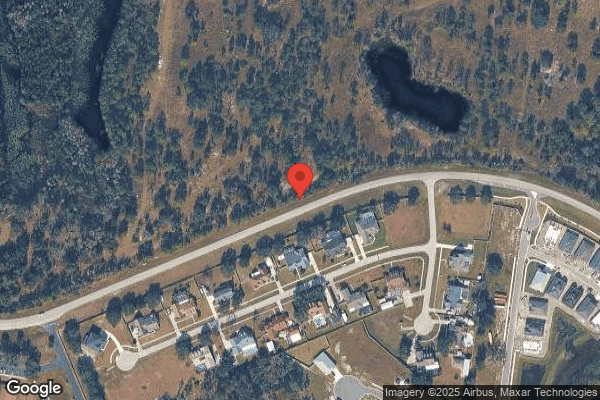
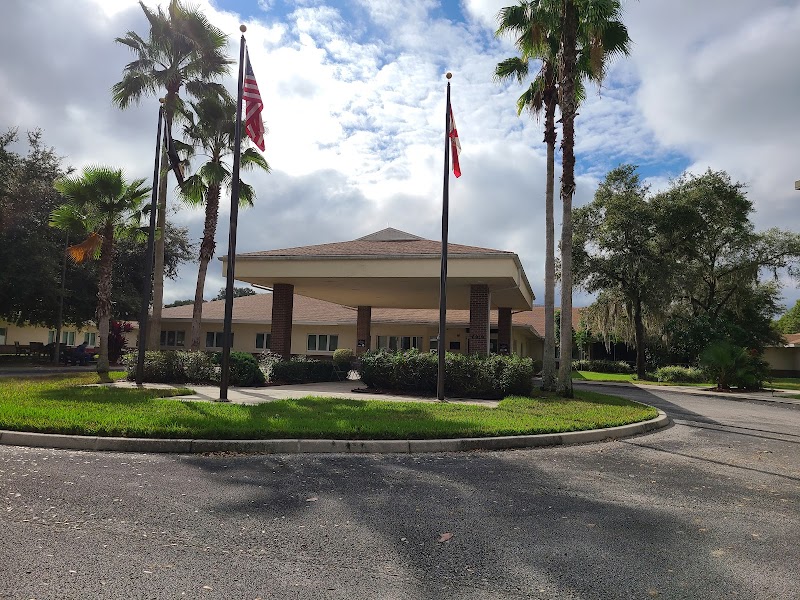
6919 PARKWAY BLVD, LAND O LAKES, FL 34639 (813) 558-5000
Government - State 120 Beds FLORIDA DEPARTMENT OF VETERANS' AFFAIRS Data: November 2025
Trust Grade
90/100
#3 of 690 in FL
Last Inspection: January 2024

Within standard 12-15 month inspection cycle. Federal law requires annual inspections.

Overview

Baldomero Lopez Memorial Veterans Nursing Home in Land O' Lakes, Florida, has received an excellent Trust Grade of A, indicating it is highly recommended and performs well in care standards. With a state rank of #3 out of 690 facilities in Florida and a county rank of #1 out of 18 in Pasco County, this facility is among the best options available. The overall trend is improving, having reduced its reported issues from two in 2022 to none in 2024. Staffing is also a strong point, with a perfect 5/5 star rating and a turnover rate of 39%, which is below the state average, suggesting that staff are stable and familiar with residents' needs. While there are notable strengths, there have been some concerns reported. For instance, a resident with a urinary catheter was not provided with a privacy bag, compromising their dignity. Additionally, there was a failure to properly monitor a resident's inhalation medication, which could lead to potential health risks. Despite these issues, the facility has no fines on record, indicating a commitment to compliance and quality care.

Trust Score
A
90/100
In Florida
#3/690
Top 1%
Safety Record
Low Risk
No red flags
Inspections
Getting Better
2 → 0 violations
Staff Stability
○ Average
39% turnover. Near Florida's 48% average. Typical for the industry.
Penalties
✓ Good
No fines on record. Clean compliance history, better than most Florida facilities.
Skilled Nurses
✓ Good
Each resident gets 52 minutes of Registered Nurse (RN) attention daily — more than average for Florida. RNs are trained to catch health problems early.
Violations
✓ Good
Only 5 deficiencies on record. Cleaner than most facilities. Minor issues only.
★★★★★
5.0
Overall Rating
★★★★★
5.0
Staff Levels
★★★★☆
4.0
Care Quality
★★★★★
5.0
Inspection Score
Stable
2022: 2 issues
2024: 0 issues

The Good

  • 5-Star Staffing Rating · Excellent nurse staffing levels
  • 4-Star Quality Measures · Strong clinical quality outcomes
  • Full Sprinkler Coverage · Fire safety systems throughout facility
  • No fines on record
  • Staff turnover below average (39%)

    9 points below Florida average of 48%

Facility shows strength in staffing levels, quality measures, fire safety.

The Bad

Staff Turnover: 39%

Near Florida avg (46%)

Typical for the industry

Chain: FLORIDA DEPARTMENT OF VETERANS' AFF

Part of a multi-facility chain

Ask about local staffing decisions and management

The Ugly 5 deficiencies on record

Jan 2022 2 deficiencies
CONCERN (D)

Potential for Harm - no one hurt, but risky conditions existed

Resident Rights (Tag F0550)

Could have caused harm · This affected 1 resident

Based on observations, interviews, and record review the facility failed to maintain and promote a resident's dignity related to not providing a privacy bag for a urinary catheter drainage bag for one...

Read full inspector narrative →
Based on observations, interviews, and record review the facility failed to maintain and promote a resident's dignity related to not providing a privacy bag for a urinary catheter drainage bag for one (#63) of three sampled residents with urinary catheters. Findings included: On 01/11/22 at 10:19 a.m., Resident #63 was observed sleeping in bed. The resident's urinary catheter drainage bag was visible from the door. The catheter drainage bag was observed hanging at the end of the bed with bright yellow urine, and no privacy bag covering it (photographic evidence obtained). On 01/12/22 at 9:11 a.m., Resident #63 was again observed sleeping in bed, and his urinary catheter drainage bag was visible from the door. The catheter drainage bag was observed with bright yellow urine, and no privacy bag covering it (photographic evidence obtained). 01/13/22 at 8:42 a.m., Resident #63 was observed watching television in bed. An attempt was made to interview the resident, however, he was unresponsive to all questions. On 01/13/22 at 11:00 a.m., Staff H, Certified Nursing Assistant (C.N.A.), stated she helped provide care for the resident and emptied his catheter bag if it was full in the morning and again after lunch. Staff H reported the catheter drainage bag was always supposed to be in the blue bag (privacy bag). On 01/13/22 at 11:05 a.m., Staff I, Licensed Practical Nurse (LPN), stated the catheter bag should always be in a privacy bag that hangs at the end of the bed. Staff I indicated this had to do with dignity issues. She reported that she noticed the catheter drainage bag out of a privacy bag on the morning of 01/12/22 during medication pass around 8:30 a.m.-9:00 a.m. On 01/13/22 at 11:09 a.m., the Director of Nursing (DON) stated the catheter bag should always be covered. Review of Resident #63's admission Record revealed this long term resident had diagnoses to include unspecified dementia and obstructive and reflux uropathy. Record review of the significant change Minimum Data Set (MDS) assessment, dated 12/15/21, revealed a Brief Interview for Mental Status score of 3 indicating severe cognitive impairment, the presence of an indwelling catheter, and no improvement to a trial toileting program. Record review of the facility's policy titled, Urinary Catheter Indication and Maintenance (Urethral and Supra-pubic), revealed the catheter tubing and drainage bag should be maintained off the floor with a privacy bag as appropriate. On 01/13/22 at 12:21 p.m., the DON stated the supervisor does rounds daily and makes sure that everything listed on the [Provider Name] Surveillance Rounds document has no issues. The DON stated the supervisor makes note of the issue and immediately does education with the staff, but no documentation was kept when education was provided. A review of the Surveillance Rounds document revealed resident rooms are checked daily for privacy practices to include catheter privacy bags.
CONCERN (D)

Potential for Harm - no one hurt, but risky conditions existed

Deficiency F0849 (Tag F0849)

Could have caused harm · This affected 1 resident

**NOTE- TERMS IN BRACKETS HAVE BEEN EDITED TO PROTECT CONFIDENTIALITY** Based on record review and interview the facility failed to establish a communication process to ensure hospice services were pr...

Read full inspector narrative →
**NOTE- TERMS IN BRACKETS HAVE BEEN EDITED TO PROTECT CONFIDENTIALITY** Based on record review and interview the facility failed to establish a communication process to ensure hospice services were provided in accordance with the hospice agreement and plan of care for one (#56) of one resident sampled for hospice services out of three facility residents receiving hospice care. Findings included: Review of Resident #56's medical record revealed that current physician orders dated [DATE] to Admit to hospice for full services for end stage dementia. Interview on [DATE] at 8:35 AM with Staff A, Certified Nursing Assistant (CNA), revealed that the resident was on hospice and that hospice comes in about 2 times a week. Interview on [DATE] at 8:38 AM with Staff B, Licensed Practical Nurse (LPN), revealed that the resident was on hospice and that hospice comes in 2 times a week. She was not sure if they had come yet this week, but stated they also call routinely to check on the status of the resident. She reported that if there are any changes with the resident, the hospice nurse was notified. She reported that there was a hospice book kept at the nurses station and provided the book. Interview on [DATE] at 9:09 AM with Staff C, Registered Nurse (RN)/Unit Supervisor, confirmed that hospice comes in at least 2 times a week and that the facility communicates any concerns with the hospice team. Review of the hospice book located at the nurses station revealed a Patient Sign-In and Patient Care Log. This form documented vital signs, weights, arm circumference and date of the resident's last bowel movement. Continued review of the form for Resident #56 revealed that hospice staff last documented on this form over 8 months ago, on [DATE], by Staff E, Hospice RN. Continued review of the hospice book revealed that it contained a document titled Hospice Visit Summary. The last Hospice Visit Summary form noted to be in the book was dated over 10 months ago, on [DATE] and completed by Staff E, Hospice RN. Closer review of the [DATE] Hospice Visit Summary revealed that Staff E had included a hand written note which documented a completed visit on [DATE]. The last clinical note present in the hospice book for Resident #56 was dated [DATE]. Phone interview on [DATE] at 9:42 AM with Staff E, Hospice RN, revealed that she was in the facility to see the resident last week, and she comes to see the resident once within a 14 day period. She reported that although the frequency in the plan of care is 1-3 times a week that was only for when there was a change in status. If no change in status occurs, she comes once within a 14 day period. She reported that she does complete progress notes for each visit, but they are in her computer. She reported that she gets too busy so the paperwork does not get filed, but she does speak to the resident's nurse during each visit. Interview on [DATE] at 10:25 AM with the Director of Nursing (DON) revealed that hospice typically does not leave a note at the time of the visit but will send a note once it is completed. She reported that she will check with medical records for documentation. She was not aware that hospice was not providing their notes. Interview on [DATE] at 11:10 AM with Staff F, the Social Worker for Hospice, revealed that she writes a progress note for every visit. She stated that the progress notes were shared with the facility. In addition, she will do a report on the phone with the facility and document that in the clinical notes held by hospice. She reported that nurses notes were kept at the nurses station in a folder. Follow-up interview on [DATE] at 12:09 PM with the DON revealed that Social Services was responsible to complete audits of the hospice books. If there were missing notes, they (Social Services) should reach out to hospice and get the notes. Interview [DATE] on 12:29 PM with Staff G, Social Work Service Program Manager, revealed that the facility has two social workers in the building and that they are both assigned to audit hospice books. She reported that when the hospice books are audited they make sure that there is a recertification, a current care plan, a contact sheet, a contract, and notes. She reported that typically they should be leaving the notes. Staff G reported that audits were done quarterly, and if there were missing items then they request the missing items from hospice. Review of the audit dated [DATE] revealed a note indicating request under Question #7, Visit reports completed when hospice services provided. There was no documentation or supporting documentation that would indicate that the request was made for the missing notes. Review of an audit dated [DATE] revealed a check mark indicating a yes response to Question #7, Visit reports completed when hospice services provided. Review of an audit dated [DATE] revealed Question #7, Visit reports completed when hospice services provided had a hand written note in the box of 4-29. Review of an email from the facility social worker dated [DATE] revealed the first request to get hospice paperwork. Review of the email revealed the last recertification and plan of care on file in the facility for Resident #56 was expired and dated [DATE] and the nurses's last log in date was [DATE]. On [DATE] at 12:09 p.m., the DON provided the notes that were sent over from hospice. Review of the provided notes revealed they were dated from [DATE] to [DATE] and had a print date of [DATE]. The DON reported that she was not sure why the facility audits did not consistently reveal missing notes. Review of the hospice plan of care provided revealed the the patient was being recertified in the hospice program from [DATE] to [DATE]. Treatments included Skilled Nursing (SN) 1-3 times per week for 9 weeks and 4 PRN: [as needed] weekly for change in status. Review of the Hospice Agreement signed and dated February 2021 revealed that in section 4.1 Compilation of Records revealed (a) Preparation. FACILITY and Hospice shall each prepare and maintain complete and detailed clinical records concerning each Hospice Patient receiving services under this agreement in accordance with prudent record keeping procedures, their own policies and procedures, and applicable federal and State of Florida laws and regulations.
Oct 2020 3 deficiencies
CONCERN (D)

Potential for Harm - no one hurt, but risky conditions existed

Deficiency F0554 (Tag F0554)

Could have caused harm · This affected 1 resident

**NOTE- TERMS IN BRACKETS HAVE BEEN EDITED TO PROTECT CONFIDENTIALITY** Based on observation, interview and record review, the facility failed to monitor medication administration of an inhalation med...

Read full inspector narrative →
**NOTE- TERMS IN BRACKETS HAVE BEEN EDITED TO PROTECT CONFIDENTIALITY** Based on observation, interview and record review, the facility failed to monitor medication administration of an inhalation medication for one Resident #50 of 3 Residents on inhalation medication. Findings Included: During observation of Resident #50 on 10/8/20 at 8:15 a.m. the resident was sitting up in his wheelchair with a nebulizer mask covering his face. The resident was observed moving the mask with his hands. The door to his room was open and the curtain was closed between the two beds. The resident was looking out into the hallway and mumbling. Staff member B, RN was observed going into another resident room across the hall with the door shut from 8:22 a.m. to 8:25 a.m. Staff member B, RN peeked into Resident #50's room and partially shut the door to the room and stayed in the hallway talking to a resident until 8:37 a.m. when she removed the mask and rinsed with water, dried and placed in the bag. Staff member B, RN stated she does not listen to Residents' lungs before or after inhalation treatment and stated Resident #50 has to be watched with the nebulizer as he will rip the mask off. An interview with Staff member B, RN on 10/8/20 at 8:40 a.m. revealed Resident #50 gets nebulizer treatments every 4 hours. Staff member B, RN said the resident will tell you when he is done on occasion and sometimes will just take the mask off. Review of the physician orders revealed the resident receives ipratroprium-albuterol solution for nebulization every 4 hours dated 5/27/20. Review of the self-administration of medication informed consent and assessment dated [DATE] revealed Resident #50's box checked as I wish to have the med nurse administer my medications. Review of the Resident #50's minimum data set (MDS) section C revealed a Brief interview for mental status (BIMS) of 6 indicated severe cognitive impairment. Review of the care plan revealed the resident's family elected to pursue palliative care due to severe cognitive declines, initiated on 8/20/20, edited on 9/8/20. The approach documented was to administer medications for shortness of breath as needed and ordered by physician. Monitor for side effects and effectiveness created 8/21/20. Provide total nursing care as needed dated 8/20/20. Review of the policy for Self-administration of medication effective date 7/10/19, page one of three, revealed: A resident may self-administer medications if the interdisciplinary team has determined that the practice is safe. The resident will be assessed fro their cognitive, physical and visual ability to self-administer medications based on the attached form Self Administration of Medication Informed Consent and Assessment. If the interdisciplinary care team determines that the resident cannot safely self-administer medications, medications will be administered by the staff nurse. Review of the procedure guidelines for Administering nebulizer therapy (not dated, page 240 from unknown document) one page revealed: Nursing action 1. Auscultate breath sounds, monitor the heart rate before and after the treatment for patients using bronchodilators drugs. 4. Instruct the patient to exhale. 7. Observed expansion of chest to ascertain that patient is taking deep breaths. 8. Instruct the patient to breathe slowly and deeply until all the medication is nebulized. 9. On completion of the treatment, encourage the patient to cough after several deep breaths.
CONCERN (D)

Potential for Harm - no one hurt, but risky conditions existed

Deficiency F0757 (Tag F0757)

Could have caused harm · This affected 1 resident

**NOTE- TERMS IN BRACKETS HAVE BEEN EDITED TO PROTECT CONFIDENTIALITY** Based on record review and interview, the facility did not ensure that 1 (Resident #76) out of 5 residents reviewed for unnecess...

Read full inspector narrative →
**NOTE- TERMS IN BRACKETS HAVE BEEN EDITED TO PROTECT CONFIDENTIALITY** Based on record review and interview, the facility did not ensure that 1 (Resident #76) out of 5 residents reviewed for unnecessary medications had a diagnosis or indication for use listed for all medications on the active order list. Findings included: Resident #76 was admitted to the facility on [DATE] with diagnoses that included, but were not limited to acute respiratory failure, pneumonia, and primary insomnia. Review of the resident's active orders revealed that the resident had an order for melatonin OTC (over the counter) 1 tablet 3mg PO (by mouth) QHS (every night at bedtime) dated 10/02/19. There was no diagnosis or indication for use listed for the medication. The resident also had an order for Siltussin DM DAS (dextromethorphan-guaifenesin) OTC liquid 10-100mg/5ml 10ml orally every 4 hours dated 12/09/19. There was no diagnosis or indication for use listed for the medication. On 10/09/20 at 1:16 PM in an interview with the Director of Nursing (DON), she said that there should be a diagnosis for each medication. When asked what melatonin was used for, she said it was used as a sleep aide. When asked what Siltussin DM was used for, she said it was for a cough. The DON acknowledged that there was no diagnosis or indication for use on either medication. She said that she didn't know why there wasn't a diagnosis or indication listed for either of the medications, but that there should be one. On 10/09/20 at 1:27 PM in an interview with Staff F, pharmacist, she said that she was not the normal pharmacist, so she could not speak to a specific resident, but that she could give her expectations as a pharmacist. She said that she would expect every medication to have at least one diagnosis related to use listed on the order, like insomnia for the melatonin or an indication of use, like cough for the Siltussin DM. On 10/09/20 at 1:29 PM, during a phone interview with Staff G, the facility's full-time pharmacist she said that all medications should have a diagnosis. She asked if the order list we had received from the facility had diagnoses printed with it. Staff F, who was present for the telephone interview, told Staff G that yes, the version we had did include diagnoses. Staff F also relayed to Staff G that there were no diagnoses or indication for use for either of the medications in question. Staff G said that it is her expectation that all medications have a diagnosis. Review of a facility policy Verbal and/or Telephone Physicians' Orders effective on 5/30/2009 revealed under the heading II. PROCEDURES . 4. The verbal or telephone order shall be documented by the professional who accepts the order and shall include: . e. Purpose or indication for a medication
CONCERN (D)

Potential for Harm - no one hurt, but risky conditions existed

Medication Errors (Tag F0758)

Could have caused harm · This affected 1 resident

**NOTE- TERMS IN BRACKETS HAVE BEEN EDITED TO PROTECT CONFIDENTIALITY** Based on interview and record review, the facility did not ensure 1. that 2 (Resident's #76 and #3) out of 5 residents reviewed ...

Read full inspector narrative →
**NOTE- TERMS IN BRACKETS HAVE BEEN EDITED TO PROTECT CONFIDENTIALITY** Based on interview and record review, the facility did not ensure 1. that 2 (Resident's #76 and #3) out of 5 residents reviewed for unnecessary medications were being monitored for behaviors related to the use of psychotropic medications; and 2. that a care plan related to monitoring the effectiveness of psychotropic medications was implemented for 2 (Resident #76 and #3) out of 5 residents reviewed for unnecessary medications. Findings included: 1. On 10/09/20 at 1:16 PM in an interview with the Director of Nursing (DON), she said that behaviors for psychotropic medications are documented on the eMAR (electronic medication administration record). She said that behaviors should be monitored for psychotropic medication every shift. When she was asked if anti-depressants were considered psychotropic medication, she said I don't think so. When asked if nurses should be monitoring behaviors for residents who are taking anti-depressants, she said we only monitor anti-psychotics every shift. With residents who are taking anti-depressants, we go by the PHQ-9 tool (section D of the Minimum Data Set (MDS) assessment) done by our Social Services (SS) Department quarterly. SS monitors all residents quarterly with the PHQ-9 tool, and nurses document in the notes if the resident has any behaviors. She was asked to clarify what the PHQ-9 was and told us that the PHQ-9 is a tool to determine if there is any indication of depression for all residents. On 10/09/20 at 1:27 PM Staff F, pharmacist said that she was not the facility's full-time regular pharmacist, but that she was in the facility covering the regular pharmacist's vacation. She said that she could give her expectations as a pharmacist, but not about a resident specific. She said that she would expect to see behaviors monitored, even if there were no behaviors that should be documented. She believes that the monitoring should be done when the nurse gives the medication, not every shift. On10/09/20 at 1:29 PM, during the interview with Staff F, the facility's regular pharmacist Staff G, by request of the DON, called to answer surveyor questions. Staff G said that behaviors should be monitored every shift, and that there are questions on each eMAR about behaviors. She said the nursing staff should be monitoring residents if they are having behaviors and documenting how many times the residents are having those behaviors. If a resident has no behaviors, that should be documented as well. Behavior monitoring is part of a standard nursing order set that should go along with all psychotropic medication ordered. If the resident gets an order for a psychotropic, they should be adding the order set that includes behavior monitoring and side-effect monitoring. When asked if nurses should be monitoring residents on anti-depressants every shift for behaviors, Staff G said that if they are on the anti-depressant, we are only monitoring side effects. Those behaviors don't change shift to shift, so we use the PHQOV or PHQ-9 (filled out) by social services every quarter. Resident #76 was initially admitted to the facility on [DATE] for a diagnosis of acute respiratory failure with hypoxia. Other diagnoses included, but not limited to, eczema of face, cognitive communication deficit, unspecified convulsions, primary insomnia and chronic pain syndrome. Review of the Resident #76's most recent quarterly MDS dated [DATE] the resident was assessed to have a BIMS (brief interview for mental status) of 14, indicating the resident had intact cognitive responses. The resident was assessed to feel tired or have little energy 7-11 days during a 14-day assessment period, and to refuse or reject care 4-6 days of a 7-day assessment period. The resident was assessed to receive an antidepressant daily. The resident had orders that included, but were not limited to: Carbamazepine 200mg tablet oral every 12 hours for seizure disorder dated 5/23/2019 Citalopram 20mg one tablet orally at bedtime for depression dated 5/17/2019 Trazodone 100mg one tab orally at bedtime for depression dated 5/17/2019 Anti-depressant medication side effect monitoring dated 6/1/2020 Review of the residents eMAR revealed that the resident had been given citalopram and trazodone, both for depression, daily for the past 3 months and was being monitored for side effects only every shift and not for the effectiveness of the medication. Part of the resident's care plan included to be at risk for complications and side effects from daily administration of psychotropic medications. One of the approaches to this problem area included monitor for effectiveness. Another approach was Monitor resident frequently for mood or behaviors. Review of the residents eMAR (electronic medication administration record) revealed that the resident was not being monitored for effectiveness or behaviors, only side effects. 2. On 10/09/20 at 10:50 a.m., Resident #3 was observed sitting in the wheelchair next to the bed in his room. He was well groomed and dressed for the day. A review of the Resident Face Sheet for Resident #3 revealed that he was initially admitted into the facility on [DATE] with a primary diagnosis of Alzheimer's Disease. Other diagnoses included but were not limited to post-traumatic stress disorder, major depressive disorder, and generalized anxiety disorder. A review of Section C of the Quarterly Minimum Data Set (MDS) dated [DATE] revealed that the resident was rarely/never understood. Section D indicated that the resident was rarely/never understood. The section related to feeling down, depressed, or hopeless was blank. Section N revealed that Resident #3 received an antidepressant for 7 days per week. A review of the Physician Order Reports for 08/01/20-08/31/20, 09/01/20-09/30/20, and 10/01/20-10/09/20 revealed that Resident #3 had the following orders: Memantine- 10 mg twice per day for dementia Sertraline- 50 mg once per day for depression There was no order for Behavior Monitoring found on the Physician Order Reports. A review of the Medications Administration History for 08/01/20-08/31/20, 09/01/20-09/30/20, and 10/01/20-10/09/20 did not reflect that Resident #3's behaviors were monitored. A review of the Treatment Administration History for 08/01/20-08/31/20, 09/01/20-09/30/20, and 10/01/20-10/09/20 did not reflect that Resident #3's behaviors were monitored. A review of the Resident Progress Notes for August, September, and October did not reflect daily documentation for non-verbal signs of anxiety, mood and behavior monitoring. The care plan for behavioral symptoms had a start date of 01/16/19. Interventions included but were not limited to monitor behavior episodes and attempt to determine underlying causes, document behavior and potential causes, and monitor for and document presence of mood and behaviors. The care plan for psychotropic drug use had a start date of 01/16/19. Interventions included but were not limited to monitor for non-verbal signs of anxiety and monitor Resident #3 frequently for mood and behaviors. On 10/09/20 at 10:24 a.m., the MDS Coordinator stated that behavior monitoring should be documented in progress notes. On 10/09/20 at 10:48 a.m., Staff A, Nursing Supervisor, reported that Resident #3 did not have any behaviors, but can be resistive to care often. Staff A reported that he was not combative or anything. She reported that behaviors would be monitored if a resident was taking psychotropic medications. If a resident was monitored for behaviors, it would pop up on the Medication Administration Record (MAR) and it should be documented every shift. If they are not on a psychotropic, then behaviors would be documented in the progress notes. Staff A reported that she was not sure what medications Resident #3 was ordered. At 10:54 a.m., she looked up the resident's orders. She stated that he had an order for sertraline, but not an antipsychotic. Staff A stated that Resident #3 does not like to particularly be changed, but he was not combative. The policy Psychotropic Medication Clinical Guidelines revised on 10/06/17 revealed the following: Standard Psychotropic Drug is any drug that affects brain activities associated with mental processes and behavior. These drugs include, but are not limited to drugs in the following categories: Antipsychotics Antianxiety Antidepressants Hypnotics Nursing 1. Daily monitoring of the resident for presence of target behaviors and any adverse effects of the medication (charting behaviors/adverse effects when present) 2. Review the use of the psychotropic medication with the interdisciplinary team on a quarterly basis to include presence of target behaviors and/or adverse effects of the medication. Pharmacist 1. Monitors psychotropic drug use in the facility to ensure appropriate use/monitoring of medications.
Understanding Severity Codes (click to expand)
Life-Threatening (Immediate Jeopardy)
J - Isolated K - Pattern L - Widespread
Actual Harm
G - Isolated H - Pattern I - Widespread
Potential for Harm
D - Isolated E - Pattern F - Widespread
No Harm (Minor)
A - Isolated B - Pattern C - Widespread

Questions to Ask on Your Visit

  • "Can I speak with families of current residents?"
  • "What's your RN coverage like on weekends and overnight?"

Our Honest Assessment

Strengths
  • • Grade A (90/100). Above average facility, better than most options in Florida.
  • • No major safety red flags. No abuse findings, life-threatening violations, or SFF status.
  • • No fines on record. Clean compliance history, better than most Florida facilities.
  • • Only 5 deficiencies on record. Cleaner than most facilities. Minor issues only.
Concerns
  • • No significant concerns identified. This facility shows no red flags across CMS ratings, staff turnover, or federal penalties.
Bottom line: Generally positive indicators. Standard due diligence and a personal visit recommended.

About This Facility

What is Baldomero Lopez Memorial Veterans's CMS Rating?

CMS assigns BALDOMERO LOPEZ MEMORIAL VETERANS NURSING HOME an overall rating of 5 out of 5 stars, which is considered much above average nationally. Within Florida, this rating places the facility higher than 99% of the state's 100 nursing homes. This rating reflects solid performance across the metrics CMS uses to evaluate nursing home quality.
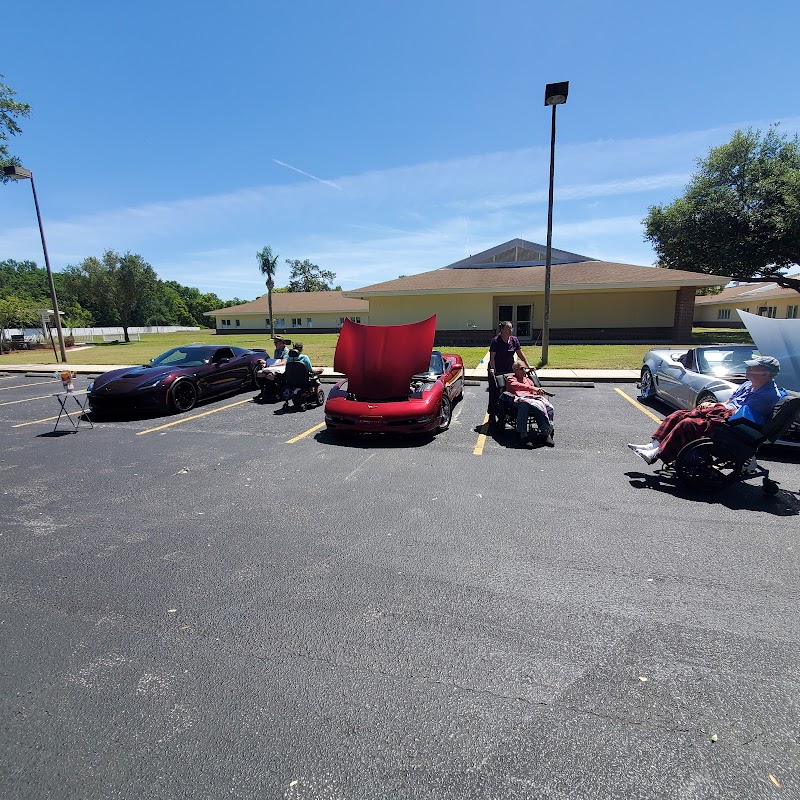
How is Baldomero Lopez Memorial Veterans Staffed?

CMS rates BALDOMERO LOPEZ MEMORIAL VETERANS NURSING HOME's staffing level at 5 out of 5 stars, which is much above average compared to other nursing homes. Staff turnover is 39%, compared to the Florida average of 46%. This relatively stable workforce can support continuity of care.

What Have Inspectors Found at Baldomero Lopez Memorial Veterans?

State health inspectors documented 5 deficiencies at BALDOMERO LOPEZ MEMORIAL VETERANS NURSING HOME during 2020 to 2022. These included: 5 with potential for harm.
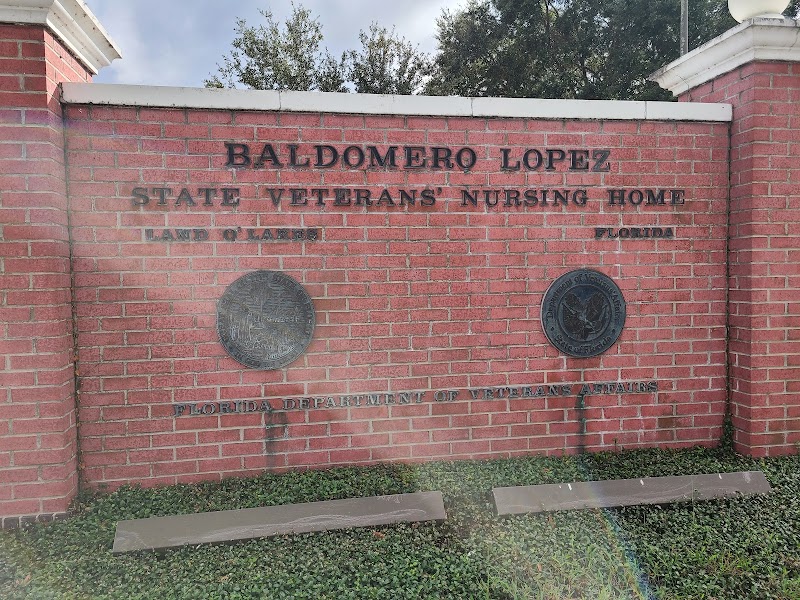
Who Owns and Operates Baldomero Lopez Memorial Veterans?

BALDOMERO LOPEZ MEMORIAL VETERANS NURSING HOME is owned by a government entity. Government-operated facilities are typically run by state, county, or municipal agencies. The facility is operated by FLORIDA DEPARTMENT OF VETERANS' AFFAIRS, a chain that manages multiple nursing homes. With 120 certified beds and approximately 114 residents (about 95% occupancy), it is a mid-sized facility located in LAND O LAKES, Florida.
How Does Baldomero Lopez Memorial Veterans Compare to Other Florida Nursing Homes?

Compared to the 100 nursing homes in Florida, BALDOMERO LOPEZ MEMORIAL VETERANS NURSING HOME's overall rating (5 stars) is above the state average of 3.2, staff turnover (39%) is near the state average of 46%, and health inspection rating (5 stars) is much above the national benchmark.

What Should Families Ask When Visiting Baldomero Lopez Memorial Veterans?

Based on this facility's data, families visiting should ask: "Can I visit during a mealtime to observe dining assistance and food quality?" "How do you handle medical emergencies, and what is your hospital transfer rate?" "Can I speak with family members of current residents about their experience?"

Is Baldomero Lopez Memorial Veterans Safe?

Based on CMS inspection data, BALDOMERO LOPEZ MEMORIAL VETERANS NURSING HOME has a clean safety record: no substantiated abuse findings (meaning no confirmed cases of resident harm), no Immediate Jeopardy citations (the most serious violation level indicating risk of serious injury or death), and is not on the Special Focus Facility watch list (a federal program monitoring the lowest-performing 1% of nursing homes). The facility has a 5-star overall rating and ranks #1 of 100 nursing homes in Florida. While no facility is perfect, families should still ask about staff-to-resident ratios and recent inspection results during their visit.

Do Nurses at Baldomero Lopez Memorial Veterans Stick Around?

BALDOMERO LOPEZ MEMORIAL VETERANS NURSING HOME has a staff turnover rate of 39%, which is about average for Florida nursing homes (state average: 46%). Moderate turnover is common in nursing homes, but families should still ask about staff tenure and how the facility maintains care continuity when employees leave.

Was Baldomero Lopez Memorial Veterans Ever Fined?

BALDOMERO LOPEZ MEMORIAL VETERANS NURSING HOME has no federal fines on record. CMS issues fines when nursing homes fail to meet care standards or don't correct problems found during inspections. The absence of fines suggests the facility has either maintained compliance or corrected any issues before penalties were assessed. This is a positive indicator, though families should still review recent inspection reports for the full picture.

Is Baldomero Lopez Memorial Veterans on Any Federal Watch List?

BALDOMERO LOPEZ MEMORIAL VETERANS NURSING HOME is not on any federal watch list. The most significant is the Special Focus Facility (SFF) program, which identifies the bottom 1% of nursing homes nationally based on persistent, serious quality problems. Not being on this list means the facility has avoided the pattern of deficiencies that triggers enhanced federal oversight. This is a positive indicator, though families should still review the facility's inspection history directly.