DIAMOND RIDGE HEALTH AND REHABILITATION CENTER
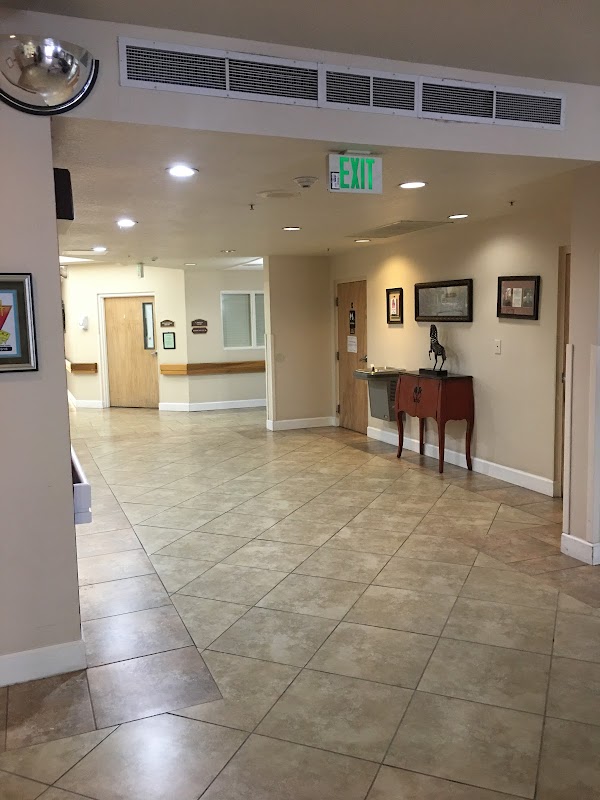
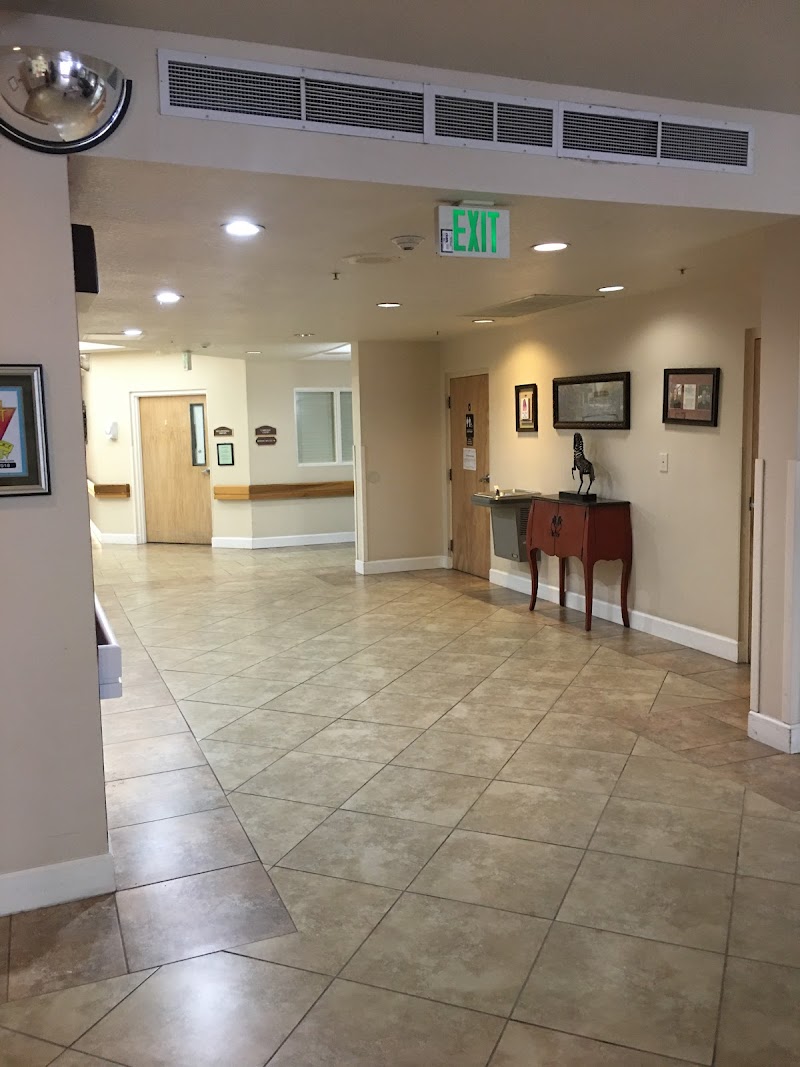
2730 W MARC KNIGHTON CT, LECANTO, FL 34461 (352) 746-9500
For profit - Individual 142 Beds SUMMITT CARE II, INC. Data: November 2025
Trust Grade
75/100
#204 of 690 in FL
Last Inspection: July 2025

Inspected within the last 6 months. Data reflects current conditions.

Overview

Diamond Ridge Health and Rehabilitation Center has received a Trust Grade of B, indicating it is a good choice for families, as it scores solidly above average. In the state of Florida, it ranks #204 out of 690 facilities, placing it in the top half, and #6 out of 9 in Citrus County, meaning only two local options are better. Unfortunately, the facility is experiencing a worsening trend, with issues increasing from 4 in 2024 to 6 in 2025. While staffing has a rating of 2 out of 5 stars, with a turnover rate of 42%, which is average for Florida, there is concerning RN coverage that is lower than 89% of other facilities, potentially impacting resident care. Specific incidents include a failure to coordinate mental health assessments for several residents and a lack of hand hygiene during medication administration, both of which pose risks for residents' health and safety.

Trust Score
B
75/100
In Florida
#204/690
Top 29%
Safety Record
Low Risk
No red flags
Inspections
Getting Worse
4 → 6 violations
Staff Stability
○ Average
42% turnover. Near Florida's 48% average. Typical for the industry.
Penalties
✓ Good
No fines on record. Clean compliance history, better than most Florida facilities.
Skilled Nurses
⚠ Watch
Each resident gets only 25 minutes of Registered Nurse (RN) attention daily — below average for Florida. Fewer RN minutes means fewer trained eyes watching for problems.
Violations
⚠ Watch
13 deficiencies on record. Higher than average. Multiple issues found across inspections.
★★★★☆
4.0
Overall Rating
★★☆☆☆
2.0
Staff Levels
★★★★★
5.0
Care Quality
★★★☆☆
3.0
Inspection Score
Stable
2024: 4 issues
2025: 6 issues

The Good

  • 5-Star Quality Measures · Strong clinical quality outcomes
  • Full Sprinkler Coverage · Fire safety systems throughout facility
  • No fines on record
  • Staff turnover below average (42%)

    6 points below Florida average of 48%

Facility shows strength in quality measures, fire safety.

The Bad

Staff Turnover: 42%

Near Florida avg (46%)

Typical for the industry

Chain: SUMMITT CARE II, INC.

Part of a multi-facility chain

Ask about local staffing decisions and management

The Ugly 13 deficiencies on record

Jul 2025 6 deficiencies
CONCERN (D)

Potential for Harm - no one hurt, but risky conditions existed

Comprehensive Care Plan (Tag F0656)

Could have caused harm · This affected 1 resident

Based on observation, interview, and record review, the facility failed to implement a person-centered comprehensive care plan for 1 of 3 residents reviewed for falls (Resident #15). Findings include:...

Read full inspector narrative →
Based on observation, interview, and record review, the facility failed to implement a person-centered comprehensive care plan for 1 of 3 residents reviewed for falls (Resident #15). Findings include: During an observation on 7/20/2025 at 11:22 AM, Resident #15 was lying flat in the bed. There was a fall mat lying on the left side of bed and no fall mat on the right side of the bed. There was a fall mat folded up and lying under the bed (Photographic evidence obtained). During an observation on 7/21/2025 at 9:46 AM, Resident #15 was lying flat in the bed. There was a fall mat lying on the left side of bed and no fall mat on the right side of the bed. There was a fall mat folded up and lying under the bed. During an observation on 7/21/2025 at 3:50 PM, Staff A, Certified Nursing Assistant (CNA), stated, There is no mat on the right side of the bed because she only gets up on the left side of the bed. Review of Resident #15's physician order dated 4/9/2025 read, Floormats at bedside while Res. [Resident] in bed every shift for monitoring. Review of Resident #15's care plan initiated on 1/24/2024 read, Focus: [Resident #15's name] is at risk for falls r/t [related to] visually impaired, poor safety awareness, gait/balance problems, psychotropic med use, hx [history of] fall, weakness. Interventions. Bilateral floor mats on both sides of bed while resident in bed. Date Initiated: 04/10/2025. During an interview on 7/21/2025 at 8:10 AM, the Director of Nursing stated, The physician orders must be followed, and floor mats should be placed on both sides of the bed on the floor.
CONCERN (D)

Potential for Harm - no one hurt, but risky conditions existed

Quality of Care (Tag F0684)

Could have caused harm · This affected 1 resident

Based on record review and interview, the facility failed to ensure physician-ordered parameters for administering hypertension medications were followed for 2 of 7 residents reviewed for medication a...

Read full inspector narrative →
Based on record review and interview, the facility failed to ensure physician-ordered parameters for administering hypertension medications were followed for 2 of 7 residents reviewed for medication administration (Residents #39, #139). Findings include: 1) Review of Resident #139’s physician order dated 6/20/2025 read, “Olmesartan Medoxomil Tablet 20 MG [milligram], Give 1 tablet by mouth one time a day for hypertension, hold for SBP [Systolic Blood Pressure] less than 130.” Review of Resident #139’s Medication Administration Record (MAR) for July 2025 for administration of Olmesartan Medoxomil showed the medication was administered outside the ordered parameters on 7/2/2025 for blood pressure of 121/63, on 7/3/2025 for blood pressure of 121/66, on 7/12/2025 for blood pressure of 114/63, on 7/16/2025 for blood pressure of 129/62, and on 7/18/2025 for blood pressure of 124/62. During an interview on 7/23/2025 at 7:45 AM, the Director of Nursing (DON) stated that the documentation indicated that the medication was administered outside parameters for the above referenced dates. 2) During an observation on 7/22/2025 at approximately 9:20 AM, Staff C, Licensed Practical Nurse (LPN), picked out medications to administer for Resident #39. Staff C took a manual blood pressure for the resident, which read 128/78 with a pulse of 70 beats. Staff C entered the resident room with a medication cup containing Losartan to administer to the resident. The Surveyor stopped Staff C and requested her to step out of the resident room to interview. Review of Resident #39’s physician order dated 7/18/2025 read, “Losartan Potassium Oral Tablet 25 MG (Losartan Potassium), Give 0.5 tablet by mouth one time a day, hold for SBP < 130.” During an interview on 7/22/2025 at 9:27 AM, Staff C, LPN, stated, “I look for SBP parameters at less than 110 or 120. This parameter is 130. I did not see that.” During an interview on 7/22/2025 at approximately 11:30 AM, the DON stated, “My expectation is for the nurses to follow doctors’ orders as written with the parameters should be followed.” Review of the facility policy and procedure titled “Medication Administration General Guidelines” with the last review date of 1/8/2025 read, “Policy: Medications are administered as prescribed in accordance with good nursing principles and practices and only by persons legally authorized to do so. Personnel authorized to administer medications do so only after they have been properly oriented to the facility’s medication distribution system (procurement, storage, handling, and administration). The facility has sufficient staff and a medication distribution system to ensure safe administration of medications without unnecessary interruptions. Procedure… 4) Five Rights- Right resident, right drug, right dose, right route and the right time are applied for each medication being administered. A triple check of these 5 Rights is recommended at three steps in the process of preparation of a medication for administration: (1) when the medication is selected, (2) when the dose is removed from the container, and finally (3) just after the dose is prepared and the medication put away.”
CONCERN (D)

Potential for Harm - no one hurt, but risky conditions existed

Respiratory Care (Tag F0695)

Could have caused harm · This affected 1 resident

Based on observation, interview, and record review, the facility failed to ensure residents received respiratory services as per physician order for 1 of 3 residents reviewed for respiratory services ...

Read full inspector narrative →
Based on observation, interview, and record review, the facility failed to ensure residents received respiratory services as per physician order for 1 of 3 residents reviewed for respiratory services (Resident #39). Findings include: During an observation on 7/20/2025 at 10:05 AM, Resident #39's nebulizer mask was lying on the bedside table not covered and dated 7/19/2025. Resident #39 was receiving oxygen via nasal cannula (NC) at 4 liters per minute. There was no padding or ear cushions noted on the NC tubing for skin protection (Photographic evidence obtained). During an interview on 7/20/2025 at 10:05 AM, Resident #39 stated, I receive my nebulizer treatments randomly. I received my treatments last week. My oxygen varies from 2 liter to 4 liters. I do not touch the regulator. Sometime the cushion is on the tubing and other times when the tubing is changed, the cushion is not there. During an observation on 7/21/2025 at 9:36 AM, Resident #39's nebulizer mask was lying on the bedside table not covered and dated 7/19/2025. Resident #39 was receiving oxygen via nasal cannula (NC) at 4 liters per minute. There was no padding or ear cushion noted on the tubing for skin protection. Review of Resident #39's physician order dated 6/4/2025 read, Ipratropium-Albuterol Solution 0.5-2.5 (3) MG/3ML [milligram/3 milliliters] 1 vial inhale orally every 6 hours as needed for sob [shortness of breath]. Review of Resident #39's physician order dated 6/5/2025 read, Oxygen Nasal cannula ear cushions/padding every shift for pressure reduction. During an observation on 7/21/2025 at 3:50 PM with Staff B, Licensed Practical Nurse (LPN), Resident #39's nebulizer mask was at bedside not covered and the resident had no padding or ear cushion on the NC tubing. During an interview on 7/21/2025 at 3:50 PM, Staff B, LPN, stated, The nebulizer must be bagged, and I will get him NC with cushion/padding. During an interview on 7/22/2025 at 8:10 AM, the Director of Nursing stated, Nebulizer mask must be bagged, and the physician orders must be followed for the NC cushion/padding. Review of the facility policy ad procedure titled Respiratory Therapy Equipment with the last review date of 1/8/2025 read, Purpose: The purpose of this procedure is to provide guidelines to help prevent nosocomial infections associated with respiratory therapy equipment, including ventilators, and to prevent transmission of infections to residents and staff. procedure. Oxygen Administration. 7. Keep oxygen cannula and tubing used PRN [as needed] in a plastic bag when not in use.
CONCERN (D)

Potential for Harm - no one hurt, but risky conditions existed

Staffing Information (Tag F0732)

Could have caused harm · This affected 1 resident

Based on observation and interview, the facility failed to ensure accurate nurse staffing information was posted on a daily basis. Findings include: During an observation on 7/20/2025 at 9:00 AM, the ...

Read full inspector narrative →
Based on observation and interview, the facility failed to ensure accurate nurse staffing information was posted on a daily basis. Findings include: During an observation on 7/20/2025 at 9:00 AM, the posted nurse staffing information was dated 7/18/2025 (Photographic evidence obtained). During an interview on 7/21/2025 at 9:00 AM, the Administrator stated, Upon my arrival to the facility, I noticed the posting was not updated. The expectation is for the staffing to be posted daily. The Staffing Coordinator is responsible on Friday before leaving to print the reports for the weekend to include Monday.
CONCERN (D)

Potential for Harm - no one hurt, but risky conditions existed

Infection Control (Tag F0880)

Could have caused harm · This affected 1 resident

Based on observation, interview, and record review, the facility failed to ensure staff used appropriate personal protective equipment (PPE) while providing high-contact care to the residents on enhan...

Read full inspector narrative →
Based on observation, interview, and record review, the facility failed to ensure staff used appropriate personal protective equipment (PPE) while providing high-contact care to the residents on enhanced barrier precautions (EBP) for 1 of 2 residents reviewed for intravenous medication administration (Resident #159) to prevent the possible spread of infection and communicable diseases. Findings include: During an observation on 7/22/2025 at 9:00 AM, Staff C, Licensed Practical Nurse (LPN), entered Resident #159's room, which had a signage for enhanced barrier precaution (EBP) on the door indicating the providers and staff must wear gloves and a gown for the high-contact resident care activities such as devise care or use including central line. Staff C donned gloves. Staff C did not wear a gown. Staff C primed the peripherally inserted catheter central catheter (PICC) line on the resident's upper right arm and set the intravenous (IV) pump. Staff C proceeded to connect the PICC line to the IV medication and began to administer Vancomycin. During an interview on 7/22/2025 at approximately 9:10 AM, when asked if a gown was needed for providing care to Resident #159, Staff C, LPN, stated, I thought it was direct contact only. The IV is contained. That is my interpretation of the EBP and IV. During an interview on 7/22/2025 at approximately 11:30 AM, the Director of Nursing (DON) stated, The nurse should be wearing a gown during IV administration. Review of the facility policy and procedure titled Enhanced Barrier Precautions with the last review date of 1/8/2025 read, Policy Statement, Enhanced barrier precautions (EBPs) are utilized to prevent spread of multi-drug resistant organisms (MDRO's) to residents. Policy Interpretation and Implementation. 2. EBPs employ targeted gown and glove use during high contact resident care activities when contact precautions do not otherwise apply. 3. Examples of high-contact resident care activities requiring the use of gown and gloves for EBPs include. g. devise care or use (central line, urinary catheter, feeding tube, tracheostomy/ventilator, etc.
CONCERN (E)

Potential for Harm - no one hurt, but risky conditions existed

PASARR Coordination (Tag F0644)

Could have caused harm · This affected multiple residents

**NOTE- TERMS IN BRACKETS HAVE BEEN EDITED TO PROTECT CONFIDENTIALITY** Based on record review and interview, the facility failed to coordinate assessments for the residents with newly evident mental ...

Read full inspector narrative →
**NOTE- TERMS IN BRACKETS HAVE BEEN EDITED TO PROTECT CONFIDENTIALITY** Based on record review and interview, the facility failed to coordinate assessments for the residents with newly evident mental disorder for 5 of 6 resident reviewed (Residents #1, #12, #14, #87, and #139). Findings include: 1) Review of Resident #12's Preadmission Screening and Resident Review (PASRR) dated 10/4/2023 revealed anxiety disorder was checked under mental illness. No other diagnosis was checked. Review of Resident #12's admission record revealed the resident was admitted on [DATE] and was subsequently diagnosed with recurrent mild major depressive disorder with onset date of 12/12/2023 and Post Traumatic Stress Disorder (PTSD) with onset date of 10/5/2023. Review of Resident #12's clinical records failed to reveal documentation that Resident #12 was later identified with a newly evident or possible serious mental disorder and was referred to the appropriate state designated authority for evaluation. 2) Review of Resident #14's Level I PASRR dated 8/19/2024 revealed anxiety disorder was checked under mental illness. No other diagnosis was checked. Review of Resident #14's admission record revealed the resident was admitted on [DATE] and was subsequently diagnosed with bipolar disorder with onset date of 9/10/2024. Review of Resident #14's clinical records failed to reveal documentation that Resident #14 was later identified with a newly evident or possible serious mental disorder and was referred to the appropriate state designated authority for evaluation. During an interview on 7/22/2025 at 12:50 PM, the Director of Nursing (DON) stated that Resident #12's and Resident #14's Level I PASRR should have been revised to show the new diagnosis and initiate a Level II PASRR screening. 3) Review of Resident #1’s PASRR dated 6/16/2025 revealed no diagnosis was checked under mental illness. Review of Resident #1's admission record showed the resident was admitted on [DATE] and was subsequently diagnosed with major depressive disorder with onset date of 6/20/2025. Review of Resident #1's psychiatry evaluation note dated 6/20/2025 read, “History of Present Illness: This is an [AGE] year old patient with a past psychiatric history of depression and anxiety.” 4) Review of Resident #87’s PASRR dated 6/16/2025 revealed no diagnosis was checked under mental illness. Review of Resident #87's admission record revealed the resident was admitted on [DATE] and was subsequently diagnosed with adjustment disorder with depressed mood with onset date of 6/23/2025 and major depressive disorder with onset date of 6/24/2025. Review of Resident #87's psychiatric evaluation note dated 6/24/2025 read, “History of Present Illness: This is a [AGE] year old patient with past psychiatric history of depression and dementia.” 5) Review of Resident #139’s PASRR dated 6/16/2025 revealed no diagnosis was checked under mental illness. Review of Resident #139's admission record showed the resident was admitted on [DATE] and was subsequently diagnosed with major depressive disorder and anxiety with onset date of 6/20/2025. Review of Resident #139's psychiatry evaluation note dated 6/20/2025 read, “History of Present Illness: This is an [AGE] year old patient with a past psychiatric history of depression.” During an interview on 7/22/2025 at 12:43 PM, the DON stated, “The PASRR's [for Resident #1, #87, and #139] were not correct and should have been updated.”
Dec 2024 1 deficiency
CONCERN (D) 📢 Someone Reported This

A family member, employee, or ombudsman was alarmed enough to file a formal complaint

Potential for Harm - no one hurt, but risky conditions existed

Notification of Changes (Tag F0580)

Could have caused harm · This affected 1 resident

**NOTE- TERMS IN BRACKETS HAVE BEEN EDITED TO PROTECT CONFIDENTIALITY** Based on record review and interview, the facility failed to ensure the resident's physician was immediately informed of an acci...

Read full inspector narrative →
**NOTE- TERMS IN BRACKETS HAVE BEEN EDITED TO PROTECT CONFIDENTIALITY** Based on record review and interview, the facility failed to ensure the resident's physician was immediately informed of an accident that resulted in injury for 1 of 3 residents reviewed, Resident #1. Findings include: Review of Resident #1's health record documented an appointment to see the cardiologist on 7/15/2024. Review of Resident #1's Emergency Department documentation dated 7/15/2024 showed the resident was in a wheelchair in a transfer vehicle and struck the left side of her face. CT (Computed Tomography) of head demonstrated a zygoma (cheekbone) fracture. The resident was anticoagulated but had no intracranial hemorrhage. Minimal blood in the sinus was noted and the resident had no signs of entrapment. During an interview on 12/6/2024 at 11:07 AM, the Administrator stated, I completed a thorough investigation of this incident on 7/16/2024 after the transport van incident, with [Resident #1's name] on 7/15/2024. I interviewed her twice on 7/16/2024 and [Resident #1's name] stated that the van driver [Staff A's name] buckled her down properly and wasn't speeding when this happened. It was just a bumpy road due to construction. The resident stated there was no abuse or neglect. It was just an accident. During an interview on 12/6/2024 at 12:08 PM, Resident #1 stated, I was going to see my cardiologist on 7/15/2024 for a routine appointment. There was a lot of construction on the main road, so I asked the van driver to go a different route since I grew up in this town and am aware of shortcuts to avoid construction and bumpy roads. The van driver took a quick turn which landed my left side of my face on the window. I yelled help and the van driver pulled over immediately, put the hazards [hazard lights] on and transferred me to the ground of the van. It took the van driver 7-8 attempts to get me back in the wheelchair. Once I was back in the wheelchair, I was re-buckled in. During the interview on 12/6/2024 at 12:39 PM, Staff A, Certified Nursing Assistant (CNA), and Transport Driver, stated, I backed her [Resident #1] up next to the window to the left side, placed the seatbelt over her chest and waist and tightened all 4 anchors. The resident told me not to follow the GPS [Global Positioning System] and was telling me the directions turn by turn to go. I took a right turn. Then, I heard an Ouch. I pulled over and put my hazards on. She [Resident #1] was in her wheelchair tipped over with her face on the window. I tried to put the wheelchair up with the straps on it, but I couldn't. I had to unstrap all the seatbelts; I had to slide her [Resident #1] to the floor out of the wheelchair. I lifted her off the floor the first time and put her back in the wheelchair. I had blood on me, and she had blood on her due to skin tear. We went to her doctor's appointment because we were closer there than the facility. During an interview on 12/6/2024 at 1:18 PM, the Director of Nursing (DON) stated, She [Staff A] should have called 911 when she found the resident in the position with her face on the window. She is not qualified to assess the resident for a change in neurologic status. She should have contacted 911 at the time and then waited for 911 to arrive and follow their instructions. During an interview on 12/6/2024 at 2:16 PM, the Cardiology Office Manager/Registered Nurse stated, She [Resident #1] was brought in to have a scan. She advised the ultrasound technician that she had fallen. She had blood on her arm and her face. The tech [ultrasound technician] came to get me. She was in pain and had a large bruise. The doctor looked at her and said to call 911 and send to the ER [emergency room]. She had hit her head. I was not witness to how it happened. We were worried about possible brain bleeds. Review of American Red Cross website for First [NAME] Steps (https://www.redcross.org/take-a-class/first-aid/performing-first-aid/first-aid-steps) read, Checking an Injured or Ill Person. 1. CHECK the scene for safety, form an initial impression, obtain consent, and use personal protective equipment (PPE) . 3B. If the person is responsive or responds to stimulation and is fully awake and does not appear to have a life-threatening condition: Interview the person (or bystanders, if necessary), ask questions about signs and symptoms, allergies, and medications and medical conditions (SAM); Do a focused check based on what the person told you, how the person is acting and what you see. Note: Do not ask the person to move if you suspect a head, neck or spinal injury. Do not ask the person to move any area of the body that causes discomfort or pain . 4. After completing the CHECK step, CALL 9-1-1 and get equipment, or tell someone to do so (if needed). Then, give CARE based on the condition found and your level of training. Review of an undated facility policy and procedure titled Maintenance/Staff Development-Resident Transportation Safety (Facility Operated Vehicles) read, Policy: Facility operated vehicles used for the purpose of resident transportation will be operated in a manner that will minimize the risk of injury to residents and staff. Procedure . 9. The driver of the van/facility operated vehicle is to report any accident or incident (even if there is no injury or property damage) to the facility administrator and to law enforcement as required by law. 10. If an accident or incident occurs involving a resident that results in suspected or confirmed injury to the resident or if there is a medical emergency involving a resident, seek medical assistance. The administrator is to be notified as soon as possible after requesting assistance for the resident.
Apr 2024 3 deficiencies
CONCERN (D)

Potential for Harm - no one hurt, but risky conditions existed

Quality of Care (Tag F0684)

Could have caused harm · This affected 1 resident

**NOTE- TERMS IN BRACKETS HAVE BEEN EDITED TO PROTECT CONFIDENTIALITY** Based on record review and interview, the facility failed to ensure residents received as needed narcotic pain medication as per...

Read full inspector narrative →
**NOTE- TERMS IN BRACKETS HAVE BEEN EDITED TO PROTECT CONFIDENTIALITY** Based on record review and interview, the facility failed to ensure residents received as needed narcotic pain medication as per physician order for 2 of 5 reviewed residents, Residents #9 and #15. Findings include: Review of Resident #9's admission record showed the resident was most recently admitted on [DATE] with diagnoses that included chronic kidney disease, fracture of neck of left femur, osteoarthritis, dementia, and type 2 diabetes mellitus. Review of Resident #9's physician order dated 3/21/2024 read, Oxycodone HCl [hydrochloride] oral tablet 5 mg [milligram] (Oxycodone HCl), Give 1 tablet by mouth every 4 hours as needed for pain 6-10. Review of Resident #9's Medication Administration Record (MAR) for March and April 2024 showed the resident received Oxycodone 5 mg on 3/21/2024 (pain level 5), 3/22/2024 (pain level 5), 3/23/2024 (pain level 5), 3/26/2024 (pain level 5), 3/30/2024 (pain level 5), 4/1/2024 (pain level 5), 4/3/2024 (pain level 5). Review of Resident #9's care plan dated 2/1/2024 read, Focus: [Resident #9's name] has chronic pain r/t [related to] arthritis, diabetic neuropathy, spinal stenosis, degenerative disc disease, Fx [fracture] to left hip . Intervention: Administer medication as ordered. Review of Resident #15's admission record showed the resident was most recently admitted on [DATE] with the diagnoses that included chronic obstructive pulmonary disease, chronic systolic heart failure, type 2 diabetes mellitus with diabetic polyneuropathy, and peripheral vascular disease. Review of Resident #15's physician order dated 3/20/2024 read, Oxycodone HCl Oral Tablet 10 mg (Oxycodone HCl), Give 1 tablet orally every 6 hours as needed for pain 6-10. Review of Resident #15's MAR for March showed the resident received Oxycodone 10 mg on 3/25/2024 (pain level 5). Review of Resident #15's care plan dated 12/8/2023 read, Focus: [Resident #15's name] has chronic pain r/t arthritis, diabetic neuropathy, peripheral vascular disease . Interventions: Administer medication as per orders. During an interview on 4/3/2024 at 7:20 AM, Staff A, Licensed Practical Nurse (LPN), stated, If a pain medication order is written with parameters for pain such as administer for pain on scale 6-10, then that medication can only be given if the pain is rated by the resident between the parameters. If the pain is less than the parameter written for that narcotic, then the resident is to be given something less such as Tylenol as long as there is an order. If resident needed something stronger, I would call the doctor and request additional orders for pain medication. During an interview on 4/3/2024 at 7:55 AM, Staff C, LPN, stated, The pain medication with parameters can only be given if the pain is rated on the scale denoted in the orders and parameters, such as medication to be administered for pain on scale 6-10. Then, the resident must rate their pain and if the pain is between 6-10, the narcotic can be given. If not, I would administer Tylenol or whatever pain medication that is ordered instead of the narcotic. I would have to call the doctor for additional orders if the resident needed medication or inform the resident that her pain would need to be rated at least a 6 before she could receive the medication. During an interview on 4/3/2024 at 9:00 AM, the Assistant Director of Nursing stated, Physician orders must be followed. The nurse would need to call the doctor and document in the eMAR [electronic medication administration record] that the doctor was notified, and new orders received. The new orders for different parameters or different pain medication would be documented and initiated. During an interview on 4/3/2024 at 10:05 AM, the Director of Nursing stated, Physician orders were not followed. [Resident #9's Name] was administered narcotic Oxycodone 5 mg five times when [Resident #9's Name]'s pain was not rated within the parameters of the physician orders (acute pain 6-10) and one time for [Resident #15's Name]. Pain is to be assessed on a scale from 1-10 and documented each shift before administering pain medication and after administering pain medication for reassessment. [Resident #9's Name] pain was assessed using PAINAD [pain assessment in advanced dementia scale) used for the cognitively impaired rated 1-10 based on observation. [Resident #9's Name] should have been scored between 6-10 for pain prior to administering the oxycodone. Review of the facility's policy and procedures titled Pain Management reviewed on 1/10/2024 read, The pain intensity scale used to describe resident pain will be based on the cognitive ability of the resident. For those residents who are cognitively intact, the Numerical (0-10) Rating Scale and/or the Wong-Baker FACES Pain (0-10) Rating Scale may be used. For those residents who are cognitively impaired, the Wong-Baker FACES pain (0-10) Rating Scale may be used. For the resident with severely impaired cognition, The Behavioral Observation Scale (B.O.S) may be used.
CONCERN (D)

Potential for Harm - no one hurt, but risky conditions existed

Medical Records (Tag F0842)

Could have caused harm · This affected 1 resident

**NOTE- TERMS IN BRACKETS HAVE BEEN EDITED TO PROTECT CONFIDENTIALITY** Based on observation, record review, and interview, the facility failed to ensure resident records were complete and accurate fo...

Read full inspector narrative →
**NOTE- TERMS IN BRACKETS HAVE BEEN EDITED TO PROTECT CONFIDENTIALITY** Based on observation, record review, and interview, the facility failed to ensure resident records were complete and accurate for 2 of 4 residents reviewed for intravenous infusion, Residents #103 and# 176. Findings include: 1. Review of Resident #103's admission record showed the resident was most recently admitted on [DATE] with diagnoses that included encounter for surgical aftercare following surgery on the nervous system, Methicillin susceptible staphylococcus aureus infection, unspecified dementia, and bilateral primary osteoarthritis of hip. During an observation on 4/1/2024 at 9:57 AM, Resident #103 had a transparent dressing on his left upper arm, covering Peripherally Inserted Central Catheter (PICC) line, which was dated 3/22/2024. Review of Resident #103's physician order dated 3/18/2024 read, IV [Intravenous]: Central Line- PICC Line: Change transparent dressing every day shift every Wed [Wednesday] for preventative care. Review of Resident #103's Treatment Administration Record for March 2024 showed the dressing change was completed on 3/22/2024 and 3/27/2024. During an interview on 4/1/2024 at 11:40 AM, the Director of Nursing stated, That's my initials. I completed that dressing change on 3/22/2024. I don't know why it was signed off on 3/27/2024 as being completed. 2. Review of Resident #176's admission record showed the resident was admitted on [DATE] with diagnoses including fracture of right acetabulum, fracture of one rib, chronic obstructive pulmonary disease, pneumonia, type II diabetes mellitus, chronic kidney disease stage 3, and heart failure. During an observation on 4/1/2024 at 10:37 AM, Resident #176 had a transparent dressing on his right upper arm, covering the PICC line. The dressing was dated 3/22/2024. Review of Resident #176's physician order dated 3/28/2024 read, Order Summary: Saline Flush Intravenous Solution 0.9% (Sodium Chloride Flush), Use 5 ml [milliliters] intravenously two times a day for flushing . Order Status: Discontinued . Order Summary: 2. Monitor IV site for S/SX [signs and symptoms of ] infection . Check dressing and ensure the IV is secure and infusing properly, every shift for routine monitoring . Order Status: Discontinued. Review of Resident #176's Medication Administration Record for March 2024 showed no documentation of after the morning shift of March 29, 2024. During an interview on 4/2/2024 at 2:00 PM, Staff G, RN, Unit Manager, stated, The nurses who provided care for [Resident #176's Name] have said that they continued to provide care according to standards of care until his line was removed. My expectation is that they would document it on the MAR. During an interview on 4/3/2024 at 10:32 AM, Staff F, LPN stated, We continued to flush [Resident #176's Name]'s IV twice a day and monitored for signs of infection, but we did not have anywhere to document it on the MAR. Review of the facility policy and procedure titled Nursing- Documentation, Clinical last reviewed on 1/10/2024 read, Policy: The facility clinical staff will document the provision of care and services according to nursing standards and regulatory requirements . Documentation in the medical record of each resident should provide: 1. A complete account of resident's care treatment and response to the care Documentation Guidelines: 1. All entries in the medical record should be accurate, legible, dated and timed.
CONCERN (E)

Potential for Harm - no one hurt, but risky conditions existed

Infection Control (Tag F0880)

Could have caused harm · This affected multiple residents

Based on observation, record review, and interview, the facility failed to ensure staff performed hand hygiene during medication administration between residents and failed to ensure resident care reu...

Read full inspector narrative →
Based on observation, record review, and interview, the facility failed to ensure staff performed hand hygiene during medication administration between residents and failed to ensure resident care reusable items were cleaned and disinfected to prevent the possible spread of infection and communicable diseases. Findings include: During an observation on 4/2/2024 at 8:33 AM, Staff A, Licensed Practical nurse (LPN) started preparing medications for Resident #8 without performing hand hygiene. During obtaining medication from the medication cart for Resident #8, Staff A stopped and locked the medication cart and entered the common room to assist Resident #36 with pencils and a coloring book. Staff A, then, returned to the locked medication cart and retrieved additional 8:00 AM medications for Resident #8. Staff A proceeded to Resident #8's room and administered the medications. Staff A did not perform hand hygiene. Staff A proceeded to the medication cart and started preparing medications for Resident #107. Staff A administered the medications for Resident #107 and did not perform hand hygiene. There was one blue pill cutter contaminated with white powdery substance inside the pill cutter in the medication cart. During an interview on 4/2/2024 at 9:10 AM, Staff A, LPN, stated, I should complete hand hygiene before and after each resident. I normally do hand hygiene more often. Staff A confirmed the white powdery substance inside the pill cutter and stated, We clean the pill cutters with purple wipes. I don't use the pill cutter, but it is dirty. During an observation of Back Westminster Medication Cart on 4/2/2024 at 9:42 AM with Staff B, LPN, there was one blue pill cutter contaminated with white powdery substance inside the pill cutter. During an interview on 4/2/2024 at 9:48 AM, Staff B, LPN, confirmed the white powdery substance inside the pill cutter and stated, I did not use this pill cutter, but they are supposed to be cleaned after each use with an alcohol wipe. During an observation of Front Westminster Medication Cart on 4/2/2024 at 09:54 AM with Staff C, LPN, there was one blue pill cutter contaminated with white powdery substance inside the pill cutter. During an interview on 4/2/2024 at 10:00 AM, Staff C, LPN, confirmed the white substance inside the pill cutter and stated, Pill cutters are supposed to be clean after each use. During an observation of Cambridge Court Medication Cart on 4/2/2024 at 10:08 AM with Staff D, Registered Nurse (RN), there was one blue pill cutter contaminated with white powdery substance inside the pill cutter. During an interview on 4/2/2024 at 10:08 AM, Staff D, RN, confirmed the white substance in the pill cutter and stated, I don't know what this facility cleans the pill cutters with, but I will use a tissue or alcohol wipe. During an interview on 4/2/2024 at 3:47 PM, the Director of Nursing stated, Pill cutters should be cleaned with purple wipes after each use. Review of the facility policy and procedure titled Handwashing/Hand Hygiene last reviewed on 1/10/2024 read, Policy Statement: This facility considers hand hygiene the primary means to prevent the spread of infections. Policy Interpretation and Implementation . 5. Use an alcohol-based hand rub containing at least 62% alcohol; or alternatively, soap (antimicrobial or non-antimicrobial) and water for the following situations . c. Before preparing or handling medications. Review of the facility policy and procedure titled Cleaning and Disinfection of Resident-Care Items and Equipment last reviewed on 1/10/2024 read, Policy Statement: Resident-care equipment, including reusable items and durable medical equipment will be cleaned and disinfected according to current CDC recommendation for disinfection and the OSHA [Occupational Safety and Health Administration] Bloodborne Pathogens Standard . d. Reusable items are cleaned and disinfected between residents (e.g., stethoscopes, durable medical equipment) . 3. Durable medical equipment (DME) must be cleaned and disinfected before reuse by another resident. 4. Reusable resident care equipment will be disinfected and sterilized between residents according to manufacturers' instructions.
Dec 2022 3 deficiencies
CONCERN (D)

Potential for Harm - no one hurt, but risky conditions existed

Assessment Accuracy (Tag F0641)

Could have caused harm · This affected 1 resident

**NOTE- TERMS IN BRACKETS HAVE BEEN EDITED TO PROTECT CONFIDENTIALITY** Based on record review and interview, the facility failed to ensure the assessment accurately reflected the resident's status fo...

Read full inspector narrative →
**NOTE- TERMS IN BRACKETS HAVE BEEN EDITED TO PROTECT CONFIDENTIALITY** Based on record review and interview, the facility failed to ensure the assessment accurately reflected the resident's status for 1 of 3 residents sampled for discharge review, Resident #115. Findings include: Review of Resident #115's Minimum Data Set (MDS) Resident Assessment and Care Screening Nursing Home Discharge (BD) Item Set dated 9/15/2022, reads, Section A. Identification Information. A0310. Type of Assessment . F. Entry/discharge reporting: 10. Discharge assessment- return not anticipated. A1800. Entered From: 03. Acute hospital. A1900. admission Date (Date this episode of care in this facility began): 08/30/2022. A2000. discharge date : [DATE]. A2100. Discharge Status: 03. Acute Hospital. Review of Resident #115's Discharge Planning Review dated 9/15/2022 reads, 7. Where resident discharged to at time of discharge: a. Private residence. Revie of Social Service Note dated 9/13/22 reads, [Family Member's name and Resident #115's name] want to discharge to VA hospital to treat his cancer. requested for following provider to advise and it will be a regular discharge so he can go straight to VA. [Family Member's name] will come pick him up in the morning between 730 am and 8 am. Has wheel chair, walker and cane at home and will bring wheel chair. Staff is aware. During an interview on 12/7/2022 at 8:49 AM, Staff D, Social Services, stated, He went home. He was full of cancer and the wife wanted to take him to the VA for the cancer. He was discharged home then after a couple of days went to the VA. He was supposed to go straight to the VA, but I think they wanted to go home for a couple of days. It is a long trip there. We would not have sent any discharge paperwork to the VA because he was discharged home. During an interview on 12/7/2022 at 9:40 AM, Staff E, MDS Coordinator, stated, It looks like there may have been a data entry error on that. The daughter picked him up to take him to the VA hospital. I'm guessing that is where the confusion was. We discharged him home. We wouldn't know if the daughter took him to the VA or not. It looks like we need to do and modification and resubmit the MDS.
CONCERN (D)

Potential for Harm - no one hurt, but risky conditions existed

Pressure Ulcer Prevention (Tag F0686)

Could have caused harm · This affected 1 resident

**NOTE- TERMS IN BRACKETS HAVE BEEN EDITED TO PROTECT CONFIDENTIALITY** Based on observation, interview, and record review, the facility failed to ensure residents received wound care services consist...

Read full inspector narrative →
**NOTE- TERMS IN BRACKETS HAVE BEEN EDITED TO PROTECT CONFIDENTIALITY** Based on observation, interview, and record review, the facility failed to ensure residents received wound care services consistent with professional standards of practice for 1 of 4 sampled residents with pressure ulcers, Resident #8. Findings include: Review of Resident #8's medical records revealed the resident wat admitted on [DATE] with diagnoses including pneumonia, acute respiratory failure with hypoxia, chronic diastolic heart failure, dehydration, chronic obstructive pulmonary disease, interstitial pulmonary disease, muscle weakness, paroxysmal atrial fibrillation, anemia, type 2 diabetes mellitus with diabetic neuropathy, peripheral vascular disease, essential hypertension, morbid obesity due to excess calories, stage 3 chronic kidney disease, unspecified severe protein-calorie malnutrition, restless leg syndrome, generalized edema, cystocele, and myocardial infraction type 2. Review of physician orders dated 11/30/2022 for Resident #8 reads, Wound Care: Coccyx shear, apply calmaceptine and cover with dry protective DSG [Dressing] daily as needed if DSG is soiled or dislodged. During an observation on 12/7/2022 at 9:11 AM, Resident #8 had soiled wound dressing placed on coccyx dated 12/4/2022. During an interview on 12/7/2022 at 9:25 AM, the Wound Care Nurse confirmed the dressing date was 12/4/2022, verified the physician order, and stated the dressing changes should be done daily. During an interview on 12/7/2022 at 9:56 AM, the Assistant Director of Nursing (ADON) stated, Wound dressing should be done as ordered. Review of the facility policy and procedure titled Wound Care and Dressing [NAME], Dry/Clean revised on 1/12/2022 reads, Purpose: The purpose of this procedure is to provide guidelines for the application of dry, clean dressings. Preparation: 1. Verify that there is a physician's order for this procedure. (Note: This may be generated from a facility protocol).
CONCERN (D)

Potential for Harm - no one hurt, but risky conditions existed

Deficiency F0761 (Tag F0761)

Could have caused harm · This affected 1 resident

**NOTE- TERMS IN BRACKETS HAVE BEEN EDITED TO PROTECT CONFIDENTIALITY** Based on observation, interview, and record review, the facility failed to ensure the drugs and biologicals used in the facility...

Read full inspector narrative →
**NOTE- TERMS IN BRACKETS HAVE BEEN EDITED TO PROTECT CONFIDENTIALITY** Based on observation, interview, and record review, the facility failed to ensure the drugs and biologicals used in the facility were stored and labeled in accordance with currently accepted professional principles in 2 of 6 medication carts reviewed. Findings include: During an observation of medication cart #2 on [DATE] at 9:58 AM with Staff B, Licensed Practical Nurse (LPN), there was a bottle of Alphagan P Solution 0.15% expired on [DATE] and a Levemir insulin pen with expiration date of [DATE]. During an interview on [DATE] at 9:59 AM, Staff B, LPN, stated, Alphagan Solution 0.15% is expired and Levemir insulin pen not sure if it has been labeled incorrectly. During an observation of medication cart #3 on [DATE] at 10:09 AM with Staff C, LPN, there was a Humalog insulin with no opened or expiration dates. During an interview on [DATE] at 10:10 AM, Staff C, LPN, stated, Not sure why it is not labeled. During an interview on [DATE] at 9:58 AM, the Assistant Director of Nursing (ADON) stated, Medication in medication carts should be labeled and dated when opened. Once medication is expired, it should be disposed of. Review of the facility policy and procedure titled Medications, Labeling of revised on [DATE] reads, Purpose: The purpose of this procedure is to insure all medications maintained in the facility are properly labeled in accordance with current state and federal regulation. General Guidelines . 3. Labels for individual drug containers must include . h. The expiration date. Review of the facility policy and procedure titled Storage of Medications revised on [DATE] reads, Procedures . H. Outdated, contaminated, or deteriorated medications and those in containers that are cracked, soiled or without secure closures are immediately removed from inventory, disposed of according to procedures for medical disposal, and reordered from the pharmacy, if a current order exists.
Understanding Severity Codes (click to expand)
Life-Threatening (Immediate Jeopardy)
J - Isolated K - Pattern L - Widespread
Actual Harm
G - Isolated H - Pattern I - Widespread
Potential for Harm
D - Isolated E - Pattern F - Widespread
No Harm (Minor)
A - Isolated B - Pattern C - Widespread

Questions to Ask on Your Visit

  • "Can I speak with families of current residents?"
  • "What's your RN coverage like on weekends and overnight?"

Our Honest Assessment

Strengths
  • • No major safety red flags. No abuse findings, life-threatening violations, or SFF status.
  • • No fines on record. Clean compliance history, better than most Florida facilities.
  • • 42% turnover. Below Florida's 48% average. Good staff retention means consistent care.
Concerns
  • • 13 deficiencies on record. Higher than average. Multiple issues found across inspections.
Bottom line: Generally positive indicators. Standard due diligence and a personal visit recommended.

About This Facility

What is Diamond Ridge Center's CMS Rating?

CMS assigns DIAMOND RIDGE HEALTH AND REHABILITATION CENTER an overall rating of 4 out of 5 stars, which is considered above average nationally. Within Florida, this rating places the facility higher than 99% of the state's 100 nursing homes. This rating reflects solid performance across the metrics CMS uses to evaluate nursing home quality.

How is Diamond Ridge Center Staffed?

CMS rates DIAMOND RIDGE HEALTH AND REHABILITATION CENTER's staffing level at 2 out of 5 stars, which is below average compared to other nursing homes. Staff turnover is 42%, compared to the Florida average of 46%. This relatively stable workforce can support continuity of care.

What Have Inspectors Found at Diamond Ridge Center?

State health inspectors documented 13 deficiencies at DIAMOND RIDGE HEALTH AND REHABILITATION CENTER during 2022 to 2025. These included: 13 with potential for harm.
Who Owns and Operates Diamond Ridge Center?

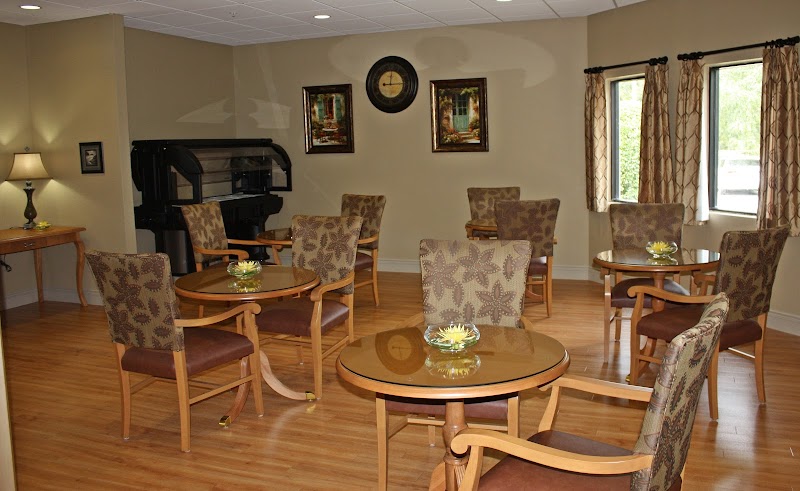
DIAMOND RIDGE HEALTH AND REHABILITATION CENTER is owned by a for-profit company. For-profit facilities operate as businesses with obligations to shareholders or private owners. The facility is operated by SUMMITT CARE II, INC., a chain that manages multiple nursing homes. With 142 certified beds and approximately 128 residents (about 90% occupancy), it is a mid-sized facility located in LECANTO, Florida.
How Does Diamond Ridge Center Compare to Other Florida Nursing Homes?

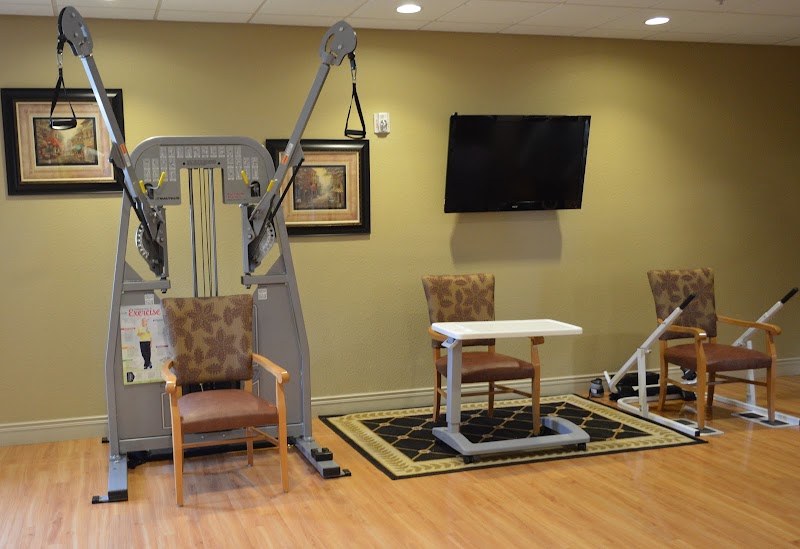
Compared to the 100 nursing homes in Florida, DIAMOND RIDGE HEALTH AND REHABILITATION CENTER's overall rating (4 stars) is above the state average of 3.2, staff turnover (42%) is near the state average of 46%, and health inspection rating (3 stars) is at the national benchmark.

What Should Families Ask When Visiting Diamond Ridge Center?

Based on this facility's data, families visiting should ask: "Can you walk me through typical staffing levels on day, evening, and night shifts?" "Can I visit during a mealtime to observe dining assistance and food quality?" "How do you handle medical emergencies, and what is your hospital transfer rate?" "Can I speak with family members of current residents about their experience?" These questions are particularly relevant given the below-average staffing rating.

Is Diamond Ridge Center Safe?

Based on CMS inspection data, DIAMOND RIDGE HEALTH AND REHABILITATION CENTER has a clean safety record: no substantiated abuse findings (meaning no confirmed cases of resident harm), no Immediate Jeopardy citations (the most serious violation level indicating risk of serious injury or death), and is not on the Special Focus Facility watch list (a federal program monitoring the lowest-performing 1% of nursing homes). The facility has a 4-star overall rating and ranks #1 of 100 nursing homes in Florida. While no facility is perfect, families should still ask about staff-to-resident ratios and recent inspection results during their visit.

Do Nurses at Diamond Ridge Center Stick Around?

DIAMOND RIDGE HEALTH AND REHABILITATION CENTER has a staff turnover rate of 42%, which is about average for Florida nursing homes (state average: 46%). Moderate turnover is common in nursing homes, but families should still ask about staff tenure and how the facility maintains care continuity when employees leave.

Was Diamond Ridge Center Ever Fined?

DIAMOND RIDGE HEALTH AND REHABILITATION CENTER has no federal fines on record. CMS issues fines when nursing homes fail to meet care standards or don't correct problems found during inspections. The absence of fines suggests the facility has either maintained compliance or corrected any issues before penalties were assessed. This is a positive indicator, though families should still review recent inspection reports for the full picture.

Is Diamond Ridge Center on Any Federal Watch List?

DIAMOND RIDGE HEALTH AND REHABILITATION CENTER is not on any federal watch list. The most significant is the Special Focus Facility (SFF) program, which identifies the bottom 1% of nursing homes nationally based on persistent, serious quality problems. Not being on this list means the facility has avoided the pattern of deficiencies that triggers enhanced federal oversight. This is a positive indicator, though families should still review the facility's inspection history directly.