LIVE OAK HEALTHCARE AND REHABILITATION CENTER

1620 HELVENSTON ST SE, LIVE OAK, FL 32064 (386) 362-7860
For profit - Limited Liability company 180 Beds EXCELSIOR CARE GROUP Data: November 2025 3 Immediate Jeopardy citations
Trust Grade
4/100
#523 of 690 in FL
Last Inspection: February 2025

Within standard 12-15 month inspection cycle. Federal law requires annual inspections.

Overview

Live Oak Healthcare and Rehabilitation Center has received an F trust grade, indicating significant concerns about the quality of care, placing it in the poor category. It ranks #523 out of 690 facilities in Florida, which means it falls in the bottom half, and is #2 of 3 in Suwannee County, suggesting only one local option is better. The facility is worsening, with issues increasing from 2 in 2024 to 13 in 2025. Staffing ratings are concerning, with a 64% turnover rate, significantly higher than the state average of 42%, indicating instability among staff. Additionally, there have been critical incidents, including hiring unlicensed staff to provide care and failing to implement policies to prevent neglect, raising serious safety concerns for residents. Overall, while there may be some average quality measures, the facility has notable weaknesses that families should consider.

Trust Score
F
4/100
In Florida
#523/690
Bottom 25%
Safety Record
High Risk
Review needed
Inspections
Getting Worse
2 → 13 violations
Staff Stability
⚠ Watch
64% turnover. Above average. Higher turnover means staff may not know residents' routines.
Penalties
✓ Good
$26,657 in fines. Lower than most Florida facilities. Relatively clean record.
Skilled Nurses
⚠ Watch
Each resident gets only 18 minutes of Registered Nurse (RN) attention daily — below average for Florida. Fewer RN minutes means fewer trained eyes watching for problems.
Violations
⚠ Watch
29 deficiencies on record. Higher than average. Multiple issues found across inspections.
★★☆☆☆
2.0
Overall Rating
★★☆☆☆
2.0
Staff Levels
★★★☆☆
3.0
Care Quality
★★☆☆☆
2.0
Inspection Score
Stable
2024: 2 issues
2025: 13 issues

The Good

  • Full Sprinkler Coverage · Fire safety systems throughout facility
  • No fines on record

Facility shows strength in fire safety.

The Bad

2-Star Overall Rating

Below Florida average (3.2)

Below average - review inspection findings carefully

Staff Turnover: 64%

18pts above Florida avg (46%)

Frequent staff changes - ask about care continuity

Federal Fines: $26,657

Below median ($33,413)

Moderate penalties - review what triggered them

Chain: EXCELSIOR CARE GROUP

Part of a multi-facility chain

Ask about local staffing decisions and management

Staff turnover is elevated (64%)

16 points above Florida average of 48%

The Ugly 29 deficiencies on record

3 life-threatening
Feb 2025 13 deficiencies
CONCERN (D) 📢 Someone Reported This

A family member, employee, or ombudsman was alarmed enough to file a formal complaint

Potential for Harm - no one hurt, but risky conditions existed

Resident Rights (Tag F0550)

Could have caused harm · This affected 1 resident

**NOTE- TERMS IN BRACKETS HAVE BEEN EDITED TO PROTECT CONFIDENTIALITY** Based on observation, interview, and record review, the facility failed to ensure residents' right to live in a manner that prom...

Read full inspector narrative →
**NOTE- TERMS IN BRACKETS HAVE BEEN EDITED TO PROTECT CONFIDENTIALITY** Based on observation, interview, and record review, the facility failed to ensure residents' right to live in a manner that promoted their quality of life for 1 of 57 residents sampled, Resident #135. Findings include: Review of Resident #135's admission record showed the resident was admitted on [DATE] with diagnoses including type 2 diabetes mellitus, major depressive disorder, unspecified mood (affective) disorder, and acquired absence of left leg below knee. Review of Resident #135's Service Dog Card showed it read, The Americans with Disabilities Act of 1990 mandates the handler and their service dog shall have full access to all public places. It is Federal law. Handler: [Resident #135's Name], Dog Name: [Resident #135's dog's name], Breed: Mixed, ID Number: [Service Dog ID]. The card contained a photo of the service dog. Review of Resident #135's Minimum Data Set (MDS) assessment dated [DATE] under Section GG- Functional Abilities for self-care showed the resident was independent for eating, oral hygiene, toileting hygiene, self-showering/bathing, upper body dressing, lower body dressing, putting on/taking off footwear, and personal hygiene. For mobility, the resident was independent for rolling left and right, sit to lying, lying to sitting on side of bed, sit to stand, chair/bed-to-chair transfer, toilet transfer, and tub/shower transfer. During an interview on 2/6/2025 at 3:32 PM, Resident #135 stated, Not having my service animal has caused me great distress. I get depressed and very agitated. The facility says they have 24-hour monitoring, but that is not the case. The dog was a rescue, and I had to nourish it back to health. I took it to training so now he is my diabetes dog. Since 11/19/2024, I have been trying to get permission to bring it. They said no it's not going to happen. The options they gave me were to pay for a private room or a sitter, but I cannot afford it. I am afraid to lose him. Review of Resident #135's Advanced Registered Nurse Practitioner (ARNP) visit note dated 12/27/2024 showed it read, HPI [History of Present Illness] General . Patient seen today for an initial psych evaluation to rule out symptoms of depression and anxiety given recent medical hospitalization, current physical functioning, and reduced mobility. Patient is seen and examined, sitting up at bedside finishing lunch, in no acute apparent distress . Her mood is euthymic; affect is appropriate. Mood is congruent to affect . She voices her depression is managed at this time but her anxiety is not . She voices her frustration with not being allowed to have her service dog with her at bedside. Review of Resident #135's Advanced Registered Nurse Practitioner (ARNP) visit note dated 1/17/2025 showed it read, HPI General . The patient is being seen today for a follow up visit . Patient seen and examined, at bedside, in no acute apparent distress . She shares a recent issue that caused her increased stress at facility Review of Systems: Depression: depressed mood and insomnia, Anxiety: Excessive anxiety and worry, Not able to control worry . Aggravating factors: Ongoing medical problems and life stressors and being in the facility. During an interview on 2/6/2025 at 4:10 PM, the Administrator stated that he has had no interactions or met Resident #135 prior to about 10 minutes ago when he went to her room to discuss the direction the facility was going to take regarding her service animal. During an interview on 2/7/2025 at 2:25 PM, Resident #135's ARNP stated, I did initial evaluation when we first encounter together. She has a long history of mental history, psychosocial history and anxiety. She has pretty severe history of anxiety, but has nothing to do with the dog. She has suicidal ideation. It is not about the dog just has a lot of coping to do. She is going to have a lot of future adjustments. She is not sleeping well and other underlying health conditions.
CONCERN (D)

Potential for Harm - no one hurt, but risky conditions existed

Assessment Accuracy (Tag F0641)

Could have caused harm · This affected 1 resident

**NOTE- TERMS IN BRACKETS HAVE BEEN EDITED TO PROTECT CONFIDENTIALITY** Based on record review and interview, the facility failed to ensure Minimum Data Set (MDS) assessments were accurate for 1 of 4 ...

Read full inspector narrative →
**NOTE- TERMS IN BRACKETS HAVE BEEN EDITED TO PROTECT CONFIDENTIALITY** Based on record review and interview, the facility failed to ensure Minimum Data Set (MDS) assessments were accurate for 1 of 4 residents reviewed for discharge, Resident #150. Findings include: Review of Resident #150's admission record showed the resident was admitted to the facility on [DATE]. Review of Resident #150's physician order dated 1/13/2025 showed it read, Discharge home with [Name of Home Care Provider]- SN [skilled Nursing] for wound care to left heel, scrotum, left ischium, left plantar, right elbow, right ischium, and sacrum. PT [Physical therapy] to evaluate and treat. Review of Resident #150's Discharge Return not Anticipated MDS assessment dated [DATE] showed the resident was discharged to short-term general hospital. During an interview on 2/5/2025 at 10:37 AM, the MDS Coordinator confirmed that Resident #150's discharge status was coded as short-term general hospital. The MDS Coordinator stated, It has been coded wrong. The patient was not discharged to a hospital. The patient was discharged home. When requested a policy for MDS assessments, the MDS Coordinator stated, We use the RAI [Resident Assessment Instrument] specified by the State.
CONCERN (D)

Potential for Harm - no one hurt, but risky conditions existed

Comprehensive Care Plan (Tag F0656)

Could have caused harm · This affected 1 resident

**NOTE- TERMS IN BRACKETS HAVE BEEN EDITED TO PROTECT CONFIDENTIALITY** Based on record review and interview, the facility failed to develop a comprehensive care plan for 1 of 3 residents reviewed for...

Read full inspector narrative →
**NOTE- TERMS IN BRACKETS HAVE BEEN EDITED TO PROTECT CONFIDENTIALITY** Based on record review and interview, the facility failed to develop a comprehensive care plan for 1 of 3 residents reviewed for behaviors, Resident #48. Findings include: Review of Resident #48's admission record showed the resident was admitted on [DATE] with diagnoses including encephalopathy, seizures, major depressive disorder, pseudobulbar affect, schizoaffective disorder and mood disorder due to known physiological condition. Review of Resident #48's physician order dated 10/11/2024 showed it read, Nuedexta Oral Capsule 20-10 mg [milligrams] (Dextromethorphan HBr-Quinidine Sulfate), Give 1 capsule via G-tube [gastric tube] two times a day for PBA [Pseudobulbar Affect: a neurological condition characterized by involuntary and uncontrollable episodes of laughing or crying, often in inappropriate situations]. Review of Resident #48's care plan did not reveal a focus for care and services related to pseudobulbar affect. During an interview on 2/6/2025 at 4:15 PM, the MDS Coordinator stated, After reviewing [Resident #48's name] care plan, I do not see that he is care planned for Pseudobulbar Affect. Review of the facility policy and procedure titled Nursing-Care Plans-Comprehensive-Person Centered with the last review date of 1/13/2025 showed it read, Purpose: To ensure the development and implementation of a comprehensive, person-centered care plan that includes measurable objectives and timetables to meet the residents' physicals , psychosocial and functional needs.
CONCERN (D)

Potential for Harm - no one hurt, but risky conditions existed

Deficiency F0658 (Tag F0658)

Could have caused harm · This affected 1 resident

Based on observation, interview, and record review, the facility failed to ensure medications were administered in accordance with currently accepted professional principles for 2 of 6 residents revie...

Read full inspector narrative →
Based on observation, interview, and record review, the facility failed to ensure medications were administered in accordance with currently accepted professional principles for 2 of 6 residents reviewed for medication administration, Residents #6 and #87. Findings include: 1) During an observation on 2/5/2025 at 9:00 AM, Resident #87 was eating breakfast in her room. There was a small plastic cup containing medications on top of her bedside. During an interview on 2/5/2025 at 9:00 AM, Resident #87 stated, I take my medication with food and not on an empty stomach. Review of Resident #87's physician orders revealed no orders for self-administering medications. During an interview on 2/6/2025 at 8:24 AM, Staff L, Registered Nurse (RN), stated, I left the medication at bedside. [Resident #87's name] likes to take her medication with food. I know this is not normal practice and is wrong. During an interview 2/6/2025 at 9:09 AM, the Director of Nursing (DON) stated, It is not protocol to leave the medication at bedside and maybe we can get the order changed for her [Resident #87], so she gets her medication when breakfast is served and staff not leave the medication at bedside. Medication should not be left unattended. 2) During an observation on 2/4/2025 at 3:08 PM, there was a white oval pill sitting on Resident #6's shirt. During an interview on 2/4/2025 at 3:09 PM, Staff U, Licensed Practical Nurse (LPN), confirmed there was a medication on Resident #6's shirt and stated the nurse should stay until the medication was taken. Review of the facility policy and procedure titled Medication Dispensing System with the last review date of 1/13/2025 showed it read, Policy: All medications will be prepared (blister cards, vials, Artromick box) and administered in a manner consistent with the general requirements outlined in this policy. Procedure . J. Medication Administration . 8. Ensure that the customer swallows all the medication(s).
CONCERN (D)

Potential for Harm - no one hurt, but risky conditions existed

ADL Care (Tag F0677)

Could have caused harm · This affected 1 resident

**NOTE- TERMS IN BRACKETS HAVE BEEN EDITED TO PROTECT CONFIDENTIALITY** Based on observation, interview, and record review, the facility failed to ensure the residents who are unable to carry out acti...

Read full inspector narrative →
**NOTE- TERMS IN BRACKETS HAVE BEEN EDITED TO PROTECT CONFIDENTIALITY** Based on observation, interview, and record review, the facility failed to ensure the residents who are unable to carry out activities of daily living (ADL) received the necessary services to maintain good grooming and personal and oral hygiene for 2 of 4 residents reviewed for ADL care, Residents #88, and #131. Findings include: 1) During an observation on 2/4/2025 at 9:24 AM, Resident #88 was lying in bed. The resident's face was oily, her lips were dry and cracked with a dried crusty substance on them, and her mouth was dry when she tried to talk. During an observation on 2/4/2025 at 10:52 AM, Resident #88's lips were dry and cracked with a dried crusty substance on them, and her mouth was dry when she tried to talk. Review of Resident #88's admission record showed the resident was admitted on [DATE] with the diagnoses including encephalopathy, muscles weakness, and failure to thrive. Review of Resident #88's MDS dated [DATE] showed the resident was dependent for performing personal hygiene (oral hygiene) under Section GG- Functional Abilities. During an interview on 2/7/2025 at 8:39 AM, Staff P, CNA, confirmed Resident #88 did not receive ADL care and stated, On average, the CNAs will have 16 to 18 residents in their assignments. I feel like I can meet the needs of my residents because I have a lot of experience being a CNA, but other CNAs who are newer tend to have difficulty getting the tasks done. 2) During an observation on 2/3/2025 at 2:30 PM, Resident #131's lips were cracked and had a buildup on them. His teeth were discolored with a thick film on them and his mouth was dry. During an observation on 2/4/2025 at 8:46 AM, Resident #131's teeth had a thick film substance on them. His mouth was dry, and his lips were cracked and had a substance buildup on them. During an observation on 2/5/2025 at 10:55 AM, Resident #131's lips were dry and had a substance caked on them. His teeth were discolored with a thick film on them and his mouth was dry. During an interview on 2/5/2025 at 10:55 AM, Resident #131 stated that he had not had any (ADL) care so far today and if they provided care to him like oral care, he would be a lot more comfortable and would like to have it done. Review of Resident #131's admission record showed the resident was initially admitted on [DATE] and most recently admitted on [DATE] with diagnoses including acute respiratory failure with hypoxia, muscle weakness, polyosteoarthritis and dorsalgia. Review of Resident #131's Minimum Data Set (MDS) dated [DATE] showed the resident was dependent for performing oral hygiene, showering/bathing and personal hygiene under Section GG- Functional Abilities. During an interview on 2/5/2025 at 11:12 AM, Staff B, Certified Nursing Assistant (CNA), stated, I have not been able to care for [Resident #131's name] yet today because I have been taking care of the other residents in the assignment. It is hard to meet the needs of all residents in an assignment because there are so many residents, and the residents tend to require a lot of care. During an interview on 2/6/2025 at 9:08 AM, the Director of Nursing stated that her expectation for the staff would be to provide each resident with the ADL care they need based on their care plan. During an interview with the Administrator on 2/7/2025 at 2:00 PM, when a policy on ADL assistance was requested, no policy was provided.
CONCERN (D)

Potential for Harm - no one hurt, but risky conditions existed

Quality of Care (Tag F0684)

Could have caused harm · This affected 1 resident

Based on record review and interview, the facility failed to ensure residents received blood pressure medications following parameters for 1 of 6 residents reviewed for medication administration, Resi...

Read full inspector narrative →
Based on record review and interview, the facility failed to ensure residents received blood pressure medications following parameters for 1 of 6 residents reviewed for medication administration, Resident #136. Findings include: Review of Resident #136's physician order dated 6/8/2024 showed it read, Amlodipine Besylate Oral Tablet 5 mg [milligram] (Amlodipine Besylate), Give 1 tablet by mouth one time a day for hypertension, Hold for systolic less than 110 or pulse less than 60. Review of Resident #136's Medication Administration Record (MAR) for January 2025 showed the resident received Amlodipine 5 mg on 1/2/2025 at 9:00 AM when systolic blood pressure was 102 and pulse was 59 and on 1/12/2025 at 9:00 AM when pulse was 58. Review of Resident #136's physician order dated 6/8/2024 showed it read, Losartan Potassium Oral Tablet 100 mg (Losartan Potassium), Give 1 tablet by mouth one time a day for hypertension, Hold for systolic less than 110 or pulse less than 60. Review of Resident #136 MAR for January 2025 showed the resident received Losartan Potassium 100 mg on 1/2/2025 at 9:00 AM when systolic blood pressure was 102 and pulse was 59 and on 1/12/2025 at 9:00 AM when pulse was 58. Review of Resident #136's physician order dated 8/8/2024 showed it read, Propranolol HCl Oral Tablet 40 mg (Propranolol HCl), Give 1 tablet by mouth two times a day for hypertension, Hold for systolic less than 110 or pulse less than 60. Review of Resident #136's MAR for January 2025 showed the resident received Propranolol HCl 40 mg on 1/2/2025 at 9:00 AM when systolic blood pressure was 102 and pulse was 59, on 1/12/2025 at 9:00 AM when pulse was 58, on 1/14/2025 at 9:00 AM and at 9:00 PM when pulse was 49, on 1/17/2025 at 9:00 AM and at 9:00 PM when pulse was 59, on 1/22/2025 at 9:00 AM and at 9:00 PM when systolic blood pressure was 109 and pulse was 51, on 1/27/2024 at 9:00 PM when pulse was 55, and 1/28/2025 at 9:00 AM and at 9:00 PM when systolic blood pressure was 109 and pulse was 51. During an interview on 2/5/2025 at 9:02 AM, the Director of Nursing (DON) stated, Nurses are to follow the parameters that the doctor puts in place. If they have any questions or need to clarify an order, they should contact the provider. During an interview on 2/6/2025 at 9:25 AM, the Advance Practice Registered Nurse (APRN) #1 stated, I expect if an order has parameters, the nursing staff should follow the orders. [Resident #136's name] has not had any recent medical concern. Review of the facility policy and procedure titled Administering Medications with the last review date of 1/13/2025 showed it read, Purpose: To ensure that medications are administered in a safe and timely manner, and as prescribed. General Guidelines . 3. Medications are administered in accordance with prescriber orders, and current standards of practice.
CONCERN (D)

Potential for Harm - no one hurt, but risky conditions existed

Respiratory Care (Tag F0695)

Could have caused harm · This affected 1 resident

**NOTE- TERMS IN BRACKETS HAVE BEEN EDITED TO PROTECT CONFIDENTIALITY** Based on observation, record review, and interview, the facility failed to ensure residents received oxygen as prescribed by phy...

Read full inspector narrative →
**NOTE- TERMS IN BRACKETS HAVE BEEN EDITED TO PROTECT CONFIDENTIALITY** Based on observation, record review, and interview, the facility failed to ensure residents received oxygen as prescribed by physician for 1 of 8 residents sampled for oxygen therapy, Resident #28. Findings include: During an observation on 2/3/2025 at 9:47 AM, Resident #28 was in bed. The resident was not receiving oxygen. The oxygen tubing was no dated. During an observation on 2/4/2025 at 10:34 AM, Resident #28 was lying in bed with eyes closed and glasses on. Resident #28 was receiving oxygen via nasal cannula at 3.5 liters per minute. There was no date on the canula or humidification bottle. During an observation on 2/5/2025 at 12:18 PM, Resident #28 was receiving oxygen via nasal cannula at 4.5 liters per minute. Review of Resident #28's admission record showed the resident was initially admitted on [DATE] and most recently admitted on [DATE] with diagnoses including metabolic encephalopathy, acute and chronic respiratory failure with hypercapnia (abnormally elevated carbon dioxide levels in the blood), acute and chronic respiratory failure with hypoxia (inadequate supply of oxygen to the body's tissues), chronic obstructive pulmonary disease, obstructive sleep apnea, acute pulmonary edema, unspecified systolic (congestive) heart failure, muscle weakness, need for assistance with personal care, and morbid (severe) obesity due to excess calories. Review of Resident #28's physician orders showed an order dated 1/3/2025 for administration of oxygen at 2 liters per minute via nasal cannula every shift for shortness of breath. Review of Resident #28's Treatment Administration Record (TAR) for February 2025 showed the resident received oxygen at the rate of 2 liters per minute on 2/3/2025 on both twelve-hour shifts, 2/4/2025 on both twelve-hour shifts, and on 2/5/2025 on the first twelve-hour shift. During an interview on 2/5/2025 at 12:25 PM, Staff D, Registered Nurse (RN), stated, I signed off on [Resident #28's name] oxygen this morning. We are supposed to check that he has O2 [oxygen] on, and I think we just have to check his O2 [oxygen saturation] level. I didn't know that the rate was there too when I signed it. It does say he is supposed to be on 2 liters [per minute]. I didn't look [at the oxygen concentrator], I just assumed it was at the right rate. During an interview on 2/5/2025 at 12:40 PM, the Respiratory Therapist stated, He [Resident #28] is supposed to be on 2 liters of oxygen [per minute]. I don't know who is changing the rates. I don't think it is him. I don't think he can reach it. I changed the tubing and water bottle yesterday. I wasn't here last week and someone else was changing the tubing for me. I am not sure where she put the dates. During an interview on 2/5/2025 at 12:50 PM, the East Wing Unit Manager stated, I expect the nurses to confirm the order for all residents who are on oxygen. That includes the rate. During an interview on 2/5/2025 at 2:50 PM, the Director of Nursing (DON) stated, I expect the nurses to confirm all the rights, including the right rate and the number of hours they are receiving oxygen. Review of the facility policy and procedure titled Nursing- Oxygen Administration with the last review date of 1/13/2025 showed it read, Purpose: The purpose of this procedure is to provide guidelines for safe oxygen administration. Preparation: 1. Verify that there is a physician's order for this procedure. Review the physician's orders or facility protocol for oxygen administration . Process . 6. Turn on the oxygen. Unless otherwise ordered, start the flow of oxygen at the rate of 2 to 3 liters per minute . Documentation: After completing the oxygen setup or adjustment, the following information should be recorded in the resident's medical record . 3. The rate of oxygen flow, route, and rationale.
CONCERN (D)

Potential for Harm - no one hurt, but risky conditions existed

Food Safety (Tag F0812)

Could have caused harm · This affected 1 resident

**NOTE- TERMS IN BRACKETS HAVE BEEN EDITED TO PROTECT CONFIDENTIALITY** Based on observation, interview, and record review, the facility failed to ensure food items were labeled in 1 of 3 nourishment ...

Read full inspector narrative →
**NOTE- TERMS IN BRACKETS HAVE BEEN EDITED TO PROTECT CONFIDENTIALITY** Based on observation, interview, and record review, the facility failed to ensure food items were labeled in 1 of 3 nourishment rooms. Findings include: During an observation on 2/3/2025 at 9:25 AM while conducting a tour of the nourishment rooms with the Certified Dietary Manager (CDM), there were one unlabeled and undated grocery bag containing Chicken BLT salad bowl, one unlabeled and undated Chef salad bowl, and one unlabeled and undated clear plastic container of blackberries on the bottom shelf of the refrigerator in Nutrition room [ROOM NUMBER] located on the 300 hallway. During an interview on 2/3/2025 at 9:30 AM, the CDM stated, All foods brought in must be labeled with the residents' name, when it was brought in, and the expiration date of 7 days after it was brought in. Review of the facility policy and procedure titled Food: Safe Handling for Foods from Visitors with the last review date of 1/13/2025 showed it read, Procedures . 4. When food items are intended for later consumption, the responsible facility staff member will . Label foods with the resident name and the current date.
CONCERN (D)

Potential for Harm - no one hurt, but risky conditions existed

Infection Control (Tag F0880)

Could have caused harm · This affected 1 resident

Based on observation, interview, and record review, the facility failed to ensure infection control standards were followed for catheter care to prevent the possible spread of infection and communicab...

Read full inspector narrative →
Based on observation, interview, and record review, the facility failed to ensure infection control standards were followed for catheter care to prevent the possible spread of infection and communicable diseases for 1 of 3 residents reviewed for indwelling urinary catheters, Resident #136. Findings include: During an observation on 2/3/2025 at 10:58 AM, Resident #136's catheter bag was lying on the floor. During an interview on 2/3/2025 at 11:05 AM, Staff C, Licensed Practical Nurse (LPN), stated, That bag should absolutely not be lying on the floor. During an interview on 2/4/2025 at 11:30 AM, the Director of Nursing stated that it was her expectation for the nurses on the floor to check the catheter bags during medication pass. Review of the facility policy and procedure titled Nursing- Catheter Care- Urinary with the last review date of 1/13/2025 showed it read, General Guidelines . Infection Control: 1. Use standard precautions when handling or manipulating the drainage system. 2. Maintain clean technique when handling or manipulating the catheter, tubing, or drainage bag . b. Be sure the catheter tubing and drainage bag are kept off the floor.
CONCERN (E)

Potential for Harm - no one hurt, but risky conditions existed

Drug Regimen Review (Tag F0756)

Could have caused harm · This affected multiple residents

Based on record review and interview, the facility failed to ensure the attending physician documented their rationale related to pharmacy recommendations and failed to ensure to implement the physici...

Read full inspector narrative →
Based on record review and interview, the facility failed to ensure the attending physician documented their rationale related to pharmacy recommendations and failed to ensure to implement the physician's agreed changes for 3 of 5 residents reviewed for drug regimen, Residents #23, #101, and #124. Findings include: 1) Review of the Drug Regimen Review for Resident #23 dated 3/22/2024 showed it read, Consultant Pharmacist Recommendations: Currently receiving Lamotrigine (Lamictal) for Mood without recent attempt to taper. Please evaluate and consider an attempt at gradual dose reduction with eventual discontinuation or document inability to do so. Please note: abrupt cessation not recommended. Consider a slow taper over 4 weeks then discontinue. There was no physician response documented on recommendation. Review of the Drug Regimen Review for Resident #23 dated 4/24/2024 showed it read, Consultant Pharmacist Recommendations: Currently receiving Alprazolam 0.25 mg [milligram] daily without recent attempt to taper. Please evaluate current need. Consider taper to 0.25 mg every other day with eventual discontinue or document inability to do so. There was no physician response documented on recommendation. Review of the Drug Regimen Reviews for Resident #23 dated 8/16/2024 and 11/12/2024 showed it read, Consultant Pharmacist Recommendations: Currently receiving Trazodone 100 mg at bedtime for insomnia without recent attempt to taper. Please evaluate, consider trial taper 50 mg at bedtime or document inability to do so. There was no physician response documented on recommendation. Review of the Drug Regimen Reviews for Resident #23 dated 12/13/2024 and 1/29/2025 showed it read, Consultant Pharmacist Recommendations: Currently receiving Alprazolam which can increase risk of dizziness and falls. Per clinical record, with recent falls. Please evaluate, consider tapering dose or implementing alternative treatment if necessary . Currently receiving Aripiprazole (Abilify) which can increase risk of falls. Per clinical record, with recent falls. Please evaluate, consider tapering dose or implementing alternative treatment if necessary. There was no physician response documented on recommendation. Review of the Drug Regimen Reviews for Resident #23 dated 1/29/2025 showed it read, Consultant Pharmacist Recommendations: Currently receiving Gabapentin which has potential for dizziness and drowsiness, increasing the risk of falls. Per clinical record, with recent falls. Please evaluate possible causal relationship. Consider trial taper to discontinue Gabapentin, if appropriate. There was no physician response documented on recommendation. Review of Resident #23's Medication Regimen Review for Resident #23 dated 6/10/2024 showed the physician agreed with Consultant Pharmacist's recommendation for adding pain parameters to avoid misuse for Oxycodone. The physician signed off on 6/17/2024. Review of Resident #23's physician orders showed no order to implement the physician's agreed changes on 6/17/2024. Review of Resident #23's Medication Regimen Review for Resident #23 dated 9/19/2024 showed the physician agreed with the Consultant Pharmacist's recommendation for evaluation of current need and discontinuation of Lactulose by ordering to change the order to PRN (as needed) and agreed with the Consultant Pharmacist's recommendation for adding pain parameters for Oxycodone. The physician signed off on 10/3/2024. Review of Resident #23's physician orders showed no order to implement the physician's agreed changes on 10/3/2024. 2) Review of the Drug Regimen Review for Resident #101 dated 3/22/2024 showed it read, Consultant Pharmacist Recommendations: Currently receiving Tramadol which has potential for dizziness and drowsiness, increasing the risk of falls. Per clinical record, with recent falls. Please evaluate possible causal relationship. Consider trial discontinue Tramadol and start alternate therapy (i.e. Ibuprofen or Acetaminophen), if necessary. The physician disagreed with the recommendation on 3/26/2024, but no reason was documented. Review of the Drug Regimen Review for Resident #101 dated 5/9/2024 showed it read, Consultant Pharmacist Recommendations: Currently with routine fingerstick blood sugar monitoring. Please consider add order to notify MD [Medical Doctor] if results <70 or > 300, if appropriate, There was no physician response documented on recommendation. Review of the Drug Regimen Review for Resident #101 dated 6/10/2024 showed it read, Consultant Pharmacist Recommendations: Currently with active order for sliding scale insulin coverage without order for long-acting or basal insulin. Long term use not recommended due to higher risk of hypoglycemia without improvement in hyperglycemia management. Consider discontinue insulin coverage and taper fingerstick order to two times a week, AM and PM, notify MD if results below 70 or greater than 250, if appropriate. There was no physician response documented on recommendation. Review of the Drug Regimen Review for Resident #101 dated 7/10/2024 showed it read, Consultant Pharmacist Recommendations: Currently with active order for Senna prn which has not been used in greater than 30 days. Please evaluate current need and discontinue if appropriate . Currently has an active order for Acetaminophen prn for fever which has not been used in greater than thirty days. Please consider discontinue unused order at this time. (Please also note that any new use of acetaminophen for fever at this time would require your notification of a change in medical status, making the presence of a prn order for acetaminophen unnecessary.) There was no physician response documented on recommendation. Review of the Drug Regimen Reviews for Resident #101 dated 8/16/2024 and 9/19/2024 showed it read, Consultant Pharmacist Recommendations: Currently receiving Oxcarbazepine. Per order, use is for a diagnosis other than an approved psychiatric condition. Please evaluate accuracy of diagnosis. If the diagnosis is inaccurate and the resident currently is using this mediation for an approved use such as Bipolar Disorder, or other chronic enduring psychiatric condition, please update the medication order accordingly. If no approved chronic enduring psychiatric diagnosis exists, please consider implementing gradual dose reductions or discontinuing at this time . Currently has an active order for Lorazepam prn without a specified stop date. Please note that CMS guidelines do not allow maintaining open ended orders for PRN psychotropics on medication profiles. Please evaluate and consider discontinue Lorazepam prn, if appropriate. There was no physician response documented on recommendation. Review of the Drug Regimen Review for Resident #101 dated 10/22/2024 showed it read, Consultant Pharmacist Recommendations: Currently receiving Loratadine without a stop date. Please evaluate. Consider add stop date now if appropriate . Currently receiving Simvastatin (Zocor) for dyslipidemia. Unable to located recent serum lipid profile in chart. Recommended 3 months after start then annually. Please consider ordering . Currently has an active order for Lorazepam prn without a specified stop date. Please note that CMS guidelines do not allow maintaining open ended orders for PRN psychotropics on medication profiles. Please evaluate and consider discontinue Lorazepam prn, if appropriate . Currently receiving Oxcarbazepine. Per order, use is for a diagnosis other than an approved psychiatric condition. Please evaluate accuracy of diagnosis. If the diagnosis is inaccurate and the resident currently is using this mediation for an approved use such as Bipolar Disorder, or other chronic enduring psychiatric condition, please update the medication order accordingly. If no approved chronic enduring psychiatric diagnosis exists, please consider implementing gradual dose reductions or discontinuing at this time. There was no physician response documented on recommendation. Review of the Drug Regimen Review for Resident #101 dated 11/12/2024 showed it read, Consultant Pharmacist Recommendations: Currently with active order for Guaifenesin LA [long acting] (Mucinex) prn which has not been used recently. Please evaluate current need and discontinue if appropriate . Currently has an active order for Lorazepam prn without a specified stop date. Please note that CMS guidelines do not allow maintaining open ended orders for PRN psychotropics on medication profiles. Please evaluate and consider discontinue Lorazepam prn, if appropriate . Currently receiving Oxcarbazepine. Per order, use is for a diagnosis other than an approved psychiatric condition. Please evaluate accuracy of diagnosis. If the diagnosis is inaccurate and the resident currently is using this mediation for an approved use such as Bipolar Disorder, or other chronic enduring psychiatric condition, please update the medication order accordingly. If no approved chronic enduring psychiatric diagnosis exists, please consider implementing gradual dose reductions or discontinuing at this time. There was no physician response documented on recommendation. Review of the Drug Regimen Review for Resident #101 dated 12/13/2024 showed it read, Consultant Pharmacist Recommendations: Currently has active order for Hydrocodone/APAP [Acetaminophen] without a stop date. Emerging data highlights an association between opioid administration and delirium. Please evaluate duration of therapy. Consider add stop date of 14 days, if appropriate . Currently has an active order for Lorazepam prn without a specified stop date. Please note that CMS guidelines do not allow maintaining open ended orders for PRN psychotropics on medication profiles. Please evaluate and consider discontinue Lorazepam prn, if appropriate . Currently receiving Oxcarbazepine. Per order, use is for a diagnosis other than an approved psychiatric condition. Please evaluate accuracy of diagnosis. If the diagnosis is inaccurate and the resident currently is using this mediation for an approved use such as Bipolar Disorder, or other chronic enduring psychiatric condition, please update the medication order accordingly. If no approved chronic enduring psychiatric diagnosis exists, please consider implementing gradual dose reductions or discontinuing at this time. There was no physician response documented on recommendation. Review of the Drug Regimen Review for Resident #101 dated 1/29/2025 showed it read, Consultant Pharmacist Recommendations: Currently has an active order for Lorazepam prn without a specified stop date. Please note that CMS guidelines do not allow maintaining open ended orders for PRN psychotropics on medication profiles. Please evaluate and consider discontinue Lorazepam prn, if appropriate . Currently receiving Oxcarbazepine. Per order, use is for a diagnosis other than an approved psychiatric condition. Please evaluate accuracy of diagnosis. If the diagnosis is inaccurate and the resident currently is using this mediation for an approved use such as Bipolar Disorder, or other chronic enduring psychiatric condition, please update the medication order accordingly. If no approved chronic enduring psychiatric diagnosis exists, please consider implementing gradual dose reductions or discontinuing at this time. There was no physician response documented on recommendation. 3) Review of the Drug Regimen Review for Resident #124 dated 4/23/2024 showed it read, Consultant Pharmacist Recommendations: Currently receiving Megestrol (Megace) for appetite stimulation and weight gain. Long term use not recommended due to increased thromboembolic risk with use. Please evaluate. Consider add stop date x [times] 14 days, if appropriate . Currently with active order for sliding scale insulin coverage without standing order medication for diabetes. Long term use not recommended due to higher risk of hypoglycemia without improvement in hyperglycemia management. Consider discontinue insulin coverage and taper fingerstick order to two times a week, AM and PM, notify MD if results below 70 or greater than 250, if appropriate There was no physician response documented on recommendation. Review of the Drug Regimen Review for Resident #124 dated 5/9/2024 showed it read, Consultant Pharmacist Recommendations: Currently receiving Lansoprazole (Prevacid) for GI [Gastrointestinal] prophylaxis. Long term use for this indication is not recommended due to increased risk of pneumonia, fractures and C. difficile [Clostridium difficile], and development of vitamin B12 deficiency. Please evaluate continued need. Consider trail taper to every other day for 14 days then discontinue, if appropriate . Currently with active order for Ondansetron (Zofran) prn which has not been used in over 30 days. Please evaluate current need and discontinue if appropriate . Currently with active order for sliding scale insulin coverage without standing order medication for diabetes. Long term use not recommended due to higher risk of hypoglycemia without improvement in hyperglycemia management. Consider discontinue insulin coverage and taper fingerstick order to two times a week, AM and PM, notify MD if results below 70 or greater than 250, if appropriate . Currently receiving Mirtazapine (Remeron) for anorexia which can increase risk of dizziness and falls with recent documented falls. Please evaluate risk versus benefit and discontinue, if appropriate . Per clinical record resident with recent falls, recommended to check 25-hydorxyvitamin D levels in those with advanced age and recent falls. Please consider ordering and if necessary initiating vitamin D3 50,000IU capsule once weekly for 6 weeks then monthly thereafter. There was no physician response documented on recommendation. Review of the Drug Regimen Review for Resident #124 dated 9/19/2024 showed it read, Consultant Pharmacist Recommendations: Currently receiving Mirtazapine (Remeron) which can increase risk of dizziness and falls, with recent documented falls, Please evaluate risk versus benefit and discontinue, if appropriate . Currently with active order for Hydrocodone /APAP which can increase risk of falls with recent documented falls per clinical record. Please evaluate possible causal relationship. Consider tapering dose or implementing alternative treatment, if appropriate. There was no physician response documented on recommendation. Review of the Drug Regimen Review for Resident #124 dated 10/22/2024 showed it read, Consultant Pharmacist Recommendations: Per clinical record resident with recent falls. A daily intake of 800-1,000 IU [International Unit] of Vitamin D is currently recommended in the elderly to maintain bone health and reduce the risk of falls and factures. Please evaluate. Consider adding Vitamin D3 1000IU once daily, if appropriate. There was no physician response documented on recommendation. Review of the Drug Regimen Review for Resident #124 dated 11/12/2024 showed it read, Consultant Pharmacist Recommendations: Currently has an active order for Lorazepam prn without a specified stop date. Please note that CMS guidelines do not allow maintaining open ended orders or prn psychotropics on medication profiles. Please evaluate and consider discontinuing Lorazepam prn, if appropriate. There was no physician response documented on recommendation. Review of the Drug Regimen Review for Resident #124 dated 12/13/2024 showed it read, Consultant Pharmacist Recommendations: Currently with active order for Hydrocodone /APAP which can increase risk of falls with recent documented falls per clinical record. Please evaluate possible causal relationship. Consider tapering dose or implementing alternative treatment, if appropriate . Currently receiving Mirtazapine (Remeron) which can increase risk of dizziness and falls, with recent documented falls, Please evaluate risk versus benefit and discontinue, if appropriate . Currently receiving Quetiapine (Seroquel) which can increase risk of falls. Per clinical record, with recent falls. Please evaluate, consider tapering dose or implementing alternative treatment, if necessary. There was no physician response documented on recommendation. Review of the Drug Regimen Review for Resident #124 dated 1/28/2025 showed it read, Consultant Pharmacist Recommendations: Currently receiving Hydroxyzine (Atarax) as an anxiolytic. Please note: hydroxyzine is NOT recommended for use as an anxiolytic. Consider taper to prn for one week and discontinue, or document inability to do so . Currently receiving Quetiapine (Seroquel). Per order, use is for diagnosis other than an approved psychiatric condition. Please evaluate accuracy of diagnosis. If the diagnosis is inaccurate and the resident currently is using this medication for an approved use such as Schizophrenia, Bipolar Disorder, or other chronic enduring psychiatric condition, please update the medication order accordingly. If no approved chronic enduring psychiatric diagnosis exists, please consider implementing gradual dose reduction and discontinues at this time. There was no physician response documented on recommendation. During an interview on 2/6/2025 at 10:15 AM, the Director of Nursing (DON) confirmed the pharmacist recommendations had not been reviewed by physicians and that the recommendations that were agreed upon had not been implemented Residents #23, #101, and #124. The DON further confirmed when the physician disagreed, they did not document a reason. She stated her expectation was that the recommendations were printed, presented to the physicians and then any agreed upon changes recorded in the resident's medical records.
CONCERN (E)

Potential for Harm - no one hurt, but risky conditions existed

Unnecessary Medications (Tag F0759)

Could have caused harm · This affected multiple residents

Based on observation, interview, and record review, the facility failed to ensure the medication error rate was not 5 percent or greater. The medication error rate was 10.81 percent. Findings include...

Read full inspector narrative →
Based on observation, interview, and record review, the facility failed to ensure the medication error rate was not 5 percent or greater. The medication error rate was 10.81 percent. Findings include: 1) Review of Resident #11's physician order dated 10/18/2023 showed it read, Trazodone HCl Oral Tablet 150 mg [milligram] (Trazodone HCl), Give 150 mg by mouth two times a day for depression. Review of Resident #11's physician order dated 1/2/2025 showed it read, Tizanidine HCl Oral Tablet 4 mg (Tizanidine HCl), Give 2 tablet by mouth four times a day for muscle spasms. During an observation on 2/3/2025 at 11:12 AM, Staff E, Licensed Practical Nurse (LPN), began to pour Resident #11's medications into a medication cup. Staff E poured one tablet of Tizanidine 4 mg. Staff E did not pour Trazodone 150 mg (milligram). Staff E began to pour water into a medication cup and was getting ready to give the medications to Resident #11. Staff E was asked to review the medications that were in her medication cup. During an interview on 2/3/2025 at 11:15 AM, Staff E, LPN, stated, I am missing the Trazodone and Tizanidine should be two tablets instead of one. During an interview on 2/7/2025 at 10:37 AM, the Advanced Practice Registered Nurse (APRN) #1 stated, One time missed dose of medication does not have an impact to the patient. The nurses have not contacted me recently for any complaints of discomfort or pain. 2) During an observation on 2/4/2025 at 8:03 AM, Staff F, LPN, entered Resident #206's room and handed him a medication cup that contained medications. Resident #206 asked Staff F what the medications were in his cup. Staff F stated she did not know because she was training and Staff G, LPN, was the one to prepare the medication. Staff F and Resident #206 went outside of the room. Staff G was standing next to the medication cart. Resident #206 asked Staff G what the medication were in his cup. Staff G stated what was in the medication cup and asked Resident #206 if he wanted his multivitamin. Resident #206 stated he would take the multivitamin. Staff G opened the medication cart and poured the multivitamin into the medication cup that was originally given to Resident #206. Staff G handed the medication cup back to Resident #206. During an interview on 2/6/2025 at 9:36 AM, Staff G, LPN, stated, I normally put all his [Resident #206] medications in the medication cup. I overlooked the multivitamin. It was just so hectic. Review of Resident #206's physician order dated 12/25/2024 showed it read, Multivitamin-Minerals Oral Tablet (Multiple Vitamins w/ [with] Minerals), Give 1 tablet by mouth one time a day for at risk for malnutrition. 3) During an observation on 2/5/2025 at 11:30 AM, Staff H, Registered Nurse (RN), began to prepare Resident #116's medications. Staff H placed a Lansoprazole Delayed Release 30 mg capsule into a medication cup. Staff H donned a pair of gloves and opened Lansoprazole Delayed Release capsule. Staff H asked a certified nursing assistant to grab him some warm water in a Styrofoam cup. Staff H proceeded to walk to Resident #116's room. Staff H placed Resident #116's feeding on hold and proceeded to check gastric tube for placement. Staff H was getting ready to premix the medications with water. Staff H was requested to check the delayed released medication. During an interview on 2/5/2025 at 11:49 AM, Staff H, RN, stated, [Resident #116's name] has a gtube [gastric tube]. She should not have an order for delayed release medication. The medication should be in liquid form. During an interview on 2/5/2025 at 5:00 PM, Staff H, RN, stated, I got clarification and the doctor changed the medication to the liquid due to the size of her tubing because it could clog the tubing due to the size. Review of Resident #116's physician order dated 8/22/2024 showed it read, Lansoprazole Oral Capsule Delayed Release 30 mg (Lansoprazole), Give 1 capsule via G-tube in the morning for GERD [Gastro-Esophageal Reflux Disease]. During an interview on 2/6/2025 at approximately 10:15 AM, the Director of Nursing stated, Delayed release medication should not be administered via gastric tube. If a nurse sees an order that is questionable, they should contact the provider for notification. The nurses should be validating all the medications against the MAR [Medication Administration Record] before giving. Review of the facility policy and procedure titled Administering Medications with the last review date of 1/13/2025 showed it read, Purpose: To ensure that medications are administered in a safe and timely manner, and as prescribed. General Guidelines . 3. Medications are administered in accordance with prescriber orders, and current standards of practice . 8. The individual administering the medication checks the label three (3) times to verify the right resident, right medication, right dosage, right time, and right method (route) of administration before giving the medication . 19. If a drug is withheld, refused, or given at a time other than the scheduled time, the individual administering the medication shall enter the correct code into the bos [Sic.] on eMAR [electronic Medication Administration Record] followed by nursing note if indicated. 20. The individual administering the medication initials the resident's MAR on the appropriate line after giving each medication and before administering the next ones. Review of the facility policy and procedure titled Medication Dispensing System with the last review date of 1/13/2025 showed it read, Policy: All medications will be prepared (blister cards, vials, Artromick box) and administered in a manner consistent with the general requirements outlined in this policy. Procedure . G. Prior to Medication Administration: 1. Verify each medication preparation that the medication is the right drug, at the right dose, the right route, at the right rate, at the right time, for the right customer. Review of the facility policy and procedure titled Administering Medications Through an Enteral Tube with the last review date of 1/13/2025 showed it read, Purpose: The purpose of this procedure is to provide guidelines for the safe administration of medications through an enteral tube . General Guidelines . 5 . c . Do not crush enteric coated, sustained release, buccal, sub-lingual, or enzyme-specific medications. Notify physician and obtain guidance.
CONCERN (E)

Potential for Harm - no one hurt, but risky conditions existed

Medical Records (Tag F0842)

Could have caused harm · This affected multiple residents

**NOTE- TERMS IN BRACKETS HAVE BEEN EDITED TO PROTECT CONFIDENTIALITY** Based on record review and interview, the facility failed to ensure medical records were complete and accurate for 2 of 6 reside...

Read full inspector narrative →
**NOTE- TERMS IN BRACKETS HAVE BEEN EDITED TO PROTECT CONFIDENTIALITY** Based on record review and interview, the facility failed to ensure medical records were complete and accurate for 2 of 6 residents reviewed for blood pressure medication, residents reviewed for medication, Residents #40 and #122, 1 of 3 residents reviewed for dialysis care, Resident #80, 1 of 10 residents reviewed for advance directives, Resident #127, and 1 of 8 residents sampled for oxygen therapy, Resident #28. Findings include: 1) Review of Resident #80's admission record showed the resident was initially admitted on [DATE] and most recently admitted on [DATE] with diagnoses including end stage renal disease, sepsis, and anemia. Review of Resident #80's Dialysis Hand Off Communication Report dated [DATE] showed no information documented for presence of bruit/thrill, catheter dressing, signs/symptoms of infection upon his return to the facility. Review of Resident #80's Dialysis Hand Off Communication Report dated [DATE] showed no information documented for presence of bruit/thrill, catheter dressing, signs/symptoms of infection upon his return to the facility. Review of Resident #80's admission Minimum Data Set (MDS) assessment dated [DATE] showed the resident as being on dialysis. Review of Resident #80's physician orders showed no current order for dialysis. During an interview on [DATE] at 10:53 AM, the Director of Nursing (DON) stated, He [Resident #80] does not have a current order for dialysis. He goes to the dialysis center each day during the week unless he refuses. 2) Review of Resident #127's health records showed a Do Not Resuscitate Order signed on [DATE]. Review of Resident #127's physician order dated [DATE] showed it read, Full code. Review of Advance Directive Discussion form for Resident #127 dated [DATE] showed the resident wished to withhold cardiopulmonary resuscitation. During an interview on [DATE] at 11:05 AM, Resident #127 stated, I do not want CPR [cardiopulmonary resuscitation] at all. During an interview on [DATE] at 11:10 AM, Staff A, Licensed Practical Nurse (LPN), stated, He [Resident #127] is a full code. I would instruct staff to start CPR. During an interview on [DATE] at 11:13 AM, the DON confirmed the full code status in the electronic health record system was incorrect and stated, [Resident #127's name] has a DNR [Do not resuscitate order]. 3) Review of Resident #40's physician order dated [DATE] showed it read, Amlodipine Besylate Oral Tablet 5 mg [milligram] (Amlodipine Besylate), Give 1 tablet by mouth one time a day for HTN [hypertension]. Review of Resident #40's Medication Administration Record (MAR) for [DATE] showed code 4 (vitals outside of parameters for administration) was documented on [DATE], [DATE], [DATE], [DATE], [DATE], [DATE], [DATE], [DATE], [DATE], and [DATE]. Review of Resident #40's physician order dated [DATE] showed it read, Isosorbide Mononitrate Oral Tablet (Isosorbide Mononitrate), Give 30 mg by mouth in the morning for hypertension. Review of Resident #40's MAR for [DATE] showed code 4 (vitals outside of parameters for administration) was documented on [DATE], [DATE], [DATE], [DATE], [DATE], [DATE], [DATE], [DATE], [DATE], and [DATE]. During an interview on [DATE] at 9:00 AM, the DON stated, I reached out to the provider and order needs to include parameters to hold if systolic blood pressure is less than 110. Nurses communicate with the provider. They should document the notification in the system. During an interview on [DATE] at 9:22 AM, the Advanced Practice Registered Nurse (APRN) #1 stated, Usually staff do communicate with me about parameters and holding medications. I would not be able to remember the dates. All my blood pressure medications have parameters. I usually have hold parameters for systolic blood pressure less than 110 and heart rate less than 60. 4) Review of Resident #122's physician order dated [DATE] showed it read, Insulin Glargine Subcutaneous Solution Pen-Injector 100 UNIT/ML [milliliters] (Insulin Glargine), Inject 20 units subcutaneously two times a day for DM [Diabetes Mellitus], Hold for BS<70 [Blood Sugar less than 70] and notify MD [Medical Doctor]. Review of Resident #122's MAR for [DATE] showed code 9 (other/see progress notes) was documented on [DATE] at 6:30 AM for blood glucose level of 100, code 13 (no insulin required) was documented on [DATE] at 6:30 AM for blood glucose level of 102, code 5 (hold/see progress notes) was documented on [DATE] at 4:30 PM for blood glucose level of 101, and code 13 (no insulin required) was documented on [DATE] at 4:30 PM for blood glucose level of 112. Review of Resident #122's MAR for [DATE] showed code 4 (vitals outside of parameters for administration) was documented on [DATE] a 4:30 PM for blood glucose level of 147, code 9 (other/see progress notes) was documented on [DATE] at 6:30 AM for blood glucose level of 78, code 9 (other/see progress notes) was documented on [DATE] at 6:30 AM with no blood glucose level documented, code 4 (vitals outside of parameters for administration) was documented on [DATE] at 6:30 AM for blood glucose level of 141, and no entry was documented on [DATE] at 6:30 AM. During an interview on [DATE] at 8:53 AM, the Medical Doctor #2 stated, The nurses communicate with me and tell me when they are going to hold insulin. I would have to go back to my notes and review which days. [Resident #122's name] A1C is 6.9 which is stable. Holding is the right thing to do. He does not even need insulin. I have instructed the Director of Nursing to place him on oral medication. During an interview on [DATE] at 9:55 AM, Staff I, LPN, stated, Nurses are expected to follow the parameters in the medication and document why they have held the medication. During an interview on [DATE] at 10:31 AM, Staff O, LPN, stated, I would have to look at my notes. I do not know why the entry would be blank because I check all my blood sugars and administer the insulin based on the parameters. During an interview on [DATE] at 3:10 PM, the DON stated, I would expect nurses to document in the system the notifications and conversations with the provider. During an interview on [DATE] at 8:38 AM, Staff J, LPN, stated, I do not recall not giving the insulin. Maybe it was an error on my part and documented the wrong code. That was an error. I would normally call the provider if there was a question, or I needed to hold a medication. I would make a note in the progress note. During an interview on [DATE] at 8:51 AM, Staff N, LPN, stated, If the medication is being held, I contact the provider. I only come to the facility once a week or every two weeks. If I have any questions on medication, I contact the provider or the unit manager and write the notification in a nursing note. During an interview on [DATE] at 9:14 AM, Staff Q, LPN, stated, I don't remember much about that day. I think his blood sugar was low, and I was trying to get it up. I normally put it in a progress note. Not sure why it is not there. Review of the facility policy and procedure titled Documentation of Medication Administration with the last review date of [DATE] showed it read, Policy Statement: A medication administration record is used to document all medication administered. Policy Interpretation and Implementation: 1. A nurse or certified medication aide (where applicable) documents all medications administered to each resident on the resident's medication record (MAR). 2. Administration of medication is documented immediately after it is given. Review of the facility policy and procedure titled Administering Medications with the last review date of [DATE] showed it read, Purpose: To ensure that medications are administered in a safe and timely manner, and as prescribed. General Guidelines . 19. If a drug is withheld, refused, or given at a time other than the scheduled time, the individual administering the medication shall enter the correct code into the bos [Sic] on eMAR [electronic Medication Administration Record] followed by nursing note if indicated. 5) Review of Resident #15's physician order dated [DATE] showed it read, Humalog KwikPen Subcutaneous Solution Pen-injector 100 unit/ml (Insulin Lispro), Inject as per sliding scale: if 150-200=2 units; 201-250=4 units; 251-300=6 units; 301-350=8 units; 351-400=10 units; subcutaneously before meals and at bedtime related to type 2 diabetes mellitus with diabetic neuropathy, unspecified for bg >400 or <60 [blood glucose greater than 400 or less than 60], call MD. Review of Resident #15's MAR for [DATE] for administration of Humalog showed no entries documented on [DATE] at 9:00 PM, on [DATE] at 6:30 AM and 9:00 PM, on [DATE] at 6:30 AM and 4:30 PM. During an interview on [DATE] at 3:30 PM, the [NAME] Director of Nursing stated, I could not find any other supporting document for the missing entries on the medication record. The nurses will also document blood sugars on the blood sugar vital sign task. During an interview [DATE] at 3:34 PM, the DON stated, There should have been documentation of blood sugars when it was done, and any coverage that would have been given. During an interview on [DATE] at 8:59 AM, the Medical Doctor #1 stated, [Resident #15's name] diabetes is well managed. The staff is usually very good at contacting me in regards to insulin, medications and parameters. I think there is more concern with documentation not with the care provided. He is on two other oral diabetic medications and his A1C is 6.6. [Resident #15] is stable. During an interview on [DATE] at 10:15 AM, Staff O, LPN, stated, [Resident #15's name] I don't recall not taking blood sugars or providing coverage if needed. I worked on [DATE] and [DATE]. I do not know why there are blanks in the system. 6) During an observation on [DATE] at 9:47 AM, Resident #28 was in bed. The resident was not receiving oxygen. During an observation on [DATE] at 10:34 AM, Resident #28 was lying in bed with eyes closed and glasses on. Resident #28 was receiving oxygen via nasal cannula at 3.5 liters per minute. During an observation on [DATE] at 12:18 PM, Resident #28 was receiving oxygen via nasal cannula at 4.5 liters per minute. Review of Resident #28's physician orders showed an order dated [DATE] for administration of oxygen at 2 liters per minute via nasal cannula every shift for shortness of breath. Review of Resident #28's Treatment Administration Record (TAR) for February 2025 showed the resident received oxygen at the rate of 2 liters per minute on [DATE] on both twelve-hour shifts, [DATE] on both twelve-hour shifts, and on [DATE] on the first twelve-hour shift. During an interview on [DATE] at 12:25 PM, Staff D, Registered Nurse (RN), stated, I signed off on [Resident #28's name] oxygen this morning. We are supposed to check that he has O2 [oxygen] on, and I think we just have to check his O2 [oxygen saturation] level. I didn't know that the rate was there too when I signed it. During an interview on [DATE] at 2:50 PM, the DON stated, I expect the nurses to confirm all the rights, including the right rate and the number of hours they are receiving oxygen. Review of the facility policy and procedure titled Nursing- Oxygen Administration with the last review date of [DATE] showed it read, Purpose: The purpose of this procedure is to provide guidelines for safe oxygen administration . Documentation: After completing the oxygen setup or adjustment, the following information should be recorded in the resident's medical record . 3. The rate of oxygen flow, route, and rationale.
CONCERN (F)

Potential for Harm - no one hurt, but risky conditions existed

Staffing Information (Tag F0732)

Could have caused harm · This affected most or all residents

Based on observation and interview, the facility failed to ensure the nurse staffing data was posted on a daily basis. Findings include: During an observation upon entrance to the facility on 2/3/2025...

Read full inspector narrative →
Based on observation and interview, the facility failed to ensure the nurse staffing data was posted on a daily basis. Findings include: During an observation upon entrance to the facility on 2/3/2025 at 9:00 AM, the nurse staffing information in the reception area was dated Friday 1/31/2025. During an interview on 2/3/2025 at 9:05 AM, the Administrator confirmed the nurse staffing data posted was for 1/31/2025 and not 2/3/2025. During an interview on 2/5/2025 at 2:00 PM, when a policy on posting of nurse staffing information was requested, the Administrator stated the facility did not have a policy and he expected it to be posted accurately daily.
Dec 2024 1 deficiency
CONCERN (D) 📢 Someone Reported This

A family member, employee, or ombudsman was alarmed enough to file a formal complaint

Potential for Harm - no one hurt, but risky conditions existed

Quality of Care (Tag F0684)

Could have caused harm · This affected 1 resident

Based on record review and interview, the facility failed to ensure pain medications were administered as ordered for 1 of 3 residents reviewed for accuracy of medication administration, Resident #2. ...

Read full inspector narrative →
Based on record review and interview, the facility failed to ensure pain medications were administered as ordered for 1 of 3 residents reviewed for accuracy of medication administration, Resident #2. Findings include: Review of Resident #2's physician order dated 10/30/2024 read, Oxycodone HCl Oral Tablet 5 MG [milligrams] (Oxycodone HCl) *Controlled Drug* Give 1 tablet by mouth every 4 hours as needed for pain. Review of Resident #2's physician order dated 11/12/2024 read, Oxycodone HCl Oral Tablet 10 MG (Oxycodone HCl) *Controlled Drug* Give 10 mg by mouth every 4 hours as needed for Non Acute Pain. Review of Resident #2's progress note dated 11/12/2024 at 3:03 PM read, Spoke with family regarding Residents [Sic.] POC [Plan of Care]. Requesting [Local hospice's name] Consult. Email sent to Social Services. Family requesting pain med [medication] increase. Notified NP [Nurse Practitioner] with new orders initiated. No further questions or concerns at this time. Review of Resident #2's progress note dated 11/12/2024 at 4:51 PM read, Resident told 7-3 CNA [Certified Nursing Assistant] that resident needed pain medication. CNA told writer (nurse) resident was requesting pain meds. Writer told CNA she would assess resident as soon as possible. Writer went to assess resident, writer asked resident if he needed pain meds, resident stated yes. Writer administered pain meds at approximately 0922 [9:22 AM]. Writer went in resident's room at 1530 [3:30 PM], and asked resident if he was in pain, resident stated yes, writer asked resident what his pain level on a scale of 0-10, resident said a 2. [APRN's name], NP write a new prescription for a higher dose of pain medication, code was rejected from pyxis at 1540 [3:40 PM], writer then administered the lower dose of medication. Review of Resident #2's Medication Administration Record for November 2024 showed Oxycodone 5 mg was discontinued on 11/12/2024 at 2:47 PM and Oxycodone 10 mg order stated on 11/12/2024 at 3:00 PM. During an interview on 12/4/2024 at 9:10 AM, the Director of Nursing (DON) stated, The nurse had difficulty remembering who the resident was. I reviewed the record and call the nurse in question. It was the last dose on the med cart. If the medication dosage is not available, the nurse should notify the supervisor, pharmacy and escalate to the NP. That would be my expectation the staff to follow the physician orders. During an interview on 12/4/2024 at 9:11 AM, the Regional Nurse Consultant stated, The staff know that anything out of their control they should let their supervisor know. The nurse stated it was a new patient, and she was making sure she was managing his pain. The medication was not available and just had that medication left. During an interview on 12/4/2024 at 9:14 AM, Staff A, Licensed Practical Nurse (LPN), stated, The order the APRN [Advanced Practice Registered Nurse] gave was to increase Oxycodone to 10 mg and oxycodone 5 mg would have had to be discontinued. We get a run early in the morning before day shift or right at shift change and a run late at night during the night shift. Two runs a day. My expectation would be for staff to notify the NP and get the order to administer two 5 mg to equal the 10 mg and make sure the one-time order is put in the system. Staff should call pharmacy and NP at that point and notify they need the medication. During an interview on 12/4/2024 at 1:34 PM, the APRN stated, I assume the staff give what I order. I write an order, and I would expect the staff to call me or call pharmacy that is what the nurse should do if the medication is not available or having trouble getting the medication form the pyxis. The staff should contact somebody if the medication is not available. Review of the facility policy and procedure titled Administering Medication with a revised date of 6/18/2024 read, Policy: Medications shall be administered safety and timely, as prescribed. Protocol . 3. Medications must be administered in accordance with orders, including any required time frame.
Nov 2024 1 deficiency
CONCERN (D) 📢 Someone Reported This

A family member, employee, or ombudsman was alarmed enough to file a formal complaint

Potential for Harm - no one hurt, but risky conditions existed

Infection Control (Tag F0880)

Could have caused harm · This affected 1 resident

Based on observation, interview, and record review, the facility failed to prevent the possible spread of infection during hygiene care for 1 of 3 residents, Resident #2. Findings include: During an o...

Read full inspector narrative →
Based on observation, interview, and record review, the facility failed to prevent the possible spread of infection during hygiene care for 1 of 3 residents, Resident #2. Findings include: During an observation of Resident #2's peri-care, on 11/4/2024 at 1:30 PM, Staff B, CNA (Certified Nursing Assistant), and Staff C, CNA were observed preforming hand hygiene and donning gloves prior to initiating care. Staff C, CNA did not prevent the possible transfer of bacteria when cleansing the outside of the resident's left groin then cleansing the inside labial/vaginal area of the resident's left groin, then cleansing the outside of the resident's right groin area to the inside labial/vaginal area, and then rinsing the resident's groin area from the outside to the inside. Staff C, CNA did not remove her gloves and did not perform hand hygiene. Staff C, CNA picked up a tube of barrier cream and applied it to Resident #2's groin and vaginal areas. Staff C, CNA did not remove her gloves and did not perform hand hygiene. Staff C, CNA cleansed Resident #2's perineal area (the region of skin between the anus and the genitals) with a washcloth, and applied barrier cream to the area. While peri-care was being completed for Resident #2, the bag being used for the collection of soiled linens fell on the floor, Staff B, CNA picked up the bag and placed it back on Resident #2's bed. The bed linens were not changed, and the CNAs exited the room. During an interview on 11/4/2024 at 2:30 PM, the DON stated, My expectation is that the CNAs will wash their hands after doing personal care, before touching reusable items, as well as washing their hands and changing their gloves after cleaning the peri-area before moving to a clean area or putting on a clean brief. I also expect that they would not put a trash bag on a resident's bed after it had been on the floor. During an interview on 11/5/2024 at 3:45 PM, Staff B, CNA stated, During peri-care for [Resident #2's name], she [Staff C, CNA] should have changed her gloves before picking up or applying the barrier cream. Before changing gloves, you should wash your hands. I would not have done the peri-care from the outside [of the groin] inwards. I should not have put the trash bag back on the bed after it fell on the floor. We should do these things for infection control. Review of the of the policy and procedure titled, Peri-Care Competency document read, Peri-Care . 13. Washes hands after care and follows infection control policy and procedures Review of the policy and procedure, titled Hand Hygiene read, Policy: It is the facility's policy that handwashing/hand hygiene be regarded as the most important means of preventing infection Purpose: To prevent and to control the spread of infectious diseases When . 1) b. After contact with blood, body fluids, secretions, mucous membranes, wounds, or non-intact skin. c. After handling items potentially contaminated with blood, body fluids, or secretions. 2) e. Before moving from a contaminated body site to a clean body site during resident care. f. After contact with inanimate objects .
Oct 2023 8 deficiencies
CONCERN (D)

Potential for Harm - no one hurt, but risky conditions existed

Deficiency F0565 (Tag F0565)

Could have caused harm · This affected 1 resident

Based on observation, interview, and record review, the facility failed to promptly act on the concerns voiced during a Resident Council Meeting. Finding include: During the facility tour on 10/10/20...

Read full inspector narrative →
Based on observation, interview, and record review, the facility failed to promptly act on the concerns voiced during a Resident Council Meeting. Finding include: During the facility tour on 10/10/2023 at 12:20 PM with the Maintenance Director and the Regional Maintenance Director, the shower rooms were toured. The East Unit shower room had multiple personal items in the room. There was a black discoloration in the shower stall along the grout line of the floor tile and the wall tile and along the grout lines between the wall joints. There was a brown discoloration on the tiles of one shower stall and a gray discoloration on the floor tiles of the second shower stall. There was a Hoyer lift sling attachment apparatus with buildup residue on it. The tiles just above the baseboard in the dressing area were displaced and the baseboard and tile above it next to the toilet in the east shower room were also displaced. The [NAME] Unit shower room had unsecured disposable razors laying on the bar soap holder and next to the drain on the floor in the dressing area. There was a brown substance along the bottom edge of a laminated paper sign posted on the first shower stall wall near the faucet control, and a black substance along the grout line of the wall joints, on the wall to the floor joints, and on several tiles on the wall and floor of the stall. There were two used washcloths and paper product debris in the first stall. There was a black discoloration along the wall to the floor grout line of the second shower stall and a bottle of liquid bath product sitting on the grab bar. There were multiple personal items in the dressing area of the shower room. There was a shower chair with a brown substance on the seat. The south shower room's shower stall had brown discoloration on the floor tiles and a pair of shower shoes in the dressing area. (Photographic evidence obtained) During an interview on 10/12/2023 at 9:15 AM, the Resident Council President stated, We have been voicing concerns about the shower room for the past 4 months and the Activities Director is the one, who takes the minutes and she is supposed to report the grievance to the Administrator. During an interview on 10/12/2023 at 9:50 AM, the Activities Director stated, Last month, the group voiced a concern that the tile was falling off the wall and the tile needed to be cleaned. I did not complete a grievance, but I did tell the nurses on [NAME] Wing unit. I don't even know if that nurse works here anymore. During an interview on 10/12/2023 at 10:07 AM, the Social Services Director stated, I am the Grievance Compliance Officer. I have never seen a grievance related to the shower rooms. If I were to get a grievance, the expectation is that the issue is to be resolved within two to three days and discussed with the Administrator. Review of the Resident Council Minutes dated 7/5/2023 reads, Concern: Maintenance. Hot rooms shower room on west tiles falling off East shower. Number of residents who share the concern: All residents. Review of the facility's grievance log revealed no grievances related to the shower room for the months of June 2023, July 2023, August 2023, September 202, and October 2023. Review of the facility policy and procedure titled Resident Council dated April 1, 2022 reads, Policy Interpretation and Implementation . 3. The facility will provide a designated staff person who is approved by the resident group and the facility who is responsible for providing assistance and responding to written requests that result from group meetings . 5. Responsibilities of the group council may include . b. Assisting in the development of resident grievance and complaint procedures. Review of the facility policy and procedure titled Grievance Program Policy- Suwannee dated April 1, 2022 reads, Process . 3. Grievances are formal written or verbal complaints made to the facility when prompt or bedside resolution to the satisfaction of the person making the objection was not possible. Grievances can also be made anonymously. Where there is a grievance, it will be: a. Documented on paper form. b. Routed to the Grievance Officer.
CONCERN (D)

Potential for Harm - no one hurt, but risky conditions existed

Accident Prevention (Tag F0689)

Could have caused harm · This affected 1 resident

Based on observation, interview, and record review, the facility failed to ensure each resident received assistive devices to prevent accidents for 1 of 3 residents reviewed for accidents, Resident #1...

Read full inspector narrative →
Based on observation, interview, and record review, the facility failed to ensure each resident received assistive devices to prevent accidents for 1 of 3 residents reviewed for accidents, Resident #128. Findings include: During an interview on 10/8/2023 at 9:50 AM, Resident #128's Mother stated, I received a phone call at 8:30 AM telling me that my son had fallen. When I got here, he had a knot on his head. During an observation on 10/8/2023 at 10:58 AM, Resident #128 was lying in bed. There were no fall mats on either side of bed and nowhere in the resident's room. During a phone interview with Staff G, Licensed Practical Nurse (LPN), on 10/9/2023 at 10:10 AM, when asked if he had knowledge of any resident on 1 on 1 or increased supervision on the [NAME] Wing, he stated, I don't remember anyone being like that. During a phone interview with Staff D, Certified Nursing Assistant (CNA), on 10/9/2023 at 10:35 AM, when asked if she remembered fall mats being in place next to the Resident #128's bed, she stated that there were no fall mats next to the resident's bed when she assisted with getting the resident up on 10/8/2023. During a phone interview on 10/9/2023 at 12:19 PM and 12:56 PM, the Medical Director stated, The staffing is really bad. They are having a crisis. This patient needs real help. He has high needs. Mom is there all the time. They have a shortage and doing a lot of adjustments. If I order, they have to follow my instructions for patient care. [Staff G, LPN's Name] sent the patient to ER [Emergency Room]. No one knew what had happened. They did not call me after his return. He needs special nursing care. During an interview on 10/9/2023 at 12:25 PM, Resident #128 stated, Yes, I fell. I was in bed and fell to the floor. There were no mats on the floor. I got up and back into bed. During a phone interview on 10/9/2023 at 2:20 PM, Staff F, CNA, stated that she could not remember if there were two mats but believes that there was at least one. When asked if she would know where the mats were kept when not in use, she stated she did not know. Review of Resident #128's physician order dated 7/7/2023 reads, Resident is to have mats at bedside. Order Status: Active. Review of Resident #128's care plan dated 5/16/2023 reads, Focus- Resident is at risk of falls and fall related injuries related to decreased mobility, impaired mobility, and poor safety awareness. Goals- Resident is at risk of falls and fall related injuries will be minimized during review. Interventions: Floor mats at bedside. Review of the facility policy and procedure titled Falls Management Guideline dated April 1, 2022 reads, Definition of a Fall . The nursing staff in conjunction with the interdisciplinary team will seek to identify residents at high risk for falls and implement interventions for safety. Fall Risk Evaluation . Residents who are identified as being Moderate to High Risk for Falls will have the appropriate, and least restrictive interventions, put in place immediately to mitigate the risk of the falls.
CONCERN (D)

Potential for Harm - no one hurt, but risky conditions existed

Respiratory Care (Tag F0695)

Could have caused harm · This affected 1 resident

Based on observation, interview, and record review, the facility failed to ensure residents received respiratory care services consistent with professional standards of practice for 1 of 10 residents ...

Read full inspector narrative →
Based on observation, interview, and record review, the facility failed to ensure residents received respiratory care services consistent with professional standards of practice for 1 of 10 residents receiving continuous oxygen services, Resident #104. Findings include: During an observation on 10/8/2023 at 2:30 PM, Resident #104 was lying in bed, receiving oxygen via nasal cannula. Resident #104's oxygen concentrator was set to 2 liters per minute. During an observation on 10/9/2023 at 8:45 AM, Resident #104 was lying in bed, receiving oxygen via nasal cannula. The oxygen concentrator was set to 2 liters per minute. Review of Resident #104's physician's order dated 9/12/2023, read, O2 [Oxygen] @ [at] 3 L/M [liters per minute] via N/C [nasal cannula]. Verify tubing/humidification bottle are dated per facility protocol. Order Status: Active. Review of Resident #104's care plan dated 9/6/2023 reads, [Resident 104's name] has Oxygen Therapy r/t [related to] COPD [Chronic Obstructive Pulmonary Disease]. During an interview on 10/10/2023 at 3:10 PM, Staff C, Registered Nurse (RN), stated, [Resident #104's name] has an order to receive 3 liters of oxygen and his O2 concentrator setting is set at 2 liters per minute and is incorrect. During an interview on 10/10/2023 at 3:45 PM, the Director of Nursing stated, My expectation is that nurses follow physician orders for administering oxygen. Review of the facility policy and procedure titled Oxygen Therapy, dated April 1, 2022, reads, Policy . Oxygen therapy is administered per MD [Medical Doctor] order or as an emergency measure until an order can be obtained.
CONCERN (D)

Potential for Harm - no one hurt, but risky conditions existed

Medication Errors (Tag F0758)

Could have caused harm · This affected 1 resident

**NOTE- TERMS IN BRACKETS HAVE BEEN EDITED TO PROTECT CONFIDENTIALITY** Based on record review and interview, the facility failed to ensure the PRN [as needed] orders for psychotropic drugs were limit...

Read full inspector narrative →
**NOTE- TERMS IN BRACKETS HAVE BEEN EDITED TO PROTECT CONFIDENTIALITY** Based on record review and interview, the facility failed to ensure the PRN [as needed] orders for psychotropic drugs were limited to 14 days for 2 of 9 residents reviewed for behavioral monitoring, Residents #152 and #37. Findings include: 1. Review of Resident #152's admission record showed the resident was admitted to the facility on [DATE] with the diagnoses including altered mental status, unspecified psychosis not due to substance or known physiological condition, and depression. Review of Resident #152's Physician order dated 7/24/2023 reads, Xanax Oral Tablet 0.5 mg [milligrams]. Give 0.5 mg via G-tube [Gastrostomy Tube] every 12 hours as needed for agitation/anxiety. Order Status: Active. Review of Resident #152's Medication Administration Record (MAR) showed the resident received Xanax 0.5 mg tablet on 8/3/23, 8/4/23, 8/5/23, 8/7/23, 8/8/23, 8/12/23, 8/13/23, 8/21/23, 8/24/23, 8/26/23, 8/28/23, 9/2/23, 9/7/23, 9/8/23, 9/11/23 (two doses), 9/13/23, 9/14/23, 9/23/23, 9/25/23, 10/3/23, 10/5/23, and 10/9/23. 2. Review of Resident #37's admission record showed the resident was admitted to the facility on [DATE] with diagnoses including metabolic encephalopathy, dementia, bipolar disorder, and neuralgia and neuritis. Review of Resident #37's physician order dated 9/15/2023 reads, Ativan Oral Table 0.5 mg. Give 0.5 mg by mouth every 24 hours as needed for severe agitation. Order Status: Active. Review of Resident #37's MAR showed the resident received Ativan 0.5 mg on 9/15/23, 9/18/23, 9/21/23, 9/22/23, 9/25/23, 9/26/23, 10/4/23, 10/6/23, 10/8/23, and 10/9/23. During an interview on 10/10/2023 at 9:19 AM, the Director of Nursing confirmed that Resident #152 and Resident #37 both had PRN orders for psychotropic medications which had extended over 14 days without written documentation from the physician. Review of the facility policy and procedure titled Psychotropic Drug Use, last reviewed on July 26, 2023 reads, Policy . If psychotropic drug therapy is required, the physician, facility staff and Specialty Rx, Inc. pharmacist will assist each other in choosing the most effective medication for the customer that has the fewest possible side effects, adverse drug reactions, and in the smallest effective dose.
CONCERN (D)

Potential for Harm - no one hurt, but risky conditions existed

Infection Control (Tag F0880)

Could have caused harm · This affected 1 resident

Based on observation, interview, and record review, the facility failed to ensure staff performed hand hygiene and maintained infection control standards during enteral medication administration for 1...

Read full inspector narrative →
Based on observation, interview, and record review, the facility failed to ensure staff performed hand hygiene and maintained infection control standards during enteral medication administration for 1 of 3 residents reviewed for gastrostomies, Resident #21, and during direct care for 1 of 3 residents reviewed for tracheostomies, Resident #72. Findings include: 1. During an observation on 10/10/2023 at 12:39 PM, Staff J, License Practical Nurse (LPN), performed hand hygiene with hand sanitizer and prepared Resident #21's medication. Staff J entered Resident #21's room. Staff J entered the shared bathroom and prepared water administration. Staff J washed her hands and donned gloves. Staff J placed a barrier on top of the bedside table and placed four medication cups that contained water on the barrier. Staff J stated she needed an enteral syringe in order to administer Resident #21's medication. Staff J removed her gloves and took the medication with her and walked down the hall to the nursing station. While holding the medication cup in her left hand, Staff J rested her right hand on the door of the nursing station. Staff J walked to the central supply area where another staff member handed her an enteral syringe. Staff J returned to Resident #21's room. Resident #21's Roommate was in the shared bathroom. Staff J did not perform hand hygiene, donned gloves, checked the gastric tube placement, flushed the tube with water and administered the medication. Staff J stated she needed some more water since she had used all the water due to medication viscosity. Staff J did not remove her gloves, opened the bathroom door and poured more water into the medication cup. Staff J closed the bathroom door and returned to Resident #21's side and finished flushing the gastric tube. Staff J did not perform hand hygiene. During an interview on 10/10/2023 at 1:07 PM, Staff J, LPN, stated, I figured I had washed my hands when I went in originally and did not notice I had touched anything. I should have washed my hands after going into the bathroom before returning to administer the remaining water. During an interview on 10/10/2023 at 4:11 PM, the Director of Nursing (DON) stated, The staff should wash their hands upon returning to the room. Donning new gloves does not replace hand hygiene. The staff should have removed her gloves and should have preformed had hygiene. Review of the facility policy and procedure titled Enteral Feeding with last review date of July 26, 2023, reads, Purpose: To provide nourishment and medications via enteral tubes. To ensure the safe and effective administration of enteral formulas and medications. 2. During an observation on 10/10/2023 at 1:13 PM, Staff O, LPN, entered Resident #72' room and washed her hand and donned gloves. Staff O placed a towel on top of the bedside table and put a 4x4 gauze and normal saline on the bedside table. Staff O split the 4x4 sponge gauze and a sealed sterile inner cannula for tracheostomy care. Resident #72 had mucus and secretions. Staff O removed Resident #72's tracheostomy oxygen mask and removed the inner cannula from tracheostomy. Staff O applied normal saline to the 4x4 gauze and removed mucus from the tracheostomy outer cannula opening and plate. Staff O used 4x4 gauze to pat dry outer plate and under the outer plate. Staff O opened the sterile inner cannula. By using the same gloved hand that had been used to clean mucus and secretions, Staff O inserted the inner cannula. Staff O applied the split 4x4 sponge gauze and placed the tracheostomy oxygen mask back in place. During an interview on 10/10/2023 at 1:54 PM, Staff O, LPN, stated, I should have removed my gloves and washed my hands after cleaning the resident's secretions before changing the inner cannula. During an interview on 10/10/2023 at 4:09 PM, the Director of Nursing stated, The nurse should have removed her gloves after cleaning the mucous from the tracheostomy and washed her hands, donning new gloves before placing the new inner cannula. Review of the facility policy and procedure titled Tracheostomy Care with last review date of July 26, 2023, reads, Policy Statement: It is the policy of Bedrock Care to establish standards for the care and maintenance of tracheostomy tubes. Following these standards will assist in maintaining a patent airway, reduce the risk for nosocomial infection, and help prevent excoriation, breakdown, and infection of surrounding skin. Review of the facility policy and procedure titled Hand Hygiene: Why, How and When with last review date of July 26, 2023, reads, When? 1. Before touching a patient . 2. Before clean/aseptic procedure . c) Before inserting an invasive medical device (nasal cannula, nasogastric tube, endotracheal tube, urinary probe, percutaneous catheter, drainage), disrupting/opening any circuit of an invasive medical device (for food, medication, draining, suctioning, monitoring purposes). d) Before preparing food, medications, pharmaceutical products, sterile material . 3. After body fluid exposure risk . a) when the contact with a mucous membrane and with non-skin ends . 5. After touching patient surroundings . Hand Hygiene and Medical Glove Use: The use of gloves does not replace the need for cleaning your hands . Discard gloves after each task and clean your hands-gloves may carry germs.
CONCERN (E) 📢 Someone Reported This

A family member, employee, or ombudsman was alarmed enough to file a formal complaint

Potential for Harm - no one hurt, but risky conditions existed

Safe Environment (Tag F0584)

Could have caused harm · This affected multiple residents

2. During an observation on 10/8/2023 at 10:22 AM, Resident #411 was lying in bed, visiting the family members in the room. To the right-hand corner of the ceiling, there was a tile with a large brown...

Read full inspector narrative →
2. During an observation on 10/8/2023 at 10:22 AM, Resident #411 was lying in bed, visiting the family members in the room. To the right-hand corner of the ceiling, there was a tile with a large brown stain. During an interview on 10/8/2023 at 10:22 AM, Resident #411 stated, The stain on the ceiling bothers me. When I was admitted , the room's air conditioning had a black mildew on it from not being used. During an interview on 10/8/2023 at 10:24 AM, Resident #411's Son stated, The ceiling should not have a stain for the price we pay here for her stay here. When she came in, the staff told us they were not using this room since COVID-19. The air conditioner had back mildew and maintenance came to clean it. I think it is starting to grow back again. During an observation on 10/9/2023 at 8:00 AM, Resident #411 was resting in bed with eyes closed. The ceiling tile to the right-hand corner had a large brown stain. 3. During an observation on 10/8/2023 at 11:16 AM, Resident #24 was sitting in bed. The wall adjacent to the bathroom had a large opening near the skirting board on the floor and pieces of dry wall were inside the opening. During an interview on 10/8/2023 at 11:17 AM, Resident #24 stated, My bathroom got flooded and the wall got damaged. That hole should be fixed, but they have not fixed it. I have told maintenance various times. During an observation on 10/10/2023 at 1:00 PM, Resident #24 was sitting in his wheelchair inside his room. There was a large opening noted near the skirting board on the wall adjacent to the bathroom. During an interview on 10/12/2023 at 10:54 AM, the Assistant Maintenance Director stated, [Resident #411's room] ceiling tile was stained due to the roof drain located there. It is connected to the roof, comes inside, and exits the wall. Due to the hurricane, it was clogged with pine needles. [Resident #24's room] wall had that damage because every time the resident goes to the bathroom, he clogs the toilet and it overfloods. It had been this way for maybe two weeks. We have not had time to get to it. We were busy. It has been reported to our reporting system as of 10/11/2023. Review of the facility policy and procedure titled, Resident Rights- Safe/Clean/Comfortable/ Homelike Environment, dated April 1, 2022 reads, Purpose: It is the policy of the facility to provide a safe, clean, comfortable homelike environment such a manner to acknowledge and respect resident rights . Procedure . 2. The facility must provide a safe, clean, comfortable and homelike environment including but not limited to receiving treatment and supports for daily living safely . 3. Housekeeping and maintenance services necessary to maintain a sanitary, orderly and comfortable interior. Based on observation, interview, and record review, the facility failed to provide a safe, clean, comfortable, and homelike environment in 3 of 3 shower rooms and 2 of 2 resident rooms, Residents #411 and #24 (Photographic evidence obtained). Findings include: 1. During the facility tour on 10/10/2023 at 12:20 PM with the Maintenance Director and the Regional Maintenance Director, the shower rooms were toured. The East Unit shower room had multiple personal items in the room. There was a black discoloration in the shower stall along the grout line of the floor tile and the wall tile and along the grout lines between the wall joints. There was a brown discoloration on the tiles of one shower stall and a gray discoloration on the floor tiles of the second shower stall. There was a Hoyer lift sling attachment apparatus with buildup residue on it. The tiles just above the baseboard in the dressing area were displaced and the baseboard and tile above it next to the toilet in the east shower room were also displaced. The [NAME] Unit shower room had unsecured disposable razors laying on the bar soap holder and next to the drain on the floor in the dressing area. There was a brown substance along the bottom edge of a laminated paper sign posted on the first shower stall wall near the faucet control, and a black substance along the grout line of the wall joints, on the wall to the floor joints, and on several tiles on the wall and floor of the stall. There were two used washcloths and paper product debris in the first stall. There was a black discoloration along the wall to the floor grout line of the second shower stall and a bottle of liquid bath product sitting on the grab bar. There were multiple personal items in the dressing area of the shower room. There was a shower chair with a brown substance on the seat. The south shower room's shower stall had brown discoloration on the floor tiles and a pair of shower shoes in the dressing area. During an interview on 10/10/2023 at 12:45 PM, the Maintenance Director confirmed the observations and stated, We have a concern with the shower rooms. During an interview on 10/11/2023 at 7:57 AM, the Administrator stated, My expectation is that all of the shower rooms are cleaned daily, and no personal items and unsecured razors are left in the shower rooms. Review of the facility policy and procedure titled Disinfecting: Bathtubs, Shower Chairs, Commode, Toilets dated October 24, 2022 reads, Purpose: Toilets, bathtubs, shower chairs, commodes and toilets have a high resident exposure (i.e., high-touch surfaces) and are frequently contaminated. Therefore, the facility will implement protocols to reduce the risk of pathogen transmission . Procedure . Shower Chair/Shower Bed . 1. Follow use of equipment, C.N.A. [Certified Nursing Assistant] will return equipment to shower room. 2. C.N.A. will clean chair/bed with disinfectant from supplies in shower room.
CONCERN (E)

Potential for Harm - no one hurt, but risky conditions existed

Deficiency F0761 (Tag F0761)

Could have caused harm · This affected multiple residents

**NOTE- TERMS IN BRACKETS HAVE BEEN EDITED TO PROTECT CONFIDENTIALITY** Based on observation, interview, and record review, the facility failed to ensure the drugs and biologicals used in the facility...

Read full inspector narrative →
**NOTE- TERMS IN BRACKETS HAVE BEEN EDITED TO PROTECT CONFIDENTIALITY** Based on observation, interview, and record review, the facility failed to ensure the drugs and biologicals used in the facility were stored and labeled in accordance with currently accepted professional principles in 5 of 6 medication carts and failed to ensure the medications were secured in 1 of 3 wings (Photographic evidence obtained). Findings include: During an observation of Medication Cart [NAME] Run 1 on 10/8/2023 at 9:43 AM with Staff K, License Practical Nurse (LPN), there were one medication cup with 3 circular pills and 18 loose pills inside the medication drawer, one opened Levemir vial with no opened or expiration dates, one opened Basaglar Kwikpen with no legible opened date, one opened bottle of Loteprednol [NAME] 0.5% eye drops with no opened or expiration dates, one opened Breo Ellipta Inhaler with no opened or expiration dates, one opened Fluoromethol [NAME] 0.1% with no opened or expiration dates, one opened Timolol Mal Sol 0.5% with no opened and expiration dates, two opened Latanoprost Sol 0.005% with no opened or expiration dates, one opened Combigan Sol 0.2/0.5% with no opened or expiration dates, and one opened and expired Azelastine Dro 0.05% dated 8/21/2023. During an interview on 10/8/2023 at 9:55 AM, Staff K, LPN, stated, I am agency, so I was going down the list figuring out who the residents were and I pulled her medications, but she was not next, so I left it in the cart until it's her turn. Medications should be dated when opened with open and expiration. If not dated or expired, we should discard. Eye drops are good for 28 to 30 days. No loose medication should be in the medication cart. During an observation of Medication Cart East Wing Run 2 on 10/8/2023 at 9:59 AM with Staff L, LPN, there was one opened artificial tears container with no opened or expiration dates. There was also a total of 23 loose pills in the medication drawers. During an interview on 10/8/2023 at 10:06 AM, Staff L, LPN, stated, All medications should be dated with opened and expiration dates. Unless I physically drop a medication, I will not know if there is loose medication. It is all the way to the back, which makes it hard to see. The loose medication should not be in the medication cart. It should be wasted. During an observation of Medication Cart East Run 1 on 10/8/2023 at 10:12 AM with Staff M, LPN, there were one opened lubricant eye drop bottle in the original pharmacy packaging with no resident identifier, one opened NovoLog Flexpen with no opened or expiration dates, one opened Insulin Glargine not stored in the original pharmacy packaging with no opened or expiration dates, one expired Humulin 70/30 vial with an opened date of 9/2/2023, one expired Admelog Solo Flexpen with an opened date of 8/29/2023, one expired Novolog vial dated 8/17/2023, one opened Prednisolone [NAME] 1% with no opened or expiration dates, one opened Timolol Mal 0.5% eye drops with no opened or expiration dates, one expired Latanoprost eye drops with opened date of 8/24/2023, and one expired Prednisolone 1% eye drops with an opened date 8/30/2023. During an interview on 10/8/2023 at 10:19 AM, Staff M, LPN, stated, Medication should have opened and expiration dates. Expired medication should be discarded. If the medication has no open date, it should be discarded. During an observation of Medication Cart [NAME] Run 2 on 10/8/2023 at 10:21 AM with Staff H, LPN, there were one unopened Lantus vial with the label reading refrigerate until open, one opened Lantus vial with no opened or expiration dates, two opened Travoprost Dro 0.004% eye drops with no opened or expiration dates, one opened Prednisolone [NAME] 1% eye drops with no opened or expiration dates, one opened Timolol Mal Sol 0.5% eye drops with no opened or expiration dates, and one opened Brimonidine Sol 0.2% eye drops with no opened or expiration dates. During an interview on 10/8/2023 at 10:29 AM, Staff H, LPN, stated, Insulin should be stored in the refrigerator until ready to use. Insulin should be dated with opened and expiration dates. Eye drops are good for 28 days and should be dated when opened with opened and expiration dates. During an observation of Medication Cat South Wing Run 2 on 10/8/2023 at 10:39 AM with Staff N, LPN, there were one unopened vial of Levemir with label reading refrigerate until open, two opened Novolog Flexpens with no opened or expiration dates, one opened Insulin Glar pen with no opened or expiration dates, one opened Novolog vial with no opened or expiration dates, and one opened Lispro vial with no opened or expiration dates. During an interview on 10/8/2023 at 10:45 AM, Staff N, LPN, stated, Insulin should be dated when opened with open and expiration dates. If not open, it should be kept in the refrigerator. This is ongoing. During an interview on 10/10/2023 at 4:05 PM, the Director of Nursing stated, Nursing staff should keep medication carts clean at all times. The staff should label open medication with opened and expiration dates. No medication should be prepared ahead of time. Expired medications should be pulled off the medication carts and medication should be stored accordingly. Review of the facility policy and procedure titled Medical [Sic.] Labeling Policy with last review date of July 26, 2023, reads, Purpose: To ensure that all medications within the facility are labeled and are labeled [Sic.] in a consistent manner. Review of the facility policy and procedure titled Medications with Shortened Expiration Dates with last review date of July 26, 2023, reads, Many healthcare providers are not aware that the expiration dating of many products change once the items are removed from their primary packaging and are in use. Once these products are opened, they must be used within a specific timeframe to avoid reduced potency and, potentially, reduced efficacy . Product Name: Humulin R . Novolog . Expiration Notes: Good for 28 days after opening or removing from refrigerator . Product Name: Levemir. Expiration Notes: Prior to use refrigerate. 2. During an observation on 10/8/2023 at 9:54 AM, Resident #313 was lying in bed. There were two medications on the resident's bedside table: a bottled medication labeled as Antifungal Powder with Miconazole Nitrate 2% and a tube labeled as Hydrocortisone Cream. During an observation on 10/9/2023 at 10:07 AM, there were three medications on Resident #313's nightstand. The medications were a bottled medication labeled as Antifungal Powder with Miconazole Nitrate 2%, a tube labeled as Hydrocortisone Cream, and a bottle labeled as Dyna Hex 4 Chlorhexidine Gluconate 4% Solution. Review of Resident #313's care plan showed no interventions for self administration of medications. During an interview on 10/10/2023 at 3:30 PM, Staff C, Registered Nurse (RN), stated, Those are medications at [Resident #313's name] bedside. She should not have those there. They should be kept with the nursing staff. During an interview on 10/10/2023 at 3:40 PM, the Director of Nursing stated, My expectation is that the nurses should not leave medications at the residents' bedside. Review of the facility policy and procedure titled Medication Storage with last review date of July 26, 2023 reads, Policy: Medications will be stored in a manner that maintains the integrity of the product and ensures the safety of the residents and is in accordance with FL [Florida] Department of Health guidelines. Procedure: A. With the exception of Emergency Drug Kits, all medications will be stored in a locked cabinet, cart or medication room that is accessible only to authorized personnel, as defined by facility policy.
CONCERN (E)

Potential for Harm - no one hurt, but risky conditions existed

Food Safety (Tag F0812)

Could have caused harm · This affected multiple residents

Based on observation, interview, and record review, the facility failed to ensure food was stored in a safe and sanitary manner in 3 of 3 nourishment rooms. Findings include: During a tour of the fac...

Read full inspector narrative →
Based on observation, interview, and record review, the facility failed to ensure food was stored in a safe and sanitary manner in 3 of 3 nourishment rooms. Findings include: During a tour of the facility nourishment rooms on 10/8/2023 at 9:55 AM with Staff A, Dietary Aide, During an observation on 10/8/2023 at 9:57 AM in the [NAME] Unit nourishment room with Staff A, Dietary Aide, there were three grocery store food bags containing an unlabeled and undated fruit bowl, an unlabeled and undated sub sandwich, and one container of unidentifiable food substance on the middle shelf of the refrigerator. There was a red sticky substance splattered on the interior base of the freezer. During an interview on 10/8/2023 at 9:57 AM, Staff A, Dietary Aide, stated, Those should be labeled with the residents' name, room number, and when it was brought in. Staff A acknowledged the red substance on the interior base of the freezer and stated she did not know whose responsibility it was to clean the freezer. During an observation on 10/8/2023 at 10:05 AM in the East Unit nourishment room Staff A, Dietary Aide, there were three sandwiches with an expiration date of 10/7/2023 in the bottom left drawer of the refrigerator. During an interview on 10/8/2023 at 10:05 AM, Staff A, Dietary Aide, acknowledged the unlabeled expired sandwiches. During an observation on 10/8/2023 at 10:15 AM in the South nourishment room with Staff A, Dietary Aide, there was an unlabeled and undated opened box of Crunchy Raisin Bran on the top shelf of the refrigerator, and four unlabeled and undated sandwiches in the bottom drawer of the refrigerator. During an interview on 10/8/2023 at 10:15 AM, Staff A, Dietary Aide, stated she did not know who the box of Crunchy Raisin Bran belonged to, or when it was brought in. During an interview on 10/8/2023 at 11:15 AM, the Director of Nutrition Services stated it was her expectation that nourishment rooms were cleaned and stocked each day by the dietary staff, and any and all unlabeled, undated, or expired foods would be thrown out. Review of the facility policy and procedure titled Dietary Manual Infection Control: Use and Storage of Food and Beverage Brought in for Residents dated April 1, 2022, reads Policy: It is the policy of this facility to provide safe and sanitary storage, handling, and consumption of all food including food and fluids brought to residents by family and other visitors . Procedure . c. Monitor: i. Facility staff will be appointed to check resident refrigerators for proper temperatures, food containment, and quality, and disposal of items when necessary. d. Foods requiring refrigeration will be received by the facility designee. The staff will examine food for quality (smell, packaging, appearance) to identify potential concerns. They will ensure proper storage including labeling and dating.
May 2023 3 deficiencies 3 IJ (3 affecting multiple)
CRITICAL (K) 📢 Someone Reported This

A family member, employee, or ombudsman was alarmed enough to file a formal complaint

Immediate Jeopardy (IJ) - the most serious Medicare violation

Free from Abuse/Neglect (Tag F0600)

Someone could have died · This affected multiple residents

**NOTE- TERMS IN BRACKETS HAVE BEEN EDITED TO PROTECT CONFIDENTIALITY** Based on record review and interview, the facility failed to ensure individuals employed at the facility were licensed in accord...

Read full inspector narrative →
**NOTE- TERMS IN BRACKETS HAVE BEEN EDITED TO PROTECT CONFIDENTIALITY** Based on record review and interview, the facility failed to ensure individuals employed at the facility were licensed in accordance with applicable state laws to prevent medical neglect, when the facility failed to verify the identity, credentials, and licensure of an individual prior to employment as a licensed practical nurse providing care and services for 17 shifts for 77 residents using a sample of 5 of 5 residents of the total 77 residents, Residents #39, #10, #7, #29, and #66. The failure of ensuring an individual is licensed as a practical nurse could result in the likelihood of harm and/or death to residents due to the lack of knowledge and education of medications and medication side effects. Medication side effects can be life-threatening, such as bleeding, sudden heart palpitations with the administration of bronchodilators, injecting insulin without the knowledge or education to check insulin quality, the proper syringe use, the area of the body to inject, and the method to inject which can result in high blood sugars, gastrotomy tube [g-tube] feeding and medication administration can result in the tube becoming clogged or occluded, without verification of proper placement it can result in pulmonary aspiration, medication administration and enteral tube feeding via g-tube increases the risk of aspiration into the lungs, suctioning of a tracheostomy [trach] without training can predispose the resident to bradycardia (slow heart rate) and hypoxia (a state in which oxygen is not available in sufficient amounts), not having the education and training for the care and evaluation of resident receiving dialysis could result in not identifying bleeding, infection and loss of the thrill (the motion of blood flowing through), without training and education the process of cough and deep breathing exercises would be ineffective, without proper education and training the administration of an enema could result in damaged tissue in the rectum/colon, cause a bowel perforation, and infection, education for the evaluation of a nephrostomy tube could result in not identifying infection, hemorrhage and related structural problems. Findings include: Review of Staff A's personnel file documented an application for employment dated 12/29/2022. The application had two social security numbers and two dates of birth documented. The application listed two work experience references and three personal/professional references. The file did not provide documentation of the verification of prior employment or for the personal/professional references. The College, Business School, Military (most recent first) documented Staff A completed General Studies/Nursing [year documented], with the birth date provided at the time of interview the applicant would have been [AGE] years of age when the course of study was completed. Staff A's Level II background screening had a different spelling of the first name on the employment application, social security card, and the driver license on record. The nursing license on file provided a different spelling of the first name, had a middle name, a single last name, a different address, the address on the application, driver license, and Level II background were from a different state. The nursing license was originally issued in 2014 in the state of Florida, the driver license on record was issued in 2020 in the state of Georgia. The Basic Life Support card on file has a different last name. The file did not contain a practical nursing license for the person named on the application. The nursing license on record was not made a part of the record until 5/1/2023 at 11:02 AM as verified by the date and time printed on the document, and not at the time of hire. Review of the Florida Department of Health licensure web site (https://mqa-internet.doh.state.fl.us/MQASearchServices/HealthCareProviders) revealed the name on the application for Staff A was not licensed as a Practical Nurse in the State of Florida. Review of Staff A's time clock punch in and out documented Staff A worked 17 shifts in the facility for the period of 2/3/2023 through 4/25/2023. Review of the admission record for Resident #39 documented the resident was admitted on [DATE] with diagnosis to include acute respiratory failure (a life-threatening disease where the air sacs in the lungs cannot release oxygen into the blood), gastrointestinal hemorrhage (gastrointestinal bleeding is a symptom of a disorder in the digestive tract. The blood often appears in stool or vomit, but isn't always visible, the level of bleeding can range from mild to severe and can be life-threatening), sepsis (a life threatening response by the body to infection that can lead to tissue damage, organ failure and death), anemia, type 2 diabetes mellitus, severe protein calorie malnutrition, paroxysmal atrial fibrillation (an irregular heart beat), gastroesophageal reflux disease, cognitive communication deficit, aphasia (the inability to speak), status tracheostomy (an opening created at the front of the neck so a tube can be inserted into the windpipe (trachea) to help a person breath), status gastrostomy (a tube inserted into the stomach to provide nutrition). Review of the Medication Administration Record (MAR) for Resident #39 dated 2/4/2023, 4/7/2023, 4/8/2023, 4/15/2023, 4/18/2023 documented Staff A completed a check of Resident #39's temperature, oxygen saturation to include trach orders for monitoring oxygen saturation, observed for signs and symptoms of COVID-19 virus, evaluated the resident's pain level, flushed Resident #39's enteral tube/g-tube with 60 ml of water flush, checked the stomach residual via g-tube, started enteral tube feeding of Osmolite, and documented the total amount of enteral feeding administered. Dated: 2/5/2023, 4/8/2023, 4/9/2023, 4/16/2023, 4/19/2023, 4/20/2023, Staff A completed fingerstick for blood sugars. Dated 4/4/2023, 4/8/2023, 4/9/2023, 4/16/2023, 4/19/2023, 4/20/2023 Staff A administered ipratropium-albuterol inhalation solution via trach, levetiracetam via g-tube, metoprolol tartrate via g-tube, rosuvastatin calcium via g-tube, gabapentin, insulin detemir 58 units subcutaneously (an injection made below the dermis and epidermis, not into the muscle). Dated 2/4/2023 Staff A administered guaifenesin via g-tube. Review of the Treatment Administration Record (TAR) dated 2/4/2023 Staff A documented applying skin prep to Resident #39's bilateral heels, performed suctioning to the resident's tracheostomy, provided trach care, verified trach (tracheostomy) oxygen at 2 liters per minute, applied barrier cream to the resident's coccyx, applied dexamethasone dipropionate external cream to the resident's chest and arms, documented the head of the bed at 30-45 degrees, and provided ostomy care. Review of the admission record for Resident #10 documented the resident was admitted on [DATE] with diagnosis to include chronic obstructive pulmonary disease (a group of diseases that cause airflow blockage and breathing-related problems), type 2 diabetes mellitus, major depressive disorder, atherosclerotic heart disease, hypertension, insomnia, bradycardia (heart rate that is too slow), restless legs syndrome, hyperlipidemia, benign prostatic hyperplasia, obstructive sleep apnea (characterized by episodes of complete collapse of the airway or partial collapse with an associated decrease in oxygen saturation), hypothyroidism, heart failure (severe failure of the heart to function properly, especially as a cause of death), gastro-esophageal reflux disease, psychosis (severe mental condition in which thought and emotions are so affected that contact is lost with external reality), history of infectious and parasitic diseases, difficulty walking, and orchitis. Review of the MAR for Resident #10 dated 3/8/2023, 3/17/2023, 4/15/2023, 4/18/2023, and 4/19/2023 Staff A administered Basaglar KwikPen insulin glargine 50 units subcutaneously, Eliquis (a medication that can cause bleeding, which can be serious), Flomax, Lipitor, ropinirole HCL, trazodone HCL, Oscal, clonidine HCL, hydralazine HCL, and Tylenol. Dated 3/9/2023 Staff A administered hydralazine. Dated 3/9/2023, 3/16/2023, 3/18/2023, 4/16/2023, 4/19/2023, and 4/20/2023 Staff A administered levothyroxine sodium. Dated 4/15/2023 and 4/16/2023 Staff A administered Debrox Otic Solution in both ears. Dated 4/16/2023, 4/19/2023, and 4/20/2023 Staff A administered clonidine HCL and hydralazine HCL. Dated 3/08/2023, 3/17/2023, 4/15/2023, 4/17/2023, and 4/18/2023 Staff A applied a Pain Relief Maximum Strength 4% Patch transdermally (absorbed through the skin) for pain. All medications were administered by mouth unless otherwise indicated. Review of the MAR for Resident #10 dated 3/08/2023, 3/17/2023, 4/15/2023, and 4/18/2023 Staff A obtained the resident's temperature, oxygen saturation, and evaluated the pain level. Dated 3/9/2023, 3/16/2023, 3/18/2023, 4/16/2023 4/19/2023 and 4/20/2023 Staff A perform accuchecks (to measure glucose/sugar in the veins whole blood). Dated 3/8/2023, 3/17/2023, 4/15/2023, 4/18/2023 and 4/19/2023 Staff A monitored for signs and symptoms of bleeding. Review of the admission record for Resident #7 the resident was readmitted on [DATE], with an initial admission date of 5/5/2022 with diagnosis to include metabolic encephalopathy (a problem in the brain caused by a chemical imbalance in the blood), end stage renal disease (the kidneys cease functioning), dependence on renal dialysis (when you have kidney failure, the kidneys do not filter blood the way they should. The result is waste, and toxins build up in the bloodstream. Dialysis does the work of the kidneys removing the waste products and excess fluid from the blood) , acute kidney failure, type 2 diabetes mellitus with hyperglycemia (high blood sugar), morbid severe obesity, acquired absence of right leg below the knee, type 2 diabetes mellitus with diabetic neuropathy, peripheral vascular disease (a slow and progressive circulation disorder), essential primary hypertension, atrial fibrillation, lymphedema (swelling due to build-up of lymph fluid in the body), and acute respiratory failure with hypoxia (a condition where you don't have enough oxygen in the tissues in your body). Review of the MAR for Resident #7 dated 3/7/2023, 3/17/2023 Staff A administered atorvastatin calcium, melatonin, simethicone, decubi-vite, metoprolol tartrate, Novolin 70/30 insulin 19 units subcutaneously, Flomax. Dated 3/16/2023, 3/18/2023 Staff A administered simethicone. Dated 4/15/2023, 4/18/2023, 4/19/2023 Staff A administered tamsulosin, simethicone, metoprolol tartrate, flecainide acetate, atorvastatin calcium, melatonin, nephron-vite, ferrous sulfate, aspirin. Dated 4/8/2023, 4/16/2023, 4/17/2023, and 4/18/2023 Staff A administered hydralazine HCL. All medications were administered by mouth unless otherwise indicated. Review of the MAR for Resident #7 dated 4/16/2023, 4/19/2023, 4/20/2023 documented Staff A observed the resident for cough and deep breathing exercises for 5 minutes. Dated 4/15/2023 and 4/19/2023 Staff A observed the resident for signs and symptoms of COVID-19. Dated 3/7/2023, 3/16/2023, 3/17/2023, 3/18/2023, 4/15/2023 Staff A obtained the resident's temperature and oxygen saturation. Dated 4/15/2023, 4/16/2023, 4/18/2023, 4/19/2023, and 4/20/2023 Staff A performed a finger stick for blood glucose. Dated 3/8/2023, 3/17/2023, 4/15/2023, 4/18/2023, and 4/19/2023 Staff A evaluated the resident's pain level. Dated 3/13/2023, 3/9/2023, 3/16/2023, 3/17/2023, and 3/18/2023 Staff A performed accuchecks. Review of the admission record for Resident #29 documented the resident was admitted on [DATE] with diagnosis to include acute pyelonephritis (a bacterial infection causing inflammation of the kidneys), sepsis, urinary tract infection, dysphagia (swallowing difficulties), hydronephrosis with renal and ureteral calculus obstruction (dilatation and distension of the renal collecting system of one or both kidneys due to obstruction of urine outflow distal to the renal pelvis), polyneuropathy, anxiety disorder, anemia, hypothyroidism, hyperlipidemia, severe protein calorie malnutrition, depression, seizures, essential primary hypertension, acute embolism and thrombosis of unspecified deep veins of lower extremity bilateral, unspecified asthma, acute respiratory failure with hypoxia, osteoarthritis, obstructive and reflux uropathy, chronic kidney disease stage 4, personal history of malignant neoplasm of uterus, personal history of COVID-19 and status gastrostomy. Review of the MAR for Resident #29 dated 3/22/2023, 3/23/2023, and 3/30/2023 documented Staff A administered atorvastatin. Dated 3/23/2023, 3/24/2023, and 3/29/2023 administered levothyroxine via g-tube, mirtazapine via g-tube, Vimpat via g-tube. Dated 4/7/2023 and 4/8/2023 Staff A administered atorvastatin via g-tube. Dated 4/8/2023 and 4/9/2023 administered levothyroxine sodium via g-tube, mirtazapine via g-tube, Vimpat via g-tube. Dated 4/24/2023 and 4/25/2023 administered sodium bicarbonate via g-tube. Dated 4/25/2023 administered Lipitor via g-tube, metoprolol tartrate via g-tube, Remeron via g-tube, and Vimpat via g-tube. Review of the MAR for Resident #29 dated 3/22/2023, 3/23/2023 and 3/30/2023 documented Staff A assessed for enteral feed residuals, administered enteral feeding via g-tube. Dated 3/22/2023, 3/23/2023, 3/28/2023 and 3/30/2023 Staff A administered enteral feeding via g-tube, flushed the enteral feeding tube every hour with 10 ml of water, flushed the enteral feeding tube with 50 ml of water before and after medications and feedings, documented the enteral feeding intake, evaluated the resident's pain level, observed the resident for signs and symptoms of COVID-19, and obtained the resident's temperature and oxygen saturation. Dated 4/7/2023 and 4/8/2023 evaluated the resident's pain level, obtained the resident's temperature and oxygen saturation, observed for signs and symptoms of COVID-19, obtained the resident's temperature and oxygen saturation, documented the enteral feeding intake, assessed the enteral feeding residual, administered enteral feeding of Osmolite, flushed the enteral feeding tube with 10 ml of water every hour, flushed the enteral feeding tube with 50 ml of water before and after medications/feedings. Dated 4/24/2023 observed for signs and symptoms of COVID-19, administered enteral feeding of Isosource at 60 ml per hour x 24 hours and documented enteral feeding of Osmolite at 60 cc [cubic centimeters] per hour, assessed enteral feeding residuals, flushed the enteral feeding tube with 45 ml of water every hour, flushed the enteral feeding tube with 50 ml of water before and after medications/feedings, evaluated the resident's pain, documented the enteral feeding intake Dated 4/25/2023 Staff A documented cough and deep breathing exercises for 5 minutes, documented the enteral feeding intake, and evaluated the resident's pain level. Review of the TAR for Resident #29 dated 4/7/2023 and 4/24/2023 Staff A documented repositioning the resident every 2 hours. Dated 4/7/2023 Staff A provided wound care to the resident's coccyx. Dated 4/7/2023, 4/24/2023 Staff A documented checking the nephrostomy (a catheter/tube that drains urine from the kidneys) insertion site for signs and symptoms of infection or bleeding to the site to the right back and left back, check the head of bed up at 30-45 degrees. Dated 4/7/2023 Staff A checked for patency of the resident's indwelling Foley catheter, checked the leg anchor for the resident's indwelling Foley catheter, ensured the specialty air mattress was functioning properly and was at the proper setting. Dated 4/24/2023 checked the leg anchor for the resident's indwelling Foley catheter, monitored the resident's bowel sounds, Staff A administered an enema to Resident #66. Review of the admission record for Resident #66 documented the resident was admitted on [DATE] with diagnosis to include gastritis, diaphragmatic hernia, toxic encephalopathy (brain dysfunction caused by toxic exposure), acute respiratory failure, epilepsy (a brain disorder marked by sudden recurrent episodes of sensory disturbance, loss of consciousness, or convulsions associated with abnormal electrical activity in the brain), anemia, aortic arch syndrome (structural problems in the arteries that branch off of the aortic arch), dysphagia, unspecified glaucoma, hypothyroidism, type 2 diabetes mellitus, hypertension, diastolic congestive heart failure (occurs if the left ventricle muscle becomes stiff or thickened), paralysis of vocal cords and larynx bilaterally (hoarseness and abduction of the vocal cords increasing aspiration risk), cognitive communication deficit, personal history of benign neoplasm of the brain (a mass of cells that grow slowly in the brain), personal history of COVID-19, personal history of traumatic brain injury, status tracheostomy, status gastrostomy. Review of the MAR for Resident #66 dated 4/19/2023 and 4/20/2023 documented Staff A administered oxcarbazepine via g-tub, lisinopril via g-tube, vitamin D3 via g-tube, Coreg via g-tube, Depakene via g-tube, atorvastatin calcium via g-tube, Keppra via g-tube, lacosamide via g-tube, magnesium oxide via g-tube, phenobarbital via g-tube, potassium chloride via g-tube, sennosides-docusate via g-tube, and zegerid via g-tube. Review of the MAR dated 4/18/2023 and 4/19/2023 documented Staff A evaluated Resident #66 for pain level, monitored the resident's trach oxygen saturation, observed the resident for signs and symptoms of COVID-19, assessed for enteral feed residuals, flushed the enteral feed tube with 50 ml of water before and after medications/feedings, flushed the enteral feed tube every hour with 70 ml of water, documented the enteral feed total intake. Dated 4/19/2023 and 4/20/2023 Staff A performed finger sticks for blood glucose. Dated 4/18/2023 Staff A evaluated the resident's temperature and oxygen saturation. Review of the TAR for the dates of 4/18/2023 through 4/19/2023 when Staff A was the attending staff person for Resident #66 there is no documentation dated 4/18/2023 of the resident having been provided trach care to verify the equipment was plugged into a red socket, the oxygen settings, humidification, and bottle storage. Dated 4/19/2023 there is no documentation the resident was provided trach care to include removing the non-disposable inner cannula and cleaning, verification of the trach oxygen at 7 liters with 100% humidification, scrubs to both eyes, trach suctioning, and verification the head of the bed was up to 30-45 degrees to prevent aspiration. Documentation was requested from the Director of Nursing (DON) on 5/17/2023 at 9:10 AM to verify the resident received the physician ordered care. No documentation was provided. During an interview on 5/17/2023 at 9:10 AM the DON stated, I have recently taken over this job and did not hire that employee [Staff A]. I was here when the Administrator was notified that she was being investigated by [NAME] for identity theft of a nurse and they tracked her here by her cell phone. The administrator worked with that detective and the [name of the local law enforcement agency], and she was arrested here after she clocked in for her shift. Once we learned about this, we began an investigation. She had a background screening that came back eligible and did present a driver's license and social security card. Unfortunately, her license was in a different name. I can't tell you how this happened. We did not do the proper license verification. There were not any reference checks completed and her previous employers were not contacted to determine if she had actually worked for them. I don't know how this occurred. It should not have happened. We should never have hired her with the conflicting dates of birth and with the conflicting social security numbers. I do believe that it should have been escalated when she gave those, I think probably to the human resources' responsible person and the Administrator. After that we absolutely should have verified that she had a valid nursing license and requested that she bring in a copy of her license before we allowed her to work. During an interview on 5/17/2023 at 4:18 PM Staff B, Licensed Practical Nurse (LPN) stated, I did run this persons [Staff A] AHCA (Agency for Healthcare Administration) background screen. I used to do all the background screenings and managed the roster and things like that. Once I completed those, I would give them to HR [Human Resources] and then they would hire them in the system and do their part. Well, in April of 2022, Bedrock took over. They wanted my position to be more nursing and to do infection control, so then that's when the HR started taking over the backgrounds, but there was a transition, so I would still help [Staff C's name], like showing her how to resubmit backgrounds and how to pull new backgrounds so everything was complete. I did the background on [Staff A's name] in January after that I've given information to the HR, to [Staff C's name]. Well on our applications there is not a section for an employee's date of birth or social security number. I wrote the date of birth and social security number she gave me when I talked with her a few weeks after her interview when she let me know she wanted to proceed with becoming an employee. I then tried to do her background screening and she was not in the system with the original birthdate that she gave me. I wrote the [date written] and the social security number that is on there [the employee application]. So, then I had to call her and tell her I can't find her. That is when she told me that someone had stolen her identity and the government issued her new cards and a new birthdate. She then gave me a new birthdate and social security number. It was a different birthdate of [birth date given] and a new social security number. Once I put in the new information on the background screening, she came back as eligible, and it was the same person that I interviewed. I didn't think a thing, I have had others give me the wrong social security number so, I didn't think to escalate this to anyone else in HR. I did not tell [Staff C's name] about it. It did not concern me at all. I'm not a criminal so I believed her. Her background screening per AHCA came back eligible. I didn't question it all. I mean people mix up things, but when I put in her last name with that social her picture pulled up the social matched the date of birth on there and matched her picture that was on there, everything matched with the second date of birth . I did not bring any concerns about this to [Staff C's name], she cleared and was eligible. I did her interview. I do have the application in front of me when I interview. I didn't look at her education and ask her any questions about that. We just talked about her experiences, if she had taken [care of] trachs, her general experiences, if she was comfortable with g-tubes and medications. I didn't look at how her name was spelled and see that it was not the correct spelling. She did tell me that she got divorced and that's why there was a different name and that she had her identity stolen. I don't know how the license verification was done. The day that this was all being investigated we found out that the license verification wasn't in her file. I guess that's when she [Staff C's name] did it. I don't know when or if she did it when she [Staff A's name] was hired. I'm not HR. During a telephone interview on 5/19/2023 at 9:20 AM the previous Nursing Home Administrator stated, I was notified on I believe it was 4/24 or 4/25/23 by a detective in [NAME] that they believed they had tracked a nurse with a fraudulent nursing license, and they were working in our building. I verified his identity and began to assist him in any way I could. Looking back at our files we determined that she [Staff A] gave two different social security numbers and she was called and changed her social security number and birth date. This got missed by [Staff B and Staff C's names]. I was not aware that the nursing license was not in the file and that she did not provide a copy of the nursing license. I would say the HR Manager should have caught this and brought it to the attention of someone when she gave multiple birthdays and social security numbers, that would be an immediate red flag. It should come to corporate HR and the Administrator. [Staff B's name] was well aware of the changing date of birth and social security number. At some point they both knew and should have responded, and we should not have hired her [Staff A]. We, upon investigation, suspended [Staff C's name] because she was in the role and had the responsibility to make sure that all aspects of the employment process is fully implemented and followed. Ultimately, administrators are responsible for the overall running of the building and all disciplines. This [Staff C's name] had been in HR since about last August or September, there is some debate on the amount of training she received, and she was learning on the fly. The mistake was made because they were not properly trained and did not understand the severity of the situation when [Staff B's name] was provided with two different birthdates and social security numbers. [Staff C's name] was in that role less than one year and they were trying to combine the role she had previously been in with HR responsibilities and make [Staff B's name] role more nursing. They put themselves [Bedrock] in this position by inadequately training [Staff C's name] to fulfill her role. During a telephone interview on 5/19/2023 at 3:30 PM the Medical Director stated, I was notified immediately on Friday night that there was a nurse who was fraudulent and without a license that had been practicing with the residents. She was not properly cleared to work and the system to verify her license and identification was not followed. The police arrested her [Staff A] at the facility very late on Friday and we met on Monday to do a QAPI [Quality Assurance Performance Improvement] we did conduct the root cause. The names were different, and the nursing license was not verified. Luckily nothing happened to any of my residents nor other physicians' residents. It is imperative that we verify these things and have these systems in place, they promote and protect patients. They ensure that we provide a minimum standard of care that non licensed nurses cannot provide. There was great potential for harm if she had come across a situation that she was unfamiliar with. I hope we now have the system to safeguard all the residents in place and we will keep monitoring this to make sure this never happens again. She would not have the necessary knowledge to care for a tracheostomy tube, or possibly understand what to do if the resident accidentally decannulated [removed the tracheostomy] themselves. Gastrostomy tube medication administration is more complex with possible gastric perforation if not verified as present in the correct place and would require assessment skills that nurses have. Review of the policy and procedure titled, Abuse: Florida dated 4/1/2022 read, Definitions Of Abuse and Neglect: f. Neglect is the failure of the facility, its employees or service providers to provide goods and services to a resident that are necessary to avoid physical harm, pain, mental anguish, or emotional distress. Policy: It is the policy of Bedrock care that each resident will be free from ABUSE. Abuse can include verbal, mental, sexual, or physical abuse, corporal punishment, or involuntary seclusion. The resident will also be free from physical or chemical restraints imposed for purposes of discipline or convenience and that are not required to treat the resident's medical symptoms. Additionally, residents will be protected from abuse, neglect, and harm while they are residing at the facility. No abuse or harm of any type will be tolerated, and residents and staff will be monitored for Protection. The facility will strive to educate staff and other applicable individuals in techniques to protect all parties. Objectives Of Abuse Policy: The objective of the abuse policy is to comply with the seven-step approach to abuse and neglect detection and prevention. The abuse policy will be reviewed on an annual basis or more frequently and will be integrated into the facility Quality Assurance and Performance Improvement (QAPI) program. Our facility establishes an environment that is as homelike as possible and includes a culture and environment that treats each resident with respect and dignity. Treating a nursing home resident in any manner that does not uphold a resident's sense of self-worth and individuality dehumanizes the resident and creates an environment that perpetuates a disrespectful and or potentially abusive attitude toward the resident(s). Overview of seven components: Screening, Training, Prevention, Identification, Investigation, Protection, Reporting and Response. A. Screening Components: It is the policy of this facility to screen employees and volunteers (as applicable per volunteer policy) prior to working with residents. Screening components include verification of certification and verification of license and criminal background check. Procedure: 1. Employee Screening and Training: 1a. New employees have a background check as appropriate board registrations and certifications regarding the prospective employee's background. The facility will not employ or otherwise engage individuals who have been found guilty of abuse, neglect, exploitation, misappropriation of property, or mistreatment by a court of law. C. License Staff: The facility will not employ or otherwise engage a licensed professional who: a. Has a disciplinary action in effect against his or her professional license by a state licensure body as a result of a finding of abuse, neglect, exploitation, mistreatment of residents or misappropriation of resident property. b. In addition, the facility will report to the state licensing authorities any knowledge it has of the actions by a court of law against an employee which would indicate unfitness for service as a licensed professional. Review of the policy and procedure titled, Employee Personnel Records dated 4/1/2022 read, Bedrock Care maintains certain records for each employee which are directly related to his/her employment. Personnel records contain the following data: The employee's full name, address, date of birth , sex, and Social Security Number, Employment references, letters, etc., Copy of current licenses (as applicable). The facility removed the immediacy and corrected the non-compliance as evidenced by: Review of the Root Cause Analysis provided by the facility was an untitled document provided by the facility, with no date or time indicated read, Problem statement: [Staff A's name] worked in nursing home without a valid license. Why? Detective notified facility of identity theft by [Staff A's name] questioning accuracy of nursing license. Why? Level 2 AHCA clearing house background [Staff A's name] eligible for employment. Why? Forms of identification matched spelling of name identical on Social Security and driver's license. Why? No results on OIG exclusion list [Staff A's name]. Why? License verification on FDOH (Florida Department of Health) [a different nurses name] clear/active root causes:1. Identity theft. 2. Spelling of name on driver's license and nurses license not match. 3. Middle name different on level 2 and nurse license. Review of the Performance Improvement Plan dated 5/1/2023 documented [Medical Director's name] was notified of the removal of [Staff A's name] from the facility. The Staff Developer and Regional Nurse conducted a quality review of 30 licensed nurses to ensure proper identification and valid and active nursing license in their file. Completed 5/1/23 for 30 of 30 licensed nurses. No discrepancies found. Seventy-seven resident assessments were completed by the Director of Nursing on residents that were provided care and services by [Staff A's name]. No areas of concern noted. Completed 5/1/2023. Discharge resident records were reviewed by the Director of Nursing with no concern noted. C[TRUNCATED]
CRITICAL (K) 📢 Someone Reported This

A family member, employee, or ombudsman was alarmed enough to file a formal complaint

Immediate Jeopardy (IJ) - the most serious Medicare violation

Abuse Prevention Policies (Tag F0607)

Someone could have died · This affected multiple residents

**NOTE- TERMS IN BRACKETS HAVE BEEN EDITED TO PROTECT CONFIDENTIALITY** Based on record review and interview, the facility failed to ensure policies and procedure were implemented to prohibit and prev...

Read full inspector narrative →
**NOTE- TERMS IN BRACKETS HAVE BEEN EDITED TO PROTECT CONFIDENTIALITY** Based on record review and interview, the facility failed to ensure policies and procedure were implemented to prohibit and prevent medical neglect when failing to ensure individuals employed at the facility were licensed in accordance with applicable state laws, when the facility failed to verify the identity, credentials, and licensure of an individual prior to employment as a licensed practical nurse providing care and services for 17 shifts for 77 residents using a sample of 5 of 5 residents of the total 77 residents, Residents #39, #10, #7, #29, and #66. Findings include: Review of the policy and procedure titled, Abuse: Florida dated 4/1/2022 read, Definitions Of Abuse and Neglect: f. Neglect is the failure of the facility, its employees or service providers to provide goods and services to a resident that are necessary to avoid physical harm, pain, mental anguish, or emotional distress. Policy: It is the policy of Bedrock care that each resident will be free from ABUSE. Abuse can include verbal, mental, sexual, or physical abuse, corporal punishment, or involuntary seclusion. The resident will also be free from physical or chemical restraints imposed for purposes of discipline or convenience and that are not required to treat the resident's medical symptoms. Additionally, residents will be protected from abuse, neglect, and harm while they are residing at the facility. No abuse or harm of any type will be tolerated, and residents and staff will be monitored for Protection. The facility will strive to educate staff and other applicable individuals in techniques to protect all parties. Objectives Of Abuse Policy: The objective of the abuse policy is to comply with the seven-step approach to abuse and neglect detection and prevention. The abuse policy will be reviewed on an annual basis or more frequently and will be integrated into the facility Quality Assurance and Performance Improvement (QAPI) program. Our facility establishes an environment that is as homelike as possible and includes a culture and environment that treats each resident with respect and dignity. Treating a nursing home resident in any manner that does not uphold a resident's sense of self-worth and individuality dehumanizes the resident and creates an environment that perpetuates a disrespectful and or potentially abusive attitude toward the resident(s). Overview of seven components: Screening, Training, Prevention, Identification, Investigation, Protection, Reporting and Response. A. Screening Components: It is the policy of this facility to screen employees and volunteers (as applicable per volunteer policy) prior to working with residents. Screening components include verification of certification and verification of license and criminal background check. Procedure: 1. Employee Screening and Training: 1a. New employees have a background check as appropriate board registrations and certifications regarding the prospective employee's background. The facility will not employ or otherwise engage individuals who have been found guilty of abuse, neglect, exploitation, misappropriation of property, or mistreatment by a court of law. C. License Staff: The facility will not employ or otherwise engage a licensed professional who: a. Has a disciplinary action in effect against his or her professional license by a state licensure body as a result of a finding of abuse, neglect, exploitation, mistreatment of residents or misappropriation of resident property. b. In addition, the facility will report to the state licensing authorities any knowledge it has of the actions by a court of law against an employee which would indicate unfitness for service as a licensed professional. Review of Staff A's personnel file documented an application for employment dated 12/29/2022. The application had two social security numbers and two dates of birth documented. The application listed two work experience references and three personal/professional references. The file did not provide documentation of the verification of prior employment or for the personal/professional references. The College, Business School, Military (most recent first) documented Staff A completed General Studies/Nursing [year documented], with the birth date provided at the time of interview the applicant would have been [AGE] years of age when the course of study was completed. Staff A's Level II background screening had a different spelling of the first name on the employment application, social security card, and the driver license on record. The nursing license on file provided for a different spelling of the first name, had a middle name, a single last name, a different address, the address on the application, driver license, and Level II background were from a different state. The nursing license was originally issued in 2014 in the state of Florida, the driver license on record was issued in 2020 in the state of Georgia. The Basic Life Support card on file has a different last name. The file did not contain a practical nursing license for the person named on the application. The nursing license on record was not made a part of the record until 5/1/2023 at 11:02 AM as verified by the date and time printed on the document, and not at the time of hire. Review of the Florida Department of Health licensure web site (https://mqa-internet.doh.state.fl.us/MQASearchServices/HealthCareProviders) revealed the name on the application for Staff A was not licensed as a Practical Nurse in the State of Florida. Review of Staff A's time clock punch in and out documented Staff A worked 17 shifts in the facility for the period of 2/3/2023 through 4/25/2023. Review of the admission record for Resident #39 documented the resident was admitted on [DATE] with diagnosis to include acute respiratory failure (a life-threatening disease where the air sacs in the lungs cannot release oxygen into the blood), gastrointestinal hemorrhage (gastrointestinal bleeding is a symptom of a disorder in the digestive tract. The blood often appears in stool or vomit, but isn't always visible, the level of bleeding can range from mild to severe and can be life-threatening), sepsis (a life threatening response by the body to infection that can lead to tissue damage, organ failure and death), anemia, type 2 diabetes mellitus, severe protein calorie malnutrition, paroxysmal atrial fibrillation (an irregular heart beat), gastroesophageal reflux disease, cognitive communication deficit, aphasia (the inability to speak), status tracheostomy (an opening created at the front of the neck so a tube can be inserted into the windpipe (trachea) to help a person breath), status gastrostomy (a tube inserted into the stomach to provide nutrition). Review of the Medication Administration Record (MAR) for Resident #39 dated 2/4/2023, 4/7/2023, 4/8/2023, 4/15/2023, 4/18/2023 documented Staff A completed a check of Resident #39's temperature, oxygen saturation to include trach orders for monitoring oxygen saturation, observed for signs and symptoms of COVID-19 virus, evaluated the resident's pain level, flushed Resident #39's enteral tube/g-tube with 60 ml of water flush, checked the stomach residual via g-tube, started enteral tube feeding of Osmolite, and documented the total amount of enteral feeding administered. Dated: 2/5/2023, 4/8/2023, 4/9/2023, 4/16/2023, 4/19/2023, 4/20/2023, Staff A completed fingerstick for blood sugars. Dated 4/4/2023, 4/8/2023, 4/9/2023, 4/16/2023, 4/19/2023, 4/20/2023 Staff A administered ipratropium-albuterol inhalation solution via trach, levetiracetam via g-tube, metoprolol tartrate via g-tube, rosuvastatin calcium via g-tube, gabapentin, insulin detemir 58 units subcutaneously (an injection made below the dermis and epidermis, not into the muscle). Dated 2/4/2023 Staff A administered guaifenesin via g-tube. Review of the Treatment Administration Record (TAR) dated 2/4/2023 Staff A documented applying skin prep to Resident #39's bilateral heels, performed suctioning to the resident's tracheostomy, provided trach care, verified trach (tracheostomy) oxygen at 2 liters per minute, applied barrier cream to the resident's coccyx, applied dexamethasone dipropionate external cream to the resident's chest and arms, documented the head of the bed at 30-45 degrees, and provided ostomy care. Review of the admission record for Resident #10 documented the resident was admitted on [DATE] with diagnosis to include chronic obstructive pulmonary disease (a group of diseases that cause airflow blockage and breathing-related problems), type 2 diabetes mellitus, major depressive disorder, atherosclerotic heart disease, hypertension, insomnia, bradycardia (heart rate that is too slow), restless legs syndrome, hyperlipidemia, benign prostatic hyperplasia, obstructive sleep apnea (characterized by episodes of complete collapse of the airway or partial collapse with an associated decrease in oxygen saturation), hypothyroidism, heart failure (severe failure of the heart to function properly, especially as a cause of death), gastro-esophageal reflux disease, psychosis (severe mental condition in which thought and emotions are so affected that contact is lost with external reality), history of infectious and parasitic diseases, difficulty walking, and orchitis. Review of the MAR for Resident #10 dated 3/8/2023, 3/17/2023, 4/15/2023, 4/18/2023, and 4/19/2023 Staff A administered Basaglar KwikPen insulin glargine 50 units subcutaneously, Eliquis (a medication that can cause bleeding, which can be serious), Flomax, Lipitor, ropinirole HCL, trazodone HCL, Oscal, clonidine HCL, hydralazine HCL, and Tylenol. Dated 3/9/2023 Staff A administered hydralazine. Dated 3/9/2023, 3/16/2023, 3/18/2023, 4/16/2023, 4/19/2023, and 4/20/2023 Staff A administered levothyroxine sodium. Dated 4/15/2023 and 4/16/2023 Staff A administered Debrox Otic Solution in both ears. Dated 4/16/2023, 4/19/2023, and 4/20/2023 Staff A administered clonidine HCL and hydralazine HCL. Dated 3/08/2023, 3/17/2023, 4/15/2023, 4/17/2023, and 4/18/2023 Staff A applied a Pain Relief Maximum Strength 4% Patch transdermally (absorbed through the skin) for pain. All medications were administered by mouth unless otherwise indicated. Review of the MAR for Resident #10 dated 3/08/2023, 3/17/2023, 4/15/2023, and 4/18/2023 Staff A obtained the resident's temperature, oxygen saturation, and evaluated the pain level. Dated 3/9/2023, 3/16/2023, 3/18/2023, 4/16/2023 4/19/2023 and 4/20/2023 Staff A perform accuchecks (to measure glucose/sugar in the veins whole blood). Dated 3/8/2023, 3/17/2023, 4/15/2023, 4/18/2023 and 4/19/2023 Staff A monitor for signs and symptoms of bleeding. Review of the admission record for Resident #7 the resident was readmitted on [DATE], with an initial admission date of 5/5/2022 with diagnosis to include metabolic encephalopathy (a problem in the brain caused by a chemical imbalance in the blood), end stage renal disease (the kidneys cease functioning), dependence on renal dialysis (when you have kidney failure, the kidneys do not filter blood the way they should. The result is waste and toxins build up in the bloodstream. Dialysis does the work of the kidneys removing the waste products and excess fluid from the blood) , acute kidney failure, type 2 diabetes mellitus with hyperglycemia (high blood sugar), morbid severe obesity, acquired absence of right leg below the knee, type 2 diabetes mellitus with diabetic neuropathy, peripheral vascular disease (a slow and progressive circulation disorder), essential primary hypertension, atrial fibrillation, lymphedema (swelling due to build-up of lymph fluid in the body), and acute respiratory failure with hypoxia (a condition where you don't have enough oxygen in the tissues in your body). Review of the MAR for Resident #7 dated 3/7/2023, 3/17/2023 Staff A administered atorvastatin calcium, melatonin, simethicone, decubi-vite, metoprolol tartrate, Novolin 70/30 insulin 19 units subcutaneously, Flomax. Dated 3/16/2023, 3/18/2023 Staff A administered simethicone. Dated 4/15/2023, 4/18/2023, 4/19/2023 Staff A administered tamsulosin, simethicone, metoprolol tartrate, flecainide acetate, atorvastatin calcium, melatonin, nephron-vite, ferrous sulfate, aspirin. Dated 4/8/2023, 4/16/2023, 4/17/2023, and 4/18/2023 Staff A administered hydralazine HCL. All medications were administered by mouth unless otherwise indicated. Review of the MAR for Resident #7 dated 4/16/2023, 4/19/2023, 4/20/2023 documented Staff A observed the resident for cough and deep breathing exercises for 5 minutes. Dated 4/15/2023 and 4/19/2023 Staff A observed the resident for signs and symptoms of COVID-19. Dated 3/7/2023, 3/16/2023, 3/17/2023, 3/18/2023, 4/15/2023 Staff A obtained the resident's temperature and oxygen saturation. Dated 4/15/2023, 4/16/2023, 4/18/2023, 4/19/2023, and 4/20/2023 Staff A performed a finger stick for blood glucose. Dated 3/8/2023, 3/17/2023, 4/15/2023, 4/18/2023, and 4/19/2023 Staff A evaluated the resident's pain level. Dated 3/13/2023, 3/9/2023, 3/16/2023, 3/17/2023, and 3/18/2023 Staff A performed accuchecks. Review of the admission record for Resident #29 documented the resident was admitted on [DATE] with diagnosis to include acute pyelonephritis (a bacterial infection causing inflammation of the kidneys), sepsis, urinary tract infection, dysphagia (swallowing difficulties), hydronephrosis with renal and ureteral calculus obstruction (dilatation and distension of the renal collecting system of one or both kidneys due to obstruction of urine outflow distal to the renal pelvis), polyneuropathy, anxiety disorder, anemia, hypothyroidism, hyperlipidemia, severe protein calorie malnutrition, depression, seizures, essential primary hypertension, acute embolism and thrombosis of unspecified deep veins of lower extremity bilateral, unspecified asthma, acute respiratory failure with hypoxia, osteoarthritis, obstructive and reflux uropathy, chronic kidney disease stage 4, personal history of malignant neoplasm of uterus, personal history of COVID-19 and status gastrostomy. Review of the MAR for Resident #29 dated 3/22/2023, 3/23/2023, and 3/30/2023 documented Staff A administered atorvastatin. Dated 3/23/2023, 3/24/2023, and 3/29/2023 administered levothyroxine via g-tube, mirtazapine via g-tube, Vimpat via g-tube. Dated 4/7/2023 and 4/8/2023 Staff A administered atorvastatin via g-tube. Dated 4/8/2023 and 4/9/2023 administered levothyroxine sodium via g-tube, mirtazapine via g-tube, Vimpat via g-tube. Dated 4/24/2023 and 4/25/2023 administered sodium bicarbonate via g-tube. Dated 4/25/2023 administered Lipitor via g-tube, metoprolol tartrate via g-tube, Remeron via g-tube, and Vimpat via g-tube. Review of the MAR for Resident #29 dated 3/22/2023, 3/23/2023 and 3/30/2023 Staff A assessed for enteral feed residuals, administered enteral feeding via g-tube. Dated 3/22/2023, 3/23/2023, 3/28/2023 and 3/30/2023 Staff A administered enteral feeding via g-tube, flushed the enteral feeding tube every hour with 10 ml of water, flushed the enteral feeding tube with 50 ml of water before and after medications and feedings, documented the enteral feeding intake, evaluated the resident's pain level, observed the resident for signs and symptoms of COVID-19, and obtained the resident's temperature and oxygen saturation. Dated 4/7/2023 and 4/8/2023 evaluated the resident's pain level, obtained the resident's temperature and oxygen saturation, observed for signs and symptoms of COVID-19, obtained the resident's temperature and oxygen saturation, documented the enteral feeding intake, assessed the enteral feeding residual, administered enteral feeding of Osmolite, flushed the enteral feeding tube with 10 ml of water every hour, flushed the enteral feeding tube with 50 ml of water before and after medications/feedings. Dated 4/24/2023 observed for signs and symptoms of COVID-19, administered enteral feeding of Isosource at 60 ml per hour x 24 hours and documented enteral feeding of Osmolite at 60 cc [cubic centimeters] per hour, assessed enteral feeding residuals, flushed the enteral feeding tube with 45 ml of water every hour, flushed the enteral feeding tube with 50 ml of water before and after medications/feedings, evaluated the resident's pain, documented the enteral feeding intake Dated 4/25/2023 Staff A documented cough and deep breathing exercises for 5 minutes, documented the enteral feeding intake, and evaluated the resident's pain level. Review of the TAR for Resident #29 dated 4/7/2023 and 4/24/2023 Staff A documented repositioning the resident every 2 hours. Dated 4/7/2023 Staff A provided wound care to the resident's coccyx. Dated 4/7/2023, 4/24/2023 Staff A documented checking the nephrostomy (a catheter/tube that drains urine from the kidneys) insertion site for signs and symptoms of infection or bleeding to the site to the right back and left back, check the head of bed up at 30-45 degrees. 4/7/2023 Staff A checked for patency of the resident's indwelling Foley catheter, checked the leg anchor for the resident's indwelling Foley catheter, ensured the specialty air mattress was functioning properly and was at the proper setting. Dated 4/24/2023 checked the leg anchor for the resident's indwelling Foley catheter, monitored the resident's bowel sounds, Staff A administered an enema to Resident #66. Review of the admission record for Resident #66 documented the resident was admitted on [DATE] with diagnosis to include gastritis, diaphragmatic hernia, toxic encephalopathy (brain dysfunction caused by toxic exposure), acute respiratory failure, epilepsy (a brain disorder marked by sudden recurrent episodes of sensory disturbance, loss of consciousness, or convulsions associated with abnormal electrical activity in the brain), anemia, aortic arch syndrome (structural problems in the arteries that branch off of the aortic arch), dysphagia, unspecified glaucoma, hypothyroidism, type 2 diabetes mellitus, hypertension, diastolic congestive heart failure (occurs if the left ventricle muscle becomes stiff or thickened), paralysis of vocal cords and larynx bilaterally (hoarseness and abduction of the vocal cords increasing aspiration risk), cognitive communication deficit, personal history of benign neoplasm of the brain (a mass of cells that grow slowly in the brain), personal history of COVID-19, personal history of traumatic brain injury, status tracheostomy, status gastrostomy. Review of the MAR for Resident #66 dated 4/19/2023 and 4/20/2023 Staff A administered oxcarbazepine via g-tub, lisinopril via g-tube, vitamin D3 via g-tube, Coreg via g-tube, Depakene via g-tube, atorvastatin calcium via g-tube, Keppra via g-tube, lacosamide via g-tube, magnesium oxide via g-tube, phenobarbital via g-tube, potassium chloride via g-tube, sennosides-docusate via g-tube, and zegerid via g-tube. Review of the MAR dated 4/18/2023 and 4/19/2023 documented Staff A evaluated Resident #66 for pain level, monitored the resident's trach oxygen saturation, observed the resident for signs and symptoms of COVID-19, assessed for enteral feed residuals, flushed the enteral feed tube with 50 ml of water before and after medications/feedings, flushed the enteral feed tube every hour with 70 ml of water, documented the enteral feed total intake. Dated 4/19/2023 and 4/20/2023 Staff A performed finger sticks for blood glucose. Dated 4/18/2023 Staff A evaluated the resident's temperature and oxygen saturation. Review of the TAR for the dates of 4/18/2023 through 4/19/2023 when Staff A was the attending staff person for Resident #66 there is no documentation dated 4/18/2023 of the resident having been provided trach care to verify the equipment was plugged into a red socket, the oxygen settings, humidification, and bottle storage. Dated 4/19/2023 there is no documentation the resident was provided trach care to include removing the non-disposable inner cannula and cleaning, verification of the trach oxygen at 7 liters with 100% humidification, scrubs to both eyes, trach suctioning, and verification the head of the bed was up to 30-45 degrees to prevent aspiration. Documentation was requested from the Director of Nursing (DON) on 5/17/2023 at 9:10 AM to verify the resident received the physician ordered care. No documentation was provided. During an interview on 5/17/2023 at 9:10 AM the DON stated, I have recently taken over this job and did not hire that employee [Staff A]. I was here when the Administrator was notified that she was being investigated by [NAME] for identity theft of a nurse and they tracked her here by her cell phone. The administrator worked with that detective and the [name of the local law enforcement agency], and she was arrested here after she clocked in for her shift. Once we learned about this, we began an investigation. She had a background screening that came back eligible and did present a driver's license and social security card. Unfortunately, her license was in a different name. I can't tell you how this happened. We did not do the proper license verification. There were not any reference checks completed and her previous employers were not contacted to determine if she had actually worked for them. I don't know how this occurred. It should not have happened. We should never have hired her with the conflicting dates of birth and with the conflicting social security numbers. I do believe that it should have been escalated when she gave those, I think probably to the human resources' responsible person and the Administrator. After that we absolutely should have verified that she had a valid nursing license and requested that she bring in a copy of her license before we allowed her to work. During an interview on 5/17/2023 at 4:18 PM Staff B, Licensed Practical Nurse (LPN) stated, I did run this persons [Staff A] AHCA (Agency for Healthcare Administration) background screen. I used to do all the background screenings and managed the roster and things like that. Once I completed those I would give them to HR [Human Resources] and then they would hire them in the system and do their part. Well, in April of 2022, Bedrock took over. They wanted my position to be more nursing and to do infection control, so then that's when the HR started taking over the backgrounds, but there was a transition, so I would still help [Staff C's name], like showing her how to resubmit backgrounds and how to pull new backgrounds so everything was complete. I did the background on [Staff A's name] in January after that I've given information to the HR, to [Staff C's name]. Well on our applications there is not a section for an employee's date of birth or social security number. I wrote the date of birth and social security number she gave me when I talked with her a few weeks after her interview when she let me know she wanted to proceed with becoming an employee. I then tried to do her background screening and she was not in the system with the original birthdate that she gave me. I wrote the [date written] and the social security number that is on there [the employee application]. So, then I had to call her and tell her I can't find her. That is when she told me that someone had stolen her identity and the government issued her new cards and a new birthdate. She then gave me a new birthdate and social security number. It was a different birthdate of [birth date given] and a new social security number. Once I put in the new information on the background screening, she came back as eligible, and it was the same person that I interviewed. I didn't think a thing, I have had others give me the wrong social security number so, I didn't think to escalate this to anyone else in HR. I did not tell [Staff C's name] about it. It did not concern me at all. I'm not a criminal so I believed her. Her background screening per AHCH came back eligible. I didn't question it all. I mean people mix up things, but when I put in her last name with that social her picture pulled up the social matched the date of birth on there and matched her picture that was on there, everything matched with the second date of birth . I did not bring any concerns about this to [Staff C's name], she cleared and was eligible. I did her interview. I do have the application in front of me when I interview. I didn't look at her education and ask her any questions about that. We just talked about her experiences, if she had taken [care of] trachs, her general experiences, if she was comfortable with g-tubes and medications. I didn't look at how her name was spelled and see that it was not the correct spelling. She did tell me that she got divorced and that's why there was a different name and that she had her identity stolen. I don't know how the license verification was done. The day that this was all being investigated we found out that the license verification wasn't in her file. I guess that's when she [Staff C] did it. I don't know when or if she did it when she [Staff A] was hired. I'm not HR. During a telephone interview on 5/19/2023 at 9:20 AM the previous Nursing Home Administrator stated, I was notified on I believe it was 4/24 or 4/25/23 by a detective in [NAME] that they believed they had tracked a nurse with a fraudulent nursing license, and they were working in our building. I verified his identity and began to assist him in any way I could. Looking back at our files we determined that she [Staff A] gave two different social security numbers and she was called and changed her social security number and birth date. This got missed by [Staff B and Staff C's names]. I was not aware that the nursing license was not in the file and that she did not provide a copy of the nursing license. I would say the HR Manager should have caught this and brought it to the attention of someone when she gave multiple birthdays and social security numbers, that would be an immediate red flag. It should come to corporate HR and the Administrator. [Staff B's name] was well aware of the changing date of birth and social security number. At some point they both knew and should have responded, and we should not have hired her [Staff A]. We, upon investigation, suspended [Staff C's name] because she was in the role and had the responsibility to make sure that all aspects of the employment process is fully implemented and followed. Ultimately, administrators are responsible for the overall running of the building and all disciplines. This [Staff C's name] had been in HR since about last August or September, there is some debate on the amount of training she received, and she was learning on the fly. The mistake was made because they were not properly trained and did not understand the severity of the situation when [Staff B's name] was provided with two different birthdates and social security numbers. [Staff C's name] was in that role less than one year and they were trying to combine the role she had previously been in with HR responsibilities and make [Staff B's name] role more nursing. They put themselves [Bedrock] in this position by inadequately training [Staff C's name] to fulfill her role. During a telephone interview on 5/19/2023 at 3:30 PM the Medical Director stated, I was notified immediately on Friday night that there was a nurse who was fraudulent and without a license that had been practicing with the residents. She was not properly cleared to work and the system to verify her license and identification was not followed. The police arrested her [Staff A] at the facility very late on Friday and we met on Monday to do a QAPI [Quality Assurance Performance Improvement] we did conduct the root cause. The names were different, and the nursing license was not verified. Luckily nothing happened to any of my residents nor other physicians' residents. It is imperative that we verify these things and have these systems in place, they promote and protect patients. They ensure that we provide a minimum standard of care that non licensed nurses cannot provide. There was great potential for harm if she had come across a situation that she was unfamiliar with. I hope we now have the system to safeguard all the residents in place and we will keep monitoring this to make sure this never happens again. She would not have the necessary knowledge to care for a tracheostomy tube, or possibly understand what to do if the resident accidentally decannulated [removed the tracheostomy] themselves. Gastrostomy tube medication administration is more complex with possible gastric perforation if not verified as present in the correct place and would require assessment skills that nurses have. The facility removed the immediacy and corrected the non-compliance as evidenced by: Review of the Root Cause Analysis provided by the facility was an untitled document provided by the facility, with no date or time indicated read, Problem statement: [Staff A's name] worked in nursing home without a valid license. Why? Detective notified facility of identity theft by [Staff A's name] questioning accuracy of nursing license. Why? Level 2 AHCA clearing house background [Staff A's name] eligible for employment. Why? Forms of identification matched spelling of name identical on Social Security and driver's license. Why? No results on OIG exclusion list [Staff A's name]. Why? License verification on FDOH (Florida Department of Health) [a different nurses name] clear/active root causes:1. Identity theft. 2. Spelling of name on driver's license and nurses license not match. 3. Middle name different on level 2 and nurse license. Review of the Performance Improvement Plan dated 5/1/2023 documented [Medical Director's name] was notified of the removal of [Staff A's name] from the facility. The staff Developer and Regional Nurse conducted a quality review of 30 licensed nurses to ensure proper identification and valid and active nursing license in their file. Completed 5/1/23 for 30 of 30 licensed nurses. No discrepancies found. Seventy-seven resident assessments were completed by the Director of Nursing on residents that were provided care and services by [Staff A's name]. No areas of concern noted. Completed 5/1/2023. Discharge resident records were reviewed by the Director of nursing with no concern noted. Completed 5/1/2023. Medication Administration Records, Treatment Administration Records and narcotic sheets were reviewed by the Director of Nursing with no concern noted. Completed 5/1/2023. Grievances were reviewed by the Director of Nursing and no concerns with [Staff A's name] noted. Completed 5/1/2023. Education: The DON, Administrator, Human Resource Director and the Staff Developer were educated by the Staff Developer on Policy/Procedure: Employee Personnel Records to include the Employee's full name, address, date of birth , Social Security Number, job application, job description, orientation and training program records, performance evaluations and employment references; Policy/Procedure: New Hire Checklist; OIG Exclusion; AHCA Clearinghouse Roster; Verifying Active and Valid Nursing License; including the Original Nursing License and the Verified Active License placed in the Employee File. Completed 5/1/2023. Bedrock Rehabilitation and Nursing Center at Suwannee currently has 30 Licensed Nursing Staff. Current Licensed Nursing Staff received education by the Staff Developer and education was completed on 5/1/2023. Education included for Licensed Nursing Staff Policy/Procedure: Abuse/Neglect; Policy/Procedure: License Verification/proper acceptable identification. Completed 5/1/2023. One hundred sixty seven of 167 total employees received education by the Staff Developer on abuse and neglect. Completed 5/1/2023. Bedrock Rehabilitation and Nursing Center at Suwannee implemented a new hire checklist to ensure proper identification documentation is collected prior to employment. Completed 5/1/2023. On 5/1/2023, harm no longer existed for the residents of Bedrock Rehabilitation and Nursing Center at Suwannee. Actions to prevent further deficient practice r/t licensed nurse identification discrepancy began on 5/1/2023 are as follows: Newly hired Licensed Nurses will receive education in orientation, as stated above. The new hire checklist will be completed by the Human Resource Director with every newly hired Licensed Nurse to include ve[TRUNCATED]
CRITICAL (K) 📢 Someone Reported This

A family member, employee, or ombudsman was alarmed enough to file a formal complaint

Immediate Jeopardy (IJ) - the most serious Medicare violation

Administration (Tag F0835)

Someone could have died · This affected multiple residents

**NOTE- TERMS IN BRACKETS HAVE BEEN EDITED TO PROTECT CONFIDENTIALITY** Based on interview and record review, the facility administration failed to administer the facility in a manner to effectively a...

Read full inspector narrative →
**NOTE- TERMS IN BRACKETS HAVE BEEN EDITED TO PROTECT CONFIDENTIALITY** Based on interview and record review, the facility administration failed to administer the facility in a manner to effectively and efficiently attain or maintain the highest practicable physical, mental, and psychosocial well-being of each resident when the facility administration failed to implement policies and procedures to verify the identity, credentials and licensure of an individual prior to employment as a licensed practical nurse providing care and services for 17 shifts for 77 residents using a sample of 5 of 5 residents of the total 77 residents, Residents #39, #10, #7, #29, and #66. Findings include: Review of Staff A's personnel file documented an application for employment dated [DATE]. The application had two social security numbers and two dates of birth documented. The application listed two work experience references and three personal/professional references. The file did not provide documentation of the verification of prior employment or for the personal/professional references. The College, Business School, Military (most recent first) documented Staff A completed General Studies/Nursing [year documented], with the birth date provided at the time of interview the applicant would have been [AGE] years of age when the course of study was completed. Staff A's Level II background screening had a different spelling of the first name on the employment application, social security card, and the driver license on record. The nursing license on file provided for a different spelling of the first name, had a middle name, a single last name, a different address, the address on the application, driver license, and Level II background were from a different state. The nursing license was originally issued in 2014 in the state of Florida, the driver license on record was issued in 2020 in the state of Georgia. The Basic Life Support card on file has a different last name. The file did not contain a practical nursing license for the person named on the application. The nursing license on record was not made a part of the record until [DATE] at 11:02 AM as verified by the date and time printed on the document, and not at the time of hire. Review of the Florida Department of Health licensure web site (https://mqa-internet.doh.state.fl.us/MQASearchServices/HealthCareProviders) revealed the name on the application for Staff A was not licensed as a Practical Nurse in the State of Florida. Review of Staff A's time clock punch in and out documented Staff A worked 17 shifts in the facility for the period of [DATE] through [DATE]. Review of the job description titled, Licensed Practical Nurse read, Education/Work Experience Requirements: Education: Graduate of accredited school of nursing. Certificate/Licenses: Current, active license as Licensed Practical Nurse in state of employment. Work Experience: One year experience providing direct care to residents in long term care setting preferred. Review of the job description titled, Nursing Home Administrator read, Reports to Regional Director of Operations. Job Description: The Nursing Home Administrator (NHA) assumes full-time administrative authority, responsibility, and accountability for the operations and for the financial viability of the nursing facility. Manages facility employees and the provision of care and services rendered in accordance with professional standards, and in compliance with state and federal laws and regulations. Collaborates with consultants, contractors, referring physicians, community resources, government agencies and advocacy groups. Implements operational and financial objectives of management and allocates resources in an efficient and economical manner to attain or maintain the highest practicable physical, mental, and psycho-social well-being of each resident. Specialized Knowledge & Skills: To perform the job successfully, an individual should demonstrate the following competencies: Current knowledge of state and federal laws governing the operation of nursing facilities. Knowledge of licensing and payment programs, general business practices, nursing practice, psychology of resident care, personal care and social services, therapeutic and supportive long-term care and services, and environmental health and safety relevant to nursing facility operations. Knowledge of state personnel licensing and registration requirements. Knowledge of human resource principles, labor laws and union contracts, were applicable, to manage personnel functions and to supervise Department Heads in personnel matters. Able to apply facility personnel policies to facts regarding employment actions without regard to race, religion, age, national origin, sex, or disability. Able to apply standards of professional practice to operations of nursing facility and to establish criteria to assure that care provided meets established standards of quality. Ability to foster interdisciplinary cooperation and coordination of quality assurance and quality improvement efforts. Able to develop and implement administrative policies and procedures that reflect the facility philosophy and mission in compliance with state and federal laws and regulations. Review of the job description titled, Director of Nursing read, The Director of Nursing Services assumes full administrative and clinical authority, responsibility and accountability for the delivery of nursing services in the facility. Manages employees in the provision of care and services according to professional standards of practice, consistent with facility philosophy of care and state and federal laws and regulations. Develops and implements policies and procedures consistent with current law. In collaboration with Nursing Home Administrator, allocates department resources in an efficient and economic manner to enable each resident to attain and maintain the highest practicable physical, mental, and psycho-social well-being. Collaborates with other departments, professionals, consultants, and organizations, including government agencies and advocacy groups, to develop support and coordination of resident care, related administrative functions and to represent the interests of the facility. Makes daily rounds on unit to supervise, observe, examine, interview residents, to evaluate staffing needs, to monitor regulatory compliance, to achieve the care environment and to evaluate staff interactions and clinical skills competency. Develops and maintains nursing policies and procedures that reflect current standards of nursing practice and facility philosophy of care consistent with state and federal laws and regulations. Communicates and interprets policies and procedures to nursing staff. Monitors practice for effective implementation. Hires and retains qualified competent nursing staff to provide nursing and nursing related services to attain or maintain highest practicable physical, mental, and psycho-social well-being of each resident. Conducts interviews, provides regular performance reviews, takes appropriate job actions, reviews job actions taken by subordinates to assure that staff meet qualification and performance standards and can perform all essential functions of the job. Review of the job description titled, Human Resources Manager read, Human Resources Manager is responsible for the overall administration, coordination and evaluation of the Human Resources function at the facility level. Implements all Human Resources Policies and Procedures. Manages facility employees in the provision of care and services rendered in accord with professional standards, and in compliance with state and federal laws and regulations. Solves practical problems and deals with a variety of concrete variables in situations where only limited standardization exists. Acts as an employee advocate by performing the following duties: 1. Ensure that all policies, procedures, and reporting requirements are followed in compliance with corporate. 2. Recruits, interviews, tests, and assists department heads with selection of qualified employees to fill vacant positions. During an interview on [DATE] at 9:10 AM the Director of Nursing (DON) stated, I have recently taken over this job and did not hire that employee [Staff A]. I was here when the Administrator was notified that she was being investigated by [NAME] for identity theft of a nurse and they tracked her here by her cell phone. The administrator worked with that detective and the [name of the local law enforcement agency], and she was arrested here after she clocked in for her shift. Once we learned about this, we began an investigation. She had a background screening that came back eligible and did present a driver's license and social security card. Unfortunately, her license was in a different name. I can't tell you how this happened. We did not do the proper license verification. There were not any reference checks completed and her previous employers were not contacted to determine if she had actually worked for them. I don't know how this occurred. It should not have happened. We should never have hired her with the conflicting dates of birth and with the conflicting social security numbers. I do believe that it should have been escalated when she gave those, I think probably to the human resources' responsible person and the Administrator. After that we absolutely should have verified that she had a valid nursing license and requested that she bring in a copy of her license before we allowed her to work. During an interview on [DATE] at 4:18 PM Staff B, Licensed Practical Nurse (LPN) stated, I did run this persons [Staff A] AHCA (Agency for Healthcare Administration) background screen. I used to do all the background screenings and managed the roster and things like that. Once I completed those I would give them to HR [Human Resources] and then they would hire them in the system and do their part. Well, in April of 2022, Bedrock took over. They wanted my position to be more nursing and to do infection control, so then that's when the HR started taking over the backgrounds, but there was a transition, so I would still help [Staff C's name], like showing her how to resubmit backgrounds and how to pull new backgrounds so everything was complete. I did the background on [Staff A's name] in January after that I've given information to the HR, to [Staff C's name]. Well on our applications there is not a section for an employee's date of birth or social security number. I wrote the date of birth and social security number she gave me when I talked with her a few weeks after her interview when she let me know she wanted to proceed with becoming an employee. I then tried to do her background screening and she was not in the system with the original birthdate that she gave me. I wrote the [date written] and the social security number that is on there [the employee application]. So, then I had to call her and tell her I can't find her. That is when she told me that someone had stolen her identity and the government issued her new cards and a new birthdate. She then gave me a new birthdate and social security number. It was a different birthdate of [birth date given] and a new social security number. Once I put in the new information on the background screening, she came back as eligible, and it was the same person that I interviewed. I didn't think a thing, I have had others give me the wrong social security number so, I didn't think to escalate this to anyone else in HR. I did not tell [Staff C's name] about it. It did not concern me at all. I'm not a criminal so I believed her. Her background screening per AHCA came back eligible. I didn't question it all. I mean people mix up things, but when I put in her last name with that social her picture pulled up the social matched the date of birth on there and matched her picture that was on there, everything matched with the second date of birth . I did not bring any concerns about this to [Staff C's name], she cleared and was eligible. I did her interview. I do have the application in front of me when I interview. I didn't look at her education and ask her any questions about that. We just talked about her experiences, if she had taken [care of] trachs, her general experiences, if she was comfortable with g-tubes and medications. I didn't look at how her name was spelled and see that it was not the correct spelling. She did tell me that she got divorced and that's why there was a different name and that she had her identity stolen. I don't know how the license verification was done. The day that this was all being investigated we found out that the license verification wasn't in her file. I guess that's when she [Staff C] did it. I don't know when or if she did it when she [Staff A] was hired. I'm not HR. During an interview on [DATE] at 8:05 AM the Administrator stated, I have just assumed this role on Monday of this week. I am aware of the incident but have yet to fully review all the documentation. It was my understanding that the total investigation was handed over to the police when requested. In this case it appears that there was a failure in the HR process, it was not followed according to policy and procedure. I would expect that once two different IDs were given someone would have been notified. During a telephone interview on [DATE] at 9:20 AM the previous Nursing Home Administrator stated, I was notified on I believe it was 4/24 or [DATE] by a detective in [NAME] that they believed they had tracked a nurse with a fraudulent nursing license, and they were working in our building. I verified his identity and began to assist him in any way I could. Looking back at our files we determined that she [Staff A] gave two different social security numbers and she was called and changed her social security number and birth date. This got missed by [Staff B and Staff C's names]. I was not aware that the nursing license was not in the file and that she did not provide a copy of the nursing license. I would say the HR Manager should have caught this and brought it to the attention of someone when she gave multiple birthdays and social security numbers, that would be an immediate red flag. It should come to corporate HR and the Administrator. [Staff B's name] was well aware of the changing date of birth and social security number. At some point they both knew and should have responded, and we should not have hired her [Staff A]. We, upon investigation, suspended [Staff C's name] because she was in the role and had the responsibility to make sure that all aspects of the employment process is fully implemented and followed. Ultimately, administrators are responsible for the overall running of the building and all disciplines. This [Staff C's name] had been in HR since about last August or September, there is some debate on the amount of training she received, and she was learning on the fly. The mistake was made because they were not properly trained and did not understand the severity of the situation when [Staff B's name] was provided with two different birthdates and social security numbers. [Staff C's name] was in that role less than one year and they were trying to combine the role she had previously been in with HR responsibilities and make [Staff B's name] role more nursing. They put themselves [Bedrock] in this position by inadequately training [Staff C's name] to fulfill her role. During a telephone interview on [DATE] at 3:30 PM the Medical Director stated, I was notified immediately on Friday night that there was a nurse who was fraudulent and without a license that had been practicing with the residents. She was not properly cleared to work and the system to verify her license and identification was not followed. The police arrested her [Staff A] at the facility very late on Friday and we met on Monday to do a QAPI [Quality Assurance Performance Improvement] we did conduct the root cause. The names were different, and the nursing license was not verified. Luckily nothing happened to any of my residents nor other physicians' residents. It is imperative that we verify these things and have these systems in place, they promote and protect patients. They ensure that we provide a minimum standard of care that non licensed nurses cannot provide. There was great potential for harm if she had come across a situation that she was unfamiliar with. I hope we now have the system to safeguard all the residents in place and we will keep monitoring this to make sure this never happens again. She would not have the necessary knowledge to care for a tracheostomy tube, or possibly understand what to do if the resident accidentally decannulated [removed the tracheostomy] themselves. Gastrostomy tube medication administration is more complex with possible gastric perforation if not verified as present in the correct place and would require assessment skills that nurses have. Review of the policy and procedure titled, Employee Personnel Records dated [DATE] read, Policy: Bedrock care maintained certain records for each employee which are directly related to his/her employment. Policy interpretation and implementation: Federal and state regulations require that the facility maintain an individual personnel record for each employee. However, it shall be the employee's responsibility to provide the HR [Human Resources] Director with the required data. This responsibility also entails notifying, in writing, the HR Director of any change in the required data and keeping the required data current. Should it become necessary for an employee to furnish additional data or records, the employee will be notified in writing or electronically by the HR director, and such data must be completed and provided to the HR director within the time frame specified on the notice. Personnel records contain the following data: The employee's full name, address, date of birth , sex, and Social Security number, job application, job description(s), orientation and training program records, performance evaluations, employment references, letters, etc. Copy of current licenses (as applicable), others as appropriate or necessary, date of termination/discharge. The facility removed the immediacy and corrected the non-compliance as evidenced by: Review of the Root Cause Analysis provided by the facility was an untitled document provided by the facility, with no date or time indicated read, Problem statement: [Staff A's name] worked in nursing home without a valid license. Why? Detective notified facility of identity theft by [Staff A's name] questioning accuracy of nursing license. Why? Level 2 AHCA clearing house background [Staff A's name] eligible for employment. Why? Forms of identification matched spelling of name identical on Social Security and driver's license. Why? No results on OIG exclusion list [Staff A's name]. Why? License verification on FDOH (Florida Department of Health) [a different nurses name] clear/active root causes:1. Identity theft. 2. Spelling of name on driver's license and nurses license not match. 3. Middle name different on level 2 and nurse license. Review of the Performance Improvement Plan dated [DATE] documented [Medical Director's name] was notified of the removal of [Staff A's name] from the facility. The staff Developer and Regional Nurse conducted a quality review of 30 licensed nurses to ensure proper identification and valid and active nursing license in their file. Completed [DATE] for 30 of 30 licensed nurses. No discrepancies found. Seventy-seven resident assessments were completed by the Director of Nursing on residents that were provided care and services by [Staff A's name]. No areas of concern noted. Completed [DATE]. Discharge resident records were reviewed by the Director of nursing with no concern noted. Completed [DATE]. Medication Administration Records, Treatment Administration Records and narcotic sheets were reviewed by the Director of Nursing with no concern noted. Completed [DATE]. Grievances were reviewed by the Director of Nursing and no concerns with [Staff A's name] noted. Completed [DATE]. Education: The DON, Administrator, Human Resource Director and the Staff Developer were educated by the Staff Developer on Policy/Procedure: Employee Personnel Records to include the Employee's full name, address, date of birth , Social Security Number, job application, job description, orientation and training program records, performance evaluations and employment references; Policy/Procedure: New Hire Checklist; OIG Exclusion; AHCA Clearinghouse Roster; Verifying Active and Valid Nursing License; including the Original Nursing License and the Verified Active License placed in the Employee File. Completed [DATE]. Bedrock Rehabilitation and Nursing Center at Suwannee currently has 30 Licensed Nursing Staff. Current Licensed Nursing Staff received education by the Staff Developer and education was completed on [DATE]. Education included for Licensed Nursing Staff Policy/Procedure: Abuse/Neglect; Policy/Procedure: License Verification/proper acceptable identification. Completed [DATE]. One hundred sixty seven of 167 total employees received education by the staff developer on abuse and neglect. Completed [DATE]. Bedrock Rehabilitation and Nursing Center at Suwannee implemented a new hire checklist to ensure proper identification documentation is collected prior to employment. Completed [DATE]. On [DATE], harm no longer existed for the residents of Bedrock Rehabilitation and Nursing Center at Suwannee. Actions to prevent further deficient practice r/t licensed nurse identification discrepancy began on [DATE] are as follows: Newly hired Licensed Nurses will receive education in orientation, as stated above. The new hire checklist will be completed by the Human Resource Director with every newly hired Licensed Nurse to include verification of identification, employment history reference, and licensure verification. Review of the witness statements documented statements were completed by the Administrator of the facility at the time the incident occurred and by Staff B. An Ad Hoc [done for a particular purpose as necessary] Risk Management and QAA [Quality Assessment and Assurance] meeting was conducted on [DATE] with the development of a performance improvement plan as follows: The Ad Hoc meeting was attended by the Administrator, Director of Nursing, Medical Director, and Risk Manager with eight additional members in attendance. Policies included: Verifying nurse license and driver's license match exactly the names must match exactly. Identified clinical risks or safety hazards include: Employee practicing without a license. Employee distributed medications and rendered treatments without a nurse's license. Grievance log reviewed was documented as Yes. Complaints are a concern related to clinical issues, include employee practicing as a nurse without a license. Implementation of new employee checklist to be included in employee file: Employee information: Full name, job title. Pre employment: Application signed includes resume if applicable, test if applicable, background authorization/check clearing house Florida, OIG [Office of Inspector General] exclusion, WOTC [Work Opportunity Tax Credit], offer letter, references (2) 19 (if alien enter expiration date into Greymar [a healthcare operations software]), W4, EEOC [Equal Employment Opportunity Commission], disability, [NAME]. License/certification: license copy, license verification including out of state, CPR [cardiopulmonary resuscitation] copy, IV [intravenous] certification copy, scan and enter into Greymar. Review of an audit dated [DATE] documented the facility conducted interviews with all cognitively intact residents who were under the care of Staff A, there were no concerns identified. Seventy seven MAR/TAR reviews were completed. The Director of Nursing verified that all residents cared for by Staff A, 77 of 77 residents were assessed, 32 residents were interviewed. There were no concerns documented. Review of an audit dated [DATE] documented narcotic sheets and counts were reviewed for the east wing with no areas of concerns or discrepancies in narcotic counts. Review of an audit dated [DATE] documented the facility conducted 30 out of 30 Licensed staff photo identification and license verification. Review of an audit dated [DATE] documented the facility conducted 77 chart reviews on residents cared for by Employee to determine any changes in condition, transfer to hospital. There were no concerns identified. Review of an audit dated [DATE] documented on the New Hire Checklist implemented for all new hires. There were no nursing staff hired since [DATE]. Seven Certified Nursing Assistants (CNAs) were hired, with all required verifications and checklist present in employees' personnel files. Review of an audit dated [DATE] documented the Regional Nurse Consultant conducted education with the Administrator, DON, and Staff Educator, Staff Development Nurse, and HR Manager consisting of the New Hire process: Copy of license, license verification, 19. (two forms of approved identification with no issues identifying) OIG exclusion, Background Screening and adding to AHCA clearinghouse roster. Review of the in-service sign in sheets dated [DATE] documented Abuse and Neglect training and education was completed for 167 out of 167 employees. Review of the in-service sheet dated [DATE] documented the identity verification and nursing licensure requirement education completed by Staff Development Nurse for 30 out of 30 licensed staff. Interviews were conducted on [DATE] - [DATE] with 26 Certified Nursing Assistants, 12 Licensed Practical Nurses and 6 Registered Nurses who confirmed abuse and neglect training and education was provided. During interviews conducted on [DATE] the administrative staff verbalized understanding of the new hiring process and the actions to take if issues arise. Review of the 7 employee files for newly hired CNAs documented each employee file contained the New Hire Checklist, and identification and certifications matched. Review of the current licensed staff roaster for the period of [DATE] through [DATE] verified by employment dates there were no newly hired licensed nursing staff for this period of time.
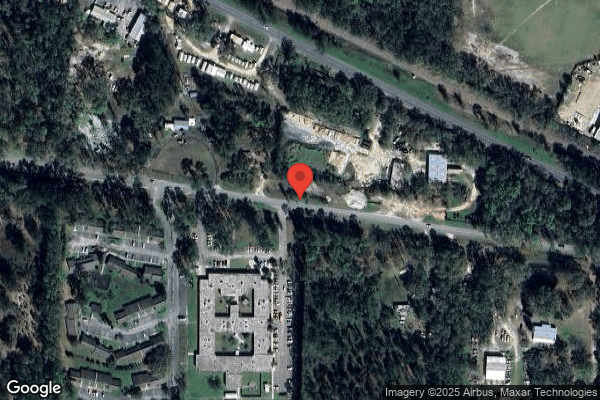
Apr 2022 3 deficiencies
CONCERN (D)

Potential for Harm - no one hurt, but risky conditions existed

Notification of Changes (Tag F0580)

Could have caused harm · This affected 1 resident

**NOTE- TERMS IN BRACKETS HAVE BEEN EDITED TO PROTECT CONFIDENTIALITY** Based on observation, interview, and record review the facility failed to ensure residents' representatives were notified of a c...

Read full inspector narrative →
**NOTE- TERMS IN BRACKETS HAVE BEEN EDITED TO PROTECT CONFIDENTIALITY** Based on observation, interview, and record review the facility failed to ensure residents' representatives were notified of a change in resident's condition in 1 of 2 residents reviewed for changes in condition, Resident #56 Findings: Review of the medical record indicated Resident #56 was admitted to the facility on [DATE] and had a hospitalization from 12/31/2021 through 1/7/2022. Diagnosis included anemia, hypertension, atrial fibrillation (an irregular heartbeat), heart failure (a chronic condition where the heart doesn't pump blood as well as it should), major depression, and dysphagia (difficulty swallowing foods or liquids). Review of Resident #56's vital signs document weights of 150.2 pounds on 1/12/2022, 141.4 pounds on 2/7/2022, 138 pounds on 3/22/2022, 135 pounds on 3/29/2022 a weight of 132 pounds on 4/8/2022 and a weigh of 131 pounds on 4/12/2022. Review of the nursing progress note dated 3/18/2022 read: [ Advanced Practice Registered Nurse's (APRN) name] saw [Resident #56's name] today and gave recommendations to increase Remeron to 7.5 mg by mouth twice a day secondary to poor appetite. This recommendation was approved by [APRN's name]. She had previously given orders for an increase in Ready care, lab work and ST (speech therapy) eval. [evaluation] Review of Resident #56's medical record did not provide for documentation the resident's representative/guardian was notified of the resident's weight loss of 19.8 pounds over a period of three months. On 4/20/2022 at 11:30 AM Staff H, Registered Nurse (RN) stated, I do not see any notification to her guardian in the medical record related to her weight loss. On 4/21/2022 at 12:45 AM the Director of Nursing stated, All changes in condition should have notification to the physician and the resident or resident's representative. Review of the policy and procedure titled, Change in a Resident's Condition or Status approval date 2/17/2022 read, Policy: The Center shall promptly notify the resident, his or her attending physician, and representative of changes in the resident's condition/status. Policy interpretation and implementation: 2. Unless otherwise instructed by the resident, the nurse supervisor will notify the resident's representative when: b. There is a significant change in the resident's physical, mental or psychological status.
CONCERN (E)

Potential for Harm - no one hurt, but risky conditions existed

Incontinence Care (Tag F0690)

Could have caused harm · This affected multiple residents

Based on observation, interview, and record review, the facility failed to ensure care and services were provided for an indwelling urinary catheter for 1 of 3 residents sampled for urinary indwelling...

Read full inspector narrative →
Based on observation, interview, and record review, the facility failed to ensure care and services were provided for an indwelling urinary catheter for 1 of 3 residents sampled for urinary indwelling catheter care, Resident #53. Findings: Observation on 4/18/2022 at 11:27 AM revealed Resident #53 is in bed, awake, alert, oriented to name, time, and place. The resident has an indwelling urinary catheter connected to a bedside drainage bag draining amber colored, cloudy urine. Interview with Resident #53 on 4/19/2022 at 12:49 PM the resident stated, They do not clean my catheter every shift. The aide cleaned my catheter when she gave me a bath this morning. I do not refuse catheter care, not at all. I do not want them to touch my things in my room. I also refuse to get out of bed, but I do not refuse the cleaning of my catheter. They only provide catheter care when they give me a bed bath, this is not every day, only if I get a bed bath. Review of the physician's order dated 11/18/2019 reads: Foley catheter care every shift. Foley catheter size 16 French to bedside drainage. Check for patency every shift and change prn [as needed]. Change Foley catheter PRN for leakage and blockage as needed for neurogenic bladder. Observation with Staff B, Certified Nursing Assistant (CNA) and Staff F, CNA on 4/20/2022 at 9:30 AM of catheter care for Resident #53 showed when Staff B exposed the perineal area, Resident #53's perineal area is excoriated. Interview with Staff B, CNA on 4/20/2022 at 9:35 AM she stated, It is obvious no one is doing catheter care, and the resident is upset about it. Review of the treatment administration record (TAR) from April 1, 2022 through April 20, 2022 for pages 1-4 revealed there is no documentation of Resident #53 having been provided Foley catheter care. Interview with the East Wing Unit Manager (UM) on 04/21/2022 at 9:22 AM the UM confirmed there is no documentation on the TAR of Resident #53 being provided Foley catheter care. Review of the CNA documentation flow sheet for the period of April 1, 2022 through April 20, 2022 revealed Resident #53 received a bed bath on 4/5/2022, 4/7/2022, 4/12/2022, 4/14/2022, 4/16/2022, 4/19/2022, and 4/20/2022. Review of the Minimum Data Set (MDS) for Resident #56 with an assessment reference date (ARD) of 2/13/2022 under Section C500 showed a Brief Interview for Mental Status (BIMS) score of 12 [cognitively intact]. Section G for toilet use and personal hygiene was coded 3/3 requiring extensive assistance of two person assist. Section H0100 revealed an indwelling catheter. Review of the care plan revised on 2/14/2022 read, Resident presents as alert and oriented to person, place, time, and situation with some occasional forgetfulness. She makes her needs known through clear speech. Page 12 of 21 of the care plan read, Resident has an indwelling Foley catheter and is at risk for infection due to presence of catheter related to Neurogenic bladder. Interventions include: 1. Assess for removal of catheter, remove when possible. Catheter and peri-care every shift and prn. Change catheter as ordered. Observe for signs and symptoms of urinary tract infection, elevated temperature, decreased urinary output, foul smelling urine, sediment or blood in urine. per family/resident choice. Observe for complications that may relate to incontinence status. Staff to offer routine toileting. Staff to provide incontinence care when episodes occur. On page 8 of 21 of the care plan it read, Resident is incontinent of bowel and has a Foley catheter in place for neurogenic bladder. Interventions include: Assist with toileting needs according to needs at the time. Keep clean, dry and odor free. May wear brief while in bed. Review of the policy and procedure titled, Urinary Catheter Care revised on November 2003 read: This procedure may involve potential/direct exposure to blood, body fluids, infectious diseases, air contaminants, and hazardous chemicals. Purpose: The purpose of this procedure is to prevent infection of the residents' urinary tract.
CONCERN (E)

Potential for Harm - no one hurt, but risky conditions existed

Respiratory Care (Tag F0695)

Could have caused harm · This affected multiple residents

**NOTE- TERMS IN BRACKETS HAVE BEEN EDITED TO PROTECT CONFIDENTIALITY** Based on observation, interview, and record review the facility failed to ensure residents receive respiratory care services to ...

Read full inspector narrative →
**NOTE- TERMS IN BRACKETS HAVE BEEN EDITED TO PROTECT CONFIDENTIALITY** Based on observation, interview, and record review the facility failed to ensure residents receive respiratory care services to include safe handling, cleaning, storge, and dispensing of oxygen, consistent with professional standards of practice for 6 of 8 sampled residents for respiratory care, Residents #2, #16, #50, #128, #231 and #431. Findings: 1. Review of Resident #2's medical record documented the resident was admitted to the facility on [DATE] with a diagnosis of acute on chronic respiratory failure (a condition where not enough oxygen travels from the lungs to the heart and other organs), chronic obstructive pulmonary disease (a group of diseases that cause airflow blockage and breathing-related problems), congestive heart failure(a chronic condition where the heart doesn't pump blood as well as it should), chronic atrial fibrillation (an irregular heartbeat), and anemia (lacking enough healthy red blood cells to carry adequate oxygen to your body's tissue). Review of the physician order dated 12/16/2021 read: Oxygen at 2l/min [liters per minute] via nasal cannula continuously every shift for SOB [shortness of breath]. On 4/18/2022 at 10:04 AM Resident #2 was observed in bed with oxygen being administered at 4 liters per minute via nasal cannula per an oxygen concentrator, with a humidification (water) bottle dated 4/13/2022 that was almost empty. On 4/19/22 at 7:05 AM Resident #2 was observed in bed with oxygen running at 4 liters via nasal cannula per an oxygen concentrator and the humidification bottle was empty. On 4/20/2022 at 8:20 AM during an interview Resident #2 stated, I am not able to reach the oxygen machine to change it, I have trouble rolling over. On 4/20/22 at 8:30 AM during an interview Staff A, Registered Nurse (RN) stated, I see the oxygen is at 4 liters. I don't know what it is supposed to be on. I will check the orders. On 4/20/22 at 8:40 AM during an interview Staff H, RN verified Resident #2's oxygen was on 4 liters and should not be and that the humidification bottled dated 4/13/22 was empty. 2. Review of Resident #16's medical record documented the resident was admitted to the facility on [DATE] with a diagnosis of chronic obstructive pulmonary disease (COPD), congestive heart failure, atrial flutter, and anemia. Review of the physician orders dated 5/14/2020 read: O2 [oxygen] at 2l/min liters per minute via nasal cannula continuously every shift for COPD [chronic obstructive pulmonary disease]. On 4/19/2022 at 9:56 AM Resident #16 was observed in bed with oxygen administered at 4 liters per minute via nasal cannula per an oxygen concentrator, with a humidification (water) bottle dated 4/13/2022 that was empty. On 4/20/22 at 8:52 AM Resident #16 was observed being administered oxygen at 4 liters per minute per an oxygen concentrator with the humidification bottle dated 4/13/2022 that was empty. On 4/20/2022 at 8:53 AM during an interview Staff A, Registered Nurse (RN) stated, I see that the concentrator is set at 4 liters. I really don't know what his rate is supposed to be. I will check the orders. On 4/20/22 at 8:55 AM during an interview Staff H, RN verified the oxygen concentrator was administering oxygen to the resident at 4 liters per minute via nasal cannula and the humidification bottle was empty. On 4/20/2022 at 8:55 AM during an interview Staff H, RN stated, I expect that nurses will verify oxygen settings at least once in the shift and change the humidification bottles when empty. Review of the policy and procedure titled, Oxygen Safety with an approval date of 2/17/2022 read: Purpose: The purpose of this procedure is to provide general information concerning oxygen safety and to promote safety precautions during oxygen administration. Oxygen Administration: 1. Oxygen therapy is administered to a resident only upon the written order of a licensed physician. Oxygen in use: 4. The humidifying jar should be used for O2 delivery> 2lm [greater than 2 liters per minute] or unless otherwise ordered. 5. Maintain the water level in the jar high enough so that the water bubbles as the oxygen goes through. 6. All gauges and cylinders must be inspected before oxygen is turned on to assure that they are in proper working order and are properly fitted. 3. Review of Resident #128's medical record documented the resident has diagnosis to include, pneumonia, chronic obstructive pulmonary disease (COPD), chronic kidney disease, and atrial fibrillation (an irregular heartbeat). Review of the physician orders dated 4/12/22 read, Ipratropium albuterol solution 0.5/2.5 (3) 3 mg [milligrams]/3 ml [milliliters] 1 vial inhale orally every 8 hours for wheezing. On 4/19/2022 at 8:12 AM Resident #128's passive nebulizer (a breathing machine used to inhale medication to clear your airways or to treat infections) was observed laying on the nightstand, uncovered. On 4/20/2022 at 7:21 AM Resident #128's passive nebulizer was observed laying on the nightstand uncovered. During an interview on 4/20/2022 at 1:08 PM Staff A, Registered Nurse (RN) stated, After medication administration, the respiratory equipment should be cleaned and placed in a plastic bag. During an interview on 4/20/22 at 1:18 PM Resident #128 stated, They give my treatment and never come back to do anything with the nebulizer, so I have to put it on the bed or the nightstand. Policy and Procedure titled Cleaning and servicing Nebulizers approval date of 2/17/2022 read: Procedure guidelines: Cleaning guidelines for the mouthpiece: 1. Rinse with hot water and allow to air dry on a paper towel before storage. 2. Store in approved containers between uses. 3. Replace tubing/mouthpiece weekly and as needed. 4. Review of Resident #50's medical record documented the resident was admitted to the facility on [DATE] with diagnosis to include pneumonia due to Corona Virus Disease 2019 (COVID-19), personal history of COVID and acute respiratory failure with hypoxia [a condition where you don't have enough oxygen in your blood, but your levels of carbon dioxide are close to normal]. On 4/18/22 at 9:46 AM Resident #50 is observed sitting up in bed. There is a plastic bag observed laying on top of the oxygen concentrator that is dated 3/8/22. The resident is observed to be without oxygen (O2). The oxygen concentrator is next to the resident's bed and does not have tubing connected for the delivery of oxygen. (Photographic evidence obtained). On 4/19/22 at 8:30 AM Resident #50 is observed sitting up in bed eating breakfast. The resident is not being administered oxygen. On 4/19/22 at 2:48 PM Resident #50 is observed sitting up in bed. The resident is not being administered oxygen. Review of Resident #50's physician orders dated 2/3/22 read, Oxygen @ [at] 4 liters per minute via nasal cannula continuously. On 4/19/22 at 3:45 PM during an interview Staff G, Unit Manager stated the order should be change to PRN (as needed), Resident #50 has been on room air. Staff G, stated, We should call the physician and have the order changed to PRN. 5. Review of Resident #431's medical record documented the resident was admitted to the facility on [DATE] with diagnosis to include sleep apnea [potentially serious sleep disorder in which breathing repeatedly stops and starts], pulmonary embolism [a blood clot that travels to a lung artery] without acute COR [pulmonary heart] Pulmonale [a condition that causes the right side of the heart to fail] and pleural effusion [buildup of fluid between the layers of tissue that line the lungs and chest cavity]. On 4/18/22 at 9:51 AM Resident #431 is observed in bed with his eyes closed and breathing through his mouth. The resident did not respond when his name was called. A continuous positive airway pressure (CPAP) mask is observed on the floor next to the resident's urinal. (Photographic evidence obtained) On 4/19/22 at 8:49 AM Resident #431 is observed in bed with his eyes closed and breathing through his mouth. The CPAP mask is observed resting on the bedside table uncovered. Review of the physician's orders for Resident #431 revealed no orders for use of a CPAP in the computer on the medication and/or treatment record or in the resident's paper chart. Review of the Food and Drug Administration (FDA) read, In the US [United States] CPAP devices are a Class II medical device with possible risks .working with a healthcare provider to start and maintain CPAP therapy is crucial. Diagnosing and treating sleep apnea can be challenging. To be successful with CPAP therapy, you will need the expertise and support of clinicians. During an interview conducted on 4/18/22 at 1:49 PM Resident #431 stated he uses his CPAP machine religiously each night. During an interview conducted on 4/19/22 at 3:33 PM with the Assistant Director of Nursing (ADON) an observation was made of Resident #431's room. The ADON verified there was a CPAP machine at bedside. The ADON pulled up the physician orders for Resident #431 and stated, There are no orders for Resident #431 to use a CPAP machine. 6. An observation on 04/18/22 at 10:19 AM showed resident #231 has a trachea [a part of your airway system] and oxygen was being administered via trachea at 5 liters per minute. An observation on 4/19/2022 at 1:45 PM of Resident #231's respiratory equipment showed the respiratory equipment (concentrator) attached to her tracheostomy tubing, this supplies oxygen to her trachea, was not plugged into the emergency power. During an interview on 04/19/2022 at 3:16 PM the Director of Maintenance Staff stated, Each room in the facility, especially the resident care area, should have an emergency red plug or an E-Plug. The facility has not been able to identify which rooms have emergency power unless the power goes out and we are on generator power. I have worked here since 2003 and this is how it has always been. Emergency plugs are red in color. The oxygen concentrator machine does not require an emergency red plug. The nursing staff would be better able to answer the question of if the tracheostomy equipment needs to be plugged into emergency power. The Director of Maintenance stated, I do not see a red plug at all in this room. Sometimes the light fixture has a red plug, but it is not here. During an interview on 04/19/2022 at 3:35 PM with Staff G Licensed Practical Nurse LPN, she stated, Residents that are receiving tracheostomy care or have ventilator care equipment are supposed to be plugged into emergency power outlets, in the event the power goes out. During an observation on 04/19/2022 at approximately 4:45 PM with the Unit Manager in Resident #231's room the Unit Manager stated, I do not see a red emergency plug in this resident's room.
Understanding Severity Codes (click to expand)
Life-Threatening (Immediate Jeopardy)
J - Isolated K - Pattern L - Widespread
Actual Harm
G - Isolated H - Pattern I - Widespread
Potential for Harm
D - Isolated E - Pattern F - Widespread
No Harm (Minor)
A - Isolated B - Pattern C - Widespread

Questions to Ask on Your Visit

  • "What changes have you made since the serious inspection findings?"
  • "Why is there high staff turnover? How do you retain staff?"
  • "Can I speak with families of current residents?"
  • "What's your RN coverage like on weekends and overnight?"

Our Honest Assessment

Strengths
  • • Licensed and certified facility. Meets minimum state requirements.
Concerns
  • • Multiple safety concerns identified: 3 life-threatening violation(s), $26,657 in fines. Review inspection reports carefully.
  • • 29 deficiencies on record, including 3 critical (life-threatening) violations. These warrant careful review before choosing this facility.
  • • $26,657 in fines. Higher than 94% of Florida facilities, suggesting repeated compliance issues.
  • • Grade F (4/100). Below average facility with significant concerns.
Bottom line: This facility has 3 Immediate Jeopardy findings. Serious concerns require careful evaluation.

About This Facility

What is Live Oak Healthcare And Rehabilitation Center's CMS Rating?

CMS assigns LIVE OAK HEALTHCARE AND REHABILITATION CENTER an overall rating of 2 out of 5 stars, which is considered below average nationally. Within Florida, this rating places the facility higher than 0% of the state's 100 nursing homes. A rating at this level reflects concerns identified through health inspections, staffing assessments, or quality measures that families should carefully consider.

How is Live Oak Healthcare And Rehabilitation Center Staffed?

CMS rates LIVE OAK HEALTHCARE AND REHABILITATION CENTER's staffing level at 2 out of 5 stars, which is below average compared to other nursing homes. Staff turnover is 64%, which is 18 percentage points above the Florida average of 46%. High turnover can affect care consistency as new staff learn residents' individual needs. RN turnover specifically is 80%, which is notably high. RNs provide skilled clinical oversight, so turnover in this role can affect medical care quality.

What Have Inspectors Found at Live Oak Healthcare And Rehabilitation Center?

State health inspectors documented 29 deficiencies at LIVE OAK HEALTHCARE AND REHABILITATION CENTER during 2022 to 2025. These included: 3 Immediate Jeopardy (the most serious level, indicating potential for serious harm or death) and 26 with potential for harm. Immediate Jeopardy findings are rare and represent the most serious regulatory concerns. They require immediate corrective action.

Who Owns and Operates Live Oak Healthcare And Rehabilitation Center?

LIVE OAK HEALTHCARE AND REHABILITATION CENTER is owned by a for-profit company. For-profit facilities operate as businesses with obligations to shareholders or private owners. The facility is operated by EXCELSIOR CARE GROUP, a chain that manages multiple nursing homes. With 180 certified beds and approximately 145 residents (about 81% occupancy), it is a mid-sized facility located in LIVE OAK, Florida.

How Does Live Oak Healthcare And Rehabilitation Center Compare to Other Florida Nursing Homes?

Compared to the 100 nursing homes in Florida, LIVE OAK HEALTHCARE AND REHABILITATION CENTER's overall rating (2 stars) is below the state average of 3.2, staff turnover (64%) is significantly higher than the state average of 46%, and health inspection rating (2 stars) is below the national benchmark.

What Should Families Ask When Visiting Live Oak Healthcare And Rehabilitation Center?

Based on this facility's data, families visiting should ask: "What changes have been made since the serious inspection findings, and how are you preventing similar issues?" "How do you ensure continuity of care given staff turnover, and what is your staff retention strategy?" "Can you walk me through typical staffing levels on day, evening, and night shifts?" "Can I visit during a mealtime to observe dining assistance and food quality?" These questions are particularly relevant given the facility's Immediate Jeopardy citations, the facility's high staff turnover rate, and the below-average staffing rating.

Is Live Oak Healthcare And Rehabilitation Center Safe?

Based on CMS inspection data, LIVE OAK HEALTHCARE AND REHABILITATION CENTER has documented safety concerns. Inspectors have issued 3 Immediate Jeopardy citations (the most serious violation level indicating risk of serious injury or death). The facility has a 2-star overall rating and ranks #100 of 100 nursing homes in Florida. Families considering this facility should ask detailed questions about what corrective actions have been taken since these incidents.

Do Nurses at Live Oak Healthcare And Rehabilitation Center Stick Around?

Staff turnover at LIVE OAK HEALTHCARE AND REHABILITATION CENTER is high. At 64%, the facility is 18 percentage points above the Florida average of 46%. Registered Nurse turnover is particularly concerning at 80%. RNs handle complex medical decisions and coordinate care — frequent RN changes can directly impact care quality. High turnover means new staff may not know residents' individual needs, medications, or preferences. It can also be disorienting for residents, especially those with dementia who rely on familiar faces. Families should ask: What is causing the turnover? What retention programs are in place? How do you ensure care continuity during staff transitions?

Was Live Oak Healthcare And Rehabilitation Center Ever Fined?

LIVE OAK HEALTHCARE AND REHABILITATION CENTER has been fined $26,657 across 5 penalty actions. This is below the Florida average of $33,345. While any fine indicates a compliance issue, fines under $50,000 are relatively common and typically reflect isolated problems that were subsequently corrected. Families should ask what specific issues led to these fines and confirm they've been resolved.

Is Live Oak Healthcare And Rehabilitation Center on Any Federal Watch List?

LIVE OAK HEALTHCARE AND REHABILITATION CENTER is not on any federal watch list. The most significant is the Special Focus Facility (SFF) program, which identifies the bottom 1% of nursing homes nationally based on persistent, serious quality problems. Not being on this list means the facility has avoided the pattern of deficiencies that triggers enhanced federal oversight. This is a positive indicator, though families should still review the facility's inspection history directly.