SANDY RIDGE CENTER FOR REHABILITATION AND HEALING
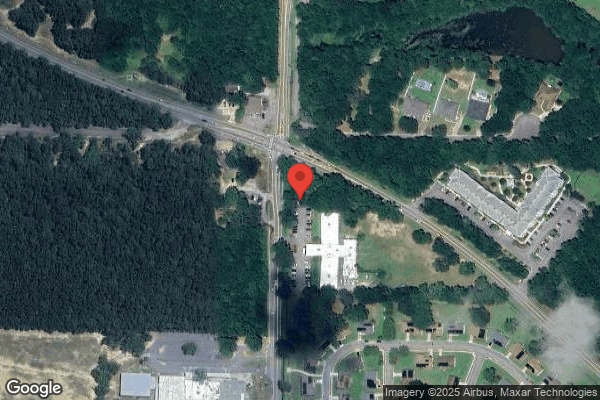

5360 GLOVER LANE, MILTON, FL 32570 (850) 626-9225
For profit - Corporation 60 Beds INFINITE CARE Data: November 2025 1 Immediate Jeopardy citation
Trust Grade
66/100
#272 of 690 in FL
Last Inspection: May 2025

Inspected within the last 6 months. Data reflects current conditions.

Overview

Sandy Ridge Center for Rehabilitation and Healing has a Trust Grade of C+, which means it is slightly above average but not exceptional. It ranks #272 out of 690 facilities in Florida, placing it in the top half, and #3 out of 4 in Santa Rosa County, indicating only one local option is better. The facility is improving, having reduced issues from four in 2024 to none in 2025. Staffing is rated average with a 3/5 star rating and a turnover rate of 50%, which is on par with the state average. However, the facility has concerning fines totaling $14,521, which are higher than 75% of Florida facilities, suggesting compliance issues. On the positive side, Sandy Ridge has good RN coverage and an overall rating of 4/5 stars for health inspections and quality measures. However, there are critical areas of concern, including a failure to initiate CPR for a resident who had no respirations or heartbeat, and issues with care planning for residents on unnecessary medications, as well as a lack of procedures to prevent pressure ulcers for one resident who developed a bed sore. These incidents highlight significant weaknesses that prospective residents and their families should consider.

Trust Score
C+
66/100
In Florida
#272/690
Top 39%
Safety Record
High Risk
Review needed
Inspections
Getting Better
4 → 0 violations
Staff Stability
⚠ Watch
50% turnover. Above average. Higher turnover means staff may not know residents' routines.
Penalties
✓ Good
$14,521 in fines. Lower than most Florida facilities. Relatively clean record.
Skilled Nurses
✓ Good
Each resident gets 44 minutes of Registered Nurse (RN) attention daily — more than average for Florida. RNs are trained to catch health problems early.
Violations
○ Average
6 deficiencies on record. Average for a facility this size. Mostly minor or procedural issues.
★★★★☆
4.0
Overall Rating
★★★☆☆
3.0
Staff Levels
★★★★☆
4.0
Care Quality
★★★★☆
4.0
Inspection Score
Stable
2024: 4 issues
2025: 0 issues

The Good

  • 4-Star Quality Measures · Strong clinical quality outcomes
  • Full Sprinkler Coverage · Fire safety systems throughout facility
  • No fines on record

Facility shows strength in quality measures, fire safety.

The Bad

Staff Turnover: 50%

Near Florida avg (46%)

Higher turnover may affect care consistency

Federal Fines: $14,521

Below median ($33,413)

Minor penalties assessed

Chain: INFINITE CARE

Part of a multi-facility chain

Ask about local staffing decisions and management

The Ugly 6 deficiencies on record

1 life-threatening
Apr 2024 4 deficiencies
CONCERN (D)

Potential for Harm - no one hurt, but risky conditions existed

Comprehensive Care Plan (Tag F0656)

Could have caused harm · This affected 1 resident

**NOTE- TERMS IN BRACKETS HAVE BEEN EDITED TO PROTECT CONFIDENTIALITY** Base on staff interview and record reviews, the facility failed to develop care plans for 2 of 5 residents sampled for unnecessa...

Read full inspector narrative →
**NOTE- TERMS IN BRACKETS HAVE BEEN EDITED TO PROTECT CONFIDENTIALITY** Base on staff interview and record reviews, the facility failed to develop care plans for 2 of 5 residents sampled for unnecessary medications, Resident #7 and 41. The findings include: Resident # 41 Electronic Medical record review reveals resident #41 was re-admitted to the facility on [DATE] with a previous admission in October 2023. Medical diagnosis and history include Cerebral infarction (stroke), type 2 diabetes and chronic Atrial Fibrillation (AFIB-an irregular heartbeat). admission orders revealed resident receiving Insulin Glargine and Insulin Lispro (injectable medications used to lower blood glucose levels) for type 2 diabetes. Resident is also receiving Eliquis (a blood thinner used to prevent blood clots). A review of the initial care plan, dated 1/25/2024 for resident #41 did not include a care plan for Diabetes or use of an Anticoagulant. On 04/03/24 at approximately 12:35 PM an interview with the care plan coordinator, registered nurse, who indicated that the resident should have a care plan for anticoagulants, if taking one, and a diabetic care plan if the resident is diabetic. The care plan coordinator confirmed resident #41 care plan did not include being diabetic or use of an anticoagulant. The care plan coordinator further stated, she would add these care plans. On 04/03/2024 at approximately 2:49 PM in an interview was conducted with the director of nursing (DON) and the regional nursing director. The surveyor asked, is a care plan for Diabetes and anticoagulant use expected when a resident is receiving medications for diabetes and an anticoagulant? DON indicated, yes, a care plan is expected for both. The DON confirmed care plans for anticoagulant use and diabetes were not present for resident #41. Resident #7 On 4/2/24 a record review was conducted for resident #7 who had diagnoses of Diabetes Type II (non-insulin dependent), Anxiety disorder, atrial fibrillation (heart dysrhythmia), depression, altered mental status, and hypertension (high blood pressure). Resident #7 was prescribed the following medications: Eliquis (a medication used to thin blood and prevent blood clots), Prozac (a drug used for depression), Trazadone (a drug used for depression and trouble sleeping), Ozempic (a drug used to lower blood sugar), Glipizide (a drug used to lower blood sugar), Tresiba (a drug used to lower blood sugar), Lasix (a drug used to excrete excess fluid), and Ativan (a drug used for anxiety). A review of resident #7's care plan dated 4/2/24 revealed the resident did not have care plans addressing medication monitoring and side effects. On 4/2/24 at approximately 1:09 PM, an interview was conducted with the Director of Nursing (DON) regarding care plans for resident #7. The DON indicated they have had recent issues with the care plans not being adequate and the facility is working on the problem. The DON indicated the facility has hired a new coordinator for the development of care plans.
CONCERN (D)

Potential for Harm - no one hurt, but risky conditions existed

Pressure Ulcer Prevention (Tag F0686)

Could have caused harm · This affected 1 resident

**NOTE- TERMS IN BRACKETS HAVE BEEN EDITED TO PROTECT CONFIDENTIALITY** Based on observation, resident interview, staff interview, and clinical record review, the facility failed to develop and implem...

Read full inspector narrative →
**NOTE- TERMS IN BRACKETS HAVE BEEN EDITED TO PROTECT CONFIDENTIALITY** Based on observation, resident interview, staff interview, and clinical record review, the facility failed to develop and implement a process regarding turning and repositioning to prevent the development of pressure ulcers for 1 of 3 residents sampled for facility acquired pressure ulcers, resident #49. The findings include: On 4/1/2024 at 2:02 PM an interview was conducted with resident #49. Resident #49 indicated he had a bed sore on his bottom for which he was receiving wound care every day. The resident indicated he was dependent upon staff for mobility, and was unable to turn or reposition himself when he arrived at the facility back in February. The resident indicated he does not recall any staff turning or repositioning him in bed or a chair during the time he was unable to reposition or turn himself. The resident indicated the facility ordered an air mattress for him after he developed a pressure ulcer. On 4/3/2024 at 9:45 AM a wound care observation was made of resident #49 with Registered Nurse A (RN A, Wound Care Nurse). The wound was observed to be an oval size stage 2 (an open wound affecting both the top and bottom layers of the skin) pressure ulcer of the coccyx (tailbone) area with a small amount of granulated tissue in the center of the wound. The wound appeared to be the circumference of a half dollar. On 4/3/2024 at 9:58 AM an interview was conducted with RN A immediately following the wound care observation. RN A was asked if she thought the residents are being turned and repositioned often enough to prevent and heal pressure ulcers. RN A indicated the Certified Nursing Assistants (CNAs) have gotten better about repositioning the residents, but there needs to be a system in place to remind the CNAs to turn and reposition the residents to promote healing of pressure ulcers and prevent pressure ulcers. RN A confirmed the pressure ulcer was facility acquired (developed after admission to the facility) On 4/3/2024 at 1:26 PM a telephone interview was conducted with Advanced Practice Registered Nurse (APRN) C regarding facility acquired pressure wounds and Resident #49. APRN C indicated she was routinely treating and assessing resident #49's wound. APRN C indicated she educates the staff and residents regarding offloading pressure wounds, changing positions, pressure relief and wound care in general. APRN C indicated she was not aware if the facility has a policy for turning and repositioning immobile dependent residents. On 4/3/2024 a medical record review was conducted for resident #49. The record review revealed resident #49 was admitted to the facility on [DATE] with diagnoses to include MRSA (Methicillin-resistant Staphylococcus aureus), Sepsis (blood poisoning), acute respiratory failure, exacerbation of Chronic obstructive pulmonary disease (COPD), malnutrition, Discitis of thoracic region (a rare but serious infection of the discs that cushion the spine's vertebrae), and limited mobility. The resident's admission history, initial comprehensive assessment and Minimum Data Set Assessment section M dated 2/20/24 were reviewed and revealed the resident did not have a coccyx pressure ulcer upon admission to the facility on 2/16/2024. A review of resident #49's progress notes indicate the coccyx wound was discovered on 2/25/2024, 9 days after admission to the facility on 2/16/2024. A review of resident #49's physician orders indicated resident #49 had current wound care ordered for the coccyx pressure ulcer. The Baseline Plan of Care dated 2/16/24 indicated resident #49 was at risk for skin breakdown. Interventions marked with a check mark included inspecting the skin daily and food and fluid to promote nutrition. The section stating encourage, remind, assist in position change regularly and frequently was not checked, and nothing was circled to indicate level of assistance needed. The Activities of Daily living indicated that Resident #49 required extensive assistance with bathing, dressing, grooming and toileting. The Braden Scale (pressure ulcer risk assessment) dated 2/16/24 indicated Resident #49 was scored at 16 indicating At Risk for skin breakdown. The form indicated that resident #49 has probably inadequate nutrition, had very limited mobility, was chairfast and had a potential problem with friction and shear.
CONCERN (D)

Potential for Harm - no one hurt, but risky conditions existed

Medication Errors (Tag F0758)

Could have caused harm · This affected 1 resident

Based on staff interviews, record review and policy review, the facility failed to ensure resident's are free from unnecessary psychotropic (medications that affect behaviors) medications for 1 of 5 r...

Read full inspector narrative →
Based on staff interviews, record review and policy review, the facility failed to ensure resident's are free from unnecessary psychotropic (medications that affect behaviors) medications for 1 of 5 residents sampled for unnecessary medications. (Resident # 28). The findings include: A review was conducted of the Electronic Medical Record for resident #28, which revealed an order for Lorazepam Oral tablet (a medication used to treat anxiety) 1 milligram (MG) tablet twice a day as needed for anxiety dated 3/20/24. Further review of the medication order revealed no stop date for the medication. On 4/3/24 at approximately 1:37 PM, an interview was conducted with the Director of Nursing (DON) who confirmed that the order for Lorazepam for resident #28 had no stop date. The DON indicated that it is her expectation for all 'as needed' psychotropic medications to have a 14 day stop date at which time the physician should review the medication for continuation or discontinue and document the reasoning for the decision. Review of facility policy titled Pharmacy services: Psychoactive meds revealed: In accordance with State and Federal Guidelines, revised regulation §483.45(e) Psychotropic Drugs which states that based on a comprehensive assessment of a resident, the facility must ensure that: -Residents who have not used psychotropic drugs are not given these drugs unless the medication is necessary to treat a specific condition as diagnosed and documented in the clinical record. -Residents who use psychotropic drugs receive gradual dose reductions, and behavioral interventions, unless clinically contraindicated. -Residents do not receive PRN psychotropic drugs unless that medication is necessary to treat a diagnosed specific condition that is documented in the clinical record. -PRN (as needed) orders for psychotropic drugs are limited to 14 days, except when the attending physician or prescribing practitioner believes that it is appropriate for the PRN order to be extended beyond 14 days. Then he or she should document the rationale in the resident's medical record and indicate the duration for the PRN order.
CONCERN (D)

Potential for Harm - no one hurt, but risky conditions existed

Infection Control (Tag F0880)

Could have caused harm · This affected 1 resident

**NOTE- TERMS IN BRACKETS HAVE BEEN EDITED TO PROTECT CONFIDENTIALITY** Resident #252 On 04/01/24 at 03:04 PM an observation of Resident #252 room was conducted. The nebulizer machine and mask are obs...

Read full inspector narrative →
**NOTE- TERMS IN BRACKETS HAVE BEEN EDITED TO PROTECT CONFIDENTIALITY** Resident #252 On 04/01/24 at 03:04 PM an observation of Resident #252 room was conducted. The nebulizer machine and mask are observed sitting on the nightstand, mask is not inside a plastic bag. On 04/02/24 at 10:01 AM The nebulizer machine and mask are seen sitting on nightstand in the room of resident #252, they are not covered with plastic bag. On 04/02/24 at 02:35 PM an observation of the room of resident #252 was conducted. The nebulizer machine and mask are seen on the nightstand, not in plastic bag. On 04/03/24 at 09:04 AM Resident #252 is observed lying in bed, nebulizer machine and mask are seen on the nightstand, not in plastic bag. (Photographic evidence obtained). On 04/03/24 at approximately 11:01 AM an interview conducted with Staff (G), a Registered nurse (RN), indicated that the nebulizer mask should be covered in a plastic bag when not in use. The RN acknowledged that this nebulizer mask has not been in a plastic bag. On 04/03/2024 at approximately 2:49 PM an interview was conducted with the Director of Nursing (DON) and regional nursing director. The surveyor asked, what is the policy for storage of respiratory equipment such as nebulizer masks while not in use? The DON indicated, this equipment should be stored in a bag while not in use. Resident #202 On 4/1/2024 at 1:20 PM during the initial pool process an observation was made of resident #202's room. A nebulizer mask was observed on the resident's bedside table. On 4/2/2024 at 9:38 AM an observation was made of resident #202's room. A nebulizer mask was observed on the resident's bedside table with tubing connected to the nebulizer machine. On 4/2/2024 at 12:44 PM an interview was conducted with resident #202 who is alert and oriented regarding the nebulizer mask. The resident indicated when his nebulizer treatment is complete, he places the mask on the bedside table. The resident indicated he has not seen the staff place the nebulizer mask in a bag. The resident indicated the nebulizer mask always stays out on his bedside table. On 4/3/2024 at 11:35 AM an interview was conducted with Infection Preventionist regarding the storage of nebulizer masks when not in use. The Infection Preventionist indicated the nebulizer mask should be placed in a plastic bag after each use and stored in the plastic bag until the next use. Based on observation, staff interview, resident interview and policy review, the facility failed to demonstrate a water management plan had been implemented for the prevention and surveillance of legionella (a water born virus). The facility failed to follow infection control practices for 2 of 55 residents observed during initial tour for nebulizer equipment (machine that provides breathing treatments for respiratory compromised residents), Resident #202 and #252. The findings include: On 4/3/24 at approximately 3:45 PM, an interview was conducted with the Maintenance Director concerning the water management plan. The Maintenance Director indicated that he did not have a book for monitoring for legionella, or any water temperature monitoring completed weekly for this year per facility plan. The Maintenance Director went on to state that he has gotten behind due to being the only maintenance worker for the building. On 4/3/24 at approximately 4:00 PM, an interview was conducted with the Administrator, who indicated that the monitoring for legionella in his experience has always been completed by the Maintenance director and kept with the emergency preparedness plan for testing annually. Stated he was not sure when the last time the facility was tested but would see what he could find. On 4/3/24 at approximately 4:30 PM a follow up interview was conducted with the Administrator, who indicated he was unable to find the last test for legionella for the facility and had attempted to contact his predecessor to see if it was located somewhere he was not aware of and has not received a reply at this time. Review of the facility policy titled: Administrators-Water Management Plan revealed: A water management plan will be implemented to identify and manage conditions that support the growth and spread of legionella. The plan includes a facility risk assessment along with control measures and monitoring. Legionella is found naturally in [NAME] environments, like lakes and streams but generally the low amounts in [NAME] do not lead to disease. Legionella can become a health problem in building water systems. To pose a health risk, legionella first has to grow and has to be aerosolized so that people breathe in small, contaminated water droplets. Procedure: A. A team will be formed to coordinate activities for the water management effort. B. The team will describe the facility water system. C. The team will conduct facility risk assessments. D. Control measures will be implemented and monitored
May 2023 1 deficiency 1 IJ
CRITICAL (J) 📢 Someone Reported This

A family member, employee, or ombudsman was alarmed enough to file a formal complaint

Immediate Jeopardy (IJ) - the most serious Medicare violation

Deficiency F0678 (Tag F0678)

Someone could have died · This affected 1 resident

**NOTE- TERMS IN BRACKETS HAVE BEEN EDITED TO PROTECT CONFIDENTIALITY** Based on staff interviews, record review, policy review, and review of the facility corrective action plan, the facility failed ...

Read full inspector narrative →
**NOTE- TERMS IN BRACKETS HAVE BEEN EDITED TO PROTECT CONFIDENTIALITY** Based on staff interviews, record review, policy review, and review of the facility corrective action plan, the facility failed to initiate basic life support including Cardio-Pulmonary Resuscitation (CPR) for 1 of 3 residents sampled for Advanced Directives (#1). The facility failed to commence CPR after finding resident #1 in bed without respirations and heartbeat. The facility failure to initiate CPR led to a determination of Immediate Jeopardy at a scope and severity of isolated, (J). The Director of Nursing (DON) and the Nursing Home Administrator were informed of the Immediate Jeopardy on [DATE] at 2:45 PM. The Immediate Jeopardy began on [DATE] at approximately 5:30 AM and was corrected on [DATE] after verification of compliance achievement. The findings include: A review of the facility investigation dated [DATE] found that Licensed Practical Nurse D (LPN D) failed to honor Resident #1's Advanced Directives. On the early morning of [DATE] at approximately at 5:30 AM, Certified Nursing Assistant A (CNA A) entered the room of Resident #1 to get her up for breakfast and found the resident unable to arouse. CNA A immediately informed the nurse, LPN D, who entered the room and found Resident #1 to be without heartbeat or respirations. LPN D then asked a second nurse, LPN C, to verify her findings. LPN D made three attempts to notify the family of the change in condition and post-mortem care was provided. LPN D did not initiate basic life support to include cardiopulmonary resuscitation (CPR) nor did she contact Emergency Medical Services (EMS), the physician, the administrator, or the Director of Nursing (DON). A review of the medical record for Resident #1 found that Resident #1 was admitted in early 2021 and expired at facility on [DATE]. Resident #1 had diagnoses which included cerebral infarction (stroke), type 2 diabetes mellitus (condition involving the way the body regulates and utilizes sugar and insulin), dementia with severe agitation, major depressive disorder, generalized anxiety, dependence of supplemental oxygen and hypertension (high blood pressure). A review of the Advanced Care Planning Discussion/Review form for Resident #1 dated [DATE] found the Resident Physician Ordered Code Status to be Full Code (basic life support including CPR should be initiated in case of death). On [DATE] at approximately 2:22 PM, an interview was conducted with Registered Nurse B (RN B), who stated she arrived at facility at approximately 7:10 AM on [DATE]. Upon arrival, the person at the front desk (CNA F) made her aware that Resident #1 had died. RN B found LPN D and inquired about Resident #1. LPN D informed her that Resident #1 had died. RN B stated she asked LPN D if she performed CPR, and LPN D replied, no. RN B stated that LPN D denied calling EMS, the DON or the Administrator. RN B stated when she asked LPN D if she was aware that Resident #1 was a full code, LPN D replied, I did not check. RN B stated that upon assessment she found Resident #1 pale, cold, stiff, mouth open, and eyes closed. RN B stated she called 911 per facility protocol for an unresponsive resident with a full cardiovascular code status. On [DATE] at approximately 2:44 PM, an interview was conducted with CNA A who stated she was rounding (going room to room) with CNA E, and they entered Resident #1's room together and found Resident #1 laying on her back holding her doll that her husband had brought her. Her face looked a little greyish and she was unresponsive, cold, and not breathing. CNA A reported that she instructed CNA E to go get the nurse while she (CNA A) remained at bedside. CNA E immediately returned to the room with LPN D who checked for pulses and stated the resident had no pulses and that the resident was dead. CNA A further stated 911 was not called and there were no cardiovascular compressions provided to Resident #1. CNA A stated she and CNA E cleaned Resident #1 to get her ready for her husband. She looked like she was at peace. On [DATE] at approximately 10:51 AM, an interview was conducted with LPN D who stated that she is sad and she feels for the family. She stated that she wanted to apologize and was not aware Resident #1 was a full code. LPN D stated that CNA E came to get her around 5:25 AM to 5:30 AM, and informed her Resident #1 was unresponsive. LPN D stated she checked her pulses and listened with the stethoscope, and she was gone. LPN D stated she had last seen Resident #1 at about 4:13 AM when she checked the resident's oxygen saturation. On [DATE] at approximately 3:03 PM, an interview was conducted with LPN C who stated that she was at the nurse's station getting ready to pass morning medications when CNA A stepped out of Resident #1's room and stated that Resident #1 was gone. LPN C stated that LPN D borrowed her stethoscope, checked the resident and then returned to the nurses' station and asked her to also check Resident #1. LPN C stated she checked Resident #1 and found no heartbeat. Resident #1 was still warm, but her fingers were a little blue. She looked peaceful. During a clarification interview on [DATE] at approximately 11:31 AM, LPN C stated she checked Resident #1 around 5:45 AM. LPN C stated she checked the resident's wrists and neck and found no pulses, then put a stethoscope on her chest, but could not hear respirations or a heartbeat. On [DATE] at approximately 11:00 AM, an interview was conducted with the DON, Risk Manager and Administrator about the incident, facility response and facility policies. The DON stated LPN D indicated that she assumed the resident had a DNR (do not resuscitate) order because she recalled previously seeing a goldenrod paper in her chart. Upon investigation, there were no goldenrod colored papers in the resident's record, but the chart did contain a dark gold colored section divider. These have since been removed. The resident's husband visits daily, and had not reported any condition changes the evening before. Staff had seen Resident #1 around 4:30 AM with no changes in condition. At approximatley 5:30 AM, 2 CNAs tried to arouse her and immediately called out for the nurse because she wasn't responding. The Administrator and DON immediately drove to the facility. The staff reported that the first thing they did was to obtain witness statements and initiate a PIP (performance improvement plan). They suspended both nurses and LPN D will be terminated and reported to the Florida licensure board. Abuse Registry and law enforcement (LE) were both notified and LE came on site. The team reported that after they started looking at every resident's code status to ensure it was correct and a corresponding goldenrod DNR paper was included in the file as indicated. They reported auditing all nurses' training records for CPR status and found that everyone was certified. The team then started conducting Mock Cold Blue drills every shift beginning on [DATE] with plans to continue until 100% staff are all retrained. The team reported that the facility does not allow CNAs to perform CPR, but there is always a nurse nearby who can start immediately. The staff that night included 2 nurses and 4 CNAs. The team reported that LPN D was devastated about what happened. The facility policy is to start CPR until the resident's status is verified. All staff have all been educated to go and grab that CPR/DNR book immediately and we are drilling in on the importance of verifying and double checking the residents code status. The Social Services Director is responsible for updating the code status of each resident, and coordinating the DNRs with the physicians. Review of facility policy Nursing-Emergency Care (CPR), undated, was conducted. The policy instructed: In the event of a medical emergency, the facility will notify the attending physician and/or call 911 according to the resident's advance directives. The policy further stated: In the absence of a Do-Not-Resuscitate (DNR) order or for those residents who do not have a valid DNR order, CPR must begin. Review of facility's Licensed Practical Nurse (LPN) position description was conducted. The LPN's essential functions included to initiate emergency support measures (i.e. CPR). The facility provided a corrective action plan to the survey team upon entrance on [DATE]. The facility's corrective measures included the following: -A review of the facility's investigation and interview with the Administrator and DON found that the Administrator, DON, and Risk Manager (RM) began investigation immediately on [DATE] at approximately 7:20 AM upon notification of LPN D's failure to honor Resident #1 advanced directive (full code status) and resident death. The investigation began with interviews with staff on duty at the time of the event and review of the residents' medical record. The nurse assigned to the resident was LPN D had been an employee since [DATE]. LPN C, who was called to the room about 10-15 minutes after the event, was hired [DATE]. The Administrator and DON verified that both LPN D and LPN C completed annual training including education and training on residents' rights related to honoring advanced directives, emergency care (CPR) and verified CPR certification is active and up to date. LPN D was terminated from employment on [DATE]. Appropriate referrals were made to the department of health, abuse hotline, EMS, and police. A QAPI sub-committee consisting of the DON, Administrator, RM and Medical Director discussed the investigation and audit findings on [DATE] and made plans for further steps, such as the initiation of Mock Codes (training drills for emergency response). The investigation findings were again discussed during a full Ad-hoc QAPI team meeting on [DATE]. The survey team verified this via review of the investigation, audit findings, QAPI minutes and interviews with the Administrator, DON and RM. -Upon completion of a root cause analysis, it was identified that the process required to effectively train and communicate the facility's Emergency Care/CPR and Abuse/Neglect/Exploitation policies were in place. The root cause analysis identified one Licensed Practical Nurse (LPN D) failed to validate the code status of her resident leading to CPR not being implemented. LPN D who failed to initiate CPR on the resident was verified to have a current and active license to practice and current CPR certification. This nurse had been educated and trained in the facility's emergency care/CPR policy and chose not to comply. This nurse stated she thought this resident was a DNR and failed to verify code status, so she did not initiate CPR. The survey team verified this via review of the investigation and policies and staff interview. -The DON and Risk Manager initiated re-education on [DATE] at 4:30 PM with licensed nursing staff including LPN D & LPN C (just before suspension) on honoring advanced directives, location of advanced directives, and facility process for ensuring CPR is provided to residents with full code status. All nurses not out of town, 15 of 20 nurses on staff, completed this education by [DATE]. All nurses will be required to complete the training prior to their first shift. The survey team verified this via training record review and interviewing 7 nursing staff representing all 3 shifts. -Mock code-blue drills (CPR response) were initiated [DATE] at 6:00 PM and were every shift. There were 7 Mock Code Drills completed prior to the survey team's entrance which included 13 of 20 nurses on staff (out of town nurses, plus the 2 suspended nurses, LPN C and D had not partipated in a mock code). All nurses will be required to participate in a mock code their first shift back. An after-action evaluation was completed following each mock code drill. The facility has plans to continue mock code drills until quality goals are met. The survey team verified this via training record review, DON interview, QAPI review and interviewing 7 nursing staff representing all 3 shifts. -Audits were conducted immediately on [DATE] by the DON for all residents under the care of LPN D to ensure no identifiable changes in conditions were present. No concerns were identified. The survey team verified this via audit review and DON interview. -An audit was completed immediately on [DATE] by the DON and Administrator to ensure all current residents advanced directives were documented and code status was is in place and current. All 56 residents had current code status verified in place and accurate for both the paper and electronic medical records. The survey team verified this via clinical record review, audit review and interview with the DON and Administrator. -An audit was completed by Human Resources (HR) of all licensed nursing staff to ensure CPR certification was in place and current. 100% of licensed nursing staff had current CPR certification in place. HR also verified current nursing licensure and background screening requirements with 100% compliance. The survey team verified this via personnel record review, and interview with the DON, Administrator and HR Director. -Nurse competencies, which include emergency response and CPR were audited to ensure current. All nurses employed as of [DATE] were current with their skills competencies. The survey team verified this via personnel record review, audit review and interview with the DON. -Performance improvement plan (PIP) including immediate plan of action reviewed and approved during AD HOC QAPI meeting held [DATE] at approximately 2:00 PM with the Interdisciplinary Team and the Medical Director. Attendees included the Administrator, DON, Minimum Data Set Coordinator, Medical Director, Risk Manager, Restorative Nurse, Social Services director, Housekeeping and Maintenance Directors, Admissions Director, Medical Records Coordinator, Nursing Supervisor, Therapy Director, Dietary Supervisor, Business Office Manager and Staffing Coordinator. The survey team verified this review of QAPI plan and minutes and interview with the DON, RM and Administrator. -The morning of [DATE] at about 9:00AM, the Administrator, DON and department heads again reviewed the current PIP, mock code drills, education, and implementation of the new Code Status binder for all residents. The team discussed the after action reports from the mock code drills conducted the day before. The survey team verified this via interview with 7 nursing staff, interview with the DON and administrator and review of the QAPI plan and minutes. -A review of the PIP found a new process to identify residents who are a full code status. Previously, residents who elected DNR [do not resuscitate] status had a goldenrod colored form in the front of their paper charts. The new process was to include a bright pink sheet in the front of the resident paper charts to identify resident's with full code status. Additionally, the facility augmented the current system by including a separate Code Status binder at the (only) nurses' station for quick and easy reference. All staff who were not out of town had educated on this new process by [DATE]. All remaining staff will receive education prior to their next shift. The Social Services Director, Administrator, Nurse Supervisor on duty or designee will be responsible to update the resident chart and Code book as changes are received. The survey team verified this via interview with about 7 nursing staff, interview with the DON and review of the binders. -Facility Crash carts were audited to ensure all necessary items/supplies were present and in date. The survey team verified this via interview with the DON and observation of the crash carts. -A CPR audit tool was developed to monitor resident's code status to ensure residents advanced directives are in place. The audit tool will be incorporated into QAPI, and all new and readmissions will be audited daily to ensure ongoing compliance. The facility processes included reviewing new admits/readmits for changes in code status during morning clinical meetings, and this was done on [DATE] & [DATE]. The survey team verified this via interview with the DON and review af QAPI minutes and audits.
Mar 2023 1 deficiency
CONCERN (D)

Potential for Harm - no one hurt, but risky conditions existed

Infection Control (Tag F0880)

Could have caused harm · This affected 1 resident

Based on observation, record review, staff interviews, and policy review the facility failed to maintain proper infection control practices for 1 of 1 residents sampled for pressure ulcers (resident #...

Read full inspector narrative →
Based on observation, record review, staff interviews, and policy review the facility failed to maintain proper infection control practices for 1 of 1 residents sampled for pressure ulcers (resident #1). The findings include: On 3/8/23 at approximately 11:49 AM, an observation was made of Nurse B, Registered Nurse (RN), providing wound care for resident #1. Nurse B was observed to perform hand hygiene and don two pairs of clean gloves, one pair over then other, after which she proceeded to clean resident #1's sacral wound. Nurse B removed the outer pair of gloves and applied Santyl (a chemical debriding medication) to the wound bed, removed the second pair of gloves and performed hand hygiene. Nurse B then applied clean gloves and applied calcium alginate and covered the wound with a foam boarder dressing, disposed of the soiled items in a red bag, closed the bag, removed gloves and performed hand hygiene. At approximately 12:00 PM, a interview was conducted with Nurse B, RN, who confirmed that she did not remove both sets of soiled gloves, perform hand hygiene, and then apply clean gloves in between cleaning the wound and applying the Santyl ointment. Nurse B went on to confirm that this could be considered an infection control issue. At approximately 12:10 PM, an interview was conducted with the Director of Nursing (DON). The DON stated that it was her expectation that the Nurse would follow the policy and procedures for best practice with infection control during wound care. The DON further stated she would expect the nurse to remove soiled gloves perform hand hygiene and apply clean gloves after cleaning the wound and before applying the clean dressing. Review of the policy titled Dressings, Dry/Clean last revised 3/2023 revealed under Purpose The purpose of the procedure is to provide guidelines for the application of dry, clean dressings. Under Steps in the Procedure step 15 states cleanse the wound with ordered cleanser. If using gauze, use clean gauze for each cleansing stroke. Clean from the least contaminated area to the most contaminated area (usually, from the center outward). Step 16 Use dry gauze to pat the wound dry. Step 17, remove gloves perform hand hygiene and apply new gloves. Step 18, apply the ordered dressing and secure with tape or bordered dressing per order. Label with date and initials to top of dressing.
Understanding Severity Codes (click to expand)
Life-Threatening (Immediate Jeopardy)
J - Isolated K - Pattern L - Widespread
Actual Harm
G - Isolated H - Pattern I - Widespread
Potential for Harm
D - Isolated E - Pattern F - Widespread
No Harm (Minor)
A - Isolated B - Pattern C - Widespread

Questions to Ask on Your Visit

  • "What changes have you made since the serious inspection findings?"
  • "Can I speak with families of current residents?"
  • "What's your RN coverage like on weekends and overnight?"

Our Honest Assessment

Strengths
  • • Licensed and certified facility. Meets minimum state requirements.
Concerns
  • • Multiple safety concerns identified: 1 life-threatening violation(s). Review inspection reports carefully.
  • • 6 deficiencies on record, including 1 critical (life-threatening) violation. These warrant careful review before choosing this facility.
  • • $14,521 in fines. Above average for Florida. Some compliance problems on record.
Bottom line: Mixed indicators with Trust Score of 66/100. Visit in person and ask pointed questions.

About This Facility

What is Sandy Ridge Center For Rehabilitation And Healing's CMS Rating?

CMS assigns SANDY RIDGE CENTER FOR REHABILITATION AND HEALING an overall rating of 4 out of 5 stars, which is considered above average nationally. Within Florida, this rating places the facility higher than 99% of the state's 100 nursing homes. This rating reflects solid performance across the metrics CMS uses to evaluate nursing home quality.

How is Sandy Ridge Center For Rehabilitation And Healing Staffed?

CMS rates SANDY RIDGE CENTER FOR REHABILITATION AND HEALING's staffing level at 3 out of 5 stars, which is average compared to other nursing homes. Staff turnover is 50%, compared to the Florida average of 46%. RN turnover specifically is 71%, which is notably high. RNs provide skilled clinical oversight, so turnover in this role can affect medical care quality.

What Have Inspectors Found at Sandy Ridge Center For Rehabilitation And Healing?

State health inspectors documented 6 deficiencies at SANDY RIDGE CENTER FOR REHABILITATION AND HEALING during 2023 to 2024. These included: 1 Immediate Jeopardy (the most serious level, indicating potential for serious harm or death) and 5 with potential for harm. Immediate Jeopardy findings are rare and represent the most serious regulatory concerns. They require immediate corrective action.

Who Owns and Operates Sandy Ridge Center For Rehabilitation And Healing?

SANDY RIDGE CENTER FOR REHABILITATION AND HEALING is owned by a for-profit company. For-profit facilities operate as businesses with obligations to shareholders or private owners. The facility is operated by INFINITE CARE, a chain that manages multiple nursing homes. With 60 certified beds and approximately 56 residents (about 93% occupancy), it is a smaller facility located in MILTON, Florida.

How Does Sandy Ridge Center For Rehabilitation And Healing Compare to Other Florida Nursing Homes?

Compared to the 100 nursing homes in Florida, SANDY RIDGE CENTER FOR REHABILITATION AND HEALING's overall rating (4 stars) is above the state average of 3.2, staff turnover (50%) is near the state average of 46%, and health inspection rating (4 stars) is above the national benchmark.

What Should Families Ask When Visiting Sandy Ridge Center For Rehabilitation And Healing?

Based on this facility's data, families visiting should ask: "What changes have been made since the serious inspection findings, and how are you preventing similar issues?" "Can I visit during a mealtime to observe dining assistance and food quality?" "How do you handle medical emergencies, and what is your hospital transfer rate?" "Can I speak with family members of current residents about their experience?" These questions are particularly relevant given the facility's Immediate Jeopardy citations.

Is Sandy Ridge Center For Rehabilitation And Healing Safe?

Based on CMS inspection data, SANDY RIDGE CENTER FOR REHABILITATION AND HEALING has documented safety concerns. Inspectors have issued 1 Immediate Jeopardy citation (the most serious violation level indicating risk of serious injury or death). The facility has a 4-star overall rating and ranks #1 of 100 nursing homes in Florida. Families considering this facility should ask detailed questions about what corrective actions have been taken since these incidents.

Do Nurses at Sandy Ridge Center For Rehabilitation And Healing Stick Around?

SANDY RIDGE CENTER FOR REHABILITATION AND HEALING has a staff turnover rate of 50%, which is about average for Florida nursing homes (state average: 46%). Moderate turnover is common in nursing homes, but families should still ask about staff tenure and how the facility maintains care continuity when employees leave.

Was Sandy Ridge Center For Rehabilitation And Healing Ever Fined?

SANDY RIDGE CENTER FOR REHABILITATION AND HEALING has been fined $14,521 across 1 penalty action. This is below the Florida average of $33,224. While any fine indicates a compliance issue, fines under $50,000 are relatively common and typically reflect isolated problems that were subsequently corrected. Families should ask what specific issues led to these fines and confirm they've been resolved.

Is Sandy Ridge Center For Rehabilitation And Healing on Any Federal Watch List?

SANDY RIDGE CENTER FOR REHABILITATION AND HEALING is not on any federal watch list. The most significant is the Special Focus Facility (SFF) program, which identifies the bottom 1% of nursing homes nationally based on persistent, serious quality problems. Not being on this list means the facility has avoided the pattern of deficiencies that triggers enhanced federal oversight. This is a positive indicator, though families should still review the facility's inspection history directly.