SANTA ROSA CENTER FOR REHABILITATION AND HEALING

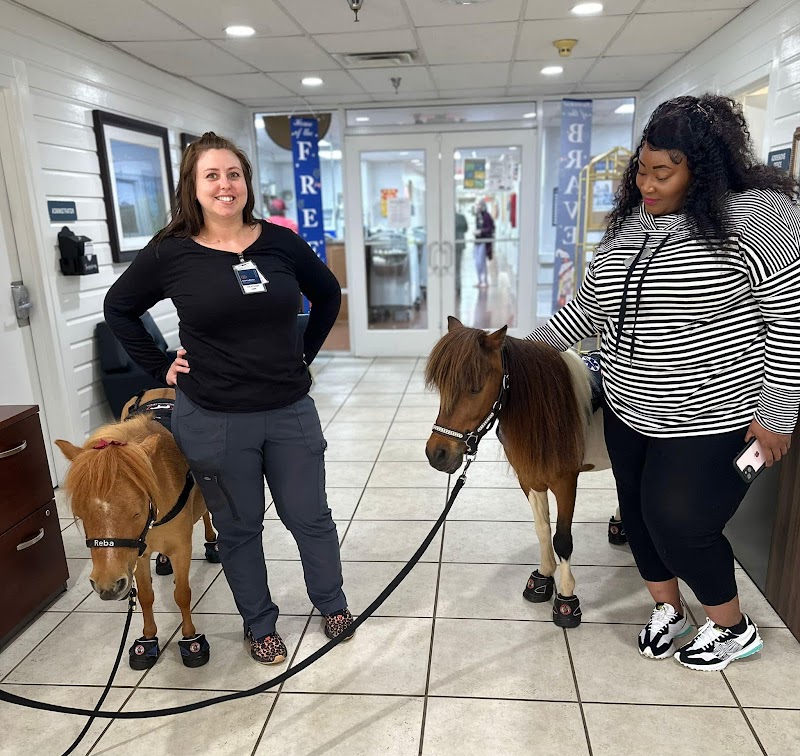
5386 BROAD ST, MILTON, FL 32570 (850) 623-4661
For profit - Limited Liability company 110 Beds INFINITE CARE Data: November 2025
Trust Grade
85/100
#104 of 690 in FL
Last Inspection: August 2024

Within standard 12-15 month inspection cycle. Federal law requires annual inspections.

Overview

Santa Rosa Center for Rehabilitation and Healing has a Trust Grade of B+, which means it is above average and generally recommended for families considering options. It ranks #104 out of 690 facilities in Florida, placing it in the top half, and #2 out of 4 in Santa Rosa County, indicating there is only one local facility that is rated higher. The center's performance has been stable, with a consistent number of issues reported over recent years. Staffing is rated average with a turnover rate of 62%, which is concerning as it is higher than the state average, suggesting that staff might not stay long enough to build strong relationships with residents. Notably, the facility has not incurred any fines, which is a positive sign of compliance. However, there are some weaknesses to consider. Specific incidents noted by inspectors include a resident's oxygen tubing not being changed as required, which could lead to health complications, and several call lights being out of reach for residents, making it difficult for them to request assistance when needed. Additionally, there were issues with the accuracy of pre-admission screening forms for one resident, which could affect care planning. Overall, while Santa Rosa Center offers some strengths like a good overall rating and no fines, families should be aware of these specific concerns regarding care and staffing.

Trust Score
B+
85/100
In Florida
#104/690
Top 15%
Safety Record
Low Risk
No red flags
Inspections
Holding Steady
1 → 1 violations
Staff Stability
⚠ Watch
62% turnover. Above average. Higher turnover means staff may not know residents' routines.
Penalties
✓ Good
No fines on record. Clean compliance history, better than most Florida facilities.
Skilled Nurses
○ Average
Each resident gets 36 minutes of Registered Nurse (RN) attention daily — about average for Florida. RNs are the most trained staff who monitor for health changes.
Violations
○ Average
9 deficiencies on record. Average for a facility this size. Mostly minor or procedural issues.
★★★★★
5.0
Overall Rating
★★★☆☆
3.0
Staff Levels
★★★★★
5.0
Care Quality
★★★★☆
4.0
Inspection Score
Stable
2024: 1 issues
2025: 1 issues

The Good

  • 5-Star Quality Measures · Strong clinical quality outcomes
  • Full Sprinkler Coverage · Fire safety systems throughout facility
  • No fines on record

Facility shows strength in quality measures, fire safety.

The Bad

Staff Turnover: 62%

15pts above Florida avg (46%)

Frequent staff changes - ask about care continuity

Chain: INFINITE CARE

Part of a multi-facility chain

Ask about local staffing decisions and management

Staff turnover is elevated (62%)

14 points above Florida average of 48%

The Ugly 9 deficiencies on record

Sept 2025 1 deficiency
CONCERN (D) 📢 Someone Reported This

A family member, employee, or ombudsman was alarmed enough to file a formal complaint

Potential for Harm - no one hurt, but risky conditions existed

Deficiency F0919 (Tag F0919)

Could have caused harm · This affected 1 resident

**NOTE- TERMS IN BRACKETS HAVE BEEN EDITED TO PROTECT CONFIDENTIALITY** Based upon observations, interviews and policy and record review, the facility failed to ensure accommodation of needs in 6 out ...

Read full inspector narrative →
**NOTE- TERMS IN BRACKETS HAVE BEEN EDITED TO PROTECT CONFIDENTIALITY** Based upon observations, interviews and policy and record review, the facility failed to ensure accommodation of needs in 6 out of 20 residents rooms related to call lights being in reach of the residents. (Rooms 416, 502, 412, 505, 513, and 515)The findings include:On 9/24/25 at 10:15 AM, a tour of the facility was conducted, and the following observations were made on the 400-500 nursing care units concerning call lights being out of reach of the residents while in their rooms: In room [ROOM NUMBER], a resident was lying in their bed and the call light was positioned hanging on the wall above his bed, out of his reach.In room [ROOM NUMBER], the resident call light was hanging on the wall in between the A and B beds while the residents were in their room laying in their beds, out of reach.In room [ROOM NUMBER], the call light was positioned at the head of bed and tucked under the resident's pillow, out of reach of the resident laying on her right side facing the window.In room [ROOM NUMBER], the call light for the resident residing in the B-bed was observed hanging on the wall out of reach of the resident lying in their bed.In room [ROOM NUMBER], the A-bed call light was observed clipped to a call light box on the wall in between the A and B beds, out of reach of the resident while lying in his bed.In room [ROOM NUMBER], a call light was observed at the top of the bed hanging on the bedrail, out of the resident's reach while the resident was lying in bed. An observation was made at 2:00 pm on the same unit and the same rooms. In every case, the call lights were still placed out of the residents' reach. An interview was conducted with Staff Member A (Social Services Assistant) on 9/24/25 at approximately 2:00 pm, who revealed all the managers do a call light audit at least once a month. That is something the Administrator put in place a while back to ensure the lights are being monitored and answered timely and appropriately. An interview was performed with the Social Services Director on 9/24/25 at around 2:30 pm. She stated that there have been concerns voiced in regard to call lights not being answered in a timely manner and all the department head managers are asked to complete call light audits monthly at random periods of time to ensure they are being answered and promptly and to ensure call bells are placed within the reach of residents. An interview was conducted with the Administrator on 9/24/25 at 3:00 pm, who states call light audits were implemented due to concerns voiced by residents and family representatives. The department head managers are asked to perform call light checks on a weekly and monthly basis to ensure call lights are being answered timely.A follow up interview was conducted with the Director of Nursing on 9/24/25. She revealed that education in-services are completed with staff on call lights and answering call lights in a timely manner. When she has conducted her audits, she has not visually seen call lights deliberately placed out of reach of residents but voiced the only ones that she has seen has been clipped to privacy curtains when housekeeping has been in the room cleaning. A review of the facility call light policy was conducted and revealed under section key procedural points include when the resident is in bed or confined to a chair be sure the call lights is within easy reach of the resident.
Aug 2024 1 deficiency
CONCERN (D)

Potential for Harm - no one hurt, but risky conditions existed

Deficiency F0645 (Tag F0645)

Could have caused harm · This affected 1 resident

**NOTE- TERMS IN BRACKETS HAVE BEEN EDITED TO PROTECT CONFIDENTIALITY** Based on observation, interview, record review, and policy review, the facility failed to ensure accuracy of Preadmission Screen...

Read full inspector narrative →
**NOTE- TERMS IN BRACKETS HAVE BEEN EDITED TO PROTECT CONFIDENTIALITY** Based on observation, interview, record review, and policy review, the facility failed to ensure accuracy of Preadmission Screening and Resident Review (PASRR) forms for 1 of 1 residents sampled for PASRR review. (Resident #1) The findings included: On 7/29/24, a review of the PASRR from dated 1/13/23 for Resident #1 was conducted. Section A of the form indicated that Resident #1 had a history of Bipolar Disorder and Schizophrenia. The form had no additional information regarding functional criteria, services, or basis for findings. The PASRR form indicated that Resident#1's admission was not a provisional admission. Section IV of the form indicated that Resident #1 had no diagnosis or suspicion of serious mental illness or mental disability and a level II PASRR was not required. The form was signed by a hospital staff member and dated 1/13/23. On 7/30/24, a review of Resident #1's records was conducted. The diagnosis list of Resident #1 revealed that she was admitted on [DATE] with an admitting diagnosis of paranoid schizophrenia. Bipolar Disorder was also added to the diagnosis list on 1/17/2023. A review of the psychiatric evaluation of Resident #1, dated 7/25/24, indicated that the resident had an ongoing history of paranoid schizophrenia and bipolar disorder with a depressed mood. Resident #1 had been prescribed psychotropic medications for the management of paranoid schizophrenia and bipolar disorder. A review of the Care Plan revealed that Resident #1 had a diagnosis of paranoid schizophrenia with periods of agitation and yelling out. The care plan indicated that Resident #1 can become combative and refuse care at times. The goal listed on the care plan was that she would have no behaviors that prevent the delivery of care through the next review date. The review of the Social Service Quarterly Assessment note dated 7/10/24 indicated that the resident experienced delirium in the forms of inattention and disorganized thinking. The entry indicated that Resident #1 often had difficulty tracking conversations and derailment was evidenced, many questions were answered tangentially as she provided irrelevant responses to questions. Her speech is sometimes presented as gibberish. The note indicated that Resident #1's legal guardian was contacted. Current psychotropic medications and results of recent screenings for depression were reviewed with the guardian. On 08/01/24 at approximately 9:29 AM, an interview was conducted with the Director of Admissions and Marketing (DOAM). She was asked to review the PASRR form, diagnosis list, and record Resident #1. The DOAM verified that Resident #1 was admitted as a long-term admission and the PASRR dated 1/13/23 was that the most recent. The DOAM explained that she relies on the admitting hospital to let her know her if a PASRR level II is indicated. She was asked to describe the process for review of PASRR forms received from the hospital for accuracy. The DOAM explained that she would consult the Director of Nursing (DON) for any questions regarding PASRR screenings for newly admitted residents. She indicated that she has not had to request a resident review/evaluation request for any resident since starting in the position in August 2023. A copy of the facility policy for PASRR forms was requested. On 8/1/24 at approximately 9:58 AM, an interview was conducted with the Regional Nurse Consultant (RNC) regarding the PASRR for Resident #1. She explained that PASRR forms should be corrected if an error is identified. New admissions are reviewed in a clinical meeting. If a PASRR level II is indicated, the DON would complete and submit a PASRR review request. The RNC was asked if Resident #1 should have had a PASRR level II requested. She indicated that the PASRR form would be corrected.
Apr 2023 3 deficiencies
CONCERN (D)

Potential for Harm - no one hurt, but risky conditions existed

Comprehensive Care Plan (Tag F0656)

Could have caused harm · This affected 1 resident

Based on observation, interviews, and record reviews, the facility failed to implement the comprehensive plan of care for 2 of 2 residents reviewed for care plans. (Residents #4 and #74) The findings ...

Read full inspector narrative →
Based on observation, interviews, and record reviews, the facility failed to implement the comprehensive plan of care for 2 of 2 residents reviewed for care plans. (Residents #4 and #74) The findings include: A review of Resident #4's plan of care related to nutritional problems revealed the intervention: Sip cup with meals, Assist with meals. A review of the record for Nutrition Screening & Data Collection for Skilled Nursing Facilities, dated 07/20/2020 and signed by the Certified Dietary Manager and the Registered Dietician, revealed documentation under Nutrition Summary recommending sip cup with lid ordered as adaptive equipment. A review of Occupational Therapy (OT) Notes revealed an encounter from 2/2/23 stating, feeding retraining on snack food for pleasure foods with monitored or moderate assistance for utensils and cup handling. Follow-up documentation on 03/07/23 revealed, that upon discharge from therapy services, Resident #4's eating improved to supervision or touching assistance. Mealtime observations of Resident #4 noted no assistive or adaptive cups being used. On 04/20/23 at 11:50 am, interviews were conducted with Staff G CNA, Staff H CNA, Staff I CNA, and Staff J LPN. They were asked about the intervention of an assistive or adaptive cup in Resident #4's plan of care. All denied that this intervention is being implemented and agreed that, based upon documentation, adaptive cups should be in use. A review of resident #74's plan of care for Risk for Complications Related to Diagnoses revealed the intervention: Monitor for and document any edema. Notify MD. On 04/19/23 at 9:40 am, an observation was made of Staff K, RN assessing Resident #74 in which 3+ pitting edema was noted to bilateral lower extremities. When Staff K RN was asked how she would proceed with care or notification to provider after assessment findings, Employee K RN stated, Nothing, I mean I'll keep watching her. When Staff K RN was asked directly if she would report the new findings and reports of edema by the resident to the doctor or provider, Staff K RN stated, No and proceeded to walk away from the conversation. On 04/19/2023 at 5:10 pm, an interview was conducted with the Director of Nursing (DON). When asked about the concerns with the intervention in Resident #74's plan of care, she reported that her expectation is the doctor should be notified and the assessment should be documented. The DON agreed with surveyor findings.
CONCERN (D)

Potential for Harm - no one hurt, but risky conditions existed

Deficiency F0688 (Tag F0688)

Could have caused harm · This affected 1 resident

**NOTE- TERMS IN BRACKETS HAVE BEEN EDITED TO PROTECT CONFIDENTIALITY** Based on observations, interviews, and record reviews, the facility failed to provide appropriate services, equipment, and assis...

Read full inspector narrative →
**NOTE- TERMS IN BRACKETS HAVE BEEN EDITED TO PROTECT CONFIDENTIALITY** Based on observations, interviews, and record reviews, the facility failed to provide appropriate services, equipment, and assistance to a resident admitted with limited range of motion (ROM) for 1 of 1 persons reviewed for mobility. (Resident #29) The findings were: On 04/17/2023 at 2:51 pm, an observation was made of Resident #29 with contracture to left hand and wrist. An interview was conducted with Resident #29 which verified the contracture was present since being admitted into the facility. Resident #29 stated no therapy assessment, treatment, or splinting for this diagnosis has been performed since admission. Resident #29 stated he requested therapy services to the physician. A review of Resident #29's record reveals the resident was admitted into the facility on [DATE] with a diagnosis of Left Wrist Contracture, Left Hand Contracture, and Hemiplegia/Hemiparesis following Cerebral Infarction affecting left non-dominant side. On 04/19/2023 at 11:00 am, an interview was conducted with the Rehabiliation Director. She was asked to review all evaluations and notes from physical therapy (PT), occupational therapy (OT) and restorative therapy. She confirmed no documentation existed of recent restorative therapy. She also confirmed PT & OT assessments and evaluations did not address residents limited ROM to left hand/wrist contracture. A review of the resident's active orders reveals an order placed on 03/27/2023 for Restorative Nursing Program- LE active ROM exercise in seated of laying-marching/knee binds, straight leg raises, ankle pumps. Ambulate with hemi-walker 30 feet x2 CGA-stand on left side, 3 x per week for 6 weeks. A review of the hard chart orders reveal a physician's interim/telephone order for Restorative Eval for Services dated 03/23/2023. On 04/19/2023 at 10:30 am, a review of the residents Treatment Administration Record (TAR) for the month of April shows no documentation of restorative nursing services. On 04/20/2023 at 12:15 pm, an interview was conducted with the Director of Nursing in which the Policy for Restorative Nursing Program was reviewed. She was asked about the physician orders, lack of documentation in the TAR, and the restorative nurse's ability for assessing someone with a contracture. She confirmed that treatment should be provided for a resident with these diagnoses to prevent a decline in ROM/mobility. She was unable to find proper documentation that the order was carried out prior to being notified of this surveyor's concerns by management on 04/19/2023 and agreed with the surveyor's findings.
CONCERN (D)

Potential for Harm - no one hurt, but risky conditions existed

Deficiency F0712 (Tag F0712)

Could have caused harm · This affected 1 resident

Based on interview and clinical record review, the facility failed ensure the residents received a physician's visit every 60 days for 1 of 25 residents reviewed. (Resident #70) The findings include: ...

Read full inspector narrative →
Based on interview and clinical record review, the facility failed ensure the residents received a physician's visit every 60 days for 1 of 25 residents reviewed. (Resident #70) The findings include: A record review of Resident #70 on 4/19/23 noted that that resident had not received a visit from a physician since 10/26/22. In an interview with the Director of Nursing (DON) on 04/19/23 at 04:06 PM, the DON was asked if Resident #70 had received a physician's visit between November 2022 and present. The DON could not find any documented provider visits. It appeared that Resident #70 was mistakenly discharged from the computer documentation system the providers utilize. The DON validated that there had been no documented physician visits since 10/26/22. The DON stated she spoke with the lead provider at the practice, and he showed Resident #70 as discharged in his system. The DON stated there was some sort of glitch in the computer system they are trying to figure out. The DON stated that they believe that when the nurse practitioner discontinued her service with the patient when Resident #70 was enrolled in hospice, it also inadvertently deleted out of the lead provider's system. Based on their evaluation of Resident #70, the resident did not miss any medications or have any significant change in her status during this time period. On 04/20/23 10:06 AM, a policy that outlines the required frequency of visits from the provider was requested. The DON stated they did not have a policy; they just follow the regulation.
Nov 2021 4 deficiencies
CONCERN (D)

Potential for Harm - no one hurt, but risky conditions existed

Deficiency F0604 (Tag F0604)

Could have caused harm · This affected 1 resident

**NOTE- TERMS IN BRACKETS HAVE BEEN EDITED TO PROTECT CONFIDENTIALITY** Based on observations, record review, staff interview and policy review, the facility failed to document the medical symptoms th...

Read full inspector narrative →
**NOTE- TERMS IN BRACKETS HAVE BEEN EDITED TO PROTECT CONFIDENTIALITY** Based on observations, record review, staff interview and policy review, the facility failed to document the medical symptoms that required the use of a physical restraint and failed to demonstrate attempts of less restrictive interventions prior to the initiation of a restraint for 1 of 1 sampled resident (#32) with restraints. The findings include: Resident #32 was first observed on 11/15/2021 at approximately 12:30 PM. Additional observations of Resident #32 were conducted on 11/16/2021 at 10:34 AM, 1:32 PM and 3:04 PM, and on 11/17/2021 at 12:19 PM and 1:07 PM. During each observation the resident was reclined in a geri-chair. An interview was conducted with Staff B, Certified Nursing Assistant (CNA) and Staff C, Registered Nurse (RN) on 11/15/2021 at 2:10 PM. RN C stated the resident is kept in the reclined position because the resident would get up independently. CNA B stated the resident sustained a fall soon after admission and was placed in the reclined geri-chair not long after arriving at the facility. A subsequent interview with RN C was conducted on 11/17/2021 at 11:12 AM. RN C stated the resident is routinely reclined in the geri-chair after dressing. RN C confirmed the resident was capable of standing independently and the resident is repositioned by staff when the resident complains of pain or needs to use the bathroom. An interview with Staff D, Physical Therapist (PT), was conducted on 11/17/2021 at 11:26 AM. PT D stated the resident presented to physical therapy in a reclined geri-chair. PT D advised that the resident is, impulsive and may hurt herself if she gets up. A subsequent interview with PT D was conducted on 11/18/2021 at 10:30 AM. PT D stated she has observed the resident attempting to get up by pulling on the side hand rails of the geri-chair and confirmed reclining the chair makes it difficult for the resident to get up. An interview was conducted with the Director of Nursing (DON) on 11/18/2021 at 10:40 AM. The DON confirmed witnessing the resident attempt to get out of the geri-chair by scooting forward in the chair causing the footrest to lower and would also throw her legs over the side of the chair in attempts to exit the chair. She confirmed reclining the chair made it difficult for the resident to get out of the chair. Review of the resident's clinical record revealed the resident was admitted on [DATE] and was first evaluated by physical therapy on 9/1/2021 with no mention of the geri-chair. The record contained no documentation from physical therapy regarding the need for the resident to be reclined in the geri-chair nor interventions attempted prior to implementing the practice of reclined positioning. There was no documented evaluation for the use of the reclining geri-chair and no physician order authorizing the use of the reclining geri-chair. The facility's Restorative - Physical Restraint Program policy effective 10/2010 and revised 12/2013 stated the facility will not impose any use of physical restraint on any resident for discipline or convenience. The policy further stated devices meeting physical restraints (including chairs) that prevent a resident from rising may be used only after a thorough evaluation of functional and cognitive abilities and the attending physician will provide a complete order for the restraint.
CONCERN (D)

Potential for Harm - no one hurt, but risky conditions existed

Comprehensive Care Plan (Tag F0656)

Could have caused harm · This affected 1 resident

Based on interview with the Wound Care Nurse and review of pressure ulcer assessments, the resident care plan and facility policy, the facility failed to implement the plan of care 1 of 1 resident (#2...

Read full inspector narrative →
Based on interview with the Wound Care Nurse and review of pressure ulcer assessments, the resident care plan and facility policy, the facility failed to implement the plan of care 1 of 1 resident (#25) reviewed for pressure ulcers. The findings include: On 11/15/2021 at 11:13 AM during initial sampling it was noted that Resident #25 had doctor's orders for wound care to the coccyx (tailbone) and heels. A review was conducted of Resident #25's plan of care, which revealed a care plan that was initiated on 4/27/2020 and last revised on 9/2/2021 with the focus statement, The resident has actual impairment to skin integrity related to decreased mobility, incontinence of bowel and bladder, edema (swelling) to both legs. Squamous cell cancer of the skin, a stage 2 pressure injury to coccyx and a right heel pressure injury. Interventions listed included, weekly skin assessment and documentation by licensed nurse, notify the doctor at earliest sign of skin breakdown. The date initiated was 4/27/2020 and last revision on 6/01/2021. Follow facility protocols for treatment of injury with a date initiated of 4/27/2020. A review was conducted of wound/skin assessments, which revealed the following: For the wound to the coccyx, assessments were documented on 8/30/2021, 9/4/2021, 9/27/2021, 11/3/2021 and 11/11/2021. The assessment conducted on 9/4/2021 did not include the measurements of the wound. Twenty-three days passed until the next assessment was documented. For the wound to the heel, assessments were documented on 8/30/2021, 9/4/2021, 9/27/2021, 11/3/2021 and 11/11/2021. The assessment conducted on 9/4/2021 did not include the measurements of the wound. Twenty-three days passed until the next assessment was documented. The assessment documented on 11/11/2021 did not contain any assessment information as the form was blank. On 11/17/2021 at 2:33 PM an interview was conducted with the Wound Care Nurse. The surveyor asked if there were paper records for pressure ulcer assessments. She replied that all assessments were in the electronic medical record. When asked about gaps in the weekly assessments, she stated that due to staffing issues brought about by COVID-19 (Coronavirus Disease 2019), she was working on a medication cart 2-3 times per week at times. She further stated that all of the wound care is being provided, but she was not able to work a medication cart, do wound care and get the paperwork completed, so she prioritized providing care to the residents over the paperwork. A review was conducted of the Skin care and Wound Management - Manage Wound Care policy effective February 2007 which revealed The facility will manage wound care based upon current standards of practice. Item number eight (8), under Procedure stated, Pressure related wounds will be documented by the nurse using the 'Skin Grid - Pressure' form at the time of discovery and every week thereafter until healed.
CONCERN (D)

Potential for Harm - no one hurt, but risky conditions existed

Food Safety (Tag F0812)

Could have caused harm · This affected 1 resident

Based on observation, staff interview, and review of FDA (Food and Drug Administration) standards of practice, the facility failed to ensure staff served food in a sanitary manner during 1 of 2 meal o...

Read full inspector narrative →
Based on observation, staff interview, and review of FDA (Food and Drug Administration) standards of practice, the facility failed to ensure staff served food in a sanitary manner during 1 of 2 meal observations. (Lunch 11/15/2021) The findings include: An observation of the lunch meal on the front 20 hall was conducted on 11/15/2021 at approximately 11:58 AM. Staff E, Certified Nursing Assistant (CNA), was observed to serve Resident #138 her meal. CNA E used her bare, ungloved hands to pull the resident's roll apart to butter the roll. An interview was conducted with CNA E on 11/18/2021 at approximately 8:58 AM. She stated you must wash your hands prior to handling the resident's food. She confirmed she handles the food with her bare hands as long as she has washed her hands. An interview was conducted with the Director of Nursing (DON) on 11/18/2021 at approximately 9:01 AM. The DON stated the facility expects staff will not handle food with bare hands; they should use a fork and knife or gloves if they handle food. A record review of the FDA U.S. Food and Drug Administration Employee Health and Personal Hygiene Handbook current as of 10/26/2020 and accessed on 12/6/2021 via https://www.fda.gov/food/retail-food-industryregulatory-assistance-training/retail-food-protection-employee-health-and-personal-hygiene-handbook revealed under Employee Health and Highly Susceptible Populations that managers and food employees must take the needed precautions to prevent the spread of infectious pathogens and viruses to highly susceptible populations (HSP). The handbook stated that a population is highly susceptible to foodborne illness if it is in a health care or nursing home setting. Further review revealed employees can take the following steps to prevent the spread of disease in a food establishment that serves a HSP: Use single-use gloves for one task. Do not touch RTE (ready-to-eat) foods with bare hands, and minimize bare hand contact with exposed food that is not RTE.
CONCERN (E)

Potential for Harm - no one hurt, but risky conditions existed

Respiratory Care (Tag F0695)

Could have caused harm · This affected multiple residents

Resident #78 On 11/17/2021 at approximately 9:39 AM, an observation was made of Resident #78 during which the resident was observed sitting up in a chair wearing oxygen (O2) via nasal cannula, the O2 ...

Read full inspector narrative →
Resident #78 On 11/17/2021 at approximately 9:39 AM, an observation was made of Resident #78 during which the resident was observed sitting up in a chair wearing oxygen (O2) via nasal cannula, the O2 was set at 2 liters. Upon observation of nasal cannula tubing, a date of 10/23/2021 was written on the tubing. A review of the resident's care plan initiated 3/19/2021 revealed at risk for complications related to altered mental status, urinary tract infection, diabetes mellitus 2, cerebrovascular accident, gastroesophageal reflux disease, chronic kidney disease stage 3, hypertension, hyperlipidemia, hypothyroidism and morbid obesity. Further review revealed interventions revised on 6/1/2021 included O2 - check saturation every shift as ordered and change O2 tubing/humidifier every week as ordered. A review of physician orders revealed an order written 10/7/2021 to change O2 tubing/humidifier every week on Friday 11 PM - 7 AM. A review of the Treatment Administration Record (TAR) for October 2021 and November 2021 demonstrated that the nasal cannula tubing had been changed weekly on 10/8/2021, 10/15/2021, 10/22/2021, 10/29/2021, 11/5/2021 and 11/12/2021. On 11/17/2021 at approximately 1:10 PM, an interview was conducted with Staff F, a Registered Nurse (RN), during which she was shown the date written on the oxygen tubing in Resident #78's room. RN F stated that it did not appear as though the tubing had been changed in a few weeks. When asked if she agreed that the tubing had not been changed RN F stated, Yes. On 11/17/2021 at approximately 1:29 PM, an interview was conducted with the Director of Nursing (DON). The DON stated she had heard about the concern with a resident's oxygen tubing not being changed. She said the standard practice is that it is changed out weekly, and the date it is changed is written on the tubing. This surveyor stated the date on the tubing for Resident #78 was 10/23/2021 and it is now 11/17/2021. She stated that the tubing should have been changed and it was not. When asked if she was aware that the documentation in the TAR stated that it had been changed weekly, she stated she was aware. The surveyor asked if she could confirm that based on a tubing date of 10/23/2021 that the tubing had not been changed on the date documented on the TAR. She replied, Yes. A review of the policy titled, Departmental (Respiratory Therapy) - Prevention of Infection revised November 2011 revealed under Infection Control Considerations Related to Oxygen Administration, Change the oxygen cannulae and tubing every seven (7) days, or as needed. A review of the policy titled NURSING - Documentation, Clinical effective January 1999 and revised April 2019 revealed under Documentation Guidelines, 1. All entries in the medical record should be accurate, legible, dated, and timed. Based on record review and staff interview the facility failed to provide respiratory care in accordance with the physician orders for 2 of 3 residents (#78 and #137) reviewed for respiratory care. The findings include: Resident #137 Review of Resident #137's record revealed a physician order dated 11/11/2021 to complete respiratory evaluation after each incentive spirometer treatment document as follows: Lung Sounds: 1= Clear; 2= Rales; 3= Rhonchi; 4= Wheeze; 5= Rub; 6= Diminished. Document Location: A= Anterior; P= Posterior, R= Right; L=Lower; B= Bilateral. Review of the Medication Administration Record (MAR) for November 2021 revealed the area for documenting lung sounds (LS) was blank from 11/11/2021 through 11/16/2021. On 11/17/2021 at approximately 10:06 AM, an interview was conducted with Staff A, Registered Nurse (RN). RN A observed the November 2021 MAR and stated no lung sounds were documented as ordered in the space for them on the MAR.
Understanding Severity Codes (click to expand)
Life-Threatening (Immediate Jeopardy)
J - Isolated K - Pattern L - Widespread
Actual Harm
G - Isolated H - Pattern I - Widespread
Potential for Harm
D - Isolated E - Pattern F - Widespread
No Harm (Minor)
A - Isolated B - Pattern C - Widespread

Questions to Ask on Your Visit

  • "Why is there high staff turnover? How do you retain staff?"
  • "Can I speak with families of current residents?"
  • "What's your RN coverage like on weekends and overnight?"

Our Honest Assessment

Strengths
  • • Grade B+ (85/100). Above average facility, better than most options in Florida.
  • • No major safety red flags. No abuse findings, life-threatening violations, or SFF status.
  • • No fines on record. Clean compliance history, better than most Florida facilities.
Concerns
  • • 62% turnover. Above average. Higher turnover means staff may not know residents' routines.
Bottom line: Generally positive indicators. Standard due diligence and a personal visit recommended.

About This Facility

What is Santa Rosa Center For Rehabilitation And Healing's CMS Rating?

CMS assigns SANTA ROSA CENTER FOR REHABILITATION AND HEALING an overall rating of 5 out of 5 stars, which is considered much above average nationally. Within Florida, this rating places the facility higher than 99% of the state's 100 nursing homes. This rating reflects solid performance across the metrics CMS uses to evaluate nursing home quality.
How is Santa Rosa Center For Rehabilitation And Healing Staffed?

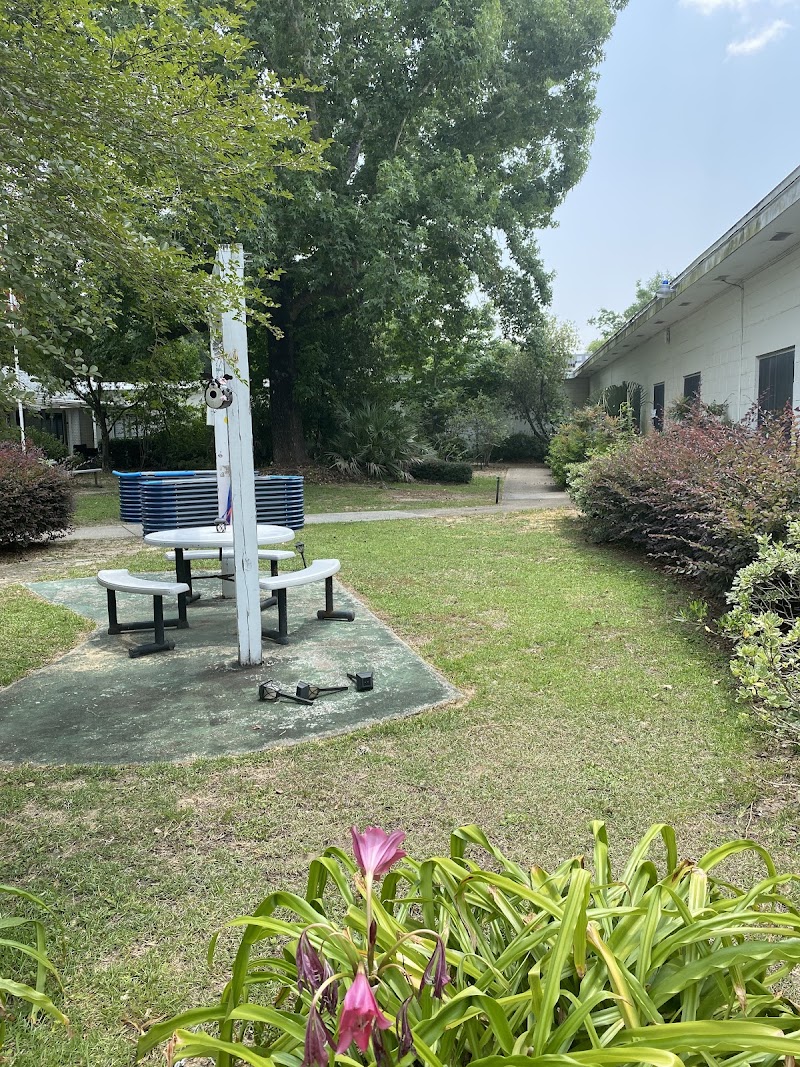
CMS rates SANTA ROSA CENTER FOR REHABILITATION AND HEALING's staffing level at 3 out of 5 stars, which is average compared to other nursing homes. Staff turnover is 62%, which is 15 percentage points above the Florida average of 46%. High turnover can affect care consistency as new staff learn residents' individual needs. RN turnover specifically is 73%, which is notably high. RNs provide skilled clinical oversight, so turnover in this role can affect medical care quality.

What Have Inspectors Found at Santa Rosa Center For Rehabilitation And Healing?

State health inspectors documented 9 deficiencies at SANTA ROSA CENTER FOR REHABILITATION AND HEALING during 2021 to 2025. These included: 9 with potential for harm.
Who Owns and Operates Santa Rosa Center For Rehabilitation And Healing?

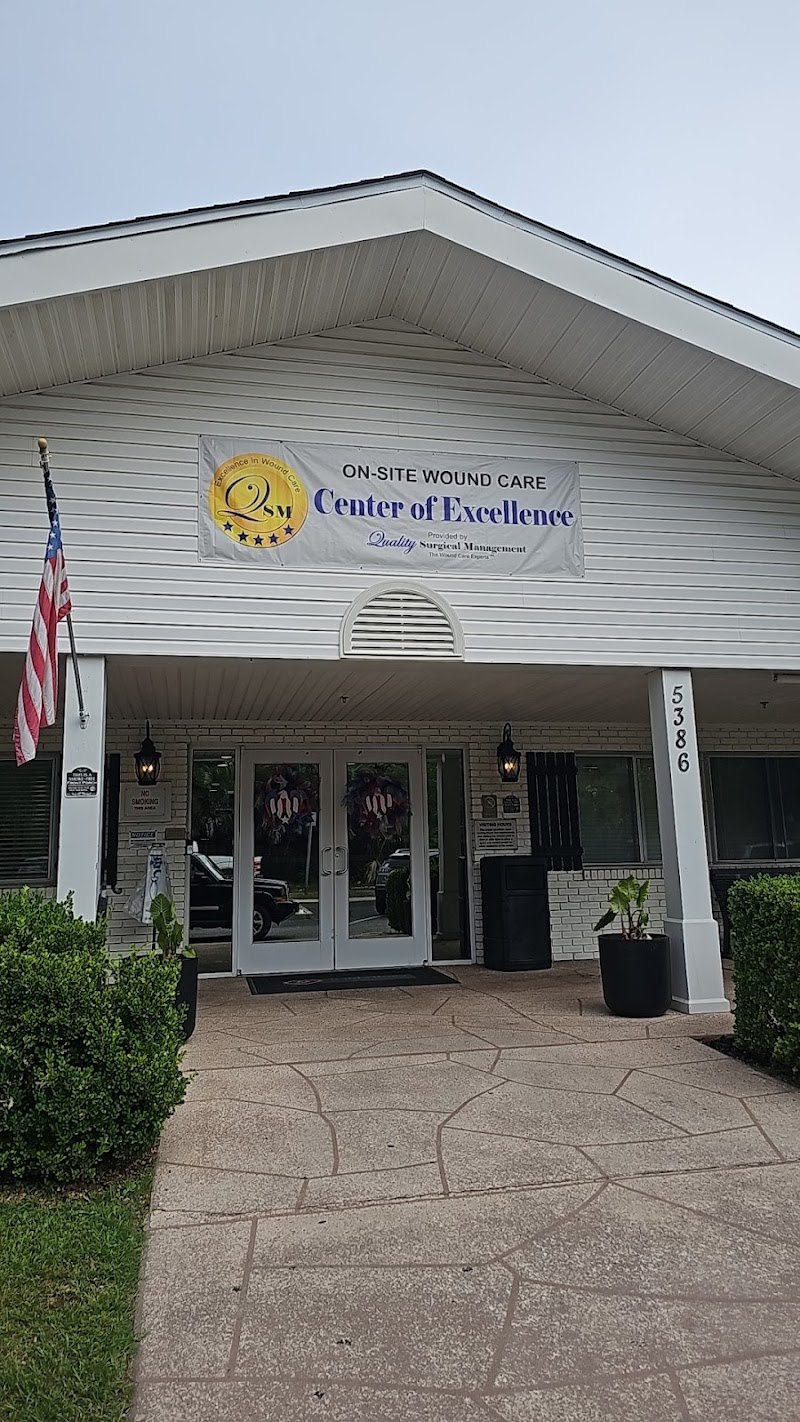
SANTA ROSA CENTER FOR REHABILITATION AND HEALING is owned by a for-profit company. For-profit facilities operate as businesses with obligations to shareholders or private owners. The facility is operated by INFINITE CARE, a chain that manages multiple nursing homes. With 110 certified beds and approximately 102 residents (about 93% occupancy), it is a mid-sized facility located in MILTON, Florida.
How Does Santa Rosa Center For Rehabilitation And Healing Compare to Other Florida Nursing Homes?

Compared to the 100 nursing homes in Florida, SANTA ROSA CENTER FOR REHABILITATION AND HEALING's overall rating (5 stars) is above the state average of 3.2, staff turnover (62%) is significantly higher than the state average of 46%, and health inspection rating (4 stars) is above the national benchmark.

What Should Families Ask When Visiting Santa Rosa Center For Rehabilitation And Healing?

Based on this facility's data, families visiting should ask: "How do you ensure continuity of care given staff turnover, and what is your staff retention strategy?" "Can I visit during a mealtime to observe dining assistance and food quality?" "How do you handle medical emergencies, and what is your hospital transfer rate?" "Can I speak with family members of current residents about their experience?" These questions are particularly relevant given the facility's high staff turnover rate.

Is Santa Rosa Center For Rehabilitation And Healing Safe?

Based on CMS inspection data, SANTA ROSA CENTER FOR REHABILITATION AND HEALING has a clean safety record: no substantiated abuse findings (meaning no confirmed cases of resident harm), no Immediate Jeopardy citations (the most serious violation level indicating risk of serious injury or death), and is not on the Special Focus Facility watch list (a federal program monitoring the lowest-performing 1% of nursing homes). The facility has a 5-star overall rating and ranks #1 of 100 nursing homes in Florida. While no facility is perfect, families should still ask about staff-to-resident ratios and recent inspection results during their visit.

Do Nurses at Santa Rosa Center For Rehabilitation And Healing Stick Around?

Staff turnover at SANTA ROSA CENTER FOR REHABILITATION AND HEALING is high. At 62%, the facility is 15 percentage points above the Florida average of 46%. Registered Nurse turnover is particularly concerning at 73%. RNs handle complex medical decisions and coordinate care — frequent RN changes can directly impact care quality. High turnover means new staff may not know residents' individual needs, medications, or preferences. It can also be disorienting for residents, especially those with dementia who rely on familiar faces. Families should ask: What is causing the turnover? What retention programs are in place? How do you ensure care continuity during staff transitions?

Was Santa Rosa Center For Rehabilitation And Healing Ever Fined?

SANTA ROSA CENTER FOR REHABILITATION AND HEALING has no federal fines on record. CMS issues fines when nursing homes fail to meet care standards or don't correct problems found during inspections. The absence of fines suggests the facility has either maintained compliance or corrected any issues before penalties were assessed. This is a positive indicator, though families should still review recent inspection reports for the full picture.

Is Santa Rosa Center For Rehabilitation And Healing on Any Federal Watch List?

SANTA ROSA CENTER FOR REHABILITATION AND HEALING is not on any federal watch list. The most significant is the Special Focus Facility (SFF) program, which identifies the bottom 1% of nursing homes nationally based on persistent, serious quality problems. Not being on this list means the facility has avoided the pattern of deficiencies that triggers enhanced federal oversight. This is a positive indicator, though families should still review the facility's inspection history directly.