GARDENS AT TERRACINA HEALTH & REHABILITATION
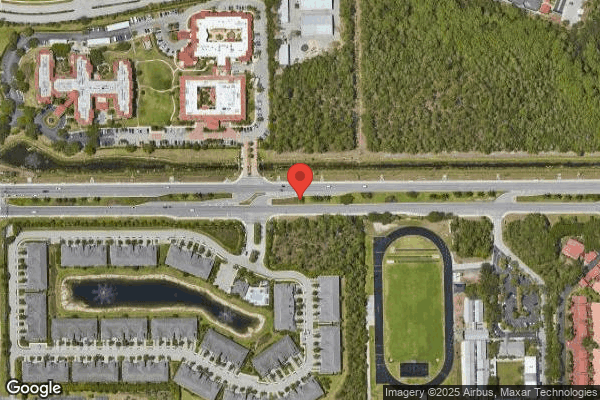

6869 DAVIS BOULEVARD, NAPLES, FL 34104 (239) 348-6000
For profit - Corporation 30 Beds THE GOODMAN GROUP Data: November 2025
Trust Grade
83/100
#38 of 690 in FL
Last Inspection: May 2024

Within standard 12-15 month inspection cycle. Federal law requires annual inspections.

Overview

Gardens at Terracina Health & Rehabilitation has a Trust Grade of B+, indicating it is above average and recommended for families seeking care. It ranks #38 out of 690 nursing homes in Florida, placing it in the top half of facilities statewide, and #2 out of 11 in Collier County, meaning only one local option is better. The facility is improving, with issues decreasing from 3 in 2023 to just 1 in 2024. Staffing is rated 4 out of 5 stars, but the turnover rate of 61% is concerning compared to the state average of 42%. While there is good RN coverage, exceeding 93% of Florida facilities, the facility has faced $10,881 in fines, which is higher than 80% of similar homes and suggests some compliance issues. Recent inspections revealed that the facility failed to provide influenza immunization education to residents during flu season, did not allow timely visitations for some residents, and did not address significant weight changes for a resident promptly. These findings indicate some weaknesses in care practices, but the overall quality ratings in key areas remain strong.

Trust Score
B+
83/100
In Florida
#38/690
Top 5%
Safety Record
Low Risk
No red flags
Inspections
Getting Better
3 → 1 violations
Staff Stability
⚠ Watch
61% turnover. Above average. Higher turnover means staff may not know residents' routines.
Penalties
⚠ Watch
$10,881 in fines. Higher than 96% of Florida facilities. Major compliance failures.
Skilled Nurses
✓ Good
Each resident gets 86 minutes of Registered Nurse (RN) attention daily — more than 97% of Florida nursing homes. RNs are the most trained staff who catch health problems before they become serious.
Violations
✓ Good
Only 4 deficiencies on record. Cleaner than most facilities. Minor issues only.
★★★★★
5.0
Overall Rating
★★★★☆
4.0
Staff Levels
★★★★★
5.0
Care Quality
★★★★☆
4.0
Inspection Score
Stable
2023: 3 issues
2024: 1 issues

The Good

  • 4-Star Staffing Rating · Above-average nurse staffing levels
  • 5-Star Quality Measures · Strong clinical quality outcomes
  • Full Sprinkler Coverage · Fire safety systems throughout facility
  • No fines on record

Facility shows strength in staffing levels, quality measures, fire safety.

The Bad

Staff Turnover: 61%

14pts above Florida avg (46%)

Frequent staff changes - ask about care continuity

Federal Fines: $10,881

Below median ($33,413)

Minor penalties assessed

Chain: THE GOODMAN GROUP

Part of a multi-facility chain

Ask about local staffing decisions and management

Staff turnover is elevated (61%)

13 points above Florida average of 48%

The Ugly 4 deficiencies on record

May 2024 1 deficiency
CONCERN (E)

Potential for Harm - no one hurt, but risky conditions existed

Deficiency F0883 (Tag F0883)

Could have caused harm · This affected multiple residents

**NOTE- TERMS IN BRACKETS HAVE BEEN EDITED TO PROTECT CONFIDENTIALITY** Based on record review, review of the facility's policy and procedure, and staff interview, the facility failed to ensure 5 (Res...

Read full inspector narrative →
**NOTE- TERMS IN BRACKETS HAVE BEEN EDITED TO PROTECT CONFIDENTIALITY** Based on record review, review of the facility's policy and procedure, and staff interview, the facility failed to ensure 5 (Resident #75, #76, #77, #78, and #79) of 5 residents sampled who were admitted during the 2023 to 2024 influenza season received education regarding the benefits and potential side effect of the influenza immunization and were offered the influenza immunization. The failure to offer and provide influenza immunization education puts the residents at risk of developing influenza. The findings included: Review of the facility Influenza Vaccination policy and procedure created 9/16/15 and reviewed on 10/22/23, stated during the annual influenza season, patients, staff member, and volunteer workers would be offered an influenza vaccination unless such immunization is medically contraindicated, or the individual had already been immunized during this time period. Prior to the administration of the influenza's vaccine, the person receiving the immunization, or his/her legal representative, will be provided with a copy of Center for Disease Control (CDC) current vaccine information statement relative to the influenza vaccination. Vaccine information statements (VIS) would as appropriate, be supplemented with visual presentations or oral explanations to assist vaccine recipients in understanding the benefits and potential side effects of the influenza vaccine. Individuals being offered the influenza vaccine, or their legal representative, would be required to sign a consent form or declination form prior to the administration or refusal of the vaccine. The completed, signed, and dated record would be filed in the resident's medical record. 1. On 5/30/24 review of Resident #75's medical record revealed the resident was admitted to the facility on [DATE]. The medical record lacked documentation Resident #75 had received a copy of the CDC's current vaccine information related to the influenza immunization vaccination to include the benefits and potential side effect of the influenza vaccination and the required signed consent form or declination form to the administration or refusal of the vaccine. 2. On 5/30/24 review of Resident #76's medical record revealed the resident was admitted to the facility on [DATE]. The medical record lacked documentation Resident #75 had received a copy of the CDC's current vaccine information related to the influenza immunization vaccination to include the benefits and potential side effect of the influenza vaccination and the required signed consent form or declination form to the administration or refusal of the vaccine. 3. On 5/30/24 review of Resident #77's medical record revealed the resident was admitted to the facility on [DATE]. The medical record lacked documentation Resident #75 had received a copy of the CDC's current vaccine information related to the influenza immunization vaccination to include the benefits and potential side effect of the influenza vaccination and the required signed consent form or declination form to the administration or refusal of the vaccine. 4. On 5/30/24 review of Resident #78's medical record revealed the resident was admitted to the facility on [DATE]. The medical record lacked documentation Resident #75 had received a copy of the CDC's current vaccine information related to the influenza immunization vaccination to include the benefits and potential side effect of the influenza vaccination and the required signed consent form or declination form to the administration or refusal of the vaccine. 5. On 5/30/24 review of Resident #79's medical record revealed the resident was admitted to the facility on [DATE]. The medical record lacked documentation Resident #75 had received a copy of the CDC's current vaccine information related to the influenza immunization vaccination to include the benefits and potential side effect of the influenza vaccination and the required signed consent form or declination form to the administration or refusal of the vaccine. On 5/30/24 at 9:36 a.m., interview with the Director of Nursing (DON)/Infection Preventionist (IP) confirmed the facility's Immunizations - Influenza policy stated all residents in the facility during annual influenza season were required to receive a copy of the CDC's current vaccine information related to the influenza immunization vaccination to include the benefits and potential side effect of the influenza vaccination and the required signed consent form or declination form to the administration or refusal of the vaccine, and copy of the form would be filed in the resident's medical record. After having reviewed the medical record for Residents #75, #76, #77, #78, and #79, the DON confirmed the residents were admitted to the facility during the annual influenza season. She said she was unable to find documentation the residents had received the CDC's current vaccine information with the benefits and potential side effect of the influenza vaccination. She further said she was unable to find the required consent form or declination form for the administration or refusal of the influenza vaccine in the resident's medical record as required. She said the nursing department does not complete immunization education with the residents or their legal representative if they are in the facility during the annual influenza season. She said the immunization education for the resident is completed by the admission Coordinator or the MDS (Minimum Data Set) Coordinator for each resident. The DON confirmed she is the facility's IP. She said she was unaware the mandatory immunization education documentation and the signed consent form or the declination form to the administration or refusal of the vaccine was not in the resident's medical record as required. On 3/30/24 at 10:37 a.m., interview with the MDS Coordinator confirmed she or the admission Coordinator were required to provide each resident or their legal representative a copy of the CDC's current vaccine information related to the influenza immunization vaccination to include the benefits and potential side effect of the influenza vaccination. She said they were also required to obtain a signed consent form or declination form for the administration of the vaccination or the refusal the vaccine and keep a copy of the form in the resident's medical record. She confirmed after a review of Residents #75, #76, #77, #78, and #79's medical records, they were admitted to the facility during the annual influenza season. She further said she was unable to find documentation the residents had received the CDC's current vaccine information with the benefits and potential side effect of the influenza vaccination. She also said she was unable to find the required consent form or declination form for the administration or refusal of the vaccine in the resident's medical record as required.
Feb 2023 3 deficiencies
CONCERN (D)

Potential for Harm - no one hurt, but risky conditions existed

Deficiency F0563 (Tag F0563)

Could have caused harm · This affected 1 resident

Based on observation, facility policies and procedures, staff, resident, and family member interviews, the facility failed to ensure residents' right to receive visitors at the time of their choosing ...

Read full inspector narrative →
Based on observation, facility policies and procedures, staff, resident, and family member interviews, the facility failed to ensure residents' right to receive visitors at the time of their choosing for 3 (Resident #239, #236, and #28) of 5 sampled residents. The findings included: Facility policy titled Right to Access and Visitation dated 10/3/2022, stated: Resident's family members are not subject to visiting hour limitations or other restrictions not imposed by the resident, with the exception of reasonable clinical and safety restrictions, placed by the facility based on recommendations of CMS (Center for Medicare and Medicaid Services), CDC (Center for Disease Control), or the local health department. And the facility will ensure all visitors enjoy full and equal visitation privileges consistent with resident preferences. The facility admission packet document titled skilled nursing facility rights stated, you have the right to spend private time with visitors at any reasonable hour. The skilled nursing facility must permit your facility to visit at any time as long as you want to see them. On 2/13/23, 2/14/23, and 2/15/23 at 9:00 a.m., a sign was observed posted on the facility's entrance door stating, Visitation hours Monday-Friday 8:30 a.m.- 7:45 p.m. and Saturday and Sunday 8:30 a.m.-3:45 p.m. On 2/16/23 at 10:15 a.m., a sign read, Visitation hours Monday-Friday 8:30 a.m.- 7:45 p.m. and Saturday and Sunday 8:30 a.m.-3:45 p.m. The above hours are when reception is on duty to properly check you in according to COVID protocols. The door is locked at other times. Please inform us if you desire any exceptions to these hours . Inside the front doors at the front reception desk, a sign was posted that stated, Visiting hours were Monday-Friday 8:30 a.m.-7:45 p.m. and Saturday and Sunday 8:30 a.m.-3:45 p.m. The sign also noted the front doors will remain locked when visiting hours are over. No visitors will be allowed in the building except during the posted schedule. No Exceptions! On 2/13/23 3:47 p.m., resident #239 stated he was surprised by having limited visitation hours yesterday. He stated his friend told him there was a card that said visitation ended at 3:45 p.m., which was pretty early. Maybe they don't enforce them. I just thought that was early. On 2/15/23 1:41 p.m., resident #236 stated he would like his caregiver to have additional visitation time. They both live out of town, and visiting hours end at 4:00 p.m., because the receptionist leaves and the doors are locked. Both stated they would prefer the flexibility to have visitation later in the day on the weekends. On 2/14/23 at 4:26 p.m., Licensed Practical Nurse (LPN) Staff nurse A stated if the resident has family that wants to spend the night, they are allowed since everyone is in a private room. On 2/15/23 at 8:41 a.m., the receptionist pointed to the sign at the desk with the visitation hours and showed hours end at 3:45 p.m., on weekends. She stated if someone wants to stay past the posted hours, they need to let the staff know in advance since the receptionist leaves at 4:00 p.m. On 2/15/23 at 9:05 a.m., LPN Staff C stated visitation ends at 7:45 p.m., during the week and 3:45 p.m. on weekends. When visitation is about to end, an overhead announcement is made that the door will be locked so families know to head out. On 2/15/23 at 2:37 p.m., The Social Service Director (SSD) stated visitation hours were posted. The main reason for nighttime is because the doors automatically lock, so they have to push the call bell to ring. On the weekend it's a shorter time visit. We do have flexibility if someone asks, we do allow them. I have only been asked once or twice. I have never seen staff ask anyone to leave. We allow visitors to spend the night if the administration approves it in advance. The room isn't ideal for long-term visitation. On 2/15/23 at 5:04 p.m., the administrator stated visitation is from 8:30 a.m. to 7:45 p.m., and ends at 3:45 p.m., on weekends. Visitors can still come buzz and come in anytime. We tell people that all the time. We had extended hours on Superbowl Sunday and New Year's Eve. On 2/16/23 at 12:16 p.m., the activity director confirmed, visitation ends at 3:45 p.m., but on Superbowl Sunday, some of the spouses wanted to stay late, so we gave them permission to stay. On 2/15/23 8:42 a.m., Resident #28 said the limited visitor hours bother him because his son comes to see him and then in an hour he is told he has to leave. He said his son works and he just cannot visit anytime during the day. Resident #28 said his son has a family and obligations that limit the time he can visit and if the hours were longer he could see him more. On 2/15/23 at 1:33 p.m., during a telephone interview Resident #28's son said the limited weekend visitation hours are a problem. He said there is an announcement and visitors have to leave at 3:45 p.m. He said he thinks the weekend hours should be longer and does not understand the limit.
CONCERN (D)

Potential for Harm - no one hurt, but risky conditions existed

Quality of Care (Tag F0684)

Could have caused harm · This affected 1 resident

**NOTE- TERMS IN BRACKETS HAVE BEEN EDITED TO PROTECT CONFIDENTIALITY** Based on observations, interviews, record review and policy review the facility failed to address a significant change in weight...

Read full inspector narrative →
**NOTE- TERMS IN BRACKETS HAVE BEEN EDITED TO PROTECT CONFIDENTIALITY** Based on observations, interviews, record review and policy review the facility failed to address a significant change in weight in a timely manner for 1 (Resident #182) of 3 residents reviewed for weights. The findings included: Review of facility policy titled, Weight Monitoring Policy, reviewed 10/24/2022 which stated: Policy: Based on the resident's comprehensive assessment, the facility will ensure the resident maintains acceptable parameters of nutritional status, such as body weight, unless the resident's clinical condition demonstrates that this is not possible. Policy Explanation and Compliance Guidelines: 2. The newly recorded resident weight should be compared to the previous recorded weight. A significant change in weight is defined as: (a) 5% change in weight in 1 month (30 days); (b) 10% change in weight in 6 months (180 days) 3. Documentation (a) The physician should be informed of a significant change in weight and may order nutritional interventions. Review of facility policy titled Notification of Change Policy reviewed 10/25/2022 which stated: Policy: The facility will inform the resident; consult with the resident's physician; and if known, notify the resident's legal representative or appropriate family member(s) of the following: . 2. A significant change in the physical, mental, or psychosocial status of the resident. Policy Explanation and Compliance Guidelines: 1. In the case of a competent resident, the facility will contact the resident's physician and appropriate family members . 5. Document in the resident's clinical record the date and time of the notification. On 2/13/2023 at 10:20 a.m., Resident #182 was observed with bilateral foot and ankle edema (swelling), and intermittent cough. Resident #182 daughter was present in the room and said, I did not realize how swollen her feet were until today. We tried to put her shoes on, and they did not fit. On 2/14/2023 at 11:00 a.m., clinical record reviewed for Resident #182. Resident was admitted to the facility on [DATE] for rehabilitation after a right hip fracture. Diagnoses listed included heart failure. Resident #182 had an admission weight completed on 2/2/2023 documenting weight 114.0 pounds. On 2/10/2023 the resident's weight was documented at 124.6 pounds. This weight change of 10.6 pounds showed a significant weight gain of 9.3% over an eight day period. No documentation was found in the clinical records, including progress notes, assessment notes and change in condition notes reviewed to show the physician was informed of the significant weight change. There was no documentation of additional interventions implemented to manage the significant weight increase. The Comprehensive care plan initiated on 2/6/2023 did not address the risk for edema for resident. On 2/13/23 documentation in the clinical record noted Resident #182 developed a cough on 2/12/2023 and edema to both lower extremities on 2/13/2023. On 2/15/23 at 9:06 a.m., Certified Nursing Assistant (CNA) Staff G said residents are weighed on admission and then are weighed weekly unless they have an order for daily weights. CNA Staff G said the nurses check the weights to see if there is a concern. On 2/15/23 at 9:28 a.m., Registered Nurse (RN) Staff F said the residents are weighed on admission and then weekly unless ordered due to a medical diagnosis such as congestive heart failure patients might have daily weights. If there is a weight change of three or more pounds they contact the physician and document the notification in the progress notes. RN Staff F reviewed Resident #182 weight history and confirmed the significant weight gain. RN Staff F said, It absolutely should have been addressed earlier. I don't know why it wasn't. On 2/15/23 at 9:43 a.m., the Director of Nursing (DON) said if there is a significant weight change, the nurse is expected to notify the physician and document the notification. The DON reviewed Resident #182's clinical record and confirmed there was no documentation the nurse notified the physician for the 9.3% weight gain on 2/10/2023. The DON said the expectation is that they would have been notified and it would have been documented. The DON confirmed the resident developed cough and edema after the significant weight gain and required a chest X-ray and Lasix medication which were both ordered on 2/13/2023. On 2/16/23 at 9:16 a.m., the Registered Dietician (RD) said she saw the significant weight gain during her routine weights review. She had not received any communication regarding the weight gain.
CONCERN (D)

Potential for Harm - no one hurt, but risky conditions existed

Pressure Ulcer Prevention (Tag F0686)

Could have caused harm · This affected 1 resident

**NOTE- TERMS IN BRACKETS HAVE BEEN EDITED TO PROTECT CONFIDENTIALITY** Based on observations, interviews, and record reviews, the facility failed to provide care and services to prevent the developme...

Read full inspector narrative →
**NOTE- TERMS IN BRACKETS HAVE BEEN EDITED TO PROTECT CONFIDENTIALITY** Based on observations, interviews, and record reviews, the facility failed to provide care and services to prevent the development of pressure ulcers in 1 (Resident #28) of 1 resident with an in-house acquired pressure ulcer. The findings included: Review of Resident #28's Hospital Transfer Form (Agency for Health Care Administration (AHCA) Form 5000-3008) dated 1/11/23 revealed Resident #28 had an incision and drainage of a right foot infection and wore a surgical boot. Resident #28 did not have any pressure ulcers listed on the transfer form. Review of the Hospital Physical Therapy Treatment Record History of Present illness dated 1/9/23 revealed Resident #28 had surgery to the right foot on 12/30/22 and instructions for surgical shoe at all times. Physical Therapy goals included surgical shoe at all times for ambulation, bed mobility, and transfers starting 1/3/23 and ending 1/17/23. Review of the clinical record revealed Resident #28 had an admission date of 1/11/23. The admission Minimum Data Set (MDS) assessment with an assessment reference date of 1/17/23 noted Resident #28's cognition was intact. Resident #28 did not have any behaviors. The assessment noted the resident had a surgical wound but no unhealed pressure ulcer. Resident #28 required extensive assistance of two staff members for dressing. Review of the Occupational Therapy (OT) Notes for Resident #28 from 1/12/23 - 2/3/23 revealed documentation lists surgical shoe on right foot for ambulation. under precautions. Review of the OT Notes for Resident #28 signed 2/16/23 revealed precautions, Do not use surgical shoe when ambulating per physician order dated 2/3/23. Review of the facility physician's orders, Medication Administration Records (MARS), Treatment Administration Records (TARS), Care Plans and progress notes revealed no nursing directions or interventions for Resident #28's surgical shoe. Review of the Nursing Skin/Wound Progress Note dated 1/31/23 at 7:23 p.m., revealed Resident #28 had an unstageable pressure ulcer to the right Achilles. Review of the Wound Physician's Initial Wound Evaluation dated 2/2/23, Resident #28 has an unstageable wound (due to a device/dressing) of the right upper heel for at least 14 days duration. On 2/13/23 at 4:02 p.m., Resident #28 said he had a bandage on the back of his heel. He said he wore a black surgical boot when he was admitted to the facility. On 2/14/23 at 3:47 p.m., Certified Nursing Assistant (CNA) Staff H said Resident #28 has a wound on the right heel. Staff H said Resident #28 wore the surgical shoe when he was admitted to the facility. On 2/15/23 at 11:12 a.m., the Director of Nursing confirmed Resident #28's unstageable pressure ulcer was acquired at the facility. On 2/15/23 at 2:20 p.m., the Wound Care Physician who saw Resident #28 initially on 2/2/23, confirmed Resident #28 had an unstageable pressure ulcer that was caused by the surgical shoe. On 2/15/23 at 2:38 p.m., Resident #28 said he wore the surgical shoe for about three weeks. Resident #28 stated, If the facility told him to do something he did it, and if they told him not to do it, he stopped. Why would I want to wear that surgical shoe if I didn't need to? A surgical shoe was observed in the resident's room. On 2/15/23 at 6:36 p.m., the Minimum Data Set (MDS) Coordinator said there was no nursing documentation indicating how long Resident #28 was wearing the surgical shoe. The MDS Coordinator said the surgical shoe was not in the physician's orders, the Medication Administration Records (MARS), the Treatment Administration Records (TARS) or the care plans for Resident #28. On 2/16/23 at 9:30 a.m., CNA Staff I said she takes care of Resident #28, and he wore the surgical shoe when he was admitted . She said Resident #28 showers every day. She assisted Resident #28 with dressing, including putting on the surgical shoe. On 2/16/23 at 10:21 a.m., the Director of Nursing confirmed there was no physician's order for Resident #28 to wear the surgical shoe. She said there should have been an order with time frames and when to stop wearing it, but there were not. She said there were no directions for the surgical shoe in the care plan or the CNA [NAME] (contains resident's care information) .
Understanding Severity Codes (click to expand)
Life-Threatening (Immediate Jeopardy)
J - Isolated K - Pattern L - Widespread
Actual Harm
G - Isolated H - Pattern I - Widespread
Potential for Harm
D - Isolated E - Pattern F - Widespread
No Harm (Minor)
A - Isolated B - Pattern C - Widespread

Questions to Ask on Your Visit

  • "Why is there high staff turnover? How do you retain staff?"
  • "Can I speak with families of current residents?"
  • "What's your RN coverage like on weekends and overnight?"

Our Honest Assessment

Strengths
  • • Grade B+ (83/100). Above average facility, better than most options in Florida.
  • • No major safety red flags. No abuse findings, life-threatening violations, or SFF status.
  • • Only 4 deficiencies on record. Cleaner than most facilities. Minor issues only.
Concerns
  • • $10,881 in fines. Above average for Florida. Some compliance problems on record.
  • • 61% turnover. Above average. Higher turnover means staff may not know residents' routines.
Bottom line: Generally positive indicators. Standard due diligence and a personal visit recommended.

About This Facility

What is Gardens At Terracina Health & Rehabilitation's CMS Rating?

CMS assigns GARDENS AT TERRACINA HEALTH & REHABILITATION an overall rating of 5 out of 5 stars, which is considered much above average nationally. Within Florida, this rating places the facility higher than 99% of the state's 100 nursing homes. This rating reflects solid performance across the metrics CMS uses to evaluate nursing home quality.

How is Gardens At Terracina Health & Rehabilitation Staffed?

CMS rates GARDENS AT TERRACINA HEALTH & REHABILITATION's staffing level at 4 out of 5 stars, which is above average compared to other nursing homes. Staff turnover is 61%, which is 14 percentage points above the Florida average of 46%. High turnover can affect care consistency as new staff learn residents' individual needs. RN turnover specifically is 88%, which is notably high. RNs provide skilled clinical oversight, so turnover in this role can affect medical care quality.

What Have Inspectors Found at Gardens At Terracina Health & Rehabilitation?

State health inspectors documented 4 deficiencies at GARDENS AT TERRACINA HEALTH & REHABILITATION during 2023 to 2024. These included: 4 with potential for harm.

Who Owns and Operates Gardens At Terracina Health & Rehabilitation?

GARDENS AT TERRACINA HEALTH & REHABILITATION is owned by a for-profit company. For-profit facilities operate as businesses with obligations to shareholders or private owners. The facility is operated by THE GOODMAN GROUP, a chain that manages multiple nursing homes. With 30 certified beds and approximately 28 residents (about 93% occupancy), it is a smaller facility located in NAPLES, Florida.

How Does Gardens At Terracina Health & Rehabilitation Compare to Other Florida Nursing Homes?

Compared to the 100 nursing homes in Florida, GARDENS AT TERRACINA HEALTH & REHABILITATION's overall rating (5 stars) is above the state average of 3.2, staff turnover (61%) is significantly higher than the state average of 46%, and health inspection rating (4 stars) is above the national benchmark.

What Should Families Ask When Visiting Gardens At Terracina Health & Rehabilitation?

Based on this facility's data, families visiting should ask: "How do you ensure continuity of care given staff turnover, and what is your staff retention strategy?" "Can I visit during a mealtime to observe dining assistance and food quality?" "How do you handle medical emergencies, and what is your hospital transfer rate?" "Can I speak with family members of current residents about their experience?" These questions are particularly relevant given the facility's high staff turnover rate.

Is Gardens At Terracina Health & Rehabilitation Safe?

Based on CMS inspection data, GARDENS AT TERRACINA HEALTH & REHABILITATION has a clean safety record: no substantiated abuse findings (meaning no confirmed cases of resident harm), no Immediate Jeopardy citations (the most serious violation level indicating risk of serious injury or death), and is not on the Special Focus Facility watch list (a federal program monitoring the lowest-performing 1% of nursing homes). The facility has a 5-star overall rating and ranks #1 of 100 nursing homes in Florida. While no facility is perfect, families should still ask about staff-to-resident ratios and recent inspection results during their visit.

Do Nurses at Gardens At Terracina Health & Rehabilitation Stick Around?

Staff turnover at GARDENS AT TERRACINA HEALTH & REHABILITATION is high. At 61%, the facility is 14 percentage points above the Florida average of 46%. Registered Nurse turnover is particularly concerning at 88%. RNs handle complex medical decisions and coordinate care — frequent RN changes can directly impact care quality. High turnover means new staff may not know residents' individual needs, medications, or preferences. It can also be disorienting for residents, especially those with dementia who rely on familiar faces. Families should ask: What is causing the turnover? What retention programs are in place? How do you ensure care continuity during staff transitions?

Was Gardens At Terracina Health & Rehabilitation Ever Fined?

GARDENS AT TERRACINA HEALTH & REHABILITATION has been fined $10,881 across 2 penalty actions. This is below the Florida average of $33,188. While any fine indicates a compliance issue, fines under $50,000 are relatively common and typically reflect isolated problems that were subsequently corrected. Families should ask what specific issues led to these fines and confirm they've been resolved.

Is Gardens At Terracina Health & Rehabilitation on Any Federal Watch List?

GARDENS AT TERRACINA HEALTH & REHABILITATION is not on any federal watch list. The most significant is the Special Focus Facility (SFF) program, which identifies the bottom 1% of nursing homes nationally based on persistent, serious quality problems. Not being on this list means the facility has avoided the pattern of deficiencies that triggers enhanced federal oversight. This is a positive indicator, though families should still review the facility's inspection history directly.