ASPIRE AT RIDGE HAVEN
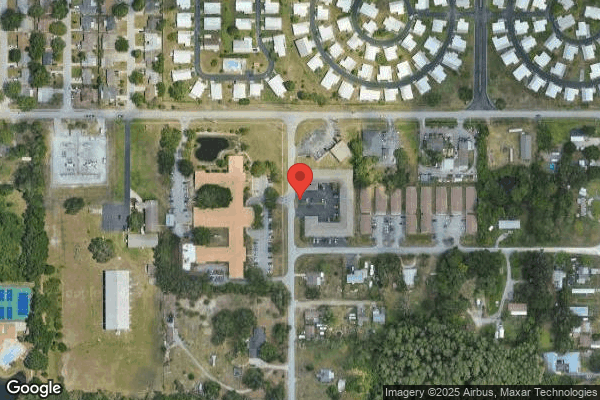
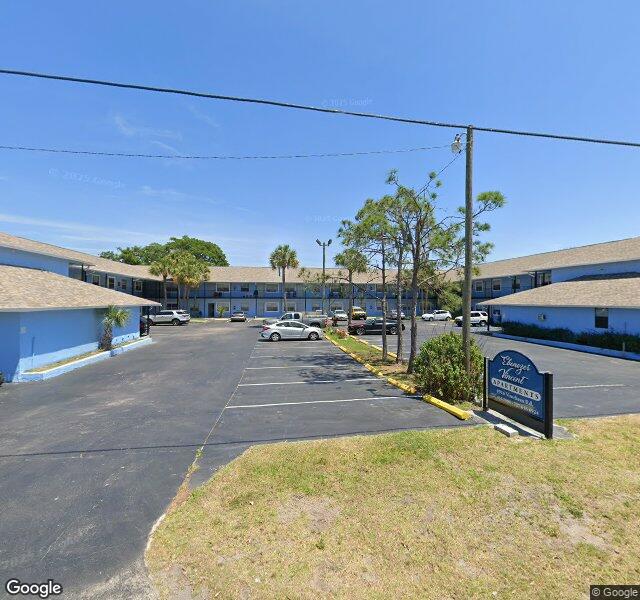
4927 VOORHEES RD, NEW PORT RICHEY, FL 34653 (727) 848-3578
For profit - Corporation 120 Beds AVIATA HEALTH GROUP Data: November 2025
Trust Grade
58/100
#313 of 690 in FL
Last Inspection: January 2024

Within standard 12-15 month inspection cycle. Federal law requires annual inspections.

Overview

Aspire at Ridge Haven has a Trust Grade of C, which means it is average and ranks in the middle of the pack among nursing homes. In Florida, it is ranked #313 out of 690, placing it in the top half, and #7 out of 18 in Pasco County, suggesting only a few local options are better. Unfortunately, the facility is worsening, with issues increasing from 3 in 2023 to 11 in 2024. Staffing is a concern, receiving a rating of 2 out of 5 stars and an average turnover rate of 44%, which may affect the consistency of care. There have been specific incidents, including a resident being left without assistance for turning, leading to discomfort and a sore, and issues with food sanitation in the kitchen, indicating areas that need improvement. Overall, while there are some strengths, families should weigh these weaknesses carefully when considering this facility.

Trust Score
C
58/100
In Florida
#313/690
Top 45%
Safety Record
Low Risk
No red flags
Inspections
Getting Worse
3 → 11 violations
Staff Stability
○ Average
44% turnover. Near Florida's 48% average. Typical for the industry.
Penalties
✓ Good
$7,558 in fines. Lower than most Florida facilities. Relatively clean record.
Skilled Nurses
⚠ Watch
Each resident gets only 29 minutes of Registered Nurse (RN) attention daily — below average for Florida. Fewer RN minutes means fewer trained eyes watching for problems.
Violations
⚠ Watch
23 deficiencies on record. Higher than average. Multiple issues found across inspections.
★★★☆☆
3.0
Overall Rating
★★☆☆☆
2.0
Staff Levels
★★★☆☆
3.0
Care Quality
★★★☆☆
3.0
Inspection Score
Stable
2023: 3 issues
2024: 11 issues

The Good

  • Full Sprinkler Coverage · Fire safety systems throughout facility
  • No fines on record
  • Staff turnover below average (44%)

    4 points below Florida average of 48%

Facility shows strength in fire safety.

The Bad

3-Star Overall Rating

Near Florida average (3.2)

Meets federal standards, typical of most facilities

Staff Turnover: 44%

Near Florida avg (46%)

Typical for the industry

Federal Fines: $7,558

Below median ($33,413)

Minor penalties assessed

Chain: AVIATA HEALTH GROUP

Part of a multi-facility chain

Ask about local staffing decisions and management

The Ugly 23 deficiencies on record

Nov 2024 3 deficiencies
CONCERN (D) 📢 Someone Reported This

A family member, employee, or ombudsman was alarmed enough to file a formal complaint

Potential for Harm - no one hurt, but risky conditions existed

Quality of Care (Tag F0684)

Could have caused harm · This affected 1 resident

**NOTE- TERMS IN BRACKETS HAVE BEEN EDITED TO PROTECT CONFIDENTIALITY** 5. During an observation and interview with Resident #4 on 11/4/24 at 3:30 P.M. she said sometimes she got her insulin late and ...

Read full inspector narrative →
**NOTE- TERMS IN BRACKETS HAVE BEEN EDITED TO PROTECT CONFIDENTIALITY** 5. During an observation and interview with Resident #4 on 11/4/24 at 3:30 P.M. she said sometimes she got her insulin late and they forget to take my fingerstick. Review of Resident #4's admission record showed 3/15/24 was the initial admission date. -Resident #4's diagnoses include type 1 DM with hyperglycemia. Review of Resident #4's order summary report for active orders as of 11/5/24, and October 2024 Medication Administration report, showed the following orders: -Blood sugar checks as needed of signs and symptoms of hypoglycemia or hyperglycemia -Hypoglycemia protocol: continue to check blood glucose every 15 minutes until blood sugar is over 70 mg/dl, -Byetta 0.2 ml every Monday for DM -Glucagon Emergency Kit for blood sugar less than 70 mg/dl and unable to take oral [swallow] -Humalog insulin 14 units before meals for DM bring snack with 6:30 A.M. Insulin -Humalog insulin inject as per sliding scale: If 151-200 give 2 units, 201-250 give 4 units, 251-300 give 6 units, 301-350 give 8 units, 351-400 10 units, greater than 400 give 12 units and notify the doctor, before meals and at bedtime for DM. Bring snack with 06:30 A.M. insulin. -Lantus Insulin 60 units every 12 hours for DM -Trulicity 0.75 once every seven days for DM Review of Resident #4's Care Plan showed -Focus: Resident #4 has a diagnosis of diabetes and is at risk for hypo/hyper glycemia, initiated 3/15/24 -Goal: Resident #4 will remain free from complications related to hypoglycemia and hyperglycemia . -Intervention to include: Accu-Check and sliding scale insulin as ordered., administer medications as ordered. Observe for signs and symptoms of unstable blood sugars tremors/shaking/nausea/vomiting, drowsiness increased thirst rapid/bounding pulse deep respirations change in mental status . Review of Resident #4's medication administration audit report, schedule date 10/1/24 to 10/31/24 showed the following: On 10/1/24 Humalog insulin 14 units before meals scheduled 8:30 A.M. was administered at 10:13 A.M. On 10/1/24 Humalog insulin per sliding scale (SS) scheduled 8:30 A.M. was administered at 10:13 A.M. On 10/1/24 Lantus insulin 60 units scheduled at 9:00 A.M. was administered at 10:13 A.M. On 10/1/24 Humalog insulin per SS before meals scheduled 9:00 P.M. was administered at 11:48 P.M. On 10/1/24 Lantus insulin 60 units scheduled at 9:00 P.M. was administered at 11:48 P.M. On 10/2/24 Humalog insulin 14 units before meals scheduled 8:30 A.M. was administered at 10:45 A.M. On 10/2/24 Humalog insulin per SS before meals scheduled 8:30 A.M. was administered at 10:45 A.M. On 10/2/24 Humalog insulin 14 units before meals scheduled 11:30 A.M. was administered at 12:47 P.M. On 10/2/24 Humalog insulin per SS before meals scheduled 11:30 A.M. was administered at 12:47 P.M. On 10/3/24 Humalog insulin 14 units before meals scheduled 4:30 P.M. was administered at 6:20 P.M. On 10/3/24 Humalog insulin per SS before meals scheduled 4:30 P.M. was administered at 6:20 P.M. On 10/3/24 Humalog insulin per SS before meals scheduled 9:00 PM was administered at 10:19 P.M. On 10/3/24 Lantus insulin 60 units scheduled at 9:00 P.M. was administered at 10:18 P.M. On 10/5/24 Humalog insulin per SS before meals scheduled 8:30 A.M. was administered at 9:55 A.M. On 10/5/24 Humalog insulin 14 units before meals scheduled 08:30 A.M. was administered at 9:56 A.M. On 10/5/24 Humalog insulin per SS before meals scheduled 9:00 PM was administered at 10:37 P.M. On 10/5/24 Lantus insulin 60 units scheduled at 9:00 P.M. was administered at 10:37 P.M. On 10/6/24 Humalog insulin 14 units before meals scheduled 4:30 P.M. was administered at 5:59 P.M. On 10/6/24 Humalog insulin per SS before meals scheduled 4:30 P.M. was administered at 6:00 P.M On 10/7/24 Humalog insulin 14 units before meals scheduled 8:30 A.M. was administered at 10:55 A.M. On 10/7/24 Humalog insulin per sliding scale (SS) before meals scheduled at 8:30 A.M. was administered at 10:54 A.M. On 10/7/24 Lantus insulin 60 units scheduled at 9:00 A.M. was administered at 10:55 A.M. On 10/7/24 Humalog insulin 14 units before meals scheduled at 11:3 A.M. was administered at 4:06 P.M. On 10/7/24 Humalog insulin per SS before meals scheduled 4:30 P.M. medication administration time not documented On 10/7/24 Humalog insulin 14 units before meals scheduled at 4:30 P.M., medication administration time was not documented On 10/7/24 Byetta 0.2 ml scheduled at 5:00 P.M., medication administration was not documented. On 10/8/24 Humalog insulin per sliding scale (SS) before meals scheduled at 8:30 A.M. was administered at 9:56 A.M. On 10/8/24 Humalog insulin 14 units before meals scheduled 8:30 A.M. was administered at 9:56 A.M. On 10/8/24 Humalog insulin per sliding scale (SS) before meals scheduled at 4:30 P.M. medication administration time is not documented On 10/8/24 Lantus insulin 60 units scheduled for 9:00 P.M. was administered at 10:22 P.M. On 10/8/24 Humalog insulin per sliding scale (SS) before meals scheduled at 9:00 P.M. was administered at 10:14 P.M. On 10/12/24 Humalog insulin per SS before meals scheduled 9:00 P.M., medication administration time not documented On 10/12/24 Humalog insulin 14 units before meals scheduled 9:00 P.M., medication administration time was not documented On 10/9/24 Humalog insulin per sliding scale (SS) before meals scheduled at 11:30 A.M. the medication administration time is not documented. On 10/9/24 Humalog insulin 14 units before meals scheduled 11:30 A.M. the medication administration time was not documented. On 10/11/24 Humalog insulin per SS before meals scheduled 8:30 A.M. was administered at 2:42 P.M. On 10/11/24 Humalog insulin 14 units before meals scheduled 08:30 A.M. was administered at 2:43 P.M. On 10/11/24 Lantus insulin 60 units scheduled at 9:00 A.M. was administered at 2:43 PM. On 10/12/24 Humalog insulin 14 units before meals scheduled at 11:30 was administered at 8:59 A.M. On 10/12/24 Humalog insulin per sliding scale (SS) before meals scheduled at 11:30 A.M. was administered at 8:59 A.M. On 10/13/24 Humalog insulin 14 units before meals scheduled at 11:30 was administered at 9:30 A.M. On 10/13/24 Humalog insulin per sliding scale (SS) before meals scheduled at 11:30 A.M. was administered at 9:30 A.M. On 10/13/24 Lantus insulin 60 units scheduled for 9:00 P.M. was administered at on 10/14/24 at 2:39 A.M. On 10/13/24 Humalog insulin per sliding scale (SS) before meals scheduled at 9:00 P.M. was administered at 10/14/24 at 2:40 A.M. On 10/14/24 Humalog insulin 14 units before meals scheduled at 11:30 was administered at 9:18 A.M. On 10/14/24 Humalog insulin per sliding scale (SS) before meals scheduled at 11:30 A.M. was administered at 9:18 A.M. On 10/15/24 Humalog insulin per sliding scale (SS) before meals scheduled at 8:30 A.M. was administered at 11:50 A.M. On 10/15/24 Humalog insulin 14 units before meals scheduled at 8:30 A.M. was administered at 11:50 A.M. On 10/15/24 Lantus insulin 60 units scheduled at 9:00 A.M. was administered at 10:50 A.M. On 10/15/24 Lantus insulin 60 units scheduled for 9:00 P.M. was administered at 11:16 P.M. On 10/15/24 Humalog insulin per sliding scale (SS) before meals scheduled at 9:00 P.M. was administered at 11:16 P.M. On 10/16/24 Humalog insulin per sliding scale (SS) before meals scheduled at 8:30 A.M. was administered at 1:44 P.M. On 10/16/24 Humalog insulin 14 units before meals scheduled at 8:30 A.M. was administered at 1:44 P.M. On 10/16/24 Lantus insulin 60 units scheduled at 9:00 A.M. was administered at 1:44 P.M. On 10/16/24 Humalog insulin 14 units before meals scheduled at 11:30 A.M. was administered at 1:44 P.M. On 10/16/24 Humalog insulin per sliding scale (SS) before meals scheduled at 11:30 A.M. was administered at 1:44 P.M. On 10/16/24 Humalog insulin per sliding scale (SS) before meals scheduled at 9:00 P.M. the medication administration time was not documented. On 10/16/24 Humalog insulin 14 units before meals scheduled 9:00 P.M. the medication administration time was not documented. On 10/17/24 Humalog insulin 14 units before meals scheduled at 11:30 A.M. was administered at 7:46 A.M. On 10/17/24 Humalog insulin per sliding scale (SS) before meals scheduled at 11:30 A.M. was administered at 7:47 A.M. On 10/17/24 Humalog insulin per sliding scale (SS) before meals scheduled at 9:00 P.M. the medication administration time was not documented. On 10/17/24 Humalog insulin 14 units before meals scheduled 9:00 P.M. the medication administration time was not documented. On 10/18/24 Humalog insulin 14 units before meals scheduled at 11:30 was administered at 7:29 A.M. On 10/18/24 Humalog insulin per sliding scale (SS) before meals scheduled at 11:30 A.M. was administered at 7:29 A.M. On 10/18/24 Humalog insulin per sliding scale (SS) before meals scheduled at 9:00 P.M. the medication administration time was not documented. On 10/18/24 Humalog insulin 14 units before meals scheduled 9:00 P.M. the medication administration time was not documented On 10/19/24 Humalog insulin 14 units before meals scheduled at 8:30 was administered at 12:14 P.M. On 10/19/24 Humalog insulin per sliding scale (SS) before meals scheduled at 8:30 A.M. was administered at 12:14 P.M. On 10/19/24 Lantus insulin 60 units scheduled at 9:00 A.M. was administered at 12:14 P.M On 10/19/24 Humalog insulin per sliding scale (SS) before meals scheduled at 9:00 P.M. the medication administration time was not documented. On 10/19/24 Humalog insulin 14 units before meals scheduled 9:00 P.M. the medication administration time was not documented On 10/20/24 Humalog insulin 14 units before meals scheduled at 8:30 A.M. was administered at 2:21 P.M. On 10/20/24 Humalog insulin per sliding scale (SS) before meals scheduled at 8:30 A.M. was administered at 2:21 P.M. On 10/20/24 Lantus insulin 60 units scheduled at 9:00 A.M. was administered at 2:21 P.M. On 10/20/24 Humalog insulin 14 units before meals scheduled at 11:30 was administered at 2:21 P.M. On 10/20/24 Humalog insulin per sliding scale (SS) before meals scheduled at 11:30 A.M. was administered at 2:21 P.M. On 10/20/24 Humalog insulin 14 units before meals scheduled at 4:30 P.M. was administered at 2:21 P.M. On 10/20/24 Humalog insulin per sliding scale (SS) before meals scheduled at 4:30 P.M. was administered at 2:21 P.M. On 10/22/24 Humalog insulin 14 units before meals scheduled at 11:30 was administered at 7:25 A.M. On 10/22/24 Humalog insulin per sliding scale (SS) before meals scheduled at 11:30 A.M. was administered at 7:25 A.M. On 10/22/24 Humalog insulin per sliding scale (SS) before meals scheduled at 9:00 P.M. was administered at 10:48 P.M. On 10/22/24 Lantus insulin 60 units scheduled at 9:00 P.M. was administered at 10:48 P.M. On 10/23/24 Humalog insulin 14 units before meals scheduled at 11:30 was administered at 8:19 A.M. On 10/23/24 Humalog insulin per sliding scale (SS) before meals scheduled at 11:30 A.M. was administered at 8:19 A.M. On 10/24/24 Humalog insulin 14 units before meals scheduled at 11:30 was administered at 9:41 A.M. On 10/24/24 Humalog insulin per sliding scale (SS) before meals scheduled at 11:30 A.M. was administered at 9:41 A.M. On 10/25/24 Humalog insulin 14 units before meals scheduled at 8:30 A. M. was administered at 3:12 P.M. On 10/25/24 Humalog insulin per sliding scale (SS) before meals scheduled at 8:30 A.M. was administered at 3:12 P.M. On 10/25/24 Lantus insulin 60 units scheduled at 9:00 A.M. was administered at 3:13 P.M. On 10/25/24 Trulicity .75 mg scheduled at 9:00 A.M. was administered at 3:15 P.M. On 10/25/24 Humalog insulin 14 units before meals scheduled at 11:30 was administered at 3:14 P.M. On 10/25/24 Humalog insulin per sliding scale (SS) before meals scheduled at 11:30 A.M. was administered at 3:14 P.M. On 10/26/24 Humalog insulin 14 units before meals scheduled for 8:30 A.M. was administered at 7:18 A.M. On 10/26/24 Humalog insulin per sliding scale (SS) before meals scheduled at 8:30 A.M. was administered at 7:18 A.M. On 10/27/24 Humalog insulin per sliding scale (SS) before meals scheduled at 9:00 P.M. was administered at 10:58 P.M. On 10/27/24 Lantus insulin 60 units scheduled at 9:00 P.M. was administered at 10:57 P.M. On 10/29/24 Humalog insulin per sliding scale (SS) before meals scheduled at 4:30 P.M. was administered at 5:45 P.M. On 10/29/24 Humalog insulin 14 units before meals scheduled at 4:30 P.M. was administered at 5:45 P.M. On 10/31/24 Humalog insulin 14 units before meals scheduled at 11:30 was administered at 12:43 P.M. On 10/31/24 Humalog insulin per sliding scale (SS) before meals scheduled at 11:30 A.M. was administered at 12:44 P.M. 6. Review of Resident #10 admission record showed 6/14/2015 was the initial admission date. Resident #10's diagnoses include Type 2 diabetes mellitus with hyperglycemia (high blood sugar levels), type 2 diabetes mellitus with hypoglycemia (low blood sugar levels), and diabetic polyneuropathy (nerve disease). Review of Resident #10's order summary report for active orders as of 11/5/24, and October 2024 Medication Administration report, showed the following orders, controlled carbohydrate diet, hypoglycemia protocol: continue to check blood glucose every 15 minutes until blood sugar is over 70 mg/dl, Basaglar Kwik Pen 30 units daily for DM, Basaglar Kwik Pen 10 units daily at bedtime for DM, Trulicity 3 mg every seven days for diabetes, and Metformin 500 mg twice daily for diabetes. Review of Resident #10's medication administration report, schedule date 10/1/24 to 10/31/24 showed the following: On 10/1/24 Metformin 500 mg scheduled for 9:00 A.M. was administered at 12:27 P.M. On 10/2/24 Basaglar 30 units scheduled at 9:00 A.M. and was administered at 12:53 P.M. On 10/2/24 Basaglar 30 units scheduled at 9:00 A.M. was administered at 12:38 P.M. On 10/2/24 Metformin 500 mg scheduled for 9:00 A.M. was administered at 12:38 P.M On 10/3/24 Metformin 500 mg scheduled for 9:00 A.M. was administered at 12:38 P.M On 10/3/24 Basaglar 30 units scheduled at 9:00 A.M. was administered at 12:50 P.M. On 10/4/24 Metformin 500 mg scheduled for 9:00 A.M. administered at 12:44 P.M. On 10/4/24 Basaglar 30 units scheduled at 9:00 A.M. was administered at 12:51 P.M On 10/5/24 Basaglar 30 units scheduled at 9:00 A.M. was administered at 12:18 P.M On 10/5/24 Trulicity 3 mg scheduled at 9:00 A.M. and was administered at 12:19 P.M. On 10/6/24 at 9:00 A.M. Resident #10's blood sugar (BS) was 48 mg/dl, unable to find documentation the hypoglycemia protocol was initiated. On 10/6/24 Metformin 500 mg scheduled for 9:00 A.M. was administered at 11:19 A.M. On 10/7/24 Metformin 500 mg scheduled for 9:00 A.M. was administered at 1:44 P.M. On 10/7/24 Basaglar 30 units scheduled at 9:00 A.M. was administered at 1:58 P.M. On 10/9/24 Basaglar 30 units scheduled at 9:00 A.M. was administered at 1:09 P.M. On 10/9/24 Metformin 500 mg scheduled for 9:00 A.M. was administered at 1:09 P.M. On 10/12/24 Metformin 500 mg scheduled for 9:00 A.M. was administered at 1:28 P.M. On 10/17/24 Basaglar 30 units scheduled at 9:00 A.M. was administered at 10:32 A.M. On 10/17/24 Metformin 500 mg scheduled for 9:00 A.M. was administered at 10:32 A.M. On 10/22/24 Basaglar 30 units scheduled at 9:00 A.M. was administered at 10:28 A.M. On 10/22/24 Metformin 500 mg scheduled for 9:00 A.M. was administered at 10:30 A.M. On 10/25/24 Basaglar 30 units scheduled at 9:00 A.M. was administered at 12:12 P.M. On 10/26/24 Metformin 500 mg scheduled for 9:00 A.M. was administered at 12:54 P.M. On 10/26/24 Basaglar 30 units scheduled at 9:00 A.M. was administered at 1:05 P.M. On 10/28/24 Metformin 500 mg scheduled for 9:00 A.M. was administered at 11:06 A.M. On 10/28/24 Basaglar 30 units scheduled at 9:00 A.M. was administered at 11:06 A.M. On 10/29/24 Metformin 500 mg scheduled for 9:00 A.M. was administered at 11:13 A.M. On 10/29/24 Basaglar 30 units scheduled at 9:00 A.M. was administered at 2:13 P.M. On 10/30/24 Basaglar 30 units scheduled at 9:00 A.M. was administered at 12:14 A.M. On 10/30/24 Metformin 500 mg scheduled for 9:00 A.M. was administered at 12:13 P.M. On 10/31/24 Metformin 500 mg scheduled for 9:00 A.M. was administered at 12:34 P.M. On 10/31/24 Basaglar 30 units scheduled at 9:00 A.M. was administered at 2:37 P.M. On 11/5/24 at 4:32 P.M. during record review and interview, the Director of Nursing (DON) was shown an entry in Resident #10's medication administration audit report for Metformin 500 mg scheduled for 9:00 A.M. The DON said her expectations was for medications to be given on time Review of the facility's policy titled, administering medications revised, April 2019, showed the information below. Policy Statement: medications are administered in a safe and timely manner, and as prescribed. Policy Interpretation and Implementation: . 4. Medications are administered in accordance with prescriber orders, including any required time frame. 5. Medication administration times are determined by resident need and benefit, not staff convenience. Factors that are considered include: 5a. enhancing optimal therapeutic effect of the medication; . 7. Medications are administered within (1) hour of their prescribed time, unless otherwise specified (for example, before and after meal orders) 21. If a drug is withheld, refused, or given at a time other than the scheduled time, the individual administering the medication shall initial and circle the Medication Administration Record (MAR) space provided for that drug and dose Based on record review and interview, the facility failed to provide care and treatments in accordance with professional standards of practices as evidence by the lack of documentation of blood pressures prior to the administration of blood pressure medication for two (#3 and #7) of seven residents sampled, failed to document the blood sugars as ordered by the physician for two (#5, and #8) of three sampled residents for monitoring of blood sugar levels, and failed to administer medications as ordered for two diabetic residents (#4 and #10) out of three residents reviewed. Findings included: 1. Review of the admission Record showed Resident #3 was admitted to the facility on [DATE] and discharged on 10/03/2024. The resident was admitted for a thirty day respite stay. The admitting diagnoses included end stage renal disease, type 2 diabetes mellitus with hyperglycemia, orthostatic hypotension, unspecified dementia and dependence on renal dialysis. Review of Resident #3's Minimum Data Set Assessment (MDS) dated [DATE], Section C-Cognitive Patterns, showed the resident had a Brief Interview for Mental Status (BIMS) score of 8 revealing moderate cognitive impairment. Review of Resident #3's Care Plan dated 09/30/2024 showed Resident #3 was at risk for cardiovascular complications related to: atrial fibrillation, hypertension, pacemaker, orthostatic hypotension. The interventions included: administer medication as ordered, assess for signs and symptoms of hypotension. Review of the Medication Reconciliation dated 09/19/2024 for Resident #3, given to the facility upon the resident's admission, showed the resident was prescribed Midodrine HCL Tablet, 2.5 milligram (MG) tablet by mouth three times a day as needed for hypotension; hold for systolic blood pressure more than 150 millimeters of mercury (mmHg). Review of the History and Physical dated 08/20/2024 from the hospital for Resident #3, revealed the resident had orthostatic hypotension and it is not uncommon for the resident to lose consciousness and his blood pressure to drop twenty points. Review of Order Summary Report dated 09/27/2024 for Resident #3's admission to the facility shows the medication Midodrine HCL Tablet 2.5 MG was ordered from the pharmacy by the facility on 09/28/2024 for the resident. Review of Resident #3's Medication Administration Record (MAR) from 10/01/2024 through 10/31/2024, showed the medication Midodrine HCL Tablet 2.5 MG was to be administered to Resident #3 one tablet by mouth for orthostatic hypotension, hold if systolic blood pressure (SBP) over 150 mmHg. Review of the MAR showed no record of Resident #3 being given the medication or having his blood pressure checked on the following dates and times: 1. 10/01/2024 - 6:00 am, 2:00 pm, 10:00 pm 2. 10/02/2024 - 6:00 am, 2:00 pm, 10:00 pm 3. 10/03/2024 - 6:00 am (this was the day of the resident's discharge from the facility) 2. Review of the admission Record, dated 11/5/24, revealed Resident #7 was originally admitted on [DATE] and readmitted on [DATE]. The clinical record for the resident revealed a discharge on [DATE] to an acute care facility. The record included diagnoses not limited to atherosclerotic heart disease of native coronary artery without angina pectoris, non-ruptured cerebral aneurysm, chronic diastolic (congestive) heart failure, and essential (primary) hypertension. Review of the October Medication Administration Record (MAR), printed on 11/4/24 at 3:24 p.m., showed Resident #7 was to receive, per physician orders, Midodrine Hydrochloride (HCl) oral tablet 5 milligram (mg) - Give 1 tablet by mouth one time a day every Tuesday (Tue), Thursday (Thu), (and) Saturday (Sat) for hypotension, Hold if less than 100. The MAR revealed the order started on 8/13/24. The MAR revealed a chart code showing 4 equaled (=) Vitals Outside of Parameters for Administration, 9 = Other/See progress notes, ineffective date 2024-01-09, and a checkmark revealed the medication had been administered. The vasoconstrictor medication, Midodrine, was scheduled to be administered at 9:00 a.m. and on 10/1/24 (Tue) the medication was held due to 4 vitals outside of parameters. On 10/3, 10/8, 10/17, 10/19, 10/22, and 10/26/24, the medication was not given due to 9 see progress notes. On 10/5, 10/10, 10/12, 10/15, and 10/24/24 the medication had been administered. The MAR and Treatment Administration Record (TAR) did not include documentation of the resident's blood pressures and the order to administer Midodrine did not include an area to document the resident's blood pressures. Review of the Weights and Vitals Summary for Resident #7 showed one blood pressure had been documented during October. The resident's blood pressure was documented as 112/63 on 10/26/24 at 3:28 p.m. The summary did not reveal the resident's blood pressure on 10/1/24 causing staff to hold the medication. Review of the progress notes dated 10/11 to 10/27/24 for Resident #7 showed on 10/26/24 the Advanced Practitioner Registered Nurse (APRN) documented a blood pressure of 112/63 for the resident. The review of additional progress notes, including electronic MAR (eMAR) notes did not reveal any documentation of other blood pressures being taken or the physician being notified the medication, Midodrine, had been held due to a blood pressure of less than 100. Review of the Care Plan for Resident #7 showed the resident was at risk for cardiovascular complications related to: heart failure, coronary artery disease (CAD), peripheral vascular disease (PVD), anemia, cerebral vascular accident (CVA), right middle cerebral artery (MCA) aneurysm, morbid obesity, (and) history (hx) myocardial infarction (MI). The goal revealed the resident would be free from cardiac complications through review date (12/4/24) and included interventions not limited to: - Administer medication as ordered (Refer to POS/MAR for current order), monitor for side effects. - Assess for signs/symptoms (s/s) of bradycardia, hypotension, dizziness, etc. - Vital signs as ordered and as needed (prn) (Refer to POS/TAR for current order). 3. Review of the admission Record showed Resident #5 was admitted to the facility on [DATE] with admitting diagnosis including type 2 diabetes mellitus. Review of Minimum Data Set (MDS) assessment dated [DATE], Part C-Cognitive Patterns, showed the resident had a Brief Interview for Mental Status (BIMS) score of 14 revealing the resident was cognitively intact. Review of the Care Plan for Resident #5, dated 08/24/2024, showed the resident had a diagnosis of diabetes and was at risk for hyperglycemia and hypoglycemia. Care plan interventions included blood glucose monitoring and sliding scale insulin as ordered, administer medications as ordered and observe for signs and symptoms of unstable blood sugars. An interview was conducted with the Director of Nursing (DON) on 11/05/2024 at 4:30 pm. The DON said blood glucose test results are charted by exception meaning if the blood glucose level is within normal limits it is not documented on the resident's chart or in a progress note. Review of a Health Status Note dated 10/07/2024 at 7:15 am, written by Staff J, Registered Nurse (RN) the resident was alert with altered mental status revealed Resident #5's blood glucose level was 61. The resident was given an intramuscular diabetic medication with positive results of the resident becoming alert and oriented after fifteen minutes. The resident's physician's office was notified and Staff J received orders for blood glucose checks twice per day. Review of physician order dated 10/07/2024 at 7:09 am, showed an order for Resident #5 for the hypoglycemia protocol: continue to check blood glucose every fifteen minutes until blood sugar is over 70 milligrams per deciliter (mg/dl). Review of physician order dated 10/07/2024 at 7:13 am, showed an order for glucose finger stick and call physician if Resident #5's blood sugar is below 70 mg/dl or over 400 mg/dl. Review of the Medication Administration Record for Resident #5 dated 10/21/2024 through 10/31/2024 showed blood glucose levels were not recorded on the following dates: 1. 10/08/2024 day 2. 10/08/2024 night 3. 10/09/2024 day 4. 10/09/2024 night 5. 10/10/2024 day 6. 10/10/2024 night 7. 10/11/2024 day 8. 10/11/2024 night 9. 10/12/2024 day 10. 10/12/2024 night 4. On 11/4/24 and 11/5/24 random observations were made of Resident #8 propelling self in a wheelchair in the hallway or sitting in the doorway of her room. Review of the admission Record showed Resident #8 was admitted on [DATE]. The record included diagnoses not limited to type 2 diabetes mellitus without complications and morbid (severe) obesity due to excess calories. Review of the October Medication Administration Record (MAR) for Resident #8 revealed a physician order dated 10/4/24 instructing staff to Blood sugar check twice daily (BID) x 7 days, two times a day for Diabetes Mellitus. Check blood sugar daily before meal **Call MD if <60 or >400**. The order had been scheduled for 6 a.m. and 9 p.m. then discontinued on 10/20/24. The order did not include an area for staff to document blood glucose levels and the MAR and TAR did not include an additional area for staff to document the resident's blood glucose levels. The electronic MAR did show the blood sugar checks had been completed from 10/4 at 9:00 p.m. till 10/20 at 9:00 p.m. Review of the Blood Sugar Summary on 11/4/24 at 4:05 p.m. revealed documentation of Resident #8's blood sugars: - 10/5/24 at 1:23 a.m. - 123.0 milligram/deciliter (mg/dl) - 10/5/24 at 5:32 a.m. - 135.0 mg/dl No documentation of a blood glucose level before the noon or evening meal per the physician order or at the scheduled time of 9:00 p.m. The MAR revealed staff had documented a blood sugar level had been obtained on 10/5/24 at the scheduled time of 9:00 p.m. - 10/6/24 at 6:36 a.m. - 122.0 mg/dl - 10/6/24 at 9:03 p.m. - 153.0 mg/dl No documentation of a blood glucose level had been obtained prior to the noon or evening meal per the physician order. - 10/7/24 at 5:06 a.m. - 125.0 mg/dl No documentation of a blood glucose level had been obtained prior to the noon or evening meal per the physician order or at the scheduled time of 9:00 p.m. The MAR showed staff had obtained a level at 9:00 p.m. on 10/7/24. - No documentation of a blood glucose level on 10/8 or 10/9/24. Staff had electronically documented levels had been obtained on those dates. - 10/10/24 at 5:24 a.m. - 122.0 mg/dl No documentation of a blood glucose level had been obtained prior to the noon or evening meal per the physician order or at the scheduled time of 9:00 p.m. on 10/10/24. Staff had documented on the MAR a 9:00 p.m. level had been obtained and progress notes showed staff had documented the resident had received as needed medication administrations at 7:49 p.m. and 7:50 p.m. with electronic documentation of their effectiveness at 9:25 p.m. - 10/11/24 at 7:31 a.m. - 114.0 mg/dl The progress notes, MAR, and blood sugar summary showed no documentation of a blood glucose level had been obtained prior to the noon or evening meals or at the scheduled time of 9:00 p.m. on 10/11/24 however staff documented on the MAR a level had been obtained as scheduled at 9:00 p.m. Review of the Care Plan for Resident #8 revealed the resident had a diagnosis of diabetes and was at risk for hyper/hypo glycemia. The goal was for the resident to remain free from complications related to hyper/hypoglycemia through (the) next review date. The interventions instructed staff to (obtain) Accu-checks (blood glucose levels) and sliding scale insulin as ordered (Refer to POS/MAR for current orders) and labs as ordered and report results to physician (Refer to POS/TARs for current orders). Review of the policy - Blood Glucose Monitoring & Disinfecting, revised 5/1/23 included instructions for the procedure. The procedure instructed staff to: - Prepare glucose meter for testing. - Wipe tip of finger with alcohol swab and allow to dry. - Pierce the site with lancet. - Transfer drop of blood to test strip. - Apply pressure to puncture site with gauze pad or alcohol swab. - Test blood specimen per manufactures guidelines. - Read results. - Discard test strip and other materials. - Discard lancet in sharps container. - Remove gloves. - Perform hand hygiene. - Clean and disinfect the meter with disinfecting wipes (per manufacture guidelines). - Place meter in medication cart. - Document result in electronic medical record. An interview was conducted with the Director of Nursing (DON) on 11/4/24 at 4:00 p.m. The DON reviewed Resident #8's MAR and said it shows up on the order and depends on how staff put it in. A review of the Blood Glucose Vital Summary was completed with the DON showing the blood glucose levels are not documented as ordered. During an interview on 11/5/24 at 4:29 p.m. with the DON and Executive Director (ED), the DON stated she would document a blood sugar but the order hadn't been put in (the computer) like that and the facility documents by exception so she would expect if outside the parameters there would be a note.
CONCERN (D) 📢 Someone Reported This

A family member, employee, or ombudsman was alarmed enough to file a formal complaint

Potential for Harm - no one hurt, but risky conditions existed

Deficiency F0698 (Tag F0698)

Could have caused harm · This affected 1 resident

**NOTE- TERMS IN BRACKETS HAVE BEEN EDITED TO PROTECT CONFIDENTIALITY** Based on observations, record reviews, and interviews the facility failed to ensure one (#7) out of two residents received Dialy...

Read full inspector narrative →
**NOTE- TERMS IN BRACKETS HAVE BEEN EDITED TO PROTECT CONFIDENTIALITY** Based on observations, record reviews, and interviews the facility failed to ensure one (#7) out of two residents received Dialysis as scheduled per physician orders, failed to arrange transportation to an alternate site during a period of evacuation, failed to notify the Healthcare Proxy and physician of missed Dialysis treatments, failed to coordinate treatments with the Dialysis center resulting in a wellness check by law enforcement. Findings included: Review of the admission Record revealed Resident #7 was originally admitted on [DATE] and re-admitted on [DATE]. The record included diagnoses not limited to End Stage Renal Disease (ESRD) and dependence on renal dialysis. Review of the Skilled Nursing Facility/Nursing Facility (SNF/NF) Transfer form, dated 10/26/24, showed Resident #7 had been transferred to an acute care facility on that date at 00:01 a.m. The form showed the resident was alert and disoriented but could follow simple instructions. Review of progress notes for Resident #7 showed on 10/26/24 at 10:56 a.m., Staff E, Registered Nurse (RN) reported contacting the transport (company) to follow up (f/u) on this resident's transport to Dialysis. Transport was set up for 10/31/24 - 1/31/25, at this time transport was set up for 10/29/24 pick up (p/u) is between 9:40 a.m. and 10:10 a.m., confirmation number 2521250. Asked if they could be her (here) this am (a.m.) for transport, and they stated it would be 3 to 4 hours before they could get here. Her Dialysis chair time is at 10:30 am. Contacted (transport vendor) to transport (Resident #7) to the emergency room (ER), estimated time of arrival (ETA) is approximately 30 minutes. A note 10/26/24 at 11:05 a.m. showed Staff E had encouraged the resident to drink water. The note written by Staff E on 10/26/24 at 11:08 a.m. showed the transport vendor arrived at 11:10 a.m. to transport the resident to an acute care facility for dialysis with no complaints of pain or discomfort. The note written by Staff E on 10/26/24 at 4:27 p.m. showed the acute care facility did not provide outpatient dialysis and resident was admitted for dialysis. Review of the Advanced Practitioner Registered Nurse (APRN) note dated 10/27/24 at 6:36 p.m. revealed Resident #7 was seen on 10/26/24 for follow up dialysis. The APRN documented the resident is seen today for missing her dialysis appointment and had informed the resident of being transferred to hospital for treatment. The note revealed the resident was dependent on dialysis for ESRD, was resting in bed and denied complaints of pain or distress. The assessment/plan revealed the resident's ESRD was unstable and the plan was for hemodialysis as per schedule. Review of Resident #7's care plan showed the following: - had the potential for complications related to dialysis diagnosis End Stage Renal Disease (ESRD) renal failure. On occasion (the resident) will choose not to attend regularly scheduled dialysis appointments. Dialysis: May go to dialysis on Tuesday, Thursday, and Saturdays, chair time 11:30 a.m., pick up time 10:30. The interventions included instructions for staff to make transportation arrangements for dialysis. - (Resident) has an advance directive; Health Proxy naming son as decision maker on file in center. Lack of capacity documentation on file. The interventions instructed staff to Discuss life-prolonging procedures with the appointed health care representative as (resident) has been determined to be incapacitated. Review of the facilities timeline for Resident #7's Dialysis during the period the facility had to evacuate for a storm and the return to the property showed the following: - 10/8 evacuation - Dialysis (vendor) New Port [NAME] (NPR) - 10/10 Dialysis closed - missed - 10/12 to ER for Dialysis - 10/15 Dialysis center Brooksville - 10/17 Dialysis center Brooksville - 10/19 Dialysis center Brooksville - 10/22 Dialysis center Brooksville - planned to repopulate - 10/24 Missed Dialysis - 10/25 Repopulated - unable to set up transport - needs 3 business days. - 10/26 to ER for Dialysis An interview was conducted with a Registered Nurse of the Dialysis Center in Brooksville where Resident #7 had been evacuated to, the RN stated the center had reopened in the afternoon of 10/10/24 and was unable to say whether there had been issues with transportation on that day. The RN was unable to answer any further questions for this writer and asked if the centers administrator could call, as of 11/8/24 no return call has been received. Review of an acute care facility notes regarding Resident #7 showed on 10/12/24 at 7:05 p.m. the resident presented with need of dialysis treatment. The history of present illness revealed a female with history of dementia presents to the ED via Emergency Medical Services (EMS) with complaints of the patient being in need of dialysis. EMS states that the patients living facility called them due to the patient not being able to receive dialysis treatment from the hurricane. An echocardiogram, on 10/12/24 at 7:17 p.m. revealed normal sinus rhythm and no chest pain. An chest Xray, 10/12/24 at 7:59 p.m. was completed for chest pain. The Impression and Plan related to the visit on 10/12/24 revealed a sacral decubitus ulcer, dialysis patient, and a urinary tract infection (UTI) and the disposition of the patient was to the Observation Telemetry Unit. The nephrology consult note dated 10/13/24 at 4:32 p.m. showed the resident had 'a history of ESRD, on hemodialysis Tuesday, Thursday, (and) Saturday was admitted to the hospital secondary not being able get dialysis. The nephrology assessment/plan included will schedule for hemodialysis in a.m. The Discharge summary dated [DATE] at 10:39 a.m. showed Resident #7 had no distress, no new complaints, and Dialysis today. The facility provided the hospital's notes which showed they had been sent to this facility on 11/5/24 at 3:55 p.m., 22 days after the resident had been discharged from the hospital following dialysis treatments. Review of Resident #7's progress notes and Medication Administration Record (MAR) did not reveal information the resident had been admitted to an acute care facility on 10/12 and had not returned to the evacuation facility until 10/14/24. A note dated 10/12/24 at 1:57 p.m. showed an attempt was made to contact the resident's healthcare proxy to notify that the facility was keeping track of the day to day status of our ability to return. The review showed no progress note dated 10/12- 10/14/24 showing the resident's healthcare proxy had been notified of the resident's transfer to an acute care facility. An interview was conducted on 11/5/24 at 9:55 a.m. with the Executive Director (ED). The ED reported the facility was still in it's investigation phase of the allegation related to Resident #7's Dialysis care. The ED reported interviewing the nurse (Staff F) who had cared for the resident on Thursday 10/24/24 (the day Resident #7 had missed Dialysis) and Staff F (Licensed Practical Nurse, LPN) statement said on 10/24/24 Staff F asked Staff G (Staffing Coordinator) if the staff member could verify the chair time for Resident #7's dialysis and transportation. Staff F reported Staff G's response was transportation was not happening. Staff F reported to the ED of not documenting Resident #7 had missed dialysis. The DON entered the interview, providing the Treatment reports from the Dialysis center where the resident had received dialysis during the evacuation, and stated she had arranged chair times with the Dialysis Center in the city of evacuation to happen at 10:30 on Tuesday, Thursday, and Saturday and the resident had missed Dialysis on 10/10 due to the hurricane so she told staff to transport to the hospital on 10/12. The DON stated the resident had gone to the Dialysis center on 10/15, 10/17, 10/19, and 10/22/24. She stated she had received a telephone call from her staff members at 6 a.m. while in Vegas (regarding the resident's transport). The DON stated she had attempted to set up transport for 10/26 but was told transport needed 3 business day notice and had called another transport company who could transport after a 3-4 hour wait so the patient was sent to the emergency room for Dialysis on 10/26/24. The ED reported Staff G had reported an attempt was made with the staff member at the sister facility to find out why transport was not there on 10/24/24 to transport the resident to Dialysis and was unable to secure transport and had informed Staff F so other alternatives could have been implemented. Review of the Dialysis Centers Treatment Detail Reports showed Resident #7 had received Dialysis services on 10/17, 10/19, and 10/22/24. The reports did not include documentation the resident had received Dialysis on 10/15 per the documented facility timeline and as the DON had reported. The treatment reports showed they had been sent on 11/5/24 at 10:42 a.m., 14 days after the resident had received the last dialysis session at the Brooksville location. Review of the hospital's documentation for the Resident's admission on [DATE], revealed, .history of end-stage renal disease on dialysis Tuesday, Thursday, (and) Saturday. (Resident) is here due to missed dialysis. (Resident) has no complaints however reports that (pronoun) last dialysis was Tuesday, (pronoun) missed Thursday because (pronoun) dialysis center was evacuated, and when (pronoun) came for dialysis today, was told that the center schedule is too busy and subsequently brought here by EMS. Labs were reviewed. (Resident) potassium is within normal limits, no evident of critical fluid overload. Regardless, (pronoun) does require dialysis due to (pronoun) scheduling difficulties and significant delay. Discussed with nephrology. Will be admitted for dialysis and further management. Will need case management consult as may need a new dialysis center. An interview was conducted on 11/1/24 at 3:16 p.m. with the originating Dialysis Centers administrator. The staff member stated Resident #7 was to receive Dialysis on Tuesday, Thursday, and Saturdays. The center had attempted to contact the facility on 10/11/24 for a safety check as the resident had missed a treatment on 10/10. The administrator reported receiving a call on 10/14 from the Brooksville hospital for orders to dialyze Resident #7 and on 10/15/24 the center was told by the hospital the resident was no longer there. The administrator contacted the Director of Nursing (DON) on 10/15 and was told they didn't have any plans to set up Dialysis and if the resident didn't feel good they would transport to the hospital for treatment. The Dialysis administrator reported setting up treatment at the local Dialysis center for 10/17, 10/19, and 10/22 which the DON was notified of. After Resident #7 missed the treatment on 10/24, the administrator attempted to contact the facility DON and was informed she was on vacation and the facility had not returned to the New Port [NAME] facility. The center requested a wellness check on 10/25/24 from law enforcement for Resident #7. The Dialysis center administrator reported there had been a lack of communication between the facility and Dialysis center. An interview was conducted on 11/5/24 at 9:32 a.m. with Resident #7's family member and healthcare proxy (HCP). The family member reported not being informed of the resident's missed Dialysis appointments and the nurse at the hospital had informed them the resident had missed 2 appointments. The family member stated on 10/27/24, day after the resident was transferred to the acute care facility, the resident would not talk to them and was not eating or drinking. The HCP reported the resident still was not eating, was drinking very little, and the nurses were giving the resident liquid Morphine for pain. An interview was conducted with the DON and ED on 11/5/24 at 4:29 p.m., the DON stated Resident #7 had received treatment on 10/15/24 from the Dialysis Center in Brooksville. The DON stated she had set up dialysis treatment for Resident #7 at the dialysis center in Brooksville for 10/15, 10/17, 10/19, and 10/22/24 with a chair time of 10:30 a.m. She reported she did not know what the dialysis center had sent to the facility (the morning of 11/5) as she had given the reports to this writer as soon as they had been received. The DON reiterated Resident #7 would have gone to the dialysis center on 10/15, 10/17, 10/19, and 10/22/24. The ED stated the facility did not know why transport did not show up for Resident #7 on 10/25 and the nurse (Staff F) had not followed up. The ED reported law enforcement was in the facility for Resident #7(wellness check) on Friday (10/25/24). Review of the facility contracts with Dialysis centers (3) revealed the contracts were entered into with previous facility owners and did not include a contract with the current owners. Also the contracts did not include the Dialysis center in which Resident #7 was currently scheduled to receive treatments. Review of the policy - Coordination of Hemodialysis Services, revised 7/2/2019, revealed residents requiring an outside ESRD facility will have services coordinated by the facility. There will be communication between the facility and the ESRD facility regarding the resident. The facility will establish a dialysis the agreement/ arrangement if there are any residents requiring dialysis services. The agreement shall include how the residents care is to be managed. The procedure revealed the facility should initiated pre- Dialysis communication forms to be sent to the Center, the Center should complete the communication form or provide the treatment information to the facility and upon the resident's return to the facility, nursing was to review the communication form, complete the post-dialysis information on the Dialysis communication form and file the completed form in the resident's record.
CONCERN (D) 📢 Someone Reported This

A family member, employee, or ombudsman was alarmed enough to file a formal complaint

Potential for Harm - no one hurt, but risky conditions existed

Pharmacy Services (Tag F0755)

Could have caused harm · This affected 1 resident

**NOTE- TERMS IN BRACKETS HAVE BEEN EDITED TO PROTECT CONFIDENTIALITY** Based on record review and interview, the facility failed to ensure the accounting of narcotic medications were accurately docum...

Read full inspector narrative →
**NOTE- TERMS IN BRACKETS HAVE BEEN EDITED TO PROTECT CONFIDENTIALITY** Based on record review and interview, the facility failed to ensure the accounting of narcotic medications were accurately documented for one (#7) of two residents. Findings included: Review of the admission Record, dated 11/5/24, showed Resident #7 was originally admitted on [DATE], readmitted on [DATE], and discharged to an acute care facility on 10/26/24. The record included diagnoses not limited to chronic pain syndrome and unspecified gout. Review of the October Medication Administration Record (MAR) revealed Resident #7's physician order for oxyCODONE-Acetaminophen Oral Tablet 5-325 milligram (mg) (Oxycodone w/ Acetaminophen) - Give 1 tablet by mouth every 6 hours as needed for pain. The start date for this order was 8/11/24. The MAR revealed the resident received Oxycodone-Acetaminophen on 10/3, 10/7, 3 times on 10/9 (12:39 a.m., 8:16 a.m., and 2:14 p.m.), 10/10, 10/15, 10/19, 10/22, 10/23, and twice on 10/25 (5:48 a.m. and 9:13 p.m.). The MAR showed the resident had received a total of 12 doses during the month of October. Review of one of two Medication Monitoring/Control Records for Resident #7's oxyCODONE/Acetaminophen 5-325 mg tablets revealed 30 tablets of the medication had been received on 8/20/24. The descending count of tablets showed 2 tablets were administered during September, leaving a total of 28 tablets available for administration. The second Control Record showed 26 tablets had been received on 10/7/24. The record instructed for the name of the receiving Licensed Nurse to be printed, the name written appeared to be a S with a humped squiggle, the name was illegible. The records revealed the following was removed from the available tablets of the residents scheduled II narcotic medication during the month of October: 10/3, 10/7, 10/8/24 at an illegible time, twice on 10/9/24 at 8:17 a.m. and 2:14 p.m., three times on 10/10/24 at 7:40 a.m., 2:30 p.m., and one illegible time, 10/11/24 at an illegible time, 10/14/24 at 10:50 p.m., 10/15/24 at 12 noon, twice on 10/16/24, 10/19/24 at an illegible time, 10/22/24 at an illegible time, 10/23/24, 10/24/24, 10/25/24 at 9:15 p.m. The Control Records revealed Resident #7 had received 18 doses and 2 tablets had been wasted. Review of the MAR and Control Records for Resident #7 showed the following discrepancies: - Control record documentation of administration on 10/8/24 at an illegible time was not recorded on MAR. - Control record documentation of administration on 10/9/24 at 12:39 a.m. was not recorded on MAR. - Control record documentation of administration on 10/10/24 at 7:40 a.m. was not recorded on MAR. - Control record documentation of administration on 10/10/24 at an illegible time was not recorded on MAR. - Control record documentation showed on 10/10/24 at an illegible time was wasted. The Record did not show in the Record of Waste and Spoilage that the medication had been wasted by 2 staff members as shown. - Control record documentation of administration on 10/11/24 at an illegible time was not recorded on MAR. - Control record documentation of administration on 10/14/24 at 10:50 p.m. was not recorded on MAR. - Control record documentation of administrations on 10/16/24 at 3 p.m. and 9:32 p.m. were recorded on MAR. Review of Policy - Preparation and General Guidelines IIA7: Controlled Substances, dated August 2019, revealed Medications included in the Drug Enforcement Administration (DEA) classification as controlled substances are subject to special handling, storage, disposal, and record keeping in the facility, in accordance with federal state laws and regulations. The procedure included the following: A. The Director of Nursing and the consultant pharmacist in collaboration maintain the facility's compliance with federal and state laws and regulations in the handling of controlled medications. Only authorized licensed nursing and pharmacy personnel have access to the controlled medications. E. Accurate accountability of the inventory of all controlled drugs is maintained at all times. When a controlled substances administered, the licensed nurse administering the medication immediately enters the following information on the accountability record and the medication administration record (MAR): 1) Date and time of administration (MAR, Accountability Record). 2) Amount administered (Accountability Record). 3) Remaining quantity (Accountability Record). 4) Initials of the nurse administering the dose, completed after the medication is actually administered (MAR, Accountability Record). An interview was conducted with Staff A, Licensed Practical Nurse (LPN) on 11/5/24 at 9:19 a.m. The staff member reported the process of administering narcotic medications was to sign off the narcotic on the computer and sign off the narcotic sheet. An interview was conducted with Staff B, Licensed Practical Nurse (LPN) on 11/5/24 at 9:23 a.m. The staff member reported the process for administering narcotic medications was after popping the medication out (of blister card), sign it out on the narcotic record and in the computer. During an interview on 11/5/24 at 4:29 p.m. with the Director of Nursing (DON) and the Executive Director (ED), the DON reviewed Resident #7's Control Records for Oxycodone/Acetaminophen tablets and confirmed nurses were to sign out on both the MAR and the record. She confirmed not knowing who had signed the record in area of S with a squiggle as it was illegible, stating she would have to check the schedule. The DON stated the expectation would be for the document to legible.
Jan 2024 8 deficiencies
CONCERN (D)

Potential for Harm - no one hurt, but risky conditions existed

Deficiency F0554 (Tag F0554)

Could have caused harm · This affected 1 resident

2) On 1/08/2024 at 10:08 AM, Resident #42 was observed in bed, the over the bed table beside the bed, within reach. On the over the bed table were two small medication cups, 7 medications were in one ...

Read full inspector narrative →
2) On 1/08/2024 at 10:08 AM, Resident #42 was observed in bed, the over the bed table beside the bed, within reach. On the over the bed table were two small medication cups, 7 medications were in one cup (1 small round blue, 1 small oblong yellow, 1 small round beige, 1 small round yellow, 1 round medium white, 1 small round white, and 1 yellow capsule) and 4 pills in the second cup (2 round pink and 2 round orange). (Photographic Evidence Obtained). An interview was conducted with Resident #42, on 1/08/2024 at 10:08 AM. Resident #42 stated, I was not ready to take the medications when the nurse brought them, therefore the nurse left them for me to take when I was ready. During an interview on 1/08/2024 at 11:15 AM, Staff L, Licensed Practical Nurse (LPN) stated the medications had been left at the bedside, per the resident's request. Staff L, LPN confirmed the medications were documented as given, and should not have been left at bedside, as the resident does not have an order for self-administration. Review of Resident #42's Order Summary Report for January 2024, confirmed Resident #42 did not have an order for self-administration of medications. On 1/09/2024 at 1:07 PM, Resident #69 was observed in bed with lunch on the over the bed table across her lap. Next to the lunch tray was a medication cup full of a clear liquid. An interview was conducted with Resident #69, on 1/09/2024 at 1:07 PM. Resident #69 stated That is my Potassium. During an interview on 1/09/2024 at 1:15 PM, Staff D, Registered Nurse (RN) stated, I left the medication with [Resident #69], and I'll go back and check on the resident. Staff D, RN continued to state that none of the long-term residents on the hall had orders for self-administration. I should not have left the medication, stated Staff D, RN. Review of Resident #69's Order Summary Report for January 2024, confirmed Resident #69 did not have an order for self-administration of medications. Review of the facility's policy and procedure, titled Self-Administration of Medications at Bedside, Document Name: N-872 with a revision dated: 8/22/2017 revealed the following: Policy: The resident may request to keep medications at bedside for self-administration in accordance with Residents Rights. Criteria must be met to determine if a resident is both mentally and physically capable of self-administering medications and to keep accurate documentation of these actions. Procedure: Verify physician's order in the resident's chart for self-administration of specific medications under consideration. Complete self-administration of medications evaluations. The interdisciplinary team will review the evaluation and will document Section III. Approval granted must be checked yes or no. Interdisciplinary team members sign the evaluation section. If approval is not granted, a statement must be written as to reason for denial. Complete the care plan for approved self-administered drugs. Self-administration of meds is reviewed by the care plan team with each quarterly review, and with any change in status noted. The medication administration record (MAR) must identify meds that are self-administered, and the medication nurse will need to follow-up with resident as to documentation and storage of medication during each pass. If kept at bedside, the medication must be kept in a locked drawer. When a resident is unable to self-administer medications, they will be given by the nursing staff until the resident can be reevaluated by the interdisciplinary team. Based on observations, interviews, and record review, the facility failed to ensure two residents (#42 and #69) were assessed for the self-administration of medications out of 35 sampled residents. Findings included: 1) An observation was conducted on 1/9/24 at 10:45 a.m. with Staff D, Registered Nurse (RN) of medication administration. During the observation, a medication cup containing 2 round pink tablets was observed on Resident #42's over-bed table. The staff member and resident reported the tablets were (name brand) chewable antacid tablets. Staff D reported the resident should not have the tablets in her room. The staff member asked Staff C, Licensed Practical Nurse/Unit Manager (LPN), if the resident was allowed to have the tablets and Staff C shook her head. Review of Resident #42's physician orders did not reveal an order for the chewable antacid tablets and no documentation for the resident to self-administer any medications. A request was made to the facility for a list of all residents assessed for the self-administration of medications. The facility provided a list which did not include Resident #42 or Resident #69. An interview was conducted on 1/11/24 at 1:46 p.m. with the Director of Nursing (DON). The DON stated (name brand) antacid tablets should not have been left at (Resident #42's) bedside. She stated the resident had not been assessed for self-administration of medications and there was only one resident in the facility allowed to self-administer with supervision in preparation for discharge.
CONCERN (D)

Potential for Harm - no one hurt, but risky conditions existed

Deficiency F0578 (Tag F0578)

Could have caused harm · This affected 1 resident

**NOTE- TERMS IN BRACKETS HAVE BEEN EDITED TO PROTECT CONFIDENTIALITY** Based on interviews and record review, the facility failed to honor a resident's decision to formulate an advance directive and ...

Read full inspector narrative →
**NOTE- TERMS IN BRACKETS HAVE BEEN EDITED TO PROTECT CONFIDENTIALITY** Based on interviews and record review, the facility failed to honor a resident's decision to formulate an advance directive and did not ensure a current copy of the Advance Directive was in the resident's medical record for one resident (#68) of one resident sampled. Findings included: An interview was conducted with Resident #68's Resident Representative (RR) on 1/08/2024 at 2:11 PM. Resident #68's representative stated the resident was admitted to the facility under hospice care. The RR stated the family had implemented a Do Not Resuscitate Order (DNR) with hospice prior to admission and was told the family needed to come into the facility to sign another form. The RR tried to explain they were unable to come into the facility at this time as they had been quite ill. The RR stated they did not understand why the DNR was not able to be utilized in the facility as the hospice nurse had told them it was transferable to any institution. An interview was conducted with Staff L, Licensed Practical Nurse (LPN) on 1/08/2024 at 3:47 PM. Staff L, LPN stated Resident #68 was a Full Code and on hospice. An interview was conducted with the Social Service Director (SSD) on 1/08/2024 at 3:47 PM. The SSD stated Resident #68 came in with a bad DNR as the form had an electronic signature. The SSD continued to state the facility had taken the steps to have the resident deemed incompetent and to have the physician sign a new DNR. The facility was only waiting for the family to bring the form back into the facility, and the facility Had to follow 401 to the letter. The SSD confirmed the RR had informed the facility of the choice to enact a DNR for the resident. Review of the resident's admission Record showed the resident was admitted to the facility on [DATE]. The resident had a Power of Attorney (POA) for Financial and Health Care. The resident was being seen by Hospice. Review of the resident's Medical Certification for Medicaid Long-Term Care Services and Patient Transfer Form (AHCA Form 5000-3008), dated 11/28/2023, was signed by the Advanced Practice Registered Nurse (APRN). The form revealed the resident was a DNR. Review of the resident's physician order for 12/1/2023 revealed Resident #68 was a Full Code. Review of the Social Service admission Assessment, dated 12/06/2023, signed by the SSD showed the resident had a Durable Power of Attorney (DPOA). No other resident rights were indicated. The SSD documented, the resident has a POA for Finance and Health, would like DNR, explained need to have MDs sign Lack of Capacity and Terminal Declaration to allow him to sign, forms out for physician to sign, request sent to Psychologist. Facility will integrate services with Hospice Team. No other social service notes were presented. Review of the Certificate of Terminal Illness, dated 10/04/2023, and signed by the physician. The documentation additionally revealed the physician's discussion with the DPOA regarding the DNR process. The DPOA elected DNR. DNR was executed. An interview was conducted with the Director of Nursing (DON) on 1/08/2023 at 4:10 PM. The DON stated electronic signatures are acceptable. An interview was conducted with the SSD on 1/08/2023 at 4:30 PM. The SSD stated the family must come into the facility and sign the paperwork. The SSD stated the RR does request the resident to be a DNR but has not been able to make it into the facility. Review of the resident's medical record revealed a State of Florida Do Not Resuscitate Order, dated 10/04/2023, signed by the RR and an electronic signature of the physician. Review of the facility policy and procedure titled Advanced Directives, revision date of 11/14/2018, revealed the following: Policy: The center will abide by state and federal laws regarding Advanced Directives. The center will honor all properly executed advanced directives that have been provided by the resident and/or representative. Process: .2. Social Service Director and/or Business Development Coordinator/designee will assist the resident/resident representative to complete the Advanced Directives Discussion Document. If an advanced directive exists, the Social Services and/or Business Development Coordinator/designee will obtain a copy and place it in the resident's medical record.5. Advanced directives will be reviewed: *quarterly *Hospice admission Review of the facility policy and procedures titled Florida Do Not Resuscitate (DNR), dated 10/25/2018, revealed the following: Policy: The center will follow Florida law regarding obtaining and honoring Do Not Resuscitate orders. Procedure: 1. The State of Florida Do Not Resuscitate order (DNRO or DH form 1896) must be signed by the attending physician/covering physician or medical director and by the resident or, if the resident is incapacitated, the resident representative a. Electronic or fax physician signature is acceptable 3. The properly executed DNRO will be placed in the resident's medical record.
CONCERN (D)

Potential for Harm - no one hurt, but risky conditions existed

Assessment Accuracy (Tag F0641)

Could have caused harm · This affected 1 resident

**NOTE- TERMS IN BRACKETS HAVE BEEN EDITED TO PROTECT CONFIDENTIALITY** Based on observations, interviews, and record review, the facility failed to ensure two of two Minimum Data Set (MDS) assessment...

Read full inspector narrative →
**NOTE- TERMS IN BRACKETS HAVE BEEN EDITED TO PROTECT CONFIDENTIALITY** Based on observations, interviews, and record review, the facility failed to ensure two of two Minimum Data Set (MDS) assessments were accurate to include an active diagnosis of trauma/Post Traumatic Stress Disorder (PTSD), for one resident (#5) of four sampled residents diagnosed with long standing trauma/PTSD. Findings included: On 1/8/2024 at 11:00 a.m. the Director of Nursing (DON), Assistant Director of Nursing (ADON), and the Nursing Home Administrator (NHA) provided the survey team with a completed Resident Matrix tool, which contained all ninety-six facility residents with detailed problem indictors checked for each of those residents. In the Post Traumatic Stress Disorder (PTSD)/Trauma section of the matrix, Resident #5 was not indicated as having PTSD/Trauma. On 1/8/2024 at 9:30 a.m. an interview was conducted with Staff A, Certified Nursing Assistant (CNA), and Staff F, CNA who stated they were knowledgeable of Resident #5 related to her care needs. Staff A and F stated they had Resident #5 on their work assignment. Staff A and F stated Resident #5 had vision impairment and she required staff to explain where things are located throughout her room. Staff A and F stated Resident #5 had cognition impairment and she was not able to be interviewed but could answer some simple yes and no questions. Staff A and F stated Resident #5 does call out and scream at times but they were not aware of her having any type of trauma or PTSD. Staff A and F stated they would not know what to look for with relation to any type of past trauma behaviors. They stated Resident #5 screams aloud at times and is most times easily redirected. On 1/8/2024 at 9:35 a.m. an interview was conducted with Staff D, Licensed Practical Nurse (LPN). Staff D stated she was new to the facility and did not feel she would be able to explain any of the residents on her hall or what there care needs were. Staff D stated Resident #5 did present with screaming and yelling behaviors, but was not aware as to why she presented with those behaviors. On 1/8/2024 at 10:20 a.m. Resident #5 was observed seated in her wheelchair next to her bed. She was observed dressed for the day and well groomed. She was observed with her eyes closed making noises aloud and then started to yell out. She yelled out for approximately three to four minutes prior to staff responding. A staff member who was walking by the room, knocked on the door and entered the room to redirect and calm the resident. After the staff member was able to calm Resident #5, she then left the room. Resident #5 was noted in the main dining room on 1/8/2024 at 12:15 p.m., receiving assistance with her meal from Staff U, CNA. Resident #5 had no behaviors, pain or discomfort during the entire meal service. At 1:30 p.m. Staff U was asked about Resident #5's calling out and screaming behaviors and she stated she was newer to the facility and was not totally aware why she screams out at times. She stated Resident #5 was usually easily redirected. Staff U was not aware Resident #5 had any type of past trauma or PTSD. A review of Resident #5's Care Plans, next review date of 2/28/2024, revealed a care plan problem area to include: Resident has a history of trauma that affect her negatively. On 1/9/2024 at 7:45 a.m. an interview was conducted with the NHA. The NHA stated they were changing/updating electronic systems and found the Resident Matrix was not totally accurate and would need to bring a corrected one for review. At 8:00 a.m. the NHA provided the corrected and updated Resident Matrix for review. The corrected Resident Matrix did not reflect Resident #5 as having PTSD/Trauma. The Resident Matrix reflected three other residents who have PTSD/Trauma. On 1/10/2024 at 8:15 a.m. an interview with Staff F, CNA was conducted. Staff F stated she was aware Resident #5 yells and screams at times and she requires light redirecting and she will usually stop with those behaviors. Staff F confirmed Resident #5 has vision impairment and required staff to assist her with all Activities of Daily Living (ADL) to include eating, dressing, bathing, and transferring. Staff F was not aware of Resident #5 having any type of past trauma or PTSD. Review of Resident #5's medical record revealed she was admitted to the facility on [DATE] and readmitted on [DATE]. Review of the advance directives revealed she had a Power of Attorney (POA) in place to make her medical and financial decisions. Review of the diagnosis sheet revealed diagnoses to include dementia, Chronic Obstructive Pulmonary Disease (COPD), Diabetes Mellitus Type II, legal blindness, fibromyalgia, anxiety, insomnia, history of falls, pain, and major depression. The record revealed no evidence of Resident #5 having a diagnosis of any past trauma or PTSD. Review of the Social Service Trauma care evaluation, dated 11/21/2023, revealed the following: (3) - Have you ever been in a major natural or technological disaster? yes. (4) - Have you ever had a life threatening illness such as cancer, a heart attack etc.? yes. (4a) - If the event happened, did you think your life was in danger or might be seriously injured? yes. (5) - Before age [AGE], were you ever physically punished or beaten by a parent, care taker, or teacher so that you were very frightened, or thought you would be injured with injuries? yes. (7) - Has anyone ever made you pressured into some type of unwanted sexual contact? yes. (12) - Can you identify triggers that may cause you re traumatization? - Does not want personal care from male caregiver unless female staff is also present and involve in care. Resident provided limited response, stated, you know all of that, nothing has changed, and was able to repeat her preference for female care givers. She was able to add that she will accept help from male staff if female staff are present. Review of the care plan, with next review date 2/28/2024, revealed the following: Focus: Resident has a history of trauma that affect her negatively related to: Raised in an orphanage, experienced abuse, she has difficulty discussing this experience (reviewed 11/21/2023). Interventions included: Approach with calm compassion when Resident #5 is anxious, frightened and confused. Speak clearly, offer reassurance that you want to help her to feel safe; use caution with physical touch if Resident #5 pulls away; Greet verbally on approach and state name and purpose d/t Resident #5's vision loss; Resident #5 requests no male care givers for tasks of bathing, toileting and dressing. Will accept assistance with repositioning from male staff if female staff are also present. Review of the Quarterly MDS, dated [DATE], revealed the following: Cognition/Brief Interview Mental Status or BIMS score - 13 of 15 which indicated the resident was able to speak related to her care and services; Vision = Highly impaired; Behaviors = None exhibited during assessment period timeframe; Active Diagnosis = PTSD section was checked no. Review of the Annual MDS, dated [DATE], revealed the following: Cognition/BIMS score - 9 of 15 which indicated the resident's cognition had declined since last assessment; Vision = Highly impaired; Behaviors = None exhibited during assessment period timeframe; Active Diagnosis = PTSD section was checked no. On 1/11/2024 at 10:40 a.m. an interview with the MDS Coordinators, Staff G and Staff H was conducted. They stated Resident #5 had long standing behaviors of screaming and yelling out but they were not aware of her having past trauma/PTSD. They confirmed after review of the current care plan, Resident #5 had a problem area to include behaviors related to trauma and PTSD. They confirmed the past three comprehensive MDS assessments did not reveal Resident #5 had a diagnosis of trauma/PTSD. They stated the resident was being seen by psychiatric services, but they were not sure if psychiatric services were assessing and treating for trauma/PTSD. They confirmed all three MDS assessments were not accurate and should have reflected Resident #5 having an active diagnosis of trauma/PTSD. An interview on 1/11/2024 at 11:40 a.m. was conducted with the Staff C, LPN, North Unit Manager. She stated Resident #5 did have routine behaviors of screaming and yelling, and was care planned for those behaviors. She stated she was aware Resident #5 had a history of trauma/PTSD and did not want male CNAs to care for her. She stated Resident #5 had a history of past experiences that were traumatizing and care from males brings back memories of that trauma. She stated behaviors and care planning related to trauma/PTSD have been in place since the resident's admission. She stated staff were aware not to have males care for Resident #5 but was unable to provide documentation related to education for staff working with residents who have had past trauma/PTSD. On 1/11/2024 at 2:15 p.m. an interview with the Director of Nursing was asked for an accuracy of assessment/accuracy of MDS assessment policy and procedure for review. She revealed the facility did not have a policy with that specific information. She did confirm it is expected that MDS assessments are completed timely and accurately.
CONCERN (D)

Potential for Harm - no one hurt, but risky conditions existed

Respiratory Care (Tag F0695)

Could have caused harm · This affected 1 resident

Based on observations, interviews, and record review the facility failed to ensure respiratory equipment was stored in a sanitary manner for two residents (#14 and #69) of three residents sampled. Fi...

Read full inspector narrative →
Based on observations, interviews, and record review the facility failed to ensure respiratory equipment was stored in a sanitary manner for two residents (#14 and #69) of three residents sampled. Findings included: 1) On 1/08/2024 at 09:41 AM and 1/09/2024 at 01:11 PM, Resident #14's nebulizer machine was observed on the bedside table. The tubing and pipe were sitting on the machine. A concentrator machine was next to the bed. The tubing was wrapped around the concentrator with the nasal cannula draped over the top. Neither was in a bag, or dated. (Photographic Evidence Obtained) An interview was conducted with Staff A, Certified Nursing Assistant (CNA) on 1/08/2024 at 11:25 AM. Staff A, CNA stated the tubing and pipe should be dated and in a bag. Staff A, CNA confirmed the tubing and pipe for the nebulizer and the tubing and nasal cannula attached to the concentrator were not dated and not in bags. A review of Resident #14's admission Record revealed an admission date of 6/28/2023. A review of Resident #14's Medication Administration Record (MAR) for January 2024, revealed an order for: Change and date nebulizer tubing and external bag every Thursday. The MAR did not have any signatures indicating the task was completed as ordered. 2) On 1/08/2024 at 10:19 AM, Resident #69's nebulizer machine was observed laying at the foot of the bed. The tubing and mask were laying from the foot board of the bed to the floor. The tubing on the floor was dated 11/02/2023. (Photographic Evidence Obtained) An interview was conducted with Staff L, Licensed Practical Nurse (LPN) on 01/08/2024 at 11:15 AM. Staff L, LPN confirmed Resident #69 received nebulizer treatments on a regular basis. Staff L, LPN stated the nurses change the tubing to the nebulizers and oxygen machines weekly. Staff L, LPN stated the nurses just have to remember to complete this task as the order is on some residents Treatment Administration Records (TAR) and not on others. Staff L, LPN confirmed the nebulizer was at the foot of the bed and the tubing was on the floor, dated 11/02/2023. Staff L, LPN stated this tubing and mask should be in a bag and dated. Staff L, LPN removed the nebulizer machine and discarded the tubing and mask dated 11/02/2023. An interview was conducted with the Director of Nursing on 1/11/2024 at 12:00 PM. The DON stated, I expect the tubing to be changed, dated and bagged. Review of the facilities policy and procedures titled Equipment Change Schedule, revision date of 8/28/2017, revealed the following: Policy: An equipment change schedule provides a schedule for changing disposable equipment at regular intervals as determined by manufacturer's recommendations and standards of practice. Procedure: Equipment/When Changed Aerosol Tubing and Aerosol Nebulizer once every seven (7) days.Nasal Cannula every seven (7) days or when contaminated Nebulizer Set-up Once, every seven (7) days along with equipment bag labeled with name, date, and room number.
CONCERN (D)

Potential for Harm - no one hurt, but risky conditions existed

Deficiency F0849 (Tag F0849)

Could have caused harm · This affected 1 resident

**NOTE- TERMS IN BRACKETS HAVE BEEN EDITED TO PROTECT CONFIDENTIALITY** Based on observations, interviews, and record review the facility failed to ensure coordination of services occurred between the...

Read full inspector narrative →
**NOTE- TERMS IN BRACKETS HAVE BEEN EDITED TO PROTECT CONFIDENTIALITY** Based on observations, interviews, and record review the facility failed to ensure coordination of services occurred between the facility and hospice for one resident (#68) of one resident sampled for hospice. Findings included: An interview was conducted with Resident #68's Resident Representative (RR) on 1/08/2024 at 2:11 PM. Resident #68's representative stated the resident was admitted to the facility under hospice care. The RR stated the family had implemented a Do Not Resuscitate Order (DNR) with hospice prior to admission and was told the family needed to come into the facility to sign another form. The RR tried to explain they were unable to come into the facility at this time as they had been quite ill. The RR stated they did not understand why the DNR was not able to be utilized in the facility as the hospice nurse had told them it was transferable to any institution. An interview was conducted with Staff L, Licensed Practical Nurse (LPN) on 1/08/2024 at 3:47 PM. Staff L, LPN stated Resident #68 was a Full Code and on hospice. An interview was conducted with the Social Service Director (SSD) on 1/08/2024 at 3:47 PM. The SSD stated Resident #68 came in with a bad DNR as the form had an electronic signature. The SSD continued to state the facility had taken the steps to have the resident deemed incompetent and to have the physician sign a new DNR. The facility was only waiting for the family to bring the form back into the facility, and the facility Had to follow 401 to the letter. The SSD confirmed the RR had informed the facility of the choice to enact a DNR for the resident. Review of the resident's Medical Certification for Medicaid Long-Term Care Services and Patient Transfer Form (AHCA Form 5000-3008), dated 11/28/2023, was signed by the Advanced Practice Registered Nurse (APRN). The form revealed the resident was a DNR. Review of the resident physician order for 12/1/2023 reveals resident #68 was a Full Code. Review of the Social Service admission assessment dated [DATE] signed by the SSD showed the resident had a Durable Power of Attorney (DPOA). No other resident rights were indicated. The SSD documented, the resident has a POA for Finance and Health, would like DNR, explained need to have MD sign Lack of Capacity and Terminal Declaration to allow him to sign, forms out for physician to sign, request sent to Psychologist. Facility will integrate services with Hospice Team. No other social service notes were presented. Review of the Certificate of Terminal Illness, dated 10/04/2023, signed by the physician. The documentation revealed the physician's discussion with the DPOA regarding the DNR process. The DPOA elected DNR. A DNR was executed. An interview was conducted with the Director of Nursing (DON) on 1/08/2023 at 4:10 PM. The DON stated electronic signatures are acceptable. An interview was conducted with the SSD on 1/08/2023 at 4:30 PM. The SSD stated the family must come into the facility and sign the paperwork. The RR did request the resident to be a DNR but has not been able to make it into the facility. Review of the resident's medical record revealed a State of Florida Do Not Resuscitate Order, dated 10/04/2023, signed by the RR and an electronic signature of the physician. An interview was conducted with Staff L, LPN and Staff J, LPN on 1/09/2024 at 4:12 PM. Staff J, LPN and Staff L, LPN both stated, they did not receive anything from hospice after the initial communication binder, although they did not have a binder for Resident #68. They stated If they need to communicate with the hospice nurse, they call them. An interview was conducted on 1/10/2024 at 11:57 AM with Registered Nurse (RN) from Hospice who follows Resident #68 at the facility. The Hospice RN stated when visiting with Resident #68 communication occurs between the nurse on the cart at the facility. The Hospice RN stated, I don't have anything to do with the facility receiving paperwork. My manager drops off the care plan and other documentation on a routine basis to the facility. An interview was conducted on 1/10/2024 at 12:10 PM with the SSD. The SSD confirmed responsibility for the coordination of communication with the Hospice vendor. We have binders for the [Vendor] Hospice here in my office. The Hospice manager drops off the paperwork and places the documents in the binder. The hospice nurse who visits and the manager do not necessarily speak with me upon their visits. [Vendor] hospice has not given us paperwork since September 2023. [Vendor] hospice has been going through several personnel changes and informing of us of a rollout of a new system, but this has not happened. The SSD confirmed no additional documentation has been provided to the facility on Resident #68. Review of the [Vendor] hospice binder provided by the SSD revealed the most current signature sheet was dated September 2023. An interview was conducted on 1/10/2024 at 12:15 PM with the [Vendor] hospice RN Clinical Care Manager. The RN Clinical Care Manager confirmed responsibility for overseeing the coordination of communication with the facility. RN Clinical Care Manager stated a new system was implemented at the facility on 12/4/2023. The [Vendor] hospice liaison met with DON at the facility. The facility agreed to participate in the new data sharing of documentation on the new data platform as the facility is familiar with the platform already. On 12/8/2023, the RN Clinical Care Manager created the account and uploaded the [Vendor] hospice residents who are at the facility. This platform has the updated care plan, DNR, medications etc This is how we share data and ensure coordination of services. RN Clinical Care Manager confirmed no one has followed up with the facility after the rollout. An interview was conducted on 1/10/2024 at 12:17 PM with the SSD. The SSD stated no-one had confirmed the roll out of the platform had occurred. Review of the facility Inpatient Services Agreement between [Vendor] hospice and facility dated December 5, 2017 with an automatic renewal for successive one-year terms, unless terminated with written notice. Under section 2. Responsibilities of Facility page 5 of 18, sub section (e) Coordination of Care. Facility shall participate in any meetings, when requested, for the coordination, supervision and evaluation by Hospice of the provision of Inpatient Services. Hospice and Facility shall communicate with one another regularly and as needed for each particular Hospice Patient. Each party is responsible for documenting such communications in its respective clinical records to ensure that the needs of Hospice Patients are met 24 hours per day. Page 7 of 18, sub section (iii) Coordination and Evaluation. Hospice shall retain responsibility for coordinating, evaluating and administering the hospice program, as well as ensuring the continuity of care of Hospice Patients, which shall include coordination of Inpatient Services. Methods used to evaluate the care may include: [a] periodic supervisory visits; [b] review of qualifications of personnel providing services; [c] review of documentation; [d] evaluation of of the response of Hospice Patient to the Plan of Care; [e] discussion with patient and patient's caregivers; . (e) Provision of Information. Hospice shall promote open and frequent communication with Facility and shall provide Facility with sufficient information to ensure that the provision of Inpatient Services under this Agreement is in accordance with the Hospice Patient's Plan of Care, assessments, treatment planning and care coordination.
CONCERN (E)

Potential for Harm - no one hurt, but risky conditions existed

Deficiency F0645 (Tag F0645)

Could have caused harm · This affected multiple residents

**NOTE- TERMS IN BRACKETS HAVE BEEN EDITED TO PROTECT CONFIDENTIALITY** 5) Review of the admission Record showed Resident #28 was admitted on [DATE] and readmitted on [DATE] with diagnoses of major de...

Read full inspector narrative →
**NOTE- TERMS IN BRACKETS HAVE BEEN EDITED TO PROTECT CONFIDENTIALITY** 5) Review of the admission Record showed Resident #28 was admitted on [DATE] and readmitted on [DATE] with diagnoses of major depressive disorder, Schizoaffective Disorder, Bipolar type, alcohol abuse, dementia, and psychotic disorder with hallucinations, due to known psychological conditions, and other comorbidities. Review of Resident #28's PASRR Level I Assessment, dated 08/04/2021, did not reveal a qualifying mental health diagnosis marked in section I A. nor was the diagnosis of dementia. A Level II PASRR should be completed due to the qualifying diagnoses. During an interview on 1/10/2024 at 04:27 PM, the Social Service Director (SSD) confirmed the diagnoses should be listed on the PASRR. The SSD confirmed the PASRR was inaccurate, and a new PASRR should be completed. Review of the admission Record showed Resident #50 was admitted on [DATE] with diagnoses of dementia, mood disorder, adjustment disorder with depressed mood, major depressive disorder, and other comorbidities. Review of Resident #50's PASRR Level I Assessment, dated 06/05/2021, did not reveal a qualifying mental health diagnosis marked in section I A. nor was the diagnosis of dementia. A Level II PASRR should be completed due to the qualifying diagnoses. During an interview on 1/10/2024 at 04:27 PM, the Social Service Director (SSD) confirmed the diagnoses should be listed on the PASRR. The SSD confirmed the PASRR was inaccurate, and a new PASRR should be completed. Review of the admission Record showed Resident #68 was admitted on [DATE] with diagnoses of Alzheimer's disease, mood disorder, depression, anxiety, violent behavior, and other comorbidities. Review of Resident #68's PASRR Level I Assessment, dated 11/28/2023, revealed a qualifying mental health diagnosis marked in section I A. depressive disorder, no other diagnoses indicated. Section II: 5. Indicated resident has a primary diagnosis of dementia. 7. Indicates the resident does have validating documentation to support the dementia or related neurocognitive disorder (including Alzheimer's disease). A Level II PASRR should be completed due to the qualifying diagnoses. During an interview on 1/10/2024 at 04:27 PM, the Social Service Director (SSD) confirmed the diagnoses should be listed on the PASRR. The SSD confirmed the PASRR was inaccurate, and a new PASRR should be completed. Review of the facilities policy and procedures titled Preadmission Screening and Resident Review (PASRR), revision date of 11/08/2021, showed the following: Policy: The center will assure that all Seriously Mentally Ill (SMI) and Intellectually Disabled (ID) residents receive appropriate pre-admission screenings according to Federal/State guidelines. The purpose is to ensure that the residents with SMI or are ID receive the care and services they need in the most appropriate setting. Procedure: 1. It is the responsibility of the center to assess and assure that the appropriate preadmission screenings, either Level I or Level II, are conducted and results obtained prior to admission and placed in the appropriate section of the resident's medical record. 4. If it is learned after admission that a PASRR Level II screening is indicated, it will be the responsibility of Social Services to coordinate and/or inform the appropriate agencies to conduct the screenings and obtain the results. 7. Social Services will be responsible for coordinating significant change updates of these screenings, conducted by the appropriate agency. These results, along with the results from the previous years will be kept in the appropriate section of the resident's records. 3) Resident #44 was admitted on [DATE] and readmitted on [DATE] with diagnoses of cerebral infarction to unspecified occlusion or stenosis of unspecified cerebral artery, major depressive disorder, recurrent, mild, dementia in other disease classified elsewhere, moderate, without behavioral disturbance, psychotic disturbance, mood disturbance, and anxiety, generalized anxiety disorder. Review of Resident #44's Preadmission Screening and Resident Review (PASRR), dated 10/09/2017, revealed only one qualifying mental health diagnosis (depressive disorder), no dementia diagnosis and that no PASRR Level II was required. Review of Resident #44's Preadmission Screening and Resident Review (PASRR), dated 4/30/2021, revealed no qualifying mental health diagnoses, no dementia diagnosis and that no PASRR Level II was required. Review of the Quarterly Minimum Data Set (MDS), dated [DATE], showed Section C, Cognitive Patterns, a Brief Interview for Mental Status (BIMS), score of 13 indicating cognitively intact. Further review showed, Section I Active Diagnoses Non- Alzheimer's Dementia, anxiety disorder, and depression. Review of the medical record revealed the resident was not assessed for PASRR Level II. 4) Resident #55 was admitted on [DATE] with diagnoses of generalized anxiety disorder, Bipolar II disorder, and major depressive disorder, recurrent, mild. Review of Resident #55's Preadmission Screening and Resident Review (PASRR), dated 8/25/2023, revealed no qualifying mental health diagnosis and that no PASRR Level II was required. Review of the Quarterly Minimum Data Set (MDS), dated [DATE], showed Section C, Cognitive Patterns, a Brief Interview for Mental Status (BIMS) score of 15 indicating cognitively intact. Further review showed Section I Active Diagnoses anxiety disorder, depression, and Bipolar disorder. Review of the medical record revealed the resident was not assessed for PASRR Level II. Based on observations, interviews, and record review, the facility failed to confirm the accuracy and make corrections to the Pre-admission Screening and Resident Review (PASRR) for seven residents (#6, #26, #44, #55, #68, #50, and #28) out of thirty-five residents sampled when mental illness or suspected mental illness diagnoses were identified and/or added to the resident's medical diagnoses. Findings included: 1) Review of Resident #6's admission Record revealed the resident was originally admitted on [DATE] and readmitted on [DATE]. Review of Resident #6's PASRR, dated 7/8/22, revealed a diagnosis of depressive disorder and a Level II PASRR was not required. The review of Resident #6's admission Record showed the resident was admitted with diagnoses of bipolar-type schizoaffective disorder, generalized anxiety disorder, and brief psychotic disorder. The following diagnoses were added after the resident's PASRR was completed and the resident was admitted : - in-partial remission recurrent major depressive disorder, onset date 11/22/22; - Dementia in other diseases classified elsewhere, moderate, without behavioral disturbance, psychotic disturbance, mood disturbance, and anxiety. The onset date was 5/22/23. - mild recurrent major depressive disorder, onset date 7/10/23. The clinical record did not reveal Resident #6's PASRR was revised to include the resident's mental illnesses. 2) Review of Resident #26's admission Record revealed the resident was originally admitted on [DATE] and readmitted on [DATE]. Review of Resident #26's PASRR, dated 1/4/21, did not reveal the resident had a diagnoses of any Mental Illness (MI), a suspected MI or a Level II PASRR was required. The review of Resident #26's admission Record showed the resident had diagnoses to include: - generalized anxiety disorder, onset date 3/28/21; - psychotic disorder with hallucinations due to known physiological condition, onset date 5/2/22; - unspecified severity vascular dementia without behavioral disturbance, psychotic disturbance, mood disturbance, and anxiety. The onset date was 6/1/22. - delirium due to known physiological condition, onset date 11/18/22. - mild recurrent major depressive disorder, onset date 11/18/22. - dementia in other diseases classified elsewhere, severe, without behavioral disturbance, psychotic disturbance, mood disturbance, and anxiety. The onset date was 1/5/23. Review of Resident #26's clinical record did not show the resident's PASRR was revised after the addition of mental illness diagnoses or the facility received a revised PASRR prior to the readmission on [DATE] of the resident. On 1/10/24 at 4:54 p.m. the Social Service Director (SSD) confirmed Resident #26's PASRR did not show any MI illnesses and the PASRR should have been revised.
CONCERN (E) 📢 Someone Reported This

A family member, employee, or ombudsman was alarmed enough to file a formal complaint

Potential for Harm - no one hurt, but risky conditions existed

Quality of Care (Tag F0684)

Could have caused harm · This affected multiple residents

**NOTE- TERMS IN BRACKETS HAVE BEEN EDITED TO PROTECT CONFIDENTIALITY** 4) On 01/08/2024 at 10:28 a.m., Resident # 44 was observed laying flat on her back with her call light placed behind her, yellin...

Read full inspector narrative →
**NOTE- TERMS IN BRACKETS HAVE BEEN EDITED TO PROTECT CONFIDENTIALITY** 4) On 01/08/2024 at 10:28 a.m., Resident # 44 was observed laying flat on her back with her call light placed behind her, yelling out for staff to help her. she was observed with a foul body odor and disheveled hair. She said she can't see, and she has to yell to get staff to assist her with turning her on her side, but no one will assist her. She said she has a sore on her butt that has been itchy her for a while and it hurts bad. She said she has requested staff to just put some hot water on her butt where the sore is located because it itches so bed, but staff will not do it for her, staff even refuses to give me a shower. Resident bed wedge for position was observed up against the wall next to the resident's bed. On 01/08/2024 at 1:00 p.m., Resident # 44 was observed sleeping laying flat on her back in bed, dressed in her night shirt. Resident bed wedge for position was observed up against the wall next to the resident bed. Resident said she was still waiting for a staff member to turn her off her back. Resident #44 was admitted originally on 10/09/2017 and readmitted on [DATE] with diagnoses of dementia in other disease classified elsewhere, moderate, without behavioral disturbance, psychotic disturbance, mood disturbance, and anxiety, generalized anxiety disorder, blindness right eye category 5, blindness left eye category 5, acquired absence of right leg below knee, acquired absence of left leg below knee, acquired absence of left fingers, dependence on renal dialysis, Type II Diabetes Mellitus with hyperglycemia. Review of a Quarterly Minimum Data Set (MDS), dated [DATE], showed Section C, Cognitive Patterns, Brief Interview for Mental Status (BIMS), score of 13 indicating cognitively intact. Further review showed Section GG- Functional Abilities and Goals showed the resident is dependent on staff for all her care needs and always incontinent. Additionally, review showed Section M- Skin Condition revealed number 1 was coded to indicate the resident is at risk of developing pressure ulcers/injures. Has open lesions other than ulcers, rashes, cuts. Review of a care plan, review date 12/22/2023, showed Resident # 44 has actual skin breakdown related to abscess on her buttocks. Review of the care plan goals showed resident will remain free from signs and symptoms of infection related to actual skin issues. Review of the care plan interventions initiated on 03/13/2022 showed to monitor for sign and symptoms, s/s infections or delayed healing and report to physician as needed, PRN: Redness/ Erythema Drainage purulent or bloody Separation of incision. Followed by wound care nurse, encourage/assist to turn, and reposition as tolerated. Review of a Skin and Wound note dated , 12/05/2023, and 12/12/2023 by Staff R, Advanced Registered Nurse Practitioner, ARNP showed Resident was seen for skin and wound care. Wound status revealed wound was worsening, stage severity partial thickness. Size 2cm x 1 cm x 0.1 cm. Calculated area is 2 sq cm. It was noted for preventative measure to keep area clean and dry, prevent skin to skin contact and continue with turning and repositioning schedule per protocol for pressure prevention. Further review showed a new recommendation revealing the right buttocks abscess was worsening with increased size and increased drainage. It was noted to defer to Primary Care Provider to consider repeating Antibiotic, ABT regimen with kidney status. Review of a Skin and Wound note dated 12/26/2023 by Staff S, Advanced Registered Nurse Practitioner, ARNP showed Resident # 44 was not able to be evaluated because she was at dialysis. Further review showed Resident #44 was not provided with coordination of wound care for further evaluation by a practitioner for three weeks due to her dialysis appointments. Review of practitioner note dated 01/09/2024 by Staff T, the Advanced Registered Nurse Practitioner, ARNP showed Resident was seen with a primary diagnosis of sacral pressure ulcer. According to the note the wound care provider is recommending a Magnetic Resonance Imaging, MRI for sacral unstageable pressure ulcer due to tunneling and deepening of wound. High concern for osteomyelitis noted. On 01/10/2024 at 1:00 PM., an interview was conducted with Staff O, License Practical Nurse, LPN/ Wound care Nurse. She said she just started working as a wound care nurse recently and she is still in training to learn more about her position. She said she does not document or measure wounds at this time, she only does treatments because she is still learning her role as the wound care nurse. Residents with wounds are followed by a wound nurse practitioner every Tuesday. When she started her position as the wound care nurse three weeks ago, she noticed resident # 44 wound was worsening, and she expressed increased itchiness in her wound. In addition, the wound nurse practitioner was not able to see the resident for three weeks due to the resident's dialysis schedule. She reached out to the facility's nurse practitioner on 01/09/2024 so he could assess her wound. On 01/10/24 at 04:58 p.m., an interview was conducted with Staff R, Advanced Nurse Practitioner, ARNP/ Wound Care. She said that she comes to the facility at least once a week, sometimes even twice a week if a resident was not seen. The ARNP who usually sees the resident was out on maternity leave after her last assessment 12/12/2023. She said she was not able to see the resident because every time she come to the facility the resident is usually at dialysis. She was not notified to come back out to see the resident when she came back from her appointments. The She said that she does not believe that she has ever seen this patient. On 01/10/24 02:30 p.m., an interview was conducted with Staff T, Advanced Nurse Practitioner, ARNP. He said he just started at the facility two weeks ago and this is the first time he has seen this patient. He received a call from the facility yesterday to see Resident #44 regarding her wound. From his review of her wound it looked bad, it looked unstageable. He ordered a Magnetic Resonance Imaging MRI because there's another ulcer that she has had for years that's started to open back up next to the one that's already opened, she has a couple of things going on with her wound. On 01/10/24 at 05:26 p.m., an interview was conducted with the Director of Nurses, DON. She said Resident # 44 has an abscess on her buttocks. The practitioner couldn't see her because the resident is at dialysis every Tuesday. My expectation is that staff should have notified the physician if her wound condition was worsening, and it was not done. On 01/11/24 09:20 a.m., an interview was conducted with the Medical Director. He said he has followed Resident # 44 for a long while now. She has had abscess on and off. He doesn't follow the wounds as he has several individuals that are following the wounds ie., wound consultant and my nurse practitioner. He was unaware the wound nurse practitioner went out on maternity leave a month ago. I am not sure why the current company nurse practitioner is ordering an MRI; I will have to investigate. The company just hired a full time Nurse Practitioner, and I am not familiar with him. As for the 12/12/23 note from the Nurse Practitioner - to follow up with Primary Care Provider for Antibiotic due to wound worsening and renal function. I would have expected the facility to reach out to me to inform me of what was going on with the resident. He sees Resident # 44 weekly and speaks with the nurses here on a regular basis. He does not recall discussion of the wound worsening. The facility did not have a policy to include for this citation Based on observations, interviews, and record review, the facility 1) failed to change the dressings and maintain midline catheters for two residents (#198 and #17) out of three sampled residents with intravenous access, 2) failed to provide wound care for two residents (#44 and #196) out of five sampled residents for wound care as ordered by the physician. Findings included: 1) An observation was conducted on 1/8/24 of Resident #198's intravenous catheter in the resident's upper left arm. The dressing was dated 12/30/23. Immediately following the observation, Staff V, Licensed Practical Nurse (LPN) observed Resident #198's catheter dressing and revealed the resident was admitted on [DATE]. The staff member stated the facility doesn't necessarily change the dressing upon admission if they did not have to then added it (the dressing) should have been changed on 1/6/23. Staff V reviewed Resident #198's physician orders and confirmed there was no order for the midline intravenous catheter dressing change. An interview on 1/8/24 at 1:40 p.m., the Regional Nurse Consultant (RNC) stated she would not have changed the dressing if it was intact when the resident was admitted but would go off the date of the dressing, if was nasty she would expect staff to have changed it, and yes there should be orders to care for it. An interview on 1/8/24 at 4:08 p.m., Staff N, Registered Nurse/Unit Manager, stated the facility pulled Resident #198's PICC and stated the dressing should have been removed on admission so nursing could evaluate the area, then redress the catheter. Review of Resident #198's admission Record revealed the resident was admitted on [DATE] with diagnoses not limited to dehiscence of amputation stump and right lower extremity infection of amputation stump. Review of Resident #198's January Medication and Treatment Administration Records (MAR and TAR) did not show an order was received on the resident's admission [DATE]) to change the dressing to the midline catheter or an order to flush the intravenous catheter to ensure the patency. Review of Resident #198's progress notes revealed at 2:29 p.m. on 1/8/24 (approximately 55 minutes after the observation with Staff V) Staff N documented a physician order was obtained to remove midline to left upper extremity (LUE) due to (d/t) non-use. 2) An observation was conducted on 1/8/24 at 12:08 p.m. of Resident #17 sitting upright in bed with a meal tray on the overbed table. The resident reported not needing assistance with eating. An observation was conducted on 1/10/24 at 5:45 p.m. of a single lumen midline catheter in Resident #17's right upper arm. The dressing to the catheter was undated and pulled away from the resident's arm in the upper right corner. An observation and interview was conducted on 1/10/24 at 5:46 p.m. with Staff M, Licensed Practical Nurse, of Resident #17's intravenous access and dressing. The staff member confirmed the dressing was not dated, did not know when it (dressing) was last changed. Staff M stated the dressing should be dated, knew the resident had received (intravenous) fluids last week, and was going to check with the Unit Manager to see if an order could be received to discontinue the access. Review of Resident #17's January 2024 Medication and Treatment Administration Records (MAR and TAR) did not reveal an order to flush the resident's midline catheter to maintain patency. The TAR did not include an order to change the intravenous access dressing either scheduled or as needed. On 1/10/24 at approximately 6:35 p.m., the facility provided a handwritten Medication Record with an order started on 1/10/24 to Change PICC dressing (drsg) every (Q) weekly. The record showed the dressing was scheduled to be changed during the 7-3 shift and Staff M documented the dressing had been changed. The record included an order started on 1/10/24 to Flush PICC q shift for maintenance (maint), Staff M documented that during the 7-3 shift the resident's PICC catheter had been flushed. The order did not include with what substance staff were to flush the PICC with. An order had been obtained to discontinue the PICC on 1/11/24. During an interview on 1/10/24 at 6:42 p.m., Staff M stated the dressing had been changed after our observation and had been flushed with 5 milliliter's of heparin and normal saline. The staff member reviewed the orders and stated the catheter had been flushed per the MAR. Staff M confirmed the order written on the MAR did not identify what type of solution should be used to flush the midline. Review of Resident #17's clinical record showed on 12/28/23 at 6:17 p.m. a midline catheter had been inserted into the resident's right brachial vein for the administration of intravenous fluid. Review of Resident #17's December 2023 MAR showed the resident had received Dextrose-Sodium Chloride solution (5-0.45%) 3 liters intravenously every shift for dehydration at 80 milliliter/hour (mL/hr) until completion of 3 liters then discontinue (d/c) order. The order was discontinued on 1/1/24. The MAR did not reveal an order to flush the midline to ensure patency of the midline after the IV fluids had been administered. Review of Resident #17's December 2023 TAR did not reveal an order to change the midline dressing, either scheduled or as needed. Review of Resident #17's progress notes and assessments on 1/10/24 at 6:16 p.m., did not show the resident's midline dressing had been changed during the period of 12/28/23 to 1/4/24 (last progress note electronically written). A progress note dated 12/31/23 at 11:55 a.m., showed the midline was patent and flushes easily but did not reveal what staff had used to flush the midline. During an interview on 1/11/24 at 9:31 a.m., the facility Medical Director stated the expectation was for nursing to follow the facility protocol regarding peripherally inserted central catheter (PICC) line dressing changes and flushes. An interview was conducted on 1/11/24 at 10:12 a.m., with Staff N regarding the orders received on 1/10/24 for care of Resident #17's midline catheter. The staff member stated That was my mess up, reporting leaving off the 0.9% normal saline and 50 units/5 mL heparin flushes. The staff member stated PICC line dressings should be changed every 7 days and the nurse should have put orders in for dressing changes, flushes, and observation of site during admission or the insertion of the IV access. Staff N reported not knowing why the order wasn't added when Resident #17 had the midline inserted. The staff member reported the orders received had been written for 7-3 shift. Review of Resident #17's admission Record revealed the resident had been admitted on [DATE] and readmitted on [DATE]. The record showed the resident was admitted with diagnoses of unspecified elevated white blood cell count, unspecified severe protein-calorie malnutrition, and unspecified hematuria. On 1/11/24 at 12:50 p.m. the Director of Nursing stated she had found the orders for one of the two (residents) as the nurse had put them into the previous corporations electronic record platform despite education that it would be unavailable after Sunday (1/7/24) at 7 p.m. and no one was going to be able to see it. A review of the policy - Midline Dressing Changes, dated October 2019, showed the following: Midline catheter dressings will be changed at specified intervals, or when needed, to prevent catheter-related infections associated with contaminated, loosened, or soiled catheter-site dressings. The general guidelines of the policy revealed midline catheter dressings should be changed 24 hours after insertion if placed with gauze, every seven days or if it is wet, dirty, not intact, or compromised in any way. The instructions on how to apply a sterile dressing instructed staff to label the dressing with initials, date, and time. The following information should be recorded in the resident's medical record: date and time dressing was changed, location and objective description of the insertion site, any complications, interventions that were done, whether flushed positive blood return; and whether needless connection device or extension tubing was changed, and type of dressing placed. A review of the policy - Flushing Midline and Central Line IV Catheters, dated April 2017, showed the following: Midline and Central Line IV catheters (CVADs) will be flushed to maintain patency; to prevent mixing of incompatible medications and solutions; and to ensure entire dose of solution or medication is administered into the venous system. The general guidelines of the policy instructed prior to procedure, assess catheter type for flushing protocols, and the use of normal saline only or normal saline slash heparin. The flushing protocol showed that catheters should be flushed at regular intervals to maintain patency AND before and after the following: administration of intermittent solutions, administration of medication, administration of blood or blood products, obtaining blood samples, and converting from continuous to intermittent therapies. The flushing protocol showed the use of 10 unit/mL of heparin should be used to flush a midline, tunneled, non-tunneled, and PICC's. 3) Review of Resident #196's admission Record revealed the resident was admitted on [DATE] and readmitted on [DATE] and 11/13/23, and discharged on 12/9/23. The record included diagnoses not limited to stage 2 pressure ulcer of sacral region, unspecified severe protein-calorie malnutrition, adult failure to thrive, and unspecified malignant neoplasm of tonsil. The record showed the onset of the stage 2 pressure ulcer of the sacral region was 11/13/23 during readmission of the resident. Review of the Wound Assessment Report from the Wound Care provider, dated 11/14/23, for Resident #196 revealed an unstageable sacral pressure injury measuring 2 x 2 x 0.1 centimeters (cm) that was not acquired in-house. The report did include orders for treatment to the area. Review of Wound Assessment Reports from the Wound Care provider revealed Resident #196 was seen on 11/21, 11/28, and 12/5/23. The report dated 12/5/23 showed worsening of the pressure injury (2 x 2.3 x 0.3 cm). The provider continued with the same treatment of cleansing with normal saline, applying medical grade honey, calcium alginate and covering with bordered foam. Review of Resident #196's November 2023 Treatment Administration Record (TAR) revealed the following physician orders with start and discontinue dates if applicable: - Clean open area to sacral/coccyx area with normal saline (NS), pat dry, and cover with a bordered dressing every day shift, start 11/14 and discontinued on 11/15/23 at 10:42 a.m. - Sacrum - Cleanse with NS, pat dry. Apply Medihoney then cover with calcium alginate and dry clean dressing (DCD) every day shift for unstageable, started on 11/16/23 and discontinued on 12/18/23. - Sacrum - Cleanse with NS, pat dry. Apply Medihoney then cover with calcium alginate and dry clean dressing (DCD) as needed for soiled/dislodged dressing, started on 11/15/23 and discontinued on 12/18/23. Review of Resident #196's November 2023 TAR showed the staff did not provide wound care to the area on 11/15, 11/19, 11/22-11/23, 11/25 and 11/26/23, six times out of 16 opportunities. Review of Resident #196's December 2023 TAR showed the staff did not provide wound care to the sacral pressure injury on 12/1 and 12/7/23, twice out of eight opportunities. The care plan for Resident #196 showed the resident choose not to allow care in the areas of hygiene/bathing with the interventions including but not limited to if refusing or resisting try again later. The care plan revealed Resident #196 had an actual skin breakdown related to skin tear and pressure injury. The interventions instructed staff to provide wound care as ordered, see current treatment record and physician's orders, (and to) monitor effectiveness of /response to treatment as ordered. During an interview on 1/11/24 at 1:29 p.m., the Director of Nursing (DON) reviewed the November 2023 and December 2023 TAR's regarding the sacral pressure injury treatment. The DON confirmed the resident's wound care was not completed daily (as ordered) and stated they probably did it just did not sign it off. Review of the policy - Dressing Change (N-1310), revised 12/6/17, showed the following: A clean dressing will applied by a nurse to a wound as ordered to promote healing.
CONCERN (E)

Potential for Harm - no one hurt, but risky conditions existed

Unnecessary Medications (Tag F0759)

Could have caused harm · This affected multiple residents

Based on observations, interviews, and record reviews, the facility failed to ensure the medication error rate was less than 5.00%. Thirty-two medication administration opportunities were observed and...

Read full inspector narrative →
Based on observations, interviews, and record reviews, the facility failed to ensure the medication error rate was less than 5.00%. Thirty-two medication administration opportunities were observed and eleven errors were identified for three residents (#3, #42, and #76) of seven residents observed. These errors constituted a 34.38% medication error rate. Findings included: 1) On 1/9/24 at 10:31 a.m., an observation of medication administration with Staff D, Registered Nurse (RN), was conducted with Resident #3. The staff member dispensed the following medications: - Fluoxetine 10 milligram (mg) capsule - Famotidine 20 mg over-the-counter (OTC) tablet Review of Resident #3's Medication Administration Record revealed Resident #3 was scheduled to be administered the following medications at 9:00 a.m.: - Mirtazapine 7.5 mg - Give 1 tablet by mouth one time a day for depression; - Prozac (Fluoxetine) 10 mg - Give 2 capsules by mouth one time a day for depression; - Pepcid (Famotidine) 20 mg - Give one tablet by mouth two times a day for Gastroesophageal reflux disease (GERD). The observation revealed Staff D initialed the individual medications prior to dispensing the medications. The observation revealed the staff member administered 2 oral tablet/capsule medications to Resident #3. 2) On 1/9/24 at 10:49 a.m., an observation of medication administration with Staff D, Registered Nurse (RN), was conducted with Resident #42. Staff D obtained the resident's blood pressure of 95/65. The observation revealed the staff member documenting medications were dispensed prior to dispensing the medications. The staff member dispensed the following medications: - Escitalopram 5 mg tablet - Oxybutynin 5 mg Extended Release (ER) tablet - Pantoprazole 40 mg tablet - Eliquis 2.5 mg tablet - Senna (sennosides) 8.6 mg tablet - Gabapentin 300 mg capsule Staff D confirmed dispensing 6 oral tablets/capsules. Review of Resident #42's Medication Administration Record revealed the following errors in administration: - Lexapro (Escitalopram Oxalate) 5 mg tablet - Give 10 mg by mouth one time a day for depression; - Senna S (Sennosides-Docusate Sodium) 8.6-50 mg - Give 2 tablets by mouth one time a day for constipation; - Cardizem 120 mg tablet - Give 1 tablet by mouth one time a day for HTN; - Iron 325 mg tablet - Give 1 tablet by mouth one time a day every 2 day(s) for anemia, scheduled to be administered on 1/9/24; - Isosorbide Dinitrate 30 mg tablet - Give 1 tablet by mouth one time a day for Atrial fibrillation (Afib); - Metoprolol Tartrate 50 mg tablet - Give 1 tablet by mouth every 12 hours for hypertension (HTN); - Nifedipine Extended Release (ER) 24 hour 30 mg - Give 1 tablet by mouth every 12 hours for HTN. The review of the MAR showed the medications observed, held, and unobserved were scheduled to be administered at 9:00 a.m. Staff D reported holding the medications of Metoprolol, Cardizem, and Isosorbide due to blood pressure (95/65) and putting a zero (0) on top (of MAR) to indicate the medication was not given. Staff D reported the medications observed were due at 8-9 a.m. and having to administer medications to 30 people. The staff member did not document the Iron or Nifedipine was administered or held. The physician orders for the resident's hypertension medication did not include parameters to hold the medication for blood pressures. Staff D reported charting on the residents was done in the computer (which was not available during the survey due to the facility transitioning) which they were not doing at this time. On 1/11/24 at 12:38 p.m., the Director of Nursing (DON) stated the expectation was to call the physician before holding medications. 3) On 1/10/24 at 9:01 a.m., an observation of medication administration with Staff M, Registered Nurse (RN), was conducted with Resident #76. The staff member signed the medication on the MAR as removing the medication packaging from the medication cart, prior to dispensing. Staff D dispensed the following medications: - Vitamin D 25 microgram (mcg) - 5 otc tablets over-the-counter (otc) - Guaifenesin 400 mg otc tablet - Multi Vitamin with mineral otc tablet - Jardiance 25 mg tablet - 1/2 tab - Eliquis 5 mg tablet - Metformin 1000 mg tablet - Lopressor 25 mg - 1/2 tablet - Flecainide 150 mg tablet - Escitalopram 20 mg tablet - Loratadine 10 mg otc tablet - Prostat 30 milliliter (mL) The staff member confirmed dispensing 14 tablets. Staff M stated she would have to contact pharmacy as the facility did not have Resident #76's Wixela Aerosol Inhalation medication. Review of Resident #76's Medication Administration Record (MAR) revealed the following physician orders and errors in administration: - Guaifenesin Extended Release (ER) 600 mg - Give 1 tablet by mouth every 12 hours for congestion; - Wixela Inhub Inhalation Aerosol Powder Breath Activated (500-50 mcg/act) (Fluticasone-Salmeterol) - I puff inhale orally two times a day for Chronic Obstructive Pulmonary Disease (COPD). Rinse mouth and spit after use. On 1/10/24 at 9:30 a.m. Staff M reporting thinking the facility had educated staff on Monday regarding the use of paper MAR's but stated she wasn't here. On 1/11/24 at 12:40 p.m., the Director of Nursing (DON) stated if a medication was not available, the pharmacy should be called, the staff should verify the medication was not available in the emergency stock, and if not the physician be notified. On 1/11/24 at 12:33 p.m., an interview was conducted with the DON and Regional Nurse Consultant (RNC) to reveal the observations of the medication administration, at which time the Director of Nursing stated the facility had received an order from the Medical Director that it was okay for late medications during the time the facility was utilizing paper MAR's. On 1/11/24 at 1:40 p.m., the DON provided a copy of a physician order, dated 1/8/24 reading All residents medications can be late during Point Click Care (PCC) transition. The DON confirmed the order and shrugged shoulders that it did not reveal how late medications were allowed. The policy - Medication Administration - General Guidelines, dated April 2018, showed the following: Medications are administered as prescribed in accordance with good nursing principles and practices and only by persons legally authorized to do so. Personnel authorized to administer medications do so only after they have been properly orientated to the facility's medication distribution system (procurement, storage, handling and administration). The facility has sufficient staff and a medication distribution system to ensure safe administration of medications without unnecessary interruptions. The policy revealed the following: - The procedure revealed medications were to be administered by the five rights: right resident, right drug, right dose, right route, and right time. A triple check of these five rights is recommended at three steps in the process of preparation of a medication for administration: (1) when the medication is selected, (2) when the dose is removed from the container, and finally (3) just after the dose is prepared and the medication put away. - The medication administration record (MAR) is always employed during medication administration. Prior to administration of any medication, the medication and dosage schedule on the resident's medication administration record are compared with the medication label. - If a medication with a current, active order cannot be located in the medication cart/drawer, other areas of the medication cart, medication room, and facility (e.g. other units) are searched, if possible. If the medication cannot be located after further investigation, the pharmacy is contacted, or medication removed from the night box/emergency kit. - If a dose of regularly scheduled medication is withheld, refused, not available, or given at a time other than the scheduled time (e.g. the resident is not in the facility at scheduled dose time or a starter dose of antibiotics is needed), the space provided on the front of the MAR for that dosage administration is initialed and circled. An explanatory note is entered on the reverse side of the record.
Jul 2023 3 deficiencies
CONCERN (D) 📢 Someone Reported This

A family member, employee, or ombudsman was alarmed enough to file a formal complaint

Potential for Harm - no one hurt, but risky conditions existed

Comprehensive Care Plan (Tag F0656)

Could have caused harm · This affected 1 resident

**NOTE- TERMS IN BRACKETS HAVE BEEN EDITED TO PROTECT CONFIDENTIALITY** Based on record review and interview, the facility failed to develop and implement a plan of care related to contact isolation f...

Read full inspector narrative →
**NOTE- TERMS IN BRACKETS HAVE BEEN EDITED TO PROTECT CONFIDENTIALITY** Based on record review and interview, the facility failed to develop and implement a plan of care related to contact isolation for one (Resident #12) of three residents reviewed for Clostridioides Difficile infection. Findings included: A record review was conducted for Resident #12 which revealed she was admitted to the facility on [DATE] with diagnoses to include diabetes type 2, Chronic Obstructive Pulmonary Disease (COPD), pulmonary fibrosis, Congestive Heart Failure (CHF), Encephalopathy, Cardiomyopathy and was on isolation for Extended-spectrum Beta-Lactamase (ESBL) in her urine and C-diff. The resident was incontinent of bowel and bladder and total care. She was on antibiotics Cefdinir 300 mg (milligrams) twice daily for 10 days and Azithromycin 500 mg daily for 5 days. On 7/4/23 the orders included Enhanced precautions every shift until 7/15/23. Review of the task sheet for bowel stated the resident had three episodes of loose/diarrhea in last 24 hours (7/12/23). Review of the resident's plan of care (POC) revealed the resident was at risk for complications due to being incontinent of urine and bowel. Had dementia and limited independent mobility. Risk for falls related to cognitive loss/decline, difficulty in walking, hx of falls and impaired mobility. Active infection UTI (Urinary Tract Infection) + H. interventions include administer medications as ordered, assess need for dietary modifications, encourage good clean hygiene to avoid cross contamination, monitor for side effects relate to ABT (antibiotic) therapy, observe facility policies for infection control. There is no mention of C-diff or isolation precautions on the POC. On 7/12/23 at approximately 3:24 p.m., an interview was conducted with Staff H and I, both Minimum Data Set (MDS) coordinators. Staff I stated Enhanced barrier meant contact isolation if within a certain number of feet of the resident, staff should wear a gown. If the staff were touching the resident or came in contact with side rails wear a gown, because side rails were highly touched areas. Staff H stated Resident #12 had C-diff and was on enhance precautions for UTI. At this time Staff H reviewed the plan of care and confirmed that isolation of any kind was not mentioned on the care plan, and stated but it should be. Review of the facility provided training documents include a Center for Disease Control and Prevention (CDC) document titled Clostridioides Difficile formerly Clostridium difficile which states, Clostridioides Difficile (also known as C. diff) is a bacterium that causes diarrhea and colitis (an inflammation of the colon). C. diff infection can be life-threatening. One in 11 people over 65 diagnosed with a healthcare-associated C.diff infection die within a month. Healthcare professionals can help prevent c. diff by wearing gloves and gowns when treating patients with C. diff - and remembering that hand sanitizer doesn't kill C. diff. Review of the policy Management of C. Difficile Infection, implementation date is blank, states under section 5, General principles related to contact precautions for C. Difficile: All staff are to wear gloves and a gown upon entry into the resident's room and while providing care for the resident with C. difficile infection. Hand hygiene shall be performed by handwashing with soap and water in accordance with facility policy for hand hygiene.
CONCERN (D)

Potential for Harm - no one hurt, but risky conditions existed

QAPI Program (Tag F0867)

Could have caused harm · This affected 1 resident

**NOTE- TERMS IN BRACKETS HAVE BEEN EDITED TO PROTECT CONFIDENTIALITY** Based on observation, record review, interviews, and the Plan of Correction review, the facility failed to ensure it had a funct...

Read full inspector narrative →
**NOTE- TERMS IN BRACKETS HAVE BEEN EDITED TO PROTECT CONFIDENTIALITY** Based on observation, record review, interviews, and the Plan of Correction review, the facility failed to ensure it had a functioning Quality Assurance Committee. The facility was actively involved in the creation, implementation, and monitoring of the plan of correction for deficient practice identified during a complaint survey on 7/12/2023 and was cited F880. The facility had developed a Plan of Correction with a completion date 8/24/2023. The facility had not comprehensively implemented the plan of correction for the identified deficiencies. Findings Include: The facility plan of correction completion date was 8/12/2023. The plan of correction stated Direct care staff has been re-educated by the Staff Development Coordinator (SDC)/designee as to the federal regulation, specifically implementation of recommended isolation precautions. Newly hired staff will be educated during orientation training. Ad hoc education will be provided to any staff observed with noncompliant practice. Active infections shall be reviewed by the Infection Preventionist (IP) and interdisciplinary care team (IDT) during daily clinical meetings to ensure required isolation precautions and appropriate interventions have been implemented. Quality reviews of residents with active infections shall be conducted by the IP weekly x 12 weeks, then monthly thereafter, to ensure isolation precautions are being implemented. Findings shall be reported to the Quality Assurance Performance Improvement (QAPI) committee until evidence of substantial compliance is achieved and maintained as determined by the committee. Ongoing quality review schedule may be modified based on findings to ensure compliant practice. An interview was conducted with the Director of Nursing (DON) on 8/24/2023 at 1:00 PM, she stated she is primarily responsible for the Quality reviews (QR) for F880, occasionally the Assisted Director of Nursing (ADON)/Staff Development Coordinator (SDC) might complete a couple QRs but she mostly does them (QR). DON stated the QRs have been going well and there has not been needed to change or update any of the quality indicators being reviewed since exit of the complaint survey. DON states the QRs have been in compliance. An interview was conducted with the Nursing Home Administrator (NHA) on 8/24/2023 at 1:05 PM, stated the recent QAPI meeting was held 8/17/2023. NHA states the DON is primarily responsible for reporting on the follow up regarding Plan of Correction (POC) for F880. NHA states the DON has been reporting the QRs are going well and they have not needed to be updated. The NHA brought four QRs for the tracking of compliance, dated 7/20/2023, 7/27/2023, 8/3/2023 and 8/10/2023. No other documents were provided. NHA stated this is all they have and he confirmed this with the DON. A review of the facility policy Transmission-Based (Isolation) Precautions with copyright 2023 The Compliance Stroe, LLC. All rights reserved printed on the bottom. Black space was next to the; implemented date, reviewed/revised date and who reviewed/revised the document. The Policy states it is the policy to take appropriate precautions to prevent transmission of pathogens, based on the pathogens mode of transmission. For training and quick referencing purposes, a summary of precautions is contained at the end of this policy. Under the Definitions: section the policy states: Contact precautions refer to measures that are intended to prevent transmission of infectious agents which are spread by direct or indirect contact with the resident or the residence environment. Sub - section - Policy Explanation and Compliance Guidelines: Item number 1. Facility staff will apply transmission-based precautions, in addition to standard precautions, to residents who are known or suspected to be infected or colonized with certain infectious agents requiring additional controls to prevent transmission. 2. The facility will use standard approaches as defined by the CDC, for the transmission-based precautions: airborne contact, and droplet precautions. The category of transmission-based precautions will determine the type of PPE to be used. (A table that depicts the types of PPE to use is attached to this policy.) 6. Visitors coming to visit a resident who is on transmission- based precautions or quarantine, will be informed by the facility of the potential risk of visiting and precautions necessary when visiting the resident. 7. Prompt recognition of need: subsection c: education is provided to residents and their representatives or visitors on the use of transmission-based precautions. 9. Contact precautions-subsection a) Intended to prevent transmissions of pathogens that are spread by direct or indirect contact with the resident or the resident's environment. c) Healthcare personnel caring for residents on contact precautions wear a gown and gloves for all interactions that may involve contact with the resident or potentially contaminated areas in the residence environment. Recommendationf for Personal Protective Equipment (PPE) table under - Contact - states gloves whenever touching the patient's intact skin or surfaces and articles in close proximity to the patient (e.g. medical equipment, bed rails). [NAME] gloves upon entry into the room or cubicle. A review of Resident #3's admission Record revealed most recent admission date to the facility on 8/23/2023 with diagnoses of left femur fracture, Extended Spectrum Beta Lactamase (ESBL) and numerous other co-morbidities. A review of Resident #3's Physician's Orders reveals an order for Contact Isolation related to ESBL in urine for 7 days, start date of 8/23/2023 and a stop date of 8/30/23. A review of Resident #3's Care Plans dated 8/10/2023 and revised 8/24/23 revealed a Focus of: Resident #3 has active infection: Urinary Tract Infection (UTI) Resident #3 requires isolation on facility protocol for ESBL, Interventions/Tasks included: Observe facility policies for infection control. An observation was conducted on 8/24/2023 at 10:07 AM on initial tour, walking past Resident #3's room visualization of the Optometrist (O.D.) inside Resident #3's room. The O.D. was heard conversing with the resident regarding the treatment receiving, explaining what procedure. O.D. was observed in the room with gown and gloves on. O.D. had a black multi-shelved cart. Each shelf had equipment. At 10:15 AM observed O.D. exiting room, doffed gown, gloves and utilized ABHS O.D. proceeded to move her cart to the doorway. O.D. stepped to the isolation cart, located right next to the doorway. O.D. opened, looked and closed each drawer. O.D. did not remove anything from the drawers. O.D. proceeded across the hall to the isolation cart there opened/closed each drawer, removing nothing. Staff B, Licensed Practical Nurse (LPN) walked by O.D. whom requested if wipes were available. Staff B, LPN stated they should be in the cart. None were provided to the O.D. O.D. proceeded to her cart and walked to the next room and entered that room, without cleaning the cart. An interview was conducted on 8/24/2023 at 12:22 PM with O.D. O.D. explained the process of entering an isolation room. O.D. stated she observes the signage on the door and follows the protocol of the sign. For example, for Contact Precautions requires gown and gloves. O.D. stated the supplies is found in the isolation carts outside of the doors. O.D. stated she would don the appropriate PPE. O.D. states the multi-shelved cart goes into the room as this cart the necessary supplies for the testing that is being performed. O.D. explained most items are individually disposable products, although some of the equipment has to be wiped with disinfecting wipes upon exiting an isolation room. Upon exit of the room, doff gown and gloves, hand sanitize, and wipe the cart with disinfecting wipes. O.D. validated that earlier today she was in Resident #3's room, exited room without wiping cart with disinfecting wipes. O.D. validated she was unable to find wipes in the isolation carts, requested from a staff member to no avail. O.D. validated proceeding on to the next room. An interview was conducted on 8/24/2023 at 12:50 PM with Staff B, Licensed Practical Nurse (LPN). Staff B, LPN stated that all necessary PPE was in the isolation carts, this includes gloves, gowns, mask, shields and disinfecting wipes. Some carts have ABHS on top of the cart, others are under a wall dispensing ABHS unit. Staff B, LPN validated that the O.D. did ask for disinfecting wipes. I totally forgot to go get them for her, simply forgot. They should have been in the carts. A review of Resident #4's admission Record revealed admission date to the facility on 7/8/2023 with diagnoses of Enterocolitis due to Clostridium Difficile (C-Diff), Ulcerative Colitis and numerous other co-morbidities. A review of Resident #4's Physician's Orders reveals an order for Contact Precautions for C. Diff start date of 7/7/2023 with no end date. Another order for Contact Isolation for C-Diff Document episodes of diarrheas in IC note each day order date 7/14/2023 and no end date. A review of Resident #4's Care Plans dated 7/7/2023 and revised 7/13/2023 revealed a Focus of: Resident #4 has active infection: c-diff Resident #4 is on contact precautions related to c-diff (observe facility policy for infection prevention protocols). Interventions/Tasks included: Observe facility policies for infection control. An observation was conducted on 8/24/2023 at 12:12 PM during the meal service. Staff E, CNA was observed donning PPE (gown and gloves) outside of Resident #4's room. Staff E, CNA, walked a few steps back to the meal cart containing the trays, removed a tray and entered Resident #4's room, placed the tray on the over bed table, walked to the trash can, which was against the wall and doffed her PPE, placed the items the trash can and immediately exited the room, she did not enter the bathroom nor was water heard running, walked across the hall to the isolation cart outside of room [ROOM NUMBER], opened a drawer, looked inside, closed the drawer, opened another drawer, looked in and removed gloves, closed drawer. Placed one hand in a glove. An interview was conducted immediately following the observation with Staff E, CNA. She confirmed she did not utilize ABHS nor did she wash her hands after doffing and exiting Resident #4's room. Staff E, CNA stated she did not know that she needed to complete hand hygiene after delivering a tray after doffing gloves or exiting a resident's room, the in-services did not include this. An observation on 8/24/2023 at 12:36 PM revealed a responsible party (RP) visiting with Resident #4 room. The visitor was sitting directly in front of the door opening near the foot board end of the resident's bed. A clear and unobstructed view of the visitor sitting in a chair with arms. The visitor's forearms and both hands were resting on the chairs arms. The visitor did have a mask on although no other PPE (no gloves or gown). At 12:38 PM and 12:47 PM, Staff E, CNA approached the room and proceeded on when she noted the visitor. At 12:39 PM, Staff B, LPN, looked into room as she was walking by. At 12:42 PM, Staff C, CNA looked and passed the room. An interview was conducted on 8/24/2023 at 12:50 PM with Staff B, LPN. Staff B, LPN stated visitors are expected to follow the same infection control precautions as staff. Staff B, LPN confirmed the visitor was in Resident #4's room, sitting in the chair. Staff B, LPN states, not sure why the visitor has no PPE on. Saff B, LPN proceeded to state, we (staff) don't usually discuss with them (visitors). They (visitors) do not provide care and the Director of Nursing (DON) has told them we can't make them (visitors) were PPE. A review of Resident #5's admission Record revealed admission date to the facility on 8/17/2023 with diagnoses of osteomyelitis (infection of the bone) of left ankle and foot, Methicillin Susceptible Staphylococcus Aureus infection (MSSA), absence of left great toe and numerous other co-morbidities. A review of Resident #5's Physician's Orders reveals an order for Isolation Contac (SIC) Precautions due to MSSA in left great toe amputation site. Chart daily on status of wound with an infection note, start date of 8/18/2023 with no stop date indicated. A review of Resident #5's Care Plans dated 8/18/2023 revealed a Focus of: Resident #5 has active infection: osteomyelitis (MSSA) Resident #5 requires isolation, isolation (SIC) precautions based on facility protocol. Interventions/Tasks included: Observe facility policies for infection control. An observation was conducted on 8/24/2023 at 9:30 AM during initial tour of the facility. Resident #3, Resident #4 and Resident #5s room doors had an 8 ½ by 11 (letter size) laminated paper sign printed in color attached and showed; the background color being yellow with red stop signs in the top right and left corners, Contact Precautions typed in black ink and EVERYONE MUST:, in all capital letters in red ink, centered in between the stop signs. Next line a picture of a hand and a bottle of liquid with a drop coming out of the bottle into the hand, with the following phrase typed next to the picture, Clean their hands, including before entering and when leaving the room (typed in black ink). Next line, the phrase, centered: PROVIDERS AND STAFF MUST ALSO: (typed in red ink all capital letters). Next line a picture of gloves with the phrase typed next to the picture, Put on gloves before room entry. Discard gloves before room exit (typed in black ink). Next line, a picture of a gown with the phrase typed next to picture, Put on gown before room entry. Discard gown before room exit (typed in black ink), next line a picture a gown with the phrase, Do not wear the same gown and gloves for the care of more than one person (typed in red ink). Picture of a stethoscope with the phrase next to the picture, Use dedicated or disposable equipment. Clean and disinfect reusable equipment before use on another person (typed in black ink). Lastly, the CDC logo in the lower right corner. On the outside each of the rooms marked for Contact Precautions is a cart marked for isolation. The cart has drawers and is about 3 feet high. The drawers contained PPE: gown, gloves, mask and shields, there were no disinfecting wipes on any of the carts. An observation was conducted on 8/24/2023 at 11:55 AM during meal service. An observation was made of Staff F, Certified Nursing Assistant (CNA) to remove a meal tray from the cart, approached Resident #5's door, looked at the door, knocked and entered the room. Staff F, CNA was heard to speak to Resident #5 regarding meal tray. Staff F, CNA placed the tray on the resident's over the bed table, proceeded to adjusted the over the bed table with ungloved hands and exited the room. Staff F, CNA approached the meal cart reaching for another tray. An interview was conducted with Staff F, CNA, on 8/24/2023 at 11:58 AM. Staff F, CNA confirmed that she did not pay attention to the isolation sign on the resident's door and did not put gloves or gown on prior to entering the resident room and she did not utilize alcohol-based hand sanitizer (ABHS). Staff F, CNA stated, I was just trying to get the trays passed. I should have been paying closer attention I was just rushing. I should have put gloves on and complete hand hygiene.
CONCERN (E) 📢 Someone Reported This

A family member, employee, or ombudsman was alarmed enough to file a formal complaint

Potential for Harm - no one hurt, but risky conditions existed

Infection Control (Tag F0880)

Could have caused harm · This affected multiple residents

**NOTE- TERMS IN BRACKETS HAVE BEEN EDITED TO PROTECT CONFIDENTIALITY** Based on observation, record review, staff interview, and policy review, the facility failed to ensure staff followed appropriat...

Read full inspector narrative →
**NOTE- TERMS IN BRACKETS HAVE BEEN EDITED TO PROTECT CONFIDENTIALITY** Based on observation, record review, staff interview, and policy review, the facility failed to ensure staff followed appropriate isolation precautions during the provision of resident care for one (Resident #12) of three sampled residents on transmission-based precautions. Findings included: On 7/11/23 at approximately 10:55 AM., an observation was made of the speech therapist performing a swallowing evaluation with resident #12. The resident was in her room and there was a three drawer isolation cart noted at the entrance to the room with a sign that had two red STOP signs that stated Enhanced Barrier Precaution's. EVERYONE MUST: Clean their hands, including before entering and when leaving the room. Providers and staff must also: wear gloves and gown for the following high-contact resident care activities. Dressing, bathing/showering, transferring, changing linens, providing hygiene, changing brief or assisting with toileting, device care or use, wound care. The speech therapist entered the isolation room, sanitized her hands but did not don an isolation gown or put on gloves. She was observed talking to Resident #12 and offering yogurt. At 10:58 AM., the speech therapist was observed walking around the room without Personal Protective Equipment (PPE), no gown, no gloves, no mask. She was heard to report to the resident that she had not been feeling well yesterday (7/10/23) and instructed the resident on proper swallowing technique to include how to move her tongue side to side. At 11:17 AM, the speech therapist was observed to used hand sanitizer as she exited the resident's room. Photographic evidence obtained. On 7/11/23 at approximately 11:18 AM, an interview was conducted with Staff A, Speech Therapist who reported Resident #12 was on isolation for C-diff (Clostridium difficile colitis). She stated she had not been providing care to the resident as she was only doing oral motor exercises. She reported she only touched the bed to elevate the head, did not feed the resident or touch her mouth. She stated she had been educated by the facility on isolation but since she did not provide care she was not required to gown up and alcohol-based hand rub was appropriate to sanitize her hands after she exited the room. On 7/11/23 at approximately 12:33 PM., an observation of Resident #12 revealed, upon entering the room, no trash bin for discarded Personal Protective Equipment (PPE) was noted. At this time, a staff member standing close to the outside of the room was asked where the discarded PPE should be placed. A Certified Nursing Assistant (CNA) provided a small waste basket and placed it by the door. At this time an Occupational Therapist (OT), staff member C, entered the room and stated she was there to feed the resident. She entered the room, introduced herself to the resident, exited the room and pulled a lunch tray from a cart in the hallway. She returned to the room, raised the head of the resident's bed and set the tray on the bedside table to assist the resident with eating. She was not noted to don PPE of any kind during this observation. On 7/11/23 at approximately 12:35 PM, the Director of Nursing (DON) was asked to observe the OT staff member in the room with Resident #12. The DON confirmed the resident was on isolation for C-diff and that all staff should have on a gown, gloves, and mask when in the resident's room. She observed the OT staff member in the resident's room, confirmed she was wearing gloves but no other PPE. She verified the staff member should have on PPE and that it was required. She then stated that the bin outside the door clearly stated what staff should do and wear in the patient's room. She stated that therapy staff are contracted staff but the facility was responsible for offering education to them. On 7/11/23 at approximately 1:12 PM, an interview was conducted with the Staff C, OT who had been observed working with resident #12. She stated she felt the observation of her not wearing PPE reflected poorly on the therapy department. She stated she saw the isolation sign but was very focused on what she was there to do and just wanted to feed the resident. She had been here for 10 months and stated she was sure she had education on isolation precautions. On 7/11/23 at approximately 3:18 PM, an observation was made of Resident #12's room which revealed the trash can was no longer at door and two staff members were in the room providing wound care, Staff D and B, both Licensed Practical Nurses (LPNs). Staff B, LPN was not wearing PPE. She was assisting Staff D, who was wearing full PPE to include gown, gloves and mask. Staff B, LPN was obtaining and handing Staff D wound care supplies from the wound care cart that was located outside the resident's room. The small trash can that had been by the door earlier was observed next to Staff D, LPN, who was providing the wound care. At the completion of the wound care Staff B was observed to move the trash can back to the door of the room with ungloved hands. The discarded PPE from the surveyor observation from earlier was in the can and no other PPE or trash was observed. Staff B was observed to exit Resident #12's room and walk down the hall to retrieve a bag for Staff D to put wound care scissors in. Staff B returned and handed Staff D, an opaque, whitish trash bag into which Staff D placed the scissors. Staff B was then noted to walk down the hall again to retrieve red trash bags from the isolation station outside another resident's room. She handed the red bag to Staff D who used it to discard her PPE. At no time was the Staff B observed to perform hand hygiene. At this time, Staff B was interviewed during which she stated she knew resident had c-diff. She stated she was new to the facility and had been there about a week. She stated she was sort of still on orientation and had just been observing the wound care and not providing care. She confirmed she had infection control training as part of her orientation but since she was not performing care and only observing she did not need to wear PPE but now thinks she should have. On 7/12/23 at approximately 12:00 PM, an interview was conducted with Staff E, LPN, who stated that when a resident had C-diff they were on contact isolation and gloves were required when entering the resident's room. You would only need a mask and a gown if you were going to have contact with the resident. She stated that if she was touching the patient or his bed would gown up but to just take in a tray I would just wear gloves. At this time she was asked where discarded PPE was put since there is no noted trash bin in the room, she stated the Assistant Director of Nursing (ADON) is supposed to be getting us a bin. She stated that alcohol-based hand sanitizer is fine to use when leaving the resident's room, after any care and clarified, No need for soap and water. On 7/12/23 at approximately 12:15 PM, an interview was conducted with Staff F, CNA who offered that with C-diff if you were only delivering a food tray there was no need to wear an isolation gown or a mask. You really only need to wear PPE when providing direct care such as bathing. On 7/12/23 at approximately 12:25 PM, an interview was conducted with the Infection Preventionist who was also the ADON. She stated currently there are three cases of C-diff in the building. Her expectation for staff entering these rooms is that they would follow the sign posted on the isolation cart outside the room. All staff should put on gloves and a gown when they enter the resident's room. She explained that currently they use the contact isolation sign because the facility does not have enteric isolation signs and contact is the closest one they have. She stated that she has done in-services with staff in the past related to isolation and the requirement to wear PPE in the rooms however she has identified that some of the staff only speak Spanish and realized they were not able to read the isolation signs to know what to do and she is working on getting signs in Spanish but it will be a few weeks before this is done. A record review was conducted for Resident #12 which revealed she was admitted to the facility on [DATE] with diagnoses to include diabetes type 2, Chronic Obstructive Pulmonary Disease (COPD), pulmonary fibrosis, Congestive Heart Failure (CHF), Encephalopathy, Cardiomyopathy and was on isolation for Extended-spectrum Beta-Lactamase (ESBL) in her urine and C-diff. The resident was incontinent of bowel and bladder and total care. She was on antibiotics Cefdinir 300 mg (milligrams) twice daily for 10 days and Azithromycin 500 mg daily for 5 days. On 7/4/23 the orders included Enhanced precautions every shift until 7/15/23. Review of the task sheet for bowel stated the resident had three episodes of loose/diarrhea in last 24 hours (7/12/23). Review of the resident's plan of care (POC) revealed the resident was at risk for complications due to being incontinent of urine and bowel. Had dementia and limited independent mobility. Risk for falls related to cognitive loss/decline, difficulty in walking, hx of falls and impaired mobility. Active infection Urinary Tract Infection (UTI) + H. interventions include administer medications as ordered, assess need for dietary modifications, encourage good clean hygiene to avoid cross contamination, monitor for side effects relate to ABT (antibiotic) therapy, observe facility policies for infection control. There is no mention of C-diff or isolation precautions on the POC. Review of the facility provided training documents include a Center for Disease Control and Prevention (CDC) document titled Clostridioides Difficile formerly Clostridium difficile states, Clostridioides Difficile (also known as C. diff) is a bacterium that causes diarrhea and colitis (an inflammation of the colon). C. diff infection can be life-threatening. One in 11 people over 65 diagnosed with a healthcare-associated C. diff infection die within a month. Healthcare professionals can help prevent c. diff by wearing gloves and gowns when treating patients with C. diff - and remembering that hand sanitizer doesn't kill C. diff. Review of the policy Management of C. Difficile Infection, implementation date is blank, states under section 5, General principles related to contact precautions for C. Difficile: All staff are to wear gloves and a gown upon entry into the resident's room and while providing care for the resident with C. difficile infection. Hand hygiene shall be performed by handwashing with soap and water in accordance with facility policy for hand hygiene. Review of the policy Transmission-Based (Isolation) Precautions implemented 1/2022 and revised on 1/2022. States, It is our policy to take appropriate precautions to prevent transmission of pathogens, based on the pathogens' modes of transmission. The policy offers that high touched objects or environmental surfaces include bed rails, over-bed tables, bedside commode, lavatory surfaces in residents bathrooms. Item 9. Contact Precautions states intended to prevent transmission of pathogens that are spread by direct or indirect contact with the resident or the resident's environment. Item C. Healthcare personnel caring for residents on Contact Precautions wear a gown and gloves for all interactions that may involve contact with the resident or potentially contaminated areas in the resident's environment. D. Donning personal protective equipment (PPE) upon room entry and discarding before exiting the room is done to contain pathogens, especially those that have been implicated in transmission through environmental contamination (e.g. VRE, C. difficile, noroviruses and other intestinal tract pathogens, RSV). The policy includes a section titled Recommendations for Personal Protective equipment (PPE) and states for Contact isolation gloves should be worn whenever touching the patient's intact skin or surfaces and articles in close proximity to the patient (e.g. medical equipment, bed rails). [NAME] gloves upon entry into the room or cubicle. Gowns whenever anticipating that clothing will have direct contact with the patient or potentially contaminated environmental surfaces or equipment in close proximity to the patient. [NAME] gown upon entry into the room or cubicle. Type and Duration of Transmission-Based Precautions Recommended for Selected Infections and Conditions for C-diff states Hand hygiene with soap and water.
Dec 2022 1 deficiency
CONCERN (D) 📢 Someone Reported This

A family member, employee, or ombudsman was alarmed enough to file a formal complaint

Potential for Harm - no one hurt, but risky conditions existed

Deficiency F0726 (Tag F0726)

Could have caused harm · This affected 1 resident

**NOTE- TERMS IN BRACKETS HAVE BEEN EDITED TO PROTECT CONFIDENTIALITY** Based on record review and interview, the facility failed to ensure staff had competencies and skills to provide appropriate car...

Read full inspector narrative →
**NOTE- TERMS IN BRACKETS HAVE BEEN EDITED TO PROTECT CONFIDENTIALITY** Based on record review and interview, the facility failed to ensure staff had competencies and skills to provide appropriate care and services related to responding to resident falls for 1 of 3 (#1) sampled residents. Findings included: Review of Resident #1's record revealed she was admitted to the facility on [DATE] with diagnosis that included: Hemiplegia and Hemiparesis following cerebral infraction affecting right dominant side; Abnormality of gait and mobility; falls. The Residents record contained a Brief Interview for Mental Status (BIMS) dated 10/10/22, with a score of 15 (cognitively intact). Review of the facility's reports revealed Resident #1 had two falls on the morning of 11/19/22 between the hours of 7:00 AM and 10:30 AM. Further review revealed the first fall was described as the resident being lowered to the floor by Staff A, Certified Nursing Assistant (CNA). The documentation indicated that Staff A requested assistance of Staff B, CNA to get the resident off the floor and back into her wheelchair. There was no documentation that would indicate Staff A or Staff B notified the nurse of the resident being lowered to the floor. The second fall occurred on 11/19/22 at approximately 10:27 AM when the resident was alone in her room and was described as an unwitnessed fall. Review of the progress notes related to the resident's falls from 11/19/22 10:40 to 11/20/22 15:10 revealed all notes were created by Staff C, Licensed Practical Nurse (LPN) on 11/29/22, 10 days after the falls occurred. Review of the Neuro Check Assessment Form revealed the neuro checks for Resident #1 started on 11/19/22 at 10:00 AM and the last documented neuro check was completed on 11/19/22 at 7:00 PM, Less than 12 hours after the unwitnessed fall occurred. Interview on 12/21/22 at 9:38 AM with the Nursing Home Administrator (NHA) reported that lowering a resident to the floor is considered a fall and should have been handled as such. She reported that Staff A, CNA and Staff B, CNA should not have transferred resident from the floor to the wheelchair without the nurse first assessing Resident #1. Interview on 12/21/22 at 12:10 PM with Resident #1 revealed that she was in bathroom alone and aide was in room when she felt pain in her upper right leg. She reported she called out to the aide and the aide was next to her when she went down to the ground, and that 2 aides helped her back into her wheelchair. She reported she had no pain in her ankle at that time. She reported that staff told her to call for help but went by herself and fell in the bathroom the second time. She reported she thought that she could do it herself. The resident reported he asked to have an x-ray done after the second fall but was told that they had to call the doctor. Phone interview on 12/21/22 at 12:28 PM with Staff B, CNA revealed she was called into Resident #1's room on the morning of 11/19/22 by Staff A, CNA who reported to her that she lowered the resident down to ground, and that she assisted Staff A to get resident up and into her wheelchair. She reported the process is if the resident hits their head the nurse should be notified. She reported she was unsure if the nurse was notified of Resident #1's fall. Phone interview on 12/21/22 at 1:13 PM with Staff D, LPN revealed that on 11/19/22 she was scheduled for 11:00 PM-7:00 AM and was assigned as Resident #1's nurse. She reported she received report from the outgoing nurse and was told that the resident had a fall with no injuries. She reported she did not recall if she completed neuro checks and that she did not remember if she did neuro checks as they would only need to be done if the resident hit her head or if she had an unwitnessed fall. Review of the facility policy titled Training Requirements with a revised date of 2022 revealed the following: It is the policy of this facility to develop, implement and maintain an effective training program for all new and existing staff, individuals providing services under a contractual arrangement, and volunteers, consistent with their expected roles. 3. Competencies and skill sets for all new and existing staff, individuals providing services under contractual arrangement, and volunteers must be consistent with their expected roles. 4. All facility staff needs to be trained to be able to interact in a manner that enhances the resident's quality of life and quality of care and that they can demonstrate competency in the topic area of the training program.
Sept 2021 3 deficiencies
CONCERN (D)

Potential for Harm - no one hurt, but risky conditions existed

Assessment Accuracy (Tag F0641)

Could have caused harm · This affected 1 resident

**NOTE- TERMS IN BRACKETS HAVE BEEN EDITED TO PROTECT CONFIDENTIALITY** Based on observations, staff interview, and medical record review, the facility failed to assess four lower extremity areas/woun...

Read full inspector narrative →
**NOTE- TERMS IN BRACKETS HAVE BEEN EDITED TO PROTECT CONFIDENTIALITY** Based on observations, staff interview, and medical record review, the facility failed to assess four lower extremity areas/wounds, either during bathing/showers and or weekly skin checks for one (Resident #11) of thirty sampled residents. Findings included: During wound care observation of Resident #11 on 9/21/21 at 4:10 p.m. with Staff D, LPN, the resident's right ankle was observed with two purple areas on the outer ankle. Resident #11 was wearing tight brown non-skid socks which indented the skin around both ankles. Staff member D, LPN removed both socks and confirmed both feet were swollen and stated the areas should be documented by the nurse or the aide during care and asked the aide to get larger socks for the resident. The nurse confirmed the resident's feet were flaky and removed the flaky skin with a 4x4 gauze. After observation of both feet, Staff D, LPN confirmed the right foot had 3 wounds and the left heel was pink and blanchable. The nurse measured the areas of discoloration to include: Right outer ankle area A: 1 cm x 1.5 cm Right outer ankle area B. 1.8 cm x 1.5 cm located on the inner ankle. Staff member D, LPN confirmed both areas purple in color and are due to the tight socks. Right fifth toe area measured 1.0 cm x 1.5 cm, red/purple intact Right mid foot area discolored 0.5cm x 0.5 cm, thick brown scab Left heel pink and blanchable measured 1.5 cm x 2.5 cm. On 9/23/2021 at 10:45 a.m., an interview with Resident #11 revealed that staff assisted him with dressing to include putting on his socks. He said he wore special boots sometimes but they were not comfortable, so he did not wear them all the time. He revealed he did not know what size socks he wore but sometimes they were tight, but he did not say anything to staff about it. On 9/21/2201 a review of Resident #11's electronic medical record revealed he was admitted to the facility on [DATE] and readmitted from the hospital on 7/5/2021. Review of the advance directives revealed he was his own responsible party. Review of the diagnosis sheet revealed diagnoses to include but not limited to: Schizoaffective disorder, Pressure ulcer of sacral region stage IV, Edema Review of the current Minimum Data Set (MDS) 5 day assessment, dated 8/4/2021, revealed a Brief Interview for Mental Status (BIMS) score of 14 of 15, which indicated intact cognition. Skin Conditions - Has pressure ulcer/injury. Risk for pressure ulcer, unhealed pressure ulcer; 1 stage IV pressure ulcer with pressure ulcer care. The assessment did not address the following wounds/areas: 1. Right lateral ankle purple center and red surrounding two areas; 2. Right lateral foot purple; 3. Right lateral 5th digit redness; and 4. Left heel blanchable redness. On 9/21/2021, a review of the current Physician's Order Sheet dated for the month 9/2021 revealed the following orders: - Sacrum wound - Cleanse with wound cleanser, pat dry, apply silver alginate to wound bed and cover with foam dressing, use silver alginate rope to fill all wound space every evening shift. - Check skin integrity beneath bilateral heel protectors every shift - Bilateral heel proctors as tolerated - Low air loss mattress There were no physician orders or nurse's progress notes dated from 6/22/2020 through to 9/21/2021 reflective of wounds or areas to the right lateral ankle, right lateral foot, right lateral 5th digit, or the left heel. Review of the current care plans with the next review date 9/29/2021 revealed that the resident, Has actual skin breakdown related to: Pressure wound, pressure wound to sacrum and with interventions in place. There were no care plan problem areas with goals and interventions reflective of areas to the right lateral ankle, right lateral foot, right lateral 5th digit, or the left heel. Review of the weekly skin assessments dated 8/1/2021, 8/8/2021, 8/15/2021, 8/22/2021, 8/29/2021, and 9/5/2021 were completed with no documentation of areas/wounds to the right lateral ankle, right lateral foot, right lateral 5th digit, or the left heel. On 9/23/2021 at 9:00 a.m., an interview with the wound care nurse was conducted related to Resident #11's wounds and wound care observation dated 9/21/2021. She said that nurses, therapy staff, and direct care staff would be responsible for the identification of any areas to include wounds, bruises, and discoloration of the skin. The areas of concern would be reported to her so she could assess those areas appropriately. The wound care nurse revealed it was expected that nursing completed weekly skin checks for all residents, which were to be conducted every seven days. She said that if a wound or area was identified, she along with the Interdisciplinary Team (IDT), would develop a care plan with interventions for care and treatment. The wound care nurse confirmed there was a missed weekly skin assessment during the week of 9/12/2021 - 9/18/2021. She revealed that the facility's electronic medical record system had a glitch that week and as a result, the normal scheduled weekly skin assessment was not completed for Resident #11. On 9/23/2021 at 10:44 a.m., an interview was conducted with CNA Employee A, who had Resident #11 on her assignment during the current 7:00 a.m. - 3:00 p.m. shift. Employee A revealed she knew Resident #11 and what his ADL care expectations were. She revealed that she had not had him on her assignment the previous two weeks but had him today, 9/23/2021. Employee A revealed that she had in the past dressed Resident #11 and had also put socks on both of his feet. She revealed when she dressed Resident #11, she would use the red non-skid socks as they were the extra-large sized socks. Employee A said, if she or any other staff member observed wounds or areas of concern on a resident, they were to report it immediately. She confirmed that nurses did a weekly skin assessment, and the aides would see the resident's entire body usually when providing showers/baths. The Director of Nursing was not available for an interview during the last two days of survey, 9/22/2021 and 9/23/2021. On 9/23/2021 the Nursing Home Administrator provided the Skin Audits by Nursing Assessments policy and procedure for review. The policy was not dated. The policy read; It is our policy to communicate changes in skin condition to appropriate personnel as part of our systematic approach for pressure injury prevention and management. The policy establishes responsibilities of nursing assistants in communicating changes in skin condition. The policy explanation and compliance guideline revealed: 1. Nursing assistants shall inspect all skin surfaces during bath/shower and report any concerns to the resident's nurse immediately after the task. 2. Nursing assistants shall also report changes in skin condition that are noted during any care procedure. 3. Skin conditions that shall be reported include, but are not limited to: a. Redness, b. Bruising, c. Swelling, d. Rashes/Hives, e. Blisters, f. Skin tears, g. Open areas/ulcers/lesions. 4. Notification shall be made to the nurse verbally or in writing. 5. A body audit form is available in a binder at each nursing station for the nursing assistant to use to communicate changes in skin condition. 6. The communication form is considered an in-house communication and shall not be placed in the resident's medical record.
CONCERN (D)

Potential for Harm - no one hurt, but risky conditions existed

Deficiency F0676 (Tag F0676)

Could have caused harm · This affected 1 resident

**NOTE- TERMS IN BRACKETS HAVE BEEN EDITED TO PROTECT CONFIDENTIALITY** Based on observations, interviews, and record review, the facility failed to provide restorative services to ensure that the res...

Read full inspector narrative →
**NOTE- TERMS IN BRACKETS HAVE BEEN EDITED TO PROTECT CONFIDENTIALITY** Based on observations, interviews, and record review, the facility failed to provide restorative services to ensure that the resident's abilities in activities of daily living did not decline for one ( Resident #47) of two sampled residents. Findings included During a facility tour on 09/20/21 at 11:33 a.m., Resident #47 was observed in her room laying in bed. Resident #47 stated that she was not receiving any therapy. She stated that she suffered a stroke a year ago, had speech limitations and could no longer walk. She said, she was supposed to be in a program to help her gain strength but did not know what happened. She said, My toes never used to wiggle, now they do. I can move my legs a little a bit. I need therapy. Resident #47 stated that she rarely gets out of bed and, maybe once a week if at all. Review of Resident #47's admission record revealed an initial admission date of 9/25/20 and a re-entry date of 07/30/21, with diagnoses that included Chronic Obstructive Pulmonary Disease, morbid obesity, hemiplegia and hemiparesis following cerebral infarction affecting right dominant side, unspecified dementia, and acute respiratory failure with hypoxia. A significant change MDS (minimum data set) dated 08/06/21, section C revealed a BIMS (brief interview for mental status) of 15, indicating intact cognition. Section G, functional status indicated that Resident #47 required extensive assistance with two persons assist for ADL's (activities of daily living) including transferring out of bed. Section G, Functional range of motion indicated impairment on one side. Section O showed no special treatments or procedures, no therapies to include Speech therapy (ST), Occupational therapy (OT) and Physical Therapy (PT). A review of physician orders dated 09/23/21 showed active orders for OT /ST /PT to treat and evaluate dated 8/3/21. A restorative log titled Restorative nursing record dated February 2021 revealed orders for Resident #47, Recommend getting OOB (out of bed) via Hoyer daily at patient's tolerance starting with 1 hour and increase AAROM (active assistive range of motion) BLE (both lower extremities) An interview was conducted on 09/22/21 at 3:49 p.m. with Director of Rehabilitation (DOR). She stated that when a resident had new orders, the therapist would conduct a screening and evaluation to determine if the resident was appropriate for rehab services. The DOR stated that she had screened Resident #47 at the beginning of August 2021 after the resident's hospitalization. The DOR stated that there was no functional change and the resident would not make therapeutic gains in therapy. We recommended she remain in restorative to maintain functions. The Rehab director presented a restorative order form, dated [DATE], that was given to the nursing staff to start restorative nursing. The DOR stated the goal was to encourage Resident #47 to get up and into the chair daily, to improve her trunk stability. She said, Instructions were to maybe start an hour and then increase progressively, but I have heard she refuses. The DOR stated, It should be in her restorative care plan. There should be documentation if she is refusing. An interview was conducted with Nursing Home Administrator (NHA) on 09/23/21 at 8:46 a.m. The NHA reported that she reviewed the restorative program and did not have any documentation for Resident #47's participation. She stated that Certified Nurse's Aides (CNA's) were getting her up whenever she complied, which was part of her restorative program. She stated, The problem is that the restorative aide is not documenting the refusals or any participation. On 09/23/21 at 9:59 a.m., and interview was conducted with Staff A, CNA / Restorative Aide. Staff A stated, She [Resident #47] is not in my book. I don't remember having received any orders on [Resident #47]. I would remember. Staff A said they did not have enough staff, so she ended up on the floor assigned CNA duties and not restorative. Staff A stated that typically when residents were finished with therapy, they were transferred to her for restorative. Staff A stated that during restorative programming there would be on-going assessment of goals to evaluate whether a resident was meeting goals and if interventions needed to change. Staff A stated that it had been a little hectic since Covid hit. An follow up interview was conducted with the NHA on 09/23/21 at 11:08 a.m. She stated that she would have expected to see follow through on the restorative orders. She said, The expectation is that her care plan would have been updated to indicate the resident is receiving restorative therapy. She said that the restorative aide was also working as a CNA due to staffing challenges. She stated that they were working on implementing a complete program. Review of an undated facility policy titled, Restorative Nursing Programs, states It is the policy of this facility to provide maintenance and restorative services designed to maintain or improve a resident's abilities to the highest practicable level. Restorative nursing program refers to nursing interventions that promote the resident's ability to adapt and adjust to living as independently and safely as possible. This concept actively focuses on achieving and maintaining optimal physical, mental and psychosocial functioning #6. States that residents as identified during the comprehensive assessment process, will receive services from restorative aides to include: (a.) Passive or active range of motion (c.) Bed mobility training and skill practice. (h.) communication training and skill practice. Review of an undated policy titled, Restorative nursing documentation shows, the facility maintains complete, accurate and organized documentation of restorative treatments and the response to those treatments. A job description position title, Restorative nursing assistant dated April 20202, reveals under summary a requirement to provide routine restorative nursing care to selected residents under the direction of a restorative nurse and to function as a certified assistant.
CONCERN (E)

Potential for Harm - no one hurt, but risky conditions existed

Deficiency F0698 (Tag F0698)

Could have caused harm · This affected multiple residents

**NOTE- TERMS IN BRACKETS HAVE BEEN EDITED TO PROTECT CONFIDENTIALITY** Based on observation, interview, and record review, the facility failed to ensure dialysis services were provided consistent pro...

Read full inspector narrative →
**NOTE- TERMS IN BRACKETS HAVE BEEN EDITED TO PROTECT CONFIDENTIALITY** Based on observation, interview, and record review, the facility failed to ensure dialysis services were provided consistent professional standards of practice for one (Resident #75) of one resident receiving Dialysis. Findings Included: During an interview with the Staff C, LPN on 9/22/21, she confirmed the dialysis book was at the nurse's station and she had one [Resident #75] that received dialysis three days a week on Tuesday, Thursday, and Saturday. She opened the dialysis book which was empty and stated that she completed the dialysis form yesterday morning prior to Resident #75 going to dialysis. She said the unit manager took the book last night before she left and Staff C was unaware of where the forms were located. During an interview with Staff I, Unit manager on 9/22/21 at 12:15 p.m., she brought in the dialysis book and stated it was at the nurses desk with all of the documents completed. She stated, that she had the book in her office and since she was in the building on the days the Resident #75 went to dialysis, she pre-completed the dialysis communication forms for pre and post dialysis herself. Staff I then said, Maybe I should not fill them out ahead of time. Staff member I confirmed, the forms dated 9/21/21, without the time in the pre and post section, were in her hand writing. Staff I confirmed that she took the vitals for the resident and checked the shunt location for bruit and thrill upon return from dialysis. Staff I confirmed the same information on the dialysis communication forms dated 9/16/21, 9/14/21, 9/9/21, 9/7/21, 9/3/21, 9/2/21 and 8/31/21. Staff I confirmed she did not remove the dressing covering the shunt due to the potential to bleed. Staff member I said she would return with the dialysis policy and left the room. A review of the dialysis communication forms dated 9/21/21, revealed pre-dialysis information with the blood pressure as 116/63, pulse 66, respirations 18, temperature as 97.6 and denied pain. A review of the medical record revealed the vitals were taken at 9:45 a.m. on 9/21/21. Completed by Staff member I, UM . A review of the dialysis communication forms dated 9/21/21, revealed post-dialysis information with the blood pressure as 122/68, pulse 70, respirations 16, temperature as 97.9 and denied pain. Review of the medical record did not reflect the vital signs documented. Completed by Staff I. The dialysis communication form for 9/18/21 was not completed or available. A review of the dialysis communication forms dated 9/16/21, revealed pre-dialysis information with the blood pressure as 114/64, pulse 68, respirations 18, temperature as 97.6 and denied pain. Review of the medical records did not reflect the vital signs documented. Completed by Staff I. A review of the dialysis communication forms dated 9/16/21, revealed post-dialysis information with the blood pressure as 112/75, pulse 76, respirations 18, temperature as 97.8 and denied pain. Review of the medical record reflected the vital signs were taken at 4:17 p.m. on 9/16/21. Completed by Staff I. A review of the dialysis communication forms dated 9/14/21, revealed pre-dialysis information with the blood pressure as 111/65, pulse 78, respirations 16, temperature as 97.7 and denied pain. Review of the medical records reflected the vital signs were taken at 8:25 a.m. on 9/14/21. Completed by Staff I. A review of the dialysis communication forms dated 9/14/21, revealed post-dialysis information with the blood pressure as 110/63, pulse 76, respirations 18, temperature as 97.7 and denied pain. Review of the medical record reflected the vital signs were taken at 4:45 p.m. on 9/14/21. Completed by Staff I. Dialysis communication form for 9/11/21 was not completed or available. A review of the dialysis communication forms dated 9/9/21, revealed pre-dialysis information with the blood pressure as 120/62, pulse 68, respirations 18, temperature as 97.4 and denied pain. Review of the medical records did not reflect the vital signs documented. Completed by Staff I. A review of the dialysis communication forms dated 9/9/21, revealed post-dialysis information with the blood pressure as 131/69, pulse 67, respirations 18, temperature as 97.7 and denied pain. Review of the medical record reflected the vital signs were taken at 4:22 p.m. on 9/9/21. Completed by Staff I. A review of the dialysis communication forms dated 9/7/21, revealed pre-dialysis information with the blood pressure as 128/78, pulse 72, respirations 16, temperature as 97.7 and denied pain. Review of the medical records did not reflect the vital signs documented. Completed by Staff I. A review of the dialysis communication forms dated 9/7/21, revealed post-dialysis information with the blood pressure as 118/70, pulse 66, respirations 17, temperature as 97.4 and denied pain. Review of the medical record reflected the vital signs were taken at 6:34 p.m. on 9/7/21. Completed by Staff I. A dialysis communication form for 9/4/21 was not completed or available. A review of the dialysis communication forms dated 9/3/21, revealed pre-dialysis information with the blood pressure as 130/82, pulse 70, respirations 16, temperature as 98.0 and denied pain. Review of the medical records did not reflect the vital signs documented. Completed by Staff I. A review of the dialysis communication forms dated 9/3/21, revealed post-dialysis information with the blood pressure as 122/68, pulse 66, respirations 18, temperature as 97.8 and denied pain. Review of the medical records did not reflect the vital signs documented. Completed by Staff I. During an interview and time card detail report review with Staff J, Staffing Coordinator on 9/22/21 at 12:59 p.m., he confirmed that Staff member I took paid time off on 9/3/21 and was not working in the building. A review of the dialysis communication forms dated 9/2/21, revealed pre-dialysis information with the blood pressure as 136/74, pulse 68, respirations 17, temperature as 97.8 and denied pain. Review of the medical records did not reflect the vital signs documented. Completed by Staff I. A review of the dialysis communication forms dated 9/2/21, revealed post-dialysis information with the blood pressure as 133/69, pulse 66, respirations 20, temperature as 97.3 and denied pain. Review of the medical record reflected the vital signs were taken at 4:41 p.m. on 9/2/21. Completed by Staff I. A review of health status note dated 9/2/21 at 3:37 p.m., revealed the resident refused to go to dialysis due to thinking she had another appointment later that day. The nurse was notified after transportation left. Dialysis center rescheduled the appointment for 9/3/21 at 11:45 a.m. Director of Nursing made aware. Resident #75 was admitted on [DATE] with readmission on [DATE] for chronic kidney disease stage 5, type 2 diabetes, legal blindness and congestive heart failure. Review of physician orders revealed: Assure the dressings are removed from resident's arm after dinner time. Every evening shift every Tuesday, Thursday and Saturday for removal of dressing after 24 hours of return from dialysis dated 6/18/21. Dialysis Tuesday, Thursday and Saturday for chair time of 11:45 a.m. and pickup at 10:45 a.m. dated 8/13/21. Monitor dialysis access sit right upper arm for signs of bleeding and or infection every shift. Document unusual findings in progress notes and notify doctor dated 6/18/21. Review of the care plan revealed a focus area of potential complications related to dialysis for diagnosis of end stage renal disease reviewed on 9/1/21. Interventions include Checking the shunt for signs and symptoms of infection, pain, or bleeding daily and as needed and notify the doctor of abnormalities dated 11/27/20. During an interview with the Administrator on 9/22/21 at 3:45 p.m., she stated Staff I, UM told her all of the dialysis communication forms were shredded by accident and she made new ones based on the information in the computer and permanent record as she panicked and wanted to provide something. During the interview with the Administrator, she was made aware that the dialysis documents provided detailed vital signs that were not in the resident's permanent record; and, the dialysis form for 9/2/21 was completed but the resident did not go to dialysis that day. The Administrator confirmed she was unaware and would follow up as to where the information was obtained. Review of facility policy for hemodialysis, copyright 2020, two pages, revealed: The facility will provide the necessary care and treatment, consistent with professional standards of practice, physician orders, the comprehensive person-centered care plan. Purpose: The facility will assure that each resident receives care and services for the provision of hemodialysis and or peritoneal dialysis consistent with professional standards of practice. 1. The ongoing assessment of the resident's condition and monitoring for complications before and after dialysis treatments received at a certified dialysis facility. 2. Ongoing assessment and oversight of the resident before, during and after dialysis treatments, including monitoring of the resident's condition during treatments, monitoring for complications. implementation of appropriate interventions, and using appropriate infection control practices. 7. The nurse will monitor and document the status of the resident's access site upon return from the dialysis treatment to observe for bleeding or other complications. Review of facility policy for hemodialysis, copyright 2020, one page, revealed: Each resident's medical record shall contain an accurate representation of the actual experiences of the resident and include enough information to provide a picture of the resident's progress through complete, accurate, and timely documentation. 1. Licensed staff and interdisciplinary team members shall document all assessments, observations, and services provided in the resident's medical record in accordance with state law and facility policy. 2. Documentation shall be completed at the time of service, but no later than the shift in which the assessment, observation, or care service occurred. 3. Principles of documention include, but are not limited to: a. Documentation shall be factual, objective and resident centered. i. False information shall not be documented. e. Record dated and time of entry.
Jan 2020 5 deficiencies
CONCERN (D)

Potential for Harm - no one hurt, but risky conditions existed

Tube Feeding (Tag F0693)

Could have caused harm · This affected 1 resident

Based on observation, interview and record review the facility failed to ensure proper procedures were followed before medication administration for one (Resident #62) of one resident observed of 4 to...

Read full inspector narrative →
Based on observation, interview and record review the facility failed to ensure proper procedures were followed before medication administration for one (Resident #62) of one resident observed of 4 total residents in the facililty with gastric tubes (GT). Findings included: On 1/23/20 at 9:25 a.m., an observation of medication administration with Staff C, LPN, was conducted with Resident #62. Staff C, LPN was observed administering the following 09:00 a.m. medications: - Artificial Tears Solution 0.4% Instilled in both eyes - Amitriptyline HCL Tablet 10 MG Given via GT (Gastric-Tube) - Docusate Sodium Tablet 100 MG Given via GT - Meloxicam Tablet 7.5 MG Given via GT - Acetaminophen Tablet 500 MG Given via GT - RaNITdine HCL Syrup 150 MG/109ML Given via GT During the observation Staff C, LPN did not follow standard nursing practice and technique, which is to check residual volume in Resident #62's GT before administering the 09:00 a.m. medications. According to Nursing 2020 (https://journals.lww.com/nursing/Fulltext/2004/04000/Measuring_gastric_residual_volume.17.aspx) Release the GT clamp. To verify tube placement and patency, aspirate for gastric contents, note the residual volume, and follow your facility's policy for reinstalling it. Clamp the GT, remove the syringe, and take out the plunger. During an interview with Staff C LPN on 01/23/20 01:58 p.m., she confirmed the medications for Resident #62 were administered before checking the resident's residual volume in the GT and was unaware she needed to do it. Staff C LPN stated I did not know, thank you for telling me, now I know. In an interview with the Assistant Director of Nursing (ADON) on 1/23/20 at 2:00 p.m. she was informed of Resident #62's medication administration, and that the GT was not checked first for residual. The ADON stated, My expectation is that residuals will be checked before medicine administration and any water flushes.
CONCERN (D)

Potential for Harm - no one hurt, but risky conditions existed

Unnecessary Medications (Tag F0759)

Could have caused harm · This affected 1 resident

Based on observations, interviews, and record review, the facility failed to ensure that the medication error rate was less than 5.00%. Twenty-five medication administration opportunities were observe...

Read full inspector narrative →
Based on observations, interviews, and record review, the facility failed to ensure that the medication error rate was less than 5.00%. Twenty-five medication administration opportunities were observed, and eight errors were identified for three (#49, #28, and #19) of six residents observed. These errors constituted a 32% medication error rate. Findings included: 1. On 1/21/20 at 10:32 a.m., an observation of medication administration with Staff Member D, Registered Nurse (RN) was conducted with Resident #49. Staff Member D was observed administering the following medications: - Clonazepam 0.5 milligram (mg) tablet orally - Eliquis 2.5 mg tablet orally - Furosemide 40 mg tablet orally - Potassium Chloride Extended Release (ER) 20 milliequivalents (meq) tablet orally - Probiotic one capsule orally - Multi-Vitamin tablet orally A review of the Medication Administration Record (MAR) for Resident #49 revealed the above medications were scheduled to be administered at 9:00 a.m. A review of the Physician orders and January 2020 MAR for Resident #49 revealed the following medication orders: - Clonazepam 0.5 mg orally two times a day for generalized (gen.) anxiety. - Eliquis 2.5 mg orally every 12 hours for atrial fibrillation (afib). - Furosemide 40 mg orally one time a day for Congestive Heart Failure (CHF). - Multiple Vitamin one tablet orally for supplementation. - Potassium Chloride ER 20 meq orally one time a day for hypokalemia. - Probiotic 250 mg capsule orally two times a day for anti-diarrheal. The staff member confirmed Resident #49's medications that were scheduled to be administered at 9:00 a.m. were late. She stated, it's been one of those days, not going to get my 8 o'clock meds done till 3. At 10:39 a.m., after returning to the medication cart after administering Resident #49's medication, Staff Member D confirmed the red-colored resident electronic profile was due to medications being overdue, got a lot unexpected delays. 2. On 1/23/20 at 11:10 a.m., an observation of medication administration with Staff Member E, Licensed Practical Nurse (LPN), was conducted with Resident #28. Staff Member E was observed obtaining a blood glucose level of 222 from Resident #28. The staff member was observed to dial Resident #28's Novolog Flex pen to 16 units, return to the resident's room, and administer the 16 units of insulin in the right upper abdominal quadrant of Resident #28. A review of Resident #28's physician orders and January 2020 MAR identified the following medication order: - Novolog FlexPen Solution 100 unit/milliliter (u/mL) 12 units subcutaneously before meals for Type 2 Diabetes, hold if blood sugar is below 180. - Novolog FlexPen Solution 100 u/mL inject per sliding scale: 201-250 = 4 units. At 11:23 a.m. on 1/23/20, when asked if she primed the insulin pens before administering, Staff Member E stated she does not prime the Flexpens unless they are new. When asked about the priming of Insulin pens, on 1/23/20 at 2:39 p.m., the Registered Nurse Clinical Quality Specialist stated that the facility used manufacturers' guidelines. The manufacturers' guidelines, novomedlink.com, included the following instructions for users: - The quick guide for using a NovoLog FlexPen instructed users to prime the pen by turning the dose selector to 2 units, then press and hold the dose button, make sure a drop appears, then turn the dose selector to select the number of units to be administered. - Page 8 of the NovoLog informational insert instructed users to give an airshot before each injection due to small amounts of air may collect in the cartridge during normal use. The insert described airshots should be done to avoid injecting air and to ensure proper dosing. The information insert instructed users to turn the dose selector to select 2 units, hold the FlexPen with the needle pointed upwards and to tap the cartridge to make any air bubbles to collect at the top of the cartridge. Keeping the needle pointing upwards, press the push button all the way in until the dose selector returns to 0. The insert informed the user a drop of insulin should appear at the tip and then the user should select the correct dose of insulin. The facility policy titled, Medication Administration: Injectable, effective 1/1/04 and 11/1/19, did not include a policy or procedure for the administration of insulin via a Flex Pen. 3. On 1/23/20 at 11:45 a.m., an observation of medication administration with Staff Member E, Licensed Practical Nurse (LPN) was conducted with Resident #19. Staff Member E was observed administering the following medications: - Carbidopa Levodopa 25-100 mg, 2 tablets orally - Fexfenadine Hydrochloride (HCl) 60 mg orally - Albuterol Sulfate 2.5 mg/3 mL vial inhalation Staff Member E was observed entering Resident #19's room, she informed the resident of the dispensed medications, and placed a pulse oximeter on the finger of the resident. The staff member removed a plastic bag from the drawer of the bedside dresser, which contained a small volume nebulizer and tubing, then dispense the contents of the Albuterol vial into the nebulizer cup. The nebulizer with mouthpiece was handed to the resident, a visitor turned the machine on, and aerosol was observed emitting from the small volume nebulizer. Staff Member E left the resident's room. A review of Resident #19's physician orders and January 2020 MAR indicated the following order in regards to the administration of the inhalation medication: - Albuterol Sulfate Nebulization Solution (2.5 mg/3 mL). Inhale orally via nebulizer four times a day for Shortness of Breath. Pre/Post treatment (tx). The order instructed staff to document heart rate, respiratory rate, breath sounds, sputum production/cough and after the treatment staff were to include documentation of any adverse reactions to treatment, response to instructions and length of treatment. The MAR indicated length of treatment, pulse rate prior to administration, and respiratory rate. The documentation did not include breath sounds, if any sputum production/cough, any adverse reactions, or pulse oximetry pre- or post-treatment. The policy titled, Small Volume Nebulizer, effective 1/1/04, reviewed 12/1/18, and revised 11/1/19, indicated staff were to evaluate patient's heart rate, respiratory rate, pulse oximetry, and breath sounds prior to the treatment. The policy indicated staff were to encourage patient to breathe deeply and cough while the treatment was in progress and upon completion of the treatment; check patient's heart rate, respiratory rate, pulse oximetry, and breath sounds. The documentation of the treatment should include pre- and post-treatment evaluation (heart rate, respiratory rate, pulse oximetry, and breath sounds), sputum production/cough quality, and any adverse reaction. On 1/24/20 at 6:31 p.m., the Assistant Director of Nursing (ADON), who was acting as the Director of Nursing (DON), stated nurses have an hour before and after the scheduled time to administer medications. The ADON stated the procedure of administering a nebulizer treatment was for the nurse to set up the treatment, and if the resident can self-administer the nurse will come back and shut off the machine. When asked if an assessment should be conducted pre- and post- nebulizer treatment, she stated she had to check the physician orders. The ADON stated insulin pens should be primed with 2 units prior to administration.
CONCERN (D)

Potential for Harm - no one hurt, but risky conditions existed

Deficiency F0761 (Tag F0761)

Could have caused harm · This affected 1 resident

Based on medical record review and interview the facility did not ensure that 2 vials of Lorazepam (Ativan) were stored in a permanently affixed compartment of the refrigerator and the facility did no...

Read full inspector narrative →
Based on medical record review and interview the facility did not ensure that 2 vials of Lorazepam (Ativan) were stored in a permanently affixed compartment of the refrigerator and the facility did not ensure that the Controlled Substance Emergency Drug Kit which contained Schedule II drugs was locked and stored in a permanently affixed compartment in 1 of 2 medication storage rooms sampled. Finding include: On 1/23/20 at 2:02 PM observation of the South unit medication storage room was performed with Staff A, Registered Nurse (RN) staff opened the unlocked refrigerator and a locked medium size plastic red box measuring approximately 6 wide x 12 long x 4 thick with a gray metal lid visibly larger than the red plastic box, was observed not to be affixed to the refrigerator (photographic evidence). Staff A removed the box from the refrigerator to open it, the box was unlocked and opened by Staff A, RN. Inside the box were two small plastic bags with one vial of Lorazepam 2mg/ml 30 ml in each bag and a small plastic box measuring approximately 4 wide x 8long x 1.5 thick (Controlled Substance Emergency Drug Kit). The Director of Nursing was present at the time and acknowledged the box was not affixed to the refrigerator and confirmed the contents of the box. An interview was conducted on 1/23/20 2:38 PM with Staff B, a nurse on the south unit. Staff B confirmed the Controlled medication box was not affixed to the refrigerator and it was possible to exit the medication room with the box. (photographic evidence) A review of Facility Policy 5.3 Storage and Expiration Dating of Medication, Biologicals, Syringes and Needles. Dated 12/01/07, last revision date 10/31/16. Page 2 section 12. Controlled Substances Storage; 12.1 Facility should ensure that schedule II-V controlled substances are only accessible to licensed nursing, pharmacy, and medical personnel designated by facility. 12.2 After receiving controlled substances and adding to inventory, Facility should ensure that Schedule II-V controlled substances are immediately placed into a secured storage area (a safe, self-locked cabinet, or locked room, in all cases in accordance with applicable Law). 12.3 Facility should ensure that all controlled substances are stored in a manner that maintains their integrity and security.
CONCERN (E)

Potential for Harm - no one hurt, but risky conditions existed

Infection Control (Tag F0880)

Could have caused harm · This affected multiple residents

**NOTE- TERMS IN BRACKETS HAVE BEEN EDITED TO PROTECT CONFIDENTIALITY** Based on observations, record review, and interviews the facility failed to maintain infection-control measures to prevent sprea...

Read full inspector narrative →
**NOTE- TERMS IN BRACKETS HAVE BEEN EDITED TO PROTECT CONFIDENTIALITY** Based on observations, record review, and interviews the facility failed to maintain infection-control measures to prevent spread of influenza and upper respiratory illness on 1/21/2020 in regards to failing to maintain the correct type of precautions for a resident (Resident #81) diagnosed with influenza. Findings included: Resident #81 was admitted on [DATE]. The admission Record included diagnoses not limited to cellulitis of left lower limb, benign neoplasm of cerebral meninges, and unspecified heart failure. An isolation caddy was observed, on 1/21/20 at 11:13 a.m., hanging from Resident #81's door. The caddy contained yellow gowns, a box of gloves, a box of masks, and a sign that read, Contact Precautions. A magnet on the frame of Resident #81's indicated visitors were to stop and see the nurse for instructions. (Photographic evidence was obtained). The facility's Infection Control Monthly Line Listing, dated January 2020, indicated Resident #81 had a diagnosis of Influenza A, date of onset 1/16/20, and contact isolation was implemented. A review of an Situation, Background, Appearance, and Review (SBAR), dated 1/17/20, indicated Resident #81 was febrile, with a temperature of 100.6. The review portion of the SBAR indicated Tamiflu was ordered and the resident was to increase oral fluids. A change in condition note, dated 1/17/20 at 10:04 a.m., identified Resident #81 had a fever, food and/or fluid intake decreased or unable to eat and/or drink adequate amounts in the morning. The note revealed the resident was resting and was aware of the positive flu swab. The electronic Medication Administration Record (eMar) note, dated 1/17/20 at 9:21 p.m., identified a medication order for Tamiflu 75 milligram (mg) two times a day for influenza A for 5 days. The physician order report identified an order, to start on 1/18 and end 1/23/20, for Tamiflu, which was completed. On 1/21/20 at 2:43 p.m., the acting Director of Nursing (DON) observed the orange Contact Precautions sign attached to the hanging caddy at the entrance to Resident #81's room, she stated the sign should be for droplet precautions, not contact and droplet precaution signs were green. The facility provided the isolation room with new signs that indicated the type of precaution initiated. The signs identified in smaller bold print that precautions were standard plus droplet to prevent the spread of infection. The signs were laid atop a set of three plastic drawers sitting next to the resident room. At 2:43 p.m. on 1/21/20, the acting DON confirmed Resident #81's roommate was able to self-ambulate and pull the privacy curtain back between herself and Resident #81's bed. When asked if the roommate was an appropriate roommate for Resident #81, the acting DON stated no and was being treated prophylactically for influenza A. On 1/22/20 at 9:25 a.m., an observation was made of a female visitor standing directly in front of Resident #81 speaking with the resident. The visitor was not wearing any PPE. When asked if the nurse knew who the visitor with Resident #81 was, Staff Member D, Registered Nurse (RN), observed the visitor, standing in front of the resident, stated, oh no, and shook her head. Staff Member D began to dress in PPE to enter Resident #81's room. Staff Member identified the visitor, on 1/22/20 at 10:00 a.m., was from (an insurance company) and was notified of the resident's infection. On 1/23/20 after the noon meal, an observation revealed a male visitor standing in front of Resident #81. The visitor was dressed in street clothes and had a stethoscope around his neck. The male visitor was not wearing any PPE. At 4:25 p.m. on 1/23/20, Staff Member D confirmed the male visitor observed in Resident #81's room. Review of the policy titled, Droplet Precautions and Respiratory Hygiene/Cough Etiquette, effective 9/1/04, revised 6/15/19, and reviewed 11/15/19, identified droplet precautions would be followed in addition to standard precautions when caring for a patient who has known or suspected infection by microorganisms that are transmitted by droplets (large particle droplets) for example, influenza. The process portion of the policy indicated if private rooms were not possible for infected residents the facility may cohort with a roommate with limited risk factors and to draw curtain between patient beds. On 1/22/20 at 7:41 a.m., an observation was made of Resident #81 from the opposite side of the hallway. The observation revealed the privacy curtain between the beds was pushed back, the resident's wheelchair was positioned next to the bed near the bottom-middle of the bed and the end of Resident #81's bed was visible. According to the Center for Disease Control (CDC), droplet precautions should be implemented for patients with suspected or confirmed influenza for 7 days after illness onset or until 24 hours after the resolution of fever and respiratory symptoms, whichever is longer, while a patient was in a healthcare facility.
CONCERN (F)

Potential for Harm - no one hurt, but risky conditions existed

Food Safety (Tag F0812)

Could have caused harm · This affected most or all residents

Based on observations, interviews, and policy review, the facility did not ensure proper cleaning and sanitation of food contact dishware and equipment such as bowls and a cutting knife stored as clea...

Read full inspector narrative →
Based on observations, interviews, and policy review, the facility did not ensure proper cleaning and sanitation of food contact dishware and equipment such as bowls and a cutting knife stored as clean in the kitchen area. Findings Include: During the comprehensive kitchen tour, direct observation of bowls stored on the counter-top next to the steam table line on 01/23/20 at 11:00 a.m. revealed dried food debris on the inside of the dishware. At 11:10 a.m., a cutting knife stored as clean inside of the wall-mounted knife storage rack revealed dried food debris at the knife tip. The Certified Dietary Manager (CDM) stated that procedure is to rinse food contact equipment under water in the prep sink to remove debris prior to using the hot-water dishwasher. This is in place because foods such as oatmeal can stick to the inside of the dishware which the dishwasher does not always adequately remove. Policy review of Warewashing revised in September 2017 revealed Policy Statement: All dishware, serviceware, and utensils will be cleaned and sanitized after each use. Procedures: 1. The Dining Services staff will be knowledgeable in the proper technique for processing dirty dishware through the dish machine, and proper handling of sanitized dishware, 2. All dish machine water temperatures will be maintained in accordance with manufacturer recommendations for high temperature or low temperature machines, 3. Temperature and/or sanitizer concentration logs will be completed, as appropriate, 4. All dishware will be air dried and properly stored. The CDM stated that the bowls and the knife were stored as clean. The CDM acknowledged that the bowls were going to be used to serve individual portions of the lunch dessert to residents that same day. The CDM acknowledged the dried food debris on the inside of three bowls and that the knife was unclean. The CDM removed all bowls from the counter-top, and the knife from the storage rack before placing them into the dishwasher area for re-cleaning and sanitization.
Understanding Severity Codes (click to expand)
Life-Threatening (Immediate Jeopardy)
J - Isolated K - Pattern L - Widespread
Actual Harm
G - Isolated H - Pattern I - Widespread
Potential for Harm
D - Isolated E - Pattern F - Widespread
No Harm (Minor)
A - Isolated B - Pattern C - Widespread

Questions to Ask on Your Visit

  • "Can I speak with families of current residents?"
  • "What's your RN coverage like on weekends and overnight?"

Our Honest Assessment

Strengths
  • • No major safety red flags. No abuse findings, life-threatening violations, or SFF status.
  • • 44% turnover. Below Florida's 48% average. Good staff retention means consistent care.
Concerns
  • • 23 deficiencies on record. Higher than average. Multiple issues found across inspections.
  • • Grade C (58/100). Below average facility with significant concerns.
Bottom line: Mixed indicators with Trust Score of 58/100. Visit in person and ask pointed questions.

About This Facility

What is Aspire At Ridge Haven's CMS Rating?

CMS assigns ASPIRE AT RIDGE HAVEN an overall rating of 3 out of 5 stars, which is considered average nationally. Within Florida, this rating places the facility higher than 0% of the state's 100 nursing homes. This mid-range rating indicates the facility meets federal standards but may have areas for improvement.

How is Aspire At Ridge Haven Staffed?

CMS rates ASPIRE AT RIDGE HAVEN's staffing level at 2 out of 5 stars, which is below average compared to other nursing homes. Staff turnover is 44%, compared to the Florida average of 46%. This relatively stable workforce can support continuity of care.

What Have Inspectors Found at Aspire At Ridge Haven?

State health inspectors documented 23 deficiencies at ASPIRE AT RIDGE HAVEN during 2020 to 2024. These included: 23 with potential for harm.

Who Owns and Operates Aspire At Ridge Haven?

ASPIRE AT RIDGE HAVEN is owned by a for-profit company. For-profit facilities operate as businesses with obligations to shareholders or private owners. The facility is operated by AVIATA HEALTH GROUP, a chain that manages multiple nursing homes. With 120 certified beds and approximately 112 residents (about 93% occupancy), it is a mid-sized facility located in NEW PORT RICHEY, Florida.

How Does Aspire At Ridge Haven Compare to Other Florida Nursing Homes?

Compared to the 100 nursing homes in Florida, ASPIRE AT RIDGE HAVEN's overall rating (3 stars) is below the state average of 3.2, staff turnover (44%) is near the state average of 46%, and health inspection rating (3 stars) is at the national benchmark.

What Should Families Ask When Visiting Aspire At Ridge Haven?

Based on this facility's data, families visiting should ask: "Can you walk me through typical staffing levels on day, evening, and night shifts?" "Can I visit during a mealtime to observe dining assistance and food quality?" "How do you handle medical emergencies, and what is your hospital transfer rate?" "Can I speak with family members of current residents about their experience?" These questions are particularly relevant given the below-average staffing rating.

Is Aspire At Ridge Haven Safe?

Based on CMS inspection data, ASPIRE AT RIDGE HAVEN has a clean safety record: no substantiated abuse findings (meaning no confirmed cases of resident harm), no Immediate Jeopardy citations (the most serious violation level indicating risk of serious injury or death), and is not on the Special Focus Facility watch list (a federal program monitoring the lowest-performing 1% of nursing homes). The facility has a 3-star overall rating and ranks #100 of 100 nursing homes in Florida. While no facility is perfect, families should still ask about staff-to-resident ratios and recent inspection results during their visit.

Do Nurses at Aspire At Ridge Haven Stick Around?

ASPIRE AT RIDGE HAVEN has a staff turnover rate of 44%, which is about average for Florida nursing homes (state average: 46%). Moderate turnover is common in nursing homes, but families should still ask about staff tenure and how the facility maintains care continuity when employees leave.

Was Aspire At Ridge Haven Ever Fined?

ASPIRE AT RIDGE HAVEN has been fined $7,558 across 2 penalty actions. This is below the Florida average of $33,154. While any fine indicates a compliance issue, fines under $50,000 are relatively common and typically reflect isolated problems that were subsequently corrected. Families should ask what specific issues led to these fines and confirm they've been resolved.

Is Aspire At Ridge Haven on Any Federal Watch List?

ASPIRE AT RIDGE HAVEN is not on any federal watch list. The most significant is the Special Focus Facility (SFF) program, which identifies the bottom 1% of nursing homes nationally based on persistent, serious quality problems. Not being on this list means the facility has avoided the pattern of deficiencies that triggers enhanced federal oversight. This is a positive indicator, though families should still review the facility's inspection history directly.