LIFE CARE CENTER OF NEW PORT RICHEY

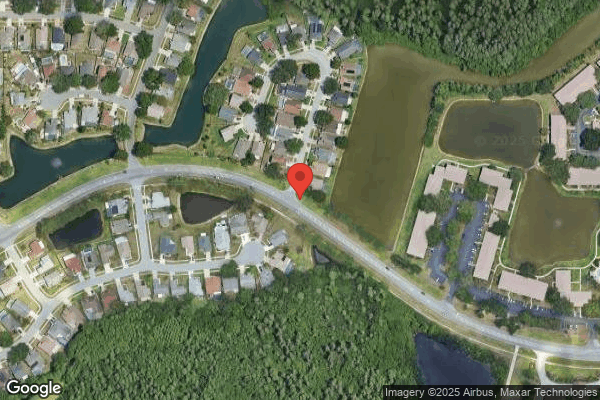
7400 TROUBLE CREEK ROAD, NEW PORT RICHEY, FL 34653 (727) 375-2999
For profit - Corporation 113 Beds LIFE CARE CENTERS OF AMERICA Data: November 2025
Trust Grade
60/100
#374 of 690 in FL
Last Inspection: March 2025

Within standard 12-15 month inspection cycle. Federal law requires annual inspections.

Overview

Life Care Center of New Port Richey has a Trust Grade of C+, indicating it is slightly above average, but not among the best facilities. It ranks #374 out of 690 in Florida, placing it in the bottom half of nursing homes statewide, and #10 out of 18 in Pasco County, meaning there are only a few local options that rank higher. Unfortunately, the facility is experiencing a worsening trend, with the number of issues reported increasing from 2 in 2024 to 11 in 2025. Staffing is a relative strength with a rating of 4 out of 5 stars and a turnover rate of 37%, which is below the state average, suggesting that many staff members stay long-term and build relationships with residents. There have been some concerning incidents, including delays in response to call lights, inadequate updates on residents' mental health screenings, and failures to monitor residents' food allergies, which raises potential safety concerns. Overall, while there are some strengths in staffing, the facility faces significant challenges that families should consider.

Trust Score
C+
60/100
In Florida
#374/690
Bottom 46%
Safety Record
Low Risk
No red flags
Inspections
Getting Worse
2 → 11 violations
Staff Stability
○ Average
37% turnover. Near Florida's 48% average. Typical for the industry.
Penalties
✓ Good
No fines on record. Clean compliance history, better than most Florida facilities.
Skilled Nurses
✓ Good
Each resident gets 42 minutes of Registered Nurse (RN) attention daily — more than average for Florida. RNs are trained to catch health problems early.
Violations
⚠ Watch
24 deficiencies on record. Higher than average. Multiple issues found across inspections.
★★★☆☆
3.0
Overall Rating
★★★★☆
4.0
Staff Levels
★★★★★
5.0
Care Quality
★★☆☆☆
2.0
Inspection Score
Stable
2024: 2 issues
2025: 11 issues

The Good

  • 4-Star Staffing Rating · Above-average nurse staffing levels
  • 5-Star Quality Measures · Strong clinical quality outcomes
  • Full Sprinkler Coverage · Fire safety systems throughout facility
  • No fines on record
  • Staff turnover below average (37%)

    11 points below Florida average of 48%

Facility shows strength in staffing levels, quality measures, fire safety.

The Bad

3-Star Overall Rating

Near Florida average (3.2)

Meets federal standards, typical of most facilities

Staff Turnover: 37%

Near Florida avg (46%)

Typical for the industry

Chain: LIFE CARE CENTERS OF AMERICA

Part of a multi-facility chain

Ask about local staffing decisions and management

The Ugly 24 deficiencies on record

Mar 2025 11 deficiencies
CONCERN (D) 📢 Someone Reported This

A family member, employee, or ombudsman was alarmed enough to file a formal complaint

Potential for Harm - no one hurt, but risky conditions existed

Deficiency F0637 (Tag F0637)

Could have caused harm · This affected 1 resident

Deficiency Text Not Available

Read full inspector narrative →
Deficiency Text Not Available
CONCERN (D)

Potential for Harm - no one hurt, but risky conditions existed

Assessment Accuracy (Tag F0641)

Could have caused harm · This affected 1 resident

**NOTE- TERMS IN BRACKETS HAVE BEEN EDITED TO PROTECT CONFIDENTIALITY** Based on record review and interview, the facility failed to ensure the comprehensive Minimum Data Set (MDS) assessments were ac...

Read full inspector narrative →
**NOTE- TERMS IN BRACKETS HAVE BEEN EDITED TO PROTECT CONFIDENTIALITY** Based on record review and interview, the facility failed to ensure the comprehensive Minimum Data Set (MDS) assessments were accurately coded for two (#108 and #110) of fifty - six sampled residents. Findings included: 1. Resident #108 was admitted to the facility on [DATE] with diagnoses to include but not limited to Type 2 Diabetes Mellitus without Complications, Acute and Chronic Respiratory Failure with hypoxia, Major Depressive Disorder, Recurrent, Moderate Review of Resident #108's Minimum Data Set (MDS) dated [DATE], Section A- Identification Information revealed section A2105- Discharge Status was coded number 01 which indicated the resident discharged to home/ community. Review of a change in condition dated 12/17/2024 revealed Resident # 108 was transferred to the hospital for further evaluation and treatment for altered mental status, increased lethargy, no urinary output. Record review revealed Resident #108 Minimum Date Set (MDS) dated [DATE] was coded inaccurately revealing the resident was coded to discharge home/ community and not the hospital. 2. Resident # 110 was admitted to the facility on [DATE] with diagnoses to include but not limited to Acute Respiratory Failure with Hypoxia, Type 2 Diabetes Mellitus without Complications, Chronic Kidney Disease, Stage 3 Unspecified. Review of Resident #110 Minimum Data Set (MDS) dated [DATE], section A - Identification Information, section A2105 -Discharge Status was coded number 04 which indicated Resident #110 was discharged to short - term general hospital. Review of Resident #110's Discharge summary dated [DATE] revealed Resident #110 discharged home in stable conditions with his daughter. Record review revealed Resident # 110 Minimum Date Set (MDS) dated [DATE] was coded inaccurately revealing the resident was coded to discharged to the hospital and not home. An Interview was conducted on 3/4/2025 at 3:00 p.m. with Staff O, the Minimum Data Set (MDS) Coordinator. Staff O stated MDS used the discharge calendar to know if a resident had a planned discharge to go back to the community or home. They also looked at the dashboard in the Electronic Medical Record, and progress notes to see if a resident had been discharged to the hospital to know how to code the MDS accurately. Staff O stated Resident 108's MDS should have been coded to show the resident went out to the hospital and Resident #110 MDS should have been coded to show the resident was discharged home or back to the community. Staff O stated both residents MDS was coded inaccurately An Interview was conducted on 3/4/2025 at 3:30 p.m. with the Director of Nurses, DON. The DON stated that her expectation was the Minimum Data Set (MDS) should be accurate to reflect the residents' discharge locations. The facility did not have a policy to include with this citation because they use the Resident Assessment Instrument, (RAI) to ensure the Minimum Date Set (MDS) is code accurate.
CONCERN (D)

Potential for Harm - no one hurt, but risky conditions existed

Deficiency F0657 (Tag F0657)

Could have caused harm · This affected 1 resident

**NOTE- TERMS IN BRACKETS HAVE BEEN EDITED TO PROTECT CONFIDENTIALITY** Based on observation interview and record review, the facility failed to effectively assess and revise a resident's care plan fo...

Read full inspector narrative →
**NOTE- TERMS IN BRACKETS HAVE BEEN EDITED TO PROTECT CONFIDENTIALITY** Based on observation interview and record review, the facility failed to effectively assess and revise a resident's care plan following a significant weight loss for one resident (#162) of three residents reviewed for comprehensive assessments. Findings included: Review of a facility document titled Nutrition At Risk dated 2/27/25 showed Resident #162 had the following weights recorded: -On 2/18/25 the resident weighed 114.6 lbs. (pounds). - On 2/25/25 the resident weighed 108.6 lbs. - On 2/26/25 the resident weighed 102.8 lbs. The review showed a 10.53% weight loss. Review of a care plan last updated on 2/24/25 showed resident #162 - has nutritional problem related to Advanced age, Right Femur fracture with hemi-arthroplasty, Weakness, Dysphagia on altered diet consistency, Chronic Constipation, Dementia, and variable intake with refusals at times. The goal section showed - The resident will maintain adequate nutritional status as evidenced by maintaining weight at 115# with no significant change through the review date. Interventions included: RD (Registered Dietician) to evaluate and make diet change recommendations PRN (as needed). Administer medications as ordered. Lab/diagnostic work as ordered. Report results to MD (Medical Doctor) and follow up as indicated. Invite the resident to activities that promote additional intake. Observe and report PRN (as needed) any signs/symptoms of dysphagia: Pocketing, Choking, Coughing. Review of this care plan did not show updated interventions related to the significant weight loss noted on 2/26/25 On 03/02/25 at 10:38 a.m., Resident#162 was observed in the dayroom visiting with family members. The family members stated the resident had lost a lot of weight and did not eat very much anymore. Review of the admission record for Resident #162 revealed the resident was admitted to the facility on [DATE] with diagnoses to include dysphagia, oropharyngeal phase and unspecified protein - calorie malnutrition and unspecified dementia. Review of an order summary report dated 3/5/25 showed active orders for Resident #162 included a regular diet - mechanically altered texture, thin consistency, 2 cal. (calorie) Med Pass supplement two times a day, 120 ml (milliliters) and nutrition consult. Review of a nutritional progress note for Resident #162 dated 2/27/25 revealed CBW (current body weight) 102.8 lb reflects -10.6% wt. (weight) loss x 1 week which is significant however reflects residents previous weight range of 97.0-111.0 in 2022. BMI 20.1 WNL. Staff to encourage PO fluids per orders. Potential for weight loss/decreased appetite r/t (related to) ABT (activity based) therapy. Variable PO (by mouth) meal intake noted along with refusal of meals per % PO intake documentation. Resident at risk for weight loss/nutritional decline r/t advanced age and disease process of Dementia. Recommend 2.0 Medpass 120 cc BID (twice daily) between meals. Will monitor weekly weight and f/u (follow up) prn (as needed). On 03/03/25 at 1:10 p.m. Resident #162 was observed in bed with her eyes closed. The resident did not respond to an interview. An immediate interview was conducted with Staff Q, Certified Nursing Assistant (CNA). She stated OT (Occupational Therapy) had assisted the resident with her meal earlier. She stated the resident had had an early tray for OT observation. She said, this resident does not eat much. We set up her tray. She stated Resident #162 was not assisted with her meal. Staff Q stated the resident ate less than 25% of her meal almost all the time. On 03/04/25 at 03:15 p.m., an interview was conducted with the facility's Diet Technician, (DT). The DT stated when a resident was admitted she did nutritional assessments, got nutrition intake and the initial assessment. She stated she set up meal preferences. She stated the dietician monitored weight loss and initiated the triggers. She stated she did not know this resident had a significant weight loss. She stated if she did, it would be documented in an assessment or the plan of care. On 03/05/25 at 11:20 a.m., an interview was conducted with the facility's Registered Dietician, RD. The RD stated she saw residents once a month. She stated for Resident #162, she had documented on her weight loss last week. She said the resident was on antibiotic therapy and staff should be encouraging her to eat her meals. She stated they should be documenting if she refused. She confirmed she had reviewed the resident's weight record and identified a significant weight loss. She stated she had recommended her for supplements. She stated she had not seen the resident in person. She stated if the resident was losing a lot of weight, there should be a follow -up. She stated majority of times the IDT (interdisciplinary team) would meet to discuss a plan for the change, and it would be documented. She stated they would discuss if the resident needed 1:1 assistance. The RD stated at the time the resident only required tray set up. She stated if her intake had changed, the CNA should be letting the nurse know and possibly obtain another weight. She stated as the RD, she would see them weekly and obtain weekly weights for monitoring. The RD confirmed the resident's assessment had not been updated. She confirmed the care plan should have been updated with new interventions. She confirmed the team had not met to address this resident's significant weight loss. On 03/05/25 at 11:51a.m., an interview was conducted with Resident #162's Occupational Therapist (OT). She stated they had been working on strengthening , standing dressing and toileting. She stated related to the resident's meal intake, she was able to independently scoop the meal and drink from the cup. She stated she had not assessed the resident for meal consumption. She said, intake was not the focus, but the ability to eat independently. She stated usually the dietician would come and speak with the DOR if there were weight loss concerns. She stated it should be documented in the notes and assessments. The OT stated the Director of Rehab (DOR) had been notified of the weight loss to see if there was any trouble with feeding. Review of a facility policy titled Comprehensive Care Plans and Revisions, dated 09/11/24 showed: The facility will ensure the timeliness of each resident's person-centered, comprehensive care plan, and to ensure that the comprehensive care plan is reviewed and revised by an interdisciplinary team composed of individuals who have knowledge of the resident and his/her needs, and that each resident and resident representative, if applicable, is involved in developing the care plan and making decisions about his or her care. Procedure: I. The facility should monitor the resident over time to help identify changes in the resident condition that may warrant an update to the person-centered plan of care. 2. When these changes occur, the facility should review and update the plan of care to reflect the changes to care delivery, this can include: a. Additional interventions on existing problems, b. Updating goal or problem statements c. Adding a short-term problem, goal, and interventions to address a time limited condition.
CONCERN (D)

Potential for Harm - no one hurt, but risky conditions existed

Deficiency F0676 (Tag F0676)

Could have caused harm · This affected 1 resident

**NOTE- TERMS IN BRACKETS HAVE BEEN EDITED TO PROTECT CONFIDENTIALITY** Based on observation, record review, and interview, the facility did not ensure activities of daily living (ADLs) were completed...

Read full inspector narrative →
**NOTE- TERMS IN BRACKETS HAVE BEEN EDITED TO PROTECT CONFIDENTIALITY** Based on observation, record review, and interview, the facility did not ensure activities of daily living (ADLs) were completed and maintained for one (#91) of three residents sampled related to meals/snacks and three (#91, #16 and #49) of 23 residents sampled for hydration. Findings included: 1. During an interview on 03/02/2025 at 10:53 a.m., Resident #91 was observed lying in bed dressed for the day. Resident #91 stated she had had some weight loss, but had lost more because she had not felt like eating. During an observation on 03/03/2025 from 10:45 a.m. to 12:45 p.m., Resident #91 was observed sitting in a wheelchair in the activities room of the 100 unit. Resident #91 was observed to have no hydration. Her lips were noted to be dry and cracked. During an observation on 03/03/2025 at 12:48 p.m., Resident #91 was observed sitting in a wheelchair in the hallway. Staff was observed telling Resident #91 that she had a doctors appointment and they needed to get her ready to leave the facility. During an interview on 03/03/2025 at 4:34 p.m., Resident #91 stated she had not eaten lunch before her appointment and was not given anything to eat while away from the facility for her appointment. Resident #91 stated she had not been offered anything to eat when she returned to the facility after her appointment and was waiting for dinner. Review of Resident #91's admission record revealed an admission date of 2/1/2025. The resident was admitted to the facility with diagnoses to include but not limited to, Type 2 Diabetes, unspecified protein calorie malnutrition, iron deficiency, and unspecified dementia. Review of Resident #91's admission Minimum Data Set (MDS) dated [DATE], revealed Section C. Cognitive, a Brief Interview Mental Status (BIMS) of 15 out of 15 which indicated intact cognition. Section GG. Functional limitations revealed Resident #91 needed eating set up or clean up assistance. During an interview on 03/03/2025 at 12:53 p.m., Staff A, Certified Nurses Assistant (CNA) stated she did restorative and several other things like accompanying residents to appointments. She stated she was not sure when Resident #91 had breakfast, and that Resident #91's lunch tray would be saved for her to eat when she got back. She was not sure how long they would be gone for her appointment. She stated she had not thought of getting her a snack or bringing something with them for Resident #91 to eat since she was not getting her lunch tray. During an interview on 03/03/2025 at 4:45 p.m., Staff B, CNA, stated he was told the resident did not eat lunch and might be hungry when she got back from her appointment. He stated she returned to the facility around 3:15 p.m. and he had not offered her a meal or snack. During an interview on 03/03/2025 at 5:02 p.m., the Certified Dietary Manager (CDM), stated when a resident had an appointment the nurses usually notified her so she could arrange to send the food tray early so the resident could eat before their appointments. She was not aware of a resident having an appointment for today. During an interview on 03/03/2025 at 5:10 p.m., Staff C, Registered Nurse (RN), stated she was aware that Resident #91 went out to an appointment and returned to the facility around 3:15 p.m., she stated she was not aware that Resident #91 did not receive lunch. She stated she would expect the CNA to have offered the resident something to eat when she returned to the facility. During an interview on 03/03/2025 at 5:13 p.m., Staff D, Licensed Practical Nurse (LPN) Unit Manager, stated when residents had an appointment the nurse was responsible for notifying the kitchen the day of so they could send their food tray out early. She stated she was not aware Resident #91 did not receive her lunch. She stated she would expect the nurse to share this report with the oncoming nurse. 2. During an observation on 03/03/2025 from 10:45 a.m. to 12:45 p.m., Resident #16 was observed sitting in the activities room of the 100 hall. Resident #16 was observed with no hydration during this observation. Review of Resident #16's admission record revealed an admission date of 07/05/2024. Resident #16 was admitted to the facility with diagnoses which included but not limited to Muscle Weakness (Generalized), Other Specified Noninfective Gastroenteritis And Colitis, Major Depressive Disorder, Dysphagia Following Cerebral Infarction, Vascular Dementia, Severe, With Mood Disturbance and Unspecified Protein-Calorie Malnutrition. Review of Resident #16 MDS Section C. Cognition revealed Resident is rarely/never understood. Section GG. Functional Limitations revealed Resident #16 needs substantial maximal assistance with eating. During an interview on 03/03/2025 at 1:00 p.m., Staff F, CNA, stated she was the CNA for Resident #16, and she constantly checks on her residents. She stated Resident #16 does not drink anything but Gatorade and just got up at 10 a.m. She was not sure how often she provides hydration to Resident #16. 3. During an observation on 03/03/2025 from 10:45 a.m. to 12:45 p.m., Resident #49, was observed sitting in the activities room of the 100 hall. Resident #49 was observed to not have hydration during this observation. Review of Resident #49's admission record revealed an admission date of 10/22/2023 with an initial admission date of 06/11/2021. Resident #49 was admitted to the facility with diagnoses which included but not limited to Dysphagia, Oropharyngeal Phase, Unspecified Dementia, Unspecified Severity, Without Behavioral Disturbance, Unspecified, Unspecified, Gastro-Esophageal Reflux Disease Without Esophagitis. Review of Resident #49's quarterly dated 01/21/2025 revealed Section. C. Cognitive, a Brief Mental Interview Status (BIMS) of 00 which indicated severe cognitive deficit. Section GG. Functional limitations revealed Resident #49 require substantial maximal assistance with eating. During an interview on 03/04/2025 at 10:50 a.m., Staff E, Registered Nurse (RN) stated residents should all have water at the bedside. She stated signs a resident needed hydration were a dry mouth and cracks in the lips. She stated if she saw a resident with any of these symptoms, she would encourage more fluids and would ask the aides to include hydration with their care of the residents. She stated, I would think the CNAs should come in and check on resident's hourly. During an interview on 03/04/2025 at 10:51 a.m., Director of Nursing (DON) stated she would expect residents to be offered hydration at least once an hour and would expect residents in the activities room to either have a cup for hydration or staff to periodically check on the residents. She stated if a resident had an appointment at mealtime or if the resident was out for a meal, Dietary should be notified to get an early tray so that they can eat before they go out. If the residents were alert and oriented, they asked them if they would like to have a snack or a bagged lunch with them so they could have something to eat while they were gone. During an interview on 03/04/2025 at 1:45 p.m., the Regional Director of Clinical services stated they do not have anything that monitors resident hydration intake unless there are physician's orders. Review of the facilities policy titled Hydration and Nutrition dated 9/10/2024 revealed: Policy: Each resident receives a sufficient amount of food and fluids to maintain acceptable parameters of nutritional and hydration status. Procedure: 2. A minimum of three meals are provided each day. If a meal or food is refused, the resident is offered a substitute or a similar nutritive value. 4. Fluid is always available to residents. A hydration cart may be utilized.
CONCERN (D)

Potential for Harm - no one hurt, but risky conditions existed

Quality of Care (Tag F0684)

Could have caused harm · This affected 1 resident

**NOTE- TERMS IN BRACKETS HAVE BEEN EDITED TO PROTECT CONFIDENTIALITY** Based on observation, record review, and interview, the facility failed to follow-up on a physician order with a black box warni...

Read full inspector narrative →
**NOTE- TERMS IN BRACKETS HAVE BEEN EDITED TO PROTECT CONFIDENTIALITY** Based on observation, record review, and interview, the facility failed to follow-up on a physician order with a black box warning for one resident (#264) of fifty-one residents sampled. Findings included: On 03/4/2025 at 9:00 am., an observation was made revealing Staff P, License Practical Nurse (LPN) on the phone with the pharmacy ordering medication for Resident #264. On 03/04/2025 at 9:21 am, an interview was conducted with Staff P. She stated Resident #264 was out of his Dronedarone Hydrochloride (HCI) 400 Milligram (MG), a medication he took for Arrhythmia. Staff P stated she believed Resident # 264 was only out of the medication today, that was why she called in a STAT (immediate) order for the medication. She stated she would fax the request over to pharmacy as soon as possible. Review of Resident #264's admission Record revealed he was admitted to the facility on [DATE] with diagnoses to include but not limited to Paroxysmal Atrial Fibrillation, Presence of Cardiac Pacemaker. Review of the Medication Administration Record (MAR) dated 3/1/2025 - 3/31/2025, showed an order for Dronedarone Hydrochloride (HCI) Oral Tablet 400 Milligram (MG)- Give 1 tablet by mouth two times a day for Arrhythmia, order start date 2/25/2025 - discontinued on 3/4/2025. On 3/4/2025 at 3:02 p.m., an interview was conducted with the Director of Nurses, DON. The DON stated that the resident had Dronedarone ordered on admission from the hospital for Arrhythmia. She said the pharmacy did not send the medication when the facility initially put a request in for the medication on February 25th. She stated when she found out today Resident # 264 was out of his Dronedarone medication, she reached out to pharmacy to find out why they did not send the medication. She stated pharmacy responded that there was a black box warning related to this type of medication, and they were waiting for a response from the facility. The DON stated she reached out to the Primary Care Provider to notify him that Resident #264 did not receive his medication since admission. She stated she also told him what the pharmacy said about the black box warning for the medication Dronedarone. The DON stated the Primary Care Provider (PCP), stated he did not feel comfortable deciding to discontinue Resident #264's Dronedarone. The DON stated the PCP told her to reach out to the resident's Cardiologist because he or she would be more qualified to provide direction regarding whether to discontinue the use of the medication or to keep the resident on this medication. The DON stated she reached out to their Cardiology Advanced Registered Nurse Practitioner, ARNP, to explain the situation and review Resident #264's medications. She stated the ARNP instructed them to stop the medication. The DON stated she could not speak to why her nurses did not reach out to her early on to discuss the resident not receiving his medication. The DON stated the nurses kept reaching out to pharmacy, but they did not notify Resident # 264 doctor to get further instruction on whether the doctor wanted to provide the resident with an alternative medication. The DON stated the nurse should have called the pharmacy to find out why they did not send the Dronedarone medication. Then notify the physician to get further directions on what to do about the resident's medication, document why the medication was not available, and the physician's response. On 03/04/2025 at 4:00 pm, an interview was conducted with the Cardiology Advanced Registered Nurse Practitioner (ARNP). She stated she received a call from the unit manager today because Resident #264's Primary Care Provider wanted the facility to reach out to her about the resident's Dronedarone medication. The ARNP stated if the facility had reached out to her ahead of time, she would have recommended them to discontinue the medication on admission. On 03/04/2025 at 4:30 pm, an interview was conducted with the pharmacist. She stated the facility should have contacted the pharmacy to see why the medication order was not completed. She stated there are many medications with black box warnings so the nurses should have contacted the physician who prescribed the medication to see if the physician felt the resident could continue with the medication or if they would like to administer an alternative medication. Review of the facility policy titled, Medication Shortages/ Unavailable Medications, Revision date 08/01/2024, showed Applicability Policy 7.0 sets forth procedures relating to medication shortages and unavailable medication. Procedures 6. If the medication is unavailable from Pharmacy due to formulary coverage, contraindications, drug-drug interactions, drug- disease interaction, allergy or other clinical reason, Facility should collaborate with Pharmacy and Physician/Prescriber to determine a suitable therapeutic alternative.
CONCERN (D)

Potential for Harm - no one hurt, but risky conditions existed

Unnecessary Medications (Tag F0759)

Could have caused harm · This affected 1 resident

Based on observation, record review, and interview, the facility failed to ensure the medication error rate was less than 5%. Twenty-nine medication opportunities and 3 errors were identified for two ...

Read full inspector narrative →
Based on observation, record review, and interview, the facility failed to ensure the medication error rate was less than 5%. Twenty-nine medication opportunities and 3 errors were identified for two residents (#102 and #361) of four observations, resulting in an error rate of 10.34% Findings included: On 3/3/25 at 8:12 a.m., during medication administration observation Staff J, Licensed Practical Nurse (LPN) was observed administering the following medications to Resident #361, Bupropion ER 100MG, Sertraline HCl 100 mg, Olanzapine 5MG, Calcium Carbonate 600mg, Cholecalciferol 1000 UNIT, Lidocaine 5% patch, Losartan Potassium 50 mg, Metoprolol ER 625mg, Multiple Vitamins with Minerals 1 tablet, Vitamin B Complex with Vitamin C 1 tablet, Vitamin C 250 mg and Aspirin 81 mg low dose EC 1 tablet. A review of the order summary report dated 3/4/25 showed Resident #361 did not receive Aspirin 81 mg Delayed Release and Vitamin B Complex as ordered. On 3/3/25 at 8:49 a.m., during medication administration observation Staff E, Registered Nurse (RN) administered the following medications to Resident #102, Cholecalciferol 1000-unit, Aspirin 81 mg low dose EC 1 tablet, Carvedilol tablet 3.125 MG, Bactrim DS 800-160 mg, Potassium Chloride ER 40 MEQ, and Pyridoxine HCl 50 mg tablet. A review of the order summary report dated 3/4/25 for Resident #102 showed Aspirin 81 mg delayed release was not administered as ordered. During an interview, record review, and medication container observation on 3/4/25 at 8:27 a.m. with Staff E, RN, Unit Manager, Aspirin 81 mg delayed release and Vitamin B Complex were verified as not administered as ordered. During an interview on 3/4/25 at 12:50 P.M. the DON said Staff E, RN, UM had informed her of the medication administration concerns and it is expected for nurses to administer medications as ordered. Review of a facility policy titled, Administration of Medications, reviewed 9/16/24 showed the following: Policy-The facility ensure medications are administered safely and appropriately per physician order to address residents' diagnoses and signs and symptoms. Procedure- 2 Staff who are responsible for medication administration will adhere to the 10 rights of medication administration. 2a. Right Drug-Every drug administered must have an order from the provider. Compare the order with the medication administration record (MAR) for accuracy. Compare the label on the drug to the information on the MAR three times. i) Before removing the container from the drawer ii) as the drug is removed from the container and iii) At the bedside before administering it to the resident.
CONCERN (D)

Potential for Harm - no one hurt, but risky conditions existed

Deficiency F0761 (Tag F0761)

Could have caused harm · This affected 1 resident

**NOTE- TERMS IN BRACKETS HAVE BEEN EDITED TO PROTECT CONFIDENTIALITY** Based on observation, interview, and record review, the facility did not ensure medications were inaccessible to unauthorized st...

Read full inspector narrative →
**NOTE- TERMS IN BRACKETS HAVE BEEN EDITED TO PROTECT CONFIDENTIALITY** Based on observation, interview, and record review, the facility did not ensure medications were inaccessible to unauthorized staff, residents, and visitors for five (#265, #63, #12, #164 and #18) of 58 sampled residents. Findings included: 1. On 3/2/25 at 11:32 a.m., an observation in Resident #265's room revealed a medication bottle, labeled Custom medication crafted for (Resident #265). The medication name was CA/MAG/[NAME] 8/2/12/89 %, apply to treatment area one to two times daily. The medication was observed on a table in the resident's room. Review of the admission Record for Resident #265 showed the resident was admitted to the facility on [DATE] with a primary diagnosis of atherosclerotic heart disease of native coronary artery without angina protectors. Review of active physician orders for Resident #265 dated 3/5/25 did not show an order to administer the medication. 2. On 3/2/25 at 10:20 a.m. an albuterol inhaler was observed on Resident #63's bedside table. The resident stated it was her rescue inhaler, and she self-administered as needed. Review of the admission Record for Resident #63 showed the resident was re- admitted to the facility on [DATE] with diagnoses to include COPD (Chronic Obstructive Pulmonary Disease). Review of active physician orders for Resident #63 dated 3/5/25 did not show an order to self- administer the medication, nor was this medication on the list. The order showed the resident received Ipratropium - Albuterol solution 0.5-2.5 MG/ML (Milligram/milliliter) inhale orally via nebulizer every 4 hours as needed for shortness of breath. 3. On 3/2/25 at 10:31 a.m., Resident #12 was observed in bed. An antifungal cream was observed on the bedside table. The resident could not answer if and when the cream was applied. Review of the admission Record for Resident #12 showed the resident was admitted to the facility on [DATE] with a primary diagnosis of Cerebral Palsy. Review of active physician orders for Resident #12 dated 3/5/25 did not show an order to administer the medication. 4. On 3/2/25 at 11:38 a.m., an observation was made of a Miconazole nitrate antifungal cream at Resident #164's bedside table. The resident did not respond to the interview. Review of the admission Record for Resident #164 showed the resident was admitted to the facility on [DATE] with a primary diagnosis of unspecified intracapsular fracture of right femur. Review of active physician orders for Resident #164 dated 3/5/25 did not show an order to administer the medication. 5. On 3/3/25 at 12:59 p.m., Resident #18 was observed in her room. An observation was made of a white basket placed on her bed with a hydrocortisone cream and bio freeze. The resident stated she used the bio freeze for her hurting toe. She stated she received the itching cream from the facility, and she applied it herself due to itching. Review of the admission Record for Resident #18 showed the resident was re-admitted to the facility on [DATE] with a primary diagnosis of malignant neoplasm of unspecified site of left female breast. Review of active physician orders for Resident #18 dated 3/5/25 did not show an order to self- administer the medications, and the medications were not on the order list. On 03/05/25 at 9:25 a.m., an interview was conducted with the Director of Nursing (DON). The DON stated medications should be stored in the treatment cart or medication cart at all times. She stated nursing staff should apply and administer all medications unless there was a self-administration assessment. The DON said, even so, they should still be locked and handed to them at the time of application or administration. The DON stated there were no residents with self-administration orders. She stated medications should not be left at bedside. Review of a facility policy titled, Storage and Expiration Dating of Medications and Biologicals, revised on 8/01/24 showed: 1. The facility should ensure that only authorized facility staff, as defined by facility should have possessions of the keys access card electronic codes or combinations which open medication storage areas. 5. Facility should ensure all medications and biologicals including treatment items are securely stored in a locked cabinet/cart or locked medication room that is inaccessible by residents and visitors. 19.2 Facility should store bedside medications or biologicals in a locked compartment within the resident's room.
CONCERN (D)

Potential for Harm - no one hurt, but risky conditions existed

Deficiency F0806 (Tag F0806)

Could have caused harm · This affected 1 resident

Based on observation, interview, and record review, the facility did not ensure food that accommodates resident allergies, intolerances, and preferences was served for one (#163) of four residents rev...

Read full inspector narrative →
Based on observation, interview, and record review, the facility did not ensure food that accommodates resident allergies, intolerances, and preferences was served for one (#163) of four residents reviewed for nutrition. Findings included: On 03/04/25 at 8:31 a.m., Resident #163 was observed in her room eating breakfast. The resident stated she was served wheat, and she was allergic. She said, this is not the first time. last night I was served milk. I am allergic. The resident stated she had requested an alternate, almond milk, and had not received it. Observation of the resident's plate revealed the resident ate approximately 1/3 of pureed bread and one scoop of cream of wheat. Review of an admission Record for Resident #163 revealed an admission date of 2/27/25 with diagnoses to include Dysphagia. Review of the Resident Information showed under allergies: iodine, Tetracycline, milk and wheat. Review of the Resident #163's care plan revealed prior to the observation and interview, the resident did not have a focus related to food allergies. A focus initiated on 3/5/25 showed the resident has nutritional problem related to advanced age, food allergies to wheat and milk .Interventions included - detailed food preferences obtained, CDM (certified Dietary Manager) assisting with daily menu selection. Review of physician orders for Resident #163 dated 3/5/25, showed Allergies: Iodine, tetracycline, milk, wheat. Regular diet - puree texture, nectar/mildly consistency - must use almond milk, family to supply (2/28/25) On 03/04/25 at 9:09 a.m., an interview was conducted with Staff R, Cook. He stated for breakfast this morning, the residents were served sausage gravy, biscuits, bread, scrambled eggs/boiled eggs and juice and/or milk. He reviewed the tray for Resident #163 and stated she was served pureed bread, scrambled eggs and cream of wheat. He reviewed the resident's meal ticket and confirmed the wheat allergy. He stated, she should not have been served that. He stated the dietary aides were responsible for ensuring the meal tickets were accurate. On 03/04/25 at 9:12 a.m., an interview was conducted with Staff S and Staff T, Dietary Aides. They both confirmed it was their responsibility to review meal tickets and ensure the resident's preferences are honored and allergens are prevented. The dietary aides confirmed Resident #163 was served items that she was allergic to. They stated it was an error on their part. On 03/04/25 at 9:14 a.m., an interview was conducted with the Certified Dietary Manager (CDM). She confirmed the resident was served cream of wheat and bread, items she was allergic to. The CDM reviewed the meal ticket and said, she is allergic to that. I know it because I spoke with her. I put the allergens down on the tickets. She stated the resident should not be served items they were allergic to. The CDM said, It can lead to anaphylactic shock. She stated she would let the nurse know. The CDM confirmed the resident was also allergic to milk. She stated they were waiting for the truck to deliver almond milk. she stated they did not have any. On 03/04/25 at 9:18 a.m., an interview was conducted with the Director of Nursing (DON). She stated the resident should not have been served items she was allergic to. She confirmed the resident was allergic to milk, wheat. She stated the family was supposed to bring Resident #163 some almond milk. On 03/04/25 at 3:15 p.m. an interview was conducted with the facility's Diet Technician (DT). The DT stated she assessed residents upon admission for meal preferences and or allergies. She stated she updated meal tickets if there were changes. The DT said, I ask for allergies, sometimes if it is not listed in their record, I let the DON know. The DT confirmed it was her responsibility to add the allergens to the meal profile. The DT said she heard about Resident #163 being served items she was allergic to. The DT said, I don't understand it. They should review each ticket and pay attention to allergies. Review of a progress note dated 3/4/25 showed, Writer spoke with resident regarding her food allergies. Resident stated she is allergic to milk which causes breathing difficulty. She was allergy tested for this and does not have a Lactose intolerance. Resident prefers Silk brand Almond milk in vanilla sweetened version. Resident stated she is allergic to wheat which causes breathing difficulty. She was allergy tested for this and does not have a Gluten intolerance or Celiac's disease. She reports that she purchases gluten free bread because then she knows it doesn't have wheat in it. Resident stated she does eat oatmeal regularly at home, she purchases the instant packets. On 03/05/25 at 9:46 a.m., The CDM stated she and the DT were responsible for ensuring staff competencies for dietary staff. They stated they educated the staff and observed if they were following the expectations. Review of a facility policy titled Food Allergies and Intolerances dated 04/30/24 showed under policy - The Director of Food and Nutrition Services obtains food preferences, including any food allergies and intolerances upon admission. Procedure: 1. The Director of Food and Nutrition Services/Designee conducts food preference interviews with all new residents on admission. 2. Food allergies or intolerances are communicated to Nursing Services and indicated on the resident tray card and resident diet profile. 3. The information is also recorded in the electronic medical record, including the nutrition assessment and care plan. 4. The Director of Food and Nutrition Services identifies menu items that contain the food item(s) related to the allergy/intolerances and ensures those items are not used in foods prepared and served to identified residents. 5. Food service and nursing associates are educated on residents with food allergies and intolerances.
CONCERN (E)

Potential for Harm - no one hurt, but risky conditions existed

Deficiency F0565 (Tag F0565)

Could have caused harm · This affected multiple residents

Based on interview and record review, the facility failed to ensure resident council grievances were fully and promptly acted upon, for ten of ten resident council members who regularly attend the res...

Read full inspector narrative →
Based on interview and record review, the facility failed to ensure resident council grievances were fully and promptly acted upon, for ten of ten resident council members who regularly attend the resident council meetings. Findings included. On 3/3/25 at 11:10 a.m., a resident council meeting was held with ten participants. The group confirmed on-going complaints related to the following: - Related to call lights - Sometimes it takes a while for them to answer, depending on who's on duty. Day shift is great, second shift is good, third shift is not so great. We have told the nurses .They don't have enough staff. When one pushes the bubble, no one comes. This has been discussed in council meetings. - They keep saying they are short of help. We have reported to staff. When they are short they pull restorative staff, which means restorative is not offered that day . - Call lights take too long to answer at night. They refuse to wear name tags, so you don't identify them. _ They said they will give us more TV stations. 10 or more they said. We voted which ones we wanted . there are not enough channels, the cable cuts in and out, we spoke to maintenance about it, spoke to [NHA]. They say it comes from direct TV. It is not resolved. - Residents requested to learn Spanish because the staff don't speak English. Discussed with [NHA] at the last meeting. Review of the Resident Council meeting minutes revealed the following: On 2/27/25 the residents held a resident council meeting and addressed unresolved grievances/complaints related to staff not wearing name tags, education for diabetic diets, getting a second rod in closets for low wheelchair users, learning Spanish, and making sure someone is covering for nursing staff when they go on breaks. The review showed these grievances were not logged in the grievance log and had not been documented as addressed. On 1/23/25 a resident council meeting was held with the following issues raised: Residents asked to be provided names of department heads and what they do. Kitchen staff not wearing name tags, visitors not wearing name tags, visitors not signing in and out. The review showed these grievances were not logged in the grievance log and had not been documented as addressed. On 12/19/24 a resident council meeting was held with the following issues raised: concerns on going outside on the patio, and nursing staff to assist. No garbage bags in restrooms, ice water on each shift, residents requested a resident council rule book. The review showed these grievances were not logged in the grievance log and had not been documented as addressed. On 11/21/24 a resident council meeting was held with the following issues raised: Staff not wearing name tags. Staff not knocking on doors. Residents raised individual concerns. DON would educate nursing staff. Other concerns noted concerns with remotes, there should be more help. The review showed these grievances were not logged in the grievance log and had not been documented as addressed. Review of resident council meting minutes dated October 2024 showed will continue to remind staff to wear their name tags, There should be more help . The review showed these grievances were not logged in the grievance log and had not been documented as addressed. Review of a 9/26/24 resident council meeting minutes revealed: Name tags - who holds staff accountable. Residents feel a member of management needed to come back at night to verify staff are wearing their name tags. No team work. Had to wait 25 minutes for assistance because a CNA (Certified Nursing Assistant) came in to check call light stated she would find her aide instead of helping, staff telling a resident they will be right back and then does not return or you are waiting for long periods of time Staff introducing themselves at the beginning of shift. The review showed these grievances were not logged in the grievance log and had not been documented as addressed. On 03/05/25 at 3:14 p.m., an interview was conducted with the Activities Director (AD). The AD stated she did not know she should initiate grievances from resident council meetings. She stated they talked about them in the meetings. The Department heads should address them. She stated they did not log them or document specific follow-up. She stated they reviewed previous' meeting minutes during council meetings. She stated some of the resident's grievances were on-going, such as name tags and staff taking too long to answer call lights. On 03/05/25 at 08:26 a.m., an interview was conducted with the Nursing Home Administrator (NHA). The NHA stated the AD documents resident's grievances from the resident council meeting minutes. He stated by the next day, most of them were addressed. He stated the AD reviewed them with the IDT (interdisciplinary) team, and the department heads addressed the issues. He stated some of the resident's concerns were generalized, but they investigated and let the AD know to document the resolution in the resident council meeting minutes. He stated responses were reviewed at the next meeting and discussed with the residents to see if it was better. The NHA stated the outcome should be documented on the council form. The NHA reviewed on-going documented grievances and said, I see there is an opportunity for education. we should be documenting the grievances, adding to the log, and following up on resolutions. Review of a facility policy titled Resident Council, dated 09/26/24 showed the facility will assist residents all their families whenever they wish to organize the facility will provide space privacy for meetings and staff support. 3. The activities director of social services director will facilitate follow-up on all complaints, suggestions and ideas presented at the council meeting and will report results at the next meeting for the residents information. This information will be included in the minutes. 4. Each department director will be responsible for filling out a comment and concern form prior to the next meeting to provide his or her input. Review of a facility policy titled Grievance Program (Concern and Comment), revised 1/7/25 showed residents and their families have the right to file a complaint without fear of reprisal. the facility must make prompt efforts to resolve grievances the resident may have. The executive Director and / or designee is responsible for 2. Ensuring that all grievances and concerns and comment reports have been reviewed and addressed in a timely and appropriate manner and that concerned individuals feel that some type of resolution has been communicated.
CONCERN (E)

Potential for Harm - no one hurt, but risky conditions existed

Deficiency F0645 (Tag F0645)

Could have caused harm · This affected multiple residents

**NOTE- TERMS IN BRACKETS HAVE BEEN EDITED TO PROTECT CONFIDENTIALITY** Based on record review and interview, the facility failed to complete/update the Pre-admission Screening and Resident Reviews (P...

Read full inspector narrative →
**NOTE- TERMS IN BRACKETS HAVE BEEN EDITED TO PROTECT CONFIDENTIALITY** Based on record review and interview, the facility failed to complete/update the Pre-admission Screening and Resident Reviews (PASRRs) for residents with a mental disorder and individuals with intellectual disability following qualifying mental health diagnoses for six (#12, #57, #66, #30, #73, and #84) of 23 residents reviewed for PASRRs. Findings included: 1. Review of a level I PASRR for Resident #12 dated 8/9/22, showed the resident was screened upon admission for MI (mental illness) or suspected MI. The review showed the resident had diagnoses of Anxiety disorder, Bipolar disorder and depressive disorder. The review showed diagnoses of Bipolar disorder and depressive disorder were not indicated and the level I PASRR was not revised. Review of a level II screening and determination summary report showed during the time of submission, on 06/28/23 the diagnoses of Bipolar, dementia and major depression were not included for consideration. 2. Review of a level I PASRR for Resident #57 dated 9/9/20, showed the resident was not screened upon admission for MI (mental illness) or suspected MI. The review showed a blank PASRR, and the qualifying diagnoses were not submitted for consideration. Review of a level II screening and determination summary showed during the time of submission, on 06/14/23 the diagnoses of generalized anxiety disorder and major depressive disorder were not included for consideration. 3. Review of the admission record showed Resident #66 was admitted to the facility on [DATE] and readmitted on [DATE] with diagnoses to include dementia -3/12/24, psychotic disorder-3/12/24, major depressive disorder - 3/12/24 , bipolar disorder 3-12-24, and mood disorder - 3/12/24. Review of level I PASRR for Resident #66 dated 8/15/24, showed qualifying diagnoses of depressive, bipolar and mood disorders and dementia were not checked. The review showed the Level I PASRR was incomplete, and a Level II was not submitted for consideration following qualifying diagnoses. 4. Review of the admission record showed Resident #30 was admitted to the facility on [DATE] with diagnoses to include dementia-1/9/25, depressive disorder-1/9/25, and anxiety disorder-1/9/25 Review of a level I PASRR for Resident #30 dated 1/6/25 showed a blank PASRR and the qualifying diagnoses were not checked. The review showed the Level I PASRR was incomplete, and a level II was not submitted for consideration following qualifying diagnoses. 5. Review of the admission record showed Resident #73 was admitted to the facility on [DATE] and readmitted on [DATE] with diagnose to include PTSD (Post Traumatic Stress Disorder)-12/27/24, depressive disorder-12/1/24, and anxiety disorder-12/1/24. Review of a level I PASRR for Resident #73 dated 11/27/24, showed the qualifying diagnosis of PTSD was not documented. The review showed the Level I PASRR was incomplete, and a level II was not submitted for consideration following qualifying diagnoses. 6. Review of Resident #84's admission record revealed an admission date of 11/30/2024. Resident #84 was admitted to the facility with diagnosis to include Parkinson's disease without dyskinesia, without mention of fluctuations (10/23/2024), major depressive disorder recurrent (11/30/224), post-traumatic stress disorder, unspecified (11/30/2024), and generalized anxiety disorder (10/23/2024). Review of Resident #84's Level I PASRR, dated 10/22/2024, showed the Level I PASARR was incomplete, and a level II was not submitted for consideration following qualifying diagnoses. Review of the facilities policy titled Pre-admission Screening and Resident Review PASRR), reviewed 9/26/24 showed the following: Policy: The facility will ensure that potential admissions are screened for possible serious mental disorders or intellectual disabilities and related conditions. This initial pre-screening is referred to as PASARR level I, and is completed prior to admission to a nursing facility. A negative level I screen permits admission to proceed and ends the PASARR process unless a possible serious mental disorder or intellectual disability arises later. A positive level I screen necessitates an in-depth evaluation of the individual by the state designated authority, known as PASARR level II, which must be conducted prior to admission to the nursing facility. Procedure: 1. Ensure level I PASARR screening has been completed on potential admissions prior to admission. 2. A negative level I screen permits admission to proceed and ends the PASARR process unless a possible serious mental disorder or intellectual disability arises later. 3. A record of the pre-screening should be retained in the residence medical record. 4. A positive level I screen necessitates an in-depth evaluation of the individual by the state designated authority, known as PASARR level II, which must be conducted prior to admission to a nursing facility. God 5. When a level II PASARR Screening is warranted, it must be obtained as well as the termination letter prior to admission. The level 2 PASARR cannot be conducted by the nursing facility. 6. With respect to the responsibilities under the PASARR program, the state is responsible for conducting the screens, preparing the PASRR report, and providing or arranging the specialized services that are needed as a result of conducting the screens. a. The State is required to provide a copy of the PASARR report to the facility. This report must list the specialized services that the individual requires and that are the responsibility of the State to provide. All other needed services are the responsibility of the facility to provide. 7. The level II PASARR determination and the evaluation report specify services to be provided by the facility and/ so or specialized services defined by the State. 8. Recommendations from PASARR level II determination and PASARR evaluation report are to be incorporated into the person-centered care plan as well as in transitions of care. 9. As part of the PASARR process, the facility is required to notify the appropriate state mental health authority or state intellectual disability authority when a resident with a mental disorder (MD) or intellectual disability (ID) has a significant change in their physical or mental condition. This will ensure that residents with a mental condition or intellectual disability continue to receive the care and services they need in the most appropriate setting. 10. Referral to the SMH/ ID authority should be made as soon as the criteria indicative of a significant change are evident. a. Each State Medicaid Agency might have specific processes and guidelines for referral, and which types of significant changes should be referred. Therefore, facilities should become acquainted with their own state requirements. 11. Facilities should look at their state PASARR programs requirements for specific procedures. PASARR contact information for the SMH/ ID authorities and the State Medicaid Agency. 12. The State must provide or arrange for the provision of specialized services to all nursing facility residents MD or ID in accordance with §483.120, whose needs are such that continuous supervision, treatment and training by qualified mental health or intellectual disability personnel is necessary, as identified in the resident's PASARR level II. a. Specialized services provided or arranged by the State may be provided in nursing facility or through off-site visits arranged by the nursing facility, while the resident lives in the facility. 13. Any resident with newly evident are possible serious mental disorder, ID or a related condition must be referred, by the facility to the appropriate state designated mental health or intellectual disability authority for review . 14. Referral for level II resident review evaluation is required for individuals previously identified by PASSARR to have a mental disorder, intellectual disability or a related condition who experience a significant change.
CONCERN (E)

Potential for Harm - no one hurt, but risky conditions existed

Deficiency F0726 (Tag F0726)

Could have caused harm · This affected multiple residents

**NOTE- TERMS IN BRACKETS HAVE BEEN EDITED TO PROTECT CONFIDENTIALITY** Based on observation, interview and record review, the facility failed to ensure competent staff were available to provide skill...

Read full inspector narrative →
**NOTE- TERMS IN BRACKETS HAVE BEEN EDITED TO PROTECT CONFIDENTIALITY** Based on observation, interview and record review, the facility failed to ensure competent staff were available to provide skilled nursing care and services related to (1.) Failure to monitor resident's access to food allergens for two residents (#163 and #66), 2. Failure to ensure dressings were dated for one resident (#73), 3. Failure to follow up on a physician order with a black box warning for one resident (#264), 4. Failure to provide nutrition services for one resident (#91), and 5. Failure to provide hydration for three residents (#91, #16, and #49) of 58 sampled residents. Findings included: 1. On 03/04/25 at 8:31 a.m., Resident #163 was observed in her room eating breakfast. The resident stated she was served wheat, and she was allergic. She said, this is not the first time. last night I was served milk. I am allergic. The resident stated she had requested an alternate, almond milk and had not received it. Observation of the resident's plate revealed the resident ate approximately 1/3 of pureed bread and one scoop of cream of wheat. Review of an admission Record for Resident #163 revealed an admission date of 2/27/25 with diagnoses to include Dysphagia. Review of the Resident Information showed under allergies: iodine, Tetracycline, milk and wheat. Review of the Resident #163's care plan revealed prior to the observation and interview, the resident did not have a focus related to food allergies. A focus initiated on 3/5/25 showed the resident has nutritional problem related to advanced age, food allergies to wheat and milk .Interventions included - detailed food preferences obtained, CDM (Certified Dietary Manager) assisting with daily menu selection. Review of physician orders for Resident #163 dated 3/5/25, showed Allergies: Iodine, tetracycline, milk, wheat. Regular diet - puree texture, nectar/mildly consistency - must use almond milk, family to supply (2/28/25) On 03/04/25 at 09:09 a.m., an interview was conducted with Staff R, Cook. He stated for breakfast this morning, the residents were served sausage gravy, biscuits, bread, scrambled eggs/boiled eggs and juice and/or milk. He reviewed the tray for Resident #163 and stated she was served pureed bread, scrambled eggs and cream of wheat. He reviewed the resident's meal ticket and confirmed the wheat allergy. He stated, she should not have been served that. He stated the dietary aides were responsible for ensuring the meal tickets were accurate. On 03/04/25 at 9:12 a.m., an interview was conducted with Staff S and Staff T, Dietary Aides. They both confirmed it was their responsibility to review meal tickets and ensure the resident's preferences were honored and allergens were prevented. The dietary aides confirmed Resident #163 was served items that she was allergic to. They stated it was an error on their part. On 03/04/25 at 9:14 a.m., an interview was conducted with the Certified Dietary Manager (CDM). She confirmed the resident was served cream of wheat and bread, items she was allergic to. The CDM reviewed the meal ticket and said, she is allergic to that. I know it because I spoke with her. I put the allergens down on the tickets. She stated the resident should not be served items they were allergic to. The CDM said, It can lead to anaphylactic shock. She stated she would let the nurse know. The CDM confirmed the resident was also allergic to milk. She stated they were waiting for the truck to deliver almond milk. she stated they did not have any. On 03/04/25 at 9:18 a.m., an interview was conducted with the Director of Nursing (DON). She stated the resident should not have been served items she was allergic to. She confirmed the resident was allergic to milk, wheat. She stated the family was supposed to bring Resident #163 some almond milk. On 03/04/25 at 3:15 p.m., an interview was conducted with the facility's Diet Technician (DT). The DT stated she assessed residents upon admission for meal preferences and/ or allergies. She stated she updated meal tickets if there were changes. The DT said, I ask for allergies, sometimes if it is not listed in their record, I let the DON know. The DT confirmed it was her responsibility to add the allergens to the meal profile. The DT said she heard about Resident #163 being served items she was allergic to. The DT said, I don't understand it. They should review each ticket and pay attention to allergies. Review of a progress note dated 3/4/25 showed, Writer spoke with resident regarding her food allergies. Resident stated she is allergic to milk which causes breathing difficulty. She was allergy tested for this and does not have a Lactose intolerance. Resident prefers Silk brand Almond milk in vanilla sweetened version. Resident stated she is allergic to wheat which causes breathing difficulty. She was allergy tested for this and does not have a Gluten intolerance or Celiac's disease. She reports that she purchases gluten free bread because then she knows it doesn't have wheat in it. Resident stated she does eat oatmeal regularly at home, she purchases the instant packets. On 03/05/25 at 9:46 a.m., the CDM stated she and the DT were responsible for ensuring staff competencies for dietary staff. They stated they educated the staff and observed if they were following the expectations. 3. On 03/4/2025 at 9:00 am., an observation was made revealing Staff P, License Practical Nurse (LPN) on the phone with the pharmacy ordering medication for Resident #264. On 03/04/2025 at 9:21 am, an interview was conducted with Staff P. She stated Resident #264 was out of his Dronedarone Hydrochloride (HCI) 400 Milligram (MG), a medication he took for Arrhythmia. Staff P stated she believed Resident #264 was only out of the medication today, that was why she called in a STAT (immediate) order for the medication. She stated she would fax the request over to pharmacy as soon as possible. Review of Resident #264's admission Record revealed he was admitted to the facility on [DATE] with diagnoses to include but not limited to Paroxysmal Atrial Fibrillation, Presence of Cardiac Pacemaker. Review of the Medication Administration Record (MAR) dated 3/1/2025 - 3/31/2025, showed an order for Dronedarone Hydrochloride (HCI) Oral Tablet 400 Milligram (MG)- Give 1 tablet by mouth two times a day for Arrhythmia, order start date 2/25/2025 - discontinued on 3/4/2025. On 3/4/2025 at 3:02 p.m., an interview was conducted with the Director of Nurses, DON. The DON stated that the resident had Dronedarone ordered on admission from the hospital for Arrhythmia. She said the pharmacy did not send the medication when the facility initially put a request in for the medication on February 25th. She stated when she found out today Resident # 264 was out of his Dronedarone medication, she reached out to pharmacy to find out why they did not send the medication. She stated pharmacy responded that there was a black box warning related to this type of medication, and they were waiting for a response from the facility. The DON stated she reached out to the Primary Care Provider to notify him that Resident #264 did not receive his medication since admission. She stated she also told him what the pharmacy said about the black box warning for the medication Dronedarone. The DON stated the Primary Care Provider (PCP), stated he did not feel comfortable deciding to discontinue Resident #264's Dronedarone. The DON stated the PCP told her to reach out to the resident's Cardiologist because he or she would be more qualified to provide direction regarding whether to discontinue the use of the medication or to keep the resident on this medication. The DON stated she reached out to their Cardiology Advanced Registered Nurse Practitioner, ARNP, to explain the situation and review Resident #264's medications. She stated the ARNP instructed them to stop the medication. The DON stated she could not speak to why her nurses did not reach out to her early on to discuss the resident not receiving his medication. The DON stated the nurses kept reaching out to pharmacy, but they did not notify Resident # 264 doctor to get further instruction on whether the doctor wanted to provide the resident with an alternative medication. The DON stated the nurse should have called the pharmacy to find out why they did not send the Dronedarone medication. Then notify the physician to get further directions on what to do about the resident's medication, document why the medication was not available, and the physician's response. On 03/04/2025 at 4:00 pm, an interview was conducted with the Cardiology Advanced Registered Nurse Practitioner (ARNP). She stated she received a call from the unit manager today because Resident #264's Primary Care Provider wanted the facility to reach out to her about the resident's Dronedarone medication. The ARNP stated if the facility had reached out to her ahead of time, she would have recommended them to discontinue the medication on admission. On 03/04/2025 at 4:30 pm, an interview was conducted with the pharmacist. She stated the facility should have contacted the pharmacy to see why the medication order was not completed. She stated there are many medications with black box warnings so the nurses should have contacted the physician who prescribed the medication to see if the physician felt the resident could continue with the medication or if they would like to administer an alternative medication. On 03/04/2025 at 4:40 p.m. an interview was conducted with the Staff Developer, SD and the Director of Nurses, DON. The SD stated he used the annual education calendar for staff education. He stated the calendar was divided into different types of topics each month. He stated he also used a nursing manual to help provide education pertaining to nursing topics. He stated he ensured staff competencies were maintained by doing chart reviews, he looked at documentation, observations, and conducted audits. He stated medication filling out orders would not be in the nursing manual he used for education. He stated filling physician orders was a standard of nursing practice. The DON stated the nurses were provided with education on their standard when it came to completing orders. The DON stated their standards were if a medication was not available the nurse would call the pharmacy, notify the physician of what the pharmacy said about the medication not being available. The nurses would document their conversation with pharmacy and the doctor and any changes that was made to the order and the follow through process. Review of the Registered Nurse ( RN) Unit Registered Nurse, Job Description Revision Date 11/10/2016, showed Position Summary, The RN Unit Registered Nurse delivers quality nursing care to patients through interpersonal contact and provides care and services to assure patient safety and attain or maintain the highest practicable physical, mental and psychological well-being of each patient in accordance with all applicable laws, regulations, and Life Care Standards. Reports to Director of Nursing ( DON). Specific Requirements must perform proficiently in all applicable competency areas. Essential Functions must be able to knowledgeably and competently deliver quality nursing care to patients. Review of the License Practical Nurse ( LPN) Unit License Practical Nurse Job Description Revision Date 11/10/2016, showed Position Summary, The LPN Unit License Practical Nurse delivers quality nursing care to patients through interpersonal contact and provides care and services to assure patient safety and attain or maintain the highest practicable physical, mental and psychological well-being of each patient in accordance with all applicable laws, regulations, and Life Care Standards. Reports to the Director of Nursing (DON) or other nursing supervisor. Specific Requirements must perform proficiently in all applicable competency areas. Essential Functions, must be able to knowledgeably and competently deliver quality nursing care to patients. Review of the Certified Nursing Aid (CNA ) Job Description Revision Date 11/10/2016, showed Position Summary, The Certified Nursing Aid is responsible for providing routine daily nursing care to assigned patients to assure patient safety and attain or maintain the highest practicable physical, mental, and psychological well-being of each patient in accordance with all applicable laws, regulations, and Life Care standards. Specific Requirements must perform proficiently in all applicable competency areas. 4. During an observation on 03/03/2025 at 12:48 p.m., Resident #91 was observed sitting in a wheelchair in the hallway. Staff A, Certified Nurse Assistant (CNA) was observed telling Resident #91 that she had a doctor's appointment and transportation was there to get her. During an interview on 03/03/2025 at 4:34 p.m., Resident #91 stated she had not eaten lunch before her appointment and was not given anything to eat while away from the facility for her appointment. Resident #91 stated she had not been offered anything to eat when she returned to the facility after her appointment and was waiting for dinner. Resident #91's lips were observed to be pale, dry, and cracked. During an interview on 03/03/2025 at 12:53 p.m., Staff A, Certified Nurses Assistant (CNA) stated she does restorative and several other things like accompanying residents to appointments. She stated she was not sure when Resident #91 had breakfast, and that Resident #91's lunch tray will be saved for her to eat when she gets back. She was not sure how long they would be gone for her appointment. She stated she had not thought of getting her a snack or bringing something with them for Resident #91 to eat since she was not getting her lunch tray. During an interview on 03/03/2025 at 4:45 p.m., Staff B, CNA, stated he was told the resident did not eat lunch and might be hungry when she got back from her appointment. He stated she returned to the facility around 3:15 p.m. and he had not offered her a meal or snack. During an observation on 03/03/2025 from 10:45 a.m. to 12:45 p.m., Resident #91, Resident #16 and Resident #49 were observed sitting in the activities room of the 100 Hall. During the observation residents were observed not to have hydration. No staff were observed entering the room and offering hydration to the residents. 5. During an interview on 03/03/2025 at 1:00 p.m., Staff F, CNA, stated she was the CNA for Resident #16, and she constantly checks on her residents. She stated Resident #16 does not drink anything but Gatorade and just got up at 10 a.m. She was not sure how often she provided hydration to Resident #16. During an interview on 03/04/2025 at 10:51 a.m., Director of Nursing (DON) stated she would expect residents to be offered hydration at least once an hour and would expect residents in the activities room to either have a cup for hydration or staff to periodically check on the residents. She stated if a resident had an appointment at mealtime or if the resident was out for a meal, Dietary should be notified to get an early tray so that the resident could eat before they go out. If the residents were alert and oriented, they asked them if they would like to have a snack or a bagged lunch with them so they could have something to eat while they were gone. Review of the facilities policy titled, Education and Training Requirements, dated 10/3/2024 revealed: The facility will maintain an effective in service and orientation program for: a. all associates b. individuals providing direct care services under contractual arrangements c. volunteers consistent with their roles Procedure 1. The staff development coordinator or designee plans and directs an effective orientation, training, and evaluation program. 2. General orientation is required for all new or rehired associates, agency or contract staff, and volunteers. 7. Competencies and skill sets will for all new and existing staff, be consistent with their expected roles. This would include the following: a. facility associates b. Individuals providing services under contractual arrangement c. Volunteers 8. The facility will need to ensure staff are trained to be able to interact in a manner that enhances the resident's quality of life and quality of care and that they can demonstrate competency in the topic areas of the training program. 10. In service education topics related to specific needs of the facility, its residents and associates will be determined by the facility assessment, annual skills evaluations, associate request, and other items determined by the quality assurance performance improvement committee (QAPI). 12. In service, training, competencies can be completed using various forms including: a. In person instruction b. Live training/webinars c. HCA or other learning management systems d. Lippincott procedures including associated competency checklist or skill test e. Supervised practical training During an observation and interview on 3/4/25 at 9:30 a.m., Resident #66 said he ate a staff member's apple and his gums swell a little. Review of admission summary showed Resident #66 was admitted on [DATE] and readmitted on [DATE] and showed allergies to include apple, apple juice, applesauce, and apple peel. Review of Resident # 66's health status note dated 2/20/2025 at 7:33 a.m. showed, pt took Certified Nursing assistants' ([CNA's]) lunch bag and started to eat an apple a few bites. During an interview on 3/5/25 at 9:08 a.m. Staff L, CNA said on hire, she was told to store her lunch in the facility's employee lunchroom. During an interview on 3/04/25 at 3:15 P.M. the Director of Nursing (DON) said while Resident # 66 was in the day room he removed an apple from a staff member's lunch bag. She said during orientation staff have been instructed to keep personal items in their lockers. 2. On 3/2/25 at 11:56 a.m., during observation and interview with Resident #73, three dressings located on the left hand and both legs were undated. Photographic Evidence Obtained. Review of admission record showed Resident #73 was admitted to the facility on [DATE] and readmitted on [DATE] with diagnoses to include cellulitis of part of limb and atherosclerosis of leg with ulcerations. Review of order summary report, active orders as of 3/5/25 showed Resident #73 had wound care orders for both feet and left hand to be changed daily and as needed. During an interview on 3/4/25 at 9:54 a.m., Staff I, Licensed Practical Nurse (LPN) said after wound dressings were changed the nurses were required to write the date and their initials on the bandage. During an interview on 3/4/25 at 3:25 p.m., the Director of Nursing (DON) said wound dressings were expected be dated and initialed, so staff knows when it was last changed. During an interview on 3/5/25 at 1:11 p.m., Staff H, Registered Nurse (RN) Wound Care Specialist said nurses were expected to date bandages when dressings were changed, that's how I know when they were put on. Review of a facility policy titled, Documentation and Assessment of Wounds, reviewed 7/9/24 showed the following: Policy-to guide the associates and licensed nurses . consistent with professional standards of practice, to promote healing, prevent infection .
Feb 2024 2 deficiencies
CONCERN (D) 📢 Someone Reported This

A family member, employee, or ombudsman was alarmed enough to file a formal complaint

Potential for Harm - no one hurt, but risky conditions existed

Notification of Changes (Tag F0580)

Could have caused harm · This affected 1 resident

**NOTE- TERMS IN BRACKETS HAVE BEEN EDITED TO PROTECT CONFIDENTIALITY** Based on record review and interviews with facility staff and family members, the facility failed to notify the Resident Represe...

Read full inspector narrative →
**NOTE- TERMS IN BRACKETS HAVE BEEN EDITED TO PROTECT CONFIDENTIALITY** Based on record review and interviews with facility staff and family members, the facility failed to notify the Resident Representative (RR) of a significant change in the resident's health status that resulted in acute care for one (Resident #1) of three residents reviewed. Findings included: Resident #1 was admitted to the facility on [DATE] with diagnoses to include Alzheimer's, major depressive disorder, dementia in other diseases classified elsewhere, unspecified severity, without behavioral disturbance, psychotic disturbance, mood disturbance, and anxiety. An SBAR (Situation Background Assessment Recommendation) form dated 1/14/24 at 8:50 p.m., showed the resident presented with nausea, vomiting, labored or rapid breathing and shortness of breath which had gotten worse. The form did not indicate that family or RR were notified. A physician note dated 01/14/24 9:04 p.m. showed under description: OBC (outbound call to family. I reported the CIC (change in condition and the orders put in place. She (RR) was upset that the facility did not call her. She stated she was visiting her mother earlier and she ate well. Nurses physical exam findings showed cold, clammy, restless, abdomen s/nt. (soft non-tender) lungs with crackles. A transfer form for Resident #1 dated 01/14/24 showed at 9:30 p.m., the [AGE] years old female was found unresponsive. Documentation showed the resident had noted emesis x 3, food and stomach contents, slight SOB (shortness of breath with POX (pulse oximetry) of 86%. Orders had been received and while administering, the resident became unresponsiveness with no heart rate or respirations. CPR (cardiopulmonary resuscitation) was initiated. Resident was transferred to the Emergency Department. An event note dated 01/14/24 showed Resident noted with emesis x 3 this evening around 8:40 p.m. appeared as just stomach contents and food. Resident then noted with mild SOB, POX 86% on RA with crackles noted to BUL. Vitals were obtained: 106/60, 90, 22, 98.2 F, O2 placed at 2 Liters via NC (nasal cannula) and on call ARNP (Advanced Registered Nurse Practitioner) was notified and new orders were received. The note did not indicate that family or RR were notified. An interview was conducted with the Resident Representative (RR) on 2/20/24 at 11:03 a.m. She stated, That day (01/14/24) me and [a family member] were there. We had breakfast with her. [She] ate, she loved pancakes. She was fine. We spent time with her, went home and then in the early afternoon we brought her dinner. She ate, then [the family member] and I left , we went home. I received a call at 9:14 p.m. from the ARNP which was very shocking because there was nothing wrong with her when we left earlier. The facility did not call to say she had been sick since 5:30 p.m. They were adamant, they kept repeating she was fine and did not have reason to call. After the fact, I became aware she had been sick. I told the nurse practitioner I did not get a call and yet she had vomited 3 times and she had low oxygen. The ARNP said he was going to order an IV (intravenous). I told him I was on my way to the facility. The ARNP said to me, 'I don't know why they did not call you at the onset of the first vomiting' . A little later, a CNA (certified nursing Assistant) called me. The call came in about 9:19 p.m. It was canceled at 9:20 p.m. At 9:33 p.m. she called again and said 'where are you it's a code blue. I said it was 911.' By the time I arrived, they were doing CPR. It was too late. A CNA reported to the RR that the resident had been sick since 5:20 p.m. or 5:30 p.m. she said, .My concerns were and still are the response time to an emergent situation. She was suffering for 4 hours. I still can't get them to tell me why they never called 911 when she showed shortness of breath at the beginning, and this was not her norm. I don't know why they did not call me. I got a call from the ARNP telling what he was about to do . On 2/20/24 at 2:37 p.m., an interview was conducted with Staff G, Licensed Practical Nurse (LPN). He stated he worked alongside Staff A, (Registered Nurse, RN) who was assigned the resident. He stated he was there when the RR arrived at the facility. Staff G said, . as I was walking back from unlocking the front door. I told her, her mother had stopped breathing, and we were doing CPR. This was the first time she knew there was a serious problem. She had decided to come and check on her mother because the doctor had called her with new orders. She [the RR] didn't have a response, she was stoic, bland, no reaction at all, she was in shock. I believe it was because she had just been with her mother a few hours earlier. We walked to the hallway together.Regarding contacting the family Staff G said, Anyone can call the family or the physician especially during an emergency. Someone should have called the family to let them know when the vomiting did not stop. I would have called if I knew the nurse had not called. On 2/20/24 at 3:05 p.m., an interview was conducted with Staff B, CNA. She stated she was not the assigned CNA. She went to help Staff E who was the CNA assigned. She said, I went there with dinner tray. I found she was throwing up. It was around 5:20 p.m. [Staff E] asked me to pass trays as she cleaned her up. After that first incident, she started going up and down, on the bed and on the chair. She could not sit still. She was still throwing up. [Staff E] notified the nurse. The nurse [Staff A] came checked vitals. I had never seen the resident like that before. Her face was sweating, and she was cold. I talked to her. She said, 'I don't feel good.' She did not eat her food. This was not like her. She continued to throw up and gag. Staff E notified Staff A. [Staff A] came and did vitals. She said to put her back to bed. She said she will call the doctor. I told the nurse you should call the daughter and let her know she is throwing up. The daughter will tell you what to do. The nurse said she will take care of it. Staff B confirmed between her and Staff E, the resident threw up 3-4 times starting at approximately 5:20 p.m., and each time they changed and notified Staff A. On 2/21/24 at 2:15 p.m., an interview was conducted with Staff E, CNA. Who was assigned to the resident. She said, I remember around 4:00 p.m. to 4:30 p.m. the family came with food, and she ate. At first it was a normal routine. When I went to pass trays in my hall, around 5 p.m., [Staff B, CNA) who was helping me pass trays said she was vomiting. [Staff B] continued to pass trays while I took care of her. I cleaned her hair and everything. I told the nurse. I told her that she said she was not feeling good, and she was vomiting. For the next, maybe 2 hours, she [Resident #1] vomited several times. I remember I changed her at least 3 times. I was concerned because she started to show confusion. She did not understand me when I spoke with her. We normally talk all the time. She was out of control. She was shaking. She said she felt terrible. I tried to get her comfortable. She kept going back to chair and bed. I, [Staff A] and [Staff B] kept an eye on her. She was weak and restless. The nurse was informed. We were scared she would vomit and slide on her vomit and fall and hurt herself. I kept redirecting her to chair. She was not able to stop herself. I told the nurse myself like maybe 2-3 times. I kept telling the nurse of her symptoms, like she was cold and then sweating. She was up and down. I told her she does not feel good. The nurse kept saying to check vitals. I would not have called family, it is the nurse's job. I tried to give her the best care. I tried my best. I had 12 patients, so I went back and forth. I was very sad. On 2/21/24 at 12:02 p.m., an interview was conducted with Staff L, LPN. She stated a change in condition was anything that changed in the resident's mental or physical status. She said if there was anything related to a fall, skin condition, not eating, sick, or a change in mental status, change in the usual response, they would take vitals, and then contact physician and family. She stated this should be followed with documentation, a progress note and complete the CIC form in the [electronic record]. An interview was conducted with the Regional Nurse Consultant (RNC) on 2/21/24 at 1:55 p.m. She stated the nurse should have notified the family when the first emesis was reported. She stated the nurse could have alerted the family that the resident was throwing up the food they had given her. Yes, this was the beginning of the change. The nurse should have called them. On 2/21/24 at 3:21 p.m., an interview was conducted with the Director of Nursing (DON). She stated, A Change in Condition (CIC) meant the nurse should document a CIC form in the resident's record when there was changes in the resident's status. She stated it should show changes that the resident had experienced or was experiencing. It should show anything that was out of their norm. Examples included abnormal labs, abnormal vitals, if they are not eating/sleeping if they are sick. The DON said, Yes, if they are throwing up. The DON confirmed the nurse should have reached out to the family when she was notified of the change. She stated she had educated the one nurse, and they were doing education for all nursing staff. Review of a facility policy titled, Changes in Resident's Condition or Status, revised on 08/09/23, This facility will notify the resident, his/her primary care provider, and resident/resident representative of changes in the residence condition or status. Notifications of changes included . (B). A significant change in the residence physical, mental, or psychosocial status.(that is, deterioration in health, mental, or psychosocial status in either life threatening conditions or clinical complications.)
CONCERN (D) 📢 Someone Reported This

A family member, employee, or ombudsman was alarmed enough to file a formal complaint

Potential for Harm - no one hurt, but risky conditions existed

ADL Care (Tag F0677)

Could have caused harm · This affected 1 resident

**NOTE- TERMS IN BRACKETS HAVE BEEN EDITED TO PROTECT CONFIDENTIALITY** Based on interviews and record review, the facility failed to ensure timely assistance was provided for ADLs (Activities of Dail...

Read full inspector narrative →
**NOTE- TERMS IN BRACKETS HAVE BEEN EDITED TO PROTECT CONFIDENTIALITY** Based on interviews and record review, the facility failed to ensure timely assistance was provided for ADLs (Activities of Daily Living) for one (Resident #2) of two sampled residents reviewed. Findings included: Resident #2 was admitted to the facility on [DATE] with diagnoses to include emphysema and unspecified dementia. A review of the care plan for Resident #2 showed a goal revised on 2/16/23, indicating the resident required ADL assistance and therapy services needed to maintain or attain highest level of function. Interventions included: assist with mobility and ADL's as needed, therapy services as ordered. During a facility tour on 02/20/24 at 11:15 a.m., the hall outside Resident #2's room was noted with a strong bowel (BM) movement odor. Resident #2 did not respond to the interview. An attempt to locate the Certified Nursing Assistant (CNA) or the Nurse assigned to this hall was unsuccessful. On 02/20/24 at 11:18 a.m., an interview was conducted with Staff M, Licensed Practical Nurse ( LPN.) She was observed across the hall. She stated she was not assigned to this hall but would take care of the problem. Staff M walked with surveyor to the area and confirmed a strong BM odor. She stated their expectation was to ensure their residents were changed in a timely manner. She stated she was not sure where the odor was coming from. She said, it could be one of the residents here who have a colostomy bag. It could be, we will check. Yes, the resident needs to be changed and cleaned up. On 2/21/24 at 11:38 a.m., an interview was conducted with Resident #2's family member. She stated she had care concerns for [Resident #2]. She said, a couple days ago she came in and noticed he had spilled soup on himself and was not cleaned up. It had started to dry on him. Yesterday, 02/20/24, no one changed him. You could smell bowels on him. The family member stated she left the facility before 2:00 p.m. and the resident was soiled. She stated she spoke to a staff member. The staff member said she would take care of it. The family member stated she believed the staff member was the CNA (Certified Nursing Assistant) in the hall. She stated when she returned to the facility around 5:30 p.m., he was still soiled. She stated he could hardly eat. She stated she spoke to another staff member and left shortly after 6:00 p.m. The family member stated no one had come to the room at the time. A review of the CNA task log for Resident #2 for 02/20/24 showed concerns with toileting. There was no documentation to show the resident was checked or changed from 1:16 p.m. to 9:33 p.m. On 2/21/24 at 3:24 p.m., an interview was conducted with Staff K, CNA. She stated she was assigned to Resident #2 on 02/20/24. She stated upon arrival on her shift she conducted rounds to see if the residents needed to be changed. She said, If they do, I clean them up. I usually document as I go. Yesterday, I did not get a chance. I was running behind. I think I checked on him probably around 4:30 pm. He had large BM. I changed him. He had loose stools. He was with his family member at dinner time. I did not go in there. [The family member] left around 5:15 p.m. I usually change the residents every 2 hours. I should document each check and change. I know it looks bad. On 2/21/24 at 2:30 p.m., an interview was conducted with Staff J, LPN. She stated she worked with him on 2/20/24 on the 7:00 a.m. to 3:00 p.m. shift. She stated she worked with him when the aide was doing vitals and he had become combative with the aide. She stated the appropriate response was to get gentle with him. She stated the CNAs document each check and change. Staff J reviewed the Electronic Medical Record (EMR) for the resident. She confirmed toileting was documented at 8:02 a.m., 11:57 a.m. and 13:16. and then 21:33. There was no evidence the resident was toileted from 1:16 p.m. to 9:33 p.m. The nurse said, I can't speak to an 8 hour the gap. They should document each incident of toileting or even checking. The facility expectation was to check residents every 2 hours and more often if needed. She said she could not remember if she noted foul odors or not. She said, I just don't remember. I think I would. On 2/21/24 at 3:25 p.m., an interview was conducted with the Director of Nursing (DON). She reviewed the resident's documentation. There was no evident the resident was toileted for more than 8 hours. She said, We have started education with the CNA over the telephone and face to face when she gets here. The CNAs should clean up the resident and then document right after. She stated she reviewed the task log and did not see evidence of care. She said, I do know that CNAs sometimes wait to chart at the end of their shift. I can't prove it. She should have documented if she provided the care. Review of a facility policy titled, Activities of Daily Living (ADLs, Revised 02/12/24, showed the resident will receive assistance as needed to complete activities of daily living (ADLs). Any change in the ability to perform will be reported to the nurse.
Apr 2023 6 deficiencies
CONCERN (D)

Potential for Harm - no one hurt, but risky conditions existed

Deficiency F0578 (Tag F0578)

Could have caused harm · This affected 1 resident

**NOTE- TERMS IN BRACKETS HAVE BEEN EDITED TO PROTECT CONFIDENTIALITY** Based on record review and interview, the facility failed to ensure an advance directive was accurate in the medical record for ...

Read full inspector narrative →
**NOTE- TERMS IN BRACKETS HAVE BEEN EDITED TO PROTECT CONFIDENTIALITY** Based on record review and interview, the facility failed to ensure an advance directive was accurate in the medical record for one (Resident #257) of thirty-two sampled residents. Findings included: A review of the admission Record showed Resident #257 was admitted into the facility on [DATE] with a principal diagnosis of other fracture of fifth lumbar vertebra, subsequent encounter for fracture with routine healing. The form also indicated the advance directive was full code. The Social Services Assessment signed [DATE] revealed a code status of full code. The form also showed Resident #257 had a Brief Interview for Mental Status (BIMS) score of 14 out of 15 which indicated intact cognition. The Medication Review Report with an on and after date of [DATE] revealed the following orders for advance directives: [DATE]- Do Not Resuscitate (DNR) and [DATE]- full code. The My Advance Directive form from a local hospital signed by the resident and dated [DATE] at 4:05 p.m. showed Resident #257 did not want Cardiopulmonary Resuscitation (CPR) if his heart or breathing stopped. A review of the care plans initiated [DATE] showed the advance directive was full code. Interventions included resident had decided to remain a full code. On [DATE] at 2:35 p.m., Staff H, Licensed Practical Nurse (LPN), Unit Care Coordinator, stated the code status was in the [electronic medical record]. If a resident had a DNR, it would be in the hard chart. In the case of an emergency, she would look in the hard chart first, then the [electronic medical record]. She reviewed Resident #257's electronic medical record and confirmed that he had an order for DNR and full code and that the profile banner showed full code. She reviewed the hard chart and confirmed that Resident #257 did not have a DNR form. She confirmed the My Advance Directive form showed that Resident #257 did not want CPR if his heart or breathing stopped. Staff H, LPN, Unit Care Coordinator then stated she would verify the code status with Resident #257. On [DATE] at 2:40 p.m., Staff I, LPN, stated Resident #257 was a full code. Staff H, LPN, Unit Care Coordinator, reported the concern to Staff I, LPN, who was assigned as his direct care nurse. Staff I, LPN, stated, Yes, that's confusing. On [DATE] at 2:43 p.m., in Resident #257's room, Staff H, LPN, Unit Care Coordinator, showed the resident the My Advance Directive form and asked if he remembered completing the form. The resident stated he remembered signing the form and that he did not want CPR because of his age amongst other health issues. The nurse explained that she would bring the paperwork for him to complete for the DNR and speak with the doctor regarding his wishes. Resident #257 then stated he would think about it and let her know what he wanted to do tomorrow. Staff H, LPN, Unit Care Coordinator, stated she would keep him full code for now until he decided what he wanted to do and make the change to full code status only because it was confusing. On [DATE] at 2:27 p.m., the Director of Nursing (DON) confirmed the resident had a current order for both DNR and full code. She stated the expectation was there was only one code status in the medical record to prevent confusion. The policy provided by the facility Advance Directives and Advance Care Planning reviewed [DATE] revealed the following: 3. c. If the resident has an advance directive, the social worker will request a copy of the directive so that it may become part of the medical record. Documentation of such directives are placed in the Social Services progress note. The resident's attending physician is made aware of such, and the appropriate orders are incorporated into the resident's care plan. 8. Each time the resident is admitted to the facility, quarterly, and when a change in condition is noted in the resident condition, the facility should review the advance directive and advance care planning information. a. This review should focus on if the existing advance directive and ACP match the current goals of care for the resident. The social services director or designee should document this conversion in the medical record and assist as needed with updating the documents that need revision in accordance with state and federal requirements.
CONCERN (D)

Potential for Harm - no one hurt, but risky conditions existed

Deficiency F0582 (Tag F0582)

Could have caused harm · This affected 1 resident

**NOTE- TERMS IN BRACKETS HAVE BEEN EDITED TO PROTECT CONFIDENTIALITY** Based on record review and interview, the facility failed to provide the Skilled Nursing Facility Advanced Beneficiary Notice of...

Read full inspector narrative →
**NOTE- TERMS IN BRACKETS HAVE BEEN EDITED TO PROTECT CONFIDENTIALITY** Based on record review and interview, the facility failed to provide the Skilled Nursing Facility Advanced Beneficiary Notice of Non-coverage (SNF ABN) form to two (Residents #94 and #49) that were terminated from Medicare Part A Services that included physical therapy, occupational therapy, speech therapy, and nursing services, but would remain living in the facility. Findings included: A review of the admission Record for Resident #94 revealed she was admitted into the facility on [DATE] with a principal diagnosis of atherosclerosis of native arteries of left leg with ulceration of heel and midfoot. A review of the SNF Beneficiary Protection Notification Review form completed by the Administrator showed Resident #94's last covered day of Part A Service was 02/06/23 and the facility/provider initiated the discharge from Medicare Part A Services when benefit days were not exhausted. The form indicated the resident was only issued the Notice of Medicare Non-Coverage (NOMNC) form. A review of the admission Record for Resident #49 revealed she was admitted into the facility on [DATE] with a principal diagnosis of Alzheimer's Disease with late onset. A review of the SNF Beneficiary Protection Notification Review form completed by the Administrator showed Resident #49's last covered day of Part A Service was 03/22/23 and the facility/provider initiated the discharge from Medicare Part A Services when benefit days were not exhausted. The form indicated the resident was only issued the NOMNC form. On 04/19/23 at 4:44 p.m., the Administrator confirmed both residents remained in the facility after being terminated from Medicare Part A. The policy Denial or End of Benefits revised 03/30/21 only showed the procedure to issue the Notice of Medicare Non-Coverage form. The Administrator stated they would revisit the policy. He confirmed the SNF ABN form was not issued to the residents.
CONCERN (D)

Potential for Harm - no one hurt, but risky conditions existed

Assessment Accuracy (Tag F0641)

Could have caused harm · This affected 1 resident

**NOTE- TERMS IN BRACKETS HAVE BEEN EDITED TO PROTECT CONFIDENTIALITY** Based on observation, record review, and interview, the facility failed to ensure resident assessments accurately reflected the ...

Read full inspector narrative →
**NOTE- TERMS IN BRACKETS HAVE BEEN EDITED TO PROTECT CONFIDENTIALITY** Based on observation, record review, and interview, the facility failed to ensure resident assessments accurately reflected the resident's status for one (Resident #39) of 32 sampled residents related to assessments. Findings included: Observations of Resident #39 on 4/16/23 at 12:50 p.m. revealed the resident seated in the 100 hall common room in her motorized wheelchair. Closer observations at this time revealed the resident had a clip seatbelt attached around her lower trunk which was also noted to be attached to her wheelchair. A family interview on 4/17/23 at 9:25 a.m. revealed she was the resident's daughter and joint Power of Attorney (POA) with her sister. She reported she was not aware of the seat belt being in use, but thought the chair came with the seat belt already attached. She reported the facility was probably using the seatbelt for safety as her mother had falls in the past. Review of Resident #39's record revealed she was originally admitted to the facility on [DATE] and re-admitted on [DATE]. The resident had diagnosis that included Hemiplegia and Hemiparesis following unspecified cerebrovascular disease affecting right non-dominant side. The resident had a Brief Review For Mental Status score of 11 (Moderate cognitive impairment) dated 2/1/23. Review of the quarterly Minimum Data Set (MDS) dated [DATE] revealed that trunk restraints were not used in chair or out of bed. Review of the annual MDS dated [DATE] revealed that trunk restraints were not used in chair or out of bed. Review of the Required Indoor Powered Mobility Skills Test form dated 11/21/19 revealed that the resident was able to demonstrate the component of Fasten and release seat belt. The form indicated for the section titled Operate Door that Pulls to open in hand written font the resident was Unable due to R hemiplegia. For the section titled Operate Door that Pushes to open in hand written font the resident was Unable due to R hemiplegia. For the statement that says Uses one hand to release door in hand written font the form indicated R hemiplegia. . An interview on 4/19/23 at 9:50 a.m. with Staff A, Certified Nursing Assistant (CNA) revealed when getting Resident #39 up into the wheelchair she made sure the seatbelt was on tight enough so that the resident did not fall forward. She reported the resident was unable to open or close the seatbelt due to paralysis on one side. An interview on 4/19/23 at 9:54 a.m. with Staff B, Licensed Practical Nurse (LPN), revealed she was familiar with Resident #39 and had seen her in her motorized wheelchair. She reported she and other staff were ensuring the seatbelt was secure. An interview on 4/19/23 at 10:00 a.m. with Staff C, MDS Coordinator Lead, revealed the facility had no restraints. Staff C reviewed section P of the resident's most recent annual and most recent quarterly MDS and reported that on both documents the section reflects no restraints in use. Staff C reported that If a restraint was in use, it would typically be reflected in the MDS. She was not sure why it was not reflected. She reported if the resident was assessed to need a restraint, it should be reflected in the care plan. An interview on 4/19/23 at 10:16 a.m. with the Director of Nursing (DON) revealed this was a no restraint facility. She reported if there was a restraint in place, the resident should be assessed for it, should be able to release it, and should be care planned for it. In an interview on 4/19/23 at 10:23 a.m., Staff D, LPN Unit manager revealed she was not aware Resident #39 had a seatbelt on her chair, but if she were aware she would make sure there was an order in place, the resident could release it, and the resident's skin was checked. Review of the facility policy titled Physical Restraint Use with an issued date of 11/1/2017 and a most recent reviewed date of 9/12/2022 revealed the following: Assessment 1. When alternatives to restraint use are not effective, the interdisciplinary team evaluates the least restrictive restraint to promote safety and attain/maintain the highest practical physical, mental and psychosocial function of the resident. 2. The type of restraining device, frequency/duration, and medical reason(s) for restraining device are documented on the Physics Restraint Informed Consent (LCCA-508).
CONCERN (D)

Potential for Harm - no one hurt, but risky conditions existed

PASARR Coordination (Tag F0644)

Could have caused harm · This affected 1 resident

**NOTE- TERMS IN BRACKETS HAVE BEEN EDITED TO PROTECT CONFIDENTIALITY** Based on record review and interview, the facility failed to complete the Preadmission Screening and Resident Review (PASARR) Le...

Read full inspector narrative →
**NOTE- TERMS IN BRACKETS HAVE BEEN EDITED TO PROTECT CONFIDENTIALITY** Based on record review and interview, the facility failed to complete the Preadmission Screening and Resident Review (PASARR) Level II upon a qualifying mental health diagnosis for five (Residents #257, #25, #24, #82, and #4) of thirty-two residents sampled for PASARR Level II. Findings included: 1. A review of the admission Record showed Resident #257 was admitted into the facility on [DATE] with a diagnosis of major depressive disorder with an onset date of 04/01/23. Review of Resident #257's PASARR Level I Screen dated 03/22/23, completed at a local hospital, revealed no qualifying mental health diagnosis and the Level II PASARR evaluation was not required. 2. A review of the admission Record showed Resident #25 was admitted into the facility on [DATE] with diagnoses of paranoid schizophrenia, brief psychotic disorder, bipolar disorder, current episode depressed, mild or moderate severity, unspecified, and generalized anxiety disorder with on onset date of 03/23/23. Review of Resident #25's PASARR Level I Screen dated 03/20/23, completed at a local hospital, revealed no qualifying mental health diagnosis and the Level II PASARR evaluation was not required. On 04/19/23 at 4:02 p.m. the Social Services Director (SSD) stated because the psych diagnoses for each resident was not the primary diagnosis, he would not check the box for the diagnoses on the Level I PASARR because it would have triggered him to complete a Level II PASARR. A Level II PASARR was only needed if the primary diagnosis was a psych diagnosis. 3. A review of Resident #4's admission Record identified the resident was initially admitted on [DATE] and re-admitted on [DATE]. On 4/17/23 at 9:17 a.m., Resident #4 was observed lying in bed with bright red blood in catheter tubing. The resident was anxious and reported not wanting to die, pointing at the catheter. The 100-hall Unit Manager reported the residents' tearfulness was normal and was being followed by psychiatric services (psych). On 4/18/23 at 8:50 a.m., Resident #4 was sitting in a motorized wheelchair in front of 100-hall nursing station. The resident said to this writer honey I need water and indicated going to the office to make a complaint. The Assistant Director of Nursing (ADON) came into the hallway and Resident #4 stated to the ADON I want to kill myself. The ADON directed the resident into the ADON's office. The admission Record included the following diagnoses: - unspecified Impulse Disorder, onset of 5/2/19 during stay, - unspecified recurrent Major Depressive Disorder, onset 5/2/19 active at admission, - Vascular dementia unspecified severity without behavioral disturbance, psychotic disturbance, mood disturbance, and anxiety. The onset date was 5/2/19 and was active at admission. - Generalized anxiety disorder, onset date of 7/15/20 and active at admission. - Schizoaffective disorder - bipolar type, onset date of 11/25/20 and active at admission. - Psychotic disorder with hallucinations due to known physiological condition, onset on 3/31/21 that was identified during stay. - Impulsiveness identified during stay with an onset date of 4/7/21. - Panic disorder (episodic paroxysmal anxiety), identified on 4/7/21 during the residents' stay. - Adjustment disorder with mixed disturbance of emotions and conduct, identified during stay with an onset date of 11/1/21. A review of one of Resident #4's Preadmission Screening and Resident Review (PASRR) identified that the form was completed by the facility's Assistant Director of Nursing (ADON) on 3/22/23. Section 1: PASRR Screen Decision-Making indicated that findings were based on documented history and not behavioral observations or medications. The section did not indicate the resident had any mental illness (MI) or suspect mental illness (SMI), such as: anxiety disorder, bipolar disorder, depressive disorder, disassociate disorder, panic disorder, personality disorder, psychotic disorder, schizoaffective disorder, schizophrenia, somatic symptom disorder, substance abuse, or any other diagnosis. The decision making section did not indicate the resident was currently receiving services for MI, had previously received services for MI or had been referred for MI services. A Psychiatry Subsequent note, dated 2/22/23, included the following psychotropic medications for Resident #4: Ativan 0.5 milligram (mg) every 8 hours as needed x 14 days for anxiety, Duloxetine Delayed Release 20 mg daily for depression, Quetiapine Fumarate 200 mg tablet three times a day for schizoaffective disorder, and Depakote 12.5 mg twice daily. The note identified Resident #4's chief complaint was depression, anxiety, and schizoaffective disorder. It was reported on 12/21/22 the resident was aggressive, yelling, and impulsive requiring frequent redirection, and Depakote twice daily was started. The summary of the note identified on 9/6/22 the resident had a schizoaffective disorder and Seroquel (Quetiapine) was increased to 200 mg three times a day. On 10/5/22 the resident's Seroquel was decreased to twice a day, and on 10/12/22 the Seroquel was increased to three times a day. The summary indicated on 12/21/22 Resident #4's Seroquel was decreased to 300 mg. The plan of action indicated Ativan was to continue for anxiety, Duloxetine was to continue for depression, Quetiapine continued for schizoaffective disorder, and Depakote continued for mood disorder. The Psychiatry Subsequent note, dated 3/28/23, indicated the plan for Resident #4 was to continue the medication Ativan for anxiety, Duloxetine for depression, Quetiapine for schizoaffective disorder, and Depakote for mood disorder. The provider started the resident on Paxil 10 mg every bedtime for depression and anxiety, discontinued Cymbalta and increased Depakote to 250 mg BID for mood disorder. The note identified the resident had been unstable since last seen and nursing reported the resident was more aggressive and touching staff inappropriately. During the provider visit the resident reported feeling anxious, and difficulty controlling anxiety and dealing with feelings of loss of control. The provider documented the residents' Symptoms are unstable causing a moderate level of distress. A review of Resident #4's care plan indicated the facility documented the following: .behavior problem related to (r/t) yelling at and making sexual comments to staff, making derogatory comments to others, calling out i.e. help repetitively despite assistance from staff and being educated on using call bell, and making disruptive sounds. Has continuous behaviors of screaming with request, noted to throw things in room, out doorway of room, and/or yells to get staff attention. Can be demanding with needs. Makes false accusations. Attention seeking through negative action or reaction. The interventions associated with this focus indicated Psych was to evaluate and treat as needed for signs/symptoms (s/s) (of) mood instability which was initiated on 5/16/19. On 12/30/21, an intervention was created that staff were to if reasonable, discuss the resident's behavior. Explain/reinforce why behavior is inappropriate and/or unacceptable to the resident. A review of a PASRR completed by the ADON on 4/18/23 for Resident #4, identified the PASRR was completed using not the residents' given name but a name that they preferred to be called. The PASRR did not identify any of the residents' mental health diagnoses, that the resident was currently, previously, or had been referred to MI services, and that the findings were based on documented history and did not include the resident's medications or behavioral observations. 4. A review of Resident #24's admission Record identified that the resident was admitted on [DATE] and included diagnoses that were active at admission (onset date 8/19/21) and not limited to adjustment disorder with mixed anxiety and depressed mood, other mixed anxiety disorders, mild recurrent major depressive disorder, unspecified schizoaffective disorder, and unspecified dementia unspecified severity without behavioral disturbance psychotic disturbance, mood disturbance, and anxiety. The admission Record also identified a diagnoses that occurred during the resident's stay with an onset date on 11/1/21 of recurrent severe major depressive disorder without psychotic features. A request was made to the facility for multiple residents' PASRR's and also any Level II determinations that were applicable. The request for current PASRR's and Level II determinations included Resident #24. The review of Resident #24's clinical record identified a PASRR - Resident Review-Evaluation Request for a Significant Change for Serious Mental Illness (SMI) and/or Intellectual Disability or Related Conditions (ID) for Medicaid Certified Nursing Facility (NF) Only, dated 8/12/21 and completed at the facility. The evaluation request identified that a Level I PASRR was completed on 6/5/20 and the most current Level II PASRR was on 8/12/21. The evaluations section II: Significant Change indicated that the resident had an increase of behavioral, psychiatric, or mood-related symptoms, Behavioral, psychiatric, or mood-related symptoms that have not responded adequately to ongoing treatment, Change in behavior, psychiatric, or mood suggestive of a suspicion of SMI (where dementia is not the primary diagnosis), and will not resolve itself without intervention by staff or the implementation of standard disease related clinical interventions and/or modification of care plan. The facility did not provide a PASRR from Resident #24's admission or a Level II determination for the resident. The facility did provide a PASRR for Resident #24, dated 4/18/23, that was completed by the facility's Assistant Director of Nursing (ADON). The decision-making section did not indicate that the resident had any Mental Illness (MI) or suspected Mental Illness (SMI), or was currently, had previously, or had been referred for MI services. A review of Resident #24 of the active Order Summary Report identified that the resident was currently receiving the following medications: - Klonopin 1 milligram (mg) at bedtime for anxiety - Hold for sedation, dated 3/27/23. - Seroquel 100 mg at bedtime for brief psychosis, dated 4/7/23. The Order report indicated that staff were to monitor for side effects related to Seroquel use and to monitor behaviors related to the use of Seroquel and Clonazepam, these orders were dated 2/10/22. The review of Resident #24's Psychiatry Subsequent Notes indicated the following: - 11/30/22: Diagnoses of anxiety and schizoaffective disorder. The note indicated that on 10/6/22 Seroquel was decreased with later increased as the resident had become more aggressive. The assessment indicated that the resident was unstable requiring medication changes. - 12/7/22: The note indicated diagnoses of anxiety and schizoaffective disorder and that it had been reported that the resident was unstable. The plan of action was to continue Baclofen for muscle spasms, Clonazepam for anxiety, Melatonin for insomnia and to decrease Seroquel to 200 mg every bedtime. - 12/21/22: The note indicated that the resident continued with diagnoses of anxiety and schizoaffective disorder. The note indicated that during the providers interview the resident changed story regarding sleep habits. The plan was to continue Baclofen, Clonazepam, melatonin, and Seroquel. The annual Minimum Data Set (MDS), dated [DATE], indicated Resident #24 had not exhibited any behaviors, had active diagnoses of non-Alzheimer's disease, anxiety disorder, depression (other than bipolar), schizophrenia, and adjustment disorder with mixed anxiety and depressed mood. The MDS assessment identified the resident had received 7 days of antipsychotic and antianxiety medications during the assessment period. The care plan for Resident #24 identified the resident refused care frequently and staff were to notify psych for increased behaviors, the resident had potential to be verbally aggressive and inappropriate, belligerent, demeaning, sexually inappropriate toward staff, falsely accusing staff, threw things at staff, noted to have paranoia towards staff and required care of 2-person due to inappropriate behaviors. The care plan indicated that the resident was at risk for change in mood or behavior due to schizoaffective disorder, depression, anxiety, panic attacks, adjustment disorder, and insomnia. The review of the residents' care plan identified the resident used anti-anxiety medication related to anxiety, panic attacks, and insomnia. The resident used psychotropic medication related to schizoaffective disorder, had an adjustment disorder with mixed anxiety, depressed mood and insomnia. 5. A review of Resident #82's admission Record indicated the resident was initially admitted on [DATE] and re-admitted on [DATE]. The record included diagnoses not limited to generalized anxiety disorder (onset date 10/19/21), recurrent severe major depressive disorder without psychotic features (onset date 10/19/21), bipolar type schizoaffective disorder (onset date 10/19/21), and alcohol abuse in remission (onset date 11/23/21). The admission Record identified the above diagnosis were active at admission. The PASRR for Resident #82, completed at an acute facility on 10/12/21, did not identify the resident had any Mental Illness (MI) or suspected MI (SMI). The service section of the decision making identified the resident had a history of anxiety, was not currently, had previously, or had been referred to MI services. The Order Summary Report for Resident #82 identified the resident was actively receiving Desvenlasfaxine Succinate Extended Release 50 mg tablet daily for depression, Olanzapine 15 mg daily for schizoaffective disorder, and Trazodone 100 mg daily for insomnia with depression. The Psychiatry Subsequent Note, dated 3/29/23 identified Resident #82's chief complaint was for depression, anxiety, and schizoaffective disorder and the reason for the visit was the patient was unstable requiring psychiatric assessment. The note indicated the resident was having anxiety but refused to take any SSRI's due to those don't work. The Psychiatry Subsequent Note, dated 4/5/23, identified that Resident #82 was being seen for depression, anxiety, and schizoaffective disorder. The plan indicated that the resident was unstable but did not require any medication changes. The plan of action was to continue Olanzapine for schizoaffective disorder, Trazodone for depression, and Desvenlafaxine for anxiety. The quarterly Minimum Data Set (MDS), dated [DATE], identified Resident #82 had active diagnoses that included seizure disorder or epilepsy, anxiety disorder, depression other than bipolar, and schizophrenia. The assessment indicated the resident received 7 days of antipsychotics and antidepressant medications during the period. A review of Resident #82's care plan identified the resident had behavior problem - yelled, screamed, and refused care/treatment. The care plan indicated the resident was at risk for change in mood or behavior due to schizophrenia, schizoaffective disorder, bipolar disorder, depression with insomnia, hallucinations - having conversations with others that are not present at times, initiated on 10/20/21. Resident #82's care plan identified that the resident received antidepressant medication Trazodone related to depression with insomnia (initiated on 10/20/21) and used the psychotropic medications Effexor/Olanzapine related to schizophrenia/bipolar disorder (initiated 10/20/21). On 4/18/23 at 2:27 p.m., the Nursing Home Administrator stated that PASRR's are done in the hospital and that Social Services at the facility assists with them. On 4/19/23 at 3:43 p.m., the Social Service Director stated if the PASRR from the hospital was not correct a new one should be submitted. He said he would only submit another one if a new MI diagnosis was the primary diagnosis. A review of Resident #24's evaluation was done and the SSD stated the review was to notify the agency that the facility was thinking they needed to be reviewed again. The SSD reviewed Resident #82's PASRR and said the diagnoses needed to be checked off because it did not say the MI needed to be a primary diagnosis. A review of Resident #4's PASRR was conducted and the SSD stated the form should have been completed in the resident's given name not the name the resident preferred to be called. The PASRR should indicate the MI diagnoses and the resident received psychiatric services. The SSD said the PASRR's completed on 4/18/23 were done by request of the Director of Nursing and Regional [NAME] President for further review. The policy titled - Pre-admission Screening and Resident Review, issued 6/6/19 and revised 10/6/22, indicated that the facility would ensure that potential admissions are be screened for possible serious mental disorders or intellectual disabilities and related conditions. The initial pre-screening is referred to as a PASARR Level I and is completed prior to admission to a nursing facility. A negative Level I screen permits admission to proceed and ends the PASARR process unless a possible serious mental disorder or intellectual disability arises later. A positive Level I screen necessitates an in-depth evaluation of the individual by the state-designated authority, known as PASARR Level II which must be conducted prior to admission to a nursing facility. The procedure portion of the policy indicated that the facility was to ensure Level I PASARR screening had been completed on potential admissions prior to admission. A record of the pre-screening should be retained in the resident's medical record. As part of the PASARR process, the facility is required to notify the appropriate state mental health authority or state intellectual disability authority when a resident with a mental disorder (MD) or intellectual disability (ID) has a significant change in their physical or mental condition. Any resident with newly evident or possible serious mental disorder, ID, or a related condition must be referred by the the facilty to the appropriate state-designated mental health or intellectual disability authority for review. Examples of individuals who may not have previously been identified by PASARR to have MD, ID or a related condition include but is not limited to: a. A resident who exhibits behavioral, psychiatric, or mood related symptoms suggesting the presence of a mental disorder (where dementia is not the primary diagnosis).
CONCERN (D)

Potential for Harm - no one hurt, but risky conditions existed

Deficiency F0657 (Tag F0657)

Could have caused harm · This affected 1 resident

**NOTE- TERMS IN BRACKETS HAVE BEEN EDITED TO PROTECT CONFIDENTIALITY** Based on observation, record review, and interview, the facility failed to revise the care plan for one (Resident #24) of thirty...

Read full inspector narrative →
**NOTE- TERMS IN BRACKETS HAVE BEEN EDITED TO PROTECT CONFIDENTIALITY** Based on observation, record review, and interview, the facility failed to revise the care plan for one (Resident #24) of thirty-five sampled residents related to code status. Findings included: A review of Resident #24's admission Record indicated the resident had been admitted to the facility on [DATE] with diagnoses that were not limited to Multiple Sclerosis, unspecified heart failure, and unspecified chronic obstructive pulmonary disease. A review of Resident #24's care plan, on [DATE] at 2:28 p.m., included a focus that identified the resident as (resident) has Advance Directives Cardiopulmonary Resuscitation (CPR) - Full code. Certificate of Terminal Illness (CIT) in place. The focus was initiated on [DATE] and revised by Staff G, Minimum Data Set Licensed Practical Nurse (MDS, LPN) on [DATE]. The interventions attached to the residents' advance directives included the following: - Code status will be reviewed on a quarterly basis and as needed (prn), initiated [DATE]. - Resident has decided to remain a full code, initiated [DATE] and revised on [DATE]. The review of Resident #24's admission Record indicated that the resident's chose of advance directives was Do not resuscitate per patient request. The resident's Order Summary Report included an active physician order, dated [DATE], Do not resuscitate per patient request. The observation of Resident #24's clinical record located in the 100-hall nursing station indicated a goldenrod-colored Do Not Resuscitate Order, signed on [DATE] by both the physician and resident. The Care Plan Conference Record, dated [DATE], indicated that there was no change in Code Status. On [DATE] at 3:30 p.m., Staff G, MDS LPN, stated when a resident had a change in status the facility revised the care plan. Staff G reviewed Resident #24's care plan and stated, Yes, the care plan should have been revised and Social Work are the ones who would have revised the care plan. During an interview on [DATE] at 2:27 p.m. with the Director of Nursing (DON), she reviewed Resident #24's care plan and said an issue was identified with the care plans. The facility was working on a Performance Improvement Plan (PIP) to ensure care plans were accurate, current, and patient-centered. The facility provided a policy titled Comprehensive Care Plans and Revisions, issued [DATE] and reviewed [DATE]. The policy indicated that The facility will ensure the timeliness of each residents person-centered, comprehensive care plan and to ensure that the comprehensive care plan is reviewed and revised by an interdisciplinary team composed of individuals who have knowledge of the resident and his/her needs, and that each resident and resident representative, if applicable, is involved in developing the care plan and making decisions about his or her care. The procedure indicated that the resident should be monitored and the person-centered plan of care be updated when the resident condition changes and when the changes occur, the facility should review and update the plan of care to reflect the changes to care delivery, this can include; a. Additional interventions on existing problems, b. Updating goal or problem statements,.
CONCERN (D) 📢 Someone Reported This

A family member, employee, or ombudsman was alarmed enough to file a formal complaint

Potential for Harm - no one hurt, but risky conditions existed

Unnecessary Medications (Tag F0759)

Could have caused harm · This affected 1 resident

Based on observation, interview, and record review, the facility did not ensure the medication error rate was below 5.00%. A total of twenty-seven medications were observed, and two errors were identi...

Read full inspector narrative →
Based on observation, interview, and record review, the facility did not ensure the medication error rate was below 5.00%. A total of twenty-seven medications were observed, and two errors were identified for two (Residents #8, #78) of four residents observed. These errors constituted a medication error rate of 7.41 percent. Findings included: On 04/19/2023 at 08:00 a.m., an observation of medication administration with Staff F, Registered Nurse (RN), was conducted with Resident #8. Staff F was observed administering medication Trelegy Ellipta Inhalation one (1) puff inhaled. The resident inhaled two (2) puffs and then was observed to be given a clear medication cup of 09:00 a.m. medications with water. Resident #8 swallowed the medications with water and did not rinse her mouth during the observation. Review of the pharmacy label for the above medication read Wait one minute between inhalation and rinse mouth after use. A review of the Medication Administration Record (MAR) for Resident #8 showed the medication was scheduled to be administered at 10:00 a.m., and not at 08:00 a.m. Record review of the active physician's orders for Resident #8 dated 03/27/2023 read Trelegy Ellipta Inhalation Aerosol Powder Breath Activated 200-62.5-25 MCG/ACT (Fluticasone-Umeclidinium-Vilanterol) One puff inhale orally one time a day for diagnosis of COPD. During an interview conducted on 04/19/2023 at 2:32 p.m., with Staff F, she revealed she did not realize she administered the medication early. Staff F confirmed she gave the medication early and further stated I'm sorry, I did not see the pharmacy directions, and I should have had the resident rinse and spit out after I gave the medication. A review of a facility-provided policy titled Administration of Medications with revision date 02/13/2023, Pages 01, 02 of Pages 04, revealed: Policy: The facility will ensure medications are administered safely and appropriate per physician order to address residents 'diagnoses and signs and symptom. Procedure: 3. Right Dose -Check the Medication Administration Record (MAR) and the doctor's order before medicating 5. Right Time and Frequency- check the order for when it would be given and when was the last time it was given. On 4/19/2023 at 11:06 a.m., an observation of medication administration with Staff B, Licensed Practical Nurse (LPN), was conducted with Resident #78. Staff B was observed administering Humalog Kwik-Pen Insulin (Lispro) U-100/Milliliter (ML). Staff B was observed not priming the insulin pen first with an air shot of two units. Staff B dialed up sixteen units and administered the insulin to Resident #78. An immediate interview was conducted with Staff B who confirmed she did not prime the insulin pen first before administering the dose to Resident #78. Staff B stated, I always thought when it was a new pen opened, you primed it, I did not know you had to do that every time you give insulin. A record review of active physician orders for the Resident #78 read as follows: Dated 12/30/2022 Humalog Kwik Pen Insulin (insulin lispro) 100 unit/ml, sliding scale units before meals three times a day, and at bedtime for Diagnosis of Type 2 Diabetes, Mellitus with hyperglycemia. According to manufacturer instruction insert for priming Humalog Kwik-Pen Insulin (Lispro) U-100, https://pi.lilly.com/us/humalog-kwikpen-um.pdf Priming your Pen: -Prime before each injection. - Priming your Pen means removing the air from the Needle and Cartridge that may collect during normal use and ensures that the Pen is working correctly. -If you do not prime before each injection, you may get too much or too little insulin. -Step 6: - To prime your Pen, turn the Dose Knob to select 2 units. Step 7: - Hold your Pen with the Needle pointing up. Tap the Cartridge Holder gently to collect air bubbles at the top. Step 8: - Continue holding your Pen with Needle pointing up. Push the Dose Knob in until it stops, and 0 is seen in the Dose Window. Hold the Dose Knob in and count to 5 slowly. You should see insulin at the tip of the Needle. - If you do not see insulin, repeat priming steps 6 to 8, no more than 4 times. - If you still do not see insulin, change the Needle, and repeat priming steps 6 to 8. Small air bubbles are normal and will not affect your dose. An interview was conducted with the Director of Nursing (DON) on 04/19/2023 at 11:58 a.m. During the interview, the DON was informed of the observations conducted of medication administration for Resident's #8 and #78. The DON stated Nurses should be priming the (insulin) pen before administration of each dose; and the medication Trelegy, was given one hour before it was supposed to be given. I will make sure education is given to the nurses to follow pharmacy labeling instructions for dose, rinsing and spitting out after use of the medication. A facility provided policy titled, Insulin Pen Administration, dated 08/10/2022, Page 01 and Page 02, reads under Policy The facility will ensure residents with orders for insulin administration through the use of a pen delivery device is performed in accordance with current standards or practice and manufacturer's guidance. Procedure: 4. The insulin pen should be primed prior to each use (in accordance with manufacturers' guidelines) to prevent the collection of air in the insulin reservoir. a. General guidance on priming an insulin pen in the absence of manufacturers guidance. i. Dial 2 units by turning the dose selector clockwise. ii. With the needle pointing up, push on the plunger, and watch to see that at least one drop of insulin appears on the tip of the needle. If not, repeat this procedure until at least one drop of insulin appears.
Jul 2021 5 deficiencies
CONCERN (D)

Potential for Harm - no one hurt, but risky conditions existed

Accident Prevention (Tag F0689)

Could have caused harm · This affected 1 resident

**NOTE- TERMS IN BRACKETS HAVE BEEN EDITED TO PROTECT CONFIDENTIALITY** Based on observation, interview, and record review the facility failed to ensure new and adequate interventions and supervision ...

Read full inspector narrative →
**NOTE- TERMS IN BRACKETS HAVE BEEN EDITED TO PROTECT CONFIDENTIALITY** Based on observation, interview, and record review the facility failed to ensure new and adequate interventions and supervision measures were in place following repeated falls with injury for one (Resident #14) of three sampled residents. Findings Included: Review of the facility matrix report (resident data report) revealed that Resident #14 had a fall with injury in the past 90 days. The facility's incident log for the date range of 04/12/21-07/12/21 revealed the resident had five unwitnessed falls: 05/01/21; 06/15/21; 06/18/21; 07/03/21; 07/06/21. Observation was conducted in Resident #14's room on 07/13/21 at 12:25 p.m. She was observed lying on her back in bed with the head of bed raised, the bed was not in a lowered position, there were no mats on the floor. The call light was observed in reach. The resident engaged freely with some confusion noted. She confirmed she had fallen in the facility, said she did not get hurt, and said she did not know why she was falling. At 12:23 p.m. on 07/13/21 the resident was heard calling out from her bed, nurse and the call light was not observed engaged. On 07/14/21 at 10:57 a.m., the resident was observed in bed, lowered position; the television was playing loudly, and her wheelchair was placed across the room from the bed (out of reach). She had what looked like a laceration above her left eye with wound closure surgical tape strips in place. At 12:18 p.m. on 07/14/21, the resident was observed in bed with the head raised, eating lunch, television playing loudly. On 07/15/21 at 9:44 a.m., the resident was observed in bed, television playing loudly, bed lowered, no floor mats, call light clipped to the bed frame in reach. The same laceration was observed above her left eye with wound closure surgical tape strips in place. The resident confirmed that she fell, the other night, and said, I can't remember how or what I was doing. Review of Resident #14's medical record revealed she was admitted to the facility on [DATE]. Diagnoses included generalized anxiety disorder, dementia, osteoarthritis, generalized muscle weakness, need for assistance with personal care, and history of falling. The most recent completed Minimum Data Set (MDS) dated [DATE] revealed a Brief Interview for Mental Status (BIMS) score of 11 which meant Resident #14 had moderately impaired cognition. The MDS revealed that she required limited physical assistance of one person for bed mobility, transfers, and toilet use, and required supervision for walking in her room. The MDS revealed that her balance with movement was not steady and that she had two or more falls with injury since admission to the facility. The care plan for the resident included the following focus area: Resident is at risk for falls R/T (related to) recent fall, femur fracture, anemia, impaired mobility, HTN (hypertension), poor safety awareness due to dementia, poor impulse control, incontinence and severe protein calorie malnutrition. Resident attempts to maintain independence by frequently not using call light for transfer assistance. The focus area was initiated 01/30/21 and revised 06/18/21. The following interventions were initiated 01/30/21: anticipate and meet the resident's needs, assist with ADLs (activities of daily living) as needed, call light within reach, physical therapy evaluate and treat as ordered, orient resident to room. The following interventions were initiated in February 2021: educate resident on the use of the call light to call for assistance (02/08), provide appropriate footwear, non-skid socks, when transferring, ambulating, or mobilizing in wheelchair (02/15), therapy eval for transfers and appropriate positioning of the wheelchair (02/16). Only one intervention was added during the time span of 04/12/21-07/12/21 during which the resident had five unwitnessed falls: frequent reminders to use call light for assistance (06/15/21). Review of progress notes in Resident #14's medical record revealed the following entries: 05/01/21: Resident was found on bathroom floor by CNA .1 cm (centimeter) skin tear noted to inner aspect of left middle finger. Resident could not recall how incident occurred but stated, I do this all the time by myself .Instructed resident to use call light for assistance and placed back into bed with 2 assist. 05/11/21: Resident has been noted with increased anxiety and outburst, yelling 'Nurse/Miss/Mr' with anyone who passes by her room, self-transfers immediately after she ask to be laid into bed, even though needs are tended to, as soon as you walk out of her room, the outburst commence again, she is being treated for a UTI (urinary tract infection), symptoms of the UTI have decreased. 05/11/21: Quarterly review held today for resident who is alert with pds (periods) of confusion . 05/14/21: resident having increased confusion, states people are in the closet and is seeing water falling from ceiling fixtures .recently completed abt (antibiotic) therapy for uti . 06/15/21 Interdisciplinary Team (IDT) Note: On 06/15/21 @ (at) 1025 (10:25 a.m.) Patient fell while in her bathroom during a self-transfer on/off toilet .Potential contributing factors to occurrence are: impaired mobility, poor safety awareness, poor impulse control .Skin assessment revealed laceration above left eyebrow, skin tear to left elbow .Intervention: .Re-educated on use of call light Patient alert to person, states she had taken herself to the bathroom when she fell. Patient states she did not use call light, patient unable to state why she did not use call light for assistance. Patient able to verbalize when to use the call light, able to demonstrate use of call light. Patient states she will use call light going forward for assistance 06/18/21: 520am (5:20 a.m.) writer was called to resident room by CNA, resident observed sitting on the floor on her buttocks with her back to her dresser that is in front of her bed, gripper socks in place with legs straight out in front. Resident stated she was trying to get up to use the toilet and fell, also states that she knows she is not supposed to get up by herself due to recent falls but stated 'I still got up anyway' .small, reddened area noted to top/back of head . 06/18/21 IDT Note related to fall on 06/18/21: .Resident recalls recent falls, states she knows she should call for assistance but always thinks she can do it on her own. Patient attempts to maintain independence. Re-educated patient on importance of using call light for transfer assistance . 07/03/21: 2am (2:00 a.m.) writer was called to residents room by CNA, resident observed sitting on her buttocks on the floor in bathroom in front of toilet, brief pulled down slightly, legs straight out in front of her with gripper socks in place. Resident stated she was taking herself to the bathroom and lost her balance. When asked why resident did not ring call bell for assistance resident stated, 'I don't know I just didn't.' 07/05/21 IDT Note related to fall on 07/03/21: .Patient able to recall incident .A&OX 3 (alert and oriented times 3) with periods of confusion, states she had taken herself to the bathroom when she fell. Patient states she did not use call light, however, is unable to state why she did not use call light for assistance .Patient states she will use call light going forward for assistance . 07/07/21: 1150pm (11:50 p.m.) [on 07/06/21] CNA called writer to resident room, resident observed sitting on her buttocks on the floor in bathroom between sink and toilet, legs straight out in front of her, gripper socks in place with wheelchair in front of her, resident stated she took herself to the bathroom and lost her balance, denies hitting head. When resident asked why she didn't ring for assistance resident stated, 'I don't know I just didn't' .small skin tear noted to right elbow .Resident continues to self-transfer without ringing for assistance, resident able to demonstrate use of call bell, 1 hour checks started to maintain safety . 07/07/21 IDT Note related to fall on 07/06/21: .Patient able to recall incident .states she had taken herself to the bathroom when she fell. Patient states she did not use call light, however, is unable to state why she did not use call light for assistance. Patient able to verbalize when to use the call light, able to demonstrate use of the call light . 07/13/21: at approx. (approximately) 2200 (10:00 p.m.) aide informed nurse that resident was sitting on the floor next to her bed. Resident stated she was 'going to the kitchen for breakfast.' resident assessed for injuries. re-opened skin tears from last fall noted. resident assisted back into bed and [wound closure surgical tape strips] applied to left elbow re-opened skin tear. left eyebrow [wound closure surgical tape strips] reinforced as that skin tear reopened as well . An interview was conducted with Staff A, Licensed Practical Nurse (LPN) on 07/15/21 at 9:27 a.m. She confirmed she was Resident #14's nurse that shift. She reported the following behaviors that put the resident at risk for falls: she got up unassisted, she called out constantly nurse, nurse to anyone who walked by her room, she was forgetful. Staff A said the resident doesn't use her call light, [I] don't think she's able to remember. Staff A said, I tell the girls, anticipate her needs. She said, we do have different checks for different people, she isn't on any kind of safety check .if it were up to me, she would be on 15-minute checks but that would be frowned upon because nobody has time. An interview was conducted with Staff G, Certified Nursing Assistant (CNA) on 07/15/21 at 11:05 a.m. She confirmed she was the resident's CNA that shift and confirmed Resident #14 had frequent falls and was at risk for falls. Regarding behaviors that led to falls she said, it's an agitation .she thinks she's gotta do something .thinks she has to get in her car or get her grandkids. Staff G said that the resident did not use her call light, needed at least supervision or limited assistance with any mobility or transfer, was not on any formal safety check schedule, and said, we just try to keep an eye on her because we know her and know she falls. An interview was conducted with Staff H, LPN, Unit Manager (UM) on 07/15/21 at 11:11 a.m. She confirmed Resident #14 had frequent falls, with most recent fall on 07/13/21. She said, we're probably in that room at least every 15 minutes or 30 minutes because every time we pass by the room, she's calling for us .most recent few weeks it's gotten worse. Regarding post-fall interventions she said, We've reviewed medications, educated on call light, I know that's not enough .unfortunately for us [Resident #14] is still able to get up and walk. Staff H said the facility had not tried any protocol of structured safety checks for Resident #14. She said the resident did not like to be out of her room and did not like to engage in activities. An interview was conducted with the facility Director of Nursing (DON) and the Assistant Director of Nursing (ADON) on 07/15/21 at 12:19 p.m. They confirmed that they worked together in the role of risk management for the facility. They confirmed Resident #14 had frequent falls and the pattern was that they were unwitnessed. The ADON said, I've made sure that her care plan is updated with the poor impulse control, poor safety awareness, frequent reminders to use the call light, we recently did the UA (urinary analysis)/CS (culture sensitivity) .still waiting on the culture and sensitivity. In response to the repeated and primary post-fall intervention being reinforcement of call light use, the ADON said, When I look at her and have a conversation, she's pretty lucid when we speak .she can tell me when she would use call light. They confirmed they had not been able to identify a pattern with the time of day of the falls. The DON confirmed Resident #14 was not on any schedule of safety checks but said, I do think that they [staff] are monitoring her and checking on her frequently. She said that facility decisions for implementing safety checks was usually made by the IDT team and said, The frequent checks are really used almost as a last intervention because of the enormity of time it takes. She confirmed that one on one for safety was something the facility could choose to provide. Regarding the fall on 07/13/21, the ADON said, I'm still working it up today .was actually going to follow back up with her today to see what she could recall from the fall today. The DON said, I'm going to go ahead and put her on 1 hour safety checks now. Review of the facility policy titled, Falls Management dated 06/04/20 revealed, The facility will assess the resident upon admission/readmission, quarterly, with change in condition, and with any fall event for any fall risks and will identify appropriate interventions to minimize the risk of injury related to falls. The following federal regulatory excerpt was included in the policy: Each resident receives adequate supervision and assistance devices to prevent accidents. The definition of Avoidable Accident within the policy included, .an accident occurred because the facility failed to: .Implement interventions, including adequate supervision and assistive devices, consistent with a resident's needs, goals, care plan and professional standards of practice in order to eliminate the risk, if possible, and, if not, reduce the risk of an accident .Monitor the effectiveness of the interventions and modify the care plan as necessary, in accordance with current professional standards of practice. The definition of Supervision/Adequate Supervision within the policy included, .Facilities are obligated to provide adequate supervision to prevent accidents .This determination is based on the individual resident's assessed needs .Adequate supervision may vary from resident to resident and from time to time for the same resident.
CONCERN (D)

Potential for Harm - no one hurt, but risky conditions existed

Medication Errors (Tag F0758)

Could have caused harm · This affected 1 resident

**NOTE- TERMS IN BRACKETS HAVE BEEN EDITED TO PROTECT CONFIDENTIALITY** Based on record review and interviews, the facility failed to prescribe when necessary (PRN) psychotropic medication within the ...

Read full inspector narrative →
**NOTE- TERMS IN BRACKETS HAVE BEEN EDITED TO PROTECT CONFIDENTIALITY** Based on record review and interviews, the facility failed to prescribe when necessary (PRN) psychotropic medication within the acceptable duration of use for one (Resident # 17) of five sampled residents who were reviewed for unnecessary medications. Findings included: Resident # 11 is a [AGE] year-old female originally admitted to the facility on [DATE] and a readmission date of 9/22/2020. Diagnoses included, multiple sclerosis, functional quadriplegia, chronic pain syndrome, post-traumatic stress disorder, major depressive disorder and generalized anxiety. A review of Resident #11's quarterly minimum data set (MDS) section C dated 7/12/2021 revealed that she was cognitively intact. Section D had no reported concerns related to mood; and section D did not indicate that resident was exhibiting any behavioral symptoms directed to herself or others. A review of Resident #11's physician order date 7/1/2021 revealed an order for Alprazolam 1 milligram(mg) every 6 hours by mouth PRN for anxiety. Order date 5/12/2021. A review of her Medication Administration Record (MAR) dated 5/1/2021, 6/1/2021 and 7/1/2021 revealed Alprazolam 1 mg was documented administered on an average of 3 to 4 times daily. A review the most recent physician progress notes dated 6/11/2021 and 7/2/2021 did not reveal documentation or rational for PRN Alprazolam extending more than the acceptable duration. During an interview with the Director of nursing (DON) on 7/15/2021 at 1:32 p.m. she confirmed that PRN orders for antipsychotic drugs should be limited to 14 day. She stated that Resident #11 primary care physician may have documented the continued used of Alprazolam 1 mg PRN every 6 hours. On 7/15/21 at 9:21 a.m., an interview with Resident#11 primary care physician was conducted. She stated that Resident #11 need to be on Alprazolam 1 mg PRN, she did not want to order the medication routinely, despite the medication being administered on an average of 3 to 4 times daily. The MD stated that she understood that PRN psychotropic medication should have a time frame and her documentation should have reflected the rational for continuous use of the medication PRN. A review of the facility's policy and procedure titled, Psychotropic Medication Use, effective date 12/01/07 and updated 11/28/16 page 2 #6. reads: PRN orders for psychotropic drugs should be limited to 14 days and should be renewed unless the attending physician or prescribing practitioner evaluates the resident for the appropriateness of that medication. 6.1 Reads: The facility should not extend PRN psychotropic orders beyond 14 days.
CONCERN (D)

Potential for Harm - no one hurt, but risky conditions existed

Unnecessary Medications (Tag F0759)

Could have caused harm · This affected 1 resident

Based on observation, interview, and record review, the facility did not ensure that the medication error rate was below 5.00%. A total of twenty-five medications were observed administered and three ...

Read full inspector narrative →
Based on observation, interview, and record review, the facility did not ensure that the medication error rate was below 5.00%. A total of twenty-five medications were observed administered and three errors were identified for three (Residents #72, #91, and #99) of three residents observed. These errors constituted a medication error rate of 12 percent. Findings included: An observation of the 200 Hall medication administration on 07/13/2021 at 09:11 a.m., resulted in Staff F, Licensed Practical Nurse (LPN), giving Resident #91 Stiolto Respimat (Tiotropium/Olodaterol), 2.5 microgram (mcg) inhaler which had instructions on the label to administer 1 puff inhale orally one time a day. Staff F (LPN) administered to Resident #91 two (2) puffs of the medication instead of one (1) puff. Staff F (LPN) was asked what the directions for the medication were and she turned to the Medication Administration Record (MAR) and showed the surveyor Symbicort Aerosol MCG/ACT (Budesonide-Fomoterol Fumarate), 2 puffs inhale orally two times a day for Shortness of Breath (SOB) and Pneumonia (PNA). The nurse indicted that this was the medication that she gave to the resident. Staff f, (LPN) was asked again to show the surveyor the medication that she gave and she pulled out Stiolto Respimat (Tiotropium/Olodaterol), 2.5 microgram (mcg) inhaler, from the first drawer from the top of the medication cart. An observation on the 100 Hall medication administration on 07/14/2021 at 9:24 a.m., resulted in Staff B (LPN) giving Resident # 72 Metoprolol Tartrate Tablet 100 MG by mouth. The pharmacy label and the MAR read, Hold if SBP SBP <=130 or HR , <=60. After the observation of Staff B (LPN) administering the medication, she was asked if Resident #72's Blood Pressure (BP) was checked prior to administration. Staff B (LPN), stated, The Certified Nursing Assist (CNA) took the BP earlier and it was 129/64 with Pulse of 65. As she looked at the medication on (MAR) screen, she stated, I did not realize that it was under the parameters. She said she would call the doctor to let them know that she gave the medication outside of the parameter. An observation was conducted on 07/14/2021 at 09:47 a.m., of Staff D, (LPN) administering one (1) late medication of which read on the pharmacy label Niacinamide Tablet 500 MG Give 1 Tablet by mouth three times a day. Staff D (LPN) pointed to the MAR and it showed that it was due at 08:00 a.m. Staff B (LPN), was interviewed and asked why the medication was being administered at 9:47 a.m. She stated, This is my first time working this cart, I do not know the residents, and I know it is not an excuse because the medication is late. He takes all his other meds at 9:00 am not sure why this is scheduled for 08:00 am. Staff D (LPN) then put the medication in the clear medication cup with the other medications to administer together. In an interview with the Director of Nursing (DON) on 07/14/2021 at 11:40 a.m., she was informed of observations made during medication administration for Resident's #72, #91 and #99. The DON stated, No medication should be given late, and they must notify the physician of it is late, and as far as medications being given outside the physician ordered parameters, they must call the physician and notify them of what they did. No medication should be given without an order. On her computer, the DON pulled up Resident #91's active physician orders and could not find one for Stiolto Respimat (titropium/olodaterol) 2.5 mcg/2,5/mcg inhaler 1 puff orally one time a day. The DON accompanied the surveyor down to Staff F's (LPN), medication cart on the 200 Hall. She asked Staff F (LPN) for Resident # 91's inhaler and indicated to Staff F(LPN) she was removing the inhaler from the medication cart. As the DON walked away from Staff F, (LPN) and the medication cart, she stated, I will call the Consultant Pharmacist to see if they substituted this med, if they did it should say in the order, and the nurse should not have given 2 puffs. During a subsequent interview conducted with the DON on 07/14/2021 at 12:45 p.m., she indicated that she went through Resident #91's medical record looking to see if there was a physician order for the medication. The DON stated, The resident had the medication discontinued on 6/19/2021 and that medication should not have been given to him. She indicated that the medication is now in her office on her desk. On 07/15/2021 at 12:24 p.m., a telephone interview was conducted with the Pharmacy Consultant and was informed of the observations made during medication administration for Resident's #72, #91 and #99 by nursing staff. She stated Yes giving a medication without an order, and not holding a medication with BP parameters area, and giving a supplement late are all medication errors. A facility provided policy titled, Administration of Medications, from Chapter 6: Clinical Services Manual, revision date 05/06/2020 Page 01 of 02 reads under Standard, All medications are administered safely and appropriately per physician order to address residents' diagnoses and signs and symptoms. Policy: -A physician order that includes dosage, route, frequency, duration, and other required considerations including the purpose, diagnoses or indication for use is required for administration of medication. -The nurse must clarify any order that is incomplete, illegible, or unclear.
CONCERN (D)

Potential for Harm - no one hurt, but risky conditions existed

Deficiency F0761 (Tag F0761)

Could have caused harm · This affected 1 resident

Based on observations, interviews, and record review, the facility failed to appropriately secure medications in five (100, 200, and 300 Halls) of five medication carts. Findings included: On 07/15/20...

Read full inspector narrative →
Based on observations, interviews, and record review, the facility failed to appropriately secure medications in five (100, 200, and 300 Halls) of five medication carts. Findings included: On 07/15/2021 at 10:23 a.m., an observation was conducted of Medication Cart #2 located on the 100 Hall and the findings were as follows. In the second drawer from the top of the medication cart there were two loose ½ white tablets, and one loose ¼ piece of a tablet. The third drawer from the top of the medication cart included four and 1/2 loose tablets. Staff A, Licensed Practical Nurse (LPN) confirmed the presence of the unsecured tablets. On 07/15/2021 at 10:45 a.m., an observation was conducted of the Medication Cart #1 located on 100 Hall, which included in the second draw from the top of the medication cart unsecured tablets. Staff B, (LPN) confirmed the presence of one orange capsule, one white oval tablet, two round yellow tablets, one round tablet and two pieces of ½ a tablet. (Photographic Evidence Obtained.) On 07/15/2021 at 11:00 a.m., an observation was conducted of Medication Cart #2 on the 200 Hall. During the observation, the second drawer from the top included loose medications of one blue and white capsule, one yellow tablet, one pink tablet, and one white tablet. Staff C, (LPN) confirmed the presence of the unsecured medications. On 07/15/2021 at 11:20 a.m., an observation of Medication Cart #1 located on the 200 Hall included one loose clear gel capsule. Staff D, (LPN) confirmed the presence of the unsecured medication. On 07/15/2021 at 11:42 a.m., an observation was conducted on the 300 Hall Medication Cart which included in the second drawer from the top of the medication cart, two ½ pieces of a white tablet. The third drawer from the top of the medication cart was observed to have a loose ½ piece of a white tablet. Staff E (LPN) confirmed the presence of the loose tablets. On 07/15/2021 at 1:00 p.m., an interview with the Director of Nursing (DON) was conducted. The DON was informed of the observations made in all five medications carts located in the facility. The DON stated, When staff find them [tablets] popped out of the medication cards, they dispose of them in the drug buster that are in all the carts for medication disposal. On 07/15/2021 at 12:24 p.m., a telephone interview was conducted with the pharmacy consultant, who was informed of the observations of unsecured medications in five of five medication carts. During the telephone interview she stated, Unsecured tablets and or loose tablets in the medication carts should not be found in any part of the medication carts. A facility provided policy titled, 5.3 Storage and Expiration of Medications, Biologicals, Syringes and Needles, Page 01, 02 of Page 04, with Revision Date 10/31/16, was reviewed and read under Procedure: 2. The Facility should ensure that medications and biologicals are stored in an orderly manner in cabinets, drawers, carts refrigerators/freezers of sufficient size to prevent overcrowding. 10. Facility should ensure that the medications and biologicals for each resident are store in the containers in which they were originally received.
CONCERN (D)

Potential for Harm - no one hurt, but risky conditions existed

QAPI Program (Tag F0867)

Could have caused harm · This affected 1 resident

Based on observation of medication administration and of medication storage carts, both with facility nurses, review of facility documents and interview with facility staff including the Director of N...

Read full inspector narrative →
Based on observation of medication administration and of medication storage carts, both with facility nurses, review of facility documents and interview with facility staff including the Director of Nursing and the Administrator, it was determined the quality assessment and assurance committee failed to implement appropriate plans of action related to the facility's plan of correction for education and competency not being fully implemented and their auditing tools, even with identification of the continued concern of expired medications, were not changed to ensure compliance. Findings included: 1-During a revisit survey, conducted on 09/09/2021 to ensure compliance with regulations cited on a recertification survey (07/12 - 07/15/2021), the facility's plan of correction was reviewed. The plan of correction for administering medications without error included educating licensed nurses to ensure discontinued medications were removed from the medication cart so they couldn't be administered to residents inappropriately, ensure medications were administered to residents in compliance with the physician's prescribed parameters and to ensure medications were administered within the prescribed time frame. Education had occurred with facility nurses, according to the plan of correction (POC), on 07/14/21/, 07/21/21, and 08/04 and 08/05/2021. Audits were planned weekly to ensure the three areas of noncompliance did not recur. Random medication administration observations were planned twice a week to ensure the medication administration error rate fell under 5%. Comparison of the list of nurses who attended the inservice given on 08/04 and 08/05/2021 which reviewed the survey issues for the deficient practice cited for medication administration did not include one nurse who had been re-hired after the POC date of 08/05/2021. This nurse was on the schedule to work the day of the revisit. The list of nurses who attended the inservice given on 08/04 and 08/05/21 included five nurses who had not been included on the audits of nurses observed during medication administration. It was explained by the Administrator on 09/09/2021 in an interview beginning at 6:15 p.m. that they were nurses who never passed medications. Prior to the exit interview, which began at 6:40 p.m. on 09/09/2021, Medication Administration observations were provided for these five nurses which had been completed between 08/18/21 and 09/04/2021, which was past the POC date of 08/05/2021. 2-During observation of the facility medication and treatment carts and through review of facility audits, it was revealed that medications and biologicals were stored inappropriately with some having expired. Audits conducted after the POC date of 08/05/2021 of the carts revealed that storage of medications had not been corrected. Audits of all medication and treatment carts were conducted as well as education with all nurses on 07/14/2021 and 08/05/2021. Random weekly audits were planned to ensure compliance continued. Audits conducted after the POC date of 08/05/2021 found continued noncompliance on the 200 hall on 08/10/21, 08/13/2021, 08/30/2021 and 08/31/2021. Two audits were reviewed for the 200 hall after 09/03/2021 without any concerns noted. Audits conducted after the POC date of 08/05/2021 found continued noncompliance on the 100 hall in two of the four medication and treatment carts on 08/06/2021 but not after that date. Audits conducted after the POC date of 08/05/2021 found continued noncompliance on the 300 hall on 08/10/21 which included expired insulin, on 08/24/21 which included an insulin pen that was not dated, and various concerns on 08/31/21 in both medication carts. There were no audits available for the 300 hall after 08/31/2021. An interview was conducted with the Administrator on 09/09/2021 beginning at 6:15 p.m., to discuss the plan of correction and the facility's quality assurance review of the plan of correction. The Administrator confirmed that the education and the audits had been conducted according to the POC. The Administrator reported that the audits were reviewed in their morning meetings and weekly as a way to take a larger view. He reported that the Quality Assurance Committee did not find concerns with the audits and it wasn't suggested that more education was needed as the audits were finding the noncompliance was continuing.
Understanding Severity Codes (click to expand)
Life-Threatening (Immediate Jeopardy)
J - Isolated K - Pattern L - Widespread
Actual Harm
G - Isolated H - Pattern I - Widespread
Potential for Harm
D - Isolated E - Pattern F - Widespread
No Harm (Minor)
A - Isolated B - Pattern C - Widespread

Questions to Ask on Your Visit

  • "Can I speak with families of current residents?"
  • "What's your RN coverage like on weekends and overnight?"

Our Honest Assessment

Strengths
  • • No major safety red flags. No abuse findings, life-threatening violations, or SFF status.
  • • No fines on record. Clean compliance history, better than most Florida facilities.
  • • 37% turnover. Below Florida's 48% average. Good staff retention means consistent care.
Concerns
  • • 24 deficiencies on record. Higher than average. Multiple issues found across inspections.
Bottom line: Mixed indicators with Trust Score of 60/100. Visit in person and ask pointed questions.

About This Facility

What is Life Of New Port Richey's CMS Rating?

CMS assigns LIFE CARE CENTER OF NEW PORT RICHEY an overall rating of 3 out of 5 stars, which is considered average nationally. Within Florida, this rating places the facility higher than 0% of the state's 100 nursing homes. This mid-range rating indicates the facility meets federal standards but may have areas for improvement.

How is Life Of New Port Richey Staffed?

CMS rates LIFE CARE CENTER OF NEW PORT RICHEY's staffing level at 4 out of 5 stars, which is above average compared to other nursing homes. Staff turnover is 37%, compared to the Florida average of 46%. This relatively stable workforce can support continuity of care.

What Have Inspectors Found at Life Of New Port Richey?

State health inspectors documented 24 deficiencies at LIFE CARE CENTER OF NEW PORT RICHEY during 2021 to 2025. These included: 24 with potential for harm.

Who Owns and Operates Life Of New Port Richey?

LIFE CARE CENTER OF NEW PORT RICHEY is owned by a for-profit company. For-profit facilities operate as businesses with obligations to shareholders or private owners. The facility is operated by LIFE CARE CENTERS OF AMERICA, a chain that manages multiple nursing homes. With 113 certified beds and approximately 108 residents (about 96% occupancy), it is a mid-sized facility located in NEW PORT RICHEY, Florida.

How Does Life Of New Port Richey Compare to Other Florida Nursing Homes?

Compared to the 100 nursing homes in Florida, LIFE CARE CENTER OF NEW PORT RICHEY's overall rating (3 stars) is below the state average of 3.2, staff turnover (37%) is near the state average of 46%, and health inspection rating (2 stars) is below the national benchmark.

What Should Families Ask When Visiting Life Of New Port Richey?

Based on this facility's data, families visiting should ask: "Can I visit during a mealtime to observe dining assistance and food quality?" "How do you handle medical emergencies, and what is your hospital transfer rate?" "Can I speak with family members of current residents about their experience?"

Is Life Of New Port Richey Safe?

Based on CMS inspection data, LIFE CARE CENTER OF NEW PORT RICHEY has a clean safety record: no substantiated abuse findings (meaning no confirmed cases of resident harm), no Immediate Jeopardy citations (the most serious violation level indicating risk of serious injury or death), and is not on the Special Focus Facility watch list (a federal program monitoring the lowest-performing 1% of nursing homes). The facility has a 3-star overall rating and ranks #100 of 100 nursing homes in Florida. While no facility is perfect, families should still ask about staff-to-resident ratios and recent inspection results during their visit.

Do Nurses at Life Of New Port Richey Stick Around?

LIFE CARE CENTER OF NEW PORT RICHEY has a staff turnover rate of 37%, which is about average for Florida nursing homes (state average: 46%). Moderate turnover is common in nursing homes, but families should still ask about staff tenure and how the facility maintains care continuity when employees leave.

Was Life Of New Port Richey Ever Fined?

LIFE CARE CENTER OF NEW PORT RICHEY has no federal fines on record. CMS issues fines when nursing homes fail to meet care standards or don't correct problems found during inspections. The absence of fines suggests the facility has either maintained compliance or corrected any issues before penalties were assessed. This is a positive indicator, though families should still review recent inspection reports for the full picture.

Is Life Of New Port Richey on Any Federal Watch List?

LIFE CARE CENTER OF NEW PORT RICHEY is not on any federal watch list. The most significant is the Special Focus Facility (SFF) program, which identifies the bottom 1% of nursing homes nationally based on persistent, serious quality problems. Not being on this list means the facility has avoided the pattern of deficiencies that triggers enhanced federal oversight. This is a positive indicator, though families should still review the facility's inspection history directly.