NURSING & REHABILITATION CENTER OF NEW PORT RICHEY
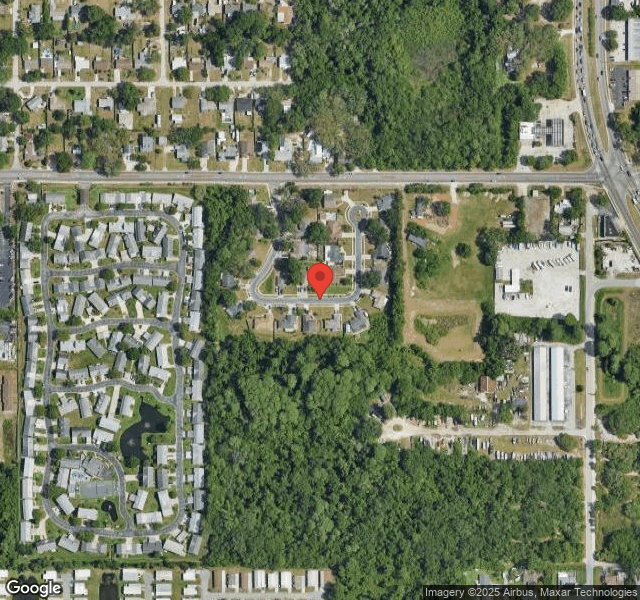
8417 OLD COUNTY RD 54, NEW PORT RICHEY, FL 34653 (727) 376-1585
For profit - Corporation 120 Beds ASTON HEALTH Data: November 2025
Trust Grade
63/100
#393 of 690 in FL
Last Inspection: December 2024

Within standard 12-15 month inspection cycle. Federal law requires annual inspections.

Overview

The Nursing & Rehabilitation Center of New Port Richey has a Trust Grade of C+, which means it is slightly above average but not outstanding. It ranks #393 out of 690 facilities in Florida, placing it in the bottom half of state options, and #12 out of 18 in Pasco County, indicating that there are only a few local facilities that are performing better. The facility is showing signs of improvement, as it reduced serious issues from 10 in 2024 to just 1 in 2025. Staffing is a concern, with a rating of 2 out of 5 stars and a turnover rate of 55%, which is higher than the state average of 42%. While the facility has an average RN coverage, it has faced some specific incidents, such as failing to maintain a clean and safe environment in resident rooms and common areas, and not properly explaining arbitration agreements to residents or their representatives. Additionally, there were issues with infection control practices, including improper care during catheter maintenance and unsanitary meal delivery. Overall, while there are strengths, particularly in quality measures, families should carefully consider these weaknesses before making a decision.

Trust Score
C+
63/100
In Florida
#393/690
Bottom 44%
Safety Record
Low Risk
No red flags
Inspections
Getting Better
10 → 1 violations
Staff Stability
⚠ Watch
55% turnover. Above average. Higher turnover means staff may not know residents' routines.
Penalties
✓ Good
$5,735 in fines. Lower than most Florida facilities. Relatively clean record.
Skilled Nurses
○ Average
Each resident gets 41 minutes of Registered Nurse (RN) attention daily — about average for Florida. RNs are the most trained staff who monitor for health changes.
Violations
⚠ Watch
17 deficiencies on record. Higher than average. Multiple issues found across inspections.
★★★☆☆
3.0
Overall Rating
★★☆☆☆
2.0
Staff Levels
★★★★★
5.0
Care Quality
★★☆☆☆
2.0
Inspection Score
Stable
2024: 10 issues
2025: 1 issues

The Good

  • 5-Star Quality Measures · Strong clinical quality outcomes
  • Full Sprinkler Coverage · Fire safety systems throughout facility
  • No fines on record

Facility shows strength in quality measures, fire safety.

The Bad

3-Star Overall Rating

Near Florida average (3.2)

Meets federal standards, typical of most facilities

Staff Turnover: 55%

Near Florida avg (46%)

Higher turnover may affect care consistency

Federal Fines: $5,735

Below median ($33,413)

Minor penalties assessed

Chain: ASTON HEALTH

Part of a multi-facility chain

Ask about local staffing decisions and management

The Ugly 17 deficiencies on record

Jun 2025 1 deficiency
CONCERN (D) 📢 Someone Reported This

A family member, employee, or ombudsman was alarmed enough to file a formal complaint

Potential for Harm - no one hurt, but risky conditions existed

Deficiency F0558 (Tag F0558)

Could have caused harm · This affected 1 resident

**NOTE- TERMS IN BRACKETS HAVE BEEN EDITED TO PROTECT CONFIDENTIALITY** Based on observations, interviews and record review, the facility failed to provide access to a functional call light for one re...

Read full inspector narrative →
**NOTE- TERMS IN BRACKETS HAVE BEEN EDITED TO PROTECT CONFIDENTIALITY** Based on observations, interviews and record review, the facility failed to provide access to a functional call light for one resident (#3) out of three residents reviewed for call lights. Findings included: On 06/19/25 at 10:16 a.m. an observation and interview with Resident #3 was conducted. She was observed sitting in her wheelchair next to her bed dressed in appropriate day clothes. She stated things are ok. Her call light was observed next to her within reach on her left side, but she stated her call light doesn't work. She stated it is a squeeze call light and has not worked for one week or more. She stated they gave her a ringing hand bell to use but when she uses it, nobody comes. She stated has to wait until she sees someone to receive the care she needs. She stated it scares her. She stated she doesn't get back into bed when she wants to because she is just left in her room and cannot do it herself. She stated she doesn't know if they are doing anything about her call light and feels afraid that something may happen if they don't fix it. Resident #3 was observed to squeeze her call light for demonstration. The light outside her room not did not illuminate to notify staff she was calling. There were no staff observed in the hall. The room adjacent to her room was being deep cleaned and a loud vacuum sound was heard. She demonstrated using her hand ringing the hand bell. There were no staff observed in hall and a faint ringing sound was heard from the hall. A review of Resident #3's admission record revealed she was admitted to the facility on [DATE] with diagnoses to include; type 2 diabetes, chronic kidney disease, reduced mobility, muscle weakness, need for assistance with personal care, repeated falls, and weakness. A review of Resident #3's Quarterly Minimum Data Set (MDS), dated [DATE] revealed in Section C- Brief Interview for Mental Status (BIMS) score of 12, indicating she is cognitively intact. Section GG showed -functional abilities an impairment on both sides of her upper extremities. A review of Resident #3's active Care Plan showed a focus of participating in physical, occupational or speech therapy with a goal to improve their functional level. Interventions included - Report and document PRN {as needed} . Change in ability to perform ADLs {Activities of Daily Living}, Decline in mobility. On 06/19/25 an interview with Staff C, Occupational Therapist (OT) was conducted. She stated Resident #3's right upper extremity functions better than her left upper extremity She stated her fine motor skills are intact but he does have normal decreased sensation in her hands. On 06/19/25 at 11:30 a.m. an interview with Staff A, Licensed Practical Nurse, LPN, was conducted. Staff A is responsible for Resident #3's care. She stated everyone is responsible for answering call lights and all call lights should be working on this floor. On 06/19/25 at 11:37 a.m. an interview with Staff B, Certified Nursing Assistant, CNA, was conducted. She stated she floats to all of the units in the facility throughout the day. She stated all call lights are working and if a call light isn't working, they would fix it quickly. On 06/19/25 at 1:49 p.m. an interview with the Maintenance Assistant was conducted. He stated if a call light wasn't working the staff would put in a work order and we would get to it as quickly as we could. He stated he was not aware of any call lights currently not working. On 06/19/25 An observation was conducted with the Maintenance Assistant. He went to Resident #3'3 room and squeezed the call light, he determined it did work; however he believes the resident was not strong enough to squeeze it. He stated he would switch it for a tap/touch call light device. On 06/19/25 at 1:14 p.m. an interview was conducted with the Assistant Director of Nursing/Interim Director of Nursing (ADON/DON). She stated everyone was responsible for answering call lights. She stated she was not aware of any call lights not working. The ADON/DON stated if a call light did not work, they would let maintenance know. She said, If a resident's call light was not working, the staff would be aware of the situation and the resident would have a manual ringing bell. The facility did not provide a policy on call lights.
Dec 2024 10 deficiencies
CONCERN (D)

Potential for Harm - no one hurt, but risky conditions existed

Deficiency F0557 (Tag F0557)

Could have caused harm · This affected 1 resident

Based on observations, interviews, and record reviews, the facility failed to ensure resident's right to be treated with respect and dignity for one resident (Resident #157) of 37 resident's sampled. ...

Read full inspector narrative →
Based on observations, interviews, and record reviews, the facility failed to ensure resident's right to be treated with respect and dignity for one resident (Resident #157) of 37 resident's sampled. Findings included: On 12/3/24 at 2:38 PM, Resident #157 was observed sitting in his room in a wheelchair next to his bed. He stated he is continent of bowel and bladder, but he needs assistance to transfer from his bed to get to the bathroom. The resident stated he has had diarrhea because of the antibiotics he is currently on since he was admitted . He stated it takes the staff forever to come when he presses his call bell to request assistance in getting to the bathroom when he has a bowel movement. Resident #157 stated he has waited for over an hour on many occasions and has to defecate in his brief, and then wait for staff to come and clean him up. He stated this is humiliating and wants to get out of the facility as soon as possible. On 12/4/24 at 9:43 AM, an observation of Resident #157 was conducted in the resident's room. The resident was sitting in his wheelchair next to his bed and pointed to the floor next to the bed on his left side and stated this poop had been on the floor since they changed him the previous night. A brown substance was observed all over the floor next to the resident's bedside. The resident stated he had just finished eating breakfast and confirmed he had to do so with this on the floor next to him. At this time, the surveyor pressed the call light. Staff I and J, both Certified Nursing Assistants (CNAs), responded immediately and were interviewed. When asked if the mess on the floor should be there since last night and through the resident's breakfast, they both stated this should have been cleaned and advised they would get housekeeping to do so immediately. Both Staff I, CNA and Staff J, CNA agreed this was not right and it should have been cleaned up the minute it occurred. (Photographic Evidence Obtained) On 12/4/24 at 12:42 PM an interview was conducted with Staff K, Licensed Practical Nurse (LPN) at the nurses station. When asked what staff would be responsible for cleaning up and incontinent bowel or feces spill on the floor during incontinence care of the resident, Staff K, LPN stated the CNA's who changed the resident should have immediately started cleaning it up and then housekeeping would finish. Staff K LPN also stated the resident should never have been made to eat breakfast with that on the floor. On 12/5/24 at 11:36 AM, an interview was conducted with the Director of Nursing (DON) and the Nursing Home Administrator (NHA) about staff who provide incontinence care are expected to pick up the solid substance on the floor and then ask housekeeping to come clean the remaining immediately. The NHA confirmed the staff should have cleaned this up immediately and they should not have brought his food tray in and left that on the floor.
CONCERN (D)

Potential for Harm - no one hurt, but risky conditions existed

Comprehensive Assessments (Tag F0636)

Could have caused harm · This affected 1 resident

**NOTE- TERMS IN BRACKETS HAVE BEEN EDITED TO PROTECT CONFIDENTIALITY** Based on observations, interviews, and record reviews, the facility failed to ensure Minimum Data Set (MDS) Comprehensive Assess...

Read full inspector narrative →
**NOTE- TERMS IN BRACKETS HAVE BEEN EDITED TO PROTECT CONFIDENTIALITY** Based on observations, interviews, and record reviews, the facility failed to ensure Minimum Data Set (MDS) Comprehensive Assessments contained accurate information for two residents (Resident #46 and Resident #77) of 37 sampled residents. Findings included: An interview with Resident #46 was conducted on 12/3/24 at 1:14 PM. Resident #46 was observed with a discolored area of green and tan to right side of her head above right eyebrow extending to right side of her head. Resident #46 stated I fell out of the wheelchair and broke my neck. A review of Resident #46's 5-Day MDS assessment dated [DATE] revealed under Section J - Health Conditions Resident #46 had no falls since admission or prior assessment. An interview was conducted on 12/5/24 at 10:36 AM with the facility's Director of Nursing (DON). The DON stated she was aware of Resident #46's fall on 10/13/24 and the resident sustained a fracture from the fall. The DON also stated Resident #46 had just come out of the dining room and was sitting in her wheelchair prior to the falling. An observation was conducted on 12/3/24 at 1:32 PM of Resident #77 lying in bed with a palm guard to her right hand. Resident #77 was observed to have contractures of both hands. Resident #77's left thumb extended horizontally resting between the first and second knuckle with the first digit extending downward. The third, fourth, and fifth digits on the resident's left hand were curled against the palm just below the thumb side of hand. The resident's right thumb was extended outwards with the index finger, third, fourth and fifth digits curled against the palm of the hand. Resident #77's bilateral wrists were contracted at an angle with the hands and arms contracted at the elbows into the residents chest area. Review of Resident #77's medical record revealed Resident #77 has diagnoses of contracture of left wrist, contracture of left hand, contracture of right wrist, and contracture of right hand. A review of Resident #77's Care Plan revealed a Focus, last revised on 7/27/24, Resident #77 has an Activities of Daily Living (ADL) self-care deficit related to chronic medical conditions, confusion, dementia, and impaired balance, with ADL needs and participation varying. Interventions included to don a flat cloth splint to the resident's left hand as tolerated (initiated 11/25/24) and don a palm guard splint to the resident's right hand as tolerated (initiated 11/22/24.) A review of Resident #77's MDS assessment dated [DATE] revealed under Section GG - Functional Abilities and Goals, Resident #77 had no functional limitation in range of motion to the upper extremities.
CONCERN (D)

Potential for Harm - no one hurt, but risky conditions existed

Deficiency F0655 (Tag F0655)

Could have caused harm · This affected 1 resident

**NOTE- TERMS IN BRACKETS HAVE BEEN EDITED TO PROTECT CONFIDENTIALITY** Based on record review and interview, the facility failed to develop a Baseline Care Plan within 48 hours of admission for one (...

Read full inspector narrative →
**NOTE- TERMS IN BRACKETS HAVE BEEN EDITED TO PROTECT CONFIDENTIALITY** Based on record review and interview, the facility failed to develop a Baseline Care Plan within 48 hours of admission for one (Resident #75) of 37 sampled residents. Findings included: Review of Resident #75's medical record revealed Resident #75 was admitted to the facility on [DATE]. Review of Resident #75's medical record did not reveal a Baseline Care Plan. On 12/5/24 Staff F, Licensed Practical Nurse (LPN) and Minimum Data Set (MDS) Coordinator provided a copy of Resident #75's Baseline Care Plan and stated it was the one done after the original admission. Review of the Baseline Care Plan revealed it was dated 12/1/24. An interview was conducted on 12/5/24 at 11:57 AM the Facility Administrator (FA). The FA stated Baseline Care Plans should be completed with the admission assessment, within 24 hours. Some of the information comes from hospital records, therapy, and staff, but a main component is to speak to and evaluate the resident. The FA also stated the Baseline Care Plan for Resident #75 dated 12/1/24 was not acceptable because the expectation is they are to be done within 24 hours.
CONCERN (D)

Potential for Harm - no one hurt, but risky conditions existed

Deficiency F0688 (Tag F0688)

Could have caused harm · This affected 1 resident

Based on interviews, observations, and record review, the facility failed to provide appropriate equipment to maintain range of motion and mobility for one resident (Resident #77) of one resident samp...

Read full inspector narrative →
Based on interviews, observations, and record review, the facility failed to provide appropriate equipment to maintain range of motion and mobility for one resident (Resident #77) of one resident sampled for limited range of motion. Findings included: An observation was conducted on 12/3/24 at 1:32 PM of Resident #77 lying in bed with a palm guard to her right hand. Resident #77 was observed to have contractures of both hands. Resident #77's left thumb extended horizontally resting between the first and second knuckle with the first digit extending downward. The third, fourth, and fifth digits on the resident's left hand were curled against the palm just below the thumb side of hand. The resident's right thumb was extended outwards with the index finger, third, fourth and fifth digits curled against the palm of the hand. Resident #77's bilateral wrists were contracted at an angle with the hands and arms contracted at the elbows into the residents chest area. Review of Resident #77's medical record revealed Resident #77 has diagnoses of contracture of left wrist, contracture of left hand, contracture of right wrist, and contracture of right hand. A review of Resident #77's Care Plan revealed a Focus, last revised on 7/27/24, Resident #77 has an Activities of Daily Living (ADL) self-care deficit related to chronic medical conditions, confusion, dementia, and impaired balance, with ADL needs and participation varying. Interventions included to don a flat cloth splint to the resident's left hand as tolerated (initiated 11/25/24) and don a palm guard splint to the resident's right hand as tolerated (initiated 11/22/24.) An observation was conducted on 12/3/24 at 2:00 PM of Resident #77 with no palm guard applied to the right hand or flat cloth to left hand. An observation was conducted on 12/4/24 at 8:00 AM of Resident #77 lying in bed with no palm guard to the right hand and no flat cloth to left hand observed. Resident #77's palm guard was observed on the nightstand at bedside. An observation was conducted on 12/4/24 at 1:10 PM of Resident #77 lying in bed with a palm guard applied to the right hand and no flat cloth to left hand. An observation was conducted on 12/5/24 at 8:47 AM of Resident #77 lying in bed with a palm guard applied to the right hand and no flat cloth to left hand. Resident #77 was unable to open her hands on her own or move her fingers when prompted. An interview was conducted on 12/5/24 at 10:06 AM with Staff P, Certified Nursing Assistant (CNA) and Restorative Nursing Assistant (RNA). Staff P, CNA stated her responsibilities as a Restorative Nursing Assistant is to apply splints and assist with range of motion (ROM) exercises, among other duties. Staff P, CNA also stated she has been working with Resident #77 for a few months and assists the resident with passive ROM (PROM) exercises for the upper and lower extremities. Staff P, CNA stated she also applies a hand roll to the resident's right hand and gauze to the left hand because there is no way to get anything else in the resident's hand. Staff P, CNA stated she applies Resident #77's splints five days a week unless she is pulled to the floor to work as a CNA, which usually occurs at least three times a week. Staff P, CNA also stated when she is working as a CNA on the floor, there is no staff to cover her duties as an RNA because they are short on staff. An observation was conducted on 12/5/24 at 12:10 PM of Resident #77 lying in bed with no palm guard to the right hand and no flat cloth to left hand observed. Resident #77's palm guard was observed on the nightstand at bedside. An observation was conducted on 12/5/24 at 5:00 PM of Resident #77 lying in bed with no palm guard to the right hand and no flat cloth to left hand observed. Resident #77's palm guard was observed on the nightstand at bedside. An observation was conducted on 12/6/24 at 9:00 AM of Resident #77 lying in bed with a palm guard to her right hand and gauze applied to her left hand. Review of Resident #77's Point of Care (POC) Tasks revealed the following documentation: - Task: Nursing Rehab: Assistance with palm guard daily: Assistance was provided on eight of 30 days between 11/5/24 and 12/14/24. No refusals were documented. - Task: Nursing Rehab: Assistance with flat cloth to left hand daily: Assistance was provided on 11 of 30 days between 11/5/24 and 12/14/24. No refusals were documented.
CONCERN (D)

Potential for Harm - no one hurt, but risky conditions existed

Tube Feeding (Tag F0693)

Could have caused harm · This affected 1 resident

**NOTE- TERMS IN BRACKETS HAVE BEEN EDITED TO PROTECT CONFIDENTIALITY** Based on observations, interviews, and record review, the facility failed to ensure physician orders for tube feeding were follo...

Read full inspector narrative →
**NOTE- TERMS IN BRACKETS HAVE BEEN EDITED TO PROTECT CONFIDENTIALITY** Based on observations, interviews, and record review, the facility failed to ensure physician orders for tube feeding were followed and failed to ensure tube feeding was administered in a proper manner for one resident (Resident #31) of one resident reviewed for tube feeding. Findings included: Review of the facility's policy titled Enteral Nutrition, date revised January 2014 revealed adequate nutritional support through enteral feeding will be provided to residents as ordered and central supply will be responsible for ordering all tube feeding supplies. Repeated requests for the facility's procedure for proper hanging and labeling of tube feeding supplies was not granted by the end of the survey week. During a tour of the facility conducted on 12/3/24 at 9:55 AM, Resident #31 was observed with a tube feeding bag hanging. Closer observation revealed a bottle of Jevity 1.5 formula sitting on the bedside table. There were no labels, date, or time written on the bag or the bottle. The tube feeding machine was set for the tube feeding to instill at 80 milliliters per hour (mL/hr) and for the water flush to instill at 150 mL every 4 hours (Photographic Evidence Obtained). Resident #31 was initially admitted to the facility on [DATE] and was last readmitted on [DATE]. He had a medical history significant for respiratory failure, malnutrition, dysphagia, and encephalopathy. Initial record review for Resident #31 revealed the physician orders for tube feeding included an order written on 11/12/24 for Enteral Tube: Continuous tube feeding of: Jevity 1.5 at 80 ml/hr and an order written on 10/29/24 for Enteral Tube: Flush tube with 180 ml of water every 4 hours. Review of Resident #31's Quarterly Minimum Data Set (MDS) assessment dated [DATE] revealed he had a Brief Interview of Mental Status score of 14, which indicates he was cognitively intact. This MDS Assessment documented that he was receiving tube feeding and had suffered weight loss since being admitted to the facility. Review of Resident #31's Care Plan revealed there were care plans in place regarding requires tube feeding related to dysphagia and poor oral intake and at risk for aspiration related to complaints of difficulty or pain with swallowing, feeding tube. During a tour of the facility conducted on 12/4/24 at 10:10 AM, Resident #31 was observed with a tube feeding bag hanging, dated/timed 12/4/24 at 4:00 AM. Further observation revealed there was no label on the bag or bottle present to indicate what the tube feeding formulary was. The tube feeding machine was set for the tube feeding to instill at 80 mL/hr and for the water flush to instill at 150 mL every 4 hours. A secondary tour was conducted on 12/4/24 at 1:46 PM and the same settings were programmed for Resident #31's tube feeding and water flush. (Photographic Evidence Obtained). An interview was conducted with Staff E, Registered Nurse (RN) on 12/4/24 at 1:55 PM regarding this resident's physician orders. Staff E, RN stated they were using the tube feeding bag tubing because the bottle tubing was out of stock. She said the night shift staff were responsible for changing the tubing and they poured the bottled tube feeding formulary into the bag since the facility did not have the correct tubing to connect to/spike the bottle of tube feeding. She said Resident #31 had an order to receive Jevity 1.5 tube feeding formulary. When asked how she knew the formulary in the bag was in fact Jevity, being that there was no indication on the bag or bottle present, she again stated Resident #31 had an order to receive Jevity 1.5. She then confirmed the tube feeding formulary should have been written on the bag along with the date and time it was started. The surveyor then asked Staff E, RN, to review and confirm the physician orders for Resident #31's tube feeding and water flush. She verbalized Resident #31 had an order for Jevity 1.5 to run at 80 mL/hr and for a water flush to run at 150 mL/4 hr. The surveyor again asked her to confirm the orders in the computer. Staff E, RN independently reviewed Resident #31's orders and verbalized the Jevity 1.5 order was for 80 mL/hr, and the water flush order was for 180 mL every 4 hours. The surveyor asked Staff E, RN to confirm on Resident #31's tube feeding machine if the rate for the water flush was 150 mL every 4 hours or 180 mL every 4 hours. Upon observation of the tube feeding machine, Staff E, RN confirmed the water flush rate was programmed incorrectly and that it was running at 150 mL every 4 hours instead of 180 mL every 4 hours. Staff E, RN then reprogrammed the water flush rate and then returned to the computer to re-confirm the order was 180 mL every 4 hours, which she also confirmed had been written on 10/29/24. Interviews were conducted with the facility's Assistant Director of Nursing on 12/5/24 at 10:45 AM and with the facility's Director of Nursing and Administrator on 12/5/24 at 1:00 PM. All agreed Resident #31's tube feeding bag should have been labeled properly, with the start date and time and tube feeding formulary. They also agreed the water flush had been running at the incorrect rate until surveyor intervention.
CONCERN (D)

Potential for Harm - no one hurt, but risky conditions existed

Deficiency F0761 (Tag F0761)

Could have caused harm · This affected 1 resident

Based on observations, interviews, and record and policy review, the facility failed to store all drugs and biologicals in locked compartments and permit only authorized personnel to have access to th...

Read full inspector narrative →
Based on observations, interviews, and record and policy review, the facility failed to store all drugs and biologicals in locked compartments and permit only authorized personnel to have access to them for one resident (Resident #19) of 37 sampled residents. Findings included: On 12/4/24 at 9:00 AM, the surveyor observed refresh eye drops at the bedside of Resident #19 while observing medication administration with Staff A, Licensed Practical Nurse (LPN). Resident #19 stated, I use the eye drops often and keep the lid loose so it's easy to access. Staff A, LPN stated he was not aware Resident #19 had medication at the bedside and confirmed in the medical record Resident #19 was not assessed and did not have a care plan in place to have medication at the bedside. Staff A, LPN removed the medication from Resident #19's room. On 12/4/24 at 3:22 PM during an interview with the Director or Nursing (DON), she stated a physician order for self-administration and a nursing assessment would be required and the medication would be kept in a lock box in the resident's room. The DON confirmed the facility did not have any residents with orders for self-administration of medication. Review of the electronic medical record (EMR) confirmed Resident #19 did not have a physician order or nursing assessment for medication self-administration. A review of the facility policy titled Medication Storage and Labeling last revised 1/2024 revealed under Procedure, 1.) Drugs and biologicals used in the facility are stored in locked compartments under proper temperature, light, and humidity controls. Only persons authorized to prepare and administer medication have access to locked medications.
CONCERN (D)

Potential for Harm - no one hurt, but risky conditions existed

Deficiency F0883 (Tag F0883)

Could have caused harm · This affected 1 resident

**NOTE- TERMS IN BRACKETS HAVE BEEN EDITED TO PROTECT CONFIDENTIALITY** Based on interview and record review, the facility failed to maintain resident's vaccination records, including consents, in an ...

Read full inspector narrative →
**NOTE- TERMS IN BRACKETS HAVE BEEN EDITED TO PROTECT CONFIDENTIALITY** Based on interview and record review, the facility failed to maintain resident's vaccination records, including consents, in an adequate manner for two residents (Resident #66 and 75) of five residents reviewed for vaccination records. Findings included: Review of the facility's policy titled Infection Control Immunizations-Influenza, last revised February 2024, revealed the facility shall provide pertinent information about significant risks and benefits of vaccines to residents in accordance with regulations and a resident's refusal of the vaccine shall be documented on the Informed Consent and placed in the resident's medical record. Review of Resident #66's medical record revealed she was admitted to the facility on [DATE]. Resident #66 signed the Influenza vaccination consent form on 8/10/24, indicating she declined the vaccination. There was no staff member name/title present on the form indicating influenza education was provided by a staff member and there was no response documented on the form indicating Resident #66 was proved a Vaccination Information Sheet. Review of Resident #75's medical record revealed she was originally admitted to the facility on [DATE] and was last readmitted to the facility on [DATE]. Resident #75's electronic medical record Immunization tab indicated she declined the COVID-19 vaccination on 11/22/24, however, there was no consent form present in her record indicating the resident declined the vaccine. An interview was conducted with the facility's Infection Preventionist on 12/5/24 at 10:25 AM. She independently reviewed Resident #66 and Resident #75's medical records and confirmed Resident #66's Influenza consent form should have had a staff signature present. She also confirmed she was unable to find Resident #75's COVID-19 consent form indicating the resident declined the vaccine.
CONCERN (E) 📢 Someone Reported This

A family member, employee, or ombudsman was alarmed enough to file a formal complaint

Potential for Harm - no one hurt, but risky conditions existed

Safe Environment (Tag F0584)

Could have caused harm · This affected multiple residents

**NOTE- TERMS IN BRACKETS HAVE BEEN EDITED TO PROTECT CONFIDENTIALITY** Based on observations and interviews, the facility failed to provide a safe, clean, comfortable, and homelike environment in the...

Read full inspector narrative →
**NOTE- TERMS IN BRACKETS HAVE BEEN EDITED TO PROTECT CONFIDENTIALITY** Based on observations and interviews, the facility failed to provide a safe, clean, comfortable, and homelike environment in the facility laundry room, two of four facility shower rooms, one of four soiled utility rooms, and two resident rooms (#108 and #217) of 64 resident rooms. Findings included: During the initial tour on 12/3/24 at 8:09 AM, room [ROOM NUMBER] was observed to have lifting baseboard, broken and heavily scratched floor tiles, and rust on the toilet riser in the resident bathroom. (Photographic Evidence Obtained). On 12/5/24 at 1:26 PM a follow up tour of room [ROOM NUMBER] was conducted with the facility's Maintenance Director. The Maintenance Director agreed that the lifting baseboards, broken and heavily scratched floor tiles, and rusting toilet riser cause concerns and need to be repaired/replaced. The Maintenance Director also stated he had been working on rooms that had the most damage first and he has not kept documentation of the rooms he had completed work on. A tour of the facility was conducted on 12/5/24 at 11:06 AM with The Maintenance Director and the Environmental Services and Laundry Lead. During the tour, the following were observed: - The shower room on the C-hallway had two shower walls with a pink/brown colored substance near the bottom of the walls. The Environmental and Laundry Lead stated her staff cleaned the shower walls daily, but the substance continually returned after three or four showers. - The shower room on the E-hallway had one shower wall with a pink/brown colored substance near the bottom of the wall. - A vanity sink and cabinet was observed in the soiled utility room on the F-hallway. The bottom of the cabinet had fallen through to the floor and there was a large amount of black substance on the bottom of the cabinet and floorboards underneath. Also observed was a bath basin overflowing with water and water was actively leaking from the pipe coming from the sink into the bath basin. The Maintenance Director stated he was unaware of this issue before this tour. - Upon entering the dirty side of the facility laundry room, the surveyor observed numerous pillows in a pile leaning on the top of a floor polishing machine. The Environmental and Laundry Lead stated they had too many pillows at the facility and she had nowhere else to store them. In this same room, observed behind the two washing machines was a large buildup of foreign objects, including gloves, a spray bottle, caps, lint, and debris. The The Maintenance Director confirmed he was responsible for cleaning behind the washing machines and the last time he cleaned the area was approximately a month prior. - Upon entering the clean side of the facility laundry room, the surveyor observed three dryers. The Maintenance Director stated the third dryer had been broken for the better part of the year and they were not actively working on fixing it because it was very old, and the parts were not available. He stated they were waiting to hear from corporate about removing this dryer or replacing it. Upon inspection of the two working dryers, there was a large amount of multicolored, unidentified material melted and burned on the inside of the dryer's drums. The Maintenance Director stated he cleaned the drums monthly but agreed it should be done to remove the matter to not contaminate clean laundry. Upon inspection of the lint traps of both dryers, a large buildup of lint was present in both. The Environmental and Laundry Lead stated they cleaned the lint trap areas two times per day, at the end of each shift, 3:00 PM and 11:00 PM. She further stated the last time the lint traps were cleaned was the night of 12/4/24. Further inspection of the dryers revealed dryer number two had a gasket which was ripped/worn in multiple places. Photographic Evidence Obtained On 12/4/24 at 9:43 AM, an observation of Resident #157 was conducted in the resident's room. The resident was sitting in his wheelchair next to his bed and pointed to the floor next to the bed on his left side and stated this poop had been on the floor since they changed him the previous night. A brown substance was observed all over the floor next to the resident's bedside and it appeared to be feces. The resident stated he had just finished eating breakfast and confirmed he had to do so with this on the floor next to him. At this time, the surveyor pressed the call light. Staff I and J, both Certified Nursing Assistants (CNAs), responded immediately and were interviewed. When asked if the mess on the floor should be there since last night and through the resident's breakfast, they both stated this should have been cleaned and advised they would get housekeeping to do so immediately. Both Staff I, CNA and Staff J, CNA agreed this was not right and it should have been cleaned up the minute it occurred. (Photographic Evidence Obtained) On 12/4/24 at 12:42 PM an interview was conducted with Staff K, Licensed Practical Nurse (LPN) at the nurses station. When asked what staff would be responsible for cleaning up and incontinent bowel or feces spill on the floor during incontinence care of the resident, Staff K, LPN stated the CNA's who changed the resident should have immediately started cleaning it up and then housekeeping would finish. Staff K LPN also stated the resident should never have been made to eat breakfast with that on the floor. On 12/5/24 at 11:36 AM, an interview was conducted with the Director of Nursing (DON) and the Nursing Home Administrator (NHA) about staff who provide incontinence care are expected to pick up the solid substance on the floor and then ask housekeeping to come clean the remaining immediately. The NHA confirmed the staff should have cleaned this up immediately and they should not have brought his food tray in and left that on the floor.
CONCERN (E)

Potential for Harm - no one hurt, but risky conditions existed

Deficiency F0847 (Tag F0847)

Could have caused harm · This affected multiple residents

**NOTE- TERMS IN BRACKETS HAVE BEEN EDITED TO PROTECT CONFIDENTIALITY** Based on interviews and record reviews, the facility failed to explain the arbitration agreement to the resident and/or his or h...

Read full inspector narrative →
**NOTE- TERMS IN BRACKETS HAVE BEEN EDITED TO PROTECT CONFIDENTIALITY** Based on interviews and record reviews, the facility failed to explain the arbitration agreement to the resident and/or his or her responsible party (RP) in a form and manner that could be understood, including in a language the resident and his or her RP could understand; for two residents (Resident #359 and Resident #66) of three residents sampled for arbitration agreements. Findings included: On 12/5/24 at 9:57 AM arbitration agreements were reviewed with Staff B, Admissions Director (AD). Staff B, AD presented the electronic version of the arbitration agreement for Resident #359 and Resident #66. The documents were electronically signed by Staff B, AD but not signed by Resident #359, Resident #66, or by either resident's RP. Staff B, AD stated, I didn't have the resident sign the arbitration agreement because it was all verbally explained to the resident on admission, and no one is agreeing or disagreeing with arbitration. They are just explained the process. I offer a copy of any form they sign. At 10:15 AM Staff B, AD stated she just had Resident #359 sign the arbitration agreement at that time. On 12/5/24 at 10:46 AM, Resident #359 was asked how the arbitration agreement was explained to him and if he understood it was voluntary. Resident #359 replied, I don't know, she just said it was something that I needed to sign from admission. On 12/5/24 at 10:58 AM, Resident #66, who was admitted on [DATE], stated she did not remember being informed about the process of arbitration upon admission and did not sign a document accepting or declining the arbitration agreement.
CONCERN (E)

Potential for Harm - no one hurt, but risky conditions existed

Infection Control (Tag F0880)

Could have caused harm · This affected multiple residents

**NOTE- TERMS IN BRACKETS HAVE BEEN EDITED TO PROTECT CONFIDENTIALITY** Based on observations, interviews, and record review, the facility failed to maintain an effective infection control and prevent...

Read full inspector narrative →
**NOTE- TERMS IN BRACKETS HAVE BEEN EDITED TO PROTECT CONFIDENTIALITY** Based on observations, interviews, and record review, the facility failed to maintain an effective infection control and prevention program to prevent the spread of infection by 1.) failing to follow Enhanced Barrier Precautions during catheter care for one resident (Resident #31) of one resident reviewed for catheter care, 2.) failing to ensure resident's meals were delivered in a clean and sanitary manner during one of three meal observations, and 3.) failing to maintain the facility laundry area in a clean and sanitary manner in one of one laundry room. Findings included: Review of the facility's policy titled Infection Control Transmission Based Precautions, date revised February 2024, revealed Enhanced Barrier Precautions can be applied to residents with indwelling medical devices. Review of the facility's policy titled Catheter Care-Quality of Care, date revised January 2024, revealed the facility will maintain infection control guidelines related to catheter care to minimize catheter associated infections. Review of the facility's procedure titled Indwelling Male Urinary Catheter Care Competency, undated, revealed the following proper steps for performing catheter care: Catheter waterproof barrier/pad, have resident check the water temperature; place barrier pad under the perineal area before washing; apply soap to wet washcloths; using soapy washcloth wash beginning at insertion site and moving around entire genital area from top to base using a clean area of the washcloth for each stroke; use a clean washcloth to rinse soap; hold catheter near insertion site to prevent pulling when handling and cleanse catheter tubing using clean are of washcloth; dry genital area moving from front to back with a dry cloth or towel. During a tour the facility conducted on 12/3/24 at 9:55 AM, the surveyor observed Resident #31 had a catheter present. Further observation revealed an orange sign posted on the wall behind the head of the bed which stated Resident #31 was on Enhanced Barrier Precautions. Resident #31 was initially admitted to the facility on [DATE] and was last readmitted on [DATE]. He had a medical history significant for respiratory failure, urinary tract infections (UTI), and encephalopathy. Review of Resident #31's Care Plan revealed there were care plans in place regarding at risk for UTI related to catheter use and at risk for injury/infection related to presence of catheter secondary to urinary retention. A catheter care observation was conducted on 12/4/24 at 2:08 PM with Staff D, CNA (Certified Nursing Assistant). Staff D, CNA stated she had worked at the facility for approximately one month. Staff D, CNA filled a bath basin with warm water and soap and gathered washcloths and a towel. She donned gloves, but no isolation gown. Upon approaching Resident #31's bedside, the surveyor observed the orange Enhanced Barrier Precautions sign was still present. Staff D, CNA wet the washcloths in the soapy water and then set the towel and the washcloths on the resident's abdomen. Staff D, CNA used one washcloth and wiped down Resident #31's scrotum, between his legs, and around the base of his penis. She then used a second soapy washcloth to clean his penis in an up-and-down motion and around the meatus. She then used a new soapy washcloth to clean the catheter tubing from the meatus in an outward motion. Staff D, CNA performed this step a second time with an additional soapy washcloth and then used this washcloth to re-clean Resident #31's meatus. She then removed the towel from Resident #31's abdomen and used it to dry his perineal area. After the observation was complete, the surveyor asked Staff D, CNA, about the Enhanced Barrier Precautions sign hanging behind the bed. She stated she was unaware of why the sign was there and that if it was something more serious, there would be a cart by the door with [isolation] gowns. Interviews were conducted with the facility's Assistant Director of Nursing on 12/5/24 at 10:45 AM and with the facility's Director of Nursing and Administrator on 12/5/24 at 1:00 PM. All agreed the catheter care was not performed per proper procedure and Staff D, CNA should have worn an isolation gown while performing the catheter care. During a tour of the facility conducted on 12/3/24 at 12:28 PM, an observation was conducted of Staff L, Dietary Aide pushing a cart with three lunch meal trays from the kitchen to the B-hallway. While walking with the cart, a spoon fell out of a silverware pack. Staff L, Dietary Aide stopped, picked the spoon up, placed it back on the meal tray, and continued pushing the cart to the B-hallway. The surveyor then observed Staff L, Dietary Aide leave the cart and return to the kitchen without telling any other staff that the spoon fell. At 12:29 PM, the surveyor observed the facility's Assistant Director of Nursing (ADON) retrieve the meal cart and push it to the end of the B-hallway. The ADON began to distribute the meal tray, but the surveyor intervened, telling the ADON the spoon had fallen onto the floor and Staff L, Dietary Aide put it back on the tray without alerting anyone. The ADON removed the spoon and other silverware from the tray and stated she would go to the kitchen and get the resident new silverware. An interview was conducted on 12/3/24 at 2:45 PM with the facility's Certified Dietary Manager. She stated she conducted an in-service with the kitchen staff following the above incident regarding anything that falls to floor must be discarded. A tour of the facility was conducted on 12/5/24 at 11:06 AM with the facility's Maintenance and Environmental Services Director and the Environmental Services and Laundry Lead. During this tour, the surveyor reviewed the facility's laundry area. Upon entering the dirty side of the laundry room, the surveyor observed numerous pillows in a pile leaning on the top of a floor polishing machine. The Environmental and Laundry Lead stated they had too many pillows at the facility and she had nowhere else to store them. In this same room, observed behind the two washing machines was a large buildup of foreign objects, including gloves, a spray bottle, caps, lint, and debris. The Maintenance Director confirmed he was responsible for cleaning behind the washing machines and the last time he cleaned the area was approximately a month prior.
Apr 2023 6 deficiencies
CONCERN (D)

Potential for Harm - no one hurt, but risky conditions existed

Report Alleged Abuse (Tag F0609)

Could have caused harm · This affected 1 resident

**NOTE- TERMS IN BRACKETS HAVE BEEN EDITED TO PROTECT CONFIDENTIALITY** Based on record review and interviews, the facility failed to report an alleged violation and investigation of abuse/neglect, wi...

Read full inspector narrative →
**NOTE- TERMS IN BRACKETS HAVE BEEN EDITED TO PROTECT CONFIDENTIALITY** Based on record review and interviews, the facility failed to report an alleged violation and investigation of abuse/neglect, within the required timeframe, related to elopement for one resident (#17) out of the two sampled residents for elopement. Findings included: A review of the admission Record showed Resident #17 was initially admitted into the facility on [DATE] with diagnoses of unspecified dementia, unspecified severity, without behavioral disturbance, psychotic disturbance, mood disturbance, and anxiety. Section C: Cognitive Patterns of the quarterly Minimum Data Set (MDS) dated [DATE] revealed Resident #17 had a Brief Interview Status (BIMS) score of 08 out of 15, indicating moderately impaired cognition. Section G: Functional Status of the quarterly MDS, dated [DATE], revealed Resident #17 needed the following assistance for activities of daily living: bed mobility, dressing, toilet use, and personal hygiene- extensive assistance with one-person physical assist, transfer- extensive assistance with two plus persons physical assist, walk in room- activity only occurred once or twice with one-person physical assist, walk in corridor- activity only occurred once or twice with one-person physical assist, locomotion on unit- supervision with one-person physical assist, locomotion off unit- limited assistance with one-person physical assist, and eating- independent with setup help only. Section P: Restraints and Alarms revealed the resident used a wander/elopement alarm daily. A review of the Order Summary Report with active orders as of 04/13/23 revealed Resident #17 had an order in place for wanderguard placement on the left ankle dated 01/26/23. A review of the Treatment Administration Record (TAR), dated January 2023, revealed the wanderguard was checked for function and placement daily. A Change in Condition form, with an effective date of 01/22/23, showed the resident was observed outside on the street ambulance entrance on 01/22/23. A review of the Progress Notes, dated 01/22/23 at 1755, revealed the writer was alerted by a Certified Nursing Assistant (CNA) that the resident was not in his room when she went in to serve his dinner tray. The writer immediately went to the dining room as the resident chose to eat there. While exiting the dining room, the writer looked down on the street and saw the resident looking into the window from outside the ambulance entrance. While bringing the resident back inside, he stated he was getting money. The supervisor and the writer assisted him back to his room. Body audit done with no indicators. He proceeded to eat dinner, pleasant mood. Family and doctor notified. Resident was on 15-minute checks. The Elopement Risk Evaluation, dated 09/20/22, revealed Resident #17 was at risk for elopement. The care plan related to elopement, initiated on 11/18/20, revealed interventions that included but were not limited to; distract him from wandering by offering pleasant diversions, structured activities, food, conversation, television, and a book, electronic monitoring device, identify patterns of wandering, and provide structured activities. On 04/13/23 starting at 12:50 p.m., the Administrator and Director of Nursing (DON) were interviewed for Quality Assurance (QA). The DON stated they had a reportable incident related to an elopement on 01/23/23. A CNA reported to the assigned nurse that she couldn't find Resident #17 in his room or dining room. The assigned nurse, Staff E, Licensed Practical Nurse (LPN), started to look for him. The nurse went into the resident's room, and he wasn't there. He then checked the dining room, and he wasn't there. Staff E, LPN, observed Resident #17 outside of the building looking into the window of the facility. The resident was outside at the ambulance entrance looking in. When Resident #17 was brought back in, he stated he was trying to get money. The Administration during the time of the incident reenacted what happened. Resident #17 apparently went to the side doors and exited on the side patio door. The resident stated he want out with a female, but they couldn't identify a female. He can read. The sign on the door states push until alarm sounds, door can be open in 15 seconds. He knew how to alert staff to let him back in the building. Prior to the incident, he didn't express interest in leaving the facility. A body audit was completed, and the resident did not have any injuries. Resident #17 was placed on 1 to 1. His wanderguard was working with no issues. He was identified as an elopement risk prior to this incident with a BIMS of 08. The resident was seen shortly before the incident at the nursing station asking for coffee. He went back down to his room. It was at 17:55 when the CNA alerted the nurse. The CNA went into the room to serve the dinner tray and he was not there. They reeducated staff and did missing resident drills. Staff did a count to make sure everyone was accounted for. After the incident, all residents were reviewed for elopement assessments. They had a systemic change in two things. They didn't have a receptionist at that time when Resident #17 got out of the building. They have a receptionist now until 9:00 p.m. The door he went out of is no longer used. Only the Administration has the code now. Prior to the incident, visitors were using that door. They do elopement drills quarterly. The incident was reported to the required agency on 02/03/23 as an adverse incident and has not been investigated by an outside agency, stated the DON. On 04/13/23 at 1:52 p.m., a telephone interview was conducted with Staff E, LPN. He reported he was at the nursing station when the CNA was passing dinner. The CNA came over and said Resident #17 was not in his room. He looked in the bathroom and, in his room to make sure he was not in there. Looked in the dining room and didn't see him. As he was walking past E wing on the left side, Resident #17 was at the end of the hallway looking in the window. The resident saw him and pointed at him. Staff E, LPN, got him and brought him back to the facility. He reported this to the supervisors. He performed a skin assessment on the resident with the assistance of the supervisor. The resident did not have an injury. The Nursing Home Adverse Incident Form provided by the facility indicated the elopement incident date was 01/22/23. On 04/13/23 at 1:50 p.m., the DON stated the previous Administrator, who completed the investigation, was contacted via phone and stated they were not required to complete an immediate and a five-day report for an adverse incident.
CONCERN (D)

Potential for Harm - no one hurt, but risky conditions existed

Assessment Accuracy (Tag F0641)

Could have caused harm · This affected 1 resident

**NOTE- TERMS IN BRACKETS HAVE BEEN EDITED TO PROTECT CONFIDENTIALITY** Based on record review and interviews, the facility failed to ensure one resident (#109) of thirty-one residents sampled, had a ...

Read full inspector narrative →
**NOTE- TERMS IN BRACKETS HAVE BEEN EDITED TO PROTECT CONFIDENTIALITY** Based on record review and interviews, the facility failed to ensure one resident (#109) of thirty-one residents sampled, had a complete and accurate Minimum Data Set (MDS) assessment coded for discharge to community. Findings included: A record review of Resident #109's electronic medical record revealed an admission date of 09/26/2022, with primary diagnosis of Chronic Obstructive Pulmonary Disease with (Acute) Exacerbation. A discharge progress note showed the resident was discharged to community (home) on 01/13/2023. A record review of the MDS, dated [DATE], read A2100 Discharge Status shows 03 Acute Hospital. The MDS needed to show for Resident #109 01 Community discharge date [DATE]. On 04/12/23 at 02:15 p.m., an interview was conducted with the MDS Coordinator. During the interview the MDS Coordinator confirmed the MDS was coded incorrectly and needed to be changed to reflect Resident #109's discharge to the community, and not to the hospital. The MDS Coordinator further revealed she would fix the record immediately and resubmit it to reflect the correct information. A facility policy titled Resident Assessment Instrument, dated [DATE], under Policy Interpretation and Implementation reads: 3. The purpose of the assessment is to describe the resident's capability to perform daily life functions and to identify significant impairments in functional capability. 4. Information derived from the comprehensive assessment enables the staff to plan care that allows the resident to reach his/her highest practicable level of functioning an includes as a minimum: r. Discharge Potential 6. All persons who have completed any portion of the MDS 3.0 Resident Assessment Form must electronically sign such document attesting to the accuracy of such information at Z00400.
CONCERN (D)

Potential for Harm - no one hurt, but risky conditions existed

Deficiency F0688 (Tag F0688)

Could have caused harm · This affected 1 resident

Based on observations, interviews, and record review the facility failed to ensure splints were applied to prevent a decrease in range of motion for one resident (#45) of two sampled resident for rang...

Read full inspector narrative →
Based on observations, interviews, and record review the facility failed to ensure splints were applied to prevent a decrease in range of motion for one resident (#45) of two sampled resident for range of motion. Findings included: An observation conducted of Resident #45, on 04/10/2023 at 9:58 AM and 04/13/2023 at 10:00 AM, revealed Resident #45 in his bed, without any splints or braces on his hands. Both of his hands were observed each time with closed, fingers bent and touching the palms. A review of Resident #45's admission Record revealed diagnoses that included Hemiplegia (partial paralysis) following cerebral infarction (stroke) affecting left non-dominant side and dementia without behavioral disturbance. A review of Minimum Data Set (MDS) assessment, dated 03/04/2023, Section C: Cognitive Pattern, revealed a Brief Interview for Mental Status (BIMS) score of 0/15, which indicated the resident was severely cognitively impaired. Section G: Functional Status revealed he required extensive to total assistance with mobility and activities of daily living (ADL) performance and had functional limitations in range of motion on one side for upper extremity (shoulder, elbow, wrist, hand) and lower extremity (hip, knee, ankle foot). In addition the MDS did not have a restorative program marked. A review of the Order Review Report with active physician orders as of 04/13/2023 reflected the following: May have restorative/maintenance programs as indicated, order date 08/20/2022. The care plan for Resident #45 revealed a focus area for complications due to a stroke affecting the left side/Hemiplegia, which included interventions: Monitor/document mobility status. If resident is presenting with any problems or paralysis, obtain order for Physical therapy and Occupational therapy to evaluate and treat, initiated 04/21/2021. The care plan was silent of any focus areas or interventions related to range of motion or contracture prevention. A review of Resident #45's Occupational Therapy Treatment Encounter, notes dated showed: *10/05/2022, communication was conducted with supervisors regarding the delivery of bilateral upper extremity orthotic's for the resident. *10/07/2022, resident was compliant with adaptations; resident was discharged from case load. *10/14/2022, resident needs to have further assessment of orthotic and wearing ability after initial fitting. Resident had orders for occupational therapy, three times per week to increase tolerance of bilateral upper extremity orthotic's. *11/17/2022, resident was able to tolerate left upper extremity resting hand splint and right upper extremity slim grip orthotic for 6 hours with no pain or redness during doffing. An interview was conducted on 04/13/2023 at 9:05 AM with Staff F, Certified Nursing Assistant (CNA) assigned to Resident #45. She stated she recalled the splints but has not seen them in quite a while. If he (Resident #45) were to have splints, they would be in his room. No splints were located in the resident room. An interview was conducted on 04/13/2023 at 09:10 AM with Staff D, Licensed Practical Nurse (LPN). She stated she remembered him with splints, but therapy puts them on and off. She hasn't seen them for a while. An interview was conducted with the Director of Rehabilitation (DOR) on 04/13/2023 at 09:11 AM. She stated therapy screens all residents not on current case load, quarterly, for position/contracture management and other declines. If any change status, then therapy will request orders for evaluation and treatment from the physician. Nursing also can give us a request for therapy to screen based on observation of a problem. In regards to, [Resident #45] the DOR stated he was seen for OT (Occupational Therapy) in November 2022. He is currently in an active restorative program. The DON is acting as our restorative nurse, at this time. We have two CNAs that are assigned to assist with the tasks for the restorative program. Resident #45 was discharged from OT on 11/17/22 with the splint to left upper extremity and right had slim grip. The DOR provided a document titled THERAPY TO RESTORATIVE NURSING COMMUNICATION, for Resident #45. The form revealed PT/OT/ST (Physical Therapy/Occupational Therapy/Speech Therapy) Functional Maintenance Intervention Suggestions:, under Bracing/Splinting was checked for the Type: Left Upper Extremity (LUE) resting hand/right upper extremity (RUE) slim grip; Body Part: LUE/RUE; Wearing Schedule: 6 hours, a day 5 days a week. Under section Adaptive Equipment/Special Instruction given: the therapist documented, Conduct passive range of motion (PROM) on bilateral upper extremities (BUE's) prior to orthotic application, 5 repetitions for 3 sets. Conduct hand hygiene prior to application. Client is to wear orthotic's for 6 hours a day 5 days a week for ongoing duration as tolerated. Perform skin checks before and after application. DOR stated this form was provided to nursing in November 2022. The DOR reviewed her list of residents on the restorative program, and Resident #45 was on the list for current residents to be seen. An interview was conducted with Staff G, Restorative CNA, on 04/13/2023 at 11:45 AM. She stated Resident #45's splint went missing toward the end of last year (2022). I informed the nurse, the Unit Manager, as well as in our weekly restorative meeting. I have been placing hand rolls in his hands so that his fingers were not digging into his hands. An interview was conducted at 04/13/2023 10:37 AM with the DOR and Director of Nursing (DON). The DON stated Resident #45 could not tolerate the splints therapy recommended back in September 2022. The DON stated the expectation would be to have documentation to support that a resident could not tolerate the splint. The DON states the Therapy Intervention was missed, and they don't know why. The DOR stated they are going to have the resident screened for an evaluation for the splint to prevent further decline. Review of the policy and procedure titled, Mobility/Range of Motion, undated, revealed Intent: It is the policy of the facility to ensure that the residents receive range of motion, in accordance with State and Federal Regulations. Procedure: 1. The facility will ensure that based on the comprehensive assessment of a resident: a. that a resident who enters the facility without limited range of motion does not experience reduction in range of motion unless the resident's clinical condition demonstrates that a reduction in range of motion is unavoidable; b. a resident with limited range of motion receives appropriate treatment and services to increase range of motion and/or to prevent further decrease in range of motion. C. A resident with limited mobility receives appropriate serves, equipment, and assistance to maintain or improve mobility with the maximum practicable independence unless a reduction in mobility is demonstrated unavoidable. 2. The facility will ensure that the resident reaches and maintains his or her highest level of range of motion and to prevent avoidable decline of range of motion.
CONCERN (E)

Potential for Harm - no one hurt, but risky conditions existed

Quality of Care (Tag F0684)

Could have caused harm · This affected multiple residents

**NOTE- TERMS IN BRACKETS HAVE BEEN EDITED TO PROTECT CONFIDENTIALITY** Based on observations, interviews, and record review the facility failed to 1) provide treatment and care related to pressure re...

Read full inspector narrative →
**NOTE- TERMS IN BRACKETS HAVE BEEN EDITED TO PROTECT CONFIDENTIALITY** Based on observations, interviews, and record review the facility failed to 1) provide treatment and care related to pressure related skin conditions and, 2) follow physician orders for a non-pressure related skin condition for one resident (#58) of two residents sampled. Findings included: During an interview on 04/10/2023 at 10:50 a.m., Resident #58 stated he had several skin areas that needed a dressing, his abdomen, groin and backside, and the facility had not placed the dressing on his backside since Friday (04/07/2023), when he was to shower. He had been asking about this, but he still does not have a dressing on it. A review of Resident #58's admission Record revealed diagnoses that included pressure ulcer of unspecified site, stage 4. A review of the Minimum Data Set (MDS), dated [DATE], Section C: Cognitive Patterns showed the resident had a Brief Interview of Mental Status (BIMS) score of 15/15, indicating the resident had no cognitive impairment. Section M: Skin Conditions showed the resident was coded for a stage 4 pressure ulcer. A review of the document titled, [Vendor] Surgical and Wound Care Progress Note Details showed Resident #58 was seen by the wound care physician on 03/31/2023. The section titled, Plan, showed wound orders as: *Wound #3 Sacrum, Cleanse/irrigate wound with 0.125% Dakins solution. Apply Calcium Alginate with Silver (Ag), cover with dry dressing Change dressing every day and as needed. A review of the document [Vendor] Surgical and Wound Care Progress Note Details showed Resident #58 was seen by the wound care physician on 04/07/2023. The section titled, Plan, showed wound orders as: * Wound #3 Sacrum, Cleanse/irrigate wound with 0.125% Dakins solution. Apply Calcium Alginate with Silver (Ag), cover with foam dressing Change dressing every day and as needed. A review of Resident #58's active physician orders for April 2023 showed no active orders for the sacral wound. A review of the Treatment Administration Record (TAR) for March 2023 and April 2023 revealed treatment was provided for the sacral wound daily from 03/11/2023 to 03/28/2023. No further documentation for the sacral wound until 04/12/2023. A review of the document titled, [Vendor] Surgical and Wound Care Progress Note Details showed Resident #58 was seen by the wound care physician on 03/31/2023. The section titled, Plan, showed wound orders as: *Wound #5 Left umbilical Cleanse/irrigate wound with 0.125% Dakins solution. Apply Calcium Alginate with Silver (Ag), cover with dry dressing. Change dressing every other day and as needed. A review of the Treatment Administration Record (TAR) for March 2023 and April 2023 revealed treatment was provided to the wound on 03/27/2023, 03/29/2023, 03/31/2023, 04/03/2023 and 04/05/2023. A review of the document [Vendor] Surgical and Wound Care Progress Note Details showed Resident #58 was seen by the wound care physician on 04/07/2023. The section titled, Plan, showed wound orders as: *Wound #5 Left umbilical Cleanse/irrigate wound with 0.125% Dakins solution. Apply Calcium Alginate with Silver (Ag), cover with dry dressing - ABD pad Change dressing every day and as needed. A review of the Treatment Administration Record (TAR) for March 2023 and April 2023 revealed treatment was provided to the wound on 04/08/2023, 04/09/2023 and 04/10/2023. A review of the document titled, [Vendor] Surgical and Wound Care Progress Note Details showed Resident #58 was seen by the wound care physician on 03/31/2023. The section titled, Plan, showed wound orders as: *Wound #8 Left Groin Cleanse/irrigate wound with 0.125% Dakins solution. Apply Calcium Alginate with Silver (Ag), cover with dry dressing ABD pad. Change dressing twice a day and as needed. A review of the Treatment Administration Record (TAR) for March 2023 and April 2023 revealed treatment was provided to the wound three times per day, 03/24/2023 to 04/07/2023. A review of the document [Vendor Name] Surgical and Wound Care Progress Note Details showed Resident #58 was seen by the wound care physician on 04/07/2023. The section titled, Plan, showed wound orders as: *Wound #8 Left Groin Cleanse/irrigate wound with 0.125% Dakins solution. Apply Calcium Alginate with Silver (Ag), cover with dry dressing - ABD pad. Change dressing twice a day and as A review of the TAR for April 2023 revealed: *Start date 04/08/2023 cleanse left and right groin and mid abdominal fold with dakins, apply silver alginate, cover with ABD pad. Every day and evening shift for cleanse left groin with dakins, apply silver alginate cover with ABD pad every other day. Treatments were signed as completed. Order discharge date on 4/12/2023. *Start date 04/08/2023 cleanse left and right groin and mid abdominal fold with Dakins, apply silver alginate, cover with ABD pad every day and night shift for medicate resident for pain prior to dressing changes cleanse left groin with Dakins, apply silver alginate, cover with ABD pad. Treatments were signed as completed. Order discharge on [DATE]. A review of the document titled, [Vendor] Surgical and Wound Care Progress Note Details showed Resident #58 was seen by the wound care physician on 03/31/2023. The section titled, Plan, showed wound orders as: *Wound #9 Abdomen Mid Fold Cleanse/irrigate wound with 0.125% Dakins solution. Apply Calcium Alginate with Silver (Ag), cover with dry dressing - ABD pad. Change dressing twice a day and as needed. A review of the Treatment Administration Record (TAR) for March 2023 and April 2023 revealed treatment was provided to the wound three times per day from 03/24/2023 to 04/07/2023. A review of the document [Vendor Name] Surgical and Wound Care Progress Note Details showed Resident #58 was seen by the wound care physician on 04/07/2023. The section titled, Plan, showed wound orders as Wound #9 Abdomen Mid Fold Cleanse/irrigate wound with 0.125% Dakins solution. Apply Calcium Alginate with Silver (Ag), cover with dry dressing - ABD pad. Change dressing twice a day and as needed. A review of the TAR for April 2023 revealed: *Start date 04/08/2023 cleanse left and right groin and mid abdominal fold with Dakins, apply silver alginate, cover with ABD pad. Every day and evening shift for cleanse left groin with Dakins, apply silver alginate cover with ABD pad every other day. Treatments were signed as completed. Order discharge date on 4/12/2023. *Start date 04/08/2023 cleanse left and right groin and mid abdominal fold with Dakins, apply silver alginate, cover with ABD pad every day and night shift for medicate resident for pain prior to dressing changes cleanse left groin with Dakins, apply silver alginate, cover with ABD pad. Treatments were signed as completed. Order discharge on [DATE]. A review of the document titled, [Vendor] Surgical and Wound Care Progress Note Details showed Resident #58 was seen by the wound care physician on 03/31/2023. The section titled, Plan, showed wound orders as: *Wound #10 Right Groin Cleanse/irrigate wound with 0.125% Dakins solution. Apply Calcium Alginate with Silver (Ag), cover with dry dressing - ABD pad. Change dressing twice a day and as needed. A review of the Treatment Administration Record (TAR) for March 2023 and April 2023 revealed treatment was provided to the wound three times per day from 03/24/2023 to 04/07/2023. A review of the document [Vendor Name] Surgical and Wound Care Progress Note Details showed Resident #58 was seen by the wound care physician on 04/07/2023. The section titled, Plan, showed wound orders as: Wound #10 Right Groin Cleanse/irrigate wound with 0.125% Dakins solution. Apply Calcium Alginate with Silver (Ag), cover with dry dressing - ABD pad. Change dressing twice a day and as needed. A review of the TAR for April 2023 revealed: *Start date 04/08/2023 cleanse left and right groin and mid abdominal fold with Dakins, apply silver alginate, cover with ABD pad. Every day and evening shift for cleanse left groin with Dakins, apply silver alginate cover with ABD pad every other day. Treatments were signed as completed. Order discharge date on 4/12/2023. *Start date 04/08/2023 cleanse left and right groin and mid abdominal fold with Dakins, apply silver alginate, cover with ABD pad every day and night shift for medicate resident for pain prior to dressing changes cleanse left groin with Dakins, apply silver alginate, cover with ABD pad. Treatments were signed as completed. Order discharge on [DATE]. During an interview on 04/12/2023 at 3:43 p.m. Staff E, Licensed Practical Nurse (LPN) stated the resident has physician orders for treatments on his abdominal folds and groin every shift, and sacrum every other day. Staff E confirmed there was no (physician) order for the sacral wound, and he did not change the dressing for the sacral wound on 04/11/2023 when he was assigned to the resident. Staff H, LPN Unit Manager (UM) came over at this time and looked for the (physician) order and could not find the order. She stated, That is interesting. His sacral wound has never closed. There should be an order. During an interview on 04/12/2023 at 4:05 p.m., the Director of Nursing (DON) confirmed there was not an active order for Resident #58's sacral wound. Her expectation is that they follow physician orders as written. During an interview on 04/13/2023 at 9:25 a.m. the DON stated the (physician) order had been inadvertently dropped off of the physician order. The DON stated they reviewed all orders and clarified the TAR was to match the physician orders, one area per order, as this is a best practice for documentation. On 4/12/23 at 4:02 p.m. an observation was conducted with Staff E, LPN. Staff E, went to Resident #58's room to look at the resident's sacral wound dressing. The sacral wound dressing was observed to be dated 4/10/23. The dressing was saturated with a visible dark, liquid discoloration, but no discharge was oozing out of the bandage. The LPN confirmed the dressing was in need of changing. The dressing change was not observed per resident's request. A review of the facility policy titled, Dressing, Non-Sterile, dated April 2022, showed: Steps in the Procedure, number 19, Apply the ordered dressing and secure with tape. The section Reporting and Documentation showed the following information may be documented in the resident's electronic medical record: 1. The date and initials of the person that performed the procedure. 2. Type of dressing used and wound care given. 3. If the resident refused the treatment why. A review of the facility policy titled, Physician Orders, dated April 2022, showed Policy Interpretation and Implementation, subsection 4. Medications may not be administered to the resident without the written approval from the attending physician.
CONCERN (E) 📢 Someone Reported This

A family member, employee, or ombudsman was alarmed enough to file a formal complaint

Potential for Harm - no one hurt, but risky conditions existed

Deficiency F0804 (Tag F0804)

Could have caused harm · This affected multiple residents

Based on interviews, record review, and a test tray temperature check the facility failed to provide and serve food at an appetizing temperature to four residents (#260, #22, #3, #87) out of 23 sample...

Read full inspector narrative →
Based on interviews, record review, and a test tray temperature check the facility failed to provide and serve food at an appetizing temperature to four residents (#260, #22, #3, #87) out of 23 sampled residents. Findings included: During an interview on 04/10/23 at 10:04 a.m., Resident #260 stated the food was cold most of the time. During an interview on 04/10/23 at 11:03 a.m., Resident #22 stated the food was occasionally cold. During an interview on 04/10/23 at 11:47 a.m., Resident #3 stated the food comes out cold. During an interview on 04/10/23 at 1:00 p.m., Resident # 87 stated the food was cold at times. A review of the facility's Grievance Log revealed the following concerns related to cold food temperatures: -March 2023- A concern was addressed about food temperatures. The outcome showed there was monitoring of food temperatures. -November 2022- A concern was addressed about food. The outcome showed food temperature checks were conducted. On 04/10/23 at 12:20 PM, a test tray for food temperatures was conducted with the Dietary Manager on the last tray removed from the food tray cart. The food temperatures were recorded as follows: Ground chicken pot pie with biscuit - 115.7 degrees Fahrenheit Sliced peaches and pears- 56.8 degrees Fahrenheit. Nectar thick milk- 58.3 degrees Fahrenheit Salad- 67.2 degrees Fahrenheit During an immediate interview on 04/10/23 at 12:20 p.m., Staff C Dietary Manager (DM) stated that cold foods should be below 40 degrees Fahrenheit and hot foods should be above 135 degrees Fahrenheit. A review of the facility's policy titled, Food Preparation with revised date 09/2017 showed, All foods will be held at appropriate temperatures, greater than 135 F [Fahrenheit] for hot holding, and less than 41 F [Fahrenheit] for cold food holding.
CONCERN (E) 📢 Someone Reported This

A family member, employee, or ombudsman was alarmed enough to file a formal complaint

Potential for Harm - no one hurt, but risky conditions existed

Food Safety (Tag F0812)

Could have caused harm · This affected multiple residents

Based on observations, interviews, and record review the facility failed to 1) ensure temperatures were checked and documented daily for the walk-in refrigerator, walk in freezer, reach in refrigerato...

Read full inspector narrative →
Based on observations, interviews, and record review the facility failed to 1) ensure temperatures were checked and documented daily for the walk-in refrigerator, walk in freezer, reach in refrigerator and dishwashing machine, and 2) ensure the walk-in freezer was in good working order. This practice had the potential to effective 104 out of 107 residents residing in the facility. Findings included: An observation on 04/10/23 at 9:10 a.m., showed the April 2023 dish washer temperature document had missing temperatures. The following dates had missing temperatures with photogenic evidence obtained: - 04/06/23- dinner shift - 04/07/23- dinner shift - 04/08/230-dinner shift - 04/09/23- dinner shift - 04/10/23- breakfast shift During an immediate interview on 04/10/23 at 9:10 a.m., Staff A Dietary Aid (DA) stated the dish washer temp log should have been completed before every meal (breakfast, lunch, and dinner) at three times a day. Staff A DA confirmed the April 2023 dishwasher temperature log was missing temperature checks and was incomplete. An observation on 04/10/23 at 9:20 a.m., showed the April 2023 temperature logs for the walk-in refrigerator, walk in freezer and reach in refrigerator logs had missing temperature checks and was incomplete. The following dates had missing temperatures with photogenic evidence obtained: Walk- in Refrigerator - 04/07/23 morning shift - 04/08/23 evening shift - 04/09/23 morning shift Walk-in Freezer - 04/07/23 morning shift - 04/08/23 evening shift - 04/09/23 morning shift Reach- in Refrigerator - 04/07/23 morning shift - 04/08/23 evening shift - 04/09/23 morning shift During an immediate interview on 04/10/23 at 9:20 a.m., Staff B [NAME] confirmed the April 2023 walk-in refrigerator, walk in freezer, and reach in refrigerator logs had missing temperature checks and was incomplete. Staff B [NAME] stated the temperature logs for all refrigerators and freezers should be checked at the start of each morning shift and evening shift to ensure that nothing is wrong. An observation on 04/10/23 at 9:30 a.m., showed ice buildup on the floor of the walk-in freezer. Photographic evidence was obtained. During an immediate interview on 04/10/23 at 9:30 a.m., Staff B, [NAME] stated the ice buildup on the walk-in freezer floor was a common occurrence and then stated, something is going on in there. During an interview on 04/10/23 at 11:00 a.m., Staff C Dietary Manager (DM) stated there was a problem with ice buildup in the walk-in freezer and he thought the problem had been reported to maintenance already. DM stated sometimes the kitchen staff would go in the walk- in freezer and chip the ice away. During an interview on 04/12/23 at 3:30 p.m., the Administrator stated she was unaware of the ice build-up on the freezer floor. The Administrator provided an invoice for review that showed a purchase of a refrigeration door latch on 03/06/23. A review of the facility's policy titled, Food Storage: Cold Foods with revised date 04/2018 showed, An accurate thermometer will be kept in each refrigerator and freezer. A written record of daily temperatures will be recorded.
Understanding Severity Codes (click to expand)
Life-Threatening (Immediate Jeopardy)
J - Isolated K - Pattern L - Widespread
Actual Harm
G - Isolated H - Pattern I - Widespread
Potential for Harm
D - Isolated E - Pattern F - Widespread
No Harm (Minor)
A - Isolated B - Pattern C - Widespread

Questions to Ask on Your Visit

  • "Can I speak with families of current residents?"
  • "What's your RN coverage like on weekends and overnight?"

Our Honest Assessment

Strengths
  • • No major safety red flags. No abuse findings, life-threatening violations, or SFF status.
Concerns
  • • 17 deficiencies on record. Higher than average. Multiple issues found across inspections.
Bottom line: Mixed indicators with Trust Score of 63/100. Visit in person and ask pointed questions.

About This Facility

What is Nursing & Rehabilitation Center Of New Port Richey's CMS Rating?

CMS assigns NURSING & REHABILITATION CENTER OF NEW PORT RICHEY an overall rating of 3 out of 5 stars, which is considered average nationally. Within Florida, this rating places the facility higher than 0% of the state's 100 nursing homes. This mid-range rating indicates the facility meets federal standards but may have areas for improvement.
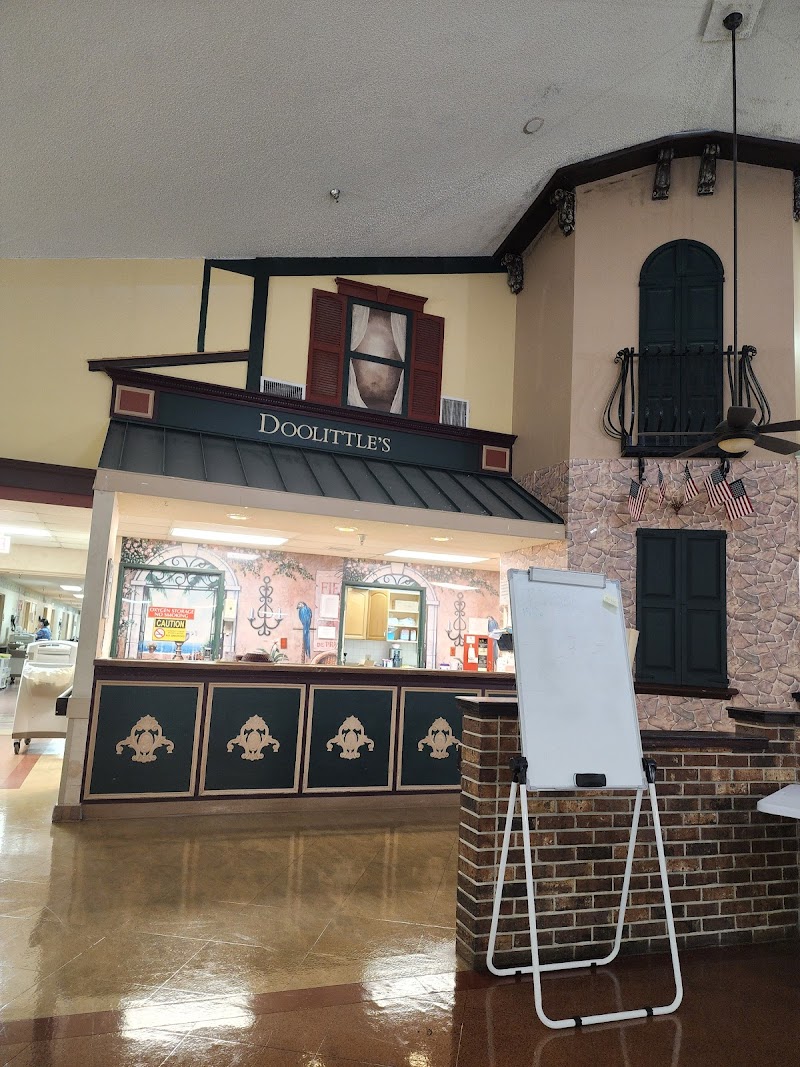
How is Nursing & Rehabilitation Center Of New Port Richey Staffed?

CMS rates NURSING & REHABILITATION CENTER OF NEW PORT RICHEY's staffing level at 2 out of 5 stars, which is below average compared to other nursing homes. Staff turnover is 55%, compared to the Florida average of 46%. RN turnover specifically is 69%, which is notably high. RNs provide skilled clinical oversight, so turnover in this role can affect medical care quality.

What Have Inspectors Found at Nursing & Rehabilitation Center Of New Port Richey?

State health inspectors documented 17 deficiencies at NURSING & REHABILITATION CENTER OF NEW PORT RICHEY during 2023 to 2025. These included: 17 with potential for harm.
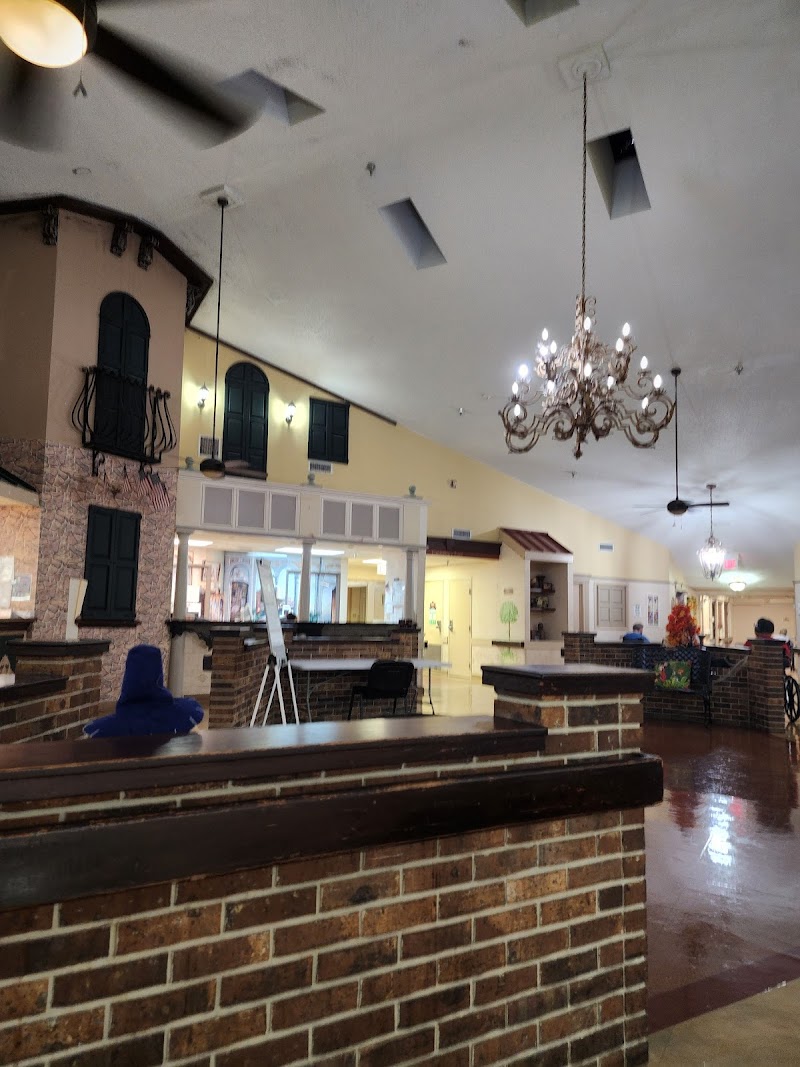
Who Owns and Operates Nursing & Rehabilitation Center Of New Port Richey?

NURSING & REHABILITATION CENTER OF NEW PORT RICHEY is owned by a for-profit company. For-profit facilities operate as businesses with obligations to shareholders or private owners. The facility is operated by ASTON HEALTH, a chain that manages multiple nursing homes. With 120 certified beds and approximately 109 residents (about 91% occupancy), it is a mid-sized facility located in NEW PORT RICHEY, Florida.
How Does Nursing & Rehabilitation Center Of New Port Richey Compare to Other Florida Nursing Homes?

Compared to the 100 nursing homes in Florida, NURSING & REHABILITATION CENTER OF NEW PORT RICHEY's overall rating (3 stars) is below the state average of 3.2, staff turnover (55%) is near the state average of 46%, and health inspection rating (2 stars) is below the national benchmark.

What Should Families Ask When Visiting Nursing & Rehabilitation Center Of New Port Richey?

Based on this facility's data, families visiting should ask: "Can you walk me through typical staffing levels on day, evening, and night shifts?" "Can I visit during a mealtime to observe dining assistance and food quality?" "How do you handle medical emergencies, and what is your hospital transfer rate?" "Can I speak with family members of current residents about their experience?" These questions are particularly relevant given the below-average staffing rating.

Is Nursing & Rehabilitation Center Of New Port Richey Safe?

Based on CMS inspection data, NURSING & REHABILITATION CENTER OF NEW PORT RICHEY has a clean safety record: no substantiated abuse findings (meaning no confirmed cases of resident harm), no Immediate Jeopardy citations (the most serious violation level indicating risk of serious injury or death), and is not on the Special Focus Facility watch list (a federal program monitoring the lowest-performing 1% of nursing homes). The facility has a 3-star overall rating and ranks #100 of 100 nursing homes in Florida. While no facility is perfect, families should still ask about staff-to-resident ratios and recent inspection results during their visit.

Do Nurses at Nursing & Rehabilitation Center Of New Port Richey Stick Around?

NURSING & REHABILITATION CENTER OF NEW PORT RICHEY has a staff turnover rate of 55%, which is 9 percentage points above the Florida average of 46%. Moderate turnover is common in nursing homes, but families should still ask about staff tenure and how the facility maintains care continuity when employees leave.

Was Nursing & Rehabilitation Center Of New Port Richey Ever Fined?

NURSING & REHABILITATION CENTER OF NEW PORT RICHEY has been fined $5,735 across 1 penalty action. This is below the Florida average of $33,136. While any fine indicates a compliance issue, fines under $50,000 are relatively common and typically reflect isolated problems that were subsequently corrected. Families should ask what specific issues led to these fines and confirm they've been resolved.

Is Nursing & Rehabilitation Center Of New Port Richey on Any Federal Watch List?

NURSING & REHABILITATION CENTER OF NEW PORT RICHEY is not on any federal watch list. The most significant is the Special Focus Facility (SFF) program, which identifies the bottom 1% of nursing homes nationally based on persistent, serious quality problems. Not being on this list means the facility has avoided the pattern of deficiencies that triggers enhanced federal oversight. This is a positive indicator, though families should still review the facility's inspection history directly.