LIFE CARE CENTER OF ORANGE PARK


2145 KINGSLEY AVE, ORANGE PARK, FL 32073 (904) 272-2424
For profit - Corporation 180 Beds LIFE CARE CENTERS OF AMERICA Data: November 2025
Trust Grade
90/100
#68 of 690 in FL
Last Inspection: February 2025

Within standard 12-15 month inspection cycle. Federal law requires annual inspections.

Overview

Life Care Center of Orange Park has received a Trust Grade of A, indicating excellent quality and a highly recommended facility. With a state rank of #68 out of 690 Florida nursing homes and a county rank of #1 out of 12 in Clay County, it is positioned in the top half of options available. However, the facility is currently experiencing a concerning trend, worsening from 1 issue in 2023 to 3 in 2025, indicating a decline in performance. Staffing is rated 3 out of 5, showing average staffing levels with a turnover rate of 42%, which is on par with the state average, though they have less RN coverage than 86% of Florida facilities, meaning fewer registered nurses are available to catch potential issues. Notably, there have been incidents where residents were not provided with a clean living environment, and some residents with pressure ulcers did not receive adequate treatment, raising concerns about infection risk and overall care quality. While the facility has no fines and an excellent overall rating, these issues highlight areas that need attention.

Trust Score
A
90/100
In Florida
#68/690
Top 9%
Safety Record
Low Risk
No red flags
Inspections
Getting Worse
1 → 3 violations
Staff Stability
○ Average
42% turnover. Near Florida's 48% average. Typical for the industry.
Penalties
✓ Good
No fines on record. Clean compliance history, better than most Florida facilities.
Skilled Nurses
⚠ Watch
Each resident gets only 27 minutes of Registered Nurse (RN) attention daily — below average for Florida. Fewer RN minutes means fewer trained eyes watching for problems.
Violations
○ Average
8 deficiencies on record. Average for a facility this size. Mostly minor or procedural issues.
★★★★★
5.0
Overall Rating
★★★☆☆
3.0
Staff Levels
★★★★★
5.0
Care Quality
★★★★☆
4.0
Inspection Score
Stable
2023: 1 issues
2025: 3 issues

The Good

  • 5-Star Quality Measures · Strong clinical quality outcomes
  • Full Sprinkler Coverage · Fire safety systems throughout facility
  • No fines on record
  • Staff turnover below average (42%)

    6 points below Florida average of 48%

Facility shows strength in quality measures, fire safety.

The Bad

Staff Turnover: 42%

Near Florida avg (46%)

Typical for the industry

Chain: LIFE CARE CENTERS OF AMERICA

Part of a multi-facility chain

Ask about local staffing decisions and management

The Ugly 8 deficiencies on record

Feb 2025 3 deficiencies
CONCERN (D)

Potential for Harm - no one hurt, but risky conditions existed

PASARR Coordination (Tag F0644)

Could have caused harm · This affected 1 resident

**NOTE- TERMS IN BRACKETS HAVE BEEN EDITED TO PROTECT CONFIDENTIALITY** Based on observations, interviews, and record review, the facility failed to coordinate assessments with the pre-admission scree...

Read full inspector narrative →
**NOTE- TERMS IN BRACKETS HAVE BEEN EDITED TO PROTECT CONFIDENTIALITY** Based on observations, interviews, and record review, the facility failed to coordinate assessments with the pre-admission screening and resident review (PASRR) program under Medicaid, to the maximum extent practicable, to avoid duplicative testing and effort for two (Resident #40 and #80) of four residents whose PASRRs were reviewed, from a total survey sample of 41 residents. Resident #40's diagnoses were updated upon readmission indicating a need for a Level II, but no Level II was provided for review by the facility. Resident #80's Level I PASRR indicated that a Level II was required; however, no Level II was provided for review by the facility. The findings include: 1. A review of Resident #40's medical record revealed an admission date of 05/13/2015. The resident's last readmission was on 12/20/2023. He had diagnoses including unspecified psychosis documented on 10/1/2015 during stay; bipolar disorder documented on 12/12/2024; unspecified dementia documented on 12/12/24 and active at admission, and Alzheimer's disease documented on 03/23/2022 and active at readmission. Further review of resident's record revealed that a PASRR was completed on 05/02/2018. There were no documented Suspected Mental Illnesses (SMI), Intellectual Disabilities (ID) or Related Conditions noted. A review of the 01/21/2025 quarterly Minimum Data Set (MDS) assessment revealed that Resident #40 scored 11 out of 15 possible points on the Brief Interview for Mental Status (BIMS) screening, indicating moderately impaired cognition. A mood assessment was conducted and revealed the resident displayed social isolation sometimes. There were no behaviors reported during the review period. The medication review revealed the resident received antipsychotic and antidepressant medications 7 of 7 days during the review period. A review of the most current Care Plan revealed the following Focus Areas with interventions: Impaired cognitive ability/impaired thought process; at risk to have increased periods of acute confusional episodes related to acute disease of bipolar disorder and psychosis; Risk for changes in mood or behavior due to current diagnosis of bipolar disorder; Antidepressant medication use; ADL self-care performance deficit; behaviors and being resistive to care i.e., refusing to take showers and/or allowing staff to trim/clean fingernails. An interview was conducted on 02/05/2025 at 3:04 p.m. with the Social Services Director (SSD). He stated the Director of Nursing (DON) was responsible for the PASRRs. He was responsible for logging them into the the state agency website if a Level II screening was required. He stated the nursing, social services and MDS departments all worked together on the resident reviews if a resident had new behaviors and/or diagnoses after they were admitted . He stated resident behaviors and diagnoses were reviewed on a quarterly basis. When asked if there were any residents currently in the facility receiving Level II services, he replied that there were not. He also stated there were no residents being reviewed for Level II services at the time of the interview. During an interview with the SSD on 02/06/2025 at 3:31 p.m., he stated he was not aware of a Level II or review for new diagnosis for Resident #40. He again stated that resident reviews are conducted on a quarterly basis. He added that if a review was needed, the Director of Nursing would communicate that to him, and he would then communicate it to the appropriate state agency. An interview was conducted on 02/06/2025 at 1:34 p.m. with the Psychiatric Nurse Practitioner. She stated each resident in the facility was evaluated. Resident medications were reviewed on a monthly basis. She was asked if she was familiar with Resident #40. She stated she was following the resident and referred to him as being alert to self. She stated there were no documented moods and/or behaviors. She stated the resident's anti-depressant was recently increased due to him reporting he felt down and depressed. Facility staff reported that the resident did not like to get out of bed and verbalized feeling depressed. An interview was conducted on 02/06/2025 at 4:12 p.m. with the SSD who confirmed there was no updated PASRR or resident review for Resident #40. He stated it was missed. He stated when the resident returned to the facility after a brief hospital stay, his diagnoses changed and the review for additional services was not conducted as it should have been. 2. A review of Resident #80's medical record revealed an admission date of 06/09/2017 with diagnoses including unspecified symptoms and signs involving cognitive functions following cerebrovascular disease, major depressive disorder, and manic episode without psychotic symptoms. A review of the quarterly Minimum Data Set (MDS), dated [DATE], revealed diagnoses including cerebrovascular accident (CVA), anxiety disorder, and depression (other than bipolar). It noted that the resident received antianxiety medication, antidepressant medications, opioids, and anticonvulsants during the 7-day look-back period. A review of the Care Plan revealed the following focus areas: Focus: Resident has impaired cognitive ability related CVA (cerebrovascular accident - stroke) (created 11/29/2018, revised 2/28/2019). Focus: Resident uses antidepressant medication related to: depression (created 7/9/2018, revised 7/9/2018). Focus: Resident has the potential to experience signs and symptoms of depression related to her CVA (created 2/28/2019, revised 2/28/2019) There were no care plans available that addressed the resident's PASRR status. A review of the resident's active Physician's Orders revealed: Duloxetine HCl (Hydrochloride) Capsule Delayed Release Particles 30 mg every 12 hours related to Major depressive disorder (8/20/2024), and Side effects medication monitoring for Antidepressants every shift (2/6/2024) A record review revealed that a Level 1 PASRR (preadmission screening and resident review) had been completed on 10/14/2024, which indicated that a Level II screening was required. A Level II evaluation was not located in the EMR (electronic medical record). A record review revealed that the Level 1 PASRR screening completed on 10/14/2024, indicated that a Level II PASRR evaluation was indicated. There was no Level II PASRR evaluation located in the EMR. On 02/05/2025 at 1:25 PM, an interview was conducted with Social Services Director (SSD) A, who was asked where a Level 2 PASRR screening report would be located for any resident in the facility who required it. He replied, It would be located in [the EMR] if we had any, but we don't have any residents in the facility that have a Level II PASRR. He was asked if PASRR information was located in the paper charts that were on the nursing units. He stated, There might be, but most likely it would be in [EMR] if we had any. On 02/05/2025 at 2:43 PM, an interview was conducted with Social Services Assistant (SSA) B. She was asked if there was anyone in the facility qualified to conduct Level 1 PASRR screenings. She stated, Yes, [SSD A]. She was asked what the facility process was for receiving the PASRR Level 1 screening. She replied, When they are admitted from the hospital, that information is sent to the facility. She was asked who was responsible for receiving the admission documents. She stated, That depends on the time of day the patient is admitted , but it's usually the admission people. She confirmed that she was familiar with the PASRR Level I screening. She was asked to access Resident #80's PASRR Level I screening that was available in the EMR and completed on 10/14/2024. After she reviewed the document, she confirmed that the screening indicated that a Level II PASRR evaluation should have been conducted. On 02/05/2025 at 3:00 PM, an interview was conducted with Admissions Director (AD) C. She was asked who was responsible for receiving the required admission documents from the hospital. She stated, I do. She was asked who reviewed the admission paperwork from the hospital to determine whether or not the resident was appropriate for admission. She stated, I do. She was asked to review the Level 1 PASRR screening for Resident #80 that was located in the EMR and dated 10/14/2024. She was asked what the results of the Level I screening indicated. After she reviewed the document, she stated, I don't quite know what you are asking. What is it that I'm supposed to be looking for? She was asked to review the results of the screening indicating that the individual may not be admitted to an NF (nursing facility). Use this form and required documentation to requesta Level II PASRR evaluation. She stated, We don't always get the PASRR before they admit, but they usually come in their admission packet. She was asked how she concluded that the resident was appropriate for admission without reviewing the PASRR. She stated, I look through the history and physical and the hospital notes, and other documentation that might indicate that there was an issue. A review of the facility's policy titled Pre-admission Screening and Resident Review (PASRR) (issued: 06/06/2019, reviewed: 09/26/2024), revealed: The facility will ensure that potential admissions are screened for possible serious mental disorders or intellectual disabilities and related conditions. A negative Level I screen permits admission to proceed and ends the PASRR process unless a possible serious mental disorder or intellectual disability arises later. A positive Level I screen necessitates an in-depth evaluation of the individual by the state-designated authority, known as PASRR Level II, which must be conducted prior to admission to a nursing facility. .
CONCERN (D)

Potential for Harm - no one hurt, but risky conditions existed

Pressure Ulcer Prevention (Tag F0686)

Could have caused harm · This affected 1 resident

**NOTE- TERMS IN BRACKETS HAVE BEEN EDITED TO PROTECT CONFIDENTIALITY** Based on observations, resident and staff interviews, and a review of resident records, the facility failed to ensure residents ...

Read full inspector narrative →
**NOTE- TERMS IN BRACKETS HAVE BEEN EDITED TO PROTECT CONFIDENTIALITY** Based on observations, resident and staff interviews, and a review of resident records, the facility failed to ensure residents with pressure ulcers received necessary treatment and services consistent with professional standards of practice, to promote healing, prevent infection, and prevent new ulcers from developing for one (Resident #144) of three residents reviewed for pressure ulcers. The findings include: On 2/03/2025 at 12:17 p.m., Resident #114 was seated in her wheelchair with both feet (red socks in place) dangling down towards the floor. A white gauze bandage was observed protruding from her sock around her right ankle area. When asked what happened, Resident #114 reported she had a sore from a tight shoe strap that cut into her skin a couple of months ago. She reported no pain, stating staff came in to change her bandage every few days. On 2/04/2025 at 10:22 a.m., Resident #114 was seated in her wheelchair with both feet dangling down towards the floor. A red sock covered her left foot, and her right foot was partially covered by a sock. A white gauze bandage was wrapped around the middle of her right foot and up over her ankle. In black writing, 1/31 was documented on the bandage. (photographic evidence obtained) Resident #114 could not recall when staff last came to change her bandage, but stated she informed the nurse last night of foot pain and throbbing. A review of the resident's medical record revealed she was admitted on [DATE] with diagnoses including urinary tract infection, Alzheimer's disease, and peripheral vascular disease. A review of the quarterly Minimum Data Set (MDS) assessment, dated 01/15/2025, revealed that Resident #114 had a Brief Interview for Mental Status (BIMS) score of 14 out of 15 possible points, indicating intact cognition. She was documented with a stage 3 pressure ulcer and was receiving pressure ulcer/injury treatment and care. (photographic evidence obtained) A review of the resident's active, person-centered Care Plan revealed that she had a pressure injury to her right heel. Interventions included administration of treatments as ordered. (photographic evidence obtained) Active physician's orders revealed: 01/08/2025 - wound care consult, right heel. 01/10/2025 - wound care orders indicated: cleanse with normal saline, pat dry and skin prep peri wound, apply honey gel/collagen powder/calcium alginate to wound bed, cover with ABD pad and secure with rolled gauze every 2 days and as needed with start date of 1/11/2025. No end date was indicated. (photographic evidence obtained) A review of the wound provider's progress note dated 01/30/2025, revealed: Stage 3 pressure wound of the right heel full thickness, exudate moderate serous, 20% slough, 80% granulated tissue, primary dressing leptospermum honey apply every two days for 11 days; Collagen powder apply every two days for 11 days; Alginate calcium apply every two days for 11 days. Secondary dressing ABD pad (abdominal dressing) apply every two days for 11 days; Gauze roll apply every 2 days for 11 days. Peri wound treatment skin prep applied every two days for 11 days. A review of Resident #14's February 2025 treatment administration record (eTAR) revealed: R Heel: Cleanse with normal saline, pat dry, skin prep peri wound, apply honey gel/collagen powder/ calcium alginate to wound bed, cover with ABD pad and secure with rolled gauze every 2 days and as needed had been signed off as Administered on 2/2/2025 and 2/4/2025, despite the observation made with the wound bandage dated 1/31 on 02/04/2025. (photographic evidence obtained) On 02/06/2025 at 8:52 a.m., an interview with Certified Nursing Assistant (CNA) G revealed she had been working for the facility for two years and had been assigned to work with Resident #114. She confirmed a wound to the right heel that was covered. She could not recall how often the bandage was changed but stated if she saw an old, dated bandage she would report it to her unit manager. She denied seeing or reporting old, dated wound bandages for Resident #114 to the unit manager. She confirmed working on 2/4/2025 with Resident #114, where she got her up from bed around 9:30 a.m., placed her socks on her feet, and sat her in her wheelchair. On 02/06/2025 at 8:52 a.m., an interview with Licensed Practical Nurse (LPN) H revealed he had been working at the facility for five years, passing medication and assisting with wound care when the wound care nurse was not scheduled. He confirmed being assigned to Resident #114 and confirmed working with her on 2/2/2025. He reported offering to administer her wound care treatment, but being told by the resident to come back later. He went in another time but he was postponed again. When he came back a third time, she was in bed and his shift ended at 7:30 p.m., so he reported never completing the treatment. He further stated he never went back to unmark the treatment was administered; he never notified oncoming staff that the wound treatment wasn't provided, and he never followed up on his next scheduled shift the following day. He agreed that a missed wound treatment was dangerous and reported, Infection could happen if proper wound care is not provided. On 02/06/2025 at 1:37 p.m., an interview with the Assistant Director of Nursing confirmed the expectation when administering medications and physician ordered treatments was to follow the physician's orders. Nurses signed off after the care/medication had been provided. If a resident refused, nursing should document the refusal, and if administered/treated late, nursing should document that the treatment was completed late. A review of the facility's policy and procedure titled Skin Integrity and Pressure Ulcer/Injury Prevention and Management (revised 07/09/2024), ADL Care and Services, revealed: Provide associates and licensed nurses with procedures to manage skin integrity, prevent pressure ulcer/injury, complete wound assessment/documentation, and provide treatment and care of skin and wounds utilizing professional standards of NPIAP (National Pressure Injury Advisory Panel) and WOCN (Wound, Ostomy, Continent Nurses Society). The policy interpretation and implementation indicated: 4. Measures to maintain and improve the resident's tissue tolerance to pressure are implemented in the plan of care. 7. When skin breakdown occurs, it requires attention and change in the plan of care may be indicated to treat the resident. (photocopy obtained) .
CONCERN (D)

Potential for Harm - no one hurt, but risky conditions existed

Respiratory Care (Tag F0695)

Could have caused harm · This affected 1 resident

Based on observations, interviews, and record review, the facility failed to ensure that residents requiring respiratory care received such care, consistent with professional standards of practice and...

Read full inspector narrative →
Based on observations, interviews, and record review, the facility failed to ensure that residents requiring respiratory care received such care, consistent with professional standards of practice and the comprehensive person-centered care plan for one (Resident #226) of two residents reviewed for respiratory care, from a total of 21 residents receiving oxygen therapy, who was not receiving oxygen at the flow rate the physician ordered. The findings include: On 02/04/25 at 9:59 AM, Resident #226 was observed resting in bed with her eyes closed. She was wearing a nasal cannula attached to an oxygen concentrator and was receiving oxygen at a flow rate of 4 liters per minute (4L/min). (photographic evidence obtained) On 02/04/25 at 1:29 PM, Resident #226 was observed resting in her room. She did not know the appropriate setting for her oxygen flow rate and stated she did not adjust it herself. On 02/05/25 at 10:43 AM, Resident #226's oxygen flow rate was set at 3L/min. (photographic evidence obtained) A review of Resident #226's medical record revealed an admission date of 12/04/24 and diagnoses including altered mental status, atherosclerotic heart disease (a condition where plaque builds up in the arteries that supply blood to the heart), cardiomegaly (enlarged heart with difficulty pumping blood), hypertensive heart disease (a condition that develops when chronic high blood pressure damages the heart muscle), conjestive heart failure (CHF - a condition where the heart muscle is weakened and cannot pump blood effectively), and metabolic encephalopathy (a condition where the brain does not function properly due to an underlying metabolic imbalance). A review of Resident #226's physician's orders revealed: Oxygen at 2 liters/minute continuously per nasal cannula, every shift. Order was active and written on 01/15/25 at 7:00 PM. Change oxygen tubing and nebulizer circuit every night shift every Sunday. Order active and written on 12/08/24 at 7:00 PM. Clean oxygen concentrator filter with soap and water weekly every Sunday. Order active and written on 12/08/24 at 7:00 PM. Check oxygen saturation rates every shift. Order was active and written on 12/04/24 at 7:00 PM. A review of the 01/03/25 Minimum Data Set (MDS) assessment revealed a Brief Interview for Mental Status (BIMS) score of 03 out of 15 possible points, indicating severe cognitive impairment. Functional abilities and goals revealed the following: Substantial/maximum assistance required for roll left and right, sit to lying, lying to sitting on side of bed, and dependent for sit-to-stand, chair/bed-to-chair transfer and toilet transfers. A review of the care plan (initiated on 12/05/24) revealed the following focus area: The resident has coronary artery disease (CAD) related to atherosclerosis, hypertension and hyperlipidemia. Goal: The resident will be free from signs or symptoms of complications of cardiac problems through the review date. Interventions: Oxygen settings: O2 via Nasal cannula at 2 liters continuous. Change out 02 tubing, nasal cannula weekly and as needed. A review of the February 2025 medication administration record (MAR) and treatment administration record (TAR) revealed that oxygen was administered per physician's order and signed off by facility staff on each shift. On 02/06/25 at 11:27 AM, an interview was conducted with Certified Nursing Assistant (CNA) J, who stated she had been employed by the facility for five years. She explained that as a CNA, she was not permitted to adjust a resident's oxygen flow rate. She observed the flow rate and whether or not the tank was empty. If she did not know what a resident's flow rate should be or noticed that an oxygen tank was empty, she would consult with the nurse. On 02/06/25 at 11:41 AM, an interview was conducted with Licensed Practical Nurse (LPN) K, who stated she had been employed by the facility for seven months. She explained the process for caring for residents receiving oxygen (O2) therapy. Some residents received an O2 order for as needed (prn) oxygen, and others received an O2 order for continuous oxygen. Residents' O2 orders should be discussed between the oncoming and outgoing nurse during walking rounds at shift change. During shift change, LPN K stated she would look around a resident's room and if she saw the resident was on O2, she would ask the outgoing nurse what the resident's flow rate was. She would then use a piece of paper and write the resident's name, orders, special medical condition, appointments, or any concerns noted by the outgoing nurse. Residents receiving oxygen should always have their head raised while receiving oxygen. LPN K would also use a pulse oximeter to obtain oxygen saturation levels. If a resident's oxygen level was low, she would check the oxygen cannula and tubing to ensure they weren't damaged. She would also check the water tank to ensure that the water was bubbling. She made a practice of checking oxygen flow rates at the beginning of her shift and anytime she went into a resident's room, which was usually at least three times during her shift. LPN K explained that she was familiar with Resident #226 as she checked the electronic medical record for the oxygen order, reporting that the current order for oxygen was 2L/min. The order was written on 01/15/25. She stated when she started her shift this morning, she observed Resident #226's oxygen flow rate was set at 2L/min. A review of the facility's policy for Oxygen Administration (issued 12/03/18, reviewed 09/24/24, revised 10/11/24), revealed: Respiratory care . The facility must ensure that a resident who needs respiratory care is provided such care, consistent with the comprehensive person-centered care plan . Procedure: 1. Oxygen order should be written for specified liter flow required by the resident. .
Mar 2023 1 deficiency
CONCERN (D)

Potential for Harm - no one hurt, but risky conditions existed

Respiratory Care (Tag F0695)

Could have caused harm · This affected 1 resident

**NOTE- TERMS IN BRACKETS HAVE BEEN EDITED TO PROTECT CONFIDENTIALITY** 2. During a tour of the facility on 03/20/23 at 12:55 PM, Resident #76 was observed sitting in her wheelchair at the side of her...

Read full inspector narrative →
**NOTE- TERMS IN BRACKETS HAVE BEEN EDITED TO PROTECT CONFIDENTIALITY** 2. During a tour of the facility on 03/20/23 at 12:55 PM, Resident #76 was observed sitting in her wheelchair at the side of her bed wearing a nasal cannula. Her oxygen concentrator, located at bedside, was observed with the flow rate set at 3.5 lpm. (Photographic evidence obtained) On 03/21/23 at 10:22 AM, another observation of Resident #76's oxygen concentrator revealed it was set to 3.0 lpm. (Photographic evidence obtained) A review of Resident #76's physician's order, dated 4/12/22, revealed she was to receive oxygen at 2 lpm via nasal cannula, as needed, for shortness of breath. (Copy obtained) On 03/22/23 at 8:49 AM, another observation of Resident #76's oxygen concentrator revealed it was set at 3.0 lpm. (Photographic evidence obtained) A review of Resident#76's medical record revealed she was admitted into the facility on [DATE] and then readmitted on [DATE]. Her diagnoses included congestive heart failure; respiratory failure, unspecified with hypoxia; respiratory failure, unspecified with hypercapnia; type 2 diabetes mellitus with diabetic chronic kidney disease; pleural effusion; hypertensive heart disease with heart failure; cognitive/communicative deficit; dysphagia, and dependence on supplemental oxygen. A review of the March 2023 Medication Administration Record (MAR) revealed oxygen at 2 lpm via nasal cannula as needed for shortness of breath had no nursing initials indicating the oxygen was provided per the order. (Copy obtained) A review of the quarterly Minimum Data Set (MDS) assessment, dated 03/07/23, revealed that Resident #76 had a Brief Interview for Mental Status (BIMS) score of 10 out of a possible 15 points, indicating moderate cognitive impairment. The assessment also documented that she was receiving oxygen therapy. A review of Resident #76's care plan, dated 08/06/21, revealed she had oxygen therapy related to congestive heart failure, recent respiratory failure, and perceived Shortness of Breath (SOB). Interventions included: Change resident's position every 2 hours to facilitate lung secretion movement and drainage. Encourage or assist with ambulation as indicated. Give medications as ordered by physician. Oxygen settings: Oxygen at 2 liters via nasal cannula, continuous, humidified to maintain sats (blood oxygen level) >92%. On 03/22/23 at 8:53 AM, LPN A confirmed that the oxygen concentrator for Resident #76 was set to administer oxygen at 3.5 lpm. LPN A confirmed that Resident #76's physician's order was for an oxygen flow rate of 2 lpm. LPN A reported that nursing was responsible for ongoing monitoring of oxygen therapy, ensuring the resident was provided the correct oxygen flow rate per the order, as well as weekly tubing changes. Correct oxygen settings were identified in the MAR. Correct oxygen settings were communicated from one staff person to another in report during shift change or by checking the MAR. On 03/22/23 at 9:20 AM, the Director of Nursing (DON) confirmed that correct oxygen settings were identified by nurses in the Electronic Medical Record (EMR). Night shift nursing staff were responsible for weekly tubing changes, every 7 days on Wednesdays. A review of the facility's policy and procedure titled Oxygen Administration/Safety/Storage/Maintenance (dated: 12/03/22), revealed: Oxygen will be administered in accordance with physicians' orders and current standards of practice. (Copy obtained) . Based on observations, interviews, medical record review, and a review of the facility's policies and procedures, the facility failed to ensure residents who required respiratory care received care consistent with professional standards of practice and their comprehensive care plans, for two (Residents #87 and #76) of three residents reviewed for respiratory care, from a total of 36 residents in the sample. The findings include: 1. An observation of Resident #87 was made on 03/20/23 at 11:59 AM in her room. An oxygen concentrator was in the room and the flow rate (gauge) was set between the 1 and 2 measurement, indicating oxygen was flowing at a rate of 1.5 liters per minute (lpm). (Photographic evidence obtained) Resident #87's nasal cannula was lying on the bed. The resident stated she took it off for a few minutes, becasue it hurt her nose. She stated her oxygen flow rate should be set at 2 lpm. On 03/22/23 at 10:00 AM, Resident #87 was observed in her bed. Her oxygen concentrator was on and her nasal cannula was in place. She was observed with labored breathing as evidenced by the deep rise and fall of her chest. She stated she did not feel well, however denied difficulty breathing. Her oxygen concentrator was set at 1.5 lpm. (Photographic evidence obtained) Resident #87 again reported that her oxygen flow rate should be set at 2 lpm. On 03/22/23 at 1:46 PM and again at 2:28 PM, Resident # 87 was observed with her oxygen in use. Both observations found that the oxygen concentrator was set at 1.5 lpm. (Photographic evidence obtained) A review of Resident #87's medical record found that she was admitted to the facility on [DATE]. She had an annual Minimum Data Set (MDS) assessment, dated 02/05/23, that noted she had a Brief Interview for Mental Status (BIMS) score of 14 out of a possible 15 points, indicating she was cognitively intact. She required limited assistance with activities of daily living. Her diagnoses included, but were not limited to, coronary artery disease, hypertension, asthma/COPD (chronic obstructive pulmonary disease), interstitial pulmonary disease unspecified (a group of disorders that cause lung scarring and affect breathing) and bronchiectasis (a condition in which the lung's airways become damaged). Resident #87 was documented as receiving oxygen while a resident of the facility. Resident #87 was care planned on 02/11/22 for her diagnosis of COPD with a goal to be free from signs and symptoms of respiratory infections through the next review date. Interventions included, but were not limited to, Oxygen (O2) settings: O2 via (nasal cannula) at 2 liters (continuous), humidified. (Photographic evidence obtained) A review of Resident #87's March 2023 Medication Administration Record (MAR) found oxygen was signed off as having been provided at 2 lpm every shift. Certified Nursing Assistant (CNA) B was interviewed on 03/22/23 at 2:34 PM. He stated Resident #87 did use oxygen, but only a nurse could set the flow rate. Every time a CNA checked it and found the flow rate setting to be inaccurate, they informed the nurse. Nurses let the CNAs know the appropriate oxygen settings for each individual resident who was receiving oxygen. Licensed Practical Nurse (LPN) D was interviewed on 03/23/23 at 9:37 AM. He stated Resident #87 was on continuous oxygen and would take it off and replace the cannula independently. Nurses adjusted her oxygen levels and she was receiving oxygen at 2 lpm. She did sometimes experience shortness of breath but also had anxiety. He was asked to check the flow rate setting of her concentrator, which he did on 03/23/2023 at 10:05 AM. The flow rate was set between 1.5 and 2 lpm. (Photographic evidence obtained) LPN D stated the ball in the gauge should be right in the middle of the 2 on the gauge, indicating the flow rate was 2 lpm. He was shown the photos of prior observations. He reviewed the photos and said, No, that is not 2 liters. He stated he adjusted her concentrator to 2 lpm this morning but the ball dropped to where it currently was. He thought the gauge needed to be fixed. In an interview with the Unit Manager on 03/23/23 at 11:06 AM, she was asked how the gauge should look if oxygen was flowing at 2 lpm. She demonstrated using her fingers that the ball should be right in the middle of the 2 liter line. When shown the photos of Resident #87's oxygen flow rate setting, she confirmed that they were not reflective of 2 lpm settings. A review of the facility's policy titled Administration of Medications (issued 04/24/19, reviewed 08/25/22 and revised 02/13/23) found it stated it was the facility's policy to ensure medications were administered safely and appriopriately per the physician's orders to address residents' diagnoses and signs and symptoms. Under the section titled Procedure, it stated under section B: Staff who are responsible for medication administration will adhere to the 10 Rights of Medication Administration. Subsection 1. Reference the Right Drug and subsection 3., the Right Dose. (Photographic evidence obtained)
Jul 2021 4 deficiencies
CONCERN (D)

Potential for Harm - no one hurt, but risky conditions existed

Deficiency F0657 (Tag F0657)

Could have caused harm · This affected 1 resident

**NOTE- TERMS IN BRACKETS HAVE BEEN EDITED TO PROTECT CONFIDENTIALITY** Based on observations, clinical record review and staff interview, the facility failed to revise the physicain's orders for cont...

Read full inspector narrative →
**NOTE- TERMS IN BRACKETS HAVE BEEN EDITED TO PROTECT CONFIDENTIALITY** Based on observations, clinical record review and staff interview, the facility failed to revise the physicain's orders for continuous oxzygen therapy in the care plan for one (Resident #162) out of 38 residents receiving respiratory treatment, from a total of 36 sampled residents. Failing to revise care plans places the resident at risk of not receiving appropriate care. The findings include: On 07/26/2021 at 2:32 PM, Resident #162 was observed in her room lying in bed with her eyes closed with a nasal cannula on her face. Her oxygen (O2) concentrator was turned on its side and pushed in between the nightstand and the wall with a chair stacked on top of it. The concentrator was running. The reading on the concentrator was not able to be seen and the tubing was not dated. On 07/27/20 at 1:32 PM, Resident #162 was observed in her room, lying in bed with her eyes open. She did not respond to questions. Once again, her oxygen (O2) concentrator was turned on its side and pushed in between the nightstand and the wall with a chair stacked on top of it. When the oxygen concentrator was pulled out from its position, the oxygen level setting was at 3 liters per minute. (Photographic evidence obtained) On 07/29/2021 at 11:38 AM, Resident #162's oxygen concentrator was observed running and set at 2.5 liters per minute. (Photographic evidence obtained) A review of Resident #162's clinical record revealed she was admitted to the facility on [DATE] and then readmitted on [DATE]. Her diagnoses included transient cerebral ischemic attack, cerebral infarction, chronic systolic, heart failure, peripheral vascular disease, atrial fibrillation (A-Fib), congestive heart failure (CHF), edema, coronary artery disease (CAD), embolism, and thrombosis of arteries of the lower extremities, gastroesophageal reflux disease without esophagitis, hypokalemia, pain in right lower limb, muscle weakness, need for assistance with personal care. A review of Resident #162's Minimum Data Set (MDS) comprehensive assessment dated [DATE], revealed Oxygen therapy was marked yes. (Photographic evidence obtained) A review of Resident #162's physician's orders revealed continuous oxygen at 2L/minute with a start date 07/19/2021. (Photographic evidence obtained) A review of Resident #162's care plan dated 07/14/2021 read: The resident is at risk for altered respiratory status/difficulty breathing related to a history of coronary artery disease and chronic heart failure. The interventions included: Encourage resident to cover mouth when coughing. Encourage resident to wash their hands frequently. Observe and notify physician if the resident experiences increased respiratory distress such as shortness of breath or low O2 saturation. Observe changes in vital signs. Observe for cough. The resident has altered cardiovascular/circulatory status relate to A-Fib/CAD with pacemaker, CHF, hypertension, deep vein thrombosis. The interventions included: Administer oxygen as needed. (Photographic evidence obtained) A review of Resident #162's Medication Administration Record (MAR) read: Change O2 tubing and nebulizer circuit every day shift every Wednesday. Start date: 06/18/2020. Oxygen saturation rates every shift for hypoxemia. Start date 06/14/2021. Administer Oxygen at 2 liters via nasal cannula if O2 sat drops below 90%. May titrate O2 to keep saturation >90%. Ask resident to take several breathes prior to administration of oxygen. Notify family if oxygen is administered. Start 11/12/2019. Discontinued on 07/19/2021. No other orders for oxygen therapy were listed on the MAR. (Photographic evidence obtained) During an interview with Employee D, Unit Manager (UM) on 07/29/2021 at 11:45 AM, he stated Resident #162 was a hospice recipient. He confirmed the oxygen concentrator was not set at 2L/minute. He stated that the resident's sister was just visiting with her and sometimes she changes the setting on the concentrator. He was not sure what her O2 level should be set at and left the interview to go look for the order and the date the tubing was changed. .
CONCERN (D)

Potential for Harm - no one hurt, but risky conditions existed

ADL Care (Tag F0677)

Could have caused harm · This affected 1 resident

**NOTE- TERMS IN BRACKETS HAVE BEEN EDITED TO PROTECT CONFIDENTIALITY** Based on observations, interviews and record review, the facility failed to provide activities of daily living (ADLs) necessary ...

Read full inspector narrative →
**NOTE- TERMS IN BRACKETS HAVE BEEN EDITED TO PROTECT CONFIDENTIALITY** Based on observations, interviews and record review, the facility failed to provide activities of daily living (ADLs) necessary to maintain grooming and personal hygiene for one (Resident #61) out of a total of 36 sampled residents. The resident's fingernails were not clean or trimmed. The findings include: On 07/26/2021 at 2:13 PM, Resident #61 was observed sitting on her bed with her hands on the bedside table. Her fingernails on both hands were untrimmed and approximately two inches long with a black substance under some of the nails. An interview was conducted with Resident #61 at the time of the observation. When she was asked if she liked her nails long, she said, No, I can't find scissors to clip them. On 07/27/2021 at 1:07 PM, Resident # 61 was observed lying on her bed completing a puzzle. Her fingernails were still long and unclean. During the observation, she once again stated that she wanted her nails clipped, but no one brought her scissors. Record review for Resident #61 revealed she was admitted to the facility on [DATE] and then readmitted on [DATE]. Her diagnoses included senile degeneration of the brain, major depressive disorder, muscle weakness, constipation, protein calorie malnutrition, and anxiety disorder. Record review of the 05/26/2021 quarterly minimum data set (MDS) for Resident #61's revealed she had a brief interview of mental status (BIMS) score of 5 out of 15, indicating severe cognitive impairment. A review of her functional status revealed she needed extensive assistance with bed mobility, transfers, toilet use, and personal hygiene. Record review of Resident #61's care plan found she was care planned for activities of daily living (ADL) self-care performance deficit related to advanced age with generalized weakness, cognitive impairment, poor safety awareness and impaired balance. Review of the interventions revealed the resident required extensive assistance from staff with personal hygiene and oral care. On 07/29/2021 at 3:20 PM, Resident #61 was observed lying in bed. Her fingernails on both hands remained long and untrimmed with a brown substance under some of her nails. On 07/29/2021 at 3:25 PM, an interview was conducted with Employee A, certified nursing assistant (CNA) assigned to care for Resident #61. When she was asked if she provided nail care to Resident #61, she said, No. When she was asked who did, she said, I'm not sure. She then stated that some residents get their nails done in the beauty shop. An interview was conducted with Employee B, Registered Nurse (RN)/Unit Manager on 07/29/2021 at 3:28 PM. After reviewing Resident #61's fingernails, she confirmed they were long and unclean and needed to be clipped. She stated the CNAs were supposed to provide nail care on shower days and clean them daily as needed. While at the bedside, Resident #61 stated that she would like to have her nails clipped, but no one provided her with scissors. She then asked Employee B for scissors. Employee B commented that Resident #61 refused care most of the time. When asked if the refusal of care was documented, Employee B answered, No. A review of the facility's policy and procedure for Activities of Daily Living (ADLs), review date 05/05/2020, revealed the following procedure will be followed for fingernail care: 1. Ensure fingernails are clean and trimmed to avoid injury and infection. 2. Explain the importance of fingernail care to the resident. 3. Assemble all necessary equipment which may include fingernail clipper, nail file or emery board, orange sticks, wash basin, towel, and any other necessary equipment. 4. Provide privacy and perform nail care, taking care not to trim the nail below the skin line and not to cut the skin. 5. Report any abnormalities to the nurse. .
CONCERN (D)

Potential for Harm - no one hurt, but risky conditions existed

Incontinence Care (Tag F0690)

Could have caused harm · This affected 1 resident

**NOTE- TERMS IN BRACKETS HAVE BEEN EDITED TO PROTECT CONFIDENTIALITY** Based on observations, clinical record review, staff interview and facility policy and procedure review, the facility failed to ...

Read full inspector narrative →
**NOTE- TERMS IN BRACKETS HAVE BEEN EDITED TO PROTECT CONFIDENTIALITY** Based on observations, clinical record review, staff interview and facility policy and procedure review, the facility failed to provide urinary catheter care for one (Resident #162) of five sampled residents with indwelling catheters, from a total of 36 sampled residents. Resident #162 had recently been treated for a urinary tract infection (UTI). Failure to provide catheter care could potentially exacerbate the urinary tract infection. The findings include: On 07/26/2021 at 2:32 PM, Resident #162 was observed in her room lying in bed with her eyes closed. Her catheter bag was sitting directly on the floor. The catheter tubing had dark brown sediment in it. (Photographic evidence obtained) On 07/27/2021 at 12:05 PM, Resident #162's catheter bag was observed hanging on the bed rail at the level of her bladder. The catheter tubing had dark brown sediment in it. (Photographic evidence obtained) On 07/27/2021 at 1:32 PM, Resident #162's catheter bag was observed to be hanging at the level of her bladder. The catheter tubing had dark brown sediment in it. (Photographic evidence obtained) On 07/29/2021 at 11:38 AM, Resident #162's catheter bag was observed sitting directly on the floor. The catheter tubing had dark brown sediment in it. (Photographic evidence obtained) Record review for Resident #162 revealed she was admitted to the facility on [DATE] and readmitted on [DATE]. Her diagnoses included transient cerebral ischemic attack, cerebral infarction, chronic systolic heart failure, peripheral vascular disease, atrial fibrillation, heart failure, edema, coronary artery disease, embolism, and thrombosis of arteries of the lower extremities, end stage renal failure, gastroesophageal reflux disease without esophagitis, hypokalemia, pain in right lower limb, muscle weakness, need for assistance with personal care. (Photographic evidence obtained) Record review of the 07/07/2021 comprehensive minimum data set (MDS) for Resident #162 revealed she had an indwelling catheter in use. (Photographic evidence obtained) Review of the physician's orders for Resident #162 read catheter care: every shift, keep catheter bag placed below the level of the bladder. No other orders were found for catheter care. (Photographic evidence obtained) Review of the discontinued physician's orders for Resident #162 revealed an order dated 06/29/2021 for Bactrim DS tablet 800-160 milligrams. Give 1 tablet by mouth one time a day for urinary tract infection (UTI) for 5 days. Review of the care plan for Resident #162 dated 07/14/2021 revealed the resident has an indwelling Foley catheter inserted related to end stage renal disease. Catheter care every shift. Observe for and document for pain/discomfort due to catheter. Observe for and report to physician for signs or symptoms of UTI: pain, burning, blood-tinged urine, cloudiness, no output, deepening of urine color, increased pulse, increased temp. Urinary frequency. Foul smelling urine, fever, chills, altered mental status, change in behavior, change in eating patterns. Observe for signs and symptoms of discomfort on urination and frequency. Resident's Foley catheter inserted on 06/23/2021 for one week. Inserted on 06/28/2021 for urinary retention. Removed on 06/28/2021. Inserted on 07/02/2021. No other interventions were found. (Photographic evidence obtained) During an interview with Employee D, Unit Manager (UM) on 07/29/2021 at 11:45 AM, he stated that they keep the catheter bag low, so it drains. He agreed there was a lot of sediment in the tubing. He stated he was not sure when it was changed last, and the resident is dehydrated. She does not drink enough water. She is a hospice recipient. He confirmed the resident's urine was very dark brown when he moved the dignity bag out of the way and exposed the catheter bag with dark brown colored urine collecting in it. He confirmed it was on the floor. He stated she had recently been treated for a UTI. He left the interview to go look for the orders for catheter care and the date the tubing was changed. He did not return to the interview. Review of the facility policy and procedure entitled Indwelling Urinary Catheter (Foley) Care and Management revealed the following: 2. Monitor the catheter daily and assess for complications resulting from the use of an indwelling catheter such as symptoms of blockage with associated bypassing of urine, catheter-associated urinary tract infection (CAUTI), expulsion of the catheter, pain, discomfort, and bleeding. Also assess the potential for catheter removal. 3. Develop and individualized care plan based on assessment findings and revised as needed. For the resident with an indwelling urinary catheter, include a component to inform the resident and representative about the risks and benefits of catheter us and identify approaches to minimize the risk of infection by addressing personal hygiene measure, catheter/tubing /bag care and educating the resident and representative regarding signs and symptoms of urinary tract infection. Clinical alert: Monitor intake and output, as ordered. Monitor for changes in urine output, including volume and color. Notify the practitioner of abnormal findings. Keep the drainage bag below the level of the patient's bladder to prevent backflow of urine into the bladder which increases the risk of CAUTI. However, don't place the drainage bag on the floor to reduce the risk of contamination and subsequent CAUTI. Review of the facility's policy and procedure entitled Urinary Incontinence and Indwelling Urinary Catheter (Foley) Management revealed the following: Regulatory Requirements. 483.25 Quality of Care Based on comprehensive assessment of a resident, the facility must ensure that residents receive treatment and care in accordance with professional standards of practice, the comprehensive person-centered care plan, and the resident's choice. A resident who is incontinent of bladder receives appropriate treatment and service to prevent urinary tract infections and to restore continence to the extent possible. This facility uses the Lippincott procedures. .
CONCERN (E)

Potential for Harm - no one hurt, but risky conditions existed

Safe Environment (Tag F0584)

Could have caused harm · This affected multiple residents

Based on observations, clinical record review, staff interviews and facility policy and procedure review, the facility failed to maintain a clean living environment for six (#42, #18, #5, #14, #33 and...

Read full inspector narrative →
Based on observations, clinical record review, staff interviews and facility policy and procedure review, the facility failed to maintain a clean living environment for six (#42, #18, #5, #14, #33 and #91) of six residents receiving enteral feedings through a gastrostomy tube (g-tube), from a total of 36 sampled residents. Failure to provide a clean living environment can present the potential for infection and illness for the residents. The findings include: On 07/26/2021 at 2:56 PM, Resident #42's room was observed to have enteral food product splattered on the wall, intravenous (IV) pole and pump. (Photographic evidence obtained) On 07/27/2021 at 12:14 PM, Resident #18's room was observed to have enteral food product splattered on the pump, wall, floor and IV pole. (Photographic evidence obtained) On 07/28/2021 at 10:35 AM, Resident #5's room was observed to have enteral food product splattered on the wall, IV pole and floor. On 7/28/2021 at 10:45 AM, Resident #14's room was observed to have enteral food product splattered on the wall, IV pole, floor, room phone and bed rail. On 07/28/2021 at 10:58 AM, Resident #18's room was observed for a second time. The enteral food product splatter previously observed on 07/27/2021, remained on the pump, the pole, and the wall. On 07/28/2021 at 11:02 AM, Resident #42's room was observed for a second time. The enteral food product splatter previously observed on 07/26/2021, remained on the pump, floor, IV pole and wall. A dead cockroach was also observed on the floor in front of the air conditioner wall unit. (Photographic evidence obtained) On 7/28/2021 at 11:14 AM, Resident #33's room was observed to have enteral food product splattered on the pump, wall, floor, bed frame, and IV pole. A dead cockroach was also observed on the floor under the resident's bed. On 7/28/2021 at 11:16 AM, Resident #91's room was observed to have enteral food product splattered on the pump, floor, IV pole, bed rail and call light cord. A soiled cotton ball with medical tape and human hair stuck to it was observed under the bed. (Photographic evidence obtained) On 07/29/2021 at 10:10 AM, Resident #42's room was observed for a third time. Enteral food product splatter was on the pump, wall, floor, bed frame, mattress and IV pole. A plastic cap and debris were also observed next to the wall and under the bed. (Photographic evidence obtained) On 7/29/2021 at 10:18 AM, Resident #18's room was observed for a third time. The enteral food product splatter previously observed on 07/26/2021 and 07/27/2021, remained on the pump, the pole, and the wall. (Photographic evidence obtained) On 7/29/2021 at 10:22 AM, Resident #33's room was observed for a second time. The enteral food product splatter previously observed on 07/28/2021, remained on the pump, wall, floor, bed frame, and IV pole. On 7/29/2021 at 10:26 AM, Resident #91's room was observed for a second time. The enteral food product splatter previously observed on 07/28/2021, remained on the pump, wall, floor, bed frame, mattress and IV pole. A plastic cap and debris were once again observed next to the wall and under the bed. (Photographic evidence obtained) On 7/29/2021 at 10:39 AM, Resident #5's room was observed for a second time. The enteral food product splatter previously observed on 07/28/2021, remained on the IV pole, wall, and floor. (Photographic evidence obtained) On 7/29/2021 at 10:41 AM, Resident #14's room was observed for a second time. The enteral food product splatter previously observed on 07/28/2021, remained on the IV pole, wall, and floor. (Photographic evidence obtained) A review of Resident #42's clinical record revealed a physician's order, which read: Enteral Feed Order every shift Jevity 1.5 at 50 ml/hour x 20 hours via pump. A review of Resident #18's clinical record revealed a physician's order, which read: Enteral Feed Order every shift for to allow for by mouth intake Jevity 1.5 @ 40 ml/hour x 12 hours (on at 6p off at 6a). A review of Resident #5' clinical record revealed a physician's order, which read: Enteral Feed Order every shift Isosource 1.5 cal. at 60 ml/hour x 20 hours via pump, on at 2 PM, off at 10 AM. A review of Resident #14's clinical record revealed a physician's order, which read: Enteral Feed Order every shift Jevity 1.5 at 55 ml/hour x 20 hours via pump. A review of Resident #33's clinical record revealed a physician's order, which read: Enteral Feed Order every shift Jevity 1.5 at 55 ml/hour x 20 hours via pump. A review of Resident #91's clinical record revealed a physician's order, which read: Enteral Feed Order every shift Jevity 1.5 at 75 ml/hour via pump to be turned off. One time a day Jevity 1.5 @75 ml/hour to be turned back on @1700. During an interview with the Housekeeping Supervisor on 07/29/2021 at 1:20 PM, he was shown the food splatter in the six residents' rooms. While observing the rooms, he stated he was not aware the enteral food product had been splattered on the various surfaces in each room. When he was asked who was responsible for cleaning the food splatters in the rooms he replied, Housekeeping is. He stated he would immediately clean the rooms and replace the IV poles so they could be cleaned. During an interview with the Regional Nurse Consultant on 07/29/2021 at 5:00 PM, she stated that if the nurse makes the mess with the enteral food product, they should clean it up right away and not leave it to dry. Review of the facility policy and procedure entitled Daily Cleaning Schedule revealed: Resident Rooms. Clean bathrooms, vents, paper & soap, high & low dust, trash, baseboards, beds, furniture, blinds, sills, tables, chairs, light fixtures, closets, windows, doors & handles. Detail Clean 3-4 rooms or check outs each day. Report any floor problems immediately. (Photographic evidence obtained) .
Understanding Severity Codes (click to expand)
Life-Threatening (Immediate Jeopardy)
J - Isolated K - Pattern L - Widespread
Actual Harm
G - Isolated H - Pattern I - Widespread
Potential for Harm
D - Isolated E - Pattern F - Widespread
No Harm (Minor)
A - Isolated B - Pattern C - Widespread

Questions to Ask on Your Visit

  • "Can I speak with families of current residents?"
  • "What's your RN coverage like on weekends and overnight?"

Our Honest Assessment

Strengths
  • • Grade A (90/100). Above average facility, better than most options in Florida.
  • • No major safety red flags. No abuse findings, life-threatening violations, or SFF status.
  • • No fines on record. Clean compliance history, better than most Florida facilities.
  • • 42% turnover. Below Florida's 48% average. Good staff retention means consistent care.
Concerns
  • • No significant concerns identified. This facility shows no red flags across CMS ratings, staff turnover, or federal penalties.
Bottom line: Generally positive indicators. Standard due diligence and a personal visit recommended.

About This Facility

What is Life Of Orange Park's CMS Rating?

CMS assigns LIFE CARE CENTER OF ORANGE PARK an overall rating of 5 out of 5 stars, which is considered much above average nationally. Within Florida, this rating places the facility higher than 99% of the state's 100 nursing homes. This rating reflects solid performance across the metrics CMS uses to evaluate nursing home quality.

How is Life Of Orange Park Staffed?

CMS rates LIFE CARE CENTER OF ORANGE PARK's staffing level at 3 out of 5 stars, which is average compared to other nursing homes. Staff turnover is 42%, compared to the Florida average of 46%. This relatively stable workforce can support continuity of care. RN turnover specifically is 60%, which is notably high. RNs provide skilled clinical oversight, so turnover in this role can affect medical care quality.

What Have Inspectors Found at Life Of Orange Park?

State health inspectors documented 8 deficiencies at LIFE CARE CENTER OF ORANGE PARK during 2021 to 2025. These included: 8 with potential for harm.
Who Owns and Operates Life Of Orange Park?

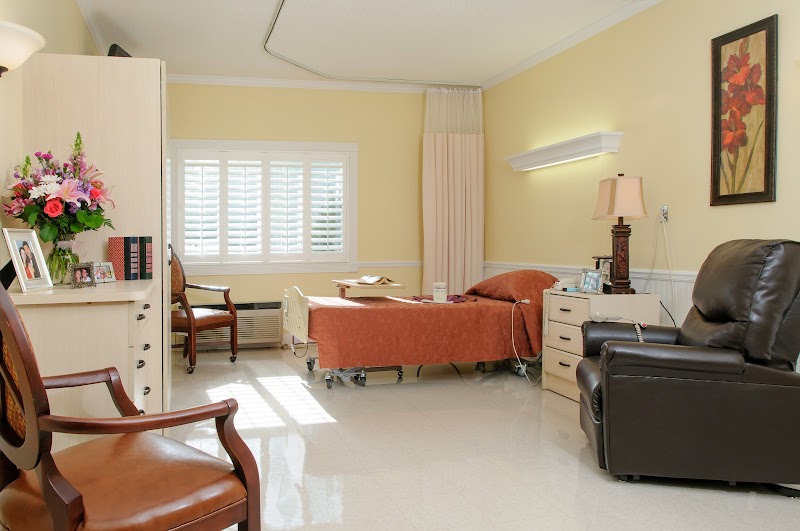
LIFE CARE CENTER OF ORANGE PARK is owned by a for-profit company. For-profit facilities operate as businesses with obligations to shareholders or private owners. The facility is operated by LIFE CARE CENTERS OF AMERICA, a chain that manages multiple nursing homes. With 180 certified beds and approximately 170 residents (about 94% occupancy), it is a mid-sized facility located in ORANGE PARK, Florida.
How Does Life Of Orange Park Compare to Other Florida Nursing Homes?

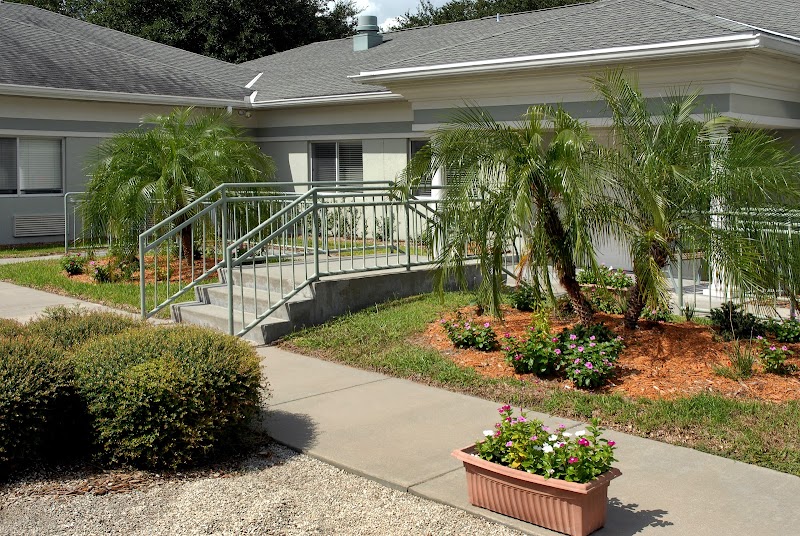
Compared to the 100 nursing homes in Florida, LIFE CARE CENTER OF ORANGE PARK's overall rating (5 stars) is above the state average of 3.2, staff turnover (42%) is near the state average of 46%, and health inspection rating (4 stars) is above the national benchmark.

What Should Families Ask When Visiting Life Of Orange Park?

Based on this facility's data, families visiting should ask: "Can I visit during a mealtime to observe dining assistance and food quality?" "How do you handle medical emergencies, and what is your hospital transfer rate?" "Can I speak with family members of current residents about their experience?"

Is Life Of Orange Park Safe?

Based on CMS inspection data, LIFE CARE CENTER OF ORANGE PARK has a clean safety record: no substantiated abuse findings (meaning no confirmed cases of resident harm), no Immediate Jeopardy citations (the most serious violation level indicating risk of serious injury or death), and is not on the Special Focus Facility watch list (a federal program monitoring the lowest-performing 1% of nursing homes). The facility has a 5-star overall rating and ranks #1 of 100 nursing homes in Florida. While no facility is perfect, families should still ask about staff-to-resident ratios and recent inspection results during their visit.

Do Nurses at Life Of Orange Park Stick Around?

LIFE CARE CENTER OF ORANGE PARK has a staff turnover rate of 42%, which is about average for Florida nursing homes (state average: 46%). Moderate turnover is common in nursing homes, but families should still ask about staff tenure and how the facility maintains care continuity when employees leave.

Was Life Of Orange Park Ever Fined?

LIFE CARE CENTER OF ORANGE PARK has no federal fines on record. CMS issues fines when nursing homes fail to meet care standards or don't correct problems found during inspections. The absence of fines suggests the facility has either maintained compliance or corrected any issues before penalties were assessed. This is a positive indicator, though families should still review recent inspection reports for the full picture.

Is Life Of Orange Park on Any Federal Watch List?

LIFE CARE CENTER OF ORANGE PARK is not on any federal watch list. The most significant is the Special Focus Facility (SFF) program, which identifies the bottom 1% of nursing homes nationally based on persistent, serious quality problems. Not being on this list means the facility has avoided the pattern of deficiencies that triggers enhanced federal oversight. This is a positive indicator, though families should still review the facility's inspection history directly.