VIVO HEALTHCARE ORANGE PARK
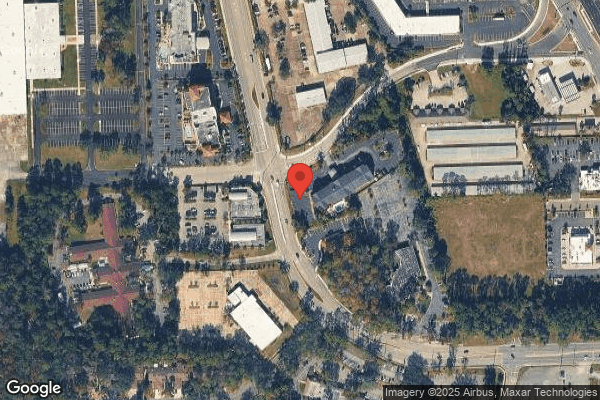
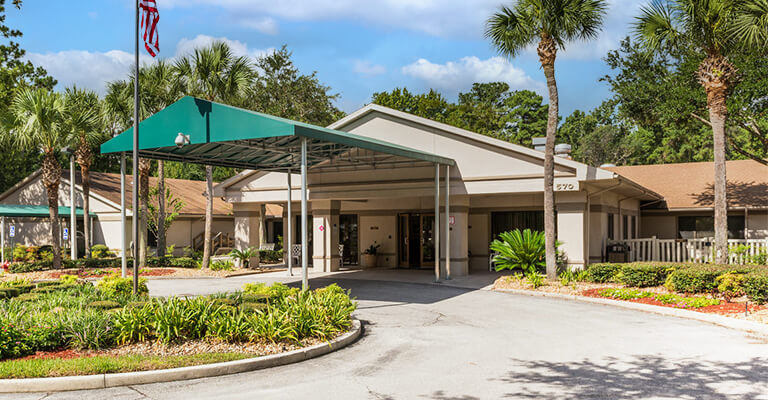
570 WELLS RD, ORANGE PARK, FL 32073 (904) 264-3912
For profit - Limited Liability company 120 Beds VIVO HEALTHCARE Data: November 2025
Trust Grade
75/100
#141 of 690 in FL
Last Inspection: November 2024

Within standard 12-15 month inspection cycle. Federal law requires annual inspections.

Overview

Vivo Healthcare Orange Park has a Trust Grade of B, which means it is a good option for families seeking care, indicating solid quality but with some room for improvement. The facility ranks #141 out of 690 in Florida, placing it in the top half of nursing homes statewide, and #5 out of 12 in Clay County, meaning only four other local facilities are rated higher. The facility is trending positively, having decreased its issues from nine in 2023 to just one in 2024. However, staffing is a concern with a low rating of 2 out of 5 stars and a turnover rate of 61%, which is higher than the state average. On the positive side, there are no fines on record, and the facility has more RN coverage than 98% of Florida facilities, which is beneficial for resident care. Specific incidents include a failure to provide necessary care for a resident with a pressure ulcer, leading to worsening of their condition, and issues with food handling and preparation that could impact resident nutrition and safety. Overall, while there are notable strengths, families should be aware of the staffing challenges and past care concerns.

Trust Score
B
75/100
In Florida
#141/690
Top 20%
Safety Record
Moderate
Needs review
Inspections
Getting Better
9 → 1 violations
Staff Stability
⚠ Watch
61% turnover. Above average. Higher turnover means staff may not know residents' routines.
Penalties
✓ Good
No fines on record. Clean compliance history, better than most Florida facilities.
Skilled Nurses
⚠ Watch
Each resident gets only 16 minutes of Registered Nurse (RN) attention daily — below average for Florida. Fewer RN minutes means fewer trained eyes watching for problems.
Violations
⚠ Watch
20 deficiencies on record. Higher than average. Multiple issues found across inspections.
★★★★★
5.0
Overall Rating
★★☆☆☆
2.0
Staff Levels
★★★★★
5.0
Care Quality
★★★★☆
4.0
Inspection Score
Stable
2023: 9 issues
2024: 1 issues

The Good

  • 5-Star Quality Measures · Strong clinical quality outcomes
  • Full Sprinkler Coverage · Fire safety systems throughout facility
  • No fines on record

Facility shows strength in quality measures, fire safety.

The Bad

Staff Turnover: 61%

15pts above Florida avg (46%)

Frequent staff changes - ask about care continuity

Chain: VIVO HEALTHCARE

Part of a multi-facility chain

Ask about local staffing decisions and management

Staff turnover is elevated (61%)

13 points above Florida average of 48%

The Ugly 20 deficiencies on record

1 actual harm
Nov 2024 1 deficiency
CONCERN (D)

Potential for Harm - no one hurt, but risky conditions existed

Respiratory Care (Tag F0695)

Could have caused harm · This affected 1 resident

**NOTE- TERMS IN BRACKETS HAVE BEEN EDITED TO PROTECT CONFIDENTIALITY** Based on observations, interviews, facility document review, and the facility policy and procedure review, the facility failed t...

Read full inspector narrative →
**NOTE- TERMS IN BRACKETS HAVE BEEN EDITED TO PROTECT CONFIDENTIALITY** Based on observations, interviews, facility document review, and the facility policy and procedure review, the facility failed to ensure that residents who needed respiratory care, were provided such care, consistent with professional standards of practice, for one (Resident #95) of four residents reviewed for respiratory care, in a total survey sample of 28 residents. Resident #95 did not receive oxygen at the flow rate ordered by his physician. The findings include: On 11/18/24 at 1:10 PM, Resident #95 was observed fully dressed, sitting in his wheelchair inside his doorway communicating with Maintenance Director A in Spanish. His room was approached and the resident's nasal cannula was observed on the floor next to his wheelchair. Maintenance Director A advised Licensed Practical Nurse (LPN) B that Resident #95's nasal cannula was on the floor. The Director of Nursing (DON) also advised LPN B that Resident #95 needed an oxygen tank for his wheelchair. The oxygen flow rate on the concentrator was set between 1.5 and 2.0 Liters per minute (L/min). (Photographic evidence obtained) On 11/19/24 at 8:34 AM, Resident #95 was not wearing his nasal cannula and the oxygen flow rate on his wheelchair oxygen tank was set at 2 L/min. (Photographic evidence obtained) A review of the resident's active Physician's Orders revealed the following: Oxygen at 3 L/min via nasal cannula, continuously every morning and at bedtime for oxygen management. (Dated 10/1/24) Change oxygen tubing weekly. Label each component with date and initials every night shift every Sunday for infection control. Change humidifier and label. (Dated 11/17/24). (Copy obtained) A review of the resident's medical record revealed an admission date of 10/1/24 with a previous admission on [DATE]. Resident #95's diagnoses included acute respiratory failure with hypoxia; shortness of breath, other pneumonia, unspecified organism, a need for assistance with personal care; adjustment disorder with anxiety; and anxiety disorder. A review of the resident's Quarterly Minimum Data Set (MDS) assessment, dated 10/4/24, revealed that the resident was independent with eating and required oxygen therapy. A review of the resident's active care plan revealed that focuses and goals included altered or potential for altered respiratory status related to shortness of breath. Interventions included to anticipate and meet the resident's needs and provide oxygen as ordered. On 11/20/24 at 4:25 PM, LPN C confirmed that Resident #95's oxygen flow rate order was for 3L/min. She stated the oxygen flow rate should be set at 3L/min. All staff provided ongoing monitoring of the resident's oxygen therapy. Nursing was responsible for assuring that the resident was receiving the correct oxygen flow rate per the physician's order. Correct oxygen flow rate settings were identified by checking the orders. Correct settings were communicated from one nurse to the next through nursing report sheets and reviewing the MAR. Resident #95 did not refuse oxygen therapy, though he would sometimes take the nasal cannula off. On 11/20/24 at 4:34 PM, the DON confirmed that correct oxygen flow rate settings were found in the resident's physician's orders. A review of the facility's policy and procedure titled Oxygen Administration (implemented on 03/2024), revealed: Oxygen is administered to residents who need it, consistent with professional standards of practice, the comprehensive person-centered care plans, and the resident's goals and preferences. Policy Explanation and Compliance Guidelines: 1. Oxygen is administered under orders of a physician, except in the case of an emergency. A review of the facility's policy and procedure titled Medication Administration (implemented on 03/24/23), revealed: Medications are administered by licensed nurses, or other staff who are legally authorized to do so in this state, as ordered by the physician and in accordance with professional standards of practice, in a manner to prevent contamination or infection. Policy Explanation and Compliance Guidelines: 14. Administer medication as ordered in accordance with manufacturer specifications. (copy obtained) .
Jan 2023 9 deficiencies
CONCERN (D)

Potential for Harm - no one hurt, but risky conditions existed

Comprehensive Care Plan (Tag F0656)

Could have caused harm · This affected 1 resident

**NOTE- TERMS IN BRACKETS HAVE BEEN EDITED TO PROTECT CONFIDENTIALITY** Based on observations, staff interviews, record review, and facility policy and procedure review, the facility failed to impleme...

Read full inspector narrative →
**NOTE- TERMS IN BRACKETS HAVE BEEN EDITED TO PROTECT CONFIDENTIALITY** Based on observations, staff interviews, record review, and facility policy and procedure review, the facility failed to implement a culturally competent, person-centered care plan for the use of assistive devices and a translation/interpreter service for communication, and the correct contact information for the contracted translator services for one (Resident #41) of three residents whose primary language was not English, from a total sample of 33 residents. The staff did not have a way to communicate with Resident #41 except to have her point at things. They relied on her family and staff who spoke her language (if they were available or on duty). The staff was unable to consistently communicate effectively with Resident #41 in a language she understood. Failure to develop and implement the care plan can result in negative health outcomes for the residents. The findings include: On 01/03/2023 at 11:10 AM, Resident #41 was observed lying in bed watching television. When she was greeted, she began to speak in French Creole. She did not speak any English. There were no communication devices in her room. There was no information posted regarding a translation line for staff to call to have an interpreter assist with obtaining vital information from the resident. During an interview with Certified Nursing Assistant (CNA) M on 01/03/2023 at 11:18 AM, she confirmed that there were no communication devices in Resident #41's room. She stated the staff told Resident #41 to point to what she wanted. She stated she did not speak French Creole and was unaware of whether there was a staff member who did. She did not work with Resident #41 often, but she knew she had family and they visited on New Year's day. During an interview with Occupational Therapist (OT) O on 01/04/2023 at 4:26 PM, she stated she did not work with Resident #41, however, she was familiar with her. She stated Resident #41 spoke French Creole. She confirmed that she herself did not speak French Creole, but there were several staff members who did. She named a night shift nurse that spoke French Creole and worked with the resident. She stated there were several CNAs who spoke French Creole. She was not sure about the translator service phone line. She had never used it and did not know where the information could be located. During an interview with Licensed Practical Nurse (LPN) N on 01/04/2023 at 5:20 PM, she stated this was the third time she had worked this hallway since it had become the COVID-19 unit, and she had only worked with Resident #41 during those three shifts. She was asked how she communicated with the resident. She stated she did not speak French Creole. She stated there was a telephone number they could call for translator services. She was not sure where the number was located, but she thought it was at the nurses' station. She did not have the number on the medication cart. She confirmed that there was no communication board/device for the resident in her room, and that the resident pointed to the things she wanted. She used the example that if the resident had pain, she would point to where she had the pain. She did not know the word for pain in the language of French Creole. She confirmed that she did not know the resident well enough to determine if she understood English. During an interview with LPN/Unit Manager (UM) P of the COVID-19 unit on 01/04/2023 at 5:25 PM, she stated she did not know the translator service telephone number, but she would get it. She walked down the hall to the Director of Nursing's (DON's) office. She returned a few minutes later with the DON, who provided a piece of 8 x 11.5 inch paper with the contracted translator services name and telephone number printed on it. It was handed back to her, and she was asked to make sure LPN N had the information in case of an emergency. She agreed. The Regional Nurse Consultant (RNC) then took the paper and made several copies. She began to provide an in-service for the staff present, and she gave a copy to the UM. The DON stated she would post the information on the wall in the resident's room, then took the paper to LPN N. During an interview with LPN Q on 01/05/2023 at 9:18 AM, he confirmed that he was assigned to Resident #41 and had already passed her medications to her. He was familiar with some of the residents because they came to this unit from the long-term care unit on the other side of the building. He had only worked on this newly established COVID-19 unit today. He knew of the translation service phone number and pointed to it on the wall. He stated he had never used it. He was Spanish-speaking himself. He did not know how to speak French Creole, but he did not think he would need to use the translation line to speak with Resident #41. He stated that Spanish and French are similar and, for example, the word for pain was very similar. He did not have the translation telephone line on the medication cart. He stated he had administered the resident's medications already this morning with no problem. He confirmed that there were no communication devices in her room. He then moved the cart down the hallway away from the nurses' station. The RNC walked down the hall, handed LPN Q the phone number for the translation line, and told him to keep it on the cart and use it when he needed to obtain information from the resident. On 01/05/2023 at 11:23AM, an interview was attempted with Resident #41. She was lying in her bed on her right side. Her eyes were closed, and she appeared to be asleep. She did not wake up or respond when her name was called. An attempt was made to reach the translation service provider via telephone using the number posted in the resident's room. The automated system asked for a location number that was not on the signage posted in the resident's room. An identification number was on the form along with a Branch number. A representative came on the line after several attempts to input the information on the form. The representative requested the location number. After giving the information on the form to the representative, the line was disconnected by the service provider. During an interview with the Assistant Director of Nursing (ADON) on 01/05/23 at 11:40 AM, she was asked for the location number for the translation services. The sign with the telephone number was no longer posted at the nurses' station. She went to her office and stated she had taken the sign down from the nurses' station to make copies. She did not know that the location number was not on the form, only the Branch number. She went to find the DON. The DON arrived on the unit, and when asked for the location number, she went to Social Services Director's (SSD's) office and asked the SSD if she knew the location number for the translation service. The SSD pointed to the sign for the contracted translation service posted on her bulletin board. The Branch number was crossed off and a different number had been handwritten on it. She stated that number was the correct number. The DON took the information and stated she would verify whether the information was correct, then make a new sign for the staff. During an interview with the RNC and Registered Nurse (RN) S on 01/05/23 at 12:00 PM, the RNC stated she did not know why the translation line was not working, but they were working on it. She had placed communication forms in the resident's room this morning. During an interview with the Administrator on 01/05/23 at 12:28 PM, she stated the facility had contracted with the translation services provider in September 2022 when the facility was purchased. She had called the new translation services provider number today and could not get through. She was not sure why, and stated the company was located in another country and may not be available right now. She stated, They may be asleep. She stated she did not know how long it had been that the translation services provider number did not work. She stated she was going to conduct an in-service for the staff to use an internet application in the meantime until they could get the service provider to fix the problem. She produced emails to show her attempts. (Copies obtained) At 12:51 PM, the Administrator produced copies of all correspondence with the translation service provider, and stated she set up a temporary work around with the other service provider available on the internet. She had tried it, knew it worked, and they would have the staff use it, if necessary, until they could get the contracted provider to fix the problem. She confirmed that there were no other residents in the building that spoke French Creole, and she was not sure, but thought there might be a couple who spoke Spanish. She stated they would post the temporary provider information for the staff at the nurses' station and in Resident #41's room. During an interview with the RNC on 01/05/2023 at 4:39 PM, she produced documentation to indicate the telephone number for the translation service was now operational. She stated the problem had been fixed. A new sign with the correct information was posted on the wall of the nurses' station. During an interview with LPN T on 01/06/2023 at 12:43 PM, he stated he was assigned to Resident #41, and that today was his first day working the COVID-19 hallway. He had just started working at this facility and was unfamiliar with Resident #41. He did not know she only spoke French Creole. He administered her medications today. He stated he did not think he would need to have a translator, and if he needed information, he would call the family. Resident #41 was observed on 01/06/2023 at 2:10 PM. She was lying in bed looking at her television. An attempt was made to interview the resident using the new translation telephone line obtained from the sign at the nurses' station. Resident #41 made good eye contact but would not respond to the interpreter or this surveyor. The telephone number for the translation line was not posted in the resident's room. (Photographic evidence obtained) During an interview with the DON on 01/06/2023 at 2:20 PM, she was informed that the new telephone number for the translation/interpreter line was not posted in the resident's room. She appeared surprised and said Oh no, I'll fix that. It probably didn't get replaced because it has changed so much recently. A review of the clinical record for Resident #41 revealed that on the Minimum Data Set (MDS) assessment, dated 12/16/2022, the resident was initially admitted to the facility on [DATE]. Her diagnoses included cerebral infarction due to thrombosis of the right, middle cerebral artery, pain, and hemiparesis following cerebral infarction affecting left non-dominant side. Her hearing was documented as adequate, and her vision was moderately impaired. She was sometimes understood, and sometimes understood others. She did not exhibit inattention, disorganized thinking, or an altered level of consciousness. A Brief Interview for Mental Status (BIMS) score could not be determined. She was rarely/never understood. She required extensive assistance of one to two persons for her Activities of Daily Living (ADLs), and she was totally dependent for transfers and bathing. She did not walk during the assessment period. The section for preferred language was left blank. She was assessed as not needing or wanting an interpreter to communicate with a doctor or health care staff. The assessment was documented as having been completed with the assistance of the resident's family. (Copy obtained) A review of the January 2023 Physician's Order Sheets for Resident #41 revealed no orders for the use of a communication device or translation service. (Copy obtained). A review of the current, electronic Care Plan on 01/04/2023, revealed no care plan for the use of a communication device. The phone numbers for the translation service were not the same as the numbers posted at the nurses' station during this survey. The Focus read: [Resident #41] has difficulty communicating related to a decline in cognitive status, language barrier, as patient only speaks Creole. Patient can sometimes understand others and can sometimes make self-understood with Creole-speaking translator. Initiated on 06/03/2021. Last update on 01/07/2022. The Goals read: Will have needs met through normal daily routine without having to express them. Needs will be met with comfort and dignity. Speak in a manner that can be understood. The interventions included: Gain individual's attention before beginning to converse. Initiated 06/14/2018. Speaks only Creole. Initiated 06/23/2021. Utilize French/Creole interpreter hotline as needed [Telephone number]. Initiated 11/03/2021. (This telephone number was for the previous, contracted provider service used prior to this facility being purchased in September 2022.) Utilize French/Creole interpreter hotline as needed [Telephone number] [Branch number]. Initiated 05/25/2021. Revised 08/05/2021. (This telephone number was for the previous, contracted provider service.) Utilize interpreter/Creole-speaking staff to translate as needed. Initiated on 06/14/2018. Last revised 05/25/2021. When talking to patient, use gestures and simple sentences while maintaining eye contact. Initiated 06/06/2018. Revised 05/25/2021. (Photographic evidence obtained) A review of the facility's policy and procedure entitled Translation and/or Interpretation of Facility Services (Version 1.2 (H5MAPL0897, revised March 2012) revealed: This facility's language access program will ensure that individuals with limited English proficiency (LEP) shall have meaningful access to information and services provided by the facility. 11. Competent oral translation of vital information that is not available in written translation, and non-vital information shall be provided in a timely manner and at no cost to the resident through the following means (as available to the facility): a. A staff member who is trained and competent in the skill of interpreting, b. A staff interpreter who is trained and competent in the skill of interpreting, c. Contracted interpreter service, d. Voluntary community interpreters who are trained and competent in the skill of interpreting, and e. Telephone interpretation service. (Copy obtained) .
CONCERN (D)

Potential for Harm - no one hurt, but risky conditions existed

Deficiency F0676 (Tag F0676)

Could have caused harm · This affected 1 resident

**NOTE- TERMS IN BRACKETS HAVE BEEN EDITED TO PROTECT CONFIDENTIALITY** Based on observations, staff interviews, record review, and facility policy and procedure review, the facility failed to provide...

Read full inspector narrative →
**NOTE- TERMS IN BRACKETS HAVE BEEN EDITED TO PROTECT CONFIDENTIALITY** Based on observations, staff interviews, record review, and facility policy and procedure review, the facility failed to provide necessary care and services to ensure a resident's ability to communicate, by failing to provide assistive devices for communication and correct contact information for the contracted translator services for one (Resident #41) of three residents whose primary language was not English, from a total sample of 33 residents. The staff did not have a way to communicate with Resident #41 except to have her point at things. They relied on her family and staff who spoke her language if they were available or on duty. The staff was unable to consistently communicate effectively with Resident #41 in a language she understood. Inability to make her needs known due to a language barrier may result in isolation, depression and unmet needs. The findings include: On 01/03/2023 at 11:10 AM, Resident #41 was observed lying in bed watching television. When she was greeted, she began to speak in French Creole. She did not speak English. There were no communication devices in her room. There was no information posted regarding a translation line for staff to call to have an interpreter assist with obtaining vital information from the resident. During an interview with Certified Nursing Assistant (CNA) M on 01/03/2023 at 11:18 AM, she confirmed that there were no communication devices in Resident #41's room. She stated the staff told Resident #41 to point to what she wanted. She stated she did not speak French Creole and was unaware of whether there was a staff member who did. She did not work with Resident #41 often, but she knew she did have family and they visited on New Year's day. During an interview with Occupational Therapist (OT) O on 01/04/23 at 4:26 PM, she stated she did not work with Resident #41, however, she was familiar with her. She stated Resident #41 spoke French Creole. She confirmed that she herself did not speak French Creole, but there were several staff members who did. She named a night shift nurse that spoke French Creole and worked with the resident. She stated there were several CNAs who spoke French Creole. She was not sure about the translator service phone line. She had never used it and did not know where the information could be located. During an interview with Licensed Practical Nurse (LPN) N on 01/04/2023 at 5:20 PM, she stated this was the third time she had worked this hallway since it became the COVID-19 unit. She had only worked with Resident #41 during those three shifts. She was asked how she communicated with the resident. She stated she did not speak French Creole. There was a telephone number they could call for translator services. She was not sure where the number was located, but she thought it was at the nurses' station. She did not have the number on the medication cart. She confirmed that there was no communication board/device for the resident in her room, and that the resident pointed to the things she wanted. She used the example that if the resident had pain, she would point to where she had the pain. She did not know the word for pain in the language of French Creole. She confirmed that she did not know the resident well enough to determine whether she understood English. During an interview with Employee LPN/Unit Manager (UM) P of the COVID-19 unit on 01/04/2023 at 5:25 PM, she stated she did not know the translator service telephone number, but she would get it. She walked down the hall to the Director of Nursing's (DON's) office and returned a few minutes later with the DON, who provided a piece of 8 x 11.5 inch paper with the contracted translator services name and telephone number printed on it. It was handed back to her, and she was asked to make sure LPN N had the information in case of an emergency. She agreed. The Regional Nurse Consultant (RNC) then took the paper and made several copies. She began to provide an in-service for the staff present and gave a copy to the UM. The DON stated she would post the information on the wall in the resident's room and then took the paper to LPN N. During an interview with Employee LPN Q on 01/05/2023 at 9:18 AM, he confirmed that he was assigned to Resident #41 and had already administered her medications. He was familiar with some of the residents, because they came to this unit from the long-term care unit on the other side of the building. He had only worked on this newly established COVID-19 unit today. He knew of the translation service phone number and pointed to it on the wall. He stated he had never used it. He was Spanish-speaking, himself, but did not know how to speak French Creole. He did not think he would need to use the translation line to speak with Resident #41. He stated that Spanish and French were similar and, for example, the word for pain was very similar. He did not have the translation telephone line on the medication cart. He stated he had administered the resident's medications already this morning with no problem. He confirmed that there were no communication devices in her room. He then moved the cart down the hallway away from the nurses' station. The RNC walked down the hall and handed LPN Q the phone number for the translation line, and told him to keep it on the cart and use it when he needed to obtain information from the resident. Resident #41 was observed on 01/05/2023 at 11:23AM, and an interview was attempted. She was lying in her bed on her right side. Her eyes were closed, and she appeared to be asleep. She did not wake up or respond when her name was called. An attempt was made to reach the translation service provider via telephone at the number posted in the resident's room. The automated system asked for a location number that was not on the signage posted in the resident's room. An identification number was on the form along with a Branch number. A representative came on the line after several attempts to input the information on the form. The representative requested the location number. After giving the information on the form to the representative, the line was disconnected by the service provider. During an interview with the Assistant Director of Nursing (ADON) on 01/05/23 at 11:40 AM, she was asked for the location number for the translation services. The sign with the telephone number was no longer posted at the nurses' station. She went to her office and stated that she had taken the sign down from the nurses' station to make copies. She did not know that the location number was not on the form, only the Branch number. She went to find the DON. The DON arrived on the unit, and when asked for the location number, she went to Social Services Director's (SSD's) office and asked the SSD if she knew the location number for the translation service. The SSD pointed to the sign for the contracted translation service posted on her bulletin board. The Branch number was crossed off and a different number had been handwritten on it. She stated that number was the correct number. The DON took the information and stated she would verify whether the information was correct and make a new sign for the staff. During an interview with the RNC and Registered Nurse (RN) S on 01/05/23 at 12:00 PM, the RNC stated she did not know why the translation line was not working, but they were working on it. She had placed communication forms in the resident's room this morning. During an interview with the Administrator on 01/05/23 at 12:28 PM, she stated the facility had contracted with the translation services provider in September 2022 when the facility was purchased, but when she called the new translation services provider number today, she could not get through. She was not sure why and stated that the company was located in another country and may not be available right now. She stated, They may be asleep. She stated she did not know how long it had been that the translation services provider number did not work. She stated she was going to conduct an in-service for the staff to use an internet application in the meantime until they could get the service provider to fix the problem. She produced emails to show her attempts. (Copies obtained) At 12:51 PM, the Administrator produced copies of all correspondence with the translation service provider, and stated she set up a temporary work around with the other service provider available on the internet. She had tried it, knew it worked, and they would have the staff use it, if necessary, until they could get the contracted provider to fix the problem. She confirmed that there were no other residents in the building that spoke French Creole, and she was not sure, but thought there might be a couple who spoke Spanish. She stated they would post the temporary provider information for the staff at the nurses' station and in Resident #41's room. During an interview with the RNC on 01/05/2023 at 4:39 PM, she produced documentation to indicate the telephone number for the translation service was now operational. She stated the problem had been fixed. A new sign with the correct information was posted on the wall of the nurses' station. During an interview with LPN T on 01/06/2023 at 12:43 PM, he stated he was assigned to Resident #41, and today was his first day working the COVID-19 hallway. He had just started working at this facility and was unfamiliar with Resident #41. He did not know she only spoke French Creole. He administered her medications today and stated he did not think he would need to have a translator. If he needed information, he would call the family. Resident #41 was observed on 01/06/2023 at 2:10 PM. She was lying in bed looking at her television. An interview was attempted using the new translation telephone line obtained from the sign at the nurses' station. Resident #41 made good eye contact, but would not respond to the interpreter or this surveyor. The telephone number for the translation line was not posted in the resident's room. (Photographic evidence obtained) During an interview with the DON on 01/06/2023 at 2:20 PM, she was informed that the new telephone number for the translation/interpreter line was not posted in the resident's room. She appeared surprised and said Oh no, I'll fix that. It probably didn't get replaced because it has changed so much recently. A review of the clinical record for Resident #41 revealed that on the Minimum Data Set (MDS) assessment, dated 12/16/2022, the resident was initially admitted to the facility on [DATE]. Her diagnoses included cerebral infarction due to thrombosis of the right, middle cerebral artery, pain, and hemiparesis following cerebral infarction affecting left non-dominant side. Her hearing was documented as adequate, and her vision was moderately impaired. She was sometimes understood, and sometimes understood others. She did not exhibit inattention, disorganized thinking or an altered level of consciousness. A Brief Interview for Mental Status (BIMS) score could not be determined. She was rarely/never understood. The section for preferred language was left blank. She was assessed as not needing or wanting an interpreter to communicate with a doctor or health care staff. The assessment was documented as having been completed with the assistance of the resident's family. (Copy obtained) A review of the January 2023 Physician's Order Sheets for Resident #41 revealed no orders for the use of a communication device or translation service. (Copy obtained). A review of the current, electronic Care Plan on 01/04/2023, revealed no care plan for the use of a communication device. The phone numbers for the translation service were not the same as the numbers posted at the nurses' station during this survey. The Focus read: [Resident #41] has difficulty communicating related to a decline in cognitive status, language barrier, as patient only speaks Creole. Patient can sometimes understand others and can sometimes make self understood with Creole-speaking translator. Initiated on 06/03/2021. Last update on 01/07/2022. The Goals read: Will have needs met through normal daily routine without having to express them. Needs will be met with comfort and dignity. Speak in a manner that can be understood. The interventions included: Gain individual's attention before beginning to converse. Initiated 06/14/2018. Speaks only Creole. Initiated 06/23/2021. Utilize French/Creole interpreter hotline as needed [Telephone number]. Initiated 11/03/2021. (This telephone number was for the previous, contracted provider service used prior to this facility being purchased in September 2022.) Utilize French/Creole interpreter hotline as needed [Telephone number] [Branch number]. Initiated 05/25/2021. Revised 08/05/2021. (This telephone number was for the previous, contracted provider service.) Utilize interpreter/Creole-speaking staff to translate as needed. Initiated on 06/14/2018. Last revised 05/25/2021 When talking to patient, use gestures and simple sentences while maintaining eye contact. Initiated 06/06/2018. Revised 05/25/2021. (Photographic evidence obtained) A review of the facility's policy and procedure entitled Translation and/or Interpretation of Facility Services (Version 1.2 (H5MAPL0897, revised March 2012) revealed: This facility's language access program will ensure that individuals with limited English proficiency (LEP) shall have meaningful access to information and services provided by the facility. 11. Competent oral translation of vital information that is not available in written translation, and non-vital information shall be provided in a timely manner and at no cost to the resident through the following means (as available to the facility): a. A staff member who is trained and competent in the skill of interpreting, b. A staff interpreter who is trained and competent in the skill of interpreting, c. Contracted interpreter service, d. Voluntary community interpreters who are trained and competent in the skill of interpreting, and e. Telephone interpretation service. (Copy obtained) .
CONCERN (D)

Potential for Harm - no one hurt, but risky conditions existed

ADL Care (Tag F0677)

Could have caused harm · This affected 1 resident

Based on observations, staff and resident interviews, medical record review, and facility policy review, the facility failed to ensure that two (Residents #85 and #69) of a sample of 33 residents who ...

Read full inspector narrative →
Based on observations, staff and resident interviews, medical record review, and facility policy review, the facility failed to ensure that two (Residents #85 and #69) of a sample of 33 residents who were unable to carry out Activities of Daily Living (ADLs), received the necessary services to maintain grooming and personal hygiene for fingernail care and trimming. The findings include: On 01/03/23 at 4:00 pm, Resident #85 was observed sitting up in bed, awake, with the company of two visitors. The visitors identified themselves as the resident's son and daughter-in-law. The family members verbally encouraged the resident to speak up if she had anything to say. Resident #85 presented extremely elongated fingernails on both hands. She stated she had asked staff to trim them several times, but no one had trimmed them. (Photographic evidence obtained) The resident's daughter-in-law proceeded to trim the resident's nails during visit, stating, If no one else is going to do it, then I will. On 01/03/23 at 4:05 pm, Resident #69 was observed lying in bed, awake. The resident showed her fingernails which were unusually elongated (right hand was observed to have thumb and index finger at normal length. The resident stated, Those two have just broke on their own. The middle, ring, and pinky fingernails were observed to be elongated and curled under. The left hand was observed to have all five fingers elongated and curled under. (Photographic evidence obtained) The resident was asked if she preferred her nails at that length. She replied, No, they hurt and dig into my hand. Both hands were observed to be contracted, with nails pressing against the palms. The resident was asked if she had asked staff to trim her nails. She stated, Yes, I've asked and asked, and they just ignore it. My mom and my daughter are both scared to cut them because they are so long. On 01/05/23 at 1:45 pm, Resident #69 was observed lying bed; her mother was visiting. Her mother voiced concerns regarding the resident's elongated fingernails. Resident #69's fingernails were observed to be as long as they were during the 1/3/23 observation. Her mother stated, I'm afraid to cut them, I don't want to hurt her. She's asked the staff many times to just cut them, but no one ever comes back to cut them. A medical record review for Resident #85 revealed diagnoses including cerebral arteritis, cerebral infarction, type two diabetes, muscle weakness, and the need for assistance with personal care. A review of the Minimum Data Set (MDS) assessment, Section G, conducted on 11/14/22, revealed that Resident #85 required extensive assistance and the assist of one person for personal hygiene. A review of the same MDS, Section E, revealed the resident had not had any instances of refusal of care. A review of the person-centered care plan for Resident #85, dated 5/23/22 and revised on 6/13/22, revealed a focus area which read: The resident has an ADL self care performance deficit. The related goal (revised 11/15/22) read: The resident will improve current level of function in at least one ADL by next review date. The interventionsincluded: Bathing: check nail length and trim on bath day and as needed. Report any changes to the nurse. Bathing: the resident requires staff participation with bathing. Assist with personal hygiene. A medical record review for Resident #69 revealed diagnoses including spina bifida and functional quadriplegia. A review of the MDS assessment, Section G, conducted on 10/25/22, revealed that Resident #69 was totally dependent and required the assistance of two people for personal hygiene. A review of the same MDS, Section E, revealed that the resident had not had any instances of refusal of care. A review of the person-centered care plan for Resident #69, dated 4/28/21 and revised on 6/18/21, revealed a focus area which read: ADL self care deficit as evidenced by requiring assistance related to physical limitations, spina bifida, weakness, and other medical comorbidities. The related goal (revised 10/27/22) read: Will receive assistance necessary to meet ADL needs (last revision 10/27/22) The interventions included: Assist with daily hygiene, grooming, dressing, oral care, and eating as needed. On 01/05/23 at 4:33 pm, in an interview with Certified Nursing Assistant (CNA) A, he was asked if he was caring for Residents #85 and #69 today. He said yes. He was asked who trimmed and cleaned the residents' fingernails. He replied, That is not my job. I let the nurse know on shower day if a resident needs their nails trimmed. On 01/05/23 at 4:40 pm, in an interview with Licensed Practical Nurse (LPN) B, she was asked who cleaned and trimmed the residents' fingernails. She stated, The podiatrist will trim the toenails, and the CNAs will clean and trim the fingernails. She was asked if she ever checked residents' fingernails. She stated no. She was asked if she had seen Resident #69's fingernails. She stated, No, I haven't. She was asked if the assigned nurses looked at residents' fingernails. She stated, Yes, they would during the weekly skin assessment completed by nursing. On 01/06/23 at 10:02 am, in an interview with CNA C, she was asked who cleaned and trimmed the residents' fingernails. She stated, I don't cut them. I'll let the unit manager know if they need to be trimmed. I know the CNAs can't cut the diabetic fingernails, but I don't know if we can cut any fingernails, so I just let the unit manager know if anyone's fingernails need to be trimmed. On 01/06/23 at 10:10 am, in an interview with LPN D, she was asked who cleaned and trimmed the residents' fingernails. She stated, I'm not sure. I think the podiatrist does that. She was asked who cleaned and trimmed the diabetic residents' fingernails. She replied, I don't think we're allowed to. I think the podiatrist does that too. On 01/06/23 at 10:20 am, in an interview with the Director of Nursing (DON), she was asked who cleaned and trimmed the residents' fingernails. She stated, Generally, the CNAs will do that as part of the ADLs. If a resident is very contracted and they are uncomfortable with the task, they would let the nurse know so the nurse can clean and trim the fingernails. If it's a diabetic resident, then the nurse will trim the nails, not the CNA. She was asked how the nurse was made aware of whether a resident needed their nails trimmed by the nurse. She stated, The CNA would be observing the fingernails on their shower day and reporting to the nurse if they need to be trimmed, if they are diabetic or uncomfortable with contractures of the hands. A review of the facility's policy titled: Care of Fingernails/Toenails (revised 10/2010) revealed: Purpose: The purposes of this procedure are to clean the nail bed, to keep the nails trimmed, and to prevent infections. General Guidelines: 1. Nail care includes daily cleaning and regular trimming. 2. Proper nail care can aid in the prevention of skin problems around the nail bed. Reporting: 1. Notify the supervisor if the resident refuses the care. .
CONCERN (D)

Potential for Harm - no one hurt, but risky conditions existed

Quality of Care (Tag F0684)

Could have caused harm · This affected 1 resident

Based on resident, family, and staff interviews, and medical record review, the facility failed to ensure that one (Resident #85) of a sample of 33 residents, received treatment and care in accordance...

Read full inspector narrative →
Based on resident, family, and staff interviews, and medical record review, the facility failed to ensure that one (Resident #85) of a sample of 33 residents, received treatment and care in accordance with professional standards of practice, the comprehensive person-centered care plan, and the residents' choices. The findings include: On 1/3/23 at 4:00 pm, Resident #85 was observed sitting up in her bed, awake. She stated she had asked to have appointments for a rheumatologist. She stated there had been no follow up and no appointments made that she was aware of. A medical record review revealed an order written on 8/24/22 which read: Schedule an appointment with rheumatology for consult. No evidence of this appointment being made or having taken place was found in the medical record. On 01/05/23 at 2:24 pm, Resident #85 was observed sitting up in her wheelchair with her son and daughter-in-law visiting. The resident was asked if she had a rheumatology consult since she was admitted to the facility in May 2022. She stated, No, no one has ever gotten back to me about that. I know I need the consult because of the Prednisone I take. I'm taking that for the vasculitis that caused my stroke. Further review of the resident's medical record revealed an admission date of 5/21/22 with diagnoses including cerebral arteritis and cerebral infarction. Further review of the physician's orders revealed: 5/22/22: Prednisone 20 mg (milligrams): three tablets by mouth daily for inflammation (d/c 9/26/22) (discontinued 9/26/22) 8/24/22: Schedule an appointment with rheumatology for consult 9/27/22: Prednisone 20 mg: two tablets by mouth daily for inflammation A review of Pharmacy Medication Review/Recommendations for Resident #85 and dated 8/15/22, revealed: Resident has an order for Prednisone 60 mg daily for inflammation with no stop date. Recommendation: Please provide a stop date for high-dose steroid treatment or describe why continued use is clinically indicated. Physician response: Other: Pt (patient) needs rheumatology consult (signed 8/24/22 by the physician). A review of the neurology consult visit, dated 9/20/22, revealed: Plan: Continue with current medication regimen, in particular continue Prednisone as stated in previous [hospital name] discharge, 60 mg daily, until rheum appt. established. Rheum appointment pending. On 01/05/23 at 4:20 pm, in an interview with LPN B, she was asked whether Resident #85 had any outside physicians appointments scheduled. She stated, I'm not sure. [Receptionist E] schedules those and then we get the appointment 1-2 days prior, so we know who is going out and when, so they can be gotten up and ready on time for transportation. [Receptionist E] also schedules the transportation. On 01/06/23 at 8:16 am, in an interview with Receptionist E, she was asked how appointments for outside physicians referrals she made. She stated, They come to me from the nurses and/or the social worker. Sometimes the appointments are already made by the family, or they are admitted with follow-up appointments, so I'll just schedule transportation for the appointments that are already made. She was asked if she had a doctor's appointment referral made/pending for a rheumatologist for Resident #85. She stated, No requests have been made for that. Let me double check that. No, I haven't received any requests for a rheumatology appointment to be made for her. On 01/06/23 at 9:05 am, in an interview with Social Services Worker G, she was asked how outside doctors' consults were arranged for residents. She stated, If they need to go out, they have appointments from the house doctor request, so we'll make the appointments after the nurse gives us the order, and we'll arrange transportation. Sometimes the new patients will come in with appointments. Sometimes when we check their insurance, we have to make new appointments with doctors who accept their insurance. She was asked if she could provide information about a rheumatology consult for Resident #85. She stated, I'll be scheduling that. I've called two doctors who were recommended by her neurologist. One doesn't take her insurance. I'm waiting to hear back from the second one; they are waiting for the referral from her neurologist. She needs the rheumatology appointment before she sees neurology again in March. I didn't know about that appointment until the son let me know yesterday, and that's when I started working on it. She was asked if she was aware of an order for a rheumatology consult which was ordered on 8/24/22. She replied, No, I wasn't aware of that consult request. I just heard about it yesterday from her son. On 01/06/23 at 9:31am, in an interview with Registered Nurse (RN) F, she was asked if she could confirm through medical record review, that Resident #85 had not had a rheumatology appointment scheduled since her admission to the facility. She stated, Yes, as far as I know, there has not been a rheumatology appointment scheduled. .
CONCERN (D)

Potential for Harm - no one hurt, but risky conditions existed

Respiratory Care (Tag F0695)

Could have caused harm · This affected 1 resident

**NOTE- TERMS IN BRACKETS HAVE BEEN EDITED TO PROTECT CONFIDENTIALITY** Based on observation, interview, and record review, the facility failed to ensure that one (Resident #50) of 16 residents receiv...

Read full inspector narrative →
**NOTE- TERMS IN BRACKETS HAVE BEEN EDITED TO PROTECT CONFIDENTIALITY** Based on observation, interview, and record review, the facility failed to ensure that one (Resident #50) of 16 residents receiving respiratory treatments, from a total sample of 33 residents, received the correct number of liters of oxygen as ordered by the physician. The findings include: On 01/04/2023 at 10:53 am, Resident #50 was observed lying in bed with her eyes closed wearing a nasal cannula. Resident #50's oxygen concentrator, located at bedside, was set at 3.0 Liters per minute (L/min) with no date to identify a change of tubing. (Photographic evidence obtained) A review of Resident #50's physician's order, dated 01/03/2023, revealed she was to receive oxygen at 2 L/min via nasal cannula every shift for oxygen management to keep her oxygen level >93%. On 01/05/2023 at 10:46 am, a second observation of Resident #50's oxygen concentrator, revealed it was set at 3.0 L/min with no date to identify a change of tubing. (Photographic evidence obtained) A medical record review revealed the resident was admitted on [DATE]. Her diagnoses included acute respiratory failure, unspecified whether with hypoxia or hypercapnia; morbid (severe) obesity due to excess calories; cognitive/communication deficit; dementia in other diseases classified elsewhere, psychotic disturbance, mood disturbance, and anxiety. A review of the resident's January 2022 Medication Administration Record (MAR), revealed: Oxygen at 2 L/min via nasal cannula every shift for oxygen management to keep oxygen level >93% with nursing initials indicating the oxygen was provided per the order and oxygen saturation ranging 95-96%. A review of the quarterly minimum data set (MDS) assessment, dated 12/5/2022, revealed that Resident #50 had a Brief Interview for Mental Status (BIMS) score of 6 out of a possible 15 points, indicating severe cognitive impairment. The assessment also documented that she was receiving oxygen therapy. A review of Resident #50's care plan, dated 12/16/2022, revealed she had altered respiratory status/difficulty breathing relating to oxygen utilization usage of a continuous positive airway pressure (CPAP) and recent history of shortness of breath. Interventions included: Administer medications/puffers as ordered. Monitor for effectiveness and side effects, change tubing weekly. On 01/05/23 at 2:41pm, and in the presence of Licensed Practical Nurse (LPN) H, Resident #50's oxygen concentrator was set to administer oxygen at 3.0 L/min. (Photographic evidence obtained) LPN H confirmed that Resident #50's physician's order was for a flow rate of 2 L/min, and due to the undated oxygen tubing, the nurse could not verify that it had been changed weekly as ordered. The resident's oxygen saturation ranges between 95 and 96 percent and she has no distress. LPN H reported that nursing was responsible for on-going monitoring of oxygen therapy, ensuring the resident was provided the correct oxygen flow rate per physician's order, as well as weekly oxygen tube changes. The correct oxygen settings were communicated from one nurse to another during change of shift report. On 01/06/22 at 9:15am, the DON confirmed that the correct oxygen settings were identified in the MAR, nursing was responsible for providing on-going monitoring of oxygen therapy and tube changes. A CNA cannot change settings. It is the nurses' responsibility to ensure that oxygen therapy is provided as ordered. A review of the facility's policy and procedure entitled Oxygen Administration (dated October 2010), revealed that preparation included: Verify that there is a physician's order for this procedure. Review the physician's orders or facility protocol for oxygen administration. .
CONCERN (D)

Potential for Harm - no one hurt, but risky conditions existed

Infection Control (Tag F0880)

Could have caused harm · This affected 1 resident

Based on observation and interview, the facility failed to perform hand hygiene during medication administration for one (Resident #37) of three residents observed during medication administration. Th...

Read full inspector narrative →
Based on observation and interview, the facility failed to perform hand hygiene during medication administration for one (Resident #37) of three residents observed during medication administration. This practice has the potential to affect more than a limited number of residents. Facility census: 93 The findings include: During an observation of medication administration on 01/05/23 at 9:30 AM, Licensed Practical Nurse (LPN) H was observed preparing and administering medication for Resident #37. LPN H failed to perform hand hygiene prior to preparing the medication, and failed to perform hand hygiene after administering the medications to the resident. On 01/05/23 at 9:45 AM, an interview was conducted with LPN H. He confirmed that hand hygiene was required prior to and after each resident medication administration. He confirmed that he failed to perform hand hygiene during medication administration. He stated he forgot. A review of the facility's policy titled, Handwashing/Hand Hygiene, with a revised date of 12/2009, revealed on page one, number two, All personnel shall follow the handwashing/hand hygiene procedures to help prevent the spread of infections to other personnel, residents, and visitors. A review of the facility's policy titled, Administering Medications, with a revised date of 12/2012, revealed on page two, number 22, Staff shall follow established facility infection control procedures (e.g., handwashing, antiseptic technique, gloves, isolation precautions, etc.) for the administration of medications. .
CONCERN (F) 📢 Someone Reported This

A family member, employee, or ombudsman was alarmed enough to file a formal complaint

Potential for Harm - no one hurt, but risky conditions existed

Deficiency F0804 (Tag F0804)

Could have caused harm · This affected most or all residents

Based on observations, staff interview, and policy and procedure review, the facility failed to ensure food was prepared by methods that conserved nutritive value, flavor, and appearance. The facility...

Read full inspector narrative →
Based on observations, staff interview, and policy and procedure review, the facility failed to ensure food was prepared by methods that conserved nutritive value, flavor, and appearance. The facility failed to ensure food was served at a safe and appetizing temperature. Failure to provide palatable, attractive, and appetizing food in accordance with professional standards for food service, can decrease the amount of food all residents eat and drink. Residents at nutritional and hydration risk could be impacted as well as those recovering from illness or injury. The findings include: On 1/4/2023 at 11:11 am, a follow-up visit of the kitchen was conducted with Certified Dietary Manager (CDM) L. Observation of the tray line revealed potato salad covered with aluminum foil sitting in an ice bath on a separate cart next to the tray line. The potato salad, temped at 44°F, was pulled from the line and transferred to an ice bowl that was pulled from the freezer to help reduce the temperature to 41°F or less. After several minutes with no change in temperature, the potato salad was pulled from the menu. The CDM reported the potato salad was purchased ready-made from [provider] and was kept in the refrigerator. She stated the potato salad was placed on the tray line in an ice bath (on a separate cart next to the line) at the appropriate temperature. When asked what the appropriate serving temperature for the potato salad was, she stated, Between 35°F and 41°F, usually cold items are plated in individual bowls and placed in the refrigerator before serving to maintain temperatures. The CDM stated she was busy and did not have opportunity to plate potato salad individually. On 1/4/2023 at 4:12 pm, a follow-up observation was conducted in the kitchen. A test tray was requested for the 400-hallway area. The tray line began at 5:15 pm, and all menu item temperatures were above the appropriate holding temperature. The tray line ended at 6:30 pm. The surveyor arrived at the 400-hallway area at 6:34 pm and observed three staff assisting with passing trays. The CDM pulled the test tray last from the cart and temped each menu item at 6:47 pm: meat loaf with gravy: 135°F, mash potatoes: 142°F, broccoli: 135°F, dinner roll: room temperature, and strawberries with cream topping: 49°F. The plate holding the food items was chipped near the area close to the dinner roll. (Photographic evidence obtained) Broccoli stems were very soft with mushy florets and the strawberries with cream topping temped above 49°F. (Photographic evidence obtained) The broccoli nutritive value and appearance was not in accordance with resident preferences and the strawberries with cream topping was not at a preferable temperature for cold foods. On 1/6/2023 at 2:35 pm, [NAME] K confirmed receiving dietary training. She stated the CDM verbally provided updates and in-service training was held monthly, sometimes weekly. On 1/6/2023 at 2:46 pm, CDM L confirmed she received dietary training through culinary school and CDM training. During the second kitchen tour on 1/4/2023, CDM L confirmed dietary training was provided to staff monthly, upon hire, and when problems were identified. Training topics included sanitation, food preparation, substitutions, cleaning, and reading tickets. A review of the Resident Council Minutes, dated 7/6/22, revealed complaints that breakfast was cold and chicken and dumplings were of poor quality on 7/5/2022. A review of Resident Council Minutes, dated 9/14/22, revealed the oatmeal was too thick and fried eggs were runny on 9/14/22. A Grievance/Concern form, dated 9/14/2022, revealed that oatmeal was too thick and fried eggs were too runny on 9/14/22. A review of the Resident Council Minutes, dated 12/14/22, revealed that peanut butter sandwiches were too dry. A Grievance/Concern form, dated 12/14/2022, revealed most meals were served cold in the hallways and in the dining room (carts sitting too long before being served on the 300-400 hallway). A review of the facility's Preventing Foodborne Illness-Food Handling Policy and Procedure (dated July 2014), revealed: Food will be stored, prepared, handled, and served so that the risk of foodborne illness is minimized. This facility recognizes that the critical factors implicated in foodborne illness are . 1b. Inadequate cooking and improper holding temperatures. 2. With these factors as the primary focus of preventative measures, this facility strives to minimize the risk of foodborne illness to our residents. (Copy obtained) A review of the facility's Resident Nutrition Services Policy and Procedure (dated July 2017), revealed: Nursing personnel or feeding assistants will inspect food trays as they are delivered to ensure that the correct meal has been delivered, that the food appears palatable and attractive, and it is served at a safe and appetizing temperature. (Copy obtained) .
CONCERN (F)

Potential for Harm - no one hurt, but risky conditions existed

Food Safety (Tag F0812)

Could have caused harm · This affected most or all residents

Based on the kitchen food service observations, staff interviews, facility document review, and facility policy and procedure review, the facility failed to follow proper sanitation and food handling ...

Read full inspector narrative →
Based on the kitchen food service observations, staff interviews, facility document review, and facility policy and procedure review, the facility failed to follow proper sanitation and food handling practices to prevent the outbreak of foodborne illness with the potential to affect all the residents who consumed foods in the facility. The facility failed to ensure that the dietary staff was trained and knowledgeable about the proper procedures for food storage and proper sanitation practices in the kitchen. Specific instruction on food handling and sanitation is important in health care settings serving nursing home residents. Unsafe food handling practices represent a potential source of pathogen exposure. The findings include: An initial tour of the kitchen was conducted with Certified Dietary Manager (CDM) L on 01/03/2023 at 9:55 a.m. During the tour, the bread cart next to the food prep area had four open bundles of bread with no date marking identified. Opened Thick and Easy food and beverage thickener was observed in the dry storage room on the bottom. These observations were made again on 01/04/2023 at 11:22 a.m. and again at 1:24 p.m. (Photographic evidence obtained) On 1/6/2023 at 2:22 p.m., Dietary Aide J stated CDM L and the [NAME] were responsible for dry storage. CDM L updated and checked off at delivery. It was a team effort; all staff would help put food away. When asked what happened to open food packages, Dietary Aide J stated they were sealed and dated. When asked what happened when bread was used from the rack, she stated staff should open and use what was needed, then seal the package and date it. When ask again, so open bread has to be dated? Dietary Aide J stated, Yes, to inform staff the day the bread was opened. Open bread must be discarded in three days. She confirmed that she received dietary training when hired at the facility and also received monthly refresher trainings in areas of the drink station, dating food, sanitation, and cleanliness. On 1/6/2023 at 2:35 p.m., [NAME] K reported that Dietary Aides were usually responsible for receiving the dry storage. All staff help each other. When asked to explain what happened when bread was used from the rack, she stated it could be used for pureed meals, and left-over bread was wrapped and dated. When asked again, what happens to open food packages, she confirmed that bread must be sealed and dated. [NAME] K confirmed that she received dietary training. She stated CDM L verbally provided updates. In-service training was provided monthly, and sometimes weekly. On 1/6/2023 at 2:46 p.m., CDM L reported she received, reviewed, and checked off food deliverys to ensure the facility received what was ordered. All staff assisted with putting food away in dry storage. The CDM completes inventory and cooks ensue when food is pulled that dates are in order. Bread is delivered frozen. Bread is pulled 2-3 days at a time. Open bread is dated and discarded after three days. If found open, the CDM will discard. Open food is securely closed and dated. CDM L confirmed she received dietary training through culinary school and CDM training. During the second kitchen tour on 1/4/2023, CDM L confirmed dietary training was provided to staff monthly, upon hire, and when problems were identified. Training topics included sanitation, food preparation, substitutions, cleaning, and reading tickets. On 1/6/2023 at 3:30 p.m., the facility's Food Storage, Safety and Sanitation Policy was requested from administration. Administation provided the policy for Preventing Foodborne Illness - Food Handling Policy, staing the facility did not have a food storage policy. .
CONCERN (F)

Potential for Harm - no one hurt, but risky conditions existed

Room Equipment (Tag F0908)

Could have caused harm · This affected most or all residents

Based on kitchen food service observations, staff interviews, facility document review, and facility policy and procedure review, the facility failed to maintain the kitchen freezer in a safe operatin...

Read full inspector narrative →
Based on kitchen food service observations, staff interviews, facility document review, and facility policy and procedure review, the facility failed to maintain the kitchen freezer in a safe operating condition with the potential to place the health of all the residents who consumed foods in the facility at risk. The facility failed to ensure that the dietary staff was trained and knowledgeable about the proper procedures for maintaining essential equipment in the kitchen. Specific instruction on kitchen equipment is important in health care settings serving nursing home residents. Freezer units in disrepair may no longer be capable of properly cooling or holding time/temperature control for safety foods at safe temperatures. The findings include: An initial tour of the kitchen was conducted with Certified Dietary Manager (CDM) L on 01/3/2022 at 9:55 a.m. During the tour, observations of the walk-in freezer identified condensation buildup on and around the door area, to include shelves on the right side of freezer door and plastic freezer shields. (Photographic evidence obtained) Internal temperatures ranged from -6°F to -8°F. A second observation of the walk-in freezer identified condensation buildup in the same area, on and around door area, to include shelves on the right side of freezer door and plastic freezer shields. (Photographic evidence obtained) CDM L stated she reported the condensation buildup in the freezer to the maintenance department last week. It needs a new seal on the door; staff have to ensure the door is closed tight. No maintenance log was found in the kitchen. CDM L stated, Maintenance will have a log. CDM L confirmed that when equipment was broken, it was immediately reported to maintenance. She had never reported in the TELS system that was used to track maintenance jobs. On 01/05/23 at 2:58 PM, an interview in the dining room with the Maintenance Director, revealed he arrived at the facility this week to fill in. The facility's maintenance director was currently out of the facility at the time of the survey. When asked how maintenance was informed of equipment failures within the facility, he stated verbal requests could be made and/or work orders were submitted in TELS (electronic system). When asked whether he was familiar with the condensation buildup in the Dietary freezer, he confirmed he was not familiar with any freezer issues or condensation buildup, and he did not have access to the TELS system at the facility. The Maintenance Director had not been notified of any equipment issues within the Dietary Department since arriving at the facility this week. When asked what the process was for addressing equipment failures, he stated, To try to repair or fix the issue. If maintenance cannot repair or fix the issue, contact [outside service] to submit a work request. Any staff can call maintenance directly or submit a work order in the TELS system. He stated he would inspect the edge of the freezer door and seal, and replace it if needed. If he could not replace it, a work request would be submitted for repair. On 1/6/2023 at 2:22 PM, Dietary Aide J confirmed that Dietary equipment failures were reported to the CDM. If the CDM was not available, equipment failures were reported to the cook. She stated she did not believe there was a maintenance logbook in Dietary; she had never filled out a request. Dietary Aide J confirmed that she received Dietary training when hired at the facility, as well as monthly refresher trainings in areas of the drink station, dating food, sanitation, and cleanliness. On 1/6/2023 at 2:35 PM, [NAME] K confirmed that Dietary equipment failures were reported to the CDM. She documented on paper or a report sheet, and gave it to the CDM. [NAME] K confirmed receiving dietary training. She stated the CDM verbally provided updates. In-service training was conducted monthly, and sometimes weekly. On 1/6/2023 at 2:46 PM, CDM L stated that staff reported equipment failures to her, and she would report them to Maintenance. She stated the Dietary Department did not have a maintenance logbook. I will report directly to maintenance. CDM L confirmed she received Dietary training through culinary school and CDM training. During the second kitchen tour on 1/4/2023, CDM L confirmed that Dietary training was provided to staff monthly, upon hire, and when problems were identified. Training topics included sanitation, food preparation, substitutions, cleaning, reading tickets. A review of the facility's Maintenance Request forms (dated 12/23/2022 to 1/5/2023), revealed no work order submitted from Dietary for freezer repair. (Copy obtained) A review of the facility's policy and procedure entitled Hazardous Areas, Devices and Equipment (dated July 2017), revealed: All hazardous area devices and equipment in the facility will be identified and addressed appropriately to ensure resident safety and mitigate accident hazards to the extent possible. (Copy obtained) Reference: United States Food and Drug Administration Food Code 2017. 4.501.11. Good Repair and Proper Adjustment. Page 504. https://www.fda.gov (Accessed 0n 01/09/2023): Proper maintenance of equipment to manufacturer specifications helps ensure that it will continue to operate as designed. .
May 2021 10 deficiencies 1 Harm
SERIOUS (G)

Actual Harm - a resident was hurt due to facility failures

Pressure Ulcer Prevention (Tag F0686)

A resident was harmed · This affected 1 resident

**NOTE- TERMS IN BRACKETS HAVE BEEN EDITED TO PROTECT CONFIDENTIALITY** Based on observations, resident/staff interviews, clinical record review, and facility policy and procedure review, the facility...

Read full inspector narrative →
**NOTE- TERMS IN BRACKETS HAVE BEEN EDITED TO PROTECT CONFIDENTIALITY** Based on observations, resident/staff interviews, clinical record review, and facility policy and procedure review, the facility failed to ensure that a resident with a pressure ulcer, received necessary care and services, consistent with professional standards of practice, to promote healing and prevent worsening of the pressure ulcer for one (Resident #75) of four residents reviewed for pressure ulcer development, from a total of 35 residents in the sample. The facility failed to reposition the resident to reduce the pressure on her coccyx/sacral area, and failed to provide the resident with a pressure-reducing mattress when the wound was discovered on 05/12/2021. This contributed to worsening of the pressure area from a Stage II to an unstageable wound. The findings include: Resident #75 was observed on 05/24/2021 at 9:30 AM, 10:22 AM, 12:40 PM, 1:45 PM and 2:50 PM. Each time she was in her room, lying in bed on her back. She was on a standard mattress. Resident #75 was observed on 05/25/2021 at 10:05 AM lying in bed on her back. She was awake and alert. She was pleasant and moderately confused when asked to put on her call light. She did not know how to use it. She did not know what a call light was. After an explanation and demonstration, she continued to say she did not know how to use it. She stated she could not turn herself in the bed; she needed staff to help her. She could not confirm that staff were repositioning her. She was not aware that she had a wound on her coccyx/sacral area. She was lying on a standard mattress. Resident #75 was observed on 05/25/2021 at 12:20 PM, lying in bed on her back. She was on a standard mattress. On 05/25/2021 at 11:20 AM, an interview was conducted with the Unit Manager (UM)/Registered Nurse (RN) for the short-term rehabilitation side of facility. She stated she was also the wound care nurse for assessments. She rounded with the Advanced Registered Nurse Practitioner (ARNP) for wounds on Wednesdays and took photographs and measurements of each wound. She produced a photograph of the wound she took two weeks ago. No slough/eschar was observed. She stated it was a Stage II. She stated she had not seen it for two weeks, and she was going to look at it today. She had been informed by the floor nurses that it was healing. Resident #75 was observed on 05/25/2021 at 12:20 PM, lying in bed on her back. She was on a standard mattress. Resident #75 was observed on 05/26/2021 at 8:50 AM, seated in her wheelchair in the common area of the 200 hall. At 11:50 AM, she was observed sitting in her wheelchair in the same position in the common area of the 200 hall. Resident #75 was observed on 05/26/2021 at 1:35 PM, 2:45 PM and 4:37 PM. Each time, she was in her room lying in bed on her back. She was on a standard mattress. Her heels were resting directly on the mattress. Wound care was observed on 05/26/2021 at 12:10 PM. The wound depth could not be measured due to slough covering the wound bed. (Photographic evidence obtained) During a telephone interview with the facility's wound care ARNP on 05/26/2021 at 12:37 PM, she stated the wound had been a Stage II, however, it was now a Stage III. The wound depth had increased. Although the margins are smaller, pressure has made it go deeper and it has progressed to a Stage III. During an interview with Employee B, Certified Nursing Assistant (CNA), on 05/26/2021 at 12:45 PM, she stated Resident #75 did not have an air mattress. She repositioned her every two hours and put a pillow between her legs. During an interview with the Unit Manager (UM) on 05/26/2021 at 2:22 PM, she stated there was no policy and procedure for repositioning. The expectation is every two hours. It is a nursing standard of practice. Resident #75 was observed on 05/27/2021 at 9:50 AM and at 12:05 PM. Each time, she was lying in bed on her back. She was on a standard mattress. Her heels were resting directly on the mattress. During an interview with Resident #75's Hospice nurse on 05/27/2021 at 1:40 PM, she stated she was not aware that the resident had a pressure ulcer. When she was informed that the resident's wound was first identified on 05/12/2021, she stated she was not aware that new orders had been written for wound care and an air mattress. Hospice CNAs were bathing Resident #75, but they had not informed her of the wound. She stated the Hospice Provider could get the resident an air mattress. Resident #75 was observed on 05/27/2021 at 3:40 PM, lying in bed on her back with a pillow between her knees. She was lying on a standard mattress, and this was the first observation of a pillow being used between her knees. Her heels were resting on the mattress. Resident #75 was observed on 05/27/2021 at 4:05 PM, lying in bed on her back. She was on a standard mattress. Her heels were resting on the mattress. During an interview with the Administrator and the Unit Manager (UM) on 05/26/2021 at 2:45 PM, the UM stated the facility did not have a policy instructing staff to reposition a resident every two hours. The Administrator stated the understanding for the CNAs was that they reposition the resident as needed. Neither the Administrator nor the UM could explain what that meant for Resident #75 whose pressure ulcer had worsened. The Administrator was asked to clarify what as needed meant, however no explanation was provided. A review of Resident #75's clinical record revealed she was admitted on [DATE]. Her diagnoses included cerebral infarction unspecified, hemiplegia and hemiparesis (weakness, paralysis on one side) following cerebral infarction affecting the left, non-dominant side, contracture of left hand, pressure ulcer of the sacral region - unspecified stage, muscle wasting and atrophy, dysphagia following cerebral infarction, facial weakness, hypertension, repeat falls, dysarthria and anarthria, sarcopenia, hyperlipidemia, and dementia without behavioral disturbances. (Copy obtained) A review of the Minimum Data Set (MDS) assessment, dated 05/08/2021, revealed the resident was assessed as requiring extensive physical assistance of one-person for bed mobility, transfers, dressing, eating, grooming and toileting. She was totally dependent on the physical assistance of one person for bathing. Her Brief Interview for Mental Status (BIMS) score was documented as a 99, indicating that the resident was unable to answer four or more questions, or she gave a nonsensical response. Per the MDS assessment, a subsequent interview with facility staff about the resident's cognition indicated she had both short- and long-term memory impairment, and daily decision-making was moderately impaired - decisions poor; cues/supervision required. (Copy obtained) A review of the care plan dated 05/20/2021 revealed: Pressure ulcer to sacrum. Goal: Will heal within the limits of the disease process. Interventions: Administer treatment per physician's orders, follow up care with physician as ordered, report evidence of infection such as purulent drainage, swelling , localized heat, increased pain, etc. Notify physician as needed. A review of the care plan dated 05/03/2021 revealed: Hospice/Palliative care need due to terminal illness-hemiplegia and hemiparesis following cerebral infarction affecting left non-dominant side. Goal: Will be comfortable. Interventions: Assist to reposition, report skin breakdown. A review of the care plan dated 05/01/2021 revealed: At risk for alteration in skin integrity related to left-sided weakness, impaired mobility. Goal: Decrease/minimize skin breakdown risks. Interventions: Observe skin condition with ADL care daily; report abnormalities, provide preventative skin care routinely and as needed. A review of a physician's order with a wound care start date of 05/13/2021read: Wound care: sacrum open area: Cleanse with normal saline, apply calcium alginate and cover with dry dressing. Every day shift and as needed. A physician's order for wound care with a start date of 05/26/2021 read: Coccyx: start honey sheet with dressing every other day and as needed. Air mattress/turn per facility policy/float heels. Registered Dietician consult for pressure ulcer. (Photographic evidence obtained) A review of the Skin and Wound Evaluation, dated 05/12/2021, revealed: Pressure ulcer. In-house acquired. New. Stage 2. 100% granulation of wound bed. No slough. (Copy obtained) A review of the Skin and Wound Evaluation, dated 05/26/2021, revealed: Presents today with stage 3 pressure ulcer to the coccyx. Wound edge macerated and viable. 15a Stage: 7. Unstageable: obscured full-thickness skin and tissue loss due to slough. In-house acquired. Length: 0.8 cm, width: 0.5 cm., depth was not applicable. 20% granulation of wound bed. Slough 80% of wound bed. (Copy obtained) A review of the ARNP's progress note, dated 05/26/2021 at 5:02 PM, revealed: Addendum Note. This is an unstageable pressure ulcer to the coccyx, not a Stage 3. (Photographic evidence obtained) A review of the May 2021 CNA repositioning documentation in the electronic medical record, revealed the staff documented they repositioned the resident on the following dates and times: 05/01/2021 Documented 22:59 05/02/2021 Documented 00:24 , 10:04, 17:44 05/03/2021 Documented 00:30, 10:57 and 16:15 05/04/2021 Documented 04:44 and 08:48 05/05/2021 Documented 01:10 and 11:32 05/06/2021 Documented 01:03, 09:45, 17:33 and 23:48 05/07/2021 Documented 10:47 and 16:14 05/08/2021 Documented 02:38, 11:30, 19:06 and 22:21 05/09/2021 Documented 01:50, 12:56, 16:59 05/10/2021 Documented 00:02 and 13:46 05/11/2021 Documented 00:07, 11:00 and 19:37 05/12/2021 Documented 00:31, 11:51, 18:34 05/13/2021 Documented 23:36, 11:43 05/14/2021 Documented 01:19, 10:20, 17:15 05/15/2021 Documented 00:16, 17:36 05/16/2021 Documented 00:59, 16:27 05/17/2021 Documented 01:36, 11:09 05/18/2021 Documented 01:20 and 11:08 05/19/2021 Documented 01:10, 14:59 and 16:49 05/20/2021 Documented 00:26 and 18:38 05/21/2021 Documented 01:54, 12:27 and 16:17 05/22/2021 Documented 01:45, 09:16, 16:31 and 22:50 05/23/2021 Documented 02:11, 09:44, 18:23 05/24/2021 Documented 22:57 05/25/2021 Documented 00:21, 12:17, 18:34 and 23:38 (Copy obtained) A review of the facility's policy and procedure entitled Skin Practice Guide revealed: The purpose of the guide is to describe the process/steps for identification of patients at risk for the development of pressure ulcers, identify prevention techniques and interventions to assist with the management of pressure ulcers and skin alterations. There are additional contributing factors which impact an individual's risk for development of and healing potential of any skin alteration including pressure resulting from immobility. Prevention Interventions: Reposition frequently in bed and chair. Select appropriate support surfaces. Pressure points: Identification of risk factors and potential pressure points for a particular patient is important in developing a skin prevention care plan. Pressure points are areas of risk for skin breakdown. Patient position can assist with reducing the risk for breakdown. Supine Position: Dorsal thoracic area and sacrum. Wheelchair position: Sacrum. Pressure ulcer prevention pathway. Care plan for actual skin problems. Mobility, activity, or sensory perception. Bed support surface: turn/reposition schedule, pressure redistribution-bed/chair. Daily body audits. Phase 3: Implement. Skin Evaluations: Patients at risk for skin breakdown have a head-to-toe skin evaluation weekly by a licensed nurse. Patients with pressure ulcers have a head-to-toe skin evaluation completed daily by the licensed nurse to identify additional skin changes. Positioning, mobility, restraints: Body positioning provides for pressure redistribution and can decrease pressure, friction, and shear. The use of support surfaces and positioning devices can provide for additional pressure redistribution. Examples of possible interventions include: minimize direct pressure over vulnerable areas and actual pressure ulcers. Reposition frequently; use friction reducing devices for assistance. (Copy obtained) Reference: Support surfaces are an important element in pressure injury prevention and treatment because they can prevent damaging tissue deformation and provide an environment that enhances perfusion of at risk or injured tissue. Support surfaces alone neither prevent nor heal pressure injuries, but support surfaces play a significant role in an individualized comprehensive management plan for pressure injury prevention and treatment. Pressure injury risk factors vary from person to person. Choosing a support surface for an individual should take into account their specific needs. Individuals should not lie on a pressure injury. Implementation Considerations: Continue to reposition individuals placed on a pressure redistribution support surface. Repositioning and mobilizing individuals is an important component in the prevention of pressure injuries. Extended periods of lying or sitting on a particular part of the body and failure to redistribute the pressure of the body surface can result in sustained deformation of soft tissues and ultimately, tissue damage. Prevention and Treatment of Pressure Ulcer/Injuries: Clinical Practice Guideline. The International Guideline 2019. European Pressure Ulcer Advisory Panel, National Pressure Injury Advisory Panel and Pan Pacific Pressure Injury Alliance. Prevention and Treatment of Pressure Ulcers/Injuries: Clinical Practice Guideline. The International Guideline. [NAME] Haesler (Ed.). EPUAP/NPIAP/PPPIA: 2019 .
CONCERN (D)

Potential for Harm - no one hurt, but risky conditions existed

Deficiency F0558 (Tag F0558)

Could have caused harm · This affected 1 resident

Based on observations, clinical record review, resident and staff interviews and facility policy and procedure review, the facility failed to provide reasonable accommodation of individual needs by en...

Read full inspector narrative →
Based on observations, clinical record review, resident and staff interviews and facility policy and procedure review, the facility failed to provide reasonable accommodation of individual needs by ensuring one (Resident #11) of 35 sampled residents from a total of 84 residents had access to his call light at all times. The findings include: During a 05/24/2021 interview with Resident #11 at 11:45 AM, he stated he had concerns about pain (sciatica), and he had to ask for pain medication when he needed it. His call light was observed on the floor behind his bed. (Photographic evidence obtained) When asked if he could reach his call light, he stated, It's always like that. (on the floor) They put it in the drawer too. He confirmed that the staff moved his call light out of his reach and sometimes put it in the drawer of his nightstand. He confirmed he was not able to roll over in bed by himself and reach the call light when it was not clipped to the bed within his reach. He also confirmed that when he could reach the call light, he was able to use it to summon the staff. A review of the resident's Minimum Data Set (MDS) assessment, completed on 02/20/2021, documented his Brief Interview for Mental Status (BIMS) score as 11 out of a possible 15 points, indicating moderate cognitive impairment. He exhibited some forgetfulness during the BIMS. He required extensive physical assistance of two persons for bed mobility, transfers, dressing, personal hygiene and toilet use. He did not walk during the assessment period. He was incontinent of bowel and bladder. Pain medications were documented as PRN. (The resident requests them when needed; they are not provided routinely.) Presence of occasional pain was documented. (Copy obtained) A review of the care plan, dated 02/20/2021, revealed focus areas for Fall Risk and Assistance with Daily Activities/Self-Care Deficit. Interventions included: Keep call light within reach. (Copy obtained) On 05/24/2021 at 2:55 PM, Resident #11's call light was observed hanging down to the floor from the wall behind his bed. On 05/26/2021 at 4:05 PM, Resident #11's call light was observed clipped to his bed sheet at the upper end of the mattress. (Photographic evidence obtained) The resident did not know where it was, and when informed, he stated he could not reach it. He attempted to grab hold of it, but could not reach it. On 05/27/2021 at 3:27 PM, Resident #11's call light was observed clipped to his bed sheet at the upper end of the mattress. The resident did not know where it was, and when informed, he stated he could not reach it. During a 05/27/2021 interview with Employee A, Certified Nursing Assistant (CNA), at 3:35 PM, she was shown the call light and was asked if the resident was able to reach it. She stated, Oh, I forgot to put it back. I just changed him. I just forgot to put it back. Resident #11 stated, See what I mean? They do it all the time. They come in and take it away from me. The CNA did not respond to the resident's statement. A review of the facility's policy and procedure entitled Call Lights, revealed: Purpose: To use a light and/or sound system to alert staff to patient needs/requests. Procedure: 6. Always position call light conveniently for use and within reach. 8. Check call lights daily when providing care to ensure that cord length is appropriate and that light is in working order. .
CONCERN (D)

Potential for Harm - no one hurt, but risky conditions existed

Deficiency F0658 (Tag F0658)

Could have caused harm · This affected 1 resident

Based on observations, interviews and record reviews, the facility failed to provide services which met professional standards of quality for during medication administration. Professional standards ...

Read full inspector narrative →
Based on observations, interviews and record reviews, the facility failed to provide services which met professional standards of quality for during medication administration. Professional standards of quality means that care and services are provided according to accepted standards of clinical practice. The findings include: On 5/25/21 at 9:30 AM, an observation of medication administration was conducted for Resident #75 with Employee E, Licensed Practical Nurse (LPN). The nurse unlocked the medication cart and removed two Styrofoam cups from the top drawer. Resident #75's first name was written on one cup. Resident #76's first name was written on the second cup. Each cup contained medications. The nurse was unable to recall the contents of either cup when asked. The nurse was asked to dispose of the cups and prepare new medications for one resident at a time. The nurse noted that Resident #75 had an order to receive furosemide (a diuretic) 40 milligrams (mg) and explained that it was not available. She was asked about the facility's process for medications that were unavailable. She explained that the facility did have an emergency drug supply, but she wasn't sure whether the furosemide was available in the supply. She continued preparing medications and did not attempt to check the emergency drug kit for furosemide. On 5/25/21 at 9:35 AM, an observation of medication administration was conducted for Resident #67 with Employee E, LPN. The nurse unlocked the cart and removed a plastic 30 ml (milliliter) medication cup from the top drawer of the cart with Resident #67's last name written on it. The cup contained medications. The nurse was unable to recall the contents of the cup. The nurse was asked whether pre-pouring and storage of medications was an appropriate practice in the facility. She stated, I label everything. I don't see why it matters. The nurse was asked to dispose of the pre-poured medications and prepare new ones for administration to the resident. On 5/25/21 at 9:38 AM, an observation of medication administration was conducted for Resident #17 with Employee E, LPN. The nurse noted an order for the resident to receive an Eliquis (blood thinner) 5 mg tablet. She stated, This one has been on order for over two weeks. The nurse then noted an order for the resident to receive phenytoin sodium (Dilantin) 100 mg capsules for a diagnosis of seizure disorder. The nurse stated, This one has been on order from the pharmacy since 4/28/21. When asked whether she had been obtaining these medications from another source, she stated, No. I just can't give them if they aren't here. The nurse further explained that she hadn't notified the physician but stated she had called the pharmacy a couple of times to remind them. When asked whether the nurse was going to check the emergency drug supply for the medications she stated, I could, but it's way over there. referencing the other nursing unit in the building. On 5/26/21 at 12:51 PM, an interview was conducted with the Director of Nursing (DON) concerning the facility's medication administration practices. Regarding medications that were unavailable for administration, the DON explained that the nurse should notify the pharmacy to reorder the medications. Additionally, the nurse should notify the physician to obtain a hold order and check the facility's emergency drug kit. The DON explained that the facility had initiated an audit of medications on 5/25/21 and had determined there were quite a few medications not available for administration. The DON produced three handwritten pages of medications from the audit conducted on the 300/400 hall and acknowledged that there was definitely a problem. The DON was asked to contact Resident #17's physician and ensure he/she was aware that the resident had missed his medications for the prevention of seizures and blood clots. The DON returned and explained that a Dilantin level had been ordered, and that the medications were being sent from the pharmacy as soon as possible. The DON also confirmed that medications should not be pre-poured and stored in the medication cart for later administration. A review of Mosby's Guide to Nursing Skills and Procedures, Ninth Edition, p.365 (Accessed on 5/27/21 at 3:30 PM), directs nurses not to leave medications unattended to ensure the correct medications are prepared for the correct patient. .
CONCERN (D)

Potential for Harm - no one hurt, but risky conditions existed

Deficiency F0688 (Tag F0688)

Could have caused harm · This affected 1 resident

**NOTE- TERMS IN BRACKETS HAVE BEEN EDITED TO PROTECT CONFIDENTIALITY** Based on observations, clinical record review and resident/staff interviews, the facility failed to ensure one (Resident #75) of...

Read full inspector narrative →
**NOTE- TERMS IN BRACKETS HAVE BEEN EDITED TO PROTECT CONFIDENTIALITY** Based on observations, clinical record review and resident/staff interviews, the facility failed to ensure one (Resident #75) of one resident sampled for mobility, from a total of 35 sampled residents, received appropriate treatment and services to prevent further worsening of a left hand contracture. The findings include: A review of Resident #75's clinical record revealed she was admitted on [DATE]. Her diagnoses included cerebral infarction unspecified, hemiplegia and hemiparesis (weakness, paralysis on one side) following cerebral infarction affecting the left, non-dominant side, contracture of left hand, pressure ulcer of the sacral region - unspecified stage, muscle wasting and atrophy, dysphagia following cerebral infarction, facial weakness, hypertension, repeat falls, dysarthria and anarthria, sarcopenia, hyperlipidemia, and dementia without behavioral disturbances. (Copy obtained) A review of the Minimum Data Set (MDS) assessment, dated 05/08/2021, revealed the resident was assessed as requiring extensive physical assistance of one-person for bed mobility, transfers, dressing, eating, grooming, and toileting. She was totally dependent on the physical assistance of one person for bathing. Her Brief Interview for Mental Status (BIMS) score was documented as a 99, indicating that the resident was unable to answer 4 or more questions, or she gave a nonsensical response. Per the MDS assessment, a subsequent interview with facility staff about the resident's cognition indicated she had both short- and long-term memory impairment, and daily decision-making was moderately impaired - decisions poor; cues/supervision required. Functional limitation in range of motion, to include the hand and wrist was marked as no impairment. (Copy obtained) A review of the care plan dated 05/01/2021 revealed: At risk for alteration in skin integrity relate to left sided weakness, impaired mobility. Goal: Decrease/minimize skin breakdown risks. Interventions: Observe skin condition with ADL care daily, report abnormalities, provide preventative skin care routinely and as needed. A review of the care plan dated 05/03/2021 revealed: Hospice/Palliative care needed due to terminal illness-hemiplegia and hemiparesis following cerebral infarction affecting left non-dominant side. Goal: Will be comfortable. Interventions: Assist to reposition, report skin breakdown. No focus areas or interventions specific to the resident's left hand contracture were located in the care plans. (Copies obtained) Resident #75 was observed on 05/24/2021 at 9:30 AM lying in bed. Her eyes were closed. Her left hand appeared to be contracted, and no splinting device was being used. Resident #75 was observed on 05/24/2021 at 10:22 AM lying in bed. Her eyes were closed. Her left hand appeared to be contracted, and no splinting device was being used. Resident #75 was observed on 05/24/2021 at 12:40 PM lying in bed. Her left hand appeared to be contracted, and no splinting device was being used. Resident #75 was observed on 05/24/2021 at 1:45 PM lying in bed. Her left hand appeared to be contracted, and no splinting device was being used. Resident #75 was observed on 05/24/2021 at 2:50 PM lying in bed. Her eyes were closed. Her left hand appeared to be contracted, and no splinting device was being used. Resident #75 was observed on 05/25/2021 at 10:05 AM lying in bed. She was awake and alert. She was pleasant and expressed gratitude for being checked on. She was moderately confused when asked to put on her call light. She did not know how to use her call light. She did not know what a call light was. After explanation and demonstration, she continued to say she did not know how to use it. She stated she could not turn herself in the bed; she needed the staff to help her. Her left hand appeared to be contracted, and no splinting device was being used. Resident #75 was observed on 05/25/2021 at 12:20 PM, lying in bed. Her left hand appeared to be contracted, and no splinting device was being used. Resident #75 was observed on 05/26/2021 at 11:50 AM, seated in her wheelchair in the common area of the 200 hallway. Her left hand appeared to be contracted, and no splinting device was being used. Resident #75 was observed on 05/26/2021 at 1:35 PM, lying in bed with her eyes closed. Her left hand appeared to be contracted, and no splinting device was being used. Resident #75 was observed on 05/26/2021 at 2:45 PM, lying in bed with her eyes open. Her left hand appeared to be contracted, and no splinting device was being used. Resident #75 was observed on 05/26/2021 at 4:37 PM, lying in bed with her eyes open. Her left hand appeared to be contracted, and no splinting device was being used. During an interview with Employee B, Certified Nursing Assistant (CNA), on 05/26/2021 at 12:45 PM, she confirmed that Resident #75 had no splinting device for her left hand. Resident #75 was observed on 05/27/2021 at 9:50 AM, lying in bed on her back. No splinting device was being used on her left hand. Resident #75 was observed on 05/27/2021 at 12:05 PM, lying in bed. No splinting device was being used on her left hand. During an interview with the MDS (Minimum Data Set) Coordinator on 05/26/2021 at 12:55 PM, she stated she was not aware that the MDS was coded inaccurately for Resident #75 regarding the impairment/contracture of her left upper extremity. During an interview with the MDS Coordinator on 05/27/2021 at 3:30 PM, she stated she had filed an amended assessment to correct the section that indicated no impairment in Resident #75's upper extremities. She stated the resident did have a contracture of the left hand. She did not think there was any splinting device being used, however. On 05/27/2021 at 10:00 AM, an interview was conducted with Employee N, Speech Therapist. She was asked whether Resident #75's left hand had been assessed for contracture and a splinting device. She stated she would check the resident's record. At 10:20 AM the same morning, Employee N stated there had been no assessment/evaluation/screening conducted of the resident's left hand for contracture or the need for a splinting device. On 05/27/2021 at 3:17 PM, Employee N stated the therapy department had now conducted an assessment of the resident's left hand, and they were going to recommend the use of a rolled washcloth and range of motion (ROM) exercises. Resident #75 was observed on 05/27/2021 at 3:40 PM, lying in bed. Her eyes were closed. No splinting device was being used on her left hand. Resident #75 was observed on 05/27/2021 at 4:05 PM, lying in bed with her eyes closed. No splinting device was being used on her left hand. A review of the physician's orders revealed an order dated 05/28/2021 instructing the following: OT eval for right splint placement to decrease possible skin breakdown (End date 05/29/2021) .
CONCERN (D)

Potential for Harm - no one hurt, but risky conditions existed

Accident Prevention (Tag F0689)

Could have caused harm · This affected 1 resident

**NOTE- TERMS IN BRACKETS HAVE BEEN EDITED TO PROTECT CONFIDENTIALITY** Based on observations, interviews, and record reviews, the facility failed to provide adequate supervision and assistive devices...

Read full inspector narrative →
**NOTE- TERMS IN BRACKETS HAVE BEEN EDITED TO PROTECT CONFIDENTIALITY** Based on observations, interviews, and record reviews, the facility failed to provide adequate supervision and assistive devices to prevent accidents for one (Resident #20) of one resident reviewed for accidents, from a total of 35 residents in the sample. The findings include: A review of Resident #20's medical record revealed he was admitted to the facility on [DATE] with a primary diagnosis of Parkinson's disease. His secondary diagnoses included anemia and arthritis. Resident #20 had a Brief Interview for Mental Status (BIMS) score of 13 out of a possible 15 points, indicating he was cognitively intact. He required extensive assistance from staff with activities of daily living (ADLs), including toileting. On 5/24/21 at 11:22 AM, Resident #20 was observed sitting up on the side of his bed. A large, crusted laceration was observed on the right side of his forehead. Resident #20 was yelling out repeatedly, Bathroom! The resident's room lights were off, and the window blinds were closed. He was asked whether he needed assistance to the restroom and he replied, yes. His call light was observed lying on the floor between his bedside table and the bed. Staff were immediately notified of the resident's request for assistance. Further review of Resident #20's medical record revealed he had sustained falls on 3/4/21, 4/13/21, 4/23/21, 4/28/21 and 5/17/21. Following the falls on 3/4/21 and 5/17/21, psychiatric consults were requested. A psychiatric evaluation dated 3/10/21, indicated the resident was complaining of poor sleep at night. It was recommended that a bedside commode be placed near the resident's bed. A second psychiatric evaluation dated 5/19/21, recommended to open the blinds in the room and have the resident sit by natural light to promote circadian rhythm. This evaluation further recommended staff to be sure the resident's room was bright during the day and to limit daytime sleeping. A review of the resident's comprehensive care plans revealed a focus area for falls. An intervention dated 4/28/21 directed staff to provide the resident with a bedside commode. (Photographic Evidence Obtained) On 5/24/21 at 12:00 PM, an interview was attempted with Resident #20. He was lying in his bed with his eyes closed. The room lights were off, the window blinds were closed, and no bedside commode was noted in the room. On 05/25/21 at 3:26 PM, an interview was attempted with Resident #20. He was lying in his bed with his eyes closed. The room lights were off, the window blinds were closed, and no bedside commode was noted in the room. On 5/27/21 at 3:54 PM, Resident #20 was observed lying in bed. He was awake and attempting to make a call using his telephone. The room was dark, the blinds were closed, and no bedside commode was noted in the room. The resident was asked whether he was able to see his phone well enough to dial a number. He replied, No I can't. The resident was then asked whether he would like the lights to turned on and/or the window blinds opened. He replied, Yes, that would be great! The resident's room lights were turned on and the window blinds were opened. The resident was then asked whether he used a bedside commode. He stated he was unsure. On 05/27/21 at 4:02 PM, an interview was conducted with the resident's assigned nurse. She explained that she was familiar with the resident and his fall history. She further explained that the resident did have a bedside commode in his room at one time, and that she was not sure what happened to it. She explained that the resident did use it and it had been missing for about two weeks. Regarding the lighting in the room, the nurse wasn't aware of any reason why the lights wouldn't be on, or the window blinds wouldn't be open. .
CONCERN (D)

Potential for Harm - no one hurt, but risky conditions existed

Pharmacy Services (Tag F0755)

Could have caused harm · This affected 1 resident

Based on observations, interviews, and record reviews, the facility failed to provide routine drugs for two (Resident #17 and Resident #75) of seven residents reviewed for compliance with medication a...

Read full inspector narrative →
Based on observations, interviews, and record reviews, the facility failed to provide routine drugs for two (Resident #17 and Resident #75) of seven residents reviewed for compliance with medication administration, from a total of 35 residents in the sample. The findings include: On 5/25/21 at 9:30 AM, an observation of medication administration was conducted for Resident #75 with Employee E, Licensed Practical Nurse (LPN). The nurse noted that the resident had an order to receive furosemide (a diuretic) 40 milligrams (mg) and explained that it was not available. The nurse was asked about the facility's process when medications were unavailable. She explained that the facility did have an emergency drug supply, but that she wasn't sure if the furosemide was available in the supply. She then continued preparing medications. On 5/25/21 at 9:38 AM, an observation of medication administration was conducted for Resident #17 with Employee E, LPN. The nurse noted an order for the resident to receive an Eliquis (blood thinner) 5.0 mg tablet. She stated, This one has been on order for over two weeks. The nurse then noted an order for the resident to receive phenytoin sodium 100 mg capsules for a diagnosis of seizure disorder. The nurse stated, This one has been on order from the pharmacy since 4/28/21. When asked whether she had been obtaining these medications from another source, the nurse replied, No. I just can't give them if they aren't here. The nurse further explained that she hadn't notified the physician, but stated she had called the pharmacy a couple of times to remind them since 4/28/21. When asked whether the nurse was going to check the emergency drug supply for the medications she stated, I could but it's way over there. referencing the facility's other unit. The facility's policy titled, Medication Shortages/Unavailable Drugs was reviewed. The policy was last revised in 8/2018. The policy indicated that if a medication shortage was discovered, a licensed nurse should contact the pharmacy and determine the status of the order. Then, if the next available delivery caused the resident to miss a dose, the facility should obtain the medication from the emergency medical supply to administer the dose. A list of the emergency drug supply contents was requested. The printed contents indicated that the facility had a total of 12 phenytoin sodium 100 mg capsules on hand and a total of 8 Eliquis 2.5 mg tablets on hand. On 5/26/21 at 12:51 PM, an interview was conducted with the Director of Nursing (DON) regarding the facility's medication administration practices. Regarding medications that were unavailable for administration, the DON explained that the nurse should notify the pharmacy to reorder the medication. Additionally, the nurse should notify the physician to obtain a hold order and check the facility's emergency drug kit (Omnicell). The DON explained that the facility had initiated an audit of medications on 5/25/21 and had determined there were quite a few medications not available for administration. The DON produced three handwritten pages of medications from the audit conducted on the 300/400 hall and acknowledged that there was definitely a problem. She also explained that she wasn't sure all staff knew how to reorder medications, and she planned to conduct education. The DON was asked to contact the physician for Resident #17 and ensure the physician was aware that the resident had missed his medications for the prevention of seizures and blood clots. The DON returned and explained that a dilantin level had been ordered and that the medications were being sent from the pharmacy as soon as possible. .
CONCERN (D)

Potential for Harm - no one hurt, but risky conditions existed

Unnecessary Medications (Tag F0759)

Could have caused harm · This affected 1 resident

Based on observations and interviews, the facility failed to ensure medication error rates were not five percent or greater. There were 44 opportunities for error with a total of three errors, resulti...

Read full inspector narrative →
Based on observations and interviews, the facility failed to ensure medication error rates were not five percent or greater. There were 44 opportunities for error with a total of three errors, resulting in a medication error rate of 6.81% and involving two (Residents #75 and #17) of seven residents observed during medication administration. The findings include: On 5/25/21 at 9:30 AM, an observation of medication administration was conducted for Resident #75 with Employee E, Licensed Practical Nurse (LPN). The nurse noted that the resident had an order to receive furosemide (a diuretic) 40 milligrams (mg) and explained that it was not available. The nurse was asked about the facility's process for medications that were unavailable. She explained that the facility did have an emergency drug supply, but she wasn't sure whether the furosemide was available in the supply. She continued preparing medications and did not attempt to obtain furosemide for the resident. On 5/25/21 at 9:38 AM, an observation of medication administration was conducted for Resident #17 with Employee E, LPN. The nurse noted an order for the resident to receive an Eliquis 5 mg tablet. She stated, This one has been on order for over two weeks. The nurse then noted an order for the resident to receive phenytoin sodium 100 mg capsules for a diagnosis of seizure disorder. The nurse stated, This one has been on order from the pharmacy since 4/28/21. When asked whether she had been obtaining these medications from another source, she stated, No. I just can't give them if they aren't here. The nurse further explained that she hadn't notified the physician but stated she had called the pharmacy a couple of times to remind them. When asked whether the nurse was going to check the emergency drug supply for the medications she stated, I could, but it's way over there. referencing the other nursing unit in the building. She made no attempt to obtain either medication from the emergency drug supply. On 5/26/21 at 12:51 PM an interview was conducted with the Director of Nursing (DON) regarding the facility's medication administration practices. Regarding medications that were unavailable for administration, the DON explained that the nurse should notify the pharmacy to reorder the medication. Additionally, the nurse should notify the physician to obtain a hold order and check the facility's emergency drug kit. The DON explained that the facility had initiated an audit of medications on 5/25/21 and had determined there were quite a few medications not available for administration. .
CONCERN (D)

Potential for Harm - no one hurt, but risky conditions existed

Deficiency F0760 (Tag F0760)

Could have caused harm · This affected 1 resident

**NOTE- TERMS IN BRACKETS HAVE BEEN EDITED TO PROTECT CONFIDENTIALITY** Based on observations, interviews, and record reviews, the facility failed to ensure residents were free from significant medica...

Read full inspector narrative →
**NOTE- TERMS IN BRACKETS HAVE BEEN EDITED TO PROTECT CONFIDENTIALITY** Based on observations, interviews, and record reviews, the facility failed to ensure residents were free from significant medication errors for one (Resident #17) of seven residents reviewed for medication administration, from a total of 35 residents in the sample. The findings include: A review of Resident #17's medical record revealed he was admitted to the facility on [DATE]. His primary medical diagnosis was heart failure. His secondary diagnoses included epilepsy, atrial fibrillation, and a history of venous thrombosis. His cognition was intact and he required extensive assistance from staff with activities of daily living (ADLs). On 5/25/21 at 9:38 AM, an observation of medication administration was conducted for Resident #17 with Employee E, Licensed Practical Nurse (LPN). The nurse noted an order for the resident to receive an Eliquis (blood thinner) 5.0 mg (milligram) tablet. She stated, This one has been on order for over two weeks. She then noted an order for the resident to receive phenytoin sodium (Dilantin) 100 mg capsules for a diagnosis of seizure disorder. The nurse stated, This one has been on order from the pharmacy since 4/28/21. When asked whether she had been obtaining these medications from another source, she replied, No. I just can't give them if they aren't here. The nurse further explained that she hadn't notified the physician, but stated she had called the pharmacy a couple of times to remind them. When asked whether the nurse was going to check the emergency drug supply for the medications, she stated, I could, but it's way over there. referencing the other nursing unit in the building. A review of the resident's physician's orders revealed an order for Eliquis 5.0 mg to be given by mouth twice daily for a diagnosis of atrial fibrillation. A second order was noted for phenytoin sodium (Dilantin) 100 mg to be given by mouth twice daily for seizures. A review of the resident's 3/17/21 Dilantin level indicated it was 8.9. It was out of range (low) with a reference range of 10.0 to 20.0. (Photographic evidence obtained) On 5/26/21 at 12:51 PM, an interview was conducted with the Director of Nursing (DON) regarding the facility's medication administration practices. For medications that were unavailable for administration, the DON explained that the nurse should notify the pharmacy to reorder the medication. Additionally, the nurse should notify the physician to obtain a hold order and check the facility's emergency drug kit. The DON explained that the facility had initiated an audit of medications on 5/25/21 and had determined there were quite a few medications not available for administration. The DON produced three handwritten pages of medications from the audit conducted on the 300/400 hall and acknowledged that there was definitely a problem. She also explained that she wasn't sure that all staff knew how to reorder medications and that she planned to conduct education. The DON was asked to contact Resident #17's physician to ensure he/she was aware that the resident had missed his medications for the prevention of seizures and blood clots. The DON returned a few minutes later and explained that a Dilantin level had been ordered, and the medications were being sent from the pharmacy as soon as possible. The Dilantin level ordered on 5/26/21 for Resident #17 was produced by the DON on 5/27/21 at 3:00 PM. The result was 8.2. It was out of range with a reference range of 10.0 to 20.0 and was lower than the level drawn on 3/17/21. According to Mayo Clinic Laboratories at https://www.mayocliniclabs.com (accessed on 6/15/21 at 2:20 PM): The phenytoin dose should be adjusted to achieve steady-state concentrations of total phenytoin between 10.0 and 20.0 mcg/mL. Phenytoin exhibits zero-order pharmacokinetics; the rate of clearance of the drug is dependent upon the concentration of drug present. Therefore, phenytoin does not have a classical half-life like other drugs, since it varies with blood concentration. At a blood concentration of 15 mcg/mL, approximately half the drug in the patient's body will be eliminated in 20 hours. As the blood concentration drops, the rate at which phenytoin is excreted increases. According to Lab Tests Online at https://labtestsonline.org (accessed on 6/15/21 at 2:28 PM): Some people will experience seizures at the low end of the therapeutic range and some people will experience excessive side effects at the upper end. People should work closely with their healthcare practitioner to find the dosage and concentration that works the best for them. The facility's policy titled, Medication Shortages/Unavailable Drugs was reviewed. The policy was last revised on 8/2018 and indicated that if a medication shortage was discovered, a licensed nurse should contact the pharmacy and determine the status of the order. Then, if the next available delivery caused the resident to miss a dose, the facility should obtain the medication from the emergency medical supply to administer the dose. A list of the emergency drug supply contents was requested. The printed contents indicated that the facility had a total of 12 phenytoin sodium (Dilantin) 100 mg capsules on hand and a total of 8 Eliquis 2.5 mg tablets on hand. .
CONCERN (D)

Potential for Harm - no one hurt, but risky conditions existed

Deficiency F0761 (Tag F0761)

Could have caused harm · This affected 1 resident

Based on observations and interviews, the facility failed to ensure drugs used in the facility were labeled in accordance with currently accepted professional principles for three (Residents #75, #76 ...

Read full inspector narrative →
Based on observations and interviews, the facility failed to ensure drugs used in the facility were labeled in accordance with currently accepted professional principles for three (Residents #75, #76 and #67) of seven residents observed during medication administration. The facility staff pre-poured medications and stored them in a medication cart with only the residents' first names written on the medication cups. The findings include: On 5/25/21 at 9:30 AM, an observation of medication administration was conducted for Resident #75 with Employee E, Licensed Practical Nurse (LPN). The nurse unlocked the medication cart and removed two Styrofoam cups from the top drawer. Resident #75's first name was written on one cup. Resident #76's first name was written on the second cup. Each cup contained medications. The nurse was unable to recall the contents of either cup when asked. The nurse was asked to dispose of the cups and prepare new medications for one resident at a time. On 5/25/21 at 9:35 AM, an observation of medication administration was conducted for Resident #67 with Employee E, LPN. The nurse unlocked the cart and removed a plastic 30 ml (milliliter) medication cup from the top drawer of the cart with Resident #67's last name written on it. The cup contained medications. The nurse was unable to recall the contents of the cup. The nurse was asked whether pre-pouring and storage of medications was an appropriate practice in the facility. She stated, I label everything. I don't see why it matters. The nurse was asked to dispose of the pre-poured medications and prepare new ones for administration to the resident. During an interview with the DON on 5/26/21 at 12:51 PM, she confirmed that pre-pouring medications and storing them in the cart for later administration was an unacceptable facility practice. .
CONCERN (E)

Potential for Harm - no one hurt, but risky conditions existed

Medication Errors (Tag F0758)

Could have caused harm · This affected multiple residents

Based on record reviews and interview, the facility failed to monitor targeted behaviors for residents who were receiving psychotropic medications, and/or failed to monitor for drug-related side effec...

Read full inspector narrative →
Based on record reviews and interview, the facility failed to monitor targeted behaviors for residents who were receiving psychotropic medications, and/or failed to monitor for drug-related side effects for four (Residents #25, #72, #330 and #381) of five residents reviewed for the use of psychotropic medications, from a total of 35 residents in the sample. The findings include: 1. A review of Resident #25's medical record revealed an admission date of 3/12/21. Her primary medical diagnosis was quadriplegia. Her cognition was intact, and she required total assistance from staff with activities of daily living (ADLs). A review of Resident #25's physician's orders revealed: An order dated 3/13/21 for bupropion (an antidepressant) 100 mg (milligrams) via g-tube (feeding tube) two times daily for depression. Monitoring of potential side effects related to the use of bupropion did not commence until 5/24/21. A second order, dated 3/13/21, for trazodone (an antidepressant) 50 mg via g-tube at bedtime for depression. Monitoring of potential side effects related to the use of trazodone did not commence until 5/24/21. 2. A review of Resident #72's medical record revealed an admission date of 4/30/21. Her primary medical diagnosis was an open wound of the right leg. Her cognition was intact, and she required limited assistance with ADLs. A review of Resident #72's physician's orders revealed: An order for mirtazapine (an antidepressant) 15 mg by mouth at bedtime for depression, dated 5/1/21. An order dated 5/24/21 directed staff to monitor for side effects related to the use of mirtazapine. There was no evidence of monitoring for targeted behaviors related to the medication. An order for sertraline (an antidepressant) 100 mg by mouth once a day for depression, dated 5/1/21. An order dated 5/24/21, directed staff to monitor for side effects related to the use of sertraline. There was no evidence of monitoring for targeted behaviors related to the medication. An order for clonazepam (an anti-anxiety agent) 1.0 mg by mouth two times daily for anxiety, dated 5/5/21. An order dated 5/24/21 directed staff to monitor for side effects related to the use of clonazepam. There was no evidence of monitoring for targeted behaviors related to the medication. 3. A review of Resident #330's medical record revealed an admission date of 5/18/21. Her cognition was intact, and she required limited to extensive assistance with ADLs. A review of Resident #330's physician's orders revealed: An order dated 5/19/21 for bupropion 150 mg, give one tablet by mouth two times daily for depression. Monitoring of side effects for this medication did not commence until 5/24/21. 4. A review of Resident #381's medical record revealed an admission date of 5/12/21. His diagnoses included dementia in other diseases classified elsewhere without behavioral disturbance, gastroesophageal reflux disease (GERD), and major depressive disorder. A review of Resident #381's physician's orders revealed: Mirtazapine tablet (an antidepressant) 15 mg, 1 tablet by mouth at bedtime, start date 5/12/21. Buspirone HCL (hydrochloride) tablet 5 mg, 1 tablet by mouth every 8 hours for anxiety/depression, start date 5/19/21. The order to monitor for side effects related to use of psychotropic medications (Mirtazapine) every shift for side effects of psychotropic medications, had a start date of 5/24/21. The order to monitor for side effects related to use of psychotropic medications (Buspirone) every shift for side effects of psychotropic medications, had a start date of 5/24/21. (Photographic evidence obtained) A review of Resident # 381's May 2021 Medication Administration Record (MAR) revealed the facility had no documentation in place to monitor for side effects related to use of Mirtazapine and Buspirone (psychotropic medications) from 5/12/21 through 5/23/21. An interview was conducted with the Director of Nursing (DON) on 5/27/21 at 4:29 PM. After reviewing Resident #381's May 2021 MAR, the DON confirmed that monitoring for side effects related to use of psychotropic medications did not start until 5/24/2021. She also acknowledged that the facility should have started monitoring for side effect the same day the resident received his psychotropic medications. .
Understanding Severity Codes (click to expand)
Life-Threatening (Immediate Jeopardy)
J - Isolated K - Pattern L - Widespread
Actual Harm
G - Isolated H - Pattern I - Widespread
Potential for Harm
D - Isolated E - Pattern F - Widespread
No Harm (Minor)
A - Isolated B - Pattern C - Widespread

Questions to Ask on Your Visit

  • "Why is there high staff turnover? How do you retain staff?"
  • "Can I speak with families of current residents?"
  • "What's your RN coverage like on weekends and overnight?"

Our Honest Assessment

Strengths
  • • No fines on record. Clean compliance history, better than most Florida facilities.
Concerns
  • • 20 deficiencies on record, including 1 serious (caused harm) violation. Ask about corrective actions taken.
  • • 61% turnover. Above average. Higher turnover means staff may not know residents' routines.
Bottom line: Generally positive indicators. Standard due diligence and a personal visit recommended.

About This Facility

What is Vivo Healthcare Orange Park's CMS Rating?

CMS assigns VIVO HEALTHCARE ORANGE PARK an overall rating of 5 out of 5 stars, which is considered much above average nationally. Within Florida, this rating places the facility higher than 99% of the state's 100 nursing homes. This rating reflects solid performance across the metrics CMS uses to evaluate nursing home quality.
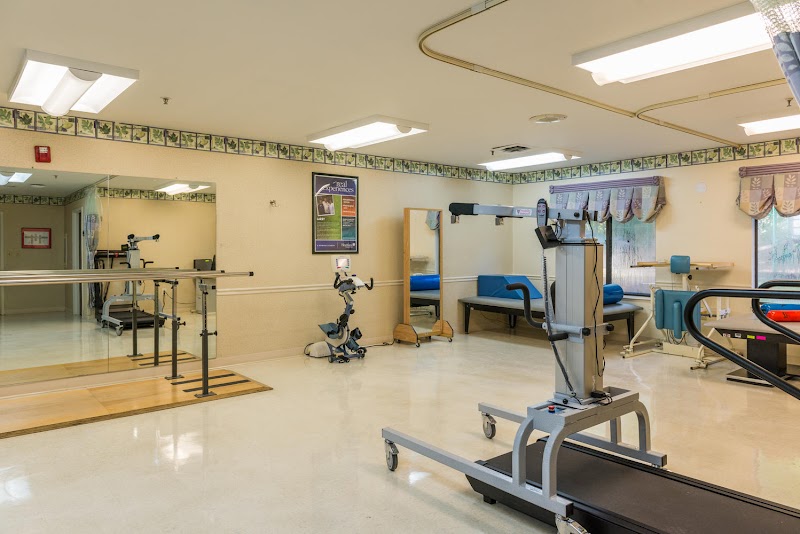
How is Vivo Healthcare Orange Park Staffed?

CMS rates VIVO HEALTHCARE ORANGE PARK's staffing level at 2 out of 5 stars, which is below average compared to other nursing homes. Staff turnover is 61%, which is 15 percentage points above the Florida average of 46%. High turnover can affect care consistency as new staff learn residents' individual needs. RN turnover specifically is 67%, which is notably high. RNs provide skilled clinical oversight, so turnover in this role can affect medical care quality.

What Have Inspectors Found at Vivo Healthcare Orange Park?

State health inspectors documented 20 deficiencies at VIVO HEALTHCARE ORANGE PARK during 2021 to 2024. These included: 1 that caused actual resident harm and 19 with potential for harm. Deficiencies causing actual harm indicate documented cases where residents experienced negative health consequences.
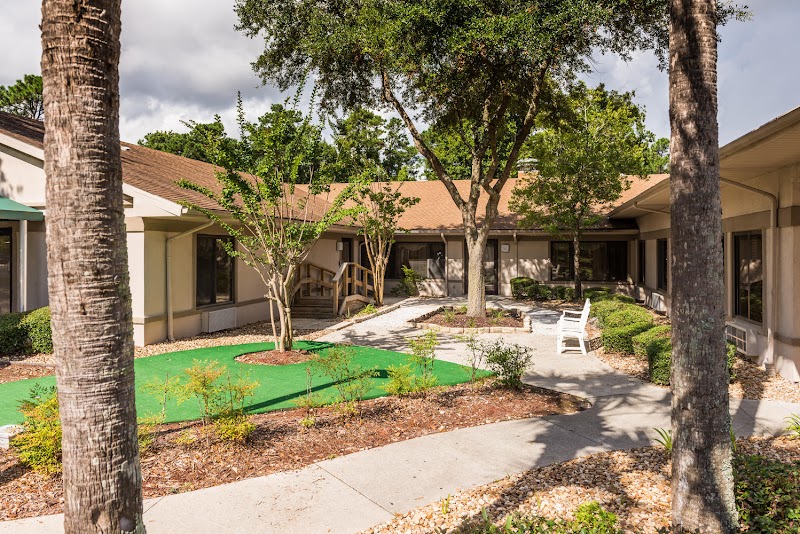
Who Owns and Operates Vivo Healthcare Orange Park?

VIVO HEALTHCARE ORANGE PARK is owned by a for-profit company. For-profit facilities operate as businesses with obligations to shareholders or private owners. The facility is operated by VIVO HEALTHCARE, a chain that manages multiple nursing homes. With 120 certified beds and approximately 106 residents (about 88% occupancy), it is a mid-sized facility located in ORANGE PARK, Florida.
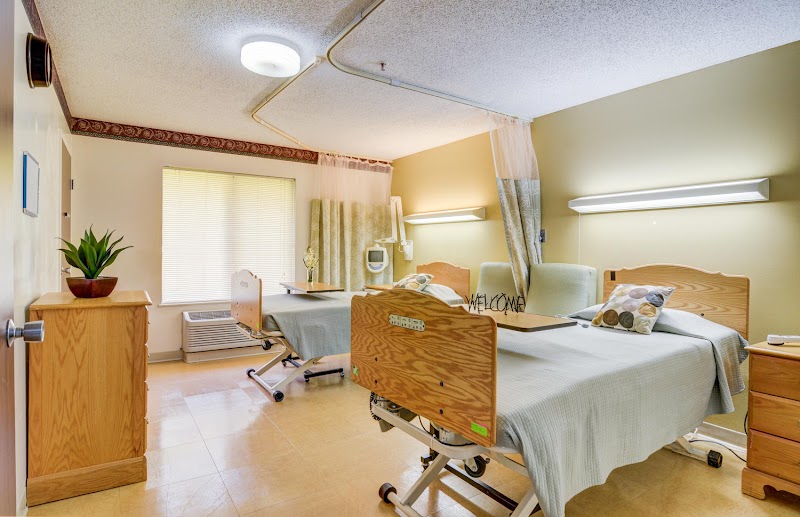
How Does Vivo Healthcare Orange Park Compare to Other Florida Nursing Homes?

Compared to the 100 nursing homes in Florida, VIVO HEALTHCARE ORANGE PARK's overall rating (5 stars) is above the state average of 3.2, staff turnover (61%) is significantly higher than the state average of 46%, and health inspection rating (4 stars) is above the national benchmark.

What Should Families Ask When Visiting Vivo Healthcare Orange Park?

Based on this facility's data, families visiting should ask: "How do you ensure continuity of care given staff turnover, and what is your staff retention strategy?" "Can you walk me through typical staffing levels on day, evening, and night shifts?" "Can I visit during a mealtime to observe dining assistance and food quality?" "How do you handle medical emergencies, and what is your hospital transfer rate?" These questions are particularly relevant given the facility's high staff turnover rate and the below-average staffing rating.

Is Vivo Healthcare Orange Park Safe?

Based on CMS inspection data, VIVO HEALTHCARE ORANGE PARK has a clean safety record: no substantiated abuse findings (meaning no confirmed cases of resident harm), no Immediate Jeopardy citations (the most serious violation level indicating risk of serious injury or death), and is not on the Special Focus Facility watch list (a federal program monitoring the lowest-performing 1% of nursing homes). The facility has a 5-star overall rating and ranks #1 of 100 nursing homes in Florida. While no facility is perfect, families should still ask about staff-to-resident ratios and recent inspection results during their visit.

Do Nurses at Vivo Healthcare Orange Park Stick Around?

Staff turnover at VIVO HEALTHCARE ORANGE PARK is high. At 61%, the facility is 15 percentage points above the Florida average of 46%. Registered Nurse turnover is particularly concerning at 67%. RNs handle complex medical decisions and coordinate care — frequent RN changes can directly impact care quality. High turnover means new staff may not know residents' individual needs, medications, or preferences. It can also be disorienting for residents, especially those with dementia who rely on familiar faces. Families should ask: What is causing the turnover? What retention programs are in place? How do you ensure care continuity during staff transitions?

Was Vivo Healthcare Orange Park Ever Fined?

VIVO HEALTHCARE ORANGE PARK has no federal fines on record. CMS issues fines when nursing homes fail to meet care standards or don't correct problems found during inspections. The absence of fines suggests the facility has either maintained compliance or corrected any issues before penalties were assessed. This is a positive indicator, though families should still review recent inspection reports for the full picture.

Is Vivo Healthcare Orange Park on Any Federal Watch List?

VIVO HEALTHCARE ORANGE PARK is not on any federal watch list. The most significant is the Special Focus Facility (SFF) program, which identifies the bottom 1% of nursing homes nationally based on persistent, serious quality problems. Not being on this list means the facility has avoided the pattern of deficiencies that triggers enhanced federal oversight. This is a positive indicator, though families should still review the facility's inspection history directly.