OAK VIEW HEALTH AND REHABILITATION CENTER
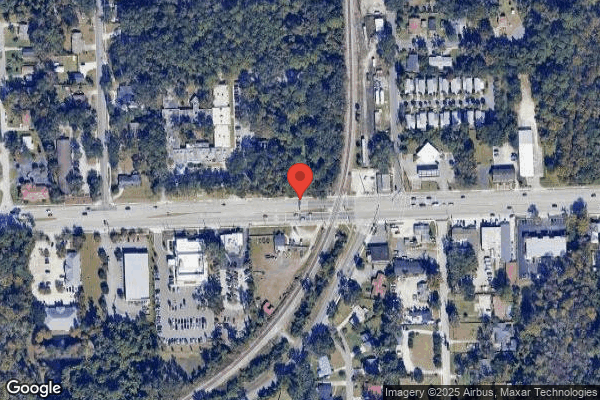
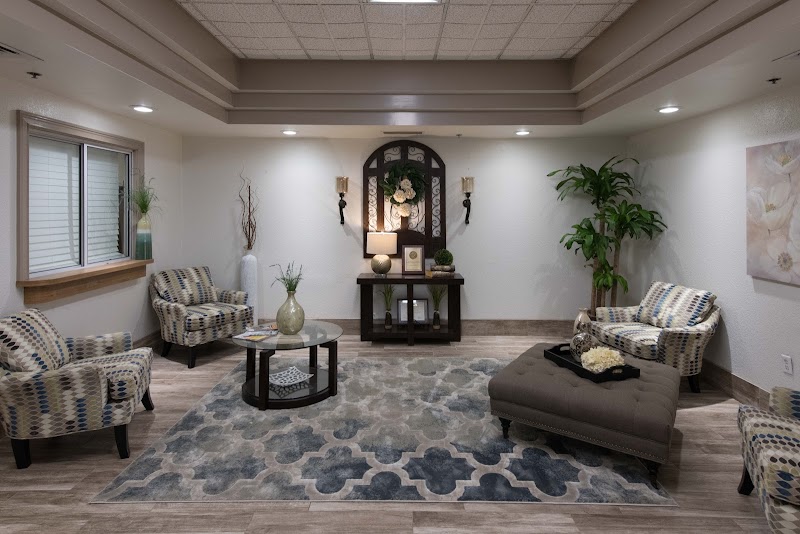
833 KINGSLEY AVE, ORANGE PARK, FL 32073 (904) 269-2610
For profit - Corporation 120 Beds ROBERT SCHOENFELD Data: November 2025
Trust Grade
85/100
#83 of 690 in FL
Last Inspection: February 2025

Within standard 12-15 month inspection cycle. Federal law requires annual inspections.

Overview

Oak View Health and Rehabilitation Center has a Trust Grade of B+, which means it is above average and recommended for families considering care options. It ranks #83 out of 690 facilities in Florida, placing it in the top half of the state, and #3 out of 12 in Clay County, indicating only two local options are rated higher. The facility is improving, with issues decreasing from four in 2023 to just one in 2025. Staffing is rated at 3 out of 5 stars, which is average, and their turnover rate is 48%, similar to the state average, suggesting that staff stability is a concern. Notably, there have been no fines, which is a positive sign of compliance. However, there are some weaknesses to consider. The facility has received 14 minor deficiencies, including concerns about sanitation practices and food safety, such as not properly cleaning nourishment areas, which created risks for residents. Additionally, food was not served at safe temperatures during a meal, potentially impacting all residents eating that meal. Also, some residents' rooms were not kept clean, which raises concerns about infection risks. Overall, while Oak View offers some strong points, families should weigh these concerns carefully.

Trust Score
B+
85/100
In Florida
#83/690
Top 12%
Safety Record
Low Risk
No red flags
Inspections
Getting Better
4 → 1 violations
Staff Stability
⚠ Watch
48% turnover. Above average. Higher turnover means staff may not know residents' routines.
Penalties
✓ Good
No fines on record. Clean compliance history, better than most Florida facilities.
Skilled Nurses
⚠ Watch
Each resident gets only 26 minutes of Registered Nurse (RN) attention daily — below average for Florida. Fewer RN minutes means fewer trained eyes watching for problems.
Violations
⚠ Watch
14 deficiencies on record. Higher than average. Multiple issues found across inspections.
★★★★★
5.0
Overall Rating
★★★☆☆
3.0
Staff Levels
★★★★☆
4.0
Care Quality
★★★★★
5.0
Inspection Score
Stable
2023: 4 issues
2025: 1 issues

The Good

  • 4-Star Quality Measures · Strong clinical quality outcomes
  • Full Sprinkler Coverage · Fire safety systems throughout facility
  • No fines on record

Facility shows strength in quality measures, fire safety.

The Bad

Staff Turnover: 48%

Near Florida avg (46%)

Higher turnover may affect care consistency

Chain: ROBERT SCHOENFELD

Part of a multi-facility chain

Ask about local staffing decisions and management

The Ugly 14 deficiencies on record

Feb 2025 1 deficiency
CONCERN (D)

Potential for Harm - no one hurt, but risky conditions existed

Respiratory Care (Tag F0695)

Could have caused harm · This affected 1 resident

**NOTE- TERMS IN BRACKETS HAVE BEEN EDITED TO PROTECT CONFIDENTIALITY** Based on observations, interviews, record review, and facility policy and procedure review, the facility failed to ensure that r...

Read full inspector narrative →
**NOTE- TERMS IN BRACKETS HAVE BEEN EDITED TO PROTECT CONFIDENTIALITY** Based on observations, interviews, record review, and facility policy and procedure review, the facility failed to ensure that residents who needed respiratory care received such care (oxygen therapy) as ordered for two (Resident #31 and #86) of three residents reviewed for oxygen use, from a total of 23 residents receiving oxygen. Both residents were observed receiving oxygen at a flow rate of 1.5 Liters per minute over several days. Each resident was ordered oxygen at a flow rate of 2.0 Liters per minute. The findings include: 1. On 02/24/25 at 12:28 PM, Resident #31 was observed in bed receiving oxygen via a nasal cannula. The oxygen concentrator, located next to the wall at the head of his bed and out of his reach, was set with a flow rate of 1.5 L/min. (Liters per minute). (Photographic evidence obtained) On 02/25/25 at 10:08 AM, Resident #31 was observed lying in bed. His nasal cannula was not in place. The oxygen flow rate setting on the concentrator was 1.5 L/min. (Photographic evidence obtained) Resident #31 stated he did not know where his call light was. It was attached to the sheet above the right side of his head. He was given his call light, and he pushed the button for staff assistance. Certified Nursing Assistant (CNA) F answered the call light and saw that the resident's nasal cannula was not in place. CNA F told the resident, You chewed it again. This is the second time today that [the resident] has chewed the cannula. He does that sometimes. CNA F took the nasal cannula from the bed and removed it from the concentrator, stating it would be replaced. On 02/25/25 at 10:27 AM, Resident #31 was observed receiving oxygen via a nasal cannula with his oxygen concentrator flow rate set at 1.5 L/min. (Photographic evidence obtained) A review of Resident #31's active physician's orders revealed: Oxygen at 2 liters/min via nasal cannula. Humidification: yes (9/12/2024) A review of Resident #31's medical record revealed an admission date of 08/20/24. The resident's diagnoses included acute and chronic respiratory failure with hypoxia. A review of the resident's Quarterly MDS (minimum data set) assessment, dated 02/13/25, revealed that the resident was receiving hospice care, required oxygen therapy, and had a Brief Interview for Mental Status (BIMS) score of 5 out of 15 possible points, indicating severe cognitive impairment. A review of the resident's care plan revealed a focus area for oxygen therapy related to signs/symptoms of poor oxygen absorption. Interventions included administration of medications as ordered by the physician and observe/document side effects and effectiveness. The resident's Medication Administration Record (MAR) for February 2025 was initialed by nursing as having administered oxygen at 2 L/min via nasal cannula, as ordered by the physician. (Copy obtained) 2. On 02/25/25 at 10:38 AM, Resident #86 was observed lying in bed receiving oxygen via a nasal cannula. He stated he had no concerns. When he was asked if he knew his prescribed oxygen flow rate, he did not respond. The oxygen concentrator located next to the head of his bed was set at 1.5 L/min. (Photographic evidence obtained) On 02/26/25 at 8:34 AM, Resident #86 was observed lying in bed receiving oxygen via a nasal cannula. The oxygen setting on his concentrator was set at 1.5 L/min. (Photographic evidence obtained) On 02/26/25 at 8:39 AM, Resident #31 was observed lying in bed receiving oxygen via a nasal cannula. The oxygen setting on his concentrator was set at 1.5 L/min. (Photographic evidence obtained) A review of Resident #86's active physician's orders revealed: Oxygen 2 L/min via nasal cannula. Humidification: yes; every shift (12/20/2024) A review of Resident #86's medical record revealed a readmission on [DATE] with an initial admission date of 04/19/24. His diagnoses included: COPD (chronic obstructive pulmonary disease) and shortness of breath. A review of the resident's Quarterly MDS (minimum data set) assessment, dated 02/04/25, revealed that he required oxygen therapy and had a Brief Interview for Mental Status (BIMS) score of 7 out of 15 possible points, indicating severe cognitive impairment. A review of the resident's care plan revealed a focus area for oxygen therapy related to ineffective gas exchange, COPD, and asthma. Interventions included administration of medications as ordered by the physician; observe/document side effects and effectiveness, and oxygen therapy per MD (physician) order. On 02/26/25 at 2:57 PM, Licensed Practical Nurse (LPN) D looked at the flow rate setting on Resident #86's oxygen concentrator, confirmed that the concentrator was set to 1.5 L/min, and stated the oxygen order was for 2 L/min. She further stated the nurses provided ongoing monitoring of the residents' oxygen therapy. Nursing was responsible for ensuring that the residents were receiving the correct oxygen flow rate per the orders. Correct oxygen settings were identified by checking the physicians' orders. Nursing staff on the night shift were responsible for changing the residents' oxygen tubing and concentrator. Correct settings were communicated from one nurse to another during shift change reports. LPN D stated Resident #86 habitually took off his nasal cannula. On 02/26/25 at 3:00 PM, LPN D verified that Resident #31's oxygen concentrator flow rate was set at 1.5 L/min. She stated when on shift, she checked Resident #31's oxygen frequently because he took his nasal cannula off all the time. On 02/26/25 at 3:42 PM, the Director of Nursing confirmed that correct oxygen settings were identified by checking the physicians' orders. A review of the facility's policy and procedure titled Oxygen Administration (revised: 05/04/22), revealed: Policy: Oxygen is administered to residents who need it, consistent with professional standards of practice, the comprehensive person-centered care plans, and the resident's goals and preferences. Policy Explanation and Compliance Guidelines: 1. Oxygen is administered under orders of a physician, except in the case of an emergency. In such case, oxygen is administered and orders for oxygen are obtained as soon as practicable when the situation is under control . 12. Staff shall notify the physician of any changes in the resident's condition, including changes in vital signs, oxygen concentration, or evidence of complications associated with the use of oxygen. (copy obtained) .
Apr 2023 4 deficiencies
CONCERN (D)

Potential for Harm - no one hurt, but risky conditions existed

ADL Care (Tag F0677)

Could have caused harm · This affected 1 resident

Based on observations, record review, and staff interviews, the facility failed to ensure that residents unable to carry out activities of daily living (ADLs), received necessary care and services to ...

Read full inspector narrative →
Based on observations, record review, and staff interviews, the facility failed to ensure that residents unable to carry out activities of daily living (ADLs), received necessary care and services to maintain proper grooming and personal hygiene, by failing to provide nail care for one (Resident #18) of 39 sampled residents. The findings include: On Tuesday, 04/18/2023 at 8:56 AM, Resident #18 was observed with long, untrimmed fingernails. [NAME] matter was observed underneath her nails. Resident #18 was asked if she wanted her nails trimmed, or if she preferred them in the current condition. She replied that she wanted them trimmed. A medical record review revealed that Resident #18 required extensive assistance with personal hygiene care, and on 03/31/2023, she was care planned with a focus area for ADL Deficit related to debility and health status, with an intervention to provide physical assistance with routine care in the AM and PM and as needed. A review of the resident's Minimum Data Set (MDS) assessment, dated 4/6/23, revealed that the resident had a Brief Interview for Mental Status (BIMS) score of 13 out of a possible 15 points, indicating intact cognition. She was documented as requiring extensive assistance of one person for provision of hygiene care. Though there were no specific questions related to nail care, it was noted that the following were very important to Resident #18: Choosing what clothes to wear, choosing between a tub bath, shower, bed bath or sponge bath; taking care of her personal things; and choosing her own bedtime. The resident was documented as frequently incontinent of bowel and bladder. No behaviors were noted, and she was not receiving psychotropic medication. On Wednesday, 04/19/2023 at 9:40 AM, Resident #18's fingernails were observed and remained untrimmed and unclean, just as they were observed on 04/18/2023. On Wednesday, 04/19/2023 at 2:30 PM, Resident #18's fingernails were observed and remained untrimmed and unclean, just as they were observed earlier this day and on 04/18/2023. On 04/19/2023 at 3:12 PM, an interview was conducted with the Activities Director (AD) who stated she had worked at the facility for 17 years, with 14 of those years in the AD role. When she was asked what services were provided to the residents by her department, she said the activities department provided all social entertainment, community outings, and salon services. When asked if this included nail care/trimming, she replied, Yes, nails are done on Saturdays and anyone can get their nails done. She further stated four times a month, nails were done for the residents. She concluded that there was no reason for a resident not to have their nails done unless there was something else happening on a particular Saturday. If nails were not done, a nurse or family member could request to have the resident's nails done. On 04/20/2023 at 10:35 AM, an interview was conducted with Certified Nursing Assistant (CNA) B regarding her regular routine with residents and their ADL care. She said she would enter the resident's room, introduce herself, ask the resident what they needed, and whether they had therapy. She performed personal care such as doing their hair, talking to them, feeding them, and helping them get dressed. When asked to provide more detail about the personal care she provided, she said when she gave residents their showers, she would look for skin tears, bruising, and whether something was off. In that event, she would tell the supervisor. When asked about nail care, she said, Oh yes, of course, we can do it or Activities will. On 04/20/23 at 11:40 AM, an interview with CNA C revealed that she was familiar with Resident #18. When asked about Resident #18's shower days, she could not answer and said she would have to look in the shower book to verify which days those were. She was shown Resident #18's fingernails and was asked if she had any concerns with their condition. Before the question was finished, CNA C said she would take care of Resident #18's fingernails and let the nurse and the Activities Department know. Before she left the resident's room, she was asked to confirm that Resident #18's fingernails needed attention, and she replied, yes in affirmation. .
CONCERN (D)

Potential for Harm - no one hurt, but risky conditions existed

Deficiency F0790 (Tag F0790)

Could have caused harm · This affected 1 resident

**NOTE- TERMS IN BRACKETS HAVE BEEN EDITED TO PROTECT CONFIDENTIALITY** Based on observation, interviews, and record review, the facility failed to assist one (Resident #26) of two residents reviewed ...

Read full inspector narrative →
**NOTE- TERMS IN BRACKETS HAVE BEEN EDITED TO PROTECT CONFIDENTIALITY** Based on observation, interviews, and record review, the facility failed to assist one (Resident #26) of two residents reviewed for dental care, from a total sample of 37 residents, in obtaining routine and/or 24-hour emergency dental care. Failure to provide dental care could result in infection and unnecessary pain. The findings include: On 04/17/23 at 2:15 PM, Resident #26 was observed with broken teeth. He stated it bothered him to chew and no one had spoken with him about it. He added that his roommate received dental care and he thought that was becasue he had different insurance. Resident #26 stated he only ate breakfast. Lunch and dinner were almost always too tough for his teeth. When he was asked if he had notifed anyone about this, he said, When I refuse food, I normally tell them that it was too tough, but no one has ever offered me an alternative. I didn't know it was even an option because no one ever mentioned that I could get a different meal. A review of the medical record revealed that Resident #26 was admitted to the facility on [DATE] with diagnoses including encephalopathy, major depressive disorder, and iron deficiency anemia. The resident's 04/01/21 physician's order indicated that the resident was on a regular diet. A review of the certified nursing assistant (CNA) task list from 04/01/23 through 04/20/23, revealed that the resident consumed 50-75 percent (%) of breakfast and 0-25% of lunch and dinner. (Copies obtained) A review of the Annual Minimum Data Set (MDS) assessment, dated 03/10/23, revealed the resident had a Brief Interview for Mental Status (BIMS) score of 07 out of a possible 15 points, indicating moderate to severe cognitive impairment. He required supervision with bed mobility, transfers, and toileting, and he was documented as independent with eating. The Oral/Dental Status section of the assessment indicated obvious or likely cavity or broken natural teeth. A review of the Quarterly MDS assessment, dated 12/22/22, revealed that the Oral/Dental Status section of the assessment was blank. A review of the resident's care plan, dated 04/01/23, indicated the resident was at Risk for Pain and Discomfort due to broken and carious (decayed) teeth. An intervention read, Obtain dental consult as needed. The resident has a need to maintain adequate nutrition and hydration. In an interview with the Social Services Director (SSD) on 04/19/23 10:13 AM, she was asked about the provision of dental services provision for the residents. She stated the facility was contracted with a dental provider. She added that she sent a resident census monthly to the dental provider, and the company contacted those residents that were not on the list to see if they would like be to enrolled. A review of the list the SSD provided, revealed that Resident #26 was contacted with no response. The SSD could not provide a process for residents who were contacted and did not respond, or those that did not qualify for dental services. She confirmed that Resident #26 would not qulaify for dental services from this provider. She stated all residents were assessed quarterly, and if any issues were identified, the facility tried to find services for the resident. During a 04/20/23 interview with Registered Nurse (RN) E/Unit Manager at 1:50 PM, she stated the unit managers were expected to conduct quarterly assessments, which included dental and vision. She stated that she was not aware of the dental concerns for Resident #26. She added that she had been in the position for three days, therefore, she had not conducted the previous assessment of Resident #26. She reviewed the MDS assessment and the care plan, which indicated that the resident had dental concerns. She stated she would find out if anything had been done for the resident. She returned shortly thereafter and confirmed that she could not find any dental notes for Resident #26. She said that the resident did not qualify for services from the facility's dental provider, and that she had made an emergency dental appointment. During the course of the survey, the facility was unable to provide a policy for dental care and services. .
CONCERN (D)

Potential for Harm - no one hurt, but risky conditions existed

Room Equipment (Tag F0908)

Could have caused harm · This affected 1 resident

Based on kitchen food service observations, staff interviews, and facility document review, the facility failed to maintain the kitchen freezer in safe operating condition with the potential to place ...

Read full inspector narrative →
Based on kitchen food service observations, staff interviews, and facility document review, the facility failed to maintain the kitchen freezer in safe operating condition with the potential to place the health of all residents who consumed foods from the facility's kitchen at risk. Freezer units in disrepair may no longer be capable of properly cooling or holding time/temperature control to maintain foods at safe temperatures. The findings include: An initial tour of the kitchen was conducted on 04/17/23 at 10:05 AM. During the tour, observations of the walk-in freezer identified condensation buildup on shelves on the left side of freezer, around the door area, and on the plastic freezer shields. (Photographic evidence obtained) A second observation of the walk-in freezer on 04/19/23 at 4:48 PM, identified condensation buildup in the same area and around the door area to include the plastic freezer shields. (Photographic evidence obtained) Assistant Dietary Manager G stated she was responsible for reporting damaged Dietary equipment to the Maintenance Department. She confirmed having reported the condensation buildup in the freezer to maintenance. She stated, When the condensation builds up, a maintenance order request is submitted to Maintenance. Maintenance comes and chisels ice from the door. On 04/20/23 at 3:42 PM, Maintenance Assistant K reported that the Dietary freezer defrosted 6-7 times per day and drips, they have buildup. Maintenance Assistant K stated, Dietary will inform maintenance of the condensation buildup. When asked how often Maintenance received requests from the Dietary Department related to condensation buildup in the freezer, he replied, Once a week or every other week. Maintenance will go and chip away the ice. He further stated the freezer door had recently been replaced and the facility had been in contact with the service provider through emails regarding the current condensation issue. During the interview, he was asked to provide documented evidence of the service requests and emails related to the condensation issue. The following documents were provided on 04/20/23 at 4:10 PM: 1. A work order quote for a 36 freezer door (right), dated 05/05/22, and 2. An invoice from the facility's mechanical services provider for an HVAC quote to replace a faulty stage one compressor, dated 5/5/2022. Both documents were dated approximately 11.5 months prior to the survey, and no emails indicating ongoing communication with the service provider over that time frame were provided for review. A request of the Administrator for the facility's Kitchen Equipment Maintenance policy and procedure was made multiple times, however, no policy was provided by the the time of survey exit. Reference: United States Food and Drug Administration Food Code 2017. 4.501.11. Good Repair and Proper Adjustment. Page 165. https://www.fda.gov (Accessed on 04/28/2023): Equipment shall be maintained in a state of repair and condition that meets the requirements specified under Parts 4-1 and 4-2. .
CONCERN (E)

Potential for Harm - no one hurt, but risky conditions existed

Food Safety (Tag F0812)

Could have caused harm · This affected multiple residents

Based on interviews, record review, a review of the Food Code, and policy and procedure review, the facility failed to store, prepare, distribute and serve food in accordance with professional standar...

Read full inspector narrative →
Based on interviews, record review, a review of the Food Code, and policy and procedure review, the facility failed to store, prepare, distribute and serve food in accordance with professional standards for food service safety, by failing to ensure that one of three resident meals (04/19/23 Lunch Meal) was served at a safe temperature. This failure had the potential to impact all residents eating the meal from the facility's kitchen. The findings include: During a tour of the kitchen on 04/19/2023 at 10:58 AM, an observation of the Food Sample Temperature Form located in the temperature logbook, dated April 16-22, 2023, revealed it was incomplete. (Copy obtained) An observation of the tray line was conducted on 04/19/23 at 11:02 AM during the tour. [NAME] F was observed obtaining temperatures of the food on the tray line. The cook was asked to explain the calibration process and what the temperature of the thermometer should be. She stated she was unaware of the answer to the calibration process and what the temperature of the thermometer should be. Assistant Dietary Manager G confirmed that the calibration process was to shake the thermometer. Three of the three thermometers observed had temperatures that fluctuated between 32.5 °F and 33.9 °F in an ice water bath. It was explained that the thermometer needed to calibrate to 32 °F to show accuracy. The cook was successful in calibrating the fourth thermometer to 32 °F. On 04/19/23 at 11:05 AM, [NAME] F was asked who was responsible for completing the food temperature logs. She replied, Whoever is the assigned cook. When asked who took temperatures of the food after setting up the tray line, she replied, The cook. On 04/19/23 at 4:40 PM, [NAME] J made several attempts, using two of two thermometers, to demonstrate the calibration process. Temperatures fluctuated between 32.5 F and 33.7 F when saturated in an ice water bath. The calibration process was incomplete. No temperatures were logged. Assist Dietary Manager G reported that the thermometer used at lunchtime was no longer working. On 04/20/23 at 10:04 AM, Assistant Dietary Manager G was asked who checked the food temperatures. She stated, The cook checks temperatures for each meal. When asked who was responsible for providing dietary training to the staff, she replied, I provide monthly in-services. All Dietary staff have a 9-day competency to complete and all are SerSafe trained. When asked who checked thermometers to ensure they were accurate and working as expected, she replied, I check thermometers weekly but weekly checks are not documented. All staff are supplied with thermometers. When asked to explain the calibration process, she replied, Put the thermometer in a glass of ice water, wait until the reading is 32 °F, and clean with an alcohol wipe between food temperatures. When asked what happened when a thermometer did not calibrate to 32 °F, Assistant Dietary Manager G stated, The thermometer should be replaced if not working. A review of the facility's policy and procedure titled General HACCP Guidelines for Food Safety (dated: 2010), revealed: Staff must be educated and supervised on all HACCP information and procedures. A good training program and the proper systems and tools will help to assure a successful HACCP/Food Safety program. Procedure: 7. Food temperatures for Meal Service: Check to be sure the staff actually take food temperatures and take them correctly. Teach staff what to do if temperatures are in the tdz. Be sure temperatures are taken again halfway through tray line to assure safety. (Copy obtained) Reference: United States Food and Drug Administration Food Code 2017. 4-502.11 Utensils and Temperature and Pressure Measuring Devices. Page 170. https://www.fda.gov (Accessed on 04/28/23 at 3:30 PM): Good Repair and Calibration . (B) Food Temperature Measuring Devices shall be calibrated in accordance with manufacturer's specifications as necessary to ensure their accuracy. .
Aug 2021 9 deficiencies
CONCERN (D)

Potential for Harm - no one hurt, but risky conditions existed

Deficiency F0557 (Tag F0557)

Could have caused harm · This affected 1 resident

**NOTE- TERMS IN BRACKETS HAVE BEEN EDITED TO PROTECT CONFIDENTIALITY** Based on observation, interview and record review, the faclity failed to treat one (Resident #50) of 39 sampled residents with d...

Read full inspector narrative →
**NOTE- TERMS IN BRACKETS HAVE BEEN EDITED TO PROTECT CONFIDENTIALITY** Based on observation, interview and record review, the faclity failed to treat one (Resident #50) of 39 sampled residents with dignity, by serving him all of his meals on disposable tableware. The findings include: During dining observation on 8/23/21 at 12:28 PM, Resident #50 received his meal in his room on disposable tableware. There was no indication that the resident was on contact isolation. The lunch meals meal ticket, dated 8/23/21, was observed on the resident's tray indicating the use of disposable tableware. (Photographic evidence obtained) On 8/24/21 at 12:08 PM, Resident#50 received lunch in his room on disposable tableware. In an interview on 8/24/21 at 12:15 PM, Resident #50 stated he did not know why he was being served on disposable tableware. He added that most of the time his food was cold. A review of the medical record revealed that Resident #50 was admitted to the facility on [DATE] with diagnoses including major depressive disorder and malignant neoplasm of the colon. The Quarterly Minimum Data Set (MDS) assessment, dated 7/2/21, revealed that the resident had a Brief Interview for Mental Status (BIMS) score of 12 out of a possible 15 points, indicating moderate cognitive impairement. No infections or behavioral issues were noted. On 8/25/21 at 2:46 PM, the Certified Dietary Manager (CDM) was asked why Resident #50 received his meals on disposable tableware. She stated she was notified by the nursing department approximately four months ago, to start serving the resident on disposable tableware due to his behavior of spitting on the plates and placing them in the trash can. In an interview on 8/26/21 at 10:18 AM , Registered Nurse (RN)/Unit Manager F stated the resident was receiving a regular meal tray and tableware on admission, but around May 2021, he started throwing the utensils in the trash. She added that he was also hoarding the silverware in his room and therefore, the interdisciplinary team (IDT) decided to provide his meals on disposable tableware. When asked where this information was documented or whether the careplan had been updated, she confirmed that there was nothing documented. .
CONCERN (D)

Potential for Harm - no one hurt, but risky conditions existed

Deficiency F0583 (Tag F0583)

Could have caused harm · This affected 1 resident

**NOTE- TERMS IN BRACKETS HAVE BEEN EDITED TO PROTECT CONFIDENTIALITY** Based on observation, interview and record review, the facility failed to respect the residents right to privacy, by failing to ...

Read full inspector narrative →
**NOTE- TERMS IN BRACKETS HAVE BEEN EDITED TO PROTECT CONFIDENTIALITY** Based on observation, interview and record review, the facility failed to respect the residents right to privacy, by failing to secure residents' medical records for one (Resident #66) of 39 sampled residents. The findings include: On 08/25/21 at 4:06 PM, the medication cart on the west wing front hall was observed at the end of the hall close to the exit door located near room [ROOM NUMBER]. The medication cart was unlocked and the electronic medication administration record for Resident #66 was exposed. Residents were observed using the exit back and forth, and a compassionate caregiver visiting the resident in room [ROOM NUMBER] A used the exit to go to the kitchen and back to the resident's room while the medical record was still exposed. The nurse assigned to the cart was not administering medication and was away from the unit. (Photographic evidence obtained) On 08/25/21 at 4:08 PM, Licensed Practical Nurse (LPN) E was observed returning to the unit and went to the medication cart. In an interview on 8/25/21 at 4:09 PM, LPN E confirmed that he left the medical record exposed. He stated he had to go to the other unit to get supplies and forgot to lock the cart and shut down the the computer. In an interview on 08/25/21 at 4:41 PM, LPN H, Unit Manager, stated nurses should only have the cart open when they were preparing medication, and if they were away from the cart, the medical record should be covered or the computer should be turned off. She further stated the nurse was an Agency nurse. When asked whether orientation/training was provided to the Agency nurse on facility policies, procedures and expectations, she stated the Agency conducted the training. A review of the resident's medical record revealed that Resident #66 was admitted to the facility on [DATE]. Diagnoses included hemiplegia and hemiparesis, cerebral infarction, major depressive disorder, cognitive deficit, acquired absence of other right toes, and history of alcohol abuse. The resident depended on staff for all activities of daily living (ADLs). A review of the facility's policy and procedure Confidentiality of Information and Personal Privacy (Revised October 2017), revealed: Policy statement Our facility will protect and safeguard resident confidentiality and personal privacy. Policy interpretation and implementation 1. The facility will safeguard the personal privacy and confidentiality of all resident personal and medical records. 2. The facility will strive to protect the Resident's privacy regarding his or her : a). accommodations b). medical treatment c). written and telephonic communication d). personal care e). visits and f). family and resident group meeting 3. Access to resident personal and medical records will be limited to authorized staff and business associates. 7. Release of resident information, including video, audio, or computer stored information, will be handled in accordance with residents and privacy policies. .
CONCERN (D)

Potential for Harm - no one hurt, but risky conditions existed

Deficiency F0604 (Tag F0604)

Could have caused harm · This affected 1 resident

**NOTE- TERMS IN BRACKETS HAVE BEEN EDITED TO PROTECT CONFIDENTIALITY** Based on observations, interviews, and record review, the facility failed to identify a geri-chair as a physical restraint for o...

Read full inspector narrative →
**NOTE- TERMS IN BRACKETS HAVE BEEN EDITED TO PROTECT CONFIDENTIALITY** Based on observations, interviews, and record review, the facility failed to identify a geri-chair as a physical restraint for one (Resident #13) of one resident reviewed for restraints from a total of 39 residents sampled. The findings include: The medical record for Resident #13 was reviewed. He was admitted to the facility on [DATE]. Medical diagnoses included intracerebral hemorrhage, cerebral infarction, and schizophreniform disorder. A comprehensive Minimum Data Set (MDS) assessment, dated 5/27/2021, indicated a Brief Interview for Mental Status (BIMS) score of 99, indicating the resident was unable to complete the interview. The resident required limited assistance with bed mobility and transfers. No restraints or alarms were identified in the assessment as being used for this resident. On 8/23/2021 at 1:00 p.m., Resident #13 was observed in a geri-chair which was located in an alcove across from the nurse's station. The chair was fully reclined. Resident #13 was attempting to rise independently out of the chair but was repeatedly unsuccessful. On 8/24/2021 at approximately 11:45 a.m., Resident #13 was observed in the geri-chair, which was fully reclined. The chair was positioned near the nurse's station. He was observed throwing his left leg over the side of the chair repeatedly while yelling nurse!. No staff members responded. On 8/25/21 at 10:22 a.m., Resident #13 was observed in the geri-chair. He was restless and attempting to scoot out of the chair. Registered Nurse (RN) N was standing at the medication cart, which was positioned adjacent to the resident and in her line of sight. She was notified the resident was attempting to get out of the chair. She stated, Oh yeah, we're used to it. The nurse then told the resident to Stop doing that. You're scaring the surveyor. On 8/25/21 at 11:38 a.m., Resident #13 was observed reclined back in a geri-chair in an alcove across from the nurse's station. The chair was reclined fully. Resident #13 was repeatedly throwing his left leg over the left side of the chair and scooting toward the bottom of the chair. He stated, Young man, can you help me out of here? When an interview was attempted with the resident, he closed his eyes and would not answer any questions. On 8/25/21 at 11:40 a.m., Certified Nursing Assistant (CNA) K approached the resident and rolled him to his room. She explained that she was taking the resident to his room for lunch. She was asked why the resident had been placed in a geri- chair. She stated, I'm not sure. You might want to ask the nurse, but he is in it all the time. On 8/25/21 at 11:47 a.m., an interview was conducted with Licensed Practical Nurse (LPN) I. She confirmed that she was assigned to care for Resident #13. She was asked why Resident #13 was using a geri-chair. She explained that she had been told in report a while ago that the resident was leaning forward in his regular wheelchair and had fallen out of it. The facility then placed the resident in the geri-chair as a result of the fall. The nurse further explained that the resident had been independently ambulatory prior to his admission and explained that his ambulation had declined since readmission. She confirmed that the resident was unable to independently rise from the geri-chair in it's reclined position. On 8/25/21 at 11:51 a.m., Resident #13 was observed in the geri-chair in his room. The geri-chair was fully reclined. His left leg was lying over the left armrest of the chair. On 8/25/21 at 1:41 p.m., an interview was conducted with Physical Therapist (PT) L. He explained that therapy had not recommended the geri-chair and he stated, I can ask the nursing staff how they came up with that. I think they do their own screenings. He further explained that the resident was able to ambulate with two-person contact-guard assistance. The therapist was then asked whether the resident was able to propel himself in a wheelchair. He stated, I haven't seen that during this episode of therapy. He then confirmed that a regular wheelchair had not been trialed prior to the resident being placed in the geri-chair. When asked if a regular wheelchair would be less restrictive, he explained that the resident's safety concerns would need to be considered. When asked to expand, he referenced the resident's trunk control could be a concern, but then stated he hadn't seen any trunk control safety concerns during the episodes of therapy. A review of the resident's fall history was conducted. The resident sustained a fall on 5/30/2021 where he was observed ambulating on the 300 hall. He attempted to sit in a chair located in the hallway. The resident was able to catch himself into a seated position on the floor. The resident sustained a fall on 6/30/2021 in which he was observed lying on his back on the floor in his room. No assistive devices were in use. The resident sustained a fall on 8/2/2021 in which he was observed lying on the mat bedside his bed. The resident was assisted into a geri-chair and placed by the nurse's station. Continued review of the resident's fall history revealed no falls from his wheelchair. A review of the resident's nursing progress notes revealed no documentation of the resident sustaining a fall from his wheelchair due to leaning forward or poor trunk control. A review of the comprehensive care plans revealed a focus area for activities of daily living (ADLs). The interventions included extensive assistance with bed mobility, extensive assistance with transfers, and directed staff to provide adaptive equipment: wheel chair. On 8/25/21 at 2:52 p.m., an interview was conducted with Occupational Therapist (OT) M. She was asked about the rationale for Resident #13 using a geri-chair. She explained that, when the resident was assessed after readmission, the resident was sleepy and lethargic, and that the recommendation was made at that time for a geri-chair. She was asked whether the resident was reassessed after that determination was made. She stated, No. We haven't seen him since he was released from therapy in July. She stated the resident would be reassessed immediately. On 8/26/21 at 11:20 p.m., an observation of Resident #13 was conducted. He was in the therapy gym sitting in a Broda chair. His feet were on the floor. The chair was slightly reclined. His eyes were closed and his hands were in his lap. The facility's restraint policy was reviewed. The policy was titled, Use of Restraints with a revision date of April 2017. The policy indicated that restraints shall only be used for the safety and well-being of the residents only after other alternatives had been tried unsuccesfully. The policy indicatd that restraints should only be used to treat medical symptoms and never for discipline, staff convenience, or for the prevention of falls. The policy directed staff to conduct ongoing re-evaluation for the need for restraints and that the evaluations would be documented. The policy indicated that the definition of a restraint was based on the functional status of the resident and not the device. It also provided examples of devices that were or could be considered physical restraints such geri-chairs. (Photographic Evidence Obtained) .
CONCERN (D)

Potential for Harm - no one hurt, but risky conditions existed

Deficiency F0657 (Tag F0657)

Could have caused harm · This affected 1 resident

Based on observation, resident and staff interviews, clinical record review, and facility policy and procedure review, the facility failed to ensure that the care plans for one (Resident #42) of 39 sa...

Read full inspector narrative →
Based on observation, resident and staff interviews, clinical record review, and facility policy and procedure review, the facility failed to ensure that the care plans for one (Resident #42) of 39 sampled residents, were revised to reflect wound care for arterial wounds to the feet. Failure to update the care plan puts the resident at risk of not receiving appropriate care and services. The findings include: 1. During the initial tour of the facility on 08/23/2021 at 11:40 AM, Resident #42's feet were observed to be bandaged around the toes and down to the middle of the foot, covering the arch of the foot. His heels were bare and presented with no wounds or injuries. A dark reddish brown biological substance was draining and bubbling out from under the bandage on the left foot. The bandages were not dated. (Photographic evidence obtained). The resident stated he thought he last had wound care on 08/20/2021 and that it was to be done once a week. During an interview with Licensed Practical Nurse (LPN) A on 08/24/2021 at 8:30 AM, she stated Resident #42 had a Health Care Surrogate (HCS). She thought it was the resident's niece or his sister, she was not sure. She knew that the HCS only wanted palliative care to the resident's feet and a vascular consult had not been done. She stated she asked for dermatological and wound care consults. On 08/24/2021 at 10:10 AM, an observation was made of the resident's wounds. Both of the resident's legs presented with atrophy (wasting) of the calf muscles, loss of extremity hair, and thickened toenails on the right foot. Toes 1-5 on the left foot had been amputated, indicating vascular insufficiency. Both feet were wrapped with conforming gauze. The dark reddish-brown biological substance was no longer visible, and the bandages were clean. LPN A/Wound Care Nurse removed the dressing to the left foot revealing multiple wounds affecting the dorsal (top) and plantar (bottom) aspects of the distal half (away from the center of the body) of the foot. Approximately 60% of the affected area was open and actively draining. There were small islands of intact skin between the wounds. The wounds were deep red to purple in appearance and the edges were macerated ( broken down by moisture). The surrounding skin was shiny and taught. The nurse sprayed wound cleanser on gauze pads and began to clean the areas. The resident reacted by frowning, covering his head with a blanket, and moving his foot away from her. The resident was asked whether the wound cleansing was painful. He nodded his head Yes. The wound care nurse finished the dressing change and removed the dressing to the right foot. The resident's great toe and second toe were dark brown to black in color with loosely-attached, stringy necrotic (dead) tissue hanging from them. The skin on the right foot was shiny and taught with no hair growth observed. As the nurse was applying iodine-soaked gauze to the toes, the resident again covered his head with a blanket and moved his foot away from the nurse. When asked how long his left foot looked like this the resident stated, It's been awhile. He stated the last nurse told him she saw puss coming out of it. LPN A stated this was the first time she had seen the wound this way. She identified the wounds as new and worsening, and confirmed that no vascular studies or workup had been done. On 08/26/2021 at 2:14 PM, a telephone interview was conducted with the contracted wound care physician for Resident #42. He stated, It would be great if [Resident #42] had a vascular consult! He stated he had discussed it with the resident. This is an old conversation. He agreed that vascular surgery would increase the blood flow to his feet and that would aid in the healing process. In fact, he did not think the resident's feet would heal without increasing the blood flow. During an interview on 08/26/21 at 5:20 PM with the MDS Coordinator, she reviewed the care plan that she had provided for review. She confirmed that the care plan had not been updated to include a focus area for the care of the arterial wounds on Resident #42's feet. A review of the facility's policy and procedure entitled Care Plan, Comprehensive Person-Centered, revealed: A comprehensive, person-centered care plan that includes measurable objectives and timetables to meet the resident's physical, psychosocial ad functional needs is developed and implemented for each resident. 10. Identifying problem areas and their causes, and developing interventions that are targeted and meaningful to the resident are the endpoint of an interdisciplinary process. b. The resident's physician (or primary healthcare provider) is integral to this process. 13. Assessments of residents are ongoing and care plans are revised as information about the residents and the residents' conditions change. .
CONCERN (D)

Potential for Harm - no one hurt, but risky conditions existed

Respiratory Care (Tag F0695)

Could have caused harm · This affected 1 resident

Based on observations, interviews, and record review, the facility failed to provide respiratory care as ordered for one (Resident #41) of 39 sampled residents. The findings include: A review of Resi...

Read full inspector narrative →
Based on observations, interviews, and record review, the facility failed to provide respiratory care as ordered for one (Resident #41) of 39 sampled residents. The findings include: A review of Resident #41's medical record revealed an admission date of 5/1/2018 with diagnoses including heart failure, sequelae of nontraumatic intracerebral hemorrhage, cerebral infraction, arteriosclerotic heart disease without angina pectoris and hypertension. A review of the resident's physician's orders included the following: Administer oxygen at 2 liters per minute via nasal cannula (started on 6/9/21), change tubing every week on Tuesday, check lung sounds for normal or abnormal and record, check oxygen saturation and record. A review of the resident's care plans revealed no care plan for oxygen or respiratory care. A review of the August 2021 Medication Administration Record (MAR) revealed oxygen tubing had been changed on 8/3/21 and 8/10/21, but had not been changed on 8/17/21. An interview with Resident #41 was conducted on 08/23/21 at 11:00 AM. She reported that her oxygen tubing was not changed as it should be, and the staff did not add water to the oxygen concentrator, so her nasal passages were dry. At the time of the interview, the oxygen concentrator's flow rate was set at three liters per minute. An interview was conducted with Registered Nurse (RN) R on 08/26/21 at 11:24 AM. RN R stated, [Resident #41] is on oxygen and has been for the last 3 to 4 months. RN R stated the resident's physician's orders were that she have oxygen as needed. RN R was asked what oxygen flow rate was to be set at for Resident #41. She stated two liters. RN R was asked if the resident should be care planned for oxygen therapy and she stated yes. She was asked about care of the oxygen concentrator and oxygen tubing, and she stated the nursing staff changed the tubing weekly. RN R checked the physician's orders and verified that oxygen was ordered as needed at 2.0 liters per minute. RN R stated the resident's oxygen would only be set at a higher flow rate if the resident had shortness of breath. In that case, the resident's physician would be called. An observation of the resident's oxygen concentrator was made on 08/26/21 at 11:30 AM with RN R. RN R verified the oxygen flow rate was set at 3.0 liters per minute. The resident was asked why the flow rate was set at 3 liters, and she replied that she didn't know. The resident was asked if she had shortness of breath and she stated no. No humidifier was attached to the concentrator. A canister was sitting on the resident's side table, but the RN stated that did not go with the concentrator and she didn't know why it was there. Resident #41 told the nurse she wanted a concentrator with a water attachment, and the nurse said she would exchange the device. The nurse also set the flow rate to 2.0 liters. The facility policy titled Oxygen Administration, revised in October 2010 read, Verify there is a physican's order for this procedure and review the physicians's orders or faciilty protocol for oxygen adminstration. .
CONCERN (D)

Potential for Harm - no one hurt, but risky conditions existed

Deficiency F0757 (Tag F0757)

Could have caused harm · This affected 1 resident

**NOTE- TERMS IN BRACKETS HAVE BEEN EDITED TO PROTECT CONFIDENTIALITY** 2. A record review for Resident #103 revealed an admission date of 5/7/21 with diagnoses including chronic respiratory failure w...

Read full inspector narrative →
**NOTE- TERMS IN BRACKETS HAVE BEEN EDITED TO PROTECT CONFIDENTIALITY** 2. A record review for Resident #103 revealed an admission date of 5/7/21 with diagnoses including chronic respiratory failure with hypoxia, dysphagia following cerebral infarction, congestive heart failure, hypertension, adult failure to thrive, cardiomyopathy, anxiety disorder, spinal stenosis, chronic pain, arteriosclerotic heart disease, and depression. A review of the Quarterly Minimum Data Set (MDS) assessment, dated 8/13/21, revealed a Brief Interview for Mental Status (BIMS) score of 13 out of a possible 15 points, indicating intact cognition, and a score of 11 for moderate depression. Resident #103 received antianxiety, antidepressant, and anticoagulant medication on 7 of 7 days duirng the MDS lookback period. The resident's care plan, dated 5/7/21, noted the resident was at risk for adverse consequences related to receiving antidepressant and antianxiety medications. Interventions included the administration of medications as ordered and a psychiatric consult as needed. The resident's current physician's orders included Xanax for anxiety three times a day, Remeron at bedtime for major depressive disorder, Buspirone three times a day for anxiety disorder, and Trazodone once daily for anxiety disorder. No orders for behavior monitoring were found. During an interview with Employee R on 8/26/21 at 11:42 AM, she was asked about Resident #103, and she reported the resident was on medications requiring behavior monitoring. Employee R was asked if the resident was currently being monitored for behaviors, and she replied, I don't see behavior monitoring for her. The facility's policy titled Behavior Assessment , Intervention and Monitoring, revised in March 2019, was reviewed. The policy read, The facility will comply with regulatory requirements related to the use of medications to manage behavioral changes. Based on interviews and record review, the facility failed to 1) Monitor blood pressure when using an antihypertensive medication and administer medication when blood pressure was within the specified parameters to do so for one resident (Resident #81), and 2) Monitor behaviors for one (Resident #103) of five residents reviewed for unnecessary medications, from a total of 39 residents sampled. The findings include: 1. The medical record for Resident #13 was reviewed. He was admitted to the facility on [DATE]. Medical diagnoses included intracerebral hemorrhage, cerebral infarction, and schizophreniform disorder. A comprehensive Minimum Data Set (MDS) assessment, dated 5/27/2021, indicated a Brief Interview for Mental Status (BIMS) score of 99, indicating the resident was unable to complete the interview. The resident required limited assistance with bed mobility and transfers. During a review of the resident's physician's orders, an order dated 7/26/2021 read, Clonidine 0.1mg (milligrams), give one tablet by mouth every 8 hours as needed for systolic blood pressure greater than 160. A review of the resident's vital signs revealed the resident's blood pressures were not being monitored every eight hours as required by the Clonidine order. (Photographic Evidence Obtained) Continued review of the vital signs revealed that on three occasions, the resident's systolic blood pressure was higher than the parameter specified by the physician, and Clonidine should have been administered. 7/30/2021 04:22 PM 163/95 8/7/2021 07:37 PM 183/110 8/12/2021 5:15 PM 199/100 A review of the resident's medication administration records (MARs) for August 2021 revealed no documented administration of the Clonidine on 7/30/2021, 8/7/2021, or 8/12/2021. A review of the resident's progress notes on 7/30/2021, 8/7/2021, and 8/12/2021 revealed no documented communication to the resident's physician regarding the resident's elevated blood pressures. On 8/25/21 at 1:00 p.m., an interview was conducted with Licensed Practical Nurse (LPN) I. She was asked to review the blood pressures from 7/30/2021, 8/7/2021, and 8/12/2021 in addition to the resident's order for Clonidine. The nurse reviewed the record and confirmed that the Clonidine should have been administered in those instances. The nurse also confirmed that the resident's blood pressures were not being taken as required by the order for Clonidine.
CONCERN (E)

Potential for Harm - no one hurt, but risky conditions existed

Safe Environment (Tag F0584)

Could have caused harm · This affected multiple residents

Based on observation, family interview, clinical record review, and staff interview, the facility failed to ensure a clean living environment for four (Residents #26, #30, #53 and #97) of 11 residents...

Read full inspector narrative →
Based on observation, family interview, clinical record review, and staff interview, the facility failed to ensure a clean living environment for four (Residents #26, #30, #53 and #97) of 11 residents receiving enteral feedings. Enteral food product was observed on various surfaces in the residents' rooms throughout the survey. Failure to maintain a clean living environment may create the potential for infection and affect the resident's ability to attain or maintain his/her highest practicable physical, mental, and social well-being. The findings include: 1. An observation was made of Resident #30 on 08/23/21 at 12:51 PM and an interview was conducted with his father at that time. The resident's room had what appeared to be enteral food product splattered on the intravenous (IV) pole, feeding pump, bed frame, wall, and the floor under the pole (Photographic evidence obtained). The resident's father confirmed that the food product had been on the various surfaces for the last several days since he had been visiting his son from out of state. During an observation of Resident #30's room on 08/25/2021 at 1:41 PM, the enteral food product had not been cleaned up. The room looked the same as it had on 08/23/2021 at 12:51 PM. (Photographic evidence obtained) During an observation of Resident #30's room on 08/26/2021 at 9:30 AM, the enteral food product had still not been cleaned up. The room looked the same as it had on 08/23/2021 at 12:51 PM and 08/25/2021 at 1:41 PM. (Photographic evidence obtained). 2. During an observation of Resident #26's room on 08/26/2021 at 12:10 PM, the resident's room had what appeared to be enteral food product splattered on the intravenous (IV) pole, feeding pump, bed frame, wall and the floor under the pole. (Photographic evidence obtained) 3. During an observation of Resident #53's room on 08/26/2021 at 11:51 AM, the resident's room had what appeared to be enteral food product splattered on the intravenous (IV) pole, feeding pump, bed frame, wall and the floor under the pole. (Photographic evidence obtained) 4. During an observation of Resident #97's room on 08/26/2021 at 11:55 AM, the resident's room had what appeared to be enteral food product splattered on the intravenous (IV) pole, feeding pump, bed frame, wall and the floor under the pole. (Photographic evidence obtained) A review of the physician's orders for Resident #30 revealed an order dated 09/09/2020 which read: Enteral Feeding: Formula: DiabetiSource AC. Strength: 1.2 continuously. Flow rate 80 cc/ml. Every shift; 7-3, 3-11, 11-7. A review of the physician's orders for Resident #26 revealed an order dated 12/05/2020 which read: Enteral Feeding: Formula Iso Source Strength: HN. Flow Rate: 65 ml/hr. x 20 hours off at 10 am on at 2 pm. Twice a day. A review of the physician's orders for Resident #53 revealed an order dated 03/04/2021 which read: Enteral Feeding: Formula: DiabetiSource. Strength: 1.2 off at 12 am on at 2 am for Synthroid dosing. Flow rate: 82 ml/hr. x 22 hours only. Twice a day. A review of the physician's orders for Resident #97 revealed an order dated 03/04/2021 which read: Fiber source HN at 65 ml/hr. continuously which will provide 1872 calories. Every shift. 7-3, 3-11p, 11p-7. During an interview with Licensed Practical Nurse (LPN) C on 08/26/2021 at 2:35 PM, he was shown the enteral food product on the poles, pumps, walls, and floor. He was asked who was responsible for cleaning up the food splatter from the enteral feedings in the residents' rooms. He stated housekeeping was responsible for the walls, beds, and floor. The nursing staff was responsible for cleaning the IV poles and pumps. .
CONCERN (E)

Potential for Harm - no one hurt, but risky conditions existed

Deficiency F0761 (Tag F0761)

Could have caused harm · This affected multiple residents

**NOTE- TERMS IN BRACKETS HAVE BEEN EDITED TO PROTECT CONFIDENTIALITY** Based on observation, interview and record review, the facility failed to ensure drugs and biologicals were stored in locked com...

Read full inspector narrative →
**NOTE- TERMS IN BRACKETS HAVE BEEN EDITED TO PROTECT CONFIDENTIALITY** Based on observation, interview and record review, the facility failed to ensure drugs and biologicals were stored in locked compartments under proper temperature controls for three og three medication carts inspected for medication storage from a total of four medication carts in the facility. The findings include: On 08/25/21 at 4:06 PM, the medication cart for the west wing front hall was observed at the end of the hall close to the exit door located near room [ROOM NUMBER]. The medication cart was unlocked and the nurse assigned to the cart was not administering medication and was away from the unit. (Photographic evidence obtained) On 08/25/21 at 4:08 PM, Licensed Practical Nurse (LPN) E was observed returning to the unit and went to the medication cart. In an interview on 08/25/21 at 4:09 PM, LPN E confirmed that he went to the other unit to get supplies and forgot to lock the cart. In an interview on 08/25/21 at 4:41 PM, LPN H/Unit Manager, stated nurses should only have the cart open when they were preparing medication, and if they were away, the cart should be locked. She stated the nurse was an Agency nurse. When asked whether orientation/training was provided to the Agency employee on facility policy, procedures and expectations, she stated the Agency conducted this training. On 08/26/21 at 9:51 AM, the following unopened insulin pens were found in the west wing back cart: Four pens for insulin aspart 100 units/ml (milliliter) and one pen for insulin Novolog 100 units/ml. The pharmacy label indicated, Refrigerate until opened'. (Photographic evidence obtained) In an interview on 08/26/21 at 9:55 AM, LPN J confirmed that the pens were not opened and should have been in the refrigerator. On 08/26/21 at 10:13 AM, two unopened insulin pens (Lantus 100 units/ml ) were found in the east wing back hall medication cart. Both insulin pens had pharmacy labels indicating to refrigerate until opened. (Photographic evidence obatined) In an interview on 08/26/21 at 10:15 AM, LPN I confirmed the insulin pens were unopened. She added that she was not aware that they needed to be refrigerated. A review of the facility's policy and procedure: Storage of Medication (Revised April 2007) revealed: Policy statement: The facility shall store all drugs and biological in a safe, secure and orderly manner. Policy interpretation and implementation: 7. Compartments (including, but not limited to, drawers, cabinets, rooms, refrigerators, carts, and boxes) containing drugs and biological's shall be locked when not in use, and trays or carts used to transport such items shall not be left unattended if open or otherwise potentially available to others. 9. Medications requiring refrigeration must be stored in a refrigerator located in the drug room at the nurses' station or other secured location . Medications must be stored separately from food and must be labeled accordingly. .
CONCERN (F)

Potential for Harm - no one hurt, but risky conditions existed

Food Safety (Tag F0812)

Could have caused harm · This affected most or all residents

Based on observation and staff interview, the facility did not ensure appropriate sanitation and Food Code Standard procedures were maintained to prevent the potential for the spread of foodborne illn...

Read full inspector narrative →
Based on observation and staff interview, the facility did not ensure appropriate sanitation and Food Code Standard procedures were maintained to prevent the potential for the spread of foodborne illness. The nourishment room refrigerators, microwave, ice machine, sink and contact surfaces were not clean. Cross contamination can occur when harmful substances, such as chemical or disease-causing microorganisms are transferred to food by unsanitary food contact surfaces. Any resident receiving anything from either the east or west wing nourishment room was at risk. The findings include: During a tour of the east wing nourishment room on 08/26/2021 at 9:18 AM, the ice machine was observed to have black biological grown on the inside. (Photographic evidence obtained) The inside of the refrigerator had dried on food debris. (Photographic evidence obtained) The sink was clogged with a tan-colored liquid substance. (Photographic evidence obtained) During an interview with Certified Nursing Assistant (CNA) P on 08/26/2021 at 9:21 AM, she stated they got the ice for the residents from the kitchen ice machine, but if they ran out, they could get ice from the machine in the east wing nourishment room. She was not sure who was responsible for the cleaning of the nourishment rooms or the ice machine. During a tour of the west wing nourishment room on 08/26/2021 at 9:38 AM, the inside of the refrigerator had dried on food debris and yellow liquid on the shelves. Next to the refrigerator there were paper products on the floor between the unit and the wall. The inside of the microwave had dried on food stuck to the entire interior of the oven. (Photographic evidence obtained) During an interview with the Assistant Dietary Manager on 08/26/2021 at 10:45 AM, she stated the dietary department was not responsible for the cleaning of the nourishment rooms. It was a nursing duty. The dietary department only stocked the snacks. During an interview with the Director of Nursing on 08/26/2021 at 6:15 PM, she indicated she was unaware that the rooms had not been cleaned. She stated the nursing staff (CNAs) were responsible for cleaning the nourishment rooms. It was to be done on Fridays on the 11 PM - 7 AM shift. They were to clean everything. She stated, I heard about the condition of the nourishment rooms. I went and looked and saw it was a mess. I will talk to the CNA (Certified Nursing Assistant) that was assigned to the task. .
Understanding Severity Codes (click to expand)
Life-Threatening (Immediate Jeopardy)
J - Isolated K - Pattern L - Widespread
Actual Harm
G - Isolated H - Pattern I - Widespread
Potential for Harm
D - Isolated E - Pattern F - Widespread
No Harm (Minor)
A - Isolated B - Pattern C - Widespread

Questions to Ask on Your Visit

  • "Can I speak with families of current residents?"
  • "What's your RN coverage like on weekends and overnight?"

Our Honest Assessment

Strengths
  • • Grade B+ (85/100). Above average facility, better than most options in Florida.
  • • No major safety red flags. No abuse findings, life-threatening violations, or SFF status.
  • • No fines on record. Clean compliance history, better than most Florida facilities.
Concerns
  • • 14 deficiencies on record. Higher than average. Multiple issues found across inspections.
Bottom line: Generally positive indicators. Standard due diligence and a personal visit recommended.

About This Facility

What is Oak View Center's CMS Rating?

CMS assigns OAK VIEW HEALTH AND REHABILITATION CENTER an overall rating of 5 out of 5 stars, which is considered much above average nationally. Within Florida, this rating places the facility higher than 99% of the state's 100 nursing homes. This rating reflects solid performance across the metrics CMS uses to evaluate nursing home quality.
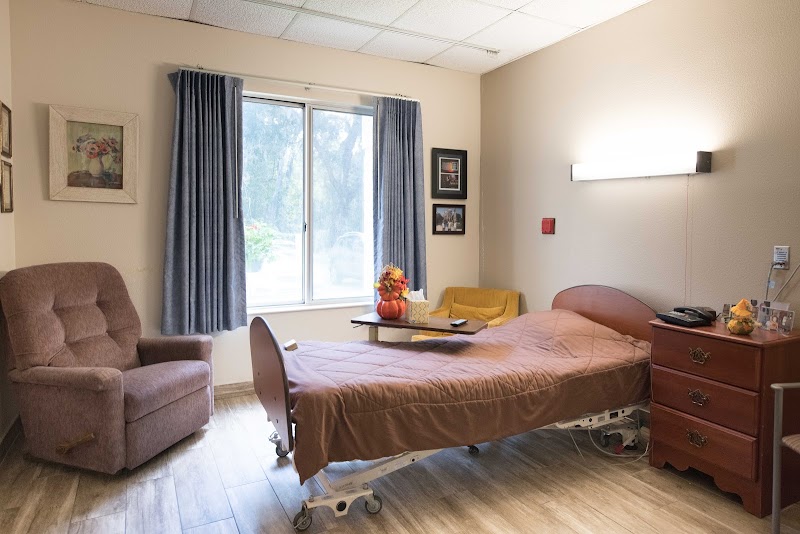
How is Oak View Center Staffed?

CMS rates OAK VIEW HEALTH AND REHABILITATION CENTER's staffing level at 3 out of 5 stars, which is average compared to other nursing homes. Staff turnover is 48%, compared to the Florida average of 46%.

What Have Inspectors Found at Oak View Center?

State health inspectors documented 14 deficiencies at OAK VIEW HEALTH AND REHABILITATION CENTER during 2021 to 2025. These included: 14 with potential for harm.
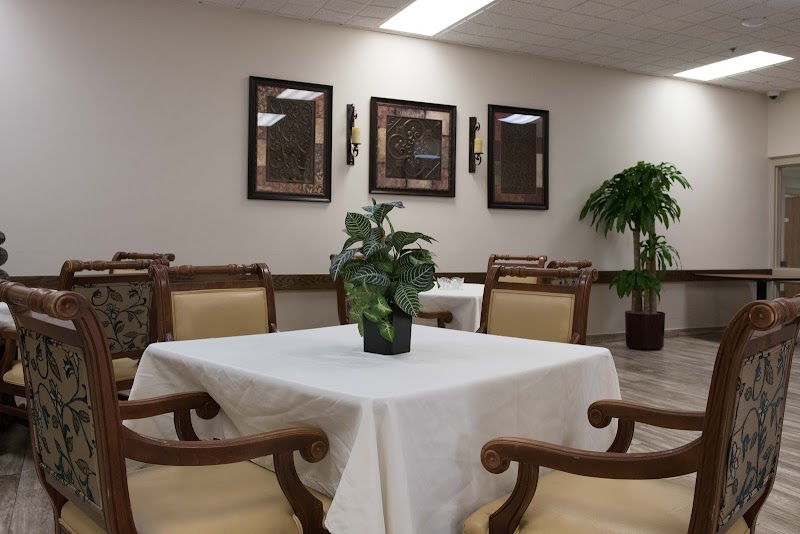
Who Owns and Operates Oak View Center?

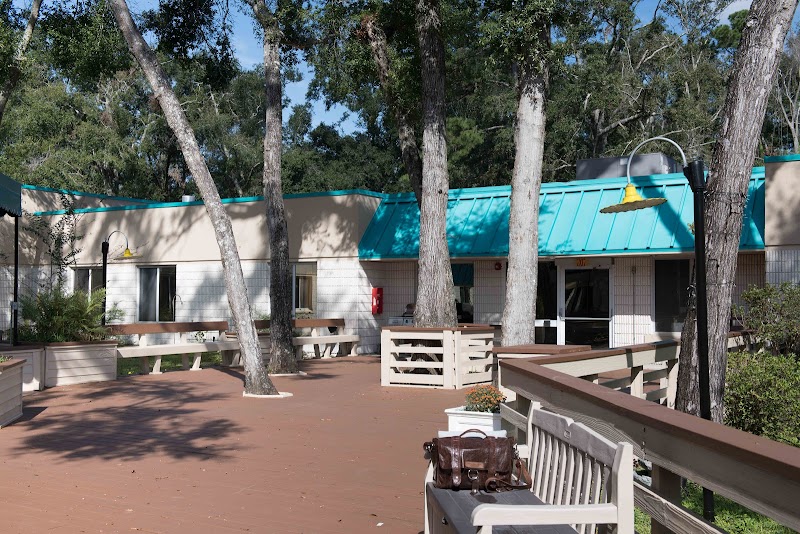
OAK VIEW HEALTH AND REHABILITATION CENTER is owned by a for-profit company. For-profit facilities operate as businesses with obligations to shareholders or private owners. The facility is operated by ROBERT SCHOENFELD, a chain that manages multiple nursing homes. With 120 certified beds and approximately 109 residents (about 91% occupancy), it is a mid-sized facility located in ORANGE PARK, Florida.
How Does Oak View Center Compare to Other Florida Nursing Homes?

Compared to the 100 nursing homes in Florida, OAK VIEW HEALTH AND REHABILITATION CENTER's overall rating (5 stars) is above the state average of 3.2, staff turnover (48%) is near the state average of 46%, and health inspection rating (5 stars) is much above the national benchmark.

What Should Families Ask When Visiting Oak View Center?

Based on this facility's data, families visiting should ask: "Can I visit during a mealtime to observe dining assistance and food quality?" "How do you handle medical emergencies, and what is your hospital transfer rate?" "Can I speak with family members of current residents about their experience?"

Is Oak View Center Safe?

Based on CMS inspection data, OAK VIEW HEALTH AND REHABILITATION CENTER has a clean safety record: no substantiated abuse findings (meaning no confirmed cases of resident harm), no Immediate Jeopardy citations (the most serious violation level indicating risk of serious injury or death), and is not on the Special Focus Facility watch list (a federal program monitoring the lowest-performing 1% of nursing homes). The facility has a 5-star overall rating and ranks #1 of 100 nursing homes in Florida. While no facility is perfect, families should still ask about staff-to-resident ratios and recent inspection results during their visit.

Do Nurses at Oak View Center Stick Around?

OAK VIEW HEALTH AND REHABILITATION CENTER has a staff turnover rate of 48%, which is about average for Florida nursing homes (state average: 46%). Moderate turnover is common in nursing homes, but families should still ask about staff tenure and how the facility maintains care continuity when employees leave.

Was Oak View Center Ever Fined?

OAK VIEW HEALTH AND REHABILITATION CENTER has no federal fines on record. CMS issues fines when nursing homes fail to meet care standards or don't correct problems found during inspections. The absence of fines suggests the facility has either maintained compliance or corrected any issues before penalties were assessed. This is a positive indicator, though families should still review recent inspection reports for the full picture.

Is Oak View Center on Any Federal Watch List?

OAK VIEW HEALTH AND REHABILITATION CENTER is not on any federal watch list. The most significant is the Special Focus Facility (SFF) program, which identifies the bottom 1% of nursing homes nationally based on persistent, serious quality problems. Not being on this list means the facility has avoided the pattern of deficiencies that triggers enhanced federal oversight. This is a positive indicator, though families should still review the facility's inspection history directly.