SUN HARBOR HEALTHCARE
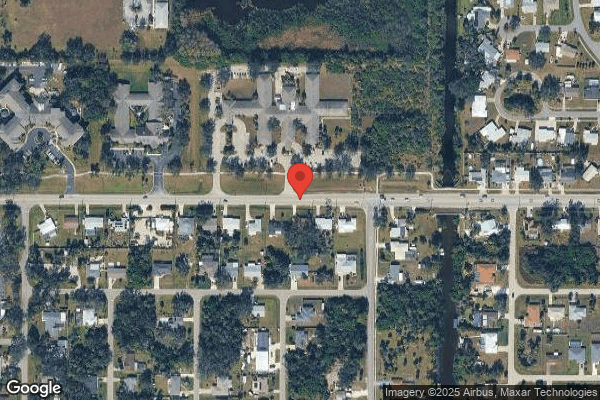
18480 COCHRAN BLVD, PORT CHARLOTTE, FL 33948 (941) 743-4700
For profit - Individual 120 Beds EXCELSIOR CARE GROUP Data: November 2025
Trust Grade
80/100
#285 of 690 in FL
Last Inspection: September 2024

Within standard 12-15 month inspection cycle. Federal law requires annual inspections.

Overview

Sun Harbor Healthcare in Port Charlotte, Florida, has a Trust Grade of B+, which means it is recommended and above average compared to other facilities. It ranks #285 out of 690 in Florida, placing it in the top half, and is #2 out of 8 in Charlotte County, indicating that only one nearby option is better. However, the facility's trend is worsening, with issues increasing from 2 in 2023 to 6 in 2024. Staffing is a concern here, rated at 2 out of 5 stars, though the turnover rate is a good 37%, below the state average. On the positive side, the facility has no fines, indicating compliance with regulations. However, recent inspections found that four residents were not provided with necessary assistance for personal hygiene, and two residents were not given the appropriate support for mobility, raising concerns about care quality. Additionally, medications for three residents were found unsecured, which poses a safety risk. While there are strengths in compliance and staff retention, families should be aware of the recent issues affecting care quality.

Trust Score
B+
80/100
In Florida
#285/690
Top 41%
Safety Record
Low Risk
No red flags
Inspections
Getting Worse
2 → 6 violations
Staff Stability
○ Average
37% turnover. Near Florida's 48% average. Typical for the industry.
Penalties
✓ Good
No fines on record. Clean compliance history, better than most Florida facilities.
Skilled Nurses
○ Average
Each resident gets 32 minutes of Registered Nurse (RN) attention daily — about average for Florida. RNs are the most trained staff who monitor for health changes.
Violations
⚠ Watch
11 deficiencies on record. Higher than average. Multiple issues found across inspections.
★★★★☆
4.0
Overall Rating
★★☆☆☆
2.0
Staff Levels
★★★★★
5.0
Care Quality
★★★☆☆
3.0
Inspection Score
Stable
2023: 2 issues
2024: 6 issues

The Good

  • 5-Star Quality Measures · Strong clinical quality outcomes
  • Full Sprinkler Coverage · Fire safety systems throughout facility
  • No fines on record
  • Staff turnover below average (37%)

    11 points below Florida average of 48%

Facility shows strength in quality measures, fire safety.

The Bad

Staff Turnover: 37%

Near Florida avg (46%)

Typical for the industry

Chain: EXCELSIOR CARE GROUP

Part of a multi-facility chain

Ask about local staffing decisions and management

The Ugly 11 deficiencies on record

Sept 2024 6 deficiencies
CONCERN (D)

Potential for Harm - no one hurt, but risky conditions existed

Deficiency F0551 (Tag F0551)

Could have caused harm · This affected 1 resident

**NOTE- TERMS IN BRACKETS HAVE BEEN EDITED TO PROTECT CONFIDENTIALITY** Based on observation, record review, resident representative and staff interviews, the facility failed to act on the designated ...

Read full inspector narrative →
**NOTE- TERMS IN BRACKETS HAVE BEEN EDITED TO PROTECT CONFIDENTIALITY** Based on observation, record review, resident representative and staff interviews, the facility failed to act on the designated Health Care Surrogate request for a change of treatment for 1 (Resident #118) of 2 residents reviewed for choices and representative involvement in care plan and decision making. The findings included: Review of the clinical record revealed Resident #118 was admitted to the facility on [DATE]. Diagnoses included Dementia with psychotic disturbance, Alzheimer's disease, Atrial Fibrillation (irregular heartbeat), and cardiac pacemaker (implanted device that regulated the heart's rhythm). The Advance Health Care Directive in the clinical record revealed on November 20, 1995, Resident #118 designated her husband to be her healthcare surrogate. If her husband was unable or unwilling to serve in this capacity, the resident designated her daughter to serve as her healthcare surrogate. Review of the admission Minimum Data Set (MDS) assessment with a target date of 8/29/24 noted Resident #118 was a widow. On 8/26/24 the Attending Physician evaluated Resident #118 and determined she lacked capacity to give informed consent and make health care decisions. On 9/16/24 at 1:46 p.m., in a telephone interview the designated Health Care Surrogate said Resident #118 had a diagnosis of dementia and needed long term placement. She said she did not want to prolong her life is her heart stopped or she stopped breathing. The Health Care Surrogate said she requested several times to have the pacemaker deactivated. She said she also spoke with the Social Worker and requested to have the pacemaker deactivated, and they have not arranged for it to be done. The clinical record lacked documentation the Health Care Surrogate's request was communicated to the physician to address the request to have the cardiac pacemaker deactivated. On 9/18/24 at 9:40 a.m., in an interview the Social Service Director verified Resident #118's Health Care Surrogate told her she wanted to have the cardiac pacemaker deactivated. She said she communicated the request to the Unit Manager, Licensed Practical Nurse Staff B but did not document the Health Care Surrogate's request or her conversation with the Unit Manager. She said she should have notified the Attending Physician of the request to get the process started but she did not. On 9/18/24 at 10:06 a.m., in an interview Unit Manager Staff B said she was not aware of the Health Care Surrogate's request to have the pacemaker deactivated. She said she would have notified the physician. On 9/18/24 at 10:07 a.m., in an interview the Director of Nursing no one informed her of the designated Health Care Surrogate's request to have the cardiac pacemaker deactivated. She said the facility did not have a policy for pacemakers but the process would be to schedule a cardiology appointment to have the pacemaker deactivated.
CONCERN (D)

Potential for Harm - no one hurt, but risky conditions existed

Deficiency F0553 (Tag F0553)

Could have caused harm · This affected 1 resident

**NOTE- TERMS IN BRACKETS HAVE BEEN EDITED TO PROTECT CONFIDENTIALITY** Based on observation, record review and Interview, the facility failed to ensure the resident's right to include representative ...

Read full inspector narrative →
**NOTE- TERMS IN BRACKETS HAVE BEEN EDITED TO PROTECT CONFIDENTIALITY** Based on observation, record review and Interview, the facility failed to ensure the resident's right to include representative in care planning for 1 (Resident #47) of 2 cognitively impaired residents reviewed for choices and care planning. The findings included: Review of the clinical record revealed Resident #47 was admitted to the facility on [DATE]. Diagnoses included Malnutrition and Dementia. Review of the Notification & Consent for Medical Services & Medications form dated 7/26/24 showed Resident #47 signed the form authorizing medical services and medications. The admission Minimum Data Set (MDS) Assessment with a target date of 8/2/24 noted Resident #47 scored a 06 on the Brief Interview for Mental Status, indicating severe cognitive impairment. On 8/2/24 Resident #47 signed a consent for wound care. The resident's signature was witnessed by a facility staff. On 8/7/24 the Medical Director documented Resident #47 was alert and oriented to 1-2 (Person and place). On 9/16/24 at 10:44 a.m., and 9/18/24 at 8:59 a.m., Resident #47 was observed lying in bed. He was not able to respond appropriately to interview questions. On 9/18/24 at 10:36 a.m., in an interview the Social Service Director said Resident #47 was not completely alert and oriented. She said Resident #47 told her he did not have any family but some family members have contacted her expressing concerns about his well-being. She said she did not get back in touch with them to discuss advocacy for his care. Review of the admission Record Information revealed two family members and a friend were listed as emergency contacts. On 9/18/24 at 11:38 a.m., in an interview the Regional Business Office Manager said the Business Office would be responsible to ensure steps were being taken to obtain a guardian to ensure the residents rights were being honored. The Business Office Manager would contact an attorney with legal aid and the facility would pay for the services. On 9/18/24 at 12:33 p.m., in an interview the Medical Director said Resident #47 was not capable of making his own medical decisions but had not yet documented the information in the clinical record.
CONCERN (D)

Potential for Harm - no one hurt, but risky conditions existed

Grievances (Tag F0585)

Could have caused harm · This affected 1 resident

**NOTE- TERMS IN BRACKETS HAVE BEEN EDITED TO PROTECT CONFIDENTIALITY** Based on observation, record review, resident representative and staff interviews, the facility failed to make prompt efforts to...

Read full inspector narrative →
**NOTE- TERMS IN BRACKETS HAVE BEEN EDITED TO PROTECT CONFIDENTIALITY** Based on observation, record review, resident representative and staff interviews, the facility failed to make prompt efforts to resolve a grievance related to missing personal property for 1 (Resident #118) of 3 residents reviewed for resolution of grievances. The findings included: Review of the clinical record revealed Resident #118 was admitted to the facility on [DATE]. Diagnoses included Dementia. On 9/16/24 at 9:50 a.m., Resident #118 was observed wandering in her bedroom. Resident #118 was not able to answer interview questions. An empty eyeglass case was observed in a drawer in the resident's dresser. Resident #118 was not able to say where her glasses were. Review of the personal items inventory list signed by Resident #118, and dated 8/25/24 showed an X next to glasses, indicating Resident #118 was admitted to the facility with a pair of glasses. Review of Resident #118's Inventory of Personal Effects dated 8/25/24, there is an X mark next to glasses indicating the resident was admitted with a pair of glasses. The resident signed the inventory sheet, but the space for the staff member's signature was blank. The care plan initiated on 8/26/24 noted Resident #118 had a Health Care Surrogate. On 9/16/24 at 1:46 p.m., in a telephone interview the Health Care Surrogate said Resident #118 was admitted to the facility with prescription lenses. She said she visits Resident #118 every day and her prescription glasses have been missing the day after her admission. The Health Care Surrogate said she did not file a written grievance but has asked several staff members numerous times to find the glasses. She said the glasses were still missing. Review of the grievance log for August and September 2024 revealed no documentation of a grievance for Resident #118's missing prescription eyeglasses. On 9/17/24 at 3:38 p.m., in an interview Certified Nursing Assistant, CNA Staff A said Resident #118 was transferred from a different room without eyeglasses. On 9/17/24 at 3:41 p.m., Resident #118 was observed in the bedroom doorway. The resident was not wearing eyeglasses. The empty eyeglass case remained in a drawer of the resident's dresser. On 9/18/24 at 8:59 a.m., in a follow up telephone interview the Health Care Surrogate said Resident #118's vision was very poor and she needed to wear her prescription glasses every day. On 9/18/24 at 9:40 a.m., in an interview the Social Service Director said she was responsible for filing grievances and address concerns for missing personal property but no one told her Resident #118's glasses were missing. On 9/18/24 at 10:07 a.m., in an interview the Director of Nursing (DON) said no one told her Resident #118's prescription glasses were missing. On 9/18/24 at 12:26 p.m., the DON said the missing eyeglasses were found in a drawer at the nurse's station and returned to the resident. On 9/19/24 10:20 a.m., in a telephone interview Resident #118's Health Care Surrogate verified the prescription eyeglasses were found and returned to her.
CONCERN (E)

Potential for Harm - no one hurt, but risky conditions existed

ADL Care (Tag F0677)

Could have caused harm · This affected multiple residents

**NOTE- TERMS IN BRACKETS HAVE BEEN EDITED TO PROTECT CONFIDENTIALITY** Based on observation, review of the clinical record, review of facility policy and procedures, resident and staff interviews, th...

Read full inspector narrative →
**NOTE- TERMS IN BRACKETS HAVE BEEN EDITED TO PROTECT CONFIDENTIALITY** Based on observation, review of the clinical record, review of facility policy and procedures, resident and staff interviews, the facility failed to provide the necessary care and services to maintain personal hygiene for 4 (Resident #8, #17, #95, and #47) of 4 sampled residents who required assistance with activities of daily living (ADL's). The findings included: The facility policy Activities of Daily Living documented, The facility shall ensure a resident is given the appropriate treatment and services to maintain or improve his or her ability to carry out the activities of daily living . A resident who is unable to carry out activities of daily living shall receive the necessary services to maintain good nutrition, grooming and personal and oral hygiene . 1. Review of the clinical record revealed Resident #8 had an admission date of 6/7/24 with diagnoses including anxiety, depression, hypothyroidism and adult failure to thrive. Review of the admission Minimum Data Set (MDS) (standardized assessment tool that measures health status in nursing home residents) dated 6/14/24 documented resident #8 required partial to moderate assistance with personal hygiene. The MDS noted Resident #8's cognitive skills for daily decision making were intact. On 9/16/24 at 11:33 a.m., Resident #8 was observed sitting in her wheelchair at bedside. She had a black beard extending from the corners of her mouth and under her chin, approximately one inch growth. In an interview she said she did not like it, but no one had shaved her when she asked. Resident #8 said, I'm beginning to look like a circus performer. She said, My arm pits and legs need shaving as well. I told the certified nursing assistant (CNA) but she does not do it. On 9/17/24 at 11:43 a.m., Resident #8 was observed in her bed. She remained with a beard. The resident's legs were observed to be very hairy. Resident #8 said she told the nurse about the CNA not shaving her. Review of the progress notes showed no documentation the resident refused care including shaving. A review of the CNA documented the resident received personal hygiene care each shift from 9/1/24 through 9/17/24. On 9/17/24 at 3:58 p.m., in an interview Unit Manager Licensed Practical Nurse (LPN) Staff H said Resident #8 refuses to be shaved. She said when she works in the evenings she offers to shave her and she says no. Staff H was then observed asking Resident #8 if she wanted to be shaved. Resident #8 readily agreed and requested the facial hair and her legs shaved. On 9/18/24 at 9:03 a.m., Resident #8 was in bed and was observed with no facial hair. She said, The nurse shaved me last night. I feel better without that beard. I was feeling like the bearded lady at the circus. 2. Review of the clinical record revealed Resident #17 had an admission date of 6/25/10 with diagnoses including type 2 diabetes, anxiety, left breast neoplasm and dementia. The Quarterly MDS dated [DATE] documented, Resident #17 was dependent on staff for all her care needs. The MDS noted Resident #17's cognitive skills for daily decision making were severely impaired. Review of the care plan initiated on 5/31/24 documented, Right hand splint as ordered, nursing to monitor skin integrity and circulation. Check nail length and trim and clean on bath day and as necessary. Report any changes to the nurse. During random observations on 9/16/24 at 1:49 p.m., and 9/17/24 at 10:30 a.m., Resident #17 was observed in bed. Her right-hand fingernails extended over 1/2 inch in length past the tip of the fingers with a brown substance under the nails. The righ hand fifth fingernail extended approximately two inches in length from the tip of the finger. Resident #17 had bilateral hand contractures (fixed deformity) and kept her hands in a tight fist. Resident #17 was observed slightly opening her hands periodically. The left thumb fingernail extended approximately one inch past the fingertip. The remaining fingernails of the left hand extended approximately half inch. A brown substance was observed under the nails. Resident #118 was not observed wearing any positioning device to her hands. On 9/17/24 at 10:34 a.m., in an interview, CNA Staff F said she was aware the resident's fingernails were very long. She said, I'm afraid I will hurt her. She pulls her hand back and I don't want to cut her. I tried to trim the nails for her, but she won't let me. I'm afraid I might hurt her. On 9/18/24 at 12:17 p.m., a joint observation of Resident #17's fingernails was done with Unit Manager Staff H. In an interview Staff H said some of the resident's fingernails were very thick and she did not know if they could cut them. She said she'll see if the podiatrist could come in and do the nail care. Review of the clinical record for Resident #17 revealed a physician's order with a start date of 8/6/24 to apply a splint to the right hand in the monring and remove in the afternoon. The order specified the resident may wear the splint for up to six hours a day. Nursing was to check for skin integrity. Review of the Treatment Administration Record (TAR) showed the splint was applied to the resident's right hand on 9/1/24 to 9/3/24, 9/5/24, 9/6/24, 9/9/24, 9/11/24, 9/12/24, 9/13/24, 9/16/24, and 9/17/24. On 9/18/24 the TAR documented not applicable for the right hand splint. On 9/18/24 at 12:07 p.m., in an interview Unit Manager Staff H said she was not aware Resident #17 had an order for a right hand splint. Staff H reviewed the clinical record and confirmed Resident #17 had an order for a right hand splint. On 9/18/24 at 12:47 p.m., in an interview Registered Nurse (RN) Staff M said she did not know if Resident #17 had a splint. Staff M searched the resident's room and was not able to locate a splint. RN Staff M confirmed Resident #17 had an order for a right hand splint that was not applied. Review of the CNA [NAME] (Provides instructions for care) revealed to apply a splint or brace to the right hand in the morning and remove at bed time, wear up to four hours as tolerated. Review of the CNA task documentation for September 2024 showed on 9/3/24, 9/4/24, 9/5/24, 9/6/24, 9/9/24, 9/10/24, 9/11/24, 9/12/24, 9/13/24, 8/14/24, 9/16/24, 9/17/24, and 9/18/24 Staff F documented applying the splint to the resident's right hand. On 9/18/24 at 12:55 p.m., in an interview CNA Staff F said she had not seen a splint for the resident. She said if she had known Resident #17 had an order for a right hand splint, she would have applied it for her. Staff F verified she signed the CNA documentation indicating the splint was applied. 3. Review of the clinical record revealed Resident #95 had an admission date of 6/12/24 with diagnoses including hemiparesis (weakness) and hemiplegia (paralysis) of the left side, cerebral infarction, and contracture of left and right hand. The admission MDS dated [DATE] documented the resident required staff assistance with all care needs. The MDS noted the residents' cognitive skills for daily decision making were moderately impaired. Review of the CNA Care [NAME] showed, The resident is totally dependent on 1 staff for personal hygiene and oral care. On 9/16/24 at 10:22 a.m., Resident #95 was observed in bed with approximately three days of facial hair growth. In an interview Resident #95 said sometimes the staff shave him and sometimes they don't. Resident #95 said he would ask the staff to shave him today. Review of the CNA documentation for September 2024 showed Resident #95 was bathed on 9/16/24 during the 3:00 p.m., to 11:00 p.m. shift. On 9/17/24 at 10:51 a.m., and 9/18/24 at 11:16 a.m., Resident #95 was observed unshaven. On 9/18/24 at 11:16 a.m., in an interview Resident #95 said no one had shaved him and he does not refuse care when offered. On 9/18/24 at 1:34 p.m., in an interview Unit Manager Staff H said residents are shaved on shower days and when needed. Staff H said she would see that the resident was shaved today. On 9/19/24 at 10:48 a.m., in an interview CNA Staff I was asked how often she shaved her residents and how she identified the resident care needs. The CNA was not able to answer the questions. 4. Review of the clinical record revealed Resident #47 was admitted to the facility on [DATE]. Diagnoses included Dementia. Review of the admission MDS with a target date of 8/2/24 noted the resident's cognitive skills for daily decision making were severely impaired with a Brief Interview for Mental Status score of 03. The MDS noted the resident was dependent on staff for personal hygiene,(Helper does all of the effort. Resident does none of the effort to complete the activity). The CNA [NAME] noted the resident preferred to be bathed on Tuesdays and Fridays during the 3:00 p.m. to 11:00 p.m. shift. The [NAME] specified to check nail length and clean on bath days as necessary. On 9/16/24 at 10:44 a.m., Resident #47 was observed in bed. The resident looked unkempt with long, dull hair covering his ears. Long strands of hair were protruding through the resident's nose and ears. The resident's fingernails on both hands extended approximately a quarter of an inch from the tip of the fingers with brown film like residue under the nails. Review of the CNA electronic documentation showed Resident #47 received a bed bath on 9/17/24. On 9/18/24 at 8:59 a.m., Resident #47's hair remained long, uncombed, covering his ears, and strands of hair protruding out of his nose and ears. His fingernails remained uncut with the brown film residue under all his nails. On 9/18/24 at 10:54 a.m., in a joint observation, CNA Staff M verified Resident #47's hair remained long, uncombed, covering his ears, and strands of hair protruding out of his nose and ears. His fingernails remained uncut with the brown film residue under all his nails. She said CNAs did not cut residents hair. She said she would trim his nails on shower days and whenever they needed to be cleaned or cut. On 9/18/24 at 11:18 a.m., in an interview Licensed Practical Nurse Staff L said Resident #47 needed a hair cut and needed to have the hair protruding from his nose and ears trimmed. She said the Social worker would be the one to arrange for the haircut if the resident did not have the funds to pay for it. On 9/18/24 at 11:25 a.m., in an interview the Social Worker said Resident #47 could not get his hair cut if he did not have the funds to pay for it. On 9/18/24 at 11:38 a.m., in an interview the Regional Business Office Manager said if the resident needed a hair cut and did not have the money to pay for the services, the facility would pay for the haircut.
CONCERN (E)

Potential for Harm - no one hurt, but risky conditions existed

Deficiency F0688 (Tag F0688)

Could have caused harm · This affected multiple residents

**NOTE- TERMS IN BRACKETS HAVE BEEN EDITED TO PROTECT CONFIDENTIALITY** Based on observation, review of the clinical record, review of the facility policy and procedure and resident and staff intervie...

Read full inspector narrative →
**NOTE- TERMS IN BRACKETS HAVE BEEN EDITED TO PROTECT CONFIDENTIALITY** Based on observation, review of the clinical record, review of the facility policy and procedure and resident and staff interviews, the facility failed to ensure appropriate treatment, equipment and services to maintain mobility for 2 (Resident #17 and #95) of 5 residents reviewed with contractures and splinting devices. The findings included: Review of the facility policy Assistive Devices and Equipment documented, Our facility provides, maintains, and supervises the use of assistive devices and equipment for residents. Devices and equipment that assist with resident mobility, safety and independence are provided for residents. Recommendations for the use of devices and equipment are based on the comprehensive assessment and documented in the resident's plan of care. 1. Review of the clinical record revealed Resident #17 had an admission date of 6/25/10 with diagnoses including type 2 diabetes, anxiety, left breast neoplasm and dementia. The Quarterly Minimum Data Set (MDS) dated [DATE] documented, Resident #17 was dependent on staff for all her care needs. Resident #17's cognitive skills for daily decision making were severely impaired. Review of the care plan initiated on 5/31/24 documented Right hand splint as ordered, nursing to monitor skin integrity and circulation. Review of the physician order dated 8/6/20 documented, Right-hand splint on in a.m., off in p.m. may wear up to six hours a day. Nursing to check for skin integrity every day shift for restorative. During random observations on 9/16/24 at 11:00 a.m., 9/17/24 at 10:30 a.m., and 9/18/24 at 9:58 a.m., Resident #17 was in bed holding both hands in a tight fist. She was nonverbal and did not respond to verbal stimuli. The resident was holding both hands in fisted position and there were no splinting devices on her hands. Review of the nursing Treatment Administration Record (TAR) revealed the licensed nurses documented the splint was applied to the resident's right hand on 9/1/24, 9/2/24, 9/3/24, 9/5/24, 9/6/24, 9/9/24, 9/10/24, 9/12/24, 9/13/24, 9/14/24, 9/16/24 and 9/17/24. On 9/1/24 and 9/18/24 the TAR documented N/A (not applicable). On 9/18/24 at 12:07 p.m., in an interview Unit Manager Staff H said she was not aware Resident #17 had an order for a right hand splint. Staff H reviewed the clinical record and confirmed Resident #17 had an order for a right hand splint. On 9/18/24 at 12:47 p.m., in an interview Registered Nurse (RN) Staff M said she did not know if Resident #17 had a splint. Staff M searched the resident's room and was not able to locate a splint. RN Staff M confirmed Resident #17 had an order for a right hand splint that was not applied. Review of the CNA [NAME] (Provides instructions for care) revealed to apply a splint or brace to the right hand in the morning and remove at bedtime, wear up to four hours as tolerated. Review of the CNA task documentation for September 2024 showed on 9/3/24, 9/4/24, 9/5/24, 9/6/24, 9/9/24, 9/10/24, 9/11/24, 9/12/24, 9/13/24, 8/14/24, 9/16/24, 9/17/24, and 9/18/24 Certified Nursing Assistant (CNA) Staff F documented applying the splint to the resident's right hand. On 9/18/24 at 12:55 p.m., in an interview CNA Staff F said she had not seen a splint for the resident. She said if she had known Resident #17 had an order for a right hand splint, she would have applied it for her. Staff F verified she signed the CNA documentation indicating the splint was applied. On 9/19/24 at 11:14 a.m., in an interview the Director of Rehab said Resident #17 had not been on caseload for quite a while and she did not know about a right-hand splint. On 9/19/24 at 11:35 a.m., in a follow up interview the Director of Rehab said the company she works for took over six months ago and she did not have access to the previous therapy records. She said she could not find any information for a right hand splint for Resident #17 . The Director of Rehab said she spoke with the staff and is aware of the order for a right-hand splint. She said since she did not have access to the previous records, Occupational Therapy will put the resident on caseload to address the contractures and the use of the splint to the right hand. 2. Review of the clinical record revealed Resident #95 had an admission date of 6/12/24. Diagnoses included with diagnoses including hemiparesis (weakness) and hemiplegia (paralysis) of the left side, and contracture of the left and right hands. The admission MDS dated [DATE] documented the resident required staff assistance with all care needs. The MDS noted the residents' cognitive skills for daily decision making were moderately impaired. Review of the CNA Care [NAME] documented, Contractures, the resident to wear bilateral palm guards as ordered to manage contractures of the (bilateral hands). Provide skin care to keep clean. On 9/16/24 at 10:25 a.m., during an observation Resident #95 was noted to have a contracture of the left hand. There were two splints observed on the nightstand. The resident said both of his hands were contracted and no one had applied the splints in a while. During random observations on 9/17/24 at 10:58 a.m., and 9/18/24 at 12:00 p.m., Resident #95 was observed without the splints on his hands. Both splints remained on the nightstand. On 9/17/24 at 10:53 a.m., in an interview Rehab Tech CNA Staff O said Resident #95 was on caseload for the splints but he had been discharged to the care of the unit staff. He said if a resident refuses to wear the ordered splint, he would let therapy know. He said he had not heard Resident #95 had been refusing to wear the splints. Review of Occupational Therapy (OT) Discharge summary dated [DATE] documented Manual Tx (treatment) stretching of shortened connective tissue and joint mobilization techniques to prepare for application of palm guards, techniques included soft tissue manipulation, slow sustained stretching to increase wrist and digit extension and PROM (passive range of motion) at digits. Application of palm guards post manual therapy with skin checks. Pt (patient) and caregiver training instructed patient and primary care givers in positioning maneuvers, self-care/skin checks and splinting/orthotic schedule to order with 100% carryover demonstrated by primary caregivers. On 9/18/24 at 12:37 p.m., in an interview Unit Manager Licensed Practical Nurse Staff H confirmed Resident #95 had two splints on the nightstand. Staff H said she was not aware the resident had any splints and said she would check his record and see if he has an order for them. The Unit Manager said she checked the clinical record and the resident did not have an order for the splints. She said she will check with therapy and see if he is supposed to wear splints. On 9/18/24 at 1:46 p.m., in an interview Resident #95 said he was not able to open his hands, he could move his fingers, but had difficulty moving the right shoulder and arm. The splints were observed on the nightstand. Resident #95 said no one tried to put them on for him. On 9/18/24 a physician order was written for the splints: Pt (patient) to wear bilateral palm guards during the day as tolerated for contracture management. On 9/19/24 at 11:18 a.m., in an interview the Rehab Director said Resident #95 recently came off Occupational Therapy (OT) services for the hand contractures. She said the Occupational Therapist developed a functional maintenance program for Resident #95's hand contractures, the resident needed to wear the splints to both hands for contractures. On 9/19/24 at 11:38 a.m., in a follow up interview Resident #95 said no one has placed the palm guards in his hands. He said both his hands were contracted, the left hand was worse. He said the nurse came in the day before and told him he had to wear the splints (palm guards). He said they might help but he won't know until they are applied.
CONCERN (E)

Potential for Harm - no one hurt, but risky conditions existed

Deficiency F0761 (Tag F0761)

Could have caused harm · This affected multiple residents

Based on observations, staff and resident interview and record review the facility failed to safely store medication to prevent unauthorized access for 3 (Resident #6, #24, and #94) of 3 residents obs...

Read full inspector narrative →
Based on observations, staff and resident interview and record review the facility failed to safely store medication to prevent unauthorized access for 3 (Resident #6, #24, and #94) of 3 residents observed with unsecured medications at bedside. The findings included: Review of the facility's policy titled, Administering medications with a revision date of 2/21/24 revealed Residents may self-administer their own medications only if the Attending Physician, in conjunction with the Interdisciplinary Care Planning Team, has determined that they have the decision-making capacity to do so safely. Review of facility policy titled: 5.0 Medication Storage noted, Medications will be stored in a manner that maintains the integrity of the product and ensures the safety of the residents and is in accordance with Florida Department of Health guidelines. With the exception of Emergency Drug Kits, all medications will be stored in a locked cabinet, cart, or medication room that is accessible only to authorized personnel, as defined by facility policy. 1. On 9/16/24 at 9:22 a.m., a bottle of Flonase nasal spray was observed unsecured on Resident #6's bedside table. In an interview, Resident #6 said the Unit Manager gave her permission to keep the spray at bedside. Photographic evidence obtained. On 9/17/24 at 9:44 a.m., in an interview,Certified Nursing Assistant (CNA) Staff K stated Resident #6 has had the nasal spray out on bedside table previously. On 9/18/24 at 10:35 a.m., Licensed Practical Nurse Staff G verified Resident #6 had an unsecured bottle of Flonase stored at the bedside. She said Resident #6 had a new order to keep the medication at the bedside and was provided a locked box to store the medication. 3. On 9/17/24 at 11:13 a.m., a small clear plastic medication cup with several pills of different colors and sizes were observed unsecured on Resident #94's bedside table. In an interview, Resident #94 said the nurse gave her the cup of medications but she fell asleep and did not take them. On 9/17/24 at approximately 11:15 a.m., in an interview LPN Staff D verified the observation of the unsecured medications at the resident's bedside. She said she gave the resident the cup of pills but was called to another room before she could observe Resident #94 take the medications. She said the expectation was to observe the resident take the medications then document in the Medication Administration Record (MAR). Staff D said she did not come back to the room to make sure the resident took the medications. On 9/19/24 at 9:22 a.m., in an interview the Director of Nursing (DON) said she was not sure which medications were found at Resident #94's bedside but the expectation was to make sure the resident swallows the medication before they sign it off on the MAR. 2. On 9/16/24 at 11:21 a.m., a clear plastic medication cup with six unidentified pills were observed on Resident #24's bedside table. In an interview, Resident #24 said the pills were antacid tablets. He used them for his stomach. On 9/17/24 at 9:03 a.m., the medication cup with the six pills remained unlabeled and unsecured on Resident #24's bedside table. Review of the physician orders dated 6/25/21 documented Cal-Gest Antacid Tablet Chewable 500 milligrams (Calcium Carbonate Antacid) give 1 tablet by mouth at bedtime for acid reflux / indigestion. On 9/17/24 at 3:41 p.m., in an interview Unit Manager Licensed Practical Nurse Staff H said Resident #24 had an order for antacid tablets but not to keep them at bedside. Staff H said she will go and remove the medication from the resident's room and explain to him that he could not have them at bedside.
Sept 2023 2 deficiencies
CONCERN (D)

Potential for Harm - no one hurt, but risky conditions existed

Deficiency F0645 (Tag F0645)

Could have caused harm · This affected 1 resident

**NOTE- TERMS IN BRACKETS HAVE BEEN EDITED TO PROTECT CONFIDENTIALITY** Based on interviews and record review, the facility failed to ensure an accurate Level I Preadmission Screening and Resident Rev...

Read full inspector narrative →
**NOTE- TERMS IN BRACKETS HAVE BEEN EDITED TO PROTECT CONFIDENTIALITY** Based on interviews and record review, the facility failed to ensure an accurate Level I Preadmission Screening and Resident Review (PASRR) screen was completed for 1 (Resident #86) of 4 residents with diagnoses of mental illness, and failed to refer the resident to the appropriate state designated authority for a comprehensive evaluation within the specified time frame. The findings included: Review of the facility policy for PASSR (Preadmission Screening and Resident Review) reviewed April 2022 revealed, It is the policy of the center to follow the Federal and State regulations with regards to pre-screening residents with a mental disorder and individuals with intellectual disability for individuals requiring more than 30 days in the Center. Review of the Minimum Data Set (MDS) with Assessment Reference Date (ARD) of 12/20/21 revealed Resident #86 was admitted to the facility on [DATE] with diagnoses including bipolar disorder, and depression. The list of diagnoses noted Bipolar Disorder and Major Depressive Disorder, recurrent were present on admission. The care plan initiated on 12/20/21 noted Resident #86 had behaviors related to Bipolar Disorder, Major Depressive Disorder and Anxiety Disorder. On 9/26/23, review of Resident #86's medical record revealed a PASRR Level I dated 11/21/21. The Level I PASRR did not list the resident's diagnoses of Bipolar disorder or Depression. The Level I PASRR noted Resident #86's admission to the facility was a hospital discharge exemption with the condition, a PASRR Level II evaluation must be completed no later than the 40th day of admission. There was no PASRR Level II evaluation in the medical record. On 9/25/23 at 11:16 a.m., Resident #86 said he sees the psychiatrist and the psychologist at the center because of, going stir crazy in bed, change of life three years ago, spinal fusion and stroke that left him bed ridden. On 9/27/23 at 11:24 a.m., the Director of Nursing (DON) confirmed a PASRR Level II evaluation was never completed for Resident #86 as required. The DON confirmed Resident #86 has been a resident in the facility since 12/6/21 and the PASRR Level II was overdue.
CONCERN (D)

Potential for Harm - no one hurt, but risky conditions existed

Drug Regimen Review (Tag F0756)

Could have caused harm · This affected 1 resident

Based on record review, and interview, the facility failed to appropriately address the consultant pharmacist's recommendations for 1 (Resident #48) of 5 residents reviewed for unnecessary medications...

Read full inspector narrative →
Based on record review, and interview, the facility failed to appropriately address the consultant pharmacist's recommendations for 1 (Resident #48) of 5 residents reviewed for unnecessary medications. The findings included: Review of Resident #48's medical record revealed an order for Acetaminophen Tablet 325 milligrams (mg), give 2 tablets by mouth every 6 hours for chronic pain. Do not exceed 3000 mg in 24 hours, start date 1/18/2023 at 2:00 p.m. Review of the record revealed a separate order for Percocet Oral Tablet 7.5-325 mg (Oxycodone 7.5 mg with Acetaminophen 325 mg), give 1 tablet by mouth every 6 hours as needed for moderate to severe pain, hold for sedation and altered mental status (AMS), start date 3/21/2023 at 5:15 p.m. Review of the medical record revealed on 5/8/23 the consultant pharmacist documented Resident #48 was currently receiving Oxycodone/Acetaminophen as needed which was used daily along with standing order for Acetaminophen 650 mg every 6 hours. Please evaluate current pain management and consider switching to Oxycodone twice daily and PRN (as needed) to reduce risk of exceeding Acetaminophen maximum daily dose, if appropriate. The Medical Director disagreed with the recommendation on 5/9/23, with the reason, ordered by pain management. Review of the orders for Resident #48 revealed no change or modifications in the orders for Acetaminophen and the Oxycodone/Acetaminophen (Percocet) for Resident #48 after the pharmacist made the recommendation. The clinical record lacked documentation the pain management physician was notified of the consultant pharmacist's recommendations. On 9/28/23 at 12:43 p.m., the Medical Director said he was not sure he was notified of the recommendation because all pain medication orders are addressed by the pain management physician. He said if he was notified, he would have deferred to the pain management physician. He said the risk of complications is greater in the elderly with the higher amounts of Acetaminophen. He said the order should have been fixed. On 9/28/23 at 1:58 p.m., The Director of Nursing (DON) said she is responsible for notifying the physician of the pharmacy recommendations. She said she thought she took care of the recommendation dated 5/8/23 and confirmed she signed the form implying it was done. The DON confirmed the orders for Acetaminophen and Percocet had not been changed since the recommendation of 5/8/23, and the daily Acetaminophen dose had exceeded 3000 mg on numerous days. The DON did not have documentation verifying the pain management physician was notified of the recommendation. On 9/28/23 at 3:17 p.m., during a telephone interview the consultant pharmacist said the Acetaminophen irregularity was identified 5/8/23. The facility was giving over 3000 mg of Acetaminophen almost daily to Resident #48. On 9/28/23 at 4:04 p.m., during a telephone interview, the pain management physician said he could not recall if he was notified or not of the pharmacy recommendation on 5/8/23. He said he spoke to the DON earlier in the day, and the Acetaminophen dose will be adjusted.
Oct 2021 3 deficiencies
CONCERN (D)

Potential for Harm - no one hurt, but risky conditions existed

Assessment Accuracy (Tag F0641)

Could have caused harm · This affected 1 resident

**NOTE- TERMS IN BRACKETS HAVE BEEN EDITED TO PROTECT CONFIDENTIALITY** 3. A discharge MDS 3.0 assessment was completed for Resident #110 on 8/3/21. The MDS was coded to indicate the resident was disc...

Read full inspector narrative →
**NOTE- TERMS IN BRACKETS HAVE BEEN EDITED TO PROTECT CONFIDENTIALITY** 3. A discharge MDS 3.0 assessment was completed for Resident #110 on 8/3/21. The MDS was coded to indicate the resident was discharged to an acute hospital. A review of Resident #110 clinical record indicated he was discharged home on 8/3/21 with medications and home health services. On 10/26/21 at 3:00 p.m., interview with Director of Nursing (DON) confirmed the discharge MDS was incorrectly coded for Resident #110. Based on record review and staff interview, the facility failed to ensure accuracy of the Minimum Data Set (MDS) assessment in the area of documentation of the number and stage of pressure ulcers on a required admission assessment for 1 (Resident # 261) of 2 residents reviewed with pressure ulcers. In addition, the facility failed to have accurate MDS assessments for 2 (Resident #110 and #2) of 5 residents reviewed for discharge. Inaccurate encoding of the MDS can adversely affect the care provided to the resident. The findings included: 1. Review of the Resident Assessment Instrument (RAI) dated October 2019 showed the steps for assessment include: Examine the resident and determine whether any ulcers, injuries, scars, or non-removable dressings/devices are present. Assess key areas for pressure ulcer/injury development (e.g., sacrum, coccyx, trochanters, ischial tuberosities, and heels). Also assess bony prominences (e.g., elbows and ankles) and skin that is under braces or subjected to pressure (e.g., ears from oxygen tubing) . Without a full body skin assessment, a pressure ulcer can be missed. Examine the resident in a well-lit room. Adequate lighting is important for detecting skin changes. For any pressure ulcers identified, measure and record the deepest anatomical stage. On 10/27/21, review of Resident #261's clinical record revealed a facility Admission/readmission Data Collection form which indicated the resident was admitted on [DATE] with pressure wounds to her bilateral buttocks and sacrum, (bone just below the lower vertebrae) and mushy discoloration to both heels. On 10/10/21, Licensed Practical Nurse (LPN) Staff B completed Pressure Ulcer Wound Round forms for Resident #261. The wound forms indicated the resident had been admitted with the following pressure ulcers: a deep tissue injury (DTI) on the left heel; a DTI on the right heel; a stage II (partial thickness loss of dermis) pressure ulcer to the sacrum; a stage 1 (superficial reddening of the skin) pressure ulcer to the left elbow; and a stage 1 pressure ulcer to the right elbow. A Non-Pressure Skin Condition form completed by LPN Staff B on 10/10/21, indicated the resident had an arterial wound (ulcer caused by arterial insufficiency) on the left lower leg. LPN Staff B confirmed he was not able to assess or stage a wound as this needed to be done by a Registered Nurse (RN). He said the Director of Nursing was present for the wound assessments and told him the stage. A review of the admission Minimum Data Set (MDS) Assessment, with an assessment reference date (ARD) of 10/14/21, showed under Section M Skin Conditions that a total of 3 pressure ulcers were coded and 0 venous/arterial ulcer. Description as follows: Item 300A Number of Stage 1 pressure injuries was incorrectly coded as 1 (Yes). M300 C1 Number of Stage 3 pressure ulcers was incorrectly coded as 1 (yes). M300 C2 Number of these Stage 3 pressure ulcers that were present upon admission/entry or reentry was incorrectly coded as 1 (Yes) G1. Number of unstageable pressure injuries presenting as deep tissue injury was incorrectly coded as 1 (Yes) G2. Number of these unstageable pressure injuries that were present upon admission/entry or reentry was incorrectly coded as 1 (Yes) Enter the total number of venous and arterial ulcers present was incorrectly coded as 0 (none). On 10/28/21 at 10:08 a.m., in an interview, MDS Staff D confirmed the ARD date as 10/14/21 and reviewed her coding under section M of the MDS assessment. MDS Staff D said she coded the MDS based on documentation in the medical record. She acknowledged there were 5 skin issues on admission and only coded 3 skin issues not 5 and did not code arterial ulcer as well. MDS Staff D confirmed Resident #261's admission assessment was not accurate. MDS Staff D said she may have used the wound assessment dated [DATE] (a day after the ARD) as documentation for the admission assessment. 2. Resident #2's clinical closed record revealed a discharge MDS dated [DATE]. The MDS was inaccurately coded to reflect the resident's payor source was Medicare when the resident was admitted to the facility on [DATE] and discharged on 6/20/21 under a managed care payor. MDS staff transmitted a 5-day MDS to Centers for Medicare & Medicaid Services (CMS) for payment causing the discharge MDS to flag/trigger resulting in episode of care at facility remaining opened. In an interview on 10/27/21 at 11:25 a.m., MDS Staff D confirmed the MDS had been coded incorrectly for Resident #2's payor source and the submission of a 5 day MDS to CMS for payment had been an error as the resident's stay was being covered by Managed Care not Medicare.
CONCERN (D)

Potential for Harm - no one hurt, but risky conditions existed

Medical Records (Tag F0842)

Could have caused harm · This affected 1 resident

**NOTE- TERMS IN BRACKETS HAVE BEEN EDITED TO PROTECT CONFIDENTIALITY** Based on record review and staff interview, the facility failed to maintain complete and accurate records in the area of wound ...

Read full inspector narrative →
**NOTE- TERMS IN BRACKETS HAVE BEEN EDITED TO PROTECT CONFIDENTIALITY** Based on record review and staff interview, the facility failed to maintain complete and accurate records in the area of wound assessments for 1 (Resident #261) of 2 sampled residents reviewed for pressure ulcers. Accurate and complete records are necessary to document the course of a resident's care provided by the facility. The findings included: The facility's Clinical/Medical Records policy- MR195, revised on 8/25/17; stated Clinical records are maintained in accordance with professional practice standards to provide complete and accurate information on each resident for continuity of care. The purpose of the clinical record is to document the course of the resident's plan of care and to provide a medium of communication among health care professionals involved in this care. On 10/27/21, review of Resident #261's clinical record revealed a facility Admission/readmission Data Collection form which indicated the resident was admitted on [DATE] at 3:15 p.m. Under the section M. skin, Licensed Practical Nurse (LPN) Staff C noted the resident had pressure wounds to bilateral buttocks and sacrum, (triangular bone just below the lower vertebrae) and mushy discoloration to both heels. On 10/10/21 at 12:19 p.m., 12:21 p.m., 12:24 p.m., 12:27 p.m., and 12:28 p.m., LPN Staff B completed Pressure Ulcer Wound Round forms for Resident #261. The wound forms indicated the resident had been admitted with the following pressure ulcers: a deep tissue injury (DTI) on the left heel measuring 3.0 centimeters (cm) by 3.0 cm in size; a DTI on the right heel measuring 3.0 cm by 4.0 cm in size; a stage II (partial thickness loss of dermis) pressure ulcer to the sacrum measuring 4.0 cm by 4.0 cm in size with a depth of 0.1 cm; a stage 1 (superficial reddening of the skin) pressure ulcer measuring 2.0 cm by 2.0 cm in size to the left elbow; and a stage 1 pressure ulcer to the right elbow measuring 3.0 cm by 2.0 cm in size. A Non-Pressure Skin Condition form was completed by LPN Staff B on 10/10/21 at 12:23 p.m., indicating the resident had an arterial wound (ulcer caused by arterial insufficiency) on the left lower leg measuring 2.3 cm by 0.8 cm in size. The wound assessments were dated as being completed 2 hours and 45 minutes before the resident arrived at the facility. On 10/15/21 the Advanced Practice wound care nurse noted Resident #261 had a stage III (full thickness skin loss) pressure injury on the left buttock measuring 0.7 cm by 1.0 cm in size with a depth of 0.2 cm.; a stage III pressure injury to the sacrococcygeal area measuring 0.5 cm by 0.5 cm with a depth of 0.1 cm.; a stage I to the right buttocks measuring 1.0 cm by 1.0 cm in size; and a DTPI (deep tissue pressure injury) measuring 5.0 cm by 6.0 cm in size on the right heel. There was no documentation by the clinician of the presence of an arterial ulcer on the resident's left lower leg or status of the left heel DTI and stage I pressure injury to both elbows. On 10/27/21 at 9:11 a.m., in an interview, LPN Staff B said the admitting nurse does the initial skin assessment and he does a second skin assessment to verify the findings. LPN Staff B said the first assessment for Resident #261 was on 10/10/21 at 3:15 p.m., at the time of her admission and identified pressure wounds to both buttocks and sacrum. LPN Staff B said he would not have been on duty the evening of Resident #261's admission and said the wound assessments he completed were dated wrong and would have been the next day (10/11/21). LPN Staff B said he measured the sacrum as one large area instead of 3 separate areas. He identified the area on the resident's lower leg as an arterial ulcer because of the location. He confirmed there was no documentation by a physician in the resident's record of an arterial ulcer being present or any further documentation of pressure injuries to the left heel and elbows or when they were resolved. At 9:15 a.m., LPN Staff B confirmed he was not able to assess or stage a wound as this needed to be done by a Registered Nurse (RN). He said the Director of Nursing was present for the wound rounds and told him the stage. On 10/27/21 at 10:02 a.m., in an interview, the Director of Nursing said she made wound rounds with LPN Staff B on 10/11/21. She did not know where the documentation of the arterial ulcer came from as she did not identify this and would have to be done by a clinician. She confirmed the record was inaccurate as to when the assessments were completed and did not document she was the one doing the assessments as the RN.
CONCERN (E)

Potential for Harm - no one hurt, but risky conditions existed

Deficiency F0655 (Tag F0655)

Could have caused harm · This affected multiple residents

Based on record review, staff and resident interview, the facility failed to provide documented evidence resident and/or representative, if applicable, were provided with a copy of a written summary o...

Read full inspector narrative →
Based on record review, staff and resident interview, the facility failed to provide documented evidence resident and/or representative, if applicable, were provided with a copy of a written summary of the baseline care plan which included initial goals, a summary of current medications, and dietary instructions for 8 (Resident #54, #100, #112, #160, #261, #262, #266, and #267) of 8 residents reviewed for baseline care plans. The findings included: On 10/27/21, review of facility policy Plan of Care, revised 9/25/17, revealed Develop and implement an individualized Person-Centered baseline plan of care within 48 hours of admission that includes, but not limited to, initial goals based on the admission orders, physician orders, dietary orders, therapy services, social services, Preadmission Screening and Resident Review (PASARR) recommendations, if applicable, and other areas needed to provide effective care of the resident that meets professional standards of care to ensure that the resident's needs are met appropriately until the Comprehensive plan of care is completed. 1. On 10/27/21 at 3:00 p.m., record review of Resident #112 revealed there was no documented evidence a copy of a written summary of the baseline care plan which included initial goals, a summary of current medications, and dietary instructions was provided to the resident or resident's representative as required. 2. On 10/27/21 at 3:10 p.m., record review of Resident #54 revealed there was no documented evidence a copy of a written summary of the baseline care plan which included initial goals, a summary of current medications, and dietary instructions was provided to the resident or resident's representative as required. 3. On 10/27/21 at 3:25 p.m., record review of Resident #100 revealed there was no documented evidence a copy of a written summary of the baseline care plan which included initial goals, a summary of current medications, and dietary instructions was provided to the resident or resident's representative as required. On 10/27/21 at approximately 3:46 p.m., in an interview, the facility Director of Nursing confirmed there was no documented evidence Resident #54, #112, and #100, or resident's representative if applicable, were provided with a copy of a written summary of the baseline care plan that included initial goals and a summary of current medications and dietary instructions. 4. Resident #262's clinical record revealed an admission date of 10/14/21 and a baseline care plan completed by a licensed nurse on 10/15/21. In an interview on 10/27/21 at 12:58 p.m., Resident #262 said he did not recall getting a list of his medications and summary of his orders. There was no evidence a copy of the baseline care plan was provided to the resident and/or his representative. 5. Resident #266's clinical record revealed an admission date of 10/20/21 and a baseline care plan was signed as completed by Licensed Practical Nurse (LPN) Staff B. There was no evidence the baseline care plan was reviewed and/or a copy given to the resident's representative. On 10/27/21 at 1:00 p.m., Resident #266 was unable to answer if he had received a copy of his baseline care plan. There was no evidence a written summary of the baseline care plan which included initial goals, a summary of current medications, and dietary instructions was actually provided as required. 6. Resident #267's clinical record revealed an admission date of 10/21/21 and a baseline care plan was signed as completed by the licensed nurse. There was no evidence the baseline care plan was reviewed and/or a copy given to the resident's representative. On 10/27/21 at 1:05 p.m., Resident #267 said he did not recall receiving a written summary of his baseline care plan and would not be able to read anything without his glasses, as he left them at his daughter's house. 7. Resident #261's clinical record revealed an admission date of 10/10/21 and a baseline care plan signed as completed by LPN Staff C. The baseline care plan was not reviewed with the resident's representative until 10/26/21. There was no evidence a written summary of the baseline care plan which included initial goals, a summary of current medications, and dietary instructions was actually provided as required. On 10/28/21 at 9:17 a.m., Resident #261 said she had been in quarantine for a few days when she arrived and did not get any summary of her medications or a baseline care plan. In an interview on 10/28/21 at 9:41 a.m., LPN Staff B said he did go in and review the baseline care plan with Resident #261 but did not give her a copy. 8. The baseline care plan for Resident #160 was completed 9/29/21 (the date of admission) and signed by the nurse and verbal signature of resident's representative. There was no documentation the resident or resident's representative was given a copy. On 10/27/21 at approximately 3:46 p.m., in an interview, the facility Director of Nursing confirmed there was no documented evidence Resident #54, #100, #112, #160, #261, #262, #266 and #267, or resident's representative if applicable, were provided with a copy of a written summary of the baseline care plan that included initial goals and a summary of current medications and dietary instructions.
Understanding Severity Codes (click to expand)
Life-Threatening (Immediate Jeopardy)
J - Isolated K - Pattern L - Widespread
Actual Harm
G - Isolated H - Pattern I - Widespread
Potential for Harm
D - Isolated E - Pattern F - Widespread
No Harm (Minor)
A - Isolated B - Pattern C - Widespread

Questions to Ask on Your Visit

  • "Can I speak with families of current residents?"
  • "What's your RN coverage like on weekends and overnight?"

Our Honest Assessment

Strengths
  • • Grade B+ (80/100). Above average facility, better than most options in Florida.
  • • No major safety red flags. No abuse findings, life-threatening violations, or SFF status.
  • • No fines on record. Clean compliance history, better than most Florida facilities.
  • • 37% turnover. Below Florida's 48% average. Good staff retention means consistent care.
Concerns
  • • 11 deficiencies on record. Higher than average. Multiple issues found across inspections.
Bottom line: Generally positive indicators. Standard due diligence and a personal visit recommended.

About This Facility

What is Sun Harbor Healthcare's CMS Rating?

CMS assigns SUN HARBOR HEALTHCARE an overall rating of 4 out of 5 stars, which is considered above average nationally. Within Florida, this rating places the facility higher than 99% of the state's 100 nursing homes. This rating reflects solid performance across the metrics CMS uses to evaluate nursing home quality.
How is Sun Harbor Healthcare Staffed?

CMS rates SUN HARBOR HEALTHCARE's staffing level at 2 out of 5 stars, which is below average compared to other nursing homes. Staff turnover is 37%, compared to the Florida average of 46%. This relatively stable workforce can support continuity of care.

What Have Inspectors Found at Sun Harbor Healthcare?

State health inspectors documented 11 deficiencies at SUN HARBOR HEALTHCARE during 2021 to 2024. These included: 11 with potential for harm.
Who Owns and Operates Sun Harbor Healthcare?

SUN HARBOR HEALTHCARE is owned by a for-profit company. For-profit facilities operate as businesses with obligations to shareholders or private owners. The facility is operated by EXCELSIOR CARE GROUP, a chain that manages multiple nursing homes. With 120 certified beds and approximately 116 residents (about 97% occupancy), it is a mid-sized facility located in PORT CHARLOTTE, Florida.
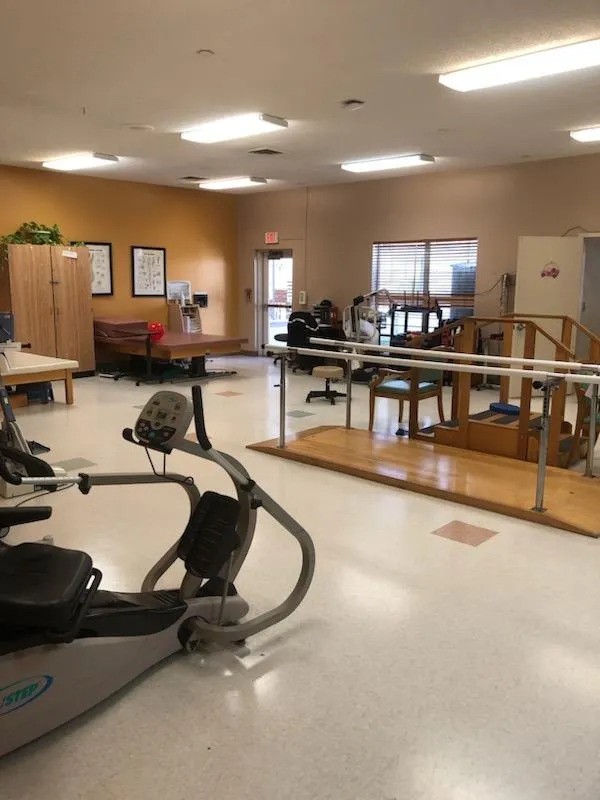
How Does Sun Harbor Healthcare Compare to Other Florida Nursing Homes?

Compared to the 100 nursing homes in Florida, SUN HARBOR HEALTHCARE's overall rating (4 stars) is above the state average of 3.2, staff turnover (37%) is near the state average of 46%, and health inspection rating (3 stars) is at the national benchmark.

What Should Families Ask When Visiting Sun Harbor Healthcare?

Based on this facility's data, families visiting should ask: "Can you walk me through typical staffing levels on day, evening, and night shifts?" "Can I visit during a mealtime to observe dining assistance and food quality?" "How do you handle medical emergencies, and what is your hospital transfer rate?" "Can I speak with family members of current residents about their experience?" These questions are particularly relevant given the below-average staffing rating.

Is Sun Harbor Healthcare Safe?

Based on CMS inspection data, SUN HARBOR HEALTHCARE has a clean safety record: no substantiated abuse findings (meaning no confirmed cases of resident harm), no Immediate Jeopardy citations (the most serious violation level indicating risk of serious injury or death), and is not on the Special Focus Facility watch list (a federal program monitoring the lowest-performing 1% of nursing homes). The facility has a 4-star overall rating and ranks #1 of 100 nursing homes in Florida. While no facility is perfect, families should still ask about staff-to-resident ratios and recent inspection results during their visit.

Do Nurses at Sun Harbor Healthcare Stick Around?

SUN HARBOR HEALTHCARE has a staff turnover rate of 37%, which is about average for Florida nursing homes (state average: 46%). Moderate turnover is common in nursing homes, but families should still ask about staff tenure and how the facility maintains care continuity when employees leave.

Was Sun Harbor Healthcare Ever Fined?

SUN HARBOR HEALTHCARE has no federal fines on record. CMS issues fines when nursing homes fail to meet care standards or don't correct problems found during inspections. The absence of fines suggests the facility has either maintained compliance or corrected any issues before penalties were assessed. This is a positive indicator, though families should still review recent inspection reports for the full picture.

Is Sun Harbor Healthcare on Any Federal Watch List?

SUN HARBOR HEALTHCARE is not on any federal watch list. The most significant is the Special Focus Facility (SFF) program, which identifies the bottom 1% of nursing homes nationally based on persistent, serious quality problems. Not being on this list means the facility has avoided the pattern of deficiencies that triggers enhanced federal oversight. This is a positive indicator, though families should still review the facility's inspection history directly.