ARDIE R COPAS STATE VETERANS NURSING HOME
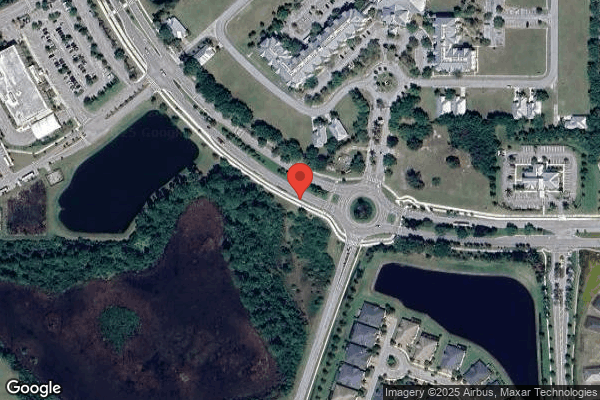
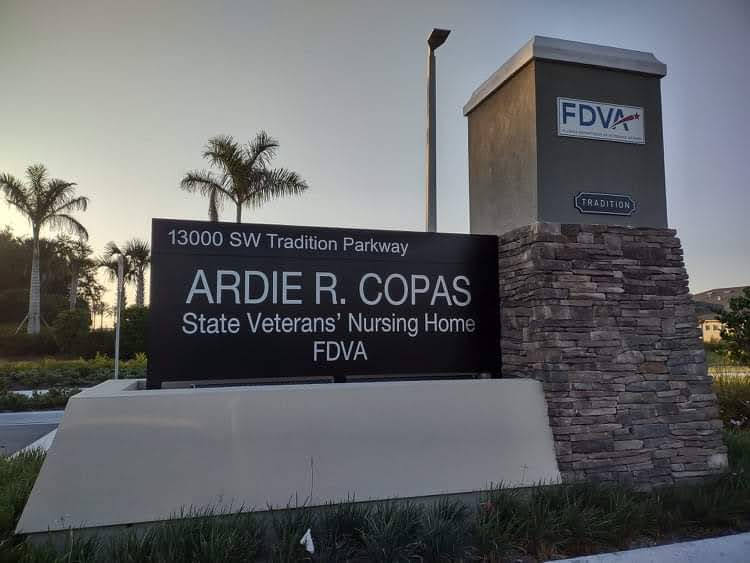
13000 SW TRADITION PARKWAY, PORT SAINT LUCIE, FL 34987 (772) 241-6132
Government - State 120 Beds FLORIDA DEPARTMENT OF VETERANS' AFFAIRS Data: November 2025
Trust Grade
63/100
#312 of 690 in FL
Last Inspection: June 2025

Inspected within the last 6 months. Data reflects current conditions.

Overview

Ardie R Copas State Veterans Nursing Home has a Trust Grade of C+, indicating it is decent and slightly above average among nursing homes. It ranks #312 out of 690 facilities in Florida, placing it in the top half, and #2 out of 9 in St. Lucie County, meaning only one local option is rated higher. However, the facility is experiencing a worsening trend, with the number of identified issues rising from 6 in 2024 to 8 in 2025. Staffing is a strong point, with a rating of 4 out of 5 stars and a 0% turnover rate, suggesting that staff remain long-term and are familiar with the residents, which is beneficial for care. On the downside, the facility faced concerns regarding consent for psychotropic medications for a resident and potential neglect in maintaining another resident's mobility, indicating areas where care could improve. Additionally, the facility incurred $3,145 in fines, which is average, but the issues reported highlight the need for close attention to care standards.

Trust Score
C+
63/100
In Florida
#312/690
Top 45%
Safety Record
Low Risk
No red flags
Inspections
Getting Worse
6 → 8 violations
Staff Stability
○ Average
Turnover data not reported for this facility.
Penalties
⚠ Watch
$3,145 in fines. Higher than 100% of Florida facilities. Major compliance failures.
Skilled Nurses
✓ Good
Each resident gets 58 minutes of Registered Nurse (RN) attention daily — more than average for Florida. RNs are trained to catch health problems early.
Violations
⚠ Watch
14 deficiencies on record. Higher than average. Multiple issues found across inspections.
★★★☆☆
3.0
Overall Rating
★★★★☆
4.0
Staff Levels
★★☆☆☆
2.0
Care Quality
★★★☆☆
3.0
Inspection Score
Stable
2024: 6 issues
2025: 8 issues

The Good

  • 4-Star Staffing Rating · Above-average nurse staffing levels
  • Full Sprinkler Coverage · Fire safety systems throughout facility
  • No fines on record

Facility shows strength in staffing levels, fire safety.

The Bad

3-Star Overall Rating

Near Florida average (3.2)

Meets federal standards, typical of most facilities

Federal Fines: $3,145

Below median ($33,413)

Minor penalties assessed

Chain: FLORIDA DEPARTMENT OF VETERANS' AFF

Part of a multi-facility chain

Ask about local staffing decisions and management

The Ugly 14 deficiencies on record

Jun 2025 6 deficiencies
CONCERN (D)

Potential for Harm - no one hurt, but risky conditions existed

Deficiency F0552 (Tag F0552)

Could have caused harm · This affected 1 resident

**NOTE- TERMS IN BRACKETS HAVE BEEN EDITED TO PROTECT CONFIDENTIALITY** Based on record review and interview, the facility failed to ensure written consent for psychotropic medications for 1 of 5 samp...

Read full inspector narrative →
**NOTE- TERMS IN BRACKETS HAVE BEEN EDITED TO PROTECT CONFIDENTIALITY** Based on record review and interview, the facility failed to ensure written consent for psychotropic medications for 1 of 5 sampled residents, Resident #69, which was the facility's method of informing the resident and or representative of the risks and benefits of proposed treatments. The findings included: Review of the record revealed Resident #69 was admitted to the facility on [DATE]. Review of the current Minimum Data Set (MDS) assessment dated [DATE] lacked a Brief Interview for Mental Status (BIMS) score for the resident as he was rarely understood and was rarely able to understand. Review of the current physician orders documented the use of Depakote, being used for the resident's mood disorder, along with an order for Ativan that was being used for an anxiety disorder. Further review of the record lacked any consent for the use of these two medications, or any other means of informing the resident's representative of the risks and benefits of the medications. During a side-by-side record review and interview on 06/19/25 at 12:09 PM, the Assistant Director of Nursing (ADON) confirmed the lack of the consents, and informing the representative.
CONCERN (D)

Potential for Harm - no one hurt, but risky conditions existed

Deficiency F0605 (Tag F0605)

Could have caused harm · This affected 1 resident

**NOTE- TERMS IN BRACKETS HAVE BEEN EDITED TO PROTECT CONFIDENTIALITY** 3) Review of the record revealed Resident #69 was admitted to the facility on [DATE] and later admitted to hospice services on 0...

Read full inspector narrative →
**NOTE- TERMS IN BRACKETS HAVE BEEN EDITED TO PROTECT CONFIDENTIALITY** 3) Review of the record revealed Resident #69 was admitted to the facility on [DATE] and later admitted to hospice services on 04/08/25. Review of the current physician orders confirmed Resident #69 was admitted to the hospice services on 04/08/25. Another order dated 04/08/25 documented the use of Ativan, a psychotropic medication, every 4 hours as needed for anxiety. Further review of this order revealed it was an open ended order and lacked any stop date or duration of use. During a phone interview on 06/19/25 at 9:07 AM, when asked the process for ensuring a re-evaluation for the use of Ativan, and to ensure Ativan and other psychotropic medication were not used as needed without a duration of use, the Consultant pharmacist stated, If the resident is on hospice, they usually get evaluated by the physician or a practitioner weekly. The Consultant pharmacist suggested the rationale and or evaluation for the Ativan would be in the hospice physician's progress note. On 06/19/25 the Assistant Director of Nursing (ADON) was made aware of the as needed open ended Ativan order for Resident #69. During an interview on 06/19/25 at 10:01 AM, the ADON stated she spoke with the hospice nurse for Resident #69, who stated the physician and or nurse practitioner had not been out to see the resident since admission as he was still in his first benefit period. The ADON stated the hospice nurse thought the Ativan was initiated prior to the hospice admission. During a side-by-side review of the record at this time, the ADON confirmed the Ativan was initiated by hospice services on 04/08/25 as an open ended as needed psychotropic medication. Based on record review and interviews the facility failed to ensure a PRN (as needed) psychotropic medication did not extend beyond 14 days without a documented rationale and duration of use for 3 of 5 sampled residents, as evidenced by the failure to ensure a discontinue date for PRN Lorazepam (an antiaxiety psychotropic medication) prescribed to Resident #30, Resident #38, and Resident #69. The findings included: 1) Review of the record revealed Resident #30 was admitted to the facility on [DATE]. The quarterly comprehensive assessment dated [DATE], documented that the resident had a Brief Interview for Mental Status (BIMS) Score of 9 on a 0 to 15 scale, indicating moderate cognitive impairment. The resident had a documented medical diagnosis history of dementia (loss of memory) with behavior disturbance, major depressive disorder, and psychosis. Review of the record revealed an order dated 08/05/24 for Resident #30 to administer Lorazepam 1 milligrams (mg) every two hours as needed for anxiety dated 08/05/24 with no date to discontinue or documented rationale by the doctor to extend the medication. Review of the May and June Medication Administration Record (MAR) for Resident #30, revealed administration of Lorazepam 1 mg at various times by staff. 2) Review of the record revealed Resident #38 was admitted to the facility on [DATE]. The quarterly comprehensive assessment dated [DATE], documented that the resident's BIMS score was not completed because the resident was rarely understood. The resident had a documented medical diagnosis history of dementia (loss of memory) and psychosis (mental disorder that affects contact with reality). Review of the record revealed an order for Resident #38 dated 02/05/25, to administer Lorazepam 1 mg by mouth scheduled twice a day. There was a second order dated 02/19/25 for Lorazepam 0.5 milligrams (mg) every 4 hours as needed for agitation with no date to discontinue or documented rationale by the doctor to extend the medication. Review of the March and May Medication Administration Record (MAR) for Resident #38, revealed administration of the as needed (PRN) Lorazepam 0.5 mg by staff.
CONCERN (D)

Potential for Harm - no one hurt, but risky conditions existed

Deficiency F0676 (Tag F0676)

Could have caused harm · This affected 1 resident

**NOTE- TERMS IN BRACKETS HAVE BEEN EDITED TO PROTECT CONFIDENTIALITY** Based on observations, interviews, and record review, the facility failed to provide services to ensure abilities in Activities ...

Read full inspector narrative →
**NOTE- TERMS IN BRACKETS HAVE BEEN EDITED TO PROTECT CONFIDENTIALITY** Based on observations, interviews, and record review, the facility failed to provide services to ensure abilities in Activities of Daily Living (ADL) did not diminish for 1 of 3 sampled residents, Resident #27, reviewed for ambulation. The findings included: During an initial interview on 06/16/25 at 2:56 PM, Resident #27 reported that he was concerned about being discharged from Physical Therapy (PT) because he was walking with a hemi walker and since his discharge from PT he has not walked at all and only uses a wheelchair for mobility in the facility. There was a hemi walker located in Resident #27's room during the initial interview. Review of the record revealed that Resident #27 was admitted to the facility on [DATE]. Review of the current Minimum Data Set (MDS) assessment dated [DATE] documented Resident #27 had a Brief Interview for Mental Status (BIMS) score of 15 on a 0-15 scale, indicating the resident was cognitively intact. Further review of the MDS dated [DATE], section GG for Functional Abilities, revealed that in subsection I5, Walking 10 feet was coded as Not Applicable/Not Attempted. Review of the Physical Therapy Discharge summary dated [DATE], revealed that Resident #27's status was that he ambulated on level surfaces for 50 feet using a hemi walker with supervision/standby/touching assistance to increase independence in facility. The discharge destination was listed as long-term care setting and the discharge reason was listed as maximum potential achieved, referred to the Restorative Nursing Program (RNP)/Functional Maintenance Program (FMP). Review of a care plan meeting dated 05/06/25 revealed that Resident #27's resident representative who attended the meeting with Resident #27, requested that Resident #27 get picked up for Physical Therapy again. During an interview on 06/18/25 at 10:48 AM, the Director of Rehabilitation (DOR) confirmed that Resident #27 was discharged from PT on 04/10/25 and was referred to the RNP. During an interview on 06/18/25 at 4:44 PM, the Assistant Director of Nursing (ADON) was asked about the RNP and the ADON replied we do not have the RNP in place yet. The ADON stated that nursing staff can assist a resident who has been discharged from PT and wanted to continue to work on walking. During an interview on 06/19/25 at 7:49 AM, when asked if Resident #27 can walk with assistance during ADL care, Staff C, Certified Nursing Assistant (CNA) reported that Resident #27 needs stand by assistance for most transfers and that he used to walk with Physical Therapy (PT), but she does not walk with him and she does not think he gets PT anymore. During an interview on 06/19/25 at 10:25 AM, the Director of Rehabilitation (DOR) was asked what the Walk to Dine program was and the DOR reported that residents that are on therapy and can walk are assisted by nursing staff to walk to and from their rooms to the dining room for meals. When asked if residents that are discharged from PT stay on the Walk to Dine program she replied, Yes. The DOR was then asked if Resident #27 was participating in the Walk to Dine program to which she replied, No, because the distance he walked was limited and he would not make it all the way to the dining room. When asked if Resident #27 could walk within his room if he had assistance, she replied, I guess he could. The DOR added that if a resident has a decline in function, they can evaluate the resident for more Physical Therapy. When the DOR was asked how would you know if there was a decline in Resident #27's ambulation if nobody has walked him since his discharge from PT on 04/27/25 to which the DOR replied, that is true, we would not know if he had a decline in ambulation.
CONCERN (D)

Potential for Harm - no one hurt, but risky conditions existed

Quality of Care (Tag F0684)

Could have caused harm · This affected 1 resident

**NOTE- TERMS IN BRACKETS HAVE BEEN EDITED TO PROTECT CONFIDENTIALITY** 3) Review of the record revealed Resident #72 was admitted to the facility on [DATE]. Review of the current MDS assessment dated...

Read full inspector narrative →
**NOTE- TERMS IN BRACKETS HAVE BEEN EDITED TO PROTECT CONFIDENTIALITY** 3) Review of the record revealed Resident #72 was admitted to the facility on [DATE]. Review of the current MDS assessment dated [DATE] documented the resident had a BIMS score of 9, on a 0 to 15 scale, indicating mild cognitive impairment. This MDS also indicated the resident had an infection of the foot. Review of the current physician orders documented as of 06/06/25 wound care to the right foot, to include the application of betadine (an antiseptic used for skin infections), was to be completed daily and as needed for soiling, saturation, or dislodgement. The routine order for the wound care was scheduled during the evening (7 PM to 7 AM) shift. The current care plan initiated on 04/08/25 and revised on 05/23/25 documented the treatment time for the wound care had been changed to the evening shift as per the family's request to promote comfort. During an interview on 06/16/25 at 3:39 PM, when asked how he was doing, Resident #72 responded he had concerns about his feet. When asked what was going on, Resident #72 removed his sock from his right foot and his three middle toes were black and necrotic. There was a strong odor coming from the foot. When asked about a dressing, Resident #72 explained that he had taken a shower that morning so there was no dressing, but that staff must do the dressing at night because when he wakes up in the morning, it's all bandaged up. When asked what time he had his shower that morning, Resident #72 stated about 11 AM. An observation on 06/19/25 at 10:46 AM revealed Resident #72 in his room sitting in his wheelchair. Resident #72 was wearing white socks. A large area of saturation, extending from the end of his toes for 2 to 3 inches toward his ankle was noted. During an interview on 06/19/25 at 11:07 AM, Staff H, Registered Nurse (RN), confirmed she was the direct care nurse for Resident #72 on Monday and again today. When asked if she had changed the resident's dressing to his right foot at all that week, the RN stated she had not and further stated it was due on the night shift. When asked if anyone had told her the dressing had come off during the resident's shower on Monday 06/16/25 at about 11 AM, the RN stated she was unaware. When asked if she was aware of the condition of the resident's right foot dressing at this time the RN stated she had not noticed any issues. Upon observation of the resident's right foot, the RN agreed the dressing needed to be changed. 4) Review of the record revealed Resident #69 was admitted to the facility on [DATE]. Review of the current MDS assessment dated [DATE] documented the resident had a terminal diagnosis and was receiving hospice services. Review of the current physician orders revealed a hospice consult was requested by the resident's spouse and ordered by the physician on 04/03/25. Further review of the physician orders lacked any current order for hospice services. Review of the hospice paperwork revealed Resident #69 was admitted to the hospice provider on 04/08/25. During a side-by-side review of the record and interview on 06/19/25 at 10:01 AM, the Assistant Director of Nursing (ADON) agreed with the finding as she was unable to locate a current order for hospice services for Resident #69. Based on observation, record review, and interviews, the facility failed to ensure care and services for 4 of 31 sampled residents as evidenced by the failure to address the urinalysis and culture result in a timely manner for Resident #25, failure to ensure the geri-sleeves for Resident #38 were in place, failure to ensure a dressing change to wounds after a shower for Resident #72, and failure to ensure there was a Hospice order for Resident #69. The findings included: 1) Record review revealed that Resident #25 was admitted to the facility on [DATE]. The initial comprehensive assessment dated [DATE], revealed a Brief Interview for Mental Status (BIMS) score of 12, on a 0-15 scale, indicating no cognitive impairment. Record review revealed a urinalysis with a culture and sensitivity (U/A C&S) was ordered on 06/03/25 to determine if Resident #25 had a Urinary Tract Infection (UTI). The U/A C&S lab results dated 06/05/25 revealed that the resident was positive for a UTI and needed antibiotic treatment. Review of a progress note dated 06/06/25 at 6:16 AM, documented by Staff E, Licensed Practical Nurse (LPN) revealed that she faxed the U/A C&S lab results to the physician. Review of a second progress note dated 06/09/25 at 11:50 PM documented by Staff E, LPN, revealed that the physician went into the facility to visit Resident #25 and at that time she was given an order for the resident to start taking Bactrim DS (antibiotic) 1 tablet twice a day for seven days for treatment of the UTI. This order was given 4 days after the results were faxed to the physician. Review of the Medication Administration Record (MAR) for the month of June, revealed that Resident #25 was administered the first dose of antibiotic for treatment of the UTI on 06/10/25. During an interview on 06/18/25 at 12:22 PM, when asked what was the process for making sure that labs are communicated to the physician, the Director of Nursing (DON) stated, When we receive labs the results are called into the doctor. We have three doctors that see residents in the facility but only one of them receives faxes and will answer immediately. When asked what happened to the communication to the physician regarding the U/A C&S results for Resident #25, the DON looked into the computer and stated, The lab result should have been called into the doctor. When asked if the U/A C&S results were faxed, the DON stated, According to the note in the record, it looks like the nurse faxed the results to the physician, but she should have called him to follow up and make sure he got the fax. The DON confirmed Resident #25 didn't receive antibiotic treatment until 06/10/25, which caused a delay in treatment. 2) Record review revealed that Resident #38 was admitted to the facility on [DATE]. The quarterly comprehensive assessment dated [DATE], documented that the BIMS was not completed, because the resident was rarely understood and was rarely able to understand. The resident had a medical diagnosis history of dementia (loss of memory), and psychosis (mental disorder that affects contact with reality). Review of a care plan revised on 04/29/25, revealed that Resident #38 was at high risk for skin tears and impaired skin integrity related to advanced age, fragile skin, and cognitive decline. He had a documented history of skin tears on his right posterior leg as of 12/25/24, a skin tear to his right arm as of 12/28/24, a skin tear to his left pinky on 01/07/25, and a skin tear to his right lower extremity on 05/22/25, which was healed on 06/09/25. Review of a physician order dated 03/21/24 for Resident #38, instructed staff to apply geri sleeves to his bilateral lower extremities every shift and to remove them for hygiene and skin care. A second order dated 11/01/24, instructed staff to apply geri sleeves to his bilateral arms every shift and to remove them for hygiene, skin observation. Review of the Medication Administration Record for June on 06/18/25 at 1:35 PM, revealed that Staff D, LPN had signed acknowledging that the geri sleeves were applied to Resident #38 on that same date of 06/18/25. During an interview on 06/18/25 at 1:40 PM, Resident #38 was noted sitting in the TV room on the America Unit, in a high back reclining wheelchair. The resident did not have on geri sleeves to his bilateral lower extremity or bilateral arms as ordered. Staff D, Licensed Practical Nurse, was noted sitting at the nurse's station. When asked if Resident #38 had an order for geri sleeves, the LPN stated, Let me look at his orders. Staff D looked in the record and stated, He should have geri sleeves on his arms. Staff D was then asked if the resident had an order to apply the geri sleeves to the arms only. She then looked again and stated, Oh, he should have them on the legs as well. Staff D went over to check Resident #38's legs and arms to see if the geri sleeves were in place and saw that they weren't. She went over to the treatment cart to get two new pairs. Staff F, Certified Nursing Assistant (CNA) was asked if she applied the geri sleeves on Resident #38, and she stated, He refused to put them on. At that time, Staff D, stated, Why didn't you tell me he refused so I could document that? Staff F stated, I apologize. When Staff F was asked if the resident had the geri sleeves in his room she stated yes, I will show you. She went to the resident's room, and she looked in the drawer and pulled out one pair of white and green geri sleeves. When asked where the other pair was, Staff F asked, Is he supposed to have two pairs? At that time Staff F was told that the resident had an order for geri sleeves to be placed on both the legs and arms. She stated, Ok I will get another pair out of the closet. Staff F was then provided the two pairs of geri sleeves that the nurse had taken from the treatment cart. Staff F, CNA went to get the resident from the TV room and explained to the resident that she was taking him to his room to put on the geri sleeves. She stated, He might try to fight me, he gets aggressive at times. Resident #38 was receptive to having the geri sleeves applied. He stated I don't mind having them on.
CONCERN (D)

Potential for Harm - no one hurt, but risky conditions existed

Respiratory Care (Tag F0695)

Could have caused harm · This affected 1 resident

**NOTE- TERMS IN BRACKETS HAVE BEEN EDITED TO PROTECT CONFIDENTIALITY** Based on policy review, observation, record review, and interviews, the facility failed to ensure respiratory care and services ...

Read full inspector narrative →
**NOTE- TERMS IN BRACKETS HAVE BEEN EDITED TO PROTECT CONFIDENTIALITY** Based on policy review, observation, record review, and interviews, the facility failed to ensure respiratory care and services for 1 of 1 sampled resident, Resident #312, as evidenced by the failure to monitor and document a respiratory assessment after administration of a nebulizer (breathing) treatment, and failure to obtain a physician order for administration of oxygen for Resident #312. The findings included: Review of a policy titled, Nebulizer Administration of Medications revised on 08/01/2023, documented in part .Post Treatment Evaluation and Documentation: Document the treatment in the EMR (electronic medical record). Details may include the following: Vital signs, including oxygen saturation pre and post treatment, tolerance to treatment and pertinent information. Record review revealed Resident #312 was admitted to the facility on [DATE]. The initial comprehensive assessment was still in progress, so there was no documentation of a Brief Interview Mental Status Score. The resident had a documented medical history of influenza (flu) and Parkinsons disease (disorder of the central nervous system). During an observation on 06/18/25 at 10:28 AM, Resident #312 was noted sitting in the wheelchair in his room receiving a nebulizer treatment. A portable oxygen tank was noted on the back of the wheelchair. Staff G, Certified Nursing Assistant (CNA), was sitting in the resident's room in a chair. When asked if she was providing one on one care for Resident #312, she stated, No, I'm just sitting with him. When she was asked how Resident #312 was doing today, she stated, He is very weak. When I assisted him to the bathroom it was very difficult. During an observation on 06/18/25 at 10:53 AM, Resident #312 was sitting in the common area on the [NAME] Unit, in the wheelchair, at a table wearing oxygen at 2 liters via nasal cannula. The oxygen tubing was dated 6/15/25. Staff G, CNA was sitting at the table with the resident. When asked who applied the oxygen on the resident, she stated, The nurse put the oxygen on him this morning when I told her Resident #312's oxygen level was 90%, but I guess therapy put him on the portable oxygen tank when they took him to therapy. Record review lacked any documented order for Resident #312 to receive oxygen therapy. Review of the orders for Resident #312, revealed an order instructing staff to administer ipratropium-albuterol solution (medication to treat wheezing, shortness of breath) nebulizer treatment at 8:00 AM and 8:00 PM and instructed staff to document pre and post treatment respiratory assessment and vital signs. Review of the Medication Administration Record (MAR) for the month of June revealed that Staff E, Licensed Practical Nurse (LPN) documented a late entry note that she administered nebulizer treatment at 10:09 AM and the documented reason stated that the medication was given on time. Staff E failed to document the post treatment respiratory assessment and vital signs for Resident #312 on the MAR.
CONCERN (D)

Potential for Harm - no one hurt, but risky conditions existed

Drug Regimen Review (Tag F0756)

Could have caused harm · This affected 1 resident

**NOTE- TERMS IN BRACKETS HAVE BEEN EDITED TO PROTECT CONFIDENTIALITY** Based on observation, interview, and pharmacy recommendation review, the facility failed to ensure documented physician particip...

Read full inspector narrative →
**NOTE- TERMS IN BRACKETS HAVE BEEN EDITED TO PROTECT CONFIDENTIALITY** Based on observation, interview, and pharmacy recommendation review, the facility failed to ensure documented physician participation in the monthly pharmacy reviews for each resident, for 3 of 6 months reviewed (February, March, and April 2025). The pharmacist also failed to identify as needed Ativan use without a documented duration of use for 3 of 3 sampled residents reviewed, Residents #69, #30, and #38, who had Ativan orders. The findings included: 1) Review of the monthly pharmacy reviews provided by the Director of Nursing (DON) revealed a grid with five columns. The first column documented the residents' name; the second column the room number, the third column had a X if there were No Irregularities or otherwise was blank; the fourth column documented the recommendation, if any; and the fifth column was titled Approve/Deny. Review of the recommendations for February 2025 documented the physician's initials in column five, but lacked any evidence to determine if the physician had approved or denied the recommendation. Review of the recommendations for March 2025 lacked a fifth column, thus lacked any evidence the recommendations had been reviewed, approved, or denied by the physician. Review of the recommendations for April 2025 documented the word Approved in the fifth column with no indication as to who approved the item. During a phone interview on 06/19/25 at 9:07 AM, when asked about his pharmacy reviews, the Consultant pharmacist stated he does the reviews for every resident monthly. When asked about the form with the five columns, the Consultant pharmacist stated he developed that form because, It became too much paper work as the facility filled up (with residents). The Consultant pharmacist volunteered, What satisfies (name of the state regulatory authority) is proof that I did the reviews. When asked about the missing column for the March 2025 reviews, the pharmacist had no explanation. When asked if there was any other way to show the physician's participation in the monthly reviews with evidence of the physician's acceptance or rejection to each recommendation, the Consultant pharmacist stated we review the recommendations each month and the physician signs the last sheet. 2) Review of the record revealed Resident #69 was admitted to the facility on [DATE] and later admitted to hospice services on 04/08/25. Review of the current physician orders confirmed Resident #69 was admitted to the hospice services on 04/08/25. Another order dated 04/08/25 documented the use of Ativan, a psychotropic medication, every 4 hours as needed for anxiety. Further review of this order revealed it was an open ended order and lacked any stop date or duration of use. Review of the pharmacy recommendations from December 2024 through May 2025 lacked any recommendation regarding the as needed Ativan order. Review of the monthly letters by the Consultant pharmacist to the facility titled, Additional Comments, Suggestions or Follow-Up (not dated) documented, in part, Suggestions: . adhere to PRN (as needed) psychotropic stop dates of maximum 30 days when entering in matrixcare (electronic medical record) . During a phone interview on 06/19/25 at 9:07 AM, when asked why this as needed Ativan order from April 2025 to present had not been identified by him as a concern, the Consultant pharmacist had no answer. 3) Record review revealed that Resident #30 was admitted to the facility on [DATE]. The quarterly comprehensive assessment dated [DATE], documented that the resident had a Brief Interview for Mental Status Score of 09 on a 0 to15 scale, indicating moderate cognitive impairment. The resident had a documented medical diagnosis history of dementia (loss of memory) with behavior disturbance, major depressive disorder, and psychosis. Review of the orders for Resident #30 revealed an order dated 08/05/24, instructing staff to administer Lorazepam 1 milligrams (mg) every two hours as needed for anxiety dated 08/05/24 with no date to discontinue or documented rationale by the doctor to extend the medication. Review of the care plan for Resident #30 revealed that he is prescribed medication related to anxiety with a goal that he will not exhibit any complications related to medication use and one of the interventions was that the pharmacist will do medication review for medications prescribed to the resident. Review of the May and June Medication Administration Record (MAR) for Resident #30, revealed administration of Lorazepam 1mg at various times by staff. Review of the progress notes for Resident #30 did not reveal any documentation by the physician for a rationale to extend the order for Lorazepam. Review of the pharmacy medication review documentation for January through May 2025 revealed that the pharmacist did not have any recommendations for Resident #30. 4) Record review revealed that Resident #38 was admitted to the facility on [DATE]. The quarterly comprehensive assessment dated [DATE], documented the Brief Interview for Mental Status was not completed because the resident is rarely understood. The resident had a documented medical diagnosis history of dementia (loss of memory) and psychosis (mental disorder that affects contact with reality). Review of the record revealed an order for Resident #38 dated 2/05/25, to administer Lorazepam1mg by mouth scheduled twice a day. There was a second order dated 02/19/25 for Lorazepam 0.5 milligrams (mg) every 4 hours as needed for agitation with no date to discontinue or documented rationale by the doctor to extend the medication. Review of the March and May Medication Administration Record (MAR) for Resident #38, revealed administration of the PRN Lorazepam 0.5 by staff. Review of the progress notes for Resident #38 did not reveal any documentation by the physician for a rationale to extend the order for Lorazepam. Review of the pharmacy medication review documentation for March through May 2025 revealed that the pharmacist did not have any physician recommendations for Resident #38.
Mar 2025 2 deficiencies
CONCERN (D) 📢 Someone Reported This

A family member, employee, or ombudsman was alarmed enough to file a formal complaint

Potential for Harm - no one hurt, but risky conditions existed

Quality of Care (Tag F0684)

Could have caused harm · This affected 1 resident

**NOTE- TERMS IN BRACKETS HAVE BEEN EDITED TO PROTECT CONFIDENTIALITY** Based on record review and interview, it was determined, the facility failed to provide timely necessary care and services to 1 ...

Read full inspector narrative →
**NOTE- TERMS IN BRACKETS HAVE BEEN EDITED TO PROTECT CONFIDENTIALITY** Based on record review and interview, it was determined, the facility failed to provide timely necessary care and services to 1 of 2 sampled residents (Resident #1), as evidenced by delay in reporting abnormal test results and subsequent delay in treatment. The findings included: Clinical record review conducted on 03/11/25 revealed Resident #1 was admitted to the facility on [DATE] with diagnoses which included Atrial Fibrillation, Congestive Heart Failure and Pulmonary Edema. Minimum Data Set, admission assessment with reference date of 01/09/25 indicated the resident was assessed as moderately impaired for skills of daily decision making, was receiving antidepressant, anticoagulant, antiplatelet and diuretic medications and received oxygen therapy. Care Plan tilted, Resident on medications related to COVID dated 01/15/25 documents the goal as resident will not exhibit signs of respiratory distress. The interventions included: Administer medications as ordered, administer oxygen as ordered, assess changes in condition, droplet precautions and monitor for signs of respiratory distress and vital signs as ordered. The record indicates Resident #1 had elevated temperature 102.3 on 01/15/25. Progress notes dated 01/15/25 documents Resident tested positive for COVID-19, notified practitioner. Droplet precautions implemented for ten days. Physician's order dated 01/15/25 at 12:51 PM documents If no allergies start Paxlovid twice daily for five days, pharmacy to dose. Give Tylenol 1000 milligrams now for fever then twice a day for three days for fever. Placed on droplets precautions . Do Chest X-ray Dexamethasone 6 mg daily for ten days, Claritin 10 mg daily for seven days, Albuterol Sulfate aerosol solution 108 mcg inhaler, inhale two puffs every four hours as needed for shortness of breath and Tessalon [NAME] 100 mg three times a day as needed for cough. Progress notes dated 01/18/25 documents Went on to Trident Care website and printed out chest x-ray report from 01/16/25, shows increased opacity, may be due to pneumonia. Faxed it to Dr. P And new orders received for Augmentin 875 mg orally twice a day for five days and Doxycycline 100 mg orally twice a day for five days . Physician's order dated 01/18/25 documents Augmentin 875 mg orally twice a day for five days and Doxycycline 100 mg orally twice a day for five days. Medication administration record documents the prescribed antibiotic therapy was initiated on 01/19/25. Review of the chest x-ray results revealed the test was completed on 01/16/25 and the results were completed on 01/17/25 at 11:19 AM. The results documents Increased left hilar opacity, that may be due to pneumonia or a left hilar mass. Recommend follow up with a CT exam for further evaluation. Interview with the Director of Nursing (DON) on 03/11/25 at approximately 3:28 PM revealed the process to obtain radiology results. The facility uses TC company and they fax all the results directly to the nurses station. The nurses are responsible for notifying the physician of the results when received. The DON was asked regarding the process for tracking pending results and explained there is a log, mainly used for laboratory tests, where the staff writes the test done and completion date, in addition, the DON explained that all nurses have access to the radiology portal so they can get test results. The DON reviewed the clinical record and was unable to provide an explanation as to why the abnormal chest x-ray results were not faxed or received on 01/17/25 and reported to the physician. On 03/12/25 at approximately 11:30 AM, the DON was asked the reason for not starting the antibiotic therapy on 01/18/25, when the order was received, and explained the nurse who received the order just before 9 PM, scheduled the first dose for the next morning. Documentation of the facility Emergency Pharmacy Kit, indicates the facility has both Augmentin and Doxycycline available for immediate use. The investigation determined Resident #1 was diagnosed with a respiratory virus on 01/15/25, a chest x-ray was ordered and completed on 01/16/25. The test results dated 01/17/25 at 11:19 AM were not reported to the physician in a timely manner. The results were reported on 01/18/25 at 8:49 PM and subsequent antibiotic therapy was not initiated until 01/19/25 at 8 AM, despite availability of the drugs.
CONCERN (D) 📢 Someone Reported This

A family member, employee, or ombudsman was alarmed enough to file a formal complaint

Potential for Harm - no one hurt, but risky conditions existed

Pharmacy Services (Tag F0755)

Could have caused harm · This affected 1 resident

**NOTE- TERMS IN BRACKETS HAVE BEEN EDITED TO PROTECT CONFIDENTIALITY** Based on record review, policy review and interview, it was determined, the facility failed to obtain pharmaceutical services fo...

Read full inspector narrative →
**NOTE- TERMS IN BRACKETS HAVE BEEN EDITED TO PROTECT CONFIDENTIALITY** Based on record review, policy review and interview, it was determined, the facility failed to obtain pharmaceutical services for 3 of 3 sampled residents (Resident #2, #5 and #6) as evidence by failure to acquire and administer medications in a timely manner. The findings included: 1) Clinical record review conducted on 03/11/25 revealed Resident #2 was admitted to the facility on [DATE] at 3:57 PM with diagnoses of Hydrocephalus, Hypertension, Diabetes, Epilepsy, Bipolar, Anxiety and Dementia. Medications orders included the following: Atorvastatin Calcium 10 mg at bedtime for Hyperlipidemia. Carvedilol 25 mg twice a day for Hypertension. Divalproex Sodium 250 mg twice a day for Boipolar Disorder. Metformin 500 mg twice a day for Diabetes. Nystatin Triamcinolone cream 100,000-0.1 units apply to groin and buttocks for erythematous condition every shift. Medication Administration Records indicate that Resident #2 did not receive the evening doses for the medications listed above on 01/20/25 and on 01/21/25 the morning dose for the Carvedilol was not administered. The nurse documented the rationale for not giving the prescribed medications Drug/Item unavailable. The interview with the Director of Nursing (DON) and the Assistant Director of Nursing on 03/11/25 starting at 3:49 PM revealed the facility has an onsite pharmacy, from 8 AM to 4:30 PM. After hours the pharmacy is Omnicare and they deliver medications twice a day, with cut off times 10 AM and 10 PM and medications will be delivered within six hours. The DON was asked to find documentation that the nursing staff advised the provider that the medications were not available for administration and interventions to manage the missing doses. The DON stated that 01/20/25, was a holiday, so their pharmacy was closed and provided a copy of a fax to Omnicare requesting all the medications prescribed for Resident #2. There is no documentation of follow up with the pharmacy to obtain the medications and there is no documentation of physician notification that the drugs were not available. On 03/12/25 at approximately 11:20 AM, the DON was asked for the after hours pharmacy policies and procedures and provided a copy of signed agreement and pharmacy information. The information included the following information. Be sure to reorder 3-5 days before you run out, Reorders must be sent via electronic medical records, if you reorder after cutoff time, your medication will be delivered the following date. Emergency medication procedure: If medication is needed prior to your next schedule delivery and is not in your starter/emergency/back-up supply, please follow your regular process to submit the order, then call to request the medications STAT. There is no evidence the facility followed the instructions to obtain the medications timely. 2) Record review conducted on 03/12/25 revealed Resident #5 was admitted to the facility on [DATE] with diagnoses including Cerebral Infarction, Alzheimer's, and Dysphagia. Physician's orders dated 02/19/25 documents Lactobacillus Rhamnosus one capsule via gastric tube daily and Multivitamin with Iron give 15 milliliters via gastric tube daily. Medication Administration Records revealed the facility did not administer the prescribed medications as follows: On 02/22/25, 02/24/25 and 02/25/25 the Lactobacillus was not given, the nurse documented Drug/Item unavailable. On 02/24/25 and 03/04/24 the Multivitamin with Iron was not given, the nurse documented Drug/item unavailable and waiting for delivery. Interview with the Director of Nursing (DON) on 03/12/25 at 11:31 AM revealed the facility has Lactobacillus Acidophilus, not the Rhamnosus, so that explained why some nurses documented the drug as given, using what they had on hand and some nurses did not, because it was not the correct label. The DON is not sure what the difference is between the two drugs, and added she had spoken to the nurses in regards to the liquid multivitamin with iron and was told some of them were using a pill form and crushed them, despite the order being written for the liquid form, until the pharmacy sent it. The DON confirmed there is no documentation from the pharmacy clarifying the orders or from the nurses to obtain the right medications in a timely manner. 3) Record review conducted on 03/12/25 revealed Resident #6 was admitted to the facility on [DATE] at 12:20 PM with diagnoses including Metastatic Prostate Cancer. Physician's orders dated 01/20/25 documents Lorazepam 0.5 mg once in the evening, Morphine 15 mg at bedtime, Morphine 30 mg at bedtime. Medication Administration Records dated 01/20/25 documents the nurse did not administer the medications, Drug/Item unavailable. Progress Notes 01/20/25 8:15 PM documents Writer spoke to Omnicare regarding Ativan and Morphine prescription and was informed that medication will we sent on 2:00 am run. Resident requested to have meds sooner. Progress Notes dated 01/20/25 10:33 PM documents Resident new admit alert and able to verbalize needs, .Resident very concerned about his medications which is not available, Omnicare pharmacy contacted also hospice. still waiting for an answer to see when medications will be available, resident stated he cannot sleep without his pain medications. Progress Notes dated 01/21/25 at 4 AM documents Call placed to Omnicare regarding delivery time of medications. Medications have been shipped standard delivery .Review of Supplemental orders containing comfort packet medications. These orders remain active in the hospice system and are due to arrive from Omnicare today. Interview with Director of Nursing (DON) conducted on 03/12/25 at 12:18 PM revealed the facility does not have a narcotic emergency kit, all narcotics are delivered by Omnicare. The DON reviewed the record and stated they were working with hospice to get the medications sooner and confirmed there is no documentation medications were requested STAT for prompt delivery.
Mar 2024 6 deficiencies
CONCERN (D)

Potential for Harm - no one hurt, but risky conditions existed

Deficiency F0582 (Tag F0582)

Could have caused harm · This affected 1 resident

**NOTE- TERMS IN BRACKETS HAVE BEEN EDITED TO PROTECT CONFIDENTIALITY** Based on record review and interview, the facility failed to ensure timely and complete notification of changes in payer source ...

Read full inspector narrative →
**NOTE- TERMS IN BRACKETS HAVE BEEN EDITED TO PROTECT CONFIDENTIALITY** Based on record review and interview, the facility failed to ensure timely and complete notification of changes in payer source for 3 of 3 sampled residents (Resident #22, #46, and #27). The findings included: Resident #22 was admitted to the facility on [DATE] with skilled services provided by Medicare. Review of the SNF (skilled nursing facility) Beneficiary Protection Notification Review form revealed Resident #22 had met his therapy goals and would be discharged from skilled services as of 11/07/23. The form was signed and dated 12/06/23, 29 days after the end of skilled services. The facility also failed to ensure the resident/representative chose one of three options, regarding a potential appeal, as evidenced by a lack of checkmarks in Option 1, 2, or 3. Resident #27 was admitted to the facility on [DATE] with skilled services ending on 11/08/23. Resident #46 was admitted to the facility on [DATE], with an episode of skilled services as of 11/22/23, and ending on 12/12/23. Both Residents #27 and #46 were provided the notices of non-coverage timely, but both had incomplete forms that lacked a choice of appeal options. During an interview on 03/14/24 at 10:12 AM, when asked about the late notice to Resident #22 and the incomplete forms for all three residents, the Administrator, who was currently responsible for the notices, agreed with the findings. The Administrator stated the notices were completed by a prior employee, so she was unable to provide an explanation.
CONCERN (D)

Potential for Harm - no one hurt, but risky conditions existed

Assessment Accuracy (Tag F0641)

Could have caused harm · This affected 1 resident

**NOTE- TERMS IN BRACKETS HAVE BEEN EDITED TO PROTECT CONFIDENTIALITY** Based on record review and interview, the facility failed to ensure Minimum Data Set (MDS) was accurately completed related to d...

Read full inspector narrative →
**NOTE- TERMS IN BRACKETS HAVE BEEN EDITED TO PROTECT CONFIDENTIALITY** Based on record review and interview, the facility failed to ensure Minimum Data Set (MDS) was accurately completed related to diagnosis of Dementia for 1 of 5 sampled residents reviewed for Unnecessary Medications (Resident #13). The findings included: Resident #13 was admitted to the facility on [DATE] with a documented diagnosis by the resident's health care provider of Dementia in the resident's medical record. Resident #13's Psychiatry Care Plan, completed on 02/05/24, documents, Patient is at baseline . Dementia is persisting, but no behaviors. A review of Resident #13's Quarterly MDS, completed on 02/21/24, showed no documented diagnosis of Dementia. On 03/14/24 at 10:17 AM, the MDS Coordinator confirmed that Dementia was not documented in Section I (Diagnoses) of the February Quarterly MDS assessment for Resident #13. She stated, The resident does have a documented diagnosis of Dementia.
CONCERN (D)

Potential for Harm - no one hurt, but risky conditions existed

Respiratory Care (Tag F0695)

Could have caused harm · This affected 1 resident

Based on observation, record review, interview and policy review, it was determined, the nursing staff failed to ensure respiratory care and services were provided as specified by the facility policy ...

Read full inspector narrative →
Based on observation, record review, interview and policy review, it was determined, the nursing staff failed to ensure respiratory care and services were provided as specified by the facility policy and physician's orders for 2 of 2 sampled residents reviewed for respiratory care (Resident #3 and Resident #40). The deficient practice is evidenced by failure to complete a pre and post assessment for Resident #3 during the administration of a nebulizer treatment; failure to clean or dispose of the nebulizer mask after use; and failure to provide oxygen therapy with humidifier, as specified in the physician's order for Resident #40. The findings included: 1) Medication administration observation conducted on 03/12/24 starting at 10:12 AM revealed Staff A, a Registered Nurse, administering medications to Resident #3. The nurse administered insulin and a nebulizer treatment. Staff A removed the mask from the resident's drawer, it was stored in a plastic bag, then poured the prescribed medication into the nebulizer cup, Ipratropium Albuterol combination, and placed the nebulizer mask on the resident. After the completion of the treatment, Staff A removed the nebulizer mask, placed it back inside the plastic bag and back inside the resident's drawer. Staff A assisted Resident #3 out of the room and confirmed the treatment was completed. Resident #3 was escorted to the patio for activities. Clinical record review conducted on 03/12/24 revealed a physician's order dated 06/03/23 Ipratropium Albuterol 0.5 milligrams/3 milliliter every six hours via nebulizer for shortness of breath and wheezing. Facility policy titled, Nebulizer Administration of Medications, dated 11/20/20 documents: The purpose of this procedure is to provide guidelines for the appropriate use and care of nebulizer equipment for aerosol therapy. The nurse or designee shall ensure that appropriate cleaning, per manufacturer's guidelines. Nebulizer equipment will be stored in the resident's room while in use. The tubing and mouthpiece will be disposed of when the treatment is completed. Post treatment Evaluation and Documentation: Date and time of treatment Vital signs and oxygen saturation, pre and post treatment Medication and dosage Tolerance to treatment Other relative information. Review of the administration records and progress notes dated 02/01/24 and 03/13/24 indicates the staff has not documented pre and post assessments for the nebulizer treatment administration. Interview with The Director of Nursing (DON) conducted on 03/13/24 at approximately 1:40 PM revealed the facility policy for nebulizer treatment administration does not address cleaning the mask after each use and furthermore documents to dispose the tubing and mouthpiece. The DON stated the nebulizer supplies are good for a week and they are to be clean after each use. Interview with Staff A conducted on 03/13/24 at 1:44 PM confirmed during the medication administration observation she did not perform pre and post assessment for the nebulizer treatment and did not clean or dispose of the nebulizer mask after use. Staff A elaborated they have a schedule to clean the nebulizer machines and change the supplies weekly. 2) Observation of care conducted on 03/13/24 at 8:32 AM revealed Resident #40 sitting at the dining table, being assisted with the breakfast meal. The resident had oxygen via a nasal cannula, a portable oxygen tank was observed on the back of the wheelchair. There was no humidifier in use. Observation of care conducted on 03/13/24 at 10 AM revealed the resident being transported from the common area to the outside patio. The resident had oxygen via a nasal cannula, an oxygen tank was observed on the back of the wheelchair. There was no humidifier in use. Observation of care conducted on 03/13/24 at 11:53 AM revealed the resident in the dining area, awaiting the lunch meal. The resident had oxygen via a nasal cannula, an oxygen tank was observed on the back of the wheelchair. There was no humidifier in use. Observation of care conducted on 03/13/24 at 12:59 PM revealed the resident remains in the dining area after completion of the lunch meal. The resident had oxygen via a nasal cannula, an oxygen tank was observed on the back of the wheelchair. There was no humidifier in use. Interview with Staff B, a Licensed Practical Nurse, conducted on 03/13/24 at 1:10 PM verified Resident #40 is to have the humidifier at all times and is not receiving it at the time of the interview. Staff B explained the reason was the resident was outside for activities. Staff B confirmed the common areas have multiple floor plugs to ensure the oxygen concentrator can be in use and proceeded to instruct the aide to remove the portable oxygen tank and use the resident's concentrator. Clinical record review revealed physician's orders dated 11/15/23 for oxygen at 2 liters via nasal cannula with humidifier administered continuously. Check placement and functioning of oxygen and tubing at regular intervals throughout the shift. Physician's order dated 01/04/24 for Saline Gel spray, place a small amount of gel into each nostril three times a day as needed for nasal dryness. Care plan titled Resident has been admitted to Hospice related to diagnosis of Cerebral Atherosclerosis last revised 02/12/24 documents interventions as: Administer oxygen as ordered, check oxygen and nebulizer tubing weekly and check placement and functioning of oxygen at regular intervals throughout the shift. The observations conducted on 03/13/24 verified the staff is not implementing the physician's orders and plan of care for Resident #40.
CONCERN (D)

Potential for Harm - no one hurt, but risky conditions existed

Deficiency F0761 (Tag F0761)

Could have caused harm · This affected 1 resident

**NOTE- TERMS IN BRACKETS HAVE BEEN EDITED TO PROTECT CONFIDENTIALITY** Based observation, interview, and record review the facility failed to ensure 1 of 2 medication carts in 1of 3 units (Freedom) w...

Read full inspector narrative →
**NOTE- TERMS IN BRACKETS HAVE BEEN EDITED TO PROTECT CONFIDENTIALITY** Based observation, interview, and record review the facility failed to ensure 1 of 2 medication carts in 1of 3 units (Freedom) were free of expired medications, and 1 of 1 treatment carts was secured. The findings included: On 03/11/24 beginning at 12:16 PM medication storage review process was started at the Freedom unit, with Staff C, a License Practical Nurse (LPN). While checking one of the medication carts, two expired pills bottles were found: 1) Calcium carbonate 500 mg chewable, expired since 01/2024, It was opened and used. There were no other Calcium carbonate 500 mg pill bottles in the cart; and 2) Aspirin 325 mg enteric coded expired 01/2024 there were 4 pills remaining in the bottle. There were no other Aspirin 325mg pill bottles in the med cart. Staff C confirmed the finding. On 03/13/24 at 10:03 AM, an interview was conducted with the Director of Nursing (DON); she was made aware of the expired medication bottles. A request of a list of residents at the Freedom Unit who were on Aspirin 325 mg and Calcium Carbonate 500 mg was made. She provided a list of 2 residents (Resident #44 and Resident #51). On 03/13/24 at 11:18 AM, a review of these residents' medication administration records was conducted for March 2024; it was revealed that Resident #44 had received Aspirin 325 mg from 03/01/24 through 03/11/24 in the morning. Record review indicated that Resident #44 was admitted to the facility on [DATE] with diagnoses that included Heart Failure. The Minimum Data Set assessment, reference date 03/11/24, indicated a brief interview mental status score of 09 which indicated Resident #44 was moderately cognitively impaired. On 03/13/24 at 1:00 PM, when walking to the Liberty Unit, a treatment cart was noted to be unlocked and unattended. When the surveyor opened the cart, several ointments/powders and lotions were observed Nystatin Powder, Vanicream HC, Triple Antibiotic, Triamcinolone, and Ketoconazole Shampoo. On 03/13/24 at 1:05 PM, an interview was held with the DON, and she was made aware of the finding.
CONCERN (D)

Potential for Harm - no one hurt, but risky conditions existed

Deficiency F0775 (Tag F0775)

Could have caused harm · This affected 1 resident

**NOTE- TERMS IN BRACKETS HAVE BEEN EDITED TO PROTECT CONFIDENTIALITY** 4) Record review revealed Resident #4 was admitted to the facility on [DATE], with diagnosis that included End Stage Renal Disea...

Read full inspector narrative →
**NOTE- TERMS IN BRACKETS HAVE BEEN EDITED TO PROTECT CONFIDENTIALITY** 4) Record review revealed Resident #4 was admitted to the facility on [DATE], with diagnosis that included End Stage Renal Disease. The quarterly Minimum Data Set assessment, reference date 02/12/24, recorded a BIMS score of 15, which indicated Resident #4 was cognitively intact. Review of a laboratory test order dated 02/04/24 for complete blood culture every 2 weeks on Tuesdays to be completed on 02/06/24, 02/20/24, and 03/05/24. On 03/13/24 at 12:23 PM an additional record review was conducted in search of the LAB test results in the computer system. It was revealed that the lab result dated 02/07/24 was uploaded, however the LAB result for 02/20/24 and 03/05/24 were not uploaded nor filed in the physical chart. On 03/13/24 at 1:25 PM, an interview and a side-by-side review of Resident #4's electronic records and the physical chart was conducted with the Director of Nursing (DON), and she confirmed that the LAB results were not in the resident's records. She revealed that she printed the result when the surveyor had requested it from the LAB website. When inquired of the facility's process for addressing LABs, the DON voiced that the LAB results automatically get faxed to the facility. Then they get placed in the doctor's folder for signature. Afterwards, they are to get uploaded in the computer, and a copy is to be placed in the physical chart. During an interview on 03/13/24 at 3:02 PM, the Director of Nursing provided all requested laboratory results, and stated she had to print them directly from the laboratory. The DON explained the expected process is that the laboratory would fax the results of all ordered labs to the facility. The Direct Care Nurse was responsible to obtain, review, and notify the Physician of the results. The laboratory results were then placed in a folder for Physician signature and then scanned into the electronic records. The results could also be placed in the paper chart. The DON agreed these results had not been part of the clinical records of Residents #20, #42, #52, and #4. Based on record review and interview, the facility failed to ensure laboratory results were included as part of the resident's record for 4 of 20 sampled residents (Residents #20, #42, #52, and #4). The findings included: 1) During a phone interview on 03/13/24 at 11:28 AM, the daughter of Resident #20 stated she was concerned as she had not heard about recent laboratory results. The daughter explained the facility was going to check on the resident's kidney function, and she had not heard back. Review of the record revealed Resident #20 was admitted to the facility on [DATE]. Review of physician orders revealed the following recent laboratory values were to be obtained: On 01/03/24 an ammonia level. On 02/19/24 a comprehensive metabolic panel (CMP). Review of the electronic and paper records lacked the results of these ordered labs. Results of previously obtained ammonia and CMP test results revealed abnormal levels. During an interview on 03/13/24 at 12:59 PM, Staff B, Licensed Practical Nurse (LPN), was unable to locate the results for these two ordered labs. 2) Review of the record revealed Resident #42 was admitted to the facility on [DATE]. Review of the current physician orders revealed as of 10/13/23 a Comprehensive Blood Count (CBC), Basic Metabolic Panel (BMP) and Valproic Acid (VPA) level were to be drawn on that date, and every three months thereafter. Results from the 01/13/24 laboratory draw were not found in the electronic or paper records. 3) Review of the record revealed Resident #52 was admitted to the facility on [DATE]. Review of physician orders revealed the following laboratory values were to be obtained: On 01/05/24 a CBC. On 02/05/24 a CMP. Review of the electronic and paper records lacked the results of these ordered labs.
CONCERN (D)

Potential for Harm - no one hurt, but risky conditions existed

Infection Control (Tag F0880)

Could have caused harm · This affected 1 resident

**NOTE- TERMS IN BRACKETS HAVE BEEN EDITED TO PROTECT CONFIDENTIALITY** Based on observation, record review, interview, and policy review, the facility failed to disinfect the glucometers (devices use...

Read full inspector narrative →
**NOTE- TERMS IN BRACKETS HAVE BEEN EDITED TO PROTECT CONFIDENTIALITY** Based on observation, record review, interview, and policy review, the facility failed to disinfect the glucometers (devices used to obtain a blood sugar level from a drop of resident blood), as per facility policy and manufacturer's instructions, before and after use for 3 of 3 sampled residents (Residents #58, #24, and #34). The facility also failed to follow enhanced barrier precautions (EBP), as per their policy and CDC (Centers for Disease Control and Prevention) recommendation for 2 of 2 sampled residents with wounds (Resident #52 and #42). The findings included: 1) Review of the policy Blood Glucose Monitoring: Clinical Guidelines revised 09/26/19 documented, C. Cleaning/Disinfecting Blood Glucose Meters. Blood glucose equipment will be cleaned/disinfected before and after use per the manufacturer's instructions. Review of the manufacturer's instructions for the Assure Platinum Blood Glucose monitoring System (the glucometer) documented, Cleaning and disinfecting can be completed by using a commercially available EPA-registered disinfectant detergent or germicide wipe. follow product label instructions to disinfect the meter. Review of the Sani-Wipe Germicidal Disposable Wipe instructions documented, To disinfect and deodorize hard, nonporous surfaces: . Unfold a clean wipe and thoroughly wet surface. Allow surface to remain wet for two (2) minutes. Let air dry. During an observation on 03/13/24 at 4:18 PM, Staff E, Registered Nurse (RN), prepared items to obtain a blood sugar level for Resident #58. The RN was unable to locate the resident's individual glucometer, stating the resident had recently been on a different unit, so she obtained the spare glucometer from the medication cart. The RN wiped the spare glucometer with a Sani-Wipe disinfectant wipe, and immediately wrapped the glucometer in a tissue. After three minutes, the RN unwrapped the glucometer, went into the room of Resident #58, and obtained the resident's blood sugar level via a drop of blood. Staff E returned to the medication cart, wiped the glucometer with a small individual alcohol wipe, and wrapped it in a tissue. After about five minutes the RN placed the clean, but not disinfected, glucometer back into the plastic bag and into the medication cart. During the continued observation on 03/13/24 at 4:32 PM, Staff E obtained the items to complete a blood sugar level for Resident #24. The RN obtained the resident's individual glucometer, placed it and the other needed items on a disposable tray, and went into the resident's room. The RN obtained the blood sugar level, placed the glucometer directly on the resident's over the bed table, and then on the resident's sink while washing her hands. The RN threw away the used items, but left the disposable tray at the bedside. Upon return to the medication cart, Staff E cleaned the glucometer with a small individual alcohol wipe and wrapped it in a tissue, later returning it to the plastic bag in the medication cart. During the continued observation on 03/13/24 at 4:43 PM, Staff E used the individual glucometer for Resident #34 to obtain his blood sugar level, and again wiped it with a small alcohol wipe, wrapped it in a tissue, and then later placed it back into the medication cart. During an interview after these observations, Staff E, RN, stated if she used a glucometer for more than one resident she would disinfect it using the Sani-Wipe, but otherwise she used the alcohol wipe. Upon review of the disinfectant wipe instructions regarding the 2 minute wet time, the RN agreed that wrapping the glucomenter in a tissue would not follow the instructions. The RN had no other reason she failed to disinfect each glucometer. During an interview on 03/14/24 at 9:26 AM, when told of the observations with Staff E, the Infection Control Preventionist (ICP) agreed with the concerns. 2) Review of the facility policy Multi Drug Resistant Organisms (MDRO) revised 11/08/22 documented, Procedures: . Guidance from the CDC suggests that MDRO transmission is common in skilled nursing facilities. The CDC suggests that focusing only on those residents with active infection fails to address the continued risk of transmission from residents with MDRO colonization which contributes to the silent spread of MDROs. As such, their recommendation to implement EBP as an infection control intervention will be followed by the FDVA (Florida Department of Veterans' Affairs). This recommended use of PPE employs targeted gown and glove use during high contact care activities for the following residents due to their higher vulnerability: Residents with a wound and/or indwelling medical device such as a urinary catheter, central line, or a feeding tube. High Contact resident care activities included dressing, bathing/showering, transferring, providing hygiene, changing linens, changing briefs or assisting with toileting, device care or use, and wound care. Resident #42 was admitted to the facility on [DATE]. Review of the wound care physician's progress note dated 03/05/24 documented Resident #42 had a stage 3 (full thickness ulcer that might involve the subcutaneous fat) pressure injury to the right heel, with wound care being provided three times weekly. Review of the record lacked any indication for the use of Enhanced Barrier Precautions (EBP). An observation on 03/11/24 at 3:14 PM lacked any sign for EBP or available Personal Protective Equipment (PPE) at or about the room of Resident #42. During an observation on 03/13/24 at 3:35 PM, Staff F, Registered Nurse (RN) provided wound care to the right heel of Resident #42. The RN wore gloves, but failed to wear a gown during the provision of wound care. During an interview on 03/14/24 at 12:55 PM, when asked about the use of EBP in the facility, Staff D, Licensed Practical Nurse (LPN) stated, You mean Standard Precautions? After explaining EBP to Staff D, the nurse stated, Oh yeah, like we use for (name of resident with a dialysis catheter). When asked if EBP was used for residents with open wounds, the nurse stated she was unaware of that recommendation. Resident #52 was admitted to the facility on [DATE]. Review of the record revealed a stage 3 pressure ulcer of the coccyx was identified on 10/22/23. As of 12/06/23 the wound had light drainage, and had been noted by the Wound Care Physician on 12/05/23 as a declining stage 3 wound. As of 02/15/24 the Physician documented the wound as improving. Review of the orders revealed the wound was present at the time of the survey and wound care was being provided three times weekly. Further review of the record and observation of the resident's room lacked any evidence of the use of EBP. During an interview on 03/14/24 at 1:09 PM, the ICP agreed the facility had implemented the use of EBP, as per their policy and CDC guidelines. When asked about the use of EBP for residents with wounds, the ICP stated the precautions were used when a resident had a significant open wound, or with tunneling and/or drainage. During a side-by-side review of the policy, the ICP agreed the EBP were to be used for a resident with a wound. Further review of the CDC guidance revealed if the wound was insignificant, such as a skin tear, EBP was not necessary, but otherwise, the use of EBP was recommended for a resident with a wound.
Understanding Severity Codes (click to expand)
Life-Threatening (Immediate Jeopardy)
J - Isolated K - Pattern L - Widespread
Actual Harm
G - Isolated H - Pattern I - Widespread
Potential for Harm
D - Isolated E - Pattern F - Widespread
No Harm (Minor)
A - Isolated B - Pattern C - Widespread

Questions to Ask on Your Visit

  • "Can I speak with families of current residents?"
  • "What's your RN coverage like on weekends and overnight?"

Our Honest Assessment

Strengths
  • • No major safety red flags. No abuse findings, life-threatening violations, or SFF status.
  • • $3,145 in fines. Lower than most Florida facilities. Relatively clean record.
Concerns
  • • 14 deficiencies on record. Higher than average. Multiple issues found across inspections.
Bottom line: Mixed indicators with Trust Score of 63/100. Visit in person and ask pointed questions.

About This Facility

What is Ardie R Copas State Veterans's CMS Rating?

CMS assigns ARDIE R COPAS STATE VETERANS NURSING HOME an overall rating of 3 out of 5 stars, which is considered average nationally. Within Florida, this rating places the facility higher than 0% of the state's 100 nursing homes. This mid-range rating indicates the facility meets federal standards but may have areas for improvement.

How is Ardie R Copas State Veterans Staffed?

CMS rates ARDIE R COPAS STATE VETERANS NURSING HOME's staffing level at 4 out of 5 stars, which is above average compared to other nursing homes.

What Have Inspectors Found at Ardie R Copas State Veterans?

State health inspectors documented 14 deficiencies at ARDIE R COPAS STATE VETERANS NURSING HOME during 2024 to 2025. These included: 14 with potential for harm.
Who Owns and Operates Ardie R Copas State Veterans?

ARDIE R COPAS STATE VETERANS NURSING HOME is owned by a government entity. Government-operated facilities are typically run by state, county, or municipal agencies. The facility is operated by FLORIDA DEPARTMENT OF VETERANS' AFFAIRS, a chain that manages multiple nursing homes. With 120 certified beds and approximately 108 residents (about 90% occupancy), it is a mid-sized facility located in PORT SAINT LUCIE, Florida.

How Does Ardie R Copas State Veterans Compare to Other Florida Nursing Homes?

Compared to the 100 nursing homes in Florida, ARDIE R COPAS STATE VETERANS NURSING HOME's overall rating (3 stars) is below the state average of 3.2 and health inspection rating (3 stars) is at the national benchmark.

What Should Families Ask When Visiting Ardie R Copas State Veterans?

Based on this facility's data, families visiting should ask: "Can I visit during a mealtime to observe dining assistance and food quality?" "How do you handle medical emergencies, and what is your hospital transfer rate?" "Can I speak with family members of current residents about their experience?"

Is Ardie R Copas State Veterans Safe?

Based on CMS inspection data, ARDIE R COPAS STATE VETERANS NURSING HOME has a clean safety record: no substantiated abuse findings (meaning no confirmed cases of resident harm), no Immediate Jeopardy citations (the most serious violation level indicating risk of serious injury or death), and is not on the Special Focus Facility watch list (a federal program monitoring the lowest-performing 1% of nursing homes). The facility has a 3-star overall rating and ranks #100 of 100 nursing homes in Florida. While no facility is perfect, families should still ask about staff-to-resident ratios and recent inspection results during their visit.

Do Nurses at Ardie R Copas State Veterans Stick Around?

ARDIE R COPAS STATE VETERANS NURSING HOME has not reported staff turnover data to CMS. Staff turnover matters because consistent caregivers learn residents' individual needs, medications, and preferences. When staff frequently change, this institutional knowledge is lost. Families should ask the facility directly about their staff retention rates and average employee tenure.

Was Ardie R Copas State Veterans Ever Fined?

ARDIE R COPAS STATE VETERANS NURSING HOME has been fined $3,145 across 1 penalty action. This is below the Florida average of $33,110. While any fine indicates a compliance issue, fines under $50,000 are relatively common and typically reflect isolated problems that were subsequently corrected. Families should ask what specific issues led to these fines and confirm they've been resolved.

Is Ardie R Copas State Veterans on Any Federal Watch List?

ARDIE R COPAS STATE VETERANS NURSING HOME is not on any federal watch list. The most significant is the Special Focus Facility (SFF) program, which identifies the bottom 1% of nursing homes nationally based on persistent, serious quality problems. Not being on this list means the facility has avoided the pattern of deficiencies that triggers enhanced federal oversight. This is a positive indicator, though families should still review the facility's inspection history directly.