LIFE CARE CENTER OF PORT SAINT LUCIE
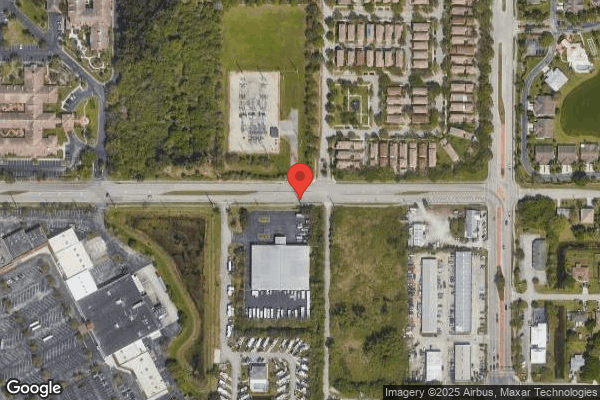

3720 SE JENNINGS RD, PORT SAINT LUCIE, FL 34952 (772) 398-8080
For profit - Corporation 123 Beds LIFE CARE CENTERS OF AMERICA Data: November 2025
Trust Grade
63/100
#376 of 690 in FL
Last Inspection: August 2024

Within standard 12-15 month inspection cycle. Federal law requires annual inspections.

Overview

Life Care Center of Port Saint Lucie has a Trust Grade of C+, meaning it is slightly above average but not particularly outstanding. It ranks #376 out of 690 facilities in Florida, placing it in the bottom half, and #3 out of 9 in St. Lucie County, indicating only two local options are better. The facility is showing improvement, with issues decreasing from 12 in 2024 to just 3 in 2025. Staffing is a positive aspect, rated 4 out of 5 stars with a turnover rate of 29%, which is well below the state average, indicating that staff tend to stay long-term. Although there have been no fines, recent inspections revealed environmental concerns, such as rust and dust in vents and peeling paint, as well as complaints from several residents about slow response times and inadequate staffing to meet their needs, which is a significant area for improvement.

Trust Score
C+
63/100
In Florida
#376/690
Bottom 46%
Safety Record
Low Risk
No red flags
Inspections
Getting Better
12 → 3 violations
Staff Stability
✓ Good
29% annual turnover. Excellent stability, 19 points below Florida's 48% average. Staff who stay learn residents' needs.
Penalties
✓ Good
No fines on record. Clean compliance history, better than most Florida facilities.
Skilled Nurses
○ Average
Each resident gets 41 minutes of Registered Nurse (RN) attention daily — about average for Florida. RNs are the most trained staff who monitor for health changes.
Violations
⚠ Watch
29 deficiencies on record. Higher than average. Multiple issues found across inspections.
★★★☆☆
3.0
Overall Rating
★★★★☆
4.0
Staff Levels
★★★★★
5.0
Care Quality
★★☆☆☆
2.0
Inspection Score
Stable
2024: 12 issues
2025: 3 issues

The Good

  • 4-Star Staffing Rating · Above-average nurse staffing levels
  • 5-Star Quality Measures · Strong clinical quality outcomes
  • Low Staff Turnover (29%) · Staff stability means consistent care
  • Full Sprinkler Coverage · Fire safety systems throughout facility
  • No fines on record
  • Staff turnover is low (29%)

    19 points below Florida average of 48%

Facility shows strength in staffing levels, quality measures, staff retention, fire safety.

The Bad

3-Star Overall Rating

Near Florida average (3.2)

Meets federal standards, typical of most facilities

Chain: LIFE CARE CENTERS OF AMERICA

Part of a multi-facility chain

Ask about local staffing decisions and management

The Ugly 29 deficiencies on record

Sept 2025 1 deficiency
CONCERN (D) 📢 Someone Reported This

A family member, employee, or ombudsman was alarmed enough to file a formal complaint

Potential for Harm - no one hurt, but risky conditions existed

Investigate Abuse (Tag F0610)

Could have caused harm · This affected 1 resident

**NOTE- TERMS IN BRACKETS HAVE BEEN EDITED TO PROTECT CONFIDENTIALITY** Based on interview and administrative and clinical record review, the facility failed to provide evidence of a thorough investig...

Read full inspector narrative →
**NOTE- TERMS IN BRACKETS HAVE BEEN EDITED TO PROTECT CONFIDENTIALITY** Based on interview and administrative and clinical record review, the facility failed to provide evidence of a thorough investigation, assessment of the resident, and internal and federal reporting of an incident of a resident with reported new bruises of suspected origin. This failure affects 1 of 3 sampled residents reviewed (Resident # 1).The findings included: Review of the he facility's policy regarding Incident and Reportable Event Management, reviewed 09/25/2024, documented regarding Alleged Violations - Investigate/Prevent/Correct: In response to allegations of abuse, neglect, exploitation, or mistreatment, the facility must have evidence that all alleged violations are thoroughly investigated. Prevent further potential abuse, neglect, exploitation, or mistreatment while the investigation is in progress.Procedure:The Five I's to Event Management, To help reduce the risk of an event, all residents receive assistance and supervisions as addressed in their care plan. If an event occurs, the facility will follow the 5 i's in an effort to minimize the potential recurrence. Incident (what happened or was reported as happening)Injury (provide care and document the injury)Interview (who saw the resident last or at the time of the event)Investigate (why did it happen)Intervention (what mitigation effort are we using)Incident/InjuryThe licensed nurse should evaluate the resident and render first aide if needed 2. The licensed nurse should create an event note and include the following details a. The assessment details of the resident (including the details of the resident) b. Presence or absence of injury, and any treatments rendered. c. If resident is able to report what occurred, this should be included in the notes d. Notification of family or responsible party e. Notification of physician and any orders received. 3. The licensed nurse should create a risk report in the electronic system and identify the most appropriate type of event from the available options in the in the system. 4. The licensed nurse should also notify the following in accordance with state and federal requirements. a. Supervisor on duty and/or DON (Director of Nursing)/ED (Executive Director) Review of the clinical record for Resident # 1 revealed that the resident was admitted to the facility on [DATE] and was discharged at the time of the review on 09/10/25. Resident # 1 was admitted to the facility for Nondisplaced intertrochanteric fracture of right femur. The 02/14/25 Minimum Data Set Assessment (MDS) cognitive function, documented a BIMS score of 15 (Brief Interview for Mental Status) score ranges from 0 to 15 and a score of 15 would indicate that the resident is mentally intact). Further review of the facility's administrative records regarding an occurrence for Resident # 1 failed to provide documented evidence that there was an incident that occurred for Resident # 1. Review of the clinical record for Resident # 1 failed to provide an assessment of the resident's injury or that an incident occurred. There is no evidence of facility or federal reporting of the incident for Resident # 1. An interview was conducted on 09/10/25 at approximately 12:15 PM with the Administrator regarding an incident occurring involving Resident # 1. The Administrator then reported that he did report an incident to the State Agency regarding an incident with Resident # 1. He did not have evidence of the information provided to the State Agency but provided the surveyor with a confirmation email dated February 23, 2025, at 1:46 PM which documented, Based on the information provided, a report for investigation has been accepted regarding Resident # 1. This was processed by Hotline Counselor. This information is confidential pursuant to section 39.202 and section 415.107, Florida Statutes, and can only be released as specified in the statute. The Administrator then reported that he submitted the report to the State Agency prior to interviewing the resident. After he interviewed the resident, he said that the resident felt that the aide was rushed during her transfer, but she didn't want the aide to get in trouble. However, the resident did request that the aide no longer work with her. So, they removed the aide from that assignment. He further stated that because the resident did not feel that the aide intentionally did anything, he did not report the incident to the Federal Agency. The surveyor then questioned the Administrator regarding not having the resident's name listed on the requested logs for reporting, i.e. incident reports, reports to the state and federal agencies. The surveyor then requested any reports or information of what was investigated regarding the incident with Resident # 1 and any subsequent education provided to the staff associated with the February 23rd reported incident for Resident # 1. He then reported that the Risk Manager is on vacation, and he is trying to get in the RM office to see what she has. The Administrator later reported that he did not have an incident report or any evidence of an investigation. Review of a State Agency's report revealed the following documentation, On 02/22/2025 during the 3pm to 11pm shift, Resident # 1 received two (2) bruises during a stand pivot transfer from the wheelchair to bed. The resident has fragile skin and during the transfer the resident stated to please stop but the aide continued to transfer. This was a single time occurrence and there is no prior history of occurrences. Resident # 1 did not want the aide to get in trouble, but she did not want to have the aide take care of her anymore. The aide was contacted for a statement but did not return the call. The aide was suspended pending an investigation. No recommendations were needed to be given as additional training was provided to the AP, and facility-wide training was conducted for staff on proper lifting techniques. The resident is an [AGE] year-old female who has capacity, who has been diagnosed with Intertrochanteric fracture of right hip, high blood pressure and diabetes. The resident requires assistance with her ADL's (activities of daily living) and IADL's. The facility's director confirmed that the allegations were found to be substantiated against the alleged CNA. The evidence presented during the investigation was sufficient to support the allegations. These findings are based on statements from the vulnerable adult, collateral statements from facility staff, and observations made by the API during the investigation. The evidence indicates that Resident # 1 did, in fact, sustain physical injuries. An act, threat, or omission (abuse) was committed, which could or is likely to cause significant harm to the victim. Resident # 1 sustained bruises from the CNA, which were noted during the investigator's visit. The bruises were visible on both of the resident's upper arms, corresponding with the hand placement that the CNA would typically use during a stand pivot transfer from a wheelchair to a bed. The allegations and medical records confirm that Resident # 1 has fragile skin, which would require extra care during handling. Resident # 1 has the capacity to understand, communicate, and make decisions, and she clearly explained to the investigator how she received the bruises. Review of the facility 's grievance log did identify a grievance on 02/23/25 at 10:30 AM, which documented that a nurse reported a concern for Resident # 1. The grievance documented the following information, the CNA was not careful during transfer from wheelchair to bed. The resident does not want the CNA anymore. The report documented that the concern was reported to the administrator on 02/23/25 at 11:00 AM. The report further noted that the Administrator spoke with the resident and staff member who took the report. The resident felt the aide rushed in transferring her. The aide was re-assigned from the resident. Additional transfer training to take place. An interview was conducted on 09/11/25 at 9:25 AM, with the Infection Preventionist, who was also the MOD (Manager on Duty) the weekend of the reported incident. The nurse stated that the Morning CNA reported to her regarding the incident, which is documented on the grievance, and so she contacted the Executive Director/Administrator. At this time, she does not remember about any injury to the resident. However, she did recall that the resident was insistent on the aide no longer working with her and was also willing to change rooms, if necessary to prevent the aide from working with her again. A telephone interview was conducted on 09/11/25 at 9:39 AM with the Certified Nursing Assistant (CNA), Staff A. She confirmed she was the CNA that reported the incident to the MOD on 02/23/25. As she recalls, Resident #1 wanted to get up and when she went to get her up, she remembered seeing bruises on her arms. She is not 100 % sure of the extent of the bruises at this time. She stated she asked the resident what happened, and the resident reported that something happened the night before with a shower or with the caregiver from the night before. She confirmed she noticed the bruises and knew they were new because she works with the resident five days a week. She stated she just reported the incident, but she doesn't recall giving a statement regarding the incident. She doesn't remember if it was the resident or daughter, who requested that the aide no longer worked with her, but remembers that one of them requested that the aide no longer care for the resident. An interview was conducted on 09/11/15 at 11:17 AM with the Licensed Practical Nurse, Staff B, who was the morning nurse on the date the incident was reported. She stated she did not think she was the nurse that the CNA reported the incident to but what she remembers is that the resident reported that the aide grabbed her rough during the transfer. She also recalled that the resident did not want that aide anymore. She thinks the resident may have had some skin issues, but she doesn't remember. The MOD then took over and reported the incident to the ED. The surveyor asked about bruises, she then stated she didn't remember and stated, let me check the record. The surveyor stated there was no assessment to identify what was observed on the resident regarding the bruises. She then stated usually, we will complete an incident report on the shift it occurred. She also thinks it may have been reported at night as well. There is no evidence that the facility followed their policy and procedure regarding Incident and Reportable Event Management concerning Resident # 1 and the incident which occurred with her.
Apr 2025 1 deficiency
CONCERN (D) 📢 Someone Reported This

A family member, employee, or ombudsman was alarmed enough to file a formal complaint

Potential for Harm - no one hurt, but risky conditions existed

Report Alleged Abuse (Tag F0609)

Could have caused harm · This affected 1 resident

**NOTE- TERMS IN BRACKETS HAVE BEEN EDITED TO PROTECT CONFIDENTIALITY** Based on interview, record review and policy review the facility failed to timely report to the State Agency allegations of abus...

Read full inspector narrative →
**NOTE- TERMS IN BRACKETS HAVE BEEN EDITED TO PROTECT CONFIDENTIALITY** Based on interview, record review and policy review the facility failed to timely report to the State Agency allegations of abuse for 4 of 4 sampled residents (Resident #1 and Resident #4), and (Resident #5 and Resident #6) involved in an incident. The findings included: Review of the Policy titled Abuse-Reporting and Response - No Crime Suspected, issued on 10/04/22 and revised on 06/17/24 documented, in part . Ensure that all alleged violations involving abuse, neglect, exploitation or mistreatment, including injuries of unknown source and misappropriation of resident property, are reported immediately, but not later than later 2 hours after the allegation is made, if the events that cause the allegation involve abuse or result in serious bodily injury, or not later than 24 hours if the events that cause the allegation do not involve abuse and do not result in serious bodily injury, to the administrator of the facility and to other officials (including to the State Survey Agency and adult protective services where state law provides for jurisdiction in long-term care facilities) in accordance to State law through established procedures. Review of the record revealed Resident #1 was initially admitted to the facility 01/13/25 and discharged [DATE]. Review of the current Minimum Data Set (MDS) assessment dated [DATE] documented Resident #1 had a Brief Interview for Mental Status (BIMS) score of 08, on a 0 to 15 scale, indicating the resident was moderately cognitively impaired. Review of the report documented an incident had occurred on 03/23/25 involving Resident #1. The incident was reported by the Administrator as followed: Incident Date 03/23/25, Incident time 7:01 AM, Administrator became aware of the incident 8:05 AM. Allegations: Physical Abuse. Time reported to the Abuse Registry 8:25 AM. This report was not submitted to the State Agency until 11:02 PM, approximately 16 hours after the incident occurred. During an interview on 04/01/25 at 11:20 AM, when asked why the abuse report for Resident#1 was not submitted timely, the Administrator stated that he was not aware he had to report it to the State Agency within 2 hours of the incident. He stated he thought he only had to report it to adult protective services within 2 hours. After a side-by-side review of the timeframes and regulation, he agreed that he should have completed the immediate report to the State Agency within 2 hours. Review of the record revealed Resident #4 was admitted to the facility 01/10/25 and discharged [DATE]. Review of the MDS assessment dated [DATE] documented Resident #4 did not have a BIMS score, indicating the resident was unable to answer any of the interview questions. Review of the report documented an incident occurred on 01/15/25 involving Resident #4. The incident was reported by the Administrator as followed: Incident Date 01/15/25. Incident time 10:04 AM. Administrator became aware of the incident 10:56 AM. Allegations: Physical Abuse. Time reported to the Abuse Registry 12:11 PM. This report was not submitted to the State Agency until 01/16/25 at 3:44 PM, more than a day after the incident occurred. Review of the record revealed Resident #5 had a re-entry admission to the facility on [DATE] and discharged [DATE]. Review of the MDS assessment dated [DATE] documented Resident #5 had BIMS score of 12, on a 0 to 15 scale, indicating the resident was cognitively intact. Review of the record revealed Resident #6 had a re-entry admission to the facility on 1/26/23. Review of the MDS assessment dated [DATE] documented Resident #6 had BIMS score of 15, on a 0 to 15 scale, indicating the resident was cognitively intact. Review of the abuse incident that occurred on 12/11/24 documented an incident that had occurred between Resident #5 (the perpetrator) and Resident #6 (the victim.) The incident was reported by the Administrator as followed: Incident Date 12/11/24. Incident time 6:14 PM. Administrator became aware of the incident on 12/11/24 at 6:33 PM. Allegations: Physical Abuse. Time reported to the Abuse Registry 7:40 PM. This report was not submitted to the State Agency until 12/15/24 3:37 PM, approximately 4 days after the incident occurred. During a follow-up interview on 04/01/25 at 12:45 PM, when asked why the incident for Resident #4 and the Resident-to-Resident incident between Resident #5 and #6 was not reported timely, he repeated he was not aware of needing to report the incidents to the State Agency within 2 hours.
Feb 2025 1 deficiency
CONCERN (D) 📢 Someone Reported This

A family member, employee, or ombudsman was alarmed enough to file a formal complaint

Potential for Harm - no one hurt, but risky conditions existed

Quality of Care (Tag F0684)

Could have caused harm · This affected 1 resident

**NOTE- TERMS IN BRACKETS HAVE BEEN EDITED TO PROTECT CONFIDENTIALITY** Based on observations, interviews, and clinical and administrative record review, the facility failed to provide evidence of pro...

Read full inspector narrative →
**NOTE- TERMS IN BRACKETS HAVE BEEN EDITED TO PROTECT CONFIDENTIALITY** Based on observations, interviews, and clinical and administrative record review, the facility failed to provide evidence of providing the necessary care and services to ensure that adequate monitoring of temperatures of hot beverages were consistently completed after an incident of a resident experiencing a burn from a hot beverage; failed to ensure hot liquid temperatures above the stated range, according to the facility's Food Temperature Log, Temperature Standards for hot foods should be at 140-170 degrees Fahrenheit were adjusted prior to serving; and failed to ensure the physician prescribed wound care orders were performed as prescribed, affecting 1 of 6 sampled residents ( Resident #1). The findings included: Review of the facility's policy regarding Hot Liquids, revised 01/21/2025 documented, the food provided by the facility should be palatable, attractive, and at an appetizing temperature as determined by the type of food to ensure resident's satisfaction, while minimizing the risk for scalding and burns. Burns related to hot water/liquids may also be due to spills and/or immersion. Many residents in long-term care facilities have conditions that may put them at increased risk for burns caused by scalding. The degree of injury depends on factors including the water temperature, the amount of skin exposed, and the duration of exposure. The table below illustrates damage to skin in relation to the temperature of the water and the length of time of exposure. Water temperature/Time required for a third degree burn to occur: 155 F [Fahrenheit]- 1 second 148 F - 2 seconds 140 F - 5 seconds 133 F - 15 seconds 127 F - 1 minute 124 F - 3 minutes 120 F - 5 minutes 100 F - see below Note: Burns can occur even at water temperature below those identified in the table above, depending on the individual's condition and length of exposure. 1. Review of the clinical record revealed Resident #1 was admitted to the facility on [DATE] with diagnosis that included displaced commuted fracture of the left tibia. The resident's cognitive status according to the 02/04/25 Minimum Data Set (MDS) assessment, recorded a Brief Interview for Mental Status (BIMS) score of 9, indicating moderate cognitive impairment. Further review of the clinical record revealed the resident sustained a burn on 02/16/25, apparently from being exposed to hot tea being spilled on him during the dinner meal. The resident was sent to the hospital for further evaluation on 02/16/25 and returned to the facility later that same evening. Review of the hospital emergency room record for 02/16/25 documented the resident was presented to the ER and upon exam the physician noted the resident had blistering with pain covered with superficial partial thickness burn. An observation and interview were conducted on 02/19/25 at 11:24 AM with Resident #1, who was served his lunch tray. There were no hot beverages given to the resident for this meal. The resident was provided with a bowl of soup, and the aide removed the lid on the soup and placed the soup at the top of the tray. The interview with the resident revealed his accounting of the incident on 02/16/25, during the dinner meal and stated he had asked the aide for a cup of hot tea. He stated the aide set up the tray and the hot tea. He stated the aide put the tea on the end of the table, and the aide's foot hit the table and knocked over the hot tea off into his bed. He said that there were two aides in the room. One was trying to line up his bed table. One of the aides kicked the table and knocked the cup over. An interview was conducted on 02/19/25 at 4:09 PM with the Certified Nursing Assistant, Staff B, who reported that on the day of the incident, Resident #1's tray table was in front of him. She had set up the resident's tray and he then asked for hot tea. She stated she went to get the resident some hot tea and she put the tea on the tray. The resident then asked for salt and pepper, so she went out of the room to the cart in the hallway, to get the salt and pepper, when she heard the resident scream, mommy, I'm burning. She further stated that he said, he poured soup on him. But when she looked, the soup had not been touched. She stated she had the resident turn to the side and when she turned the sheet, she saw the empty cup. She stated when the resident turned at that time, his skin was attached. She removed the sheets and sat them on the floor. She stated she then ran to get the nurse. An interview was conducted with the Wound Care Physician on 02/20/25 beginning at 8:43 AM. The physician reported that he saw the resident on Tuesday, 02/18/25, and the resident's burns were second degree burns, involving the epidermis and blistering. He noted the resident did not have any infection or necrosis in the burns, so he changed the dressing to Xerofoam dressing, because the Xerofoam won't stick to the area. He stated the resident did not complain of any pain while we were performing the wound care. He was conversing with us that he wanted to go home. An interview was conducted on 02/20/25 at 9:15 AM with the Registered Nurse, Staff C. She reported that she was on another unit when the incident occurred with Resident #1. She stated Staff B came running toward her, stating that Resident #1 had been burned. His skin was burned on the side. The aide had already removed everything when she had arrived to see Resident #1. She further stated that at the time she was unaware of what had caused it. She said the resident did not want to be touched and wanted 911 called. She stated that from her skin assessment, she could see that the skin was mostly intact but wrinkled. There was a small part of the skin that was open on the hip about 3 inches. She was unaware of the amount of time which had elapsed. Review of the facility's investigation revealed the facility interviewed the staff who were involved in the incident to determine how the hot tea was spilled but there is no evidence of the staff monitoring to determine the probable temperature of the liquid served from the canister used to serve the resident. There was no evidence of the facility conducting further monitoring of hot beverages being served on the various nursing units to prevent future reoccurrence of the incident. An interview was conducted on 02/20/25 at 11:16 AM with the Assistant Director of Nursing / Risk Manager. The facility's investigation reviewed the disparity in accounting of the incident from Resident #1 and the staff involved. Interviews were conducted with the staff involved. The facility determined there was one staff member on the unit at the time of the incident. The second aide was in the dining room and the nurse was on another unit. She also noted the temperature documented on the Temperature log from the kitchen for 02/16/25 at dinner was 145F (Fahreneit). She further stated she would have preferred that staff would have tested the curio (container used to store hot liquid for transport to the nursing units) for the water temperature, but she confirmed this did not happen. The surveyor also reviewed the Temperature log documentation for February 2025 and noted there were several entries where the documented temperature exceeded the acceptable range of 140-170 F. degrees and there was no apparent follow-up to the high temperature. An observation in the facility's kitchen during the lunch meal preparation was conducted on 02/19/25 beginning at 11:15 AM. Upon entering the kitchen, the surveyor observed 5 carts with hot beverage canisters already stored on top of the cart. An interview was conducted with the Dietary Aide, Staff A, who confirmed the canisters contained hot coffee or hot water. Staff A further stated, she had already tested the coffee. The surveyor then inquired about the documentation regarding the temperature checks. She then referred the surveyor to the cook. An interview was then conducted with the cook, Staff E, who stated she was the one to note the temperatures of the food and beverages. She also stated she had gotten the temperature of the hot beverages, but she was unable to state what the temperatures were when tested. Upon further investigation, it was noted that the sheet for the documentation for food and beverages was blank for 02/19/25 for the lunch meal. It should be noted that the hot beverages were already in the containers on each of the carts and there was no evidence the temperatures were checked prior to the hot beverages being placed into the containers or were going to be checked prior to beverages leaving the kitchen. The staff on the floor do not check the temperatures on the unit, prior to serving. The surveyor was informed that the staff tests the temperature from the brewing machine, and they document the temperature on the log. On 02/19/25 at approximately 11:40 AM, a test of the coffee coming from the brewing machine tested at 169 degrees Fahrenheit. The staff then stated we will have to put ice in it to lower the temperature before serving. The surveyor requested the staff test the hot beverage content already in the canisters. Temperature checks of the hot beverage content in the canisters on the carts ranged from 122.8 F to 158.9 F. The Food Temperature Log documented the following: Temperature Standards: Cold foods should be at 40 degrees Fahrenheit or below, and hot foods should be at 140-170 degrees Fahrenheit. Temperatures are recorded before food is served. If food temperatures are not within ranges, corrective action must be taken before food is served to residents. Record below the temperature of all hot and cold foods, including modified textures and alternatives. Further review of the Food temperature log for February 2025 revealed multiple entries where the temperature documented for the hot beverage exceeded the above stated range: 02/19/25 - breakfast - 194F. 02/18/25 - breakfast - 178F. 02/09/25 - breakfast - 178F. 02/10/25 - lunch - 181F. 02/08/25 - dinner - 173F. An interview was conducted on 02/19/25 at approximately 11:40 AM with Cook, Staff F, who stated the temperature is checked by obtaining a cup of hot liquid from the brewing machine and is documented on the log. They had no explanation as to why there was no information documented for 02/19/25 and the hot beverages were already in canisters and ready to be sent to the floor. She further stated the aides on the floor distribute the trays and pour the hot liquid into the cups, they do not test the hot liquids. This is done in the kitchen. An interview with the Dietary Manager was conducted on 02/19/25 beginning at 12:00 PM. The surveyor inquired about the staff checking the temperature of the hot liquids. She stated that the staff usually test in the kitchen prior to serving. An interview was conducted on 02/19/25 at 1:29 PM with Cooks, Staff E and Staff F. The [NAME] does the temperature, right before serving. She tests the food and liquid. She tests from the brewing machines. Closer observation of the brewing machine did not indicate a temperature setting for liquid being dispensed. If the temperature is above the stated limit, they are supposed to put ice in the drink. They document the temperature from the Brewing Machine. They do not test the liquids in all the canisters. Another observation was conducted on 02/20/25 at 7:30 AM in the kitchen. Again, the food carts had hot beverage canisters already stored on the carts and the surveyor had been informed that one cart had already gone to the unit. The surveyor again requested to see the Temperature log for the hot beverages. Again, the log was incomplete for the temperature of the hot beverages. 2. Review of the facility's policy regarding Area of Focus: Basic Skin Management, revised 11/21/2024, documented All residents have a head-to-toe skin inspection upon admission/readmission, then completed weekly, and as needed by nursing. It is documented into PCC (Point Click Care). Further review of the clinical record for Resident #1 revealed the resident had an external fixator secondary to fracture tibia. The physician prescribed wound care for the area as follows: a. On 02/01/25, the physician prescribed clean pin sites (8) R/T [related to] external fixator on left leg with Betadine solution, pat dry and leave open to air every day-shift. b. On 02/01/25, the physician prescribed clean staples on the left upper thigh (near abdominal fold) with wound cleanser, cover with bordered Telfa dressing every day-shift. c. On 02/01/25, the physician prescribed clean stitches on left outer lower leg with wound cleanser, pat dry, cover with bordered Telfa dressing every day-shift. Review of the February 2025 Treatment Administration Record revealed the staff failed to place their initials in the appropriate box to indicate the treatment was performed as follows for the above 3 treatment orders: Monday, 02/03/25; Friday, 02/07/25, Monday through Wednesday, 02/10 - 02/12. An interview was conducted on 02/20/25 at approximately 3:30 PM with the Wound Care Nurse, Staff D, who performs treatments Monday through Friday. The surveyor inquired about the wound care being done. She stated, the girls usually tell me that I missed. Review of the Weekly Skin Checks revealed the staff conducted a skin check on admission, 01/31/25. There were no further weekly skin checks until 02/14/25. There was no documented weekly skin check for 02/07/25. An interview was conducted with the Director of Nursing on 02/20/25 at approximately 4:00 PM, who reported the weekly skin check apparently did not populate in PCC (Point Click Care).
Dec 2024 1 deficiency
CONCERN (D) 📢 Someone Reported This

A family member, employee, or ombudsman was alarmed enough to file a formal complaint

Potential for Harm - no one hurt, but risky conditions existed

Grievances (Tag F0585)

Could have caused harm · This affected 1 resident

**NOTE- TERMS IN BRACKETS HAVE BEEN EDITED TO PROTECT CONFIDENTIALITY** Based on clinical and administrative record review and interview, the facility failed to ensure 1 of 3 sampled residents (Reside...

Read full inspector narrative →
**NOTE- TERMS IN BRACKETS HAVE BEEN EDITED TO PROTECT CONFIDENTIALITY** Based on clinical and administrative record review and interview, the facility failed to ensure 1 of 3 sampled residents (Resident #1) grievance was acknowledged and an effort was made to promptly resolve the grievance. The findings included: Review of the clinical record for Resident #1 revealed the resident was admitted to the facility on [DATE] with a diagnosis which included Radiculopathy, lumbar region and she left the facility AMA (Against Medical Advice) on 10/15/24. The resident is alert and oriented in all spheres and is able to make needs known. The progress note dated 10/15/24 at 6:42 PM documented that the resident stated, I cannot be here anymore. During the administrative record review, a review of the facility's grievance log from October 2024 to December 2024, revealed no evidence of a grievance filed for Resident #1. An interview was conducted on 12/04/24 at approximately 11:25 AM with the Social Services Director (SSD). The SSD stated that she did not recall Resident #1 and acknowledged that she did not have a grievance and/or room change request for Resident #1. An interview was conducted on 12/04/24 at approximately 12:40 PM with the Licensed Practical Nurse, Staff A. The nurse confirmed that Resident #1 had expressed dissatisfaction with her roommate and the resident's constant yelling. She also recalled that the resident wanted another room. The resident would sit up at the nurse's station to get out of the room. She stated she would inform the SSD verbally or complete the form. She didn't recall what method she did or when she did it, however, she confirmed she did not see any documentation that she reported the resident's complaint. She further thought that a room change was made in reference to the roommate but didn't recall what happened with this situation. She further recalled that Resident #1 left the facility AMA.
Aug 2024 11 deficiencies
CONCERN (D)

Potential for Harm - no one hurt, but risky conditions existed

Deficiency F0561 (Tag F0561)

Could have caused harm · This affected 1 resident

**NOTE- TERMS IN BRACKETS HAVE BEEN EDITED TO PROTECT CONFIDENTIALITY** Based on record review and interview, the facility failed to respond to and honor request for insulin sensor use for 1 of 6 samp...

Read full inspector narrative →
**NOTE- TERMS IN BRACKETS HAVE BEEN EDITED TO PROTECT CONFIDENTIALITY** Based on record review and interview, the facility failed to respond to and honor request for insulin sensor use for 1 of 6 sampled residents reviewed for choices (Resident #54). The findings included: Review of the record revealed Resident #54 was admitted from the facility's associated Independent Living (IL) facility, to the skilled nursing facility, on 07/18/24 with a diagnosis of Diabetes. Review of the current Minimum Data Set (MDS) assessment dated [DATE] documented the resident had a Brief Interview for Mental Status (BIMS) score of 14, on a 0 to 15 scaled, indicating she was cognitively intact. Review of the current orders revealed as of 07/18/24 staff were to complete an accucheck twice daily for diabetes. This process is completed by obtaining blood via a finger stick to obtain a blood sugar level. Review of a progress note written on 07/27/24 by the Nurse Practitioner documented, The patient is unsure about the facility's protocol for glucose monitoring and would like to have her sensor replaced and used for monitoring. (The sensor is attached to the resident's arm and is read by a monitor to obtain a blood sugar level, without having to do a finger stick, that can often be painful). During an interview on 08/05/24 at 11:10 AM, when asked if she was receiving insulin, Resident #54 stated she was. The resident further stated she had a blood sugar sensor in her left arm, that was up two weeks ago, but that the facility would not replace it or use it. During an interview on 08/08/24 at 9:35 AM, when asked about the insulin sensor for Resident #54, the 200 Unit Care Coordinator stated, She doesn't have her monitor. It's next door at (name of IL). When asked if someone could get it for her, the Unit Care Coordinator stated she could call over to the IL and try to get the monitor for Resident #54. The Unit Care Coordinator later informed the surveyor the items needed to do the sensor blood glucose level were on the way over from next door.
CONCERN (D)

Potential for Harm - no one hurt, but risky conditions existed

ADL Care (Tag F0677)

Could have caused harm · This affected 1 resident

**NOTE- TERMS IN BRACKETS HAVE BEEN EDITED TO PROTECT CONFIDENTIALITY** Based on policy review, observation, record review, and interview, the facility failed to ensure of proper nail care for 1 of 3 ...

Read full inspector narrative →
**NOTE- TERMS IN BRACKETS HAVE BEEN EDITED TO PROTECT CONFIDENTIALITY** Based on policy review, observation, record review, and interview, the facility failed to ensure of proper nail care for 1 of 3 sampled residents reviewed for Activities of Daily Living (ADL's) (Resident #74). The findings included: Review of the policy Nail Care reviewed 08/23/23 documented, Policy: The resident will receive assistance as needed to complete activities of daily living (ADLs). Procedure: For general fingernail care for most residents, the following procedure will be followed: 1. Ensure fingernails are clean and trimmed to avoid injury and infection. Review of the record revealed Resident #74 was admitted to the facility on [DATE] with a diagnosis to include hemiparesis secondary to a stroke. Review of the current Minimum Data Set (MDS) assessment dated [DATE] documented the resident had a Brief Interview for Mental Status (BIMS) score of 14, on a 0 to 15 scale, indicating the resident was cognitively intact. Further review of this MDS documented Resident #74 needed substantial to maximum assistance with bathing, showering, and personal hygiene. Review of the current care plan initiated on 12/06/21 documented Resident #74 had an ADL self-care performance deficit related to a stroke with left sided hemiparesis with his left arm being flaccid. This care plan instructed staff to check the resident's nail length and to trim and clean them on bath days and as necessary. Review of the Certified Nursing Assistant's (CNA's) documentation in the electronic medical record revealed the shower schedule for Resident #74 was every Monday and Thursday during the 7 AM to 3 PM shift. Further review of the documentation for the past two weeks revealed the resident received a shower on 07/29/24, 08/01/24 and 08/05/24, along with bed baths on 07/22/24, 07/25/24, 07/27/24, 08/03/24, and 08/04/24. This would have provided 8 opportunities during the past two weeks for staff to trim and clean the resident's fingernails with bathing and showering. During an interview on 08/05/24 at 11:28 AM, when asked how he was doing, Resident #74 stated in a frustrated tone, that he had asked everyone, CNAs, nurses, and even the maintenance man, about getting his fingernails trimmed, as he held up his right hand. An observation of his fingernails revealed they were long, extending past the end of each finger, with a black substance under the nails. Observation revealed the resident's left fingers were curled up, and the fingernails were long and nearly digging into his palm. An observation and interview on 08/06/24 at 9:50 AM, revealed the resident's fingernails had been trimmed, although some black substance was still noted under a few of the nails. Resident #74 stated he did not understand why it took so long, again stating he had been asking constantly for the past couple of weeks. The resident stated, I get my toe nails trimmed every two months like clockwork. Why can't I get my fingernails done routinely as well. During an interview on 08/08/24 at 11:13 AM, when asked the process for trimming and cleaning a resident's fingernails, Staff A, CNA, stated she trims and cleans the nails whenever they need to be done. When asked about how often she trimmed and cleaned the fingernails for Resident #74, the CNA stated about once a week. When told he had been asking for the past two weeks, Staff A stated she had been on vacation the past two weeks. During a follow-up interview on 08/08/24 at 12:53 PM, when asked if the issue getting his fingernails trimmed and cleaned was just over the past two weeks, Resident #74 stated it had been an ongoing issue.
CONCERN (D)

Potential for Harm - no one hurt, but risky conditions existed

Quality of Care (Tag F0684)

Could have caused harm · This affected 1 resident

**NOTE- TERMS IN BRACKETS HAVE BEEN EDITED TO PROTECT CONFIDENTIALITY** 3) During an interview on 08/05/24 at 11:31 AM, Resident #76 informed the surveyor that he is not getting his medications until ...

Read full inspector narrative →
**NOTE- TERMS IN BRACKETS HAVE BEEN EDITED TO PROTECT CONFIDENTIALITY** 3) During an interview on 08/05/24 at 11:31 AM, Resident #76 informed the surveyor that he is not getting his medications until hours later. A review of the Policy titled, Medication Administration Times with an issue date of 11/17/19, Revised 05/06/21 and reviewed 08/28/23 documented the following times are used for standard medication times: Medication prescribed one time a day-0800 AM or 0900 AM Medication prescribed in the Evening-5:00 PM or 6:00 PM Medication prescribed at Bedtime-8:00 PM or 9:00 PM Medication prescribed Twice a day- 0900 AM and 5:00 PM Medication prescribed Three times a day-0900 AM, 1:00 PM and 5:00 PM Review of Resident #76's medical records revealed he was admitted to the facility on [DATE] with a diagnosis to include Spinal Stenosis of the Lumbar, Type II Diabetes, Muscle Spasm, Cervical Stenosis, Osteoarthritis, Chronic Pain Syndrome, Radiculopathy of the Lumbar Region, Lack of Coordination, Benign Prostatic Hyperplasia, and Muscle Weakness. A review of the Physician Order for 07/24/24 and 08/24/24 revealed the following medications were ordered: -Metformin HCl Tablet 500 MG Give 1 tablet by mouth two times a day for Diabetes *WITH MEALS 08:00 and 5:00 PM. -Hydrochlorothiazide Tablet 12.5 MG Give 1 tablet by mouth one time a day for Diuretic/Edema 08:00 AM. -Flomax Oral Capsule 0.4 MG Give 2 capsule by mouth one time a day for bph (benign prostatic hyperplasia) 5:00 PM. -Cymbalta Oral Capsule Delayed Release Particles Give 60 mg by mouth two times a day for depression 0900 and 5:00 PM. -Cozaar Oral Tablet 100 MG Give 1 tablet by mouth one time a day for Hypertension 08:00 AM. -Carvedilol Tablet 25 MG Give 1 tablet by mouth two times a day for HTN 08:00 and 5:00 PM. -Aspirin EC Tablet Delayed Release 81 MG (Aspirin) Give 1 tablet by mouth one time a day for Cardiac 08:00 AM. -Cymbalta Oral Capsule Delayed Release Particles (Duloxetine HCl) Give 60 mg by mouth two times a day for depression 09:00 AM and 5:00 PM. -Flomax Oral Capsule 0.4 MG (Tamsulosin HCl) Give 2 capsule by mouth one time a day for bph 5:00 PM. Further review of the Medication Administration Audit Report reveals the following medications were not given at the ordered time in August. 08/05/24 Metformin, Cozaar, Hydrochlorothiazide, Carvedilol, Aspirin ordered for 08:00 AM and was given at 10:36 AM and Cymbalta ordered at 9:00 AM was given at 10:36 AM. 08/05/24 Metformin, Carvedilol, Flomax, Cymbalta ordered to be given at 5:00 PM and not given until 8:27 PM. The physician's order for Metformin specifically states to give with meals. A review of the Meal Service Schedule documents Resident #76's unit to be served breakfast between 7:55 AM-8:25 PM and dinner in the dining room is 4:45 PM-5:15 PM. Further review of the July 2024 Medication Administration Audit Report revealed that Resident #76 did not timely receive the following medications at their scheduled time. - Metformin 8:00 AM dose, did not timely receive 10 times in 31 opportunities and did not receive his 5:00 PM dose timely 6 times in 31 opportunities. -Carvedilol 8:00 AM did not timely receive 10 times in 31 opportunities and his 5:00 PM dose did not receive 5 times in 31 opportunities. - Hydrochlorothiazide 8:00 AM dose, did not timely receive 10 times in 31 opportunities. -Cozaar 8:00 AM dose, did not timely receive 10 times in 31 opportunities. -Aspirin 8:00 AM dose, did not timely receive 10 times in 31 opportunities. -Cymbalta 9:00 AM dose, did not receive timely 3 times in 31 opportunities and the 5:00 PM dose did not timely receive 6 times in 31 opportunities. -Flomax 5:00 PM dose did not timely receive 6 times in 31 opportunities. During an interview on 08/08/24 at 10:46 AM with Staff F, RN (Registered Nurse), who started employment on 04/01/24, she stated I am supposed to give the medication an hour before or an hour after. It does not happen! We have 28 patients, I can't keep up with it. During an interview on 08/08/24 at 11:15 AM with the DON (Director of Nursing), it was revealed the census is 51 today on the 100 unit, and staffed with two nurses on both shifts. It was reported that Cart 1 is one of the heaviest med passes. The residents on that hall might have a lot of meds (room [ROOM NUMBER]-116). You may have a resident on 27 meds. What we have identified regarding the medications is we had the pharmacy look the meds for those resident's, created a plan in place for the Unit Manager to come in at 0700 AM. We are doing a trial period where she is taking one of the carts and assisting with the meds. Based on policy review, record review, and interview, the facility failed to ensure care and services for 3 of 7 sampled residents reviewed for medication use, as evidenced by the failure to follow physician ordered parameters for Resident #26, the failure to ensure timely antibiotics and timely central vascular access device (CVAD) dressing change for Resident #164, and the failure to ensure timely medication administration for Resident #76. The findings included: 1) Review of the record revealed Resident #26 was admitted to the facility on [DATE]. Review of the current Minimum Data Set (MDS) assessment dated [DATE] documented the resident had a Brief Interview for Mental Status (BIMS) score of 6, on a 0 to 15 scale, indicating some cognitive impairment. Review of the current orders revealed staff were to hold the midodrine tablet used for low blood pressure if the systolic blood pressure (SBP/upper number) was greater than 120, as of the order date of 07/20/24. This medication was ordered three times daily. Review of the August 2024 Medication Administration Record (MAR) revealed staff failed to hold the midodrine for a SBP greater than 120 on the following dates: a) On 08/01/24 at 1400 (2 PM) with a SBP of 121. b) On 08/04/24 at 1400 with a SBP of 127. c) On 08/05/24 at 1400 with a SBP of 133. d) On 08/06/24 at 1400 with a SBP of 132. e) On 08/07/24 at 1400 with a SBP of 128. Review of the July 2024 MAR revealed staff failed to hold the midodrine for a SBP greater than 120 on the following dates: f) On 07/22/24 at 1400 with a SBP of 126. g) On 07/27/24 at 1400 with a SBP of 122. h) On 0728/24 at 1400 with a SBP of 123. i) On 07/29/24 at 2200 (10 PM) with a SBP of 124. During an interview on 08/08/24 in the afternoon, the Director of Nursing (DON) was made aware of the failure to follow physician ordered parameters and agreed with the concern. 2a) Review of the record revealed Resident #164 was admitted to the facility on [DATE] with diagnosis of osteomyelitis and the need for intravenous (IV) antibiotics. Review of the transfer form from the hospital revealed an area to document the medications due near the time of transfer, with the last time the medication was administered. The area was filled as an unknown date, as the form documented start 2, and the time of 6 PM. Further review of the hospital record revealed the antibiotic daptomycin was last provided by the hospital on [DATE] at 5:27 PM. Review of the current order dated 07/25/24 documented staff were to provide daptomycin 500 mg (milligrams) via IV every 48 hours beginning on 07/25/24, even though the resident was admitted during the evening hours on 07/25/24. The electronic order was rewritten to start the antibiotic on 07/26/24. The record revealed the IV antibiotic form to obtain the daptomycin from the pharmacy was completed on 07/26/24 at 11:00 AM. Pharmacy records revealed the daptomycin was delivered to the facility on [DATE] at 7:19 PM. Although the resident's IV access was thought to be infiltrated on 07/26/24, it was checked and available for use as of 3:22 PM. Review of the July 2024 Medication Administration Record (MAR) the lack of administration of the IV antibiotic on 07/26/24 at 6:56 PM and 07/27/24 as evidenced by a large X on the MAR. The antibiotic was last provided on 07/23/24 by the hospital staff and not provided by the facility until 07/28/24. Review of the progress notes lacked any explanation of the delay. During an interview and observation on 08/06/24 at 3:24 PM, when asked if the antibiotic daptomycin was available in house, the Unit Care Coordinator was unable to find it in the pharmacy stock. The Unit Care Coordinator and DON were made aware of the concern related to the antibiotic delayed administration. As of the exit conference, no additional information had been provided. 2b) Review of the pharmacy policy Central Vascular Access Device (CVAD) Dressing Change revised 06/01/21, that included a PICC line, documented, 1. Perform sterile dressing changes . 1.1 Upon admission. 1.1.1 If transparent dressing is dated, clean, dry, and intact, the admission dressing change may be omitted and scheduled for 7 days from the date on the dressing label. 1.2 At least weekly. 24. Documentation in the medical record includes, but is not limited to: 24.1 Date and time. 24.2 Site assessment. 24.3 Length of external catheter. 24.4 Arm circumference. 24.5 Reason for dressing change. 24.6 Patient response to procedure. 24.7 Patient/significant other teaching. Further review of the hospital transfer form revealed the Peripherally Inserted Central Catheter (PICC) line for Resident #164 was inserted by the hospital staff on 07/16/24. Additional hospital documentation provided by the Assistant Director of Nursing (ADON) revealed the hospital staff last changed the dressing for the PICC line on 07/23/24 at the hospital. Review of the order dated 07/25/24 documented staff were to change the transparent dressing to the PICC catheter site every 7 days. This order included staff were to measure the external catheter length and notify the physician of any change in length. The first dressing change was scheduled for 07/25/24. Review of the Medication Administration Records (MARs) for July and August 2024 lacked any documented PICC line dressing change. Further review of the MAR revealed the scheduled date for the PICC line dressing change was 07/25/24, then changed to 07/26/24, again neither was documented as completed. The next PICC line dressing change was scheduled for 08/02/24, and again was not documented as completed. This date of 08/02/24 would represent 10 days after the documented PICC dressing change by hospital staff on 07/23/24. Review of all progress notes lacked any documented PICC line dressing change or any type of assessment to the PICC line, that included a date on the dressing upon admission to the facility, any length of external catheter or any arm circumference, as per their policy. An observation on 08/05/24 at 2:55 PM revealed a central line to left upper arm of Resident #164. The date on the label was difficult to read, but appeared to be 8/6/24 with the 6 having been written over another number, with permanent marker noted on the resident's arm. During an interview and side-by-side review of the record on 08/06/24 at 1:49 PM, the Unit Care Coordinator confirmed the PICC dressing changes were to be done weekly and signed off in the computer via the eMAR. The Unit Care Coordinator looked at the dressing on the resident's arm and agreed it looked like 8/6/24. The Unit Care Coordinator stated those initials were for a nurse that she believed did not work on 08/06/24. The Unit Care Coordinator stated the initials were of Staff B, Licensed Practical Nurse (LPN) who worked night shift (7 PM to 7 AM), and that she had worked on 08/02/24, the last scheduled dressing change date. During a phone interview on 08/06/24 at 2:20 PM, when asked the process for PICC dressing changes related to the timing and documentation, Staff B, LPN stated the dressings were changed weekly, with the date written on the dressing prior to putting the dressing on the resident's arm, and documented as completed in the eMAR. When asked if she had changed the PICC dressing for Resident #164, the LPN stated she did it last Friday (08/02/24) before she went home. When asked about the lack of documentation in the eMAR, the LPN stated she would have signed it off when completed, and had no reason for the lack of documentation.
CONCERN (D)

Potential for Harm - no one hurt, but risky conditions existed

Deficiency F0692 (Tag F0692)

Could have caused harm · This affected 1 resident

**NOTE- TERMS IN BRACKETS HAVE BEEN EDITED TO PROTECT CONFIDENTIALITY** Based on record review and interview, the facility failed to implement nutritional supplements for 1 of 3 sampled residents revi...

Read full inspector narrative →
**NOTE- TERMS IN BRACKETS HAVE BEEN EDITED TO PROTECT CONFIDENTIALITY** Based on record review and interview, the facility failed to implement nutritional supplements for 1 of 3 sampled residents reviewed for nutrition (Resident #3). The findings included: Review of Resident #3's medical records revealed Resident #3 was admitted to the facility on [DATE] with a diagnosis to include Adult Failure to Thrive, Dementia Without Behavioral Disturbances, Mood Disturbance, and Anxiety. A review of Resident #3's quarterly MDS (Minimum Data Set) assessment dated [DATE] documented her BIMS (Brief Interview for Mental Status) score of 8, which indicates she has moderate cognitive impairment. Further review revealed under section K that the resident had a weight loss of 5% or more in the last month or 10% in 6 months and was not on prescribed weight-loss regimen. A review of the resident's weights documented on 03/23/2024, the resident weighed 119.1 lbs. On 07/08/2024, the resident weighed 108.2 pounds which is a -9.15 % weight loss. A progress note from the dietician documented a weight change on 05/02/24 with a 3% change from last weight and change over 30 days. The note further documented will add fortified foods and Med Pass 120 ML three times a day. A review of the physician's order's from May 2024, June 2024, July 2024 and [DATE] did not document any orders for Med Pass (nutritional supplement). During an interview on 08/08/24 at 10:09 AM with the Registered Dietician, she was asked about Resident #3 and the progress note to add Med Pass 120 ml three times a day. She acknowledged that she does not find any order and was not sure why.
CONCERN (D)

Potential for Harm - no one hurt, but risky conditions existed

Tube Feeding (Tag F0693)

Could have caused harm · This affected 1 resident

**NOTE- TERMS IN BRACKETS HAVE BEEN EDITED TO PROTECT CONFIDENTIALITY** Based on observation, record review, and interview, the facility failed to properly monitor the continuous tube feeding for 1 of...

Read full inspector narrative →
**NOTE- TERMS IN BRACKETS HAVE BEEN EDITED TO PROTECT CONFIDENTIALITY** Based on observation, record review, and interview, the facility failed to properly monitor the continuous tube feeding for 1 of 2 sampled residents, resulting in the failure to administer the calculated amount of nutrition and fluids (Resident #84). The findings included: Review of the record revealed Resident #84 was admitted to the facility on [DATE]. Review of the current Minimum Data Set (MDS) assessment dated [DATE] documented the resident received all of his nutrition and fluids via a feeding tube. Review of the current order dated 07/10/24 instructed staff to provide Resident #84 via his feeding tube Glucerna 1.5 (a specific brand of tube feed used for residents with blood sugar difficulties) at 65 milliliters (ml) per hour, for 20 hours, for a total amount of 1300 ml. This same order instructed staff to provide 30 ml of water every hour, for 20 hours, for a total amount of 600 ml. This order instructed staff to initiate the tube feeding at 1 PM each day and stop it each day at 9 AM. The current care plan initiated on 03/13/23 documented the resident had a potential for fluid deficit related to the use of a feeding tube and diuretics. A second care plan documented the resident required tube feeding related to dysphagia (difficulty swallowing) with the intervention that the resident was dependent with tube feeding and water flushes. An observation was made on 08/05/24 at 12:13 PM. Resident #84 out of bed and reclining in a specialty chair. An empty 1000 ml container of Jevity 1.5 with a label that documented it was started on 08/05/24 (incorrect date) at 1300 (1 PM) was noted hanging from a pole behind the resident. A water flush bag with approximately 600 ml of water remaining also documented it was initiated at the same date and time. A stack of several boxes of Jevity tube feeding was noted in the corner of the room. A second observation on 08/07/24 at 8:20 AM revealed Resident #84 up in his specialty chair. The tube feeding pole was empty. During an interview on 08/07/24 at 10:08 AM, when asked the process for the administration of tube feeding to a resident, Staff C, Licensed Practical Nurse (LPN), explained she puts a new canister up each day at the ordered time. The LPN volunteered that they don't routinely clear the volume on the feeding tube pump. When asked about Resident #84's tube feeding for that day, the LPN stated the night nurse was in the facility with an orientee earlier that morning, having stayed over beyond the end of her shift, and they took down an empty canister of tube feeding. When asked if it was Jevity because that was what was used earlier in the week, the LPN stated she did not see the label, but had just noticed the empty canister, and further stated Resident #84 received Glucerna. The LPN explained he used to receive Jevity, but his blood sugars were elevated, so he was changed to Glucerna. When asked about the boxes of Jevity in his room, the LPN explained that his insurance provided the tube feeding specifically for that resident, so it was stored in his room. When asked to clarify the order and total amount to be administered to Resident #84, Staff C, LPN, confirmed the order was for Glucerna 1.5 and they were to administer 1300 ml. When asked the volume of the canister, the LPN confirmed it was only 1000 ml, and further stated she always took down an empty canister each morning and had thought it was strange, as there should have been a canister with just 300 ml used. When asked if she questioned anyone about that, the LPN stated she had not, as she was fairly new to that assignment. Review of the July 2024 Medication Administration Record (MAR) revealed Staff C had worked with Resident #84 five days during the month. During an interview on 08/07/24 at 10:14 AM, when asked about the boxes of Jevity in Resident #84's room, the Unit Care Coordinator stated she thought central supply had taken the boxes out of the room to return them. The Unit Care Coordinator was made aware of the observation of the empty Jevity canister on Monday and the LPNs comment that she always takes down an empty canister. The Unit Care Coordinator had no response. During an interview on 08/07/24 at 4:45 PM, the Registered Dietician agreed the ordered nutritional need for Resident #84 was 1300 ml of Glucerna per day and 600 ml of water per day.
CONCERN (D)

Potential for Harm - no one hurt, but risky conditions existed

Deficiency F0697 (Tag F0697)

Could have caused harm · This affected 1 resident

**NOTE- TERMS IN BRACKETS HAVE BEEN EDITED TO PROTECT CONFIDENTIALITY** Based on record review and interview, the facility failed to ensure pain medication was provided as ordered for 1 of 3 sampled r...

Read full inspector narrative →
**NOTE- TERMS IN BRACKETS HAVE BEEN EDITED TO PROTECT CONFIDENTIALITY** Based on record review and interview, the facility failed to ensure pain medication was provided as ordered for 1 of 3 sampled residents reviewed for pain ( Resident #76). The findings included: A review of the Policy titled, Medication Administration Times with an issue date of 11/17/19, Revised 05/06/21 and reviewed 08/28/23 that the following times are used for standard medication times: Medication prescribed one time a day-0800 AM or 0900 AM Medication prescribed in the Evening-5:00 PM or 6:00 PM Medication prescribed at Bedtime-8:00 PM or 9:00 PM Medication prescribed Twice a day- 0900 AM and 5:00 PM Medication prescribed Three times a day-0900 AM, 1:00 PM and 5:00 PM On 08/05/24 at 11:31 AM Resident #76 informed the surveyor that he always has pain in his right shoulder and arm from neck surgery that occurred years ago. He further reportedthat he is not getting his pain medications/patches until hours later. Review of Resident #76's medical records revealed he was admitted to the facility on [DATE] with a diagnosis to include Spinal Stenosis of the Lumbar, Type II Diabetes, Muscle Spasm, Cervical Stenosis, Osteoarthritis, Chronic Pain Syndrome, and Radiculopathy of the Lumbar Region. A review of the Physician Order's revealed the following medications were ordered for pain. -Lidoderm external patch-Apply to the right shoulder topically one time a day for pain. 0900 AM Start date 03/31/24. -Gabapentin Capsule 300 MG, to give 1 capsule by mouth three times a day for Neuropathic Pain. 08:00 AM, 2:00 PM, 8:00 PM. -Bio freeze Cool the Pain External Patch, apply to bilateral knees topically one time a day for knee pain Cut patch in half and apply to right and left knee 09:00 AM start date 05/23/24. -Acetaminophen Tablet 500 MG Give 2 tablet by mouth two times a day for Pain (1000mg) 09:00 AM start date 10/12/23. Further review of the Medication Administration Audit Report reveals the following pain medications were not given at the ordered time in August 2024: - 08/05/24 Gabapentin 300 MG time ordered to be given 08:00 AM given at 10:36 AM; The 2:00 PM - - dose given at 8:25 PM (documented under the 2:00 PM dose) and the 8:00 PM dose not given. - 08/05/24 Lidoderm Patch ordered to be applied at 09:00 AM applied at 8:25 PM and Bio freeze Patch ordered to be applied at 9:00 AM and applied at 8:27 PM. Further review of the July 2024 Medication Administration Record) MAR and MAR Audit report revealed that Resident #76 did not timely receive the following medications at their scheduled time. - Gabapentin 8:00 AM dose, did not timely receive 7 times in 31 opportunities and did not receive his 2:00 PM dose timely 7 times in 31 opportunities. -Lidoderm Patch 9:00 AM did not timely receive 11 times in 31 opportunities. -Bio Freeze Patch 9:00 AM did not timely receives 11 times in 31 opportunities. -Acetaminophen 9:00 AM, did not timely receive 4 times in 31 opportunities. During an interview on 08/07/24 at 10:15 AM with Staff E, LPN (Licensed Practical Nurse), it was reported this resident (Resident #76) was on Norco or something similar for his pain but he has severe constipation so the doctor took him off it. The doctor put him on Celebrex, which worked great but his B/P (blood pressure) sky rocketed so the pain doctor took him off that and he gets steroid medication every 3 months in his neck and shoulder. She further stated he is on Tylenol and gets Lidocaine patch for his shoulder/neck and bio freeze patch for his knee. During an interview on 08/08/24 at 10:46 AM with Staff F, RN (Registered Nurse), who began on 04/01/24, it was reported I am supposed to give the medication an hour before or an hour after. It does not happen! We have 28 patients, I can't keep up with it. Sometimes for the Bio Freeze the resident states he wants it after a shower, I get it later but then I can't do it at the time he wants, and I will forget to give it to him. In the morning the residents are in their room and the 5:00 PM medication order, the residents are sometimes in the dining room. During an interview with Resident #76 on 08/08/24 at 11:00 AM, he was asked if he refuses his meds like his Lidoderm patch? He stated he does not refuse his medications nor his Lidoderm or Bio freeze Patch, but if he takes a shower, he will ask them to put it on afterwards which he takes three times a week (Tuesday, Thursday and Saturdays). He further stated that does not always happen, they forget. He stated his Pain levels are around 8.
CONCERN (D)

Potential for Harm - no one hurt, but risky conditions existed

Deficiency F0761 (Tag F0761)

Could have caused harm · This affected 1 resident

2) On 08/07/24 at 2:13 PM the medication storage review process was started at the Ocean Unit, medication cart #2 was audited (this cart had medications for Residents in rooms 213-226). There were 3 b...

Read full inspector narrative →
2) On 08/07/24 at 2:13 PM the medication storage review process was started at the Ocean Unit, medication cart #2 was audited (this cart had medications for Residents in rooms 213-226). There were 3 bottles of expired medications found in the cart included: 2 bottles of Ferrex (iron) 150 mg which was open and a bottle of Ibuprofen 200 mg which was open, the medications were expired in July 2024. At 2:15 PM the Ocean Unit Manager was asked to print out a list of residents who were on those medications. It was revealed Resident #314 was on Ferrex 150 mg. Clinical record review for Resident #314 showed evidence he received Ferrex 150 mg on 08/06/24 and 08/07/24 at 8 AM. Based on interview, record review and observation, the facility failed to keep medications secured as evidenced by an observation of dispensed and open medications at the bedside for 1 of 1 sampled residents (Resident #55) and failed to ensure medication carts were free of expired medications in 1 of 3 medication carts with the potential to negatively affect 1 resident (Resident #314), who was prescribed Ferrex 150 MG, which was expired. The findings included: The facility's Pharmacy Services and Procedure Manual, last revised 08/07/23, under the Procedure section has requirements listed in numerical sequence. Item #2 is worded as follows: Facility should ensure that medications and biologics are stored in an orderly manner in cabinets, drawers, carts, refrigerators/freezers of sufficient size to prevent crowding. Item 3.3 is worded as follows: Facility should ensure all medications and biologicals, including treatment items, are securely stored in a locked cabinet/cart or locked medication room that inaccessible by residents and visitors. Item 4 is worded as follows: Facility should ensure that medications and biologics that: (1) have an expired date on the label; (2) have been retained longer than recommended by the manufacturer or supplier guidelines; or (3) have been contaminated or deteriorated , are stored separate from other medications until destroyed or returned to the pharmacy or supplier. Item 5 is worded as follows: Once any medication or biologic package is opened, Facility should follow manufacturer/supplier guidelines with respect to expiration dates for opened medications. Facility staff should record the date opened on the primary medication container (vial, bottle, inhaler) when the medication has a shortened expiration date once opened or opened. 1) Record review revealed Resident #55 has a Brief Interview for Mental Status (BIMS) score of 14/15, which is considered cognitively intact. Resident #55 has medications administered by mouth in the mornings. The following is a list of medications which is not inclusive of all medications: - Metoprolol Tartrate Oral Tablet 25 MG Give 1 tablet by mouth two times a day for HTN (Hypertension) Hold for SBP (Systolic Blood Pressure)<110, HR (Heart Rate)<60 (Active) - Methadone HCl Oral Tablet 10 MG Give 1 tablet by mouth two times a day for pain (Active) - Metformin HCl Oral Tablet 500 MG Give 1 tablet by mouth two times a day for Hypoglycemia (Active) - Lactobacillus Oral Capsule Give 1 capsule by mouth one time a day for supplement (Active) - Apixaban Oral Tablet 5 MG Give 1 tablet by mouth every 12 hours for AFIB (Atrial Fibrillation) (Active) - Amlodipine Besylate Oral Tablet 5 MG Give 5 mg by mouth one time a day for HTN hold for SBP <110; HR <60 (Active) On 08/6/2024 at 9:59 AM, while interviewing Resident #55, it was noted that the resident had medications laying on a napkin. The resident explained he was waiting for the nurse to come back with a medicine cup so he could take the medications. Resident # 55 explained he had poured his medications onto a napkin because he was suspicious that one of the medications was not one he was taking before. Resident #55 stated the nurse took away the medicine cup after he poured the medications out. The nurse came into the room, while the surveyor was present, and showed Resident #55 the medication cards for the medications given to Resident #55. Resident #55 was satisfied with the nurse's explanation and took his medications at that time in the presence of the nurse. Photographic Evidence Obtained
CONCERN (D)

Potential for Harm - no one hurt, but risky conditions existed

Menu Adequacy (Tag F0803)

Could have caused harm · This affected 1 resident

Based on menu and recipe review, observation, and interview, the facility failed to ensure an adequate protein portion for all residents eating the regular meal for lunch on 08/07/24. Upon entrance th...

Read full inspector narrative →
Based on menu and recipe review, observation, and interview, the facility failed to ensure an adequate protein portion for all residents eating the regular meal for lunch on 08/07/24. Upon entrance there were 108 residents in the facility with the potential to affect the 70 residents who consume a regular diet, including sampled Residents #77, #164, #49, #34, #54, #57, #53, #74, #76, #3, #12, and #55. The findings included: Review of the menu for Week 2 revealed the lunch for Wednesday 08/07/24 included kielbasa with peppers and onions. The kielbasa was the meat protein for that meal. Review of the diet spread sheet for the meal documented the serving size to be 4 ounces of kielbasa with 2 ounces of the peppers and onions. Review of the production recipe instructed to serve 4 ounces of sausage (kielbasa) with 3 ounces of vegetables. An observation of the lunch line service on 08/07/24 beginning at 11:20 AM revealed a large pan on the steam table containing sliced kielbasa mixed with onions and green peppers. Staff D, the cook for that day, used a 4-ounce ladle to portion out and serve the kielbasa and vegetables for each resident. Observations were made of the entire first and second carts that serviced the restorative and main dining room. Each portion of kielbasa and vegetables had about 6 slices of the kielbasa, give or take one slice. At the end of the service on 08/07/24 at approximately 12:50 PM, the cook was asked to weigh 6 slices of the kielbasa, the protein served for the regular diet. The cook agreed that was the average number of slices provided to each resident. The weight of the kielbasa was 2.4 ounces (Photographic Evidence Obtained). During a side-by-side review of the diet spread sheet and recipe, both the cook and CDM (Certified Dietary Manager) agreed an inadequate protein portion was served.
CONCERN (E)

Potential for Harm - no one hurt, but risky conditions existed

Resident Rights (Tag F0550)

Could have caused harm · This affected multiple residents

**NOTE- TERMS IN BRACKETS HAVE BEEN EDITED TO PROTECT CONFIDENTIALITY** 6) Record review revealed Resident #372 was a new admission, who was admitted to the facility on [DATE], with his comprehensive ...

Read full inspector narrative →
**NOTE- TERMS IN BRACKETS HAVE BEEN EDITED TO PROTECT CONFIDENTIALITY** 6) Record review revealed Resident #372 was a new admission, who was admitted to the facility on [DATE], with his comprehensive assessment still in progress. Resident #372 was assessed for his Brief Interview of Mental Status (BIMS). Resident 372 had a BIMS score of 12/15, indicating moderate cognitive impairment. Section D, Mood, revealed a score of 00, which indicated no issues with mood. Section E, Behaviors, indicated Resident #372 had no behavioral issues. Section I, Pertinent Diagnoses, revealed the resident had the following: 1. Cancer 2. Coronary Artery Disease (CAD) 3. Hypertension (HTN) 4. Multi Drug Resistant Organisms (MDRO) 5. Diabetes Mellitus (DM) 6. Stroke 7. Parkinson's disease Resident #372 was identified to need mobility devices that included a wheelchair and walker. On 08/06/24 at 10:32 AM, an interview was conducted with Resident #372. When the resident was asked about his care he expressed that staff took too long to respond to the call light. When asked to explain, Resident #372 stated he has to wait for help to go to the bathroom and he had an accident in his pants, multiple times. Resident #372 stated he did not remember how many times. When asked how he felt about that Resident #372 stated the staff ignores me, I feel ignored. 5) Review of Resident #3's record revealed the resident was admitted to the facility on [DATE] with a diagnoses to include Major Depressive Disorder, Emphysema, and General Weakness. A review of the resident's Quarterly MDS (Minimum Data Set) assessment dated [DATE] documents her BIMS (Brief Interview for Mental Status) score of 8, which indicates she has moderate cognitive impairment. She requires Partial/Moderate assistance for toileting, upper body dressing, and personal hygiene. She requires substantial/maximum assist for lower body dressing, putting on and taking off shoes and to roll left and right. (The ability to roll from lying on back to left and right side and return to lying on back on the bed). On 08/05/24 at 2:30 PM, Resident #3 was observed lying in bed leaning towards the right side of the bed. The Surveyor asked her if she was uncomfortable in that position. She stated, yes and attempted to straighten herself up in bed but was unable to. The Surveyor put her call light on to have an aide come to her room to assist her. At 2:55 PM Staff E, CNA (Certified Nursing Assistant) walked into the room. The Surveyor stated the Resident in Bed B needed assistance in repositioning. Staff E, CNA then stated, I have already been in here four times today and repositioned her. Based on policy review, interview, and record review, the facility failed to ensure care and services were provided in a dignified manner for 6 of 9 sampled residents reviewed with dignity concerns (Residents #26, #49, #54, #74, #3, #372). The findings included: Review of the policy Dignity reviewed 09/25/23 documented, Policy: Each resident has the right to be treated with dignity and respect. Interactions and activities with residents by staff, temporary agency staff, or volunteers must focus on maintaining and enhancing the resident's self-esteem, self-worth, and incorporating the resident's goals, preferences, and choices. Staff must respect the resident's individuality as well as, honor and value their input. Review of the Grievance Log for the month of July 2024 revealed six customer service concerns. These concerns were related to inappropriate comments toward a family member, in front of residents, by a Certified Nursing Assistant (CNA) on 07/08/24; staff failing to introduce themselves at the beginning of the shift and being left in the shower alone when assistance was needed on 07/10/24; inappropriate comment by a CNA on 07/11/24; inappropriate comment and actions by the Activity Assistant on 07/18/24; a staff member grumbling in a foreign language after a resident request for care and witnessed altercation between staff and another family in the common area on 07/19/24; and complaints about a CNA during a shower on 08/08/24. 1) Review of the record revealed Resident #26 was admitted to the facility on [DATE]. Review of the current Minimum Data Set (MDS) assessment dated [DATE] documented the resident had a range of motion impairment to one arm and required substantial to dependent assistance for all Activities of Daily Living (ADLs). Although the Brief Interview for Mental Status (BIMS) score was documented as a 6, on a 0 to 15 scale, indicating some cognitive impairment, Resident #26 could hold a conversation to make her needs known and to express her feelings. Review of the current care plan initiated on 05/01/24, and revised 06/07/24, documented Resident #26 needed ADL assistance to maintain or attain her highest level of functioning. During an interview on 08/05/24 at 1:20 PM, when asked if staff treat her with respect and dignity, Resident #26 stated about two thirds (2/3) of staff are OK and the others have an attitude, especially when they clean me up. The resident stated sometimes it's just a look. Resident #26 volunteered that she has both Tylenol and ibuprofen, and that once she asked for an ibuprofen and the nurse wouldn't go get it stating she didn't have an order, adding that the nurse was nasty, referring to the nurse's attitude. Resident #26 finally stated she told the Unit Care Coordinator for the 200 unit, who told her she gets that a lot. During an interview on 08/08/24 at 11:27 AM, when asked if she had spoken with Resident #26 about staff having poor or nasty attitudes, the Unit Care Coordinator denied speaking with the resident about any staff concerns. When asked if she told the resident that she gets a lot of complaints about the staff, the Unit Care Coordinator stated she did not say that. 2) Review of the record revealed Resident #49 was admitted to the facility on [DATE]. Review of the current MDS assessment dated [DATE] documented the resident had a BIMS score of 15, on a 0 to 15 scale, indicating the resident was cognitively intact. Review of this same MDS documented the resident's prior functioning was independent, but upon admission needed partial to substantial assistance from staff for all ADLs except eating. Review of the current care plan initiated on 05/03/24 and revised on 05/07/24 documented Resident #49 needed ADL assistance to maintain or attain her highest level of functioning. During an interview on 08/05/24 at 3:15 PM, when asked if staff treated her with respect and dignity, Resident #49 stated, They are understaffed. The CNAs (Certified Nursing Assistants) are overworked and always running. When I was not as mobile, I had an accident (referring to an incontinent episode) because the CNA didn't come when I called. When I'm in bed and they ask me to turn, if I don't do it quick enough, they just push me over. Resident #49 clarified that the majority of staff are fine, but a minority are the problem. Resident #49 further volunteered, once when she returned to her room from therapy, she was in pain and asked to go back to bed. The resident stated the CNA responded with, as soon as I get back from my break. 3) Review of the record revealed Resident #54 was admitted to the facility on [DATE]. Review of the current MDS assessment dated [DATE] documented the resident had a BIMS score of 14, on a 0 to 15 scale, indicating the resident was cognitively intact. Further review of this MDS documented the resident's prior functioning was independent, but upon admission needed the partial to moderate assistance of staff for mobility. Review of the current care plan initiated 07/19/24 documented Resident #54 needed ADL assistance to maintain or attain her highest level of functioning. During an interview on 08/05/24 at 10:45 AM, when asked if staff treat her with respect and dignity, Resident #54 stated, They have an attitude, like they don't want to be here. When I ask to get back into bed they say, 'I'll be back in two hours.' When I ring the bell for help, they come in, turn it off and say, 'I'll be back' or 'I'm busy. I have 10 other patients to take care of.' Resident #54 further stated when she is trying to talk to an aide, they don't listen to her and or she can't understand them. The resident further explained when staff come in to answer the call light, as they are turning it off, her roommate gets their attention, and they ignore her. Resident #54 stated their attitude is, don't bother me. The resident stated when she asked to go to the bathroom the other night before bed, the CNA stated, Why? You've already been three times. Resident #54 stated, That's none of her (the CNA's) business . so what. Resident #54 finally stated, It's always cold in here. And when they change me, they let me lie here half naked. 4) Review of the record revealed Resident #74 was admitted to the facility on [DATE]. Review of the current MDS assessment dated [DATE] documented the resident had a BIMS score of 14, on a 0 to 15 scale, indicating he was cognitively intact. This MDS documented the resident had range of motion impairment on one side of both his upper and lower extremities and needed substantial to maximum assistance for all ADLs except eating. Review of the current care plan initiated on 12/06/21 documented Resident #74 had an ADL self-care performance deficit related to a stroke with left sided hemiplegia, and that his left upper extremity was flaccid (unable to move independently). During an interview on 08/05/24 at 11:31 AM, when asked if staff treat him with respect and dignity, Resident #74 stated, Staff are grumpy at night when I need to be changed. When I call for assist, staff come into my room and say, 'What do you need?' with an attitude. If I say I need to be cleaned up after a BM, they tell me they will come back later. By the time they get to it, it's hard and stuck to me, and feels like a 'grill brush on my butt.' Resident #74 also complained of the lack of fingernail care, stating he had been begging for his nails to be cut and trimmed for two weeks. An observation at that time revealed the fingernails were long and dirty. The nails to his left hand, with his fingers curled up due to his stroke, revealed the nails were nearly cutting into his palm. On 08/08/24 at 12:53 PM, Resident #74 was sitting up at his bedside, in a wheelchair, speaking with a friend. With permission from the resident to ask questions, when asked if the issue with his fingernails was just recently, as his usual aid had been on vacation for the past two weeks, Resident #74 stated it has been an ongoing problem. The resident then stated, My aid was not happy with me. She came back in and said, why do you tell them I don't cut your nails. I cut your nails. The surveyor had questioned the aid about the nail care process earlier that day. During this interview, the friend described a time when she was trying to call Resident #74, but he was not answering. The friend stated she then called the main number, the receptionist transferred the call to the nurses' station, she waited a bit and all the nurse said was, (Name of resident) doesn't want to talk to you, and then click, the nurse hung up on her. When asked if he said he didn't want to speak with his friend at any time, Resident #74 stated, I always want to talk with her. The friend further stated, The staff should know to put his phone and tablet where he can reach it when he gets up. He shouldn't have to tell them every day to put them nearby. He can't use his left hand. An observation at that time revealed the resident's tablet and phone, with the cords entangled, was stuck in his top drawer on the opposite side of the bed. Resident #74 again stated the aides have an attitude, especially when he needs to be cleaned up.
CONCERN (E)

Potential for Harm - no one hurt, but risky conditions existed

Safe Environment (Tag F0584)

Could have caused harm · This affected multiple residents

Based on observations and interviews the facility failed to provide a safe, clean, comfortable homelike environment 3 of 3 units (Unit 100, 200 and 400). The findings included: During observations on ...

Read full inspector narrative →
Based on observations and interviews the facility failed to provide a safe, clean, comfortable homelike environment 3 of 3 units (Unit 100, 200 and 400). The findings included: During observations on 08/05/24, 08/06/24 and 08/07/24, the following environmental concerns were noted in the facility: Rooms: 103-Observations made on 08/05/24 at 9:05 AM, the ceiling vent showed rust and dust. 104-Observations made on 08/06/24 at 10:43 AM, there was a stain on the wall under the window that appeared to be liquid splashed that was dripping down on the wall. 105-Observations made on 08/05/24 at 9:45 AM, the ceiling vent showed rust and dust; The floor was scuffed and paint peeling behind the bed. 106-Observations made on 08/05/24 at 9:23 AM, there was paint peeling from the wall behind bed. 110-B Observations made on 08/06/24 at 10:55 AM, there was a hole in the wall by the window and by the dresser across from bed-B. 111-Observations made on 08/06/24 at 11:15 AM, there was paint peeling from the wall across from bed-A and at the entrance of the room; The ceiling vent was rusted. 112-A Observations made on 08/05/24 at 11:22 AM, the resident's closet door hinge was broken. The seat pad in the bathroom was torn. 113-B Observations made on 08/05/24 at 10:50 AM, the light behind the bed had no string for the resident to turn the light on; The paint on the walls were peeling. 114-B Observations made on 08/05/24 at 2:30 PM, the wheelchair pad was torn. 115 Observations made on 08/06/24 at 11:11 AM, the ceiling vent was rusted and dusty. 123-B Observations made on 08/06/24 at 12:16 PM, the ceiling vent was rusted and dusty. This was observed after Resident # 13's daughter pointed to the AC ceiling vent, which was noted with blackish/brownish discoloration. 126-B Observations made on 08/06/24 at 9:31 AM, the ceiling vent was noted with blackish/brown discoloration. 128-B Observations made on 08/06/24 at 9:34 AM, the ceiling vent was noted with blackish/brown discoloration. 203-B Observations made on 08/05/24 at 11:44 AM, the floors were dirty, and the resident stated it rarely gets cleaned up; The walls were in disrepair; and in need of a deep clean; Observations made on 08/06/24 at 12:10 PM, the ceiling vent was dusty. The vinyl base on the bottom of the wall behind bed A was peeling away from the wall. 206-B Observations made on 08/06/24 at 12:14 PM, the ceiling vent was dusty 207-B Observations made on 08/06/24 at 12:15 PM, the ceiling vent was dusty and rusted. 400-unit rooms-Observations made on 08/06/24 at 12:10 PM, ceiling vents were dusty. The 400-unit light by the entrance to the unit was very dusty. Observations made on 08/05/24 at 1:05 PM, the hallway by rooms 107-116, the handrail had brown paint peeling off and exposed wood that was not smooth; and a resident may get a splinter from the wood. The vinyl at the base of the wall was peeling away from the wall. Observations made on 08/06/24 at 12:20 PM, the ceiling vent in the laundry room, over the clean area by the dryers was dusty. A follow-up tour was completed on 08/07/24 at 10:08 AM with Director of Environmental, the Director of Maintenance and Regional [NAME] President. The tour included the 100, 200 and 400 units. The 400 unit which has 12 rooms was toured to check the ceiling vents and found the ceiling vents were very dusty. The Director of Maintenance stated the walls are the way they are because of residents hitting their wheelchair or furniture hitting the wall. He stated they will go around to all the rooms and check all ceiling vents.
CONCERN (E)

Potential for Harm - no one hurt, but risky conditions existed

Deficiency F0725 (Tag F0725)

Could have caused harm · This affected multiple residents

Based on record review and interview, the facility failed to ensure adequate staffing to provide nursing and related services to meet the resident's needs and in a manner that promotes each resident's...

Read full inspector narrative →
Based on record review and interview, the facility failed to ensure adequate staffing to provide nursing and related services to meet the resident's needs and in a manner that promotes each resident's rights, physical, mental and psychosocial well being for 13 of 24 sampled residents. This failure was evidenced by verbal complaints of a lack of staff by Residents #57, #54, #12, #74, #18, #26, #29, #3, #49, #40, #34, #372, #366, or their family members. This was also evidence by the lack of dignified care for Residents #3, #26, #49, #54, #74, and #372. The findings included: 1) During interviews by the survey team on 08/05/24 and 08/06/24, the following concerns were voiced by residents and families. a) On 08/05/24 at 10:17 AM, Resident #57, who had a Brief Interview for Mental Status (BIMS) score of 15, indicating cognitively intact, stated that the Certified Nursing Assistants (CNAs) rush during care to get done and go to the next resident. The resident stated they don't have enough time to get their work done, providing the example that it took them a week of the resident requesting for them to help her with a broken fingernail to get it trimmed. The resident stated she doesn't get the care that she needs as staff are too busy to get her up as she wants, and has been in bed too much the past month and is generally declining. Resident #57 explained she believes they now transfer her with the mechanical lift because they were rushing her during the sit to stand lift transfers, not allowing time for her body to adjust when going from a lying to sitting position. This led to her feeling a head rush and becoming lightheaded. The resident voiced she is terrified of the mechanical lift. The use of a mechanical lift requires two staff. The census at the time of the survey was 108, with 52 residents on Riverwatch, the unit where Resident #57 resides. Of the 52 residents on that unit, 25 required two person assistance for either care, transfers, or both. b) On 08/05/24 at 10:45 AM, Resident #54, who was cognitively intact with a BIMS of 14, stated sometimes staff tell her they will be back in two hours or I'm busy I have 10 other patients to take care of. The resident explained her call bell will either ring for hours or they come in and turn it off and say they will be back. c) On 08/05/24 at 11:15 PM Resident #12, who was cognitively intact with a BIMS of 12, complained there was not enough staff to care for him timely. The resident stated it takes 30 to 60 minutes for staff to answer call lights. The resident stated when he fell once it took 30 minutes to help him after the fall, even with him yelling out for help. d) On 08/05/24 at 11:42 AM, Resident #74, who was cognitively intact with a BIMS of 14, stated that staff are always running, and they tell her they never get breaks and that they are short staffed. e) On 08/05/24 at 11:57 AM, Resident #18, who was cognitively intact with a BIMS of 15, stated it can take up to two hours for staff to answer the call light. f) On 08/05/24 at 1:23 PM, Resident #26, who had some cognitive impairment with a BIMS of 6, but could hold a conversation, stated she felt they could use a little more staff. The resident stated she can sometimes tell when she has to go to the bathroom, but by the time the aide arrives she has gone in her diaper. when asked how that makes her feel, Resident #26 stated, terrible. g) On 08/05/24 at 1:51 PM, a family member of Resident #29 stated there was not enough staff on all shifts, and that the weekends are the worse. h) On 08/05/24 at 2:30 PM, when asked if there was enough staff, Resident #3, who had some cognitive impairment, stated there was not, explaining she needed help repositioning and staff take a long time to answer the call bells. i) On 08/05/24 at 3:15 PM, Resident #49, who was cognitively intact with a BIMS of 15, stated the facility was understaffed, the CNAs were overworked, and they were always running. Resident #49 stated she was not as mobile as she was now, she had an accident (voiding incontinence) because it took too long for the CNAs to answer the call light. The resident further explained if she does not turn quickly enough when they ask her to while in the bed, the CNAs will just push her over, and not very gently. j) On 08/06/24 at 8:35 AM, Resident #40 who was cognitively intact with a BIMS of 15, stated there was not enough staff, and that they are under paid and over worked on all shifts. Resident #40 stated she waits an hour for staff to assist her, and by that time she has soiled my diaper. j) On 08/06/24 at 9:56 AM, Resident #34, who was was cognitively intact with a BIMS of 15, stated there was not enough staff and stated he thought it was a corporate issue for not bringing in the staff. k) On 08/06/24 at 10:38 AM, Resident #372, who was cognitively intact with a BIMS of 12, stated staff do not answer call bells timely and he feels ignored. The resident further stated the staff do not answer the call bell timely, so he ends up being incontinent instead of helped to the bathroom. l) On 08/06/24 at 1:19 AM, Resident #366, who was cognitively intact with a BIMS of 14, stated he waits a long time for assistance to get out of the wheelchair and back to bed. During an interview on 08/08/24 at 12:29 PM, the Director of Nursing (DON) stated they have plenty of CNAs, but the weekends are a challenge because they work every other weekend. The DON was made aware of the number of complaints related to staffing and agreed something needed to be done. 2) The survey process revealed the facility failed to ensure care and services were provided in a dignified manner for Residents #3, #26, #49, #54, #74, and #372 (Refer to F550). These residents stated there was not enough staff to care for the needs of residents and that the care they did receive was often in an undignified manner.
Dec 2023 2 deficiencies
CONCERN (D) 📢 Someone Reported This

A family member, employee, or ombudsman was alarmed enough to file a formal complaint

Potential for Harm - no one hurt, but risky conditions existed

Report Alleged Abuse (Tag F0609)

Could have caused harm · This affected 1 resident

**NOTE- TERMS IN BRACKETS HAVE BEEN EDITED TO PROTECT CONFIDENTIALITY** Based on record review, policy review and interview, the facility failed to report an adverse event of a fall resulting in fract...

Read full inspector narrative →
**NOTE- TERMS IN BRACKETS HAVE BEEN EDITED TO PROTECT CONFIDENTIALITY** Based on record review, policy review and interview, the facility failed to report an adverse event of a fall resulting in fractures, involving 1 of 2 sampled residents (Resident #1). The findings included: Review of the facility policy titled, Abuse Reporting and Response - No Crime Suspected dated 10/04/22, documented The facility will report alleged violations related to mistreatment, exploitation, neglect or abuse, including injuries of unknown source and misappropriation of residents property and report the results of all investigations to the proper authorities within prescribed timeframe. Abuse Identification: Neglect: is defined as the failure of the facility, its employees or service providers to provide goods and services to a resident that are necessary to avoid physical harm, pain, mental anguish or emotional distress. Record review revealed Resident #1 was admitted to the facility on [DATE] for rehabilitation and was transferred to the hospital on [DATE] after a fall. Record review revealed Physical Therapy notes dated 09/28/23, documented Patient educated on high fall risk, recommending using Hoyer lift for transfer and using the beasy board. Spoke with patients' daughter with patient present about recommendations to decrease risk for fall and injury to staff and patients. Review of progress notes dated 10/6/23, documented: Writer called to resident room, received report from staff, that while transferring resident to bed his knees buckled in and resident fell on the floor. Observed resident and noted he dislocated his left knee; it is swollen and tender to touch. Call placed to physician. On call supervisor notified and resident's daughter. 911 called and the resident was taken to the hospital. Review of hospital records dated 10/07/23, documented Resident #1 sustained a proximal left tibial and fibular fractures. Review of prior diagnostic studies revealed no previous x-rays of the left leg at the receiving acute care facility. During interview with the Business Developer Director (BBD), the admission Director and the Social Service Director (SSD) conducted on 12/01/23 at 11:35 AM revealed the BDD recalls visiting Resident #1 at the hospital after the fall, the resident had knee surgery and she brought him flowers. The SSD added she recalls Resident #1 had surgery and soon after she learned he did not make it. Interview with the Administrator on 12/01/23 at approximately 2:30 PM confirmed the adverse event was not reported to the regulatory agency. Record review revealed facility documents including list of reportable events and incident logs failed to provide evidence the facility identified he allegation as neglect, and failed to report the adverse incident to the appropiate agencies. Staff interviews conducted on 12/01/23 verified the facility had knowledge the resident sustained a fracture.
CONCERN (D) 📢 Someone Reported This

A family member, employee, or ombudsman was alarmed enough to file a formal complaint

Potential for Harm - no one hurt, but risky conditions existed

Accident Prevention (Tag F0689)

Could have caused harm · This affected 1 resident

**NOTE- TERMS IN BRACKETS HAVE BEEN EDITED TO PROTECT CONFIDENTIALITY** Based on record review, policy review and interview, the facility failed to report and implement corrective actions to minimize ...

Read full inspector narrative →
**NOTE- TERMS IN BRACKETS HAVE BEEN EDITED TO PROTECT CONFIDENTIALITY** Based on record review, policy review and interview, the facility failed to report and implement corrective actions to minimize reoccurrence of an adverse event, a fall resulting in a fracture, involving 1 of 2 sampled residents (Resident #1). The findings included: Review of the facility policy titled, Conducting an Investigation, Reviewed 07/18/23 documents If it is determined that alleged abuse and neglect, injury of unknown source, exploitation, or misappropriation of resident property has occurred, the administrator, director of nursing, or his/her designee will promptly notify officials in accordance with state and federal regulations . If the alleged violations is verified appropriate corrective action must be taken. Record review revealed Resident #1 was admitted to the facility on [DATE] for rehabilitation and was transferred to the hospital on [DATE] after a fall. Review of the Minimum Data Set, admission assessment with reference date 09/19/23, documented the resident was assessed as independent for skills of daily decision making, required extensive assistance with two people for transfers and had no falls prior to admission. Review of Care plans dated 09/18/23, documented the resident is at risk for falls and the goal noted the resident will not sustain serious injury requiring hospitalization through the review date. Review of Physical Therapy notes dated 09/28/23, documented Patient educated on high fall risk, recommending using Hoyer lift for transfer and using the beasy board. Spoke with patients' daughter with patient present about recommendations to decrease risk for fall and injury to staff and patients. Review of the progress notes dated 09/16/23 thru 10/06/23; interdisciplinary plan of care and therapy notes, failed to indicate Resident #1 refused the use of the mechanical lift for transfers. Review of progress notes dated 10/6/2023, documented Writer called to resident room, received report from staff, that while transferring resident to bed his knees buckled in and resident fell on the floor. Observed resident and noted he dislocated his left knee; it is swollen and tender to touch. Call placed to physician. On call supervisor notified and resident's daughter. 911 called and the resident was taken to the hospital. Hospital records dated 10/07/23, documented Resident #1 sustained proximal left tibial and fibular fractures. Interview with the Director of Rehabilitation Services conducted on 12/01/23 at 12:17 PM revealed the resident was at fall risk and refused to use the sliding board for transfers. Resident #1 wanted to transfer himself and the Director recalled his legs buckling. The therapy team then recommended the use of the mechanical lift. The Director stated that she was not aware of the resident's refusal to use of the mechanical lift for transfers. Interview with the Director of Nursing conducted on 12/01/23 at approximately 1:47 PM confirmed the clinical record does not provide documentation that Resident #1 refused to use the mechanical lift for transfers. Interview with Staff A, a Licensed Practical Nurse, on 12/01/23 at 2:50 PM revealed she cared for Resident #1 multiple times, for the most part he was alert and oriented. Staff A recalled the event, the aide came to her stating the resident was on the floor and she completed her assessment and notified the wife and physician. The nurse stated she was not aware of the resident's refusal to use the lift or the sliding board. The aide never reported to her that he did not want to use them. Interview with Staff B, a Certified Nursing Assistant, on 12/01/23 at 3:11 PM revealed her recollection of Resident #1. The resident had transferred from another unit, and she received report from the morning aide, the aide was told that the resident did not want to use the mechanical lift. Staff B explained she usually reads the [NAME], (document delineating the plan of care) but this time she did not and accepted the information given on shift report. In addition, Staff B explained she had transferred the resident multiple times with no issues. On 10/06/23, the resident's legs gave up, he fell on his knee, and she immediately called the nurse. Staff B was asked after the event, what corrective action was communicated to her and replied the Assistant Director of Nursing called her and asked her for a statement and is not aware of corrective measures. The investigation determined Resident #1 sustained a fall during transfer resulting in multiple fractures. The facility corrective action did not address the root cause of the adverse event. The staff did not follow the recommended plan of care; the staff did not report the resident's refusal of utilizing the recommended equipment for transfers and the staff did not provide additional interventions to mitigate the resident's fall risk, while accommodating the resident's preferences.
Jun 2023 5 deficiencies
CONCERN (D)

Potential for Harm - no one hurt, but risky conditions existed

Deficiency F0561 (Tag F0561)

Could have caused harm · This affected 1 resident

**NOTE- TERMS IN BRACKETS HAVE BEEN EDITED TO PROTECT CONFIDENTIALITY** Based on record review and interview, the facility failed to ensure showers as per resident's choice for 1 of 6 sampled resident...

Read full inspector narrative →
**NOTE- TERMS IN BRACKETS HAVE BEEN EDITED TO PROTECT CONFIDENTIALITY** Based on record review and interview, the facility failed to ensure showers as per resident's choice for 1 of 6 sampled residents, and failed to ensure a right to choose the location to obtain care and services of a suprapubic catheter (urinary drainage device) for 1 of 1 sampled residents (Resident #56). The findings included: 1) During an interview on 06/05/23 at 2:59 PM, Resident #56 stated they used to get showers three times a week, but the schedule was changed to twice weekly. When asked how many showers she would like each week, Resident #56 stated she would like three. When asked if she had requested showers three times weekly, Resident #56 stated she had, and that staff had told her they schedule everyone to have showers twice weekly. Resident #56 stated she had asked why two showers a week and not three, and was not provided with an answer. Review of the record revealed Resident #56 was admitted to the facility on [DATE] and moved into her current room on 10/05/21. Review of the current Minimum Data Set (MDS) assessment dated [DATE] documented Resident #56 had a Brief Interview for Mental Status (BIMS) score of 15, on a 0 to 15 scale, indicating the resident was cognitively intact. The annual MDS completed on 02/04/23 documented it was very important for the resident to choose between a bath and a shower. Review of the current care plan initiated on 06/19/20 regarding the need for Resident #56 to have assistance with her Activities of Daily Living (ADLs), documented as of 11/10/22 that the resident preferred showers three times per week. Review of the task documentation for showers, completed by the Certified Nursing Assistants (CNAs), from November 2022 to June 2023, revealed the task was set up for Resident #56 to receive a shower every Monday, Wednesday, and Saturday, but documentation confirmed she only received showers twice weekly on Wednesdays and Saturdays. On Mondays the CNAs documented either N/A for not applicable, or BB for bed bath. During an interview on 06/08/23 at 10:05 AM, Staff F, Certified Nursing Assistant (CNA), was asked the resident shower process at the facility. Staff F stated that each resident was scheduled a shower twice weekly, but some residents want them three times a week. When asked how she knows the schedule or preferences, Staff F stated there was a shower book, and provided it from the nurses' station. Review of this shower book revealed a schedule that documented Resident #56 was scheduled for a shower on the 7 AM to 3 PM shift each Wednesday and Saturday. The CNA pointed out the addition of two residents who were scheduled three times weekly, neither of whom were Resident #56. When asked specifically about Resident #56, Staff F stated she likes her showers around 11 AM and denied any request by the resident for showers three times weekly. During an interview on 06/08/23 at 10:13 AM, when asked about the shower schedule, the Unit Manager stated the schedule has been twice weekly since she had been there about a year, and as requested by the resident, if they want something different. When asked how the shower preferences are obtained, the Unit Manager stated upon admission the residents are told their proposed shower schedule, but if they want something different, the facility staff will provide showers upon specific requests. When asked specifically about Resident #56, the Unit Manager stated she had not been made aware of the resident's request for three showers a week, but that could be arranged. 2) During an interview on 06/05/23 at 3:23 PM, Resident #56 explained she has had a suprapubic catheter since November of 2021. When asked if the staff are providing care and services for the suprapubic catheter, to include changing it, the resident stated staff are changing the split sponge dressing most days, but she has to go to the urologist every three weeks to have the catheter changed. When asked why she goes to the urologist to have the catheter changed, Resident #56 stated because the staff here are not allowed to touch the suprapubic cath referring to the routine changing of the catheter. During the continued interview on 06/08/23 at 10:13 AM, the Unit Manager stated she had been at the facility for a year, and she was told they do not change out suprapubic catheters. When asked if she was aware as to why facility staff do not change the suprapubic catheters, the Unit Manager stated she did not, but that she was just told that by the previous DON (Director of Nursing). During an interview on 06/08/23 at approximately 1:00 PM, the Regional Nurse Consultant stated the suprapubic catheter changes were done as per resident and urologist preference, and that the staff at the facility were allowed to change the suprapubic catheters, if approved by the urologist. The Regional Consultant was made aware that the current Unit Manager of Riverwalk and Resident #56 were not aware of the ability of staff to change out a suprapubic catheter.
CONCERN (D)

Potential for Harm - no one hurt, but risky conditions existed

Quality of Care (Tag F0684)

Could have caused harm · This affected 1 resident

**NOTE- TERMS IN BRACKETS HAVE BEEN EDITED TO PROTECT CONFIDENTIALITY** Based on observation, interview and record review, the facility failed to provide wound care per physician's orders and in accor...

Read full inspector narrative →
**NOTE- TERMS IN BRACKETS HAVE BEEN EDITED TO PROTECT CONFIDENTIALITY** Based on observation, interview and record review, the facility failed to provide wound care per physician's orders and in accordance with professional standards for 1 of 4 sampled residents reviewed for non-pressure-related skin conditions (Resident #21). The findings included: The facility's policy, titled, Treatment Orders, revised on 04/19/22, documented, in part: Procedure 1. After observation / evaluation of the affected skin area, the physician is notified. 2. As appropriate, the physician writes a treatment order that includes at least the following: a. Site of wound b. Name of cleanser c. Name of ointment (medicated or non-medicated) d. Type of dressing e. Number of times to perform the treatment/duration of treatment. 3. The physician order is followed, as are the manufacturer's instructions for use for each product ordered. 4. Treatment order templates in PCC (Point Click Care - the facility's electronic health record system). Record review revealed Resident #21 was admitted to the facility on [DATE] and admitted under Hospice services on 02/28/23. Review of the Significant Change Minimum Data Set (MDS) assessment, dated 03/10/23, documented Resident #21 was not assessed for cognition due to 'Resident is rarely/never understood', indicating severe cognitive impairment. The MDS documented the resident was dependent on staff for all activities of daily living (ADLs) and was 'always incontinent' of urine and bowel. Resident #21's diagnoses at the time of the assessment included: Anemia, Atrial Fibrillation, CAD (Coronary Artery Disease), Hypertension, Non-Alzheimer's Dementia, Anxiety Disorder, Depression, Psychotic disorder, Abnormal posture, Polyneuropathy, History of falling, and Cerebral Atherosclerosis. Resident #21's care plan, initiated 09/13/19 and most recently updated on 05/3023, documented, Resident has area of skin impairment - at risk for delayed healing/infection to site. Has potential for pressure ulcer development r/t [related to] impaired mobility, B/B [bowel and bladder] incontinence, dx [diagnosis] of Anemia, polyneuropathy SKIN IMPAIRMENT: 02/24/23- Resident noted to have lumpy mass on right previous mastectomy. Family declined evaluation or biopsy of the area 05/29/23 Skin tear. The goals of the care were documented as: o The resident's areas of skin disruption will show signs of healing and remain free from infection by/through review date. Revision on: 04/19/23 with a target date of 06/28/23 o The resident will have intact skin, free of redness, blisters or discoloration by/through review date. Revision on: 04/19/23 with a target date of 06/28/23 Interventions included: o Administer medications as ordered. o Administer treatments as ordered o Dermatology/Podiatry consults as ordered o Educate the resident / family / caregivers as to causes of skin breakdown; including transfer/positioning requirements; importance of taking care during ambulating/mobility, good nutrition and frequent repositioning. o Follow facility policies / protocols for the prevention/treatment of skin breakdown. o Inform the resident/family/caregivers of any new area of skin breakdown. o Lab / diagnostic work as ordered. Report results to MD (Medical Doctor) and follow up as indicated. o Notify the nurse of any new areas of skin breakdown, redness, blisters, bruises, discoloration noted during bathing or daily care. Further record review revealed Resident #21's orders included: Skin tear: cleanse with NS [Normal Saline] Apply foam dressing PRN [as needed] - one time a day every Mon, Wed, Fri [Monday, Wednesday Friday] - 05/29/23. Skin tear LLL [left lower leg]: cleanse with NS, pat dry, apply dry dressing - every day shift every Mon, Wed, Sat - 06/06/23. On 06/06/23 at 12:53 PM, Resident #21 was observed with a dressing to her lower left leg that was dated 05/28/23. On 06/05/23 at 1:24 PM, Resident #21 was noted with a dressing to lower left leg dated 05/28/23. Review of Resident #21's electronic health record showed documentation of wound care, as follows: Monday, 05/29/23 by Staff D, LPN (Licensed Practical Nurse) Friday, 06/02/23 by Staff H, LPN Monday, 06/05/23 by Staff E, LPN. During an interview, on 06/07/23 at 8:53 AM, with Staff C, LPN, Wound Care Nurse (WCN), Staff C stated she became aware of the wound yesterday (06/06/23). She stated she followed with the current skin tear orders (dated 05/29/23). Staff C stated she changed the order to Mon-Wed-Sat [Saturday] dressing changes. During a side-by-side review of the previous orders, the WCN confirmed the original PRN and M-W-Sat order was initiated by a night nurse. The WCN confirmed she does the wound care on Mondays and Fridays, and they have a wound care nurse on the weekends, and they do all the wounds. When asked why she was not made aware of the skin tear for Resident #21, the WCN stated, I'll have to get back to you. The WCN was made aware of the observation made by two surveyors on 06/05/23 with the date of 05/28/23, along with the documentation that the wound care was completed after that date. Staff C further stated that she had not changed the dressing prior to 06/06/23. During an interview, on 06/07/23 at 1:44 PM with Staff E, LPN, when asked about Resident #21's skin tear and orders for care, Staff E replied, if the dressing is okay and is not dirty, I don't change it. Clean with normal saline and apply dry dressing as needed on Monday, Wednesday and Friday. If they don't need it, I don't change it. That is the way that I understand the PRN order. During an interview, on 06/07/23 at 1:58 PM, with Staff D, LPN, when asked about Resident #21's order for wound care, Staff D replied, if it's not soiled, you don't have to change it. During the interview with Staff D, the Director of Nursing arrived to the nurse's station where the interview was being conducted and stated, The PRN (per resident needs / as needed) is only if it needs to be changed again. If you have a dressing that is Monday, Wednesday and Friday, the PRN allows you to put a new dressing if you have to change outside of the schedule. The DON stated that there should have been an order for scheduled dressing change and an order for PRN dressing change.
CONCERN (D)

Potential for Harm - no one hurt, but risky conditions existed

Tube Feeding (Tag F0693)

Could have caused harm · This affected 1 resident

**NOTE- TERMS IN BRACKETS HAVE BEEN EDITED TO PROTECT CONFIDENTIALITY** Based on observation, record review, and interview, the facility failed to follow physician orders for water flushes for 1 of 1 ...

Read full inspector narrative →
**NOTE- TERMS IN BRACKETS HAVE BEEN EDITED TO PROTECT CONFIDENTIALITY** Based on observation, record review, and interview, the facility failed to follow physician orders for water flushes for 1 of 1 sampled residents who is fed via enteral means, to prevent potential dehydration (Resident #74). The findings included: An observation on 06/06/23 at 10:27 AM revealed the tube feeding and water bag for flushes and hydration for Resident #74 were hung to begin on 06/05/23 at 6:00 PM, as per documented label. The tube feeding at this time was nearly finished with about 100 ml (milliliters) left in the bag that could hold 1000 ml. The water flush bag was nearly full with about 850 ml. The feeding pump was set to administer the feeding at 65 ml/hour. The Flush was set to administer 50 ml of water every 0 (zero) hours. The pump readout documented that none of the flushes had been administered. (Photographic Evidence Obtained). An observation at this time revealed the lips of Resident #74 to be dry and chapped. When asked how she was doing, Resident #74 stated, . my mouth . yucky . During an observation on 06/06/23 at 1:39 PM, the tube feeding bag had been filled and the label had been handwritten over to document the date of 06/06/23, instead of 06/05/23. The water flush bag still contained about 850 ml of water, and the pump indicated that no flush had been administered (Photographic Evidence Obtained). Review of the record revealed Resident #74 was admitted to the facility on [DATE], and moved to her current room as of 01/23/23. Review of the current Minimum Data Set (MDS) assessment dated [DATE] documented Resident #74 had a Brief Interview for Mental Status (BIMS) score of 5, on a 0 to 15 scale, indicating the resident was cognitively impaired. This MDS also documented the resident was fed by enteral means (via a tube). Review of the orders documented as of 02/27/23, Resident #74 was to receive a water flush of 50 ml every hour for hydration, along with the continuous administration of the feeding. Both were to be administered for 20 of 24 hours per day, from 6 PM each day to the following day at 2 PM. On 06/06/23 at 6:06 PM, an observation with Staff G, Registered Nurse (RN) revealed a new canister of tube feeding and a new water flush bag had been set up and labeled. During this observation, when asked if the tube feeding and flush were set up and running appropriately, Staff G stated it was, and that she had just changed out the whole set. When asked what rate the water flush was running at and how often, Staff G stated at 50 ml every hour, but then noted the pump was set at 0 hours. The RN reset the pump to administer the water flush every hour. The RN explained she had added tube feeding to the bag earlier in the day and just changed the date from 06/05 to 06/06. The Assistant Director of Nursing (ADON) was at the door and overheard the conversation. When asked if that was the process, the ADON stated she had just instructed the nurse that a new set was to be set up at the ordered 6 PM time.
CONCERN (D)

Potential for Harm - no one hurt, but risky conditions existed

Deficiency F0806 (Tag F0806)

Could have caused harm · This affected 1 resident

**NOTE- TERMS IN BRACKETS HAVE BEEN EDITED TO PROTECT CONFIDENTIALITY** Based on observation, interview and record review, the facility failed to accommodate food preferences for 2 of 6 sampled reside...

Read full inspector narrative →
**NOTE- TERMS IN BRACKETS HAVE BEEN EDITED TO PROTECT CONFIDENTIALITY** Based on observation, interview and record review, the facility failed to accommodate food preferences for 2 of 6 sampled residents (Resident #47 and #12). The findings included: On 06/08/23 at 9:30 AM, Resident #47 stated, The kitchen can't seem to get my food preferences right; I don't understand why they are always out of bananas. If they can't get them from the vendor, why can't they go to the store and just buy some for those of us that want them. I ask for a banana ever day with my dinner, and this past week they haven't had any. Resident #47 was admitted to the facility on [DATE]. Review of the current Minimum Data Set (MDS) assessment dated [DATE] documented Resident #47 had a Brief Interview for Mental Status (BIMS) score of 15, on a 0 to 15 scale, indicating the resident was cognitively intact. Review of Resident #47's Menu shows she had ordered Frosted Flakes and Banana for dinner on 06/04/23, 06/05/23, 06/06/23, and 06/07/23. On 06/04/23, she received a banana that she reported was bad and could not be eaten. For dinner on 06/05/23, 06/06/23, and 06/07/23, she did not receive a banana as requested. Her meal ticket noted on each of these dates, No banana, sorry. On 06/08/23 at 12:00 PM, an interview was conducted with the Food Service Director. She stated, Bananas were delivered on 05/29/23 and 06/05/23. The bananas that came in on 06/05/23 were green. I thought we still had bananas left from the last order because no one told me we were out. I went to Publix and bought ripe bananas today to provide to the residents (06/08/23) once I became aware we were out. The Food Service Director stated that it is her expectation that staff inform her when they run out of items, but no one had informed her about the bananas. 2) During an interview on 06/05/23 at 12:12 PM, Resident #12 voiced general complaints about the food served and that she does not receive what she requests. Review of the record revealed Resident #12 was admitted to the facility on [DATE], and moved to her current room on 07/21/22. Review of the current Minimum Data Set (MDS) assessment dated [DATE] documented Resident #12 had a Brief Interview for Mental Status (BIMS) score of 13, on a 0 to 15 scale, indicating the resident was cognitively intact. Review of a nutritional assessment dated [DATE] by the Registered Dietician revealed Resident #12 was a selective eater with a noted diagnosis of anorexia, and to encourage intake. Review of a Diet Order and Communication dated 08/23/22 documented to add a banana with breakfast daily. Review of the current menu documented the resident had a preference for a banana for breakfast, but lacked the directive to provide daily.
CONCERN (E)

Potential for Harm - no one hurt, but risky conditions existed

Deficiency F0808 (Tag F0808)

Could have caused harm · This affected multiple residents

**NOTE- TERMS IN BRACKETS HAVE BEEN EDITED TO PROTECT CONFIDENTIALITY** Based on observation, interview and record review, the facility failed to provide mechanically altered food per physician's orde...

Read full inspector narrative →
**NOTE- TERMS IN BRACKETS HAVE BEEN EDITED TO PROTECT CONFIDENTIALITY** Based on observation, interview and record review, the facility failed to provide mechanically altered food per physician's orders for 17 of 103 residents, including 3 of 3 sampled residents (Resident #12, #13 and #21). The findings included: The facility's policy for 'Mechanically Altered Diet', dated 03/15/22, documented, this diet can be used as a transition from the pureed textures to more solid textures. The Mechanically Altered Diet requires the resident to have the ability to chew and tolerate mixed textures. This diet consists of foods that are mechanically altered by blending, chopping, grinding, or mashing so that they are easy to chew and swallow .Foods in large chunks or foods that are too hard to be chewed thoroughly should be avoided. In the section of the policy titled 'Foods Allowed' the policy documented the following as being acceptable: All well-cooked, soft, canned, or frozen, tender vegetables (vegetables should be in small bite size pieces) Broccoli casserole, green bean casserole and squash casserole without hard toppings with soft, small pieces. The facility's recipe for 'Bite Size California Blend Veg' instructed staff in the following manner: 1. Remove vegetable blend needed for the bite size pieces. Chop vegetable blend into bite size pieces. Record review revealed Resident #12 was admitted to the facility on [DATE]. Resident #12's diet order, date 05/20/22 was documented as, Regular diet, Mechanically Altered texture, Thin consistency. Recird review revealed Resident #13 was admitted to the facility on [DATE]. Resident #13's dietary order, dated 05/12/22 was documented as, Regular diet, Mechanically Altered texture, Thin consistency. Record review reveled Resident #21 was admitted to the facility on [DATE]. Resident #21's dietary order, dated 05/01/22 was documented as, Regular diet, Mechanically Altered texture. During the follow up kitchen tour, on 06/07/23 at 11:22 AM, accompanied by the Certified Dietary Manager (CDM) and the Registered Dietitian (RD), it was noted that the vegetable blend that was being served included whole broccoli florets, whole cauliflower florets, and sliced carrots in a full sized, 6-inch deep hotel pan. As a staff member called for a mechanical soft meal, Staff B, Cook, inserted a utensil into the bottom of the pan to retrieve a serving of the vegetable. When asked about serving mechanical soft and bite sized vegetables, Staff B replied, I get the vegetables from the bottom because they are softer. It was noted that Staff B was serving the vegetables as they were still intact and that the only mechanically altered vegetables that were prepared to be served in from the hot holding unit was pureed, with no soft and bite sized vegetables prepared. The CDM and the RD acknowledged that the vegetables being served were not prepared to be 'mechanical soft and bit sized'. Due to surveyor intervention, the residents that had orders for mechanically altered or mechanical soft texture foods were not served the whole and intact vegetables for the 17 residents who were ordered mechanically altered food, per physician's orders, including Resident #12, #13 and #21.
Feb 2022 7 deficiencies
CONCERN (D)

Potential for Harm - no one hurt, but risky conditions existed

Deficiency F0661 (Tag F0661)

Could have caused harm · This affected 1 resident

**NOTE- TERMS IN BRACKETS HAVE BEEN EDITED TO PROTECT CONFIDENTIALITY** Based on record review and staff interview, the facility failed to ensure that 1 of 4 sampled residents had a Discharge Summary ...

Read full inspector narrative →
**NOTE- TERMS IN BRACKETS HAVE BEEN EDITED TO PROTECT CONFIDENTIALITY** Based on record review and staff interview, the facility failed to ensure that 1 of 4 sampled residents had a Discharge Summary completed which communicated the necessary required discharge information to the resident and/or representative at the time of discharge (Resident #86). The findings include: Record review revealed Resident #86 was re-admitted to facility on 11/27/21 with primary diagnoses related to Myocardial Infarction, Stage 5 Chronic Kidney Disease, and Malignant Neoplasm of Prostrate. The Initial Discharge Planning Evaluation was completed on 11/17/21. This evaluation documented that Resident #86 was to be discharged home. The Discharge MDS (Minimum Data Set) assessment, dated 12/21/21, verifies the resident was discharged home. A Physician Order, dated 12/21/21, documented, May be discharged to home with [Name] Hospice services in the care of his [relative] 12/22/21 when transportation services can be set up. Hospice to assume care of patient with MD (Medical Doctor) and medication management. A thorough search of the electronic and paper files for Resident #86 could not produce a completed Discharge Summary, or any documentation verifying Resident's Representative had been provided a copy of the Discharge Summary and Reconciliation of Medications prior to Discharge. On 02/22/22 at approximately 12:30 PM, a request was made to MDS Coordinator, who was assisting the survey team with finding documentation, for a copy of Resident #86's Discharge Summary and any other related documentation regarding Resident #86's discharge. On 02/22/22 at approximately 2:30 PM, a note was left for this surveyor by the MDS Coordinator confirming that a Discharge Summary could not be found for Resident #86, nor was there any other discharge documentation found in Resident #86's records.
CONCERN (D)

Potential for Harm - no one hurt, but risky conditions existed

Quality of Care (Tag F0684)

Could have caused harm · This affected 1 resident

**NOTE- TERMS IN BRACKETS HAVE BEEN EDITED TO PROTECT CONFIDENTIALITY** Based on facility policy review, record review, observation and interview, the facility failed to follow physician orders for me...

Read full inspector narrative →
**NOTE- TERMS IN BRACKETS HAVE BEEN EDITED TO PROTECT CONFIDENTIALITY** Based on facility policy review, record review, observation and interview, the facility failed to follow physician orders for medications for 3 of 18 sampled residents (Resident #9, #44 and #85); and failed to follow physician order for PICC line dressing change for 1 of 18 sampled residents (Resident #13). The findings include: 1) Facility policy revision date 01/01/13 titled General Dose Preparation and Medication Administration, states facility staff should: verify each time a medication is administered that it is the correct medication, at the correct dose, at the correct route, at the correct rate, at the correct time, and for the correct resident. Record review reveled Resident #9 was admitted to the facility on [DATE] with diagnosis that include anxiety disorder, stroke with left sided weakness and seizure disorder. The Minimum Data Sheet (MDS) dated [DATE] stated a Brief Interview for Mental Status (BIMS) of 12, which indicates moderately impaired cognition. Review of Resident #9's Controlled Medication Utilization Record revealed two doses of Alprazolam 0.25 milligrams (mg) tablet (medication used for treatment of anxiety) given on 02/10/2022, one at 8:39 AM and one at 8:30 PM. The same record documented two doses given on 02/11/2022, one at 8:49 AM and one at 9:00 PM. Physician's orders for Resident #9 on 10/14/2020 documented Alprazolam Tablet 0.25 mg, give one tablet one time a day. The Medication Administration Record documented Alprazolam Tablet 0.25 mg, give one time a day at 9:00AM. A side-by-side review of Resident #9's physician orders, medication administration record and controlled medication utilization record with Staff E on 02/22/2022 at 3:15 PM verified no physician's order was found for the additional doses of Alprazolam given on 02/10/2022 and 02/10/2022. She also confirmed that medications cannot be given without an order. In an interview on 02/23/2022 at 9:10 AM with Staff E and the Director of Nurses, they concurred with the above findings of failure to follow a physician's order regarding the administration of alprazolam for Resident #9. During an interview on 02/23/22 at 1:25 PM, Resident #9 stated she takes one Xanax (Alprazolam) every morning and one Melatonin every night. When asked if she remembers taking more than one Xanax (Alprazolam) a day in the last month, she said no, she only takes it once a day. Resident #9 went on to say she is a retired paramedic and is very aware of her medicines. 2) An observation on 02/20/2022 at 10:50 AM revealed a peripherally inserted central catheter (PICC, a long flexible catheter placed in a vein to give intravenous treatments and take blood samples) dressing on resident #13's left upper arm dated 02/10/2022 with initials for Staff I. The dressing appeared loose and non-occlusive. At the time of observation, Resident #13 stated it had not been changed in over a week. Record review reveled Resident #13 was admitted on [DATE] with diagnosis that include osteomyelitis (infection of the bone) right foot, urinary retention, and falls. The Minimum Data Sheet (MDS) dated [DATE] states a Brief Interview for Mental Status (BIMS) of 15, which indicates cognitively intact. Further record review reveled a physician's order dated 01/28/2022 to change dressing to PICC line in left upper arm weekly and PRN (pro re nata, as needed). The Medication Administration Record for Resident #13 documented a PICC line dressing changed on 02/10/2022 by Staff I and on 02/17/2022 by Staff J. During a medication administration observation on 02/20/2022 at 14:20 PM, Staff F confirmed that Resident #13's left upper arm PICC line dressing was dated 02/10/2022 with the initials for Staff I. She stated that was unusual because they are usually changed weekly. She verified the order was for the dressing to be changed weekly and provided a copy of the physician's order and Medication Administration Record. She stated the dressing change documented on 02/17/2022 must have been an error. In an interview on 02/23/2022 at 9:10 AM with Staff E and the Director of Nurses, they concurred with the above findings of failure to follow a physician's order regarding intravenous dressing change for Resident #13. 3) During an interview on 02/21/22 at 2:48 PM, Resident #44 stated she really didn't know what medications she was taking. Review of the record revealed Resident #44 was admitted to the facility on [DATE]. Review of the admission Minimum Data Set (MDS) assessment dated [DATE], documented Resident #44 had a Brief Interview for Mental Status (BIMS) score of 10, on a 0 to 15 scale, indicating she had some cognitive impairment. Review of the admission orders dated 01/21/22 included the following medications: Apixaban Tablet 5 MG (milligrams); Give 5 mg by mouth two times a day for stroke and A-Fib (irregular heart rate). Atorvastatin Calcium Tablet 40 MG; Give 1 tablet by mouth at bedtime for Hyperlipidemia (elevated cholesterol levels). Sertraline HCl Tablet 25 MG; Give 25 mg by mouth at bedtime for Mental health and depression. Senokot Tablet 8.6 MG (Sennosides); Give 2 tablet by mouth at bedtime for constipation. Vancomycin 1 gram intravenously to be administered every 18 hours. Review of the January 2022 Medication Administration Record (MAR) along with the corresponding progress notes revealed the above five medications were not administered on 01/22/22 as ordered. The subsequent explanation for the pills was that the medications had not been delivered from the pharmacy. The explanation for the inability to administer the Vancomycin was that the diluent (liquid needed to mix the medication) was not available in the stock medications. None of the explainations included documentation the physician was notified. During an interview on 02/23/22 at 3:38 PM, Staff N, a Registered Nurse (RN), explained she called the pharmacy regarding the Vancomycin, and was told it needed to be mixed in a 250 ml (milliliter) bag of fluids. The RN explained that size bag of fluids was not available at that time. Staff E, a Licensed Practical Nurse (LPN)/Unit Care Coordinator was asked to provide the Omnicell Inventory (storage and distribution system for medications). On 02/23/22 at 3:45 PM Staff E provided the inventory. Review of the inventory and interview with the Unit Care Coordinator revealed all the missed medications were available in the Omnicell or in their over-the-counter medications. Staff E agreed the medications should have been provided to Resident #44 on 01/23/22. 4) Review of the record revealed Resident #85 was admitted to the facility on [DATE]. Review of a progress note dated 12/24/21 at 1130 by Staff P, an LPN, documented Spoke with this patient during grand rounds this AM. She was upset because she did not get her pain pill that the doctor had promised from the previous day. During interview, Staff P explained the process of obtaining a narcotic in a timely manner, and provided the written protocol used by the facility. This protocol included the directions for entering a newly admitted resident into the electronic medical record as soon as they enter the building, entering allergies, reviewing and entering medications, and ensuring an authorization to pull a narcotic from the emergency supply/Omnicell is requested at the time the prescription is faxed to the pharmacy. An interview and side-by-side review of the paper and electronic medical record was made with Staff P, the LPN, on 02/23/22 beginning at 10:01 AM. Staff P read his progress note and stated he recalled Resident #85 and had spoken with her at length. Staff P explained the hospital sent a prescription for Tramadol, but the resident did not want to take Tramadol because it did not work for her. The Advanced Registered Nurse Practitioner (APRN) had written a prescription on 12/23/21 for Hydrocodone/Acetaminophen 5 mg/300 mg. Staff P was unsure if the prescription was faxed or called in as the LPN did not see any response/correspondence from the pharmacy. Staff P stated he called the pharmacy on 12/24/21 and they had explained they did not have the 5 mg/300 mg dose, and they needed another or corrected prescription. The corrected prescription had been written on 12/23/21. Staff P was unsure why this was not addressed or discovered by the direct care nurses. Review of the paper record with Staff P revealed the Tramadol prescription dated 12/21/21 from the hospital, the written order by the APRN for Hydrocodone/Acetaminophen 5 mg/300 mg written and corrected on 12/23/21 along with a documented sign-off as noted on 12/24/21. This sign-off was completed by the night staff. A progress note dated 12/23/21 at 3:15 PM revealed the APRN was aware Resident #85's pain was not being controlled and that she was refusing the Tramadol. The order audit report for the Hydrocodone/Acetaminophen 5 mg/325 mg dose was entered into the computer on 12/24/21 at 2:55 AM, even though the APRN had been in the building and written the order the previous afternoon. Review of the Medication Administration Record revealed Resident #85 received her first dose of Hydrocodone/Acetaminophen 5 mg/325 mg tablet on 12/24/21 at 11:26 AM, even though the prescription was written on 12/23/21 at or about 3:15 PM.
CONCERN (D)

Potential for Harm - no one hurt, but risky conditions existed

Accident Prevention (Tag F0689)

Could have caused harm · This affected 1 resident

**NOTE- TERMS IN BRACKETS HAVE BEEN EDITED TO PROTECT CONFIDENTIALITY** Based on interview, record review and policy review the facility failed to ensure safe and appropriate equipment was put in plac...

Read full inspector narrative →
**NOTE- TERMS IN BRACKETS HAVE BEEN EDITED TO PROTECT CONFIDENTIALITY** Based on interview, record review and policy review the facility failed to ensure safe and appropriate equipment was put in place for 1 of 3 sampled residents, Resident #64, who sustained multiple falls. The findings include: . The facility policy, titled Fall Management and reviewed 04/15/19 documents in part: Avoidable Accidents means an accident occurred because the facility failed to: Implement interventions, including adequate supervision and/or assistive devices consistent with the resident's needs, goals, care plans and current professional standard of practice in order to eliminate the risk, if possible and if not reduce the risk of an accident. Monitor the effectiveness of the interventions and modify the care plan as necessary in accordance with the current professional standards of practice. Review of the clinical record for Resident #64, revealed the resident was admitted to the facility on [DATE] following surgery for a left hip fracture. During her initial stay at the facility Resident #64 sustained 4 falls, documented as follows: On 12/27/21 Resident #64 was found at the end of her recliner and stated she had slid from the chair. On 12/30/21 resident slid from the recliner and landed in front of her chair. On 01/01/22 Resident #64 was self-transferring to her recliner and slid and landed on the floor. On 01/08/22 the resident was found on the floor in front of her bed. The record documents that on 01/08/22 Resident #64 was transferred and admitted to the hospital with a right hip fracture. Upon admission to the facility, Resident #64 was identified on the care plan ( a plan of care for the resident) as being at risk for falls. The care plan documented the resident was at risk for falls due to confusion, dementia, history of falls with fracture and psychosis with delusions. During the chart review no documentation on the care plan or [NAME] (a file system is a desktop file system that gives a brief overview of each patient and is updated every shift) was found to indicate if the same recliner was still being used in the residents room, since the resident had sustained 3 falls involving the recliner. No documentation was found to show, floor mats had been placed by the resident's bed after the resident sustained an injury with hospitalization when she fell from her bed. The [NAME] and Care Plan are used by the nursing staff and the CNA's to provide care to the residents. During the interview with the ADON (Assistant Director of Nursing) on 02/22/22 at 2:00 PM she stated the recliner had been removed from Resident #64's room. The ADON was unable to show documentation in the [NAME] or on the Care Plans that the resident was not currently using the recliner and that floor mats were available. She agreed the Care Plan and [NAME] should contain the information about the recliner and the floor mats. On 02/23/22 at 7:30 AM Staff C, a Certified Nursing Assistant/CNA was interviewed. Staff C is the CNA who is responsible for the morning care of Resident #64. She was asking about her care of the residents and how she knows how to properly care for them. She stated that she looks at the chart, Care plan and [NAME]. She also stated that in each of the residents room they have a sheet inside the closet door to tell them about the residents. On 02/23/22 at 11:08 AM permission was given by the resident and resident's husband to look at the sheet inside the resident's closet. The sheet inside the closet door contains initials of the resident, room number, adaptive equipment, transfer technique and diet consistency. Resident #64's sheet was blank, and no resident information was written in each category. On 02/23/22 at 9:07 AM an interview was conducted with Staff D, a Registered Nurse/RN. He stated that he was aware of Resident #64 frequent falls. He stated that he received report from another nurse when she arrived on his unit. He stated the transferring nurse verbally gave him Resident #64 history.
CONCERN (D)

Potential for Harm - no one hurt, but risky conditions existed

Medical Records (Tag F0842)

Could have caused harm · This affected 1 resident

Based on facility policy review, observation, record review and interview, the facility failed to maintain accurate resident records. This failure affected 5 of 18 residents sampled residents (Residen...

Read full inspector narrative →
Based on facility policy review, observation, record review and interview, the facility failed to maintain accurate resident records. This failure affected 5 of 18 residents sampled residents (Resident #13, #56, #83, #63, #9). The findings include: Facility policy titled, Nursing Documentation review dated 05/07/2021 states, The medical record must reflect the resident's condition and the care and services provided across all disciplines to ensure information is available to facilitate communication among the interdisciplinary team. The medical record must contain an accurate representation of the actual experience of the resident and include enough information to provide a picture of the resident's progress, including their response to treatment and or services, and changes in their condition, plan of care goals, objectives and or interventions. 1a) An observation on 02/20/2022 at 10:50 AM reveled a peripherally inserted central catheter (PICC, a long flexible catheter placed in a vein to give intravenous treatments and take blood samples) dressing on Resident #13's left upper arm dated 02/10/2022 with initials for Staff I. The dressing appeared loose and non-occlusive. Resident #13 stated it had not been changed in over a week. The Medication Administration Record (MAR) for Resident #13 documented a PICC line dressing changed on 02/10/2022 by Staff I and on 02/17/2022 by Staff J. During a medication administration observation on 02/20/2022 at 14:20 PM, Staff F confirmed that Resident #13's left upper arm PICC line dressing was dated 02/10/2022 with the initials for Staff I. She stated that was unusual because they are usually changed weekly. She verified the order was for the dressing to be changed weekly and provided a copy of the physician's order and Medication Administration Record. She stated the dressing change documented on 02/17/2022 must have been an error. In an interview on 02/22/2022 at 3:15 PM with Staff E concurred with the above findings of documentation error regarding intravenous dressing change for Resident, #13. 1b) An observation and interview on 02/20/2022 at 10:58 AM of resident #13 revealed the resident did not have a foley catheter (flexible tube placed in the bladder to drain urine). He stated the catheter was removed last week. Review of the Medication Administration Record for Resident #13 order dated 01/22/2022, read catheter care every shift, keep catheter bag placed below the level of the bladder. Seven entries of catheter care being done was recorded on day and night shifts from 02/17/2022 thru 02/21/2022. A Side by side review of the MAR for Resident #13 was done with Staff E on 02/22/2022 at 3:15 PM who verified the documentation error and stated the foley catheter had been removed on 02/17/2022 at the doctor's office. 2) Review of the Controlled Medication Utilization Record for Resident #56 documented Percocet tablet 5-325 was given on 01/08/2022 at 9:00 PM, on 02/26/2022 at 8:00 PM and on 02/20/2022 at 8:00 AM. Review of the Medication Administration for Resident #56 lacked documentation of Percocet being given on those dates. 3) Review of the Controlled Medication Utilization Record for Resident #83 documented Percocet tablet 5-325 was given on 02/15/2022 at 9:00 PM and 02/15/2022 at 11:41 PM. Review of the Medication Administration for Resident #83 lacked documentation of Percocet being given on those dates and times. 4) Review of the Controlled Medication Utilization Record for Resident #63 documented Ativan 0.5 tablet was given on 02/07/2022 at 9:15 PM, on 02/12/2022 at 6:15 AM and 02/17/2022 at 6:00 AM. A review of the Medication Administration for Resident #63 lacked documentation of Ativan 0.5 tablet being given on those dates and times. 5) Review of the Controlled Medication Utilization Record for Resident #9 documented Ativan 0.25 tablet was given on 02/10/2022 at 8:30 PM and on 02/11/2022 at 9:00 PM. A review of the Medication Administration for Resident #9 lacked documentation of Ativan 0.25 tablet being given on those dates and times. A Side by side review of the MAR and Controlled Medication Utilization Record for Residents #56, #83, #63, and #9 was done with Staff E on 02/22/2022 at 3:15 PM who verified the above listed documentation errors. On 02/23/2022 at 9:10 AM the above listed documentation errors for Residents #13, #56, #83, #63, and #9 were reviewed with Staff E and the Director of Nursing who concurred with the findings.
CONCERN (E)

Potential for Harm - no one hurt, but risky conditions existed

Deficiency F0657 (Tag F0657)

Could have caused harm · This affected multiple residents

**NOTE- TERMS IN BRACKETS HAVE BEEN EDITED TO PROTECT CONFIDENTIALITY** Based on record review and interview, the facility failed to ensure care plan meetings and Inerdisciplinary Team (IDT) participa...

Read full inspector narrative →
**NOTE- TERMS IN BRACKETS HAVE BEEN EDITED TO PROTECT CONFIDENTIALITY** Based on record review and interview, the facility failed to ensure care plan meetings and Inerdisciplinary Team (IDT) participation for 4 of 18 sampled residents whose care plans were reviewed (Residents #20, 26, 44, 59). The findings include: 1) On 02/20/22 at 2:00 PM, during record review, it was noted that Resident #20 was admitted to the facility on [DATE], resident's BIMS (Brief Interview for Mental Status) score of 15, indicating intact cognition. Record review revealed the resident most recent MDS (Minimum Data Set) assessment was completed on 02/20/22. Further review of the resident's electronic medical chart noted that Resident #20 was missing documentation showing that a care plan conference was conducted for August 2021 and November 2021. 2) On 02/20/22 at 3:00 PM, during an interview with Resident #26's Representative, it was stated that the Resident and the Resident's Representative have not attended a Care Plan Conference. Record review revealed the resident was admitted to the facility on [DATE]. The resident's BIMS is 00. Further review revealed the resident's most recent MDS assessment was completed on 02/11/22 for a significant change. On 02/22/22 at 10:44 AM, records were requested from the MDS Coordinator showing evidence of the resident's care plan conference participation. Of the 2 care plan conference documents that were presented. It was noted that one conference was conducted on 02/30/21, and the other conference was conducted on 05/20/21. Further review of the Resident's electronic medical record revealed that Resident #26 did not attend a care plan conference in August 2021 or November 2021. A review of the two documented Care Plan conference presented also revealed that direct care staff were not in attendance at the care plan conference. 3) During record review of Resident #59's Electronic Medical Chart, it was noted that the resident was admitted to the facility on [DATE]. Further review revealed the resident's BIMS score was 0, indicating severly impaired cognition. The most recent MDS assessment was completed on 01/22/22. A request of the documentation of Resident #59's Care Plan conference revealed that the resident had not had a care plan conference since he was admitted to the facility. On 2/23/22 at 10:35 AM, an interview was conducted with the MDS Coordinator. She stated she did not have any further documentation regarding the missing care plan meetings. 4) Review of the record revealed Resident #44 was admitted to the facility on [DATE]. Further review of the record revealed the most current Minimum Data Set (MDS) assessment was completed on 01/25/22. Further review of the record lacked any evidence of a care plan meeting or any care planning process that included the IDT (Interdisciplinary Team). During an interview on 02/23/22 at 3:04 PM, Staff Q, an MDS Coordinator, stated she was out for most of the month of August 2021 and got behind. The MDS Coordinator stated they are trying to catch up. Regarding Resident # 44, Staff Q stated she is on the schedule for her care plan meeting in March 2022, which will be over one month late.
CONCERN (E)

Potential for Harm - no one hurt, but risky conditions existed

Food Safety (Tag F0812)

Could have caused harm · This affected multiple residents

Based on observation and interview, the facility failed to serve food in a sanitary manner. This affects all residents who eat meals prepared by the facility. The findings include: On 02/20/22 at 9:13...

Read full inspector narrative →
Based on observation and interview, the facility failed to serve food in a sanitary manner. This affects all residents who eat meals prepared by the facility. The findings include: On 02/20/22 at 9:13 AM, during an initial tour of the main kitchen, accompanied by Staff K, the Cook, the following was observed: (1) The drip pan under the stove was dirty with food that has been there for a long time. (2)The oven was greasy with burnt on food. (3) The drawer was filled with unwrapped disposable cups. (4) There was a garbage can, that was not covered. (5) 2 sheet pans were noted to be dirty with burnt on food. (6) The can opener that is mounted on the table top was dirty with food. On 02/22/22 at 11:30 AM, a follow up visit to the main kitchen was conducted to observe the lunch tray line, accompanied by the Registered Dietitian (RD) and the Certified Dietary Manager, (CDM). It was observed that Employee A had a hairnet on but half of her hair was not covered and Employee B was not wearing a hairnet. On 02/23/22 at 11:15 AM, during a tour of the nourishment pantry in the Riverwatch Unit, accompanied by the Certified Dietary Manager and the Registered Dietitian, the following was observed: (1) Food debris was splashed all over the microwave, and disposable cups were stored unwrapped. On 02/20/22 at 10:15 AM, an interview was conducted with the Certified Dietary Manager, and she was informed of the findings. On 02/23/22 at 11:45 AM, an interview was conducted with the Registered Dietitian (RD) and the Certified Dietary Manager (CDM), and they were both informed of the findings.
CONCERN (E)

Potential for Harm - no one hurt, but risky conditions existed

Infection Control (Tag F0880)

Could have caused harm · This affected multiple residents

Based on observation and interview, the facility failed to maintain an infection prevention and control program to help prevent the transmission of communicable diseases and infections for 8 of 24 sam...

Read full inspector narrative →
Based on observation and interview, the facility failed to maintain an infection prevention and control program to help prevent the transmission of communicable diseases and infections for 8 of 24 sampled residents, as evidenced by the use of a non-cleanable surface on the bed rails of Residents #9, #21, #29, #53, #57, #59, #63, and #336. The facility also failed to ensure the disposal of a single use medication trays between four residents observed during the medication pass observations, affecting 3 of 9 sampled residents observed (Residents #92, #47, and #79). The findings include: 1) During the initial pool process on 02/20/22 and 02/21/22, brightly colored Styrofoam-like pool noodles were noted on the bed rails of multiple residents. These pool noodles were held in place by black tape. An observation of the bed rail for Resident #63 revealed the bright orange pool noodle was no longer intact (photographic evidence obtained). On 02/21/22 in the morning, the surveyor walked the two open units and identified the use of the pool noodles also on the bed rails of Residents #9, #21, #29, #53, #57, #59, and #336 (photographic evidence obtained for all resident's beds except Resident #336). An observation and interview with the Infection Control Preventionist (ICP) was made on 02/22/22 at 10:10 AM of the bed rails for Residents #57 and #63. the ICP agreed bed rail coverings were not a cleanable surface. When asked if she had noticed the pool noodles on the side rails, the ICP stated she had not, but confirmed she does go into the rooms routinely because of mandated COVID-19 testing. The ICP stated she had not thought about the bed rail coverings as an infection control issue. While observing the bed rail for Resident #63, Staff R, a Certified Nursing Assistant (CNA) was assisting Resident #63. When asked what happened to the bed rail covering, the CNA stated, he probably picks at it or tears it. The CNA stated Resident #63 was confused and had a history of being combative. 2) During the medication pass observation on 02/21/22 beginning at 4:27 PM, Staff D, a Registered Nurse (RN) was preparing to do a blood sugar check for Resident #389. The RN gathered his supplies onto a single use disposable Styrofoam tray and went into the resident's room, placing the tray on the resident's over the bed table. The RN completed the blood sugar check for Resident #389 and went to the cart to disinfect the glucometer (machine used for blood sugar checks). Staff D obtained additional supplies and placed them on the same disposable tray and proceeded into the room of Resident #92. The RN placed the disposable tray on the resident's furniture, completed the blood sugar check and went back to his medication cart and placed the same tray on the top of the cart. The RN again disinfected the glucometer. During the continued observation on 02/21/22 at 4:39 PM, Staff D wiped off the disposable tray with a disinfectant wipe and prepared medications for Resident #47, using the same disposable tray. The RN administered the medications to Resident #47, placing the disposable tray on the furniture in his room, then returned back to the medication cart. The RN then drew up insulin for Resident #79, using the same disposable tray on 02/21/22 at 4:44 PM. During an interview on 02/21/22 at 5:02 PM, Staff D agreed he took the disposable Styrofoam trays into multiple rooms and agreed he should use the trays as a single use item. During an interview on 02/22/22 at 10:10 AM, the ICP what asked about the trays the facility used during the medication pass and agreed they were disposable trays and intended for single use.
Understanding Severity Codes (click to expand)
Life-Threatening (Immediate Jeopardy)
J - Isolated K - Pattern L - Widespread
Actual Harm
G - Isolated H - Pattern I - Widespread
Potential for Harm
D - Isolated E - Pattern F - Widespread
No Harm (Minor)
A - Isolated B - Pattern C - Widespread

Questions to Ask on Your Visit

  • "Can I speak with families of current residents?"
  • "What's your RN coverage like on weekends and overnight?"

Our Honest Assessment

Strengths
  • • No major safety red flags. No abuse findings, life-threatening violations, or SFF status.
  • • No fines on record. Clean compliance history, better than most Florida facilities.
  • • 29% annual turnover. Excellent stability, 19 points below Florida's 48% average. Staff who stay learn residents' needs.
Concerns
  • • 29 deficiencies on record. Higher than average. Multiple issues found across inspections.
Bottom line: Mixed indicators with Trust Score of 63/100. Visit in person and ask pointed questions.

About This Facility

What is Life Of Port Saint Lucie's CMS Rating?

CMS assigns LIFE CARE CENTER OF PORT SAINT LUCIE an overall rating of 3 out of 5 stars, which is considered average nationally. Within Florida, this rating places the facility higher than 0% of the state's 100 nursing homes. This mid-range rating indicates the facility meets federal standards but may have areas for improvement.
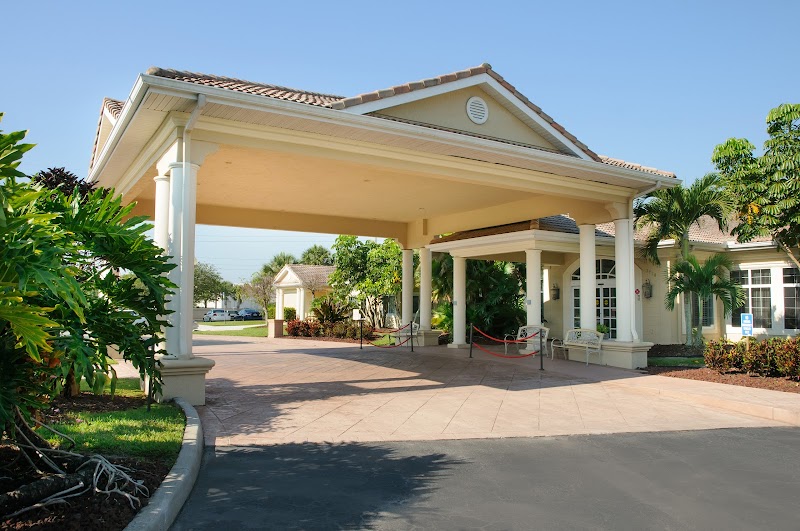
How is Life Of Port Saint Lucie Staffed?

CMS rates LIFE CARE CENTER OF PORT SAINT LUCIE's staffing level at 4 out of 5 stars, which is above average compared to other nursing homes. Staff turnover is 29%, compared to the Florida average of 46%. This relatively stable workforce can support continuity of care.

What Have Inspectors Found at Life Of Port Saint Lucie?

State health inspectors documented 29 deficiencies at LIFE CARE CENTER OF PORT SAINT LUCIE during 2022 to 2025. These included: 29 with potential for harm.

Who Owns and Operates Life Of Port Saint Lucie?

LIFE CARE CENTER OF PORT SAINT LUCIE is owned by a for-profit company. For-profit facilities operate as businesses with obligations to shareholders or private owners. The facility is operated by LIFE CARE CENTERS OF AMERICA, a chain that manages multiple nursing homes. With 123 certified beds and approximately 106 residents (about 86% occupancy), it is a mid-sized facility located in PORT SAINT LUCIE, Florida.

How Does Life Of Port Saint Lucie Compare to Other Florida Nursing Homes?

Compared to the 100 nursing homes in Florida, LIFE CARE CENTER OF PORT SAINT LUCIE's overall rating (3 stars) is below the state average of 3.2, staff turnover (29%) is significantly lower than the state average of 46%, and health inspection rating (2 stars) is below the national benchmark.

What Should Families Ask When Visiting Life Of Port Saint Lucie?

Based on this facility's data, families visiting should ask: "Can I visit during a mealtime to observe dining assistance and food quality?" "How do you handle medical emergencies, and what is your hospital transfer rate?" "Can I speak with family members of current residents about their experience?"

Is Life Of Port Saint Lucie Safe?

Based on CMS inspection data, LIFE CARE CENTER OF PORT SAINT LUCIE has a clean safety record: no substantiated abuse findings (meaning no confirmed cases of resident harm), no Immediate Jeopardy citations (the most serious violation level indicating risk of serious injury or death), and is not on the Special Focus Facility watch list (a federal program monitoring the lowest-performing 1% of nursing homes). The facility has a 3-star overall rating and ranks #100 of 100 nursing homes in Florida. While no facility is perfect, families should still ask about staff-to-resident ratios and recent inspection results during their visit.

Do Nurses at Life Of Port Saint Lucie Stick Around?

Staff at LIFE CARE CENTER OF PORT SAINT LUCIE tend to stick around. With a turnover rate of 29%, the facility is 17 percentage points below the Florida average of 46%. Low turnover is a positive sign. It means caregivers have time to learn each resident's needs, medications, and personal preferences. Consistent staff also notice subtle changes in a resident's condition more quickly.

Was Life Of Port Saint Lucie Ever Fined?

LIFE CARE CENTER OF PORT SAINT LUCIE has no federal fines on record. CMS issues fines when nursing homes fail to meet care standards or don't correct problems found during inspections. The absence of fines suggests the facility has either maintained compliance or corrected any issues before penalties were assessed. This is a positive indicator, though families should still review recent inspection reports for the full picture.

Is Life Of Port Saint Lucie on Any Federal Watch List?

LIFE CARE CENTER OF PORT SAINT LUCIE is not on any federal watch list. The most significant is the Special Focus Facility (SFF) program, which identifies the bottom 1% of nursing homes nationally based on persistent, serious quality problems. Not being on this list means the facility has avoided the pattern of deficiencies that triggers enhanced federal oversight. This is a positive indicator, though families should still review the facility's inspection history directly.