TIFFANY HALL NURSING AND REHAB CENTER
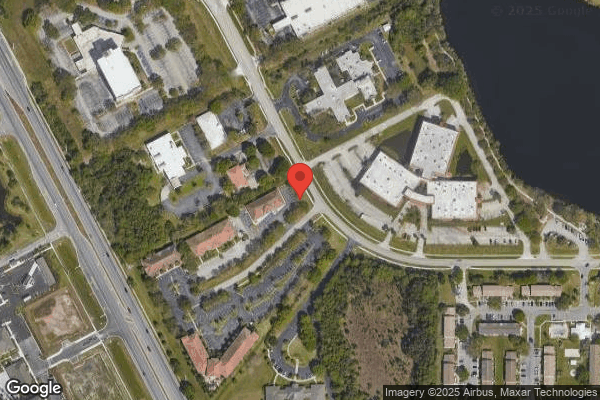

1800 SE HILLMOOR DRIVE, PORT SAINT LUCIE, FL 34952 (772) 337-3565
For profit - Limited Liability company 120 Beds SOVEREIGN HEALTHCARE HOLDINGS Data: November 2025 2 Immediate Jeopardy citations
Trust Grade
21/100
#574 of 690 in FL
Last Inspection: February 2025

Within standard 12-15 month inspection cycle. Federal law requires annual inspections.

Overview

Tiffany Hall Nursing and Rehab Center has received a Trust Grade of F, indicating significant concerns about the quality of care and safety at the facility. They rank #574 out of 690 nursing homes in Florida, placing them in the bottom half, and #8 out of 9 in St. Lucie County, meaning there is only one local option that is better. The facility is worsening, as the number of issues reported increased from 5 in 2023 to 8 in 2025, highlighting ongoing problems. While staffing is a strength with a 4/5 star rating and a low turnover rate of 25%, the health inspection rating is poor at 1/5 stars. Notably, there are critical incidents, including a failure to prevent a resident from leaving the facility unsupervised, which resulted in the resident being missing for 12 hours and at risk of danger. Additionally, there was a failure to report a credible allegation of verbal abuse, raising concerns about the facility's commitment to resident safety and protection.

Trust Score
F
21/100
In Florida
#574/690
Bottom 17%
Safety Record
High Risk
Review needed
Inspections
Getting Worse
5 → 8 violations
Staff Stability
✓ Good
25% annual turnover. Excellent stability, 23 points below Florida's 48% average. Staff who stay learn residents' needs.
Penalties
✓ Good
No fines on record. Clean compliance history, better than most Florida facilities.
Skilled Nurses
○ Average
Each resident gets 38 minutes of Registered Nurse (RN) attention daily — about average for Florida. RNs are the most trained staff who monitor for health changes.
Violations
⚠ Watch
19 deficiencies on record. Higher than average. Multiple issues found across inspections.
★★☆☆☆
2.0
Overall Rating
★★★★☆
4.0
Staff Levels
★★★★★
5.0
Care Quality
★☆☆☆☆
1.0
Inspection Score
Stable
2023: 5 issues
2025: 8 issues

The Good

  • 4-Star Staffing Rating · Above-average nurse staffing levels
  • 5-Star Quality Measures · Strong clinical quality outcomes
  • Low Staff Turnover (25%) · Staff stability means consistent care
  • Full Sprinkler Coverage · Fire safety systems throughout facility
  • No fines on record
  • Staff turnover is low (25%)

    23 points below Florida average of 48%

Facility shows strength in staffing levels, quality measures, staff retention, fire safety.

The Bad

2-Star Overall Rating

Below Florida average (3.2)

Below average - review inspection findings carefully

Chain: SOVEREIGN HEALTHCARE HOLDINGS

Part of a multi-facility chain

Ask about local staffing decisions and management

The Ugly 19 deficiencies on record

2 life-threatening
Jun 2025 2 deficiencies 2 IJ
CRITICAL (J) 📢 Someone Reported This

A family member, employee, or ombudsman was alarmed enough to file a formal complaint

Immediate Jeopardy (IJ) - the most serious Medicare violation

Free from Abuse/Neglect (Tag F0600)

Someone could have died · This affected 1 resident

**NOTE- TERMS IN BRACKETS HAVE BEEN EDITED TO PROTECT CONFIDENTIALITY** Based on interviews, observation, record and policy review, the facility failed to protect the resident's right to be free from ...

Read full inspector narrative →
**NOTE- TERMS IN BRACKETS HAVE BEEN EDITED TO PROTECT CONFIDENTIALITY** Based on interviews, observation, record and policy review, the facility failed to protect the resident's right to be free from neglect when it failed to provide supervision to protect resident safety as evidenced by disregarding the procedure to prevent the resident from eloping, failed to search for the missing resident timely, and failed to provide essential medications, for 1 of 3 sampled residents (Resident #1). The deficient practice allowed Resident #1 to exit the facility undetected on 06/18/25 at 8:26 PM. There were 111 residents in the facility at the time of the survey. The facility's Administrator was notified of Immediate Jeopardy on 06/25/25 at 4:09 PM. The immediate jeopardy was removed at the time of the facility exit on 06/26/25. Cross reference to F689. The findings included: Review of the facility's policy titled, Abuse and Neglect Prohibition revised 8/2023, documented, Each resident has the right to be free from mistreatment, neglect, abuse, involuntary seclusion, exploitation, and misappropriation of property. Neglect means failure to provide good and services necessary to avoid physical harm, mental anguish, or mental illness. Record review revealed Resident #1 was admitted to the facility on [DATE] with diagnoses that included Speech and Language Deficits Following Other Nontraumatic Intracranial Hemorrhage, Schizophrenia, and Traumatic Subarachnoid Hemorrhage. Resident #1 was readmitted to the facility on [DATE] post hospitalization for a fall with tibial fracture. He ambulated without assistance. Review of the quarterly Minimum Data Set (MDS) assessment dated [DATE] documented a Brief Interview for Mental Status (BIMS) score of 13 that indicated the resident was cognitively intact. On 06/19/25, the resident's BIMS score was 15 that indicated the resident was cognitively intact. Review of a psychiatry note dated 06/19/25 revealed the resident had a speech impairment that can make communication challenging, but he is alert to person, place and time. Resident #1 had an elopement risk screen completed on 12/06/24 with an elopement risk screen score of 2, which indicated the resident was at elopement risk. An alert bracelet was applied to the resident's left ankle and a care plan was developed. The goal of the care plan was to maintain safety. At the time of elopement, the alert bracelet was worn on his left ankle. The alert bracelet alarms when the resident is near a door that has a sensor on it. The door automatically locks. A staff member can use a secure code to bypass the system. The video of the elopement event was viewed by the surveyor. The video had no sound. The video noted that on 06/18/25 at 8:09 PM, the pharmacy courier entered the exterior door of the facility which was unlocked. Once inside, the courier rang the doorbell of the inside interior door and waited until 8:11 PM for someone to open the door. When no one came to answer the doorbell, he pushed the inside interior door open at 8:11 PM. This is a fire door and when pushed for 15 seconds, the door will unlock, the alarm will sound, and it will disarm the bracelet alert system. He entered the facility at 8:11:41 PM. At that time, Resident #1 was in the courtyard walking around. At 8:26:12 PM, the courier left the building through the front door. At 8:26:17 PM, Resident #1 walked out the front door. No staff were observed by the door until the Maintenance Director reset the alarm at 8:36 PM. At the time of the elopement, there were 5 nurses and 11 certified nursing assistants working in the facility. When the front door alarmed, no staff initially responded to the alarm. It was alarmed for 25 minutes and was turned off by the Maintenance Director. The surveyor heard the alarm volume at the current sound level on 06/23/25 at 10:30 AM, then asked for the sound to be heard at the level it was at the time of the elopement, and it was at softer level at that time. The facility is shaped as a square. An observation was conducted on 06/19/25 at 10:00 AM of Resident #1's room. Resident #1's room was located on the west, front side of the facility. There is a west front unit, a nurse's station, and a west back unit. A hallway joins the west back to the east back unit. There is an east back unit, a nurse's station, and then an east front unit. A hallway joins the east front to the west front and the front door is in the middle of the joined hallway. The courtyard is opposite of the front door. In an interview with the Maintenance Director at 3:10 PM on 06/23/25, he stated he was working in the back section of the facility, and when he walked through the facility before he left for the evening, he noticed the annunciator and buzzer sounding and a light which told what door it was (this was located at the nurse's station). The front door was unlocked, and the alarm was beeping. He punched in the pass code which is on the side of the door, to reset it. He stated that the alarm stays beeping until it is reset. Staff A, Registered Nurse (RN), who worked the 3-11 shift, stated in a phone interview on 06/23/25 at 12:30 PM that she was aware of the alarm at the time the Maintenance Director turned it off. She worked the 3PM-11PM shift that day (06/18/25) in the 200 unit (east side). She heard the alarm on 06/18/25 around 8:00 PM. When she stepped out of one of the residents' rooms on the east side, the Maintenance Director was approaching the same direction to the door. Because he was going to the door, she did not. He disarmed it. Prior to the alarm going off, she saw the pharmacy courier and she got the medications from him. She does not know how he got into the building. He gave the medications to the east wing first, then the west wing. She did not see him after that. She did not say anything to anyone about hearing the alarm. A review was conducted of a witness statement from Staff E, Certified Nursing Assistant (CNA), who was assigned to Resident #1 on the 3PM-11PM shift on 06/18/25. The statement revealed she saw him in bed at approximately 7:45-8 PM. Around 9:30 PM, she rounded again, and the resident was not in the room. It was not strange since he is always walking. She did not hear any alarm. She continued to do the care to residents until it was time to leave (11PM). A telephone interview was conducted with Staff F, CNA on 06/23/25 at 1:25 PM. He was revealed he worked the 3PM-11PM shift. He was helping another CNA change the roommate of Resident #1 around 9:00 PM on 06/18/25. At 8:00 PM, he saw Resident #1 on the courtyard bench. The resident always goes into the courtyard. Staff F stated he left the facility around 11:15 PM and did not know Resident #1 was missing. A telephone interview was conducted on 06/23/25 at 1:36 PM, with Staff C, CNA on 11PM-7AM shift. She was working with Resident #1's roommate when she first came into the facility at 10:32 PM. She is not sure if Resident #1 was in bed at the time. During the second round, she reported to Staff B, the resident's assigned nurse, that Resident #1 was not in bed (she rounds every 2 hours, but she did not know the exact time). They looked in all the rooms for him and outside the building. A telephone interview was conducted with Staff B, Licensed Practical Nurse (LPN), on 06/23/25 at 12:15 PM. She stated she was the night nurse taking care of Resident #1 on 06/18/25 on the 11:00 PM-7:00 AM shift. She stated at 11:00 PM, she thought she saw the resident in bed but later found out he was not. She did not make any other observations at that time. At about 12:15 AM, she went back to the unit. When she went into Resident #1's room to check on him, she noticed he was not in bed. It did not alarm her because he is easy to redirect and comes to the nursing station during the night. She stated that she was going to check on where he was, but another room put the call-light on and needed assistance. Then, she forgot to look for Resident #1. About 30 minutes later, Staff C, CNA, came to her and asked if Resident #1 was watching television. Staff B then realized she didn't see him in his bed. Everyone started looking for him. She and Staff D, RN, who was working the 11PM-7AM shift on the east back area of the facility, went outside to search the perimeter but did not find him. She stated that around 1:45 AM, Code Silver was called. Per the facility's guideline titled Emergency Color-Code Guide, Code Silver is designated for elopements in the facility. Code Silver + room number denotes that a resident cannot be located. This code immediately initiates a center-wide search. Review of the facility's policy titled Resident Elopement revised 8/2023, documented when a resident is unable to be located on the premises, staff will: Determine if the resident is out on an authorized leave or pass. If not: Notify the Administrator and the Director of Nursing Services. Conduct a thorough search of the center and premises.The facility staff did not inform the Administrator of the missing resident for over 2 hours after staff realized the resident was missing. A telephone interview was conducted on 06/23/25 at 1:40 PM, with Staff D, RN, who worked the 11PM-7AM on the east back hall. He stated around 3:00 AM, he was charting and was notified that Resident #1 was missing. He started searching all the bathrooms but did not find him. Then he started looking outside. Another nurse called the Administrator and Director of Nurses (DON) and he continued searching. He and Staff B went by car to see if they could locate him. In an interview with the Administrator, who is also the Risk Manager, on 06/23/25 at 10:00 AM, she stated she was notified of the elopement on 06/19/25 at approximately 3:30 AM. She immediately made her way to the facility and called the Port Saint [NAME] police and DCF (Department of Children and Families) to notify them of the elopement. Resident #1 was returned to the facility on [DATE] at approximately 8:30 AM by the Port Saint [NAME] Police Department. The resident was returned to the facility by the police 12 hours after he exited the facility. Review of the police report revealed the police responded to the facility at 4:37 AM on 06/19/25. They were given a description of Resident #1 and began to search for him. He was found by police on US Highway 1 in Fort [NAME] the morning of 06/19/25 walking on the sidewalk north bound. He was not carrying a phone, wallet, or any form of identification. He was identified by verbally telling the police his name. He was then transported back to the facility at 8:41AM on 06/19/25. An interview was conducted with Resident #1 on 06/23/25 at 10:35 AM regarding the elopement on 06/18/25. He stated he left around 8:00 PM and started walking. He ended up in a church parking lot for a while. It was getting dark when he left. He was wearing shorts and sneakers. He pushed the door open. He followed someone out, he didn't know the name of the person. He stated he walked on the sidewalk the entire time. He was found by a public safety officer on US 1 in the morning. The surveyor travelled the route by car from [NAME] Hall to the Fort [NAME] police station. Review of the route the resident stated he walked revealed an 11 mile walk to the Fort [NAME] Police station. The resident would likely have crossed the street at Hillmoor Drive and [NAME] Ave, which is a busy crosswalk with a traffic light in front of a hospital. Travelling northbound on US 1 revealed there is a sidewalk all the way up to the police station. US 1 goes from 3 lanes each direction, to 2 lanes in Fort Pierce. On each side of the highway, there are commercial properties like stores, churches, gas stations. The speed limit was 45 miles per hour (MPH) in Port St [NAME], then 40 MPH near the railroad crossing by [NAME] Road and US 1. At the Fort [NAME] police station, the speed limit was 35 MPH. There are 20 traffic lights from where the resident would have started walking on US 1 to where the Fort [NAME] police station was located. Each traffic light had a side street so the resident would have had to cross the side street. There was one railroad crossing. There were 2 traffic lights with side streets that do not have a crosswalk. Review of the Medication Administration Record (MAR) for June 2025 revealed that on 06/19/25 Resident #1 missed the morning dose of Depakote Sprinkles 125mg, 6 capsules po [orally] which were due upon rising (hours of 6:00 AM-10:00 AM); Abilify 15 mg tab was also due upon rising; and the Lidocaine external patch 4% was due to be applied at 6:00 AM. Depakote Sprinkles are used for Epilepsy and Bipolar Disorder. Abilify is used to treat Schizophrenia, Bipolar Disorder and Depression. A Lidocaine patch is used as a local anesthetic that can help relieve minor pain. The facility submitted an acceptable Immediate Jeopardy Removal Plan on 06/26/25 that included: a. On 06/19/2025, educated the pharmacy vendor they cannot pull the door for 15 seconds to enter the building as it disabled the alerting bracelet system. Thus, allowing the residents to exit the building without the safety measure of the door locks engaging. The 15 second egress is a mandatory fire life safety regulation. Completed 06/19/25. b. Door checks are audited weekly upon completion of every shift audit. The doors that are being checked to ensure the alarm system is functioning in the lobby, northeast corridor door, northwest corridor door, southwest corridor, southeast corridor door, dining room door, employee entrance door, and back entrance service store. Initiated 06/19/25 and will be maintained ongoing. Audits were reviewed for the door checks. c. On 06/19/25 the alarm volume increased to maximum sound to allow the staff to hear the alarm better. Completed 06/19/2025. The surveyor verified the sound on 06/23/25. The maintenance director turned the sound level back to the prior level, then back to the level it was raised to, and the sound was louder. d. On 06/19/2025 the center added an additional receptionist for after hours to ensure 24 hour coverage of the front door. Completed 06/19/2025. The surveyor reviewed the scheduled coverage and observed coverage until the surveyor left at 5:30 PM on 06/23/25-06/26/25. e. By 06/20/25 all staff (RN, LPN, CNA, Therapist, Administrative, Dietary Housekeeping, Activities and Social Service were reeducated on the elopement process. When you hear any alarm you respond immediately, if it is the alerting bracelet alarm you begin searching the center and outside grounds for a resident count to match the census. The NHA/ Risk manager (Nursing Home Administrator, Risk Manager) is notified immediately if a resident is missing and notification to law enforcement and other agencies is completed. (Completed 6/20/25, 35 out of 35 nurses, 50 out of 50 CNA's, 63 out of 63 ancillary staff with a total of 148 out of 148 staff). f. By 6/20/25, all staff, (RN,LPN, CNA, Therapist, Administrative, Dietary, Housekeeping, Activities, and Social Service were reeducated on Abuse, Neglect and Exploitation with emphasis on elopement, responding to door alarms, there is 24 hours front door monitoring but they must still respond timely to the alarm, monitoring of resident who are ambulatory around the center ensuring there is a timely search of the center and notification to the NHA/Risk Manager. Completed 06/20/25. 35/ 35 nurses, 50/ 50 CNA's, 63/ 63 ancillary staff with a total of 148/ 148 staff). g. By 06/20/25, all clinical staff (RN, LPN, CNA, 35/ 35 nurses, 50/ 50 CNA's for a total of 85/ 85 were reeducated on ensuring that walking rounds during shift and that shift change are conducted to ensure all residents are in the facility. h. On 06/19/25 daily checks of the alerting bracelet on each at risk elopement resident is completed every shift for placement and every day for functioning. This process has been in place for 36/ 36 residents at risk for elopement. The surveyor reviewed the Treatment Administration Records of the residents at risk for elopement. i. On 06/19/25 signs added to all egress doors that state Notice to visitors and vendors. This is a secure door equipped with a safety egress system. Do not pull or push on the door continuously. Doing so for 15 seconds will disengage the magnetic lock to disable the resident alert system, creating a potential safety risk. Please press the doorbell and allow staff time to respond. Your patience ensures the safety of all residents. Thank you for your cooperation. [NAME] Hall Nursing and Rehab Center. As well as Attention all family members and vendors please do not assist residents in leaving the facility. The surveyor observed the signs on the front receptionist desk, the inside, and outside of the egress front door. The surveyor pressed the egress front door and additional doors. Alarms sounded. j. On 06/19/25, the center has identified 36 residents who are at risk for elopement. All 36 residents have a new elopement risk assessment and Brief Interview for Mental Status (BIMS). All 36 residents have alerting bracelets in place with monitoring every shift for placement and every day for functioning. k. The other egress doors have an additional alarming device exit door alarm that when the door is accessed will signal very loud sound when the door has been accessed. The employee entrance is key coded. Observations of every door were made, and a loud sound was made when the doors were pushed open. l. On 06/19/25 the receptionists were reeducated on never leaving the front door unattended. When leaving for break they must call the supervisors to send a staff member to cover the break. The surveyor interviewed the receptionist on 8:00 AM to 4:00 PM and the 4:00 PM to 8:00 PM receptionist who verified the education that was given. m. On 6/19/25 the staff member that did not respond to alarm was re educated on the importance of responding to any alarm and initiate the elopement process immediately upon determining a missing resident. In addition, received education on When you hear any alarm you respond immediately, if it is the alerting bracelet system alarm you being searching the center and outside grounds for resident count to match the census. The NHA/Risk Manager is notified immediately if a resident is missing, and notification to law enforcement and other agencies is completed. n. On 06/19/25, the maintenance director was reeducated on the importance of not resetting any alarm without initiating the elopement process and completing an outside search. In addition, he received education on when you hear any alarm you respond immediately if it is the alerting bracelet system alarm you begin searching the center and outside grounds for a resident count to match the census, the NHA/Risk Manager is notified immediately if a resident is missing ,and notification to law enforcement and other agencies is completed. The surveyor interviewed the maintenance director on 06/23/25 at 3:10 PM who verified he was educated on this. o. The QAA/QAPI (Quality Assessment and Assurance) (Quality Assurance and Performance Improvement) committee reviewed the initial QAPI on 06/19/25,06/20/25 and 06/24/25 the removal plan was reviewed on 06/26/25. The surveyor verified the implementation of the following immediate actions in the Immediate Jeopardy Removal Plan prior to the Exit on 06/26/25: a. The surveyor reviewed the pharmacy letter that was sent on 6/19/25.b. The surveyor reviewed the door checks are audited-weekly audits are due to start tomorrow.c. Alarm volume was heard at the low sound and increased sound by the surveyor on 06/23/25.d. Receptionist schedule revealed 24 hour coverage starting 6/19/25 and education. The receptionists who worked the day and evening shifts were interviewed on 06/25/25 at 4:00 PM and they verified their education.e. The surveyor reviewed staff education and compliant with education and # of staff educated.f. The surveyor reviewed staff education and compliant with education and # of staff educated.g. Education for walking rounds was reviewed for LPN and RN assigned to Resident #1 on 06/18/25.h. The elopement risks are completed and on the Treatment Administration Records for the residents at risk.i. Signs were as written in the removal plan. Signs were observed by the surveyor.j. All 36 residents identified as elopement risk, were in all 3 elopement books.k. Observed the doors and heard the loud sound the doors make when opened.l. The surveyor reviewed their education.m. Reviewed the 1:1 education for the nurse.n. Reviewed the 1:1 education for the Maintenance Director.o. Reviewed QAPI for 06/19/25, 06/20/25, 06/24/25, 06/25/25, 06/26/25. The following staff were interviewed for verification of staff education: Staff A, RN, interviewed on a telephone interview on 06/23/25 at 12:30 PM stated after the incident they had elopement drills. Code silver means we go to every exit and closet check and the residents are accounted for and do a head check. We report the room number and the patient who is missing then the administration is notified. Staff F, CNA, interviewed on a telephone interview on 06/23/25 at 1:25 PM. He stated he started working in May and he had an elopement drill on Friday. On 06/23/25 at 1:36 PM an interview was conducted via telephone to Staff C, CNA. They have had Elopement drills since 2018. They have had more elopement drills in the past days. When you notice the patient is missing, you look for the patient, and report to the nurse if you don't see the patient. On 06/23/25 at 1:40 PM an interview was conducted via telephone with Staff D, RN. He worked in the facility since March 2025. Elopement drills have been given close to the hire date and since then. They have had drills throughout the week after the elopement. On 06/23/25 at 2:00 PM a telephone interview was conducted with Staff G, LPN. She stated they have done many elopement drills. They called Code Silver and everybody was looking. On 06/25/25 at 3:48 PM, Staff H, CNA was interviewed. She stated when the door alarms you go out try to see cause, see if resident there, check rooms, let nurse know, check all locations, announce code silver. I received education a couple evenings ago. I received a test with scenarios, on neglect and elopement topics.
CRITICAL (J) 📢 Someone Reported This

A family member, employee, or ombudsman was alarmed enough to file a formal complaint

Immediate Jeopardy (IJ) - the most serious Medicare violation

Accident Prevention (Tag F0689)

Someone could have died · This affected 1 resident

**NOTE- TERMS IN BRACKETS HAVE BEEN EDITED TO PROTECT CONFIDENTIALITY** Based on interview, observation, record and policy review, the facility failed to provide appropriate supervision to prevent an ...

Read full inspector narrative →
**NOTE- TERMS IN BRACKETS HAVE BEEN EDITED TO PROTECT CONFIDENTIALITY** Based on interview, observation, record and policy review, the facility failed to provide appropriate supervision to prevent an elopement which resulted in the resident exiting the facility undetected and whereabouts unknown for 12 hours as he walked along a highway that put him at risk of being hit by an automobile for 1 of 3 sampled residents (Resident #1). The deficient practice allowed Resident #1 to exit the facility undetected on 06/18/25 at 8:26 PM. There were 111 residents in the facility at the time of the survey. The facility's Administrator was notified of Immediate Jeopardy on 06/25/25 at 4:09 PM. The Immediate Jeopardy was removed by the time of the facility exit on 06/26/25. Cross reference to F600. The findings included: Review of the facility's policy titled Resident Elopement revised 8/2023, documented when a resident is unable to be located on the premises, staff will: Determine if the resident is out on an authorized leave or pass. If not: Notify the Administrator and the Director of Nursing Services. Conduct a thorough search of the center and premises. Record review revealed Resident #1 was admitted to the facility on [DATE] with diagnoses that included Speech and Language Deficits Following Other Nontraumatic Intracranial Hemorrhage, Schizophrenia, and Traumatic Subarachnoid Hemorrhage. Resident #1 was readmitted to the facility on [DATE] post hospitalization for a fall with tibial fracture. He ambulated without assistance. Review of the quarterly Minimum Data Set (MDS) assessment dated [DATE] documented a Brief Interview for Mental Status (BIMS) score of 13 that indicated the resident was cognitively intact. On 06/19/25, the resident's BIMS score was 15 that indicated the resident was cognitively intact. Review of a psychiatry note dated 06/19/25 revealed the resident had a speech impairment that can make communication challenging, but he is alert to person, place and time. Resident #1 had an elopement risk screen completed on 12/06/24 with an elopement risk screen score of 2, which indicated the resident was at elopement risk. An alert bracelet was applied to the resident's left ankle and a care plan was developed. The goal of the care plan was to maintain safety. At the time of elopement, the alert bracelet was worn on his left ankle. The alert bracelet alarms when the resident is near a door that has a sensor on it. The door automatically locks. A staff member can use a secure code to bypass the system. The video of the elopement event was viewed by the surveyor. The video had no sound. The video noted that on 06/18/25 at 8:09 PM, the pharmacy courier entered the exterior door of the facility which was unlocked. Once inside, the courier rang the doorbell of the inside interior door and waited until 8:11 PM for someone to open the door. When no one came to answer the doorbell, he pushed the inside interior door open at 8:11 PM. This is a fire door and when pushed for 15 seconds, the door will unlock, the alarm will sound, and it will disarm the bracelet alert system. He entered the facility at 8:11:41 PM. At that time, Resident #1 was in the courtyard walking around. At 8:26:12 PM, the courier left the building through the front door. At 8:26:17 PM, Resident #1 walked out the front door. No staff were observed by the door until the Maintenance Director reset the alarm at 8:36 PM. At the time of the elopement, there were 5 nurses and 11 certified nursing assistants working in the facility. When the front door alarmed, no staff initially responded to the alarm. It was alarmed for 25 minutes and was turned off by the Maintenance Director. The surveyor heard the alarm volume at the current sound level on 06/23/25 at 10:30 AM, then asked for the sound to be heard at the level it was at the time of the elopement, and it was at softer level at that time. The facility is shaped as a square. An observation was conducted on 06/19/25 at 10:00 AM of Resident #1's room. Resident #1's room was located on the west, front side of the facility. There is a west front unit, a nurse's station, and a west back unit. A hallway joins the west back to the east back unit. There is an east back unit, a nurse's station, and then an east front unit. A hallway joins the east front to the west front and the front door is in the middle of the joined hallway. The courtyard is opposite of the front door. In an interview with the Maintenance Director at 3:10 PM on 06/23/25, he stated he was working in the back section of the facility, and when he walked through the facility before he left for the evening, he noticed the annunciator and buzzer sounding and a light which told what door it was (this was located at the nurse's station). The front door was unlocked, and the alarm was beeping. He punched in the pass code which is on the side of the door, to reset it. He stated that the alarm stays beeping until it is reset. Staff A, Registered Nurse (RN), who worked the 3-11 shift, stated in a phone interview on 06/23/25 at 12:30 PM that she was aware of the alarm at the time the Maintenance Director turned it off. She worked the 3PM-11PM shift that day (06/18/25) in the 200 unit (east side). She heard the alarm on 06/18/25 around 8:00 PM. When she stepped out of one of the residents' rooms on the east side, the Maintenance Director was approaching the same direction to the door. Because he was going to the door, she did not. He disarmed it. Prior to the alarm going off, she saw the pharmacy courier and she got the medications from him. She does not know how he got into the building. He gave the medications to the east wing first, then the west wing. She did not see him after that. She did not say anything to anyone about hearing the alarm. A review was conducted of a witness statement from Staff E, Certified Nursing Assistant (CNA), who was assigned to Resident #1 on the 3PM-11PM shift on 06/18/25. The statement revealed she saw him in bed at approximately 7:45-8 PM. Around 9:30 PM, she rounded again, and the resident was not in the room. It was not strange since he is always walking. She did not hear any alarm. She continued to do the care to residents until it was time to leave (11PM). A telephone interview was conducted with Staff F, CNA on 06/23/25 at 1:25 PM. He was revealed he worked the 3PM-11PM shift. He was helping another CNA change the roommate of Resident #1 around 9:00 PM on 06/18/25. At 8:00 PM, he saw Resident #1 on the courtyard bench. The resident always goes into the courtyard. Staff F stated he left the facility around 11:15 PM and did not know Resident #1 was missing. A telephone interview was conducted on 06/23/25 at 1:36 PM, with Staff C, CNA on 11PM-7AM shift. She was working with Resident #1's roommate when she first came into the facility at 10:32 PM. She is not sure if Resident #1 was in bed at the time. During the second round, she reported to Staff B, the resident's assigned nurse, that Resident #1 was not in bed (she rounds every 2 hours, but she did not know the exact time). They looked in all the rooms for him and outside the building. A telephone interview was conducted with Staff B, Licensed Practical Nurse (LPN), on 06/23/25 at 12:15 PM. She stated she was the night nurse taking care of Resident #1 on 06/18/25 on the 11:00 PM-7:00 AM shift. She stated at 11:00 PM, she thought she saw the resident in bed but later found out he was not. She did not make any other observations at that time. At about 12:15 AM, she went back to the unit. When she went into Resident #1's room to check on him, she noticed he was not in bed. It did not alarm her because he is easy to redirect and comes to the nursing station during the night. She stated that she was going to check on where he was, but another room put the call-light on and needed assistance. Then, she forgot to look for Resident #1. About 30 minutes later, Staff C, CNA, came to her and asked if Resident #1 was watching television. Staff B then realized she didn't see him in his bed. Everyone started looking for him. She and Staff D, RN, who was working the 11PM-7AM shift on the east back area of the facility, went outside to search the perimeter but did not find him. She stated that around 1:45 AM, Code Silver was called. Per the facility's guideline titled Emergency Color-Code Guide, Code Silver is designated for elopements in the facility. Code Silver + room number denotes that a resident cannot be located. This code immediately initiates a center-wide search.Review of the facility's policy titled Resident Elopement revised 8/2023, documented when a resident is unable to be located on the premises, staff will: Determine if the resident is out on an authorized leave or pass. If not: Notify the Administrator and the Director of Nursing Services. Conduct a thorough search of the center and premises.The facility staff did not inform the Administrator of the missing resident for over 2 hours after staff realized the resident was missing. A telephone interview was conducted on 06/23/25 at 1:40 PM, with Staff D, RN, who worked the 11PM-7AM on the east back hall. He stated around 3:00 AM, he was charting and was notified that Resident #1 was missing. He started searching all the bathrooms but did not find him. Then he started looking outside. Another nurse called the Administrator and Director of Nurses (DON) and he continued searching. He and Staff B went by car to see if they could locate him. In an interview with the Administrator, who is also the Risk Manager, on 06/23/25 at 10:00 AM, she stated she was notified of the elopement on 06/19/25 at approximately 3:30 AM. She immediately made her way to the facility and called the Port Saint [NAME] police and DCF (Department of Children and Families) to notify them of the elopement. Resident #1 was returned to the facility on [DATE] at approximately 8:30 AM by the Port Saint [NAME] Police Department. The resident was returned to the facility by the police 12 hours after he exited the facility. Review of the police report revealed the police responded to the facility at 4:37 AM on 06/19/25. They were given a description of Resident #1 and began to search for him. He was found by police on US Highway 1 in Fort [NAME] the morning of 06/19/25 walking on the sidewalk north bound. He was not carrying a phone, wallet, or any form of identification. He was identified by verbally telling the police his name. He was then transported back to the facility at 8:41AM on 06/19/25. An interview was conducted with Resident #1 on 06/23/25 at 10:35 AM regarding the elopement on 06/18/25. He stated he left around 8:00 PM and started walking. He ended up in a church parking lot for a while. It was getting dark when he left. He was wearing shorts and sneakers. He pushed the door open. He followed someone out, he didn't know the name of the person. He stated he walked on the sidewalk the entire time. He was found by a public safety officer on US 1 in the morning. The surveyor travelled the route by car from [NAME] Hall to the Fort [NAME] police station. Review of the route the resident stated he walked revealed an 11 mile walk to the Fort [NAME] Police station. The resident would likely have crossed the street at Hillmoor Drive and [NAME] Ave, which is a busy crosswalk with a traffic light in front of a hospital. Travelling northbound on US 1 revealed there is a sidewalk all the way up to the police station. US 1 goes from 3 lanes each direction, to 2 lanes in Fort Pierce. On each side of the highway, there are commercial properties like stores, churches, gas stations. The speed limit was 45 miles per hour (MPH) in Port St [NAME], then 40 MPH near the railroad crossing by [NAME] Road and US 1. At the Fort [NAME] police station, the speed limit was 35 MPH. There are 20 traffic lights from where the resident would have started walking on US 1 to where the Fort [NAME] police station was located. Each traffic light had a side street so the resident would have had to cross the side street. There was one railroad crossing. There were 2 traffic lights with side streets that do not have a crosswalk. Review of the Medication Administration Record (MAR) for June 2025 revealed that on 06/19/25 Resident #1 missed the morning dose of Depakote Sprinkles 125mg, 6 capsules po [orally] which were due upon rising (hours of 6:00 AM-10:00 AM); Abilify 15 mg tab was also due upon rising; and the Lidocaine external patch 4% was due to be applied at 6:00 AM. Depakote Sprinkles are used for Epilepsy and Bipolar Disorder. Abilify is used to treat Schizophrenia, Bipolar Disorder and Depression. A Lidocaine patch is used as a local anesthetic that can help relieve minor pain. The facility submitted an acceptable Immediate Jeopardy Removal Plan on 06/26/25 that included: a. On 06/19/2025, educated the pharmacy vendor they cannot pull the door for 15 seconds to enter the building as it disabled the alerting bracelet system. Thus, allowing the residents to exit the building without the safety measure of the door locks engaging. The 15 second egress is a mandatory fire life safety regulation. Completed 06/19/25. b. Door checks are audited weekly upon completion of every shift audit. The doors that are being checked to ensure the alarm system is functioning in the lobby, northeast corridor door, northwest corridor door, southwest corridor, southeast corridor door, dining room door, employee entrance door, and back entrance service store. Initiated 06/19/25 and will be maintained ongoing. Audits were reviewed for the door checks. c. On 06/19/25 the alarm volume increased to maximum sound to allow the staff to hear the alarm better. Completed 06/19/2025. The surveyor verified the sound on 06/23/25. The maintenance director turned the sound level back to the prior level, then back to the level it was raised to, and the sound was louder. d. On 06/19/2025 the center added an additional receptionist for after hours to ensure 24 hour coverage of the front door. Completed 06/19/2025. The surveyor reviewed the scheduled coverage and observed coverage until the surveyor left at 5:30 PM on 06/23/25-06/26/25. e. By 06/20/25 all staff (RN, LPN, CNA, Therapist, Administrative, Dietary Housekeeping, Activities and Social Service were reeducated on the elopement process. When you hear any alarm you respond immediately, if it is the alerting bracelet alarm you begin searching the center and outside grounds for a resident count to match the census. The NHA/ Risk manager (Nursing Home Administrator, Risk Manager) is notified immediately if a resident is missing and notification to law enforcement and other agencies is completed. (Completed 6/20/25, 35 out of 35 nurses, 50 out of 50 CNA's, 63 out of 63 ancillary staff with a total of 148 out of 148 staff). f. By 6/20/25, all staff, (RN,LPN, CNA, Therapist, Administrative, Dietary, Housekeeping, Activities, and Social Service were reeducated on Abuse, Neglect and Exploitation with emphasis on elopement, responding to door alarms, there is 24 hours front door monitoring but they must still respond timely to the alarm, monitoring of resident who are ambulatory around the center ensuring there is a timely search of the center and notification to the NHA/Risk Manager. Completed 06/20/25. 35/ 35 nurses, 50/ 50 CNA's, 63/ 63 ancillary staff with a total of 148/ 148 staff). g. By 06/20/25, all clinical staff (RN, LPN, CNA, 35/ 35 nurses, 50/ 50 CNA's for a total of 85/ 85 were reeducated on ensuring that walking rounds during shift and that shift change are conducted to ensure all residents are in the facility. h. On 06/19/25 daily checks of the alerting bracelet on each at risk elopement resident is completed every shift for placement and every day for functioning. This process has been in place for 36/ 36 residents at risk for elopement. The surveyor reviewed the Treatment Administration Records of the residents at risk for elopement. i. On 06/19/25 signs added to all egress doors that state Notice to visitors and vendors. This is a secure door equipped with a safety egress system. Do not pull or push on the door continuously. Doing so for 15 seconds will disengage the magnetic lock to disable the resident alert system, creating a potential safety risk. Please press the doorbell and allow staff time to respond. Your patience ensures the safety of all residents. Thank you for your cooperation. [NAME] Hall Nursing and Rehab Center. As well as Attention all family members and vendors please do not assist residents in leaving the facility. The surveyor observed the signs on the front receptionist desk, the inside, and outside of the egress front door. The surveyor pressed the egress front door and additional doors. Alarms sounded. j. On 06/19/25, the center has identified 36 residents who are at risk for elopement. All 36 residents have a new elopement risk assessment and Brief Interview for Mental Status (BIMS). All 36 residents have alerting bracelets in place with monitoring every shift for placement and every day for functioning. k. The other egress doors have an additional alarming device exit door alarm that when the door is accessed will signal very loud sound when the door has been accessed. The employee entrance is key coded. Observations of every door were made, and a loud sound was made when the doors were pushed open. l. On 06/19/25 the receptionists were reeducated on never leaving the front door unattended. When leaving for break they must call the supervisors to send a staff member to cover the break. The surveyor interviewed the receptionist on 8:00 AM to 4:00 PM and the 4:00 PM to 8:00 PM receptionist who verified the education that was given. m. On 6/19/25 the staff member that did not respond to alarm was re educated on the importance of responding to any alarm and initiate the elopement process immediately upon determining a missing resident. In addition, received education on When you hear any alarm you respond immediately, if it is the alerting bracelet system alarm you being searching the center and outside grounds for resident count to match the census. The NHA/Risk Manager is notified immediately if a resident is missing, and notification to law enforcement and other agencies is completed. n. On 06/19/25, the maintenance director was reeducated on the importance of not resetting any alarm without initiating the elopement process and completing an outside search. In addition, he received education on when you hear any alarm you respond immediately if it is the alerting bracelet system alarm you begin searching the center and outside grounds for a resident count to match the census, the NHA/Risk Manager is notified immediately if a resident is missing ,and notification to law enforcement and other agencies is completed. The surveyor interviewed the maintenance director on 06/23/25 at 3:10 PM who verified he was educated on this. o. The QAA/QAPI (Quality Assessment and Assurance) (Quality Assurance and Performance Improvement) committee reviewed the initial QAPI on 06/19/25,06/20/25 and 06/24/25 the removal plan was reviewed on 06/26/25. The surveyor verified the implementation of the following immediate actions in the Immediate Jeopardy Removal Plan prior to the Exit on 06/26/25: a. The surveyor reviewed the pharmacy letter that was sent on 6/19/25.b. The surveyor reviewed the door checks are audited-weekly audits are due to start tomorrow.c. Alarm volume was heard at the low sound and increased sound by the surveyor on 06/23/25.d. Receptionist schedule revealed 24 hour coverage starting 6/19/25 and education. The receptionists who worked the day and evening shifts were interviewed on 06/25/25 at 4:00 PM and they verified their education.e. The surveyor reviewed staff education and compliant with education and # of staff educated.f. The surveyor reviewed staff education and compliant with education and # of staff educated.g. Education for walking rounds was reviewed for LPN and RN assigned to Resident #1 on 06/18/25.h. The elopement risks are completed and on the Treatment Administration Records for the residents at risk.i. Signs were as written in the removal plan. Signs were observed by the surveyor.j. All 36 residents identified as elopement risk, were in all 3 elopement books.k. Observed the doors and heard the loud sound the doors make when opened.l. The surveyor reviewed their education.m. Reviewed the 1:1 education for the nurse.n. Reviewed the 1:1 education for the Maintenance Director.o. Reviewed QAPI for 06/19/25, 06/20/25, 06/24/25, 06/25/25, 06/26/25. The following staff were interviewed for verification of staff education: Staff A, RN, interviewed on a telephone interview on 06/23/25 at 12:30 PM stated after the incident they had elopement drills. Code silver means we go to every exit and closet check and the residents are accounted for and do a head check. We report the room number and the patient who is missing then the administration is notified. Staff F, CNA, interviewed on a telephone interview on 06/23/25 at 1:25 PM. He stated he started working in May and he had an elopement drill on Friday. On 06/23/25 at 1:36 PM an interview was conducted via telephone to Staff C, CNA. They have had Elopement drills since 2018. They have had more elopement drills in the past days. When you notice the patient is missing, you look for the patient, and report to the nurse if you don't see the patient. On 06/23/25 at 1:40 PM an interview was conducted via telephone with Staff D, RN. He worked in the facility since March 2025. Elopement drills have been given close to the hire date and since then. They have had drills throughout the week after the elopement. On 06/23/25 at 2:00 PM a telephone interview was conducted with Staff G, LPN. She stated they have done many elopement drills. They called Code Silver and everybody was looking. On 06/25/25 at 3:48 PM, Staff H, CNA was interviewed. She stated when the door alarms you go out try to see cause, see if resident there, check rooms, let nurse know, check all locations, announce code silver. I received education a couple evenings ago. I received a test with scenarios, on neglect and elopement topics.
Feb 2025 6 deficiencies
CONCERN (D)

Potential for Harm - no one hurt, but risky conditions existed

Report Alleged Abuse (Tag F0609)

Could have caused harm · This affected 1 resident

**NOTE- TERMS IN BRACKETS HAVE BEEN EDITED TO PROTECT CONFIDENTIALITY** Based on policy review, record review and interview, the facility failed to identify a situation as a credible allegation of ver...

Read full inspector narrative →
**NOTE- TERMS IN BRACKETS HAVE BEEN EDITED TO PROTECT CONFIDENTIALITY** Based on policy review, record review and interview, the facility failed to identify a situation as a credible allegation of verbal abuse and to report the allegation to local Law Enforcement (LE), the State Agency (SA), and the Administrator of the facility, for 1 of 2 sampled residents, Resident #87. The findings included: Review of the policy, titled, Abuse and Neglect Prohibition, revised 08/2023, documented, in part, The definition of Verbal Abuse is defined as the use of oral, written, or gestured language that willfully includes disparaging and derogatory terms to residents or their families or within their hearing distance regardless of their age, ability to comprehend, or disability. The center will investigate any alleged abuse and report such allegations to the state as per state/federal regulation. Review of the record revealed Resident #87 was admitted to the facility on [DATE]. Review of the admission Minimum Data Set (MDS) assessment dated [DATE] documented the resident had a Brief Interview for Mental Status (BIMS) score of 10, on a 0 to 15 scale, indicating moderate cognitive impairment. During an interview on 02/18/25 at 8:57 AM when asked were you ever physically, mentally or verbally abused, Resident #87 stated, Would you call a punching match with the aide abuse? Resident #87 stated he did not know who the aide was but thought that she still worked there. Resident #87 further stated the incident happened in the past month, and had been investigated and written up. An interview was conducted on 02/18/25 at 3:30 PM with Resident #87's spouse, who stated she was told they did investigate the abuse, because the resident had told his Speech Language Pathologist (SLP), who had then reported it to the Social Services Director (SSD). An interview was conducted on 02/19/25 at approximately 4:00 PM with the SSD, who stated that the incident was brought to her attention by Staff M, SLP, and documented as a grievance. The SSD stated the incident included some inappropriate language. Review of the grievance revealed it was filled out and submitted by Staff M, SLP on 02/12/25. This grievance only referred to an exchange of inappropriate language. The SSD stated after the SLP came to her for a grievance, she herself went to speak with Resident #87. The SSD stated Resident #87 told her an aide with glasses tried to give him an injection and the resident called the staff member a F-- B--. The SSD stated there was apparently some inappropriate words said back at the resident, but it could not be substantiated because the SSD was unable to confirm which staff member was involved, and also because aides don't give injections. The SSD stated Resident #87 told his spouse a different account of the incident, but when asked what the spouse was told by her husband, the SSD stated she did not ask the wife. An interview was conducted on 02/19/25 at 4:37 PM with Staff M, SLP, who stated, Let me start by saying that Resident #87 has aphasia and sometimes flip flops words. The SLP stated she asked the resident how his day was going, and he replied not good. The SLP stated the resident said when someone calls him by a certain name it makes him upset. The SLP stated she asked him what was said, and the resident said an aide called him a F-- A--. Staff M, SLP, stated she went to get a form to fill out and was given a grievance form, and asked the SSD for help as this was the first time she filled out this form. The SLP stated when she asked the SSD for help with filling out the form, the SSD advised her not to use the exact words that were said, but instead use staff inappropriately spoke to him. When asked if she would consider being called a F-- A-- verbal abuse, the SLP stated, Yes. When asked if she told the SSD the exact words that Resident #87 said, the SLP stated she did. On 02/19/25 at 5:33 PM, an additional interview was conducted with the SLP, SSD, accompanied by the Administrator, the Corporate Nurse, and Director of Nursing (DON). Staff M, SLP, again stated that she was told by Resident #87 that a woman had called him a F-- A--. The SSD then retold the incident, and stated there was an exchange of words but did not recall the SLP telling her exactly what the staff member said to Resident #87. The SSD stated she felt there were inconsistencies to the incident, but that she spoke to every staff member on duty that day and they all said no to the allegation. During this continued interview, when asked if calling a resident, a F-- A-- should be considered verbal abuse, the SSD stated, Yes. When asked why she did not report the incident as an abuse allegation, the SSD stated, I did not think it was reportable because I was unable to confirm it. When asked if an allegation of abuse needed to be substantiated or confirmed prior to reporting it, she replied, No.
CONCERN (D)

Potential for Harm - no one hurt, but risky conditions existed

Incontinence Care (Tag F0690)

Could have caused harm · This affected 1 resident

**NOTE- TERMS IN BRACKETS HAVE BEEN EDITED TO PROTECT CONFIDENTIALITY** Based on observation, record review, and interview, the facility failed to change the indwelling urinary catheter for per the ph...

Read full inspector narrative →
**NOTE- TERMS IN BRACKETS HAVE BEEN EDITED TO PROTECT CONFIDENTIALITY** Based on observation, record review, and interview, the facility failed to change the indwelling urinary catheter for per the physician order for 1 of 1 sampled resident, Resident #79, reviewed for urinary catheter. The findings included: 1. Record review revealed Resident #79 was admitted to the facility on [DATE] with a medical diagnosis for the indwelling catheter as Urinary Retention. Resident #79 had a history of recurrent Urinary Tract Infections (UTIs). The resident had a recent urine culture done on 11/23/24 because the color of the urine was cloudy / milky with sediments and was positive for an UTI. The Foley catheter was last changed on 11/27/24. Review of the current physician order dated 10/21/24 documented that staff were to change the resident's urinary catheter monthly on the 20th, and as needed. An observation was conducted on 02/17/25 at 9:30 AM of Resident #79 who was asleep in bed, and a urinary collection bag was noted hanging below the level of the bed linen, anchored to the bedside. Review of the Treatment Administration Record (TAR) for the months of December 2024 and January 2025 did not indicate that the urinary catheter was changed. An interview was conducted on 02/20/25 at 10:25 AM, with Staff D, East Unit Manager, who when asked about why the urinary catheter was not changed for Resident #79 during the months of December 2024 and January 2025, Staff D reviewed the TAR. Staff D then responded, There is no documentation of this task being performed.
CONCERN (D)

Potential for Harm - no one hurt, but risky conditions existed

Deficiency F0691 (Tag F0691)

Could have caused harm · This affected 1 resident

**NOTE- TERMS IN BRACKETS HAVE BEEN EDITED TO PROTECT CONFIDENTIALITY** Based on observation, record review and interview, the facility failed to ensure urostomy (a surgical opening for urine output) ...

Read full inspector narrative →
**NOTE- TERMS IN BRACKETS HAVE BEEN EDITED TO PROTECT CONFIDENTIALITY** Based on observation, record review and interview, the facility failed to ensure urostomy (a surgical opening for urine output) care and services for 1 of 1 sampled resident, Resident #73, as evidenced by the failure to use appropriate supplies to prevent leakage. The findings included: Record review revealed Resident #73 was admitted to the facility on [DATE]. Review of the admission Minimum Data Set (MDS) assessment dated [DATE] documented the resident had a Brief Interview for Mental Status (BIMS) score of 9, on a 0 to 15 scale, indicating moderate cognitive impairment. This MDS documented the resident had an ostomy and needed substantial to maximum assistance from staff for the care of the device. Further review of the record revealed a physician's order dated 01/13/25 that instructed staff to monitor the urostomy for blockage and or leakage, and if present, to document and notify the physician. A second physician's order dated 01/13/25 instructed staff to change the urostomy bag as needed for hygiene. Review of two current progress notes dated 02/02/25 and 02/11/25, both documented the urostomy bag was changed due to leakage. Review of the current care plans documented Resident #73's dignity would be maintained related to the use of a urostomy. This care plan instructed staff to empty the pouch when it was 1/3 to 1/2 full. An interview was conducted on 02/17/25 at 12:30 PM with Resident #73, who stated, I have an ostomy, and it leaks. They don't have supplies. They are using a diaper to cover the ostomy, and it still gets my clothes wet. During an interview on 02/19/25 at 8:46 AM, when asked about the urostomy for Resident #73, Staff K, Certified Nursing Assistant (CNA), stated she empties the urostomy sometimes two to three times daily because she urinates a lot. The CNA stated, It may leak if it's full and they don't empty it. An observation of urostomy care was conducted on 02/19/25 at 4:31 PM by Staff B, Licensed Practical Nurse (LPN). The LPN had an urostomy bag for the device change, but stated she had been asking for the appropriate bag for a long time. The LPN confirmed during care that Resident #73 had been wearing the wrong type of ostomy bag. During this observation, Staff L, CNA, stated the ostomy bag worn by Resident #73 leaks at times. During an interview on 02/20/25 at 9:04 AM, Resident #73 again confirmed staff had been using the wrong ostomy bags, and that the previously used bags kept leaking. Resident #73 stated the correct bag was now on and that it made it easier to empty independently, without bothering anyone. An interview on 02/20/25 at 9:30 AM, with Staff F, CNA / Central Supply, confirmed she had urostomy supplies for Resident #73 since admission. Staff F stated she speaks with the admission staff to determine the resident's needs. Staff F stated she put the urostomy supplies in the medication room for the nurses to obtain. An interview was conducted on 02/20/25 at 9:41 AM with Staff H, LPN. When asked where the ostomy supplies were kept, she went to the medication room. When asked for a urostomy bag, the LPN stated, I think this is the bag here and held up a colostomy bag. When asked if she was sure it was a urostomy bag, the LPN stated, I guess you have to put something on the end of it (to keep it from leaking). An interview was conducted on 02/20/25 at 11:10 AM with Staff G, LPN. When asked where the ostomy supplies were kept, she went to the medication room. When asked which supplies would be used for the urostomy for Resident #73, Staff G stated, I would use this and held up a colostomy bag and skin prep. Photographic Evidence Obtained. Staff G, LPN confirmed she had taken care of Resident #73 and that the resident had a urostomy. .
CONCERN (D)

Potential for Harm - no one hurt, but risky conditions existed

Deficiency F0692 (Tag F0692)

Could have caused harm · This affected 1 resident

**NOTE- TERMS IN BRACKETS HAVE BEEN EDITED TO PROTECT CONFIDENTIALITY** 2. Record review revealed Resident 69 was admitted to the facility on [DATE]. Review of the resident's most recent complete asse...

Read full inspector narrative →
**NOTE- TERMS IN BRACKETS HAVE BEEN EDITED TO PROTECT CONFIDENTIALITY** 2. Record review revealed Resident 69 was admitted to the facility on [DATE]. Review of the resident's most recent complete assessment, a Significant Change Minimum Data Set (MDS), dated documented Resident #69 had a Brief Interview for Mental Status (BIMS) score of 03, indicating severe cognitive impairment. Resident #69's diagnoses at the time of the MDS included Atrial Fibrillation, GERD (Gastroesophageal Reflux Disease), Athritis, Osteoporosis, Non-Alzheimer's Dementia, Parkinson's Disease, Depression, Hereditary and idiopathic neuropathy, Osteomyelitis of vertebra, Cognitive communication deficit, Pressure ulcer of sacral region, and Myalgia. Resident #69's diet orders included: Regular diet, Pureed texture, Thin Liquids consistency - large portions with all meals; No red meat/pork - 10/10/24 with a revision date of 01/23/25. Fortified Foods - with meals for nutrition support w/ L-, D- (no hot cereal - 09/27/24 with a revision date of 11/21/24. House Stock Protein Supplement - two times a day for wound healing 30ml BID [twice daily] until PI [pressure injury] resolved - 10/21/24. Med Pass 2.0/Ready Care 2.0 - after meals for nutrition support r/t weight loss 120 ml TID after meals - 01/23/25. Resident #69's care plan for nutrition, initiated on 10/21/24 with a revision date of 02/17/25, documented, Resident is at risk for decreased nutritional status & dehydration r/t Decreased Mobility, Dementia, altered nutrition related labs, Dysphagia, mechanically altered diet, Inadequate PO (oral) intakes, Unplanned weight loss. The goals of the care plan were documented as: o Resident will be free from significant weight changes through the review date Target Date: 03/23/2025 o Resident will maintain nutritional comfort through food/fluids of choice, as able, through the review date. Target date 03/23/25. Interventions to the care plan included: o Observe PO (oral) intakes. o RD/DTR to evaluate as needed. On 08/08/24, the resident weighed 113 lbs. On 02/13/25, the resident weighed 99 pounds which is a -12.39 % Loss. On 11/07/24, the resident weighed 108 lbs. On 02/13/25, the resident weighed 99 pounds which is a -8.33 % Loss. A Dietary Note, dated 02/06/25, documented, Resident presents significant weight loss x 90 x 180 days. Resident has experienced chronic weight loss since June despite supplements .Monitor weight, intake . A Dietary Note, dated 01/23/25, documented, Resident presents significant weight loss x 30 x 90 x 180 days .Monitor weight, intake Additional Dietary Notes, dated 01/10/25 and 12/12/24, documented recommendations to monitor intake. Review of Resident #69's electronic health records revealed there was no documentation of intake for the breakfast meal and the lunch meal on 5 days during the 21-day look back period 01/31/25 to 02/20/25. During an interview, on 02/19/25 at 1:32 PM with the Diet Tech, when asked about Resident #69's weight loss, the Diet Tech replied, She is not able to answer questions, I ask the residents about their food preferences and relay the information to the kitchen. They should be documenting every meal. When I saw her last week, she was cleaning her plate. When she is not eating or we notice that she is eating less, we contact the MD [Medical Doctor] and see about ordering an appetite stimulant for her. She has weight loss and a pressure ulcer. I am supposed to see them once a week. If she starts eating less, they are supposed to notify me verbally or dietary consult on PCC (Point Click Care - electronic health records). Usually if they see me, they will let me know if somebody is eating less. During the interview, the Diet Tech acknowledged that staff had not been documenting the residents' intakes according to her recommendations. During an interview, on 02/19/25 at 3:07 PM Staff G, LPN, when asked about documentation of a resident's intake, Staff G replied, it should be in the Treatment Administration record (TAR) and it would ask us how much her intake is and I put it in. The CNA will document how much they eat on their tray under tasks. During an interview, on 02/19/25 at 3:14 PM, with Staff H, CNA, when asked about monitoring and documenting a resident's meal intake, Staff H stated that intake is documented in the tasks section of the electronic health records with each meal. Based on policy review, observation, record review and interview, the facility failed to ensure adequate nutritional status for 2 of 5 sampled residents, as evidenced by failure to weigh Resident #99 and implement fortified foods, and failure to monitor meal intake for Resident #69, both who had significant weight loss. The findings included: 1. Review of the policy, titled, Weight Measurements, revised: 08/2023, documented, in part, Residents are weighed weekly, monthly, or according to physician orders. Residents should be weighed at the same time of the day, in similar clothing, and using the same scale. Any significant or progressive weight loss or gain is noted and reported to the residents' attending physician, family, or responsible party, and documented in the medical record. Note all new admits should be weighed weekly for 30 days. Record review revealed Resident #99 was admitted to the facility on [DATE]. Review of the Current Minimum Data Set (MDS) assessment, dated 02/19/25, documented the resident had a Brief Interview for Mental Status (BIMS) score of 3, on a 0 to 15 scale, indicating severe cognitive impairment. Review of the matrix provided by the facility dated 01/17/25 indicated Resident #99 had excessive weight loss. Further review of the record revealed a documented weight of 227.8 pounds on 01/15/25 and on 02/05/25, a documented weight of 212.2 pounds. Resident #99's second documented weight was 21 days after the initial weight on 01/15/25. Resident #99 had a significant decrease in weight of 15.6 pounds, which was a 6.85 % weight loss in less than 30 days. Review of a physician order dated 02/15/25, written by the Registered Dietitian (RD), documented Resident #99 was to receive Fortified Foods Supplements with each meal. Review of the current care plans initiated on 01/24/25, documented Resident #99 was at risk for decreased nutritional status and dehydration related to decreased mobility, and dementia, with a goal the resident will be free of significant weight changes. During observation of the lunch meal provided to Resident #99 on 02/19/25, the tray that was served lacked fortified foods. Photographic Evidence Obtained. As per the Certified Dietary Manager CDM), the fortified food item was mashed potatoes. During an interview on 02/20/25 at 10:20 AM, when asked who was responsible for taking and recording weights, the RD stated The Restorative CNA (Certified Nursing Assistant) takes the weight, they are written in a book and the book is with the CDM. As far as the weights, I'm not in charge of that, the CDM puts them into the computer. When asked when she see residents for follow up after the initial nutrition assessment, if there is a weight loss problem, the RD stated, We look for updated weights and we see the resident when we are able to; at that time the dietician will put an order in the record if needed, whatever recommendations the dietician has, goes on a nutrition recommendation tracking sheet and it is sent to the CDM by email. The CDM is responsible for initiating the supplement orders. When asked how she follows up to ensure the order was initiated, the RD stated We do an audit, to compare our orders to what's in the CDM's system. I actually started the audit yesterday and I didn't finish. A copy of the nutrition recommendation form dated 02/14/25 for Resident #99 was provided by the RD as requested, that included the recommendation for fortified foods for Resident #99, dated 02/14/25. Photographic Evidence obtained. During an interview on 02/20/25 at 1:15 PM with the CDM, when asked if he received the nutrition recommendation form for Resident #99, he stated, I would have to look at my emails to see if I received the form for that resident. I just realized this morning that there was a check mark button that I must click for fortified foods to show up on the meal ticket, so that's probably why he hasn't received any fortified foods, but it should be on his ticket now. When asked who was responsible for inputting the weights into the resident's record so that the RD could review them, the CDM stated, I see the weights and enter them in the record and then the RD has access to see the weights.
CONCERN (D)

Potential for Harm - no one hurt, but risky conditions existed

Respiratory Care (Tag F0695)

Could have caused harm · This affected 1 resident

**NOTE- TERMS IN BRACKETS HAVE BEEN EDITED TO PROTECT CONFIDENTIALITY** 3. Record review revealed Resident #86 was admitted to the facility on [DATE] with diagnosis to include: Chronic Respiratory Fai...

Read full inspector narrative →
**NOTE- TERMS IN BRACKETS HAVE BEEN EDITED TO PROTECT CONFIDENTIALITY** 3. Record review revealed Resident #86 was admitted to the facility on [DATE] with diagnosis to include: Chronic Respiratory Failure, Chronic Obstructive Pulmonary Disease and Congestive Heart Failure. Resident #86 had a physician's order dated 07/01/24 for 3 liters of continuous oxygen to be delivered by nasal cannula. On 02/17/25, the oxygen order was changed to 4 liters of continuous oxygen to be delivered by nasal cannula. The resident had a care plan for oxygen therapy related to impaired gas exchange. The oxygen delivery system includes an oxygen concentrator and a nasal cannula which is attached to the concentrator via a humidifier bottle. The oxygen concentrator separates nitrogen from the air around the patient so they can breathe up to 95% of pure oxygen. Located on the back of Resident #86's oxygen concentrator was a filter. The filter removes dust, pollen, and other impurities in the air before reaching the lungs. A physician's order was written on 07/07/24 for Resident #86 to have the concentrator filter cleaned every Sunday. On Monday, 02/17/25 at 11:07 AM, the filter on the oxygen concentrator for Resident #86 was observed. The filter was covered with a large amount of dust. Photographic Evidence Obtained. The documentation was reviewed for the cleaning of the filter, and it was documented that it had been cleaned on the night shift which ended at 7:00 AM on 02/17/25. 2. Record review revealed Resident #70 was admitted to the facility on [DATE]. A respiratory care physician's order dated 01/31/25 revealed the resident used Oxygen via a nasal cannula at 2 liters for shortness of breath. Another order dated 02/02/25 instructed staff to change the oxygen tubing and clean the concentrator filter every Sunday night on the 11 PM to 7 AM shift. An observation of the oxygen tubing and concentrator filter on 02/17/25 at 1:17 PM revealed the oxygen tubing was dated 02/16/25, and concentrator filter was dirty with visible dust particles. Photographic Evidence Obtained. An interview was conducted on 02/20/25 at 9:24 AM with Staff D, East Unit Manager, who stated maintenance staff oversees the cleaning of the oxygen concentrator filters. When Staff D was asked if the maintenance staff had access to the medical orders, she replied, No and stated that she did not realize there was a medical order to clean the concentrator filter every Sunday night. Staff D was then asked to locate the oxygen concentrator filter in Resident # 70's room and she did not know where to locate it. She was shown where the oxygen concentrator filter was located and agreed it was dirty. Based on policy review, observation, record review and interview, the facility failed to ensure that the respiratory equipment was changed and maintained as ordered by the physician for 3 of 4 sampled residents, as evidenced by the nebulizer tubing and mask for Resident #99 were not changed for 2 weeks, and the oxygen concentrator filters were not maintained clean for Residents #70 and #86. The findings included: Review of the policy titled Care and Handling of Respiratory Equipment revised 08/2023, documented in part, Handheld nebulizers (equipment used to administer respiratory treatment) should be changed within every seven days or when obviously contaminated. Empty intermittently used nebulizers after each use and rinse with warm water and allow to air dry. 1. Record review revealed Resident #99 was admitted to the facility on [DATE]. Review of the current Minimum Data Sheet (MDS) dated [DATE] documented the resident had a Brief Interview for Mental Status (BIMS) score of 03, on a 0 to 15 scale, indicating severe cognitive impairment. A physician's order dated 01/29/25 instructed the staff to change the nebulizer tubing and mask every week on Sunday during the 11 PM to 7 AM shift. Another order dated 01/29/25 further instructed the staff that the nebulizer tubing and mask should be rinsed after each use and allowed to air dry. An observation on 02/17/25 at 10:56 AM, in Resident #99's room on his bedside table, revealed a nebulizer mask and tubing dated 01/29/25. Photographic Evidence Obtained. On 02/19/25 at 1:45 PM, in Resident # 99's room on his bedside table, there was a nebulizer tubing and mask dated 01/29/25 with medication remaining in the medication canister attached to the mask. Review of the February 2025 Medication Administration Record (MAR) documented staff administered a nebulizer treatment on 02/19/25 at 0013 AM (1213 AM). During an interview on 02/19/25 at 1:23 PM with the Director Of Nursing (DON), when asked what the policy for changing nebulizer tubing and mask was, the DON stated, The nebulizer mask is supposed to be changed weekly on Sunday on the 11 to 7 shift. The DON was taken to Resident #99's room where she observed the nebulizer mask dated 01/29/25 and she confirmed that 01/29/25 was written on the nebulizer mask. The DON stated, I can see the 01/29, I can see that it was used.
CONCERN (D)

Potential for Harm - no one hurt, but risky conditions existed

Infection Control (Tag F0880)

Could have caused harm · This affected 1 resident

**NOTE- TERMS IN BRACKETS HAVE BEEN EDITED TO PROTECT CONFIDENTIALITY** Based on policy review, observation, record review and interview, the facility failed to ensure infection control practices for ...

Read full inspector narrative →
**NOTE- TERMS IN BRACKETS HAVE BEEN EDITED TO PROTECT CONFIDENTIALITY** Based on policy review, observation, record review and interview, the facility failed to ensure infection control practices for 2 of 12 sampled residents, Resident #79 and #359, as evidenced by the failure to post Enhanced Barrier Precaution (EBP) signage and failure to use Personal Protective Equipment (PPE) during direct care. The findings included: 1. Review of the policy, titled, Isolation- Categories of Transmission Based Precautions. Chapter: Infection and Prevention Control, revised on 06/28/24, documented, in part: Fundamental Information 1.the Infection Preventionist (or designee) determines the appropriate notification to be placed on the room entrance door Enhanced Barrier Precautions 3. Equipment includes the use of gown and gloves during the direct care of resident that consists of close contact such as transferring, indwelling device care and other activities that may have the resident in close contact with the staff member. Record review revealed Resident #79 was admitted to the facility on [DATE]. Review of the current physician's order included Enhanced Barrier Precaution (EBP) for Foley catheter care every shift. A care plan initiated on 10/21/24 documented staff were to use EBP when caring for Resident #79. During an observation on 02/20/25 at 9:30 AM, the room of Resident #79 did not have EBP signage or PPE gown supplies. The resident was observed in a wheelchair enroute to the shower room with Staff E, Certified Nursing Assistant (CNA). Staff E was not wearing a gown when she assisted with the resident's shower. During an interview conducted on 02/20/25 at 9:59 AM, when asked about EBP and PPE for Resident #79, Staff E stated, Infection control lets us know when they [the residents] have precautions and there is a blue bag with gowns and gloves on the door. An interview was conducted on 02/20/25 at 10:12 AM with Infection Preventionist (IP), who stated that she is responsible, along with the Staffing Coordinator for putting the EBP signage and PPE supplies and staff education. The IP stated that she didn't realize the resident had changed rooms and thus missed moving the sign and PPE to the new room. She confirmed that EBP should be used during care for Resident #79. 2. Record review revealed Resident #356 was admitted to the facility on [DATE] Review of the Minimum Data Set (MDS) had a Brief Interview for Mental Status (BIMS) score of 15, on a 0 to 15 scale, indicating no cognitive impairment. Review of the admission note dated 02/13/25 indicated the resident had cervical spine (neck bone) surgery on 01/21/25 with staphylococcus bacteria (contagious bacteria) infection to the surgical incision located to the front of the neck, and that a midline (tube in the vein) was observed to the right upper arm. Review of the hospital record documentation dated 02/09/25 indicated that the resident had a staphylococcus epidermidis infection of the cervical spine. Further review of the record revealed two physician's orders dated 02/13/25 and 02/14/25 for the administration of an intravenous (administered through a tube in the vein) antibiotic for the cervical spine infection that was to be administered until 02/23/25. A second order dated 02/14/25 instructed staff that they should be using Enhanced Barrier Precaution (use of gloves and gowns) when administering intravenous medications or providing care to the resident's intravenous site for preventive measures. During observation on 02/17/25 at 10:34 AM, there was no visible indication that Resident #356 was on Enhanced Barrier Precaution and there was no Personal Protective equipment (gowns or masks) for use on the resident's door or near his room. Photographic Evidence Obtained
Nov 2023 5 deficiencies
CONCERN (D)

Potential for Harm - no one hurt, but risky conditions existed

Deficiency F0561 (Tag F0561)

Could have caused harm · This affected 1 resident

**NOTE- TERMS IN BRACKETS HAVE BEEN EDITED TO PROTECT CONFIDENTIALITY** Based on interview and record review, the facility failed to ensure shower preferences and schedules for 2 of 3 sampled resident...

Read full inspector narrative →
**NOTE- TERMS IN BRACKETS HAVE BEEN EDITED TO PROTECT CONFIDENTIALITY** Based on interview and record review, the facility failed to ensure shower preferences and schedules for 2 of 3 sampled residents reviewed for showers, Residents #25 and #40. The findings included: Resident #25 was admitted to the facility on [DATE] with diagnoses to include in part, Generalized Anxiety Disorder, Restless Leg Syndrome, Diabetes Mellitus, Hypertension, Glaucoma, Pain, and Fibromyalgia. Resident #25 had a BIMS (Brief Interview for Mental Status) of 15. The score of 15 indicates the resident is cognitively intact. On 11/06/23 at 9:18 AM, Resident #25 was interviewed, who stated she had not received a shower since her admission, and she would like to have one. The resident's shower and bathing schedules were reviewed. The documentation revealed the resident was scheduled to have a shower every Wednesday and Saturday. The documentation also revealed the resident had not received a shower in the past 30 days. No documentation was found which indicated the resident refused any showers. Resident #40 was admitted to the facility on [DATE] with diagnoses to include in part, Alzheimer's Disease, Peripheral Vascular Disease, Type 2 Diabetes Mellitus, Atherosclerotic Heart Disease, Acquired Absence of Left Leg Below the knee, Major Depressive Disorder and Edema. Resident #40 had a BIMS score of 9 indicating moderate impaired cognition. On 11/06/23 at 9:53 AM, Resident #40 was interviewed. He stated he has not had a shower for a long time. He stated he would really like to have a shower. The resident's shower and bathing schedules were reviewed. The documentation revealed the resident chooses to have showers on Wednesday, in the evening. The documentation also revealed the resident had not received a shower in the past 30 days. No documentation was found in the residents' chart to indicate the resident had refused any showers. On 11/08/23 at approximately 9:05 AM, Staff D, CNA (Certified Nursing Assistance), was interviewed. She was asked about the process for bathing and showers. She stated she would document it in the POC (Point of Care/the task section of the electronic medical record). She stated if a resident refuses a shower, then the CNA will tell the resident's nurse and they will document it in the progress notes. On 11/09/23 at 8:25 AM, Staff E, CNA, was interviewed. She was asked about the shower and bathing process and where documentation was found. She stated she would document it in the POC (Point of Care/the task section of the electronic medical record) She stated if a resident refuses a shower, then the CNA will tell the resident's nurse and they will document it in the progress notes. On 11/09/23 at 11:02 AM, the East Wing Unit Manager was interviewed concerning the residents shower schedule. The task section and progress notes were reviewed with the Unit Manager for Resident #25 and #40. No documentation was found for showers or refusal of showers in the past 30 days. The Unit Manager agreed there was no evidence of the residents receiving showers.
CONCERN (D)

Potential for Harm - no one hurt, but risky conditions existed

Deficiency F0582 (Tag F0582)

Could have caused harm · This affected 1 resident

**NOTE- TERMS IN BRACKETS HAVE BEEN EDITED TO PROTECT CONFIDENTIALITY** Based on record review and interview, the facility failed to provide a Notice of Medicare Non-Coverage (NOMNC) letter appropriat...

Read full inspector narrative →
**NOTE- TERMS IN BRACKETS HAVE BEEN EDITED TO PROTECT CONFIDENTIALITY** Based on record review and interview, the facility failed to provide a Notice of Medicare Non-Coverage (NOMNC) letter appropriately and in a manner to afford the resident and the resident's representative the opportunity to submit an appeal to the discharge, prior to a resident being discharged from Medicare Part A Skilled services, for 1 of 3 sampled residents reviewed, Resident #261. The findings included: Record review revealed Resident #261 was admitted on [DATE]. Review of the admission / Medicare 5-day Minimum Data Set, dated [DATE], revealed Resident #261 had a Brief Interview for Mental Status (BIMS) score of 03, indicating the resident had severe cognitive impairment. Resident #261's diagnoses at the time of the assessment included: Myocardial Infarction, Dementia, Major Depressive Disorder, Cognitive Communication Deficit, Psychosis and Alzheimer's Disease. It was determined that Resident was non interviewable based on resident not being able to give reasonable answers to basic questions. On [DATE] at 9:36 AM, an attempted interview was conducted with the resident, who was asked how long he had been a resident and stated, about an hour. The resident was asked about the meals that were being served and stated that he was still waiting for breakfast (breakfast had been served at 7:45 AM). A NOMNC letter, signed by Resident #261 on [DATE], documented, the Effective Date Coverage of your Current Skilled Nursing Services will end [DATE]. During an interview, on [DATE] at 1:48 PM, with Staff I, Registered Nurse (RN), when asked about the resident's cognition, Staff I replied, intermittent, there are times that he responds appropriately, and other times is incapable of answering questions. He has dementia. When asked about the resident's ability to make health care decisions, Staff I replied, he would not be able to make his own health care decisions. During an interview, on [DATE] at 9:03 AM, with Staff J, RN, when asked about the resident's cognition, Staff J replied, he is not alert and oriented. Sometimes he is alert and has confusion. Staff J further stated that Resident #261 would not be able to make health care decisions. During a interview, on [DATE] at 9:08 AM, with Staff K, Restorative Physical Therapist (RPT), when asked about the resident's cognition, Staff K replied, he is alert with confusion and oriented times 1-2, he can tell you what state he is in. During an interview, on [DATE] at 09:09 AM, with the Speech Therapist (ST), when asked about Resident #261's cognition, the ST replied, before he came here he was living with his wife until she died and then he lived alone. He has had a significant decline in cognition since he has been here. During an interview, on [DATE] at 10:40 AM, with the Social Services Director, when asked about Resident #261, signing his own NOMNC, the Social Services Director replied, 2 weeks prior, I got his brothers consent that if I needed a signature that I could get it from the resident., his brother was getting ready to have a surgery and would not be available. I told him that he was going to re-class (referring to the resident being discharged from Medicare Part A) before he had his operation (the brother). The Social Services Director was unable to provide evidence of notification to the resident's responsible party brother or documentation of Power of Attorney.
CONCERN (D)

Potential for Harm - no one hurt, but risky conditions existed

Grievances (Tag F0585)

Could have caused harm · This affected 1 resident

**NOTE- TERMS IN BRACKETS HAVE BEEN EDITED TO PROTECT CONFIDENTIALITY** Based on interview, policy review and documentation, the facility failed to follow the grievance process related to missing clot...

Read full inspector narrative →
**NOTE- TERMS IN BRACKETS HAVE BEEN EDITED TO PROTECT CONFIDENTIALITY** Based on interview, policy review and documentation, the facility failed to follow the grievance process related to missing clothing for 4 of 6 sampled residents reviewed for missing clothing, Residents #25, #72, #77 and #263. The finding included: The policy, titled, Misappropriation of Residents Property and revised 03/28/17 documented in part: Reports of misappropriation or mistreatment of resident's property are to be investigated through the resident's grievance process and documented in the progress notes through the grievance process. The policy, titled, Grievances and revised 10/30/19, documented in part: 1. When a resident or anyone acting on their behalf has a grievance a staff member shall encourage and assist the resident, or person acting on the resident's behalf, to file a grievance with the facility using the Grievance Report. 1. Resident #25 was admitted to the facility on [DATE] with diagnoses to include: Generalized Anxiety Disorder, Restless Leg Syndrome, Diabetes Mellitus, Hypertension, Glaucoma, Pain, and Fibromyalgia. Resident #25 had a BIMS (Brief Interview for Mental Status) of 15, indicating the resident is cognitively intact. On 11/06/23 at 9:25 AM, Resident #25 was interviewed, who stated she had nothing to wear because all her clothes were missing. She stated she had told the nurses and the CNA's (Certified Nursing Assistance), and no one has found her clothing, 2. Resident #263 was admitted to the facility on [DATE] with diagnosis to include: Fracture of Right Lower leg, Difficulty in Walking, Hypertension, Major Depressive Disorder, Present of Cardiac Pacemaker and History of Other Venous Thrombosis and Embolism. Resident #263 had a BIMS score of 13, indicating the resident is cognitively intact. On 11/06/23 at 2:48 PM, Resident #263 was interviewed, who stated she is missing all her clothing. She stated she had told the laundry and stated Staff C, an MDS (Minimum Data Set) Coordinator was aware of her missing clothes. She stated she was given someone's clothes to wear and this morning when she was in Physical Therapy another resident pointed at her and said, those are my clothes you are wearing. During an interview conducted on 11/07/23 at 1:46 PM, when asked the process for missing clothing, the Social Service Director (SSD) stated they would get a description of the missing items, check the inventory log for personal items, go to the laundry and try to locate the missing items, inform the laundry staff and initiate a grievance. An interview was conducted on 11/08/23 at approximately 12:05 PM with Staff A, who identified herself as a Laundry Employee. She was asked what the process was for missing clothing for the residents and stated they are notified about the missing clothing from different sources. She stated they will search the clothing for the patient's name which is written on the back of the clothing. She stated they will go to the resident and ask for a description or ask the family for description. She stated they usually can find the items. If they are unable to find the items, then their SSD will write a grievance. On 11/08/23 at 12:10 PM, the BOM, (Business Office Manager) was interviewed. She was asked about her role regarding the inventory of property for the resident and stated when the family brings in any new clothing, she will send it to the laundry department to mark with the resident's name. She stated when a new resident is initially admitted then the nurse or CNA completes the inventory sheet. The documentation was reviewed for Residents #25, #72, #77 and #263, and an inventory log was not located in the EMR (Electronic Medical Record) On 11/08/23 at 12:16 PM, the SSD was given the names of the 4 residents who have missing inventory logs and missing clothing. On 11/08/23 at approximately 12:21 PM Staff B, an LPN (Licensed Practical Nurse) was asked about the inventory sheet. Staff B showed a blank inventory sheet to the surveyor and stated this is filled out when a resident is admitted to the floor. She stated it lists everything they brought with them. Then the inventory sheet is scanned into the EMR. On 11/08/23 at approximately 12:29 PM, Staff C was interviewed, who stated he was aware of Resident #263 missing clothing, and he had spoken to her many times. He stated the Laundry / Maintenance Director was also aware of the missing clothing. He stated the Laundry / Maintenance Director was not at the facility this week. On 11/08/23, the SSD was asked to provide evidence of the written grievance initiated that same day. Review of the grievances for Residents #25 and #263's missing clothing revealed it was dated 11/08/23, lacked the name of the individual initiating the grievance and the relationship, documented the date of conclusion as 11/09/23, and documented the SSD would continue to monitor and look for articles of missing clothing. 3. During an additional interview on 11/07/23 at 1:46 PM, when asked the process for missing clothing, the Social Services Director (SSD) stated they would get a description of the missing items, check the inventory log for personal items, go to the laundry to try to locate the missing items, inform the laundry staff, and initiate a grievance. During an interview on 11/06/23 at 11:28 AM, Resident #72 stated his clothes had gone missing. When asked if he had reported the missing items to anyone, the resident stated he first reported it to the Activity Director. Resident #72 further explained he also spoke with the housekeeping manager, who was very nice and let him go through the laundry, but they could not find the clothes. When asked what was still missing, Resident #72 explained that he brought into the facility 12 shirts, and he is down to about 6. He described the shirts as very brightly colored. The resident stated he also had 6 pairs of shorts, and he was down to the blue pair he was wearing at that time. Resident #72 stated he just wears them in the shower and washes them that way. Review of the record revealed Resident #72 was admitted to the facility on [DATE]. Review of the admission MDS assessment dated [DATE], documented the resident had a BIMS score of 13, on a 0 to 15 scale, indicating the resident was cognitively intact. Further review of this MDS documented it was very important for the resident to choose what clothes to wear and to take care of his personal belongings and things. Review of the facility grievance log lacked any entry for Resident #72 related to missing clothing. The record lacked any inventory of personal items. During an interview on 11/08/23 at 3:48 PM with the Activity Director, when asked if she had any knowledge of missing clothing for Resident #72, the Activity Director stated about a week after his admission to the facility, the resident approached her and stated he was missing clothing. The Activity Director stated she took a description of the items, wrote it on a sticky note, and gave it to the Housekeeping Manager. When asked if she was aware of what happened after that, the Activity director stated she was unaware. During an interview on 11/08/23 at 3:53 PM, when asked if she was aware of any missing items for Resident #72, the Housekeeping Manager in Training stated she spoke with the resident today after receiving a grievance. When told Resident #72 had reported the missing items to the Activity Director about a week after his admission, about five or six weeks ago, and she had passed on the information on to the Housekeeping Manager, the Housekeeping Manager in Training stated she was fairly new and the Housekeeping Manager was on vacation this week. The Housekeeping Manager in Training and District Manager, who was present during this interview, agreed there should have been a grievance done from the initial report of missing items. On 11/09/23 in the afternoon, the SSD was asked to provide evidence of the written grievance for the missing clothing of Resident #72, even if it had not yet been resolved. Review of the grievance for Resident #72's missing clothing, dated 11/08/23, lacked the name of the individual initiating the grievance and relationship, the staff member's name and title, and the individual(s) designated to take action on this grievance. This form also documented the date of conclusion by 11/09/23, yet also documented I will continue to monitor and look for the above mentioned articles after the description of missing clothing. 4. During an interview on 11/06/23 at 10:11 AM, Resident #77 stated her daughter brought in a huge bag of clothing, about $800 worth, this weekend (11/04/23 or 11/05/23) and put them on top of the dresser. The resident explained that she went to therapy, and upon return to her room about 75% of it was gone. When asked if she had told anyone, Resident #77 stated, I told everyone who came into my room. Review of the record revealed Resident #77 was originally admitted to the facility on [DATE], and re-admitted on [DATE]. Review of the admission MDS dated [DATE] documented the resident had a BIMS score of 14, indicating she was cognitively intact. This MDS also documented it was very important for the resident to choose her clothes and to take care of her personal belongings. Review of the grievance log lacked any documented grievance for Resident #77 related to clothing. The record lacked any inventory of personal items. During an interview on 11/08/23 at 1:38 PM, both Staff B, Licensed Practical Nurse (LPN), and the East Unit Manager, denied any knowledge of missing clothing for Resident #77. During an interview on 11/08/23 at 4:01 PM, the Housekeeping Manager in Training explained she heard about the missing clothing that day. After providing the same description that was provided to the surveyor on 11/06/23, the manager agreed the process should have been started over the weekend when she informed staff of the missing items.
CONCERN (D)

Potential for Harm - no one hurt, but risky conditions existed

Deficiency F0645 (Tag F0645)

Could have caused harm · This affected 1 resident

**NOTE- TERMS IN BRACKETS HAVE BEEN EDITED TO PROTECT CONFIDENTIALITY** 2. Review of the Level I PASRR Screen for Resident #103, completed on 09/08/23 by the transferring hospital, documented a diagno...

Read full inspector narrative →
**NOTE- TERMS IN BRACKETS HAVE BEEN EDITED TO PROTECT CONFIDENTIALITY** 2. Review of the Level I PASRR Screen for Resident #103, completed on 09/08/23 by the transferring hospital, documented a diagnosis of mental illness in Section I, along with an episode of significant disruption to the normal living situation, for which supportive services were required to maintain functioning at home, or in a residential treatment environment, or which resulted in intervention by housing or law enforcement officials. Individual may not be admitted to an Nursing Facility. Use this form and required documentation to request Level II PAASRR evaluation because there is a diagnosis of or suspicion of: Serious Mental Illness. Further review of Resident #103's health records revealed that there was no Level II PASRR evaluation completed. During an interview, on 11/07/23 at approximately 1:30 PM, with the Social Services Director, the Social Services Director acknowledged that a Level II should have been submitted. On 11/07/23 at 4:30 PM, the Social Services Director reported that he had submitted documentation to KEPRA for Level II PASRR. Based on record review and interview, the facility failed to ensure Level II PASARRs (Preadmission Screening and Resident Reviews) for 2 of 2 sampled residents requiring a Level II assessment (Resident #99 and #103). The findings included: 1. Review of the record revealed Resident #99 was admitted to the facility on [DATE]. Review of the Level I PASRR Screen, completed on 08/24/23 by the transferring hospital, documented diagnosis of mental illness in Section I, along with an episode of significant disruption to the normal living situation, for which supportive services were required to maintain functioning at home, or in a residential treatment environment, or which resulted in intervention by housing or law enforcement officials. This screening also documented Resident #99 may not be admitted to an Nursing Facility, and to use the form to request a Level II PASRR due to a diagnosis of or suspicion of a Serious Mental Illness. The record lacked any documented Level II PASRR evaluation. During a side-by-side review of the Level I PASRR on 11/07/23 at 1:58 PM, the Social Services Director (SSD) agreed with the need of a Level II PASRR evaluation, and the lack of this Level II in the record. The SSD was asked to locate and provide the Level II PASRR evaluation. On 11/09/23 at 11:12 AM, the SSD provided evidence of the submission to request the Level II evaluation, after surveyor intervention, as he was unable to locate a previously completed Level II PASARR.
CONCERN (D)

Potential for Harm - no one hurt, but risky conditions existed

Tube Feeding (Tag F0693)

Could have caused harm · This affected 1 resident

**NOTE- TERMS IN BRACKETS HAVE BEEN EDITED TO PROTECT CONFIDENTIALITY** Based on observation, interview and record review, the facility failed to provide tube feeding per physician's orders for 2 of 2...

Read full inspector narrative →
**NOTE- TERMS IN BRACKETS HAVE BEEN EDITED TO PROTECT CONFIDENTIALITY** Based on observation, interview and record review, the facility failed to provide tube feeding per physician's orders for 2 of 2 sampled residents reviewed (Residents #66, and #93). The findings included: 1. Record review revealed Resident #66 was initially admitted to the facility on [DATE] and re-admitted on [DATE], with diagnoses that included Non-Alzheimer's Dementia, and Hemiplegia (weakness on one side). The annual Minimum Data Set (MDS) assessment, reference date 10/03/23, indicated a Brief Interview for Mental Status score (BIMS) of 06, indicating Resident #66 was cognitively impaired. No mood and behavior issues were recorded in this MDS. This MDS recorded Resident #66 was on tube feeding. Review of physician orders were as follows: 09/07/23: NPO (nothing by mouth) diet. 09/09/23: enteral feed two times a day Jevity 1.5 75ml/hr for 20 hours via g-tube. Turn on at 2pm and turn off at 10 AM. Review of nutrition progress note dated 09/08/23 written at 4:34 PM indicated Resident #66 was re-admitted with significant weight loss of 3.8% in 1 week, 6.3% in 19 days, 9.1% in 90 days, 12.3% in 180 days. Discussed weight loss with nursing, resident tolerating increased rate of Jevity 1.5. Resident remains NPO. Receives Jevity 1.5 as noted above. Recommend Jevity 1.5 75ml/hr [ml per hour] for 20 hours, 200 ml water flush q [every] 4 hours which will provide 2250 kcal, 96 g [grams] protein, 2340 ml free water. With house stock protein 30ml QD [daily] (60 kcal, 15 g protein) and expedite liquid (100 kcal, 10 g protein) enteral feeding will provide 2410 kcal, 121g protein, 2340 ml free water plus medication flushes which will exceed 100% estimated needs. Labs reviewed above, hypoalbuminemia noted, will exceed 100% protein needs via enteral feeding. Review of most recent weights were as follows: 09/18/23, 122.4 Lbs (pounds), 10/02/23 129.8 Lbs, 11/03/23 121.6 Lbs which is a 6.32% weight loss in 1 month (from 10/2-11/3/23). Review of care plans, revised/revision date 10/05/23 indicated Resident #66 required feeding tube related Dysphagia (difficulty swallowing), also has aphasia (loss ability to understand or express speech), and dementia. Intervention included to Provide feeding and flushes as ordered. Further care plan review revealed Resident #66 was at risk for decreased nutritional status & dehydration related to decreased Mobility, Dementia, Dependent on enteral feeds as sole source of nutrition support, Dysphagia, NPO. Intervention included monitor by mouth (PO) intakes and to Provide feeding and flushes as ordered. During observations of Resident #66 on the following dates: 11/06/23 at 9:11 AM, 11/06/23 at 9:35 AM, 11/07/23 at 8:06 AM and 11/08/23 at 8:53 AM, it was revealed the facility failed to follow the tube feeding rate. During those observations the tube feeding rate was at 70ml/hr. On 11/08/23 at 8:58 AM, an interview was conducted with the dietitian who voiced she had made recommendation to increase the feeding rate to 75ml/hr on 09/08/23 because Resident #66 was experiencing some weight loss. The dietitian voiced increasing the rate would potentially benefit Resident #66 as it could help to improve weight loss. The Dietitian voiced the current tube feeding rate should have been at 75 ml/hr. At 9:03 AM, the surveyor advised the dietitian to accompany the surveyor for an observation of Resident #66. During that time, the dietitian acknowledged that the rate was at 70 ml/hr, and voiced it has been at 75ml/hr. During this time the surveyor advised the dietitian to get the attending nurse to intervene. She immediately went to get the attending nurse who was in the hallway. At 9:05 AM, the attending nurse, Staff F, Licensed Practical Nurse (LPN), came, donned gloves and gown, and agreed the rate was observed at 70ml/hr. During this time, she was observed talking to Resident #66. Staff F stated, while she was in the room, she was going to disconnect the tube feeding. Staff F was observed to disconnect the feeding at 9:08 AM, remove her gown, and go to the bathroom to wash her hands. During this time, the surveyor asked Staff F if she was done with Resident #66, who voiced yes, she was done. She stated she was going to administer medications to Resident #66 later and would reconnect the feeding at 2:00 PM. When the surveyor asked at what time the feeding should be disconnected, Staff F looked at her watch and stated at '10 AM'. The surveyor pointed to the fact that the tube feeding was discontinued earlier than the ordered time '10 AM. Staff F revealed she can disconnect the feeding one hour before, the dietitian who was present during that time then informed Staff F that the feeding should have been disconnected at 10 AM. 2. Resident #93 was admitted to the facility on [DATE] and admitted under Hospice services on 11/01/22. According to a Quarterly MDS, Resident #93 was not assessed for cognition due to the resident not being able to complete the interview, due to cognitive impairment. Resident #93's diagnoses at the time of the assessment included: Anemia, Hypertension, Diabetes Mellitus, Hyperlipidemia, Non-Alzheimer's Dementia, Hemiplegia, Cerebral Atherosclerosis, Encephalopathy, Diverticulitis of large intestine with perforation, Cyst of kidney, Dysphagia, Gastrostomy status, non-pressure chronic ulcer of back, and history of COVID 19. Review of Resident #93's physician orders included: 10/20/22: NPO [nothing by mouth] diet, NPO texture. 10/30/23: Enteral Feed - two times a day for nutritional support Glucerna 1.5 at 50ml/hr [mls per hour] x 18 hours via g-tube; On at 5pm, off at 11am. Review of the Care plan, dated 10/28/22 with a revision date of 08/21/23, documented, I have a feeding tube r/t [related to] Dysphagia, currently under Hospice care, Diagnoses of cerebral atherosclerosis, dementia without behaviors dysphagia, diabetes mellitus, hypertension, 10/30/2022 admitted under Hospice care, related to diagnosis of cerebral atherosclerosis / dementia without behavior. The goals of the care plan included: o Resident's feeding tube will remain patent through the review date - with a target date of 11/15/23. o I will maintain nutrition comfort through eternal / flushes as able through next review - with a target date of 11/15/23. Interventions to the care plan included: o NPO as ordered o Provide feeding & flushes as ordered o Site care as ordered. Review of the care plan initiated on 08/23/23, documented, Resident is at risk for decreased nutritional status & dehydration related to Dementia, Dependent on enteral feeds as sole source of nutrition support, Dysphagia, Hospice services, NPO. The goal of the care plan was documented as, Resident will tolerate tube feeding flushes as ordered through the review date with a target date of 11/15/23. Interventions to the care plan included: o Provide supplements as ordered o Provide tube feeding/water flushes as ordered o RD/DTR to evaluate as needed. On 11/06/23 at 3:05 PM, Resident #93 was observed up in chair with tube feeding not initiated. A 1000 ml container of Glucerna 1.5 was noted hanging on the pole with approximately 200 ml remaining in the container. The date mark on the container documented the feeding was initiated on 11/05/23 at 6:00 PM. At a rate of 50 ml/hr, the resident should have received 1000 ml of the supplement. On 11/07/23 at 7:49 AM, Resident #93 was observed in bed with tube feeding (TF) initiated at 50 ml/hr. the date mark on 1000 ml container documented that it was initiated on 11/06/23 at 2115 (9:15 PM) with 700 ml remaining in container. At a rate of 50 ml/hr, the resident should have received 550 ml from the container of supplement. Review of resident's electronic health records showed there was no documentation to justify the resident not to receive the complete regimen of TF order. In order for the resident to receive the full regimen, the tube feeding would have to continue for an additional 8 hours. During an interview, on 11/08/23 at 6:46 AM with Staff L, LPN, when asked about any diversions to a resident's tube feeding order, Staff L replied, there should be notes in progress notes - CNAs sometimes have it stopped for ADLs [Activities of Daily Living]. Staff L stated that the ADL care provided by the CNAs would take 'up to 30 minutes.' During an interview, on 11/09/23 at 10:13 AM, with the Diet Tech, when asked what the volume of feeding provided by enteral methods is based on, the Diet Tech replied, based on estimated needs calculator to ensure she receives proper nutrition and hydration. If there is a problem they would have to speak with the doctor. They can hold the feeding during the day for ADL care. The Diet Tech acknowledged the concerns and confirmed that the resident was not receiving the feeding as ordered.
Jul 2022 6 deficiencies
CONCERN (D)

Potential for Harm - no one hurt, but risky conditions existed

Deficiency F0561 (Tag F0561)

Could have caused harm · This affected 1 resident

**NOTE- TERMS IN BRACKETS HAVE BEEN EDITED TO PROTECT CONFIDENTIALITY** Based on interview and record review, the facility failed to provide showers per residents' preferences for 1 of 1 sampled resid...

Read full inspector narrative →
**NOTE- TERMS IN BRACKETS HAVE BEEN EDITED TO PROTECT CONFIDENTIALITY** Based on interview and record review, the facility failed to provide showers per residents' preferences for 1 of 1 sampled resident reviewed for choices, Resident #15 The findings included: Resident #15 was admitted to the facility on [DATE], The Resident Brief Interview for Mental Status, (BIMS), was 13, indicating cognition is intact. The resident's pertinent diagnosis included Parkinson's Disease. On 07/12/22 at 10:45 AM, while screening Resident #15, he stated that he told his nurse that he preferred showers, and he would like to receive a shower twice a week. He was told by the nurse that he is scheduled to get a shower twice a week and that he was not receiving it. he said the staff have been giving him bed baths. He said he was upset because he preferred showers. An interview was conducted with Staff G, a Licensed Practical Nurse (LPN) on 07/13/22 at 2:32PM, during a review of the resident's Electronic Medical records, revealed that Resident #15 was scheduled showers days were Mondays and Thursday on the 3PM to 11PM shift. A review of the Task on the Resident Electronic Medical Records noted that the staff was not following the resident's preferences. The staff documentation noted in the Resident Electronic Record, that the resident was given a bed baths, sometimes, and not on the designated days, and he did not get showers. On 07/13/22, the Director Of Nurses was informed. She spoke with the resident to clarify the information and informed the Certified Nursing Assistant of the resident's preference.
CONCERN (D)

Potential for Harm - no one hurt, but risky conditions existed

Deficiency F0655 (Tag F0655)

Could have caused harm · This affected 1 resident

**NOTE- TERMS IN BRACKETS HAVE BEEN EDITED TO PROTECT CONFIDENTIALITY** Based on record reviews and interviews, the facility staff failed to ensure baseline care plans were individualized to include i...

Read full inspector narrative →
**NOTE- TERMS IN BRACKETS HAVE BEEN EDITED TO PROTECT CONFIDENTIALITY** Based on record reviews and interviews, the facility staff failed to ensure baseline care plans were individualized to include immediate health and safety needs. The failure affected 3 of 19 sampled residents (Residents #93, #159 and #103). The findings included: 1. Clinical record review conducted on 07/11/22 revealed Resident #93 was admitted to the facility on [DATE] with diagnosis including End Stage Renal Disease. admission Data Set assessment, dated 06/21/22, documented the resident receives hemodialysis treatments. Review of the baseline plan of care failed to include the resident's condition requiring dialysis treatments and goals and interventions to manage the resident's care. Further review of the comprehensive plan of care and revisions failed to include interventions for dialysis care. Interview with the Minimum Data Set (MDS) and Care Plan (CP) Coordinator on 07/13/22 starting at 3:16 PM revealed the nurse completes the resident's assessment upon admission and based on the information the baseline care plans are populated. The MDS and CP coordinator said, then by day 21, the care plan team ensures the comprehensive care plans are completed. The staff reviewed the electronic records and confirmed the care plans for Resident #93 did not address dialysis care and treatments. 2. Clinical record review conducted on 07/12/22 revealed Resident #159 was admitted to the facility on [DATE] status post hip surgery. admission Data Set assessment, dated 03/16/22, documented the resident's fall risk score as 12, a score greater that 10 indicates high risk for falls. Review of the baseline plan of care failed to include safety intervention to minimize risk of injury. Further review of the record indicated the resident sustained a fall on 03/19/22, with mildly displaced left greater trochanter fracture. Interview with the MDS and CP Coordinator on 07/13/22 starting at 3:16 PM revealed the nurse completes the resident's assessment upon admission and based on the information the baseline care plans are populated. The coordinator confirmed there was no fall care plan in place. 3. Clinical record review conducted on 07/11/22 revealed Resident #103 was admitted to the facility on [DATE] with diagnosis of weakness. Nurses Notes, dated 06/20/22, documented the resident is alert, verbal, and oriented with forgetfulness, admitting with generalized weakness. The past medical history included status post right hip fracture and dementia. Fall risk assessment, dated 06/20/22, documented the resident was assessed as high risk with a score of 15. Review of the baseline plan of care and the comprehensive plan of care on file failed to include safety intervention to minimize risk of injury. Further review of the record indicated Resident #103 sustained a fall on 07/04/21 with injury and was hospitalized for three days. Interview with the MDS and CP Coordinator on 07/13/22 starting at 3:16 PM revealed the nurse completes the resident's assessment upon admission and based on the information the baseline care plans are populated. The coordinator confirmed there was no fall care plan in place.
CONCERN (D)

Potential for Harm - no one hurt, but risky conditions existed

Comprehensive Care Plan (Tag F0656)

Could have caused harm · This affected 1 resident

**NOTE- TERMS IN BRACKETS HAVE BEEN EDITED TO PROTECT CONFIDENTIALITY** Based on observations, interview and record review, the facility failed to implement interventions as delineated in the care pla...

Read full inspector narrative →
**NOTE- TERMS IN BRACKETS HAVE BEEN EDITED TO PROTECT CONFIDENTIALITY** Based on observations, interview and record review, the facility failed to implement interventions as delineated in the care plan, for 1 of 2 sampled residents, Resident #17, reviewed for Wanderguard ( an alarm system to monitor residents who are a wander risk) and Resident # 85 for failure to limit position to promote wound healing. The findings included: The policy, titled, Comprehensive Person-Centered Care Plan, and revised 02/18/19 documented in part: The comprehensive plan of care must describe the following: Include interventions to attempt to manage risk factor Include treatment goals with measurable objections Include interventions to prevent avoidable decline in function or functional level. 1. During the record review for Resident #17, the care plans and orders were reviewed. On 04/07/22, an order was written to check the Wanderguard function and placement every shift. The shifts are documented as Day, Evening and Night. Resident #17's care plan for elopement was reviewed. Review of the Treatment Administration Record for April 2022 revealed the Wanderguard was not documented as being checked for function or placement for a total of 5 shifts. Review of the Treatment Administration Record for May 2022 revealed the Wanderguard was not documented as being checked for function or placement for a total of 16 shifts. Review of the Treatment Administration Record for June 2022 revealed the Wanderguard was not documented as checked for function or placement for a total of 11 shifts. Review of the Treatment Administration Record for July 1- July 11, 2022 revealed the Wanderguard was not documented as being checked for function or placement for a total of 5 shifts On 07/13/22 at approximately 2:00 PM, the findings were reviewed with the Administrator. 2. Observation of care conducted on 07/13/22 at 11:33 AM revealed Resident #85 in the day room, sitting up in the chair while the aide was setting up the lunch meal. On 07/13/22 at 12:47 PM, Resident #85 remained sitting in the chair, in the day room. On 07/13/22 at 4:00 PM, Resident #85 remained sitting up in the chair in the day room. Observation of care conducted on 07/14/22 at 10:56 AM revealed Resident #85 sitting up in the chair in the room. Subsequent observations conducted until 12:55 PM revealed the resident remained up in the chair, now finishing up her lunch meal. Record review conducted on 07/12/22 revealed Resident #85 was originally admitted to the facility on [DATE] with diagnoses including stage IV pressure ulcer. The Minimum Data Set (MDS), admission assessment with reference date 06/17/22 failed to document the presence of the stage IV pressure ulcer. Care Plan, dated 05/20/22 documented, I am at risk for impairment to skin integrity related to pressure wound to sacrum present, multiple skin tears and surgical wound on admission. I have co-morbidities that contribute to my skin impairment decreased functional mobility secondary to aftercare nondisplaced intertrochanteric fracture of right femur, and incontinence with brief use. Physician's order, dated 06/22/22, documented to limit sitting in wheelchair for no longer than 60 minutes at one time, to help promote proper wound healing. Review of the plan of care failed to provide evidence the plan of care was revised with the interventions limiting sitting up for longer than sixty minutes. Interview with the MDS Coordinator on 07/14/22 at 3:16 PM revealed the plan of care is revised quarterly and updated as needed with individualized interventions. After review of the care plans, the coordinator confirmed the care plan has not been revised with the intervention limiting sitting time for Resident #85. Interview with Staff A, a Certified Nursing Assistant, on 07/14/22 at 4:02 PM, confirmed the resident was sitting up in the chair when she arrived for her shift. Staff A explained she typically works on the other side of the hallway and is not very familiar with Resident #85. Staff A could not answer if the resident had a pressure wound and was not aware of any restrictions limiting how long she should sit up in the chair. Interview with Staff B, a Certified Nursing Assistant, on 07/14/22 at 12:55 PM, revealed the resident got out of bed around ten or eleven this morning, and she did it by herself. The resident has been up since then and just finished her lunch. Staff B stated the resident has a wound to the buttocks and uses barrier cream to protect the area, the resident is alert with confusion, and sometimes is able to follow directions and sometimes does not. Staff B denied knowledge of restrictions regarding how long she can sit up in the chair. Further review of the clinical record failed to provide evidence of resident's refusal to limit prolonged sitting time. The nursing staff failed to update the plan of care with prescribed interventions to limit prolonged sitting time for Resident #85 and the direct care staff had no knowledge or had not implemented the intervention.
CONCERN (D)

Potential for Harm - no one hurt, but risky conditions existed

Deficiency F0679 (Tag F0679)

Could have caused harm · This affected 1 resident

Based on observation, interview and record review, the facility failed to provide activities to meet the needs of 1 of 3 sampled residents reviewed for activities, Resident #79. The findings included:...

Read full inspector narrative →
Based on observation, interview and record review, the facility failed to provide activities to meet the needs of 1 of 3 sampled residents reviewed for activities, Resident #79. The findings included: The policy, titled, Scheduling Activities and revised 03/13/19, documented in part: 1. Activities, social events and schedules will be developed in conjunction with residents' interests, assessment, and plan of care. 2. Activities will be scheduled 7 days a week 1. Resident #79 is alert, speaks a foreign language and understands some English. The resident is currently receiving hospice care. An interview was conducted on 07/11/22 at 9:29 AM with Resident #79's family member. The resident's family member is the resident's emergency contact. She stated she would like the resident to be up and sitting in the wheelchair. She stated she has not observed her out of bed for a while or going to any activities. Resident #79 was observed in bed on 07/11/22, 07/12/22, and 07/13/22. The resident did not attend any activities or no activities were brought to her room from the time period of 07/11/22 through 07/14/22. On 07/14/22 at 11:00 AM, the resident's hospice nurse arrived. At this time, the resident could not open her eyes because staff had not yet washed the junk out of her eyes. The resident told the hospice nurse in Spanish, 'I could talk to you if I could see'. The hospice nurse used 'goggle translate' on her phone. Resident #79 stated she would like to go outside. On 07/14/22 at 11:55 AM, Resident #79 was interviewed (in the resident's foreign language). She stated she would like to get out of bed sometimes and she would like to have music as an activity. The documentation for the resident's activities were reviewed. The resident had 1 documented activity in the last 30 days. The last activity was documented as music on 06/21/22. On 07/14/22 at 1:16 PM, an interview was conducted with the Activities Assistant. She stated if the last activity of music was documented as 06/21/22 and no other activities are documented then that is the last activity the resident had received. She stated when she goes to Resident #79's room for activities, the resident wants to sing songs, but she wants to sing them in her foreign language. The Activities Assistant stated that she (Activities Assistant) doesn't speak the resident's foreign language and is unable to accommodate the resident. The Activities Assistant agreed Resident #79 needed to be receiving activities.
CONCERN (D)

Potential for Harm - no one hurt, but risky conditions existed

Deficiency F0757 (Tag F0757)

Could have caused harm · This affected 1 resident

**NOTE- TERMS IN BRACKETS HAVE BEEN EDITED TO PROTECT CONFIDENTIALITY** Based on record review and interview, the facility staff failed to ensure medication regimen was free of unnecessary medications...

Read full inspector narrative →
**NOTE- TERMS IN BRACKETS HAVE BEEN EDITED TO PROTECT CONFIDENTIALITY** Based on record review and interview, the facility staff failed to ensure medication regimen was free of unnecessary medications, for 1 of 6 sampled residents reviewed for medication management and COVID 19 infections (Resident #62). The findings included: Clinical record review conducted on 07/11/22 revealed Resident #62 was admitted to the facility on [DATE] with diagnosis of Chronic Respiratory failure. The record indicated the resident tested positive for the COVID 19 virus on 07/01/22. Progress Notes dated 07/04/22 documented the following: Resident was seen by the ARNP (Advance Registered Nurse Practitioner) today and to start Paxlovic. Received a phone called from the Pharmacy stating that resident Flomax needs to be placed on hold due to the interaction with the medication. ARNP was made aware and it is ok for Flomax to be held for the duration of the Paxlovid until complete. Resident at times has SOB (Shortness of Breath), ARNP saw resident and chest was order and also Paxvolic. Resident Flomax will be placed on hold for 5 days until covid pills are complete. Review of the Medication Administration Record dated 07/2022 indicates the resident received Paxlovic 150 milligram from 07/05/22 through 07/11/22. The record validates the staff did not follow the provider's orders and Flomax 0.4 mg was administered from 07/05/22 through 07/11/22 while on concurrent therapy with Paxlovic. Interview with the Director of Nursing (DON) on 07/13/22 at 3:53 PM confirmed she was the one who wrote the note to ensure the medication was held and will check and clarify the record. Interview with the DON on 07/04/22 at approximately 11 AM revealed she was able to reach the nurse involved and confirmed the medication was not held as per the pharmacy recommendation and a medication error has been written.
CONCERN (D)

Potential for Harm - no one hurt, but risky conditions existed

Safe Environment (Tag F0921)

Could have caused harm · This affected 1 resident

Based on observations, interviews and record review, the facility failed to maintain a safe and properly functional environment, as evidenced by not securing 2 of 2 'Dirty Utility Rooms, located on th...

Read full inspector narrative →
Based on observations, interviews and record review, the facility failed to maintain a safe and properly functional environment, as evidenced by not securing 2 of 2 'Dirty Utility Rooms, located on the [NAME] and East units, in an attempt to prevent residents from entering the rooms. This has the potential to affect all residents that are confused and that can ambulate independently. The census at the time of the survey was 99 residents. The findings included: On 07/11/22 at 11:15 AM, it was noted that the Dirty Utility room on the [NAME] unit was not secured. It was also noted that there was a key hanging on a hook underneath a sign to the left of the door. Staff were observed entering and exiting the room without initiating the lock and by simply turning the handle and applying minimal force to open the door. Once inside of the room, there were numerous carts with trash/refuse, dirty linens and Biohazardous waste items. There was also a counter that had a jagged surface on the underside as well as unused plumbing protruding from the wall. During an interview, on 07/13/22 at 9:15 AM Staff H, Laundry, and Staff I, Laundry, were observed entering and exiting the Dirty Utility Room without securing the door. When asked about the policy for securing the soiled/dirty utility rooms, Staff H replied, that's okay, the key is hanging right there in case you accidentally lock the door. During an interview, on 07/13/22 at 9:32 AM with Staff J, Certified Nursing Assistant (CNA), when asked about the soiled/dirty utility rooms not being secured, Staff J replied, The lock is broken, they ordered a new combination lock like the one on the other doors. During an interview, on 07/13/22 at 9:45 AM with Staff K, Registered Nurse (RN), when asked about the soiled/dirty utility rooms not being secured, Staff K replied, it's supposed to be locked. It is usually locked. On 07/13/22 at 9:57 AM, in the company of the Infection Preventionist (IP), it was noted that the Dirty Utility Room on the East unit was not securely closed. During an interview with the Infection Preventionist, he stated that Maintenance had to cut the lock on Monday (07/11/22) as it did not work. It was noted that the door was ajar and was opened by this surveyor by simply applying minimal force to push the door open. Once inside of the room, it was noted that there were carts that contained soiled/dirty linens and items, containers of trash/refuse and a 'biohazardous' container, as well as a counter mounted reach-in cooler (that was empty) and some unused plumbing protruding from the wall. During an interview, on 07/13/22 at 10:18 AM with the Maintenance Director, while on the [NAME] unit, when asked about the locks not working on the soiled/dirty utility room doors, the Maintenance Director replied, I just found out about it a few days ago. I called 'Doors R Us' yesterday and they will be out to fix the door next week. The code lock broke and I got them in yesterday (visually confirmed that the new lock that required a code to initiate and open was on site and in the Maintenance Office).
Understanding Severity Codes (click to expand)
Life-Threatening (Immediate Jeopardy)
J - Isolated K - Pattern L - Widespread
Actual Harm
G - Isolated H - Pattern I - Widespread
Potential for Harm
D - Isolated E - Pattern F - Widespread
No Harm (Minor)
A - Isolated B - Pattern C - Widespread

Questions to Ask on Your Visit

  • "What changes have you made since the serious inspection findings?"
  • "What safeguards are in place to prevent abuse and neglect?"
  • "Can I speak with families of current residents?"
  • "What's your RN coverage like on weekends and overnight?"

Our Honest Assessment

Strengths
  • • No fines on record. Clean compliance history, better than most Florida facilities.
  • • 25% annual turnover. Excellent stability, 23 points below Florida's 48% average. Staff who stay learn residents' needs.
Concerns
  • • Multiple safety concerns identified: Federal abuse finding, 2 life-threatening violation(s). Review inspection reports carefully.
  • • 19 deficiencies on record, including 2 critical (life-threatening) violations. These warrant careful review before choosing this facility.
  • • Grade F (21/100). Below average facility with significant concerns.
Bottom line: This facility has a substantiated abuse finding. Extreme caution advised. Explore alternatives.

About This Facility

What is Tiffany Hall Nursing And Rehab Center's CMS Rating?

CMS assigns TIFFANY HALL NURSING AND REHAB CENTER an overall rating of 2 out of 5 stars, which is considered below average nationally. Within Florida, this rating places the facility higher than 0% of the state's 100 nursing homes. A rating at this level reflects concerns identified through health inspections, staffing assessments, or quality measures that families should carefully consider.

How is Tiffany Hall Nursing And Rehab Center Staffed?

CMS rates TIFFANY HALL NURSING AND REHAB CENTER's staffing level at 4 out of 5 stars, which is above average compared to other nursing homes. Staff turnover is 25%, compared to the Florida average of 46%. This relatively stable workforce can support continuity of care.

What Have Inspectors Found at Tiffany Hall Nursing And Rehab Center?

State health inspectors documented 19 deficiencies at TIFFANY HALL NURSING AND REHAB CENTER during 2022 to 2025. These included: 2 Immediate Jeopardy (the most serious level, indicating potential for serious harm or death) and 17 with potential for harm. Immediate Jeopardy findings are rare and represent the most serious regulatory concerns. They require immediate corrective action.
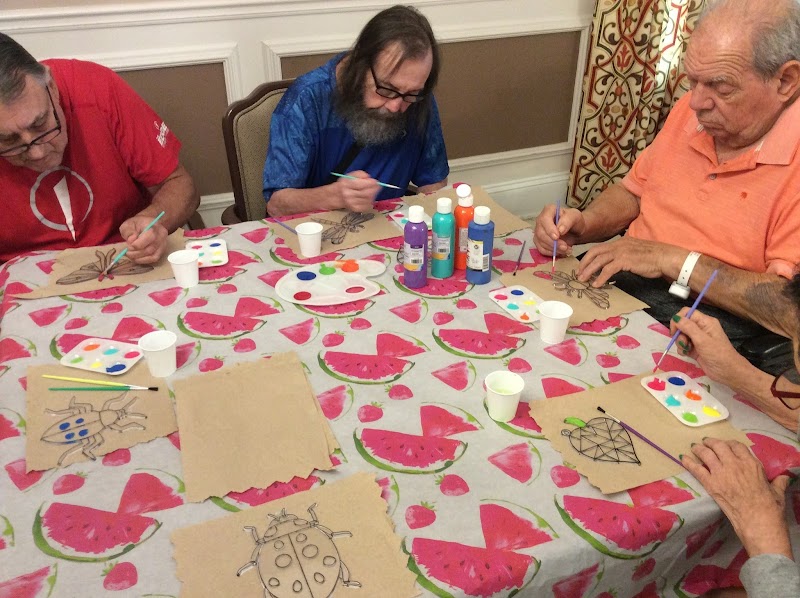
Who Owns and Operates Tiffany Hall Nursing And Rehab Center?

TIFFANY HALL NURSING AND REHAB CENTER is owned by a for-profit company. For-profit facilities operate as businesses with obligations to shareholders or private owners. The facility is operated by SOVEREIGN HEALTHCARE HOLDINGS, a chain that manages multiple nursing homes. With 120 certified beds and approximately 108 residents (about 90% occupancy), it is a mid-sized facility located in PORT SAINT LUCIE, Florida.
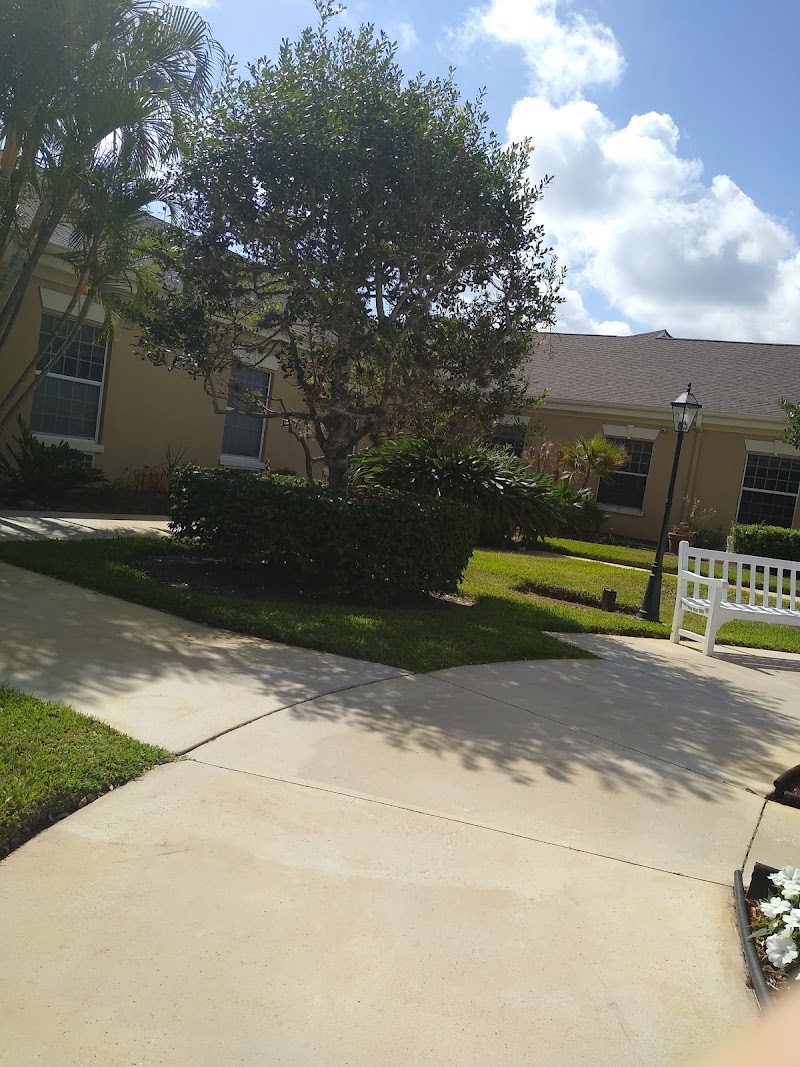
How Does Tiffany Hall Nursing And Rehab Center Compare to Other Florida Nursing Homes?

Compared to the 100 nursing homes in Florida, TIFFANY HALL NURSING AND REHAB CENTER's overall rating (2 stars) is below the state average of 3.2, staff turnover (25%) is significantly lower than the state average of 46%, and health inspection rating (1 stars) is much below the national benchmark.

What Should Families Ask When Visiting Tiffany Hall Nursing And Rehab Center?

Based on this facility's data, families visiting should ask: "What changes have been made since the serious inspection findings, and how are you preventing similar issues?" "What safeguards and monitoring systems are in place to protect residents from abuse or neglect?" "Can I visit during a mealtime to observe dining assistance and food quality?" "How do you handle medical emergencies, and what is your hospital transfer rate?" These questions are particularly relevant given the facility's Immediate Jeopardy citations and the substantiated abuse finding on record.

Is Tiffany Hall Nursing And Rehab Center Safe?

Based on CMS inspection data, TIFFANY HALL NURSING AND REHAB CENTER has documented safety concerns. The facility has 1 substantiated abuse finding (meaning confirmed case of resident harm by staff or other residents). Inspectors have issued 2 Immediate Jeopardy citations (the most serious violation level indicating risk of serious injury or death). The facility has a 2-star overall rating and ranks #100 of 100 nursing homes in Florida. Families considering this facility should ask detailed questions about what corrective actions have been taken since these incidents.

Do Nurses at Tiffany Hall Nursing And Rehab Center Stick Around?

Staff at TIFFANY HALL NURSING AND REHAB CENTER tend to stick around. With a turnover rate of 25%, the facility is 21 percentage points below the Florida average of 46%. Low turnover is a positive sign. It means caregivers have time to learn each resident's needs, medications, and personal preferences. Consistent staff also notice subtle changes in a resident's condition more quickly. Registered Nurse turnover is also low at 29%, meaning experienced RNs are available to handle complex medical needs.

Was Tiffany Hall Nursing And Rehab Center Ever Fined?

TIFFANY HALL NURSING AND REHAB CENTER has no federal fines on record. CMS issues fines when nursing homes fail to meet care standards or don't correct problems found during inspections. The absence of fines suggests the facility has either maintained compliance or corrected any issues before penalties were assessed. This is a positive indicator, though families should still review recent inspection reports for the full picture.

Is Tiffany Hall Nursing And Rehab Center on Any Federal Watch List?

TIFFANY HALL NURSING AND REHAB CENTER is not on any federal watch list. The most significant is the Special Focus Facility (SFF) program, which identifies the bottom 1% of nursing homes nationally based on persistent, serious quality problems. Not being on this list means the facility has avoided the pattern of deficiencies that triggers enhanced federal oversight. This is a positive indicator, though families should still review the facility's inspection history directly.