AVIATA AT TALLAHASSEE
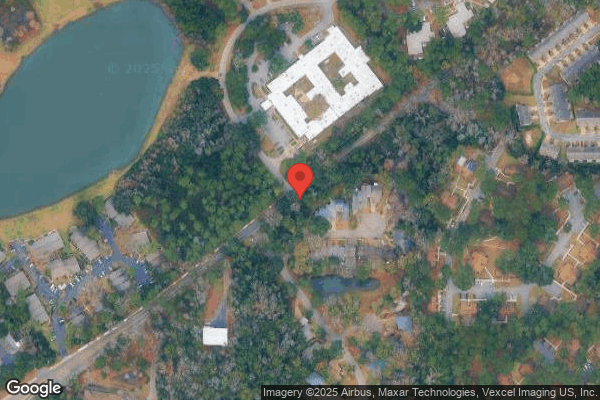
3101 GINGER DR, TALLAHASSEE, FL 32308 (850) 877-2177
For profit - Limited Liability company 180 Beds AVIATA HEALTH GROUP Data: November 2025
Trust Grade
43/100
#468 of 690 in FL
Last Inspection: September 2025

Inspected within the last 6 months. Data reflects current conditions.

Overview

Aviata at Tallahassee has a Trust Grade of D, which indicates a below-average rating with some significant concerns. The facility ranks #468 out of 690 in Florida and #7 out of 8 in Leon County, placing it in the bottom half of both rankings. While the facility’s trend is improving, with issues decreasing from 12 in 2024 to 9 in 2025, it still has a high staff turnover rate of 55%, which is concerning compared to the state average of 42%. In terms of specific incidents, there were notable concerns such as inadequate food safety practices in the kitchen, with dirty dishes and poor storage conditions observed. Additionally, the call light system in one area of the building has been broken for a long time, forcing residents to use handheld bells instead. Although the facility offers good quality measures and has some strengths, these significant weaknesses should be carefully considered by families looking for a nursing home.

Trust Score
D
43/100
In Florida
#468/690
Bottom 33%
Safety Record
Low Risk
No red flags
Inspections
Getting Better
12 → 9 violations
Staff Stability
⚠ Watch
55% turnover. Above average. Higher turnover means staff may not know residents' routines.
Penalties
✓ Good
$3,728 in fines. Lower than most Florida facilities. Relatively clean record.
Skilled Nurses
⚠ Watch
Each resident gets only 27 minutes of Registered Nurse (RN) attention daily — below average for Florida. Fewer RN minutes means fewer trained eyes watching for problems.
Violations
⚠ Watch
31 deficiencies on record. Higher than average. Multiple issues found across inspections.
★★☆☆☆
2.0
Overall Rating
★★★☆☆
3.0
Staff Levels
★★★★☆
4.0
Care Quality
★★☆☆☆
2.0
Inspection Score
Stable
2024: 12 issues
2025: 9 issues

The Good

  • 4-Star Quality Measures · Strong clinical quality outcomes
  • Full Sprinkler Coverage · Fire safety systems throughout facility
  • No fines on record

Facility shows strength in quality measures, fire safety.

The Bad

2-Star Overall Rating

Below Florida average (3.2)

Below average - review inspection findings carefully

Staff Turnover: 55%

Near Florida avg (46%)

Frequent staff changes - ask about care continuity

Federal Fines: $3,728

Below median ($33,413)

Minor penalties assessed

Chain: AVIATA HEALTH GROUP

Part of a multi-facility chain

Ask about local staffing decisions and management

Staff turnover is elevated (55%)

7 points above Florida average of 48%

The Ugly 31 deficiencies on record

Sept 2025 6 deficiencies
CONCERN (D)

Potential for Harm - no one hurt, but risky conditions existed

Safe Environment (Tag F0584)

Could have caused harm · This affected 1 resident

**NOTE- TERMS IN BRACKETS HAVE BEEN EDITED TO PROTECT CONFIDENTIALITY** Based on observations and interviews, the facility failed to maintain a clean, safe and home-like environment for 3 of 58 occupi...

Read full inspector narrative →
**NOTE- TERMS IN BRACKETS HAVE BEEN EDITED TO PROTECT CONFIDENTIALITY** Based on observations and interviews, the facility failed to maintain a clean, safe and home-like environment for 3 of 58 occupied rooms and 2 of 111 residents screened during the initial tour. (Rooms #126, #216, #200, and Residents #63 and #100)Room observations (Photographic evidence obtained of all issues) On 9/15/2025 at 11:53 AM, Room # 216 (which was occupied) bathroom's toilet lid had a crack. The room's entry area ceiling had a brown-colored rust-like metal between the tiles. On 9/16/2025 at 9:21 AM, room [ROOM NUMBER]'s wall had brown-colored stains and paint had scratches. The room was being occupied. 09/15/2025 at 12:00 PM, a small refrigerator in room [ROOM NUMBER] was observed and a foul odor was detected. Inside a spilled brown liquid was present along with two unfinished bottles of soda. The freezer compartment had ice cream spilled throughout. The resident confirmed that the refrigerator had not been cleaned in a long time. On 9/16/2025, 9/17/2025, and 9/19/2025, subsequent observations confirmed that the same refrigerator was still dirty. The resident stated she could not physically clean it due to physical limitations Resident #63 On 9/15/2025 at 1:47 PM, observed Resident # 63, who is bedbound, had a pillow and a board holding his cell phone. The pillow and board had stains and organic particles. On 9/17/2025 at 11:33 AM, Resident# 63's pillow and board remained stained. Resident #100 On 9/15/2025 at 12:08 PM, Resident #100 had a wheelchair with the right arm rest exposing foam. On 9/17/2025 at 11:34 AM, an interview was conducted with Staff A, Licensed Practical Nurse (LPN). She was asked about the process of cleaning the resident’s rooms and belongings. She stated Certified Nurse Assistants (CNAs) were supposed to wipe surfaces daily and as needed. On 09/19/2025 at 9:45 AM, a tour was conducted with the Administrator, Maintenance Director (MD), and Housekeeping Account Manager. They acknowledged the above issues and stated they would be addressed quickly.
CONCERN (D)

Potential for Harm - no one hurt, but risky conditions existed

Accident Prevention (Tag F0689)

Could have caused harm · This affected 1 resident

Based on interviews, record review, and policy review, the facility failed to ensure each resident receives adequate supervision and assistance to prevent accidents by not screening 1 of 1 resident sa...

Read full inspector narrative →
Based on interviews, record review, and policy review, the facility failed to ensure each resident receives adequate supervision and assistance to prevent accidents by not screening 1 of 1 resident sampled for smoking. (Resident #164)On 9/18/25, a chart review was conducted of the electronic medical record (EMR) for Resident #164. No safe smoker screening was documented in the record. On 9/18/25 at approximately 3:25 pm, an interview was conducted with the Director of Nursing (DON). She was asked about the facility process for screening residents for smoking safety. She stated a smoking screen is done on every resident on admission. If the resident smokes, teaching is provided to the resident. The resident is added to the smoking list kept by activities staff. Activities staff are responsible for providing supervision and assistance to residents who smoke. When asked about Resident #164's current smoking status, she stated that the resident does not smoke. If she does want to start smoking, she will then be screened for safe smoking, provided teaching, and set up with Activities staff. On 9/19/25 at approximately 11:02 am, an interview was conducted with Staff K (Activities Assistant), about the residents' current smoking status. She stated that she has observed Resident #164 smoking. When asked how the resident gets cigarettes, she stated that the resident had cigarettes in the lockbox used to store residents smoking supplies. When asked if the resident is on her smoking list, she states that she thinks the resident is on the list. A review of the typed smoking list then provided demonstrates Resident #164's name handwritten on the bottom of the page. The facility's undated policy entitled Smoking/Agreement/Notice of Policy stated: Patients electing to smoke will be provided a safe smoking assessment to determine an evaluate each patient's ability to safely smoke.
CONCERN (D) 📢 Someone Reported This

A family member, employee, or ombudsman was alarmed enough to file a formal complaint

Potential for Harm - no one hurt, but risky conditions existed

Deficiency F0697 (Tag F0697)

Could have caused harm · This affected 1 resident

Based on record review and interview, the facility failed to administer prescribe pain medication and failed to refill pain medications for 1 of 1 residents sampled for pain medication. (Resident #52)...

Read full inspector narrative →
Based on record review and interview, the facility failed to administer prescribe pain medication and failed to refill pain medications for 1 of 1 residents sampled for pain medication. (Resident #52) On 9/16/25, a phone interview was performed with the daughter of Resident # 52. She stated that Resident #52 had not been receiving her nightly dose of MS Contin 75 ER for several days. A phone call was performed with the facility's pharmacy on 09/16/2025 at 1:36 PM. They stated that the facility requested a refill of MS Contin 75 mg ER for Resident # 52 on 7/2/2025 (25-day supply, ended 8/6/2025) and 8/4/2025 (25-day supply, ended 8/31/2025). No further refill requests had been received since then. On 09/16/2025 at 2:30 PM, the Director and Assistant Director of Nursing were interviewed. They demonstrated the procedure for refilling medications to prevent missing any days. They were shown on the Medication Administration Record that MS Contin was documented as given although no medication refill had been received. The staff stated that the facility had some extra dosages on hand to fulfill this order. The Medication Record also showed that Resident #52 did not receive the MS Contin on 9/10-25-9/13/25 with the record stating it was not available. The staff acknowledged the MS Contin 75 mg should have been reordered in a more timely manner
CONCERN (D)

Potential for Harm - no one hurt, but risky conditions existed

Deficiency F0761 (Tag F0761)

Could have caused harm · This affected 1 resident

Based on observations, staff interviews, review of the electronic medical record (EMR), and review of the facilities policies and procedures, the facility failed to provide safe and secure storage of ...

Read full inspector narrative →
Based on observations, staff interviews, review of the electronic medical record (EMR), and review of the facilities policies and procedures, the facility failed to provide safe and secure storage of medications for 2 of5 residents observed for medication. (Residents # 24 and 42)The findings include:Resident # 24During an observation on 09/15/2025 at 12:00 PM, Resident # 24 playing had the following medications stored at their bedside table: Medicated body Power, 2 bottles of Isopropyl alcohol 91%, Vitamins A&D Ointment, Hydrocortisone Acetate 1% Cream, Olopatadine Hydrochloride (a medicine for itchy eyes), Ophtalmic solution 0.2%, and Voltaren Arthritis pain Cream. (Photographic evidence obtained). A repeat visit on 9/16/2025 at 1:37 PM, 9/17/2025 at 11:00 AM, and 9/19/2025 at 8:00 AM showed these medications were still in the bedside table. On 09/16/2025, a review of Resident #24's record shows no orders for self-administration of medications.Resident #42On 09/15/2025 at 12:30 PM, 09/16/2025 at 8:15 AM, 9/17/2025 at 11:00 AM, and 9/19/2025 at 8:00 AM, Resident #42 was observed with the following medications at their bedside: Allergy relief nasal spray and fluticasone propionate(glucocorticoid) 50 micrograms per spray (another nasal allergy relief spray).On 09/16/2025, a record review of Resident #42 confirmed they did not have orders for self administration of medications or physician orders for this medication.On 9/18/2025 at 8:45 AM, the Staff Educator was shown the medications in the rooms of Resident #24 and #42. The staff educator stated he would notify the Unit Manager to correct the situation.
CONCERN (D)

Potential for Harm - no one hurt, but risky conditions existed

Medical Records (Tag F0842)

Could have caused harm · This affected 1 resident

**NOTE- TERMS IN BRACKETS HAVE BEEN EDITED TO PROTECT CONFIDENTIALITY** Based on observations, record review, and staff interviews, the facility failed to maintain medical records that were accurate a...

Read full inspector narrative →
**NOTE- TERMS IN BRACKETS HAVE BEEN EDITED TO PROTECT CONFIDENTIALITY** Based on observations, record review, and staff interviews, the facility failed to maintain medical records that were accurate and complete for 1 of 1 resident sampled. (Resident #63)The findings include:On 9/15/2025 at 11:47 AM, an interview was conducted with Resident #63. He stated he had a wound on his back that healed and another one on left arm that had not healed yet. On 9/17/2025 at 11:33 AM, an observation was made of Resident #63 receiving a clean dressing on his left posterior forearm.A review of Resident #63's medical record was conducted. Resident #63 was admitted to the facility on [DATE] with diagnoses including villonodular synovitis pigmented, major depressive disorder, quadriplegia, and morbid obesity. Physician's orders stated, left forearm: cleanse with wound cleanser, apply xeroform then cover with dry dressing every day shift with a start date of 7/15/25. A review of the Treatment Administration Record (TAR) revealed documentation was left blank on 9/3/25, 9/7/25, 9/8/25, 9/11/25 and 9/13/25.On 9/17/2025 at 1:20 PM, an interview was conducted with the Director of Nursing (DON). She reviewed Resident #63's TAR related to left forearm wound care documentation and acknowledged that the TAR was left blank on 9/3/25, 9/7/25, 9/8/25, 9/11/25, and 9/13/25. The DON stated it should have been documented and not left blank.On 9/18/2025 at 11:14 AM, an interview was conducted with Staff C, Registered Dietitian (RD). The RD has worked full time at the facility and had known Resident #63 for over 3 years. She stated Resident #63 had never been diagnosed with morbid obesity. A review of Resident #63's medical record was conducted with the RD including a diagnosis of morbid obesity dated 8/17/23. She then stated the diagnosis was not accurate because Resident #63 had never been obese.
CONCERN (D)

Potential for Harm - no one hurt, but risky conditions existed

Infection Control (Tag F0880)

Could have caused harm · This affected 1 resident

Based on observations, record and policy review, and interviews, the facility failed to follow infection control practices for 1 of 1 resident sampled for wound care treatment (Resident #159), 1 of 2 ...

Read full inspector narrative →
Based on observations, record and policy review, and interviews, the facility failed to follow infection control practices for 1 of 1 resident sampled for wound care treatment (Resident #159), 1 of 2 residents sampled for droplet isolation precautions (Resident #34), and 1 of 1 resident sampled for contact isolation precautions. (Resident #107)Resident #107 A chart review conducted on Resident #107 revealed a physician order which stated, Isolation Type – CONTACT-methicillin resistant staphylococcus aureus (MRSA) every shift for monitoring. Observations of the resident’s room door revealed a sign for Enhanced Barrier Precautions (EBP) [a different category of contact precautions] hung on an over-the-door caddy containing Personal Protective Equipment (PPE) supplies such as gown, gloves, and masks. There was no signage for the ordered contact isolation precautions observed posted on the door. On 9/16/2025 at approximately 11:05 AM, an interview was conducted with the resident’s nurse Staff R, a Registered Nurse, about the resident’s current isolation status. He stated the resident is on enhanced barrier precautions. After consulting the resident’s record, he then stated that the resident does have an order for contact isolation precautions due to MRSA. Subsequent observations at 12:40 pm and 2:40 pm showed no change in posted signage. On 9/16/25 at approximately 1:30 pm, an interview was conducted with the Director of Nursing (DON). When asked about her expectations from nursing staff regarding a resident’s isolation status when isolation is ordered by the physician, she stated her expectations would be that the ordered isolation precaution signage would be verified posted on the resident’s door. She stated that the Assistant Director of Nursing (ADON) was responsible for posting isolation precautions when the physician placed an isolation order. On 9/16/25 at approximately 1:45 pm, an interview with the ADON was conducted. She was asked why the ordered contact isolation status was not posted. She stated that, because the resident had been on antibiotics to treat the infection, the risk of transmission is low and he was placed on EBP. The physician was not contacted for clarification on the order. The facility’s policy entitled “Isolation-Categories of Transmission-Based Precautions” last revised 2018 stated: Transmission-Based Precautions are initiated when a resident…has a laboratory confirmed infection; and is at risk of transmitting the infection to other residents. The policy Interpretation and Implementation stated 5. When a resident is placed on transmission-based precautions, appropriate notification is placed on the room entrance door so that personnel and visitors are aware of the need for and the type of PPE…a. The signage informs the staff of Centers for Disease Control and Prevention (CDC) precautions, instructions for use of PPE. Resident #34 On 9/15/2025 at 1:44 PM, Resident #34's room was observed with signage stating Droplet Isolation. On 9/16/25, a review of the resident’s medical record was conducted. Resident #34 did receive a positive COVID-19 result on 9/11/25. Physician's orders included Paxlovid (150/100) twice a day for 5 days with a start date of 9/12/25. There were no orders for droplet isolation. On 9/17/2025 at 9:35 AM, an interview was conducted with Staff Q, Licensed Practical Nurse (LPN). She was asked if the resident was on droplet isolation and she confirmed Resident #34 was on droplet isolation. She was asked if residents that were on droplet isolation would have a physician order for droplet isolation precautions and she stated yes. She then reviewed Resident #34’s medical record and confirmed resident did not have a physician’s order for droplet isolation. Resident #159 On 9/16/25, a review of Resident #159’s physician’s orders was conducted. Orders included the following wound care treatments: Left schium: cleanse with wound cleanser, apply calcium alginate with silver, cover with Abdominal pad. Change daily and as needed. Right ischium: cleanse with wound cleanser, apply calcium Alginate with silver, cover with dry dressing. Change daily and as needed every night shift for wound care. Left upper thigh: cleanse with wound cleanser, apply xeroform, then cover with Abdominal pad daily and as needed every night shift for wound care. On 9/16/2025 at 4:33 PM to 5:57 PM, wound care was observed being performed by Staff D, Licensed Practical Nurse (LPN) and the unit manager, Staff E, Registered Nurse (RN) and Staff F, Certified Nurse Assistant (CNA). Staff D removed heavily soiled dressing. Linens are soiled as well. Staff D, LPN, asked Staff F, CNA, to perform skin care and linen change before continuing with wound care. Staff F, CNA, was observed cleaning Resident #159’s skin at wound site with a rag that had been inserted in soapy water. She was observed introducing the used rag inside the soapy water, squeezing the water out of the rag into the soapy water container and using the rag to clean the posterior thigh around the wound. At this moment, Staff E, RN, told Staff F, CNA, to stop, and educated her “When you use a rag you are supposed to discard it, you don't reuse it again.
Mar 2025 1 deficiency
CONCERN (D) 📢 Someone Reported This

A family member, employee, or ombudsman was alarmed enough to file a formal complaint

Potential for Harm - no one hurt, but risky conditions existed

Medication Errors (Tag F0758)

Could have caused harm · This affected 1 resident

Based on review of resident records, interview, and review of facility policy, the facility failed to obtain consent for 1 of 2 psychotropic medications ordered for 1 of 3 residents reviewed for psych...

Read full inspector narrative →
Based on review of resident records, interview, and review of facility policy, the facility failed to obtain consent for 1 of 2 psychotropic medications ordered for 1 of 3 residents reviewed for psychotropic medication usage. (Resident #3) The findings included: On 3/4/24, a review of the records for Resident #3 was conducted. A review of the Medication Administration Record in December 2024 indicated that, in addition to Mirtazapine (an antidepressant) 30 mg once a day, Resident #3 had been taking Trazadone (another antidepressant) 50 mg .5 tablet every 8 hours. Resident #3's record had a signed consent to take Mirtazapine 30 mg once a day. However, there was no consent for the Trazadone. A review of the psychiatric notes, dated 9/26/24, for Resident #3 was conducted. The psychiatry notes stated that Resident #3 was started on Trazodone due to an exacerbation of depression and mood disorder. The note indicated that medication changes were needed to stabilize his symptoms. The provider indicated that risks, benefits, and alternatives were discussed. The note does not clarify whom the risks, benefits, and alternatives were discussed and if consent was verbally obtained from the resident's representative. Trazodone 25 mg po three times a day was instantiated in addition to the Mirtazapine for agitation. A review of the psychiatric notes dated 11/21/2024 revealed, Prior to last visit, resident had excessive sedation and was not wanting to eat. Trazodone 25 mg three times a day (TID) as needed (PRN) was started for 30 days. Trazodone 25 mg by mouth three times a day was discontinued as per the patient representative request. There was no note indicating that risks, benefits, or consent was obtained when the Trazadone dosing was changed from three times a day (TID) to three times a day as needed (PRN). A review of the orders was conducted for Resident #3. An order was placed on 9/27/24 for Trazodone 25 mg by mouth three times a day for major depressive disorder. The order end date was on 10/17/24. On 10/17/24, there was an order for Trazodone 25 mg to be given by mouth every 8 hours as needed for major depressive disorder for 30 days. The order end date was 11/17/24. There was also an order for Trazodone 50 mg half a tablet by mouth every 8 hours for major depressive disorder, start date 11/23/24 and end date 12/4/24. On 12/2/24, there was an order to hold the medication until further notice. A note entered with the order indicated that the medication needed to be discontinued. The order and note was written by the medical provider. On 3/5/25 at 2:50 PM an interview was conducted with the Director of Nursing (DON). She was asked for a copy of the consent for the resident's Trazodone. The DON indicated that consent was not needed for Trazodone because it was an antidepressant. Although the facility had a consent for the Mirtazapine 30 mg once a day for depression, the DON reiterated that a consent was not needed for antidepressants. On 3/6/25 at approximately 9:30 AM, an interview conducted with the facility psychiatric nurse practitioner provider, who provided psychiatric services to Resident #3. She was informed about concerns regarding finding no consent for the Trazadone in the patients record. A consent for Mirtazapine was in the record of Resident #3, but not the Trazadone. The nurse practitioner indicated that she remembered the client and she explained the risks and the benefits of the medication Resident #3's representative before the Trazodone was initiated. The nurse practitioner indicated that the Trazadone was an antidepressant and therefore a psychotropic medication just like the Mirtazapine. On 3/6/25, a review of the facility policy and procedure titled Medication Management Psychotropic Medications, dated 10/24/2022, was conducted. The procedure section of the policy stated that residents receiving psychotropic medications will have the risk/benefits reviewed and consent completed prior to initiation of the medication. The policy further indicated that as needed (PRN) orders for psychotropic medications were to be limited for 14 days except when the prescribing practitioner believes that is appropriate to extend the medication beyond 14 days and documented the rationale and indicates the duration of the prn medication.
Jan 2025 2 deficiencies
CONCERN (D) 📢 Someone Reported This

A family member, employee, or ombudsman was alarmed enough to file a formal complaint

Potential for Harm - no one hurt, but risky conditions existed

Medical Records (Tag F0842)

Could have caused harm · This affected 1 resident

**NOTE- TERMS IN BRACKETS HAVE BEEN EDITED TO PROTECT CONFIDENTIALITY** Based on record review and interviews, the facility failed to maintain accurate and updated medical records for 1 out of 8 resid...

Read full inspector narrative →
**NOTE- TERMS IN BRACKETS HAVE BEEN EDITED TO PROTECT CONFIDENTIALITY** Based on record review and interviews, the facility failed to maintain accurate and updated medical records for 1 out of 8 residents sampled. (Resident #2) The findings include: On [DATE], it was decided by the family that Resident #2's code status would be changed to Do Not Resuscitate (DNR). The family started the process and the facility assisted in getting the order signed by the doctor that same day. The Social Service Assistant brought back the completed to the facility at approximately 4:45 PM. On [DATE], Resident #2 was observed in bed without respirations and cold to the touch. Staff F, a Licensed Practical Nurse (LPN), and Staff G, a Registered Nurse (RN), confirmed the advance directive on the electronic medical record, and it stated Resident #2 was a Full Code. Per facilities policy, they had to double check the Advance Directives book, located at the nurse's station, but it was not there. Staff F and G started cardiopulmonary resuscitation (CPR) until paramedics pronounced the resident expired. On [DATE] at approximately 9:20 AM, during an interview with Regional Director of Clinical Services, she was asked what the expectation was regarding the location of the Advance Directives book. She stated the book should never leave the nurses' station. When asked who was responsible for updating the orders when the completed DNR was received, she stated nurses are the only ones that can change orders. On [DATE] at approximately 12:36 PM, an interview was held with Staff E, a LPN, who was the nurse the day Resident #2 had the change in advance directives. When asked how she found out about the DNR order, she stated the social services assistant came back and announced she had received it, and she had witnessed her adding it to the book. When asked if that was the appropriate process, she stated that, before it gets added to the book, a nurse must update the orders. When asked if she had received a request to update the orders, she said she had not. She also stated she would never change those orders until she could verify the form was correct and had all signatures. On [DATE] at approximately 1:09 PM, an interview was held with Staff H, the Social Services Assistant (SSA). When asked if she had handed one of the nurses the completed DNR form, she stated she had announced to Staff E that she had the form while walking by her. She then put the form in the advance directives book. When asked if Staff E saw the form and was able to read it, the SSA stated she did not think so. She was asked if she had requested that Staff E update the electronic record, she replied, no, but it was understood. The DNR was updated to the electronic medical record after Resident #2 had expired
CONCERN (E) 📢 Someone Reported This

A family member, employee, or ombudsman was alarmed enough to file a formal complaint

Potential for Harm - no one hurt, but risky conditions existed

Deficiency F0919 (Tag F0919)

Could have caused harm · This affected multiple residents

Based on observation and interview, the facility failed to maintain an adequately equipped call light system for the 100 hall of the building. The findings include: During the initial tour of the fac...

Read full inspector narrative →
Based on observation and interview, the facility failed to maintain an adequately equipped call light system for the 100 hall of the building. The findings include: During the initial tour of the facility, it was noted that all the residents in the 100 hall were observed with hand held bells located at the bedside of each resident. When asked about this, the Administrator stated that the call light system was not working and these bells were being used in lieu of the call lights for now. He stated the call light system had been broken in the 100 hall for a very long time. However, it was noted upon looking in the rooms that there was no system of calling staff located in each of the bedrooms' private bathrooms. Upon further discussion, the Administrator stated the parts for the call light system had recently arrived and the repairs to the system should occur soon.
Jun 2024 11 deficiencies
CONCERN (D)

Potential for Harm - no one hurt, but risky conditions existed

Deficiency F0645 (Tag F0645)

Could have caused harm · This affected 1 resident

**NOTE- TERMS IN BRACKETS HAVE BEEN EDITED TO PROTECT CONFIDENTIALITY** Resident #126 On 6/19/24, a record review was conducted for Resident #126. The resident was admitted to the facility on [DATE]. ...

Read full inspector narrative →
**NOTE- TERMS IN BRACKETS HAVE BEEN EDITED TO PROTECT CONFIDENTIALITY** Resident #126 On 6/19/24, a record review was conducted for Resident #126. The resident was admitted to the facility on [DATE]. The admission form indicated that Resident #126 had been diagnosed with bipolar disorder, recurrent depressive episodes, and schizoaffective disorder that were present upon admission. A review of the admission history and physical at the hospital indicated that Resident #126 had a past medical history of bipolar disorder and schizoaffective disorder. According to the history and physical, Resident #126 was prescribed the following psychotropic medications: Seroquel 100mg by mouth daily at bed time, Olanzapine 2.5 by mouth mg twice a day and Duloxetine 30 mg by mouth once a day. A review of the care plan indicated that Resident #126 uses psychotropic medications to treat bipolar disorder and schizoaffective disorder. On 6/20/24, the Director of Nursing (DON) was asked to provide the most recent PASARR form on file for Resident #126. A review of the PASARR form provided by the DON was conducted. The form was dated 3/14/24. Section I of the PASARR form did not indicate that the resident had been previously been diagnosed with bipolar disorder or schizoaffective disorder. Section IV of the PASARR indicated that Resident #126 had no diagnosis or suspicion of serious mental illness and that a level II PASARR evaluation was not required. There was no other documentation of an updated PASARR or evaluation in the record. On 06/20/24 03:19 PM, an interview was conducted with the Regional Social Services Director for the facility. When she was shown the PASARR on file at the facility, she indicated that the PASARR form would be corrected. A review of facility policy regarding PASARR forms dated 11/8/21 was conducted. The policy stated that it is the responsibility of the center to assess and assure the preadmission screenings are conducted and results obtained prior to admissions and are placed in the appropriate sections of the resident's record. If it is learned after admission that a PASARR Level II is indicated, it is the responsibility of Social Services to coordinate or inform the appropriate agency to conduct the screening. Results of screening evaluations will be incorporated into the individual resident's plan of care. Based on observation, interview, policy review, and record review, the facility failed to ensure accuracy of Preadmission Screening and Resident Review (PASARR) for 3 of 3 residents sampled (Residents #18, #62, and #126). The findings include: Resident #18 On 6/19/24, a review of the PASARR for Resident #18, dated 3/3/17, was conducted. There was no evidence of a Level II being completed in the electronic record although the form did denote the resident had a primary diagnosis of dementia and suspected mental illness. On 06/20/24 at 9:37 AM, an interview was conducted with the Regional Social Services Director, who reviewed the electronic chart and verbally acknowledged the document and that there is no Level II review in the electronic record. She stated she it most likely got lost during the transition of the medical record migration and it was possible it just didn't get scanned into the electronic record. On 6/20/24 at 10:32 AM, an interview was conducted with the Regional Clinical Director, who stated they and could not locate a Level II PASARR for this resident. Resident #62 On 6/18/24 a record review was conducted for Resident #62. The PASARR, dated 1/18/23, indicated no suspected mental illness. A review of the resident's medical record had documented diagnoses of recurrent depressive disorders added on 1/25/23, schizophreniform disorder added on 6/15/23, anxiety disorder added on 4/20/23, generalized anxiety disorder added on 1/25/23, and brief psychotic disorder added on 4/7/23. There was no updated PASARR in the electronic medical record. On 6/20/24 at 2:30 PM, an interview was conducted with the Regional Director of Social Services, who reviewed Resident #62's list of diagnosis and the PASARR form. She verbally agreed the diagnoses were absent from the PASARR and stated a new Level I PASARR should have been completed as the one from the hospital was not accurate.
CONCERN (D)

Potential for Harm - no one hurt, but risky conditions existed

Comprehensive Care Plan (Tag F0656)

Could have caused harm · This affected 1 resident

**NOTE- TERMS IN BRACKETS HAVE BEEN EDITED TO PROTECT CONFIDENTIALITY** Based on observations, staff interviews, and review of the electronic medical record (EMR), the facility failed to develop a com...

Read full inspector narrative →
**NOTE- TERMS IN BRACKETS HAVE BEEN EDITED TO PROTECT CONFIDENTIALITY** Based on observations, staff interviews, and review of the electronic medical record (EMR), the facility failed to develop a comprehensive care plan for anxiety for 1 of 2 residents sampled. (Resident #123) The findings include: On 6/17/2024 at approximately 2:30 PM, Resident #123 was heard calling out help me, I can't breathe. Nursing staff responded and placed oxygen on the resident. The resident continued to call out and appeared anxious. On 06/20/2024 at approximately 09:18 AM, during an interview with Staff S, a licensed practical nurse (LPN), she stated, The resident can become agitated at times but is usually easy to redirect. She does not have any PRN (as needed) medications for anxiety, just scheduled Trazadone. A review of the EMR revealed the resident was admitted on [DATE] and had a diagnosis of anxiety disorder. A review of physician orders found an order initiated on 06/13/2024 for Trazodone (a medication used to treat depression) 25 mg twice a day. An order was placed on 5/17/2024 for psychology and psychiatry as needed. An additional order for a psych consult was ordered on 5/30/2024 to evaluate and treat for medication management related to anxiety disorder. The resident's care plan, initiated on 5/17/2024, does not include a plan or interventions for monitoring the resident's mood, behavior, or anxiety. A psych noted dated 06/06/2024 from the Psychiatric Mental Health Nurse Practitioner indicated the resident's mood is agitated related to wound care, her appearance/behaviors are calm. It further indicates the resident has a past psychiatric history of depression and anxiety.
CONCERN (D)

Potential for Harm - no one hurt, but risky conditions existed

Pharmacy Services (Tag F0755)

Could have caused harm · This affected 1 resident

Based upon record review and staff interview, the facility failed to ensure the accuracy of narcotic counts and that the stored narcotics were consistent with physician orders for 1 of 37 residents re...

Read full inspector narrative →
Based upon record review and staff interview, the facility failed to ensure the accuracy of narcotic counts and that the stored narcotics were consistent with physician orders for 1 of 37 residents reviewed, Resident #143. The findings include: A review of Resident #143's narcotic count sheet revealed tablets were present in the medication cart for Hydrocodone/APAP Tablet 5-325 1 tablet by mouth every 6 hours as needed for non-acute pain. The count on the narcotic book sheet was 66. The number of tablets present in the medication cards was a total of 65. Staff P stated she had given Resident #143 this medication at 12:00 PM and had not signed it out of the narcotic book. She confirmed that she had signed it out of the computerized Medication Administration Record (MAR). When asked to review the physician order page, the computer order was for Hydrocodone/APAP Tablet 7.5-325 1 tablet every 6 hours related to other low back pain. Further review of the computerized MAR revealed the order was written on 05/30/24. In an interview conducted with Staff P during this observation, she confirmed she was unaware that the order had changed and Resident #143 had received the wrong order. Staff P stated she would call the physician regarding the medication error and that she would discuss the error with the facility's Director of Nursing.
CONCERN (E)

Potential for Harm - no one hurt, but risky conditions existed

Resident Rights (Tag F0550)

Could have caused harm · This affected multiple residents

Resident #120 On 6/17/2024 at approximately 10:50 AM, an observation of Resident #120's room revealed that the dresser and hanging clothing armoire are turned around with the doors and drawers facing ...

Read full inspector narrative →
Resident #120 On 6/17/2024 at approximately 10:50 AM, an observation of Resident #120's room revealed that the dresser and hanging clothing armoire are turned around with the doors and drawers facing the wall, prohibiting the resident access to belongings. (photographic evidence obtained) On 6/17/2024 at approximately 11:00 AM, an interview with staff V, a certified nursing assistant (CNA V), was performed, She stated that the dressers for Resident #120 were turned around to face the wall to limit the resident's access to them, as the resident is often getting into the clothing and changing several times a day. She indicates Resident #120's clothing is kept in the activities room on a hanging cart that the resident cannot access. On 6/18/2024 at approximately 07:43 AM, Resident #120 was observed wearing a sweat suit with her name written in large print on the front right chest in marker. On 06/19/2024 at approximately 03:30 PM, Resident #120 was observed wearing a shirt with her name labeled on the right front chest. On 06/20/2024 at approximately 08:00 AM, during an interview with Staff U, another CNA, she indicates that the facility does the laundry for Resident #120. Staff will label the clothing before it is sent to laundry. She indicates the process for labeling the clothing is with a marker and should be written on the back neckline near the tag. A review of the resident's record for Resident #120 reveals a care plan dated 9/22/2023 with goals related to self-care performance deficit. Interventions include assisting the resident to choose simple comfortable clothing that enhances the resident's ability to dress themself and allow sufficient time for dressing and undressing. The resident requires assistance by staff to dress. A review of the policy named Processing Resident Personal Clothing policy 6-33 dated 02/01/2003 indicates that all residents clothing for residents in Long Term Care facility must be labeled in a manner that is both practical and respects the dignity of the resident. A small permanent tag or label is placed in the most inconspicuous place on every article of clothing. Based on observations, review of the electronic medical record (EMR), interviews with staff and residents, and review of the facility policies and procedures, the facility failed to provide a dignified existence for 5 of 6 residents sampled for dignity. (Residents 104, 65, 116, 41, and 120) The findings include: Resident #104 During a tour of the facility conducted on 06/17/24 at 2:53 PM, Resident #104 was observed lying in bed in a hospital gown. When asked why Resident #104 was in a hospital gown, Resident #104 stated she had no clean clothes. She stated she had talked to housekeeping staff and to nursing staff and each told her the responsibility of resident's personal laundry fell on the other. Resident #104 gave the surveyor permission to open her closet, and inside the surveyor observed bags and piles of clothing. (Photographic evidence obtained with resident's verbal permission) Resident #104 verified these clothes were all dirty and in need of laundering. When asked if she was wearing a hospital gown due to her lack of clean clothing, she stated Yes, I only have one clean dress and I was going to wear it tomorrow. A review of records revealed the most recent Quarterly Minimum Data Set completed on 04/27/24 revealed Resident #104 had a Brief Interview of Mental Status Score of 7, which indicated she had cognitive impairment. An interview was conducted with the Housekeeping Administrator on 06/19/24 at 2:45 PM. She stated the staff responsible for transporting resident's personal laundry was the nursing staff, specifically the Certified Nursing Assistants (CNAs). She said the CNAs were responsible for bagging the resident's personal laundry and placing a paper slip in the laundry bag containing the resident's name and room number. She said the CNAs then either took the dirty laundry bag to the soiled utility room or directly to the laundry room for processing. She said the residents or their families were encouraged to label their own clothing so that it did not become lost at the facility. An interview was conducted with Staff M, CNA, on 06/20/24 at 1:12 PM. Staff M confirmed she was assigned to care for Resident #104 often. Staff M said she had spoken to Resident #104 numerous times regarding her personal laundry not being done. She said it was not her responsibility as a CNA to take a resident's laundry to the laundry room but rather it was the responsibility of the laundry staff to collect the soiled personal laundry from each resident's room. She said when the clothes were returned by the laundry staff, they sometimes hung the clothes in the resident's closets but other times the laundry staff placed a bag of clean clothes on the chair in the room and then the CNAs hung the clean clothes in the closets as they had time. She said resident's families often labeled the clothing but that if a resident's clothing was not labeled, they would place a paper inside the laundry bag so the laundry staff knew who the laundry belonged to. An interview was conducted with Resident #104 on 06/20/24 at 2:26 PM. She stated her clean clothes were hung in her closet on 06/19/24. During this interview, Resident #104 was lying in bed, fully dressed. She stated she was happy that she had her clean clothes hung in her closet. She further stated she was happy that she was able to wear her clothes instead of a hospital gown. Resident #65 and #116 On 06/18/24 at approximately 10:25 AM, an interview was conducted with Resident #65. He was wearing a patient gown. He indicated that he has no clothes to wear. He said he came to the facility without any clothes. He has had to wear a gown every day. Resident #65 was asked if he likes wearing a gown. He said no, and indicated that he would prefer to wear clothes instead of a gown. On 06/18/24 at approximately 5:07 PM, an observation was made of resident #65 wearing a gown. On 06/19/24 at approximately 9:19 AM, Resident #65 was once again observed wearing a patient gown. An interview on 06/18/24 with Resident #116 at approximately 10:45 AM revealed he also had no clean pants to wear. He explained that he often has to re-wear his pants because he only has a few pants and he does not get them back from laundry. He was wearing a pair of black pants. There was a small bag of soiled clothes in his room. Resident #116 said he had previously filed a grievance regarding this. On 6/19/24 at approximately 3:16 PM, observations were made in the laundry room. There were 5 extra-large bags on the floor. A sign above the bags said Please do not touch. Washing and sorting. Another shelf had bedspreads and pillows stored up to the ceiling. There was a rolling rack for hangers with clothes hung up and labeled by the room. The bottom shelf of the rack had unfolded clothes both bagged and out of bags piled up. There was another rack that had a clear bag of what appeared to be clothes lying on the floor. (photographic evidence obtained). The Laundry Services Supervisor was interviewed and indicated that the clothes in the bags lying on the floor had been washed and were waiting to be sorted. When the surveyor pointed out the bags were stored on the floor, she explained that clothes in the bags would be re-washed, dried, and sorted. The Laundry Services Supervisor indicated that they have been short staffed in laundry and have not had the staff to deal with sorting resident clothing. She explained that there are currently 3 staff working in the laundry. Two weeks ago the facility had only 2 people processing personal laundry. She indicated more of the clothes have just recently been reprocessed. She pointed at the folded clothing on the shelves. She explained that 6 people have been hired to work in laundry services in recent weeks. She explained that she has only worked for the facility for three months and they have been actively working to improve laundry services. The Laundry Services Supervisor indicated that resident's clothing has been a daily topic in the morning meetings. She indicated that the facility administration is aware and they are working together to correct the problem. The District Manager of Housekeeping Services was interviewed and explained that the expectation is that it takes no more than 48 hours to process items that come into the laundry room. The Director Of Nursing (DON) was asked to provide initial inventories of personal effects for Residents #65 and #116. She was also asked to provide a copy of the grievance completed by Resident #116. On 6/19/24 at approximately 4:40 PM, a review of the facility grievance log was conducted. The log indicated that a grievance was filed on 5/15/23 by Resident #116 regarding missing clothes. The resolution section on the log stated that the clothes had been found and returned and the complainant was notified of the resolution on 5/20/24. On 6/19/24 at approximately 5:28 PM, an interview was conducted with the Facility Administrator (FA). He indicated that the facility did have issues with laundry supplies about 6-7 months ago but it has been corrected since. The FA mentioned that they do clothing drives and supply clothes to the residents who need them. He explained that is the family's responsibility to label the clothing for residents. When items get lost, facility staff goes through everything trying to find the lost item. On 06/20/24 at approximately 8:30 AM, Resident #65 was once again observed in bed asleep wearing a patient gown. On 06/20/24 at approximately 11:30 AM, Resident #65 was awake and indicated that he has not received any clothes yet. The surveyor asked for permission to look in his closet. In the closet, there was a long sleeve sweater hanging and a pair of pants, but nothing else (photographic evidence obtained). Immediately afterwards, the other resident, #116 was observed to be wearing the same black pants on that he wore on 6/18/24. On 6/20/24, a review of the Inventory of Personal Effects form dated 4/27/23 for Resident #65 was conducted. The form indicated that he came to the facility with no personal belongings when he entered the facility. A review of the Inventory of Personal Effects form dated 4/27/23 for Resident #116 was conducted. Based on the inventory, the resident came into the facility with 2 pairs of shorts, 2 pairs of sweat pants, 1 pair of suit pants, and 1 pair of pants. On 06/20/24 at approximately 3:10 PM, an interview was conducted with the Director of Nursing (DON). She was notified that Resident #65 wore a gown every day of the survey. He came into the facility with no clothes and expressed wishes to have clothes to wear. The DON said the facility would go buy him clothes immediately. She was also notified about Resident #116 who said he has no pants to wear. On 06/20/24 at approximately 3:19 PM, an interview was conducted with the Regional Social Services Director (SSD) regarding the initial inventory for Resident #65. The SSD stated that he came into the facility on 4/27/24 with no clothes and has been wearing patient gowns everyday. The Resident reported that he wished to wear clothes instead of a gown. She indicated that clothes should be provided and this would be corrected. She said a grievance has been filed on behalf of resident #65 and #116. She indicated that resident #116 has 4 pairs of pants in his closet now. Resident #41 On 06/18/24 at 9:30 AM, Staff A, a Certified Nursing Assistant (CNA A), was observed moving Resident #41 in a mechanical lift taking the resident into the bathroom. The resident was observed to have their pants down around the ankles with their unclothed mid section to their ankles visible from the hallway. The door was open and the resident's wheelchair was in the doorway. On 6/18/24 at approximately 9:31 AM, an interview was conducted with CNA A, who was asked why she was providing toileting care with the door wide open. She stated she did not close the door because there wasn't enough room to close the door and the resident was rushing her. On 6/19/24 at 11:50 AM, an interview was conducted with Resident #41, who stated they wished the staff would close to door and did not like they were exposed naked from the waist down. On 6/19/24 at approximately 1:42 PM, an interview was conducted with the Director of Nursing (DON) who stated she expected staff to close the doors and close privacy curtains when care is provided. The DON stated the door should have been closed. On 6/19/24 a review of the facility policy, Privacy effective 11/30/14, states, Procedure: 1. The Nursing Home staff will recognize that residents and their families need a place of privacy. 2. Resident's privacy will always be respected. 3. Facility will provide time and space for privacy.
CONCERN (E)

Potential for Harm - no one hurt, but risky conditions existed

Safe Environment (Tag F0584)

Could have caused harm · This affected multiple residents

**NOTE- TERMS IN BRACKETS HAVE BEEN EDITED TO PROTECT CONFIDENTIALITY** During a tour of the facility conducted on 06/17/24 at 5:40 PM, six unidentified large brown/green semi-liquid piles were observ...

Read full inspector narrative →
**NOTE- TERMS IN BRACKETS HAVE BEEN EDITED TO PROTECT CONFIDENTIALITY** During a tour of the facility conducted on 06/17/24 at 5:40 PM, six unidentified large brown/green semi-liquid piles were observed throughout a main hallway of the facility leading from the dining room door to the laundry room door. One pile appeared to have been tracked through with a wheel (photographic evidence obtained). While attempting to identify the substance, six facility employees were observed walking down the hallway past the piles, past the facility's administrator's office, and out the front door without alerting any staff of the issue. The surveyor also observed one resident walk through the area with a cane. The facility's administrator, Director of Nursing, and regional nurse were made aware of the piles of unidentified matter throughout the hallway posing a slipping hazard to anyone walking through the hallway. The Director of Nursing stated she would call housekeeping to clean up the piles. An environmental tour of the facility was conducted on 06/19/24 with two surveyors, the facility's Administrator, Plant Operations Manager, Housekeeping Administrator, and District Manager of Housekeeping Services. The following environmental concerns were observed (photographic evidence obtained): In room [ROOM NUMBER], the windowsill had fallen down and was lying on the floor; there was heavy wear on the wall near the room entrance with exposed metal. In room [ROOM NUMBER], there were 3 stained ceiling tiles above the bathroom and entrance of the room. In room [ROOM NUMBER], there were dark brown stains present on the privacy curtain and floor. In room [ROOM NUMBER], an armchair present near the room doorway was noted to be heavily soiled. There was heavy wear on the wall in the laundry room, causing exposed metal. In the shower room on the 100 hallway, the floor had unidentified brown matter present under a shower chair. In the shower room on the 200 hallway, the floor was chipping/peeling paint. Based on observations and staff interviews the facility failed to provide a safe, clean, and homelike environment in the laundry room, main hallway, and the 100 and 200 residential areas. The findings include: On 6/19/24 at 2:51 PM, a tour of the facility laundry services area was conducted with the Facility Administrator (FA), District Manager of Housekeeping Services, the Facility Laundry Services Supervisor, and the Plant Operations Director. Upon opening the door to the soiled laundry processing area, concerns were identified. On the right side of the room was a shelf overflowing and stacked with linens to the ceiling. A blue disposal can was directly in front of the shelf with linens stacked up on top. There were also linens on the floor below the shelf. The left side of the room had another shelf stacked with pillows to ceiling. There were several items on the soiled concrete floor including towels, sheets, and gowns in bags that were partially opened. There was a bed spread thrown on the floor. In between the washing machines, there were two large garbage disposal bins without lids. (photographic evidence obtained) On 6/19/24 at approximately 3:06 PM, interviews were conducted in the area. The Laundry Services Supervisor explained that the contents of both shelves were waiting to be discarded. She was asked why there were so many items stacked up. The Plant Operations Director indicated that sometimes floor staff use items stored on the shelves to do the floors. The District Manager of Housekeeping Services was asked about the garbage cans between the laundry room. He indicated that the cans should not be in the area and would be moved. On 6/19/24 at 3:16 PM, observations were made in the personal clothing room. There were 5 extra-large bags on the floor. A sign above the bags said Please do not touch. Washing and sorting. Another shelf had bed spreads and pillows stored up to the ceiling. There was a rolling rack for hangers with clothes hung up and labeled by the room. The bottom shelf of the rack had unfolded clothes both bagged and out of bags piled up. There was another rack that had a clear bag of what appeared to be clothes lying on the floor (photographic evidence obtained). The Laundry Services Supervisor indicated that the clothes in the bags lying on the floor had been washed and were waiting to be sorted. When the surveyor pointed out the bags were stored on the floor. She explained that clothes in the bags would be re-washed, dried, and sorted. The Laundry Services Supervisor indicated that they have been short staffed in laundry and have not had the staff to deal with sorting resident clothing. She explained that there are currently 3 staff working in the laundry. Two weeks ago, the facility had only 2 people processing personal laundry. She indicated more of the clothes have just recently been reprocessed. She pointed at the folded clothing on the shelves. She explained that 6 people have been hired to work in laundry services in recent weeks. She explained that she has only worked for the facility for three months and they have been actively working to improve laundry services. The District Manager of Housekeeping Services explained that the expectation is that it takes 48 hours is the goal to process items that come into the laundry room that is the goal. On 6/19/24 at approximately 4:41 PM, the District Manager of Housekeeping Services reported that the trash cans had been removed from next to the washing machines. Both shelves that were overstocked with linen and pillows in the soiled laundry room had been discarded. The shelves have been removed as well. He indicated that the facility will order sorting bins to be used in the future. A review of the facility Laundry Process dated 1/1/2000 was conducted. The policy indicated that soiled linen should be transported in containers or barrels marked soiled linen only. According to the process, soiled linen containers were to be lined with an impervious liner and contain a lid. The process indicated that containers should be checked frequently to prevent overflow of soiled laundry. As soon as linens are removed from the dryer they should be folded. The folding process must keep pace with the washers and dryer and there should never be a back up on clean linen waiting to be folded. A review of the Processing Resident Personal Clothing process dated 2/1/2003 was also conducted. The process indicated that clothing should not accumulate in the laundry. Unmarked clothing should be brought to the units for identification on a daily basis. Racks of hung and folded clothing should be delivered daily either by nursing personnel or laundry staff.
CONCERN (E)

Potential for Harm - no one hurt, but risky conditions existed

Deficiency F0761 (Tag F0761)

Could have caused harm · This affected multiple residents

Based on observation, record review, and staff interview, the facility failed to properly store medications maintain medication carts, including disposal of expired medications and properly labeling m...

Read full inspector narrative →
Based on observation, record review, and staff interview, the facility failed to properly store medications maintain medication carts, including disposal of expired medications and properly labeling medications in 3 of 3 medication carts reviewed. The findings included: A medication cart observation was conducted on 06/20/24 at 3:15 PM with Staff N, a Licensed Practical Nurse (LPN) for the Split Haven medication cart. The following areas of concern were identified (photographic evidence obtained): -4 white unidentified tablets were observed in the top left drawer of the medication cart. LPN N disposed of these medications into the sharp's container located on the side of the medication cart when this was brought to her attention. -4 multicolored tablets were observed in the 3rd drawer on the right side of the medication cart. LPN N disposed of these medications into the sharp's container located on the side of the medication cart when this was brought to her attention. -A Levemir insulin pen lacked an open date. It is unknown if this medication was used, however, per the pharmacy label, if it was unopened, it should have been refrigerated. -Dorzolamide eye drops lacked a pharmacy label/name and there was no received date from the pharmacy noted. An interview was conducted with LPN N at the end of this observation regarding the disposal of the loose medications found in the cart. LPN N confirmed that she disposed of the medication tablets into the sharp's container on the side of the medication cart. When asked if the facility provided a pill buster solution for the nurses to dispose pills into, she stated there was a bottle of pill buster solution in the medication storage room. She stated she was aware that she should have taken the tablets to the pill buster bottle for disposal. A medication cart observation was conducted on 06/20/24 at 3:46 PM with LPN O for the 100-hall medication cart. The following areas of concern were identified: -6 white unidentified tablets were observed in the top left drawer of the medication cart. LPN O disposed of these medications into the pill buster located in the medication room when brought to her attention. -An unidentified multi dose vial of Lidocaine was observed with no label from the pharmacy or date opened. -1 white unidentified tablet was observed in a drawer of the medication cart. LPN O disposed of these medications into the pill buster when brought to her attention. -Two Symbicort inhalers lacked a pharmacy label/name and had no received date from the pharmacy. -25 multicolored tablets were observed in the medication cart. LPN O disposed of these medications into the pill buster when brought to her attention. -A ProAir RespiClick inhaler lacked a pharmacy label/name and had no received date from the pharmacy. -A Multi dose vial of Novolog insulin was observed lying in the medication cart with no open date or received date from the pharmacy. -An Insulin Glargine pen lacking an open date, it is unknown if this medication was used, however, per the pharmacy label, if it was unopened, it should have been refrigerated. -A Novolin pen was observed lacking an open date, it is unknown if this medication was used, however, per the pharmacy label if it was unopened, it should have been refrigerated. A medication cart observation was conducted on 06/20/24 at 4:37 PM with LPN P for the 300-hall medication cart. The following areas of concern were identified: -1 unidentified tablet was observed at the bottom of the medication cart. LPN P verbalized she planned to flush this tablet down the toilet to dispose of it. When asked what the facility policy was for disposal of medications, she verbalized the policy was to use the pill buster solution. -A Glucose Gel was observed with an expiration date of 01/2023. An interview was conducted with the facility Director of Nursing (DON) on 06/20/24 at 5:30 PM in which the above areas of concern were discussed. The DON stated the pharmacist had come to the facility to conduct medication cart audits, during which he had audited each medication cart for expired or unlabeled medications. The DON provided to the surveyor a copy of audits conducted by the pharmacist, dated 06/12/24. Review of the facility policy titled Medication Storage, undated revealed the following: Medications will be stored in a manner that maintains the integrity of product and ensures the safety of the residents; Medications will be stored in an orderly, organized manner in a clean area; Medications will be stored in the original, labeled containers received from the pharmacy; Expired medications will be removed from the medication storage area and disposed of in accordance with facility policy.
CONCERN (E)

Potential for Harm - no one hurt, but risky conditions existed

Deficiency F0800 (Tag F0800)

Could have caused harm · This affected multiple residents

Based on observations, resident intervew, staff interview, review of meal tray tickets and electronic medical record (EMR) review, the facility failed to serve each resident a palatable diet and faile...

Read full inspector narrative →
Based on observations, resident intervew, staff interview, review of meal tray tickets and electronic medical record (EMR) review, the facility failed to serve each resident a palatable diet and failed to address special dietary needs and physician orders for 3 of 7 residents sampled for food related concerns, Resident #22, #248 and #135). The findings include: Resident #22 On 06/17/24 at approximately 01:50 PM, Resident #22 was observed with a lunch tray in front of her. She indicated she just returned to the facility from dialysis. Resident #22 reported she does not get a bagged lunch on the days she is out of the facility for dialysis. On 06/18/24 at approximately 08:28 AM, Resident #22 stated she frequently does not get what is on her meal ticket, it often is missing cereal, jelly and margarine. Resident #22 stated her roommate's family provides snacks and individual microwave meals that she supplements with. An observation at this time of Resident #22's meal ticket indicates, NO MILK, but there were two cartons of milk observed on the tray, she received toast without the jelly and margarine. On 06/19/24 at approximately 08:10 AM, Resident #22 was observed sitting in her wheelchair. She had finished her breakfast which included 2 boiled eggs, raisin bran cereal with milk and oatmeal. The meal ticket still indicates NO MILK as well as 3 slices of bacon, which the resident did not receive. Resident #22 indicated she has never received the bag lunch on her dialysis days, which are Monday, Wednesday, and Friday. She reported she has lived at the facility for approximately 3 years. On 06/20/24 at approximately 08:24 AM, Resident #22 was observed sitting in her wheelchair in her room. The meal ticket once again indicated NO MILK, yet she had a bowl of raisin bran cereal with milk on her tray. A review of the EMR revealed Resident #22 had a diagnosis of dependence on renal dialysis and end stage renal disease (ESRD). A review of the physician's orders include orders dated 3/22/24 indicate to send a bagged lunch with the resident for dialysis. Resident 22's diet order states no dairy. On 06/20/24 at approximately 2:22 PM, the kitchen manager stated that the residents in the building that are on dialysis receive bag lunches on the days they go out. The van drivers will go to the kitchen and request the lunch bag before leaving the facility. Staff H indicates Resident #22 is served a large breakfast prior to leaving the facility on dialysis days. Staff H indicates that Resident #22 is always back from dialysis in time for lunch at the facility and always has a lunch tray delivered to her room, she also gets a lunch bag all three days. Staff H confirms that she is aware Resident #22's meal ticket indicates NO MILK. When asked about the observations of milk on the resident's tray for four days in a row, the kitchen manager stated that, if the resident is receiving milk on her tray, it is her kitchen staff not reading the ticket. Staff H stated that kitchen staff place condiments such as margarine and jelly on the carts in bulk when they are sent to the floor, it is the responsibility of the floor nursing staff to give the residents the condiments when they pass trays. Resident #248 On 06/17/24 at approximately 3:59 PM, an interview was conducted with Resident #248. She reported that the food is often cold and does not taste good. She often does not eat what is served at the facility because she had found the food to be overall unacceptable. She reported that she has told staff about this numerous times in the weeks she has lived at the facility. On 6/19/24 at approximately 8:00 AM, Resident #248 said again she did not eat her breakfast tray today or yesterday. She restated that she often does not eat the food. She stated that when she does eat the facility's food, her stomach gets upset and she gets diarrhea. She explained that the breakfast yesterday morning was not good and the she did not like the alternative offered by the facility which was cereal or warm milk. Her tray was still at the bedside. The ticket said 2 buttermilk pancakes, 1 diet syrup, 1 margarine, 2 slices of bacon, 6 oz of hot cereal, 8 oz of milk, 4 oz of orange juice, and 6 oz of coffee or hot tea. She reported that the milk was warm and she did not open it. She did not receive syrup or margarine or coffee/tea with her breakfast. The milk on the trays felt warm to touch . The Resident said she could not eat dry pancakes and dry cereal and warm milk. On 6/19/24 at approximately 11:32 AM, while Resident #248 was being escorted out of her room by Certified Nursing Assistant C, she could be heard in the hallway telling the nursing assistant not to bring her lunch tray. She explained that she did not want to eat her lunch because the food is terrible. On 06/20/24 at approximately 8:32 AM, Resident #248 said she had her own food for breakfast and did not want her breakfast tray today. Resident #135 On 06/19/24 at approximately 8:00 AM, an interview was conducted with Resident #135. She complained that the food was cold most of the time. She said sometimes the food appears to be undercooked. She said she was served Italian sausage that appeared to be raw the other day. The resident verbalized concerns for people who are disoriented or confused and unable to notice concerns with the food quality. She complained that trays are often missing condiments. The servings are often small. She explained the other day she got one small chicken wing for the meat portion of her meal. Resident #135 said the milk is often warm. She said she often gets diarrhea and wonders if the food might be contributing to the diarrhea. She showed the surveyor her tray. She had dry pancakes with no margarine or syrup to apply to the pancakes. The milk on the tray felt warm to touch. The ticket said 2 buttermilk pancakes,1 diet syrup, 1 margarine, 2 slices of bacon, 6 oz of hot cereal, 8 oz of milk, 4 oz of orange juice, and 6 oz of coffee or hot tea. (photograph evidence obtained). On 6/19/24 at approximately 12:45 PM an interview was conducted with CNA C. The surveyor mentioned Resident #248 and #135 had complaints about their breakfast that morning and the trays had no margarine or syrup on the trays. She explained that the margarine and syrup is on the side. CNA C replied that residents have to ask for the condiments and staff will get them whenever they ask.
CONCERN (E)

Potential for Harm - no one hurt, but risky conditions existed

Garbage Disposal (Tag F0814)

Could have caused harm · This affected multiple residents

Based on observations, staff interviews, and policy reviews the facility failed to maintain all garbage areas in a safe and sanitary manner. The findings include: Upon initial entrance of the facilit...

Read full inspector narrative →
Based on observations, staff interviews, and policy reviews the facility failed to maintain all garbage areas in a safe and sanitary manner. The findings include: Upon initial entrance of the facility on 06/17/24 at 11:35 AM, an observation of the dumpster area located at the side of the building in the main parking lot was made. It was observed that a moderate amount of garbage and medical waste was present on the ground in front of and surrounding the two dumpsters. The first dumpster appeared to be in clean condition. Further observation revealed approximately 12 wooden pallets were being stored behind or next to this dumpster. The second dumpster was observed to have a side access door open. Closer observation revealed a broken plastic cart, a broken and rusted metal cart, and a broken wooden table were being stored behind this dumpster. Later observations of the dumpster area conducted on 06/17/24 at 5:45 PM revealed the same amount of garbage and medical waste present on the ground in front of/surrounding the dumpsters. During this observation, the top plastic cover of the second dumpster was observed to be open. Additional observations conducted on 06/19/24 at 10:00 AM revealed an area alongside the building behind the dumpster area in which was found five garbage cans. Further inspection revealed three of these garbage cans housed bags of linens from inside the facility. In this same area, there were 2 broken plastic carts, a broken plastic shelving unit, and a broken wheelchair. In an area near by (approximately 10 steps away), the surveyor observed a broken plastic cart containing no less than 3 plastic milk crates along with other garbage, one plastic and one wooden pallet, a plastic structure, a pile of planting pots, and three broken toilets. An interview was conducted with the facility's Plant Operations Manager during this tour. He stated he was aware that there were pallets and broken tables and carts behind the dumpsters. He said that the pallets were picked up each week on Fridays. When asked when the pallets were last collected, he did not have an answer. When asked if twelve pallets were typical build up/expected for over a weekend, he did not answer. When asked how long the carts and table had been behind the second dumpster, he did not answer. When asked why there were bags of facility linens being stored in garbage cans behind the facility, he admitted he had seen the cans in front of an exit door and had asked a staff member to move them, but he did not specify to the staff member where to put them and he had not inspected the contents of the cans before they were moved; he said he did not follow up with the staff member to find out where the cans were moved to. When asked how long ago they had been placed behind the dumpster area, he did not answer. When asked how long the other items had been in this same area, he again did not answer. Review of the facility's policy titled Dispose of Garbage and Refuse, dated 08/2017 revealed the following: All garbage and refuse will be collected and disposed of in a safe and efficient manner; The area surrounding the exterior dumpster area is maintained in a manner free from rubbish or other debris; Appropriate lids are provided for all containers. Review of the facility's policy titled Environment, revised date 09/2017 revealed that all trash will be properly disposed of in external receptacles (dumpsters) and the surrounding area will be free of debris.
CONCERN (E)

Potential for Harm - no one hurt, but risky conditions existed

Room Equipment (Tag F0908)

Could have caused harm · This affected multiple residents

Based on observations, interviews, and policy reviews the facility failed to maintain food service related equipment in safe operating condition in the kitchen and food pantries. The findings include...

Read full inspector narrative →
Based on observations, interviews, and policy reviews the facility failed to maintain food service related equipment in safe operating condition in the kitchen and food pantries. The findings included: Kitchen sink: During the initial tour of the kitchen conducted on 06/17/24 at 12:01 PM, upon entering the dishwasher room, it was observed that a large amount of water was present on the floor of this room. Closer observation revealed there was a sprayer nozzle hanging over a sink area which had a large amount of water coming out of the hose. It was also observed there was water pouring out of a pipe under the sink. Further observation revealed, on the right side of the dishwasher, that there was a large buildup of food particles present along with a rack of clean dishes which also contained a large buildup of food particles. An interview was conducted with the facility's Kitchen Manager at this time. The manager was asked to explain if this was the dirty side, where the dirty dishes entered the dishwasher. The Kitchen Manager stated this was the clean side, where the clean dishes exited the dishwasher. When asked if it was normal to have this amount of buildup of food particles on the clean side of the dishwasher, the Kitchen Manager stated, they should wipe that up. An additional observation of the dishwasher room was conducted on 06/17/24 at 1:20 PM during which Staff E, Dietary Aide, was rinsing dishes, placing them into racks, and putting the racks through the dishwasher while Staff G, Dietary Aide, was receiving the cleaned dishes on the other side of the dishwasher. Upon retrieving a rack of clean dishes, it was observed that there were soup bowls and coffee mugs present in a flat rack; there were no securing or stabilizing areas of the dish rack to hold the dishes properly in place. The surveyor observed the soup bowls were turned bowl-side up and contained water with soap bubbles and food particles. When asked if these dishes were clean, Staff G stated the dishes were clean as they had just come from the dishwasher. When asked if it was typical to have water with soap and food particles present in clean dishes, Staff G held up two soup bowls and stated, Its fine, I just shake the water out of them before I put them on the drying rack and demonstrated shaking the water and food particles onto the floor of the room before then placing the bowls onto the dish drying rack to his right. An interview was conducted with the facility's Kitchen Manager on 06/17/24 at 2:00 PM during which the above concerns were discussed. The Kitchen Manager stated the dishes would be rewashed prior to the next food service. An interview was conducted with the facility's Administrator on 06/17/24 at 4:49 PM. He stated he had heard there was a concern regarding the dishwasher that morning. He stated the staff had not assembled the dishwasher properly that morning and that there were supposed to be plastic curtains that hung down from the top of the machine on each side to stop the food particles from coming out. He stated the dishwasher had been properly reassembled and that the food particles would no longer be a concern. He further stated the sprayer nozzle had been fixed, so the floor would no longer have water on it. The Administrator was told that the concern was not only the sprayer nozzle but also the pipe under the sink which was leaking water onto the floor. The Administrator replied, Right, the sprayer nozzle was fixed. The following morning, the Administrator was asked for a copy of the policy which contained the proper disassembling and reassembling instructions the staff were trained to follow for the daily maintenance of the dishwasher. The Administrator stated he did not know what they were referring to and that the dishwasher was a leased machine and that the staff were not trained to disassemble or reassemble. An interview was conducted with the facility's Dietitian on 06/18/24 at 5:50 PM. She stated part of her responsibility as dietitian was to conduct weekly and monthly kitchen tours during which she ensured the equipment was maintained properly and that the kitchen was maintained in a clean manner. When asked if the facility's administration had explained to her the areas of concern in the kitchen, she stated they only told me there was a concern that some soapy water was found in a bowl that had just come out of the dishwasher. She stated she was unaware of additional concerns but that she would begin giving in-services to the staff. During a tour of the kitchen conducted on 06/19/24 at 9:45 AM, Staff E, Dietary Aide, was observed at the sink using the sprayer nozzle to clean dishes. Closer inspection revealed white tape had been used to wrap the hose of the sprayer nozzle. Additionally, white tape had also been used to wrap the pipe under the sink. Staff E stated the floor in the room was significantly dryer since the hose and pipe had been patched but that they were still leaking some. During this observation, it was observed that there were blue plastic curtains which hung down from each side of the dishwasher. The surveyor also observed dish racks with stabilizing posts were being used for the dishes and that the dishes being removed appeared to be clean. Kitchen refrigerator and freezer An initial tour of the facility's walk-in refrigerator was conducted with the Kitchen Manager on 06/17/24 at 12:18 PM. Upon entering the walk-in refrigerator, it was observed that there was a large amount of water on the floor of the refrigerator and condensation build up on all containers in the refrigerator. It was also observed that the inner handle of the refrigerator door was broken and had come loose from the inside of the door. There was a large buildup of a black substance on the floor. It was also observed that a broken thermometer was mounted on an inner wall of the refrigerator. The Kitchen Manager was asked if this was the thermometer the staff used to check the refrigerator's temperature daily. The Kitchen Manager stated this was the thermometer the staff used. The Kitchen Manager was shown that the thermometer was broken, missing approximately a half an inch of glass from the middle of the thermometer. She then stated there was a different thermometer that was used but she did not know where it was located within the refrigerator. Further inspection of the refrigerator revealed a thermometer that had fallen off a shelf next to the door. This thermometer stated the temperature in the refrigerator was 60 degrees F. Upon entering the walk-in freezer, located at the back of the walk-in refrigerator, the surveyor tripped over a buildup of ice on the floor on the inside of the freezer door, approximately 1.5 inches tall. The Kitchen Manager stated the buildup of ice had been there for some time. It was observed that there was a large build up of ice on the ducting and wiring of the cooling mechanism fan. The temperature in the freezer was 10 degrees F. The Kitchen Manager stated that the staff had been entering and exiting the refrigerator and freezer as they had recently finished lunch service. She stated it was very warm in the kitchen that day and that the refrigerator had trouble keeping its temperature when the temperature was warm. When asked how long this had been a concern, she stated it had been an issue for over a year. She stated she had spoken to the administration about her concern in the past but that nothing had been done. While touring the kitchen, there was a chest/reach-in refrigerator which contained cartons of milk. The temperature inside the refrigerator and the cartons of milk did not feel cool to the touch. The surveyor asked the Kitchen Manager if the thermometer on the outside of the refrigerator worked and was accurate, she stated it was not and that external thermometers were rarely accurate and were not used. When asked where the thermometer was inside the refrigerator, she stated she did not know. Further observation revealed there was no internal thermometer present inside this refrigerator. A second tour of the walk-in refrigerator was conducted on 06/17/24 at 12:38 PM. During this observation, the temperature was 50 degrees F. An interview was conducted with the District Kitchen Manager on 06/18/24 at 12:05 PM. He stated, as the district manager, he oversaw all tasks that fell under the realm of the kitchen. He stated he had not been aware of a refrigerator concern but that they had called a company to perform maintenance on the refrigerator to ensure it was in proper working condition. A tour of the walk-in refrigerator was conducted on 06/18/24 1:25 PM. During this observation, the surveyor found three thermometers present, each reading 40 to 41 degrees F. An interview was conducted with the facility's Dietitian on 06/18/24 at 5:50 PM. She stated part of her responsibility as dietitian was to conduct weekly temperature log checks of the refrigerator and freezer. She said she was not aware of concerns about the refrigerator's ability to keep a consistent temperature during warm weather. The surveyor asked the District Kitchen Manager to review the work orders for the walk-in refrigerator/freezer-no work orders from prior to the survey exit were provided. Pantry ice machines/refrigerators A tour was conducted on 06/17/24 at 4:30 PM of the facility's pantry rooms located on each resident care unit, three in total. In the pantry located on the 100-hall, a large ice machine was observed unplugged and not in service. There was a small refrigerator present in this pantry which contained a large buildup of ice along the back wall of the refrigerator, approximately 3 inches thick. In the pantry located on the 200-hall, a large working ice machine was observed. The surveyor noted the floor of the pantry was wet with water. Closer observation revealed the ice machine appeared to be the source of the water. It was found there were towels, a blanket, and paper towels under the ice machine along with dark gray/black biological build up under and behind the ice machine. While performing this observation, water was heard rushing from behind the ice machine. The surveyor observed water pouring out of a white L-shaped pipe that was located at the far back corner of the machine; this lasted approximately 10 seconds. Further observation in this pantry revealed a small refrigerator present which contained a large buildup of ice along the back wall of the refrigerator, approximately 3 inches thick and a large buildup of ice in the freezer compartment, approximately 1.5 inches thick. In the pantry located on the 300-hall, the surveyor observed a small refrigerator present which contained a large buildup of ice present in the freezer compartment, approximately 1.5 inches thick. The District Kitchen Manager explained that the facility's Plant Operations Manager was not present in the building, but that these areas of concern could be shown to the Plant Operations Manager that was overseeing the facility for the day. He explained this Plant Operations Manager was from a sister-facility in the area and had stepped in in the facility's Plant Operations Manager's absence. He further stated he and the kitchen staff were not responsible for overseeing the maintenance of the equipment found in the pantry rooms. A tour was conducted with the interim Plant Operations Manager on 06/17/24 at 4:50 PM. He stated he was not aware that the refrigerators and freezers were in need of de-frosting, that the one ice machine was not operational, or that the other ice machine was leaking. During the tour, the surveyor was able to show him the pipe that was leaking water. He stated that was likely a broken over-flow valve, which would be easy to fix. He stated he would tell the facility's Plant Operations Manager about these concerns. A tour was conducted on 06/18/24 at 8:42 AM of the facility's pantry rooms. The surveyor found no visible improvement in any of the identified areas of concern. A tour was conducted on 06/19/24 at 8:30 AM of the facility's pantry rooms. The surveyor found a new refrigerator present in the 100-hall pantry, but otherwise no visible improvement in the other identified areas of concern. During a facility-wide environmental tour conducted on 06/19/24 with the facility's Plant Operations Manager, these areas of concern were discussed. The surveyor asked if the interim Plant Operations Manager had told him about these areas of concerns, he stated he was not aware of these issues. The surveyor asked the District Kitchen Manager to review the work orders and maintenance logs for the refrigerators and ice machines. No work orders from prior to the survey entrance were provided. Review of the facility's policy titled Warewashing, revised date 02/2023 revealed the following: All dishware, serviceware, and utensils will be cleaned and sanitized after each use; The dining services staff will be knowledgeable in the proper technique for processing dirty dishware through the dish machine. Review of the facility's policy titled Food Storage: Cold Foods, revised date 02/2023 revealed the following: All perishable foods will be maintained at a temperature of 41 degrees Fahrenheit (F) or below; An accurate thermometer will be kept in each refrigerator and freezer. Review of the facility's policy titled Equipment, revised date 09/2017 revealed the following: All foodservice equipment will be clean, sanitary, and in proper working order; All equipment will be routinely cleaned and maintained; All staff will be properly trained in the cleaning and maintenance of all equipment; Copies of service repairs and preventative maintenance reports will be submitted monthly. Review of the facility's policy titled Ice, revised date 10/2022 revealed the following: Ice will be prepared and distributed in a safe and sanitary manner; The Dining Services Director and/or Maintenance Director will ensure that all ice machines are plumbed from a potable water source and that air gap drains are appropriately maintained; The Dining Services Director will coordinate with the Maintenance Director to ensure the ice machines will be disconnected, cleaned, and sanitized quarterly and as needed.
CONCERN (F)

Potential for Harm - no one hurt, but risky conditions existed

Food Safety (Tag F0812)

Could have caused harm · This affected most or all residents

Based on observations, staff interviews, and policy review, the facility failed to store, prepare, and serve food in accordance with professional standards of food service safety. There were issues fo...

Read full inspector narrative →
Based on observations, staff interviews, and policy review, the facility failed to store, prepare, and serve food in accordance with professional standards of food service safety. There were issues found with the dish cleaning process, cold food storage, non-food items and personal drinks stored on food preparation stations and a lack of hair containment during food preparation. The findings include: A tour of the kitchen was conducted on 06/17/24 beginning at 12:01 PM. Upon entering the dishwasher room, the following was observed: -Two juice cups and one soup bowl were on the floor of the dishwasher room along with garbage, debris, and a large amount of water. -The ceiling above the dishwasher was rusted through and appeared to be falling apart. -A large amount of limescale buildup was observed on the front of the dishwasher. -The hose for the hand sprayer nozzle and a pipe located under the sink area were both observed with water flowing freely from them. -There was food matter falling under the sink and disposal area due to improper water flow through the drain and garbage disposal area. Staff were observed standing in puddles of water on the floor. -The outside of the garbage disposal had a large amount of rust present along with water and food particles. -Two baking sheets were present on the dish drying rack with pieces of parchment paper lying on them-the parchment paper had water and debris present on its surface. -The dish drying rack contained a large amount of rust on the surface. -A large pile of food particles was observed on the clean side of the dishwasher. -There was a rack of clean dishes which also contained a large buildup of food particles. An interview was conducted with the facility's Kitchen Manager during the observation. When asked if it was normal to have this amount of buildup of food particles on the clean side of the dishwasher, the Kitchen Manager stated, they should wipe that up. Continued tour found: -A silverware cart contained an employee identification badge, eyeglasses, a resident room television remote, and numerous rubber bands. -Two food preparation tables were observed, one of which contained two covered personal drinks, a personal cell phone, and a Bluetooth speaker and the other contained two uncovered personal drinks. -Mops were stored inside of a bucket in the storage closet preventing proper drying. -The sugar bucket in the dry storage room had a large buildup of a wet, brown substance on the inside and outside of the container. -The can shelving unit in the dry storage room had a buildup of glue and stains. -There was a broken shelf at the top center of the shelving unit in the dry storage room. -There was a large buildup of grease on the tops of the iced tea maker and ice machine along with a buildup of an unidentified black substance on the wall behind the ice machine. -The back outside entrance door of the kitchen was propped open with various bottles while exiting and re-entering the kitchen. -The handwashing sink lacked a garbage can with a foot pedal-operated lid. Closer observation revealed the closest garbage can was near a food preparation table approximately 15 steps away. This garbage can had a regular, lift-off lid. -A reach-in milk refrigerator contained cartons of milk did not feel cool to the touch. There was no thermometer in the refrigerator. (Photographic evidence obtained) Upon entering the walk-in refrigerator on 06/17/24 at 12:18 PM, it was observed that there was a large amount of water on the floor of the refrigerator and condensation build up on all containers in the refrigerator. It was also observed that the inner handle of the refrigerator door was broken and had come loose from the inside of the door. There was a large buildup of a black substance on the floor. There was a broken thermometer mounted on an inner wall of the refrigerator. The Kitchen Manager was asked if this was the thermometer the staff used to check the refrigerator's temperature daily. The Kitchen Manager stated this was the thermometer the staff used. The Kitchen Manager was shown that the thermometer was broken, missing approximately a half an inch of glass from the middle of the thermometer. She then stated there was a different thermometer that was used but she did not know where it was located within the refrigerator. Further inspection of the refrigerator revealed a thermometer that had fallen off a shelf next to the door. This thermometer stated the temperature in the refrigerator was 60 degrees F. Upon entering the walk-in freezer, located at the back of the walk-in refrigerator, the surveyor tripped over a buildup of ice on the floor on the inside of the freezer door, approximately 1.5 inches tall. The Kitchen Manager stated the buildup of ice had been there for some time. It was observed that there was a large build up of ice on the ducting and wiring of the cooling mechanism fan. The temperature in the freezer was 10 degrees F. The Kitchen Manager stated that the staff had been entering and exiting the refrigerator and freezer as they had recently finished lunch service. She stated it was very warm in the kitchen that day and that the refrigerator had trouble keeping its temperature when the temperature was warm. When asked how long this had been a concern, she stated it had been an issue for over a year. She stated she had spoken to the administration about her concern in the past but that nothing had been done. An interview was conducted with the facility's Kitchen Manager on 06/17/24 at 2:02 PM concerning the above areas of concern. She agreed the personal drinks, cell phone, and speaker should not have been present on the food preparation stations. She agreed the eyeglasses, TV remote, ID badge, and rubber bands should not have been present on the silverware cart. She stated she was not aware that the dishwasher was leaving food particles on the dishes but stated that the dishes would be re-washed prior to the next meal service. During a follow-up tour of the kitchen conducted on 06/18/24 at 11:13 AM, Staff R, Dietary Aide, was observed placing food onto plates from the service line. When asked if the temperatures had been taken prior to service, Staff R stated she did not know. She further stated there was a book on the preparation table that would include the temperatures taken by the cook (staff I). She said the cook was on break and unavailable for interview. When asked if she was told by Staff I (Cook) to begin plating the food, she stated she had not been told but that it was time to begin the meal service. During this interview, at 11:16 AM, Staff I, Cook, entered the kitchen. She confirmed she had just returned from her lunch break. She stated she was going to obtain the food temperatures prior to lunch service. Staff I was observed fastening her employee identification badge to her shirt. She then proceeded to don gloves to take food temperatures without first washing her hands. Staff I obtained a digital thermometer and cleaned it with an alcohol wipe prior to taking the food temperatures. Continued observation revealed Staff I obtained the temperatures of each food but between each food, she did not use a wipe to clean the thermometer but rather used the palm of the glove she was wearing. Closer observation revealed the wrist of the glove she was wearing dipped into the foods as she was obtaining the temperatures. It was noted that, while she was obtaining the temperatures of the foods, she was not documenting the temperatures on her log. Later review of the food temperature log conducted on 06/18/24 at 12:04 PM revealed that Staff I had not recorded the temperatures she had obtained. An interview was conducted with the kitchen District Manager on 06/18/24 at 12:05 PM. When showed that the temperature log was lacking the temperatures for the lunch meal, he stated the staff were nervous because we were there. When asked if the lack of documentation of temperatures was appropriate, he stated that it was not appropriate workflow and that there would be corrective action taken. Review of the facility's policy titled Environment, revised date 09/2017 revealed that all food preparation areas will be maintained in a clean and sanitary condition. Review of the facility's policy titled Food: Preparation, revised date 02/2023 revealed that temperature for foods will be recorded at time of service. Lack of Hair Containment: During the initial tour of the kitchen conducted on 06/17/24 at 12:01 PM, the surveyor observed Staff E, Dietary Aide, and Staff G, Dietary Aide, in the kitchen food preparation area without beard nets despite having facial hair. Staff I, Cook, was also observed with her hair not fully contained in a hair net in the food preparation area and dish washing area. Closer observation revealed Staff I had acrylic nails, approximately 1 inch long. Her acrylic nails were adorned with beads and jewels. An interview was conducted with Staff I on 06/18/24 at 10:28 AM. She stated her job duties as a cook at the facility included prepping food, cooking, doing dishes, keeping her preparation area clean, and serving food. While interviewing the Kitchen Manager on 06/17/24 at 1:20 PM, the facility Administrator was observed entering the kitchen and walking through the preparation area to the other side of the kitchen without wearing a hair net. Upon realizing he was being observed, the Administrator quickly turned and exited the kitchen. An interview was conducted with the facility's Kitchen Manager on 06/17/24 at 2:02 PM. The manager was asked about misuse of hair and beard nets by the staff. She stated the staff were aware that they should wear hair and beard nets while in the kitchen and that they were supposed to don their hair nets before entering the kitchen area. An additional observation conducted on 06/17/24 revealed Staff F, Dietary Aide, enter the kitchen and walk through the preparation area to the other side of the kitchen without wearing a hair net. When the Kitchen Manager asked him to don a hair net prior to entering the preparation area, he stated I just got here. Further observation revealed when he did don a hair net, he did not fully contain his hair within the hair net. Additional observations conducted on 06/18/24 revealed Staff E wearing a beard net improperly, in a manner which did not cover his facial hair but rather left the beard net was located under/behind his facial hair. Interviews were conducted with Staff E and Staff G on 06/18/24 at 10:30 AM. They stated their job duties as dietary aides included prepping food, doing dishes, taking out the garbage, working on the food service line, and pushing meal carts to the units. Review of the facility policy titled Authorized Kitchen Personnel, revised date 09/2017 revealed all authorized personnel must wear appropriate head covering while in the kitchen or production area. Review of the facility policy titled Staff Attire, revised date 10/2023 revealed the following: All staff members will have their hair confined in a hair net or cap and facial hair properly restrained Use of nail polish, acrylic and gel nails are not permitted Review of the facility policy titled Food: Preparation, revised date 02/2023 revealed all staff will practice proper hand washing techniques
MINOR (B)

Minor Issue - procedural, no safety impact

Staffing Information (Tag F0732)

Minor procedural issue · This affected multiple residents

Based on observation and interview, the facility failed to consistently post nurse staffing information. The findings include: On 6/19/24 at approximately 9:11 AM, staffing was not posted on the 100 ...

Read full inspector narrative →
Based on observation and interview, the facility failed to consistently post nurse staffing information. The findings include: On 6/19/24 at approximately 9:11 AM, staffing was not posted on the 100 and 200 halls. On 6/20/24 at approximately 10:09 AM, staffing was not posted on the 100 and 200 halls. On 6/20/24 at approximately 10:30 AM, Staff O, Licensed Practical Nurse (LPN), for the 100 hall was interviewed. When asked if she was the one responsible for updating the board, she stated she was. When asked why it had not been updated in a couple of days, she stated she thought it was getting done. On 6/20/24 at approximately 10:34 AM, Staff N, the LPN for the 200 hall, was interviewed. When asked about the staffing board, she stated she had not updated it that day. She tries to do it first thing when she comes in but does not always have time. She also stated it is the nurse's responsibility to update it every shift, it just does not always happen right at the beginning of the shift.
Jan 2024 1 deficiency
CONCERN (D) 📢 Someone Reported This

A family member, employee, or ombudsman was alarmed enough to file a formal complaint

Potential for Harm - no one hurt, but risky conditions existed

Notification of Changes (Tag F0580)

Could have caused harm · This affected 1 resident

Based on interviews and record review, the facility failed to communicate with resident's representative concerning a resident's changes of antipsychotic medication for 1 of 1 resident sampled. (Resid...

Read full inspector narrative →
Based on interviews and record review, the facility failed to communicate with resident's representative concerning a resident's changes of antipsychotic medication for 1 of 1 resident sampled. (Resident #4) The findings include: On 1/16/24 at 11:28 AM, an interview was conducted with Resident# 4's Power of Attorney (POA). He stated the facility did not communicate with him about his father's use and discontinuation of antipsychotic medications. The POA stated his father was placed on antipsychotics after his initial admission, but he was not made aware. Later, the facility discontinued the antipsychotic medication, but he was not made aware this decision until his father was involuntarily admitted to a psychiatric facility pursuant to the Florida Mental Health Act of 1971 (Baker Act). On 1/16/24, a review of Resident #4's medical record was conducted. The resident was initially admitted to facility on 11/30/21 from a local hospital and discharged on 11/21/23 under the [NAME] Act order. The resident's diagnosis included paranoid schizophrenia, major depressive disorder, and dementia. A review of the physician's orders revealed an order for olanzapine (an antipsychotic medication) to be used to treat paranoid schizophrenia with a start date of 12/2/21 and an end date of 1/25/22. A review of consent for antipsychotic medication use was conducted and there was none located on the medical record. On 1/16/24 at 4:20 PM, an interview was conducted with the Director of Nursing (DON). She stated the POA gave consent for behavioral health integration services upon admission, but she could neither locate the antipsychotic consent form nor provide documentation of POA's knowledge of Resident #4's antipsychotic medication management.
Apr 2023 2 deficiencies
CONCERN (D) 📢 Someone Reported This

A family member, employee, or ombudsman was alarmed enough to file a formal complaint

Potential for Harm - no one hurt, but risky conditions existed

Deficiency F0559 (Tag F0559)

Could have caused harm · This affected 1 resident

**NOTE- TERMS IN BRACKETS HAVE BEEN EDITED TO PROTECT CONFIDENTIALITY** Based on record review, staff interviews and facility policy review, the facility failed to appropriately document room changes ...

Read full inspector narrative →
**NOTE- TERMS IN BRACKETS HAVE BEEN EDITED TO PROTECT CONFIDENTIALITY** Based on record review, staff interviews and facility policy review, the facility failed to appropriately document room changes for 2 of 5 residents sampled (Residents #2 and #3). The findings include: A record review of Resident #2 indicated that, after admission on [DATE], they were moved to different rooms in the facility on 9/1/22, 9/6/22, 9/22/22, 9/29/22, 10/4/22, and 1/19/23. A record review of Resident #3 indicated that, after admission on [DATE], they were moved to different rooms in the facility on 12/15/22, 12/18/22, twice on 12/19/22, 2/2/23, and 2/9/23. A review of Resident #2 and Resident #3's charts were conducted and there was no documentation of reasoning and written notifications for room changes included in the charts. Documentation was requested from the admission Coordinator, the Social Services Coordinator, and the Director of Nursing (DON). During an interview on 4/24/23 at 1:07 PM with the Admissions Coordinator, she confirmed that she did not have any record of Resident #2 or Resident #3's room changes other than the admission log provided to the surveyor. During an interview on 4/24/23 at 1:07 PM with the Social Services Coordinator, she confirmed that she did not have any record of Resident #2 or Resident #3's room changes other than the admission log provided to the surveyor. She stated she did not work with those residents until February 2023, but there was another Social Worker that no longer worked at the facility that worked those cases before February 2023. During an interview on 4/27/23 at 2:46 PM with the DON, she stated that the facility did not have the proper documentation for room changes for Resident #2 or Resident #3 and, for that reason, the facility had started a Performance Improvement Plan on 4/26/23. The facility policy titled Room Changes (dated 11/30/2014) was reviewed. This policy states Room changes should be documented in the resident's chart. The documentation may include: the reason for the change. Notification of resident, legal representative, and their assent. Notification of the roommate if applicable.
CONCERN (D) 📢 Someone Reported This

A family member, employee, or ombudsman was alarmed enough to file a formal complaint

Potential for Harm - no one hurt, but risky conditions existed

Investigate Abuse (Tag F0610)

Could have caused harm · This affected 1 resident

Based on record review and staff interviews, the facility failed to thoroughly investigate allegations of sexual assault for 1 of 5 residents sampled. (Resident #1) The findings include: On 4/24/23, ...

Read full inspector narrative →
Based on record review and staff interviews, the facility failed to thoroughly investigate allegations of sexual assault for 1 of 5 residents sampled. (Resident #1) The findings include: On 4/24/23, a review of the facility's investigation concerning the allegations made by Resident #1 of being sexually assaulted by another resident was conducted. The facility's investigation included statements from staff working at the time of the incident. However, the investigation did not include other residents or previous roommates of Resident #2 (the alleged perpetrator). On 4/27/23 at 2:46 PM, an interview was conducted with Director of Nursing (DON). The DON stated the facility should have conducted resident interviews including previous roommates as part of the investigation, but the facility did not.
Mar 2023 8 deficiencies
CONCERN (D)

Potential for Harm - no one hurt, but risky conditions existed

Grievances (Tag F0585)

Could have caused harm · This affected 1 resident

Based on observations, interviews, review of facility grievance logs and policy review the facility failed to ensure that all grievances had a prompt resolution for 1 of 2 residents (resident # 23) sa...

Read full inspector narrative →
Based on observations, interviews, review of facility grievance logs and policy review the facility failed to ensure that all grievances had a prompt resolution for 1 of 2 residents (resident # 23) sampled for personal property. The findings include: On 3/22/23 at approximately 3:30 PM, a interview was conducted with resident #23 who stated that she reported her pants and pajamas missing a couple of months ago and that the facility said they were going to look for them but she had not heard back from them. On 3/22/23 a review was conducted of the facility's grievance log which revealed that on 1/3/23 resident #23 filed a grievance for not having enough linens, on the resolution portion of the grievance the resident stated that she now had missing pants. Further review of the grievance logs failed to reveal follow up related to the missing pants thus there was no resolution. On 3/22/23 at approximately 3:47 PM, an interview was conducted with the Social Worker who confirmed that there was not a second grievance filed concerning the missing clothing. On 3/22/23 a review was conducted of the facility policy for complaint/grievance N-1042 last revised 10/24/2022, revealed under Policy: The Center will support each resident's right to voice a complaint/grievance without fear of discrimination or reprisal. The Center will make prompt efforts to resolve the complaint/grievance and informed the resident of progress toward resolution. Under Procedure: 3. The Grievance Officer/designee shall act on the grievance and begin follow-up of the concern or submit it to the appropriate department director for follow-up. 4. The grievance follow-up should be completed in a reasonable time frame; this should not exceed 14 days. 5. The findings of the grievance shall be recorded on the Complaint/Grievance Form. 8. The individual voicing the grievance will receive follow-up communication with the resolution, a copy of the grievance resolution will be provided to the resident upon request.
CONCERN (D)

Potential for Harm - no one hurt, but risky conditions existed

Comprehensive Care Plan (Tag F0656)

Could have caused harm · This affected 1 resident

**NOTE- TERMS IN BRACKETS HAVE BEEN EDITED TO PROTECT CONFIDENTIALITY** Resident #77 On 03/22/23 at approximately 08:45 AM, an observation of medication administration was completed with Staff Q, Lice...

Read full inspector narrative →
**NOTE- TERMS IN BRACKETS HAVE BEEN EDITED TO PROTECT CONFIDENTIALITY** Resident #77 On 03/22/23 at approximately 08:45 AM, an observation of medication administration was completed with Staff Q, Licensed Practical Nurse (LPN) for resident #77. The resident had a physician order dated 3/13/23 to received 4 milligrams (mg) of Dilaudid (used to treat pain) every 12 hours. During the observation a review was conducted of the it the Controlled Medication Utilization Record at the top of the from there was a pharmacy label for Hydromorphone (Dilaudid) 2 mg tablet. The record indicated take 1 tablet (=2mg) by mouth every 8 hours for pain written next to the label in black ink was give two tablets. A review of the Medication Administration Record (MAR) for the Month of March 2023, revealed the resident had been receiving Hydromorphone 2 mg 1 tablet three times a day for pain until 3/13/23 when this ordered was discontinued and a new order was written for Dilaudid 4 mg give 1 tablet every 12 hours for pain. A review of the Controlled Medication Utilization Record for the dates 3/17/23 to 3/22/23 revealed the resident had received only one tablet of hydromorphone 5 times, on 3/17/2023 at 9:00 PM, 3/18/2023 at 9:00 AM, 03/18/2023 at 9:00 PM, 03/19/2023 at 9:00 AM and 3/19/2023 at 9:00 PM. A review of Resident #77 care plan revealed she was at risk for acute or chronic pain related to a surgical incision to her right hip for osteomyelitis and sepsis. Interventions included to administer analgesia per orders. An interview was conducted on 03/24/2023 at approximately 9:50 AM with Staff Q, Licensed Practical Nurse (LPN), who stated, I have noticed that some of the administrations don't show giving the correct dosage. I always look at my MAR) and make sure I am giving the correct doses for all of my residents. An interview was conducted on 03/24/2023 at approximately 1:30 PM, with the Director of Nursing (DON). The DON stated being aware of the discrepancy and the incorrect administration of the Dilaudid. The DON stated, We are in the process of correcting that now. It will be corrected. A review of the Pharmacy policy dated 01/01/2022 revealed facility staff should comply with the facility policy. The policy further states that facility staff should verify the medication name and dose are correct when compared to the medication order on the medication administration record. Resident #518 On 3/22/23 at 8:29 AM, an interviewed was conducted with Resident #518, who was observed grimacing and stated she did not receive the scheduled pain medication and had a 7/10 pain. On 3/22/23 at 12:03 PM, an interview was conducted with Staff E, Licensed Practical Nurse and unit manager. Staff E reviewed resident's MAR and stated the resident should have received her scheduled pain medication at 4:00 AM. Review of the medical record for Resident #518 revealed the resident was admitted on [DATE] with diagnoses of right shoulder osteoarthritis and presence of right artificial shoulder joint. Review of the baseline care plan for Resident #518 dated 3/15/23 revealed a resident goal to maintain comfort to highest degree possible and interventions of administering pain medication as ordered and monitor for pain. A review of the Medication Administration Record (MAR) for Resident #518 for March 2023 was conducted, which revealed acetaminophen-codeine #3 oral tablet 300-30 mg 1 tablet by mouth was scheduled for pain every 4 hours related to primary osteoarthritis of right shoulder. Scheduled times were 12:00 AM, 4:00 AM, 8:00 AM, 12:00 PM, 4:00 PM and 8:00 PM. Further review of the MAR revealed acetaminophen-codeine #3 oral tablet 300-30 mg was not administered on 3/22/23 at 4 AM. Resident's pain level documentation revealed a pain level of 7 at 6:29 AM. MAR documentation revealed resident received the last dose at midnight and resident had a pain level of 7/10. Resident #28 On 3/20/2023 at approximately 1:54 PM, an interview was conducted with Resident #28. She explained that she did not receive assistance with incontinence care for about 12 hours yesterday. She explained that she had been assisted at midnight and staff did not get around to help her change again until about 12:00 noon today. On 03/22/23 at approximately 4:18 PM, an interview was conducted with Resident #28. She explained that she had not received incontinence care since breakfast that morning. She explained that she felt uncomfortable and asked for help finding someone who could assist with incontinence care. The surveyor went to see what Certified Nursing Assistant (CNA) was assigned to care for Resident #28. Staff Member G, CNA explained that she would gather supplies and assist the resident with incontinence care. A review of Resident #28's care plan dated 1/11/2023 revealed that the resident had bowel incontinence related to self-care deficit, limited mobility and a cognitive deficit. A listed goal was for the resident to remain free from skin breakdown due to incontinence and brief use. Interventions for the care area included the following interventions. Check at least every two hours and as required for incontinence. Change disposable briefs as needed (prn). Wash, rinse, and dry perineum, and change clothing prn after incontinence episodes. The care area that listed interventions relating to Resident#28's potential for skin impairment directed care staff to encourage and assist with turning and repositioning frequently while the resident is in bed. Keep her skin clean and dry. The care plan also listed that Resident #28 had an activities of daily living (ADL) self-care performance deficit and required extra assistance by 1 staff member for toileting. On 3/22/23 at approximately 4:35 PM, Staff Member G, CNA was observed as she provided incontinence care for Resident #28. When the CNA removed the Resident's brief it had a very strong foul odor of urine. The brief was completely saturated with dark yellow urine. The pad under Resident #28 was saturated as well. The surveyor asked Staff Member G, CNA if the resident should have been allowed to sit a wet brief all day. Staff Member G, CNA explained that Staff Member H, CNA had the responsibility to care for Resident #28. Staff Member H, CNA had just left for the day. She also explained that she had just started her shift a few minutes ago. On 3/23/23 at approximately 12:13 PM an interview was conducted with Staff Member H, CNA. She was notified that Resident #28 had complained that she was not assisted with incontinence care from breakfast until 4:30 PM yesterday. Staff member H, CNA said: I went in there to check on her after I got her roommate up after breakfast at 9:30 yesterday. She said not right now. Then she asked for her medication. I went in there before I left at the end of the day and she said no, not now. Those are the two times she was checked yesterday. The surveyor asked Staff Member M, CNA to tell what time she started and ended her shift yesterday. Staff Member M said her shift began at 7:00 AM and ended at 3:00 PM. The surveyor notified Staff Member H CNA that the care plan stated that Resident #28 should be checked at least every two hours and as needed for incontinence. She was asked if should have gone in to check to see if Resident #28 needed incontinence care more often than twice on her shift. She replied: Yes. Based on observations, record reviews, staff interviews, and policy review, the facility failed to implement the care plans for 1 of 3 residents reviewed nutrition (Resident #68), 2 of 3 residents reviewed for pain management (Resident #518 and #77) and for 1 of 1 resident sampled for bowel and bladder (Resident #28). The findings include: Resident #68 Review of resident #68's electronic record revealed a current physician order dated 1/13/23 for the resident to receive a consistent carbohydrate diet with large protein portions for nutrition and low body mass index. The current comprehensive plan of care for nutritional problem with risk for malnutrition and weight loss revealed a current intervention to provide and serve diet as ordered. An observation of resident #68 was conducted during the lunch meal on 3/23/23 at approximately 11:49 AM, in the dining room. The resident was served a plate with 3 golf ball size ravioli with red sauce, mixed vegetables in a bowl, and a roll. An interview was conducted with the employee D (dietary manager) on 3/23/23 at 11:51 AM. Employee D observed resident #68's lunch meal and stated 3 ravioli was not a large protein portion and it should have been a little more. (Photographic evidence obtained.)
CONCERN (D)

Potential for Harm - no one hurt, but risky conditions existed

Deficiency F0688 (Tag F0688)

Could have caused harm · This affected 1 resident

**NOTE- TERMS IN BRACKETS HAVE BEEN EDITED TO PROTECT CONFIDENTIALITY** Based on observations, record review, staff interview, and policy review the facility failed to provide appropriate treatment to...

Read full inspector narrative →
**NOTE- TERMS IN BRACKETS HAVE BEEN EDITED TO PROTECT CONFIDENTIALITY** Based on observations, record review, staff interview, and policy review the facility failed to provide appropriate treatment to prevent further decrease in range of motion for 1 of 1 residents reviewed for limited range of motion. (Resident #1) The findings include: Observations of resident #1 were conducted on 3/20/23 at 3:59 PM, 3/21/23 at 2:38 PM, and 3/22/23 at 12:14 PM. During the observations the resident was in bed and his right arm was observed to be bent at the elbow and his hand was up near his chin. Review of resident #1's electronic record revealed a quarterly minimum data set with an assessment reference date of 2/14/23 indicating functional limitation in range of motion impairment on both sides of upper and lower extremities. The record revealed no documentation or care plan indicating the resident was receiving services for the limitation in range of motion. An Occupational therapy Discharge summary dated [DATE] indicated the resident had upper extremity contractures and was discharged to the care of the restorative nursing program for a functional maintenance program specifically for right upper extremity elbow and carrot splint in order to prevent decline from current level of skill. An interview was conducted with employee C Personal Care Assistant (PCA) on 3/22/23 at 4:21 PM. Employee C stated the resident was not able to fully extend his right arm, he was not aware of the resident receiving any services to treat this. An interview was conducted with the Director of Nursing (DON) on 3/22/23 4:35 PM. She stated the resident was not receiving services for the contracture. Review of the facility policy for Restorative Nursing Services (RN-100 revised 4/15/22) revealed the center provides restorative nursing to encourage and enable residents to be as independent as possible based on their individual condition, and goals. Restorative nursing programs are considered for residents who: * Are not a candidate for rehab services * Benefit from restorative along with rehab services.
CONCERN (D)

Potential for Harm - no one hurt, but risky conditions existed

Accident Prevention (Tag F0689)

Could have caused harm · This affected 1 resident

**NOTE- TERMS IN BRACKETS HAVE BEEN EDITED TO PROTECT CONFIDENTIALITY** Based on observation, resident and staff interview, record review and review of facility policy, the facility failed to ensure i...

Read full inspector narrative →
**NOTE- TERMS IN BRACKETS HAVE BEEN EDITED TO PROTECT CONFIDENTIALITY** Based on observation, resident and staff interview, record review and review of facility policy, the facility failed to ensure implement interventions to prevent accidents following a resident fall for 1 of 1 resident sampled #565). The findings include: An observation of resident #565 was conducted on 03/21/2023 at approximately 1:20 PM. The resident was sleeping at that time. During observation a hematoma was noted to the left side of her head with a yellowish-green color surrounding the area down to the temple area. A follow-up observation of Resident #565 was conducted on 03/23/2023 at approximately 10:00 AM, which revealed sheep skin type pads to the upper bed rails of her bed. At this time the resident stated, They just came in and put these things on my bed. Can you take them off? I don't know where these came from. An interview was conducted on 03/23/2023 at approximately 8:30 AM, with resident #565. The resident stated she has no pain to her head. She stated she fell out of bed reaching for something on my table. She stated she did hit her head on the floor a couple of weeks ago. She stated a man and a woman placed her back into bed but she does not know who the staff were. A review of Resident #564's medical record revealed Resident #565 was admitted to the facility on [DATE] for care of a wound to the right great trochanter and intravenous antibiotics through a mid-line. Resident #565 was receiving daily wound care that included packing of the hip wound. A review of the Change of Condition form dated 3/05/23 at 6:00 PM and signed by staff member P, a Licensed Practical Nurse (LPN), revealed under Summarize your observations and evaluation: large swelling noted to left side of forehead. Small dark purple area noted to center. Pt (patient) very confused of what happened or when? Pt stated she fell out of bed while trying to reach for something on her bedside table. Not sure of the names of who assisted her back to bed. (only a male and female). There was no other documentation in the patient's record of this event and no update to the care plan until 03/14/2023 when the resident was documented as a risk for behaviors including banging head on the siderail and was at risk for falls and unaware of safety needs. The care plan documented a fall with no injury on 03/15/2023 with interventions to keep bed in low position, bilateral padded bed rails for safety and protection, determine and address causative factors of the fall. An interview was conducted on 03/23/2023 at approximately 9:00 AM with the Director of Nursing (DON). The DON stated, We discuss any falls or incidents in interdisciplinary meetings (IDT) in the mornings. The nurses document and report on any adverse incidents. We discuss to make sure proper interventions are put into place. This resident (#565) was hitting her head on the side of her bedrails. She now has bed pads on the side of her bed. The DON went on to state that the resident did not sustain a fall on 03/05/2023 from what the nurse told me. She went on to report that she had spoken to the nurse who did not report the incident as a fall or that anyone had assisted the resident back to bed. Therefore, she did not conducted an investigation into this event as a fall. An interview was conducted on 03/23/2023 at approximately 2:30 PM with Staff P, LPN, who sated I was working Sunday (3/5/23) day shift. I found the area on her (Resident #565) forehead and wrote up the report. I am not sure who found her on the floor. Everything happened on the night shift. It was not on my shift. I had worked the day before, so I know it (the swelling to her forehead) wasn't there. I reported it on my shift. I did call the ARNP (Advanced Registered Nurse Practitioner) and reported it to her. She stated to monitor her for any changes. I did neuro checks on her throughout my shift. She did state several times that she had fallen out of the bed trying to get something off of her bedside table. She did state she hit her head. An interview was conducted on 03/23/2023 at approximately 3:40 PM with Staff O, a Patient Care Assistant (PCA). Staff O stated, Yes. This did happen on my shift. I did not see her fall. The nurse told me she was on the floor, and I went in and helped get her up. She was sitting on her butt when I went into the room. She didn't say anything to me about being hurt. I didn't notice any injuries on her. But, the nurse was assessing her after we put her back to bed. A review of the fall policy dated 07/29/2019 revealed that when a resident is found on the floor, a fall is considered to have occurred. The policy revealed post fall strategies to include evaluation and post fall care initiate neurological checks per policy or as directed by physician, notifying the physician and resident representative, reevaluation of the fall risk, updating the care plan and nurse aide [NAME], initiate post fall documentation for 72 hours, IDT review and complete a root cause analysis, update plan of care with new interventions as appropriate, and review the resident weekly for four weeks. A review of the Resident Incident/Accident Reports policy dated 08/24/2017 revealed that incident/accidents are recorded, reviewed, and trended through a Quality Assurance and Performance Improvement process. The procedure of an incident/accident was to be done as stated in the policy to include: any happening not consistent with routine operation or care of a resident warranted a completion of an incident report, physician and representative contacted, incidents to be placed on a 24 hour report, the DON will be reviewed for completion and follow-up, event is to be reviewed by the IDT and executive director, and the Medical Director will review resident incidents/accidents on a quarterly basis.
CONCERN (D)

Potential for Harm - no one hurt, but risky conditions existed

Incontinence Care (Tag F0690)

Could have caused harm · This affected 1 resident

Resident #28 On 3/20/2023 at approximately 1:54 PM, an interview was conducted with Resident #28. She explained that she did not receive assistance with incontinence care for about 12 hours yesterday....

Read full inspector narrative →
Resident #28 On 3/20/2023 at approximately 1:54 PM, an interview was conducted with Resident #28. She explained that she did not receive assistance with incontinence care for about 12 hours yesterday. She explained that she had been assisted at midnight and staff did not get around to help her change again until about 12:00 noon today. On 03/22/23 at approximately 4:18 PM, an interview was conducted with Resident #28. She explained that she had not received incontinence care since breakfast that morning. She explained that she felt uncomfortable and asked for help finding someone who could assist with incontinence care. The surveyor went to see what Certified Nursing Assistant (CNA) was assigned to care for Resident #28. Staff Member G, CNA explained that she would gather supplies and assist the resident with incontinence care. A review of Resident #28's care plan dated 1/11/2023 revealed that the resident had bowel incontinence related to self-care deficit, limited mobility and a cognitive deficit. A listed goal was for the resident to remain free from skin breakdown due to incontinence and brief use. Interventions for the care area included the following interventions. Check at least every two hours and as required for incontinence. Change disposable briefs as needed (prn). Wash, rinse, and dry perineum, and change clothing prn after incontinence episodes. The care area that listed interventions relating to Resient#28's potential for skin impairment directed care staff to encourage and assist with turning and repositioning frequently while the resident is in bed. Keep her skin clean and dry. The care plan also listed that Resident #28 had an activities of daily living (ADL) self-care performance deficit and required extra assistance by 1 staff member for toileting. On 3/22/23 at approximately 4:35 PM, Staff Member G, CNA was observed as she provided incontinence care for Resident #28. When the CNA removed the Resident's brief it had a very strong foul odor of urine. The brief was completely saturated with dark yellow urine. The pad under Resident #28 was saturated as well. The surveyor asked Staff Member G, CNA if the resident should have been allowed to sit a wet brief all day. Staff Member G, CNA explained that Staff Member H, CNA had the responsibility to care for Resident #28. Staff Member H, CNA had just left for the day. She also explained that she had just started her shift a few minutes ago. On 3/23/23 at approximately 12:13 PM an interview was conducted with Staff Member H, CNA. She was notified that Resident #28 had complained that she was not assisted with incontinence care from breakfast until 4:30 PM yesterday. Staff member H, CNA said: I went in there to check on her after I got her roommate up after breakfast at 9:30 yesterday. She said not right now. Then she asked for her medication. I went in there before I left at the end of the day and she said no, not now. Those are the two times she was checked yesterday. The surveyor asked Staff Member M, CNA to tell what time she started and ended her shift yesterday. Staff Member M said her shift began at 7:00 AM and ended at 3:00 PM. The surveyor notified Staff Member H C.N.A. that the care plan stated that Resident #28 should be checked at least every two hours and as needed for incontinence. She was asked if should have gone in to check to see if Resident #28 needed incontinence care more often than twice on her shift. She replied: Yes. Based on record review, resident interview, staff interview and policy review, the facility failed to provide care and services in accordance with the physician orders for 1 of 1 sampled residents with a urinary catheter (Resident #108) and failed to provide timely incontinent care for 1 of 1 residents sampled for bowel and bladder (Resident #28). The findings include: Resident #108 Review of resident #108's electronic record revealed a current physician order dated 1/12/23 to change the resident's urinary catheter every 2 weeks. Review resident #108's record revealed the catheter had not been changed since 2/11/23 (5 weeks ad 4 days) when he was sent to the hospital after the staff changed the catheter. An interview was conducted with resident #108 on 3/22/23 at 12:15 PM. He stated his catheter had not been changed since he went to the hospital last month. An interview was conducted with employee B, Licensed Practical Nurse Unit Manager, on 3/22/23 at 10:39 AM. Employee B reviewed the record and confirmed a catheter change had not been documented since 2/11/23. Further interview was conducted with employee B on 3/22/23 at 10:56 AM. She stated when she placed the order in the electronic record system she did not click the correct button for it to populate on the treatment record to be completed and recorded. Review of the facility policy for Physician Orders (N-140 Physician Orders revised 3/3/21) revealed the center will ensure that Physician orders are appropriately and timely documented in the medical record.
CONCERN (D) 📢 Someone Reported This

A family member, employee, or ombudsman was alarmed enough to file a formal complaint

Potential for Harm - no one hurt, but risky conditions existed

Deficiency F0692 (Tag F0692)

Could have caused harm · This affected 1 resident

Based on record review, observation, staff interview, and policy review, the facility failed to provide the physician ordered, therapeutic diet to 1 of 3 residents reviewed for nutrition. (Resident #6...

Read full inspector narrative →
Based on record review, observation, staff interview, and policy review, the facility failed to provide the physician ordered, therapeutic diet to 1 of 3 residents reviewed for nutrition. (Resident #68) The findings include: Review of resident #68's electronic record revealed a current physician order dated 1/13/23 for the resident to receive a consistent carbohydrate diet with large protein portions for nutrition and low body mass index. An observation of resident #68 was conducted during the lunch meal on 3/23/23 at approximately 11:49 AM in the dining room. The resident was served a plate with 3 golf ball size ravioli with red sauce, mixed vegetables in a bowl, and a roll. An interview was conducted with the employee D (dietary manager) on 3/23/23 at 11:51 AM. Employee D observed resident #68's lunch meal and stated 3 ravioli was not a large protein portion and it should have been a little more. Review of the facility policy for Therapeutic Diets (HCSG Policy 008 Revised 9/2017) revealed all residents have a diet order, including regular, therapeutic, and texture modification, that is prescribed by the attending physician, physician extender, or credentialed practitioner in accordance with applicable regulatory guidelines. Diets are prepared in accordance with the guidelines in the approved Diet Manual and the individualized plan of care.
CONCERN (D)

Potential for Harm - no one hurt, but risky conditions existed

Tube Feeding (Tag F0693)

Could have caused harm · This affected 1 resident

Based on observations, record review, and interviews, the facility failed to appropriately administer enteral feedings to prevent possible complications for 1 of 1 resident sampled for enteral feeding...

Read full inspector narrative →
Based on observations, record review, and interviews, the facility failed to appropriately administer enteral feedings to prevent possible complications for 1 of 1 resident sampled for enteral feeding (Resident #123). The findings include: On 3/21/23 at 5:55 PM, an observation of Resident #123 was conducted while the resident was receiving an enteral feeding (a form of nutrition that is delivered into the digestive system as a liquid) conducted by Staff L, a Licensed Practical Nurse (LPN). During the feeding, Staff L, LPN was observed diluting the 237 ml (milliliters) of 2.0 calories feeding with 200 ml of water. At approximately 75% of the feeding intake, Resident #123 started grimacing and Staff L, LPN concluded the feeding. On 3/22/23 at 8:35 AM, a second enteral feeding observation was conducted with Staff L, LPN. Staff L LPN repeated the previous day's process. Resident #123 received the entire 237 mls of 2.0 calorie feed and the 200 ml of water (a total of 437 mls). Resident #123 waved her hand and had some grimacing during the process. On 3/23/23 at 8:36 AM, an enteral feeding preparation observation was conducted with Staff M, a Registered Nurse (RN). Staff M RN stated Resident #123 was due for both the 237 ml bolus feeding and the 200 ml of water flush. Staff M, RN stated she was not aware she could not give the feeding and the water flushes at the same time. A review of Resident #123's medical record revealed an admission date of 9/7/2022 and diagnoses of aphasia, dysphasia, and gastrostomy. Review of Medication Administration Record (MAR) for March 3/7/23 to present revealed a physician order for enteral feed scheduled 4 times a day for nutrition one can (237 ml) with 60 ml water before and after via a gastrostomy tube (GT), a surgically placed device used to give direct assess to the stomach for nutrition, that were scheduled at 6:00 AM, 12:00 PM, 6:00 PM and 10:00 PM. Further MAR review for March 3/7/23 to present revealed another order for enteral feed 4 times a day for hydration 200 ml water flushes, scheduled 6:00 AM, 9:00 AM, 6:00 PM and 9:00 PM. A review of Staff N, a Registered Dietitian (RD)'s recommendations was conducted. RD wrote recommendations on 3/7/23, that included a discontinuation of current feeds and flushes to be replaced with a feed consisting of 2 cal 237 ml 4 times a day with 60 ml of water before and after, scheduled at 7:30 AM, 11:30 AM, 3:30 PM and 7:30 PM. Recommendation also included 200 ml of water 4 times a day to be scheduled at 6:00 AM, 9:00 AM 6:00 PM and 9:00 PM. On 3/21/23 at 4:02 PM, an interview was conducted with Staff L, LPN revealing resident #123 was receiving 237 ml of feed and 200 ml of water at the same scheduled times. Staff L, LPN stated resident tolerated feeds well. On 3/22/23 at 4:04 PM, an interview was conducted with Staff N, RD. During the interview Staff N stated she sent to facility her recommendations for enteral feedings for Resident #123 on 3/7/23. She further stated the feeds for nutrition and the water for hydration were intended to be given separated, and no more than 300 milliliters at once. Staff N, RD confirmed that facility should correct the scheduled times on the MAR and follow her recommendations to avoid giving the Resident #123 more than 300 mls at once. On 3/23/23 at 9:05 AM, an interview was conducted with Staff E, LPN a unit manager. Staff E reviewed Resident #123's MAR and compared with RD's recommendations. She stated nursing have been giving feeds and water flushes at the same time and she understood that was not the RD's recommendations.
CONCERN (D)

Potential for Harm - no one hurt, but risky conditions existed

Infection Control (Tag F0880)

Could have caused harm · This affected 1 resident

Based on observations, interview, and review of facility policies, the facility failed to provide appropriate infection control measures during wound care for 1 of 3 residents (resident #77) sampled f...

Read full inspector narrative →
Based on observations, interview, and review of facility policies, the facility failed to provide appropriate infection control measures during wound care for 1 of 3 residents (resident #77) sampled for pressure ulcers. The findings include: On 3/23/23 at approximately 10:40 AM, an observation was made of Nurse E, a Licensed Practical Nurse (LPN) performing wound care for resident #77 with the assistance of Nurse B, a LPN. Nurse E and B were observed to perform hand hygiene and apply clean gloves, then Nurse E cleansed the wound to resident #77 right foot with gauze and wound cleanser, then place the wound care supplies provided by Nurse B onto the resident's bed side dresser without cleaning the top of the dresser or placing a barrier to the top of the dresser. Nurse E then cleaned the wound to residents right foot again and applied calcium alginate ( a drainage absorbing agent) to the wound bed and covered with dry dressing without changing gloves and performing hand hygiene between cleaning the wound and applying the clean dressing. Nurse E was then observed to remove gloves, perform hand hygiene and apply clean gloves then cleaned resident #77's right hip wound with gauze and wound cleanser, then using a sterile cotton swab packed the wound with iodoform (a iodine infused gauze) strip directly from the bottle, when completing the packing of the wound Nurse B was observed to remove scissors from Nurse E's front scrub top pocket and hand them to Nurse E without cleaning the scissors. Nurse E then cut the packing gauze and applied a clean dressing to the hip wound that was observed to be lying on the bed beside the resident without a barrier. Nurse E did not change gloves and perform hand hygiene in between cleaning the wound and applying the clean dressing. Nurse E was then observed to change gloves and perform hand hygiene. Nurse E then applied clean gloves and cleaned the wound to resident #77 spine and applied clean dressing without performing hand hygiene or changing gloves between cleaning the wound and applying the clean dressing. Nurse E then removed gloves and performed hand hygiene. On 3/23/23 at approximately 10:55 AM, a interview was conducted with Nurse E, who stated that she did not clean the dresser top or apply a barrier prior to placing the wound care supplies on the dresser, Nurse E confirmed that this would be considered a infection control issue. Nurse E stated that she did not perform hand hygiene and change gloves in between cleaning the wounds and applying the clean dressing to the right foot, right hip and spine, Nurse E also confirmed that this would be considered a infection control issue. Nurse E also confirmed that she did not clean the scissors that were removed from her scrub pocket prior to use, which is also a infection control issue. On 3/23/23 at approximately 12:22 PM, a interview was conducted with the Director of Nursing who stated that it was her expectation for the nurse to follow the policy and procedure for wound care for infection control. On 3/23/23 a review was conducted of the facility policy N-1310 for Dressing Change last revised on 12/6/2017 which revealed under Policy: A Clean dressing will be applied by a nurse to a wound as ordered to promote healing. Sterile Dressing will be used only if specifically ordered. Under Procedure: revealed: Identify resident. Explain procedure, provide privacy. Assemble equipment as needed for dressing change. Place supplies on prepped work surface. Perform hand hygiene, apply gloves. Remove and dispose of soiled dressing remove gloves perform hand hygiene apply gloves, evaluate wound for type, color, amount of drainage. Cleanse wound as ordered, dispose of gauze. Remove gloves and perform hand hygiene. Apply treatment as ordered and clean dressing. Discard gloves and perform hand hygiene. Document in medical record.
Understanding Severity Codes (click to expand)
Life-Threatening (Immediate Jeopardy)
J - Isolated K - Pattern L - Widespread
Actual Harm
G - Isolated H - Pattern I - Widespread
Potential for Harm
D - Isolated E - Pattern F - Widespread
No Harm (Minor)
A - Isolated B - Pattern C - Widespread

Questions to Ask on Your Visit

  • "Why is there high staff turnover? How do you retain staff?"
  • "Can I speak with families of current residents?"
  • "What's your RN coverage like on weekends and overnight?"

Our Honest Assessment

Strengths
  • • No major safety red flags. No abuse findings, life-threatening violations, or SFF status.
  • • $3,728 in fines. Lower than most Florida facilities. Relatively clean record.
Concerns
  • • 31 deficiencies on record. Higher than average. Multiple issues found across inspections.
  • • Grade D (43/100). Below average facility with significant concerns.
  • • 55% turnover. Above average. Higher turnover means staff may not know residents' routines.
Bottom line: Trust Score of 43/100 indicates significant concerns. Thoroughly evaluate alternatives.

About This Facility

What is Aviata At Tallahassee's CMS Rating?

CMS assigns AVIATA AT TALLAHASSEE an overall rating of 2 out of 5 stars, which is considered below average nationally. Within Florida, this rating places the facility higher than 0% of the state's 100 nursing homes. A rating at this level reflects concerns identified through health inspections, staffing assessments, or quality measures that families should carefully consider.

How is Aviata At Tallahassee Staffed?

CMS rates AVIATA AT TALLAHASSEE's staffing level at 3 out of 5 stars, which is average compared to other nursing homes. Staff turnover is 55%, which is 9 percentage points above the Florida average of 46%. High turnover can affect care consistency as new staff learn residents' individual needs.

What Have Inspectors Found at Aviata At Tallahassee?

State health inspectors documented 31 deficiencies at AVIATA AT TALLAHASSEE during 2023 to 2025. These included: 30 with potential for harm and 1 minor or isolated issues.

Who Owns and Operates Aviata At Tallahassee?

AVIATA AT TALLAHASSEE is owned by a for-profit company. For-profit facilities operate as businesses with obligations to shareholders or private owners. The facility is operated by AVIATA HEALTH GROUP, a chain that manages multiple nursing homes. With 180 certified beds and approximately 142 residents (about 79% occupancy), it is a mid-sized facility located in TALLAHASSEE, Florida.

How Does Aviata At Tallahassee Compare to Other Florida Nursing Homes?

Compared to the 100 nursing homes in Florida, AVIATA AT TALLAHASSEE's overall rating (2 stars) is below the state average of 3.2, staff turnover (55%) is near the state average of 46%, and health inspection rating (2 stars) is below the national benchmark.

What Should Families Ask When Visiting Aviata At Tallahassee?

Based on this facility's data, families visiting should ask: "How do you ensure continuity of care given staff turnover, and what is your staff retention strategy?" "Can I visit during a mealtime to observe dining assistance and food quality?" "How do you handle medical emergencies, and what is your hospital transfer rate?" "Can I speak with family members of current residents about their experience?" These questions are particularly relevant given the facility's high staff turnover rate.

Is Aviata At Tallahassee Safe?

Based on CMS inspection data, AVIATA AT TALLAHASSEE has a clean safety record: no substantiated abuse findings (meaning no confirmed cases of resident harm), no Immediate Jeopardy citations (the most serious violation level indicating risk of serious injury or death), and is not on the Special Focus Facility watch list (a federal program monitoring the lowest-performing 1% of nursing homes). The facility has a 2-star overall rating and ranks #100 of 100 nursing homes in Florida. While no facility is perfect, families should still ask about staff-to-resident ratios and recent inspection results during their visit.

Do Nurses at Aviata At Tallahassee Stick Around?

Staff turnover at AVIATA AT TALLAHASSEE is high. At 55%, the facility is 9 percentage points above the Florida average of 46%. High turnover means new staff may not know residents' individual needs, medications, or preferences. It can also be disorienting for residents, especially those with dementia who rely on familiar faces. Families should ask: What is causing the turnover? What retention programs are in place? How do you ensure care continuity during staff transitions?

Was Aviata At Tallahassee Ever Fined?

AVIATA AT TALLAHASSEE has been fined $3,728 across 1 penalty action. This is below the Florida average of $33,116. While any fine indicates a compliance issue, fines under $50,000 are relatively common and typically reflect isolated problems that were subsequently corrected. Families should ask what specific issues led to these fines and confirm they've been resolved.

Is Aviata At Tallahassee on Any Federal Watch List?

AVIATA AT TALLAHASSEE is not on any federal watch list. The most significant is the Special Focus Facility (SFF) program, which identifies the bottom 1% of nursing homes nationally based on persistent, serious quality problems. Not being on this list means the facility has avoided the pattern of deficiencies that triggers enhanced federal oversight. This is a positive indicator, though families should still review the facility's inspection history directly.