CENTRE POINTE HEALTH AND REHAB CENTER
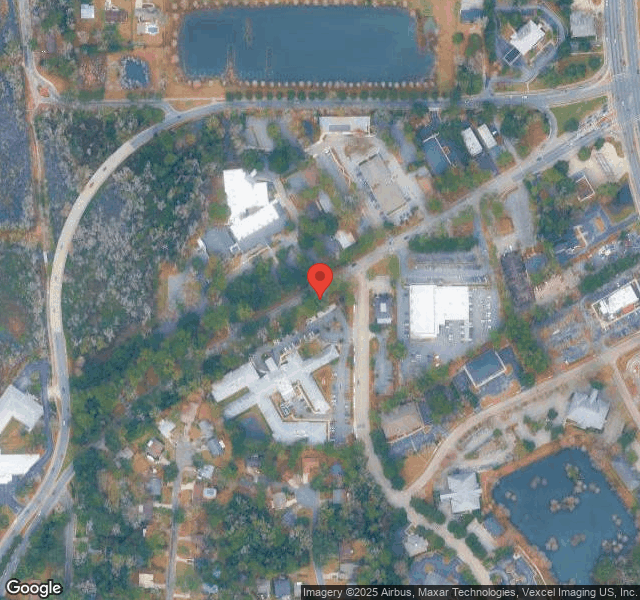
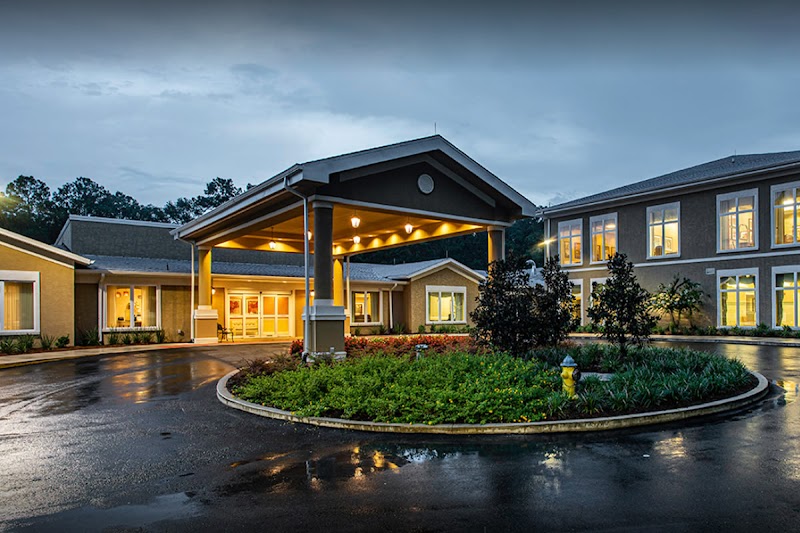
2255 CENTERVILLE ROAD, TALLAHASSEE, FL 32308 (850) 386-4054
For profit - Limited Liability company 140 Beds CLEAR CHOICE HEALTHCARE Data: November 2025
Trust Grade
80/100
#188 of 690 in FL
Last Inspection: August 2024

Within standard 12-15 month inspection cycle. Federal law requires annual inspections.

Overview

Centre Pointe Health and Rehab Center in Tallahassee, Florida, has a Trust Grade of B+, which means it is recommended and above average compared to other facilities. It ranks #188 out of 690 in Florida, placing it in the top half of state facilities, and #4 out of 8 in Leon County, indicating there are only three better local options. However, the facility is experiencing a worsening trend, with issues increasing from 3 in 2023 to 5 in 2024. Staffing is rated 4 out of 5, which is good, but the 48% turnover rate is average and higher than desirable. Fortunately, there have been no fines recorded, which is a positive sign. However, the facility has less RN coverage than 78% of Florida facilities, which raises some concerns about quality of care. Specific incidents include a failure to keep food at safe temperatures in the kitchen and not following infection control measures for cleaning equipment. Additionally, there was an instance of not adhering to physician orders for a resident's tube feeding, which could potentially affect their care. Overall, while there are strengths in staffing and no fines, the facility must address its compliance issues and improve care consistency.

Trust Score
B+
80/100
In Florida
#188/690
Top 27%
Safety Record
Low Risk
No red flags
Inspections
Getting Worse
3 → 5 violations
Staff Stability
⚠ Watch
48% turnover. Above average. Higher turnover means staff may not know residents' routines.
Penalties
✓ Good
No fines on record. Clean compliance history, better than most Florida facilities.
Skilled Nurses
○ Average
Each resident gets 34 minutes of Registered Nurse (RN) attention daily — about average for Florida. RNs are the most trained staff who monitor for health changes.
Violations
⚠ Watch
11 deficiencies on record. Higher than average. Multiple issues found across inspections.
★★★★☆
4.0
Overall Rating
★★★★☆
4.0
Staff Levels
★★★☆☆
3.0
Care Quality
★★★★☆
4.0
Inspection Score
Stable
2023: 3 issues
2024: 5 issues

The Good

  • 4-Star Staffing Rating · Above-average nurse staffing levels
  • Full Sprinkler Coverage · Fire safety systems throughout facility
  • No fines on record

Facility shows strength in staffing levels, fire safety.

The Bad

Staff Turnover: 48%

Near Florida avg (46%)

Higher turnover may affect care consistency

Chain: CLEAR CHOICE HEALTHCARE

Part of a multi-facility chain

Ask about local staffing decisions and management

The Ugly 11 deficiencies on record

Aug 2024 2 deficiencies
CONCERN (D)

Potential for Harm - no one hurt, but risky conditions existed

Tube Feeding (Tag F0693)

Could have caused harm · This affected 1 resident

Based on observations, interviews, and record review, the facility failed to follow physician orders for tube feeding start time and formulary for 1 of 2 residents reviewed for tube feeding. (Resident...

Read full inspector narrative →
Based on observations, interviews, and record review, the facility failed to follow physician orders for tube feeding start time and formulary for 1 of 2 residents reviewed for tube feeding. (Resident #5) The findings include: During a tour of the facility conducted on 08/26/24 at 11:32 AM, Resident #5 was observed with a tube feeding pump present in his room, but there was no tube feeding formulary hanging or infusing. An additional observation was conducted on 08/26/24 at 12:08 PM, which revealed Resident #5 had Osmolite 1.5 tube feeding formulary infusing through the tube feeding pump at 65 milliliters per hour (mL/hr) with the water flush running at 240 milliliters (mL) every 4 hours. (photographic evidence obtained) An initial review of Resident #5's medical record revealed a physician order written on 06/07/24 for Enteral Feed every shift for Nutritional Support Osmolite 1.5 at 55mL/hr x 22hrs. Down at 8:00 AM up at 10:00 AM. water bolus 200mL every 4 hours. During tours of the facility conducted on 08/27/24 at 10:30 AM and 12:06 PM, the surveyor observed Resident #5's tube feeding was not infusing. An additional observation conducted on 08/27/24 at 1:36 PM revealed Resident #5 had Osmolite 1.5 tube feeding formulary infusing through the tube feeding pump at 65mL/hr with the water flush running at 240 mL every 4 hours. (photographic evidence obtained) An observation conducted on 08/27/24 at 4:45 PM revealed the staff had changed the tube feeding rate to 55mL/hr and the water flush rate to 200mL every 4 hours. An interview was conducted with Staff A, Registered Nurse, on 08/27/24 at 4:48 PM. Staff A stated she had realized the tube feeding was running at the incorrect rate earlier and had changed the rate to the match the physician's order. An interview was conducted with the Administrator and the Director of Nursing on 08/28/24 at 9:15 AM. They stated they had conducted an audit on 08/27/24 of all residents receiving tube feeding and had discovered Resident #5 was receiving his tube feeding and water flush at incorrect rates. A review of the facility policy titled Enteral Feeding: Pump Method, dated 06/08, revealed the following, Purpose: to administer enteral feeding per physician's orders; Procedure: verify physician's order; turn on pump and set proper rate
CONCERN (D)

Potential for Harm - no one hurt, but risky conditions existed

Deficiency F0883 (Tag F0883)

Could have caused harm · This affected 1 resident

**NOTE- TERMS IN BRACKETS HAVE BEEN EDITED TO PROTECT CONFIDENTIALITY** Based on record review and interview, the facility failed to properly offer and document influenza, pneumococcal, and COVID-19 v...

Read full inspector narrative →
**NOTE- TERMS IN BRACKETS HAVE BEEN EDITED TO PROTECT CONFIDENTIALITY** Based on record review and interview, the facility failed to properly offer and document influenza, pneumococcal, and COVID-19 vaccinations for 3 of 5 residents reviewed for vaccination status. (Resident #43, 100, and 326) The findings include: During a review of the resident's vaccination statuses on 08/28/24, the following areas of concern were noted: Resident #43 was initially admitted to the facility on [DATE] and was last readmitted on [DATE]. The medical record revealed the only vaccination consent form present was dated 08/03/22 and included consents for influenza, pneumococcal, and COVID-19 vaccinations. This consent form indicated Resident #43 refused all the offered vaccinations. However, the signature on the form was from a nurse, not Resident #43's designated representative. Resident #100 was initially admitted to the facility on [DATE] and was last readmitted on [DATE]. The review of Resident #100's medical record revealed the only vaccination consent form present was undated and included consents for influenza, pneumococcal, and COVID-19 vaccinations. This consent form was signed by Resident #100, but did not indicate if Resident #100 requested or refused the offered vaccinations. Resident #326 was initially admitted to the facility on [DATE] and was last readmitted on [DATE]. The review of Resident #326's medical record revealed the only vaccination consent form present was dated 08/14/24 and included consents for influenza, pneumococcal, and COVID-19 vaccinations. This consent form was signed by Resident #326, but did not indicate if Resident #326 requested or refused the offered vaccinations. An interview was conducted on 08/28/24 at 3:38 PM with the facility's Infection Preventionist concerning these oversights. For Resident #43, she stated there should have been a vaccination consent form signed by the resident or their representative at the time of the most recent admission. For Resident #100, she stated the vaccination consent form should have been dated and should have included whether Resident #100 wanted to receive or refuse the vaccinations. For Resident #326, she stated the vaccination consent form should have been dated and should have included whether Resident #326 wanted to receive or refuse the vaccinations. A review of the facility policy titled Pneumococcal, COVID-19, and Annual Influenza Vaccine Information and Request, dated 04/21, revealed the following, Purpose: to document resident request or refusal of these vaccines, When: upon admission, Instructions: ask the resident or legal representative to enter a check mark indicating request or refusal of the vaccines and ask the resident or legal representative to sign and date the form.
Jul 2024 1 deficiency
CONCERN (D) 📢 Someone Reported This

A family member, employee, or ombudsman was alarmed enough to file a formal complaint

Potential for Harm - no one hurt, but risky conditions existed

Respiratory Care (Tag F0695)

Could have caused harm · This affected 1 resident

**NOTE- TERMS IN BRACKETS HAVE BEEN EDITED TO PROTECT CONFIDENTIALITY** Based on observation, record review, interview and facility policy review, the facility failed to procure physician's orders for...

Read full inspector narrative →
**NOTE- TERMS IN BRACKETS HAVE BEEN EDITED TO PROTECT CONFIDENTIALITY** Based on observation, record review, interview and facility policy review, the facility failed to procure physician's orders for 1 of 3 residents reviewed for Continuous Positive Airway Pressure (CPAP) use. (Resident #1) The findings include: On 7/1/24 at 10:42 AM, an observation was conducted inside Resident #1's room. The resident had a CPAP machine on night stand. A review of Resident #1's medical record was conducted. This review indicated the resident was re-admitted to the facility on [DATE] with diagnoses including Chronic Obstructive Pulmonary disease and sleep apnea. The resident's active physician's order did not include a CPAP machine. Further review of the physician's orders revealed an order discontinued on 5/16/24 that stated CPAP at night with settings at 10/15 MM with heated humidification, nose mask, or full face mask, apply at bedtime and remove in am. The resident's care plan indicated interventions included CPAP settings at night with settings at 10/15 MM with heated humidification, nose mask, or full-face mask, apply at bedtime and remove in am. On 7/1/24 at 3:30 PM, an interview was conducted with Director of Nursing (DON). The DON stated she would expect someone who was care planned for CPAP to have a physician's order. The DON reviewed Resident #1's physician's orders and verified there was no active orders for a CPAP. A review of facility's policy Continuous Positive Airway Pressure, dated 2017, was conducted. Policy stated procedure: verify physician's order, order should include level of CPAP, frequency of use, oxygen liter flow if applicable and route of administration. The policy further stated record in medication of treatment record.
Apr 2024 2 deficiencies
CONCERN (D) 📢 Someone Reported This

A family member, employee, or ombudsman was alarmed enough to file a formal complaint

Potential for Harm - no one hurt, but risky conditions existed

Pressure Ulcer Prevention (Tag F0686)

Could have caused harm · This affected 1 resident

Based on record review and interviews, the facility failed to provide treatment to a pressure ulcer upon admission to the facility for 1 of 3 residents sampled (Resident #1). The finding include: On 4...

Read full inspector narrative →
Based on record review and interviews, the facility failed to provide treatment to a pressure ulcer upon admission to the facility for 1 of 3 residents sampled (Resident #1). The finding include: On 4/30/24, a review of Resident #1's medical records was conducted. Records revealed Resident # 1 was discharged to hospital on 2/26/24 and re-admitted to facility on 3/7/24 with a new diagnosis of an unstageable pressure ulcer of the sacral region. The resident was incontinent of bladder and bowel upon admission to the facility on 3/7/24. admission orders did not include treatment specific for the pressure ulcer until 3/9/24. A physician's order dated 3/9/24 stated Dakin's external solution (a dilute solution used as an antiseptic to cleanse wounds in order to prevent infection), apply to sacrum topically every day shift for wound care, cleanse wound area with Dakin's solution, pat dry, skin prep perimeter of wound and apply santyl ointment (a debriding ointment that contain an enzyme to allow for wound healing and growth of healthy tissue) to eschar ( a dry, dark scab) of wound and hydrogel to redden area of wound, cover wound with foam dressing. On 4/30/24 at 12:52 PM, an interview was conducted with Staff A, a Physician Assistant (PA) and facility's wound care specialist. During the interview, she reviewed Resident #1's physician's orders and stated Resident #1 should have been admitted with orders for the care of the pressure ulcer. Staff A verified Resident #1 did not have orders for care of the unstageable pressure ulcer until 2 days after arrival to the facility. On 4/30/24 at 3:26 PM, an interview was conducted with Director of Nursing (DON). She was asked the reason Resident #1 did not receive treatments for the pressure ulcer upon arrival to the facility on 3/7/24. The DON stated that Resident #1 had the wound cleaned and a barrier cream applied so he did have the skin treated on 3/7/24. Further review of the orders with the DON indicated an order of Barrier cream to scrotum/peri area every shift and as needed after each incontinence episode every shift for skin impairment dated 2/9/21 and re-started on 3/7/24. The DON stated this order was consistent with facility protocol for skin care for residents who were incontinent. The DON verified an order for Dakin's (1/2 strength) external solution, apply to sacrum topically every day shift for wound care cleanse wound area with Dakin's solution pat dry, skin prep perimeter of wound and apply santyl ointment to eschar of wound and hydrogel to redden area of wound, cover wound with foam dressing dated 3/9/24, two days after arriving to facility.
CONCERN (D) 📢 Someone Reported This

A family member, employee, or ombudsman was alarmed enough to file a formal complaint

Potential for Harm - no one hurt, but risky conditions existed

Medical Records (Tag F0842)

Could have caused harm · This affected 1 resident

Based on interviews and record review, the facility failed to ensure that wound care documentation was completed for 2 of 3 residents sampled for wound care (Resident #2 and #3). The findings include:...

Read full inspector narrative →
Based on interviews and record review, the facility failed to ensure that wound care documentation was completed for 2 of 3 residents sampled for wound care (Resident #2 and #3). The findings include: Resident #2 On 4/30/24 at 10:05 am, an interview was conducted with Resident # 2. During the interview, she stated facility staff was not consistent with her wound care. On 4/30/24, a review of Resident #2's medical records was conducted. There was a physician's order for nystatin-triamcinolone cream twice a day for skin management with a start date of 4/24/24. The Medication Administration Record (MAR) was reviewed and revealed that, on the 4/25/24 evening shift and 4/27/24 day shift, the documentation was not completed. Another physician's order indicated to apply zinc barrier cream to the buttocks, groin and perineal area, clean with soap and water, pat it dry and apply zinc ointment two times a day for excoriation and skin breakdown with a start date of 3/24/24. The MAR was reviewed and revealed that, on 4/21/24 at 9:00 am and 6:00 pm, on 4/25/24 at 6:00 pm, and on 4/27/24 at 9:00 am, the documentation was not completed. Resident #3 On 4/30/24 at 10:30 AM, an interview was conducted with Resident #3. During the interview, he stated the facility had missed some of his wound care treatments. On 4/30/24, a review of Resident #3's medical records was conducted. There was a physician's order for Triad Hydrophilic Wound Dress Paste, apply to sacrum and both buttock topically every shift for skin management, evaluate for pain prior to, during, and after treatment and medicate as needed, monitor site for signs and symptoms of infection and notify the Practitioner as needed with a start date of 4/4/2024. The MAR was reviewed and revealed that the documenation was not completed for the daytime applications on 4/16/24 and 4/21/24 and for the evening applications on 4/14/24, 4/15/24, 4/20/24, 4/21/24, and 4/25/24. On 4/30/24 at 3:26 PM, an interview was conducted with Director of Nursing (DON). During the interview, the DON reviewed Resident #2 and #3's MAR's. She stated there was facility protocols to document if treatment was given, if it was refused, or the reason it was not given. The DON further stated facility would educate staff that did not document the MARs.
Jun 2023 2 deficiencies
CONCERN (D)

Potential for Harm - no one hurt, but risky conditions existed

Comprehensive Care Plan (Tag F0656)

Could have caused harm · This affected 1 resident

Based on observations, interviews, and electronic record reviews, the facility failed to follow the care plan for 1 of 1 residents sampled for positioning and mobility. (Resident #40) The findings inc...

Read full inspector narrative →
Based on observations, interviews, and electronic record reviews, the facility failed to follow the care plan for 1 of 1 residents sampled for positioning and mobility. (Resident #40) The findings include: On 6/19/23 at approximately 2:15 PM, an interview was conducted with Resident #40. During this interview, the resident stated The staff is supposed to put my splints on my feet every day, but they do not always do that for me. Observation of the resident's feet confirmed that no splints were currently applied to Resident #40's feet. Further observations made on 6/21/23 at approximately 12:30 PM, on 6/22/23 at 8:30 AM, and on 6/22/23 at approximately 12:30 PM noted no splints applied to Resident #40's feet. The splints were observed in the room and available for use but never applied to the resident's feet. A review of Resident # 40's electronic medical record revealed an order dated 3/15/23 stating, Restorative Nursing for Splinting Apply/don Hip abductor splint and Bilateral AFO's (ankle foot orthosis) to both ankles for fixed contractures of hip and ankle. Splint applied daily while patient in bed and while in wheelchair, to patient tolerance. Remove splints for ADL care and hygiene, as well as skin integrity checks, and laundering of splint. Further review of Resident #40's record revealed that the resident had a care plan for assistance with her ADL's (activities of daily living) initiated on 05/04/2022 with an included intervention of Splinting- apply hip abductor splint BL AFO's ankle foot orthosis for contractures. Apply daily while in bed and w/c (wheelchair) as tolerated. Remove as needed for cleaning, hygiene, and skin checks and encourage to keep splints on. This was last updated on 06/22/2023. On 6/22/23 at approximately 1:52 PM, an interview was conducted with Nurse B, a Licensed Practical Nurse (LPN), and Staff C, a Restorative Certified Nursing Assistant (RCNA), concerning the applying and documentation of Resident #40's splints daily. Nurse B stated that he fills in as the restorative nurse as needed and that the Certified Nursing Assistants (CNA) on the floor help to fill in for the restorative aide when she is not here to put the splints on the residents. Nurse B stated it is in the restorative task in Point Click Care (the electronic documentation program the facility uses) for the splints to be applied and the floor staff has the responsibility to document and apply the splints. Staff member C, RCNA stated that, when she is in the facility, she goes around and makes sure the splints for the residents are applied, and if the floor CNA has not put them on yet, she applies them. Staff Member C went on to state that she is not able to apply every resident's splints every day, so the floor staff helps out by applying them. When asked if she documented in the tasks for applying the splints, Staff Member C stated that she does not always complete her documentation daily. On 6/22/23 at approximately 2:23 PM, an interview was conducted with the Director of Nursing (DON) concerning the restorative program and the applying of the resident's splints. The DON stated that it was her expectation that the Restorative Aide document and apply the splints daily. The DON went on to stated that the facility only has one restorative aide due to the recent resignation of the second restorative aide. She also went on to state that they are in the process of hiring another aide to fill the position. The DON confirmed that the documentation for applying Resident #40's splints had not been completed daily, and that if it was not documented then it was not done.
CONCERN (D)

Potential for Harm - no one hurt, but risky conditions existed

Deficiency F0697 (Tag F0697)

Could have caused harm · This affected 1 resident

Based on interviews and record reviews, the facility failed to ensure that pain management was provided to 2 of 2 residents reviewed, consistent with professional standards of practice, the comprehens...

Read full inspector narrative →
Based on interviews and record reviews, the facility failed to ensure that pain management was provided to 2 of 2 residents reviewed, consistent with professional standards of practice, the comprehensive person-centered care plan, and the residents' goals and preferences. (Residents #202 and #83). The findings include: Resident #202 On 06/21/23 at 12:23 pm, an interview was conducted with Resident #202, who stated he had gone all weekend (6/17/23-6/18/23) without any effective pain medication because the facility ran out. He also stated that he was seen by the Nurse Practitioner (NP) when he was first admitted to the facility and when he brought up needing pain relief medications, she questioned him about all of his recent emergency room (ER) visits as though he was drug seeking prior to admission. He stated this made him feel like a junkie. He stated, I ain't no junkie and I don't want to have to take pain meds, but I have a big kidney stone, cellulitis on my lower legs and a UTI and it all really hurts. He stated that, when he asked for a pain pill, he was told they ran out and they would call the nurse practitioner on 6/16/23. He went all weekend without any pain meds because the nurse practitioner did not call the facility back until 6/19/23. He stated, I thought a doctor was always supposed to be on call. He again stated he did not like the way his doctor and nurse practitioner made him feel about needing pain meds. When he told her he was getting it every 4 hours, he claimed that the NP stated, I'm not doing that and prescribed it for every 6 hours. He said he was in a lot of pain over this past weekend and would like to know that will not happen again. A review of the History and Physical from HCA Capital Hospital dated 6/9/23 for Resident #202 revealed Sepsis due to complications from a Urinary Tract Infection/bacteremia with ESBL Klebsiella pneumoniae. His urogram showed right sided hydronephrosis and a kidney stone in his right kidney. He had a cystoscopy and a right ureteral stent placement. On 6/6/23, his blood and urine cultures grew ESBL Klebsiella pneumoniae. He is currently on IV meropenem. The sepsis was documented as resolved. His leukocytosis was trending down. He is ordered to continue IV meropenem for 2 weeks from the date of negative blood culture. A review of the Medication Administration Record for June 2022 revealed no pain medications was provided on the 6/17/23 or 6/18/23. He did have an active order for 5mg hydrocodone, but the resident stated this is not effective. On 06/22/23 at 11:09 AM, an interview was conducted with the Director of Nursing (DON). She looked up the resident's chart and stated he had Tylenol and Hydrocodone orders written on 6/19/23. I asked her why the resident went all weekend without pain medications. She stated the nurses are supposed to call the physician a few days prior to running out of the medication. The pharmacy delivers every evening around 9 pm. All the nurses would have to do is call the pharmacy and get the code for the Pyxis machine and they can access the medication that way. She agreed that the resident should never have gone without their medications over the weekend. Resident #83 On 06/22/23 at 10:59 AM, an interview was conducted with Resident #83, who stated the facility ran out of his pain medication yesterday and he has not had any for about 24 hours. A review of the current physician's orders for Resident #83 revealed an order for oxyCODONE-Acetaminophen Oral Tablet 10-325 MG (Oxycodone w/ Acetaminophen), give 1 tablet by mouth every 4 hours as needed for pain. On 06/22/23 at 11:09 AM, an interview with the Director of Nursing was conducted while she looked up Resident #83's chart. The DON stated he last had his Oxycodone 10 mg at 11:30 am on 6/21/23. The DON acknowledged the resident should never have gone without their medications.
Jan 2023 1 deficiency
CONCERN (D) 📢 Someone Reported This

A family member, employee, or ombudsman was alarmed enough to file a formal complaint

Potential for Harm - no one hurt, but risky conditions existed

Deficiency F0761 (Tag F0761)

Could have caused harm · This affected 1 resident

Based on observation, interviews, and review of the facility's policy and procedure, the facility failed to ensure that medications were left unattended at the resident's bedside for 1 of 4 residents ...

Read full inspector narrative →
Based on observation, interviews, and review of the facility's policy and procedure, the facility failed to ensure that medications were left unattended at the resident's bedside for 1 of 4 residents sampled for medications (Resident #11). The findings include: On 01/17/2023 at 11:10 AM, an interview was conducted with Resident #11 who was in her room. Observed on her bedside table next to her breakfast tray was an unattended medication cup which contained several pills. The resident stated that she takes her medications after her breakfast. (Photographic evidence obtained) On 01/17/2023 at 11:15 AM, an interview was conducted with Staff Member F, a Registered Nurse, regarding medication administration procedure. She stated that once the medications are pulled, the patient is then identified, the patient is administered the medications, and the nurse must verify the medications were taken. She was asked what had happened this morning for Resident #11. She stated that the resident wanted to take her medications after her breakfast. The nurse was informed that the resident had not taken her medication. Staff Member F stated she would see to it that the medications were taken. On 01/17/2023 at 12:10 PM, an interview was conducted with Staff Member E, a Licensed Practical Nurse, regarding medication administration. Staff Member E stated that medications should never be left unattended. They are to observe medications being taken. Staff Member E stated it is against policy to leave medications unattended. On 01/18/2023, Resident #11's medical record was reviewed which revealed a new order dated 1/17/2023, Self administration of Medication Evaluation, the order was noted to be In progress. There was no indication that the evaluation was completed or reviewed by the physician. A review of the facility's policy and procedure entitled Medication Pass Guidelines, CCHC 0322 (not dated), indicates 9. Administration of Medication Remain with resident until administration of medication complete.
Jan 2022 3 deficiencies
CONCERN (E)

Potential for Harm - no one hurt, but risky conditions existed

Food Safety (Tag F0812)

Could have caused harm · This affected multiple residents

Based on observations and interviews, the facility failed to store food in accordance with professional standards for food service safety during 2 of 2 observations of the kitchen. The findings includ...

Read full inspector narrative →
Based on observations and interviews, the facility failed to store food in accordance with professional standards for food service safety during 2 of 2 observations of the kitchen. The findings include: On 1/25/2022, at 12:15 PM, an initial tour of the kitchen was conducted in the presence of the Certified Dietary Manager (CDM). An observation of the internal thermometer inside the reach-in cooler which contained yogurt, milk and nutritional supplements revealed a temperature of 54 degrees Fahrenheit (F). An observation of the temperature log posted on the front of the reach-in cooler revealed the last temperature recorded by staff was yesterday (1/24/2022) morning in which the temperature was noted as 40 degrees F. At this time, the CDM reported the facility just served lunch and the cooler had been opened frequently. When asked about the temperature log posted on the front of the refrigerator, the CDM explained that the morning temperature is recorded as soon as the kitchen opens at approximately 5:00 AM, and the afternoon temperature is recorded at the time the kitchen closes, which is at approximately 6:00 PM. On 1/26/2022 at 11:30 AM, a follow-up tour of the kitchen was conducted in the presence of the CDM. An observation of the internal thermometer inside the reach-in cooler revealed a temperature of 52 degrees F. At this time, the CDM performed a temperature check of a yogurt from inside the reach-in cooler which revealed a temperature of 48 degrees F. The CDM then performed a temperature check of a milk carton which revealed a temperature of 52 degrees F. An observation of the temperature log posted on front of the reach-in cooler revealed the PM temperature had already been recorded as 40 degrees F. When asked why this temperature was recorded prior to the kitchen closing, the CDM responded, That shouldn't be. When asked how long the cooler had been out of temperature range, the CDM replied she did not know. On 1/26/2022 at approximately 12:12 PM, an interview was conducted with the facility's Registered Dietician regarding the safety of the ready-to-eat food items stored within the reach-in refrigerator. The RD determined the yogurt and milk was not safe for residents to consume and needed to be discarded. A review of the U.S. Food & Drug Administration Food Code 2017 was conducted. According to Chapter 3, Part 3-5 Limitations of Growth of Organisms of Public Health Concern, Subpart 3-501 Temperature and Time Control, revealed cold ready-to-eat foods must be held at a temperature of 41 degrees F or less.
CONCERN (E)

Potential for Harm - no one hurt, but risky conditions existed

Infection Control (Tag F0880)

Could have caused harm · This affected multiple residents

Based on observation, interview and record review, the facility failed to ensure staff adhered to established infection control policies for cleaning resident equipment and appropriate personal protec...

Read full inspector narrative →
Based on observation, interview and record review, the facility failed to ensure staff adhered to established infection control policies for cleaning resident equipment and appropriate personal protective equipment (PPE) on 2 of 5 hallways within the facility. (hallways 300 and 500) The findings include: 300 Hallway From survey entrance on 1/24/2022 through survey exit on 1/27/2022, observations of the 300 hallway's closed doors and posted signage noting enhanced PPE precautions to include eye coverings revealed the hallway was under enhanced infection control practices due to multiple residents being under droplet isolation for active Coronavirus Disease 2019 (COVID-19) infections. On 1/26/2022 at approximately 11:00 AM, Housekeeper E was observed on the 300 hallway providing cleaning services in resident rooms with no eye protection in place. On 1/26/2022 at approximately 11:00 AM, an interview was conducted with Housekeeper E which revealed she was aware she should be wearing her face shield but must have forgotten it in the break room. 500 Hallway On 1/26/2022 at approximately 8:30 AM, the 500 hallway was observed. Personal Care Attendant (PCA) D was observed coming in and out of the rooms of Resident #132 and Resident #390 with a rolling cart containing equipment for obtaining resident vital signs. PCA D was observed obtaining Resident #132's blood pressure, temperature, and pulse rate. The PCA then proceeded to Resident #390's room and obtained the resident's blood pressure, temperature, and pulse rate. During this observation, the PCA did not sanitize the equipment before, during, or after use. On 1/26/2022 at approximately 8:30 AM, an interview was conducted with PCA D in which she stated she was hired in September 2021 and had been trained to wipe the equipment between resident contact with disinfectant wipes. She pointed to a holder on the cart where wipes would be stored, however there were no wipes observed. PCA D reported she was out of the wipes and sometimes uses paper towels to clean resident equipment. On 1/26/2022 at approximately 3:55 PM, Certified Nursing Assistant (CNA) F was observed on the 300 hallway with a rolling cart containing equipment for obtaining resident vital signs. CNA F was observed to enter the room of Resident #38 and Resident #84 and obtained the blood pressure, temperature, and pulse rate for each resident. CNA F did not sanitize her equipment between residents and the rolling cart did not contain any disinfectant wipes. On 1/26/2022 at approximately 3:55 PM, an interview was conducted with CNA F in which she stated she was trained to use disinfectant wipes to sanitize equipment between resident contact but did not have any today. She reported wipes were kept at the nursing station. An observation at this time confirmed several containers of disinfectant wipes were on the counter at the nursing station. A review of the facility's Environmental Services Guidelines Manual concerning the subject of approved cleaning products revealed the purpose is To define what cleaning products are to be used by the facility and for what general department. According to the procedure for nursing equipment, Micro-Kill disinfectant wipes are to be used on equipment and glucometers. A review of the Centers for Disease Control and Prevention's webpage on Interim Infection Prevention and Control Recommendations for Healthcare Personnel During the Coronavirus Disease 2019 (COVID-19) Pandemic updated on 2/2/2022 and accessed on 2/9/2022 at https://www.cdc.gov/coronavirus/2019-ncov/hcp/infection-control-recommendations.html was conducted. According to section 2. Recommended infection prevention and control (IPC) practices when caring for a patient with suspected or confirmed SARS-CoV-2 infection, the subsection on Environmental Infection Control stated, Dedicated medical equipment should be used when caring for a patient with suspected or confirmed SARS-CoV-2 infection. All non-dedicated, non-disposable medical equipment used for the patient should be cleaned and disinfected according to manufacturer's instructions and facility policies before use on another patient. The subsection on Personal Protective Equipment revealed, HCP (health care personnel) who enter the room of a patient with suspected or confirmed SARS-CoV-2 infection should adhere to Standard Precautions and use a NIOSH-approved N95 or equivalent or higher-level respirator, gown, gloves, and eye protection (i.e. goggles or a face shield that covers the front and sides of the face).
MINOR (B)

Minor Issue - procedural, no safety impact

Deficiency F0761 (Tag F0761)

Minor procedural issue · This affected multiple residents

Based on observations, staff interviews and policy review, the facility failed to ensure that all medications and biologicals were stored in locked compartments for 2 of 2 random medication cart obser...

Read full inspector narrative →
Based on observations, staff interviews and policy review, the facility failed to ensure that all medications and biologicals were stored in locked compartments for 2 of 2 random medication cart observations on the 500 Hall. The findings include: On 1/26/2022 at 8:06 PM, medication cart #1 on the 500 Hall, which was assigned to Licensed Practical Nurse (LPN) A, was observed to be unattended and unlocked. LPN B also observed that the cart was unlocked and unattended and locked the cart. 1/26/2022 at 8:18 PM, an interview was conducted with LPN B. She acknowledged that LPN A's medication cart (#1) was unlocked and unattended on the hall and stated that is not the facility's standard practice. On 1/26/2022 at 8:10 PM, an interview was conducted with Licensed Practical Nurse (LPN) A. LPN A stated she thought she had locked medication cart #1. She further stated the medication cart should be locked anytime the nurse steps away from it. On 1/26/2022 at 8:16 PM, medication cart #2, which was assigned to LPN C, was observed to be unlocked and unattended in front of the nurses' station. LPN C was observed sitting behind the nurses' station and charting on a computer. There were no residents in the vicinity at the time, however the computer and height of the counter obstructed LPN C's view of the cart. On 1/26/2022 at 8:16 PM, an interview was conducted with LPN C. She confirmed that the medication cart should be locked when a nurse walks away from it. A review of the ID1: Storage of Medications policy and procedures revised 8/2014 was conducted. According to the policy, Medications and biologicals are stored safely, securely, and properly, following manufacturer's recommendations or those of the supplier. The medication supply is accessible only to licensed nursing personnel, pharmacy personnel, or staff members lawfully authorized to administer medications. According to part B of the procedures, Only licensed nurses, pharmacy personnel, and those lawfully authorized to administer medications (such as medication aides) permitted to access medications. Medication rooms, carts and medication supplies are locked when not attended by persons with authorized access.
Understanding Severity Codes (click to expand)
Life-Threatening (Immediate Jeopardy)
J - Isolated K - Pattern L - Widespread
Actual Harm
G - Isolated H - Pattern I - Widespread
Potential for Harm
D - Isolated E - Pattern F - Widespread
No Harm (Minor)
A - Isolated B - Pattern C - Widespread

Questions to Ask on Your Visit

  • "Can I speak with families of current residents?"
  • "What's your RN coverage like on weekends and overnight?"

Our Honest Assessment

Strengths
  • • Grade B+ (80/100). Above average facility, better than most options in Florida.
  • • No major safety red flags. No abuse findings, life-threatening violations, or SFF status.
  • • No fines on record. Clean compliance history, better than most Florida facilities.
Concerns
  • • 11 deficiencies on record. Higher than average. Multiple issues found across inspections.
Bottom line: Generally positive indicators. Standard due diligence and a personal visit recommended.

About This Facility

What is Centre Pointe Health And Rehab Center's CMS Rating?

CMS assigns CENTRE POINTE HEALTH AND REHAB CENTER an overall rating of 4 out of 5 stars, which is considered above average nationally. Within Florida, this rating places the facility higher than 99% of the state's 100 nursing homes. This rating reflects solid performance across the metrics CMS uses to evaluate nursing home quality.

How is Centre Pointe Health And Rehab Center Staffed?

CMS rates CENTRE POINTE HEALTH AND REHAB CENTER's staffing level at 4 out of 5 stars, which is above average compared to other nursing homes. Staff turnover is 48%, compared to the Florida average of 46%.

What Have Inspectors Found at Centre Pointe Health And Rehab Center?

State health inspectors documented 11 deficiencies at CENTRE POINTE HEALTH AND REHAB CENTER during 2022 to 2024. These included: 10 with potential for harm and 1 minor or isolated issues.
Who Owns and Operates Centre Pointe Health And Rehab Center?

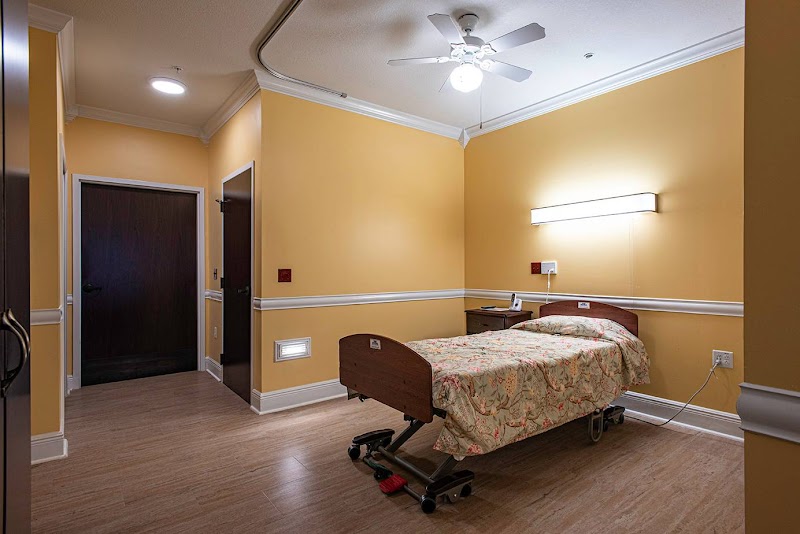
CENTRE POINTE HEALTH AND REHAB CENTER is owned by a for-profit company. For-profit facilities operate as businesses with obligations to shareholders or private owners. The facility is operated by CLEAR CHOICE HEALTHCARE, a chain that manages multiple nursing homes. With 140 certified beds and approximately 130 residents (about 93% occupancy), it is a mid-sized facility located in TALLAHASSEE, Florida.
How Does Centre Pointe Health And Rehab Center Compare to Other Florida Nursing Homes?

Compared to the 100 nursing homes in Florida, CENTRE POINTE HEALTH AND REHAB CENTER's overall rating (4 stars) is above the state average of 3.2, staff turnover (48%) is near the state average of 46%, and health inspection rating (4 stars) is above the national benchmark.

What Should Families Ask When Visiting Centre Pointe Health And Rehab Center?

Based on this facility's data, families visiting should ask: "Can I visit during a mealtime to observe dining assistance and food quality?" "How do you handle medical emergencies, and what is your hospital transfer rate?" "Can I speak with family members of current residents about their experience?"

Is Centre Pointe Health And Rehab Center Safe?

Based on CMS inspection data, CENTRE POINTE HEALTH AND REHAB CENTER has a clean safety record: no substantiated abuse findings (meaning no confirmed cases of resident harm), no Immediate Jeopardy citations (the most serious violation level indicating risk of serious injury or death), and is not on the Special Focus Facility watch list (a federal program monitoring the lowest-performing 1% of nursing homes). The facility has a 4-star overall rating and ranks #1 of 100 nursing homes in Florida. While no facility is perfect, families should still ask about staff-to-resident ratios and recent inspection results during their visit.

Do Nurses at Centre Pointe Health And Rehab Center Stick Around?

CENTRE POINTE HEALTH AND REHAB CENTER has a staff turnover rate of 48%, which is about average for Florida nursing homes (state average: 46%). Moderate turnover is common in nursing homes, but families should still ask about staff tenure and how the facility maintains care continuity when employees leave.

Was Centre Pointe Health And Rehab Center Ever Fined?

CENTRE POINTE HEALTH AND REHAB CENTER has no federal fines on record. CMS issues fines when nursing homes fail to meet care standards or don't correct problems found during inspections. The absence of fines suggests the facility has either maintained compliance or corrected any issues before penalties were assessed. This is a positive indicator, though families should still review recent inspection reports for the full picture.

Is Centre Pointe Health And Rehab Center on Any Federal Watch List?

CENTRE POINTE HEALTH AND REHAB CENTER is not on any federal watch list. The most significant is the Special Focus Facility (SFF) program, which identifies the bottom 1% of nursing homes nationally based on persistent, serious quality problems. Not being on this list means the facility has avoided the pattern of deficiencies that triggers enhanced federal oversight. This is a positive indicator, though families should still review the facility's inspection history directly.