MIRACLE HILL NURSING & REHABILITATION CENTER, INC
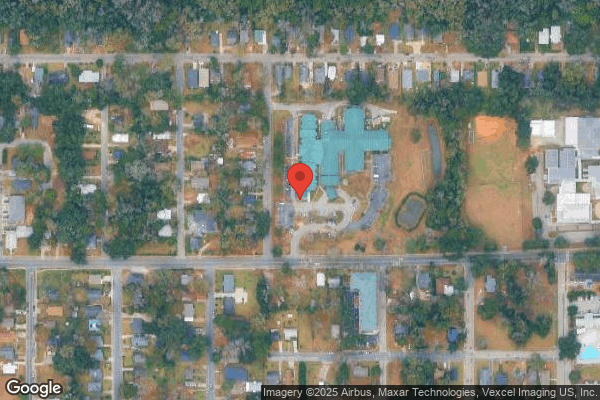
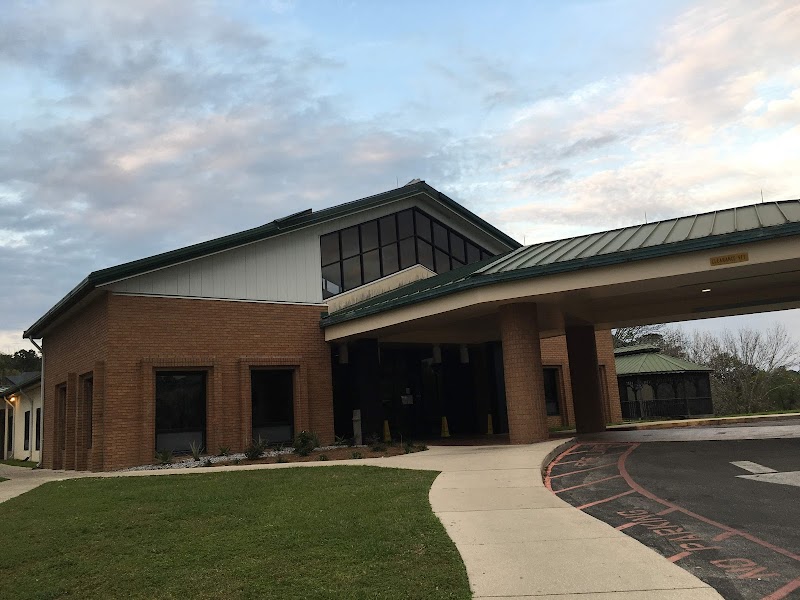
1329 ABRAHAM STREET, TALLAHASSEE, FL 32304 (850) 224-8486
Non profit - Corporation 120 Beds Independent Data: November 2025
Trust Grade
45/100
#532 of 690 in FL
Last Inspection: June 2025

Inspected within the last 6 months. Data reflects current conditions.

Overview

Miracle Hill Nursing & Rehabilitation Center has a Trust Grade of D, which means it is below average and has some concerning issues. It ranks #532 out of 690 facilities in Florida, placing it in the bottom half of all nursing homes statewide and #8 out of 8 in Leon County, indicating there are no better local options. The facility is worsening, with the number of reported issues increasing from 6 in 2024 to 18 in 2025. Staffing is a relative strength, rated 4 out of 5 stars, but with a 52% turnover rate, it is about average for the state. There have been concerning incidents, including one resident not receiving necessary insulin and another resident reporting inadequate bathing assistance, highlighting potential neglect in care. Additionally, the facility has less RN coverage than 92% of Florida facilities, which may limit oversight of resident care.

Trust Score
D
45/100
In Florida
#532/690
Bottom 23%
Safety Record
Moderate
Needs review
Inspections
Getting Worse
6 → 18 violations
Staff Stability
⚠ Watch
52% turnover. Above average. Higher turnover means staff may not know residents' routines.
Penalties
✓ Good
No fines on record. Clean compliance history, better than most Florida facilities.
Skilled Nurses
⚠ Watch
Each resident gets only 24 minutes of Registered Nurse (RN) attention daily — below average for Florida. Fewer RN minutes means fewer trained eyes watching for problems.
Violations
⚠ Watch
28 deficiencies on record. Higher than average. Multiple issues found across inspections.
★★☆☆☆
2.0
Overall Rating
★★★★☆
4.0
Staff Levels
★★★☆☆
3.0
Care Quality
★★☆☆☆
2.0
Inspection Score
Stable
2024: 6 issues
2025: 18 issues

The Good

  • 4-Star Staffing Rating · Above-average nurse staffing levels
  • Full Sprinkler Coverage · Fire safety systems throughout facility
  • No fines on record

Facility shows strength in staffing levels, fire safety.

The Bad

2-Star Overall Rating

Below Florida average (3.2)

Below average - review inspection findings carefully

Staff Turnover: 52%

Near Florida avg (46%)

Higher turnover may affect care consistency

The Ugly 28 deficiencies on record

1 actual harm
Aug 2025 1 deficiency
CONCERN (D) 📢 Someone Reported This

A family member, employee, or ombudsman was alarmed enough to file a formal complaint

Potential for Harm - no one hurt, but risky conditions existed

Deficiency F0760 (Tag F0760)

Could have caused harm · This affected 1 resident

**NOTE- TERMS IN BRACKETS HAVE BEEN EDITED TO PROTECT CONFIDENTIALITY** Based on interviews, record review, and facility policy review, the facility failed to implement the plan of care for 1 of 4 res...

Read full inspector narrative →
**NOTE- TERMS IN BRACKETS HAVE BEEN EDITED TO PROTECT CONFIDENTIALITY** Based on interviews, record review, and facility policy review, the facility failed to implement the plan of care for 1 of 4 residents sampled for medication administration (Resident #3).The findings include:On 8/26/25 at 10:45 AM, an interview was conducted with Resident #3. He stated he had not received one medication, a Clonidine patch (a medicine used to treat high blood pressure but can also treat Attention Deficit Hyperactivity Disorder), for weeks. Resident #3 further stated nursing had told him the pharmacy delivered a pill instead of a patch. On 8/26/25, a review of Resident #3's medical record was conducted. The resident was admitted to the facility on [DATE] from hospital. Resident #3 had diagnoses that included bipolar disorder. The plan of care included administering medications as ordered related to behavioral problems. Physician's orders included Clonidine HCL tablet 0.2 mg apply transdermally every Wednesday for behavior/mood.The Medication Administration Record (MAR) revealed Resident#3 did not receive the Clonidine patch on 8/13/25 and 8/20/25. The MAR indicated see progress notes on these dates. Progress notes dated 8/13/25 stated Clonidine HCl Oral Tablet 0.2 mg, apply 0.2 mg transdermal one time a day every Wed for Behavior/Mood not available, reordered. Progress notes dated 8/20/25 stated Clonidine HCl Oral Tablet 0.2 MG Apply 0.2 mg transdermal one time a day every Wed for Behavior/Mood on order. Hospital discharge medications dated 8/3/25 stated to continue clonidine HCL 0.2 mg transdermal every Wednesday. On 8/26/25 at 11:03 AM, an interview was conducted with Staff A, Licensed Practical Nurse (LPN). She was aware that Resident #3 had a pill instead of a patch delivered by pharmacy. She stated she had notified the Director of Nursing (DON) today. On 8/26/25 at 3:53 PM, an interview was conducted with the DON. She stated she did not understand how the Pharmacy did not identify the fact that the medication was supposed to be a patch. She further stated that the receiving nurse should have looked at the order and called the Pharmacy instead of accepting the medication. On 8/27/25 at 11:12 AM, the DON provided pharmacy reorder forms faxed to the Pharmacy on 8/13/25. The reorder form requested Clonidine 0.2 mg patch for Resident #3. The DON reviewed the discharge order from the hospital stating Clonidine 0.2 mg patch and compared with the order entered upon admission on [DATE] stating Clonidine 0.2 mg tablet to be given transdermal. The DON stated the expectation was for nurses to communicate with unit manager and notify the Medical Director to clarify the order. On 8/27/25 at 11:37 AM, an interview was conducted via telephone with the Medical Director. He was made aware of the issue with Resident #3 not receiving the medication ordered because of the discrepancy on Resident#3's order placed into the electronic medical record and subsequent medication administration record. The Medical Director stated he would expect either the pharmacy or the nurses to contact him to clarify the order if needed. The facility policy named Pharmacy Services Overview (revised April 2019) states, Nursing staff communicate prescriber orders to the pharmacy and are responsible for contacting the pharmacy if a resident's medication is not available for administration. The facility policy named Administering Medications (revised April 2019) states, Medications are administered in a safe and timely manner, and as prescribed. Bullet 4 states medications are administered in accordance with prescriber orders, including any required time frame. The facility policy named Accepting delivery of medications (revised November 2022) states, Any errors in receiving medications are brought to the attention of the pharmacist and director of nursing services. Policy further stated the dispensing pharmacy, consultant pharmacist, and director of nursing services were notified of medication order errors. The facility policy named, Medication and Treatment orders (revised July 2016) states, Orders for medications and treatments will be consistent with principles of safe and effective order writing. Bullet 9 states orders of medications must include: a name and strength of the drug. B. number of doses, start and stop date, and/or specific duration on therapy; c. dosage and frequency of administration d. route of administration e. clinical condition or symptoms for which the medication is prescribed f. any interim follow-up requirements (pending culture and sensitivity reports, repeat labs, therapeutic medication monitoring, etc.)The facility policy named Medication orders (revised November 2014) states, The purpose of this procedure is to establish uniform guidelines in the receiving and recording of medication orders. Medication orders: when recording orders for medication, specify the type, route, dosage, frequency and strength of the medication ordered.
Jun 2025 15 deficiencies 1 Harm
SERIOUS (G)

Actual Harm - a resident was hurt due to facility failures

Quality of Care (Tag F0684)

A resident was harmed · This affected 1 resident

**NOTE- TERMS IN BRACKETS HAVE BEEN EDITED TO PROTECT CONFIDENTIALITY** Based on observation, interviews, and record reviews, the facility failed to ensure that a resident was free from harm and negle...

Read full inspector narrative →
**NOTE- TERMS IN BRACKETS HAVE BEEN EDITED TO PROTECT CONFIDENTIALITY** Based on observation, interviews, and record reviews, the facility failed to ensure that a resident was free from harm and neglect when it failed ensure that residents with diabetes mellitus receive their insulin and/or blood glucose monitoring as ordered for 1 of 16 residents diagnosed with diabetes mellitus. (Resident #90) The findings include: A medical record review was conducted on Resident# 90, who was admitted in the facility on 11/10/2024. Resident #90 was noted to have an elevated blood glucose of 583 mg/dl and elevated A1C of 11.4% on 12/23/2024. There was no documented intervention or orders to address the elevated blood glucose level and elevated A1C. Record review showed no nursing actions and no medical orders had taken place on these laboratory results. Hospital records were reviewed and on 02/24/2025, the resident was transported to the hospital emergency room due to altered mental status. Resident #90 was diagnosed with diabetic ketoacidosis, encephalopathy, and a urinary tract infection (UTI). Resident #90 was readmitted to the same facility on 02/26/2025 with a new diagnosis of diabetes mellitus showing on the doctor's notes. Per the record review on 06/04/2025, Resident #90 had a glucose level of 593 mg/dl and an elevated A1C of 16.9%. The night shift nurse called the advance practice nurse and reported the laboratory results. Orders of insulin and additional blood glucose checks were received from the medical provider. On 06/05/2025 at 09:15 am, Resident #90 was transported by two Emergency Medical Staff (EMS) personnel to the hospital's emergency room (ER) for altered mental status. Staff P, a Certified Nursing Assistant, was asked about the current blood glucose level. The staff responded that the resident is not diabetic. The two EMS personnel did not check the blood glucose level. The resident was transported to the hospital ER. Staff O, a Licensed Practical Nurse, was asked about the reason for the previous hospitalization of Resident# 90 on 02/24/25. She stated it was due to a UTI. She verified that there has never been blood sugar checks since Resident #90 was re-admitted on [DATE]. Record reviews showed the Minimum Data Set (MDS) did not have the active diagnosis of diabetes mellitus. The care plan reviewed on 06/02/2025 showed the care plan for diabetes mellitus was noted by dietary but not nursing. There was no diabetes in the diagnosis list, no diabetes medications, and no glucose check in the medication administration record. Progress notes of the Advance Practice Registered Nurse (APRN) did not document a diabetes diagnosis and post hospitalization history and assessment of Resident #90. On 06/05/25 at 11:30 AM an interview with Staff H, Unit Manager, confirmed that nightly chart checks have to be performed by night shift nurse on duty. Then the Assistant Director of Nursing (ADON) and Staff H checked if nightly chart checks are being done. Staff H said she just started as unit manager in April 2024 and the diabetes mellitus assessment and doctor's order for Resident #90 was missed on 02/26/2024. Chart checks were not completed nightly including on 06/04/2025. Upon further record review, the orders from medical director to start the insulin and blood glucose checks orders were found in the physical chart and were not carried out by the nursing staff. Staff S, the MDS nurse, performed the nursing admission screening history and documented new onset diabetic. During interview with facility administrator on 06/05/2025 at 1:55pm, he said unfortunately the nurses who were there at the time are no longer here. So, we can only move forward and try to ensure this never occurs again. The Administrator agreed the process failed.
CONCERN (D)

Potential for Harm - no one hurt, but risky conditions existed

Safe Environment (Tag F0584)

Could have caused harm · This affected 1 resident

**NOTE- TERMS IN BRACKETS HAVE BEEN EDITED TO PROTECT CONFIDENTIALITY** room [ROOM NUMBER] On 06/02/2025 during the tour of the facility, it was noted that the floor in room [ROOM NUMBER] was sticky a...

Read full inspector narrative →
**NOTE- TERMS IN BRACKETS HAVE BEEN EDITED TO PROTECT CONFIDENTIALITY** room [ROOM NUMBER] On 06/02/2025 during the tour of the facility, it was noted that the floor in room [ROOM NUMBER] was sticky and a dried brown substance was noted on the floor and wall of the room in the corner left side of the doorway facing the hallway. (Photographic evidence obtained) On 6/3/26 a follow up observation was made of room [ROOM NUMBER] at approximately 12:00 PM, which revealed the dried brown substance in the left corner of the doorway had been removed from the floor, however remained on the wall. On 6/4/25 at approximately 2:45 PM, another observation was made of room [ROOM NUMBER]. The wall remained with a dried brown substance and the floor remained sticky. An interview was conducted with Nurse B, a Licensed Practical Nurse (LPN), who was responsible for the residents on this hallway. Nurse B confirmed that the floor was sticky and the wall with the dried brown substance needed to be cleaned. Based on observations and interviews, the facility failed to provide a sanitary, orderly, and comfortable environment in 2 of 90 occupied rooms. (rooms [ROOM NUMBERS]) The findings include: room [ROOM NUMBER] An observation in room [ROOM NUMBER] was conducted with Staff M, Maintenance, on 6/4/25 at approximately 9:00 am. The following was observed: One of the resident's bedside table was missing paint with particle board showing along edges and at the top of the drawers. The top drawer was missing a knob used to open the drawer. The paint on the wall beside the head of the bed was scraped and scratched showing various layers of paint and gouged down to the plaster underneath. The wall behind the head of the other bed had deep metal grey colored scratches in the paint all along where the bed was positioned. An interview was conducted with Staff M about the walls and dresser conditions. He stated the bed is positioned against the wall and, whenever the head of the bed is raised, it scrapes against the wall. He states he has attempted to repaint it, but it keeps getting scratched up while the bed remains flush against the wall. When asked about the bedside table's poor condition, he acknowledged it needed replacing.
CONCERN (D)

Potential for Harm - no one hurt, but risky conditions existed

Assessment Accuracy (Tag F0641)

Could have caused harm · This affected 1 resident

**NOTE- TERMS IN BRACKETS HAVE BEEN EDITED TO PROTECT CONFIDENTIALITY** Based upon record review and interviews, the facility failed to identify and properly code an assessment correctly upon admissio...

Read full inspector narrative →
**NOTE- TERMS IN BRACKETS HAVE BEEN EDITED TO PROTECT CONFIDENTIALITY** Based upon record review and interviews, the facility failed to identify and properly code an assessment correctly upon admission to facility. (Resident #27) The findings include: Resident #27 was admitted to the facility on [DATE] with an admitting diagnosis of end stage renal disease, dependence on renal dialysis, Type 2 diabetes with neuropathy, Atherosclerotic Heart disease, Chronic ischemic heart disease, Hypertension, Cardiac pacemaker, Cirrhosis of the liver, Heart Failure, AFIB, Osteoarthritis, and Pneumonia. The Minimum Data Set (MDS) assessment with a date of 04/28/25 reveals these diagnoses were not coded on the admission comprehensive assessment. An interview was conducted on 6/4/25 at 10:26 AM with the MDS Coordinator. The MDS Coordinator acknowledged that the admission diagnoses of Resident #27 was not coded correctly on the MDS assessment.
CONCERN (D)

Potential for Harm - no one hurt, but risky conditions existed

PASARR Coordination (Tag F0644)

Could have caused harm · This affected 1 resident

Based on record reviews and interviews, the facility failed to forward a resident for a level 2 Preadmission Screening and Resident review (PASARR) for 1 of 2 residents residents sampled for PASARR. (...

Read full inspector narrative →
Based on record reviews and interviews, the facility failed to forward a resident for a level 2 Preadmission Screening and Resident review (PASARR) for 1 of 2 residents residents sampled for PASARR. (Resident #51) The findings include; On 6/3/25, a record review was conducted for Resident #51. The resident had a PASARR form, dated 7/16/20. The formed had depression checked off at that time and had dementia checked off at that time. On the PASARR Completion sections, it was checked the facility needed to request a level 2 screening due to suspicion of serious mental illness. There was no documentation in the record for a level 2 screening. On 06/03/25 at approximately 12:15 PM an interview was conducted with staff development staff, a Registered Nurse (RN) who stated she assists with compliance with the PASARR being accurate and up to date. Stated when she started in 2021 has not updated his PASARR and it should have been done but she will start working on it today. 06/03/25 at approximately 02:40 PM an interview was conducted with the Administration who stated they do not have a specific policy for PASAAR they just follow the regulation. The Administrator returned later and present a policy but the policy did not address the timing of the PASARRS or the completeness.
CONCERN (D)

Potential for Harm - no one hurt, but risky conditions existed

Deficiency F0645 (Tag F0645)

Could have caused harm · This affected 1 resident

**NOTE- TERMS IN BRACKETS HAVE BEEN EDITED TO PROTECT CONFIDENTIALITY** Based on record reviews and interviews, the facility failed to update the Preadmission Screening and Resident Review (PASARR) fo...

Read full inspector narrative →
**NOTE- TERMS IN BRACKETS HAVE BEEN EDITED TO PROTECT CONFIDENTIALITY** Based on record reviews and interviews, the facility failed to update the Preadmission Screening and Resident Review (PASARR) for 1 of 2 residents sampled for PASARR. (Resident #51) The findings include: On 6/3/25, a record review was conducted for Resident #51. The resident had a PASARR form dated 7/16/20. The form listed depression and dementia as diagnoses at the time. On the PASARR Completion section, it was recommended that the facility needed to request a level 2 screening due to the suspicion of serious mental illness. There was no documentation in the record for a Level 2 screening. A diagnosis of bipolar disorder was added on 7/21/23. Anxiety disorder was diagnosed on [DATE]. However, no further actions on a Level 2 PASSAR review were noted. On 06/03/25 at approximately 12:15 PM, an interview was conducted with the Staff Development Nurse, who stated she assists with compliance with the PASARR being accurate and up to date. She stated when she started in 2021 and acknowledged the PASARR was not followed up as required. On 06/03/25 at approximately 02:40 PM, an interview was conducted with the Administrator, who stated they do not have a specific policy for PASARR, they just follow the regulations. The Administrator returned later and presented a policy but the policy did not address the timing of the PASARR.
CONCERN (D)

Potential for Harm - no one hurt, but risky conditions existed

Comprehensive Care Plan (Tag F0656)

Could have caused harm · This affected 1 resident

**NOTE- TERMS IN BRACKETS HAVE BEEN EDITED TO PROTECT CONFIDENTIALITY** Resident #27 Resident #27 was admitted to facility on 04/22/25 with admitting diagnoses of End stage renal disease, dependence o...

Read full inspector narrative →
**NOTE- TERMS IN BRACKETS HAVE BEEN EDITED TO PROTECT CONFIDENTIALITY** Resident #27 Resident #27 was admitted to facility on 04/22/25 with admitting diagnoses of End stage renal disease, dependence on renal dialysis, Type 2 diabetes with neuropathy, Atherosclerotic Heart disease, Chronic ischemic heart disease, Hypertension, Cardiac pacemaker, Cirrhosis of the liver, Heart Failure, AFIB, Osteoarthritis, and Pneumonia. Resident 27's plan of care revealed he has a risk for falls, complications of anticoagulant medication use, activity involvement, ADL self-care performance, potential for complications related to dialysis, potential for complications related to diabetes, and the potential for complications related to cardiovascular disease with a pacemaker. No goals or interventions are documented for each focus problem identified. An interview with Staff Member Q was conducted on 06/04/25 at 10:26 AM. She revealed that they have 14-21 days to complete a care plan that was initiated from the admission assessment. She acknowledged Resident #27 had incomplete care plans in his medical records since his admission to the facility on [DATE]. Based on interview and record review, the facility failed to complete a plan of care for 2 of 5 residents sampled for care plans. (Resident #28 and #27) The findings include: Resident #28 On 6/3/25 a record review was conducted for Resident #28. The comprehensive care plan for Resident #28, dated 2/10/25, was left incomplete. The care plan under the focus point for activities contained directions to SPECIFY: Independent/dependent on staff etc for meeting the resident's emotional, intellectual, physical, and social needs. This was not completed as instructed. The care plan included instructions to SPECIFY i.e. 3-5 times weekly the goal for the number of times resident will participate in activities weekly. This was not completed as instructed. On 6/4/25 at approximately 10:33 AM an interview was conducted with Staff Q, Licensed Practical Nurse, Minimum Data Set Coordinator (LPN/MDS), about the care plan for Resident #28 being incomplete for activities. She agreed the care plan is incomplete and stated that it would be fixed.
CONCERN (D)

Potential for Harm - no one hurt, but risky conditions existed

Pressure Ulcer Prevention (Tag F0686)

Could have caused harm · This affected 1 resident

**NOTE- TERMS IN BRACKETS HAVE BEEN EDITED TO PROTECT CONFIDENTIALITY** Based upon interview, observation, and record review, the facility failed to consistently perform services to prevent pressure u...

Read full inspector narrative →
**NOTE- TERMS IN BRACKETS HAVE BEEN EDITED TO PROTECT CONFIDENTIALITY** Based upon interview, observation, and record review, the facility failed to consistently perform services to prevent pressure ulcers for 1 of 1 residents observed for pressure ulcers. (Resident #50) The findings include: On 06/02/25 at 1:17 PM, an interview was conducted with Resident #50. During the interview, she stated she had developed a pressure ulcer because staff was not helping her enough during incontinence episodes. A review of Resident #50's medical record was conducted on 6/4/25. The resident was admitted on [DATE]. The plan of care included a risk of skin breakdown due to decreased mobility, incontinence, and fragile skin. Interventions included weekly skin checks. The physician's orders included a skin assessment every week and to notify the physician of any breakdown. The most recent skin assessment was documented on 5/24/25 and stated groin, buttocks and perineal area redden with excoriation. There were no new orders or progress notes indicating resident's skin issues had been addressed. On 6/04/25 at 12:58 PM, an interview was conducted with Director of Nursing (DON). DON reviewed resident #50's skin assessment documentation and stated last assessment was supposed to be done on 5/31. She further stated the treatment administration record was signed off on that day, but the skin assessment was not completed. DON stated that the expectation was to order a barrier cream if there was an excoriation noted, and further assessment.
CONCERN (D)

Potential for Harm - no one hurt, but risky conditions existed

Deficiency F0688 (Tag F0688)

Could have caused harm · This affected 1 resident

**NOTE- TERMS IN BRACKETS HAVE BEEN EDITED TO PROTECT CONFIDENTIALITY** Based upon record reviews, observations, and interviews, the facility failed to properly assess and provide services for 1 of 1 ...

Read full inspector narrative →
**NOTE- TERMS IN BRACKETS HAVE BEEN EDITED TO PROTECT CONFIDENTIALITY** Based upon record reviews, observations, and interviews, the facility failed to properly assess and provide services for 1 of 1 residents reviewed for range of mobility care. (Resident #40) The findings include: Observations of Resident #40 on 6/2/25, 6/3/25, and 6/4/25 revealed a contracture to her left upper extremity. Resident #40 was observed with her left arm and hand contracted to her upper chest and abdomen area. Resident #40 stated she has not had any therapy or restorative services since she has been at the facility. Record review on 6/3/25 revealed Resident #40 was admitted to the facility with impairment to left upper and left lower extremities related to contractures. Resident #40 admitting diagnosis to the facility revealed a contracture to her left hand. Her care plan included alteration in musculoskeletal status related to contracture with a goal that Resident #40 will remain free of complications related to contracture and immobility. Further review of the medical record reveals no therapy screening or restorative program was initiated for her. An interview with the Director of Therapy on 6/4/25 at 2:00 pm revealed that a therapy screen was conducted on 5/2/25, 4/1/25, and 1/15/25. No documentation of screening was observed and provided by the Director of Therapy. A progress note was obtained by the Director of Therapy that was dated 11/18/24 revealed that a physical therapy screening was completed and that Resident #40 presented with contracted left upper and lower extremity in a flexor pattern with no change in functional mobility at this time due to the resident being bedbound. A progress note was obtained from the Director of Therapy dated 5/14/24 revealing the resident was admitted to the facility and had a contracted left hand to her chest. The Director of Therapy confirmed that the only screening that was conducted for Resident #40 was after she had falls, but no documentation was completed or could be provided at this time. When asked about the restorative program and if Resident #40 was on the case load, the Director stated that, to his knowledge the resident was not on any restorative program but that I would need to check with the restorative nurse. Upon asking who was over the restorative program and who makes referrals to the restorative program he revealed that nursing was overseeing the restorative program, and the therapist / therapy department would make referrals to the program if it was indicated at the time of screening or discharge from therapy services. An interview with restorative nurse on 6/4/25 at 03:00 PM reveals resident 40 has not received any services from restorative for splinting or range of motion since her admission on [DATE].
CONCERN (D)

Potential for Harm - no one hurt, but risky conditions existed

Deficiency F0698 (Tag F0698)

Could have caused harm · This affected 1 resident

**NOTE- TERMS IN BRACKETS HAVE BEEN EDITED TO PROTECT CONFIDENTIALITY** Based on observations, record review, and interviews, the facility failed to provide care and services for 2 out 2 residents rec...

Read full inspector narrative →
**NOTE- TERMS IN BRACKETS HAVE BEEN EDITED TO PROTECT CONFIDENTIALITY** Based on observations, record review, and interviews, the facility failed to provide care and services for 2 out 2 residents receiving hemodialysis. (Resident #27 and #82) The findings include: Record reviews of Resident #27 and Resident #82 revealed no physician orders for dialysis care, services, and treatments. No physician orders were in place to monitor the Permacath (a special intravenous device that medical professionals insert into a blood vessel that allow less interrupted access to the bloodstream over an extended period) for Resident #27. A physician's order was written on 04/23/25 for Resident #27 to receive dialysis on Monday, Wednesday, and Friday at 8:00 am. However, the physician's order does not reveal where Resident #27 receives dialysis, what time Resident #27 is to be transported to the dialysis center, or to hold medications while the resident is at the dialysis center since his admission to facility on 4/22/25. Resident #82 also has no physician's orders to indicate the resident is receiving dialysis services and treatments. There were no physician orders initiated to monitor fistulas site for bruit and thrill, monitor for signs of infection, bleeding, pressure bandage, swelling at site, and what time and what facility Resident #82 was to receive his dialysis treatments from. No physician's orders were observed to hold medications while at the dialysis center since admission on [DATE]. An interview was conducted on 6/4/25 at 11:18 AM with Staff Member H, a Licensed Practical Nurse (LPN). She revealed that staff nurses on the unit are to monitor and assess a dialysis resident prior to going to their treatments and upon returning to the facility after their treatments. The nurses assess the dialysis port site for signs of infection and bleeding, assess the bruit and thrill, and document in the medical record their assessment and findings in a progress note. She also revealed that morning medications for Resident #27 are not administered on the days he goes to dialysis due to Resident #27 leaving the facility prior to administration time. Staff member H was asked if physician's orders should be in the medical chart for residents receiving dialysis and for monitoring fistula and port sites before and after treatments. Staff Member H agreed that there should be physician's orders in the medical record. Staff Member H reviewed the physician orders and confirmed that no physician orders for dialysis care and treatments are in the medical chart for neither Resident #27 nor Resident #82. An interview was conducted with the Director of Nursing on 6/4/25 at 01:00 PM. She agreed that physician's orders for dialysis care and treatments should be documented in the medical record and staff nurses should be monitoring dialysis port and fistulas prior to going for their dialysis treatments and upon their return from dialysis treatments. A review of the facility's policy and procedures revealed the facility is responsible for verifying physician orders, measure blood pressure and pulse, and observing shunt sites prior to transporting to dialysis center. Upon return from dialysis the facility is responsible for verifying orders, measure blood pressure and pulse, observe and assess the dressing at the access site.
CONCERN (D)

Potential for Harm - no one hurt, but risky conditions existed

Pharmacy Services (Tag F0755)

Could have caused harm · This affected 1 resident

Based on observations, interviews and record reviews, the facility failed to provide medications as ordered for 2 of 5 residents observed during medication administration observations. (Resident #79 a...

Read full inspector narrative →
Based on observations, interviews and record reviews, the facility failed to provide medications as ordered for 2 of 5 residents observed during medication administration observations. (Resident #79 and #21) The findings include: On 6/3/25 at approximately 9:12 AM, a medication administration observation was conducted with Nurse C, a Licensed Practical Nurse (LPN), for Resident #79. Nurse C indicated that the medication Zoloft (a medication used to treat depression), which was ordered for Resident #79, was not in the cart. After informing the resident that the medication had not come in from the pharmacy, Nurse C went to the facility's emergency medication supply Omnicell to see if the medication was available. The medication Zoloft was not stored in the Omnicell. Nurse C indicated that she would notify the physician, and the pharmacy to have it sent in. On 6/4/25 at approximately 9:25 AM, a medication administration observation was conducted with Nurse D, a Registered Nurse (RN), for Resident #21. During the medication administration observation, it was noted that the medication Coreg 12.5 mg oral tablet (a medication used to treat heart failure) that was ordered for Resident #21 was not on the cart. Nurse D checked the facility's emergency medication supply Omnicell to see if the medication was available, but the Omnicell did have Coreg 3.125mg, however only 3 tablets were available, which was not enough to reach the correct dose of 12.5mg. Nurse D indicated that she would notify the pharmacy and the physician of the medication not being available. On 6/4/25 at approximately 10:15 AM, an interview was conducted with the Director of Nursing (DON), who indicated that it is her expectation for routine medications that all nurses on the hall reorder the medications from the pharmacy 7 days prior to running out of the medication. If the medication does not arrive, then for the nurse to check to see if it is available in the Omnicell. If not in the Omnicell, then they are to notify the pharmacy and have sent in from our back up pharmacy. The DON further indicated that the medications should be available and not run out.
CONCERN (D)

Potential for Harm - no one hurt, but risky conditions existed

Deficiency F0761 (Tag F0761)

Could have caused harm · This affected 1 resident

Based on observations, interviews, and facility policy review, the facility failed to store medications in accordance with currently accepted professional principles and include the appropriate expira...

Read full inspector narrative →
Based on observations, interviews, and facility policy review, the facility failed to store medications in accordance with currently accepted professional principles and include the appropriate expiration date when applicable for 2 of 2 medication carts reviewed for medication storage. The findings include: On 6/4/25 at approximately 1:30 PM, an observation was made of the Northwest 18 hall medication cart with Nurse C, a Registered Nurse (RN). When Nurse C opened the medication cart, in the top drawer, 3 medication cups were sitting in the top drawer with medications inside. The medication cups were noted to have numbers written on the outside of the cups. Nurse C indicated that one of the residents was not in their room when she pulled up their medications to administer them. Nurse C went on to indicate that she then labeled the cup and set it in the cart to administer when the resident returned. Nurse C indicated that the other 2 cups of medications were for 2 other residents that she had pulled up to give as well. When asked Nurse C what the facility policy is for medications that are prepared and the resident is not available, Nurse C indicated that the policy is to discard the medications if not given in the discard solution, and to not pre-pull medications. Further inspection of the medication cart revealed 4 bottles of eye drops without an opened date indicated on the labeled bag and one bag of nebulizer medication without an opened date indicated on the labeled bag. Nurse C confirmed that the medications should be dated when opened due to shortened expiration dates once opened. On 6/4/25 at approximately 1:50 PM, an observation was made of the East 45 hall medication cart with Nurse B, a Licensed Practical Nurse (LPN), which revealed 2 bottles of eye drop medications without an opened date indicated on the bag label and one narcotic card of Tramadol (a medication used to treat pain) in the narcotic box with 9 tablets remaining. Upon review of the narcotic sign out sheet, the count indicated that there should be 10 tablets remaining in the card. A review of the resident's medication administration record revealed no sign out on the record for the tramadol by the nurse. An interview with Nurse B at approximately 1:55 PM was conducted. Nurse B indicated that he had medicated the resident approximately an hour ago and had forgotten to sign the medication out at the time. (Photographic evidence obtained) On 6/4/25 at approximately 1:58 PM, an interview was conducted with the Administrator and the Director of Nursing (DON). The DON indicated that it is her expectation that medications should be dated at the time of opening the medication to ensure the discard of medications per pharmaceutical recommendations, and that narcotics should be signed out on the narcotic count book and on the Electronic Medication Administration Record at the time of administering. Review of the facility policy titled 5.3 Storage and Expiration Dating of Medications and Biologicals (effective date 12/01/07, last revised 08/01/24), revealed the following: Applicability: Policy 5.3 sets forth the procedures relating to the storage and expiration dates of medications, biologicals, syringes, and needles. Procedure: General Storage Procedures 11. Once any medications or biological package is opened, facility should follow manufacturer/supplier guidelines with respect to expiration dates for opened medications. Facility staff should record the date opened on the primary medication container (i.e., vial, bottle, inhaler) when the medication has a shortened expiration date once open or opened. 11.1 Facility staff may record the calculated expiration date based on date opened on the primary medication container. 11.4 When an ophthalmic solution has a manufacturer shortened beyond use date once opened, facility staff should record the date opened and the date to expire on the container. Review of the facility policy titled 5.4 Inventory Control of Controlled Substances (effective date 12/01/07 last revised 8/01/24), revealed: Applicability: Policy 5.4 sets forth the procedures for inventory control of controlled substances. Procedure: 1. With respect to Schedule II controlled substances: 1.1 Facility should maintain separate individual controlled substance records on all schedule II medications and any medication with a potential for abuse or diversion in the form of a declining inventory using the Controlled Substances Declining Inventory Record. These records should include: 1.1.1 Resident Name, 1.1.2 Prescription number 1.1.3 Medication name, strength, dosage form, dosage 1.1.4 Total quantity received by facility 1.1.5 Date and time of administration 1.1.6 Quantity remaining, and 1.1.7 Name and Signature of person administering the medication.
CONCERN (D)

Potential for Harm - no one hurt, but risky conditions existed

Deficiency F0865 (Tag F0865)

Could have caused harm · This affected 1 resident

Based on observations, interviews and record reviews, the facility failed to ensure the Quality Assurance and Program Improvement Program (QAPI) identified and prioritized problems and opportunities t...

Read full inspector narrative →
Based on observations, interviews and record reviews, the facility failed to ensure the Quality Assurance and Program Improvement Program (QAPI) identified and prioritized problems and opportunities that reflect organizational process, functions, and services provided to residents based on performance indicator data, and resident and staff input, and other information and corrective actions addressed gaps in systems, and were evaluated for effectiveness. Specifically the facility failed to provide medications to meet the needs for 2 of 5 residents observed during medication administration observations. (Resident #79, and #21). The findings include: On 5/23/25, a complaint survey conducted at the facility revealed the facility failed to ensure medications were available and administered to two residents. A plan of correction was submitted to the State Agency which stated, .2. In order to identify if there were any other residents affected by the alleged deficient practice, the DON, ADON, and Unit Managers were assigned with reviewing all current resident charts to ensure physicians orders are being followed and all medications were appropriately administered and documented in the MAR. 3. To ensure systematic change, the Unit Managers were assigned to review the MARS weekly to ensure compliance with facility policies. If the Unit Manager was not in the building, then the ADON and DON would review to ensure compliance. If a concern is detected by the reviewer, it will develop ways to immediately remediate any outstanding issues to ensure that the alleged deficient practice does not recur. 4. In order to endure that the alleged deficient practice does not recur, the ADON and DON will report the findings of their audits of the MARs to the Quality Assurance Committee. The QA Committee and the facility clinical team will monitor findings monthly. Based on the QA review, additional training should be implemented if necessary or disciplinary action should be taken regarding a nurse who fails to consistently comply with facility policies regarding medication administration and following physician orders. On 6/3/25 at approximately 9:12 AM, a medication administration observation was conducted with Nurse C, a Licensed Practical Nurse (LPN), for Resident #79. Nurse C indicated that the medication Zoloft (a medication used to treat depression), which was ordered for Resident #79, was not in the cart. After informing the resident that the medication had not come in from the pharmacy, Nurse C went to the facility's emergency medication supply Omnicell to see if the medication was available. The medication Zoloft was not stored in the Omnicell. Nurse C indicated that she would notify the physician, and the pharmacy to have it sent in. On 6/4/25 at approximately 9:25 AM a medication administration observation was conducted with Nurse D, a Registered Nurse (RN), for Resident #21. During the medication administration observation, it was noted that the medication Coreg 12.5 mg oral tablet (a medication used to treat heart failure) that was ordered for resident #21, was not on the cart. Nurse D checked the facility's emergency medication supply Omnicell to see if the medication was available, the Omnicell did have Coreg 3.125mg, however only 3 tablets were available which was not enough to reach the correct dose of 12.5mg. Nurse D indicated that she would notify pharmacy and the physician of the medication not being available. On 6/4/25 at approximately 10:15 AM, an interview was conducted with the Director of Nursing, (DON), who indicated that it is her expectation for routine medications that all nurses on the hall reorder the medications from pharmacy 7 days prior to running out of the medication. If the medication does not arrive, then for the nurse to check to see if it is available in the Omnicell, if not in Omnicell to then notify the pharmacy and have sent in from our back up pharmacy. The DON further indicated that the medications should be available and not run out. 06/05/25 11:09 AM, an interview was conducted with the Nursing Home Administrator and the Director of Nursing. When they were presented with these concerns and others found during thesurvey, the Administrator stated they do not have current QA plans related to these deficiencies but they did have a plan for the Pharmacy related to thyroid medication. When advised that we had more than one resident who didn't receive pharmacy medications due to them being unavailable, the Administrator agreed that they QAPI plan was ineffective and that it should have addressed more than just thyroid medications. The root cause is medications not being available. The facility only reviewed and audited thyroid medications.
CONCERN (D)

Potential for Harm - no one hurt, but risky conditions existed

Deficiency F0883 (Tag F0883)

Could have caused harm · This affected 1 resident

Based on record review and staff interview, the facility failed to provide documentation that 2 of 5 residents received education and were offered a Influenza immunizations. (Residents #41 and #83) Th...

Read full inspector narrative →
Based on record review and staff interview, the facility failed to provide documentation that 2 of 5 residents received education and were offered a Influenza immunizations. (Residents #41 and #83) The findings include: A review of Resident #41's medical record provided by the Director of Nursing (DON) indicated that influenza immunization was administered on a future date of 11/06/25. A review of Resident #83's documentation provided by the DON also shows that the influenza immunization was administered on a future date of 11/06/25. An interview with the Director of Nursing (DON) was conducted on 06/05/25 at 12:52 pm inquiring how often the Flu, Pneumonia, and COVID vaccines should be offered. The DON stated they are offered yearly in the fall. The DON was made aware of the issues with the documentation with Residents #41 and #83. Upon exit, the facility was not able to provide current information of the influenza vaccines for these two residents.
CONCERN (D)

Potential for Harm - no one hurt, but risky conditions existed

Deficiency F0887 (Tag F0887)

Could have caused harm · This affected 1 resident

Based on record review and staff interview, the facility failed to provide documentation that 2 of 5 residents received education and were offered a COVID immunization. (Resident #83 and #44) The find...

Read full inspector narrative →
Based on record review and staff interview, the facility failed to provide documentation that 2 of 5 residents received education and were offered a COVID immunization. (Resident #83 and #44) The findings included: A review of Resident #83's documentation shows that the COVID immunization was refused however no signature of the resident or a responsible party was present. Resident #44's medical record was missing Education and Consent or Declination of COVID immunization. The Director of Nursing (DON) was conducted on 06/05/25 at 12:52 pm inquiring about the COVID vaccine process. The DON stated they are offered yearly in the fall. The DON and Administrator were informed of the missing information for Residents #44 and #83. This information was not presented prior to the exit of the survey.
CONCERN (E)

Potential for Harm - no one hurt, but risky conditions existed

ADL Care (Tag F0677)

Could have caused harm · This affected multiple residents

**NOTE- TERMS IN BRACKETS HAVE BEEN EDITED TO PROTECT CONFIDENTIALITY** Resident #50 On 6/02/25 at 1:17 PM, an interview was conducted with Resident #50. The resident looked disheveled and had her hai...

Read full inspector narrative →
**NOTE- TERMS IN BRACKETS HAVE BEEN EDITED TO PROTECT CONFIDENTIALITY** Resident #50 On 6/02/25 at 1:17 PM, an interview was conducted with Resident #50. The resident looked disheveled and had her hair was unbrushed and oily. She stated she had only two showers since she was admitted to the facility. She further stated that both showers happened with Occupational Therapy (OT) staff members. A review of Resident #50's medical record was conducted. This resident was admitted on [DATE] with diagnoses that included needing assistance with Activities of Daily Living (ADL). The plan of care included ADL self-care deficit related to decreased functional mobility and activity tolerance and generalized weakness. Interventions included nursing staff providing ADL care to ensure daily needs. A review of documentation related to bathing indicated Resident #50 was scheduled for showers on Tuesdays, Thursdays, and Saturdays. Bathing documentation revealed OT provided bathing services on 5/1/25 and 5/16/25 and Certified Nursing Assistants (CNAs) provided bathing on 5/16, 5/22 and 5/25. On 6/03/25 at 2:38 PM, an interview was conducted with Staff A, Registered Nurse (RN) and a unit manager. She stated Resident #50's shower documentation had not been properly documented. Staff A agreed that, if it had not been documented, it had not been done. A review of Facility policy: Activities of daily living (ADL) supporting dated 2001 stated: Appropriate care and services will be provided for residents who are unable to carry out ADLs independently, with the consent of the resident and in accordance with the plan of care, including appropriate support and assistance with hygiene (bathing dressing, grooming, and oral care). Based on record review, staff interviews, observations, and family interviews, the facility failed to provide the necessary services to maintain good grooming and personal hygiene on 3 of 3 residents. (Residents #13, #44, and #50) The findings include: Resident #13 On 06/02/25 at 11:04 AM, Resident #13 was observed with her hair matted and tangled around the back of the head. When asked about this, Resident #13 was unable to communicate. A second observation on 6/03/25 at 10:30 AM revealed her to be in the same state. On 06/04/25 at 10:30 AM , Staff G, a Certified Nursing Assistant (CNA) was asked how she documents baths/showers. She stated that they log them into the electronic medical record and stated she documents tasks every shift. She stated she also documents on bath sheets located in the binder at nurse's station. A record review of Resident #13 showed no documentation of bathing for the past 30 days. The bath book was reviewed and no bath was indicated for Resident #13 for June. 06/04/25 at 11:19 AM, an interview was performed with the Unit Manager. The Unit Manager brought bath sheets from May 2025. The bath sheets indicate that Resident #13 has had only 4 clearly documented baths in the month of May on 5/5/25, 5/16/25, 5/22/25, and 5/23/25. No other documentation of baths or attempts to bathe were noted. On 06/04/25 at 12:06 PM, an interview was performed with the Assistant Director of Nursing (ADON). The ADON stated that refusals should also be charted in the progress notes. Resident #44 On 06/02/25 at 01:34 PM, a strong smell of urine was noted coming from the resident's body. During a phone interview with the responsible family member on 6/2/25 at 5:00 PM, the family member stated Resident #44 has not had a shower since November. She stated, He only has sponge baths and sits in urine soaked clothes. She states that has she made grievance reports and talked to the staff. On 06/03/25 at 10:29 AM, an interview with the resident indicated that he had a bath on 06/02/2025. Per the grievance logs, on 12/02/2024, the family member stated that staff are not providing bathing care for her loved one. The form stated that the issue had been resolved on 12/5/24 and the family was informed they could call anytime. Then on 02/05/2025, the family member again informed the administrator that CNAs did not care for Resident #44 properly and she had to step in and do some of the resident's care. The form indicated that the staff would be encouraged to complete all personal care on a daily basis. On 06/04/25 at 10:30 AM, the bath sheets were requested for May 2025 for Resident #44. The sheets revealed that he received showers on 5/7/25, 5/16/25, 5/21/25, and 5/28/25. The sheets also indicated he refused personal care on 5/2/25, 5/5/25, and 5/12/25.
Apr 2025 2 deficiencies
CONCERN (D) 📢 Someone Reported This

A family member, employee, or ombudsman was alarmed enough to file a formal complaint

Potential for Harm - no one hurt, but risky conditions existed

Pharmacy Services (Tag F0755)

Could have caused harm · This affected 1 resident

Based on record review, staff interview, and policy review, the facility failed to follow pharmacy documentation procedures for administration of medications for 2 of 4 sampled residents receiving thy...

Read full inspector narrative →
Based on record review, staff interview, and policy review, the facility failed to follow pharmacy documentation procedures for administration of medications for 2 of 4 sampled residents receiving thyroid medications. (Resident #2 and #3) The findings include: Resident #2 A review of Resident #2's January, February, and March 2025 physician orders and medication administration record (MAR) revealed that Resident #2 was ordered to receive Levothyroxine 125 mcg by mouth daily at 6:00 AM for hypothyroidism through 3/10/25. The MARs for January, February, and March 2025 revealed that the medication was not signed off as administered on 1/10/25, 1/19/25, 1/27/25, 2/2/25, 2/16/25, 3/3/25, 3/7/25, and 3/8/25. A physician order revealed that the Levothyroxine dose was increased to 150 mcg daily on 3/11/25. The March 2025 MAR revealed that the 150 mcg dose was blank and not signed of as administered on 3/30/25. Resident #2's record revealed that the resident was seen by a metabolic physician assistant (PA) on 12/18/24. The note documented by the PA indicated the lab results on 12/11/24 had a high thyroid stimulating hormone reading. The resident stated she had not been taking her medication lately and the dose of Levothyroxine was increased. A follow up visit with the same PA was documented on 3/18/25. The PA documented her labs on March 4, 2025 had a high thyroid stimulating hormone reading. The March note indicated it looks like the patient has not been taking her levothyroxine replacement at the nursing facility. The plan indicated the dose of Levothyroxine would be increased again and the patient's daughter would try to take over giving the thyroid medication. Resident #3 A review of Resident #3's medical record revealed current physician orders indicating he is ordered to receive Levothyroxine 75 mcg by mouth daily at 6:00 AM. The February 2025 MAR indicated no documentation of the Levothyroxine administration on 2/3/25, 2/8/25, 2/13/25, 2/21/25, and 2/27/25. The March 2025 MAR indicates no documentation of the Levothyroxine medication administration on 3/3/25, 3/7/25, 3/18/25, and 3/22/25. An interview was conducted with the Director of Nursing (DON) on 4/15/25 at 9:37 AM. The DON stated documentation of medication administration should occur at the time of administration. The DON was aware of Resident #2's labs and the daughter had reported she was coming in the evening and administering the levothyroxine. The facility had to educate the daughter against doing so as it could cause the resident to be overmedicated. Review of the facility policy Documentation of Medication Administration (revised November 2022; version 1.2) revealed that a medication administration record is used to document all medications administered. Administration of medication is documented immediately after it is given.
CONCERN (E) 📢 Someone Reported This

A family member, employee, or ombudsman was alarmed enough to file a formal complaint

Potential for Harm - no one hurt, but risky conditions existed

Deficiency F0919 (Tag F0919)

Could have caused harm · This affected multiple residents

**NOTE- TERMS IN BRACKETS HAVE BEEN EDITED TO PROTECT CONFIDENTIALITY** Based on observations, staff interview, document review, and policy review, the facility failed to maintain a fully functional r...

Read full inspector narrative →
**NOTE- TERMS IN BRACKETS HAVE BEEN EDITED TO PROTECT CONFIDENTIALITY** Based on observations, staff interview, document review, and policy review, the facility failed to maintain a fully functional resident call system in 4 of 8 sampled facility bedrooms. (Rooms 11, 36, 18, and 48) The findings include: An observation of bedroom [ROOM NUMBER] (A and B beds) was conducted on 4/14/25 at 1:24 PM. The bedroom call light system was tested for both A and B bed and found to be not functional. An observation of bedroom [ROOM NUMBER] (A and B beds) was conducted on 4/14/25 at 1:50 PM. The bedroom call light system was tested and found to be not functional. An observation of unoccupied resident bedroom [ROOM NUMBER] was conducted on 4/15/25 at 9:18 AM. Resident bedroom [ROOM NUMBER]'s call light system was not functional. An observation of unoccupied resident bedroom [ROOM NUMBER] was conducted on 4/15/25 at 9:22 AM. Both A and B bed were missing call lights cords rendering the call system for room [ROOM NUMBER] not functional. (Photographic evidence obtained.) An interview was conducted with the Administrator on 4/14/25 at 3:05 PM. When asked how the facility monitored the functionality of the resident call system, he stated a company comes in every 6 months to check the entire system. He stated they were in the facility about 2 weeks ago and identified they needed some replacement call light boxes. He acknowledged that the resident call system was old. The Administrator was asked if he had any evidence of the facility staff checking the call light system between the 6 months visits conducted by the company. The Administrator provided 2 service request documents from dated 3/4/25 indicating that the call system is obsolete and is working to quote a new system. Bad call stations were found in rooms [ROOM NUMBER]. Another invoice dated 3/28/25 indicated again they went over the nurse call system with customer. This invoice again stated that rooms [ROOM NUMBER] needed new call stations. The invoice stated, System is obsolete and cannot order new parts for repair. Customer is going to look for parts for repairs. A follow-up interview was conducted with the Administrator on 4/15/25 at 12:16 PM. He stated a company had to make parts for the resident call system and that was why it took so long to get parts for repairs. He was able to provide an audit from 3/11/25 for all call lights in facility, which indicated that the resident call system in room [ROOM NUMBER]B bed was not working and repaired on 3/12/25, the light for the 39B bed was not working and repaired 3/12/25, the lights for room [ROOM NUMBER] A and B were not working and repaired on 3/12/25, and 50 B bed not working and repaired on 3/12/25. He stated that was the only audit he could find. The facility policy for Residents Call System (revised September 2022; version 1.0) states, residents are provided with a means to call staff for assistance through a communication system that directly calls a staff member or a centralized work station. The resident call system remains functional at all times. The resident call system is routinely maintained and tested by the maintenance department. Review of an additional undated facility policy for Maintaining Call Light System in Nursing Home indicated Miracle Hill Nursing and Rehabilitation Center is committed to maintaining a fully operational call light system that meets the needs of our residents. Regular monitoring, maintenance, and timely repairs are crucial to ensure compliance with federal and state regulations. The maintenance staff will routinely conduct an inspection of the call light system to ensure that all components are functioning properly. If the maintenance staff identified a problem that cannot be resolved during monthly monitoring, they will attempt to trouble shoot the issue using their training skills. If the issue remains unresolved, the maintenance staff will contact the outside contractor for immediate assistance.
Mar 2024 6 deficiencies
CONCERN (D)

Potential for Harm - no one hurt, but risky conditions existed

Comprehensive Assessments (Tag F0636)

Could have caused harm · This affected 1 resident

**NOTE- TERMS IN BRACKETS HAVE BEEN EDITED TO PROTECT CONFIDENTIALITY** Resident #84 A record review of the electronic medical record for Resident #84 revealed that the resident was admitted to the fa...

Read full inspector narrative →
**NOTE- TERMS IN BRACKETS HAVE BEEN EDITED TO PROTECT CONFIDENTIALITY** Resident #84 A record review of the electronic medical record for Resident #84 revealed that the resident was admitted to the facility on [DATE] and was discharged out to the hospital on [DATE]. On [DATE], the resident was readmitted to the facility under hospice care. The resident subsequently expired on [DATE]. A review of the MDS assessments for Resident #84 revealed a discharge assessment on [DATE], an entry assessment on [DATE], an admission / Medicare 5 day assessment on [DATE], and a death in facility assessment dated [DATE]. All of these assessment were listed as In Progress. None had been completed as of [DATE]. (photographic evidence obtained) On [DATE] at 09:27 AM, an interview was conducted with the MDS Coordinator. The MDS Coordinator stated she was out of the office for 4 weeks recently due to medical leave. She stated there was no one at the facility completing the MDS assessments during her 4 weeks of absence. She admitted that she is still very behind on the MDS assessments and is doing her best to catch them up. Review of the facility policy for Care Plans, Comprehensive Person-Centered revealed 2. The comprehensive, person-centered care plan is developed within seven (7) days of the completion of the required MDS assessment (Admission, Annual or Significant Change in Status), and no more than 21 days after admission. 3. The care plan interventions are derived from a thorough analysis of the information gathered as part of the comprehensive assessment. Based on record review, staff interview, and policy review, the facility failed to ensure comprehensive assessments (minimum data sets) were completed within 14 days of admission or within 14 days of a significant change of resident status for 3 of 29 sampled residents. (Resident #84, #148, and #150) The findings include: Resident #148 and #150 During a review of Resident #148's electronic medical record, it was discovered that an admission minimum data set (MDS) dated [DATE] was listed as in progress and not complete. A review of Resident #150's electronic medical record revealed a significant change MDS dated [DATE] also showed in progress and was not complete. An interview was conducted with Employee A, the MDS Licensed Practical Nurse, on [DATE] at 4:05 PM. Employee A confirmed the admission MDS for Client #148 was not complete. She stated she was the only full-time person completing MDS and care plans. She stated the significant change MDS for Resident #150 was due to the resident coming off of hospice care. A review of the facility policy for Comprehensive Assessments (revised [DATE]) revealed, .the admission assessment is a comprehensive assessment for a new resident and, under some circumstances, a returning resident, that must be completed by the end of day 14.
CONCERN (D)

Potential for Harm - no one hurt, but risky conditions existed

Assessment Accuracy (Tag F0641)

Could have caused harm · This affected 1 resident

**NOTE- TERMS IN BRACKETS HAVE BEEN EDITED TO PROTECT CONFIDENTIALITY** Based on record review, staff interview, and policy review, the facility failed to ensure each resident assessment (minimum data...

Read full inspector narrative →
**NOTE- TERMS IN BRACKETS HAVE BEEN EDITED TO PROTECT CONFIDENTIALITY** Based on record review, staff interview, and policy review, the facility failed to ensure each resident assessment (minimum data set) accurately reflected the resident's status for 2 of 29 sampled residents. (resident numbers 30 and 55) The findings include: A review of Resident #30's electronic medical record revealed a quarterly minimum data set (MDS) dated [DATE], which indicated the resident was taking an anticoagulant. A review of the current and past physician orders revealed the resident had never received an anticoagulant. An interview was conducted with Employee A (licensed practical nurse MDS) on 3/14/24 at 10:06 AM. Employee A stated Resident #30 had not received an anticoagulant and the MDS was not correct. A review of Resident #50's electronic medical record revealed an admission MDS dated [DATE], which indicated the resident was taking an anticoagulant. A review of the current and past physician orders revealed the resident had never received an anticoagulant. An interview was conducted with Employee B (licensed practical nurse) on 3/13/24 at 4:14 PM. Employee B stated the resident had not received an anticoagulant and the MDS was not correct. A review of the facility policy for Comprehensive Assessments (revised March 2022) revealed that comprehensive assessments are conducted in accordance with criteria and timeframes established in the Resident Assessment Instrument (RAI) User Manual and states that the assessment must accurately reflects the resident's status.
CONCERN (D)

Potential for Harm - no one hurt, but risky conditions existed

Comprehensive Care Plan (Tag F0656)

Could have caused harm · This affected 1 resident

Based on record review and interview, the facility failed to develop a comprehensive care plan for 2 of 23 residents sampled. (Resident #32 and #49) The findings include: Resident #32 A review of Resi...

Read full inspector narrative →
Based on record review and interview, the facility failed to develop a comprehensive care plan for 2 of 23 residents sampled. (Resident #32 and #49) The findings include: Resident #32 A review of Resident # 32's medical records was conducted. The physician's orders and Treatment Administration Record revealed the resident was receiving the following wound care treatments: On Left Calf: clean area with normal saline, apply calcium alginate to open area, apply unna boot, after wrap with kerilex and finish with coban, change dressing every Monday and Thursday, and as needed if soiled, start date 1/25/24. On right heel: clean area with normal saline, apply calcium alginate to open area, apply unna boot, after wrap with kerilex and finish with coban, change dressing every Monday and Thursday, and as needed if soiled, start date 1/25/24. However, Resident #32's plan of care did not include any goals and interventions for wound care treatments. On 3/13/24 at 3:30 PM, an interview was conducted with Staff A, the facility's MDS coordinator. She stated she was aware the wound care treatments had not been included and that the care plan was incomplete. Resident #149 A review of Resident #149's electronic medical record revealed the resident had a suprapubic urinary catheter. The record revealed an incomplete care plan for the catheter with a target date of 6/9/24. The care plan listed no interventions for care of the catheter. An interview was conducted with Staff A on 3/13/24 at 4:21 PM. She stated the care plan was not complete and should include interventions for the care of the catheter. A review of the undated facility policy for Care Plans revealed, .the care plan will describe the services that are to be furnished to attain or maintain the resident's highest practicable physical, mental, and social well-being.
CONCERN (D)

Potential for Harm - no one hurt, but risky conditions existed

Deficiency F0660 (Tag F0660)

Could have caused harm · This affected 1 resident

Based on observation, interview, record review, and policy review, the facility failed to develop and implement an effective discharge plan that includes care giver support and referrals to local cont...

Read full inspector narrative →
Based on observation, interview, record review, and policy review, the facility failed to develop and implement an effective discharge plan that includes care giver support and referrals to local contact agencies in a timely manner for 1 of 1 residents sampled for discharge planning. (Resident #20) The findings include: On 3/12/24 at approximately 10:00 AM, an interview was conducted with resident #20. He stated the he has lived at the facility for a year. The resident indicated he has been asking to be discharged or go somewhere else the entire time he has been living at the facility. He explained that he used to live with his mother. He indicated that he would like to live with his sister and, if that is not possible, to go to a group home. Resident #20 explained that his sister has been trying for the past year to help him find another place such as a group home. He does not feel at home living in a nursing home at his age. He explained that he goes home with his sister all the time but must be back at the nursing home at night. He always comes back but does not like living there. He wears an elopement bracelet and indicated that he would like assistance getting the bracelet removed as well. Resident #20 explained that he is not sure why it has taken so long to help him. On 3/14/24 at approximately 9:00 AM, an interview was conducted with the Director of Nursing (DON). She said the facility is trying to find the best placement for Resident #20. She was asked to provide documentation of what the facility has done to assist in placement of the resident. The DON explained that his sister is trying to assist the resident with placement. On 3/14/24 at approximately 9:45 AM, an interview was conducted with Resident #20's sister. She explained that she has been trying for a long time to help her brother find a placement other than the nursing home and is desperate to get him some help. She explained that, at one time, he had medically complex needs but he is doing much better. She believes that he would really benefit from a different setting. She stated that he does not want to live in a nursing home and would prefer a group home or any facility type that would assist with his intellectual disability more effectively. The surveyor asked her if they had considered a group home or facility that specializes in assistance for individuals with intellectual disabilities. Resident #20's sister explained that she did not know that such facilities existed. She said she has tried to do what she knows to do to help him but does not know what else to do. Resident #20's sister explained that the facility has not offered any assistance with placement or information regarding available options for placement since his admission to the facility a year ago. She indicated that he comes to spend time with her during the day, often to help him get out of the nursing home and give him a break from the environment. On 3/13/24 at approximately 11:31 AM, an interview was conducted with the Social Services Director about Resident #20. She understands that he wants to go home. His sister has been trying to find a placement for him. The resident thinks he can survive in the community. She explained that he can have an explosive temper and starts yelling sometimes but does calm down. The Social Services Director was asked to provide documentation of attempts to assist the family or the resident with placement into another facility. She explained that the resident's sister was taking care of placement and that assistance would be available if needed. The Social Services Director was asked if she has made any attempts to contact the sister since the initial Discharge Plan was initiated on 11/18/23 to see if she might need assistance. The Social Services Director indicated that she has not made contact with the sister. She mentioned that the Medicaid Case Manager has come out to the facility to meet with Resident #20 several times but was unable to provide documentation of the dates that the Medicaid Case Manager came to visit or plans that were in place to assist with placement into another facility. A copy of Resident #20's discharge plan was requested along with contact information for the Medicaid Case Manager. A review of the discharge plan provided by the Social Services Director was conducted. The plan was dated 11/18/2023. The discharge plan indicated that the case manager would be assisting with the resident to live elsewhere. The Social Services Director was asked if 11/18/23 was last date any documentation was completed regarding discharge planning for Resident #20. The Social Services Director indicated that that was the last time that discharge planning was completed for Resident #20 since admission. On 3/13/24 at approximately 11:55 AM, an interview was conducted with Resident #20's Medicaid Case Manager. She explained that she had been working on getting the resident out to a group home. She was asked to provide dates that she has met with the resident. She did not have that information available but indicated she has been working on his case for quite some time and hoped to make progress with finding placement for him soon. A review of the care plan was conducted the care plan noted that Resident #20 desires to live elsewhere. A goal written by the Social Services Director stated that Resident #20 would adjust to this facility by next review. One of the interventions was to assist Resident #20's desire to live elsewhere. A review of the Transfer Discharge Policy (dated 10/2022) was conducted. The policy stated, .resident would remain in the facility unless the transfer or discharge is necessary for the resident's welfare and the resident's needs can not be met by the facility. The safety of individuals in the facility is endangered due the clinical or behavioral status of the resident.
CONCERN (D)

Potential for Harm - no one hurt, but risky conditions existed

Deficiency F0761 (Tag F0761)

Could have caused harm · This affected 1 resident

**NOTE- TERMS IN BRACKETS HAVE BEEN EDITED TO PROTECT CONFIDENTIALITY** Resident #12 On 3/11/24 at 10:38 AM, during the initial tour of the facility, a clear medication cup was observed unattended on ...

Read full inspector narrative →
**NOTE- TERMS IN BRACKETS HAVE BEEN EDITED TO PROTECT CONFIDENTIALITY** Resident #12 On 3/11/24 at 10:38 AM, during the initial tour of the facility, a clear medication cup was observed unattended on Resident #12's overhead table. The medication cup contained two pills. Resident #12 was in bed and her eyes were closed. There was another medication cup observed left unattended on top of Resident #12's night stand. (Photographic evidence was obtained) As this observation was happening, Resident #55 was observed entering the room. Resident # 55's medical record was reviewed. The resident's care plan indicated wandering behaviors and a diagnosis of Alzheimer's dementia. Resident #12's medical record was reviewed. Physician's orders indicated that these 2 pills were a multivitamin-multimineral oral tablet and amlodipine besylate 10 mg (a medication commonly used to treat high blood pressure). On 3/11/24 at 10:41 AM, an interview was conducted with Staff C, a registered nurse (RN). She was asked about the medications cups left unattended. She stated the medication cup at the bedside table was left there by her because she got distracted, but the medication cup left at the night stand was not left there by her. On 3/13/24 at 2:16 PM, an interview was conducted with Director of Nursing (DON), she was made aware of the medications left unattended and stated should not have happened and further stated it went against facility policy. A review of the facility's medication storage policy (last revised February 2023) was conducted. The policy stated medications were always to be stored in a secured location. Based on observation, interview, and policy review, the facility failed to store all drugs and biologicals in locked compartments for 2 of 27 observations of medication pass and storage conducted during the survey. The findings include: On 3/13/24 at approximately 8:30 AM, an observation was made of 5 blister cards left unattended on top of a medication cart that was in the hallway near room [ROOM NUMBER]. The medication cart was locked and there was no nurse or other staff members nearby. (photographic evidence obtained) At approximately 8:40 AM. Nurse B, a Licensed Practical Nurse (LPN), came out of the resident room and back to the medication cart. Nurse B quickly picked up the medication blister cards that were on top of the cart. She explained that the medication had been discontinued and she would return the medication cards to the locked medication room now. When asked if the medications should be on top of the cart where any resident has access to them, Nurse B indicated that the medications should be secured in the cart. The 5 cards were inspected. Three cards contained medication but the other two cards no longer contained pills. On 3/13/24 at approximately 3:34 PM, an interview was conducted with the Director of Nursing (DON). She was shown images of the medications left unsecured on top of the medication cart. The DON explained that medications should not be left unsupervised on top of the medication cart. She explained that education will be completed with the nurses regarding medication storage.
CONCERN (E)

Potential for Harm - no one hurt, but risky conditions existed

Deficiency F0638 (Tag F0638)

Could have caused harm · This affected multiple residents

**NOTE- TERMS IN BRACKETS HAVE BEEN EDITED TO PROTECT CONFIDENTIALITY** On 3/14/24, Resident # 68's Quarterly MDS, dated [DATE], showed in progress, to be completed by 1/1/24, resulting in the plan be...

Read full inspector narrative →
**NOTE- TERMS IN BRACKETS HAVE BEEN EDITED TO PROTECT CONFIDENTIALITY** On 3/14/24, Resident # 68's Quarterly MDS, dated [DATE], showed in progress, to be completed by 1/1/24, resulting in the plan being 73 days overdue at the time of review. On 3/14/24, Resident # 53's Quarterly MDS, dated [DATE] showed in progress, to be completed by 2/27/24, resulting in the plan being 16 days overdue. An interview was conducted with the MDS Licensed Practical Nurse on 3/13/24 at 4:05 PM concerning all of the above issues. She confirmed the quarterly MDS reviews were not completed. She stated she was the only full-time employee completing MDS and care plans. A review of the undated facility policy for Care Plans revealed the resident assessment must be reviewed no less than once every 3 months. Resident #20 had a quarterly assessment initiated on 12/16/23 that was not completed by survey exit date on 3/14/24. Resident #26 had a quarterly assessment initiated on 3/1/24 that was not completed by survey exit date on 3/14/24. Resident #37 had a quarterly assessment initiated on 12/16/23 that was not completed by survey exit date on 3/14/24. Resident #75 had a quarterly assessment initiated on 2/28/24 that was not completed by exit from the survey on 3/14/24. Resident #94 had a quarterly assessment initiated on 2/17/24 that was not completed by exit from the survey on 3/14/24. A record review of the electronic medical record for Resident #18 revealed the resident was admitted on [DATE]. A review of the MDS list for Resident #18 revealed the last quarterly MDS assessment was completed on 10/16/23. As of 3/12/24, the quarterly assessment dated [DATE] is still listed as In Progress. On 03/12/24 at 3:48 PM a record review of the care plan for Resident #18 revealed the goals were dated through 3/3/24 . The care plan has not been updated due to the quarterly assessment not being completed. Based on record review, staff interview, and policy review, the facility failed to ensure quarterly review assessments (minimum data sets) were completed at least once every 3 months for 9 of 29 sampled residents. (Resident #18, #20, #26, #37, #53, #55, #68, #75, and #94) The findings include: A review of Resident #55's electronic medical record revealed a quarterly minimum data set (MDS) dated [DATE] as in progress but not complete.
Aug 2023 3 deficiencies
CONCERN (D) 📢 Someone Reported This

A family member, employee, or ombudsman was alarmed enough to file a formal complaint

Potential for Harm - no one hurt, but risky conditions existed

Deficiency F0742 (Tag F0742)

Could have caused harm · This affected 1 resident

Based on observations, interviews, and record review, the facility failed to implement appropriate behavioral interventions for 1 of 5 residents sampled. (Resident #2) The findings include: On 8/2/23 ...

Read full inspector narrative →
Based on observations, interviews, and record review, the facility failed to implement appropriate behavioral interventions for 1 of 5 residents sampled. (Resident #2) The findings include: On 8/2/23 at 9:51 AM, Resident #2 was observed wearing a wanderguard device (an elopement prevention system consisting of an anklet/bracelet wore by a resident that contains a sensor that monitors doors and sends safety alerts when a resident approaches a monitored door). A review of the resident's medical record indicated the resident exited the building on 6/10/23. Interventions in the care plan after this included a wanderguard device. However, a review of the resident's Electronical Medical Record (EMR) revealed no orders for a wanderguard. On 8/3/23 at 9:42 AM, an interview with Staff A, a Licensed Practical Nurse and unit manager, was conducted. Staff A reviewed the resident's EMR and stated there should have been an order placed onto the Resident #2's medical record to ensure staff was monitoring placement and functionality of the wanderguard anklet.
CONCERN (D) 📢 Someone Reported This

A family member, employee, or ombudsman was alarmed enough to file a formal complaint

Potential for Harm - no one hurt, but risky conditions existed

Pharmacy Services (Tag F0755)

Could have caused harm · This affected 1 resident

Based on observations, interviews, and record review, the facility failed to follow to consistently document the administration of physician ordered medications for 1 of 5 residents sampled. (Resident...

Read full inspector narrative →
Based on observations, interviews, and record review, the facility failed to follow to consistently document the administration of physician ordered medications for 1 of 5 residents sampled. (Resident #1) The findings include: On 8/1/23 at 4:55 PM, an interview was conducted with Resident #1 via telephone. During the interview, Resident #1 stated she did not receive her hypotensive medication for 3 days. A review of Resident #1's clinical record revealed a physician's order for Midrodine 10 mg, three times a day, for hypotension. The Medication Administration Record (MAR) revealed Midrodine was scheduled to be given at 8:00 am, 2:00 pm and 10:00 pm daily. The MAR was not documented on the following dates: 7/7/23 at 10:00 pm, 7/8/23 at 10:00 pm, 7/9/23 at 8:00 am, 2:00 pm, and 10:00 pm, and 7/10/23 at 8:00 am and 2:00pm. In addition, the most recent blood pressure reading was recorded on 5/8/23. On 8/3/23 at 3:15 PM, an interview was conducted with the Director of Nursing (DON). The DON reviewed the resident's MAR and stated she was unaware that Resident #1 missed 3 days of hypotensive medications. The DON further stated she should have been notified and nursing should have properly documented the reason for the missing doses.
CONCERN (D) 📢 Someone Reported This

A family member, employee, or ombudsman was alarmed enough to file a formal complaint

Potential for Harm - no one hurt, but risky conditions existed

Deficiency F0825 (Tag F0825)

Could have caused harm · This affected 1 resident

Based on observations, interviews, and record review, the facility failed to provide or facilitate the provision of required therapy services for 1 of 5 residents sampled. (Resident #3) The findings i...

Read full inspector narrative →
Based on observations, interviews, and record review, the facility failed to provide or facilitate the provision of required therapy services for 1 of 5 residents sampled. (Resident #3) The findings include: A review of an incident reports submitted to the Agency was conducted. According to one report involving Resident #3 dated 6/4/23, Resident #3 sustained an unwitnessed fall that led to a laceration on the right forehead and transfer to an Emergency Department for treatment and evaluation. In this report, there was a reference that the facility would monitor Resident #3 and refer them to therapy upon return. A review of the resident's clinical record showed there were no documentation indicating Resident #3 received therapy services after the incident. The resident's plan of care was reviewed and indicated that the resident was at risk for a fall and had an incident of falling dated 4/26/23. On 8/3/23 at 1:58 PM, an interview was conducted with the facility's Administrator. He stated that the resident had COVID-19 during the time of the accident and the facility could not offer the resident Physical Therapy (PT) at that moment because the facility did not have Physical Therapist on site. The administrator acknowledged that the resident did not get evaluated by therapy because it fell through the cracks.
Dec 2022 1 deficiency
CONCERN (D) 📢 Someone Reported This

A family member, employee, or ombudsman was alarmed enough to file a formal complaint

Potential for Harm - no one hurt, but risky conditions existed

Infection Control (Tag F0880)

Could have caused harm · This affected 1 resident

Based on observation, record review, staff interview, and policy review the facility failed to follow proper infection control procedures regarding hand hygiene and contaminated equipment during wound...

Read full inspector narrative →
Based on observation, record review, staff interview, and policy review the facility failed to follow proper infection control procedures regarding hand hygiene and contaminated equipment during wound care for 1 of 1 sampled residents with pressure ulcers. (Resident #54) The findings include: An observation of wound care for resident #54 was conducted with the Director of Nursing (DON) on 12/7/22 beginning at approximately 8:45 AM. An isolation sign was observed on the resident's room door. The DON gathered supplies from the treatment cart to include a pair of scissors and placed them on the over bed table in the resident's room. The DON did not clean the table or place a barrier on the table before placing the supplies on top of the table. She then washed her hands and applied clean gloves, removed the soiled dressing on the resident's sacrum, disposed of the dressing and changed her gloves, she then cleansed the wound and changed her gloves. She then used the scissors on the table to cut the calcium alginate to fit the wound bed, and applied the dressing to the wound. She did not clean the scissors before cutting the calcium alginate. The DON did not wash or sanitize her hands after each removal of her soiled gloves. She then removed her gloves and washed her hands. The DON placed the scissors back in the treatment cart and did not clean them. At approximately 9:05 AM, the surveyor asked the DON if the scissors belonged to the resident. The DON stated she should have cleaned the scissors and would obtain cleaning supplies for the treatment cart. An interview was conducted with the DON on 12/7/22 at 11:29 AM. She stated she did not wash or sanitize her hands after removing gloves because in her mind her hands were not soiled. She stated she knew as a rule hand hygiene should happen each time you don or doff gloves. Review of resident #54's record revealed she had a stage 3 pressure ulcer to the sacrum and was currently on contact isolation for MRSA (Methicillin-resistant Staphylococcus aureus) to the left hip wound. Review of the wound culture of the sacrum wound 11/21/22 revealed a result of heavy growth gram negative rods isolate 1.) Escherichia Coli 2.) Pseudomonas Aeruginosa with ESBL (extended-spectrum beta-lactamase) positive. ESBL is a bacteria that is resistant to many antibiotics. Review of the facility policy for Non-sterile Dressing (April 2019) revealed the purpose of the procedure was to provide guidelines for non-sterile dressing changes to protect wounds from injury and to prevent the introduction of bacteria. Step in the procedure included loosen the tape and remove soiled dressing, discard into appropriate receptacle, wash hands or sanitize hands with (ABHR) alcohol based hand rub (if not visibly soiled), put on clean gloves, cleanse the wound, wash hands or sanitize hands with ABHR (if not visibly soiled) and apply clean gloves, apply the ordered dressing and secure with tape, remove gloves and wash hands or sanitize hands with ABHR (if not visibly soiled). The following is an excerpt from the CDC (Centers for Disease Control) website for Disinfection and Sterilization accessed on 12/8/22 at 11:37 AM located at https://www.cdc.gov/infectioncontrol/guidelines/disinfection/index.html: If dedicated, disposable devices are not available, disinfect noncritical patient-care equipment after using it on a patient who is on contact precautions before using this equipment on another patient.
Understanding Severity Codes (click to expand)
Life-Threatening (Immediate Jeopardy)
J - Isolated K - Pattern L - Widespread
Actual Harm
G - Isolated H - Pattern I - Widespread
Potential for Harm
D - Isolated E - Pattern F - Widespread
No Harm (Minor)
A - Isolated B - Pattern C - Widespread

Questions to Ask on Your Visit

  • "Can I speak with families of current residents?"
  • "What's your RN coverage like on weekends and overnight?"

Our Honest Assessment

Strengths
  • • No fines on record. Clean compliance history, better than most Florida facilities.
Concerns
  • • 28 deficiencies on record, including 1 serious (caused harm) violation. Ask about corrective actions taken.
  • • Grade D (45/100). Below average facility with significant concerns.
Bottom line: Trust Score of 45/100 indicates significant concerns. Thoroughly evaluate alternatives.

About This Facility

What is Miracle Hill Nursing & Rehabilitation Center, Inc's CMS Rating?

CMS assigns MIRACLE HILL NURSING & REHABILITATION CENTER, INC an overall rating of 2 out of 5 stars, which is considered below average nationally. Within Florida, this rating places the facility higher than 0% of the state's 100 nursing homes. A rating at this level reflects concerns identified through health inspections, staffing assessments, or quality measures that families should carefully consider.

How is Miracle Hill Nursing & Rehabilitation Center, Inc Staffed?

CMS rates MIRACLE HILL NURSING & REHABILITATION CENTER, INC's staffing level at 4 out of 5 stars, which is above average compared to other nursing homes. Staff turnover is 52%, compared to the Florida average of 46%.

What Have Inspectors Found at Miracle Hill Nursing & Rehabilitation Center, Inc?

State health inspectors documented 28 deficiencies at MIRACLE HILL NURSING & REHABILITATION CENTER, INC during 2022 to 2025. These included: 1 that caused actual resident harm and 27 with potential for harm. Deficiencies causing actual harm indicate documented cases where residents experienced negative health consequences.

Who Owns and Operates Miracle Hill Nursing & Rehabilitation Center, Inc?

MIRACLE HILL NURSING & REHABILITATION CENTER, INC is owned by a non-profit organization. Non-profit facilities reinvest revenue into operations rather than distributing to shareholders. The facility operates independently rather than as part of a larger chain. With 120 certified beds and approximately 101 residents (about 84% occupancy), it is a mid-sized facility located in TALLAHASSEE, Florida.

How Does Miracle Hill Nursing & Rehabilitation Center, Inc Compare to Other Florida Nursing Homes?

Compared to the 100 nursing homes in Florida, MIRACLE HILL NURSING & REHABILITATION CENTER, INC's overall rating (2 stars) is below the state average of 3.2, staff turnover (52%) is near the state average of 46%, and health inspection rating (2 stars) is below the national benchmark.

What Should Families Ask When Visiting Miracle Hill Nursing & Rehabilitation Center, Inc?

Based on this facility's data, families visiting should ask: "Can I visit during a mealtime to observe dining assistance and food quality?" "How do you handle medical emergencies, and what is your hospital transfer rate?" "Can I speak with family members of current residents about their experience?"

Is Miracle Hill Nursing & Rehabilitation Center, Inc Safe?

Based on CMS inspection data, MIRACLE HILL NURSING & REHABILITATION CENTER, INC has a clean safety record: no substantiated abuse findings (meaning no confirmed cases of resident harm), no Immediate Jeopardy citations (the most serious violation level indicating risk of serious injury or death), and is not on the Special Focus Facility watch list (a federal program monitoring the lowest-performing 1% of nursing homes). The facility has a 2-star overall rating and ranks #100 of 100 nursing homes in Florida. While no facility is perfect, families should still ask about staff-to-resident ratios and recent inspection results during their visit.

Do Nurses at Miracle Hill Nursing & Rehabilitation Center, Inc Stick Around?

MIRACLE HILL NURSING & REHABILITATION CENTER, INC has a staff turnover rate of 52%, which is 6 percentage points above the Florida average of 46%. Moderate turnover is common in nursing homes, but families should still ask about staff tenure and how the facility maintains care continuity when employees leave.

Was Miracle Hill Nursing & Rehabilitation Center, Inc Ever Fined?

MIRACLE HILL NURSING & REHABILITATION CENTER, INC has no federal fines on record. CMS issues fines when nursing homes fail to meet care standards or don't correct problems found during inspections. The absence of fines suggests the facility has either maintained compliance or corrected any issues before penalties were assessed. This is a positive indicator, though families should still review recent inspection reports for the full picture.

Is Miracle Hill Nursing & Rehabilitation Center, Inc on Any Federal Watch List?

MIRACLE HILL NURSING & REHABILITATION CENTER, INC is not on any federal watch list. The most significant is the Special Focus Facility (SFF) program, which identifies the bottom 1% of nursing homes nationally based on persistent, serious quality problems. Not being on this list means the facility has avoided the pattern of deficiencies that triggers enhanced federal oversight. This is a positive indicator, though families should still review the facility's inspection history directly.