PRUITTHEALTH - SOUTHWOOD
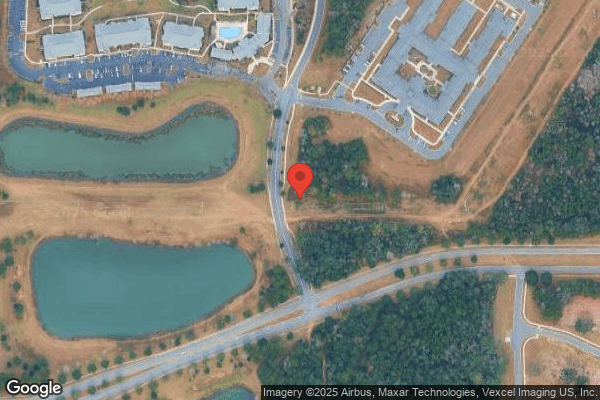

2301 BLUFF OAK WAY, TALLAHASSEE, FL 32311 (678) 533-5770
For profit - Limited Liability company 101 Beds PRUITTHEALTH Data: November 2025
Trust Grade
80/100
#262 of 690 in FL
Last Inspection: July 2025

Inspected within the last 6 months. Data reflects current conditions.

Overview

PruittHealth - Southwood in Tallahassee, Florida has a Trust Grade of B+, indicating it is above average and recommended for families considering care options. It ranks #262 out of 690 nursing homes in Florida, placing it in the top half of facilities statewide, and #5 out of 8 in Leon County, meaning only a few local options are better. The facility's trend is stable, with the same number of issues reported in 2024 and 2025, and it boasts a good staffing rating with a turnover rate of 41%, which is below the state average. However, there have been some concerns; for example, the facility did not provide specialized rehabilitative services as required for two residents, and there was a failure to report an allegation of abuse for another resident. On a positive note, there have been no fines recorded, which is reassuring for families considering this facility.

Trust Score
B+
80/100
In Florida
#262/690
Top 37%
Safety Record
Low Risk
No red flags
Inspections
Holding Steady
4 → 4 violations
Staff Stability
○ Average
41% turnover. Near Florida's 48% average. Typical for the industry.
Penalties
✓ Good
No fines on record. Clean compliance history, better than most Florida facilities.
Skilled Nurses
✓ Good
Each resident gets 45 minutes of Registered Nurse (RN) attention daily — more than average for Florida. RNs are trained to catch health problems early.
Violations
○ Average
9 deficiencies on record. Average for a facility this size. Mostly minor or procedural issues.
★★★★☆
4.0
Overall Rating
★★★★☆
4.0
Staff Levels
★★★☆☆
3.0
Care Quality
★★★★☆
4.0
Inspection Score
Stable
2024: 4 issues
2025: 4 issues

The Good

  • 4-Star Staffing Rating · Above-average nurse staffing levels
  • Full Sprinkler Coverage · Fire safety systems throughout facility
  • No fines on record
  • Staff turnover below average (41%)

    7 points below Florida average of 48%

Facility shows strength in staffing levels, fire safety.

The Bad

Staff Turnover: 41%

Near Florida avg (46%)

Typical for the industry

Chain: PRUITTHEALTH

Part of a multi-facility chain

Ask about local staffing decisions and management

The Ugly 9 deficiencies on record

Sept 2025 1 deficiency
CONCERN (D) 📢 Someone Reported This

A family member, employee, or ombudsman was alarmed enough to file a formal complaint

Potential for Harm - no one hurt, but risky conditions existed

Deficiency F0825 (Tag F0825)

Could have caused harm · This affected 1 resident

Based on record review, staff interview, and policy review, the facility failed to provide specialized rehabilitative services as indicated in the comprehensive plan of care and physician orders for 2...

Read full inspector narrative →
Based on record review, staff interview, and policy review, the facility failed to provide specialized rehabilitative services as indicated in the comprehensive plan of care and physician orders for 2 of 3 sampled residents reviewed for specialized rehabilitative services. (Resident #8 and #10) The findings include: Resident #8A review of Resident #8's medical record revealed a physician order dated 6/16/25 for physical therapy (PT) to be provided daily 6 times per week for 6 weeks for cerebral infarction due to embolism of the left posterior cerebral artery and muscle weakness. Treatment includes therapeutic exercise, therapeutic activities, neuromuscular reeducation, gait training to increase strength, balance and endurance in order to improve bed mobility, transfers and gait. The mode of treatment is via individual, group, and/or cotreat. A review of Resident #8's comprehensive plan of care dated 6/15/25 revealed a care plan for Activities of Daily Living (ADL) decline related to cerebrovascular accident, recurrent urinary tract infection, dizziness, mood disorder, depression, and generalized anxiety disorder with an intervention dated 6/15/25 for physical therapy/occupational therapy to evaluate and treat. A review of Resident #8's PT evaluation and plan of treatment for certification period dated 6/16/25-6/17/25 indicated the resident was to receive physical therapy 6 times a week daily times 6 weeks. Review of the treatment notes revealed a missed physical therapy visit on 6/23/25 due to a staffing shortage, a missed physical therapy visit on 7/1/25 due to a staffing shortage, a missed physical therapy visit on 7/10/25 due to the resident eating dinner at 5:50 PM, and a missed physical therapy visit on 7/11/25 due to a staffing shortage. Resident #10A review of Resident #10's medical record revealed a physician order dated 8/5/25 for occupational therapy (OT) to be provided daily 6 times per week, for 8 weeks for medical conditions and treatment diagnosis. Treatment includes ADL retraining, therapeutic exercise, therapeutic activities, neuromuscular reeducation, and wheelchair management. The mode of delivery is via individual, group, and/or cotreat therapy. The medical record also revealed a physician order dated 8/4/25 for speech therapy (ST) to be provided daily, 5 times per week, for 6 weeks for treatment of receptive/expressive speech/language deficits due to aphasia. Skilled treatments include therapeutic tasks, compensatory strategy training, patient/caregiver education, graded speech/language tasks, and development/implementation of carryover activities. The mode of delivery includes individual, concurrent, cotreatment, and group therapy. A review of the comprehensive plan of care for activities of daily living decline related to recent hospitalization with left cerebrovascular accident dated 8/1/25 revealed an intervention dated 8/1/25 for PT and OT to evaluate and treat and a comprehensive plan of care for nutrition risk dated 8/1/25 with an intervention dated 8/1/25 for ST to evaluate and treat. Review of the OT evaluation and plan of treatment for certification period 8/4/25 -9/2/25 revealed the resident was to receive OT daily, 6 times a week for 8 weeks. Review of the ST evaluation and plan of treatment for certification period 8/4/25- 9/14/25 revealed the resident was to receive ST daily, 5 times a week for 6 weeks. Review of the occupational therapy visit documentation revealed a missed visit on 8/23/25 due to staffing. Review of the ST visit documentation revealed missed visits on 8/28/25 and 8/29/25 due to staffing issues. An interview was conducted with Employee A (Physical Therapist) on 9/16/25 at 11:05 AM. Employee A stated they were having a staffing shortage and using as needed (prn) therapists. The prn therapists would usually come in the evening around 4-6 PM and at times the residents would be eating. An interview was conducted with the Administrator on 9/16/25 at 4:16 PM. The Administrator stated he was not aware of therapy missing visits due to staffing issues. He was aware therapy had hired some more staff. Review of the facility policy for Therapy Evaluations (revised 5/13/2020 version 6) revealed, It is the policy of Pruitthealth Therapy Services that all physician's orders for therapy evaluations be addressed in a timely manner by Physical, Occupational and/or Speech Therapy as designated by the physician. The evaluation will include discipline-specific findings related to the patient/resident's functional status and underlying impairments and prior functional level.
Jul 2025 3 deficiencies
CONCERN (D)

Potential for Harm - no one hurt, but risky conditions existed

Report Alleged Abuse (Tag F0609)

Could have caused harm · This affected 1 resident

Based on staff interviews, record review, and policy review, the facility failed to immediately identify and report allegations of abuse to the state survey agency for 1 of 1 sampled residents. (Resid...

Read full inspector narrative →
Based on staff interviews, record review, and policy review, the facility failed to immediately identify and report allegations of abuse to the state survey agency for 1 of 1 sampled residents. (Resident #9)The findings include:On 7/22/25, a review of the facility's federal report incident on 9/2/24 concerning the allegation of assault made by Resident #9's representative on 9/2/24 was conducted. A summary of the facility's interview with the participants states bruising was noted on the day shift (7:00 am-3:00 pm). The bruising was noticed by the assigned Certified Nursing Assistant (CNA) K and documented by the day shift assigned Nurse J on 8/31/24.On 7/22/25 a review of the nurse's notes was conducted. No nurses' notes were documented on 8/31/24. However, a late entry note was entered on 9/2/24 at 11:01 am stating, Upon entering on 8/31/24 at 8:15 am during medication administration, noticed black and blue bruise under the right eye. Unknown cause, resident unable to verbally express the cause. Order to monitor area daily until healed. Will continue to monitor.On 7/23/25 at approximately 5:00 PM, an interview was conducted with the Risk Manager (RM). She confirmed the expectation is for all alleged violations of abuse, neglect, exploitation or mistreatment, including injuries of unknown source and misappropriation of resident property are to be reported immediately but not later than two hours, and the results of all investigations of alleged violations should be reported within five working days of the incident.On 7/24/25 at approximately 11:30 am, an interview was conducted with the Director of Nursing (DON). The DON stated the nurse did not submit a federal report because she did not view it as abuse since she called the doctor and his order was to monitor until healed. The DON confirmed an injury of an unknown source is required to be reported within two hours. She further stated she was notified on 9/1/24. The Federal report was filed on 9/2/25 when Resident #9's representative observed bruise and contacted law enforcement.The facility's policy titled Prevention of Patient Abuse, Neglect, Exploitation, Mistreatment, and Misappropriation of Property (dated 12/02/2001, revised 11/15/2024) revealed, It is the policy of PruittHealth to actively preserve each patient's right to be free from verbal, sexual, physical, and mental abuse, corporal punishment, involuntary seclusion, neglect, exploitation, mistreatment, and misappropriation of patient property, (referred to collectively in this policy as abuse, neglect, mistreatment, and exploitation). The Organization and its partners should assure that best efforts are made to prevent any occurrences of any form of abuse, neglect, and exploitation.The facility's policy titled Occurrences (dated 7/1/2012, revised 1/11/2024), revealed Occurrence hazards are physical features in the healthcare center environment which may pose a risk to a residentts safety, including but not limited to: Unexplained injury to a patient/resident where no specific or actual incident was observed; yet the patient/resident exhibits evidence of an injury, such as a bruise or skin tear. Reporting Occurrences: 1. Occurrences are to be reported to the Charge Nurse immediately, no matter how minor they may appear. 2. Patient/resident care software incident entry must be completed on the shift the occurrence took place. 3. If occurrence is noted without direct staff observation, the incident entry must be completed in the software system on the shift the occurrence was reported. 4. Partners witnessing an occurrence involving a patient/resident must report details of occurrence to his/her Charge Nurse as soon as possible. Do not leave an occurrence victim unattended unless it is necessary to summon assistance. Occurrence Documentation: I. The licensed nurse will be responsible for completing the following occurrence documentation requirements prior to the end of the shift when the occurrence took place. This documentation will be noted in the patient/resident's clinical record and in the occurrence reporting software program. The Administrator or designee will complete the supervisor investigation on all occurrences, and report to the appropriate state agency and/or other external agencies according to law. This documentation is to be typed on the patient/resident care software occurrence report follow up section. The Administrator's findings will include, but not limited to: Interview findings, Was abuse ruled out, if abuse was noted list in detail type of abuse and who was involved, date of when report was completed, date external agencies were notified, etc. Was abuse ruled out, if abuse was noted list in detail type of abuse and who was involved, date of when report was completed, date external agencies were notified, etc. When the physician and responsible party was notified. List any education and/or corrective action related to the occurrence.
CONCERN (D)

Potential for Harm - no one hurt, but risky conditions existed

Deficiency F0655 (Tag F0655)

Could have caused harm · This affected 1 resident

**NOTE- TERMS IN BRACKETS HAVE BEEN EDITED TO PROTECT CONFIDENTIALITY** Based on observations, interviews and record reviews, the facility failed to implement the baseline care plan for 1 of 2 individ...

Read full inspector narrative →
**NOTE- TERMS IN BRACKETS HAVE BEEN EDITED TO PROTECT CONFIDENTIALITY** Based on observations, interviews and record reviews, the facility failed to implement the baseline care plan for 1 of 2 individuals reviewed for care plans. (Resident #35) The findings include:On 07/22/25 at approximately 9:50 AM during a visit with Resident #35, the resident was observed lying in bed wearing only a shirt and a brief. The Director of Nursing (DON) and Staff B from Physical Therapy (PT) entered the room to respond to the resident's complaint earlier that day. The resident was upset and tearful. She verbally expressed frustration regarding her perceived lack of progress in therapy and a decline in her ability to perform functional tasks independently. She specifically voiced a desire to regain the ability to use the bathroom independently and shared concerns that she is not receiving sufficient therapy. She reported that she had been waiting in bed for someone to assist her with getting up, using the bathroom, and performing hand hygiene. The resident stated that she is at the facility to improve and return to her independent living situation and expressed concerns over the current level of support. On 07/22/25 at approximately 9:55 AM, an interview was conducted with Resident #35. She expressed feelings of frustration regarding a perceived delay in her physical progress and continued dependence on staff for mobility and personal care. She reported that she is still in bed at the time of the interview and has not yet had assistance to get up or attend therapy, which she believes should have already begun. She feels strongly about going back to her independent living and being able to walk to the bathroom independently. She further explained that she was continent but currently wears a brief, explaining that this is due to her inability to independently access the bathroom.On 07/22/25 at approximately 3:25 PM, an interview was conducted with Staff C, Certified Nursing Assistant (CNA). She is the sole caregiver assigned to the 100 and 200 halls, which currently house a total of 11 residents. When asked about bladder training, she stated that nursing restorative provides that service. Regarding incontinence care, she acknowledges that the facility's expectation is to conduct rounds every two hours, or more frequently if needed, to meet the residents' needs.On 07/23/25 at approximately 9:49 AM, an interview was conducted with the DON. She confirmed that the goal is to return Resident #35 to her highest level of functioning and agreed that the resident, though not currently on a toileting program, would benefit from one. The DON also acknowledged Resident #35's strong motivation to participate in therapy and her goal of returning home to her prior level of functioning. She confirms that it is the facility's expectation to provide the necessary services to support the residents in achieving these goals.On 07/23/25 at approximately 4:02 PM, an interview was conducted with the Physical Therapy Outcome Coordinator. According to their documentation, Resident #35 ambulated distances of 80 feet, 90 feet and 150 feet with supervision or touching assistance. Transfers from sit to stand were performed with partial/moderate assistance, requiring approximately 50% assistance. Resident #35 is a one person assist for mobility and transfers.On 07/23/25 at approximately 5:00 PM, an interview was conducted with Staff E (CNA). When asked about the level of assistance she provides Resident #35 for toileting needs, she explained that she has not yet assisted with toileting since the resident's readmission on [DATE], despite having worked five shifts with her, stating that the resident is incontinent. Additionally, she mentioned that therapy staff take Resident #35 to the bathroom, but that she only provides incontinent care and does not offer her toileting. She added that the resident is a limited transfer when she assists her to bed.On 07/23/25 at approximately 5:15 PM, an interview was conducted with the DON. She describes the facility's expectations to check and assist residents with toileting and incontinence care every 2 hours. She reviewed Resident #35's care plan dated 07/14/25, which stated: ADL needs will be met and independence potential maximized and Improve ADL function to maintain independence through next review. She recognized that since the documentation of the resident being continent on 06/27/25, toileting the resident should be an intervention to meet the goal of the care plan and optimize the potential for the resident to regain bladder control and her prior level of independence. A recent Physical Therapy (PT) note dated 07/22/25 was reviewed that indicates Resident #35 was ambulating in therapy with touch assistance. A review of progress notes from 06/25/2025, 06/27/2025, 06/28/2025 indicated the resident is alert and oriented and able to communicate needs, continent of bowel and bladder and requires one person assist with all transfers. A review of a progress note from 07/18/2025 indicated the resident requires one person assist for Activities of Daily Living. A review of the discharge plan dated 07/23/2025 reveals resident plan to return to Independent Living.On 07/23/25, the Minimum Data Set, dated [DATE] was reviewed. It stated that the resident is using a wheelchair and walker for mobility device, accomplishes toileting with partial/moderate assistance, and performs bed to chair transfer with Substantial assistance. It was also revealed that a trial of a toileting program (schedules toileting, prompted voiding, bladder training) was not attempted. A physical therapy note dated 07/22/25 states, Toilet transfer = Partial/moderate assistanceThe Care Conference dated 06/23/25 noted that the Resident lives at an independent living. She has a rollator, walker and bedside commode. The goal is to be able to walk again.On 07/24/25 at approximately 9:27 AM, a policy titled: Care Plans effective 12/31/1996 and revised 07/23/23 was reviewed. Person Centered Care-Focus is on the resident as the center of control. Supports each resident in making his or her own choices. Includes making an effort to understand what each resident is communicating, verbally or non-verbally, to identify what is important to each resident with regard to daily routines and preferred activities and having and understanding of the resident's life before coming to reside in the health center. Baseline Care-Plan must include the minimum healthcare information necessary to properly care for each resident immediately after admission, which would address resident specific health and safety concerns to prevent decline or injury, and would identify needs for supervision, behavioral interventions, and assistance with activities of daily living, as necessary. The comprehensive person-centered care plan is developed to include measurable goals and timeframes to meet a resident's medical, nursing and psychosocial needs, the services that are to be furnished to attain the resident's highest practicable physical, mental and psychosocial needs that are identified in the comprehensive assessment. The type of goals may include discharge goals, improvement goals, prevention goals and/or maintenance goals.On 07/24/25 at approximately 9:47 AM, a policy titled Resident Rights effective 10/01/2029 and revised 12/01/2023 was reviewed. It is the policy of this healthcare center to promote and protect the rights of the residents residing in the center. The Center will make any effort to assist the resident in understanding and exercising her rights to assure the resident is always treated with respect, kindness, and dignity. Each resident shall be accorded privacy and freedom to use the bathrooms at all hours.
CONCERN (D)

Potential for Harm - no one hurt, but risky conditions existed

Comprehensive Care Plan (Tag F0656)

Could have caused harm · This affected 1 resident

**NOTE- TERMS IN BRACKETS HAVE BEEN EDITED TO PROTECT CONFIDENTIALITY** Based on observations, record review, interviews and facility policy review, the facility failed to develop a care plan for 2 of...

Read full inspector narrative →
**NOTE- TERMS IN BRACKETS HAVE BEEN EDITED TO PROTECT CONFIDENTIALITY** Based on observations, record review, interviews and facility policy review, the facility failed to develop a care plan for 2 of 2 residents sampled for Gerichair use (Residents #42 and #45) and 1 of 1 resident sampled for Hoyer lift use (Resident #4).The findings include:Resident #4 On 07/21/2025 at 4:34 PM, Resident #4 was observed inside his room in a wheelchair waiting to be assisted to bed. A few minutes later, Staff A, a Certified Nurse Assistant (CNA), was observed assisting the resident from the wheelchair to the bed via Hoyer Lift. There was no other staff assisting during this transfer. On 07/21/2025 at 4:47 PM, an interview was conducted with Staff A, CNA. She stated she knew there were supposed to be two staff members assisting with the Hoyer lift. She further stated the reason she was doing it alone was because the resident had used the call light three times, and she could not find anyone to help her. A medical record review of Resident #4 was conducted. Resident #4 was admitted on [DATE] with diagnoses including metabolic encephalopathy, sepsis, rhabdomyolysis, encounter for change or removal of surgical wound dressing, local infection of the skin and subcutaneous tissue, open wound left hip, chronic systolic heart failure, unsteadiness on feet, atrial fibrillation, cognitive communication deficit, hypertension, type 2 diabetes mellitus, cerebral palsy, and adult failure to thrive. The plan of care included risk for falls and impaired mobility with requiring assistance with transfers. The plan of care did not include use of Hoyer lift. On 7/22/25 at 12:37 PM, an interview was conducted with Director of Nursing (DON). She was made aware that the CNA was using the Hoyer lift alone. She stated it was facility policy to have two staff members using the Hoyer lift. She confirmed Resident #4 had been using a Hoyer lift since admission because he was unable to stand safely. She was asked how the staff would know the resident would need to be transferred via Hoyer lift and she stated the resident would be care planned for it. She reviewed the plan of care for Resident #4 and verified that the Hoyer lift was not included as intervention, but it should had been included. She further stated she would add it immediately. Resident #42: On 7/21/25 at approximately 1:58 PM, an observation was made of resident #42 in her room sitting up in a Geri-chair (a chair that reclines) with a Hoyer lift sling noted underneath the resident (a device used to transfer the resident from bed to chair). A review of Resident #42’s medical record revealed there was no physical or occupational therapy evaluation for the use of a Geri-chair. Further review of the resident’s medical record revealed that there was no physician order for the Geri-chair, nor a care plan for the use of the Geri-chair in the record. On 7/22/25 at approximately 1:00 PM an interview was conducted with Staff Member F, a Certified Nursing Assistant, (CNA) who indicated that she had been getting the resident up in a Geri-chair as long as the resident had been in the facility and further indicated that she was not sure who made the decision that the Geri-chair is appropriate for the residents. CNA F further indicated that she was instructed to get the resident up today in a regular wheelchair. On 7/22/25 at approximately 1:15 PM an interview was conducted with Nurse G, Registered Nurse Unit manager, and Nurse H, Licensed Practical Nurse. Both Nurse G and H confirmed that there was no care plan, physician order, or therapy evaluation for the use of the Geri-Chair for resident #42. On 7/22/25 at approximately 2:40 PM an interview was conducted with the Physical Therapist B, who indicated that she did do an evaluation of resident #42 for wheelchair versus Geri-chair for positioning today, and recommended that resident #42 was appropriate for wheelchair. The Physical therapist B further indicated that she did not have resident #42 when she was on therapy case load, so she was not aware of why the resident was in the Geri-chair, however she does tend to lean forward and to the side when the resident is tired, so I did recommend that the resident be laid down for a rest period in bed when tired. Resident #45: On 7/22/25 at approximately 1:00 PM an observation was made of Resident #45 sitting in a Geri-chair in the dayroom area of the 600 hall. Resident #45 stated “I wish they would let my legs down; I do not like sitting like this.” On 7/22/25 at approximately 1:10 PM an interview was conducted with CNA I, who indicated that Resident #45 was in the Geri-chair because he keeps trying to get up and falls, and he messes with the other residents, that the Geri-chair was for his safety. On 7/22/25 at approximately 1:15 PM an interview was conducted with Nurse G, Registered Nurse Unit manager, and Nurse H, Licensed Practical Nurse. Both Nurse G and H confirmed that there was no Care plan, physician order, or therapy evaluation for the use of the Geri-Chair for Resident #45. Nurse H indicated that the resident had been in the Geri-chair for the 3 weeks that Nurse H had been working at the facility. On 7/22/25 at approximately 2:15 PM, an observation was made of the resident being evaluated by the Physical Therapist for a high back wheelchair. Resident #45 was observed to be able to propel himself about the dayroom during the observation. On 7/22/25 at approximately 2:40 PM an interview was conducted with the Physical Therapist, who indicated that she did the evaluation of Resident #45. She recommended that the resident was appropriate for the high back wheelchair instead of the Geri-chair and further indicated that the resident was able to propel himself 10 feet during the evaluation. The Physical Therapist indicated that she was not sure why the resident was in a Geri-chair. On 7/22/25 at approximately 2:45 PM an interview was conducted with the Risk Manager (RM) and Director of Nursing (DON) concerning the use of Geri-chairs for resident #42 and #45. Both the RM and DON indicated that neither of them was aware that Geri-chairs could be considered a physical restraint. The RM stated after contacting the regional nurse for the facility and confirming that the Geri-chair could be considered a physical restraint, the residents were referred to therapy for an evaluation for positioning. The DON indicated that it was her understanding that Resident #45 used the Geri-chair for comfort due to being on hospice, but confirmed no documentation was available to indicate the reasoning for the Geri-chair. The DON further indicated that they have started a performance improvement plan on the use of Geri-chairs and that they make sure the staff are trained and that the residents receive evaluations for appropriate positioning.
Apr 2024 3 deficiencies
CONCERN (D)

Potential for Harm - no one hurt, but risky conditions existed

Deficiency F0554 (Tag F0554)

Could have caused harm · This affected 1 resident

Based on observation, resident interview, staff interview, record review and policy review, the facility failed to ensure the interdisciplinary team assessed and determined if a resident was capable o...

Read full inspector narrative →
Based on observation, resident interview, staff interview, record review and policy review, the facility failed to ensure the interdisciplinary team assessed and determined if a resident was capable of self-administration of medications prior to allowing the practice for 1 of 20 sampled residents. (Resident #66) The findings include: An observation of Resident #66's room was conducted on 4/8/24 at 2:06 PM, 4/9/24 1:52 PM, and 4/9/24 at 3:26 PM. A bottle of multivitamins was observed to be sitting on the bedside table. An observation of Resident #66's room was conducted on 4/10/24 at 9:20 AM. During all of these observations, Resident #66 was in her room and the bottle of multivitamins remained at her bedside. She stated she takes one of the multivitamins every day and the staff are aware. A review of Resident #66's electronic medical record revealed no physician's order for the multivitamins. The quarterly minimum data set, with an assessment reference date of 2/11/24, revealed she has a brief interview of mental status (BIMS) score of 15, indicating she is cognitively intact. The quarterly self-administration of medications observation dated 2/14/24 revealed the resident is not appropriate to self-administer medications. A further observation of Resident #66's room was conducted on 4/10/24 at 9:49 AM in the presence of the Director of Nursing (DON). The DON observed the multivitamins at the bedside and stated the resident's sister likely brought them in the facility. The DON stated the resident was not to self-administer medications. A review of the facility policy for Self-Administration of Medications by Residents (2014 Pruitthealth) revealed each resident who desires to self-administer medication is permitted to do so if the healthcare center's Licensed Nurse and physician have determined that the practice would be safe for the resident and other residents of the healthcare center.
CONCERN (D)

Potential for Harm - no one hurt, but risky conditions existed

Deficiency F0661 (Tag F0661)

Could have caused harm · This affected 1 resident

**NOTE- TERMS IN BRACKETS HAVE BEEN EDITED TO PROTECT CONFIDENTIALITY** Based on record review and staff interview, the facility failed to complete and submit the discharge minimum data set for 4 of 5...

Read full inspector narrative →
**NOTE- TERMS IN BRACKETS HAVE BEEN EDITED TO PROTECT CONFIDENTIALITY** Based on record review and staff interview, the facility failed to complete and submit the discharge minimum data set for 4 of 5 sampled discharged residents. (Resident #27, #50, #53, and #67) The findings include: A review of Resident #27's electronic medical record revealed the resident was admitted to the facility on [DATE]. The resident was discharged on 12/9/23 to a hospital emergency room. The record revealed the discharge minimum data set was not completed and submitted. A review of Resident #50's electronic medical record revealed the resident was admitted to the facility on [DATE]. The resident was discharged home on [DATE]. The record revealed the discharge minimum data set was in progress but not complete or submitted. A review of Resident #53's electronic medical record revealed the resident was admitted to the facility on [DATE]. The resident was discharged home on [DATE]. The record revealed the discharge minimum data set was not completed or submitted. A review of Resident #67's electronic medical record revealed the resident was admitted to the facility on [DATE]. The resident was discharged home on [DATE]. The record revealed the discharge minimum data set was not completed and submitted. An interview was conducted with employee C (Registered Nurse Case Mix Director) on 4/11/24 at 10:16 AM. Employee C confirmed the discharge minimum data set was not completed or submitted for these residents. She stated the records system did not alert the facility staff or corporate staff that the assessments were not complete.
CONCERN (D)

Potential for Harm - no one hurt, but risky conditions existed

Quality of Care (Tag F0684)

Could have caused harm · This affected 1 resident

Resident #18: On 04/09/24 at 02:45 PM, Resident #18 was observed to be semi reclined in bed with bilateral (both) lower extremities (BLE) elevated on pillows and wearing non-skid socks. The skin of th...

Read full inspector narrative →
Resident #18: On 04/09/24 at 02:45 PM, Resident #18 was observed to be semi reclined in bed with bilateral (both) lower extremities (BLE) elevated on pillows and wearing non-skid socks. The skin of the lower extremities was noted to be red and scaley with swelling present on both lower extremities. Resident #18 was observed on 04/10/2024 on three separate occasions (11:25am, 12:51pm and 1:50pm) while in his room and in the dining area. For all observations, Resident #18 had no Thrombo-embolic deterrent (TED) hose applied to his lower extremities. A review of the electronic medical record revealed the medical diagnosis of lymphedema, Non-pressure chronic ulcer of right ankle, Localized edema and Muscle wasting and atrophy, multiple sites. There was an order dated 3/29/2024 at 03:45 pm to Apply TED hose on BLE for 12 hours, start time 09:00 AM, remove at 09:00 PM daily per Verbal Order (VO). On 04/10/24 at 02:12 PM, an interview with Staff E, a Certified Nursing Assistant, was performed. She stated that she had nothing in her tasks that indicated that Resident #18 was to have TED hose, but that the nurse would be responsible for applying and removing any TED hose. During an interview with Nurse G, a LPN, it was reported that this resident had refused TED application on several occasions. She stated she had located some TED hose in the facility that were size Large and had attempted to apply them on her shift but they were very tight and she had had to remove them, that's probably why he refused them. When asked who would be responsible to measure patient for appropriate size she responded that's a good question, I don't know. Probably the nurse manager but [Nurse K] must know because she is the only one that documented that resident needed a size 2XL on the Medication Administration Record (MAR). On 04/10/2024 at approximately 3:00 PM, an interview was conducted with Nurse H, a Registered Nurse, and Nurse F, a LPN, who reviewed residents record and confirmed the orders for Compression stockings. After reviewing the record, Nurse F stated that, following Resident #18's appointment with the Dermatologist, they had recommended that the patient be referred to the lymphedema clinic. Nurse H stated that the clinic had declined to see the resident due to the amount of skin lesions and Resident #18's physical limitations. Per Nurse F, the lymphedema service recommended that the facility apply TED hose on BLE for 12 hours on and off for 12 hours then they will see if the resident will tolerate any form of compression. Nurse H informed Resident #18's attending physician of the recommendation and was given a verbal order for TED hose to BLE for 12 hours per day per the recommendation. When asked who and how they determine what size compression hose are needed, they could not provide an answer. Observation of the facility's stock of knee-high TED hose revealed two boxes of TED hose. One box revealed measurement instructions on the box and in one box measurement instructions were on each individual pack. (Photographic evidence obtained.) Nurse F agreed that the order had not been implemented in a timely manner and confirmed that Resident #18 had not been appropriately measured. Based on observations, record review, staff interview, and policy review, the facility failed to provide appropriate quality care and treatment for 1 of 1 residents with a skin tear (Resident #14) and 1 of 1 residents reviewed for edema (Resident #18). The findings include: Resident #14: Observations of Resident #14 were conducted on 4/8/24 at 2:21 PM and 4/9/24 at 3:13 PM. During these observations, the resident was in bed and had an undated dressing on her left middle forearm. On 4/8/24 at 2:21 PM, her husband was at her side and stated he was not sure what happened to her arm. A review of the electronic medical record revealed no current physician's orders for the dressing on the left arm or documentation of a skin issue to the left arm. A skin observation note dated 4/9/24, completed by Employee A (licensed practical nurse (LPN)), indicated the resident had no skin impairments. A telephone interview was conducted with Employee A on 4/10/24 at 9:38 AM. She stated she completed a skin observation on Resident #14 on 4/9/24. She stated the resident had a skin tear under the pink dressing on her left arm. She thought the wound care nurse placed the dressing on the resident's arm, but she did not ask the wound care nurse to confirm this. She stated she forgot to document the dressing on the skin observation on 4/9/24. On 4/10/24 at 9:45 AM, Resident #14 was observed in the presence of the Director of Nursing (DON). The DON observed the pink dressing on the resident's left arm and confirmed it was not dated. The DON removed the dressing and stated the area under the dressing was a scabbed skin tear. She stated there should have been an order for the dressing in the electronic medical record. An interview was conducted with Employee B (licensed practical nurse, wound care) on 4/10/24 at 10:33 AM. She stated she had no knowledge of the pink dressing or a skin tear on Resident #14's arm. A review of the facility policy for Documentation of Skin and Wound Care (PruittHealth 2014) revealed it is the policy of the Healthcare center to complete documentation that reflects the current resident status as related to skin/wound care. Documentation will provide current and timely documentation on resident's condition related to skin/wound care, accurate information on the resident's status as it pertains to skin/wound care, record care rendered and interventions in place and provide a detailed history of the wound assessments that have occurred in the healthcare center.
Jan 2024 1 deficiency
CONCERN (D) 📢 Someone Reported This

A family member, employee, or ombudsman was alarmed enough to file a formal complaint

Potential for Harm - no one hurt, but risky conditions existed

Pharmacy Services (Tag F0755)

Could have caused harm · This affected 1 resident

**NOTE- TERMS IN BRACKETS HAVE BEEN EDITED TO PROTECT CONFIDENTIALITY** Based on record review and interviews, the facility failed to accurately document the administration of pain medications for 2 o...

Read full inspector narrative →
**NOTE- TERMS IN BRACKETS HAVE BEEN EDITED TO PROTECT CONFIDENTIALITY** Based on record review and interviews, the facility failed to accurately document the administration of pain medications for 2 of 3 sampled residents for medication administration. (Resident #4 and Resident #5) The findings include: Resident #4 A review of Resident #4's medical record was conducted. Resident #4 was admitted on [DATE] with a physician's order of Oxycodone 5 mg-Acetaminophen 325 mg, every 4 hours, as needed, for pain. The Medication Administration Record (MAR) was reviewed and revealed this medication was not documented as administered on 12/20/23. The Oxycodone controlled drug record sheet was reviewed and revealed the Oxycodone was withdrawn on 12/20/23 at 6:00 am, 11:00 am, 4:00 pm, and 9:00 pm. On 1/18/24 at 2:47 PM, an interview was conducted with Resident #4 via telephone. He confirmed he received his 4 doses of oxycodone for pain on 12/20/23. Resident #5 A review of Resident #5's medical record was conducted. Resident #5 was admitted on [DATE] with a physician's order of Oxycodone 10 mg every 4 hours, as needed, for pain. The Medication Administration Record (MAR) was reviewed and revealed Oxycodone was not documented as given on 1/18/24. The Oxycodone controlled drug record sheet was reviewed and revealed Oxycodone was withdrawn on 1/18/23 at 6:30 am, 11:20 am, 3:00 pm, and 8:00 pm. On 1/19/24 at 9:20 AM, an interview was conducted with Resident #5. She confirmed she received four doses of Oxycodone on 1/18/24. On 1/19/24 at 10:35 AM, an interview was conducted with the Director of Nursing (DON). She verified the MARs for Resident #4 and #5 were not documented appropriately.
Dec 2022 1 deficiency
MINOR (C) 📢 Someone Reported This

A family member, employee, or ombudsman was alarmed enough to file a formal complaint

Minor Issue - procedural, no safety impact

Deficiency F0801 (Tag F0801)

Minor procedural issue · This affected most or all residents

Based on staff interviews, the facility failed to employ a qualified staff member to serve as the director of food and nutrition services. The findings include: On 12/28/22 at 9:31 AM, an interview w...

Read full inspector narrative →
Based on staff interviews, the facility failed to employ a qualified staff member to serve as the director of food and nutrition services. The findings include: On 12/28/22 at 9:31 AM, an interview was conducted with the Dietary Manager. She confirmed she was not a certified dietary manager, a certified food service manager, and had not had similar national certification for food service management and safety from a national certifying body. She further verified that she did not have an associate's or higher degree in food service management or in hospitality, or 2 or more years of experience in the position of director of food and nutrition services in a nursing facility setting and had not completed a course of study in food and safety and management. The Dietary Manager further stated that the facility's dietitian worked part time. On 12/28/22 at 9:54 AM, an interview was conducted via phone with the facility's dietitian. The dietitian confirmed she worked part time at the facility. On 12/28/22 at 11:05 AM, an interview was conducted with the facility's Administrator. She confirmed the facility did not have a Certified Dietary Manager or a qualified Director of Food and Nutrition Services.
Understanding Severity Codes (click to expand)
Life-Threatening (Immediate Jeopardy)
J - Isolated K - Pattern L - Widespread
Actual Harm
G - Isolated H - Pattern I - Widespread
Potential for Harm
D - Isolated E - Pattern F - Widespread
No Harm (Minor)
A - Isolated B - Pattern C - Widespread

Questions to Ask on Your Visit

  • "Can I speak with families of current residents?"
  • "What's your RN coverage like on weekends and overnight?"

Our Honest Assessment

Strengths
  • • Grade B+ (80/100). Above average facility, better than most options in Florida.
  • • No major safety red flags. No abuse findings, life-threatening violations, or SFF status.
  • • No fines on record. Clean compliance history, better than most Florida facilities.
  • • 41% turnover. Below Florida's 48% average. Good staff retention means consistent care.
Concerns
  • • No significant concerns identified. This facility shows no red flags across CMS ratings, staff turnover, or federal penalties.
Bottom line: Generally positive indicators. Standard due diligence and a personal visit recommended.

About This Facility

What is Pruitthealth - Southwood's CMS Rating?

CMS assigns PRUITTHEALTH - SOUTHWOOD an overall rating of 4 out of 5 stars, which is considered above average nationally. Within Florida, this rating places the facility higher than 99% of the state's 100 nursing homes. This rating reflects solid performance across the metrics CMS uses to evaluate nursing home quality.

How is Pruitthealth - Southwood Staffed?

CMS rates PRUITTHEALTH - SOUTHWOOD's staffing level at 4 out of 5 stars, which is above average compared to other nursing homes. Staff turnover is 41%, compared to the Florida average of 46%. This relatively stable workforce can support continuity of care.

What Have Inspectors Found at Pruitthealth - Southwood?

State health inspectors documented 9 deficiencies at PRUITTHEALTH - SOUTHWOOD during 2022 to 2025. These included: 8 with potential for harm and 1 minor or isolated issues.

Who Owns and Operates Pruitthealth - Southwood?

PRUITTHEALTH - SOUTHWOOD is owned by a for-profit company. For-profit facilities operate as businesses with obligations to shareholders or private owners. The facility is operated by PRUITTHEALTH, a chain that manages multiple nursing homes. With 101 certified beds and approximately 90 residents (about 89% occupancy), it is a mid-sized facility located in TALLAHASSEE, Florida.
How Does Pruitthealth - Southwood Compare to Other Florida Nursing Homes?

Compared to the 100 nursing homes in Florida, PRUITTHEALTH - SOUTHWOOD's overall rating (4 stars) is above the state average of 3.2, staff turnover (41%) is near the state average of 46%, and health inspection rating (4 stars) is above the national benchmark.

What Should Families Ask When Visiting Pruitthealth - Southwood?

Based on this facility's data, families visiting should ask: "Can I visit during a mealtime to observe dining assistance and food quality?" "How do you handle medical emergencies, and what is your hospital transfer rate?" "Can I speak with family members of current residents about their experience?"

Is Pruitthealth - Southwood Safe?

Based on CMS inspection data, PRUITTHEALTH - SOUTHWOOD has a clean safety record: no substantiated abuse findings (meaning no confirmed cases of resident harm), no Immediate Jeopardy citations (the most serious violation level indicating risk of serious injury or death), and is not on the Special Focus Facility watch list (a federal program monitoring the lowest-performing 1% of nursing homes). The facility has a 4-star overall rating and ranks #1 of 100 nursing homes in Florida. While no facility is perfect, families should still ask about staff-to-resident ratios and recent inspection results during their visit.

Do Nurses at Pruitthealth - Southwood Stick Around?

PRUITTHEALTH - SOUTHWOOD has a staff turnover rate of 41%, which is about average for Florida nursing homes (state average: 46%). Moderate turnover is common in nursing homes, but families should still ask about staff tenure and how the facility maintains care continuity when employees leave.

Was Pruitthealth - Southwood Ever Fined?

PRUITTHEALTH - SOUTHWOOD has no federal fines on record. CMS issues fines when nursing homes fail to meet care standards or don't correct problems found during inspections. The absence of fines suggests the facility has either maintained compliance or corrected any issues before penalties were assessed. This is a positive indicator, though families should still review recent inspection reports for the full picture.

Is Pruitthealth - Southwood on Any Federal Watch List?

PRUITTHEALTH - SOUTHWOOD is not on any federal watch list. The most significant is the Special Focus Facility (SFF) program, which identifies the bottom 1% of nursing homes nationally based on persistent, serious quality problems. Not being on this list means the facility has avoided the pattern of deficiencies that triggers enhanced federal oversight. This is a positive indicator, though families should still review the facility's inspection history directly.