CRITICAL
(J)
Immediate Jeopardy (IJ) - the most serious Medicare violation
Accident Prevention
(Tag F0689)
Someone could have died · This affected 1 resident
**NOTE- TERMS IN BRACKETS HAVE BEEN EDITED TO PROTECT CONFIDENTIALITY** Based on observations, interviews, record reviews, and a policy review, the facility failed to ensure care and services to preve...
Read full inspector narrative →
**NOTE- TERMS IN BRACKETS HAVE BEEN EDITED TO PROTECT CONFIDENTIALITY** Based on observations, interviews, record reviews, and a policy review, the facility failed to ensure care and services to prevent accidents for 3 of 9 sampled residents reviewed for nutrition and falls, as evidenced by the failure to provide supervision while eating for Resident #37; failure to implement preventative measures to prevent a fall related injury for Resident #14; and failure to complete a post fall investigation to determine the cause of the fall for Resident #20.On 06/24/25 it was determined the facility failed to ensure adequate supervision for Resident #37, a resident with diagnoses of Cerebral Infarction (Stroke) and Dysphagia (difficulty swallowing), to prevent the likelihood of choking, aspiration (the accidental ingestion of food particles or fluids into the lungs), and/or death. Resident #37, who was ordered to have a mechanically altered diet, was not supervised during meals as per her current care plan and was subsequently provided with a whole hot dog that she consumed. The resident had a history of being served potato chips, Goldfish crackers by facility staff members. The likelihood of Resident #37 choking on the hot dog with the potential of aspiration or death was determined and the Administrator was informed of the Immediate Jeopardy on 06/27/25 at 10:50 AM.
The Immediate Jeopardy was identified on 06/24/25 and was removed on 06/27/25. The scope and severity were decreased to a D, no actual harm with the potential for more than minimal harm that is not Immediate Jeopardy. The scope and severity were lowered as a result of the facility's corrective actions implemented as of 06/27/25 and verified by interview, observation and record review on 06/27/25. Although, the facility submitted an acceptable removal plan, the potential for more than minimal harm remains without the implementation of a plan of correction and monitoring of the corrective actions.Cross Reference - F805.
The findings included:A Review of the policy titled, Meal Supervision and Assistance revised on 11/29/22 documented that the resident will be prepared for a well-balanced meal in a calm environment, with adequate supervision and assistance to prevent accidents, provide adequate nutrition, and assure an enjoyable event. This included identifying hazards and risks. The listed guidelines for compliance included checking the meal tray before serving it to the resident to make sure that it was the correct diet ordered and that the food texture was appropriate for the resident's ability to chew and swallow. Photographic Evidence Obtained.A record review revealed that Resident #37 was admitted to the facility on [DATE]. Her diagnoses included Cerebral Infarction (Stroke) due to Embolism of the Left Carotid Artery (lack of blood flow to the brain caused by a blood clot), Hemiplegia (paralysis on one side of the body) and Hemiparesis (weakness on one side of the body) Following Cerebral Infarction Affecting the Right Dominant Side, Aphasia (impaired ability to speak) Following Cerebral Infarction, Dysphagia (swallowing difficulty) Following Cerebral Infarction, and Muscle Weakness. Review of the Minimum Data Set (MDS) assessment dated [DATE] documented this resident's Brief Interview of Mental Status (BIMS) score equaled 5, which indicated that Resident #37 had severe cognitive impairment.A record review of Resident #37's care plan, last revised on 02/13/25, revealed that Resident #37 was at risk for malnutrition due to her medical history which included Dysphagia, Aphasia, Anxiety, and Cerebrovascular Accident (stroke). Since 12/02/22, the interventions listed in the care plan included providing the diet as ordered, and monitoring for signs and symptoms of aspiration such as coughing, choking, pocketing of foods, spitting out food, wet vocal quality, and wet lungs. If symptoms of aspiration or choking were found, the physician and the Speech Language Pathologist were to be notified. An intervention since 12/02/22 specified to set-up the trays, supervise, cue, and assist the resident as needed with meals. It specified to allow adequate time to consume food/fluids provided.
Record review of the medical record Listing of Tasks for Eating showed no checkmarks under the column that denoted the provision of supervision from 06/13/25 through 06/26/25. The eating task in the electronic medical record was used by Certified Nursing Assistants (CNAs) to document how much a resident ate or drank, and how much assistance was provided by the CNA.Record review revealed the physician ordered diet for Resident #37, dated 06/01/25, documented a Regular Diet, with mechanical soft texture foods, and thin consistency fluids. The diet listed in the Meal Tracker (meal ticket software program) was Regular - Mechanical Altered/Ground. The diets in the electronic medical record documented (mechanical soft), and the meal ticket software program documented (ground). Both were mechanically altered diets that were used for residents with swallowing difficulties. Photographic evidence of the meal ticket was obtained.During an observation of Resident #37's dinner meal, on 06/24/25 at 5:26 PM, Resident #37 refused her meal. The meal ticket on her tray specified that she was on a Regular-Mechanical Altered/Ground diet. Staff A, Certified Nursing Assistant (CNA), offered the resident several food options including grilled cheese, a peanut butter and jelly sandwich, and an egg salad sandwich. Resident #37 communicated that she didn't want any of those alternatives. Staff A mentioned she would look at the menu to see what other alternatives were available. Staff A saw that a hot dog was listed on the menu as an available option, and asked Resident #37 if she wanted a hot dog. Resident #37 said, yes. During an interview on 06/24/25 at 5:38 PM, while in the hallway in front of the dining room, Staff A, CNA, stated she had given Resident #37 a hot dog and she ate it. Upon receiving this information, the surveyor returned to the resident's room, Resident #37 held a quarter of the hot dog bun while still sitting on her bed. The hot dog was not visible and it appeared the resident had consumed the hotdog.During an interview on 06/24/25 at 5:42 PM with Staff A, when asked if the hot dog was whole or cut-up into small pieces, the CNA stated she served Resident #37 a whole hot dog that was not cut-up. When asked if the kitchen staff knew it was for Resident #37, Staff A said that she told the kitchen it was for Resident #37. Staff A confirmed that Resident #37 ate 100% of the hot dog.During an interview on 06/24/25 at 5:52 PM, the Certified Dietary Manager (CDM) stated that she didn't know who the hot dog was for. She reported, Resident #37 wouldn't be given a whole (intact) hot dog because of her diet; it would be mechanically ground. The CDM stated that the kitchen staff would have been able to grind it for her. The surveyor asked to see the food processor that was used for grinding up foods, and the CDM showed the surveyor a clean food processor. The surveyor asked the CDM if the kitchen staff prepared any ground hot dogs on 06/24/25, and the CDM said that they did not. She explained that no one on a ground diet ordered a hot dog that day.During an observation of the dinner meal on 06/26/25 at 5:50 PM, Resident #37 was in bed and a tray of food was on her tray table. The food on the tray included, ground beef, mashed potatoes, and vegetables were on the main dinner plate. There appeared to be warm ground chicken salad was on a separate small plate covered with plastic wrap. The resident moved the plate onto her lap and peeled back the plastic wrap. She used her fingers to pick up and taste the chicken salad. She shook her head from left to right and waved her hands back and forth. She said no ., no ., and she placed the plate back on the meal tray. She did not eat any more chicken salad. There was no staff from the facility present in Resident #37's room when she tasted the chicken salad. The surveyor continued to observe Resident #37 in her room. No staff members provided supervision for Resident #37 during the dinner meal from 5:50 PM through 6:05 PM.
2) Review of the record revealed Resident #14 was admitted to the facility on [DATE] and was sent out to the emergency room (ER) on 02/26/25 and 03/01/25, with a return to the facility those same days. Review of the current Minimum Data Set (MDS) assessment dated [DATE] documented the resident had a Brief Interview for Mental Status (BIMS) score of 1, on a 0 to 15 scale, indicating severe cognitive impairment. This MDS documented Resident #14 had a fall with injury since the prior assessment of 12/24/24.Review of the current care plan initiated on 01/21/22 documented Resident #14 was at risk for falls and fall related injury related to cognitive loss, stroke, non-ambulatory status, impaired mobility, weakness, medication use, fall history, osteopenia (small bones), and bilateral knee contractures. An intervention included providing a mat on the floor to the left side of the bed as of 11/07/23. A second intervention initiated on 12/04/23 documented the use of bilateral wedges to sides of bed for safety and fall risk prevention.Review of the current physician orders documented the need for a floor mat to the left side of the bed for safety since 11/07/23. A current order dated 06/23/25 documented the use of bed bolsters to bilateral sides of bed.Review of a change in condition form dated 02/26/25 documented Resident #14 had a fall with no apparent injury and was sent out to the hospital.Review of progress notes documented, in part, the following:a) On 02/26/25 at 4:25 PM, Resident #14 suffered an unwitnessed fall at about 3:45 PM, and was sent to the ER.b) On 02/26/25 at 10:22 PM the nursing staff received information from the ER (Emergency Room) that the resident was being returned back to the facility. A CT (Computed Tomography) of the brain and cervical spine (upper part) indicated no fractures or injuries.c) On 03/01/25 at 10:18 AM and 10:52 AM the resident's brother insisted Resident #14 return to the ER due to increased back pain and to get additional studies. The resident was sent back to the ER.d) On 03/01/25 at 8:06 PM the resident returned to the facility with diagnoses to include a closed wedge compression fracture of T10 (thoracic or mid back) vertebra and a closed compression fracture of L3 lumbar (lower back) vertebra. The resident was medicated with Dilaudid (an opioid/narcotic pain medication), Toradol (an anti-inflammatory medication), and Zofran (a medication for nausea) at 1:53 PM. He returned to the facility with orders for Percocet (an opioid/narcotic pain medication) as needed.Review of the radiology studies from the ER visit on 03/01/25 documented both compression fractures as acute/subacute, indicating they could not tell if the fracture was recent or anytime within the past few months.Review of the facility provided fall investigation documented there were interventions/strategies in place from the care plan but lacked documentation of whether the fall mat and wedges/bolsters were in place. The Assigned CNA Statement Form and Registered Nurse (RN) Statement Form both lacked documentation as to whether the fall mat and wedges/bolsters were in place. Review of the Fall Root Cause Analysis documented, in part, there were no floor mats in place.During an interview on 06/27/25 at 8:44 AM, when asked about the investigation related to the care plan interventions at the time of the fall, the Administrator, who was also the Risk Manager, did not comment, while the Director of Nursing (DON) explained the resident would play with the bed remote and had raised the bed up and rolled out of bed. The DON further stated the fall mat was in place. When asked to locate evidence of this on the fall investigation and was also notified the root cause analysis documented a lack of the fall mat, the DON stated, I'm sure I saw it but agreed to the conflicted information in the investigation.During an interview on 06/27/25 at 11:23 AM, when asked about the radiological report documentation of acute/subacute fracture, the Medical Director stated that more than likely, because of the minimal 10% height loss, the fractures were chronic. When asked about the resident's increased yelling/pain with movement, the Medical Director reviewed the full radiological report and stated the bulging disk may have been affected with the fall and caused the pain.3) Review of the record revealed Resident #20 was admitted to the facility on [DATE]. Review of the current MDS assessment dated [DATE] documented the resident had a BIMS score of 15, indicating the resident was cognitively intact.Review of a change in condition form dated 11/02/24 documented Resident #20 slipped out of the shower chair with no open injuries.During an interview on 06/23/25 at 4:08 PM, when asked about his fall in the bathroom, Resident #20 stated he was being assisted with a shower in his bathroom, was seated in the rolling shower chair, and further stated, Apparently the wheels were not locked as it went out from under me. The resident denied any fracture, but stated it happened about three months ago, that he had fallen on his bottom and had twisted his shoulder, and it took him a couple of months to recover.On 06/25/25 at 11:21 AM, the DON was asked to locate and provide evidence of the fall investigation for Resident #20 from 11/02/24. At 12:47 PM the DON provided a folder labeled with the name of Resident #20, stated, I wasn't here when it (the fall for Resident #20 in November 2024) happened and I couldn't find any investigation, so I printed out the information that I could find in PCC (Point Click Care, the facility's electronic medical record (EMR)) and filled out the Fall Investigation Form. I wanted you to have something. There aren't any statements or anything else.Review of the folder revealed the Fall Investigation Form with only page one filled out with information the DON had obtained from the EMR. The possibility of an equipment issue was not addressed in any of the documents. The Fall Investigation Form documented the fall was unwitnessed whereas the nursing post fall evaluation documented the fall as being witnessed.During a phone interview on 06/27/25 at 11:36 AM, when asked if she recalled the fall in the shower for Resident #20, Staff M, CNA, stated she did as she was present during the fall. When asked what happened, the CNA stated she really wasn't sure, but I always lock the wheels (of the shower chair). The CNA further explained the resident fell as he was trying to pull himself up with the grab bar when the chair slipped back.During an interview on 06/27/25 at 8:40 AM, the DON confirmed she had not found an investigation for the fall of Resident #20 on 11/02/24 but had found a statement. At 9:59 AM the DON returned with a statement and Fall Hand Off form. Review of the statement revealed Staff M, CNA, documented the resident was trying to stand up to dry off and the shower chair slid back, and he fell on his bottom. The Fall Hand Off form lacked any information regarding the actual fall but was an instruction sheet for the nursing staff. The DON confirmed there was no root cause analysis or evidence the event was investigated. The DON also agreed to the lack of any information related to the shower chair.
The facility's Immediate Jeopardy removal plan dated 06/27/25 included the following, which was also verified:On 06/24/25 Resident #37 was immediately assessed. A speech referral was submitted to assess diet appropriateness. A chest x-ray was ordered to rule out aspiration. Respiratory assessments were initiated every shift for 72 hours for signs and symptoms of aspiration. The resident's diet order, care plan, and Kardex were reviewed and updated as indicated for accuracy. The physician and responsible party were notified. On 06/25/25 a speech evaluation was ordered for Resident #37.On 06/26/25 a FEES (Fiberoptic Endoscopic Evaluation of Swallowing) bedside study was ordered.On 06/24/25 the CNA and dietary employee involved were removed from the floor and received one-on-one education by the Staff Development Coordinator and Dietary Manager on verifying diet slips with current orders, appropriate food textures for mechanical soft diets, how to address concerns regarding tray accuracy, possible consequences of serving inappropriate diets, and ensuring proper supervision of residents who require it during meals.On 06/25/25 the facility reviewed residents with mechanically altered diets to ensure current orders matched tray ticket diets. There were 18 current residents who were on mechanically altered diets at the time of the survey.On 06/24/25 through 06/26/25 current staff were educated on supervision of residents related to accidents and incidents specifically to proper supervision of residents who require it during meals, including alternate food options and snacks as requested. Newly hired staff will receive education on supervision of residents during meal consumption in their orientation. Any contracted nurses or CNAs who are placed at the facility on assignment will receive the above education prior to starting their shift through an agency orientation packet.On 06/27/25 current staff were educated on how to respond to a choking resident. Education was done via the facility on-line portal, in person, and via telephone.On 06/27/25 the information in the facility's removal plan was verified. Observations of the lunch and dinner meals on 06/27/25 demonstrated a process to ensure physician ordered diets were being delivered to residents. A new diet communication manual was placed in the main dining room and on each tray cart. On 06/27/25 six staff, including Staff B, the CNA who provided Resident #37 with potato chips and permitted the resident to choose Gold Fish crackers were interviewed. Each staff member was able to verbalize the education provided during the week. They verbalized what needs to be done before providing an alternate food item or snack to a resident, the new process for meal tray delivery, and how residents are identified who need supervision. On 06/24/25 Resident #37 was immediately assessed by her assigned nurse. A speech referral was submitted to assess diet appropriateness. A chest x-ray was ordered to rule out aspiration and was refused by the resident. Respiratory assessments were initiated and documented every shift for 72 hours for signs and symptoms of aspiration. The resident's diet order, care plan, and Kardex were reviewed and updated as indicated for accuracy. The physician and responsible party were notified. On 06/24/25 Staff L, dietary cook and Staff A, CNA, were provided the one-on-one education.On 06/24/25 a total of 109 current staff, including all disciplines, received the education related to supervision.On 06/25/25 the speech evaluation was completed for Resident #37.On 06/25/25 an audit was completed confirming the meal textures in Meal Tracker (the dietary software used to print meal tickets) matched the physician's order for all current residents.On 06/26/25 a FEES (Fiberoptic Endoscopic Evaluation of Swallowing) bedside study was conducted. The recommendations from this study were to advance the resident diet to a mechanically soft chopped diet.On 06/27/25 it was verified that all 27 licensed nurses had CPR (cardiopulmonary resuscitation)/Heimlich maneuver (procedure recommended for a choking resident) certifications in good standing.As of 06/27/25, 100% of staff received education on responding to a choking resident via their on-line portal. In addition, 30% of current staff were educated in person and 23% via telephone on how to respond to a choking resident. Staff who received this education via telephone will receive the in-person education upon their next working shift at the facility.An Ad Hoc/Quality Assurance Performance Improvement (QAPI) meeting was held on 06/25/25 with the Medical Director, the Administrator, the Director of Nursing, the Staff Development Coordinator, and the Dietary Manager. Supervision during meal consumption was discussed. A plan for continued monitoring and sustained compliance was reviewed. An additional Ad Hoc/QAPI meeting was held on 06/26/25 to evaluate the effectiveness of the education.The facility's Immediate Jeopardy was removed on 06/27/25 at 6:50 PM.
CRITICAL
(J)
Immediate Jeopardy (IJ) - the most serious Medicare violation
Deficiency F0805
(Tag F0805)
Someone could have died · This affected 1 resident
**NOTE- TERMS IN BRACKETS HAVE BEEN EDITED TO PROTECT CONFIDENTIALITY** Based on observations, interviews, record reviews, policy review, and review of professional standards of practice, the facility...
Read full inspector narrative →
**NOTE- TERMS IN BRACKETS HAVE BEEN EDITED TO PROTECT CONFIDENTIALITY** Based on observations, interviews, record reviews, policy review, and review of professional standards of practice, the facility failed to prepare foods in a form to meet the individual needs for 4 of 5 sampled residents, Resident #37, Resident #10, Resident #15, and Resident #21, reviewed for nutritional concerns. This had the potential to affect 18 current residents who were on mechanically altered diets at the time of the survey.On 06/24/25 it was determined the facility failed to follow a physician ordered diet, that was mechanically altered, for Resident #37, a resident with diagnoses of dysphagia (difficulty swallowing), to prevent the likelihood of choking, aspiration (the accidental sucking in of food particles or fluids into the lungs), and or death. Resident #37, who was ordered to have a mechanically altered diet, was provided with a whole hot dog that she consumed.The likelihood of Resident #37 choking on the hot dog with the potential of aspiration or death was determined.
The Administrator was informed of the Immediate Jeopardy on 06/27/25 at 10:22 AM.The Immediate Jeopardy was identified on 06/24/25, and was removed on 06/27/25. The scope and severity were decreased to a D, no actual harm with the potential for more than minimal harm that is not Immediate Jeopardy for F689 and F805. The scope and severity were lowered as a result of the facility's corrective actions implemented as of 06/27/25 and verified by interview, observation and record review on 06/27/25. Although, the facility implemented corrective actions to remove the immediacy of the deficient practice, the potential for harm remains without the implementation of a plan of correction and monitoring of the corrective actions.Cross Reference - F689.The findings included:A review of the facility's Policy titled, Nutritional Management last revised 04/27/22, documented examples of interventions for nutrition that were to be individualized to address the specific needs of each resident. One example that was listed was the mechanically altered-consistency diet that may be prescribed for a resident diagnosed with dysphagia or with chewing difficulties.The National Dysphagia Diet Task Force (2002) created the National Dysphagia Diet: Standardization for Optimal Care. It described the Level 2: Dysphagia Mechanically Altered (Dysphagia Ground) diet as foods that are moist, soft-textured, and easily formed into a bolus. Meats are ground or are minced no larger than one-quarter-inch pieces. They are still moist, with some cohesion. Hot dogs, peanut butter, potato chips, dry, coarse cakes and cookies, and bread that has not been pureed, gelled, or slurried to a moist texture, were listed as foods to avoid on the Dysphagia Ground diet.The Level 1: Dysphagia Pureed diet was described as pureed, homogenous, and cohesive foods. Foods should have a pudding-like texture.A review of information on the Mechanical Soft Diet (used by the University of Wisconsin-[NAME] integrated health system) and provided as a reference by the Corporate Certified Dietary Manager documented the Mechanical Soft diet was designed for people who had trouble chewing and swallowing. It included chopped, ground, and pureed foods, as well as foods that broke apart without a knife, (like fish). It specified that sausage, [NAME] (hot dogs), peanut butter, and chips were foods to avoid on the mechanical soft diet.
1) Record review revealed Resident #37 was admitted to the facility on [DATE]. Her diagnoses included Cerebral Infarction due to Embolism of the Left Carotid Artery (lack of blood flow to the brain caused by a blood clot), Hemiplegia (paralysis on one side of the body) and Hemiparesis (weakness on one side of the body) Following Cerebral Infarction Affecting the Right Dominant Side, Aphasia (impaired ability to speak) Following Cerebral Infarction, Dysphagia (swallowing difficulty) Following Cerebral Infarction, and Muscle Weakness. Per the Minimum Data Set (MDS) assessment dated [DATE], this resident's BIMS score equaled 5, which indicated that Resident #37 had severe cognitive impairment. At the time of admission, Resident #37 received no foods or liquids by mouth. She was dependent on tube feeding for total nutrition. She started eating by mouth and was served meals from the kitchen as of 02/01/22.A record review of Resident #37's care plan, last revised on 02/13/25, revealed that Resident #37 was at risk for malnutrition because of her medical history which included Dysphagia, Aphasia, Anxiety, and a Cerebrovascular Accident (stroke). Since 12/02/22, the interventions listed in the care plan included providing the diet as ordered, and monitoring for signs and symptoms of aspiration such as coughing, choking, pocketing of foods, spitting out food, wet vocal quality, and wet lungs. If symptoms of aspiration or choking were found, the physician and the Speech Language Pathologist were to be notified.Record review revealed the physician ordered diet for Resident #37, dated 06/01/25, was for a regular diet, with mechanical soft texture foods, and thin consistency fluids. The diet listed in the Meal Tracker (meal ticket software program) was Regular - Mechanical Altered/Ground. The diets in the electronic medical record (mechanical soft), and the meal ticket software program (ground), were both mechanically altered diets that were used for residents with swallowing difficulties. The two diets were not identical. Photographic evidence of the meal ticket was obtained.During an observation of Resident #37's dinner meal, on 06/24/25 at 5:26 PM, Resident #37 refused her meal. The meal ticket on her tray specified that she was on a Regular-Mechanical Altered/Ground diet. Staff A, Certified Nursing Assistant (CNA), offered the resident several food options including grilled cheese, a peanut butter and jelly sandwich, and an egg salad sandwich. Resident #37 communicated that she didn't want any of those alternatives. Staff A mentioned she would look at the menu to see what other alternatives were available. Staff A saw that a hot dog was listed on the menu as an available option, and asked Resident #37 if she wanted a hot dog. Resident #37 said yes.
During an interview on 06/24/25 at 5:38 PM, while in the hallway in front of the dining room, Staff A, CNA, stated she had given Resident #37 a hot dog and she ate it. Upon immediate return to the resident's room, Resident #37 held a quarter of the hot dog bun while still seated in her bed. The hot dog was not visible.During an interview on 06/24/25 at 5:42 PM, when asked if the hot dog she provided was whole or cut-up into small pieces, Staff A stated she served Resident #37 a whole hot dog that was not cut-up. When asked if the kitchen staff knew it was for Resident #37, Staff A said that she told the kitchen it was for Resident #37. Staff A confirmed that Resident #37 ate 100% of the hot dog.
During an interview on 06/24/25 at 5:52 PM, the Certified Dietary Manager (CDM) stated that she didn't know who the hot dog was for. She said Resident #37 wouldn't be given a whole (intact) hot dog because of her diet; it would be mechanically ground. The CDM stated that the kitchen staff would have been able to grind it for her. The surveyor asked to see the food processor that was used for grinding up foods, and the CDM showed the surveyor a clean food processor. The surveyor asked the CDM if the kitchen staff prepared any ground hot dogs on 06/24/25, and the CDM said that they did not. She explained that no one on a ground diet ordered a hot dog that day. The menu for the dinner meal on 06/24/25 was reviewed. It included a Ground Hot Dog (no bun) as an alternate entrée for residents on the mechanical altered/ground diet.During an observation on 06/24/25 at 4:45 PM, Resident #37 pointed to the picture of the place setting (plate with fork, spoon, and knife), with the word Hungry above the picture on her communication board. Photographic Evidence Obtained.
During an interview with a Staff B, CNA, on 06/24/25 at 4:45 PM, when asked what she thought Resident #37 meant when she pointed to that picture, Staff B said that either she was hungry, or she didn't like her food. Staff B said Resident #37 wanted to know when dinner was ready. She said she offered Resident #37 a peanut butter and jelly sandwich that she didn't want it. When asked if snacks were available, Staff B identified a snack basket that was kept at the nurse's station. It contained graham crackers, Goldfish crackers, and soft/pliable chocolate cookies. Staff B said that she normally took the snack basket to Resident #37 and let her choose a snack from the basket. She also said that normally she gave Resident #37 potato chips. When asked how frequently she gave the resident potato chips, Staff B said that in the past 3 weeks she provided Resident #37 with potato chips two times. The CNA brought the basket of snacks to the resident. The Resident picked a bag of Goldfish crackers from the basket. The surveyor asked Staff B why Resident #37 was on a soft foods diet, and Staff B responded, I don't know, her meal ticket says regular. Then she said that Resident #37 had no problem swallowing foods and that she ate Goldfish crackers with ease. She also reported that in the past Resident #37 was also served hamburgers and fries.An observation on 06/25/25 at 8:49 AM revealed that Resident #37's meal tray had been removed from her room and placed into the meal cart. Staff C, CNA was asked to identify Resident #37's meal tray. The CNA located the tray and the resident's breakfast meal ticket. The tray was placed back onto the resident's tray table. Resident #37's tray was observed to have, a large plate with a crumpled up light-yellow biscuit that appeared to be dry. The plate and the muffin were garnished with parsley flakes. There was no sausage gravy as listed on the menu; there was no moisture providing sauce or syrup on it.
During an interview on 06/25/25 at 9:52 AM, the CDM explained that sandwiches were not allowed on Resident #37's diet.An interview was conducted with the Speech Language Pathologist (SLP, expert on swallowing disorders) on 06/25/25 at 5:34 PM. When asked if the diets in the electronic medical record and the diets on the meal tickets were supposed to be identical, the SLP answered, yes. She said they should be the same. When the SLP was told that Resident #37's diet on the meal ticket documented she was on a Regular - Mechanical Altered/Ground diet, the SLP confirmed that was the diet she wanted for Resident #37. The physician's diet order in the electronic medical record was documented as Regular diet, Mechanical Soft texture, Thin consistency.During the continued interview on 06/25/25 at 5:34 PM with the SLP about the possible consequences of non-compliance with the diet texture, the SLP said that the big concerns were aspiration and choking. She explained that both Aspiration Pneumonia and choking could be fatal. When asked about Resident #37's request for a hot dog, the SLP said that it should have been ground. The SLP said that on her diet she can have soft sandwiches. When the SLP was asked about the potato chip and Goldfish crackers items, she said that hard and crunchy foods can be problematic. She said that potato chips and Goldfish crackers can be difficult to swallow because they are dry.During an interview with the SLP on 06/26/25 at 2:21 PM, when asked what the difference was between a mechanical soft and a mechanically altered ground diet, the SLP said that it depends on the specific facility and their dietary policy. She added that in her experience the mechanical soft diet also warranted ground meats. The SLP stated that having the word Regular in the diet can be confusing and easy to misinterpret. She explained that the term Regular diet meant that he was not on a therapeutic diet like a Renal diet, or a diet for hypertension or diabetes.During the continued interview with the SLP on 06/26/25 at 2:21 PM, the SLP revealed a Speech Therapy treatment encounter note dated 03/01/2022 that listed the resident's response to treatment. She stated Resident #37 was on Speech Therapy from 01/04/22 through 03/02/22. The treatment encounter note documented the SLP's recommendation was for Current Foods/Solids to be Minced + Moist Foods MM5. This terminology was documented under a note that clarified the diet as per The International Dysphagia Diet Standardization Initiative 2016. The SLP said that Resident #37 had been on a mechanical soft diet for a long time. She equated the Mechanical Soft Ground diet with the Minced and Moist diet.2) Record review revealed Resident #10 was admitted to the facility on [DATE]. Her diagnoses included Barrett's esophagus without dysplasia (changes to the lining of the esophagus without precancerous changes to the cells), Encounter for Attention to Gastrostomy (feeding tube), Moderate Protein Calorie Malnutrition, Muscle Wasting and Atrophy, and Muscle Weakness. Her diet orders since 06/10/25 included provision of 4 cartons (237 milliliters each) of Osmolite 1.5 Cal (calorie) tube feeding daily, and a regular diet, with puree texture foods, and thin consistency fluids.A record review revealed Resident #10's Brief Interview for Mental Status (BIMS) score, per the Minimum Data Set (MDS) admissions assessment dated [DATE], was 15. This indicated that she was cognitively intact. The assessment also documented that she had swallowing problems within the 7-day lookback period prior to this assessment. The care area for nutrition noted that the doctor's order for the mechanically altered diet was related to swallowing problems.A record review of Resident #10's care plan dated 06/12/25 focused on the resident's risk for malnutrition. One of the interventions listed by the Registered Dietitian was to provide the diet as ordered.During an observation on 06/23/25 at 11:55 AM, Resident #10 was provided and ate her soup, while sitting at a table in the dining room. The soup had whole grains of white rice, and whole intact yellow kernels of corn in a light-yellow broth. This was the same soup that was served to residents who were on regular diets with no dietary restrictions. There were no meal tickets on the tables for any of the residents seated in the dining room at that time.
During an observation of breakfast served to the residents in the Dining Room, on 06/25/25 at 8:29 AM, it was noted that the resident received portions of pureed sausage with gravy and a pureed biscuit on a plate. It was noted that there was a garnish on the plate that appeared to be chopped parsley.
3) A record review revealed that Resident #15 was admitted to the facility on [DATE]. His medical history included Moderate Protein-Calorie Malnutrition, Gastro-Esophageal Reflux Disease with Esophagitis (Inflammation of the Esophagus), Acute Respiratory Failure with Hypoxia (a lack or lowered amount of oxygen), and Metabolic Encephalopathy (metabolic derangements that affect brain function). Per the Minimum Data Set assessment dated [DATE], this resident's BIMS score equaled 3, which indicated he had severe cognitive impairment. The care plan initiated by the Registered Dietitian on 05/08/25 focused on Resident #15's risk for altered nutrition. A listed intervention was to provide the diet as ordered.A record review of Resident #15's diet order revealed that since 05/22/25, he was on a regular diet, with puree texture foods, and thin consistency fluids. The term Regular diet meant that he was not on a therapeutic diet like a Renal diet, or a diet for hypertension or diabetes.During an observation of lunch on 06/23/25, Resident #15 was served pureed breaded shrimp, pureed cabbage, pureed carrots, and mashed potatoes. The pureed shrimp and the pureed carrots were lumpy. There were distinct pieces of breaded shrimp and carrots visible. The scoops of food were not homogenous, pudding like textures. Photographic Evidence Obtained.During an observation in the kitchen on 06/25/25 at approximately 11:55 PM, the pureed baked ham with glazed honey was lumpy. An interview was conducted on 06/25/25 at 12:00 PM with Staff D, a cook. When asked how she knew how long to puree the foods, she answered that foods were pureed until they were smooth, and until they had no chunks and no separate particles at all. Concern for the lumpy appearance of the pureed foods was voiced to the CDM, and a trial plate of the lunch meal was requested. The CDM lifted a spoonful of the pureed baked ham with glazed honey, and it had small lumps of meat surrounded by a thinner substance. Two different textures were observed. Photographic Evidence Obtained. The CDM tasted the pureed ham and said it could have been smoother. A taste of the pureed ham revealed it contained small separate particles of ham.During an interview with the Staff D, cook, on 06/25/25 at 12:15 PM, she said that this morning the pureed ham was really smooth, and most likely when it was warmed up it got lumpy.
4). Resident #21 was admitted to the facility on [DATE]. According to the resident's most recent full assessment, an Annual MDS, with a reference date of 06/15/25, Resident #21 had a BIMS score of 12, indicating the resident was cognitively intact. Resident #21's diagnoses at the time of the assessment included: Anemia, Malnutrition, COPD, Dysphagia. Resident #21's diet orders included: Regular diet, Pureed texture, Nectar consistency - 06/13/25During an observation of breakfast served to the residents in the Dining Room, on 06/24/25 at 8:24 AM, Resident #21 was served pureed French toast and pureed sausage. It was noted that there was a garnish sprinkled about the plate and on the foods that appeared to be chopped parsley.
The facility's Immediate Jeopardy removal plan dated 06/27/25 included the following, which was also verified:On 06/24/25 Resident #37 was immediately assessed. A speech referral was submitted to assess diet appropriateness. A chest x-ray was ordered to rule out aspiration. Respiratory assessments were initiated every shift for 72 hours for signs and symptoms of aspiration. The resident's diet order, care plan, and Kardex were reviewed and updated as indicated for accuracy. The physician and responsible party were notified. On 06/25/25 the speech evaluation was ordered for Resident #37.On 06/26/25 a FEES (Fiberoptic Endoscopic Evaluation of Swallowing) bedside study was ordered.On 06/24/25 the CNA and dietary employee involved were removed from the floor and received one-on-one education by the Staff Development Coordinator and Dietary Manager on verifying diet slips with current orders, appropriate food textures for mechanical soft diets, how to address concerns regarding tray accuracy, possible consequences of serving inappropriate diets, and ensuring proper supervision of residents who require it during meals.On 06/25/25 the facility reviewed residents with mechanically altered diets to ensure current orders matched tray ticket diets. There were 18 current residents who were on mechanically altered diets at the time of the survey.On 06/24/25 through 06/26/25 current nursing and dietary staff were educated on verifying diet orders with current physician orders and consequences of serving inappropriate diets, to include regular meals, alternate options and snacks. Newly hired staff will receive education on these matters. Any contracted nurses or CNAs who are placed at the facility on assignment will receive the above education prior to starting their shift through an agency orientation packet.On 06/27/25 the information in the facility's removal plan was verified. Observations of the lunch and dinner meals on 06/27/25 demonstrated a process to ensure physician ordered diets were being delivered to residents. A new diet communication manual was placed in the main dining room and on each tray cart. On 06/27/25 six staff, including Staff B, the CNA, who provided Resident #37 with potato chips and permitted the resident to choose Goldfish crackers, were interviewed. Each staff member was able to verbalize the training provided during the week. They verbalized what needed to be done before providing an alternate food item or snack to a resident, and the new process for meal tray delivery.On 06/24/25 Resident #37 was immediately assessed by her assigned nurse. A speech referral was submitted to assess diet appropriateness. A chest x-ray was ordered to rule out aspiration and was refused by the resident. Respiratory assessments were initiated and documented every shift for 72 hours for signs and symptoms of aspiration. The resident's diet order, care plan, and Kardex were reviewed and updated as indicated for accuracy. The physician and responsible party were notified. On 06/24/25 Staff L, dietary cook and Staff A, CNA, were provided the one-on-one education.On 06/25/25 the speech evaluation was completed for Resident #37.On 06/25/25 an audit was completed confirming the meal textures in Meal Tracker (the dietary software used to print meal tickets) matched the physician's order for all current residents.By 06/26/25 a total of 79 nursing and dietary staff, to encompass 100%, received the above-mentioned education.On 06/26/25 a FEES (Fiberoptic Endoscopic Evaluation of Swallowing) bedside study was conducted. The recommendations from this study were to advance the resident diet to a mechanically soft chopped diet.An Ad Hoc/Quality Assurance Performance Improvement (QAPI) meeting was held on 06/25/25 with the Medical Director, the Administrator, the Director of Nursing, the Staff Development Coordinator, and the Dietary Manager. Supervision during meal consumption was discussed. A plan for continued monitoring and sustained compliance was reviewed. An additional Ad Hoc/QAPI meeting was held on 06/26/25 to evaluate the effectiveness of the education.The facility's Immediate Jeopardy was removed on 06/27/25 at 6:50 PM.
CONCERN
(D)
Potential for Harm - no one hurt, but risky conditions existed
Resident Rights
(Tag F0550)
Could have caused harm · This affected 1 resident
**NOTE- TERMS IN BRACKETS HAVE BEEN EDITED TO PROTECT CONFIDENTIALITY** Based on record review and interview, the facility failed to provide care and services in a manner to maintain residents' dignit...
Read full inspector narrative →
**NOTE- TERMS IN BRACKETS HAVE BEEN EDITED TO PROTECT CONFIDENTIALITY** Based on record review and interview, the facility failed to provide care and services in a manner to maintain residents' dignity for 2 of 20 sampled residents, reviewed for dignity (Resident #118 and #218).The findings included:1. Record review revealed Resident #118 was admitted to the facility on [DATE]. An assessment completed on 06/19/25 documented a Brief Interview for Mental Status (BIMS) score of 15, on a 0 to 15 scale, indicating the resident was cognitively intact.During an interview on 06/23/25 at 1:58 PM, when asked if staff treat her with respect and dignity, Resident #118 stated, When I use the call light to be changed or if I need something, at times it takes over 30 minutes to have it answered, and then sometimes they say I'll have to wait, as they are busy. They are on their own pace, and they'll get to you when they get to you. Some of the staff have a chip on their shoulders. When asked how it makes her feel, Resident #118 stated, Not good. Some of them complain a lot. Most seem stressed out.During an interview on 06/27/25 at 3:04 PM, when told what was said by Resident #118, the Director of Nursing (DON) agreed the resident was not being treated with dignity.
2. Record review revealed Resident #218 was admitted to the facility on [DATE] with diagnoses that included Right Artificial Hip Joint, Left Artificial Hip Joint, Muscle Weakness, Muscle Atrophy, Fracture of Part of Neck of Right Femur, Subsequent Encounter for Closed Fracture with Routine Healing, Anxiety Disorder, and Major Depressive Disorder. According to an assessment of cognition performed on 06/19/25, Resident #218 had a Brief Interview for Mental Status (BIMS) score of 15. This indicated that he was cognitively intact.A review of Resident #218's care plan dated 06/17/25, documented the resident had the potential for pain related to the surgical procedure, a Total Hip Arthroplasty (THA, damaged hip joint was replaced), which was performed in the hospital prior to admission. Interventions included encouraging the resident to inform staff if experiencing pain. Another care plan dated 06/17/25, focused on Resident #218's ability for activities of daily living (ADLs). It documented that Resident #218 had an ADL self-care performance deficit related to the Right THA, weakness, impaired balance and mobility, and fall risk. The resident had a fall history that resulted in a fracture. An intervention was to keep frequently used items within reach.During an interview on 06/24/25 at 9:18 AM, Resident #218, shared two descriptions of events that occurred when he felt disrespected. First, he explained that when CNA's (Certified Nursing Assistants) entered his room, they failed to offer the resident assistance with tasks. He said that while a CNA leaned against the wall near the vanity area across from his bed, she watched him as he leaned over the edge of the bed and reached to pick something up from the floor that he dropped. The CNA didn't offer to help him. Another time Resident #218 felt disrespected was when he felt manhandled during the provision of care to receive ADL care. He explained that he told the CNA's that he could roll over slowly if he was given the time. He added that if he wasn't fast enough the CNA's grabbed onto his right hip area where he had the surgery and that hurt. When asked if he told the CNA's that he was in pain, Resident #218 said that he told them, and they still kept pushing. He said that the CNA's facial expressions didn't change. It was as if they weren't listening. Resident #218 said that this occurred two times.During an interview with the DON on 06/27/25 at 2:53 PM, the DON said that she knew Resident #218 wanted to be discharged . The DON said she was not aware about Resident #218's complaints about not being treated with dignity. When asked how CNAs were made aware that a resident recently had surgery, the DON explained that one function of the Resident's primary nurse was to tell the CNAs about special instructions for the resident. The DON also said that the CNAs should be handling the residents gently if they had surgery or not. The DON added that it was one thing to teach nurses and to provide them with education, but she couldn't give them compassion. She said that nursing 101 was to go into the room, to introduce yourself, and to be polite and to offer your services.
CONCERN
(D)
Potential for Harm - no one hurt, but risky conditions existed
Deficiency F0558
(Tag F0558)
Could have caused harm · This affected 1 resident
**NOTE- TERMS IN BRACKETS HAVE BEEN EDITED TO PROTECT CONFIDENTIALITY** Based on observations, record reviews, and interviews, the facility failed to maintain the call bell within the reach of 2 of 20...
Read full inspector narrative →
**NOTE- TERMS IN BRACKETS HAVE BEEN EDITED TO PROTECT CONFIDENTIALITY** Based on observations, record reviews, and interviews, the facility failed to maintain the call bell within the reach of 2 of 20 sampled residents, reviewed for accommodation of needs (Resident #2 and Resident #40).The findings included:1.Record review revealed Resident #2 was admitted to the facility on [DATE]. Her diagnoses included Non-Alzheimer's Dementia, Anxiety disorder, Depression, Muscle weakness, and Overactive Bladder. This resident's Brief Interview for Mental Status (BIMS) score, per the Minimum Data Set (MDS) assessment dated [DATE] was 08, indicating she was cognitively impaired. The assessment indicated Resident #2 was dependent on assistance for most activities of daily living (ADL), which included toileting, hygiene, bed mobility, and transfers. Review of Resident #2's care plan for ADL self-care performance deficit, dated 08/13/20, was related to impaired balance and mobility, weakness, limited range of movement, cognitive loss, and history of Polio Disease. The care plan listed an intervention, initiated 08/13/20, to encourage the resident to use the bell to call for assistance.Record review of Resident #2's care plan for falls, dated 05/08/24 listed an intervention to maintain the resident's call light within reach, and to respond promptly to all requests for assistance. The interventions included that Resident #2 needed a safe environment with a reachable call light.During an interview with Resident #2 on 06/23/25 at 4:39 PM, when asked if she knew where her call bell was, she was unable to find it. Observation revealed it was located on the upper area of the bed, approximately ten inches above her right shoulder. The cord that the call bell was attached to was neatly wrapped into circles. The circular coiled cord and the call bell were located on the bed, approximately ten inches above the resident's right shoulder. It was not within reach of Resident #2. When the resident was asked if she knew what the call bell was used for, she answered yes, it's to call someone if I need help. Resident #2 said thank you and added that she really needed to have the call bell within reach, and that she has needed help the past couple of days. Resident #2 placed the call bell on the blanket in her lap and said she would leave it right there.During an observation on 06/25/25 at approximately 7:05 PM, Staff M entered Resident #2's room. Staff M looked around and then exited the room. Further observation on 06/25/25 at 7:11 PM revealed Resident #2's call bell was located on the floor. (Photographic Evidence Obtained).During an interview with Staff M on 06/25/25 at approximately 7:20 PM, Staff M was asked what she did when she entered Resident #2's room at 7:05 PM. Staff M said that she wanted to make sure the resident was comfortable, had water, and that the garbage can was clean. When asked if she thought it was important for the call bell to be within reach of the resident, she said it was important for the call bell to be close to the resident in case she needed to go to the bathroom, or if she needed care, or for anything at all. Staff M then saw that the call bell was on the floor, she picked it up and placed it in the resident's lap.2. Record review revealed Resident #40 was admitted to the facility on [DATE]. Her diagnoses included Renal Insufficiency, Diabetes Mellitus, Hemiplegia following Cerebral Infarction (paralysis on one side of the body following stroke), Muscle Weakness, and Insomnia. Per the Minimum Data Set (MDS) quarterly assessment dated [DATE], Resident #40's Brief Interview for Mental Status (BIMS) score equaled 8, which indicated she was cognitively impaired. The assessment documented that she required substantial, maximal assistance for transfers, and that she was always incontinent.Record review of Resident #40's care plan for falls, last revised on 02/12/25, included an intervention to ensure the call light was within reach. The staff was to encourage the resident to use the call light when she needed assistance with standing, transferring and ambulating. Another intervention documented the need for Resident #40 to have a working and reachable call light.During an interview on 06/23/25 at 5:50 PM, Resident #40 requested assistance with adjusting the bedding for her comfort. When asked if she could press her call bell for assistance, she said she didn't know where her call bell was. The call bell was observed dangling between the mattress and the floor. Resident #40 was handed the call bell, and she pressed the button. (Photographic Evidence Obtained)During an interview with Resident #40, while she was in bed on 06/25/25 at 11:37 AM, when asked if she knew where her call bell was, she said no. She added that it would be a good idea if she knew where it was. The call bell was located on the floor behind the bed, and close to the wall (Photographic Evidence Obtained).
CONCERN
(D)
Potential for Harm - no one hurt, but risky conditions existed
Deficiency F0565
(Tag F0565)
Could have caused harm · This affected 1 resident
**NOTE- TERMS IN BRACKETS HAVE BEEN EDITED TO PROTECT CONFIDENTIALITY** Based on observations, interviews and record reviews, the facility failed to promptly address grievances voiced for 2 of 20 samp...
Read full inspector narrative →
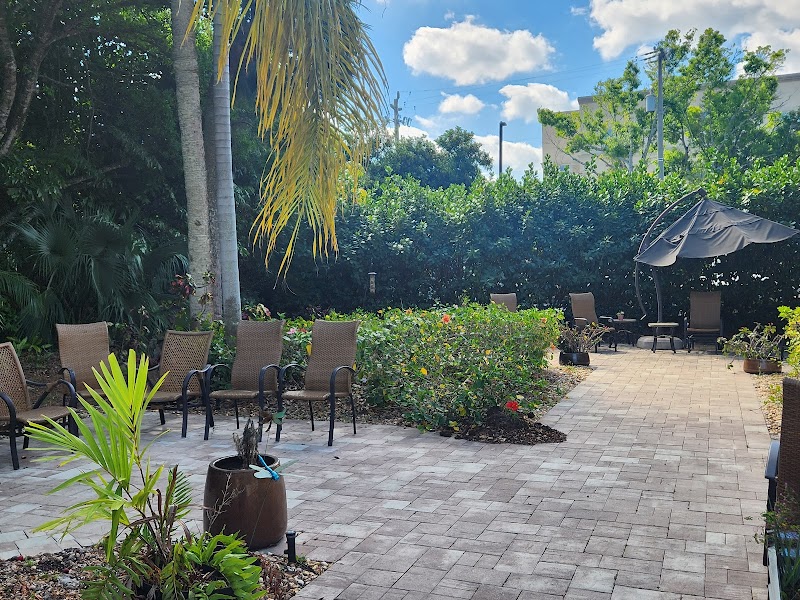
**NOTE- TERMS IN BRACKETS HAVE BEEN EDITED TO PROTECT CONFIDENTIALITY** Based on observations, interviews and record reviews, the facility failed to promptly address grievances voiced for 2 of 20 sampled residents (Resident #10 and Resident #7). The findings included: An interview was conducted on 06/23/25 at 12:47 PM, with Resident #7, who was admitted to the facility on [DATE], and with a Brief Interview for Mental Status (BIMS) of 15, according to a Quarterly Minimum Data Set (MDS) with a reference date of 05/17/25, indicating that the resident was cognitively intact. When asked of any concerns voiced by the Resident Council, Resident #7 replied, I made recommendations during the meetings when I wasn't president, I suggested that they do something with the patio and the grass, and they still haven't done anything about that. Resident #7 stated that the concern was voiced about 5 months ago, they wrote it down and that was it. I go out on the patio once in a blue moon. They just need a few more plants and some more mulch, like they do the rest of the grounds. During the Resident Council meeting on 06/24/25 at 4:15 PM, with active members of the Resident Council, when asked about the outside patio, Resident #7 reiterated concerns regarding the patio. After reiterating the concern, Resident #10, with a BIMS score of 15, according to an Admission/Medicare 5-day MDS, with a reference date of 06/13/25, agreed with the statements echoed by Resident #7. During a follow up interview, on 06/26/25 at 3:30 PM, Resident #7 repeated that the Resident Council mentioned that the back patio needs some mulch and some plants or something, when I look out my room window, the landscaping is really nice (referring to the front of the facility facing the street), when we use the patio, it is just not as appealing and is mostly rocks and dirt. Resident #7 further stated that the concern was mentioned during Resident Council in April. (There was no documentation of the concern being voiced during the Resident Council meeting from the 04/30/25 in the meeting minutes). During an interview on 06/26/25 at approximately 3:45 PM, Resident #10, who was admitted to the facility on admitted [DATE], stated, The plants are too old, and they don't take care of the outside like they used to. They don't do anything with the fallen debris on the walkways and sometimes I am afraid to fall when I get up when I am out there. Resident #10 stated that she uses the patio, Three times a week when I am in therapy. During an observation on 06/25/25, at approximately 4:00 PM, while it was raining, the roof over the screened patio was noted to have several leaks. During an interview, on 06/26/25 at 4:07 PM, with the Activities Director, when asked about the concerns regarding the patio and courtyard area that was voiced during the Resident Council meeting, the Activities Director replied, they have not mentioned it since the March 2025 meeting, because it would have been documented in the minutes and a follow up sheet would have been provided to Administration and the Administrator would have to follow through with it. We have landscaping company come in at least weekly. During a tour of the actual patio and the area around the patio, the Activities Director acknowledged that the patio was not maintained as the rest of the grounds, as described by the Resident Council. During an interview, on 06/27/25 at 8:02 AM, with Staff M, Occupational Therapist (OTA), when asked about residents voicing concerns with the patio and courtyard area, the OTA stated that residents had stated that the patio and courtyard needs some work and could use some color. During a tour of the outside patio and courtyard area, on 06/27/25 at 1:09 PM, entering from the therapy gym, it was noted that there were areas of dirt and rocks with minimal vegetation and litter, including milk cartons, used masks in the corner of the patio by the dumpster area. Trees and shrubbery were growing out of the overhanging awning of the screened in patio. There was also a planter that was more than half full of garbage that was not being used as a planter. During a tour of the outside patio and courtyard area, on 06/27/25 at 1:18 PM, accompanied by the Maintenance Director, the Maintenance Director acknowledged the container that was more than half full of garbage and stated that it was not supposed to be used for trash and that it was a planter for small trees or shrubbery.
CONCERN
(D)
📢 Someone Reported This
A family member, employee, or ombudsman was alarmed enough to file a formal complaint
Potential for Harm - no one hurt, but risky conditions existed
Deficiency F0573
(Tag F0573)
Could have caused harm · This affected 1 resident
**NOTE- TERMS IN BRACKETS HAVE BEEN EDITED TO PROTECT CONFIDENTIALITY** Based on interviews and record reviews, the facility failed to respond to requests for resident's records in a timely manner for...
Read full inspector narrative →
**NOTE- TERMS IN BRACKETS HAVE BEEN EDITED TO PROTECT CONFIDENTIALITY** Based on interviews and record reviews, the facility failed to respond to requests for resident's records in a timely manner for 1 of 2 sampled residents reviewed for records requests (Resident #69). The findings included: Resident #69 was admitted to the facility on [DATE] and discharged [DATE]. According to the resident's most recent full assessment, an Admission/Medicare 5-Day Minimum Data Set, with a reference date of 01/30/25, Resident #69 had a Brief Interview for Mental Status (BIMS) score of 03, indicating a severe cognitive impairment. Resident #69's diagnoses at the time of the assessment included: Non-Alzheimer's Dementia, Anxiety Disorder and Depression. During an interview, on 06/24/25 at 12:31 PM, with Resident 69's family member, it was reported that there had been no response from the facility to the family's request for Resident #69's medical records. The family member stated, My [.] tried to contact them several times to talk to the Business Office Manager (BOM), to get a copy of the contract. We don't believe that none of the [family members] have a copy of the admission contract and there has been no effort by the facility to provide one. At the time that he was transferred to the facility from the hospital, he was delirious and should not have signed on his own behalf. We would like to get a copy of the contract for the resident's stay. This would tell us whether there is any language about their responsibility for a resident's belongings. None of the [family members] nor the resident recall signing a contract, none have a copy, and Garden View refuses to provide it to us. We'd really like to get a copy of that contract if it exists. Review of the resident's record revealed that one of Resident #69's [family member] were designated as Power of Attorney and two of Resident #69's [family members] were designated as Health Care Surrogates. During an interview, on 06/27/25 at 12:05 PM, with Medical Records Clerk, when asked about requests for a resident's medical records, the Medical Records Clerk replied, I have them fill out a medical records release form and then I scan it into my computer and then depending on what it is for, I send it to Corporate for approval. At the conclusion of the interview, the Medical Records provided documentation of [a family member] signing admission paperwork for initial admission on [DATE] and another of the resident's daughter signing admissions documentation for readmission [DATE]. There was no documentation of any requests for copies of resident's health records and/or admission packet. During an interview, on 06/27/25 at 2:58 PM, with the BOM, when asked about Resident #69's [family member's] request for the resident's medical records, the BOM replied, I emailed it to the Social Services Director (SSD), the Assistant Director of Nursing (ADON), Staff H, LPN/Unit Manager, the Director of Nursing (DON), and the Administrator). Anytime that I receive a request for records, I send it to the Medical Records Clerk, this was a contract. I don't know what happened to the request after that. I met the [family members] when they came in. The resident's [family member] was here and one of the sisters brought me his insurance cards (one designated as Health Care Surrogate and POA), she handled most of the decision making and financials. They tag teamed very well. During an interview, on 06/27/25 at 4:14 PM, with the Administrator, the DON and the ADON, the Administrator stated that there were no requests by Resident #69's family for records. The Administrator stated, if they are not POA or HCS, we can't send them anything. During a follow up interview, on 06/27/25 at 5:02 PM, The BOM stated that she realized she forwarded the request to the wrong staff. The Surveyor reviewed the chain of emails with the BOM. The chain was as follows: 06/02/25 at 9:46 AM, the BOM received a request from Resident #69's POA/HCS requesting a copy of a contract for Resident #69. On 06/13/25 at 2:33 PM, The BOM received a follow up request from Resident #69's POA/HCS. On 06/16/25 at 8:15 AM, The BOM received a follow up request from Resident #69's POA/HCS. The BOM stated, I realized today (06/27/25) that I forwarded the request to the wrong people. when asked about responding to Resident #69's emails, the BOM did not provide a rationale for not responding to the emails.
CONCERN
(D)
Potential for Harm - no one hurt, but risky conditions existed
Deficiency F0605
(Tag F0605)
Could have caused harm · This affected 1 resident
**NOTE- TERMS IN BRACKETS HAVE BEEN EDITED TO PROTECT CONFIDENTIALITY** Based on record review and interview, the facility failed to ensure behavior monitoring for 1 of 4 sampled residents, Resident #...
Read full inspector narrative →
**NOTE- TERMS IN BRACKETS HAVE BEEN EDITED TO PROTECT CONFIDENTIALITY** Based on record review and interview, the facility failed to ensure behavior monitoring for 1 of 4 sampled residents, Resident #119, reviewed for unnecessary psychotropic medications.
The findings included:
Review of the record revealed Resident #119 was admitted to the facility on [DATE]. Review of the current physician orders included the administration of Seroquel and Oxcarbazepine, both twice daily for mood. The medication Seroquel had a classification of an antipsychotic drug.
Psychiatric progress notes dated 06/16/25 and 06/23/25 documented, in part, monitoring for agitation, aggression, combativeness, refusal of care, refusal of medications, along with numerous symptoms of Depression. Review of the record lacked any type of behavior monitoring by staff for Resident #119.
During an interview on 06/25/25 at 7:43 PM, when asked the process for staff to monitor and document resident behaviors, the Director of Nursing (DON) stated the nurses should document any behaviors on the behavior monitoring forms in the electronic medical record. During a side-by-side review of the record, the DON confirmed the lack of behavior monitoring.
CONCERN
(D)
Potential for Harm - no one hurt, but risky conditions existed
Assessment Accuracy
(Tag F0641)
Could have caused harm · This affected 1 resident
**NOTE- TERMS IN BRACKETS HAVE BEEN EDITED TO PROTECT CONFIDENTIALITY** Based on record reviews, interviews, and a review of the Centers for Medicare and Medicaid Services (CMS) Resident Assessment In...
Read full inspector narrative →
**NOTE- TERMS IN BRACKETS HAVE BEEN EDITED TO PROTECT CONFIDENTIALITY** Based on record reviews, interviews, and a review of the Centers for Medicare and Medicaid Services (CMS) Resident Assessment Instrument (RAI), the facility failed to accurately complete Minimum Data Set (MDS) assessments for 3 of 5 sampled residents, reviewed for nutrition (Resident #15, Resident #23 and Resident #37).The findings included:The CMS RAI was reviewed, which provides guidelines for assessing the needs of residents in long-term care facilities. It helps staff gather information about residents' needs in order to create individualized care plans. The RAI manual specifies that weight entries should be based on the most recent weight within the past 30 days of the Assessment Reference Date (ARD) date of the assessment. If the resident's last recorded weight was taken more than 30 days prior to the ARD date of the assessment, then the facility should weigh the resident again. If a resident cannot be weighed, the directions specify to use the standard no information code (-), and to document the rationale on the resident's medical record. The ARD date specifies the endpoint of observations to be entered into the assessment.1. Record review revealed Resident #15 was admitted to the facility on [DATE]. His diagnoses included Depressive Disorder, Malnutrition, Dementia, Gastro-Esophageal Reflux Disease with Esophagitis (stomach acid flows back into the esophagus causing inflammation to the esophageal lining), and Metabolic Encephalopathy (metabolic derangements that affect brain function). The MDS assessment with an ARD date of 05/08/25 documented that his weight was 153 pounds. According to the electronic medical record, the weight of 153 pounds was taken on 05/01/25. The most recent weight within the 30 days of the ARD date that should have been entered was 149 pounds, as documented as Resident #15's recorded weight on 05/08/25 of 149 pounds.During an interview on 06/27/25 at 7:32 PM, Staff F, the MDS Coordinator, agreed with the findings. She confirmed that the weight of 153 pounds was taken on 05/01/25, and the weight of 149 pounds reflected the correct weight that should have been entered.2. Record review revealed Resident #23 was admitted to the facility on [DATE]. His diagnoses included Cerebral Infarction, Hemiplegia and Hemiparesis affecting Left Dominant Hand Contracture, Dementia, and Depressive Disorder. The MDS assessment with an ARD date of 12/17/24 documented Resident #23's weight was 157 pounds. According to the electronic medical record (EMR), Resident #23's weight on 11/7/24 was 157 pounds. The weight that was entered reflected this resident's weight 41 days prior to the ARD date. There were no weights documented in the EMR between the dates 11/07/24 and 03/11/25. The documentation that should have been entered was (-), the standard code for no information.During an interview on 06/27/25 at 5:04 PM with Staff F, MDS Coordinator, the weight entry for Resident #23 on the assessment dated [DATE] was confirmed. Staff F confirmed the finding that the entered weight was not taken within the past 30 days.3. Record review revealed Resident #37 was admitted to the facility on [DATE]. The Minimum Data Set assessment with an ARD date 12/11/25 documented Resident #37's weight was 169 lbs. According to the EMR, the weight of 169 lbs. was taken on 02/13/25. This weight was not obtained within 30 days prior to the ARD date.During an interview on 06/27/25 at 6:20 PM with Staff F, MDS coordinator, the weight entry was confirmed. Staff F confirmed that this weight did not represent a weight taken within the past 30 days.
CONCERN
(D)
Potential for Harm - no one hurt, but risky conditions existed
Pressure Ulcer Prevention
(Tag F0686)
Could have caused harm · This affected 1 resident
**NOTE- TERMS IN BRACKETS HAVE BEEN EDITED TO PROTECT CONFIDENTIALITY** Based on policy review, observation, interview, and record review, the nursing staff failed to follow physician orders for wound...
Read full inspector narrative →
**NOTE- TERMS IN BRACKETS HAVE BEEN EDITED TO PROTECT CONFIDENTIALITY** Based on policy review, observation, interview, and record review, the nursing staff failed to follow physician orders for wound care for 1 of 2 sampled residents, observed with pressure ulcers (Resident #119).
The findings included:
Review of the policy titled, Wound Treatment Management revised on 11/23/22 documented, in part, Policy Explanation and Compliance Guidelines: 1. Wound treatments will be provided in accordance with physician orders, including the cleansing method, type of dressing, and frequency of dressing change.
Review of the record revealed Resident #119 was admitted to the facility on [DATE] with diagnoses to include osteomyelitis (infection of the bone) and stage 4 pressure ulcer (a deep wound with full-thickness tissue loss with exposed bone, tendon, or muscle).
The wound care physician progress note dated 06/19/25 documented Resident #119 had two stage 4 pressure ulcers, one to the right buttock and one to the left hip. Review of the wound care progress note dated 06/19/25 documented, in part, to cleanse both wounds with wound cleanser, add a fluffed gauze moistened with Dakin's solution (a diluted bleach solution), and cover with a bordered gauze. Two physician orders dated 06/19/25 documented to cleanse both pressure ulcers with normal saline or wound cleanser, pat dry, apply wet to dry gauze with Dakin's solution 1/4 strength, and secure with bordered gauze, daily.
A wound care observation for Resident #119 was made on 06/23/25 at 2:44 PM with Staff J, Licensed Practical Nurse (LPN). During the care, large pressure ulcers were noted to the right buttock and left hip. The LPN provided wound care to the right buttock first by cleansing the wound bed with Dakin's-soaked gauze. The LPN cleansed the left hip wound with the Dakin's-soaked gauze as well.
During an interview on 06/25/25 at 6:59 PM, the Assistant Director of Nursing (ADON) was made aware of the wound care observation of Resident #119 by Staff J, LPN, and she agreed the wound care order had not been followed.
CONCERN
(D)
Potential for Harm - no one hurt, but risky conditions existed
Deficiency F0688
(Tag F0688)
Could have caused harm · This affected 1 resident
**NOTE- TERMS IN BRACKETS HAVE BEEN EDITED TO PROTECT CONFIDENTIALITY** Based on observations, record reviews, and interviews, the facility failed to provide a resident with restorative therapy per ph...
Read full inspector narrative →
**NOTE- TERMS IN BRACKETS HAVE BEEN EDITED TO PROTECT CONFIDENTIALITY** Based on observations, record reviews, and interviews, the facility failed to provide a resident with restorative therapy per physician's orders for 1 of 2 sampled residents reviewed for Range of Motion (ROM), (Resident #24).The findings included:Record review revealed Resident #24 was admitted to the facility on [DATE]. His medical history included Polyosteoarthritis, Contracture of Muscle Left Lower Leg, Contracture of Muscle Right Lower Leg, Foot Drop Right Foot, Presence of Right Artificial Hip Joint, Short Achilles Tendon (Acquired) Left Ankle, Obesity, Chronic Pain Syndrome, Peripheral Vascular Disease, and Muscle Weakness. The Minimum Data Set (MDS) quarterly assessment dated [DATE] revealed that Resident #24 had a Brief Interview for Mental Status of 15, which indicated that he was cognitively intact. A review of the treatments provided in the MDS assessment dated [DATE] revealed that Resident #24 did not receive any restorative therapy during the 7-day lookback period prior to 04/24/25.Record review of Resident #24's care plan last revised on 12/11/23, documented that he required a restorative nursing program for active range of motion. The goal was to maintain the current level of function, and the interventions included to complete the restorative nursing program as written. A physician's order dated 06/10/24 was for the restorative nursing program for active and passive range of motion of the bilateral lower extremities, recumbent bike, and bilateral lower extremities splint application during daytime as tolerated three to five times per week.During an interview on 06/23/25 at 1:56 PM, Resident #24 said that the therapeutic exercises for his feet wasn't provided consistently. He stated that the restorative nursing program didn't follow the orders given by his doctor. Resident #24 said he should have been provided with the TENS (transcutaneous electrical nerve stimulation) massager daily as his doctor recommended. Resident #24 said that sometimes he received range of motion (ROM) therapy once in ten days, and sometimes he received it four days in a row; and sometimes they missed a week.During an observation on 06/23/25 at 3:58 PM, the box with the TENS massager inside of it was observed on the windowsill in Resident #24's room. Photographic Evidence Obtained. Resident #24 explained that the therapy department ordered the machine after his doctor ordered therapy with the TENS massager. Photographic evidence Obtained.During an interview on 06/25/25 at 9:10 AM, Resident #24 said that no one had used the TENS this week. He stated that the only way to get it done was if he moaned and groaned. He added that he got tired of yelling after a while. Resident #24 complained that half of the time, when the facility didn't have enough help, the restorative person (a certified nursing assistant), was reassigned to the duties of the floor Certified Nursing Assistants (CNAs).During the continued interview on 06/25/25 at 9:10 AM, when asked how not receiving consistent restorative therapy as ordered had affected him, he explained that his feet started to stiffen up when the TENS massager wasn't used. When asked if his feet were stiff at that moment, Resident #24 stated that his feet felt stiff.During an interview with Staff E, a physical therapist, on 06/25/25 at 9:21 AM, he explained that after Resident #24 was discontinued from physical therapy, he trained a few of the nursing staff on how to apply and use the TENS massager correctly.A record review of a treatment encounter signed by Staff E, on 11/15/24, documented that Staff E provided training on the electronic stimulator to the restorative staff. The treatment encounter was titled Therapy Referral to Restorative Nursing Program Form.During an interview on 06/26/25 01:48 PM, the Director of Rehab (DOR) revealed that Resident #24 was on Physical Therapy Services from 08/14/24 through 11/15/24. When asked what the process was for therapy services to be transferred from the therapy department to the restorative program, he said that a set of papers describing the indications for the therapy and the specific directions for the exercises was given to the DON (Director of Nursing) . When asked if there was a specific order in PCC (Point Click Care) that addressed the use of the TENS, or E-Stim, the DOR answered, one got missed.Record review of the Restorative Nursing Services Daily Documentation (RNSDD) Forms for the month of June was conducted. The indication for the restorative services was for Resident #24's increased risk of progression of contractures to right lower extremity. The listed goals on the RNSDD were to maintain the current range of motion, and to protect the resident's skin integrity. Documentation revealed during the second week, from June 8, 2025 through June 14, 2025 , restorative nursing for 15 minutes was provided one time. The restorative program should have been provided three to five times per week according to the doctor's order. During the fourth week, from June 22, 2025 through June 26, 2025, there was no restorative nursing program provided. Photographic Evidence Obtained.During an interview on 06/27/25 at 12:07 PM, the DON was asked to review the (RNSDD) Forms for Resident #24. When asked if she could provide any documentation about the provision of restorative therapy for Resident #24 during the week of June 22, 2025 through June 26, 2025, the DON said she couldn't show any documentation about it because there was no documentation of this activity.
CONCERN
(D)
Potential for Harm - no one hurt, but risky conditions existed
Incontinence Care
(Tag F0690)
Could have caused harm · This affected 1 resident
**NOTE- TERMS IN BRACKETS HAVE BEEN EDITED TO PROTECT CONFIDENTIALITY** Based on observation, interview, record review, and professional standards, the facility failed to ensure appropriate care and s...
Read full inspector narrative →
**NOTE- TERMS IN BRACKETS HAVE BEEN EDITED TO PROTECT CONFIDENTIALITY** Based on observation, interview, record review, and professional standards, the facility failed to ensure appropriate care and services to prevent an Urinary Tract Infection (UTI) for 2 of 2 sampled residents reviewed with indwelling urinary catheters, as evidenced by the failure to change the urinary drainage device collection bags using appropriate infection control techniques for Resident #36, and failure to ensure proper anchoring for the tubing of the indwelling urinary catheters for Residents #36 and #120.The findings included:Review of the Agency for Healthcare Research and Quality (AHRQ) document titled Catheter Care and Maintenance AHRQ Safety Program for Long-Term Care dated March 2017 documented, in part, Gloves play a key role in preventing hand contamination - but do NOT replace hand hygiene. Perform hand hygiene and wear gloves immediately before accessing the drainage system, emptying the drainage bag . Drainage Bag Care: . stabilize the catheter tubing and drainage bag. Leg Bags: Leg bag care and changing should be done per your facility's policy.On 06/25/25 at 11:21 AM the Director of Nursing (DON) was asked to locate and provide their policy on indwelling urinary catheter care and maintenance. The policy provided lacked any information related to changing the urinary drainage device collection bags. When asked to provide documentation for that procedure the Administrator stated they did not have that specific policy or procedure.1) Review of the record revealed Resident #36 was admitted to the facility on [DATE] with an indwelling urinary catheter and UTI. Review of the current care plan initiated on 05/27/25 documented the resident was at risk for further infections related to his urinary catheter. Interventions initiated on 06/16/25 included to change out the leg bag to straight drainage bag at bedtime or when lying in a flat/supine (facing upward) position and to utilize regular hand hygiene before and after handling of the catheter.Review of the current physician orders included to Ensure securement device in place as of 06/16/25.During an observation on 06/25/25 at 6:09 PM, Resident #36 was sitting up in his wheelchair. A leg bag was noted to the resident's leg with an anchor noted at his thigh. The catheter tubing had been placed through the anchoring device but was not secured at the Y junction of the tubing, allowing the tubing to move freely and pull tightly from the insertion point. Staff K, Certified Nursing Assistant (CNA) stated she was going to get him dressed for bed and change out the leg bag to the straight drainage bag.During the continued observation, Resident #36 was assisted to the toilet. After Resident #36 used the toilet, expelling gas, the CNA cleaned the resident's buttock with a washcloth while wearing gloves. The CNA changed her gloves without hand hygiene and cleaned the resident's back side again. Resident #36 stood up and the leg bag was noted unstrapped from the resident's leg, dangling loosely with the tubing noted to be tight from the insertion site. Staff K assisted Resident #36 into bed and proceeded to change out the leg bag to the straight drainage bag, which had a larger urine collection bag. The CNA failed to change her gloves and provide hand hygiene prior to working with the indwelling catheter. The CNA changed the leg bag to the larger drainage back without cleaning the ends of the tubing. The CNA covered the resident and stated she was done and failed to properly secure the indwelling catheter tubing into the anchor.After the observation, when asked the purpose of the anchor, Staff K, CNA, described how the straps of the leg bag held it in place. When shown the anchor on the resident's thigh and asked the purpose of that, the CNA stated, I'm not sure, but if I had to guess I would say it's to keep it from yanking up or out. When asked if the tube was secured in the anchor the CNA was able to move the tubing in the anchor as it was not secured.During an observation and interview on 06/25/25 at 6:39 PM, the Assistant DON (ADON)/Infection Preventionist (IP) was asked to observe the indwelling catheter anchoring device for Resident #36. The ADON noted the loose tubing and immediately secured the tubing into the anchor at the tubing Y junction. The ADON explained and demonstrated how to properly secure the urinary catheter tubing at the Y junction, to the CNA, who was still in the resident's room.During an interview on 06/27/25 at approximately 9:00 AM, when asked the process for changing the indwelling catheter leg bag to the large collection bag, the DON stated she would expect the CNA to clean the ends of the catheter tube with alcohol prior to hooking up the new bag. When told the CNA also failed to ensure glove change with hand hygiene after assisting Resident #36 clean himself after toilet use and prior to disconnecting the leg bag and applying the large bag, the DON had no response.2) Review of the record revealed Resident #120 was admitted to the facility on [DATE]. Review of the current Minimum Data Set (MDS) assessment dated [DATE] documented the resident had a Brief Interview for Mental Status (BIMS) score of 13, on a 0 to 15 scale, indicating the resident was cognitively intact. This MDS documented the resident had an indwelling urinary catheter.A physician's order dated 06/12/25 documented the use of the indwelling urinary device with instructions to ensure securement device was in place. A progress note dated 06/21/25 documented Resident #120 complained of urine retention, the urinary catheter was flushed, the collection bag was changed, and a urine sample was obtained for a urinalysis to rule out a UTI.Review of the current care plan dated 06/26/25 documented Resident #120 developed a UTI with the initiation of an antibiotic.An observation on 06/25/25 at 9:35 AM revealed Resident #120 in bed with the indwelling urinary large collection bag to bedside drainage. When asked if his catheter tubing was anchored, the resident was not sure but pulled his blanket to the side. Resident #120 was wearing shorts, and an anchor was noted to his thigh, but the tubing was not secured properly with the tubing Y junction in the anchor. Photographic evidence obtained.An additional observation on 06/25/25 at 5:35 PM revealed the tubing to the urinary catheter remained not secured.During an observation and interview on 06/25/25 at 6:44 PM, the ADON/IP confirmed the incorrect placement of the urinary catheter tubing for Resident #120.
CONCERN
(F)
Potential for Harm - no one hurt, but risky conditions existed
Food Safety
(Tag F0812)
Could have caused harm · This affected most or all residents
Based on observations and interviews, the facility failed to store, prepare, distribute, and serve food in accordance with professional standards for food service safety, sanitary conditions, and the ...
Read full inspector narrative →
Based on observations and interviews, the facility failed to store, prepare, distribute, and serve food in accordance with professional standards for food service safety, sanitary conditions, and the prevention of foodborne illnesses. This had the potential to affect 63 out of 66 residents who consume foods PO (by mouth).The findings included:During the initial tour of the Main Kitchen on 06/23/25 at 9:15 AM, accompanied by the CDM (Certified Dietary Manager) and the RD (Registered Dietician), the following was observed:1. The gaskets on the door of the reach in cooler had dark brown/black streaks and spots on the rubber pleats. The bottom of the gasket attached to the door was torn. Pieces of the rubberized material that were still attached to the door hung downward. The CDM agreed with this finding. Photographic Evidence Obtained.2. A bag of pasta was observed on the floor behind the lowest shelf in the dry food storage area. A large dark brown/black colored insect was dead and lying on floor in the same area. Another large dark brown/black colored insect was dead and lying on the floor under the area where the cookies were stored. There was a yellow packet of a condiment (mayonnaise or mustard) on the floor next to it. The CDM agreed with these findings and proceeded to sweep the floor. Photographic Evidence Obtained.3. The muffin pans were ladened with brown residue. The CDM agreed with this finding. Photographic Evidence Obtained.4. The storage rack for clean serving scoops and baking sheets had yellow/brown, and brown/black residue on the individual shelves. The baking sheets had dark black and yellow/brown residue on them. The CDM agreed with this finding. Photographic Evidence Obtained.5. The wash cycle temperature of the low-temp dishwasher reached 100' F. It did not reach the required temperature of 120' F. The CDM agreed with this finding. TheCDM immediately told the Maintenance Director. During an interview with the Maintenance Director at approximately 10:00 AM, he said that he raised the temperature on the hot water heater to fix the problem.6. The Vulcan fryer contained residue from food. It was not clean. When asked if it was used during breakfast, the CDM said no. When asked how often it was used, she said once per week. When asked how often it was cleaned, the CDM said that it would be cleaned that day after it was used for frying food. Photographic Evidence Obtained.
CONCERN
(F)
Potential for Harm - no one hurt, but risky conditions existed
Infection Control
(Tag F0880)
Could have caused harm · This affected most or all residents
Based on observation, and interview, the facility failed to ensure the proper storage of linens in 3 of 3 linen carts.The findings included:On 06/25/2025, it was revealed the facility had four residen...
Read full inspector narrative →
Based on observation, and interview, the facility failed to ensure the proper storage of linens in 3 of 3 linen carts.The findings included:On 06/25/2025, it was revealed the facility had four residents under transmission-based precautions due to various health concerns, including positive COVID-19 status, Methicillin-resistant Staphylococcus aureus (MRSA), which is a type of staph bacteria resistant to many commonly used antibiotics, Extended-spectrum beta-lactamase (ESBL) production, which refers to enzymes that make certain bacteria resistant to many beta-lactam antibiotics, and Shingles.On 06/25/2025 at 11:09 AM, an observation revealed that the linen cart in the [NAME] Wing was torn and opened, exposing the linens inside. Additionally, a glove was found on the floor next to the linen cart. At 11:28 AM, the surveyor noted that the linen cart in the East Wing was not fully uncovered, exposing the linens to potential contamination. Similarly, at 11:33 AM, it was observed that the linen cart in the North Unit was also not fully covered, making the linens vulnerable to contaminants. Later, at 4:41 PM, the surveyor conducted another tour of the areas of concern, accompanied by the Infection Preventionist (IP). The IP acknowledged that the linen carts were torn and uncovered, which posed a risk of exposing the linens to contaminants.