SEA BREEZE REHAB AND NURSING CENTER
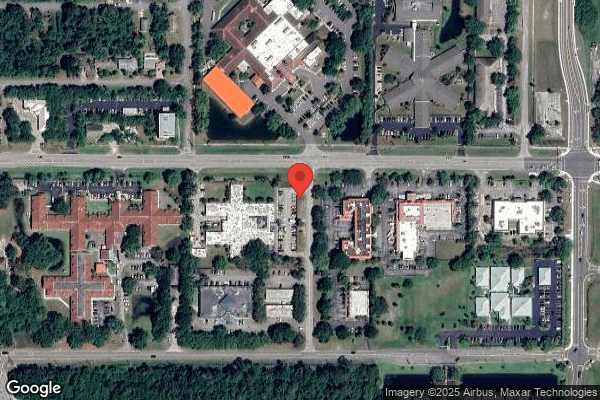
3663 15TH AVE, VERO BEACH, FL 32960 (772) 567-2552
For profit - Corporation 110 Beds ASTON HEALTH Data: November 2025
Trust Grade
58/100
#416 of 690 in FL
Last Inspection: January 2025

Within standard 12-15 month inspection cycle. Federal law requires annual inspections.

Overview

Sea Breeze Rehab and Nursing Center has a Trust Grade of C, indicating it's average and in the middle of the pack for nursing homes. It ranks #416 out of 690 facilities in Florida, placing it in the bottom half of state options, and #4 out of 6 in Indian River County, meaning only two local facilities are rated higher. The facility is experiencing a worsening trend, with issues increasing from 1 in 2024 to 6 in 2025, which raises concerns about the quality of care. Staffing is rated average with a turnover rate of 46%, similar to the state average, which suggests some stability but also room for improvement. There are $7,456 in fines, which is typical, but specific incidents have been noted, such as dirty conditions in resident rooms, including the presence of dead roaches and peeling paint, as well as complaints about food quality, with residents stating it is often cold and not appetizing. Overall, while there are strengths in staffing stability, the facility faces significant challenges in maintaining a clean and safe environment and providing quality meals to residents.

Trust Score
C
58/100
In Florida
#416/690
Bottom 40%
Safety Record
Low Risk
No red flags
Inspections
Getting Worse
1 → 6 violations
Staff Stability
⚠ Watch
46% turnover. Above average. Higher turnover means staff may not know residents' routines.
Penalties
✓ Good
$7,456 in fines. Lower than most Florida facilities. Relatively clean record.
Skilled Nurses
✓ Good
Each resident gets 42 minutes of Registered Nurse (RN) attention daily — more than average for Florida. RNs are trained to catch health problems early.
Violations
⚠ Watch
32 deficiencies on record. Higher than average. Multiple issues found across inspections.
★★★☆☆
3.0
Overall Rating
★★★☆☆
3.0
Staff Levels
★★★★☆
4.0
Care Quality
★★★☆☆
3.0
Inspection Score
Stable
2024: 1 issues
2025: 6 issues

The Good

  • 4-Star Quality Measures · Strong clinical quality outcomes
  • Full Sprinkler Coverage · Fire safety systems throughout facility
  • No fines on record

Facility shows strength in quality measures, fire safety.

The Bad

3-Star Overall Rating

Near Florida average (3.2)

Meets federal standards, typical of most facilities

Staff Turnover: 46%

Near Florida avg (46%)

Higher turnover may affect care consistency

Federal Fines: $7,456

Below median ($33,413)

Minor penalties assessed

Chain: ASTON HEALTH

Part of a multi-facility chain

Ask about local staffing decisions and management

The Ugly 32 deficiencies on record

Jan 2025 6 deficiencies
CONCERN (D) 📢 Someone Reported This

A family member, employee, or ombudsman was alarmed enough to file a formal complaint

Potential for Harm - no one hurt, but risky conditions existed

Deficiency F0561 (Tag F0561)

Could have caused harm · This affected 1 resident

**NOTE- TERMS IN BRACKETS HAVE BEEN EDITED TO PROTECT CONFIDENTIALITY** Based on the facility shower schedule, record review and interview, the facility failed to honor the shower preferences and sche...

Read full inspector narrative →
**NOTE- TERMS IN BRACKETS HAVE BEEN EDITED TO PROTECT CONFIDENTIALITY** Based on the facility shower schedule, record review and interview, the facility failed to honor the shower preferences and schedules for 2 of 7 sampled residents reviewed for choices, Resident #14 and #48. The findings included: 1. Review of the shower schedule revealed Resident #14 was scheduled to receive a shower on the 7 AM to 3 PM shift on Tuesdays and Fridays. A second shower schedule by room number confirmed those days and time. Review of the record revealed Resident #14 was admitted to the facility on [DATE] and moved into his current room on 07/03/24. Review of the most currently completed Minimum Data Set (MDS) assessment dated [DATE] documented the resident had a Brief Interview for Mental Status (BIMS) score of 13, on a scale of 0 to 15, indicating the resident was cognitively intact. Review of the most recently completed comprehensive assessment revealed the resident had a lower BIMS of 05, indicating cognitive confusion, but still reported the choice between a bath and a shower was somewhat important. Review of the current care plan initiated on 03/20/24 documented Resident #14 had a self-care deficit and needed limited to extensive assistance of 1 to 2 persons for bathing, dependent upon resident fatigue, weight bearing, and weakness. Review of the Certified Nursing Assistant's (CNA's) documentation in the record revealed in the past thirty days, Resident #14 had received a shower only on 12/16/24, 12/18/24, and 01/03/25. The record lacked any documented refusals for showers. During an interview on 01/06/25 at 10:23 AM, when asked if he was getting baths and or showers as he would like, Resident #14 stated he might get a shower once a month. When asked how many showers he would like, he stated at least a couple a month, but could not quantify any further. When asked if he was aware of any shower schedule, Resident #14 stated he was not. During a phone interview on 01/08/25 at 3:05 PM, when asked the process for resident showers, Staff C, Certified Nursing Assistant (CNA) who worked with Resident #14, stated the computer tells her which resident is due on which day. When asked how she documented the provision of showers for each resident, the CNA stated she puts it in the computer, and further volunteered that if a resident refused a shower, she would document that as well. During a side-by-side record review and interview on 01/08/25 at 4:15 PM, the Director of Nursing (DON) agreed with the lack of documented showers or refusals. 2. Review of the shower schedule revealed Resident #48 was scheduled on the 3 PM to 11 PM shift on Tuesdays and Thursdays. A second shower schedule by room number confirmed those days and time. Review of the record revealed Resident #48 was admitted to the facility on [DATE] and moved into his current room on 12/18/24. Review of the current comprehensive MDS assessment dated [DATE] revealed the resident had a BIMS score of 15, indicating he was cognitively intact. This same MDS documented it was very important for the resident to choose between a bath and a shower. Review of the CNA's documentation in the record, revealed in the past thirty days, Resident #48 did not receive any showers and had not refused any showers. During an interview on 01/06/25 at 2:32 PM, Resident #48 stated he has only had one shower since November (2024). When asked how many showers he would like, Resident #48 stated he would like 2 or 3 a week. When asked if he had spoken with anyone about his showers, Resident #48 stated he spoke with two nurses and some of the CNAs since his move into his current room, and they tell him, It's not your shower day. When asked what his shower days were, the resident stated he was unaware of his shower schedule since moving into his current room, but that it had been on Tuesdays and Thursdays previously. Resident #48 stated he did not care which days, he just wanted showers. During an interview on 01/08/25 at 2:31 PM, Staff D, CNA, confirmed she had worked a double shift the previous day (Tuesday), working from 7 AM to 11 PM. When asked how she knew who to give a shower to, the CNA stated the nurse tells her at the beginning of the shift. When asked if she gave anyone a shower yesterday, the CNA named a resident who was not Resident #48 for her morning shift. When asked if she gave any showers on the 3 PM to 11 PM shift, she stated she had not. When asked if she knew that Resident #48 was scheduled to have a shower Tuesday on the 3 PM to 11 PM shift, the CNA stated she did not know, and further stated she did not offer one because she gave him a full bed bath that morning. The CNA confirmed she documented both the provision or refusal of showers in the computer. During a side-by-side record review and interview on 01/08/25 at 4:12 PM, the DON agreed with the lack of documented showers and refusals in the record.
CONCERN (D) 📢 Someone Reported This

A family member, employee, or ombudsman was alarmed enough to file a formal complaint

Potential for Harm - no one hurt, but risky conditions existed

Safe Environment (Tag F0584)

Could have caused harm · This affected 1 resident

**NOTE- TERMS IN BRACKETS HAVE BEEN EDITED TO PROTECT CONFIDENTIALITY** Based on observation and interview, the facility failed to provide a safe, clean comfortable homelike environment for 1 of 2 uni...

Read full inspector narrative →
**NOTE- TERMS IN BRACKETS HAVE BEEN EDITED TO PROTECT CONFIDENTIALITY** Based on observation and interview, the facility failed to provide a safe, clean comfortable homelike environment for 1 of 2 units, Unit B. The findings included: Observations on 01/06/25, 01/07/25, and 01/08/25 revealed the following: a. On 01/08/at 9:30 AM: room [ROOM NUMBER]- the IV pole was rusted at base of pole. b. On 01/06/25 at 11:00 AM: room [ROOM NUMBER]A - During an interview with the resident's spouse on 01/06/25 at 11:00 AM, she stated that the chairs in the sitting room next to nurses station are disgusting. She showed surveyor the pictures of the chairs and stated this was from when he first came. She said she told someone but nothing has been done. She stated she was in the sitting room on 12/30/24 and 12/31/24, pulled up the cushion and observed trash and stained seats for 2 of the chairs in the room. The surveyor observed the spouse's concerns via observation on 01/06/25 at 2:20 PM and 01/07/25 at 7:15 AM. The couch had debris underneath the cushions as well as a paperback book that was folded up. c. On 01/07/25 at 12:22 PM: room [ROOM NUMBER] - the bathroom door squeaks. d. On 01/06/25 at 11:24 AM: room [ROOM NUMBER] - A The top of the bed-side table was stained with a white substance and the IV pole was rusted. e. On 01/07/25 at 9:17 AM: room [ROOM NUMBER] - the black caulking around the base of the toilet in the bathroom was coming away from the base and had debris in the gap. The remote control was frayed. The call light cord in the bathroom was wrapped around the handrail and unable to be pulled. f. On 01/08/25 at 9:00 AM: room [ROOM NUMBER]-B - the privacy curtain between beds A & B was stained with a brown substance. During a facility tour on 01/08/25 at 9:02 AM with the Director of Maintenance, he acknowledged the findings. He stated in room [ROOM NUMBER], the black caulking is the normal color to match the floors; and the call light in the bathroom hangs on the floor when unwrapped and would get a different cord. Photographic Evidence Obtained of the above findings.
CONCERN (D)

Potential for Harm - no one hurt, but risky conditions existed

Grievances (Tag F0585)

Could have caused harm · This affected 1 resident

**NOTE- TERMS IN BRACKETS HAVE BEEN EDITED TO PROTECT CONFIDENTIALITY** Based on policy review, interview and record review, the facility failed to respond to a verbal grievance regarding missing pers...

Read full inspector narrative →
**NOTE- TERMS IN BRACKETS HAVE BEEN EDITED TO PROTECT CONFIDENTIALITY** Based on policy review, interview and record review, the facility failed to respond to a verbal grievance regarding missing personal items for 1 of 1 voiced grievance, affecting Resident #13. The findings included: Review of the policy, titled, Grievance-resident rights, dated 7/2024, indicated the administrator and staff will make prompt efforts to resolve grievances to the satisfaction of the resident and/or representative. Any resident, family member or appointed resident representative may file a grievance or complaint concerning the care, treatment, behavior of other residents, staff members, theft of property, or any other concerns regarding his or her stay at the facility. Grievances also may be voiced or filed regarding care that has not been furnished. All grievances, complaints or recommendations stemming from resident or family groups concerning issues of resident care in the facility will be considered. Actions on such issues will be responded to verbally and/or in writing upon request including a rationale for the response. Grievances and/or complaints may be submitted orally or in writing and may be filed anonymously. Upon receipt of a grievance and/or complaint, the grievance officer will review and investigate the allegations and submit a report of such findings to the administrator within five working days of receiving the grievance and/or complaint. In the event the facility investigation exceeds five working days, the resident/responsible party will be notified. The resident, or person filing the grievance and /or in writing as per request of the findings of the investigation and the actions that will be taken to correct any identified problems. The administrator, or his or her designee, will make such reports orally within 10 working days of the filing of the grievance or complaint with the facility. Record review revealed Resident #13 was admitted to the facility on [DATE] with diagnoses that included Depression. Review of the admission Minimum Data Set (MDS) assessment, reference date 11/07/24, recorded a Brief Interview for Mental Status (BIMS) score of 15, indicating Resident #13 was cognitively intact. This MDS recorded no mood or behavior concern. On 01/07/25 at 9:25 AM, an interview was conducted with Resident #13, who voiced that when she sends her clothes to the laundry, she doesn't get them back, she was missing 8 dresses, and 3 skirts, and the facility is aware of the missing clothes, and they haven't replaced or reimbursed her for the clothes. On 01/09/24 at 9:21 AM, an interview was held with the Director Of Nursing (DON), who acknowledged she was shocked when they informed her the resident reported missing clothes. The DON revealed Resident #13 comes to her office every day and never mentioned anything regarding missing items to her. At 9:23 AM, the DON and surveyor spoke with Resident #13 together. The resident confirmed that she told the previous Social Worker, and the CNAs about her missing clothes including 8 dresses and 3 skirts. She described the items to the DON. The DON voiced she did not have a grievance for missing clothes for Resident #13, but she would start one today. She also asked the laundry staff to start looking for the missing clothes.
CONCERN (D)

Potential for Harm - no one hurt, but risky conditions existed

Assessment Accuracy (Tag F0641)

Could have caused harm · This affected 1 resident

**NOTE- TERMS IN BRACKETS HAVE BEEN EDITED TO PROTECT CONFIDENTIALITY** Based on observation, record review, and interview, the facility failed to ensure accurate Minimum Data Set (MDS) assessments fo...

Read full inspector narrative →
**NOTE- TERMS IN BRACKETS HAVE BEEN EDITED TO PROTECT CONFIDENTIALITY** Based on observation, record review, and interview, the facility failed to ensure accurate Minimum Data Set (MDS) assessments for 3 of 23 sampled residents, as evidenced by improperly coding Resident #14 as comatose, inaccurate dental status for Residents #82 and 87, and an inaccurate hearing status for Resident #87. The findings included: 1. Review of the record revealed Resident #14 was admitted to the facility on [DATE]. Review of the current Minimum Data Set (MDS) assessment dated [DATE], completed for a significant change in status, documented Resident #14 was comatose. Further review of the record lacked any evidence of a comatose status. Resident #14 was interviewed on 01/06/25 at 10:18 AM, who volunteered an extensive medical history, with no mention of any comatose status. During an interview on 01/09/25 at 11:50 AM, Staff B, MDS Coordinator, was made aware of the comatose coding. The MDS Coordinator explained that section of the MDS was completed by the previous Social Service Director (SSD), who was no longer employed at the facility. The MDS Coordinator stated they did not have a current SSD so she would look into the coding for Resident #14, as she was fairly new to the facility. During a subsequent interview on 01/09/25 at 2:03 PM, Staff B stated the correction for the comatose status had been completed, and that she believed the significant change MDS was done related to a small bowel obstruction that may have affected his activities of daily living. 2. Review of the record revealed Resident #82 was admitted to the facility on [DATE]. Review of the current MDS assessment dated [DATE] documented the resident had a BIMS score of 13, on a 0 to 15 scale, indicating he was cognitively intact. Review of the comprehensive admission assessment dated [DATE] documented Resident #82 had some natural teeth, as evidenced by a no answer to the question of is the resident edentulous (without natural teeth or tooth fragments). Further review of the admission and readmission nursing assessments for Resident #82 documented on 08/06/24 that he had natural teeth, on 08/17/24 he had natural teeth, and on 09/30/24 that he was edentulous. During an interview on 01/07/25 at 9:41 AM, when asked if he had any dental concerns, Resident #82 showed the surveyor three metal posts in his mouth and stated he had not had his implants for a long time. An observation revealed the resident did not have any teeth. During an interview on 01/09/25 at 12:13 PM, Staff B was made aware of the observation of no teeth for Resident #82 compared to the MDS assessment. The MDS Coordinator stated she would do an assessment. During a subsequent interview on 01/09/25 at 2:04 PM, Staff B confirmed the resident's edentulous status, and agreed with the inaccurate MDS assessment. 3. Review of Resident #87 medical record revealed she was admitted to the facility on [DATE] with a diagnosis to include Wedge Compression Fracture, Rhabdomyolysis, Muscle Weakness and Abnormalities of Gait and Mobility. Review of the [Company Name] admission Nursing Evaluation dated 10/16/24 asks the question Does the resident have impaired hearing answer is marked yes, no auditory aides. Review of the admission MDS (Minimum Data Set) dated 10/19/24 documented under section B for hearing that she has adequate hearing. Review of Section L for Dental, letter B the question asked, No natural teeth or tooth fragment(s) (edentulous Yes, or No? It is marked No. Review of the resident's care plan for dental documented has no natural teeth (Edentulous). During observations and attempted interview of Resident #87 on 01/06/25 at 2:08 PM, Resident #87 stated she couldn't hear in left ear, she is deaf and in the right ear she can only hear if a person is speaking directly into her ear. Further observation of Resident #87 revealed she had no teeth. During an interview on 01/08/25 at 12:37 PM withStaff B, MDS Coordinator, she was asked to review Resident #87's MDS for hearing and dental section. She was asked what the MDS has documented. She said for hearing it documents she has adequate hearing and for Dental it shows the answer No for not having any teeth. She reviewed her medical record and stated Section B should be difficulty hearing and dental section should be a yes under letter B. On 01/08/25 at 1:30 PM Staff B, MDS Coordinator, stated to the surveyor that she evaluated the resident, and she has moderate hearing issues.
CONCERN (D)

Potential for Harm - no one hurt, but risky conditions existed

Comprehensive Care Plan (Tag F0656)

Could have caused harm · This affected 1 resident

**NOTE- TERMS IN BRACKETS HAVE BEEN EDITED TO PROTECT CONFIDENTIALITY** 2. Review of the policy, titled, Medication Administration, revised 01/2024, documented, in part, Procedure: . 21. Residents may...

Read full inspector narrative →
**NOTE- TERMS IN BRACKETS HAVE BEEN EDITED TO PROTECT CONFIDENTIALITY** 2. Review of the policy, titled, Medication Administration, revised 01/2024, documented, in part, Procedure: . 21. Residents may self-administer their own medications only if the Attending Physician, in conjunction with the Interdisciplinary Care Planning Team, has determined that they have the decision-making capacity to do so safely. On 01/09/25 at 2:39 PM, when asked to locate and provide a policy specifically related to the self-administration of medication assessment and or the process, the Regional Clinical Consultant stated there was none. Review of the record revealed Resident #15 was admitted to the facility on [DATE]. Review of the Quarterly Minimum Data Set (MDS) assessment dated [DATE] documented the resident had a Brief Interview for Mental Status (BIMS) score of 14, on a 0 to 15 scale, indicating she was cognitively intact. Review of the current physiciains' orders documented as of 09/25/24 that Resident #15 could take 2 capsules of Creon, an enzyme replacement for the digestion of fats, proteins, and sugars, unsupervised, four times a day for pancreatitis (inflammation of the pancreas). Further review of the record lacked any self-administration of medication assessment, care plan, or progress note for the Creon. Review of the current January 2025 Medication Administration Record (MAR) revealed the nurses documented U-SA (unknown - self administration), daily at 9 AM, 1 PM, 5 PM, and 9 PM. The record had two previous orders for the Creon, dating back to the resident's admission to the facility, that not indicate the resident could self-administrate the medication. During an observation and interview on 01/07/25 at 12:23 PM, a nearly full bottle of 225 Creon capsules was noted on the resident's over-the-bed table. When asked about the medication, Resident #15 explained she wanted to have the medication at the bedside because, I need to take one anytime I eat. I can't wait for the nurses to bring it to me. Resident #15 became defensive, so the conversation was dropped at that time. During a follow up observation and interview on 01/08/25 at 11:46 AM, when asked further about how many capsules and how often she takes the Creon, Resident #15 explained she took two tablets with each meal and two with each snack, Just like the label says. Observation revealed the label documented, Take two capsules every day with each meal (three meals) and two capsules with each snack (two snacks per day). Photographic Evidence Obtained. During an interview on 01/08/25 at 11:56 AM, when asked the process and or the needed assessment for a resident who wants to self-administer a medication, Staff A, direct care Licensed Practical Nurse (LPN), for Resident #15 stated, I think the doctor just writes an order. I'm not really sure. During an interview on 01/08/25 at 11:59 AM, when asked the process and or the needed assessment for a resident who wants to self-administer a medication, the B-Unit Manager explained the need for an assessment and to watch the resident take the medication. When asked where the assessment was located for Resident #15, the Unit Manager stated under the assessment tab in the electronic medical record (EMR). When asked to locate and provide the assessment, the B-Unit Manager reviewed the EMR and stated, I don't see it. During an interview on 01/09/25 at 2:22 PM, when shown a paper document provided to the surveyor by the medical records person, the B-Unit Manager explained she did the assessment upon the resident's admission to the facility because the resident and daughter wanted Resident #15 to be able to take her medication as she needed. The B-Unit Manager stated she went into the resident's room, assessed her for the medication, and stated the resident was ok to self-administer. During a side-by-side review of the form, with an effective date of 06/25/24, the B-Unit Manager agreed it lacked who completed the form, the medication that was to be self-administered, and any evidence of IDT participation. The B-Unit Manager stated she would usually do an iPOC (interactive plan of care) note with the staff signatures for evidence of IDT participation in the process. The B-Unit Manager was unable to locate any iPOC note. When asked why she completed the form on paper instead of in the EMR, the B-Unit Manager stated she was having computer problems that day, was running late, and needed to leave the facility, so she did it on paper and sent it to medical records to be scanned. During an interview on 01/09/25 at 2:31 PM, when asked about the process and care planning for a resident who wished to self-administer a medication, the Regional Clinical Consultant explained after a nursing assessment, it would be brought to care planning with the IDT for discussion and decision, and then care planned. Based on observation, record review and interview, the facility failed to develop and implement care plans for 2 of 23 sampled residents reviewed, Residents #87 and #15, as evidenced by lack of care plans related to hearing for Resident #87 and lack of care plans relating to self-administration of medication for Resident #15. The findings included: 1. Review of Resident #87's record revealed she was admitted to the facility on [DATE] with a diagnosis to include Wedge Compression Fracture, Rhabdomyolysis, Muscle Weakness and Abnormalities of Gait and Mobility. Review of the [Company Name] admission Nursing Evaluation dated 10/16/24 asks the question Does the resident have impaired hearing, and the answer was marked yes, no auditory aides. Review of Resident #87 care plan revealed that this resident did not have a care plan related to her hearing concerns. During observations and attempted interview with Resident #87 on 01/06/25 at 2:08 PM, the resident stated she can't hear in left ear, she is deaf and in the right ear, she can only hear if a person is speaking directly into her ear. An interview was conducted on 01/08/25 at 12:37 PM with Staff B, Minimum Data Set (MDS) Coordinator, who was asked to locate this resident electronic records. She acknowledged that there should be a care plan for hearing but there was not. On 01/08/25 at 1:30 PM Staff B, the MDS Coordinator stated to the surveyor that she evaluated the resident, and she has moderate hearing issues.
CONCERN (D)

Potential for Harm - no one hurt, but risky conditions existed

Pharmacy Services (Tag F0755)

Could have caused harm · This affected 1 resident

Based on interview and record review, the facility failed to ensure narcotic removal was recorded in the medication administration records (MARs) for 3 of 6 sampled residents reviewed, Residents # 28,...

Read full inspector narrative →
Based on interview and record review, the facility failed to ensure narcotic removal was recorded in the medication administration records (MARs) for 3 of 6 sampled residents reviewed, Residents # 28, # 6 and #9. The findings included: 1. On 01/07/25 at 11:24 AM, medication storage observations were started at the B-unit. Resident # 28's medication records were selected for review. It was revealed Resident #28 had a physician order of Oxycodone HCl Oral Tablet to give 15 mg via peg-tube every 4 hours as needed for moderate-severe chronic pain. Review of the January 2025 medication and treatment administration records (MARs and TARs) were compared against the medication monitoring control record. There was a discrepancy between these records. The medication monitoring control record indicated the medication was removed twice on 01/03/25 at 10:57 AM and 3:36 PM Review of the MARs had no documentation and were not signed for the removal on 01/03/25 at 10:57 AM and administration to the resident. 2. On 01/07/25 at 12:12 PM, medication storage observation commenced at the A-unit. Resident #6's medication records was selected for review. It was revealed there was a physician order for Oxycodone Acetaminophen 5-325 MG 1 tablet every 4 hours as needed for non-acute pain. Review of the January 2025 MARs and TARs were compared against the medication monitoring control record. There was a discrepancy between the records. The medication monitoring control record indicated the medication was removed from the lock box on the following dates: January 4th, at 6:39 AM, 10:39 AM, 2:30 PM, 6:30 PM and 11:00 PM. Review of the MARs had no documentation and were not signed for the removal on January 4th at 6:30 PM and administration to the resident. 3. Record review revealed Resident #9 had a physician order of Hydrocodone-Acetaminophen Oral Tablet 5-325 MG give 1 tablet by mouth every 4 hours as needed for non-acute pain. Review of the January 2025 MARs and TARs were compared against the medication monitoring control record. There was discrepancy between the records. The medication monitoring control record recorded the medication was removed from the lock box on the following dates: January 1st at 8:15 PM, January 2nd at 5:30 PM, January 3rd at 8:29 PM, January 4th at 2:15 PM, 8 PM, 6 PM, 10 PM, January 5th at 9 AM, 12 noon, and 10 PM, January 6th at 6:26 PM, and January 7th at 7:16 PM. Review of the MARs/TARs lacked documented evidence for the removal of the medication on January 1st at 8:15 PM and administration to the resident. On 01/09/24 at 8:54 AM an interview and side-by-side review of the residents' medication records was conducted with the Director Of Nursing (DON). She acknowledged the lack of documentation for the narcotic removal.
Oct 2024 1 deficiency
CONCERN (D) 📢 Someone Reported This

A family member, employee, or ombudsman was alarmed enough to file a formal complaint

Potential for Harm - no one hurt, but risky conditions existed

Accident Prevention (Tag F0689)

Could have caused harm · This affected 1 resident

**NOTE- TERMS IN BRACKETS HAVE BEEN EDITED TO PROTECT CONFIDENTIALITY** Based on record review, policy review and interview, the facility failed to prevent elopement; failed to thoroughly investigate ...

Read full inspector narrative →
**NOTE- TERMS IN BRACKETS HAVE BEEN EDITED TO PROTECT CONFIDENTIALITY** Based on record review, policy review and interview, the facility failed to prevent elopement; failed to thoroughly investigate the incident; failed to implement corrective measures to minimize reoccurrence and failed to report the adverse event. The failure affected 1 of 2 sampled residents, Resident #1. The findings included: Review of the Facility policy, titled, Elopement and Wandering, dated 07/2024 documented: The facility will identify residents who are at risk of unsafe wandering and strive to prevent harm while maintaining the least restrictive environment for residents. Guideline: To provide care guidance for staff on the current standards of professional practice for residents who are identified as an elopement risk or wanderer upon clinical assessment Definition: A situation in which a incapacitated resident leaves the premises or a safe area without the facility's knowledge and supervision, if necessary, would be considered an elopement (Ex: If the resident is observed by a staff member or a staff member is present, this would not be considered an elopement). Procedure: 1. If identified as at risk for wandering, elopement, or other safety issues, the resident's care plan will include strategies and interventions to maintain the resident's safety. 2. Each resident will be assessed for wandering and elopement upon admission, re-admission, and whenever an elopement attempt or new wandering behavior is observed or identified. Assessments are also done quarterly. 3. If an employee observes a resident attempting to leaving the premises, he/she should: a. Attempt to prevent the resident from leaving in a courteous manner; b. Get help from other staff members in the immediate vicinity, if necessary; and c. Instruct another staff member to inform the Charge Nurse or Director of Nursing Services that a resident is attempting to leave or has left the premises. d. The nurse will notify the MD and document accordingly in the medical record Triggers for the wandering occurrence will be identified and communicated with the care team. The care plan will be updated, and all notifications will be made to the care team, family members/legal representatives . 5. When the resident returns to the facility, the Director of Nursing Services or Charge Nurse shall: a. Examine the resident for injuries; b. Contact the Attending Physician and report findings and conditions of the resident; c. Notify the resident's legal representative (sponsor); d. Notify search teams/law enforcement that the resident has been located; Complete an elopement assessment and update care plan Document relevant information in the resident's medical record. Maintain resident's safety by providing direct supervision until Physician recommends discontinuing Report the incident according to state and federal regulations. Report the incident to the Quality Assurance/Risk/Safety Committee. Review of the facility incident logs dated 07/01/24 through 09/30/24 revealed the facility had no incidents of elopements. Clinical record review conducted on 10/02/24 revealed Resident #1 was admitted to the facility on [DATE] with diagnoses to include Metabolic Encephalopathy, Dementia, and Alcohol Abuse. Review of the Hospital records documented, [AGE] year-old male presented in the emergency department under [NAME] Act. Patient [PT] was found driving on US 1 asking for directions with confusion. Patient noted with alcohol abuse. Pt admitted for Dementia with Psychosis. Hospital course patient was noted to have urinary tract infection [UTI] and was placed on Cefepime. Infectious disease and neurology consults were obtained and therapists recommended Skilled Nursing Facility placement for strengthening and conditioning. Review of the Elopement assessment dated [DATE] documented the resident was assessed as low risk for elopement with a score of 20. Review of the Minimum Data Set (MDS), admission assessment, with reference date of 08/05/24 documented the resident BIMS (Brief Interview Mental Status) score as 03. A score of 3 indicates the resident is severely impaired for skills of daily decision making. Resident #1 exhibited wandering behavior, had one fall prior to admission and was receiving antipsychotic medications. Review of the Progress notes dated 08/05/24 documented Resident is alert and oriented with periods of confusion, resident is able to verbalized his needs, .resident is wandering back in forth down hallway needs re-direction, continue with skilled services, call light within reach. Review of the Progress notes dated 08/06/24 documented Resident is alert and oriented with periods of confusion .continue on antibiotic for metabolic toxic Encephalopathy . Resident is continue on wandering back and forth down the hallway . safety maintained. Review of the Progress notes dated 08/06/24 documented Resident has been having increase periods of confusion and exit seeking. Able to redirect however, still manages to head toward exits. Writer increased observation for this shift. Will continue to monitor. Review of the Progress notes dated 08/08/24, that has been stricken from the resident's record, documented, The leave of absence process was reviewed with the resident and/or their representative. The resident does have the ability to move about the facility independently with or without assisted devices like a walker or wheelchair. The resident does have cognitive impairment and has expressed a desire to leave the facility. The resident has exhibited exit seeking behavior including: The patient was found outside of the main entrance. The incident occurred when a visitor existing the building, and the resident followed him out through the door. A staff member promptly brought the resident back inside. The resident is at risk for elopement. The Resident does currently reside on a secure unit. Interventions include Increased staff observation, transfer to secured unit. The following people have been notified of this elopement evaluation: Resident Representative/Family Physician IDT/Care plan. Review of the Care Plan initiated on 08/08/24 documented the resident is an elopement risk / exit seeker related to Cognitive Status / Decline. The goal documented the resident will remain safe within the facility and will make no attempts to exit facility without being accompanied through next review. The interventions included: Distract resident from exit seeking by offering pleasant diversions, structured activities, food, conversation, television, book, etc; Identify pattern of wandering: Is wandering purposeful, aimless, or escapist? Is resident looking for something? Does it indicate the need for more exercise? Intervene as appropriate; Provide structured activities: toileting, walking inside and outside, reorientation strategies including signs, pictures and memory boxes as indicated and Psychological services as ordered/indicated. Review of the Progress Notes dated 08/21/24, Summary of Skilled Services, documented, Resident is alert with confusion, continue on isolation for COVID with no acute respiratory distress noted at this time, assisted with care, all medications given as ordered, tolerated well, denies pain, call light within reach, safety maintained and continue with skilled services. Review of the Progress Notes dated 08/23/24 documented the resident is alert and able to make all needs known, no distress or behavior noted on shift continue on 1:1 Certified Nursing Assistant for safety measures. Interview with the Nursing Home Administrator and the Director of Nursing, from the nursing facility located across the street, on 10/02/24 at approximately 4:00 PM confirmed a resident from Sea Breeze showed up to their door. He was asked if he wanted to visit someone and stated no, the resident was unable to verbalize why he was there and the staff recognized the resident, had an identification band and contacted Sea Breeze. The staff came in and escorted the resident back to their facility. Interview conducted with the Administrator (NHA) and the Director of Nursing (DON) on 10/03/24 at 9:20 AM confirmed the incident involving Resident #1 was not captured on the incident log but the facility completed an investigation. The NHA stated they deemed the event was not an elopement based on the fact the staff supervised him at all times. Review of the facility investigation conducted on 10/03/24 revealed on 08/22/24, Resident #1 exited the facility and ended up across the street at another nursing facility. The report documented, Resident stated that he wanted to be discharged . The discharge was held as he was COVID positive, and he decided to go LOA (leave of absence) without signing out. The resident deemed at elopement risk and exit seeker due to mentation and Metabolic Encephalopathy and was on antibiotic for UTI. Conclusion: It was an intentional LOA without signing out. The unit manager was watching him in the driveway and the resident was discharged to a lower level of care ALF [Assisted Living Facility]. Interview with the receptionist on duty on 08/22/24 was conducted on 10/03/24 at 9:25 AM. The receptionist stated she was doing receptionist duties, Resident #1 was sitting in the therapy room in his wheelchair, across from her desk. Approximately 20 minutes later, he was not there. The receptionist stated she did not see the resident go out the door, but it was a busy day, lots of visitors in and out and is possible that the resident went out with visitors. The receptionist denied being involved in the investigation, confirmed she gave a statement but did not receive any feedback or education after the event. The receptionist also denied the facility having a book or list to identify residents that may be at risk for elopement. Interview with Assistant Director of Nursing (ADON) on 10/03/24 at 9:46 AM revealed her recollection of the incident. The unit manager called her to inform her that the resident was outside, and she was following him on her vehicle. The manager then went outside, went across the street and was able to convince the resident to return to the facility. The manager was asked why the staff was not aware of his elopement risk to escort the resident back into the facility, and who notify the responsible party or family members of the events and stated she did, but was not able to locate documentation. Interview with the NHA conducted on 10/03/24 at 9:51 AM revealed the facility has surveillance video, it keeps for 30 days, and was asked if the video was reviewed to identify how the resident was able to leave the facility. The NHA stated she reviewed the video, she did not keep a copy and furthermore stated the time line provided on the investigation file was based on staff interviews estimation of time, not from the surveillance video. The NHA was not able to confirmed that Resident #1 exited the building through the main door, that is locked, and the receptionist has to give access in and out of the building, unless you entered the code. Interview with the Unit Manager conducted on 10/03/24 at 9:53 AM revealed she was in her truck making a phone call and saw Resident #1 coming out of the courtyard. He was standing there. The resident was under her supervision. Then saw him walking towards the parking lot, she did not think anything of it and continued her phone call. Then she saw him walking away and she thought maybe he was being discharged . He was steady walking out of the parking lot, and then she started to drive behind him. The manager called into the building and spoke to the ADON who told her the resident was not discharged . The manager stated she followed the resident to the facility across the street, and another employee and the ADON went out and got him back from their sister facility. In the past he verbalized he wanted to leave and was easily redirected. The manager could not explain why she was not aware of his elopement risk status, as she did not intervene when the resident was first spotted outside the facility and if he was in such close supervision, why she had to drive behind him or what actions she could have taken if another vehicle posed a danger to the resident, how could she reach the resident to prevent injury. There were no responses to the questions. Interview with the Registered Nurse, who wrote the progress note dated 08/08/24, that was later removed from the record, was conducted on 10/03/24 at 10:32 AM. The nurse stated he has been on vacation for three weeks and has poor recollection of the event. The nurse stated the note may have been written on the incorrect resident, and that is the reason why it was removed, but he could not recall who the other resident was; there have been a few residents trying to leave the building in the past few months. The nurse stated if he finds someone outside the facility, that is not supposed to be unsupervised, he will report it. The nurse recalled later on the resident was placed on one-to-one supervision and is not able to provide any other details. Interview with DON conducted on 10/03/24 at approximately 2:45 PM revealed the elopement assessment for Resident #1 was not completed accurately, the resident was not in a secured unit, and he had the ability to ambulate independently with or without the use of assistive devices. The investigation determined Resident #1 did not receive appropriate supervision to prevent the elopement. Resident #1, a vulnerable adult with dementia and Encephalopathy, was able to leave the premises without the staff knowledge. When the staff allegedly saw the resident outside, did not immediately intervene, indicating the lack of knowledge of his elopement risk, despite documentation of the behavior, the resident was able to go across the street, walking through a four-lane street with considerable traffic and ended up at another nursing facility, unable to verbalize why he was there. The facility failed to thoroughly investigate the root cause of the event; the limited investigation was unable to determine how the resident exited the facility; failed to identify the event as an elopement and failed to complete the required reporting of the adverse event. In addition, the facility failed to develop and implement corrective actions to minimize reoccurrence and update the plan of care with the intervention of one to one supervsion after the event.
Oct 2023 6 deficiencies
CONCERN (D)

Potential for Harm - no one hurt, but risky conditions existed

Deficiency F0561 (Tag F0561)

Could have caused harm · This affected 1 resident

**NOTE- TERMS IN BRACKETS HAVE BEEN EDITED TO PROTECT CONFIDENTIALITY** 2. Resident #14 was readmitted to the facility on [DATE] and has a BIMS score of 13, indicating the resident is cognitively inta...

Read full inspector narrative →
**NOTE- TERMS IN BRACKETS HAVE BEEN EDITED TO PROTECT CONFIDENTIALITY** 2. Resident #14 was readmitted to the facility on [DATE] and has a BIMS score of 13, indicating the resident is cognitively intact. Resident #14 has diagnoses, in part, to include Dysphagia, Chronic Obstructive Pulmonary Disease (COPD), Cerebral Infarction and Atherosclerosis. On 10/09/23 at 12:18 PM, Resident #14 was interviewed. He stated he has not received a shower since his readmission and had only received two showers since his initial admission of 01/25/23. The resident's bathing and shower schedules were reviewed. The documentation revealed the resident was scheduled to have a shower every Tuesday and Friday. The documentation also revealed the resident had not received a shower since his readmission date of 09/18/23. On 10/11/23 at 11:45 AM, the resident was interviewed again concerning his showers. Resident stated he still had not received a shower. When reviewing the shower schedule, the resident was due to have a shower on 10/10/23 and the record revealed he only had a bed bath on 10/10/23. On 10/11/23 at 11:57 AM, Staff D, Licensed Practical Nurse (LPN), observed the surveyor talking to Resident #14. She was informed about the shower schedule and the resident's lack of showers since readmission on [DATE]. She scheduled a shower for the resident to be given on 10/11/23. On 10/11/23 at approximately 3:05 PM, the Director Of Nursing was informed about the findings and due to surveyor intervention, the resident had received a shower on 10/11/23. Based on interview and record review, the facility failed to provide showers as per residents' choice and schedule for 2 of 4 sampled residents, Residents #37 and #14. The findings included: 1. During a phone interview on 10/10/23 at 3:55 PM, the daughter of Resident #37 stated the staff were not providing her mother with showers, and their current reason was that the shower room was under construction. The daughter voiced when she requested anything, including a shower for her mother, staff constantly tell her they are understaffed and don't have time. Review of the record revealed Resident #37 was admitted to the facility on [DATE]. Review of the Quarterly Minimum Data Set (MDS) assessment dated [DATE] documented Resident #37 had a Brief Interview for Mental Status (BIMS) score of 13, on a 0 to 15 scale, indicating the resident was cognitively intact. Review of the Significant Change MDS assessment dated [DATE] documented it was very important for Resident #37 to choose between a bath and a shower. Review of the Certified Nursing Assistant (CNA) documentation under the tasks section of the electronic medical record revealed the shower schedule for Resident #37 was Monday and Thursday during the 7 AM to 3 PM shift. Review of the documentation for the provision of showers for the past 30 days revealed a shower was provided only twice during this timeframe, on 09/25/23 and 09/28/23. Further review of the CNA documentation revealed the only refusal by Resident #37 was on Tuesday, 10/10/23, the second day of the survey. Review of the progress notes from 09/01/23 to the survey date, revealed only one documented refusal to get out of bed, and that was on Wednesday 10/11/23, the third day of the survey. During an interview on 10/11/23 at 10:41 AM, Resident #37 was asked if she would like a shower. Resident #37 stated, That would be nice. I haven't had one in a long time. When asked if the staff offer her showers, Resident #37 stated they do not. When asked how many showers each week she would like, Resident #37 stated just once a week. During an interview on 10/11/23 at 10:43 AM, when asked the process for providing resident showers, Staff E, Certified Nursing Assistant (CNA), explained there is a shower list in the electronic medical record, she would ask the residents if they would like a shower, and if provided she would document it in POC (Point of Care/the tasks section of the electronic medical record). When asked specifically about Resident #37, Staff E stated she offers her a shower daily and that she always refuses.
CONCERN (D)

Potential for Harm - no one hurt, but risky conditions existed

Assessment Accuracy (Tag F0641)

Could have caused harm · This affected 1 resident

**NOTE- TERMS IN BRACKETS HAVE BEEN EDITED TO PROTECT CONFIDENTIALITY** 2. Resident #52 was admitted to the facility on [DATE] with diagnoses, in part, of unspecified complications of Kidney Transplan...

Read full inspector narrative →
**NOTE- TERMS IN BRACKETS HAVE BEEN EDITED TO PROTECT CONFIDENTIALITY** 2. Resident #52 was admitted to the facility on [DATE] with diagnoses, in part, of unspecified complications of Kidney Transplant, Diabetes Mellitus, End Stage Renal Disease, Obesity, Dementia, brief Psychotic Disorder, Iron Deficiency and Atherosclerotic Heart Disease. Review of the record for Resident #52 revealed the MDS is used for assessment and for facilitating care in the facility. The MDS contained different sections for assessment. The assessments are done quarterly or if a resident has a significant change in status. An assessment was completed on 08/04/23 for Resident #52. Section N was reviewed which contained the assessment for medications review. The assessment looked back from 08/04/23 for 7 days and documented the number of days the resident received medication. On 10/11/23 at approximately 11:00 AM, an MDS review was conducted with the MDS Coordinator. The MDS assessment Section N was reviewed for the MDS assessment on 08/04/23, and was compared with the MAR (Medication Administration Record) by the MDS Coordinator. On the MDS assessment, the medication Insulin was documented as being given 5 days and on the [DATE] insulin had been received; Antipsychotics were listed as given 7 days on the MDS assessment and the MAR only documented 4 days as given; Anticoagulants were listed as 7 days being given and only 5 days were documented on the MAR, Diuretics are listed as 5 days being given on the MDS assessment and 0 were documented on the MAR; and Opioids are documented on the MDS assessment as given 7 days and only 6 days are documented on the MAR. The MDS Coordinator agreed with the findings. Based on record review and interview, the facility failed to ensure accuracy of Minimum Data Set (MDS) assessments for 2 of 5 sampled residents, related to medication use, Residents #54 and #52. The findings included: 1. Review of the Quarterly Minimum Data Set (MDS) assessment, dated 08/04/23, documented Resident #54 received insulin injections 7 of 7 days during the look-back period of 07/29/23 through 08/04/23. Review of the corresponding Medication Administration Records (MARs) for that same look-back period revealed Resident #54 only received the scheduled Lantus insulin on 08/03/23 and 08/04/23. These MARs lacked any other insulin administration. During an interview on 10/12/23 at 1:17 PM, the MDS Coordinator was asked about the Quarterly MDS dated [DATE] with the documented daily insulin injection. As the MDS Coordinator was looking up Resident #54 on the electronic medical record, she stated the resident was on daily scheduled long-acting insulin. Upon review of the August 2023 MAR, the MDS Coordinator realized the insulin had not been administered on 08/01/23 and 08/02/23. Upon review of the July 2023 MAR, the MDS Coordinator agreed with the error in the Quarterly MDS in question.
CONCERN (D)

Potential for Harm - no one hurt, but risky conditions existed

Quality of Care (Tag F0684)

Could have caused harm · This affected 1 resident

**NOTE- TERMS IN BRACKETS HAVE BEEN EDITED TO PROTECT CONFIDENTIALITY** Based on observations, interviews, and record review, the facility failed to ensure care and services for a Peripherally Inserte...

Read full inspector narrative →
**NOTE- TERMS IN BRACKETS HAVE BEEN EDITED TO PROTECT CONFIDENTIALITY** Based on observations, interviews, and record review, the facility failed to ensure care and services for a Peripherally Inserted Central Catheter (PICC) line dressing change as ordered for 1 of 2 sampled residents with intravenous access, Resident #5. The findings included: Review of the facility's policy, titled, PICC Line or Midline Catheter Dressing Change, with a revised date of August 2023, included: Frequency - Change the dressing in the first 24 hours. After the first 24 hours, the frequency is every 7 days and PRN (as needed) if dressing is loose, damp, or soiled. Record review for Resident #5 revealed the resident was originally admitted to the facility on [DATE] with the most recent readmission date of 08/17/23. The resident's diagnoses included: Type 2 Diabetes Mellitus, Bacterial Infection, and Acquired Absence of Right Leg Below Knee. Review of the Minimum Data Set (MDS) assessment for Resident #5 dated 08/18/23 revealed in Section C a Brief Interview of Mental Status (BIMS) score of 15, indicating an intact cognitive response. Section G revealed for bed mobility the resident had a self-performance of extensive assistance with support of two plus persons assist, for transfers the resident had a self-performance of limited assistance with support of two plus persons assist, for dressing the resident had a self-performance of limited assistance with support of one person assist. Section O revealed for IV (intravenous) medications while not a resident - yes, while a resident - yes. Review of the Physician's Orders for Resident #5 revealed an order dated 08/18/23 for PICC (Peripherally Inserted Central Catheter) Line right arm: Monitor for s/s (signs/symptoms) of infection, swelling, color change, pain, drainage, etc. If abnormalities are observed, stop use of IV (intravenous) site and notify physician every shift and as needed. Review of the Physician's Orders for Resident #5 revealed an order dated 08/26/23 for PICC Line (right arm): Change dressing every 7 days using sterile technique every day shift every Saturday. Review of the Medication Administration Record (MAR) for Resident #5 from 09/01/23 to 10/08/23 revealed the PICC line dressing changes were due to be completed on 09/02/23, 09/09/23, 09/16/23, 09/23/23, 09/30/23, and 10/07/23. Review of the Progress Notes from 09/01/23 to 10/08/23 for Resident #5 revealed Medication Administration Notes dated 09/02/23, 09/16/23, 09/23/23, 09/30/23 and 10/07/23 authored by a Licensed Practical Nurse (LPN) that documented the Registered Nurse (RN) will change the dressing. Review of the Nursing Progress Note dated 09/18/23 revealed: Dressing to RUA (Right Upper Arm) PICC line changed as ordered. This indicated the PICC line dressing was changed once of the 5 times since 09/01/23. There was no documentation of the resident refusing a PICC line dressing change. Review of the Care Plan for Resident #5 with an initiated date of 10/09/23 with a focus on the resident is resistive to care/refusing care, dressing changes and receiving intravenous antibiotic as per doctor's order related to noncompliance. The goal was for the resident to cooperate with care through the next review date. The interventions included: Allow the resident to make decisions about treatment regime, to provide sense of control. Educate resident / family / caregivers of the possible outcome(s) of not complying with treatment or care. Give a clear explanation of all care activities prior to and as they occur during each contact. Praise the resident when behavior is appropriate. During an observation conducted on 10/09/23 at 10:49 AM of Resident #5 sitting in wheelchair in his room with PICC line dressing to his right upper arm with the dressing loose and soiled with edges of the dressing curling up. The PICC line dressing was dated 09/18/23. Photographic Evidence Obtained. During an interview conducted on 10/09/23 at 10:52 AM with Resident #5 who was asked about the PICC line in his right arm, he stated he hasn't had any antibiotic for about 3 weeks. When asked how often they change the PICC line dressing, he said maybe every 2 weeks, but he does not remember when it was changed last. During an interview conducted on 10/09/23 at 10:53 AM with Staff A, LPN, who stated she has been working here for about 4 months and she does not normally work on this unit. When asked how often a PICC line dressing is to be changed, she stated weekly and as needed. When shown the PICC line dressing for Resident #5, she had a look of disbelief on her face. The LPN acknowledged the PICC line dressing was soiled, loose, and dated 09/18/23. She then stated it needs to be changed. An interview was conducted on 10/10/23 at 9:15 AM with Staff B, LPN, who stated she has been working at the facility for about 6 months. When asked about the PICC line dressing changes, she stated LPNs are not allowed to change the PICC line dressings at this facility. When asked if the LPNs can monitor the PICC lines, she said yes. The LPN can do everything for the PICC line such as flush the line, run fluids and antibiotics, but they cannot do the dressing change. When asked if a resident is due to have the PICC line dressing changed on her shift, what she would do, she stated she would let one of the Registered Nurses (RNs) know the dressing needs to be changed, and the RN would perform the dressing change. When asked about the documentation for the dressing change, she said the LPN would mark the code 'other' on the MAR and then write a note that they let an RN know the dressing needed to be changed. When asked if she identified which RN did the dressing change, she stated 'no, she does not document the specific RN'. When asked if she follows up with the RN, she said they just do the dressing change. An interview was conducted on 10/10/23 at 2:30 PM with the Director of Nursing (DON) who stated she has been with the facility for 1 year and a couple of months. When asked if the LPNs monitor peripherally inserted central catheters (PICCs), she stated yes, and they document this daily on the MAR. When asked what is involved with monitoring PICC dressing, she stated the nurse would check the dressing site for any swelling, color change, drainage, and pain. When asked if the nurse would monitor if the dressing was loose or take note of the date on the dressing, she said the nurse should. When asked if LPNs perform dressing changes for PICCs, she stated the facility has the RNs perform those types of dressing changes, an LPN may only perform those types of dressing changes only if they have had specialized training for central line dressing changes and provide to the facility a training certificate for the same. When asked if they have any LPNs that have provided a training certificate for central catheter dressing changes, she said they may have 1 LPN. When asked if a resident is due for a PICC dressing change and is assigned an LPN that day, what happens. She stated the LPN would get an RN to change the dressing. The LPN would document in the MAR for that resident 'other' and make a note that an RN would change the dressing. When asked if the LPN needs to document which RN is to do the dressing change, she stated no. When asked if the RN who does the dressing change needs to document that they have performed the dressing change, the DON stated the RN would do a follow up or general progress note to document the dressing was changed. When asked if the LPN does any follow up to ensure the dressing was changed, she said the LPN will receive a verbal report from the RN that the dressing change was completed. When the DON was asked when the PICC dressing change was last completed for Resident #5, she said it had been documented as completed on 10/07/23.
CONCERN (D)

Potential for Harm - no one hurt, but risky conditions existed

Respiratory Care (Tag F0695)

Could have caused harm · This affected 1 resident

**NOTE- TERMS IN BRACKETS HAVE BEEN EDITED TO PROTECT CONFIDENTIALITY** Based on observations, interviews and record review, the facility failed to obtain a physician order for oxygen use for 1 of 3 s...

Read full inspector narrative →
**NOTE- TERMS IN BRACKETS HAVE BEEN EDITED TO PROTECT CONFIDENTIALITY** Based on observations, interviews and record review, the facility failed to obtain a physician order for oxygen use for 1 of 3 sampled residents reviewed for respiratory issues, Resident #38; and failed to post 'oxygen in use' signage for 2 of 3 sampled residents reviewed for respiratory issues, Residents #38 and #6. The findings included: Review of the facility's policy, titled, Oxygen Administration, with a revised date of October 2010, included: the purpose of this procedure is to provide guidelines for safe oxygen administration. Verify there is a physician's order for this procedure. Review the physician's orders or facility protocol for oxygen administration. Review of the facility's policy, titled, Oxygen In Use Signage, with a revised date of 03/08/17, revealed it is the policy of the facility that wherever oxygen is in use a sign must be posted at the location. 1. Record review for Resident #38 revealed the resident was originally admitted to the facility on [DATE] with the most recent readmission on [DATE]. The diagnoses included Chronic Obstructive Pulmonary Disease, Chronic Respiratory Failure with Hypoxia, Type 2 Diabetes Mellitus, Morbid (Severe) Obesity with Alveolar Hypoventilation, and Hemiplegia and Hemiparesis following Cerebral Infarction Affecting Left Non-Dominant Side. Review of the Minimum Data Set (MDS) assessment for Resident #38 dated 08/04/23 revealed in Section C a Brief Interview of Mental Status (BIMS) score of 15, indicating an intact cognitive response. Section G revealed for bed mobility, toilet use, and personal hygiene the resident had a self-performance of extensive assistance with support of 2 plus persons assist, for transfers the resident had a self-performance of activity occurred only once or twice with support of 2 plus persons assist. Section O under oxygen while a resident - yes. Review of the Physician's orders for Resident #38 revealed no active order for oxygen. Review of the Physician's orders for Resident #38 revealed order dated 01/25/22 for O2 (Oxygen) at 2L/min (2 liters per minute) via NC (nasal canula) continuously, every shift for SOB (Shortness of Breath) and discontinued on 02/14/22. Review of the Physician's orders for Resident #38 revealed an order dated 12/31/21 for O2 at 3 L/min via NC continuously, every shift for SOB and discontinued 01/25/22. Review of the Care Plan for Resident #38 dated 12/31/21 with a revised date of 07/24/22 with a focus on the resident has altered respiratory status/difficulty breathing related to respiratory failure, COPD (Chronic Obstructive Pulmonary Disease) and history of PNA (Pulmonary Nodular Amyloidosis). The goal was to have no complications related to SOB though the review date. The interventions included: 'Change oxygen cannula / tubing as ordered. Encourage and assist resident to wear oxygen per physician's orders. Follow up with pulmonology as ordered. Monitor for signs/symptoms of respiratory distress and report to physician as needed: Increased Respirations; Decreased Pulse oximetry; Increased heart rate (Tachycardia); Restlessness; Diaphoresis; Headaches; Lethargy; Confusion; Hemoptysis; Cough; Pleuritic pain; Accessory muscle usage; Skin color changes to blue/grey.' On 10/09/23 at 10:10 AM, an observation was made of Resident #38 lying in bed wearing oxygen. There was no oxygen sign on the entrance to the resident's room. On 10/09/23 at 2:14 PM, an observation was made of Resident #38 lying in bed wearing oxygen. There was no oxygen sign on the entrance to the resident's room. On 10/10/23 at 9:10 AM, an observation was made of Resident #38 lying in bed wearing oxygen. There was no oxygen sign on the entrance to the resident's room. On 10/10/23 at 1:15 AM, an observation was made of Resident #38 lying in bed wearing oxygen. There was an oxygen sign on the entrance to the resident's room. An interview was conducted 10/09/23 at 2:14 PM with Resident #38 who was asked if she uses oxygen all the time or as needed. She said she uses oxygen all of the time, day, and night. When asked how long she has been using oxygen, she stated she has been using it for years. An interview was conducted on 10/10/23 at 3:10 PM with the Director of Nursing (DON) who stated she has been with the facility for 1 year and a couple of months. When asked if all residents who use oxygen need a physician's order, she stated yes. She stated in an emergency situation, we would administer the oxygen and then notify the physician to obtain an order. When asked if oxygen is being used by a resident, did the facility place oxygen-in-use signs, she stated she would have to look into that. When asked if Resident #38 uses oxygen, she said yes. When asked if Resident #38 had an active order for oxygen, she looked at the electronic medical and acknowledged Resident #38 did not have an order for oxygen. 2. Record review for Resident #6 revealed the resident was admitted to the facility on [DATE] with diagnoses that included: Chronic Obstructive Pulmonary Disease, Acute Respiratory Failure with Hypoxia, Human Immunodeficiency Virus Disease, and Type 2 Diabetes Mellitus. Review of the Minimum Data Set (MDS) assessment for Resident #6 dated 07/05/23 revealed in Section C, a BIMS score of 15 indicating an intact cognitive response. Section O revealed for oxygen: While not a resident - yes; While a Resident - yes. Review of the Physician's orders for Resident #6 revealed an order dated 06/30/23 for Respiratory-Oxygen: Nasal Canula (NC)/Mask Continuous. Encourage and assist resident to use O2 (Oxygen) at 2 Liters via NC continuously for COPD (Chronic Obstructive Pulmonary Disease) every shift. Review of the Physician's Orders for Resident #6 revealed an order dated 06/30/23 to clean O2 Concentrator Filter once weekly on Wednesday during the 11-7 (11:00 PM- 7:00 AM) shift and PRN (as needed) at bedtime every Wednesday and as needed. Review of the Care Plan for Resident #6 dated 06/29/23 with a focus on the resident is at risk for altered respiratory status / difficulty breathing related to CHF (Congestive Heart Failure), COPD, Sleep Apnea, respiratory failure, pulmonary nodule. The goal was for the resident to maintain normal breathing pattern as evidenced by normal respirations, normal skin color, and regular respiratory rate/pattern through the review date. The interventions included: Encourage adequate rest periods in between tasks/activities. Encourage and assist resident to elevate the head of bed to facilitate breathing as tolerated. Monitor for signs/symptoms of respiratory distress and report to physician as needed: Increased Respirations; Decreased Pulse oximetry; Increased heart rate (Tachycardia); Restlessness; Diaphoresis; Headaches; Lethargy; Confusion; Hemoptysis; Cough; Pleuritic pain; Accessory muscle usage; Skin color changes to blue/grey. Administer medication / inhalers / nebulizers as ordered. Administer oxygen as ordered. Monitor O2 saturations as ordered/PRN. Change tubing per facility protocol/MD order and PRN. Notify MD as indicated. Review of the Treatment Administration Record (TAR) for Resident #6 from 09/01/23 to 10/09/23 documented the resident was receiving oxygen every shift. During an observation conducted on 10/09/23 at 10:43 AM of Resident #6 was wearing oxygen via nasal canula. There was no oxygen sign on door. Photographic Evidence Obtained. During an observation conducted on 10/09/23 at 2:00 PM of Resident #6 wearing oxygen via nasal canula. There was no oxygen sign on door During an observation conducted on 10/09/23 at 3:20 PM, Resident #6 was wearing oxygen via nasal canula. There was no oxygen sign on door During an observation conducted on 10/10/23 at 8:50 AM, Resident #6 was wearing oxygen via nasal canula. An Oxygen sign was noted on the door. An interview was conducted on 10/10/23 at 8:50 AM with Resident #6 who was asked how long he has been at the facility, who stated a couple of months. When asked how often he wears oxygen, he stated he wears it all of the time, except when it hurts his nose, he will take it off. When asked how long he has been using oxygen, he stated for a while, and when he was at the other facility before he came here.
CONCERN (D)

Potential for Harm - no one hurt, but risky conditions existed

Deficiency F0757 (Tag F0757)

Could have caused harm · This affected 1 resident

**NOTE- TERMS IN BRACKETS HAVE BEEN EDITED TO PROTECT CONFIDENTIALITY** Based on record review and interview, the facility failed to ensure blood sugar monitoring, failed to follow blood pressure para...

Read full inspector narrative →
**NOTE- TERMS IN BRACKETS HAVE BEEN EDITED TO PROTECT CONFIDENTIALITY** Based on record review and interview, the facility failed to ensure blood sugar monitoring, failed to follow blood pressure parameters with medication administration, and failed to ensure consistent and appropriate monitoring of medication side effects, all as per physician orders, for 3 of 5 sampled residents, Residents #36, #46, and #54. The findings included: 1. Review of the record revealed Resident #36 was admitted to the facility on [DATE]. Review of the current physician orders documented to administer 25 milligrams of Metoprolol twice daily, withhold parameters if the systolic (upper number) blood pressure reading was less than 100, the diastolic (lower number) blood pressure reading was less than 60, or the heart rate was less than 60. Review of the September 2023 Medication Administration Record (MAR) revealed the following: On 09//19/23 at 5:00 PM, the nurse administered the Metoprolol with a documented blood pressure reading of 109/57. On 09/22/23 at 9:00 AM, the nurse administered the Metoprolol with a documented blood pressure reading of 96/63. On 10/03/23 at 9:00 AM, the nurse held the Metoprolol with a documented blood pressure reading of 100/62. On 10/03/23 at 5:00 PM, the nurse held the Metoprolol with a documented bleed pressure reading of 100/70. During an interview on 10/12/23 at 11:54 AM, the A Wing Unit Manager agreed with the documented parameters and failure to ensure they were followed by the nurses. Continued review of the current orders revealed the nurses were to monitor for antidepressant medication side effects. This order dated 07/26/23 instructed the nurse to document a Y if monitored and no side effects were observed, and to document a N if monitored and side effects were observed. This order then instructed to document the behavior in the progress note. Review of the September 2023 and October 2023 MARs simply documented a checkmark for each shift, each day, thus it was unknown if Resident #36 was having any side effects to the medication. During the continued interview on 10/12/23 at 11:16 AM, the A Wing Unit Manager reviewed the monitoring for medication side effects order, reviewed the nurse's documentation, and stated it was a poorly worded batch order that was not consistently being followed. 2. During an interview on 10/09/23 at 9:33 AM, Resident #46 stated she is a brittle diabetic and has bottomed out a few times. Review of the record revealed Resident #46 was admitted to the facility on [DATE]. Review of the current orders dated 03/08/23 revealed the following related to blood sugar levels: Monitor for signs and symptoms of hypo/hyperglycemia [low or high blood sugars]. If blood glucose (sugar) is less than 60, initiate PRN (as needed) hypoglycemia protocol. Glucose Gel 15 GM (grams)/32 ML (milliliters). Give 15 gram orally as needed for Hypoglycemia. Administer to a responsive resident only with blood glucose less than 70. Squeeze into mouth and encourage resident to swallow. Recheck blood glucose in 15 minutes. If blood sugar remains below 70, may repeat X 1 dose. Notify MD of results. Glucagon Solution Inject 1 mg (milligram) subcutaneously as needed for Hypoglycemia Recheck blood glucose in 15 minutes. If blood sugar remains below 70, may repeat x 1 dose and recheck. Notify MD of results. Review of the October 2023 MAR revealed a documented blood sugar of 50 on 10/03/23 at 6:30 AM. The record lacked any documented provision of glucose or any follow up interventions. Further review of the current orders revealed the nurses were to monitor for antidepressant and pain medication side effects. This order dated 03/08/23 instructed the nurse to document a Y if monitored and no side effects were observed, and to document a N if monitored and side effects were observed. This order then instructed to document the behavior in the progress note. Review of the September 2023 and October 2023 MARs documented mostly N with no corresponding behavior or side effect. 3. Review of the record revealed Resident #54 was admitted to the facility on [DATE]. Review of the current order dated 02/04/23 documented to administer 20 units of the long acting insulin Lantus every morning at 6:00 AM. This order lacked any parameters for holding the insulin. Review of the September 2023 and October 2023 MARs revealed the nurses held the Lantus insulin on 31 of 41 days with no documented parameters, rationale, or notification to the physician. Further review of the current order dated 07/31/23 instructed the nurses to obtain a blood sugar level twice daily, and to notify the physician if less than 60 or greater than 300. Review of the September 2023 and October 2023 MARs documented a checkmark that it was completed, but lacked any documented blood sugar levels. Review of the Blood Sugar Summary report for Resident #54 revealed only 10 of 81 ordered levels at 6:00 AM and 4:00 PM. Review of the progress notes for September 2023 and October 2023 documented 28 of the 81 blood sugar readings. The nurses failed to obtain the blood sugars on 43 of 81 opportunities. Further review of the current orders revealed the nurses were to monitor for psychotropic medication side effects. This order dated 02/02/23 instructed the nurse to document a Y if monitored and no side effects were observed, and to document a N if monitored and side effects were observed. This order then instructed to document the behavior in the progress note. Review of the September 2023 and October 2023 MARs documented mostly N with no corresponding behavior or side effect. During an interview on 10/12/23 at 11:16 AM, the A Wing Unit Manager agreed with the lack of consistent blood sugar monitoring as per the physician orders. When asked if she was made aware of the numerous occasions the nurses held the insulin at 6:00 AM, the Unit Manager stated she had not been aware and further stated we generally do not hold long acting insulin.
CONCERN (D)

Potential for Harm - no one hurt, but risky conditions existed

Medical Records (Tag F0842)

Could have caused harm · This affected 1 resident

**NOTE- TERMS IN BRACKETS HAVE BEEN EDITED TO PROTECT CONFIDENTIALITY** 3. Review of the facility's policy, titled, PICC Line or Midline Catheter Dressing Change, with a revised date of August 2023, i...

Read full inspector narrative →
**NOTE- TERMS IN BRACKETS HAVE BEEN EDITED TO PROTECT CONFIDENTIALITY** 3. Review of the facility's policy, titled, PICC Line or Midline Catheter Dressing Change, with a revised date of August 2023, included: Frequency - Change the dressing in the first 24 hours. After the first 24 hours, the frequency is every 7 days and PRN (as needed) if dressing is loose, damp, or soiled. Record review for Resident #5 revealed the resident was originally admitted to the facility on [DATE] with the most recent readmission date of 08/17/23. The resident's diagnoses included: Type 2 Diabetes Mellitus, Bacterial Infection, and Acquired Absence of Right Leg Below Knee. Review of the Minimum Data Set (MDS) for Resident #5 dated 08/18/23 revealed in Section C a Brief Interview of Mental Status score of 15, indicating an intact cognitive response. Section G revealed for bed mobility the resident had a self-performance of extensive assistance with support of two plus persons assist, for transfers the resident had a self-performance of limited assistance with support of two plus persons assist, for dressing the resident had a self-performance of limited assistance with support of one person assist. Section O revealed for IV (intravenous) medications while not a resident - yes, while a resident - yes. Review of the Physician's orders for Resident #5 revealed an order dated 08/18/23 for PICC (Peripherally Inserted Central Catheter) Line right arm: Monitor for s/s (signs/symptoms) of infection, swelling, color change, pain, drainage, etc. If abnormalities are observed, stop use of IV (intravenous) site and notify physician every shift and as needed. Review of the Physician's orders for Resident #5 revealed an order dated 08/18/23 for PICC Line right arm: Change injection caps on all lumens every 7 Days and PRN (as needed) with dressing changes every day shift every 7 day(s). Review of the Physician's orders for Resident #5 revealed an order dated 08/18/23 for PICC Line right arm: Flush line all lumens with 10ml of Normal Saline every shift and before and after each medication administration. Review of the Physician's orders for Resident #5 revealed an order dated 08/18/23 for IV Tubing: Change IV tubing every 24 hours on the day shift and as needed. Review of the Physician's orders for Resident #5 revealed an order dated 08/26/23 for PICC Line (right arm): Change dressing every 7 days using sterile technique every day shift every Saturday. Review of the Medication Administration Record (MAR) for Resident #5 from 09/01/23 to 10/08/23 revealed the PICC line dressing changes were due on 09/02/23 (signed off as 'other' by Staff B LPN), 09/09/23 (signed off as 'completed' by Staff C RN), 09/16/23 (signed off as 'other' by Staff B LPN), 09/23/23 (signed off as other by Staff B LPN), 09/30/23 (signed off as other by Staff B LPN),10/07/23 (signed off as other by Staff B LPN). Review of the Progress Notes from 09/01/23 to 10/08/23 for Resident #5 revealed Medication Administration Notes dated 09/02/23, 09/16/23, 09/23/23, 09/30/23 and 10/07/23 authored by the LPN that documented RN will change dressing. Nursing Progress Note dated 09/18/23 revealed Dressing to RUA (Right Upper Arm) PICC line changed as ordered. This indicated the PICC line dressing was changed once out of 5 times since 09/01/23. There was no documentation of the resident refusing a PICC line dressing change. Review of the Care Plan for Resident #5 with an initiated date of 10/09/23 with a focus on the resident is resistive to care/refusing care dressing changes and receiving intravenous antibiotic as per doctor's order related to noncompliance. The goal was for the resident to cooperate with care through the next review date. The interventions included: Allow the resident to make decisions about treatment regime, to provide sense of control. Educate resident/family/caregivers of the possible outcome(s) of not complying with treatment or care. Give a clear explanation of all care activities prior to and as they occur during each contact. Praise the resident when behavior is appropriate. An observation was conducted on 10/09/23 at 10:49 AM of Resident #5 sitting in wheelchair in his room with PICC line dressing to his right upper arm with the dressing loose and soiled with edges of the dressing curling up. The PICC line dressing was dated 09/18. Photographic Evidence Obtained. An interview was conducted on 10/09/23 at 10:52 AM with Resident #5, who was asked about the PICC line in his right arm. He stated he hasn't had any antibiotic for about 3 weeks. When asked how often they change the PICC line dressing, he said maybe every 2 weeks, but he does not remember when it was changed last. He stated it is supposed to be removed tomorrow. An interview was conducted on 10/09/23 at 10:53 AM with Staff A, (LPN), who stated dressing changes for a PICC line are changed weekly and as needed. When shown the PICC line dressing for Resident #5, she had a look of disbelief on her face. The LPN acknowledged the PICC line dressing was soiled, loose, and dated 09/18. She then stated it needed to be changed. An interview was conducted on 10/10/23 at 9:15 AM with Staff B, LPN, who stated, when asked about the documentation for the dressing change, that the LPN would mark the code for other on the MAR and then write a note that they let an RN know the dressing needed to be changed. When asked if she has to identify which RN, she informed to do the dressing change she said no she does not document the specific RN. When asked if she follows up with the RN, she said they just do the dressing change. An interview was conducted on 10/10/23 at 2:30 PM with the Director of Nursing, who stated the LPN would document in the MAR for that resident, 'other' and make a note that an RN will change the dressing. When asked if the LPN needs to document which RN is to do the dressing change, she stated no. When asked if the RN who does the dressing change needs to document that they have performed the dressing change, the DON stated the RN would do a follow up or general progress note to document the dressing was changed. When asked if the LPN does any follow up to ensure the dressing was changed, she said the LPN will receive a verbal report from the RN that the dressing change was completed. When the DON was asked about when the PICC dressing change was last completed for Resident #5 she said it was documented on the MAR that it should have been done on 10/07/23. 2. Resident #52 was admitted to the facility on [DATE] with diagnoses, in part, of unspecified complications of Kidney Transplant, Diabetes Mellitus, End Stage Renal Disease, Obesity, Dementia, brief Psychotic Disorder, Iron Deficiency and Atherosclerotic Heart Disease. On 09/27/23, the wound care physician's documentation revealed the resident had an unstageable pressure injury of the right heel; with measurements of 6.6 cm length, 1.5 cm with and no measurable depth; and the injury was facility acquired. On 09/27/23, physician orders were given to cleanse the wound with normal saline, apply Medi honey, apply calcium alginate and cover with a silicone bordered foam dressing daily and as needed. The order was discontinued on 10/02/23. A new order was given on 10/03/23 for the right heel wound. The order was documented as cleanse with Dakins pat dry, apply Santyl, apply calcium alginate and cover with silicone bordered foam dressing daily and as needed. On 10/04/23, the wound care physician documented the pressure injury status as no change. A review of Resident #52 wound care was completed. On 09/29/23, 10/06/23 and 10/07/23, no documentation was found for wound care being completed on those days as ordered. On 10/11/23 at approximately 3:05 PM, the Director of Nursing (DON) was informed of the findings. Based on observation, interview, record review, and policy review, the facility failed to ensure accuracy of medical records related to the administration of wound care and the provision of a Central Venous Catheter dressing change, for 2 of 2 sampled residents reviewed for wound care, Residents #15 and #52, and for 1 of 2 sampled residents with intravenous access, Resident #5. The findings included: Review of the facility's policy, titled, Central Venous Catheter Dressing Changes with a revised date of April 2016, included under Section Purpose: The purpose of this procedure is to prevent catheter related infections that are associated with contaminated, loosened, soiled, or wet dressings. Included under the Section Documentation: 1. The following information should be recorded in the resident's medical record: a) Date and time dressing was changed. b) Location and objective description of insertion site. c) Any complications, interventions that were done. d) Condition of sutures (if present). e) Any questions, education given to resident, resident's statement regarding IV therapy and response to procedure. f) Signature and title of the person recording the data. 1. Review of the record revealed Resident #15 was admitted to the facility on [DATE]. Review of the current order initiated on 08/31/23 revealed wound care to the stage 4 pressure injury of Resident #15 was to be completed once daily on the day shift. Review of the corresponding Treatment Administration Records (TARs) for September 2023 and October 2023 documented the wound care was completed by the wound care nurse only 4 of 40 days. Review of the Punch Report (time clock report) and assignments for the Wound Care Nurse from 09/01/23 through 10/10/23 revealed the Wound Care Nurse was assigned to complete the wound care on 14 of her 21 days working during the review period. During an interview on 10/10/23 at 1:26 PM, when asked if she was responsible to complete all the wound care in the facility, the Wound Care Nurse stated she was unless she was not working or was pulled to one of the units to pass medications. When asked if she signs off on the TARs when she completes a wound treatment, the Wound Care Nurse hesitated and said yes. When asked if she had been doing the wound care for Resident #15, the Wound Care Nurse stated yes. When asked why she had not signed off on the TAR that she had completed the wound care, but that the nurses had been signing off, the Wound Care Nurse stated she had been on vacation and this was her first day back. The Wound Care Nurse confirmed she had completed the wound care for Resident #15 on that same day. Review of the TAR revealed Staff F, Licensed Practical Nurse (LPN), had signed off on the TAR for the completion of the wound care for that day. During an interview on 10/10/23 at 1:33 PM, Staff F, LPN, confirmed they had a Wound Care Nurse who completed the wound care on most day, unless she was off or working on a unit. When asked if she did the wound care today, the LPN stated the Wound Care Nurse had done it. When asked why she signed off as completing the wound care treatment today, the LPN stated, Because (name of Wound Care Nurse) told me to. The LPN stated it depended upon the wound care nurse. In the past some signed off the care themselves while others would tell her to signed it off. When asked if it was acceptable to sign off for care that she did not provide, the LPN stated it was not. During an interview on 10/10/23 at 1:46 PM, when asked who should sign off on the TAR for each resident's wound care, the A Wing Unit Manager stated whoever does the care should sign it off.
Apr 2023 2 deficiencies
CONCERN (D) 📢 Someone Reported This

A family member, employee, or ombudsman was alarmed enough to file a formal complaint

Potential for Harm - no one hurt, but risky conditions existed

Deficiency F0726 (Tag F0726)

Could have caused harm · This affected 1 resident

Based on observation, record review, and policy review, the facility failed to ensure licensed nurses were able to demonstrate competency related to the provision of medication administration. This fa...

Read full inspector narrative →
Based on observation, record review, and policy review, the facility failed to ensure licensed nurses were able to demonstrate competency related to the provision of medication administration. This failure affected 1 of 3 sampled residents, Resident #4. The findings included: Review of the policy, titled, Medication Administration, not dated, provided to the surveyor on 04/27/23 documented as follows: Medications are administered in a safe and timely manner, and as prescribed. Policy Interpretation and Implementation 1. Only persons licensed or permitted by this state to prepare, administer and document the administration of medications may do so. 2. The director of nursing services supervises and directs all personnel who administer medications and/or have related functions. 3. Medications are administered in accordance with prescriber orders, including any required time frame. 4. Medication administration times are determined by resident need and benefit. 5. Medications are administered within one (1) hour of their prescribed time, unless otherwise specified (for example, before and after meal orders). 6. If a dosage is believed to be inappropriate or excessive for a resident, or a medication has been identified as having potential adverse consequences for the resident or is suspected of being associated with adverse consequences, the person preparing or administering the medication will contact the prescriber, the resident's attending physician or the facility's medical director to discuss the concerns. 7. The individual administering medications verifies the resident's identity before giving the resident his/her medications. Methods of identifying the resident include: a. Asking the resident; b. checking photograph attached to medical record; and c. if necessary, verifying resident identification with other facility personnel. 8. The individual administering the medication checks the label to verify the right resident, right medication, right dosage, right time and right method (route) of administration before giving the medication. 9. The following information is checked/verified for each resident prior to administering medications: a. Allergies to medications; and b. Vital signs, if necessary. 10. The expiration/beyond use date on the medication label is checked prior to administering. 11. Vials labeled as single dose or single use are not used on multiple residents. Such vials are used only for one resident in a single procedure. 12. Insulin pens containing multiple doses of insulin are for single-resident use only. 13. Insulin pens are clearly labeled with the resident's name or other identifying information. Prior to administering insulin with an insulin pen, the nurse verifies that the correct pen is used for that resident. 14. During administration of medications, the medication cart is kept closed and locked when out of sight of the medication nurse or aide. It may be kept in the doorway of the resident's room, with open drawers facing inward and all other sides closed. No medications are kept on top of the cart. The cart must be clearly visible to the personnel administering medications, and all outward sides must be inaccessible to residents or others passing by. 15. As required or indicated for a medication, the individual administering the medication records in the resident's medical record: a. the date and time the medication was administered; b. the dosage; c. the route of administration; d. the injection site (if applicable); e. any complaints or symptoms for which the drug was administered; f. any results achieved and when those results were observed; and g. the signature and title of the person administering the drug. Observation of medication administration conducted on 04/26/23 starting at 9:13 AM, revealed Staff A, Licensed Practical Nurse (LPN), at the medication cart. The surveyor asked the nurse to clarify if she was a facility or agency nurse and the nurse replied she was employed by the facility and agreed to a medication administration observation. Staff A stated the observation will be for Resident #4. Staff A was observed obtaining the resident's vital signs and returned to the medication cart. The nurse performed hand hygiene and proceeded to pull the following medications: House supplement approximately eight ounces; Tylenol 500 milligrams (2 tablets); Norvasc 5 milligram and Depakote 250 milligrams. Staff A stated the resident also gets Heparin 5000 units, but the nurse was not able to locate the medication in the cart. Staff A then entered the room and after talking to the resident, stated she had to crush the medications for the resident, the nurse exited the room, went back to the medication cart, crushed the medications, put them in applesauce, returned to the room and administered the oral medications noted above. Staff A exited the room and asked another nurse for assistance in locating the missing medication. The Heparin vials were located inside the medication cart and Staff A was informed she needed syringes. Staff A then advised the surveyor, when she gets the syringes, she will give the Heparin. On 04/26/23 at approximately 11:19 AM, Staff A approached the surveyor to complete the medication administration. Staff A went into the resident's room, proceeded to draw the heparin solution, and pulled the safety mechanism, covering the needle, then attempted to pull the safety mechanism off the needle and was unable to do so. Staff A stated she was going to get another vial of Heparin. Staff A left the room, went back to the medication cart, pulled out another vial of Heparin and a new syringe. Staff A returned to the room, drew the Heparin solution and again, pulled the safety mechanism over the needle. Staff A then proceeded to pull the safety mechanism with her nails, attempting to access the needle so she could administer the medications. The surveyor asked Staff A to get assistance. The Unit Manager (UM) and the Director of Nursing (DON) were in the hallway and entered the resident's room, observed the syringe in use and escorted the nurse to the office. A few minutes later, at approximately 11:25 AM, Staff A returned to the surveyor and stated she is not comfortable giving the Heparin injection and the UM was going to complete the medication administration observation. Medication reconciliation conducted on 04/26/23 indicated Resident #4 was prescribed Tylenol 325 milligrams, two tablets (tabs), not 500 milligrams as given by Staff A. Interview with Staff A conducted on 04/26/23 at approximately 11:34 AM revealed the staff was asked to pull the bottle of Tylenol given to Resident #4. Staff A pulled the bottle labeled Tylenol 500 milligrams and was asked to review the order. Staff A confirmed the resident was prescribed Tylenol 325 milligrams two tabs, not 500 milligrams and acknowledged giving the incorrect dose. Interview with the Director of Nursing on 04/27/23 at approximately 8:32 AM revealed the pharmacist was onsite yesterday and completed a medication administration training with Staff A. The Director was made aware of the medication error related to the Tylenol administration. A subsequent interview with the Director of Nursing on 04/26/23 at approximately 1:40 PM revealed Staff A will not be working independently until additional training has been completed.
CONCERN (D) 📢 Someone Reported This

A family member, employee, or ombudsman was alarmed enough to file a formal complaint

Potential for Harm - no one hurt, but risky conditions existed

Deficiency F0757 (Tag F0757)

Could have caused harm · This affected 1 resident

**NOTE- TERMS IN BRACKETS HAVE BEEN EDITED TO PROTECT CONFIDENTIALITY** Based on clinical record review and interview, the facility failed to ensure medication regimen was free of unnecessary medicati...

Read full inspector narrative →
**NOTE- TERMS IN BRACKETS HAVE BEEN EDITED TO PROTECT CONFIDENTIALITY** Based on clinical record review and interview, the facility failed to ensure medication regimen was free of unnecessary medications for 2 of 3 sampled residents, Resident #6 and #1, as evidenced by failure to monitor vital signs and follow parameters for medication administration. The findings included: 1. Clinical record review conducted on 04/26/23 and 04/27/23 revealed Resident #6 was admitted to the facility on [DATE]. Review of the Physician's orders, dated 02/15/23, documented: Metoprolol 12.5 milligrams (mg) two times a day via gastronomy tube for Hypertension. Hold for systolic blood pressure less than 100 or diastolic blood pressure less than 60 and heart rate (HR) less than 60. Review of the Care plan, titled, Resident has altered cardiovascular status related to Hypertension, Pacemaker and Atrial fibrillation, last revised 01/26/23, documented interventions as monitor vital signs and administer medications as per medical doctor's orders. Review of the Medication Administration Record (MAR), dated 04/2023, documented the Metoprolol medication was given with no evidence of blood pressure and heart rate monitoring on the following days: 04/01/23, morning and evening doses. 04/02/23, morning dose. 04/03/23, morning and evening doses. 04/04/23, morning and evening doses. 04/05/23, morning dose. 04/06/23-04/17/23, morning and evening doses. 04/19/23, morning dose. 04/20/23-04/22/23, morning and evening doses. 04/24/23-04/25/23, morning and evening doses. 2. Clinical record review conducted on 04/26/23 and 04/27/23 revealed Resident #1 was admitted to the facility on [DATE]. Review of the Physician's orders, dated 12/05/22, documented: Carvedilol 6.25 mg two times a day for Hypertension. Hold for systolic blood pressure less than 120 and/or heart rate less than 60. review of the MAR, dated 01/2023, documented the Carvedilol medication was given despite not meeting the parameters to hold the medication on the following days: 01/06/23, morning dose, blood pressure reading 114/62. 01/15/23, evening dose, blood pressure reading 113/67. 01/17/23, morning dose, blood pressure reading 112/61. 01/19/23, morning dose, blood pressure reading 119/71. Review of the MAR, dated 12/2022, documented the Carvedilol medication was given despite not meeting the parameters to hold the medication on the following days: 12/06/22, morning dose, blood pressure 110/71 and evening dose, blood pressure 112/68. 12/10/22, morning dose, blood pressure 112/64 and evening dose, blood pressure 116/72. 12/13/22, morning dose, blood pressure 103/71. 12/15/22, morning dose, blood pressure 109/60. 12/21/22, morning dose, blood pressure 111/70. 12/28/22, morning dose, blood pressure 104/59 and evening dose, blood pressure 110/65. 12/29/22, morning dose, blood pressure 105/64. 12/30/22, morning dose, blood pressure 114/69. Interview on 04/27/23 at approximately 1:45 PM with the DON revealed when printing the requested records for Resident #6, she identified the lack of vital signs to monitor the medication administration, revised the order and started staff education. The DON also acknowledged the medication administration parameters were not followed for Resident#1.
Mar 2023 2 deficiencies
CONCERN (D) 📢 Someone Reported This

A family member, employee, or ombudsman was alarmed enough to file a formal complaint

Potential for Harm - no one hurt, but risky conditions existed

Quality of Care (Tag F0684)

Could have caused harm · This affected 1 resident

**NOTE- TERMS IN BRACKETS HAVE BEEN EDITED TO PROTECT CONFIDENTIALITY** Based on clinical record review and staff interview, the facility failed to ensure residents were administered the prescribed sc...

Read full inspector narrative →
**NOTE- TERMS IN BRACKETS HAVE BEEN EDITED TO PROTECT CONFIDENTIALITY** Based on clinical record review and staff interview, the facility failed to ensure residents were administered the prescribed scheduled pain medication in a timely manner for 1 of 2 sampled residents reviewed for pain management (Resident #3). The findings included: Review of the clinical record for Resident #3 revealed the resident was admitted to the facility on [DATE] with diagnoses that included Radiculopathy of the lumbar region, polyneuropathy and Dementia. The Nursing progress note dated 01/08/23 at 7:23 PM under Pain Evaluation documented the resident is not cognitively intact and is unable to answer questions about their pain. Resident assessed for nonverbal signs and symptoms of pain. Resident was observed 0. The resident has reported having pain within the last 5 days. The pain is located at the: Chest - Anxiety. The resident is unable to describe the frequency that they've had the pain and is of severe severity. The resident is unable to say if the pain has made it hard for them to sleep and the resident cannot say if the pain has impacted their day to day activities. The resident rated their worst pain in the last 5 days on a scale of 0-10, as a 7. The resident's pain increases with no reported activities. The pain appears to be relieved by repositioning / turning, relaxation techniques, massage, pain medications. The resident is currently on acetaminophen, narcotics. The resident is currently satisfied with their pain management and wishes to continue their current plan of care. The nurse noted that the Baseline care plans were completed and reviewed with the resident and/or the resident representative on 01/08/23. The notes indicated the Physician Order, Treatment Plan of Care, Medications, Discharge Planning were reviewed with Resident and/or Resident Responsible Party. Medication reconciliation completed with medical provider. All orders confirmed and verified. Review of the Physician Orders revealed an order of 01/09/23 at 8:00 AM, for Hydrocodone-Acetaminophen Oral Tablet Give 1 tablet by mouth with meals for Pain with administration times of 8 AM, 12 PM, and 5 PM. The order was discontinued 01/09/23 at 9:23 AM. Another physician order was prescribed 01/09/23 at 12:00 PM for Hydrocodone-Acetaminophen Oral Tablet 5-325 MG Give 1 tablet by mouth every 6 hours for Pain scheduled for 6 AM, 12 PM, 6 PM, 12 Midnight. Despite the new prescription being received by 01/09/23 at 12:00 Noon, the resident did not receive medication until 01/10/23 at 6:00 AM, when the medication was received from the outpatient pharmacy. The resident missed three doses (01/09/23 at 12:00 Noon, 6:00 PM and 12:00 Midnight) of her scheduled pain medication. The facility has an onsite PIXAS, the portable onsite medication dispenser. Review of the inventory list of medications contained in the PIXAS revealed Hydrocodone Acetaminophen 5-325 was contained in the PIXAS. The surveyor requested the dispensing records for the resident from the PIXAS. The facility was unable to provide any evidence that the staff administered the medication for those three doses. review of the Medication Administration Record (MAR) documented the medication was not administered. Further review of the MAR revealed the nurses failed to place their initials in the appropriate box to indicate the medication was administered on 01/10/23 and 01/11/23 at 6:00 AM. The MAR failed to provide evidence the resident's scheduled pain medication was administered as prescribed in a timely manner. An interview was conducted on 03/23/23 in the afternoon with the Director of Nursing, who confirmed that based on the MAR, the resident did not receive the scheduled Hydrocodone. She further confirmed Hydrocodone is contained in the PIXAS and the staff could have gotten the medication out of the PIXAS. She further revealed that all the nurses do not have access the PIXAS, especially agency nurses.
CONCERN (D) 📢 Someone Reported This

A family member, employee, or ombudsman was alarmed enough to file a formal complaint

Potential for Harm - no one hurt, but risky conditions existed

Incontinence Care (Tag F0690)

Could have caused harm · This affected 1 resident

**NOTE- TERMS IN BRACKETS HAVE BEEN EDITED TO PROTECT CONFIDENTIALITY** Based on observation, clinical and administration record reviews and staff interviews, the facility failed to provide evidence o...

Read full inspector narrative →
**NOTE- TERMS IN BRACKETS HAVE BEEN EDITED TO PROTECT CONFIDENTIALITY** Based on observation, clinical and administration record reviews and staff interviews, the facility failed to provide evidence of providing the necessary care and services for Foley catheter care for 2 of 2 sampled resident reviewed for Foley catheter care (Resident # 3 and # 4). The findings included: 1. Review of the clinical record revealed that the resident was admitted to the facility on [DATE] with diagnoses which included Personal History of Transient Ischemic Attack (TIA) and Cerebral Infarction without Residual deficits, Dementia, Acute Kidney Failure, Urinary Tract infection, bacteremia, Proteus (Mirabilis), and overweight. The 02/25/23 Minimum Data Set Assessment documented that the resident is extensive assistance for Bed Mobility, personal hygiene, and dressing, total assistance for toileting and bathing, indwelling catheter and is always incontinent of bowels. An observation of the Foley catheter care for Resident # 4 was conducted on 03/23/23 beginning at 11:19 AM with the Certified Nursing Assistant (CNA), Staff A. The observation revealed the resident's catheter was not anchored to the resident's leg. There was no urine output noted in the tubing as well as the drainage bag. The surveyor questioned Staff A, asking if she had emptied the resident's bag. She denied emptying the resident's drainage bag this shift. The CNA then began the catheter care and when Staff A, wiped the resident, the washcloth had noted brownish red drainage on it. An interview was conducted with Staff A following the above observation. Staff A confirmed the above observation with the CNA seeing the brownish red drainage on the washcloth when she wiped the resident, as well as the catheter not being anchored to the resident's leg. The surveyor then questioned her if she observed that the resident did not have urine in the tubing or in the drainage bag. She confirmed that she did not but would go back and look. After additional interview with the CNA, the surveyor informed the CNA to inform the nurse regarding the observation. The physician orders, dated 03/15/23, included Indwelling Urinary Catheter change catheter and tubing every 4 weeks. The Treatment Administration Record (TAR) documented a treatment for Indwelling Urinary Catheter that included: Monitor every shift. Notify the physician of changes in urinary appearance (color, consistency, odor, etc.) and/or no urinary output. Further review of the TAR revealed staff failed to document the nurse's initial to indicate the monitoring was completed on 03/15/23 on the 11-7 shift (11PM-7AM); and on 03/18 and 03/19/23 for the 7-3 shifts (7AM-3PM). The facility identified an area of focus on 02/10/23 that the resident has a risk for injury / infection related to the presence of indwelling Foley catheter secondary to Hydronephrosis with Urinary Retention, questionable Neurogenic Bladder, has Chronic Kidney Disease, status post Urinary Tract Infection. Interventions included the following: Check catheter tubing for patency as indicated/needed. Encourage and assist resident with fluid intake as tolerated. Irrigate catheter as per MD (medical doctor) order. Monitor and document intake and output per MD orders. Monitor for signs/symptoms (s/sx) bacteriuria: pain, burning, blood tinged urine, cloudiness, no output, deepening of urine color, increased pulse, increased temp, Urinary frequency, foul smelling urine, fever, chills, altered mental status, change in behavior, change in eating patterns. Report abnormalities to nurse/MD as needed. Monitor for s/sx of discomfort related to catheter use. Report to MD as indicated. Observe/monitor for a change in urinary output. Notify MD as indicated. Position catheter bag and tubing so that it promotes dignity and drainage. Provide catheter care per orders. 2. Review of the clinical record for Resident # 3 revealed the resident was admitted to the facility on [DATE]. The resident was admitted to the facility with an indwelling catheter. The 01/09/23 physician prescription prescribed for the Indwelling Urinary Catheter included: Change BSD (bedside drainage) bag/tubing every 30 days and PRN (as needed) every night shift every 30 day(s). The Treatment Administration Record (TAR) documented on 01/09/23 an entry for the Indwelling Urinary Catheter care every shift and PRN. The TAR noted for the 01/09/23 entry of Indwelling Urinary Catheter included: Encourage and assist Resident to use/apply catheter tube securing device as tolerated. May replace and change location as needed, every shift. The TAR failed to document staff provided the necessary care and services for the resident's Foley catheter as evidenced by the staff failure to place their initials in the appropriate box to indicate the treatment was completed on 01/09, 01/10, 01/11 on the 11- 7 shift and 01/10/23 on the 3-11 PM. An interview was conducted with the Director of Nursing on 03/23/23 in the afternoon, who confirmed the failure of the staff to document whether the treatment was provided to the resident.
Nov 2022 5 deficiencies
CONCERN (D) 📢 Someone Reported This

A family member, employee, or ombudsman was alarmed enough to file a formal complaint

Potential for Harm - no one hurt, but risky conditions existed

Deficiency F0557 (Tag F0557)

Could have caused harm · This affected 1 resident

**NOTE- TERMS IN BRACKETS HAVE BEEN EDITED TO PROTECT CONFIDENTIALITY** Based on record review and interview, the facility failed to treat residents with dignity and respect for 3 of 7 sampled residen...

Read full inspector narrative →
**NOTE- TERMS IN BRACKETS HAVE BEEN EDITED TO PROTECT CONFIDENTIALITY** Based on record review and interview, the facility failed to treat residents with dignity and respect for 3 of 7 sampled residents, Residents #5, #8 and #13, interviewed for staff use of a foreign language during care. The findings included: 1. Resident #5 was admitted to the facility on [DATE], with diagnoses, in part, to include Contusion of Right Lower Leg, COPD (Chronic Obstructive Pulmonary Disease) and chronic kidney disease. The resident's BIMS (Brief Interview for Mental Status) was documented on 08/03/22 as a score of 15, indicating the resident has a high level of cognitive function and this is the highest number that can be obtained on the BIMS scale. Resident #5 was interviewed on 10/31/22 at 10:40 AM. He stated the Certified Nursing Assistants (CNAs) are always speaking to each other in a foreign language during his care. He stated he feels it is rude and he does not like it. He stated that he will ask them what they are talking about, and they tell him they are not talking about him. On 11/01/22 at 12:30 PM, Resident #5 was reinterviewed, and he again stated they were talking in a foreign language yesterday and they were talking over top of me. He again stated he feels it is rude. The resident stated the facility is aware of of him being unhappy that they speak in a foreign language during his care. 2. Resident #8 was admitted to the facility on [DATE] with diagnoses to include, in part, Unspecified Fracture of Right Lower Leg, COPD, Type 2 Diabetic Mellitus (DM) with Foot Ulcer, Chronic Kidney Disease and Sleep Apnea. Resident #8's BIMS score was documented on 09/07/22 at a score of 15. On 10/31/22 at 11:55 AM, Resident #8 was interviewed and stated the CNA's speak a foreign language in front of her and she does not like it. She stated she asked them what they are talking about, and they tell her it is between them. The resident has not filed a grievance due to fear of retaliation during the remainder of her stay. The resident stated she would do a grievance after she is discharged from the facility. On 11/01/22 at 9:48 AM, Resident #8 was interviewed about her concerns from 10/31/22 and stated last night the CNA's were speaking in a foreign language during her care and she feels it is rude. 3. Resident #13 was admitted to the facility on [DATE] with diagnoses to include, in part, Rhabdomyolysis, Chronic Kidney Disease, Dependence on Renal Dialysis, Congestive Heart Failure and Hypertension. Resident #13's BIMS score was documented as a 15 on 07/31/22. On 11/01/22 at 9:42 AM, Resident #13 was interviewed and stated the CNA's are always speaking in a foreign language and I don't like it. She was asked if they have spoken in a foreign language lately. She stated yes, they did it last night when they came into the room to do her care. On 11/01/22 at 2:05 PM, the Director of Nursing (DON) was interviewed who stated the facility had an in-service on 10/17/22 which included customer service. The customer service included education that included not speaking in a foreign language while providing care to the residents. It was reviewed with the DON the concerns of the residents who stated they have experienced the CNA's communicating in a foreign language during their care and in the past 2 days during the survey.
CONCERN (D) 📢 Someone Reported This

A family member, employee, or ombudsman was alarmed enough to file a formal complaint

Potential for Harm - no one hurt, but risky conditions existed

Deficiency F0558 (Tag F0558)

Could have caused harm · This affected 1 resident

**NOTE- TERMS IN BRACKETS HAVE BEEN EDITED TO PROTECT CONFIDENTIALITY** Based on interview and record review, the facility failed to meet the needs of residents' requests for 3 of 13 sampled residents...

Read full inspector narrative →
**NOTE- TERMS IN BRACKETS HAVE BEEN EDITED TO PROTECT CONFIDENTIALITY** Based on interview and record review, the facility failed to meet the needs of residents' requests for 3 of 13 sampled residents, Residents #5, #8 and #14, reviewed for acknowledgement of call bell response. The findings included: 1. Resident #5 was admitted to the facility on [DATE] with diagnoses to include, in part, Contusion of Right Lower Leg, COPD (Chronic Obstructive Pulmonary Disease) and Chronic Kidney Disease. The resident's BIMS (Brief Interview for Mental Status) was documented on 08/03/22 as a score of 15, indicating the resident has a high level of cognitive function, and this is the highest number that can be obtained on the BIMS scale. On10/31/22 at 10:40 AM, Resident #5 was interviewed and stated no one ever answers his call bell. He stated he pushes the call bell and the Certified Nursing Assistants (CNA's) come in and asked him what he wants. He stated he will tell them what he needs and then no one comes back for 1-2 hours. He stated that his requests are never answered. On 11/01/22 at 12:30 PM, Resident #5 was upset about the response time to his request for Tylenol this morning. He stated he called on the call bell and the CNA came into his room at 5:10 AM and turned off the call bell. He stated the CNA asked what he wanted, and he told them he wanted Tylenol for pain. He stated he did not receive it until 6:48 AM. He stated he gets Tramadol for pain, and he can get Tylenol for breakthrough pain. Review of Resident #5 MAR (Medication Administration Record) revealed the resident had an order starting 10/27/22 for Acetaminophen (Tylenol) Tablet 325 mg, two tablets are to be given every 6 hours as needed for pain, not to exceed 3000 mg in a 24-hour period. The record revealed the resident had received Acetaminophen on 11/01/22 at 6:48 AM for a pain level of 3 on a scale of 0-10, with 10 being the most severe. Review of the record for October 2022 revealed the resident had not requested Acetaminophen since the order was started on 10/27/22. Review of Resident #5's MAR revealed his last dose of Tramadol was given 11/01/22 at 2:37 AM. The order for Tramadol is 50 mg every 8 hours as needed for pain. 2. Resident #8 was admitted to the facility on [DATE] with diagnoses to include, in part, Unspecified Fracture of Right Lower Leg, COPD, Type 2 Diabetic Mellitus with Foot Ulcer, Chronic Kidney Disease and Sleep Apnea. Resident #8's BIMS score was documented on 09/07/22 at a score of 15. On 10/31/22 at 11:55 AM, Resident #8 was interviewed and stated it takes a long time for them to change her incontinent brief. She stated she had asked them this morning to change her at 6:30 AM and she stated they never changed her until 8:00 AM. On 11/01/22 at 9:48 AM, Resident #8 was interviewed who stated she called last night at 9:15 PM to have her incontinent brief changed and no one changed it until 12:30 AM this morning. The resident stated they wanted her to use a bed pan. She stated if I use a bed pan it would be more of a mess because they never come when I use the call bell. 3. Resident #14 was admitted to the facility on [DATE] with diagnoses to include, in part, Rheumatoid Arthritis, Heart Failure, Bronchiectasis, and Osteoarthritis. On 10/31/22 at 11:45 AM, Resident # 14 was interviewed who stated when she calls on the call bell for her pain medication, it can take up to 1-2 hours for the facility to respond to her request. On 11/01/22 at 1:35 PM, Resident #14 was asked when the last time was that they didn't answer her call bell for a pain medication request. She stated it happened a few days ago. Review of the MAR revealed Resident #18's physician's order was for Ibuprofen 400 mg by mouth every 8 hours as needed for pain. The resident received Ibuprofen 400 mg on 10/29/22 at 7:00 AM. The resident's order for Acetaminophen is for 325 mg 2 tablets every 6 hours as needed for pain. The resident received the Acetaminophen on 10/28/22 at 6:42 PM, and on 10/29/22 at 7:00 AM. On 11/01/22 at 11:45 AM, Staff D, CNA, was interviewed who stated she checks on her residents every two hours and changes them and turns them if they need to be turned. On 11/01/22 at 11:56 AM, Staff C, CNA, was interviewed who stated she turns and changes her residents at least every 2 hours. She stated if they have a soiled mattress, then she will clean it and let it dry. On 11/01/22 at 1:29 PM, Staff B, CNA, was interviewed who stated she checks on her residents every 1.5 to 2 hours. She stated that is what she does on the 7 AM-3 PM shift. On 11/01/22 at 2:05 PM, the Director of Nursing (DON) stated they did an in-service on 10/17/22 that discussed customer service, that included response to call bells issues. It was reviewed with the DON the concerns of the residents and response time to the call bells during the 2 days of the survey.
CONCERN (D) 📢 Someone Reported This

A family member, employee, or ombudsman was alarmed enough to file a formal complaint

Potential for Harm - no one hurt, but risky conditions existed

Pressure Ulcer Prevention (Tag F0686)

Could have caused harm · This affected 1 resident

**NOTE- TERMS IN BRACKETS HAVE BEEN EDITED TO PROTECT CONFIDENTIALITY** Based on record review, interview, policy review, and photo documentation, the facility failed to ensure residents were assessed...

Read full inspector narrative →
**NOTE- TERMS IN BRACKETS HAVE BEEN EDITED TO PROTECT CONFIDENTIALITY** Based on record review, interview, policy review, and photo documentation, the facility failed to ensure residents were assessed for alteration in skin conditions as required resulting in a wound for 1 of 3 sampled residents reviewed for skin assessment (Resident #2). The findings included: A review of the facility policy, titled, Prevention of Pressure Ulcers / Injuries (no date or policy number to identify), revealed the following in part: Risk Assessment: Assess the resident on admission (within eight hours) for existing pressure ulcer/injury risk factors. Repeat the risk assessment weekly and upon any changes in condition. A review of the facility policy, titled, Prevention of Skin Impairments (no date or policy number to identify), revealed in part, to Assess the resident on admission for existing skin impairments. Repeat the assessment weekly and upon any changes in condition. Under Monitoring, the policy stated to evaluate, report, and document potential changes in the skin. Review of Resident #2's medical record revealed the resident was admitted on [DATE] with a diagnosis of Cecal Mass, status post Colon Resection and Metastatic Prostate Cancer. The resident was admitted for rehabilitation (rehab) and strength building after surgery. The resident was discharged on 10/21/22 at approximately 2:15 PM. On the admission nursing progress note, dated 10/07/22, it is noted the resident had sluggish to non-blanchable redress to buttocks and scrotum tender to touch and red non-blanchable redness to bilateral groin. The resident also had blanchable redness to bilateral heels. It was documented in the nursing admission note, dated 10/07/22 at 1:16 AM, that a wound care consult was ordered. Review of the physician orders for Resident #2 did not reveal a documented order for a wound consultation or any wound care treatment to the buttocks. There was no documentation of any skin checks in the MAR (Medication Administration Record) or TAR (Treatment Administration Record). A review of the photograph (photo) provided of Resident #2's bilateral buttocks revealed the photo was taken on 10/21/22 at 5:16 PM (timestamped), that identified a large, reddened area on Resident #2's bilateral buttocks extending from the perineal area up to the sacrum. This area contained a beige colored eschar with an open wound measuring approximately 2 cm (centimeters) by 1 cm on the left buttock near the sacral area. This photo was noted to have been taken three hours after the resident's discharged from the facility. The first skin nursing assessment was completed on 10/10/22 by the Wound Care Nurse (WCN) which documented blanchable redness to buttocks. No other skin assessments were noted in the record. Review of the tasks section of the record which houses the Certified Nursing Assistant (CNA) documentation was reviewed for Resident #2. On 10/06, 10/12, 10/15, 10/17, and 10/19/22, there was documentation under the skin observation of red area. Subsequent review of the progress notes and nurses' notes did not reveal any further documentation or assessment by the nurses of the red areas or notification of red areas. On 11/01/22 at 1:20 PM, an interview with Staff A, CNA, revealed that any skin concerns are reported to the nurse when identified. On 11/01/22 at 1:30 PM, an interview with Staff B, CNA, revealed the CNA checks on all the residents at least every two hours for incontinent care and if any reddened areas are noted, it is reported to the nurse at that time. On 11/01/22 at 1:40 PM, an interview with Staff C, CNA, revealed the CNA changes all of her incontinent residents at least every two hour, some are 'heavy wetters', so they require changing more frequently. The CNA stated any skin concerns or red areas are reported to the nurse and that all of her incontinent residents get barrier cream applied. Review of Resident #2's care plans revealed a care plan for at risk for skin impairment and the interventions included in part, 'Monitor / observe skin while providing routine care. Notify nurse for any concerns as indicated. Preventative skin treatments as ordered / indicated, as tolerated by resident, and skin checks weekly and as indicated. Report any s/s (signs or symptoms) of skin breakdown to MD (Medical Doctor)/ wound team as indicated.' In an interview with the WCN on 11/01/22 at 10:25 AM, it was revealed that she looked at the resident on 10/10/22 and at that time, she noted some blanchable redness to his buttocks and did not feel it warranted a wound care consult. The WCN further stated the resident had no open wounds and his skin was dry. The WCN did not re-assess Resident #2 after this date. She stated she was not informed of any skin conditions for this resident. A side-by-side chart review was completed with the WCN and she was unable to find any further skin checks for this resident or notes in the progress notes other than the resident's skin was documented as intact on the discharge note dated 10/21/22 at 2:15 PM.
CONCERN (D) 📢 Someone Reported This

A family member, employee, or ombudsman was alarmed enough to file a formal complaint

Potential for Harm - no one hurt, but risky conditions existed

Deficiency F0694 (Tag F0694)

Could have caused harm · This affected 1 resident

**NOTE- TERMS IN BRACKETS HAVE BEEN EDITED TO PROTECT CONFIDENTIALITY** Based on record review, photo review, policy review and interview, the facility failed to ensure residents had adequate physicia...

Read full inspector narrative →
**NOTE- TERMS IN BRACKETS HAVE BEEN EDITED TO PROTECT CONFIDENTIALITY** Based on record review, photo review, policy review and interview, the facility failed to ensure residents had adequate physician orders in place for the care of Peripherally Inserted Central Catheter lines (PICC) and that care and treatment were documented as provided for 1 of 4 sampled residents reviewed for PICC lines, (Resident #2). The findings included: A review of the facility policy, titled, Midline Dressing Changes (no date or policy number to identify the policy), revealed, in part, to Change the catheter dressing 24 hours after catheter insertion, every 5-7 days, or if it is wet, dirty, not intact, or compromised in any way. Use a sterile, transparent, semipermeable membrane (TSM) or gauze dressing. If gauze dressing is used, cover the gauze with a TSM dressing and change the dressing every 48 hours. Review of Resident #2's record revealed the resident was admitted to the facilty on 10/06/22 for short term rehabilitation (rehab) after a surgical procedure. The resident had a Peripherally Inserted Central Catheter (PICC) line in place on arrival to the facility. Further review of the record revealed an order to flush the PICC line and to monitor for signs / symptoms of infection. There was no order to change the dressing on the PICC line as per facility policy. The resident was discharged on 10/21/22. Review of all of the nurses' notes did not reveal any notes regarding changing the dressing on the PICC line. Care plans for Resident #2 were reviewed and a care plan addressing the PICC line was not located in the record. In an interview with the Director of Nursing (DON) on 11/01/22 at approximately 2:15 PM she stated that residents coming in with PICC lines have their dressing changed within 24 hours of admission and then every 5-7 days. The DON did not locate any dressing changes for Resident #2 in the electronic record and stated the resident may have 'fell through the cracks'. A review of the photos taken by the Home Health nurse on 10/22/22 revealed a transparent dressing with a white border dated 10/04/22. The PICC catheter was pulled out approximately 10 centimeters (cm) and not secured. An interview with the Home Health nurse on 11/02/22 at 9:05 PM by a surveyor revealed she was Resident #2's Home Health nurse and had visited him in his home on [DATE]. The Home Health nurse stated she assessed the PICC line, and the dressing was dated 10/04/22. The PICC line was not secured and had been pulled out approximately 10 cm. She further stated the dressing had been pulled away from the skin and she was concerned about infection. She obtained photos of the PICC line and dressing at the time of the visit and sent them to her supervisor at the time she had observed the condition of the PICC line and site.
CONCERN (D) 📢 Someone Reported This

A family member, employee, or ombudsman was alarmed enough to file a formal complaint

Potential for Harm - no one hurt, but risky conditions existed

Medical Records (Tag F0842)

Could have caused harm · This affected 1 resident

**NOTE- TERMS IN BRACKETS HAVE BEEN EDITED TO PROTECT CONFIDENTIALITY** Based on record review and interview, the facility failed to ensure residents' medical records were accurate and consistent for ...

Read full inspector narrative →
**NOTE- TERMS IN BRACKETS HAVE BEEN EDITED TO PROTECT CONFIDENTIALITY** Based on record review and interview, the facility failed to ensure residents' medical records were accurate and consistent for 3 of 3 sampled residents reviewed (Residents #2, #7, and #8). The findings included: 1. Review of Resident #2's medical record revealed the resident was admitted to the facility on [DATE] for short term rehabilitation (rehab) following surgery for a cecal mass. The resident was incontinent of bowel and bladder and required assistance getting his incontinence brief changed. Review of the Certified Nursing Assistant (CNA) documentation revealed incontinence care was documented at least once a day and sometimes two to three times a day. Interviews were conducted with the CNAs to verify how incontinence care should be documented. On 11/01/22 at 1:20 PM, an interview with Staff A, CNA, revealed documentation of incontinence care is done every shift. She stated the documentation is done every time a resident is changed. On 11/01/22 at 1:30 PM, an interview with Staff B, CNA, revealed documentation is completed once per shift as to whether incontinence care was done during the shift. On 11/01/22 at 1:40 PM, an interview with Staff C, CNA, revealed she documents all of the incontinent residents at the end of the shift. The following dates were missing documentation regarding urinary continence and peri care with barrier cream that was provided for Resident #2: 10/09/22, lacking documentation for 11 PM - 7 AM 10/11/22, lacking documentation for 11 PM - 7 AM and 3 PM - 11 PM 10/12/22, lacking documentation for 11 PM - 7 AM 10/14/22, lacking documentation for 11 PM - 7 AM 10/15/22, lacking documentation for 11 PM - 7 AM 10/16/22, lacking documentation for 11 PM - 7 AM 10/17/22, lacking documentation for 11 PM - 7 AM 10/18/22, lacking documentation for 11 PM - 7 AM and 7 AM - 3 PM 10/19/22, lacking documentation for 11 PM - 7 AM 10/20/22, lacking documentation for 11 PM - 7 AM There is no evidence to support Resident #2 had the urinary incontinence brief changed or peri-care provided during these times. 2. Review for Resident #7 revealed the resident was admitted to the facility on [DATE] for short term rehab following a fractured pubis and a diagnosis of urinary retention. A subsequent review of the record revealed the resident had an order for an indwelling foley catheter. Review of the MAR (Medication Administration Record) and TAR (Treatment Administration Record) revealed foley catheter care was being completed by staff. Review of the CNA documentation in the tasks section of the EMR (electronic medical record) revealed documentation of this resident being 'incontinent of urine'. There was a section on the documentation form to document continence not rated due to indwelling catheter. This section was never checked off for this resident. The documentation was lacking on some days and/or shifts that Resident #7 was in the facility, as follows: 10/12/22, lacking documentation for 11 PM - 7 AM 10/14/22, lacking documentation for 11 PM - 7 AM 10/15/22, lacking documentation for 11 PM - 7 AM 10/16/22, lacking documentation for 11 PM - 7 AM 10/18/22, lacking documentation for 11 PM - 7 AM and 3 PM to 11 PM 10/19/22, lacking documentation for 11 PM - 7 AM 10/20/22, lacking documentation for 11 PM - 7 AM 10/21/22, lacking documentation for 3 PM to 11 PM 10/23/22, lacking documentation for 11 PM - 7 AM and 3 PM to 11 PM 10/24/22, lacking documentation for 11 PM - 7 AM 10/26/22, lacking documentation for 11 PM - 7 AM 10/27/22, lacking documentation for 11 PM - 7 AM 10/29/22 lacking documentation for 11 PM - 7 AM 3. Review for Resident #8's record revealed the resident was admitted to the facility 08/09/22 for orthopedic after care. The resident had additional diagnoses of MRSA (Methicillin-resistant Staphylococcus aureus) in the surgical site (Right ankle), Type 2 Diabetes, Chronic Kidney Disease and Congestive Heart Failure. The resident was included on the list the facility provided for being incontinent. Review of the CNAs' documentation from 10/03/22 to 11/01/22 under tasks in the EMR system revealed documentation was lacking on the following dates for Resident #8: 10/03/22, lacking documentation for 3 PM to 11 PM 10/04/22, lacking documentation for 11 PM - 7 AM 10/10/22, lacking documentation for 7 AM to 3 PM 10/12/22, lacking documentation for 11 PM - 7 AM 10/13/22, lacking documentation for 11 PM - 7 AM 10/15/22, lacking documentation for 11 PM - 7 AM and 7 AM to 3 PM 10/16/22, lacking documentation for 7 AM to 3 PM 10/17/22, lacking documentation for 11 PM - 7 AM and 3 PM to 11 PM 10/18/22, lacking documentation for 11 PM - 7 AM 10/19/22, lacking documentation for 11 PM - 7 AM 10/20/22, lacking documentation for 11 PM - 7 AM 10/22/22, lacking documentation for 11 PM - 7 AM 10/23/22, lacking documentation for 7 AM to 3 PM 10/24/22, lacking documentation for 11 PM - 7 AM 10/26/22, lacking documentation for 11 PM - 7 AM 10/27/22, lacking documentation for 11 PM - 7 AM and 3 PM to 11 PM 10/28/22, lacking documentation for 11 PM - 7 AM and 3 PM to 11 PM 10/29/22, lacking documentation for 7 AM to 3 PM 10/30/22, lacking documentation for 11 PM - 7 AM 10/31/22, lacking documentation for 11 PM - 7 AM 11/01/22, lacking documentation for 11 PM - 7 AM An interview with the DON (Director of Nursing) was done on 11/01/22 at approximately 2:15 PM. The DON stated the CNAs' may need to be reeducated on how to document in the system when someone has a indwelling catheter in place.
Jun 2022 10 deficiencies
CONCERN (D)

Potential for Harm - no one hurt, but risky conditions existed

Comprehensive Care Plan (Tag F0656)

Could have caused harm · This affected 1 resident

**NOTE- TERMS IN BRACKETS HAVE BEEN EDITED TO PROTECT CONFIDENTIALITY** Based on record review and interview, the facility failed to develop care plans with interventions for 3 of 23 sampled residents...

Read full inspector narrative →
**NOTE- TERMS IN BRACKETS HAVE BEEN EDITED TO PROTECT CONFIDENTIALITY** Based on record review and interview, the facility failed to develop care plans with interventions for 3 of 23 sampled residents reviewed for care plans (Resident #25, Resident #29 and Resident #253): Resident #25 related to diagnosis of Pneumonia; and Resident #253 related to non-compliance with smoking; and Resident #29 related to smoking. The findings included: 1. On 06/06/22 Resident #25 was diagnosed with bilateral Pneumonia. An antibiotic (Amoxicillin Clavulanate Potassium 875-125 mg) was ordered to be given every 12 hours, for 10 days for the bilateral Pneumonia diagnosis. The resident's record was reviewed, and no care plan was located in the resident's record for the Pneumonia and the interventions (care he needed to receive) for the diagnosis. On 06/15/22 at 2:00 PM, an interview was conducted with the MDS (Minimum Data Set) Coordinator. She was unable to locate in the record, a care plan for the resident's diagnosis of Pneumonia. She stated there was not one in the resident's record. 2. During an electronic record review revealed Resident #253 was admitted to the facility on [DATE] with diagnoses to include Nicotine Dependence, Fracture of Neck of Right Femur, Chronic Obstructive Pulmonary Disease, Osteopathic, Anxiety Disorder, Major Depressive Disorder, Fibromyalgia, Dorsalgia, Muscle Wasting and Atrophy, Anemia, and Essential Tremors. Resident #253 has been observed smoking outside on multiple occasions between 06/13/22 - 06/16/22 during the survey. Further review of the medical records revealed Resident #253 did not have a care plan for smoking and that the resident was being non-compliant, until 06/14/22 which was the second day of the survey. 3. An electronic record review for Resident #29 revealed he was admitted to the facility on [DATE], with diagnoses to include Intervertebral Disc Degeneration Thoracic Region, Emphysema, Chronic Obstructive Pulmonary Disease, Respiratory Failure with Hypoxia, Centrilobular Degenerative Disease of Nervous System, Peripheral Vascular Disease, Muscle Wasting, Heart Failure, Hyperlipidemia, Alcohol Dependence, Major Depressive Disorder, and Dependence on Supplemental Oxygen. Resident #29 had been observed smoking outside on multiple occasions between 06/13/22-06/16/22 during the survey. The resident's MDS Medicare 5 day dated 04/26/22 documented he had a BIMS (Brief Interview for Mental Status) of 14, which indicated his cognition was intact. Review of the Resident's Care Plan on 06/13/22, revealed he did not have a care plan for smoking. Further review on 06/16/22 revealed one was put in place on 06/14/22. During an interview on 06/16/22 at 8:41 AM, with the MDS Coordinator, she acknowledged this resident did not have a smoking care plan in place and that it was just completed on 06/14/22. She stated she was told in a morning meeting about this.
CONCERN (D)

Potential for Harm - no one hurt, but risky conditions existed

Deficiency F0657 (Tag F0657)

Could have caused harm · This affected 1 resident

**NOTE- TERMS IN BRACKETS HAVE BEEN EDITED TO PROTECT CONFIDENTIALITY** Based on observations, record review and interview, the facility failed to revise care plans for smoking for 3 of 5 sampled resi...

Read full inspector narrative →
**NOTE- TERMS IN BRACKETS HAVE BEEN EDITED TO PROTECT CONFIDENTIALITY** Based on observations, record review and interview, the facility failed to revise care plans for smoking for 3 of 5 sampled residents (Residents #47, #55, and #7); and failure to update care plans related to transferring device for 1 of 1 sampled resident (Resident #16). The findings included: Observations were made throughout the survey of Resident #47 and Resident #253 smoking in front of the building. 1. Review of Resident #47's electronic records revealed he was admitted to the facility on [DATE] with diagnoses to include Nicotine Dependence-Cigarettes, Orthopedic Aftercare, Gangrene, Cellulitis, Type II Diabetes, Muscle Wasting, Congestive Heart Failure, Hyperlipidemia, Opioid Dependence, Depression, Peripheral Vascular Disease and Cardiomyopathy. The resident's MDS (Minimum Data Set) Medicare 5 day dated 04/26/22 documented he had a BIMS (Brief Interview for Mental Status) of 14, which indicated his cognition was intact. On 06/13/22, a review of the resident's care plan for smoking revealed it was initiated on 05/02/22 to include: Resident likes to smoke and potential for injury. His interventions included to ensure that there is no lighter/cigarettes at bedside; staff will provide such during smoking time in the smoking room. Further review of Resident #47 care plan revealed it was revised on 06/14/22 (the second day of the survey) adding that resident is non-compliant, by not allowing staff to keep his cigarettes and lighter at the nurse's station. During an interview on 06/15/22 at 9:00 AM, the resident stated that he is going home tomorrow and had run out of cigarettes today but acknowledged that he did keep his cigarettes and lighter on him in his room. He stated that when you go to the front desk to ask for them, they would not give them, so he keeps them on him. During an interview on 06/16/22 at 8:41 AM with the MDS Coordinator, she acknowledged that Resident #47's smoking care plans were just updated for non-compliance after being advised in a morning meeting. 2. Review of Resident #55's electronic records revealed he was admitted to the facility on [DATE] with diagnoses to include Tobacco Use, Metabolic Encephalopathy, Acute Respiratory Failure with Hypercapnia & Hypoxia, Chronic Obstructive Pulmonary Disease, Type II Diabetes, Morbid Obesity, Lymphedema, Chronic Kidney Disease, Peripheral Vascular Disease, Dependence on Oxygen, Atrial Fibrillation, Congestive Heart Failure, Short Of Breath, Major Depressive Disorder, non-Hodgkin lymphoma, Dysphagia, Obstructive Sleep Apnea, Chronic Pain, Insomnia, Persistent Mood Disorder, and Acute Kidney Disease. Resident #55's MDS (Minimum Data Set) documented he had a BIMS of 14, which indicated his cognition was intact. On 06/16/22, a review of the resident's care plans for smoking revealed it was initiated on 05/05/22 with a revision on 06/14/22 (the second day of the survey) to include: Resident #55 likes to smoke a vape pen, potential for injury: He is non-compliant with smoking policy-refuses to allow staff to keep his vape pen at the nurse's station. Interventions included ensure that there is no lighter/cigarettes at bedside; and staff will provide such during smoking time in the smoking room. During an interview on 06/16/22 at 9:14 AM with Resident #55, the resident stated that he vapes, and he was keeping his vape pen in his room until they took it from him this week. During an interview on 06/16/22 at 8:41 AM with the MDS Coordinator, she acknowledged that Resident #55's smoking care plans were just updated for non-compliance after being advised in a morning meeting. 3. Review of Resident #7's electronic records revealed he was admitted to the facility on [DATE] with diagnoses to include Tobacco Use, Chronic Obstructive Pulmonary Disease, Type II Diabetes, Major Depressive Disorder, Schizophrenia, Pleural Effusion, Anxiety Disorder, Gangrene, and Benign Prostatic Hyperplasia. Resident #7's MDS quarterly assessment dated [DATE] documented he had a BIMS score of 15, which indicated his cognition was intact. On 06/16/22, a review of Resident #7 smoking care plan revealed the initial smoking care plan dated 12/20/21 with a revision date of 06/14/22 to include: Resident likes to smoke, potential for injury; he is non-compliant by not allowing staff to keep his cigarettes and lighter at the nurse's station. Interventions included to ensure that there is no lighter/cigarettes at bedside; and staff will provide such during smoking time in the smoking room. During an interview on 06/16/22 at 8:41 AM with the MDS Coordinator, she acknowledged that Resident #7's smoking care plans were just updated for non-compliance after being advised in a morning meeting 4. During an interview on 06/14/22 at 8:41 AM with Resident #16, he stated he wanted to go to bed and rather than using the sit to stand lift using 2 people to transfer him, a CNA (Certified Nursing Assistant) picked him up and put him in bed hurting his shoulder. Review of Resident#16's electronic records revealed he was admitted to the facility on [DATE] with diagnoses to include Pneumonia, Pleural Effusion, Hypokalemia, Chronic Obstructive Pulmonary Disease, Type II Diabetes, Peripheral Vascular Disease, Insulin, Hypertension, Obstructive Sleep Apnea, Major Depressive Disorder, Muscle Wasting & Atrophy, Age related Osteoporosis, Muscle Weakness, Cellulitis of right & Left Leg, and Chronic Pain. Resident #16's MDS Medicare 5 day dated 03/29/22 documented he had a BIMS score of 14, which indicated his cognition was intact. He was extensive assist 2 person for Bed Mobility and Dressing and total dependence 2 person for transfers. Review of the Activities of Daily Living (ADL) care plan on 06/15/22 and 06/16/22 revealed Resident #16 required assistance with ADL functions. The interventions included Transfers with two-person assist with transfers using a mechanical lift with transfers (Hoyer lift). Further review of physical therapy documentation revealed a therapy progress note dated 05/05/22 that the resident continues to require maximum assist squat pivot transfers due to weakness; however, staff initiated the use of standing lift versus Hoyer lift. During an interview on 06/16/22 at 1:50 PM, with the Rehab Director, he acknowledged that this Resident #16 uses a 'sit to stand lift'. They used to notify MDS when there was a change in transfer status, so the care plan can be updated but now they don't. He stated that the corporate office does not want them to get into the computer system to do that, they notify verbally but do not have any evidence who they notify.
CONCERN (D)

Potential for Harm - no one hurt, but risky conditions existed

Deficiency F0698 (Tag F0698)

Could have caused harm · This affected 1 resident

**NOTE- TERMS IN BRACKETS HAVE BEEN EDITED TO PROTECT CONFIDENTIALITY** Based on record review and interview, the nursing staff failed to ensure medications and dialysis treatment times were coordinat...

Read full inspector narrative →
**NOTE- TERMS IN BRACKETS HAVE BEEN EDITED TO PROTECT CONFIDENTIALITY** Based on record review and interview, the nursing staff failed to ensure medications and dialysis treatment times were coordinated to promote medication regimen adherence for 1 of 1 sampled resident (Resident #56). The findings included: Clinical record review conducted revealed Resident #56 was readmitted to the facility on [DATE] with diagnosis of End Stage Renal Disease (ESRD). Review of the Minimum Data Set, significant change assessment, with reference date 05/02/22, revealed the resident was assessed as independent for skills of daily decision making; requires extensive assistance with activity of daily living and is receiving dialysis treatments. Physician's order, dated 04/07/22, documented Hemodialysis on Monday, Wednesday and Fridays, chair time is 1:00 PM and transported by facility via wheelchair with pick up time of 12 noon. Care plan, dated 04/19/22, documented the resident is at risk for complication related to receiving dialysis for diagnosis of ESRD. The interventions included observe for hypotension: Dizzy or lightheaded with a feeling of passing out. Instruct me to lie down with my head lower than my arms and legs, if possible. Notify my MD if symptoms persist. Physician's order, dated 03/25/22, Midodrine 5 milligrams, give one tablet by mouth three times a day for Hypotension. Medication Administration Record (MAR), dated 06/2022, indicated Resident #56 had missed multiple doses of the Midodrine due to the dialysis schedule. The administration record (MAR) and nurses' notes validated the nurses did not administer the medication on 06/01/22, 06/06/22, 06/08/22, 06/10/22, and 06/15/22 (1:00 PM dose) as the patient was in dialysis. It was also noted the medication, Spironolactone Tablet 25 milligrams, was held on 06/10/22 for the 9:00 AM dose because the patient was going to dialysis. There are no parameters to hold this medication. Interview with the Director of Nursing (DON) conducted on 06/16/22 at 1:32 PM after review of the administration records and nurses' notes, confirmed Resident #56 had missed multiple doses of the medications to treat her Hypotension. (A condition that is likely exacerbated during dialysis treatment). The DON confirmed that some nurses are giving the medication and some are not and acknowledged the medication times can be adjusted to minimize missing doses.
CONCERN (D)

Potential for Harm - no one hurt, but risky conditions existed

Deficiency F0726 (Tag F0726)

Could have caused harm · This affected 1 resident

**NOTE- TERMS IN BRACKETS HAVE BEEN EDITED TO PROTECT CONFIDENTIALITY** Based on record reviews and interviews, the facility failed to ensure licensed nurses were able to demonstrate competency relate...

Read full inspector narrative →
**NOTE- TERMS IN BRACKETS HAVE BEEN EDITED TO PROTECT CONFIDENTIALITY** Based on record reviews and interviews, the facility failed to ensure licensed nurses were able to demonstrate competency related to the provision of medication administration, ordering medications timely and performing accurate documentation. The failure affected 1 of 5 sampled residents (Resident #37). The findings included: Clinical record review conducted on 06/15/22 revealed Resident #37 was admitted to the facility on [DATE] for short term rehabilitation. Minimum Data Set, admission assessment with reference date of 04/11/22, documented the resident was assessed as independent for skills of daily decision making; requires extensive assistance with activity of daily living and received antianxiety, antidepressant, anticoagulant, antibiotic and opioid medications. Care plans initiated for the resident included: Resident is admitted for short-term placement, Resident would like to complete therapy, get stronger and go home, dated 04/05/22. The plan documented interventions as administer medications per physician's order and administer treatment as ordered. Resident at risk for dehydration related to use of diuretic medication (spironolactone) related to Congestive Heart Failure [CHF], dated 04/22/22. The interventions included provide additional fluids at medication pass and other times and give medications as per physician's orders. The resident has shortness of breath status post-surgery, dated 04/27/22. The interventions included assist resident / family / caregiver in learning signs of respiratory compromise. Review of the Medication and Treatment Administration Records (MARs), dated 06/2022, disclosed the following medication and treatment omissions, without an appropriate clinical rationale: a. On 06/13/22, Mupirocin Ointment 2% ointment, apply to face and neck topically three times a day for impetigo for 14 Days, was not administered; explanation noted as did not occur at this time. Bactrim DS Tablet 800-160 MG, give 1 tablet by mouth every 12 hours for Urinary Tract Infection for 14 days, was not administered; explanation noted as did not occur during this shift. Diclofenac Sodium Gel 1 % ointment, apply to right knee topically four times a day for right knee pain, was not administered, explanation noted as patient did not receive this during this time. Budesonide Suspension 0.5 Milligrams MG/2 Milliliters ML, inhale orally every 12 hours for shortness of breath [SOB], was not administered; explanation noted as patient oxygen saturation is within normal limits. Arformoterol Tartrate Nebulization Solution 15 Microgram MCG/2 ML inhale orally via nebulizer two times a day for Chronic Obstructive Pulmonary Disease (COPD), was not administered; explanation noted as the patient oxygen saturation is adequate at this time. b. On 06/10/22, Arformoterol Tartrate Nebulization Solution 15 MCG/2 ML, inhale orally via nebulizer two times a day for COPD, was not administered, explanation noted as did not occur patient breathing well. Zinc Oxide Ointment 10 % ointment, apply to per additional directions topically two times a day for skin condition Apply to sacrum and perineal area, was not administered, explanation noted as DNO. Diclofenac Sodium Gel 1 %, apply to right knee topically four times a day for right knee pain, was not administered, explanation noted as DNO. Diclofenac Sodium Gel 1 % apply to right knee topically four times a day for right knee pain, was not administered, explanation noted as DNO. Arformoterol Tartrate Nebulization Solution 15 MCG/2 ML, inhale orally via nebulizer two times a day for COPD, was not administered, explanation noted as patient breathing is adequate move this order to prn, request. Budesonide Suspension 0.5 MG/2 ML inhale orally every 12 hours for SOB, was not administered, explanation noted as patient breathing is within normal limits. c. On 06/8/22, Zinc Oxide Ointment 10%, apply to per additional directions topically two times a day for skin condition apply to sacrum and perineal area, was not administered, explanation noted as did not occur during this shift. Biofreeze Gel 4% apply to neck/upper back/shoulder topically every shift for chronic pain, was not administered, explanation noted as did not occur during this shift. Diclofenac Sodium Gel 1% apply to right knee topically four times a day for right knee pain, was not administered, explanation noted as did not occur during this shift. Biofreeze Gel 4 % apply to neck/upper back/shoulder topically every shift for chronic pain, was not administered, explanation noted as did not occur during this shift. Diclofenac Sodium Gel 1% apply to right knee topically four times a day for right knee pain, was not administered, explanation noted as did not occur during this shift. Bactrim DS Tablet 800-160 MG, give 1 tablet by mouth every 12 hours for Urinary Tract Infection, for 14 days, was not administered, explanation noted ordered medication, awaiting arrival. d. On 06/07/22, Zinc Oxide Ointment 10% apply to per additional directions topically two times a day for skin condition apply to sacrum and perineal area, was not administered, explanation noted as DNO [possibly: Did Not Occur]. Diclofenac Sodium Gel 1% apply to right knee topically four times a day for right knee pain, was not administered, explanation noted as DNO. Zinc Oxide Ointment 10 % apply to per additional directions topically two times a day for skin condition apply to sacrum and perineal area, was not administered, explanation noted as did not occur during this shift. Biofreeze Gel 4% apply to neck/upper back / shoulder topically every shift for chronic pain, was not administered, explanation noted as not needed during this shift. e. On 06/05/22, Arformoterol Tartrate Nebulization Solution 15 MCG/2 ML, inhale orally via nebulizer two times a day for COPD, was not administered, explanation noted as patient oxygen status is within normal limits. f. On 06/04/22, Diclofenac Sodium Gel 1%, apply to right knee topically four times a day for right knee pain, was not administered, explanation noted as did not apply during this shift. Entresto Tablet 49-51 MG, Give 1 tablet by mouth two times a day for Chronic Heart Failure, was not administered, explanation noted as the patient had low blood pressure. Arformoterol Tartrate Nebulization Solution 15 MCG/2 ML inhale orally via nebulizer two times a day for COPD, was not administered, explanation noted as patient oxygen is within normal limits. g. On 06/03/22, Arformoterol Tartrate Nebulization Solution 15 MCG/2 ML inhale orally via nebulizer two times a day for COPD, re-ordered pharmacy notified. Entresto Tablet 49-51 MG give 1 tablet by mouth two times a day for Chronic Heart Failure, was not administered, explanation noted as unavailable pharmacy notified. Diclofenac Sodium Gel 1% apply to right knee topically four times a day for right knee pain, was not administered, explanation noted as did not occur during this shift. h. On 06/02/22, Arformoterol Tartrate Nebulization Solution 15 MCG/2 ML inhale orally via nebulizer two times a day for COPD, was not administered, explanation noted as medication is not available. Entresto Tablet 49-51 MG give 1 tablet by mouth, two times a day for Chronic Heart Failure, was not administered, explanation noted as blood pressure 102/60. Interview with the Director of Nursing (DON) conducted on 06/17/22 at 1:48 PM after review of the administration records, confirmed the nursing staff should document if the resident refused the medication; also clarified DNO, is not an approved abbreviation, it could mean Did Not Occur. The facility is utilizing agency nurisng staff and it has been challenging. The DON acknowledged the staff should have contacted the provider to discuss the nebulizer treatments and to change the orders from scheduled to as needed basis; and confirmed there are no parameters to hold the Entresto, topical ointments and nebulizer treatments.
CONCERN (D)

Potential for Harm - no one hurt, but risky conditions existed

Garbage Disposal (Tag F0814)

Could have caused harm · This affected 1 resident

Based on observations, the facility failed to ensure garbage and refuse were disposed of properly. The findings included: During a kitchen tour on 06/13/22 at 9:14 AM, with the Dietary Manager, it was...

Read full inspector narrative →
Based on observations, the facility failed to ensure garbage and refuse were disposed of properly. The findings included: During a kitchen tour on 06/13/22 at 9:14 AM, with the Dietary Manager, it was observed around the outside of the dumpster scattered on the grass, the following items: plastic utensils, cardboard boxes, used gloves and other pieces of garbage that couldn not be identified. The Dietary Manager acknowledged this finding during the tour. Photographic evidence obtained.
CONCERN (E)

Potential for Harm - no one hurt, but risky conditions existed

Safe Environment (Tag F0584)

Could have caused harm · This affected multiple residents

**NOTE- TERMS IN BRACKETS HAVE BEEN EDITED TO PROTECT CONFIDENTIALITY** Based on observation and interview, it was determined that the facility failed to provide a safe, clean comfortable homelike env...

Read full inspector narrative →
**NOTE- TERMS IN BRACKETS HAVE BEEN EDITED TO PROTECT CONFIDENTIALITY** Based on observation and interview, it was determined that the facility failed to provide a safe, clean comfortable homelike environment for the whole facility. The findings included: During the initial tour of the facility including resident rooms on 06/13/22 and through 06/16/22 and a secondary tour completed on 06/16/22 at 9:25 AM, with Director of Operations and Regional Director of Facilities Management Region 3 the following concerns were noted, observed, and acknowledged during tour.: 1. room [ROOM NUMBER]: caulking around toilet and floors was dirty. room [ROOM NUMBER]-A: paint is peeling and shows heavy thick lines of paint roller on wall. room [ROOM NUMBER]-A:15 dead roaches were observed laying around the base of the head of bed. The floors were dirty. The privacy curtain between bed A & bed B was soiled. During the tour with Director of Operations & Regional Director, a live cockroach ran behind the bed. room [ROOM NUMBER]-B: sugar ants observed in room. The bed table chrome was rusted. The wall behind bed needed paint. room [ROOM NUMBER]-A: The bed table chrome was rusted. room [ROOM NUMBER]-B: A blanket on floor had a very large stain and was noted to be wet from leaking AC wall unit. An oxygen concentrator along with cereal boxes sitting on the blanket. 109-A: The wood at the foot of bed was chipped and had a large scratch going across it. room [ROOM NUMBER]-A: Resident complained that the floors were dirty, and the sheets had not been changed in a week. room [ROOM NUMBER]-B: dead cockroach was observed on the windowsill that remained on windowsill for 4 days, wipes were on the floor. Photographic evidence obtained. During an interview on 06/13/22 at 4:55 PM, with Resident #45's Power of Attorney, she complained of bugs and that the facility smells. 2. room [ROOM NUMBER]-B: During a family interview on 06/13/22 at 2:40 PM, the family member stated the toilet bowl was dirty from weekend and the toilet seat was broken; Ghost ants were on the windowsill, I told an aide who stated nothing can be done because maintenance is not here on the weekend. room [ROOM NUMBER]-A: Shares bathroom with room [ROOM NUMBER] the resident complained that the toilet bowl was dirty for 4 days per Resident#1, and the toilet had overflowed after someone put paper towels in toilet over the weekend. Nurse advised resident she was going to get maintenance to come and unclog toilet, but no one came. He had to use the shower room bathroom and did not like it. The toilet seat had been broken for 3 weeks. room [ROOM NUMBER]-B: foot of bed will not go in up position when pushing electronics for it to go up. Photographic evidence obtained. 3. Rug at exit door in activities room was dirty and not vacuumed, floor has multiple black substance and red rust looking substance on floor -The floor in hallway to kitchen was stained and has scuff marks -Hallway floors leading to 200 unit and on 200 unit were stained and dirty. -Live roach ran across conference room table when surveyors arrived. -A dead cockroach was found by resident in food after being delivered from kitchen. -Public bathrooms floors were filthy and stained and the grout around toilet was black and very dirty. -Mopping floors with dirty water. Photographic evidence obtained. During a tour on 06/16/22 at 9:25 AM, with the Director of Operations & Regional Director of Facilities Management Region 3, the Director of Operations, stated he has only been with the company for 3 weeks, he does not have any help and is head of housekeeping as well. He stated that every discharge they do a deep clean plus one room a day is deep cleaned, this consists of maintenance going in to paint, housekeeping cleaning drawers, wiping everything down. The scrub machine is in shop right now and using a machine from one of their sister facilities across the street, they have used it three times. We currently have three housekeepers; the lead housekeeper starts next week as well as a floor tech. Each housekeeper is assigned a hallway. One housekeeper works 6:00 AM-2:30 PM and two housekeepers work 8:00 AM-4:00 PM. one person that we just hired will work from 11:00 AM-7:00 PM. We have a CNA (Certified Nursing Assistant) who is temporarily responsible for cleaning the COVID unit. She is just filling in. The Director of Operations stated he was not aware of any problems with the roaches until we came in. Maintenance work orders go in computer, the CNA's and nurses have access to it. Bug concerns go into pest control binder. During an interview on 06/16/22 at 10:35 AM, with Staff A, housekeeping, she stated her routine is to first clean the bathrooms, then clean the rooms, sweep, and then mop the floors. She denied seeing any insects when she cleans but then stated I saw some dead cockroaches yesterday. During an interview on 06/16/22 at 10:42 AM with Staff B, Housekeeping Aide, I am responsible for main hall and low 200's. I clean rooms every day, I wipe mirrors, counters sink, tissue box, soap, drawers and by window. I sweep and mop the floors and wipe toilets. We deep clean rooms when someone is discharged . She denied seeing any insects in any room but if she did, she would tell maintenance. 4. Observation of the laundry room conducted on 06/16/22 at approximately 11:20 AM revealed two washing machines, one of them was heavily rusted, the back panel was crumbling with rusted metal and the motor was visible. The floors were heavily soiled, there were multiple brown ceiling tiles with what appeared to be water damage. There was a rotted wood pallet next to the washer, holding three boxes, one of them was open with new washcloths. In the clean folding area, there were two dryers, one of them had rust color discoloration on the front door and inside dry debris material was inbredded to drum. The floors were heavily soiled, there were multiple ceiling tiles, drawled and with brown discoloration. The air conditioner ventilation cover was missing. Interview with the Senior Laundry Attendant during the observation confirmed housekeeping does not clean the laundry, the laundry staff sweeps the floors daily.
CONCERN (E)

Potential for Harm - no one hurt, but risky conditions existed

Accident Prevention (Tag F0689)

Could have caused harm · This affected multiple residents

**NOTE- TERMS IN BRACKETS HAVE BEEN EDITED TO PROTECT CONFIDENTIALITY** Based on observation, record review and interview, the facility failed to implement their smoking policy to prevent potential ac...

Read full inspector narrative →
**NOTE- TERMS IN BRACKETS HAVE BEEN EDITED TO PROTECT CONFIDENTIALITY** Based on observation, record review and interview, the facility failed to implement their smoking policy to prevent potential accidents for 5 of 5 sampled residents who smoke (Residents #29, #253, #47, #55 and #7). The findings included: On 06/14/22, the surveyor requested to see the smoking policy. The surveyor was given multiple smoking policies that documented and included the following: Tobacco-Free Environment Policy Acknowledgement documents facility is committed to providing a healthy and safe environment for our employees, Residents, and all others. Facility is a tobacco free facility. A copy of the Tobacco-Free Facility Policy is attached here to as attachment D1 (See doc). I understand and agree to enter a tobacco free Facility where I will not be allowed to use smoking or any other tobacco products as defined in the Tobacco-Free Facility In witness whereof, the parties have signed their names, symbols, or initials, on the dates indicated. Policy. Attachment D1 documents facility premises: Property leased or owned by the Facility including all buildings, sheds, and other structures on Facility owned or leased property parking lots, including vehicles parked on Facility owned or leased parking lots or property. There will be no designated smoking area on facility premises unless specifically identified for the use of Resident admitted to the facility before the implementation of the Tobacco-Free Environment Policy. Attachment D2 Tobacco-Restrictive Policy Acknowledgment SMOKING CONTRACT AGREEMENT: updated 06/02/22 Purpose: to provide residents the privilege of smoking while maintaining their safety and the safety of others. Facility Policy: 1. resident smoking is permitted only in the designated smoking area; all other areas are smoke free. 2. All smokers will be assessed upon admission or start of smoking and as their cognitive and/or physical status mandates. 3. Residents who require supervision will only use tobacco products with supervision at the appointed smoking times (this includes electronic cigarettes) 4. Residents who use tobacco products will have a care plan 5. If determined resident is unsafe when smoking, their smoking periods to be supervised 6. Residents to smoke only products purchased for them. No borrowing or sharing tobacco products between residents and staff. If resident does not have tobacco products, they cannot smoke. 7. Tobacco products will be dispensed one at a time per resident request, with limit of two cigarettes per supervised smoking break. 8. Absolutely no tobacco paraphernalia and/or tobacco products are to be kept in resident rooms. 9. If at any time, a resident is found with tobacco materials (including lighters, matches, electronic cigarettes etc.) in his/her room or is found smoking in the room or inside the facility, such articles will be removed, smoking privilege's will be revoked and could result in Resident discharge from facility. 10. If any policy/contract is violated, smoking/and or tobacco usage privileges will be revoked. 11. privileges maybe revoked at discretion of administration 12. no smoking while on oxygen 13. Smoking paraphernalia for all residents will be secured by staff and labeled with individual resident names. 14. E-cigarettes considered same as cigarettes and are subject to the same policies. 15.Any resident witnessed using/obtaining/storing illegal smoking materials and/or paraphernalia on facility property is subject to a 30- day discharge notice. Law enforcement to be notified. SMOKING-UNSUPERVISED Updated 06/02/22 The facility shall observe the resident's right to smoke unsupervised if the resident presents no safety risk to him/herself or other residents. Residents who have the cognitive ability to smoke (in the designated area on facility grounds) without supervision are not permitted to maintain their own cigarettes/cigars, lighters/matches, and/or electronic cigarettes to ensure the safety of all residents. Procedure: 1. applicable residents will be required to review, sign, and therefore agree to the terms of the facility Smoking Contract. 2. applicable residents shall request smoking from nursing personnel when desired, thus alerting nursing personnel of their intention to smoke at that time. 3. following use, lighters/matches, unused cigarettes, electronic cigarettes etc. shall be returned to nursing personnel for safe storage. 4. residents who smoke independently shall be evaluated on a quarterly basis in coordination with his/her care plan review to ensure the resident continues to safely manipulate smoking materials. 5. residents identified as safe independent smokers will be offered and encouraged to use a smoking apron. Observations on 06/13/22 at 8:30 AM revealed a sign posted at the front door that documented the facility is a smoke-free facility. 1. Observations were made throughout the survey from 06/13/22 through 06/16/22 of Resident #47, smoking outside in front of the building. During an interview on 06/13/22 at 10:46 AM, Resident #47 stated they moved us to the front of the building to smoke because the smoking area is where the COVID residents are. They tell us we have to have a staff member with us, but you cannot find anyone to go out. We didn't need anyone before when we were smoking in the fenced in area. He acknowledged that he holds on to his cigarettes and lighter because they don't give them to me when asked to smoke. During an interview on 06/15/22 at 9:00 AM, the resident stated that he is going home tomorrow, he ran out of cigarettes today but acknowledged that the Administrator came around on 06/15/22 to take his cigarettes and lighter, he did not have any cigarettes left but they took his lighter. Review of Resident #47's electronic records revealed he was admitted to the facility on [DATE] with diagnoses to include Nicotine Dependence-Cigarettes, Orthopedic Aftercare, Gangrene, Cellulitis, Type II Diabetes, Muscle Wasting, Congestive Heart Failure, Hyperlipidemia, Opioid Dependence, Depression, Peripheral Vascular Disease and Cardiomyopathy. The resident's MDS (Minimum Data Set) Medicare 5 day dated 04/26/22 documented he has a BIMS (Brief Interview for Mental Status) of 14, which means his cognition is intact. He is supervision set up only for locomotion on and off unit. Review of his Smoking Assessment document dated 04/20/22 documented a score of 4 which indicated he needed no supervision to smoke. A second smoking assessment completed on 06/13/22 documented a score of a 1. A score between 0-9 means the resident does not need supervision when smoking. On 06/13/22 a review of the resident's care plan for smoking revealed it was initiated on 05/02/22 to include: 'Resident likes to smoke and potential for injury. His interventions included to ensure that there is no lighter/cigarettes at bedside; staff will provide such during smoking time in the smoking room. Monitor for compliance with smoking policy. Notify charge nurse immediately if resident is suspected to violate facility smoking policy.' Further review of Resident #47's care plan documented it was revised on 06/14/22 (the second day of survey) adding that resident is non-compliant by not allowing staff to keep his cigarettes and lighter at the nurse's station. Review of the documents / policy that provided by the Admissions Director documented it's a Tobacco-Free Policy Acknowledgement. Further review revealed that Resident #47 had verbalized the smoking policy and had refused to sign and had verbalized understanding. The document had been completed by the facility authorized agent which was dated on 04/25/22 at 8:40 AM. 2. Observations were made throughout the survey from 06/13/22 through 06/16/22 of Resident #253 smoking outside in front of the building. An electronic record review for Resident #253 revealed the resident was admitted to the facility on [DATE] with diagnoses to include Nicotine Dependence, Fracture of Neck of Right Femur, Chronic Obstructive Pulmonary Disease, Osteopathic, Anxiety Disorder, Major Depressive Disorder, Fibromyalgia, Dorsalgia, Muscle Wasting and Atrophy, Anemia, and Essential Tremors. Further review of the medical records revealed Resident #253 did not have a care plan related to smoking and for non-compliance until 06/14/22 (the date the care plan was initiated was the second day of the survey). Her care plan interventions included: close monitoring while smoking in smoking area, ensure that there is no lighter/cigarettes at bedside; staff will provide such during smoking time in the smoking room; explain facility smoking policy monitor for compliance with smoking policy, and notify the nurse immediately if resident is suspected to violate facility smoking policy. Her smoking assessment dated [DATE] documented a score of 1. A score between 0-9 means the resident does not need supervision when smoking. The resident had been observed smoking outside on multiple occasions during the 4-day survey During an interview on 06/14/22 at 9:00 AM, the resident was asked if she smoked. She stated yes, I hold onto them, do not ruin that for me. During an interview on 06/15/22 at 2:05 PM with Resident #253, she was asked where are her cigarettes were kept and does she turn them in to staff after she is done smoking. She stated that she usually kept them until this morning when the Administrator came by and took them. She was asked if she signed a policy related to smoking. She stated that she did. The surveyor stated that she saw one document that she had refused. The resident stated she had never refused to sign anything. She then went into a folder where she had paperwork and pulled out a document called Resident/Patient and Family/Visitor Education Smoking Safety Policy. The resident had signed it on 06/02/19. She stated it didn't matter she is going home tomorrow. Review of the documents / policy provided by the Admissions Director documented it's a Tobacco-Free Policy Acknowledgement. Further review revealed that Resident #253 had verbalized the smoking policy, refused to sign; and verbalized understanding. The document had been completed by the facility authorized agent, was electronically signed and dated on 06/02/22 at 11:31 AM. 3. Observations were made throughout the survey from 06/13/22 through 06/16/22 of Resident #29 smoking outside in front of the building. An electronic record review for Resident #29 revealed he was admitted to the facility on [DATE], with diagnoses to include Intervertebral Disc Degeneration Thoracic Region, Emphysema, Chronic Obstructive Pulmonary Disease, Respiratory Failure with Hypoxia, Centrilobular Degenerative Disease of Nervous System, Peripheral Vascular Disease, Muscle Wasting, Heart Failure, Hyperlipidemia, Alcohol Dependence, Major Depressive Disorder, and Dependence on Supplemental Oxygen. Resident #29's MDS Medicare 5 day dated 04/26/22 documented he had a BIMS score of 14, which indicated his cognition was intact. Review of the resident's care plan on 06/13/22, revealed he did not have a care plan for smoking. Further review on 06/16/22 revealed a care plan had been put in place on 06/14/22 to include: Resident likes to smoke, potential for injury, he is non-compliant by not allowing staff to keep his cigarettes and lighter at the nurse's station. His interventions included close monitoring while smoking in the smoking area, ensure that there is no lighter/cigarettes at bedside; staff will provide such during smoking time in the smoking room, explain facility's smoking policy, monitor for noncompliance with smoking policy, notify charge nurse immediately if resident is suspected to violate facility smoking policy. A review of his smoking assessment dated [DATE] documented the resident's score is a 2. A score between 0-9 means the resident does not need supervision when smoking. A review of the documents /policy that was provided by the Admissions Director documented it's a Tobacco-Free Policy Acknowledgement. Further review revealed Resident #29 electronically signed his Tobacco-Free Policy Agreement on 04/18/22 at 11:31 AM with authorized agent. 4. Review of Resident #55's electronic records revealed he was admitted to the facility on [DATE] with a diagnoses to include Tobacco Use, Metabolic Encephalopathy, Acute Respiratory Failure with Hypercapnia & Hypoxia, Chronic Obstructive Pulmonary Disease, Type II Diabetes, Morbid Obesity, Lymphedema, Chronic Kidney Disease, Peripheral Vascular Disease, Dependence on Oxygen, Atrial Fibrillation, Congestive Heart Failure, Short Of Breath, Major Depressive Disorder, Non-Hodkins Lymphoma, Dysphagia, Obstructive Sleep Apnea, Chronic Pain, Insomnia, Persistent Mood Disorder, and Acute Kidney Disease. The resident's MDS documented he had a BIMS (Brief Interview for Mental Status) of 14, which indicated his cognition was intact. On 06/16/22, a review of the resident's care plan for smoking revealed it was initiated on 05/05/22 with a revision on 06/14/22 (the second day of the survey) to reflect: Resident likes to smoke a vape pen, potential for injury; and he is non-compliant with smoking policy-refuses to allow staff to keep his vape pen at the nurse's station. Interventions included to ensure that there is no lighter/cigarettes at bedside; staff will provide such during smoking time in the smoking room, close monitoring while smoking in the smoking area, monitor for noncompliance with smoking policy, notify charge nurse immediately if resident is suspected to violate facility smoking policy. Review of resident's Smoking Assessment documented under annual nursing evaluation a score of 1, indicating no supervision to smoke was required. It documented he smokes cigarettes, not electronic cigarettes, and under additional comments that the facility policy that smokers be supervised regardless of BIM or BIMS score. During an interview on 06/16/22 at 9:14 AM with Resident #55, the resident stated that he vapes, and he was keeping his vape pen in his room until they took it from him this week. 5. Review of Resident #7's electronic records revealed he was initially admitted [DATE] and readmitted to the facility on [DATE] with diagnoses to include Tobacco Use, Chronic Obstructive Pulmonary Disease, Type II Diabetes, Major Depressive Disorder, Schizophrenia, Pleural Effusion, Anxiety Disorder, Gangrene, and Benign Prostatic Hyperplasia. Resident #7's MDS quarterly assessment dated [DATE] documented he had a BIMS of 15, which indicated his cognition was intact. On 06/16/22, a review of Resident #7's smoking care plan revealed an initial smoking care plan dated 12/20/21 with a revision date of 06/14/22, to include: Resident likes to smoke, potential for injury; he is non-compliant by not allowing staff to keep his cigarettes and lighter at the nurse's station. Interventions included to ensure that there is no lighter/cigarettes at bedside; staff will provide such during smoking time in the smoking room, continue to inform resident where the smoking area is and encourage compliance, monitor for noncompliance with smoking policy. Review of resident's Smoking Assessment that was under his annual nursing evaluations dated 03/10/22 documented the resident does not use smoking / tobacco / nicotine products. He had a Smoking Assessment that is dated 10/15/19 with a score of 2. A score between 0-9 does not need supervision when smoking. On 06/15/22 at 1:15 PM, the surveyor spoke with Admissions Director and requested the policy that the residents signed related to smoking per their policy. After review of the documents, the surveyor went to Admissions Director and asked if this was the only policy for smoking and what she provides to the resident to sign for smoking. She stated yes. The Regional Business Development was also present and stated they recently changed the policy which came out this past Monday 06/13/22, but that is all she knew. During an interview on 06/15/22 at 2:00 PM with the Director of Nursing (DON), she was asked about the smoking policy. She was shown a policy on smoking and began to read it and stated that this one had been in effect and updated a couple of months ago, and no one was given directions on the smoking policy. The DON stated a new policy came out Monday. She was shown the tobacco free policy that the resident's signed and stated she is not aware of this document. She stated it was her job to make sure that the residents are safe, and to make sure they are not taking products into room. She stated we check the rooms, and the residents will put it in their briefs [under-garments] and no we did not check their brief. If resident is non-compliant, it is out of my hand, and the Administrator and social service are notified. The DON stated that right now, no resident is non-compliant, they all turn their cigarettes in to the nurse's station and when they want a tobacco product, they go to the nurse's station. The surveyor asked the DON to take her to the nurse's station to show her the residents' cigarettes. The Unit Manager then pulled a plastic baggy out of a drawer with 3 packs of cigarettes and stated these are for resident [Resident #253]. On 06/15/22 at 3:17 PM, the DON and Administrator requested to talk to the surveyor. The Administrator stated the company changed to a different policy starting 06/11/22. When questioned they said the company changed it so that all the facilities were the same. They stated the last Administrator changed the policy to allow the residents to smoke. The new policy stated they cannot keep material in room. The DON then stated she was concerned with the non-compliant resident who refused to give smoking products back and would hide them. The DON stated that one resident (Resident #29) was on O2 (oxygen). The DON verbalized the need for support and told the acting Administrator. The policy initiated was supposed to give residents a couple cigarettes and lighter and then they would give them back, but the residents would do take cigarettes and keep their lighter and not give them to us. During an interview on 06/16/22 at 8:41 AM, with the MDS Coordinator, she acknowledged that smoking care plans were just updated for non-compliance after being advised in a morning meeting.
CONCERN (E)

Potential for Harm - no one hurt, but risky conditions existed

Deficiency F0804 (Tag F0804)

Could have caused harm · This affected multiple residents

Based on observation, interview and record review, the facility failed to provide food that was palatable, attractive, and served at an appetizing temperature for 15 of 25 sampled residents interviewe...

Read full inspector narrative →
Based on observation, interview and record review, the facility failed to provide food that was palatable, attractive, and served at an appetizing temperature for 15 of 25 sampled residents interviewed (Residents #1, #19, #26, #37, #44, #45, #56, #59, #80, #83, #306, #13, #64, #48 and #3). The findings included: 1. During interview on 06/13/22 at 12:07 PM, Resident #1 stated, The food is cold when it is supposed to be warm. For Breakfast, we got 1 scoop of egg and a pastry, which is not enough for breakfast. For Supper, we get a egg salad sandwich that hardly fills the bread. There is no menu. The girl said this morning, 'You have no meat. Then she went and got me some. 2. During interview on 06/13/22 at 10:42 AM, Resident #19 stated, The food is not good here, but it is better than it used to be; but it's still not good. 3. During interview on 06/13/22 at 10:12 AM, Resident #26 stated, I often eat peanut butter and jelly sandwiches because I don't like the food that is served. 4. During interview on 06/13/22 at 11:19 AM, Resident #37 stated, Saturday they served all of us a hot dog with no bun, and the food is always cold. On 06/11/22, Resident #37 completed a Grievance Form stating, Lunch was a hot dog no bun .Resident would like a complete meal. The Grievance Form was signed by Unit Manager, Social Services, Kitchen Staff; and the Administrator was assigned to follow up. It is documented that the Administrator spoke with the resident and educated the kitchen staff regarding following menu and making sure there were enough supplies on hand to follow the menu. Resident was offered white bread or a replacement meal. 5. During interview on 06/13/22 at 12:23 PM, Resident #44 stated, The food is always cold. I ask them to warm it up, but they say they don't have a microwave to use to heat it up. On Saturday, there was no bun for my hot dog. 6. During interview on 06/13/22 at 04:55 PM, Resident #45 stated she brings in food to eat when she can instead of having the meals served, I bought pizza and put three pieces in baggy with my name on it. I saw one of the nurses and asked to put in fridge, as there is a special fridge just for patients. I also brought a bagel yesterday (06/12/22) and asked staff to put it in the fridge. At the same time, I asked about my pizza, but no one knew what happened to it. 7. During interview on 06/13/22 at 10:08 AM, Resident #56 stated, I don't like peaches or mangoes, yet I seem to get them a lot. The kitchen often doesn't follow the menu 8. During interview on 06/14/22 at 10:21 AM, Resident #59 stated, I don't like the food. That's why I don't eat. 9. During interview on 06/13/22 10:08 AM, Resident #80 stated, The food here does not taste good. 10. During interview on 06/13/22 at 2:40 PM, Resident #83 stated, The quality of food is awful. I am extremely picky, but I put my choices down on the menu, and I never get it. I will also put alternates down for my choices, and I never seem to get them. 11. During interview on 06/13/22 at 2:51 PM, Resident #306 stated, I found a roach in my breakfast food 2 days ago. When I pointed it out to staff when they picked up my tray, they just kind of laughed about it. 12. During a meeting with 4 resident council representatives on 06/15/22 at 2:00 PM, all 4 members agreed that the food served was not appetizing or warm when served (Residents #13, #64, #48 and #3). a. Resident #13 stated, The spinach salad served today did not taste like spinach. The Potatoes are always watered down. The brownie served today was 1 inch x 1 inch; it wasn't even worth putting it in my mouth. When asked why there were no food complaints listed on the council meetings for May or June 2022 she replied, We stopped complaining much during the meetings because it doesn't seem to help. b. Resident #64 stated, The food is worse than ever! The food is usually half-cooked and cold. My family brings in food for me every day because I won't eat here. Review of past Resident Council Minutes revealed the following: Minutes for May and June 2022 had no food concerns noted. Minutes for April 2022 noted some cold food coming out warm. Minutes for March 2022 noted, food is too salty; food is coming out burnt. Minutes for February 2022 noted, need diabetic snacks. Minutes for January 2022 noted, Food portions are not consistent and food is cold. A review of the Grievance Log for January 2022 - June 2022 shows 13 separate food complaints within the past 6 months, 11 of which were in addition to the complaints voiced during this survey. On 06/16/22 at 11:40 AM, an observation was made of the Food Cart sitting in the Hall for rooms 221-231. Three (3) covered food plates were sitting on top of food cart (photo evidence obtained). Staff did not start serving food until 12:05 PM. A sample tray was taken from this food cart which was to be delivered to Resident #1, and a new tray was ordered for this resident. Three surveyors tested the palpability and temperature of the food served: Orange Chicken, Sugar Snap Peas, [NAME] Steamed Rice, Vegetable Egg Roll, Lemon Bar. The 3 surveyors agreed that the Sugar Snap Peas were barely warm and overcooked. The Orange Chicken was barely warm and tasted bland, but the meat was tender and moist. The egg roll was barely warm, soggy and bland; and the plain, white, steamed rice was barely warm. The Lemon Bar was to be served chilled, but it was at room temperature. An interview was conducted with the Dietary Manager on 06/16/22 at 1:25 PM. She stated that if residents had any complaints they could tell their Guardian Angels, the CNAs or their nurse. She stated that Staff would notify us for a meal preference update, and we would put the information in PointClickCare as a progress note. If there is a complaint about food temperatures, we will watch the tray delivery for 3 days, log the information, and note when the resident has no further concerns. We always temp the food before it comes out of the kitchen. We batch cook and serve for each unit to help keep the food warm. If there are numerous complaints about a certain meal/food, we will change out the meal for something that is comparable, and we notify the dietitian so that the particular item will be taken off the menu in the future. We do monthly meetings during Resident Council, and individual interviews to get feedback from residents. Upon admission, we give a menu for a week and an 'Always Available', we ask that residents request from the 'Always Available' in enough time to prepare it. On 06/16/22 at approximately 5:00 PM, the Administrator and the Dietary Manager were notified of numerous resident food concerns.
CONCERN (E)

Potential for Harm - no one hurt, but risky conditions existed

Food Safety (Tag F0812)

Could have caused harm · This affected multiple residents

Based on observations and interviews, the facility failed to prepare and serve food in a safe and sanitary manner. The findings included: During the initial tour of the kitchen on 06/13/22 at 9:14 AM ...

Read full inspector narrative →
Based on observations and interviews, the facility failed to prepare and serve food in a safe and sanitary manner. The findings included: During the initial tour of the kitchen on 06/13/22 at 9:14 AM with Dietary Manager, the following was observed: -Staff C, Dietary Aide not wearing hairnet in kitchen. -A service contractor doing maintenance on a sink in the kitchen is bald but has facial hair not covered by a mask. -Uncooked Macaroni noodles observed on floor. Within noodles and a pile of dirt was a dead cockroach. -The floors are filthy -The griddle has a thick layer of grease and the metal piece that covers wall behind griddle has grease and is dirty. -The utensils stored in a metal container, the bottom is not clean, has black specks of a substance. -Clean metal pans are stored under toaster that has crumbs observed on edges of metal lip. -Clean dishes stored in a rollator with bottom not clean and metal sides not clean. -A piece of tile on bottom of wall is broke. Photographic evidence obtained. On 06/15/22 at 11:00 AM, with Dietary Manager, a secondary tour was conducted. It was observed that the ice cooler scoop was in a metal container in a dirty sink and with wet spinach in the container and hanging over container. -a couple of flies flying around the kitchen. Photographic evidence obtained. The Dietary Manager stated that they were going to cook macaroni noodles for lunch and changed their mind. The griddle was used this morning to cook eggs for breakfast. .
CONCERN (E)

Potential for Harm - no one hurt, but risky conditions existed

Deficiency F0925 (Tag F0925)

Could have caused harm · This affected multiple residents

**NOTE- TERMS IN BRACKETS HAVE BEEN EDITED TO PROTECT CONFIDENTIALITY** Based on observation, interview and record review, the facility failed to maintain an effective pest control program so that the...

Read full inspector narrative →
**NOTE- TERMS IN BRACKETS HAVE BEEN EDITED TO PROTECT CONFIDENTIALITY** Based on observation, interview and record review, the facility failed to maintain an effective pest control program so that the facility is free of pests for entire facility. The findings included: Review of the facility's Policy & Procedures for Pest Control, dated 05/01/11, documented, to assure the facility's buildings and grounds are maintained free of pests and to promote a safe and healthful workplace. The facility will maintain an ongoing pest control program to assure that the facility is kept free of insects, rodents and other pests. Observations made between 06/13/22 through 06/16/22 revealed the following: -Upon surveyors' entrance to the facility conference room on 06/13/22 at 8:53 AM, a live cockroach ran across the conference room table. -room [ROOM NUMBER]-A, 15 dead cockroaches observed on floor on right side of wheel by head of bed. -room [ROOM NUMBER]-B, resident stated she has sugar ants in room. -room [ROOM NUMBER]-B, dead cockroach laying on windowsill. -room [ROOM NUMBER]-B, a family interview stated they have ghost ants on the windowsill. The family member stated, I told an aide and she said nothing can be done because maintenance is not available on the weekend. -Dead cockroach laying on kitchen floor. -Resident #306 stated to a surveyor that a dead cockroach was found in her breakfast food. Photographic evidence obtained. Review of the 'bug log' on the 100 unit revealed the last time it was filled out was in April 2022. The 'bug log' on the 200 unit documented concerns with bugs / cockroaches since 08/21. During an interview on 06/14/22 at 10:20 AM with Pest Control Service Manager who was in the facility spraying, he stated, I am here weekly every Tuesday. They have not had concerns recently with cockroaches though there was a problem in the kitchen, they had cockroaches in the walls in the kitchen, this was 6-8 months ago, the German roaches are hard to control, they are brought in from the outside they are not in the facility. What we do is control them once in facility. The roaches come in with the residents and with stuff they bring in. When asked how he knows where to spray, he stated, I go by the book at each nurses station and that is what we address. I cannot spray any rooms unless unoccupied, we have to have the patients removed from the room for an hour to spray. I will usually bait the rooms, I put a gel or powder down. During a tour of the facility on 06/16/22 at 9:25 AM with Director of Operations and Regional Director of Facilities Management Region 3, a live cockroach was observed running behind the bed in room [ROOM NUMBER]-A. A smooched dead cockroach was seen on floor in hallway. They stated that if there is a pest control concern, they go in a binder at the nurse's station. The Director of Operations and Regional Director of Facilities Management 3 was shown all the pictures of evidence and they acknowledged the findings. They were not aware of any concerns with bugs until the surveyors came into the facility this week. Photographic evidence obtained. During an interview on 06/16/22 at10:35 AM with Staff A, Housekeeping staff, she was asked if she has seen any insects in the rooms or hallways. She stated, I haven't seen any lately. During an interview on 06/16/22 at 10:42 AM with Staff B, Housekeeping Aide, she was asked if she has seen any insects in the resident rooms or hallways. She stated, I have not seen any bugs in room. if I saw one, I would tell maintenance.
Understanding Severity Codes (click to expand)
Life-Threatening (Immediate Jeopardy)
J - Isolated K - Pattern L - Widespread
Actual Harm
G - Isolated H - Pattern I - Widespread
Potential for Harm
D - Isolated E - Pattern F - Widespread
No Harm (Minor)
A - Isolated B - Pattern C - Widespread

Questions to Ask on Your Visit

  • "Can I speak with families of current residents?"
  • "What's your RN coverage like on weekends and overnight?"

Our Honest Assessment

Strengths
  • • No major safety red flags. No abuse findings, life-threatening violations, or SFF status.
Concerns
  • • 32 deficiencies on record. Higher than average. Multiple issues found across inspections.
  • • Grade C (58/100). Below average facility with significant concerns.
Bottom line: Mixed indicators with Trust Score of 58/100. Visit in person and ask pointed questions.

About This Facility

What is Sea Breeze Rehab And Nursing Center's CMS Rating?

CMS assigns SEA BREEZE REHAB AND NURSING CENTER an overall rating of 3 out of 5 stars, which is considered average nationally. Within Florida, this rating places the facility higher than 0% of the state's 100 nursing homes. This mid-range rating indicates the facility meets federal standards but may have areas for improvement.
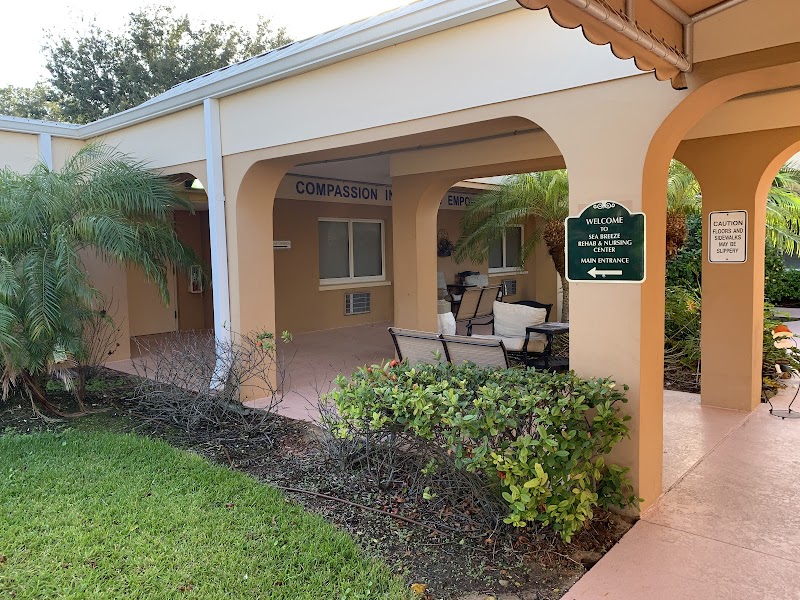
How is Sea Breeze Rehab And Nursing Center Staffed?

CMS rates SEA BREEZE REHAB AND NURSING CENTER's staffing level at 3 out of 5 stars, which is average compared to other nursing homes. Staff turnover is 46%, compared to the Florida average of 46%. This relatively stable workforce can support continuity of care.

What Have Inspectors Found at Sea Breeze Rehab And Nursing Center?

State health inspectors documented 32 deficiencies at SEA BREEZE REHAB AND NURSING CENTER during 2022 to 2025. These included: 32 with potential for harm.
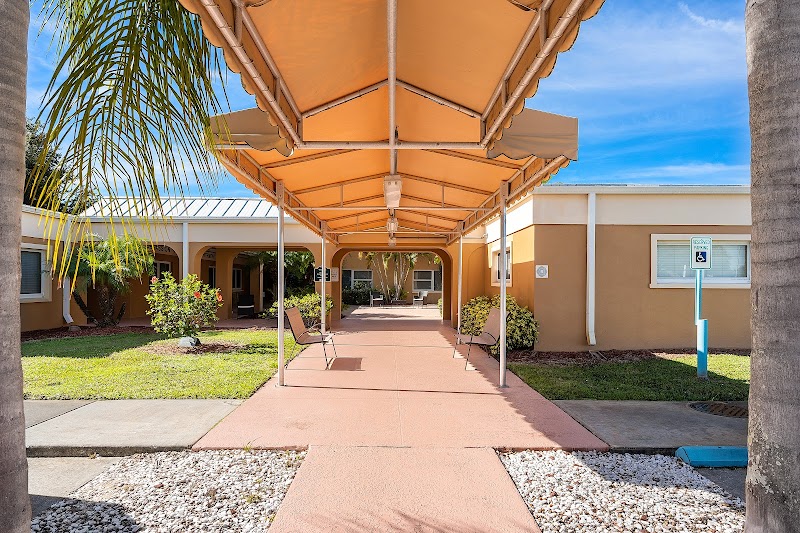
Who Owns and Operates Sea Breeze Rehab And Nursing Center?

SEA BREEZE REHAB AND NURSING CENTER is owned by a for-profit company. For-profit facilities operate as businesses with obligations to shareholders or private owners. The facility is operated by ASTON HEALTH, a chain that manages multiple nursing homes. With 110 certified beds and approximately 97 residents (about 88% occupancy), it is a mid-sized facility located in VERO BEACH, Florida.
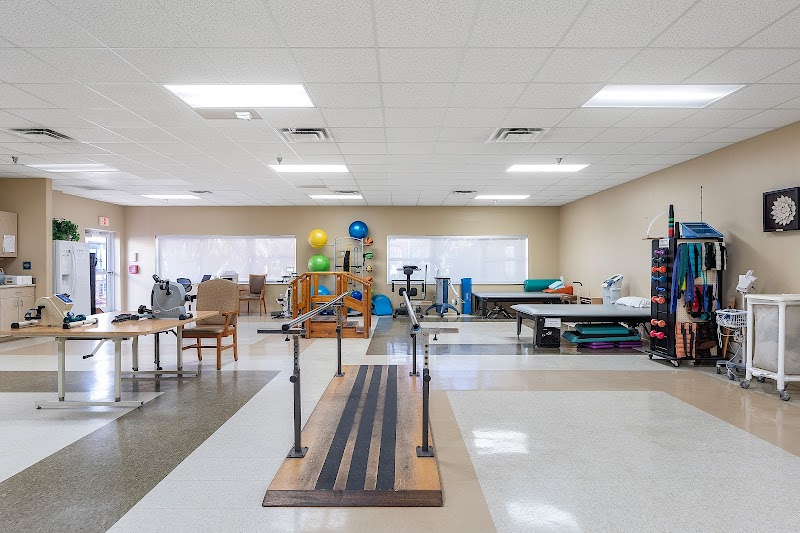
How Does Sea Breeze Rehab And Nursing Center Compare to Other Florida Nursing Homes?

Compared to the 100 nursing homes in Florida, SEA BREEZE REHAB AND NURSING CENTER's overall rating (3 stars) is below the state average of 3.2, staff turnover (46%) is near the state average of 46%, and health inspection rating (3 stars) is at the national benchmark.

What Should Families Ask When Visiting Sea Breeze Rehab And Nursing Center?

Based on this facility's data, families visiting should ask: "Can I visit during a mealtime to observe dining assistance and food quality?" "How do you handle medical emergencies, and what is your hospital transfer rate?" "Can I speak with family members of current residents about their experience?"

Is Sea Breeze Rehab And Nursing Center Safe?

Based on CMS inspection data, SEA BREEZE REHAB AND NURSING CENTER has a clean safety record: no substantiated abuse findings (meaning no confirmed cases of resident harm), no Immediate Jeopardy citations (the most serious violation level indicating risk of serious injury or death), and is not on the Special Focus Facility watch list (a federal program monitoring the lowest-performing 1% of nursing homes). The facility has a 3-star overall rating and ranks #100 of 100 nursing homes in Florida. While no facility is perfect, families should still ask about staff-to-resident ratios and recent inspection results during their visit.

Do Nurses at Sea Breeze Rehab And Nursing Center Stick Around?

SEA BREEZE REHAB AND NURSING CENTER has a staff turnover rate of 46%, which is about average for Florida nursing homes (state average: 46%). Moderate turnover is common in nursing homes, but families should still ask about staff tenure and how the facility maintains care continuity when employees leave.

Was Sea Breeze Rehab And Nursing Center Ever Fined?

SEA BREEZE REHAB AND NURSING CENTER has been fined $7,456 across 2 penalty actions. This is below the Florida average of $33,153. While any fine indicates a compliance issue, fines under $50,000 are relatively common and typically reflect isolated problems that were subsequently corrected. Families should ask what specific issues led to these fines and confirm they've been resolved.

Is Sea Breeze Rehab And Nursing Center on Any Federal Watch List?

SEA BREEZE REHAB AND NURSING CENTER is not on any federal watch list. The most significant is the Special Focus Facility (SFF) program, which identifies the bottom 1% of nursing homes nationally based on persistent, serious quality problems. Not being on this list means the facility has avoided the pattern of deficiencies that triggers enhanced federal oversight. This is a positive indicator, though families should still review the facility's inspection history directly.