VERO BEACH CARE CENTER
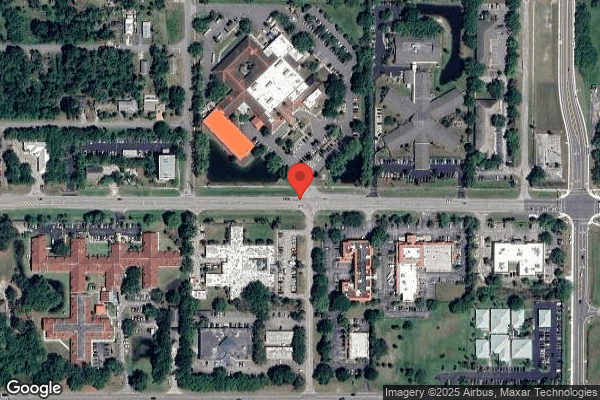

1310 37TH ST, VERO BEACH, FL 32960 (772) 569-5107
For profit - Corporation 159 Beds ASTON HEALTH Data: November 2025
Trust Grade
23/100
#680 of 690 in FL
Last Inspection: September 2024

Within standard 12-15 month inspection cycle. Federal law requires annual inspections.

Overview

The Vero Beach Care Center has received a Trust Grade of F, indicating poor quality and significant concerns about care. Ranked #680 out of 690 facilities in Florida, they are in the bottom half, and they are last among the six nursing homes in Indian River County. Although the facility is showing improvement, with issues decreasing from 21 in 2024 to 6 in 2025, it still faces serious staffing shortages, as evidenced by a 58% turnover rate, which is concerning compared to the state average. While the nursing staff receives average ratings, incidents such as failing to provide adequate personal hygiene care for multiple residents and not meeting bathing needs highlight critical weaknesses in daily care. On a positive note, the facility's RN coverage is average, but the $15,774 in fines suggests some compliance issues remain.

Trust Score
F
23/100
In Florida
#680/690
Bottom 2%
Safety Record
Moderate
Needs review
Inspections
Getting Better
21 → 6 violations
Staff Stability
⚠ Watch
58% turnover. Above average. Higher turnover means staff may not know residents' routines.
Penalties
✓ Good
$15,774 in fines. Lower than most Florida facilities. Relatively clean record.
Skilled Nurses
○ Average
Each resident gets 33 minutes of Registered Nurse (RN) attention daily — about average for Florida. RNs are the most trained staff who monitor for health changes.
Violations
⚠ Watch
54 deficiencies on record. Higher than average. Multiple issues found across inspections.
★☆☆☆☆
1.0
Overall Rating
★★★☆☆
3.0
Staff Levels
★★★★☆
4.0
Care Quality
★☆☆☆☆
1.0
Inspection Score
Stable
2024: 21 issues
2025: 6 issues

The Good

  • 4-Star Quality Measures · Strong clinical quality outcomes
  • Full Sprinkler Coverage · Fire safety systems throughout facility
  • No fines on record

Facility shows strength in quality measures, fire safety.

The Bad

1-Star Overall Rating

Below Florida average (3.2)

Significant quality concerns identified by CMS

Staff Turnover: 58%

12pts above Florida avg (46%)

Frequent staff changes - ask about care continuity

Federal Fines: $15,774

Below median ($33,413)

Minor penalties assessed

Chain: ASTON HEALTH

Part of a multi-facility chain

Ask about local staffing decisions and management

Staff turnover is elevated (58%)

10 points above Florida average of 48%

The Ugly 54 deficiencies on record

2 actual harm
May 2025 4 deficiencies
CONCERN (D) 📢 Someone Reported This

A family member, employee, or ombudsman was alarmed enough to file a formal complaint

Potential for Harm - no one hurt, but risky conditions existed

Deficiency F0554 (Tag F0554)

Could have caused harm · This affected 1 resident

**NOTE- TERMS IN BRACKETS HAVE BEEN EDITED TO PROTECT CONFIDENTIALITY** Based on observation, interview and clinical and administrative record review, the facility failed to ensure 1 of 8 sampled resi...

Read full inspector narrative →
**NOTE- TERMS IN BRACKETS HAVE BEEN EDITED TO PROTECT CONFIDENTIALITY** Based on observation, interview and clinical and administrative record review, the facility failed to ensure 1 of 8 sampled residents, Resident #5, was assessed by the interdisciplinary team and established a plan of care for self-administration of medication before the resident participated in the practice. The findings included: An observation was conducted on 05/19/25 at 10:50 AM with Resident #5. Upon speaking with the resident, the surveyor noticed that there were approximately 10 bottles of pills and liquid supplements neatly stored on the resident's night stand. The bottles were noted to be open. Photographic Evidence Obtained. The following supplements were stored on the night stand: 1. Two (2) bottles of 32 ounces of MCT oil weight management 2. Two (2) bottles of Nugenix Thermo X 3. One (1) bottle of weight loss probiotics 4. One (1) bottle of Veggies capsule 5. One (1) bottle of Testerone Booster 6. One (1) bottle of Fruit Dietary Supplement 7. One (1) bottle of Nugenix Ultimate Testerone Booster An interview with the resident at this time revealed the resident has been taking these supplements daily because he says the facility doesn't serve him the right food and he is trying to lose weight. The Licensed Practical Nurse (LPN) came into the room at 11:00 AM and administered the resident his medication. The resident then proceeded to tell the nurse what the surveyor said about his supplements. An interview was conducted on 05/19/25 at 11:50 AM with the Director of Nursing, who confirmed that the resident had not been assessed for self-administration of medication and was aware that the resident was not to have medications stored at his bedside. Review of the clinical record for Resident #5 revealed the resident was originally admitted to the facility on [DATE]. The clinical record did not provide evidence of an assessment by the interdisciplinary team nor was there a plan of care developed for the resident to self-administer medications. Review of the facility's policy, titled, Medication Administration, revised 01/2024, documented, Residents may self-administer their own medications only if the Attending Physician, in conjunction with the interdisciplinary Care Planning Team, has determined that they have the decision-making capacity to do so safely.
CONCERN (D) 📢 Someone Reported This

A family member, employee, or ombudsman was alarmed enough to file a formal complaint

Potential for Harm - no one hurt, but risky conditions existed

Deficiency F0561 (Tag F0561)

Could have caused harm · This affected 1 resident

**NOTE- TERMS IN BRACKETS HAVE BEEN EDITED TO PROTECT CONFIDENTIALITY** Based on interview, clinical and administrative record review, the facility failed to honor the resident's bath preference and e...

Read full inspector narrative →
**NOTE- TERMS IN BRACKETS HAVE BEEN EDITED TO PROTECT CONFIDENTIALITY** Based on interview, clinical and administrative record review, the facility failed to honor the resident's bath preference and ensure the resident consistently received his bath preference for 1 of 8 sampled resident, Resident #4. The findings included: During the observational tour of the facility on 05/19/25 at 11:30 AM, the surveyor approached Resident #4, who was sitting in his wheelchair in front of his room. The resident voiced his dissatisfaction that they forget about us in room [room number]. The housekeeping aide was observed in the room at this time mopping the floor. The resident stated, I haven't got my medications yet and has gone about 3 weeks without a shower. They don't ever change my linen. I told them my toilet is leaking, and they don't do anything about it. The resident stated that they will wash him in his private area, but he wants a shower. He stated also that he has said he prefers to wear the pull up type of incontinent briefs but some of the aides keep putting the ones with the tabs on. An interview was conducted on 05/19/25 at approximately 11:40 AM with Staff E, the assigned Certified Nursing Assistant (CNA), for Resident #4. The surveyor inquired about the care needs for Resident #4. She stated the resident requires assistance with his activities for daily living (ADLs). She confirmed she hadn't gotten to the resident yet nor had she changed his linen because they were waiting on linen. She stated she has only been on the job two weeks and this was her first day on this hallway. The surveyor inquired about the resident's shower. Staff D, another CNA, joined the interview and stated the resident gets a shower on Tuesday. Another interview was conducted with Resident #4 on 05/19/25 at approximately 1:00 PM, who remained repeated they will bathe his bottom but he had asked for a shower. He acknowledged that he is a big guy and needs help, and confirmed he had been approached today by staff regarding his showers and medications, but he didn't want to get anyone in trouble so he just accepted it. Review of the Minimum Data Set (MDS) asssessment dated 02/23/25 revealed the resident's Brief Interview for Mental Status (BIMS) score was 15 on a scale of 0-15, meaning the resident is cognitively intact. Review of the facility's Resident Council minutes and Grievance log for January 2025 to present, revealed in the March 2025 Resident Council meeting, Resident #4 expressed he would like to have a shower 2-3 times a week. The Activity Director reported it for grievance. The Director of Nursing (DON) noted the shower schedule was updated to Monday, Wednesday and Friday 7AM-3PM shift. The grievance was noted as resolved on 03/26/25. Review of Resident # 4's [NAME] documented the resident requirements for bathing, as: The resident needs assist of 1-2 based on fatigue, weight-bearing, weakness. Shower / Bathing Schedule Monday, Wednesday, Friday 7-3. Reivew of Resident #4's plan of care identified a concern initiated 04/11/24 that the resident needs assist with ADL care related to multiple factors including weakness / decreased mobility s/p (status post) recent hospitalization/illness. Both resident and staff believe resident is capable of increased independence in at least one ADL prior to returning to the community. ADL needs and participation vary. Interventions identified: ·ADL Care: the resident may need assistance of 1 -2 for ADL care. This may fluctuate with weakness, fatigue, and weight bearing status. ·BATHING: The resident needs assist of 1-2 based on fatigue, weight bearing, weakness. ·BED MOBILITY: the resident needs extensive help to move and reposition the bed. Will need one- or two-person assistance to change position or scoot up in the bed. This may involve some lifting of the legs or boosts. ·TOILETING: the resident can transfer on and off of the toilet bedpan without physical help, but will need limited with wiping, clothing, and washing up. ·TRANSFER: the resident is limited to extensive and may need assistance x 1 or x 2 for transfers in and out of chair or bed. This may fluctuate with weakness, fatigue, and weight bearing status. Review of the task (Documentation Survey Report of the resident's ADL implementation) for May 2025 revealed the following for the resident regarding bathing 7-3 shift: 1st - NA (not applicable) 2nd (Friday) - NA 3rd - nothing documented 4th - NA 5th (Monday) - sb (sponge bath), physical help 6th - fb (full bath) physical help 7th (Wednesday) - NA 8th - sb 9th (Friday) NA 10th - NA 11th - NA 12th (Monday) NA 13th NA 14th (Wednesday) fb (total dependence) 15th - fb physical help 16th (Friday) NA 17th nothing documented 18th - sb 19th - nothing documented. Further review of the task sheet documentation for April 2025 for 7 - 3 shift revealed the resident received one shower on April 26th on the 7-3 shift. During this month, the resident was provided 9 sponge baths or full baths on the 3rd, 4th, 8th, 11th, 13th, 18th 20th, 21st and the 27th. The remainder of the month the staff documentation for 7-3, revealed NA or the date was left blank. Review of the facility's recorded individual sheets for showers revealed the staff are to document when the resident receives a bath or shower: All residents must be offered and provided a shower unless they request a bed bath. Wash hair, clean under fingernails, shave. [NAME] any abnormal skin conditions. The form provides for the staff to select one: whether the resident was provided a: Shower, Device used (circle one): standard shower chair, reclining shower chair, shower bed, other: Bed bath Resident refused ** Nurse must verify refusal, notify responsible party and document in PCC [Point Care Click system]. Review of the PCC documentation (Progress Notes) for Resident #4 did not provide documentation confirming the resident's refusal of showers during April and May 2025. The documentation revealed 2 completed shower sheets for April and May which were dated 04/01/25 and 05/02/25. Review of the facility's policy regarding ADL care and services, revised 01/2024 documented, The resident has the right to refuse any and all ADL care. The refusal of care will be documented in the resident's medical record with appropriate notification including physician and resident representative.
CONCERN (D) 📢 Someone Reported This

A family member, employee, or ombudsman was alarmed enough to file a formal complaint

Potential for Harm - no one hurt, but risky conditions existed

Deficiency F0675 (Tag F0675)

Could have caused harm · This affected 1 resident

**NOTE- TERMS IN BRACKETS HAVE BEEN EDITED TO PROTECT CONFIDENTIALITY** Based on observation, clinical and administrative record review and interview, the facility failed to ensure the residents recei...

Read full inspector narrative →
**NOTE- TERMS IN BRACKETS HAVE BEEN EDITED TO PROTECT CONFIDENTIALITY** Based on observation, clinical and administrative record review and interview, the facility failed to ensure the residents received the necessary care and services for skin assessments and timely medication administration, as evidenced by the facility's consistent failure to respond in a timely manner fo residents who developed new skin issues and failed to ensure that residents received their prescribed medications in a timely manner, for 3 of 8 sampled residents, Residents # 1, # 4 and # 6. The findings included: 1. Record review revealed Resident #1 was readmitted to the facility on [DATE] with pertinent diagnosis which includes, Diabetes Mellitus, Cerebrovascular disease, Chronic Kidney disease, Stage 3, Essential Hypertension, and Blind Left eye. Review of the resident's plan of care identified a concern initiated on 02/24/25, The resident has a Skin Impairment: eczema. Interventions included: Encourage and assist resident to Off Load Heels as ordered Monitor the Resident's changes in skin condition, and pain levels. Report changes to the physician (MD) Monitor/observe skin while providing routine care. Notify nurse for any area of concern as indicated. Skin checks weekly and as indicated. Report any s/s (signs and symptoms) of skin breakdown to MD/wound team as indicated. Treatments as ordered/indicated. An observation and interview was conducted on 05/19/25 at approximately 2:50 PM with Resident #1. Interview with Resident #1 revealed the resident asked the surveyor to look at her thighs because she had some spots on her thighs that itch and hurt. The resident confirmed she couldn't see what it was, but stated it felt like she was allergic to something because it feels like a rash but it hurts. Upon closer assessment, the surveyor observed the resident had dark colored rash like areas on her right and left thighs which are slightly raised and had pimples like bumps on the area, of approximately 2-3 inches in diameter. The resident stated there was an another area under her left arm near her elbow that itched and hurt. Upon observations, the area was dark colored and of about 1 inch in diameter. The resident then lifted her duster dress and pointed to an area on her stomach that was itchy The surveyor asked Staff B, Licensed Practical Nurse/LPN, to assess the resident to address the resident's concern. After assessing the resident, Staff B stated she would get a dermatology consult. Review of the clinical record on 05/20/25 at 11:15 AM did not provide evidence that Staff B had documented the new identified skin issues; and there was no evidence that the nurse contacted the physician or that new orders to treat the resident's new symptoms or skin issues were ordered. An interview was conducted on 05/20/25 at approximately 11:25 AM with the Director of Nursing (DON). The surveyor explained to the DON that the review of the electronic record for Resident #1 did not document identification of the skin issues identified yesterday, 05/19/25. An interview was conducted on 05/20/25 at 11:45 AM with the DON and Unit Manager, who reported the resident's skin issues are similar areas which reoccur periodically and they previously had an order to treat this reoccurrence but the order must have fallen off. She stated she has just contacted the physican and obtained an order for cortisone. She confirmed when new skin issues arise, the area(s) are to be documented in the clinical record. 2. During the observational tour of the facility on 05/19/25 at 11:30 AM, the surveyor observed Resident #4, who was sitting in his wheelchair in front of his room. The resident was voicing his dissatisfaction that they forget about us in this room. The resident stated, I haven't got my medications yet, and have gone about 3 weeks without a shower. They [staff] don't ever change my linen. I told them my toilet is leaking and they don't do anything about it. The resident stated they will wash him in his private area, but he wants a shower. He stated he has told them he 'prefers to wear the pull up type of incontinent briefs but some of the aides keep putting the ones with the tabs on'. The surveyor asked the Director of Nursing at approximately 12:00 PM to check to see if Resident #4 had received his medications because the resident has stated he had not received his medications. She reviewed the electronic record and the medications were signed off as given. She stated she would follow-up with the nurse, who had gone to lunch and was off the unit. The DON later reported to the surveyor that she spoke with the nurse and the nurse had given the resident his medications. At approximately 12:35 PM, the surveyor observed Staff B down the hall giving medications. The surveyor inquired and noted the nurse was preparing to give medications to Resident #4. The surveyor then conducted a medication administration observation with Staff B for Resident #4. The nurse prepared the following medications: 1. FeSo4 325 mg one tablet 2. ASA 81 mg one tablet 3. Sodium Bicarbonate 650 mg one tablet 4. Drizaline Cap 20 mg DR one cap Twice daily for depression 5. Furosemide tablet 40 mg one tablet every day Shortness of breath 6. Metroprolol suc tab 50 mg one tablet Hypertension 7. Potassium Chloride 10 meq one tablet every day All 7 pills were verified. An interview was conducted at 12:43 AM with Staff B. The surveyor inquired because of what was previously told to her regarding the nurse having already administered the medication and the medication was already signed off as administered. The nurse stated she had poured the resident's medications previously and she clicked on the meds. Then the resident stated he wanted to eat his popcorn first. So she went to lunch. The surveyor asked about her previously poured medications because she prepared them again. Staff B responses they aren't allowed to pre-pour meds. The surveyor asked about the medications being signed as administered, when she had not administered the medications, and Staff BB stated she clicked on them and was going to go back to click them green once she had administered the medication but they were already showing as administered. Staff B stated she went to lunch and told the resident she was going to lunch and would finish after lunch. The morning medication time is 9:00 AM. Another observation was conducted on the next day on 05/20/25 at 11:28 AM with Staff B. The nurse was again observed with her medication cart in the hallway administering medications. The surveyor inquired what medication pass was she completing and Staff B confirmed she was still completing her morning medication administration. Staff B stated, This is a heavy hall with 32 residents. I don't finish medication pass until 11 AM-12 PM, and I have 6 more residents still to give medications to. 3. An interview was conducted on 05/20/25 at 11:50 AM with Resident #6, who stated that he resigned today from being the Resident Council President as it's useless. He stated he has been in this position for one year and expressed his dissatisfaction with getting things resolved. He stated that 'we continue to have the same ongoing issues, meds late, showers, food cold and late and food quantity.' He stated he had an issue with his medications on Mother's Day, as the usual nurse was off and he normally would receive his meds by 9:30 AM but on this day at around 11:00 AM he had told the nurse but he still didn't get his morning medications until after 12:30 PM. He stated the nurse did his blood sugar as well. He stated he went to the DON about this because he could speak up for himself, but his concern was about the residents who couldn't. He said he also got his afternoon meds on the evening that day and the evening nurse told him, she was giving him his medications that he didn't get earlier. Observation on 05/20/25 at 12:35 PM revealed the Registered Nurse, Staff C, came into the room and gave Resident #6 his medications. The surveyor asked what medications were being administered and Staff C stated some morning and some afternoon medications were being given. An interview was conducted at 12:45 AM with Staff C who stated that the hall has 29 residents and he typically finishes between 11:00 AM - 12:00 PM. An interview was conducted on 05/20/25 at approximately 1:00 PM with the DON. The DON confirmed the resident had come to her about his medication being late on Mother's Day, and that he was concerned about other residents. It should be noted that there was no grievance initiated for this resident's concern and the facility had not addressed the persistent late medication administration concerns. Review of the facility's policy and procedure regarding Medication Administration, revised 2024, documented, Medication are administered in accordance with prescriber orders, including any required time limit. Medications are administered within one (1) hour before or after their prescribed time, unless otherwise specified (for example, before or after meal orders, at bedtime).
CONCERN (D) 📢 Someone Reported This

A family member, employee, or ombudsman was alarmed enough to file a formal complaint

Potential for Harm - no one hurt, but risky conditions existed

Deficiency F0761 (Tag F0761)

Could have caused harm · This affected 1 resident

Based on observation and interview, the facility failed to ensure all medications and/or supplements were not stored at the residents' bedside but were safely secured in locked compartments for 1 of 8...

Read full inspector narrative →
Based on observation and interview, the facility failed to ensure all medications and/or supplements were not stored at the residents' bedside but were safely secured in locked compartments for 1 of 8 sampled residents, Resident #5. The findings included: An interview was conducted on 05/19/25 at 10:50 AM with Resident #5. Upon speaking with the resident, the surveyor observed there were approximately 10 bottles of pills and liquid supplements neatly stored unsecured on top of the resident's bedside night stand. Photographic Evidence Obtained. The following supplemental pills were stored on the night stand and clearly visible upon entering the resident's side of the room: 1. Two (2) bottles of 32 ounces of MCT oil weight management 2. Two (2) bottles of Nugenix Thermo X - 60 capsules bottles 3. One (1) bottle of weight loss probiotics 4. One (1) bottle of Veggies capsule 5. One (1) bottle of Testerone Booster 6. One (1) bottle of Fruit Dietary Supplement 7. One (1) bottle of Nugenix Ultimate Testerone Booster. An interview was conducted with the resident at this time revealed the resident has been taking these supplements daily and he has the medication stored on top of his night stand. An interview was conducted on 05/19/25 at 11:50 AM with the Director of Nursing, who confirmed that the resident had not been assessed for self administration of medication and was aware that the resident was not to have medication stored at his bedside.
Feb 2025 2 deficiencies
CONCERN (D) 📢 Someone Reported This

A family member, employee, or ombudsman was alarmed enough to file a formal complaint

Potential for Harm - no one hurt, but risky conditions existed

Quality of Care (Tag F0684)

Could have caused harm · This affected 1 resident

Based on observation, record review and interview, the facility failed to provide necessary care and services to prevent, identify and properly assess wounds, for 1 of 2 sampled residents reviewed for...

Read full inspector narrative →
Based on observation, record review and interview, the facility failed to provide necessary care and services to prevent, identify and properly assess wounds, for 1 of 2 sampled residents reviewed for wounds (Resident #3), as evidenced by the facility failed to identify the blister or subsequent open wound to the resident's right foot, prior to surveyor intervention; the wound care nurse failed to properly assess the wound, documenting erroneous measurements and staff nurses failed to capture the wound during skin check assessment completed on 02/11/25, the day prior to the surveyor's observation. The findings included: Observation of wound care conducted on 02/12/25 at 10:20 AM revealed the Wound Care Nurse (WCN) performed wound care for Resident #3's left foot. At the end of the treatment, the surveyor asked the reason why the offloading boot was only applied to the left leg, as the resident was severely contracted on both legs. The WCN responded that the resident prefers to lay on the left side and that is where the wound is located, so an offloading boot is not necessary to the right leg. The WCN was asked if the resident had any wounds to the right leg or foot and replied 'no'. At this time, the resident spoke up and said, yes he had pain to the right foot. The WCN then proceeded to inspect the right foot. An open wound was noted to the right foot below the big toe, that looked like a blister that had opened up, with visible depth and yellow slough, about the size of a dime. The WCN stated he was going to contact the physician for treatment orders and that the wound provider would evaluate the resident tomorrow (Thursday). Interview with the WCN, conducted upon completion of the wound care observation, on 02/12/25 at approximately 10:30 AM, revealed the nurse had no knowledge of a previous blister or wound to the right foot and stated that he has provided the wound care to the left foot but has not inspected the right foot. He stated the wound care provider rounds weekly and inspects the resident's skin, so the blister was not present last Thursday. An interview was conducted with Staff A, Certified Nursing Assistant (CNA), assigned to care for Resident #3, on 02/12/25 at 10:37 AM. Staff A stated she has not seen the resident as of yet today, she has a heavy assignment, was attending to other residents, and did not have the resident the day before. Staff A denied knowledge of any blisters or wounds to the right foot. An interview with Staff B, Registered Nurse (RN), conducted on 02/12/25 at approximately 10:46 AM, revealed this is her regular hallway assignment, and she is not aware of a blister or wound to the resident's right foot. Clinical record review conducted on 02/11/25 revealed Resident #3 has diagnoses that included Cerebral Palsy, Malnutrition and Contractures. Review of the Minimum Data Set (MDS), quarterly assessment with reference date of 12/21/24, documented the resident was assessed as severely impaired for skills of daily decision making, and has a pressure ulcer stage IV present on reentry. Review of the care plan, titled, The resident is at risk for skin impairment related to incontinence, weakness/decreased mobility, contractures multiple sites (left & right knees), sacral, left foot, right dorsal foot and right heel, was initiated on 03/01/23 and revised on 10/23/24. The plan documented interventions including patient to have contracture cushion/leg positioning device (black) on to be removed when in wheelchair, for skin check, hygiene, shower and tolerance. To be on in AM/Off in PM. Can be removed for skin check, range of motion and hygiene as ordered and skin checks weekly and as indicated, report any signs of skin breakdown to physician and wound team as indicated. Review of the weekly skin assessments, the progress notes and the wound care notes failed to document the presence of a wound to the right foot. Review of the Progress notes dated 02/12/24 documented the WCN measured the right foot wound noting 1.5 centimeter (cm) in length, 2.0 cm in width, 0 cm in depth. The surveyor's observation validates the newly identified wound had depth, it was not a superficial wound, and the noted assessment was not accurate. An interview with the Director of Nursing (DON) conducted on 02/12/25 at approximately 12:20 PM, revealed that last night, she had the staff conduct facility wide skin sweeps and one hundred percent of the skin audits were completed. Staff B had performed the skin check for Resident #3 and did not identify the right foot wound. The DON further stated the nurse feels bad that she missed the identification of wound and the DON was made aware the surveyor had previously interviewed the nurse and that she confirmed no knowledge of a blister or wound to the resident's right foot. The facility nurse failed to properly assess Resident #3's foot to identify the existing wound. Review of the Wound Care Provider documentation dated 02/13/25 documented the following: Right Metatarsal head first, Trauma Wound, measures 1.6 cm in length, 2 cm in width and 0.2 cm in depth, wound base 20% slough, Required surgical debridement Treatment Dakins, betadine, gentamycin and calcium alginate and offload. Post debridement assessment documented no changes from the initial measurements. Interview with the Wound Care Provider conducted on 02/14/25 at 2:10 PM revealed the wound was assessed as a trauma wound, because of the coloration, it looks like a bruise at the base. After questioning the nature of the trauma, the provider explained it was a self-inflicting wound, meaning that the resident most likely moved his foot and hit the area. The provider was made aware the resident is severely contracted and has very limited mobility. The provider stated it is possible he moved his contracted legs a unit, the wound could be caused by friction, trauma and understands the possibility the wound could have been inflicted by pressure. The investigation determined the facility failed to identify the blister or subsequent open wound to the resident's right foot, prior to surveyor intervention; the wound nurse failed to properly assess the wound, documenting erroneous measurements and the staff nurse failed to capture the wound during skin check assessment completed on 02/11/25, the day prior to the surveyor's observation.
CONCERN (D) 📢 Someone Reported This

A family member, employee, or ombudsman was alarmed enough to file a formal complaint

Potential for Harm - no one hurt, but risky conditions existed

Pressure Ulcer Prevention (Tag F0686)

Could have caused harm · This affected 1 resident

**NOTE- TERMS IN BRACKETS HAVE BEEN EDITED TO PROTECT CONFIDENTIALITY** Based on observation, record review and interview, the facility failed to provide necessary care and services to prevent and pro...

Read full inspector narrative →
**NOTE- TERMS IN BRACKETS HAVE BEEN EDITED TO PROTECT CONFIDENTIALITY** Based on observation, record review and interview, the facility failed to provide necessary care and services to prevent and promote healing of pressure ulcers, for 2 of 2 sampled residents reviewed for pressure wounds, Resident #3 and Resident #1. The findings included: Review of the policy, titled, Wound Care and Treatment, revised 01/2024, documented, in part: Standard: The purpose of this procedure is to provide guidelines for the care of wounds to promote healing. Guideline: Only staff trained to complete physician orders will complete wound care and treatments as prescribed. Procedure: Preparation 1. Verify that there is a physician's order for this procedure . 4. Assess residents pain level as needed. Equipment and Supplies: The following equipment and supplies will be necessary when performing this procedure . 12. Assess residents tolerance of wound care throughout the procedure. 16. Reposition the bed covers. Make the resident comfortable. Use supportive devices as instructed. Documentation: The following information should be recorded in the resident's medical record: I. The type of wound care given . 4. Any change in the resident's condition. 5. Any problems or complaints made by the resident related to the procedure. Reporting: 2. Report other information in accordance with facility policy and professional standards practice. 1. Observation of wound care conducted on 02/12/25 at 10:20 AM revealed the Wound Care Nurse (WCN) prepared supplies for Resident #3 and explained the floor nurse had previously medicated the resident for pain. The WCN prepared Dakins solution, Gentamycin ointment, Calcium Alginate dressing, skin prep pad and border gauze, the unit manager was present during the observation. Resident #3 was severely contracted. It was noted the resident had a pillow between the contracted legs and a green offloading boot was in place to the left leg. The wound nurse performed hand hygiene, opened all the supplies, forcefully removed the pillow from between the resident's legs. The resident yelled and the WCN explained he had to remove it to do his dressing. The WCN then removed the green offloading boot by lifting the resident's contracted leg and the resident yelled again. The WCN proceeded to remove the dirty dressing, cleansed the area with the Dakins solution, and again the resident yelled when the solution was applied. The WCN continued by applying skin prep around the wound, applied the Gentamycin ointment, Alginate and dry border gauze and reapplied the offloading boot. Interview with the WCN conducted upon completion of the wound care observation, confirmed the staff failed to perform hand hygiene after removing the dirty dressing and prior to cleansing the wound and applying the treatment. The WCN reiterated the resident was medicated for pain prior to the treatment. The WCN did not acknowledge the resident's tolerance to the treatment. Clinical record review conducted on 02/11/25 revealed Resident #3 has diagnoses that included Cerebral Palsy, Malnutrition and Contractures. Review of the Minimum Data Set (MDS), quarterly assessment with reference date of 12/21/24, documented the resident was assessed as severely impaired for skills of daily decision making, and has a pressure ulcer stage IV present on reentry. Review of the care plans, titled The resident is at risk for skin impairment related to incontinence, weakness and decreased mobility, initiated on 03/01/23 and revised on 10/23/24 revealed the plan documented interventions including patient to have contracture cushion/leg positioning device(black) on to be removed for when in wheelchair, for skin check, hygiene, shower and tolerance. To be on in AM/Off in PM. Can be removed for skin check, range of motion and hygiene as ordered and skin checks weekly and as indicated. Report any signs of skin breakdown to physician and wound team as indicated. Review of the Physician's order dated 01/31/25 documented wound care left lateral metatarsal head fifth: Cleanse wound with Dakins 1/4 cleanser - pat dry, apply skin prep to peri wound, apply Gentamycin ointment 0.1%, calcium alginate, cover with border gauze, every Tuesday, Thursday and Saturday. PLACE GREEN OFFLOADING BOOT. The observation determined the WCN failed to follow policies and procedures during the treatment administration to promote wound healing and minimize risk of infection. 2. Clinical record review conducted on 02/11/25 revealed Resident #1 was admitted to the facility on [DATE] for rehabilitation after a cervical fracture. Review of the Initial skin assessment documented the skin was intact, and no evidence of pressure wounds. Review of the MDS, admission assessment with reference date 11/22/24, documented the resident was assessed as moderately impaired for skills of daily decision making, was at risk for developing pressure wounds and had no pressure wounds on admission. Review of the plan of care dated 11/18/24 documented, The resident is at risk for skin impairment related to weakness/decreased mobility. The interventions included: Encourage and assist resident to minimize pressure to bony prominences as tolerated; Preventative skin treatments as ordered/indicated, as tolerated by resident; Skin checks weekly and as indicated. Report any signs and symptoms of skin breakdown to physician and wound team as indicated. The record documented Resident #1 developed a pressure wound to the right heel on 12/04/24. There was no stage of the wound documented. On 12/24/24 the nurse documented the resident now has bilateral pressure wounds to right and left heel. Review of the Treatment Administration Records (TARs) dated 11/2024 and 12/2024, the nurses' progress notes and the weekly skin checks failed to provide evidence of preventative measures to minimize pressure wound to the resident's heels. There was no documentation the resident refused offloading of his heels. The record indicated Resident #1 was transferred to the hospital on [DATE]. Review of the Hospital records, reviewed on 02/12/25, revealed Resident #1 was admitted to the acute care facility on 12/30/24 with bilateral Stage II pressure wounds to the right and left heels. Interview with the WCN conducted on 02/12/25 at 12:09 PM revealed that after reviewing his notes, Resident #1 was admitted to the nursing home with no pressure wounds, he had a cervical collar and did not like to turn on his side. On 12/04/24, a wound to the right heel was identified. There were no measurements or stage documented on that date. On 12/24/24, the right heel was assessed as a deep tissue injury and the left heel had developed a stage II pressure wound. The WCN explained the wounds were unavoidable due to the resident's preference to stay on his back. The WCN was asked what the facility practices to minimize pressure to the residents' heels were. He responded they have offloading boots, or they use skin prep as another measure if the residents refuse the offloading devices. The WCN confirmed Resident #1 did not have offloading boots or use of skin prep prior to the development of the pressure wounds and he did not recall if the wounds to the heels resolved prior to hospitalization. The investigation determined that the facility failed to implement preventative measures to minimize the development of pressure wounds for Resident #1. The staff were aware the resident preferred to stay on his back due to the cervical collar in use, there is no documentation of the resident refusal to offload his heels, and the treatment to mitigate pressure ulcers, with skin prep, was initiated after the first wound developed on 12/04/24.
Sept 2024 19 deficiencies
CONCERN (D)

Potential for Harm - no one hurt, but risky conditions existed

Deficiency F0561 (Tag F0561)

Could have caused harm · This affected 1 resident

**NOTE- TERMS IN BRACKETS HAVE BEEN EDITED TO PROTECT CONFIDENTIALITY** Based on record review and interview, the facility failed to honor resident's choice to sleep in and utilize a reclining chair f...

Read full inspector narrative →
**NOTE- TERMS IN BRACKETS HAVE BEEN EDITED TO PROTECT CONFIDENTIALITY** Based on record review and interview, the facility failed to honor resident's choice to sleep in and utilize a reclining chair for 1 of 7 reviewed for choices, Resident #138. The findings included: Review of Resident #138 medical records revealed the resident had multiple admissions with the latest admission on [DATE]. He has diagnoses that included Lymphedema, Chronic Systolic Congestive Heart Failure, Venous Insufficiency, Chronic Kidney Disease, Anxiety Disorder, Depression, Dyspnea, and Severe Morbid Obesity. His MDS (Minimum Data Set) assessment documented a Brief Interview for Mental Status (BIMS) score of 15, indicting cognition is intact. Review of the physician Progress Notes on 09/12/24, with a service date of 09/10/24, revealed the physician documented the resident is not being compliant with elevating his legs during the day, but he is wearing compressive ACE wraps. He documented he has given up on trying to get a recliner chair for his room which would assist in elevating his legs. He was trying to work with social services to get it done without success. He documented the resident's legs still hurt, as does his right neck. Review of a physician Progress Note dated 09/06/24 documented the resident is receiving furosemide (Lasix) 40mg BID (twice a day). The Note documented no significant improvement in his lower extremity swelling, and that the lower legs are uncomfortable, but he continues to spend a lot of the day in his wheelchair without the legs elevated. The Note documented he (the resident) is still working on getting a recliner chair paid for his room so that he can better elevate his legs. Review of the physician Progress Note dated 08/22/24 documented that he has been advised to elevate legs as much as possible. Review of Resident #138's care plan dated 08/08/24 with a revision dated 09/11/24 documented Resident #138 has an ADL [Activity of daily Living] self-care deficit related to ADL needs and participation vary, and resident has recliner in room to assist with sleeping and mobility. Another care plan was added on 09/12/24 that Resident #138 has a preference to sleep in the recliner and able to get into bed for ADL care, and able to reposition himself. On 09/10/24 at 7:40 AM, Resident#138 came up to the surveyor and stated he has been requesting a recliner since the day he came in on 08/07/24. He had spoke to the Administrator yesterday and they said they would get one to him. He stated that he has CHF (Congestive Heart Failure) and needs to elevate his legs and usually sleeps in a recliner. During an interview on 09/10/24 at 2:55 PM with Director of Nursing (DON), she stated that we don't have recliners in this building, and the resident told us he was going to purchase one. During an interview on 09/10/24 at 2:58 PM with the Administrator, she stated she found out about it yesterday, but he had told them he was going to purchase a recliner from [name of store]. She stated they told him he needed a credit card, and he only has a debit card, and families will usually purchase for the resident. On 09/10/24 at 3:00 PM, the surveyor spoke with resident. He stated that he can't get a chair from [name of store] because you have to have 2 forms of credit and debit card, and he doesn't. He stated he wanted to rent one not buy one. He stated that the facility won't let him bring one in as it has to be a certain dimension. On 09/11/24, the Social Service Director came to surveyor and stated the resident sat with the Administrator and her who called [name of store] and was able to get them to order a chair for him, but they were out of them and do not know when they would be in. On 09/11/24 in the afternoon, the surveyor observed a staff member bring Resident #138 a leather reclining chair, which was torn on the back of the chair. The resident stated this is good until [name of store] can bring one. On 09/13/24, the resident saw surveyor and stated, look at my legs, they have come down immensely since I have been able to keep my legs raised. During an interview on 09/13/24 at 11:15 AM with the Social Service Director (SSD), she stated that this resident has applied for Medicaid, He had an insurance and was able to get him on Medicare so that he can stay in the facility for skilled services. The SSD stated the resident had no money and when he was asking for a chair he was asked why don't you wait to get on Medicare. The SSD stated she didn't do anything with the chairs, that would be rehab or the administrator and that she only arranges Durable Medical Equipment for discharged residents. During an interview on 09/13/24 at 11:55 AM with the Rehab Director, she was asked about Resident #138 wanting a recliner. She stated that about a week or so ago he mentioned about wanting and needing a recliner because he couldn't sleep in his bed. She stated he was responsible to get his own recliner, as we don't do that. The SSD stated the Administrator would be the one as well to assist him. He said that he reached out to [name of store] but they won't take debit cards. The SSD stated it was not a therapy issue, and they wouldn't recommend or order one. During an interview on 09/13/24 at 12:05 PM with Staff Q, Maintenance Assistant, he said I overheard someone talking about a resident needed a reclining chair but wasn't sure who it was. He stated Resident #138 had a reclining chair when he was on the rehab unit, during a different admission but he did not like it, but he had found one in the maintenance area in good shape, so he had brought it to the resident. During an interview on 09/13/24 at 12:10 PM with the Administrator, she stated he came to me Monday (09/09/24) but didn't ask for a reclining chair as he said he arranged for one from [name of store]) but they don't take debit cards. On Tuesday 09/10/24), he came to the office, and we went to social service office and called the store. They said they take debit cards but don't have any chairs in stock. They are ordering some. The surveyor asked the Administrator if she ordered one for him and she stated they don't do that no, they wouldn't do that. When asked if they put the resident on a list to to be called when one came in, she said 'no, I have to keep calling them'. On 09/13/24 1:15 PM, the Social Service Director brought in a fax from [store name] that documented the [name of store] currently have rentals available. On the fax, it documented that when Resident #138 reached out to them last week they did not have any. During an interview on 09/13/24 at 4:00 PM with sales representative from [name of store], she stated that they have reclining chairs in the store to rent out. She was asked if they were out of one at that time, could they order one or go on a wait list and be notified when it came in, and she said absolutely. When asked if they had one reserved for Resident #138. She stated 'no'. When aske if the accept debit cards, she stated they do accept them.
CONCERN (D)

Potential for Harm - no one hurt, but risky conditions existed

Deficiency F0565 (Tag F0565)

Could have caused harm · This affected 1 resident

Based on interviews and record reviews, the facility failed to promptly act on and resolve grievances voiced by residents and the Resident Council, for 8 of the residents interviewed, including Reside...

Read full inspector narrative →
Based on interviews and record reviews, the facility failed to promptly act on and resolve grievances voiced by residents and the Resident Council, for 8 of the residents interviewed, including Residents #113, #85, #143, #13, #122, #27, #95, and #60. Four of 4 residents in the Resident Council meeeting voiced food concerns that included Residents #85, #113, #116 and #135. The census at the time of the survey was 146. The findings included: Record review of Resident #113's most recent Minimum Data Set (MDS) assessment documented Resident #113, with a Brief Interview for Mental Status (BIMS) score of 14, indicating the resident was cognitively intact. An interview was conducted on 09/09/24 at 10:17 AM with Resident #113, the Resident Council President, who when asked of any grievances that had not been resolved by the facility, replied that grievances related to food were ongoing and had not been resolved. During the interview, Resident #113 granted permission to this Surveyor to review Resident Council Meeting Minutes and Food Committee Meeting minutes. Record review of Resident #85's most recent Minimum Data Set (MDS) assessment documented Resident #85 with a BIMS score of 15, indicating the resident was cognitively intact. An interview was conducted with Resident #85 on 09/09/24 at 11:04 AM, who when asked about the food being served to the residents in the facility, Resident #85 replied, so-so, I eat out a lot or eat from my fridge. The menu is repetitive. Record review of Resident #143's most recent Minimum Data Set (MDS) assessment documented Resident #143 with a BIMS score of 15, indicating the resident was cognitively intact. An interview was conducted with Resident #143 on 09/09/24 at 11:27 AM, with Resident #143, who when asked about the food served to the residents in the facility, Resident #143 described the food as the worst she has ever tasted, its institutional food, I don't know where they get their idea of food, lunch and dinner is no good. Resident #143 further stated that sometimes she looks at the food and she just can't eat it. Record review of Resident #13's most recent Minimum Data Set (MDS) assessment documented Resident #13 with a BIMS score of 15, indicating the resident was cognitively intact. An interview was conducted with Resident #13 on 09/09/24 at 11:33 AM, who when asked about the food served in the facility, Resident #13 stated that she wished the food was better than what it is now, the hamburger doesn't taste like hamburger, pasta is not cooked well, vegetables are not done enough, the vegetables are hard to eat. Some of the food is too spicy. The bacon is too greasy. The sausage is spicy. Resident #13 further stated that she feels there should be better food quality and that she had reported the concerns to the Dietary Manager 'all of the time'. Record review of Resident #122's most recent Minimum Data Set (MDS) assessment documented Resident #122 with a BIMS score of 14, indicating the resident was cognitively intact. An interview was conducted with Resident #122 on 09/09/24 at 2:41 PM, who when asked about the food served to the residents, Resident #122 replied, it ain't the best, especially breakfast. Every day it's either one of two pancakes and a piece of sausage, sometimes it's just a slice of toast and an egg. I can't remember the last time that I had a good breakfast. Sometimes the lunch is okay and they give me what I ask for. Dinner ain't the best. Record review of Resident #95's most recent Minimum Data Set (MDS) assessment documented Resident #95 with a BIMS score of 13, indicating the resident was cognitively intact. An interview was conducted with Resident #95 on 09/10/24 at 8:00 AM, indicating the resident was cognitively intact. When asked about the food served to the residents in the facility, Resident #95 replied, the food is lousy, I can't eat none of it. It's horrible, my daughter buys me food and sends it to me. When asked if the concern had been reported to the facility, Resident #95 replied, I think my daughter did. Record review of Resident #27's most recent Minimum Data Set (MDS) assessment documented Resident #27 with a BIMS score of 13, indicating the resident was cognitively intact. An interview was conducted with Resident #27 on 09/10/24 at 9:22 AM, who when asked about the food served to the residents, Resident #27 replied, Lousy - they can't cook. They cannot even make toast. They only toast one side of the bread. It's tasteless. When asked if she had reported the concerns to the facility, Resident #27 replied, to anyone who will listen, you can't recognize what it is. A lot of times they will serve you stuff that looks like a pile of mush. Record review of Resident #60's most recent Minimum Data Set (MDS) assessment documented Resident #60 with a BIMS score of 13, indicating the resident was cognitively intact. An interview was conducted with Resident #60 on 09/10/24 at 11:14 AM, who when asked about the food served to the residents in the facility, Resident #60 replied, the facility food is horrible, the food is not fit to feed a dog, Review of the Resident Council Meeting minutes and the Food Committee Meeting minutes, on 09/10/24 at 2:45 PM, revealed no documented complaints regarding the food served to the residents. During an interview, on 09/11/24 at 9:59 AM, with active members of the Resident Council, including Resident #113 (BIMS score of 14), Resident #85 (BIMS score of 15), and Resident #135 (BIMS score of 13), when asked about the food served to the residents, the following responses were made: a. Resident #135 stated, I got 2 fried eggs and corned beef hash, it looked like it. I didn't eat it. It didn't look right. It was runny, and some of the juices and milk are warm all of the time for all meals. b. Resident #113 further stated, on 09/04/24, they served a tuna melt that was tuna salad with cheese and not toasted. Resident #113 showed the surveyor a picture that confirmed this. When asked how long the food in the facility had been a concern, Resident #113 stated, At least 6 months, it is off and on. I talk to them all of the time. Resident #113 stated, the Activities Director takes all of the minutes. c. Resident #85 stated, you don't see them writing anything down (referring to the Food Committee meeting, including the previous day). The Dietary Manager is there, and she will just say 'okay'. During an interview, on 09/12/24 at 9:24 AM, with the Activities Director, when asked about the concerns voiced by the Resident Council, the Activities Director replied, I write when they tell me. The group as a whole, is telling me it is good. They haven't said as a group in the meeting that the food is a problem. I will encourage them during the meeting to tell us about it. During an interview, on 09/12/24 at 9:31 AM with the Dietary Manager and the Regional Certified Dietary Manager (CDM), when asked about the concerns voiced by the Resident Council, the Dietary Manager replied, they don't bring it up at the meeting. We talk about condiments, and it is documented. Tuesday, they said that breakfast and lunch is good, but dinner is the problem. People at the committee meeting ask for stuff and we give it to them. I get called in between and I talk to them all of the time then they tell me that they didn't like the way the eggs were cooked. They told me that they took pictures and that they were going to show them to you. On 09/12/24 at 10:17 AM, the Regional CDM stated that she was aware of the concern.
CONCERN (D)

Potential for Harm - no one hurt, but risky conditions existed

Deficiency F0604 (Tag F0604)

Could have caused harm · This affected 1 resident

**NOTE- TERMS IN BRACKETS HAVE BEEN EDITED TO PROTECT CONFIDENTIALITY** Based on observation, record review, interview, and policy review, the facility failed to ensure 1 of 1 sampled resident was fre...

Read full inspector narrative →
**NOTE- TERMS IN BRACKETS HAVE BEEN EDITED TO PROTECT CONFIDENTIALITY** Based on observation, record review, interview, and policy review, the facility failed to ensure 1 of 1 sampled resident was free from physical restraint, Resident #128. The findings included: Review of the policy, titles, Identifying Seclusion and Unauthorized Restraint, revised 06/2023, documented, in part, As part of the abuse prevention strategy, volunteers, employees and contractors hired by this facility are expected to be able to identify involuntary seclusion and/or unauthorized restraint of residents. Unauthorized Physical Restraints: 1. Residents are free from the use of any physical restraints not required to treat their medical condition. 2. Physical restraint is defined as any manual method, physical or mechanical device, equipment, or material that meets all of the following criteria: a. Is attached or adjacent to a resident's body; b. Cannot be removed easily by the resident (in the same manner as it was applied by the staff); and c. Restricts the resident's freedom of movement or normal access to his/her body. 4. sometimes the use of restraints in not intentional, but this does not absolve the staff of the responsibility to recognize and report the unauthorized use of restraints. Examples of physical restraints (intentional or unintentional) include: . e. using devices in conjunction with a chair, such as trays, tables, cushions, bars or belts, that the resident cannot remove and prevents the resident from rising; . 6. Risk of falling is not considered a medical symptom or self-injurious behavior that warrants the use of restraints. 10. The following examples demonstrate situations where restraints are used for staff convenience or discipline and therefore unauthorized: a. Staff are too busy to monitor the resident, and their workload includes too many residents to provide monitoring; b. The resident does not exercise good judgement, including forgetting about his/her physical limitations in standing, walking, or using the bathroom alone and will not wait for staff assistance. Review of the record revealed Resident #128 was admitted to the facility on [DATE] and admitted to Hospice services as of 05/10/24. Further review of the record, to include progress notes and eInteract [electronic interact] notes (assessments completed by the nurse after a fall or change in condition) revealed Resident #128 had sustained eleven falls at the facility since her admission. Review of the orders, assessments, and progress notes lacked any documented use of a physical restraint or seatbelt. Review of the current Minimum Data Set (MDS) assessment dated [DATE], revealed Resident #128 had a Brief Interview for Mental Status (BIMS) score of 04, on a 0 to 15 scale, indicating she was severely cognitively impaired. This same MDS documented not applicable for ambulation and substantial to maximal assistance to wheel in a wheelchair. Review of the record revealed there was no assessment or evaluation for the use of the seatbelt. Review of the care plans revealed a care plan related to falls, but it did not address the use of a seatbelt or restraint. On 09/09/24 at 11:54 AM, Resident #128 was noted in her room, sitting in a companion chair (a small chair with wheels). The resident's adult son was in the room assisting the resident with her lunch meal. An unhooked seatbelt was noted attached to the companion chair, and hanging loosely to each side of the chair. The adult son of Resident #128 voiced that his mother had had falls while residing in the facility. The adult son pointed to the seatbelt and stated that staff needed to use it to keep his mother safe, but the facility says no. The adult son asked the surveyor to phone his sister, who was more involved in his mother's care. During a phone interview on 09/09/24 at 2:36 PM, the adult daughter of Resident #128 stated her mother was continuously trying to get out of her seat. The daughter stated her mother had sustained seven falls since April 2024. The adult daughter stated she does not believe they have enough help in that memory care unit. When asked about the seatbelt on the companion chair, the adult daughter stated she understood there were regulations related to the use of restraints and was unsure where the chair came from. The adult daughter voiced she was frustrated and just very concerned her mother was going to fall again. During an observation on 09/10/24 at 10:50 AM, Resident #128 was sitting in her companion chair just outside of her room, backed up against the wall, facing the common area. The seatbelt restraint was noted and being used around the resident's waist. During the continued observation, nursing staff were not in the area, but a group activity was in progress, with Staff J, Activity Assistant. Resident #128 was looking around toward the activity at times or down the hallway at other times. Resident #128 was observed trying to stand up twice, but unable. The resident used her hands and arms to push herself up but was only able to lift her buttock about 4 inches from the seat, and unable to stand up. The resident made no attempt to release the seatbelt and appeared to not realize that was what was keeping her from rising from the chair. At 11:06 AM, Staff J, Activity Assistant, walked by Resident #128 while attending to the group playing cards and stated, Ms. (first name of Resident #128), where are you going? Staff J did not intervene with Resident #128 at all but continued with her group activity. At 11:08 AM, Staff K, Licensed Professional Nurse (LPN), came back into the common area and unclipped the seatbelt from Resident #128. During an interview on 09/11/24 at 12:50 PM, when asked about the companion chair and seatbelt for Resident #128, Staff P, Certified Nursing Assistant (CNA), confirmed the resident had had that companion chair with the restraint for a while, but stated she had not used it because she knows they don't use restraints at that facility. During an interview on 09/11/24 at 2:45 PM, Staff K, LPN, confirmed the memory care unit currently had 29 residents. The LPN stated they always have one nurse, and usually have three CNAs on all shifts, unless they are short and then they will work with just two CNAs. The LPN stated the three CNAs were not enough for this unit, because of the cognitive impairment, care needs, and constant redirection needed. The LPN volunteered, I've not had lunch or a break today, and it's not the first time. When asked about the companion chair for Resident #128, the LPN explained upon admission to the facility, the resident used a walker and kept having falls. Staff K explained after the last fall, when they found the resident had sustained a brain bleed, Resident #128 returned to the facility under Hospice services, and the companion chair with the seatbelt came at some point. The LPN stated the facility staff were told not to use the seatbelt, as they were a restraint free facility, but the son kept putting the seatbelt on the resident when he left the building. When asked if Resident #128 would be able to unclip the seatbelt independently, Staff K, LPN, stated she could not. On 09/12/24 in the morning, the Director of Nursing (DON) stated the companion chair was delivered on 05/11/24 for use by Resident #128. During a phone interview on 09/12/24 at 11:09 AM, when asked about the companion chair for Resident #128, Staff L, Hospice Registered Nurse (RN), stated the chair was ordered and provided by Hospice services upon admission to their services in May of 2024. The Hospice RN confirmed the use of the seatbelt restraint by the facility staff, stating it was in use during different visits upon her arrival to the facility. When asked if Resident #128 would be able to unclip the seatbelt independently, Staff L, RN stated she did not believe so.
CONCERN (D)

Potential for Harm - no one hurt, but risky conditions existed

Assessment Accuracy (Tag F0641)

Could have caused harm · This affected 1 resident

**NOTE- TERMS IN BRACKETS HAVE BEEN EDITED TO PROTECT CONFIDENTIALITY** 2. Clinical record review revealed Resident #60 was admitted to the facility on [DATE] with diagnosis that included Depression. ...

Read full inspector narrative →
**NOTE- TERMS IN BRACKETS HAVE BEEN EDITED TO PROTECT CONFIDENTIALITY** 2. Clinical record review revealed Resident #60 was admitted to the facility on [DATE] with diagnosis that included Depression. The admission MDS assessment, reference date of 08/05/24, recorded a BIMS score of 13, indicating Resident #60 was cognitively intact. It was revealed this MDS coded yes under section N for medication, subsection B for antianxiety. Review of the July and August 2024 medication administration records (MARs) lacked evidence of an antianxiety medication order. On 09/12/24 at 1:51 PM, an interview and a side-by-side review of Resident #60's clinical record was conducted with Staff F, the MDS Director, and she confirmed the finding. Based on observation, record review and interview, the facility failed to ensure accurate assessments for 2 of 42 sampled resident records reviewed, Residents #48 and #60, as evidenced for Resident #48 related to visual impairment and Resident #60 for use of antianxiety medications. The findings included: 1. Review of Resident #48 medical records revealed Resident #48 was admitted to the facility on [DATE] with diagnoses tha included Heart Failure, Hypertension, Diabetes Mellitus, and Major Depressive Disorder. Review of the resident's care plan initiated and revised on 03/10/23 documented the resident is at risk for complications and impaired visual function related to dry eyes syndrome and complications of Diabetes. The interventions included to observe for and report to the nurse any complaints of eye discomfort / pain, any noted problems with or any complaints of change in eyesight. To report and document as needed (PRN) any signs or symptoms of acute eye problems: Change in ability to perform ADLs [Activity of Daily Living], Decline in mobility, Sudden visual loss, Pupils dilated, gray or milky, complaining of halos around lights, double vision, tunnel vision, blurred or hazy vision to notify the physician. Review of the last 10 Minimum Data Set (MDS) assessments that included 3 annual MDSs and 7 Quarterly MDS all showed under section B for vision document vision as adequate. The latest MDS dated [DATE] documented the resident's Brief Interview for Mental Status (BIMS) score of 14 of 15, indicating cognition is intact. Observation and interviews made on 09/10/24 at 9:48 AM and on 09/09/24 at 1:15 PM revealed when the surveyor asked the resident if he is blind, he stated he is blind and this was also acknowledged by his roommate. An interview was conducted on 09/11/24 at 7:30 AM with Staff R, Registered Nurse (RN) who stated she has been working for the facility for 3 years and is the nurse on the hallway where this resident resides. The surveyor asked her if this resident is blind. She stated 'yes, he is legally blind'. the surveyor asked could he see anything and she stated 'maybe shadows'. When asked what they do for him, she stated that 'during meals, he likes the lid of the food container opened and placed on his stomach, and they tell him where his food is located on his plate.' An interview was conducted on 09/11/24 with the Social Service Director (SSD) who was asked if this resident has visual impairment. She stated 'he does but he can see'. The SSD and surveyor went to Resident #48's room where she asked him to repeat 'sock, blue, bed and to remember them'. He did this with no issues. She asked him the year; he knew the year and the date and month. She asked him to read the large print on a paper, she had brought in the room with her, and he stated he 'couldn't see it'. An interview was conducted on 09/11/24 with Staff E, MDS Coordinator, who was asked about Resident #128's vision impairment. She pulled up his care plan and stated he is at risk for complications and impaired visual function related to dry eyes syndrome and complication of diabetes. She then pulled up his MDS and acknowledged that it documented his vision is adequate under Section B and that it is coded wrong. Further review of the current MDS by the surveyor on 09/12/24 at 8:08 AM revealed it is now coded as severely impaired.
CONCERN (D)

Potential for Harm - no one hurt, but risky conditions existed

Comprehensive Care Plan (Tag F0656)

Could have caused harm · This affected 1 resident

**NOTE- TERMS IN BRACKETS HAVE BEEN EDITED TO PROTECT CONFIDENTIALITY** Based on observations, interviews and record reviews, the facility failed to develop and implement care plans for 1 of 3 sampled...

Read full inspector narrative →
**NOTE- TERMS IN BRACKETS HAVE BEEN EDITED TO PROTECT CONFIDENTIALITY** Based on observations, interviews and record reviews, the facility failed to develop and implement care plans for 1 of 3 sampled residents related to behaviors reviewed for catheter, Resident #91, and the facility failed to develop and implement care plans to accurately account for vision deficit for 1 of 2 sampled residents reviewed for vision, Resident #48. The findings included: 1. Record review revealed Resident #91 was admitted to the facility on [DATE]. Review of the resident's most recent full assessment, a Quarterly Minimum Data Set (MDS), dated [DATE], revealed Resident #91 had a Brief Interview for Mental Status (BIMS) score of 04, indicating severe cognitive impairment. Resident #91's diagnoses at the time of the assessment included: Heart Failure, Hypertension, Obstructive Uropathy, Diabetes Mellitus, Hemiplegia, History of cerebral infarction, Retention of urine, and Adult failure to thrive. Resident #91 was not interviewable. Review of Resident #91's orders included: On 01/06/24, Indwelling Urinary Catheter: Size 16 fr/10 ml for diagnoses of Chronic Urinary Retention. Review of Resident #91's care plan for the catheter, initiated on 01/07/24 and most recently revised on 09/04/24, documented, Resident has a risk for injury / infection r/t [related to] presence of urinary indwelling catheter r/t urinary retention, prostatitis, and BPH {Benign Prostatic Hyperplasia] Obstructive Uropathy. The goal of the care plan was documented as, The resident will be free of complications r/t catheter use through next review. Date Initiated: 01/07/2024 Revision on: 01/19/2024 Target Date: 11/05/24. Interventions to the care plan included: o Position catheter bag and tubing so that it promotes dignity and drainage. Date Initiated: 01/07/24, Revision on: 01/07/24. o Privacy bag / cover in place. Date Initiated: 01/07/24 Revision on: 01/07/24. On 09/09/24 at 1:14 PM, Resident #91 was observed in bed sleeping with the catheter bag on the head of the resident's bed on the resident's right side On 09/10/24 at 11:13 AM, Resident #91 was observed in bed with the catheter bag on the head of the bed on the resident's right side of the bed, with tubing noted to have yellow fluid in it and not draining into the bag. Resident #91 was sitting on the bed with his pants undone and pulled down below his buttocks. Staff B, Licensed Practical Nurse (LPN), and Staff D, Certified Nursing Assistant (CNA) were made aware of the observation and confirmed that the catheter bag was improperly placed and not draining as evidenced by the collection bag being empty. On 09/12/24 at 8:35 AM, Resident #91 was observed in bed with catheter bag to resident's right side of bed above the bladder level. An interview was conducted on 09/12/24 at 8:36 AM with Staff B, who, when the observation was brought to her attention, Staff B replied, the patient has Dementia, and he moves his bags and self-transfers. I encourage the staff to check on him to make sure that his bag is where it is supposed to be. An interview was conducted on 09/12/24 at 11:03 AM with Staff E, MDS Coordinator, and Staff F, MDS Coordinator, who, when asked about having a care plan for behaviors related to the resident and the catheter, Staff E replied, he has had a care plan for injury risk for the Foley since 01/07/24. This morning, I put in that he manipulates, I did not know about it until today. Staff F stated, I was told when I saw him during rounds this morning and the night CNAs told me. 2. Observation and interview were conducted on 09/10/24 at 9:48 AM and again on 09/09/24 at 1:15 PM of Resident #48. The surveyor asked the resident if he is blind and he stated he is blind. This was acknowledged by his roommate. Review of Resident #48 medical records revealed Resident #48 was admitted to the facility on [DATE]. He had diagnoses that included Heart Failure, Hypertension, Diabetes Mellitus, and Major Depressive Disorder. Review of the quarterly MDS dated [DATE] under Section B for vision documented his vision as adequate. The resident's BIMS score was documented as 14 of 15, indicating he is cognitively intact. Review of the resident's care plan initiated and revised on 03/10/23 documented the resident is at risk for complications and impaired visual function related to dry eyes syndrome and complications of diabetes. The interventions included to observe for and report to the nurse any complaints of eye discomfort / pain, any noted problems with or any complaints of 'change in eyesight'; To report and document as needed (PRN) any signs or symptoms of acute eye problems: Change in ability to perform ADLs [Activity of Daily Living], Decline in mobility, Sudden visual loss, Pupils dilated, gray or milky, complaining of halos around lights, double vision, tunnel vision, blurred or hazy vision to notify the physician. Further review of his care plan with a revision date of 09/11/24 (third day of survey) documented the resident stated he can only see his hand and shadows 2-inches in front of his face. The Interventions dated 09/11/24 after revision included to encourage and assist the resident with providing adequate lightning as indicated. If applicable: when providing assistance with dining, inform him of location of different foods on the plate/place setting. Use the 'numbers on a clock face' to describe the location, e.g. coffee is at 3 o'clock. If indicated, approach from the side that they can see best. Provide cues for safety as needed. An interview was conducted on 09/11/24 at 7:30 AM with Staff R, Registered Nurse (RN), who stated she has been working for the facility for 3 years and is the nurse on the hallway where this resident resides. The surveyor asked her if this resident was blind and she stated 'yes, he is legally blind'. The surveyor asked could he see anything, and she stated, 'maybe shadows'. When asked what they do for him, she stated that 'during meals he likes the lid of the food container opened and placed on his stomach. They tell him where his food is located on his plate.' An interview was conducted on 09/11/24 with the Social Service Director (SSD) who stated this resident has visual impairment, but he can see. She asked him to read the large print on a paper that she brought in the room with her, and he stated he could not see it. An interview was conducted on 09/11/24 with Staff E, MDS Coordinator, who was asked about his vision impairment. She pulled up his care plan which she stated he is at risk for complications and impaired visual function related to dry eyes syndrome and complication of diabetes. Further review of the current MDS by the surveyor on 09/12/24 at 8:08 AM, revealed it was now coded as severely impaired and his care plan had been updated.
CONCERN (D)

Potential for Harm - no one hurt, but risky conditions existed

Deficiency F0657 (Tag F0657)

Could have caused harm · This affected 1 resident

**NOTE- TERMS IN BRACKETS HAVE BEEN EDITED TO PROTECT CONFIDENTIALITY** Based on record review and interview, the facility failed to revise care plans for 2 of 9 sampled residents reviewed for nutriti...

Read full inspector narrative →
**NOTE- TERMS IN BRACKETS HAVE BEEN EDITED TO PROTECT CONFIDENTIALITY** Based on record review and interview, the facility failed to revise care plans for 2 of 9 sampled residents reviewed for nutrition and or medication use, Residents #81 and #79, as evidenced by the care plan for Resident #81 lacked information related to being aggressive toward others, and the care plan for Resident #79 noted the resident had a fluid restriction order that had been discontinued. The findings included: 1. Review of the record revealed Resident #81 was admitted to the facility on [DATE]. Further review revealed the resident was moved to different rooms on 04/20/24 and 09/04/24 after a resident-to-resident altercation. Review of the current care plans lacked any documentation related to physical aggression or any resident-to-resident events or conflicts. During an interview on 09/12/24 at 2:01 PM, the Director of Nursing (DON) agreed Resident #81 had had two resident-to-resident events and was surprised this was not noted in any of the care plans. During an interview on 09/12/24 at 2:32 PM, the Social Services Director (SSD) was asked about the lack of any documented aggression by Resident #81 in the care plans. The SSD stated they discussed it in a morning meeting, about adding the aggressive behavior to the care plans after the second resident-to-resident altercation. The SSD stated they decided since the Minimum Data Set (MDS) staff were working on those care plans, they would add the information. 2. Review of the record revealed Resident #79 was admitted to the facility on [DATE] and with a diagnosis of End Stage Renal Disease with dependence upon dialysis, which often requires a fluid restriction by a resident. Review of the current physician orders lacked any fluid restriction. The fluid restriction order was discontinued on 06/10/24. Review of the current care plan initiated on 04/19/24, with documented revisions on 05/14/24 and 09/03/24, documented, Focus: The resident is at risk for alteration nutrition / hydration r/t [related to] increased nutrient needs, diuretic usage [weight changes anticipated], fluid restriction on order, altered texture diet on order, significant weight change, wound. On 09/13/24 at 3:37 PM, the Director of Nursing (DON) was informed the care plan for Resident #79 documented the resident had a fluid restriction order, but there was no current order for the fluid restriction. The DON had no explanation, and no further information was provided as of the survey exit conference.
CONCERN (D)

Potential for Harm - no one hurt, but risky conditions existed

ADL Care (Tag F0677)

Could have caused harm · This affected 1 resident

**NOTE- TERMS IN BRACKETS HAVE BEEN EDITED TO PROTECT CONFIDENTIALITY** Based on interview, the facility failed to provide services of peri care and failed to get a resident out of bed as requested fo...

Read full inspector narrative →
**NOTE- TERMS IN BRACKETS HAVE BEEN EDITED TO PROTECT CONFIDENTIALITY** Based on interview, the facility failed to provide services of peri care and failed to get a resident out of bed as requested for 1 of 1 sampled resident, Resident #44, reviewed for Activities of Daily Living (ADLs). The findings included: Clinical record review revealed Resident #44 was admitted to the facility on [DATE] with diagnosis that included: medically complex conditions. The admission Minimum Data Set (MDS) assessment, reference date 09/03/24, recorded a Brief Interview for Mental Status score of 14, indicating Resident #44 was cognitively intact. This MDS evidenced Resident #44 exhibited moods that included: Feeling down, depressed, or hopeless. Poor appetite or overeating. Feeling bad for herself - or that she is a failure or have let herself or her family down. This MDS also documented Resident #44 required substantial / maximal assistance with toileting hygiene, shower / bath self, and lower body dressing, and required partial / moderate assistance with upper body dressing. Additional review of the MDS revealed Resident #44 was occasionally incontinent of urinary, and frequently incontinent of bowel. Review of baseline care plan initiated 09/03/24 documented Resident #44 has Activity of Daily Living (ADL) self-care deficit related to cellulitis. Intervention included: Encourage and assist with ADL tasks as indicated, as tolerated by resident, including locomotion/ambulation, bathing, bed mobility, transfers, toileting tasks, meals, personal hygiene, etc. On 09/10/24 at 10:57 AM, an interview was conducted with Resident #44 who stated, some of the Certified Nursing Assistants (CNA's) do not do their job right. When asked to explain what she meant, the resident said, yesterday [09/09/24], she had a bowel movement, she needed to be changed, the attending CNA put her to bed and changed her. Subsequently, around 5-10 mins later, around 1:00 PM, after lunch, she wet her adult depends and asked the same CNA to change her. The CNA stated oh! you only peed that's all and the CNA left the room without providing assistance in changing her. Resident #44 didn't get changed until the next shift came in (3:00 PM). On 09/12/24 at 1:17 PM, an interview was held with Staff H, Patient Care Technician (PCA). She revealed she was working with Staff I, CNA, at the SSU on 09/09/24 during the day shift, Resident #44 wanted to use the bathroom, the PCA couldn't do her by herself, the PCA (Staff H) and Staff I (CNA) put Resident #44 back to the bed, then changed her and left her on the bed to watch TV. She stated subsequently, Resident #44 wanted to get change again and get back to the wheelchair, but Staff I didn't feel like doing all that work, Staff I told the resident oh! No, uh-uh and told the resident she couldn't put her back in the wheelchair, because it was hard putting her in the wheelchair. When asked of the PCA if they changed Resident #44's adult depends, the PCA did not answer and did not confirm if they'd changed the resident or not. On 09/12/24 at 2:10 PM, a subsequent interview was held with Resident #44, to find out how she was doing. She voiced again, on 09/09/24 after lunch she needed to get change, she asked the attending CNA for help, the CNA said, oh! you only peed, that's all, she left the room without changing her and left her in wet adult depends. On 09/12/24 at 2:12 PM, an interview was conducted with the social service Director who was made aware of the resident's concern related to the lack of care and services which occurred on 09/09/24 after lunch.
CONCERN (D)

Potential for Harm - no one hurt, but risky conditions existed

Quality of Care (Tag F0684)

Could have caused harm · This affected 1 resident

**NOTE- TERMS IN BRACKETS HAVE BEEN EDITED TO PROTECT CONFIDENTIALITY** Based on observation, record review, interview, and Hospice Agreement review, the facility failed to ensure coordination of care...

Read full inspector narrative →
**NOTE- TERMS IN BRACKETS HAVE BEEN EDITED TO PROTECT CONFIDENTIALITY** Based on observation, record review, interview, and Hospice Agreement review, the facility failed to ensure coordination of care and services for 2 of 2 sampled residents, as evidenced by the lack of orders for Hospice services and oxygen use for Resident #25; and failure to coordinate the provision of an offloading boot, lack of Certificate of Terminal Illness (CTI) paperwork, and lack of current Hospice notes for Resident #87. The findings included: Review of the Hospice Agreement effective 01/15/24 documented, 6a. Patient admission Process: 1. ii. 3. Hospice shall notify Home, as appropriate, of patients being admitted to service, the day of the referral. Hospice shall provide copies of the Initial Hospice admission paperwork. 8. Coordination, Supervision and Evaluation of the Care/Service: . b. Home Responsibilities . iv. Home shall assist the Hospice in the coordination of patient care from admission up through and including discharge from service. 1) Review of the record revealed Resident #25 was admitted to the facility on [DATE]. A physician/practitioner progress note dated 08/29/24 at 9:54 AM documented the daughter of Resident #25 had agreed upon a Hospice consult. A nursing progress note dated 09/01/24 at 1:59 PM documented Resident #25 had been admitted to hospice care with new orders received and in place. This note also documented the resident remained on oxygen at 2 liters for comfort. Review of the current orders lacked any order for the provision of Hospice services or the administration of oxygen. Review of the document section of the electronic medical record lacked any documentation of the Hospice admission, including the lack of a CTI, or any hospice progress notes. An observation on 09/09/24 at 1:12 PM revealed Resident #25 in bed, receiving oxygen via a nasal cannula at 3 liters per minute. During an interview on 09/11/24 at 3:14 PM, when asked about the oxygen use for Resident #25, Staff K, Licensed Practical Nurse (LPN) stated she was unaware of any previous oxygen use, or any order for oxygen, but when she arrived on Monday (09/09/24), Resident #25 was wearing the oxygen. The LPN explained she spoke with the nurse practitioner who asked her to check the Resident's oxygen level. Staff K stated she then ordered the oxygen on a PRN (as needed) basis. When asked to locate and provide the oxygen order, the LPN was unable to do so and stated, Maybe hospice ordered it. During a side-by-side review of the record and interview on 09/11/24 at 3:57 PM, Staff A, Unit Manager, confirmed Resident #25 was on hospice services. When asked to locate and provide orders for both hospice and the oxygen, the Unit Manager was not able to find any such orders. 2) Review of the record revealed Resident #87 was admitted to the facility on [DATE] with admission to hospice services as of 07/09/24. Review of the current Minimum Data Set (MDS) assessment dated [DATE] documented the resident had a terminal illness and had two pressure ulcers. Review of the orders lacked any documented admission to hospice services until an order dated 09/09/24, even though the resident was admitted to hospice on 07/09/24. The record lacked the Certification of Terminal Illness papers from hospice and lacked any documented hospice notes for visits since the admission on [DATE]. Observations on 09/09/24 at 11:47 AM, and on 09/11/24 at 9:13 AM and 12:23 PM, all revealed Resident #87 curled up in bed, leaning toward her right side. On the 09/11/24 observation at 12:23 PM, the resident's right foot was noted directly on the mattress. Staff had placed a thin pillow under the calf, but it did not offload the foot. During an interview on 09/11/24 at 10:36 AM, the Wound Care Nurse stated he had done the wound care the previous day and that it would be due again on Friday. During an observation at this time, in order to see the dressing to the resident's right foot, the Wound Care Nurse had to gently pull the resident's right leg out from under her, revealing that the foot was not offloaded. The nurse explained that all the wounds were in the foot and lower leg area. No type of offloading boot was noted. When asked about the use of a boot, the WCN stated, I've been here just two weeks. I think I saw a boot at some point, but not sure. Staff P, Certified Nursing Assistant (CNA) was nearby and stated she was told Hospice sent the boot to the laundry on Sunday 09/08/24, but further stated she had never seen a boot on this resident. The Wound Care Nurse stated he could speak with the nurse and ask Hospice to order one if needed. The Wound Care Nurse agreed the right leg was not off loaded and that the resident did favor her right side. Review of the physician's wound care evaluation dated 09/12/24 revealed Resident #87 had three pressure ulcers, all to the right lower leg and foot. Further review of this note documented the use of a pressure relieving boot, but that it was currently in the laundry. On 09/13/24 at 2:26 PM, Resident #87 was again on her right side, with her right foot bent up and directly on the pillow, not offloaded. There was no pressure relieving boot noted. When asked about the boot that had possibly been in the laundry all week as per a previous interview and documentation, Staff K, LPN, was unable to find any order for the boot and unsure why the resident did not have one. On 09/13/24 at 2:28 PM, when asked if he had followed up with hospice related to the use of a pressure relieving boot, as discussed on 09/11/24, the Wound Care Nurse stated he spoke with the wound care physician on 09/12/24 and with Staff K previously that week in order to get one. When told there still was no pressure relieving boot noted for Resident #87, he had no answer. During a supplemental interview on 09/13/24 at 2:41 PM, the Wound Care Nurse stated he had called Hospice, and they would be out Monday to assess for the need. During an interview on 09/13/24 at 2:53 PM, when told there were no hospice notes since the July admission for Resident #87, the DON agreed.
CONCERN (D)

Potential for Harm - no one hurt, but risky conditions existed

Accident Prevention (Tag F0689)

Could have caused harm · This affected 1 resident

**NOTE- TERMS IN BRACKETS HAVE BEEN EDITED TO PROTECT CONFIDENTIALITY** Based on observation, interview, record review, and policy review, the facility failed to follow their fall prevention policy fo...

Read full inspector narrative →
**NOTE- TERMS IN BRACKETS HAVE BEEN EDITED TO PROTECT CONFIDENTIALITY** Based on observation, interview, record review, and policy review, the facility failed to follow their fall prevention policy for initiating new interventions, updating care plans, and ensuring supervision to prevent falls for 1 of 4 sampled residents reviewed for accidents (Resident #128). The findings included: Review of the policy Falls - Managing, Preventing, and Documentation revised 01/2024 documented, Standard: Based on previous evaluations and current data, the staff will identify interventions related to the resident's specific risks and causes to try to prevent the resident from falling and to try to minimize complications from falling. Guideline: The resident's plan of care will be developed and followed accordingly to prevent or minimize the risk of falls or fall related injuries. Resident-Centered Approaches to Managing Falls and Fall Risk: 1. The staff will implement a resident-centered fall prevention plan to reduce the specific risk factor(s) of falls for each resident at risk or with a history of falls. 4. If falling recurs despite initial interventions, staff will implement additional or different interventions, or indicate why the current approach remains relevant. Monitoring Subsequent Falls and Fall Risk . 2. If the resident continues to fall, staff will re-evaluate the situation and whether it is appropriate to continue or change current interventions. As needed, the attending physician will help the staff reconsider possible causes that may not previously have been identified. Documentation: . 2. The resident's care plan should be updated timely with the new interventions determined by the interdisciplinary team. Review of the record revealed Resident #128 was admitted to the facility on [DATE]. Review of the baseline care plan dated 11/04/23 documented Resident #128 had a history of falls with major injury and that the resident was at risk for falls. All fall risk assessments from admission forward revealed the resident was at risk for falls. The following falls with supplemental interdisciplinary notes and care plan reviews were noted in the record: 1) On 11/05/23 at 2:45 PM, a progress note revealed Resident #128 was found on the bathroom floor of another resident's room, sitting straight up on her behind. The resident reported she fell while trying to get up off the toilet. Staff did not find any injury although the resident complained of head and knee pain. Upon arrival of the resident's daughter, she feels for a bump on her head. The note lacked if a bump was noted. The resident was sent to the hospital for an evaluation. Resident #128 had a bruise on the palm of her right hand and her right knee was swollen. a) On 11/06/23 the interdisciplinary team (IDT) reviewed the fall, and a therapy screen was completed for review of abilities with self-ambulation, they initiated a psych follow up, and a medication review was requested. b) A post fall evaluation dated 11/06/23 documented interventions initiated included bed in lowest position, remove clutter from room, a therapy referral, and a medication review. This note documented, Education was provided to the following people: Other therapy screen. The teaching methods used for the education provided was: Demonstration. The outcome of the education provided was Unsuccessful. c) A care plan for falls initiated as of 11/06/23. 2) On 03/30/24 at 9:18 PM, a progress note revealed Resident #128 was heard falling to the floor and found lying on her back in another resident's room, after following behind a staff member without that staff member knowing. The resident was placed on every 15-minute checks for altered mental status. a) On 04/01/24 the IDT documented the resident would be placed in activities appropriate for her. This intervention was already part of the initial care plan. b) Review of the care plan lacked the initiation of any new interventions. 3) On 04/19/24 at 3:55 PM, a progress note revealed Resident #128 tripped over a floor mat in another resident's room and was sent to the hospital for an evaluation. The resident had sustained a laceration to her left eye and mouth. a) The record lacked any IDT review. b) A new care plan intervention to monitor the resident going into other resident's rooms was added. 4) On 05/01/24 at 4:38 PM, a progress note revealed Resident #128 was standing by a door that someone opened and the resident fall backwards. The resident sustained a laceration to her mouth. The resident was sent to the hospital. Report from the ER upon return to the facility indicated the resident had sustained a subacute subdural hematoma from a previous fall. a) A post fall evaluation dated 05/01/24 documented, The following interventions and approaches have been implemented for the resident: Bed in lowest position. The fall risk evaluation was reviewed with the following people: Resident. Education was provided to the following people: Caregiver. The teaching methods used for the education provided was: Verbal Discussion. the outcome of the education provided was: Needs Practice Reinforcement. (Note the intervention of the bed in lowest position was initiated after the first fall on 11/06/23. Fall risk evaluation reviewed with Resident #128, who had a Brief Interview for Mental Status (BIMS) score of 04, indicating severe cognitive impairment, is not appropriate). b) The record lacked any IDT review. c) A new care plan for a medication regimen review by the consultant pharmacist was added. 5) An eInteract form for a fall was documented on 05/05/24 at 4:57 AM revealed Resident #128 was found lying on the floor in her bedroom with no apparent injury. a) A post fall evaluation documented verbal education was provided to the resident with practice reinforcement needed. b) An IDT post fall note documented the resident was impulsive and unaware of safety needs. The note also documented the resident could be encouraged, but not educated because of her low BIMS. The team would like to place mats at bedside and increase rounding. c) The care plan lacked any new documented interventions. d) Resident #128 returned to the facility on [DATE] and was admitted to Hospice services. 6) A progress note documented on 05/16/24 at 12:50 PM, Resident #128 heard her name, tried to turn around when her shoes got stuck while trying to turn. The resident attempted to grab the hallway rail but was unsuccessful. a) An IDT note dated 05/17/24 documented the team will ensure proper footwear and check environment for sticky floors. b) The initial fall care plan already indicated proper footwear. No additional intervention was documented on the care plan. 7) A progress note dated 05/20/24 at 5:50 AM documented Resident #128 was observed on the floor sitting on buttocks, with no apparent injuries noted. a) A post fall evaluation dated 05/20/24 at 6:15 AM documented the fall risk evaluation was reviewed with the family, education was provided to the family, and the outcome was unsuccessful. A second post fall evaluation dated 05/20/24 at 6:50 AM documented the fall risk evaluation was reviewed with the resident and education was provided to the resident via a phone call, and the outcome of the education was unsuccessful. (Note a second fall was not clearly documented in a progress note). b) An IDT note dated 05/20/24 at 9:35 AM documented they will toilet the resident more frequently, so she doesn't try to get up by herself. An IDT note dated 05/20/24 at 9:41 AM documented IDT review for second fall of 05/20/24 resulted in the provision of Dycem (a sticky surface placed in a chair to keep a resident from slipping) would be placed in her wheelchair. c) The care plan was updated to include more frequent toileting and the use of Dycem. 8) A progress note dated 05/24/24 at 6:07 PM documented Resident #128 had an unwitnessed fall and hit the back of her head. A progress note dated 05/24/24 at 9:54 PM documented the resident returned from the hospital with one staple noted to the back of her head. The resident was placed on 1:1 supervision for the night upon return from the hospital. The 1:1 supervision did not continue. a) An IDT note dated 05/28/24 at 9:08 AM to review the fall of 05/24/24 documented to offer more frequent toileting and rounding. Keep resident in common areas when out of bed. b) No new interventions were added to the care plan. 9) The record lacked a progress note, but an eInteract note dated 07/08/24 at 4:42 PM simply documented a fall with no specifics as to what occurred. This note documented Recommendations: yea but lacked any new orders or intervention. a) A post fall evaluation dated 07/08/24 at 4:47 PM documented post fall interventions included call light re-orientation via verbal education to the resident with an outcome of verbalizing understanding. b) No new interventions were added to the care plan. 10) A progress note dated 08/13/24 at 11:00 PM documented staff heard yelling and found Resident #128 lying on her side on the floor in the dining room, crying. No injuries were noted. The resident was placed on every 30-minute safety checks, frequent toileting, and close monitoring. a) An IDT note dated 08/14/24 at 8:52 AM documented neurological checks and 30-minute checks for 72 hours for safety. b) No new interventions added to the care plan. During an interview on 09/09/24 at 11:54 AM, the adult son of Resident #128 voiced his concern related to his mother's falls. During a phone interview on 09/09/24 at 2:36 PM, the adult daughter of Resident #128 explained her mother had had 7 falls since April of 2024 and she keeps trying to get out of her seat. With one of the falls, her mother lost a tooth and crown. The daughter feels the facility does not have enough staff, especially for the memory care unit. The daughter voiced frustration and stated she just doesn't want her mother to fall again. During an interview on 09/11/24 in the morning, when told of concerns with the multiple falls, lack of new interventions, education of a therapy screen to a resident with a very low BIMS, and documented education as unsuccessful, the DON had no response. On 09/11/24 at 1:49 PM, Resident #128 was placed on 1:1 supervision related to poor safety awareness. During an interview on 09/11/24 at 2:45 PM, Staff K, Licensed Practical Nurse (LPN), confirmed the memory care unit currently had 29 residents. The LPN stated they always have one nurse, and usually have three CNAs on all shifts, unless they are short and then they will work with just two CNAs. The LPN stated the three CNAs were not enough for this unit, because of the cognitive impairment, care needs, and constant redirection needed. The LPN volunteered, I've not had lunch or a break today, and it's not the first time. When asked what happened today during the medication pass with another surveyor, the LPN stated Resident #128 stood up and was walking to the exit. The LPN explained she was trying to pass medications, and the other aides were assisting other residents. The LPN stated she had to redirect Resident #128, and the resident was quite resistant. The LPN explained they do have an aide who is very helpful with the resident as she speaks Spanish, but she was helping another resident. The LPN stated Resident #128 gets up all the time. Stated she has been on 1:1 in the past, especially after a fall, but only for a short time.
CONCERN (D)

Potential for Harm - no one hurt, but risky conditions existed

Deficiency F0761 (Tag F0761)

Could have caused harm · This affected 1 resident

**NOTE- TERMS IN BRACKETS HAVE BEEN EDITED TO PROTECT CONFIDENTIALITY** Based on observation and interview, the facility failed to secure medication storage on 2 of 5 units, as evidenced by leaving th...

Read full inspector narrative →
**NOTE- TERMS IN BRACKETS HAVE BEEN EDITED TO PROTECT CONFIDENTIALITY** Based on observation and interview, the facility failed to secure medication storage on 2 of 5 units, as evidenced by leaving the medication and treatment carts unlocked and unattended on the [NAME] Unit, the designated memory care unit, and a random observation of non-secured ointments on the [NAME] Unit. The findings included: 1) An observation on 09/09/24 at 11:43 AM revealed the medication cart was positioned against the wall in the common area of the [NAME] unit, unlocked with at least three bubble pack medication cards with pills in at least one pack, noted on top of the cart. Staff K, Licensed Practical Nurse (LPN) was noted at the desk on the other side of the common area, working on the computer. The LPN retrieved the bubble pack medication from the medication cart, but left the medication cart unlocked (Photographic Evidence Obtained). During the continued observation on 09/09/24 at 12:01 PM, both the medication cart and the treatment cart remained unlocked in the common area. Although three staff were in and out of the common area, all three were busy delivering lunch trays to the memory care residents. At 12:20 PM the carts remained unlocked and Staff K had her back to the cart assisting a resident with lunch. The two carts remained unlocked through the lunch meal. Staff continued to move throughout the unit, in and out of the common area. During the continued observation on 09/09/24 at 12:56 PM, Staff K, LPN, was back at the nurse's station looking at her cell phone. Three cognitively impaired residents were self propelling in or about the common area. Another resident was noted independently ambulating down the hall and a staff member assisted her back to the common area. During the continued observation on 09/09/24 at 1:29 PM, both carts remained unlocked. Residents and staff continued to move in and out of the common area. At 1:35 PM, when asked why she had left her medication cart unlocked for the past two hours, Staff K, LPN, looked surprised and stated she hadn't realized it was unlocked. When told the treatment cart was also unlocked, the LPN was unaware. Both of these carts had medications and treatment creams and ointments for use in the unit (Photographic Evidence Obtained). 2) During a random observation on 09/10/24 at 12:21 PM, the medication cart was noted between rooms [ROOM NUMBERS], unattended. Two tubes of Zinc Oxide were noted in a bin on the side of the medication cart (Photographic Evidence Obtained). 3) During an observation on 09/11/24 at 9:28 AM the treatment cart was noted in the common area unlocked and unattended. When asked if she had used the cart that morning, Staff K, LPN stated she had not used the treatment cart that day nor noticed it was unlocked. Nine cognitively impaired residents were noted in the common area at that time.
CONCERN (D)

Potential for Harm - no one hurt, but risky conditions existed

Medical Records (Tag F0842)

Could have caused harm · This affected 1 resident

**NOTE- TERMS IN BRACKETS HAVE BEEN EDITED TO PROTECT CONFIDENTIALITY** Based on record review, interview, and policy review, the facility failed to ensure complete and current medical records for 3 o...

Read full inspector narrative →
**NOTE- TERMS IN BRACKETS HAVE BEEN EDITED TO PROTECT CONFIDENTIALITY** Based on record review, interview, and policy review, the facility failed to ensure complete and current medical records for 3 of 42 sampled residents (Resident #5, #26 and #81). The findings included: Review of the policy Documentation revised 01/2024 documented, Procedure: . 2. The following information is to be documented in the resident medical record: . c) Treatments or services performed; 1) During an observation on 09/09/24 at 10:41 AM, Resident #5 was noted with thick elongated toenails. The resident reported he had not been seen by a podiatrist. Review of the record revealed Resident #5 was admitted to the facility on [DATE]. Review of the electronic medical record lacked any documented podiatry services. During an interview on 09/12/24 at 4:44 PM, when asked about podiatry services for Resident #5, the Social Services Director (SSD) stated the resident had been seen by the podiatrist. When asked to locate and provide evidence of the services, the SSD was unable to locate any documented podiatry service notes. The SSD called the Medical Records person who stated she had not been provided any podiatry notes to scan and there were no notes pending scan. During this same interview, the SSD volunteered that she hasn't seen any psychologist notes either. When asked if she had done anything about not having any notes, the SSD stated she spoke with the clinicians when they were in the building. When asked about the documented notes, the SSD stated she had the ability to get into their electronic records as needed. When asked again if she had spoken with anyone in the facility about the lack of consultant progress notes in the medical records, the SSD stated, not really. 2) Review of the record revealed Resident #26 was admitted to the facility on [DATE]. Review of an order dated 02/23/24 revealed the resident was to have a follow-up appointment with an orthopedic physician. The record lacked any evidence of a follow-up appointment with ortho or any reason the appointment was not made. The Director of Nursing (DON) was asked to locate and provide any documentation related to the ordered follow-up appointment and none was provided during the survey. 3) Review of the record revealed Resident #81 was admitted to the facility on [DATE]. Review of the orders revealed the resident was being monitored for behaviors and had had two resident-to-resident altercations since admission, one on 04/20/24 and the second on 09/04/24. the record lacked any psychological notes since 2023. During an interview on 09/12/24 at 4:11 PM, Staff A, Unit Manager, stated she had seen psychotherapy at the facility visiting the resident here the day after incident on 09/04/24. The Unit Manager stated the psychologist sends their notes to Medical Records, who then uploads it into the medical record. During an interview on 09/12/24 at 4:17 PM when asked how she gets the psychology notes, Staff O, Medical Records, stated, It is supposed to be via email. When asked if she had any pending notes, she said no. When asked if the psychology staff routinely send in their notes to the facility to be scanned, she stated no.
CONCERN (D)

Potential for Harm - no one hurt, but risky conditions existed

Deficiency F0847 (Tag F0847)

Could have caused harm · This affected 1 resident

**NOTE- TERMS IN BRACKETS HAVE BEEN EDITED TO PROTECT CONFIDENTIALITY** Based on review of the client's Arbitration agreement and interview, the facility failed to ensure the arbitration agreement is ...

Read full inspector narrative →
**NOTE- TERMS IN BRACKETS HAVE BEEN EDITED TO PROTECT CONFIDENTIALITY** Based on review of the client's Arbitration agreement and interview, the facility failed to ensure the arbitration agreement is explained to the resident or representative in a manner they understand, and had a signature from the resident if they agreed to the arbitration agreement, for 2 of 3 residents reviewed for Arbitration (Resident #149 and Resident #143). The findings included: During the initial entrance conference on 09/09/24 at 9:17 AM, the surveyor requested a list of residents who currently reside in the facility and entered into a binding arbitration agreement. On 09/11/24 Surveyor was given a list of residents that have a Y or a N next to their name. Surveyor chose three residents that were recently admitted to the facility with a high BIMS (Brief Interview for Mental Status) to interview. A review of Resident #149 medical records revealed this resident is on the Rehab unit (SSU) and admitted to the facility on [DATE]. Her 5-day Medicare MDS (Minimum Data Set) documents her BIMS (Brief Interview for Mental Status) as a 15/15, which means her cognition is intact. During an interview with Resident #149 on 09/12/24 at 12:15 PM, the surveyor asked this resident if she signed an arbitration agreement (Surveyor had this resident's documents in hand). The resident stated, oh someone just came in and had me sign something in reference to that. Surveyor showed her the piece of paper and asked if that was the paper and was that her signature. She stated yes that's it. Surveyor asked if the person who came in explained to her what she signed, the arbitration agreement. She stated no. She was asked if she knew what she signed and she stated no. When asked if they had her sign on the computer pad, she stated no. When asked if they left a copy of the arbitration agreement for her, she stated no. A review of Resident #143 medical records revealed this resident is on the Rehab Unit (SSU) and was admitted on [DATE]. Her MDS documents she has a BIMS of 15/15, which means her cognition is intact. During an interview on 09/12/24 at 12:35 PM with Resident #143, the Surveyor asked this resident if she signed an arbitration agreement. She stated, someone just came in and had me sign something in reference to that. The Surveyor showed the document to her. She stated yes that's it. When asked if they explained the arbitration agreement, she stated no. Did you know what you signed, she stated no. When asked if they had her sign on the computer pad, she stated no. She was asked if they left her a copy of the arbitration agreement, she stated no. She also stated they had her sign the paper but told her not to date it. During an interview on 09/12/24 at 12:40 PM with the Marketing Director, she stated that the previous Admissions Director was promoted and no longer in facility. The new Admissions Director started last week on Monday. Surveyor asked who went to talk to the residents and she stated I think it was the backup, the Receiptionist on SSU (the Rehab Unit), she was the backup support to the Admissions Director. During an interview on 09/12/24 at 1:05 PM with the Receptionist on SSU, Staff S, she stated she did backup for admissions. She stated she did not go in anyone's room today to have them sign arbitration agreements. If patient can speak for themselves, I go and talk and talk with them, tell them who I am, go through admission packet and tell them what arbitration agreement. If arbitration is not e-signed (electronically signed) that means they don't want arbitration. I go through the process on the computer tablet. The next section says do you want to go forward without an e-signature and click confirmed. If you don't see an e-signature, then they didn't want arbitration, and we then e-sign our name. On 09/12/24 at 1:30 PM, the Marketing Director and Administrator came in the conference room. The Marketing Director acknowledged that it was not Staff S, it was Staff T, Admissions Director, who went into the rooms today. I have not trained her yet. The Administrator then stated Staff T misunderstood me, when I told her to print out the packets and get the signature pages for me. She stated that she had an arbitration packet. The Marketing Director stated that the list she had given to me (the Surveyor) was a printed list on who signed the acknowledgement not who signed the arbitration. Surveyor then asked for them to print a list of who signed and wanted the arbitration agreement. She came back with a list of residents and had a 0 or 1 next to their name. She stated the 1 is who agreed to do the arbitration agreement and 0 they did not agree to it. Surveyor reviewed the list, and the residents she originally looked at had a 1 next to their name but the actual arbitration agreement did not have a e-signature on the documents but had a printed name. None of the arbitration agreements that had a 1 next to their name had an e-signature. During an interview on 09/13/24 at 12:22 PM with Staff T, Admissions Director, she stated the Administrator asked me to print the arbitration agreements for the three names you had requested. She said that the paper showed that they had signed the acknowledgement page, but they didn't have their signatures. The Administrator asked for me to go to the two residents' rooms to get them signed. I am new just been here since 08/20/24, I haven't been trained on them yet, but starting to learn. They both signed. I did give Resident #149 a copy to read when I was in the room but did not give either resident a copy of the arbitration agreement. She acknowledged that she did not bring in her tablet to have them electronically sign.
CONCERN (D)

Potential for Harm - no one hurt, but risky conditions existed

Deficiency F0919 (Tag F0919)

Could have caused harm · This affected 1 resident

**NOTE- TERMS IN BRACKETS HAVE BEEN EDITED TO PROTECT CONFIDENTIALITY** Based on observations, interviews and record reviews, the facility failed to maintain a functioning call system for 1 of 26 samp...

Read full inspector narrative →
**NOTE- TERMS IN BRACKETS HAVE BEEN EDITED TO PROTECT CONFIDENTIALITY** Based on observations, interviews and record reviews, the facility failed to maintain a functioning call system for 1 of 26 sampled residents, Resident #27; and failed to maintain a call light in a manner to be accessible to the resident for 1 of 26 sampled residents, Resident #95. The findings included: 1. Record review revealed Resident #27 was admitted to the facility on [DATE]. Review of the resident's most recent complete assessment, a Quarterly Minimum Data Set (MDS), dated [DATE], revealed Resident #27 had a Brief Interview for Mental Status (BIMS) score of 13, indicating cognitive was intact. During an interview with Resident #27, on 09/10/24 at 9:20 AM, and the surveyor requested Resident #27 to initiate the call system by pressing a button at the end of the call light cord. Resident #27 pressed the button and there was no light over the door to indicate that the resident had initiated the call light and no signal at the nurse' station to indicate that Resident #27 had initiated the call light. At the time of the observation, Staff B, Licensed Practical Nurse (LPN), was notified of the concern and confirmed there was no indication on the unit and at the nurse's station that the call light had been initiated by Resident #27. 2. Record review revealed Resident #95 was admitted to the facility on [DATE]. Review of the resident's most recent complete assessment, a Quarterly MDS, dated [DATE], revealed Resident #95 had a BIMS score of 13, indicating cognition was intact. During an interview with Resident #95 on 09/10/24 at 10:42 AM, and the surveyor requested Resident #95 to initiate the call light. It was then noted that the cord for the call light was tightly wrapped around the bedrail to the resident's left side of the bed and the button that Resident #95 would need to push to initiate the call light was at the end of the cord underneath the resident's bed. Resident #95 stated the call light was where the resident was unable to reach it. At the time of the interview and observation, the Environmental Services Director was notified of the concern. At this time, the Environmental Services Director struggled to untangle the cord from the resident's bedrail.
CONCERN (E)

Potential for Harm - no one hurt, but risky conditions existed

Safe Environment (Tag F0584)

Could have caused harm · This affected multiple residents

**NOTE- TERMS IN BRACKETS HAVE BEEN EDITED TO PROTECT CONFIDENTIALITY** Based on observations, interviews and record reviews, the facility failed to provide maintenance and housekeeping services to ma...

Read full inspector narrative →
**NOTE- TERMS IN BRACKETS HAVE BEEN EDITED TO PROTECT CONFIDENTIALITY** Based on observations, interviews and record reviews, the facility failed to provide maintenance and housekeeping services to maintain a clean, comfortable and homelike environment on 4 of 5 units and in common areas. The findings included: During an environmental tour of the facility on 09/12/24 at 4:25 PM with the Maintenance Director, the following was observed: a. In room [ROOM NUMBER], there were two picture hanging hooks protruding from the wall with sharp points on them by the head of the bed. b. In room [ROOM NUMBER], there was an accumulation of residue on the exterior of the wall mounted air conditioning unit and an accumulation of debris inside of the vents of the unit. c. In room [ROOM NUMBER], there were multiple holes in the wall from where the chair rail once was. d. In room [ROOM NUMBER], the wall by the wall mounted air conditioning unit was in disrepair. e. In room [ROOM NUMBER], the bed frame was in disrepair and showed signs of wear. f. In room [ROOM NUMBER], there was residue and debris on the fall mat to the left of the B-bed closest to the air conditioning unit, there was water underneath the fall mat, the baseboard and the wall at the head of the bed, and at the wall mounted air conditioning unit was in disrepair. g. In room [ROOM NUMBER], there was an accumulation of debris under the A bed (door-bed). h. In room [ROOM NUMBER], there was an accumulation of debris in the air conditioning vent of the wall mounted unit and an accumulation of dust on the air conditioning vent over the commode in the restroom. i. In room [ROOM NUMBER], there was an accumulation of debris in the corner of the room by the bathroom, there was an accumulation of debris inside of the vent of the wall mounted air conditioning unit and on the floor throughout the room. j. In room [ROOM NUMBER], there were several towels underneath the wall mounted air conditioning unit, the wall by the unit was damaged, there was an accumulation of residue on the wall between the dressers, the top of the dresser used by the resident in the A-bed (door-bed) was not secured to the dresser and came off with minimal effort and the surfaces of the dressers showed signs of wear, and there was an accumulation of dust on the air conditioning vent over the commode in the restroom. k. In room [ROOM NUMBER], the door of the closet used by the resident in the A bed was missing, the baseboard at the entrance to the restroom was not secured to the wall, there was an outlet that was not secured in the opening in the wall, and the surface of the overbed table for the resident in the B-bed was damaged to a point that the particle board underneath was exposed. l. In room [ROOM NUMBER], the privacy curtain between the beds was stained, the floor was stained and dirty, there was an accumulation of debris in the vents of the wall mounted air conditioning unit, and the bed linens on the B-bed were stained with what appeared to be bodily fluid. m. In room [ROOM NUMBER], the back of the room entry door is in need of painting and the wall behind the A bed is damaged. n. In room [ROOM NUMBER], there was an accumulation of debris under the A bed. o. In room [ROOM NUMBER], the over-bed table used by the resident in the A-bed had multiple areas of scotch tape. p. In room [ROOM NUMBER], there was an accumulation of debris in the vent of the wall mounted air conditioning unit, the blinds were damaged, there was an accumulation of debris in the blinds and the baseboard was not secured to the wall. q. In room [ROOM NUMBER], there was an accumulation of debris in the wall mounted air conditioning unit, the floor around the B-bed was dirty and the commode was dirty in the bathroom. r. In room [ROOM NUMBER], there was an accumulation of a mold-like substance on the caulk at the bottom of the commode. s. The wall over the handrail between Rooms #232 and #233 was damaged. t. In room [ROOM NUMBER], there was an accumulation of debris on the fall mat to the resident's right side of the A-bed, there was an accumulation of debris in the vent of the wall mounted air conditioning unit, and the bowl of the commode in the restroom was dirty. During the environmental tour of the facility, on 09/12/24 at 4:25 PM with the Maintenance Director, the Maintenance Director acknowledged understanding of the concerns.
CONCERN (E) 📢 Someone Reported This

A family member, employee, or ombudsman was alarmed enough to file a formal complaint

Potential for Harm - no one hurt, but risky conditions existed

Deficiency F0725 (Tag F0725)

Could have caused harm · This affected multiple residents

**NOTE- TERMS IN BRACKETS HAVE BEEN EDITED TO PROTECT CONFIDENTIALITY** Based on observation, interview, and record review, the facility failed to ensure sufficient staffing as evidence by falls and a...

Read full inspector narrative →
**NOTE- TERMS IN BRACKETS HAVE BEEN EDITED TO PROTECT CONFIDENTIALITY** Based on observation, interview, and record review, the facility failed to ensure sufficient staffing as evidence by falls and a consistent stale urine odor on 1 of 5 units ([NAME]); lack of ADL care for 1 of 5 sampled residents (Resident #44); lack of Hospice coordination for 2 of 2 sampled residents (Resident #25 and #87); and voiced complaints by residents, families, staff, and resident council. The findings included: 1) Resident #128, who was admitted to the facility on [DATE], sustained eleven falls while residing on the [NAME] unit. Review of these falls lacked evidence the facility followed their fall prevention policy. (Refer to F689 for details). Review of the fall log from 07/01/24 through the survey date of 09/13/24 revealed the facility had 38 falls, 10 of which were on the [NAME] unit. Upon entering the [NAME] unit on all five days of the survey (09/09/24 - 09/13/24) a constant urine odor was noted throughout. Although a specific resident was not identified during the survey, the odors remained. 2) Observation and interview revealed staff failed to provide personal care on two occasions during the survey, when requested by Resident #44. Staff also failed to assist the resident out of bed upon her request. (Refer to F677 for details). 3) Residents #25 and #87 were both on Hospice services, and the facility failed to coordinate care, ensure orders, and ensure hospice documentation was available. (Refer to F684 for details). 4) The following voiced complaints were voiced by residents and family members during the survey process: a) During an interview on 09/09/24 at 11:02 AM, Resident #90 who had a Brief Interview for Mental Status (BIMS) score of 14, on a 0 to 15 scale, indicating she was cognitively intact, stated it took the night shift two hours the previous evening to answer her call bell. The resident stated she was feeling short of breath, and when staff finally came in, they did assist her with repositioning/raising the head of the bed, and completed a set of vital signs. During this interview, her roommate, who also had a BIMS of 14, agreed with her roommate's concerns. b) During an interview on 09/09/24 at 11:27 AM, Resident #143, who had a BIMS of 15 indicating she was cognitively intact, stated the facility needs more aides as she has had to wait an hour for help. c) During an interview on 09/10/24 at 7:59 AM, Resident #95, who had a BIMS of 13 indicating she was cognitively intact, stated the staff on the 11 PM to 7 AM shift is not answering the call lights timely. The resident also stated the staff are double diapering for their convenience, and when she complained that she didn't like that, staff told her it doesn't matter because no one will come check at night. d) During an interview on 09/10/24 at 11:14 AM, Resident #60, who had a BIMS of 13 indicating she was cognitively intact, stated the facility did not have enough staff as they are always complaining they are too busy. The resident stated that wasn't her problem and if they are too busy, they shouldn't accept any more residents or they should hire more people. e) During an interview on 09/10/24 at 11:46 AM, Resident #147, who had a BIMS of 6, indicating moderate cognitive impairment, stated that they did not have enough staff and that he has to wait an hour for staff to answer his call light. During this interview, his roommate Resident #145, who had a BIMS of 15, confirmed Resident #147 put on his call light and it goes unnoticed for two hours. f) During an interview on 09/09/24 at 10:06 AM, Resident #104, who had a BIMS of 15, stated when he calls to get assistance with personal care during the night shift, he often waits an hour to an hour and a half to get cleaned up, especially if he'd had a bowel movement. Resident #104 stated staff are often heard fighting about their job duties with respect to getting a resident up for therapy. The resident complained that often the CNAs (Certified Nursing Assistants) won't get him up in the morning, so his therapist has to take 15 minutes out of their time to do the CNA's work. g) During an interview on 09/09/24 at 11:34 AM, Resident #150, who had a BIMS of 14, stated the facility is understaffed as it takes 45 minutes to an hour for her call light to be answered, the resident stated at night it is worse and she has to ask staff a couple of times to get anything done. h) During an interview on 09/10/24 at 9:25 AM, Resident #27, who had a BIMS of 13, stated she waits a minimum of one hour for assistance. During this interview, her roommate stated, I was here all night one night with crap in my pants. i) During an interview on 09/10/24 at 11:53 AM, Resident #145, who had a BIMS of 15, stated the facility is understaffed, especially at night. The resident stated he can't get any water during the night shift, has waited over an hour for staff to answer the call light, and the CNAs get overwhelmed. j) During a phone interview on 09/09/24 at 2:36 PM, the daughter of Resident #128 voiced her concern with a lack of staff, as her mother had had seven falls since April 2024. k) During an interview on 09/09/24, Resident #132, who had a BIMS of 15, stated he relies on staff for personal care, and he had missed physician appointments because staff won't attend to him in a timely manner. 5) During an interview on 09/11/24 at 2:45 PM, Staff K, Licensed Practical Nurse (LPN) stated the current staffing for the [NAME] unit was not enough, considering the cognitive impairment and needs for safety in the memory care unit. (Refer to F689 for details). When asked about leaving Resident #112 alone during a nebulizer treatment on 09/11/24 at 12:25 PM, Staff K explained that she had to leave Resident #112 alone because she saw another resident who should not have been walking independently, doing so, and she had to go attend to her. During an observation on 09/11/24 at 2:45 PM, Resident #112 was alone, with the nebulizer running, and the nebulizer mask had been pulled down to his chin, instead of over his nose. 6) Review of Resident Council minutes revealed concerns with delayed response to call lights in June 2024, August 2024. During the Resident Council meeting held on 09/11/24 at 9:59 AM, Resident #85, who had a BIMS of 15, stated one night when he was sick and ended up in the hospital, it took 52 minutes for staff to answer his call light. This resident stated he has seen and taken photos of staff sleeping.
CONCERN (E)

Potential for Harm - no one hurt, but risky conditions existed

Food Safety (Tag F0812)

Could have caused harm · This affected multiple residents

Based on observations, interviews and record reviews, the facility failed to provide food prepared, stored and served in a sanitary manner and in accordance with professional standards for food safety...

Read full inspector narrative →
Based on observations, interviews and record reviews, the facility failed to provide food prepared, stored and served in a sanitary manner and in accordance with professional standards for food safety. The findings included: 1). During the initial kitchen tour, on 09/09/24 at 8:43 AM, accompanied by the Dietary Manager, the following were noted: a. The hand washing sink and the baseboard by the food assembly area were not secured to the wall. b. Cleaned and sanitized utensils (knives, forks and spoons) were not inverted while being stored and were stored directly underneath the hand washing sink. c. The floor paint was noted to be peeling throughout the kitchen. d. There was an accumulation of debris and residue on blade and mechanism of the counter mounted can opener. e. The shelving underneath the hot holding unit was damaged and rusted. f. There was an accumulation of dust on the air conditioning vents in the ceiling throughout the kitchen. g. The oven mitts were noted to be torn and uncleanable. h. In the walk in cooler, there were packages of raw beef stored directly over a 6-inch deep full sized hotel pan of prepared tuna salad. i. The interior of the door of the walk in cooler was damaged. j. Cleaned and sanitized hotel pans were stacked and wet on a shelf in the ware washing area. k. There was an accumulation of debris on the slicer and the sharpening stones of the slicer that was stored in the dry storage area. l. There was an accumulation of rust and dust on the air intake vent by the walk in cooler. m. The hand sink in the food service area by the ice machine was not maintained in working order. n. The floor throughout the food service area was damaged. At the conclusion of the initial kitchen tour, the Dietary Manager acknowledged understanding of the findings. 2). During the follow up kitchen tour, on 09/11/24 at 11:01 AM, Accompanied by the Dietary Manager and the Regional Certified Dietary Manager (CDM), Staff G, Dietary Aide, was observed using a paper towel to dry the trays prior to meals being placed on them and then being placed in the carts used to transport the meals to the units. At the time of the observation, the Dietary Manager, the Regional CDM and Staff G acknowledged understanding of the concern.
CONCERN (E)

Potential for Harm - no one hurt, but risky conditions existed

Infection Control (Tag F0880)

Could have caused harm · This affected multiple residents

**NOTE- TERMS IN BRACKETS HAVE BEEN EDITED TO PROTECT CONFIDENTIALITY** Based on observation, interview, record review, and policy review, the facility failed to follow infection control standards to ...

Read full inspector narrative →
**NOTE- TERMS IN BRACKETS HAVE BEEN EDITED TO PROTECT CONFIDENTIALITY** Based on observation, interview, record review, and policy review, the facility failed to follow infection control standards to ensure appropriate treatment for a rash outbreak on 1 of 5 units ([NAME] Unit) affecting sampled Residents #25, #30, #32, #33, #40, #42, #56, #73, #87, #93, #99, #109, #123, and #133; failed to report a rash outbreak to the Florida Department of Health (DOH); and failed to follow Enhanced Barrier Precautions (EBP) for 1 of 3 sampled residents with an indwelling urinary device for Resident #112. The findings included: 1. On 09/12/24 at 3:20 PM, a call from the Florida DOH revealed they had received a report of numerous residents on the [NAME] unit that had had a rash that was not identified, not reported to the DOH, and or that the facility was hiding as dermatitis (inflammation of the skin). On 09/13/24, the Director of Nursing (DON) was asked to provide a list of residents that have had any type of rash since 07/01/24 to the present time. The DON provided a list of ten residents, all who resided on the [NAME] unit. Review of these residents revealed the following: a) Resident #25 was administered 12 mg of Ivermectin, an anti-parasite medication, on 07/30/24 for dermatitis. The resident was never administered a second dose. b) Resident #40 (roommate of Resident #25) was administered 12 mg of Ivermectin on 07/30/24 for prophylaxis. Resident #40 did not receive a second dose. c) Resident #30 was ordered 12 mg of Ivermectin on 07/30/24 for dermatitis, with the order being discontinued on 07/31/24 and not provided. d) Resident #87 (roommate of Resident #30) was administered Nystatin powder starting on 08/01/24, daily for 30 days, for a rash. e) Resident #32 was ordered 12 mg of Ivermectin on 07/30/24 for dermatitis, with the order being discontinued on 07/31/24 and not provided. f) Resident #123 (roommate of Resident #32) had a rash in March and April 2024. The resident was not treated for any rash in July. g) Resident #33 was administered Ivermectin 12 mg on 07/30/24 for dermatitis. The resident received a second 12 mg dose of Ivermectin on 08/06/24 for dermatitis. h) Resident #56 (roommate of Resident #33) was administered 12 mg of Ivermectin on 07/30/24 as prophylaxis. The resident was not administered a second dose. i) Resident #42 was administered 12 mg of Ivermectin on 07/30/24 for dermatitis. The resident received a second dose on 08/06/24. j) Resident #109 (roommate of Resident #42) was administered Ketoconazole Cream 2% for seborrheic dermatitis, daily for 90 days, starting on 07/31/24. Ketoconazole Shampoo was initiated on 08/03/24, to be applied twice weekly for seborrheic dermatitis, for 90 days. Resident #109 was not treated prophylactically with the Ivermectin. k) Resident #73 was treated with 12 mg of Ivermectin on 07/22/24 for scabies. The resident did not receive a second dose. l) Resident #133 (roommate of Resident #73) was not treated prophylactically. m) Resident #93 was administered 9 mg of Ivermectin on 07/31/24 for dermatitis. The resident received a second dose on 08/07/24. n) Resident #99 (roommate of Resident #93) was ordered 9 mg of Ivermectin on 07/30/24 for dermatitis, with the order being discontinued on 07/31/24 and not provided. Resident #99 was never treated prophylactically. The above revealed seven residents on the [NAME] unit were administered Ivermectin for either dermatitis or scabies. As per the DOH representatives, who were onsite with the surveyor on 9/13/24, if there are three or more residents with any type of rash, it is considered an outbreak. Any outbreak must be reported to the Florida DOH for tracking and to provide education and assistance to the facility. The facility failed to report the July and August 2024 rash outbreak on the [NAME] unit. As per the DOH representatives, recommendations regarding a possible scabies outbreak, which is treated with Ivermectin, is to treat all residents and staff on the unit in order to irradicate the parasite. During a phone interview on 09/13/24 at 10:54 AM, when asked if she was aware of skin issues on the [NAME] unit in July/August 2024, the Physician Assistant (PA) who ordered the Ivermectin stated she say all types of skin issues and confirmed she ordered the Ivermectin for dermatitis as per the physician's recommendations. When asked the guidance used for dosing the Ivermectin, the PA stated she followed Epocretes and dosed per the resident's weight. The PA stated she ordered one dose followed by a second dose in one week. When asked if she was aware that some of the residents did not receive the second dose, she stated she was not. When asked if all of the roommates were treated prophylactically, the PA stated, probably not. When asked to describe the rashes observed and treated with the Ivermectin, the PA stated she did not recall all the rashes, but most were a red papule or dot, some with scratching and open areas, with most on the resident's truck, arms, and legs. When asked if she reported the rash outbreak to anyone, the PA stated she provided a list to the DON. During an interview on 09/13/24 at 11:00 AM, when asked if they had a rash outbreak in July/August of 2024, the DON stated they had several cases of dermatitis but denied any scabies outbreak. When asked if she reported the rash outbreak to the Florida DOH, the DON stated she was not aware she needed to do so. 2. Review of the policy, titled, Enhanced Barrier Precautions, revised 05/28/24 documented, in part: Procedure: 1. Enhanced Barrier Precautions (EBP) are used for residents with any of the following: . b. wounds and/or indwelling medical devices even if the resident is not known to be colonized with MDRO (Multidrug-resistant organisms). 9. Appropriate PPE for EBP would include: a. Gown b. Gloves. 10. Employees should wear appropriate PPE when performing the following duties for residents requiring EBP: . f. Providing pericare such as changing briefs . h. Device care. Review of the record revealed Resident #112 was admitted to the facility on [DATE]. Review of the current Minimum Data Set (MDS) assessment dated [DATE] documented Resident #112 had a Brief Interview for Mental Status (BIMS) score of 4, on a 0 to 10 scale, indicating severe cognitive impairment. This same MDS documented the resident had an indwelling urinary catheter with substantial to maximum assistance with toileting. Review of the care plan initiated on 04/10/24 documented the resident required EBP during high contact resident care activities. During an observation of personal and indwelling urinary catheter care on 09/11/24, beginning at 11:10 AM, Staff P, Certified Nursing Assistant (CNA), donned gloves, obtained supplies and provided personal and indwelling catheter care for Resident #112. The CNA failed to don a gown at any time during the care. Upon trying to turn the resident, the CNA realized she needed assistance, removed her gloves and left to get assistance. Upon return, Staff P provided hand hygiene, donned another pair of gloves and started providing care again. A second CNA entered the room with gloves and gown donned. Staff P stated, I forgot a gown. They didn't tell me to. When asked if she understood why gowns were being uses, Staff P stated, No they haven't told my anything about it.
CONCERN (E) 📢 Someone Reported This

A family member, employee, or ombudsman was alarmed enough to file a formal complaint

Potential for Harm - no one hurt, but risky conditions existed

Safe Environment (Tag F0921)

Could have caused harm · This affected multiple residents

**NOTE- TERMS IN BRACKETS HAVE BEEN EDITED TO PROTECT CONFIDENTIALITY** Surveyor: [NAME], [NAME] Based on observations, interviews and record reviews, the facility failed to provide a safe, sanitary a...

Read full inspector narrative →
**NOTE- TERMS IN BRACKETS HAVE BEEN EDITED TO PROTECT CONFIDENTIALITY** Surveyor: [NAME], [NAME] Based on observations, interviews and record reviews, the facility failed to provide a safe, sanitary and comfortable environment for residents, staff and the public, in the common areas on 4 of 5 units ([NAME], Canterbury, [NAME], and [NAME]). The findings included: 1. There was an accumulation of dust and mold-like substance in the air condition vents and ducts on the [NAME] Unit, the Canterbury Unit, the [NAME] Unit and the [NAME] Unit, as well as the common areas and dining areas of the units. 2. In the Shower room on Canterbury unit, there was a large puddle of water on the floor at the commode, the toilet was running, the wall under the shower on the left side of the room was damaged, there was an accumulation of dust on the inside of the air conditioning vent and duct. 3. In the soiled utility room on the Canterbury unit, the wall was damaged inside of entrance to the room, and there was a sink filled with standing dirty water. 4. The wall in the employee bathroom of the [NAME] Unit was damaged, the base board at the commode was damaged, the wall at the hand washing sink was damaged and unfinished. 5. There was an accumulation of debris in the vents of the wall mounted air conditioning units in the patio area of the [NAME] Unit. 6. In the restroom at the nurse's station between [NAME] and Canterbury, the hand washing sink was not secured to the wall and there was a hole in the wall behind the pedestal supporting the sink. 7. In the restroom at the nurse's stations between [NAME] and [NAME], the handle for cold water at the hand washing sink was broken off and oxidizing, and the wall behind the sink pedestal was damaged. 8. There were several holes in the wall around the nurse's station in the [NAME] Unit. 9. In the pantry between the [NAME] and Canterbury Units, a water cooler was stored on a piece of raw plywood, there was an accumulation of debris behind a secured box for shredding documents, and there was an accumulation of dust on the air conditioning vent. 10. In the pantry between the [NAME] and [NAME] Units, there was an accumulation of debris behind a secured box for shredding documents. 11. During an environmental tour of the facility, on 09/12/24 at 4:25 PM, with the Maintenance Director, the Maintenance Director acknowledged understanding of the concerns.
MINOR (B)

Minor Issue - procedural, no safety impact

Staffing Information (Tag F0732)

Minor procedural issue · This affected multiple residents

**NOTE- TERMS IN BRACKETS HAVE BEEN EDITED TO PROTECT CONFIDENTIALITY** Based on observation and interview, the facility failed to ensure timely posting of nurse staffing information on 4 of 5 day dur...

Read full inspector narrative →
**NOTE- TERMS IN BRACKETS HAVE BEEN EDITED TO PROTECT CONFIDENTIALITY** Based on observation and interview, the facility failed to ensure timely posting of nurse staffing information on 4 of 5 day during the survey (Monday 09/09/24 through Thursday 09/12/24). The finding included: On 09/09/24 at 8:40 AM, upon entrance to the facility the nurse staffing information, that included the number of Registered Nurses, Licensed Practical Nurses, and Certified Nursing Assistants, along with the actual hours worked by each category, was not posted in the lobby area. At 9:09 AM a walk-through of the facility was conducted, to include a second observation of the lobby area and all units in the main building, and no nurse staffing information was found. Upon arrival to the facility on [DATE] at 8:30 AM, the nurse staffing information for 09/09/24 was noted in the lobby on the receptionist desk (Photographic Evidence Obtained). When asked who was responsible for the posting, the staff sitting at the receptionist desk stated, I'm really not sure, but (name of Administrator) has something to do with it. On 09/11/24 at 8:48 AM, the nurse staffing information for 09/10/24 was noted on the receptionist's desk in the lobby (Photographic Evidence Obtained). On 09/12/24 at 7:49 AM, the nurse staffing information for 09/11/24 was noted on the receptionist's desk in the lobby. During an interview on 09/13/24 at 4:54 PM, when asked who was responsible for posting the nurse staffing information at the beginning of each shift, the Administrator stated it was the responsibility of the night supervisor and receptionist.
Jul 2024 2 deficiencies
CONCERN (D) 📢 Someone Reported This

A family member, employee, or ombudsman was alarmed enough to file a formal complaint

Potential for Harm - no one hurt, but risky conditions existed

Safe Environment (Tag F0584)

Could have caused harm · This affected 1 resident

**NOTE- TERMS IN BRACKETS HAVE BEEN EDITED TO PROTECT CONFIDENTIALITY** Based on observation and interview, it was determined that the facility failed to provide a safe, clean comfortable homelike env...

Read full inspector narrative →
**NOTE- TERMS IN BRACKETS HAVE BEEN EDITED TO PROTECT CONFIDENTIALITY** Based on observation and interview, it was determined that the facility failed to provide a safe, clean comfortable homelike environment for the residents. The findings included: A tour of the facility, including resident rooms, was conducted on 07/08/24 at 9:30 AM and a second tour was conducted on 07/10/24 on 12:00 PM, with the Maintenance Director and the Housekeeping Manager. They both acknowledged the following concerns that were identified had during tour: Photographic Evidence Obtained. a. room [ROOM NUMBER] A - The wheelchair arm rests, seat and back of chair were torn. b. room [ROOM NUMBER] - The floor was very dirty with debris that included the corners of the room. room [ROOM NUMBER] - The resident in bed-A stated on 07/08/24 at 9:55 AM that there had been an Ibuprofen pill on the floor that gets pushed around, which has been there a month, and it just gets moved around when they clean and mop. She said they don't clean the toilet and it is filthy with dried up bowel movement. She stataed she has told housekeeping about her concerns but nothing happens. The resident in bed-B stated at 10:00 AM, that the outside windows are so dirty, you can't look outside and the window blinds have brown and black spots on each of the slats. c. room [ROOM NUMBER] - A the blue bariatric mattress for bed-A had a large brown stain that covers the top of the mattress. d. room [ROOM NUMBER] - The resident in bed-B stated at 10:05 AM that the floor is disgusting, they never come in and clean the floors and if they do, they just push the dirty water and mop around that does not get the floor clean. e. room [ROOM NUMBER] - The resident in bed-B stated at 9:35 AM that the bedroom door won't stay open, they have to prop it up with a garbage can, her over-the-bed table is filthy. She stated they don't wipe it down and it's been filty for days if not weeks. f. room [ROOM NUMBER] - The resident in bed-B stated that he was admitted a couple of days ago and had observed a used COVID test on the window sill since he was admitted and it's still sitting on the windowsill. g. room [ROOM NUMBER] - The caulking around the toilet in the bathroom was discolored yellow, black and cracked. h. The door to enter and exit the Rehab Unit (SSU) sticks and was very difficult to open. On 07/08/24 at 2:50 PM in room [ROOM NUMBER], the surveyor asked the resident in bed-B if housekeeping had been in to clean. The resident stated that they only emptied the garbage cans. The surveyor observed the toilet to be dirty, the floors was also dirty, and the Advil pill remains on the floor. An interview was conducted on 07/10/24 at 11:22 AM with the Housekeeping Supervisor, who stated, I have floor techs that are responsible to sweep, mop, strip and buff the floors and take out the garbage. Then we have housekeepers who clean, sweep, wipe down the window sills, and top of AC unit, they high dust and clean the bathrooms. On 07/10/24 at 3:10 PM, the Housekeeping Supervisor stated that they went into room [ROOM NUMBER] and cleaned the room. When the surveyor went back into the room after this conversation, the pill remained on the floor in the bathroom, the toilet had not been cleaned and floor remained filthy by the AC (air conditioner) unit. The Housekeeping Supervisor went back into the room with the surveyor and acknowledged the findings. The Supervisor did not know why it was not clean.
CONCERN (D) 📢 Someone Reported This

A family member, employee, or ombudsman was alarmed enough to file a formal complaint

Potential for Harm - no one hurt, but risky conditions existed

Quality of Care (Tag F0684)

Could have caused harm · This affected 1 resident

**NOTE- TERMS IN BRACKETS HAVE BEEN EDITED TO PROTECT CONFIDENTIALITY** Based on record review and interview, the facility failed to ensure nursing staff followed physician orders for blood pressure m...

Read full inspector narrative →
**NOTE- TERMS IN BRACKETS HAVE BEEN EDITED TO PROTECT CONFIDENTIALITY** Based on record review and interview, the facility failed to ensure nursing staff followed physician orders for blood pressure medication perimeters for 1 of 5 sampled residents (Resident #2) reviewed for medications; and failed to follow physician orders for a wound vac for 1 of 1 sampled resident reviewed for a wound vac (Resident #4) The findings included: 1. Record review for Resident #2 revealed Resident #2 was admitted to the facility on [DATE] with diagnoses to include Hypertension (high blood pressure), Orthostatic Hypotention, Atrial Fibrillation, and History of Falling, Review of the physician orders revealed the following orders: a) Dilltiazem HCl Oral Tablet 30 MG to give 0.5 tablet by mouth every 6 hours for Hypertension. Hold if SBP(Systolic Blood Pressure) is less than 105 or HR (Heart Rate) is less than 60 (0000-midnight, 6:00 AM, 12:00 PM, and 6:00 PM). b) Metoprolol Succinate ER Tablet Extended Release 24 Hour 25 MG Give 1 tablet by mouth one time a day for Hypertension. Hold for SBP [Systolic Blood Pressure] is less than 105 or HR [Heart Rate] is less than 60 - Start Date 03/15/2024 0900 - D/C Date 04/22/2024 2110 [09:00 PM]. This order was then started again on 04/30/24 and ended 05/25/24. Review of the Physicians Orders documented on the Medication Administration Record (MAR) revealed Diltiazem HCl tablet 30 MG. Give 0.5 tablet every 6 hours (0000-midnight, 06:00 AM, 12:00 PM, and 6:00 PM) for Hypertension, to hold for SBP less than 105 or HR less than 60. Start date 02/06/24. On the following dates, the systolic blood pressure (SBP) was less than 105 and the nurse documented administration to the resident for the medication Diltiazem HCl tablet 30 MG, to give .5 MG: 03/16/24, B/P (Blood Pressure) was 101/93 (06:00); B/P 102/62 (12:00 PM); 03/17/24, B/P 102/56 (12:00 PM) 03/18/24, B/P 101/66 (0000); B/P 101/66 (06:00 AM); B/P 101/66 (1:20 PM) 03/29/24, B/P 101/71 (6:00 PM) 04/06/24, B/P 104/60 (12:00 PM) 04/09/24, B/P 104/74 (6:00 PM) 04/12/24, B/P 101/56 (12:00 PM) 04/15/2,4 B/P 97/41 (6:00 PM) 04/18/24, B/P 103/60 (12:00 PM) 04/19/24, B/P 102/64 (12:00 PM). On the following dates, the Systolic Blood Pressure (SBP) was less than 105 and the nurse documented administration to the resident for the medication Metoprolol Succinate ER Tablet Extended Release 24 Hour 25 MG 1 tab. 03/18/24 B/P 101/66 (09:00 AM) 04/18/24 B/P 103/60 (09:00 AM). An interview on 07/10/24 at 1:15 PM with the DIrector of Nursing (DON), who was asked to review and verify on the for Resident #2 for the Diltiazem and the Metoprolol. The DON confirmed the medicaitons should have been held. She acknowledged the findings. 2. Record review for Resident #4 revealed a diagnoses to include Sepsis, Pressure Ulcer of Sacral and Right Buttocks, and Dementia. Review of a physician's progress note dated 05/11/24 documented the resident was recently hospitalized for an infected sacral ulcer resulting in sepsis, and IV (intravenous) antibiotics were initiated. The resident underwent excisional debridement into the muscle and fascia of the right hip ulcer and sacral decubitus ulcer on 03/23/24. Review of the Physician's Orders documented the following: - Wound Vac - Apply Wound Vac to left upper thigh wound at 125mmhg. Cleanse area with NS [normal saline], pat dry, apply skin prep to peri wound, apply wound vac 3x [times] weekly and PRN [as needed]. OK to use green or black foam. Every day shift every Monday, Wednesday, and Friday for wound care and as needed for wound care Start date 05/10/24. Review of the Treatment Administration Record (TAR) for May 2024 revealed the physician order for the Wound Vac did not have any nurses' initials documenting the care was provided to the resident. During interviews with the nurses who were assigned to Resident #4 on the Monday, Tuesday and Wednesday of the following week, they all acknowledged that they did not provide any care relating to the wound vac. Review of the daily staffing from 05/09/24 to 05/15/24 documented the Wound Care Nurse (WCN) worked on 05/09/24, 05/10/24 and on 05/13/24 but also documented she had 'called off' on Monday 05/13/24 and there was no replacement marked on the daily staffing form. An interview was conducted on 07/09/24 at 8:45 AM with the Staff L, the current Wound Care Nurse, who stated she began about a month ago. When asked where she would document wound care, she stated she documents in the PCC (Point Click Care-electronic record) or in the TAR (Treatment Administration Record), if no change in wound and no issues with wound, she doesn't put a note. Every week there are rounds with nurse practitioner she (practitioner) measures the wound and describes it. She emails them to me (WCN). The nurses on the floor are responsible if the wound care nurse is not available. We have a weekend wound care nurse. She stated that 3 nurses called off on 07/05/24 so she was on the floor and didn't do wound care. A telephone interview was conducted on 07/10/24 at 8:39 AM with the previous WCN who no longer works for the facility. She stated she saw Resident #4 one time on 05/10/24 because she ended up being out the following week but that all nurses are responsible for changing the wound vac and pads. She was asked if the wound vac was on the resident when he arrived, and stated they (hospitals) do not release patients with wound vac from the hospital. The facility had the wound vac when the resident was admitted but it wasn't put on until I saw him the next day. The admitting nurse should have put it on but wanted to wait until I saw him. The wound vac stays on the resident and is changed on Monday, Wednesday, and Friday. You take the appliance completely off and if the canister is full, you would change it or just change it once a week. When I saw him the next day, the dressing on the wound was saturated and approximately 6 oz (ounces) of drainage. It took an hour to clean him up, he had feces up and down his back. I am sure if no one saw him the following week the wound vac would have been full. She stated that she put the order in, and her notes would be in comment in TAR or progress note. An interview was conducted on 07/10/24 at 10:43 AM with the Director of Nursing (DON) who brought the surveyor a document that showed the resident had a wound vac. The surveyor stated, I know he had a wound vac, I am looking to see if the orders were followed. She stated the progress notes documented the wound vac was intact, on and functioning. The surveyor asked where the documentation was that showed the dressing was changed and orders followed. The DON did not have an answer. An interview was conducted on 07/10/24 at 10:50 AM with Staff K, Registered Nurse / Unit Manager who stated, nurses are responsible if the wound care nurse is not available. The wound care nurse works Monday to Friday but the week of 05/13/24, she was not working. An interview was conducted on 07/10/24 at 11:01 AM with Staff J, LPN (Licensed Practical Nurse), who acknowledged she had Resident #4 on Wednesday 05/15/24. Staff J stated, To my understanding, the wound care nurse takes care of the wound vac every day. We are not trained in it. We just check it if malfunctioning, beeping. If it was, we would have to reach out to whoever takes care of it. If I have a question, I can call the wound nurse. She stated that the spouse refused for anyone to provide care to the resident on that Wednesday and wanted him transferred to the hospital. An interview was conducted on 07/10/24 at 11:27 AM with Staff M, LPN who acknowledged she was assigned as wound care nurse on 05/15/24. She stated that any nurse can do wound care, you learn this in school. Instead of putting me on the cart, they put as wound care. When asked where she documents her wound care, she stated everyone is different. I never saw this resident because I was being yelled at by the spouse. A telephone interview was conducted on 07/10/24 at 12:37 PM with Staff I, LPN, who acknowledged she had Resident #4 on Monday 05/13/24. Staff I stated, I did not do any wound care with this resident. We usually have a wound care nurse do everything. I do not take care of the wound vacs; I need a refresher course on wound vac. I only dealt with wound vacs in clinicals. Went to school in 2020.
Jul 2023 11 deficiencies 2 Harm
SERIOUS (G)

Actual Harm - a resident was hurt due to facility failures

ADL Care (Tag F0677)

A resident was harmed · This affected 1 resident

**NOTE- TERMS IN BRACKETS HAVE BEEN EDITED TO PROTECT CONFIDENTIALITY** Based on observations, interviews and record reviews, the facility failed to provide ADL (Activities of Daily Living) care relat...

Read full inspector narrative →
**NOTE- TERMS IN BRACKETS HAVE BEEN EDITED TO PROTECT CONFIDENTIALITY** Based on observations, interviews and record reviews, the facility failed to provide ADL (Activities of Daily Living) care related to incontinence care, oral and personal hygiene, and personal grooming for 5 of 9 sampled residents, Residents #228, #6, #106, #16, #111. This failure in ADL assistance resulted in psychosocial harm for Resident #228. The findings included: 1. Review of clinical record revealed Resident #228 had been a previous resident who had been discharged home on [DATE] but had been re-admitted to the facility on [DATE] due to the inability to care for himself at home. Resident #228 had diagnoses that included: Idiopathic Peripheral Autonomic Neuropathy, Gastroesophageal Reflux Disease (GERD), Hypertensive Heart Disease without Heart Failure, Peripheral Vascular Disease, Hyperlipidemia, Type-2 Diabetes with Circulatory Complications, Absence of Right Leg above the Knee, Osteomyelitis, Muscle Weakness, and Dysphasia. The Discharge Minimum Data Set (MDS) assessment completed on 06/12/23 documented Resident #228 was assessed as being cognitively intact with a Brief Interview for Mental Status (BIMS) score of 15 of 15. The admission / readmission Nursing Evaluation Form completed on 07/08/23 documented the following: 'Functional status was unknown; uses wheelchair. Resident is alert and easily arousable, oriented to person, place, time and situation. Resident is able to communicate. Resident is to have upper and lower dentures, but they are missing (not provided by daughter) Resident is continent of bowel and bladder. Resident's safety awareness/cognition intact; Resident is impulsive, anxious/restless, and agitated. Resident needs assistance with toileting Urinal within reach Documented the resident is 'completely immobile: does not make even slight changes in body or extremity position without assistance.' - Note: Resident observed independently sitting up on side of bed on 07/10/23 and 07/11/23. Also, independently self-propelling in wheelchair on 07/12/23 and 07/13/23 (see observations below). No Mental Health Concerns or Psychosocial Concerns noted. No Depression Screening Summary completed. Resident does not smoke. - Note: It was determined through the smoking evaluation review and resident interview, the resident is a smoker. Resident does have frequent pain. ADLs (Activities of Daily Living) require assistance, including toileting. Eating is documented as being dependent (total assistance) -Note: Based on observation and Nutritional Assessment effective 07/12/23, Resident is able to eat independently.' During initial observations on 07/10/23 at 9:26 AM, Resident #228 was sitting up on the side of his bed, dressed in a hospital gown. The resident was missing his right leg. His hair appeared a bit oily and unwashed. As soon as I introduced myself, Resident #228 stated, Please help me. Please! I have been treated terrible. I hate it here. It is a horrible place. They do nothing for me. They close the door at night and ignore me. They let me lay here in my pee and poop. I have no clothes. It makes me feel like I just want to kill myself. Can you just please give me my wheelchair, I can get myself out of bed if you will just move it over here close to my bed. Please, just give me my wheelchair so I can get up. Resident #228's wheelchair was located in the corner of the room, out of reach of the resident. When I told him I would notify the CNA that he wanted to get up, he stated, Please just get me my wheelchair. They won't do it. They don't do anything for me. I push my call light, but they don't come. I just want to die. An odor of feces was detected near the resident. It was noted that according to readmission assessment, Resident #228 was continent of bowel and bladder and should have a urinal within reach. The resident was to have assistance for toileting, not be placed in adult briefs and encouraged to go to the bathroom in these briefs / diapers. There was no urinal observed at bedside at this time. On 07/10/23 at approximately 9:35 AM, the Unit Manager, Staff R, was notified that the resident was requesting assistance with transfers and incontinence care. The Certified Nursing Assistant (CNA) stated she would assist the resident when she was finished with her current resident. On 07/10/23 at approximately 9:45 AM, the Unit Manger was observed entering Resident #228's room. On 07/10/23 at 1:00 PM, Resident #228 was observed in bed, dressed in hospital gown. His wheelchair was parked in the resident's bathroom. Once again, the resident stated that he gets no assistance from staff, and he just wanted to die because no human being should have to live like this. On 07/10/23 at 4:30 PM, the Director of Nursing (DON) was made aware of the resident's observations and the DON admitted to his state of depression and hopelessness, and that the resident stated he felt like killing himself. She stated she was going to set up a tele-consult with a psychiatrist for the resident that evening. On 07/11/23 at 10:05 AM, Resident #228 was sitting on edge of his bed in his hospital gown. An odor of feces was again noted when approaching the resident. Resident #228 stated he needed help and wanted to get out of bed. He begged the surveyor to bring him his wheelchair. He stated, I can get out of bed myself, if I just had my wheelchair, please bring it to me. I told him I would check with the nurse to make sure he could transfer independently, and he responded, Please, please help me. They won't come. I have to sit here in my pee and poop because no one comes. I just want to die. They treat me like an animal, and I am not an animal. No one should have to live like this. On 07/11/23 at 10:10 AM, the Registered Nurse, Staff E, was asked if Resident #228 could transfer independently. She said she didn't think so but would check with the Unit Manager. She returned and stated that the Unit Manager said the resident needed assistance X 1 person for transfers. On 07/12/23 at 9:50 AM, Resident #228 was in his wheelchair coming out of the bathroom. The CNA was in his room changing the resident's bed. Resident #228 was dressed in a navy-blue sweatshirt and pull-on pants. He stated, The sores on my arm hurt. I don't know what they are from. I am not getting anything for it. They treat me like an animal here. No one cares. No one helps me. I just want to die. This isn't living. I just wish I knew how to end it. I haven't had a shower since I have been here. My hair is so dirty. The resident's hair appeared oily, as if it hasn't been washed recently. On 07/12/23 at 1:34 PM, Resident #228 was seen outside of his room. He again confirmed that he had not had a shower and would like one. he stated, My hair needs washed; there is dirt on my head. I just feel dirty. Why can't I just let me die. There is no reason to live anymore. No one needs me and no one cares about me. On 07/12/23 01:40 PM, the Unit Manager, Staff C, was informed that Resident #228 was requesting a shower for today. On 07/13/23 at 9:28 AM, Resident #228 was observed sitting in his wheelchair wearing the same clothes that he was wearing the previous day. He stated that he had received a shower, and he only had this one outfit. His daughter had not brought him any clothing or cigarettes. He stated again, My life is not worth living. My daughter just dumped me here and the staff don't care about me. I really don't want to be alive anymore. The Social Services Director walked by during this time and stopped and told the resident that she was going to try to contact his daughter again. Interview with CNA, Staff L on 07/13/23 at 2:09 PM confirmed that Staff L frequently finds residents soiled at the beginning of her shift. On 07/11/23 at 4:19 PM, Staff F, Licensed Practical Nurse (LPN) who was interviewed by another surveyor on the survey team, confirmed that she had heard from other nurses and CNAs that there have been times when only one CNA was on the unit, and she had followed when there has been just 1 CNA on the night shift. Staff F stated, The residents just get changed once overnight. The day CNAs are then 'pissed' because they [the residents] are soaking wet and they have to change the whole bed . Some of the CNAs are saying they are too old, so I'm chasing them around making sure stuff gets done. Review of the Progress Notes and documentation showed the following: 07/10/23 at 4:54 PM -Narrator informed by AHCA representative the resident expressed feelings of hopelessness - resident states r/t [related to] placement in a nursing home. Telemedicine done with the resident who verbalizes he has no plan but does not want to be isolated r/t not leaving the room (awaiting personal clothing from daughter who was contacted for his clothing). He is not at risk of harming himself after being interviewed by psych services. He has no plan. Clothing provided to the resident. Psych to follow up with the daughter. Emotional support provided. Primary nurse notified to provide additional support as needed r/t adjustment. Social services to reach out to the daughter. Review of the 07/10/23 at 5:02 PM Note documented: The ARNP [Advanced Registered Nurse Practitioner] was updated on the resident along with psych follow up and that the resident has no plan. 2. Review of the record revealed Resident #6 was admitted to the facility on [DATE]. Review of the current Minimum Data Set (MDS) assessment dated [DATE] documented Resident #6 had a Brief Interview for Mental Status (BIMS) score of 15, on a 0 to 15 scale, indicating the resident was cognitively intact. This MDS also documented the resident needed limiting assistance for personal hygiene and extensive assistance for incontinence care. This MDS lacked any documented behaviors. During an interview on 07/11/23 at 9:53 AM, while speaking, observation revealed food was noted in the teeth and gum line of Resident #6. When asked if she was able to brush her teeth, Resident #6 stated she could not as her left hand shakes when she tries to brush her teeth, and she is left-handed. When asked if staff help her with oral care, Resident #6 stated, No, they just put the stuff in front of me and leave, so it just sits there. When asked how her teeth feel, Resident #6 said, Nasty. Long facial hair was also noted on the chin of Resident #6. When asked if it bothers her to have facial hair, she did not directly answer but stated, It was really long and sticking to my blanket before. During an interview on 07/13/23 at 1:41 PM, Staff I, Licensed Practical Nurse (LPN), for Resident #6, stated she was dependent upon staff for her grooming as she had tremors. On 07/13/23 at 2:31 PM, when asked if her teeth had been brushed today, Resident #6 opened her mouth and food particles were again observed. Resident #6 stated, They haven't brushed my teeth because they haven't been in here today. When asked if she had been changed or washed up today, the resident again confirmed she had not. Resident #6 put on her call light. The restorative aide answered the call light, Resident #6 requested that her adult brief be changed, and the aide went to get supplies. An observation of the assignment board at the nurses' station revealed Staff J, CNA, was assigned to care for Resident #6. During an interview on 07/13/23 at 2:35 PM, Staff J was asked what she had done for Resident #6 that day. Staff J stated, she's not on my assignment. Staff J explained she had the middle part of the hall, and that they (the CNAs) had divided the hall so that she had the middle 10 residents, ending on the room just before Resident #6. Staff J was told the assignment board had her name as CNA for Resident #6, and she again explained how they had divided up the hall that morning, and that Staff K, CNA, had Resident #6. During an interview on 07/13/23 at approximately 2:40 PM, Staff K, CNA for the back part of the hall, was asked what care she had provided to Resident #6 that day. Staff K stated, I didn't have Resident #6 today. Look at the assignment board. On 07/13/23 at 2:55 PM, Staff I, LPN, and the DON explained the night shift does the assignments and puts them up on the white board. When asked what happened this morning, Staff I, LPN, stated when she came in that morning the CNAs told her they had their assignments, front, middle, and back, and the LPN thought everything was fine. Staff I, LPN, stated she did not have any complaints from Resident #6 today when she passed medications, so she was unaware of any problems. On 07/13/23 at approximately 3:15 PM, Resident #6 was provided incontinence care by two CNAs. Resident #6 was wet and had had an incontinent bowel movement, but was not saturated as she does not void much, as she was receiving dialysis services. The buttock of Resident #6 was pink, but no open areas were noted. 3. Review of the record revealed Resident #16 was admitted to the facility on [DATE]. Review of the current MDS assessment dated [DATE] documented the resident had a BIMS score of 15, on a 0 to 15 score, indicating the resident was alert and oriented. This MDS also documented the resident needed the extensive assistance of one person for incontinence care. Review of the current care plans completed on 06/22/23 documented Resident #16 was at risk for complications related to bowel and/or bladder incontinence. Interventions included to offer and assist with toileting tasks as needed, and to provide incontinence care with each incontinence episode, as tolerated. A second care plan documented Resident #16 had moisture associated skin damage (MASD) to the right and left buttocks. Interventions included to provide incontinence care promptly should any episodes of incontinence occur. Review of the weekly skin assessments documented the MASD was noted on 06/24/23. During an interview on 07/11/23 at 12:30 PM, Resident #16 stated, My bottom is really raw; I am not being changed or cleaned as much I should be. They are not putting any cream on me either. During a subsequent interview on 07/13/23 at 1:29 PM, when asked why her bottom hurts, Resident #16 stated, Because I'm laying in peepee. When asked if she could tell when she is wet, the resident confirmed she could. When asked if she uses the call light to ask to be changed when she is wet, Resident #16 confirmed she did, but further stated it can take from 2 to 4 hours to get changed. During an observation on 07/13/23 at 2:09 PM, the buttock of Resident #16 was noted with a large area of excoriation from moisture on both buttock. When asked how long she had the excoriation, Staff L, CNA who usually cared for Resident #16 on the 7 AM to 3 PM shift, stated, basically for a long time. When asked if the resident was dry when she arrived at 7 AM, the CNA stated, No! and further added, Or she will have on a dry brief, but the entire bed will be wet! What good is that. 4. Review of the record revealed Resident #106 was admitted to the facility on [DATE]. The current MDS dated [DATE] documented the resident had a BIMS score of 6, on a 0 to 15 scale, indicating the resident had some cognitive impairment, and needed the extensive assistance of one staff for personal hygiene. A progress note written by the Director of Rehab indicated she provided nail care while working with the resident's right-hand splint on 03/30/23. Review of the current care plan initiated on 11/02/22, and revised on 03/16/23 documented Resident #106 had an ADL self-care deficit and staff were to encourage and assist with all ADL tasks, including personal hygiene. During an observation on 07/10/23 at 10:40 AM, the fingernails to both hands of Resident #106 were noted to be long with a black substance under the nails. The left thumb nail was broken with a jagged corner. On 07/11/23 at 9:25 AM, the fingernails of Resident #106 remained long and dirty. On 07/13/23 at 3:03 PM, the Assistant Director of Nursing (ADON) was asked if the CNAs were allowed to clean and trim fingernail, and she confirmed that was part of their personal hygiene tasks. The ADON observed the resident's fingernails and agreed they needed to be cleaned and trimmed. The ADON was informed the resident's fingernails had been observed long and dirty since 07/10/23. 5. Review of the record revealed Resident #111 was admitted to the facility on [DATE]. Review of the current MDS dated [DATE] documented Resident #111 had a BIMS score of 3, on a 0 to 15 scale, indicating she was cognitively impaired. This MDS lacked any documented rejection of care, and revealed the resident needed the extensive assist of one person for personal hygiene. Review of the current care plan initiated on 11/02/22, and revised on 03/17/23 documented Resident #106 had an ADL self-care deficit and staff were to encourage and assist with all ADL tasks, including personal hygiene. An observation on 07/10/23 at 10:57 AM revealed the fingernails of Resident #111 were excessively long with a black substance under the nails. On 07/11/23 at 9:44 AM, the resident's fingernails remained long and dirty. On 07/13/23 at 3:02 PM, Resident #111 was sitting in the common area. The ADON was asked to look at the resident's nails and was asked if they could be cleaned and trimmed, and she stated of course. Resident #111 stated she would let the staff clean and trim her nails and further stated, Oh yes, they need it.
SERIOUS (G)

Actual Harm - a resident was hurt due to facility failures

Deficiency F0725 (Tag F0725)

A resident was harmed · This affected 1 resident

**NOTE- TERMS IN BRACKETS HAVE BEEN EDITED TO PROTECT CONFIDENTIALITY** Based on observation, interview, and record review, the facility failed to ensure sufficient staffing to ensure care and service...

Read full inspector narrative →
**NOTE- TERMS IN BRACKETS HAVE BEEN EDITED TO PROTECT CONFIDENTIALITY** Based on observation, interview, and record review, the facility failed to ensure sufficient staffing to ensure care and services to meet the needs of bathing and showering for 2 of 5 sampled residents (Resident #22 and #100); to provide incontinence care, oral and personal hygiene, and grooming for 5 of 32 sampled residents (Residents #6, #16, #106, #111, and #228); and to follow dietary recommendations and orders for obtaining weights for 3 of 5 sampled residents (Residents #111, #120, and #123). Interviews from random residents, families, and staff revealed voiced concerns of a lack of staff. Review of current residents with skin impairments revealed 7 of 9 current pressure injuries were facility acquired (Residents #33, #72, #51, #20, #64, #10, and #76). The facility utilized managers to supplement Certified Nursing Assistant (CNA) assignments on 2 of 13 days reviewed. The findings included: 1. Residents #22 and #100 voiced concerns with a lack of staff and indicated they were not being provided baths and showers as per facility scheduling or per their request. Refer to F561 for details. 2. Resident #228 was admitted to the facility on [DATE], complained of a lack of assistance to include a lack of incontinence care, and was not assisted out of bed until 07/12/23. The resident voiced concerns of distraught and wanting to kill himself. Resident #16 developed Moisture Associated Skin Damage (MASD) to both sides of her buttock due to a lack of timely and consistent incontinence care. Staff failed to assist Resident #6 with oral care and incontinence care as needed. Staff failed to keep the fingernails of Residents #106 and #111 clean and trimmed. Refer to F677 for details. 3. Residents #111 and #123 both had significant weight losses, and staff failed to obtain weekly weights as per Registered Dietician recommendation. Staff failed to obtain weekly weights for newly admitted Resident #120. Refer to F692 for details. 4. The following residents, families, and staff interviews were obtained by the survey team, that included voiced concerns of a lack of sufficient staff: During an interview on 07/10/23 at 9:19 AM, Resident #46 stated there was not enough staff to help with needs. When asked what makes her think that, the resident explained she has a problem eating her food because she can't see, and when she asked the staff for help they don't help. During an interview on 07/10/23 at 10:23 AM, Resident #70 stated there were very few people on the night shift, and she had to wait two hours one night for staff to answer her call light. During an interview on 07/10/23 at 10:36 AM, Resident #35 stated, You'll press the button, nobody comes. Sometimes I waited 2 hours. I press the call light for my roommate, because he couldn't reach his, and they didn't come. There's not enough staff. You don't get them when you want them. During an interview on 07/10/23 at 10:39 AM, Resident #51 stated, They take a long time to get here. I've waited 20 minutes for staff to answer call lights. During an interview on 07/10/23 at 11:03 AM, Resident #54 stated, It takes a long time when you push the bell. There's not enough of people here. I guess people just quit or get fired. I've had to wait half an hour or more for staff to answer call light. During an interview on 07/10/23 at 11:04 AM, Resident #21 stated it can take up to 45 minutes to get help around here. Stated she only calls when she needs to be changed. The resident stated sometimes the light will be on for that long; other times they come in and turn the light off and say they will get help, and never come back, so she has to put it back on again. During an interview on 07/10/23 at 11:26 AM, Resident #41 stated, They won't take me to the bathroom because it takes too long. They ignore me when I ask to go to the bathroom. They come back with a diaper, so I know I'm being diapered. They don't have the help. Sometimes it's just one aide and one nurse for our unit. I've been waiting all morning to have my sheet fixed. I've asked three different staff and they just walk on. An observation at that time revealed the fitted sheet was halfway down the top half of her bed. During a phone interview on 07/10/23 at 11:49 AM, the spouse of Resident #33 stated, They don't have enough staff during the weekends. The spouse stated she was always helping feed residents who reside on the [NAME] unit at lunch time as they never have enough help. The spouse stated they allow her to feed other residents. On 07/11/23 at 12:00 PM, the spouse of Resident #33 came into the conference room to introduce herself, and confirmed she was always assisting other residents on the [NAME] unit at mealtime. During an observation on 07/11/23 at 12:06 PM, the spouse of Resident #33 assisted two residents by pushing their wheelchairs up to the table in the dining room. The spouse stated, Today they have enough help, so everyone is being fed that I usually help feed. Later the spouse of Resident #33 peeked her head into the conference room and stated, You all need to be here every day so they would have enough help. During an interview on 07/10/23 at 1:53 PM, Resident #100 stated, It takes two or three hours to get changed when I have a BM [bowel movement]. They don't have enough staff. They always blame me for everything. The private companion stated, They work these girls to death, but there are not enough staff to keep them [residents] clean and dry timely. If there is a call out, they will have just one CNA for the entire hall. During an interview on 07/11/23 at 9:02 AM, Resident #87 stated the facility does not have enough staff. When asked what makes her think that, the resident explained when she needs to urinate, she will put the call light on and it can take up to a half hour for staff to answer the light. Resident #87 stated she has had accidents because of the lack of response and added, I am concern about that because I feel helpless, real helpless. During an interview on 07/11/23 at 9:20 AM, Resident #232 stated she was admitted on [DATE]. The resident explained the other night she had her call light on for over two hours waiting for her medication and to get help to the bathroom. The resident stated she ended up urinating in her brief. During an interview on 07/11/23 at 9:29 AM, Resident #230 stated, There just isn't enough staffing. I know everywhere is experiencing the same issue. The ones that are here are great and do the best they can, but it results in long wait times when you need assistance. The daughter of Resident #39 voiced to two different surveyors during the survey, that when there was a call-out, they only have one CNA on the hall. The daughter stated her mother had a facility acquired pressure ulcer, that had since healed. The daughter stated she hired a private aide, and between the two of them they ensure her mother was taken care of. The daughter stated they don't have enough staff and have to pull from other halls for a few hours to help cover shifts. During an interview on 07/11/23 at 3:10 PM, Staff S, CNA, stated she usually works the [NAME] Unit, that has the capacity of 28 residents. The CNA stated there are usually just two CNAs working on that unit, but there has been just one on the weekends sometimes. The CNA stated when she is by herself or with just one other CNA, not everyone gets their scheduled shower. During an interview on 07/11/23 at 3:37 PM, Staff M, CNA stated he usually works the 11 PM to 7 AM shift on the [NAME] Unit. When asked if he had ever worked the unit as the only CNA, Staff M stated he had, with just one nurse, who may or may not help. The CNA stated it happened more often, before they were in their survey window. When asked what happens when he is the only CNA, Staff M stated he just has to speed through everything. When asked what he can't get done when there is only one aide on the unit, the CNA stated the residents who are supposed to get up before he leaves at 7 AM, he can usually get them cleaned up and dressed, but can't get them up out of bed, especially if they are a Hoyer lift, which needs two persons. At the time of the survey, one of five residents on the 11 PM - 7 AM Get Up list was a two person assist, Resident #74. During an interview on 07/11/23 at 4:19 PM, Staff F, Licensed Practical Nurse (LPN), stated she is part time, floats throughout the building and usually works the 7 AM to 3 PM shift. When asked if she had ever worked a unit with just one CNA, the LPN stated she had not, but had heard other nurses had. The LPN stated she has followed a shift when there was just one CNA on the unit during the previous shift. The LPN stated when that happens, my CNAs are pissed because the residents are soaking wet and then her CNAs have to change the whole bed. The LPN also stated the residents who are to be up early are not. The LPN stated it had not happened in a few weeks for her, but it has happened more than just once in a while. On 07/12/23 at 1:36 PM an interview was held with Staff O, CNA, who had been working at the facility for 21 years. The CNA complained of insufficient staffing, and stated, There's not enough staff and that affect the residents care really bad. When asked her to explain how the lack of staffing affects resident's care, Staff O stated, Because if I am feeding one resident, and two or three other residents are yelling and need help, I can't get to all of them. Staff O added she had worked the [NAME] Unit by herself, mostly on Sundays. During a supplemental interview on 07/12/23 at 2:59 PM, Staff O, CNA, stated this past Sunday (07/09/23) she was on the [NAME] unit as the only CNA. Staff O stated her coworker who was a CNA assigned to the [NAME] Unit came over to help her turn and clean the residents. When shown the Daily Staffing Assignment for 07/09/23, when asked whose name was listed with her name for the [NAME] Unit, Staff O stated, I might get fired for saying this, but I believe she is the weekend supervisor. When asked if the weekend supervisor worked the front half of the hall as assigned, Staff O stated, No, ma'am, I had the whole hall and a CNA, who had her own assignment on the [NAME] Unit, came and helped me when I needed a second person. 3. On 07/12/23, the facility was asked to provide a list of all current residents with skin impairments. On 07/13/23 at approximately 3:30 PM, upon review of the provided list, the Wound Care Nurse confirmed there were currently seven residents with facility-acquired pressure injuries, including sampled Residents #10 and #33, along with additional Residents #72, #51, #20, #64, and #76. Upon further review of the provided list, the Wound Care Nurse stated Resident #229 had a facility acquired pressure injury that had healed during the survey week. The Wound Care Nurse also confirmed that Resident #39, who currently was listed on the list as having a blister to the top of her foot, had a facility acquired pressure injury to her buttock recently, that has since healed. 4. Review of the staffing assignments from 06/28/23 through 07/10/23, revealed management had CNA assignments on 2 of the 13 days reviewed. On 07/09/23, the Weekend Supervisor was listed as a CNA for the [NAME] Unit on the 7 AM to 3 PM shift. On 07/10/23, Staff R, Unit Manager, was listed as a CNA for the [NAME] Unit on the 7 AM to 3 PM shift.
CONCERN (D)

Potential for Harm - no one hurt, but risky conditions existed

Resident Rights (Tag F0550)

Could have caused harm · This affected 1 resident

**NOTE- TERMS IN BRACKETS HAVE BEEN EDITED TO PROTECT CONFIDENTIALITY** Based on observation, interview and record review, the facility staff failed to speak to 4 of 32 sampled residents in a dignifie...

Read full inspector narrative →
**NOTE- TERMS IN BRACKETS HAVE BEEN EDITED TO PROTECT CONFIDENTIALITY** Based on observation, interview and record review, the facility staff failed to speak to 4 of 32 sampled residents in a dignified manner, related to toileting and care, use of cell phones by staff during care, and staff speaking in foreign language during care, Residents #21, #22, #41, and #109. The findings included: 1. Review of the record revealed Resident #21 was admitted to the facility on [DATE], and moved to her current room on 07/19/22. Review of the current Minimum Data Set (MDS) assessment, dated 04/30/23, documented Resident #21 had a Brief Interview for Mental Status (BIMS) score of 14, on a 0 to 15 scale, indicating the resident was cognitively intact. This MDS also documented the resident did not exhibit any behaviors, and needed the extensive to total assistance from staff for all Activities of Daily Living (ADLs), except eating. This MDS documented locomotion on the unit only occurred once or twice during the seven-day look back period. During an interview on 07/10/23 at 11:04 AM, Resident #21 stated some of the Certified Nursing Assistants (CNAs) talk on their cell phones while providing personal care, and while changing her adult brief. When asked how that made her feel, Resident #21 stated, It's just not right. If they are taking care of me, they should be caring for me, and making calls on their own time. Resident #21 also stated she was really tired of one CNA coming into her room to answer her call light, turning it off and saying, I'll get your aide, instead of just helping her, especially if it was just for something minor. When asked if she had reported it to any managers, Resident #21 explained she was a retired nurse, and did not want to get anyone in trouble because they need their jobs. When asked if this was an ongoing problem, Resident #21 stated it was and on and off thing, but still happening. When asked if she gets up each day, Resident #21 stated she does not because they put you in a wheelchair and forget about you. Resident #21 further explained she is no longer able to sit up in her wheelchair for a long time. During an interview on 07/13/23 at 3:00 PM, when told of the voiced concern of staff using their cell phones during care, the Social Services Director (SSD) stated they were aware that it was happening on the night shift, and that the Administrator had come into the facility in the middle of the night to try and catch them. 2. Review of the record revealed Resident #22 was admitted to the facility on [DATE]. Review of the current MDS assessment dated [DATE], documented the resident had a BIMS score of 10, on a 0 to 15 scale, indicating he had some cognitive impairment. This MDS documented the resident had no behaviors, and that he needed the extensive assistance of two persons for toileting. During an interview on 07/10/23 at 3:12 PM, Resident #22 stated the CNAs can be very bossy and dictatorial, further explaining that one CNA stated to him, You will do it my way during a shower. Resident #22 further stated, The thing that bothers me the most is when I'm sitting out there (pointing to the common area), and I need and ask for help to the bathroom, and they just walk by and ignore me. Then I can't wait, and I have accidents. The spouse of Resident #22 stated the resident doesn't ask just one CNA to get help to the bathroom, but asks two or three and gets ignored, and then he will have an accident. Resident #22 confirmed he knows when he needs to go to the bathroom. During an interview on 07/13/23 at 3:05 PM, while explaining to the SSD about the voiced concerns of Resident #22, to determine if they had done a grievance of the concerns, the SSD stated Resident #22 never sits in the common area, and continued to tell the surveyor all she had done for the resident and the family, but would not speak to the dignity concern except, I got it. On 07/13/23 at 3:23 PM, four nursing staff, to include Staff G, Licensed Practical Nurse (LPN), were at the nurses' station. When asked if Resident #22 is up and about in his wheelchair, Staff G confirmed, explaining the resident self-propels throughout the unit several times during her shift, and that he also sits in the common area of the unit. The other three staff agreed. 3. Review of the record revealed Resident #41 was admitted to the facility on [DATE]. Resident #41 fell and fractured her ankle on 04/27/23. Review of the current MDS assessment dated [DATE] documented the resident had a BIMS score of 15, on a 0 to 15 scale, indicating the resident was cognitively intact. This MDS documented the resident had no behaviors and that she needed the extensive assist of one staff for toileting. Review of the quarterly MDS dated [DATE], which was prior to her fall, documented Resident #41 was independent for all care and was continent. During an interview on 07/10/23 at 11:26 AM, Resident #41 stated she fell and broke her ankle about four months ago, and ever since then staff won't take me to the bathroom because it takes too long. Resident #41 further stated, They ignore me when I ask to go to the bathroom, then they come back with a diaper, so I know I'm being diapered. Resident #41 stated that one of the staff told her, You are gonna have to go in your diaper. Resident #41 further stated, I have been waiting all morning to have my sheet fixed on my bed. I've asked three different staff and they just walk on. Resident #41 was observed at that time, sitting up in her bed with the head of the bed elevated. The bottom fitted sheet was halfway down the top half of bed, exposing the mattress. Resident #41 stated the attitude of the staff is nonchalant. When asked why they don't take her to the bathroom, Resident #41 stated, because it takes time, and they are lazy. During an interview on 07/12/23 at 4:19 PM, Staff H, CNA, confirmed Resident #41 was independent and continent prior to her ankle fracture, and remains continent if taken to the bathroom before her shower. During an interview on 07/13/23 at 3:08 PM, the SSD stated Resident #41 has been mad about her Medicaid pending status since August of last year, but had no comment about the concern related to dignity. 4. Review of the record revealed Resident #109 was admitted to the facility on [DATE]. Review of the current MDS dated [DATE] documented the resident had a BIMS score of 15, on a 0 to 15 scale, indicating the resident was cognitively intact. This MDS documented the resident did not exhibit any behaviors and that he needed the extensive to total assistance of one or two staff for all ADLs except eating and personal hygiene. During an interview on 07/10/23 at 9:22 AM, Resident #109 explained that his normal routine in the facility was to get up out of bed mid to late afternoons and stay up for a while. Resident #109 stated many of the CNAs don't speak English, and they speak Haitian to each other in front of him, while providing care. When asked how he feels about that, Resident #109 stated, I don't like it. I don't want them speaking in another language in front of me. It's absolutely rude. And if you tell them, then they won't help you or they have attitudes. Resident #109 further stated in the afternoon or evening, he has seen all the staff sitting around the nurses' station playing solitaire games on the computers. The resident stated he has also watched the CNAs taking all the snacks and stuffing them into their backpacks, not leaving any for the residents. Resident #109 then volunteered that there was a resident with dementia on the unit near his room, who was constantly yelling out help me, help me over and over again. Instead of going over to the resident to console her, Resident #109 stated he heard staff just laughing at her and saying, yea yea . we are helping you. During an interview on 07/13/23 at 3:10 PM, when told of the voiced concerns, the SSD stated that Resident #109 doesn't get out of bed that often. On 07/13/23 at 3:15 PM, upon arrival to the unit were Resident #109 resided, the resident was not in his room. Upon further observation, the resident was in the therapy gym.
CONCERN (D)

Potential for Harm - no one hurt, but risky conditions existed

Deficiency F0561 (Tag F0561)

Could have caused harm · This affected 1 resident

**NOTE- TERMS IN BRACKETS HAVE BEEN EDITED TO PROTECT CONFIDENTIALITY** Based on interview and record review, the facility failed to ensure baths and showers for 2 of 5 sampled residents were provided...

Read full inspector narrative →
**NOTE- TERMS IN BRACKETS HAVE BEEN EDITED TO PROTECT CONFIDENTIALITY** Based on interview and record review, the facility failed to ensure baths and showers for 2 of 5 sampled residents were provided as per facility schedule and resident request, Resident #22 and #100. The findings included: 1. Review of the record revealed Resident #22 was admitted to the facility on [DATE]. Review of the current MDS assessment dated [DATE], documented the resident had a BIMS score of 10, on a 0 to 15 scale, indicating he had some cognitive impairment. This MDS documented the resident had no behaviors, and that he needed the total assistance of one person for bathing. This MDS also documented it was very important for the resident to choose between a bath and a shower. During an interview on 07/10/23 at 3:12 PM, Resident #22 and his wife were discussing their concerns with the slow or no response by staff, resulting in the resident having incontinent episodes. The resident's wife stated, They don't like giving showers. You have to beg for them. You always get the yes, yes, yes, but nothing happens. The wife further stated the previous weekend, (unsure of day but thought it was Sunday), she arrived to the facility at 11 AM, her husband was still in bed, and there was poop all over the bed. The wife stated the resident had told her he had the accident overnight. The resident's wife stated she asked staff to give the resident a shower, and they told her later, but it did not happen during her visit at the facility. Review of Certified Nursing Assistant's (CNA) [NAME] (plan of care) documented Resident #22 preferred showers twice weekly and was scheduled on the 7 AM to 3 PM shift each Tuesday, Saturday, and PRN (as needed). Review of the CNA documentation revealed showers were only provided on two occasions since his admission, on Thursday 06/15/23 and Friday 06/23/23. 2. Review of the record revealed Resident #100 was admitted to the facility on [DATE]. Review of the current MDS assessment dated [DATE] documented the resident had not rejected any care, and needed the total assistance of one staff for bathing. Review of the CNA [NAME] documented the resident was scheduled a shower / bath on the 7 AM to 3 PM shift on Wednesday, Thursday, and PRN. Review of the CNA documentation revealed bathing was provided only on 06/17/23 and 07/05/23 during the past 30 days. During an interview on 07/10/23 at 1:55 PM, Resident #100 stated she had not been washed up in a week. When asked if she had been provided incontinence care, the resident stated she had but that was all. The room had a slight odor. During a subsequent interview on 07/11/23 at 9:35 AM, Resident #100 again stated she wanted to be washed up. When asked if she wanted a shower, Resident #100 stated she did not, but just wanted a full bed bath and bed linen change, as it had been over a week. Resident #100 again stated they just clean her private area, and nothing else. A slight odor was again noted in the room. On 07/11/23 at 3:26 PM, when asked if she received a bed bath today, Resident #100 stated, She told me I'd get one on Friday. When asked who said that to her, she did not know her name. Resident #100 was wearing the same [NAME] colored top that she had on earlier that day and the prior day. Resident #100 stated, I didn't want to ask anymore because I don't want to make trouble for myself. During an interview on 07/11/23 at 3:27 PM, when asked if any of her residents refused a bed bath or shower today, Staff I, Licensed Practical Nurse (LPN) for Resident #100, stated that none of the residents refused bathing that day. During an interview on 07/11/23 at 3:33 PM, Staff P, evening LPN, stated the residents should get a bed bath and or shower daily, unless they refuse. On 07/11/23 at 4:06 PM, when asked how much assistance is needed to care for Resident #100, Staff N, CNA, stated the resident could help a little with turning, but was like a total (was totally dependent upon staff for care). When asked how Resident #100 was that day and if she refused anything, the CNA stated she was ok and did not refuse care. When asked if she provided Resident #100 with a full bed bath, Staff N stated she did not, because I told her tomorrow I would give her a full shower and change her bed. When asked the last time she gave Resident #100 a full bath, the CNA stated it was last Friday (07/07/23). During an interview on 07/12/23 at 1:26 PM, when asked if she got a bed bath today, Resident #100 stated, That girl you were just talking to (Staff Q, CNA, while at the doorway) just wiped off my chest. When asked if she received a full bed bath, the resident again stated she did not. On 07/12/23 at 2:06 PM, Staff Q, CNA, confirmed she just washed the top half of Resident #100, because that's what she asked for. The CNA stated the resident did not ask for a full bed bath. The CNA explained that on her shower days, if she refused a shower, she would get a full bed bath. (Of note, Wednesday 07/12/23 was a documented shower day for Resident #100). Staff I, LPN, joined the conversation and stated Resident #100 will voice when she wants care and often refuses it. The LPN stated she will often say come back later, and it will be passed on to the next shift. The LPN confirmed the CNAs should be documenting in the electronic record when a shower or bed bath was given. The LPN also looked in a new shower book, as the previous one was lost in the construction, and Resident #100 was not in the book as having received or refused a shower.
CONCERN (D)

Potential for Harm - no one hurt, but risky conditions existed

Safe Environment (Tag F0584)

Could have caused harm · This affected 1 resident

**NOTE- TERMS IN BRACKETS HAVE BEEN EDITED TO PROTECT CONFIDENTIALITY** Based on observation, interview and record review, the facility failed to provide housekeeping and maintenance services to maint...

Read full inspector narrative →
**NOTE- TERMS IN BRACKETS HAVE BEEN EDITED TO PROTECT CONFIDENTIALITY** Based on observation, interview and record review, the facility failed to provide housekeeping and maintenance services to maintain a clean, comfortable and homelike environment for 3 of 5 units (Units 100, 200, and 500); and failed to maintain the residents' call lights to be accessible to the residents, for 4 of 53 sampled residents reviewed, Residents #64, #46, #4 and #85. The findings included: 1. Observations on 07/13/23 at approximately 1:00 PM, accompanied with the Director of Maintenance, revealed the following: In room [ROOM NUMBER], the room floors were dirty, the bed linens on the window-bed were stained, there was no toilet seat on the commode, there was an accumulation of trash on the floor, and the commode was not in proper working order. As reported by the residents, the toilet would 'fill up with water and then go down really slow'. In room [ROOM NUMBER], the privacy curtain between the beds was stained, there was an accumulation of residue and debris on the floor and the sink in the shared restroom was not secured to the wall. In room [ROOM NUMBER], it was noted that the corner of the over bed table was heavily taped. Resident #6, with a Brief Interview for Mental Status score of 15, stated that she had been trying to get a new one and that she talked to a woman about it (the resident was unable to recall who she talked to about the table). Resident #6 further stated that she put the tape on the tablet because the top was broken and she did not want to get 'cut'. In room [ROOM NUMBER], there was a large stain on the ceiling at the sprinkler over the privacy curtain of the door bed, indicative of the ceiling being previously wet, the floor at the air conditioning unit was damaged and there was an accumulation of residue on the floor at the air conditioning unit. In room [ROOM NUMBER], there was a strong odor of urine noted in the room, the shower stall in the shared bathroom was filled with bags of recyclable refuse and trash, the over-commode toilet seat was rusted, there was a substantial amount of clutter generated by the resident's personal items and food items, the door jamb at the entrance to the shared bathroom was damaged, and the floor was dirty. In room [ROOM NUMBER], the room floor was dirty, the door to the shared bathroom was damaged and the wall by the entrance to the bathroom was damaged, and there was an accumulation of debris and residue on the room floor. In room [ROOM NUMBER], the overbed table for the window-bed was damaged, exposing the particle board underneath the covering, there was an accumulation of residues and debris on the base of the over bed table and the air conditioning unit. In room [ROOM NUMBER], there was an accumulation of debris and residue on the floor and the sink in the shared restroom was not properly sealed to the wall. In room [ROOM NUMBER], the room entry door latch did not latch completely to secure the door closed. The surveyor was able to open the door without initiating the locking mechanism and with minimal force and effort. During an environmental tour, on 07/13/23 at approximately 1:07 PM, the Director of Maintenance acknowledged the findings. 2. a. On 07/10/23 at 09:02 AM Resident #64 who had difficulty communicating verbally was observed signaling towards the call light (requested it), the call light was observed on the floor, away from him. The surveyor picked it up and provided him the call light as requested. b. On 07/10/23 at 9:19 AM Resident #46 complained that she did not have the call light to call staff for assistance with her breakfast. She stated, I don't have a call light, I have to yell, I have to wait all the time. Resident #46 had only the right eye. She voiced she has problem eating her food because she couldn't see. Resident #46 kept yelling, help, help me, no call light. The call light was observed on the floor, not at the resident reach. The call light was located behind the head of the bed. c. On 07/10/23 at 9:27 AM Resident #4 was observed sitting at the edge of the bed, she was eating breakfast, she dropped the food tray on her, as she fell backward on the bed, she yelled help. When the surveyor asked her to press the call light to call the facility's staff for assistance, she voiced she was not able to reach the call light, evidently, the call light was noted on the floor away from Resident #4. The surveyor picked up the call light and assisted Resident #4. d. On 07/10/23 at 9:59 AM Resident #85 was observed lying in bed, the call light was away from the resident, it was located on the wheelchair, when asked how would he reach the staff if he needs them? He did not answer.
CONCERN (D)

Potential for Harm - no one hurt, but risky conditions existed

Pressure Ulcer Prevention (Tag F0686)

Could have caused harm · This affected 1 resident

**NOTE- TERMS IN BRACKETS HAVE BEEN EDITED TO PROTECT CONFIDENTIALITY** Based on interview and document review, the facility failed to initiate a new wound care physician order in a timely manner for ...

Read full inspector narrative →
**NOTE- TERMS IN BRACKETS HAVE BEEN EDITED TO PROTECT CONFIDENTIALITY** Based on interview and document review, the facility failed to initiate a new wound care physician order in a timely manner for 1 of 3 sampled residents reviewed for facility-acquired pressure ulcers, Resident #33. The findings included: The policy, titled, Prevention of Pressure Ulcers/ Injuries and revised on 07/17, documented, in part: Review the interventions and strategies for effectiveness on an ongoing basis. Resident #33 was admitted to the facility on [DATE] with diagnoses to include Alzheimer's Disease, Type 2 diabetes, history of falls, Atrial Fibrillation, Tremors, Glaucoma, Hyperlipidemia, and muscle wasting with atrophy. The record documented the resident had a BIMS (Brief Interview for Mental Status) score of 3 of 15, which indicated severe cognitive impairment. On 07/10/23 at 11:53 AM, a telephone interview was conducted with the spouse of Resident #33 to review his care at the facility. She stated her husband has a pressure ulcer on his left heel and she was the one who identified it. She stated she was changing his socks when she noticed the pressure ulcer. She stated she was upset because she had taken her husband to the see the Podiatrist on 07/05/23 and the physician had updated the order, for his left heel pressure ulcer dressing change. The new orders included the dressing on the left heel was to be changed every day; with the previous orders that included the dressing change was for every other day. She stated when she returned, she had given the orders to Staff A, Licensed Practical Nurse, (LPN). The spouse of the resident stated she was at the facility on 07/09/23 and Resident #33's left heel dressing was dated 07/07/23. She stated she asked why the dressing wasn't being changed every day. She stated the facility had told her there were no orders for his dressing to be changed every day, just changed every other day. On 07/11/23 at 12:20 PM, an interview was conducted with the Wound Care Nurse. She stated the new orders had been given to Staff A, upon returning from the physician's office. The orders were subsequently given to the Staff C, the Unit Manager, to process. The dressing change orders were never entered into the computer system by Staff C. She stated she went to Staff C after the spouse of Resident #33 contacted the facility about the new orders. She stated Staff C had the paperwork folded up and she thought it was just to set up Resident #33's next transportation to the physician's office. An interview was conducted with Staff C, who stated Resident #33's paperwork from the physician's office was given to and she was told the paperwork was for her to set up the residents next physician appointment transportation. She stated it was just a miscommunication. The paperwork from the physician's office was reviewed. On page 1 of 4, at the top of the page documents: Order placed today, Wound Dressing Change. Page 2 of the documents contained the resident's medication list and on page 3 are the step-by-step instructions to follow for the current left heel wound dressing. The new orders were reviewed. The new orders included the dressing change was to be done every day and stated, 'Do not skip dressing change'.
CONCERN (D)

Potential for Harm - no one hurt, but risky conditions existed

Deficiency F0692 (Tag F0692)

Could have caused harm · This affected 1 resident

**NOTE- TERMS IN BRACKETS HAVE BEEN EDITED TO PROTECT CONFIDENTIALITY** Based on observation, interview and record review, the facility failed to follow physician dietary orders and recommendations fo...

Read full inspector narrative →
**NOTE- TERMS IN BRACKETS HAVE BEEN EDITED TO PROTECT CONFIDENTIALITY** Based on observation, interview and record review, the facility failed to follow physician dietary orders and recommendations for obtaining weights for 3 of 5 sampled residents reviewed for nutrition, Residents #120, #111 and #123, that resulted in significant weight loss for Residents #111 and #123. The findings included: The facility's policy, titled, 'Weight Assessment and Intervention', revised September 2022, documented, in part: Weight Assessment 1. The nursing staff will measure resident weight on admission. If no weight concerns are noted at this point, weights will be measured monthly thereafter. 2. Any weight change of 5% or more since the last weight assessment will be retaken as soon as practical usually within the next day for confirmation. If the weight is verified, nursing will communicate with the Dietitian. 3. The Dietitian will review the Weight Record to follow individual weight trends over time. Negative trends will be evaluated by the treatment team whether or not the criteria for significant weight change has been met. 4. The threshold for significant unplanned and undesired weight loss will be used on the following criteria [where percentage of body weight loss = (usual weight - actual weight) / (usual weight) x 100]. 5. If the weight change is desirable, this will be documented and no change in the care plan will be necessary. 1. Resident #120 was admitted on [DATE]. Review of the Medicare 5-day Minimum Data Set (MDS), dated [DATE], revealed Resident #120 had a Brief Interview for Mental Status (BIMS) score of 11 or 15, indicating that the resident had moderate cognitive impairment. The MDS documented Resident #120 was independent for eating with no swallowing disorders and no dental concerns. Resident #120's diagnoses at the time of the assessment included: CAD (Coronary Artery Disease), Orthostatic Hypotension, Diabetes Mellitus (T2DM), Atrial Fibrillation (a-fib), syncope and collapse, Chronic Pancreatitis, and Dependence on renal dialysis (ESRD), Review of the care plan initiated on 06/12/23 and most recently updated on 07/03/23, revealed The resident is at risk for alteration nutrition / hydration r/t [related to] Fx [fracture] of orbital wall, chronic pancreatitis, syncope, chronic a-fib, hypotension, ESRD, CAD, T2DM, and per MNA [Monthly Nutrition Assessment] at risk for malnutrition. The goals of the care plan included: * No sig [significant] wt [weight] changes through NRD [next review date] - Resident will consume adequate meals / fluid from all sources to meet estimated needs through the review date - improve skin integrity. with a target date of 10/10/23. * The resident will tolerate current diet order through next review - with a target date of 10/10/23. Interventions to the care plan included: *Administer medications as ordered * Encourage and assist resident to be OOB as tolerated * Encourage and assist resident to eat in dining room as tolerated * Explain and reinforce to the resident the importance of maintaining the diet ordered. Encourage the resident to comply. Explain consequences of refusal, obesity/malnutrition risk factors. * Labs/diagnostics as ordered. Report to MD/IDT as indicated. * Provide, serve diet as ordered. Monitor intake and record q meal. * RD to evaluate and make diet change recommendations PRN. Resident #120's physician orders included: Weight weekly x 4 then monthly - 06/09/23. On 06/19/23, the resident weighed 168.2 lbs. On 06/30/23, the resident weighed 160.6 pounds which was a -4.52 % Loss. There were no weights documented in the resident's record after 06/30/23. During an interview, on 07/13/23 at 8:41 AM with the Assistant Director of Nursing (ADON), when asked about the resident's weight loss, the ADON replied, I did notice that he had some edema, I am not sure if that was a wet weight or a dry weight previously and I am not sure how much fluid they took off of him. I put in the dialysis weight. I would investigate it - check for possibility of fluid shift, check on PO [oral] intake, I would check to see what was going on with the skin or if there are any new wounds. I have requested to have him re-weighed. During an interview, on 07/13/23 at 11:00 AM with the Dietitian, when asked about Resident #120's weights being monitored, the Dietitian replied, I had sent an email to request readmission weights multiple times for the resident. the reply was asking Staff B (MDS coordinator) if she would get the weights completed by Restorative. I replied that I called the dialysis center to get the dry weight on him. During an interview, on 07/13/23 at 11:08 AM, with Staff B, MDS Coordinator, when asked about Resident #120's weight being monitored, Staff B replied, 160.6 was the last weight that I have on him and that was a dry weight from dialysis. They just dumped the weights and restorative on me last week. The problem is that the Restorative CNA [Certified Nursing Assistant] is on the floor as a CNA most days. Today is the first day since I don't know when that she is not on the floor as a CNA. None of the lists that they have given to me are for SSU [500 unit] patients. During an interview, on 07/13/23 at 11:27 AM, with Staff D, Restorative CNA, when asked about Resident #120's weights being taken, Staff D replied, I have been here 3 months. I weighed him last Friday and gave it to Staff B. Because he is on dialysis, they don't do his weight as much. I know that I weighed him last week, his daughter was here, and she helped me get him in the chair. I do the weights and I give Staff B the paper and she puts it in. I usually do restorative as they are short most of the time, I am on the floor as a CNA. I do the splints, weights - those are what I do right now. When asked about any other restorative staff, Staff D replied, No, it is just me; most of the time, I am not getting the weights done on time - I am supposed to get them in by the 5th of the month, but there is no way, because I am always on the floor. The Therapy Director always helps with splints and braces when I am on the floor. After I do my rounds, I try to fit that in my schedule; we are always short. Staff D provided documentation of the resident's weight being 190 pounds on 07/03/23, with is a 30-pound weight gain, that had not been documented in the resident's record. At the conclusion of the interview, the surveyor requested that the resident be weighed. On 07/13/23 at 12:47 PM, the resident weighed 161 pounds which is a 30-pound loss from the previous weight. During an interview, on 07/13/23 at 3:17 PM with the DON, when asked about the restorative program, the DON stated that there were 2 restorative aides, Staff D is the main restorative aide and does the weights, another CNA indirectly assists with that. Corporate placed Restorative under the MDS, at the time we had 3 MDS Coordinators, it was assigned to them because it is a nursing and functional maintenance program. The care plans would be driven from a nurse, so it just made sense. When asked about Staff B being trained to oversee the Restorative program, the DON replied, Corporate training - they did online via Zoom, prior to that, she had been given the restorative booklet. The Therapy Director offered additional training and trains the restorative aides. Saff B should be overseeing it, and the other MDS Coordinator should be assisting. She asked for additional training, and they set up a Zoom and she never brought it up after that. During an interview, on 07/13/23 at 3:32 PM, with the Rehabilitation Director, when asked about staff B being trained to oversee the Restorative program, the Rehabilitation Director replied, she wanted more training than I could give her and felt that the corporate nurse should be training her. Basically, to be able to see if she could complete ROM [range of motion] she knew how to use the gait belt, but she was uncomfortable with using a walker, she wouldn't look at the paperwork for competencies for the ROM and the things that she would be evaluated for. 2. Resident #123 was admitted to the facility on [DATE]. The resident's diagnosis included metabolic encephalopathy, Dementia, urinary tract infection, aphasia, adult failure to thrive, hyperlipidemia, hypothyroidism, pain, nutritional deficiency, anxiety disorder, acute cystitis, alcohol abuse, other psychoactive substance abuse, constipation, and depression. In review of the record, the resident was weighed on 04/25/23 and her weight was 119.8 pounds. On 06/12/23, the resident was weighed, and her weight was 108.6, indicating a 9.36 % (percent) weight loss in less than 2 months. The resident was admitted with an order for weekly weights for 4 weeks. The weekly weights were not completed and only 2 weights were documented in the chart: the 04/25/23 weight and the 06/12/23 weight. On 06/16/23, the dietician wrote in her notes that the weekly weights after admission were not completed. On 07/13/23 at 9:30 AM, an interview was conducted with Staff D, Restorative CNA, who is responsible for weighing and documenting the residents' weights. She was asked about the weights for Resident #123. She stated she had just turned them into the MDS employee to place in the resident's record. On 07/13/23 at 9:45 AM, Staff B, MDS nurse, looked at the weights for the resident and stated she only has 2 recorded during her stay and the new record indicated she refused her being weighed on 07/11/23. 3. Review of the record revealed Resident #111 was admitted to the facility on [DATE]. Review of the current MDS dated [DATE] documented the resident had a BIMS score of 3, on a 0 to 15 scale, indicating she was cognitively impaired. This MDS lacked any documented rejection of care, and indicated the resident needed limited assistance with eating. Further review of the record revealed Resident #111 weighed 110.3 pounds on 05/11/23, and weighed 91.0 pounds on 06/10/23, which was a 17.5% weight loss in one month. This was the most current weight in the record. Review of the current orders documented as of 07/05/23, staff were to complete weekly weights for four weeks, then monthly weights. A progress note on 07/06/23 documented the resident refused to be weighed. An order dated 06/21/23 documented the addition of fortified foods with meals. A progress note by the Registered Dietician dated 06/29/23 documented Resident #111 was being reviewed for significant weight loss, with the recommendation for weekly weights to track trends. A progress note dated 07/05/23, documented during a care plan meeting, noted that the resident's son was concerned about his mother's weight. An observation of the lunch meal on 07/12/23 at 1:25 PM, lacked any fortified foods, which were either mashed potatoes or pudding, as per the kitchen staff. (Photographic Evidence Obtained). Observation of the dinner meal on 07/12/23 at 5:59 PM, lacked gravy on the mashed potatoes, as per documentation on the menu ticket. (Photographic Evidence Obtained). The resident was being fed by a staff member who confirmed the lack of gravy. During an interview on 07/13/23 at 1:06 PM, the Registered Dietician (RD) was asked when and how she identified the weight loss of Resident #111. Upon review of her notes, the RD originally stated on 06/22/23, she heard about it and implemented fortified foods and supplements. The RD explained she is at the facility every Monday, and reviews the 'weight exception report' in the electronic record. The RD was questioned about the gap between the 06/10/23 weight of 91.0 pounds and the implementation of fortified foods on 06/22/23. The RD found an email to the Director of Nursing (DON) and Assistant DON (ADON) dated 06/12/23 that confirmed she had increased the Med Pass protein supplement from 120 ml (milliliters) daily to 240 ml daily, requested large protein portions for meals, and a different scale was used for the resident's weight. This email also requested weekly weights for a month, which were not implemented by the facility. The RD was asked if she could obtain a current weight on the resident, and provide it to the surveyor. As of the exit conference, no weight had been provided.
CONCERN (D)

Potential for Harm - no one hurt, but risky conditions existed

Deficiency F0697 (Tag F0697)

Could have caused harm · This affected 1 resident

**NOTE- TERMS IN BRACKETS HAVE BEEN EDITED TO PROTECT CONFIDENTIALITY** Based on record review and interview, the facility failed to respond to 1 of 1 sampled residents reviewed for vocalization of si...

Read full inspector narrative →
**NOTE- TERMS IN BRACKETS HAVE BEEN EDITED TO PROTECT CONFIDENTIALITY** Based on record review and interview, the facility failed to respond to 1 of 1 sampled residents reviewed for vocalization of significant pain which resulted in harm, Resident #36. The findings included: The facility policy, titled, Pain Assessment and Management, documents in part: 2) Pain management is defined as the process for alleviating the resident's pain to a level that is acceptable to the resident and is based on his or clinical condition and established treatment goals. 3)d address the underlying cause of the pain Resident #36 was admitted to the facility on [DATE] with documented diagnosis to include Dementia, unspecified severity with other behavioral disturbance, history of falling, Osteoarthritis, personal history of Covid 19, and Dysphagia. The resident had a BIMS (Brief Interview for Mental Status) score of 3 of 15, which indicates severe cognitive impairment. Record review of the nursing progress notes for Resident #36 documented on 03/10/23 at 1:03 PM that the resident 'has been in bed all day, was cued at mealtime to eat; cried and yelled in pain every time she was moved; X-rays were ordered and Will continue to monitor.' On 03/10/23, an x-ray was ordered for right lower extremities, right hip, bilateral shoulders, thoracic and lumbar spines. On 03/13/23 at 4:01 PM, the nursing progress notes documented the resident 'stayed in bed again today. Will continue to monitor.' On 03/13/23 at 5:13 PM, the progress notes documented, 'Difficulties with turning and positioning related to pain and discomfort.' An x-ray was completed on 03/13/23 at 7:45 PM. The findings of the x-ray indicated a right hip fracture. On 03/14/23 at 1:10 AM, an order was obtained to transfer the resident to the ER (Emergency Room) for evaluation of right hip fracture. On 03/14/23 at 5:59 AM, Resident #36 was transferred to the hospital and admitted . The Medication Administration Record (MAR) for the month of 03/2023 was reviewed. There was no pain medication documented as administered to the resident for pain on 03/10/23 or 03/13/23. On the pain monitoring tool, the day shift and the evening shift of 03/10/23 indicated the resident's pain level was an 8 out of 10. The resident's pain was also documented in the progress notes of 03/13/23, however, on the pain monitoring tool, zero was written in the record. On 07/12/23 at approximately 3:00 PM, the Director Of Nursing (DON) was asked about Resident #36 and inquired if resident had an incident or a fall on 03/10/23. She stated she would check on it since she had not been employed at the facility during the time the resident had been discharged to the hospital. In an interview with the DON on 07/13/23 at 9:15 AM, she stated she was unable to locate any incident or any fall on the resident for 03/10/23. It was discussed with her the delay of the resident having her x-ray done 3 days after the order was obtained and lack of pain management from 03/10/23 until 03/14/23 when the resident was transferred to the hospital. During a record review on 07/13/23 at 4:00PM with Staff C, Minimum Date Set (MDS) nurse, she reviewed the record concerning the Resident #36 fracture. She had documentation the fracture was due to her bone disease.
CONCERN (D)

Potential for Harm - no one hurt, but risky conditions existed

Deficiency F0698 (Tag F0698)

Could have caused harm · This affected 1 resident

**NOTE- TERMS IN BRACKETS HAVE BEEN EDITED TO PROTECT CONFIDENTIALITY** Based on record review and interview, the facility failed to ensure care and services for 1 of 1 sample resident receiving dialy...

Read full inspector narrative →
**NOTE- TERMS IN BRACKETS HAVE BEEN EDITED TO PROTECT CONFIDENTIALITY** Based on record review and interview, the facility failed to ensure care and services for 1 of 1 sample resident receiving dialysis, as evidenced by a lack of consistent documentation of coordination between the nursing and dialysis facility; failure to ensure documented pre and post weights to monitor for fluid overload; and failure to inform the physician and/or family of the resident's refusal of dialysis services, Resident #6. The findings included: Review of the record revealed Resident #6 was admitted to the facility on [DATE]. Resident #6 received dialysis services from an outside facility every Monday, Wednesday, and Friday. Dialysis treatment records were noted as part of the record to ensure communication between the two facilities. Review of the record lacked any communication documentation from the dialysis facility for the month of June 2023, and only included one note dated 07/10/23 for the month of July 2023. On 07/12/23 at 1:30 PM, Staff R, Unit Manager, explained the documented communication between the two facilities included a form filled out by the nursing home nurses to include vitals and weights, and the treatment record from the dialysis center. The Unit Manager agreed to the lack of consistent documented communication between the two facilities. Further review of the record revealed a physician order dated 04/10/23 to notify both the physician and family if the resident refuses to go to dialysis. A progress note dated 05/19/23 documented the resident refused to go to dialysis. This note lacked any notification to the physician or family. A second progress note dated 06/30/23 by Staff I, Licensed Practical Nurse (LPN), documented the resident's refusal of dialysis. This note documented notification to the physician, but lacked any notification to the family. During an interview on 07/12/23 at 1:41 PM, when asked the process should Resident #6 refuse to go to dialysis, Staff I stated she would text the physician's assistant (PA) and write a progress note. When asked if she was aware of the physician order to also notify the family, the LPN stated she was not. The physician order of 04/10/23 also documented pre and post dialysis weights must be entered. Review of the current care plan initiated on 03/06/23 documented Resident #6 was at risk for fluid overload with an intervention to monitor for weight changes. Review of the weight record in the electronic record and on the communication forms lacked consistent weights. The communication sheets dated 06/21/23 and 07/12/23 lacked any documented weights. Review of the weight record revealed only 19 of the 32 possible pre and post dialysis weights between the dates of 06/01/23 and 07/07/23, were documented. During the continued interview on 07/13/23 at 1:41 PM, when asked about weights for Resident #6, Staff I, LPN, explained the Certified Nursing Assistants (CNAs) weight Resident #6 with the Hoyer lift, when they get her up and ready for transport. The LPN stated, if there is a CNA who is not familiar with the resident, they may forget to do the weight.
CONCERN (D)

Potential for Harm - no one hurt, but risky conditions existed

Deficiency F0808 (Tag F0808)

Could have caused harm · This affected 1 resident

**NOTE- TERMS IN BRACKETS HAVE BEEN EDITED TO PROTECT CONFIDENTIALITY** Based on observations, interviews and record review, the facility failed to follow physician orders for 2 of 2 sampled residents...

Read full inspector narrative →
**NOTE- TERMS IN BRACKETS HAVE BEEN EDITED TO PROTECT CONFIDENTIALITY** Based on observations, interviews and record review, the facility failed to follow physician orders for 2 of 2 sampled residents with physician ordered fluid restrictions, Residents #22 and 120. The findings included: The facility's policy, titled, 'Fluid Restrictions' documented, in part: Policy Interpretation and Implementation 1). When a physician prescribes a fluid restriction, a communication form notifying the Fod and Nutrition Services department will be completed. 2). If the resident is receiving liquid nourishments for nutritional support. 3). If no clarification of liquid nourishment provided is obtained the liquid nourishment shall be included in the total fluids administered. 4). Water pitchers will be removed from the resident's room. Beverage preferences will be obtained by Food and Nutrition Services designee if possible and reflected on the resident's meal ticket/tray card. 5). Jell-O, ice cream, soup and anything at room temperature that becomes liquid, will be calculated and included in the diet as a fluid. Nursing & Food and Nutrition Services designee will explain fluid restrictions to resident. 6). Food and Nutrition Services will include on the Meal ticket/tray card utilized for the resident's meal, the total fluid restriction (in the diet field) and the total number of ccs administered with the meal (in the beverage field). 7). Nursing Services will maintain documentation of fluids accepted with meals, and with medications. Medications may be administered with applesauce or pudding (with an appropriate physician order) to [NAME] fluids utilized/offered with medications to later offer in absence of medications 8). Compliance or failure to follow physician orders shall be documented I the medical record as deemed necessary and communicated tot eh physician in a timely manner. 9). The fluid restriction will be reflected on the plan of care established for the resident and updated as necessary to retain validity. 1. record review revealed Resident #22 was admitted to the facility on [DATE]. According to an admission / Medicare 5-day Minimum Data Set (MDS) assessment, dated 06/16/23, Resident #22 had a Brief Interview for Mental Status (BIMS) score of 10 of 15, indicating the resident was moderately cognitively impaired. The MDS documented that Resident #22 required 'limited assistance' and 'one person physical assist for eating. The assessment documented the resident had swallowing disorders that included: coughing or choking during meals or when swallowing medications and the resident was edentulous. Resident #22's diet physician orders included: NAS (No Added Salt) CCHO (Carbohydrate Controlled) Renal diet, Regular texture, Nectar / mildly thick consistency - 07/09/23. Fluid Restriction 1200 cc Dietary will provide 720 cc on tray with meals, Nursing will provide 480cc as follows: 7-3 may give 240cc, 3-11 may give 120cc, 11-7 may give 120cc - 06/13/23. During an observation of breakfast being served to the residents in their rooms, on 07/13/23 at 8:05 AM, Resident #22 was served breakfast that consisted of: hard boiled eggs, intact sausage patties, 4 ounces of thickened apple juice, 4 ounces of thickened milk, toast, crispy cereal in milk, and brown sugar to put on the cereal. It was also noted that the resident had a 20-ounce foam cup of water on his over bed table. The tray ticket that accompanied the meal documented: 8oz Fluid Restriction / Breakfast Standing orders: 4 fl oz Cran Apple Juice-Nectar 8 fl oz Milk Whole-Nectar 8 fl oz Water-Nectar Thick. During an interview, on 07/13/23 at 9:05 AM, with the Assistant Director of Nursing (ADON), when the observation was brought to her attention, the ADON stated, his wife wants him to be on thin liquids; he is a dialysis patient and has fluid restrictions, however, the wife chooses not to comply with the fluid restrictions. 2. Resident #120 was admitted to the facility on [DATE]. According to a Medicare 5-Day MDS, Resident #120 had a BIMS score of 11 of 15, indicating that the resident was moderately cognitively impaired. The assessment documented that Resident #120 was independent for eating. Resident #120's diagnoses at the time of the assessment included: Coronary Artery Disese (CAD), Orthostatic Hypotension, Diabetes Mellitus (DM), Atrial fibrillation, syncope and collapse, Chronic pancreatitis, and dependence on renal dialysis. The MDS documented that the resident had no swallowing disorders and no dental concerns. Resident #120's physician orders included: Fluid Restriction 1200 cc Dietary will provide 720 cc on tray with meals, Nursing will provide 480 cc as follows: 7AM-3PM may give 240 cc, 3PM-11PM may give 120 cc, 11PM-7AM may give 120 cc every day shift and encourage resident to comply with Physician prescribed order. During an observation of breakfast being served to the residents in their rooms, on 07/13/23 at 8:10 AM, Resident #120 was served 2 fried eggs, toast, cereal in milk, 4-ounces of orange juice and an 8-ounce carton of milk and coffee. The resident was noted to also have an 11-ounce container of a protein supplement on his night stand. The tray ticket that accompanied the meal documented: 8oz Fluid restriction Standing orders: 8 fl oz Milk Skim During an interview with Resident #120, on 07/13/23 at 8:32 AM, the resident stated, I'm not even supposed to have coffee, but every once in a while, I cheat. Resident stated that he was 'somewhat aware' of fluid restrictions. My daughter brings them in for me. I try to drink at least once a day. (Referring to the 11-ounce carton of protein supplement). During an interview, on 07/13/23 at 8:41 AM, with the ADON, when asked about Resident #120 being given fluids, the ADON replied, when he came in he was under a different Nephrologist, He did not want to adhere to the fluid restrictions, so the family preferred to go with a different nephrologist's order for fluid restrictions. They called his cardiologist, because he was always hypotensive and would not participate in therapy. They wanted to lift the fluid restrictions to allow him to have more fluids. The doctor said that because he is a dialysis patient, he has to adhere to the fluid restrictions and did not lift the restrictions. When the ADON was asked about education provided to the residents regarding the risk of being noncompliant with the fluid restrictions for Residents #22 and #120, staff were unable to provide documentation. During an interview, on 07/13/23 at 9:57 AM, with the Registered Dietitian and the Food Service Director when asked about the beverages provided to Residents #22 and #120, the Food Service Director replied, We only put the milk on the tray and the CNAs serve the coffee and juices from the cart when the residents request it.
CONCERN (E)

Potential for Harm - no one hurt, but risky conditions existed

Deficiency F0657 (Tag F0657)

Could have caused harm · This affected multiple residents

**NOTE- TERMS IN BRACKETS HAVE BEEN EDITED TO PROTECT CONFIDENTIALITY** 6. Resident #5 was admitted on [DATE] with diagnoses that included Chronic Obstructive Pulmonary Disease, Type-2 Diabetes, Anemi...

Read full inspector narrative →
**NOTE- TERMS IN BRACKETS HAVE BEEN EDITED TO PROTECT CONFIDENTIALITY** 6. Resident #5 was admitted on [DATE] with diagnoses that included Chronic Obstructive Pulmonary Disease, Type-2 Diabetes, Anemia, PVD, Hyperlipidemia, Malignant Neoplasm of Part of Right Bronchus or Lung, Heart Failure, Hypertension, Chronic Kidney Disease Stage 3, Muscle Weakness, History of Falling, Mood Disorder, Major Depressive Disorder, and Adjustment Disorder. Review of the Dietary Note on 07/11/23 noted weight changes of 11.3 % weight loss within 180 days. It was noted the resident has a history of edema and diuretic use, so weight changes can be expected. Review of the Care Plan Meeting with the Interdisciplinary Team held on 05/09/23 documents that the Team reviewed: Therapy Services and Activities for Resident #5, yet failed to have a representative from Therapy Services or Activities present during the Care Plan meeting. 7. Resident #8 was admitted to the facility on [DATE] with diagnoses that included Intervertebral Disc Degeneration, Thoracolumbar region, Chronic Kidney Disease Stage 4, Dementia, Anxiety, Cyst of Kidney, Hyperlipidemia, Obstructive and Reflux uropathy, Insomnia, Osteoarthritis, Muscle Weakness, Malignant Melanoma of skin, Depression, Constipation, and Diffuse Mastopathy of Breast. Review of the Care Plan Meeting with the Interdisciplinary Team held on 05/09/23 documented that the Team reviewed: Therapy Services and Dietary Orders for Resident #8, yet failed to have a representative from Therapy Services or Dietary present during the Care Plan meeting. Based on interview and record review, the facility failed to ensure interdisciplinary team (IDT) participation in care planning process for 7 of 32 sampled residents, to include food and nutrition services, activities, and therapy, as applicable involving Residents #6, #22, #41, #106, #111, #5, and #8. The findings included: On 07/13/23 during the afternoon, Staff B, Minimum Data Set (MDS) Coordinator, provided requested evidence of interdisciplinary team (IDT) participation in the care planning process for numerous resident's in the survey sample, as the electronic medical record lacked current participation records. An overview of the provided Quality Resident Review Worksheet & Attendance Records, the forms utilized by the facility to document participation in the care planning process, revealed numerous blanks where the signatures of dietary, activities and therapy staff were to be recorded. The MDS Coordinator confirmed the Registered Dietician was only in the building once weekly, and also agreed someone from activities and therapy as indicated, should be part of the IDT and care planning process. 1. Review of the record revealed Resident #6 was admitted to the facility on [DATE], and was receiving long term care. The current MDS assessment was dated 07/03/23, with a subsequent Care Plan meeting on 07/06/23. Review of this attendance record lacked documented participation by food and nutrition services. Resident #6 was receiving dialysis services. This attendance record also lacked participation by activities staff. During an interview on 07/11/23 at 9:55 AM, Resident #6 voiced concerns with food choices and services, and this most recent care plan meeting lacked participation by food and nutrition services. 2. Review of the record revealed Resident #22 was admitted to the facility on [DATE]. The current MDS assessment was dated 06/16/23, with a subsequent Care Plan meeting held on 06/27/23. Review of the attendance record lacked participation from the food and nutrition services. During an interview on 07/10/23 at 3:12 PM, Resident #22 voiced complaints about the quality of the facility food. 3. Review of the record revealed Resident #41 was admitted to the facility on [DATE]. Resident #41 had fallen and sustained an ankle fracture on 04/27/23, and was receiving therapy services. The current MDS was dated 05/12/23, with a subsequent change in condition care plan meeting held on 05/23/23. Review of the attendance record lacked participation from food and nutrition services and therapy. 4. Review of the record revealed Resident #106 was admitted to the facility on [DATE], and was currently receiving long term care. The current MDS was dated 06/02/22, with a subsequent care plan meeting on 06/27/23. The attendance record for this meeting lacked participation by the activity staff. 5. Review of the record revealed Resident #111 was admitted to the facility on [DATE]. Resident #111 had a significant weight loss as of 06/10/23. The most recent Care Plan meeting provided by Staff B, MDS Coordinator, was dated 07/05/23. This meeting documented participation by the resident's son and concerns about the resident's weight and oral intake. Food and nutrition services were not involved in this meeting. The provision of occupational therapy was observed during the survey, but therapy was not involved in the recent care plan meeting.
Apr 2023 1 deficiency
CONCERN (D) 📢 Someone Reported This

A family member, employee, or ombudsman was alarmed enough to file a formal complaint

Potential for Harm - no one hurt, but risky conditions existed

Notification of Changes (Tag F0580)

Could have caused harm · This affected 1 resident

**NOTE- TERMS IN BRACKETS HAVE BEEN EDITED TO PROTECT CONFIDENTIALITY** Based on observation, interview and record review, the facility failed to notify 1 of 4 sampled resident representatives of a si...

Read full inspector narrative →
**NOTE- TERMS IN BRACKETS HAVE BEEN EDITED TO PROTECT CONFIDENTIALITY** Based on observation, interview and record review, the facility failed to notify 1 of 4 sampled resident representatives of a significant change in condition. After sustaining a fall and pain to Resident #4's right upper extremity on 03/29/23 with notification to the resident representative, Resident #4 was noted by facility staff on 03/31/23 with new pain and swelling to her left upper extremity with a subsequent x-ray ordered. The facility failed to notify the resident representative of this new change. Cellulitis of the resident's left arm was later identified and treated. The findings included: Review of the policy, titled, Change in a Resident's Condition or Status, revised May 2017, documented, in part, Our facility shall promptly notify the resident, his or her Attending Physician, and representative (sponsor) of changes in the resident's medical/mental condition and/or status (e.g., changes in level of care, billing/payments, residents rights, etc.). 2. A 'significant change of condition is a major decline or improvement in the resident's status that: a. Will not normally resolve itself without intervention by staff or by implementing standard disease-related clinical interventions (is not self-limiting); . Review of the record revealed Resident #4 was admitted to the facility on [DATE] to a room on the [NAME] Hall. Review of the face sheet revealed the resident had three adult children, each listed as Emergency Contact #1, #2, or #3. Review of the current Minimum Data Set (MDS) assessment dated [DATE] documented Resident #4 had a Brief Interview for Mental Status (BIMS) score of 6, on a 0 to 15 scale, indicating the resident was cognitively impaired. During an observation and interview on 04/04/23 at 11:30 AM, when asked how she was doing, Resident #4 stated she was OK but that she had burnt herself pointing to her left arm. Observation of her left arm revealed swelling and redness throughout the upper arm and elbow. When asked how it was burned, the resident stated she did not know. When asked if she had had any falls, Resident #4 stated she had not. Review of a progress note dated 03/29/23 at 10:54 PM revealed Resident #4 was observed by a Certified Nursing Assistant (CNA) sitting on the floor in the hallway. A small bruise was noted to the resident's right elbow and the resident stated she had hit her right elbow. The Nurse Practitioner was notified, and an x-ray of the right elbow was ordered. The Emergency contact #1 was also notified via phone call. Review of a progress note dated 03/31/23 at 3:52 PM by Staff A, Licensed Practical Nurse (LPN) / Unit Manager for the [NAME] and Canterbury halls, documented Resident #4 complained of pain and an x-ray for the left upper extremity was ordered. Review of the orders revealed the order was created by the Nurse Practitioner on 03/31/23 at 3:30 PM, then revised by Staff A at 4:42 PM. Further review of the record lacked any notification to the resident's representative of the new findings for the resident's left arm, with the need for further x-rays. Review of a progress note dated 04/01/23 at 12:12 by Staff B, LPN, documented the resident's left arm was with pain, swelling and redness. This progress notes also documented, daughter is present and voiced that she is upset about not being informed of her mother's condition since her fall Thursday. Note that the record revealed the resident's fall was on Wednesday 03/29/23. During an interview on 04/05/23 at 1:26 PM, Staff A was asked about her progress note on 03/31/23 at 3:52 PM. Staff A explained the Nurse Practitioner was looking for the [NAME] Hall Unit Manager, who was not working that day. Staff A stated the Nurse Practitioner was ordering an x-ray of Resident #4's left arm because of pain and swelling. The Unit Manager explained the x-ray technician needed an order and progress note in order to complete the request. When asked if she had notified the resident's representative of the new findings and order, Staff A stated she had not. The record also lacked any progress note from the Nurse Practitioner regarding the 03/31/23 findings of left arm pain and swelling, and the need to order an additional x-ray, or notification to the resident's representative, until a note dated 04/03/23. During an interview on 04/05/23 at approximately 2:30 PM, the Assistant Director of Nursing (ADON) confirmed the lack of notification to the resident's representative of the newly identified pain, swelling, redness, and the need of an x-ray to the left arm.
Mar 2022 15 deficiencies
CONCERN (D)

Potential for Harm - no one hurt, but risky conditions existed

Deficiency F0561 (Tag F0561)

Could have caused harm · This affected 1 resident

**NOTE- TERMS IN BRACKETS HAVE BEEN EDITED TO PROTECT CONFIDENTIALITY** Based on record review and interview the facility failed to provide showers upon request and schedule for for 2 of 5 sampled res...

Read full inspector narrative →
**NOTE- TERMS IN BRACKETS HAVE BEEN EDITED TO PROTECT CONFIDENTIALITY** Based on record review and interview the facility failed to provide showers upon request and schedule for for 2 of 5 sampled residents for choices (Residents #27 & #44). The findings included: 1. During an interview on 03/07/2022 at 10:11 AM with Resident #27, she states she has not had a shower in a while. The CNAs tell her they have 27 residents to take care of and they don't have time to give me a shower. Review of the resident record revealed Resident #27 was admitted on [DATE] with a diagnosis to include Chronic Obstructive Pulmonary Disease (COPD), Malignant Neoplasm, Anxiety, Adult Failure to Thrive, Polyneuropathy, and Corneal Ulcer. Review of her quarterly MDS (Minimum Data Set) dated 01/03/22 reveals she has a BIMS (Brief Interview Mental Status) score of a 15 which means her cognition is intact. She is extensive assist one person for personal hygiene, dressing and transfers. Her functional status includes Physical Help in bathing with one person assist. Review of her Care Plan documents the resident has an ADL self-care performance deficit related to Dementia, Impaired balance, Limited Mobility. Vision impairment. Her interventions include the resident requires extensive assistance by 1 staff with bathing and showering as necessary. Provide sponge bath when a full bath or shower cannot be tolerated. Review of the Resident #27 CNA- ADL Tracking sheet, documents the Resident's bathing preference days are Tuesday, Thursday, and Saturdays on the 7:00 AM-3:00 PM shift. The CNAs are documenting bathing in two areas on the tracking sheet, one for her scheduled baths/showers and one under PRN (as needed). She did not receive any bathing/showers documented on her scheduled days for 28 days. For January 2022, documented under PRN (as needed) She received one bed bath on the 3-11 shift on 01/24/22 and on the 11-7 shift received two bed baths on 01/25/22 & 01/27/22 and one partial bath documented. For the month of February 2022 under her scheduled days, she received a bed bath on 02/10/22, 02/19/22 and 02/24/22 and a partial bath on 02/12/22. Under PRN (As needed) baths document one bed bath on the 7-3 shift 02/28/22. On the 3-11 shift had a bed bath on 02/06/22 & 02/11/22. On the 11-7 shift documents three days had a partial bath on 02/02/22, 02/14/22, and 02/16/22, three days refused, and had a shower on 02/20/22. Out of the 28 days received one shower and had a bed bath or partial bath for 10 of 28 days in February. Review of March 2022 CNA-ADL Tracking sheet document from 03/01/22 to 03/08/22 resident received a partial bath for 3 days-03/01/22, 03/02/22, and 03/03/22 and 4 bed baths on 03/2/22, 03/03/22 and 03/05/22 and 03/07/22. 2. During an interview on 03/07/22 at 11:47 AM, Resident #44 states she cannot remember the last time she had a shower, it is supposed to be three times a week on Monday, Wednesday, and Fridays. Review of resident record for Resident #44 documents she was admitted on [DATE] with a diagnosis to include Parkinson's Disease, Chronic Kidney Disease Stage 3, Generalized Anxiety, Mood Disorder, Dementia Without Behavioral Disturbances, Hypertension, Major Depressive Disorder, Schizoaffective Depressive Disorder, Acute Respiratory Failure, Coronary Artery Disease and Metabolic Encephalopathy. Review of her quarterly MDS (Minimum Data Set) dated 01/16/22 reveals she has a BIMS (Brief Interview Mental Status) score of 11 which means her cognition is moderately impaired. She is Independent with no set up for personal hygiene, dressing and toilet use. She requires physical help limited to transfers only with one-person physical assist. Her Care Plan dated 02/07/22 reveals the resident has a potential for ADL self-care performance deficit related to potential for Aggressive Behavior, Dementia. Her interventions include limited assistance by one staff with bathing/showering three times a week and as necessary, per resident requested schedule and routine. Review of Resident #44's CNA-ADL Tracking sheet documents her bathing preference is Monday, Wednesday & Friday on the 3:00 PM-11:00 PM shift. Review of January 2022 tracking sheett, documents she received a partial bath on 01/24/22 & 01/25/22. No other documented baths on her scheduled days. On the PRN days documents on the 11-7 shift resident had a partial bath on 01/25/22, 01/27/22 & 01/31/22 and 2 days on 01/02/22 & 01/03/22 refusing. There were no showers completed in the month of January and out of 31 days only received 5 partial baths. Review of February 22 CNA-ADL tracking sheet documents 3 partial baths under scheduled days on 02/04/22, 02/09/22 & 02/21/22. On the PRN days documents, she had a partial bath on the 11:00 PM-7:00 AM shift on 02/02/22, 02/04/22, 02/05/22, 02/07/22 & 02/10/22. One documented shower on 02/20/22. In 28 days of February, Resident #44 received one shower and 8 partial baths. Review of March 2022 ADL tracking sheet documents Resident #44 received one shower on 03/01/22 and 5 partial baths on 03/02/22,03/03/22,03/04/22, 03/05/22 and 03/07/22. During an interview on 03/09/22 at 1:44 PM with Staff F, CNA, after reviewing Resident #44's CNA-ADL Tracking sheet, she is independent, and one staff assist. She is supervision with assist for bathing and she gets her showers on Monday, Wednesday & Fridays. She was not able to decipher the codes for January & February ADL document stated that the form looks different then the March document. During an interview on 03/09/22 at 2:04 PM with Staff G, CNA, she reviewed the CNA-ADL Tracking forms for Resident #27 and Resident #44 and wasn't able to decipher the codes. She does not recall if she has given either of these residents a shower. During a secondary interview on 03/10/22 at 2:10 PM with Resident #44 she re-confirmed that they have not been giving her showers. She was asked if she was given showers or baths on the 11:00 PM-7:00 AM shift and she stated, no I do not take showers on that shift.
CONCERN (D)

Potential for Harm - no one hurt, but risky conditions existed

Deficiency F0567 (Tag F0567)

Could have caused harm · This affected 1 resident

Based on interview and inability to review resident personal funds accounts, the facility failed to ensure availability of personal funds for 1 of 1 sampled resident (Resident #26). The findings inclu...

Read full inspector narrative →
Based on interview and inability to review resident personal funds accounts, the facility failed to ensure availability of personal funds for 1 of 1 sampled resident (Resident #26). The findings included: During an interview on 03/08/22 at 9:49 AM, Resident #26 stated she had not been able to get any money from her personal funds account with the facility since the change in ownership. When asked what the facility staff said to her when she asked for some money, Resident #26 stated they ask, What do you need the money for? Resident #26 stated she needs some shoes and needs to pay her cell phone bill. When asked if the facility staff told her when she could get some money, Resident #26 stated they have not told her, but she overheard a staff person talking about residents being able to get money on the 15th of the month. Resident #26 stated she tried to get the money last week. During an interview on 03/10/22 at 10:29 AM, the Business Office Manager (BOM) explained the process for a resident to get money from their personal funds account would be to get petty cash for amounts of $50 or less. If the resident wanted anything over $50, they would get a facility issued check within three days of the request. The BOM explained there was a change in ownership effective 03/01/22 and she has not been able to provide any requested funds since then. The BOM explained she had received a check from the previous owners for the total of personal funds accounts for the residents, but the new ownership has not set up accounts to allow her to provide residents with requested funds. When asked if she has had any requests for funds since 03/01/22, the BOM stated Resident #26 had requested $500. The BOM was hoping the accounts would be set up by the end of the day. When asked to review the personnel funds account for Resident #26, the BOM explained that she no longer had access to the accounts from the previous ownership, and did not yet have the accounts set up under the new ownership. As of the exit conference on 03/10/22 at approximately 8:00 PM, there had been no changes or ability for the BOM to provide requested personal funds.
CONCERN (D)

Potential for Harm - no one hurt, but risky conditions existed

Deficiency F0578 (Tag F0578)

Could have caused harm · This affected 1 resident

**NOTE- TERMS IN BRACKETS HAVE BEEN EDITED TO PROTECT CONFIDENTIALITY** Based on record review, interview, and policy review, the facility failed to ensure consistency in the record related to the cod...

Read full inspector narrative →
**NOTE- TERMS IN BRACKETS HAVE BEEN EDITED TO PROTECT CONFIDENTIALITY** Based on record review, interview, and policy review, the facility failed to ensure consistency in the record related to the code status (documentation that directs staff to provide or hold cardiopulmonary resuscitation/CPR), for 1 of 1 sampled resident. A Do Not Resuscitate (DNR) request had been requested by Resident #71, and the yellow copy for emergency personnel had been executed, but the physician's current orders documented Resident #71 as a Full Code status. The findings included: Review of the record revealed Resident #71 was admitted to the facility on [DATE] with a code status of full code, indicating if the resident's heart would stop or the resident stopped breathing, cardiopulmonary resuscitation (CPR) would be conducted by the facility staff. Further review of the record revealed a yellow copy of the Do Not Resuscitate Order signed by Resident #71 and the physician that was dated [DATE]. Review of the current physician orders documented the code status for Residents #71 as a full code since the admission date of [DATE]. Review of the current care plan initiated on [DATE] documented, Resident has advanced directives r/t (related to) Full Code. During an interview on [DATE] at 1:42 PM, Staff D, a Licensed Practical Nurse (LPN), was asked how she would know the code status for a resident in the facility. Staff D stated, There are several ways and went on to describe the yellow copy DNR in the front of the chart when applicable, and the notifications in the electronic medical record, when it was up and running. The facility was currently utilizing paper charts. Staff D stated she believed the information was also printed on the paper Medication Administration Records (MARs) they were using. During this continued interview, the LPN was asked the code status of Resident #71. Staff D explained she knows the resident currently had a DNR status, as she was her primary nurse and recalled several months earlier when Resident #71 started refusing medications and her status was discussed with the ARNP (Advanced Registered Nurse Practitioner). Staff D opened the paper chart and pointed out the yellow DNR form. When asked to look at the current physician orders, Staff D agreed the physician order documented a full code status for Resident #71. The LPN was asked to locate the current MAR being used for Resident #71. Upon review of the MAR, Staff D stated her Advanced directives were documented as Full Code. The Unit Manager joined the conversation and noted a form titled Advance Directives Discussion Document dated [DATE]. This form was signed by Resident #71 and the Social Services Assistant (SSA) and documented the resident as having a DNR. During an interview on [DATE] at 2:02 PM, the SSA explained when she arrived to work on [DATE], there was documentation on her desk that Resident #71 was a DNR. The SSA stated she was not previously aware of the DNR status. The SSA stated she spoke with Staff D, the resident's primary nurse, and the ARNP who both confirmed Resident #71 had a DNR. The SSA stated she then went to Resident #71 to confirm the code status with the resident and filled out the Advance Directives Discussion Document. When asked if she would normally check the orders related to a resident's code status when there was a change, the SSA stated she typically would, but their electronic medical record was shut off as of [DATE], with the change of ownership. During an interview on [DATE] at 2:09 PM, the Unit Manager stated she was unable to locate any handwritten order in the thinned record related to the code status of Resident #71. The Unit Manager agreed the orders in the medical record should have been updated on [DATE] with the resident's change in code status. Review of the policy Florida Do Not Resuscitate (DNR) effective [DATE] described the process of obtaining and properly executing the yellow State of Florida Do Not Resuscitate Order. This policy lacked any procedure related to writing or entering a physician's order in the electronic medical record to ensure consistency between the paper and electronic record.
CONCERN (D)

Potential for Harm - no one hurt, but risky conditions existed

Comprehensive Care Plan (Tag F0656)

Could have caused harm · This affected 1 resident

**NOTE- TERMS IN BRACKETS HAVE BEEN EDITED TO PROTECT CONFIDENTIALITY** 3) Clinical record review revealed it lacked evidence of care plan to reflect diuretic usage (Furosemide), that started on 12/15...

Read full inspector narrative →
**NOTE- TERMS IN BRACKETS HAVE BEEN EDITED TO PROTECT CONFIDENTIALITY** 3) Clinical record review revealed it lacked evidence of care plan to reflect diuretic usage (Furosemide), that started on 12/15/21 and remains current. The record indicated Resident #42 was re-admitted to the facility on [DATE] with diagnoses that included Atrial fibrillation and other dysrhythmias. It was revealed a physician order dated 12/15/21 for Furosemide (a diuretic to increase the excretion of water from the body) 20 mg, by mouth one time a day for edema. The annual minimum data set (MDS) assessment reference date 01/14/22, indicated Resident #42 had received the diuretic for 7 days on the look back period. On 03/10/22 at 11:17 AM a request was made of the MDS coordinator for a care plan for the resident needing a diuretic. She reviewed Resident #42's record in the presence of the surveyor, she acknowledged there was no evidence of a current care plan to reflect diuretic usage for Resident #42. She stated, when the computer system comes back and running, she will add the diuretic. Based on observation , record review and interview the facility failed to develop and implement care plan for Activities, and for the use of Diuretic medicaiton, for 3 of 23 sampled Residents (Residents #8, 9 and 42). The Findings included: 1) Resident #8 was admitted to the facility on [DATE].Brief interview for Mental Status, (BIMS) score is 13.TheResident pertinent diagnosis is Metabolic Encephalopathy unspecified Sequelae of cerebral infraction. The Minimum Data Set Assessment (MDS) was completed on 12/14/21. On 3/8/22 at 2:01PM The Resident observed in bed for the pass 2 days. The Resident state that he did not have activities. Record review of the Resident Electronic Medical Chart revealed that Resident #8 did not have a Care Plan for Activities. ON 03/10/22 02:22 PM conduct interview with the MDS Coordinator she informed me that the Resident care plan for activities was never developed. 2) Resident #9 was admitted on [DATE]. His Minimum Data Set Assesment (MDS) was completed on 12/15/21. Pertinent diagnoses included Hypertension, Renal insufficiency, renal failure, and Diabetes mellitus. Brief interview for Mental Status (BIMS) score is 09. On at 3/8/22 10:00 AM during the screening of Resident #9 he states that he wanted to participate in activities. A review of the Resident Electronic Medical Chart revealed there was no care plan for activities developed for the Resident. ON 03/10/22 at 2:22 PM, an interview was conducted with the MDS Coordinator, she stated that a care plan for activities was not developed. During an interview with the Activities Director on 03/10/22 at 4:35 PM, she states she did not conduct activities with Residents #8 and 9 since she was hired for the position as an Activities Director because she sometimes is assigned to the floor for patient care. Further review of the Resident Electronic medical chart revealed that the residents had no documentation that they participated in any activities since they were admitted on [DATE].
CONCERN (D)

Potential for Harm - no one hurt, but risky conditions existed

Deficiency F0692 (Tag F0692)

Could have caused harm · This affected 1 resident

**NOTE- TERMS IN BRACKETS HAVE BEEN EDITED TO PROTECT CONFIDENTIALITY** Based on observation, interview and record review the facility failed to ensure assistance with eating for Resident #34 who had ...

Read full inspector narrative →
**NOTE- TERMS IN BRACKETS HAVE BEEN EDITED TO PROTECT CONFIDENTIALITY** Based on observation, interview and record review the facility failed to ensure assistance with eating for Resident #34 who had significant weight loss, for 1 of 4 sampled resident. The findings included: On 03/08/22 at 11:49 AM Resident #34 was observed with the lunch tray in front of her, she did not touch the food, she was not being provided assistance with feeding. Resident #34 was severely confused and not aware of what to do with the food. On 03/10/22 at 11:44 AM another observation was made on Resident #34 during lunch time. The food tray was observed in front of her, she did not touch the food, including the peanut butter and jelly sandwich. Resident #34 was staring at the food on the tray, she was very confused, she did not know what to do with the food, no one was assisting her with eating. When asked, Staff A, a certified nursing assistant was someone supposed to be providing assistance to Resident #34 with feeding, Staff A stated, Resident #34 was supposed to be feeding herself independently, she did not require assistance with feeding. Resident #34 continued to stare at the food on the tray, she was not eating. The surveyor then asked staff A to try and assist Resident #34 with eating to see if she will eat with assistance. Upon the surveyor request, at 11:46 AM staff A started assisting Resident #34 with eating. Resident #34 was eating very slowly, but with good appetite. At that time, staff B, a CNA stated, it looks like if somebody assist Resident #34 with feeding, she will eat. Staff A then agreed with the comment Staff B made. At 12:24 PM Staff B who noticed how well Resident #34 was eating with assistance, stated ah, you see that, she is eating. Staff B further stated, that's the problem when you can't speak for yourself, you need assistance, but you can't say it. Resident #34 finished eating at 12:37 PM, she consumed 75% of the main entrée (broccoli, potatoes, and chop meat), half cup of jello and 3 cups of juice. Record review revealed Resident #34 was admitted to the facility on [DATE] with diagnoses including progressive neurological condition, Non-Alzheimer's Dementia, and depression. The admission minimum data set (MDS) assessment, with refence date 01/08/22, recorded no BIMS score, which indicated Resident #34 was rarely/never understood. The MDS evidenced Resident #34 required extensive one-person physical assistance with eating. Review of Resident #34's monthly weight was as follow: Weights: 01/01/2022 136.0 Lbs. 2/22/2022 119.6 Lbs. The comprehensive care plan, reviewed date 01/26/22, documented Resident #34 had nutritional problem or potential nutritional problem related to history of aphasia (which is loss of ability to understand or express speech caused by brain damage) and dementia apraxia (inability to perform purposive actions, because of brain damage). The care plan documented on 01/11/22 Resident #34 weight decreased, on 01/18/22 Resident #34 had diminished appetite, significant weight changes. On 03/10/22 at 12:11 PM an interview was held with the attending nurse, a registered nurse (RN), she revealed Resident #34 was brought to the facility because she did not want to eat at home, her husband couldn't take care of her anymore. The attending nurse added Resident #34 required assistance with eating. On 03/10/22 at 2:00 PM an interview was held with the speech therapist, the Dietitian, and the Rehab Director. The speech therapist voiced that the resident had aphasia, he was working with her on dysphagia, she had oral phase issues, and mastication issues. He conducted diet analysis, and the resident needed a mechanical soft diet. The speech therapist stated, he was unaware of Resident #34's weight loss. The speech therapist revealed he has trained the CNAs in the [NAME] unit indirectly he did not have it documented on paper, but he trained them on how to feed Resident #34 on small bites and small sips, making sure the resident's mouth is clear before each bite. During the interview process the Rehab Director voiced the Occupational Therapist (OT) progress note dated 02/07/22 indicated Resident #34 needed maximum assistance with feeding she needed someone physically assisting her. The Rehab director added OT focused on feeding because Resident #34 was losing weight. The Rehab Director further stated, Resident #34 didn't eat unless someone fed her. The Rehab Director provided the OT Discharge summary dated [DATE] that documented Resident #34 required moderate assistance with beverages, maximum assistance with food with cues for attention to task. The OT Discharge summary dated [DATE] documented moderate assistance with beverages, moderate to maximum assistance with food with ongoing cues for improved attention to task. The Dietitian was new to the facility, she has been working since 03/07/22, she did not have much to say about Resident #34, however she stated she was planning on doing in-services with the staff.
CONCERN (D)

Potential for Harm - no one hurt, but risky conditions existed

Deficiency F0730 (Tag F0730)

Could have caused harm · This affected 1 resident

Based on personnel file review and interview, the facility failed to ensure annual evaluations were completed for 3 of 3 sampled Certified Nursing Assistants (Staff G, H, and I). The findings included...

Read full inspector narrative →
Based on personnel file review and interview, the facility failed to ensure annual evaluations were completed for 3 of 3 sampled Certified Nursing Assistants (Staff G, H, and I). The findings included: On 03/10/22 at 4:23 PM, Personnel files were reviewed with Human Resources (HR) and the Regional HR Manager. Surveyor had requested to see annual staff evaluations, they were unable to locate any in the files they had on hand but stated that the DON (Director of Nursing) would be responsible for completing the evaluations. They acknowledged that the files and the annual evaluations are not up to date. The Regional HR Manager explained that with the change in ownership on 03/01/22, they did not have the complete files, all staff had a new starting date of 03/01/22. Surveyor requested to see a Policy & Procedure for doing evaluations but was advised they do not have one. A side-by-side review of the personnel files for Staff A, a Certified Nursing Assistant (CNA) who was originally hired on 02/26/13, Staff J, a CNA who was originally hired on 08/24/16; and Staff K, a CNA who was originally hired on 11/08/12, all lacked any annual evaluation. During an interview on 03/10/22 at 5:09 PM, with the Director of Nursing (DON), she has never been advised about doing annual evaluations but states she only began at this facility in November 2021. She acknowledged that they do not have annual evaluations completed.
CONCERN (D)

Potential for Harm - no one hurt, but risky conditions existed

Pharmacy Services (Tag F0755)

Could have caused harm · This affected 1 resident

**NOTE- TERMS IN BRACKETS HAVE BEEN EDITED TO PROTECT CONFIDENTIALITY** Based on observation, interview and record review, the facility failed to properly secure medication for 2 of 4 units ([NAME] an...

Read full inspector narrative →
**NOTE- TERMS IN BRACKETS HAVE BEEN EDITED TO PROTECT CONFIDENTIALITY** Based on observation, interview and record review, the facility failed to properly secure medication for 2 of 4 units ([NAME] and [NAME]). The findings included: 1. On 03/07/22 at 11:17 AM the [NAME] medication cart was observed parked in the hallway, it was left unlocked and unattended, the nurse was sitting at the nursing station, away from the medication cart. There were 7 residents on the unit at the time, there was a resident sitting immediately across from the medication cart. The surveyor observed the medication cart, the nurse did not acknowledge if the medication cart was left unlocked. At 11:23 AM the surveyor informed the nurse the medication cart was left unlocked; she then gets up and locked it. This was on the memory care unit which has 5 residents who were independently ambulatory with confusion. Resident # 35, the quarterly minimum data set (MDS) assessment reference date 01/08/22 indicated Resident #35 had brief interview for mental status (BIMS) score of 00 for severely cognitively impaired. Resident #28, the quarterly MDS assessment reference date 01/03/22 indicated Resident #28 had a BIMS score of 04 for severely cognitively impaired. Resident #74 the quarterly MDS assessment reference date 02/04/22 indicated Resident #74 had a BIMS score of 04 for severely cognitively impaired. Resident #30 the quarterly MDS assessment reference date 01/06/22 indicated Resident #30 had a BIMS score of 06 for severely cognitively impaired. Resident #36, the Quarterly MDS assessment reference date 01/11/22 indicated Resident #36 had a BIMS score of 11 for moderately cognitively impaired. 2. On 03/09/22 at 8:40 AM the medication cart on [NAME] was left unattended and unlock, the attending nurse was not in the hallway or near the medication cart, she was inside of a resident room. At 8:44 AM the Director of nursing was observed at the nursing station, she was made aware of the finding; she went over and locked the medication cart. She revealed she will start an in-service. On 03/09/22 at 9:26 AM Resident #30 was observed trying to open the treatment cart at the [NAME] unit. On 03/09/22 at 11:12 AM another resident was observed independently ambulatory on the [NAME] unit, he wandered on the unit aimlessly, he was observed trying to pull the draws of the treatment cart open. On 03/09/22 at 11:22 AM Resident #6 was observed trying to open the medication and the treatment cart, he was also playing in the trash can, located adjacent to the medication cart. The Quarterly MDS assessment reference date 12/18/21 indicated Resident #6 had a BIMS score of 05 for severely cognitively impaired. On 03/10/22 3:50 PM an interview was held with the Nursing Home Administrator (NHA), photographic evidence was shown of both medication cart s left unlock and unattended on the [NAME] memory care unit and [NAME], he acknowledged the findings.
CONCERN (D)

Potential for Harm - no one hurt, but risky conditions existed

Medication Errors (Tag F0758)

Could have caused harm · This affected 1 resident

**NOTE- TERMS IN BRACKETS HAVE BEEN EDITED TO PROTECT CONFIDENTIALITY** Based on record review and interview, the facility failed to ensure an as needed (PRN) antianxiety medication is limited to 14 d...

Read full inspector narrative →
**NOTE- TERMS IN BRACKETS HAVE BEEN EDITED TO PROTECT CONFIDENTIALITY** Based on record review and interview, the facility failed to ensure an as needed (PRN) antianxiety medication is limited to 14 days, with documented appropriateness for use, and with a documented duration, for 1 of 5 sampled residents (Resident #65). The findings included: Review of the record revealed Resident #65 was admitted to the facility on [DATE]. Review of the current Minimum Data Set (MDS) assessment dated [DATE] documented Resident #65 received an antianxiety medication 3 of 7 days during the look back period. Review of the record revealed a current order dated 02/19/22 for the antianxiety medication Xanax 0.5 mg (milligrams) to be given every 12 hours as needed. This order had a documented end date of Indefinite. Further review of the record revealed a previous order dated 01/21/22 for the Xanax 0.5 mg to be given every 24 hours as needed, again with an Indefinite end date. This order was discontinued on 02/19/21, twenty-nine days after the order was written. During an interview on 03/10/22 at 5:48 PM, the Unit Manager agreed with the PRN Xanax orders, stating she thought the resident was on a scheduled dose at bedtime. The Unit Manager agreed the antianxiety medication was ordered as needed for greater than 14 days.
CONCERN (D)

Potential for Harm - no one hurt, but risky conditions existed

Deficiency F0886 (Tag F0886)

Could have caused harm · This affected 1 resident

Based on interview, review of completed COVID-19 staff testing, and the county level of community transmission, the facility failed to ensure twice weekly COVID-19 testing for the current past four we...

Read full inspector narrative →
Based on interview, review of completed COVID-19 staff testing, and the county level of community transmission, the facility failed to ensure twice weekly COVID-19 testing for the current past four weeks for the 18 unvaccinated staff of the 92 total staff (weeks of 02/13/22, 02/20/22, 02/27/22 and 03/6/22). The findings included: During an interview on 03/07/22 at 3:30 PM, the Director of Nursing, who was also the Infection Control Preventionist (ICP) was asked the current COVID-19 testing schedule. The DON/ICP stated they were testing all staff once a week on Mondays. The DON/ICP was asked to provide evidence of the county level of community transmission for the past four weeks along with evidence of when they tested. The DON/ICP stated they are doing routine staff testing at the present as they are not in outbreak mode (have not had a positive result). Review of the list of current staff revealed there were 18 unvaccinated staff out of a total of 92 staff. Review of the COVID-19 line lists documented the last COVID-19 positive resident was on 01/27/22 and the last positive staff was on 01/11/22. Review of the COVID-19 Infection Control information provided by the DON/ICP revealed the following: The county level of community transmission for the past four weeks has been either red or orange indicating the facility should be testing unvaccinated staff twice weekly. The facility's Policy and Procedure titled COVID-19 Pandemic Plan revised 02/08/22 documented the facility should be testing unvaccinated staff twice weekly, as per the county level of community transmission. The facility had completed weekly testing on 02/14/22, 02/21/22, 02/28/22, and on 03/07/22. Their intent was to continue with weekly testing, indicating their next scheduled testing was 03/14/22. During an interview on 03/09/22 at 11:28 AM, the DON/ICP stated she was determining the frequency of COVID-19 testing by the Florida Department of Health (DOH) county positivity rate.
CONCERN (D)

Potential for Harm - no one hurt, but risky conditions existed

Deficiency F0919 (Tag F0919)

Could have caused harm · This affected 1 resident

**NOTE- TERMS IN BRACKETS HAVE BEEN EDITED TO PROTECT CONFIDENTIALITY** Based on observation, record review and interview the facility failed to ensure a functional and appropriate call bell for Resid...

Read full inspector narrative →
**NOTE- TERMS IN BRACKETS HAVE BEEN EDITED TO PROTECT CONFIDENTIALITY** Based on observation, record review and interview the facility failed to ensure a functional and appropriate call bell for Resident #82. The findings included: During an initial tour of Resident #82's room on 03/07/22, the resident's call bell was noted behind the bed, and not in reach of the resident. It was then noted that the red button to call light wass not functioning, it does not push in. Resident #82 was noted with contractures to both hands. The Resident was asked if he could push down on the call light and he stated No. Review of Resident #82 record reveal the resident was admitted on [DATE] with diagnoses to include Parkinson Disease, Unspecified Sequelae of Cerebral Infarction, Dysarthria, Schizoaffective Disorder, Bipolar Type, Mild Intellectual Disabilities, Hypertension, Major Depressive Disorder, Contracture right & left hand, and Pseudobulbar Affect. A review of the MDS (Minimum Data Set) revealed the resident has a BIMS (Brief Interview for Mental Status) of a 9, which means moderately impaired cognition. He is extensive assist one person for bed mobility, dressing, eating, toileting, and personal hygiene. He is total dependence two person for transfers. His Care Plan dated 12/09/21 documents the resident has an ADL self-care performance deficit related to Confusion, Dementia, Impaired balance. On 03/08/22 at 9:03 AM, informeded Staff H, Registered Nurse (RN) that room [ROOM NUMBER]'s call light does not work, and the resident needs to be reassessed for a call light, such as a Pneumatic call bell. On 03/08/22 at approximately noon time, Resident #82 was observed with a functional call light sitting next to him in chair. The call light was a pressure sensor one that he just taps, and the call light comes on. Surveyor asked the resident if he can use this one and if someone showed him how to use it, he stated no. Surveyor proceeded to show him how to use it and had him try. The call light came on and had a CNA come in to work with him on it. During an interview on 03/10/22 at 6:30 PM with Staff B, CNA, she acknowledges that this resident can use a call light. She states that the one he has now is much better for him, he couldn't use the other one. When asked how he notifies you that he needs something she states we check on him often. He would shout if he needed something. During an interview with the DON (Director of Nursing) on 03/10/22 at 6:35 PM she was asked how do they assess a resident for the use of the call light. She stated we were doing audits for call lights. The nurses and the CNA's will usually tell maintenance, unit manager or myself, and have correct one installed. During an interview on 03/10/22 at 6:43 PM with Staff I, LPN we work as a team, we do resident checks every 2 hours. I think the unit nurse assesses the resident. If we have a concern with the call light, we will tell them that it is not working for them.
CONCERN (E)

Potential for Harm - no one hurt, but risky conditions existed

Safe Environment (Tag F0584)

Could have caused harm · This affected multiple residents

**NOTE- TERMS IN BRACKETS HAVE BEEN EDITED TO PROTECT CONFIDENTIALITY** 5) On 03/07/22 at 10:39 AM Resident #35 was observed lying in bed in room [ROOM NUMBER] A, the call bell was coiled up and attac...

Read full inspector narrative →
**NOTE- TERMS IN BRACKETS HAVE BEEN EDITED TO PROTECT CONFIDENTIALITY** 5) On 03/07/22 at 10:39 AM Resident #35 was observed lying in bed in room [ROOM NUMBER] A, the call bell was coiled up and attached towards the wall, it was not within Resident #35's reach. 6) On 03/07/22 at 10:59 AM Resident #78 was observed lying in bed in room [ROOM NUMBER] A, the call bell was not within reach, it was noted on the floor, under the bed. On 03/08/22 at 10:03 AM a subsequent observation was made in room [ROOM NUMBER] A, Resident #78 was lying in bed, the call bell was on the floor at the same place (under the bed). 7) On 03/07/22 at 11:04 AM Resident #28 was observed lying in bed, the call bell was not within reach, it was coiled up and attached towards the wall, away from Resident #28. When asked Resident #28, how would she reach the nurse if she needs help? Resident #28 stated I don't know, when asked where her call bell was? she stated, I don't have a call bell. She then asked the surveyor to give her the call bell, the surveyor attached the call bell on the bed for her, within her reach, she thanked the surveyor. 8) On 03/07/22 at 12:23 PM Resident #6 was observed lying in bed, the call bell was not within reach, it was coiled up and attached towards the wall, away from Resident #6. 9) On 03/08/22 at 10:09 AM Resident #24 was observed lying in bed, the call bell was not within her reach, it was placed on the dresser, away from Resident #24. On 03/10/22 at 3:50 PM an interview was held with the Nursing Home Administrator, photographic evidence was shown of call bells not within reach on the [NAME] memory care unit. Photographic evidence of environmental and call bell concerns obtained. Based on observation and interview, it was determined that the facility failed to provide a safe, clean comfortable homelike environment and to make sure call lights are in reach for 3 of 4 units observed. The findings included: 1. A tour of the facility and resident rooms were conducted on 03/07/22 & 03/08/22, and subsequent tour was then completed on 03/09/22 at 10:00 AM with the Director of Environment, the Administrator, and previous Housekeeping Supervisor. The Environmental Director states they do deep cleaning every month doing two rooms a day. They all acknowledged the findings on the tour. room [ROOM NUMBER]-B-the chair rail is scuffed up behind bed with large patches of white caulking on top of beige color paint. The ceiling is stained in right corner of room, no light bulb in one of two lights above bed and the string to pull the light on and off is broken. room [ROOM NUMBER]-the floors are very dirty and sticky to walk on, grapes smooched on the floor, a urinal observed sitting next to a pitcher of cranberry juice. Oxygen tubing noted on floor behind the bed. room [ROOM NUMBER]-The light over resident's bed does not have a light bulb. room [ROOM NUMBER]-The floors are dirty, the vinyl on the bottom of wall is pulling away from the wall. room [ROOM NUMBER]-B The vinyl is pulling away from the wall by the floor by outer wall by the bed. Floors are dirty and sticky to walk on. room [ROOM NUMBER]-A, the floors are very dirty. room [ROOM NUMBER]-A call bell observed behind bed and observed and acknowledged on tour by Administrator. Rm116-B wall damaged by AC Unit. Rm 117-A The vinyl pulling away from bottom of wall by floor, dirt built up in area. drip stains on bathroom door and wall by and behind bed. room [ROOM NUMBER]-B- Floors dirty and sticky, call light observed on floor behind bed. room [ROOM NUMBER]-A Floor is dirty w/black marks observed. room [ROOM NUMBER]-B Floors are dirty room [ROOM NUMBER]-B Floors are dirty, and a dead lizard observed on floor on first day of tour. An office chair has multiple tears on arms of chair and seat noted on Canterbury nurses station. 2. The following rooms were observed with calls bells not in reach of the resident. 1) room [ROOM NUMBER]-Call bell observed behind resident's bed and not functioning. 2) room [ROOM NUMBER]-A Call bell observed on floor and acknowledged by the Administrator and Director of Environment. 3) room [ROOM NUMBER]-B- Call bell observed behind bed draped over metal head board touching floor. During a subsequent tour on 03/09/22 observations were made again of call bell on floor, this was acknowledged. 4) room [ROOM NUMBER]-A-The call bell observed on floor behind a side table on 03/07/22 at 10:48 AM and then again observed on side table, not in reach of resident during secondary tour with Administrator and Environmental Director. Resident states he can use his call light.
CONCERN (E)

Potential for Harm - no one hurt, but risky conditions existed

Deficiency F0657 (Tag F0657)

Could have caused harm · This affected multiple residents

**NOTE- TERMS IN BRACKETS HAVE BEEN EDITED TO PROTECT CONFIDENTIALITY** 5) Clinical record review revealed a care plan review that started on 01/19/22 and completed on 01/26/2022 for Resident #34. The...

Read full inspector narrative →
**NOTE- TERMS IN BRACKETS HAVE BEEN EDITED TO PROTECT CONFIDENTIALITY** 5) Clinical record review revealed a care plan review that started on 01/19/22 and completed on 01/26/2022 for Resident #34. The care conference was held on 01/26/22. In review of the care conference signature sheet, it lacked evidence of Dietitian or dietary staff participation in this review. On 03/10/22 at 11:04 AM a side-by-side review of Resident #34's records and interview were held with the MDS coordinator, she acknowledged the lack of evidence of Dietitian or Dietary staff participation in this care plan review. 6) Clinical record review revealed a care plan review that started on 01/07/22 and completed on 01/18/22 for Resident #7. The Care conference was held on 01/18/22. In review of the care conference signature sheet, it lacked evidenced of the Dietitian and/or dietary staff participation in this care plan review. On 03/10/22 at 11:05 AM a side by side review of Resident #7's records and interview was held with the MDS coordinator, she stated the last time the Dietitian participated in a care plan review for Resident #7 was in October 2021. The MDS coordinator further stated, the last care plan reviewed on 01/18/22, the dietitian did not participate, the Dietitian had only worked at the facility on Tuesdays and Thursdays. 7) Clinical record review revealed a care plan review that started on 02/03/22 and completed on 02/09/22 for Resident #45. The care conference was held on 02/08/22. In review of the care conference signature sheet, it lacked evidence of CNA and dietitian/ dietary staff participation in this review. On 03/10/22 at 11:08 AM a side-by-side review of Resident #45's records and interview were held with the MDS coordinator, she acknowledged the finding. 8) Clinical record review revealed a care plan review that started on 12/27/21 and completed on 01/14/22 for Resident #39. The care conference was held on 01/13/22. In review of the care conference signature sheet, it lacked evidenced of CNA and Dietitian or dietary staff participation in this care plan review. On 03/10/22 at 11:11 AM a side-by-side review of Resident #39's records and interview were held with the MDS coordinator, she acknowledged the lack of evidence for CNA and Dietitian participation in this care plan review. 9) Clinical record review revealed a care plan review that started on 02/03/22 and completed on 02/09/22 for Resident #64. The care conference was held on 02/10/22. In review of the care conference signature sheet, it lacked evidence of CNA and Dietitian/dietary staff participation in this care plan review. On 03/10/22 at 11:21 AM a side-by-side review of Resident #64's records and interview were held with the MDS coordinator, she acknowledged the finding. 10) Clinical record review revealed a care plan review that started on 12/06/21 and completed on 12/14/21 for Resident #24. The care conference was held on 12/14/21. In review of the care conference signature sheet, it lacked evidence of certified nursing assistant (CNA) participation in this care plan review. On 03/10/22 at 11:23 AM a side-by-side review of Resident #24's records and interview were held with the MDS coordinator, she acknowledged the lack of evidence for CNA participation. 11) Clinical record review revealed a care plan review that started on 01/19/22 and completed on 01/27/22 for Resident #41. The care conference was held on 01/27/22. In review of the care conference signature sheet, it lacked evidence of Dietitian or dietary staff participation in this care plan review. On 03/10/22 at 11:34 AM a side-by-side review of Resident #41's records and interview were held with the MDS coordinator, she MDS acknowledged there was no evidence of Dietitian participation in this review. 12) Clinical record review revealed a care plan review that started on 12/15/21 and completed on 12/22/21 for Resident #74. The care conference was held on 12/22/21. In review of the care conference signature sheet, it lacked evidence of CNA and Dietitian/dietary staff participation in this care plan review. On 03/10/22 at 11:32 AM a side-by-side review of Resident #74's records and interview were held with the MDS coordinator, she acknowledged the finding. 13) Review of the Care Plan Conference for Resident #44 reveals that only three staff attended the Care Plan Conference meeting on 02/24/22. The MDS Coordinator and two social service staff. 14) Review of the Care Plan Conference for Resident #62 reveals only three staff attended the Care Plan Conference meeting on 02/17/22. The MDS Coordinator and two social service staff. During an interview on 03/09/22 at 11:07 AM with the MDS Coordinator, she acknowledges only 3 staff were present at the last Care Plan Conference for Resident #44 and Resident #62. Based on record review and interview, the facility failed to ensure interdisciplinary team (IDT) participation, to include the direct care nurse and aide, a member of the food and nutrition services, and other appropriate staff as determined by the resident's need, in the care planning process for 14 of 23 sampled residents (Residents #26, #55, #65, #71, #34, #39, #7, #64, #41, #74, #45, #24, #44 and #62). The facility also failed to review and revise care plans for 3 of 23 sampled residents (Residents #55, #65, #71). The findings included: During an interview on 03/10/22 at 12:05 PM, the Minimum Data Set (MDS) Coordinator, who was responsible for the interdisciplinary care planning process, was asked who was participating in the care planning process on a quarterly and annual basis. The MDS Coordinator stated recently it has been just her and the two social services staff. The MDS Coordinator explained she keeps a record of the care plan meetings and participation on the resident's Care Conference Record. The MDS Coordinator was asked the process for reviewing and updating the care plans. The MDS Coordinator explained they have a clinical meeting each morning, prior to the Administrator's stand-up meeting. The MDS Coordinator stated there used to be five clinical staff in attendance each morning, and they would go through the orders and changes of each resident and work together to keep the care plans up to date. The MDS Coordinator stated they are down to just three clinical managers in the morning meeting, and as of the next day will only have two managers. When specifically asked about the care plans related to the COVID-19 pandemic, the MDS Coordinator stated she was unsure how long to keep those in affect. The MDS Coordinator was asked about the visitor restriction part of these care plans, and agreed visitation was opened back up in late November of 2021, and stated it should be removed from the current care plans. Regarding the Activity care plans, the MDS Coordinator stated she will enter a generic activity care plan upon admission for each resident, because the current Activities Director was new to the position. When asked about updating these care plans, the MDS Coordinator stated she has not routinely updated the activity care plans. The MDS Coordinator volunteered she had gotten better (with the IDT participation) after last year's survey but has not been keeping it up. 1) Review of the record revealed Resident #26 was admitted to the facility on [DATE]. Further review of the record revealed the most current MDS was completed on 01/01/22. Review of the Care Conference Record for Resident #26 documented the most recent care plan meeting was on 12/09/21 with participation of the MDS Coordinator, the two social services personnel, and the Director of Rehab services. The record lacked participation by the direct care nurse and aide, and a member of the food and nutrition services. 2) Review of the record revealed Resident #55 was admitted to the facility on [DATE]. Resident #55 was being reviewed for the provision of activities. Review of the most current MDS dated [DATE], for the annual assessment, documented music was very important to Resident #55. Review of the current care plan initiated on 01/20/20 and last revised on 11/08/21 lacked any mention of music. Further review of the current care plans documented Resident #55 was at risk for alteration in psychosocial well-being related to the COVID-19 pandemic, to include the restriction on visitation. Review of the Care Conference Record for Resident #55 documented meetings were held for quarterly reviews on 11/23/21 and 02/24/22. Participation for the 02/24/22 included the MDS Coordinator and both social services personnel, along with the resident's daughter via phone. The record lacked participation by the direct care nurse and aide, a member of the food and nutrition services, and the Activity Director. During an interview on 03/09/22 at 1:12 PM, the Activity Director stated she does participate in the care plan meetings. The Activity Director stated Resident #55 enjoys visits from her family, one of whom visits at least weekly, indicating there was no longer any visitation restrictions. 3) Review of the record revealed Resident #65 was admitted to the facility on [DATE]. Further review of the record revealed the most current MDS was completed on 01/28/22. Review of the current care plans documented Resident #65 was currently on contact precautions for an infection. Observations and further review of the record lacked current contact precautions. Review of the Care Conference Record revealed the most current meeting was 02/03/22 attended by the MDS Coordinator and both social services personnel. The record lacked participation by the direct care nurse and aide, and a member of the food and nutrition services. 4) Review of the record revealed Resident #71 was admitted to the facility on [DATE]. Further review of the record revealed the most current MDS was completed on 02/12/22. Review of the current care plans documented Resident #71 had a current Urinary Tract Infection (UTI) (as of 08/30/21) and had a full code status (as of 04/26/21). Further review of the record lacked any evidence of a current UTI and revealed Resident #71 had a DNR (do not resuscitate) status. Review of the Care Conference Record revealed the most current meeting was held on 02/24/22 with participation of the MDS Coordinator and the two social services personnel. The record lacked participation by the direct care nurse and aide, and a member of the food and nutrition services.
CONCERN (E)

Potential for Harm - no one hurt, but risky conditions existed

Deficiency F0679 (Tag F0679)

Could have caused harm · This affected multiple residents

**NOTE- TERMS IN BRACKETS HAVE BEEN EDITED TO PROTECT CONFIDENTIALITY** Based on observation, interview and record review, the facility failed to ensure an ongoing activity program for 8 of 8 sampled ...

Read full inspector narrative →
**NOTE- TERMS IN BRACKETS HAVE BEEN EDITED TO PROTECT CONFIDENTIALITY** Based on observation, interview and record review, the facility failed to ensure an ongoing activity program for 8 of 8 sampled residents (Residents #9, #7, #48, #8, #55, #64, #74, #45). The findings included: 1) Observation was conducted on Resident #7, #64, and #74 on 03/07/22 at 9:24 AM whereas Resident #7 and #64 was observed sitting in their wheelchair, in the common resident's area on the [NAME] unit (the memory care unit). There was no activity being provided, there was no stimulation. Resident #7 put his head down sleeping. Resident #64 was sitting in the wheelchair next to the exit door across the medication cart, she put her head down, sleeping. Resident #74 was wandering around the [NAME] unit. On 03/07/22 at 10:25 AM another observation was conducted on the [NAME] unit, 7 residents including Resident #7 and Resident #64 were observed in the resident common area, they were sitting in their wheelchair, all put their heads down, sleeping, there was no activity, no stimulation for the residents. Resident #74 went to lay down in her room, there was no stimulation. On 03/07/22 at 11:27 AM Resident #74 was observed ambulating independently, wandering and exit seeking, she opened the exit door located next to the TV room, she went outside to the secured backyard, a staff member immediately went after her. When the surveyor asked her why she went outside she stated, she was looking for her car, she likes to go outside. On 03/07/22 at 12:35 PM Resident #74 pushed the exit door again and went outside to the secured backyard, a staff member immediately went after her. When she came in, the surveyor asked the resident why she kept going outside, she stated she was looking for something to do, it's better outside than inside. On 03/07/22 at 11:52 AM additional observation was conducted, 7 residents including Resident #7 and Resident #64 was noted sitting at the resident lounge area, Resident #7 kept his head down, sleeping, no activity going on, no simulation. Resident #64 was moving around aimlessly in the wheelchair, not participating in any form of activity. On 03/07/22 at 1:10 PM a subsequent observation revealed there was no activity being conducted with the residents on the [NAME] unit at the residents' lounge area or rooms. On 03/07/22 at 3:17 PM further observation revealed there was no activity being conducted with the residents on the [NAME] unit at the residents' lounge or rooms. On 03/07/22 at 4:14 PM additional observation was conducted at the [NAME] unit, there was no activity being conducted with the residents at the residents' lounge or rooms. On 03/08/22 at 09:30 AM observation was conducted in the [NAME] unit, there was no activity participation noted with the residents on the [NAME] unit or rooms. On 03/08/22 at 10:54 AM, 10 residents were noted at the resident common area, including Resident #7, they were sitting in their wheelchair, sleeping, no activity, no stimulation noted. At 10:58 AM Resident #64 was observed lying in bed, no activity participation. On 03/08/22 at 11:18 AM, 9 residents were observed at the resident lounge at the [NAME] unit, including Resident #7, #64 and #74, there was no activity, no stimulation with the residents, no room activity observed. At 11:22 AM the food cart has arrived, the residents started eating. On 03/08/22 at 1:06 PM, 9 residents were in the resident lounge on the [NAME] unit, including Resident #7, 3 residents were roaming the hallway aimlessly, no activity, no stimulation with the residents (no music). Resident #64 was in her wheelchair at the resident lounge, not participating in activity. On 03/08/22 at 2:04 PM, 10 Residents were observed sitting it the [NAME] unit, including Resident #7, at the resident lounge, they were not participating in any form of activity, staff A, a CNA, was observed sitting at the unit with the residents, not doing anything with them. On 03/08/22 at 2:55 PM, 10 residents were in the [NAME] unit, there was no activity. One resident (Resident #34) was wandering aimlessly in the unit, she evidently bumped her wheelchair on another resident chair. Resident #34 was noted crying, she was unable to state what was wrong. On 03/08/22 at 3:44 PM, 11 residents were noted on the [NAME] unit, including Resident #7 and Resident #64, in the resident lounge area, no activity was being conducted, no stimulation with the residents. On 03/08/22 at 4:27 PM, 11 residents noted in the [NAME] resident lounge area, including Resident #7 and Resident #64, there was no activity, no stimulation. Record review revealed Resident #7 was admitted to the facility on [DATE] with diagnoses including Psychotic disorder. The Quarterly minimum data set (MDS) assessment, with reference date 12/10/21, recorded no BIMS score, indicated Resident #7 was rarely/never understood. The MDS revealed Resident #7 required extensive staff assistance with activity of daily living. The care plan reviewed, dated 01/07/22, documented Resident #7 was dependent for activity, social interaction, and cognitive stimulation. He enjoys food socials and looking through automotive magazines. Activity staff will continue to assist him with his favorite magazines, and with activities as needed. Interventions included: Invite the resident to scheduled activities. Provide a program of activities that is of interest and empowers the resident by encouraging/allowing choice, self-expression, and responsibility. Notify resident of any changes to the calendar of activities. The resident needs assistance/escort to activity functions. Subsequent record reviews a progress note dated 09/28/2021 at 08:40 AM recorded Resident #7 was dependent for all activities, social interactions, and cognitive development. Resident #7 enjoys watching movies in the day room, as well as eating snacks. The activities staff will continue to assist Resident #7 as needed. There was an activity calendar located on the [NAME] unit that indicated the following scheduled activities to be conducted with the residents: 03/06/22 at 11:15 AM lunch prep, at 2:00 PM snack attack. 03/07/22 at 9:30 AM coffee social, at 11:15 AM, lunch prep, at 1 PM music and melodies. 03/07/22 at 9:30 AM color therapy, at 11:15 AM lunch prep, at 1:00 PM corn hole. 03/09/22 at 9:30 AM sunrise exercise, at 11:15 AM lunch prep, at 1:00 PM bowling. Observations on the [NAME] unit on 03/07/22 and 03/08/22 revealed no activity was conducted with the residents as scheduled on the calendar. On 03/10/22 at 4:12 PM an interview was conducted with the Activity Director, who is also a CNA, she revealed sometimes she gets pull to the floor to provide care instead of doing activity with the residents. When asked for evidence for activity participation for Resident #7, she explained, she did not have evidence of activity participation for Resident #7. When asked did she provide any activity for the residents on the [NAME] unit on 03/7/22 and 03/08/22, she revealed she was pulled to the floor to provide care as a CNA, she did not do any activity on 03/07/22 and 03/08/2022. 2) Record review revealed Resident #64 was admitted to the facility on [DATE] with diagnoses which included Depression (other than bipolar), and Psychotic disorder. The quarterly MDS assessment, reference date 01/31/22, recorded no BIMS score which indicated the resident was rarely/never understood. The comprehensive care plan with a review date 02/03/22 revealed Resident #64 was dependent on staff for meeting emotional, intellectual, physical, and social needs related to Cognitive deficits, Physical Limitations. Interventions included: Invite the resident to scheduled activities. Provide with a Community Life calendar. Notify resident of any changes to the calendar of activities. The resident needs assistance/escort to Community Life functions. The Progress note dated 07/23/2021 at 1:28 PM documented Resident #64 was dependent for all activities, social interactions, and cognitive stimulation. Resident #64 enjoys the comfort of her own rooms where she likes to nap and play with stuffed animals. The activities staff will continue to assist Resident #64 as needed. During the interview process that was conducted on 03/10/22 beginning at 4:12 PM with the Activity Director, she did not have provide any evidence of activity participation for Resident #64. She confirmed there was no activity provided on the [NAME] unit on 3/7 and 3/8, as she was pulled to the floor to provide care as a CNA. 3) Record review revealed Resident #74 was admitted to the facility on [DATE] with diagnoses which included anxiety disorder, and Depression. The quarterly MDS assessment reference date 02/04/22 recorded a BIMS score of 04, indicting Resident #74 was severely cognitively impaired. The MDS evidenced her mood was Feeling down, depressed, or hopeless for 2-6 days. She exhibited behavior such as wandering. The comprehensive care plan review date 12/15/21, documented Resident #74 was dependent on staff for meeting emotional, intellectual, physical, and social needs related to cognitive deficits, limited mobility. Interventions included: Invite the resident to scheduled activities. Provide with a Community Life calendar. Notify resident of any changes to the calendar of activities. The resident needs assistance/escort to Community Life functions. During the interview process on 03/10/22 beginning at 4:12 PM with the Activity Director, when asked for evidence of activity participation for Resident #74, she did not provide any evidence. She confirmed there was not any activity being provided to the residents one the [NAME] unit on 3/7 and 3/8/22. 4) On 03/07/22 at 10:27 AM, Resident #45 was noted lying in bed, the TV was off, she was not participating in any form of activity, she was in the room by herself. On 03/08/22 at 9:57 AM Resident #45 was observed lying in bed, the TV was off, there was no activity participation, no stimulation. Record review indicated Resident #45 was re-admitted to the facility on [DATE] with diagnoses which included Depression, and Psychotic disorder. The quarterly MDS assessment reference date 01/17/22, recorded a BIMS score of 03, indicated Resident #45 was severely cognitively impaired. The MDS recorded her mood was Feeling down, depressed, or hopeless for 7-11 days. The comprehensive care plan, reviewed date 02/03/22, revealed Resident #45 was dependent for activity, social interaction, and cognitive stimulation. She enjoys socializing with residents, staff, relaxation, and quiet time. Activity staff will continue to assist Resident #45 as needed/tolerate. Interventions included: Invite the resident to scheduled activities. Provide a program of activities that is of interest and empowers the resident by encouraging/allowing choice, self-expression, and responsibility. Provide with activities calendar. Notify resident of any changes to the calendar of activities. The resident needs assistance/escort to activity functions. On 03/10/22 beginning at 4:12 PM an interview process was conducted with the Activity Director, when asked for evidence of activity participation for Resident #45, she explained she did not have evidence of activity participation for Resident #45. When asked did she provide any activity to the residents at [NAME] unit on 3/7 and 3/8? She revealed she was pulled to the floor to provide care as a CNA, she did not do activity on 3/7 and 3/8/2022. 5) Resident #8 During a review of the Resident chart it was revealed that he was admitted on [DATE].The Resident Minimum Data Set assessment was completed on 12/14/21. His Breif Interview for Mental Status (BIMS) is 13. Pertinent diagnoses included Metabolic Encephalopathy, Unspecified Sequelae of cerebral infraction. On 3/8/22 10:27 AM, the Resident was observed in bed for 2 days. During an interview with the Resident he states that he did not participate in any activities. Further review of the resident medical Electronic chart revealed that there was no documentation that the resident had participated in the facility activities program. 6) A review of Resident #9 chart revealed the Resident was admitted on [DATE]. His Minimum Data Set Assessment (MDS)was completed on 1/06/22. Breif Interview for Mental Status, (BIMS) is 09. During an interview on 3/08722 at 11:28 AM. The Resident states that he is not participating in activities. On 03/08/22 at 11:27 AM, Resident observe in bed for 2 days. He states he did not have any activities. A review of the Resident electronic chart revealed that there was no documentation of Resident#9 and #48, participating in activities. An observation of the Residents room revealed that there was no activities calender posted. 7) A Review of Resident #48 chart revealed that the Resident admission date 6/21/21. Her current Minimum Data Set Assessment (MDS) was completed on 11/19/21. Brief Interview for Mental Status (BIMS) of 15, which indicated no cognitive impairment. Pertinent diagnosis is Neuroleptic induced Parkinsonism. On 3/7/22 at 1:00PM during an interview with Resident #48, the Resident stated she was not participating in the facility Activities programs because the staff does not come in to invite her to activities. She also state that she does not receive an activities monthly calender. An observation of her room revealed that the monthly activities calender was not posted. Further review of Resident Electronic Chart revealed that the Resident did not have documentation of activities participation. On 03/10/22 at 4:35 PM, an interview was conducted with the Activities Director . She verified Residents #8, #9, and #48 did not have any evidence of documentation that they participated in activities. The Activities Director states that she is the only one in the department and sometimes she is assigned to patient care. 8) During an interview on 03/07/22 at 11:44 AM, Resident #55 was lying in bed. The surveyor and resident spoke for several minutes, holding a pleasant conversation about her time at the facility, her being very proud of approaching [AGE] years old this year, and the care being provided by the staff. At the end of the conversation, when asked how her roommate was doing, Resident #55 stated, She doesn't talk to me. You know I get lonely. I wish someone would come in and talk to me, even for just 15 minutes. I'd even be tickled with just a few minutes. The girls are nice, but they just come in, give me my meal tray, then when I'm done, they take it away. No one just talks to me. I'd even like just 10 words. During a second interview on 03/09/22 at 8:59 AM, Resident #55 was sitting up in bed, fixing her hair. When asked again if staff come in and talk with her, Resident #55 stated, Not too much. When told there could be activity people to visit with her, the resident stated, Oh really. It's not like the old days. Some of them (referring to the staff) don't even talk to me. They are just in their own world. At the end of the conversation with Resident # 55, when told the surveyor enjoyed talking with her that morning, the resident teared up, took the surveyor's hand, and stated, Thank you Lord for bringing her in to talk to me. During an interview on 03/09/22 at 9:09 AM, Staff D, a Licensed Practical Nurse (LPN), explained Resident #55 does not like to get out of bed anymore, is very pleasant but forgetful, often being weepy. The LPN stated when she asks the resident what is wrong, Resident #55 will often say she hasn't seen her daughter, forgetting that the daughter had visited earlier that day. Staff D confirmed the resident enjoys conversation. Review of the record revealed Resident #55 was admitted to the facility on [DATE]. Review of the current Minimum Data Set (MDS) assessment documented music was very important to Resident #55, but groups and going outside was not important to her. Review of the current care plan initiated on 01/20/20 and last revised on 11/08/21, both by the MDS Coordinator, documented Resident #55 was dependent for activity, social interaction, and cognitive stimulation. This care plan also documented the resident does not prefer group activities but welcomes visits. Interventions documented on this care plan included all staff to converse with resident while providing care, invite the resident to scheduled activities, thank the resident for attendance at activity function, and needs assistance to and at activities. During an interview on 03/09/22 at 1:12 PM, the Activity Director stated Resident #55 does not like to get out of the bed, is self-directed for activities, and has family visits. The Activity Director stated the resident watches TV and likes her sugar free snacks. When asked if she likes to talk or hold conversations, the Activity Director stated she likes to talk about her past and baking as she used to bake treats. When asked how participation in activities is documented, the Activity Director stated she documented in the computer (electronic medical record) prior to the changeover (change in ownership). The Activity Director stated she has not been documenting anything since the change in ownership. Review of the electronic medical record revealed three categories of activities for Resident #55 that included group activities, one to one activities, and self-directed activities. Further review of the record lacked any documented activity participation in the past 30 days.
CONCERN (E)

Potential for Harm - no one hurt, but risky conditions existed

Deficiency F0725 (Tag F0725)

Could have caused harm · This affected multiple residents

**NOTE- TERMS IN BRACKETS HAVE BEEN EDITED TO PROTECT CONFIDENTIALITY** On 03/07/22 at 12:17 PM an interview was held with staff E, a CNA, she revealed that, the facility did not provide enough staff ...

Read full inspector narrative →
**NOTE- TERMS IN BRACKETS HAVE BEEN EDITED TO PROTECT CONFIDENTIALITY** On 03/07/22 at 12:17 PM an interview was held with staff E, a CNA, she revealed that, the facility did not provide enough staff to care for the residents. She stated, it's hard getting things done for the residents. On 03/08/22 at 11:38 AM an interview was held with staff A, a CNA, she revealed, she did not have enough time to care for the residents as the residents can be difficult. She stated, the facility is short staff. On 03/10/22 at 2:00 PM an interview was held with the speech therapist regarding a resident with significant weight loss, he stated that he was unaware of Resident #34's weight loss. He further stated, he was managing two buildings, he was never in a building for very long, now, he no longer manages two buildings anymore, he is full time, he can invest all his time here at the facility. On 03/10/22 at 4:12 PM an interview was conducted with the Activity Director who started as an Activity Director as of the end of December 2021. She revealed she was pulled to the floor to provide care as a CNA, instead of activity, because the facility was short in nursing staff, she did not conduct activity on 03/07/22 and 03/08/2022 with the residents at the [NAME] unit. During an interview on 03/07/2022 at 10:11 AM with Resident #27, she states she has not had a shower in a while. The CNAs tell me they have 27 residents to take care of and they don't have time to give me a shower. During an interview on 03/09/22 at 2:17 PM with Staff G, CNA, she was asked if she feels there is enough staff to complete her work she said No. She has 11-12 residents a day. We are short staff because staff do not want to work in this field anymore. Based on observation, interview, record review and facility assessment review, the facility failed to ensure sufficient nursing staff to ensure provision of timely care for 3 of 23 sampled residents interviewed (Residents #71, #65, and #26); failed to ensure the provision of activities; failed to ensure proper care planning; failed to provide showers (Resident # 27 and Resident #44), and as evidenced by the usage of managerial staff to cover direct care shifts. The findings included: Review of the Facility Assessment updated on 01/01/22 and reviewed with the Quality Assurance Committee on 01/25/22 documented the following staffing needs for an average daily census of 94 to 98 residents: Licensed Nursing: A Director of Nursing which the facility had. An Assistant Director of Nursing which the facility did not have. An RN (Registered Nurse) Unit Manager for the rehabilitation/high acuity unit which the facility did not have. A Long Term Care RN Unit Manager. The facility had a Licensed Practical Nurse (LPN) Unit Manager whose last day was scheduled for 03/11/22. An RN Evening supervisor which the facility did not have. An RN MDS Coordinator which the facility had. An LPN MDS Coordinator which the facility did not have. A Wound Care Manager which the facility did not have. Direct Care Staff: Certified Nursing Assistants to maintain a 2.54 mandated level which the facility did not consistently meet. One to two Restorative Aides which the facility did not have. Lifestyles/Activity: An Activity Director which the facility had. An Activity Assistant which the facility did not have. The census upon entrance to the facility on [DATE] was 88. 1) During the initial pool process on 03/07/22 and 03/08/22 the following concerns were voiced by three alert and oriented residents. During an interview on 03/07/22 at 9:48 AM, Resident #71 stated it can take 30 to 60 minutes for staff to answer the call light. The resident stated they are short on the day shift, and the provision of incontinent care was hit or miss. During an interview on 03/07/22 at 10:34 AM, Resident #65 stated this past weekend they were short on help. The Resident stated it took an hour and half to get a Certified Nursing Assistant (CNA) into his room to get cleaned up after an incontinent diarrhea episode. When asked if there was a particular day or shift that is a problem, Resident #65 stated from 3 PM to 4:30 PM you can't get assistance and it continues to be difficult into the evening. Review of the staffing numbers for Sunday 03/06/22 indicated they were below State mandated numbers for both licensed nurses and aides. During an interview on 03/08/22 at 9:53 AM, Resident #26 stated they are short staffed on the 11 PM to 7 AM shift. The resident further stated when she uses the call bell they won't come in. The resident explained her roommate pushes it too much and so they don't come in here when I push it. 2) An observation on 03/08/22 at 10:11 AM revealed the Unit Manager providing medications for the Canterbury Unit. When asked if they had a call off today, the Unit Manager stated they did not. When asked if they were just short staffed, the Unit Manager stated, It's just the way it is. The Unit Manager stated she has worked the floor to do direct care and to cover a unit often. During an interview on 03/10/22 at 11:55 AM, the MDS Coordinator stated she has been the only MDS person for about a month, explaining there should be two MDS staff. The MDS Coordinator stated she also has to cover a unit and work as a direct care nurse about twice weekly for the past 3 months. During an interview on 03/09/22 at 1:12 PM, the Activity Director, who is also a Certified Nursing Assistant and driver for the facility van, confirmed she was the only Activity Department staff. The Director explained she does get some help from the Social Services Assistant and the Director of Rehabilitation at times. The Activity Director stated there used to be a Director and three assistants in the Activity Department. The Activity Director stated they sometimes have to pull her to do direct care on one of the units. (This was observed during the survey; see below). During an interview on 03/10/22 at 5:54 PM, the Staffing Coordinator, who is also the Human Resources Director, explained she staffs as per the census number. The Staffing Coordinator stated she has been in these positions for about a month and the highest census had been 92. The Staffing Coordinator confirmed the MDS Coordinator, Unit Manager, and Activity Director have all been pulled to the floor to do direct care over the past month. The Staffing Coordinator confirmed the Activity Director also provides transportation for residents at times. The Staffing Coordinator was asked to provide documentation of the number of shifts these three managers have been pulled to do direct care. This information was not received. 3) Observations during the survey revealed a lack of activities on the [NAME] Unit, the memory care unit, specifically on 03/07/22 and 03/08/22. As per an interview with the Activity Director on 03/10/22 at 4:12 PM, she was unable to do activities on those two dates because she was pulled to the floor to do direct care CNA work. (Refer to F679 for details). The survey team also identified a lack of Interdisciplinary Team (IDT) participation in the care planning process, and issues with care planning. As per an interview with the MDS Coordinator, she has been short an MDS Coordinator for about a month and has been pulled to the floor on numerous occasions to provide direct care nursing. (Refer to F656 and F657 for details).
CONCERN (F)

Potential for Harm - no one hurt, but risky conditions existed

Food Safety (Tag F0812)

Could have caused harm · This affected most or all residents

Based on observation and interview the facilty failed to serve food in a sanitary manner, according to the food service safety. The Findings Included: On 03/07/22 at 9:28 AM, Conducted an intial brief...

Read full inspector narrative →
Based on observation and interview the facilty failed to serve food in a sanitary manner, according to the food service safety. The Findings Included: On 03/07/22 at 9:28 AM, Conducted an intial brief kitchen tour,accompanied by the Certified Dietary Manager. The following was observed. (1) During the inspection of the walk in refrigerator there was eighteen half pint container of 2% milk, dated 3/2/22. (2) The janitor closet had the broom sitting on the floor sink that was very dirty, and had not been cleaned for a number of weeks. (3) The dry storage room had disposable cups that was not wrapped or place in a bag. (4) The stove drip pan, under the stove burner, was dirty with dried up food. (5) The wall of the oven need cleaning there was black specks all over it. (6) The floor under the oven was dirty, and had not been cleaned for awhile. (7) The dumpster is very dirty and rusted. On 3/7/22 at 10:45AM during a interview with the Certified Dietary Manager, she was informed of the findings. On 03/09/22 at 9:59 AM, an interview was conducted with the Regional Food Service Director. He was also informed of the findings.
Understanding Severity Codes (click to expand)
Life-Threatening (Immediate Jeopardy)
J - Isolated K - Pattern L - Widespread
Actual Harm
G - Isolated H - Pattern I - Widespread
Potential for Harm
D - Isolated E - Pattern F - Widespread
No Harm (Minor)
A - Isolated B - Pattern C - Widespread

Questions to Ask on Your Visit

  • "Why is there high staff turnover? How do you retain staff?"
  • "Can I speak with families of current residents?"
  • "What's your RN coverage like on weekends and overnight?"

Our Honest Assessment

Strengths
  • • Licensed and certified facility. Meets minimum state requirements.
Concerns
  • • 54 deficiencies on record, including 2 serious (caused harm) violations. Ask about corrective actions taken.
  • • $15,774 in fines. Above average for Florida. Some compliance problems on record.
  • • Grade F (23/100). Below average facility with significant concerns.
  • • 58% turnover. Above average. Higher turnover means staff may not know residents' routines.
Bottom line: Trust Score of 23/100 indicates significant concerns. Thoroughly evaluate alternatives.

About This Facility

What is Vero Beach's CMS Rating?

CMS assigns VERO BEACH CARE CENTER an overall rating of 1 out of 5 stars, which is considered much below average nationally. Within Florida, this rating places the facility higher than 0% of the state's 100 nursing homes. A rating at this level reflects concerns identified through health inspections, staffing assessments, or quality measures that families should carefully consider.
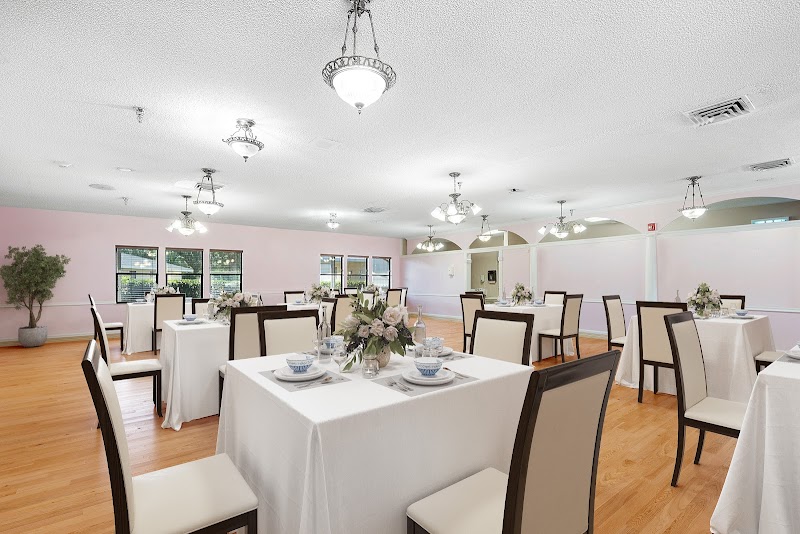
How is Vero Beach Staffed?

CMS rates VERO BEACH CARE CENTER's staffing level at 3 out of 5 stars, which is average compared to other nursing homes. Staff turnover is 58%, which is 12 percentage points above the Florida average of 46%. High turnover can affect care consistency as new staff learn residents' individual needs. RN turnover specifically is 71%, which is notably high. RNs provide skilled clinical oversight, so turnover in this role can affect medical care quality.

What Have Inspectors Found at Vero Beach?

State health inspectors documented 54 deficiencies at VERO BEACH CARE CENTER during 2022 to 2025. These included: 2 that caused actual resident harm, 51 with potential for harm, and 1 minor or isolated issues. Deficiencies causing actual harm indicate documented cases where residents experienced negative health consequences.
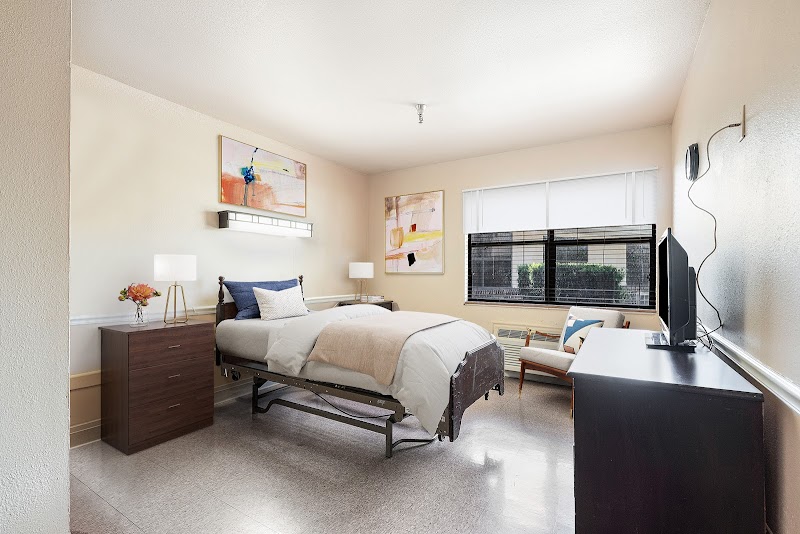
Who Owns and Operates Vero Beach?

VERO BEACH CARE CENTER is owned by a for-profit company. For-profit facilities operate as businesses with obligations to shareholders or private owners. The facility is operated by ASTON HEALTH, a chain that manages multiple nursing homes. With 159 certified beds and approximately 147 residents (about 92% occupancy), it is a mid-sized facility located in VERO BEACH, Florida.
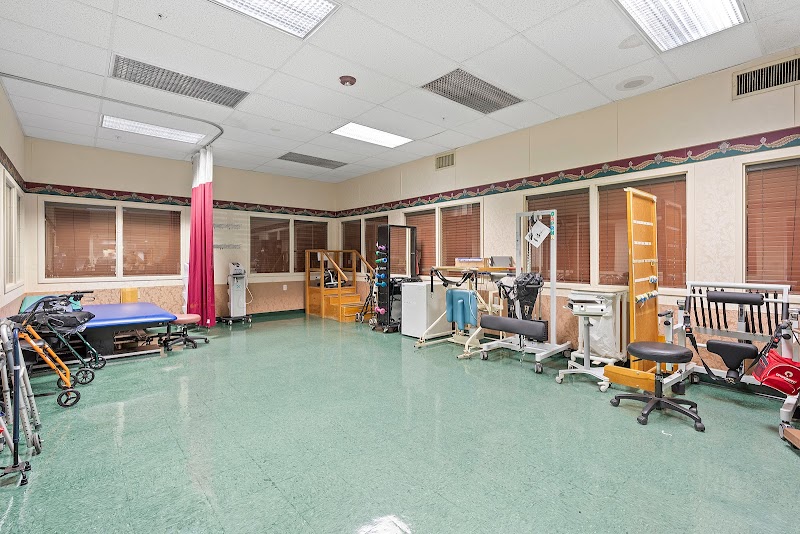
How Does Vero Beach Compare to Other Florida Nursing Homes?

Compared to the 100 nursing homes in Florida, VERO BEACH CARE CENTER's overall rating (1 stars) is below the state average of 3.2, staff turnover (58%) is significantly higher than the state average of 46%, and health inspection rating (1 stars) is much below the national benchmark.

What Should Families Ask When Visiting Vero Beach?

Based on this facility's data, families visiting should ask: "How do you ensure continuity of care given staff turnover, and what is your staff retention strategy?" "Can I visit during a mealtime to observe dining assistance and food quality?" "How do you handle medical emergencies, and what is your hospital transfer rate?" "Can I speak with family members of current residents about their experience?" These questions are particularly relevant given the facility's high staff turnover rate.

Is Vero Beach Safe?

Based on CMS inspection data, VERO BEACH CARE CENTER has a clean safety record: no substantiated abuse findings (meaning no confirmed cases of resident harm), no Immediate Jeopardy citations (the most serious violation level indicating risk of serious injury or death), and is not on the Special Focus Facility watch list (a federal program monitoring the lowest-performing 1% of nursing homes). The facility has a 1-star overall rating and ranks #100 of 100 nursing homes in Florida. While no facility is perfect, families should still ask about staff-to-resident ratios and recent inspection results during their visit.

Do Nurses at Vero Beach Stick Around?

Staff turnover at VERO BEACH CARE CENTER is high. At 58%, the facility is 12 percentage points above the Florida average of 46%. Registered Nurse turnover is particularly concerning at 71%. RNs handle complex medical decisions and coordinate care — frequent RN changes can directly impact care quality. High turnover means new staff may not know residents' individual needs, medications, or preferences. It can also be disorienting for residents, especially those with dementia who rely on familiar faces. Families should ask: What is causing the turnover? What retention programs are in place? How do you ensure care continuity during staff transitions?

Was Vero Beach Ever Fined?

VERO BEACH CARE CENTER has been fined $15,774 across 2 penalty actions. This is below the Florida average of $33,237. While any fine indicates a compliance issue, fines under $50,000 are relatively common and typically reflect isolated problems that were subsequently corrected. Families should ask what specific issues led to these fines and confirm they've been resolved.

Is Vero Beach on Any Federal Watch List?

VERO BEACH CARE CENTER is not on any federal watch list. The most significant is the Special Focus Facility (SFF) program, which identifies the bottom 1% of nursing homes nationally based on persistent, serious quality problems. Not being on this list means the facility has avoided the pattern of deficiencies that triggers enhanced federal oversight. This is a positive indicator, though families should still review the facility's inspection history directly.