ASTORIA HEALTH AND REHABILITATION CENTER
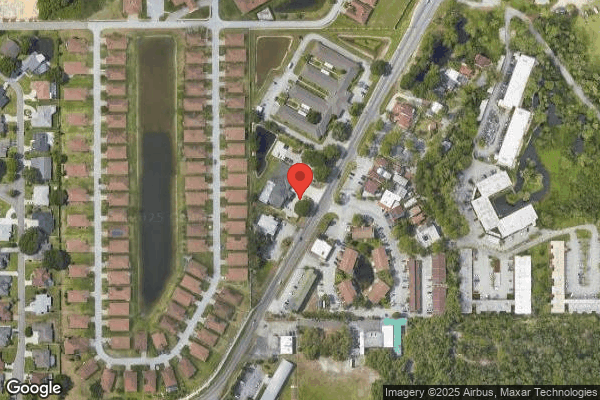

701 OVERLOOK DR SE, WINTER HAVEN, FL 33884 (863) 318-5000
For profit - Corporation 132 Beds TLC MANAGEMENT Data: November 2025
Trust Grade
55/100
#314 of 690 in FL
Last Inspection: March 2024

Within standard 12-15 month inspection cycle. Federal law requires annual inspections.

Overview

Astoria Health and Rehabilitation Center has received a Trust Grade of C, which means it is average and sits in the middle of the pack among nursing homes. In Florida, it ranks #314 out of 690 facilities, placing it in the top half, and #6 out of 25 in Polk County, indicating only five local options are better. However, the facility is currently worsening, with issues increasing from 2 in 2023 to 10 in 2024. Staffing is a concern as turnover is high at 55%, significantly above the state average of 42%. Although there have been no fines, which is a positive sign, RN coverage is below average, being less than 83% of other Florida facilities, which may impact patient care. Specific incidents include failing to notify residents' representatives about hospital transfers and not adequately labeling food in storage, which raises safety concerns. Overall, while the facility has strengths in its county ranking and lack of fines, it faces significant challenges in staffing and care quality.

Trust Score
C
55/100
In Florida
#314/690
Top 45%
Safety Record
Low Risk
No red flags
Inspections
Getting Worse
2 → 10 violations
Staff Stability
⚠ Watch
55% turnover. Above average. Higher turnover means staff may not know residents' routines.
Penalties
✓ Good
No fines on record. Clean compliance history, better than most Florida facilities.
Skilled Nurses
○ Average
Each resident gets 32 minutes of Registered Nurse (RN) attention daily — about average for Florida. RNs are the most trained staff who monitor for health changes.
Violations
⚠ Watch
28 deficiencies on record. Higher than average. Multiple issues found across inspections.
★★★☆☆
3.0
Overall Rating
★★★☆☆
3.0
Staff Levels
★★★★★
5.0
Care Quality
★★☆☆☆
2.0
Inspection Score
Stable
2023: 2 issues
2024: 10 issues

The Good

  • 5-Star Quality Measures · Strong clinical quality outcomes
  • Full Sprinkler Coverage · Fire safety systems throughout facility
  • No fines on record

Facility shows strength in quality measures, fire safety.

The Bad

3-Star Overall Rating

Near Florida average (3.2)

Meets federal standards, typical of most facilities

Staff Turnover: 55%

Near Florida avg (46%)

Frequent staff changes - ask about care continuity

Chain: TLC MANAGEMENT

Part of a multi-facility chain

Ask about local staffing decisions and management

Staff turnover is elevated (55%)

7 points above Florida average of 48%

The Ugly 28 deficiencies on record

Mar 2024 10 deficiencies
CONCERN (D)

Potential for Harm - no one hurt, but risky conditions existed

Deficiency F0645 (Tag F0645)

Could have caused harm · This affected 1 resident

**NOTE- TERMS IN BRACKETS HAVE BEEN EDITED TO PROTECT CONFIDENTIALITY** 2. A review of Resident #77's admission Record revealed Resident #77 was originally admitted to the facility on [DATE]. Further ...

Read full inspector narrative →
**NOTE- TERMS IN BRACKETS HAVE BEEN EDITED TO PROTECT CONFIDENTIALITY** 2. A review of Resident #77's admission Record revealed Resident #77 was originally admitted to the facility on [DATE]. Further review showed Resident #77 had diagnoses to include unspecified dementia, anxiety disorder, and cognitive communication deficit. A review of Resident #77's Level I PASARR assessment, dated 10/13/21, revealed, under the section titled A. MI (Mental Illness) or suspected MI (check all that apply), the checkbox for the selection Anxiety Disorder, was checked. Review of Section II Other Indications for PASRR [sic] Screen Decision- Making showed: 5. Does the individual have a primary diagnosis of: dementia? Checked as No; and Related Neurocognitive Disorder (including Alzheimer's disease)? Checked as No. 6. Does the individual have a secondary diagnosis of dementia, related neurocognitive disorder (including Alzheimer's disease) and the primary diagnosis is an [sic] Serious Mental Illness or Intellectual Disability? Checked as Yes. 7. Does the Individual have validating documentation to support dementia or related neurocognitive disorder (including Alzheimer's disease)? Checked as Yes - documented history. A review of Resident #77's Minimum Data Set (MDS) assessment, dated 1/26/24, revealed, under Section C: Cognitive Patterns no score for the Brief Interview for Mental Status (BIMS). This section showed the resident is rarely/never understood. Section I: Active Diagnoses documented Resident #77 had non-Alzheimer's Dementia, and anxiety disorder. Further record review of the medical record for Resident #77 revealed no evidence a Level II PASARR was completed. During an interview on 3/26/24 at 2:36 p.m. the Social Services Director reviewed the PASARR Level I Screen for Resident #77 and confirmed anxiety was checked for a MI/Suspected MI, and dementia was check as a secondary diagnosis. She confirmed a Level II was not submitted. Review of the instructions on the PASARR Level I form showed: A Level II PASRR [sic] evaluation must be completed if the individual has a primary or secondary diagnosis of dementia or related neurocognitive disorder, and a suspicion or diagnosis of an Serious Mental Illness, Intellectual Disability, or both. A Level II PASRR [sic] may only be terminated by the Level II PASRR [sic] evaluator . Review of a policy titled: Level I and Level II Process, revised 4/22, revealed: Policy: The Level I and II process is designed to determine the most appropriate setting for persons with a mental illness and/or intellectual or developmental disabilities and to identify the rehabilitation or specialized services that the person requires. It is the policy of this facility to participate in the Level I/Level II process. Procedure: 1. A Level I screen will be completed for all resident's [sic] admitted to the facility. If a level II is indicated at the time of admission, the Level II also will be completed prior to the resident being admitted to the facility. 2. Social Service Director or appointed designee will review all Level I's upon admission and a minimum of annually thereafter . 5. Social Service Director or designee will refer residents with newly evident or possible serious mental disorder, intellectual disability, or a related condition to the state mental health authority or the state intellectual authority. Documentation will be made in the progress notes. Based on observations, record reviews, and interviews, the facility failed to ensure the accuracy of the Preadmission Screening and Resident Review (PASARR) for two residents (#101, and #77) out of 37 residents sampled. Findings included: 1. On 3/23/24 at 1:48 p.m. Resident #101 was overheard from the hallway yelling out non-sensical words. Staff D, Certified Nursing Assistant (CNA) and Staff E, CNA were observed leaving the resident's room. Staff D stated the yelling was a behavior and asked this writer to shut the door as the screaming out affects other residents. The resident quieted during the observation then began yelling out non-sensical words, which continued after this writer left the room. Review of Resident #101's admission Record showed the resident was admitted on [DATE] and included the diagnoses with an onset date of 9/21/23 of unspecified severity unspecified dementia without behavioral disturbance, psychotic disturbance, mood disturbance, and anxiety, mild recurrent major depressive disorder, and anxiety. The record revealed diagnoses added after the resident's admission were unspecified anxiety disorder (onset date 10/14/23), mild single episode major depressive disorder (onset date 10/22/23), and senile degeneration of brain not elsewhere classified (onset date 11/17/23). Review of Resident #101's PASARR, dated 9/21/23 and completed at an acute care facility revealed the resident had diagnoses of anxiety, depressive, and psychotic disorders. The PASARR showed the resident had a primary diagnosis of dementia and did not have any disorder resulting in functional limitations, did not have a serious difficulty interacting appropriately and communicating effectively with other persons, did not have a serious difficulty in sustaining focused attention, and did not have a serious difficulty adapting to typical changes. The PASARR screen completion revealed the resident did not have a diagnosis or suspicion of a Serious Mental Illness or Intellectual Disability and a Level II evaluation was not required. Review of Resident #101's physician orders revealed the resident was admitted to hospice on 11/18/23 with a terminal diagnosis of senile degeneration of the brain. The following active physician orders showed the resident received psychotropic medications and was being monitored for side effects related to the use of those medications: - Observe for side effects (antipsychotic, antidepressant, antianxiety, (and) hypnotic). Y = yes side effects were noted - see progress notes. N = no side effect noted, every shift. Started on 9/30/23. - Psychological/Psychiatric evaluation and treatment. Started on 9/21/23. - Ativan 1 milligram (mg) - Give one tablet by mouth every 6 hours as needed for agitation/anxiety for 14 days. Started on 3/23/24. - Clonazepam 1 mg - Give 1 tablet by mouth every 6 hours for agitation. Started on 3/26/24. - Clonazepam 1 mg - Give 1 tablet by mouth every 8 hours for agitation. Started 3/8/24. - Duloxetine Delayed Release Particles 30 mg - Give 1 capsule by mouth two times a day for depression. Started 9/22/23. - Melatonin 3 mg tablet - Give 1 tablet by mouth at bedtime for sleep. Started 11/28/23. - Mirtazapine 15 mg - Give 0.5 tablet by mouth at bedtime for depression, poor oral (po) intake. Started on 11/28/23. - Seroquel 50 mg - Give 1 tablet by mouth two time a day. Started 3/26/24. Review of Resident #101's care plan revealed the following focuses and interventions: - I am currently prescribed an antidepressant medication, initiated 9/22/23. The interventions included staff would reevaluate my medication with any significant change in condition/status, initiated on 9/22/23. - I am currently prescribed an antianxiety medication, initiated 9/22/23. The interventions included the resident would receive the medication as prescribed. - I am at risk for adverse side effects related to my use of an antidepressant and antianxiety medication, initiated 9/22/23. - I have behavioral symptoms such as choosing not to have care provided or participate in Activities of Daily Living (ADL's), having my incontinent undergarments changed, eat my meals, allow staff to weigh or shower me secondary to my cognitive deficit and terminal diagnosis of Senile Degeneration of the Brain, initiated 10/5/23. Review of Resident #101's Quarterly Minimum Data Set (MDS) dated [DATE], revealed Active Diagnosis included diagnoses not limited to non-Alzheimer's dementia, anxiety and depression disorders, and Senile degeneration of brain not elsewhere classified. Review of Section E - Behavior, revealed the resident had delusions as potential indicators of psychosis and no other behaviors.
CONCERN (D)

Potential for Harm - no one hurt, but risky conditions existed

Pharmacy Services (Tag F0755)

Could have caused harm · This affected 1 resident

**NOTE- TERMS IN BRACKETS HAVE BEEN EDITED TO PROTECT CONFIDENTIALITY** Based on observations, interviews, and record reviews, the facility failed to ensure physician ordered medications were availabl...

Read full inspector narrative →
**NOTE- TERMS IN BRACKETS HAVE BEEN EDITED TO PROTECT CONFIDENTIALITY** Based on observations, interviews, and record reviews, the facility failed to ensure physician ordered medications were available for two residents (#63 and #35) of forty four sampled residents. Findings included: 1. A review of Resident #63's admission Record revealed Resident #63 was admitted to the facility on [DATE] with diagnoses of monoplegia of lower limb affecting the left side, postpolio syndrome, and muscle weakness. A review of Resident #63's physician's orders revealed the following orders: - An order, dated 3/21/2024 for diclofenac sodium 1% gel apply topically to both knees every 8 hours as needed for pain. - An order, dated 1/8/2024 for testosterone cypionate injection 200 milligrams (mg)/milliliter (ml), inject one application intramuscularly (IM) one time every 2 weeks on Monday for low testosterone. An interview was conducted on 3/23/2024 at 10:40 a.m. with Resident #63 in the resident's room. Resident #63 stated he recently had pain relief cream (diclofenac sodium 1% gel) ordered for knee pain, but had not yet received the cream because the facility had not received the cream from the pharmacy. Resident #63 stated he received testosterone injections every 2 weeks, but he was not getting them as often as he should be getting them. A review of Resident #63's Medication Administration Record (MAR) for January 2024 revealed Resident #63 did not receive the ordered testosterone cypionate injection on 1/22/2024. The entry in the MAR on that date was documented as 9=Other / See Progress Notes. A review of Resident #63's MAR for February 2024 revealed Resident #63 did not receive the ordered testosterone cypionate injection on 2/5/2024 or 2/19/2024. The entries in the MAR on those dates was documented as 9=Other / See Progress Notes. A review of Resident #63's MAR for March 2024 revealed Resident #63 did not receive the ordered testosterone cypionate injection on 3/18/2024. The entry in the MAR on that date was documented as 9=Other / See Progress Notes. Resident #63's MAR for March 2024 also revealed Resident #63 did not receive any applications of diclofenac sodium 1% gel since it was ordered on 3/21/2024. A review of Resident #63's Progress Notes revealed the following MAR notes related to Resident #63's testosterone cypionate injection not being administered: - A note dated 1/22/2024 at 9:29 AM: Awaiting pharmacy. The note did not reveal notification of Resident #63's physician or an attempt to contact the pharmacy. - A note dated 2/5/2024 at 10:35 AM: Spoke to pharmacy, pharmacy stated being a high cost med (medication). Fax will be sent with form. Medication not in [emergency drug kit], MD (medical doctor) aware. Resident #63's progress notes did not reveal any follow up documentation related to the administration or receipt of the medication. - A note dated 2/19/2024 at 8:19 AM: On order. The note did not reveal notification of Resident #63's physician or an attempt to contact the pharmacy. - A note dated 3/18/2024 at 10:49 AM: Spoke to pharmacy, new script (prescription) is needed. MD aware. Unit manager aware. Awaiting for medication. Resident #63's progress notes did not reveal any follow up documentation related to the administration or receipt of the medication. Review of Resident #63's progress notes did not reveal any follow up with the pharmacy regarding Resident #63's diclofenac sodium 1% gel. A follow up interview was conducted on 3/25/2024 at 9:44 a.m. with Resident #63 in the resident's room. Resident #63 stated he had not received his cream (diclofenac sodium 1% gel) for his knees and the nursing staff told him the cream was still not received from the pharmacy. During the interview, Resident #35, who was Resident #63's roommate, stated he did not receive his ordered cream for his knees either. Resident #35 stated he had an order for the same cream as Resident #63. 2. A review of Resident #35's admission Record revealed Resident #35 was admitted to the facility on [DATE] with diagnoses of pneumonia, muscle wasting and atrophy, and muscle weakness. A review of Resident #35's physician's orders revealed an order, dated 3/18/2024 for diclofenac sodium 1% gel apply topically to both knees every 12 hours as needed for pain. Review of Resident #35's progress notes did not reveal any follow up with the pharmacy regarding Resident #35's diclofenac sodium 1% gel. An interview was conducted on 3/25/2024 at 9:56 am. with Staff C, Licensed Practical Nurse (LPN), who was Resident #63's and Resident #35's assigned nurse for the 7:00 a.m. to 3:00 p.m. shift. Staff C, LPN stated Resident #63's diclofenac sodium 1% gel was ordered from the resident's physician on Wednesday (3/20/2024) and the medication was still on order from the pharmacy when she was working on Friday 3/22/2024. Staff C, LPN reviewed Resident #63's medications and diclofenac sodium 1% gel was shown in the electronic MAR as on order. Staff C, LPN stated she was not sure if any other nursing staff followed up with the pharmacy regarding the whereabouts of the medication and stated nursing staff would usually follow up with the pharmacy if a medication had not arrived. Staff C, LPN opened the treatment cart on the 600 unit and attempted to find diclofenac sodium 1% gel for Resident #63 or Resident #35. Staff C, LPN was not able to locate the diclofenac sodium 1% gel for either resident in the treatment cart. Staff C, LPN opened the treatment cart on the 400 unit and attempted to find diclofenac sodium 1% gel for Resident #63 or Resident #35. Staff C, LPN was not able to locate the diclofenac sodium 1% gel for either resident in the treatment cart. A follow up interview was conducted on 3/26/2024 at 10:46 a.m. with Staff C, LPN. Staff C, LPN stated Resident #63 received testosterone injections every two weeks and had lab work performed every two weeks to assess the resident's testosterone levels. The results of the lab work are sent to Resident #63's physician to determine if the testosterone therapy is still needed. Staff C, LPN reviewed Resident #63's MAR and stated she was at the facility on 3/18/2024 and Resident #63's testosterone cypionate injection was not available and was on order from the pharmacy. Staff C, LPN reviewed Resident #63's progress notes and was not able to find notes for follow up with the pharmacy related to Resident #63's testosterone cypionate injections. Staff C, LPN stated if the order for the testosterone cypionate injection was current then the resident should be getting it. An interview was conducted on 3/26/2024 at 5:08 p.m. with the facility's Director of Nursing (DON). The DON stated when a new medication is ordered for a resident, the order is electronically sent to the pharmacy and the medication should be delivered on the next pharmacy run. The DON also stated pharmacy runs are completed three times a day on Monday through Friday and twice a day on Saturday and Sunday. The DON stated if a medication does not arrive from the pharmacy, the nurse should follow up with the pharmacy and document the follow up in the resident's progress notes. If a medication is not administered, the resident's physician should be notified. The DON stated the nurse should have called the pharmacy regarding Resident #63's testosterone cypionate injection so a new prescription could be obtained from the resident's physician. The DON also stated it would not typically take very long to get a medication from the pharmacy, especially considering the diclofenac sodium 1% gel is an over-the-counter (OTC) medication and it could be obtained from a nearby store. The DON would expect nursing staff to notify a unit manager, a supervisor, or herself to obtain an OTC medication so it could be purchased immediately. A review of the facility policy titled, Pharmacy Services, last revised in February 2020, revealed under the section titled Policy it is the policy of the facility to provide routine and emergency drugs to residents according to the physician's orders. The policy also revealed under the section titled Procedure the facility will provide pharmacy services including accurate acquiring of medications, receiving of medications, dispensing of medications, and administering of medications.
CONCERN (D)

Potential for Harm - no one hurt, but risky conditions existed

Deficiency F0757 (Tag F0757)

Could have caused harm · This affected 1 resident

**NOTE- TERMS IN BRACKETS HAVE BEEN EDITED TO PROTECT CONFIDENTIALITY** Based on interview and record review the facility failed to prevent the administration of a medication listed as an allergy and ...

Read full inspector narrative →
**NOTE- TERMS IN BRACKETS HAVE BEEN EDITED TO PROTECT CONFIDENTIALITY** Based on interview and record review the facility failed to prevent the administration of a medication listed as an allergy and failed to notify the physician of the administration the medication for one resident (#55) of seven sampled residents,. Findings included: A review of the admission Record revealed Resident #55 was admitted to the facility on [DATE] with diagnoses to included metabolic encephalopathy, generalized anxiety, pressure ulcer of sacral region, stage 4 and heart failure. Review of the Minimum Data Set assessment, dated 2/2/24, revealed in Section C - Cognitive Patterns a Brief Interview for Mental Status (BIMS) score of 14, indicating cognitively intact. Section N - Medications showed opioids were administered. Review of the electronic medical record showed the allergies listed for Resident #55 as Morphine, Lasix, Lyrica and shellfish. Review of the Order Summary Report for 3/1/24 - 3/31/24 showed the allergies listed as Morphine, Lasix, Lyrica and shellfish. Review of the Medication Administration Record (MAR) for February 2024 showed the allergies listed as Morphine, Lasix, Lyrica and shellfish. Further review showed the physician orders as: -Morphine sulfate (Concentrate) Oral Solution 20 MG/ML (milligrams/milliliters) - give 0.5 ml by mouth every 2 hours as needed for pain, start date 1/29/24 17:30 ; no end date (not administered in February), Review of the March 2024 MAR showed the allergies listed as Morphine, Lasix, Lyrica and shellfish. Further review showed active physician orders as: -Morphine sulfate (Concentrate) Oral Solution 20 MG/ML (Morphine Sulfate) - give 0.5 ml by mouth every 2 hours as needed for pain, start date 1/29/24 17:30 (5:30 p.m.); no end date. The MAR showed the administration of the medication on 3/6/24 for a pain level of 6 and on 3/21 for a pain level of 5 with both administrations being effective. Review of the electronic medical record progress note, dated 3/21/24 at 23:45 (11:45 p.m.) showed the administration of Morphine Sulfate (concentrate). A review of Resident #55's care plan, initiated on 1/30/24, revealed a Focus as I am currently prescribed an opioid medication. The Goal was noted as I will have no adverse side effects from my medication. Interventions included: you will revaluate my medication with any significant change in condition/status, you will routinely evaluate if this medication can be reduced or discontinued. Review of the electronic medical record revealed the date of 3/14/24 as the date the allergy to Morphine was added. Review of the daily skilled notes for 3/13/24 and 3/14/24 were silent to documentation related to the allergy to morphine. Review of the medical record to include physician notes dated 3/13/24, 3/18/24 and 3/20/24 did not reveal documentation related to a Morphine allergy. Review of the Wound Evaluation and Management Summary report, dated 3/18/24, showed Lasix and Lyrica as allergies. During an interview with Resident #55 on 3/25/24 at 1:38 p.m., she stated she was allergic to Lasix and Lyrica. She said she was not allergic to Morphine her [family member] must have told the facility that. She said, I'm not. I've had it since I've been here .I take it every once in while when my butt hurts. During an interview with Staff P, Licensed Practical Nurse (LPN) on 3/25/24 at 2:40 p.m., she stated Resident #55 can make her needs known when she is in pain. She does have Morphine if it reaches that stage in level of pain. She reviewed the electronic medical record and confirmed the physician order for Morphine was active. During an interview with the Director of Nursing (DON) on 3/26/24 at 4:47 p.m., she reviewed the March 2024 MAR and confirmed the administration of Morphine to Resident #55 on 3/21/24 at 23:45 and 3/26 at 4:16 a.m. She confirmed Morphine was listed as an allergy for this resident and stated it is a mild intolerance. She said it probably should have been taken off. She clarified if the nursing staff see the allergy popping up on the screen they should notify the doctor. She reviewed the record and stated, I do not see they notified the doctor. She stated if the nurses are getting a warning of a potential issue they should notify the physician. She stated it (Morphine) should never have been listed as that (allergy). She stated they should get an order to d/c (discharge it). Review of the policy titled, Medication Administration, implemented 3/14/24, revealed the Policy as: Medications are administered by licensed nurses, or other staff who are legally authorized to do so in this state, as ordered by the physician and in accordance with professional standards of practice, in a manner to prevent contamination or infection. Policy Explanation and Compliance Guidelines: 10. Ensure that the six rights of medication administration are followed: a. Right resident b. Right drug c. Right dosage d. Right route e. Right time f. Right documentation 21. Correct any discrepancies and report to nurse manager.
CONCERN (D)

Potential for Harm - no one hurt, but risky conditions existed

Medication Errors (Tag F0758)

Could have caused harm · This affected 1 resident

**NOTE- TERMS IN BRACKETS HAVE BEEN EDITED TO PROTECT CONFIDENTIALITY** 3. A review of the admission Record revealed Resident #55 was admitted to the facility on [DATE] with diagnoses to included meta...

Read full inspector narrative →
**NOTE- TERMS IN BRACKETS HAVE BEEN EDITED TO PROTECT CONFIDENTIALITY** 3. A review of the admission Record revealed Resident #55 was admitted to the facility on [DATE] with diagnoses to included metabolic encephalopathy, generalized anxiety. Further review of the medical record revealed an additional diagnosis of depression. During an interview and observation of Resident #55 in bed on 3/24/24 at 9:08 a.m. the resident confirmed she was in the facility long term and that she hasn't been to any of the activities but stated, This is a great place. Review of the Minimum Data Set assessment, dated 2/2/24, revealed in Section C - Cognitive Patterns a Brief Interview for Mental Status (BIMS) score of 14, indicating cognitively intact. Section N - Medications showed an antidepressant was administered. Review of the Medication Administration Records (MAR) for February and March 2024 showed: -Duloxetine HCI Oral Capsule Delayed Release Particles 20 MG (milligram) - Give 1 capsule by mouth one time a day for depression, start 1/30/24. This medication was administered as ordered. -Mirtazapine Oral Tablet 7.5 MG - Give 1 tablet by mouth at bedtime for depression, start 1/29/24. This medication was administered as ordered. Review of the February and March 2024 Medication Administration Records (MARs) revealed no physician order or record of behaviors being monitored. Review of a Behavioral Health Note, dated 2/16/24, revealed the primary psychiatric diagnosis code as major depressive disorder. The medical decision section showed: Recommend continuing Remeron as ordered for appetite. The GDR (gradual dose reduction) comments revealed a decline due to risk of decompensation. A review of Resident #55's care plan, initiated on 1/30/24, revealed a Focus as I am currently prescribed an antidepressant medication. The Goal was noted as I will have no adverse side effects from my medication. Interventions included: you will revaluate my medication with any significant change in condition/status, you will routinely evaluate if this medication can be reduced or discontinued. A review of Resident #55's care plan, initiated on 3/24/24, revealed a Focus as I have a diagnosis of depression and present with signs/symptoms of excessive sleeping, tearfulness, anger. The Goal was noted as I will display no major depressive signs/symptoms such as tearfulness or anger outburst. Interventions included: I will receive my medications as ordered, I will receive psych services as needed, you will encourage family involvement and you will provide emotional support and assistance as needed. A review of Resident #55's care plan, initiated on 3/25/24, revealed a Focus as I am at risk for adverse side effects related to my use of an antidepressant medication. Interventions, dated 3/25/24, included: you will observe for changes in my behaviors and revise/update my care plan as needed to support my current status. Review of Resident #55's available assessments showed the assessment for Behaviors was not part of the drop down list, showing that assessment had not been completed for this resident. An interview was conducted with Staff P, Licensed Practical Nurse (LPN) on 3/25/24 at 2:52 p.m. Staff P stated behaviors are under assessments on the behavior sheet. She looked under Resident #55 and stated, I don't see anything under [Resident #55]. An interview was conducted with the Director of Nursing on 3/26/24 at 4:47 p.m. The DON stated the behavior assessment is for anything out of the norm for the yelling, getting anxious. The nurses have a behavior assessment they are supposed to be completing. The DON stated there isn't a batch order for that (behaviors) and the nurses should be monitoring for behaviors and if any behaviors completing the behavior assessments. The DON reviewed the medical record for Resident #55 and there was no behavior assessment completed for Resident #55. Review of the policy titled, Psychoactive Medications/Gradual Dose Reduction (GDR)/ Unnecessary medications policy, revised 4/23, showed, It is the policy of this facility that a resident will receive medications and psychoactive medications only when it is necessary to improve the resident's overall psychosocial health status. To ensure the resident is receiving the necessary medication at the lowest effective dose with an appropriate diagnosis. To ensure gradual dose reduction attempts are made unless contraindicated . 14. Unnecessary Drugs - Every resident's drug regimen is to be free from unnecessary drugs. An unnecessary drug is any drug when used: - Without adequate monitoring; - Demonstrates monitoring for each medication as appropriate. Based on observations, record reviews, and interviews the facility failed to monitor the behaviors of two residents (#59 and #55) out of five residents sampled for the use of psychotropic medications. Findings included: 1. On 3/24/24 at 9:41 a.m. Resident #59 was observed lying in bed complaining of seeing a physician in six weeks and had not been out of bed for nine weekends. Review of Resident #59's admission Record revealed the resident was admitted on [DATE] and included diagnoses of adjustment disorder with mixed anxiety and depressed mood, unspecified anxiety disorder, and mild recurrent major depressive disorder. Review of Resident #59's Order Summary Report, which included active physician orders, showed the resident was ordered the following: - Observed for side effects (antipsychotic, antidepressant, antianxiety, (and) hypnotic), Y=yes side effects were noted - see progress notes. N= No side effects noted, every shift for see above. - Buspirone 5 milligram (mg) - Give 1 tablet by mouth two times a day for anxiety. Started on 3/15/24. - Cymbalta Delayed Release Particles (Duloxetine) 30 mg - Give 1 capsule by mouth in the evening for depression. Started 5/2/23. - Duloxetine Delayed Release Particles 60 mg - Give 1 capsule by mouth one time a day for depression. Started 3/21/23. - Mirtazapine 7.5 mg - Give 0.5 tablet by mouth at bedtime for depression, poor oral (po) intake. Started 8/3/23. -Seroquel 25 mg - Give 0.5 tablet by mouth two times a day for psychosis for 7 days. Started 3/25/24, end 4/1/24. Review of Resident #59's Order Summary Report did not show an order instructing staff to monitor for the behaviors related to the use of the resident's prescribed psychotropic medications. Review of Resident #59's Behavioral Health Note, written by an outside vendor, dated 3/15/24, showed the resident was discussed in psych med (medication) meeting with Interdisciplinary team (IDT) for consideration of a Gradual Dose Reduction (GDR). The note revealed since the last visit, resident had not had any further agitation/aggression/paranoia. The resident had no new behavioral concerns, changes in mood or anxiety/restlessness noted per staff. The note showed a GDR attempt was made by reducing the resident's Buspar (Buspirone) to 5 mg twice daily (BID). Review of Resident #59's Behavioral Health note, written by an outside vendor, dated 3/25/24, showed Since admission, periods of irritability/anxiety/frustration related to (r/t) medical issues, decline in functional ability, and placement. The resident reported to the Nurse Practitioner (NP) current medications helped with anxiety and anger and presented as quite irritable during visit and unable to fully engage. The staff reported frequent irritability with periods of anxiety and Cymbalta was increased during the last visit. Resident was having some increased anxiety/yelling out/increased confusion/visual hallucinations (VH), (and) periods of anxiety and agitation. The nurse reported was tired and having low energy; mood, anxiety, confusion, and VH were improved. recently had an episode of agitation/aggression/paranoia per staff. A GDR of Buspar on 3/15/24 and was tolerating well, however since the weekend (resident) noted with increased confusion, periods of agitation, and fluctuating delusions. Resident with VH (snakes in (resident) room) and paranoid delusions that are causing distress. The plan and recommendation instructed staff to monitor for sleep, appetite, mood, (and) anxiety. Review of a note written by Resident #59's primary care physician, on 3/24/24, revealed the resident's cognition was off, impaired concentration, seemed to be more anxious, and had flights of ideas jumping from subject to subject. Review of Resident #59's Minimum Data Set (MDS) , dated 3/2/24, revealed the resident had no mood symptoms such as little interest or pleasure in doing things or feeling down, depressed, or hopelessness in the two weeks prior to the evaluation and had no indicator of psychosis or any physical, verbal or other behavioral symptoms, or rejection of care prior to the evaluation period. Review of Resident #59's care plan revealed the following Focuses and related interventions: - I am currently prescribed an antianxiety medication, initiated 3/1/23 and revised 3/14/24. The related interventions included instructions to staff You will adequately monitor my dose, duration, and indication of use. - I am currently prescribed an antidepressant, initiated 3/1/23 and revised 3/14/24. The related interventions included instructions to staff You will adequately monitor my dose, duration, and indication of use. - I am currently prescribed an antipsychotic medication, initiated and revised on 3/25/24. The related interventions included instructions to staff You will adequately monitor my dose, duration, and indication of use. - I have behavioral symptoms such as choosing not to have care provided: Refuse to allow staff to get me out of bed at times, refuse to allow staff to shower me, (and) sign and symptoms of psychosis, initiated 12/6/23 and revised 3/25/24. The interventions included, I will report and you will observe for changes in my behaviors, determine if any alterations in care plan is needed and You will redirect my behavior when choosing not to have care, initiated 12/6/23. - I have depression as evidenced by change in living environment, chronic pain, (and) progression of disease process, initiated on 3/1/23 and revised on 6/6/23. The interventions instructed staff I will report and you will observe for changes in my depression symptoms. - I have a diagnosis of depression and present with signs/symptoms of depression such as lack of energy, feelings of sadness, behavioral changes of hallucinations and delusions at times, initiated and revised on 3/24/24. This focus did not include an intervention related to staff monitoring for the resident's signs and symptoms of depression. Review on 3/26/24 at 2:42 p.m. of Resident #59's available assessments showed the assessment for Behaviors was not part of the drop down list, showing that assessment had not been completed for this resident. During an interview on 3/26/24 at 4:53 p.m. the Director of Nursing (DON) stated the facility has a behavior assessment for staff to complete for anything out of the norm (for residents), If they are getting aggressive, (or) yelling. The DON reported Resident #59 typically will hallucinate snakes and frogs. She reviewed Resident #59's record and confirmed no behavior assessment had been completed and was unavailable as an assessment. Can't believe they haven't done one. The DON reported wanting to check with the Regional for the TASK behavior completion as she wasn't aware of the facility doing it.
CONCERN (D)

Potential for Harm - no one hurt, but risky conditions existed

Food Safety (Tag F0812)

Could have caused harm · This affected 1 resident

Based on observation, interview and record review the facility failed to maintain one ice machine (400 hall) of three facility ice machines in a sanitary manner. Findings included: An observation on ...

Read full inspector narrative →
Based on observation, interview and record review the facility failed to maintain one ice machine (400 hall) of three facility ice machines in a sanitary manner. Findings included: An observation on 3/26/24 at 12:13 p.m. of the ice machine located in the locked nourishment room on the 400 hall revealed multiple spots of black bio growth on the top of the inside of the ice bin when the cover was lifted. During an interview, at this time, Staff M, Licensed Practical Nurse stated the ice was used by CNAs (certified nursing assistants) to put in the cups for residents. The ice machine was observed to be full of ice. He confirmed maintenance was responsible for cleaning the ice machines. On 3/26/24 at 12:20 p.m. the Maintenance Director stated the ice machine (400 hall) was last cleaned in the November/December 2023 timeframe. He observed and confirmed the black bio growth located inside the ice machine. He stated the staff should have let him know, and they should have entered a work order in the electronic work order system. He said if he would have seen it, he would have cleaned it. He stated he would look to see if any work orders were submitted from January 2024 to today. On 3/26/24 at 1:06 p.m. the Nursing Home Administrator confirmed there were no work orders submitted. Review of the facility policy titled, CLEANING OF ICE MACHINES, revised 6/21, revealed the purpose as: Ice may become contaminated from the use of impure water, contamination of ice-making machines, or from improper storage or handling of ice .The ice machine will be drained, cleaned and sanitized according to manufacturer's specification. Review of the facility policy titled, Safe and Homelike Environment, dated 11/01/2023, revealed the Policy as: In accordance with residents' rights, the facility will provide a safe, clean, comfortable and homelike environment, allowing the resident to use his or her personal belongings to the extent possible . Policy Explanation and Compliance Guidelines: 3. Housekeeping and maintenance services will be provided as necessary to maintain a sanitary, orderly and comfortable environment.
CONCERN (E)

Potential for Harm - no one hurt, but risky conditions existed

PASARR Coordination (Tag F0644)

Could have caused harm · This affected multiple residents

**NOTE- TERMS IN BRACKETS HAVE BEEN EDITED TO PROTECT CONFIDENTIALITY** Based on interview and record review, the facility failed to revise the Level I Pre-admission Screening and Resident Review (PAS...

Read full inspector narrative →
**NOTE- TERMS IN BRACKETS HAVE BEEN EDITED TO PROTECT CONFIDENTIALITY** Based on interview and record review, the facility failed to revise the Level I Pre-admission Screening and Resident Review (PASARR) with a newly identified diagnosis and failed to resubmit for a PASARR Level II review for four residents (#54, #20, #70, and #61) of 37 residents reviewed. Findings included: 1. Review of the admission Record revealed Resident #54 was originally admitted to the facility on [DATE] and readmitted on [DATE] with diagnoses to include unspecified dementia, cognitive communication deficit, and unspecified psychosis not due to a substance or known physiological condition. On 1/29/24 the diagnosis of adjustment disorder with mixed anxiety and depressed mood was added. Review of the Quarterly Minimum Data Set (MDS), dated [DATE], revealed: -Section C - Cognitive Patterns: Brief Interview for Mental Status (BIMS) score 07, indicating severe cognitive impairment. -Section I Active Diagnosis - non-Alzheimer's Dementia, psychotic disorder and adjustment disorder with mixed anxiety and depressed mood. -Section N Medications: administered - antipsychotic, antianxiety and antidepressant. Review of the Medication Administration Record (MAR) for March 2024 showed: - Trazodone HCI Oral Tablet 50 MG (milligram) - Give 1 tablet by mouth at bedtime for Depression, start date 12/7/23, -Quetiapine Fumarate Oral Tablet 50 MG - Give 1 tablet by mouth at bedtime for Mood disorder, start date 12/7/23, -Ativan Oral Tablet .5 MG - Give .5 mg by mouth every 6 hours as needed for anxiety for 30 days, start date 3/13/24. Review of the PASSAR Level I, dated 7/31/23, revealed: -Section IA, no Mental Illness, or suspected Mental Illness checked. -Section II 5 primary diagnosis of Dementia checked no. -Section II 6 secondary diagnoses of Dementia checked no. On 3/26/24 at 2:43 p.m. during an interview with the Social Services Director, she confirmed the dementia diagnosis was not captured and should have been documented on the PASARR Level I. She stated a PASARR Level I should have been completed with the new diagnoses of psychosis, and adjustment disorder with mixed anxiety and depressed mood. She stated when a Level I is input into the system the algorithm in the system would alert her if a Level II was needed for the resident. 2. Review of the admission MDS, with the target date of 8/7/23, revealed Resident #20 was admitted to the facility on [DATE] with diagnoses to include unspecified dementia. The MDS also showed: -Section C - Cognitive Patterns: Brief Interview for Mental Status (BIMS) score 06, indicating severe cognitive impairment. -Section I - Active Diagnosis - Dementia was checked. -Section N - Medications: administered - no antipsychotics administered. Review of the PASARR Level I, dated 7/27/23, revealed: -Section IA, no Mental Illness, or suspected Mental Illness checked. -Section II 5 primary diagnosis of Dementia checked yes. -Section II 6 secondary diagnoses of Dementia checked no. Review of the medical record showed a diagnosis of major depressive disorder was added as of 11/21/23. Continued review of the medical record revealed the medical record was silent of a new PASARR Level I or a PASARR Level II. On 3/26/24 at 2:40 p.m. the Social Services Director confirmed there was not a revised PASARR Level I or a PASARR Level II for Resident #20. She stated when the diagnosis of depressive disorder was added another Level I screen should have been completed. 3. On 3/23/24 at 2:09 p.m. Resident #70 was observed lying in bed, a piece of white gauze with a nickel-sized reddish-brown colored stain was attached to the inner portion of the resident's right arm. The resident stated, They told me not to remove it. Review of a progress note, 3/22/24 at 3:10 p.m., revealed the resident had pulled Intravenous (IV) line out and gauze had been applied. Review of Resident #70's admission Record revealed the resident had been admitted on [DATE] and included diagnoses of cognitive communication deficit, unspecified severity unspecified dementia without behavioral, psychotic and mood disturbances and anxiety. Review of Resident #70's PASARR Level I, completed at an acute care facility on 11/22/23, showed the resident had no Mental Illness (MI), Suspected MI (SMI), Intellectual Disability (ID) or Suspected ID (SID) based on documented history and medications. The evaluation did reveal the resident had positive findings of serious interpersonal functioning and serious difficulty in sustaining concentration, persistence, and pace related to the completion of tasks. The PASARR revealed the resident had no diagnosis or suspicion of a SMI or ID therefore a Level II evaluation was not required. Review of Resident #70's active physician orders revealed the following: - Psychological/Psychiatric evaluation and treatment. Started 11/22/23. - Depakote 125 milligram (mg) Delayed Release - Give 1 tablet every 12 hours for mood stabilization, started 3/15/24. - Sertraline 50 mg - Give 1 tablet by mouth at bedtime for depression, started 11/22/23. Review of Resident #70's Psychological Diagnostic Evaluation, dated 12/1/23, showed the primary psychological diagnosis was Adjustment disorder with mixed anxiety and depressed mood. The evaluation revealed the resident had been referred to psychology due to having a diagnosis of depression, current psych meds (medications) were Sertraline (and) Depakote, and a current/past psychiatric diagnoses included Dementia and Depression. Review of Resident #70's Behavioral Health Note, dated 1/30/24, revealed the resident had a diagnosis of depression and was currently taken Zoloft, denied sadness/depression that day however energy had decreased. The narrative revealed the resident Occasional irritability/resistance to redirection, however no combative/aggressive behavior. The note revealed the resident was receiving the medication Zoloft for depression and Depakote for dementia with behaviors, a Gradual Dose Reduction (GDR) had been considered but contraindicated. The visit note revealed the Primary Psychiatric diagnosis for the resident was Adjustment disorder with anxiety and the secondary diagnosis was Mild single episode Major depressive disorder. Review of Resident #70's Quarterly Minimum Data Set (MDS), dated [DATE], showed the resident did not voice any issues with mood, however the resident had delusions, and no behaviors. The assessment did not include the resident's psychiatric diagnosis of adjustment disorder or depression. 4. Review of the the admission Record revealed Resident #61 was initially admitted on [DATE] and readmitted on [DATE] with diagnoses to include generalized anxiety disorder, unspecified dementia, unspecified severity, without behavioral disturbance, psychotic disturbance , mood disturbance, and anxiety and major depressive disorder,recurrent, mild. On 3/25/2024 a diagnosis of adjustment disorder with anxiety was added. Review of the PASARR Level I Screen dated 1/2/2024, revealed: Section IA-No mental illness or suspected mental illness checked Section II-Secondary diagnosis of Dementia is marked No Section IV-No diagnosis or suspicion of serious mental illness indicated. Review of the medical record revealed no documentation of a PASARR Level II. Review of the Medication Administration Record for March 2024 it revealed: -Amitriptyline HCI oral tablet 10 MG (milligrams) give 1 tablet by mouth one time a day for depression, start date-2/26/2024 Donepepezil -HCI Oral tablet 5 MG give 1 tablet by mouth at bedtime for dementia, start date-2/26/2024 -Memantine HCI Oral tablet 5 MG, give 1 tablet by mouth at bedtime for dementia, start date-2/26/2024 -Lorazepam Oral Tablet 0.5 MG give 1 tablet by mouth every 8 hours as needed for anxiety for 14 days, start date-3/23/2024. Review of Resident #61's MDS, dated [DATE], Section I revealed an active diagnoses of Non-Alzheimer's Dementia, Anxiety disorder and depression. On 3/26/2024 at 6:16 p.m. an interview was conducted with the Social Services Director, she confirmed the added diagnosis of adjustment disorder with anxiety and the absence of an updated PASARR Level II. Review of a policy titled, Level I and Level II Process, revised 4/22, revealed: Policy: The Level I and II process is designed to determine the most appropriate setting for persons with a mental illness and/or intellectual or developmental disabilities and to identify the rehabilitation or specialized services that the person requires. It is the policy of this facility to participate in the Level I/Level II process. Procedure: 1. A Level I screen will be completed for all resident's [sic] admitted to the facility. If a level II is indicated at the time of admission, the Level II also will be completed prior to the resident being admitted to the facility. 2. Social Service Director or appointed designee will review all Level I's upon admission and a minimum of annually thereafter . 5. Social Service Director or designee will refer residents with newly evident or possible serious mental disorder, intellectual disability, or a related condition to the state mental health authority or the state intellectual authority. Documentation will be made in the progress notes.
CONCERN (E)

Potential for Harm - no one hurt, but risky conditions existed

Comprehensive Care Plan (Tag F0656)

Could have caused harm · This affected multiple residents

**NOTE- TERMS IN BRACKETS HAVE BEEN EDITED TO PROTECT CONFIDENTIALITY** Based on observations, interviews and record review the facility failed to develop comprehensive care plans for three residents ...

Read full inspector narrative →
**NOTE- TERMS IN BRACKETS HAVE BEEN EDITED TO PROTECT CONFIDENTIALITY** Based on observations, interviews and record review the facility failed to develop comprehensive care plans for three residents (#71, #75 and #77) related to advanced directives out of forty four residents sampled, and one resident (#59) related to identifying the target behaviors exhibited out of five residents sampled for unnecessary medications. Findings included: 1. Review of Resident #71's admission Record revealed an admission date of 3/29/22 and that she was a hospice patient. Resident #71's medical diagnoses included encephalopathy, multiple myeloma in remission, and anxiety disorder. The admission Record showed Resident #71's Advance Directive was Do Not Resuscitate (DNR). Review of Resident #71's current comprehensive care plan, revised as of 12/2023, was silent of a Focus, goal or interventions related to Advance Directives. On 3/26/24 during an interview that started at 6:17 p.m., Staff J, Minimum Data Set Coordinator/Licensed Practical Nurse (MDS/LPN) stated we (facility) should have an Advance Directives care plan for each resident. She reviewed the care plan for Resident #71 and stated, Nope, I don't see one for [Resident #71]. 2. Review of Resident #75's admission Record revealed an admission date of 2/22/24 and that she was a hospice patient. Resident #75's medical diagnoses included chronic obstructive pulmonary disease, and unspecified dementia. The admission Record showed Resident #75's Advance Directive was Do Not Resuscitate (DNR). Review of Resident #75's current comprehensive care plan, initiated on 2/23/24, was silent of a Focus, goal or interventions related to Advance Directives. On 3/26/24 during an interview that started at 6:17 p.m., Staff J, MDS/LPN reviewed the care plan for Resident #75 and confirmed Resident #75 did not have a care plan for Advance Directives. 3. Review of Resident #77's admission Record revealed the most recent admission date of 2/10/22 and that she was a hospice patient. Resident #77's medical diagnoses included respiratory failure and unspecified dementia. The admission Record showed Resident #77's Advance Directive was Do Not Resuscitate (DNR). Review of Resident #77's current comprehensive care plan, recently revised as of 3/23/24, was silent of a Focus, goal or interventions related to Advance Directives. On 3/26/24 during an interview that started at 6:17 p.m., Staff J, MDS/LPN reviewed the care plan for Resident #77 and stated, I don't see one for [Resident #77]. 4. On 3/24/24 at 9:41 a.m., Resident #59 was observed lying in bed with some confusion. On 3/24/24 at 11:45 a.m. Resident #59 was observed sitting in a wheelchair between the two beds occupying the room. Review of Resident #59's admission Record showed the resident was admitted on [DATE] and included diagnoses of adjustment disorder with mixed anxiety and depressed mood, unspecified anxiety disorder, and mild recurrent major depressive disorder. Review of Resident #59's care plan revealed the following: - I am currently prescribed an antianxiety medication. The interventions included: You will adequately monitor my dose, duration, and indication of use. - I am currently prescribed an antidepressant. The interventions included: You will adequately monitor my dose, duration, and indication of use. - I am currently prescribed an antipsychotic medication. The interventions included: You will adequately monitor my dose, duration, and indication of use. - I have behavioral symptoms such as choosing not to have care provided, refuse to allow staff to get me out of bed at times, refuse to allow staff to shower me, (and) sign and symptoms of psychosis. The interventions included: I will report and you will observe for changes in my behaviors, determine if any alterations in care plan is needed. - I have depression as evidenced by change in living environment, chronic pain, (and) progression of disease process. The interventions included I will report and you will observe for changes in my depression symptoms. - I have a diagnosis of depression and present with signs/symptoms of depression such as lack of energy, feelings of sadness, behavioral changes of hallucinations and delusions at times. The interventions included, I will receive my medications as ordered. This focus was added on 3/24/24. Review of Resident #59's care plan did not reveal target behaviors exhibited by the resident that staff was instructed to be observing for necessitating the use of antianxiety and antipsychotic medications. Review of Resident #59's active Order Summary Report revealed the following: - Buspirone 5 milligram (mg) - Give 1 tablet by mouth two times a day for anxiety, started on 3/15/24. - Cymbalta Delayed Release particles 30 mg - Give 1 capsule by mouth in the evening for depression, started 5/2/23. - Duloxetine Delayed Release particles 60 mg - Give 1 capsule by mouth one time a day for depression, started 3/22/23. - Mirtazapine 7.5 mg - Give 1 tablet by mouth at bedtime for depression, poor po (oral) intake, started 8/3/23. - Seroquel 25 mg - Give 0.5 tablet by mouth two times a day for psychosis, started 3/25/24. Review of Resident #59's Behavioral Health Note, dated 3/15/24, revealed the resident was discussed in psych med (medication) meeting for a consideration of a Gradual Dose Reduction (GDR). The note revealed since the last visit the resident hasn't had any further agitation/aggression/paranoia and staff had reported the resident was getting out of bed and attending activities. The note showed the decision was made to reduce Buspar (Buspirone) to 5 mg twice daily and reassess in two weeks. Review of Resident #59's Behavioral Health Note, 3/25/24, history of present illness revealed since admission the resident exhibited periods of irritability/anxiety/frustration related to (r/t) medical issues, decline in functional ability, and placement. The note showed the resident had exhibited frequent episodes of irritability and periods of anxiety with Cymbalta being increased, in August the resident had increased confusion, visual hallucinations (VH), periods of anxiety and agitation. A GDR of Buspar occurred on 3/15/24 and since the weekend has been noted with increased confusion, periods of agitation and fluctuating delusions. The resident was with VH (snakes in room) and paranoid delusions that are causing distress. An interview was conducted with Staff J, MDS/LPN on 3/26/24 at 6:03 p.m. Staff J stated residents' care plans should include watching out for adverse reactions, GDR/psych services as needed, monitor for side effects, monitor of increased behaviors, and will increase risk for falls. Staff J stated for a behavior the facility would do a separate care plan (related to use of psychotropic medications), example given was aggression would be on separate care plan not necessarily the medication one. A review of Resident #59's care plan was done with Staff J. Staff J reviewed the focus related to the use of antidepressant and antipsychotic medications which instructed to monitor for signs and symptoms of psychosis. Staff J stated the care plan should identify the type of psychosis the resident exhibited and confirmed there was no focus related to how the resident exhibited antianxiety behaviors. During an interview on 3/26/24 at 4:53 p.m. the Director of Nursing reported Resident #59 typically hallucinates (about) snakes and frogs. The DON stated the resident will also report someone took blood from top of hand and inserted a microphone, which she demonstrated the resident would speak into. Review of the policy titled, Care Planning, revised 10/22, showed, It is the policy of this facility to develop a comprehensive plan of care that is individualized and reflective of the resident's goals, preferences, and services that are to be provided to attain or maintain the resident's highest practical physical, mental, and psychosocial well-being. According to the policy, Person-Centered Care was defined has a focus on the resident as focus of control and support the resident in making their own choices and having control over their daily lives. Review of the policy titled, Psychoactive Medications/Gradual Dose Reduction (GDR)/Unnecessary Medications Policy, revised 4/23, revealed, It is the policy of this facility that a resident will receive medications and psychoactive medications only when it is necessary to improve the resident's overall psychosocial health status. The policy showed Residents receiving psychoactive medications will have a care plan initiated that contains resident diagnosis and interventions regarding the target behaviors and possible adverse side effects of the medication(s). The risks/benefits will be explained to resident/resident representative and consent or denial obtained for use of required medication.
CONCERN (E)

Potential for Harm - no one hurt, but risky conditions existed

Unnecessary Medications (Tag F0759)

Could have caused harm · This affected multiple residents

Based on observations, record reviews, and interviews the facility failed to ensure the medication error rate was less than 5.00%. Thirty-two medication administration opportunities were observed and ...

Read full inspector narrative →
Based on observations, record reviews, and interviews the facility failed to ensure the medication error rate was less than 5.00%. Thirty-two medication administration opportunities were observed and seven errors were identified for three residents (#500, #88, and #41) of five residents observed. These errors constituted a 21.88% medication error rate. Findings included: 1. On 3/24/24 at 4:46 p.m. an observation of medication administration with Staff G, Licensed Practical Nurse (LPN), was conducted with Resident #500. Staff G dispensed the following oral medications: - Ferrous Sulfate 325 milligram (mg) over-the-counter (OTC) tablet - Metformin 500 mg tablet - Oyster Shell Calcium 500 mg plus Vitamin D 5 microgram (mcg) OTC tablet. Staff G confirmed dispensing three oral tablets. Staff G administered the medications and obtained a blood glucose reading of 169 from the resident's left index finger. Staff G returned to the medication cart and removed the resident's Novolog FlexPen. - Novolog insulin aspart Flexpen, Staff G dialed the pen to 2 units, applied a needle, uncapped the needle, entered the resident's room, cleaned the resident's left lower abdominal quadrant with alcohol, and without pinching the skin at the injection site injected the 2 units of insulin. Staff G returned to the medication cart, parked at the doorway of the resident's room and removed a vial of nebulizer medication. - Ipratropium/Albuterol 0.5/3 mg/3 milliliter (mL) vial. Staff G dispensed the vial contents in the medication cup of the nebulizer mask (removed from plastic bag), applied the mask to the resident and turned the nebulizer machine on. Aerosol was observed emitting from the mask. Staff G stayed in the doorway of the room periodically asking the resident if they were okay, and tapping the cup. Staff G removed the mask at 5:20 p.m. and placed the tubing, medication cup, and mask into the plastic bag. Staff G left the room and shut the resident's door then washed hands in the unit's kitchen area. On 3/24/24 at 5:21 p.m., Staff G reported only priming insulin pens when first getting them then questioned if that wasn't right and might have to check to see if education had changed. Staff G stated normally she goes back to the resident and washes the nebulizer equipment, hanging it up to dry. Review of Resident #500's March 2024 Medication Administration Record (MAR) included the following orders and explanations of errors related to the observation: - Oystercal Oral tablet 500 mg - give 1 tablet by mouth two times a day for supplement. The order did not reveal the resident was to be given a combination tablet of Oyster Shell calcium and Vitamin D. The resident was scheduled at 9:00 a.m. and per the MAR had received Cholecalciferol 1000 mcg (microgram) tablet a day for vitamin/mineral supplement. - Novolog (insulin aspart) per sliding scale subcutaneously with meals. The sliding scaled showed the resident was to receive 2 units for a blood glucose level of 169. According to the manufacturer specifications, located at https://www.novo-pi.com/novolog.pdf and accessed on 3/29/24 at 12:43 p.m, revealed Giving the airshot before each injection. Before each injection small amounts of air may collect in the cartridge during normal use. To avoid injecting air and to ensure proper dosing. Review of the facility policy, Administration of Injections, implemented 11/1/23, instructed staff members in the procedure for subcutaneous injections Pinch the skin around the injection site to form a 1 fat fold. - Ipratropium-Albuterol inhalation solution 0.5-2.5 (3 mg/3 mL) - 3 mL inhale orally every 6 hours for respiratory therapy while awake. Review of the facility policy titled, Nebulizer Therapy, implemented 11/1/23, instructed staff members to: 6. Obtain resident's vital signs, and perform respiratory assessment to establish a baseline. The policy revealed staff were to document date, time, duration of therapy, resident vital signs, respiratory assessment, and response to treatment. The observation did not reveal the resident's vital signs were obtained or a respiratory assessment was performed prior to the administration of the nebulized medication. 2. On 3/25/24 at 9:10 a.m. an observation of medication administration with Staff I, LPN was conducted with Resident #88. Staff I dispensed the following medications: - Prostat AWC 30 milliliter (mL) - Acidophillus - Lactobacilli probotic 500 million cells capsule OTC - Vitamin C 500 mg tablet OTC - Benzonatate 200 mg capsule - Cetirizine 10 mg OTC tablet - Vitamin D 25 microgram (mcg) (1000unit) OTC tablet - Citalopram 20 mg tablet - Folic Acid 400 mcg OTC tablet - Guaifenesen Extended Release (ER) 600 mg OTC tablet - Prednisone 20 mg tablet - 2 tabs - Zinc 50 mg OTC tablet - Breo Ellipta 100 mcg inhaler (corticosteriod) - Spiriva Resp inhaler (bronchodilator) Staff I confirmed dispensing 11 tablets, 2 inhalers, and one liquid medication. Staff I assisted the resident with the administration of 2 puffs of the bronchodilator Spiriva, the resident refused a drink water, then immediately followed one puff of the corticosteriod inhaler Breo Ellipta. The resident than drank some water, and under the supervision of the Staff I took the oral medications. Review of Resident #88's March 2024 MAR showed the following: - Folic Acid 1 mg tablet by mouth one time a day for supplement. Review of the facility policy titled, Administration of Metered-Dose Inhaler, implemented 11/1/23, instructed staff as: If resident is using a corticosteriod and a bronchodilator administer the bronchodilator first then wait 5 minutes before administering the corticosteriod. 3. On 3/25/24 at 9:20 a.m. an observation of medication administration with Staff C, LPN was conducted with Resident #41. Staff C dispensed the following medications: - Amlodipine 10 mg tablet - Furosemide 40 mg tablet - Oxtbutynin Extended Release (ER) 5 mg tablet - Losartan Potassium 25 mg tablet - Gababentin 100 mg capsule - Calcium with Vitamin D 600 mg/10 mcg OTC tablet - Magnesium oxide 400 mg OTC tablet - Fish oil 1000 mg OTC softgel - Multi Vitamin with mineral OTC tablet Staff C confirmed dispensing 9 tablets/capsules. Staff C administered all medications to the resident at one time per the preference of the resident and then offered water, which was accepted. Review of Resident #41's March 2024 MAR revealed the following: - Calcium - Vitamin D3 600-12.5 mg/mcg capsule - Give 1 capsule by mouth one time a day for dietary supplement. - Multiple Vitamin tablet - Give 1 tablet by mouth one time a day for supplementation. During an interview and review of the medication errors conducted, the Director of Nursing on 3/26/24 at 5:37 p.m., stated staff needed to read (the orders) and make sure they were giving the right medications. The amount of the available OTC medications was discussed and the DON stated they were going to have to work on that. She stated medication administration should be done in accordance with policy. The DON reported, on 3/26/24 at 5:29 p.m. priming of an insulin pen should be done prior to each injection and she reviewed the policy for nebulizer medication and stated the assessment would be added to the order. Review of the policy titled, Medication Administration, implemented 3/14/24, revealed: Medications are administered by licensed nurses, or other staff who are legally authorized to do so in this state, as ordered by the physician and in accordance with professional standards of practice, in a manner to prevent contamination or infection. The compliance guidelines included: 8. Obtain and record vital signs when applicable or per physician orders. When applicable, hold medication for those vital signs outside their physicians prescribed parameters. 10. Ensure that the six rights of medication administration are followed: a. Right resident b. Right drug c. Right dosage d. Right route e. Right time f. Right documentation 11. Review MAR to identify medication to be administered. 12. Compare medication source (bubble pack, vial, etc.) with MAR to verify resident name, medication, form, dose, route, and time. 15. Administer medication as ordered in accordance with manufacturer specifications.
CONCERN (E)

Potential for Harm - no one hurt, but risky conditions existed

Deficiency F0761 (Tag F0761)

Could have caused harm · This affected multiple residents

**NOTE- TERMS IN BRACKETS HAVE BEEN EDITED TO PROTECT CONFIDENTIALITY** Based on observations, record reviews, and interviews the facility failed to ensure one of one treatment cart on the 600 unit wa...

Read full inspector narrative →
**NOTE- TERMS IN BRACKETS HAVE BEEN EDITED TO PROTECT CONFIDENTIALITY** Based on observations, record reviews, and interviews the facility failed to ensure one of one treatment cart on the 600 unit was locked while unattended, failed to ensure medications on one medication cart (600) of five medication carts were not accessible to unauthorized personnel, failed to ensure one medication room (400) out of three medication rooms contained a locked permanently affixed controlled substance refrigerator box, and failed to ensure medications with a limited life were dated when opened on two of three sampled medication carts. Findings included: On 3/23/24 at 9:43 a.m. an observation revealed an unlocked and unattended treatment cart parked in an alcove next to the 600-unit shower room. Staff K, Certified Nursing Assistant (CNA) arrived at the area during the observation and stated the process was when a cart was observed unlocked to go tell the nurse. (Photographic Evidence Obtained) On 3/23/24 at 9:46 a.m. Staff F, Licensed Practical Nurse (LPN) reported not looking at the treatment cart yet today, at 9:48 a.m. the staff member observed the unlocked treatment cart and confirmed it should be locked. On 3/23/24 at 3:53 p.m. an observation was made of seven over-the-counter (OTC) medication bottles sitting on top of an unattended medication cart parked on the 600 hallway with three unknown CNAs standing nearby. Staff L, Registered Nurse (RN) came out of room [ROOM NUMBER] after photographic evidence had been obtained and confirmed the bottles should not be out, just magnesium, iron, and vitamins. Staff L reported leaving the bottles out because of having to continually grab them. (Photographic Evidence Obtained) On 3/26/24 at 11:13 a.m. an observation with Staff C, LPN, was conducted of the 500/400 medication cart. The observation revealed one Levemir FlexPen contained in a bag labeled 3/17 and read to Discard 42 days after open. The pen was not labeled with an open date. One Levemir FlexPen was observed without an open date on either the bag or pen. Staff C confirmed the pen had been opened. On 3/26/24 at 11:27 a.m. an observation with Staff I, LPN, revealed an unattached locked Emergency Drug Kit (EDK) inside the refrigerator of the 400-unit medication room. The box was able to be placed on the counter of the room and contained three vials of the controlled substance Ativan. The Nursing Home Administrator was able to confirm the findings. (Photographic Evidence Obtained) On 3/26/24 at 11:36 a.m. an observation with Staff M, LPN, of the 400 Front Cart 2 revealed an opened Levemir FlexPen. Staff M confirmed the findings and asked if it would be okay to write the date opened with a [marker] on the outside of the pen. An interview was conducted with the Director of Nursing on 3/26/24 at 5:23 p.m. The DON stated carts are to be locked when unattended, never should medications be left on top of the med cart, and insulin pens should have been dated. The DON stated the lock box inside the 400-unit refrigerator had been fixed and the Lorazepam (Ativan) EDK should have been in the 700-unit's locked affixed box. The policy titled, Guidelines for Medication Storage and Labeling, revised 10/22, revealed, Medications and biologicals are stored safely, securely, and properly, following manufacturer's recommendations or those of the supplier. The medication supply is accessible only to licensed nursing personnel, pharmacy personnel, or staff members lawfully authorized to administer medications. 1. Medications and biologicals and medication rooms, carts, and refrigerators are maintained within: a. Secured (locked) locations, accessible only to designated staff; b. kept in clean and sanitary conditions; c. temperatures are maintained in corns with manufacturer specifications and monitored according to national guidelines which is 36 - 46°F. 3. Schedule II controlled medications (excluding single-unit packaging in minimum quantities that can be readily detected if missing) are maintained within a separately locked permanently affixed compartment. All controlled drugs are stored under double lock and key. 9. Multi-dose vials that have been opened or accessed (e.g. needle-punctured) should be dated when the file is first accessed and discarded within 28 days unless the manufacturer specifies a different (shorter or longer) date for that opened vial. 11. Insulin pens containing multiple doses of insulin are meant for a single-resident use only, and must never be used for more than one person, even when the needle is changed; Insulin pens must be clearly labeled with the resident's name and other identifier(s) to verify that the correct pen is used on the correct resident; insulin pens should be stored in a sanitary manner to prevent cross contamination.
CONCERN (E)

Potential for Harm - no one hurt, but risky conditions existed

Infection Control (Tag F0880)

Could have caused harm · This affected multiple residents

**NOTE- TERMS IN BRACKETS HAVE BEEN EDITED TO PROTECT CONFIDENTIALITY** Based on observations, interviews, and record reviews, the facility failed to develop and maintain an effective infection preven...

Read full inspector narrative →
**NOTE- TERMS IN BRACKETS HAVE BEEN EDITED TO PROTECT CONFIDENTIALITY** Based on observations, interviews, and record reviews, the facility failed to develop and maintain an effective infection prevention and control program to control the spread of infection by failing to ensure staff members (A, B and H) donned appropriate personal protective equipment (PPE) before entering the rooms of residents under transmission based precautions for three residents (#319, #320, and #220) of four residents in the facility under transmission based precautions and failed to clean the nebulizer after use for one resident (#500) of three residents observed for medication administration. Findings included: 1. A review of Resident #319's physician's orders revealed Resident #319 was admitted to the facility on [DATE] with diagnoses of sepsis and pneumonia. A diagnosis of resistance to multiple antimicrobial drugs was added on 3/18/2024. A review of Resident #319's physician's orders revealed the following orders: - An order, dated 3/21/2024, for gentamicin in saline 1 milligram (mg)/1 milliliter (ml) intravenously (IV) every 12 hours for urinary tract infection until 3/26/2024. - An order, dated 3/21/2024 for contact isolation every shift for multi-drug resistant organism (MDRO). An observation was conducted on 3/23/2024 at 9:55 a.m. outside of Resident #319's room. An isolation caddy containing isolation gowns, gloves, and surgical masks was observed hanging on the door to Resident #319's room with signage posted on the caddy indicating Resident #319 was on contact isolation precautions. The posted signage had printed instructions, wear gloves upon entering this room, and wear a gown upon entering this room. Staff A, Certified Nursing Assistant (CNA) was observed entering Resident #319's room. Staff A, CNA was not observed donning an isolation gown or gloves upon entering Resident #319's room. Following the observation, an interview was conducted with Staff A, CNA. Staff A, CNA stated she was passing water to Resident #319 and saw the isolation caddy and signage indicating the resident was on contact isolation precautions. Staff A, CNA did not explain why she did not don an isolation gown and gloves before entering the room. 2. A review of Resident #320's admission Record revealed Resident #320 was admitted to the facility on [DATE] with diagnoses of acute respiratory failure, pneumonia, and chronic obstructive pulmonary disease. A diagnosis of COVID-19 was added on 3/22/2024. A review of Resident #320's physician's orders revealed an order, dated 3/24/2024, for droplet isolation precautions every shift for COVID-19. An observation was conducted on 3/25/2024 outside of Resident #320's room. An isolation caddy containing N95 respirator masks, face shields, isolation gowns, and gloves was observed hanging on the door to Resident #320's room with signage posted on the caddy indicating Resident #320 was on droplet isolation precautions. The posted signage had printed instructions, wear gloves upon entering this room, wear a gown upon entering this room, and wear a surgical mask (N95 is available) upon entering this room. Staff B, CNA was observed inside of Resident #320's room. Staff B, CNA was observed wearing an N95 respirator mask inside of Resident #320's room. Staff B, CNA was not observed wearing an isolation gown, gloves, or eye protection when inside of Resident #320's room. Following the observation, an interview was conducted with Staff B, CNA. Staff B, CNA stated Resident #320 tested positive for COVID-19 and staff should don a gown, eye protection, gloves, and an N95 mask when entering the room. Staff B, CNA addressed she did not don gloves, an isolation gown, or eye protection before entering Resident #320's room, stating, I probably should have done that. An interview was conducted on 3/26/2024 at 2:43 p.m. with the Infection Preventionist (IP). The IP stated when a resident is placed on transmission based precautions, a caddy with the appropriate PPE is placed on the resident's door along with the appropriate signage to indicate the type of transmission based precautions the resident is on. The IP also stated she would expect staff to use the PPE provided any time they are entering the room for their own safety and for the safety of the residents. The IP stated for a resident with COVID-19, staff should be donning an N95 respirator mask, eye protection, an isolation gown, and gloves before entering the resident's room. If a resident is on contact isolation precautions, staff should don an isolation gown and gloves before entering the resident's room. The IP stated, It is unacceptable for staff to not don the appropriate PPE when entering the room of a resident on transmission based precautions. An interview was conducted on 3/26/2024 at 5:08 p.m. with the Director of Nursing (DON). The DON stated she would expect staff to follow the facility policy regarding residents on transmission based precautions. A review of the facility policy titled, Infection Prevention and Control Program (IPCP), last revised in September 2022, revealed under the section titled Policy, the facility has developed and maintains an infection prevention and control program that provides a safe, sanitary, and comfortable environment to help prevent the development and transmission of communicable diseases and infections. The policy also revealed under the section titled Implementation of Transmission-Based Precautions, when a resident is placed on transmission-based precautions, facility staff should don appropriate PPE before or upon entry into the environment of a resident on transmission-based precautions. The policy revealed under the section titled Contact Precautions, contact precautions are intended to prevent transmission of pathogens that are spread by direct or indirect contact with the resident or environment, and requires the use of appropriate PPE, including a gown and gloves before or upon entering the room or cubicle. The policy also revealed under the section titled Droplet Precautions, the use of droplet precautions applies when respiratory droplets contain pathogens which may be spread to another susceptible individual. Facemasks should be used upon entry into a resident's room or cubicle with respiratory droplet precautions. Based upon the pathogen or clinical syndrome, if there is risk of exposure of mucous membranes or substantial spraying of respiratory secretions is anticipated, gloves and gown as well as goggles (or face shield) should be worn. (Photographic Evidence Obtained) 3. On 3/23/24 at 9:35 a.m., Staff G, Licensed Practical Nurse (LPN) reported Resident #220 was on Contact precautions due to Clostridium difficile (C-Diff). The observation of Resident #220's room showed a caddy hanging from the door with a word search puzzle, a box of gloves, a box for a stethoscope, and a box of facial masks. The sign posted on the caddy was turned away from the viewer and had to be turned around to show the room was under Contact Precautions. The sign read : Stop Contact Precautions Visitors: Stop at Nurses Station Before Entering. Wear gloves upon entering the room. Wear a gown upon entering the room. Wash hands, before and after patient or environment contact, with soap and water or alcohol-based hand rinse. On 3/23/24 at 10:05 a.m. Staff H, LPN, was observed entering Resident #220's room without donning any PPE (gowns were not available). Staff H stepped into the room and began speaking with the resident, Staff H then shut the door to the room while remaining inside. On 3/23/24 at 10:08 a.m. an observation showed the caddy hanging from the door of Resident #220's room did not contain any gowns related to the instructed use of necessary Personal Protective Equipment (PPE). An interview was conducted with Staff G, LPN on 3/23/24 at 10:09 a.m. who reported gowns, gloves, and mask should be worn whenever entering Resident #220's room. Staff G stated the lack of PPE was noticed earlier today of one gown, so was told they (gowns) were in transit from central supply. On 3/23/24 at 10:11 a.m., Staff N, Unit Manager was observed filling Resident #220's PPE caddy with gowns. Staff N stated staff should wear gowns, gloves, and masks prior to entering the room. Staff N confirmed there were no gowns available prior to her just stocking them. Staff N stated there should also be a dedicated blood pressure cuff. On 3/23/24 at 10:22 a.m., Staff H, LPN left Resident #220's room, washing hands at a nearby sink. Staff H confirmed entering the resident's room without PPE. Staff H stated she wasn't meaning to that she was just going to tell the resident of seeing family member at a local store. Staff H stated, Have to own it. Review of Resident #220's admission Record revealed the resident was admitted on [DATE] and re-admitted on [DATE]. The record included diagnoses of Enterocolitis due to Clostridium Difficile not specified as recurrent, unspecified myelodysplastic syndrome, gastrostomy status, and adult failure to thrive. Review of Resident #220's Order Summary Report showed an order: Isolation: Contact every shift for C-Diff until 4/1/24, initial start 3/22/24, ordered 3/24/24. Review of Resident #220's AHCA-3008, dated 3/21/24, revealed the resident was being transferred to this facility from an acute care facility with Contact precautions related to C-Diff. Review of Resident #220's care plan revealed the resident was symptomatic for C-Diff and was at risk for complications. Further review of the care plan showed the resident required Contact isolation related to C-Diff. Review of the Centers of Disease Control and Prevention guidance - Prevent the Spread of C.diff , located at .https://www.cdc.gov/C.diff/prevent.html and accessed on 3/29/24 at 7:01 p.m., revealed C.diff germs are carried from person to person in poop. C-diff can also live on people's skin. People who touch an infected person's skin can pick up the germs on their hands. Taking a shower with soap and water can reduce the C.diff on your skin and lessen the chance of it spreading. Washing with soap and water is the best way to prevent the spread from person to person. The CDC explained on how to inhibit the spread of C-diff in a healthcare setting was While caring for you and other patients with C.diff, healthcare professionals will use certain precautions, such as wearing a gown and gloves, to prevent the spread of C.diff to themselves and to other patients. 4. On 3/24/24 at 4:46 p.m. Staff G, LPN, was observed for administration of medications with Resident #500. Staff G administered oral and subcutaneous medications then placed the contents of a 3 milliliter (mL) Ipratropium/Albuterol vial into the medication cup attached to a nebulizer mask removed from a drawstring plastic bag. After the completion of the administration, Staff G removed the aerosol mask and placed it and the medication cup into the plastic bag. Staff G left the room, washed hands in the nearby kitchen area, and shut the resident's door. During an interview on 3/24/24 at 5:21 p.m. Staff G stated she normally goes back and washes the nebulizer equipment and then hangs it up to dry. Review of the policy titled, Nebulizer Therapy, implemented 11/1/23, revealed, It is the policy of this facility for nebulizer treatments, once ordered, to be administered by nursing staff as directed using proper technique and standard precautions. If the nebulizer will supply oxygen to the patient, referred to the policy oxygen concentrator. The compliance guidelines care of the equipment revealed: 1. Clean after each use. 2. Wash hands before handling equipment. 3. Disassemble parts after every treatment. 4. Rinse the nebulizer cup in mouthpiece with sterile or distilled water. 5. Shake off excess water. 6. Air dry on an absorbent towel. 7. Once completely dry, store the nebulizer cup and the mouthpiece in a zip lock bag. 8. Change nebulizer tubing weekly. 9. Periodically disinfect unit per manufacturers recommendations.
Jan 2023 2 deficiencies
CONCERN (D) 📢 Someone Reported This

A family member, employee, or ombudsman was alarmed enough to file a formal complaint

Potential for Harm - no one hurt, but risky conditions existed

Deficiency F0660 (Tag F0660)

Could have caused harm · This affected 1 resident

**NOTE- TERMS IN BRACKETS HAVE BEEN EDITED TO PROTECT CONFIDENTIALITY** Based on record review and interviews, the facility failed to document and implement a safe discharge plan for one resident (#1)...

Read full inspector narrative →
**NOTE- TERMS IN BRACKETS HAVE BEEN EDITED TO PROTECT CONFIDENTIALITY** Based on record review and interviews, the facility failed to document and implement a safe discharge plan for one resident (#1) of three residents sampled for discharge. Findings Included: A review of the medical record for Resident #1 revealed he was admitted to the facility on [DATE] with diagnoses including but not limited to, cerebral infarction, Hemiplegia and Hemiparesis following unspecified Cerebrovascular disease affecting left dominant side, need for assistance with personal care, muscle weakness generalized, difficulty in walking, mild protein calorie malnutrition, unsteadiness on feet, malignant neoplasm of rectum , cognitive communication deficit, acquired absence of other specified parts of digestive tract, dysarthria and anarthria, secondary malignant neoplasm of liver and intrahepatic bile duct, and adjustment disorder with depressed mood. The facility profile for Resident # 1 indicated two family members and a significant other as emergency contacts. A review of progress notes for Resident # 1 revealed a progress note from a social service assistant, dated 10/16/22, indicated a family member, emergency contact 1, had provided a copy of a Living Will and a Durable Power of Attorney. A review of an admission Minimum Data Set ( MDS) assessment, dated 10/28/22, revealed a score of 12 on the Brief Interview for Mental Status ( BIMS) assessment, which indicated moderately impaired cognition. The Functional Status portion of the MDS assessment indicated Resident #1 required extensive assistance of one person for bed mobility, transfers, walking in room, toilet use, and physical help of one person for bathing. The assessment indicated dressing, eating, personal hygiene and locomotion on the unit required limited assistance of one person. A review of a discharge MDS, dated [DATE], indicated Resident #1 was discharged to a local hospital with return anticipated. The Functional Status portion of the assessment indicated Resident # 1 required limited assistance with bed mobility, transfers, dressing and personal hygiene, extensive assistance with toilet use, and total dependence with bathing. A care plan, initiated 10/19/22 with a revision date of 11/9/22, indicated a focus area of: I have specific choices. The goal stated I will state my choices/ preferences are honored. The interventions included, preferences/choices related to getting up in the morning, going to bed at night, showers, and name preferences. An intervention, initiated 10/19/22 and revised on 10/22/22, revealed My advanced directive choices will be honored, Full code, Living Will, DPOA ( Durable Power of Attorney). A care plan, initiated 10/21/22 with a revision date of 11/9/22, indicated a focus area of : I am at risk for falls related to I don't make good decisions, pain, unstable health condition, unsteady gait. The interventions included, I will have frequent checks while in bed at night and offered assistance with toileting if noted to be awake, I will sleep/rest in a low bed with a mat on the floor to decrease the risk of me injuring myself when I roll out of the bed. A care plan initiated 10/21/22 with a revision date of 11/9/22, indicated a focus area of : I need assistance with my ADLS (activities of daily living) related to activity intolerance, hemiplegia/hemiparesis, pain. The interventions included, Resident # 1 needed assist of 1 for am and pm care, oral care, combing/ brushing care, getting dressed, toileting, using a bedpan/urinal, walking, bed mobility and transfers. The Social Service Assessment and Plan forms were completed on 10/11/22 , 10/16/22 and 10/31/22 by a Social Service Assistant. The three assessment and plan forms indicated Discharge goal is short term to home or ALF (assisted living facility). A review of a Multidisciplinary Care Conference Summary, dated 11/9/22 revealed Care plan meeting held via phone conference with resident's [family member]. No nursing concerns or questions voiced at this time. There was no documentation for Dietary Summary, Activities, or Restorative Care/PT/OT summary. The Social Work summary documented Discharge goal is short term to home or ALF. Family and friends supportive and visit throughout the week. A care plan, initiated 10/19/22 with a revision date of 11/9/22, indicated a focus area of : I am newly admitted to the facility and require adjusting to my new environment. I do not plan to return to the community. The interventions, all dated 10/19//22, revealed, allow me time to express my feelings, encourage my family to be involved in my plan of care, and Social Service staff will evaluate my current level of adjustment and situation. There was no documentation the care plan was revised to reflect the goal of Short term to home or ALF. A review of the Physical Therapy Discharge summary, dated [DATE], revealed the following: Discharge Status and Recommendations: DC Location = Other ( to be determined). Functional Outcomes : Bed Mobility =SBA ( Stand by Assist), Transfers= Min (A) ( Minimal Assist), Level surfaces =Min (A) ( Minimal Assist. Discharge recommendations; Consulted with the OTR ( Occupational Therapy). Patient currently can complete self- care tasks with mod I (moderate independence). Recommend using a 2 WW ( 2 wheel walker) for Functional mobility at home and community, declutter living space, remove existing throw rugs. Wear waterproof shoes in the shower and a shower chair. Patient will need CGA ( caregiver assist) or steadying assistant when managing community tasks. Patient reports that he/ she has assistance at home with housekeeping and other ADLS. Continue with home therapy and nursing as well as HEP ( Home Exercise Program) provided. A review of an Occupational Therapy Discharge Summary for services from 10/20/22 to 11/1/22, dated 11/2/22, revealed under Discharge Status and Recommendations: Functional Outcomes: Self feeding= SBA , Hygiene/ grooming= Mod (A) ( moderate Assist), UB ( Upper body) dressing = Mod (A), LB ( Lower body) Max (A) ( Maximum assist). Community ADLS = Max ( A), Functional Mobility during ADLS =Max ( A). Discharge recommendations: Discharge recommendations for pt (patient required 24 hour care to assist him in all levels of ADL, recommending wheelchair and hospital bed. A review of a Nurse Practitioner note, dated 10/5/22, indicated: Chief Complaint CVA. (age) who is currently receiving chemotherapy for metastatic colon cancer to the liver and lungs. A review of progress notes for Resident # 1 revealed he had falls in the facility on 10/7/22, 10/16/22, 10/23/22, and 10/29/22. A review of progress notes revealed a daily skilled nursing note, dated 11/10/22 at 22: 41 which stated, inability to lie flat due to shortness of breath, needs head of bed elevated. Alert . Resident is unable to speak Has unsteady gait. Has poor balance and needs staff assist . Tolerance to activity of daily living activities is poor. Tolerance to ambulation is poor. Tolerance to being up in chair is poor. Tolerates therapy poorly Complains of having problems sleeping at night. Social interaction is reduced from normal today. Complaining of blurred vision. A review of a daily skilled progress note, dated 11/11/22 20:01, indicated Resident # 1 was alert and oriented to person with unsteady gait, right upper extremity weakness noted, weakness to right lower extremity. A review of a progress note, dated 11/16/22 at 15:58 indicated a new order for Seroquel Oral tablet 25 mg (Quetuapine Fumerate) Give 1 tablet by mouth two times a day for agitation, behaviors for 2 days. A review of a nursing progress note, dated 11/16/22 at 15:59, indicated, New order for Seroquel 25 mg by mouth twice daily for anxiety, behaviors, ordered for two days only. DON notified. There was no explanation found in Resident # 1's record as to why he was prescribed this atypical antipsychotic medication for agitation and behavior. A review of a medication review report for Resident # 1 revealed no physician order for Seroquel on the report . There was an entry, dated 11/16/22 , for observe for side effects ( antipsychotic;antidepressent, antianxiety;hypnotic) : every shift for Agitation; Behaviors. The Daily skilled progress notes in Resident # 1's medical record indicated from 11/2/22 to 11/18/22 Resident # 1 was receiving physicial therapy and occupational therapy as ordered. An interview was conducted with the Administrator, on 1/6/22 at 5: 22 p.m. He stated there was no therapy documentation for Resident # 1 for services in November 2022. A phone interview was conducted with a family member listed as Durable Power of Attorney ( DPOA) of Resident # 1, on 1/5/23 at 1: 59 p.m. The family member stated Resident # 1 was in his room visiting with a family friend ,on 11/17/22 when the Administrator came into the room and told him that they were taking him home for home assessment. She stated Resident # 1 was Medicaid pending at the time, has a history of strokes ,stage 4 cancer with metastasis to the liver and brain, was visually impaired due to the strokes, had a history of multiple falls at the facility and was confused. She stated Resident # 1 was unable to care for himself at home alone. She stated the Administrator and an Admissions Representative took Resident # 1 out of the facility and took him to a home that he no longer owned. The family member provided a video of Resident #1 coming into the condo with the Administrator and the Admissions Assistant. A review of the video revealed a family member present in the condo who repeatedly stated Resident #1 did not own the condo, and she had owned the condo since May 2022. The family member stated that she did not live in the home, had only come for four days, and no one would be at the condo to take care of Resident # 1. The family member was observed in the video several times asking for the names of the two men and she did not receive an answer. When the family member stated that she did not live there and no one would be there to care for Resident # 1, the Administrator stated that it was not his problem. The Administrator was heard stating that a home health agency would be coming three times a week. A phone interview was conducted with the family friend that was visiting with Resident # 1 when the Administrator came to Resident # 1's room on 11/17/22. She stated she noticed when she got to Resident # 1's room his things were all packed up but thought maybe they were moving him to another room. She stated, the Administrator and the Social Service Director came in his room and asked Resident # 1 if he was ready to go home. She stated she asked the Administrator what do you mean he is going home? She stated the Administrator told her Resident # 1 doesn't want to be here so we are discharging him home. The family friend stated she asked the Administrator if he had spoken to Resident #1's Power of Attorney regarding the discharge home and the Administrator responded that he did not need to speak to the DPOA as Resident # 1 doesn't want to be here and he can make his own decisions. The family friend stated she called the family member/ Power of Attorney and the family member spoke to the Administrator on the phone. She stated she heard the Administrator state to the family member/DPOA that they did not have the DPOA form and Resident # 1 was competent to make his own decisions. The family friend stated after the phone call ended, Resident # 1 was wheeled out of the room. She stated she asked the Administrator how he could take him to a home he does not own and the Administrator responded that the resident wants to go home and he says he has a way in. She stated it was the Administrator and an Admissions Representative that wheeled him out of the room. The family friend stated she called the other family member who now owned the home that Resident #1 was being taken to and put her on the phone with the Admissions Representative, who was heard by the family friend stating to the family member Resident # 1 had a way into the home. The family friend stated she visited Resident # 1 several times a week while he was at the facility. She stated Resident # 1 was getting more confused, had bouts of thinking he was in the condo and one time told her he was running with ghosts. She stated he had times of lucidity but ,if you were with him long enough you could see he wasn't clicking mentally. She stated he had no use of his left arm, could barely walk and had fallen several times and they were going to release him to function on his own. An interview was conducted with the Business Office Manager, on 1/6/23 at 2:58 p.m. She stated Resident # 1 remains Medicaid pending and was still Medicaid pending when he was a resident at the facility. She stated one sister was the DPOA and she sent the documentation to her for her to submit the Medicaid application. She stated Resident # 1's DPOA told her Resident # 1 had transferred his condo via a quick claim deed to the other sister in exchange for the sister paying the past HOA fees and debts and the sister now owned the condo. She provided a document entitled Property search with an web address of WWW.PolkPa.Org. The date the property search was conducted was not readable. The document indicated Resident # 1 did own the property at the address listed on his face sheet. A review of a progress note, dated 11/7/22 at 11: 34 and signed by the Social Service Director, as follows, SW (Social Worker) and Admin (Administrator) went to visit resident in his room, resident confirmed that he wants to go home and sleep in his own bed and environment, Resident reported that his (family member name) is currently staying in his home and that there is a lock box on it that he can get into orr he can call his friend (male name) to let him in. Resident was offered to participate in a home safety assessment with therapy and he agreed, he was excited to be able to see his home after 4 months. Resident agreed to participate today. Resident was assessed on BIMS today, of which he scored a 12/15; Resident presents as A & O X 2 ( person/ place) with good memory recall at this time. Resident reported that there are two steps in front to enter the home; but the back entrance has no steps. Resident stated that he believes he can continue his cancer treatments after going home. Resident stated if home assessment went well; he would like to be discharged home with (name of a home health agency) for therapy as his sister will also be there. SW told resident that she would provide additional resources for caretaker (private pay) if needed. An interview was conducted with the Social Service Director, on 1/6/23 at 11: 34 a.m. She stated ,regarding the statement she confirmed Resident #1 wanted to go home, she did not remember who he told or who told her but me writing that language, someone told me and I confirmed with the resident that this was his wishes. She stated the home safety assessment is done if it has been a long time since someone has been home and it can be done with the therapy department and a staff member. She stated regarding the home assessment That was done on that day. They drove to the address he gave, personnel from therapy and the Administrator took that drive as well. She stated usually they check for food, running water, electricity, but more specifically how the patient navigates around the home. A review of a progress note, dated 11/17/22 at 17:47 and signed by the Social Service Director., read as follows: Call made and accepted by (a state investigative agency) . against (family member name) for not allowing resident to come home with safe discharge planning and possible financial exploitation due to taking over his home, she used the word purchase but no money was exchanged according to the resident. The DPOA and family friend were also named in the allegation as aware of the safe discharge plan: Per resident request, Resident is being discharge home on [DATE]. Discharge to home on [DATE] with home health agency, skilled nursing for medication management, PT for gait and transfer training, OT for home safety, and ADL management. Resident will be transported by facility. Resident/ family are responsible for all meals,personal care, housekeeping and all follow up Dr. appointments. Resident's PCP appointment with Dr. will be made by resident at his request, stating that he has the card with the doctor's name on it at home. Resident /family was informed and reminded to arrive 15 minutes early to the appointment. Resident was encouraged to review the (sic) medication list and all meds during the (sic) PCP appointment. Resident /staff have packed all personal belongings. Resident received contact phone numbers for (home health agency) for therapy. In addition, resident received the phone number (name of another home health agency) as facility provided 24 hour caretaker for 3 days to begin services between 7 pm to 8 pm. Resident/ family has been informed. (Agency) would renegotiate rate upon resident/ family request. Resident declined meals on wheels at this time. Phone number for later use provided as (phone number). Mailed AHCA form 3120. Ombudsman program. An interview was conducted with the Social Service Director, on 1/6/23 at 11:34 a.m. She stated the sister and the family friend were aware of the safe discharge plan because the family friend was in the room with the resident while she and the Administrator were talking to Resident # 1 and a family member was the one on the speaker phone. She stated the family friend was there and let the(family member) know when Resident # 1 was leaving so she could get in touch with the (other family member) to let her know he was on his way because he wanted to go home. The Social Service Director stated Resident # 1 took some of his belongings and the family friend took some of his belongings as part of the home assessment. The Social Service Director stated the home assessment was a better option for him, an immediate discharge would not happen without securing that information. She stated I think he was on the speaker phone with his family member, I don't know which one, she was made aware that the home safety assessment would be done today and he was going to the home today for that. She stated one family member was staying in the home, she could not remember which one but believed it was the one that wasn't near by. An interview was conducted with the Social Service Director on 1/6/23 at 3 47 p.m. as to where in the medical record Resident # 1's living will and Durable Power of Attorney form would be located. She reviewed the medical record and stated she did not see either document and maybe they were sent with him to the hospital. A review of physician orders for Resident # 1 revealed two orders as follows: 11/17/22 verbal order : Discharge to home on [DATE] with (home health agency). Skilled nursing for medication management. Physical therapy for gait training and transfer training. Occupational Therapy for home safety and ADL Management. 11/17/22 verbal order : (Hospice) evaluation secondary to brain cancer with metastasis in the community. A review of a five page form entitled Discharge Summary Instructions and dated 11/17/22 at 1450 pm revealed the following: Section 1 Discharge Information (Nursing) was blank and had no signature and date for nursing Section 2 Resident's Final Status on Discharge (Nursing) A. Resident Status on Discharge was blank except for vital signs. There was no documentation for Rehab Potential, Pertinent Lab and Diagnostic Tests, Special Treatments/Procedures, Functional Status, Date of TB test, Date of Chest X ray, Dental Condition, Transfer/ Discharge Skin Observations completed and no signature and date for nursing. Section 3 Medications (Nursing) Copy of of medications and instructions given was blank and there was no signature and date for nursing. Section 4 Recap of Stay (Nursing) was blank and had no signature and date for nursing Section 5 Nursing Special Instructions related to special equipment needs, COVID vaccination dose 1, given, COVID vaccination Dose 2 given, was blank and there was no signature and date for nursing. Section 6 Dietary Instruction was blank and no no signature and date Section 7 Activity Instructions was blank and had no signature and date Section 8 Social Service Instructions indicated: Emotional Needs: Resident's mood is stable; no maladaptive behaviors Psychosocial Status: Resident is AOX 2 (person/ place); able to memory recall, at this time. Able to communicate his needs. Social Service Instructions: Resident is being discharge home on [DATE]. Discharge to home on [DATE] with (home health agency) Skilled nursing for medication management. PT for gait and transfer training. OT for home safety and ADL management. Resident will be transported by facility. Resident/ family are responsible for all meals,personal care, housekeeping and all follow up Dr. appointments. Resident's PCP appointment with Dr. will be made by resident at his request, stating that he has the card with the doctor's name on it at home. Resident / family was informed and reminded to arrive 15 minutes early to the appointment. Resident was encouraged to review the (sic) medication list and all med's during the (sic) PCP appointment. Resident /staff have packed all personal belongings. Resident received contact phone umbers for (home health agency) for therapy. In addition, resident received the phone number (name of another home health agency) as facility provided 24 hour caretaker for 3 days to begin services between 7 pm to 8 pm. Resident/family has been informed. (Agency) would renegotiate rate upon resident/ family request. Resident declined meals on wheels at this time. Phone number for later use provided as (phone number). Mailed AHCA form 3120. Ombudsman program. Referrals: Discharge to home on [DATE] with (Home health agency). Skilled nursing for medication management. PT for gait and transfer training. OT for home safety and ADL management. Section 8 was signed by the Social Service Director on 11/17/22. Page 5 of 5 of the Discharge Summary Instructions stated I have received the above discharge instructions and had a block for the Resident/ Responsible Party signature and the Staff Signature. Both these blocks were blank. From 11/10/22 until 11/17/22, there was no documentation in Resident # 1's medical record related to the pending discharge to home on [DATE]. There was no documentation in the medical record that a referral to Hospice was made as per the physician order of 11/17/22. There was no documentation in Resident # 1's medical record of communication with Resident # 1's family including the DPOA regarding the discharge of 11/17/22 and whether the discharge to home was safe for Resident # 1. There was no nursing documentation related to the discharge except for the vital signs on the Discharge Summary Instructions form. An interview was conducted with the Administrator, on 1/6/23 at 5:23 p.m. He stated from what he could remember, the Social Service Director had a conversation with Resident # 1 that he wanted to go home. He stated we made appropriate arrangements , we reached out to a company to ensure he would have 24/7 assistance. He stated They (the family) were trying to take his place from him, he said it was his house, and the family said it was not his house. The Administrator stated when he and the Social Service Director went to talk to Resident # 1 about his desire to go home there was no one else in the room with him and I know he was talking to one of them (family member) on the phone I think. He stated neither he or the Social Service Director reached out to Resident # 1's DPOA prior to the discharge. The Administrator stated he did not recall if a home safety assessment was done prior to Resident #1 discharging to home. I don't' know, I don't recall. The Administrator contacted the Therapy Director and stated there was no therapy service documentation for November 2022 and the Administrator did not provide documentation of a home safety assessment conducted at Resident # 1's home prior to the discharge. The Administrator stated he tried to reach out to the family member that lived in Resident # 1's home when they were getting ready to go, but did not get an answer on the phone. He stated the family member called him while he was on the way with Resident # 1 to his home and she told him it was not Resident #1's home, and Resident #1 had sold it to her. The Administrator stated they continued on to Resident # 1's home, a condo on the third floor with an elevator. The Administrator stated he had a bag with him that contained Resident # 1's medications. He stated he and an admissions assistant drove Resident # 1 home in the van as there was no transportation available and I got stuck being the driver. He tated when he, the admission assistant and Resident # 1 entered the condo, the sister started screaming at them and started recording and video taping them on her phone. He stated the sister kept saying it was not Resident # 1's home and he could not stay there. The Administrator stated Resident # 1 became upset and was screaming why are you doing this to me. The Administrator stated he felt it was an unsafe situation as the sister did not want him there so he brought Resident # 1 back to the facility and placed him in a long term care bed. The Administrator stated he did not recall how long the 24 hour care would be for, he believed social services set it up. The Administrator stated he had plenty of people to take care of him at home. He was cognitively there, there was no reason not to believe him. The Administrator stated he believed it was a safe discharge because of information he received from social services and everyone, by the team. He stated based on the information he received he thought it was a safe discharge but based on what he experienced at the home, he felt like the family was trying to steal the home from him. Resident # 1 was returned to the facility by the Administrator and Admissions Assistant on 11/17/22 On 11/23/22 Resident # 1 sustained two falls ,was transferred to the hospital and did not return to the facility.
CONCERN (D) 📢 Someone Reported This

A family member, employee, or ombudsman was alarmed enough to file a formal complaint

Potential for Harm - no one hurt, but risky conditions existed

Quality of Care (Tag F0684)

Could have caused harm · This affected 1 resident

**NOTE- TERMS IN BRACKETS HAVE BEEN EDITED TO PROTECT CONFIDENTIALITY** Based on observations, record reviews, and interviews the facility failed to accurately transcribe medication orders at the time...

Read full inspector narrative →
**NOTE- TERMS IN BRACKETS HAVE BEEN EDITED TO PROTECT CONFIDENTIALITY** Based on observations, record reviews, and interviews the facility failed to accurately transcribe medication orders at the time of admission for two residents (#2 and #4) out of three sampled residents. Findings included: 1) The admission Record for Resident #2 identified an admission dated of 11/17/22 and 12/10/22. The record included diagnoses not limited to unspecified cerebral infarction, unspecified atrial fibrillation, and Type 2 Diabetes Mellitus without complications. The After Visit Summary, dated 11/17/22 at 3:27 p.m., instructed Resident #2 was to start taking Ferrous Sulfate, and to stop taking Insulin, Lispro, Loperamide, Megestrol, and Nitrofurantoin. The summary indicated the resident was to continue taking Apixaban (Eliquis) 5 milligram (mg) in morning and before bedtime, Aspirin 81 mg enteric coated (EC) daily, Atorvastatin 40 mg daily, Citalopram 20 mg daily, Glipizide 5 mg daily, Metformin 1000 mg with breakfast, and Pantoprazole 40 mg EC before breakfast. A review of Resident #2's November 2022 Medication Administration Record (MAR), identified the resident had not received the anticoagulant medication Eliquis after the initial admission on [DATE]. Resident #2's Admission/readmission Evaluation, effective 11/17/22, did not indicate the medications listed on the After Visit Summary had been reconciled with the physician. The History and Physical (H&P) from an acute care facility, dated 11/27/22, identified Although discharge summary from 11/17/22 showed the patient to be on Eliquis, the medication list at the nursing home did not show her to be on Eliquis, so there is some question whether she is on anticoagulant (AC) at this time. The H&P identified the current outpatient medications included Apixaban (Eliquis) 5 mg tablet by mouth in the morning and before bedtime. The acute facility results indicated an ultrasound of the left lower extremity on 11/26/22, identified an Occlusive thrombus in the left common femoral superficial femoral vein. Nonocclusive thrombus in the left popliteal vein. There is also thrombus in the left posterior tibial vein Extensive deep venous thrombus. The summary, dated 11/17/22, the medication list at nursing home did not show her to be on Eliquis, so there is some question whether she is on AC at this time, she was started on Heparin drip (gtt) in the emergency room (ER) and will continue for now - monitor. The facility Reportable log, November 2022, identified an adverse event, dated 11/26/22, that affected Resident #2. An interview on 1/6/23 at 4:03 p.m., the Risk Manager (RM) reported because of Resident #2's adverse event a daily audit of admission were being done. The RM described the procedure to double check admission orders, two nurses put them in the computer, and then after morning meeting two other nurses read them. She stated the Resident #2 was previously at the facility for 10 days and started having swelling to the left lower extremity on Friday, then Saturday a family member voiced worsening of the swelling. The physician had ordered an ultrasound which showed a deep venous thrombosis (DVT). The weekend supervisor had noted the resident was supposed to be on Eliquis. The RM stated previously, on 1/6/23 at 3:58 p.m., that she sometimes puts in orders for new admissions when they (the facility) were short-handed by using an unreviewed medication list and lists them as pending, then the nurses are to confirm the medications at the time of admission. At 4:03 p.m., she stated staff are to use the final summary (After Visit) for medications. The RM stated the root cause of the event was that no one went back to check the transcribed medications so the facility implemented a double check with nurses when inputting medications. She stated the physician should be called to verify medications, unless its the hospitalist that also practices at the facility that wrote the medications. The Risk Manager reported the facility had done education on transcribing which included 100% of the licensed nursing staff that have been on shift. 2) The admission Record for Resident #4 identified an admission date of 1/5/23. The record included diagnoses not limited to metabolic encephalopathy, and mild recurrent major depressive disorder. On 1/6/23 at 3:28 p.m., Resident #4 was observed sitting in a common area and observed with Staff Member A, Licensed Practical Nurse (LPN). An After Visit Summary, dated 1/5/23, instructed Resident #4 to start taking Amlodipine on 1/6/23, stop taking Cholestyramine 4 gram (gm)/dose, Diphenoxylate-Atropine 2.5-0.025 milligram (mg) tablet (Lomotil), and Mirtazapine 15 mg (Remeron), and to continue Donepezil 5 mg tablet, Memantine 10 mg tablet, Pantoprazole 40 mg Enteric Coated (EC), Quetiapine 25 mg tablet, and Sucralfate 1 gm. The summary identified that the after hospital plan was treatment at the current facility. A review of the physician orders, dated 1/6/23 at 5:56 p.m., included the following physician orders: - Cholestyramine Oral powder 4 gm/dose - Give 1 dose by mouth two times a day for Irritable Bowel Syndrome (IBS). Dissolve in 8 ounce (oz) of liquid and drink with breakfast and dinner, dated 1/5/23. - Diphenoxylate-Atropine oral tablet 2.5-0.025 mg - Give 1 tablet by mouth every 6 months as needed for diarrhea, dated 1/5/23. - Mirtazapine oral tablet 15 mg - Give 1 tablet by mouth at bedtime for 90 days, dated 1/5/23. The review of Resident #4's January 2023 Medication Administration Record (MAR), indicated the resident had received Mirtazapine 15 mg on 1/5/23 at bedtime, Cholestyramine 4 gm/dose at 4:00 p.m. on 1/6/23. The progress notes on 1/5/23 did not indicate Resident #4's medication had been reconciled with the physician or that the physician had ordered the medications of Cholestyramine, Lomtil, and mirtazapine. Staff Member A reported, on 1/6/23 at 3:28 p.m., of occasionally getting new admissions. The staff member described the procedure for transcribing medications at the time of admission as: getting hospital record, reconcile with the physician, put orders (medication) into the electronic record, two nurses verify that they are in (computer) correctly. Staff A reviewed Resident #4's orders and confirmed the medications should have been reconciled and she would have noted that the medications had been reconciled with the physician. The staff member reviewed the After Visit Summary and confirmed it says the resident should not be receiving Questran, Lomtil, and mirtazapine. On 1/6/23 at 3:58 p.m., the Risk Manager reported she had used Resident #4's unreviewed medication list to input pending medication orders into the electronic record and the nurse needed to confirm them at time of admission. On 1/6/23 at 4:38 p.m., Staff B, Licensed Practical Nurse (LPN), reported most of the times medications were put into the queue (prior to admission) and were pending then the residents come with the real medication summary and that was the one we follow. The staff member reported at times medications were verified with the physician and sometimes medications are double checked for discrepancies. She stated nurses still have to call them to verify medications. Staff B stated the first thing the staff member does was verify the medications with what was in the queue with the list that the resident comes in with then takes them out of queue, send it to the pharmacy, then calls the physician to see if there's any changes. Staff B reported verifying Resident #4's medications with another nurse but did not reconcile medications with the physician due to not having any discrepancies. The staff member reviewed Resident #4's After Visit Summary and confirmed she had used it to verify the medications then reported coming in the next day and goes through paperwork to see if anything had been missed. On 1/6/23 at 4:53 p.m., the Director of Nursing (DON) reported what was suppose to happen medications were to be verified (at time of admission) with two nurses. The list comes from the hospital, one nurse reads off the list and the other verifies what was in the computer. The DON stated a preliminary medication sheet came in prior to the resident arrival, a nurse puts them into pending then when the resident arrived two nurses - one reads the list, the other reads the computer, and confirmed the orders. She stated that staff are to be using the After Visit Summary to verify medications, call the physician to reconcile medications unless it was the facilities hospitalist who had written the orders at the hospital. The DON confirmed it was the After Visit Summary to reconcile medications. She reviewed the progress notes and admission Assessment for Resident #4 and confirmed there was no documentation the physician was notified of medications and stated she would have be surprised if the nurse had used the H&P medication list versus the After Visit Summary. On 1/6/23 at 6:32 p.m., the Risk Manager provided undated education that indicated staff had been educated on verifying orders, daily audits, accurate and thorough documentation on the MAR - specifically with controlled substances should match narc books and Omnicell. The RM stated that the education was completed on 11/29/22. The policy - admission of Resident, dated 1/2012 and revised 4/17, 2/19, 2/20, 6/21, and 12/22, indicated the purpose was To Facilitate a smooth transition into a healthcare environment. The policy indicated that Notify the physician of the admission and verify admitting orders and Enter the physician orders into the Electronic Medical Record while verifying and reconciling medications. The admission Workflow obtained from the DON, undated, instructed staff to Notify the physician of new admission and verify orders. The policy - admission of Resident, dated 1/2012 and revised 4/17, 2/19, 2/20, 6/21, and 12/22, indicated that the purpose was To Facilitate a smooth transition into a healthcare environment. The policy indicated that Notify the physician of the admission and verify admitting orders and Enter the physician orders into the Electronic Medical Record while verifying and reconciling medications.
Feb 2022 7 deficiencies
CONCERN (D)

Potential for Harm - no one hurt, but risky conditions existed

Transfer Requirements (Tag F0622)

Could have caused harm · This affected 1 resident

**NOTE- TERMS IN BRACKETS HAVE BEEN EDITED TO PROTECT CONFIDENTIALITY** Based on record review and interviews the facility did not ensure the resident's right to remain in the facility was upheld for ...

Read full inspector narrative →
**NOTE- TERMS IN BRACKETS HAVE BEEN EDITED TO PROTECT CONFIDENTIALITY** Based on record review and interviews the facility did not ensure the resident's right to remain in the facility was upheld for one (#420) of eight residents reviewed for admission, transfer, and discharge rights. Findings included: Review of the admission record for Resident #420 revealed the resident was admitted from the hospital on [DATE] with admitting diagnoses to include Hemiplegia and Hemiparesis following cerebral infarction affecting left non-dominant side and cognitive communication deficit. A review of the 5 day admission minimum data set (MDS) assessment dated [DATE] reflected a BIMS (brief interview for mental status) score of 13 indicating intact cognition. Further review of the assessment revealed Resident #420 required extensive assistance for all of his ADLs (activities of daily living) of one to two persons, with upper and lower extremity impairment on one side, and a wheelchair for mobility. Section Q of the MDS revealed the resident expect to be discharged to another facility/institution and there was an active plan to return to the community. A review of the physical therapy (PT) Discharge summary dated [DATE] reflected a DC (discharge) destination of long term care setting and a DC reason as highest practical level achieved. Review of the social service (SS) progress notes in the medical record revealed on [DATE] 8:35 PM SS worker visited with resident. He was admitted on [DATE] .Resident needs long term care (LTC). Family no longer able to meet his needs at home . SS will provide any assistance that the resident desires. SS will set up home health of resident's choice, any equipment that is needed will be ordered and a primary care physician (PCP) follow up appointment will be made upon discharge date . Review of a Transfer Form dated [DATE] at 11:34 AM revealed the resident had an unplanned transfer to the hospital for chest pain. Continued review of the SS progress notes revealed: [DATE] 5:49 PM SS worker spoke with daughter, she requested for her father to return to the same room as he likes it. SS explained to daughter they will be pack up his belongings for safe keeping. It depends when he returns where he will go. SS asked if the daughter had any other facilities she wanted paperwork faxed to as the resident has a DC date of [DATE]. Daughter upset. Stated you knew he was not going home. We do not want him back where he came from. Daughter stated I will pick up his belongings, I will call you back. Daughter called SS worker around 2:45-3:00 PM and gave the name of another nursing home that wanted information. SS worker stated she will send it over. [DATE] 3:34 PM daughter requested for information to be sent to two other nursing homes for LTC. Paper work was faxed as requested. SS will continue to follow up with family as needed. [DATE] 3:05 PM SS worker faxed paper work to two additional nursing homes. Family not able to meet his needs at home. SS will continue to follow up with facilities and family as needed. [DATE] 9:06 AM Another nursing home called the facility. They can accept the resident today. They will set up transport and call SS worker back with a time. Family aware and pleased he will be able to stay at the new facility for long term care. Family was given the address and phone number. Resident assisted with packing his belongings. Review of the Census tab in the electronic medical record showed Resident #420 was originally admitted to a private room on [DATE]. On [DATE] he was moved to a semi-private room where he remained until he was discharged on [DATE]. Both of these rooms were certified for Medicare only. On [DATE] at 10:19 AM, the Director of Therapy said Resident #420 was evaluated on [DATE] by PT (physical therapy) and ST (speech therapy), and on [DATE] by OT (occupational therapy). He was discharged from therapy services on [DATE] after being on caseload for a couple weeks. He was wheelchair bound prior to therapy and had a poor prognosis. He was receiving help at home for self care before he was admitted . He was discharged form therapy [DATE] due to very low motivation. They would get him up in the chair and within ten minutes he was asking to go back to bed. With the low motivation, there wasn't really anything that could be done. Therapy recommended long term care. On [DATE] at 12:26 PM, the Social Services (SS) Assistant stated the resident was being discharged today to another nursing home in Lake [NAME]. He needed a long term care bed, and they accepted him. She reported that this facility did not have a long term bed available and once he was cut from therapy, he needed a long term care bed for Medicaid. She reported that the resident was currently in a skilled bed. A review of the daily census dated [DATE] provided by the Nursing Home Administrator (NHA), reflected there were 132 in the facility, 61 of the beds were certified for Medicare only and 71 were dually certified for Medicare and Medicaid. The [DATE] daily census indicating there were nine unoccupied beds, and five of these empty beds were dually certified. On [DATE] at 1:41 PM, the NHA said the empty beds on the Medicare/Medicaid halls were bed holds. He continued on to state that one resident expired that day and another one went to the hospital. A request was made for evidence of these bed holds. On [DATE] at 2:03 PM, a follow up interview with the NHA revealed he did not have evidence of the bed holds to provide to the surveyor. The NHA reported when someone was admitted , the facility lets them know based on the living will and therapy assessment, if we determine they need long term care. At that time, we look to see if we have a bed for long term care. This resident went to the hospital (on [DATE]) and another nursing home was supposed to take him but didn't have a bed at the time. We said we would take him while he was waiting for the long term bed. We had a bed but it was only female. [Hospital Name] called and asked about discharging him if I know he needs long term care. I told her we didn't discharge him. He had a discharge date . From there I let her know we would help depending on when he comes back. The daughter was irate and was in here yelling at social services. I explained to her we were not discharging him. We would make sure he had a place to go. She said we knew we didn't have a bed and didn't tell her that from the beginning. On [DATE] at 2:26 PM, another interview was conducted with the SS assistant. She said, they didn't want him to go to [NAME] City. He got accepted in Lake [NAME]. We have been making referrals since last week. They were happy and the daughter thanked me. We didn't have a long term care bed. That is a skilled private pay bed. He is on Medicaid. He can't afford it. It's three hundred something a day. On [DATE] at 8:35 AM, an interview was conducted with the Business Office Manager (BOM) and Business Office Assistant (BOA). The BOM said the NHA would be responsible to issue a thirty day notice. The BOA said the business office would provide billing statements. It's a combination of the business office, social services, and administration. It's a combination of all of us. If it's a Medicaid patient they have to have a Medicaid certified bed. At 8:48 AM on [DATE], an interview was conducted with the Admissions Director. She said the nurse liaison goes to the hospital and does an assessment on the patients prior to admission. He does a nurse to nurse over the phone if he can't see them in person. Then we coordinate with the case manager. We don't take residents with tracheotomies, medication administration of daptomycin, or oxygen administration over five liters. We typically only try to bring residents in if they have rehab potential, unless there is a plan that we are aware of. Typically we try to bring them in for rehab. Occasionally the hospital will call and ask if we have a bed. We just make sure they are good with the business office, have a Medicaid application, don't have any behaviors, and talk to the family to make sure they are going to settle in good. We make sure we are all on the same page and get some medical records form their physician. They can stay if we have the availability. Social services works with the family to find alternate placement for them if we don't have availability. All our beds aren't dually certified so we need to have an open bed on the long term care halls. We can clearly see if a bed is open every morning. We do about thirty admissions a week, depending on the week. On [DATE] at 8:57 AM, another interview was conducted with the NHA. He said, We have to notify families if there is an internal transfer, a bed hold policy if they are sent out. Notify the family of the transfer and bed hold policy. We wouldn't provide a thirty day notice and we would hold on to them and help them find placement. Usually we find safe placement for them. We evaluate them and give them a planned discharge date . You get priority if you're in the building already. They are priority. But if we don't have a bed we try to help with placement in another facility. We would issue a thirty day notice if we couldn't care for you or meet your needs. When they send them to the hospital, they should have them sign the bed hold policy. We have never not had anyone come back. We have never issued a thirty day notice. They have not been issued a transfer form. We have identified it. There's clearly a communication issue. The NHA stated, The two males (beds) we had were on our Covid unit and the two that passed away were women. The NHA did not know if they had a bed available on [DATE], the day Resident #420 was discharged .
CONCERN (D)

Potential for Harm - no one hurt, but risky conditions existed

Deficiency F0694 (Tag F0694)

Could have caused harm · This affected 1 resident

**NOTE- TERMS IN BRACKETS HAVE BEEN EDITED TO PROTECT CONFIDENTIALITY** Based on observations and interviews, the facility failed to provide ongoing assessment of an intravenous (IV) catheter site for...

Read full inspector narrative →
**NOTE- TERMS IN BRACKETS HAVE BEEN EDITED TO PROTECT CONFIDENTIALITY** Based on observations and interviews, the facility failed to provide ongoing assessment of an intravenous (IV) catheter site for one (Resident #216) of six residents in the facility receiving IV therapy. Findings included: A review of Resident #216's Medical Record revealed that Resident #216 was admitted to the facility on [DATE] with diagnoses of Urinary Tract Infection (UTI) and dehydration. A review of Resident #216's Physician's Orders revealed the following orders: - An order, dated 01/27/2022, to change catheter site dressing with transparent dressing every seven days for IV therapy. - An order, dated 01/31/2022, to observe IV site every shift. A review of Resident #216's Progress Notes, dated 01/29/2022 at 03:26 PM, revealed that Resident #216 had a midline IV catheter inserted to the left upper arm. An observation was conducted on 02/02/2022 at 11:35 AM of Resident #216's midline IV site. Resident #216's left upper arm IV site was observed to be covered by a large gauze pad and wrapped in a self adherent wrap. Resident #216's midline IV site was not able to be fully visualized. An observation was conducted on 02/03/2022 at 09:54 AM during medication administration with Staff B, Licensed Practical Nurse (LPN). Staff B, LPN was observed visualizing the skin around Resident #216's midline IV site, which was covered by a large gauze pad and wrapped in a self adherent wrap. Resident #216's midline IV site did not have a transparent dressing as ordered. An interview was conducted with Staff B, LPN following the observation. Staff B, LPN stated that he was observing Resident #216's IV site for any signs of infection and addressed that Resident #216 did not have a transparent dressing over the IV site. Staff B, LPN stated that he was not allowed to touch the self adherent dressing to the IV site because only a Registered Nurse (RN) was able to apply a transparent dressing to the IV site. Staff B, LPN also stated that he was not able to visualize the actual IV connection and that Resident #216 should have a translucent dressing over the site, but he performs the assessment the best he can. An interview was conducted on 02/04/2022 at 09:56 AM with the facility's Director of Nursing (DON). The DON stated that nursing staff should be assessing IV sites for any redness, warmth, drainage, or any other signs and symptoms of infection. Nursing staff should also assess the IV site to ensure that the transparent dressing does not need changed. The DON stated that a resident with an IV site would need to have a transparent dressing so that the IV site could be properly visualized and assessed. The DON also stated that she would expect the nursing staff to notify her right away if a resident did not have a dressing to their IV site.
CONCERN (D)

Potential for Harm - no one hurt, but risky conditions existed

Deficiency F0698 (Tag F0698)

Could have caused harm · This affected 1 resident

**NOTE- TERMS IN BRACKETS HAVE BEEN EDITED TO PROTECT CONFIDENTIALITY** Based on interviews, record reviews, and review of facility policy, the facility failed to ensure pre and post dialysis assessme...

Read full inspector narrative →
**NOTE- TERMS IN BRACKETS HAVE BEEN EDITED TO PROTECT CONFIDENTIALITY** Based on interviews, record reviews, and review of facility policy, the facility failed to ensure pre and post dialysis assessments were completed for one (Resident #77) of three residents receiving dialysis services in the facility. Findings included: A review of the facility policy titled Dialysis, revised in April 2021, revealed under the section titled Purpose that residents receiving hemodialysis would receive appropriate monitoring and care from the facility and the dialysis provider in order to coordinate care. The policy also revealed, under the section titled pre and post dialysis that a pre-dialysis assessment would be completed before dialysis and a post dialysis form would be completed after dialysis and compared to the pre-assessment. A review of Resident #77's Medical Record revealed that Resident #77 was admitted to the facility on [DATE] with diagnoses of End Stage Renal Disease (ESRD) and dependence on renal dialysis. A review of Resident #77's Physician's Orders revealed an order, dated 02/02/2022, for Pre and Post dialysis notes due Monday, Wednesday, and Friday for dialysis. A review of Resident #77's Pre and Post dialysis notes from 12/31/2021 to 01/31/2022 revealed the following documentation: - No pre or post dialysis assessment was documented on 12/31/2021, 01/03/2022, 01/05/2022, 01/07/2022, 01/10/2022, 01/12/2022, 01/14/2022. 01/17/2022, 01/19/2022, or 01/24/2022. - 01/31/2022: Post dialysis assessment was completed. No pre dialysis assessment was documented. An interview was conducted on 02/02/2022 at 04:39 PM with the facility's Director of Nursing (DON). The DON stated that the facility policy was to use the Dialysis Communication Form to communicate to the resident's dialysis center, but the facility was not using the form. Nursing staff were documenting the pre and post dialysis assessments in the electronic medical record before and after each dialysis appointment. The DON stated that the facility should be using the Dialysis Communication Form and that a dialysis communication log for Resident #77 was not able to be found. A follow up interview was conducted on 02/03/2022 at 08:35 AM with the DON. The DON stated that the dialysis communication book for Resident #77 was still not able to be found and stated that she would create a new one so that communication with the dialysis center could be shared. The DON also stated that the facility was sending the pre dialysis assessment with Resident #77 to dialysis appointments, but there was not a way for the dialysis center to send communication back to the facility on the form. The DON stated that facility staff should be sending the residents face sheet, medication record, and communication form to each dialysis appointment. An interview was conducted on 02/03/2022 at 11:37 AM with Staff A, Licensed Practical Nurse (LPN). Staff A, LPN stated that she had received Resident #77 from his dialysis appointments on a few occasions and that they would normally complete the post dialysis assessment in the electronic medical record following the appointment. Staff A, LPN also stated that residents would normally have a book that is sent with them on dialysis appointments to communicate with the dialysis center.
CONCERN (D)

Potential for Harm - no one hurt, but risky conditions existed

Drug Regimen Review (Tag F0756)

Could have caused harm · This affected 1 resident

**NOTE- TERMS IN BRACKETS HAVE BEEN EDITED TO PROTECT CONFIDENTIALITY** Based on interviews, and record reviews, the facility did not ensure that the pharmacy recommendations were acted upon in a time...

Read full inspector narrative →
**NOTE- TERMS IN BRACKETS HAVE BEEN EDITED TO PROTECT CONFIDENTIALITY** Based on interviews, and record reviews, the facility did not ensure that the pharmacy recommendations were acted upon in a timely manner for one (Resident #98) of five residents sampled for unnecessary medications. Findings Included: A review of Resident #98's admission Record revealed that Resident #98 was admitted to the facility on [DATE] with diagnoses to include Type 2 diabetes, essential (primary) hypertension (HTN), and chronic kidney disease (stage 4). A review of Resident #98's Pharmacy Consultation Report revealed a recommendation, dated 11/15/2021. The recommendation documented that Resident #98 has diabetes, HTN, and/or a decline in renal function. Recommendation: Please initiate Lisinopril 2.5 milligrams (mg) daily, titrating the dose as indicated. This recommendation was accepted by the physician; however, a 2nd Pharmacy Consultation Report dated 01/10/2022 stated Resident #98's prescriber accepted a pharmacy recommendation to initiate Lisinopril, but the order has not yet been processed (see signed pharmacy recommendation from 11/15/21 in electronic medical record system). Please process the accepted pharmacy recommendation and update the medical record accordingly. A review of Resident #98's Medication Records, dated 11/15/2021 to 2/3/2022 revealed that Lisinopril Tablet 2.5 mg was not administered to Resident #98. An interview was conducted on 02/03/2022 at 02:40 PM with the facility's Director of Nursing (DON), with the Consultant Pharmacist (CP) on the phone. The DON stated the order pharmacy recommendation accepted but not processed; Process, dated 01/10/2022, is a reference to the pharmacy recommendation on 11/15/2021. The recommendation was please initiate Lisinopril 2.5 mg, titrating the dose as indicated. The DON stated a nurse noted on the bottom of the 11/15/2021 recommendation sheet no Lisinopril ordered at this time 12/02/2021. The DON stated that it was a possibility that the note was written by the nurse prior to the doctor signing the recommendation but was not able to confirm. The DON stated she followed up on 02/03/2022 with the physician, and the physician stated to go ahead and start the prescription today, 02/03/2022. Both the DON and CP stated that there was a miscommunication, and that Resident #98 has not received Lisinopril 2.5 mg.
CONCERN (F)

Potential for Harm - no one hurt, but risky conditions existed

Transfer Notice (Tag F0623)

Could have caused harm · This affected most or all residents

**NOTE- TERMS IN BRACKETS HAVE BEEN EDITED TO PROTECT CONFIDENTIALITY** Based on interviews and record reviews, the facility failed to provide written notification of Transfer/Discharge to Resident Re...

Read full inspector narrative →
**NOTE- TERMS IN BRACKETS HAVE BEEN EDITED TO PROTECT CONFIDENTIALITY** Based on interviews and record reviews, the facility failed to provide written notification of Transfer/Discharge to Resident Representatives and failed to notify the Office of the State Long-Term Care Ombudsman of a resident transfer for four (Resident #420, Resident #81, Resident #66, and Resident #114) of five residents sampled for hospitalizations. Findings included: 1. A review of Resident #66's Medical Record revealed that Resident #66 was admitted to the facility on [DATE] with diagnoses of cellulitis of the face and need for assistance with personal care. A review of Resident #66's Progress Notes, dated 10/19/2021 at 04:54 PM, revealed that Resident #66 was sent to the hospital on [DATE] due to a possible stroke. Resident #66's Progress Notes also revealed a note, dated 12/05/2021 at 07:42 AM, which documented that Resident #66 was sent to the hospital on [DATE] due to swelling and redness on the right side of his face. 2. A review of Resident #114's Medical Record revealed that Resident #114 was admitted to the facility on [DATE] with diagnoses of acute appendicitis with perforation, abscess of liver, and sepsis. A review of Resident #114's Progress Notes, dated 12/09/2021 at 12:51 PM, revealed that Resident #114 was sent to the hospital on [DATE] due to poor oral intake and poor participation in therapies. On 02/02/2022 at 2:51 PM, a request for Resident #66's Transfer/Discharge Notices on 10/19/2021 and 12/05/2021, and a request for Resident #114's Transfer/Discharge Notice on 12/09/2021 was made to the facility's Director of Nursing (DON). An interview was conducted on 02/02/2022 at 04:28 PM with the facility's Nursing Home Administrator (NHA). The NHA stated that they were aware that they were required to send notification of transfers to the Office of the State Long-Term Care Ombudsman within five business days, but it was not being completed as required. The Transfer/Discharge notices of residents that were being discharge to another facility were being communicated to the Long-Term Care Ombudsman every thirty days, but hospital transfers were not being communicated to the Long-Term Care Ombudsman. An interview was conducted on 02/03/2022 at 08:35 AM with the DON. The DON stated that the Transfer/Discharge notices were not being completed and the facility was not sending notification to the Long-Term Care Ombudsman as required. Nursing staff should be sending the Transfer/Discharge notices with the resident upon transfer to the hospital and the resident's representative should be notified. An interview was conducted on 02/04/2022 at 10:26 AM with Staff C, Social Services (SS). Staff C, SS stated that the Office of the State Long-Term Care Ombudsman was notified by her of any transfers to another facility, such as assisted living or another nursing home, but not upon transfers to the hospital. Staff C, SS stated that Staff D, Licensed Practical Nurse (LPN) was responsible for making the notifications to the Long-Term Care Ombudsman upon resident transfers to the hospital. An interview was conducted on 02/04/2022 at 10:40 AM with Staff D, LPN. Staff D, LPN stated that he was not responsible for sending Transfer/Discharge notices to the Office of the State Long-Term Care Ombudsman and that nobody relayed to him that he was responsible for making the notices. A review of the facility policy titled Notice of Transfer or Discharge, revised in June 2021, revealed under the section titled Responsible that Social Services/Designee and NHA were responsible for the process. The policy also revealed the following under the section titled Procedure: - In emergency transfers that are not resident-initiated, the nurse will complete the state approved form with reason(s) for the transfer in a language the resident can understand. - The nursing facility must place a copy of the notice in the resident's medical record and transmit/provide a copy to the resident/resident representative, a family member of the resident if known, the resident's legal representative if known, and the Long-Term Care Ombudsman program for any facility-initiated transfer, including but not limited to, emergency transfers to a hospital that has not been requested by the resident and/or resident representative. 3. A review of the admission record for Resident #81 revealed an original admission date of 12/9/21 and a most recent admission date of 12/23/21. The admission record revealed the most recent hospital stay was 12/15/21 through 12/23/21. Review of a SNF/NF (skilled nursing facility/nursing facility) to Hospital Transfer Form revealed Resident #81 was sent to the hospital on [DATE]. Continued review of the record revealed no evidence that the resident/responsible party received written notice of the hospital transfer. In addition, there was no evidence in the record to indicate the Long Term Care Ombudsman's office was notified of the hospital transfer. 4. A review of the admission record for Resident #420 revealed an admission date of 1/14/22. A review of the eInteract Transfer Form dated 1/27/22 reflected an unplanned transfer for chest pain. Continued review of the record revealed no evidence that the resident/responsible party received written notice of the hospital transfer. In addition, there was no evidence in the record to indicate the Long Term Care Ombudsman's office was notified of the hospital transfer. On 2/04/22 at 8:57 AM, the Nursing Home Administrator stated, We have to notify families if there is an internal transfer, a bed hold policy, if they are sent out. Notify the family of the transfer and bed hold policy. We wouldn't provide a thirty day notice and we would hold on to them and help them find placement. Usually we find safe placement for them. We evaluate them and give them a planned discharge date . You get priority if you're in the building already. They are priority. But if we don't have a bed we try to help with placement in another facility. We would issue a thirty day notice if we couldn't care for you or meet your needs. We have never not had anyone come back. We have never issued a thirty day notice. They have not been issued a transfer form. We have identified it. There's clearly a communication issue.
CONCERN (F)

Potential for Harm - no one hurt, but risky conditions existed

Deficiency F0625 (Tag F0625)

Could have caused harm · This affected most or all residents

**NOTE- TERMS IN BRACKETS HAVE BEEN EDITED TO PROTECT CONFIDENTIALITY** Based on record reviews, interviews, and review of facility policy, the facility failed to provide written notification of the B...

Read full inspector narrative →
**NOTE- TERMS IN BRACKETS HAVE BEEN EDITED TO PROTECT CONFIDENTIALITY** Based on record reviews, interviews, and review of facility policy, the facility failed to provide written notification of the Bed Hold Policy to Resident Representatives for four (Resident #420, Resident #81, Resident #66, and Resident #114) of five residents sampled for hospitalizations. Findings included: 1. A review of Resident #66's Medical Record revealed that Resident #66 was admitted to the facility on [DATE] with diagnoses of cellulitis of the face and need for assistance with personal care. A review of Resident #66's Progress Notes, dated 10/19/2021 at 04:54 PM, revealed that Resident #66 was sent to the hospital on [DATE] due to a possible stroke. Resident #66's Progress Notes also revealed a note, dated 12/05/2021 at 07:42 AM, which documented that Resident #66 was sent to the hospital on [DATE] due to swelling and redness on the right side of his face. 2. A review of Resident #114's Medical Record revealed that Resident #114 was admitted to the facility on [DATE] with diagnoses of acute appendicitis with perforation, abscess of liver, and sepsis. A review of Resident #114's Progress Notes, dated 12/09/2021 at 12:51, revealed that Resident #114 was sent to the hospital on [DATE] due to poor oral intake and poor participation in therapies. On 2/2/2022 at 2:51 PM a request to the facility's Director of Nursing (DON) was made for Resident #66's Bed Hold Policy Notices for the hospital transfers on 10/19/2021 and 12/05/2021, and Resident #114's Bed Hold Policy Notice for the transfer to the hospital on [DATE]. On 2/3/2022 at 8:35 a.m., the DON stated that the Bed Hold Policy Notices were not being completed as required and confirmed they were not completed for Resident #66 or Resident #114 upon transfer to the hospital. The DON reported that nursing staff should be sending the Bed Hold Policy Notices with the resident upon transfer to the hospital, and the resident's representative should be notified. A review of the facility policy titled Bed Hold/readmission Policy, revised in November 2016, revealed under the section titled Procedure that the facility will notify the resident and resident representative at the time of admission and again during an event of hospital transfer or therapeutic leave of its bed-hold and return policies. The notice of bed hold policy will comply with State and Federal rules and laws. 3. A review of the admission record for Resident #420 revealed an admission date of 1/14/22. A review of the eInteract Transfer Form dated 1/27/22 reflected an unplanned transfer for chest pain. Continued review of the record revealed no evidence that the resident/responsible party received a bed hold notice upon transfer to the hospital. 4. A review of the admission record for Resident #81 revealed an original admission date of 12/9/21 and a most recent admission date of 12/23/21. The admission record revealed the most recent hospital stay was 12/15/21 through 12/23/21. Review of a SNF/NF (skilled nursing facility/nursing facility) to Hospital Transfer Form revealed Resident #81 was sent to the hospital on [DATE]. Continued review of the record revealed no evidence that the resident/responsible party received a written bed hold notice upon transfer to the hospital. On 2/03/22 at 9:57 AM, the DON confirmed the bed hold notice wasn't being sent. The policy says we are supposed to send them. But we never don't allow them back. They don't want to hold the bed most of the time. On 2/04/22 at 8:57 AM, an interview was conducted with the Nursing Home Administrator. He said We have to notify families if there is an internal transfer, a bed hold policy, if they are sent out. Notify the family of the transfer and bed hold policy. We wouldn't provide a thirty day notice and we would hold on to them and help them find placement. Usually we find safe placement for them. We evaluate them and give them a planned discharge date . You get priority if you're in the building already. They are priority. But if we don't have a bed we try to help with placement in another facility. We would issue a thirty day notice if we couldn't care for you or meet your needs. We have never not had anyone come back. We have never issued a thirty day notice. They have not been issued a transfer form. We have identified it. There's clearly a communication issue.
CONCERN (F)

Potential for Harm - no one hurt, but risky conditions existed

Food Safety (Tag F0812)

Could have caused harm · This affected most or all residents

Based on observations, record review, and interview, the facility failed to store food in accordance with professional standards for food service safety related to ensuring foods in the walk-in cooler...

Read full inspector narrative →
Based on observations, record review, and interview, the facility failed to store food in accordance with professional standards for food service safety related to ensuring foods in the walk-in cooler and dry storage room were labeled, dated, and discarded by the use by date. Findings included: On 02/01/22 at 10:40 a.m., an initial tour of the kitchen was conducted with the Certified Dietary Manager (CDM) and the Registered Dietitian (RD). The following was observed in the walk-in cooler: an opened bag of shredded cheese undated; a carton of milk with a use by date of 01/24/22; two red and white containers of specialty salads with carrot raisin written on the container with a use by date of 01/13/22; two red and white containers of specialty salads with carrot raisin written on the container with a use by date of 01/27/22; five red and white containers of coleslaw with a use by date of 01/28/22; one red and white container of specialty salad with a use by date of 01/31/22; and an opened container of Deli Tuna undated (photographic evidence obtained). The following was observed in the dry storage room: an opened package of seasoning wrapped in plastic undated, and an opened package of biscuits wrapped in plastic wrap without a date. On 02/03/22 at 11:00 a.m., the CDM reported everyone was responsible for ensuring foods were dated, labeled, and not expired. She stated her expectations was that all foods were dated, labeled, and no expired foods in the kitchen. The policy provided by the facility Digital Food Labeling with an original date of 03/2020 revealed the following: 1. All leftover foods and opened packages must be properly labeled to comply with food safety standards. On 02/04/22 at 11:30 a.m., a policy related to expired foods was requested and not provided.
Oct 2020 9 deficiencies
CONCERN (D)

Potential for Harm - no one hurt, but risky conditions existed

Resident Rights (Tag F0550)

Could have caused harm · This affected 1 resident

**NOTE- TERMS IN BRACKETS HAVE BEEN EDITED TO PROTECT CONFIDENTIALITY** Based on observations, interviews and medical record review, the facility failed to protect the rights of two residents (#99 an...

Read full inspector narrative →
**NOTE- TERMS IN BRACKETS HAVE BEEN EDITED TO PROTECT CONFIDENTIALITY** Based on observations, interviews and medical record review, the facility failed to protect the rights of two residents (#99 and #30) to ensure a dignified existence by 1.) failing to provide one resident (#99) with a family visit in a setting that maintained effective communication to accommodate the resident's hearing loss, and 2.) the facility did not ensure a dignified dining experience for Resident #30 related to a staff member (S) standing over the resident while feeding the resident out of a total of thirty-three sampled residents. Findings included: 1. On 10/27/2020 at 1:18 p.m. Resident #99 was observed in her room and seated in her wheelchair. Staff A, Activities Aide was observed in the room and getting ready to assist the resident out from her room. Resident #99 kept asking the staff member, Where am I going? Staff A told Resident #99, I want to take you to show you someone. Resident #99 said, What? Staff A repeated again, but Resident #99 still did not hear her. Staff A then pushed Resident #99, while seated in her wheelchair, from her room down the hall to the 700-hallway dining room, and near an exit door that lead to the outside. Before the resident was positioned near the door, she again asked Staff A, Where am I going, I want to go back to my room, take me home. Staff A kept telling Resident #99 that she had a special visitor and to just look out the window. However, Resident #99 still did not hear her as she kept saying, What? What? Staff A positioned the resident so she could have a window visit with her family member. Resident #99 could not hear her family member through the window and kept saying, I can't hear what you're saying. The family member, while outside and on the other side of the door window, pulled down her face mask and told Staff A that Resident #99 had a hearing aid and asked why it was not in her ear. Staff A was overheard telling Resident #99's family member that she was unaware that she had or needed a hearing aid. Staff A pulled out her personal cell phone from her pocket and dialed Resident #99's family member's cell phone so Resident #99 and her family member could talk via the telephone. It was observed that this did not work as Staff A sat the phone on one of the dining room tables, behind the resident, while she was in her wheelchair. The phone could be overheard on speaker, but the volume was not loud. Therefore, Resident #99 could not hear her family member talk. At that point Staff A and B, Activities Aide left and then went to Resident #99's room to find the hearing aid. They were gone from 1:25 p.m. and returned at 1:35 p.m. without a hearing aid. Resident #99 from 1:18 p.m. to 1:35 p.m. was observed upset and kept telling staff to let her family member in the door. When staff tried to tell her that her family member could not come inside, she kept asking what they were saying. The family member kept yelling through the door window that Resident #99 could read lips, but Staff A said that they could not remove or lower their masks for her to read their lips. Resident #99 continued to appear confused and upset. The visit with Resident #99 and her family member was ended at 1:36 p.m. because they were unable to communicate well due to her not having her hearing aid. Staff A removed Resident #99 from the dining area and assisted her back to her room, where Staff B was still in there looking for a hearing aid. Staff A confirmed that she cut the visit short because they (Resident #99 and family member) could not hear each other, even with using the telephones. Staff A and B both confirmed that Resident #99 has hearing loss and that the hearing aid could not be located. On 10/27/20 at 1:38 p.m. an interview with Staff D, Licensed Practical Nurse (LPN) confirmed that she observed the window visit between Resident #99 and her family member. Staff D was observed, from 1:18 p.m. to 1:36 p.m. standing approximately twenty feet away from where Resident #99 was positioned during the family window visit. During that time, she did not go over and offer any assistance, or try to communicate with Resident #99 for her family member. Review of the admission Record dated 10/7/2020 for Resident #99 revealed diagnoses to include dementia, anxiety, and unspecified hearing loss bilateral. Review of the admission Minimum Data Set (MDS) assessment dated [DATE], revealed there was no score for the Brief Interview for Mental Status and no indication of short-term memory, long term memory or decision-making skills. However, the assessment indicated that Resident #99 did not answer correctly the questions related to the current year, current month, or current week, and could not recall memory word. The Hearing/Speech/Vison section showed hearing checked as adequate, no hearing aid was checked. On 10/28/2020 at 12:03 p.m. a telephone interview was conducted with Resident #99's family member. She was asked how her visit went with Resident #99 the day before, on 10/27/2020. Resident #99's family member was very upset that she could not speak effectively with Resident #99 during the visit and that the facility had somehow lost her hearing aid and Resident #99 was not able to hear anything during the time she was there visiting. She confirmed that Resident #99 has a hearing problem and had two hearing aids. She expressed that the hospital lost one, and that Resident #99 was admitted to the nursing facility with the other. Resident #99's family member was very upset that the window visit did not go well, and is upset that Resident #99 was upset because she could not communicate effectively either with the phone that was provided and from staff not knowing or finding her hearing aid to use during the visit. On 10/30/2020 at 3:00 p.m. an interview with the Director of Nursing (DON) and Nursing Home Administrator (NHA) and they explained that the facility should ensure that there is effective communication during visitation between residents and visitors. 2. During an observation of breakfast on 10/28/2020 beginning at 8:30 a.m., Resident #30 was observed lying in bed, with the head of the bed up and Staff S, CNA standing to the left of the resident. Staff S, CNA was observed standing next to the bed, assisting the resident with her breakfast. When Staff S was asked if she had a chair in which to sit to better assist the resident, the Staff S stated, I don't have a chair. When asked if she always stood when she was assisting residents with their meals, she repeated, I don't have a chair. The observation of the room , during the breakfast meal , revealed an armchair in the corner of the room to the right of the resident. Review of the resident's quarterly Minimum Data Set (MDS) Assessment, completed on 08/31/2020, revealed that the resident was not able to participate in the BIMS (Brief Interview for Mental Status) to identify her cognitive abilities as she was rarely or never understood. The MDS Assessment identified the resident as needing extensive assistance by one staff during meals.
CONCERN (D)

Potential for Harm - no one hurt, but risky conditions existed

Comprehensive Assessments (Tag F0636)

Could have caused harm · This affected 1 resident

**NOTE- TERMS IN BRACKETS HAVE BEEN EDITED TO PROTECT CONFIDENTIALITY** Based on observations, staff interviews and record review, the facility failed to accurately assess one resident (#99) upon admi...

Read full inspector narrative →
**NOTE- TERMS IN BRACKETS HAVE BEEN EDITED TO PROTECT CONFIDENTIALITY** Based on observations, staff interviews and record review, the facility failed to accurately assess one resident (#99) upon admission to the facility for a communication deficit related to hearing loss out of a total sample of thirty-three residents. Findings included: Review of the admission Record dated 10/7/2020 for Resident #99 revealed diagnoses to include dementia, anxiety, and unspecified hearing loss bilateral. Review of the admission Minimum Data Set (MDS) assessment dated [DATE], revealed there was no score for the Brief Interview for Mental Status and no indication of short-term memory, long term memory or decision-making skills. However, the assessment indicated that Resident #99 did not answer correctly questions related to the current year, current month, current week, and could not recall memory word. The Hearing/Speech/Vison section showed hearing checked as adequate, no hearing aid was checked. During an observation on 10/27/2020 from 1:18 p.m. to 1:36 p.m. Staff A, Activities Aide assisted Resident #99, while seated in her wheelchair, out from her room, and to the 700-hall dining room exit door, to have a window visit with her family member. During that time, Resident #99 was noted to not be able to hear her family member who was on the other side of the exit door. Staff A, Activities Aide took out her cellular phone and dialed Resident #99's family member. However, Resident #99 kept telling Staff A that she could not hear. At this time, Resident #99's family member asked through the door window, Where is her hearing aid? The family member said, She has a hearing aid, please go to her room and look for it. Staff A and B, Activities Aide, had attempted to explain to Resident #99 that they could not let her family member in the room. Resident #99 kept saying she could not hear what they were saying and to let her family member in. Staff A and Staff B, Activities Aide were not able to locate the hearing aid. An interview on 10/27/2020 at 1:36 p.m. with Staff C, Certified Nursing Assistant (CNA), who was assigned to Resident #99 during the 7:00 a.m. to 3:00 p.m. shift, revealed that she was not aware that Resident #99 had a hearing aid. Staff C confirmed that Resident #99 had a hearing issue and did not hear well. Staff C stated that when communicating with Resident #99 while providing care and services that she had to speak loud and lean into one of Resident #99's ears. On 10/27/2020 at 1:37 p.m. an interview with Staff D, Licensed Practical Nurse (LPN) revealed that she had provided care and services to Resident #99. Staff D further revealed that she was unaware if Resident #99 had any hearing aids. Staff D had searched the room with the activities aides, Staff A and B, and also looked in her medication cart. Staff D, LPN could not find any hearing aids and could not find any documentation in the chart to show who would maintain them. Staff D was asked how she communicated with Resident #99, and she said that she had to lean in and talk loudly. Staff D confirmed that Resident #99 has hearing loss. Staff D confirmed that the visit between Resident #99 and her family member did not go well, because she (Resident #99) could not hear her family member. An initial review of Resident #99's active care plan on 10/27/2020 revealed that it was silent in regards to a communication deficit related to hearing loss. On 10/28/2020 at 8:40 a.m. Resident #99 was observed in her room with the breakfast meal tray in front of her and she was seated in her wheelchair. An interview was attempted from the doorway by knocking loudly and waving to get Resident #99's attention. Resident #99 waved back and when asked how her meal was she did not respond. When asked again loudly, she indicated that she could not hear and pointed to her ear. On 10/28/2020 at 12:03 p.m. a telephone interview was conducted with Resident #99's family member. She confirmed that Resident #99 has a hearing problem and had two hearing aids. She expressed that the hospital lost one, and that Resident #99 was admitted to the nursing facility with the other. Resident #99's family member was very upset that the window visit did not go well, and is upset that Resident #99 was upset because she could not communicate effectively either with the phone that was provided and from staff not knowing or finding her hearing aid to use during the visit. On 10/28/2020 at 12:20 p.m. an interview with Staff E, Social Worker revealed that when residents are admitted to the facility the social service staff are responsible to assess and document the hearing and vision portions of the MDS assessment and routinely thereafter. Staff E revealed when he originally assessed Resident #99, around 10/7/2020, he thought that the lack of effective communication was due to her cognition and not her hearing. He added that he did not know she had a hearing deficit, nor did he know if she had a hearing aid to utilize. In addition, Staff F, Social Worker was present and confirmed that Resident #99 did have a hearing deficiency. On 10/29/2020 at 7:20 a.m., during a tour of the 700 hall, certified nursing assistants, Staff G, and H. were interviewed. Staff H, CNA said that Resident #99 is hard of hearing and that she needs to lean forward, close to her, and speak loudly. Staff H did confirm once speaking loudly and while close to her (Resident #99), that she could answer most of the asked questions. Staff G, CNA and Staff H, CNA were unaware if Resident #99 utilized a hearing aid. On 10/29/2020 at 7:25 a.m. an interview with Staff I, LPN confirmed that Resident #99 does not hear well. Staff I was asked if Resident #99 had a hearing aid and she said that she did not know. She was asked where she would find out if Resident #99 or any resident has and utilizes a hearing aid. She revealed that she would look in the orders (physician), Medication Administration Record and Treatment Administration Record. Review of Resident #99's current physician orders for October 2020 revealed an order for Podiatry, Dental, Audiology, Optometrist and Mental Health care as need (no directions specified for order) with an order date 10/7/2020. The MAR and TAR for October 2020 were silent related to Resident #99's hearing loss and hearing aid. On 10/29/2020 at 12:30 p.m. an interview was conducted with Staff J, Registered Nurse (RN)/MDS Coordinator, Staff K, LPN/MDS Coordinator and Staff L, LPN/MDS Coordinator. They confirmed that they are responsible for the completion of the MDS assessments and that when information is brought to them from various departments, they would document in that assessment. Staff J, RN confirmed that social services would be the department that is responsible for assessing hearing and vision. Staff J, RN, Staff K, LPN, and Staff L, LPN all confirmed that the admission Nursing assessment dated [DATE] did not reflect a hearing deficit. Staff J, RN, Staff K, LPN and Staff L, LPN also confirmed that the MDS admission Assessment, dated 10/11/2020, revealed that Resident #99 had adequate hearing and no use of a hearing aid. Staff J, RN and Staff K, LPN both indicated that they have seen and spoken to Resident #99 a couple of times since her admission and both agreed that she does have a hearing deficit, but were unsure if she had a hearing aid. During this continued interview, Staff J, K and L all agreed that Resident #99 was not accurately assessed for hearing and communication upon admission and that the hearing section should have been marked to show Resident #99 had a hearing deficit and that a baseline care plan with interventions and goals should have been initiated to reflect communication deficit related to hearing loss.
CONCERN (D)

Potential for Harm - no one hurt, but risky conditions existed

Quality of Care (Tag F0684)

Could have caused harm · This affected 1 resident

**NOTE- TERMS IN BRACKETS HAVE BEEN EDITED TO PROTECT CONFIDENTIALITY** Based on interviews, record reviews, and review of facility policy, the facility failed to provide needed care and services in a...

Read full inspector narrative →
**NOTE- TERMS IN BRACKETS HAVE BEEN EDITED TO PROTECT CONFIDENTIALITY** Based on interviews, record reviews, and review of facility policy, the facility failed to provide needed care and services in accordance with professional standards related to not providing a proper assessment upon discovery of a skin alteration for one (Resident #451) of three residents sampled for skin alterations. Findings included: A review of Resident #451's admission Record revealed that Resident #451 was readmitted to the facility on [DATE] with diagnoses of atrial fibrillation, hypertension, and type 2 diabetes mellitus. A review of Resident #451's active care plan dated of 10/28/20 revealed that Resident #451 was able to engage in leisure on his own as well as make his needs known. Resident #451's care plan also revealed that Resident #451 had a risk for development of pressure ulcers related to decreased mobility and diabetes mellitus, with interventions to observe skin weekly and as needed, give incontinence care and apply barrier cream as needed, and turn and reposition frequently and as needed. An interview was conducted on 10/28/2020 at 8:27 AM with Resident #451. Resident #451 stated that he had an open area underneath of his testicles and that staff was giving him a cream to apply to the area. Resident #451 also stated that the area had developed over the last couple of days and that he had no pain or discomfort to the area at the time of the interview. Resident #451 was not able to state what kind of cream was being applied to the area at the time of the interview. An interview was conducted on 10/29/2020 at 4:14 PM with Staff T, Certified Nursing Assistant (CNA). Staff T CNA stated that Resident #451 had a rash on his testicles and that they were applying barrier cream to the area during incontinence care. Staff T, CNA also stated that Resident #451 told him about the area on 10/28/2020 and that she let the nurse know that day. Staff T, CNA stated that any time a new area is found on a resident's skin, she would tell the nurse. An interview was conducted on 10/29/2020 at 4:32 PM with Staff U, Licensed Practical Nurse (LPN). Staff U, LPN stated that she took care of Resident #451 about 2 or 3 days ago and could not recall if Resident #451 had any skin alterations. Staff U, LPN also stated that Resident #451 was able to make his needs known to staff. An interview was conducted on 10/30/2020 at 8:47 AM with Staff V, CNA. Staff V, CNA stated that she found out on 10/28/2020 at the beginning of her shift that Resident #451 had redness around his testicles and that they were applying A and D ointment to the area during incontinence care. A review of Resident #451's CNA Skin Observations revealed documentation from 10/24/2020 at 1:30 PM, which indicated a Red Area was observed by staff. The documentation also revealed that the Red Area observed on 10/24/2020 at 1:30 PM was not new. A review of Resident #451's CNA Skin Observations also revealed documentation from 10/28/2020 at 10:59 PM, which indicated a Red Area was observed by staff. The documentation also revealed that the Red Area observed on 10/28/2020 at 10:59 PM was not new. A review of Resident #451's Weekly Skin Observation, dated 10/23/2020 at 3:05 PM, revealed documentation of a skin assessment for Resident #451 and indicated that Resident #451 had no skin alterations. A review of Resident #451's Weekly Skin Observation, dated 10/29/2020 at 7:38 PM, revealed documentation of a skin assessment for Resident #451 and indicated that Resident #451 had an intact, blanchable redness of posterior scrotal area. The documentation also revealed a new treatment to apply barrier cream to intact, blanchable redness on scrotal area and leave open to air, every shift for preventative skin care. A review of Resident #451's Physician's Orders for October 2020 revealed an order, dated 10/29/2020, to apply barrier cream to intact, blanchable redness on scrotal area and leave open to air, every shift for preventative skin care. An interview was conducted on 10/30/2020 at 11:59 AM with Staff W, LPN. Staff W, LPN stated that if a new skin alteration is discovered by staff during resident care, the nurse is to conduct an assessment of the area and contact the physician to obtain orders for treatment. Staff W, LPN also stated that he assessed Resident #451 that morning and observed redness to Resident #451's groin and buttocks area. Staff W, LPN stated that he was not aware of the area to Resident #451 and that he still needed to document the findings from the skin assessment he conducted, but he did not have time to complete the documentation yet. An interview was conducted on 10/30/2020 at 3:32 PM with the facility's Director of Nursing (DON). The DON stated that nursing staff were expected to monitor resident's skin frequently in order to identify any new concerns. If a CNA would observe a new skin alteration on a resident, they should tell the nurse and document the finding in the resident's electronic medical record. The nurse should then assess the area at that time and call the resident's physician to get treatment orders and also inform the resident's responsible party. The DON stated that she would expect to see a Change in Condition form or a Nurse's Note in the resident's electronic record documented by the nurse upon discovery of a new skin alteration. A review of the facility policy titled, Weekly Skin Observation, dated 02/2018, revealed that licensed nurses and CNAs would document all areas of abnormal skin and whether the area was new or old. The policy also revealed that new areas noted during the shower skin checks or weekly skin observations would require the licensed nurse to initiate a skin assessment using either an initial pressure or non-pressure assessment or a wound assessment.
CONCERN (D)

Potential for Harm - no one hurt, but risky conditions existed

Incontinence Care (Tag F0690)

Could have caused harm · This affected 1 resident

**NOTE- TERMS IN BRACKETS HAVE BEEN EDITED TO PROTECT CONFIDENTIALITY** Based on observation, interview and record review the facility failed to ensure that appropriate treatment and services to preve...

Read full inspector narrative →
**NOTE- TERMS IN BRACKETS HAVE BEEN EDITED TO PROTECT CONFIDENTIALITY** Based on observation, interview and record review the facility failed to ensure that appropriate treatment and services to prevent urinary tract infections by not ensuring the tubing for an indwelling catheter was kept off of the floor for one resident (#99) of two residents sampled for two of two days. Findings included: On 10/27/2020 at 1:18 p.m. Resident #99 was observed seated in her wheelchair next to her bedside. The observation revealed the resident was utilizing an indwelling catheter, which was positioned under her seat. Approximately six inches of tubing was observed lying on the floor. Her left heel, which was in a red sock, was observed touching the tubing. An activities staff member, Staff A, was observed in the room assisting the resident while seated in her wheelchair. She transferred the resident from her room down the hall approximately fifty feet to the 700- hall dining room exit door. The indwelling catheter tubing was observed dragging on the carpeted floor from the room to the dining room. While seated in her wheelchair, Resident #99 was continuously rocking back and forth using her feet, and consequently stepping on the catheter tubing with the back of her left heel. Staff A, at 1:36 p.m., was observed to remove Resident #99 from the family window visit in the 700-hall dining room and proceeded to push the resident, while seated in her wheelchair, back to her room, approximately fifty feet. During the transfer, the catheter tubing was observed dragging on the floor beneath Resident #99's wheelchair. An interview with Staff A, following this observation, revealed that she was new to the facility and did not know to look for placement of the catheter tubing, and did not know it was dragging on the ground until it was brought to her attention. She did not know who to talk to other than maybe the nurse to let her know it was on the floor. On 10/27/20 at 1:38 p.m. an interview with Staff C, CNA confirmed that she was the aide on the 700 hall during the 7:00 a.m. to 3:00 p.m. shift and had Resident #99 on her assignment. She confirmed that the catheter tubing was lying on the ground from excessive slack. Staff C continued to say that she was new on the unit and does not know Resident #99 well and didn't really know much about the catheter. She was asked if she provided any activities of daily living care to Resident #99 today and she said that she did. She still said she was not sure about the use of the indwelling catheter, and that she was new on this hall. She was then asked who would correct the positioning of the tubing. Staff C did not answer and went to get the nurse. On 10/27/20 at 1:39 p.m. an interview was conducted with Staff D, Licensed Practical Nurse (LPN). She was observed to go in Resident #99's room and Staff C, CNA showed her that the catheter tubing was lying on the floor with excessive slack. Staff D confirmed that the tubing needed to be repositioned and closed the door to readjust it. On 10/28/2020 at 2:20 p.m., Resident #99 was observed in her room and was seated in her wheelchair between the side of the bed and the door wall. She was noted to be repeatedly rocking back and forth in the wheelchair with her feet touching the floor. The wheelchair was observed to rock about six inches forward, and then six inches back. While rocking back in forth in the wheelchair, she was observed stepping on her indwelling catheter tubing with the heels of both feet. About five inches of the catheter tubing was dragging/lying on the floor beneath her. Further observation revealed the indwelling catheter bag was observed dragging/lying on the floor under her. The corner side of the bag was being ran over repeatedly with the left tire. An interview was attempted with the resident and she did not answer. On 10/28/20 at 2:23 p.m. an interview was conducted with the 700- floor nurse, Staff D, LPN. Staff D confirmed the tubing was on the floor and that the catheter bag was dragging on the floor as well. She was asked if she was made aware of the observation on 10/27/2020 of the tubing dragging on the floor and if the resident had a behavior of pulling it out. She confirmed that she was made aware of it and that she was unaware of the resident having behaviors, and also indicated that both the bag and the tubing should be up off the floor and in a manner that is free from kinks and hazards. Review of Resident #99's admission Record revealed that she was admitted to the facility on [DATE] for long term care services and revealed diagnoses to include dementia and urinary retention. Review of the Admission/Readmission/Evaluation dated 10/7/2020 revealed diagnoses to include urinary tract infection and yes was checked for catheter. Review of the admission Minimum Data Set (MDS) assessment, dated 10/11/2020, revealed the resident used an indwelling catheter. Review of the current care plan with an initiated date of 10/8/20 revealed a focus area for an indwelling catheter related to urinary retention. Interventions included catheter care each shift, and privacy covering on drainage bag. On 10/30/2020 at 1:30 p.m. the Nursing Home Administrator provided the Catheter Use Care Policy and Procedure, with a last revision date of 11/2019. The policy revealed, It is the policy of this facility to ensure that a resident that enters this facility without an indwelling catheter is not catheterized unless the resident's clinical condition demonstrates that catheterization was necessary; or A resident that enters the facility with an indwelling catheter is assessed for removal of the catheter as soon as possible unless the resident's clinical condition demonstrates catheterization is necessary; and provide proper care while a resident is catheterized including observing for signs of catheter related to infections. Under the General Considerations: section of the policy revealed under #2. Catheter care will include cleansing the perineal area and the external portion of the catheter, draining the collection bag, and placing the tubing and collection bag in correct position to prevent infection, as well as provide dignity to the resident; #4. Staff should check the tubing frequently throughout the shift to ensure that: a. the resident is not lying on the tubing, b. that the tubing is looped and secured, and c. the tubing is free from kinks; and #6. The drainage bag and tubing should not touch the floor at any time.
CONCERN (D)

Potential for Harm - no one hurt, but risky conditions existed

Deficiency F0697 (Tag F0697)

Could have caused harm · This affected 1 resident

**NOTE- TERMS IN BRACKETS HAVE BEEN EDITED TO PROTECT CONFIDENTIALITY** Based on interviews and record reviews, the facility failed to ensure pain management was provided in accordance with the care p...

Read full inspector narrative →
**NOTE- TERMS IN BRACKETS HAVE BEEN EDITED TO PROTECT CONFIDENTIALITY** Based on interviews and record reviews, the facility failed to ensure pain management was provided in accordance with the care plan for one resident (Resident #453) of one resident sampled for pain management. Findings included: An interview was conducted on 10/27/2020 at 10:49 AM with Resident #453. Resident #453 stated that she had a fall at home prior to admission and that she experienced pain in her left arm. Resident #453 stated that she experienced pain in her left arm and along the left side of her neck often but was not able to state if she received any pain medication. A review of Resident #453's admission Record revealed that Resident #453 was admitted to the facility on [DATE] with diagnoses of dementia, urinary tract infection (UTI), history of falling, and cognitive communication deficit. A review of Resident #453's current care plan revealed that Resident #453 had acute pain related to UTI, with interventions for the resident to request pain medication as needed and staff to observe to determine if the resident was having non-verbal signs of pain. A review of Resident #453's physician's orders for October 2020 revealed an order, dated on 10/27/2020, for Tylenol Extra Strength 500 milligrams (mg) by mouth twice daily as needed for non-acute pain. Resident #453's physician's orders did not reveal an order for pain monitoring. A follow up interview was conducted on 10/28/2020 at 8:19 AM with Resident #453. Resident #453 stated that she was having pain on the right side of her neck and that she asked the staff for pain medication, but nobody ever came to administer the medication. Staff V, Certified Nursing Assistant(CNA) was observed outside of the room and stated that she let the nurse know that Resident #453 needed pain medication. A review of Resident #453's Medication Administration Record (MAR) for October 2020 revealed documented administration of Tylenol Extra Strength 500 mg by mouth on 10/28/2020 at 10:33 AM with a documented pain level of 6. No additional pain level documentation was revealed on Resident #453's MAR. An interview was conducted on 10/29/2020 at 5:08 PM with Staff X, Registered Nurse (RN) Risk Manager, who stated that she was also the acting Assistant Director of Nursing. Staff X, RN stated that nurse's should be documenting on resident's pain level daily in the Skilled Charting notes and that pain levels for residents should be documented every shift. A review of Resident #453's Progress Notes revealed that Daily Skilled Progress Notes were not completed on 10/27/2020, 10/28/2020, or 10/29/2020. A telephone interview was conducted on 10/30/2020 at 11:04 AM with the facility's Consultant Pharmacist, who stated that she would expect to see pain monitoring being completed on every shift for any resident that was receiving pain medication. An interview was conducted on 10/30/2020 at 11:36 AM with Staff W, Licensed Practical Nurse (LPN). Staff W, LPN stated that pain monitoring for residents automatically comes up in the resident's MAR when a pain medication is put into the electronic record. Pain monitoring was documented only when a resident requested pain medication for a resident that was alert and oriented. Staff W, LPN stated that Resident #453 was alert and oriented and was able to make her needs known to staff. Staff W, LPN was not able to state why a Skilled Progress Note was not completed on 10/27/2020, 10/28/2020, or 10/29/2020, but stated that the 3 PM to 11 PM shift was responsible for completing the note daily.
CONCERN (D)

Potential for Harm - no one hurt, but risky conditions existed

Unnecessary Medications (Tag F0759)

Could have caused harm · This affected 1 resident

Based on observations, interviews, record reviews, and review of facility policy, the facility failed to ensure a medication error rate of less than 5 percent. Three (3) medication errors were identif...

Read full inspector narrative →
Based on observations, interviews, record reviews, and review of facility policy, the facility failed to ensure a medication error rate of less than 5 percent. Three (3) medication errors were identified out of 26 opportunities while conducting medication administration observation for 1 (Resident #50) out of 6 residents sampled. The facility medication error rate was 11.5 percent. Findings included: An observation was conducted on 10/29/2020 at 09:35 AM of medication administration with Staff Y, Licensed Practical Nurse (LPN). Staff Y was observed preparing the following medications for administration to Resident #50: - Prostat liquid 30 milliliters (ml) - Eliquis 5 milligrams (mg) 1 tablet - Aspirin 81 mg 1 tablet - Vitamin C 500 mg 1 tablet - Metoprolol 25 mg 1/2 tablet - Guaifenesin ER 600 mg 1 tablet - Multivitamins with minerals 1 tablet - Flomax 0.4 mg 1 tablet - Zinc 1 tablet. No dosage on label - Guaifenesin ER 600 mg 1 additional tablet. Staff Y, LPN stated that Resident #50 had a duplicate order for Guaifenesin ER 600 mg and stated that she needed to administer an additional tablet. After preparing the medications for Resident #50, Staff Y, LPN performed hand hygiene and prepared to enter Resident #50's room for medication administration. Staff Y, LPN was asked to verify the medication orders for Resident #50 before administering the medications. A review of Resident #50's Physician's Orders revealed the following orders: - Prostat liquid 30 ml by mouth once daily at 09:00 AM - Eliquis 5 mg 1 tablet by mouth twice daily at 09:00 AM and 05:00 PM - Aspirin 81 mg 1 tablet by mouth once daily at 09:00 AM - Vitamin C 500 mg 1 tablet by mouth twice daily at 09:00 AM and 05:00 PM - Metoprolol 25 mg 1/2 tablet by mouth twice daily at 09:00 AM and 05:00 PM - Guaifenesin ER 600 mg 1 tablet by mouth twice daily at 09:00 AM and 09:00 PM - Multivitamins with minerals 1 tablet by mouth once daily at 09:00 AM - Flomax 0.4 mg 1 tablet by mouth once daily at 09:00 AM - Zinc 100 mg 1 tablet by mouth twice daily at 09:00 AM and 05:00 PM - Fexofenadine Hydrochloride (HCl) 2 tablets by mouth twice a day at 09:00 AM and 05:00 PM - There was no order for Guaifenesin ER 600 mg 1 additional tablet. Staff Y, LPN was going to administer an unknown dose of Zinc tablet and an extra dose of Guaifenesin ER 600 mg prior to reviewing Resident #50's Physician's Orders. After verifying Resident #50's orders, Staff Y, LPN removed the bottle of Zinc from the medication cart and observed that there was no dosage on the bottle. Staff Y, LPN addressed that she did not verify the dosage of Zinc before preparing it for administration to Resident #50 and could have administered the wrong dose. Staff Y, LPN prepared 2 tablets of Zinc 50 mg to administer to Resident #50. Staff Y, LPN attempted to find Fexofenadine HCl for administration to Resident #50 and pulled out the box of Guaifenesin ER 600 mg to verify the medication. Staff Y, LPN then asked isn't that the same drug?. Staff Y, LPN then stated maybe I made a mistake and attempted to locate Fexofenadine HCl in the medication room. Staff Y, LPN returned to the medication cart and stated that she was not able to find Fexofenadine HCl in the medication room. Staff Y, LPN stated that she would order the correct medication from the pharmacy and marked the medication in Resident #50's medication administration record as not available. Staff Y, LPN administered the following medications to Resident #50: - Prostat liquid 30 ml - Eliquis 5 milligrams mg 1 tablet - Aspirin 81 mg 1 tablet - Vitamin C 500 mg 1 tablet - Metoprolol 25 mg 1/2 tablet - Guaifenesin ER 600 mg 1 tablet - Multivitamins with minerals 1 tablet - Flomax 0.4 mg 1 tablet - Zinc 50 mg 2 tablets Resident 50 did not receive his 9:00 am dose of Fexofenadine Hydrochloride (HCl) 2 tablets. Following the medication administration observation, an interview was conducted with Staff Y, LPN. Staff Y, LPN stated she has had training regarding the five rights of medication administration and that she would normally verify for the correct medication and the correct dosage before administering a medication. An interview was conducted on 10/30/2020 at 03:23 PM with the facility's Director of Nursing (DON). The DON stated that staff should be trained in the five rights of medication administration and that nurse's should verify the right dosage, right resident, right route, right medication, and right time 3 times before administering a medication. A review of the facility policy titled Medication Administration, revised on February 2020, revealed under the section titled Procedure for licensed staff to follow the six rights of medication administration: 1. Right Medication 2. Right Dose 3. Right patient 4. Right route 5. Right time 6. Right documentation
CONCERN (D)

Potential for Harm - no one hurt, but risky conditions existed

Deficiency F0760 (Tag F0760)

Could have caused harm · This affected 1 resident

**NOTE- TERMS IN BRACKETS HAVE BEEN EDITED TO PROTECT CONFIDENTIALITY** Based on interviews and record reviews, the facility failed ensure one (Resident #453), of three residents sampled for Urinary T...

Read full inspector narrative →
**NOTE- TERMS IN BRACKETS HAVE BEEN EDITED TO PROTECT CONFIDENTIALITY** Based on interviews and record reviews, the facility failed ensure one (Resident #453), of three residents sampled for Urinary Tract infections, received the correct dose and amount of antibiotic as prescribed. Findings included: A review of Resident #453's medical record revealed that Resident #453 was admitted to the facility on [DATE] with diagnoses of dementia, urinary tract infection (UTI), history of falling, and cognitive communication deficit. A review of Resident #453's Care Plan revealed that Resident #453 had an acute UTI, with interventions to administer antibiotics as ordered, obtain urinalysis and culture and sensitivity as ordered, and observe for and document signs and symptoms of UTI. Resident #453's Care Plan also revealed that Resident #453 had acute pain related to UTI, with interventions for resident to request pain medication as needed and staff to observe to determine if resident was having non-verbal signs of pain. A review of Resident #453's Medication Discharge Report, dated on 10/23/2020, revealed an order for ciprofloxacin (Cipro - an antibiotic) 500 milligrams (mg) by mouth every 12 hours (a total of 2 doses per day or 1000 mg per day) for 3 days (a total of six doses for three days). A review of Resident #453's Physician's Orders revealed an order, dated on 10/24/2020, for Cipro 500 mg by mouth every 12 hours for 3 days for diagnosis of UTI, discontinued on 10/26/2020. Resident #453's Physician's Orders also revealed an order, dated on 10/25/2020, for Cipro 500 mg by mouth every 12 hours for 3 days for diagnosis of UTI, discontinued on 10/27/2020. A review of Resident #453's Medication Administration Record (MAR) revealed the following administration documentation for Cipro 500 mg by mouth: - 10/24/2020 at 09:00 PM - 10/25/2020 at 06:00 AM,09:00 AM, 06:00 PM, and 09:00 PM (total of 2000 mg in a day, twice as much as prescribed) - 10/26/2020 at 06:00 AM,09:00 AM, and 06:00 PM (total of 1500 mg in a day, 500 mg more than prescribed) - 10/27/2020 at 06:00 AM and 06:00 PM Resident #453 received a total of 10 doses of Cipro 500 mg by mouth from 10/24/2020 through 10/27/2020. An interview was conducted on 10/29/2020 at 04:32 PM with Staff U, Licensed Practical Nurse (LPN). Staff U, LPN reviewed Resident #453's MAR and stated Resident #453 had duplicate orders for Cipro 500 mg by mouth. Staff U, LPN stated she administered the dose on 10/27/2020 at 06:00 PM. Staff U, LPN also stated that Resident #453 had been administered Cipro 500 mg by mouth more than twice a day and that was a medication error. An interview was conducted on 10/29/2020 at 05:08 PM with Staff X, Registered Nurse (RN) Risk Manager, who stated that she was also the acting Assistant Director of Nursing. Staff X, RN stated that she reviewed Resident #453's chart on 10/26/2020 and discontinued the duplicate order for Cipro 500 mg by mouth . Staff X, RN stated that Resident #453's MAR documented that Cipro 500 mg by mouth was administered multiple times and stated that it was a medication error. A telephone interview was conducted on 10/30/2020 at 11:04 AM with the facility's Consultant Pharmacist who stated that administering additional doses of Cipro 500 mg by mouth more than prescribed would be considered a significant medication error due to the risk of gastrointestinal side effects. The Consultant Pharmacist also stated that Cipro 500 mg is never dosed for 4 times a day and that there would be no good reason to administer that many doses in one day. An interview was conducted on 10/30/20 at 03:23 PM with the facility's Director of Nursing (DON). The DON stated that if nursing staff noticed a duplicate order for a medication, the physician should have been notified in order to get clarification. The DON also stated she expected the nursing staff to mark the order as a duplicate order by making a note in the electronic administration record and not documenting it as administered unless the medication was administered.
CONCERN (D)

Potential for Harm - no one hurt, but risky conditions existed

Deficiency F0761 (Tag F0761)

Could have caused harm · This affected 1 resident

Based on observations, record review, and interviews the facility did not ensure that one opened insulin pen and two insulin vials were labeled with the date opened or the expiration date in one medic...

Read full inspector narrative →
Based on observations, record review, and interviews the facility did not ensure that one opened insulin pen and two insulin vials were labeled with the date opened or the expiration date in one medication storage cart (700 Hallway) of the three medication storage carts sampled during the performance of the facility task of Medication Storage and Labeling. Findings included: On 10/30/2020 at 11:50 AM Staff I, Licensed Practical Nurse (LPN) accommodated the observation of the locked medication storage cart for the 700 Hallway. Staff I, LPN unlocked the cart and opened the first drawer which revealed one insulin pen that was opened and not dated, and two insulin vials that were opened and not dated (Photographic Evidence Obtained). Staff I, LPN confirmed that the insulin pen and vials were opened and not dated with an open date. She confirmed they should have been dated when opened because they expire after 28 days, Staff I, LPN stated that she did not know why the insulin pen and vials were not dated. Staff I, LPN stated that the nurse who opened them should have dated them. A telephone interview with the Pharmacist Consultant occurred on 10/30/2020 at 1:10 PM. The Pharmacist Consultant confirmed that nurses are to fill in the date opened sticker on the insulin pen and on the insulin vial when they are first opened. She further stated that insulin vials are kept for 28 days after being opened and that the nurses are trained on the need for the opened on date in order to ensure the medication is safe to use. She further stated that the Tresiba insulin pen also needs to be dated, but that it has a longer expiration. Review of the facility's policy entitled, Guidelines for Medication Storage and Labeling, with a revision date of 07/20 was conducted and revealed under General Guidelines Section 9. Multi-dose vials that have been opened or accessed (e.g. needle punctured) should be dated when the vial is first accessed and discarded within 28 days unless the manufacturer specifies a different (shorter or longer) date for that opened vial. An interview with the Director of Nursing (DON) and Nursing Home Administrator was conducted on 10/30/20 at 3:30 PM. During the interview, the DON stated that nurses are regularly trained, according to the facility's policy, to date an insulin pen or an insulin vial when it is first opened, and confirmed that it was her expectation that the insulin pens and insulin vials that have been opened would have the opened on sticker filled in with that date.
CONCERN (D)

Potential for Harm - no one hurt, but risky conditions existed

Deficiency F0883 (Tag F0883)

Could have caused harm · This affected 1 resident

**NOTE- TERMS IN BRACKETS HAVE BEEN EDITED TO PROTECT CONFIDENTIALITY** Based on interviews, record reviews, and policy review, the facility failed to provide influenza and pneumococcal vaccination do...

Read full inspector narrative →
**NOTE- TERMS IN BRACKETS HAVE BEEN EDITED TO PROTECT CONFIDENTIALITY** Based on interviews, record reviews, and policy review, the facility failed to provide influenza and pneumococcal vaccination documentation related to consent and administration of influenza vaccinations for three (Resident #26, Resident #99, and Resident #47) of five residents sampled for influenza vaccinations, and failed to provide documentation related to consent and administration of pneumococcal vaccination for two (Resident #99 and Resident #47) of five residents sampled for pneumococcal vaccination. Findings included: A review of the facility policy titled, Influenza/Pneumococcal Vaccine, with a revision date of 09/2019, revealed that all residents and employees who have direct contact with residents will be offered influenza vaccine annually to encourage and promote benefits associated with vaccinations against influenza/pneumococcal. The facility shall provide pertinent information about the significant risks and benefits of vaccines to residents (or resident's legal representative); for example, risk factors that have been identified for specific age groups or individuals with risk factors such as allergies or pregnancy. The policy also revealed the following information under the section titled Policy Interpretation: - Prior to influenza vaccination, the resident (or resident's legal representative) will be provided with information and education regarding the benefits and potential side effects of the influenza vaccination. - For those receiving the influenza vaccine, the date of the vaccination, lot number, expiration date, person administering, and the site of the vaccination will be documented in the resident's medical record. - A resident's refusal of the vaccination shall be documented in the resident's medical record. - Residents that have not received the pneumococcal vaccines will be offered the vaccines upon admission. - Residents receiving the pneumococcal vaccination will be provided with education on the risks and benefits of the vaccination. - Residents receiving the pneumococcal vaccination will have the date of the vaccination, lot number, expiration date, person administering, and the site of the vaccination will be documented in the resident's medical record. The policy also revealed, under the section titled, Procedure, that if residents refuse a vaccine on their consent forms, they will be given the opportunity every year to receive a vaccine. An interview was conducted on 10/29/20 at 12:35 p.m. with the facility's Director of Nursing (DON). Information was requested from the DON related to influenza and pneumococcal vaccination education, consent/refusal, and proof of administration for Residents #26, #99, #47. The DON provided the following documentation for review on 10/30/20 at 12:40 p.m. : - Electronic consent for influenza vaccination for Resident #26, dated 7/8/2020. No documentation of influenza vaccination being administer was provided. No evidence of education regarding influenza vaccination being provided to Resident #26. Consent and education documentation for pneumococcal vaccination for Resident #26, dated 09/18/2018. No documentation of pneumococcal vaccination being administer was provided. A review of Resident #26's medical record revealed that Resident #26 was admitted to the facility on [DATE]. - Documentation of influenza vaccination administration, dated 10/26/2020, was provided for Resident #47. No documentation of consent/refusal or education regarding influenza and pneumococcal vaccinations were provided. No proof of pneumococcal vaccination administration was provided for Resident #47. A review of Resident #47's medical record revealed that Resident #47 was admitted to the facility on [DATE]. - No documentation related to influenza and pneumococcal vaccination education, consent/refusal, or proof of administration was provided for Resident #99 A review of Resident #99's medical record revealed that Resident #99 was admitted to the facility on [DATE]. A follow up interview was conducted on 10/30/20 at 12:40 p.m. with the DON. The DON stated that the Admissions Director sends out consents for influenza and pneumococcal vaccinations upon admission to the facility for residents that are alert and oriented and are able to sign the consent themselves for vaccination. The DON stated that some of the consents are documented electronically in the electronic medical record and that some of the consents are mailed out, and resident representatives sign them and return them. The DON was not able to state who followed up to ensure vaccination documentation was obtained for residents. The DON stated that she would provide further documentation of vaccination status for the sampled residents and addressed that the documentation was requested on 10/29/2020 at 12:35 p.m. The DON did not provide further documentation for the sampled residents.
Understanding Severity Codes (click to expand)
Life-Threatening (Immediate Jeopardy)
J - Isolated K - Pattern L - Widespread
Actual Harm
G - Isolated H - Pattern I - Widespread
Potential for Harm
D - Isolated E - Pattern F - Widespread
No Harm (Minor)
A - Isolated B - Pattern C - Widespread

Questions to Ask on Your Visit

  • "Why is there high staff turnover? How do you retain staff?"
  • "Can I speak with families of current residents?"
  • "What's your RN coverage like on weekends and overnight?"

Our Honest Assessment

Strengths
  • • No major safety red flags. No abuse findings, life-threatening violations, or SFF status.
  • • No fines on record. Clean compliance history, better than most Florida facilities.
Concerns
  • • 28 deficiencies on record. Higher than average. Multiple issues found across inspections.
  • • Grade C (55/100). Below average facility with significant concerns.
  • • 55% turnover. Above average. Higher turnover means staff may not know residents' routines.
Bottom line: Mixed indicators with Trust Score of 55/100. Visit in person and ask pointed questions.

About This Facility

What is Astoria Center's CMS Rating?

CMS assigns ASTORIA HEALTH AND REHABILITATION CENTER an overall rating of 3 out of 5 stars, which is considered average nationally. Within Florida, this rating places the facility higher than 0% of the state's 100 nursing homes. This mid-range rating indicates the facility meets federal standards but may have areas for improvement.
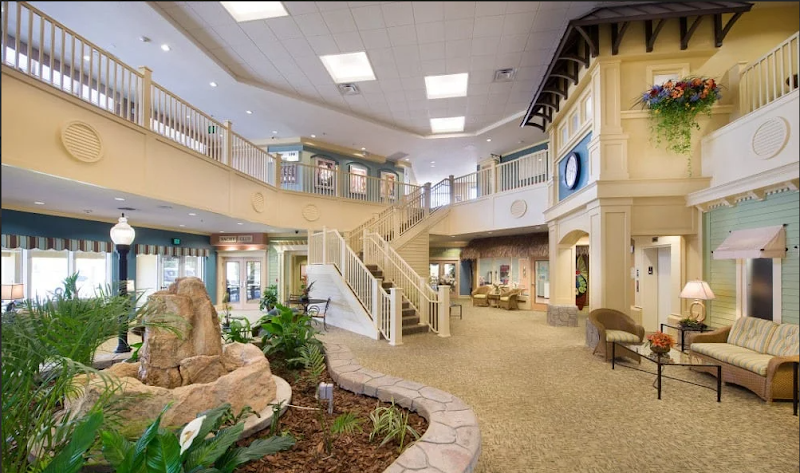
How is Astoria Center Staffed?

CMS rates ASTORIA HEALTH AND REHABILITATION CENTER's staffing level at 3 out of 5 stars, which is average compared to other nursing homes. Staff turnover is 55%, which is 9 percentage points above the Florida average of 46%. High turnover can affect care consistency as new staff learn residents' individual needs.

What Have Inspectors Found at Astoria Center?

State health inspectors documented 28 deficiencies at ASTORIA HEALTH AND REHABILITATION CENTER during 2020 to 2024. These included: 28 with potential for harm.
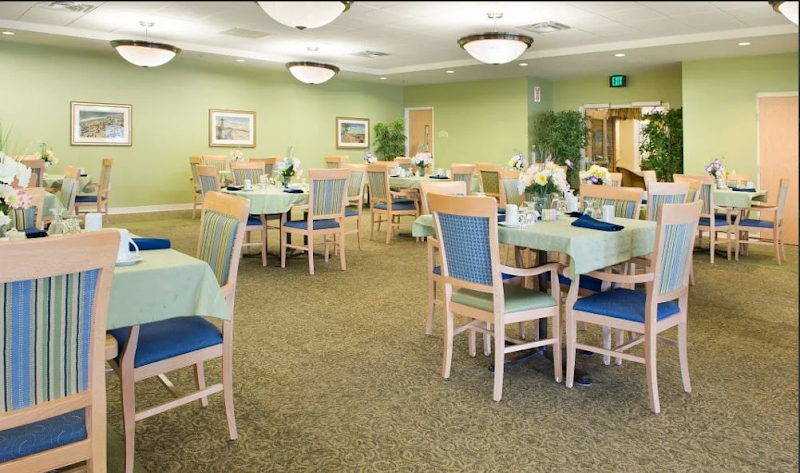
Who Owns and Operates Astoria Center?

ASTORIA HEALTH AND REHABILITATION CENTER is owned by a for-profit company. For-profit facilities operate as businesses with obligations to shareholders or private owners. The facility is operated by TLC MANAGEMENT, a chain that manages multiple nursing homes. With 132 certified beds and approximately 125 residents (about 95% occupancy), it is a mid-sized facility located in WINTER HAVEN, Florida.
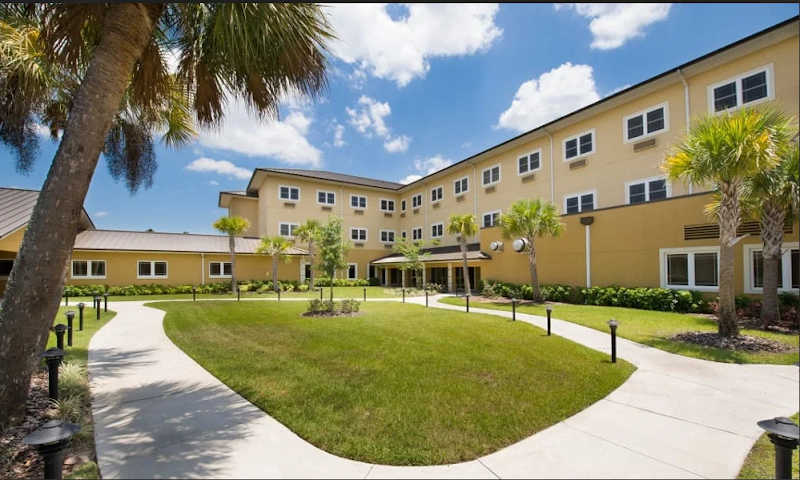
How Does Astoria Center Compare to Other Florida Nursing Homes?

Compared to the 100 nursing homes in Florida, ASTORIA HEALTH AND REHABILITATION CENTER's overall rating (3 stars) is below the state average of 3.2, staff turnover (55%) is near the state average of 46%, and health inspection rating (2 stars) is below the national benchmark.

What Should Families Ask When Visiting Astoria Center?

Based on this facility's data, families visiting should ask: "How do you ensure continuity of care given staff turnover, and what is your staff retention strategy?" "Can I visit during a mealtime to observe dining assistance and food quality?" "How do you handle medical emergencies, and what is your hospital transfer rate?" "Can I speak with family members of current residents about their experience?" These questions are particularly relevant given the facility's high staff turnover rate.

Is Astoria Center Safe?

Based on CMS inspection data, ASTORIA HEALTH AND REHABILITATION CENTER has a clean safety record: no substantiated abuse findings (meaning no confirmed cases of resident harm), no Immediate Jeopardy citations (the most serious violation level indicating risk of serious injury or death), and is not on the Special Focus Facility watch list (a federal program monitoring the lowest-performing 1% of nursing homes). The facility has a 3-star overall rating and ranks #100 of 100 nursing homes in Florida. While no facility is perfect, families should still ask about staff-to-resident ratios and recent inspection results during their visit.

Do Nurses at Astoria Center Stick Around?

Staff turnover at ASTORIA HEALTH AND REHABILITATION CENTER is high. At 55%, the facility is 9 percentage points above the Florida average of 46%. High turnover means new staff may not know residents' individual needs, medications, or preferences. It can also be disorienting for residents, especially those with dementia who rely on familiar faces. Families should ask: What is causing the turnover? What retention programs are in place? How do you ensure care continuity during staff transitions?

Was Astoria Center Ever Fined?

ASTORIA HEALTH AND REHABILITATION CENTER has no federal fines on record. CMS issues fines when nursing homes fail to meet care standards or don't correct problems found during inspections. The absence of fines suggests the facility has either maintained compliance or corrected any issues before penalties were assessed. This is a positive indicator, though families should still review recent inspection reports for the full picture.

Is Astoria Center on Any Federal Watch List?

ASTORIA HEALTH AND REHABILITATION CENTER is not on any federal watch list. The most significant is the Special Focus Facility (SFF) program, which identifies the bottom 1% of nursing homes nationally based on persistent, serious quality problems. Not being on this list means the facility has avoided the pattern of deficiencies that triggers enhanced federal oversight. This is a positive indicator, though families should still review the facility's inspection history directly.