PALM GARDEN OF WINTER HAVEN

1120 CYPRESS GARDENS BLVD, WINTER HAVEN, FL 33884 (863) 293-3100
For profit - Limited Liability company 120 Beds PALM GARDEN HEALTH AND REHABILITATION Data: November 2025
Trust Grade
51/100
#404 of 690 in FL
Last Inspection: June 2024

Within standard 12-15 month inspection cycle. Federal law requires annual inspections.

Overview

Palm Garden of Winter Haven has a Trust Grade of C, which means it is average and falls in the middle of the pack among nursing homes. It ranks #404 out of 690 facilities in Florida, placing it in the bottom half, and #9 out of 25 in Polk County, indicating there are only a few local options that are better. Unfortunately, the facility is experiencing worsening conditions, with issues increasing from 3 in 2022 to 13 in 2024. Staffing is a relative strength, with a 4/5 star rating and a turnover rate of 30%, which is lower than the state average. However, they have incurred fines of $24,395, which is concerning and suggests ongoing compliance problems. There are serious concerns, including incidents of witnessed physical abuse by a staff member and a failure to protect residents from this abuse. Additionally, there are issues with not updating assessment records for several residents, which could affect their care plans. While the staffing situation is stable, these serious incidents highlight significant weaknesses that families should consider when evaluating this facility.

Trust Score
C
51/100
In Florida
#404/690
Bottom 42%
Safety Record
Moderate
Needs review
Inspections
Getting Worse
3 → 13 violations
Staff Stability
✓ Good
30% annual turnover. Excellent stability, 18 points below Florida's 48% average. Staff who stay learn residents' needs.
Penalties
✓ Good
$24,395 in fines. Lower than most Florida facilities. Relatively clean record.
Skilled Nurses
✓ Good
Each resident gets 45 minutes of Registered Nurse (RN) attention daily — more than average for Florida. RNs are trained to catch health problems early.
Violations
⚠ Watch
24 deficiencies on record. Higher than average. Multiple issues found across inspections.
★★★☆☆
3.0
Overall Rating
★★★★☆
4.0
Staff Levels
★★★☆☆
3.0
Care Quality
★★★☆☆
3.0
Inspection Score
Stable
2022: 3 issues
2024: 13 issues

The Good

  • 4-Star Staffing Rating · Above-average nurse staffing levels
  • Low Staff Turnover (30%) · Staff stability means consistent care
  • Full Sprinkler Coverage · Fire safety systems throughout facility
  • No fines on record
  • Staff turnover is low (30%)

    18 points below Florida average of 48%

Facility shows strength in staffing levels, staff retention, fire safety.

The Bad

3-Star Overall Rating

Near Florida average (3.2)

Meets federal standards, typical of most facilities

Federal Fines: $24,395

Below median ($33,413)

Minor penalties assessed

Chain: PALM GARDEN HEALTH AND REHABILITATI

Part of a multi-facility chain

Ask about local staffing decisions and management

The Ugly 24 deficiencies on record

2 actual harm
Jun 2024 8 deficiencies
CONCERN (D)

Potential for Harm - no one hurt, but risky conditions existed

Resident Rights (Tag F0550)

Could have caused harm · This affected 1 resident

**NOTE- TERMS IN BRACKETS HAVE BEEN EDITED TO PROTECT CONFIDENTIALITY** Based on observations, interviews, and record review, the facility failed to ensure a dignified dining experience for one reside...

Read full inspector narrative →
**NOTE- TERMS IN BRACKETS HAVE BEEN EDITED TO PROTECT CONFIDENTIALITY** Based on observations, interviews, and record review, the facility failed to ensure a dignified dining experience for one resident (# 66) out of eight residents sampled. Findings included: On 6/17/2024 at 11:00 a.m., Resident # 66 was observed in his room watching television. He was presented well groomed, with no signs of distress. He said the staff always delivers his meal and leaves his urinal with urine in it on his bedside table while he eats his meal. He said he has asked them multiple times to remove it, but they all tell him they will do it after they finish passing their trays. On 6/20/2024 at 8:30 a.m., and 9:00 a.m., Resident # 66 was observed sitting up in his bed eating his breakfast. His urinal was observed with urine in it next to his meal tray. Resident # 66 stated he asked staff this morning to empty his urinal, but they just delivered his breakfast tray, without cleaning his table and removing his urinal. He stated his urinal had been on his table for a while. A review of the admission record, dated 06/20/2024, showed Resident # 66 was admitted on [DATE] with diagnoses to include but not limited to, Type 2 Diabetes Mellitus with unspecified complications, primary osteoarthritis, unspecified shoulder, and difficulty in walking, not elsewhere classified A review of the Minimum Data Set (MDS), dated [DATE], showed a Brief Interview for Mental Status (BIMS) score of 15, indicating Resident # 66 was cognitively intact. The MDS showed in Section GG: Functional Abilities and Goals, Resident #66 was coded to have upper extremity impairments on both sides. On 6/20/2024 at 9:00 a.m., an interview was conducted with Staff K, Registered Nurse (RN). She stated staff were supposed to ensure the resident bedside tables are cleaned off before delivering the residents' meal trays. She stated staff should not leave the residents' urinal with urine in it on their bedside table, especially during mealtime. On 6/20/2024 at 10:00 a.m., an interview was conducted with the Director of Nursing (DON). She stated staff were supposed to ensure resident bedside tables are cleaned off before they place the resident trays on the table. She stated her expectation was that staff empty the resident urinal and remove it from the resident's bedside table before placing meal trays down. She stated residents should not have to eat their meals with a urinal next to them if it's not their preference. The facility did not have a policy related to this citation for review.
CONCERN (D)

Potential for Harm - no one hurt, but risky conditions existed

Report Alleged Abuse (Tag F0609)

Could have caused harm · This affected 1 resident

**NOTE- TERMS IN BRACKETS HAVE BEEN EDITED TO PROTECT CONFIDENTIALITY** Based on interviews and record review, the facility failed to report an allegation of abuse within the required timeframe for on...

Read full inspector narrative →
**NOTE- TERMS IN BRACKETS HAVE BEEN EDITED TO PROTECT CONFIDENTIALITY** Based on interviews and record review, the facility failed to report an allegation of abuse within the required timeframe for one resident (#81) out of three residents sampled. Findings Include: An interview was conducted on 06/20/2024 at 1:00 p.m., with Staff L, Risk Manager (RM), and the Nursing Home Administrator (NHA). Staff L, reported Staff M, Registered Nurse (RN) Unit Manager, notified her on 6/12/ 2023 at 11:30 p.m. that Resident #81's family member had called around 10:30 p.m., and reported Resident #81 informed her (the family member) the assigned Certified Nursing Assistant, (CNA) was yelling and throwing things around in his room. The family member reported the CNA jumped on Resident #81's back and stomped on him. Staff L stated she was not able to hear everything Staff M, RN was saying to her over the phone due to poor phone reception. She said she told Staff M to file a grievance and she would follow-up on it in the morning. The RM stated, the next day when she returned to work, she called Resident #81's family member to follow-up regarding what was reported to Staff M, RN the night before. Staff L stated the family member reported Resident #81 had called to report his assigned CNA was in his room yelling at him, throwing things around in his room, and the CNA had jumped on his back and stomped on him. Staff L, RM said she interviewed Resident #81 who reported to her his CNA was putting oil on his back. The RM stated Resident #81 said he wanted the CNA to rub his back a little harder and that is when the CNA began to punch him on his back and on his head. The NHA stated, I know what you are thinking about the timeframe the report was filed. She stated she spoke with the RM and the Unit Manager about the phone conversation they had regarding Resident #81. The NHA stated she told both the RM and Staff M, RN when a phone call is made regarding an allegation of abuse, the Unit Manager needs to start the conversation by saying, I'm calling about an allegation of abuse, just in case the phone call drops. In addition, the Risk Manager should have called Staff M, RN back so the phone conversation could have been clarified. During an interview on 06/20/2024 at 2:35 p.m., with Staff M, RN Unit Manager she stated she made a phone call to Staff L, Risk Manager on 6/12/2024 around 11:30 p.m. She said she reported to Staff L, RM that Resident # 81's family member had called the facility to report an allegation of abuse. She stated the resident's family member told her Resident #81 called to report the CNA was in his room yelling at him and throwing things around in his room. She said the family member reported Resident #81 said the CNA hit him on his back while she was putting oil on him. Staff M stated she knew this was an allegation of abuse and was reportable, so she immediately called Staff L, RM. She said the phone reception was not good so she kept saying to the RM, Can you hear what I'm saying, because she wanted to make sure the RM was made aware of the allegation. She said the RM did not call her back. A review of the admission Record, dated 06/20/2024, showed Resident #81 was admitted on [DATE] with diagnoses to include but not limited to, major depressive disorder, recurrent, unspecified, anxiety disorder, unspecified, schizophrenia, unspecified, need for assistance with personal care A review of the Minimum Data Set (MDS) Assessment, dated 5/12/2024, showed a Brief Interview for Mental Status (BMS) score of 15, indicating intact cognition. A review of a progress note, dated 6/20/2024, showed on 6/13/2024 Resident #81 received a psychotherapy visit for psychological evaluation and treatment for stabilization of depressed and irritable mood. Resident # 81 was also assessed for mental and emotional status after he reported a Certified Nursing Assistant yelled at him and punched him in the back after putting oil on him. Review of the facility policy titled, Abuse, Neglect, Exploitation and Misappropriation, revised September 2023, showed the following: -All team members are required to report suspected maltreatment to their immediate Supervisor or Director of Quality Assurance/ designee or Executive Director. Notifications can take place in person or via telephone. The employee must report to a department manager or supervisor in the center so that the resident may immediately be protected from further maltreatment. -The center also must report all alleged violations of any type of abuse or any event that led to significant bodily injury immediately but no later than 2 hours from the time of the allegation.
CONCERN (D)

Potential for Harm - no one hurt, but risky conditions existed

Quality of Care (Tag F0684)

Could have caused harm · This affected 1 resident

Based on observations, interviews, and record review, the facility failed to accurately assess and document the skin condition for one resident (#69) out of three residents sampled for skin conditions...

Read full inspector narrative →
Based on observations, interviews, and record review, the facility failed to accurately assess and document the skin condition for one resident (#69) out of three residents sampled for skin conditions. Findings included: On 6/18/24 at 10:46 a.m., an observation was conducted of Resident #69 during the administration of medications. The observation revealed the resident's bilateral feet were extremely dry with dry, tan-colored ridged scale-like overgrowth of skin visible on the bottom of one foot and toenails on both feet were thick, yellowed and long. The resident had scratches on bilateral arms. Review of Resident #69's Order Summary Report, active as of 6/19/24 at 3:20 p.m., revealed the following orders: - Halobetasol propionate external cream 0.05% - Apply to entire body topically every day and evening shift for atopic dermatitis for 4 weeks. Ordered on 6/12/24. Review of Resident #69's Weekly Skin check, effective 6/13/24, showed the resident's skin was intact. Review of a nursing note, dated 6/19/24 at 1:35 a.m., revealed Resident #69 voiced no discomfort and skin was warm, dry, and intact. The note did not reveal the bottom of the resident's feet was thickened and scaly. An interview was conducted on 6/19/24 at 1:16 p.m., with Staff H, Certified Nursing Assistant (CNA. The staff member reported noticing the skin on Resident #69's feet and stated she puts the facility body lotion on it. An interview was conducted on 6/19/24 at 1:20 p.m., with Staff I, Registered Nurse (RN). The staff member stated the resident's feet seem to have an overgrowth of skin and he noticed it about 2 weeks ago but has not told the physician about it. The staff member reported putting lotion on the feet to try to soften it up. Staff I stated at first he thought it was dry skin but it was not. Staff I stated he could call the physician about it and the resident had not complained of pain in the toenails, but he could cut them if it was needed. The staff member agreed the skin on the resident's feet was tan-colored and scaly and reported using the facility's individual packets of lotion on them. An interview was conducted on 6/19/24 at 1:40 p.m. with Staff C, RN/Unit Manager (RN/UM), the staff member reported the weekly skin assessment is a head-to-toe assessment and skin conditions should be noted, rashes, redness, pressure ulcers, scratches, or bruises, any abnormality of the skin. An observation was conducted on 6/19/24 at 1:40 p.m. with Staff C of Resident #69's right foot. The resident stated yes when asked if the feet hurt. Staff C took the sock off the resident's right foot and the resident winced and pulled away from the staff member confirming the feet hurt. The staff member stated weekly skin checks are done and the area to bilateral feet should have been noted on the assessment. Staff C stated she could not say it wasn't there at the time of the last weekly skin assessment. The staff member called the provider describing the bottom of the resident's feet was an overgrowth of skin, possible fungus not a callus. Review of the Order Summary Report showed an order, dated 6/19/24 for: - Triamcinolone Acetonide External cream 0.1% - Apply to left foot topically every day and evening shift for dryness for 14 days. - Triamcinolone Acetonide External cream 0.1% - Apply to right foot topically every day and evening shift for dryness for 14 days. An interview was conducted on 6/20/24 at 11:48 a.m. with Staff C, the staff member reported washing and applying lotion to Resident #69's bilateral feet and the area did soften. The staff member stated the areas were not dirt. Staff C stated the Advanced Registered Nurse Practitioner (ARNP) changed the order to the resident's feet today. During an interview on 6/20/24 at 12:07 p.m., the Director Nursing (DON) stated dermatology had seen Resident #69 on 6/11/24 and identified bilateral feet keratoderma and had prescribed Halobetasol 0.05% cream twice daily x 4 weeks. The DON stated keratoderma was a thickening of the palms of hands and bottom of feet. Review of Resident #69's dermatology report, dated 6/11/24, revealed the resident was last seen on 5/29/24 and presented with the following complaints: atopic dermatitis (follow up) and involves the body, seborrheic dermatitis (follow up) involving the face, and Xerosis cutis (follow up) involving the left lower extremity, right lower extremity, right upper extremity, and left upper extremity. The physical exam of the resident showed: -Atopic dermatitis, chronic - improved. Generalized pink erythematous scaly plaques involving head, neck, chest, abdomen, back, pelvis, upper extremities, (and) lower extremities. -Seborrheic dermatitis, chronic - improved. Pink erythematous patches with fine white scale (face) -Xerosis cutis, chronic - improved. Dehydrated skin showing erythema, scaling and fine crackling left lower extremity, right lower extremity, right upper extremity, (and) left upper extremity. -Keratoderma bilateral feet - start Halobetasol 0.05 cream twice daily x 4 weeks. Review of Resident #69's Weekly Skin Check, effective 6/13/24, provided by the facility, revealed skin was impaired, Entire body with dermatitis. Improved. Ordered in Place. The skin check was signed by a Licensed Practical Nurse (LPN) on 6/19/24. Review of Resident #69's RN/LPN Skin Grid, effective 6/19/24 at 1:18 p.m., showed the reason for completion was Weekly until the injury has healed. The evaluation showed Entire body with dermatitis. Ordered in Place. The evaluation was signed by an LPN staff member on 6/19/24. Review of a Situation, Background, Appearance, Review and Notify (SBAR), showed the change in condition was Dry scaly skin to bilateral feet. The appearance summarized observations and evaluation was dry/scaly skin to bilateral feet. Feet cleaned with soap and water, dried and lotion applied. The evaluation showed the physician was notified on 6/19/24 at 1:45 p.m. and the family member was called on 6/19/24 at 2:55 p.m. Review of the policy - Skin Care & Wound Management, revision July 2017, showed the following: As part of an ongoing Quality Assurance process, skin care, and wound management guidelines are to provide necessary treatment and services to promote healing, prevent infection, control pain and prevent development of pressure injury(s) unless the resident's clinical condition demonstrates that they were unavoidable. The resident's right to pain management will be respected and supported. The resident will also be encouraged to be a partner in care. The guidelines for skin care and wound management include: - Skin inspection on a regular and ongoing basis to provide documentation and prompt interventions of any changes noted. - Manage wound care using guidelines based upon current standards of practice. - Observe for signs of infection and manage infection. - Monitor resident response to interventions for prevention and/or treatments and revise the care plan based on response, outcomes, needs and resident wishes. The Skin Grid - Other will be completed upon identification of impaired skin at admission, at hospital return, at the time a surgical wound, venous stasis wound, diabetic wound, burn, skin tear, laceration, abrasion, rash, MAD (moisture associated dermatitis) or any other significant skin condition is found. The skin grid will be updated no less than every seven (7) days until the skin condition/wound is healed. One site will be documented per page with additional information documented as a narrative nurse's note. The Weekly Skin Sweep will be used by the licensed nurse to conduct a skin inspection at the time of admission, upon hospital return and no less than every seven (7) days. A skin inspection will also be completed before and after a leave of absence from the center and if time permits before a hospital transfer.
CONCERN (D)

Potential for Harm - no one hurt, but risky conditions existed

Deficiency F0699 (Tag F0699)

Could have caused harm · This affected 1 resident

**NOTE- TERMS IN BRACKETS HAVE BEEN EDITED TO PROTECT CONFIDENTIALITY** Based on record review and interview, the facility failed to ensure one resident (#7) out of the one sampled resident was approp...

Read full inspector narrative →
**NOTE- TERMS IN BRACKETS HAVE BEEN EDITED TO PROTECT CONFIDENTIALITY** Based on record review and interview, the facility failed to ensure one resident (#7) out of the one sampled resident was appropriately assessed related to Post Traumatic Stress Disorder (PTSD). Findings included: A review of the admission Record for Resident #7 showed he was initially admitted to the facility on [DATE] with a diagnosis to include PTSD. A review of Section C- Cognitive Patterns of the Minimum Data Set (MDS), dated [DATE], showed the resident had a Brief Interview for Mental Status (BIMS) score of 15 out of 15, indicating cognitively intact. Section I- Active Diagnoses of the MDS showed the resident had a diagnosis of PTSD. A review of the Clinical admission record, dated 06/07/24, showed the Trauma Informed Care Screening was not completed. Further review of the medical record showed the Trauma Informed Care Screening was present in the medical record. On 6/19/24 at 10:49 a.m. an interview was conducted with the Director of Nursing (DON). The DON stated a Trauma Informed Care Assessment should be completed by nursing upon admission to the center. The DON stated the Unit Managers are responsible to double check and make sure the sections on the clinical admission evaluations are complete. A review of the policy titled. Trauma Informed Care, with an effective date of 11/01/19, revealed the following: Process: All residents admitted to facility will have a Brief Trauma Questionnaire (BTQ) performed at the time of admission. The Social Services Director or Designee will complete the BTQ for all newly admitted residents upon admission. When Trauma has been identified the Social Services Director or Designee will inform the resident's attending physician and request both Psychiatry and Psychology for the resident.
CONCERN (D)

Potential for Harm - no one hurt, but risky conditions existed

Unnecessary Medications (Tag F0759)

Could have caused harm · This affected 1 resident

**NOTE- TERMS IN BRACKETS HAVE BEEN EDITED TO PROTECT CONFIDENTIALITY** Based on observations, interviews, and record review, the facility failed to ensure the medication error rate was less that 5.00...

Read full inspector narrative →
**NOTE- TERMS IN BRACKETS HAVE BEEN EDITED TO PROTECT CONFIDENTIALITY** Based on observations, interviews, and record review, the facility failed to ensure the medication error rate was less that 5.00%. Twenty-six medication administration opportunities were observed and three errors were identified for two residents (#69 and #98) out of six residents observed. These errors constituted a 11.54% medication error rate. Findings included: On 6/18/24 at 10:46 a.m., an observation was made of Staff I, Registered Nurse (RN). Staff I dispensed the following medications for Resident #69: -Breo Ellipta 200 microgram/25 microgram (mcg/mcg) inhaler -Buspirone 5 milligram tablet -Calcium carbonate oral chewable antacid over the counter (OTC) tablet -Cetirizine 10 milligram (mg) OTC tablet -Vitamin D 25 mcg (1000 international unit) OTC tablet -Combivent Respimat 20 mcg/100 mcg inhaler -Escitalopram 10 mg tablet The staff member confirmed dispensing 2 inhalers, one chewable tablet, and 4 oral tablets. Upon entering the resident room, Resident #69 was non-verbal. The staff member administered one inhalation of Breo Ellipta, immediately followed by one inhalation of Combivent, then administered oral tablets before assisting resident with drinking house supplement, and administered the chewable tablet. On 6/18/24 at 10:55 a.m., the staff member returned to the medication cart. The medication administration observation took nine minutes. Review of the Resident #69's June Medication Administration Record (MAR) revealed the following orders related to the observed administration of medications: - Breo Ellipta Inhalation Aerosol Powder 200-25 mcg/act. Inhalation inhale orally in the morning - Chronic Obstructive Pulmonary Disease (COPD). Rinse mouth after use. - Combivent Respimat Aerosol solution. Inhale orally four times a day for shortness of breath/wheezing. Rinse mouth out after use. The observation did not show the resident was offered or advised to rinse mouth out without swallowing after the administration of Breo Ellipta as manufacturer instructions or to rinse mouth out per the Breo Ellipta or the Combivent physician orders. According to the manufacturer informational website, mybreo.com, shows Breo Ellipta contains an inhaled corticosteroid, Fluticasone furoate and the long-acting beta2-adrenergic agonist ([NAME]), vilanterol. The informational supplement advises users Breo can cause serious side effects including: fungal infection in your mouth or throat (thrush). Rinse your mouth with water without swallowing after using BREO to help reduce your chance of getting thrush. According to the manufacturer, Boehringe-Ingelheim, https://pro.boehringer-ingelheim.com/us/products/combivent/about-combivent-respimat, the medication Combivent contains 2 short-acting bronchodilators: anticholinergic component and a beta-2 adrenergic receptor. Review of policy titled Medication Administration, dated 07/2023, revealed the following: Purpose: To administer the following according to the principles of medication administration, including the right medication, to the right guest/resident at the right time, and in the right dose and route. Procedure: - Verify physician's orders for medications to be administered. - Review any special precautions and perform needed evaluations prior to administering medication to the guest/resident. - Read the Medication Administration Record (MAR) for the ordered medication, dose, route, and time. - Verify/clarify orders as needed prior to administration. Review of policy titled Medication Administration - Metered Dose Inhaler (MDI), dated 7/2023, revealed the following: Purpose: To administer an inhalation medication into the tracheobronchial tree. The procedure for administration included: - Compare the medication with the Medication Administration Record (MAR). - Instruct and/or assist the guest/resident to shake canister for 30-45 seconds before actuation. - Instruct guest/resident to exhale to end tidal volume (empty lungs), place tip of spacer in mouth and maintain a tight seal, as indicated. - Instruct guest/resident to activate the inhaler during the first third of a slow maximal inhalation and continue to inhale until lungs are filled with air. - Wait at least one minute for multiple inhalations of same drug; wait at least two minutes if switching to a different drug repeat Steps 8 - 10 until the prescribed dosage has been administered. - Instruct guest/resident to rinse mouth, especially if a steroid was administered. - Evaluate respiratory status to include, but not limited to: o Breath sounds o Cough effort and sputum production o Heart rate o Respiratory rate On 6/18/24 at 11:49 a.m., an observation was made with Staff J, Registered Nurse (RN), obtain a blood glucose level, prepare medication, and inject Resident #98's insulin. Staff J assisted the resident back to room, washed hands, donned gloves, cleaned the resident's right index finger with an alcohol pad, lanced the finger, and obtained a blood sample revealing a blood glucose level of 250. On 6/18/24 at 11:56 a.m., Staff J removed Resident #98's Lispro Kwikpen from the medication cart, placed an insulin needle on the pen, dialed 8 units on the dosage selector, and returned to the resident's room. The staff member cleansed the resident's right lower abdominal quadrant with an alcohol pad, the dosage selector of 8 units was verified prior to the injection of the insulin. The staff member verified the dosage selector had returned to zero. The staff member walked back to the medication (parked at nursing station) with pen and needle in a gloved hand. On 6/18/24 at 12:05 p.m., Staff J stated she did prime the insulin pen a little, demonstrating with dial selector pointed upwards. The staff member stated, Yes primes the pen pointing downwards. The staff member stated, Sorry when observation of no priming of the insulin pen was discussed. Review of Resident #98's Medication Administration Record (MAR), June 2024, revealed a sliding scale showing the units to be delivered per the blood glucose level. The sliding scale showed a blood glucose of 221-260 was to be administered 8 units. The MAR showed Staff J had documented 8 units had been administered for the afternoon dose of Insulin Lispro on 6/18/24. A review of the facility policy titled Medication Administration Insulin Injection, dated 07/2023, reveal the following: Purpose: To safely administer an insulin injection. The policy does not show the procedure staff should follow to administer with an insulin pen. The manufacturer information for Humalog Insulin Lispro, located at https://uspl.lilly.com/humalog/humalog.html#ug1, reveals the instructions to Priming your Pen - Prime before each injection. The instructions reveal Priming your Pen means removing the air from the Needle and Cartridge that may collect during normal use and ensures that the Pen is working correctly. If you do not prime before each injection, you may get too much or too little insulin. The manufacturer procedure instructs: - Step 4: Push the capped Needle straight onto the Pen and twist the Needle on until it is tight. - Step 5: Pull off the Outer Needle Shield. Do not throw it away. Pull off the Inner Needle Shield and throw it away. - Step 6: To prime your Pen, turn the Dose Knob to select 2 units. - Step 7: Hold your Pen with the Needle pointing up. Tap the Cartridge Holder gently to collect air bubbles at the top. - Step 8: Continue holding your Pen with Needle pointing up. Push the Dose Knob in until it stops, and 0 is seen in the Dose Window. Hold the Dose Knob in and count to 5 slowly. o You should see insulin at the tip of the Needle. o If you do not see insulin, repeat priming steps 6 to 8, no more than 4 times. o If you still do not see insulin, change the Needle and repeat priming steps 6 to 8. Small air bubbles are normal and will not affect your dose. Selecting your dose: - You can give from 1 to 60 units in a single injection. - If your dose is more than 60 units, you will need to give more than 1 injection. If you need help with dividing up your dose the right way, ask your healthcare provider. - Use a new Needle for each injection and repeat the priming step. - Step 9: Turn the Dose Knob to select the number of units you need to inject. The Dose Indicator should line up with your dose. o The Pen dials 1 unit at a time. o The Dose Knob clicks as you turn it. o Do not dial your dose by counting the clicks. You may dial the wrong dose. This may lead to you getting too much insulin or not enough insulin. o The dose can be corrected by turning the Dose Knob in either direction until the correct dose lines up with the Dose Indicator. o The even numbers (for example, 12) are printed on the dial. o The odd numbers, (for example, 25) after the number 1, are shown as full lines. o Always check the number in the Dose Window to make sure you have dialed the correct dose. During an interview with the Director of Nursing (DON) on 6/20/24 at 11:51 a.m., the DON stated insulin pens should be primed before use, dial the (pen) to 3 to 5 units, and prime with the needle upwards. The DON stated when giving 2 inhalers, staff should wait 5 minutes in between, rinse mouth in between each inhaler, and to rinse with water.
CONCERN (D)

Potential for Harm - no one hurt, but risky conditions existed

Food Safety (Tag F0812)

Could have caused harm · This affected 1 resident

Based on observation, interviews, and record review the facility failed to ensure food was labeled and expired items were discarded in one nourishment room (100-hall) of two nourishment rooms. Findin...

Read full inspector narrative →
Based on observation, interviews, and record review the facility failed to ensure food was labeled and expired items were discarded in one nourishment room (100-hall) of two nourishment rooms. Findings included: During an observation on 06/18/2024 at 3:50 p.m. of the 100-hall nourishment room, two cartons of milk were identified to be expired as of 6/14/2024. An additional observation revealed two frozen dinners were in the freezer without a resident's name or room number to identify who they belonged to. During an interview on 06/18/ 2024 at 3:50 p.m. the Unit Manager (UM), confirmed the milk should be discarded and stated the kitchen staff are typically the ones who go through the items in the nourishment rooms. During an interview on 06/18/2024 at 4:00 p.m. with the Certified Dietary Manager (CDM), she stated the food in the freezer should have been dated and labeled with the resident's name. Review of the Food Labeling and Dating Refrigeration policy that was not dated, revealed: Purpose: The center adheres to labeling and dating system to ensure the safety of ready-to-eat, time/temperature control for food safety .Policy explanation and compliance guidelines for staffing: 6. The discard day or date may not exceed the manufacturer's use-by-date, or seven days whichever is earliest. 7. The head cook, or designee, shall be responsible for checking the refrigerator daily for food items that are expiring, and shall discard accordingly. Review of the Resident Personal Food policy that was not dated, revealed: All residents have the right for family members and visitors to provide preferred or requested foods, and fluids from outside of the facility .Procedure: 5. Food must be labeled with resident name and dated .
CONCERN (E)

Potential for Harm - no one hurt, but risky conditions existed

Deficiency F0645 (Tag F0645)

Could have caused harm · This affected multiple residents

**NOTE- TERMS IN BRACKETS HAVE BEEN EDITED TO PROTECT CONFIDENTIALITY** Based on observations, interviews, and record review, the facility failed to ensure Preadmission Screening and Resident Review (...

Read full inspector narrative →
**NOTE- TERMS IN BRACKETS HAVE BEEN EDITED TO PROTECT CONFIDENTIALITY** Based on observations, interviews, and record review, the facility failed to ensure Preadmission Screening and Resident Review (PASRR) assessments were updated to include current diagnoses, for six residents (#74, #10, #69, #43, #65, and #5) out of 45 sampled residents. Findings included: 1. During an observation on 06/17/2024 at 12:30 p.m., Resident #74 was in the dining room eating lunch. Resident #74 reached into his pocket and pulled out a 100 dollar bill and put it on the table and said this is for the staff for doing such a great job. He then picked up the money and stuck it back in his pocket. Review of Resident #74's admission Record showed Resident #74 was admitted to the facility on [DATE] with diagnoses of unspecified mood [affective] disorder, seizures, major depressive disorder, and adjustment disorder with anxiety. Review of the Level I PASRR, dated 03/06/2023, showed in Section I-Part A was marked for Depressive Disorder. Section II: Other Indications for PASRR Screen Decision-Making questions 1 through 7 were marked NO. Section III: PASRR Screen Provisional admission or Hospital Discharge Exemption Not a Provisional Admission was marked. Section IV: PASRR Screen Completion, Individual may be admitted to a Nursing Facility (check one of the following): No diagnosis or suspicion of Serious Mental Illness or Intellectual Disability indicated. Level II PASRR evaluation not required was marked. 2. During an observation on 06/17/2024 at 11:00 a.m., Resident #5 was in her room dressed in a hospital gown. She was observed lying in bed sleeping. During an observation on 06/18/2024 at 10:30 a.m., Resident #5 was in her room lying bed dressed in a hospital gown. During an attempt to interview Resident #5, she was not able to answer questions regarding her care or stay. Review of Resident #5's admission Record showed Resident #5 was admitted to the facility on [DATE] with diagnoses of vascular dementia, psychotic disturbance, mood disturbance, anxiety, major depressive disorder, seizures and anxiety disorder. Review of the Level I PASRR, dated 04/21/2017, showed in Section I-part A, part B, and related conditions all had a line drawn through and a handwritten NA (not applicable) was noted. Section II: Other Indications for PASRR Screen Decision-Making questions 1 through 7 were marked No. Section III: PASRR Screen Provisional admission or Hospital Discharge Exemption Not a Provisional Admission was marked. Section IV: PASRR Screen Completion, Individual may be admitted to a Nursing Facility (check one of the following): No diagnosis or suspicion of Serious Mental Illness or Intellectual Disability indicated. Level II PASRR evaluation not required was marked. During an Interview on 06/20/2024 at 9:45 a.m., the Assistant Executive Director, stated they go over PASRR in the morning meetings by confirming new admission PASRR's are complete. If the PASRR is not correct the Director of Nursing (DON) updates the PASRR. He stated the verify if the PASRR is correct by checking the face sheet and 3008 from the hospital for any diagnosis of psychological or mental health. He stated then they will check to see if the resident was being prescribed any antipsychotic, or mood disorder medications. He stated If there was a diagnosis of psychological or mental health but no medications, he would not update the PASRR. He stated if a new diagnosis is added for residents they talk about it in the standard of care meetings. He stated then the DON will complete any updates as needed. During an interview on 06/20/2024 at 10:00 a.m. with the DON she stated before the residents come in; admissions brings the PASRR to her to confirm it is correct. She stated she uses the discharge order list of medications to determine any anti-psych (psychotic) meds (medications) to confirm their diagnosis match what is marked on the PASRR. If the PASRR is incorrect before admissions, they try to get the hospital to correct them. She stated for residents who need updated PASRR's social services will notify her when they need to be updated. She was unsure how often social services reviews or audits the PASRR's for residents who have a new diagnosis and require an updated PASRR. She reviewed the PASRR for Resident# 74 and Resident #5 and confirmed the PASRR's had not been updated to match the most current diagnosis. 6. A review of the admission Record showed Resident #43 was initially admitted to the facility on [DATE] with diagnoses to include unspecified dementia, unspecified severity, with other behavioral disturbance, unspecified psychosis not due to a substance or known physiological condition, and major depressive disorder. A review of Section I- Active Diagnoses of the Minimum Data Set (MDS), dated [DATE], showed the resident had diagnoses to include non-Alzheimer's Dementia, depression, and psychotic disorder. A review of Resident #43's PASRR, dated 05/04/24, revealed no qualifying mental health diagnosis and that no PASRR Level II was required. On 06/20/24 at 9:47 a.m., the Social Services Director reported he would look at the face sheet to see if the resident had any mental health or psychological diagnoses and look at orders to see if the resident had orders for psychotropic medications when residents are newly admitted into the facility. He confirmed Resident #43 had a psychological diagnoses that was not listed on the PASRR. On 06/20/24 at 9:52 a.m., the Director of Nursing (DON) reported prior to admission into the facility, the admission's team would bring her the PASRR to review. She compares the PASRR with the discharge order list from the hospital. If the resident was on any psychotropic medications and the diagnoses were not checked on the PASRR, she would ask the hospital to correct the PASRR and sometimes she would go in and correct it. The DON confirmed Resident #43's current psychiatric diagnoses were not listed on the PASRR. A review of the policy titled, Pre-admission Screening for Serious Mental Illness (SMI) ad Intellectually Disabled (ID) Individuals (PASRR), revised on July 2021, showed the following: Procedure: 1. It is the responsibility of the center to assess and assure that the appropriate preadmission screenings, either Level I or Level II, are conducted and results obtained prior to admission and placed in the appropriate section of the resident's medical record. 4. If it is learned after admission that a Serious Mental Illness (SMI) or Intellectually Disabled (ID) Level II screening is indicated; it will be the responsibility of Social Services to coordinate and/or inform the appropriate agency to conduct the screening and obtain the results. 7. Social Services will be responsible for coordinating significant change updates of these screenings, conducted by the appropriate agency. 3. Review of Resident #10's admission Record revealed the resident was admitted on [DATE] with diagnoses not limited to unspecified depression and unspecified anxiety disorder. Review of Resident #10's Medication Administration Record (MAR) revealed the physician had ordered the medication Trazodone 100 milligram (mg) to be administered to the resident at bedtime, start on 4/1/24. Review of Resident #10's Preadmission Screening and Resident Review (PASRR), dated 8/28/23, did not show the resident had any Mental Illness (MI) or suspected MI, Intellectual Disability (ID) or suspected ID. The findings were based on individual, legal representative or family report. The PASRR showed no diagnosis or suspicion of Serious MI or ID was indicated and a Level II PASRR evaluation was not required. The PASRR was completed by an acute care facility three days (8/28/23) prior to the resident's admission to the facility. 4. Review of Resident #65's admission Record revealed the resident was originally admitted on [DATE] and readmitted on [DATE] and 2/6/24. The record showed the resident was admitted on [DATE] with a diagnosis of unspecified bipolar disorder, a 5/30//22 admission diagnosis of unspecified psychosis not due to a substance or known physiological condition, a diagnosis of unspecified mood (affective) disorder occurring during stay with onset of 3/10/23, and admission diagnoses with onset date of 6/12/23 of unspecified depression, severe current episode depressed bipolar episode with psychotic features, and unspecified severity unspecified dementia without behavioral disturbance, psychotic disturbance, mood disturbance and anxiety. Review of Resident #65's Preadmission Screening and Resident Review (PASRR), dated 2/24/22, showed a Mental Illness (MI) of bipolar and no diagnosis of depression, anxiety, and/or dementia. Review of Resident #65's Level II Determination, dated 4/22/21, revealed the resident had a reported medical history including Bipolar Disorder, most recent episode depressed, and major depressive disorder. The evaluation showed the resident's Level I PASRR, completed on 4/21/21, revealed the resident was exhibiting serious difficulty with interpersonal functioning and met the state definition of Serious Mental Illness. Review of Resident #65's Level II Determination did not reveal the resident had a diagnosis of anxiety or dementia. Review of Resident #65's Medication Administration Record (MAR) showed the resident was receiving the following medications related to mental illness diagnoses: - Divalproex Sodium Oral Tablet Delayed Release 125 milligram (mg) - Give 1 tablet by mouth three times a day for bipolar disorder. - Lorazepam tablet 0.5 mg - Give 0.5 mg by mouth at bedtime for anxiety. - Paroxetine HCl oral tablet 10 mg - Give 1 tablet by mouth in the morning related to unspecified depression. - Quetiapine Fumarate oral tablet 100 mg - Give 1 tablet by mouth two times a day for bipolar disorder. 5. Review of Resident #69's admission Record revealed an admission date on 7/16/21. The record showed the admitting diagnosis on 12/11/23 was unspecified Alzheimer's disease and diagnoses present on admission, dated 7/24/23, was mild recurrent major depressive disorder and unspecified anxiety disorder. Review of Resident #69's Preadmission Screening and Resident Review (PASRR), dated 7/14/21, did not reveal a MI, SMI, ID, or SID with the findings based on documented history. The PASRR did not reveal the resident had a primary or secondary diagnosis of Alzheimer's disease and no Level II evaluation was required. Review of Resident #69's Medication Administration Record (MAR) showed the resident was receiving the following medications related to mental illnesses: - Depakote Sprinkles Oral Capsule Delayed Release 125 mg - Give 2 capsules by mouth at bedtime for mood disorder. - Lexapro 10 mg - Give 1 tablet by mouth in the morning for depression. - Melatonin 3 mg - Give 1 tablet by mouth at bedtime for insomnia. - Buspirone 5 mg - Give 1 tablet by mouth two times a day for anxiety. During an interview on 6/20/24 at 10:00 a.m., the Director of Nursing (DON) reviewed the PASRR's of Resident #10, #65, and #69 confirming the PASRR's should have been redone to include current diagnoses.
CONCERN (E)

Potential for Harm - no one hurt, but risky conditions existed

Infection Control (Tag F0880)

Could have caused harm · This affected multiple residents

**NOTE- TERMS IN BRACKETS HAVE BEEN EDITED TO PROTECT CONFIDENTIALITY** 3. During an observation made on 6/17/2024 at 10:30 a.m., two different infection control signs were posted outside room [ROOM N...

Read full inspector narrative →
**NOTE- TERMS IN BRACKETS HAVE BEEN EDITED TO PROTECT CONFIDENTIALITY** 3. During an observation made on 6/17/2024 at 10:30 a.m., two different infection control signs were posted outside room [ROOM NUMBER] for two residents residing in the same room. 4. An observation on 06/17/24 at 10:30 a.m. revealed Staff A, Housekeeper cleaning in room [ROOM NUMBER]. room [ROOM NUMBER]'s door had a precautions sign that showed, Special Contact Precautions The precautions sign showed, Before entering, everyone MUST: Perform hand hygiene with alcohol-base hand rub or soap and water, Wear Gown before entering and remove upon exiting, and Wear gloves before entering and remove upon exiting. Staff A, Housekeeper did not have a gown on while in the room. Photographic evidence obtained. During an interview on 06/17/24 at 10:30 a.m., Staff A, Housekeeper looked at the Special Contact Precautions sign and stated, That is just for [Certified Nursing Assistants] CNAs. During an interview on 06/17/24 at 10:35 a.m., Staff B, Certified Nursing Assistant (CNA) looked the Special Contact Precautions sign and stated, Everyone must put on gloves and gowns prior to entering room. During an interview on 06/17/24 at 10:45 a.m., Staff C Registered Nurse (RN), Unit Manager (UM) looked at the Special Contact Precautions sign and stated, the resident in the window bed had an infection in the urine. Staff C RN, UM stated, You only need to use [Personal Protective Equipment] PPE when performing care on the resident. During an interview on 06/17/24 at 10:50 a.m., the Director of Nursing (DON)/Infection Preventionist (IP) stated, the facility did monthly training on infection control. The DON/IP stated rooms designated as Special Contact Precautions rooms would require everyone to don a gown and gloves prior to entering those rooms, including non-clinical staff such as housekeeping who would be in contact with the environment in the room. During an interview on 06/19/24 at 10:13 a.m., Staff D, Housekeeper stated housekeeping staff are required to follow the precautions signs located on the residents' doors. During an interview on 06/19/24 at 1:07 p.m., the DON/IP stated for the rooms observed with both Enhanced Barrier Precautions and Contact Precautions signs posted on the door could be confusing. The DON/IP stated she could see how it would cause confusion as one sign Enhanced Barrier Precautions advised to only wear a gown and gloves for direct care and the other sign Contact Precautions advised everyone that they must wear gown and gloves to enter the room. The DON/IP stated that she had the least restrictive signs taken down so that everyone must wear a gown and glove when entering those respective rooms. Review of the facility's policy titled Isolation-Categories of Transmission- Based Precautions, revised date August 2012, showed the following: Contact Precautions: In addition to Standard Precautions, implement Contact Precautions for residents known or suspected to be in infected with microorganisms that can be transmitted by direct contact with resident or indirect contact with environmental surfaces or resident-care items in the resident's environment. The decision on whether precautions are necessary will be evaluated on a case-by-case basis. c. Gloves and Handwashing (1) In addition to wearing gloves as outlined under Standard Precautions, wear gloves (clean, non-sterile) when entering the room. d. Gown (1) Wear disposable gown upon entering the Contact Precaution room or cubicle. Photographic evidence obtained. Based on observations, interviews, and record reviews, the facility failed to implement an effective infection control program related to ensuring staff were educated on transmission-based precautions (TBP) and the personal protective equipment (PPE) to be worn when entering isolation precaution rooms, and failed to ensure signage was posted related to the type of TBP for two residents (#44 and #83) out of two residents sampled for isolation precautions. Findings included: On 6/17/24 at 9:54 a.m., an observation was made of the area outside of Resident #44's room. A caddy holding gloves, blue gowns, and red biohazard bags hung on the hallway side of the door. The area outside of the room did not show the type of PPE staff were to wear or when to wear PPE during the care of Resident #44. An interview was conducted on 6/17/24 at 10:15 a.m., with Staff E, Certified Nursing Assistant (CNA) as the staff member was leaving Resident #44's room. The staff member stated the resident was on contact precautions. An interview was conducted on 6/17/24 at 11:10 a.m. with Staff F and Staff G, Licensed Practical Nurses (LPN). The staff members stated Resident #44 was on contact precautions because of a wound. During an interview on 6/17/24 at 2:39 p.m., Resident #44 stated being on precautions due to having yeast in urine. Review of Resident #44's physician orders revealed the following: - Cleanse the Trauma/Injury to Right Knee with normal saline (NS), pat dry, apply Hydrofera Blue, and cover with dressing (BDR) every day shift every 3 day(s). Dated 6/14/24. - Cleanse the Trauma/Injury to Right Knee with normal saline (NS), pat dry, apply Hydrofera Blue, and cover with dressing (BDR) as needed. Dated 6/14/24. - Enhanced Barrier Precautions every shift for Candida Auris. Dated 2/5/24. The review of Resident #44's physician orders did not reveal an order for contact precautions as reported by staff members. On 6/19/24 at 9:48 a.m., an observation revealed Resident #44's doorframe was posted with a sign showing staff were to use Enhanced Barrier Precautions while performing high-contact care for the resident. 2. On 6/17/24 at 10:33 a.m., an observation was made of Resident #83 lying in bed with nutritional fluid running at 35 milliliter/hour (mL/hr). The resident was non-verbal, with poor dentition, and had a shirt in the mouth. The observation revealed no signage for precautions or Personal Protective Equipment (PPE) available at the doorway. Photographic evidence was obtained. On 6/17/24 at 10:53 a.m., an observation was made of Staff I, Registered Nurse (RN) standing next to the bed of Resident #83 hanging a bottle of nutrition without wearing PPE, and Staff C, RN/Unit Manager (UM) was standing in the doorway to the room. Staff C stated Resident #83 had changed rooms awhile ago and confirmed Enhanced Barrier Precautions (EBP) should have followed the resident. Staff I left the room and confirmed hanging a nutrition bottle. A few moments later, Staff C was observed hanging a PPE caddy on the door to the resident's room with an Enhanced Barrier Precaution sign. During an interview on 6/20/24 at 12:00 p.m. the Director of Nursing stated Resident #83 should have had EBP due to a feeding tube and wounds. The DON reported transmission-based precautions were reviewed at time of orientation and Staff I had just done through orientation.
Apr 2024 4 deficiencies 2 Harm
SERIOUS (G) 📢 Someone Reported This

A family member, employee, or ombudsman was alarmed enough to file a formal complaint

Actual Harm - a resident was hurt due to facility failures

Free from Abuse/Neglect (Tag F0600)

A resident was harmed · This affected 1 resident

**NOTE- TERMS IN BRACKETS HAVE BEEN EDITED TO PROTECT CONFIDENTIALITY** Based on observation, record review and interviews, the facility failed to protect one (#1) resident from witnessed physical abu...

Read full inspector narrative →
**NOTE- TERMS IN BRACKETS HAVE BEEN EDITED TO PROTECT CONFIDENTIALITY** Based on observation, record review and interviews, the facility failed to protect one (#1) resident from witnessed physical abuse by a staff member and failed to protect two residents (#2, #3) following allegations of abuse out of a total sample of four residents. Findings included: 1. During an interview on 04/02/2024 at 12:50 p.m. Staff B, Licensed Practical Nurse (LPN) stated she worked a double on 3/26/24 with Staff A, LPN. Staff A, LPN was with Resident #1, and I heard him state, If you don't stop swearing, I am going to slap the shit out of you. The first time I heard him I was at my med cart down the 40s hall. It was loud enough I could hear it. Staff A, LPN was standing next to the resident's wheelchair; I was probably about 25 feet away. I went back to my desk at the nursing station after med pass. I sat at the nursing station. Resident #1's chair was between the enclave and the nursing station. Staff A, LPN had just finished the dining cart. After cursing at Resident #1, Staff A, LPN moved about to check the dining trays in the dining cart, in front of the nursing station. There were other residents, but I cannot recall who was out there. There were possibly other aides out there, but I don't remember. I was sitting at the computer and Resident #1 swore again. Staff A, LPN stopped what he was doing and walked over to him and slapped him on the back of the head and stated if he swore again, he would slap the shit out of him again. Resident #1 wheeled himself into the enclave and Staff A, LPN walked back to the dining room trays. I looked down so Staff A, LPN would not see I saw him slap Resident #1. I had never been in that position before. I tried to call a manager, Staff C, Registered Nurse (RN)/Unit Manager (UM), my UM. She was not working that night. I did not call the supervisor (Staff F, LPN/ 3-11 Supervisor). I did not know what to do. I spoke to Staff C, RN/UM, and she told me to call DOQA/RM (Director of Quality Assurance/Risk Manager) and go to Cypress Unit and notify the supervisor (Staff F, LPN/3-11 Supervisor). It took me a couple of minutes to figure out what I should do. It probably took me 30-45 minutes. I was not sure what Staff A, LPN was doing because I left the area. I did not want him to know I was reporting him. I had to go outside to call Staff C, RN/UM. The DOQA/RM had gotten there by then, and I was sitting in the classroom. I cannot remember if the DOQA/RM went to the other floor or not before the police got there. The supervisor and the DOQA/RM went to the other floor after the police got there, I think. The ITNHA (In Training Nursing Home Administrator) came in and talked to us about it (abuse and neglect). We have received training in what we are not supposed to do. Not training in what we are supposed to do. I thought I had two hours to report it. It puts you off when it happens. I should have removed the resident and taken the resident with me and made the appropriate calls. The DOQA/RM is the abuse coordinator. I have been re-educated since the incident to ensure immediate protection of the residents and immediately notify the supervisor on-site. Review of the admission Record revealed Resident #1 was admitted on [DATE], readmitted on [DATE] and discharged on 03/30/2024. The admission Record showed diagnoses included cerebral vascular accident (CVA) with hemiplegia, syncope and collapse, hypertension, recurrent moderate major depression, anxiety, dysphagia, history of falling. Review of the Annual Minimum Data Set (MDS), dated [DATE], showed a Brief Interview for Mental Status (BIMS) score of 08 (moderately impaired). Section GG, Functional Abilities and Goals showed Resident #1 required substantial assistance for care. Review of the Skin Check Form, dated 3/26/24 at 21:09 (9:09 p.m.), showed no new skin issues observed, back of head and neck also assessed and there are no new skin issues or irregularities observed will continue to monitor. Review of the progress notes showed on 03/26/2024 at 21:00 (9:00 p.m.), late entry, pt (patient) skin check completed, no new skin issues observed, back of head and neck also assessed and no irregularities nor abnormalities observed. MD (medical doctor) aware and will see pt in a.m. pt denies any pain or discomfort at this time. During an interview and review of the investigation on 04/02/2024 at 11:23 a.m. the Director of Quality Assurance (DOQA) Risk Manager (RM) stated she received a call last Tuesday (03/26/2024) from Staff B, Licensed Practical Nurse (LPN). Staff B, LPN was working on the Palm Unit, she called at approximately 6:30 p.m. Staff B, LPN told her she overheard Staff A, LPN verbally abusing Resident #1 and when she looked up from the desk, she saw Staff A, LPN slap the back of Resident #1's head. Staff B, LPN told her the incident was at approximately 5:45 p.m. The DOQA/RM stated she got dressed, and called the police as she was driving to the facility. She told Staff B, LPN to get the supervisor. She told Staff B, LPN to tell the supervisor to monitor Staff A, LPN until she and the police could get there. Staff F, LPN, 3-11 Supervisor was the 3-11 supervisor, she had no assignment. The DOQA/RM stated Staff A, LPN was sitting at the nursing station and Staff F, LPN, 3-11 Supervisor was sitting with him. So, he was away from the residents with the supervisor when she arrived. The DOQA/RM took Staff B, LPN to the education room and had her write her statement. Then the police arrived. The police wanted to talk to Staff B, LPN first and the DOQA/RM went with Staff B, LPN and the police. The police recorded Staff B, LPN's statement and contact information. The police went to the Palm Unit to see Resident #1 and took him to his room. The police asked Resident #1 a couple of questions. Resident #1 was mumbling and unable to put together sentences, the police reviewed that he was a disabled adult and unable to remember the event. The police wanted to speak to Staff A, LPN and they took him into another room and the DOQA/RM waited outside. When the police and Staff A, LPN came out Staff A, LPN was in hand cuffs and the medication keys were given to the DOQA/RM. Staff A, LPN and the police left together. We changed the assignments and pulled a nurse to come over to the Palm Unit at approximately 7:30 p.m. The DOQA/RM stated, I got statements from five aides and the supervisor and did my report to AHCA and DCF. I called and notified the Medical Director at 2100 (9:00 p.m.). The family was called and a left a voice mail at 8:50 p.m. for the [family member]. The DOQA/RM stated she called the spouse again on 03/27 and at 10:11 a.m. and left another voice mail and called the (family member) again 03/27 at 16:47 (4:47 p.m.) and she picked up. The DOQA/RM stated she left the facility at 9 p.m. The ITNHA (In Training Nursing Home Administrator) / SSD (Social Services Director) came in and started abuse training. The Director of Education was overseeing the education. The DOQA/RM stated the education was completed yesterday when she submitted the 5-day report. The DOQA/RM substantiated the allegation. The DOQA/RM asked both Staff A, LPN and Staff B, LPN if there were any other witnesses. The DOQA/RM stated she interviewed all the interviewable residents, and no one saw anything. The DOQA/RM stated she asked for statements of all the staff that evening. The DOQA/RM stated Staff A, LPN had been working here since 2017. The DOQA/RM stated his only corrective action was for unapproved overtime. Staff F, LPN, 3-11 Supervisor did a skin check and wrote a nurses note. The DOQA/RM stated, the Medical Director was going to see him (Resident #1) the next day and Resident #1 was not seen by psych but was on the list to be seen. During the DOQA/RM interview the Director of Nursing (DON) entered on 04/02/2024 and stated Resident #1 was on Depakote, and psych only saw him every so often. The DON stated the psychologist should have seen the resident. The DON stated the psychologist was scheduled to be at the facility on Wednesdays and Thursdays. The DON stated the resident was not on the psychologist's list to be seen. Both the DON and DOQA/RM stated they did not ask the psychologist to see the resident. The DON stated the psychologist would have seen the resident if she had been asked. The DOQA/RM stated she did not interview Staff A, LPN until after he posted bail on 03/29 at 1749 (12:49 p.m.). The DOQA/RM stated Staff A, LPN stated everything went according to plan, how it usually does, like with dinner and checking trays and getting everyone fed. He stated, Nothing out of the sort until the commotion happened. The DOQA/RM stated Staff A, LPN stated he did not recall seeing anyone in the enclave area. He stated at 1745 / 5:45 p.m. he was giving Resident #1 his medications. He said Resident #1 got his wheelchair tangled up with Resident #4's wheelchair. He had to untangle him from Resident #4 to give Resident #1 his medication. He had to maneuver them a little bit and get Resident #1 free and bring him to the medication cart. He brought Resident #1 to the cart to give him his medication (the cart was near the nursing station). Staff A, LPN stated his voice carries, a very bold loud tone when he needs to get a resident's attention. Staff A, LPN stated, Resident #1 was doing his normal cursing, and I said Resident #1 stop cursing. I may have said it loud because he was cursing all evening, more than normal. Staff A, LPN never admitted to hitting Resident #1. Staff A, LPN stated, I would never hit Resident #1. When asked if he had any issues with any coworkers, he said not at all, if there is someone, I don't pay attention to it and it is unknown to me. The DOQA/RM stated she, Staff B, LPN and Staff F, LPN/3-11 Supervisor did, in passing, discuss Staff B had done the right thing to report, and Staff B stated she would have reported it if it had happened before. The DOQA/RM stated Staff B, LPN told her she got out of the building to call DOQA/RM as soon as she could. Staff B, LPN told DOQA/RM the incident happened at 1744 (5:44 p.m.), but she did not reach out until 1830 (6:30 p.m.). The DOQA/RM stated, I think she spoke with others because I was getting text messages from others before [Staff B, LPN] called me. The DOQA/RM stated Staff F, LPN/3-11 Supervisor was on the short-term unit and the incident happened on the long-term unit. The DOQA/RM stated Staff B, LPN did not remove Staff A, LPN from the resident at the time she witnessed the incident (slapping). The DOQA/RM stated Staff B, LPN did not call Staff F, LPN/3-11 Supervisor. Staff F first heard of the incident from the DOQA/RM. The DON stated on 04/02/24 at 12:10 p.m. that Staff B, LPN should have removed the resident from danger and called Staff F, LPN/3-11 Supervisor then the DOQA/RM. The DON stated she told Staff B, LPN she should have gotten the supervisor ASAP (as soon as possible) and not waited. The staff know the procedures. Timeline provided by the DOQA/RM: Staff B, LPN observed the incident at 1744/5:44 p.m. DOQA/RM was called by Staff B, LPN at 1830/6:30 p.m. Police notified at 6:42 p.m. while driving to the facility by DOQA/RM DOQA/RM to facility at 6:55 pm Police arrived at 7:14 pm. NHA (Nursing Home Administrator) and regional nursing consultant and DON were called at 7:48 p.m. DON called ITNHA at about 8:00 p.m. NHA was on leave; SSD/ITNHA came in; DON did not come in DCF was informed at 8:09 p.m. AHCA was informed at 8:29 pm. (Family member) was called and Voice mail left at 8:50 p.m. Staff F, LPN/3-11 Supervisor called Resident #1's physician at 9:00 p.m.; he stated he would be in the next morning Medical director called by DOQA/RM at 9:00 p.m. 03/27/24 called (family member) at 10:11 a.m. and Voice mail left 03/27/24 called (family member) at 4:47 p.m. and informed. During an interview on 04/02/2024 at 1:07 p.m. with the facility psychologist she stated she was not aware of the incident with Resident #1. She comes to the facility on Wednesdays and Thursdays and was there last week. She stated no one told her about the verbal and physical abuse with Resident #1. If she had been informed, last week, she would have seen him. To my knowledge, the psych APRN, would see the resident also. If something happens, we are always, if asked, to see the patient if there was some kind of allegation. We see if the resident is ok. We talk with the resident as to their perception of what happened. If it happened on a Tuesday, I would be there the next day (Wednesday) to see the person. I would see them for an assessment of their reaction to the incident. During an interview on 04/02/2024 at 1:31 p.m. the Director of Education stated she had been at the facility for about six months. The abuse, neglect and exploitation in-service was started on the 03/25/2024. She stated, I was just doing an education to keep us updated including when to report and who to report it to. She stated they have computer class on (software program), education on abuse and neglect. She stated she also does in-person education. She goes from shift to shift, calls the staff to the education room. All the nurses, all the aides are in-serviced. She stated she in-services the kitchen staff and laundry. Therapy department does their own. She stated they finished on the 03/29/2024. She educated the staff to notify the DOQA/RM or their immediate supervisor at the time of the event. If the resident is with the abuser, we separate them immediately. She stated she will ask the staff if they can tell me a type of abuse. They have to explain what happens. They have to tell me who to notify and how soon. She stated they are told to notify immediately. They don't have two hours to notify; it is immediate. During an interview on 04/02/2024 at 1:54 p.m. the DON stated Resident #1's physician did not come in and see the resident. The supervisor (Staff F, LPN/3-11 Supervisor) asked him to come see him and he stated he would see him the next day. The DON stated the DOQA/RM spoke with him today (04/02/2024) and he did not come in to see the resident the next day. During an interview on 04/02/2024 at 3:03 p.m. the Staff F, LPN/3-11 Supervisor stated, [DOQA/RM] called me to go over to Resident #1 and secure him. Make him safe. When I got over there, I did not see anything, [Staff A, LPN] was still passing meds. I removed [Staff B, LPN] and kept her in my office. [Staff A, LPN] was left on the floor and was being observed by me (Staff F, LPN, 3-11 Supervisor). [DOQA/RM] got there. [DOQA/RM] had called the police while driving. [DOQA/RM] spoke to [Staff B, LPN] and spoke to her. The police arrived. They (the police) interviewed [Staff B, LPN]. They (the police) went to [Resident #1's] room and spoke to him. He stated yes but was not able to give the details of what happened. The police and [DOQA/RM] took [Staff A, LPN] off the floor. [Staff A, LPN] was walking up down the halls and pacing. Staff F, LPN, 3-11 Supervisor stated she was watching him (Staff A, LPN). She stated, After he realized what was going on he was pacing, he was not interacting with the residents. The police handcuffed him and left with him. The DOQA/RM and Staff B, LPN gave the police statements. We all had to give written statements to the facility. She stated another nurse took over his floor. She stated she had never been involved with abuse before. She stated Staff A, LPN had been here a while, and it was a surprise. He was a jovial person. Not angry. He did a good job. She stated Resident #1 was not hard to work with. Staff F, LPN/3-11 Supervisor stated Staff A, LPN and Resident #1 seemed to have a good relationship prior to this. She does not know what happened that evening. Staff F, LPN/3-11 Supervisor stated (DOQA/RM) called her after supper, 6 or 6:30ish. Staff F, LPN/3-11 Supervisor stated she had abuse and neglect in-service before and since this incident. Staff F, LPN/3-11 Supervisor stated we are to move the patient immediately to safety. The abuser needs to be moved away. When asked why he was still giving meds? Staff F, LPN/3-11 Supervisor stated the resident (Resident #1) was moved to the enclave and Staff A, LPN was straight down the hall, passing meds to other residents. When Staff A, LPN realized something was going on, was not off the floor but he was pacing and not in the area of the residents (at the nursing station). She stated this was her first abuse situation. She stated she had never seen this before, especially someone being taken away in handcuffs. Staff F, LPN/3-11 Supervisor stated, We had an in-service that day, he (Staff A, LPN) was at it. I gave it to him. Staff F, LPN/ 3-11 Supervisor stated, [Resident #1] was known to cuss, I had not heard him, but heard he uses the F bomb a lot. During an interview on 04/02/2024 at 5:40 p.m. Resident #1's physician returned the phone call and stated he thought his APRN saw Resident #1. He had not seen the resident. He stated he makes rounds at the facility on Mondays and Thursdays. He stated, I do not know where the facility got, I was seeing him (Resident #1). The facility called me on Tuesday p.m. (evening) to let him know of the incident. He stated he thought his APRN was to see him Thursday morning. His APRN was there on Thursday mornings, and he was there on Thursday afternoons. He stated he had tried to call his APRN, but she had not called him back. No documentation could be found to show the resident was seen by the physician or APRN following the incident. 2. A review of Resident #3's Transfer/Discharge Report documented an admission date of 01/03/2023. The record documented the resident had a spouse. The resident had medical diagnoses to include: aphasia following cerebral infarction; essential (primary) hypertension; hemiplegia and hemiparesis following cerebral infarction affecting right dominant side; unspecified dementia and chronic obstructive pulmonary disease. Review of Resident #3's care plan revealed a Focus as: ADL(Activity of Daily Living) Self-Care and/or mobility deficit. Needs assistance with ADL's. At risk of developing complications associated with decreased ADL self-performance related to: cognitive impairment, hemiplegia and monoplegia following CVA's (Cerebral vascular accident) , requires weight bearing support, weakness, dependent for basic ADL's, initiated 11/21/2023. Interventions included: Bed Mobility, dependent for bed mobility w/2 (with two) assistance. Transfers-dependent for transfers via mechanical lift and 2 assistance. Toileting, dependent for incontinence care. Dressing, bathing, grooming, dependent. On 04/02/2024 at 3:47 p.m. a Report for Resident #3 was reviewed with the DOQA/RM. It was confirmed the report reflected the incident date was 03/21/2024 at 1130 (11:30 a.m.) as a physical abuse allegation and staff became aware of the incident on 03/21/2024 at 11:30 a.m. The description of the allegation was confirmed to include, On 03/21/2024 at 11:30 a.m., the [DOQA/RM ] was made aware of a new skin injury that was observed to (Resident #3's) left inner lip area, on the inside of his mouth. [Resident #3] is nonverbal, but can communicate by nodding/shaking head for yes/no. During an interview with [Resident #3], it was asked if he had been hit, he nodded his head for yes. When asked if it was a female staff member, he shook his head no. When asked if it was male staff member, he nodded his head for yes. When asked if it was today, he nodded his head yes. It was then asked if it was today while the sun was up, he nodded his head for yes. Injuries documented: Small markings observed to inside of lip/mouth near teeth. Steps taken immediately in response to the incident: After review of the assignment/schedule for the day shift, no male staff members were identified that have any type of encounter with [Resident #3]. The allegation of abuse has been reported to DCF (Department of Children and Families) and law enforcement . The summary: Based on medical diagnoses review, SSD (Social Service Director) evaluations, skin check documentation, staff, POA (Power of Attorney), and resident interviews held, the allegation of abuse is unsubstantiated. Abuse, neglect, exploitation education to team members has been started and is ongoing. During the review, the DOQA/RM stated the date of the event was 03/21/2024 at 11:30 a.m. The DOQA/RM stated she received notification from the Director of Transitional Services (DTS) that she needed me to look at (Resident #3). She said there was a new skin injury on the inside of his lip. She and I went down to the resident's room. At this time, the Director of Nursing (DON) and Staff E, RN were made aware. All four of us were in the room. The first thing (DTS) did was pull down the resident's lip and there were two discolorations on the inside of the lip, on the mucosa. You had to pull the lip all the way down to see it. After we look (DTS) started to ask the resident questions. He was able to answer questions, yes, or no, by shaking or nodding his head. He nodded yes to being hit, yes to the person doing the action as a male. When asked if the resident was asked if the person was a certified nursing assistant or a nurse, the DOQA/RM stated, no, we were asking him questions, the sun was up, and it was a male. The DOQA/RM stated, We looked at the schedule to see who might have come into contact with the resident. Determined he did not have any male aides or nurses. I then submitted my report to DCF, AHCA, and doctor notification. I then got a list of all male staff members and started my interviews with them. I also asked any therapist if they had come into contact with the resident and looked back a week for male staff members. I interviewed staff from the past 72 hours. That was when I asked social services (SS) on the resident's orientation status. They told me he was not oriented based on the SS evaluations dated 11/14/2023 and 02/15/2024. A review of his medical diagnosis included dementia. I asked the wound care nurse to complete a skin assessment. He was unable to do it because the resident was discharged the same day. The DOQA/RM stated the results of her investigation were Unsubstantiated based on the social service assessment evaluation, and medical diagnoses of seizures and dementia. An interview was conducted on 04/02/2024 at approximately 4:30 p.m. with the DON. The DON stated Resident #3 had been at the facility since November/December of 2023. She stated she was familiar with the resident. The DON stated, The resident could not speak. He was nonverbal. The DON stated, When I asked him how he was doing, he would nod. So, I was thinking he would understand what I was saying. The DON stated, He needed assistance to get out of bed. The DON stated, He was combative towards staff at times. That morning, (DTS) texted, Where are you. My response was I am on Cypress landing, subacute side. She came and she met me in the hallway. She said something is going on with (Resident #3). Then, I said she needed to go get (DOQA/RM ), and I would finish what I was doing and come right to that room. It was in the morning, right after our morning meeting, between 9:30 a.m. and 10:00 a.m. Probably, 15-20 minutes after she told me, I was in the room. (DTS) and (DOQA/RM ) and the resident were in the room. The DON stated (DTS) was asking the resident if someone had done that to him; he nodded yes. The DON was observed to make a fist and repeatedly move it towards her face as if to hit her face motion. She stated, This is what the resident did. The DON stated, Then, the resident indicated male and this morning. I told (DOQA/RM ) she could handle it. Then I went and told the Nursing Home Administrator (NHA). The DON stated, No bruising on his face, but when [DTS] pulled his lips apart and you could see his lip on the inside; old burgundy discolor. An interview was conducted on 04/02/2024 at 5:19 p.m. with the DTS. She stated on 3/21/24, I went to visit him. I always go and visit. She stated, He is nonverbal. He had a stroke. She confirmed he could understand and stated, Yes, he can. He shakes his head or nods; yes, no. She stated, I noticed that his lip had blood on it, and it was swollen. I stepped closer. I asked him what happened. He is a [mechanical lift]. He could have hit it then. I started asking him questions. At the time I saw him, he was sitting in his chair. He was dressed .They had gotten him up. She stated, It was his left side. I asked him what happened, and he made a gesture. The DTS was observed to close her fist and hold it up to her face. She stated, Like someone punched him. She stated, I asked him if he hit himself. He said no. I asked him if someone had hit him. He nodded his head yes. Then I opened his mouth to see how bad it was, and it was bruised on the inside (the lower portion); there was blood on his gums and his teeth. Then, I lifted the upper lip, and it was also bruised, and it looked like a tooth mark on the lip. Then I called the DON, asked her where she was; she stated where she was. I told her I was in [Resident #3's] room, and he says someone hit him. Then, she told me to tell the [DOQA/RM ]. So, I left the room and went to the [DOQA/RM 's] office; and took her to [Resident #3's] room; she looked at his lip; she asked him what happen. [Resident #3] made the same gesture when she asked him. She asked him if it was a man or a woman. She asked him if it happened today, and he said yes. And then the DON came over to the room. And then [Staff E, RN] came over to the room. And the [DOQA/RM ] is like, there is no guys on that shift. The DTS stated, (Resident #3's) sense of time frame was not there; he can answer yes or no. He has not changed his story. He was discharged home. He and (family member) live with us. The DCF (Department of Children and Families) investigator came out to the house. The story was the same. The DCF investigator asked him questions, she asked what race the person was; he indicated (African American). The DOQA/RM was reinterviewed on 04/02/2024 at 5:40 p.m. She stated for her investigation she looked backed at 72 hours for all staff, and one week for male staff. She stated she obtained statements. She stated the questions she asked the staff were: Any new skin conditions to the resident lip area? Anything that would suspect any skin injury? If that staff member had been made aware or seen any abuse towards the resident. The DOQA/RM confirmed no other residents were interviewed or assessed. She stated, No, we did not assess all of the residents for skin or any injuries. She confirmed residents were not interviewed about abuse and neglect. She stated, I did ask one resident who was interviewable on 03/26/2024. The question I asked was if he had any concerns regarding care from the CNAs or nursing. The DOQA/RM stated, (Resident #3) discharged at 3:00 p.m. on the date of the allegation. There were a lot of things I would like to had completed before the discharge like a skin assessment and psych evaluation. A review of Resident #3 Medication Administration Record (MAR) for 03/2024 documented Staff A, LPN administered medications during the evening shift on 03/20/2023 to Resident #3. An interview was conducted on 04/03/2024 at 3:30 p.m. with the DON. She confirmed Staff A, LPN's initials on the MAR for 3/20/2024. The DON confirmed one staff member, Staff A, matched the demographic description that Resident #3 indicated to his family member. On 04/03/2024 at 3:52 p.m., the DOQA/RM was re-interviewed. A review of the statements she collected from the male staff members was conducted. She stated out of the 17 male staff members, she looked at who had come into contact with Resident #3, 72 hours prior to the allegation, just one, Staff A, LPN, had come into contact with him. She stated she did conduct a phone interview with Staff A. She stated, basically, I just asked if there was any abuse that was going on or if there was any new skin injury to the resident. She provided a statement from Staff A. She stated she collected the statement on 03/26/2024 at 12:48 p.m. The statement documented, No, I did not witness any abuse. I was also not aware of any new skin issue. When asked the reason for the delay in the interview conducted with Staff A, the DOQA/RM stated, I have 5 days to complete the investigation, and so, whenever I get a chance to complete it. I had another reportable that day, and so, I was split between the two. The DOQA/RM confirmed Staff A was African American. When asked if she followed up with Resident #3 to show him a picture of Staff A, LPN to find out if he was the staff member who hit him, the DOQA/RM stated, No, the resident had discharged home. I had a SOC (standards of care meeting), 1:30-3:30 p.m., and the resident discharged between 3:00 p.m. and 4:00 p.m. She stated, This is my first job as a Risk Manager. Started in June of 2023. Before this, I was a unit manager. I had basic orientation. I shadowed another DQOA [Director of Quality Assurance] for two days. 3. A review of Resident #2's admission Record documented an initial admission date of 11/24/2023 and a readmission date of 03/29/2024. Her medical diagnosis information included but was not limited to: encounter for surgical aftercare following surgery on the digestive system, cerebral infarction and chronic obstructive pulmonary disease. A review of a Minimum Data Set Assessment (MDS) Section C - Cognitive Patterns, dated 01/19/2024, documented a Brief Interview for Mental Status (BIMS) score of 15, which meant Resident #2's cognition was intact. A review of a Grievance Concern form for Resident #2 documented a date of contact with Resident #2 as 03/20/2024 but listed no time. The concern revealed, On 3-11 (3:00 p.m. - 11:00 p.m.) shift, not sure what day, a CNA (certified nursing assistant) got in her face and cussed at her. The form was signed by the Life Enrichment Director (LED), but not dated. The areas for the questions, When did it happen?; Date of Incident:; Where did it happen?; and Time of Incident: were left blank. The area for the Desired Outcome Or Resolution, Goal was left blank. An interview was conducted on 04/02/2024 at 1:36 p.m. with the Director of Quality Assurance/Risk Manager (DOQA/RM). She stated the date of Resident #2's alleged event was 03/18/2024. She stated, We do not have time, just during the evening shift. She stated, It was an allegation of abuse. She stated, [Resident #2] told the Life Enrichment Director (LED) that during the evening on 03/18/2024 a CNA got in her face and cussed at her. The LED became aware of the allegation during the Resident Council meeting on 03/20/2024. The DOQA/RM provided a second page for the grievance, which documented the grievance had been rolled to reportable. The form documented the grievance had been confirmed. The summary showed: A reportable was opened on 03/21/2024 for allegation of verbal abuse. Education started on ANE (Abuse, Neglect & Exploitation) to staff, signed 03/21/2024. The DOQA/RM stated the CNA was (Staff D, CNA). The DOQA/RM stated she had a statement from Staff D, CNA. The DOQA/RM stated she obtained Resident #2's statement on 03/21/2024, but she did not know what time the statement had been obtained. The DOQA/RM stated she interviewed Resident #2 on 03/21/2024. The DOQA/RM stated she became aware of the allegation on 03/21/2024 at 9:20 a.m. The DOQA/RM stated the Resident Council meeting was on 03/20/2024 at around noon. The DOQA/RM stated she calls an allegation in within two hours of her becoming aware of the allegation. When asked if she reports the allegation within two hours of the facility staff becoming aware of the allegation, the DOQA/RM stated, &quo[TRUNCATED]
SERIOUS (G) 📢 Someone Reported This

A family member, employee, or ombudsman was alarmed enough to file a formal complaint

Actual Harm - a resident was hurt due to facility failures

Abuse Prevention Policies (Tag F0607)

A resident was harmed · This affected 1 resident

**NOTE- TERMS IN BRACKETS HAVE BEEN EDITED TO PROTECT CONFIDENTIALITY** Based on observation, record review and interview, the facility failed to implement the facility's Abuse, Neglect, Exploitation ...

Read full inspector narrative →
**NOTE- TERMS IN BRACKETS HAVE BEEN EDITED TO PROTECT CONFIDENTIALITY** Based on observation, record review and interview, the facility failed to implement the facility's Abuse, Neglect, Exploitation and Misappropriation policy and procedure for witnessed physical abuse of one resident (#1) and allegations of physical and verbal abuse of two residents (#2 and #3) of four sampled residents. Findings included: A review of facility's Abuse, Neglect, Exploitation and Misappropriation Policy and Procedures, last revised September 2023, documented the policy: The center recognizes each resident's right to be free form abuse, neglect, and exploitation (ANE), misappropriation of resident property . This center reports suspicions of crimes committed against a resident of this center in accordance with section 1150B of the Social Security Act to at least one law enforcement agency and the State Agency. Definitions for F600 Staff: Statute 483.12 define staff as employees of the center, the medical director, consultants, contractors, and volunteers. This definition will also include caregivers that provide care and services to the resident on behalf of the center. Willful: Statute 483.5 in the definition of abuse this means the individual must have acted deliberately, NOT that the individual must have intended to inflict injury or harm. Abuse: Abuse is the willful infliction of injury, unreasonable confinement, intimidation, or punishment with resulting physical harm, pain, or mental anguish . Physical Abuse: Striking the resident with a part of the body or with an object; non-therapeutic shoving, pushing, pulling, or twisting any part of the resident's body; hitting, slapping, pinching, kicking, burning, or striking a resident with an object . Psychological/ Emotional/ Mental Abuse: Psychological/ Emotional/ Mental abuse is the use of verbal or non-verbal contact which causes the resident to experience humiliation, harassment, malicious teasing, and threats of punishment or deprivation. Verbal Abuse: Verbal abuse is defined as the use of oral, written, or gestured language. Verbal abuse is defined as the use of oral, written, or gestured language that willfully includes disparaging and derogatory terms to residents or their families, or within their hearing distance, regardless of their age, ability to comprehend, or disability. Neglect: Neglect as defined in statute 483.5 is the failure of the center, its team members or service providers to provide goods and services to a resident that are necessary to avoid physical harm, pain, mental anguish, or emotional distress. This occurs when the center was aware or should have been aware of, goods or services that the resident (s) required but the center failed to provide them resulting in or may result in physical harm, pain, mental anguish, or emotional distress. Procedure for prevention: This center maintains a zero tolerance for any form of abuse. The center encourages residents and families, and requires team members to report concerns, incidents, and grievances without fear of retaliation, and is provided feedback, when possible, on these reports. The center identifies, corrects, and intervenes in situations of alleged abuse, neglect, and exploitation (ANE) and misappropriation of resident property . 3. Employee Obligation: All employees have a duty to respect the rights of all residents, to treat them with dignity and to prevent others from violating the resident's rights. Any employee who witnesses or has knowledge of an act of abuse or an allegation of abuse, neglect, exploitation, or mistreatment, including injuries of unknown origin or misappropriation of resident property, is obligated to report such information immediately. If the event that results in the allegation involves abuse or resulted in serious bodily injury the center must report to the appropriate agencies to include law enforcement immediately but no later than 2 hours after the allegation is made. If the allegation does not involve abuse or significant bodily injury the event must be reported no later than 24 hours to the immediate supervisor, the Director of Quality Assurance, or the Executive Director of the center who will then report to the appropriate agencies. 4. Identification: Reporting of suspected abuse, neglect, exploitation, or misappropriation is required of all team members. Because not all incidents of abuse, neglect, exploitation, and misappropriation are observed the center will be alert to any signs that abuse has occurred or is occurring and report as per required. Non-action, which results in emotional, psychological, or physical injury, is viewed in the same manner as that caused by improper or excessive action. All actions in which employees engage with residents must have as their legitimate goal, the healthful, proper, and humane care and treatment of the resident. All reported events (bruises, skin tears, falls, inappropriate or abusive behaviors) will be investigated by the Director of Quality Assurance and they will be reviewed by the center's QAPI Committee for detection of patterns and/or trends . 5. Protection: If the circumstances warrant, a resident suspected of being the subject of maltreatment will be relocated to an environment where the resident's safety can be assured .If the alleged suspect is an employee, the team member(s) shall be removed to a non-resident care area and report the incident to the immediate supervisor, the Director of Quality Assurance or Executive director. The executive Director/designee shall place the employee on immediate suspension, pending the outcome of the investigation . 7. Investigation: A thorough investigation will be conducted, as this center has a zero tolerance for abuse of any form. The Director of Quality Assurance/ designee will initiate procedures for conducting the investigation. The investigation shall include the following but is not limited to this list: a. The type of allegation (as defined previously in this policy and procedure) may include the following: Confiscating photographs and/or recordings of residents . b. What occurred, when, where, and to whom? By whom? Get physical description or identify the alleged suspect if possible. c. Describe the injury and any treatment. d. Interview witnesses separately; interview caregivers, roommates; get statements; observe/ document demeanor; include names, addresses, emails, and phone numbers of actual witnesses . It is important to complete an investigation that allows for decision making that is strongly supported. 8. Corrective Action: If an investigation verifies an allegation the center must take the appropriate corrective action to protect the residents. The implementation of the corrective action should have oversight and be evaluated for effectiveness. The center Quality Assessment and Assurance Committee shall monitor the reporting and investigation of all the alleged violations. All corrective actions will be documented. Acts of abuse directed towards residents are absolutely prohibited. Such acts are cause for disciplinary action, including up to termination of employment, reporting to licensing boards and possible criminal prosecution. 1. Review of the admission Record revealed Resident #1 was admitted on [DATE], readmitted on [DATE] and discharged on 03/30/2024. The admission Record showed diagnoses included cerebral vascular accident (CVA) with hemiplegia, syncope and collapse, hypertension, recurrent moderate major depression, anxiety, dysphagia, history of falling. Review of the Annual Minimum Data Set (MDS), dated [DATE], showed a Brief Interview for Mental Status (BIMS) score of 08 (moderately impaired). Section GG, Functional Abilities and Goals showed Resident #1 required substantial assistance for care. Review of the Skin Check Form, dated 3/26/24 at 21:09 (9:09 p.m.), showed no new skin issues observed, back of head and neck also assessed and there are no new skin issues or irregularities observed will continue to monitor. Review of the progress notes showed on 03/26/2024 at 21:00 (9:00 p.m.), late entry, pt (patient) skin check completed, no new skin issues observed, back of head and neck also assessed and no irregularities nor abnormalities observed. MD (medical doctor) aware and will see pt in a.m. pt denies any pain or discomfort at this time. During an interview and review of the investigation on 04/02/2024 at 11:23 a.m. the Director of Quality Assurance (DOQA) Risk Manager (RM) stated she received a call last Tuesday (03/26/2024) from Staff B, Licensed Practical Nurse (LPN). Staff B, LPN was working on the Palm Unit, she called at approximately 6:30 p.m. Staff B, LPN told her she overheard Staff A, LPN verbally abusing Resident #1 and when she looked up from the desk, she saw Staff A, LPN slap the back of Resident #1's head. Staff B, LPN told her the incident was at approximately 5:45 p.m. The DOQA/RM stated she got dressed, and called the police as she was driving to the facility. She told Staff B, LPN to get the supervisor. She told Staff B, LPN to tell the supervisor to monitor Staff A, LPN until she and the police could get there. Staff F, LPN, 3-11 Supervisor was the 3-11 supervisor, she had no assignment. The DOQA/RM stated Staff A, LPN was sitting at the nursing station and Staff F, LPN, 3-11 Supervisor was sitting with him. So, he was away from the residents with the supervisor when she arrived. The DOQA/RM took Staff B, LPN to the education room and had her write her statement. Then the police arrived. The police wanted to talk to Staff B, LPN first and the DOQA/RM went with Staff B, LPN and the police. The police went to the Palm Unit to see Resident #1 and took him to his room. The police asked Resident #1 a couple of questions. Resident #1 was mumbling and unable to put together sentences, the police reviewed that he was a disabled adult and unable to remember the event. The police wanted to speak to Staff A, LPN and they took him into another room and the DOQA/RM waited outside. When the police and Staff A, LPN came out Staff A, LPN was in hand cuffs and the medication keys were given to the DOQA/RM. Staff A, LPN and the police left together. The DOQA/RM stated, I got statements from five aides and the supervisor and did my report to AHCA and DCF. I called and notified the Medical Director at 2100 (9:00 p.m.). The family was called and a left a voice mail at 8:50 p.m. for the [family member]. The DOQA/RM stated she called the (family member) again on 03/27 and at 10:11 a.m. and left another voice mail and called the (family member) again 03/27 at 16:47 (4:47 p.m.) and she picked up. The DOQA/RM stated she left the facility at 9 p.m. The ITNHA (In Training Nursing Home Administrator) / SSD (Social Services Director) came in and started abuse training. The Director of Education was overseeing the education. The DOQA/RM stated the education was completed yesterday when she submitted the 5-day report. The DOQA/RM substantiated the allegation. The DOQA/RM asked both Staff A, LPN and Staff B, LPN if there were any other witnesses. The DOQA/RM stated she interviewed all the interviewable residents, and no one saw anything. The DOQA/RM stated she asked for statements of all the staff that evening. The DOQA/RM stated Staff A, LPN had been working here since 2017. The DOQA/RM stated his only corrective action was for unapproved overtime. Staff F, LPN, 3-11 Supervisor did a skin check and wrote a nurses note. The DOQA/RM stated, the Medical Director was going to see him (Resident #1) the next day and Resident #1 was not seen by psych but was on the list to be seen. During the DOQA/RM interview the Director of Nursing (DON) entered on 04/02/2024 and stated Resident #1 was on Depakote, and psych only saw him every so often. The DON stated the psychologist should have seen the resident. The DON stated the psychologist was scheduled to be at the facility on Wednesdays and Thursdays. The DON stated the resident was not on the psychologist's list to be seen. Both the DON and DOQA/RM stated they did not ask the psychologist to see the resident. The DON stated the psychologist would have seen the resident if she had been asked. The DOQA/RM stated she did not interview Staff A, LPN until after he posted bail on 03/29 at 1749 (12:49 p.m.). The DOQA/RM stated Staff A, LPN stated everything went according to plan, how it usually does, like with dinner and checking trays and getting everyone fed. Staff A, LPN never admitted to hitting Resident #1. Staff A, LPN stated, I would never hit Resident #1. When asked if he had any issues with any coworkers, he said not at all, if there is someone, I don't pay attention to it and it is unknown to me. The DOQA/RM stated she, Staff B, LPN and Staff F, LPN/3-11 Supervisor did, in passing, discuss Staff B had done the right thing to report, and Staff B stated she would have reported it if it had happened before. The DOQA/RM stated Staff B, LPN told her she got out of the building to call DOQA/RM as soon as she could. Staff B, LPN told DOQA/RM the incident happened at 1744 (5:44 p.m.), but she did not reach out until 1830 (6:30 p.m.). The DOQA/RM stated, I think she spoke with others because I was getting text messages from others before [Staff B, LPN] called me. The DOQA/RM stated Staff F, LPN/3-11 Supervisor was on the short-term unit and the incident happened on the long-term unit. The DOQA/RM stated Staff B, LPN did not remove Staff A, LPN from the resident at the time she witnessed the incident (slapping). The DOQA/RM stated Staff B, LPN did not call Staff F, LPN/3-11 Supervisor. Staff F first heard of the incident from the DOQA/RM. The DON stated on 04/02/24 at 12:10 p.m. that Staff B, LPN should have removed the resident from danger and called Staff F, LPN/3-11 Supervisor then the DOQA/RM. The DON stated she told Staff B, LPN she should have gotten the supervisor ASAP (as soon as possible) and not waited. The staff know the procedures. Timeline provided by the DOQA/RM: Staff B, LPN observed the incident at 1744/5:44 p.m. DOQA/RM was called by Staff B, LPN at 1830/6:30 p.m. Police notified at 6:42 p.m. while driving to the facility by DOQA/RM DOQA/RM to facility at 6:55 pm Police arrived at 7:14 pm. NHA (Nursing Home Administrator) and regional nursing consultant and DON were called at 7:48 p.m. DON called ITNHA at about 8:00 p.m. NHA was on leave; SSD/ITNHA came in; DON did not come in DCF was informed at 8:09 p.m. AHCA was informed at 8:29 pm. (Family member) was called and Voice mail left at 8:50 p.m. Staff F, LPN/3-11 Supervisor called Resident #1's physician at 9:00 p.m.; he stated he would be in the next morning Medical director called by DOQA/RM at 9:00 p.m. 03/27/24 called (family member) at 10:11 a.m. and Voice mail left 03/27/24 called (family member) at 4:47 p.m. and informed. During an interview on 04/02/2024 at 12:50 p.m. Staff B, Licensed Practical Nurse (LPN) stated she worked a double on 3/26/24 with Staff A, LPN. Staff A, LPN was with Resident #1, and I heard him state, If you don't stop swearing, I am going to slap the shit out of you. The first time I heard him I was at my med cart down the 40s hall. It was loud enough I could hear it. Staff A, LPN was standing next to the resident's wheelchair; I was probably about 25 feet away. I went back to my desk at the nursing station after med pass. I sat at the nursing station. Resident #1's chair was between the enclave and the nursing station. Staff A, LPN had just finished the dining cart. After cursing at Resident #1, Staff A, LPN moved about to check the dining trays in the dining cart, in front of the nursing station. There were other residents, but I cannot recall who was out there. There were possibly other aides out there, but I don't remember. I was sitting at the computer and Resident #1 swore again. Staff A, LPN stopped what he was doing and walked over to him and slapped him on the back of the head and stated if he swore again, he would slap the shit out of him again. Resident #1 wheeled himself into the enclave and Staff A, LPN walked back to the dining room trays. I looked down so Staff A, LPN would not see I saw him slap Resident #1. I had never been in that position before. I tried to call a manager, Staff C, Registered Nurse (RN)/Unit Manager (UM), my UM. She was not working that night. I did not call the supervisor (Staff F, LPN/ 3-11 Supervisor). I did not know what to do. I spoke to Staff C, RN/UM, and she told me to call DOQA/RM (Director of Quality Assurance/Risk Manager) and go to Cypress Unit and notify the supervisor (Staff F, LPN/3-11 Supervisor). It took me a couple of minutes to figure out what I should do. It probably took me 30-45 minutes. I was not sure what Staff A, LPN was doing because I left the area. I did not want him to know I was reporting him. I had to go outside to call Staff C, RN/UM. The DOQA/RM had gotten there by then, and I was sitting in the classroom. I cannot remember if the DOQA/RM went to the other floor or not before the police got there. The supervisor and the DOQA/RM went to the other floor after the police got there, I think. The ITNHA (In Training Nursing Home Administrator) came in and talked to us about it (abuse and neglect). We have received training in what we are not supposed to do. Not training in what we are supposed to do. I thought I had two hours to report it. It puts you off when it happens. I should have removed the resident and taken the resident with me and made the appropriate calls. The DOQA/RM is the abuse coordinator. I have been re-educated since the incident to ensure immediate protection of the residents and immediately notify the supervisor on-site. During an interview on 04/02/2024 at 1:07 p.m. with the facility psychologist she stated she was not aware of the incident with Resident #1. She comes to the facility on Wednesdays and Thursdays and was there last week. She stated no one told her about the verbal and physical abuse with Resident #1. If she had been informed, last week, she would have seen him. To my knowledge, the psych APRN, would see the resident also. If something happens, we are always, if asked, to see the patient if there was some kind of allegation. We see if the resident is ok. We talk with the resident as to their perception of what happened. If it happened on a Tuesday, I would be there the next day (Wednesday) to see the person. I would see them for an assessment of their reaction to the incident. During an interview on 04/02/2024 at 1:54 p.m. the DON stated Resident #1's physician did not come in and see the resident. The supervisor (Staff F, LPN/3-11 Supervisor) asked him to come see him and he stated he would see him the next day. The DON stated the DOQA/RM spoke with him today (04/02/2024) and he did not come in to see the resident the next day. During an interview on 04/02/2024 at 3:03 p.m. the Staff F, LPN/3-11 Supervisor stated, [DOQA/RM] called me to go over to Resident #1 and secure him. Make him safe. When I got over there, I did not see anything, [Staff A, LPN] was still passing meds. I removed [Staff B, LPN] and kept her in my office. [Staff A, LPN] was left on the floor and was being observed by me (Staff F, LPN, 3-11 Supervisor). [DOQA/RM] got there. [DOQA/RM] had called the police while driving. [DOQA/RM] spoke to [Staff B, LPN] and spoke to her. The police arrived. They (the police) interviewed [Staff B, LPN]. They (the police) went to [Resident #1's] room and spoke to him. He stated yes but was not able to give the details of what happened. The police and [DOQA/RM] took [Staff A, LPN] off the floor. [Staff A, LPN] was walking up down the halls and pacing. Staff F, LPN, 3-11 Supervisor stated she was watching him (Staff A, LPN). She stated, After he realized what was going on he was pacing, he was not interacting with the residents. The police handcuffed him and left with him. The DOQA/RM and Staff B, LPN gave the police statements. We all had to give written statements to the facility. She stated another nurse took over his floor. She stated she had never been involved with abuse before. She stated Staff A, LPN had been here a while, and it was a surprise. He was a jovial person. Not angry. He did a good job. She stated Resident #1 was not hard to work with. Staff F, LPN/3-11 Supervisor stated Staff A, LPN and Resident #1 seemed to have a good relationship prior to this. She does not know what happened that evening. Staff F, LPN/3-11 Supervisor stated (DOQA/RM) called her after supper, 6 or 6:30ish. Staff F, LPN/3-11 Supervisor stated she had abuse and neglect in-service before and since this incident. Staff F, LPN/3-11 Supervisor stated we are to move the patient immediately to safety. The abuser needs to be moved away. When asked why he was still giving meds? Staff F, LPN/3-11 Supervisor stated the resident (Resident #1) was moved to the enclave and Staff A, LPN was straight down the hall, passing meds to other residents. When Staff A, LPN realized something was going on, was not off the floor but he was pacing and not in the area of the residents (at the nursing station). She stated this was her first abuse situation. She stated she had never seen this before, especially someone being taken away in handcuffs. Staff F, LPN/3-11 Supervisor stated, We had an in-service that day, he (Staff A, LPN) was at it. I gave it to him. Staff F, LPN/ 3-11 Supervisor stated, [Resident #1] was known to cuss, I had not heard him, but heard he uses the F bomb a lot. During an interview on 04/02/2024 at 5:40 p.m. Resident #1's physician returned the phone call and stated he thought his APRN saw Resident #1. He had not seen the resident. He stated he makes rounds at the facility on Mondays and Thursdays. He stated, I do not know where the facility got, I was seeing him (Resident #1). The facility called me on Tuesday p.m. (evening) to let him know of the incident. He stated he thought his APRN was to see him Thursday morning. His APRN was there on Thursday mornings, and he was there on Thursday afternoons. He stated he had tried to call his APRN, but she had not called him back. No documentation could be found to show the resident was seen by the physician or APRN following the incident. 2. On 04/02/2024 at 3:47 p.m. a Report for Resident #3 was reviewed with the DOQA/RM. It was confirmed the report reflected the incident date was 03/21/2024 at 1130 (11:30 a.m.) as a physical abuse allegation and staff became aware of the incident on 03/21/2024 at 11:30 a.m. The description of the allegation was confirmed to include, On 03/21/2024 at 11:30 a.m., the [DOQA/RM ] was made aware of a new skin injury that was observed to (Resident #3's) left inner lip area, on the inside of his mouth. [Resident #3] is nonverbal, but can communicate by nodding/shaking head for yes/no. During an interview with [Resident #3], it was asked if he had been hit, he nodded his head for yes. When asked if it was a female staff member, he shook his head no. When asked if it was male staff member, he nodded his head for yes. When asked if it was today, he nodded his head yes. It was then asked if it was today while the sun was up, he nodded his head for yes. Injuries documented: Small markings observed to inside of lip/mouth near teeth. Steps taken immediately in response to the incident: After review of the assignment/schedule for the day shift, no male staff members were identified that have any type of encounter with [Resident #3]. The allegation of abuse has been reported to DCF (Department of Children and Families) and law enforcement . The summary: Based on medical diagnoses review, SSD (Social Service Director) evaluations, skin check documentation, staff, POA (Power of Attorney), and resident interviews held, the allegation of abuse is unsubstantiated. Abuse, neglect, exploitation education to team members has been started and is ongoing. During the review, the DOQA/RM stated the date of the event was 03/21/2024 at 11:30 a.m. The DOQA/RM stated she received notification from the Director of Transitional Services (DTS) that she needed me to look at (Resident #3). She said there was a new skin injury on the inside of his lip. She and I went down to the resident's room. At this time, the Director of Nursing (DON) and Staff E, RN were made aware. All four of us were in the room. The first thing (DTS) did was pull down the resident's lip and there were two discolorations on the inside of the lip, on the mucosa. You had to pull the lip all the way down to see it. After we look (DTS) started to ask the resident questions. He was able to answer questions, yes, or no, by shaking or nodding his head. He nodded yes to being hit, yes to the person doing the action as a male. When asked if the resident was asked if the person was a certified nursing assistant or a nurse, the DOQA/RM stated, no, we were asking him questions, the sun was up, and it was a male. The DOQA/RM stated, We looked at the schedule to see who might have come into contact with the resident. Determined he did not have any male aides or nurses. I then submitted my report to DCF, AHCA, and doctor notification. I then got a list of all male staff members and started my interviews with them. I also asked any therapist if they had come into contact with the resident and looked back a week for male staff members. I interviewed staff from the past 72 hours. That was when I asked social services (SS) on the resident's orientation status. They told me he was not oriented based on the SS evaluations dated 11/14/2023 and 02/15/2024. A review of his medical diagnosis included dementia. I asked the wound care nurse to complete a skin assessment. He was unable to do it because the resident was discharged the same day. The DOQA/RM stated the results of her investigation were Unsubstantiated based on the social service assessment evaluation, and medical diagnoses of seizures and dementia. An interview was conducted on 04/02/2024 at approximately 4:30 p.m. with the DON. The DON stated Resident #3 had been at the facility since November/December of 2023. She stated she was familiar with the resident. The DON stated, The resident could not speak. He was nonverbal. The DON stated, When I asked him how he was doing, he would nod. So, I was thinking he would understand what I was saying. The DON stated, He needed assistance to get out of bed. The DON stated, He was combative towards staff at times. That morning, (DTS) texted, Where are you. My response was I am on Cypress landing, subacute side. She came and she met me in the hallway. She said something is going on with (Resident #3). Then, I said she needed to go get (DOQA/RM ), and I would finish what I was doing and come right to that room. It was in the morning, right after our morning meeting, between 9:30 a.m. and 10:00 a.m. Probably, 15-20 minutes after she told me, I was in the room. (DTS) and (DOQA/RM ) and the resident were in the room. The DON stated (DTS) was asking the resident if someone had done that to him; he nodded yes. The DON was observed to make a fist and repeatedly move it towards her face as if to hit her face motion. She stated, This is what the resident did. The DON stated, Then, the resident indicated male and this morning. I told (DOQA/RM ) she could handle it. Then I went and told the Nursing Home Administrator (NHA). The DON stated, No bruising on his face, but when [DTS] pulled his lips apart and you could see his lip on the inside; old burgundy discolor. An interview was conducted on 04/02/2024 at 5:19 p.m. with the DTS. She stated on 3/21/24, I went to visit him. I always go and visit. She stated, He is nonverbal. He had a stroke. She confirmed he could understand and stated, Yes, he can. He shakes his head or nods; yes, no. She stated, I noticed that his lip had blood on it, and it was swollen. I stepped closer. I asked him what happened. He is a [mechanical lift]. He could have hit it then. I started asking him questions. At the time I saw him, he was sitting in his chair. He was dressed .They had gotten him up. She stated, It was his left side. I asked him what happened, and he made a gesture. The DTS was observed to close her fist and hold it up to her face. She stated, Like someone punched him. She stated, I asked him if he hit himself. He said no. I asked him if someone had hit him. He nodded his head yes. Then I opened his mouth to see how bad it was, and it was bruised on the inside (the lower portion); there was blood on his gums and his teeth. Then, I lifted the upper lip, and it was also bruised, and it looked like a tooth mark on the lip. Then I called the DON, asked her where she was; she stated where she was. I told her I was in [Resident #3's] room, and he says someone hit him. Then, she told me to tell the [DOQA/RM ]. So, I left the room and went to the [DOQA/RM 's] office; and took her to [Resident #3's] room; she looked at his lip; she asked him what happen. [Resident #3] made the same gesture when she asked him. She asked him if it was a man or a woman. She asked him if it happened today, and he said yes. And then the DON came over to the room. And then [Staff E, RN] came over to the room. And the [DOQA/RM ] is like, there is no guys on that shift. The DTS stated, (Resident #3's) sense of time frame was not there; he can answer yes or no. He has not changed his story. He was discharged home. He and (family member) live with us. The DCF (Department of Children and Families) investigator came out to the house. The story was the same. The DCF investigator asked him questions, she asked what race the person was; he indicated (African American). A review of Resident #3's Transfer/Discharge Report documented an admission date of 01/03/2023 and a discharge date of 3/21/24. The resident had medical diagnoses to include: aphasia following cerebral infarction; essential (primary) hypertension; hemiplegia and hemiparesis following cerebral infarction affecting right dominant side; unspecified dementia and chronic obstructive pulmonary disease. A review of Resident #3 Medication Administration Record (MAR) for 03/2024 documented Staff A, LPN administered medications during the evening shift on 03/20/2023 to Resident #3. The DOQA/RM was reinterviewed on 04/02/2024 at 5:40 p.m. She stated for her investigation she looked backed at 72 hours for all staff, and one week for male staff. She stated she obtained statements. She stated the questions she asked the staff were: Any new skin conditions to the resident lip area? Anything that would suspect any skin injury? If that staff member had been made aware or seen any abuse towards the resident. The DOQA/RM confirmed no other residents were interviewed or assessed. She stated, No, we did not assess all of the residents for skin or any injuries. She confirmed residents were not interviewed about abuse and neglect. She stated, I did ask one resident who was interviewable on 03/26/2024. The question I asked was if he had any concerns regarding care from the CNAs or nursing. The DOQA/RM stated, (Resident #3) discharged at 3:00 p.m. on the date of the allegation. There were a lot of things I would like to had completed before the discharge like a skin assessment and psych evaluation. An interview was conducted on 04/03/2024 at 3:30 p.m. with the DON. She confirmed Staff A, LPN's initials on the MAR for 3/20/2024. The DON confirmed one staff member, Staff A, matched the demographic description that Resident #3 indicated to his family member. On 04/03/2024 at 3:52 p.m., the DOQA/RM was re-interviewed. A review of the statements she collected from the male staff members was conducted. She stated out of the 17 male staff members, she looked at who had come into contact with Resident #3, 72 hours prior to the allegation, just one, Staff A, LPN, had come into contact with him. She stated she did conduct a phone interview with Staff A. S[TRUNCATED]
CONCERN (D) 📢 Someone Reported This

A family member, employee, or ombudsman was alarmed enough to file a formal complaint

Potential for Harm - no one hurt, but risky conditions existed

Investigate Abuse (Tag F0610)

Could have caused harm · This affected 1 resident

Based on record review and interviews, the facility failed to thoroughly investigate an allegation of physical abuse for one resident (#3) of four sampled residents. Findings included: A review of f...

Read full inspector narrative →
Based on record review and interviews, the facility failed to thoroughly investigate an allegation of physical abuse for one resident (#3) of four sampled residents. Findings included: A review of facility's Abuse, Neglect, Exploitation and Misappropriation Policy and Procedures, last revised September 2023, documented the policy as: The center recognizes each resident's right to be free form abuse, neglect, and exploitation (ANE), misappropriation of resident property . This center reports suspicions of crimes committed against a resident of this center in accordance with section 1150B of the Social Security Act to at least one law enforcement agency and the State Agency. Definitions for F600 Staff: Statute 483.12 define staff as employees of the center, the medical director, consultants, contractors, and volunteers. This definition will also include caregivers that provide care and services to the resident on behalf of the center. Willful: Statute 483.5 in the definition of abuse this means the individual must have acted deliberately, NOT that the individual must have intended to inflict injury or harm. Abuse: Abuse is the willful infliction of injury, unreasonable confinement, intimidation, or punishment with resulting physical harm, pain, or mental anguish . Physical Abuse: Striking the resident with a part of the body or with an object; non-therapeutic shoving, pushing, pulling, or twisting any part of the resident's body; hitting, slapping, pinching, kicking, burning, or striking a resident with an object . Psychological/ Emotional/ Mental Abuse: Psychological/ Emotional/ Mental abuse is the use of verbal or non-verbal contact which causes the resident to experience humiliation, harassment, malicious teasing, and threats of punishment or deprivation . Procedure for prevention: This center maintains a zero tolerance for any form of abuse. The center encourages residents and families, and requires team members to report concerns, incidents, and grievances without fear of retaliation, and is provided feedback, when possible, on these reports. The center identifies, corrects, and intervenes in situations of alleged abuse, neglect, and exploitation (ANE) and misappropriation of resident property . 4. Identification: Reporting of suspected abuse, neglect, exploitation, or misappropriation is required of all team members. Because not all incidents of abuse, neglect, exploitation, and misappropriation are observed the center will be alert to any signs that abuse has occurred or is occurring and report as per required. Non-action, which results in emotional, psychological, or physical injury, is viewed in the same manner as that caused by improper or excessive action. All actions in which employees engage with residents must have as their legitimate goal, the healthful, proper, and humane care and treatment of the resident. All reported events (bruises, skin tears, falls, inappropriate or abusive behaviors) will be investigated by the Director of Quality Assurance and they will be reviewed by the center's QAPI Committee for detection of patterns and/or trends . 5. Protection: If the circumstances warrant, a resident suspected of being the subject of maltreatment will be relocated to an environment where the resident's safety can be assured .If the alleged suspect is an employee, the team member(s) shall be removed to a non-resident care area and report the incident to the immediate supervisor, the Director of Quality Assurance or Executive director. The executive Director/designee shall place the employee on immediate suspension, pending the outcome of the investigation . 7. Investigation: A thorough investigation will be conducted, as this center has a zero tolerance for abuse of any form. The Director of Quality Assurance/ designee will initiate procedures for conducting the investigation. The investigation shall include the following but is not limited to this list: a. The type of allegation (as defined previously in this policy and procedure) may include the following: Confiscating photographs and/or recordings of residents . b. What occurred, when, where, and to whom? By whom? Get physical description or identify the alleged suspect if possible. c. Describe the injury and any treatment. d. Interview witnesses separately; interview caregivers, roommates; get statements; observe/ document demeanor; include names, addresses, emails, and phone numbers of actual witnesses . It is important to complete an investigation that allows for decision making that is strongly supported. 8. Corrective Action: If an investigation verifies an allegation the center must take the appropriate corrective action to protect the residents. The implementation of the corrective action should have oversight and be evaluated for effectiveness. The center Quality Assessment and Assurance Committee shall monitor the reporting and investigation of all the alleged violations. All corrective actions will be documented. Acts of abuse directed towards residents are absolutely prohibited. Such acts are cause for disciplinary action, including up to termination of employment, reporting to licensing boards and possible criminal prosecution. On 04/02/2024 at 3:47 p.m. a Report for Resident #3 was reviewed with the DOQA/RM. It was confirmed the report reflected the incident date was 03/21/2024 at 1130 (11:30 a.m.) as a physical abuse allegation and staff became aware of the incident on 03/21/2024 at 11:30 a.m. The description of the allegation was confirmed to include, On 03/21/2024 at 11:30 a.m., the [DOQA/RM ] was made aware of a new skin injury that was observed to (Resident #3's) left inner lip area, on the inside of his mouth. [Resident #3] is nonverbal, but can communicate by nodding/shaking head for yes/no. During an interview with [Resident #3], it was asked if he had been hit, he nodded his head for yes. When asked if it was a female staff member, he shook his head no. When asked if it was male staff member, he nodded his head for yes. When asked if it was today, he nodded his head yes. It was then asked if it was today while the sun was up, he nodded his head for yes. Injuries documented: Small markings observed to inside of lip/mouth near teeth. Steps taken immediately in response to the incident: After review of the assignment/schedule for the day shift, no male staff members were identified that have any type of encounter with [Resident #3]. The allegation of abuse has been reported to DCF (Department of Children and Families) and law enforcement . The summary: Based on medical diagnoses review, SSD (Social Service Director) evaluations, skin check documentation, staff, POA (Power of Attorney), and resident interviews held, the allegation of abuse is unsubstantiated. Abuse, neglect, exploitation education to team members has been started and is ongoing. During the review, the DOQA/RM stated the date of the event was 03/21/2024 at 11:30 a.m. The DOQA/RM stated she received notification from the Director of Transitional Services (DTS) that she needed me to look at (Resident #3). She said there was a new skin injury on the inside of his lip. She and I went down to the resident's room. At this time, the Director of Nursing (DON) and Staff E, RN were made aware. All four of us were in the room. The first thing (DTS) did was pull down the resident's lip and there were two discolorations on the inside of the lip, on the mucosa. You had to pull the lip all the way down to see it. After we look (DTS) started to ask the resident questions. He was able to answer questions, yes, or no, by shaking or nodding his head. He nodded yes to being hit, yes to the person doing the action as a male. When asked if the resident was asked if the person was a certified nursing assistant or a nurse, the DOQA/RM stated, no, we were asking him questions, the sun was up, and it was a male. The DOQA/RM stated, We looked at the schedule to see who might have come into contact with the resident. Determined he did not have any male aides or nurses. I then submitted my report to DCF, AHCA, and doctor notification. I then got a list of all male staff members and started my interviews with them. I also asked any therapist if they had come into contact with the resident and looked back a week for male staff members. I interviewed staff from the past 72 hours. That was when I asked social services (SS) on the resident's orientation status. They told me he was not oriented based on the SS evaluations dated 11/14/2023 and 02/15/2024. A review of his medical diagnosis included dementia. I asked the wound care nurse to complete a skin assessment. He was unable to do it because the resident was discharged the same day. The DOQA/RM stated the results of her investigation were Unsubstantiated based on the social service assessment evaluation, and medical diagnoses of seizures and dementia. An interview was conducted on 04/02/2024 at approximately 4:30 p.m. with the DON. She stated she was familiar with the resident. The DON stated, The resident could not speak. He was nonverbal. The DON stated, When I asked him how he was doing, he would nod. So, I was thinking he would understand what I was saying. The DON stated, He needed assistance to get out of bed. The DON stated, He was combative towards staff at times. That morning, (DTS) texted, Where are you. My response was I am on Cypress landing, subacute side. She came and she met me in the hallway. She said something is going on with (Resident #3). Then, I said she needed to go get (DOQA/RM ), and I would finish what I was doing and come right to that room. It was in the morning, right after our morning meeting, between 9:30 a.m. and 10:00 a.m. Probably, 15-20 minutes after she told me, I was in the room. (DTS) and (DOQA/RM ) and the resident were in the room. The DON stated (DTS) was asking the resident if someone had done that to him; he nodded yes. The DON was observed to make a fist and repeatedly move it towards her face as if to hit her face motion. She stated, This is what the resident did. The DON stated, Then, the resident indicated male and this morning. I told (DOQA/RM ) she could handle it. Then I went and told the Nursing Home Administrator (NHA). The DON stated, No bruising on his face, but when [DTS] pulled his lips apart and you could see his lip on the inside; old burgundy discolor. An interview was conducted on 04/02/2024 at 5:19 p.m. with the DTS. She stated on 3/21/24, I went to visit him. I always go and visit. She stated, He is nonverbal. He had a stroke. She confirmed he could understand and stated, Yes, he can. He shakes his head or nods; yes, no. She stated, I noticed that his lip had blood on it, and it was swollen. I stepped closer. I asked him what happened. He is a [mechanical lift]. He could have hit it then. I started asking him questions. At the time I saw him, he was sitting in his chair. He was dressed .They had gotten him up. She stated, It was his left side. I asked him what happened, and he made a gesture. The DTS was observed to close her fist and hold it up to her face. She stated, Like someone punched him. She stated, I asked him if he hit himself. He said no. I asked him if someone had hit him. He nodded his head yes. Then I opened his mouth to see how bad it was, and it was bruised on the inside (the lower portion); there was blood on his gums and his teeth. Then, I lifted the upper lip, and it was also bruised, and it looked like a tooth mark on the lip. Then I called the DON, asked her where she was; she stated where she was. I told her I was in [Resident #3's] room, and he says someone hit him. Then, she told me to tell the [DOQA/RM ]. So, I left the room and went to the [DOQA/RM 's] office; and took her to [Resident #3's] room; she looked at his lip; she asked him what happen. [Resident #3] made the same gesture when she asked him. She asked him if it was a man or a woman. She asked him if it happened today, and he said yes. And then the DON came over to the room. And then [Staff E, RN] came over to the room. And the [DOQA/RM ] is like, there is no guys on that shift. The DTS stated, (Resident #3's) sense of time frame was not there; he can answer yes or no. He has not changed his story. He was discharged home. He and (family member) live with us. The DCF (Department of Children and Families) investigator came out to the house. The story was the same. The DCF investigator asked him questions, she asked what race the person was; he indicated (African American). A review of Resident #3's Transfer/Discharge Report documented an admission date of 01/03/2023 and a discharge date of 3/21/24. The record documented the resident had a spouse. The resident had medical diagnoses to include: aphasia following cerebral infarction; essential (primary) hypertension; hemiplegia and hemiparesis following cerebral infarction affecting right dominant side; unspecified dementia and chronic obstructive pulmonary disease. Review of Resident #3's care plan revealed a Focus as: ADL(Activity of Daily Living) Self-Care and/or mobility deficit. Needs assistance with ADL's. At risk of developing complications associated with decreased ADL self-performance related to: cognitive impairment, hemiplegia and monoplegia following CVA's (Cerebral vascular accident) , requires weight bearing support, weakness, dependent for basic ADL's, initiated 11/21/2023. Interventions included: Bed Mobility, dependent for bed mobility w/2 (with two) assistance. Transfers-dependent for transfers via mechanical lift and 2 assistance. Toileting, dependent for incontinence care. Dressing, bathing, grooming, dependent. The DOQA/RM was reinterviewed on 04/02/2024 at 5:40 p.m. She stated for her investigation she looked backed at 72 hours for all staff, and one week for male staff. She stated she obtained statements. She stated the questions she asked the staff were: Any new skin conditions to the resident lip area? Anything that would suspect any skin injury? If that staff member had been made aware or seen any abuse towards the resident. The DOQA/RM confirmed no other residents were interviewed or assessed. She stated, No, we did not assess all of the residents for skin or any injuries. She confirmed residents were not interviewed about abuse and neglect. She stated, I did ask one resident who was interviewable on 03/26/2024. The question I asked was if he had any concerns regarding care from the CNAs or nursing. The DOQA/RM stated, (Resident #3) discharged at 3:00 p.m. on the date of the allegation. There were a lot of things I would like to had completed before the discharge like a skin assessment and psych evaluation. A review of Resident #3 Medication Administration Record (MAR) for 03/2024 documented Staff A, LPN administered medications during the evening shift on 03/20/2023 to Resident #3. An interview was conducted on 04/03/2024 at 3:30 p.m. with the DON. She confirmed Staff A, LPN's initials on the MAR for 3/20/2024. The DON confirmed one staff member, Staff A, matched the demographic description that Resident #3 indicated to his family member. On 04/03/2024 at 3:52 p.m., the DOQA/RM was re-interviewed. A review of the statements she collected from the male staff members was conducted. She stated out of the 17 male staff members, she looked at who had come into contact with Resident #3, 72 hours prior to the allegation, just one, Staff A, LPN, had come into contact with him. She stated she did conduct a phone interview with Staff A. She stated, basically, I just asked if there was any abuse that was going on or if there was any new skin injury to the resident. She provided a statement from Staff A. She stated she collected the statement on 03/26/2024 at 12:48 p.m. The statement documented, No, I did not witness any abuse. I was also not aware of any new skin issue. When asked the reason for the delay in the interview conducted with Staff A, the DOQA/RM stated, I have 5 days to complete the investigation, and so, whenever I get a chance to complete it. I had another reportable that day, and so, I was split between the two. The DOQA/RM confirmed Staff A was African American. When asked if she followed up with Resident #3 to show him a picture of Staff A, LPN to find out if he was the staff member who hit him, the DOQA/RM stated, No, the resident had discharged home. I had a SOC (standards of care meeting), 1:30-3:30 p.m., and the resident discharged between 3:00 p.m. and 4:00 p.m. She stated, This is my first job as a Risk Manager. Started in June of 2023. Before this, I was a unit manager. I had basic orientation. I shadowed another DQOA [Director of Quality Assurance] for two days.
CONCERN (D) 📢 Someone Reported This

A family member, employee, or ombudsman was alarmed enough to file a formal complaint

Potential for Harm - no one hurt, but risky conditions existed

Comprehensive Care Plan (Tag F0656)

Could have caused harm · This affected 1 resident

Based on record review and interviews, the facility failed to develop a person-centered care plan to include a communication plan for a non-verbal resident for one resident (#3) of four sampled reside...

Read full inspector narrative →
Based on record review and interviews, the facility failed to develop a person-centered care plan to include a communication plan for a non-verbal resident for one resident (#3) of four sampled residents. Findings included: A review of Resident #3's Transfer/Discharge Report documented an admission date of 01/03/2023. The record documented the resident had a spouse. Resident #3 had medical diagnoses to include aphasia following cerebral infarction, hemiplegia and hemiparesis following cerebral infarction affecting right dominant side; unspecified dementia and chronic obstructive pulmonary disease. A review of Resident #3's care plan revealed no focus, goal or interventions related to Resident #3 being non-verbal and with the ability to answer yes and no questions. A review of Resident #3's Minimum Data Set Assessments (MDS) Section C - Cognitive Patterns documented the Brief Interview for Mental Status, dated 01/16/2024, and 02/15/2024, as the resident was rarely/never understood. During an interview conducted on 04/03/2024 at 9:40 a.m. the Social Services Assistant (SSA) stated she visited with the resident. She stated he was nonverbal, unable to communicate verbally, he could make gestures if she asked him a question. Sometimes he would not communicate, he would look off in another direction. She confirmed she completed the cognitive patterns assessment. She stated for the cognitive patterns assessment, the resident could not or would not answer the questions. An interview was conducted on 04/02/2024 at approximately 4:30 p.m. with the Director of Nursing (DON). She confirmed she was familiar with Resident #3. She stated he had been at the facility since November/December of 2023. The DON stated the resident could not speak; he was nonverbal. When asked if the resident could understand what she was saying, the DON stated, When I asked him how he was doing, he would nod; so, I was thinking he would understand what I was saying. An interview was conducted on 04/03/2024 at 9:49 a.m. with the Minimum Data Set (MDS) Coordinator/Licensed Practical Nurse (LPN). She stated she was somewhat familiar with Resident #3. The MDS Coordinator stated, I saw him a couple of times. He could nod and would try to tell you with his hands. I would go to him and speak slowly. His [family member] was always with him. She would fill in for him. He could not speak. The MDS Coordinator confirmed she thought Resident #3 could understand, from his responses. The MDS Coordinator confirmed there was no communication care plan and there should have been. An interview was conducted on 04/03/2024 at 2:50 p.m. with the Regional Nurse Consultant (RNC) and Regional MDS/LPN. They stated they did not have a policy and procedure for the development and implementation of a care plan. They stated the facility goes by the RAI (Resident Assessment Instrument). A review of a copy of the CMS RAI Version 3.0 Manual, October 2023, Chapter 4: Care Area Assessment (CAA) Process and Care Planning revealed on page 4-1: The MDS is a starting point. The Minimum Data Set (MDS is a standardized instrument used to assess nursing home residents .The information in the MDS constitutes the core of the required CMS-specified Resident Assessment Instrument (RAI) . 4.3: The completed MDS must be analyzed and combined with other relevant information to develop an individualized care plan .
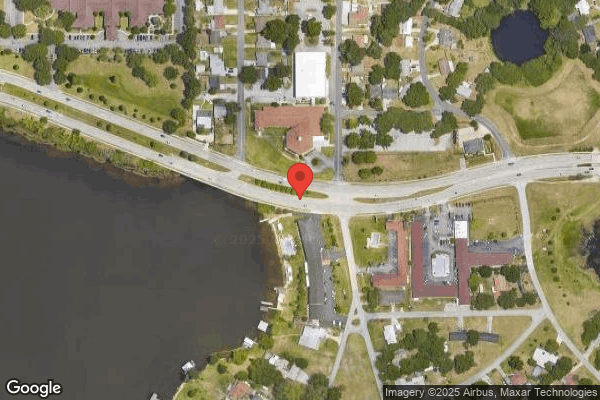
Feb 2024 1 deficiency
CONCERN (D) 📢 Someone Reported This

A family member, employee, or ombudsman was alarmed enough to file a formal complaint

Potential for Harm - no one hurt, but risky conditions existed

Safe Environment (Tag F0584)

Could have caused harm · This affected 1 resident

Based on observation, interview and record review the facility failed to provide housekeeping and maintenance services to maintain a sanitary and homelike environment related to not ensuring a mattres...

Read full inspector narrative →
Based on observation, interview and record review the facility failed to provide housekeeping and maintenance services to maintain a sanitary and homelike environment related to not ensuring a mattress was in good repair for one resident (#9) of a sample of nine residents for two days (2/10/24 and 2/11/24) of a two day survey. Findings included: An observation on 2/10/24 at 10:01 a.m. revealed the bare mattress for Resident #9 had a large worn area in the shape of a circle in the middle to upper area of the mattress. The first layer of the dark blue material was worn through and exposed the next layer of a lighter blue material. Towards the top of the worn circle was a yellow stained area. (Photographic Evidence Obtained) An interview on 2/10/24 at approximately 11:50 a.m. with Staff A, Certified Nursing Assistant (CNA) revealed Resident #9 was at dialysis. She confirmed if something was wrong with a mattress a work order would be completed. An interview on 2/10/24 at 12:00 p.m. with Staff B, Registered Nurse/Unit Manager (RN/UM) was conducted. Staff B stated if a repair was an emergency it would be put into the system (work order) and reported to maintenance. The repair was usually completed within the same day. She confirmed if a family member reported it and it was going to create a problem for the resident a grievance and work order would always be completed. The repair to the mattress would be handled within a day. During an interview on 2/10/24 at 1:51 p.m. Staff C, Licensed Practical Nurse (LPN) stated the CNA reports it (mattress or equipment breakdown) to the LPN and the LPN puts it (work order) into the work order system for maintenance to handle. They (maintenance) get paged if an emergency such as an air mattress not working. For other mattresses it would be considered urgent if it was irritating the skin of the resident. The work order for the mattress would usually be taken care of within the next business day. An observation on 2/10/24 at 1:59 p.m. revealed Resident #9 was not in his room and the bed was made with clean linen. During an interview on 2/10/24 at 2:31 p.m. the Director of Plant Operations stated a work order would be entered for something wrong with a mattress. Anyone can put in a work order and he would try to fix or replace it that day or by the next day. He stated the facility completes walking rounds and completes a monthly review of all mattresses to ensure they are in good condition and when the CNAs are changing the beds or if observed by housekeeping a work order should be completed if they notice something is wrong with the mattress. If noticed on the weekend the Manager on Duty can take care of it and there are mattresses in the storage unit. There are four in the storage unit right now. During an additional interview with the Director of Plant Operations on 2/10/24 at 2:50 p.m. he stated a monthly audit for mattress checks are not on the work order system. Review of the completed work orders from 1/28/24 - 2/11/24 did not reveal a work order for Resident #9's mattress. An observation on 2/11/24 at 9:49 a.m. revealed the bare mattress for Resident #9 had a large worn area in the shape of a circle in the middle to upper area of the mattress. The first layer of the dark blue material was worn through in the middle of the mattress and exposed the next layer of a lighter blue material. Towards the top of the worn circle was a yellow stained area. (Photographic Evidence Obtained) During an observation and interview on 2/11/24 at 9:55 a.m. Staff B, RN/UM confirmed Resident #9's mattress had wear and tear and stated it should not be in that condition. Staff B confirmed they would put a work order in to change out the mattress. Staff B said, If this bad, they should of let us know. (Photographic Evidence Obtained) During an observation and interview on 2/11/24 at 9:57 a.m. the Director of Plant Operations confirmed the wear and tear of Resident #9's mattress and the CNA should have created a work order for the mattress. In an interview on 2/11/24 at 10:47 a.m. the Nursing Home Administrator stated the facility does not have a particular policy for doing audits for mattresses, but they do have the deep cleaning checklist. Review of the procedure titled, Deep Clean Once A Month, undated, documented the procedure as: Deep clean is the process of wiping down of all furniture, pulling furniture beds, dressers, night stands, chairs, and wardrobes if there is one 4. Spray bed down, also let stand for 10 minutes . Review of the policy titled, Infection Prevention and Control Manual - Environmental Services/Housekeeping/Laundry, effective December 2020, documented: It is the policy of this facility that the workplace will be maintained in a clean and sanitary condition with a written schedule of cleaning and decontamination based on the area of the facility, type of surface to be cleaned, type of soil present and tasks being performed in the area. Purpose: It is the purpose is [sic] to provide standard operating procedures for a clean, safe, and sanitary environment for the residents.
Mar 2022 3 deficiencies
CONCERN (D)

Potential for Harm - no one hurt, but risky conditions existed

ADL Care (Tag F0677)

Could have caused harm · This affected 1 resident

**NOTE- TERMS IN BRACKETS HAVE BEEN EDITED TO PROTECT CONFIDENTIALITY** Based on observations, interviews and medical record review, the facility failed to provide Activities of Daily Living (ADL) car...

Read full inspector narrative →
**NOTE- TERMS IN BRACKETS HAVE BEEN EDITED TO PROTECT CONFIDENTIALITY** Based on observations, interviews and medical record review, the facility failed to provide Activities of Daily Living (ADL) care for one dependent resident (#42) related to eating assistance out of a total sample of thirty-two residents. Findings included: On 3/7/2022 at 12:15 p.m. Resident #42 was observed in his room reclined back in his bed with his lunch meal tray positioned in front of him, on the over the bed table. Resident #42 was observed self-feeding while using a fork to bring food to his mouth. Further observations revealed he was dropping bits of food from his fork to his upper shirt area. Also, his shirt appeared liquid soaked, from when he took sips from his hydration cup. Resident #42 dropped food from his fork to his shirt three times during this observed timeframe. No staff were observed in the room to assist him or supervise him during the meal. On 3/8/2022 at 7:55 a.m. Resident #42 was observed in his room and reclined back in his bed with his breakfast meal tray placed on the over the bed table positioned over his bed and lap area. Resident #42 was observed self-eating by bringing forkfuls of food to his mouth. He was observed with food on his shirt at his stomach area. Staff had dropped off the tray, set up the meal and left the room. There was no supervision with his eating. On 3/9/2022 at 7:30 a.m. Resident #42 was observed in his room. He was observed reclined back in bed and had his over the bed table placed over his lap area. Further observations revealed his breakfast meal tray had just been dropped off by staff. Resident #42 brought the forkful of food to his mouth and after several attempts, and with knocking food to his stomach area, he finally was able to get some food inside his mouth. He continued to bring forkfuls of food to his mouth and at times dropping more food onto his shirt. When asked about his meal, Resident #42 shrugged his shoulders. Resident #42 was asked if he needed any help because he kept dropping food on his shirt, and he replied, Well, I don't know. During this observation he was served his meal tray and all the way up to when staff picked up the tray, Resident #42 was not supervised or received assistance with eating from staff. No staff were observed in the room to assist him or supervise him during the meal. On 3/9/2022 at 7:58 a.m. an interview with the Staff C, Registered Nurse (RN)/200 hall floor indicated she was not sure what aide was responsible for assisting residents with eating for the rooms on the 200 hall to include Resident #42's room. Staff C brought Staff B, Certified Nursing Assistant (CNA) for an interview. Staff B revealed she was in another hallway assisting with breakfast tray pass. She explained her room/hall assignments for the day, which included Resident #42's room. She stated when it comes to meal services, all staff report to the halls where the trays are dropped off and they pass and set up meal trays. Staff B revealed Resident #42 was able to self-feed and she sets up the tray and leaves. She revealed Resident #42 should be supervised when eating. She confirmed he spills food on himself from self-eating. She will see food on his shirt when she picks up the tray at a later time. Staff B interpreted ADL activities for Supervision meant staff must stay in the room with the resident when eating and watch his eating with some cueing if need, and One plus Person physical assist, meant that staff are to stay in the room with the resident and assist with eating/feeding assistance should the resident require it. During the continued interview Staff B, CNA again revealed she believed Resident #42 required supervision, and then confirmed she should probably be in the room with the resident when he eats his meal. Staff B revealed it was hard to stay in the rooms and provide supervision only; when other residents in the halls and unit need to be served and set up with their meals. She confirmed there are not enough staff to appropriately set up, serve and supervise all residents on the unit. She explained the staff all help out each other the best they can. Review of Resident #42's admission Record revealed he was admitted to the facility on [DATE] with diagnoses to include: dementia, GERD (gastroesophageal reflux disease), hyperlipemia, DMII (Diabetes Mellitus Type II), long term use of insulin, and dysphagia. Review of the 5 day Minimum Data Assessment (MDS), dated [DATE], revealed in Section C - Cognition Patterns Resident #42's Brief Interview for Mental Status score was a 7 of 15, which indicated the resident would not be able to speak with relation to his medical needs. Section G - Functional Status revealed the Activities of Daily Living for Eating required Supervision with one person physical assist. Review of the current Order Summary Report, dated for the month of 3/2022 revealed physician orders to include: *CONCHO (consistent Carbohydrate) diet, mechanical soft texture, Thin fluid consistency, start date 2/16/22, *ST (speech therapy) clarification order: UPOC (updated plan of care) 4 times per week for 30 days for Dysphagia Tx (treatment), dev/imp (develop/implementation) of safe swallow strategies, therapeutic trials, dietary analysis, pt/caregiver (patient) ed/training (education), discharge planning, start date of 3/8/2022. Review of the following assessments revealed: - 1/10/2022 Nutritional assessment revealed: Resident confused at times and with poor PO (oral) intake possibly related to confused state, and to monitor. - 1/17/2022 Standard of Care meeting revealed: Nothing related to ADL (Eating) - 2/4/2022 Monthly Nurse Summary revealed: Eating habits are usually with poor appetite. Was not checked if feeds self, or feeds with assistance. - 2/17/2022 SOC (Standard of Care) meeting/evaluation revealed: Nothing related to ADL (Eating) - 2/24/2022 SOC meeting/evaluation revealed: Nothing related to ADL (Eating) - 3/2/2022 SOC meeting/evaluation revealed: Nothing related to ADL (Eating) - 3/4/2022 Monthly Nursing Summary revealed: Usually good eating habits, but did not specify if resident feeds self or feeds with assistance. Review of the CNA ADL flow sheet for the months of 2/2022 and 3/2022 revealed the resident received the following for Eating activity: a. 2/24/2022 - 2/27/2022 all three meals Independent; b. 2/28/2022 breakfast Limited Assist; lunch and dinner Independent; c. 3/1/2022 - 3/2/2022 all three meals Independent; d. 3/3/2022 - breakfast and lunch Extensive Assist and dinner Independent; e. 3/4/2022 - breakfast and lunch Independent and dinner Supervision; f. 3/5/2022 - Independent all meals; g. 3/6/2022 - 3/8/2022 Independent with all meals. Review of the current care plan, revised on 1/20/22 and with the next review date of 4/20/2022, documented a Focus as: Resident's ADL needs include bed mobility; transfers; locomotion/walking; dressing; eating; toileting; personal hygiene; bathing. The goal was the resident will receive the amount of necessary ADL assistance to improve/maintain quality of life. The interventions included: The resident is not able to feed self all or some of the meal and needs staff to feed him. Staff will need to remain with the resident for the entire meal, initiated on 1/5/22. On 3/9/2022 at 10:10 a.m. an interview with Staff A, MDS Coordinator and the Regional MDS Coordinator confirmed Resident #42 had been marked and observed at least one day during their assessment, for the need for supervision with one person assist in relation to eating. They both confirmed the care plans indicated the resident does require eating supervision and staff was to be in the room when he eats. They were not aware that staff had been placing the meal tray in the room, setting up the meal and then leaving. On 3/9/2022 at 10:30 a.m. an interview with the Staff J, Speech Therapist revealed she has had Resident #42 on her case load for over thirty days, and the reason for the new order on 3/8/2022 was because they have to reorder every thirty days. She has been observing him for aspirations during eating and does not look at him for the ability to self-feed and that was more of physical and occupation therapy. She revealed she has not seen him spilling food on his shirt but she does not see him or assess him every day, and only has him on case load four times a week. On 3/10/2022 at 9:50 a.m. an interview with the Therapy/Rehab Director revealed Resident #42 was currently being seen by PT/OT (physical therapy/occupational therapy) and she was aware Resident #42 does eat on his own but requires some staff supervision in his room, when he eats. She was not aware, prior to yesterday (3/9/2022), that staff were just dropping off his meal tray and then leaving the room until coming back to pick up the tray. She did confirm he would benefit more with eating activities if staff were in the room and supervised him during the entire meal service. On 3/10/2022 at 11:40 a.m. an interview with the Director of Nursing confirmed Resident #42 had been assessed and care planned to have staff supervision with one person assist, while he eats in his room, for each meal. She revealed that meant staff are to bring in the meal tray, set the meal up for the resident, and then stay in the room as he eats and provide either cueing and/or hands on assist should he have the need. She confirmed staff should not have just dropped off the meal tray and then leave the room without any continued eating supervision. Further interview with the Director of Nursing revealed the facility did not have any type of Activities of Daily Living policy and procedure. She revealed there were no policies and procedures with relation to eating assistance.
CONCERN (D)

Potential for Harm - no one hurt, but risky conditions existed

Menu Adequacy (Tag F0803)

Could have caused harm · This affected 1 resident

**NOTE- TERMS IN BRACKETS HAVE BEEN EDITED TO PROTECT CONFIDENTIALITY** Based on observations, interviews and policy review, the facility did not ensure one resident's (#392) food preferences were hon...

Read full inspector narrative →
**NOTE- TERMS IN BRACKETS HAVE BEEN EDITED TO PROTECT CONFIDENTIALITY** Based on observations, interviews and policy review, the facility did not ensure one resident's (#392) food preferences were honored out of five sampled residents. Findings included: An observation and interview was conducted on 03/07/2022 at 9:27 a.m. with Resident #392 and the resident's family member. The resident expressed she was a diabetic, she received insulin on a sliding scale, and stated she received a lot of regular sugared style foods since arriving to the facility. The family member also expressed her concern as she stated after [Resident #392] arrived at the facility they met with the CDM (Certified Dietary Manager) and asked that [Resident #392] only receive sugar free [gelatin dessert], sugar free pudding and other sugar free desserts. She also noted that she does not receive her NAS (No Sugar Added) house shakes. Almost a month later she has yet to receive her requested food items; even after several conversations with dietary staff. Resident #392 stated she dislikes oatmeal and orange juice and clearly stated that to the CDM (Certified Dietary Manager), when she arrived at the facility. Resident #392's breakfast tray revealed a cup of unopened orange juice and a bowl of oatmeal with a lid with the word Fortified hand-written on the lid. At this time, Resident #392 confirmed her diet was a diabetic diet. On 03/08/2022 at 7:30 a.m., Resident #392 had just received her breakfast tray. An observation revealed the resident received orange juice, and fortified oatmeal; both of which the resident stated are dislikes. Her breakfast tray ticket showed Homemade Muffin, Scrambled Eggs, Juice of Choice and Fortified Oatmeal. The tray ticket did not show dislikes. She stated the CDM came in last night (03/07/2022) and spoke to her and her [family member]. She (CDM) told them she would document her preferences, regarding her dislikes and also change to all sugar free desserts. On 03/08/2022 at 11:46 a.m. an interview and observation with Resident #392 was conducted. Resident #392 was eating her lunch and pointed out there was no sugar free dessert, sugar free [gelatin dessert] or sugar free pudding on her tray as requested. On 03/09/2022 at 7:36 a.m. an interview and observation were conducted of Resident #392, who just received her breakfast tray. On the tray was a cup of unopened orange juice and a bowl of oatmeal labeled Fortified, handwritten on the lid. Resident #392 again stated that she received items she does not like and has requested several times for them to be removed. On 03/09/2022 at 2:00 p.m. in an interview with the CDM she stated if a resident dislikes a specific food (fortified menu item) then they would offer a magic cup and/or mighty shake. A review of the Clinical Physician Orders form, printed from the electronic medical record (EMR), showed an admission date of 2/10/22 and the following orders related to Resident 392's diet: *Order for [NAME] (Consistent Carbohydrate) diet, Mechanical Soft texture, Thin Fluids consistency - Start Date 03/08/2022, and Revision Date 03/08/2022; *Order for [NAME] diet DYS 2(Dysphagia Diet 2),Thin Fluids consistency - Start Date 02/18/2022, Revision Date 02/18/2022, End Date 3/08/2022. A review of the progress notes showed: *02/21/2022 at 14:27 (2:47 p.m.) Writer (CDM) contacted [family member] related to diet restrictions questions. [Family member] had questions related to Controlled Carb Diet, requested [Resident#392] to get SF (Sugar Free) [gelatin dessert] and SF Pudding at times. Will honor her request and continue to monitor. *02/23/2022 at 13:07 (1:07 p.m.) Added SF-House shake w/lunch (with lunch) and dinner and Fortified Foods w/meal for additional needs. *03/07/2022 at 19:35 (7:35 p.m.) Writer visited resident and [family member] today in reference to [family member] had concerns related to [Resident #392's] diabetic diet. Writer spoke with [family member] in February related to same concerns. [Family member] expressed she would like [Resident #392] to have sugar free desserts with Lunch and Dinner meals, [Resident #392] agreed that she would like only sugar free desserts. Dietary will honor her requested and provide SF pudding/gelatin. Writer updated food preferences with [Resident #392] also. Will continue to monitor. On 03/10/2022 at 7:30 a.m., during an interview with Resident #392 and her family member the breakfast tray ticket was observed on the tray and showed the resident was to receive 4 ounces of juice of choice 6 ounces of hot cereal. The observation revealed Resident #392 received a container of orange juice and a bowl of oatmeal. The tray ticket did not show dislikes. The family member expressed concern because she and the resident were told by the CDM the evening before that [Resident 392's] preferences would be updated. On 03/10/2022 at 9:45 a.m. a review of the medical record revealed it was silent related to food preferences of Resident #392. A review of the care plan for Resident #392 revealed a Focus as potential for altered nutrition R/T (related to) increased nutrient needs; P-C malnutrition (phenotypic criteria which are baseline measures that are used to diagnose, malnutrition), initiated on 02/15/2022. The goal was documented as: Will maintain adequate diet intake to achieve stable weight. Interventions included: Monitor labs as ordered, Serve diet as ordered, Weigh per protocol. The care plan was silent related to food preferences. 03/10/2022 at 11:00 a.m. an interview with the CDM was conducted. The CDM confirmed she does not put food preferences in the electronic medical record (EMR). The food preference information was completed within a few days of the resident arriving to the facility. A hard copy was kept in the CDM's office and information was documented in [Meal Tracking Software]. It was a program that generated the resident profile and tray tickets for all meals. A review of the facility policy titled, Obtaining Food Preferences Guidelines, dated June 16, 2020, revealed: Purpose: What we eat is determined by our personal preferences. Honoring food preferences is important to maximize meal intake. Procedure: Food preferences will be obtained as soon after admission as possible. It is recommended that documentation be included in the EMR that preferences were either obtained or updated. The Food Preference Assessment may be printed from Meal tracker as needed to demonstrate the preferences entered. The History can be assessed to be determined when the information was entered.
CONCERN (E)

Potential for Harm - no one hurt, but risky conditions existed

Unnecessary Medications (Tag F0759)

Could have caused harm · This affected multiple residents

**NOTE- TERMS IN BRACKETS HAVE BEEN EDITED TO PROTECT CONFIDENTIALITY** Based on observations, interviews, and record reviews, the facility failed to ensure a medication administration error rate of l...

Read full inspector narrative →
**NOTE- TERMS IN BRACKETS HAVE BEEN EDITED TO PROTECT CONFIDENTIALITY** Based on observations, interviews, and record reviews, the facility failed to ensure a medication administration error rate of less than 5%. A total of 36 administration opportunities were observed with 10 medication errors for three residents (#57, #443, and #49) of five residents observed for medication administration, resulting in a medication administration error rate of 38.46%. Findings included: 1. A review of Resident #57's admission Record revealed Resident #57 was admitted to the facility on [DATE] with a diagnosis of constipation. A review of Resident #57's physician's orders revealed an order dated 09/29/2021 for Senokot tablet, give one tablet by mouth one time a day for constipation. An observation of medication administration for Resident #57 was conducted on 03/09/2022 at 8:20 a.m. with Staff E, Registered Nurse (RN). Staff E prepared thirteen medications for administration to Resident #57, including Senokot 8.6 milligrams (mg) by mouth. After preparing the medications, Staff E, RN entered Resident #57's room and administered the thirteen medications to Resident #57. 2. A review of Resident #443's admission Record revealed Resident #443 was admitted to the facility on [DATE] with diagnoses of heart failure and stage 4 chronic kidney disease. A review of Resident #443's physician's orders revealed an order dated 03/05/2022 for Magnesium tablet, give one tablet by mouth one time a day for hypomagnesemia. An observation of medication administration for Resident #443 was conducted on 03/09/2022 at 8:45 a.m. with Staff D, RN. Staff D, RN prepared Magnesium 400 mg by mouth for administration to Resident #443. After preparing the medications, Staff D, RN entered Resident #443's room and administered the thirteen medications to Resident #443. 3. A review of Resident #49's admission Record revealed Resident #49 was admitted to the facility on [DATE] with diagnoses of end stage renal disease, epilepsy, and hypertension. A review of Resident #49's physician's orders revealed the following orders: - An order dated 01/12/2022 for Hydrochlorothiazide (HCTZ) 25 mg by mouth one time a day for hypertension at 08:00 AM. - An order dated 01/12/2022 for Lisinopril 40 mg by mouth one time a day for hypertension at 08:00 AM. - An order dated 01/12/2022 for Minoxidil 2.5 mg by mouth one time a day for hypertension at 08:00 AM. - An order dated 01/12/2022 for Calcium Carbonate tablet, one tablet by mouth two times a day for indigestion at 08:00 AM. - An order dated 02/14/2022 for Colace 100 mg by mouth two times a day for constipation at 09:00 AM and 06:00 PM. - An order dated 01/12/2022 for Keppra 2000 mg by mouth two times a day for seizures at 08:00 AM and 05:00 PM. - An order dated 01/12/2022 for Labetalol Hydrochloride (HCl) 300 mg by mouth every 12 hours for hypertension at 08:00 AM and 08:00 PM. - An order dated 03/07/2022 for Renvela 2400 mg by mouth two times daily every Tuesday, Thursday, and Saturday for chronic kidney disease at 08:00 AM and 05:00 PM. An observation of medication administration for Resident #49 was conducted on 03/09/2022 at 9:12 a.m. with Staff C, RN. Staff C, RN prepared the following medications for administration to Resident #49: - Hydrochlorothiazide (HCTZ) 25 mg by mouth. - Lisinopril 40 mg by mouth. - Minoxidil 2.5 mg by mouth. - Calcium 600 mg plus Vitamin D by mouth. - Colace 100 mg by mouth. - Keppra 2000 mg by mouth. - Labetalol HCl 300 mg by mouth. - Renvela 2400 mg by mouth. After preparing the medications, Staff C, RN entered Resident #49's room to administer the medications. During the observation, Resident #49 asked Staff C, RN what medications he was taking and stated that he did not recognize one of the medications. Staff C, RN explained to Resident #49 that it was his calcium pill. Resident #49 responded to Staff C, RN by stating he did not remember being prescribed a calcium pill, but he would take it. Staff C, RN assured Resident #49 the medications were correct and Resident #49 was administered the medications at 9:38 a.m. After the medications were administered, Resident #49 told Staff C, RN he regularly took Tums (Calcium Carbonate) every day due to having indigestion. Staff C, RN told Resident #49 he did not have an order for Tums and the physician would be in the facility later in the day to review his medications. An interview was conducted on 03/09/2022 at 9:45 a.m. with Staff C, RN and the Regional Director of Clinical Services (RDCS). Staff C, RN reviewed Resident #49's physician's orders and pulled out the bottle of Calcium 600 mg plus Vitamin D from the medication cart. Staff C, RN explained the medication order did not have a dosage documented in it, but the dosage the facility stocks is 600 mg and that's what they use. Staff C, RN did not realize the wrong medication was administered. The RDCS stated Calcium Carbonate should have been administered instead of Calcium 600 mg plus Vitamin D to Resident #49. Staff C, RN was not able to state how long they had to administer medications from the ordered administration time. The RDCS stated she thought nursing staff had two hours from the ordered time to pass the medications but she would need to check the facility policy. An interview was conducted on 03/09/2022 at 10:00 a.m. with Staff E, RN. Staff E, RN reviewed the physician's orders for Resident #57 and pulled a bottle of Senokot 8.6 mg from the medication cart. Staff E, RN compared the physician's order with the medication bottle and addressed the physician's order for Senokot did not have a dosage documented in the order. Staff E, RN stated the medication dosage should be verified by the nurse before administering a medication. If a medication order did not have a dosage associated with it, the order would be clarified with the resident's physician. Staff E, RN stated medications need to be administered within an hour before to an hour after the physician's ordered administration time and the resident's physician would need to be notified if the medication was administered after the ordered time. An interview was conducted on 03/09/2022 at 10:05 a.m. with Staff D, RN. Staff D, RN reviewed the physician's orders for Resident #443 and pulled a bottle of Magnesium 400 mg from the medication cart. Staff D, RN compared the physician's order with the medication bottle and addressed the physician's order for Magnesium did not have a dosage documented in the order and stated the facility only stocked Magnesium 400 mg so that's what they administered. Staff D, RN also stated if a medication order did not have a dosage associated with it, the order would be clarified with the resident's physician. Staff D, RN stated medications need to be administered within an hour before to almost an hour after the physician's ordered administration time. An interview was conducted on 03/10/2022 at 9:43 a.m. with the facility's Director of Nursing (DON). The DON stated nursing staff should be following the five rights of medication administration when administering medications to residents, including the right dose, the right resident, the right time, the right medication, and the right route. The five rights should be verified for each medication that is pulled from the medication cart. If a physician's order does not contain all of the required information, the medication should not be administered until the order could be clarified with the resident's physician. If a house stocked medication had a dosage then it should be included in the physician's order. The DON stated nursing staff have from an hour before to an hour after the physician's ordered medication time to administer a medication and if the medication is to be administered late then the resident's physician needed to be notified before the medications were administered. A telephone interview was conducted on 03/10/2022 at 10:46 a.m. with the facility's Consultant Pharmacist (CP). The CP stated she visited the facility on a monthly basis and conducted medication regimen reviews monthly for all residents at the facility. Medication orders are reviewed to ensure the right medication, the right dose, the right indication for use, and the right monitoring are in place for each medication ordered. Audits of medication administration are conducted on a quarterly basis with the nursing team to ensure nursing staff are using the five rights of medication administration during the task. The CP stated she would expect nursing staff to clarify a physician's order if they noticed an irregularity with it and that medication orders should include the strength of the medication if it is visible on the bottle. The CP also stated she would expect nursing staff to administer medications within the ordered timeframes. A review of the facility policy titled, General Dose Preparation and Medication Administration, last revised on 01/01/2022, revealed under the section titled Procedure that facility staff should verify the medication name and dose are correct when compared to the medication order on the medication administration record. The policy also revealed facility staff should verify each time a medication is administered that it is the correct medication, at the correct dose, at the correct route, at the correct rate, at the correct time, for the correct resident, as set forth in the facility's medication administration schedule.
Dec 2020 8 deficiencies
CONCERN (D)

Potential for Harm - no one hurt, but risky conditions existed

Assessment Accuracy (Tag F0641)

Could have caused harm · This affected 1 resident

**NOTE- TERMS IN BRACKETS HAVE BEEN EDITED TO PROTECT CONFIDENTIALITY** Based on observations, record review, and interviews the facility failed to ensure one resident (#51) of 28 sampled residents wa...

Read full inspector narrative →
**NOTE- TERMS IN BRACKETS HAVE BEEN EDITED TO PROTECT CONFIDENTIALITY** Based on observations, record review, and interviews the facility failed to ensure one resident (#51) of 28 sampled residents was accurately assessed for the use of adaptive/bed rails as evidence by the presence of bilateral raised adaptive rails and the inaccurate screening for the rails during quarterly reviews for their use. Findings included: Resident #51 was initially admitted on [DATE] and re-admitted on [DATE]. The admission Record included diagnoses of Parkinson's Disease, generalized weakness, unspecified lack of coordination, right knee contracture, and left knee contracture. An observation on 12/15/20 at 10:36 a.m., revealed Resident #51 was lying in a low bed with floor mats on each side of the bed and 1/4 bed/adaptive rails raised bilaterally. The Adaptive Rail Screen, with an effective date of 2/7/20, indicated the use of adaptive rails were considered due to a medical symptom and the resident's physical need for the rails was due to weakness, the cognitive reason was checked as none, and had a history of rolling out of bed. The screen indicated the resident requested the adaptive rails and the risks and benefits of rail use was discussed with the resident and the family/resident representative. The Adaptive Rail Screen, with an effective date of 9/25/20, indicated the family requested the use of adaptive rails for safety/security. The latest screen (9/25/20) indicated none for the need for the use of adaptive rails for physical, cognitive and sense of security. The screen on 9/25/20 did not indicate that the resident had a history of rolling out of bed. Neither of the screens indicated that the resident was taking any medications that would require increased safety measures (i.e., diuretics, psychotropics, etc.) or that there was a decline in cognitive status affecting safety awareness. The current screen indicated that adaptive rails were not indicated at this time. The clinical record for the resident did not include a quarterly screen/evaluation for the continued use of Adaptive/Bed rails during the seven month period between the screens completed on 2/7/20 and 9/25/20. The physician Order Summary dated 12/18/20 indicated Resident #51 was prescribed, on 9/25/20, the diuretic medication, Furosemide. The summary did not identify a physician order for the use of Adaptive/Bed rails. The Quarterly Minimum Data Set (MDS), dated [DATE], indicated that Resident #51 had a Brief Interview of Mental Status score of 6, indicative of severe cognitive impairment. The MDS in Section G for Functional Status identified the resident required extensive assist by one-person for bed mobility and transfers and had active diagnoses of non-Alzheimer's dementia and Parkinson's Disease. Section P for Restraints indicated that bed rails were not used. A review of Resident #51's care plan identified the resident was at risk for falls related to: decreased lower extremity strength, unsteady balance, decreased functional Range Of Movement (ROM) bilateral upper and lower extremities, impaired cognition, impaired mobility, contracture left ankle, psychoactive medication (med) use, and parkinsons. This focus was initiated and revised on 12/14/19. The interventions related to the focus included re-position to the middle of the bed as needed to prevent sliding from the bed, initiated on 6/12/20. The care plan indicated the resident had an Activity of Daily Living (ADL) Self-care and mobility deficit with the need for extensive to total assistance with ADL completion on daily basis. At risk of developing complications associated with decreased ADL self-performance related to: cognitive impairment, weakness, impaired mobility, poor coordination and endurance, Parkinson's, decreased functional ROM bilateral upper and lower extremities, psychoactive med use, initiated 2/1/19 and revised 12/2/19. The resident has behavior problems related to placing self on the floor, initiated and revised on 3/30/20. The active care plan for Resident #51 did not identify the use of bilateral 1/4 Bed/Adaptive Rails. On 12/18/20 at 1:17 p.m., the Director of Nursing (DON) stated the facility evaluates for adaptive/bed rails on admission and quarterly. She stated the facility does not obtain consent for the rails quarterly and does speak with the representatives or the resident quarterly. She reported that the assessment for Adaptive/Bed rails should portray the resident correctly. The DON reviewed the Adaptive Rail Screen, completed on 9/25/20, and confirmed that the screen did not portray Resident #51 correctly. The policy titled, Adaptive Rail Guideline, effective 11/28/2017 and revised on 10/14/19, identified, It is the standard of this center to ensure the safe use of adaptive rails as resident mobility aids and to prohibit the use of adaptive rails as restraints. The protocol of the policy included the following: - 1. Adaptive rails are used to treat a resident's medical symptoms or to assist with mobility and transfer of residents; - 2. The adaptive rail will be monitored, evaluated, and reviewed for initial and ongoing needs by the clinical team; - 4. An assessment/evaluation/screen will be made to determine the resident's symptoms or reason for using adaptive rails; - 6. Pertinent information related to adaptive rail utilization should be documented in the resident's clinical record; - 7. Use of adaptive rails as an assistive device should be present in the resident-centered plan of care.
CONCERN (D)

Potential for Harm - no one hurt, but risky conditions existed

Deficiency F0657 (Tag F0657)

Could have caused harm · This affected 1 resident

**NOTE- TERMS IN BRACKETS HAVE BEEN EDITED TO PROTECT CONFIDENTIALITY** Based on observation, record review, and interviews the facility failed to review and revise a comprehensive, person-centered ca...

Read full inspector narrative →
**NOTE- TERMS IN BRACKETS HAVE BEEN EDITED TO PROTECT CONFIDENTIALITY** Based on observation, record review, and interviews the facility failed to review and revise a comprehensive, person-centered care plan by not including an intervention of adaptive/bed rails for one resident (#51) of 28 sampled residents. Findings included: Resident #51 was initially admitted on [DATE] and re-admitted on [DATE]. The admission Record included diagnoses of Parkinson's Disease, generalized weakness, unspecified lack of coordination, right knee contracture, and left knee contracture. An observation on 12/15/20 at 10:36 a.m., revealed Resident #51 was lying in a low bed with floor mats on each side of the bed and 1/4 bed/adaptive rails raised bilaterally. The Adaptive Rail Screen, with an effective date of 2/7/20, indicated the use of adaptive rails were considered due to a medical symptom and the resident's physical need for the rails was due to weakness, the cognitive reason was checked as none, and had a history of rolling out of bed. The screen indicated the resident requested the adaptive rails and the risks and benefits of rail use was discussed with the resident and the family/resident representative. The Adaptive Rail Screen, with an effective date of 9/25/20, indicated the family requested the use of adaptive rails for safety/security. The latest screen (9/25/20) indicated none for the need for the use of adaptive rails for physical, cognitive and sense of security. The screen on 9/25/20 did not indicate that the resident had a history of rolling out of bed. Neither of the screens indicated that the resident was taking any medications that would require increased safety measures (i.e., diuretics, psychotropics, etc.) or that there was a decline in cognitive status affecting safety awareness. The current screen indicated that adaptive rails were not indicated at this time. The clinical record for the resident did not include a quarterly screen/evaluation for the continued use of Adaptive/Bed rails during the seven month period between the screens completed on 2/7/20 and 9/25/20. The physician Order Summary dated 12/18/20 indicated Resident #51 was prescribed, on 9/25/20, the diuretic medication, Furosemide. The summary did not identify a physician order for the use of Adaptive/Bed rails. The Quarterly Minimum Data Set (MDS), dated [DATE], indicated that Resident #51 had a Brief Interview of Mental Status score of 6, indicative of severe cognitive impairment. The MDS in Section G for Functional Status identified the resident required extensive assist by one-person for bed mobility and transfers and had active diagnoses of non-Alzheimer's dementia and Parkinson's Disease. Section P for Restraints indicated that bed rails were not used. A review of Resident #51's care plan identified the resident was at risk for falls related to: decreased lower extremity strength, unsteady balance, decreased functional Range Of Movement (ROM) bilateral upper and lower extremities, impaired cognition, impaired mobility, contracture left ankle, psychoactive medication (med) use, and parkinsons. This focus was initiated and revised on 12/14/19. The interventions related to the focus included re-position to the middle of the bed as needed to prevent sliding from the bed, initiated on 6/12/20. The care plan indicated the resident had an Activity of Daily Living (ADL) Self-care and mobility deficit with the need for extensive to total assistance with ADL completion on daily basis. At risk of developing complications associated with decreased ADL self-performance related to: cognitive impairment, weakness, impaired mobility, poor coordination and endurance, Parkinson's, decreased functional ROM bilateral upper and lower extremities, psychoactive med use, initiated 2/1/19 and revised 12/2/19. The resident has behavior problems related to placing self on the floor, initiated and revised on 3/30/20. The active care plan for Resident #51 did not identify the use of bilateral 1/4 Bed/Adaptive Rails. On 12/18/20 at 1:17 p.m., the Director of Nursing (DON) stated the facility evaluates for adaptive/bed rails on admission and quarterly. She stated the facility does not obtain consent for the rails quarterly and does speak with the representatives or the resident quarterly. She reported that the assessment for Adaptive/Bed rails should portray the resident correctly. The DON reviewed the Adaptive Rail Screen, completed on 9/25/20, and confirmed that the screen did not portray Resident #51 correctly. The policy titled Adaptive Rail Guideline, effective 11/28/2017 and revised on 10/14/19, identified It is the standard of this center to ensure the safe use of adaptive rails as resident mobility aids and to prohibit the use of adaptive rails as restraints. The protocol of the policy included the following: - 1. Adaptive rails are used to treat a resident's medical symptoms or to assist with mobility and transfer of residents; - 2. The adaptive rail will be monitored, evaluated, and reviewed for initial and ongoing needs by the clinical team; - 4. An assessment/evaluation/screen will be made to determine the resident's symptoms or reason for using adaptive rails; - 6. Pertinent information related to adaptive rail utilization should be documented in the resident's clinical record; - 7. Use of adaptive rails as an assistive device should be present in the resident-centered plan of care.
CONCERN (D)

Potential for Harm - no one hurt, but risky conditions existed

Deficiency F0757 (Tag F0757)

Could have caused harm · This affected 1 resident

**NOTE- TERMS IN BRACKETS HAVE BEEN EDITED TO PROTECT CONFIDENTIALITY** Based on record review and interviews, the facility failed to ensure that a physician order was written accurately for one resid...

Read full inspector narrative →
**NOTE- TERMS IN BRACKETS HAVE BEEN EDITED TO PROTECT CONFIDENTIALITY** Based on record review and interviews, the facility failed to ensure that a physician order was written accurately for one resident (#23) out of five sampled residents for unnecessary medications. Findings included: A review of the admission Record for Resident #23 revealed that the resident was initially admitted into the facility on [DATE] with a diagnosis of essential hypertension. A review of the Order Summary Report for 11/01/20 revealed the following: Verapamil HCL ER Tablet Extended Release 120 MG (milligram) - Give 3 tablet by mouth in the evening for htn (hypertension) SBP (systolic blood pressure) less than 100 or DBP (diastolic blood pressure) less than 50, Notify MD (medical doctor). A review of the Order Summary Report for 12/18/20 revealed the following: Verapamil HCL ER Tablet Extended Release 120 MG- Give 3 tablet by mouth in the evening for htn (hypertension) SBP (systolic blood pressure) less than 100 or DBP (diastolic blood pressure) less than 50, Notify MD. The physician orders did not indicate instructions to hold or administer the medication depending on the blood pressure. On 12/17/20 at 2:45 p.m., the Director of Nursing (DON) reported that the order was not correct. It should indicate to hold the medication. On 12/18/20 at 1:39 p.m., the Pharmacy Consultant reported that she feels like there was a typo with the order. She stated, I would imagine that it would say to hold the medication.
CONCERN (D)

Potential for Harm - no one hurt, but risky conditions existed

Medication Errors (Tag F0758)

Could have caused harm · This affected 1 resident

**NOTE- TERMS IN BRACKETS HAVE BEEN EDITED TO PROTECT CONFIDENTIALITY** Based on observations, record review, and interview the facility failed to accurately monitor the use of psychotropic medication...

Read full inspector narrative →
**NOTE- TERMS IN BRACKETS HAVE BEEN EDITED TO PROTECT CONFIDENTIALITY** Based on observations, record review, and interview the facility failed to accurately monitor the use of psychotropic medications for one resident (#79) out of five residents sampled for unnecessary medications. Findings included: Resident #79 was admitted on [DATE]. The admission Record included diagnoses of dementia in other diseases classified elsewhere without behavioral disturbance, moderate recurrent major depressive disorder, and unspecified psychosis not due to a substance or known physiological condition. The physician Order Summary Report, active as of 12/18/20, identified that Resident #79 has been administered the psychotropic medications Seroquel daily for psychosis, Sertraline daily for depression, and Melatonin at bedtime for insomnia. The December 2020 Medication Administration Record (MAR) instructed licensed personnel to monitor for types of behaviors with corresponding numerical indicators, as well as non-pharmaceutical interventions attempted, the outcome of interventions, and the side effects related to the use of Sertraline. The MAR also indicated that staff were to monitor and document behavior concerns using codes provided. Behavior code: - 0= no behavior, 1= fear/panic, 2= anger, 3= scream/yell, 4= danger/self/others, 5= delusions, 6= hallucinations, 7= sad/tearful, 8= emotion/act withdrawal, 9= insomnia, 10= other (describe). Interventions: - 1= Redirect, 2= 1 on 1, 3= ambulate, 4= activity, 5= return to room, 6= toilet, 7= give food, 8= give fluids, 9= change position, Encourage to rest, 11= back rub, 12= as needed (prn) medication (med). Outcomes: - I= Improved, S= Same, W= Worse. Side Effects: - 0= None, 1= Extrapyramidal Symptoms (EPS), 2= Tardive Dyskinesia, 3= Hypotension, 4= Increased Behavior. Every shift for Psychotropic Medication use. (List psychoactive medication (med)/s: Sertraline Hydrochloride (HCl)/melatonin/Seroquel. The December 2020 MAR indicated that during the Day shift on 12/5, 12/6, 12/12, and 12/13/20 the licensed personnel had documented NA for interventions, outcomes, and side effects related to the administration of the psychoactive medications. Also, on 12/10/20 staff identified the type of behaviors the resident exhibited, the non-pharmaceutical interventions, outcomes, and side effects with the letter n, which was not an option in the instructions for monitoring the use of named medications. On 12/14/20, staff identified NA related to observed side effects despite the code, NA was not listed as an option for the monitoring of side effects. The monitoring of Resident #79's psychoactive medications during the Evening shift indicated staff members had used the code NA for interventions, outcome, and side effects on 12/1, 12/5, 12/6, 12/8, 12/12, and 12/13/20 despite NA was not a listed code for those areas. Staff members documented n for behaviors exhibited, interventions, outcomes, and side effects observed on 12/3, 12/4, 12/9, 12/10, 12/11, and 12/17/20. The staff also documented n for the Night shift for type of behaviors observed, non-pharmaceutical interventions, outcomes, and side effects exhibited by Resident #79 on 12/3, 12/7, 12/10, 12/11, and 12/16/20. The MAR indicated staff had documented NA has the interventions, outcomes, and the side effects that the resident exhibited on 12/1, 12/2/, 12/4-12/6, 12/8, 12/9, 12/12- 12/15, and 12/17/20. On 12/17/20 at 2:59 p.m., following an interview with the Director of Nursing (DON), she returned with Staff B, Licensed Practical Nurse (LPN). The LPN reported that he figured that if there were no symptoms he could document as NA. The DON informed him that documenting NA was not appropriate. On 12/18/20 at 1:39 p.m., an interview was conducted with the Pharmacy Consultant. When asked if NA was appropriate, she reviewed the December 2020 MAR of Resident #79 and stated a 0 would be better and would recommend documentation of 0 instead of NA for a scheduled medication. A review of Resident #79's active care plan identified the following focuses and interventions: - due to the use of anti-psychotic drug(s) the resident was at risk for drug-related side effects. The interventions related to the resident use of anti-psychotic medications included the instruction for nursing staff to monitor for effectiveness of medication and review for changes. (initiated on 5/4/20 and revised on 11/30/20) - had a potential for adverse consequences related to the use of a hypnotic. Two of the interventions related to the use of a hypnotic instructed nursing staff to monitor for side effects of hypnotic i.e.: headache, confusion, weakness, nausea, irritability, dry mouth, and report to physician (MD) as needed (prn) and to monitor for effectiveness of medication. (initiated on 9/8/20) - Resident had a diagnosis of depression and had the potential for adverse consequences of antidepressant medication. The interventions instructed staff to monitor for effectiveness of medication, monitor for side effects of medication i.e.: nausea, gastrointestinal problems, dizziness, fatigue, dry mouth, weight gain, and insomnia. (initiated on 12/9/20) - Had behavioral problems related to disruptive behavior at times, socially inappropriate behavior and verbally abusive at times and confabulates stories. No blood product related to religion. The interventions included instructions for nursing staff to administer and monitor the effectiveness and side effects of medications as ordered- see physician orders/MAR and to observe behavior episodes and attempt to determine underlying cause. (initiated on 9/6/18 and revised on 9/8/20) The December 2020 MAR did not include the side effects that the care plan instructed staff to monitor for; related to the administration of hypnotic and antidepressant medications. The policy titled, Administration of Drugs, effective October 2014 and revised in May 2017, instructed staff to observe the resident/patient for any changes during or following medication administration, notify physician of any adverse reactions.
CONCERN (D)

Potential for Harm - no one hurt, but risky conditions existed

Deficiency F0760 (Tag F0760)

Could have caused harm · This affected 1 resident

**NOTE- TERMS IN BRACKETS HAVE BEEN EDITED TO PROTECT CONFIDENTIALITY** Based on observations, record review, and interviews the facility failed to ensure one resident (#52) out of five residents obse...

Read full inspector narrative →
**NOTE- TERMS IN BRACKETS HAVE BEEN EDITED TO PROTECT CONFIDENTIALITY** Based on observations, record review, and interviews the facility failed to ensure one resident (#52) out of five residents observed during the mandatory task of Medication Administration received medication within the parameters ordered by the physician. Findings included: Resident #52 was admitted on [DATE]. The admission Record included diagnoses not limited to other specified diabetes mellitus with diabetic neuropathy and unspecified Type 2 diabetes mellitus with diabetic neuropathy. An observation at 11:08 a.m. on 12/15/20, during the mandatory task of Medication Administration revealed Resident #52 lying in bed and Staff C, Licensed Practical Nurse (LPN) asking Resident #52 if she wanted her scheduled laxative. Staff C was witnessed, at 11:08 a.m., administering by subcutaneous injection, Resident #52's 8:00 a.m. dose of 40 units of Levemir (Insulin Detemir), three hours past the scheduled time and two hours past the accepted nursing standard allowing for medication administration one hour before and one after the scheduled time. The resident's Levemir was scheduled at 8:00 a.m. and 8:00 p.m., two times a day. The staff member documented it was administered at 11:15 a.m. on 12/15/20. A review of the December 2020 physician orders and medication administration record (MAR) indicated that the LPN was to obtain, at 11:30 a.m., Resident #52's blood glucose level, this was not observed during the task of medication administration. A review of the MAR documentation indicated that at 12:02 p.m. the staff member had obtained a blood glucose level of 198. The MAR indicated the resident was to receive Novolog insulin (Insulin Aspart) per the following sliding scale: Novolog insulin: Inject as per sliding scale: if 151-200 = 2 units; 201-250 = 4 units; 251-300 = 6 units; 301-350 = 8 units; 351-400 = 10 units. If Blood sugar (BS) greater than 401 notify MD - subcutaneously two times a day for DM. Scheduled at 11:00 a.m. and 8:30 p.m. On 12/15/20 at 11:59 a.m., Staff C, LPN documented that 6 units of Novolog were administered, three times the amount the sliding scale indicated was to be administered for a blood glucose level of 198. The MAR did not identify the amount of insulin units were to be administered for a blood glucose level of X. On 12/18/20 at 10:32 a.m., an interview was conducted with the Director of Nursing (DON). The DON stated that all medications should be administered one hour before and one hour after the scheduled time. She confirmed that the observed medications were late. When asked what her expectation was regarding the administration of late medications, she stated the nurse should be getting the unit manager and/or her and that they could have assisted the nurse with other duties so the nurse could concentrate on the administration. When informed of the medication administration observation and the review of the MAR she confirmed that Staff C had administered 6 units of Novolog for a blood glucose of X and that the accu-check of 198 was not appropriate as the sliding scale of Novolog was given for a reason and the 6 units were administered outside of the scale. On 12/18/20 at 1:39 p.m., an interview was conducted with the Pharmacy Consultant. The consultant stated medications are due an hour before and a hour after the scheduled time. She reported that staff should try to give medications at the same time every day and if the medications were late the doctor should be notified but would not expect anything significant for one med outside of the time frame. The Pharmacy Consultant stated that the nurse should be following the physician orders and in respect to the administration of Novolog she does not know if the number (blood glucose) was wrong or if the amount of the units were wrong. The policy titled, Nursing - Administration of Drugs, effective October 2014 and revised in May 2017, described that Residents shall receive their medications on a timely basis and in accordance with our established policies. The Key Procedural Points of the policy indicated the following: -- Prior to administration, review and confirm orders for each individual resident, observing the five rights of medication administration: right patient, right medication, right dose, right route, and right time. -- Obtain and record any vital signs needed prior to medication administration. The Reporting and Documentation of the policy indicated staff were to notify physician of any refusals, complaints, or problems related to the medication administration.
CONCERN (D)

Potential for Harm - no one hurt, but risky conditions existed

Medical Records (Tag F0842)

Could have caused harm · This affected 1 resident

**NOTE- TERMS IN BRACKETS HAVE BEEN EDITED TO PROTECT CONFIDENTIALITY** 2. Review of the medical record for Resident #4 revealed that she was admitted to the facility on [DATE] and diagnoses included ...

Read full inspector narrative →
**NOTE- TERMS IN BRACKETS HAVE BEEN EDITED TO PROTECT CONFIDENTIALITY** 2. Review of the medical record for Resident #4 revealed that she was admitted to the facility on [DATE] and diagnoses included gastrostomy (a surgical opening made in the stomach for the placement of a feeding tube). The active December 2020 physician orders revealed that the resident was not receiving any nutrition, hydration, or medications via the feeding tube. The active orders revealed that she was on a completely by mouth diet and that all her medications were to be administered by mouth. The active orders revealed two orders related to tube flushing: 1. Flush feeding tube with 30-50 ml of water before and after medications; flush with 5 ml (milliliters) of water between each medication every shift, 2. Flush feeding tube manually with 100ml of water one time a day. A progress note dated 12/02/20 revealed that nutrition via the feeding tube was discontinued due to transition to by mouth diet only and that the flush order would be for a manual flush with 100 ml of water daily. On 12/17/20 the medication administration record (MAR) for December 2020 was reviewed and revealed the order for manual feeding tube flush with 100ml of water one time a day scheduled for 8:00 a.m., order date 12/02/20, and signed off as administered 12/03/20-12/17/20. The MAR also revealed an order for flushing the feeding tube with 30-50 ml of water before and after medications and with 5ml of water between each medication every shift. The administration record for that order was signed off as administered 12/07/20-12/17/20. An interview was conducted with Staff A, Registered Nurse (RN) on 12/17/20 at 12:28 p.m. She confirmed that she was the assigned nurse for Resident #4 and confirmed that the resident did not receive any nutrition, hydration, or medications through the feeding tube. She stated that the orders for tube flushing were to perform every shift with 100 ml of water. Staff A was asked to review the MAR for December 2020 and confirmed that her initials were recorded for the following administrations on 12/17/20: flush feeding tube manually with 100 ml of water one time a day; flush feeding tube with 30-60 ml of water before and after medications, flush with 5ml of water between each medication every shift. She confirmed that her initials were also present for other dates for these order sets. Staff A confirmed that there should not be an order for flushing between medications because the resident did not take any medications via the feeding tube and stated that the flush should not be ordered that way. Regarding why she had signed off as performing that order on 12/17/20 and other dates in December she said, .didn't take time to read the order. She confirmed that it was the responsibility of the nurse performing administration to ready orders before administering and to act when noting an error with any order. She said, I'm sorry I did that .I'm going to have it changed right now. An interview was conducted with the DON on 12/18/20 at 1:55 p.m. She confirmed that it was her expectation that a nurse should always read an order before administering treatment or medication, and should never document administration of anything without first reading the order. She stated it was her expectation that if a nurse discovered a problem with an order they should stop and immediately report to the DON and the ordering physician. She stated there had never been a need in the facility to audit orders and said, My expectation is a nurse should know they need to read and come to me with problems. Based on record review and interviews, the facility failed to ensure documentation was accurate on the November and December 2020 Medication Administration Records (MAR) for two residents (Resident #23 and #4) out of 28 sampled residents. Findings included: 1. A review of the admission Record for Resident #23 revealed that the resident was initially admitted into the facility on [DATE] with a primary diagnosis of metabolic encephalopathy. The active physician orders as of 11/01/2020 revealed the following order: Evaluate for respiratory symptoms. Notify MD/charge nurse if identified every 4 hours new or worsening malaise- Y (yes) or N (no), dizziness- Y or N, diarrhea- Y or N, sore throat- Y or N, Cough- Y or N, loss of taste/smell- Y or N. A review of the Medication Administration Record (MAR) for 11/01/20-11/30/20 revealed the following documentation for the order: NA (not applicable) was documented instead of Y or N according to the order on the following days in November: 1st, 2nd, and 5th through the 30th. The active physician orders as of 12/18/20 revealed the following order: Evaluate for respiratory symptoms. Notify MD/charge nurse if identified every 4 hours new or worsening malaise- Y (yes) or N (no), dizziness- Y or N, diarrhea- Y or N, sore throat- Y or N, Cough- Y or N, loss of taste/smell- Y or N. A review of the MAR for 12/01/20-12/31/20 revealed the following documentation of the order: NA (not applicable) was documented instead of Y or N according to the order on the following days in December: 1st -17th. A review of the progress notes for November and December 2020 revealed that the documentation was not reflected in the progress notes. The policy titled, Nursing-Charting/Documentation, with an effective date of October 2014 revealed the following: Services provided to the resident will be recorded in the resident's medical record. Documentation will be accurate and will include, but not limited to, response to treatment, change in condition, changes in treatment and physician notification. On 12/17/20 at 2:45 p.m., the Director of Nursing (DON) reported that Y or N should be documented on the MAR. On 12/17/20 at 2:59 p.m., Staff B, Licensed Practical Nurse (LPN), reported that he figured that if there were no symptoms, he would just mark NA. Staff B came in with the DON and she informed him that documenting NA was not appropriate.
CONCERN (D)

Potential for Harm - no one hurt, but risky conditions existed

QAPI Program (Tag F0867)

Could have caused harm · This affected 1 resident

**NOTE- TERMS IN BRACKETS HAVE BEEN EDITED TO PROTECT CONFIDENTIALITY** Based on record review, staff interview and review of the policy and procedure, it was determined that the faciltiy did not ensu...

Read full inspector narrative →
**NOTE- TERMS IN BRACKETS HAVE BEEN EDITED TO PROTECT CONFIDENTIALITY** Based on record review, staff interview and review of the policy and procedure, it was determined that the faciltiy did not ensure an effective Quality Assurance and Performance Improvement (QAPI) plan was implemented to monitor corrective action to ensure that adaptive rail assessments were accurate for three residents (#3, #5, #6) of four residents reviewed. Findings included; Review of the facilty policy titled, QAPI - Nursing, Social Services, Risk Management, with an effective date of February 20, 2018 and a revision date of May 2018, revealed : Policy: Each center must develop, implement, and maintain an effective comprehensive date driven Quality Assurance and Performance Improvement (QAPI) program that focuses on indicators of the outcomes of care and quality of life. QAPI identifies opportunities for improvement, addresses gaps in systems and involves performance improvement plans with monitoring of interventions. Procedure: 5. The center must take action aimed at performance improvement and, after implementing those actions, measure its success, and track performance to ensure that improvements are realized and sustained. 9. The QAPI committee will develop, document and implement appropriate plans of action to correct identified quality deficiencies. On 3/3/21 at 3: 50 p.m., an interview was conducted with the Administrator, the Regional Director of Clinical Services and Staff A, the Registered Nurse (RN) who conducted adaptive rail audits. They stated that an initial whole house audit was completed on 1/12/21 to ensure that all adaptive rail evaluations were correct Audits of adaptive rail evaluations were conducted for new admissions on 1/18/21, 1/22/21, 1/26 21, 2/1/21, 2/3/21, 2/5/21, 2/8/21, 2/12/21, 2/15/21, 2/18/21, 2/19/21, 2/23/21, 2/24/21, 2/26/21 and 3/1/21 by Staff A. Three new admissions (#3, #5 and #6) were reviewed for accuracy of the assessments for adaptive rails. On 3/3/21 at 2: 55 p.m., Resident #3 and #6 were receiving care in their room and the Director of Nursing (DON) and Assistant Director of Nursing (ADON) had just exited the room. Both the DON and ADON stated that both the residents utilized the adaptive rails. Review of the record for Resident #3 revealed that he was admitted to the facility on [DATE] with diagnoses that included metabolic Encephalopathy, Parkinson's Disease, unspecified dementia with behavioral disturbance, bipolar disorder, major depressive disorder, anxiety disorder and heart failure. Physician orders for February and March 2021 revealed the following medications, ordered on 2/26/21: Furosemide Tablet 40 mg (milligram) , Give 1 tablet by mouth two times a day for Congestive Heart Failure, Clonazepam tablet 1 mg, Give 1 tablet by mouth at bedtime for anxiety, Venlafaxine HCI tablet 75 mg, 1 tablet by mouth at bed time for anxiety, Venlafaxine HCI tablet 75 mg, Give 1 tablet by mouth at bed time for depression, Lamotrigine Tablet 25 mg, Give 3 tablets by mouth in the evening for Bipolar, Olanzapine tablet 2.5 mg, Give 1 tablet by mouth two times a day for Bipolar. Review of the February and March 2021 Physician Order Summary for Resident #3 revealed that he received these medications daily. Review of the Adaptive Rail Screen for Resident #3, dated 2/26/21, revealed the use of adaptive rail(s) was being considered due to Resident requested for Safety/ Security. Resident's need to use adaptive rail(s) was identified as having balance deficit, requested rails, history of falling out of bed. Review of the Adaptive Rail Screen for Resident #3, dated 2/26/21, revealed under Section B Additional Comments and Risk Factors: 18. Taking medications that require increased safety measures ( i.e., diuretics, psychotropics, etc.), that the response to this question was recorded as No. The routine daily use of Lamotrigine, Olanzapine, Clonazepam, Venlafaxine and Furosemide was not identified on the Adaptive Rail Screen. Adaptive rails were recommended due to Resident request. The recommendation was for adaptive assist bar on both sides, rails are recommended at all times when resident is in bed, risks and benefits of rail use and alternatives to rails were documented as discussed with the resident. Review of the record for Resident #5 revealed that he was admitted to the facility on [DATE] with diagnoses that included Encephalopathy, acute on chronic combined systolic (Congestive) and diastolic (Congestive) heart failure, dementia in other diseases classified elsewhere without behavioral disturbance, bipolar disorder, major depressive disorder, and insomnia. Review of the February and March 2021 Physician Order Summary for Resident #5 revealed that the following medications were ordered 2/8/21 and were ongoing orders: Escitalopram Oxalate 10 mg, Give 1 tablet by mouth one time a day for Major Depressive, Quetiapine Fumarate tablet 50 mg, Give 1 tablet by mouth three times a day for Bipolar Disorder, Trazadone HCI tablet 150 mg, Give 1 tablet by mouth at bedtime for Major Depressive. Review of a Adaptive Rail Screen for Resident #5, dated 2/8/21, revealed that adaptive rails were being considered due to family requested for safety/security, identified needs for adaptive rail use were documented as balance deficit, requested rails, history of rolling gout of bed, and history of sliding out of bed. Under Section B Additional Comments and Risk Factors: 18. Taking medications that require increased safety measures ( i.e., diuretics, psychotropics, etc.), that the response to this question was recorded as No. The routine daily use of Escitalopram Oxalate, Quetiapine Fumarate and Trazadone was not identified on the Adaptive Rail Screen. Recommendations for adaptive rails stated adaptive rails are recommended at this time due to Resident Request, recommended type was adaptive assist bar on both sides,. Rails were recommended at all times when resident is in bed and the risks and benefits of rail use were discussed with the resident and family. Review of the record for Resident #6 revealed that he was admitted to the facility on [DATE] with diagnoses that included heart failure, major depressive disorder, and anxiety disorder. Review of the February and March 2021 Physician Order Summary revealed that Resident #6 was prescribed the following medications as of 2/25/21: Lasix tablet 20 mg ( Furosemide), Give 1 tablet by mouth one time a day for Edema, Quetiapine Fumarate tablet 50 mg, Give 1 tablet by mouth in the evening for Bipolar Disorder, Venlafaxine HCI ER tablet extended release 24 hour 37.5 mg, Give 1 tablet by mouth one time a day for Major Depression. Review of the Adaptive Rail Screen, dated 2/25/21 for Resident #6 revealed the use of adaptive rails was being considered due to Resident requested for safety/security. Identified needs for the use of adaptive rails were weakness, balance deficit, requested rails, and a history of sliding out of bed. Under Section B Additional Comments and Risk Factors: 18. Taking medications that require increased safety measures ( i.e., diuretics, psychotropics, etc.), that the response to this question was recorded as No. The routine daily use of Lasix, Quetiapine Fumarate and Venlafaxine was not identified on the Adaptive Rail Screen. Recommendations were for adaptive rails due to resident request. adaptive assist bar on both sides, rails are recommended at all times when resident is in bed and risks and benefits of rail use and alternatives to rails have been discussed with the resident. At approximately 1: 30 p.m. on 3/3/21, the DON stated that the use of the psychotropic medications and diuretic medications should be assessed and documented on the adaptive rail screens. Review of the Ongoing Monitoring revealed, the facility DCS [Director of Clinical Services]/ Designee will conduct weekly quality review ensuring that Adaptive Rail Evaluations have been completed on residents to reflect accurate assessment of their use of adaptive/ bed rail x 3 months. The findings of these reviews will be reported in the next Risk Management QA Committee Meeting until Committee determines substantial compliance has been met and recommends quarterly monitoring by the Regional Director of Clinical Services when completing their systems review. A Quality Monitoring audit was completed on 3/1/21 of the adaptive rail screen for Resident #3 by Staff A, RN. The Quality Indicator for: All sections on the Adaptive Rail Evaluations are completed to reflect resident's current abilities, was answered as, Yes. A Quality Monitoring audit was completed on 2/12/21 of the adaptive rail screen for Resident #5 by Staff A. The Quality Indicator for: All sections on the Adaptive Rail Evaluations are completed to reflect resident's current abilities, was answered as, Yes. A Quality Monitoring audit was completed on 2/26/20 of the adaptive rail screen for Resident #6 by Staff A. The Quality Indicator for: All sections on the Adaptive Rail Evaluations are completed to reflect resident's current abilities, was answered as Yes. An interview was conducted with Staff A, the Administrator and the Regional Director of Clinical Services on 3/3/21 at 3: 50 p.m. Staff A stated that when she did the initial whole house audit for the adaptive rail screens on 1/12/21 she ensured that all adaptive rail evaluations were correct. When she conducted the audits of the adaptive rail evaluations for the new admissions; she did not validate the evaluations, but relied on the nurse who did the evaluation to have done it correctly. She stated that instead of checking that it was done correctly, she relied on the person who did it to have done it correctly. The Regional Director of Clinical Services stated that, We will have her ( Staff A) go fix the forms now and we will redo all the new admits now. On 3/3/21 at 4: 30 p.m. the Regional Director of Clinical Services stated that Staff A not checking the audits was an oversight.
CONCERN (E)

Potential for Harm - no one hurt, but risky conditions existed

Unnecessary Medications (Tag F0759)

Could have caused harm · This affected multiple residents

Based on observations, interviews, and record review the facility failed to ensure that the medication error rate was less than 5.00%. Twenty-nine medication administration opportunities were observed...

Read full inspector narrative →
Based on observations, interviews, and record review the facility failed to ensure that the medication error rate was less than 5.00%. Twenty-nine medication administration opportunities were observed and fifteen errors were identified for one resident (#52) of five residents observed. These errors constituted a 51.72% medication error rate. Findings included: On 12/15/20 at 11:08 a.m., an observation of medication administration with Staff C, Licensed Practical Nurse (LPN), was conducted with Resident #52. Staff C was observed administering the following medications: - Amlodipine 10 milligram (mg) tab orally - Bupropion Hydrobromide (HBr) Extended Release (XL) 300 mg tab orally - Ferrous Sulfate 325 mg tab orally - Metformin 500 mg tab orally - Gabapentin 300 mg capsule orally - Metoprolol Tartrate 25 mg tab orally - Myrbetriq Extended Release (ER) 50 mg tab orally - Furosemide 40 mg tab orally - Clearlax 30 milliliter (mL) orally - Levemir 100units(u)/mL - 40 units subcutaneous injection On 12/15/20, prior to the observation, Staff C was observed administering medications. The electronic December 2020 Medication Administration Record (MAR) indicated that resident profiles were colored red, identifying the medications were past their scheduled administration times, which the staff member confirmed. At 11:21 a.m., Staff C was asked why the medications were late and she stated, Lots of meds, lots of patients, and you still have to you know. She counted the red profiles and reported that she still had six residents to administer late medications too. A review of the December 2020 Medication Administration Record (MAR) indicated that the observed oral medications for Resident #52 were scheduled to be administered at 9:00 a.m. and the Levemir insulin had an 8:00 a.m. scheduled administration time. The observation identified that the medications administered orally to the resident were two hours late and the insulin injection was three hours past the scheduled administration time. A review of the December 2020 physician orders and MAR for Resident #52 revealed the following medication orders and scheduled administration times: -- Accu-check before meals and at bedtime for Diabetes Mellitus (DM). Scheduled at 6:00 a.m., 11:30 a.m., 4:30 p.m., and 9:00 p.m.; -- Amlodipine 10 mg tab - give one tab by mouth (po) one time a day for Hypertension (HTN). Scheduled at 9:00 a.m.; -- Bupropion HydroBromide (HBr) Extended Release (ER) 300 mg tab - give 300 mg po one time a day for depression. Scheduled at 9:00 a.m.; -- Cranberry capsule - Give 425 mg po one time a day for Chronic Cystitis. Scheduled at 10:00 a.m.; -- Ferrous Sulfate tablet 325 (65Fe) mg - Give one tablet po three times a day for anemia. Scheduled at 9:00 a.m., 1:00 p.m., and 5:00 p.m.; -- Gabapentin 300 mg capsule - give 300 mg po two times a day for neuropathy. Scheduled at 9:00 a.m. and 6:00 p.m.; -- GlycoLax powder (Polyethylene Glycol 3350) - Give 17gram po two times a day for constipation. Mix in 4-6 ounce (oz) of liquid. Scheduled at 9:00 a.m. and 5:00 p.m.; -- Lasix tablet 40 mg (Furosemide) - Give 40 mg po one time a day for edema. Scheduled at 9:00 a.m.; -- Levemir Solution (Insulin Determir) - Inject 40 unit subcutaneously two times a day for DM (Diabetes Mellitus). Scheduled at 8:00 a.m. and 8:00 p.m.; -- Lotensin tablet 40 mg (Benazepril HCl) - give one tablet po one time a day for HTN. Scheduled at 9:00 a.m.; -- Mirabegron ER tablet Extended Release 24 hour 50 mg - Give one tablet po one time a day for Bladder spasm. Scheduled at 9:00 a.m.; -- Novolog Solution (Insulin Aspart) - Inject as per sliding scale: if 151-200 = 2 units; 201-250 = 4 units; 251-300 = 6 units; 301-350 = 8 units; 351-400 = 10 units. If Blood sugar (BS) greater than 401 notify MD - subcutaneously two times a day for DM. Scheduled at 11:00 a.m. and 8:30 p.m.; -- Potassium Chloride ER tablet Extended Release 10 milliequivalent (meq) - Give one tablet po one time a day for Congestive Heart Failure (CHF). Scheduled at 9:00 a.m.; -- Senna-Tabs tablet (Sennosides) - Give one tablet po two times a day for constipation. Scheduled at 9:00 a.m. and 6:00 p.m. A review of Staff C's documentation of administration times on 12/15/20 indicated that the staff member had administered additional oral medications for Resident #52 that were due and past due at the time of the observation, and had administered scheduled insulin outside of the sliding scale parameters: - Cranberry 425 mg capsule, due at 10:00 a.m. and according to Staff C's documentation was administered at 11:57 a.m., 1 hour and 57 minutes after the scheduled administration time and was not included with the observation of medication administration; - Lotensin 40 mg tab, due at 9:00 a.m., which the staff member informed writer and resident that she had to remove Losartan from the electronic Pyxis. The staff member documented that she had administered this medication at 11:23 a.m. with the observed medications. - Potassium Chloride ER 10 milliequivalent (meq) orally, due at 9:00 a.m., not observed as given despite being past due during the observation. Staff C documented at 11:57 a.m. that this medication was given. - Senna Tab, no indicated dosage, due at 9:00 a.m. however was not observed as given despite being past the scheduled administration time during the observation. Staff C documented that at 11:57 a.m. this medication was administered. - Novolog insulin was due at 11:00 a.m. per a sliding scale dependent on the blood glucose level taken at that time and was not observed as administered during the observation, despite being within the scheduled administration time during the observation. The MAR indicated that Staff C had documented at 11:59 a.m., the administration of 6 units of Novolog, per the blood glucose level of X. The review of the MAR identified that staff members were to obtain a blood glucose level at 6:00 a.m., 11:30 a.m., 4:30 p.m., and 9:00 p.m., four times a day before meals and at bedtime. On 12/15/20 at 12:02 p.m., after the administration of Novolog, Staff C documented a blood glucose level of 198 and according to the sliding scale for Novolog, the staff member should have administered 2 units of Novolog not the 6 units documented. A review of Resident #52's progress notes, on 12/15/20 at 1:28 p.m., indicated the last note was written at 10:13 a.m. on 12/8/20 regarding the administration of the resident's Tramadol. The review of the resident's clinical record showed the last evaluation was completed on 12/8/20. The clinical record did not indicate Staff C had contacted the physician regarding administering medications outside of its scheduled time on 12/15/20. The Director of Nursing (DON) stated, on 12/18/20 at 10:32 a.m., that medications were to be given one hour before and one hour after the due time. The medication administration was described to the DON and she confirmed that the medication was late. When asked what her expectation was regarding the administration of late medications, she stated the nurse should be getting the unit manager and/or her and that they could have assisted the nurse with other duties so the nurse could concentrate on the administration. The DON confirmed that the nurse had given 6 units of Novolog after documenting an X for a blood glucose level and had documented an accu-check of 198 that did not agree with the scheduled administration at 11:30 a.m. of the Novolog Sliding Scale. She stated the amount of Novolog and the accu-check was not appropriate, as the sliding scale order was given for a reason. At 11:10 a.m. on 12/18/20, the DON indicated Resident #52 was not receiving Losartan, as expressed during the observation by the nurse. She indicated the resident was on Lotensin and the medication was available on the medication cart. The audit report received from the DON indicated that the medications that were administered within 40 minutes of the completion of the observation were also late and confirmed that the Novolog was administered outside of the sliding scale. The policy titled, Nursing - Administration of Drugs, effective October 2014 and revised in May 2017, described that Residents shall receive their medications on a timely basis and in accordance with our established policies. The Key Procedural Points of the policy indicated the following: -- Prior to administration, review and confirm orders for each individual resident, observing the five rights of medication administration: right patient, right medication, right dose, right route, and right time. -- Obtain and record any vital signs needed prior to medication administration. The Reporting and Documentation of the policy indicated staff were to notify physician of any refusals, complaints, or problems related to the medication administration. An interview was conducted at 1:39 p.m. on 12/18/20 with the Pharmacy Consultant. She stated medications were due within one hour before and one hour after the scheduled time. She reported that staff should try to give medications at the same time every day and if the medications were late the doctor should be notified. The Pharmacy Consultant stated that the nurse should follow the physician orders.
Understanding Severity Codes (click to expand)
Life-Threatening (Immediate Jeopardy)
J - Isolated K - Pattern L - Widespread
Actual Harm
G - Isolated H - Pattern I - Widespread
Potential for Harm
D - Isolated E - Pattern F - Widespread
No Harm (Minor)
A - Isolated B - Pattern C - Widespread

Questions to Ask on Your Visit

  • "Can I speak with families of current residents?"
  • "What's your RN coverage like on weekends and overnight?"

Our Honest Assessment

Strengths
  • • 30% annual turnover. Excellent stability, 18 points below Florida's 48% average. Staff who stay learn residents' needs.
Concerns
  • • 24 deficiencies on record, including 2 serious (caused harm) violations. Ask about corrective actions taken.
  • • $24,395 in fines. Higher than 94% of Florida facilities, suggesting repeated compliance issues.
  • • Grade C (51/100). Below average facility with significant concerns.
Bottom line: Mixed indicators with Trust Score of 51/100. Visit in person and ask pointed questions.

About This Facility

What is Palm Garden Of Winter Haven's CMS Rating?

CMS assigns PALM GARDEN OF WINTER HAVEN an overall rating of 3 out of 5 stars, which is considered average nationally. Within Florida, this rating places the facility higher than 0% of the state's 100 nursing homes. This mid-range rating indicates the facility meets federal standards but may have areas for improvement.

How is Palm Garden Of Winter Haven Staffed?

CMS rates PALM GARDEN OF WINTER HAVEN's staffing level at 4 out of 5 stars, which is above average compared to other nursing homes. Staff turnover is 30%, compared to the Florida average of 46%. This relatively stable workforce can support continuity of care.

What Have Inspectors Found at Palm Garden Of Winter Haven?

State health inspectors documented 24 deficiencies at PALM GARDEN OF WINTER HAVEN during 2020 to 2024. These included: 2 that caused actual resident harm and 22 with potential for harm. Deficiencies causing actual harm indicate documented cases where residents experienced negative health consequences.

Who Owns and Operates Palm Garden Of Winter Haven?

PALM GARDEN OF WINTER HAVEN is owned by a for-profit company. For-profit facilities operate as businesses with obligations to shareholders or private owners. The facility is operated by PALM GARDEN HEALTH AND REHABILITATION, a chain that manages multiple nursing homes. With 120 certified beds and approximately 111 residents (about 92% occupancy), it is a mid-sized facility located in WINTER HAVEN, Florida.

How Does Palm Garden Of Winter Haven Compare to Other Florida Nursing Homes?

Compared to the 100 nursing homes in Florida, PALM GARDEN OF WINTER HAVEN's overall rating (3 stars) is below the state average of 3.2, staff turnover (30%) is significantly lower than the state average of 46%, and health inspection rating (3 stars) is at the national benchmark.

What Should Families Ask When Visiting Palm Garden Of Winter Haven?

Based on this facility's data, families visiting should ask: "Can I visit during a mealtime to observe dining assistance and food quality?" "How do you handle medical emergencies, and what is your hospital transfer rate?" "Can I speak with family members of current residents about their experience?"

Is Palm Garden Of Winter Haven Safe?

Based on CMS inspection data, PALM GARDEN OF WINTER HAVEN has a clean safety record: no substantiated abuse findings (meaning no confirmed cases of resident harm), no Immediate Jeopardy citations (the most serious violation level indicating risk of serious injury or death), and is not on the Special Focus Facility watch list (a federal program monitoring the lowest-performing 1% of nursing homes). The facility has a 3-star overall rating and ranks #100 of 100 nursing homes in Florida. While no facility is perfect, families should still ask about staff-to-resident ratios and recent inspection results during their visit.

Do Nurses at Palm Garden Of Winter Haven Stick Around?

Staff at PALM GARDEN OF WINTER HAVEN tend to stick around. With a turnover rate of 30%, the facility is 16 percentage points below the Florida average of 46%. Low turnover is a positive sign. It means caregivers have time to learn each resident's needs, medications, and personal preferences. Consistent staff also notice subtle changes in a resident's condition more quickly. Registered Nurse turnover is also low at 7%, meaning experienced RNs are available to handle complex medical needs.

Was Palm Garden Of Winter Haven Ever Fined?

PALM GARDEN OF WINTER HAVEN has been fined $24,395 across 1 penalty action. This is below the Florida average of $33,323. While any fine indicates a compliance issue, fines under $50,000 are relatively common and typically reflect isolated problems that were subsequently corrected. Families should ask what specific issues led to these fines and confirm they've been resolved.

Is Palm Garden Of Winter Haven on Any Federal Watch List?

PALM GARDEN OF WINTER HAVEN is not on any federal watch list. The most significant is the Special Focus Facility (SFF) program, which identifies the bottom 1% of nursing homes nationally based on persistent, serious quality problems. Not being on this list means the facility has avoided the pattern of deficiencies that triggers enhanced federal oversight. This is a positive indicator, though families should still review the facility's inspection history directly.