WINTER HAVEN HEALTH AND REHABILITATION CENTER
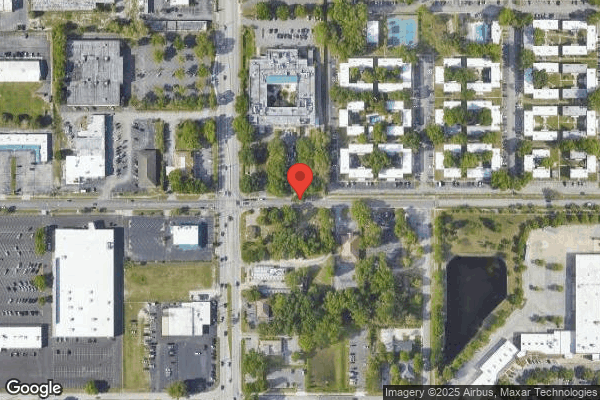
202 AVE O NE, WINTER HAVEN, FL 33880 (863) 293-3103
Non profit - Corporation 140 Beds SENIOR HEALTH SOUTH Data: November 2025
Trust Grade
48/100
#589 of 690 in FL
Last Inspection: January 2024

Within standard 12-15 month inspection cycle. Federal law requires annual inspections.

Overview

Winter Haven Health and Rehabilitation Center has a Trust Grade of D, indicating below-average performance with some concerning issues. Ranked #589 out of 690 facilities in Florida, this places them in the bottom half, and at #16 of 25 in Polk County, they are one of the less favorable options available. The facility's trend is worsening, with reported issues increasing from 7 in 2021 to 13 in 2024. Staffing is somewhat better, with a turnover rate of 34%, which is below the state average, but they have less RN coverage than 80% of facilities in Florida, raising concerns about the quality of care. Specific incidents noted by inspectors include failure to maintain a clean and sanitary environment, such as unclean furniture and broken fixtures, and not completing required assessments for residents with mental health diagnoses, which could impact their care and treatment. While there are some strengths, such as lower staff turnover, the overall picture suggests families should proceed with caution.

Trust Score
D
48/100
In Florida
#589/690
Bottom 15%
Safety Record
Low Risk
No red flags
Inspections
Getting Worse
7 → 13 violations
Staff Stability
○ Average
34% turnover. Near Florida's 48% average. Typical for the industry.
Penalties
✓ Good
$4,190 in fines. Lower than most Florida facilities. Relatively clean record.
Skilled Nurses
⚠ Watch
Each resident gets only 25 minutes of Registered Nurse (RN) attention daily — below average for Florida. Fewer RN minutes means fewer trained eyes watching for problems.
Violations
⚠ Watch
25 deficiencies on record. Higher than average. Multiple issues found across inspections.
★★☆☆☆
2.0
Overall Rating
★★☆☆☆
2.0
Staff Levels
★★★★☆
4.0
Care Quality
★★☆☆☆
2.0
Inspection Score
Stable
2021: 7 issues
2024: 13 issues

The Good

  • 4-Star Quality Measures · Strong clinical quality outcomes
  • Full Sprinkler Coverage · Fire safety systems throughout facility
  • No fines on record
  • Staff turnover below average (34%)

    14 points below Florida average of 48%

Facility shows strength in quality measures, fire safety.

The Bad

2-Star Overall Rating

Below Florida average (3.2)

Below average - review inspection findings carefully

Staff Turnover: 34%

12pts below Florida avg (46%)

Typical for the industry

Federal Fines: $4,190

Below median ($33,413)

Minor penalties assessed

Chain: SENIOR HEALTH SOUTH

Part of a multi-facility chain

Ask about local staffing decisions and management

The Ugly 25 deficiencies on record

Oct 2024 1 deficiency
CONCERN (D) 📢 Someone Reported This

A family member, employee, or ombudsman was alarmed enough to file a formal complaint

Potential for Harm - no one hurt, but risky conditions existed

Tube Feeding (Tag F0693)

Could have caused harm · This affected 1 resident

**NOTE- TERMS IN BRACKETS HAVE BEEN EDITED TO PROTECT CONFIDENTIALITY** Based on interviews and record reviews, the facility failed to ensure care for gastrostomy tubes was provided in accordance with...

Read full inspector narrative →
**NOTE- TERMS IN BRACKETS HAVE BEEN EDITED TO PROTECT CONFIDENTIALITY** Based on interviews and record reviews, the facility failed to ensure care for gastrostomy tubes was provided in accordance with professional standards for one (#2) of three residents sampled for gastrostomy tubes. Findings included: A review of Resident #2's medical record revealed Resident #2 was admitted to the facility on [DATE] with a diagnosis of intestinal obstruction. Resident #2 was discharged from the facility on 8/24/2024. A review of Resident #2's physician orders revealed the following orders: - An order dated 8/11/2024 indicating Resident #2's gastrostomy tube (GT) site may be left open to air if clean and no drainage and to monitor for skin integrity and changes every shift. - An order dated 8/14/2024 to evaluate for displacement of the GT every shift by observing for abdominal distension, nausea, vomiting, and pain. If displacement is suspected, clamp GT and call the physician. A review of Resident #2's Treatment Administration Record (TAR) for August 2024 revealed the following: - Monitoring of Resident #2's GT site for drainage, cleanliness, and skin integrity changes was not completed for the Day (7 AM to 3 PM) shift on 8/15, 8/16, 8/17, 8/19, 8/22, 8/23, or 8/24/2024 and was not completed on the Evening (3 PM to 11 PM) shift on 8/18/2024. - Evaluation of Resident #2's GT for displacement and observation of signs of abdominal distension, nausea, vomiting, and pain was not completed for the Day (7 AM to 3 PM) shift on 8/15, 8/16, 8/17, 8/19, 8/22, 8/23, or 8/24/2024 and was not completed on the Evening (3 PM to 11 PM) shift on 8/18/2024. An interview was conducted on 10/28/2024 at 3:37 PM with Staff A, Registered Nurse (RN) and Unit Manager (UM) and the facility's Director of Nursing (DON). The DON stated when a resident with a GT was admitted to the facility a set of batch orders were put into the resident's order set by the admitting nurse. Staff A, RN UM stated GT's were normally left open to air unless there was drainage present around the GT site. The DON stated if a resident with a GT had an order in place to assess the GT site every shift for drainage, the order should be signed off as directed in the physician order to signify the assessment was completed. If drainage was identified during the assessment, the nurse should notify the resident's physician and follow the physician orders. A follow up interview was conducted on 10/28/2024 at 4:35 PM with the DON. The DON reviewed the missing documentation in Resident #2's TAR related to monitoring the GT site for drainage and evaluation of the resident's GT every shift. The DON was not able to state why the orders were not signed off as completed in Resident #2's TAR but stated the resident's nurse might have interpreted the order differently and might have thought the order did not need to be signed off if the resident's GT site had no drainage that day. The DON stated it would not be acceptable for nursing staff to not sign off orders related to wound care or medication administration. A request for a policy related to the maintenance of gastrostomy tubes was made to the DON following the interview. The DON stated the facility did not have a policy related to the maintenance of gastrostomy tubes and staff were to follow the physician orders.
Jan 2024 12 deficiencies
CONCERN (D)

Potential for Harm - no one hurt, but risky conditions existed

Resident Rights (Tag F0550)

Could have caused harm · This affected 1 resident

**NOTE- TERMS IN BRACKETS HAVE BEEN EDITED TO PROTECT CONFIDENTIALITY** Based on observations, interviews, and record review, the facility failed to provide one resident (#109) with dignity and respec...

Read full inspector narrative →
**NOTE- TERMS IN BRACKETS HAVE BEEN EDITED TO PROTECT CONFIDENTIALITY** Based on observations, interviews, and record review, the facility failed to provide one resident (#109) with dignity and respect related to bowel and bladder needs out of one resident sampled for dignity. Findings included: On 01/22/24 at 9:30 a.m. an interview was conducted with Resident #109. The resident stated he had been in the facility for about two months for rehabilitation after suffering a fractured hip. He stated he had limited weight bearing abilities. He stated he used a urinal due to his limited abilities. Two urinals were observed at the bedside. Resident #109 appeared embarrassed to admit he has to have assistance with toileting. On 01/23/2024 at 9:29 a.m. Resident #109 was observed lying in bed. The resident stated he was waiting for a care giver to provide assistance following a bowel movement. Resident #109 stated his brief was dirty because he cannot use the bed pan. He stated the bed pans are too small for him to use and he was embarrassed when staff have to clean his bottom after having a bowel movement in his brief. A review of the admission Record revealed Resident #109 was admitted to the facility on [DATE] with diagnoses including fracture of unspecified part of neck of left femur, unsteadiness on feet, and other abnormalities of gait and mobility. A review of the admission Minimum Data Set (MDS), dated [DATE], revealed the following: --Section H: Bowel and Bladder--No urinary toileting program trial initiated, urinary incontinence response three-always incontinent, bowel incontinent response three- always incontinent with no bowel program and no identification of bowel pattern. --Section GG:toileting resident requires substantial/maximal assistance. --Section C: Cognitive patterns-Brief Interview for Mental Status (BIMS) score of 12, indicating moderate cognitive impairment. A review of the 3008 transfer form revealed Resident #109 had a left hip fracture, open reduction internal fixation (ORIF) while in hospital, transfer for rehabilitation, no infection issues on transfer, no skin pressure issues on transfer, no history of falls during hospital stay, Resident #109 was continent of urine and stool, can ambulate with assistance, partial weight bearing on left leg, full weight bearing on right leg, and used a wheelchair for ambulation. A review of Physician Orders, dated 11/27/2023, revealed physical therapy, occupational therapy five times per week for four weeks, admit to skilled unit, monitor left hip surgical site for signs and symptoms of infection, and restorative nursing as needed. A review of the comprehensive care plan, dated 12/3/2023, revealed the following: Focus area for activities of daily living related to toileting. Resident is incontinent of bowel and bladder and is not a candidate for a toileting program. Intervention for toileting was an assist of one and to use bedpan/urinal. A review the progress notes for Resident #109 revealed the following: --Progress Note 12/18/2023 resident uses a manual wheelchair for ambulation, and resident is incontinent. --Progress note of 12/25/2023 resident is continent of his bladder and urine is clear yellow. --Progress notes from 12/26/23 to 1/21/2024 resident is continent of bladder and bowel. During an interview on 01/23/2024 at 11:00 a.m. with Resident #109 he stated he can tell when he has to use the urinal and when he has to have a bowel movement. He stated he only had one episode of bowel incontinence since his admission and it was on the first night in the facility. He stated the bedpan he was given was too small and no one had discussed his bowel and bladder concerns with him. During an interview on 01/23/24 at 11:37 a.m. Staff C, Registered Nurse (RN) stated the Resident #109 had not been incontinent that she was aware of, and the resident uses the urinal and a brief for bowel movements. During an interview on 01/23/24 at 11:44 a.m. Staff D, Staffing Coordinator/Central Supply stated there are two sizes of bed pans available, a small one and a larger one. She stated she was not aware of a policy on sizing the appropriate one for a resident. During an interview on 01/23/2024 at 1:30 p.m. the Interim Director of Nursing (IDON) stated the facility did not have a policy regarding use of bedpans and sizing for a resident.
CONCERN (D) 📢 Someone Reported This

A family member, employee, or ombudsman was alarmed enough to file a formal complaint

Potential for Harm - no one hurt, but risky conditions existed

Deficiency F0657 (Tag F0657)

Could have caused harm · This affected 1 resident

**NOTE- TERMS IN BRACKETS HAVE BEEN EDITED TO PROTECT CONFIDENTIALITY** Based on observations, interviews, and record review the facility failed to review and revise the resident centered care plan re...

Read full inspector narrative →
**NOTE- TERMS IN BRACKETS HAVE BEEN EDITED TO PROTECT CONFIDENTIALITY** Based on observations, interviews, and record review the facility failed to review and revise the resident centered care plan related to behaviors for one resident (#82) of five residents sampled for comprehensive care plans. Findings included: A review of Resident #82's admission Record showed the resident was originally admitted on [DATE] and re-admitted on [DATE]. The record showed diagnoses not limited to not elsewhere classified anoxic brain damage, unspecified intractable epilepsy with status epilepticus, and adult failure to thrive. A review of Resident #82's medical record showed a completed Hospital Transfer Form dated 1/19/24. The form showed the reason for transfer was the Replacement of G-tube. The form revealed the resident was sent to an acute care hospital on 1/19/24. On 1/23/24 at 1:49 p.m. Resident #82 was observed lying in bed, bilateral legs were contracted at bilateral knees, hands held near the head region, and the resident remained nonverbal but followed this writer and Staff C, Registered Nurse (RN) with eyes without moving head. Staff C reported the resident had been sent out on Monday or maybe Friday to have the Percutaneous Endoscopic Gastrostomy (PEG)/G-tube replaced. An observation was conducted with Staff C of cleaning the resident's g-tube. The area around the insertion point was open to air, clean, without redness or drainage. The staff member reported the resident often pulls the g-tube out. An interview was conducted with the Nurse Practitioner (NP) on 1/23/24 at 2:29 p.m. The NP reported Resident #82 frequently pulls out the G-tube. The NP stated sometimes they will find the balloon at skin level, and often (staff) finds the G-tube lying beside the resident in bed. A review of Resident #82's Comprehensive Care Plan revealed the resident had been noted With the following behaviors: will place parts of her gown in her mouth and is resistive to removal. Will grab and pull at clothing, sheets, (and) g-tube. A review of the item changes related to the behavioral care plan showed, Will grab and pull at clothing, sheets, (and) g-tube was added on 1/24/24. An interview was conducted with the Minimum Data Set (MDS) Coordinator on 1/24/24 at 9:17 a.m. The Coordinator stated the nursing team had come to her in the morning (1/24/24) and informed her the resident had been seen, as she had also witnessed, of Resident #82 pulling at G-tube and gown, so the care plan had been revised to add G-tube to the behaviors, This morning. The Coordinator stated that if it (pulling at G-tube) was a behavior it would be discussed in morning meeting and she would be told to add it to the care plan or nursing could have added it. An additional interview was conducted with the Coordinator on 1/24/24 at 10:00 a.m., she confirmed she had Added this line today then read Will grab and pull at clothing, sheets, g-tube. During an interview on 1/24/24 at 9:28 a.m., Staff F, Director of Nursing (DON) stated the care plan should have included the behavior of Resident #82 to pull on G-tube. The staff member reported feeling the resident was constantly being sent to the hospital (for G-tube replacement). A review of the policy entitled Care Plan Interdisciplinary Plan of Care from Interim to Meeting, revised 9/23, showed the following: The facility shall support that each resident must receive and the facility must provide the necessary care and services to attain or maintain the highest practicable physical, mental, and psychosocial well-being, in accordance with the comprehensive assessment and plan of care. The facility shall address care issues that are relevant to individual residents, to include, but may not be limited to monitoring resident condition and responding with appropriate interventions. The comprehensive care plan is an interdisciplinary communication tool. It includes measurable objectives and time frames and describes the services that are to be furnished to attain or maintain the resident's highest practical physical, mental, and psychosocial well-being. The care plan is reviewed and revised periodically, and the services provided or arranged are consistent with each resident's written plan of care. Daily updates to care plans are added by a member of the interdisciplinary team (IDT) at the time the change is implemented, the intervention is needed, or other care plan revision is indicated. Accuracy of the care plan is validated by the IDT during the daily clinical meeting. The comprehensive care plan describes or includes adequate information provided to make informed choices regarding treatment. The care plan meeting include nursing which will Review current diagnosis, tests, or procedures, treatments (wounds, rashes, etcetera (etc.). discuss current interventions and risk of further breakdown if applicable, recent or pending referrals, Physician Consults, Restorative, medications, pain management plan, behavioral management plan, special needs, risk of falls and current interventions, and recent falls or other issues (informed consents, isolation, etc.).
CONCERN (D) 📢 Someone Reported This

A family member, employee, or ombudsman was alarmed enough to file a formal complaint

Potential for Harm - no one hurt, but risky conditions existed

ADL Care (Tag F0677)

Could have caused harm · This affected 1 resident

**NOTE- TERMS IN BRACKETS HAVE BEEN EDITED TO PROTECT CONFIDENTIALITY** Based on observations, interviews and record review the facility failed to provide activities of daily living (ADL) for one resi...

Read full inspector narrative →
**NOTE- TERMS IN BRACKETS HAVE BEEN EDITED TO PROTECT CONFIDENTIALITY** Based on observations, interviews and record review the facility failed to provide activities of daily living (ADL) for one resident (#18) out of four residents sampled for ADL care related to personal hygiene and bathing. Findings included: 1) An observation on 01/21/24 at 11:05 AM revealed Resident #18 lying in his bed. The resident was able to verbalize his name and introduce himself. Closer observation of the resident revealed the resident was noted with stubbly white facial hair and long fingernails. The resident was asked if he preferred facial hair and he stated, No, I need a shave, you gonna shave me? An observation of Resident #18 on 01/22/24 at 10:07 AM revealed the resident resting in bed. The resident was noted with his face still unshaven with gray stubbly hair covering his face and chin. The resident's fingernails were noted to still be elongated on his bilateral hands. The resident reported he was still waiting to be shaved and does not like the hair on his face and would like for his nails to be shorter. A review of the significant change of status Minimum Data Set (MDS), dated [DATE], revealed the resident required extensive assist of one person for personal hygiene. A review of the Comprehensive Care Plan related to ADL's with a start date of 3/28/13 revealed the resident Has an ADL Self Care Performance Deficit as evidence by: Cannot complete ADL tasks independently and requires individualized interventions because weakness, bilateral BKA [below knee amputation], fatigue. Review of the interventions revealed they included: Resident is total dependent upon staff for ADL's. An observation of Resident #18 on 01/22/24 at 02:56 PM revealed the resident was still unshaved and his fingernails were still elongated. The resident reported he would like to be shaved and his fingernails cut. The resident asked if he could get shaved now. An interview on 01/22/24 at 03:00 PM with Staff A, Licensed Practical Nurse (LPN) revealed she was assigned to the carts for the 100 hall. She reported typically staff are made aware of resident ADL needs from the [NAME] system. She reported Certified Nursing Assistant (CNA)'s are responsible for shaving the resident as needed or requested. She reported for nail care if the resident is diabetic the nurse will cut the fingernails. She stated if the resident is not diabetic the CNA should make the activities department aware and activities would cut the fingernails. An interview on 01/22/24 at 03:03 PM with Staff B, CNA revealed she is assigned to the middle 100 hall. She reported she would know if a resident needed to be shaved and if nail care is needed by visualizing the resident daily during care. An observation and interview on 01/22/24 at 03:05 PM of Resident #18, with Staff F, DON, Staff A, LPN, and Staff B, CNA present, the resident reported he would like to be shaved now and would also like his nails cut. The resident asked if he could get the razor so he could shave himself. Staff F, DON encouraged the resident to allow the staff to shave him and the resident was agreeable. Staff F, DON and Staff A, LPN confirmed the resident was in need of a shave and his fingernails were long and needed to be cut. At this time, policies related to ADL's, grooming, nailcare, and personal care were requested of Staff F, DON. On 01/23/24 at 09:57 AM an interview with Staff F, DON revealed the facility does not have a policy on ADL's but they follow the CNA job description. The CNA job description was requested. A policy on grooming was also requested at this time. On 01/23/24 at 01:30 PM with Staff M, Interim DON revealed the facility does not have a policy on grooming and the CNA job description would be provided. The facility did not provide the CNA job description as requested by the end of the survey.
CONCERN (D)

Potential for Harm - no one hurt, but risky conditions existed

Incontinence Care (Tag F0690)

Could have caused harm · This affected 1 resident

**NOTE- TERMS IN BRACKETS HAVE BEEN EDITED TO PROTECT CONFIDENTIALITY** Based on observations, interviews, and record review the facility failed to provide care and services according to physician's o...

Read full inspector narrative →
**NOTE- TERMS IN BRACKETS HAVE BEEN EDITED TO PROTECT CONFIDENTIALITY** Based on observations, interviews, and record review the facility failed to provide care and services according to physician's orders related to catheter care for one resident (Resident #36) out of the two sampled residents. Findings included: On 01/21/24 at 10:10 a.m., the resident was observed in bed in his room. There was a foul urine smell in the room. Resident #36 was verbal but was not able to answer questions appropriately during an attempt to interview him. A review of the admission Record for Resident #36 showed he was admitted on [DATE] with diagnosis of personal history of urinary tract infection and neuromuscular dysfunction of bladder. Section C: Cognitive Patterns of the Minimum Data Set (MDS), dated [DATE], revealed the resident had a Brief Interview for Mental Status (BIMS) score of 04 out of 15 indicating severe cognitive impairment. Section H: Bladder and Bowel showed the resident had an indwelling catheter. The Order Summary Report with active orders as of 11/01/23 revealed the following: Suprapubic Catheter: Drain suprapubic catheter bag every shift as needed and record amount (07/15/23). A review of the Treatment Administration Record (TAR) for 11/01/23-11/30/23, 12/01/23-12/31/23, and 01/01/24-01/31/23 showed the amount of urine output was not recorded every shift per physician order. A review of the comprehensive care plan revealed the following: Focus: Indwelling/other catheter-Resident #36 uses a supra pubic urinary catheter with risk for infection and/or complications related to obstructive uropathy. (initiated on 12/16/22). Interventions included: observe/document/report to doctor for signs and symptoms of urinary tract infection: pain, burning, blood tinged urine, cloudiness, no output, deepening of urine color, increased pulse, increased temp, urinary frequency, foul smelling urine, fever, chills, altered mental status, change in behavior, change in eating patterns. On 01/23/24 at 1:15 p.m. Staff C, Registered Nurse (RN), stated she provided catheter care and sometimes he was not compliant with care. She confirmed she was not documenting the output for urine per the physician's orders. On 1/23/24 at 1:20 p.m., the Director of Nursing (DON) stated she expects there to be documentation recorded for the urine output per the physician's orders. She stated on the order there should have been a place for nurses to document the output on the TAR. The DON confirmed there was no documentation for the output on the TAR.
CONCERN (D)

Potential for Harm - no one hurt, but risky conditions existed

Unnecessary Medications (Tag F0759)

Could have caused harm · This affected 1 resident

Based on observations, record reviews, and interviews the facility failed to ensure the medication error rate was less than 5.00%. Twenty-nine medication administration opportunities were observed and...

Read full inspector narrative →
Based on observations, record reviews, and interviews the facility failed to ensure the medication error rate was less than 5.00%. Twenty-nine medication administration opportunities were observed and two errors were identified for one resident (#55) of four residents observed. These errors constituted a 6.9% medication error rate. Findings included: 1) On 1/23/24 at 8:43 a.m., an observation of medication administration with Staff I, Licensed Practical Nurse (LPN), was conducted with Resident #55. The staff member dispensed the following medications: - Carvedilol 25 milligram (mg) tablet - Docusate sodium 100 mg over-the-counter (OTC) geltab - Eliquis 2.5 mg tablet - Lactulose 10 g/15mL (gram/milliliter) liquid - poured 15 mL's into medication cup - Minoxidil 10 mg tablet - Renavite OTC tablet - Sevelamer Carbonate 800 mg tablet Staff I, LPN confirmed dispensing 6 tablets and one liquid medication for Resident #55 prior to entering the resident room and administering the medications. Review of Resident #55's January 2024 physician orders and Medication Administration Record revealed the resident had the following medications to be administered at 9:00 a.m.: - Lactulose Oral Solution 10 g/15mL - Give 30 mL's by mouth two times a day every Tuesday (Tues), Thursday (Thur), Saturday (Sat), (and) Sunday (Sun) for constipation. - Sevelamer Carbonate 800 mg - Give 3 tablet(s) by mouth three times a day for binder with food. The observation revealed Staff I, LPN had administered 15 mL's of Lactulose not the 30 mL's as ordered and one tablet of Sevelamer not the three tablets as ordered. An interview was conducted on 1/24/24 at 9:35 a.m., with the Director of Nursing (DON). She stated the expectation was for staff to follow physician orders and to follow the 5 rights (of administration). She stated the five rights of medication administration are right route, right dose, right resident, right medication, and right time. A review of the policy entitled Medication Administration, General Guidelines, dated 09/18, revealed the following: Medications are administered as prescribed in accordance with manufacturers specifications, good nursing principles and practices and only by persons legally authorized to do so. Personnel authorized to administer medications do so only after they have familiarized themselves with the medication. The medication preparation procedure showed Prior to administration review and confirm medication orders for each individual resident on the medication administration record. Medications are administered in accordance with written orders of the prescriber.
CONCERN (D)

Potential for Harm - no one hurt, but risky conditions existed

Deficiency F0761 (Tag F0761)

Could have caused harm · This affected 1 resident

**NOTE- TERMS IN BRACKETS HAVE BEEN EDITED TO PROTECT CONFIDENTIALITY** 2) During an observation of medication administration with Staff H, Registered Nurse (RN) on 1/22/24 at 4:41 p.m., the medicatio...

Read full inspector narrative →
**NOTE- TERMS IN BRACKETS HAVE BEEN EDITED TO PROTECT CONFIDENTIALITY** 2) During an observation of medication administration with Staff H, Registered Nurse (RN) on 1/22/24 at 4:41 p.m., the medication cart was pushed to the side of the doorway of room [ROOM NUMBER] while Staff H, RN administered medications. Staff H left a bottle of Zinc tablets and 3 blister cards containing medications on top of the medication cart. On 1/22/24 at 5:21 p.m., after leaving the room, Staff H, RN confirmed the medications were left unattended on the medication cart, She stated, Yes I was in there (indicating the resident room). The Director of Nursing stated on 1/24/24 at 9:44 a.m., The minute you turn your back it needs to be locked. She confirmed the medications should have been secured. A review of the policy entitled Medication Administration General Guidelines, dated 09/18, revealed the following: During the administration of medications, the medication cart is kept closed and locked when out of sight of the medication nurse. No medications are kept on top of the cart. The cart must be clearly visible to the personnel administering medications when only locked. A review of the policy entitled Medication Storage, Storage of Medication, dated 09/18, revealed the following: Medications and biologicals are stored properly, following manufacturers or provided pharmacy recommendations, to maintain their integrity and to support safe effective Drug Administration. The medication supply shall be accessible only to licensed nursing personnel, pharmacy personnel, or staff members lawfully authorized to administer medications. Based on observations, interviews and record review the facility failed to ensure all medications were secured appropriately limiting access to unauthorized persons 1) in one treatment cart (100 hall) of 3 treatment carts, and 2) leaving medications unsecured during medication administration. Findings included: 1) During the initial tour of the facility on 01/21/24 at 09:13 AM, observations of the 100 hall revealed a treatment cart labeled 100 hall treatment cart. Closer observations of the treatment cart revealed the lock button on the cart was fully extended exposing the red lock area. An attempt to open drawers on the treatment cart was successful revealing multiple residents topical medication stored in the lower draw. (Photographic evidence obtained). Continued observations at this time revealed there were no staff or authorized persons monitoring the treatment cart. An interview on 01/21/24 at 09:14 AM with Staff H, Licensed Practical Nurse (LPN) revealed only she and one other person had the keys to the treatment cart. She stated she locked it after she used it and it should not have been left open. An interview with Staff F, Director of Nursing (DON) on 01/24/24 at 09:44 AM revealed treatment carts should be locked at all times when not in use.
CONCERN (D)

Potential for Harm - no one hurt, but risky conditions existed

Deficiency F0838 (Tag F0838)

Could have caused harm · This affected 1 resident

Based on record review and interviews the facility failed to update the facility-wide assessment to determine what staff competencies are needed for care of residents with different types of acuities....

Read full inspector narrative →
Based on record review and interviews the facility failed to update the facility-wide assessment to determine what staff competencies are needed for care of residents with different types of acuities. Findings included: Observations made during the survey between 1/20/2024 to 1/24/2024 revealed the facility had residents with indwelling catheters, tracheotomies, intravenous lines, and wounds. These acuities are listed on the Facility Assessments. Review of the Facility Assessment (FA), dated 10/3/2023, showed the resident population, emergency plans, facility description, and type of conditions and acuity the facility cares for. The section titled Disease/Conditions; Physical Disabilities; Cognitive disabilities; Psychiatric Diagnosis; and Acuity. Several columns are at the top of the sections indicating if the resident is admitted - yes, no; if special equipment needs - yes, no, N/A (not applicable); equipment needed; Competency Required - Yes, No, N/A. The Physical Disabilities section is the only section completed for equipment needed and marked yes for staff competency. All other sections were observed to be blank. An interview was conducted on 01/24/2024 at 10:25 AM, with the Nursing Home Administrator (NHA), Staff M, Interim Director of Nursing (IDON), and the facility Consultant for Risk Management (CRM). The NHA and Staff M, IDON confirmed they do not have policy and procedures for many of the nursing services provided in the facility. The facility utilizes the [Nursing Care Manual name] and staff competencies. In review of the FA under the section Acuity which has a listing of nursing services provided, the NHA and Staff M, IDON confirmed nothing is marked on the FA regarding what items are needed and when to have staff competencies completed. The NHA confirmed this section needs to be completed and kept up to date.
CONCERN (E)

Potential for Harm - no one hurt, but risky conditions existed

Safe Environment (Tag F0584)

Could have caused harm · This affected multiple residents

**NOTE- TERMS IN BRACKETS HAVE BEEN EDITED TO PROTECT CONFIDENTIALITY** Based on observations, interviews, and record review the facility failed to provide a clean, sanitary, and homelike environment ...

Read full inspector narrative →
**NOTE- TERMS IN BRACKETS HAVE BEEN EDITED TO PROTECT CONFIDENTIALITY** Based on observations, interviews, and record review the facility failed to provide a clean, sanitary, and homelike environment for residents on one unit (#300) out of three units in the facility. Findings included: An observation was conducted on 1/21/24 at 10:19 a.m. of room [ROOM NUMBER]. The observation revealed a three-drawer dresser inside the bathroom with a missing drawer and on the floor next to the dresser was 2 gray water basins sitting on the floor. The over-bed table of the room was rusty and uncleanable. The vinyl baseboard near the closet was missing and the wallboard was broken. The wall near the entrance door was broken behind the baseboard. An observation on 1/21/24 at 10:45 a.m., was made of room [ROOM NUMBER]. An open area of approximately 3/4 inch was noted on the side of the wall air conditioning unit. The area was open to the outside and could be seen while standing in the resident room. The closet door track was rusty and unclean. An over-the-bed table located in the room was rusty and uncleanable. The toilet in the bathroom shared by room [ROOM NUMBER] and 304 did not have a tank cover and a plastic cup was sitting on the handrail in the bathroom containing 3 disposable razors and water. During the observation of room [ROOM NUMBER] on 1/21/24 at 10:48 a.m., Staff A, Licensed Practical Nurse/Unit Manager (LPN/UM), stated the razors should not be left in the bathroom and the toilet without a cover should not have been left like that way. Staff A stopped the Maintenance Director in the hallway and the Maintenance Director reported not knowing about the toilet tank cover and the expectation was for staff to notify him of any concerns. Staff A provided a copy of the Concierge Program Rounds form. The form revealed the concierge was to note any environmental issues such as: room odor, closet doors, bedside table, nightstand, chair, cubical curtains, and call lights. The form revealed, If another issue is identified that is not on this list, please write it on the back of this page. Include the room number. An interview was conducted on 1/21/24 at 10:55 a.m. with Staff J, Certified Nursing Assistant (CNA). Staff J stated she had shaved the resident and was coming back for the razors observed in the bathroom shared by room [ROOM NUMBER] and 304. The staff member stated the toilet tank cover had been reported awhile ago. An observation was made on 1/21/24 at 11:07 a.m., of room [ROOM NUMBER]. The bed mattress was noted to have a disintegrated vinyl backing. The mattress was uncleanable. An interview was conducted with Staff K, Certified Nursing Assistant (CNA), on 1/21/24 at 11:12 a.m. The staff member stated the resident who had personal items in room [ROOM NUMBER] had been sent to the emergency room and had not been in the building since Saturday. On 1/22/24 at 12:00 p.m., the Maintenance Director and Staff D, Staffing Coordinator, were observed moving the bed, including the uncleanable mattress, from room [ROOM NUMBER] to room [ROOM NUMBER]. The Maintenance Director stated room [ROOM NUMBER] was going to be closed for the safety of the resident. Staff D stated the mattress should have been taken out of service before today or prior to when the resident who was in room [ROOM NUMBER] had been taken to the hospital. An observation on 1/21/24 at 12:39 p.m., revealed a three-drawer dresser in room [ROOM NUMBER] next to bed A with a drawer sitting on the floor and missing the top and bottom drawer. An observation of room [ROOM NUMBER] on 01/21/24 at 12:42 p.m., revealed a rusty over-the bed table and an uneven transition between the resident's room and bathroom. The room smelled of very strong urine. An observation on 1/21/24 at 1:15 p.m. of the bathroom shared by room [ROOM NUMBER] and 313 was missing the toilet paper bracket, one bracket was attached to the wall under the handrail. The toilet paper roll was sitting on the handrail. An observation of room [ROOM NUMBER] on 1/22/24 at 9:00 a.m. revealed a portion of vinyl baseboard missing revealing crumbling wallboard. The observation showed a portion of wall behind the baseboard was cracked. An interview was conducted on 1/24/24 at 12:00 p.m. with the Account Manager for Housekeeping/Laundry. She stated the facility had identified rusty overbed tables and staff were steaming them to clean. The Manager stated the 300 hall had been completed. A tour of the 300 hall was conducted on 1/24/24 at 11:59 a.m., with the Maintenance Director. The Maintenance Director reported being at the facility for 4 months and was the only person in the maintenance department. The tour included room [ROOM NUMBER]. The Director stated the gap between the wall and air conditioning unit should not be that way, the broken plaster in room [ROOM NUMBER] should be fixed, and the toilet paper holder in the bathroom of 312 and 313 had been fixed once before. The Director observed one of the rusty over bed tables and agreed it was not only rusty but dirty with an unknown substance. The Director confirmed the uneven transition between the floor in room [ROOM NUMBER] and the bathroom should be fixed. He reported removing the dresser in room [ROOM NUMBER] and confirmed it should have been removed prior to the observation on 1/21/24. Immediately following the tour of the 300 unit on 1/24/24, a request was made for a policy regarding the maintenance of the facility. The facility did not provide the policy by the completion of the survey. (Photographic evidence was obtained).
CONCERN (E) 📢 Someone Reported This

A family member, employee, or ombudsman was alarmed enough to file a formal complaint

Potential for Harm - no one hurt, but risky conditions existed

PASARR Coordination (Tag F0644)

Could have caused harm · This affected multiple residents

**NOTE- TERMS IN BRACKETS HAVE BEEN EDITED TO PROTECT CONFIDENTIALITY** 4) A review of admission record, dated 08/11/2023, revealed Resident #115 was admitted on [DATE] with diagnoses including unspec...

Read full inspector narrative →
**NOTE- TERMS IN BRACKETS HAVE BEEN EDITED TO PROTECT CONFIDENTIALITY** 4) A review of admission record, dated 08/11/2023, revealed Resident #115 was admitted on [DATE] with diagnoses including unspecified dementia, without behavioral disturbance, psychotic disturbance, mood disturbance and anxiety, adult failure to thrive, other symptoms and signs involving cognitive functioning and awareness, adjustment disorder with mixed disturbance of emotions and conduct, and dementia in other disease classified elsewhere severe with other behavioral disturbance. A review of Pre-admission Screening and Resident Review (PASRR) dated 08/10/2023, revealed a documented history of secondary diagnosis related to neurocognitive disorder (including Alzheimer's disease) and the primary diagnosis is a serious mental illness or intellectual disability. In section II: Other indications for PASRR screen decision-making, continued: Does the individual have validating documentation to support the dementia or related neurocognitive disorder (including Alzheimer's disease)? The response was yes - medical/functional history prior to onset. A review of Minimum Data Set (MDS) Quarterly None PPS Section C Cognition, dated 11/17/2023 revealed a Brief Interview for Mental Status (BIMS) score of 2, indicating severe cognitive deficit. A review of the medical record did not include a Level II PASRR determination. The facility did not provide a Level II PASRR determination. During an interview on 01/22/24 04:29 pm with the Director of Social Services (DSS) she stated the PASRR Level I for Resident #115, which indicated a Level II PASRR should have been completed was not uploaded into the medical record, and she did not have any additional records. 3) Resident #72 was admitted on [DATE] with diagnoses of unspecified dementia, unspecified severity, without behavioral disturbance, psychotic disturbance, mood disturbance, anxiety, unspecified psychosis not due to a substance or known physiological condition, other specified depressive episodes, and Bipolar disorder. Review of Resident #72's PASRR Level I Assessment, dated 02/21/23, revealed a qualifying diagnosis of Bipolar disorder and no PASRR Level II was required. Review of Resident #72's medical record revealed a new diagnosis of generalized anxiety disorders documented on 05/25/23 and the resident was not assessed for PASRR Level II. Section I Active Diagnosis of the significant change in status Minimum Data Set (MDS), dated [DATE], showed Resident #72 had the following psychiatric/mood disorders: anxiety disorder, depression, Bipolar disorder, and psychotic disorder. On 01/22/24 at 4:26 p.m., the Social Services Director (SSD) confirmed Resident #72's current diagnoses were not reflected on the PASRR Level I. She stated a PASRR Level II should have been submitted. Based on interviews and record review, the facility failed to ensure the Preadmission Screening and Resident Review (PASRR) for four residents (#51, #236, #72, #115) out of six sampled residents, were revised for accuracy related to diagnoses. Findings included: 1) A review of Resident #51's admission Record showed the resident was admitted on [DATE] and re-admitted on [DATE]. The record showed diagnoses of unspecified Alzheimer's disease with an onset date of 8/3/21, unspecified dementia unspecified severity with other behavioral disturbance, mild single episode major depressive disorder, delusional disorders, and other insomnia. Review on 1/22/24 at 9:51 a.m., of Resident #51's admission Record showed Alzheimer's disease was the primary diagnosis. Review of Resident #51's PASRR, dated 3/16/23, showed the resident had a mental illness (MI) of depressive disorder and did not reveal the resident's delusional disorder. The PASRR did not reveal the resident had a primary diagnosis of dementia or related neurocognitive disorder (Alzheimer's disease). Section II question 7 of the PASRR showed the resident had validating documentation to support the dementia or related neurocognitive disorder. The PASRR revealed the resident did not have a diagnosis or suspicion of Serious Mental Illness or Intellectual disability and a Level II was not required. On 1/22/24 at 4:20 p.m., the Social Service Director (SSD) reviewed Resident #51's diagnoses and PASRR. She confirmed it did not include all the resident's diagnoses and should be revised. 2) Review of Resident #236's admission Record showed the resident was admitted on [DATE] with diagnoses not limited to unspecified dementia unspecified severity without behavioral disturbance, psychotic disturbance, mood disturbance, and anxiety, unspecified Bipolar disorder, unspecified depression, and unspecified recurrent major depressive disorder. Review of Resident #236's PASRR, dated 1/17/24, did not show the resident had any mental illness (MI) or intellectual disability (ID) diagnoses and a Level II was not required. A request was made to the Nursing Home Administrator (NHA) on 1/22/24 at 2:30 p.m. for a copy of Resident #236's PASRR. During an interview on 1/22/24 at 4:11 p.m., the SSD stated a revision of Resident #236's PASRR was done on 1/22/24. She reported working on PASRR's for the last hour and a half. She stated she goes through new admissions on Mondays and fixes them (PASRR's) then if needed. The SSD reported usually PASRR's come into the facility a couple hours before the admission or come in with the new admission, and are reviewed during the morning meetings. On 1/22/24 at 5:45 p.m., the SSD provided a PASRR Level I submission, dated 1/22/24 at 3:48 p.m., and a document showing Resident #236's PASRR Level I was resubmitted at 4:43 p.m. on 1/22/24.
CONCERN (E)

Potential for Harm - no one hurt, but risky conditions existed

Deficiency F0645 (Tag F0645)

Could have caused harm · This affected multiple residents

**NOTE- TERMS IN BRACKETS HAVE BEEN EDITED TO PROTECT CONFIDENTIALITY** Based on interviews and record review, the facility failed to complete the Preadmission Screening and Resident Review (PASRR) Le...

Read full inspector narrative →
**NOTE- TERMS IN BRACKETS HAVE BEEN EDITED TO PROTECT CONFIDENTIALITY** Based on interviews and record review, the facility failed to complete the Preadmission Screening and Resident Review (PASRR) Level II assessment for a qualifying mental health diagnosis for two residents (#6 and #97) of six residents sampled. Findings included: Review of the admission Record showed Resident #6 was admitted on [DATE], and readmitted on [DATE], with diagnoses of dementia without behavioral disturbance, anxiety disorder, adjustment disorder with mixed anxiety and depressed mood, mood disorder, and other comorbidities. Review of Resident #6's PASRR Level I Assessment, dated 02/24/2023, showed a qualifying mental health diagnosis marked in section I A. for anxiety. Section II, (7) is marked yes for having validating documentation to support the dementia . and documentation should accompany the Level I PASRR screen . There is no evidence a Level II evaluation was submitted. During an interview on 01/22/2024 at 04:11 PM, the Social Service Director (SSD) confirmed responsibility for the completion and oversite of the PASRR process. The SSD stated the PASRR Level I for Resident #6 was inaccurate, and a new PASRR should be completed for an evaluation of a Level II PASRR. Review of the admission Record showed Resident #97 was admitted on [DATE] with diagnoses of psychotic disorder with delusions, adjustment disorder, dementia, major depressive disorder, and other comorbidities. Review of Resident #97's PASRR Level I Assessment, dated 03/16/2023, showed a qualifying mental health diagnosis marked in section I A. for depressive disorder and other: psychotic disorder with delusions, adjustment disorder with mixed disturbance, unspecified behavioral and emotional disorders, currently receiving services for MI and receiving Lexapro, Seroquel. Section (7) is marked yes for having validating documentation to support the dementia . and documentation should accompany the Level I PASRR screen. There is no evidence a Level II PASRR evaluation was submitted. During an interview on 01/22/2024 at 04:11 PM, the Social Service Director (SSD) confirmed responsibility for the completion and oversite of the PASRR process. The SSD stated the PASRR Level I for Resident #97 was inaccurate, and a new PASRR should be completed for an evaluation of a Level II PASRR. Review of the facilities policy and procedures titled topic PASRR requirements Level I and Level II - Florida, with effective date February 2021 revealed the following: Policy: Pre-admission Screening and Resident Review (PASRR) pre-admission screening for mental illness and intellectual disability is required to be completed prior to admission to a nursing home. The screening is reviewed by admissions to ensure appropriate placement in the least restrictive environment and to identify any specialized services the applicant may need. PASRR screening applies to all new admissions into a Medicaid certified nursing facility regardless of payer source . Procedure: . 2. Social Services or Registered Nurse (RN) will review to determine if a Serious Mental Illness (SMI) and Intellectual Disability (ID) or both exist while reviewing the PASRR form. The existence of either, or both, conditions trigger the requirement for Level II review and will be provided to the appropriate state agencies by the Social Service Director upon admission. The Social Services Director/Nursing Administration will review for completion and accuracy during the clinical meeting process. Recommendations will be implemented into the resident's plan of care then the document will be filed in the resident's record . PASRR Level II . 3. Level II PASRR must be completed if the below are listed but not limited to: .the resident has a primary or secondary diagnosis of dementia or related neurocognitive disorder, and a suspicion, or diagnosis of, SMI, ID, or both .
CONCERN (E) 📢 Someone Reported This

A family member, employee, or ombudsman was alarmed enough to file a formal complaint

Potential for Harm - no one hurt, but risky conditions existed

Quality of Care (Tag F0684)

Could have caused harm · This affected multiple residents

**NOTE- TERMS IN BRACKETS HAVE BEEN EDITED TO PROTECT CONFIDENTIALITY** 3) On 01/21/2024 at 9:00 a.m. Resident #41 was observed in bed. His Midline Intravenous (IV) site dressing on right upper arm in...

Read full inspector narrative →
**NOTE- TERMS IN BRACKETS HAVE BEEN EDITED TO PROTECT CONFIDENTIALITY** 3) On 01/21/2024 at 9:00 a.m. Resident #41 was observed in bed. His Midline Intravenous (IV) site dressing on right upper arm inner aspect was dated 01/12/2024. (Photographic Evidence Provided). On 01/22/2024 at 9:30 a.m. Resident #41 was observed resting in bed, his midline intravenous (IV) dressing site was dated 01/21/2024 and was detached from the inner aspect of the right upper arm leaving the insertion site uncovered. the resident was unable to provide information regarding the IV. On 01/23/24 11:19 a.m. Resident #41 was observed resting in resident in bed, resting. The IV dressing remains loose and detached from the inner aspect of the right upper arm. During an interview on 1/23/2024 at 11:25 a.m. with the DON she confirmed the dressing was not intact, she stated the dressing should not be like that. A review of the medical record revealed Resident #41 was admitted on [DATE] with diagnoses to include hemiplegia/hemiparesis following a cerebral infarction affecting left non-dominant side, urinary tract infection and obstructive uropathy. The admission Minimum Data Set (MDS) revealed a Brief Interview for Mental Status (BIMS) score of 8, indicating moderate cognitive impairment. Review of physician orders, dated 12/8/2023 revealed the following: 1. Admit to skilled nursing 2. Change IV dressing every seven days as well as whenever necessary (PRN) soiling and/or dislodgement on evening shift ordered 01/16/2024. 3. Document IV site appearance every shift U=unremarkable, R=redress, S=swollen, W=warm to touch, D=drainage, report any changes to physician, ordered 01/16/2024 4. Use 10 milliliter (ml) syringe with all flushes for IV every shift for flushes for seven days ordered 01/12/2024. 5. IV was inserted on 01/12/2024 6. Ceftazidime injection one gram IV every eight hours for seven days ordered 01/12/2024 for urinary tract infection and discontinue IV on 01/23/2024 A review of the daily skilled note evaluation, dated 01/16/2024 - 01/21/2024, for IV revealed - midline IV with dressing intact documented on all five days. A review of progress notes for 01/01/2024 - 01/24/2024 revealed documentation for midline IV dressing intact. A review of the Medication Administration Record (MAR) documentation for 01/01/2024 - 01/23/2025 revealed: 1. IV dressing changed on 01/16/2024 2. Ceftazidime one gram IV administered 01/13/2024 - 01/20/2024 every eight hours with missed dose on 01/14/2024 at 1400 (2:00 p.m.) 3. IV appearance documented 01/16/2024 night shift - 01/23/2024 day shift revealed U=unremarkable 4. IV flushes documented 01/12/2024 night shift - 01/19/2024 evening shift 5. IV inserted on 01/12/2024 at 1948 (9:48 p.m.) 6. Change IV whenever needed (PRN) dates available on [DATE]/16/2024 - 01/23/2024 revealed no documentation. A review of the policy titled Infusion Therapy Procedure, dated 08/2016, Dressing change for Vascular access Devices revealed the following: Purpose: To prevent local and systemic infection related to the IV catheter. Procedure: 5. A dressing is changed immediately if: a. The dressing is non-occlusive or soiled. b. There is drainage or moisture under the dressing. c. There are signs of irritation or inflammation at the insertion site. 9. Suggested charting/documentation a. Site assessment b. preparation used c. Type of dressing d. Catheter securement (integrity of sutures, other devices) e. Resident response to procedure. Based on observations, interviews, and record review the facility failed to provide treatments and care in accordance with professional standards of practice as evidence by 1) failure to assess and treat a wound for one resident (#51) out of two sampled for skin conditions, 2) failure to document and treat a change in condition according to facility policy for one resident (#82) out of two residents sampled for change in condition, and 3) failure to maintain a midline intravenous catheter as ordered for one resident (#41) out of one sampled for intravenous access. Findings included: 1) On 1/21/24 at approximately 10:18 a.m., Resident #51 was observed sitting across from the nursing station of the secured unit with other residents. The observation showed a brown adhesive dressing on the left toe. The dressing appeared to be undated. On 1/21/24 at 10:22 a.m., Staff A, Licensed Practical Nurse/Unit Manager (LPN/UM) placed blue non-slip socks on Resident #51. The staff member reported not knowing why the resident had a dressing on the left middle toe and would have to check but podiatry was in the building last week. Staff A removed the dressing and stated she was going to check (the area) later and confirmed the dressing was not dated. The observation revealed an area on the tip of the left middle toe with a scant amount of bright red drainage near the top of the toe nail. The staff member called the Director of Nursing (DON) informing her that the dressing was not one used by the facility and reported the DON confirmed podiatry had been in the facility last week. The staff member reviewed the resident's clinical record located on the unit and stated the last documentation from the podiatry provider was from November 2023. Review of Resident #51's admission Record showed the resident was originally admitted on [DATE] with a diagnosis of unspecified Diabetes Mellitus due to underlying condition with Diabetic neuropathy. The record included additional diagnoses of Type 2 Diabetes Mellitus without complications (onset 8/9/22), unspecified Alzheimer's disease, Essential (primary) hypertension, and adult failure to thrive. A review of Resident #51's Podiatry notes, dated 1/17/24, revealed mycotic nails of right foot, have approximately 2 millimeter (mm) thickness of sublingual debris, and the mycotic nails are thickened, yellowed, causing pain. The note showed there was hyperkaratotic tyloma at the medial plantar left hallux with pain. The provider documented the removal of the hyperkaratotic lesion and all affected nails were debrided to reduce length and thickness, which included nails 1-5 on bilateral feet by the use of manual nippers and an electric grinder. The note showed there were no complications and the patient tolerated well. A review of Resident #51's Medication and Treatment Records for January 2024 did not reveal an order for a dressing to be applied to the resident's left toe. The Medication Administration Record showed the resident received oral and injectable medications for Diabetes Mellitus. A review of Resident #51's progress notes, dated 1/17/24 at 6:34 a.m. to 1/21/24 at 10:52 a.m. (30 minutes after observation with Staff A), did not show staff had noted the area or a dressing had been applied on the resident's left middle toe. The Skin/Wound note, dated 1/21/24 at 10:52 a.m., showed Staff A had noted a dressing to the resident's 3rd digit on left foot and when the dressing had been removed The toe nail had blood tinge at the top. A review of Resident #51's Quarterly Minimum Data Set (MDS), dated [DATE], showed the resident's Brief Interview of Mental Status score was 3/15, indicative of severe cognition impairment. The MDS did showed the resident had a diagnosis of Diabetes Mellitus. A review of the Certified Nursing Assistant (CNA) plan of care ([NAME]) for Resident #51 showed staff were to Observe extremities for changes in extremities, to monitor for major and minor bleeding, and Report changes in discoloration area, pain location/type frequency/intensity, and Skin Observation. A review of the CNA documentation of Skin Observation from 12/26/23 to 1/22/24, showed the aides identified twice (1/8/24 and 1/20/24) discoloration. The resident's progress notes did not show the discoloration on 1/20/24 had been documented or if the nurse had assessed the area of discoloration. A review of Resident #51's Skin Check Weekly and as needed (PRN) evaluation, showed on 1/17/24 at 2:27 p.m., the resident had No New Areas of Skin Impairment. The Skin Check Weekly and PRN evaluation, dated 1/22/24 at 11:07 a.m., did not identify any new areas of skin impairment. A review of Resident #51's care plan revealed the following focuses and interventions: - Has an Activities of Daily Living (ADL) self care performance deficit and requires one-person assist for personal hygiene and dressing. - At risk of developing a wound. The interventions showed staff were to review with the resident/family/caregivers causes of skin breakdown. - Has Diabetes Mellitus as evidence by Type 2 Diabetes. The interventions showed staff were to observe/document/report to physician as needed the signs/symptoms of hypoglycemia and hyperglycemia. - Is on Aspirin. The interventions revealed staff were to provide a safe environment, assist with transfers/mobility as needed, and to protect extremities from trauma to lessen the possibility of bleeding/injury. The staff were to observe extremities for changes in extremities. A review of the policy entitled Weekly and PRN Skin Check, effective October 2021, revealed the following: Weekly and prn Skin Check was used to document skin condition throughout the Resident/Patient's stay in the facility and the nurse would conduct a weekly skin check and/or a prn check when applicable as a proactive measure to identify impairment or suspected impairment timely to reduce the risk of further decline in skin integrity. If a new area of impairment is identified during or between scheduled checks, it soul be documented on the weekly and prn skin check and the appropriate skin grid initiated depending on the cause. The procedure showed If a new area is identified the appropriate skin grid should be initiated within 8 hours. A review of the document titled The Centers of Disease Control and Prevention (CDC) guidance Diabetes and Your Feet, last reviewed April 11, 2023, showed the following: If you have diabetes, here's a way to keep standing on your own feet: check them every day - even if they feel fine - and see your doctor if you have a cut or blister that won't heal. The guidance revealed there was a lot to manage with diabetes: checking blood sugar, eating healthy, being active, taking medications, doctor appointments and With all that, your feet might be the last thing on your mind. But daily care is one of the best ways to prevent foot complications. The CDC showed tips on how to prevent feet complications which included: check your feet every day for cuts, redness, swelling, sores, blisters, corns, calluses, or any other change to the skin or nails, wash your feet every day, dry completely, and apply lotion to the top and bottom, and never go barefoot - always wear shoes and socks or slippers to avoid injury. Most people with diabetes can prevent serious foot complications. Regular care at home and going to all doctor's appointments are your best bet for preventing foot problems (and stopping small problems from becoming serious ones). 2) A review of Resident #82's admission Record showed the resident was admitted on [DATE]. The record revealed the resident's diagnoses included anoxic brain damage not elsewhere classified, unspecified intractable epilepsy with status epilepticus, cerebral infarction due to unspecified occlusion or stenosis of right middle cerebral artery, cachexia, unspecified protein-calorie malnutrition, and adult failure to thrive. A review of Resident #82's progress notes, dated 1/19/24, revealed the first note was a Hospital Transfer Evaluation Summary, documented at 5:57 a.m., which showed the resident was being transferred to an acute care facility To get G-Tube replaced. The note included the following vital signs and the date they were obtained: Blood pressure (BP): 105/64, obtained 11/4/23 at 7:15 a.m. Pulse: 86, obtained 11/4/23 at 7:14 a.m. Respiration Rate: 17, obtained 11/4/23 at 7:13 a.m. Temperature: 97.1, obtained 11/4/23 at 7:14 a.m. Oxygen (O2) saturation: 98.0%, obtained 2/23/23 at 2:30 p.m. Pain: 0, obtained 1/19/24 at 1:47 a.m. The document showed the resident's blood pressure, pulse, respiration rate, and temperature were obtained 10 weeks and 6 days prior the transfer on 1/19/24, the oxygen saturation was obtained 11 months prior to the transfer, and the pain level was obtained 4 hours prior to the unplanned transfer. The note revealed the resident's guardian was notified of the transfer but was not aware of the clinical situation and did not show the primary care physician was notified of the transfer. A review of the Hospital Transfer Evaluation Summary did not reveal why the gastrostomy tube (G-tube) required replacement, and the record did not include any other progress note completed at the time of the evaluation revealing the reason for the replacement (clogged, dislodged, broken), the condition of the resident or the status of the G-Tube insertion site. A review of the progress note, dated 1/19/24 at 6:20 a.m., revealed Transfer was told to be canceled due to new policy on G-tube insertion. Resident remained in the facility for care. The note did not show the physician or guardian was notified the transfer was canceled due to a new policy. A review of Resident #82's progress notes on 1/19/24 revealed the following in their entirety: - 1/19/24 at 8:47 a.m., Resident sent to emergency room to replace G-tube. Doctor and patient manager (name) notified. - 1/19/24 at 10:14 a.m., Resident send hospital. - 1/19/24 at 2:08 p.m., Resident just returned from (acute care facility) emergency room (ER) via stretcher by transport services. GTube placement was verified via contrast and contrast appeared in the correct space in stomach and she was sent back here. An interview and observation of Resident #82 was conducted on 1/23/24 at 1:49 p.m. with Staff C, Registered Nurse (RN). The staff member cleaned the GTube site during the observation. Resident #82 remained non-verbal throughout the treatment and followed staff and writer with eyes. The site was clean, no redness, and without drainage. Staff C stated the resident often pulls at the tube and during the 3-11 shift the tube had came out. The staff member reported the resident had a Foley (urine catheter) in the area to keep it open and it wasn't bleeding. Staff C stated she had replaced the G-tube but wasn't able to hear the swish of air and there was no residual so Resident #82 was sent out to the hospital at approximately 7:30 a.m. The staff member retracted the tube came out on 3-11 shift stating it had come out on 11-7 shift. Staff G, LPN stated Staff F, DON had informed the 11-7 shift nurse per policy the facility nurses' could put a G-tube in. Staff G stated the G-tube was inserted, didn't get any residual and some liquid came from the side of it, resident was sent to hospital, and the hospital was able to verify placement. An interview was conducted with Staff F, DON on 1/23/24 at 2:45 p.m. The DON reported receiving a (telephone) call (on 1/19/24) from the night shift supervisor informing her Resident #82 was going to be sent out (to hospital) but Staff M, Interim DON, had informed the supervisor nurses could put it (G-tube) back in within 2 hours. The DON reported the resident's nurse had already called Emergency Medical Services (EMS) to transfer however it was the policy to call the DON or Regional Nurse before calling EMS, if non-emergent staff were to call the DON and talk with them to prevent a return to the hospital. Staff F stated the supervisor had informed her that Staff M had informed her nurses could put in a G-tube as long as there was no trauma and no pain. Staff F reported the supervisor had put a Foley in the area until Staff F could get to the facility and educate staff on the procedure. Staff F reported educating and completing competencies with the supervisor, Staff C, and Staff G (on the reinsertion of GTube). The DON reported she had taken the Foley out and inserted the G-tube while Staff C, Staff G, and the supervisor were at bedside watching her do it. Staff F reported receiving orders from the Nurse Practitioner (NP) to put in the G-tube and within 30 minutes the NP was in the building. The staff member stated Resident #82 was sent out for verification of placement. During an interview on 1/23/24 at 2:45 p.m., the DON (Staff F) reviewed the progress notes for Resident #82 and stated it should be documented on whether or not the G-tube was out and there should be documentation regarding the resident status, where the G-tube was found, the procedure for putting a Foley into the site, and the status of the site. An interview was conducted with the NP on 1/23/24 at 3:13 p.m. The NP reported giving the order to insert a Foley to keep the area open. During an interview on 1/23/24 at 3:56 p.m. with Staff F, DON and Staff M, Interim DON (IDON), Staff F provided the competency for Staff C, dated 1/19/24, regarding Emergency Enteral (G-tube) Tubing Changes. Staff F stated the facility does not have a policy regarding the reinsertion of PEG/G-tube, they have the competency for staff. The staff members provided a copy of a physician order from the NP dated 1/19/24 for GTube Reinsertion. An interview was conducted with Staff F, DON on 1/24/24 at 9:28 a.m. The DON said the old DON had notified her recently of the policy allowing staff to reinsert a G-tube and she had not had a chance to educate the night shift or review the competency. The staff member stated the electronic record automatically puts the last documented vitals signs into the forms, but staff could press new and freehand the (new) vital signs. Staff F stated the expectation was to document the residents current vital signs for a transfer/change in condition. A review of the Emergency Enteral (G-tube) Tubing Changes competency, undated, showed the nurse would Call MD [Medical Doctor], obtain order for replacement if tube tract was greater than 6 weeks healed and only a GTube after trained and with MD order and If the tube tract was less than 6 weeks placed, insert largest size Foley or urinary catheter tubing and obtain order to send resident to hospital non-emergent. The competency did not educate staff on whether or not documentation was required pre or post procedure.
CONCERN (E)

Potential for Harm - no one hurt, but risky conditions existed

Food Safety (Tag F0812)

Could have caused harm · This affected multiple residents

**NOTE- TERMS IN BRACKETS HAVE BEEN EDITED TO PROTECT CONFIDENTIALITY** Based on observations, interviews, and record review, the facility failed to ensure hydration was provided to residents residing...

Read full inspector narrative →
**NOTE- TERMS IN BRACKETS HAVE BEEN EDITED TO PROTECT CONFIDENTIALITY** Based on observations, interviews, and record review, the facility failed to ensure hydration was provided to residents residing on the secured unit in a sanitary manner during two lunch meals (1/21/24 and 1/22/24) out of two lunch meal observed. Findings included: On 1/21/24 at 12:43 p.m. a meal cart was delivered to the 300-hall. On 1/21/24 at 12:48 p.m., Staff K, CNA, removed a tray of pre-filled uncovered cups of three different colored liquids from the second shelf of a three shelf cart and placed the tray onto the top of the meal cart. The staff member stated the cups were pre-filled on the unit. On 1/21/24 at 12:55 p.m. an observation was made of the meal cart on 300-hall moving from between rooms [ROOM NUMBERS] to outside of room [ROOM NUMBER] with the same above mentioned pre-filled uncovered cups on top. Staff were observed removing trays from the cart then placing the pre-filled cups on the tray before delivering to resident rooms. (Photographic evidence was obtained). On 1/22/24 at 12:35 p.m. an observation was made of pre-filled uncovered cups containing a pink liquid sitting on a table top in the far corner of the 300-hall dining room. Staff L, Certified Nursing Assistant (CNA) removed the tray of pre-filled cups from the dining room and placed it on the bottom shelf of a 3-shelf rolling cart then moved the cart to the area between rooms [ROOM NUMBERS]. The second shelf of the cart held pre-filled cups of a light tan liquid. The observation showed staff's shoes were approximately 4 inches from the cups on the bottom shelf and multiple staff were removing the cups, placing them on the meal trays, then delivering to the residents in their rooms. An interview was conducted on 1/24/24 at 10:05 a.m., with the Registered Dietitian (RD). The RD stated drinks were covered when coming from kitchen, and stated she did not know what the facility policy was on the subject. An interview was conducted on 1/24/24 at 10:30 a.m. with the Certified Dietary Manager (CDM). The CDM stated empty cups were on trays from the kitchen and containers of juice, tea, and coffee were sent to the units. She stated the CNA's are allowed to serve 2 doorways from the cart without the cups being covered. A review of photographic evidence was conducted with the CDM and she stated it was not appropriate to have the pre-filled drinks on the tray and staff should not be pre-pouring drinks in that manner. She reviewed the photo of the tray of drinks on the top of the meal cart and stated, Oh no they shouldn't be doing that. A review of the policy entitled Dining Service, effective January 2021, revealed the following: Purpose: To provide Residents a pleasurable dining experience by offering nutritious, attractive meals served in a courteous and dignified manner. Procedure: The following items were placed on each room tray: other beverage cup (if requested), milk glass, condiments, and food items according to menu. The room service procedure revealed all glassware on tray was to be inverted as space allowed and to provide pitchers of liquid on a separate cart for staff to pour, and to cover and/or wrap all items on tray with a lid or plastic wrap prior to the tray leaving the kitchen to protect food and fluids from contamination during transportation.
Oct 2021 7 deficiencies
CONCERN (D)

Potential for Harm - no one hurt, but risky conditions existed

Medication Errors (Tag F0758)

Could have caused harm · This affected 1 resident

**NOTE- TERMS IN BRACKETS HAVE BEEN EDITED TO PROTECT CONFIDENTIALITY** Based on observations, interviews, and record review, the facility failed to ensure side effects and/or behavioral monitoring wi...

Read full inspector narrative →
**NOTE- TERMS IN BRACKETS HAVE BEEN EDITED TO PROTECT CONFIDENTIALITY** Based on observations, interviews, and record review, the facility failed to ensure side effects and/or behavioral monitoring with the use of psychotropic medications for two (Resident #43 and Resident #98) of five sampled residents. Findings include: On 10/20/21 at 10:43 a.m., Resident #43 was observed seated in her room in a wheelchair. Resident #43 was able to answer questions related to care and services in the facility. The resident stated she had been in the facility for several months. The resident appeared clean, dry and had no signs of distress or unusual behaviors noted during the interview. Resident #43 stated she was very sick with COVID last year and that started her decline. On 10/21/21 at 1:00 p.m., Resident #43 was observed in room resting quietly. The resident had no signs of distress, and no behaviors were observed. A review of the medical record for Resident #43 indicated the resident was admitted to the facility on [DATE] with diagnoses including anxiety and major depressive disorder. A review of the physician order sheet for Resident #43 revealed an order for Cymbalta capsule delayed release particles give 60 mg by mouth one time a day for depression. A review of the comprehensive care plan for Resident #43 revealed a focus area for Psychotropic Medications as follows: Resident #43 uses psychotropic medications: antidepressant to manage mod/behavior/depression initiated on 5/11/2021. Goal: Will have no side effects of psychotropic medications. Participate in activities of choice. Interventions: Administer medications as ordered. Observe/document for side effects and effectiveness; Anti-depressant observe/document for potential side effects may include dizziness, drowsiness, diarrhea, dry mouth, urinary retention, suicidal ideation, orthostatic hypotension. A review of the October 2021 Medication Administration Record (MAR) for Resident #43 revealed no monitoring for side effects was completed by nursing for the resident. On 10/20/21 at 10:53 a.m., Resident #98 was observed sleeping soundly in the bed. There were fall mats observed on the floor and the resident had no signs of distress, or any behaviors noted. A review of the medical record revealed Resident #98 was admitted to the facility on [DATE] with a diagnosis of insomnia. A review of the physician order sheet for Resident #98, revealed an order for Temazepam capsule 30 mg give one capsule by mouth every 24 hours as needed for insomnia. A review of the comprehensive care plan for Resident #98 revealed a focus area for Psychotropic medications as follows: [Resident #98] uses psychotropic medications antidepressant and hypnotic to manage mood/behavior//depression/insomnia initiated on 7/14/21. Goal: Improve sleep pattern, participate in activities of choice, will have no side effects of psychotropic medication. Interventions: Administer medications as ordered. Observe/document for side effects and effectiveness; Anti-depressant observe/document for potential side effects may include dizziness, drowsiness, diarrhea, dry mouth, urinary retention, suicidal ideation, orthostatic hypotension. Hypnotic observe/document for potential side effects may include dizziness, daytime drowsiness, headache, lethargy, anxiety, irritability, amnesia, sleep walking, sleep eating, palpitations, nausea, vomiting, constipation. A review of the October 2021 Medication Administration Record (MAR) for Resident #98 revealed no behavior monitoring was completed by nursing for the resident. On 10/21/21 at 5:01 p.m. Resident #98 was observed lying in his bed sleeping. There were no signs of distress. On 10/22/21 at 12:00 p.m., an interview was conducted with the Director of Nursing (DON). The DON stated that nursing was responsible for implementing side effects and behavior monitoring for all psychotropic medications. She stated, each morning during the morning clinical meeting, all orders were checked for any new medications which might require side effects and behavior monitoring. When a psychotropic medication was identified, the team would assure the side effects and behavior monitoring was in place for the medication. The DON indicated that the nursing staff were also able to initiate side effects and behavior monitoring when they place a new order for a psychotropic. The DON indicated the initiation of the order was not a pharmacy process. When asked to review the side effects and behavior monitoring records for Resident #43 and Resident #98 the DON confirmed no side effects monitoring was in place for Resident #43 and no behavioral monitoring was in place for Resident #98. She stated she would correct the records immediately. On 10/22/21, an interview was conducted by phone with the Clinical Pharmacist for the facility. She confirmed that side effects monitoring should be in place for Resident #43 for use of Cymbalta. The Clinical Pharmacist stated the facility did not do behavioral monitoring for hypnotics like Temazepam. A policy was requested with the resident records for psychotropic medications but was not received.
CONCERN (D)

Potential for Harm - no one hurt, but risky conditions existed

Unnecessary Medications (Tag F0759)

Could have caused harm · This affected 1 resident

Based on observation, record review, and interview, the facility did not ensure a medication error rate of less than 5%. During the medication pass observation, there were twenty five opportunities wi...

Read full inspector narrative →
Based on observation, record review, and interview, the facility did not ensure a medication error rate of less than 5%. During the medication pass observation, there were twenty five opportunities with six errors resulting in a 24% medication error rate for two (Residents #63 and #35) of five residents observed. Findings included: On 10/21/21 at 9:00 a.m. medication administration was observed with Staff A, RN with Resident #63. The resident had an order for [brand name] Lidocaine Patch 4% apply to bilateral knees topically one time a day for non-acute pain. The nurse applied the patch to the residents lower back. On 10/21/21 at 9:13 a.m. Staff A, RN passed medications to Resident #35. The resident had current orders for and was given the following medications: Cinacalcet give 30 mg (milligrams) by mouth one time a day for nutritional support Ferrous Sulfate 325 mg give 1 tablet by mouth one time a day for nutritional supplementation Furosemide Tablet give 40 mg by mouth one time a day for edema Hydralazine tablet 10 mg give 1 tablet by mouth three times a day for HTN (Hypertension) The resident had the following order, but only received a half dose (6.25 mg): Coreg tablet (carvedilol) give 12.5 mg by mouth two times a day for HTN The resident had current orders for the following medications, that were not distributed, but marked as given: Cholecalciferol give 1000 units by mouth one time a day for nutritional supplementation Spironolactone Tablet give 25 mg by mouth one time a day for edema hold for SBP (systolic blood pressure-top number) <110 DBP (diastolic blood pressure-bottom number) <60 HR (heart rate) <60 Voltaren gel 1% (diclofenac sodium) Apply to both knees topically two times a day for arthritis The resident was administered the following medication, which was not on their current order set: Clopidogrel 75 mg On 10/21/21 at 2:21 p.m., in an interview with Staff A, RN, she said that creams and patches are usually treatments, but if they are on the MAR (medication administration record), then they are considered medications. I will ask the DON (director of nursing) to make sure, but that is what I think it is. If I make a medication error or give a medication that doesn't belong to a resident, then I would fill out an incident report, call the physician, call the family, tell the resident, and then monitor them for any side effects. When I pass medications, I pull the medication, compare it to the computer, make sure that the resident is the right resident, you know, make sure of the 5-rights of passing medications. On 10/21/21 at 2:22 p.m., the DON confirmed that if a medication is on the MAR it is considered a medication. On 10/22/21 at 10:44 a.m., in an interview with the DON, she said, I'm going to do some training and education with the nurses. I'm going to do some spontaneous medication passes. I expect the nurses to follow current physician orders and notify them if a medication is missing and unable to be given. When giving a wrong medication, they (the nurses) must do a medication error report and observe the resident for possible side effects. If a medication is not ordered, they shouldn't give it. We have to call the physician and let them know what happened as soon as the error is discovered. On 10/22/21 at 3:15 p.m., an interview with the facility's Consultant Pharmacist was obtained my phone. She said that it was her expectation that the nurse followed the current physician orders when passing medications. In a policy given by the facility titled Medication Preparation dated 09/18 under procedures step 3 reads Prior to administration, review and confirm medication orders for each individual resident on the medication administration record. Compare the medication and dosage schedule on the residents MAR with the medication label. If the label and MAR are different, and the container is not flagged indicating a change in directions, or if there is any other reason to question the dosage or directions, the prescriber's orders are checked for the correct dosage schedule. In the same policy under Medication Administration step 1 reads Medications are administered in accordance with written orders of the prescriber Step 9 reads: Verify medication is correct three (3) times before administering the medication. A. When pulling a medication package from med cart. B. When dose is prepared. C. Before dose is administered. In the same policy under Documentation step 2 reads IF a dose of regularly scheduled medication is withheld, refused, or given at other than the scheduled time .the space provided on the front of the MAR for that dosage administration is initialed and circled
CONCERN (D)

Potential for Harm - no one hurt, but risky conditions existed

Deficiency F0761 (Tag F0761)

Could have caused harm · This affected 1 resident

Based on observation, interview, and policy review, the facility did not ensure that a refrigerated controlled substance was secured in a separately locked, permanently affixed container on one of thr...

Read full inspector narrative →
Based on observation, interview, and policy review, the facility did not ensure that a refrigerated controlled substance was secured in a separately locked, permanently affixed container on one of three units. Findings included: On 10/21/21 at 4:29 p.m., Staff B LPN (Licensed Practical Nurse), entered the medication storage room on Unit 1 to get a medication from the refrigerated emergency drug kit (EDK). He pulled out an opaque plastic container with a clear top that measured approximately 7-inches by 11-inches from the refrigerator. On top of this plastic container, attached to one of the corners by hook and loop fastener tape, was a small clear plastic container about the size of a pack of playing cards. When the nurse was asked what the small clear plastic container had in it, and he said Ativan (Lorazepam). Staff B, LPN was asked to count how many vials of medication was in the small clear plastic container, and he answered four . Upon further inspection, it was noted that 4-2 ml vials of Lorazepam were inside of the small clear plastic container. Staff B, LPN confirmed that the small container was only secured to the larger container by a hook and loop tape system. At 4:31 p.m., the Director of Nursing (DON) confirmed that the container was unsecured Lorazepam, and that it should have been locked in the lock box inside of the refrigerator in the medication room. She said that as soon as the EDK came from pharmacy, the narcotics should be taken off the larger plastic container and placed in the metal lock box immediately. The DON had the Lorazepam put into the separately locked refrigerated container. On 10/22/21 at 3:15 p.m., in a phone interview with the facility's Consultant Pharmacist, she said that it was her expectation that narcotics be double locked. She said, I know that facility has a lock system, and it should have been in the lock system, not still attached to the insulin EDK. In a policy given by the facility titled Controlled Medication Storage under procedures, #4 reads Controlled medications requiring refrigeration are stored within a locked, permanently affixed box within the refrigerator.
CONCERN (D)

Potential for Harm - no one hurt, but risky conditions existed

Deficiency F0805 (Tag F0805)

Could have caused harm · This affected 1 resident

Based on observations of meals, interview with residents and facility staff, and review of the facility's menu and materials on the facility's new diet, ( IDDSI - International Dysphagia Diet Standard...

Read full inspector narrative →
Based on observations of meals, interview with residents and facility staff, and review of the facility's menu and materials on the facility's new diet, ( IDDSI - International Dysphagia Diet Standardization Initiative), the facility failed to ensure residents who were on mechanically altered diets received foods that had been correctly prepared to follow the IDDSI guidelines and ensure the foods were safe for two (Residents #60 and #22) of 41 residents identified as having physician orders for mechanically altered diets. Findings included: 1- On 10/19/2021 at 12:30 p.m., Resident # 60 was observed at lunch. She was observed to be sitting up in bed, with her over the bed table across her waist and her lunch tray accessible in front of her. She had been served a total of three, two scoops of fried rice with pork, broccoli and a wheat roll. The resident had inserted her fork into her roll and was holding the roll up like a flag. The roll looked to be a solid mass and was stable on the tines of the fork. When asked if she needed a knife to cut off a bite of it, she shook her head no and put the fork with the roll back down on her tray. The Dietary Manager (DM) was passing in front of the resident's room and was called in to look at the resident's lunch tray. When asked why she would have received three scoops of fried rice with pork, the DM reported she wasn't sure. The diet slip that lists the resident's diet order and any preferences or changes or deletions on the diet was noted to be available on the lunch tray. Review of the diet slip revealed the resident's diet was Regular, SB6 (small bites level 6)/Mech (Mechanical), Thin (liquids). The diet slip listed the two scoops of the sweet sour pork SBMM (soft bites minced & moist), plus one #8 scoop (1/2 cup) of fried rice, pureed. The individual scoop of fried rice was not pureed. All rice scoops were noted to contain rice that had separated into individual grains. The diet slip also listed a wheat roll slurried. The DM reported that the roll should be soft enough to press with the fork and break apart. When the roll that the resident had held aloft with her fork was pointed to, and the DM was asked why it was still a solid mass, the DM reported she would have to look into it. 2- On 10/21/2021 at 12:30 p.m., Resident #22 was observed in the dining room with an aide who was assisting her with her meal. The diet slip that accompanied the resident's lunch indicated her physician ordered diet was Regular, SB6 (small bites level 6)/Mech (mechanical), thin (liquids). The resident had been served small chunks of chicken in gravy, green beans that were soft and able to be mashed with a fork, and white rice. The diet slip indicated the rice was to be rice pilaf. A dinner roll was on the plate and when the aide tried to break it apart with the side of the fork, she was unable to do so. A cookie was on a small plate and it had been slurried, which the resident was able to pick up and even though it crumbled in her fingers she was able to put it into her mouth. 3- On 10/21/2021 at 1:00 p.m., while temperatures on the steam table were being monitored, the DM was asked about the slurried rolls. She demonstrated with tongs how the rolls had been placed into a deep aluminum steam table pan and thickened milk was poured over them to slurry them. She reported that the rolls should soak up the milk and be soft enough to break apart. She stabbed one of the rolls with the tongs and pushed it around the bottom of the pan. The slurried roll did not break up and she was not able to pull the tongs out of the slurried roll. During the observation of the steam table on 10/21/2021, the Regional Registered Dietitian confirmed that the cook had not added the seasoning mix to the rice to make rice pilaf. She confirmed the residents were receiving plain white rice. 4- On 10/22/2021 at 10:20 a.m., an interview was conducted with the facility's Registered Dietitian (RD) who confirmed the facility had made the decision to follow the IDDSI (International Dysphagia Diet Standardization Initiative) diet consistencies rather than follow the prior diet consistencies - regular, mechanical soft, and pureed. She reported she had received training from a Corporate RD, who also assisted in reviewing the diets and changes to be made in all the residents' diets. She reported that the Regional RD had provided training to the dietary aides and cooks. She also reported that the Speech Therapist reassessed all residents who had been on Mechanical Soft or Pureed diets to determine which diet would be appropriate for them from the new IDDSI plan. The facility's RD reported that their roll-out date for the new diet and menu items was 10/04/2021. She confirmed that once the new diet and menus were introduced there had not been audits of the served meals. On 10/22 /2021 at 3:15 p.m., the Regional RD provided an example of a slurried roll and the consistency that it should attain prior to serving to a resident. The slurried dinner roll pulled apart and allow for easy chewing and swallowing. It did not have the consistency that was observed when the DM demonstrated the slurried roll to the surveyor during the tray line monitoring. It did not have the consistency that was observed on the two resident's lunch plates observed on 10/19/21 and 10/21/2021. The Regional RD described her process in slurrying the rolls which followed the recipe: slice the rolls in half horizontally and using a toothpick make multiple holes across the surface area. Combine 2% milk with a food thickener to make a slurry. Using 2 ounces of slurry per roll, pour one ounce of slurry onto a plate, place roll halves on slurry and pour remaining one ounce over roll, covering the entire surface area. The Regional RD provided a copy of the recipe. It was noted that during the lunch observation of the slurried rolls, the rolls had not been sliced in half or punctured with a toothpick to allow the slurry to saturate the roll. The Regional RD confirmed that the cook had not followed the recipe to slurry the rolls. The Regional RD also provided a recipe for a sauce to be used with the pureed rice to allow it to be safely consumed. Review of the IDDSI materials indicated that Rice requires a sauce to moisten it and hold it together. [NAME] should not be sticky or gluey and should not separate into individual grains when cooked and served. The Regional RD confirmed that the plain white rice should not have been served to residents on the SB6 diet without a thick sauce.
CONCERN (E)

Potential for Harm - no one hurt, but risky conditions existed

Deficiency F0558 (Tag F0558)

Could have caused harm · This affected multiple residents

**NOTE- TERMS IN BRACKETS HAVE BEEN EDITED TO PROTECT CONFIDENTIALITY** Based on observations, record reviews, and interviews, the facility failed to have an adequate supply of personal care supplies ...

Read full inspector narrative →
**NOTE- TERMS IN BRACKETS HAVE BEEN EDITED TO PROTECT CONFIDENTIALITY** Based on observations, record reviews, and interviews, the facility failed to have an adequate supply of personal care supplies (urinals) for one (Resident #46) out of twenty-seven sampled residents. Findings included: On 10/21/21 starting at 10:00 a.m., a Resident Council Meeting was conducted in the Activities Room. During the meeting, the residents were asked if they had any concerns. Resident #46 stated that they were always running out of urinals. He stated that housekeeping would clean the urinal and return the urinal to him and that was unsanitary. A record review of the admission Record for Resident #46 indicated that the resident was admitted into the facility on [DATE] with a primary diagnosis of hemiplegia and hemiparesis following cerebral infarction. Section C- Cognitive Patterns of the annual Minimum Data Set (MDS) dated [DATE], revealed that the resident had a Brief Interview for Mental Status (BIMS) score of 15 out of 15 indicating that he was cognitively intact. On 10/22/21 at 1:45 p.m., the Administrator reported that he ordered supplies on Wednesdays and Fridays and received shipments on Thursdays and Mondays. He stated he placed an order today,10/22/21, but did not order any urinals. The Administrator reported that he did not have an inventory list for supplies and that it was a work in progress. At 1:55 p.m., all the supply closets in the facility were observed with the Administrator. There were no urinals observed in the supply closets of the therapy room, the 100 unit, the 200 unit, or the 300 unit. He stated that no one had reported to him that they were out of urinals. The Administrator reported that employees were asked if they needed any supplies during the morning meetings. There was a list posted in the supply closets to write down supplies that they were out of. He stated that he also went around asking employees if they needed anything prior to placing orders. On 10/22/21 at 4:23 p.m., the Administrator reported that they had someone doing the ordering, but that person had turned in a resignation and he took over the ordering about three weeks ago. On 10/22/21 at 5:09 p.m., the Administrator reported that they did not have a policy related to ordering supplies or inventory.
CONCERN (E)

Potential for Harm - no one hurt, but risky conditions existed

Safe Environment (Tag F0584)

Could have caused harm · This affected multiple residents

**NOTE- TERMS IN BRACKETS HAVE BEEN EDITED TO PROTECT CONFIDENTIALITY** Based on observations, record reviews, and interviews, the facility failed to ensure an adequate supply of linens (towels) for e...

Read full inspector narrative →
**NOTE- TERMS IN BRACKETS HAVE BEEN EDITED TO PROTECT CONFIDENTIALITY** Based on observations, record reviews, and interviews, the facility failed to ensure an adequate supply of linens (towels) for eight (Residents #46, #102, #23, #70, #62, #2, #29, and #107) out of the sampled fifty-seven residents. Findings included: 1. On 10/21/21, starting at 10:00 a.m., a Resident Council Meeting was conducted in the Activities Room. Five (Residents #46, #102, #23, #70, and #62) of the ten residents that attended the meeting reported that they were always running out of towels. They reported that sometimes they were given pillowcases and sheets to dry off with after a shower or bed bath. The residents reported that the washing machines and dryers were always broken. The residents stated that the Certified Nursing Assistants (CNAs) were always going from room to room looking for towels. A record review of the admission Record for Resident #46 indicated that the resident was admitted into the facility on [DATE] with a primary diagnosis of hemiplegia and hemiparesis following cerebral infarction. Section C- Cognitive Patterns of the annual Minimum Data Set (MDS) dated [DATE] revealed that the resident had a Brief Interview for Mental Status (BIMS) score of 15 out of 15 indicating that he was cognitively intact. A record review of the admission Record for Resident #102 indicated that the resident was admitted into the facility on [DATE] with a primary diagnosis of muscle wasting and atrophy. Section C- Cognitive Patterns of the quarterly MDS dated [DATE] revealed that the resident had a BIMS score of 15 out of 15 indicating that she was cognitively intact. A record review of the admission Record for Resident #23 indicated that the resident was admitted into the facility on [DATE] with a primary diagnosis of muscle wasting and atrophy. Section C- Cognitive Patterns of the quarterly MDS dated [DATE] revealed that the resident had a BIMS score of 13 out of 15 indicating that he was cognitively intact. A record review of the admission Record for Resident #70 indicated that the resident was admitted into the facility on [DATE] with a primary diagnosis of chronic obstructive pulmonary disease. Section C- Cognitive Patterns of the quarterly MDS dated [DATE] revealed that the resident had a BIMS score of 14 out of 15 indicating that he was cognitively intact. A record review of the admission Record for Resident #62 indicated that the resident was admitted into the facility on [DATE] with a primary diagnosis of muscle wasting and atrophy. Section C- Cognitive Patterns of the admission MDS dated [DATE] revealed that the resident had a BIMS score of 11 out of 15 indicating that she was moderately impaired. On 10/21/21 at 1:50 p.m., Staff J, CNA, stated they were always running out of towels. She stated that this had been an issue for four or five months. She stated that when she could not find towels on the unit, she would go to laundry to look, or she would have to wait to do care. On 10/22/21 at 1:50 p.m., Staff I, Laundry Aide/Housekeeper, reported that one of the two washers was not working last month. On 10/22/21 at 2:49 p.m., the Activities Director reported that the residents had voiced concerns about running out of towels maybe once or twice, but he did not recall the concern being mentioned in the Resident Council Meetings. He stated about a month and a half ago, the washer was broken but it was working now. On 10/22/21 at 5:09 p.m., the Administrator reported that they did not have a policy related to ordering supplies or inventory. 2. A tour of the building and resident wings was conducted on 10/19/2021 beginning at 9:30 a.m. At 10:10 a.m., Resident # 29 reported that there had been no towels for the aides to use when providing morning care or to provide to residents so they could perform their morning care. Resident #29 reported that it had happened before and usually meant that a laundry aide had called off and it took a long time to get someone to fill in for her. Resident #29 reported that the aide handed her a pillow case to dry her butt with that morning. Resident #29 had an quarterly Minimum Data Assessment conducted on 07/28/2021 which identified her as having a Brief Interview for Mental Status (BIMS) score of 15 indicating no cognitive deficit. She was assessed as needing help with bathing as she was bed bound. At 10:40 a.m. on 10/19/2021, Resident # 2 confirmed that there were mornings when there were no towels available. When asked what had happened that morning, the resident responded that she had not yet received any towels - she was still waiting. The resident had an admission MDS conducted on 07/03/2021 which assessed her as having no cognitive deficit with a BIMS of 15. The resident was assessed as requiring one staff for extensive assistance with personal hygiene needs. At 11:45 a.m. on 10/19/2021, an aide (Staff H) was observed unlocking and entering the linen closet on the 100 unit. The rack of linen supplies contained two bath towels and a short stack of wash cloths that may have contained five or six cloths. While the aide was in the closet obtaining supplies for resident care, a resident was observed to self propel in her wheelchair up to the closet and ask the aide for towels. The aide gave the resident the two bath towels and a few washcloths. At 11:50 a.m., two CNAs were observed walking up to the linen closet on the 100 hall . They opened the closet and were asked what they were going to do about the availability of towels. Staff G reported that having no towels had happened before and they had heard that a laundry aide had called off. They reported that it must have taken time to replace her as it took time to get someone to start the laundry. The CNAs reported that they came in at 7:00 a.m. and they need supplies to get started. The CNAs reported that they usually check other units for supplies or ask other aides if they had some stashed that they can have. At 12:45 p.m. on 10/19/2021, Resident # 107 confirmed that on occasion there were no supplies. She confirmed that yes this morning they had no towels. She reported that the CNAs were saying that someone called off and she wasn't replaced until almost 9:00 a.m., which put everything back. Resident #107 was assessed on her quarterly MDS completed on 09/23/21 as having a BIMS of 15 indicating no cognitive deficit. Resident #107 was assessed as needing two staff to provide extensive assistance with her personal hygiene needs. On 10/20/21 at 9:40 a.m., Staff K CNA was observed leaving the linen closet on the 100 hall. The storage rack inside of the closet was observed to have no towels. When asked what she did in that situation, when there are no supplies, she reported that she would go to the laundry room as maybe the towels were ready and had not been brought out to the units. At 10:20 a.m. the linen closet on the 100 hall was noted with 10 wash cloths and 5 bath towels. Resident # 29 confirmed at that time, she was just receiving her morning care. An interview was conducted with Staff F at 11:40 a.m. on 10/21/2021. She confirmed that she was the day shift laundry aide. She reported that she delivered clean linens to each unit several times a shift. She also reported that if the linen closets were empty, the aides know they could enter the clean laundry anytime and pick up their own supplies. Staff F confirmed she called off a few days earlier and heard that a housekeeper was pulled from her assignment to do the laundry that day. An interview was conducted with the Housekeeping Manager on 10/21/21 beginning at 11:50 a.m. He confirmed that his day laundry aide had called off on 10/19/21. By the time he was able to respond and get someone to do the laundry, it was several hours into the shift. He confirmed that there was a shortage of linens as many had to be tossed out as they were either torn or stained. He reported that he had a monthly inventory that he documented and when supplies were below the par level, the administrator would place the order. The housekeeping manager confirmed there were multiple deliveries to the units of linens and reported that he estimated each unit received 30 towels and 45-60 wash cloths during each delivery. The manager provided his October inventory, which he reported was due by the 15th of each month. The October inventory count indicated there were 563 wash cloths when the inventory was conducted the previous month. The total wash cloths needed, or the par level, was 250 . At the time of the inventory, there were 170 wash cloths in the building with 393 having been disposed of. The inventory of the bath towels showed the previous total was 202 with the par level of 189. At the time of the inventory, there were 231 bath towels in the facility with 43 towels having been disposed of. The inventory showed there were 78 wash cloths in resident rooms and 56 bath towels in resident rooms. The manager's supervisor joined the discussion and reported that wash cloths and bath towels were not supposed to be kept in the resident rooms. The supervisor and the manager both reported they were not aware that residents did not have towels the morning of 10/19/2021. When asked what the plan was for staff call offs, the manager reported that he had other staff that could fill in for the laundry aide. The supervisor agreed that there needed to be a plan for call offs so the replacement would be more timely. A review was conducted of the Facility's Assessment which included a section entitled Facility Resources needed to provide competent support and care for our resident population every day and during emergencies. Under the section for Physical Environment and building/plant needs, the guidelines included describe your processes to ensure adequate supplies and to ensure equipment is maintained to protect and promote the health and safety of residents. Under the Physical Resource Category of Non-medical supplies , bed and bath linens was included. The documented process was Contract with medical supply vendors to ensure items as needed. Continued in this section was the process for overseeing the services and how the services would meet the residents' needs. The assessment included the guidance, facility has contracts/agreements with transport, medical supply, food/water, hospice agencies and medical professionals to meet the needs. The assessment did not address the staffing component of providing linen services, only the physical aspect of the linens. On 10/22/2021 beginning at approximately 4:30 p.m. an interview was conducted with the Administrator on the subject of lack of supplies and staff to provide those supplies. The Administrator reviewed the process he had with the housekeeping manager related to the inventory count and purchasing new linens. He confirmed every month they were purchasing supplies that included linens and towels. Related to the concern with replacing the staff who call off, he replied that there were other staff who could fill in when needed. He confirmed that there was no other plan except for trying to get others to fill in when needed.
CONCERN (E)

Potential for Harm - no one hurt, but risky conditions existed

Grievances (Tag F0585)

Could have caused harm · This affected multiple residents

**NOTE- TERMS IN BRACKETS HAVE BEEN EDITED TO PROTECT CONFIDENTIALITY** Based on record reviews and interviews, the facility failed to resolve grievances related to cold food for five (Residents #46, ...

Read full inspector narrative →
**NOTE- TERMS IN BRACKETS HAVE BEEN EDITED TO PROTECT CONFIDENTIALITY** Based on record reviews and interviews, the facility failed to resolve grievances related to cold food for five (Residents #46, #102, #23, #70, and #62) out of fifty-seven sampled residents. Findings included: A review of the Activities Resident Council Minutes dated 08/30/21 revealed that Resident #46 verbalized that the food was cold. The resolution revealed that the Dietary Manager explained that it might be related to the distance from the kitchen to the location of Resident #46's room. She verbalized that she would conduct a test run to make improvements with the food temperature. A review of the Activities Resident Council Minutes dated 09/09/21, revealed that the majority of the meeting was spent on dietary related issues such as chicken served too often and food over or under cooked. The solution indicated that the Dietary Manager explained to the residents that she would review the menu and check with corporate about changes to the menu. She also told the residents that she would let them know what type of changes to the menu were allowed. She informed the residents that she would monitor the food temperatures and timing of when the residents received their meals. A review of the Grievance/Concern Log for August and September 2021 did not reflect grievances voiced by the Resident Council related to cold food. On 10/21/21 starting at 10:00 a.m., a Resident Council Meeting was conducted in the Activities Room. Five (Resident #46, #102, #23, #70, and #62) of the ten residents that attended the meeting reported that the food was always cold. Resident #46 stated that he did not eat because the food was cold. Resident #62 stated that the eggs were rubbery, and the french toast was so hard that you could crumble it. The residents reported that when they report the concerns to staff, they just shrug it off and nothing was done. A record review of the admission Record for Resident #46 indicated that the resident was admitted into the facility on [DATE] with a primary diagnosis of hemiplegia and hemiparesis following cerebral infarction. Section C- Cognitive Patterns of the annual Minimum Data Set (MDS) dated [DATE] revealed that the resident had a Brief Interview for Mental Status (BIMS) score of 15 out of 15 indicating that he was cognitively intact. A record review of the admission Record for Resident #102 indicated that the resident was admitted into the facility on [DATE] with a primary diagnosis of muscle wasting and atrophy. Section C- Cognitive Patterns of the quarterly MDS dated [DATE] revealed that the resident had a BIMS score of 15 out of 15 indicating that she was cognitively intact. A record review of the admission Record for Resident #23 indicated that the resident was admitted into the facility on [DATE] with a primary diagnosis of muscle wasting and atrophy. Section C- Cognitive Patterns of the quarterly MDS dated [DATE] revealed that the resident had a BIMS score of 13 out of 15 indicating that he was cognitively intact. A record review of the admission Record for Resident #70 indicated that the resident was admitted into the facility on [DATE] with a primary diagnosis of chronic obstructive pulmonary disease. Section C- Cognitive Patterns of the quarterly MDS dated [DATE] revealed that the resident had a BIMS score of 14 out of 15 indicating that he was cognitively intact. A record review of the admission Record for Resident #62 indicated that the resident was admitted into the facility on [DATE] with a primary diagnosis of muscle wasting and atrophy. Section C- Cognitive Patterns of the admission MDS dated [DATE] revealed that the resident had a BIMS score of 11 out of 15 indicating that she was moderately impaired. On 10/22/21 at 2:49 p.m., the Activities Director reported that the concerns related to cold food was brought up in the Resident Council Meeting multiple times. He stated that the Dietary Manager attended the meeting when concerns were mentioned. On 10/22/21 at 3:09 p.m., the Dietary Manager stated she only had one complaint related to cold food from Resident #46. She stated that test trays were done once per month as a part of their monthly audits. The Dietary Manager stated that this process was in place prior to receiving the complaints related to cold food. She stated when they do the test tray, they follow the cart to the floor. The test tray is placed behind the resident's tray that had the complaint to see if there was a drop in the temperature. There were no concerns when the audits were conducted. She confirmed that concerns were brought up in the Resident Council Meetings related to cold food during the meetings she attended. She confirmed that she had only done audits in an attempt to resolve the concern. On 10/22/21 at 4:01 p.m., the Social Services Director (SSD) confirmed that she had not received any grievances from the Resident Council. She stated that after a concern was voiced, a grievance should be filed, and a follow up should be done. She stated that a grievance should be resolved within five days. The policy and procedure Grievance/Concern Management effective February 2021 revealed that the following: 12. Complete a concern report investigation with summary and conclusion.
Feb 2020 5 deficiencies
CONCERN (D)

Potential for Harm - no one hurt, but risky conditions existed

Quality of Care (Tag F0684)

Could have caused harm · This affected 1 resident

Based on observation, interview and record review, the facility failed to ensure one ( #4) of 4 residents sampled, received treatment and care in accordance with professional standards of practice rel...

Read full inspector narrative →
Based on observation, interview and record review, the facility failed to ensure one ( #4) of 4 residents sampled, received treatment and care in accordance with professional standards of practice related to follow up for low blood pressure readings. Findings included: Observation of Resident #4 on 2/4/20 at 10:46 a.m. reflected the resident sitting up in bed on an air mattress with bilateral floor mats down. The resident's Foley catheter was observed draining dark yellow urine. Tube feeding infusing at 65 cc hour of isosource 1.5 calorie. Resident #4's lips were observed white and dry appearing. A wound vacuum was observed on the resident with small amounts of blood observed moving through the tubing. Review of the medical record revealed a blood pressure dated 12/29/19 at 5:53 a.m. of 76/29. Review of the progress notes did not reflect physician notification or evaluation of the resident. Review of the medical record revealed a blood pressure dated 12/30/19 at 6:27 a.m. of 101/21. Review of the nursing progress note dated 12/30/19 at 6:00 p.m. reflected the resident lying in bed with labored breathing, color pale and skin clammy. Temperature of 102.3. Order received to send resident to the hospital. Review of blood pressure on 12/30/19 at 6:00 p.m. reflected 112/92. Review of the Transfer to the hospital form dated 12/30/19 reflected the resident with blood pressure of 101/21, temperature of 102.3. Reason for transfer documented as other. Review of the hospital H&P (history and physical) dated 12/31/19 reflected the resident arrived on 12/30/19 tacchycardic, fever, aganol respirations. EMS (Emergency Medical Services) reported PICC (intravenous) line at left arm in place, peg tube, Foley and colostomy bag. Heart rate 92, blood pressure 135/57. Diagnosis list leukocytosis (elevated white blood cell count), sepsis, and UTI (urinary tract infection). [NAME] blood count, high 17.4 on 12/31/19 and 15.3 on 12/30/19. During an interview 2/06/20 at 10:10 a.m. with the physician's ARNP, she stated the resident recently came back from the hospital and that is the last time she saw him. The ARNP stated Resident #4 has anemia, he is very sick man, extremely contracted. During an interview on 2/07/20 at 10:03 a.m. with the ADON she stated if anyone has low blood pressure or a change in condition the nurse should document and follow up notifying the physician. During an interview on 2/07/20 at 4:30 p.m. with staff member I, Regional Nurse Consultant (RNC) confirmed if the resident had a low blood pressure documented a follow up note and physician notification should be found along with a resident assessment. Review of the policy and procedures for physician notification 4.2.1 page one of one dated November 2017 reflected: The facility strives to ensure that each resident's health is supervised by a qualified attending physician. The attending physician in the facility is ultimately responsible for supervision and management of the care of the representative/patient. 1) Licensed nurses will ensure that physicians are notified of changes or diagnostic results that occur between visits. Changes may include but are not limited to: A change in condition, mental or physical. laboratory results. Diagnostic results. Resident's refusal to take medication.
CONCERN (D)

Potential for Harm - no one hurt, but risky conditions existed

Incontinence Care (Tag F0690)

Could have caused harm · This affected 1 resident

**NOTE- TERMS IN BRACKETS HAVE BEEN EDITED TO PROTECT CONFIDENTIALITY** Based on observations, interviews, and record reviews, the facility did not ensure appropriate treatment and services were provi...

Read full inspector narrative →
**NOTE- TERMS IN BRACKETS HAVE BEEN EDITED TO PROTECT CONFIDENTIALITY** Based on observations, interviews, and record reviews, the facility did not ensure appropriate treatment and services were provided to prevent urinary tract infections (UTI) for two residents (#76 and #102) of three residents sampled for UTIs. Findings included: Resident #76 was admitted to the facility on [DATE] with diagnoses of sepsis, chronic kidney disease, urinary tract infection, and obstructive and reflux uropathy. A review of Resident #76's care plan revealed that Resident #76 used a urinary catheter with risk of infection and/or complications related to obstructive uropathy with an intervention to keep the catheter tubing free of kinks. A review of Resident #76's physician's orders revealed an order to observe Resident #76's [indwelling] catheter each shift. Resident #76's physician's orders also revealed an order to drain Resident #76's catheter bag every shift and as needed. An interview was conducted on 02/05/20 at 10:34 a.m. with Resident #76 regarding care at the facility. Resident #76 stated that he had experienced frequent UTIs associated with his [indwelling] catheter and that his [indwelling] catheter had not been emptied by certain staff members at the facility as it should be every shift. An observation of Resident #76's [indwelling] catheter bag at the time of the interview confirmed a small amount of clear yellow urine in Resident #76's [indwelling] catheter bag. During the observation, a small bend was observed in Resident #76's [indwelling] catheter tubing at the point that the catheter tubing attached to the catheter drainage bag. No urine was observed in the [indwelling] catheter tubing at the time of the observation. An observation was made on 02/06/20 at 10:27 a.m. of Resident #76's [indwelling] catheter drainage bag and tubing. Resident #76's catheter tubing was observed to be kinked at the point that the catheter tubing attached to the catheter drainage bag, causing urine to collect approximately half way up the urinary catheter tubing (photographic evidence obtained). Resident #76 then pushed his call light and Staff E, Certified Nursing Assistant (CNA) responded. Staff E observed Resident #76's catheter tubing and noticed that the tubing was kinked with urine backed up into the tubing. Staff E then repositioned the catheter tubing and ensured that urine was following into Resident #76's catheter drainage bag. Staff E stated that she would let the nurse know that the catheter tubing was kinked and not draining urine properly. A follow up observation was made on 02/06/20 at 6:11 p.m. of Resident #76's catheter tubing and drainage bag. Resident #76's catheter tubing was observed to be kinked at the point that the catheter tubing attached to the catheter drainage bag, causing urine to collect approximately half way up the urinary catheter tubing. A small amount of clear yellow urine was observed in Resident #76's catheter drainage bag. An observation was made on 02/07/20 at 7:55 a.m. of Resident #76's catheter tubing and catheter drainage bag. Resident #76's catheter tubing was observed to be kinked, causing urine to be backed up about one quarter of the way up the catheter tubing. Resident #76's catheter drainage bag had a small amount of clear yellow urine inside. An observation and interview was made on 02/07/20 at 9:58 a.m. with Staff C, CNA and Staff D, Registered Nurse (RN) of Resident #76's catheter tubing and care. Staff C stated that she emptied Resident #76's about every 2 hours and anytime that she provided care to the resident. Staff C and Staff D observed Resident #76's catheter tubing and noticed a kink at the point that the catheter tubing attached to the catheter drainage bag, causing urine to collect approximately one third up the urinary catheter tubing. Staff D stated that if catheter tubing is kinked and urine flow is obstructed then they would reposition the tubing to allow urine to flow in the drainage bag or change the catheter tubing and drainage bag. Staff D also stated that Resident #76's catheter tubing needed to be changed due to the tubing being kinked. Staff C stated that if they discovered a resident had catheter tubing that was kinked or obstructed, then she would inform the nurse so it could be assessed. A follow up interview was conducted on 02/07/20 at 10:22 a.m. with Staff D regarding Resident #76's catheter tubing. Staff D stated that she changed Resident #76's catheter tubing and drainage bag due to the kink in the tubing. Staff D stated that Staff E did not inform her on 02/06/20 that Resident #76's catheter tubing was kinked and also stated that Staff E may have gotten busy and forgot to inform her. Staff D stated that the CNAs had been emptying Resident #76's catheter drainage bag due to increase fluids and that build up of urine in the catheter tubing could contribute to UTIs if not corrected timely. An interview was conducted on 02/07/20 at 4:48 p.m. with the facility's Director of Nursing (DON) regarding care of urinary catheters and expectations of staff. The DON stated that CNAs are able to empty the catheter drainage bags as well as provide catheter care and that nurses address concerns such as blockages, leakage, or occlusions in the resident's catheter tubing. The DON also stated that if a kink in a resident's catheter tubing is found by a CNA, then it should be reported to the nurse. The DON stated that if drainage of urine is occluded by blockage or kinked tubing then it can cause risk for infection or discomfort for the resident. The DON also stated that if catheter tubing is kinked then the nurse would assess or evaluate the tubing to determine the next step and determine if the catheter tubing and bag need to be replaced. The DON stated that staff should be observing the resident's catheter tubing and bag whenever they are in the room performing care. 2. Observation of Resident #102 on 2/4/20 at 9:40 a.m. reflected the resident lying in bed with the bed in low position. The [indwelling] catheter was observed on the floor with dark yellow urine. Observation of Resident #102 on 2/5/20 at 9:30 a.m. reflected the resident lying in bed without a catheter observed from the sides of the bed. The resident was lying flat on his left side. The resident stated the catheter was on his left leg and lifted his shorts to expose the bottom of the catheter on the left inner thigh. Resident #102 gave permission to look in his restroom. Observed on the grab bar behind the toilet on the left side, was a clear plastic bag tied tight on the grab bar with a used urinary catheter bag inside. At that time a housekeeper walked in the bathroom and pulled on the clear plastic bag and stated why would someone tie this up here. (Photographic evidence was obtained.) During an interview with Staff K, CNA on 2/5/20 at 9:33 a.m.she stated Resident #102 is ambulatory and uses a bed bag at night and gets up to go to the bathroom and walks in the hallway at night, so he will wear a leg bag during the day and bed bag at night. The nurse will connect the bag from leg bag to bed bag and store it in the bathroom in a plastic bag. The bag is emptied and stored in the bag without cleaning out the bag or rinsing it. During an interview on 2/06/20 at 5:45 p.m. with Staff H, Regional Nurse Consultant (RNC) she confirmed the catheter bags are for one use only and should not be stored and reused. Review of the physician order reflected to provide catheter care every shift dated 12/7/19. Review of the care plan focus area initiated on 11/14/19 reflected the resident uses a urinary catheter with risk for infection and or complications. Goal to minimize the risk of complications associated with catheter usage initiated 11/14/19. Interventions included provide catheter care daily and as needed initiated on 11/14/19. Change drainage bag as needed. Leg bag while out of bed initiated on 2/5/20. Keep drainage bag below level of bladder initiated 11/14/19. During an interview on 2/07/20 at 3:09 p.m. The Director of Nursing (DON) stated she started educating staff that catheters are single use only. Review of the disposable urinary drainage with privacy cover reflected a 2 with a circle around it with the words DO NOT REUSE. Review of the Guideline for Prevention of Catheter-Associated Urinary Tract Infections (2009) revealed: III. Proper techniques for urinary catheter maintenance. A. Following aseptic insertion of the urinary catheter, maintain a closed drainage system. 1. If breaks in aseptic technique, disconnection, or leakage occur, replace the catheter and collecting system using aseptic technique and sterile equipment.
CONCERN (D)

Potential for Harm - no one hurt, but risky conditions existed

Deficiency F0698 (Tag F0698)

Could have caused harm · This affected 1 resident

**NOTE- TERMS IN BRACKETS HAVE BEEN EDITED TO PROTECT CONFIDENTIALITY** Based on observation, record review and interviews the facility failed to ensure ongoing communication between the facility and ...

Read full inspector narrative →
**NOTE- TERMS IN BRACKETS HAVE BEEN EDITED TO PROTECT CONFIDENTIALITY** Based on observation, record review and interviews the facility failed to ensure ongoing communication between the facility and the dialysis care center for one resident (#184) of one sampled resident of a total of three residents who received dialysis care and services. Findings included: Resident #184 was admitted to the facility on [DATE] with a diagnosis of hypertensive chronic kidney disease with stage 5 end stage renal disease. A review of the medical record revealed physician orders for: Dialysis arterial-venous (AV) shunt monitor every shift for bruit and thrill shunt is located at left arm; Epogen to be given at dialysis center during dialysis and Resident to have dialysis on days Tuesday/Thursday/Saturday at dialysis center. A review of the comprehensive care plan for Resident #184 initiated on 1/22/20 revealed the following focus area: Focus: Resident #184 has renal failure and is on hemodialysis. At risk for infection at venous access: Arteriovenous Fistula (AVF) Goal: Will have no untreated injury/bleeding at access site. Will have minimal to no complications related to nutritional intake. Interventions: Dialysis days Tuesday, Thursday, Saturday, Dialysis time 3 p.m., Catheter site Left arm, Diet as ordered, Encourage resident to go for the scheduled dialysis appointments, Encourage rest as needed and participation in preferred activities, Registered Dietician consult as needed and Notify physician for any changes as needed. On 2/6/20 at 9:05 a.m. Resident #184 was observed sitting on the bed in her room. She appeared clean, dry and was fully dressed. A clean dressing was observed on the left foot. Resident #184 was available for interview and stated she came to the facility after a hospitalization due to a deep vein thrombosis that formed in her left leg. Resident #184 stated she was preparing to go to dialysis for a treatment. The resident stated she receives treatments three times a week at the dialysis center and then returns to the facility. The resident stated she was waiting for transportation to her appointment. On 2/6/20 at 9:10 a.m. an interview was conducted with Staff B, Licensed Practical Nurse (LPN). Staff B, LPN stated she had just finished giving Resident #184 her medications and was preparing the resident for transport to the dialysis center. Staff B, LPN stated she was responsible for completing the dialysis communication sheet with vital signs and all pertinent information needed by the dialysis center at the top of the form before the resident departs. Staff B, LPN stated the communication sheet goes with the resident in a binder to the treatment. Staff B, LPN stated the dialysis center is responsible for filling in the middle section of the form with information related to the treatment and then return the form to the facility with the resident. Staff B, LPN stated upon return, the nurse fills in the bottom section of the form with the assessment of the resident. A review of the Dialysis Communication Tool located in the binder for Resident #184 revealed on 2/4/20, 1/30/20 and 1/28/20 no documentation was present in the information from dialysis center sections of the forms; no documentation was present in the return section for the facility nurse on the forms. Staff B, LPN confirmed there was not documentation on the forms indicating what occurred during dialysis treatments and there was not documentation from the nurse indicating the assessment when the resident returned to the facility. A review of the facility policy titled, Dialysis Management (Hemodialysis), dated October 2017 revealed the following: Overview: The facility will coordinate care and services for hemodialysis residents. Facility will coordinate routine transportation for the resident. Contractual agreement will include, but may not be limited to the following: Medical and non-medical emergencies Development and implementation of resident care plan Interchange of information useful/necessary for the care of the resident Guidelines: 8 Complete the dialysis communication tool before and after dialysis and following up on any special instructions from the dialysis center 10 Evaluate for and manage post dialysis complication which may include, but are not limited to the following: confusion, fever, pruritus, anaphylaxis, seizures, hypotension, muscle cramps, cardiac arrhythmia, restlessness, air embolus, insomnia, hemorrhage. On 2/6/20 at 5:41 p.m. an interview was conducted with the Administrator, the Director of Nursing (DON) and the Regional Risk Manager. The DON stated the nurses are expected to fill out the dialysis communication forms before and after each dialysis treatment. The Administrator, DON and Regional Risk Manager confirmed the communication sheets for Resident #184 were not completed as required on 2/4, 1/30 or 1/28. The DON stated the dialysis center has not been filling in the middle portion of the form so the medical records department has been requesting a report from the dialysis center, but they do not get that information to the nurse right after the treatment. The DON was unable to locate a nursing assessment in the medical record for Resident #184 after each dialysis treatment on 2/4, 1/30 or 1/28 that was completed by the nurse.
CONCERN (D)

Potential for Harm - no one hurt, but risky conditions existed

Unnecessary Medications (Tag F0759)

Could have caused harm · This affected 1 resident

**NOTE- TERMS IN BRACKETS HAVE BEEN EDITED TO PROTECT CONFIDENTIALITY** Based on observations, record review and interviews the facility failed to ensure that medications were delivered as prescribed ...

Read full inspector narrative →
**NOTE- TERMS IN BRACKETS HAVE BEEN EDITED TO PROTECT CONFIDENTIALITY** Based on observations, record review and interviews the facility failed to ensure that medications were delivered as prescribed for one resident (#120) of eight sampled residents. This resulted in medications being administered crushed in a manner that was not recommended by the manufacturer for Resident #120. These 2 errors observed during the medication administration of 25 total medications represented an error rate of 8.0%. Findings included: Resident #120 was admitted to the facility on [DATE] with diagnoses of cerebral infarction, essential hypertension, type 2 diabetes mellitus, dementia, hypokalemia, peripheral vascular disease and hyperlipidemia. A review of the medical record revealed current medication orders as of February 2020 for Amlodipine Besylate tablet 5 Milligram (mg) tablet one time a day, Aspirin 81 mg tablet one time a day, Baclofen 5 mg tablet two times a day, Chlorthalidone 25 mg tablet one time a day, Gabapentin 400 mg capsule three times a day, Metformin Hydrochloride 500 mg tablet two times a day, Metoprolol Tartrate 25 mg tablet two times a day, Multivitamin with minerals tablet one time a day and Potassium 20 Millequivalants (meq) one time a day. On 2/06/20 at 9:35 a.m. a medication administration observation was conducted with Staff A, Licensed Practical Nurse (LPN) for Resident #120. Staff A, LPN verified the resident to be Resident #120. Staff A, LPN pulled the following medications from the medication cart for administration: 1 Amlodipine Besylate 5 mg tablet, 1 Aspirin 81 mg tablet enteric coated, 1 Baclofen 10 mg ½ tablet, 1 Chlorthalidone 25 mg tablet, 1 Gabapentin 400 mg capsule, 1 Metformin Hydrochloride 500 mg tablet, 1 Metoprolol Tartrate 25 mg tablet, 1 Multivitamin with minerals tablet and 1 Potassium Chloride 20 meq Extended Release (ER). Staff A, LPN proceeded to crush all of the tablets and open the capsule and place the contents into a medicine cup. Staff A, LPN mixed all of the pill contents with applesauce for administration to Resident #120. Staff A, LPN entered the resident room with the medication cup and proceeded to administer the medications to Resident #120 with a spoon. Staff A, LPN returned to the medication cart after administration of the medications. An interview with Staff A, LPN was conducted at the medication cart directly after exiting the room. Staff A, LPN was asked how she is able to identify when medications can be crushed. Staff A, LPN stated she can identify if medications can be crushed by reviewing the orders in the computer for each resident and by looking at the medication packaging. Staff A, LPN identified an order for Resident #120 that allows for medications to be given in any form needed. On 2/7/20 at 3:54 p.m. an interview was conducted with the Consulting Pharmacist. The Pharmacist confirmed that enteric coated aspirin and extended release Potassium tablets should not be crushed. The Pharmacist stated the medications both appear on the Pharmacy Name Do Not Crush List available in the facility. A review of the facility policy, Medication Administration General Guidelines Section 7.1, with a date of 12/12 indicated the following: Policy: Medications are administered as prescribed in accordance with manufacturers' specifications, good nursing principles and practices and only by persons legally authorized to do so. Personnel authorized to administer mediations do so only after they have familiarized themselves with the medication. Procedures: 1-Medications are prepared only by licensed nursing, medical, pharmacy or other personnel authorized by state regulations to prepare medications. 3-Prior to administration, review and confirm medication orders for each individual resident on the Medication Administration Record (MAR). Compare the medication and dosage schedule on the resident's MAR with the medication label. 5-If it is safe to do so, medication tablets may be crushed or capsules emptied out when a resident has difficulty swallowing or is tube-fed, using the following guidelines and with a specific order from prescriber. a-The need for crushing medications is indicated on the resident's orders and the MAR so that all personnel administering medications are aware of this need and the consultant pharmacist can advise on safety and alternatives, if appropriate, during medication regimen reviews. b-Long-acting, extended release or enteric-coated dosage forms should generally not be crushed; an alternative should be sought. f-Crush medications if indicated for this resident only after referring to the Medications Not To Crushed List. For products that appear on the Medications Not To Be Crushed List, check with pharmacist regarding a suitable alternative, and request a new prescriber order if appropriate. A review of the Pharmacy Name Medications Not To Be Crushed document (revised 01/12) provided by the facility for review indicated Aspirin enteric coated tablets and Potassium Chloride tablets were not to be crushed for administration.
CONCERN (D)

Potential for Harm - no one hurt, but risky conditions existed

Laboratory Services (Tag F0770)

Could have caused harm · This affected 1 resident

Based on observation, interview and record review, the facility failed to ensure one (#4) of 4 sampled residents, received laboratory services as ordered. Findings included: During a phone interview...

Read full inspector narrative →
Based on observation, interview and record review, the facility failed to ensure one (#4) of 4 sampled residents, received laboratory services as ordered. Findings included: During a phone interview on 2/07/20 at 11:05 a.m. with Resident #4's daughter, she stated her father had been at the facility for a while and that she is in communication with the facility. The daughter stated her father was currently hospitalized with a low blood pressure, slight fever and elevated white blood count (WBC) and has a bad history of Methicillin resistant staphylococcus aureus (MRSA). The daughter confirmed he was improving after an IV with antibiotics. Review of hospital emergency department rapid triage documentation dated 2/6/20 at 10:02 a.m. revealed, resident presented blood pressure of 90/39, temperature 99.1, pulse 82. Emergency department pre arrival summary - Needs sternal rub, altered mental status. Dilaudid 6 p.m. and 6 a.m. and Percocet at midnight and 6 a.m. Review of the ARNP progress notes dated 1/20/20 reflected Resident #4 recently sent to the hospital for sepsis evaluation. Review of physician telephone orders dated 1/20/20 signed by the ARNP reflected an order for CBC, BMP am. Review of lab monitor sheet dated 1/22/20 reflected tests ordered CBC/BMP, comments stated not able to draw. Review of lab monitor sheet dated 1/23/20 reflected tests ordered CBC, BMP, comments stated unable to obtain. Review of lab monitor sheet dated 1/24/20 reflected tests ordered CBC, BMP initialed without comments. Review of the lab results dated 1/23/20 reflected blood UTO (unable to obtain. Review of lab results dated 1/24/20 reflected CBC results still pending. BMP completed with special note reflecting : specimen hemolyzed. The specimen received was unsatisfactory for potassium analysis. Please resubmit. Review of lab results dated 1/25/20 reflected patient refused, ARNP signed with re-attempt written. Review of ARNP progress notes dated 12/12/19 reflected resident recently sent to hospital for evaluation of fever, found to be anemic, given transfusion. Review of physician telephone orders dated 12/12/19 reflected CBC, BMP am. Review of lab results dated 12/9/19 reflected vancomycin pre-dose (trough) completed. Review of labs dated 12/13/19 reflected patient refused signed by ARNP with reattempt written. Review of lab results dated 12/16/19 reflected vancomycin pre-dose (trough) completed. Review of lab results dated 12/20/19 reflected tests not performed. During an interview 2/06/20 at 10:10 a.m. with the physician's ARNP, she stated the resident recently came back from the hospital and that is the last time she saw him. The ARNP stated Resident #4 has anemia, he is very sick man, extremely contracted. The ARNP stated sometimes we have to reattempt his labs due to him not wanting them at that time. The ARNP stated that ordered labs should be completed. The ARNP stated that she orders the labs then the lab results go in her book to sign and reorder labs as needed. The ARNP stated she goes through the book weekly and was not aware the labs ordered were incomplete for Resident #4. The ARNP stated if the resident chose not to have labs that day the staff should reattempt until completed. The ARNP restated she is in the building from one to three times a week and the physician is in at least once a week. During an interview on 2/06/20 at 1:26 p.m. with staff member F, LPN, she stated they notify the family for new orders and put the orders in the computer. When they receive the results they notify the doctor. Staff member F, LPN stated she notifies the doctor if the resident refuses then will try again the next day. Staff member F, LPN stated she would look at the lab book or the orders if she was out to see what labs were ordered and received. During an interview on 2/06/20 at 1:31 p.m. The DON stated the lab book and tracker are filled out for each resident with requisition form. The lab tech comes in and the tech should document in the lab book if the lab was completed or not. The lab tech should discuss with the nurse any issues they encountered. The DON stated the lab book comes to the morning meeting and they discuss it every day and look to see if the nurses are completing the book by recording the labs were received and the physician and family notified and any new orders documented. The DON stated they have had management change and she has told the nurses to make the lab books their best friends by looking at the book several times and making sure they have contacted the family and the physician. The DON was asked where Resident #4's CBC (complete blood count) and BMP (basic metabolic panel) results were from 12/12/19 and CBC results from 1/20/20 and she stated she was concerned as she could not find the completed labs except from the ones taken at the hospital. The DON stated that the nurses would draw labs if the resident had a central line in the facility. The DON confirmed Resident #4 had IV's that were maintained but was unsure if they were midlines or central lines and stated the lab could not draw off those only the nurses. The DON could not answer why the resident's vanco orders were followed and the CBC and BMP were not. The DON stated that she would expect the nurse to followup and reattempt the lab and confirmed the lab log was not completed for the 1/20/20 labs. During an interview on 2/06/20 at 3:56 p.m. with the Nursing home administrator (NHA), DON, Regional risk manager and Risk Manager (RM). The Risk manager stated she was notified of an investigation for Resident #4 while he was out to the hospital in January. The RM stated she reviewed the record and did not look at the resident's labs. She stated she reviewed the record related to wounds and stated if she was looking for albumin related to healing wounds she would have looked at the labs but did not. The RM stated she did see a lab that the resident refused but did not further investigate to see if the lab was completed. During an interview on 2/07/20 at 10:03 a.m. with the ADON, she was asked when the last CBC was located for Resident #4 and she stated she would look. The last CBC the facility completed for Resident #4 was obtained on 10/9/19. During an interview on 2/07/20 at 4:30 p.m. with Staff member I, Regional Nurse Consultant (RNC) she stated the facility is working on notification related to labs and x-rays but did not realize they were not capturing on the 24 hour reports the missing lab results if the lab was not drawn for a day or two. The RNC stated if a resident refuses or the lab can't be drawn and a new order is not written, the 24 hour report does not catch this problem and the labs are missed. The RNC stated the system is broken and the are continuing to work at capturing the labs. The RNC stated the physician's order should remain open until completed or canceled by the physician. Review of the policy and procedure, Laboratory services 12/1/1 page one of one, effective 1/1/20 reflected the facility will provide or obtain laboratory services to meet the needs of its residents/patients. The facility will be responsible for the quality and timeliness of services whether provided by the facility or an outside agency. The laboratory selected to perform the tests will be Medicare approved. 1) Assure laboratory tests or completed and results provided to the facility within timeframe's normal for appropriate intervention. 4) Assist the resident/patient in making transportation arrangements to and from the laboratory if specimen is unable to be obtained at the facility and if the resident patient needs assistance. 6) Monitor services, timeliness, and quality through the Quality assurance committee.
Understanding Severity Codes (click to expand)
Life-Threatening (Immediate Jeopardy)
J - Isolated K - Pattern L - Widespread
Actual Harm
G - Isolated H - Pattern I - Widespread
Potential for Harm
D - Isolated E - Pattern F - Widespread
No Harm (Minor)
A - Isolated B - Pattern C - Widespread

Questions to Ask on Your Visit

  • "Can I speak with families of current residents?"
  • "What's your RN coverage like on weekends and overnight?"

Our Honest Assessment

Strengths
  • • No major safety red flags. No abuse findings, life-threatening violations, or SFF status.
  • • $4,190 in fines. Lower than most Florida facilities. Relatively clean record.
  • • 34% turnover. Below Florida's 48% average. Good staff retention means consistent care.
Concerns
  • • 25 deficiencies on record. Higher than average. Multiple issues found across inspections.
  • • Grade D (48/100). Below average facility with significant concerns.
Bottom line: Trust Score of 48/100 indicates significant concerns. Thoroughly evaluate alternatives.

About This Facility

What is Winter Haven Center's CMS Rating?

CMS assigns WINTER HAVEN HEALTH AND REHABILITATION CENTER an overall rating of 2 out of 5 stars, which is considered below average nationally. Within Florida, this rating places the facility higher than 0% of the state's 100 nursing homes. A rating at this level reflects concerns identified through health inspections, staffing assessments, or quality measures that families should carefully consider.
How is Winter Haven Center Staffed?

CMS rates WINTER HAVEN HEALTH AND REHABILITATION CENTER's staffing level at 2 out of 5 stars, which is below average compared to other nursing homes. Staff turnover is 34%, compared to the Florida average of 46%. This relatively stable workforce can support continuity of care.

What Have Inspectors Found at Winter Haven Center?

State health inspectors documented 25 deficiencies at WINTER HAVEN HEALTH AND REHABILITATION CENTER during 2020 to 2024. These included: 25 with potential for harm.
Who Owns and Operates Winter Haven Center?

WINTER HAVEN HEALTH AND REHABILITATION CENTER is owned by a non-profit organization. Non-profit facilities reinvest revenue into operations rather than distributing to shareholders. The facility is operated by SENIOR HEALTH SOUTH, a chain that manages multiple nursing homes. With 140 certified beds and approximately 132 residents (about 94% occupancy), it is a mid-sized facility located in WINTER HAVEN, Florida.
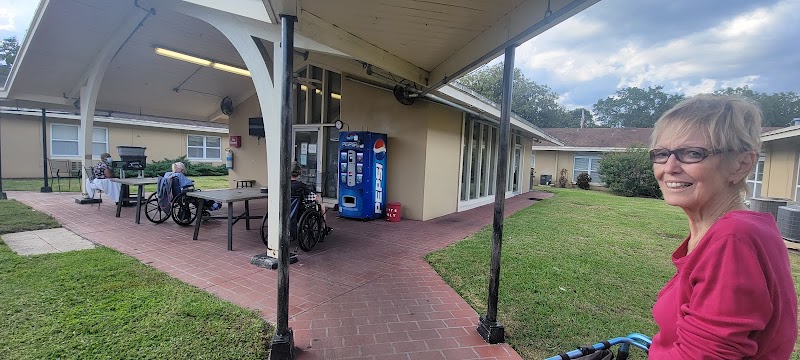
How Does Winter Haven Center Compare to Other Florida Nursing Homes?

Compared to the 100 nursing homes in Florida, WINTER HAVEN HEALTH AND REHABILITATION CENTER's overall rating (2 stars) is below the state average of 3.2, staff turnover (34%) is significantly lower than the state average of 46%, and health inspection rating (2 stars) is below the national benchmark.

What Should Families Ask When Visiting Winter Haven Center?

Based on this facility's data, families visiting should ask: "Can you walk me through typical staffing levels on day, evening, and night shifts?" "Can I visit during a mealtime to observe dining assistance and food quality?" "How do you handle medical emergencies, and what is your hospital transfer rate?" "Can I speak with family members of current residents about their experience?" These questions are particularly relevant given the below-average staffing rating.

Is Winter Haven Center Safe?

Based on CMS inspection data, WINTER HAVEN HEALTH AND REHABILITATION CENTER has a clean safety record: no substantiated abuse findings (meaning no confirmed cases of resident harm), no Immediate Jeopardy citations (the most serious violation level indicating risk of serious injury or death), and is not on the Special Focus Facility watch list (a federal program monitoring the lowest-performing 1% of nursing homes). The facility has a 2-star overall rating and ranks #100 of 100 nursing homes in Florida. While no facility is perfect, families should still ask about staff-to-resident ratios and recent inspection results during their visit.

Do Nurses at Winter Haven Center Stick Around?

WINTER HAVEN HEALTH AND REHABILITATION CENTER has a staff turnover rate of 34%, which is about average for Florida nursing homes (state average: 46%). Moderate turnover is common in nursing homes, but families should still ask about staff tenure and how the facility maintains care continuity when employees leave.

Was Winter Haven Center Ever Fined?

WINTER HAVEN HEALTH AND REHABILITATION CENTER has been fined $4,190 across 1 penalty action. This is below the Florida average of $33,121. While any fine indicates a compliance issue, fines under $50,000 are relatively common and typically reflect isolated problems that were subsequently corrected. Families should ask what specific issues led to these fines and confirm they've been resolved.

Is Winter Haven Center on Any Federal Watch List?

WINTER HAVEN HEALTH AND REHABILITATION CENTER is not on any federal watch list. The most significant is the Special Focus Facility (SFF) program, which identifies the bottom 1% of nursing homes nationally based on persistent, serious quality problems. Not being on this list means the facility has avoided the pattern of deficiencies that triggers enhanced federal oversight. This is a positive indicator, though families should still review the facility's inspection history directly.