SOLARIS HEALTHCARE LAKE ZEPHYR
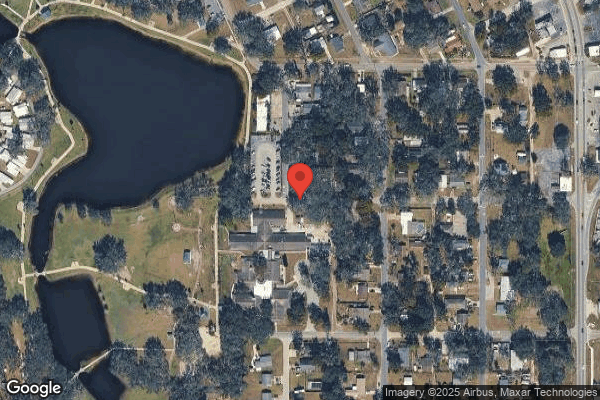

38250 A AVE, ZEPHYRHILLS, FL 33542 (813) 782-5508
For profit - Limited Liability company 120 Beds SOLARIS HEALTHCARE Data: November 2025
Trust Grade
75/100
#280 of 690 in FL
Last Inspection: July 2024

Within standard 12-15 month inspection cycle. Federal law requires annual inspections.

Overview

Solaris Healthcare Lake Zephyr has a Trust Grade of B, indicating it is a good facility, providing a solid choice for families. It ranks #280 out of 690 in Florida, placing it comfortably in the top half of nursing homes in the state, and #6 out of 18 in Pasco County, meaning there are only five local options that are better. However, the facility is experiencing a worsening trend, with the number of compliance issues increasing from four in 2022 to five in 2024. Staffing has a moderate rating of 3/5 stars, with a turnover rate of 47%, which is around the state average, indicating that while staff may be familiar with residents, there is room for improvement. On a positive note, the facility has no fines on record, which is a good sign of its compliance with regulations. However, specific incidents of concern include a failure to properly manage oxygen levels for residents, where one resident noted their oxygen should be increased but was not, and lapses in infection control practices, such as not using personal protective equipment during care and neglecting hand hygiene during medication administration. Families should weigh these strengths and weaknesses when considering Solaris Healthcare Lake Zephyr for their loved ones.

Trust Score
B
75/100
In Florida
#280/690
Top 40%
Safety Record
Low Risk
No red flags
Inspections
Getting Worse
4 → 5 violations
Staff Stability
⚠ Watch
47% turnover. Above average. Higher turnover means staff may not know residents' routines.
Penalties
✓ Good
No fines on record. Clean compliance history, better than most Florida facilities.
Skilled Nurses
✓ Good
Each resident gets 42 minutes of Registered Nurse (RN) attention daily — more than average for Florida. RNs are trained to catch health problems early.
Violations
⚠ Watch
14 deficiencies on record. Higher than average. Multiple issues found across inspections.
★★★★☆
4.0
Overall Rating
★★★☆☆
3.0
Staff Levels
★★★★☆
4.0
Care Quality
★★★★☆
4.0
Inspection Score
Stable
2022: 4 issues
2024: 5 issues

The Good

  • 4-Star Quality Measures · Strong clinical quality outcomes
  • Full Sprinkler Coverage · Fire safety systems throughout facility
  • No fines on record

Facility shows strength in quality measures, fire safety.

The Bad

Staff Turnover: 47%

Near Florida avg (46%)

Higher turnover may affect care consistency

Chain: SOLARIS HEALTHCARE

Part of a multi-facility chain

Ask about local staffing decisions and management

The Ugly 14 deficiencies on record

Jul 2024 5 deficiencies
CONCERN (D) 📢 Someone Reported This

A family member, employee, or ombudsman was alarmed enough to file a formal complaint

Potential for Harm - no one hurt, but risky conditions existed

Investigate Abuse (Tag F0610)

Could have caused harm · This affected 1 resident

**NOTE- TERMS IN BRACKETS HAVE BEEN EDITED TO PROTECT CONFIDENTIALITY** Based on interviews and record review, the facility failed to report within two hours an injury of unknown source for one reside...

Read full inspector narrative →
**NOTE- TERMS IN BRACKETS HAVE BEEN EDITED TO PROTECT CONFIDENTIALITY** Based on interviews and record review, the facility failed to report within two hours an injury of unknown source for one resident (# 41) of three sampled residents. Findings Included: On 7/10/2024 during the 7:00 a.m. to 3:00 p.m. shift, Staff O, Certified Nursing Assistant (CNA) observed a yellowish bruise near Resident's #41's vaginal area and did not report the observation to the nurse. On 7/11/2024 on 11:00 p.m. to 7:00 a.m. shift, Staff M, CNA said she observed a small bruise on Resident #41's left lateral thigh and did not report the observation to the nurse. Review of a Situation Background Assessment Recommendation (SBAR) form, dated 7/12/2024, showed Resident #41 had changes in skin color or condition and there were no medication changes in the past week. The blood pressure was 136/74, Pulse 82, Respiratory rate 18, Temperature 98.0 degrees and weight was 111.4 pounds. Resident #41's skin evaluation showed, Resident present bruising in the groin area and left hip, accompany by swelling of the left labia left thigh, left hip. X-ray Stat was ordered. The documentation was signed by Staff F, Registered Nurse (RN). Review of admission records showed Resident #41 was originally admitted on [DATE], with diagnoses to include metabolic encephalopathy, mood disorder, dementia, muscle wasting and atrophy, cognitive communication deficit, Alzheimer's disease, aphasia, contracture of muscles in multiple sites, and history of healed traumatic fracture. Review of Resident #41's Minimum Data Set (MDS), dated [DATE], Section G: Functional Abilities and Goals showed the resident was dependent, helper does all the effort, resident does none of the effort to complete the activity, the assistance of two of two or more helpers is required for the resident to complete the following activities: roll left and right, sit to lying, chair/bed to chair transfer, eating, oral hygiene, toileting hygiene, bathe self, dressing and personal hygiene. Review of Resident #41's Care Plan focused on extensive staff assistance with most all ADL (activities of daily living) functions. Interventions included Monitor, document, report any changes as needed . Review of Resident #41's addendum radiology report, dated 7/12/2024 at 6:46 p.m., showed comminuted (a bone that is broken in at least two places) intertrochanteric fracture left hip. No significant healing is observed involving the comminuted fracture of the left hip in the intertrochanteric location and therefore the fracture is favored to be recent. Review of the Facility's Human Resource (HR) Orientation Checklist showed Abuse, Neglect and Exploitation (ANE) prevention and reporting is discussed during orientation. Review of the facility's policy titled Change in a Resident's Condition or Status, revised on 1/30/2024, revealed the following. Policy Statement: Our facility shall promptly notify attending physician .of changes in the resident's medical/mental condition or status .1.notify the physician when there has been a discovery of injuries of unknown source . Review of facility's policy titled Resident Mistreatment, Neglect and Abuse prohibition guidelines, last review 1/24/23, revealed the following: .Training: Upon hire, annually, and additionally if determined appropriate by facility management, each employee will be trained on the following topics: what constitutes abuse, neglect, unreasonable confinement, injuries or unknown origin . employee responsibilities as a mandated reporter. .Prevention: Staff shall be regularly monitored to determine whether inappropriate behaviors are occurring. .Reporting/Response: Regulations require employees that provide services to elderly persons or dependent adults (mandated reporters) to report instances of abuse, neglect, misappropriation/ exploitation . to the state survey agency (AHCA) ,Department of Children and families (DCF) and local law enforcement agency within two hours if the alleged violation involves abuse or results in serious bodily injury or as soon as practically possible within 24 hours of detection if the alleged violation does not involve abuse and does not result in serious bodily injury. All employees are required to immediately report the facts of known or suspected instances of abuse to their direct supervisor on duty . Review of the Certified Nursing Assistant job description performance appraisal dated 3/2018, showed the following: Purpose of your job position: Provides basic nursing care to residents within the scope of the nursing assistant responsibilities and perform basic nursing procedures under the direction of a licensed nurse supervisor. .Safety- report all accidents and incidents observed on shift.
CONCERN (D) 📢 Someone Reported This

A family member, employee, or ombudsman was alarmed enough to file a formal complaint

Potential for Harm - no one hurt, but risky conditions existed

Quality of Care (Tag F0684)

Could have caused harm · This affected 1 resident

**NOTE- TERMS IN BRACKETS HAVE BEEN EDITED TO PROTECT CONFIDENTIALITY** Based on interviews and record review, the facility failed to prevent an injury of unknown origin for one resident (# 41) out of...

Read full inspector narrative →
**NOTE- TERMS IN BRACKETS HAVE BEEN EDITED TO PROTECT CONFIDENTIALITY** Based on interviews and record review, the facility failed to prevent an injury of unknown origin for one resident (# 41) out of three sampled residents for injuries/accidents. Findings Included: Review of a Situation Background Assessment Recommendation (SBAR) form, dated 7/12/2024, showed Resident #41 had changes in skin color or condition and there were no medication changes in the past week. The blood pressure was 136/74, Pulse 82, Respiratory rate 18, Temperature 98.0 degrees and weight was 111.4 pounds. Resident #41's skin evaluation showed Resident present bruising in the groin area and left hip, accompany by swelling of the left labia left thigh, left hip. X-ray Stat was ordered. The documentation was signed by Staff F, Registered Nurse (RN). Review of admission records showed Resident #41 was originally admitted on [DATE], with diagnoses to include metabolic encephalopathy, mood disorder, dementia, muscle wasting and atrophy, cognitive communication deficit, Alzheimer's disease, aphasia, contracture of muscles in multiple sites, and history of healed traumatic fracture. Review of Resident #41's Minimum Data Set (MDS), dated [DATE], Section G: Functional Abilities and Goals showed resident was dependent, helper does all the effort, resident does none of the effort to complete the activity, the assistance of two of two or more helpers is required for the resident to complete the following activities: roll left and right, sit to lying, chair/bed to chair transfer, eating, oral hygiene, toileting hygiene, bathe self, dressing and personal hygiene. Review of Resident #41's progress notes, dated 7/9/24 at 11:37 a.m. showed a change in condition related to seizure. Nursing observations showed the Resident was observed having a seizure during breakfast this morning. Resident bit her tongue in the progress. Episode lasted about one minute. No new orders were received from the provider. There was no documentation related to bruising one week before the documented observations on 7/12/2024. Review of Resident #41's Care Plan focused on requires extensive staff assist with most activities of daily living (ADL) functions, undated. Interventions included the following: -Transfer by the Hoyer lift with two persons assist. -Bathing showering report changes to the nurse. -Totally dependent on staff for bathing. -Requires dependent assistance of two staff to turn and reposition in bed . -Requires dependent assistance of one staff to dress. -Requires total assistance to eat -Requires dependent assistance of two staff with personal hygiene. -Monitor, document, report any changes as needed . Review of Resident #41's order summary report showed: 7/12/2024- X ray: Pelvis anterior posterior (AP) (3 view) stat (emergency) for trauma/ pain related to Alzheimer's disease. Sent Resident #41 to the hospital for further assessment and evaluation. Review of Resident #41's addendum radiology report, dated 7/12/2024 at 6:46 p.m., showed comminuted (a bone that is broken in at least two places) intertrochanteric fracture left hip. No significant healing is observed involving the comminuted fracture of the left hip in the intertrochanteric location and therefore the fracture is favored to be recent. Review of Resident #41's skin observation assessment ,dated 7/11/2024 at 7:32 a.m., showed no skin conditions were present and new skin conditions were not present. Review of Resident #41's Nursing Home Transfer and Discharge Notice, dated 7/12/23, showed: Your needs cannot be met at this facility, X-ray results abnormal with left hip fracture. An interview was conducted on 7/29/2024 at 3:28 p.m. with the Director of Nursing (DON), the Nursing Home Administrator (NHA) and the Regional Nurse Consultant. The DON said on 7/12/24 late in the afternoon Staff P, Certified Nursing Assistant (CNA) told Staff F, RN while she was providing Resident # 41's incontinence care bruising was observed. Staff F, RN, observed red and purple bruising to left hip and left inguinal area, yellow around edges, appears to be an older injury. X rays were ordered, and an internal investigation began immediately. The DON said on 7/10/2024 during the 7:00 a.m. to 3:00 p.m. Staff O, CNA said she observed a yellowish bruise on the Resident # 41's left vaginal area. She said Staff O, CNA, said the bruise looked old and she assumed it was already addressed. She stated on 7/11/2024 on 11:00 p.m. to 7:00 a.m. shift, Staff M, CNA said she observed a small bruise on the Resident #41's left lateral thigh, the bruise looked old to her, and she assumed it was already reported. During a telephone interview on 7/30/2024 at 11:30 a.m. Staff L, RN said the CNA called her to the Resident #41's bedside and showed her the bruises. She immediately reported to the Unit Manager. There was bruising and edema on the left hip and left vulvar area. The bruising was bluish, it was evident it was a bruise. A left hip X ray was completed, once the resident's Primary Care Physician, (PCP) read the radiology report. Hospital transfer orders were given. Local law enforcement was also notified. During a telephone interview on 7/30/2024 at 11:40 a.m. Staff P, CNA said transferring Resident #41 to bed using the Hoyer lift, she checked the resident's brief, and she observed bruising on the leg hip area and between her legs. She immediately notified Staff F, RN. She said the bruise was really big and she had not observed bruising on Resident #41 before. During interviews on 7/30/24 with Staff L, CNA and Staff N, RN said on 7/9/2024 while giving Resident #41 a bed bath and completing a resident assessment, no bruising or skin discoloration were observed. During an interview on 7/30/24 at 9:55 a.m. Staff O, CNA said on 7/10/2024 she noticed a bruise on Resident #41's left pubic area, she assumed the nurses were aware of the bruise and did not report the observation. She observed the same bruising on 7/11/2024. During an interview on 7/30/24 at 11:51 a.m. Resident #41's physician said aggressive movement could have led to the type of fracture sustained. Review of the Facility's Human Resource (HR) Orientation Checklist showed Abuse, Neglect and Exploitation (ANE) prevention and reporting is discussed during orientation. Review of the facility's policy titled Change in a Resident's Condition or Status, revised on 1/30/2024, showed the following: Policy Statement: Our facility shall promptly notify attending physician .of changes in the resident's medical/mental condition or status .1.notify the physician when there has been a discovery of injuries of unknown source . Review of facility's policy titled Resident Mistreatment, Neglect and Abuse prohibition guidelines, reviewed 1/24/2023, showed the following: .Training: Upon hire, annually, and additionally if determined appropriate by facility management, each employee will be trained on the following topics: what constitutes abuse, neglect, unreasonable confinement, injuries or unknown origin . employee responsibilities as a mandated reporter. .Prevention: Staff shall be regularly monitored to determine whether inappropriate behaviors are occurring. .Reporting/Response: Regulations require employees that provide services to elderly persons or dependent adults (mandated reporters) to report instances of abuse, neglect, misappropriation/ exploitation . to the state survey agency (AHCA) ,Department of Children and families (DCF) and local law enforcement agency within two hours if the alleged violation involves abuse or results in serious bodily injury or as soon as practically possible within 24 hours of detection if the alleged violation does not involve abuse and does not result in serious bodily injury. .All employees are required to immediately report the facts of known or suspected instances of abuse to their direct supervisor on duty . Review of the Certified Nursing Assistant job description performance appraisal, dated 3/2018, showed the following: .Purpose: Provides basic nursing care to residents within the scope of the nursing assistant responsibilities and perform basic nursing procedures under the direction of a licensed nurse supervisor. .Safety: Report all accidents and incidents observed on shift.
CONCERN (D) 📢 Someone Reported This

A family member, employee, or ombudsman was alarmed enough to file a formal complaint

Potential for Harm - no one hurt, but risky conditions existed

Incontinence Care (Tag F0690)

Could have caused harm · This affected 1 resident

**NOTE- TERMS IN BRACKETS HAVE BEEN EDITED TO PROTECT CONFIDENTIALITY** 2. A review of Resident #458's admission Record revealed an admission date of 6/4/24 and a discharge date of 6/15/24 with diagno...

Read full inspector narrative →
**NOTE- TERMS IN BRACKETS HAVE BEEN EDITED TO PROTECT CONFIDENTIALITY** 2. A review of Resident #458's admission Record revealed an admission date of 6/4/24 and a discharge date of 6/15/24 with diagnoses including postlaminectomy syndrome, unspecified fracture of unspecified lumbar vertebra, subsequent encounter for fracture with routine healing, radiculopathy, lumbar region, spinal stenosis, lumbar region with neurogenic claudication, spondylosis, unspecified, functional urinary incontinence, need for assistance with personal care, and difficulty in walking, not elsewhere classified. A review of Resident #458's physician orders revealed orders to include: -Indwelling Catheter Urethral for Surgical wound with a start date of 6/14/24, -Urinary Catheter Anchor with a start date of 6/14/24, -Urinary Catheter Change as needed (PRN) plus or minus (+/-) one size with a start date of 6/14/24, -Bedside Drainage Bag Change as needed with a start date of 6/14/24. A review of Resident #458's Medication Administration Records (MAR) and Treatment Administration Record (TAR) revealed: -Insert Foley cath [catheter] 16fr [French]/10ml [milliliters] one time only for Surgical wound for 1 Day - Order Date 06/14/2024. -6/14/24 revealed a check mark, staff member initials and time of insertion to indicate the order was administered. A review of Resident #458's care plan revealed the following: Resident is incontinent of bladder. Date Initiated: 06/04/2024. Resident is frequently incontinent of bladder. Date Initiated: 06/12/2024. The resident has behavior problems r/t [related to] resident refuses to get out of bed, staff encourages/educates resident on the importance of being OOB [out of bed]. At times refuses to participate in therapy, and refuses to be toileted, prefers to wear brief and have incontinent care provided by staff. Staff continue to encourage and educate resident on the importance of getting out of bed, participating in therapy and potential infections. Date Initiated: 06/12/2024 Revision on: 06/12/2024. Administer medications as ordered. Monitor/document for side effects and effectiveness. Date Initiated: 06/12/2024. A review of the progress notes for Resident #458 revealed no evidence of consent from the resident to re-insert the catheter on 6/14/24, as ordered by the physician. A review of the nurse's progress notes revealed the following: 6/14/24-Patient refused to get up to use the bedside commode, patient was checked frequently, remained dry until this morning. Patient did not use call light all night. Patient urinated all over in bed. Patient was medicated q4hr [every four hours] for pain with positive effect. Refused to get out of bed this morning. 6/14/24-Resident refused shower and asked to be washed up. CNA [Certified Nursing Assistant] provided resident with a bed bath. Linen and gown changed. Resident complain of Foley irritation. Foley irrigated and clear yellow urine flowing. -6/15/24-Patient was checked frequently, she repositioned to lay on left side, she repositioned herself to lay mostly on her back. She was repositioned on her left side and repositioned herself back on her back. Patient' Foley is patent draining yellow urine pergravity flow. Patient kept asking this writer what she can do about her back pain. Patient was given encouragement to up out of bed everyday and participate with PT/OT [Physical Therapy/Occupational Therapy]. Patient kept complaining about her Foley catheter and Foley is draining yellow urine. This writer offered to call the MD [Medical Doctor] and have it removed. She stated no. Patient was encouraged again about getting OOB to use the bedside commode as she is yelling at the writer about getting a UTI [Urinary Tract Infection] from the catheter. This writer again offered to get order to remove it and she started yelling no I have this so I don't have to up OOB. She then yelled wait until my daughters get her. Patient had 200c [milliliters] out this morning. On 7/30/24 at 10:13 a.m. an interview with the Director of Nursing (DON) revealed Resident #458 initially came to the facility with a catheter. She stated the catheter was placed a second time due to refusals of care. The DON stated the resident was refusing to be toileted at night. She stated those refusals should be in the progress note. She stated the resident was continent of the bladder but had behavioral issues and refused care at times. She stated the catheter was also placed due to preventive interventions to minimize the risk of infection to the incision cite on Resident #458's lower back. The DON stated the resident was her own responsible person, therefore, staff received verbal consent from the resident to place the catheter. She stated verbal consent should be documented in the progress note. On 7/30/24 at 12:30 p.m. an interview with the DON revealed Resident #458 had orders approved by the physician to have a Foley catheter placed on 6/14/24 due to the surgical incision. She stated the catheter was removed on 6/5/24 because, She [Resident #458] didn't have a supporting diagnoses to continue with the catheter. The DON stated urinary retention is not an appropriate diagnoses to continue with a catheter. She stated a voiding trial with a bladder scan was completed to determine the catheter was safe to remove. The DON stated the facility does not require informed consent on paper. She stated the facility, Documents by exception. The DON stated consent to place the catheter again was provided from the provider's order and the nurse received verbal consent from the resident at the bedside. She stated if the resident refused, it would have been documented in the MAR/TAR using a legend or code. The DON again stated the facility does not have anything formal that is required to document consent. She stated Resident #458's care plan demonstrated she was having behaviors, such as refusing to be toileted. The DON confirmed there is no written documentation related to the resident's consent to insert the catheter. She stated the documentation by exception to include a check mark and the staff's name is suffice for consent. A review of the facility's policy titled Foley Catheter Insertion, Female Resident, with a review date of 1/30/24, revealed the following: .Documentation 1. The date and time the procedure was performed. 2. The name and title of the individual(s) who performed the procedure. 3. All assessment date (e.g., character, color, clarity, etc.) obtained during the procedure. 4. The size of the Foley catheter inserted, and the amount of fluid used to inflate the balloon. 5. How the resident tolerated the procedure. 6. If the resident refused the procedure, the reason(s) why and the intervention taken. 7. The signature and title of the person recording the data. Based on observations, interviews, and record review, the facility 1) failed to provide the necessary care and services for urinary catheter care, maintaining urinary flow into the urinary catheter bag and ensuring appropriate infection control techniques during urinary catheter care for one resident (#319) out of three residents reviewed for incontinence care, and 2) failed to document consent related to insertion of a catheter for one resident (#458) out of three residents reviewed. Findings included: 1. Review of the medical record showed Resident #319 was readmitted on [DATE] with diagnoses including neuromuscular dysfunction of the bladder, infection and inflammatory reaction due to internal right hip prosthesis, pressure ulcer of sacral region, Stage 1, anxiety disorder, depression, cellulitis of right lower limb, pyuria, and Alzheimer's Disease. Review of the physician's order, dated 07/01/2024, for Resident #319 read, Indwelling Catheter Urethral every shift. Size 16. Dx (diagnosis) Neurogenic Bladder. Review of the care plan, dated 6/30/2024, for Resident #319 read, The resident [Resident #319] has: Indwelling Catheter r/t [related to]: Neurogenic bladder with urinary retention. Interventions: Catheter: The resident has (16 FR [French] with 10cc [cubic centimeter] balloon) (Indwelling Catheter). Position catheter bag and tubing below the level of the bladder and away from entrance room door. During an observation on 07/15/2024 at 10:49 AM Resident #319 was lying in bed, the urinary catheter bag was observed to be full and laying on the floor under the resident's bed. The urinary catheter had a backflow of light-yellow colored urine from the bag up the urinary catheter towards the resident's bladder, unable to drain into the full urinary catheter bag. During an interview on 07/16/2024 at 3:54 PM Staff B, Registered Nurse (RN), Unit Manager stated, The Foley [urinary] catheter should not have been laying on the floor due to infection control and it shouldn't be that full that the urine backs up into the catheter, because it can cause a urinary tract infection. During an interview on 7/17/2024 at 07:33 AM the Director of Nursing (DON) stated, The Foley catheter should not be laying on the floor. It should be hung below the bladder but not touching the floor. The Foley catheter laying on the floor poses a risk for infection and if the backflow in the catheter reaches the resident, it could cause pain and infection. During an interview on 07/17/2024 at 9:54 AM Staff A, Registered Nurse (RN) stated, The urinary catheter should not have been on the floor. It looks like it was so full the hook slipped off the bed. The backflow of the urine could cause a UTI [Urinary Tract Infection], abdominal distention and cause the resident pain. I should have seen it when I was in her room that morning, but I didn't. Review of the policy number 11.16, titled, Catheter Care, last reviewed on 1/30/2024, read: Purpose: the purpose of this procedure is to prevent catheter-associated urinary tract infections. Maintaining Unobstructed Urine Flow: 1. Check the resident frequently to be sure he or she is not lying on the catheter and to keep the catheter and tubing free of kinks. 3. The urinary drainage bag must be held or positioned lower than the bladder at all times to prevent the urine in the tubing and drainage bag from flowing back into the bladder. Infection Control: b. Be sure the catheter tubing and drainage bag are kept off the floor. d. Empty the collection bag as needed.
CONCERN (E)

Potential for Harm - no one hurt, but risky conditions existed

Comprehensive Care Plan (Tag F0656)

Could have caused harm · This affected multiple residents

Based on observations, interviews, and record review, the facility failed to implement care plan interventions related to oxygen administration for four residents (#42, #56, #60, and #71) out of 4 res...

Read full inspector narrative →
Based on observations, interviews, and record review, the facility failed to implement care plan interventions related to oxygen administration for four residents (#42, #56, #60, and #71) out of 4 residents reviewed for oxygen administration. Findings include: 1. During an observation 07/15/24 at 09:38 AM, Resident #42 was lying in bed with a nasal cannula in place and the oxygen concentrator running at 1.5 liters per minute (LPM). During an observation on 7/15/24 at 1:30 PM Resident #42 was lying in bed with a nasal cannula in place and the oxygen concentrator running at 1.5 liters per minute. During an interview on 7/15/24 at 1:30 PM Resident #42 stated, I think my oxygen should be running on 3, but the nurse is the one who usually checks it. A record review of Resident #42's Physicians order reads, (ACC-OXYGEN) Oxygen 2 liter via NC [nasal cannula] every shift. A review of Resident #42's care plan, dated 6/13/24, reads, The resident has dx [diagnosis] of Heart Failure, OXYGEN SETTINGS: O2 via: nasal prongs @ 2 LPM (continuously). During an interview on 7/18/24 at 08:30 AM Staff H, Licensed Practical Nurse (LPN) stated it is her expectation for the nurses to check the oxygen concentrator levels in the morning and on each shift. 2. Review of Resident # 56's admission record documented diagnoses that included transient cerebral ischemic attack, unspecified, chronic respiratory failure with hypoxia, and chronic obstructive pulmonary disease (COPD) with(acute) exacerbation. Review of physician orders, dated 2/5/2024, read Oxygen 2 L ([liters]/min [minute] via NC [nasal cannula] every shift related to chronic respiratory failure with hypoxia. During an observation on 7/15/2024 at 10:45 AM Resident #56 was observed resting quietly in bed with oxygen at 3.5 liters via oxygen concentrator. During an observation on 7/16/2024 at 1:41 PM Resident #56 was observed sitting up in wheelchair with portable oxygen tank set at 2.5 liters via nasal cannula. Review of Resident #56's Care Plan read Respiratory distress: Potential for respiratory distress r/t [related to] COPD, bronchitis, hx [history] of emphysema, chronic resp. [ respiratory] failure. Interventions include administer Oxygen as ordered. 3. Review of Resident #60's admission record documented diagnoses that included effusion right hip, arthritis due to bacteria, right hip, acute embolism and thrombosis of unspecified deep veins of right lower extremity, and acute kidney failure unspecified. Review of Resident #60's physician orders, dated 5/23/2024, read, Continuous O2 [oxygen] at 4 L/MIN via NC q [every] shift, every shift to keep oxygen more than 92%. On 7/15/2024 at 1:05 PM Resident #60 was observed with oxygen at 5 liters via concentrator using a nasal cannula. The oxygen concentrator was on the right side of the bed at the head of the residents bed, outside the reach of the resident. On 7/16/2024 at 7:21 AM Resident #60 was observed in bed with oxygen infusing at 4.5 liters nasal cannula on concentrator. The oxygen concentrator was on the right side of the bed at the head of residents bed, outside the reach of the resident. Review of Resident #60's care plan read, The resident has altered respiratory status/difficulty breathing r/t SOB [shortness of breath]. Intervention: 4 L oxygen via nasal cannula as tolerated. 4. Review of Resident #71's admission record documented diagnoses that included sleep apnea unspecified, chronic kidney disease stage two, chronic obstructive pulmonary disease, with acute exacerbation, acute respiratory failure with hypoxia, chronic respiratory failure with hypoxia, emphysema unspecified, and chronic diastolic (congestive) heart failure. Review of Resident #71's physician orders, dated 6/22/2022, read, Oxygen at 4 liters nasal cannula. On 7/15/2024 at 9:47 AM Resident #71 was observed sleeping in bed with oxygen at 5 liters via nasal cannula. The oxygen concentrator was observed to the right side of the resident and not within the residents reach at the head of the bed. On 7/17/24 at 7:23 AM Resident #71 was observed in bed with oxygen at 5 liters via nasal cannula. Review of Resident #71's care plan read, COPD. The resident has Emphysema/COPD, interventions oxygen as ordered, oxygen at 4 L via N/C. During an interview on 7/17/24 at 7:24 AM Staff G, LPN stated, It (the oxygen) is on 5 liters and should be on 4 liters. We should be following doctors orders and following our care plans for oxygen. I don't know how it got changed. We should check what it is running at when we give meds (medications), or when a resident has any changes in their condition. During an interview on 7/18/2024 at 7:15 AM the Director of Nursing (DON) stated, Our nurses should check what oxygen is running at at least once a shift or when they have any shortness of breath. We should implement our care plans for oxygen use. Our staff should know what rate oxygen is running at and verify this at least once a shift. Review of the policy and procedure titled, Care Plans Comprehensive, last review date of 1/30/2024, revealed the following: Policy statement: An individualized comprehensive care plan that includes measurable objectives and timetables to meet the residents medical, nursing, mental, and psychological needs is developed for each resident. Policy interpretation and implementation: 3. Each resident's comprehensive care plan is designed to: e. reflect treatment goals, timetables and objectives in measurable outcomes; f. identify the professional services that are responsible for each element of care; i. reflect currently recognized standards of practice for problem areas and conditions. 5. Care plan interventions are designed after careful consideration of the relationship between the resident's problem areas and their causes. When possible, interventions address the underlying source(s) of the problem area(s), rather than addressing only symptoms or triggers. It is recognized that care planning individual symptoms or care area triggers in isolation may have little, if any, benefit for the resident. 6. Identifying problem areas and their causes and developing interventions that are targeted and meaningful to the resident are into disciplinary processes that require careful data gathering, proper sequencing events and complex clinical decision making. No single discipline can manage the task in isolation. The residence position or Primary Health care provider is integral to this process.
CONCERN (E)

Potential for Harm - no one hurt, but risky conditions existed

Infection Control (Tag F0880)

Could have caused harm · This affected multiple residents

**NOTE- TERMS IN BRACKETS HAVE BEEN EDITED TO PROTECT CONFIDENTIALITY** Based on observations, interviews, and record review. the facility 1) failed to adhere to infection control practice standards f...

Read full inspector narrative →
**NOTE- TERMS IN BRACKETS HAVE BEEN EDITED TO PROTECT CONFIDENTIALITY** Based on observations, interviews, and record review. the facility 1) failed to adhere to infection control practice standards for personal protective equipment (PPE) while providing direct care for two residents (#98 and #319) out of eight residents on enhanced barrier precautions (EBP), and 2) failed to perform hand hygiene during medication administration during 3 out of 9 observations of medication administration. Findings included: 1. Review of the medical record showed Resident #98 was admitted on [DATE] with diagnoses including pressure ulcer of sacral region (unstageable), Peripheral Vascular Disease, Paroxysmal Atrial Fibrillation, Acute Kidney Failure, Chronic Kidney Disease (Stage 3B), and Sepsis. Review of the physician's order, dated 06/03/2024, for Resident#98 read, (Incontinence Indwelling Catheter Urethral every shift related to Pressure Ulcer of Sacral Region, Unstageable .16Fr [French]/10 ml [milliliters]. Review of the physician's order, dated 07/02/2024, for Resident #98 read, Enhanced Barrier Precautions every shift for catheter, wound. During an observation on 07/15/2024 at 10:15 AM, there was an Enhanced Barrier Precautions sign hanging on Resident #98's door to his room. During an observation on 07/15/2024 at 10:25 AM, Resident #98 was lying in bed wearing a t-shirt and shorts. Observed Staff C, Certified Nursing Assistant (CNA) and Staff D, CNA on each side of the resident, both wearing gloves but no gowns. While wearing gloves but no gown, Staff C, CNA proceeded to take Resident #98's shorts off his legs, threading the catheter bag and tubing up through the right pant leg to remove the shorts. Staff D, CNA removed the left pant leg from the resident and took the urinary catheter bag, while wearing gloves but no gown, hung the urinary catheter bag on the left side of the bed. During an interview on 07/15/2024 at 12:22 PM Staff C, CNA stated, I wasn't wearing a gown when I was removing [Resident #98's name] shorts and fixing his Foley catheter. I should have been wearing a gown. During an interview on 07/15/2024 at 1:53 PM Staff D, CNA stated, I didn't wear a gown when I helped with [Resident #98's name] catheter. We are supposed to wear a gown and gloves when we handle the Foley catheter. 2. Review of the medical record showed Resident #319 was readmitted on [DATE] with diagnoses including neuromuscular dysfunction of the bladder, infection and inflammatory reaction due to internal right hip prosthesis, pressure ulcer of sacral region, Stage 1, Anxiety Disorder, Depression, Cellulitis of right lower limb, Pyuria, and Alzheimer's Disease. Review of the physician's order, dated 07/01/2024, for Resident #319 read, Indwelling Catheter Urethral every shift. Size 16. Dx [diagnosis] Neurogenic Bladder. Review of the physician's order, dated 07/01/2024, for Resident #319 read, Enhanced Barrier Precautions every shift for mid-line, catheter. During an observation on 07/15/2024 at 10:49 AM there was an Enhanced Barrier Precautions sign hanging on Resident #319's door to her room. During an observation on 07/15/2024 at 12:00 PM Resident #319 was lying in bed in a pair of long sleeve pajamas. The urinary catheter tubing was draped out through the right lower leg of the resident's pajama pants. Observed Staff C, CNA, wearing gloves but no gown, removed the resident's right pant leg while feeding the urinary catheter tubing and bag up through the pant leg. And while wearing gloves but no gown, fed the urinary catheter tubing and bag through the right leg of a clean pair of pants and re-dressed Resident #319. During an interview on 07/15/2024 at 12:22 PM Staff C, CNA stated, [Resident #319's name] has a Foley catheter. I was supposed to wear a gown because she has a Foley, but I forgot. I don't notice the sign on the door half the time. During an interview on 7/17/2024 at 07:35 AM the Director of Nursing (DON) stated, The staff should be wearing a gown and gloves when they are handling the urinary catheter and incontinence brief. They should be looking at the sign on the door and following the policy for Enhanced Barrier Precautions. Review of the U.S. Department of Health and Human Services Centers for Disease Control and Prevention (CDC) sign attached to Resident #98's and Resident #319's room doors read, STOP. Enhanced Barrier Precautions .Providers and Staff must also: Wear gloves and a gown for the following high-contact resident care activities. Dressing .Changing Linens .Changing briefs or assisting with toileting .Device care or use: central line, urinary catheter, feeding tube, tracheostomy . Review of the policy titled Enhanced Barrier Precautions, last reviewed 1/30/2024, read, Policy Statement: This facility follows recommended CDC enhanced barrier precautions, to interrupt the spread of multidrug resistant organisms (MDROs) within the facility. For the purposes of this guidance, the MDROs for which the use of EBP applies are based on the local epidemiology. At a minimum, they should include resistant organisms targeted by CDC but can also include other epidemiologically important MDROs. Policy Interpretation and Implementation. 3. Enhanced barrier precautions is an approach of targeted gown and glove use during high contact resident care activities .6. High-contact resident care activities include a. dressing e. Changing linens, f. Changing briefs or assisting with toileting, g. indwelling medical device use. 8. Indwelling medical device examples include: b. Urinary catheters. During an observation on 7/15/2024 at 12:16 PM Staff E, LPN was observed exiting a residents room, removing her gloves, and placing them into a waste bin attached to the right side of the medication cart. No hand hygiene was performed. Staff E, LPN then reached into her scrub top pocket and pulled out a set of keys to unlock a medication cart to retrieve another residents medication. During an observation on 7/15/2024 at 12:17 PM Staff E, LPN was observed at the medication cart,. and without performing hand hygiene Staff E, LPN opened the medication drawer, Staff E removed a blister pack and placed the medication tablet directly into her left ungloved hand,and then placed the pill into a small plastic medication cup. Staff E, LPN then placed the blister pack back into the medication cart, locked the drawer, placed the keys in her pocket, walked over to the resident and administered the medication without performing hand hygiene. Staff E, LPN returned to the medication cart, opened the laptop computer and began to type. No hand hygiene was performed. During an observation on 7/15/2024 t 12:20 PM Staff E, LPN was observed rubbing her nose, touching her hair, and pulling her pants up by the waist band. No hand hygiene was performed and staff began to prepare medications for a resident. During an observation on 7/15/2024 at 12:22 PM Staff E, LPN did not perform hand hygiene, unlocked the medication cart, pulled out a medication blister pack, popped 2 pills into a medication cup, placed the blister pack back into the medication cart, locked the drawer, and proceeded to administer the medication to a resident. Staff E took the used medication cup and placed it into the waste bin. No hand hygiene was performed. During an observation on 7/15/2024 at 12:25 PM Staff E, LPN walked into the small kitchen area, opened the refrigerator and took out a small cup of pudding. She walked back to the medication cart, placed the cup down, and pulled the keys to the cart out of her scrub top pocket without performing hand hygiene and began preparing medications for another resident. Staff, E, LPN popped 2 medications into a cup and then placed the pills into a clear plastic pouch. Staff E crushed the medications and mixed them into the small cup of pudding with a plastic spoon, before administering them to the resident. Staff E then placed the spoon and used pudding cup into the waste bin. No hand hygiene was performed. During an interview on 7/18/24 at 8:41 AM the Infection Prevention Officer, stated, It is our expectation that hand hygiene should be performed before and after each medication pour, meaning between each residents medication pass.
Aug 2022 4 deficiencies
CONCERN (D)

Potential for Harm - no one hurt, but risky conditions existed

Quality of Care (Tag F0684)

Could have caused harm · This affected 1 resident

2. An observation was conducted on 8/15/22 at 12:16 p.m., of Resident #26 attempting to transfer self without staff. On 8/15/22 at 12:19 p.m., staff responded to the sounding of the pressure alarm on ...

Read full inspector narrative →
2. An observation was conducted on 8/15/22 at 12:16 p.m., of Resident #26 attempting to transfer self without staff. On 8/15/22 at 12:19 p.m., staff responded to the sounding of the pressure alarm on the resident's bed and assisted the resident into a wheelchair. An observation was made with Staff G, Registered Nurse of a foam dressing on the right ankle of Resident #26. The dressing had a nickel-sized area of brownish discoloration and was undated. Staff G confirmed the dressing was undated. A review of Resident #26's August Medication and Treatment Administration Records indicated at the time of the observation there was no order for wound care to the resident's right ankle. A skin observation evaluation was completed for Resident #26 at 9:02 p.m. on 8/8/22, which indicated there was no new skin conditions. The evaluation identified an open wound to the outer right ankle. On 8/17/22 at 11:42 a.m., the facility's Wound Care Nurse (WCN) stated she was aware of the dressing that was observed on Resident #26's right ankle. She stated the facility's protocol was to date the dressing (as to when it was put on) and the weekly skin assessments were to be accurate. The WCN stated she had interviewed the nurse that completed the skin evaluation on 8/8/22 and the nurse reported she did not visualize the right ankle wound as there was a dressing on it. The WCN reported the protocol for a new skin issue was to determine the type of wound, notify the physician, and obtain appropriate (wound care) orders. She stated she followed up on the skin issue the next time she was on duty. The WCN nurse reported she had interviewed the nurses and all had denied putting the dressing on Resident #26. The WCN confirmed the dressing observed on 8/15/22 could have been placed prior to the 8/8/22 as no other nurse had claimed to have put the dressing on. She stated the wound was 100% granulation, approximate nickel-sized, with light serosanguinous drainage and slightly macerated edges. On 8/17/22 at 2:34 p.m., the DON stated her expectation was when a skin concern was identified, the doctor was notified, treatment orders were obtained, families were notified, and documentation was completed. The DON reported, on 8/17/22 at 2:59 p.m., she reviewed the note completed on 8/8/22 and had contacted the nurse. The DON stated the nurse (who had completed the skin evaluation) had informed her she had not looked at Resident #26's (ankle) wound. The DON stated the nurse could not work until she had completed a competency with the DON. The policy - Skin & Wound Care, created 1/1/2007 and reviewed on 8/22/2017 and 3/2021, identified that The facility will promote dignity and enhance the resident's quality of life and quality of care by maintaining or restoring resident's skin integrity to the extent possible. The facility will evaluate risk and implement preventative measures that meet the standards of care and in accordance with state and federal regulations, trough initial and ongoing evaluation of resident's risk for skin breakdown and development of pressure injuries. The procedure portion of the policy identified the following: - Nurses will complete weekly - Use the PointClickCare (PCC) weekly Skin Observation UDA. - Provide treatments to existing wounds and newly identified wounds that follow the current standards of practice for wound care and will: -- Wound/Treatment Nurse/designee will conduct wound rounds weekly and monitor wound healing in accordance with state and federal regulations. -- The staff nurse will describe and measure the wound, notify physician, obtain orders, and notify resident and resident representative when a skin alteration is identified. The Wound Nurse/designee will evaluate all new wounds and for those evaluated to be pressure injuries will measure, stage, and update treatment orders if necessary. -- Keep resident and resident representative updated on the condition of the wound. The Clinical Practice Guidelines for Skin Health/Wound Management, dated 2/19/21, identified that a nurse would complete a Skin Observation Evaluation on admission/re-admission, and weekly thereafter. The wound management portion of the guidelines indicated Upon identification of a wound on admission or during the resident's stay the following evaluations would be completed and included the following: -- PCC Pain Evaluation -- PCC Skin Observation Evaluation -- PCC E-Interact Change of Condition form -- PCC Braden Scale on admission, weekly x 4, with new skin condition -- PCC Nursing to Therapy Communication Form to request restorative/positioning review The guidelines indicated that the WCN/designee would complete PCC Skin and Wound Analysis from upon identification and weekly until resolved. Instructions indicated staff were to utilize the Wound Care Order Set when notifying the physician and request orders for treatment of the area, an order to monitor skin integrity every shift and specify areas/dressings to observe, evaluate pain prior to dressing changes, and enter all products, if the treatment included a medication, in the instructions and ensure it flows to the TAR. The nurse was to document notification to Resident /Resident Representative on condition of the identified area and the treatment, and the staff nurse assigned to the resident was responsible in ensuring that dressing changes were completed as ordered. Based on observation, interview, and record review, the facility failed to ensure that all skin conditions were appropriately addressed for two (Residents #25, #26) of 36 sampled residents. Findings included: 1. Observations of Resident #25 on 08/15/22 at 10:27 a.m. revealed the resident had an undated dressing to her right outer ankle. An interview with Resident #25 at this time, revealed she had issues with her ankle and the wound care nurse came one time per week and changed her dressing and forgot to date it as she did not have a pen handy. Review of the resident's record revealed she had a current order dated 3/29/22 for the following, (AC-Wound) Wound Care prevention Right outer ankle Skilled nursing to apply skin prep cover with 3 x 3 foam dressing change weekly and PRN soiling every day shift every 7 days for wound prevention An interview on 08/17/22 at 11:51 a.m. with Staff A, Wound Care, Registered Nurse (RN), revealed the resident's dressing order was preventative as the resident had an arterial wound on the right ankle that kept opening up, but was now closed. She reported the resident also had hardware in that same foot that was close to the ankle. She reported the resident had orders for weekly dressing changes and the protocol was every dressing was to be dated and signed with the nurse's initial at the time of the dressing change. Staff A reported that nurses should have been looking at the dressing daily to ensure that it is clean and in place, and that she was not sure why no one noticed that the dressing was not signed or dated. She reported she believed the dressing was changed per the order and per documentation on the MAR but could not confirm as the dressing was not dated. An interview on 08/17/22 at 2:23 p.m. with the Director of Nursing (DON) revealed the facility did not have a current procedure that indicated the wound dressings should be dated and labeled with the nurses' initials. She reported dating and initialing the dressing was a nursing standard that all nurses should know and follow.
CONCERN (D)

Potential for Harm - no one hurt, but risky conditions existed

Deficiency F0700 (Tag F0700)

Could have caused harm · This affected 1 resident

**NOTE- TERMS IN BRACKETS HAVE BEEN EDITED TO PROTECT CONFIDENTIALITY** Based on observation, interview, and record review, the facility failed to obtain physician's orders for, assess the use of, an...

Read full inspector narrative →
**NOTE- TERMS IN BRACKETS HAVE BEEN EDITED TO PROTECT CONFIDENTIALITY** Based on observation, interview, and record review, the facility failed to obtain physician's orders for, assess the use of, and develop care plans for padded side rails which were attached to the beds of four (Residents #8, #31, #76, and #81) of 36 sampled residents . Findings included: 1. Resident #8 was admitted to the facility on [DATE] with diagnoses that included Alzheimer's Disease, muscle weakness, and unspecified psychosis. On 08/15/2022 at 11:15 a.m., Resident #8 was observed lying in her bed, which was low to the floor, with the head of the bed up at approximately a 45 degree angle, with padded bilateral side rails alongside the elevated head of the bed. An arm chair had been placed tight against the side of the bed, on the resident's right side and bilateral floor mats were observed on either side of the bed. During that observation, Resident #8 was continuously yelling out, with an occasional understandable word such as No, No, No. The resident had her eyes closed and the resident's aide, Staff I, commented the resident's vision was not good and she usually kept her eyes closed. Staff I confirmed the resident often yelled out. At times she was taken out of bed and placed into a high backed chair, but she did better when she remained in bed. The aide confirmed the padded side rails were for the resident to hold on to and confirmed the resident was able to move around in the bed on her own. Upon admission, a Side Rails Grab Bar Analysis was conducted, dated 02/16/2022. The resident was described as ambulatory, without the ability to transfer independently, without a history of falls in the prior three months, without the use of side rails/grab bars in the prior three months, and no history of attempting to climb over the rails/bars. The resident was described as having no involuntary movements, but having expressed the desire to have the side rails/grab bars raised when in bed. The resident's reason for agreeing to the side rails/grab bars was for bed mobility, turning, positioning and support. The analysis concluded that based on the evaluation the side rails/grab bars were indicated for the purpose of bed mobility, turning, positioning and support. The decision was made to use two quarter rails as they would most benefit the resident. The Analysis described the benefit to the resident by utilizing the side rails as enabling bed mobility, turning, positioning and support. The analysis confirmed that all risks associated with the use of side rails were present for this resident. The Rationale for the use of the side rails repeated bed mobility, turning, positioning and support. Question #14 asked what other less restrictive alternatives had been attempted and what was the resident's response. The answer was n/a. The answer was no to the question whether the side rails would prevent the resident from any activity she would be able to perform without the rails. There was no reference to the padding on the side rails. The Minimum Data Set (MDS) Assessment conducted upon admission dated 02/22/2022, and the most recent quarterly MDS dated [DATE], did not show either improvement or decline in the resident's Activities of Daily Living. The resident required extensive to total assistance by two staff for bed mobility and transfer, and in both assessments the use of side rails was not identified. The resident's Brief Interview for Mental Status (BIMS) score was a 5 at admission and a 3 on the quarterly, both indicating severe cognitive impairment. Care plans were reviewed for Resident #8 and noted to not include a care plan for the use of padded side rails, used for mobility or to assist in the prevention of falls. It was also noted that there was not a Physician's order for the use of side rails or grab bars. An interview was conducted with the Unit Manager on 08/18/2022 beginning at 10:30 a.m. She confirmed the Side Rail/Grab Bar assessment had been completed upon admission on [DATE] for Resident # 8 but the resident had not been reassessed for the use of side rails. She confirmed there was no physician's order nor care plan for the use of the side rails/grab bars but there should have been both an order from the physician and a care plan developed. At 1:00 p.m. on 08/18/2022 the Unit Manager reported upon further review and discussion with other facility staff, the side rails/grab bars for Resident #8 were attached to the bed in error and they had been removed. She reported that it was a mistake to have the bars on the resident's bed as she would not have benefited from their use. 2. Resident #31 was re-admitted to the facility on [DATE] with diagnoses that included unspecified mood disorder, unspecified dementia with behavioral disturbances, unspecified psychosis and having difficulty walking. Observation of the resident on 08/15/2022 at 11:00 a.m., revealed an elderly male sitting back against a raised head of the bed, almost upright, dozing. Padded side rails were observed along side the raised head of the bed. The side rail pad to the left of the resident was observed to be ripped along the top seam and was scratchy to the touch. A private sitter was in a chair next to the bed and she reported that she noticed the padding on the side rail and how it was ripped and was a potential skin tear hazard. She reported that staff had never commented on it to her. She reported that the resident did not reach out to the side rails and she wasn't sure why they were attached to the bed. Upon readmission, on 03/09/2022, a Side Rails Grab Bar Analysis was conducted for Resident #31. It documented the resident was not ambulatory, not able to transfer independently, had no history of falls in the past three months, but the resident had attempted to climb over or around the rails. The Analysis indicated the resident was able to use the side rail/grab bars for bed mobility, positioning, turning or support, and specifically for bed mobility. The Analysis indicated the resident had not expressed a desire to have the side rails/grab bars raised while in bed. The evaluation indicated the use of two quarter side rails/grab bars for this resident, for the purpose of turning and repositioning. The risks associated with the use of the side rails/grab bars included skin tears, bruises, and /or lacerations. The benefit of the use of the side rails/grab bars to the resident was for turning and repositioning. Question #14 asked what other less restrictive alternatives were attempted. The answer was n/a. The side rails/grab bars were identified as not preventing the resident from any activity he would be able to perform without the rails. The Minimum Data Set (MDS) Assessment completed on 03/16/2022, for his readmission on [DATE], identified the resident's Brief Interview for Mental Status (BIMS) as 8, indicating moderately impaired cognition. The resident's bed mobility and transfer ability were identified as requiring extensive to total assist by two staff. The MDS did not include side rails were in use. A quarterly MDS was completed on 06/09/2022 which identified the resident's BIMS as 2, indicating severely impaired cognition. His bed mobility and transfer abilities were assessed as the same as in March and the assessment did not include the use of side rails. The resident's care plans were reviewed and noted for not including a care plan for side rails or grab bars. A relevant care plan was reviewed which identified the resident at risk for pressure injury related to his decreased mobility, incontinence and diabetes mellitus. Interventions did not include the use of side rails to assist with his bed mobility. A review of the physician's orders revealed an order for side rails which was dated 08/10/2022. In the interview on 08/18/2022 beginning at 10:50 a.m. with the unit manager, she was confirmed an additional side rail analysis had not been completed for Resident # 31 and the side rails remained in place on the resident's bed. She confirmed that there was no care plan for the rails, but a physician's order had been written on 08/10/2022, five months after the assessment. 3. On 8/17/22 at 10:16 a.m., Resident #76 was observed lying in a low bed with bilateral floor mats and raised padded side rails. On 8/18/22 at 1:24 p.m., the resident was observed, lying in bed with bilateral raised padded side rails. Resident #76 was admitted on [DATE]. The admission Record included diagnoses not limited to Hemiplegia and hemiparesis following cerebral infarction affecting right non-dominant side, right hand contracture, history of falling, and dementia in other disease classified elsewhere without behavioral disturbance. The review of Resident #76's Order Summary Report, active as of 8/18/22, did not include a physician order for the observed padded side rails. Resident #76's care plan identified that an intervention was initiated and revised on 8/17/22 for bilateral padded side rails. 4. On 8/15/22 at 12:27 p.m., Resident #81 was observed lying in bed with bilateral raised padded side rails. On 8/18/22 at 1:09 p.m., the resident's bed was observed in the low position, with floor mats, and side rails in the up position. On 8/16/22 at 12:51 p.m., a review of Resident #81's care plan did not reveal the use of padded side rails. Resident #81 was admitted on [DATE]. The resident's admission Record included diagnoses not limited to vascular dementia without behavioral disturbance and unspecified anxiety disorder. The review of Resident #81's Order Summary Report, active as of 8/18/22, indicated a physician order dated 6/8/22 for the use of padded side rails. A review of Resident #81's care plan on 8/18/22 at 1:09 p.m., did not indicate an intervention related to the resident's use of padded side rails. 5. A review of the facility policy entitled, Siderails was conducted. The Policy statement read: The use of siderails shall be determined by the safety level of care. Under Procedure/Guidelines, the steps included: Verify the need for siderails up as determined by the safety level of care . Explain to the patient why siderails are up, answer questions as needed, stressing the purpose and importance of this safety device. Check patient frequently. Lower siderails when giving treatment/procedure then return to up position. Document siderails up.
CONCERN (D)

Potential for Harm - no one hurt, but risky conditions existed

Unnecessary Medications (Tag F0759)

Could have caused harm · This affected 1 resident

Based on observations, interviews, and record review, the facility failed to ensure the medication error rate was less than 5.00%. Twenty-five medication administration opportunities were observed, an...

Read full inspector narrative →
Based on observations, interviews, and record review, the facility failed to ensure the medication error rate was less than 5.00%. Twenty-five medication administration opportunities were observed, and two errors were identified for two (Residents #32 and #26) of six residents observed. These errors constituted a 8.00% medication error rate. Findings included: On 8/16/22 at 4:18 p.m., an observation of medication administration with Staff E, Licensed Practical Nurse (LPN), was conducted with Resident #32. The Staff E was observed dispensing the following medications: - Eliquis 2.5 milligram (mg) tablet - Gabapentin 400 mg capsule - Hydralazine 25 mg tablet - Gabapentin 400 mg capsule Staff E dispensed the medications by keeping the blister packaging in the drawer of the medication cart, popping the medication into her gloved hand then placing it into the medication cup. Staff E stated she had seen others take the packaging out of the cart (demonstrated) but it did not feel right to her. Staff E confirmed 4 tablets/capsules had been dispensed. Staff E entered the resident room and handed Resident #32 the medication cup. The resident asked if it contained Potassium and Staff E stated that it did. When the resident questioned it again, Staff E left the room and reviewed the medications (left on the med cart) and confirmed the medication cup contained two capsules of Gabapentin and not Potassium. Staff E returned to the room and asked the resident for the medication, the resident informed the nurse the medications had been taken. Staff E returned to the medication cart and dispensed one 10 milliequivalent tablet of Potassium ER which was then administered to the resident. A review of the August Medication Administration Record (MAR) for Resident #32 indicated that the following order: - Gabapentin capsule 400 mg - Give 1 capsule by mouth three times a day related to other intervertebral disc degeneration lumbar region. Start Date 10/6/21 and discontinued 8/17/22 at 10:38 a.m. This medication was scheduled for 9 a.m., 1 p.m., and 5 p.m. 2. On 8/16/22 at 4:58 p.m., an observation of medication administration with Staff F, Registered Nurse (RN), was conducted with Resident #26. The Staff F was observed dispensing the following medications: - Divalproex Delayed Release (DR) 250 mg tablet - Eliquis 2.5 mg tablet - Metoprolol Tartrate 25 mg tablet - Novolog FlexPen - dialed 6 units for blood glucose of 309. The RN confirmed the dispensing of 3 tablets/capsules. Staff F left the nursing station and approached Resident #26 in the common area. Staff F was asked to check the Divalproex order. She returned to the nursing station and verified the order for Divalproex indicated the resident was to receive 1.5 tablets of 250 mg Divalproex. Staff F searched the medication cart and verified there were no 1/2 tablets of Divalproex. She dispensed another 250 mg DR capsule of Divalproex and verified the tablet was not scored. The Wound Care Nurse (WCN) instructed Staff F to hold the medication, contact the physician for further orders and the pharmacy. The WCN assisted Staff F take the resident to the room. Resident #26 refused the two remaining (after Divalproex was removed from the medication cup) medications and Staff F was able to administer the Novolog. A review of Resident #26's August Medication Administration Record (MAR) indicated Staff F documented the resident had refused the 5:00 p.m. dose of 1.5 tablets of 250 mg Divalproex DR on 8/16/22. An interview with the Director of Nursing, on 8/18/22 at 1:00 p.m., was conducted as she called Staff F and placed her on speaker. Staff F reported she had dispensed the medication, left the nursing station and after being asked by this writer to check the Divalproex order, she saw the order was for 1.5 tablets of Divalproex, she took the medication (Divalproex) out of the cup, and attempted to administer the other medications to Resident #26, which were refused. The DON informed Staff F she could not document Divalproex (Depakote) was refused if she had taken the medication out of the med cup and it was not offered. Staff F stated she probably signed it out with the other medications. The DON ended the telephone call and left the interview. The policy - General Dose Preparation and Medication Administration, effective 12/01/07 and revised 5/1/10 and 1/1/13, indicated Facility staff should: Verify each time a medication is administered that it is the correct medication, at the correct dose, at the correct route, at the correct rate, at the correct time, for the correct resident, as set forth in Appendix 17: Facility Medication Administration Times Schedule. The policy identified that the facility should ensure that after medication administration staff Document necessary medication administration/treatment information (e.g., when medications are opened, when medications are given, injection site of a medication, if medications are refused, as needed (prn) medications, application sight) on appropriate forms.
CONCERN (E)

Potential for Harm - no one hurt, but risky conditions existed

Deficiency F0885 (Tag F0885)

Could have caused harm · This affected multiple residents

**NOTE- TERMS IN BRACKETS HAVE BEEN EDITED TO PROTECT CONFIDENTIALITY** Based on observation, interview, and policy review, the facility failed to ensure residents, resident representatives, and visit...

Read full inspector narrative →
**NOTE- TERMS IN BRACKETS HAVE BEEN EDITED TO PROTECT CONFIDENTIALITY** Based on observation, interview, and policy review, the facility failed to ensure residents, resident representatives, and visitors were notified of the COVID-19 status. Findings included: On 8/15/22 at approximately 9:00 a.m., the Nursing Home Administrator identified that there was COVID-19 positive residents in the building. A review of the facilities website on 8/18/22 at 9:35 a.m. (https://www.adventhealth.com/skilled-nursing/adventhealth-care-center-zephyrhills-south) instructed residents/representatives and potential visitors of the following for Important COVID-19 Updates: Extra Safety Measures for Your Protection Your health and safety have always been our top priority and we have expanded our policies, procedures and products to protect you and our caregivers. These safety measures include enhanced cleaning and sanitation, universal mask use, temperature checks, social distancing, visitor restrictions and keeping COVID-19 symptomatic patients separated from other patients. Details here, indicating to press the details here. The website continued: For continuous updates on the status of our facility and the residents in our care, please call our coronavirus information hotline at [PHONE NUMBER]. A 37-second telephone call was made at 9:34 a.m. to the facility's coronavirus hotline at [PHONE NUMBER]. The recording indicated that as of 8/7 (2022) the facility had one resident and two staff members who had tested positive in the last 24 hours. Additional confirmation telephone calls were made to the facility's hotline, on 8/18/22 at 9:35 a.m. and 9:36 a.m., the recorded message identified the same information - last recorded on 8/7 with one resident and two staff members. The facility provided the latest telephone recording script, dated 7/16/22 which indicated that the facility had no new confirmed cases of COVID-19 amongst our residents and 1 new confirmed cases of COVID-19 amongst our staff in the past week. The Respiratory Surveillance Line List identified that three staff members had tested positive, two on 8/10/22 and one on 8/15/22 since the hotlines recording and two residents - one on 8/8/22 and one on 8/12/22. On 8/18/22 at 1:42 p.m. and 1:43 p.m. a telephone call was made to the coronavirus hotline with the Infection Preventionist/Assistant Director of Nursing (IP/ADON). The IP confirmed the recording was last recorded on 8/7/22 and indicated one new resident and 2 new staff members. During an interview, on 8/18/22 at 2:25 p.m., with the IP, she stated that if a resident tests positive the Unit Manager and Social Worker calls residents and resident representatives. She stated the hotline was available and was supposed to be updated daily if we have a positive case, and the hotline should have been updated Monday night (8/15/22). The Facility COVID-19 Pandemic Plan, effective 11/15/21 and last reviewed 6/15/22, indicated that Residents and families are provided a call-in number to hear a weekly update (or as required) on the facility status.
Apr 2021 5 deficiencies
CONCERN (D)

Potential for Harm - no one hurt, but risky conditions existed

Comprehensive Care Plan (Tag F0656)

Could have caused harm · This affected 1 resident

**NOTE- TERMS IN BRACKETS HAVE BEEN EDITED TO PROTECT CONFIDENTIALITY** Based on record review and interview the facility failed to develop and implement a comprehensive careplan for 1 of 3 (#72) resi...

Read full inspector narrative →
**NOTE- TERMS IN BRACKETS HAVE BEEN EDITED TO PROTECT CONFIDENTIALITY** Based on record review and interview the facility failed to develop and implement a comprehensive careplan for 1 of 3 (#72) residents sampled for pain. Findings included: Review of Resident #72's record revealed that this resident was admitted to the facility on [DATE], had a Brief Interview For Mental Status (BIMS) score of 13 (Cognitively intact), with diagnoses that included Hemiplegia and Hemiparesis following cerebral infarction affecting right dominant side. Review of the resident's physician order summary revealed that this resident had current orders that included the following: -Hydrocodone-Acetaminophen 5-325 MG, Give 1 tablet by mouth every 8 hours as needed for pain - Severe (8-10) -Acetaminophen tablet 325 MG, Give 2 tablet by mouth every 4 hours as needed for general discomfort -Gabapentin Capsules, Give 300 mg by mouth at bedtime for pain related to TYPE 2 DIABETES MELLITUS WITH DIABETIC NEUROPATHY Review of the March 2021 and April 2021 Medication Administration Record (MAR) revealed that Resident #72 received the Acetaminophen 2 times in the last 30 days, and received Hydrocodone-Acetaminophen 24 days in the last 30 days and 10 of the 24 days the resident received the medication 2 times for the day. Review of the resident's Minimum Data Set (MDS) dated [DATE] revealed that the resident received scheduled pain medication, received PRN (as needed) pain medication or was offered and declined, has had pain almost constantly, pain has made it hard to sleep, pain has limited day to day activity and her worst pain was at 8. Review of Resident #72's pain evaluation dated 3/10/21, revealed that the resident has had frequent pain, has had vocal complaints of pain, and has had indicators of pain daily. Continued review of the resident record revealed there was no care plan in place to address the resident's pain. Interview on 4/2/21 at 12:24 PM with Resident #72 revealed that she was in pain all the time. She reported that she had a stroke which affected her right side and that she gets pain in her right leg and that pain is all the time and that she gets a shooting pain in her right leg all night long which keeps her awake. she said her pain is bad and right now at a 7. She reported that she gets medications when she asks for it and that she always has to ask because of the pain, but that it is not effective. She reported that nothing else is done for the pain other than the medication. Interview on 4/02/21 at 12:49 PM with the MDS Assistant, Licensed Practical Nurse (LPN) revealed that Resident #72 should have had a care plan in place to address her pain and that it got overlooked. She reported that she was responsible for creating the care plan and does not have an answer as to why one was not done for this resident's pain. Interview on 4/2/21 at 1:07 PM with Staff F LPN, revealed that she was assigned to work with Resident #72 on this day and is very familiar with the resident. She reported that the resident has constant pain in her right leg and gets pain medication to address the pain. She reported that the resident's pain is worse when she is repositioned. Review of the facility policy titled Care Plan with the most recent revised date of 10/31/19 revealed that A person-centered comprehensive care plan will be developed by the interdisciplinary team with respect to the residents' choice of participants which encompasses resident choice and assessed needs.
CONCERN (D)

Potential for Harm - no one hurt, but risky conditions existed

Respiratory Care (Tag F0695)

Could have caused harm · This affected 1 resident

**NOTE- TERMS IN BRACKETS HAVE BEEN EDITED TO PROTECT CONFIDENTIALITY** Based on observation, interview and record review, the facility failed to ensure one Resident #184 was receiving oxygen accordin...

Read full inspector narrative →
**NOTE- TERMS IN BRACKETS HAVE BEEN EDITED TO PROTECT CONFIDENTIALITY** Based on observation, interview and record review, the facility failed to ensure one Resident #184 was receiving oxygen according to professional standards of practice of three residents sampled. Findings Included: Observation of Resident #184 on 3/30/21 at 4:00 p.m. the resident was lying in bed on the Covid-19 positive unit with oxygen set at 3 liters via nasal cannula. Staff member B, LPN confirmed the oxygen was set at 3 liters. An interview with Staff member E, LPN on 3/30/21 at 4:02 p.m. confirmed the resident was on continuous oxygen. Observation of Resident #184 on 4/1/21 at 5:45 p.m. sitting up in bed on the Covid-19 positive unit with oxygen set at 2.5 liters via nasal cannula. Staff member B, LPN confirmed the oxygen was set at 3 liters via nasal cannula and stated the resident should have an order for the oxygen. Resident #184 admitted on [DATE] and diagnosed with Covid-19 on 3/25/21 where he was moved to the Covid-19 positive unit. Review of physician orders revealed an order for oxygen 2 liters via nasal cannula for shortness of breath dated 4/1/21. Review of physician orders revealed to change the humidification for oxygen as needed dated 4/2/21. Review of physician orders revealed to change oxygen tubing every night shift every Saturday dated 4/2/21. Review of the care plan revealed a problem area of altered Cardiovascular status. An intervention included oxygen as ordered dated 3/30/21. A problem area of Congestive Heart failure with respiratory distress potential to include Covid 19 positive was initiated on 3/30/21. An intervention to give oxygen as ordered initiated on 3/30/21. During an interview with the Director of Nursing on 4/02/21 at 3:29 p.m. she stated a resident on oxygen should have an order for oxygen. Review of the policy for Physician/prescriber authorization and communication of orders to pharmacy revised on 10/31/16, four pages, revealed: 1) Facility should not administer medications or biologicals except upon the order of a Physician/Prescriber lawfully authorized to prescribe for and treat human illnesses. Review of the policy for Oxygen dated 4/13 one page revealed: It is the policy of this facility that oxygen be used in a manner that promotes the safety and well being of residents and reduces the risk of fire associated with use.
CONCERN (D)

Potential for Harm - no one hurt, but risky conditions existed

Drug Regimen Review (Tag F0756)

Could have caused harm · This affected 1 resident

**NOTE- TERMS IN BRACKETS HAVE BEEN EDITED TO PROTECT CONFIDENTIALITY** Based on record review and interview the facility failed to notify the physician of pharmacy recommendations for 1 of 5 (#48) re...

Read full inspector narrative →
**NOTE- TERMS IN BRACKETS HAVE BEEN EDITED TO PROTECT CONFIDENTIALITY** Based on record review and interview the facility failed to notify the physician of pharmacy recommendations for 1 of 5 (#48) residents reviewed for unnecessary medications Findings included: Review of Resident #48's record revealed that this resident was admitted to the facility on [DATE] with a readmission date of 2/16/21. Review of Resident #48's physician orders revealed that she has current orders for Clonazepam 0.5 milligrams (mg) and Oxycodone HCI 5 mg for pain. Review of the resident record revealed that the consultant pharmacist completed the monthly drug regimen reviews with the following recommendations: -Recommendation date: 2/2/21- Comment: The resident receives a long-acting Benzodiazepines, Clonazepam 0.5 mg GIVE 1 TABLET BY MOUTH AT BEDTIME DX:SLEEP/INSOMNIA for anxiety which is a high risk medication in the elderly due to the increased risk of drowsiness, depression, confusion, addiction, and falls. There is no documentation of failure/contraindication to first-line therapies (e.g., SSRI, SNRI documented in the medical record. Recommendation: Please reduce Clonazepam tapering as indicated (e.g., decreasing the dose by no more than 25%, or 10-12% in high risk residents, every 2 weeks) while concurrently monitoring for reemergence of target behaviors and/or withdrawal symptoms. if an alternate is clinically indicated , please initiate buspirone 5 mg twice daily increasing as tolerated 5 mg/day every 3 days. in divided doses until the desired maintenance dose is achieved . Closer review of the form revealed a undated and unsigned written note indicating Resident seen by provider 2/1/21 No changes to medication. There was no documentation in the resident record that would indicate that the physician had seen the recommendation and no indication that the use of the Clonazepam had been addressed by the physician after the recommendation had been made. -Recommendation date: 3/2/21 - Comment: Resident receives Oxycodone Hydrochloride and a CYP3A4 inhibitor, Fluconazole. , Recommendation: Please reevaluate the current opiod regimen and consider discontinuing Oxycodone Hydrochloride and consider alternate therapy with Acetaminophen 650 mg PO Q6H. Ongoing assessment of pain to evaluate the effectiveness of treatment is recommended.: Closer review of the form revealed that there was a x marking the spot for except recommendation (s) above, please implement as written. Additionally there was an undated and unsigned hand written note indicating that It was dc' d on 2/25/21. Closer review of the physician orders revealed that the course of the Fluconazole was completed on 2/25/21. There was no documentation in the resident record that would indicate that the physician had seen the recommendation and no indication that the use of the Oxycodone Hydrochloride had been addressed. Interview with the Director of Nursing (DON) on 4/02/21 at 8:54 AM revealed that she receives the recommendations from the Consultant Pharmacist and then disperses them to the unit managers who then follow through with the recommendations. She reported that If the physician does not want any changes then that is documented. She reported that the unit manger will document on the form what was done and physician orders would reflect the changes. She confirmed that it was not clear if the recommendations related to the Clonazepam and the Oxycodone were followed, and that it was not clear if the physician saw the recommendation. She confirmed that each recommendation has a signature spot directly on the recommendation for the physician to sign. She confirmed that on both recommendation forms the signature areas were both blank. She reported that she will see if there was any additional information documented anywhere else and will see if the physician was aware of the recommendation. During a phone interview on 4/02/21 at 9:14 AM Staff M, APRN (Advanced Practice Registered Nurse) revealed that with her patients who reside downstairs, the unit manager hands her the pharmacy reviews, but that is the only person that she gets them from and that she does not routinely get the recommendations. Staff M reported that if she does not sign them then she did not see them. Continued interview with Staff M at this time revealed that even if she has seen the patient the day before the recommendation she expects to get and review the pharmacy recommendations as they come in. During a phone interview on 4/2/21 at 5:00 PM with the Consultant Pharmacist revealed that she typically gets a response regarding the pharmacy recommendations and is not sure what happened to the recommendations in question. She reported that her expectation is that the physician review the recommendations and that the physician follow-up accordingly with the recommendations and document the changes or rational if there are no changes. A request was made of the facility for a policy related to following consultant pharmacy recommendations, but none was provided.
CONCERN (D)

Potential for Harm - no one hurt, but risky conditions existed

Unnecessary Medications (Tag F0759)

Could have caused harm · This affected 1 resident

Based on observations, record reviews, and interviews the facility failed to ensure that the medication error rate was less than 5.00%. Thirty-one medication administration opportunities were observed...

Read full inspector narrative →
Based on observations, record reviews, and interviews the facility failed to ensure that the medication error rate was less than 5.00%. Thirty-one medication administration opportunities were observed and two errors were identified for one Resident (#55) of ten residents observed. These errors constituted a 6.45% medication error rate. Findings Included: Observation of medication administration on 4/1/21 at 11:02 a.m. with Staff member D, LPN and Resident #55. Staff member D, checked the blood sugar for Resident #55 with a result of 154. Review of physician orders for the sliding scale of Novolog solution 100 unit/ml included 151 - 200 equals giving 2 units of insulin. Prime pen with 2 units air shot prior to insulin administration. Staff member D, verified the Novolog flex pen for resident #55 and placed a new needle on the pen. At 11:10 a.m. Staff member D, gave 2 units of Novolog without priming the pen of 2 units prior to use. During an interview with Staff member D, LPN she confirmed she would prime the Novolog flex pen with 2 units of insulin and remove the air prior to setting the pen for 2 units to give, which she did not do this time. Observation of medication administration with Staff member E, LPN on 4/1/21 at 3:58 p.m. for Resident #55 included obtaining a blood sugar for sliding scale insulin administration. Staff member E, obtained the blood sugar reading of 179 for Resident #55 and stated she would get 2 units of insulin according to the sliding scale of 151 to 200 is 2 units. Review of physician orders for the sliding scale of Novolog solution 100 unit/ml included 151 - 200 equals giving 2 units of insulin. Prime pen with 2 units air shot prior to insulin administration. Staff member E, verified the Novolog flex pen, added a needle and set the flex pen at 2 units and went to Resident #55, explained the process and gave the resident 2 units of insulin. During an interview with Staff member E, LPN on 4/1/21 at 4:12 p.m. she stated she has never been given instructions on how to prime the insulin pen prior to use and has not done that. During an interview with Staff member B, LPN on 4/1/21 at 6:00 p.m. she confirmed the flex pens use 2 units to prime the pen prior to use. Staff member B, LPN confirmed the pens have been out for a while and will need to retrain the nurses on the use of the flex pens. During a phone interview with the Consultant pharmacist on 4/2/21 at 5:09 p.m. she confirmed the Novolog flex pen should be primed prior to use but did not consider this to be a significant error. Review of the Novolog flexpen, page 9, no date: Giving the airshot before each injection: Before each injection small amounts of air may collect in the cartridge during normal use. To avoid injecting air and to ensure proper dosing. E) Turn the dose selector to select 2 units. F) Hold your Novolog flex pen with the needle pointing up. Tap the cartridge gently with your finger a few times to make any air bubbles collect at the top of the cartridge. G) Keep the needle pointing upwards press the push-button all the way in. The dose selector returns to 0. A drop of insulin should appear at the needle tip. If not, change the needle and repeat the procedure not more than 6 times. Review of policy for General dose preparation and medication administration, revised on 1/1/13, three pages, revealed: 4.1.1 Verify each time a medication is administered that it is the correct medication, at the correct dose, at the correct route, at the correct rate, at the correct time, for the correct resident.
CONCERN (E)

Potential for Harm - no one hurt, but risky conditions existed

Deficiency F0800 (Tag F0800)

Could have caused harm · This affected multiple residents

Based on observation, record reviews, and interviews, the facility failed to ensure that hot foods were held at 135 degrees Fahrenheit or higher on the steam table in one of one kitchen. Findings inc...

Read full inspector narrative →
Based on observation, record reviews, and interviews, the facility failed to ensure that hot foods were held at 135 degrees Fahrenheit or higher on the steam table in one of one kitchen. Findings included: On 04/01/21 at 11:16 a.m., the main cook took the temperatures of the foods being served for lunch. The tuna melt was at 119 degrees Fahrenheit. The main cook reported to the Certified Dietary Manager (CDM) that the temperature of the tuna melt was at 119 degrees Fahrenheit. The CDM stated that the temperature was ok and that the recipe stated to grill cheese until melted and she continued making more tuna melts on the stove. At 11:25 a.m., the Registered Dietitian (RD) stated the holding temperature should be at least 135 degrees Fahrenheit for the tuna melts and they should be cooked as they go. The RD stated the recipe was tricky. She then stated a temperature of 119 degrees Fahrenheit was ok for the tuna melts because the tuna was probably made last night and the toast had to be heated. Staff continued placing sandwiches on trays for lunch for residents. The facility provided their Production Recipe for the tuna melt sandwich which revealed the following: Ingredients Canned Tuna Mayonnaise Sweet Pickle Relish Sliced American Cheese White Bread Margarine Cook to a minimum internal temperature of 145 degrees Fahrenheit for 15 seconds. Hold or serve hot food at or above 140 degree Fahrenheit. The policy Dietary Sanitation provided by the facility revised 11/20/17 revealed the following: 1. Food service staff follow procedures that reduce potential for food borne pathogens, in storing, preparing, and serving food.
Understanding Severity Codes (click to expand)
Life-Threatening (Immediate Jeopardy)
J - Isolated K - Pattern L - Widespread
Actual Harm
G - Isolated H - Pattern I - Widespread
Potential for Harm
D - Isolated E - Pattern F - Widespread
No Harm (Minor)
A - Isolated B - Pattern C - Widespread

Questions to Ask on Your Visit

  • "Can I speak with families of current residents?"
  • "What's your RN coverage like on weekends and overnight?"

Our Honest Assessment

Strengths
  • • No major safety red flags. No abuse findings, life-threatening violations, or SFF status.
  • • No fines on record. Clean compliance history, better than most Florida facilities.
Concerns
  • • 14 deficiencies on record. Higher than average. Multiple issues found across inspections.
Bottom line: Generally positive indicators. Standard due diligence and a personal visit recommended.

About This Facility

What is Solaris Healthcare Lake Zephyr's CMS Rating?

CMS assigns SOLARIS HEALTHCARE LAKE ZEPHYR an overall rating of 4 out of 5 stars, which is considered above average nationally. Within Florida, this rating places the facility higher than 99% of the state's 100 nursing homes. This rating reflects solid performance across the metrics CMS uses to evaluate nursing home quality.

How is Solaris Healthcare Lake Zephyr Staffed?

CMS rates SOLARIS HEALTHCARE LAKE ZEPHYR's staffing level at 3 out of 5 stars, which is average compared to other nursing homes. Staff turnover is 47%, compared to the Florida average of 46%.

What Have Inspectors Found at Solaris Healthcare Lake Zephyr?

State health inspectors documented 14 deficiencies at SOLARIS HEALTHCARE LAKE ZEPHYR during 2021 to 2024. These included: 14 with potential for harm.

Who Owns and Operates Solaris Healthcare Lake Zephyr?

SOLARIS HEALTHCARE LAKE ZEPHYR is owned by a for-profit company. For-profit facilities operate as businesses with obligations to shareholders or private owners. The facility is operated by SOLARIS HEALTHCARE, a chain that manages multiple nursing homes. With 120 certified beds and approximately 113 residents (about 94% occupancy), it is a mid-sized facility located in ZEPHYRHILLS, Florida.

How Does Solaris Healthcare Lake Zephyr Compare to Other Florida Nursing Homes?

Compared to the 100 nursing homes in Florida, SOLARIS HEALTHCARE LAKE ZEPHYR's overall rating (4 stars) is above the state average of 3.2, staff turnover (47%) is near the state average of 46%, and health inspection rating (4 stars) is above the national benchmark.

What Should Families Ask When Visiting Solaris Healthcare Lake Zephyr?

Based on this facility's data, families visiting should ask: "Can I visit during a mealtime to observe dining assistance and food quality?" "How do you handle medical emergencies, and what is your hospital transfer rate?" "Can I speak with family members of current residents about their experience?"

Is Solaris Healthcare Lake Zephyr Safe?

Based on CMS inspection data, SOLARIS HEALTHCARE LAKE ZEPHYR has a clean safety record: no substantiated abuse findings (meaning no confirmed cases of resident harm), no Immediate Jeopardy citations (the most serious violation level indicating risk of serious injury or death), and is not on the Special Focus Facility watch list (a federal program monitoring the lowest-performing 1% of nursing homes). The facility has a 4-star overall rating and ranks #1 of 100 nursing homes in Florida. While no facility is perfect, families should still ask about staff-to-resident ratios and recent inspection results during their visit.

Do Nurses at Solaris Healthcare Lake Zephyr Stick Around?

SOLARIS HEALTHCARE LAKE ZEPHYR has a staff turnover rate of 47%, which is about average for Florida nursing homes (state average: 46%). Moderate turnover is common in nursing homes, but families should still ask about staff tenure and how the facility maintains care continuity when employees leave.

Was Solaris Healthcare Lake Zephyr Ever Fined?

SOLARIS HEALTHCARE LAKE ZEPHYR has no federal fines on record. CMS issues fines when nursing homes fail to meet care standards or don't correct problems found during inspections. The absence of fines suggests the facility has either maintained compliance or corrected any issues before penalties were assessed. This is a positive indicator, though families should still review recent inspection reports for the full picture.

Is Solaris Healthcare Lake Zephyr on Any Federal Watch List?

SOLARIS HEALTHCARE LAKE ZEPHYR is not on any federal watch list. The most significant is the Special Focus Facility (SFF) program, which identifies the bottom 1% of nursing homes nationally based on persistent, serious quality problems. Not being on this list means the facility has avoided the pattern of deficiencies that triggers enhanced federal oversight. This is a positive indicator, though families should still review the facility's inspection history directly.