PRUITTHEALTH - ATHENS HERITAGE
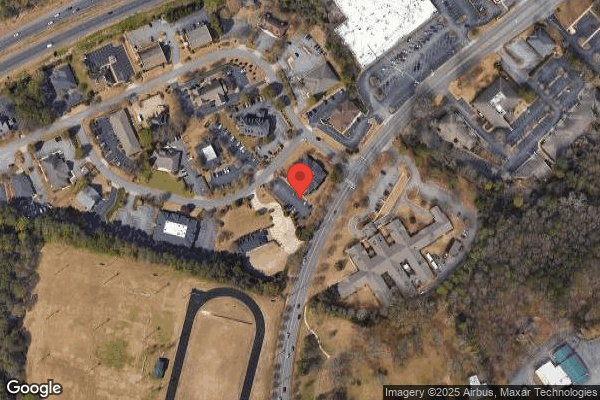
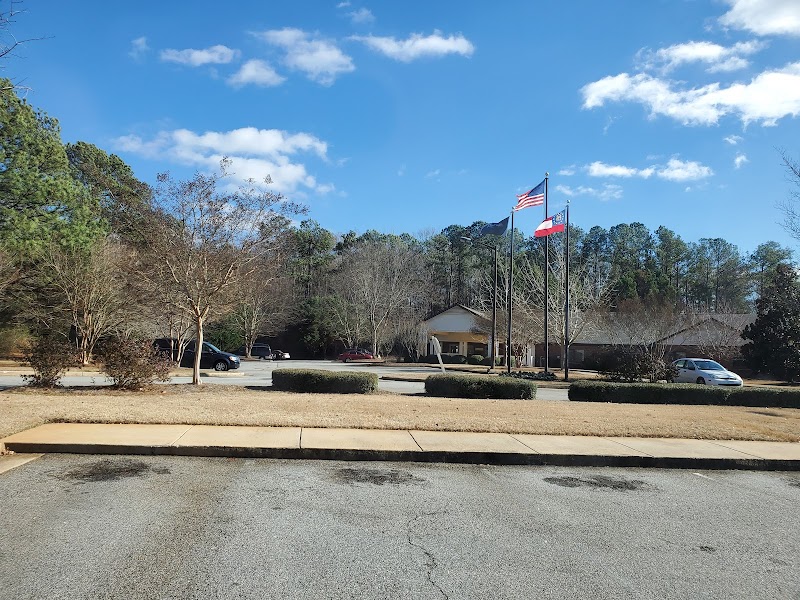
960 HAWTHORNE AVENUE, ATHENS, GA 30606 (706) 549-1613
For profit - Limited Liability company 104 Beds PRUITTHEALTH Data: November 2025
Trust Grade
23/100
#311 of 353 in GA
Last Inspection: May 2024

Within standard 12-15 month inspection cycle. Federal law requires annual inspections.

Overview

PruittHealth - Athens Heritage currently holds a Trust Grade of F, indicating poor quality and significant concerns regarding resident care. Ranking #311 out of 353 facilities in Georgia places it in the bottom half of state options, and #3 out of 4 in Clarke County suggests that only one local facility is better. Although the facility's trend is improving, with issues decreasing from 14 in 2022 to 13 in 2024, the number of serious incidents remains troubling. Staffing is rated poorly at 1 out of 5 stars, with a turnover rate of 54%, which is slightly above the state average, leaving questions about staff stability and familiarity with residents. Additionally, inspector findings revealed serious issues, including a resident falling out of bed and suffering significant injuries due to inadequate supervision, and a failure to document physician orders for a resident's critical care needs, which raises concerns about proper oversight and adherence to care protocols.

Trust Score
F
23/100
In Georgia
#311/353
Bottom 12%
Safety Record
High Risk
Review needed
Inspections
Getting Better
14 → 13 violations
Staff Stability
⚠ Watch
54% turnover. Above average. Higher turnover means staff may not know residents' routines.
Penalties
✓ Good
$16,801 in fines. Lower than most Georgia facilities. Relatively clean record.
Skilled Nurses
○ Average
Each resident gets 30 minutes of Registered Nurse (RN) attention daily — about average for Georgia. RNs are the most trained staff who monitor for health changes.
Violations
⚠ Watch
32 deficiencies on record. Higher than average. Multiple issues found across inspections.
★☆☆☆☆
1.0
Overall Rating
★☆☆☆☆
1.0
Staff Levels
★★★☆☆
3.0
Care Quality
★☆☆☆☆
1.0
Inspection Score
Stable
2022: 14 issues
2024: 13 issues

The Good

  • Full Sprinkler Coverage · Fire safety systems throughout facility
  • No fines on record

Facility shows strength in fire safety.

The Bad

1-Star Overall Rating

Below Georgia average (2.6)

Significant quality concerns identified by CMS

Staff Turnover: 54%

Near Georgia avg (46%)

Higher turnover may affect care consistency

Federal Fines: $16,801

Below median ($33,413)

Minor penalties assessed

Chain: PRUITTHEALTH

Part of a multi-facility chain

Ask about local staffing decisions and management

The Ugly 32 deficiencies on record

3 actual harm
May 2024 8 deficiencies
CONCERN (D)

Potential for Harm - no one hurt, but risky conditions existed

Deficiency F0554 (Tag F0554)

Could have caused harm · This affected 1 resident

Based on observation, staff interviews, record review, and review of the facility's policy titled Self-Administration of Medications by Patients/Residents, the facility failed to evaluate and determin...

Read full inspector narrative →
Based on observation, staff interviews, record review, and review of the facility's policy titled Self-Administration of Medications by Patients/Residents, the facility failed to evaluate and determine if it was appropriate for a resident to self-administer medications for one of 29 sampled Residents (R) (R51). This failure placed the resident at risk for inappropriate and unsafe medication use. Findings include: Review of the facility's policy titled Self-Administration of Medications by Patients/Residents, dated 1/28/2020 revealed, Each patient/resident who desires to self-administer medication is permitted to do so if the healthcare center's Licensed Nurse and physician have determined that the practice would be safe for the patient/resident and other patients/residents of the healthcare center . Review of R51's undated Face Sheet, revealed R51 was readmitted with a diagnosis that included chronic obstructive pulmonary disease. Review of R51's quarterly Minimum Data Set (MDS), located in the EMR (electronic medical record) under the MDS 3.0 Assessment tab, with an Assessment Reference Date (ARD) of 4/8/2024, revealed the resident had a Brief Interview for Mental Status (BIMS) score of 15 out of 15, indicating R51 was cognitively intact. Review of R51's Physician's Orders located in the EMR, under the Order tab revealed on 3/27/2024 the physician ordered dextromethorphan-guaifenesin liquid 10 ml (milliliters) by mouth three times a day for cough, dorzolamide solution 2% (two percent) one drop in each eye twice a day which was ordered by the physician on 3/27/2024, and Wixela inhub 250-50 mcg/dose (microgram per dose) one puff by mouth which was ordered on 10/3/2023. During the medication administration observation on 5/15/2024 at 9:06 am, Licensed Practical Nurse (LPN)1 left the eye drops, cough medicine and inhaler on the over the bed table as LPN1 went out into the hallway to get another medication that was forgotten. LPN1 returned to the resident's room and administered the medications. During an interview on 5/15/2024 at 9:06 am, LPN1 stated, There is no order for her to self-administer her medication. I should not have left the inhaler; eye drops or cough medicine in the room. I should have brought them out with me. During an interview on 5/15/2024 at 1:15 pm with the Director of Health Services (DHS), who stated, If a nurse has to leave the room and the medications have not been taken, the nurse is to ask the resident if they can take the medication at that time and if not, then the nurse is to take the medications out of the room with them. The DHS confirmed R51 did not have an order to self-administer medications. During an interview on 5/15/2024 at 1:25 pm, with the MDS nurse who stated, She doesn't have an order to do this. The MDS nurse confirmed R51 was not to self-administer medications to herself.
CONCERN (D)

Potential for Harm - no one hurt, but risky conditions existed

Deficiency F0558 (Tag F0558)

Could have caused harm · This affected 1 resident

Based on observations, staff interviews, and record review, the facility failed to ensure the call button to activate the emergency call light was accessible for one out of 29 sampled Residents (R) (R...

Read full inspector narrative →
Based on observations, staff interviews, and record review, the facility failed to ensure the call button to activate the emergency call light was accessible for one out of 29 sampled Residents (R) (R53) . This failure placed the resident at risk of accident, injury, and/or unmet needs related to an inability to call for staff assistance. Findings include: Review of R53's Face Sheet tab of the electronic medical record (EMR) revealed she was admitted with diagnoses that included heart disease, stage 3 (three) chronic kidney disease, hemiplegia and hemiparesis, contracture of right knee, dysphagia, ataxia, aphasia, vascular dementia, mood disturbance and anxiety, depression disorder and post-traumatic stress disorder (PTSD). Review of R53's quarterly Minimum Data Set (MDS) assessment with an Assessment Reference Date (ARD) of 4/29/2024 and located in the MDS tab of the EMR, revealed she scored six out of 15 on the Brief Interview for Mental Status (BIMS), indicating severely impaired cognition. R53 required total assistance with toileting, dressing and maximal assistance with personal hygiene. R53 required total assistance with chair to bed transfer and sit to lying position. Review of R53's Care Plan, dated 3/21/2024, and located in the Care Plan tab of the EMR, revealed, [R53] was at risk for falls related to decreased mobility, diagnose (dx) of dementia R53 was a high risk for falls. The approaches included Place call light within reach when in room and encourage use. During the initial tour of the facility on 5/13/2024 at 10:29 am R53 was sitting in the wheelchair and the call light was observed on the bed and out of the reach of the resident. An observation of R53 on 5/14/2024 at 11:31 am revealed R53 lying in bed with her eyes open there was no call light observed in or near the bed. An interview on 5/14/2024 at 11:31 am with Certified Nurse Assistant (CNA) 2 revealed that R53 was able to use the call light and has used it on occasions. CNA2 located R53's call light on the floor behind the bed. An observation of R53 on 5/15/2024 at 12:03 pm revealed R53 sitting in her wheelchair watching television. The call light was observed on the floor behind the bed. An interview on 5/15/2024 at 2:51 pm with the Director of Health Services (DHS) revealed that her expectations are that all residents have their call lights within reach while in their rooms. Additionally, the DHS stated that staff should make sure call lights are placed within the reach of the residents after all care has been provided. A call light policy was requested but was not provided during survey.
CONCERN (D)

Potential for Harm - no one hurt, but risky conditions existed

ADL Care (Tag F0677)

Could have caused harm · This affected 1 resident

Based on observations, resident and staff interviews, and record review, the facility failed to perform nail care for one out of 29 sampled Residents (R) (R38) requiring substantial or maximal assista...

Read full inspector narrative →
Based on observations, resident and staff interviews, and record review, the facility failed to perform nail care for one out of 29 sampled Residents (R) (R38) requiring substantial or maximal assistance from staff for personal hygiene needs. Findings include: Review of R38's undated Face Sheet, revealed R38 was readmitted with diagnoses that included diabetes, hypertension and frequent falls. Review of R38's quarterly Minimum Data Set (MDS), located in the EMR under the MDS tab, with an Assessment Reference Date (ARD) of 3/5/2024, revealed the resident had a Brief Interview for Mental Status (BIMS) score of seven out of 15, indicating R38 was moderately cognitively impaired. R38 was also coded as requiring substantial or maximal assistance from staff for personal hygiene. Review of R38's care plans revealed there was no documentation regarding nail care. Observations on 5/13/2024 at 3:47 pm and on 5/14/2024 at 9:28 am revealed R38's fingernails were long with brown debris visualized under them. During an interview on 5/15/2024 at 9:02 am, Licensed Practical Nurse (LPN)1 stated, Her .fingernails are too long. When asked who was responsible for making sure the resident's fingernails were cut or trimmed on a regular basis LPN1 stated, I guess it would be the CNA's [Certified Nursing Assistants] responsibility to do this. During an interview on 5/15/2024 at 9:11 am, CNA1 stated, I don't know if I can cut her [resident's] nails. During this interview, R38 stated, My fingernails are too long and need to be cut. Can you cut them for me? On 5/15/2024 at 1:48 pm, the Director of Health Services (DHS) went to R38's room and confirmed the resident's fingernails were long and had brown debris under them. The DHS stated, It is the responsibility of each CNA to clean and file the resident's fingernails as needed and if there is a problem, then they [CNA] are to report this to their nurse. Follow up interview on 5/15/2024 at 4:30 pm with the DHS stated, We don't have a policy on activity of daily living but instead we have a procedure on how nail care is to be performed. Cross Reference F687
CONCERN (D)

Potential for Harm - no one hurt, but risky conditions existed

Deficiency F0687 (Tag F0687)

Could have caused harm · This affected 1 resident

Based on observations, resident and staff interviews, and record review, the facility failed to provide podiatry services to one out of 29 sampled Residents (R) (R38). This failure had the potential t...

Read full inspector narrative →
Based on observations, resident and staff interviews, and record review, the facility failed to provide podiatry services to one out of 29 sampled Residents (R) (R38). This failure had the potential to affect one resident's bilateral foot health. Findings include: Review of R38's undated Face Sheet, provided by the facility, revealed R38 was readmitted with diagnoses that included but not limited to diabetes, hypertension, and frequent falls. Review of R38's quarterly Minimum Data Set (MDS), located in the EMR under the MDS tab, with an Assessment Reference Date (ARD) of 3/5/2024, revealed the resident had a Brief Interview for Mental Status (BIMS) score of seven out of 15, which indicated R38 had moderate cognitive impairment. Further review of the MDS revealed, R38 required substantial or maximal assistance from helper for personal hygiene. Observation conducted on 5/13/2024 at 3:47 pm revealed R38's toenails were long and unkept. Observation conducted on 5/14/2024 at 9:28 am revealed R38's toenails were long and unkept. During an interview on 5/15/2024 at 9:02 am, Licensed Practical Nurse (LPN)1 stated, Her [R38] toenails are too long. During an interview on 5/15/2024 at 9:11 am, Certified Nursing Assistant (CNA)1 stated, Her [R38] toenails are too long. The CNA went directly to the nurse to report the R38 had long toenails. LPN1 stated I will put her on the list to see the podiatrist the next time he comes. During this interview with CNA1, R38 stated, My toes hurt me so bad because my toenails are too long. During an interview on 5/15/2024 at 1:48 pm, the Director of Health Services (DHS) confirmed R38's toenails were too long. When asked when was the last time R38 had seen the podiatrist, the DHS stated, I don't remember but I will find out. Follow up interview with the DHS on 5/15/2024 at 5:00 pm stated, R38 has not seen the podiatrist since she had been admitted here. I have put her on the list to be seen in June. When asked the process in which the resident's are put on the podiatrist list to be seen, the DHS stated, If the CNA sees this is a problem, the CNA reports this to the nurse and then the nurse can put the residents on the list or they can talk to the social worker and they will put the resident on this list. Cross Reference F677
CONCERN (D)

Potential for Harm - no one hurt, but risky conditions existed

Deficiency F0806 (Tag F0806)

Could have caused harm · This affected 1 resident

Based on record review, staff and resident interviews, the facility failed to accommodate a resident's allergies for one of 29 sampled Residents (R) (R286). Specifically, the facility served R286 food...

Read full inspector narrative →
Based on record review, staff and resident interviews, the facility failed to accommodate a resident's allergies for one of 29 sampled Residents (R) (R286). Specifically, the facility served R286 foods that were documented as allergies. This deficient practice had the potential to result in harm with an allergic reaction and reduced consumption for R286. Findings include: Review of R286's Face Sheet tab of the Electronic Medical Record (EMR) revealed he was admitted to the facility with diagnoses that included chronic obstructive pulmonary disease (COPD), type II diabetes (DMII), depression, anxiety, Parkinson's disease, and renal dialysis. R286's allergies were listed as black pepper, cayenne pepper, onions and strawberries. Review of R286's admission Minimum Data Set (MDS) assessment with an Assessment Reference Date (ARD) of 5/4/2024 and located in the MDS tab of the EMR, revealed he scored 15 out of 15 on the Brief Interview for Mental Status (BIMS), which indicated intact cognition. Review of R286's Care Plan dated 5/5/2024 and located in the Care Plan tab of the EMR, revealed [R286] has allergies to . black pepper, cayenne pepper, onions and strawberries. Goals were listed as [R286] will not receive any medication or food with allergies ingredients. The approaches included List all allergies on the chart, monitor and document allergy changes .monitor medication and food for allergy ingredients. Interview on 5/13/2024 at 3:10 pm with R286 revealed that he received strawberry shortcake on his lunch tray. R286 stated that he knew what it was and didn't even open the container. R286 stated that he was also allergic to all peppers including black pepper and cayenne pepper. R286 stated that he was also allergic to fish and has had that served on his meal trays. Review of the meal tray ticket for R286, dated 5/13/2024, revealed that strawberries were listed as an allergy. Further review revealed that angel food cake with strawberry topping was on the tray ticket and not replaced with a suitable substitution. Interview on 5/15/2024 at 2:28 pm with R286 revealed that he got chicken chili for dinner and had to tell the staff he could not eat it because of the ingredients. Review of the undated Consistency Census Report provided by the Dietary Manager (DM) revealed R286 diet was on a liberal renal diet and documented no onions, peppers (seasoning included) or fish should be served to R286. There was no mention of strawberries on this report. Interview on 5/15/2024 at 4:24 pm with the Director of Health Services (DHS) revealed that there was no facility policy addressing resident allergies but expected all allergies to be documented in the resident charts. Interview on 5/16/2024 at 10:15 am with the DM revealed that she was aware of R286 allergies and dislikes. The DM stated that staff should be aware of the residents' allergies and dislikes and those foods should not be on the meal trays. The DM stated that staff should be aware of the ingredients in the food to be sure those foods could be served safely to the residents. The DM was not aware that strawberries or onions had been served to R286. The DM stated that she expects the staff on tray line to make sure the meal trays contain only the foods the residents are able to consume.
CONCERN (E)

Potential for Harm - no one hurt, but risky conditions existed

Deficiency F0582 (Tag F0582)

Could have caused harm · This affected multiple residents

**NOTE- TERMS IN BRACKETS HAVE BEEN EDITED TO PROTECT CONFIDENTIALITY** Based on staff interview, record review, and review of the facility's policy titled Advance Beneficiary Notics (ABNs), the facil...

Read full inspector narrative →
**NOTE- TERMS IN BRACKETS HAVE BEEN EDITED TO PROTECT CONFIDENTIALITY** Based on staff interview, record review, and review of the facility's policy titled Advance Beneficiary Notics (ABNs), the facility failed to provide a Skilled Nursing Facility Advanced Beneficiary Notice (SNFABN) or Notice of Medicare Non-Coverage (NOMNC) for two out of three Residents (R) (R23 and R76) who were reviewed after being discharged from Medicare Part A Services and remained in the facility. The sample size was 29 residents. Findings include: Review of the facility's policy titled Advance Beneficiary Notics (ABNs) with a revised date of 7/19/2016 revealed, Policy Statement: The company recognizes the residents have the right to be informed in writing. in a timely fashion, about their liability for payment not of services prior to the provisions of those services if Medicare is expected to pay. The purpose of an Advance Beneficiary Notice (ABN) is to inform the resident that Medicare will probably not pay for a certain item or service in a specific situation, even if Medicare might pay for the item or service under different circumstances. This allows the resident to make an informed decision about whether or not to receive the item or service for which he/she may have to pay out of pocket or through other insurance. 3. A copy of the Advance Beneficiary Notice will be issued to the resident for his/her records and a copy will be maintained in the resident's record. 1. Review of the undated Resident Face Sheet located in the electronic medical record (EMR) under the Face Sheet tab for R23 revealed admission to the facility on 1/4/2024 and readmitted on [DATE]. R23 had Medicare benefits and was discontinued from skilled therapy services on 1/24/2024 per the information provided by the facility. R23 had exhausted the Medicare benefit days. Further review of the EMR revealed no documentation that SNFABN or NOMNC was issued to R23 and/or R23's representative. 2. Review of the undated Resident Face Sheet located in the EMR under the Face Sheet tab for R76 revealed admission to the facility on 1/11/2024. R76 had Medicare benefits and was discontinued from skilled therapy services on 2/22/2024 per the information provided by the facility. R76 had exhausted the Medicare benefit days. Further review of the EMR revealed no documentation that a SNFABN or NOMNC was issued to R76 and/or R76's representative. During an interview on 5/14/2024 at 2:45 pm, the Administrator stated he was unable to locate a completed NOMNC or SNF ABN forms for two of the three residents. He stated the Social Worker was completing the notifications; however, the Business Office Manager had taken over the process. The Administrator stated he had contacted the Social Worker, who said she had provided the notification; however, did not have any copies of the notice. The Administrator confirmed there were no notes in the residents' record to indicate if or when the notices were provided.
CONCERN (E)

Potential for Harm - no one hurt, but risky conditions existed

Deficiency F0883 (Tag F0883)

Could have caused harm · This affected multiple residents

**NOTE- TERMS IN BRACKETS HAVE BEEN EDITED TO PROTECT CONFIDENTIALITY** Based on record review, staff interviews, and review of the facility's policies titled, Pneumococcal Vaccinations and Influenza ...

Read full inspector narrative →
**NOTE- TERMS IN BRACKETS HAVE BEEN EDITED TO PROTECT CONFIDENTIALITY** Based on record review, staff interviews, and review of the facility's policies titled, Pneumococcal Vaccinations and Influenza (Flu) Vaccinations for Health Care Center Residents, the facility failed to provide documentation the pneumococcal and influenza vaccines had been offered, given, or previously received outside of the facility for five of five Residents (R) (R286, R23, R12, R72, and R76) reviewed for immunizations. The sample size was 29 residents. Findings include: Review of a policy provided by the facility titled, Pneumococcal Vaccinations, dated 8/29/2023 revealed All residents who reside in this healthcare center are to receive the pneumococcal vaccine(s) within the current CDC guidelines unless contraindicated by their physician or refused by the resident or residents family. If the resident is cognitively impaired, the responsible party will be contacted, and their wishes will be followed in this matter. Review of a policy provided by the facility title, Influenza (Flu) Vaccinations for Health Care Center Residents, dated 12/4/2023 revealed All residents who have no medical contraindications to the vaccine will be offered the influenza vaccine annually to encourage and promote the benefits associated with the vaccinations against influenza. 1. Review of R286's undated Face Sheet located in the electronic medical record (EMR) under the Profile tab revealed R286 was admitted to the facility on [DATE]. Review of R286's Vaccines located under the Immunizations tab in the EMR revealed no documentation for pneumonia or influenza that had been offered, given, or previously received outside of the facility. 2. Review of R23's undated Face Sheet located in the EMR under the Profile tab revealed R23 was admitted to the facility on [DATE]. Review of R23's Vaccines located under the Immunizations tab in the EMR revealed no documentation for pneumonia or influenza that had been offered, given, or previously received outside of the facility. 3. Review of R12's undated Face Sheet located in the EMR under the Profile tab revealed R12 was admitted to the facility on [DATE]. Review of R12's Vaccines located under the Immunizations tab in the EMR revealed no documentation for pneumonia or influenza that had been offered, given, or previously received outside of the facility. 4. Review of R72's undated Face Sheet located in the EMR under the Profile tab revealed R72 was admitted to the facility on [DATE]. Review of R72's Vaccines located under the Immunizations tab in the EMR revealed no documentation for pneumonia or influenza that had been offered, given, or previously received outside of the facility. 5. Review of R76's undated Face Sheet located in the EMR under the Profile tab revealed R76 was admitted to the facility on [DATE]. Review of R76's Vaccines located under the Immunizations tab in the EMR revealed no documentation for pneumonia or influenza that had been offered, given, or previously received outside of the facility. Interview on 5/15/2024 at 1:33 pm with the Infection Preventionist (IP) stated, I have been in this position for two months and the immunizations are not up to date. No one in the facility has access to the Georgia Registry of Immunization Transactions and Services (GRITS). We are trying to get access to the system. The five residents (R286, R23, R12, R72, and R76) for whom immunizations were requested, were not in the EMR. There is no documentation that they were offered or given. We do not have a system upon admission to document immunizations. During an interview on 5/16/2024 at 9:50 am with the Director of Nursing stated, Residents should be interviewed and asked about their immunizations and have it recorded in our documents. If they decline an immunization, then document that they declined. The former IP was to be working on immunizations before she left and obviously that did not happen. Interview on 5/16/2024 at 10:27 am with the Administrator revealed Immunizations need to be offered to each resident and documented if refused.
CONCERN (F)

Potential for Harm - no one hurt, but risky conditions existed

Food Safety (Tag F0812)

Could have caused harm · This affected most or all residents

Based on observations, staff interviews, and review of the facility's policy titled, Labeling, Dating, and Storage, the facility failed to ensure food stored in the main kitchen and in the unit kitche...

Read full inspector narrative →
Based on observations, staff interviews, and review of the facility's policy titled, Labeling, Dating, and Storage, the facility failed to ensure food stored in the main kitchen and in the unit kitchenette's, were labeled, dated, and not expired. The failure had the potential to increase the prevalence and spread of foodborne illness and infection for all residents. The facility census was 83 residents. Findings include: Review of the facility's policy titled, Labeling, Dating, and Storage, revised 11/11/2022, indicated, Food and beverage items will have an identifying label as well as a received date and opened date . for items prepared onsite, a 'use by' date will be indicated. 1. Observation on 5/13/2024 at 9:20 am revealed the following items in the walk-in refrigerator during the initial kitchen tour: A bag of shredded cheese and a block of cheese with no use by date. Nineteen cartons of chocolate milk dated 5/11/2024. Four ½ (one-half) gallon of buttermilk, dated 5/9/24. A container labeled puree turkey, dated 5/9/2024-5/11/2024. A container of cubed potatoes dated 5/9/2024-5/11/2024. A container with meat patties, unlabeled and not dated. A container of Macaroni and Cheese dated 5/12/2024. A container with a gelled substance which was not labeled and dated 5/8/2024-5/11/2014. Three bags of sliced ham with no date. A container of mechanical chopped turkey sausage dated 5/11/2024. A whole ham wrapped in foil with no label or date and stored above a case of fresh strawberries and a case of watermelon. Observation on 5/14/2024 at 12:40 pm revealed the following items in the walk-in refrigerator: Fourteen cartons of thawed health shakes with no date. Instructions on the side of the carton indicated the product was to be used within 14 days of thawing. Interview on 5/14/2024 at 1:41 pm with the Dietary Manager (DM) confirmed that all items should be dated with a use by date and no outdated items should remain in the walk-in refrigerator. The DM stated that left over should be saved for only 72 hours and have a discard date on them. The DM stated that the staff should follow the storage diagram for items in the walk-in refrigerator. 2. Observation on 5/14/2024 at 3:50 pm of the nourishment room on unit two revealed a carton of chocolate milk, dated 4/9/2024, and a quart of prune juice, dated 1/9/2024. Observation on 5/14/2024 at 4:10 pm of the nourishment room on unit one revealed an opened tube feeding bottle of Nepro 1.8 with a best by date of February 2024 and two cartons of yogurt with no visible date. Interview on 5/16/2024 at 10:24 am with the DM stated that the nourishment rooms should be checked daily for cleanliness by the dietary staff. The DM stated she was not aware of the outdated items in the nourishment rooms and confirmed that they should not have remained in the refrigerators. The DM stated that she expects the staff assigned to the nourishment rooms to discard them.
Jan 2024 5 deficiencies 3 Harm
SERIOUS (G) 📢 Someone Reported This

A family member, employee, or ombudsman was alarmed enough to file a formal complaint

Actual Harm - a resident was hurt due to facility failures

Quality of Care (Tag F0684)

A resident was harmed · This affected 1 resident

**NOTE- TERMS IN BRACKETS HAVE BEEN EDITED TO PROTECT CONFIDENTIALITY** Based on record review, staff and resident interviews, and review of the policies titled, admission Orders and Peripherally Inse...

Read full inspector narrative →
**NOTE- TERMS IN BRACKETS HAVE BEEN EDITED TO PROTECT CONFIDENTIALITY** Based on record review, staff and resident interviews, and review of the policies titled, admission Orders and Peripherally Inserted Central Catheters (PICC), the facility failed to review, verify, document, and transcribe physician orders for one of three sampled residents (R) (R24). Specifically, R24 was admitted to facility with a PICC line, but there were no physician orders for use or care of the device. Findings include: Review of the policy titled admission Orders dated September 2022, indicated the policy in order to assure quality patient/resident care and to comply with Federal law, it is necessary that completed and accurate physician orders for the patient/resident's immediate care be obtained. Number 1: The orders must be reviewed by the admitting nurse and should at least address the patient/resident's dietary needs, medications (if applicable), and routine care to maintain or improve the patient/resident functional abilities. Number 2. The admitting nurse will make every effort to obtain admission orders prior to the patient/resident's arrival. All hospital orders should be reviewed and authorized by the patient/resident's attending physician, prior to admission to healthcare facility. Number 5. Once all admission orders have been verified and documented appropriately, they are to be transcribed by the admitting nurse on the appropriate documents in the records. Review of the policy titled Peripheral Inserted Central Catheters (PICC) reviewed 10/16/2023, revealed the policy statement defines PICC line is a central venous catheter that is inserted peripherally by a physician or a certified registered nurse. Because this is a special infusion access device, [named facility] requires that a qualified nurse must be knowledgeable regarding the PICC infusion access device. Review of the clinical record revealed R24 was admitted to the facility on [DATE] with diagnoses which included malignant neoplasm of the bladder, dysphagia, and depression. Review of the admission Minimum Data Set (MDS) assessment dated [DATE] revealed R24 had a Brief Interview for Mental Status (BIMS) score of 15, indicating no cognitive impairment. Section O did not reveal resident to have any type of IV access device. Review of the hospital After Visit Summary dated 12/5/2023-12/18/2023 revealed no evidence that R24 would be discharged with a PICC line and did not have physician orders to care for the PICC line. Review of the Observation Detail List Report-admission Observation dated 12/19/2023 completed by Registered Nurse (RN) RR documented for Physical Observation-Cardiovascular did not reveal that R24 was observed to have a PICC line to the left upper arm. Alterations in skin documented resident upper extremities were noted to have scattered bruises on both upper extremities. Review of the Observation Detail List Report-Skin Note dated 12/20/2023 and completed by Licensed Practical Nurse (LPN) CC documented PICC line in left upper arm with no open areas noted. Review of the Skin Note dated 1/1/2024 completed by RN BB revealed the PICC line was not captured on the assessment. Observation on 1/2/2024 at 9:32 am in R24's room, revealed R24 had a PICC line in the left upper arm. There was an old dressing dated 12/12/2023 that was coming apart from the skin. Interview on 1/2/2024 at 9:32 am, R24 stated she had not received any IV (intravenous) antibiotics since admission to the facility. When asked about the care of the PICC line, she stated the nurses were not caring for the line. Observation on 1/2/2024 at 10:06 am in R24's room, RN GG verified R24 had a PICC line in her left upper arm with a dressing dated 12/12/2023. Telephone interview on 1/4/2024 at 2:47 pm, RN RR stated he did not remember admitting R24 to the facility. He stated the protocols for admitting residents with a PICC line is double check with the resident's physician regarding orders for care of the device, or to discontinue the PICC line. During further interview, he stated the nurses were responsible to make sure the PICC line was intact and patent. Interview on 1/5/2024 at 12:04 pm, the Director of Health Services (DHS) stated that R24's PICC line was assessed upon admission. She indicated the admitting nurse, or the UM should have notified the physician about the PICC line since there were no discharge orders for the device.
SERIOUS (G) 📢 Someone Reported This

A family member, employee, or ombudsman was alarmed enough to file a formal complaint

Actual Harm - a resident was hurt due to facility failures

Pressure Ulcer Prevention (Tag F0686)

A resident was harmed · This affected 1 resident

Deficiency Text Not Available

Read full inspector narrative →
Deficiency Text Not Available
SERIOUS (G) 📢 Someone Reported This

A family member, employee, or ombudsman was alarmed enough to file a formal complaint

Actual Harm - a resident was hurt due to facility failures

Accident Prevention (Tag F0689)

A resident was harmed · This affected 1 resident

**NOTE- TERMS IN BRACKETS HAVE BEEN EDITED TO PROTECT CONFIDENTIALITY** Based on record review, interviews, and review of the policy titled Occurrence Reduction Program, the facility failed to provide...

Read full inspector narrative →
**NOTE- TERMS IN BRACKETS HAVE BEEN EDITED TO PROTECT CONFIDENTIALITY** Based on record review, interviews, and review of the policy titled Occurrence Reduction Program, the facility failed to provide adequate supervision to prevent accidents for one of three sampled residents (R) (R1). Actual harm occurred on 12/29/2022, when R1 fell out of bed and suffered a compression fracture of T2/T3 vertebrae, a laceration on her forehead which required sutures, skin tears and multiple bruises to bilateral upper extremities. Findings include: Review of the policy titled Occurrence Reduction Program reviewed 12/9/2021, revealed the policy documents in an effort to prevent occurrences, each patient/resident will be assessed for risk and appropriate and realistic interventions will be implement upon identification of risk and after a fall. These interventions will be included in the care plan. Review of the clinical record revealed R was admitted to the facility on [DATE] with diagnoses including morbid obesity, chronic obstructive pulmonary disease (COPD), chronic kidney disease, major depressive order, and chronic diastolic heart failure. Review of Progress Note dated 12/29/2022 at 7:20 am written by Licensed Practical Nurse (LPN) NN, documented resident observed lying on the floor in her room next to bed face down. Resident was responsive when called. Resident left in same position while 911 was called and then returned to her room. The physician was notified, and responsible party (RP) was called but could not get the RP on the phone. Review of a document titled Post Fall Observation hand dated 12/29/2022, revealed a potential factor contributing to the fall was that Hospice had a new air loss mattress delivered and placed on the resident's bed. The air mattress shifts the weight of the resident. Review of the delivery ticket from the Durable Medical Equipment (DME) provider, dated 12/29/2023 documented the air loss mattress was delivered and set up on 12/28/2023 at 10:30 a.m. Further review of the delivery receipt revealed CNA/CMA SSS was identified to be the staff member that signed receipt of the air mattress. Review of Progress Note dated 1/6/2023 at 1:46 pm written by LPN VVV revealed the resident returned from hospital. Multiple bruising to bilateral arms and thighs. Bruising to chest. closed healing laceration to scalp, sutures removed one day ago. Steri-strips to right hand with noted bruising and swelling. Interview on 12/28/2023 at 9:48 am with Registered Nurse (RN) RR revealed that he was performing 6:00 am medication pass when R1 was found on the floor beside her bed. He stated blood was observed on the floor coming from R1's forehead and stated resident was responsive to staff's questions, indicating she was on the floor for a long time, so she fell asleep. RN RR stated R1 informed him she was reaching for something when she fell out of the bed. During further interview, he stated another nurse called 911 while he stayed with the resident. Interview on 12/28/2023 at 11:15 am, the Administrator revealed the air loss mattress was placed on R1's bed while she was receiving a shower from Hospice Certified Nursing Assistant (CNA) SS. The Administrator stated the pressure relieving mattress was ordered in October 2022, but was on back order. She stated it didn't arrive in the facility until December 2022, and was placed on R1's bed without staff's knowledge. She stated the mattress was removed after the residents fall. Interview on 12/28/2023 at 1:15 am, the Administrator stated R1 fell out of bed while reaching for something. She stated resident was out of reach from the call light and didn't have any roommates that could call for assistance for her. The Administrator stated R1 preferred to have her door shut and stated staff was not sure how long she was on the floor, but stated it was long enough for R1 to fall asleep on the floor. The Administrator confirmed R1 was found on the floor by the nurse during 6:00 am medication pass. Phone interview on 1/3/2024 at 3:13 pm, the Patient Affairs Coordinator from the hospital, stated she called the State Agency to report the fall due to Emergency Medical Services (EMS) personnel communicating that the resident was on the floor for over an hour before she was found. Interview on 1/4/2024 at 10:20 am Certified Nursing Assistant/Certified Medical Assistant (CNA/CMA) PP, stated that R1 was in the bed that evening at the beginning of the shift. She stated that R1 preferred to have the door to her room shut and the lights turned off after care had been provided. During further interview, CNA/CMA PP stated resident requested to not be disturbed after care was provided and therefore, she did not go back to check on resident anymore. She stated R1 usually did not wake up until breakfast. Interview on 1/4/2024 at 11:47 am with Senior Certified Nursing Assistant (Sr. CNA), MM revealed it is the expectation for all CNAs to do rounds every two hours, and walking rounds done with the oncoming shift. Sr. CNA MM stated some residents may not turn their call light on for hours, but the expectation is for the staff to check and make eye contact with each resident every two hours. In a follow-up interview on 1/4/2024 at 2:46 pm, RN RR stated R1 requested the door be closed through the night. RN RR stated however, it is the expectation that CNAs perform two-hour checks on each resident. He stated R1 had a pressure relieving mattress on her bed, stating that the air flow moves the mattress every now and then to prevent any pressure sores. Interview on 1/9/2024 at 10:45 am, the DME delivery representative RRR stated upon arrival to the facility, he notified the facility of the delivery for the respective resident. He stated he demonstrated to a staff member how the use of the mattress settings work before he could leave the facility. He stated he could not recall who he spoke to, or who he showed the demonstration to. Phone interview on 1/9/2024 at 1:24 pm with CNA/CMA SSS denied remembering signing for the air loss mattress for R1's bed. She stated it had been over two years since working at the facility and she subsequently hung up the phone during the interview.
CONCERN (F) 📢 Someone Reported This

A family member, employee, or ombudsman was alarmed enough to file a formal complaint

Potential for Harm - no one hurt, but risky conditions existed

Grievances (Tag F0585)

Could have caused harm · This affected most or all residents

Based on record review, interviews, and review of the facility policy titled Grievances: Healthcare Centers, the facility failed to ensure prompt and thorough efforts to resolve continued resident gri...

Read full inspector narrative →
Based on record review, interviews, and review of the facility policy titled Grievances: Healthcare Centers, the facility failed to ensure prompt and thorough efforts to resolve continued resident grievances regarding call light response time, and lack of staff's response to residents unmet needs. The census was 89. Findings Include: Review of the policy titled Grievances: Healthcare Centers, revised date11/21/2022 defined a grievance as complaints with respect to care and treatment furnished to a patient, as well as that which has not been furnished. The policy is for the facility to process grievances and complaints in a prompt, reasonable, and consistent manner. All partners shall take an active part in efforts to resolve grievances and complaints without discrimination or retaliation against a person filing a grievance or complaint. Grievances and complaints should be resolved within three business days and be presented to the monthly Quality Assurance and Performance Improvement Committee. The Administrator is responsible for overseeing the grievance process. Review of the facilities past 12 months of Patient/Resident Council/Family Council Department Response Forms documented residents voiced grievances/complaints regarding call lights and dietary services as follows: 1/10/2023 - Resident's stated that some CNA's and nurses turn off call lights saying they will return or find someone to help and do not return. Residents continue to have concerns about dietary. Department Investigation, Response, Solution documented Please see attached inservice signed and dated 1/11/2023 by the Director of Nursing (DON) and the Administrator. 3/14/2023 - Council members stated they are having to wait a long period of time to have their call light answered. Others are saying their call light is being turned off with CNA's saying they will be back, or they will tell their CNA, and no-one returns. Department Investigation, Response, Solution documented staff have been in-serviced on teamwork, will begin having huddles in the morning to discuss tasks for the day and discuss resident changes. The Administrator signed the document, but there is no date of the resolution. 4/11/2023 - Resident's stated that the call light issue from March Resident Council was not resolved. Call's {sic} lights being turned off, staff stating they will let their CNA (Certified Nursing Assistant) know. Department Investigation, Response, Solution documented inservice to all staff: Is not responding to a patients call light in a timely manner considered nursing home neglect? The document was dated 5/7/2023 and signed by the DON. There was no evidence the facility Administrator signed the response. 5/9/2023 - Council stated April issues related to call lights and beds not being made are unresolved. Department Investigation, Response, Solution was blank. The Administrator signed the document, but there is no date of the resolution. 5/9/2023 - CNA's playing music out loud in their pockets in the hallways and in patient rooms during care. Department Investigation, Response, Solution was blank. The Administrator signed the document, but there is no date of the resolution. 5/9/2023 - Council stated they are not receiving condiments that go with the meals. For example, Fish, but no tartar sauce. Department Investigation, Response, Solution documented the only time they do not get condiments is if we do not have it, or the truck does not bring it. We can go to the store and try to get it. The Administrator signed and dated the document on 6/7/2023. 5/9/2023 - Council stated the issue with heavy pepper from the last meeting has not been resolved. Residents also stated that vegetables are overcooked. Department Investigation, Response, Solution documented I had a talk with all the cooks. They are not using pepper in the food too much anymore. We do get things already seasoned on the truck. The Administrator signed and dated the document on 6/7/2023. 6/13/2023 - Residents met with Administrator to go over call light issues with staff turning off call light saying they will go get their CNA or saying they will be back and no {sic} returning. There was no evidence the facility Administrator signed the response. 7/11/2023 - Resident stated staff are still turning off the call light stating they will come back, or they will tell their CNA. Department Investigation, Response, Solution documented see attachment. The document was signed by the Administrator and dated 8/4/2023. 8/8/2023 - Call light issue from July Resident Council has not been resolved. Residents stated staff still turn off call light without addressing residents needs stating they will return or find their CNA. Department Investigation, Response, Solution documented All staff are aware that call lights are to be answered promptly, within five minutes. Unit Managers are also auditing to ensure residents needs are being met. The document was signed by the DON and Administrator and dated 8/15/2023. 8/8/2023 - Resident complained that unit one CNAs behavior is not acceptable for a nursing home setting. Resident stated CNA's are running up and down the halls and sitting at the nurse's station loud talking and laughing while call lights are going off. Department Investigation, Response, Solution documented education was provided to staff regarding proper etiquette. Education also provided on answering call lights in a timely manner. The document was dated and signed by the Administrator on 8/15/2023. 8/8/2023 - Resident Council asks Why can't the CNA's work as a team? For example, if another CNA answer's their call light, why can't the CNA help them even if it's not their patient? Department Investigation, Response, Solution documented teamwork is encouraged by management. Staff is educated that responsibilities are equally shared. All staff are encouraged to assist all residents with required needs and ADL's (activities of daily living). The Administrator signed and dated the document on 8/15/2023. 8/8/2023 - Issue about all three meals running late from July Council meeting has not been resolved. Department Investigation, Response, Solution documented meals have been on time. Will continue to sit on the halls after trays have been brought down to unit to monitor. The Administrator signed and dated the document on 9/8/2023. 8/8/2023 - Issue about all residents not receiving weekly menus and dietary not following residents meal tickets has not been resolved. Department Investigation, Response, Solution documented we only have to substitute meals when things do not come in on the truck. Dietary Manager will make sure menus are being passed out. There was no evidence the facility Administrator signed the response. 8/8/2023 - Council stated the food has become worse. The food is not appetizing. They stated it is either too salty, undercooked, or overcooked. Council also stated the food is so bad, they are asking family members to bring them meals. Department Investigation, Response, Solution documented Dietary Manager spoke to all the cooks about food preparation. There was no evidence the facility Administrator signed the response. 10/10/2023 - Residents expressed dissatisfaction as condiments were consistently omitted from their meal trays, receiving cold meals, and their meal tickets not being followed. The residents expressed grievances regarding overall food preparation particularly citing overcooked vegetables. Department Investigation, Response, Solution documented was not completed, nor signed by the Administrator. Interview on 12/29/2023 at 7:45 am, R22 stated that it takes over 30 minutes for her call light to be answered. Interview on 12/29/2023 at 7:56 am, R17 stated it has taken close to an hour for the call light to be answered. She was asked how she knew it was an hour and resident stated she was getting ready for her physical therapy session and wanted to be changed before her appointment. R17 stated it was very close to her appointment time before she finally got changed. Interview on 1/8/2024 at 10:10 am, Resident Council President stated that call light response time has been a persistent problem for a long time and is brought up in Resident Council meetings. She stated it takes 30 to 40 minutes for her own call light to be answered. She stated there is a little improvement while the State Surveyors are in the building. During further interview, she stated she fears it would go back to worse once the surveyors leave the facility. Interview on 1/9/2024 at 2:55 pm, the Administrator stated her expectation is that the call lights be answered within 10 minutes. She stated staff have been educated on answering call lights, and stated the staff are not to turn off the call light until the residents needs are taken care of. During further interview, she stated that the Unit Managers have done audits on call light response time, and stated the issue with call lights is an ongoing issue.
CONCERN (F) 📢 Someone Reported This

A family member, employee, or ombudsman was alarmed enough to file a formal complaint

Potential for Harm - no one hurt, but risky conditions existed

QAPI Program (Tag F0867)

Could have caused harm · This affected most or all residents

Based on record review, interviews, and review of the policy titled Quality Assurance and Performance Improvement Policy (SNF), the facility failed to implement an effective Quality Assurance and Perf...

Read full inspector narrative →
Based on record review, interviews, and review of the policy titled Quality Assurance and Performance Improvement Policy (SNF), the facility failed to implement an effective Quality Assurance and Performance Improvement (QAPI) Program that identified ongoing concerns related to resolving resident grievances and concerns related to dietary services and call light responses. The census was 89. Findings Include: Review of the Quality Assurance and Performance Improvement Policy (SNF) reviewed on 6/2/2022 revealed the purpose of the Quality Assurance and Performance Improvement (QAPI) Program is to continually take a proactive approach to assure and improve the way we provide care and engage with our patients, partners, and other stakeholders so that we may fully realize our vision, mission, and commitment to caring pledge. The process is that all partners and contracted staff are responsible for the quality of care and services within their respective departments and are expected to participate in the QAPI program. Each center must develop, implement, and maintain an effective, comprehensive, data driven QAPI program that focuses on indicators of care, quality of life, and resident choice. Review of the QAPI meeting minutes from January 2023 revealed that the issues with call lights was not documented as being resolved. Under the section, Resident Council Meeting, showed that the New concerns and Old Business concerns from the January 10, 2023, meeting were marked as need improvement. A review of the QAPI meeting minutes dated January 10, 2023, showed that the Resident Council Meeting Minutes Report Form was reviewed by the QAPI Committee. The form showed that residents voiced concerns that Certified Nursing Aides (CNAs) and nursing staff would turn off the call lights and state that they would return or find someone to help the resident and would not return. The form indicated an in-service was provided for staff. Review of the April 2023 QAPI meeting minutes showed that under the section under Resident Council Meeting showed that the New concerns and Old Business concerns were marked as addressed and resolved. During further review of the Resident Council Meeting Minutes that were attached from the April 2023 meeting documented residents stated that the call light issue from March was not resolved. The form indicated an in-service was provided for staff. Review of the May 2023 QAPI meeting minutes showed that under the section under Resident Council Meeting showed that the New concerns and Old Business concerns were marked as need improvement. Review of the Resident Council Meeting Minutes that were attached from the May 9, 2023, meeting revealed that residents stated the call light issue from March was not resolved. The form indicated an in-service was provided for staff during the month of May. Review of the August 2023 QAPI meeting minutes showed that under the section Resident Council Meeting documented that the New concerns and Old Business concerns were marked as need improvement. Review of the Resident Council Meeting Minutes showed that the call light issues voiced during the July Resident Council Meeting had not been resolved. Resident Council Meeting Minutes for meeting held on August 8, 2023, documented residents voiced that staff was sitting at the nurse's station, talking loudly, and laughing while call lights were going off. Further review revealed that education was provided to staff regarding proper etiquette and answering call lights in a timely manner. Review of the QAPI meeting minutes from September 2023 to December 2023 showed that the issue of call lights was not documented as being resolved. Interview on 12/28/2023 at 10:58 am, the DHS stated that call light audits are randomly performed by herself and two Unit Managers (UM). She stated they would speak with the resident to get details about their complaints regarding the call lights not being answered in a timely manager. She stated that she would find out from the resident and the staff who would answer the call light but did not address the actual issue that was call light was used for. During further interview, she stated she had to do a lot of verbal disciplining. Interview on 1/9/2024 at 2:55 pm, the Administrator stated that the QAPI team had initiated random call light audits, by having the UM press the call light, and time how long it takes to be answered. She stated that her expectation was that the call lights would be answered within 10 minutes. During further interview, she stated that all staff have been educated on answering the call lights, and that they must address the issue that the resident used the call light, before turning it off. She further stated that she feels the call lights are an ongoing issue. Cross Refer F585
Oct 2022 14 deficiencies
CONCERN (D)

Potential for Harm - no one hurt, but risky conditions existed

Deficiency F0578 (Tag F0578)

Could have caused harm · This affected 1 resident

**NOTE- TERMS IN BRACKETS HAVE BEEN EDITED TO PROTECT CONFIDENTIALITY** Based on record review, interviews, and review of the facility policy titled Advanced Directives: Georgia, the facility failed t...

Read full inspector narrative →
**NOTE- TERMS IN BRACKETS HAVE BEEN EDITED TO PROTECT CONFIDENTIALITY** Based on record review, interviews, and review of the facility policy titled Advanced Directives: Georgia, the facility failed to ensure that the health records which included the physician orders, accurately reflected the code status wishes for two residents (R) (R#7 and R#17). The sample size was 33 residents. Findings include: A review of the policy titled Advanced Directives: Georgia last revised [DATE], revealed revocation of any advance directive for health care will become effective only upon communication to the attending physician by the patient/resident or by a person acting at the patient/resident's direction. The attending physician shall record in the patient/resident's medical record the time and date when the attending physician received notification of the written revocation. 1. Review of the electronic medical record (EMR) for R#7 revealed she was admitted to the facility on [DATE] with diagnoses that included acute respiratory failure, diabetes mellitus, congestive heart failure, dementia with behavioral disturbance, and fracture of unspecified part of neck left femur. Review of the EMR for R#7 revealed that on [DATE] the residents responsible party (RP) signed a Physician's Orders for Life Sustaining Treatment (POLST) in which the resident's RP elected to attempt resuscitation should the resident have no pulse and is not breathing, and comfort measures. The POLST was signed by the resident's physician on [DATE]. A form titled State of Georgia Physician's Do Not Resuscitate (DNR) order for Adult Patient/Resident without Decision Making Capacity with Authorized Person was signed by residents RP on [DATE] which indicated, No Cardiopulmonary Resuscitation (CPR) is to be used to keep the above mentioned alive in the event of a cardiac or respiratory arrest. The DNR was signed by the attending physician on [DATE]. A review of the current physician's order dated [DATE] revealed R#7 had an order to be a full code status. Interview on [DATE] at 11:16 a.m., Licensed Practical Nurse (LPN) NN revealed that R#7's status in the electronic medical record was DNR and she was on hospice. DNR was read on the banner on her electronic medical record. Interview on [DATE] at 11:19 a.m., the Director of Health Services (DHS) revealed that she would follow the DNR order if the resident was to stop breathing. The surveyor then asked the DHS, to view the physician orders for R#7. Once the DHS reviewed the most recent orders, and confirmed the resident had physician orders to be a full code dated [DATE], she retracted her previous statement and stated that she was not clear what she would do. She also stated that she would reach out to the nurse consultant and the hospice nurse for clarification. The DHS then looked in R#7's EMR for the DNR dated [DATE]. She stated that she was not familiar with the person who signed off the order dated [DATE] for full code. Interview on [DATE] at 12:35 p.m., the DHS revealed that she had spoken to the nurse consultant who had noticed a discrepancy with the code status for R#7. She further mentioned that R#7's code status as of now has been changed to full code status and has been updated in the care plan and banner on the electronic medical record reflecting the new code status of full code. Review of the EMR revealed that the banner on the resident's EMR reads 'full code' and her care plan dated [DATE] has been updated to 'full code' status. Interview on [DATE] at 1:08 p.m., the RP for R#7 revealed that he has not received any recent updates or notifications from the facility on R#7's code status. He further mentioned that he wishes to have R#7's code status remain at the DNR code status that he signed on [DATE]. 2. Review of the EMR revealed that R#17 was admitted to the facility on [DATE] with diagnoses including but not limited to sepsis, dementia, gastroesophageal reflux disease (GERD), and cardiac arrhythmia. Review of R#17's admission packet revealed page titled GA Advanced Directive for Healthcare box B checked which states I have not executed an advance directive but would like to obtain additional information and resources to complete an advance directive. Further review of document titled DNR revealed box B checked which states I do not have a DNR order or POLST in place . Both documents dated [DATE]. Review of R#17's EMR revealed a code status of Do Not Resuscitate dated [DATE], however there is not a signed DNR or POLST in the EMR. Interview on [DATE] at 1:12 p.m. the Social Worker (SW) was performing an audit of resident charts. The SW stated that R#17 does not have a DNR in place and should be listed as a full code. Interview on [DATE] at 1:17 p.m. the Director of Nursing (DON) revealed R#17 is coded as a DNR in error. She stated that she is not sure why he is listed as a DNR and confirms there is not a DNR in his record signed by resident or RP.
CONCERN (D)

Potential for Harm - no one hurt, but risky conditions existed

Notification of Changes (Tag F0580)

Could have caused harm · This affected 1 resident

**NOTE- TERMS IN BRACKETS HAVE BEEN EDITED TO PROTECT CONFIDENTIALITY** Based on record review, staff interview, and review of the facility procedure titled Lippincott procedures-SBAR (situation, back...

Read full inspector narrative →
**NOTE- TERMS IN BRACKETS HAVE BEEN EDITED TO PROTECT CONFIDENTIALITY** Based on record review, staff interview, and review of the facility procedure titled Lippincott procedures-SBAR (situation, background, assessment, recommendation) Communication, the facility failed to notify the Physician and responsible party (RP) of a change in condition for one resident (R#86). The sample size was 33 residents. Findings include: Review of facility procedure titled Lippincott procedure-SBAR Communication dated [DATE] reads: SBAR, an acronym that stands for situation, background, assessment, and recommendation, is a communication tool that can be adapted for use in various situations. It's useful for framing a conversation in a neutral way, setting expectations for the content of the conversation, and ultimately improving communication among caregivers. SBAR facilitates effective, efficient, consistent, and focused communication. SBAR communication provides a systematic approach to communication during care transitions and in situations in which communication information about the patient's condition to other multidisciplinary team is necessary. Using this tool helps to reduce the risk of patient care errors that commonly occur with transitions in care. Review of the electronic medical record (EMR) revealed that R#86 was admitted to the facility on [DATE] with diagnoses including but not limited to, type III spondylolisthesis of second cervical vertebra, displaced fracture of second cervical vertebra, congestive heart failure (CHF), repeated falls, and muscle weakness. Review of admission Minimum Data Set (MDS) dated [DATE] revealed a Brief Interview for Mental Status (BIMS) score of four, indicating severe cognitive decline. Section E-Behaviors revealed R#86 rejected care four to six days of the look back period. Section G-Functional Status revealed resident required one to two persons assist with activities of daily living and resident was non-ambulatory. Section J-Health Conditions revealed resident had falls with fractures prior to admission and fall after admission. Review of resident record further revealed resident was a Full Code. Review of progress note dated [DATE] at 2:43 p.m. revealed aide reports bringing resident her tray at approximately 12:15 p.m. at which point she was awake. At approximately 13:05 p.m. therapy reports they came in and found her with no signs of life. I was brought into the situation at around 13:15 p.m. and noted that her skin was mottled, there were no audible breath sounds or heartbeat or palpable pulses. Her skin was clammy. Cardiopulmonary Resuscitation (CPR) was started and 911 was called 13:26 p.m Upon arrival Emergency Medical Services (EMS) took over providing CPR, and she was carried out of the building at approximately 13:40 p.m. via stretcher with CPR being performed. There is no follow-up report or change of condition noted in resident chart. Interview on [DATE] at 9:46 a.m. with Registered Nurse (RN) KK revealed he does not recall performing CPR on resident. He stated it was a couple of months ago and he just doesn't remember. Review of the nurses note written by RN KK concerning resident, he states he still does not recall incident. Upon further questioning about notification of responsible party and Physician of change in condition, RN KK stated if I did not document it, then I did not do it. Interview on [DATE] at 3:23 p.m. the Senior Nurse Consultant (SNC) confirmed there is no documentation that R#86's Physician or responsible party was notified of residents change of condition.
CONCERN (D)

Potential for Harm - no one hurt, but risky conditions existed

Report Alleged Abuse (Tag F0609)

Could have caused harm · This affected 1 resident

**NOTE- TERMS IN BRACKETS HAVE BEEN EDITED TO PROTECT CONFIDENTIALITY** Based on observation, record review, interviews, and review of the policy titled Reporting Patient Abuse, Neglect, Exploitation,...

Read full inspector narrative →
**NOTE- TERMS IN BRACKETS HAVE BEEN EDITED TO PROTECT CONFIDENTIALITY** Based on observation, record review, interviews, and review of the policy titled Reporting Patient Abuse, Neglect, Exploitation, Mistreatment and Misappropriation of Property, the facility failed to report an injury of unknown origin for one resident (R) (R#77) of 33 sampled residents. Findings Include: Review of the facility policy titled Reporting Patient Abuse, Neglect, Exploitation, Mistreatment, and Misappropriation of Property, revised 7/29/19, revealed any injury of unknown source should be immediately reported to the Administrator of the provider entity. Further review revealed the State should be notified within two hours after the unknown injury is reported or identified. The Administrator or designee would then direct an investigation into the incident. Additionally, the Ombudsman should also be notified as required by State law. Review of the electric medical record (EMR) revealed R#77 was admitted to the facility on [DATE], with a past medical history of dementia with behavioral disturbances, anxiety, hypertension, congestive heart failure, cerebral infarct, acute embolism and thrombosis, osteoarthritis, enlarged prostate, gait abnormalities, and traumatic subarachnoid hemorrhage with loss of consciousness of unspecified duration. Review of the EMR for R#77 revealed an entry by Licensed Practical Nurse (LPN) CC on 9/30/22 at 9:15 a.m per the nursing note, the resident was awake and oriented to himself. The resident was observed with a bruise under his left eye, and both eyes appeared red. The primary health provider was notified. Review of the EMR revealed an order dated 10/1/22 for Refresh Classic (PF) (polyvinyl alcohol-povidon(pf)) 1.4-0.6%. One drop per eye three times per day. Review of the EMR revealed LPN CC initiated an incident report on 9/30/22 at 7:52 p.m. The report noted that R#77 had a bruise on his left eye. Observation on 9/30/22 at 8:53 a.m. of R#77 revealed a bruise under the left eye. R#77 could not communicate due to dementia and a language barrier, but he did not appear to be in pain or distress. The left bedrail was noted to be padded with a bed sheet. Interview on 10/2/22 at 6:45 a.m., LPN AA stated she worked the evening shift on 9/29/22. She said she was the only nurse working in that area, and any incidents would have been reported to her. She explained that no staff reported to her that R#77 had an injury to his left eye. She further stated that she immediately notified the family and doctor when she received or observed any incidents or accidents with a resident. She noted an incident report would be filled out and turned into the administration for investigation. She explained that R#77 had a history of being combative and aggressive towards the female staff, and his aggressiveness had progressed over time. She said she expected staff to back off care if R#77 seemed particularly aggressive and try to re-approach later or try asking another staff to assist. LPN AA stated she would consider a bruise under the left eye an incident that required a report. Interview on 10/2/22 at 7:10 a.m., Registered Nurse (RN) BB stated she audited the charts at the facility and occasionally helped with staffing. RN BB added that if any staff member observed an injury of unknown origin, they must fill out an incident report and notify the nursing supervisor, Director of Health Services (DHS), or Administrator so the injury could be investigated. Interview on 10/2/22 at 7:42 a.m., Interim Administrator explained that she had learned about the injury to R#77's left eye five minutes before the interview. She added that if a staff member observed a resident injury, it is expected they notify the family and physician. She stated that after the family and physician notification, the expectation is that the staff member would fill out an incident report and notify the Director of Nursing (DON) and Administrator. The Interim Administrator also stated that after receiving an incident report, they would inform the State and investigate to see if they could determine how the resident sustained the injury. She explained that due to R#77's communication issues, she would have asked R#77's son to help interpret for R#77. She added she would also interview staff and other residents to see if anyone witnessed anything and review the surveillance. She confirmed that staff should have reported the bruise on R#77's eye. Telephone interview on 10/2/22 at 9:31 a.m., LPN CC stated she was working the day shift on 9/30/22. She explained that one of the treatment nurses pointed out to her that R#77 had a bruise to his left eye. LPN CC said she entered the resident's room and observed a bruise under his left eye. She added that both eyes appeared red. She called the provider and was given an order for eye drops. LPN CC stated she reported the bruise to the Assistant Director of Health Services (ADHS). She could not remember the exact time, but it was shortly after her observation of R#77's eye. The ADHS instructed her to pad the left bed rail to prevent further injury. LPN CC stated she filled out an incident report before ending her shift that day. However, she could not remember when she filled out the report. Interview on 10/2/22 at 9:36 a.m., the ADHS stated that LPN CC told her about the bruising to R#77's left eye. She could not remember what day it was, but she believed it was during the late afternoon. The ADHS explained that she spoke with R#77's son regarding the bruise, and the physician prescribed some drops. She added staff padded the bedrail as it was suspected that R#77 hit his eye on the rail. Per the ADHS, R#77 had injured himself numerous times as he became easily agitated and combative. The ADHS acknowledged that she did not report the bruise to Interim Administrator or the State.
CONCERN (D)

Potential for Harm - no one hurt, but risky conditions existed

Deficiency F0625 (Tag F0625)

Could have caused harm · This affected 1 resident

**NOTE- TERMS IN BRACKETS HAVE BEEN EDITED TO PROTECT CONFIDENTIALITY** Based on record review, staff interview, and review of the facility policy titled Bed Holds and Room Reserves, the facility fail...

Read full inspector narrative →
**NOTE- TERMS IN BRACKETS HAVE BEEN EDITED TO PROTECT CONFIDENTIALITY** Based on record review, staff interview, and review of the facility policy titled Bed Holds and Room Reserves, the facility failed to provide written bed hold information to the resident or the resident's representative when residents were transferred to the hospital for one resident ( R) (R#85) of 33 sampled residents reviewed for transfers. The findings include: The facility's policy entitled, Bed Holds and Room Reserves, dated 9/2009, read Any patient/resident who is transferred or discharged for the healthcare center to be readmitted , in accordance with applicable regulations, including determining that there are no medical care issues that the medical staff believes the healthcare center will be unable to treat. Two notices related to the healthcare center's bed hold policy will be issued. The first notice of bed hold policies is given during admission, which is well in advance of any transfer. The second notice, which specifies the duration of the bed hold policy, will be issued at the time of any transfer. In cases of emergency transfer, notice at the time of transfer means that the family and/or undersigned parties, not to include the healthcare center is provided with written notification within 24 hours of the transfer. Review of the electronic medical record (EMR) revealed R#85 was admitted to the facility on [DATE] with diagnoses that include acute cystitis with hematuria, muscle weakness, anemia, diffuse large B-cell lymphoma, diabetes mellitus type 2, cirrhosis of liver, nonalcoholic steatohepatitis's, major depressive disorder, urinary tract infection and adult failure to thrive, GERD, major depressive disorder. Review of a nursing note, dated 8/21/22, revealed the resident was transferred to the hospital for evaluation after no urinary output for twenty-four hours. There was no written documentation the resident, or resident representative, was provided written information about the facility's bed hold policy. Interview on 10/2/22 at 12:45 p.m., the Social Services Director (SSD) stated that she is unable to confirm bed-hold information was provided for the resident's transfer to the hospital. Interview on 10/2/22 at 4:30 p.m. the Senior Nurse Consultant (SNC) stated that she would bring copies of the bed hold documentation that was given to R#85 for her transfer on 8/21/22. By the end of the survey, the bed hold documentation had not been received.
CONCERN (D)

Potential for Harm - no one hurt, but risky conditions existed

Assessment Accuracy (Tag F0641)

Could have caused harm · This affected 1 resident

**NOTE- TERMS IN BRACKETS HAVE BEEN EDITED TO PROTECT CONFIDENTIALITY** Based on record review, and interviews, the facility failed to ensure the Minimum Data Set (MDS) information was accurately docu...

Read full inspector narrative →
**NOTE- TERMS IN BRACKETS HAVE BEEN EDITED TO PROTECT CONFIDENTIALITY** Based on record review, and interviews, the facility failed to ensure the Minimum Data Set (MDS) information was accurately documented for four of 33 sampled residents. Findings include: A request on 10/2/22 at 4:32 p.m. for a facility policy revealed the facility did not have policies and/or procedures related to MDS documentation or accuracy. 1. Review of the electric medical record (EMR) revealed R#77 was admitted to the facility on [DATE], with a past medical history of dementia with behavioral disturbances, anxiety, hypertension, congestive heart failure (CHF), cerebral infarct, acute embolism and thrombosis, osteoarthritis, enlarged prostate, gait abnormalities, and traumatic subarachnoid hemorrhage with loss of consciousness of unspecified duration. A review of the quarterly MDS assessment dated [DATE], Section G-Functional Status revealed the following: B. Transfer (1) Self-performance did not occur. Activity (or any part of the ADL) was not performed by resident or staff at all over the entire 7-day period. (2) Support. ADL activity itself did not occur during the entire period. G. Dressing (1) Self-performance did not occur. Activity (or any part of the ADL) was not performed by resident or staff at all over the entire 7-day period. (2) Support. ADL activity itself did not occur during the entire period. I. Toilet use (1) Self-performance did not occur. Activity (or any part of the ADL) was not performed by resident or staff at all over the entire 7-day period. (2) Support. ADL activity itself did not occur during the entire period. Telephone interview on 10/02/22 at 10:05 a.m., the Minimum Data Set Coordinator (MDSC) reviewed the quarterly MDS assessment, dated 9/6/22, Section G, Functional Status, for R#77. She acknowledged that sections B. Transfer, G. Dressing, and I. Toilet Use, 1. Self-Performance, reflected that those activities did not occur. She also confirmed under 2. Support, the documentation indicated that those ADL actives did not occur during the entire period. Per the MDSC, she gets her information from the staff documentation, and if their information is incorrectly documented, it is difficult for her to report it. She added that R#77 had issues with communication, and it was impossible to obtain the information from the resident. 2. Review of the EMR revealed R#20 was admitted to the facility on [DATE] with diagnoses that included but not limited to respiratory distress, diabetes, hyperlipidemia, dysphagia, and chronic obstructive pulmonary disease (COPD). The resident's most recent annual MDS dated [DATE], revealed Brief Interview for Mental Status (BIMS) was coded as five, which indicates severe cognitive impairment. Review of MDS dated [DATE], section G-Functional Status revealed activities of daily living (ADL) assistance was coded as activity occurred only once or twice for bed mobility, transfer, walk in room, locomotion on unit, eating and toilet use; coded as activity did not occur (any part of the ADL) was not performed by resident or staff at all over the entire 7-day period, for walk in corridor, locomotion off unit, dressing, and personal hygiene. 3. Review of the EMR revealed R#51 was admitted to the facility on [DATE] with diagnoses that included but not limited to pulmonary embolism, anemia, hypertension (HTN), acute kidney failure, congestive heart failure (CHF), and obstructive sleep apnea (OSA). The resident's most recent quarterly MDS dated [DATE], revealed a BIMS was coded as 15, which indicates no cognitive impairment. Review of MDS dated [DATE], section G-Functional Status revealed activities of daily living (ADL) assistance was coded as activity occurred only once or twice for bed mobility; coded as activity did not occur (any part of the ADL) was not performed by resident or staff at all over the entire 7-day period for transfers, walk in room, walk in corridor, locomotion on unit, locomotion off unit, dressing, eating, toileting, and personal hygiene. 4. Review of the EMR revealed R#61 was admitted to the facility on [DATE] with diagnoses that included but not limited to fractured left femur, anemia, hypertension (HTN), osteoporosis, and end stage renal disease (ESRD). The resident's most recent quarterly MDS dated [DATE], revealed BIMS score was coded as 13, which indicates no cognitive impairment. Review of MDS dated [DATE], section G-Functional Status revealed activities of daily living (ADL) assistance was coded as activity occurred only once or twice for bed mobility, transfer, dressing, eating, and toilet use; coded as activity did not occur (any part of the ADL) was not performed by resident or staff at all over the entire 7-day period for transfers, walk in room, walk in corridor, locomotion on unit, and locomotion off unit. Interview on 10/2/22 at 10:15 a.m. MDSC, stated that she only had three days to train on completing MDS assessments. She stated that she gathers information for the assessments from information staff document in the electronic medical record, interviews with staff and residents, as well as observations. During further interview, she stated that she was coding did not occur because the resident did not perform the task themselves. She stated she should have coded the residents as dependent because they could not do tasks for themselves.
CONCERN (D)

Potential for Harm - no one hurt, but risky conditions existed

Comprehensive Care Plan (Tag F0656)

Could have caused harm · This affected 1 resident

**NOTE- TERMS IN BRACKETS HAVE BEEN EDITED TO PROTECT CONFIDENTIALITY** Based on record review, staff interviews, and review of the policy titled, Care Plans, the facility failed to develop a person-c...

Read full inspector narrative →
**NOTE- TERMS IN BRACKETS HAVE BEEN EDITED TO PROTECT CONFIDENTIALITY** Based on record review, staff interviews, and review of the policy titled, Care Plans, the facility failed to develop a person-centered care plan for one resident (R) (R#135) for incontinence; and failed to follow the care plan for two residents (R#20 and R#45) for activities of daily living (ADL) care. The sample size was 33 residents. Findings include: Review of the policy titled Care Plans, revised 7/21/21, revealed that the interdisciplinary team will develop a comprehensive person-centered care plan for each patient/resident within seven days after completing the comprehensive assessment. The patient/resident and/or the patient's representative would participate to the extent practicable in the care planning process. The person-centered care plan would be developed to include measurable goals and timeframes to meet a patient's/resident's medical, nursing, and psychosocial needs. The services would be to attain or maintain the resident's highest practicable physical, mental, and psychosocial needs identified in the comprehensive assessment. 1. Review of the electronic medical record (EMR) for R#135 revealed she was admitted to the facility with diagnoses of hypertension (HTN), coronary artery disease (CAD), hypothyroidism, and arthritis. Further review revealed that R#135 was transferred from a local hospital with back pain and admitted for continued care and rehabilitation. Review of care plan dated 11/15/21 did not have evidence that R#135 had a care plan problem to address incontinence. Review of the Minimum Data Set (MDS) assessment dated [DATE], Section H-Bowel & Bladder, revealed R#135 was occasionally incontinent of urine and frequently incontinent of bowel. Telephone interview on 10/2/22 at 10:05 a.m., the Minimum Data Set Coordinator (MDSC), acknowledged that R#135 was not care planned for incontinence, and based on the assessment, she stated that R#135 should have been care planned for incontinence. 2. Review of the EMR for R#20 revealed resident was admitted to the facility on [DATE] with diagnoses of but not limited to respiratory distress, cerebral vascular accident (CVA), dysphagia, gait abnormality, chronic obstructive pulmonary disease (COPD), diabetes, encephalopathy, and hyperlipidemia. Review of R#20's annual MDS dated [DATE], revealed the Brief Interview for Mental Status (BIMS) score was coded as 5, which indicates severe cognitive impairment. Section G-Functional Status revealed activities of daily living (ADL) assistance was coded as activity did not occur (any part of the ADL) was not performed by resident or staff at all over the entire 7-day period, for dressing, and personal hygiene. Review of resident's care plan revised 10/1/22, revealed resident has self-care deficit: activities of daily living related to impaired mobility. Approaches to care include resident prefers bath/showers two times a week in the evening, therapy/restorative as preferred/tolerated, remove facial hair as needed (PRN) unless otherwise requested, provide privacy while delivering ADL care, incontinent care PRN, daily grooming, oral, hair and skin care. 3. Review of the EMR for R#45, revealed resident was admitted to the facility on [DATE] with diagnoses of but not limited to respiratory failure with hypoxia, dysphagia, atherosclerotic heart disease, chronic obstructive pulmonary disease (COPD), chronic kidney disease, hypertension (HTN), and depression. Review of R#45's quarterly MDS dated [DATE], revealed a BIMS score of 15, which indicates no cognitive impairment. Section G-Functional Status revealed extensive assistance of two person for bed mobility, toilet use, and personal hygiene. Review of R#45's care plan revised 10/1/22 revealed resident has self-care deficit: activities of daily living related to generalized muscle weakness and impaired mobility. Approaches to care include daily grooming, oral, hair and skin care, bariatric shower stretcher as needed to accommodate resident's needs, restorative nursing program, re-educate on importance on bathing related to hygiene and skin breakdown, notify charge nurse if patient refuses shower/bed bath, incontinent care PRN, document if resident refuses bath. Interview on 10/2/22 at 10:15 a.m. with MDS Licensed Practical Nurse (LPN) stated that she is new at MDS and care plans. She stated that care plans are updated at each quarterly meeting and as needed when new diagnoses or concerns are identified. She stated that the nurses should be following the care plans with the interventions that have been put in place. Interview on 10/2/22 at 3:01 p.m. with the Director of Nursing (DON), stated it is her expectation that staff follow the care plans for all the resident's needs. She stated she is new to the facility, and she has identified several areas that need improvements.
CONCERN (D)

Potential for Harm - no one hurt, but risky conditions existed

Deficiency F0660 (Tag F0660)

Could have caused harm · This affected 1 resident

**NOTE- TERMS IN BRACKETS HAVE BEEN EDITED TO PROTECT CONFIDENTIALITY** Based on record review, and staff interview, the facility failed to develop a discharge plan with an Interdisciplinary Team (IDT...

Read full inspector narrative →
**NOTE- TERMS IN BRACKETS HAVE BEEN EDITED TO PROTECT CONFIDENTIALITY** Based on record review, and staff interview, the facility failed to develop a discharge plan with an Interdisciplinary Team (IDT) meeting for one resident (R) (R#85) of 33 sampled residents. Findings include: Review of the electronic medical record (EMR) for R#85 revealed she was admitted to the facility on [DATE] with diagnoses that include diabetes mellitus, chronic obstructive pulmonary disease (COPD), hypertension (HTN), urinary tract infection and severe protein calorie malnutrition. Further review of the clinical records revealed the resident was discharged on 12/18/21. Review of the Social Services notes during the resident's stay revealed there was discussion between the IDT and the resident's guardian related to the resident's goal of returning to live in her previous home in an assisted living community. However, a further review of the records revealed no actual discharge plan documented for R#85. Review of a social services note dated 12/17/21 revealed that the Social Services Director (SSD) spoke to the resident about equipment orders and CareMedical is on diversion for a wheelchair, and that she understands there will be an attempt to order through another company. There are no social services notes that indicate any discussion of an IDT meeting prior to discharge. Interview on 10/2/22 at 12:01 p.m., the SSD revealed that when residents are admitted to the facility, the IDT is required to meet to plan for that resident's discharge and a plan of care for discharge is supposed to be developed during this meeting. The SSD stated that she was unable to locate any documentation that confirms an IDT meeting took place to discuss discharge planning for R#85. Interview on 10/2/22 at 3:15 p.m., [NAME] Nurse Consultant (SNC) revealed that she was unable to retrieve any documentation pertaining to an interdisciplinary team meeting for R# 85.
CONCERN (D)

Potential for Harm - no one hurt, but risky conditions existed

ADL Care (Tag F0677)

Could have caused harm · This affected 1 resident

**NOTE- TERMS IN BRACKETS HAVE BEEN EDITED TO PROTECT CONFIDENTIALITY** Based on record review, observations, and interviews, the facility failed to ensure that activities of daily living (ADL) were p...

Read full inspector narrative →
**NOTE- TERMS IN BRACKETS HAVE BEEN EDITED TO PROTECT CONFIDENTIALITY** Based on record review, observations, and interviews, the facility failed to ensure that activities of daily living (ADL) were provided for two dependent residents (R) (R#20 and R#45) related to personal hygiene including dressing and facial hair care. The sample size was 33. Findings include: 1. Review of the electronic medical record revealed R#20 was admitted to the facility on [DATE] with diagnoses of but not limited to respiratory distress, cerebral vascular accident (CVA), dysphagia, gait abnormality, chronic obstructive pulmonary disease (COPD), diabetes, encephalopathy, and hyperlipidemia. Review of the annual Minimum Data Set (MDS) dated [DATE], revealed a Brief Interview for Mental Status (BIMS) score was coded as five, which indicates severe cognitive impairment. Section G-Functional Status revealed activities of daily living (ADL) assistance was coded as activity did not occur (any part of the ADL) was not performed by resident or staff at all over the entire 7-day period, for dressing, and personal hygiene. Review of the care plan revised on 10/1/22, revealed resident prefers to have bath/shower two times per week in the evening. Approaches to care include remove facial hair PRN unless otherwise requested, daily grooming, oral, hair, and skin care, and bath/shower as indicated. Observation on 9/30/22 at 12:07 p.m., R#20 was sitting in his wheelchair at bedside. He has facial hair stubble, and has dried food on front, chest area of his long sleeve blue shirt. Observation on 10/1/22 at 2:34 p.m., R#20 was sitting in his wheelchair in his room. He is still wearing the same dirty shirt with dried food on the chest area of the shirt, that he was wearing on 9/30/22. He also continues to have facial hair. Observation on 10/2/22 at 10:36 a.m., R#20 was out of bed, sitting in his wheelchair. For the third day in a row, he is wearing the same dirty long sleeve shirt with dried food on the front chest area of the shirt. For the third day in a row, he has facial hair. Observation on 10/2/22 at 2:36 p.m., resident is wheeling himself down the hallway. His blue jeans have dried food particles on the lap area, and he is still wearing the same long sleeve shirt with dried food on the front chest area. He is still unshaven. Interview on 10/2/22 at 1:21 p.m. with Certified Nursing Assistant (CNA) II, stated she finds out her assignment from the assignment sheet kept at the nurses station. She stated she uses the iPad to access the residents care plan, which reveals the care the resident needs. She stated that she asks the resident what their choice of bathing preference is. She further stated that residents have the right to refuse whether to take a bath or not. During further interview, she stated the residents get baths three times per week. She stated most residents go to the shower room if they are able to get out of bed. She stated she provides a full shower, including washing their hair, cutting, and cleaning fingernails, and shaving the residents. She stated that she changes their clothes on bath days, and as needed if they are soiled/dirty. Interview on 10/2/22 at 2:42 p.m. with CNA JJ, stated that he finds out his assignment from the list kept at the nurses station. He stated that he asks resident if they want to take a bath, and if they say no he does not ask them anymore and he does not tell anyone. He confirmed that R#20 was unshaven, and that his blue jeans and shirt were dirty with dried food. 2. Review of the EMR revealed R#45 was admitted to the facility on [DATE] with diagnoses of but not limited to respiratory failure with hypoxia, dysphagia, atherosclerotic heart disease, chronic obstructive pulmonary disease (COPD), chronic kidney disease, hypertension (HTN), and depression. Review of R#45's quarterly MDS dated [DATE], revealed a BIMS score coded as 15, which indicates no cognitive impairment. Section G-Functional Status revealed extensive assistance of two person for bed mobility, toilet use, and personal hygiene. Interview on 9/30/22 at 4:32 p.m. with R#45, stated that there is not enough staff to take care of the residents. She stated that she has put on her call light, and it takes the staff a long time to answer the call light, and she has to wet on herself and sit in it for hours. Telephone interview on 10/2/22 at 9:30 a.m. R#45's family member (FM) revealed that her mother had urinated on herself because the staff would not answer her call light. She further stated that her mother had to lay in her wet clothes for six hours before staff came to clean her up. She stated that her mother has extremely sensitive skin, and when she has to lay in her urine, it irritates her skin. Interview on 10/2/22 at 1:43 p.m., CNA PP stated that she is often times assigned a hall to work by herself, and sometimes half of another hall. She stated that there is not enough staff to care for the residents. She stated that she tries to answer the call lights within two-three minutes. She also stated that she tries to do all her scheduled baths, but sometimes she doesn't have time to do them all. She stated if she can't get them done, she reports it to the charge nurse. Interview on 10/2/22 at 3:01 p.m., the Director of Nursing (DON) stated she has only been employed at the facility for one week and stated that she has identified multiple issues with the nursing services. She stated her expectation is for the residents to be well groomed each day, including clean clothes, and being shaved.
CONCERN (D)

Potential for Harm - no one hurt, but risky conditions existed

Tube Feeding (Tag F0693)

Could have caused harm · This affected 1 resident

**NOTE- TERMS IN BRACKETS HAVE BEEN EDITED TO PROTECT CONFIDENTIALITY** Based on observations, record review, interviews, and review of the policy titled Medication Administration: Enteral Tubes, the ...

Read full inspector narrative →
**NOTE- TERMS IN BRACKETS HAVE BEEN EDITED TO PROTECT CONFIDENTIALITY** Based on observations, record review, interviews, and review of the policy titled Medication Administration: Enteral Tubes, the facility failed to ensure appropriate care of a gastrostomy (g)-tube during medication administration for one resident (R) (R#47), who was observed during the observation of medication administration, by failing to verify placement or check residual prior to administering medications. Findings include: Review of the policy titled Medication Administration: Enteral Tubes, revised 1/31/20, the healthcare center will provide safe and effective administration of medications via feeding tube only upon Physician Order. Procedure & Key Points: 5. Verify tube placement using the following procedure: aspirate stomach contents with syringe. Review of the electronic medical record (EMR) for R#47 revealed she was admitted to the facility on [DATE] with diagnoses including but not limited to multiple sclerosis, sepsis, quadriplegia, hypertension (HTN), diabetes, and gastrostomy tube. Review of R#47's quarterly Minimum Data Set (MDS) dated [DATE], revealed that the Brief Interview for Mental Status (BIMS) was not scored, making cognitive status unknown. Section K revealed resident had a feeding tube while a resident. Review of the October 2022 physician orders revealed an order dated 10/22/21 to check g-tube placement prior to med administration/flushes. Review of the care plan dated 6/12/19 revealed resident has potential for alteration in nutrition and hydration deficits due to g-tube and nothing by mouth (NPO) status. Approaches to care include monitor residual volume as indicated and verify tube placement per policy. Observation on 10/1/22 at 4:10 p.m. revealed R#47 in bed with head of bed elevated. Enteral feed of Glucerna 1.5 infusing via pump at 45 ml/hr and water flush infusing at 53 ml/hr. Licensed Practical Nurse (LPN) EE prepared primidone 250 milligram (mg) tablet, one tablet crushed to be administered via g-tube. She placed tube feed infusion on hold and attached syringe to g-tube. The nurse failed to check the placement of the g-tube by not aspirating for stomach contents. She flushed tube with 15 milliliters (ml) water, administered the medication, and flushed the tube with 15 ml of water. She reconnected the tube feeding infusion per physician orders. Interview on 10/1/22 at 4:17 p.m., LPN EE stated that she checked the resident g-tube placement earlier this morning, so she did not check it again. When asked about checking for placement and feeding residual, she stated she should have checked it again, but that she was nervous, so she forgot to check it. Interview on 10/2/22 at 3:01 p.m., Director of Nursing (DON) stated she has only been employed at the facility for one week. She stated that in the short time she has been here, she sees that there was not strong nursing leadership for the staff. She stated that she would expect the staff to follow the physician orders and the policy and procedures regarding administering medications via g-tube.
CONCERN (D)

Potential for Harm - no one hurt, but risky conditions existed

Deficiency F0698 (Tag F0698)

Could have caused harm · This affected 1 resident

**NOTE- TERMS IN BRACKETS HAVE BEEN EDITED TO PROTECT CONFIDENTIALITY** Based on observation, record review, interviews, and review of the Long Term Care Facility Outpatient Dialysis Services Care Coo...

Read full inspector narrative →
**NOTE- TERMS IN BRACKETS HAVE BEEN EDITED TO PROTECT CONFIDENTIALITY** Based on observation, record review, interviews, and review of the Long Term Care Facility Outpatient Dialysis Services Care Coordination Agreement, the facility failed to provide evidence for ongoing communication between the facility and the dialysis center for one resident (R) (R#61) of two residents reviewed for dialysis. Findings include: Review of the Long Term Care Facility Outpatient Dialysis Services Care Coordination Agreement dated 1/12/21, under section B. Obligations of Operator's Long Term Care Facility 1. Information Sharing: For the purposes of care coordination, in advance of each Resident's dialysis treatment, Long Term Care Facility shall furnish all information and documentation necessary for Dialysis Facility to provide safe and appropriate care, including any and all information reasonably requested by Dialysis Facility. Review of the electronic medical record (EMR) for R#61 revealed she was admitted to the facility on [DATE] with diagnoses including but not limited to end-stage renal disease (ESRD), hypertension (HTN), anemia, and osteoporosis. Review of R#61's quarterly Minimum Data Set (MDS) dated [DATE], revealed a Brief Interview for Mental Status (BIMS) was coded as 13, which indicates no cognitive impairment. Section O revealed resident was receiving Dialysis. Review of the care plan revised 10/1/22 revealed resident has potential complications related to hemodialysis. Approaches to care include dialysis on Monday/Wednesday/Friday (M/W/F), check shunt site for signs and symptoms of infection, pain or bleeding daily and as needed (PRN), consult with dietitian for nutritional support related to renal disease PRN, make transportation arrangements for dialysis, communicate with dialysis center regarding medication, diet, and lab results, and coordinate care with dialysis center. Observation and interview on 10/1/22 at 10:11 a.m., R#61stated she had no problems with her dialysis treatments. She stated she does not take any paperwork with her on her dialysis days and does not bring any paperwork back with her from the dialysis center. She stated she takes a snack with her, but nothing else. Interview on 10/2/22 at 5:03 p.m., Licensed Practical Nurse (LPN) NN stated the facility does not have any dialysis binders or use any type of dialysis communication forms to send information about residents' pre-dialysis vital signs. During further interview, she stated the dialysis clinic does not send any information back to the facility with information regarding resident's dialysis session. She stated that she checks the residents' vital signs before they leave and documents them on the medication administration record (MAR). She stated she checks the resident when they return from dialysis and documents the vitals and graft site on the MAR. She stated there is no communication between the dialysis clinic or the nurses. Interview on 10/2/22 at 5:15 p.m., Senior Nurse Consultant (SNC) stated the facility does not have any communication forms or notebooks for the dialysis residents. She stated they used to do them but is uncertain of when the facility stopped doing them.
CONCERN (D)

Potential for Harm - no one hurt, but risky conditions existed

Medication Errors (Tag F0758)

Could have caused harm · This affected 1 resident

**NOTE- TERMS IN BRACKETS HAVE BEEN EDITED TO PROTECT CONFIDENTIALITY** Based on record review, staff interview, and policy review, the facility failed to ensure that psychotropic medications were not...

Read full inspector narrative →
**NOTE- TERMS IN BRACKETS HAVE BEEN EDITED TO PROTECT CONFIDENTIALITY** Based on record review, staff interview, and policy review, the facility failed to ensure that psychotropic medications were not ordered as needed (PRN) beyond 14 days and failed to document the reason for the extension or the period during which the extended order should be in effect for two residents (R ) (R#243 and R#45), of five residents reviewed for unnecessary medications. Findings include: CMS 483.45(e)(4) regulations state that a PRN orders for psychotropic drugs are limited to 14 days. Except as provided in §483.45(e)(5), if the attending physician or prescribing practitioner believes that it is appropriate for the PRN order to be extended beyond 14 days, he or she should document their rationale in the resident ' s medical record and indicate the duration for the PRN order. Psychotropic medication order should be limited to 14 days unless the attending physician or prescribing practitioner documents their clinical rationale in the medical record and indicates the duration for the PRN order. 1. Review of the electronic medical record for revealed R#243 was admitted to the facility on [DATE] with diagnoses including but not limited to, bipolar disorder, psychotic disorder, and anxiety. Review of R#243's admission Minimum Data Set (MDS) dated [DATE], revealed a Brief Interview for Mental Status Score of 10, indicating mild cognitive decline. Review of R#243's physician orders (PO) for September 2022 revealed orders for lorazepam 0.5 milligrams (mg) every eight hours as needed and olanzapine 2.5 mg every six hours as needed. Neither order has a stop date or reason for use beyond 14 days. 2. Review of the EMR for R#45 revealed she was admitted to the facility on [DATE] with diagnoses including but not limited to chronic obstructive pulmonary disease (COPD), respiratory failure with hypoxia, dysphagia, atherosclerotic heart disease, hypertension (HTN), and depression. Review of R#45's quarterly MDS dated [DATE], revealed BIMS score was coded as 15, indicating no cognitive impairment. Review of October PO for R#45, revealed an order dated 5/12/22 for lorazepam (a medication used to treat anxiety) 0.5 milligram (mg) every four hours as needed (PRN) anxiety. Further review of the PO did not indicate that the use of the PRN medication had been re-evaluated by the physician, for continued use. During interview on 10/2/22 at 1:21 p.m. with Director of Nursing (DON) revealed as needed psychotropic medications should have a 14 day stop date. She stated the nurses should be aware that all residents with PRN psychotropic medications should have a 14 day stop date or physician documentation for why it should be extended.
CONCERN (F)

Potential for Harm - no one hurt, but risky conditions existed

Deficiency F0725 (Tag F0725)

Could have caused harm · This affected most or all residents

**NOTE- TERMS IN BRACKETS HAVE BEEN EDITED TO PROTECT CONFIDENTIALITY** Based on observations, interviews, and record review, the facility failed to ensure there was sufficient staffing to provide the...

Read full inspector narrative →
**NOTE- TERMS IN BRACKETS HAVE BEEN EDITED TO PROTECT CONFIDENTIALITY** Based on observations, interviews, and record review, the facility failed to ensure there was sufficient staffing to provide the assistance residents needed with activities of daily living (ADLs). This deficient practice had the potential to affect all 81 residents in the facility. Findings include: Review of the 'Residents Census and Conditions of Residents' form revealed the facility had a census of 81 residents on 9/30/22. Of these 81 residents, 33 residents were dependent on staff for bathing, 30 were dependent on staff for dressing, 35 were dependent on staff for transferring, 35 were dependent on staff for toileting, and 12 were dependent on staff for eating. It also revealed 43 residents required the assistance of one or two staff for bathing, 46 residents required the assistance of one or two staff for dressing, 43 residents required the assistance of one or two staff for dressing, 41 residents required the assistance of one or two staff for toilet use, and 65 residents required the assistance of one or two staff for eating. Review of the 'Pruitthealth-[NAME] Heritage-Staffing Assignment (Nursing Department) revealed the following assignments: *9/30/22: two Certified Nursing Assistants (CNA) for Unit One from 7:00 a.m. to 3:00 p.m. which has 31 rooms, and two CNA's for Unit Two from 7:00 a.m. to 7:00 p.m. which has 31 rooms. *10/1/22: one CNA and three TNA's (temporary nursing assistants) on Unit One from 7:00 a.m. to 3:00 p.m. which has 31 rooms, and two CNA's and one TNA on Unit Two which has 31 rooms. *10/2/22: two CNA's and two TNA's on Unit One which has 31 rooms, and one CNA and one TNA on Unit Two which has 31 rooms. 1. Review of R#56's Quarterly Minimum Data Set (MDS) dated [DATE] revealed a Brief Interview for Mental Status (BIMS) score of 15 out of 15, indicating intact cognition. Interview on 9/30/22 at 10:11 a.m., R#56 revealed there are not enough CNA's, especially on the weekends. R#56 stated it takes 30 minutes for someone to answer the call light. 2. Review of R#74's Quarterly MDS dated [DATE] revealed a BIMS score of 15 out of 15, indicating intact cognition. Interview on 9/30/22 at 11:06 a.m., R#74 revealed she has gone up to 23 hours without her call light being answered. States this occurred recently. Further revealed daughter called the corporate offices. During further interview, she stated it is worse on nights and weekends, and at one time, the nursing staff was not able to find a CNA anywhere to help her. 3. Review of R#185's admission MDS dated [DATE] revealed a BIMS score of 13 out of 15, indicating intact cognition. Interview on 9/30/22 at 11:08 a.m., R#185 revealed it takes staff a while to answer the call light. 4. Review of R#45's Quarter MDS dated [DATE] revealed a BIMS score of 15 out of 15, indicating intact cognition. Interview on 9/30/22 at 4:29 p.m., R#45 revealed there is not enough staff to take care of the residents and stated that it has taken as long as two hours before someone would come see what she needed. Interview on 10/1/22 at 10:45 a.m., TNA JJ revealed he has been working independently this morning without a CNA. Further revealed he has been providing care to residents but is not comfortable working alone. Interview on 10/1/22 at 11:06 a.m., Staffing Coordinator revealed each TNA is supposed to work under the supervision of a CNA. States anytime they are providing care to a resident they are required to get their assigned CNA prior to providing any care that is outside their scope of training. Interview on 10/2/22 at 11:32 a.m., R#47's family member (FM) revealed she has been complaining to staff concerning the ADL care her daughter is receiving. She states there have been several times she has waited so long for assistance that she has had to change her daughter herself. She also stated that she has complained twice within the last two weeks about her daughter not being changed in a timely manner. R#47's FM further revealed when she complains, things will get better for a little while, then go back to being bad again. She also stated in her opinion there is a severe lack of staff to care for the residents. Interview on 10/2/22 at 1:05 p.m., CNA II revealed she has had no training since being employed at the facility for approximately three weeks. She stated that she shadowed another CNA for 3 days. She also stated that she does not feel she has sufficient time to assist her residents properly with ADL care because there is not sufficient staff and she feels rushed to move on to the next resident. Interview on 10/2/22 at 1:30 p.m., CNA PP revealed she is 600 hall and part of 500 hall. She stated she generally has 14 residents. She also revealed that she did not receive any training when hired and works independently because there is not enough help assist her on her halls. Interview on 10/2/22 at 2:12 p.m., TNA QQ revealed she does not feel there is enough help to assist the residents properly. She stated it takes a long time to get things done for residents in a timely manner. Interview on 10/2/22 at 2:15 p.m., Licensed Practical Nurses (LPN) NN and LPN OO revealed they do not feel there is sufficient staff to meet resident needs. They stated that there are not enough CNAs to help with resident care and revealed that residents have to wait a long time to get assistance they need because of the staffing shortage. Interview on 10/2/22 at 2:25 p.m., Staffing Coordinator (SC) revealed she does not base the number of staff she schedules based on the needs of the resident or the census. She also stated that she was not trained to schedule that way. The SC stated that the staff post their availability in the scheduling online software, and she makes her schedule based on who signs up to work. During interview on 10/2/22 at 2:52 p.m. Assistant Director of Health Services (ADHS) revealed TNAs are teamed with a CNA that has been working at the facility for a while. The ADHS further stated that TNAs are teamed with a CNA one on one and that TNAs are monitored closely if they are working independently. She revealed that she does not feel that there are sufficient staff members to meet the resident needs and that the facility closed down a hall so the residents would not be spread out as much due to staffing.
CONCERN (F)

Potential for Harm - no one hurt, but risky conditions existed

Staffing Information (Tag F0732)

Could have caused harm · This affected most or all residents

Based on observations and staff interview, the facility failed to ensure that the daily nurse staffing information was posted daily and readily accessible to residents and visitors on three of three s...

Read full inspector narrative →
Based on observations and staff interview, the facility failed to ensure that the daily nurse staffing information was posted daily and readily accessible to residents and visitors on three of three survey dates, 9/30/22, 10/1/22 and 10/2/22. The facility census was 81. Findings include: Observation on 9/30/22 at 8:34 a.m. during initial tour of the facility, revealed that the required daily nurse staffing information could not be located. Observation on 9/30/22 at 4:11 p.m. revealed the daily nurse staffing information could not be located. Observation 10/1/22 at 10:18 a.m. and 10/1/22 at 3:25 p.m. revealed the required daily nurse staffing information could not be located. Observation on 10/2/22 at 7:57 a.m. and 10/2/22 at 2:23 p.m. revealed the required daily nurse staffing information could not be located. Interview on 10/2/22 at 2:25 p.m., Staffing Coordinator (SC) revealed she has never been told staffing schedule or the staffing hours are supposed to be posted in a high visible area for staff and visitors. Interview on 10/2/22 at 2:35 p.m., the Director of Health Services (DHS) revealed where the nurse staffing hours are supposed to be posted. She confirmed it was not posted in a highly visible area and that she is aware that the staffing hours have not been posted.
CONCERN (F)

Potential for Harm - no one hurt, but risky conditions existed

Food Safety (Tag F0812)

Could have caused harm · This affected most or all residents

**NOTE- TERMS IN BRACKETS HAVE BEEN EDITED TO PROTECT CONFIDENTIALITY** Based on observations, staff interviews, and review of the policy titled Labeling, Dating, and Storage, the facility failed to l...

Read full inspector narrative →
**NOTE- TERMS IN BRACKETS HAVE BEEN EDITED TO PROTECT CONFIDENTIALITY** Based on observations, staff interviews, and review of the policy titled Labeling, Dating, and Storage, the facility failed to label, and date opened food items. This deficient practice had the potential to effect 74 of 88 residents receiving an oral diet. Findings include: A review of the policy titled Labeling, Dating, and Storage, revised 1/8/21, revealed that the policy did not address the labeling of items with the date after opening. A further review revealed that foods would be stored in their original containers, wrapped tightly with film, foil, etc., and clearly labeled with the name of the item and the use by date. Observation on 9/30/22 at 7:50 a.m., of the dry goods in the kitchen revealed the following items were unlabeled and undated after opening: Sahara Burst Lemon Juice Reconstituted, 32 ounces, no expiration date. Imperial Instant Food Thickener, eight ounces, Best by Date 8/8/24. Sahara Teriyaki Sauce, one gallon, delivery date 9/5/22. Arrezzio Cooking Oil, one gallon, delivery date 7/11/22. Sysco Imitation Vanilla, 32 ounces, delivery date 9/19/22. House Recipe Quick Oats, 42 ounces, expiration date 7/18/24. [NAME] Parsley Flakes, 12 ounces, no lid or open date. [NAME] Durum Wheat Semolina Pasta, 160 ounces, expiration date 12/15/24. Interview on 9/30/22 at 7:50 a.m., the Assistant Dietary Manager (ADM) acknowledged the dry goods items in the kitchen were unlabeled and undated after being opened. The ADM indicated that it was all staff members' responsibility to ensure that food items were labeled with the date they were opened. Observation on 9/30/22 at 8:03 a.m. of the walk-in refrigerator the following items were noted unlabeled, uncovered, and undated after opening: Sysco Imperial Lemon Flavored Water, 46 ounces, expire date 12/13/22. Sysco Reliance Mayonnaise, one gallon, no expiration date noted. Sysco Classic Golden Italian Dressing, one gallon, no expiration date noted. One bag of lettuce One box of cucumbers (all noted to be rotten) One bag of two-count celery Interview on 9/30/22 at 8:10 a.m., the Dietary Shift Lead (DSL) acknowledged the items in the walk-in refrigerator were unlabeled, undated, and uncovered after opening. Observation on 9/30/22 at 8:14 a.m., of the walk-in freezer revealed the following items were noted as uncovered and unsealed after opening. Continued observation revealed the uncovered and unsealed items were noted with a white, crystalized, ice substance. One box of smoked ham hocks dated 9/19/22. One box of grilled chicken breast fillets dated 9/23/22. One box of beef patties dated 9/26/22. One box of corn on the cob dated 8/29/22. One box of green beans dated 9/26/22. One box of green beans dated 9/19/22. Interview on 9/30/22 at 8:20 a.m. the DSL acknowledged the following items in the walk-in freezer were unsealed and uncovered after opening. Observation on 9/30/22 at 8:23 a.m., in the dry storage area a package of La Bandeira, 12 tortillas, was observed on the shelf. The tortillas were opened, undated, and unsealed. Interview on 9/30/22 at 8:23 a.m., the Dietary Manager (DM) explained it was all staff members' responsibility to ensure food items were labeled with the date they were opened. He acknowledged the food items in the walk-in refrigerator, walk-in freezer, and dry goods were unlabeled. He acknowledged the foods that were not sealed after opening. Additionally, he acknowledged that an unlabeled package of La Bandeira 12 Tortillas was opened and unlabeled in the dry storage area. He added that all the items should have been dated and sealed after opening.
Dec 2019 5 deficiencies
CONCERN (D)

Potential for Harm - no one hurt, but risky conditions existed

Deficiency F0604 (Tag F0604)

Could have caused harm · This affected 1 resident

**NOTE- TERMS IN BRACKETS HAVE BEEN EDITED TO PROTECT CONFIDENTIALITY** Based on observation, record review, family and staff interview, the facility failed to assess the use of a gerichair as a poten...

Read full inspector narrative →
**NOTE- TERMS IN BRACKETS HAVE BEEN EDITED TO PROTECT CONFIDENTIALITY** Based on observation, record review, family and staff interview, the facility failed to assess the use of a gerichair as a potential restraint device for one of one residents (R) reviewed for potential restraint use (R#141). Findings include: During interview with a family member of R#141 on 12/2/19 at 12:28 p.m., she stated that she was told by the Nurse Navigator that the resident's wheelchair was a health hazard, and that it was taken away from her and she was provided with a gerichair. She stated that she was not aware of any falls that the resident has had since admission to the facility, but that the resident had fallen at home and had a surgical repair of a fractured hip before admission to the facility. She stated that R#141 had developed edema to her left (surgical) leg at one time, but verified that there was no edema at this time. During observation at this time, R#141 was in a gerichair in her room eating lunch. Review of R#141's clinical record revealed that she had diagnoses including fractured left femur, and dementia with behavior disturbance. Review of R#141's admission Minimum Data Set (MDS) dated [DATE] revealed that she had a Brief Interview for Mental Status (BIMS) score of 3 (a BIMS score between 0 and 7 indicates severe cognitive impairment), she exhibited fluctuating inattention, needed extensive assistance for transfers and walking, and alarms and restraint devices were not used. Review of R#141's care plans revealed that one had been developed on 11/12/19 for fall risk, but it was not revised to reflect any falls, nor for gerichair or alarm use. Review of a Restraint/Adaptive Equipment Use assessment dated [DATE] revealed that no restraints were in use. Further review of R#141's clinical record revealed that no assessment was found other than this one to evaluate for the gerichair and alarm use. Review of nursing Progress Notes revealed the following: 11/15/19 8:24 a.m.: Resident slid onto a bedside padded mat after having been taken back to bed by CNA (Certified Nursing Assistant). Resident was sifted (sic) in her w/c (wheelchair) by the nurses station due to her unrest. 11/16/19 6:52 p.m.: Pt. (patient) continues skilled nursing services for L (left) hip fracture and repeated falls. Pt. consistently demonstrates poor safety awareness, continuously standing from w/c and bed and attempting to ambulate independently. Pt. frequently educated regarding fall risk and instructed to call for help with any transfers or ambulation; pt. very non compliant with instruction. Pt. slid from bed last night, this morning pt. reported 2 bruises that she had sustained from fall. 1 small bruise noted to R (right) elbow, 1 small bruise noted to L hip. Pt denies any pain, no decrease in ROM (range of motion) noted. 11/24/19 7:52 a.m.: Resident confused and combative. Resident attempted to punch staff in the stomach. Constantly attempting to stand from chair and bed. Resident redirected and distracted several times during shift. Resident unable to communicate logically most times. Bed / chair alarm and floor mat in check. Family member notified. Observation on 12/2/19 at 1:06 p.m. revealed that R#141 was being ambulated in the hall by rehab staff using a rolling walker. Observation on 12/2/19 at 2:52 p.m. revealed that R#141 was in a reclining gerichair in the hall by the nurse's station, and had a chair alarm clipped to the back of her shirt. Further observation revealed that she would lean forward and to the right side at times as if attempting to get up, but was not able to exit the chair. Observation on 12/3/19 at 8:42 a.m. revealed that R#141 was sitting in a gerichair in the hall across from the nurse's station with an alarm clipped to her clothing; the gerichair was upright and her feet were on the floor. Her eyes were observed closed and she appeared to be sleeping. During interview with the Nurse Navigator on 12/3/19 at 8:50 a.m., she stated that R#141 had fallen at home and broke her hip the day she was supposed to enter an assisted living facility. She stated that staff from the assisted living facility had come to the (skilled) nursing facility to observe how mobile R#141 was to determine if she was appropriate for an assisted living facility as the family member still wanted her to be transferred there, but R#141 was in a gerichair, and they were not able to find a wheelchair for R#141 to be able to demonstrate that she could independently propel it. The Nurse Navigator further stated that R#141's family member asked her why they took her wheelchair away, and she told her that the wheelchair was probably not left by her bed as it could be a fall hazard as the resident tried to get out of bed by herself and had had several falls. The Nurse Navigator stated during continued interview that she did not know who made the decision to place the resident in the gerichair, whether it was nursing or the therapy department. Observation on 12/3/19 at 10:05 a.m. revealed that R#141 was in an upright gerichair in the hall, with an alarm attached to the back of her clothing. Observation on 12/4/19 at 8:22 a.m. revealed that R#141 was in a slightly reclined gerichair (her feet could not touch the floor) with an alarm clipped to her clothing, receiving Speech Therapy services. Further observations at 8:50 a.m., 10:38 a.m., and 2:49 p.m. revealed that she was in a reclined gerichair in the hallway by the nurse's station. Observation at 5:38 p.m. revealed that R#141 was wheeled from the dining room after supper in the reclined gerichair. During interview with CNA AA on 12/5/19 at 10:07 a.m., she stated that R#141 still thought that she could walk, but that she couldn't. She further stated that R#141 was in a regular wheelchair when she was first admitted to the facility, but was trying to get up out of it all of the time, and was put in a gerichair about two weeks ago. She stated during continued interview that R#141 would put her legs over the side of the gerichair, but she had never actually seen her be able to get out of the chair. On 12/5/19 at 10:12 a.m., R#141 was observed to be rolled to the hall by the nurse's station in a reclined gerichair after a therapy session by Physical Therapy Assistant (PT-A) BB. Interview with PT-A BB at this time revealed she had been working with the resident for walking, transfers, and strengthening exercises. She stated that R#141 was in a regular wheelchair when first admitted to the facility, she did not know who originally put her in a gerichair, and that it was not the therapy department's recommendation to do so. PT-A BB verified the use of a gerichair could make it difficult to transition R#141 to an assisted living facility, but the concern for falls made putting her in a regular wheelchair not a clear-cut decision. An interview with Licensed Practical Nurse (LPN) CC, Unit Manager, on 12/5/19 at 10:32 a.m., revealed that R#141 had swelling in her left leg at one time, and was put in the gerichair to keep her legs elevated. She stated that R#141 was able to put the footrest on the gerichair down and get out of it herself, and did not feel that it acted as a restraint for her. She verified there was nothing documented as to why the resident was put in the gerichair or when, and stated she didn't know who first decided to put her in it. Unit Manager CC further stated that she was not aware of any falls that R#141 has had since she's been here, as the nurse that documented the fall in the nurse's note on 11/15/19 did not follow facility protocol of entering an Event in the computer. She verified there was no assessment for use of the gerichair, and no documentation that it was used for swelling. During interview with a family member of R#141 on 12/5/19 at 2:00 p.m., she stated that a staff member told her that they put the resident in a gerichair because it would be harder for her to get out of than a wheelchair. She further stated that the resident was very strong and she had seen her scoot about in bed before, but she had not seen her get out of the gerichair by herself and did not think she would be able to do this. Review of the facility procedure Restraint Use, Long-Term Care, revised 8/17/18 revealed: Anything that restricts freedom of movement is considered a restraint. A physical restraint is any device, material, or equipment that restricts the resident's movement or access to the body, which can include side rails that prevent the resident from independently getting out of bed or chairs, trays, tables, belts, or other devices that prevent residents from independently rising. When a nursing staff member uses restraint on a resident, the staff member must have adequate documentation justifying the need for restraint, a description of the attempts to use alternatives to restraint to address the signs or symptoms or behavior, and a description of the specific conditions under which restraint was used. Restraint use should be limited to the least restrictive method needed to address the resident's signs or symptoms and to help the resident attain or maintain the highest practicable level of physical and mental well-being. Obtain a practitioner's order for restraint use. Make sure the order includes the type of restraint, duration of time that it can be used, and the signs, symptoms, or behaviors that require the use of restraint.
CONCERN (D)

Potential for Harm - no one hurt, but risky conditions existed

Comprehensive Care Plan (Tag F0656)

Could have caused harm · This affected 1 resident

**NOTE- TERMS IN BRACKETS HAVE BEEN EDITED TO PROTECT CONFIDENTIALITY** Based on observation, record review, and staff interview, the facility failed to implement and follow the resident-centered care...

Read full inspector narrative →
**NOTE- TERMS IN BRACKETS HAVE BEEN EDITED TO PROTECT CONFIDENTIALITY** Based on observation, record review, and staff interview, the facility failed to implement and follow the resident-centered care plan related to restorative rehabilitation for two of two residents (R) #57 and R#79 reviewed for restorative care. Findings include: 1. Record review revealed that R#57 began Physical Therapy on 10/18/19. Review of R#57's care plan revision, dated 10/23/19, revealed that a care plan for training and skill practice in walking, training and skill practice in dressing/grooming and active range of motion to bilateral lower extremity seven days per week. Review of R#57's Quarterly Minimum Data Set (MDS) dated [DATE] revealed a Brief Interview for mental Status (BIMS) of 15, required limited assistance for transfer, dressing and personal hygiene. An interview with R#57 on 12/2/19 at 2:21 p.m. revealed that she had completed physical therapy (PT) about two weeks ago and had not begun receiving restorative services. An interview with the Director of Human Services ( DHS) on 12/4/19 at 3:45 p.m. revealed that the resident hadn't received restorative services and was not on the list for restorative services. The DHS verified the R#57 was discharged from PT was 11/22/19 and had not begun restorative due to poor documentation. An interview with Certified Nursing Assistant (CNA) GG on 12/5/19 at 11:46 a.m. revealed that R#57 was placed for restorative services around 11/22/19, but the restorative nursing program (RNP) never got a report from the physical therapy department, therefore RNP did not begin restorative services for the resident. 2. Review of R #79's care plan revision dated 11/8/19 revealed requires training and skill practice in walking. Requires active range of motion to bilateral lower extremity seven days per week. Review of R#79's quarterly MDS dated [DATE] revealed a BIMS of 12, extensive assistance for transfer and dressing. An interview with R#79 on 12/2/19 at 1:43 p.m. revealed that she was receiving PT then was told her time was up. The resident further revealed that she would like to receive restorative services to help her with her ambulating and moving her limbs. An interview with the DHS on 12/4/19 at 3:45 p.m. revealed R# 79 isn't on the list to receive restorative services and an order was not given nor was nursing notified that resident needed restorative services. The DHS verified the R#79's discharge date from PT was 11/8/19. She said this was missed due to poor documentation and/or no documentation. On 12/5/19 at 11:46 a.m. interview with CNA GG revealed R#79 was referred to restorative services on 11/8/19, she stated there was a report from therapy, but she does not have a reason why restorative services had not started for this resident. Review of the Restorative Nursing Program policy dated 5/25/18 revealed an individualized care plan would be developed to address each restorative service. Cross Refer to F676
CONCERN (D)

Potential for Harm - no one hurt, but risky conditions existed

Deficiency F0676 (Tag F0676)

Could have caused harm · This affected 1 resident

**NOTE- TERMS IN BRACKETS HAVE BEEN EDITED TO PROTECT CONFIDENTIALITY** Based on observation, record review, and staff interview, the facility failed to provide restorative services for two residents ...

Read full inspector narrative →
**NOTE- TERMS IN BRACKETS HAVE BEEN EDITED TO PROTECT CONFIDENTIALITY** Based on observation, record review, and staff interview, the facility failed to provide restorative services for two residents (R) R#79 and R#57 assessed for restorative care services. Findings include: 1. Review of R#57's care plan revision dated 10/23/19 revealed that she was care planned for training and skill practice in walking, training and skill practice in dressing/grooming and active range of motion to bilateral lower extremity seven days per week. Review of R #57's Quarterly Minimum Data Set (MDS) dated [DATE] revealed a Brief Interview for mental Status (BIMS) of 15, required limited assistance for transfer and dressing. On 12/2/19 at 2:21 p.m. an interview with R#57 revealed that she had completed physical therapy (PT) about two weeks ago and had not begun receiving restorative services. On 12/4/19 at 1:20 p.m. an interview with Physical Therapist Assistant BB stated that once the resident is discharged from PT, a recommendation is made for the resident to receive restorative services. She stated that the PT department does not have any control on restorative program and that the program is controlled through the Director of Human Services (DHS) and Assistant Director of Human Services (ADHS). She said that the restorative staff is trained on the exercises to perform on the residents on the restorative program. On 12/4/19 at 1:33 p.m. an interview with the DHS revealed there is an interdisciplinary team meeting every morning and the residents who are placed on restorative nursing program are discussed. She indicated the ADHS is responsible for the restorative schedule and the task is documented in matrix. On 12/4/19 at 3:45 p.m. an interview with the DHS revealed there was no documentation for R#57 receiving restorative services. She said R#57 hadn't received restorative services and verified the resident's discharge date d from PT was 11/22/19. She said the resident was missed from restorative services due to poor documentation and/or no documentation. On 12/5/17 at 11:46 a.m. an interview with Certified Nursing Assistant (CNA) GG when residents are discharged from active therapy, most residents are transitioned to the Restorative Nursing Program (RNP). She stated the Physical Therapist will give the RNP a verbal report on the resident, as well as a written description of what type of restorative care the resident will receive. CNA GG further revealed that the DHS does the restorative care plan which will indicate the type of care and the frequency and duration of the services She stated there are five (5) CNA's in the building and the CNA's split the restorative duties up. She stated the restorative aides complete all the weights and bath/showers for the residents who are on restorative care. CNA GG further revealed that R#57 was placed on restorative around 11/22/19, but that the RNP never got a report from the therapy department, so the resident was not picked up for RNP. Review of the Physical Therapy Plan of Care initial assessment dated [DATE] - 11/22/19 related to R#57 revealed resident was assessed for PT related to areas including gait training and therapeutic exercise. Review of the PT - Therapist Progress dated 11/14/19 related to R # 57 revealed slight improvements in functional mobility and progress towards goals at this time. R#57 requires decreased levels of assistance for ambulation and has improved ambulation distance and has progressed to ambulating with rollator. Review of the PT - Therapist Progress and Discharge summary dated [DATE] related to R# 57 revealed therapist provided strength training to improve ease with functional mobility, gait training to improve gait quality, balance training to improve unsupported standing balance and reduce fall risk, and activity tolerance training to maximize independence. Resident to discharge from skilled PT services and transition to restorative nursing program. 2. Review of R#79's care plan revision dated 11/8/19 revealed requires training and skill practice in walking. Requires active range of motion to bilateral lower extremity seven days per week. Review of R#79's Quarterly MDS dated [DATE] revealed a BIMS of 12 and was assessed for extensive assistance for transfer and dressing. On 12/2/19 at 1:43 p.m. interview with R#79 stated she was receiving PT and PT indicated her time was up. R#79 said she would like to receive restorative services to help her with her ambulating and moving her limbs. On 12/4/19 at 3:45 p.m. interview with the DHS revealed R# 79 isn't on the list to receive restorative services and an order was not given and no one verbalized R#79 needing restorative services. The DHS verified the R#79's discharge date from PT was 11/8/19. She said this was missed due to poor documentation and/or no documentation. On 12/5/19 at 11:46 a.m. interview with CNA GG revealed R#79 was referred to restorative services on 11/8/19, she stated there was a report from therapy, but she does not have a reason why the resident's restorative services have not started. Review of the Physical Therapy Plan of Care dated 10/11/19 through 11/8/19 revealed R # 79 was referred to skilled PT services for decline in function and generalized weakness. Review of the PT - Therapist Progress dated 10/25/19 related to R# 79 continue skilled therapy with emphasis on strength and gait training to improve ease with functional mobility and maximize independence and that fair prognosis for further progress due to limited progress with functional mobility. Review of the OT-Therapist progress and Discharge summary dated [DATE] related to R# 79 revealed end of goal status as of 11/8/19 not met, the patient demonstrates stiffness causing excessive knee flexion and discontinues steps during gait training with front wheeled walked and contact guard assist (contact with patient due to unsteadiness) for 40 ft. Resident was transitioned to the RNP. Review of the Restorative Nursing Program policy dated May 25, 2018 revealed the appropriate restorative services based on the screening assessment of the patient needs the nurse in collaboration with patient and therapist is discussed. If it is determined that the patient would benefit from a RNP the nurse should arrange for such a minimum of six days a week unless otherwise noted, develop a care plan and address each restorative service. The care plan should include individualized interventions and measurable goals.
CONCERN (E)

Potential for Harm - no one hurt, but risky conditions existed

Infection Control (Tag F0880)

Could have caused harm · This affected multiple residents

Based on observation, record review, and staff interview, the facility failed to wear gloves and perform hand hygiene, failed to clean and sanitize the glucometer after each FSBS (fingerstick blood su...

Read full inspector narrative →
Based on observation, record review, and staff interview, the facility failed to wear gloves and perform hand hygiene, failed to clean and sanitize the glucometer after each FSBS (fingerstick blood sugar) performed per facility procedure, and/or failed to dispose of lancets used for FSBS in a sharps container during five of six FSBS observed for residents (R) #15, #50, #90, #18, and #6. In addition, the facility failed to perform hand hygiene after the administration of a nasal spray for one resident (R#81). Findings include: 1. During observation on 12/4/19 at 11:51 a.m., Licensed Practical Nurse (LPN) DD was noted to perform Finger Stick Blood Sugar (FSBS) check during routine medication (med) pass. The nurse removed the glucometer from the top drawer of the medication cart, on a Kleenex barrier. She wiped the front side of the meter with one alcohol swab for less than 3 seconds, with her ungloved hand, and allowed to the glucometer to air dry on Kleenex. She did not pick the meter up and wipe the sides or the back. The nurse did not use any type of sanitizing wipe on the glucometer. LPN DD then gathered supplies, consisting of alcohol swabs, dry 2x2 gauze, test strip and lancet and placed all items in plastic cup. She proceeded to room, knocked on door and entered the room. She placed all supplies on protective barrier placed on residents over bed table. LPN DD did not wash her hands before performing FSBS, nor did she wear any gloves during the procedure. Post procedure, LPN DD gathered the used supplies, including the lancet, and discarded them in the trash bin on the side of the med cart. She placed the glucometer on a clean Kleenex on top of the medication cart. LPN DD then administered the scheduled dose of insulin along with the sliding scale insulin dosage, without wearing gloves. She did not wash her hands post injection. 2. During a second observation on 12/4/19 at 12:01 p.m., LPN DD, the glucometer was sitting on Kleenex from previous resident check. LPN DD did not wash her hands in between checking last resident and starting with this resident. With an ungloved hand, LPN DD wiped the top of the glucometer with a single alcohol swab for less than 5 seconds and did not pick up the glucometer and wipe the sides or the back or use any sanitizing wipes. LPN DD then placed the glucometer back on the same Kleenex barrier and allowed to air dry. LPN DD proceeded to room, knocked on door, and entered. LPN DD did not wash her hands prior to obtaining the FSBS and she did not wear gloves during FSBS procedure. Post procedure, LPN DD walked back to med cart, disposed of garbage and lancet into trash bin on side of med cart. LPN DD placed the glucometer on a clean Kleenex on top of cart, without cleaning it. LPN DD then administered the scheduled dose of insulin without wearing gloves and did not wash her hands post injection. 3. During a third observation on 12/4/19 at 12:16 p.m.with LPN DD revealed the glucometer was sitting on Kleenex from previous resident check. LPN DD did not wash her hands in between checking last resident and starting with this resident. She wiped the top of the glucometer with alcohol swab for less than 5 seconds with an ungloved hand, and placed the glucometer back on the same Kleenex barrier and allowed to air dry. LPN DD did not wash her hands prior to obtaining FSBS nor did she wear any gloves during FSBS. Post procedure, nurse walked back to med cart, disposed of garbage and lancet into trash bin on side of med cart. LPN DD then placed the glucometer on a clean Kleenex on top of cart, without cleaning it. LPN DD then administered the scheduled dose of insulin without wearing gloves. She did not wash her hands post injection. LPN DD then walked behind Nurse's station into med room to obtain canister of Clorox Healthcare Germicidal wipes. She donned on gloves to clean the glucometer with Germicidal wipe for approximately 10 seconds and placed back on dirty Kleenex to air dry. She did not wash her hands after sanitizing glucometer. An interview on 12/4/19 at 12:34 p.m. with LPN DD, stated that the policy for cleaning the glucometer is to clean with alcohol before and after each resident use. She further stated that they only use the Clorox wipes when they are done with checking FSBS, at each med pass. She stated that she normally wears gloves, but has no explanation as to why she didn't wear any gloves or wash her hands during the three observations. During further interview, she stated that she did not know why she put the lancets in the garbage. She knows they are to be discarded in the sharps container on the med carts. Interview on 12/4/19 at 2:23 p.m. with LPN CC, Unit Manager, stated that it is her expectation that staff follow best practices for glucometer testing, cleaning/disinfecting, wearing gloves and washing hands when performing glucometer checks. She stated that each med cart has a sharps box on the side and lancets and all needle supplies should be discarded into the sharps box, never in the trash can. Interview on 12/4/19 at 2:35 p.m. with Director of Health Services (DHS) revealed that staff should follow the facility's policy and procedure for all care provided to residents. Review of the facility's Skills Competency Checklist Form: Blood Glucose Equipment & Supplies record revealed that the competencies required included: -Wash hands. -Put on clean gloves. -Clean glucometer before and after each patient/resident use. -Clean the outside of glucometer with isopropyl alcohol wipe (70%-85%) or a lint free cloth dampened with soapy water. -Disinfect the meter with a bleach solution wipe or spray a 1:10 bleach solution on a paper towel. -Remove gloves & wash hands after cleaning glucometer. 4. Observation of a FSBS performed by LPN (Licensed Practical Nurse) EE for R#18 on 12/4/19 at 11:30 a.m. revealed that after use, the glucometer was wiped with a Clorox wipe before storing in the medication cart. The meter was not wiped with alcohol first per facility guidelines. 5. Observation of a FSBS performed by LPN EE for R#6 on 12/4/19 at 11:37 a.m. revealed that after use, the glucometer was wiped briefly with a Clorox wipe before storing in the medication cart. The meter was not wiped with alcohol first per facility guidelines. During interview with LPN EE after this observation, she verified that she always cleaned the glucometer in this manner before and after each use. Review of a Nurses Staff Meeting Inservice Education Program Summary Record Form dated 8/7/19 revealed that topics included to clean the glucometer with a Clorox wipe between use on each resident. Further review of this inservice record revealed that LPN DD was in attendance. Review of an Inservice Education Program Summary Record Form dated 8/15/19 revealed that topics included glucometer training, and program content included that the glucometer should be disinfected after every use. Review of a Skills Competency Checklist Form: Blood Glucose Equipment & Supplies record revealed that LPN DD received education on and was observed to demonstrate competency on use of cleaning a glucometer on 12/4/19 (after the FSBS observations by the surveyor for residents #15, #50, and #90). Review of a facility report on residents receiving insulin revealed that 20 residents had an order for FSBSs. 6. On 12/4/19 at 8:57 a.m., Licensed Practical Nurse (LPN) DD was observed giving R#81 her morning medications. R#81 was given her 15 oral medications first, followed by three inhaled medications and one nasal spray. Gloves were not observed to be worn before any of the medications were given. Before the nasal spray was given, LPN DD removed R#81's oxygen nasal cannula, and instructed the resident to blow her nose. LPN DD was observed to hold a tissue with an ungloved hand to the resident's nose while the resident blew her nose, then folded the tissue over and again instructed the resident to blow her nose. The nurse then pressed on each of the resident's nostrils with ungloved hands to administer one spray of fluticasone propionate nasal spray into each nostril. The nurse was not observed to wash or sanitize her hands after this, and prepared arformoterol tartrate inhalation solution which was given to R#81 via a nebulizer machine. During interview with the Registered Nurse (RN) KK, Infection Control nurse, on 12/5/19 at 12:05 p.m., she stated that the facility's policy for FSBS and glucometer use says to wash hands, glove, perform the FSBS, remove the gloves and wash hands again. She stated that she would think the same would apply when giving a nasal spray, and that's what she would do if she was the nurse on the cart giving meds. Review of the facility's Medication Administration: Oral and Nasal Inhalations revised on 7/8/19 revealed: Procedure & Key Points: 1. Cleanse hands. 9. Have patient/resident gently blow nose to clear the nostrils. 11. Wash hands (when done). Review of the facility's Infection Prevention-Hand Hygiene policy revised 3/8/19 revealed: D. Indications Requiring Hand Wash or Hand Rub 1. Before and after contact with the resident. 3. Before inserting indwelling urinary catheters, peripheral vascular catheters (i.e., IV (intravenous)) or other invasive devices that do not require a surgical procedure. 5. After contact with blood, body fluids or excretions, mucous membranes, non-intact skin, and wound dressings. 6. When hands move from a contaminated body site to a clean body site during resident care. G. Other Aspects of Hand Hygiene 1. Wear gloves when contact with blood or other potentially infectious materials, mucous membranes, and non-intact skin could occur. 4. Perform hand hygiene and change gloves during resident care if moving from contaminated body site to a clean body site.
CONCERN (F)

Potential for Harm - no one hurt, but risky conditions existed

Food Safety (Tag F0812)

Could have caused harm · This affected most or all residents

Based on observations, staff interviews, record review, and review of policies entitled, Labeling, Dating, and Storage, Receipt and Storage of Food & Supplies; Cleaning Schedule Policy, Food Temperatu...

Read full inspector narrative →
Based on observations, staff interviews, record review, and review of policies entitled, Labeling, Dating, and Storage, Receipt and Storage of Food & Supplies; Cleaning Schedule Policy, Food Temperatures, and Cleaning Procedures: Kitchen Area; the facility failed to properly label food products, to properly clean kitchen equipment, and failed to maintain tuna salad on the serving line at 41 degrees Fahrenheit (F) or below, which had the potential to affect 94 of 94 residents receiving an oral diet. Findings include: An observation tour on 12/2/19 at 10:15 a.m. with the Registered Dietician/Dietary Manager (DM) revealed, unlabeled, and undated, insulated bowls in the reach in refrigerator. Further observations in the kitchen at 10:17 a.m. revealed a large heavily soiled red floor fan with black substance on the screen and blades; a heavily soiled fryer with dried dark brown debris on the fryer and wall adjacent to the fryer; a toaster with toaster pan and work table heavily filled with crumbs; food debris on the steam table, and two steam table well pans with tan colored debris on the bottoms of the pans; dried reddish brown substance stuck on inside ceiling of the microwave; the exterior of the dish machine with heavy appearance of dried white/tan substance, and clear drinking cups with heavy brown staining. An observation tour on 12/2/19 at 10:20 a.m. of the pantry revealed an opened/unsealed bag of chips with no 'opened' and 'use by' date; an opened package of an unlabeled/unidentified product, sitting on top of a box labeled bread crumbs, with no 'opened' and 'use by' date; and an opened/unsealed bread bun package with two buns in it (the bag was torn open) with no 'opened' and 'use by' date. An observation tour on 12/2/19 at 10:25 a.m. of the the walk-in freezer revealed an opened/unsealed bag of breaded squash with no 'opened' and 'use by' date. An observation tour on 12/2/19 at 10:27 a.m. of the walk-in refrigerator revealed a serving pan of sliced beets, two zip lock bags of meats and a zip lock bag of cheese with an 'in' date, but without the food item labeled or an 'opened' and 'use by' date; and an opened/unsealed bag of coleslaw sitting inside a box unlabeled/undated and without an 'opened' and 'use by' date. An observation on 12/4/19, at 12:37 p.m. of the serving line temperatures taken by [NAME] II with the facility thermometer, revealed tuna salad sitting in an ice bath at 44.3 degrees Farenheit (F). [NAME] II reported the temperature on the tuna should be at 40 degrees (F) or below. A review of the Menu 2019 Week 3 - Starting 12/1/2019 revealed tuna salad was listed as an alternate food item for the lunch/noon meal. A review of the food temperature log for 12/4/19 lunch revealed no evidence that the tuna salad was temped prior to serving, nor was it listed as a cold food item. A review of the Huddle book revealed specific in-service/training for dietary employees on labeling and dating food products conducted on 7/5/19, 7/19/19, 7/29/19 (included a copy of the policy titled Labeling, Dating, and Storage), 7/30/19, 8/9/19, 8/16/19, 8/30/19, and 9/12/19. And a discussion on taking food temperatures took place on 6/27/19. A review of the cleaning schedule revised 8/20/19 revealed the toaster, microwave, steam table, dish room, and microwave are on daily cleaning schedules. The fryer, fan and walls are on weekly cleaning schedules. Review of completed cleaning schedules provided by the DM revealed inconsistent evidence of cleaning the fan, fryer, microwave, dish room, steam table and toaster. In an interview and observation on 12/05/19 at 1:03 p.m. with the DM, she confirmed the findings in the kitchen of the unlabeled/undated/unsealed food products and soiled kitchen equipment. She reported her expectation is for all staff to label and date food products as in-serviced, and identified the cook is expected to take food temperatures on the steam table. The Dietary Manager further confirmed the temperature for the tuna salad was not recorded on 12/4/19, and that four residents received the tuna salad alternate from the serving line, prior to taking the temperature. In an interview on 12/05/19 at 3:40 p.m. with Dietary Aide HH, he reported when he cleans the dish machine, they scrub the flooring and walls around the dish machine, including the top and exterior. A review of policy titled Cleaning Procedures: Kitchen Area dated 2014, revised 4/14/16 and reviewed 8/3/17, revealed Walls, Ceilings, Floors, and Vents: Monthly wash the walls, ceilings, floors and vents with hot water and detergent. Heavily soiled surfaces need to be cleaned more often. The type of surface determines the type of detergent needed and cleaning method to use. A review of policy titled Cleaning Schedule Policy dated 2014, revised 3/22/16 and reviewed 8/3/19, revealed Policy Statement: It is the policy of PruittHealth that the Dietary Manager prepares a list of all cleaning tasks and posts them in the Dietary Department. It is the Dietary Manager's responsibility to develop and enforce the cleaning schedules and to monitor the completion of assigned cleaning tasks to promote a sanitary environment. Fans: clean - remove all dust and debris; Fryer - detail clean and sanitize; Walls: clean all areas using a scrub brush; Dish Room: worktables/shelves - clean, no debris; dish machine - spray heads free of debris and proper chemicals dispensing; Microwave: clean inside and out; Toaster: clean and sanitize after each use. A review of policy titled Labeling, Dating, and Storage dated 2014, reviewed and revised on 10/18/17, revealed Policy Statement: It is the policy of PruittHealth for all partners who assist in handling, preparing, serving, and storing food and beverage items to follow the proper procedures for labeling, dating, and storage to ensure proper food safety. Procedure: 1. Food and/or beverage items will be properly labeled with the name of the item, and a use by date. 2. Foods will be stored in their original containers or in an approved container or wrapped tightly with film, foil, etc. and clearly labeled with the name of the item and the use by date. A review of policy titled Food Temperatures dated 2014, revised 3/24/16 and reviewed on 8/3/17, revealed Policy Statement: It is the policy of PruittHealth that the Dietary Manager or designee be responsible for ensuring that all food has reached and continues to maintain proper temperature prior to tray assembly. Procedure: 2. All potentially hazardous cold foods must be held at 41 degrees or less. 3. Food temperatures will be taken before and after serving, temperatures will be logged directly on the Food Temperature Log Form.
Understanding Severity Codes (click to expand)
Life-Threatening (Immediate Jeopardy)
J - Isolated K - Pattern L - Widespread
Actual Harm
G - Isolated H - Pattern I - Widespread
Potential for Harm
D - Isolated E - Pattern F - Widespread
No Harm (Minor)
A - Isolated B - Pattern C - Widespread

Questions to Ask on Your Visit

  • "Can I speak with families of current residents?"
  • "What's your RN coverage like on weekends and overnight?"

Our Honest Assessment

Strengths
  • • Licensed and certified facility. Meets minimum state requirements.
Concerns
  • • Multiple safety concerns identified: 3 harm violation(s). Review inspection reports carefully.
  • • 32 deficiencies on record, including 3 serious (caused harm) violations. Ask about corrective actions taken.
  • • $16,801 in fines. Above average for Georgia. Some compliance problems on record.
  • • Grade F (23/100). Below average facility with significant concerns.
Bottom line: Trust Score of 23/100 indicates significant concerns. Thoroughly evaluate alternatives.

About This Facility

What is Pruitthealth - Athens Heritage's CMS Rating?

CMS assigns PRUITTHEALTH - ATHENS HERITAGE an overall rating of 1 out of 5 stars, which is considered much below average nationally. Within Georgia, this rating places the facility higher than 0% of the state's 100 nursing homes. A rating at this level reflects concerns identified through health inspections, staffing assessments, or quality measures that families should carefully consider.

How is Pruitthealth - Athens Heritage Staffed?

CMS rates PRUITTHEALTH - ATHENS HERITAGE's staffing level at 1 out of 5 stars, which is much below average compared to other nursing homes. Staff turnover is 54%, compared to the Georgia average of 46%. RN turnover specifically is 62%, which is notably high. RNs provide skilled clinical oversight, so turnover in this role can affect medical care quality.

What Have Inspectors Found at Pruitthealth - Athens Heritage?

State health inspectors documented 32 deficiencies at PRUITTHEALTH - ATHENS HERITAGE during 2019 to 2024. These included: 3 that caused actual resident harm and 29 with potential for harm. Deficiencies causing actual harm indicate documented cases where residents experienced negative health consequences.

Who Owns and Operates Pruitthealth - Athens Heritage?

PRUITTHEALTH - ATHENS HERITAGE is owned by a for-profit company. For-profit facilities operate as businesses with obligations to shareholders or private owners. The facility is operated by PRUITTHEALTH, a chain that manages multiple nursing homes. With 104 certified beds and approximately 85 residents (about 82% occupancy), it is a mid-sized facility located in ATHENS, Georgia.

How Does Pruitthealth - Athens Heritage Compare to Other Georgia Nursing Homes?

Compared to the 100 nursing homes in Georgia, PRUITTHEALTH - ATHENS HERITAGE's overall rating (1 stars) is below the state average of 2.6, staff turnover (54%) is near the state average of 46%, and health inspection rating (1 stars) is much below the national benchmark.

What Should Families Ask When Visiting Pruitthealth - Athens Heritage?

Based on this facility's data, families visiting should ask: "Can you walk me through typical staffing levels on day, evening, and night shifts?" "Can I visit during a mealtime to observe dining assistance and food quality?" "How do you handle medical emergencies, and what is your hospital transfer rate?" "Can I speak with family members of current residents about their experience?" These questions are particularly relevant given the below-average staffing rating.

Is Pruitthealth - Athens Heritage Safe?

Based on CMS inspection data, PRUITTHEALTH - ATHENS HERITAGE has a clean safety record: no substantiated abuse findings (meaning no confirmed cases of resident harm), no Immediate Jeopardy citations (the most serious violation level indicating risk of serious injury or death), and is not on the Special Focus Facility watch list (a federal program monitoring the lowest-performing 1% of nursing homes). The facility has a 1-star overall rating and ranks #100 of 100 nursing homes in Georgia. While no facility is perfect, families should still ask about staff-to-resident ratios and recent inspection results during their visit.

Do Nurses at Pruitthealth - Athens Heritage Stick Around?

PRUITTHEALTH - ATHENS HERITAGE has a staff turnover rate of 54%, which is 8 percentage points above the Georgia average of 46%. Moderate turnover is common in nursing homes, but families should still ask about staff tenure and how the facility maintains care continuity when employees leave.

Was Pruitthealth - Athens Heritage Ever Fined?

PRUITTHEALTH - ATHENS HERITAGE has been fined $16,801 across 3 penalty actions. This is below the Georgia average of $33,247. While any fine indicates a compliance issue, fines under $50,000 are relatively common and typically reflect isolated problems that were subsequently corrected. Families should ask what specific issues led to these fines and confirm they've been resolved.

Is Pruitthealth - Athens Heritage on Any Federal Watch List?

PRUITTHEALTH - ATHENS HERITAGE is not on any federal watch list. The most significant is the Special Focus Facility (SFF) program, which identifies the bottom 1% of nursing homes nationally based on persistent, serious quality problems. Not being on this list means the facility has avoided the pattern of deficiencies that triggers enhanced federal oversight. This is a positive indicator, though families should still review the facility's inspection history directly.