A.G. RHODES HOME, INC, THE
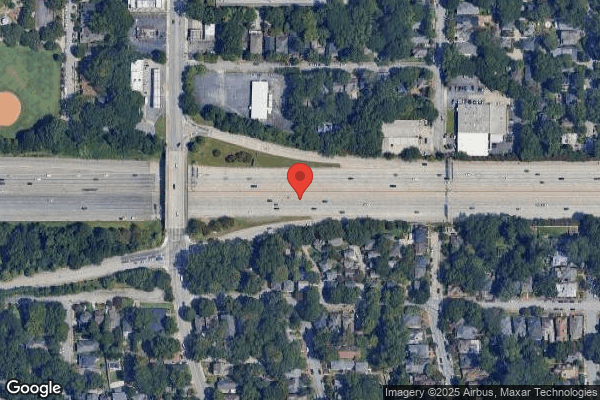
350 BOULVARD, S.E., ATLANTA, GA 30312 (404) 688-6731
Non profit - Corporation 138 Beds Independent Data: November 2025
Trust Grade
55/100
#112 of 353 in GA
Last Inspection: August 2024

Within standard 12-15 month inspection cycle. Federal law requires annual inspections.

Overview

A.G. Rhodes Home, Inc. in Atlanta has a Trust Grade of C, which means it is average and falls in the middle of the pack compared to other facilities. It ranks #112 out of 353 in Georgia, placing it in the top half, and #3 out of 18 in Fulton County, indicating that only two local options are better. The facility is showing an improving trend, as issues decreased from five in 2024 to one in 2025. However, staffing is a concern, with a rating of only 2 out of 5 stars and a high turnover rate of 79%, much greater than the state average of 47%. On the positive side, there have been no fines, which is a good sign, but the facility has less RN coverage than 86% of Georgia facilities, meaning critical nursing oversight may be lacking. Specific incidents of concern include a failure to ensure that one staff member had an active nursing license while caring for residents, which raises questions about compliance with required qualifications. Additionally, the facility did not properly store food items, risking food safety for residents, and failed to maintain sanitary conditions around trash disposal, which could attract pests. Overall, while there are strengths like no fines, the high turnover and compliance issues highlight areas for potential improvement.

Trust Score
C
55/100
In Georgia
#112/353
Top 31%
Safety Record
Low Risk
No red flags
Inspections
Getting Better
5 → 1 violations
Staff Stability
⚠ Watch
79% turnover. Very high, 31 points above average. Constant new faces learning your loved one's needs.
Penalties
✓ Good
No fines on record. Clean compliance history, better than most Georgia facilities.
Skilled Nurses
⚠ Watch
Each resident gets only 20 minutes of Registered Nurse (RN) attention daily — below average for Georgia. Fewer RN minutes means fewer trained eyes watching for problems.
Violations
⚠ Watch
16 deficiencies on record. Higher than average. Multiple issues found across inspections.
★★★☆☆
3.0
Overall Rating
★★☆☆☆
2.0
Staff Levels
★★★☆☆
3.0
Care Quality
★★★☆☆
3.0
Inspection Score
Stable
2024: 5 issues
2025: 1 issues

The Good

  • Full Sprinkler Coverage · Fire safety systems throughout facility
  • No fines on record

Facility shows strength in fire safety.

The Bad

3-Star Overall Rating

Near Georgia average (2.6)

Meets federal standards, typical of most facilities

Staff Turnover: 79%

32pts above Georgia avg (46%)

Frequent staff changes - ask about care continuity

Staff turnover is very high (79%)

31 points above Georgia average of 48%

The Ugly 16 deficiencies on record

Mar 2025 1 deficiency
CONCERN (D) 📢 Someone Reported This

A family member, employee, or ombudsman was alarmed enough to file a formal complaint

Potential for Harm - no one hurt, but risky conditions existed

Medical Records (Tag F0842)

Could have caused harm · This affected 1 resident

Based on staff interviews and record review, the facility failed to maintain an accurate and complete medical record for one (1) of nine (9) sampled residents, Resident (R)#5. Specifically, staff inac...

Read full inspector narrative →
Based on staff interviews and record review, the facility failed to maintain an accurate and complete medical record for one (1) of nine (9) sampled residents, Resident (R)#5. Specifically, staff inaccurately documented the status of Resident #5's skin, and staff failed to consistently document the percentage of meal intakes, the percentage of nutritional supplements consumed, and the percentage of fluids consumed for each meal. Findings include: Review of the admission Record indicated the facility originally admitted Resident #5 on 04/18/2023 and most recently admitted the resident on 12/17/2024. According to the admission Record, the resident had a medical history that included diagnoses of chronic kidney disease, acute kidney failure, hemiplegia and hemiparesis following cerebral infarction (stroke) affecting right dominant side, unspecified severe protein-calorie malnutrition, and vascular dementia. Review of the quarterly Minimum Data Set (MDS), with an Assessment Reference Date (ARD) of 12/21/2024, revealed Resident #5 had a Brief Interview for Mental Status (BIMS) score of 0, which indicated the resident had severe cognitive impairment. 1. Review of Resident #5's Skin Screening (Head to Toe), dated 01/05/2025, revealed Licensed Practical Nurse (LPN) #19 documented the resident had an open area on their genital area. During an interview on 03/21/2025 at 4:33 PM, LPN #19 stated she was notified by a Certified Nursing Assistant (CNA) that Resident #5's genital area was discolored. LPN #19 stated she observed the resident's skin and, It wasn't really an open area. LPN #19 described that the resident's skin was discolored. LPN #19 stated that when she documented the resident's skin was open, it was an error in documentation, because she spoke English as a second language. 2. Review of Resident #5's Care Plan Report included a focus area, initiated 04/20/2023, that indicated the resident was at risk for alteration in nutrition and hydration status. An undated intervention directed staff to provide supplements as ordered. Review of Resident #5's Order Recap [Recapitulation] Report, for the timeframe from 01/01/2024 through 03/31/2025, contained an active order dated 12/03/2024 for a Magic Cup (type of nutritional supplement) one time a day for caloric support with lunch trays. The Order Recap Report also contained an active order dated 12/18/2024 for Ensure (type of nutritional supplement) three times a day for nutrient support. Review of Resident #5's December 2024 Medication Administration Record (MAR) revealed the transcription of Resident #5's Magic Cup order and reflected it was scheduled for 1:00 PM each day; however, the MAR lacked documentation to indicate whether the resident's Magic Cup was provided on 12/04/2024, 12/05/2024, and 12/06/2024. Review of Resident #5's December 2024 [Facility Name] Documentation Survey Report revealed a section for staff to document the resident's percentage of meal intakes, the percentage of nutritional supplements consumed, and the percentage of fluids consumed for each meal. The report revealed no documentation of the resident's percentage of meal intakes, the percentage of nutritional supplements consumed, or the percentage of fluids consumed for the breakfast and lunch meals on 12/08/2024, breakfast and lunch meals on 12/21/2024, and the dinner meal on 12/26/2024. Review of Resident #5's 01/2025 [Facility Name] Documentation Survey Report revealed a section for staff to document the resident's percentage of meal intakes, the percentage of nutritional supplements consumed, and the percentage of fluids consumed for each meal. The report revealed no documentation of the resident's percentage of meal intakes, the percentage of nutritional supplements consumed, or the percentage of fluids consumed for the breakfast and lunch meals on 01/03/2025. During an interview on 03/19/2025 at 10:37 AM, the Clinical Nurse Consultant stated that she expected 100 percent accuracy with the documentation on the flowsheets (Documentation Survey Reports), and she was not sure why there were so many blanks on the documents. During an interview on 03/19/2025 at 10:20 AM, the Director of Clinical Reimbursement stated that the blanks on the flowsheets should be filled in. During an interview on 03/19/2024 at 11:16 AM, the Director of Nursing (DON) stated medical records were computerized and staff were expected to complete their documentation before the end of their shift. She said she did not know why that did not happen for Resident #5.
Aug 2024 5 deficiencies
CONCERN (D) 📢 Someone Reported This

A family member, employee, or ombudsman was alarmed enough to file a formal complaint

Potential for Harm - no one hurt, but risky conditions existed

Report Alleged Abuse (Tag F0609)

Could have caused harm · This affected 1 resident

Based on staff interviews, record reviews, and review of the facility's policy titled, Abuse, Neglect, and Exploitation, the facility failed to ensure that an allegation of abuse was reported to the S...

Read full inspector narrative →
Based on staff interviews, record reviews, and review of the facility's policy titled, Abuse, Neglect, and Exploitation, the facility failed to ensure that an allegation of abuse was reported to the State Agency (SA) within the required two-hour time for one of five sampled residents (R) (R173) reviewed for abuse. Findings include: A review of the facility's policy titled, Abuse, Neglect, and Exploitation, implemented 2/12/2022, revealed the Reporting/Response section included A. The facility will have written procedures that include: 1. Reporting of all alleged violations to the Administrator, state agency, adult protective services and to all other required agencies . within specified timeframes: a. Immediately, but not later than 2 hours after the allegation is made if the events that cause the allegation involve abuse or result in serious bodily injury, or b. Not later than 24 hours if the events that cause the allegation do not involve abuse and do not result in serious bodily injury. Review of the quarterly Minimum Data Set (MDS), last reviewed on 3/14/2024, revealed R173 had a Brief Interview for Mental Status (BIMS) score of 4, indicating severe cognitive impairment. Further review revealed R173 exhibited physical and verbal aggressive behaviors, making it difficult for staff to work with him and assist him with activities of daily living. R173 required two-person total assistance or was totally dependent for all activities of daily living (ADLs) except eating, which required supervision. He also required two-person physical assistance with all transfers using a mechanical lift. Review of the e-mailed submission of Facility Incident Report #202401993 revealed the report was received by the SA on 2/21/2024 at 5:39 pm. The report documented R173 alleged he was raped during a care encounter the previous night. Review of the facility investigation submitted to the SA on 2/22/2024 documented staff-to-resident abuse and revealed the facility began an investigation and self-reported the alleged abuse. The details of the abuse indicated that on 2/20/2024, both a Licensed Practical Nurse (LPN) and a Certified Nursing Assistant (CNA) entered the resident's room to perform his ADL care when he attacked them and stated he was being raped. Review of the hand-written statements of the incident by staff members revealed the statements documented the incident occurred on 2/20/2024 on the 3:00 pm to 11:00 pm shift. An interview on 8/14/2024 with the Director of Nursing (DON) revealed that he was familiar with R173 and remembered the allegation. He stated that shortly after the incident, the resident had a change in condition, was sent out to the hospital for evaluation and treatment, and never returned to the facility. He stated he was aware of the regulation for reporting incidents of various types of abuse and further stated that there is a two-hour window for reporting these kinds of incidents. He stated he was not in the facility when the incident occurred and is unsure of why the abuse was not reported within the allotted time frame.
CONCERN (D) 📢 Someone Reported This

A family member, employee, or ombudsman was alarmed enough to file a formal complaint

Potential for Harm - no one hurt, but risky conditions existed

Assessment Accuracy (Tag F0641)

Could have caused harm · This affected 1 resident

**NOTE- TERMS IN BRACKETS HAVE BEEN EDITED TO PROTECT CONFIDENTIALITY** Based on resident and staff interviews, record review, and review of facility policy titled, MDS 3.0 Completion Policy, the faci...

Read full inspector narrative →
**NOTE- TERMS IN BRACKETS HAVE BEEN EDITED TO PROTECT CONFIDENTIALITY** Based on resident and staff interviews, record review, and review of facility policy titled, MDS 3.0 Completion Policy, the facility failed to accurately assess the hearing status for one of five residents (R) (R37) sampled for activities of daily living (ADL) care. This failure had the potential to adversely affect the quality of care and quality of life for R37. Findings include: Review of the facility policy titled, MDS 3.0 Completion Policy, revised 2/10/2023, revealed the Policy was Residents are assessed, using a comprehensive assessment process, in order to identify care needs and to develop an interdisciplinary care plan. The Policy Explanation and Compliance Guidelines section stated 1. According to federal regulations, the facility conducts initially and periodically a comprehensive, accurate and standardized assessment of each resident's functional capacity, using the RAI specified by the State. Review of the electronic medical record (EMR) for R37 documented diagnoses to include unspecified hearing loss/unspecified ear and cognitive communication deficit. Review of the Significant Change Minimum Data Set (MDS) assessment for R37, dated 6/19/2024, documented a Brief Interview for Mental Status (BIMS) score of 9 (indicating moderate cognitive impairment) and documented her hearing status as adequate with no hearing aid. Review of the Annual MDS assessment for R37, dated 3/21/2024, documented her hearing status as minimal difficulty with no hearing aid. Review of the care plan for R37 documented a focus concern for impaired communication due to impaired hearing. In an interview with Licensed Practical Nurse (LPN) BB on 8/13/2024 at 3:21 pm, she stated R37 was hard of hearing and was mostly pleasant but sometimes had behaviors of refusal of care and medications. In an observation and interview with R37 on 8/14/2024 in her room at 10:27 am, she confirmed her difficulty with hearing, which required this writer's raised voice until R37 placed amplifying headphones over her ears to complete the interview. She stated she did not care to wear hearing aids due to the high cost and her busy lifestyle, which might cause her to lose or damage the hearing aids. In an interview with the MDS Director on 8/15/2024 at 3:55 pm, she confirmed there was a discrepancy in the Significant Change assessment dated [DATE] regarding the hearing status of R37. She confirmed hearing was assessed as adequate when the previous assessment documented the hearing status as minimal difficulty. She confirmed it was an MDS discrepancy which would be corrected.
CONCERN (D) 📢 Someone Reported This

A family member, employee, or ombudsman was alarmed enough to file a formal complaint

Potential for Harm - no one hurt, but risky conditions existed

Deficiency F0657 (Tag F0657)

Could have caused harm · This affected 1 resident

**NOTE- TERMS IN BRACKETS HAVE BEEN EDITED TO PROTECT CONFIDENTIALITY** Based on staff interviews, record review, and review of the facility policies titled, Comprehensive Care Plan and Elder Rights R...

Read full inspector narrative →
**NOTE- TERMS IN BRACKETS HAVE BEEN EDITED TO PROTECT CONFIDENTIALITY** Based on staff interviews, record review, and review of the facility policies titled, Comprehensive Care Plan and Elder Rights Regarding Treatment and Advanced Directives, the facility failed to revise a person-centered comprehensive care plan for one of three sampled residents (R) (R121) reviewed for care planning of advanced directives. The deficient practice had the potential for R121 not to receive care or treatment according to their needs. Findings include: A review of the facility policy titled Comprehensive Care Plans dated [DATE] revealed the Policy Explanation and Compliance Guidelines stated, 3. The comprehensive care plan will describe, at a minimum, the following: A. The services that are to be furnished to attain or maintain the resident's highest practicable physical, mental, and psychological well-being. D. The resident ' s goals for admission, desired outcomes, and preferences for future discharge. 5. The comprehensive care plan will be reviewed and revised by the interdisciplinary team after comprehensive and quarterly MDS assessment. A review of the facility policy titled Elder Rights Regarding Treatments and Advanced Directives dated [DATE] the Policy Explanation and Compliance Guidelines stated, .8. Decisions regarding advance directives and treatment will be periodically reviewed as part of the comprehensives care planning process, the existing care instructions and whether the elder wishes to change or continue these instructions. Review of R121's electronic medical record (EMR) revealed that she was admitted with diagnoses but not limited to diabetes, hyperlipidemia, malnutrition, and depression. A review of R121's quarterly Minimum Data Set (MDS) dated [DATE] revealed a Brief Interview for Mental Status (BIMS) score of 3, indicating severe cognitive impairment. A review of R121's care plan dated [DATE] revealed, Resident/POA chosen advanced directive(s): full code. A review of the Physician's order dated [DATE] revealed resident was a full code. A review of the Medication Administration Record (MAR) for R121 dated [DATE] through [DATE] revealed full code status. A progress note for R121 dated [DATE] revealed Patient went into respiratory distress. DNR (do not resuscitate) status. Oxygen therapy initiated. Signs of life remained active until 1845 (6:45 pm). Pronounced deceased at 1845 by RN (Registered Nurse). Family at bedside. deceased body picked up by a local mortuary. Family took the resident's belongings. Review of a Do Not Resuscitate Form for R121 revealed the form was signed by the primary physician on [DATE], a concurring physician on [DATE], an appointed health care agent signed [DATE], and the resident ' s relative on [DATE]. Interview on [DATE] at 1:05 pm with the MDS Director revealed she reviewed all new orders and also received a 24-hour report that came out when orders were updated. She confirmed R121 was care planned for being a full code and the order was for a full code. She was unsure how the care plan and orders were not updated to reflect the DNR status. Interview on [DATE] at 1:17 pm with the Director of Nursing (DON) revealed the MDS Coordinator did all care plans and was responsible for updating care plans. He stated when someone was admitted they were an automatic full code. If family or resident decided to make a resident a DNR, the care plan and order would be updated. He revealed that staff were to look at the paper chart regardless of what the EMR said. He confirmed the resident ' s care plan and order were not updated and that both documented the resident was a full code. He expected that all care plans and orders to be updated to have the correct information. Interview on [DATE] at 1:53 pm with the Administrator revealed that care plans should be updated when advanced directive code status changes. She also stated that orders should be updated to reflect the code status change.
CONCERN (D) 📢 Someone Reported This

A family member, employee, or ombudsman was alarmed enough to file a formal complaint

Potential for Harm - no one hurt, but risky conditions existed

ADL Care (Tag F0677)

Could have caused harm · This affected 1 resident

**NOTE- TERMS IN BRACKETS HAVE BEEN EDITED TO PROTECT CONFIDENTIALITY** Based on observations, record review, resident, resident family, and staff interviews, and review of the facility policy titled,...

Read full inspector narrative →
**NOTE- TERMS IN BRACKETS HAVE BEEN EDITED TO PROTECT CONFIDENTIALITY** Based on observations, record review, resident, resident family, and staff interviews, and review of the facility policy titled, Activities of Daily Living Policy, the facility failed to ensure assistance was provided with Activities of Daily Living (ADLs) in a timely manner for one of 36 sampled residents (R) (R73) per resident preference related to transfer and dressing. Findings include: Review of the facility policy titled Activities of Daily Living Policy dated October 2022 revealed under Policy: The facility will, based on the resident's comprehensive assessment and consistent with the resident's needs and choices, ensure a resident's abilities in ADLs do not deteriorate unless deterioration is unavoidable. Care and services will be provided for the following activities of daily living: 1. Bathing, dressing, grooming and oral care; 2. Transfer and ambulation; 3. Toileting. under Policy Explanation and Compliance Guidelines revealed: . 3. A resident who is unable to carry out activities of daily living will receive the necessary services to maintain good nutrition, grooming, and personal and oral hygiene. Review of R73's electronic medical record (EMR) revealed the following diagnoses but not limited to type 2 diabetes mellitus, unspecified, chronic systolic (congestive) heart failure, and cerebral infarction. Review of R73's quarterly Minimum Data Set (MDS) dated [DATE] assessed a Brief Interview Mental Status (BIMS) score of 15, which indicates little to no cognitive impairment. Section GG (Functional Abilities and Goals) revealed that she is dependent on staff to get out of bed with a lift and needs help with ADLs. Review of R73 's care plan stated R73 needs assistance with her ADLs. The interventions listed were to allow adequate time for the resident to complete tasks, she needs help with ADLs as needed, or non-restrictive two assist bar up when in bed to assist a resident with bed mobility/positioning during ADLs/transfers, and responding timely to all inquiries for assistance keeping the room well-lit and free of clutter. Observation and interview on 8/12/2024 at 3:43 pm, R73 revealed that her feet were crusty and nasty because she does not get her feet washed by the CNA's. R73 explained they were very concerned about her feet's wellness. Observation on 8/13/2024 at 10:30 am, R73 was still in bed, had completed breakfast, and was waiting for a Certified Nursing Assistant (CNA) CC to get her up out of bed for ADLs. Observation and interview on 8/13/2024 at 1:43 pm, R73 revealed that today CNA CC washed her feet, and this was the first time. She explained that she hoped that this would continue when she received a bath or shower. Interview on 8/14/2024 at 11:53 am, R73 revealed that she missed all the activities for this morning because CNA CC did not give ADLs in time. She stated that activities were usually around 11:00 am. R73 expressed to the staff several different times that she preferred to get up out of bed early to begin her day but was told this morning that she would start getting ADLs after breakfast. R73 was very upset because she missed the activity. The CNA was observed going into the room around 11:15 am. Observation and interview on 8/15/2024 at 10:30 am, R73 was lying in bed talking with her family that were visiting. R73 stated she was still waiting to get out of bed and that CNA CC was coming back to assist with her ADLs. On 8/13/2024 at 2:00 pm, CNA EE revealed that residents will tell us around what time they would like their morning ADLs done. Some residents prefer early morning ADL, and some prefer later in the morning, so it depends on residents' preferences. Interview on 8/14/2024 at 12:06 pm, LPN DD stated that residents were granted their preference of when they want their morning ADLs done. The CNA's should honor their preferred time of wanting to get out of bed. Observation and interview on 8/15/2024 at 9:41am, R73's family were in the room visiting and they revealed that they were concerned about the facility's response time for R73. They recalled a time when R73 had a bowel movement, and she needed changing. She waited three hours and then R73 dialed 911 because no one was answering her call light, or her families calls when they were calling for help from a landline phone from their home. They also stated that while visiting, R73 was waiting for a bath on a Saturday. Staff never came in to bathe the resident and she did not get a bath until Monday. Interview on 8/15/2024 at 10:10 am, the Assistant Director of Nursing (ADON) revealed that residents' call lights should be answered immediately. The longest for them to answer should be three minutes. The ADON stated that if nurses were doing medication pass, patient care, or weren't at the nurse's station, then sometimes they can't hear it. The ADON revealed ADLs should be done daily and residents were given preference as to when they would like them to be done and they also could refuse services as well.
CONCERN (F) 📢 Someone Reported This

A family member, employee, or ombudsman was alarmed enough to file a formal complaint

Potential for Harm - no one hurt, but risky conditions existed

Deficiency F0726 (Tag F0726)

Could have caused harm · This affected most or all residents

**NOTE- TERMS IN BRACKETS HAVE BEEN EDITED TO PROTECT CONFIDENTIALITY** Based on staff interviews, record review, and review of the facility policy titled, [facility name] License & Certification Poli...

Read full inspector narrative →
**NOTE- TERMS IN BRACKETS HAVE BEEN EDITED TO PROTECT CONFIDENTIALITY** Based on staff interviews, record review, and review of the facility policy titled, [facility name] License & Certification Policy, the facility failed to ensure one of 11 employees reviewed had the required licensure. Specifically, the facility failed to ensure Registered Nurse (RN) FF had an active license while providing professional nursing services to the 124 residents residing in the facility. Findings include: A review of the policy titled, [facility name] License & Certification Policy, undated, revealed the Policy section stated, It is the [facility name] policy that all licensed and certified employees, including but not limited to all Administrators, Registered Nurses (RN), Licensed Practical Nurses (LPN), Certified Nursing Assistants (CNA), and Certified Medication Aids (CMA), have their credentials including license or certification verified through the appropriate issuing agency upon initial employee and ongoing thereafter. The Ongoing Monitoring section stated Education and Wellness Manager will monitor Provider Trust system to ensure that all licenses and certifications are current. Any employee with an expired license or certification will be removed from the schedule and placed on Personal LOA {leave of absence} until the license or certification has been renewed with active or active pending renewal status. A review of the Florida Department of Health License for RN FF revealed a multi-state Registered Nurse license with an expiration date of [DATE]. A review of the facility's staffing schedule revealed RN FF was scheduled to work on [DATE], on the 7:00 am to 3:15 pm shift as the Wound Nurse and on [DATE], on the 7:00 am to 3:15 pm on the Garden Trail unit. During an interview on [DATE] at 2:30 pm, the Chief Human Resources Officer confirmed RN FF's nursing license expired on [DATE], and the staffing schedule indicated the nurse worked at the facility on [DATE] and [DATE] without an active nursing license. During an interview on [DATE] at 4:40 pm, the Director of Nursing (DON) revealed he was not aware that RN FF did not have a current professional nursing license. He stated the Human Resources Director was responsible for checking licenses. He further stated RN FF worked weekends on the day shift and provided wound care treatments when she worked. The DON confirmed the nurse worked two days without an active nursing license. During an interview on [DATE] at 8:45 am, the DON revealed the nurse renewed her license on [DATE]. He stated he did not realize she did not have an active license until yesterday. During an interview on [DATE] at 9:33 am, RN FF confirmed her nursing license expired on [DATE] and stated she obtained an active license this morning. She confirmed she worked at the facility on [DATE], on the 7:00 am to 3:00 pm shift and provided wound care and treatments, and on [DATE], on the 7:00 am to 3:00 pm on the medication cart. During an interview on [DATE] at 4:00 pm, the Administrator revealed the Human Resources Director was responsible for making sure professional licenses were current. She stated she expected licensed staff to have a current license. She further stated there was a system in place that would send an alert when the license was going to expire, but it usually did not work for multi-state licenses.
Aug 2023 1 deficiency
CONCERN (E)

Potential for Harm - no one hurt, but risky conditions existed

Infection Control (Tag F0880)

Could have caused harm · This affected multiple residents

**NOTE- TERMS IN BRACKETS HAVE BEEN EDITED TO PROTECT CONFIDENTIALITY** Based on observations and staff interviews, and a review of the facility's policy titled, Hand Hygiene Policy, the facility fail...

Read full inspector narrative →
**NOTE- TERMS IN BRACKETS HAVE BEEN EDITED TO PROTECT CONFIDENTIALITY** Based on observations and staff interviews, and a review of the facility's policy titled, Hand Hygiene Policy, the facility failed to ensure that standard and transmission-based precautions were followed to prevent the spread of infections as evidenced by observations of hand hygiene procedures not being followed and masks not worn appropriately by staff involved in direct resident contact for four of 12 staff sampled for infection control. The findings include: Review of the facility policy titled, Hand Hygiene Policy dated 6/26/2023 documented, Policy: All staff will perform proper hand hygiene procedures to prevent the spread of infection to other personnel, elders, and visitors. This applies to all staff working in all locations within the community .Hand Hygiene Table .Between resident contacts . Observation on 8/29/2023 at 9:34 a.m. the Speech Therapist (ST) AA was seen with his/her face mask worn below their mouth. Observation on 8/29/2023 at 9:36 a.m. Certified Nurse Assistant (CNA) BB walked into Room G 14 without following hand hygiene procedures and then she/he walked into Room G 11 without following hand hygiene procedures and grabbed the resident's finished breakfast tray. Observation on 8/30/2023 at 8:40 a.m. CNA CC was observed walking in the hallway not wearing a mask. Observation on 8/30/2023 at 9:16 a.m. the Hospice CNA DD was seen wearing a white surgical mask and not performing hand hygiene upon entering or leaving room [ROOM NUMBER]. Interview on 8/29/2023 at 9:34 a.m., with ST AA, stated that they did not work at the facility and only helped out for the day. ST AA reported that he had seen residents, three on G, upstairs I saw one person and three on the other side. Interview on 8/29/2023 at 9:42 a.m. CNA BB stated that the facility policy was for staff to wash their hands when you go into a resident's room and to use hand sanitizer. CNA BB reported that the reason for the policy was infection control. Interview on 8/29/2023 at 10:45 a.m. with Director of Nursing (DON), he/she stated that the expectation is for staff to perform hand hygiene before entering a resident's room and after when they exit the resident's room. The DON reported that the facility had hand sanitizer in the hallway and in every single room. The DON went on to say that the expectation for all staff, including contracted staff, was to wear masks and added that it had been an ongoing problem with contracted and agency staff. Interview on 8/29/2023 at 2:56 p.m. CNA EE stated, We wash hands before you go in and before you come out. Interview on 8/30/2023 at 8:40 a.m. CNA CC reported that the reason she/she did not have a mask on was because they had disposed of linen from an isolation room, and they were going to get double mask because she/she did not like the masks stored on the cart outside of the resident's room. Interview on 8/30/2023 at 9:22 a.m. Hospice CNA DD, when asked why she didn't perform hand hygiene entering or exiting the resident's room, she/she reported that she/he had used the restroom and washed her/him hands in the restroom, went into the resident's room, grabbed her/him belongings and was leaving for the day. Interview on 8/30/2023 at 9:30 a.m. with the Infection Preventionist (IP) FF, she stated that the expectation for staff going into a resident's room upstairs that they should wear a gown, gloves, N-95 mask, face shield or goggles, and they will have to do more in-services.
Jun 2022 4 deficiencies
CONCERN (D)

Potential for Harm - no one hurt, but risky conditions existed

Deficiency F0676 (Tag F0676)

Could have caused harm · This affected 1 resident

**NOTE- TERMS IN BRACKETS HAVE BEEN EDITED TO PROTECT CONFIDENTIALITY** Based on observation, interviews, and record review, the facility failed to ensure dependent residents were provided Activities ...

Read full inspector narrative →
**NOTE- TERMS IN BRACKETS HAVE BEEN EDITED TO PROTECT CONFIDENTIALITY** Based on observation, interviews, and record review, the facility failed to ensure dependent residents were provided Activities of Daily Living (ADL) care for one of six sampled residents (R) (R#43) related to incontinence care and dressing. The findings include: 1. A review of the Annual Minimum Data Set (MDS) assessment dated [DATE] revealed R#43 was admitted to the facility on [DATE] with a diagnosis to include but not limited to paranoid schizophrenia, depression, schizophrenia, cognitive communication deficit. The assessment indicated R#43 had a brief interview for mental status (BIMS) score of 4, indicating severe cognitive impairment in cognitive skills for daily decision making. The resident was assessed in Activities of Daily Living (ADL) functional status to require the extensive assistance of one staff with toileting. R#43 was assessed to be always incontinent of bladder. The resident was assessed to have an ostomy. A review of the Care Area Assessment (CAA) summary revealed R#43 triggered urinary incontinence on the MDS assessment requiring further evaluation of urinary continence. A review of the care plan (created 12/4/21) for R#43 revealed that the resident is incontinent of Bladder related to functional incontinence, impaired mobility debility. The goal established included R#43 will remain clean, dry, and odor free for the next 90 days. Interventions included staff to provide R#43 with incontinence care on rounds and PRN (as needed), provide incontinent care during shifts for episodes of incontinence and observe bowel and bladder habits and function to determine retaining abilities. During an observation on 6/14/22 at 10:00 a.m. and 2:30 p.m. R#43 was observed lying in bed in a gown and not dressed for the day. During an interview with R#43 on 6/14/22 at 10:00 a.m., the resident stated she fell earlier while going to the bathroom. R#43 further revealed she told staff she needed to use the bathroom and waited around an hour, then got her walker trying to get up. The resident started to the bathroom, unable to hold her urine anymore, and stated she had slipped in her urine. During an interview on 6/15/22 at 3:30 p.m. with a Certified Nursing Assistant (CNA) BB, she confirmed that R#43 fell while waiting to receive assistance to use the bathroom.
CONCERN (D)

Potential for Harm - no one hurt, but risky conditions existed

Deficiency F0688 (Tag F0688)

Could have caused harm · This affected 1 resident

Based on observations, interviews, and record reviews, the facility failed to provide appropriate treatment and services to increase range of motion and/or to prevent further decrease in range of moti...

Read full inspector narrative →
Based on observations, interviews, and record reviews, the facility failed to provide appropriate treatment and services to increase range of motion and/or to prevent further decrease in range of motion for one of 57 sampled residents (R) (R#64). Findings include: A review of the clinical record revealed that R#64 was admitted to the facility 5/26/21 with diagnoses including but not limited to Dysphagia following Cerebral Infarction, Hemiplegia and Hemiparesis following other Cerebrovascular Disease affecting right dominant side, Personal history of Transient Ischemic Attack (TIA) and Cerebral Infarction without residual deficits, and Major Depressive Disorder, recurrent unspecified. A review of the Quarterly Minimum Data Set (MDS) revealed R#64 has a Brief Interview for Mental Status (BIMS) of three, indicating sever cognize impairment; requires extensive assistance with dressing, toileting, and personal hygiene and limited assistance with eating, bathing; and requires one-person physical assistance. A review of the Care Plan dated reveals Resident has decreased ROM in upper and lower extremities related to decreased mobility, disease process, has altered neurological status related to Cerebral Vascular Accident (CVA), Hemiplegia/Hemiparesis. A review of the Restorative Nursing Services Policy with revised date of July 2017 revealed that residents will receive restorative nursing care as needed to help promote optimal safety and independence and goals and objectives are individualized and resident-centered and are outlined in the resident's plan of care. During an observation on 6/14/22 at 9:30 a.m. R#64 presented with a right-hand contracture and there was no brace on her hand nor a handroll in the hand for comfort. During an observation on 6/15/22 at 10:05 a.m. R#64 was observed sitting up in chair with right hand contracture, asked if could open hand, proceeded to open left hand and lifted right hand but could not open it; no brace or handroll in place. During an interview on 6/15/22 at 4:00 p.m., LPN AA stated that R#64 has order for active ROM upper and lower extremities (includes exercises on extremities, LPN AA demonstrated type of exercise by moving arms and shoulder), bed mobility six days a week with 15 minute modality (turning and positioning in bed). During interview and observation on 6/16/22 at 1:00 p.m. with CNA CC she revealed that she works with R#64 providing upper and lower extremity ROM which included raising arms and legs; providing bed mobility; and turning from side to side. When asked about the residents contracted hands, CNA CC Stated, I don't do hands and confirmed that R#64 did not have any hand brace or splint.
CONCERN (D)

Potential for Harm - no one hurt, but risky conditions existed

Deficiency F0698 (Tag F0698)

Could have caused harm · This affected 1 resident

**NOTE- TERMS IN BRACKETS HAVE BEEN EDITED TO PROTECT CONFIDENTIALITY** Based on record review and staff interview the facility failed to have ongoing communication and collaboration with the Dialysis...

Read full inspector narrative →
**NOTE- TERMS IN BRACKETS HAVE BEEN EDITED TO PROTECT CONFIDENTIALITY** Based on record review and staff interview the facility failed to have ongoing communication and collaboration with the Dialysis Center for two of 57 sampled residents (R) (R#32 and R#44). Findings include: A review of the facility policy Dialysis Residents dated February 2018 revealed that residents that reside here can receive hemo-dialysis at a nearby assigned Dialysis Center. Communication is done verbally and written via Dialysis Center and facility with any changes, new orders, or dietary needs. 1. A review of the clinical record revealed that R#32 was admitted to the facility on [DATE] with diagnoses that include but is not limited to Cerebral Vascular Accident (CVA), End Stage Renal Disease (ESRD), and Type 1 Diabetes Mellitus (DM). A review of the Annual Minimum Data Set (MDS) assessment dated [DATE] for R#32 revealed in Section (C) Cognitive Patterns, a Brief Interview for Mental Status (BIMS) score of three indicating severe cognitive impairment. Section (E) Behaviors, no behaviors identified. Section (G) Functional Status, total dependence for Activity of Daily Living (ADL)s. Section (H) Bowel and Bladder, always incontinent of bowel and bladder. Section (N) Medication, takes an antidepressant seven out of seven days per week. A review of the care plan for R#32 created on 1/11/22 and revised on 5/10/22 revealed a focus of resident is on dialysis treatment related to diagnosis of ESRD. Interventions were appropriate but nothing to indicate the need for communication between the Dialysis Center and the Facility. Care plan created on 7/7/21 and revised on 4/8/22 revealed a focus of elder is on hemodialysis treatment related to diagnosis of ESRD. Interventions include but is not limited to monitor dialysis access for signs and symptoms of infection and notify Medical Doctor (MD) and Dialysis Center. A review of the Physician Order dated 11/28/21 revealed R#32 goes to dialysis on Monday, Wednesday, and Friday, leaving at 11:30 a.m. A review of the Electronic Medical Record (EMR) for R#32 revealed there were no communication sheets or documented communication via telephone between the facility and the Dialysis Center. A review of the paper medical record for R#32 revealed there were no communication sheets or documented communication via telephone between the facility and the Dialysis Center. 2. A review of the clinical record revealed that R#44 was admitted to the facility on [DATE] with diagnoses that include but is not limited to Type 2 DM, ESRD, and Flaccid Hemiplegia affecting the left nondominant side. A review of the Quarterly MDS assessment dated [DATE] for R#44 revealed in Section (C) Cognitive Patterns, a BIMS score of 12 indicating moderately impaired cognition. Section (E) Behaviors, no behaviors identified. Section (G) Functional Status, extensive one-person physical assistance with ADLs. Section (H) Bowel and Bladder, occasionally incontinent of bladder and frequently incontinent of bowel. Section (N) Medication, did not receive antipsychotic or opioid medication. A review of the care plan created on 8/19/21 and revised on 4/30/22 revealed a focus of R#44 is on dialysis treatment related to diagnosis of ESRD with risk for complications resident is on dialysis treatment related to diagnosis of ESRD. Interventions were appropriate but nothing to indicate the need for communication between the Dialysis Center and the Facility. Care plan created on 7/7/21 and revised on 4/8/22 revealed a focus of elder is on hemodialysis treatment related to diagnosis of ESRD. Interventions include but is not limited to monitor dialysis access for signs and symptoms of infection and notify MD and Dialysis Center. A review of the Physician Order dated 5/13/22 revealed R#44 goes to dialysis on Tuesday, Thursday, and Saturday, leaving at 6:00 a.m. A review of the EMR for R#44 revealed there were no communication sheets or documented communication via telephone between the facility and the Dialysis Center. A review of the paper medical record for R #44 revealed there were no communication sheets or documented communication via telephone between the facility and the Dialysis Center. During an interview on 6/15/22 at 3:00 p.m. with the Assistant Director of Nursing (ADON) and the Licensed Practical Nurse (LPN) Supervisor the ADON stated that the facility does not have communication sheets with the Dialysis Center. She stated the nurse does vital signs on the resident prior to them going to Dialysis and the nurse assess the resident upon return from Dialysis and obtains vital signs and checks for thrill and bruit. LPN Supervisor stated if there are concerns with the Dialysis resident upon return from Dialysis, or anytime in between, the nurse calls the Dialysis Center as well as the MD and family. She stated the nurse should be documenting any communication with Dialysis in the residents' EMR, but she has not looked back to see if the documentation was actually done. During an interview on 6/16/22 at 4:00 p.m. with the Director of Nursing (DON) he revealed the facility once used notebooks to send communication sheets to the Dialysis center for residents who are on Dialysis, but the Dialysis Center never filled their part out, so they stopped using them. He stated the nurses call the Dialysis Center to communicate with them and the nurse who makes the call should be documenting the conversation in the progress notes in the EMR for the resident that there was communication with the Dialysis center and revealed there has been no follow-up to ensure the documentation was being done.
CONCERN (D)

Potential for Harm - no one hurt, but risky conditions existed

Deficiency F0700 (Tag F0700)

Could have caused harm · This affected 1 resident

**NOTE- TERMS IN BRACKETS HAVE BEEN EDITED TO PROTECT CONFIDENTIALITY** Based on observations, interviews, record reviews, and review of facility policy, the facility failed to ensure one of ten resid...

Read full inspector narrative →
**NOTE- TERMS IN BRACKETS HAVE BEEN EDITED TO PROTECT CONFIDENTIALITY** Based on observations, interviews, record reviews, and review of facility policy, the facility failed to ensure one of ten residents (R) (R#39) was accurately assessed for the use of side rails. Findings include: Review of the facility's policy titled Proper Use of Side Rails dated February 2016, revealed: 1. An assessment will be made to determine the resident's symptoms, risk of entrapment and reason for using side rails. When used for mobility or transfer an assessment will include a review of the residents a. Bed mobility. b. Ability to change positions, transfer to and from bed or chair, and to stand and toilet. c. Risk of entrapment from the use of side rails; and d. That the bed's dimensions are appropriate for the resident's size and weight. 2. Consent for side rail use will be obtained from the resident or legal representative, after presenting potential benefits and risks. (Note: Federal regulations do not require written consent for using restraints. Signed consent forms do not relieve the facility from meeting the requirements for restraint use, including proper assessment and care planning. 3. Manufacturer instructions for the operation of side rails will be adhered to. 4. When side rail usage is appropriate, the facility will assess the space between the mattress and side rails to reduce the risk for entrapment (the amount of safe space may vary, depending on the type of bed and mattress being used). 5. Facility staff, in conjunction with the Attending Physician, will assess and document the resident's risk for injury due to neurological disorders or other medical conditions. During an observation on 6/14/22 at 9:45 a.m. R#39 was lying in bed two half side rails in the up position. During an observation on 6/15/22 at 1:30 p.m., R#39 was lying in bed two half side rails in the up position. A review of the Quarterly Minimum Data Set (MDS) assessment dated [DATE] revealed R#39 was admitted to the facility on [DATE] with a diagnosis to include but not limited to traumatic brain dysfunction, hypertension, neurogenic bladder, hyponatremia, aphasia, stroke. The assessment indicated R#39 had a brief interview for mental status (BIMS) score of 00, indicating severe cognitive impairment in cognitive skills for daily decision making. In addition, the MDS revealed R#39 requires extensive staff assistance of one staff for bed mobility and extensive assistance of two staff for transfer. A review of the care plan (created 5/10/22) for R#39 revealed resident is a fall risk related to adjusting to placement in a new environment. The goal established included R#39 will have no falls resulting in hospitalization thru the next review. Interventions that R#39 has bilateral 1/2 side rails, not used as a restraint. A review of R#39s Electronic Medical Record (EMR) revealed R#39 had not been assessed for the use of side rails, did not contain a side rail consent with risk and benefits, and there were no documented attempts for alternatives prior to the use of side rails and lack of assessment of entrapment risk. During an interview with Maintenance Director on 6/16/22 at 9:45 a.m., he revealed the staff places a request when a resident needs bed rails, and the bed rails are place after the nurse updates the care plan. He stated that the weekly rounds on beds and rails is in the electronic maintenance system but was not able to provide documentation of weekly rounds on the beds, mattresses, and rails. During further discussion, the Maintenance Director could not provide any documentation of monitoring bed rails before or after installing bed rails. During an interview with the Director of Nursing (DON) on 6/16/22 at 11:15 a.m., he revealed that the facility does not have consent for residents using bed rails, with risks and benefits explained before placing bed rails. The DON further stated that initial consent for general bed rails is upon admission to the facility. She further confirmed that the facility has not performed a risk assessment before placing a resident on bed rails. The DON stated he was under the impression bed rails were used for mobility and did not know these things were needed while or before residents used bed rails. During an interview with Certified Nursing Assist (CNA) BB on 6/16/22 at 1:40 p.m., she stated that R#39 can reach the bed rail with her hand but does not help with turning over in bed. R#39 is a total dependent on staff. CNA BB revealed she must boost her over on her side. All movements in and out of bed are assisted by herself or other staff members. During an interview with the Director of Rehabilitation on 6/16/22 at 1:55 p.m., she revealed that the therapy department does not and has not performed any assessments prior to residents being placed with bed rails.
Jan 2020 5 deficiencies
CONCERN (D)

Potential for Harm - no one hurt, but risky conditions existed

Deficiency F0554 (Tag F0554)

Could have caused harm · This affected 1 resident

**NOTE- TERMS IN BRACKETS HAVE BEEN EDITED TO PROTECT CONFIDENTIALITY** Based on observation, staff interview, and record review the facility failed to ensure that one cognitively impaired resident (R...

Read full inspector narrative →
**NOTE- TERMS IN BRACKETS HAVE BEEN EDITED TO PROTECT CONFIDENTIALITY** Based on observation, staff interview, and record review the facility failed to ensure that one cognitively impaired resident (R) (#65) did not have access to and self-administer an over the counter medication of 48 sampled residents. Findings include: Review of the Quarterly Minimum Data Set (MDS) dated [DATE] revealed in section (C) a Basic Interview for Mental Status score of 99 indicating severe cognitive impairment. Review of the care plan dated 8/22/19 for R#65 revealed she is at risk for impaired communication due to impaired cognition. R#65 was noted with meds, spices and other items in closet. Patient/family teaching done, items removed and given to family. During an observation on 1/13/2020 at 12:45 p.m. revealed R#65 sitting in a wheelchair in her room. She was noted to have a square shaped, opened packet in her hand and was coughing. An orange colored powder substance was observed on her lap. The packet was an Emergen-C Packet. During this time, a small three drawer plastic chest was observed next to R#65's bed. The drawers to the chest were clear allowing the ability to see inside without having to open the drawers. Inside the third drawer was a box of Emergen-C Packets that was not labeled with the resident's name or dated with an open date. The top of the box was observed to be open and there were unopened packets inside. During an observation on 1/14/2020 at 10:30 a.m., Emergen-C Packets box observed in the bottom drawer of the plastic chest sitting next to the bed of R#65. Review of the package insert information for Emergen-C Packet includes but is not limited to: Emergen-C is a nutritional supplement that contains vitamin C and other nutrients designed to boost your immune system and increase energy. It can be mixed with water to create a beverage and is a popular choice during cold and flu season for extra protection against infections. During an interview on 1/15/2020 at 10:00 a.m. with Licensed Practical Nurse (LPN) BB revealed the daughter of R#65 brings things in to the resident and stated this issue has been discussed with the daughter. During this time LPN BB entered the room of R#65 and took the over the counter medication from the drawer. During an interview on 1/15/2020 at 10:10 a.m., the Director of Nursing (DON) stated he was not aware R#65 had over the counter medication in her room. He stated staff may have discussed this with the ADON. Review of the Progress Note for R#65 dated 9/25/19 by LPN CC reads: Writer noted resident having several tea bags, health drinks, herbs, containers of crushed red peppers, black pepper, season salt, basil, maple syrup, almond milk, lemon line hydration packets, four containers of nutritional supplements and a large container of thick it. Writer informed (name) that the following items are not within resident diet and fluid consistency and this can lead to her mother having possible complications of aspiration due to her diagnosis of dysphagia. During a telephone interview on 1/16/2020 at 10:28 a.m. the Pharmacist stated that R#65 is on a Multi-Vitamin daily and stated the extra Vitamin C would not hurt her. She stated if the resident has an order to keep the medication next to her bed it isn't a problem for her to keep it and administer it to herself. Pharmacist stated with a BIMS score of 99, and the fact she is on thickened liquids, she should not be self-administering. Review of January 2020 Physician Orders for R#65 revealed there is no order for resident to have medications at her bedside to self-administer. Review of the medical record for R#65 there was no assessment done for medication self-administration. During an interview on 1/16/2020 at 11:48 a.m., the Social Worker stated that the BIMS score is determined based on how the resident answers the assessment questions. She stated R#65 is not alert and oriented to time, place, person, and situation all the time, but stated she has a moderate amount of confusion. Social Worker stated, based on her interviews with the resident, R#65 is not capable of having medications in her room or self-administering medications. Review of the Administering Medications policy revised December 2012 revealed medications shall be administered in a safe and timely manner, and as prescribed. Residents may self-administer their own medications only if the Attending Physician, in conjunction with the Interdisciplinary Care Planning Team, has determined that they have the decision-making capacity to do so safely.
CONCERN (D)

Potential for Harm - no one hurt, but risky conditions existed

Grievances (Tag F0585)

Could have caused harm · This affected 1 resident

**NOTE- TERMS IN BRACKETS HAVE BEEN EDITED TO PROTECT CONFIDENTIALITY** Based on record review, resident/staff interviews, and review of the facility policy titled, Grievances and Enforcement the faci...

Read full inspector narrative →
**NOTE- TERMS IN BRACKETS HAVE BEEN EDITED TO PROTECT CONFIDENTIALITY** Based on record review, resident/staff interviews, and review of the facility policy titled, Grievances and Enforcement the facility failed to communicate and document grievance decisions to resident's family for two residents (R) (A and B) of 48 sampled residents. Findings Include: Review of the facility policy titled, Grievances and Enforcement dated September 2014 revealed the Administrator or his/her designee shall act to resolve the complaint or shall respond to the complaint within three business days, including in the response a description of the review and appeal rights. 1. Review of the Grievance/ Concern Report dated 12/3/19 revealed family of R A filed a grievance with the facility. Corrective action included in-services for staff. The section of the grievance titled For Office Use Only was completely blank including notification of the date the facility responded to the person filing the grievance and if the complaint was resolved to the satisfaction of the resident/ resident's representative. Interview with the family of R A on 1/15/2020 at 12:20 p.m. revealed a grievance was filed. Family of R A denied receiving written or oral communication regarding the status or conclusion of the grievance. Review of the Quarterly Minimum Data Set (MDS) dated [DATE] revealed R A with a Brief Interview of Mental Status (BIMS) score of 7 indicating severely impaired cognition. 2. Interview with the family of R B on 1/15/2020 at 12:15 p.m. revealed a grievance was filed. Family of R B denied receiving written or oral communication regarding the status or conclusion of the grievance. Review of the MDS Significant Change assessment dated [DATE] revealed R B was unable to complete the BIMS assessment. Review of the Grievance Log from January 2019 through January 2020 revealed no documentation of associated grievances filed by the family of R B. All forms in the log did not address or specify what the status of grievances were, if the incidents had been resolved, and communication with the complainant. During an interview on 1/15/2020 at 11:00 a.m., the Administrator reviewed the grievance forms and acknowledged they were not completed under the section For Office Use Only. The administrator stated the forms should have been completed and follow up should have been done. During an interview on 1/16/2020 at 9:25 a.m., Social Services HH stated that the administrator and Director of Nursing (DON) follow up with the family. Interview on 1/16/2020 at 9:45 a.m. with Grievance Coordinator EE revealed that grievances go to the Social Service Director GG and she will determine if there needs to be an in-service. She then follows up with the family as far as what the conclusion is. It's about a three-day turnaround.
CONCERN (D)

Potential for Harm - no one hurt, but risky conditions existed

Infection Control (Tag F0880)

Could have caused harm · This affected 1 resident

Based on observation, staff and resident interview, record review, and review of the Isolation - Notices of Transmission-Based Precautions, the facility failed to initiate contact precautions in a tim...

Read full inspector narrative →
Based on observation, staff and resident interview, record review, and review of the Isolation - Notices of Transmission-Based Precautions, the facility failed to initiate contact precautions in a timely manner for one resident (R) (#86) on one of three floors. Findings include: During an interview on 1/15/2020 at 10:30 a.m. with R#86 she pulled her blouse away from her left shoulder to reveal blistering going down her shoulder. She stated she was diagnosed with shingles the day before. During this time an observation was made of the resident's door, and outside the door, for a sign indicating to check with the nurse prior to entering, and there was no sign, and no Personal Protective Equipment (PPE) cart located outside of the room of R#86. During an interview on 1/15/2020 at 10:35 a.m. with Licensed Practical Nurse (LPN) DD she stated when someone is on transmission-based precautions there is a sign on the door stating, Check with nurse before entering room. She stated she was made aware that R#86 is on transmission-based precautions and confirmed there is no sign on the door and there is no PPE cart located outside the door. During an interview on 1/15/2020 at 10:40 a.m. with the DON he stated he was not made aware R#86 was diagnosed with shingles the day before and stated his ADON may have been made aware. During an interview on 1/15/2020 at 10:50 a.m. with the ADON and LPN CC, the ADON stated that he was made aware that R#86 was diagnosed with shingles the day before and he put that information on the Medication Administration Record (MAR) and put a sign at the nursing station so the staff could advise visitors not to go into the room of R#86 without PPE. He stated putting a sign on the door would be a dignity issues so the staff advise visitors before they enter the room, they will need PPE. He stated that contact precautions should be considered and used on all residents and a PPE cart and sign was not needed. During an interview on 1/15/2020 at 11:10 a.m. with the DON he provided a copy of the facility isolation policy and stated that R#86 should have had a sign placed on the door and a PPE cart placed just outside the door when the diagnosis was brought to the attention of the facility. During an interview on 1/16/2020 at 1:19 p.m. with the Infection Preventionist she stated LPN CC called her some time on the 14th of January and told her that R#86 had been diagnosed with shingles and stated she discussed precaution measures with her. She stated that LPN CC told her she would go ahead and initiate contact precautions as they had discussed. Infection Preventionist stated she did not know why it was not done. She stated the policy is to place a sign on the door of the resident that states See Nurse before entering room and place a PPE cart outside of the resident's room door, but again stated she does not know why it was not done. Review of the Isolation - Notices of Transmission-Based Precautions policy revised 2019 revealed notices will be used to alert personnel and visitors of transmission-based precautions, while protecting the privacy of the resident. Policy Interpretation and Implementation: 1. When transmission-based precautions are implemented, the Infection Preventionist (or designee) determines the appropriate notification to be placed on the room entrance door and on the front of the resident's chart so that personnel and visitors are aware of the need for and type of precautions.
CONCERN (F)

Potential for Harm - no one hurt, but risky conditions existed

Food Safety (Tag F0812)

Could have caused harm · This affected most or all residents

Based on observation, staff interview, and review of the facility policy titled, Food Storage and Handling, the facility failed to ensure opened frozen food items in the walk-in freezer and food items...

Read full inspector narrative →
Based on observation, staff interview, and review of the facility policy titled, Food Storage and Handling, the facility failed to ensure opened frozen food items in the walk-in freezer and food items in the dry storage area were securely wrapped, labeled and dated; and failed to discard a food item by the use by date. In addition, the facility failed to maintain sanitary conditions of the two stand-alone ovens and the fryer. This practice had the potential to effect 127 of 131 residents receiving an oral diet. Findings Include: A review of the undated facility policy titled, Food Storage and Handling revealed that it is the policy of the Dining Services Department to cover, label, date, and store all foods in a safe, and appropriate manner to prevent food borne illness. Procedure: all cooked foods, pre-packaged open containers, protein-based salads, desserts and canned fruits are labeled, dated, and secure covered. Food Storage: unopened foods in refrigerator or dry storeroom, storage life is per manufacturer's guideline or supplier labeled guidelines (i.e. used by date). Procedure: Dating System for Open Foods, documented the facility will follow the U-Labeling P&P, to always securely cover food item. Using a label, complete the following: write the expiration date on the product using the guide, clearly write the products name, then return to designated storage (refrigeration, freezer or storeroom.) Check labels daily and discard outdated food. An initial observation and tour of the kitchen was conducted with the Food Service Director (FSD). The observational tour conducted on 1/13/2020 from 9:50 a.m. to 10:20 a.m. of the kitchen and food storage areas revealed two ovens attached to the gas stove not in use. Two double stacked stand-alone ovens in use were dirty, containing old food debris and baked on grease on all shelves and the bottom of both ovens. The fryer oil appeared dirty with small particles of food debris floating in the oil. An open trash receptacle located at the kitchen hand washing sink lacked a covering lid and a hands free, foot pedal device. Further observation with the FSD revealed the following food items to be opened, unlabeled or expired as follows: Walk-in Freezer: One opened half used bag of frozen okra, no label or date when opened, and unable to determine discard date. A large opened 25-ounce bag of frozen bread sticks with a label dated 11/18/19 and with a label expiration date of 12/18/19. Dry Storage Room: -one large box of partially used, opened Swiss Miss hot chocolate mix packets, no label or date when opened, unable to determine discard date -one large box of partially used, opened cheddar cheese packets, no date when opened, unable to determine discard date -two partially used, opened large containers of bulk parsley flakes, no label or date when opened, unable to determine discard date -one partially used, opened large container of bulk bay leaves, no label or date when opened, unable to determine discard date -one opened half used large bag of egg noodles, no label or date when opened, unable to determine discard date -one opened half used bag of tube-shaped pasta, no label or date when opened, unable to determine discard date -one opened bag of wheat bread with two slices remaining, no label or date when opened, unable to determine discard date -two partially used, opened bags of hot dog buns, no label or date when opened, unable to determine discard date -five partially used, opened bags of hamburger buns, no label or date when opened, unable to determine discard date A follow up observation of the kitchen was conducted on 1/15/2020 at 10:49 a.m. with the FSD and the Registered Dietician present during the pureed food process for 20 residents that eat a mechanically altered meal at lunch time with Dietary Aide AA. At this time, the two stand-alone ovens were observed to be clean; no baked-on food or grease was found. The fryer had clean oil, with no food debris present. The FSD confirmed that the vendor came 1/14/2020 and changed out the oil. A follow up observation of the kitchen was conducted on 1/15/2020 at 12:29 p.m. with the FSD of the dry storage room that revealed the following: Dry Storage Room: Five containers of 32-ounce of Imperial Med Plus 2.0 supplement, no expiration or discard date documented on the plastic containers. The FSD confirmed that the supplement should have been marked with a use by date and instructed a Dietary Aide to label them. A brief interview was conducted on 1/15/2020 at 3:07 p.m. with the FSD in her office where she confirmed her staff have staggered shifts from 5:30 a.m. until the evening shift finishes at 8:30 p.m. All staff have tasks that are assigned. The FSD provided a sample form of tasks assigned weekly and confirmed cleaning is daily, weekly and as needed, confirming that ovens and floor mats are cleaned weekly. She confirmed that dietary staff that open food items, or stock the shelves, are responsible for labeling and dating food items. The FSD revealed that task audits are also conducted. A review was conducted of the provided sample form titled, Weekly Sanitation Audit. The facility form lists general areas of tasks to be conducted with satisfactory and needs improvement areas and a suggestion column, to be check marked during the audit. Kitchen staff task areas were listed, but not limited to the following: ovens/hoods; refuse containers, covered, clean; unused open foods sealed and stored properly; leftovers-labeled and dated, refrigerated food stored properly; and bins-clean and labeled.
CONCERN (F)

Potential for Harm - no one hurt, but risky conditions existed

Garbage Disposal (Tag F0814)

Could have caused harm · This affected most or all residents

Based on observation, staff interview, and review of the facility policies titled, Grounds Cleanliness Policy and Disposal of Garbage and Refuse, the facility failed to ensure that trash was disposed ...

Read full inspector narrative →
Based on observation, staff interview, and review of the facility policies titled, Grounds Cleanliness Policy and Disposal of Garbage and Refuse, the facility failed to ensure that trash was disposed of in a sanitary manner and failed to ensure that areas surrounding the compactor were free of trash debris. The facility census was 131. Findings include: A review conducted of the undated policies titled, Disposal of Garbage and Refuse revealed: Policy Explanation and Compliance Guidelines: 7. Refuse containers and dumpsters kept outside the facility shall be designed and constructed to have tightly fitting lids, doors, or covers. Surrounding areas shall be kept clean so that accumulation of debris and insect/rodent attractions are minimized. 8. Garbage should not accumulate or be left outside the dumpster. Review of the facility policy titled, Grounds Cleanliness Policy revealed: 5. The ground's crew clean the entire campus at least weekly. 6. Daily/weekly rounds are made by maintenance staff to make sure that grounds are clean and safe. An initial tour and observation was conducted on 1/13/2020 from 9:50 a.m. to 10:30 a.m. with the Food Service Director (FSD). The tour was of the kitchen, the kitchen back door area, the loading dock, the grease trap, and the garbage/refuse disposal area surrounding the compactor. The grease trap container located on the loading dock outside the back-kitchen door had a moderate amount of scrap wood and broken down/flat cardboard boxes lying on top of the trap. Access was blocked for any disposal of oil/or grease into the trap. Discarded plastic wrappings were observed on the floor behind the grease trap. The FSD explained that when the grease trap is full, she will call the vendor. She then confirmed the wood and cardboard should not be on the trap and she would have the Maintenance Director (MD) remove the items. Further observations of the kitchen loading dock revealed the trash compactor on the lower level. Observation of trash debris included but was not limited to the following: plastic bottles, food wrappers, cardboard, disposable cups, disposable gloves, scrap wood, cardboard boxes, a plunger and other trash debris was found on three sides of the trash compactor. A follow up observation was conducted on 1/15/2020 at 11:12 a.m. with the FSD and Dietary Aide AA present. The kitchen back door area was clean from trash debris, the grease trap was observed without trash on top of the lid. The loading dock was free from trash debris. The area around the compactor was observed now to be free from trash debris; only fallen leaves were present. An interview was conducted with the Maintenance Director (MD) on 1/15/2020 at 2:48 p.m. when he confirmed that he is responsible for maintenance, housekeeping and laundry services with around 21 employees. The MD confirmed a pest control service comes out twice monthly to spray, that also includes the kitchen. The MD stated pests had been a problem about a year ago, they changed their agreement to have them come twice monthly then, and it is continuing. He stated that ants have been an off and on problem in some areas but has improved. He confirmed having rodent traps outside, around the perimeter of the buildings, stating the pests have been field mice and chipmunks, not rats. The MD confirmed their department can also spot treat some areas, explaining the many courtyards contribute to pests. The MD further confirmed his department is responsible for the loading dock and clean up around the compactor. He explained that over the weekend facility staff had thrown out trash and were not careful, that trash falls out of bags on the loading dock; that they clean it up on Mondays. He explained that the neighborhood residents were recently dumping trash on the property, and that the police had to be called once. The MD confirmed that the wood from pallets are picked up on Wednesdays by a local man that collects them to repurpose them; that the wood pieces on top of the grease trap were probably for him. He confirmed the back area has been cleaned up. An observation conducted on 1/15/2020 at 4:45 p.m. revealed the loading dock was recently swept and hosed down with water. The trash debris around the sides of the compactor has been removed. No trash was found on the loading dock; the grease trap is accessible to dispose grease and oil, and free from wood and trash debris. An interview was conducted on 1/16/2020 at 12:13 p.m. with the Administrator where she explained that multiple departments are responsible and contribute to bringing trash to the loading dock and compactor. The Administrator explained that the Dietary, Housekeeping and Central Supply Departments usually throw the trash away outside. She stated that the Dietary Department has food deliveries in cardboard boxes, and Central Supply has supply deliveries on pallets and in carboard boxes. That housekeeping also brings loose trash and bagged trash to the compactor.
Understanding Severity Codes (click to expand)
Life-Threatening (Immediate Jeopardy)
J - Isolated K - Pattern L - Widespread
Actual Harm
G - Isolated H - Pattern I - Widespread
Potential for Harm
D - Isolated E - Pattern F - Widespread
No Harm (Minor)
A - Isolated B - Pattern C - Widespread

Questions to Ask on Your Visit

  • "Why is there high staff turnover? How do you retain staff?"
  • "Can I speak with families of current residents?"
  • "What's your RN coverage like on weekends and overnight?"

Our Honest Assessment

Strengths
  • • No major safety red flags. No abuse findings, life-threatening violations, or SFF status.
  • • No fines on record. Clean compliance history, better than most Georgia facilities.
Concerns
  • • 16 deficiencies on record. Higher than average. Multiple issues found across inspections.
  • • Grade C (55/100). Below average facility with significant concerns.
  • • 79% turnover. Very high, 31 points above average. Constant new faces learning your loved one's needs.
Bottom line: Mixed indicators with Trust Score of 55/100. Visit in person and ask pointed questions.

About This Facility

What is A.G. Rhodes Home, Inc, The's CMS Rating?

CMS assigns A.G. RHODES HOME, INC, THE an overall rating of 3 out of 5 stars, which is considered average nationally. Within Georgia, this rating places the facility higher than 99% of the state's 100 nursing homes. This mid-range rating indicates the facility meets federal standards but may have areas for improvement.
How is A.G. Rhodes Home, Inc, The Staffed?

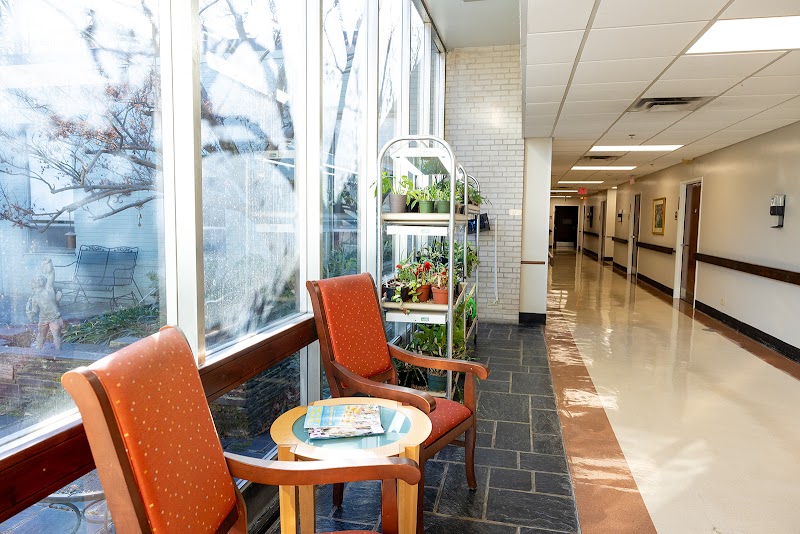
CMS rates A.G. RHODES HOME, INC, THE's staffing level at 2 out of 5 stars, which is below average compared to other nursing homes. Staff turnover is 79%, which is 32 percentage points above the Georgia average of 46%. High turnover can affect care consistency as new staff learn residents' individual needs. RN turnover specifically is 86%, which is notably high. RNs provide skilled clinical oversight, so turnover in this role can affect medical care quality.

What Have Inspectors Found at A.G. Rhodes Home, Inc, The?

State health inspectors documented 16 deficiencies at A.G. RHODES HOME, INC, THE during 2020 to 2025. These included: 16 with potential for harm.
Who Owns and Operates A.G. Rhodes Home, Inc, The?

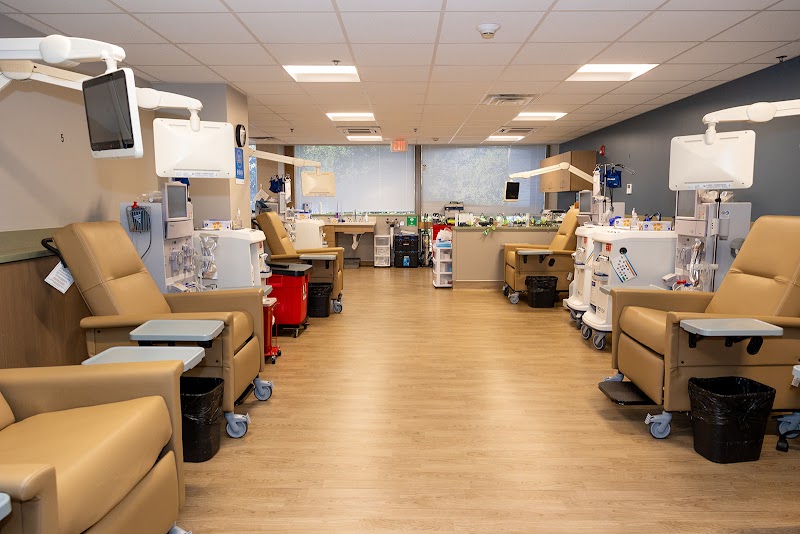
A.G. RHODES HOME, INC, THE is owned by a non-profit organization. Non-profit facilities reinvest revenue into operations rather than distributing to shareholders. The facility operates independently rather than as part of a larger chain. With 138 certified beds and approximately 123 residents (about 89% occupancy), it is a mid-sized facility located in ATLANTA, Georgia.
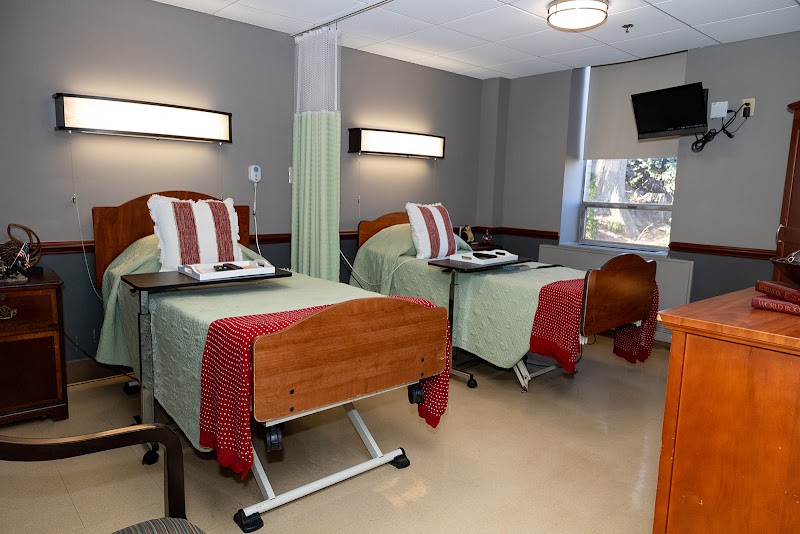
How Does A.G. Rhodes Home, Inc, The Compare to Other Georgia Nursing Homes?

Compared to the 100 nursing homes in Georgia, A.G. RHODES HOME, INC, THE's overall rating (3 stars) is above the state average of 2.6, staff turnover (79%) is significantly higher than the state average of 46%, and health inspection rating (3 stars) is at the national benchmark.

What Should Families Ask When Visiting A.G. Rhodes Home, Inc, The?

Based on this facility's data, families visiting should ask: "How do you ensure continuity of care given staff turnover, and what is your staff retention strategy?" "Can you walk me through typical staffing levels on day, evening, and night shifts?" "Can I visit during a mealtime to observe dining assistance and food quality?" "How do you handle medical emergencies, and what is your hospital transfer rate?" These questions are particularly relevant given the facility's high staff turnover rate and the below-average staffing rating.

Is A.G. Rhodes Home, Inc, The Safe?

Based on CMS inspection data, A.G. RHODES HOME, INC, THE has a clean safety record: no substantiated abuse findings (meaning no confirmed cases of resident harm), no Immediate Jeopardy citations (the most serious violation level indicating risk of serious injury or death), and is not on the Special Focus Facility watch list (a federal program monitoring the lowest-performing 1% of nursing homes). The facility has a 3-star overall rating and ranks #1 of 100 nursing homes in Georgia. While no facility is perfect, families should still ask about staff-to-resident ratios and recent inspection results during their visit.

Do Nurses at A.G. Rhodes Home, Inc, The Stick Around?

Staff turnover at A.G. RHODES HOME, INC, THE is high. At 79%, the facility is 32 percentage points above the Georgia average of 46%. Registered Nurse turnover is particularly concerning at 86%. RNs handle complex medical decisions and coordinate care — frequent RN changes can directly impact care quality. High turnover means new staff may not know residents' individual needs, medications, or preferences. It can also be disorienting for residents, especially those with dementia who rely on familiar faces. Families should ask: What is causing the turnover? What retention programs are in place? How do you ensure care continuity during staff transitions?

Was A.G. Rhodes Home, Inc, The Ever Fined?

A.G. RHODES HOME, INC, THE has no federal fines on record. CMS issues fines when nursing homes fail to meet care standards or don't correct problems found during inspections. The absence of fines suggests the facility has either maintained compliance or corrected any issues before penalties were assessed. This is a positive indicator, though families should still review recent inspection reports for the full picture.

Is A.G. Rhodes Home, Inc, The on Any Federal Watch List?

A.G. RHODES HOME, INC, THE is not on any federal watch list. The most significant is the Special Focus Facility (SFF) program, which identifies the bottom 1% of nursing homes nationally based on persistent, serious quality problems. Not being on this list means the facility has avoided the pattern of deficiencies that triggers enhanced federal oversight. This is a positive indicator, though families should still review the facility's inspection history directly.