AZALEA HEALTH CENTER BY HARBORVIEW
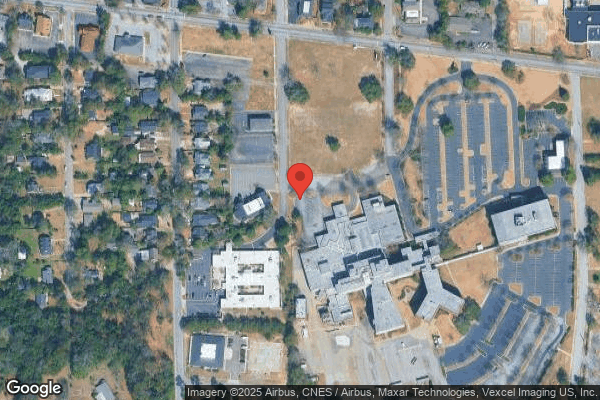
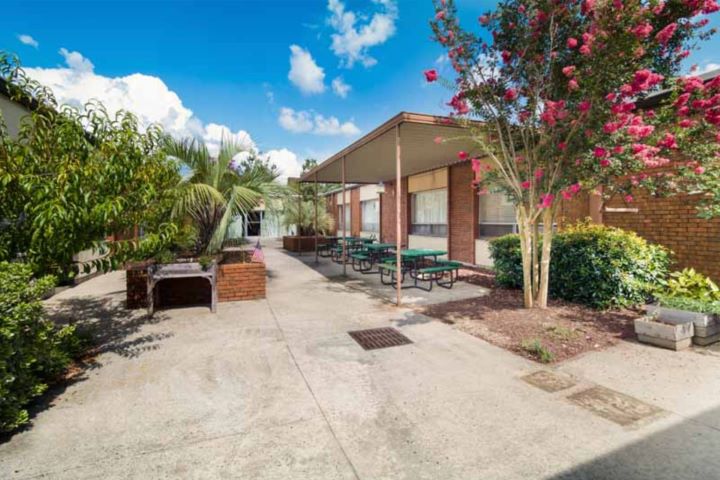
1600 ANTHONY ROAD, AUGUSTA, GA 30904 (706) 738-3301
For profit - Limited Liability company 99 Beds HARBORVIEW HEALTH SYSTEMS Data: November 2025
Trust Grade
50/100
#246 of 353 in GA
Last Inspection: March 2025

Within standard 12-15 month inspection cycle. Federal law requires annual inspections.

Overview

Azalea Health Center by Harborview has a Trust Grade of C, which means it is average and sits in the middle of the pack among nursing homes. It ranks #246 out of 353 facilities in Georgia, placing it in the bottom half, and #9 out of 11 in Richmond County, indicating that only one local option is better. The facility's trend is worsening, as the number of reported issues increased from 3 in 2023 to 7 in 2025. Staffing is a weakness, with a poor rating of 1 out of 5 stars and a turnover rate of 53%, which is higher than the state average. However, the center has no fines on record, which is a positive sign, and it provides more RN coverage than 78% of Georgia facilities, ensuring better oversight of resident care. Some specific concerns identified include expired medications found in storage rooms, which were not disposed of properly, and a failure to ensure that several residents received adequate care with their activities of daily living, risking their quality of life. Additionally, records showed that one resident had not been evaluated for serious mental illness as required, potentially compromising their care needs. While there are strengths, such as no fines and good RN coverage, the facility’s overall low ratings and increasing issues indicate areas that need significant improvement.

Trust Score
C
50/100
In Georgia
#246/353
Bottom 31%
Safety Record
Low Risk
No red flags
Inspections
Getting Worse
3 → 7 violations
Staff Stability
⚠ Watch
53% turnover. Above average. Higher turnover means staff may not know residents' routines.
Penalties
✓ Good
No fines on record. Clean compliance history, better than most Georgia facilities.
Skilled Nurses
○ Average
Each resident gets 35 minutes of Registered Nurse (RN) attention daily — about average for Georgia. RNs are the most trained staff who monitor for health changes.
Violations
⚠ Watch
12 deficiencies on record. Higher than average. Multiple issues found across inspections.
★☆☆☆☆
1.0
Overall Rating
★☆☆☆☆
1.0
Staff Levels
★☆☆☆☆
1.0
Care Quality
★★★☆☆
3.0
Inspection Score
Stable
2023: 3 issues
2025: 7 issues

The Good

  • Full Sprinkler Coverage · Fire safety systems throughout facility
  • No fines on record

Facility shows strength in fire safety.

The Bad

1-Star Overall Rating

Below Georgia average (2.6)

Significant quality concerns identified by CMS

Staff Turnover: 53%

Near Georgia avg (46%)

Higher turnover may affect care consistency

Chain: HARBORVIEW HEALTH SYSTEMS

Part of a multi-facility chain

Ask about local staffing decisions and management

The Ugly 12 deficiencies on record

Mar 2025 7 deficiencies
CONCERN (D) 📢 Someone Reported This

A family member, employee, or ombudsman was alarmed enough to file a formal complaint

Potential for Harm - no one hurt, but risky conditions existed

Safe Environment (Tag F0584)

Could have caused harm · This affected 1 resident

**NOTE- TERMS IN BRACKETS HAVE BEEN EDITED TO PROTECT CONFIDENTIALITY** Based on observations, staff interviews, and review of the facility's policy titled, Safe and Homelike Environment, the facility...

Read full inspector narrative →
**NOTE- TERMS IN BRACKETS HAVE BEEN EDITED TO PROTECT CONFIDENTIALITY** Based on observations, staff interviews, and review of the facility's policy titled, Safe and Homelike Environment, the facility failed to ensure a clean, homelike, and safe environment for one of three units (Unit 2). Specifically, the facility failed to ensure that the resident's living areas were free of clutter, that privacy curtains were clean and free of debris, and that the resident's rooms were provided with necessary repairs. These deficient practices had the potential to place residents at risk of living in an unsanitary and unsafe living environment and a potential for diminished quality of life. Findings include: Review of the facility Policy titled, Safe and Homelike Environment, dated 3/1/2024, revealed the Policy Explanation and Compliance Guidelines section included . 3. Housekeeping and maintenance services will be provided as necessary to maintain a sanitary, orderly, and comfortable environment. Observations on 3/14/2025 at 8:52 am and 3/15/2025 at 9:52 am in room [ROOM NUMBER] revealed Bed C had personal items stored on the floor and stacked in the corner of the room. Bed D had multiple items stored on the overbed table area, cluttered with various items and clothing noted in bags. Observations on 3/14/2025 at 9:15 am and 3/15/2025 at 9:12 am in room [ROOM NUMBER] revealed sheet rock exposed by the door entering the room, Bed A side of the room was cluttered with adult briefs, Bed B side of the room was cluttered with personal items from the floor to midway the window with personal items, the sheet rock behind Bed B was exposed, and the sink ledge was chipped with jagged edges exposed. Observations on 3/14/2025 at 9:45 am and 3/15/2025 at 9:20 am revealed the bathroom door in room [ROOM NUMBER] was hard to open, making it hard for residents to access the bathroom. The room was cluttered with personal items on the Bed A side of the room, black marks were noted on the wall at the entrance to the room on the left side, and the wallpaper was peeling from the wall by the sink. Observations on 3/14/2025 at 9:50 am and 3/15/2025 at 9:37 am in room [ROOM NUMBER] revealed the privacy curtain had brown spots noted throughout the curtain, starting from the middle of the curtain to the hem. Further observation revealed that the Bed A side of the room was cluttered with personal items, including clothes and boxed food items, a pile of adult briefs, a tote bag, and personal care items on top of the dresser drawers behind the door, and the sink in room [ROOM NUMBER] was cluttered with various items. Observations on 3/14/2025 at 10:10 am and 3/15/2025 at 9:40 am in room [ROOM NUMBER] revealed the wall under the window had scattered patches of a brown substance. The tile in the ceiling to the right of the room had a large brown stain noted on two tiles in the upper corner. The space between Bed B and the window was cluttered with a clear tote noted on the floor and a laundry basket full of clothes on top of it. Observations on 3/14/2025 at 10:15 am and 3/15/2025 at 9:15 am in room [ROOM NUMBER] revealed two wheelchairs and a rollator stored in the area between Beds C and D with clothing items resting on them. During observation, it was noted there was only room for the residents in Bed C and D to transfer from one side of the bed with limited space. Confirmation walking rounds on 3/16/2025 at 2:42 pm with the Administrator and the Environmental Services Manager confirmed all observations that were noted during the survey process. An interview with the Administrator revealed letters would be going out to the residents and residents' families for the removal of the overflow of belongings from the rooms to reduce the clutter. Observations on 3/15/2025 at 8:25 am and 3/16/2025 at 2:30 pm of the laundry room revealed missing ceiling tiles, water-stained ceiling tiles, ceiling tiles that were falling apart, and a ventilation unit wrapped in an aluminum foil-like material secured with duct tape with insulation spilling out of one end and in the middle. During concurrent interviews and observations on 3/16/2025 at 2:30 pm, the Administrator and Director of Housekeeping confirmed the findings in the laundry room. The Administrator stated his intention was to have the ceiling replaced in the next two months and was ordering new lighting and ceiling tiles.
CONCERN (D) 📢 Someone Reported This

A family member, employee, or ombudsman was alarmed enough to file a formal complaint

Potential for Harm - no one hurt, but risky conditions existed

Deficiency F0602 (Tag F0602)

Could have caused harm · This affected 1 resident

Based on observations, staff interviews, and review of the facility policy titled, Medication Administration, the facility failed to ensure that residents' medications were free from misappropriation ...

Read full inspector narrative →
Based on observations, staff interviews, and review of the facility policy titled, Medication Administration, the facility failed to ensure that residents' medications were free from misappropriation by licensed nursing staff during medication administration observations. Findings include: A review of the facility policy titled, Medication Administration, revised 6/1/2024, revealed the Policy Explanation and Compliance Guidelines section included .10. Ensure that the six rights of medication administration are followed: a. Right Resident, b. Right Drug, c. Right Dosage, d. Right Route, e. Right Time, f. Right Documentation. During medication administration observation on 3/15/2025 at 9:18 am, Registered Nurse (RN) EE stated that R17's metoprolol extended-release (ER) 50 milligram (mg) (a medication used to lower blood pressure and heart rate) was not available on the medication cart. Continued observation and interview at 10:15 am revealed RN EE stated she would obtain the medication from the facility's backup dispensing system and walked away. At 10:25 am, RN EE returned to the medication cart with a medication cup containing two tablets. She stated that she went to the nurse at Station 2 and asked her to give her two metoprolol ER 25 mg tablets. In an interview on 3/15/2025 at 10:29 am, at the Nurses' Station 2, Licensed Practical Nurse (LPN) CC stated that she pulled two metoprolol 12.5 mg tablets from another resident's medication pack and provided them to RN EE. LPN CC further stated that she knew that she should not have pulled the medication from another resident's medication supply, but she wasn't thinking. In an interview on 3/16/2025 at 3:20 pm, the Director of Nursing (DON) stated that if a resident's medication was not available, the nurse should obtain the medication from the facility's backup medication-dispensing system, and if it was not available in the backup system, the nurse should call the pharmacy.
CONCERN (D) 📢 Someone Reported This

A family member, employee, or ombudsman was alarmed enough to file a formal complaint

Potential for Harm - no one hurt, but risky conditions existed

Pharmacy Services (Tag F0755)

Could have caused harm · This affected 1 resident

Based on observation, staff interviews, record review, and review of the facility's policy titled, Pharmacy Services, the facility failed to ensure that medication was obtained from the pharmacy in a ...

Read full inspector narrative →
Based on observation, staff interviews, record review, and review of the facility's policy titled, Pharmacy Services, the facility failed to ensure that medication was obtained from the pharmacy in a timely manner for one of five residents (R) (R17) observed for medication administration. Findings include: Review of the facility's policy titled, Pharmacy Services, revised 3/1/2025, revealed the Policy section included It is the policy of this facility to ensure that pharmaceutical services, whether employed by the facility or under an agreement, are provided to meet the needs of each resident, are consistent with state and federal requirements, and reflect current standards of practice. The Compliance Guidelines section included, 1. The facility will provide pharmaceutical services to include procedures that assure the accurate acquiring, receiving, dispensing, and administering of all routine and emergency drugs and biologicals to meet the needs of each resident, are consistent with state and federal requirements, and reflect current standards of practice. Review of the clinical record revealed R17 had diagnoses including, but not limited to, essential (primary) hypertension, metabolic encephalopathy, tachycardia, unspecified, and anxiety disorder. Review of R17's Physician's Orders revealed orders dated 2/3/2025 that included metoprolol extended release (ER) 50 milligrams (mg), one by mouth in the morning for hypertension (high blood pressure), and diltiazem ER 120 mg, one capsule by mouth in the morning for hypertension. Observation on 3/15/202 at 9:18 am, during medication administration, with Registered Nurse (RN) EE revealed R17's metoprolol ER 50 mg and diltiazem 120 mg ER were not available in the medication cart. Observation on 3/15/2025 at 9:35 am revealed RN EE asked Licensed Practical Nurse (LPN) GG to obtain the missing medications from the 'overflow.' LPN GG returned with the metoprolol ER 50 mg. In an interview on 3/15/2025 at 9:53 am, LPN GG stated the diltiazem 120 mg ER was not available in the facility. She stated the facility did not have a backup pharmacy provider. She further stated that she would notify the facility's pharmacy, and the pharmacy would arrange for the provision of the medication. She stated she was unsure of the time the medication would be delivered, but it would be at least an hour and would not arrive in time to administer to R17 as ordered. In an interview on 3/15/2025 at 10:00 am, the Director of Nursing (DON) stated she was aware medications were not being reordered in a timely manner. She stated that the nurse should reorder the medication from the pharmacy when the pill cards reach the blue mark on the packet to ensure the timely delivery of the medication. The DON confirmed the facility failed to ensure R17's medications were available for timely administration as ordered by the physician.
CONCERN (D) 📢 Someone Reported This

A family member, employee, or ombudsman was alarmed enough to file a formal complaint

Potential for Harm - no one hurt, but risky conditions existed

Deficiency F0760 (Tag F0760)

Could have caused harm · This affected 1 resident

Based on observations, staff interviews, record review, and review of the facility policies titled Medication Administration and Pharmacy Services, the facility failed to ensure that one of five resid...

Read full inspector narrative →
Based on observations, staff interviews, record review, and review of the facility policies titled Medication Administration and Pharmacy Services, the facility failed to ensure that one of five residents (R) (R17) observed during medication administration observations was free from significant medication errors. Findings include: A review of the facility policy titled Medication Administration, revised 6/1/2024, revealed the Policy Explanation and Compliance Guidelines section included . 10. Ensure that the six rights of medication administration are followed: e. Right time. 12. Compare medication source with MAR (medication administration record) to verify resident name, medication name, form, dose, route, and time. b. Administer within 60 minutes prior to or after scheduled time unless otherwise ordered by physician. Review of the facility's policy titled, Pharmacy Services, revised 3/1/2025, revealed the Policy section included It is the policy of this facility to ensure that pharmaceutical services, whether employed by the facility or under an agreement, are provided to meet the needs of each resident, are consistent with state and federal requirements, and reflect current standards of practice. The Compliance Guidelines section included, 1. The facility will provide pharmaceutical services to include procedures that assure the accurate acquiring, receiving, dispensing, and administering of all routine and emergency drugs and biologicals to meet the needs of each resident, are consistent with state and federal requirements, and reflect current standards of practice. Review of the facility-provided document titled, Medication Times, revealed that medications ordered daily were to be administered at 9:00 am, and medications ordered to be administered two times daily were to be administered at 9:00 am and 6:00 pm. Review of the clinical record revealed R17 had diagnoses including, but not limited to, essential (primary) hypertension, metabolic encephalopathy, tachycardia, unspecified, and anxiety disorder. Review of R17's Physician's Orders revealed an order dated 2/3/2025 for diltiazem ER 120 mg, one capsule by mouth in the morning, for hypertension. Review of R17's Medication Administration Record (MAR) revealed the 3/15/2025 9:00 section for diltiazem 120 mg ER was coded as 4. The Chart Codes on the MAR indicated 4 was Other/See Nurse Notes. Review of R17's Progress Notes revealed an entry dated 3/15/2025 at 4:22 pm of Resident's diltiazem ER 120 mg available. Writer called and informed (Physician's name). New order received to give diltiazem ER 120 mg x 1 (one time). BP (blood pressure) 148/70. Medication given per order. Resident informed of above information, and she acknowledged understanding of information given. During medication pass observation on 3/15/2025 at 10:43 am, RN EE administered R17's medications. Further observation revealed the diltiazem 120 mg ER was not administered at 10:43 am. RN EE confirmed that the diltiazem 120 ER 120 mg was not available for administration. In an interview on 3/15/2025 at 9:20 am, Licensed Practical Nurse (LPN) GG stated she would notify the physician and pharmacy of the missing medication. She further stated that the medication may not be available for at least one hour. She confirmed the medication was ordered to be administered at 9:00 am and should be administered within one hour of the scheduled time. In an interview on 3/15/2025 at 10:00 am, the Director of Nursing (DON) confirmed that the morning medication administration time was at 9:00 am and stated medications should be administered within one hour before or after 9:00 am. She stated she was aware that R17's diltiazem 120 mg ER was unavailable in the facility and would inform the physician. In an interview on 3/16/2025 at 3:20 pm, the DON stated that it was her expectation for medications to be available and administered one hour before or after the scheduled time. The DON confirmed the facility administered R17's morning dose of diltiazem 120 mg ER after 4:00 pm on 3/15/2025.
CONCERN (E) 📢 Someone Reported This

A family member, employee, or ombudsman was alarmed enough to file a formal complaint

Potential for Harm - no one hurt, but risky conditions existed

PASARR Coordination (Tag F0644)

Could have caused harm · This affected multiple residents

**NOTE- TERMS IN BRACKETS HAVE BEEN EDITED TO PROTECT CONFIDENTIALITY** 3. Record review for R14 revealed the resident was admitted to the facility on [DATE] with a diagnosis of, but not limited to, b...

Read full inspector narrative →
**NOTE- TERMS IN BRACKETS HAVE BEEN EDITED TO PROTECT CONFIDENTIALITY** 3. Record review for R14 revealed the resident was admitted to the facility on [DATE] with a diagnosis of, but not limited to, bipolar disorder. Review of the admission MDS dated [DATE] revealed Section A (Identification Information) documented the resident had not been evaluated by Level II PASRR and determined to have a serious mental illness and/or mental retardation or a related condition. Section I (Active Diagnoses) documented manic depression (bipolar disease) as a diagnosis. Review of the Quarterly Minimum Data Set (MDS) dated [DATE] revealed Section C (Cognitive Pattern) documented a BIMS of 12 (indicating moderate cognitive impairment). Section I (Active Diagnoses) documented manic depression (bipolar disease) as a diagnosis. Review of R14's medications revealed the resident was currently prescribed clonazepam 1 mg by mouth two times daily for anxiety, quetiapine fumarate 100 mg one tablet by mouth every morning and at bedtime for bipolar, and sertraline HCL 75 mg one tablet by mouth one time a day for depression. Review of R14's PASRR Level I assessment dated [DATE] revealed R14 did not have a primary diagnosis of dementia, did not have a terminal illness, and did not have a diagnosis of a serious mental illness or mental disorder. Further review of R14's EMR revealed a diagnosis of bipolar disorder that was initiated on 4/2/2024 with no indication of a PASRR Level II submission on behalf of R14. Review of the Progress Notes located in the EHR revealed an entry dated 3/30/3034 at 9:24 pm that R14 exhibited screaming constantly, crying, and hallucinations. Review of the Behavioral Monitoring document for R14 indicated that resident exhibited behavioral symptoms six of 31 days in January 2025 (1/13/2025, 1/15/2025,1/20/2025, 1/21/2025 1/29/2025 and 1/31/2025) and 12 of 28 days in February 2025 (2/1/2025, 2/3/2025, 2/6/2025, 2/7/2025, 2/11/2025, 2/13/2025, 2/13/2025, 2/17/2025,2/18/2025, 2/20/2025, 2/21/2025, 2/27/2025, and 2/28/2025). Review of the facility-provided list of residents with Level II PASRR within the facility revealed that R14's name was not listed. Observation on 3/14/2025 at 2:35 pm revealed R14 was yelling out help, help. There was staff in the resident's room providing care to other residents. Observation on 3/15/2025 at 8:31 am and 10:31 am revealed R14 lying in bed, yelling inaudible words. Observation on 3/15/2025 at 5:29 pm revealed R14 was yelling out help repeatedly. The staff was passing dinner trays to other residents. In an interview on 3/15/2025 at 5:43 pm, the Regional Nurse Consultant confirmed that R14 only had a Level I PASRR, and a PASRR Level II had not been applied for. 4. Review of the medical record for R294 revealed the resident was admitted with the diagnoses of, but not limited to, major depressive disorder, anxiety disorder, and bipolar disorder. Review of the admission MDS dated [DATE] revealed Section A (Identification Information) documented the resident had not been evaluated by Level II PASRR and determined to have a serious mental illness and/or mental retardation or a related condition. Review of the Quarterly Minimum Data Set (MDS) dated [DATE] revealed Section C (Cognitive Patterns) revealed a Brief Interview For Mental Status score of 14 (indicating little to no cognitive impairment). Section I (Active Diagnoses) documented diagnoses of anxiety disorder, depression, and bipolar disorder. Review of R294's medication regime revealed the resident was prescribed citalopram 30 mg, one tablet by mouth daily (a medication used to treat depression), and quetiapine fumarate 50 mg, one tablet by mouth two times a day for bipolar disorder. Review of R294's PASRR Level I assessment dated [DATE] revealed R5 did not have a primary diagnosis of dementia, did not have a terminal illness, and did not have a diagnosis of a serious mental illness or mental disorder. Review of R294's EHR revealed a diagnosis of bipolar disorder that was initiated on 4/2/2024 with no indication that a PASRR Level II was applied for on behalf of R294. Review of the Behavioral Monitoring document for R294 revealed that the resident exhibited behavioral symptoms two of 31 days in January 2025 (1/19/2025 and 1/27/2025) and four of 28 days in February (2/4/2025, 2/10/2025, 2/11/2025, and 2/12/2025). Review of the facility-provided list of residents with Level II PASRR within the facility revealed that R294's name was not listed. In an interview on 3/15/2025 at 5:43 pm, the Regional Nurse Consultant confirmed that R294 only had a Level I PASRR, and a PASRR Level II had not been applied for. Based on observations, staff interviews, record review, and review of the facility's policy titled, Resident Assessment-Coordination with PASARR Program, the facility failed to submit for a Preadmission Screening and Resident Review (PASRR) Level II after a new mental illness diagnosis was added for four of 35 sampled residents (R) (R5, R2, R14, and R294) reviewed for PASRR. This deficient practice had the potential to place R5, R2, R14, and R294 at risk of not receiving services and/or care according to their needs. Findings include: Review of the facility's policy titled, Resident Assessment-Coordination with PASARR Program, dated 3/1/2022, revealed the section titled Policy Explanation and Compliance Guidelines included . 6. The Social Services Director shall be responsible for keeping track of each resident's PASARR screening status and referring to the appropriate authority .9. Any resident who exhibits a newly evident or possible serious mental disorder, intellectual disability, or a related condition will be referred promptly to the state mental health or intellectual disability authority for a level II resident review. Examples include: (b) A resident whose intellectual disability or related condition was not previously identified and evaluated through PASARR. 1. Review of the admission Record revealed R5 was admitted to the facility on [DATE] with diagnoses that included, but not limited to, unspecified dementia of unspecified severity without behavioral disturbance, psychotic disturbance, mood disturbance, anxiety, and Post-Traumatic Stress Disorder (PTSD). Depression was added as a diagnosis on 11/6/2023. Review of R5's Annual Minimum Data Set (MDS) dated [DATE] Section A (Identification Information) documented the resident had not been evaluated by Level II PASRR and determined to have a serious mental illness and/or mental retardation or a related condition. Section C (Cognitive Patterns) revealed a Brief Interview for Mental Status (BIMS) score of eight (indicating moderate cognitive impairment). Section I (Active Diagnosis) revealed non-Alzheimer's dementia, depression (other than bipolar), and PTSD. Section N (Medications) revealed the resident received antidepressant medications during the look-back period of the assessment. Section O (Special Treatments, Procedures, and Programs) revealed no psychological therapy during the look-back period of the assessment. Review of R5's Physician Orders, dated 10/4/2023, revealed the resident was currently receiving sertraline hydrochloride (HCL) tablet 75 milligrams (mg) by mouth one time a day for depression. Review of R5's PASRR Level I assessment dated [DATE] revealed R5 did not have a primary diagnosis of dementia, did not have a terminal illness, and did not have a diagnosis of a serious mental illness or mental disorder. Further review of R5's electronic health records (EHR) revealed no submissions for a PASRR Level II after the new mental illness diagnoses were added. Review of the facility-provided list of residents with Level II PASRR within the facility revealed that R5's name was not listed. In an interview on 3/15/2025 at 5:00 pm, the Regional Nurse Consultant confirmed R5 did not have a PASRR Level II. She stated that R5 qualified as a PASRR Level I and provided the PASRR Level I screen. 2. Review of the admission Record revealed that R2 was admitted to the facility on [DATE] with diagnoses that included, but not limited to, depression, PTSD, anxiety disorder and unspecified dementia, unspecified severity (all added on 4/26/2024), adjustment disorder with mixed anxiety and depressed mood added on 8/27/2024, and delusional disorder added on 5/14/2024. Review of R2's Annual MDS dated [DATE] Section A (Identification Information) documented the resident had not been evaluated by Level II PASRR and determined to have a serious mental illness and/or mental retardation or a related condition. Section C ( Cognitive Patterns) revealed a BIMS score of 13 (indicating little to no cognitive impairment). Section I (Active Diagnosis) revealed anxiety disorder, depression (other than bipolar), and PTSD. Section N (Medications) revealed the resident received antipsychotics, antidepressants, and opioid medications during the look-back period of the assessment. Section O (Special Treatments, Procedures, and Programs) revealed no psychological therapy during the look-back period of the assessment. Review of R2's Physician Orders, dated 2/7/2025, revealed the resident was currently receiving fluoxetine HCL oral capsule 20 mg, two capsules by mouth one time a day for depression, and quetiapine fumarate oral tablet 100 mg, one tablet by mouth at bedtime for delusional disorder. Review of R2's PASRR Level I assessment dated [DATE] revealed R2 did not have a primary diagnosis of dementia and had a serious mental illness or mental disorder of depression. Further review of R2's EHR revealed no submissions for a PASRR Level II after the new mental illness diagnoses were added. Review of the facility-provided list of residents with Level II PASRR within the facility revealed that R2's name was not listed. In an interview on 3/16/2025 at 11:32 am, the Director of Operations (DOO) and MDS Director HH reviewed R5 and R2's EHRs. MDS Director HH confirmed R5 and R2 had documented qualifying diagnosis for a PASRR Level II, and a PASRR Level I screen had not been resubmitted after R5 and R2 received the new diagnoses. The DOO revealed that they had a new Social Services Director (SSD) at the facility who was being trained. She stated she expected staff to resubmit the PASRR Level I screenings if qualifying diagnoses were added. In a telephone interview on 3/16/2025 at 11:43 am, the SSD revealed she was new in her role but was responsible for submitting PASRRs. She revealed that she had only worked in the facility for one week and was currently training with MDS Director HH. She stated that she had no knowledge of R2 or R5's diagnoses or PASRR status and was still learning the process.
CONCERN (E) 📢 Someone Reported This

A family member, employee, or ombudsman was alarmed enough to file a formal complaint

Potential for Harm - no one hurt, but risky conditions existed

ADL Care (Tag F0677)

Could have caused harm · This affected multiple residents

**NOTE- TERMS IN BRACKETS HAVE BEEN EDITED TO PROTECT CONFIDENTIALITY** Based on observations, staff interviews, resident interviews, record review, and review of the facility's policies titled, Activ...

Read full inspector narrative →
**NOTE- TERMS IN BRACKETS HAVE BEEN EDITED TO PROTECT CONFIDENTIALITY** Based on observations, staff interviews, resident interviews, record review, and review of the facility's policies titled, Activity of Daily Living (ADLs) and Residents Rights, the facility failed to ensure three of five residents (R) (R8, R84, and R294) sampled for ADL care received care and services for ADLs. The deficient practice had the potential to place R8, R84, and R294 at risk for unmet needs and a diminished quality of life. Findings include: Review of the facility's policy titled, Activity of Daily Living (ADLs), revised 3/1/2023, revealed the Policy section included The facility will, based on the resident's comprehensive assessment and consistent with the resident's needs and choices, ensure a resident's abilities in ADLs do not deteriorate unless deteriorate unless deterioration is unavoidable. Care and services will be provided for the following activities of daily living: 1. bathing, dressing, grooming, and oral care. Review of the facility's policy titled, Resident Rights, revised 2/1/2025, revealed the section titled Resident Rights included . 5. Self-determination. The resident has the right to and the facility must promote and the facility must promote and facilitate resident self-determination through support of resident choice, including but not limited to b. The resident has the right to make choices about aspects of his or her life in the facility that are significant to the resident. 1. Record review for R8 revealed diagnoses including, but not limited to, essential hypertension chronic pain, scoliosis, quadriplegia, and muscle wasting. Review of R8's Quarterly Minimum Data Set (MDS) dated [DATE] revealed Section C (Cognitive Pattern) documented a Brief Interview For Mental Status (BIMS) score of 8 (indicating the resident had severe cognitive impairment). Section GG (Functional Abilities and Goals) documented that R8 had impairment on each side and required assistance with ADLs. Review of R8's care plan revealed a Focus area of Resident has an ADL self-care performance deficit related to activity intolerance, impaired balance, limited mobility. Interventions included that the resident was total dependent on one to two person staff for bathing/showering as needed or as required and required substantial to maximal assistance for personal hygiene and care. Observation on 3/14/2025 at 10:05 am revealed R8 had a moderate amount of facial hair visible under her chin, and her hair appeared disheveled and unkempt. In an interview on 3/14/2025 at 10:05 am, R8 revealed she had not had a shower in a month and that her hair needed to be washed. Observation on 3/15/2025 at 11:14 am revealed R8 continued to have a moderate amount of facial hair visible under her chin, and her hair appeared disheveled and unkempt. In an interview on 3/15/2025 at 11:23 am, Certified Nurse Aide (CNA) AA revealed that she worked with R8 quite a bit and had not given the resident a shower since she has been working with the resident in the past month. She stated that R8 was given a bed bath instead of the shower because R8 required a shower bed transport, and the bed would not fit through the shower room door. In an interview on 3/15/2025 at 11:30 am, CNA BB revealed that residents who require a shower bed were taken to the shower room on Unit Three. CNA BB stated the shower bed was a little larger than the door frame, however, it would fit through the door after maneuvering the bed around into the door and shower stall. In an interview on 3/15/2025 at 11:45 am, CNA DD revealed that she was responsible for the care of R8 on 3/14/2025 when the resident was scheduled for her shower. CNA DD confirmed that R8 had not received a shower as scheduled and that it had been a while since the resident had been to the shower room. In an interview on 3/15/2025 at 11:50 am, Licensed Practical Nurse (LPN) CC revealed that R8's scheduled shower days were Monday, Wednesday, and Friday on the day shift. LPN CC confirmed R8 had not received a shower as scheduled, and there was no documentation of R8 refusing a shower or personal hygiene. LPN CC verified that R8 had visible facial hair on her chin and stated it needed to be removed. 2. Record review for R84 revealed diagnoses including, but not limited to, chronic obstructive pulmonary disease, Type 2 diabetes mellitus, weakness, and retention of urine. Review of R84's admission MDS assessment dated [DATE] revealed Section C(Cognitive Patterns) documented a BIMS of 11 (indicating moderate cognitive impairment). Section GG (Functional Abilities and Goals) documented R84 was dependent for showering/bathing self and required substantial to maximal assistance with personal hygiene. Review of R84's care plan revealed a Focus area of Resident needs assistance with grooming, bathing, and personal hygiene related to self-care impairment. Interventions included the resident was dependent for bathing, dressing, and nail care. Observation on 3/14/2025 at 8:45 am revealed R84 was lying in bed with visible facial hair on the chin, and the resident's hair appeared disheveled and unkempt. Observation on 3/15/2025 at 9:30 am revealed R84 continued to have visible facial hair on the chin, and the resident's fingernails had a brown substance on the nail beds. Observation on 3/16/2025 at 8:00 am revealed R84 continued to have visible facial hair on the chin, and the resident's fingernails had a brown substance on the nail beds. 3. Record review for R294 revealed diagnoses of, but not limited to, pulmonary embolism, hypothyroidism, major depressive disorder, anxiety disorder, and generalized muscle weakness. Review of R294's Quarterly MDS assessment dated [DATE] revealed Section C(Cognitive Patterns) documented a BIMS of 14 (indicating little to no cognitive impairment). Section GG (Functional Abilities and Goals) documented that R294 required substantial to moderate assistance for showering/bathing self and partial to moderate assistance with personal hygiene. Review of R294's care plan revealed a Focus area of Resident needs assist with grooming, bathing, and personal hygiene related to self-care impairment. Interventions included the resident required limited assistance with bathing and dressing and supervision with personal hygiene. Observation on 3/14/2025 at 9:00 am revealed R294 was sitting in a wheelchair in her room. Her hair appeared greasy and unkempt, and her fingernails had visible brown substance underneath the nail beds. Observation on 3/14/2025 at 4:30 pm revealed R294's hair continued to appear greasy and unkempt, and her nails continued to have a brown substance underneath the nail beds. Observation on 3/15/2025 at 8:00 am revealed R294 sitting up in a wheelchair at her bedside wearing the same clothing she had worn the day before. Her hair appeared greasy and unkempt, and her nails continued to have a brown substance underneath the nail beds. Observation on 3/15/2025 at 3:00 pm revealed that R294 continued to wear the same clothing from the previous observation, and there had been no change in the resident's hygiene since the survey entrance. In an interview on 3/15/2025 at 3:20 pm, R294 revealed that the staff had not offered her any assistance with showering. Observation on 3/16/2025 at 8:00 am revealed that R294 continued to wear the same clothes and had greasy, unkempt hair, and her nails still had a brown substance on the nailbeds. In an interview on 3/16/2025 at 12:30 pm, the Director of Nursing (DON) revealed her expectation was for staff to provide showers and ADL care to residents as scheduled and document any refusal of care.
CONCERN (E) 📢 Someone Reported This

A family member, employee, or ombudsman was alarmed enough to file a formal complaint

Potential for Harm - no one hurt, but risky conditions existed

Unnecessary Medications (Tag F0759)

Could have caused harm · This affected multiple residents

Based on observation, staff interviews, record review, and review of the facility's policy titled, Medication Administration, the facility failed to ensure a medication error rate of less than five pe...

Read full inspector narrative →
Based on observation, staff interviews, record review, and review of the facility's policy titled, Medication Administration, the facility failed to ensure a medication error rate of less than five percent. There were 27 opportunities with 10 medication errors for one of four residents (R) (R17) observed for medication administration. The medication error rate was 37.04 percent. Findings include: Review of the facility's policy titled Medication Administration, revised 6/1/2024, revealed the Policy Explanation and Compliance Guidelines section included. 10. Ensure that the six rights of medication administration are followed: g. Right Resident, h. Right Drug, i.Right Dosage, j. Right Route, k. Right Time, l. Right Documentation . The Example guidelines for Medication Administration section included, Medication timing (excludes insulin): . BID (two times a day) 9 am, 9 pm, QD (every day) 9:00 am. Review of the facility-provided document titled Medication Times revealed that medications ordered daily were to be administered at 9:00 am, and medications ordered to be administered two times daily were to be administered at 9:00 am and 6:00 pm. Review of R17's clinical record revealed diagnoses including, but not limited to, essential hypertension, metabolic encephalopathy, tachycardia, and anxiety disorder. Review of R17's Physician's Orders revealed the orders included diltiazem extended release (ER) 120 milligrams (mg) one in the morning for hypertension (HTN), escitalopram oxalate 20 mg one daily for depression, folic acid 1 mg one a day for supplement, metoprolol succinate extended release (ER) 50 mg one in the morning for HTN, oxybutynin chloride 2.5 mg one in the morning for over-active bladder, Risperdal 0.5mg one in the morning for schizophrenia, Trelegy Ellipta aerosol inhaler, one puff daily for chronic obstructive pulmonary disease (COPD), vitamin D-3 one daily for supplement, Colace 100mg one every morning and bedtime for constipation, and Dulera inhalation aerosol two puffs every morning and bedtime for COPD. Review of R17's Medication Administration Record (MAR) dated 3/2025 revealed all medications ordered to be given once daily or every morning were scheduled to be administered at 9:00 am. During medication administration observation on 3/15/2025 at 10:43 am, Registered Nurse (RN) EE administered R17's morning medications at 10:43 am. The diltiazem ER 120 mg was not available. In an interview on 3/15/2025 at 10:00 am, the Director of Nursing (DON) stated that the morning medication administration time was 9:00 am. She stated she would notify the physician of the medication that was unavailable and of the medications being administered late. In an interview on 3/15/2025 at 10:15 am, RN EE stated she was aware that R17's medications were late and had not been administered on time. In an interview on 3/16/2025 at 3:20 pm, the DON stated that it was her expectation for medications to be given one hour before or after the scheduled time. The DON confirmed the facility failed to administer medications in a timely manner.
Apr 2023 3 deficiencies
CONCERN (D) 📢 Someone Reported This

A family member, employee, or ombudsman was alarmed enough to file a formal complaint

Potential for Harm - no one hurt, but risky conditions existed

Notification of Changes (Tag F0580)

Could have caused harm · This affected 1 resident

Based on staff and resident representative interviews, and a review of the facility's policy titled, Notification of Changes, the facility failed to notify the resident representative of significant c...

Read full inspector narrative →
Based on staff and resident representative interviews, and a review of the facility's policy titled, Notification of Changes, the facility failed to notify the resident representative of significant changes for one of five Residents (R) (#57). Specifically, the facility failed to notify the resident representative (RR) for R#57 of the transfer to the acute hospital post a fall on March 8, 2023. Findings: Review of the facility policy titled, Notification of Changes, under Compliance Guidelines: revealed the facility must inform the resident, consult with the resident's physician and /or notify the resident's family member of legal representative when there is a change requiring such notification. 4. A transfer or discharge of the resident from the facility. Record review of the Progress Notes for R#57 dated 3/8/2023 at 8:29 a.m. in the Medication Administration Record (MAR) Text: Resident is in the hospital. Record review of the nurse's notes for R#57 dated 3/7/2023 at 3:48 p.m. revealed the resident's representative (RR) was notified of R#57's fall. Record review of the electronic medical record (EMR) for R#57 dated 3/8/2023 from the acute care facility revealed that the history of the resident was obtained from nursing home documentation and nursing home staff. Record review of the Progress Notes for R#57 revealed there was not a notification made to the resident representative that R#57 was transferred to the hospital post fall. Interview on 04/20/2023 at 8:39 a.m. with Licensed Practical Nurse (LPN) AA confirmed that the progress notes of R#57 do not document the resident being transferred to the hospital and notification to the resident representative. Interview on 04/20/2023 at 11:01 a.m. with RR revealed that they do not remember being told R#57 would be transferred to the hospital after the fall. Interview on 04/20/2023 at 11:22 a.m. with the Director of Nursing (DON) revealed that it is the responsibility of the documenting nurse to notify the resident's representatives whenever there is a change in the resident's condition. The DON stated that the notes revealed the resident representative was notified of the fall but does not specify whether the resident representative was notified of R#57's transfer to the hospital. Interview on 04/20/2023 at 11:25 a.m. with Administrator revealed that it is the responsibility of the documenting nurse to contact the resident's representative and notify them of a change in the resident's condition. The Administrator stated the documenting nurse is responsible for contacting and documenting the transfer of a resident to a hospital.
CONCERN (D) 📢 Someone Reported This

A family member, employee, or ombudsman was alarmed enough to file a formal complaint

Potential for Harm - no one hurt, but risky conditions existed

Assessment Accuracy (Tag F0641)

Could have caused harm · This affected 1 resident

Based on observations, staff interviews, and record review, the facility failed to accurately code one Minimum Data Set Assessment (MDS) for one of 35 sampled residents (R) (#13). Findings include: Re...

Read full inspector narrative →
Based on observations, staff interviews, and record review, the facility failed to accurately code one Minimum Data Set Assessment (MDS) for one of 35 sampled residents (R) (#13). Findings include: Record review of the most recent quarterly Minimum Data Set (MDS) for R#13 dated 3/24/2023 revealed Section H-Bowel and Bladder revealed indwelling catheter. The MDS indicated the resident had an indwelling urinary catheter and indicated she was frequently incontinent of urine. Observation on 4/18/2023 at 9:50 a.m. and at 1:30 p.m. revealed that R#13 did not have an indwelling urinary catheter. Interview on 4/19/2023 at 9:05 a.m. with Licensed Practical Nurse (LPN) AA confirmed R#13 does not have a catheter. LPN AA stated that she has been working at the facility for three months. She stated that in the three months of working in the facility, R#13 did not have a catheter. Interview on 4/20/2023 at 9:29 a.m. with Licensed Practical Nurse (LPN) CC/Unit Manager confirmed that R#13 does not have a Foley catheter. She further revealed that to her knowledge, she had not had a catheter while in the facility. Interview on 4/20/2023 at 9:30 a.m. with Registered Nurse (RN) FF MDS the MDS coordinator for the sister facility. RN FF verified that in the most recent quarterly MDS assessment for R#13 section H - Appliances Indwelling catheter (including suprapubic catheter and nephrostomy tube)-yes. RN FF stated that the MDS coordinator miscoded this section. She stated that R#13 had an in and out catheter for a urinalysis. Interview on 4/20/2023 at 9:42 a.m. with the Director of Nursing (DON) revealed that R#13 does not have a catheter. She stated that MDS coded it wrong. The facility MDS coordinator was not at the facility during the survey dates and was not available for a phone interview.
CONCERN (D) 📢 Someone Reported This

A family member, employee, or ombudsman was alarmed enough to file a formal complaint

Potential for Harm - no one hurt, but risky conditions existed

Respiratory Care (Tag F0695)

Could have caused harm · This affected 1 resident

**NOTE- TERMS IN BRACKETS HAVE BEEN EDITED TO PROTECT CONFIDENTIALITY** Based on observations, staff interviews, record review, and a review of the facility's policy titled, Oxygen Administration, the...

Read full inspector narrative →
**NOTE- TERMS IN BRACKETS HAVE BEEN EDITED TO PROTECT CONFIDENTIALITY** Based on observations, staff interviews, record review, and a review of the facility's policy titled, Oxygen Administration, the facility failed to ensure oxygen equipment was free from dust build up and failed to deliver oxygen at the flow rate ordered by the physician for two of 23 residents (R) (#31 and #3) resident receiving treatment for respiratory care. Findings include: Review of policy titled Oxygen Administration dated 3/1/2022, revealed oxygen is administered to residents who need it, consistent, with professional standards of practice, the comprehensive person-centered care plans and the resident's goals and preferences. Policy Explanation and Compliance Guidelines number 1. Oxygen is administered under orders of a physician, except in the case of an emergency. In such case, oxygen is administered and orders for oxygen are obtained as soon as practicable when the situation is under control. 5. Staff shall perform hand hygiene and don gloves when administering oxygen or when in contact with oxygen equipment. Other infection control measures include a. Follow manufacturer recommendations for the frequency of cleaning equipment filters. 7. Cleaning and care of equipment shall be in accordance with facility policies for such equipment. 1. Record review of the April 2023 Order Summary Report revealed an order dated 4/6/2023 for oxygen at two liters via nasal cannula (N/C) every shift for shortness of breath. Observations on 4/18/2023 at 10:12 a.m., 1:12 p.m., and 4/19/2023 at 8:45 a.m. revealed that R#31 was wearing oxygen via N/C. The oxygen concentrator was set to deliver three liters (3L) of oxygen. The concentrator had a light grey fuzzy substance on the vent covering the filter. Interview and observation on 4/19/2023 at 9:46 a.m. with Director of Nursing (DON) revealed R#31's oxygen concentrator was set to deliver 3 liters /min. The DON verified a grey fuzzy substance on R#31's concentrator vent filter. The DON stated that the Maintenance Director (MD) is responsible for cleaning the filters on the oxygen concentrator, and the filters should be cleaned weekly and changed monthly. She then stated that the housekeeping staff is also responsible for cleaning the oxygen filters. 2. Review of the clinical record for R#3 revealed she was admitted to the facility on [DATE] with diagnoses including but not limited to chronic obstructive pulmonary disease. Record review of the care plan for R#3 initiated on 9/13/2022 revealed that the resident uses oxygen therapy due to respiratory illness related to the diagnosis of chronic obstructive pulmonary disease (COPD). Interventions to care include giving medications as ordered by a physician. Record review of the April 2023 Order Summary Report revealed an order for R#3 dated 8/15/2022 for oxygen via nasal cannula at two liters continuously. Change oxygen humidifier once weekly during the night shift and PRN (as needed) at bedtime every Sunday night. Change oxygen cannula/tubing once weekly during the night shift and PRN at bedtime every Sunday. Observations on 4/18/2023 at 10:20 a.m., 2:27 p.m., and 4/19/23 at 8:53 a.m. revealed that R#3's oxygen concentrator had a grey fuzzy substance on both filters. The DON verified the grey fuzzy substance on R#3's concentrator vent filter and that there were two vent filters on the concentrator. Interview on 4/19/2023 at 9:21 a.m. with Licensed Practical Nurse (LPN) AA stated she is responsible for checking the oxygen concentrators to make sure the correct flow rate of oxygen is delivered, and the humidification bottles have water. During further interview, she stated that respiratory tubing and supplies should be bagged when not in use. LPN AA stated that she did not check R#31's concentrator today to ensure that she was getting the correct rate of oxygen. LPN AA also revealed that she is not responsible for cleaning the oxygen filters, the night shift nurses are assigned that task. Interview on 4/19/2023 at 9:26 p.m. with LPN CC, Unit Manager, stated that the nurses and CNAs are responsible for ensuring that all respiratory tubing is properly bagged and stored when not in use. LPN CC stated that the 11 p.m.-7 a.m. shift nurses are responsible for washing and/or changing the filters on the oxygen concentrators. During further interview, she revealed that she is responsible for checking to make sure that the task was done. Interview on 4/19/2023 at 10:02 a.m. with Housekeeping Supervisor revealed that she started to work at the facility on March 17, 2023. The Housekeeping Supervisor stated that the nurses are responsible for cleaning and changing the filters on the concentrator. She further stated that she has not cleaned or informed her staff to clean any medical equipment including the filters on oxygen concentrators. Interview on 4/19/2023 at 10:31 a.m. with Maintenance Director (MD) revealed that he is not responsible for cleaning the oxygen filters. The MD stated nobody has asked him to do that, but if he must, he will start. Interview with The VP of Clinical Services on 4/19/2023 at 2:29 p.m. revealed that the facility DON is ultimately responsible for ensuring the filters on the concentrator are cleaned properly, and going forward, the person who changing the tubing will be responsible.
Aug 2021 2 deficiencies
CONCERN (D)

Potential for Harm - no one hurt, but risky conditions existed

Safe Environment (Tag F0584)

Could have caused harm · This affected 1 resident

**NOTE- TERMS IN BRACKETS HAVE BEEN EDITED TO PROTECT CONFIDENTIALITY** Based on observations and interviews the facility failed to ensure that a safe, clean, and comfortable environment was maintaine...

Read full inspector narrative →
**NOTE- TERMS IN BRACKETS HAVE BEEN EDITED TO PROTECT CONFIDENTIALITY** Based on observations and interviews the facility failed to ensure that a safe, clean, and comfortable environment was maintained for four of 43 rooms. Specifically, the facility failed to repair the right front corner of the vanity for a sink, failed to repair the front panel of one drawer on a four-drawer chest. The facility also failed to remove protruding nails on three of four walls, failed to ensure the bedside commode frame that was placed over the toilet was free from rust and corrosion, and failed to ensure the exhaust fan vent over the toilet was secure in the shared bathroom. The facility also failed to ensure the curtain covering the window was clean and free of stains. The facility failed to ensure the privacy curtain in one of the rooms was clean and free of stains, and that three ceiling tiles were clean and free of stains as well. Findings include: Observation on 8/10/21 at 8:45 a.m. of R#53 sitting up in a wheelchair in the room. The resident had a right below knee amputation but is able to sit up in the wheelchair. The observation revealed that the sink/vanity in resident's room with missing Formica on the front right corner with jagged edge and with a small nail protruding out of the particle board approximately 1/8 in length. In shared bathroom for rooms [ROOM NUMBERS], bedside commode frame over the toilet had rust/corrosion on front of frame protruding over the toilet bowl. There were multiple protruding nails approximately five feet from the floor on three of the four walls in the shared bathroom and the exhaust fan vent above the toilet was observed with a loose screw on the right-hand side. Observation in room [ROOM NUMBER]D on 8/10/21 at 1:35 p.m. revealed that the privacy curtain had a black stain on the outer edge of the curtain and a large brown stain at the base of the curtain. There were also several brown scattered spots to the base of the curtains near the hem line on the drapes hanging from the window. The sink in the room had rust to the base of the basin near the drain. There was black build up and debris noted on the front of the bedside table leading out of the room. The door jam had chipped paint and disrepair. Observation of room [ROOM NUMBER] on 8/10/21 at 1:38 p.m. revealed that the sink basin had chipped and jagged wood on the right side of the sink facing the doorway. Observation on 8/10/21 at 1:42 p.m. room [ROOM NUMBER] B drapes hanging from the window had noted large brown colored stain at the base of the curtain staring from the right side closest to resident's bedside table. Interview with Certified Nursing Assistant (CNA) BB on 8/11/21 at 10:00 a.m. revealed that of the four female residents who share the bathroom between rooms [ROOM NUMBERS], only R#55 is able to use the restroom with assistance and has to have assistance to transfer from the wheelchair to the toilet. R#53 is incontinent and is unable to use the restroom. The other two female residents in room [ROOM NUMBER] are both dependent for care and are unable to use the shared bathroom. CNA BB also revealed that if anything needs to be repaired, they complete a form that is placed in a box at the nurse's station for the Maintenance Director who checks it daily. Interview on 8/11/21 at 10:10 a.m. with the Unit Manager for all three stations, revealed that the staff know to fill out a 'Maintenance Repair Request' when they need to report something that needs repair. The Unit Manager also revealed that the Maintenance Director or the Maintenance Tech checks the box daily. While on a walk through with the Administrator, the Regional Director for Healthcare Services Group, the Environmental Service Director , and the Maintenance Technician AA on 8/11/21 at 3:30 p.m., the surveyor made all aware of environmental concerns in room [ROOM NUMBER] (damaged counter top around sink, missing front plate of third drawer of the four drawer chest of drawers, exposed/protruding nails in the shared bathroom for rooms [ROOM NUMBERS], rust/corrosion on bedside commode frame over the toilet, and confirmed the soiled privacy curtain and soiled drapes hanging in the window, and stained ceiling tiles in room [ROOM NUMBER], as well as the stained curtains and jagged edges noted to sink base in room [ROOM NUMBER] by all of the facility participants on the tour, and the exhaust vent cover above the toilet with screw loose on the right side. Interview with the Housekeeping Supervisor on 8/11/21 at 4:00 p.m. revealed that the drapes were stained by the sun and were old and confirmed they needed to be replaced. The interview also revealed that the privacy curtains should be changed during the monthly deep cleaning and as needed and that each resident is assigned an ambassador who checks on the residents and their environment daily. The Ambassador rounds are completed each day before morning meeting, and if there are any issues with resident or the residents' room it is brought to the meeting and would be addressed at that time. The Housekeeping Supervisor revealed that the debris that was on the floor in front of the bedside table going out room [ROOM NUMBER] was old wax build up, and that during the deep cleaning process there is the seven step system that is utilized by the house keeping staff which consist of dusting, wiping down all surfaces, emptying trash, replenishing supplies in the rooms such as (paper towels, tissue, and soap), dust mopping, damp mopping, and cleaning the resident's bathroom. Also included in this process is checking the privacy curtains and replacing them when they are soiled or in disrepair. After each deep clean is completed, there is a verification sheet that is completed by housekeeping management to confirm that the cleaning had been completed properly. Interview with Business Office member CC, the Ambassador for room [ROOM NUMBER], on 8/11/21 at 4:30 p.m. revealed that daily rounds are made on the residents assigned. During the visit, the environment is one of the things that is observed as well as ensuring that all their needs are being met by staff and if the resident had any issues that needed to be addressed. The interview also revealed that the ambassador visit form is to be completed after each resident visit. The form includes ensuring that the residents' privacy curtains are clean and in good repair. Business Off member CC further revealed that the condition of the privacy curtains, stains on ceiling and drapes were not identified during daily visits. Review of the facility document titled, Ambassador Visit Form on 8/11/21 at 4:45 p.m. revealed that during tour rounds the following should have been addressed by assigned ambassador; privacy curtain clean, call lights within reach and is accessible to resident, furniture clean and good repair, window treatments are properly hung, and good repair, doors and frames are free of damage and clean, walls and ceilings are free from damage, dirt or other matter. Review of the facility form entitled 'Maintenance Repair Request' revealed the following including but not limited to: Date Department Requesting Repair Location of repair needed Person requesting repair To Be Completed by Maintenance: Date work completed Types of repairs completed Contractor called if needed (name of company) Person completing repairs
CONCERN (F)

Potential for Harm - no one hurt, but risky conditions existed

Deficiency F0761 (Tag F0761)

Could have caused harm · This affected most or all residents

Based on observations, interviews, and review of facility policy titled Storage and Expiration of Medications, Biologicals, Syringes, and needles dated 10/31/12, the facility failed to ensure the prop...

Read full inspector narrative →
Based on observations, interviews, and review of facility policy titled Storage and Expiration of Medications, Biologicals, Syringes, and needles dated 10/31/12, the facility failed to ensure the proper disposal of expired medication for two of four medication storage rooms and three of three medication carts observed. Findings include: Observation and interview with Licensed Practical Nurse (LPN) FF on 8/11/21 at 8:29 a.m. of the medication storage room for station one, revealed there were four bottles of medications noted with past expiration dates: Mucus relief 400 milligrams(mg)100 tablets expired on 8/2021 there were 3 bottles and Acidophilus 100 capsules expired 8/2021. All expired medications dates were confirmed by LPN FF, and which were removed from the medication room. Observation of station one medication cart revealed four medications past the expiration date that were confirmed by LPN FF as well, Vitamin E 100 mg soft gels expired 6/2021, Calcium citrate plus vitamin D3 100 tablets expired 6/2021, Acidophilus 100 caps expired 6/2021, and Pro-Stat sugar free 30 fluid (fl) Ounces (0z) expired on 7/01/21. Observation and interview with the Director of Nursing (DON) on 8/11/2021 at 9:00 a.m. of station two medication room revealed eleven medications were past expiration date and all dates were confirmed by the DON, included two bottles of Bisacodyl 100 tablets expired 10/2020, Acidophilus 100 caplets expired 8/2020 there were two bottles, Aspirin 81 mg enteric coated (EC) 120 tablets expired 8/2021, Aspirin EC 325mg 100 tablets expired 8/2020, Aspirin EC 325 mg 100 tablets expired 2/2021, Vitamin E 100 soft gels expired 4/2020, Aspirin 325 mg 100 tablets expired 7/2020, Bisacodyl suppositories 10mg expired 11/2020, Acephen (Acetaminophen) suppositories 650 mg expired 7/2021. Observation on 8/11/021 at 9:30 a.m. of station two medication cart revealed five medications were past expiration date and all dates were confirmed by LPN EE. Aspirin EC 325 mg 100 tablets expired 2/2021, Stool softener 100 mg 100 tablets expired 8/2021, Vitamin B-1 100 mg 100 tablets expired 5/2021, Vitamin B-6 100 mg 100 tablets expired 10/2020, Niacin 500 mg expired 2/28/21. Observation on 8/11/2021 at 9:45 a.m. of station three medication cart revealed three medications were past expiration date and all dates were confirmed by LPN DD. Pink-Bismuth 8 fl. oz. expired 8/2021, Prostat Sugar free 30 fl. oz. expired 7/1/21, Acephen (Acetaminophen) suppositories 650mg expired 7/2021. An interview on 8/12/21 at 8:45 a.m. with the DON revealed all over the counter medications are ordered by central supply and are mainly kept in the central locked medication room. The medication rooms behind the nurse's stations are not usually stocked or checked for expired meds by central supply. The DON also revealed that the expectation is that all expired medications should be used before expiration date or discarded. Review of facility policy on 8/13/2021 at 8:34 a.m. revealed under (Procedure) 4, The facility should ensure that medication and biologicals that: (1) have an expired date in label, (2) have been retained longer than recommended by manufacturer or supplier guidelines; or (3) have been contaminated or deteriorated or stored separate from other medications until destroyed or returned to the pharmacy or supplier.
Understanding Severity Codes (click to expand)
Life-Threatening (Immediate Jeopardy)
J - Isolated K - Pattern L - Widespread
Actual Harm
G - Isolated H - Pattern I - Widespread
Potential for Harm
D - Isolated E - Pattern F - Widespread
No Harm (Minor)
A - Isolated B - Pattern C - Widespread

Questions to Ask on Your Visit

  • "Can I speak with families of current residents?"
  • "What's your RN coverage like on weekends and overnight?"

Our Honest Assessment

Strengths
  • • No major safety red flags. No abuse findings, life-threatening violations, or SFF status.
  • • No fines on record. Clean compliance history, better than most Georgia facilities.
Concerns
  • • 12 deficiencies on record. Higher than average. Multiple issues found across inspections.
  • • Grade C (50/100). Below average facility with significant concerns.
Bottom line: Mixed indicators with Trust Score of 50/100. Visit in person and ask pointed questions.

About This Facility

What is Azalea By Harborview's CMS Rating?

CMS assigns AZALEA HEALTH CENTER BY HARBORVIEW an overall rating of 1 out of 5 stars, which is considered much below average nationally. Within Georgia, this rating places the facility higher than 0% of the state's 100 nursing homes. A rating at this level reflects concerns identified through health inspections, staffing assessments, or quality measures that families should carefully consider.
How is Azalea By Harborview Staffed?

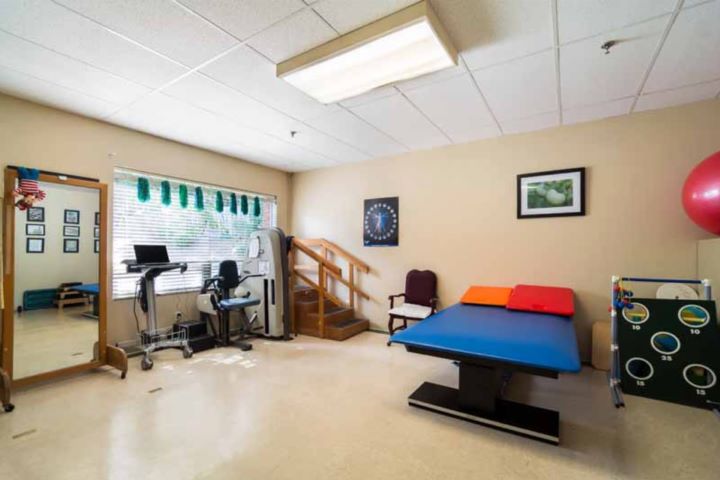
CMS rates AZALEA HEALTH CENTER BY HARBORVIEW's staffing level at 1 out of 5 stars, which is much below average compared to other nursing homes. Staff turnover is 53%, compared to the Georgia average of 46%. RN turnover specifically is 60%, which is notably high. RNs provide skilled clinical oversight, so turnover in this role can affect medical care quality.

What Have Inspectors Found at Azalea By Harborview?

State health inspectors documented 12 deficiencies at AZALEA HEALTH CENTER BY HARBORVIEW during 2021 to 2025. These included: 12 with potential for harm.
Who Owns and Operates Azalea By Harborview?

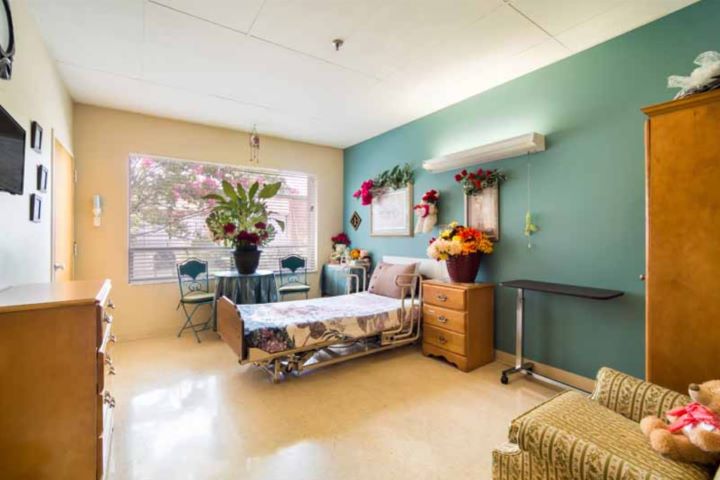
AZALEA HEALTH CENTER BY HARBORVIEW is owned by a for-profit company. For-profit facilities operate as businesses with obligations to shareholders or private owners. The facility is operated by HARBORVIEW HEALTH SYSTEMS, a chain that manages multiple nursing homes. With 99 certified beds and approximately 91 residents (about 92% occupancy), it is a smaller facility located in AUGUSTA, Georgia.
How Does Azalea By Harborview Compare to Other Georgia Nursing Homes?

Compared to the 100 nursing homes in Georgia, AZALEA HEALTH CENTER BY HARBORVIEW's overall rating (1 stars) is below the state average of 2.6, staff turnover (53%) is near the state average of 46%, and health inspection rating (3 stars) is at the national benchmark.

What Should Families Ask When Visiting Azalea By Harborview?

Based on this facility's data, families visiting should ask: "Can you walk me through typical staffing levels on day, evening, and night shifts?" "Can I visit during a mealtime to observe dining assistance and food quality?" "How do you handle medical emergencies, and what is your hospital transfer rate?" "Can I speak with family members of current residents about their experience?" These questions are particularly relevant given the below-average staffing rating.

Is Azalea By Harborview Safe?

Based on CMS inspection data, AZALEA HEALTH CENTER BY HARBORVIEW has a clean safety record: no substantiated abuse findings (meaning no confirmed cases of resident harm), no Immediate Jeopardy citations (the most serious violation level indicating risk of serious injury or death), and is not on the Special Focus Facility watch list (a federal program monitoring the lowest-performing 1% of nursing homes). The facility has a 1-star overall rating and ranks #100 of 100 nursing homes in Georgia. While no facility is perfect, families should still ask about staff-to-resident ratios and recent inspection results during their visit.

Do Nurses at Azalea By Harborview Stick Around?

AZALEA HEALTH CENTER BY HARBORVIEW has a staff turnover rate of 53%, which is 7 percentage points above the Georgia average of 46%. Moderate turnover is common in nursing homes, but families should still ask about staff tenure and how the facility maintains care continuity when employees leave.

Was Azalea By Harborview Ever Fined?

AZALEA HEALTH CENTER BY HARBORVIEW has no federal fines on record. CMS issues fines when nursing homes fail to meet care standards or don't correct problems found during inspections. The absence of fines suggests the facility has either maintained compliance or corrected any issues before penalties were assessed. This is a positive indicator, though families should still review recent inspection reports for the full picture.

Is Azalea By Harborview on Any Federal Watch List?

AZALEA HEALTH CENTER BY HARBORVIEW is not on any federal watch list. The most significant is the Special Focus Facility (SFF) program, which identifies the bottom 1% of nursing homes nationally based on persistent, serious quality problems. Not being on this list means the facility has avoided the pattern of deficiencies that triggers enhanced federal oversight. This is a positive indicator, though families should still review the facility's inspection history directly.