HARBORVIEW HEALTH CENTER OF AUGUSTA

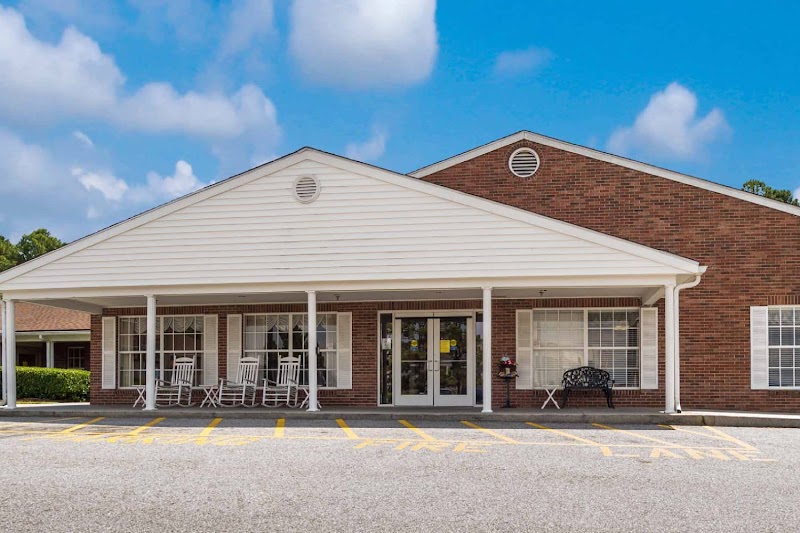
3618 J DEWEY GRAY CIRCLE, AUGUSTA, GA 30909 (706) 860-7572
For profit - Limited Liability company 120 Beds HARBORVIEW HEALTH SYSTEMS Data: November 2025
Trust Grade
30/100
#283 of 353 in GA
Last Inspection: June 2025

Inspected within the last 6 months. Data reflects current conditions.

Overview

Harborview Health Center of Augusta has received a Trust Grade of F, indicating significant concerns regarding its care and operations. Ranking #283 out of 353 facilities in Georgia places it in the bottom half, and at #10 out of 11 in Richmond County, it is one of the least favorable local options. The facility's situation is worsening, with issues increasing from 4 in 2024 to 11 in 2025. Staffing is below average with a high turnover rate of 67%, which is concerning compared to the Georgia average of 47%. While there are no fines on record, the facility has been found to have serious issues, such as failing to manage a resident's pain effectively and not properly labeling food items, which could risk foodborne illnesses for residents. Overall, while RN coverage is better than 92% of state facilities, the combination of low ratings and serious deficiencies raises significant alarms for families considering this nursing home.

Trust Score
F
30/100
In Georgia
#283/353
Bottom 20%
Safety Record
Moderate
Needs review
Inspections
Getting Worse
4 → 11 violations
Staff Stability
⚠ Watch
67% turnover. Above average. Higher turnover means staff may not know residents' routines.
Penalties
✓ Good
No fines on record. Clean compliance history, better than most Georgia facilities.
Skilled Nurses
✓ Good
Each resident gets 49 minutes of Registered Nurse (RN) attention daily — more than average for Georgia. RNs are trained to catch health problems early.
Violations
⚠ Watch
25 deficiencies on record. Higher than average. Multiple issues found across inspections.
★☆☆☆☆
1.0
Overall Rating
★★☆☆☆
2.0
Staff Levels
★☆☆☆☆
1.0
Care Quality
★★☆☆☆
2.0
Inspection Score
Stable
2024: 4 issues
2025: 11 issues

The Good

  • Full Sprinkler Coverage · Fire safety systems throughout facility
  • No fines on record

Facility shows strength in fire safety.

The Bad

1-Star Overall Rating

Below Georgia average (2.6)

Significant quality concerns identified by CMS

Staff Turnover: 67%

21pts above Georgia avg (46%)

Frequent staff changes - ask about care continuity

Chain: HARBORVIEW HEALTH SYSTEMS

Part of a multi-facility chain

Ask about local staffing decisions and management

Staff turnover is elevated (67%)

19 points above Georgia average of 48%

The Ugly 25 deficiencies on record

1 actual harm
Jun 2025 11 deficiencies 1 Harm
SERIOUS (G)

Actual Harm - a resident was hurt due to facility failures

Deficiency F0697 (Tag F0697)

A resident was harmed · This affected 1 resident

**NOTE- TERMS IN BRACKETS HAVE BEEN EDITED TO PROTECT CONFIDENTIALITY** Based on observation, interview, record review, and policy review, the facility failed to ensure one of one Resident (R)107 revi...

Read full inspector narrative →
**NOTE- TERMS IN BRACKETS HAVE BEEN EDITED TO PROTECT CONFIDENTIALITY** Based on observation, interview, record review, and policy review, the facility failed to ensure one of one Resident (R)107 reviewed for pain in the sample of 30 residents had his pain managed by ensuring the fentanyl transdermal patches had been available, his pain had been assessed in a consistent manner, and his physician had been notified of the missed pain management medication. This failure resulted in R107 experiencing pain when repositioned. Findings include: Review of the facility's policy titled, Pain Management dated 3/1/2024 revealed The facility must ensure that pain management is provided to residents who require such services .Manage or prevent pain, consistent with the comprehensive assessment and plan of care, current professional standards of practice, and the resident's goals and preferences. Facility staff will observe for nonverbal indicators, which may indicate the presence of pain. Those indicators include but are not limited to: .facial expressions (e.g. grimacing, frowning, fright, or clenching of jaw) .negative vocalizations (e.g. groaning, crying, whimpering, or screaming.) .The facility will use a pain assessment tool, which is appropriate for the resident's cognitive status, to assist staff in consistent assessment of a resident's pain. Reviewing the resident's current medical conditions (e.g. pressure injuries, diabetes with neuropathic pain, immobility, infections, amputation, oral health conditions, post CVA (stroke) venous and arterial ulcers, and multiple sclerosis) .Current prescribed pain medications, dosage and frequency . Review of R107's Clinical Census in the Electronic Medical Record (EMR) under the Clinical Census tab revealed he had been admitted on [DATE]. Review of R107's Medical Diagnosis in his EMR under the Medical Diagnosis tab revealed his diagnoses included malignant neoplasm of the colon (colon cancer), secondary malignant neoplasm of the bone (bone cancer), secondary malignant neoplasm of the lung (lung cancer), chronic pain syndrome, pressure ulcers to the right hip, and back. Review of R107's admission Minimum Data Set (MDS) assessment with an Assessment Reference Date of 5/6/2025 revealed a Brief Interview for Mental Status (BIMS) score of 10 out of 15, which indicated he had moderate cognitive impairment. Observation of R107 on 6/2/2025 at 1:30 pm revealed he shook his head yes when asked if he had pain. He was unable to state that he was in pain. He was moaning and grimacing. Licensed Practical Nurse (LPN) 2 gave him his scheduled medications and was aware that he indicated he had pain. LPN 2 did not provide any pain medication for him at that time. The Wound Care/Registered Nurse asked LPN2 on 6/2/2025 at 1:30 pm to administer R107 pain medications prior to his wound care treatment. LPN 2 provided the pain medication at 2:42 pm. Review of R107's May and June 2025 Medication Administration Record (MAR) in the EMR under the Orders tab revealed R107 had not received the fentanyl transdermal patch 25 micrograms/hour (mcg/hr) apply one patch every three days (slow-release pain medication) The medication had been ordered by his physician on 5/17/2025. The pain medication was not available on 5/17/2025, 5/20/2025, 5/29/2025, 6/1/2025, and 6/4/2025. R107 had an order for hydromorphone 1 milligram (mg) per 1 milliliter (ml) give 5 ml every 6 hours as needed for pain ordered during three different time periods; from 5/2/2025 through 5/6/2025, 5/6/2025 with a parameter to give for a pain level between 7 and 10 out of 10, and it was revised on 5/20/2025 without the pain level restrictions. R107 received the hydromorphone 1 mg only once a day. The medication had been ordered that he could receive hydromorphone 1 mg every 6 hours as needed for pain. Review of a pharmacy packing slip dated 5/20/2025 revealed that two fentanyl 25 mcg transdermal patches had been delivered. There were no more packing slips that the Director of Nursing (DON) was able to provide. Interview on 6/5/2025 at 3:52 pm, the DON and Registered Nurse (RN)1 revealed they were not aware R107's fentanyl patches had not been available for the dates of 5/17/2025, 5/20/2025, 5/29/2025, 6/1/2025, and 6/4/2025. RN1 agreed he had a significant amount of pain when he was repositioned, which was often due to his pressure sores. She had tried to ensure he received the hydromorphone on a regular basis. She did not realize he was only receiving the medication one time a day. His physician had not been informed of his pain control issues due to the resident not having the ordered fentanyl patches available.
CONCERN (D)

Potential for Harm - no one hurt, but risky conditions existed

Deficiency F0578 (Tag F0578)

Could have caused harm · This affected 1 resident

**NOTE- TERMS IN BRACKETS HAVE BEEN EDITED TO PROTECT CONFIDENTIALITY** Based on staff interview, record review, and review of the facility's policy titled Residents' Rights Regarding Treatment and Ad...

Read full inspector narrative →
**NOTE- TERMS IN BRACKETS HAVE BEEN EDITED TO PROTECT CONFIDENTIALITY** Based on staff interview, record review, and review of the facility's policy titled Residents' Rights Regarding Treatment and Advance Directives, the facility failed to provide the resident and/or their representatives with written information of the right to accept or refuse medical or surgical treatment and/or formulate an advance directive for one of six Residents (R) (R59) reviewed for Advanced Directives. This failure created the potential the resident wishes would not be followed if the resident was unable to speak for themselves. Findings include: Review of the facility's policy, titled, Residents' Rights Regarding Treatment and Advance Directives dated 3/1/2025 revealed, Policy: It is the policy of this facility to support and facilitate a resident's right to request, refuse, and/or discontinue medical or surgical treatment and to formulate advance directives. Policy Explanation and Compliance Guidelines: 1. On admission, the facility will determine if the resident has executed on advance directive, and if not, determine whether the resident would like to formulate an advance directive. 2. The facility will provide the resident or resident representative information, in a manner that is easy to understand, about the right to refuse medical or surgical treatment and formulate an advance directive .9. Any decision making regarding the resident's choices will be documented in the resident's medical record and communicated to the interdisciplinary team and staff responsible for the resident's care . Further review of the facility's policy revealed the policy failed to specify providing information in a written format. Review of R59's undated admission Record located in R59's electronic medical record (EMR) under the Profile tab revealed R59 was admitted to the facility on [DATE] and was re-admitted on [DATE]. Review of R59's EMR revealed no documentation that R59 had an Advance Directive or that the facility provided written information to the resident, or the resident representative concerning the right to accept or refuse medical or surgical treatment and/or formulate an advance directive. During an interview on 6/4/2025 at 10:15 am, the Director of Nursing (DON) stated, Resident R59 came to the facility under the previous ownership, and we do not have any record of R59 being given any information about advance directives.
CONCERN (D)

Potential for Harm - no one hurt, but risky conditions existed

Deficiency F0657 (Tag F0657)

Could have caused harm · This affected 1 resident

**NOTE- TERMS IN BRACKETS HAVE BEEN EDITED TO PROTECT CONFIDENTIALITY** Based on observation, interview, and record review, the facility failed to update one of two Residents (R) R80 care plan interve...

Read full inspector narrative →
**NOTE- TERMS IN BRACKETS HAVE BEEN EDITED TO PROTECT CONFIDENTIALITY** Based on observation, interview, and record review, the facility failed to update one of two Residents (R) R80 care plan interventions to include measures to prevent pressure ulcers. Specifically, R80 had acquired three pressure ulcers after readmission from the hospital and his care plan had not been revised with interventions to prevent the development of pressure ulcers. Findings include: Review of R80's Clinical Census in the Electronic Medical Record (EMR) under the Clinical Census tab revealed admission date of 1/2/2025, hospitalization on 2/13/2025 and readmission on [DATE]. Review of R80's Medical Diagnosis in the EMR under the Medical Diagnosis tab revealed diagnoses multiple fractures of ribs on the right side, lumbar vertebra fracture, prostate cancer, and diabetes mellitus type 2. Diagnoses added 2/13/2025 to 2/17/2025 hospitalization included deep vein thrombosis (DVT) of the right lower leg, and pneumonia. Review of R80's Care Plan in the EMR found under the Care Plan tab dated 1/14/2025 indicated at risk for altered skin integrity related to diagnoses, incontinent at times, elderly, and fragile skin. Interventions included, Handle gently during transfers and ADLs [activities of daily living],Observe skin during ADLs for any changes in skin condition, notify nurse of any changes, Position properly in bed & [and] [wheelchair] to avoid skin tear or friction, Weekly skin assessments as scheduled. There were no further interventions after R80 was readmitted from the hospital on 2/17/2025 and once the sacral pressure ulcer, right heel pressure ulcer, and a left hip pressure ulcer developed 3/19/2025 . Review of R80's Braden Scale for Predicting Pressure Sore Risk dated 1/9/2025 in the EMR under the Assessments tab revealed a score of 20 which indicated he was not at risk of developing a pressure ulcer. Review of the EMR revealed no further Braden scales had been completed after his 2/17/2025 readmission due to a deep vein blood clot and pneumonia. Observations on 6/2/2025 at 10:30 am, 1:00 pm, and 4:00 pm revealed R80 lying in bed on his back. His heels were not elevated on a pillow. He had a low air loss mattress in place. Observations on 6/3/2025 at 9:00 am, 11:30 am and 3:30 pm revealed R80 lying in bed on his back. His heels were not elevated on a pillow. He had a low air loss mattress in place. Observation on 6/4/2025 at 3:00 pm revealed R80 lying in bed on his back. His heels were not elevated on a pillow. He had a low air loss mattress in place. Interview on 6/4/2025 at 12:37 pm, the Wound Care/Registered Nurse (WC/RN) revealed when R80 was admitted on 0102/25 he was able to get in and out of bed independently. He would walk to meals and to activities independently. After his hospitalization from 2/13/2025 to 2/17/2025 he did not get out of bed. His cognition declined. Staff need to reposition him often. She stated that he was to have his heels elevated when he was in bed. Interview on 6/4/2025 at 12:35 pm, Licensed Practical Nurse (LPN)1 stated that after R80 returned from the hospital, he refused to get up due to pain. He is repositioned with wedges and usually more to his left side. There was no place in his EMR for staff to document when he was repositioned. Review of R80's significant change Minimum Data Set (MDS) in the EMR with an Assessment Reference Date of 2/19/2025 under the MDS tab revealed a Brief Interview for Mental Status (BIMS) score of 11 out of 15 which indicated R80 was moderately cognitively impaired. Review of the Behavior section revealed he rejected care one to three days out of seven days. Review of his Functional Abilities section revealed re required he needed substantial or maximal assistance with rolling left and right. Review of the Skin Conditions section revealed he had no pressure ulcer or injury, and he was at risk of developing pressure ulcers or injuries. Review of R80's admission MDS in the EMR with an ARD of 3/17/2025 under the MDS tab revealed a BIMS score of five out of 15 which indicated R80 was severely impaired. Review of the Behavior section revealed he rejected care one to three days out of seven days. Review of his Functional Abilities section revealed he needed substantial or maximal assistance with rolling left and right. Review of the Skin Conditions section revealed he had no pressure ulcer or injury, and he was not at risk of developing pressure ulcers or injuries. Review of R80's quarterly MDS in the EMR with an ARD of 3/24/2025 under the MDS tab revealed a BIMS score of 3 out 15 which indicated R80 was severely cognitively impaired. Review of the Behavior section revealed he had not rejected care. Review of his Functional Abilities section revealed he needed substantial or maximal assistance with rolling left and right, sit to lying, and lying to sitting on the side of the bed. Review of the Skin Conditions section revealed he had a pressure ulcer or injury, and he was at risk of developing pressure ulcers or injuries. There was one unstageable pressure ulcer and one unstageable pressure ulcer due to a deep tissue injury listed. Review of R80's Progress Notes in the EMR found under the Progress Notes tab revealed notes dated 3/19/2025 at 9:44 am which indicated, Skin intact Sacral area reddened R/T [related to] incontinence. Butt cream applied as needed. Note dated 3/20/2025 at 9:54 am indicated, .large purple colored area on his Rt [right] heel, reddened area noted on sacral area, treatment team informed of findings. Note dated 3/21/2025 indicated, Resident will be followed in PAR [patient rounds] for wounds. Stage 2 sacrum and DTPI [deep tissue pressure injury] to sacrum. Wounds are new as of 3/20. Treatment [treatment] is Zinc, lotrisome, antifungal daily. DTPI to Rt heel. Note dated 3/28/2025 indicated, Unstageable sacral wound. Wound being treated with honey with calcium alginate covered with foam 3x/week. DTPI to right heel. Treated with betadine gauze covered with ABD [abdominal] pad daily. Wounds are stable. Will continue POC [plan of care]. Note dated 4/4/2025 at 10:18 am indicated, Resident with acquired pressure ulcer to sacrum improving now . resident with acquired pressure ulcer to right heel also improving Note dated 4/18/2025 at 11:10 am a note Resident followed this week on PAR for a Sacral wound, unstageable which is showing improvement with Santyl and foam dressing changes daily and for a stage 3 wound to his Right Heel which is not showing improvement and is being treated with Santyl and rolled gauze. Note dated 5/16/2025 at 11:32 am indicated, Patient being followed by PAR for unstageable wound to sacrum. Wound is not improving. Stage III wound to right heel. Wound has not improved. Treatment changed to calcium alginate and rolled gauze. 3x/week. Will continue POC.
CONCERN (D)

Potential for Harm - no one hurt, but risky conditions existed

Pressure Ulcer Prevention (Tag F0686)

Could have caused harm · This affected 1 resident

**NOTE- TERMS IN BRACKETS HAVE BEEN EDITED TO PROTECT CONFIDENTIALITY** Based on observation, interview, and record review, the facility did not ensure one of five Residents (R) (R80) who was at risk ...

Read full inspector narrative →
**NOTE- TERMS IN BRACKETS HAVE BEEN EDITED TO PROTECT CONFIDENTIALITY** Based on observation, interview, and record review, the facility did not ensure one of five Residents (R) (R80) who was at risk for acquiring a pressure ulcer had preventative measures in place to avoid the development of pressure ulcers. Specifically, R80 acquired three pressure ulcers after his readmission to the facility. Findings include: Review of R80 ' s Clinical Census in the Electronic Medical Record (EMR) under the Clinical Census tab revealed admission date of 1/2/2025, hospitalization on 2/13/2025 and readmission on [DATE]. Review of R80 ' s Medical Diagnosis in the EMR under the Medical Diagnosis tab revealed diagnoses multiple fractures of ribs on the right side, lumbar vertebra fracture, prostate cancer, and diabetes mellitus type 2. Diagnoses added 2/13/2025 to 2/17/2025 hospitalization included deep vein thrombosis (DVT) of the right lower leg, and pneumonia. Review of R80 ' s Care Plan in the EMR found under the Care Plan tab dated 1/14/2025 indicated at risk for altered skin integrity related to diagnoses, incontinent at times, elderly, and fragile skin. Interventions included, Handle gently during transfers and ADLs [activities of daily living],Observe skin during ADLs for any changes in skin condition, notify nurse of any changes, Position properly in bed & [and} [wheelchair] to avoid skin tear or friction, Weekly skin assessments as scheduled. There were no further interventions after R80 was readmitted from the hospital on 2/17/2025 and once the sacral pressure ulcer, right heel pressure ulcer, and a left hip pressure ulcer developed 3/19/2025 . Review of R80 ' s Braden Scale for Predicting Pressure Sore Risk dated 1/9/2025 in the EMR under the Assessments tab revealed a score of 20 which indicated he was not at risk of developing a pressure ulcer. Review of the EMR revealed no further Braden scales had been completed after his 2/17/2025 readmission due to a deep vein blood clot and pneumonia. Observations on 6/2/2025 at 10:30 am, 1:00 pm, and 4:00 pm revealed R80 lying in bed on his back. His heels were not elevated on a pillow. Observations on 6/3/2025 at 9:00 am, 11:30 am and 3:30 pm revealed R80 lying in bed on his back. His heels were not elevated on a pillow. He had a low air loss mattress in place. Observation on 6/4/2025 at 3:00 pm revealed R80 lying in bed on his back. His heels were not elevated on a pillow. Interview on 6/4/2025 at 12:37 pm, the Wound Care/Registered Nurse (WC/RN) revealed when R80 was admitted on [DATE] he was able to get in and out of bed independently. He would walk to meals and to activities independently. After his hospitalization from 2/13/2025 to 2/17/2025 he did not get out of bed. His cognition declined. Staff needed to reposition him often. She stated that he was to have his heels elevated when he was in bed. Interview on 6/4/2025 at 12:35 pm, Licensed Practical Nurse (LPN)1 stated that after R80 returned from the hospital, he refused to get up due to pain. He was repositioned with wedges and usually more to his left side. There was no place in his EMR for staff to document when he was repositioned. Review of R80 ' s significant change Minimum Data Set (MDS) in the EMR with an Assessment Reference Date of 2/19/2025 under the MDS tab revealed a Brief Interview for Mental Status (BIMS) score of 11 out of 15 which indicated R80 was moderately cognitively impaired. Review of the Behavior section revealed he rejected care one to three days out of seven days. Review of his Functional Abilities section revealed he required substantial or maximal assistance with rolling left and right. Review of the Skin Conditions section revealed he had no pressure ulcer or injury, and he was at risk of developing pressure ulcers or injuries. Review of R80 ' s admission MDS in the EMR with an ARD of 3/17/2025 under the MDS tab revealed a BIMS score of five out of 15 which indicated R80 was severely impaired. Review of the Behavior section revealed he rejected care one to three days out of seven days. Review of his Functional Abilities section revealed he needed substantial or maximal assistance with rolling left and right. Review of the Skin Conditions section revealed he had no pressure ulcer or injury, and he was not at risk of developing pressure ulcers or injuries. Review of R80 ' s quarterly MDS in the EMR with an ARD of 3/24/2025 under the MDS tab revealed a BIMS score of 3 out 15 which indicated R80 was severely cognitively impaired. Review of the Behavior section revealed he had not rejected care. Review of his Functional Abilities section revealed he needed substantial or maximal assistance with rolling left and right, sit to lying, and lying to sitting on the side of the bed. Review of the Skin Conditions section revealed he had a pressure ulcer or injury, and he was at risk of developing pressure ulcers or injuries. There was one unstageable pressure ulcer and one unstageable pressure ulcer due to a deep tissue injury listed. Review of R80 ' s Progress Notes in the EMR found under the Progress Notes tab revealed notes dated 3/19/2025 at 9:44 am which indicated, Skin intact Sacral area reddened R/T [related to] incontinence. Butt cream applied as needed. Note dated 3/20/2025 at 9:54 am indicated, .large purple colored area on his Rt [right] heel, reddened area noted on sacral area, treatment team informed of findings. Note dated 3/21/2025 indicated, Resident will be followed in PAR [patient rounds] for wounds. Stage 2 sacrum and DTPI [deep tissue pressure injury] to sacrum. Wounds are new as of 3/20. Treatment [treatment] is Zinc, lotrisome, antifungal daily. DTPI to Rt heel. Note dated 3/28/2025 indicated, Unstageable sacral wound. Wound being treated with honey with calcium alginate covered with foam 3x/week. DTPI to right heel. Treated with betadine gauze covered with ABD [abdominal] pad daily. Wounds are stable. Will continue POC [plan of care]. Note dated 4/4/2025 at 10:18 am indicated, Resident with acquired pressure ulcer to sacrum improving now . resident with acquired pressure ulcer to right heel also improving Note dated 4/18/2025 at 11:10 am indicated, Resident followed this week on PAR for a Sacral wound, unstageable which is showing improvement with Santyl and foam dressing changes daily and for a stage 3 wound to his Right Heel which is not showing improvement and is being treated with Santyl and rolled gauze. Note dated 5/16/2025 at 11:32 am indicated, Patient being followed by PAR for unstageable wound to sacrum. Wound is not improving. Stage III wound to right heel. Wound has not improved. Treatment changed to calcium alginate and rolled gauze. 3x/week. Will continue POC. Interview on 6/4/2025 at 4:30 pm, the Director of Nursing (DON) stated that there was not a policy on the prevention of pressure ulcers.
CONCERN (D)

Potential for Harm - no one hurt, but risky conditions existed

Deficiency F0687 (Tag F0687)

Could have caused harm · This affected 1 resident

**NOTE- TERMS IN BRACKETS HAVE BEEN EDITED TO PROTECT CONFIDENTIALITY** Based on record review, and interviews, the facility failed to arrange podiatry services for two (residents (R) 15 and 33) of tw...

Read full inspector narrative →
**NOTE- TERMS IN BRACKETS HAVE BEEN EDITED TO PROTECT CONFIDENTIALITY** Based on record review, and interviews, the facility failed to arrange podiatry services for two (residents (R) 15 and 33) of two residents reviewed in the sample of 30 residents. The facility failed to ensure at risk residents receive appropriate foot care services. Findings include: Review of R33's Face Sheet found in his electronic medical record (EMR) under the Face Sheet tab revealed the resident was originally admitted to the facility on [DATE] with diagnoses that included anxiety, depression, and difficulty walking. Review of R33's quarterly Minimum Data Set (MDS) with an assessment reference date (ARD) of 05/10/25 in the EMR under the MDS tab revealed a Brief Interview for Mental Status (BIMS) score of 12 out of 15 which indicated R33's cognition was moderately impaired. During a review of R33's EMR, a document located under the Documents tab revealed a podiatry visit on 08/30/22. The document indicated that the facility requested podiatry services for R33 in relation to his toenails. The document also indicated that R33 had pain, limited mobility, and the nails were long and thickened. The document noted that his toenails were graded as moderate and indicated that the resident had these symptoms for a few years. The document revealed the results of the physical exam of R33's toenails and determined that first left and right nails were mycotic with 2 millimeter (mm) of thickness with subungual debris. It is also noted that they are thickened, yellowed, and causing pain. The second through fifth toenails, bilaterally, are elongated and dystrophic, meaning to exhibit abnormal changes in appearance. The document confirmed that the debridement occurred bilaterally to toenails one through five. This included reducing the length and thickness, using manual clippers and electric grinder. Per the document, the consulting physician recommended, ongoing preventive routine debridement of the devitalized or contaminated tissue. Debridement will relieve the pressure form the necrotic presence on the nail and provides for better cosmetic appearance. Debulking the nail does help, in combination with other treatments, in that it can decrease the fungal load of the nail itself to decrease [NAME] of infection and breakdown of skin. For a higher cure rate, I have recommended treating the patient's fungal infection with an oral and/or topical anti-fungal medication unless clinically contraindicated. The document also revealed a 9-week follow-up appointment with a consultant podiatrist, but no evidence of an appointment was located in the EMR. Review of R33's care plan found under the Care Plan tab of the EMR revealed that the resident requires assistance with grooming, bathing, and personal hygiene due to self-care impairment. Interventions included providing nail care as needed, initiated 04/28/23. 2. Review of R15's Face Sheet, found in the EMR under the Face Sheet tab revealed the resident was originally admitted to the facility on [DATE], with diagnoses that included Type 2 Diabetes Mellitus with diabetic polyneuropathy and nail dystrophy. Review of R15's annual MDS with an ARD of 03/22/25 in the EMR under the MDS tab revealed a BIMS score of 15 out of 15 which indicated R33's cognition was intact. During an interview with R15 on 06/02/25 at 10:30AM, he stated that his toenails are extremely long and sometimes painful. R15 added that the facility used to have someone who would trim their toenails but that it's been a while since anyone has addressed them. Review of a document found under the Documents tab of the EMR, revealed a consultant podiatry encounter that occurred on 01/30/23. The document confirmed that the facility requested for R15 to have his bilateral toenails evaluated and that all affected nails were debrided to reduce length and thickness using manual clippers and an electric grinder. The consultant also recommended additional follow up of the condition is recommended on a routine basis per routine foot care guidelines for an at-risk patient. Treatment is not recommended if not performed by a qualified medical specialist. Interview on 06/03/25 at 1:58PM, the Regional Nurse Consultant (RNC) 2 stated that podiatry comes to the facility monthly, unless there is an acute concern. When asked how residents are seen she added that she would need to find the roster. During an interview with Certified Medication Aide (CMA) 3, on 06/03/25 at 2:03PM she confirmed that the nurse aides do provide nail care for residents during hygiene care, unless the resident is a diabetic. If they are a diabetic, they are seen by podiatry. The Nursing Home Administrator supplied a binder that was labeled Podiatry List Book. Inside the binder was a single sheet of paper with a handwritten list of residents, titled, List Residents for Podiatry Upcoming. Neither resident R33 or R15 were on the list. During an on 06/03/25 at 3:33PM, the Social Services Director (SSD) stated that the facility recently got a new podiatry provider that will start seeing residents on 06/05/25. When asked if she could provide any documentation of provider visits other than what could be found in the EMR, the SSD stated that she could not, but admitted that there has not been a podiatry provider in the facility for some time and she cannot recall if there was a podiatry provider visit since the new Administrator took over in June of 2024.
CONCERN (D)

Potential for Harm - no one hurt, but risky conditions existed

Respiratory Care (Tag F0695)

Could have caused harm · This affected 1 resident

**NOTE- TERMS IN BRACKETS HAVE BEEN EDITED TO PROTECT CONFIDENTIALITY** Based on observation, interview, record review, and facility policy review, the facility failed to ensure residents respiratory ...

Read full inspector narrative →
**NOTE- TERMS IN BRACKETS HAVE BEEN EDITED TO PROTECT CONFIDENTIALITY** Based on observation, interview, record review, and facility policy review, the facility failed to ensure residents respiratory equipment was maintained and stored appropriately for one of two resident (Resident (R) 83) reviewed for respiratory care out of 30 sampled residents. These failures placed the resident, who has a tracheostomy, at risk for environmental contamination which could lead to respiratory infections. Findings include: Review of the facility's policy titled, Oxygen Administration dated 03/01/23 revealed .Change oxygen tubing and mask/cannula weekly and as needed if it becomes soiled or contaminated .Keep delivery devices covered in plastic bag when not in use . Review of R83's admission Record located in the resident's electronic medical record (EMR) under the Profile tab, revealed R83 was admitted to the facility on [DATE] with diagnoses which included anoxic brain damage, chronic respiratory failure, gastrostomy, and tracheostomy. Review of R83's Physician Order dated 06/02/25 and located in the resident's EMR under the Orders tab revealed Give O2 5L [liter] via trach, mask continuous with humidified air every shift. Change respiratory supplies and set-up every night shift and every Sunday, dated 06/16/24.Clean O2 concentrator filter once weekly on Sunday during the night shift and as needed, dated 06/11/24. During an observation on 06/02/25 at 3:43 PM revealed R83's oxygen concentrator was dirty with dried particles and was sticky. The air filter was covered in white dust. During an observation and interview on 06/04/25 at 3:31 PM, Licensed Practical Nurse (LPN 4) revealed the oxygen concentrator was still dirty with dried particles and sticky. The air filter was covered in white dust. LPN4 stated, The suction tubing is outdated and the Yankauer suction tip is not bagged. This concentrator is dirty. It should have been cleaned and all tubing changed on Sunday evening. During an interview on 06/05/25 at 5:37 PM, the Administrator revealed Infection control is very important for this resident due to having a tracheostomy. Policies and procedures need to be followed.
CONCERN (D)

Potential for Harm - no one hurt, but risky conditions existed

Infection Control (Tag F0880)

Could have caused harm · This affected 1 resident

Based on observation, interview, and review of the facility's policies titled, Personal Protective Equipment and Handwashing/Hand Hygiene, the facility failed to ensure two of two staff (Certified Nur...

Read full inspector narrative →
Based on observation, interview, and review of the facility's policies titled, Personal Protective Equipment and Handwashing/Hand Hygiene, the facility failed to ensure two of two staff (Certified Nursing Assistants (CNA) (CNA1 and CNA2) wore a gown and performed hand hygiene before, in-between, and after glove changes when they provided personal care to one Residents (R) (R107) who was on Enhanced Barrier Precautions (EBP); one of one Wound Care/Registered Nurse (WC/RN) failed to perform hand hygiene before, in-between, and after glove changes during wound care for R97; and two of two Certified Medication Aides (CMA) (CMA1 and CMA2) failed to sanitize the wrist blood pressure (B/P) cuffs between residents' use for R72 and R82. Findings include: Review of the facility's policy titled, Personal Protective Equipment (PPE) dated October 2018 revealed personnel who perform tasks that may involve exposure to blood/body fluids are provided proper PPE .PPE required for transmission-based precautions is maintained outside and inside the resident's room as needed. Review of the facility's policy titled, Handwashing/Hand Hygiene dated October 2023 revealed hand hygiene is indicated, immediately after glove removal. 1. Observation on 6/2/2025 at 3:30 pm revealed there was a sign on the R107's door that indicated what type of PPE was to be worn for EBP which included wearing a protective gown and gloves when providing any care that had the potential exposure to any type of body fluids. Observation on 6/2/2025 at 3:45 pm, CNA1 and CNA2 provided R107's personal care. R107 was on Enhanced Barrier Precautions (EBP) since he had an indwelling urinary catheter, and he had pressure ulcers. During the care CNA1 and CNA2 did not don a gown. CNA1 had completed indwelling urinary catheter care, removed her gloves, and without performing hand hygiene don new gloves, then with the assistance of CNA2 positioned R107 on his left side, pulled the incontinence brief down, and provided perineal care. R107 had a large amount of bowel movement. She discarded several wipes and pairs of gloves during the care. She did not perform hand hygiene between any of the doffing and donning of clean glove changes. CNA2 assisted with rolling R107 over to his right side to ensure it had been cleaned. She pulled the new brief out from under him and assisted to fasten the brief. CNA1 and CNA2 did not change their gloves prior to touching the blankets, side rails, bed controller, and call light. They both removed their gloves and did not perform any hand hygiene prior to leaving R107's room. 2. Observation on 6/2/2025 at 4:45 pm of Wound Care (WC)/Registered Nurse (RN) during the dressing change for R97 revealed without any hand hygiene, WC/RN donned on gloves, removed R97's soiled dressing from his bottom, disposed of it, doffed his gloves, and with no hand hygiene donned a new pair of gloves. He then cleansed the wound, retrieved a pair of clean gloves from his pocket, and put them on without hand hygiene. He applied a new dressing, disposed of the soiled dressing and the gauze he cleansed the wound, doffed his gloves with no hand hygiene prior to leaving the room. 3. Observation on 6/4/2025 at 8:30 am revealed, CMA2 used a wrist blood pressure (B/P) cuff and obtained R54's B/P. After the B/P was obtained she placed the cuff back on top of the medication cart. She used the same B/P cuff at 8:53 am to obtain R72's B/P. She had not sanitized the B/P cuff between the residents. Observation on 6/4/2025 at 9:24 am, CMA1 used a wrist B/P and obtained R82's B/P. After the B/P was obtained she placed the cuff back on top of the medication cart. She did not sanitize the B/P cuff after she used it for R82. In an interview on 6/4/2025 at 2:51 pm, the Infection Preventionist revealed that staff had training on PPE and hand hygiene. She agreed the procedure the staff used did not follow the facility's policies. In an interview on 6/5/2025 at 3:00 pm, CNA2 confirmed that they did not wear a gown when they provided R107's personal care. She revealed she did not realize that she had not performed hand hygiene for her glove use. In an interview on 6/5/2025 at 4:30 pm, the Director of Nursing (DON) revealed that staff had received infection control education not long ago. She agreed that the proper infection control practices had not been maintained.
CONCERN (E) 📢 Someone Reported This

A family member, employee, or ombudsman was alarmed enough to file a formal complaint

Potential for Harm - no one hurt, but risky conditions existed

Pharmacy Services (Tag F0755)

Could have caused harm · This affected multiple residents

**NOTE- TERMS IN BRACKETS HAVE BEEN EDITED TO PROTECT CONFIDENTIALITY** Based on observation, interview, record review, review of the facility's policy titled, Medication Administration and review of ...

Read full inspector narrative →
**NOTE- TERMS IN BRACKETS HAVE BEEN EDITED TO PROTECT CONFIDENTIALITY** Based on observation, interview, record review, review of the facility's policy titled, Medication Administration and review of the facility provided document titled Primary Pharmaceutical Provider Contract, the facility did not ensure medications were available for two of two Residents (R) (R107 and R220). This failure placed residents at risk for complications from missing medications. Findings include: Review of the facility's policy titled, Medication Administration dated 6/1/2024 revealed there was not a procedure for when a medication was not available. Review of the Primary Pharmaceutical Provider Contract dated 5/1/2025 revealed the pharmacy would Provide drugs and supplies as required for patients/residents and Nursing Facility in accordance with facility policy and procedures .Provide a regular delivery on Monday thru Saturday and after-hours deliveries 24 hours per day 7 days per week for new emergency or 'stat' orders not available in emergency kits or thru back-up pharmacy. 1. Review of R107's Clinical Census in his Electronic Medical Record (EMR) under the Clinical Census tab revealed he had been admitted on [DATE]. Review of R107's May 2025 Medication Administration Record (MAR) in the EMR under the Orders tab revealed he had not received medications including fentanyl transdermal patch 25 micrograms/hour (mcg/hr.) apply one patch every three days (slow-release pain medication.) The medication had been ordered by his physician on 5/17/2025. The pain medication was not available on 5/17/2025, 5/20/2025, 5/29/2025, 6/1/2025, and 6/4/2025. Flomax 0.4 milligram (mg) (medication for urinary retention) ordered on 5/2/2025. The medication was not available on 5/22/2025 and 5/29/2025. Levofloxacin 750 mg (antibiotic medication) ordered on 5/15/2025 through 5/31/2025. The medication was not available on 5/15/2025, 5/16/2025, and 5/21/2025. Zolpidem Tartrate, (sleep medication), 10 mg every night. The medication was not available on 5/16/2025 and from 5/19/2025 through 5/31/2025 and 6/2/2025 through 6/4/2025. Observation and interview on 6/2/2025 at 1:30 pm of the 400-wing medication cart revealed there were no fentanyl 25 mch/hr. transdermal patches or narcotic sheet for R107. Licensed Practical Nurse (LPN)2 was not sure where the patches would have been. Interview on 6/5/2025 at 3:52 pm, the Director of Nursing (DON) and Registered Nurse(RN)1 revealed they were not aware R107's fentanyl patches had not been available for the dates of 5/17/2025, 5/20/2025, 5/29/2025, 6/1/2025, and 6/4/2025. They were also not aware of the other medications listed above had not been provided to him. They stated that the new automated medication dispensing system did not have any narcotics that could have been supplied. Phone interview on 6/5/2025 at 4:35 pm, R220's Family Member (FM)1 stated that R220's medications had not been available to R220 when she was admitted . She was upset that the medication were not available. 2. Review of R220's Clinical Census in the EMR under the Clinical Census tab revealed she had been admitted on [DATE] and was discharged on 4/30/2025. Review of R220's April 2025 MAR in the EMR under the Orders tab revealed she had not received amiodarone 200 mg (medication for irregular heartbeat), amlodipine besylate 10 mg (medication for blood pressure), and metoprolol succinate ER 25 mg (medication for blood pressure), and Keppra 750 mg for (medication for seizures) at 9:00 am on 4/17/2025. She had not received Eliquis 5 mg (blood thinner medication) on 4/16/2025 at 9:00 am and 9:00 pm and on 4/17/2025 at 9:00 am. Interview on 6/5/2025 at 3:52 pm, the DON revealed she had not been aware R220 had not received her medications as ordered. The missing medications had not been reported to her by the staff or the resident.
CONCERN (E) 📢 Someone Reported This

A family member, employee, or ombudsman was alarmed enough to file a formal complaint

Potential for Harm - no one hurt, but risky conditions existed

Deficiency F0761 (Tag F0761)

Could have caused harm · This affected multiple residents

**NOTE- TERMS IN BRACKETS HAVE BEEN EDITED TO PROTECT CONFIDENTIALITY** Based on observation, interview, and review of the manufacturer's recommendations, the facility failed to ensure insulin pens or...

Read full inspector narrative →
**NOTE- TERMS IN BRACKETS HAVE BEEN EDITED TO PROTECT CONFIDENTIALITY** Based on observation, interview, and review of the manufacturer's recommendations, the facility failed to ensure insulin pens or vials had pharmacy labels, were dated when opened, and were not used after the expiration date for two of two medication carts (100 hall and 200 hall). This deficient practice increased the risk of insulin used after the expiration date to be less effective which had the potential to cause high blood sugar levels. Findings include: Review of the manufacturer's recommendations for insulin glargine, Humalog, and Lispro from [Name] and Company revealed when the insulin vial and/or insulin pen was removed from refrigeration it was only effective for 28 days. Review of the manufacturer's recommendations for insulin Novolog and Aspart from Novo Nordisk revealed when the insulin vial and/or insulin pen was removed from refrigeration it was only effective for 28 days. Review of the manufacturer's recommendations for Toujeo Solostar from Sanofi revealed when the insulin vial and/or insulin pen was removed from refrigeration it was only effective for 28 days. Observation and interview on [DATE] at 8:35 am with Licensed Practical Nurse (LPN)3 during the inspection of the west wing medication carts revealed two carts that were used just for insulin, tracheostomy supplies, and tube feeding supplies. Observation of the 100-hall cart revealed one insulin glargine 3 milliliter (ml) prefilled pen with no pharmacy label and when it had been opened and three insulin lispro vials that had not been dated when they had been opened. Observation of the 200-hall cart revealed three insulin aspart flex pens, one had expired on [DATE], one had expired on [DATE], and one had expired on [DATE]. One Toujeo SoloStar insulin pen with no open date or expiration date. Three insulin lispro insulin pens in which one had expired on [DATE], one expired on [DATE], and one with no dates. Two Humalog insulin vials with one that was dated as opened on [DATE] and one with no open or expiration date. One Novolog insulin vial with an opened date of [DATE]. LPN3 stated that the above insulins should have been discarded when expired or labeled when opened. She did not know who was responsible to ensure the insulin had been dated and/or removed when it had expired. Interview on [DATE] at 10:44 am, the Director of Nursing (DON) revealed, her expectations were that the nurse who took the insulin out of the refrigerator would correctly label the vial or pen with the opened date and expiration date. The DON revealed the nurse should always check the expiration date prior to giving.
CONCERN (F)

Potential for Harm - no one hurt, but risky conditions existed

Food Safety (Tag F0812)

Could have caused harm · This affected most or all residents

Based on observation and interview, the facility failed to ensure all items in the refrigerator, and freezer were sealed, labeled, and dated. These failures had the potential to affect 110 of 112 resi...

Read full inspector narrative →
Based on observation and interview, the facility failed to ensure all items in the refrigerator, and freezer were sealed, labeled, and dated. These failures had the potential to affect 110 of 112 residents who received their meals from the kitchen at risk of foodborne illnesses. Findings include: During an observation on 6/2/2025 at 8:40 am with the kitchen cook (Cook 1) revealed the following observations: Located in the kitchen were four large plastic containers with lids that each contained breadcrumbs, thickener, flour, and sugar. The containers were not labeled and dated. The Walk-In Refrigerator contained metal containers of watermelon, ketchup, and cucumbers. These items were outdated and dated 5/27/2025. There was no labeling or dating on a bowl of icing, two sandwiches, one bag of sliced cheese, one bag of ham, poured glasses of iced tea and a cooked pan of broccoli. The pan of broccoli was not sealed to prevent air from touching the broccoli. The Walk-In Freezer contained one box of biscuits that were not sealed exposing the biscuits to air. Interview on 6/5/2025 at 5:32 pm, the Administrator revealed that staff must be educated on labeling and dating. The Administrator stated, we go over and over this.
CONCERN (F)

Potential for Harm - no one hurt, but risky conditions existed

Antibiotic Stewardship (Tag F0881)

Could have caused harm · This affected most or all residents

Deficiency Text Not Available

Read full inspector narrative →
Deficiency Text Not Available
Apr 2024 4 deficiencies
CONCERN (D) 📢 Someone Reported This

A family member, employee, or ombudsman was alarmed enough to file a formal complaint

Potential for Harm - no one hurt, but risky conditions existed

Deficiency F0583 (Tag F0583)

Could have caused harm · This affected 1 resident

Based on observation, staff interviews, and review of the facility's policies titled, Resident Rights and Confidentiality of Personal and Medical Records, the facility failed to ensure personal inform...

Read full inspector narrative →
Based on observation, staff interviews, and review of the facility's policies titled, Resident Rights and Confidentiality of Personal and Medical Records, the facility failed to ensure personal information was kept confidential for two residents (R) (R19 and R20) of 20 sampled residents. Specifically, the residents' medication cards containing resident information were left unattended on top of the 400-unit Medication Cart. Findings include: Review of the facility's policy titled, Resident Rights, dated February 2021, documented .3. The unauthorized release, access, or disclosure of resident information is prohibited. All release, access, or disclosure of resident information must be in accordance with current laws governing privacy of information issues. All inquiries concerning the release of resident information should be directed to the HIPAA [Health Insurance Portability and Accountability Act] compliance officer. Review of the facility's policy titled, Confidentiality of Personal and Medical Records, revision date of 3/1/2023, documented This facility honors the resident's right to secure and confidential (sic) personal and medical records. This includes the right to confidentially of all information contained in a resident's records, regardless of the form of storage or location of the record. Personal and medical records include all types of records the facility might keep on a resident, whether they are medical, social, funds account, automated, or other .resident's personal or medical information shall not be left unattended or viewable by unauthorized persons .will be disposed of in a way that will not compromise resident's personal or medical information. During an observation conducted on 4/24/2024 from 9:15 am to 9:33 am of the 400-hall, there were two empty resident medication cards on the top of the medication cart, facing up with resident information exposed, and left unattended. There were residents, staff, and visitors walking in the hall during the observation. Review of R19, and R20's medication card, revealed it contained the resident's name, room number, physician name, and medication prescribed. During an interview on 4/25/2024 at 9:33 am, Licensed Practical Nurse (LPN) 5 confirmed the medication cards were inappropriately left unattended. LPN5 demonstrated that the top of medication cards containing the resident's information was supposed to be torn off and placed in the cart to dispose of appropriately. During an interview on 4/25/2024 at 1:00 pm, when questioned what his expectations were for the empty medication cards containing resident information, the Administrator stated he would expect the nurse to tear the top off the medication card and throw away the rest of the card, keeping the residents' information private.
CONCERN (D) 📢 Someone Reported This

A family member, employee, or ombudsman was alarmed enough to file a formal complaint

Potential for Harm - no one hurt, but risky conditions existed

Grievances (Tag F0585)

Could have caused harm · This affected 1 resident

Based on interviews, record review, and review of the facility's policy titled Resident and Family Grievances, the facility failed to ensure their grievance procedures were followed for one of one res...

Read full inspector narrative →
Based on interviews, record review, and review of the facility's policy titled Resident and Family Grievances, the facility failed to ensure their grievance procedures were followed for one of one resident (R) (R 3) reviewed for grievances of 20 sampled residents. Findings include: Review of the facility's policy titled, Resident and Family Grievances, dated 1/30/2023, indicated .It is the policy of this facility to support each resident's and family member's right to voice grievances without discrimination, reprisal or fear of discrimination or reprisal .The Grievance Official will take steps to resolve the grievance, and record information about the grievance, and those actions, on the grievance form .Steps to resolve the grievance may involve forwarding the grievance to the appropriate department manager for follow-up .All staff involved in the grievance investigation or resolution should make prompt efforts to resolve the grievance and return the grievance form to the Grievance Official. Prompt efforts include acknowledgement of complaint/grievance .In accordance with the resident's right to obtain a written decision regarding his or her grievance, the Grievance Official will issue a written decision on the grievance to the resident or representative at the conclusion of the investigation. The written decision will include at a minimum .The date the grievance was received .The steps take to investigate the grievance .A summary of the pertinent findings or conclusions regarding the resident's concerns(s).A statement as to whether the grievance was confirmed or not confirmed. Any action taken or to be taken by the facility as a result of the grievance .The date the written decision was issued . Review of R3's EMR quarterly Minimum Data Set (MDS) with an Assessment Reference Date of 1/18/2024 indicated the resident had a Brief Interview for Mental Status (BIMS) score of 10 out of 15 which revealed the resident was moderately cognitively impaired. Review of a document provided by the facility titled Concern Form, dated 3/9/2024, indicated Resident Representative (RR) 1 filed a grievance with the facility and identified the following concerns: late medication administration, dirty environment, broken toilet seat, and the resident had not been changed timely. On the back of the document, the Administrator verified that the resident's room was clean, and the resolution was to have the Housekeeping Supervisor check the room daily. The concern form indicated the Regional Nurse verified R3's medication was administered timely. There was a section which revealed the date on which the individual was to be notified and it was blank. The date of follow-up and the day that the individual was met with, and these areas were blank. An area on the document had an area whether or not the individual was satisfied with the resolution and again this was blank. During an interview conducted on 4/23/2024 at 12:07 pm, RR1 stated she completed a grievance and had no follow-up provided by the facility. During an interview on 4/24/2024 at 10:30 am, the Social Services Director (SSD) stated she was provided the Concern Form and would log it into her binder for tracking. The SSD stated she did not remember if there was resolution since there had been two different Director of Nursing (DON) since March 2024. The SSD stated the grievance process was to write up the resolution and to have it signed off by the family and the Administrator. During an interview on 4/24/2024 at 10:19 am, the Regional Nurse, who was previously the interim DON, stated she would get involved with the grievances and the first thing she would do would be to write up a response on the Concern Form and then pass it back to the SSD. The Regional Nurse stated the handwriting was not hers on the Concern Form and she must have received a telephone call from the DON at that time. The Regional Nurse stated she did not remember the details of her involvement. During an interview on 4/25/2024 at 1:24 pm, the Administrator stated he attempted to get the resolution done for a resident and/or their representative within 72 hours. The Administrator did not provide an explanation of why the Concern Form was not completed except to state he had met with the family and the medication issue was handled by the clinical staff.
CONCERN (D) 📢 Someone Reported This

A family member, employee, or ombudsman was alarmed enough to file a formal complaint

Potential for Harm - no one hurt, but risky conditions existed

Pressure Ulcer Prevention (Tag F0686)

Could have caused harm · This affected 1 resident

Based on observation, staff interviews, record review, and review of the facility's policy titled Pressure Injury/Wound Treatment Management, the facility failed to ensure that one of two Resident (R)...

Read full inspector narrative →
Based on observation, staff interviews, record review, and review of the facility's policy titled Pressure Injury/Wound Treatment Management, the facility failed to ensure that one of two Resident (R) (R 16) observed for pressure ulcer treatment, had a dressing maintained for a stage IV sacral ulcer. Specifically, there was no dressing covering R16's sacral pressure ulcer leaving it exposed to urine and feces. Findings include: Review of the facility's policy titled, Pressure Injury/Wound Treatment Management dated 3/1/2022, documented To promote wound healing of various types of wounds, it is the policy of this facility to provide evidence-based treatments in accordance with current standards of practice and physician orders .3. Dressing changes may be provided outside the frequency parameters in certain situations: a. Feces has seeped underneath the dressing, b. The dressing has dislodged, c. the dressing is soiled otherwise, or is wet. Review of R16's undated admission Record located in the electronic medical record (EMR) under the Profile tab, indicated R16 was admitted to the facility with diagnoses that included pressure ulcer of sacral region, stage four, type two diabetes with hyperglycemia, and morbid obesity. Review of R16's quarterly Minimum Data Set (MDS) located in the EMR under the MDS tab with an Assessment Reference Date (ARD) of 3/22/2024 indicated a Brief Interview for Mental Status (BIMS) score of 13 out of 15 which indicated R16 had intact cognition. Further review of the MDS indicated the resident was always incontinent of urine, and frequently incontinent of bowel. Review of R16's Care Plan located in the EMR under the Care Plan tab, dated 2/1/2019 and revised 7/18/2023, revealed .has a chronic pressure ulcer to sacrum .interventions included but not limited to, two-person assistance with all bed mobility and ADL (activities of daily living) care, treatment as ordered. Further review of the care plan, dated 10/30/2018 and revised 8/28/2019, documented .has potential for further pressure ulcer development r/t [related to] decreased mobility, incontinence. Interventions included but not limited to observe dressing daily to ensure it is intact and adhering. Report lose (sic) dressing to treatment nurse. During an observation and interview on 4/24/2024 (Wednesday) at 2:38 pm, during the wound care observation, the Wound Care Nurse (WCN) confirmed the wound was open to air and had no wound dressing intact. The WCN was asked if the wound was supposed to have a dressing applied to the wound. The WCN replied, The Nurse Practitioner (NP) made rounds on Monday and applied a dressing to the wound. The resident receives wound care on Monday, Wednesday, Friday, and as needed. The WCN was asked what should have occurred with the wound if the dressing fell off during care. The WCN stated if the dressing became soiled or fell off, nursing should have either replaced it or notified her to take care of it. During an interview on 4/24/2024 at 3:33 pm, the Assistant Director of Nursing (ADON) was asked what her expectations of the staff were when a resident's wound dressing became soiled or dislodged. The ADON stated her expectation was for the staff to alert the nurse, and for nursing to replace the dressing. During an interview on 4/24/2024 at 3:45 pm, Certified Nurse Aide (CNA) 5 was questioned if she was aware R16's wound dressing was off. CNA5 stated no, she was unaware of that, but would let the nurse know if this had happened when changing the resident. During an interview on 4/24/2024 at 3:48 pm, CNA4 was questioned about what she would do if the resident's dressing came off or was soiled during incontinent care. CNA4 stated she would notify the nurse as soon as possible. During an interview on 4/24/2024 at 3:53 pm, the Administrator was questioned on his expectations of the staff when a wound dressing is soiled, dislodged, or missing. The Administrator responded he would expect the CNA to inform the nurse so they could reapply a dressing.
CONCERN (D) 📢 Someone Reported This

A family member, employee, or ombudsman was alarmed enough to file a formal complaint

Potential for Harm - no one hurt, but risky conditions existed

Medical Records (Tag F0842)

Could have caused harm · This affected 1 resident

2. Review of R1's undated admission Record located in the EMR under the Profile tab, indicated the resident was admitted with diagnoses that included necrotizing fasciitis, cystitis, and acute respira...

Read full inspector narrative →
2. Review of R1's undated admission Record located in the EMR under the Profile tab, indicated the resident was admitted with diagnoses that included necrotizing fasciitis, cystitis, and acute respiratory failure with hypoxia. Review of R1's Documentation Survey Report, dated March 2024 and provided by the facility, under the Intervention/Task for Nutrition-Amount Eaten revealed there was no documentation of what R1's intake was for 3/11/2024, 3/15/2024, 3/16/2024, 3/17/2024, and 3/20/2024. 3. Review of R4's undated admission Record located in the EMR under the Profile indicated the resident was admitted with diagnoses that included chronic kidney disease, type two diabetes, and congestive heart failure. Review of R4's Documentation Survey Report, dated January 2024 and provided by the facility, for the task revealed there was no documentation of personal hygiene, and bladder elimination, being completed on the 7:00 am-7:00 pm shift on 1/1/2024, 1/3/2024, 1/5/2024, 1/7/2024, 1/12/2024, 1/17/2024, 1/22/2024, 1/23/2024, 1/24/2024, 1/26/2024, 1/27/2024, and 1/28/2024. Additionally, there was no documentation on the amount eaten at 6:00 pm on 1/3/2024, 1/9/2024, and 1/13/2024. Review of R4's Documentation Survey Report, dated March 2024 and provided by the facility, for the task revealed there was no documentation for the amount eaten on 3/14/2024, 3/18/2024, and 3/24/2024. Further review of R4's complete EMR revealed there was no documentation of the resident not being out of the facility during the afore-mentioned dates/times. During an interview on 3/25/2024 at 1:28 pm, the Administrator confirmed the missing documentation. The administrator stated his expectation was for the care provided to be documented appropriately. Based on staff interview, record review, and review of a policy provided by the facility titled Maintenance of Clinical Records, the facility failed to ensure that clinical records were complete and contained accurate documentation for three Residents (R) (R 3, R1, and R4) out of 20 sampled residents. Findings include: Review of a policy provided by the facility titled, Maintenance of Clinical Records, dated 3/1/2023, indicated .This facility will maintain clinical records for each resident in accordance with acceptable standards of practice that reflects the current plan of care and services provided .In accordance with accepted professional standards of practices, the facility must maintain medical records on each resident that are .Complete .Accurately documented . 1. Review of R3's electronic medical records (EMR) titled admission Record located under the Profile tab, indicated the resident was admitted with diagnoses that included chronic pain, left hand contracture, and gastrostomy status. 1. Review of R3's quarterly Minimum Data Set (MDS) with an Assessment Reference Date (ARD) of 1/18/2024 indicated the resident had a Brief Interview for Mental Status (BIMS) score of 10 out of 15 which revealed the resident was moderately cognitively impaired. Review of R3's EMR titled physician Orders located under the Orders tab, dated 1/33/2024, indicated the resident was to receive gabapentin 400 milligrams (mg) via gastrostomy-tube (G-tube) four times a day related to chronic pain. Review of R3's Medication Administration Record (MAR) for March 2024, located under the Orders tab, indicated the gabapentin was not documented as administered on the following times and dates: at 5:00 PM on 3/3/2024, 3/20/2024, and at 9:00 pm on 3/24/2024. There were no corresponding nursing notes which would indicate the reasons for the blank areas on the MAR. Review of R3's MAR for April 2024 located under the Orders tab, indicated the gabapentin was not documented as administered on the following dates: at 5:00 pm on 4/5/2024, 4/6/2024, 4/10/2024, 4/14/2024, and on 4/1520/24. There were no corresponding nursing notes which would indicate the reasons for the blank areas on the MAR. During an interview on 4/25/2024 at 9:15 am, the Regional Nurse stated the missing days for the gabapentin should have been documented as given and the medical record was to be accurate.
Dec 2023 4 deficiencies
CONCERN (D) 📢 Someone Reported This

A family member, employee, or ombudsman was alarmed enough to file a formal complaint

Potential for Harm - no one hurt, but risky conditions existed

Deficiency F0554 (Tag F0554)

Could have caused harm · This affected 1 resident

**NOTE- TERMS IN BRACKETS HAVE BEEN EDITED TO PROTECT CONFIDENTIALITY** Based on observations, interviews, record reviews, and review of the facility's policy titled, Resident Self-Administration of M...

Read full inspector narrative →
**NOTE- TERMS IN BRACKETS HAVE BEEN EDITED TO PROTECT CONFIDENTIALITY** Based on observations, interviews, record reviews, and review of the facility's policy titled, Resident Self-Administration of Medication, the facility failed to assess one of 20 Residents (R) (R11) receiving topical medications for wound care, for the ability to self-administer a topical medication. This failure had the potential for medication error and to alter the effectiveness of the medication. Findings include; Review of the facility's policy titled, Resident Self-Administration of Medication dated 3/1/2023 under subtitle Policy Explanation and Compliance Guidelines revealed, 1. Each resident is offered the opportunity to self-administer medications during the routine assessment by the facility's interdisciplinary team. 2. Resident's preference will be documented on the appropriate form and placed in the medical record .4. The results of the Interdisciplinary Team assessment are recorded on the Medication Self-Administration Assessment Form, which is placed in the resident's medical record 7. Bedside medication storage is permitted only when it does not present a risk to confused residents who wander into the other resident's rooms or to confused roommates of the resident who self-administers medication. Review of R11's Electronic Medical Records (EMR) revealed diagnoses that included encounter for surgical aftercare following surgery on the skin and subcutaneous tissue and necrotizing fascitis. Review of R11's Quarterly Minimum Data Set (MDS) dated [DATE] revealed, Section C-Cognitive Patterns: Brief Interview for Mental Status (BIMS) of 11 which indicated moderate impairment; Section M-Skin Conditions: indicated use of application of nonsurgical dressings other than feet, and applications of ointments/medications other than feet. Review of the R11's EMR under the Clinical tab revealed orders dated 12/1/2023 to wash all areas daily with plain soap and water, apply lotion to right thigh and right leg three times daily. During an observation and interview on 12/9/2023 at 10:00 am with R11 in her room revealed, Glucan Pro 3000 (topical medication) was noted on the over bedside table. R11 stated, she put this (topical medication) on her right thigh every day and touched the area on her right thigh where the cream was applied. R11 stated the cream was kept at bedside so she could put it on herself. Interview on 12/10/2023 at 10:00 am with Licensed Practical Nurse (LPN) AA revealed, R11 had lotion to be applied to her right leg every shift that was kept at bedside. During an observation and interview on 12/10/2023 at 10:15 am with LPN/Treatment Nurse CC stated she used water, soap, and lotion on the R11's right thigh. LPN/Treatment Nurse CC accompanied the surveyor to the R11's room and confirmed the Glucan Pro 3000 was the lotion used for R11's leg that was sitting on the bedside stand. During this time, R11 asked LPN/Treatment Nurse CC to put the lotion on her overbed table so she could reach it when she got ready to use it. LPN/Treatment Nurse CC then placed the lotion on the overbed table. During an interview with the Assisted Director of Nursing (ADON) on 12/10/2023 at 10:45 am, R11's orders dated 12/1/2023 for wound treatment were reviewed. The ADON confirmed that R11 did not have an assessment on the chart for self-administration of medications. She stated, R11 was given the lotion at the Wound Center and staff did not know she had it. A review of the Treatment Administration Review (TAR) with the ADON revealed that nurses were aware of the lotion and had signed off the medication as given since ordered on 12/1/2023. The ADON stated the Wound Center would send an order tomorrow that would allow R11 to self-administer the lotion to her right leg. During an interview on 12/10/2023 at 10:50 am with LPN BB revealed she provided care to the R11's leg with the lotion kept at R11's bedside drawer. She stated R11 would indicate to her what lotion to use.
CONCERN (D) 📢 Someone Reported This

A family member, employee, or ombudsman was alarmed enough to file a formal complaint

Potential for Harm - no one hurt, but risky conditions existed

Deficiency F0558 (Tag F0558)

Could have caused harm · This affected 1 resident

**NOTE- TERMS IN BRACKETS HAVE BEEN EDITED TO PROTECT CONFIDENTIALITY** Based on interviews and record review, the facility failed to honor reasonable accommodations for preferences related to bathing...

Read full inspector narrative →
**NOTE- TERMS IN BRACKETS HAVE BEEN EDITED TO PROTECT CONFIDENTIALITY** Based on interviews and record review, the facility failed to honor reasonable accommodations for preferences related to bathing for one of 36 sampled Residents (R) (R64). Findings included: Review of the clinical record revealed that R64 presented with diagnosis that included but not limited to hemiplegia, unspecified affecting left nondominant side; venous insufficiency (chronic) (peripheral); chronic venous hypertension (idiopathic) with ulcer of right lower extremity; contracture, left elbow; contracture, left hand; cerebral infarction; ataxia; and muscle wasting and atrophy. Review of R64's Quarterly Minimum Data Set (MDS) assessment dated [DATE] revealed for Section C: Cognitive Patterns- a Brief Interview of Mental Status (BIMS) of 13; Section E: Behaviors- indicated no behaviors were noted; Section G: Functional Status-indicated limitations on one side with range of motion (ROM); required substantial to maximal assistance with staff doing more than half the effort with bathing/showers. Review of the admission MDS assessment dated [DATE] revealed Section F: Preferences for customary Routine and Activities indicated that it was very important for the resident to choose between tub bath, shower, bed bath, or sponge bath. Review of the care plan with last revised date of 5/29/2023 revealed that R64 required assistance with grooming, bathing, and personal hygiene related to mobility impairment, selfcare impairment, left side hemiparesis/hemiplegia, left upper extremity contractures. Interventions included providing bathing assistance and encouraging choices with care. During an interview on 12/9/2023 at 1:50 pm, R64 stated that he was not getting showers as scheduled for three times a week. He stated that the staff wipes him off in the morning before he gets up, but he is supposed to have showers in the evenings, and he has not had a shower in months. He stated that he spoke with the Assistant Director of Nursing (ADON) and the Social Worker related to multiple concerns he had including not getting a shower. Review of the shower schedule revealed R64 was scheduled to get assistance with a shower on Tuesday, Thursday, and Saturday on the 7:00 pm-7:00 am shift. Review of the point of care information for November 2023 and December 2023 revealed that the R64 had one documented shower on 12/4/2023 on the 7:00 pm-7:00 am shift but had been receiving bed baths during the morning shift. During an interview on 12/9/2023 at 2:14 pm, the Social Worker stated that the resident never came to her with any concerns, but she would follow up with him. She stated that the Activities Director kind of looked like her so he may have spoken to her. She stated if R64 had come to any staff member with concerns, they should have notified her so that she could follow up. During an interview with the Assistant Director of Nursing (ADON) on 12/9/2023 at 3:45 pm, she stated that R64 did come to her with concerns last week. She stated that she had not documented any of the concerns and did not relay this information over to the Social Worker. She stated that R64 was very quiet and didn't talk to many people at the facility, but he was comfortable speaking with her. When reviewing the point of care documentation and the lack of showers for R64, the ADON stated, If it's not documented, it's not done, and that she would look for the shower sheets. During an interview with the Director of Nursing (DON) on 12/9/2023 at 3:45 pm, he stated that they have shower sheets as well as the point of care system where the Certified Nursing Assistants document care in. She would expect that something be placed in the system even if the resident refused. She was not aware that the resident brought concerns to the ADON related to bathing. During an interview on 12/10/2023 at 10:06 am, the ADON stated they moved R64 showers to Monday, Wednesday, and Friday during the morning shift and he was satisfied with that resolution.
CONCERN (D) 📢 Someone Reported This

A family member, employee, or ombudsman was alarmed enough to file a formal complaint

Potential for Harm - no one hurt, but risky conditions existed

Comprehensive Care Plan (Tag F0656)

Could have caused harm · This affected 1 resident

Based on observation, staff interviews, record review, and review of the policy, Comprehensive Care Plans, the facility failed to ensure one of 36 Residents (R) (R86) reviewed for care plans were foll...

Read full inspector narrative →
Based on observation, staff interviews, record review, and review of the policy, Comprehensive Care Plans, the facility failed to ensure one of 36 Residents (R) (R86) reviewed for care plans were followed. Specifically, the facility failed to verify placement for R86's percutaneous endoscopic gastrostomy (PEG) tube used to receive medications, fluids, and nutrition as specified in the care plan. Findings include: Review of the facility policy titled Comprehensive Care Plans, last reviewed 1/1/2023, revealed the person-centered care plan would include measurable objectives and timeframes to meet a resident's medical and nursing needs. The plan revealed qualified staff would carry out the interventions specified in the care plan. Review of R86's care plan dated 5/5/2023 revealed that nursing staff would verify tube placement before tube flushes or medication administration. During a medication administration observation for R86 on 12/9/2023 at 8:55 am, the Licensed Practical Nurse (LPN AA) did not verify PEG tube placement before administering medications or flushes. During an interview with LPN AA on 12/9/2023 at 9:33 am, she explained that she had checked for PEG tube placement earlier in the morning but added that she should have rechecked before administering R86's medications via the PEG tube. During an interview with the Director of Nursing on 12/10/2023 at 9:27 am, she stated she expected the nurses to follow the care plan when providing care and interventions to a resident.
CONCERN (D) 📢 Someone Reported This

A family member, employee, or ombudsman was alarmed enough to file a formal complaint

Potential for Harm - no one hurt, but risky conditions existed

Tube Feeding (Tag F0693)

Could have caused harm · This affected 1 resident

Based on observation, staff interview, record review, and review of the facility's policy titled Medication Administration via Enteral Tube, the facility failed to properly utilize the percutaneous en...

Read full inspector narrative →
Based on observation, staff interview, record review, and review of the facility's policy titled Medication Administration via Enteral Tube, the facility failed to properly utilize the percutaneous endoscopic gastrostomy (PEG) tube for one of seven Residents (R) (R86) that received medications, fluids, and nutrition via (by way of) a PEG tube. Findings include: Review of the facility's policy titled Medication Administration via Enteral Tube, dated, 3/1/2023, revealed staff must verify tube placement before administering fluid or medications. Review of the Competency Assessment Administering Medications through an Enteral Tube, form H5MAPR0004, revealed nursing staff would verify the PEG tube placement before medication administration. Medications should be poured into the barrel of the syringe while holding the tubing slightly above the level of insertion. The medications would drain from the tubing before a flush between medications. Review of R86's care plan dated 5/5/2023 revealed that nursing staff would verify PEG tube placement before tube flushes or medication administration. During a medication administration observation for R86 on 12/9/2023 at 8:55 am, the Licensed Practical Nurse (LPN AA) pushed R86's medications via a syringe into the PEG tube and did not allow the medications to be administered via gravity or check for PEG tube placement before administering medications. During an interview with LPN AA on 12/9/2023 at 9:33 am, she explained that she always used a syringe to push the PEG tube medications while administering medications. She stated she had checked for PEG tube placement earlier in the morning but added that she should have rechecked before administering R86's medications. During an interview with the Director of Nursing (DON) on 12/9/2023 at 9:45 am, she stated she expected nurses administering medications via PEG tube to allow the medications to enter the resident's PEG tube via gravity and check for placement before administering medications via the PEG tube.
Apr 2022 6 deficiencies
CONCERN (D)

Potential for Harm - no one hurt, but risky conditions existed

Deficiency F0561 (Tag F0561)

Could have caused harm · This affected 1 resident

**NOTE- TERMS IN BRACKETS HAVE BEEN EDITED TO PROTECT CONFIDENTIALITY** Based on interviews, record review, and policy review, the facility failed to ensure one of one residents (R) R#52 reviewed for ...

Read full inspector narrative →
**NOTE- TERMS IN BRACKETS HAVE BEEN EDITED TO PROTECT CONFIDENTIALITY** Based on interviews, record review, and policy review, the facility failed to ensure one of one residents (R) R#52 reviewed for self-determination and choices, was provided showers according to their preference. Specifically, R#52 was provided bed baths on most days when the resident preferred to take a shower instead. Findings include: Review of the facility policy titled Resident Rights, revised December 2016, revealed employees shall treat all residents with kindness, respect, and dignity. Federal and state laws guarantee certain basic rights to all residents of this facility. These rights include the resident's right to .self-determination. Review of the clinical record for R#52 revealed resident was admitted to the facility on [DATE] with diagnoses of but not limited to hemiplegia and hemiparesis, acute kidney failure, gastroesophageal reflux disease (GERD), hypertension (HTN) and depression. Review of a annual MDS assessment, dated 9/23/21, revealed R#52's Brief Interview for Mental Status (BIMS) score was 12 out of 15, which indicated the resident had moderate cognitive impairment. Section G revealed resident requires total assistance of one staff member with dressing, toileting, and personal hygiene. Section F revealed review of the preferences for routine and activities section noted the primary respondent for the questions was the resident, which revealed the following: it was very important for her to listen to choose between a tub bath, shower, bed bath, or sponge bath. Review of R#52's care plan, initiated on 10/10/18 and revised on 3/29/22, revealed the resident had a self-care performance deficit related to left above-the-knee amputation, impaired balance, and limited mobility. Interventions to care include staff to provide a sponge bath when a full bath or shower could not be tolerated. The care plan lacked documentation of resident's preference related to bathing or showering or the preferred day or time for bathing/showering. During an interview on 4/26/22 at 11:14 a.m. with R#52 stated staff failed to provide showers according to the resident's schedule for Monday, Wednesday, and Friday, during the second shift. During further interview, she stated most staff would give her a bed bath and stated only some staff took her to the shower room. Activity of daily living (ADL) flowsheets within the task tab in the electronic medical record, which the facility was unable to print, were reviewed for R#52. The bathing flowsheets for March 2022 and April 2022 revealed R#52 received a bed bath on 3/11/22, 3/18/22, 3/19/22, 3/22/22, 3/28/22, 3/30/22, 3/31/22, 4/1/22, 4/6/22, 4/8/22, 4/13/22, and 4/26/22 for a total of 12 bed baths. No showers were documented for R#52 on the flow sheets. During an interview on 4/28/22 at 12:09 p.m. with Certified Nurse Aide (CNA) LL reviewed a Shower Book and then stated R#52's shower days were scheduled for Mondays, Wednesdays, and Fridays during the third shift (11:00 p.m. - 7:00 a.m.). CNA LL acknowledged there were no shower sheets for R#52 to show that showers were provided to R#52. CNA LL reported R#52 infrequently refused showers if the resident thought the water/room was cold, in which case CNA LL stated she provided a bed bath instead. Documentation of shower refusals for R#52 were not found in the medical record. During an interview on 4/28/22 at 12:17 p.m. with CNA MM stated today was the second time she had taken care of R#52, noting she gave the resident a bed bath. CNA MM stated she did not know the resident well. During an interview on 4/29/22 at 6:14 p.m. with the Director of Nursing (DON) revealed staff should ask residents upon admission about their bathing preferences, including on what days and times a resident wanted to bathe. The DON noted nursing staff then entered a resident's bathing preferences into the computer system, which allowed access to the information by CNAs. The DON stated she expected residents to receive bathing on specified days based on their preferences. During an interview on 4/29/22 at 6:18 p.m., the Administrator stated he expected staff to honor residents' rights and he wanted staff to accommodate residents' wishes.
CONCERN (D)

Potential for Harm - no one hurt, but risky conditions existed

Tube Feeding (Tag F0693)

Could have caused harm · This affected 1 resident

**NOTE- TERMS IN BRACKETS HAVE BEEN EDITED TO PROTECT CONFIDENTIALITY** Based on observations, interviews, record review, and policy review, the facility failed to ensure that one of three residents (...

Read full inspector narrative →
**NOTE- TERMS IN BRACKETS HAVE BEEN EDITED TO PROTECT CONFIDENTIALITY** Based on observations, interviews, record review, and policy review, the facility failed to ensure that one of three residents (R) R#290, who received enteral feedings, received the appropriate treatment and services to prevent potential complications of enteral feeding, by not keeping the head of the bed elevated 30-45 degrees as ordered, while enteral feeding was infusing. Findings include: A review of a facility policy titled Enteral Tube Feeding Via Continuous Pump, revised November 2018, revealed in part, Position the head of the bed at 30 °- 45 ° (semi-Fowler's position) for feeding, unless medically contraindicated. Review of the clinical record for R#290 revealed resident was admitted to the facility on [DATE] with diagnoses of but not limited to dysphagia (difficulty swallowing), cachexia (a condition causing extreme weight loss and muscle wasting), and adult failure to thrive. An admission Minimum Data Set (MDS) had not been completed for the resident as of the time of the survey. Review of R#290's Order Summary Report revealed physician orders were initiated on 4/26/22 for the resident to receive nil per os (NPO; nothing by mouth) and for enteral nutrition (tube feedings) to be administered. The resident also had a physician's order dated 4/26/22 to elevate the head of the resident's bed 30-45 degrees (semi-Fowler's position) during feedings and at least one hour after feeding to prevent aspiration/pneumonia (occurring when food/fluids got into the lungs or the airway instead of being swallowed). Observation on 4/26/22 at 11:05 a.m. revealed R#290 was in his room. The resident was connected to an enteral feeding system and the system was infusing. The observation revealed the resident's bed was flat while the enteral feeding was running. Observation on 4/26/22 at 11:08 a.m. with Licensed Practical Nurse (LPN) VV entered R#290's room and verified that the tube feeding connected to resident was infusing and that the resident's bed was flat. LPN VV stated the head of the bed should have been elevated to at least an angle of 30 to 45 degrees to prevent aspiration of the tube feeding. LPN VV stated it was nursing staff's responsibility to ensure the head of the bed was elevated when the resident was receiving tube feeding. Review of R#290's care plan initiated 4/26/22 revealed the resident required tube feeding to meet nutritional and hydration needs and was at risk for complications associated with enteral feedings. The care plan goals noted the resident would maintain weight and be free from signs and symptoms of complications related to enteral feedings, described as aspiration, vomiting, and diarrhea. Interventions to care include keeping the head of the bed elevated at 30-45 degrees and checking the resident frequently to ensure the head of the bed remained at 30-45 degrees. Interview on 4/28/22 at 8:37 a.m. with the Director of Nursing (DON) revealed it was important to keep the head of a resident's bed elevated to at least a 30- to 45-degree angle to prevent the resident from aspirating. Interview on 4/29/22 at 3:05 p.m. with the Registered Dietician, stated that the head of the bed should be elevated to 30 to 45 degrees when the enteral feeding was actively running.
CONCERN (D)

Potential for Harm - no one hurt, but risky conditions existed

Respiratory Care (Tag F0695)

Could have caused harm · This affected 1 resident

**NOTE- TERMS IN BRACKETS HAVE BEEN EDITED TO PROTECT CONFIDENTIALITY** Based on record review, observations, interviews, and review of the policy titled, Oxygen Administration, the facility failed to...

Read full inspector narrative →
**NOTE- TERMS IN BRACKETS HAVE BEEN EDITED TO PROTECT CONFIDENTIALITY** Based on record review, observations, interviews, and review of the policy titled, Oxygen Administration, the facility failed to ensure respiratory care was provided in accordance with standards of nursing practice and the comprehensive plan of care for one of one sampled resident (R) R#35, who received oxygen via a tracheostomy mask, by not ensuring humidification for a tracheostomy mask. Findings include: Review of the facility's policy titled, Oxygen Administration, dated 3/1/22, revealed, Oxygen is administered to residents who need it, consistent with professional standards of practice, the comprehensive person-centered care plans, and the resident's goals and preferences. The policy also indicated, The resident's care plan shall identify the interventions for oxygen therapy, based upon the resident's assessment and orders. Further review of the policy revealed, Aerosol Generating Device - A face mask or tracheostomy tube or collar is connected to wide-bore tubing that receives aerosolized oxygen from a jet nebulizer. This device will deliver concentrations of 21-100%. The system allows for inspired air to be oxygenated, humidified, and even heated if necessary. Review of the clinical record for R#35 revealed resident was admitted to the facility on [DATE] with diagnoses of but not limited to chronic obstructive pulmonary disease (COPD), aphasia following cerebral infarction (stroke), acquired absence of larynx, and tracheostomy (surgical opening into the trachea through the neck). Review of the quarterly Minimum Data Set (MDS) dated [DATE], revealed R#35's Brief Interview for Mental Status (BIMS) score was 9, which indicated moderate cognitive impairment. Section O revealed resident received oxygen therapy and suctioning. The MDS did not indicate the resident received tracheostomy (trach) care. Review of the care plan, revised 2/26/22, indicated the resident had a trach stoma site related to a history of laryngeal cancer. Interventions included administering oxygen at 5 liters via trach mask as needed (PRN) with 28% humidified air. Review of the April 2022 Order Summary Report revealed an order dated 4/28/22, for oxygen at 5 liters continuously via trach mask with 28% humidified air. Review of the April 2022 Medication Administration Record (MAR) revealed an order, dated 2/3/22, for oxygen at five liters via mask over stoma every shift related to tracheostomy status. Observation and interview on 4/26/22 at 12:03 p.m. with R#35 in his room, revealed the sterile water humidification bottle on the resident's aerosol generating device was observed to be empty. The bottle was dated 4/25/22 at 5:40 p.m. The resident stated the bottle had been empty since 8:00 a.m. that morning, and that staff were aware it was empty. Observation on 4/26/22 at 2:26 p.m. with R#35 in his room, the humidification bottle on the aerosol generating device remained empty. Observation on 4/27/22 at 9:50 a.m. R#35 was out of the room. The humidifier bottle on the resident's aerosol generating device remained empty and was dated 4/25/22 at 5:40 p.m. Observation on 4/27/22 at 3:16 p.m., R#35 was observed carrying a bottle of sterile water into his room. LPN CC then entered the room after R#35. The humidifier bottle was observed to have been connected to the aerosol generating device when the LPN left the room. Interview on 4/26/22 at 2:32 p.m. with Licensed Practical Nurse (LPN) SS, stated that the resident received oxygen at 5 liters, and sterile water for humidification was used to keep the resident from drying out. She confirmed that she had checked the humidifier bottle that morning and noted it was empty. She further stated that she had not changed the bottle because the facility was out of sterile water when she checked the supply room. Interview on 4/26/22 at 2:45 p.m. with Physician ZZ, the resident's attending physician, confirmed the resident was to receive oxygen at 5 liters via trach. He stated he did not think an order for humidification was required, and that the bottle needed to be continuously refilled. He stated anyone with a concentrator should have humidified oxygen. Telephone interview on 4/29/22 at 2:15 p.m. with Respiratory Therapist (RT) YY, stated oxygen humidification was important for R#35 due to the resident's laryngeal stoma and secretions, which would dry out without humidification. He also stated that if the resident did not have oxygen humidification, the secretions dried out and the resident would pick at the stoma. RT YY stated humidification was important for the resident's comfort. Interview on 4/29/22 at 3:24 p.m. with Physician ZZ stated it was important for R#35 to receive humidified oxygen. Interview on 4/29/22 at 4:35 p.m. with the Administrator, stated he would expect nursing staff to follow the physician's order for humidified oxygen.
CONCERN (D)

Potential for Harm - no one hurt, but risky conditions existed

Dental Services (Tag F0791)

Could have caused harm · This affected 1 resident

Based on observations, record review, interviews, and review of facility policy, the facility failed to ensure Resident (R) #52, one of one resident reviewed for dental services, received routine dent...

Read full inspector narrative →
Based on observations, record review, interviews, and review of facility policy, the facility failed to ensure Resident (R) #52, one of one resident reviewed for dental services, received routine dental services to ensure the resident's dentures fit properly and were in good condition. Findings include: A review of a facility policy titled Dental Services, dated 03/01/2022, revealed It is the policy of this facility to assist residents in obtaining routine (to the extent covered under the State plan) and emergency dental care. According to the policy routine dental services were defined as an annual inspection of the oral cavity for signs of disease, diagnosis of dental disease, dental radiographs as needed, dental cleaning, fillings, (new and repairs), minor partial or full denture adjustments, smoothing of broken teeth, and limited prosthodontic procedures, e.g. [exempli gratia; for example], taking impressions for dentures and fitting dentures. A review of a Dental Exam (Evaluation or Oral/Dental Status), dated 10/02/2019, revealed the following documentation: Patient presents completely edentulous [lacking teeth] and states there are no dental discomforts at this time and Impressions completed for complete upper and lower, all acrylic dentures. Obtained bite registration and shade selected. Recommended follow-up was for denture delivery. A review of a Dental Exam (Evaluation or Oral/Dental Status), dated 06/05/2020, revealed the following documentation: Patient presents completely edentulous and states there are no dental discomforts at this time. Patient presents with CULD [complete upper and lower denture] set with upper denture broken along the ridge. Recommendations for follow-up were for CULD impressions to be taken. A review of R#52's medical record revealed no evidence the resident had been seen by a dentist since 06/05/2020. A review of a quarterly Minimum Data Set (MDS) assessment, dated 03/25/2022, revealed R#52 had a Brief Interview for Mental Status (BIMS) score of 12 out of 15, which indicated the resident had moderate cognitive impairment. Per the MDS, the resident received a mechanical altered diet, which required a change in texture of food or liquids (e.g., pureed food, thickened liquids). The MDS indicated R#52 had no broken or loose-fitting full or partial dentures. During an interview on 04/26/2022 at 11:07 AM, R#52 revealed he/she wore upper and lower dentures. An observation made at the time of the interview revealed the resident had upper dentures in their mouth. The resident took the dentures out and noted they did not fit right. The resident reached over to a nightstand and pulled lower dentures out of a denture cup, stating the bottom dentures did not fit. The resident pointed to the dentures and stated, They are broken. Look at the edges, they are jagged. During an interview on 04/28/2022 at 3:20 PM, Social Services Director (SSD) NN revealed a dental company provided dental services at the facility. SSD NN stated she emailed the dental company with requests for resident visits unless a resident wanted to go to a community dentist or to seek more affordable dentures in the community. SSD NN stated the dental group came to the facility every month. SSD NN stated she spoke with R#52 quite frequently and believed R#52 had dentures. Per SSD NN, R#52 noted his/her dentures were not fitting right when the dentures were first made either the year prior or two years prior, but had not recently mentioned anything about the dentures. SSD NN stated the dental company was slated to come to the facility in the next week, but noted R#52 was not on the list to be seen. SSD NN reported she could make sure R#52 was seen on 05/05/2022 when the dental company had a planned visit, noting the dental company would probably check for adjustment of the dentures, if needed. SSD NN stated there were many dental visit cancellations during the COVID-19 pandemic. During an interview on 04/28/2022 at 4:11 PM, R#52 revealed he/she informed a social worker about the status of the dentures when they were first broken. R#52 wore no dentures during the interview, but looked for the dentures in a bag with multiple pockets. R#52 located the upper denture, the edge of which appeared to be uneven or broken. R#52 stated, I told the person in charge of the people coming in. I gave them to her, the social worker, and she gave my dentures back to me and they were never fixed. The resident's bottom denture was not in the denture cup. The resident looked in the same bag and found a broken piece of the lower denture at that time. On 04/29/2022 at 6:18 PM, the Administrator stated his expectations were that residents were seen by a dentist annually per the regulations or as soon as possible if an issue necessitated an earlier visit.
CONCERN (E)

Potential for Harm - no one hurt, but risky conditions existed

Notification of Changes (Tag F0580)

Could have caused harm · This affected multiple residents

**NOTE- TERMS IN BRACKETS HAVE BEEN EDITED TO PROTECT CONFIDENTIALITY** Based on record review, interviews, and policy review, the facility failed to notify the physician of blood sugar levels below 1...

Read full inspector narrative →
**NOTE- TERMS IN BRACKETS HAVE BEEN EDITED TO PROTECT CONFIDENTIALITY** Based on record review, interviews, and policy review, the facility failed to notify the physician of blood sugar levels below 100 milligrams/deciliter (mg/dl) or above 250 mg/dl, as ordered for one of three residents (R) R#76 who required finger stick blood sugar (FSBS) monitoring. Findings include: Review of the facility policy titled Obtaining a Fingerstick Glucose Level, revised October 2011, revealed the purpose of this procedure is to obtain a blood sample to determine the resident's blood glucose level. Preparation: 1. Verify that there is a physician's order for this procedure. Documentation: The person performing this procedure should record the following information in the resident's medical record: 6. The blood sugar results. Follow facility policies and procedures for appropriate nursing interventions regarding blood sugar results (if resident is on sliding scale coverage, and/or physician intervention is needed to adjust insulin or oral medication dosages), etc. Reporting: 1. Report results promptly to the supervisor and the Attending Physician. 3. Report other information in accordance with facility policy and professional standards of practice. Review of the clinical record for R#76 revealed resident was admitted to the facility on [DATE] with diagnoses of but not limited to diabetes, diabetic neuropathy, end stage renal disease, and dependence on renal dialysis. Review of the quarterly Minimum Data Set (MDS), dated [DATE], revealed R#76 had a Brief Interview for Mental Status (BIMS) score of 10, indicating moderate cognitive impaired. The MDS revealed the resident received daily insulin injections and the orders for insulin had not changed during the seven-day assessment observation period. Review of R#76 care plan created on 8/27/18 revealed that resident has diabetes mellitus. Interventions to care include diabetes medication as ordered by the doctor, fasting serum blood sugars as ordered by the doctor and observe/document/report signs or symptoms of hyperglycemia (high blood sugar) or hypoglycemia (low blood sugar). Review of R#76's Medication Administration Record (MAR) revealed an order with a start date of 6/1/21 for Insulin (Lispro Prot & Lispro Suspension Pen-injector (75-25) 100 Unit/Milliliter) ten units subcutaneously every morning with breakfast with indicator to notify the physician if the resident's finger stick blood sugar (FSBS) was less than 100 or greater than 250. Further review of the MAR revealed an order with a start date of 5/22/21, to check the resident's blood sugar before meals and at bedtime, and to notify the resident's physician if the resident's FSBS was less than 100 or greater than 250. Review of facility Weights and Vitals Summary dated 1/1/22 through 4/16/22 revealed R#76's FSBS was less than 100 mg/dl on 41 occasions and was above 250 mg/dl on eight occasions. Review of R#76's Progress Notes, dated 1/1/22 through 4/18/22, revealed no evidence the facility contacted the physician when the resident's FSBS levels were less than 100 mg/dl or above 250 mg/dl, as directed by the physician orders. Interview on 4/29/22 at 5:15 p.m. with Licensed Practical Nurse (LPN) XX, revealed nursing staff were required to notify the physician if a resident's blood sugar was outside the parameters set by the physician. LPN XX stated physicians liked to know when residents' blood sugars were too high or too low, so they could change medication orders if the blood sugar level continued to fluctuate. However, according to LPN XX, she did not have to report R#76's blood sugar results to the resident's physician because the facility provided a printout of the resident's blood sugar results when the physician asked for information about blood sugars. Interview on 4/29/22 at 6:27 p.m. with the Director of Nursing (DON) revealed the nurses are responsible for obtaining residents' blood sugar levels according to physician orders. She stated if the resident had orders to notify the physician of specific blood sugar levels, the nursing staff should have contacted the physician immediately. During further interview, she stated the nurses should have documented in the progress note indicating the physician was notified regarding the resident's blood sugar levels. She stated it was important to notify the physician in case they wanted to make changes in the resident's medication. Interview on 4/29/22 at 6:33 p.m. with the Administrator, stated nurses should have followed the physician's orders as they were written. He stated the outcome depended on the resident's blood sugar levels and the specific resident. The Administrator stated fluctuating levels could be normal for the resident; however, the nurse still had to follow the orders and notify the physician. Interview on 4/29/22 at 6:58 p.m. with R#76's Physician stated he did not think he had been contacted very often regarding R#76's blood sugar results. He stated he checked blood sugar level documentation in the resident's chart at least once per month when he visited. He stated he was aware the resident's blood sugars fluctuated the last few months and wrote orders based on his record review. During further interview, he stated if the resident had a change in condition, nursing staff should have contacted him so he could have implemented an intervention or addressed the hypoglycemia because it was a serious condition. He stated he had reiterated to the nurses, the nursing supervisor, and the DON, about his concerns of not being notified. He stated he was lucky if the facility contacted him one out of twenty times, stating it had been a constant struggle.
CONCERN (E)

Potential for Harm - no one hurt, but risky conditions existed

Infection Control (Tag F0880)

Could have caused harm · This affected multiple residents

**NOTE- TERMS IN BRACKETS HAVE BEEN EDITED TO PROTECT CONFIDENTIALITY** Based on observations, interviews, review of Centers for Disease Control and Prevention (CDC) guidelines, and review of facility...

Read full inspector narrative →
**NOTE- TERMS IN BRACKETS HAVE BEEN EDITED TO PROTECT CONFIDENTIALITY** Based on observations, interviews, review of Centers for Disease Control and Prevention (CDC) guidelines, and review of facility cleaning protocols and disinfectant product information, the facility failed to maintain an effective infection prevention and control program (IPCP) to prevent the development and transmission of communicable diseases and infections. Specifically, the facility failed to ensure housekeeping staff on one of five halls (400 Hall) changed gloves and performed hand hygiene between cleaning bathrooms and resident rooms, failed to follow manufacturer's specifications for disinfectant application and contact times, and failed to change cleaning cloths between resident rooms. The census was 101 residents. Findings include: 1. A review of the CDC's Hand Hygiene Guidance, dated as reviewed 1/30/2020, revealed, The Core Infection Prevention and Control Practices for Safe Care Delivery in All Healthcare Settings recommendations of the Healthcare Infection Control Practices Advisory Committee (HICPAC) include the following strong recommendations for hand hygiene in healthcare settings. Healthcare personnel should use an alcohol-based hand rub or wash with soap and water for the following clinical indications: -After touching a patient or the patient's immediate environment -After contact with blood, body fluids, or contaminated surfaces -Immediately after glove removal. Observation on 4/29/22 at 11:21 a.m., Housekeeper (HK) JJ was observed cleaning room [ROOM NUMBER]. HK JJ was wearing gloves as she wiped surfaces in the room, cleaned the sink, toilet, and toilet riser in the bathroom, and exited the room. Without changing gloves and washing/sanitizing her hands, she dried her gloved hands with a clean blue cloth and re-entered room [ROOM NUMBER]. She wiped the blinds, then opened the blinds and cleaned the edges of the windowpanes and windowsill. HK JJ removed her gloves and donned a new pair of gloves, without washing or sanitizing her hands. Observation on 4/29/22 at 11:38 a.m. upon leaving room [ROOM NUMBER], HK JJ was observed entering room [ROOM NUMBER], wearing the same gloves she had worn to finish cleaning room [ROOM NUMBER]. HK JJ wiped the desk, the heater/air vent, the over-the-bed light, the nightstand, and the over-the-bed table. She then cleaned the toilet, sink, soap dispenser, towel bar, and the mirror. HK JJ doffed the glove from her left hand and placed it in the trash. Then with the right hand still gloved, HK JJ dust mopped the room, then mopped the room with a pad. She doffed the glove off her right hand and threw it in the trash. HK JJ did not wash her hands after removing the gloves. Interview on 4/29/22 at 11:54 a.m. with HK JJ, confirmed she did not wash or sanitize her hands between resident rooms, stating she should have done so, but she had forgotten. She stated she usually changed gloves after every room. HK JJ stated she removed one glove before she mopped because it was easier to hold the dust mop and the mop. HK JJ confirmed she was aware it was important to wash/sanitize her hands and wear gloves to prevent the spread of germs. Interview on 4/29/22 at 12:02 p.m., with the Housekeeping Manager (HM), revealed housekeeping staff should change their gloves after cleaning bathrooms, after cleaning each room, and when going into a room to start a new task. He stated housekeeping staff should sanitize their hands after changing gloves and after each resident room was cleaned. According to the HM, they used to have hand sanitizer on the housekeeping cart, but now they did not. 2. a. Review of the facility's 5-Step Daily Room Cleaning procedure, dated 03/08/2022, revealed the purpose is to teach Environmental Services Employees the proper cleaning method to sanitize a patient room or any area in a healthcare facility. The procedure indicated using a solution of properly diluted germicide, sanitize all horizontal surfaces (allowing for appropriate solution dwell time). The procedure did not address how often/when to change cleaning cloths. Review of a Product Specification Document for Peroxide Multi Surface Cleaner and Disinfectant, dated 11/2/17, revealed for use as a Multi-Surface Cleaner/Disinfectant or Restroom Cleaner/Disinfectant: Dilute according to use directions. Pre-clean heavily soiled areas. Apply Use Solution by coarse trigger sprayer to hard, non-porous surfaces. Spray 6-8 inches from the surface; making sure to wet surfaces thoroughly. All surfaces should remain wet for the required time indicated in the directions for use. Wipe surfaces or allow to air dry. Review of the undated, Chemical Used & Kill Time document revealed the Peroxide MSC (Multi Surface Cleaner) Disinfectant kill (dwell) time was three minutes. Observation on 4/29/22 at 11:21 a.m. revealed HK JJ was cleaning room [ROOM NUMBER]. She retrieved a spray bottle of Peroxide Multi-Surface Cleaner and Disinfectant and a blue cloth from the housekeeping cart. She then sprayed the disinfectant on the blue cloth and wiped the nightstand, call light, and the over-the-bed light. HK JJ sprayed more disinfectant on the blue cloth and finished wiping the over-the bed light, wiped the bedside table, heat/air vent, and shelves above the vent. During further observation, she used the same cloth to wipe a desk in the room while moving personal items and a food tray to clean. HK JJ wiped the chair legs and top of the chair with the cloth. She then obtained a new blue cloth and wiped her gloves with the cloth, then wiped the window blinds, the edges of windows and windowsill. HK JJ placed the used blue cloth on the trash lid of the housekeeping cart. The housekeeper did not spray the disinfectant directly on the surfaces and allow them to remain wet for the recommended dwell time before wiping them with the cloth. Observation on 4/29/22 at 11:38 a.m. revealed HK JJ, retrieve a spray bottle of Peroxide Multi-Surface Cleaner and Disinfectant and the blue cloth from the trash lid of the housekeeping cart (the same blue cloth that was used to clean room [ROOM NUMBER]) and entered room [ROOM NUMBER]. She turned the water on in the bathroom and wet the blue cloth. HK JJ did not spray the disinfectant on the cloth or on any surface before wiping the desk, the heat/air vent, the over-the-bed light, the nightstand, and the over-the-bed table. 2. b. Review of the facility's 7-Step Daily Washroom Cleaning Procedure dated 3/8/22, revealed number 4. Clean and Sanitize Sink and Tub - The sink includes: the sink, fixtures, pipes under the sink, mirror, and light above the mirror. Use Germicide to clean the sink to be sure it is disinfected, be sure to allow for appropriate solution dwell time. 5. Clean and Sanitize Commode - the commode includes the tank, the seat, the bowl, and the base. Using a separate rag and a germicide solution, wipe every area of the commode. The procedure did not address how often/when to change cleaning cloths. Review of the undated Chemical Used & Kill Time revealed the Heavy-Duty Alkaline Bathroom Cleaner and Disinfectant dwell time was two minutes. Observation on 4/29/2022 at 11:21 a.m. with HK JJ obtained the Heavy-Duty Alkaline Bathroom Cleaner and Disinfectant and a toilet brush from the housekeeping cart and enter the bathroom of room [ROOM NUMBER]. There was a blue colored cloth in an open area of the toilet brush caddy. HK JJ sprayed the cloth with the alkaline cleaner, turned the water on in the sink, and wiped the sink. HK JJ used the same cloth to wipe the toilet (tank, lid, rim, base, and behind the lid). She then moved the toilet riser, sprayed the same blue cloth, and wiped the toilet riser (she wiped the seat, lid, underneath the seat, arm rests, and the legs, down to the floor). Further observation revealed HK JJ rinsed the blue cloth in the sink and placed it back into the toilet brush caddy. The housekeeper exited the room and placed the toilet brush caddy back into the housekeeping cart. Observation on 4/29/22 at 11:38 a.m., with HK JJ retrieved the Heavy-Duty Alkaline Bathroom Cleaner and Disinfectant and the toilet brush caddy, which contained the same blue cloth used to clean the bathroom of room [ROOM NUMBER]. She entered room [ROOM NUMBER] and proceeded to clean the bathroom with the same blue cloth used to clean room [ROOM NUMBER]. HK JJ rinsed the cloth, and wiped the sink and faucets, the soap dispenser, and the mirror. She then retrieved the toilet brush and cleaned the inside of the toilet bowl with the brush. She placed the toilet brush back in the caddy. She sprayed the blue cloth with bathroom cleaner and wiped the rim and base of the toilet. HK JJ wiped the toilet seat and lid, wiped the back of the tank and top of the tank, then the top of the seat. She lifted the lid, wiped the grab bar and the paper towel holder. She rinsed the blue cloth, then wiped the sink. She rinsed the cloth again, wiped the towel holder again, and exited the room. Interview on 4/29/22 at 11:54 a.m. with HK JJ, stated she could not find a dwell time for either of the disinfectants on the bottles. HK JJ stated it was appropriate to spray the cleaners on the cloth and then wipe the surfaces, rather than spraying the products directly on the surface. Interview on 4/29/22 at 12:02 p.m. with HM KK, stated the housekeeping staff disinfected high-touch areas and horizontal surfaces. He stated the dwell time was three minutes for the peroxide disinfectant cleaner but did not know the dwell time of the alkaline bathroom cleaner. During further interview, HM KK stated the housekeeping staff were supposed to spray the cleaners on a blue cloth, then wipe the surfaces; however, the HM did not know how long the disinfectant was supposed to dwell on the surfaces when applied and wiped with a cloth. HM KK further stated housekeepers should spray the cloth and wipe the toilets and sinks. According to HM KK, housekeepers should use at least three cloths per room to prevent cross-contamination. He stated the blue cloth should be placed in a bag to wash after each use. HM KK said it was important to change cloths to prevent cross-contamination.
Understanding Severity Codes (click to expand)
Life-Threatening (Immediate Jeopardy)
J - Isolated K - Pattern L - Widespread
Actual Harm
G - Isolated H - Pattern I - Widespread
Potential for Harm
D - Isolated E - Pattern F - Widespread
No Harm (Minor)
A - Isolated B - Pattern C - Widespread

Questions to Ask on Your Visit

  • "Why is there high staff turnover? How do you retain staff?"
  • "Can I speak with families of current residents?"
  • "What's your RN coverage like on weekends and overnight?"

Our Honest Assessment

Strengths
  • • No fines on record. Clean compliance history, better than most Georgia facilities.
Concerns
  • • 25 deficiencies on record, including 1 serious (caused harm) violation. Ask about corrective actions taken.
  • • Grade F (30/100). Below average facility with significant concerns.
  • • 67% turnover. Above average. Higher turnover means staff may not know residents' routines.
Bottom line: Trust Score of 30/100 indicates significant concerns. Thoroughly evaluate alternatives.

About This Facility

What is Harborview Of Augusta's CMS Rating?

CMS assigns HARBORVIEW HEALTH CENTER OF AUGUSTA an overall rating of 1 out of 5 stars, which is considered much below average nationally. Within Georgia, this rating places the facility higher than 0% of the state's 100 nursing homes. A rating at this level reflects concerns identified through health inspections, staffing assessments, or quality measures that families should carefully consider.
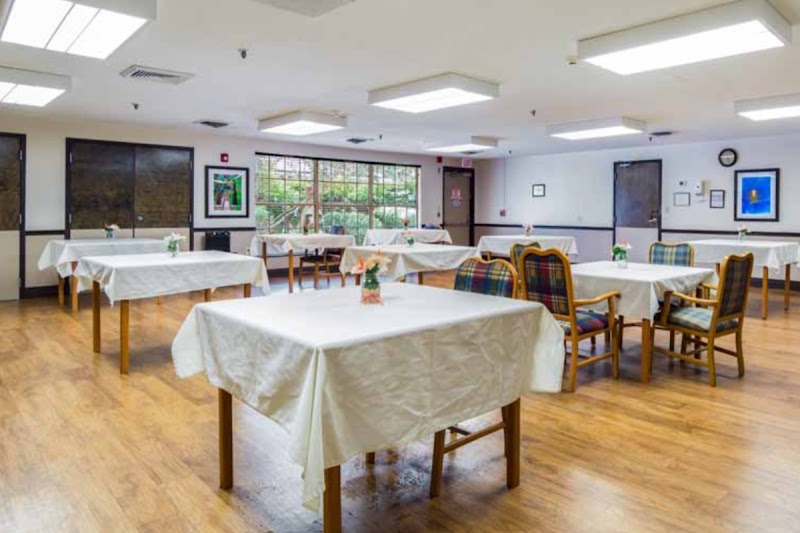
How is Harborview Of Augusta Staffed?

CMS rates HARBORVIEW HEALTH CENTER OF AUGUSTA's staffing level at 2 out of 5 stars, which is below average compared to other nursing homes. Staff turnover is 67%, which is 21 percentage points above the Georgia average of 46%. High turnover can affect care consistency as new staff learn residents' individual needs. RN turnover specifically is 83%, which is notably high. RNs provide skilled clinical oversight, so turnover in this role can affect medical care quality.

What Have Inspectors Found at Harborview Of Augusta?

State health inspectors documented 25 deficiencies at HARBORVIEW HEALTH CENTER OF AUGUSTA during 2022 to 2025. These included: 1 that caused actual resident harm and 24 with potential for harm. Deficiencies causing actual harm indicate documented cases where residents experienced negative health consequences.

Who Owns and Operates Harborview Of Augusta?

HARBORVIEW HEALTH CENTER OF AUGUSTA is owned by a for-profit company. For-profit facilities operate as businesses with obligations to shareholders or private owners. The facility is operated by HARBORVIEW HEALTH SYSTEMS, a chain that manages multiple nursing homes. With 120 certified beds and approximately 113 residents (about 94% occupancy), it is a mid-sized facility located in AUGUSTA, Georgia.
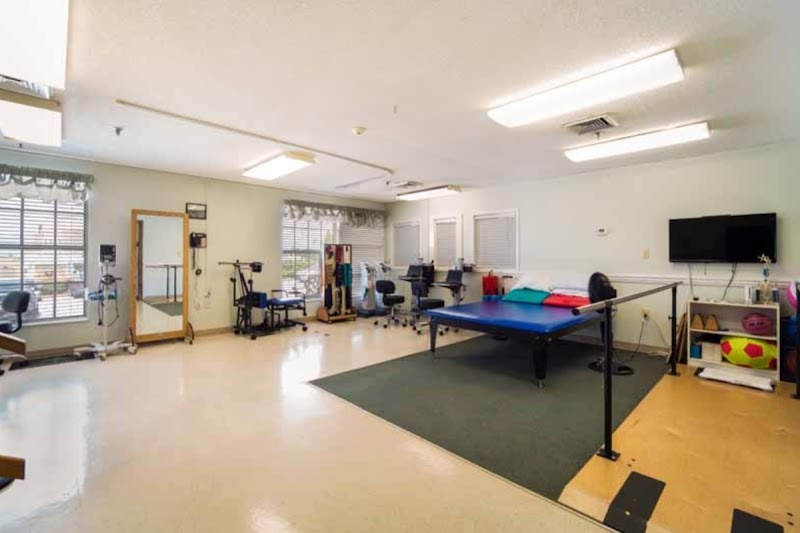
How Does Harborview Of Augusta Compare to Other Georgia Nursing Homes?

Compared to the 100 nursing homes in Georgia, HARBORVIEW HEALTH CENTER OF AUGUSTA's overall rating (1 stars) is below the state average of 2.6, staff turnover (67%) is significantly higher than the state average of 46%, and health inspection rating (2 stars) is below the national benchmark.

What Should Families Ask When Visiting Harborview Of Augusta?

Based on this facility's data, families visiting should ask: "How do you ensure continuity of care given staff turnover, and what is your staff retention strategy?" "Can you walk me through typical staffing levels on day, evening, and night shifts?" "Can I visit during a mealtime to observe dining assistance and food quality?" "How do you handle medical emergencies, and what is your hospital transfer rate?" These questions are particularly relevant given the facility's high staff turnover rate and the below-average staffing rating.

Is Harborview Of Augusta Safe?

Based on CMS inspection data, HARBORVIEW HEALTH CENTER OF AUGUSTA has a clean safety record: no substantiated abuse findings (meaning no confirmed cases of resident harm), no Immediate Jeopardy citations (the most serious violation level indicating risk of serious injury or death), and is not on the Special Focus Facility watch list (a federal program monitoring the lowest-performing 1% of nursing homes). The facility has a 1-star overall rating and ranks #100 of 100 nursing homes in Georgia. While no facility is perfect, families should still ask about staff-to-resident ratios and recent inspection results during their visit.

Do Nurses at Harborview Of Augusta Stick Around?

Staff turnover at HARBORVIEW HEALTH CENTER OF AUGUSTA is high. At 67%, the facility is 21 percentage points above the Georgia average of 46%. Registered Nurse turnover is particularly concerning at 83%. RNs handle complex medical decisions and coordinate care — frequent RN changes can directly impact care quality. High turnover means new staff may not know residents' individual needs, medications, or preferences. It can also be disorienting for residents, especially those with dementia who rely on familiar faces. Families should ask: What is causing the turnover? What retention programs are in place? How do you ensure care continuity during staff transitions?

Was Harborview Of Augusta Ever Fined?

HARBORVIEW HEALTH CENTER OF AUGUSTA has no federal fines on record. CMS issues fines when nursing homes fail to meet care standards or don't correct problems found during inspections. The absence of fines suggests the facility has either maintained compliance or corrected any issues before penalties were assessed. This is a positive indicator, though families should still review recent inspection reports for the full picture.

Is Harborview Of Augusta on Any Federal Watch List?

HARBORVIEW HEALTH CENTER OF AUGUSTA is not on any federal watch list. The most significant is the Special Focus Facility (SFF) program, which identifies the bottom 1% of nursing homes nationally based on persistent, serious quality problems. Not being on this list means the facility has avoided the pattern of deficiencies that triggers enhanced federal oversight. This is a positive indicator, though families should still review the facility's inspection history directly.